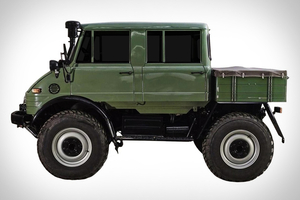
Visit Uncrate for the full post.

Jost Kobusch climbed the iconic Ama Dablam in Nepal this spring. He ascended solo and with no oxygen on the 22,493-foot peak. This video is a thorough point-of-view look at the whole adventure.
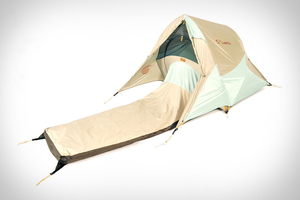

Eddie Bauer pulled out all the stops with the Airbender, a 20-degree sleeping bag with integrated, inflatable sleeping pad. Steve Graepel put this unique and pricy system to the test for this review.

With the introduction of wearables and cars into the Android ecosystem the need for voice control is greater than ever. Android Wear and Android Auto are heavily dependent on voice for getting things done. Anything that requires a physical touch is a simple tap or swipe. You don’t want to be fiddling with your watch or car dash for extended periods of time.
Right now there is already a lot you can do with your voice on Android Wear and Auto. This is thanks to the powerful Google Now integration. Google is constantly working on bringing more functionality to Now, and it looks like media playback is coming next. Screenshots from a new version of Google Now show “play next song” and “stop music” commands.
In the video below you can see the “next song” command in action. The music stops while the user says “Ok Google, next song.” It also brings up a “Go” button that allows you to physically skip to the next song. These commands will come in handy especially for Android Auto. Now there will be no need to take your eyes off the road to hit “Next.” The update is arriving on devices as we speak.
Thanks everyone!

See past editions of Android Wallpaper
Here in the United States we are currently halfway through a holiday weekend. Across the country people are gathering together to watch parades, blow up fireworks, and eat junk food. All of this is in celebration of our great country. The colors red, white, and blue will be shown prominently this weekend. Your mobile devices should also be decked out in American colors.
If you’re looking for a way to show patriotism, we have some great wallpapers for you. Below you will find five HD wallpapers that should look great on any device. To get one of these on your phone, tablet, or PC simply tap or click the download link underneath each image. On the next page you can right-click or long-press to save the image to your device. Have fun, eat some junk food, have a few drinks, and be safe! Go USA!
Push new Android Wallpaper to your Android device with this IFTTT recipe.



When it comes to Android, the ability to customize and make your device truly yours is one of the top bragging rights of our beloved mobile platform and a large part of the entire Android experience. Seeing as many Android enthusiasts hold this feature in such high regard, you’ll be happy to know that you can now install custom watch faces on your Android Wear smartwatch. The first one to hit Google Play is Byte Me Software’s Binary Watch Face for Android Wear and as the name suggests, it’s a binary clock for your wrist.
Binary Watch Face provides a simple binary display for your smartwatch, helping you earn a few geek points and impress your friends all while being able to read the time in binary format. The companion app, which is installed on your phone, allows you to customize the watch face dot color, adding an extra bit of personalization to your wrist wear. If reading binary isn’t your thing, Byte Me Software has provided an easy guide explaining exactly what the columns of flashing dots on your wrist mean. (Thank you.)

Daniel Ward of Byte Me Software has also published his code over on GitHub, so that other developers can take a crack at Android Wear watch face customization. As orders start to arrive this week for the LG G Watch and the Samsung Gear Live, the market for custom watch faces is about to explode on Google Play. We can’t wait.

As shipments for the LG G Watch and Samsung Gear Live start to arrive this week, new smartwatch owners are going to be chomping at the bit to get the most out of Android Wear. We’re going to add Wear Aware to our upcoming list of must have applications for your wrist.
Wear Aware acts as a smartphone leash, notifying you whenever your phone gets out of range and loses Bluetooth connectivity. When this occurs, your wrist will immediately begin vibrating, buzzing, and the display on your smartwatch will turn bright red letting you know that you forgot your precious phone. This is the very first release of the app, so expect bugs and there’s also bound to be room for improvement.
It’s worth mentioning that this functionality isn’t meant to replace Google’s Android Device Manager for finding lost phones. If you’re in the habit of walking away from your phone or leaving your phone behind as you go about your day, this app is for you.

Google is “putting trivia on the map” with a new geography quiz that popped up over the holiday weekend. Dubbed Smarty Pins, the game involves dropping a pin on a location corresponding with the answer of map-oriented trivia questions as an extension of Google Maps. While the game is perhaps best enjoyed via the main website, it is also accessible via Google’s mobile Maps apps for Android and iOS.
Questions vary by category and include such stumpers as determining the location of the building King Kong climbed with Ann Darrow in his hand. The topics cover current events, science and geography, and more. Starting with 1000 points, a point is deducted for each mile away from the correct answer your pin is dropped. Bonus points are awarded for speedy answers.
Is there a point to all of this? Not really. It’s just another fun little Google time killer that, if anything, might help you hone your skills as a map reader. Have you tried Smarty Pins yet? If so, share your high scores below!

The Verrückt, the world's tallest water slide, has finally started testing with real, live humans. And the first drop in this POV footage is absolutely terrifying.


Unlike other cloud-shaped lamps out on the market right now, this high-tech creation by Richard Clarkson is fully interactive, and comes equipped with motion sensors, speakers as well as plenty of lights that simulate real thunder storms. Users can use a remote control to have it respond to movements or just respond to music and / or sounds in the room. Continue reading for a video of it in-action.


RODANTHE, N.C. — Arthur strengthened to a hurricane early Thursday and threatened to give North Carolina a glancing blow on Independence Day, prompting the governor to warn vacationers along the coast not to risk their safety by trying to salvage their picnics and barbecues.
Forecasters expect Arthur to whip past the state's Outer Banks on Friday without making landfall. One local remarked that he was more worried about his tomato plants than storm damage.
But North Carolina Gov. Pat McCrory warned: "Don't put your stupid hat on." Read more...
More about Us World, Us, World, and Hurricane Arthur
Wednesday is World U.F.O. Day. (But never mind the oxymoron.) Since 2001, the quirky holiday has titillated Mulder and Scully wannabes across the world, giving them another excuse to check the skies for flying saucers.
Or you can join an alien meetup, natch
For our contribution, we've broken down the most infamous U.F.O. theories in history so far. Real or fake? You decide
Yes, that's correct: B.C.E. Roman historian Titus Livius, better known as "Livy," wrote in 214 B.C.E. about phantom ships "gleaming in the sky" above the city.
Clearly, it's a vague reference, but many U.F.O. enthusiasts believe this was the first official flying object "sighting" in recorded history. Others think Livy probably just saw an overweight pigeon. Read more...
More about Holidays, Space, Lists, World, and Features
Here's further proof that USMNT goalie Tim Howard is a god: He has the power of foresight.
The star of Tuesdays' USA-Belgium match, who set records and became an American hero by saving 16 of Belgium's shots on goal, apparently always knew he was unstoppableReddit found Howard's senior yearbook picture, and if it's real, it's eerily on point. (Mashable reached out to North Brunswick High School, and the secretary there confirmed Howard was a student, but could not immediately verify the quote.)

See also: Tim Howard Is an American Hero
If you're wondering, Belgium has a population of approximately 11 million — so basically, Howard made good on his high-school promise during the World Cup. Read more...
More about Reddit, Soccer, Pics, Team Usa, and World Cup
Jimmy Kimmel will never miss an opportunity to turn a worldwide event into a prank. So of course, the World Cup has become the subject for his latest "Lie Witness News" gag
The comedian "interviewed" alleged soccer fans about USMNT's run in the World Cup thus far, mainly probing them about Landon Donovan's performance. The only problem? Donovan was cut before any matches even began
But many had no problem praising Donovan for his "tricycle kicks" and "off-the-butt goals against Saskatchewan."
On the plus side, though, it looks like Luis Suarez is off the hook for his biting incident — these folks think it was all Donovan. It's always Donovan Read more...
More about Viral Videos, Soccer, Jimmy Kimmel, World Cup, and Tv
LONDON — DNA testing is taking a bite out of the Bigfoot legend. After scientists analyzed more than 30 hair samples reportedly left behind by Bigfoot and similar mythical beasts like the Himalayan Yeti, they found all of them came from more mundane creatures like bears, wolves, cows and raccoons.
In 2012, researchers at Oxford University and the Lausanne Museum of Zoology issued an open call asking museums, scientists and Bigfoot aficionados to share any samples they thought were from the legendary ape-like creatures.
See also: 12 Mysterious Google Maps Sightings
"I thought there was about a 5% chance of finding a sample from a Neanderthal or (a Yeti)," said Bryan Sykes of Oxford University, who led the research, the first peer-reviewed study of Bigfoot, Yeti and other "anomalous primates." The study was published online Wednesday in the journal, Proceedings of the Royal Society B. Read more...
More about Science, Dna, Us World, and World
As July opens with few new handset releases or announcements, our monthly ranking of the best Android smartphones available begins to settle into its groove. While no new devices enter our top 5 from last month, there continues to be some slight shifts. This month that’s in no small part thanks to Google I/O and the announcement of Android L. Read on for our top picks.
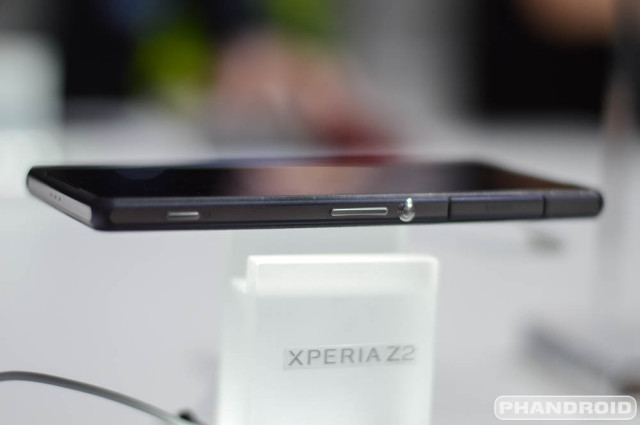
A potential Verizon release for the Xperia Z2 had us feeling hopeful about this handset, which offers a truly beautiful combination of hardware performance and device design. Unfortunately it seems by the time the handset sees a proper US release (if it ever happens), the Z2 will be an afterthought. In other regions, however, Android users have been privy to Sony’s latest flagship for some time. Regardless, this stylish handset has us hopeful for the future of Sony’s Android lineup.

Just when we were ready to drop the Nexus 5 from our list, the handset gains some ground following last month’s Google I/O. The lack of a new Nexus handset announcement helps, but it’s the Android L developer preview that breaths a bit of life into the aging Nexus 5. Having said that, the Android L preview is just that — a preview. Still, it gives a glimpse of what to expect a few months down the road when the N5 will surely be among the first devices to receive a more polished build of the latest Android platform version, which includes a visual overhaul dubbed Material Design and plenty more. And that’s the true beauty of the Nexus 5. Despite specs that are starting to look a bit subpar in comparison to some of the other devices on our list, direct software support from Google will surely keep the handset relevant for quite some time.

Samsung’s recently announced Galaxy S5 LTE-A didn’t do much to improve the standard Galaxy S5’s stock. The LTE-A edition was everything we hoped for originally, only a few months late. The good news is we can’t beat ourselves up too bad about it. The more powerful edition of the Galaxy S5 remains exclusive to Korea, meaning the majority of the world only has access to the handset that launched earlier this spring. That phone features a brilliant Super AMOLED display and enhancements that include a fingerprint scanner and heart rate monitor all wrapped in a hardware and software package that is — for better or worse — quintessentially Samsung.

HTC’s decision to release the One M8 ahead of competing flagships from Samsung and LG may have backfired slightly as the buzz pertaining to these new device launches has over the ensuing months drowned out much of the praise initially heaped on the phone. We still continue to champion the device as one of the best Android handsets out there with its savvy hardware design and smart software implementation. The One M8 doesn’t come with as many bells and whistles as the Galaxy S5 or LG G3, but its straightforward approach is one of the device’s best assets.

While it still won’t be officially available worldwide for a few more weeks, the Korean edition of the device reviewed by Phandroid earlier this month told us all that we needed to know. The LG G3 is hands-down the Android phone to beat. While focusing on simplicity, LG put its efforts into improving core aspects of the smartphone experience. The result is a device that includes a Quad HD display, powerful processing, strong battery life, and a camera with laser-powered autofocus. Put this in a totally sleek package with an innovative hardware button arrangement and we have a winner.

Variety is the spice of life, they say, so why limit our options to five phones? To help you be the most informed smartphone buyer you can be, here are five more currently available handsets that just barely missed a spot among the best Android phones out there.
With the first half of the year now in the rear view mirror prepare for some big handset launches to closeout 2014. It all starts this month with the launch of a few interesting, if not all that powerful in terms of hardware, Android smartphones.

Amazon’s long-rumored Android smartphone was finally announced last month and will ship out toward the end of July. The Fire Phone is far from a traditional Android device with Amazon’s custom Fire OS, but it will have no problems running the apps and games we love. Beyond that, the Fire Phone offers several unique features including Firefly for indetifying merchandise, music, movies, and more as well as Dynamic Perspective, which bring a whole new means of interacting with information on your smartphone display. Add in deep integration with Amazon’s digital content libraries as well as hardware compatibility with Fire TV and the retailer’s line of Kind Fire tablets and the result is a device that could seriously shakeup the smartphone landscape.
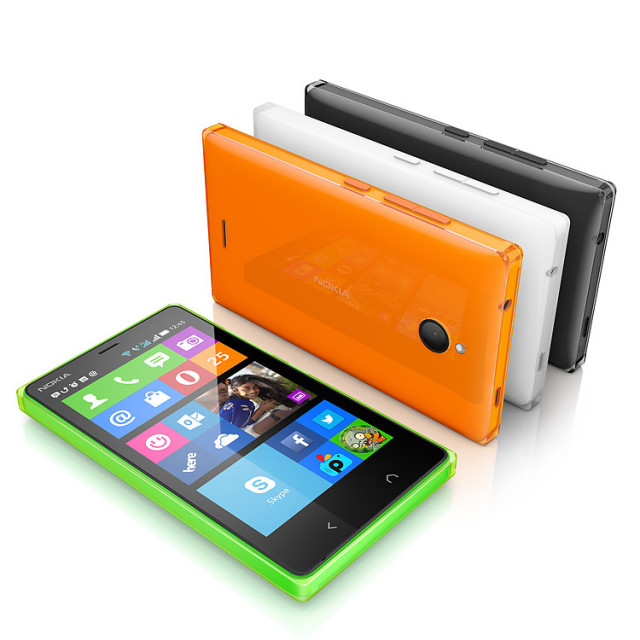
Similar to the Fire Phone, the recently announced Nokia X2, an upgrade from the Nokia X announced earlier this year, offers its own twist on the Android platform. While users can expect an experience that rests somewhere between Google’s vision for their smartphone platform and Nokia’s Windows Phone offerings, it’s hard to argue with the €99 price tag associated with the device. The Nokia X2 will go on sale later this month.
What’s on the horizon for the rest of the year and beyond? The rumor mill is always spinning, and the buzz is especially fervent around followups to a few phones that have appeared on our list in previous months. In Hollywood the sequel is hardly ever as good as the original. Will the same hold true for these smartphones?
For the past several months rumors have suggested Motorola could be announcing its Moto X followup at any moment. July has arrived and nary an official word about the Moto X+1 has been uttered. We do, however, continue to see leak after leak revealing more of what to expect from the phone when it does launch. It looks to be a major upgrade over the X with a 5.2-inch display, Snapdragon 800 processor, 12MP camera, and more.
While we still await the release of the Xperia Z2 in the US, the first signs of the phone’s followup have surfaced. A front display panel alleged to be from the Sony Xperia Z3 leaked last month, though we know little about the device (though its design doesn’t seem to be a huge leap from the Z2). If Sony follows its normal scrip, we might not get an official unveiling until CES 2015.
With summer officially underway we can begin counting down the days until fall, the time of the year Samsung typically likes to show off its latest upgrades to the Galaxy Note handset line. While we still await more info to form a clearer picture of what to expect, rumors currently indicate that Samsung could be crafting a redesigned Note 4 that will feature a few drastic departures from previous entires in the series.
We don’t have room on our list for every smartphone out there, and while we tend to focus on the latest and greatest there are still plenty of older Android options that come with the benefit of reduced pricing. We’ve parsed down Amazon’s Best Sellers list to include only phones that haven’t already appeared in our rankings. Here is what that left us with.
Here at Phandroid we like to think we know a thing or two about Android smartphones, but opinions will always differ. Not much changed in our rankings from June to July, but was more of a shakeup in order? What do you have for your best Android smartphones? Let us know in the comments below.
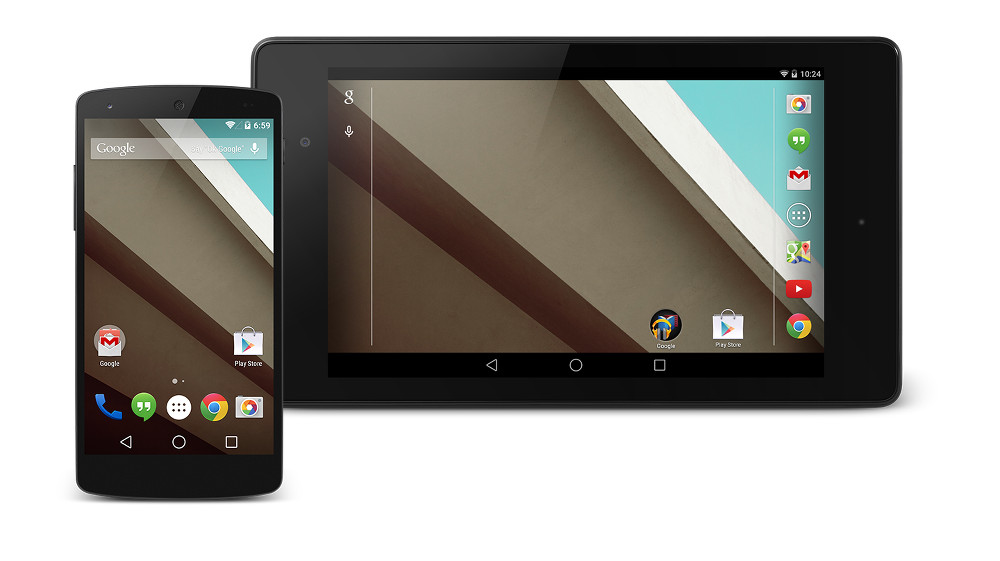
Tomorrow is the big day for Android L, the next version of Google’s mobile OS. The Developer Preview was announced today, but no one can use it until tomorrow. What exactly does Android L add? Well, for starters, it has a completely redesigned look. The first big redesign since Android 4.0 Ice Cream Sandwich. The redesign is a big deal, but there is a buch of other good stuff, too. Check out this handy list of new things you can expect in Android L.
Material Design
The new design of Android is all about getting it ready to be on many different types of screens. The UI is super responsive to whatever orientation, size, or device it runs on. It’s colorful, bold, modern, and sleek. We’re not fans of the new navbar buttons, but everything else looks spiffy.
Better Multitasking View
Google has added something they call “Document-centric Recents.” This means when you press the multitasking button it will show more than just recent apps. It will also show the tabs you have open in Chrome, and other tasks that can be flipped through. This will make it easier to pick up where you left off.
Better Notifications
Notifications will now be shown right on the lockscreen without even having to swipe down on the notification drawer. users will be able to control what information is shown on the lockscreen, so no need to worry about sensitive notifications. New “heads-up” notifications will pop-up above whatever you’re doing.
Project Volta
From the makers of Project Butter comes “Project Volta.” This is new tools and APIs to help apps run efficiently and not drain battery life. This is a very important project for Android. Some apps just consume battery like crazy. Volta should help fix that.
Android Runtime.
In Android L the Android Runtime (ART) will be the new system default. ART offers ahead-of-time compilation, efficient garbage collection, and improved debugging features. Google says it will improve performance of a device with no action required by the dev.
The Rest
Bluetooth Low Energy Peripheral Mode will allow apps to broadcast their presence to nearby devices. Multi-networking will allow apps to work with the system to dynamically scan for networks with specific capabilities. A new camera API will give users the capability to YUV capture at full 8MP and 30FPS. it will also bring raw sensor data to Android. Last, but not least, is 64-bit support for apps.
We will learn much more about Android L by the time it gets a full release. We can expect the update to start rolling out to devices this fall. Hopefully by then we know what the “L” stands for. What features are you excited about? Do you like the new design?
We’ve finally been able to get our grubby little paws on the Moto 360 smartwatch. It’s one of three of the first Android Wear smartwatches, though it won’t be headed to Google Play later today like the LG G Watch and the Samsung Gear Live (hands-on) will. So what’s up with this thing?
Beauty, that’s what. Immediately we can tell you that no smartwatch has quite the same good looks that the Moto 360 does. We don’t know if it’s due to the natural circular build or just the fact that Motorola designed it so well, but it looks and feels like something we would want to wear in a wrist as a fashion accessory as much as a smart utility.


Motorola still isn’t revealing much about the watch’s innards, though there shouldn’t be many surprises under the hood. It’ll contain hardware necessary to run Android Wear to the best of its ability.
Speaking of which, we were able to get a rather swift look at the UI in action, with one of Motorola’s product managers taking us through various bits of the UI on her wrist. It looked about as smooth as you could ask for on a device that doesn’t necessarily concern itself with excruciating power.
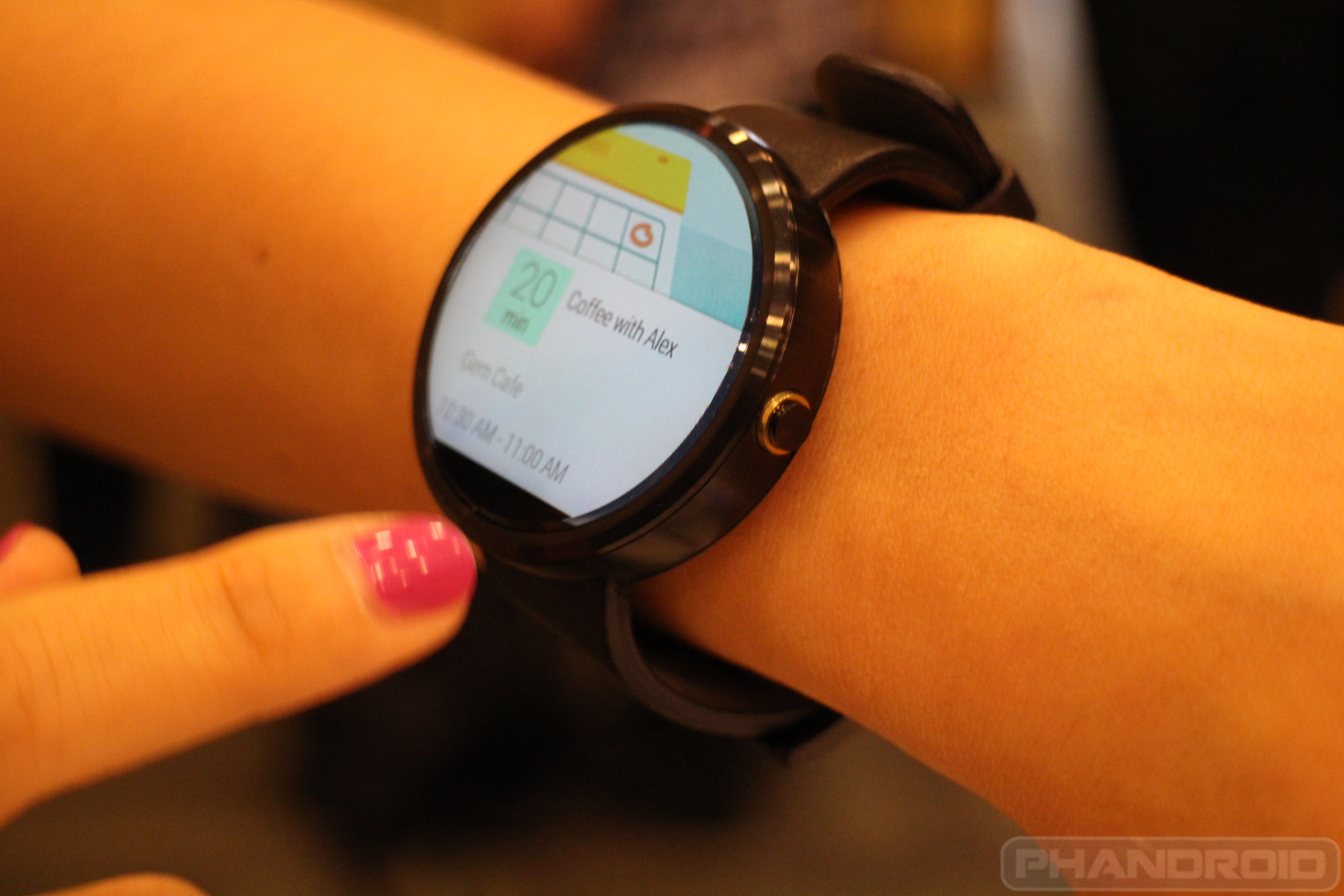
We’re saddened that this won’t be on the way today, but Motorola says we won’t have to wait too long as they look to have these in your hands (or on your wrist, rather) by the end of this summer. Take a look at the photos and hands-on video above.
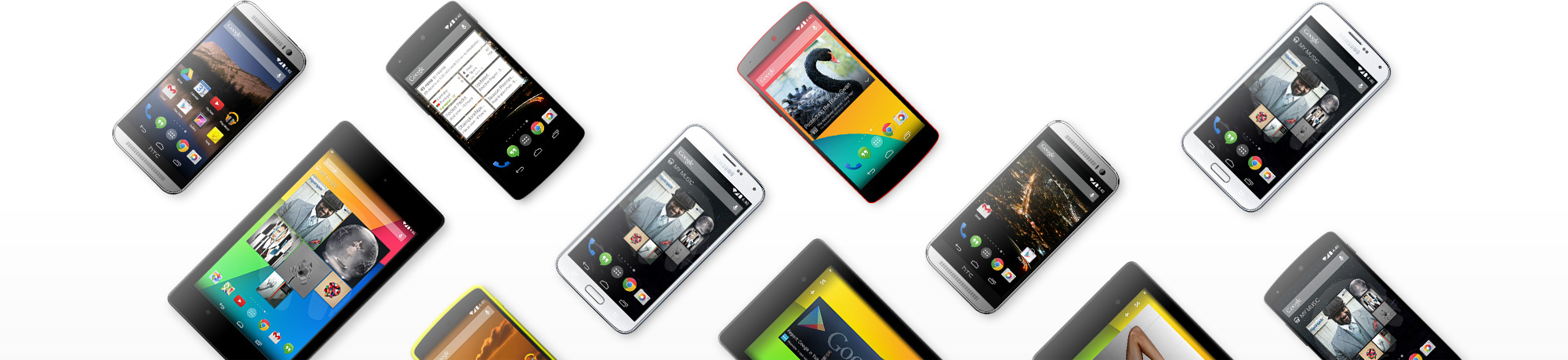
Rumors of Google killing off its Nexus line in favor of an upcoming Android Silver program have been escalating in recent months. Guess nobody told Dave Burke, the guy in charge of the Nexus program and the head of Android engineering at Google. In an interview with ReadWrite, Burke finally laid to rest those ridiculous rumors of the Nexus-line’s demise, and although he was mum on details of the Android Silver program, he made it perfectly clear Nexus wont be going anywhere.
“People have been commenting about Nexus because there is something else and they think that means the end of Nexus. That is the totally wrong conclusion to make. People just get excited by concepts and forget why we do things. We are still invested in Nexus.“
It would then appear that, while the Android Silver program could indeed be geared toward higher-end Android devices built by Google’s hardware partners and running near stock versions of Android (similar to Google Play), these devices will be offered in carrier store, with subsidized pricing. This may have something to do with the fact that nobody wants to pay $700 upfront for a Google Play edition of a phone they can get on-contract for $100. Suddenly, Samsung holding back the Galaxy S5 Google Play edition is starting to make a lot of sense.
Burke goes on to clarify Google’s reliance on actual hardware to build Android onto, and the reason we’ve seen Android development phones since the original HTC Dream. But it’s not just for Android developers, consumers too need a lower-cost, contract-free Android device, offering the purest version of Android, with updates directly from Google.
“When we are working, there are sort of two outputs. We’re building a Nexus device and we’re building the open source code. There is no way you can build the open source code without the phone or tablet or whatever you are building. You have to live and breathe the code you are developing.
You can’t build a platform in the abstract, you have to build a device (or devices). So, I don’t think can can or will ever go away. And then, I think Nexus is also interesting in that it is a way of us explaining how we think Android should run. It is a statement, almost a statement of purity in some respects. I don’t see why we would ever turn away from that, it wouldn’t make sense.”
So there you have it, folks. Straight form the horses mouth. And although Burke didn’t specifically say the Nexus smartphone line was here to stay (perhaps he was talking about tablets?), we think there’s a good chance of a Nexus 6 launching with Android L later this year. Now, let the rumors begin.

The ever growing smartwatch market is about to get a little more crowded this year. We’ve already seen smartwatches introduced by LG, Motorola, and Samsung. Where just about every OEM is planning on releasing their take on the new Android Wear revolution, despite varying form factors, they’re all priced very close to one another (give or take a few bucks). That’s where ASUS steps in.
A new report from TechCrunch suggests the manufacturer is gearing up to release an Android Wear smartwatch of their own. Its killer feature? Its price tag, looking to launch at somewhere between $100 and $150. This could very well be the most affordable Android Wear powered smartwatch arriving this year. According to the report, this ASUS smartwatch will feature an AMOLED display with @evleaks providing additional information about the smartwatch’s form factor, mentioning the wearable (codenamed Robin) is looking to be the thinnest in its category.
It appears the ASUS Robin could be looking at a September release date, pitting it against the upcoming Motorola 360, as well as the soon to be released LG G Watch and Samsung Gear Live. HTC — where you at?

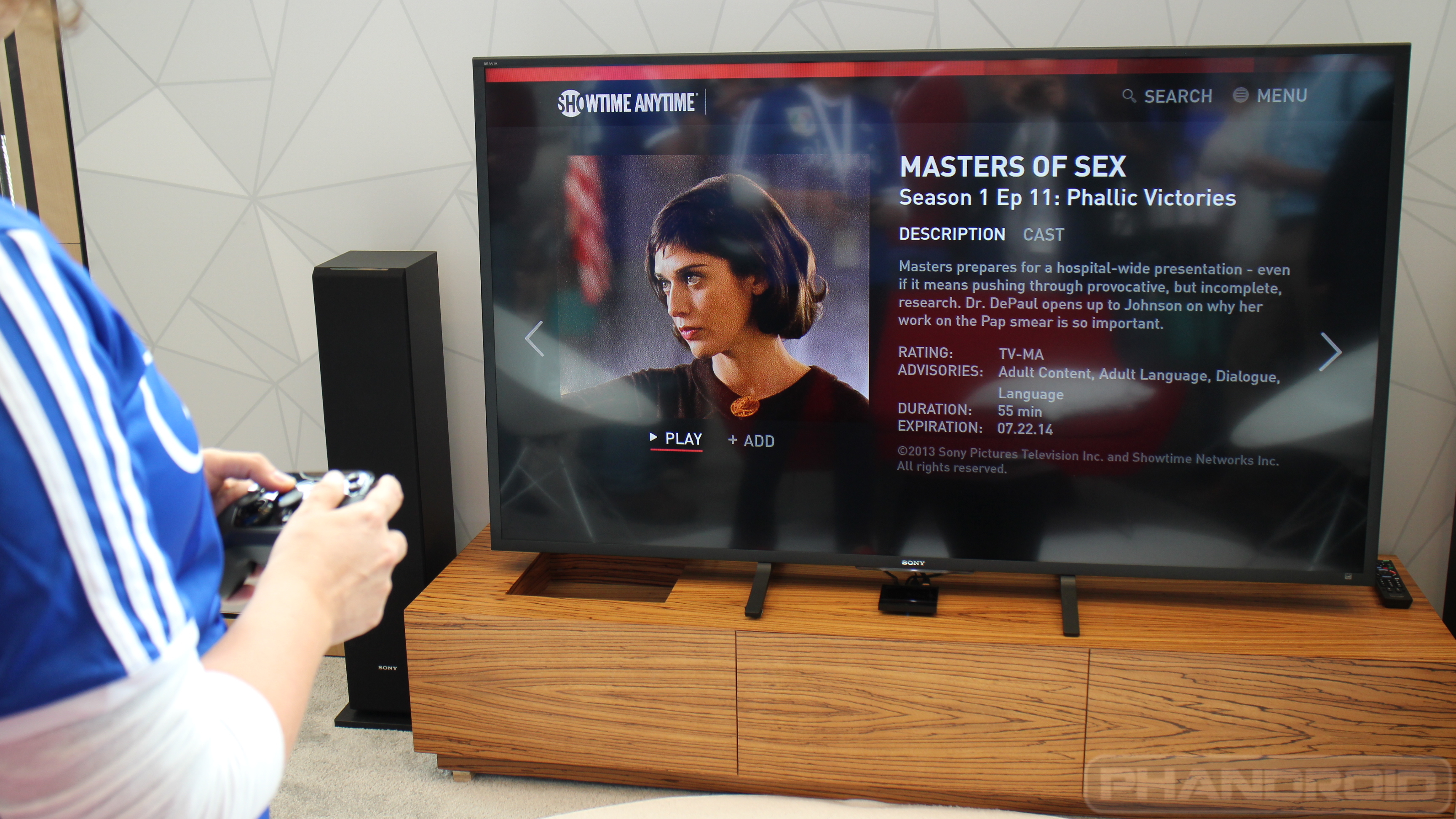
Google has largely allowed OEMs to take Android and do with it what they will for smartphones and tablets, but things could be changing in a big way for the rest of the devices now officially supported by Android. According to Ars Technica, Google has confirmed that they will not allow OEMs to make deep changes to Android Wear, Android Auto and Android TV devices.
OEMs will be able to provide a collection of their own pre-installed apps, custom watch faces and other features that don’t require much deep scrubbing of the Android framework, but they won’t be able to get down and dirty and change the core of it. Google’s official reasoning? Here’s the gist of it according to Google engineering director David Burke:
The UI is more part of the product in this case. We want to just have a very consistent user experience, so if you have one TV in one room and another TV in another room and they both say Android TV, we want them to work the same and look the same. The device manufacturers can brand it, and they might have services that they want to include with it, but otherwise it should be the same.
We imagine it’s about a bit more than that. These platforms are all still very new for Google. They might be built on Android (which has matured greatly since its commercial debut in 2008), but we likely aren’t anywhere near maturity for its new home on these new classes of devices. Google’s surely going to have many updates to issue as they continue to refine these new platforms, and they won’t want early users to have to wait forever for them.
That’s just a hunch, though, and there’s no telling if Google is ever going to loosen up on these restrictions. You might be asking yourself why Google would do this if Android is supposed to be open source. Well, their Google Now platform isn’t. Google Play isn’t. Many of their services aren’t.
What’s truly “free” and “open source” is the Android Open Source Project, and OEMs (or even a lone independent developer) are free to use that however they please. But if they want to play in the new sandboxes introduced at Google IO last week they’ll have to accept Google’s new rules. All for the better I’d say.