Shared posts

20 Oct 05:06

http://gostodochao.blogspot.com/2012/07/blog-post_29.html

by noreply@blogger.com (gosto do chao)


Montanhas.


Ontem um amigo estava falando sobre escalar montanhas, chutar as ambições para a montanha mais próxima, correr e subir, subir e descer, escalar outra montanha. Um cansaço de tudo o que foi erigido com pressa.


Ontem um amigo desistiu de chegar ao topo e está descansando no vale, onde ninguém pode vê-lo, onde o silêncio te faz companhia.


O que eu quero hoje?


Quero o fim dos pedidos, o início da calma e o fio de água que corre entre as curvas e pedras.

O que eu quero é agarrar a montanha, remoer a terra, plantar sementes, cada folha nova crescendo invisível, cada dia novo escalando o muro do meu tempo.


O que eu quero é acordar, e acreditar que você está perto, cada vez mais perto da linha do tempo onde existe o nosso encontro.


Que você pise na linha do novelo que eu vou rolar no chão e jogar para cima até espalhar os fios de barbante por toda a minha vida, e depois colar as suas e as minhas roupas, as nossas fotografias, bilhetes de shows e desenhos engraçados no varal. E que essa roupa seque, e que a chuva molhe a roupa e os pingos no chão façam mais desenhos abstratos. Que a nossa pauta esteja livre e aberta para mais uma valsa.


Não quero ser a montanha que espera, mas a água que corre.


Quero sedimentar o bom sentimento. O frio das especulações arrebenta sobre a minha sombra ao lado da sua sombra no porta-retrato do asfalto.


Quero a agricultura das piadas que faremos juntos.


Quero as folhas amarelas, um vento no corpo, me dizendo que estou leve, com, sem, você, eu, leve sem que a espera seja a velha senhora que reclama de todas as distâncias, que a montanha seja apenas este imenso contentamento que é solúvel com o porre da sua companhia.


Que se transforme devagar o nosso amor ainda fresco, argila, terra fértil, território de viagens e passeios à padaria mais próxima.


Escrevo para que você exista.

Escrevo porque você existe e eu estou te chamando.


Escrevo palavras e junto adubo na montanha de histórias que vou contar sobre nós dois, o pequeno continente de um encontro, a nossa prosa poética, a nossa própria política, a geografia dos nossos corpos juntos, a entrega, a conquista de um povo com o meu exército de escritos. A literatura própria de um casal que escreve contos e romances. A crônica da minha casa impressionada com a sua visita.

O que eu quero nessa geologia de dramas passados é a independência do meu povo que luta diariamente contra as opressões do meu sistema de erros. Descompassos.


Revolucionar todos os minutos, para que eles sejam vivos, inquietos.


Quando você chegar à fronteira, não será um estrangeiro. Você será recebido no acolhimento mais diplomático, sem a burocracia de jogos e chantagens, e receberá o passaporte, um beijo, um abraço, uma camiseta, quem sabe um visto permanente.


Agora que você está menos distante, o meu rosto rejuvenesce. Eu tento manter o governo das minhas faculdades mentais intacto, mas a alegria que você trouxe na bagagem me deixa tão louca e esquisita. Eu tento culpar as suas roupas, mas seus olhos fecham um pouco no sorriso dócil e as linhas ali perto, no rosto me desmancham.


Amor de montanhas. E uma sede de náufrago.


O mar da espera me dá náusea, salgado, imprevisível, lento, violento, indeciso, me deixa de ressaca.


Mas o chão do seu nome me recompõe. O chão do seu nome escreve a personagem que escrevi para mim. A terra do seu nome tem música. A pele do meu corpo satisfeita.


Vontade de dançar. Com as estrelas, com as vacas.


Júlia.


20 Oct 04:06

the dog house sofa by seungji mun

13 Oct 13:05

Photo


13 Oct 13:03

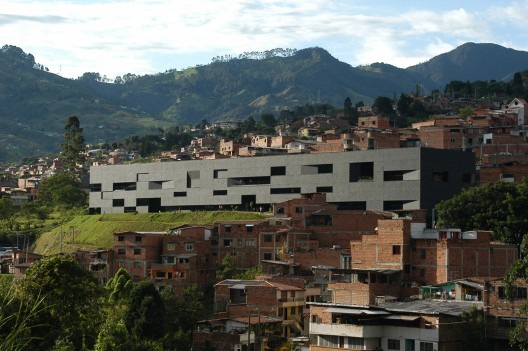
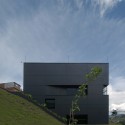
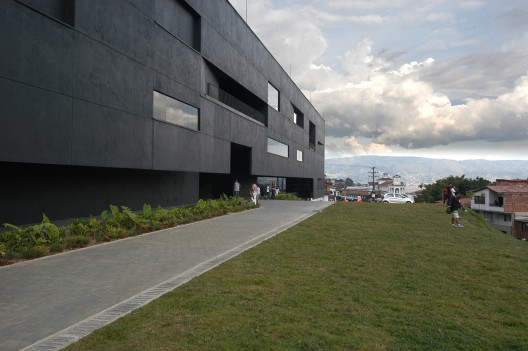
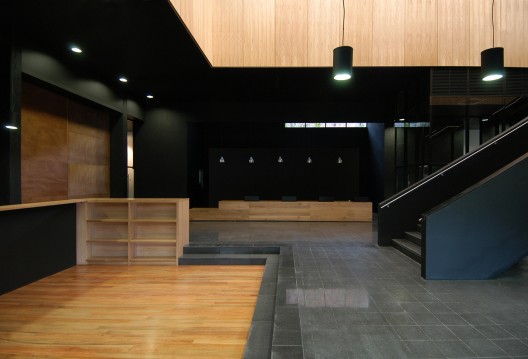
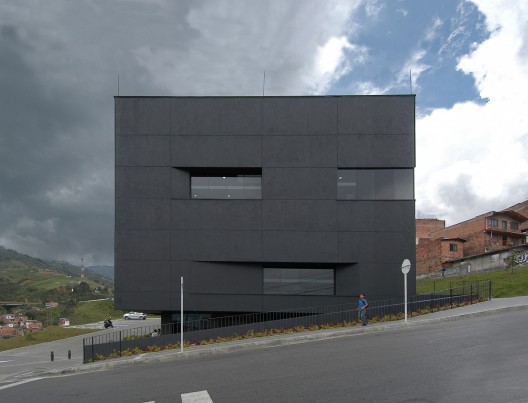
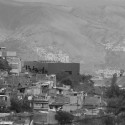
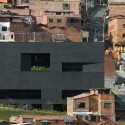
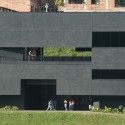
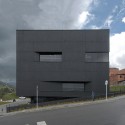
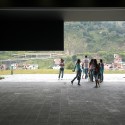
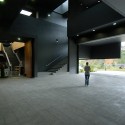
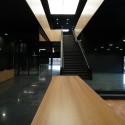
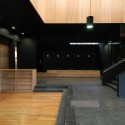
Fernando Botero Park Library / G Ateliers Architecture

by Javier Gaete

Architects: G Ateliers Architecture
Location: San Cristóbal, Medellín, Antioquia, Colombia
Design Principal: Orlando Garcia
Project Team: Adriana Salazar
Project Year: 2009
Photographs: Orlando Garcia


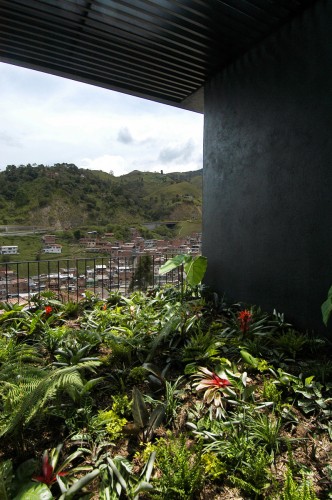
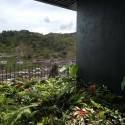
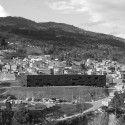
San Cristobal is an urban village located on the west hills of the city of Medellin along the narrow valley of Iguaná creek. The exceptional climate condition makes this village into one of the city’s main sources of agricultural products, particularly flowers, vegetables and fruits.

The Fernando Botero Library Park, is part of an ambitious Master Plan unprecedented in the history of San Cristobal, aimed at revitalizing the city center through the introduction of cultural facilities and services with the intent to meet the most urgent social needs of a predominantly low-income population that has long been marginalized from the social investment policies by the State.

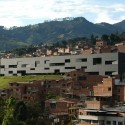
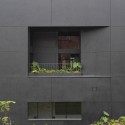
The “Genius Loci” of this semi-rural area shows a strong relationship with the landscape. The broken surface and the steep topography of San Cristobal generate a particular urban morphology, which exposes the side walls of the buildings and its randomly arranged windows, thus producing an interesting urban texture of “city perforations”. This is why the reading of voids or “perforations” in the urban fabric as openings to the exterior is the genesis of the architectural project.

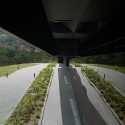
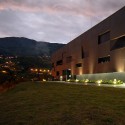
Placed in the center of the village, the building takes the form of a muscular yet serene horizontal body anchored to the topography. Its proportions furnish a condition of metropolitan scale towards the urban landscape and a domestic scale towards the neighborhood. Its location is consistent with the dynamics of the urban fabric, by generating, on the north side, a pedestrian boulevard on traces of ancient roads, facilitating connections with future urban facilities; and on the south, a lookout plaza with direct connection to San Cristobal’s main square frames the access to the central hall of the building.

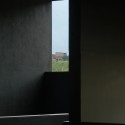
Although its language suggests an obvious contrast to the spontaneous and traditional local architecture, the facades interpret and reproduce subtle features of the context by generating a dialogue through a random play of folds, gaps, cavities and perforations. The sealed monolithic appearance of the building contrasts with its sculpted interior, where surprising spatial dimensions expose a complex anatomy of driving perspectives of light and landscape, which is always present from different angles and spaces from the interior of the building.

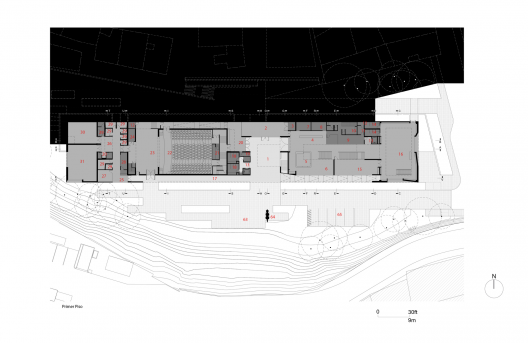
The architectural program includes exhibition space, theatre, music school, café / restaurant, library, dance school, plastic art workshops, multipurpose room and a playroom. All these areas are connected by interstices of public spaces; corridors, passageways and halls replicated as open galleries permitting temporary open exhibitions.

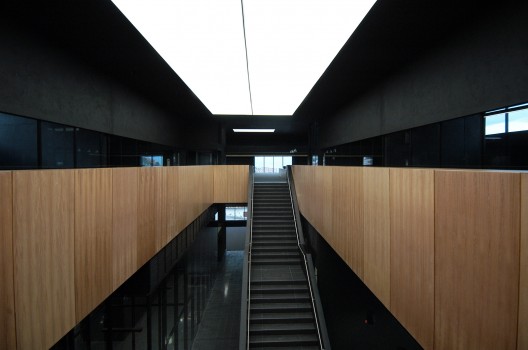
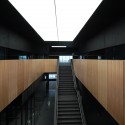
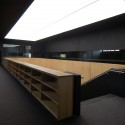
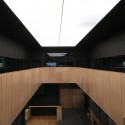
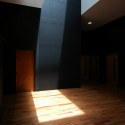
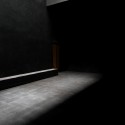
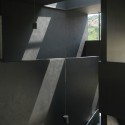
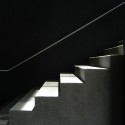
Light, shade and penumbra play a main role in the physical and atmospheric composition of the interior of the building. All spaces are bathed in a silent concert of zenithal light that descends through light wells from skylights in the roof. These vertical perforations also provide visual connections between the different levels revealing a system of spatial relationships that enrich the experience through the spaces. Although all the spaces are lit with natural light, its boundaries, borders and corners fade into penumbra.

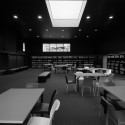
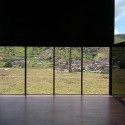
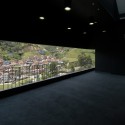
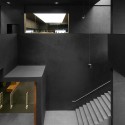
The Library, as a repository and circulation of knowledge, has cathedral like characteristics. The central nave, conceived as an interior street, rules the distribution of primary and secondary rooms; from the atrium to the reading rooms there is a constant change of scales that define the particular character of each space. The reading rooms inspired in the libraries of the past, are reproduced in the classical manner, with shelves on the perimeter except for openings that allow glimpses into the surrounding landscape.

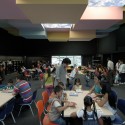
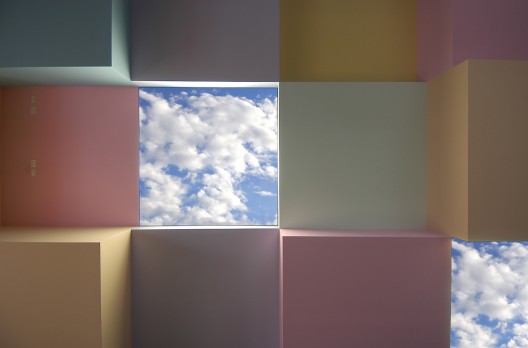
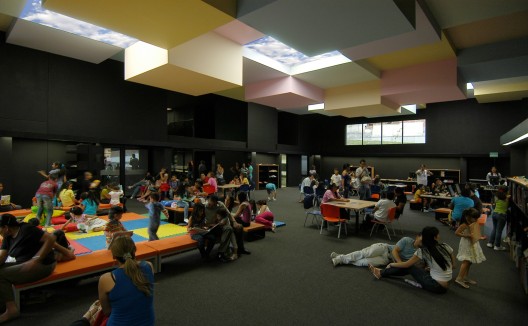
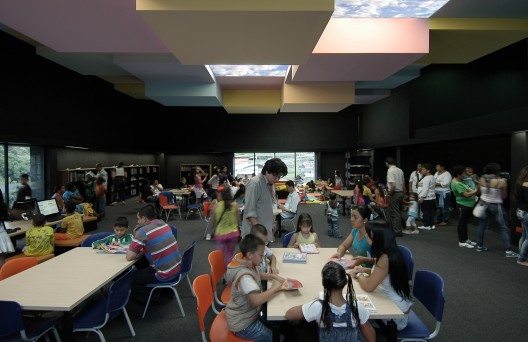
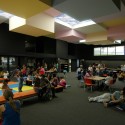
The children’s reading room defies rational logic and evokes a magical and abstract universe with colored cubes suspended from the ceiling where back lit fragments of sky with clouds enhances the surrealism of this space.

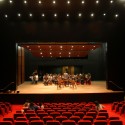
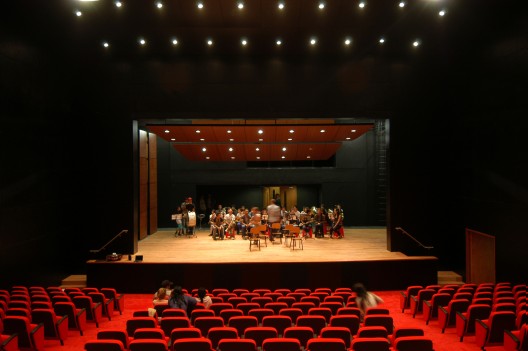
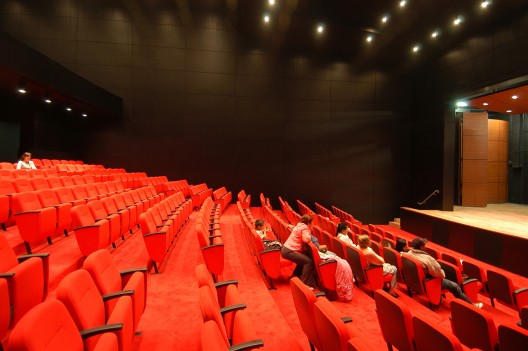
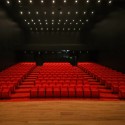
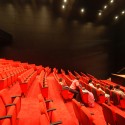
The theater is a space of pristine simplicity in whose mysterious atmosphere symbolically appears the warmth of the red carpet, unmistakable emblem of the glamorous and fascinating world of the performing arts.

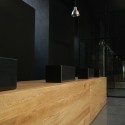
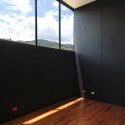
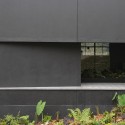
The reduced use of materials and finishes builds an order of austerity and restrain. The predominant material is traditional plaster and despite its rough texture, its dark color gives it a character of sophistication and elegance.

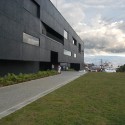
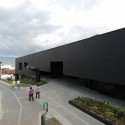
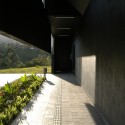
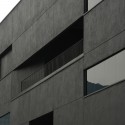
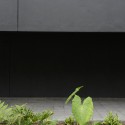
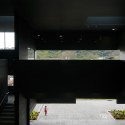
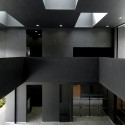
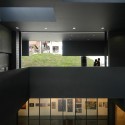
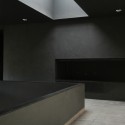
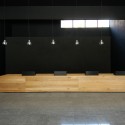
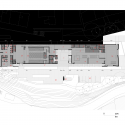
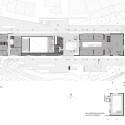
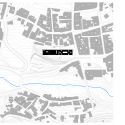
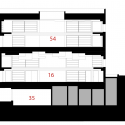
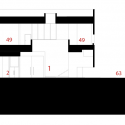
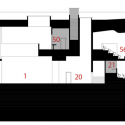
Fernando Botero Park Library / G Ateliers Architecture © Orlando Garcia Fernando Botero Park Library / G Ateliers Architecture © Orlando Garcia Fernando Botero Park Library / G Ateliers Architecture © Orlando Garcia Fernando Botero Park Library / G Ateliers Architecture © Orlando Garcia Fernando Botero Park Library / G Ateliers Architecture © Orlando Garcia Fernando Botero Park Library / G Ateliers Architecture © Orlando Garcia Fernando Botero Park Library / G Ateliers Architecture © Orlando Garcia Fernando Botero Park Library / G Ateliers Architecture © Orlando Garcia Fernando Botero Park Library / G Ateliers Architecture © Orlando Garcia Fernando Botero Park Library / G Ateliers Architecture © Orlando Garcia Fernando Botero Park Library / G Ateliers Architecture © Orlando Garcia Fernando Botero Park Library / G Ateliers Architecture © Orlando Garcia Fernando Botero Park Library / G Ateliers Architecture © Orlando Garcia Fernando Botero Park Library / G Ateliers Architecture © Orlando Garcia Fernando Botero Park Library / G Ateliers Architecture © Orlando Garcia Fernando Botero Park Library / G Ateliers Architecture © Orlando Garcia Fernando Botero Park Library / G Ateliers Architecture © Orlando Garcia Fernando Botero Park Library / G Ateliers Architecture © Orlando Garcia Fernando Botero Park Library / G Ateliers Architecture © Orlando Garcia Fernando Botero Park Library / G Ateliers Architecture © Orlando Garcia Fernando Botero Park Library / G Ateliers Architecture © Orlando Garcia Fernando Botero Park Library / G Ateliers Architecture © Orlando Garcia Fernando Botero Park Library / G Ateliers Architecture © Orlando Garcia Fernando Botero Park Library / G Ateliers Architecture © Orlando Garcia Fernando Botero Park Library / G Ateliers Architecture © Orlando Garcia Fernando Botero Park Library / G Ateliers Architecture © Orlando Garcia Fernando Botero Park Library / G Ateliers Architecture © Orlando Garcia Fernando Botero Park Library / G Ateliers Architecture © Orlando Garcia Fernando Botero Park Library / G Ateliers Architecture © Orlando Garcia Fernando Botero Park Library / G Ateliers Architecture © Orlando Garcia Fernando Botero Park Library / G Ateliers Architecture © Orlando Garcia Fernando Botero Park Library / G Ateliers Architecture © Orlando Garcia Fernando Botero Park Library / G Ateliers Architecture © Orlando Garcia Fernando Botero Park Library / G Ateliers Architecture © Orlando Garcia Fernando Botero Park Library / G Ateliers Architecture © Orlando Garcia Fernando Botero Park Library / G Ateliers Architecture © Orlando Garcia Fernando Botero Park Library / G Ateliers Architecture © Orlando Garcia Fernando Botero Park Library / G Ateliers Architecture © Orlando Garcia Fernando Botero Park Library / G Ateliers Architecture © Orlando Garcia Fernando Botero Park Library / G Ateliers Architecture © Orlando Garcia Fernando Botero Park Library / G Ateliers Architecture © Orlando Garcia Fernando Botero Park Library / G Ateliers Architecture © Orlando Garcia Fernando Botero Park Library / G Ateliers Architecture © Orlando Garcia Fernando Botero Park Library / G Ateliers Architecture © Orlando Garcia Fernando Botero Park Library / G Ateliers Architecture © Orlando Garcia Fernando Botero Park Library / G Ateliers Architecture © Orlando Garcia Fernando Botero Park Library / G Ateliers Architecture © Orlando Garcia Fernando Botero Park Library / G Ateliers Architecture First Floor Plan 01 Fernando Botero Park Library / G Ateliers Architecture Second Floor Plan 01 Fernando Botero Park Library / G Ateliers Architecture Site Plan 01 Fernando Botero Park Library / G Ateliers Architecture Section 01 Fernando Botero Park Library / G Ateliers Architecture Section 02 Fernando Botero Park Library / G Ateliers Architecture Section 03

Fernando Botero Park Library / G Ateliers Architecture originally appeared on ArchDaily, the most visited architecture website on 12 Oct 2012.

send to Twitter | Share on Facebook | What do you think about this?

13 Oct 13:02

tim noble + sue webster: nihilistic optimistic


featuring six large-scale works, the show builds upon the artists’ sustained investigation into self-portraiture, further deconstructing the relationship between materiality and form.
read more
07 Oct 04:33

http://bowl-of-oranges.blogspot.com/2012/10/esta-e-historia-de-seres-humanos.html

by Lori
Julianamarques

Aff finalmente alguém lavou minha alma nesse assunto (e a quantidade de mulheres feministas culpando a vítima que eu vi me deu vontade de morrer)


Esta é a história de seres humanos. Um cara que humilha e abusa psicologicamente de uma pessoa com a qual se relacionou não merece esse status de ser humano, é só um lixo. 

Se essa mina fosse um cara da equipe do PdH ela diria o que? "Sai fora que eu vou ali comer uma carne com mais membros"?

ps. tem uma versão um pouco mais mais longa, e um pouco mais emocionante, da história desses dois lindos aqui.

pps. se quiser desidratar de tanto chorar de alegria tem mais aqui. Eles dançando é... é... é... PQP!!!

ppps. Pronto, a existência de LIXOS acabou de retornar à sua real insignificância. Morram sem nunca saber o que é amor, seus lixos.