Shared posts
22 May 15:48

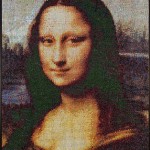


Bubble Wrap Paintings
by Baptiste
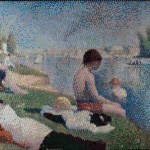
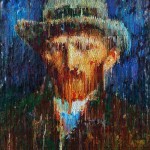
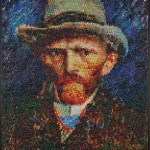
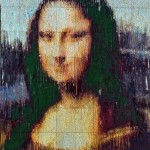
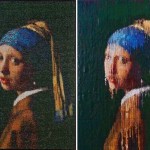
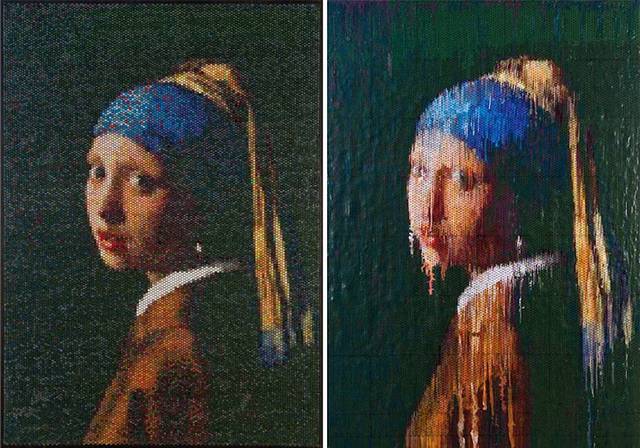
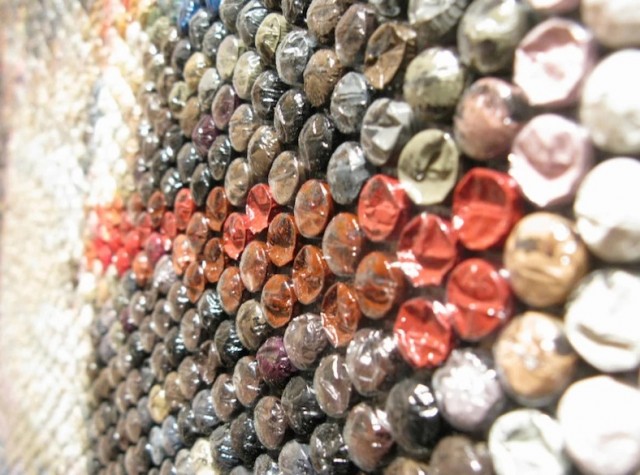
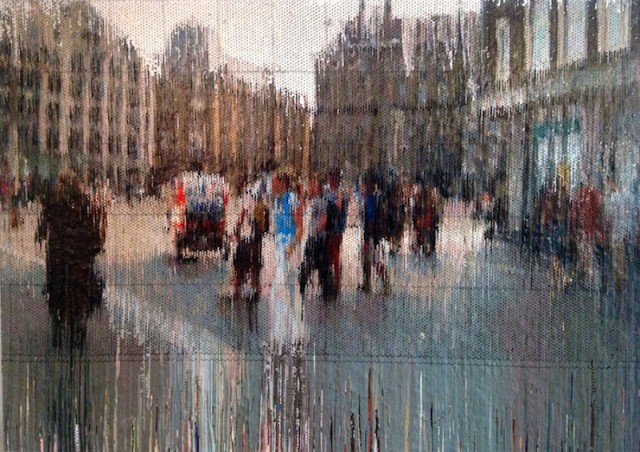
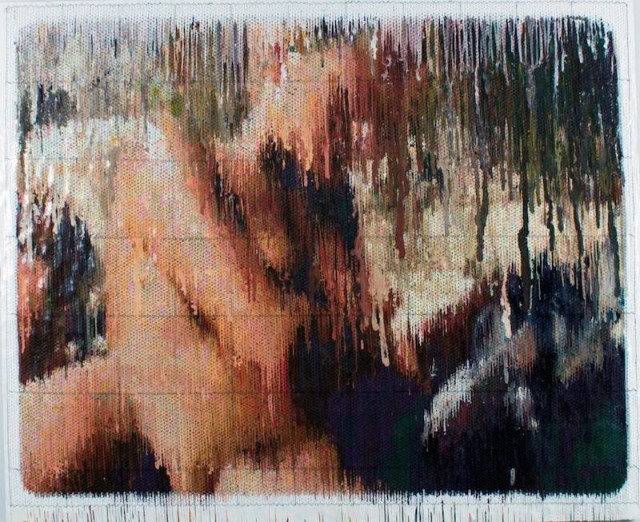
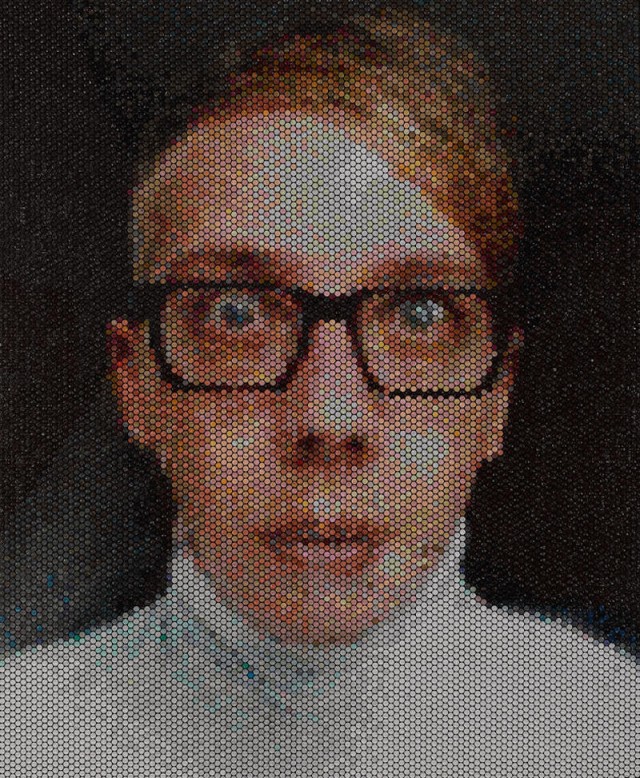
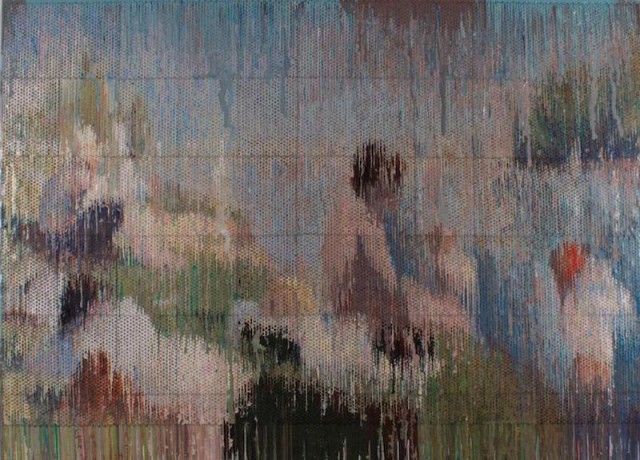
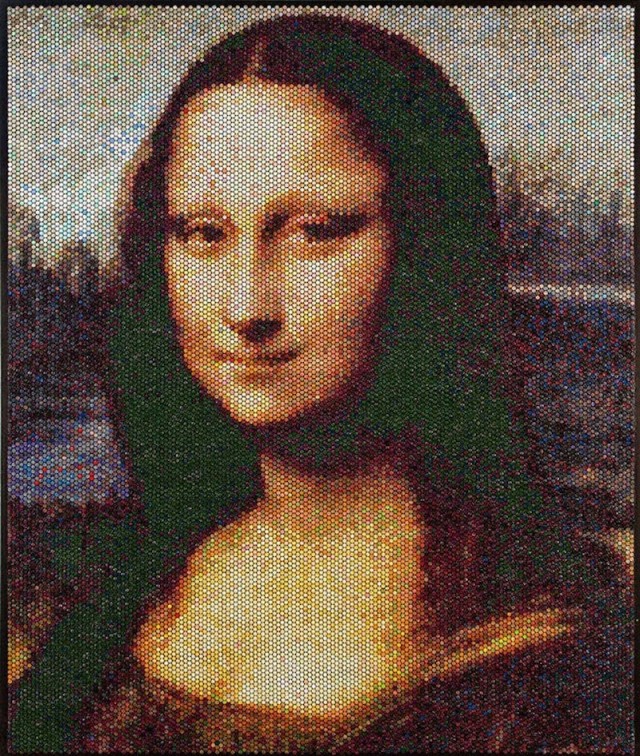
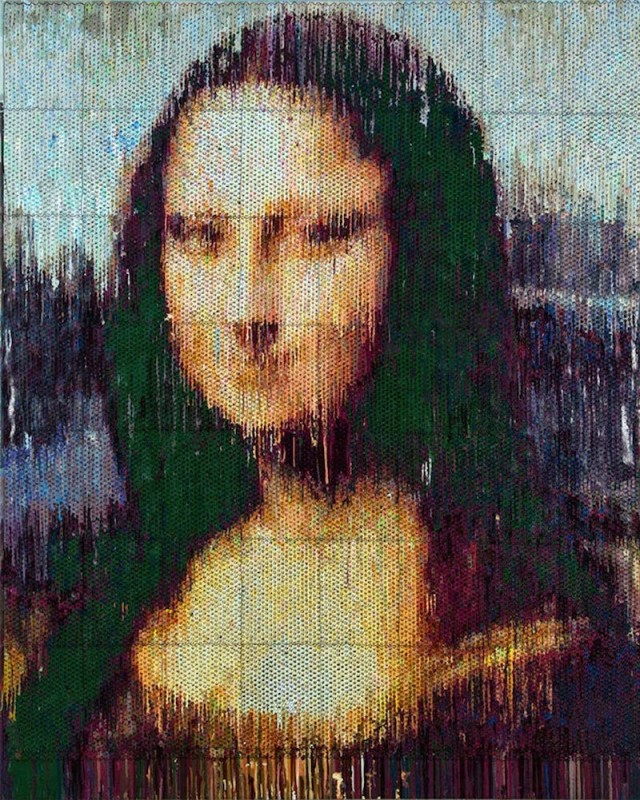
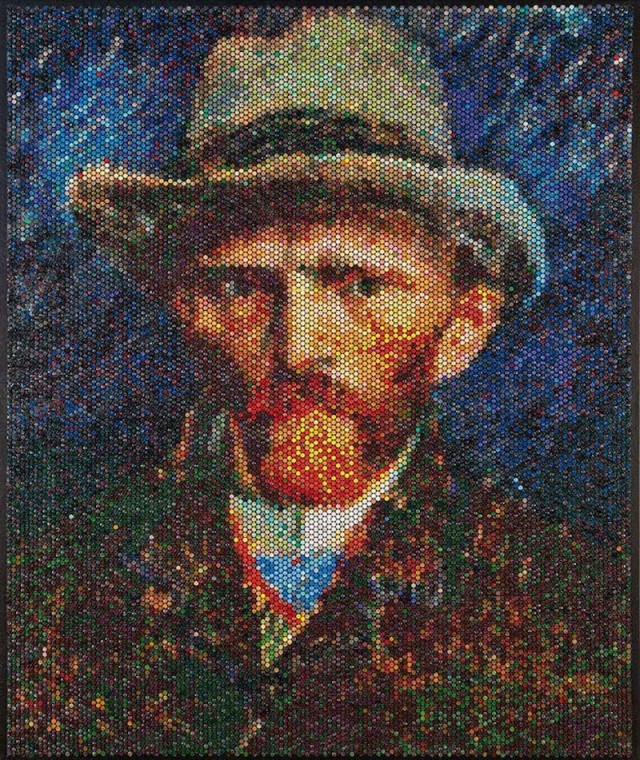
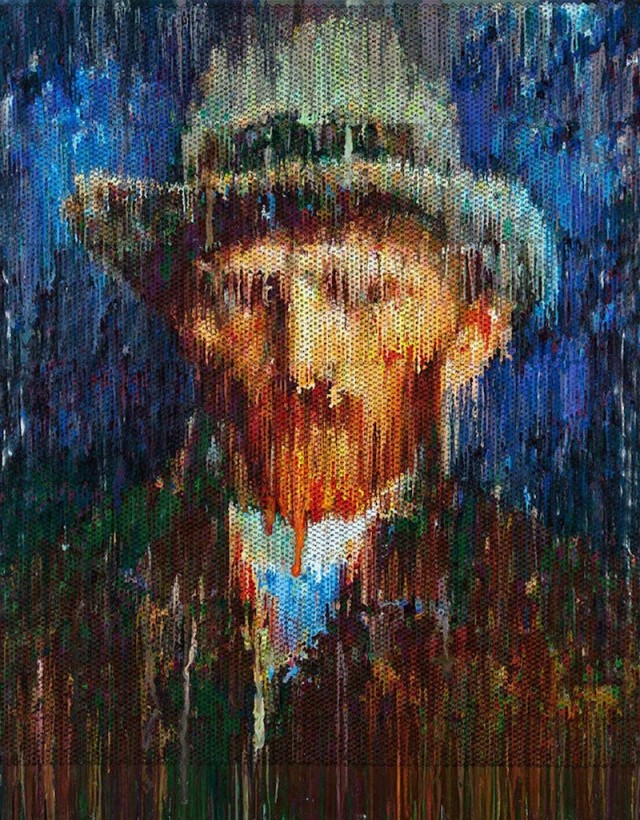
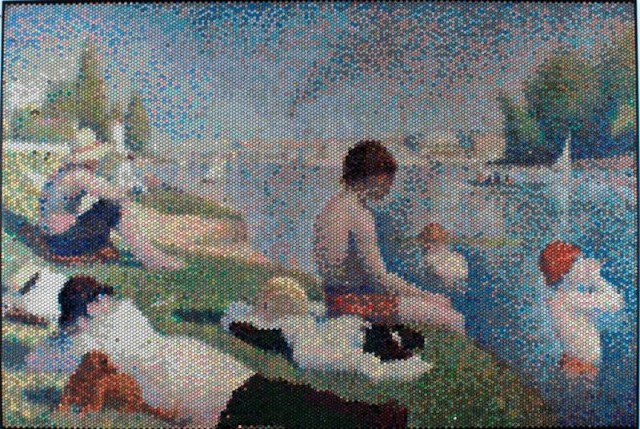
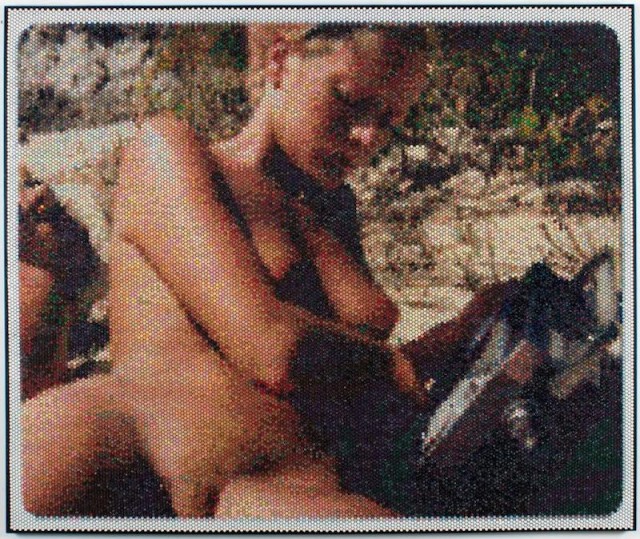
En plus d’être source d’amusement. le papier bulle peut aussi être vecteur de créativité. La preuve avec les oeuvres de Bradley Hart, utilisant ainsi ce matériau, remplissant chaque bulle de peinture pour ensuite proposer des reproductions impressionnantes de classiques : La Joconde de Léonard de Vinci ou la La Jeune Fille à la perle de Johannes Vermeer.



21 May 22:00
Sand chair. Kueng Caputo
by admin
Kueng Caputo tiene un trabajo un poco escultórico que intenta realizar piezas únicas a través de procedimientos sencillo. Pigmentos de color mezclados en un mortero de arena gruesa para realizar los distintos taburetes que se componen básicamente de dos volúmenes conectados: el asiento y su apoyo.


21 May 21:40

Hex Ice Cube Tray
by Evan

Chilling ice in a perfectly designed ice tray that’s shaped like the honeycomb inside a beehive is stepping towards reality with the Hex Ice Cube Tray. With style outpouring from every sphere of life, it’s high time that you come out from the boring world of square shaped ice with this hexagonal treat. It chills ice with precision using less amount of space.
The post Hex Ice Cube Tray appeared first on HolyCool.net.



06 May 11:36
I DO WANT TO LIVE ON THIS PLANET! - Web’s most shareable and trending content, amazing things you need to see to believe.


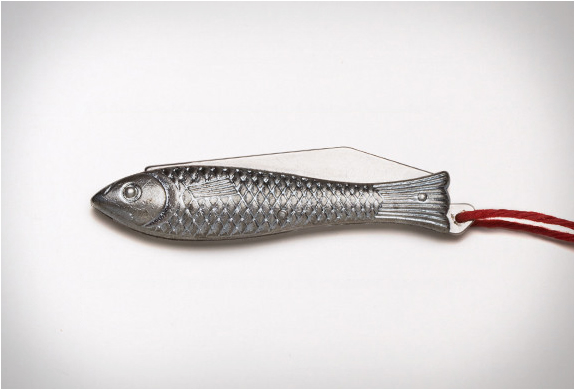
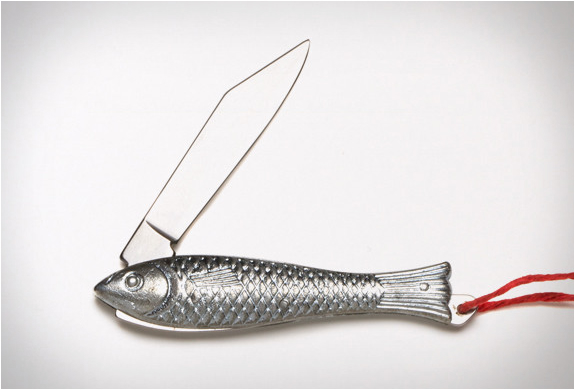
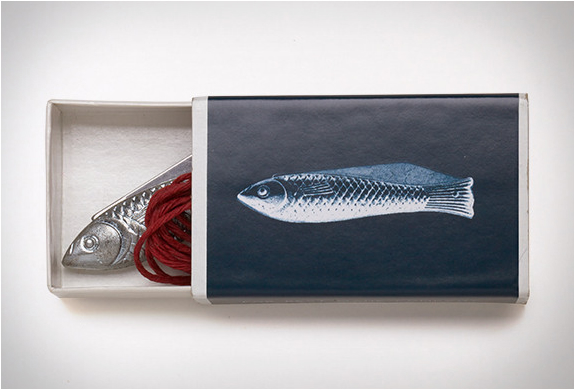
Silver Fish Pen Knife, by Best Made Co
by miguelfds
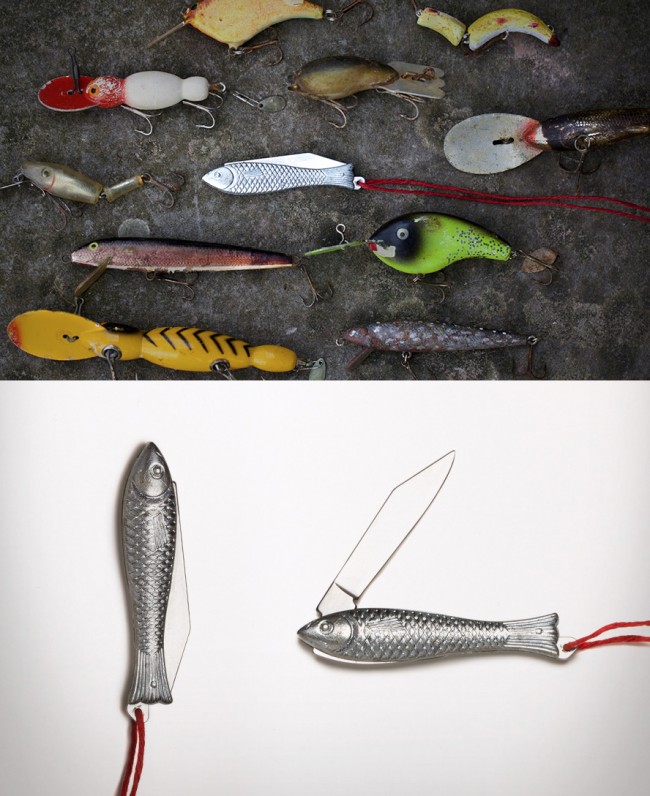
The Silver Fish is native to the Czech Republic, and if you catch him, he makes a great everyday companion. He comes with a red waxed lanyard, and fresh out of the box he’ll serve you well. Ask any seafarer, fisherman, marine biologist, or knife enthusiast and they’ll tell you: Don’t let this little fella get away.
more details at blessthisstuff.com
I DO WANT TO LIVE ON THIS PLANET! - Web’s most shareable and trending content, amazing things you need to see to believe.
05 May 17:54

Landscapes Altered by the World’s Largest Statues
by Christopher Jobson

The Motherland Call, Volgograd, Russia, 285 ft, built in 1967

African Renaissance Monument, Dakar, Senegal, 161 ft, built in 2010

Ataturk Mask, Buca, Izmir, Turkey, 132 ft, built in 2009

Christ Blessing, Manado, Indonesia, 98.5 ft, built in 2007

Christ the King, Świebodzin, Poland, 120 ft, built in 2010

Grand Byakue, Takazaki, Japan, 137 ft, built in 1936

Guan Yu, Yuncheng, China, 262 ft, built in 2010

Mao Zedong, Changsha, China, 105 ft, built in 2009

Mother of the Fatherland, Kiev, Ukraine, 203 ft, built in 1981

Dai Kannon, Sendai, Japan, 330 ft, built in 1991
Towering above cities and carved into mountainsides, the gargantuan statues captured in Fabrice Fouillet’s series Colosses were designed to dwarf everything in proximity, to stand as timeless monuments of religious and political icons. Though unlike the tourists and pilgrims who travel great distances to witness these towering structures up close, Fouillet is more interested in how the landscape around each monument has been transformed. He shares via his artist statement:
The series “Colosses” is a study of the landscapes embracing those monumental commemorative statues. Although hugeness is appealing, exhilarating or even fascinating, I was first intrigued by the human need to build gigantic declarations. Then, I asked myself how such works could be connected to their surroundings. How can they fit in the landscapes, despite their excessive dimensions and their fundamental symbolic and traditional functions?
That is why I chose to photograph the statues from a standpoint outside their formal surroundings (touristic or religious), and to favour a more detached view, watching them from the sidelines. This detachment enabled me to offer a wider view of the landscape and to place the monuments in a more contemporary dimension.
Fouillet references a wave of “statuemania” in the 1990s in locations mostly around Asia where many more sculptures are still under construction. The world’s tallest monument, a tribute to the the independence hero Sardar Patel in India, will soon reach a soaring height of 182 meters, nearly twice that of the Statue of Liberty. You can see much more of the series over on his website. All photos courtesy the photographer. (via Slate)


24 Feb 21:24
Fra.Biancoshock Insists His Street Interventions Are Not ‘Street Art’
by Nathaniel Smith


Fra.Biancoshock insists he is not a street artist, but rather the Milan-based experientialist noticed that his street-level installations and interventions spoke using the same language as Street Art. In regards to the movement of Street Art in regards to his work, the mysterious, identity-protecting Fra. says, “For me, that phrase is a provocation: I have not studied art, I do not frequent artistic circles, or amicidell’amicodelcuginodelfratellodelsuoamico … And I have no particular technical and artistic skills. I just have ideas and I like to strain my mind in trying to propose to the common people through what I call “Unconventional Experiences.” I think mine are “experiences” rather than works of art.”
With ties and intentions closer to Performance and Conceptual Art (for those paying off MFA degrees, think Guy Debord), the man who would become Fra.Biancoshock developed the performative avant-garde school of art he calls Effimerismo (“The Effimerismo is a movement that has the aim of producing works of art that exists in a limited way in the space, but that they persist in an infinite way in time…”) as a means of exploring and categorizing his specific means of street engagement (or as he is known to call them, “speeches”).
Operating in this very-intentionally public mode of communication, Fra.Biancoshock uses the streets as a forum, installing temporary interventions to call attention to themes of poverty, urban blight, modern stress and decay. Present in most works is how Fra deals with serious themes with a disarmingly light-hearted approach. His work has mostly been viewed (often quite temporarily) in Europe, though as Fra. says in his Manifesto-like statement, “Prior to founding the movement, [Fra.biancoshock] has made more than 400 speeches on the streets of Italy , Spain , Portugal, Croatia, Hungary, Czech Republic, Malaysia and the State of Singapore, and has no intention of stopping.” (via hi-fructose)


The post Fra.Biancoshock Insists His Street Interventions Are Not ‘Street Art’ appeared first on Beautiful/Decay Artist & Design.

22 Feb 10:02

Desert Breath: A Monumental Land Art Installation in the Sahara Desert
by Christopher Jobson

Photo by D.A.ST. Arteam courtesy the artists

Photo by D.A.ST. Arteam courtesy the artists
Located near the Red Sea in El Gouna, Egypt, Desert Breath is an impossibly immense land art installation dug into the sands of the Sahara desert by the D.A.ST. Arteam back in 1997. The artwork was a collaborative effort spanning two years between installation artist Danae Stratou, industrial designer Alexandra Stratou, and architect Stella Constantinides, and was meant as an exploration of infinity against the backdrop of the largest African desert. Covering an area of about 1 million square feet (100,000 square meters) the piece involved the displacement of 280,000 square feet (8,000 square meters) of sand and the creation of a large central pool of water.

Photo by D.A.ST. Arteam courtesy the artists

Photo by D.A.ST. Arteam courtesy the artists

Photo by D.A.ST. Arteam courtesy the artists

Photo by D.A.ST. Arteam courtesy the artists

Photo by D.A.ST. Arteam courtesy the artists

Photo by D.A.ST. Arteam courtesy the artists

Photo by D.A.ST. Arteam courtesy the artists

Photo by D.A.ST. Arteam courtesy the artists

Photo by D.A.ST. Arteam courtesy the artists
Although it’s in a slow state of disintegration, Desert Breath remains viewable some 17 years after its completion, you can even see it in satellite images taken from Google Earth. You can learn more about the project in the video above or read about it here. (via Visual News, Synaptic Stimuli)
Lou Ros likes this