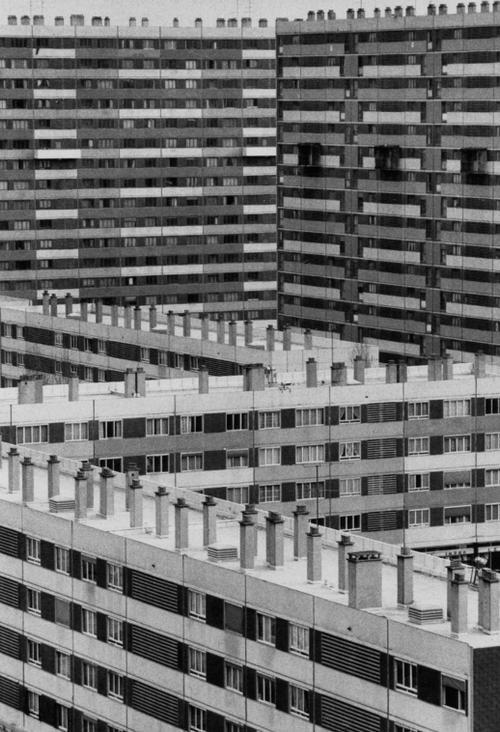
German photographer Thomas Kellner‘s contact sheet photo montages deconstruct iconic architectural landmarks and cityscapes. Each of Kellner’s frames are shot sequentially, then printed in the film’s exact order – no cut/paste or digital manipulation – before strips are cut and then placed together. Each final contact sheet montage’s size depends on how much film Kellner uses for his subject – with one roll of film, the montages are only 20 x 24 cm. Kellner first began descontructing architecture using the contact sheet method in 1997, and since 2003, has been photographing and decontructing buildings around the world.
Of his work, Kellner says, “I think I am more of an artist than a photographer. At the moment I am working on architecture, but it is not classic architectural photography. There are definitions in art about ‘construction/deconstruction’ or ‘collage/decollage,’ but I don’t think any of it really fits what I am doing right now, maybe my work is closer to conceptual art or conceptual photography. Many have said it is ‘very Germany,’ and that might be closer.” (via art chipel)


The post Thomas Kellner’s Contact Sheet Montages Deconstruct Iconic Landmarks appeared first on Beautiful/Decay Artist & Design.
“Ukiyoe Character series“, un projet de l’illustrateur japonais Takao Nakagawa, qui transporte les personnages célèbres de la pop culture dans le Japon médiéval, en reprenant le style des estampes Ukiyoe de l’ère Edo. De Dragon Ball à Star Wars en passant par Mario ou Batman, de jolies illustrations dans la lignée de “Game of Thrones version Japon médiéval” et “11 jeux vidéo cultes version Japon médiéval“.


Images © Takao Nakagawa

Scarborough College, Scarborough, Ontario, Canada, 1964-66
(John Andrews)
Natalia Stuyk est une artiste qui s’amuse à faire des GIF animés à partir d’illustrations graphiques dans un style très pop : du bleu, du rose, du vert, du rouge le tout transformé en des formes qui déambulent dans divers univers de couleurs avec une fluidité incroyable. Ses GIF sont à découvrir en images.












Illustrator and designer Jaco Haasbroek shares his wonderful sense of humor through his illustrations. The artist’s creations feature adorable little characters that offer a new way of seeing the world. Full of whimsy and witty puns, Haasbroek’s art presents a dose of comedy that creatively plays with language just enough to put a smile on anyone’s face. Visit his Shop if you’re interested in purchasing a print.





All images © Jaco Haasbroek | Via: My Modern Met
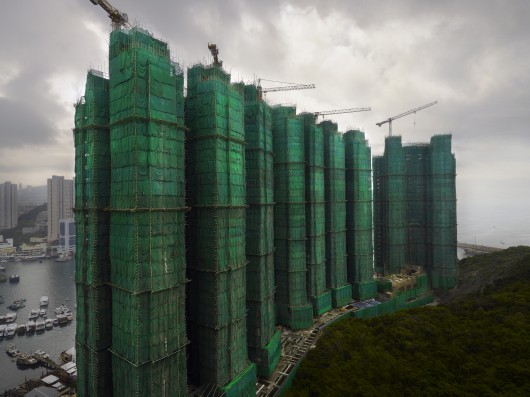
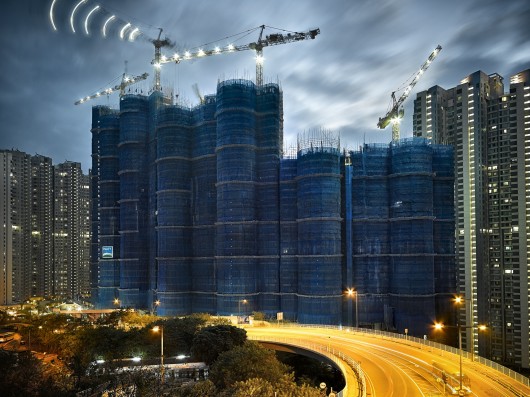
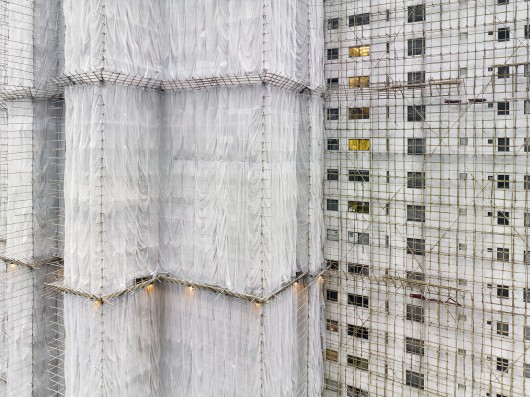
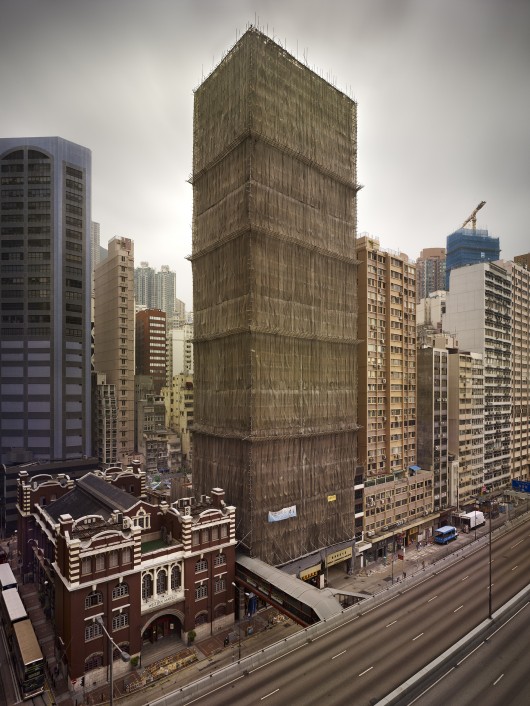
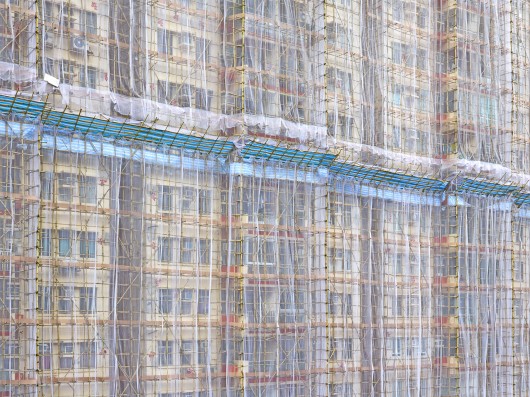
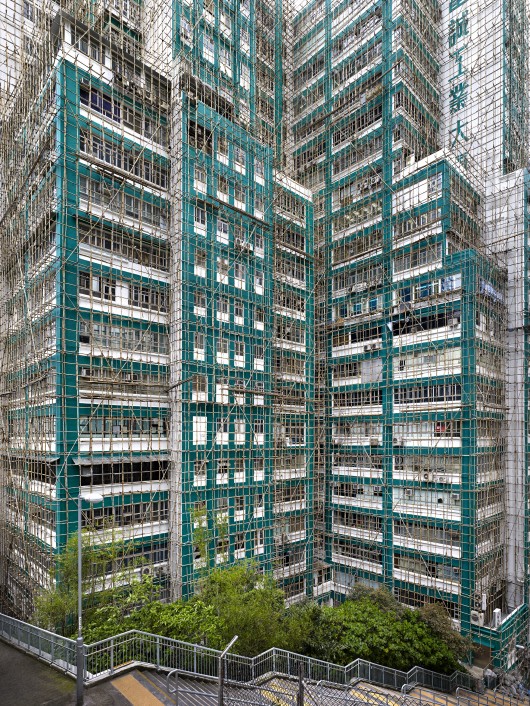
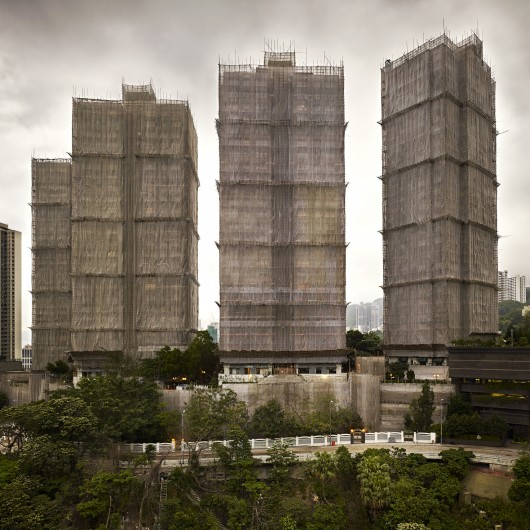
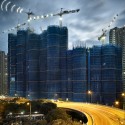
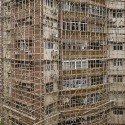
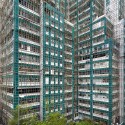
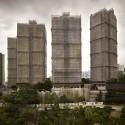
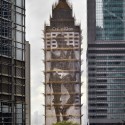
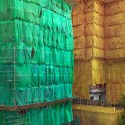
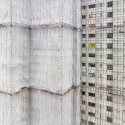
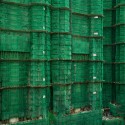
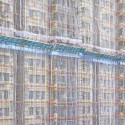
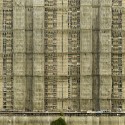
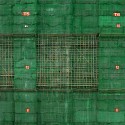
In 1994, a routine construction technique that has been practiced in Hong Kong for over 100 years caught the attention of photographer Peter Steinhauer - and led him to put almost a decade of work into capturing this unique urban phenomenon. The bamboo scaffolding and fabric wrappings he photographs serve the simple purpose of catching construction debris, but at a glance they look more like works by Christo and Jeanne Claude, the artists that have made their name wrapping buildings like the Reichstag in Berlin.
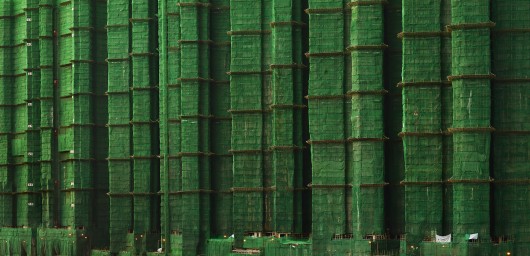
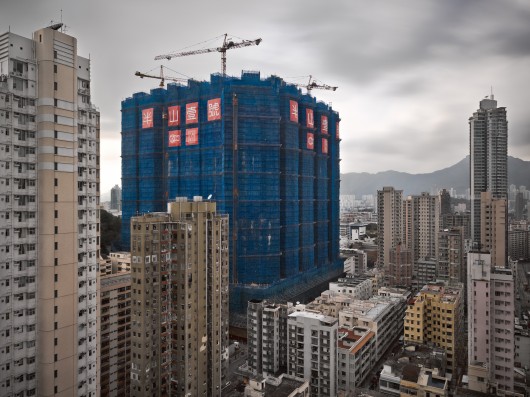
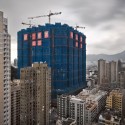
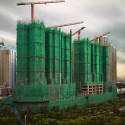
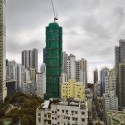
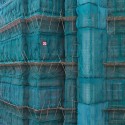
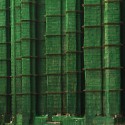
The resulting photos showcase the colossal towers of Hong Kong wrapped in brightly-colored fabric; their usually varied facades are made monolithic, like a plastic massing model rendered full-size. Steinhauer named his photo series “Cocoons” due to the effect they create over time: the buildings metamorphose under cover and emerge transformed.
Read on for more photos of these urban cocoons
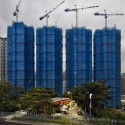
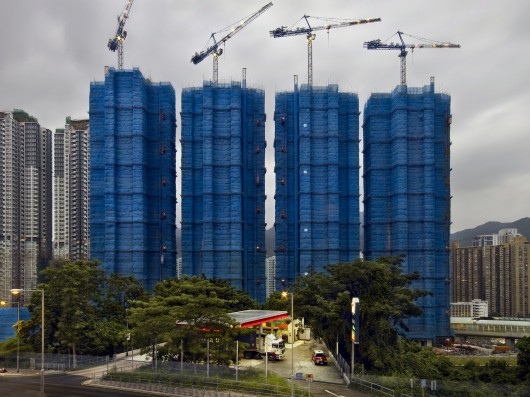
Steinhauer moved his family to Hong Kong in 2007 so that he could photograph the structures on a regular basis, a process which involves early starts and hours of driving the city looking for new construction sites. Once he finds a building to photograph, getting the right angle can be a challenge – fortunately there is a law in Hong Kong which makes it illegal to lock access to roofs, so after Steinhauer manages to bypass security at a nearby residential building he can usually find a good vantage point.
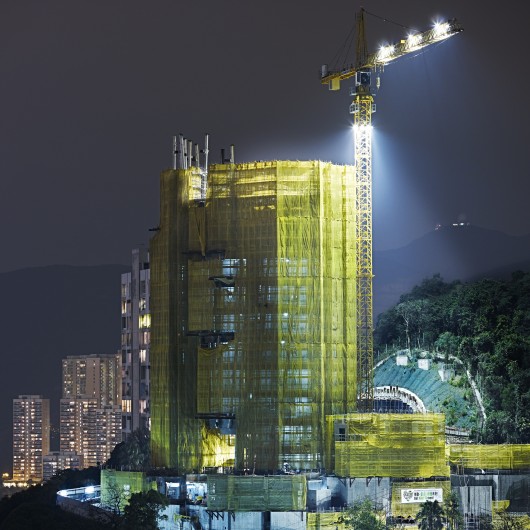
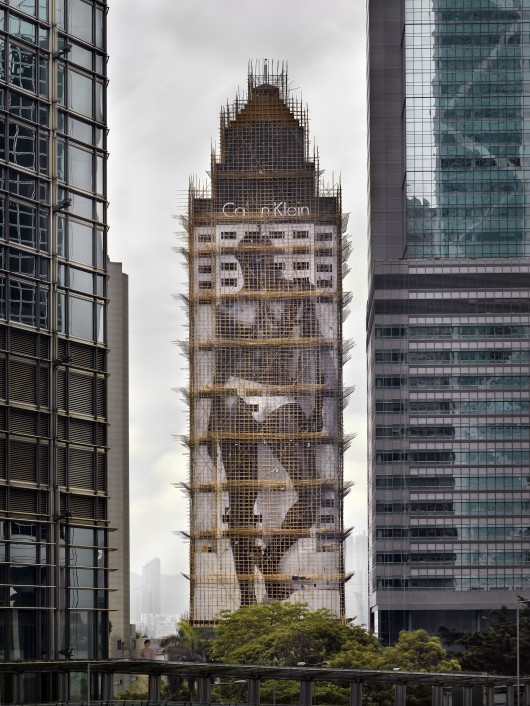
The fabric itself can come in a range of colors, adding a certain variety to the monotone monoliths. Apparently green and beige are the most popular, so Steinhauer likes to hunt for the more rare blue and yellow varieties. Some even come equipped with enormous adverts, such as the 40 story near-nude Calvin Klein model. But no matter what the appearance, after each construction job, the bamboo scaffolding is reused elsewhere and the fabric and plastic ties are recycled.
However, while the photographs show these wrapped buildings as an artistic urban oddity for Hong Kongers they are a sometimes all too inconvenient phenomenon, something which Steinhauer found out the hard way after a year of working on the project. The cocoons are not just used for new construction but also for maintenance works, and when the external tiles were replaced on Steinhauer’s own building his family faced nine months with views of nothing more than a green sheet. These structures may look incredible from all sorts of viewpoints - but inside is not one of them.
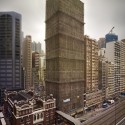
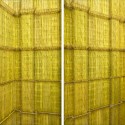
Metamorphosis in Hong Kong Documented in 'Cocoon' Photo Series originally appeared on ArchDaily, the most visited architecture website on 23 May 2014.
send to Twitter | Share on Facebook | What do you think about this?


Multi-color Atmosphere, Pasadena Art Museum (now Norton Simon Museum), Pasadena, CA, 1970 — Judy Chicago