Shared posts

27 Apr 07:32

Where to Find Free PDF Books on Grammar and Writing (Legally!)

by Daily Writing Tips

Why Should You Look for Free Grammar and Writing Resources?

Free grammar and writing resources are invaluable tools for students, professionals, and language enthusiasts alike. They provide accessible education without financial barriers, allowing anyone to improve their communication skills regardless of economic status.

Benefits of legal free PDF books include:

  • Comprehensive, structured learning materials
  • Offline access for studying anywhere
  • Reusable references that can be consulted repeatedly
  • Superior organization compared to scattered online resources

Having a personal collection of quality grammar and writing guides empowers you to learn at your own pace and develop strong foundational skills that are essential in both academic and professional settings.

“Imagine having an entire library of professional grammar and writing resources at your fingertips without spending a penny. Legally.”

This article will guide you through the most reliable sources of free grammar and writing PDF books that are completely legitimate, helping you build a valuable personal reference library while respecting intellectual property rights.

What Makes a Free PDF Book Resource Legal?
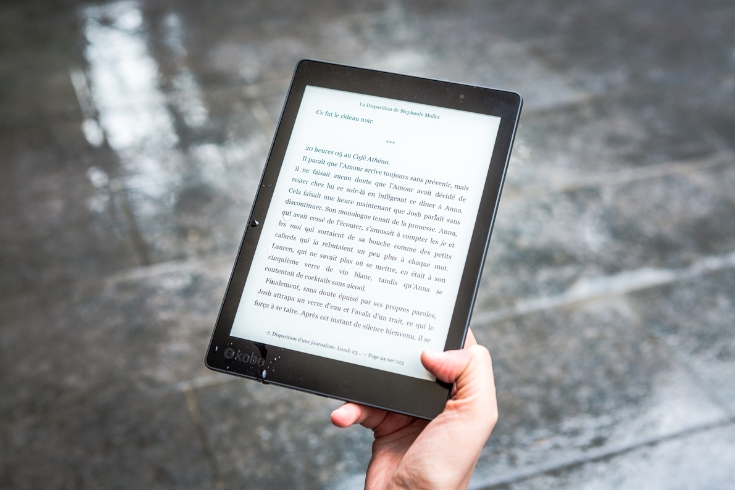
Legal free PDF books come in several forms, each with specific permissions granted by rights holders. Understanding these distinctions helps you avoid potential copyright issues and ensure you’re supporting authors and publishers appropriately.

Three main categories of legal free PDF books:

  1. Public Domain Works
    • Expired copyrights (generally 70+ years after the author’s death in the US)
    • Belong to the public, making them freely available for use and distribution
    • Include many classic grammar references and style guides
  2. Creative Commons Licensed Materials
    • Authors retain copyright while permitting specific uses
    • Different license types allow various levels of use and modification
    • Often include academic and educational resources
  3. Open Access Publications
    • Deliberately made free by publishers or authors
    • Especially common in academic contexts
    • Designed to promote knowledge sharing without barriers

Understanding these distinctions is crucial because downloading pirated books not only violates copyright law but also undermines authors’ ability to earn a living from their work. Legal free resources are intentionally shared with permission, whereas illegal copies are distributed without authorization.

Where Can You Find Academic and Educational Institutions Offering Free Grammar Books?

Academic and educational institutions are among the richest sources of free, high-quality grammar and writing resources. These institutions often provide materials that have been developed and vetted by language experts and educators.

Top institutional sources include:

  • MIT Open Courseware (ocw.mit.edu)
    • Free course materials from writing and humanities departments
    • Comprehensive grammar guides and writing instruction PDFs
    • Academic-level content for advanced learning
  • The Open University’s OpenLearn (open.edu/openlearn)
    • Free access to educational materials covering academic writing
    • Grammar fundamentals and language skills development
    • Structured learning paths for different proficiency levels
  • University Press Open Access Collections
    • Many university presses now embrace open access initiatives
    • The University of Michigan Press (press.umich.edu/openaccess) offers linguistics and language resources
    • Harvard, Princeton, and Yale university presses also provide selected free titles

Pro tip: To access these institutional resources effectively, look specifically for sections labeled “Open Access,” “Free Resources,” or “OER” (Open Educational Resources) on university websites, particularly within English, Linguistics, or Education departments.

How Can Public Libraries Help You Access Free Grammar and Writing PDFs?

Public libraries have evolved far beyond physical books to become digital content hubs. These modern institutions offer extensive digital resources that you can access from home.

Digital Resources Through Public Libraries

Most public libraries now offer free access to platforms like:

  • OverDrive/Libby – Extensive e-book collections including writing guides
  • Hoopla – Digital media service with academic and educational content
  • Kanopy – Educational videos including writing and grammar courses

All you need is a library card, which is typically free for residents of the service area.

Premium Academic Databases

Many libraries also provide access to premium databases that would otherwise cost hundreds of dollars:

  • JSTOR – Scholarly articles on linguistics and writing theory
  • ProQuest – Comprehensive research database with writing guides
  • EBSCOhost – Reference materials on grammar and language studies

How to Access Library Digital Resources

  1. Register for a digital account with your local library’s website using your library card
  2. Explore their digital catalog using specific search terms:
    • “grammar guide”
    • “writing manual”
    • “language reference”
    • “college essay writing”
  3. Download PDFs or e-books for the lending period (typically 2-3 weeks)
  4. Renew digital materials if you need more time with them

Bonus tip: Many libraries offer free online courses through platforms like LinkedIn Learning (formerly Lynda.com) or Universal Class, which include comprehensive writing and grammar modules.

What Are the Best Open Educational Resource (OER) Platforms for Grammar Books?

Open Educational Resources are teaching, learning, and research materials that are freely available for everyone to use. OER Commons (oercommons.org) features a dedicated section for languages and grammar, offering structured resources from basic to advanced levels. OpenStax (openstax.org), while known primarily for science textbooks, also provides free writing guides and English resources suitable for college-level learning.

MERLOT (merlot.org) curates peer-reviewed educational materials, including numerous grammar and writing resources that have been vetted by educators. For those seeking comprehensive writing instruction, the Writing Commons (writingcommons.org) offers an entirely free, peer-reviewed, open-education resource for college-level writers.

When using OER platforms, focus on materials that include practice exercises and answer keys, as these provide the most comprehensive learning experience. Many OER resources also offer instructor supplements that can be valuable for self-directed learners.

How Can Project Gutenberg and Similar Archives Improve Your Grammar Collection?

Project Gutenberg (gutenberg.org) provides a treasure trove of classic grammar and writing references that have entered the public domain. These include foundational works like “The Elements of Style” by William Strunk Jr. (the original version), “The Grammar of English Grammars” by Goold Brown, and other timeless language references. While these works may sometimes use more traditional language, their principles remain relevant and valuable.

Similar archives include the Internet Archive (archive.org), which hosts millions of free books, including specialized grammar collections, and HathiTrust Digital Library (hathitrust.org), which provides access to millions of titles from library collections worldwide, including many grammar and writing manuals that are out of copyright.

To search these archives effectively, use specific search terms rather than browsing. For example, search for “English grammar handbook,” “writing style guide,” or specific aspects like “punctuation guide” or “syntax reference.” When downloading, opt for PDF format when available, as it best preserves the original formatting of reference materials.

What Government and Institutional Resources Offer Free Writing Guides?

Government and institutional resources often provide specialized writing guides that meet professional standards. The Plain Language Guidelines from plainlanguage.gov offers excellent advice for clear, concise writing that’s particularly valuable for business and technical contexts. The Purdue Online Writing Lab (owl.purdue.edu) is one of the most comprehensive free writing resources available, offering detailed guides on grammar basics, citation styles, and genre-specific writing advice.

For scientific and technical writing, the National Institutes of Health (nih.gov) provides free writing resources aimed at clarity in scientific communication. International learners can benefit from resources like the British Council’s Learn English site (learnenglish.britishcouncil.org), which offers numerous PDF downloads for grammar and writing development.

These institutional resources are particularly valuable because they’re regularly updated to reflect current usage and standards, unlike some older public domain works. They also tend to provide practical, application-focused guidance rather than purely theoretical explanations.

How Can Publishing Platforms and Author Websites Provide Quality Grammar Resources?

Many authors and publishers offer free PDF resources as promotional tools or educational contributions. Platforms like Smashwords (smashwords.com) include a free section where authors sometimes share writing guides and grammar resources. Similarly, many established grammar and writing experts share free abbreviated versions of their paid materials through their personal websites or platforms like BookFunnel.

Publishers such as Oxford, Cambridge, and Macmillan occasionally offer free downloadable supplements and worksheets from their language learning departments. To verify the legality of these offerings, always download directly from the author’s official website or recognized distribution platforms rather than third-party download sites. Legitimate free offerings will be clearly marked as such and won’t require unusual steps to access.

When a resource is offered for free for a limited time, check that the offer is current before downloading. Many publishers run promotional periods where educational resources are temporarily available at no cost.

What Mobile Apps and Digital Platforms Offer Free Grammar Books?

Mobile apps and digital platforms have made grammar and writing resources more accessible than ever. Apps like Grammarist and Grammarly not only provide interactive tools but also offer free downloadable guides and e-books covering various aspects of grammar and writing. Google Play Books and Apple Books both offer free sections that include numerous grammar and language learning resources from various publishers.

Educational platforms like Khan Academy (khanacademy.org) provide free courses on grammar and composition with downloadable materials. Scribd offers a free trial period that can be used to access their extensive collection of writing and grammar e-books, though be sure to cancel before the trial period ends if you don’t wish to continue with a paid subscription.

When using apps and digital platforms, create a dedicated folder on your device to organize downloaded resources for easy reference. Many of these platforms also allow you to sync your collection across devices, making your grammar and writing library accessible wherever you go.

How Do You Evaluate the Quality of Free Grammar and Writing Resources?

Evaluating the quality of free resources is essential to ensure you’re learning accurate information. Not all free materials are created equal, and using reliable resources will help you avoid common college essay mistakes and develop strong writing skills.

Quality Indicators for Grammar and Writing Resources

Author Credentials

  • Resources created by educators, linguists, or professional writers
  • Materials from established educational institutions
  • Books by recognized experts in the field

Currency and Relevance

  • Publication date within the last 10 years for modern usage guidelines
  • Updates that reflect evolving language standards
  • Contemporary examples that show current application

Content Quality Checklist

  • [ ] Clear examples alongside rules
  • [ ] Practical applications of concepts
  • [ ] Coverage of both basic and advanced topics
  • [ ] Logical progression from simple to complex
  • [ ] Acknowledgment of contextual variations in usage

Structural Organization

  • Well-organized with a clear table of contents
  • Comprehensive index for easy reference
  • Logical chapter progression
  • Glossary of terms

Language Variation Awareness

Good resources should acknowledge variations in usage across different contexts:

  • Academic writing conventions
  • Business communication standards
  • Creative writing flexibility
  • Differences between American, British, and other English variants

User reviews and recommendations from educational communities can also help identify the most valuable resources. Consider checking forums like Reddit’s r/grammar or educator blogs for suggestions of tried-and-tested materials.

What Are Common Mistakes to Avoid When Downloading Free PDFs?

When seeking free PDF books, beware of websites that require unnecessary personal information or credit card details for “free” downloads—legitimate free resources rarely need more than a basic email address. Avoid sites filled with excessive pop-ups, redirects, or misleading download buttons, as these often lead to malware or unrelated content.

Be skeptical of sites offering brand new, commercially available textbooks for free, as these are likely pirated copies. Check file sizes before downloading; unusually small files for supposedly comprehensive books may be incomplete, corrupted, or simply promotional excerpts rather than complete works.

Never disable your antivirus software to download resources, regardless of what the site suggests. Legitimate free PDF books won’t require you to compromise your device’s security. If a site claims to offer free resources but has URLs that change frequently or generic domain names with strings of numbers, proceed with caution as these are common characteristics of illegal distribution sites.

How Can You Organize and Make the Most of Your Free Grammar and Writing Resources?

Organizing your free grammar and writing PDFs effectively transforms a random collection into a useful personal library. Create a hierarchical folder system on your computer or cloud storage, categorizing resources by purpose (reference guides, workbooks, style manuals) and topic (punctuation, syntax, genre-specific writing). Use consistent file naming conventions that include author, title, and perhaps publication year for easy searching.

To maximize learning, develop a systematic approach to studying these resources rather than random browsing. Create a personal curriculum that progresses from fundamental to advanced topics, scheduling regular review sessions. For practical application, incorporate writing exercises based on the concepts you’re studying.

Consider using digital annotation tools like Adobe Acrobat Reader, Xodo, or PDF Expert to highlight key points, add notes, and bookmark important sections in your PDF resources. Creating your own condensed cheat sheets from various resources can help reinforce learning and provide quick reference guides for specific writing tasks.

Where Can You Find Resources Specifically Focused on Academic Writing?

Academic writing has specific conventions that differ from general writing, and finding specialized resources is essential for students and researchers. University writing centers often publish their resources online, providing free access to guides on research papers, theses, and dissertations. The Purdue OWL mentioned earlier excels in academic writing guidance, offering comprehensive coverage of various citation styles and academic conventions.

Academic databases often include free sections where scholarly articles on writing and rhetoric can be accessed without subscription. Open access journals in linguistics and education frequently publish articles on academic writing techniques that can be freely downloaded as PDFs.

For discipline-specific academic writing, professional associations like the American Psychological Association (APA) and the Modern Language Association (MLA) offer free abbreviated guides to their citation styles and writing conventions, though their complete manuals typically require purchase.

How Can ESL Learners Find Appropriate Grammar and Writing Resources?

ESL (English as a Second Language) learners have unique needs that are addressed by specialized grammar and writing resources. The Voice of America’s Learning English program (learningenglish.voanews.com) offers free downloadable lessons targeted specifically at English learners, with graduated difficulty levels. Cambridge English provides free supplementary grammar worksheets and writing guides for various proficiency levels through their website.

British Council Learn English offers numerous downloadable PDF resources specifically designed for non-native speakers, with clear explanations and contextual examples. For academically-focused ESL learners, The University of Toronto’s English Language Learning program shares free writing resources tailored to academic contexts.

ESL learners should look for resources that include pronunciation guides, cultural context for language use, and comparative explanations that reference common patterns from other languages. Materials that incorporate audio components can be particularly valuable for developing a complete understanding of English grammar and writing.

Conclusion

Finding free PDF books on grammar and writing doesn’t mean compromising on quality or legality. From academic institutions and public libraries to specialized OER platforms and digital archives, numerous legitimate sources offer valuable resources to help you improve your writing and grammar skills.

Key Benefits of Legal Free Resources

  • Respect for intellectual property – Supporting authors and publishers
  • Quality assurance – Many free legal resources are professionally developed
  • Customizable learning – Build a personal library tailored to your needs
  • Financial accessibility – Remove barriers to quality educational materials
  • Lifelong reference – Create resources you can use throughout your career

The key platforms we’ve covered provide diverse approaches to grammar and writing instruction:

Source Type Best For Notable Examples
Academic Institutions Research-based content MIT OpenCourseWare, Open University
Public Libraries Variety and premium access OverDrive, JSTOR access
OER Platforms Structured learning materials OER Commons, OpenStax
Public Domain Archives Classic reference works Project Gutenberg, Internet Archive
Government Resources Professional standards Plain Language Guidelines

Whether you’re a student trying to avoid college essay mistakes, a professional writer refining your craft, an English language learner, or simply someone looking to improve communication skills, these resources offer structured, comprehensive materials without financial barriers.

Your Next Steps

  1. Start building your own digital library today by exploring free PDF books from the sources mentioned in this article.
  2. Create an organized system for your resources to maximize their usefulness.
  3. Share these legal resources with classmates, colleagues, or anyone in your learning community who might benefit from them.

By collaboratively using and sharing legitimate free resources, we can make quality education more accessible while supporting the creation of valuable educational content through proper channels. Your improved writing skills are just a download away!

<p>The post Where to Find Free PDF Books on Grammar and Writing (Legally!) first appeared on DAILY WRITING TIPS.</p>

29 Jul 04:46

Basic Clothing Care

by Kenneth Yu

Basic Clothing CareLast June, we made style guides for both boys and girls, but do you know how to keep the clothes last long and look new every time you wear them? We always have to remember that buying new clothes comes with great responsibility and when I say responsibility, I mean that we need to take care of them as much as they make us look fab and sharp. Besides, we’re not as rich as Paris Hilton who can shop for new clothes anytime and throw away a shirt or a dress because it lost a button or two. I know that taking care of clothes is one of the few things Mom will do for us, but I think if we can buy our own pair of jeans, we should be ones the taking care of it.

Look on the bright side: if you took care of your clothes and they got out of season, you can keep them and when they’re in season again, you won’t have to buy new ones.

Read on for tips to keep your garments looking new and make them last for seasons to come:

LaundryDo your laundry the right way.

Washing your clothes is the leading reason why they wear out. So it’s best to learn a few simple ways to preserve your clothes and still keep then clean. Here’s how:

Wash by Fabric Type, Not by Color

Sorting your clothes by fabric type is not only a good way to cut down on your energy bill, but it’s also a good way to keep a t-shirt alive for a long time. The idea is pretty straight forward: when you wash t-shirts together they live longer because they don’t have buttons, zippers, or anything else beating them up in the washer. It’s also a good idea to flip any silk screened shirts inside out to help preserve the image longer and you can also add a pinch of pepper to the wash to keep the colors bright. If you really want to prevent wear, skip the dryer all together and let them air dry.

ZipZip Up Jackets and Jeans

Leaving the zipper down on your pants and jackets means it can get caught up in things and attack any other clothes you have in the wash with it (including other jackets and jeans). When you zip them up they don’t flail around and don’t come out of the dryer bent up all weird.

For Everything Else, Follow the Directions

With proper care most clothes can last a really long time. This is especially the case with jackets and sweaters, but only if you follow the directions and clean them properly. Dry cleaning isn’t really the most fun way to take care of clothes, but if you want them to last and the label recommends it then it’s your best option.

IronIron your shirts properly.

Ironing shirts are really a pain in the ass. Especially long-sleeved shirts, you iron one side and then the other one and you’ll have to iron the other side again because it got wrinkled again. Use fabric conditioner or starch if you want to but I still prefer water.

If you want to iron out or clean your blazers/suits, I suggest you have it dry cleaned but not too often. Some dry cleaning companies use harsh chemicals that might ruin your suit. If want to take matters to your hands, use a steamer to iron your suit to prevent burning some parts of the suit.

Hang Your ClothesHang your clothes properly.

When storing clothes in the closet, I usually prefer my clothes to be hanged–it prevents your clothes from getting wrinkled and it lets the clothes breathe and prevents moisture from building up. Never use wire hangers because they create creases that deform your shirts and are very difficult to remove. Always use plastic and wooden hangers for your shirts. And for your blazers/suits, use either wood/plastic suit hangers because they preserve the suit shoulders’ form nicely.

Brush your Suits and Trousers

I know that brushing your suit is weird and does it really need to be brushed? And the answer is YES.  All it takes is 30 seconds and a clean brush with stiff bristles to clean your clothes after each wearing.  Brushing your suit/trousers after each wear is important because it removes the dirt and food that has accumulated on the outer layers before they have the chance to settle into the fabric.  Once this happens, the fabric can be damaged as the food bits decompose and/or attract insects.  A huge upside to brushing your clothing is that it can double to triple the time between visits to the cleaners – simply brush and air out and you’ll be ready to go in 24 hours.

Clothes TagStorage for clothes that shouldn’t be hanged

Unfortunately, you can’t wear your favorite clothes all the time (unless all your clothes are your favorite clothes) and you have to stick them in a closet or drawer every once and awhile. To that end, it’s generally recommended you fold sweaters and t-shirts to help them last longer because putting them on hangers can stretch them out.

Mending your clothes

You don’t need mom’s help or a seamstress to keep your clothes in order.  You only need to know how to hold a thread and string to replace buttons or patch small holes.  For sweaters, you can easily mend a snag using nail polish and if all else fails, you can recover your printed shirt by cutting out the image and sewing it onto a new one.

Shoes 2Caring for Shoes

We all love our shoes and we even love them more that our shirts and jeans. Here are some tips on how to make you shoes last long and look new.

  • Neaten up the frayed ends of shoelaces (and make it easier to lace them) by dipping them in clear nail polish.
  • Remove scuff marks on shoes by rubbing with a baking-soda paste.
  • Use petroleum jelly to shine leather shoes. Apply with a soft cloth, wipe off the excess, and buff with a clean cloth.
  • Spray furniture polish on shoes, then buff with a clean, dry cloth.
  • Use a light coating of spray starch on new fabric tennis shoes before wearing them — dirt can’t become embedded in the canvas, and the shoes will always be easy to clean.
  • Clean the rubber on athletic shoes with baking soda sprinkled on a sponge or washcloth.
  • Use lemon juice to clean and shine black or tan leathers. Apply with a soft cloth.
  • To keep shoes shiny after you’ve polished them, spray them with hair spray.
  • Hand lotion can be used to shine shoes. Just put a dab on each shoe, rub in with your fingers, and buff.
  • Clean the salt residue common on winter boots with a cloth dipped in a solution of 1 cup water and 1 tablespoon vinegar. This will work on leather and vinyl.
  • Use a soft cloth dipped in vinegar to shine a pair of patent-leather shoes or any patent-leather item.
  • Shoes that are starting to smell can be helped by sprinkling with a little salt. Let sit overnight. The salt will help control moisture, which contributes to odors.
  • Keep smelly feet at bay by sprinkling baking soda into shoes to control odor and moisture.

There you go, tips on how to take care of your clothes. Just remember buying new clothes is a piece of cake; maintaining them needs hard work and dedication.

photo credit: JLM Photography. Ricky Romero filtran via photopin cc

The post Basic Clothing Care appeared first on altMNL.

29 Jul 04:46

The Next Ten: A Guide To The Other Pieces Every Guy Must Own

by Ed Biado

The Next Ten

Ten items are simply not enough to complete a wardrobe. The last time, we provided a list of the basics, the absolute must-haves, the pinnacle of importance when it comes to menswear. But they’re just that: the barest of bones, the backdrop, the blank canvas.

For your personality and stylishness to shine through, you need accessories and toppers and maybe a bit of bling. The things you have to own after The First Ten are items that you should be able to wear with the basics to add some attitude and variety to your overall look. Mix-and-matching is key. Layering is imperative. Creating different shapes and silhouettes is mandatory.

So without further ado, here are the other 10 pieces every guy has to have:

Cardigan

1. The cardigan

Precisely because it’s always scorching in the tropics, regardless of season, the only pieces of outerwear we can put on are those that are airy and made with breathable and thin materials. Cardigans match that description to the letter. Whatever simple garment you’re wearing underneath, topping it with a well-fitting cardigan will sure to elevate your look to a ready-to-face-the-world level.

V neck

2. The V-neck

Why V-necks? Because unlike round-necks, they elongate you. Most of us Filipinos are not exactly basketball-player-height, so we need to add some length. The V-neckline draws the eye down, giving the illusion of a longer silhouette. (And if you’re on the plus-size, it also gives the impression of a leaner physique.)

Chinos Pref

3. The chino

A true gentleman always has a pair of chinos to be used on a plethora of occasions: golfing with the boss, meeting the girlfriend’s family, going on a business-and-pleasure trip, attending “smart casual” social events…the list goes on. Chinos, or khakis, are foolproof: they’re respectable (not too street), comfortable (not too stiff) and easy to pair with any top.

Sweater

4. The sweater

Whatever your aesthetics are, there’s a sweater for you. Choose from styles and materials such as pullovers, knit, hoodies and a lot more. They’re great for when you’re in Baguio and Tagaytay, and they’re also perfect for lounging around in on cold rainy days.

Utilitarian Coat

5. The utilitarian coat

But instead of the sweater, it would be better to wear a utilitarian coat in the city. It’s more stylish and it has that super-sexy rugged feel. You can use it to brave the rain (in lieu of donning a ghastly plastic raincoat) and you can use it to dress up a simple tee-and-jean combo for a night out on the town.

Vest

6. The vest

Vests have gained some notoriety for being too trendy a couple years back. But it doesn’t mean that you should forget about them completely. Sometimes, a good vest can take you from trashy to dapper. And if you look hard enough, you might find one that’s totally fashion-forward and not usual-looking. Think hoods, diagonal zippers, cowl neck, double-breasted. These are only some of the styles that are out there, which you can incorporate into your look.

Bag

7. The bag

You can tell a lot about a man by looking at his bag. Does he have a colorful backpack? Then, he’s the type who lets his inner boy out more than a few times. Is he holding a granddaddy briefcase? He’s a traditionalist, then. A shopper tote? He’s stylish and needs a lot of room for his grooming products. An eco-bag? He probably cares about the environment or he’s very trendy or maybe he just picked up the first bag he saw (read: low-maintenance). That said, what bag are you carrying?

Short

8. The short

Again, in these tropical islands, shorts are a staple. Plus, they’re great with button-downs and practically any top. You can even wear it with a tie. But of course, you wouldn’t wear pambahay shorts when venturing into the CBD, would you? Your panlabas shorts should be in a modern cut and made of a material that doesn’t obscenely show off your junk (unless you’re into that sh—). Denim is a good option.

Watch

9. The watch

Sure, you don’t need one because your phone tells time. But you can impress a lot of people with a good timepiece. Wearing a watch is a sign that you value time—meaning that you don’t want your time wasted and you certainly have no intention of wasting the time of others. The style of the watch is also a peek into your personality. So choose the design that matches yours.

Perfume

10. The scent

Impressions are instant. But if you want to prolong the one that people have of you when you meet for the first time, take advantage of more than one sense. They will see you and the outfit you’re wearing, and if you’re wearing a scent, they will smell you too. A whiff of your fragrance announces your arrival. Once you leave, it lingers just a bit and delays your departure. And if you have a signature fragrance, your image will always come to mind when someone smells that on others.

These are just some of the many, many items that one can use to change up and enhance their look. Each of us has a different set of must-haves. What’s yours? Tell us in the comments below!

Photo credit: practicalowl; Christian Bucad; Jaclyn Auletta; Stephan Geyer; via photopin cc

Marcus; Gabriel; Dylan; Ivam; Nigel; Bobby via lookbook.nu

The post The Next Ten: A Guide To The Other Pieces Every Guy Must Own appeared first on altMNL.

29 Jul 04:18

Skincare Guide for Guys

by Ed Biado

Skincare Guide

There are two types of men—those who care about how they look and those who pretend they don’t. Who are we kidding? We spend just as many hours in front of the mirror as the ladies. We don’t talk about it, but we all want smooth, blemish-free skin. Everybody hates acne and no one wants to be accused of hoarding all the world’s oil deposit on their face. However, you don’t want to be called a sissy as well—so you keep those thoughts to yourself.

Thankfully, times a-changin’, my friend. Going to the drugstore to buy a million and one facial care products is no longer seen as effeminate and vain. In fact, it’s quite necessary. Women love to judge—and they will judge how you look like, how rough your skin is, how uneven your complexion is, how oily your T-zone is. So buckle up and take care of that mug of yours, will ya?

Here’s what you’re gonna do:

face

1. Wash your face twice a day. He who doesn’t wash is yucky, according to an old saying. Okay, I made that up, but it’s true. With all the dirt, grime and pollution the face takes in throughout the day, why on earth wouldn’t you wash your face? Don’t you love yourself? If you do, get all that shit off your freaking skin. But contrary to popular belief, the male skin does not require harsh soaps and cleansers. Our skin can get sensitive too, you know. And if irritated, it’ll get zits. You should be going for gentle options, like Cetaphil Gentle Skin Cleanser for all skin types. You should not use products that will over-dry your skin. That’s another cause of irritation; and your sebaceous gland might overcompensate and produce more sebum than usual, which will lead to—you guessed it—oilier face.

liquid cleanser

2. Use liquid cleansers. This is a very important step that you can do more than twice a day. It regulates oil production and keeps your face clean. If you have oily skin, like most of us, use oil-controlling variants, like Master Oil Control Max Deep Cleanser or Garnier OilClear Astringent. But remember that these contain alcohol, which is notorious in drying out anything it comes in contact with, so you have to…

moisturizer

3. Moisturize. “I have oily skin. Why should I moisturize?” Good question. The answer is found above. If you dry your face out with soaps, aftershaves and alcohol-based astringent/cleansers, you need to coat it with a healthy dose of moisturizer to prevent irritation and/or overproduction of sebum. The type of moisturizer really depends on your skin type and need (and budget). There are whitening and anti-aging options, as well as regular moisturizers. The first two kinds can usually help in reducing the appearance of blemishes and discolorations.

sunscreen

4. Apply sunscreen. Sun protection is not only for when you’re at the beach. That’s a very common, but very incorrect, belief. The sun is responsible for most of our skin problems, even though it has some benefits. So shield your skin at all times from the harsh UV rays of the sun. Regular sunblock tends to be oily and sticky, so it’s best if you can find a moisturizer with built-in SPF, like Vaseline MenFace Antispot Whitening moisturizer in SPF 15. As an added perk, your face will be protected from darkening. But you don’t want it to be “two tones fairer” than your neck now, would you? That’s weird and embarrassing. So include the neck area in the application.

exfoliate

5. Exfoliate once or twice a week. Dead skin cells accumulate and will trap sweat and dirt. Again, pimples, blackheads and all those little ugly bumps. Simply cleansing your face daily does not remove those pesky dead cells. You have to scrub them off with an exfoliant. But why only once/twice a week? Because you don’t want to strip your skin off its natural protection with too much scrubbing, which could make it prone to inflammation. Besides, ain’t nobody got time for that (everyday)! (see Kitchen Raid for Beauty for a DIY exfoliant option.)

This isn’t a requirement, but it would be nice to get pampered with a nice relaxing facial treatment once in a while for you to feel—and look—fresh and new. Now, you’re ready to face the world.

(Important: The products mentioned in this article are NOT expert recommendations, but merely used as examples. If you have sensitive or problematic skin, consult your dermatologist before applying anything on your face. I’m serious.)

The post Skincare Guide for Guys appeared first on altMNL.

29 Jul 04:07

Cut Me Some Slacks!: From School Boy to Working Man

by Ian

Cut Me Some Slacks

Now that the initial euphoria of making it through college has faded, you are hit with the shocking realization: Oh crap, I have to start working and my wardrobe is not exactly office-appropriate! Sure, you were the most fashion-forward guy on campus, but the artsy rebel look doesn’t really go well with a bachelor’s degree, does it? Your graphic tee, torn jeans and scruffy sneakers just wouldn’t cut it if you’re aiming to climb the corporate ladder, and even if you plan to work for the creative industry or to go freelance, sooner or later, you’re going to have to dress up for The Man.

Don’t panic. We got you covered.

First off, go through your closet and see what you’ve got. You can work around that. And just like when you are redoing your room, make two piles: one pile for the stuff that you’re keeping, and another for the stuff that you’re trashing. Why are we throwing things away, you ask? Because your work is going to consume most of your week, and trust me, pretty soon you’ll be so used to dressing sharp that you won’t even consider dressing down on weekends.

trash it p1

Trash it.

Say goodbye to your beloved pair of tattered and torn faded jeans. Most companies have policies prohibiting torn jeans, and while faded denim is not exactly prohibited, it just can’t ever look “smart casual” enough. And those baggy jeans that were all the rage the late ’90s? Trash them as well. Along with that pair of uber-skinnies that tend to cut off all the blood circulation in your legs when you wear them for too long. There is only one type that is acceptable: dark, well-fitting jeans. Those should go into your “Keep it” pile.

Most of your shorts should go into the trash as well. You might want to keep one or two for running errands on weekends, or for company outings to the beach, or for going hiking. But now that you’re a working man, your shorts will spend most of their time in your closet gathering mold and mildew.

And those T-shirts that you “customized”? Trash it. “But I hand-painted them and cut off the sleeves myself! And my friends wrote messages on it!” Exactly. Any shirt that isn’t properly seamed should never see the light of day again. The same goes for all shirts that has “OMG I will miss you so much! xoxo Sandra” on it. If you’re the sentimental kind, feel free to frame it or something. But don’t keep it in your closet or you might be tempted to wear it. And rest assured, the one time that you wear it to the supermarket will be the one time that you’ll run into your boss in the Cereals aisle.

trash it p4

Your scruffy sneakers should also go into the trash. Chucks are welcome to stay though, as long as they’re in good condition and comes in muted colors. Trust me, you might think that you can rock fire-engine red Chucks on casual Fridays, but you’ll outgrow it soon. You should also consider throwing away your big, clunky worker boots. Sure, you think they’re the pinnacle of edgy. And you might even be trying to make a political statement about the state of the working-class or whatever. But wear them to the office and you risk having one of your colleagues mistake you for one of the janitorial services people. You don’t want people asking you to empty out their trash bins, do you?

Sadly, your messenger bag and your backpack will also have to go. I know you were looking forward to pulling a Mike Ross and going to the office in a shirt-and-tie with a messenger bag, but believe me, it will wrinkle your shirt beyond belief and you will end looking like you just rolled out of bed. The same goes for your backpack. This can do more damage to your office outfit than a messenger bag, because it will wrinkle only the shoulder area of your shirt while leaving the rest looking fine. At least the messenger bag had the decency to mess up the entire thing.

trash it p6

Last but not least, kiss your favorite hoodie goodbye. Windbreakers might be tolerable, but no self-respecting working man will get caught wearing a hoodie to the office. Your boss and your colleagues will likely have a fit if you attempt it.

Keep it.

As I mentioned before, any pair of dark, well-fitting jeans can stay. Colored denims are also welcome. You’ll be surprised how you can get away with pairing burnt orange jeans with a crisp white button-down and a nice pair of loafers. You can even throw in a sky blue tie to the mix and change your loafers to a nice pair of brown leather shoes to fancy things up. Remember, the goal here is to look sharp and stylish, not bore yourself to death. As long as your jeans are well-fitting and have a tailored look, you should be fine.

keep it p1

Remember those polo shirts that your aunts and uncles like to give you for Christmas? It’s time to put them to good use. Wear them tucked-in with a nice pair of chinos and loafers and you’re all set for casual Friday. Just make sure that they’re the right size for you. We’re going Goldilocks here, so the fit should not be too baggy or too tight. It should be juuuuuuust right.

Loafers and canvas shoes are more than welcome to stay. And as I said before, your Chucks can too. You might also want to keep your running shoes around for running marathons and what-not. But remember that the keystone when it comes to office footwear is always a good pair of dress shoes. A nice pair of black leather shoes can do wonders for any outfit. It doesn’t matter if you’re wearing jeans, as soon as you put on these bad boys, you’re good to go.

keep it p4

And don’t say goodbye to your graphic tees and your v-necks just yet. Just stay away from band shirts and statement shirts that says “Fuck the system!” or “Too sexy for my shirt”. That much individuality tends to be unwelcome in an office setting. Other than that, you can get away with wearing a graphic tee or a basic v-neck as long as you pair it with a tailored blazer which, by the way, you should add to your shopping list. My personal favorite would have to be a black v-neck with a blazer over it, paired with dark jeans and black leather shoes. It almost looks like you’re wearing a suit even though you’re not. And after work, you can just shrug off your blazer and you’re ready for happy hour at the pub across the street!

Buy it.

First and foremost, you will need at least three pairs of plain flat-front slacks: black, brown and gray. You can play around with more colors and patterns later on, but these are the basics for now.

buy it p2

You will also need at least eight long-sleeved button-downs. At least two of them must be white, maybe three light-colored ones (light gray or pastels) and three with bolder colors and patterns. Stay away from plain black button-downs because they are notoriously hard to pair with ties. Remember that the basic rule with shirt-and-tie combinations is that the tie should be at least a shade darker than your shirt. With black shirts, you might think you can pair it with a deep red tie or that you can turn the rule upside-down and pair it with an off-white silk tie, but there is just no way you can pull it off without looking like a waiter or a prom date.

As I mentioned before, the keystone to office footwear is a good pair of leather shoes. You might want to get at least one pair in black and one in brown. Take note that if you’re starting off with two pairs, make sure that they are basic. You don’t want to make your shoes stand out too much that people will notice that you only have two pairs on rotation. Later on, you can play around with more styles and colors such as two-tone shoes, textured leathers, brogues and what-have-you.

Of course you will need at least two leather belts to go with your shoes: one black and one brown. Although it is no longer a major fashion crime to wear a brown belt with black leather shoes (and vice-versa), it would be better for you to play it safe for now. I’ll let you in on a secret: almost all of the guys I know from the office cheat their way through this by buying one reversible belt. If you have one reversible belt, that’s one thing automatically checked off your morning decisions list.

Most importantly, you will need at least three to five ties. Don’t worry, gone are the days when you are restricted to bland colors and wide cuts. Feel free to express yourself with bolder colors, patterns and cuts. Just please, no ties with rubber duckies on it. Or any cartoon character of any kind.

buy it p5

Now, with three pairs of slacks, eight shirts, two leather shoes, one reversible belt and five ties, you have dozens of possible combinations to choose from and nobody will notice that that is all you have.

Last, but definitely not least: you need a blazer. No office guy will ever survive without some form of outer wear because for some odd reason, most offices tend to keep their temperatures at levels more suitable for keeping meat and other perishables rather than housing employees. You can try out other things later, but for now, the blazer is the most basic.

Also, don’t forget to get loads of undershirts. As I said, it tends to get cold in the office, and you don’t want your nips saying hello to the world especially if you’re wearing a white dress shirt.

***

Now that your closet is sorted out and you’ve gotten yourself the basics, you can make the transition from “cool” to “sharp”. Remember that there is no such thing as overdressing for your job. Who cares if you dress better than your boss! It only lets him know that you take yourself seriously and you are better suited for his job than he is.

So what are you waiting for? Suit up!

The post Cut Me Some Slacks!: From School Boy to Working Man appeared first on altMNL.