
Timmy the Tooth
Shared posts
01 Jul 02:24
Hungover Bear and Friends: Wise Up by Ali Fitzgerald
Timmy the ToothBest thing on the Internet
30 Jun 00:03
A primer for journalists writing about American soccer fans
by Tim
Hey dudes, the boys here in America elected me as the spokesman for all of us American soccer fans. Being the elder statesman of soccer in America, I started watching the game in January 2014, I am...
[[ This is a content summary only. Visit my website for full links, other content, and more! ]]


[[ This is a content summary only. Visit my website for full links, other content, and more! ]]
27 Jun 13:38
 Just in time for Fourth of July barbecues, here's Kenji's foolproof method for making the best basic guacamole. Ever.
Read More
Just in time for Fourth of July barbecues, here's Kenji's foolproof method for making the best basic guacamole. Ever.
Read More


From the Archives: The Best Basic Guacamole
by Ethan Simon
Timmy the ToothNo garlic? Interesting.
Just in time for Fourth of July barbecues, here's Kenji's foolproof method for making the best basic guacamole. Ever.
Read More
25 Jun 20:37
 Frontera was the top pick in our salsa taste test back in 2011, scoring higher than brands that have been in the game for years. But what you may not have known is that Frontera has 13 different salsas on the market. I decided to try them all.
Read More
Frontera was the top pick in our salsa taste test back in 2011, scoring higher than brands that have been in the game for years. But what you may not have known is that Frontera has 13 different salsas on the market. I decided to try them all.
Read More


We Try all of Rick Bayless's Frontera Salsas
by Nick Kindelsperger
Timmy the ToothI like them
Frontera was the top pick in our salsa taste test back in 2011, scoring higher than brands that have been in the game for years. But what you may not have known is that Frontera has 13 different salsas on the market. I decided to try them all.
Read More
24 Jun 20:59
Luis Suárez claims that the joke is on England for ‘making fun’ of him
Timmy the Tooth24 hours later... he bites a man.
Luis Suárez hit out at the English media yesterday for criticising him, and
said that perceived slights against him had...
19 Jun 22:52
VIDEO: Rakitic and Mbia swap shorts in tunnel
Timmy the ToothFootball is hilarious.
Croatia's Ivan Rakitic and Stephane Mbia of Cameroon swap shorts in the tunnel following their Group A match in Recife
11 Jun 17:30
NASA's LDSD 'Flying Saucer' Test--Update
Timmy the ToothYES

NASA's flying saucer-shaped test vehicle is ready to take to the skies from the U.S. Navy's Pacific Missile Range Facility in Kauai, Hawaii, for its first engineering shakeout flight.
11 Jun 16:51
World Cup fever? Hardly. Nowhere will you find greater sense of disconnect with tournament than in the favelas
by Jonathan Liew
Timmy the ToothThis is such a tragedy.
Jonathan Liew spends time in a favela and finds out how small matter of a World Cup can pale in the background


11 Jun 16:50
Sepp Blatter dances at Fifa Congress in Brazil
by Telegraph Staff
Timmy the ToothThe Penguin.
Fifa President Sepp Blatter gets into the swing of the World Cup at the Fifa Congress in Sao Paulo in Brazil


04 Jun 19:58


A Beginner's Guide to Onions
by Lauren Rothman
Timmy the ToothHere it is... 3000 words on... ONIONS.

[Photographs: Lauren Rothman, unless otherwise noted]
Can you imagine a world without onions? These alliums—members of a family that also includes garlic and chives—are indispensable, adding a baseline of sweet and earthy flavor to many cooked dishes and contributing a spicy accent when served raw. But even if you use them almost every time you cook, onions can still be pretty bewildering. With about a dozen varieties readily available in most markets, as well as several less common types, it can be hard to know which kind of onion to choose for your marinara sauce and which to select for your pico de gallo. Never fear: let our ingredient guide come to the rescue.
Because they last so long in storage once they've been harvested—undoubtedly a major reason why onions are such an integral part of so many cuisines the world over—they're available (and tasty) year-round. But onions are still seasonal: spring/summer onions, available March through August, have been recently harvested, and therefore tend to be sweeter and milder, excellent for use in raw applications. Fall/winter onions come from the same plant as spring/summer varieties, but are left in the ground a few weeks longer: beneath the surface, the onions grow larger, losing moisture and developing a thicker skin along the way. Ideal for storing, they also tend to taste more pungent, and are usually most delicious when cooked. Read on to learn more, or jump to the onions you're curious about.
Onions You Should Know
Scallions

One of the most versatile onions around, scallions are long and thin, typically no fatter than a finger. Sweet and mild with hardly any bite to them, they can be used raw or cooked and fit right in to any number of dishes.
What They Look Like: Bright white at the bottom with hollow, dark green tops, scallions are usually sold in bunches.
How They Taste: Scallions provide a gentle onion flavor, but are just as much about their texture: they're crunchy and juicy at the same time. Their dark green tops tend to have a bit more bite to them, and are best used as an accent, as you would fresh chives or parsley.
How to Shop and Store: Look for scallions from late spring to late summer, when they're harvested fresh and are at their peak. The onions' white sections should be firm and bright, without any moisture or sliminess, and the tops should be sturdy—avoid any bunches that have wilted tops. Never store fresh scallions in a plastic bags: their high moisture content will quickly lead to rot. Reusable mesh produce bags tucked into a crisper drawer are a great option: they allow air circulation, but keep the scallions from drying out. If your scallions still have roots, trim them slightly, stick 'em in a glass jar you've filled with a couple inches of water, and stash 'em in the fridge for up to a week.
How to Use Them: Along with garlic and ginger, scallions are indispensable to stir-fries. Flaky scallion pancakes are a quick, tasty indulgence, and fresh chopped scallions bring brightness to stuffed, grilled beef teriyaki.
Spring Onions

Though spring onions resemble scallions in appearance and flavor, they're actually just very young storage onions—yellow, red and white—that are pulled out of the ground at an earlier date, when they're still thin-skinned and mild in flavor.
What They Look Like: Just like scallions—white bottoms and dark green tops—but with a bulb at the bottom, instead of completely straight.
How They Taste: Still mild in flavor, spring onions have just a touch more spiciness to them when eaten raw. When cooked, they're tender and sweet.
How to Shop and Store: For shopping tips, see scallions, above. For storing, reusable mesh produce bags are, again, the best option; if you don't have any, roll spring onions in a just-slightly-damp kitchen towel, secure with a rubber band, and store in the crisper drawer for up to one and a half weeks.
How to Use Them: Grilled spring onions are so lovely—charred yet sweet, tender but crisp—that they're one of the most prized dishes in Catalunya, the mountainous region on the Spain-France border. The exact type of spring onion grown in Spain isn't available here, but the idea remains the same): lightly oil the onions (with tops), grill over charcoal until soft, and serve with romesco sauce. Spring onions also take wonderfully to pickling; try them spooned over hot dogs as an alternative to sauerkraut.
Vidalias

Vidalia is the legally-registered name of the squat, ovoid, sweet yellow onion that's grown in and around the town of Vidalia, Georgia. Extremely low in pyruvic acid—which, when exposed to air, makes your eyes tear—Vidalias are among the mildest in the onion kingdom.
What They Look Like: Narrow at the stem and root, and wide around the middle, like a spinning top, with a thin, papery, light yellow skin.
How They Taste: Super-sweet and crisp, ideal for eating raw.
How to Shop and Store: Look for Vidalias in the markets between late April and early September. Firm, medium-sized onions without any bruises will taste the best. To store, wrap each onion in a paper towel and store in the fridge; they'll keep for weeks.
How to Use Them: In late summer, when both Vidalias and tomatoes are at their peak, it's tough to beat a basic sliced tomato salad with slivered onions and a simple oil-and-vinegar dressing. When the weather turns cooler, this mac 'n' cheese recipe will do nicely. And Vidalias, when caramelized, add deep sweetness to rich, fluffy mashed potatoes.
Ramps

[Photograph: J. Kenji Lopez-Alt]
Whether you can't get enough of them or think they're a wee bit overrated, there's no denying what ramps signify: spring, and the return of fresh, delicate produce after a long, cold, potato-filled winter. Count us in the ramps-loving camp: these wild spring leeks have a pungent garlic-onion flavor in their base, which softens and becomes mild in the leaves.
What They Look Like: Kind of like scallions, but with large, broad, flat bright-green leaves up top. The slender white bottom sections often have a dash of bright purple or magenta joining them to the leaves. While they're pretty expensive in many major cities, ramps grow like weeds in places like Appalachia and Quebec.
How They Taste: Like a cross between garlic and onions, with a pronounced funk that's almost cheeselike. The edible tops are notably milder and sweeter than the bulbs at the bottom.
How to Shop and Store: Often heralded as one of the first signs of warmer weather, ramps have a short season, showing up in farmers markets in late winter and only staying there until early spring. Their bottom sections should be firm, never slimy, and the tops should be bright without any wilting. Ramps don't store super well, but will keep in the refrigerator for a few days in reusable mesh produce bags tucked into a crisper drawer.
How to Use Them: Throw 'em on the grill. Or pickle them. Put ramps in your dumpling filling and your Mapo Dofu. Put ramps in your chorizo quesadilla. Add ramps to biscuits and frittatas. Make ramps into soup with fresh asparagus. Cook up an extra-rampy ramp risotto. And don't forget about ramp butter on toast.
Yellow Onions

Yellow onions are undoubtedly Americans' favorite: nearly 90 percent of onions grown in the US are yellow. Their deep but not-too-strong flavor makes them endlessly versatile in cooking. Larger, slightly sweeter yellow onions labeled Spanish onions are often found right next to plain old yellow onions; they're a milder choice that works well for raw applications.
What They Look Like: Ranging in size from golf ball to softball, with light yellow flesh and golden, papery skin.
How They Taste: Assertive when raw, deeply sweet when cooked.
How to Shop and Store: Yellow onions are available year-round: in summer and early fall, when they haven't been in storage long, they taste sweeter, with their sharpness intensifying through the winter months. Look for firm, unbruised onions that are heavy for their size. If you plan on using your bulb onions within a few weeks, they can be stored at cool room temperatures in a dark place: an open basket or a bamboo steamer in a cooler part of the kitchen works. If you plan on storing them longer, wrap them individually in paper towels or place them in a breathable vegetable storage bag and keep them in the refrigerator. Cut or peeled onions can be stored, wrapped in plastic, in the refrigerator for only a few days before they go mushy.
How to Use Them: How not to use them? Yellow onions are ideal for long-cooking in soups, stews and braises, and of course are sticky and delicious when caramelized. Feeling impatient? Check out Kenji's genius method for caramelizing onions much, much faster, and then make yourself some French onion dip.
White Onions

Many cooks don't know the difference between white and yellow onions. The white versions are somewhat sweeter and cleaner in flavor, but don't store quite as well as yellow onions do.
What They Look Like: Ranging in size from baseball to softball, with white flesh and bright white, papery skin.
How They Taste: Milder in flavor than yellow onions, white onions can be eaten raw.
How to Shop and Store: White onions are available year-round and taste the same throughout the seasons. Look for firm, unbruised onions that are heavy for their size. Bulb onions should be stored in a dark, cool, dry location.
How to Use Them: Because of their crisp texture and mild flavor, white onions are great raw slivered in salads, thinly sliced on your favorite sandwich, or scattered over a pizza. Popular in Latin American cuisines, white onions are a great addition to huevos rancheros, refried beans, and Cuban picadillo. Feel free to sub them for yellow onions in cooked dishes, too.
Red Onions

Though they can be pungent and spicy, red onions are great for eating raw, bringing crunchiness and brightness to a variety of dishes. You might see them all the time, next to the yellow onions on the supermarket shelf, but red onions only make up about eight percent of the onion market in the US.
What They Look Like: Ranging in size from golf ball to softball, with bright maroon flesh and dark red, papery skin.
How They Taste: Assertive and spicy when raw; still strong, but sweeter, when cooked.
How to Shop and Store: Red onions are available year-round: in summer and early fall, when they haven't been in storage long, they taste sweeter, with their sharpness intensifying through the winter months. Look for firm, unbruised onions that are heavy for their size. Bulb onions should be stored in a dark, cool, dry location; see advice for yellow onions.
How to Use Them: Red onions take extraordinarily well to pickling, whether they're destined for the top of tacos or folded into a bright ceviche. Put red onions on your pizza and try them in a chopped salad with cherry tomatoes and bell peppers. We also love red onion jam as a burger topping or spread on crackers.
Shallots

Where would be be without shallots? They're often seen in French cuisine, where they're featured in classic sauces such as mignonette. They're also indispensable to Asian dishes—often crisp-fried or ground into curry pastes.
What They Look Like: Shallots are available in a wide range of shapes and sizes. Western shallots, the kind you're most likely to encounter in a U.S. supermarket, are small, slender and lighter in color than red onions, with pinkish-orangey papery skin and light purple flesh. In an Asian market, you might find Asian shallots, which are very small and deep dark purple.
How They Taste: Milder in flavor than red onions, but more assertive than yellow, with a hint of garlic flavor.
How to Shop and Store: Available year-round, shallots' flavor intensifies throughout their winter storage. Look for firm, compact shallots with shiny, unblemished skin. Kept dry and stored in a cool, dark area of the kitchen, like a cabinet, shallots will keep for several weeks to a month.
How to Use Them: Thinly sliced and fried for topping Thai curried noodles, congee, or deviled eggs; minced into basic vinaigrettes for added crunch and flavor. You'll need shallots to make the Ultimate Thanksgiving Green Bean Casserole, and we love them roasted under a whole chicken.
Pearl Onions

Tiny and sweet, pearl onions come in yellow, red, and white varieties, with the latter being the most common.
What They Look Like: These cuties look just like regular onions but are about the size of a jawbreaker.
How They Taste: Much milder and sweeter than large bulb onions.
How to Shop and Store: Pearl onions are sold year-round, usually in small mesh bags—they're not easy to find loose, and can be difficult to find altogether, so frozen, pre-peeled bags of pearl onions are an appealing option. If buying fresh, store as you would large bulb onions.
How to Use Them: The biggest annoyance about using fresh pearl onions is peeling them: to do so quickly and easily, blanch them in hot water, then slip off the skins with your fingers. After that, simply glaze them, cream them in a bubbly gratin, orpickle them for use in a Gibson cocktail. They're lovely roasted with balsamic, too.
Cippolini Onions

[Photograph: J. Kenji Lopez-Alt]
These little disc-shaped yellow onions, which might remind some people of visitors from outer space, were once reserved for the world of gourmet stores and fancy restaurants, but nowadays are pretty widely available in large supermarkets.
What They Look Like: Slightly larger than pearl onions, with a squat disc shape and pale yellow skin.
How They Taste: Extra sweet.
How to Shop and Store: Cippolini are sold year-round, sometimes in mesh bags. Store in a cool, dark place.
How to Use Them: I'll be honest: cippolini are kind of annoying to peel. You'll need to lop off their root and stem ends with a sharp knife, then use a paring knife to strip away remaining peel. Because of their high sugar content, cippolini take wonderfully to caramelizing. Roasted all on their own, they make a great holiday side dish. Try them, also, in sautéed green beans with mushrooms. Tossed with balsamic vinegar, they're excellent roasted under a mustard-rubbed ham.
Leeks

Leeks look a lot like scallions, but in fact they're a totally different plant. Larger in size than their spring counterparts, leeks' white portions are tender and sweet, but their dark green tops are woody and best reserved for flavoring stocks.
What They Look Like: You might mistake them for big, overgrown scallions.
How They Taste: Extremely mild, with a pronounced sweetness. Because they're so fibrous, leeks generally aren't eaten raw.
How to Shop and Store: Leeks have been bred to survive the winter months, and are in season from late fall to early spring. Leeks can be pretty gritty and sandy: be sure to wash carefully before cooking. If you need to store them, trim off a portion of the dark green tops, place in a reusable mesh produce bag or roll them in a just-slightly-damp kitchen towel, secure with a rubber band, and store in the crisper drawer for up to one and a half weeks.
How to Use Them: Though too tough to eat when raw, leeks melt into wonderful softness when cooked. One of the most appealing ways to cook them is braised in stock and olive oil, then dressed with a lemony vinaigrette. Leek soup with lemon and dill is an economical winter warmer, and a beef and leek stir-fry is lightning-fast and delicious. Creamed leeks are lovely under seared fish, and sauteed leeks make a surprisingly excellent sandwich filling.

03 Jun 22:59

There were a lot of things about yesterday that were incredible:...
Timmy the ToothCongrats dude!
There were a lot of things about yesterday that were incredible: incredible friends and family, incredible service by tj, incredible weather for an outdoor service, incredible food and fun at the reception, and, most importantly, I got to marry the most incredible person.
But, in the midst of the gushing and celebrating, imightbebrilliant and misterblameshifter noticed Kevin James’ dopey face staring down at us, so they took a picture of me doing my best Paul Blart. If that’s not a sign of good luck, I don’t know what is.
03 Jun 22:50
Fifa need to revote for 2022 World Cup after Qatar corruption allegations or fans will lose faith in sport
by Jim White
Timmy the ToothNot happening
Jim White: There is no doubt that Qatar bought the World Cup, and now football's governing body must act or face humiliation


03 Jun 16:42


Does Refrigeration Really Ruin Bread?
by Daniel Gritzer
Timmy the ToothAm I the only one who thinks they are taking this new format at Serious Eats way too fucking far? I like long, well researched articles once in a while but between this article and the one on boiling eggs I think they are really taking the piss. Where should you store your bread? Do we need 1000 words on this topic?
Got a question for Serious Eats? Email your questions to AskTheFoodLab@seriouseats.com and please include your Serious Eats user name in your email. All questions will be read, though unfortunately not all can be answered.

[Art: Robyn Lee]
Does refrigeration really ruin bread?
I can never decide how to store my bread. I've been told that refrigeration is not a good idea. Is that true? What's the best way to make bread last?
Ah bread, ye short-lived staff of life. If it weren't for how quickly bread goes stale, I, for one, would eat a lot more of it. But purchasing a big, beautiful loaf, then watching it turn to stone before I'm even halfway through it, is more than my carbohydrate-loving eyes can bear. Not to get all biblical here, but if Moses was able to get water from a stone, surely we should be able to get a few extra days from our loaves before they require a similar level of divine intervention. And wouldn't the refrigerator—the magical modern box of prolonged freshness, with fancy models miraculously dispensing water from their rock-hard doors—be the logical place to do it?
Actually, no. The refrigerator really is bad for bread, though the full story is a little more complicated than just that. To get to the bottom of it, I decided to do a quick little experiment that, sadly, required harming quite a few squishy young loaves.
Staling Science

[Photograph: Max Falkowitz]
Before I get to my tests, it helps to understand a little bit about what actually happens when bread goes stale.
To the casual observer, the staling of bread seems like a cut-and-dry case of cutting and drying—cut open a loaf, and watch just how quickly it dries out. But moisture loss is only a part of what causes bread to go stale. The other part? The retrogradation and recrystallization of starch.
Say what? Yeah, I had to read it a few times too when I first consulted McGee on the subject. Here's what that basically means:
Wheat flour, the primary ingredient (along with water and yeast) of bread dough, is packed full of granules of starch. That starch, in its natural state, is largely in crystalline form, meaning the starch molecules are arranged in a defined geometric structure. Once mixed with water to form a dough and baked in the oven at high temperatures, the crystalline structure of the starch breaks down as the starch absorbs water and becomes increasingly amorphous (meaning the starch molecules have no clearly defined structure).
As the bread cools, however, those starches begin to slowly regroup into a more ordered, crystalline structure again, and it's this gradual return ("retrogradation") to the crystal state ("recrystallization") that causes bread to harden and grow stale. This process is so central to staling, in fact, that even bread that has been hermetically sealed to prevent all moisture loss will still harden and turn stale.
The reason a refrigerator is bad for bread: When bread is stored in a cold (but above freezing) environment, this recrystallization, and therefore staling, happens much faster than at warmer temperatures. Freezing, however, dramatically slows the process down.
So that's the science in a nutshell. What does it mean on a practical level? Let's proceed to my test.
The Test

[Photograph: J. Kenji Lopez-Alt]
To test various ways of storing bread, I went to a local bakery and purchased four white baguette loaves, all from the same batch that had been freshly baked a few hours earlier. I then cut the baguettes into smaller sections, weighing each one to make sure they were all the same weight, and discarding the ends so that each section had exposed crumb on both sides.
I divided the bread up into three groups: room temperature, refrigerator, and freezer. For each group I tested several wrapping methods: unwrapped, enclosed in a paper bag, wrapped thoroughly in plastic, and wrapped thoroughly in foil.
As a bonus "breadbox" test, I placed two pieces of bread in my microwave, one unwrapped and one in paper. I don't actually own a breadbox and have no plans to buy one, but I figured a microwave might be a decent stand-in for a breadbox's small, enclosed storage space. (I skipped plastic- and foil-wrapped samples in the microwave since such tight wrapping supersedes any humidity-retaining benefits a breadbox might offer.)
I checked my samples a day later and found the following:
- All unwrapped bread samples suffered, with the "breadbox", room temperature, and refrigerator samples completely stale; once defrosted, the unwrapped freezer sample showed very mild signs of hardening/drying. Clearly, allowing unchecked moisture loss is the quickest way to make bread go fully stale.
- The paper bag did very little to prevent drying of the bread: room temperature, "breadbox", and refrigerator samples were all very hard, though surprisingly in this test the refrigerator sample was not quite as stale as the others (this was the one result that diverged from my expectations, but in any case none of the paper bag samples were good so I still wouldn't recommend it). The paper-bag freezer sample fared about as well as the unwrapped one.
- The plastic- and foil-wrapped room-temperature samples were about the same, showing slight firming but still retaining a good degree of give and tenderness throughout.
- The plastic- and foil-wrapped refrigerator samples, while still retaining some give and tenderness, were significantly more firm than the room temperature versions; this remained true even after they had warmed to room temperature.
- The plastic- and foil-wrapped freezer samples, once defrosted to room temperature, had retained more of their original fresh-baked softness than any of the other samples.
Reheating
Based on my above results, what's clear is that the refrigerator is just a plain-old bad idea for bread. But I wasn't done yet: What about reheating the bread?
I set my oven to 350°F and toasted all the samples simultaneously on a baking sheet. Hands-down, the best reheated bread came from the plastic- and foil-wrapped freezer samples, almost indistinguishable from its fresh self a day earlier.
But what's interesting is that the wrapped room-temperature and refrigerator samples, which had staled at remarkably different rates, were indistinguishable from each other once reheated. As it turns out, even after bread has been baked and cooled, after the starch has recrystallized to create a stale texture, you can actually reverse that crystallization process through reheating and return the stale bread to a state much closer to its original glory (assuming you didn't allow much moisture loss during storage). Not as good as frozen, but still much improved.
Conclusion
So here's my practical advice. In lieu of acts of god and any other kind of divine intervention, the best way to store bread is well wrapped in plastic and/or foil in the freezer, whether sliced or not, then reheated in the oven. If you don't want to deal with reheating the bread, wrap it well in plastic and/or foil and keep it at room temperature; it won't be as good the next day, and it will only get worse from there, but you should be able to eke some extra life out of your bread before it's no longer enjoyable. And if you do let it sit for too long (or if you make the mistake of refrigerating your bread), pop it in the oven and you should be able to reverse a fair amount of the staling, assuming you had it wrapped well enough to prevent drying. Now that really is squeezing water from a stone.
03 Jun 15:33


What You Should Know About Eating Out With Allergies
by Jacqueline Raposo
Timmy the ToothPeople think it's easier to say they are allergic o something than it is to just say you don't eat X but lying about your allergies just fucks everything up for the people who are actually allergic.

My favorite t-shirt from Flavour Gallery has "Gluten is NOT the devil" blazed on it in Italian. I've been on a gluten-free diet for 20 years and I still don't think gluten the devil.
"I am really allergic to cow dairy—sheep and goat milk are fine—and I can get away with a tiny bit of butter, but anything more than that and I'll be puking like crazy. I also can't have gluten, but a cross-contamination won't kill me, promise. Other than that, I'll eat anything, and I think I have a good idea of what I can have here on your menu, so..."
This begins my restaurant spiel; one that makes me cringe even as I type it. My rocky relationship with a laundry list of certain foods began 20 years ago with a Lyme disease diagnosis, one still with me to this day.
As a writer who's covered hundreds of chefs and restaurants, I've seen firsthand how the restaurant industry has become more sensitive to people like me. Compare that to ten years ago when I could count on one hand the number of times I heard "gluten" in a dining room.
For those with dietary restrictions and allergies, dining out is easier than ever, and more chefs are cooking with an awareness of our needs. But I've noticed a weird shift lately—I'm started to get sick more often from meals that restaurants have promised "safe."
A few weeks ago I went to a new restaurant headed up by a popular chef that I'd worked with in the past. I ordered a dish that had Manchego cheese on it, which is made from sheep's milk and is totally safe for me. I specified my dairy allergy with the server and she guaranteed it was just sheep's milk. The dish came, and when I smelled it I was unsure; she repeated it was just sheep's milk. I took a bite and swore I could taste cow's milk. A third time—me asking as politely as possible—and the dish again was promise to be safe. After two more bites I called it quits. Soon after it took hours of violent vomiting before the world was sorta okay again, and two days later I still felt like I had the flu.
Why is this happening now? 10 or 20 years ago, a server took it seriously if you made it clear that you had a food allergy, because you were most likely the only one in the restaurant doing so. Today, with more and more people speaking up, servers and cooks have to adapt so often that I've been more bashful in adding my own issues to their plate.These days we're inundating servers and kitchens with dietary requests to the point that they're not taking them, and maybe we're not communicating smartly enough.
To see what's what, I spoke to chefs, general managers and servers around the country to determine just how they want to deal with food allergies and what we should do to make ourselves heard. Consider this your etiquette guide to eating out safely.
First: Choose Your Restaurant Wisely

Los Angeles's Maude. [Photographs: Ray Kachatorian}
The first step in dining out safely is remembering that your body is your own, what it can handle is your responsibility, and no one is obligated to feed you.
Marcia Polas is a Pilates instructor in Denver who works primarily with chefs and performing artists, preparing their bodies for physically exhausting fields. She also has Celiac disease so severe that any ingestion of gluten requires an EpiPen and a prayer. Yet she never just assumes a restaurant will take care of her; "I've had a lot of restaurants say, 'We can do anything, don't worry about it.' But I don't want to be the hardest thing that happens to the line on a Saturday night when they're already in the weeds. I stick to places I've been to at the busiest time periods, and I make a phone call and visit new places when it's not their busiest time, to make sure they feel good about feeding me."
In that light, the city's hottest new restaurant may not be your best choice for an allergy-sensitive meal, as cooks and servers are still learning the ropes and surprise come from all sides. Also know what a restaurant is based on: is the menu heavy with soy sauce, all about fried chicken, or proud of pot pie? Those ingredients and dishes are full of common allergens that are hard or impossible for a restaurant to modify.
Tamara Davis once served at a very popular burger restaurant in Los Angeles where "gluten was in the sauce that made the burgers so yummy! I would get long speeches from customers about how we should change it, and that we are losing customers because of it, but what am I supposed to do? I didn't make the recipes."
Tasting menus can be tricky, too, as one nightly or weekly menu uses a limited amount of ingredients geared to meet a chef's particular vision. Ben Aviram, general manager of chef Curtis Stone's tasting menu-only Maude in Los Angeles, says, "There's some nature of an allergy every night, but I think we see less of it because we have less of a choice—if you're a person with allergies you have to be smart as to where to dine."
Instead, try to gauge if a restaurant will work for you by first checking out the menu online. Do a number of dishes look safe? Then you have a starting point for your order, and it's more likely that the kitchen can handle special requests. Many restaurants now mark which items have gluten, dairy, nuts or other common allergens; Stephanie Izard's Girl & The Goat in Chicago even has separate menus for each. But even being aware of ingredients helps; if something is served on a quinoa crisp, you can guess that the chef is already looking at alternatives to wheat.
Next: Speak Up and Speak Soon

New York's Chef Lynn Bound at the MoMa cafes. [Photograph: Brent Herrig]
Now all that said, good restaurants will work with diners, though options may be more limited, and it's best to know what those are as early as possible.
"Off the bat we ask as we take the reservation," Aviram says of Maude. "Since we're a tasting menu in a small dining room, last minute changes are hard for us. If someone down the night-of and says they're lactose intolerant or gluten-free, our pastry chef isn't able to whip up an option on the fly. If she knows in advance, she can have something ready for them."
While à la carte restaurants don't necessarily cater so personally, many appreciate knowing about preferences when a reservation is made. At Boka in Chicago, manager Matt Sherry puts in dietary requests made during reservations with notes that go directly to the server of that table, and points out that programs like Open Table offer comment sections for just that purpose.
Izard stresses calling in with an allergy first. I recently tried this out for the first time and was greeted with a, "So, you have gluten and dairy restrictions; let's talk about our menu." That one little step made dining out that much more relaxed.
At the Cafes at MoMa, Chef Lynn Bound* goes above and beyond what most restaurants do for those with allergies, making sure cooks change gloves and sanitize their stations when a serious allergy comes in on a ticket. But even she appreciates when a guest shares their needs before ordering. She was able to answer a mother's concerns about her teenage daughter coming in with friends; "She did it the right way by talking to us, and we did what we'd do for anyone else. For a teenage girl that has to be a big deal."
* Bound announced yesterday that she is stepping down from the Cafes at MoMA.
But some places don't take reservations, and others don't plug such information into their system even if they do. So if that point has past, bring up food issues first thing to your server; "The most productive way is when I go to greet a table and someone says, 'These are my dietary needs; what can I eat?'" says Jonathan Wiener, who serves at New York's Blue Smoke. "But when they've already ordered and then say, 'Make that gluten free'? Well, more often than not it's a dish that can't be modified. If they articulate their dietary needs first, I can steer them in the right direction."
Know Your Own Issues Well
In a recent Jimmy Kimmel segment, he quips that in L.A. eating gluten is "comparable to Satanism", then interviews people who claim to be on a gluten-free diet. Not one person can identify what gluten is. A biased sample on a comedy show? Sure, but it also speaks to a good point: if you really do have an allergy, be sure you know what it's about."
A waiter friend once told a story about a customer who claimed to not eat gluten and then gobbled up the bread basket and asked for more. When the waiter pointed out that bread is full of gluten, the women screamed back: "I've been allergic to gluten all my life, and so I know what it is, and bread is not gluten!" Don't be this person.
Back at the MoMa's Terrace 5, Chef Bound recently had a situation "when a woman ordered the soup and the server came to me after and said, 'she's deathly allergic to shellfish.' I told her she couldn't have it because we make it in the same kettle as lobster stock, and she responded that she never would have thought of that. If you're deathly allergic, why wouldn't you think of that? If someone's deathly allergic, we take it seriously!"
So know your allergies! When you don't, you put others at risk, as a kitchen may not respect their legitimate intolerance to certain ingredients. No one could be expected to know just how a restaurant cooks its food—that's one of the reasons we go to restaurants—but if cross-contamination is an issue for you, ask your server if there are any risks.
Be specific about how food affects you so the kitchen can keep you safe while staying on task. Aviram points out that not all kitchens have the support staff to easily accommodate any request. "When people have a strong understanding of the nature of their restriction and are honest about it, that helps. I'd rather know before someone in our kitchen spent all day preparing food for someone who's not going to go into anaphylactic shock."
At Restaurant Gwendolyn in San Antonio, Chef Michael Sohoki goes so far as to learn just how bad his guests' allergies are before meals at his tasting-menu-only restaurant. "If I'm worried about their level of sensitivity I will go to the table and ask how seriously we're talking, and I'll let them tell me how they want it to be handled. We only have ten tables, so if we can't get it right here, you can't get it right anywhere."
Then Trust Your Server

Tao in Las Vegas. [Photograph: Carlos Larios]
After that whole Manchego story, why trust your server? Because once you're clear about your needs, your best bet for a happy meal is to let the restaurant work for you. A good server can tell you where a restaurant can make substitutions, where they can't, and what dishes are at risk for cross-contamination.
More and more servers are trained to know the allergens on their menus, with proactive restaurants like Blue Smoke printing out a "server menu" that specifies which dishes can or cannot be modified. At Tao in Las Vegas, manager Adam Gewanter has new front of house staff members train through each station in the kitchen, "going through each food item with the chef, watching things being prepared, so that they know ingredients as much as possible." Pre-shift meetings often specify which dishes contain common allergens so the front of house staff is well versed in what they can accommodate.
And we should trust servers who take that responsibility seriously. Ben Rosenblatt also serves in Manhattan, and he knows his menu to the point that when someone orders a gluten-free bun, he's quick to point out that their fryers are shared, so sides like fries should be avoided. Weiner warns those with serious allergies that the candy sprinkles at Blue Smoke are manufactured on shared equipment. Aviram shocked me with his extensive knowledge of which fruits, vegetables, and sea creatures were in the same family (and therefore commonly grouped allergens), and is able to specify the proteins in gluten, dairy, and the like that challenge most diners.
So instead of looking at a menu, picking the dish you want, and then insisting the server and cooks modify it to your needs, try telling the server what you can't have first and then ask for their advice—chances are there's more than one option on the menu that will make you happy without driving the kitchen staff nuts.
Be Reasonable With Expectations—Every Time

The dining room at Blue Smoke. [Photograph: Melissa Hom]
Most of us assume service is service regardless of when we eat out, be it on a quiet Tuesday or a raging Saturday. But every night is a different for a restaurant, and it's a sad-but-true fact that on less busy nights you're more likely to get close attention, especially if you're asking for the kitchen to be flexible for your dietary needs.
Wiener points out that "people in Manhattan especially have entitlement when it comes to their food. One quiet day the chef told a couple, 'Yes, I will build this special meal for you because there's nobody here and you have these wants and needs.' When they come back on a packed Friday or Saturday night and want the same thing? We did something nice because we had the time. Don't expect that for every single restaurant."
If Bad Things Happen, Speak Up

Chicago's Boka. [Photographs: Interior, Eric Kleinberg; Plates, Derek Richmond]
Tell the restaurant. They want you to. But be smart about it.
I've never once called a restaurant after leaving ill for fear that I'm making too big a deal out of something small. And that fear isn't completely ungrounded; Rosenblatt confessed, "if I know what the menu item is and I know it has no cow's milk in it, I probably wouldn't believe it was something I served you, and I'd think you were being obnoxious."
Other servers contend that accidents happen. Human error is real and some dishes aren't 100% safe. Davis says she'll bend over backwards to make a guest happy, but that serving people with allergies sometimes gives her anxiety because she "personally can't stand in the kitchen and watch them make the food, so once I've talked to the chef and put it on the ticket it's out of my hands. I would hope that everyone understands that."
But if you've vetted the restaurant, spoken clearly about your food problems and double- or triple-asked about a dish—and then still got sick? Let the restaurant know and don't feel guilty about it. If your reaction is immediate and drastic, ask for medical help right away. But if it's mild enough that you want to wait until you're home (who doesn't want their own toilet or bed when things go down?), call up the next day and ask to speak to the manager.
Polas admits that she doesn't let staff know right away if something is wrong with her food. "They need to recognize and understand that I was frightened, that I needed to make sure I was able to get home and be okay, and then I could deal what happened. It wasn't intentional, but if they guaranteed their food to be gluten free for me, instead of never going back there I need to help them figure out what went wrong, in a non-accusatory fashion. They need to recognize and understand that we are in it together."
"Nobody wants someone getting sick; no server, cook, or front of house manager," says Boka's Sherry. "To be honest, it hurts to hear, but we need to hear it, because it's only to help get things better and prevent that from happening again in the future. Over-communicating is what we appreciate."
Gewanter suggests directly calling the manager of the restaurant, "but if you're comfortable with less confrontation, send an email and I'll follow up. Our interest is making sure that your experience is 100% of what you expected."
"We have a regular here, a woman with a very serious gluten allergy," says Chef Gavin Kaysen of New York's Cafe Boulud. "She sent me an email saying she got really sick after eating with us and that it was our fault. I promised her we didn't make her sick—I plated every dish for her—but I'd look into it and I wanted her to look into what else could have made it happen that day, so we could really figure it out. I really wanted to know. She called later to say that there was gluten as a thickening agent in her lipstick, so every time she put it on she was making herself sick. It was amazing to me the idea of gluten extending beyond food."
This doesn't mean that every restaurant is going to jump at hearing that they made you sick, but being brave (and polite!) can only help the next person eating in that restaurant stay safe.
And when everything goes well...
Thank Everyone
When a restaurant gets it right, a genuine show of thanks goes a long way. "I always make sure, when I leave a place, that I look everyone I can in the eye, thanking them for feeding me and keeping me safe," says Polas. "Whether it's the least elegant, simplest plate of food or something spectacular that I could never have made myself, the fact that they're willing to go through that effort to nourish me and allow me to go out with friends, and get what a shared meal gives us...I don't think they grasp what they're doing, and it's a gift I don't take for granted."
And if You Don't Really Have an Allergy?

Cincinnati's Chef Dan Wright at Senate Pub. [Photograph: Jacqueline Raposo]
Be honest with yourself and everyone else about it.
In Cincinnati, Chef Dan Wright points out a substantial difference; "Not everyone is allergic to gluten, so it annoys the shit outta me when everyone acts like they are. I have a brother in law who has Celiac disease; he's allergic to gluten. He can't have it. Then there are people that come in and don't want it because they feel fat when they eat it; just say you don't eat gluten and don't pawn it off as this life or death allergy that other people legitimately have."
"I get it, if you're allergic you want to be cautious about it," Rosenblatt says. "But if there's one thing that annoys or bothers me it's when people who don't have an allergy say they do; I can tell based on how they order. I was serving mimosas to a girl who said she was allergic to orange juice, and asked if she could have another juice instead. When I said we didn't have anything else but cranberry, she said, 'Well, you can put a little orange juice in.'"
"I live in L.A." says Davis. "Of course I suspect people of lying. There is always some new cleanse people are on or weight loss trend people jump into."
If one of these stories sounds like you, be upfront about what you really can or can't eat. Don't make a cook's life harder than it has to be, only to have a bagel with cream cheese for breakfast the next morning.
And for the Restaurants Out There...
We recognize the professionals we've spoken with take their jobs seriously. Not all restaurants are so dedicated, and super-casual restaurants may not be sensitive to your needs.
Kaysen recently confessed to me that he has Celiac disease, which gives him great insight into dealing with others' allergies:
Allergies are not going to go away. Even if it's a "fad," it's not going to go away, because people who do have allergies or a disease will still need to have alternatives, and I think it's an opportunity for us. I had a great meal at Betony where Bryce [Shuman] asked if he could cook for us, and he didn't skip a beat when I mentioned that everything had to be gluten-free for me. At the Four Seasons I can get gluten-free English muffins for Eggs Benedict, and I love that, because at most hotels you can't get anything. That should happen more often, but not just in fine or "middle" class dining. I think everyone needs to jump on the bandwagon a little bit. It's not going anywhere.
Bound seconds that; "It's easy to cook things with cream and butter and make the usual dishes, but you should want to challenge yourself to meet where we are as a society."
What can we as diners do? Be smart, be vocal, be kind, and don't muddy the waters. The same goes for restaurants.
Full interviews with Marcia Polas, Chef Lynn Bound and Chef Gavin Kaysen can be found on WordsFoodArt.com, along with my story on being a food writer with allergies.
02 Jun 12:31
Qatar World Cup bribery claims are 'smear campaign'
by Miranda Prynne
Timmy the ToothYeah, they smeared money all over you.
The head of African football has dismissed the allegations of corruption as a smear campaign


02 Jun 12:30


How to Make Foolproof Blitz Puff Pastry
by Yvonne Ruperti
Timmy the ToothTry it!

Less stress puff pastry [Photograph: Yvonne Ruperti]
There are some products that can strike a certain level of fear into even the most professional baker or pastry chef. Laminated doughs are one of them. To laminate a dough means to incorporate layers of butter into the dough through a technique of repeatedly rolling out and folding the dough and butter together.
You start by creating a dough, and then encase a block of butter into the dough like a packet. This is known as the "lock-in stage." After that you begin the successive rolling and folding of the dough; the finished dough will have multiple layers of dough and butter. When baked in the oven, the steam from the melted butter puffs up the dough and you end up with a beautiful pastry that is crisp, buttery, flaky.
That is, if you do it correctly. As anyone who has ever attempted a laminated dough can tell you, much can go wrong, especially in the initial lock-in stage. The butter and the dough must (and I stress must) be at the right consistency for the layering to properly take place. If the butter is too cold, you'll end up with a ripped dough with chunky butter that melts out of the pastry when baked. If the butter is too warm, it will absorb into the dough and the pastry won't be flaky.
With frozen puff pastry readily available at the store, you might wonder why anyone would ever bother making it from scratch. That's easy to answer: puff pastry made from scratch tastes absolutely amazing. You just won't ever get that wonderful buttery flavor from a ready made version.
To the rescue is what is known as a blitz puff pastry. Instead of rolling an entire slab of butter into a dough, chunks of butter are mixed in, and then it's rolled out and folded the same way as a traditional puff pastry. The beauty in this method is that you don't have to worry about shaping the butter into a block, or making sure that the butter is the same consistency as the dough. You can also keep your butter quite cold, which is really what you want so that you can get all of those nice layers of fat.
For this recipe, we will do a total of 4 folds. To be honest, the time commitment of a blitz puff pastry is comparable to a traditional dough (the dough needs to be rested between folds), but I'm never fearful when I make a blitz puff pastry, and no one would guess that I didn't slave over it the traditional way.
Step 1: Make the Dough
To make a blitz puff pastry, mix the dough and then incorporate chunks of semi-frozen butter. Semi-frozen is necessary so that the butter doesn't melt into the dough.

Step 2: Shape into an 8 x 10 inch Rectangle
Shape the dough into an 8- by 10-inch rectangle. You should be able to see the large pieces of butter.

STEP 3: Roll it Out
On a lightly floured surface, roll the dough into a larger, thinner rectangle (10- by 20- inches). You will still see large chunks of butter, but now you are beginning to flake them into the dough.

Tip: Use just enough extra flour on the work surface so that the dough doesn't stick. Adding too much extra flour will make the dough tough. It's also really important that you don't skimp on rolling the dough out to less than the dimensions stated. If you make a smaller, thicker rectangle, the dough will end up too thick after folding it together and it'll be impossible to roll out. Trust me.
Step 4: Make a 4-Fold
Now we do what is called a 4-fold. Starting at a short end, fold it over just shy of a third of the way.

Fold the other piece of dough over to meet the first. You should have a seam that is just off center.

Fold the dough in half.

Step 5: Rest, Relax, Fold
You should see 4 layers of dough. Gently wrap up the dough and chill for 15 to 20 minutes. This will allow the gluten in the dough to relax so that you can roll it out again. It will also keep the butter nice and cold. When ready, roll out the dough again to a 10- by 20-inch rectangle and give the dough another 4 fold. You've now completed 2 folds! You're half done. Give yourself a pat on the back and then press 2 indentations into the dough to remind yourself how many folds you've completed. Wrap and let the dough rest in the refrigerator for 1 hour.

Step 6: Roll Out, Fold, Chill
Roll out the dough again to 10- by 20-inches and give the dough another 4 fold. You should start to notice that the butter is becoming incorporated into the dough and it's looking less shaggy. This is normal. Poke the dough with 3 marks, then wrap and chill the dough for 15-20 minutes.
Step 7: Final Fold
Roll out the dough to 10- by 20 inches and give the dough its final 4 fold. Mark the dough 4 times and congratulate yourself. The dough should look much, much smoother now. Wrap and let the dough chill for at least an hour before using it. Depending on the recipe, you'll be rolling out the dough to about 1/4-inch thick.

If you cut through your dough you should be able to see the beautiful layers of dough. This means flakiness!

31 May 02:31
Dragonfly and bees in slow motion flight
by UltraSlo
Timmy the ToothPESKY BEES
 |
Dragonflies and bees move their wings very differently in flight. Here we can see in slow motion the way the bee and dragonfly wings beat in a 90 degree different direction with the same result...
|
From:
UltraSlo
Views:
3723
 
98
ratings
|
| Time: 01:57 | More in Science & Technology |
30 May 20:58
Terry Venables: We should have won Euro 96
Still fit, still active, still trim in black shirt and black slacks at 71
years of age – and still,...
30 May 19:43
Real Madrid ordered to play Champions League match in partially closed Bernabeu after racist chants from fans
by Telegraph Sport
Timmy the ToothThat'll show 'em. A sign.
European champions must display 'No to racism' sign in sections where abusive chanting was heard during semi-final against Bayern Munich


30 May 12:50
Joey Barton v Piers Morgan: who won Question Time's Match of the Day?
by Michael Hogan
Timmy the ToothTrick question: no one won, anyone who watched that lost.
Joey Barton started nervously, scored a calamitous own goal, but in his first appearance on BBC Question Time he somehow snatched victory from the jaws of defeat, says Michael Hogan


30 May 03:55
Ronaldo calls for crackdown on World Cup protests
Timmy the Toothun fucking believe able
Ronaldo, the former Brazil footballer, has called for police to “bring down
the clubs” on violent protests during the World...
27 May 00:33
Hibernian 0 Hamilton Academical 2; Hamilton win 4-3 on penalties: match report
by Telegraph Sport
Timmy the ToothIt's raining men
Hibernian 0 Hamilton 2: Terry Butcher's men will join Hearts and Rangers in second tier after play-off defeat on penalties


26 May 19:52
25 years after Arsenal's title win, hindsight allows us to conclude real reason: Liverpool were absolutely knackered
by Chris Bascombe
Timmy the ToothNothing tastes as good as Bitter Liverpool fans' tears.
Liverpool v Arsenal, 25th anniversary: Kenny Dalglish's side had to play an impossible number of matches after the Hillsborough disaster - it would never be tolerated today


23 May 21:37
Chelsea and PSG agree Luiz deal
by ESPN staff and Ian Holyman
Timmy the Tooth£40m for LULZ... AMIRIGHT?
Transfer news
23 May 21:37
Buttery Hotdog Buns
by PJ Hamel
Timmy the ToothThat dough recipe has a shit-ton of sugar in it and it's still less sugar than the store bought junk.
Do you live near Lake Placid, NY or Bangor, ME?
If so, you might be aware that you can still enjoy the final two outposts of what used to be a coast-to-coast phenomenon: Howard Johnson’s, a little soda fountain that started in Massachusetts and became an American icon.
A $250 million American icon. Back in the day when that kind of money was unimaginable – even to movie stars and baseball players.

For the sake of our younger readers, I promise I won’t travel too far down Memory Lane here. But for you Boomers – though you probably remember the 28 ice cream flavors, did you ever really know what they were?
Grape nut? Apple? Frozen pudding?
You know what I find really interesting about this list? The near-absence of chocolate. These days, you’d be hard-pressed to find an ice cream menu not dominated by chocolate, from plain ol’ chocolate to Moose Tracks to Phish Food.
But then? A mere three offerings even touching on chocolate.
“No thanks, I don’t care for chocolate; I’ll have a fruit salad cone, please.”
Well, times have changed. And so has marketing. Check out this Howard Johnson’s ad from the early ’60s, when the chain was in the heart of its heyday:
While a lot of us remember HoJo’s for the ice cream, there was clearly a lot more to recommend it.
Like the ever-tempting “grilled in butter frankfort in a toasted roll.”

Or the “Tendersweet® fried clams.”
Distinctive New England-style hotdog buns, with their “white” sidewalls, were born when Howard Johnson’s chef asked Maine bakery J.J. Nissen to create a split-top bun that would beautifully display (and safely cradle) the restaurant chain’s famous fried clams.
The lasting legacy of their collaboration – still happily marketed by J.J. Nissen today – is a bun that’s perfect for buttering and toasting on the grill.
And when you’re in New England, that’s the kind of bun you’ll find at every diner, ice cream stand, and seaside snack bar: tender brown crust top and bottom, its soft, white sides begging to be brushed with butter prior to slapping on the grill.

“Golden grilled hotdog roll,” indeed!
It’s easy enough to buy New England-style hotdog rolls right here in New England, of course. But what if you’ve moved away? Ditched Vermont for Virginia, or Massachusetts for Montana? How can you satisfy your home-sweet-home bun cravings?
The answer is simple.

Make your own.
After all, isn’t that what we’re all about here at King Arthur Flour? Bake your own Faux-Reos, and Berger Cookies, and Jordan Marsh Blueberry Muffins.
And split-top New England hotdog buns.
Yes, you do need a special pan. But imagine the possibilities: this buttered and toasted roll, soft to the bite yet sturdy enough to hold a heap o’ filling, marries happily with everything from traditional grilled ’dogs and fried clams to that coastal New England specialty, lobster salad. To say nothing of tuna, egg, or ham salad.
Or bananas, whipped cream, and fudge sauce.
But more about that later. For now, let’s make some Buttery Hotdog Buns.

Place the following in a mixing bowl:
2 1/2 teaspoons instant yeast
1 cup lukewarm water
3 cups (12 3/4 ounces) King Arthur Unbleached All-Purpose Flour
1 1/4 teaspoons salt
3 tablespoons sugar
6 tablespoons soft unsalted butter
1/4 cup Baker’s Special Dry Milk or nonfat dry milk
1/4 cup potato flour, or 1/2 cup instant mashed potato flakes
Combine all of the ingredients, mixing then kneading to make a smooth dough.
Let the dough rise, covered, until nearly doubled in bulk, about 1 hour.
I like to use an 8-cup measure for raising dough; it lets me track exactly how much it’s risen. No more trying to eyeball “doubled in bulk.”

Lightly grease a New England-style hotdog bun pan.
Don’t worry; if you don’t have the pan, you can use this dough to make traditional side-split buns; find the directions in the “tips” section of the recipe.

Gently deflate the dough, and stretch it until it’s about 15″ long and 6″ wide.

You know, in retrospect, I should have worked a bit harder smoothing the dough’s surface before patting it into the pan. Those ridges will translate into lumpy buns. Thankfully, the top becomes the bottom and the bumps won’t show much, but still… lazy me!
Cover the pan (a large shower cap works well here), and let the dough rise for 45 to 60 minutes, until it comes to within 1/2″ of the top of the pan.
Towards the end of the rising time, preheat the oven to 350°F.

Grease a baking sheet, and place it on top of the risen buns.
Put the covered buns into the oven, weighing the baking sheet down with something heavy and oven-safe; a cast-iron skillet works well.
Bake the buns for 18 minutes, remove the weighted baking sheet, and bake for several minutes longer, if necessary, to brown the buns.
Notice how the bread has risen beyond the lip of the pan? I used a 4-pound skillet, but that yeast is strong stuff. Next time I’ll be sure to use a heavier pan – or a couple of bricks!

Remove the pan from the oven, and cool the buns in the pan for 5 minutes.

Then turn them out onto a rack, rounded side up, to cool completely.
While the recipe doesn’t call for it, I like to brush the buns with melted butter before slicing them up. When it comes to the butter in buttery buns, I say in for a penny, in for a pound!
Cut the slab of bread into individual buns; just follow the indentations.

Slice each bun down the middle vertically, without cutting through the bottom.
Do I feel a cookout coming on?

Not quite; I haven’t yet unwrapped my grill from its winter covering. But a griddle is just as effective.
I don’t eat a whole lot of hot dogs, but when I do, I like to eat top-quality ’dogs with great flavor from an excellent company: Applegate.
Spread the sides of the buns with melted butter, and toast them on the griddle until they’re golden brown. Go ahead and cook the hotdogs at the same time.
 And for the whole grilled bun experience, pick up some fried clams. My local “summer shack,” Seafood Sam’s, was having a fried clam lunch special: $9.99 for a REALLY generous heap of clam strips, plus fries and coleslaw. I jumped on it. Brought home some takeout, and filled 2 1/2 toasted buns with the clams.
HOWEVER – since I’m allergic to shellfish (more’s the pity), I couldn’t sample them. I enjoyed my Applegate hotdog instead.

“Grilled in butter frankfort in a toasted roll.” And a “CLAMboree.” How’s that, HoJo?
Is it worth the time to make your own hotdog buns?
YES. From my husband, a dyed-in-the-wool store-bought bun fan: “Hey, what happened, these buns are REALLY good!”
And that from a guy not known for handing out random compliments about my culinary skills.
Ready to bake your own buns? Check out our recipe for Buttery Hotdog Buns. And let us know what you think, OK?
And now, for something completely different: hotdog bun pan dessert!
I figure, there’s no sense having a pan that’s only good for one thing. What else can this hotdog bun pan do?
Well… how about cake?

I measure the hotdog bun pan – 5 cups of cake batter would be perfect.
I make the batter for my favorite fudge cake, and measure it – holy mackerel, 5 cups exactly!
Pour it into the greased pan. Put it in a preheated 350°F oven.
Bake for 33 minutes. Cool; slice into “buns.”
Add a sliced banana, whipped cream, sprinkles, and a cherry on top (of course).
Hot diggity DESSERT!
Related Posts
22 May 19:02
Champions League final 2014: Atletico Madrid's Diego Costa undergoes controversial muscle treatment
by Telegraph Sport
Timmy the ToothThe "doctor" uses placenta.
Brazil-born forward uses controversial Marijana Kovacevic in last-ditch bid to be fit for Champions League final against Real Madrid


22 May 18:26
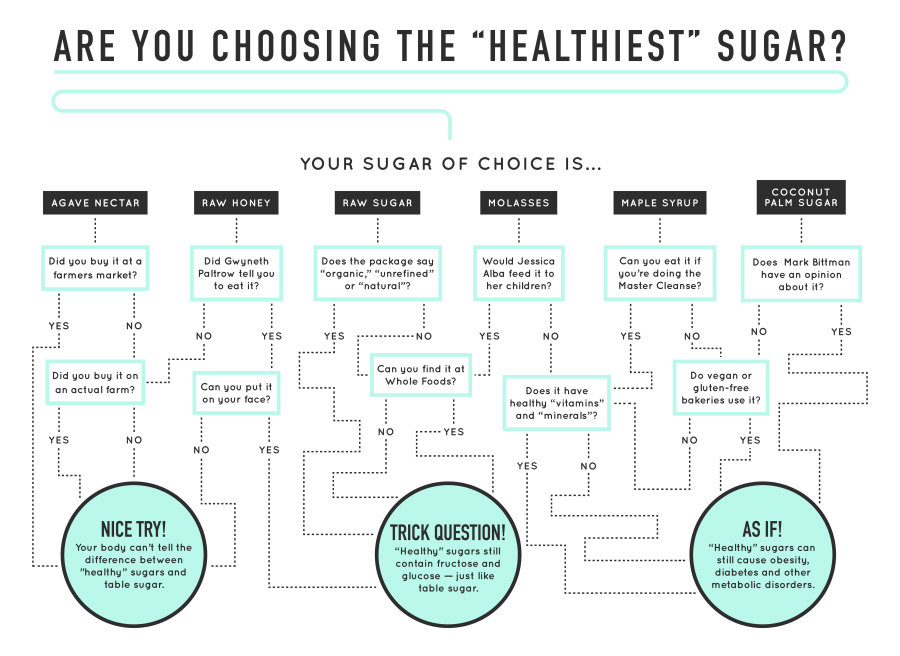
Really, sugars are sugars. Some sugar is good. Less is better.
by Marion
Timmy the ToothSaw "organic maple syrup" the other day for $22 a pint. That was funny.
We need a break from school food issues.
I love this graphic, designed by Noelle Campbell. It’s from an article by Rebecca Adams in the Huffington Post (I’m quoted).
22 May 18:02
Stoke City set to sign Mame Biram Diouf from Hannover
by John Percy
Timmy the ToothShared for the photo. He's flipping out.
Mark Hughes poised to end a protracted pursuit by completing the signing of Mame Biram Diouf from Hannover


15 May 20:31
Keeping Bony will be hard - Hartson
Timmy the ToothBEST HEADLINE EVER
Swansea may find it hard to keep hold of Wilfried Bony this summer according to former Wales striker John Hartson.