Shared posts

16 Feb 21:32

Risky business? Important lessons from the risk management world

by Peter Murchland

All businesses across all industries must have a plan to mitigate specific risks and potential hazards. A robust risk management system will help organizations thrive in the face of financial uncertainties, technology issues, and other such disruptions in their niches.

Risk management is especially important in the energy industry, a market worth more than $7 billion globally in 2023.

In this sector, risks can emanate from many diverse sources. Workers can be exposed to hazardous chemicals, and poor refinery design, changing regulations, and ecological disasters are constant threats.

This makes robust and safe oil and gas process engineering a priority.

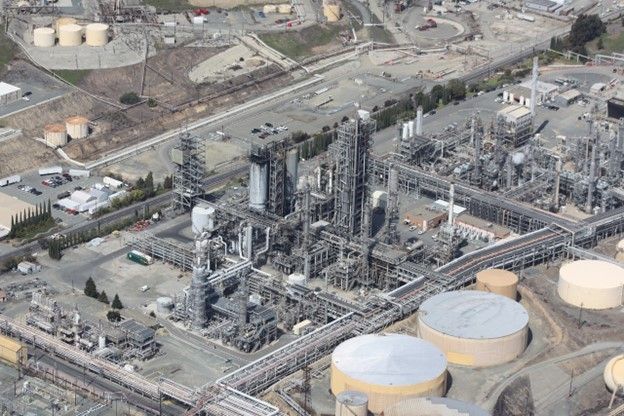
refinery design

But before we discuss the specific risks in the energy sector, we need to understand how enterprises manage risks in the first place.

The International Organization of Standardization (ISO) has developed a five-step risk management checklist that all organizations should abide by.

  • Step 1: Identify all potential risks
  • Step 2: Analyze the risks
  • Step 3: Rank and prioritize urgent risks
  • Step 4: Treat risks—this step may involve employing industrial engineering services
  • Step 5: Monitor and review risks

When these steps are followed, organizations can expect to operate more efficiently and with a certain level of stability for long-term growth and success.

Let’s take a closer look at the top risks that threaten the energy industry in North America in 2023.

What Are the Most Common Risks in the Energy Industry?

Environmental Risks
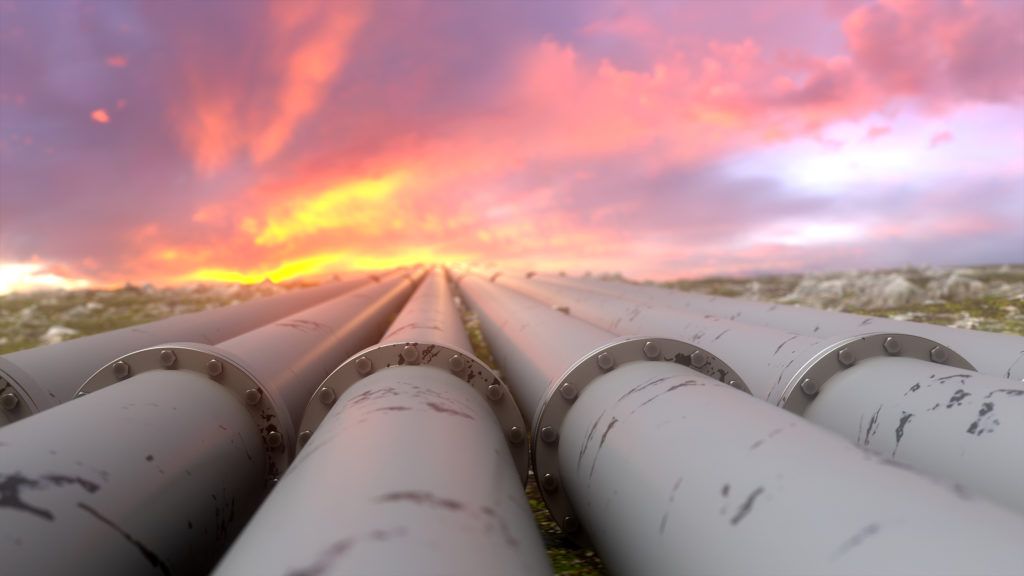
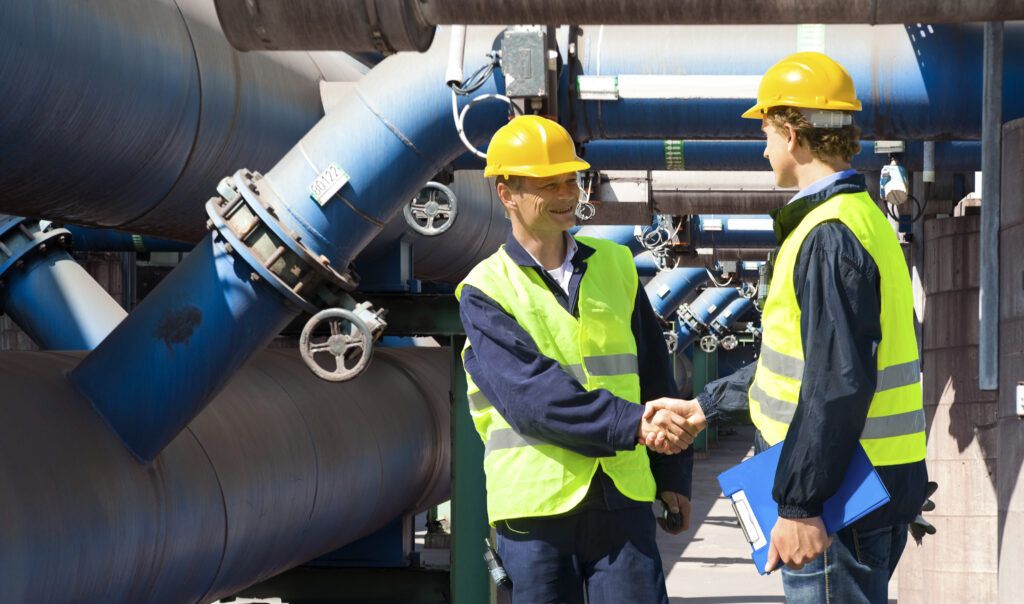
oil and gas pipelines

Oil and gas production methods pose several ecological risks. These processes lead to extensive greenhouse gas emissions, a high chance of oil spills, and the production of several tons of extremely hazardous waste.

As governments compound the pressure on oil and gas companies to do their part to protect the environment and energy companies look for more sustainable methods to carry out operations, environment health and safety services have assumed the top priority for risk management teams in 2023.

Transportation Risks  
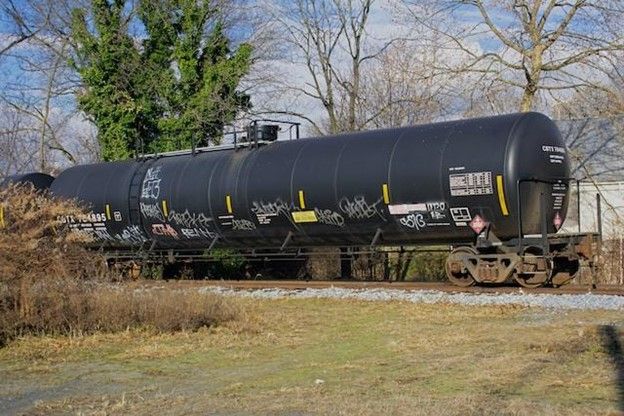
crude-by-rail

A small leak in a gas pipeline could be devastating — not just for the environment but also for the health and safety of all employees involved. Since most of the cargo shipped from an oil rig is flammable, even a small spark can escalate into a massive explosion.

Additionally, natural calamities, such as hurricanes, often threaten to disrupt transport operations, leading to delays and severe financial losses.

To counter such risks, organizations could look toward employing engineering consulting services and onboarding piping design engineers who can construct leak-proof systems to transport gas and oil safely.

Health and Safety Risks

When working with complex machinery for long hours in hazardous conditions, employees are at an immense risk of workplace injuries. According to the U.S. Bureau of Labor Statistics from 2020, 1.4 out of 100 full-time workers in the energy industry suffer from non-fatal injuries and illnesses while on the job.

Therefore, one of the biggest responsibilities of a risk management team is to ensure proper safety and monitoring processes across operations.

Through mechanical engineering services, organizations can ensure that their machinery is working at optimal safety and output. Quality assurance consulting firms can update organizations about the status of their equipment, ensuring much fewer injuries caused by malfunctioning machinery.

Cost Risks

Operating and maintaining an offshore drilling rig is a costly undertaking. The high costs are further compounded by various international regulations, fluctuating global prices, and the measures required to hire and retain highly-skilled employees.

The oil and gas industry is a capital-intensive industry, with every new project facing a new price risk. Risk management teams must work with cost reduction consulting firms to keep operations running smoothly and cost-effectively.

Digitization Risks

As most industries rapidly move toward digitization to increase productivity and profits, there has been a subsequent rise in cybersecurity threats.

Risk management teams must ensure maximum online security to protect organizations’ intellectual property and employees’ personal data. By working with digital technology experts, organizations can develop innovative solutions to integrate new technologies and invite little to no risk of cyberattacks.

Geological Risks

The oil and gas industry develops non-renewable energy sources, which means that they will run out of places to drill at some point. To deal with such concerns, the biggest players in the industry look to drill in unconventional environments — such as in the middle of the ocean — and rely on newly developed extraction techniques to get the most out of their operations. This broadens the scope for geological risks, which can be minimized by carrying out frequent site tests.

With the help of instrumentation engineering services, companies can leverage advanced sensors that observe several variables, including pressure and temperature changes, before starting drilling procedures.

What These Risks Have in Common

When considered at a distance, many of the risks facing the energy industry are connected. Major accidents on site can impact costs, transportation, health and safety, and the environment. But by optimizing certain processes and establishing safety systems as early as possible, organizations in the energy sector can effectively mitigate most of the risks associated with their operations.
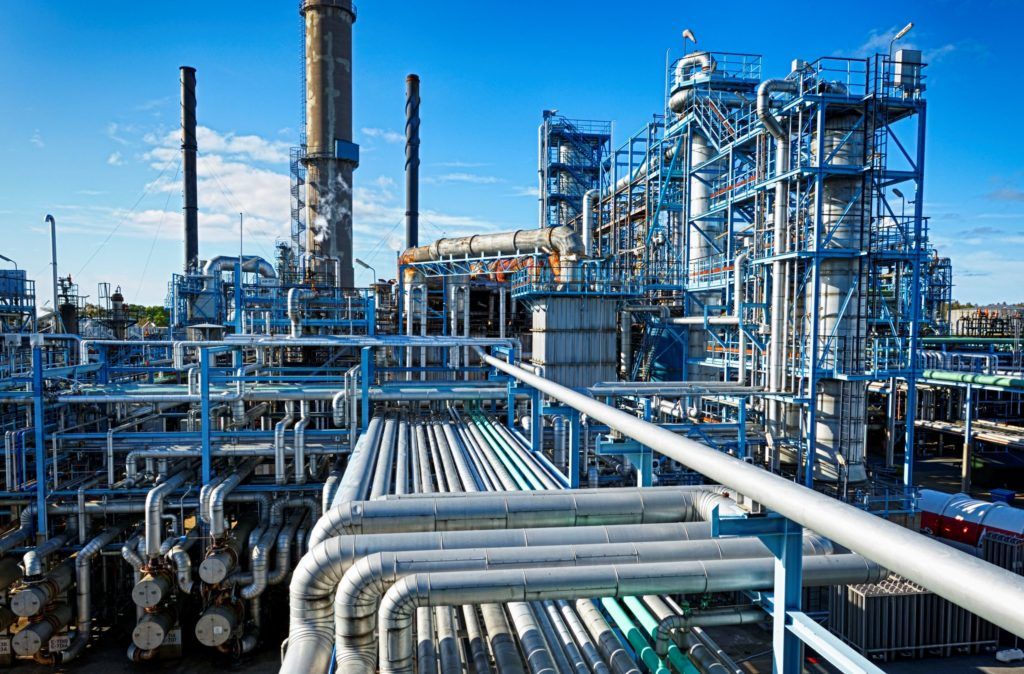
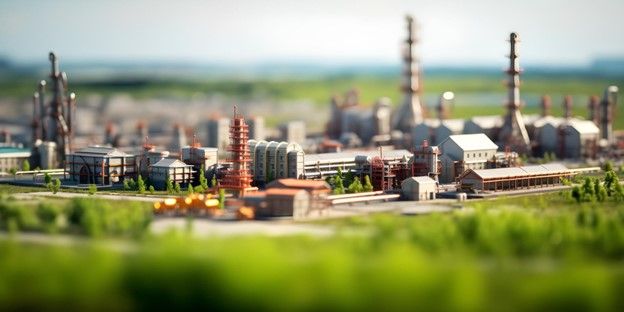
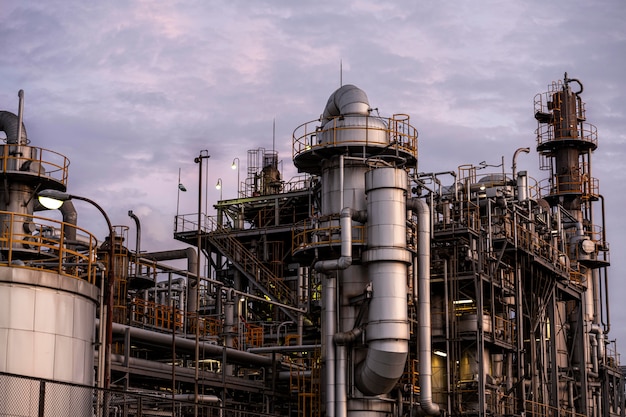
oil refinery

Some of the most common factors that contribute to these risks include:

  • Inadequate safety procedures
  • Lack of hazard analysis systems
  • Defective oil field equipment
  • Negligence
  • Lack of shutdown protocols
  • Lack of communication about hazards

When these issues are addressed at a fundamental stage, through consultation with specialized engineering consultants, for instance, or by having well-defined safety meeting topics, risk management is no longer a struggle.

Conclusion

Risk management is critical in the energy industry. Without proper systems in place, organizations are left vulnerable and risk incurring immense business and financial losses.

Vista Projects is an integrated engineering services firm able to assist with your risk management goals on your next energy industry project. With offices in Calgary, Alberta, and Houston, Texas, and Muscat, Oman, we help clients with customized system integration and engineering consulting across all core disciplines. Contact us today!
16 Feb 21:32

Decarbonization – we all have a role to play!

by Peter Murchland
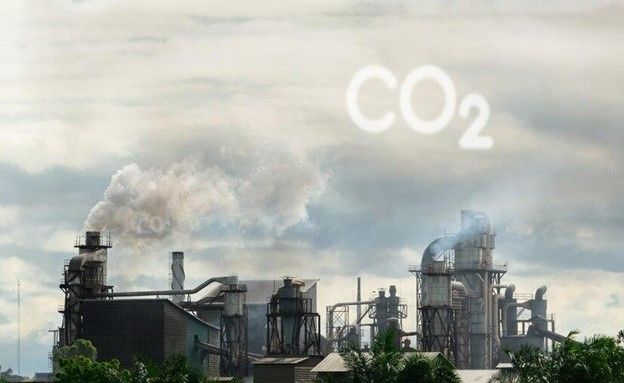
decarbonization in the oil and gas industry

Credit: https://img.freepik.com/free-photo/environmental-pollution-factory-exterior_23-2149057713.jpg

As efforts to counter climate change ramp up and countries adopt more measures to achieve carbon neutrality by 2050, one industry has a tremendous amount of responsibility on its shoulders: the oil and gas sector.

This sector contributes 9% of all man-made greenhouse gas emissions, while the fuel produced as a result contributes a further 33%, a 2020 McKinsey report shows.

And demand has shown no sign of slowing down. The industry accounts for 55% of global energy consumption, with many other sectors entirely reliant on its products.

If North America is serious about achieving its 2050 net zero goals, all of this will have to change. Much like any other sector, the oil and gas industry will have to scale up its decarbonization efforts.

This brings with it many different opportunities and challenges.

How Oil and Gas Can Effectively Decarbonize

decarbonization in the oil and gas industry

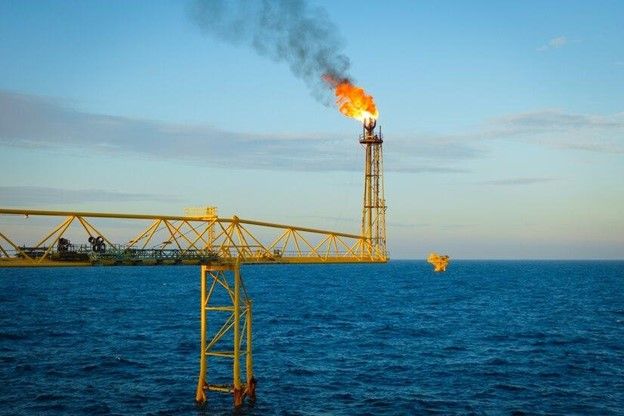
© https://img.freepik.com/premium-photo/gas-is-releasing-burning-atmosphere-from-flare-bridge-offshore-gas-platform_9511-28.jpg

It may seem like a contradiction, but the oil and gas sector could end up playing a massive role in the global decarbonization effort. In fact, industry leaders have predicted that the industry will survive the current shift in climate. It is also expected to lead other sectors by leveraging its years of expertise, technological advancement, and market understanding.

Some of the steps being taken to achieve these decarbonization goals include:

Improving Technology

Efficiency plays a considerable role in decarbonizing the oil and gas sector. With a heightened focus on digital engineering, the industry could improve the accuracy in targeting productive wells and reduce overall energy needs. Improved technology also reduces flaring and methane leaks.

Improving Infrastructure and Reliability

Gas flaring has long been one of the biggest problems associated with the extraction process. It’s extremely wasteful—the amount of gas flared yearly could power all of sub-Saharan Africa—and releases large amounts of greenhouse gas.

With improved reliability, regular maintenance, and high-end equipment, industry players can reduce non-routine flaring. Better gathering and transport infrastructure can also help.

Embracing Renewable Power

Oil and gas companies are increasingly embracing renewable energy sources, with many switching from diesel fuel generators to those that run on solar power. Downstream operators are exploring the potential of green hydrogen over steam methane reforming to reduce emissions.

Scaling up Carbon Capture, Use, and Storage

Carbon captured through CCUS is already widely used. As countries increase the number of carbon capture and storage facilities, this will continue to play a significant role in the decarbonization of the industry.

McKinsey estimates that the total CCUS capacity could increase by 200 times by 2050.

To achieve its carbon-neutral goal by 2050, the oil and gas industry must reduce its current emissions by 90% or 3.4 gigatons a year.

With a focus on oil and gas process engineering in upstream, midstream, and downstream operations, this goal no longer seems like a pipe dream.

Decarbonization in North America’s Oil and Gas: 2023 Initiatives

decarbonization in the oil and gas industry

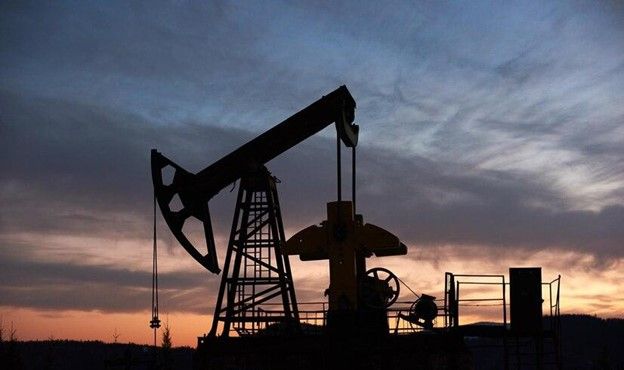
Credit: https://img.freepik.com/free-photo/beautiful-sunset-oil-field-with-pump-jack_651396-1826.jpg

In 2022, the United States Congress launched a significant clean energy push with the announcement of the Inflation Reduction Act, a $370 billion incentive for climate change projects. The Infrastructure Investment and Jobs Act allocated $8 to $10 billion to carbon initiatives a year prior.

The funds will be widely used to scale up carbon capture and storage projects and allow oil and gas operators to develop decarbonization as a service. This allows the industry to take advantage of its underutilized infrastructure and deal with the transportation, storage, and trade of similar molecules.

In 2023, these will provide a significant fillip to the oil and gas industry in its path to decarbonization.

The Securities and Exchange Commission’s new rules standardize how companies declare climate-change related disclosures. This will add a layer of accountability and ensure data transparency among stakeholders.

Similar funds have been announced in Canada, such as the Emission Reduction Fund, which promotes decarbonization, and a tax credit promoting CCUS activities. Given the windfall profits the industry made in 2022, further decarbonizing the sector that accounts for 27% of Canada’s emissions is within sight.

Sustainable Practices Now and in the Future

Multi-discipline engineering consultants are expected to continue to aid in electrification and energy-efficient measures to minimize emissions and methane leakage. These will help the United States go a long way in its stated goal of reducing emissions by 40% to 45%.

There have been great strides in the adoption of renewable energy in oil and gas systems. In 2022, the production of renewable green diesel saw a 90% surge, which is expected to ramp up further in 2023. Increasing investments in sustainable aviation fuel and renewable natural gas are also expected to push the net zero mission.

Considering the high natural gas prices and energy security concerns, green hydrogen and biomethane are increasingly seen as more attractive for future investments.

The regulatory environment in North America, the willingness of industry leaders to produce decarbonization roadmaps, and the ability of corporations to leverage collaborations and embrace innovative technologies will drive the decarbonization of oil and gas in 2023 and beyond.

The Bottom Line: All Gas, No Brakes

It’s clear that the oil and gas industry has its work cut out for itself. Considering the sector is one of the most significant contributors of emissions in the world, a lot will have to be done to achieve the goal of carbon neutrality by 2050.

Fortunately, the industry also has all the tools at its disposal to make this a possibility. By leveraging its immense capital strength, market intelligence, new technologies, and decades of experience in supply chain procedures, it is poised to be a leader in driving the overall energy transition.

By working with various engineering consulting services, North America can move full steam ahead with its decarbonization goals.

Looking to contribute to the oil and gas industry’s push towards decarbonization?

Vista Projects is an integrated engineering services firm able to assist with your decarbonization efforts and projects. With offices in Calgary, Alberta, Houston, Texas, and Muscat, Oman, we help clients with customized system integration and engineering consulting across all core disciplines. Contact us today!
Article Credits:

author: Keren Dinkin, Technology Writer and Contributor

reviewed by: Peter K. Murchland, Marketing and Communications Lead, Visa Projects

sponsored by: Tyler Elchuk, Director, Business Development, Vista Projects

Editorial Statement:

At Vista Projects, we are committed to delivering high-quality, informative, and engaging content through our blog articles. Our team of expert writers and contributors meticulously research and create each piece to provide our readers with valuable insights, practical tips, and thought-provoking ideas. We strive to cover a diverse range of topics, catering to the interests and curiosity of our readers. Whether you are looking for the latest trends in industrial engineering, insightful discussions on energy-related issues and opportunities, our blog has something for everyone.

Transparency, accuracy, and credibility are at the core of our content creation process. We adhere to strict editorial standards, fact-check our information rigorously, and cite credible sources to ensure the reliability of our articles. Our goal is to empower our readers with knowledge, encouraging them to engage in meaningful conversations, make informed decisions, and broaden their perspectives. Furthermore, we welcome feedback and input from our readers. Your comments and suggestions are invaluable to us, as they help us improve our content and cater to your interests more effectively. We believe in the power of community and aim to foster a vibrant and respectful environment where diverse opinions are respected and celebrated.

Thank you for being a part of our community. We invite you to explore our blog, share your thoughts, and embark on a journey of learning and discovery with us. Together, let’s explore the vast world of knowledge and ideas, making our online space a hub of intellectual curiosity and inspiration.

Warm regards,

The Vista Projects Editorial Team

16 Feb 21:32

Powering Tomorrow: The Hydrogen Economy and Quality Engineering

by Peter Murchland

In recent years, the global energy landscape has witnessed a paradigm shift towards sustainable and cleaner alternatives. Among these, hydrogen has emerged as a promising contender, gaining momentum for its potential to revolutionize the way we power our world. North America, with its ambitious goals for decarbonization and energy transition, is at the forefront of embracing hydrogen as a key player in the future energy mix. This article explores the burgeoning hydrogen infrastructure in North America and delves into how engineering companies play a pivotal role in its development through engineering, design, and procurement.

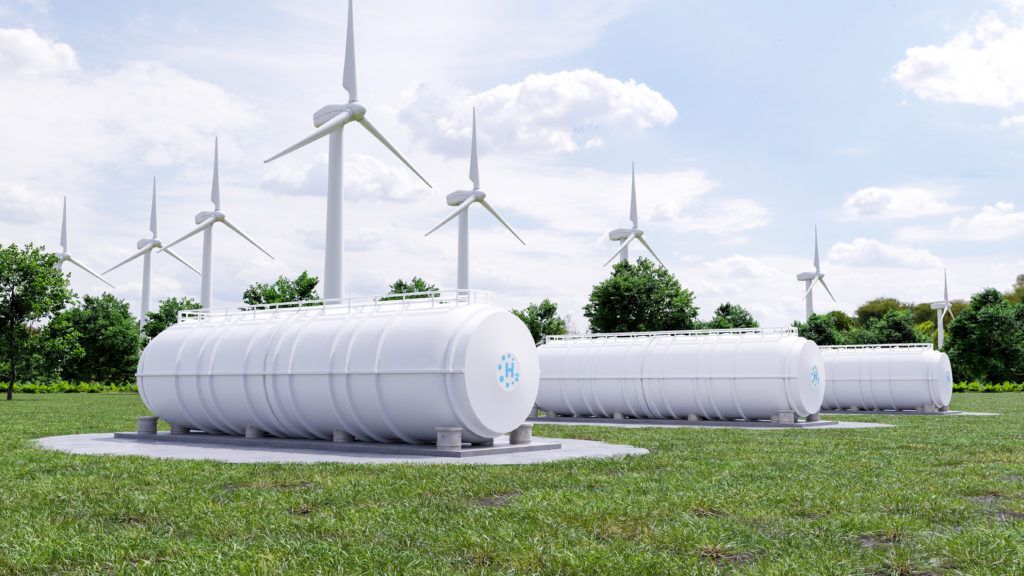
hydrogen economy

The Hydrogen Revolution in North America

North America’s push towards a hydrogen-based economy is fueled by a commitment to reducing carbon emissions and achieving energy independence. Governments, industries, and investors are recognizing the potential of hydrogen as a versatile, clean energy carrier that can be harnessed for various applications, from transportation to industrial processes. The region is witnessing a surge in hydrogen production projects, with a focus on both green and blue hydrogen.

Green hydrogen, produced through electrolysis powered by renewable energy sources, aligns with many sustainability goals across North America. On the other hand, blue hydrogen, produced from natural gas with carbon capture and storage (CCS), provides an interim solution for a smoother transition.

Engineering Companies: Catalysts for Hydrogen Infrastructure Development

As the demand for hydrogen infrastructure rises, engineering companies are stepping into a crucial role, serving as catalysts for the development of a robust and efficient network. Their expertise in engineering, design, and procurement is indispensable in ensuring the success of hydrogen projects across North America.

Engineering Expertise

Engineering companies bring a wealth of knowledge to the table when it comes to designing and implementing hydrogen infrastructure. From the conceptualization of hydrogen production facilities to the development of storage and transportation systems, engineers play a vital role in ensuring the efficiency and safety of the entire hydrogen value chain. Their expertise extends to optimizing processes, mitigating risks, and adhering to regulatory standards.

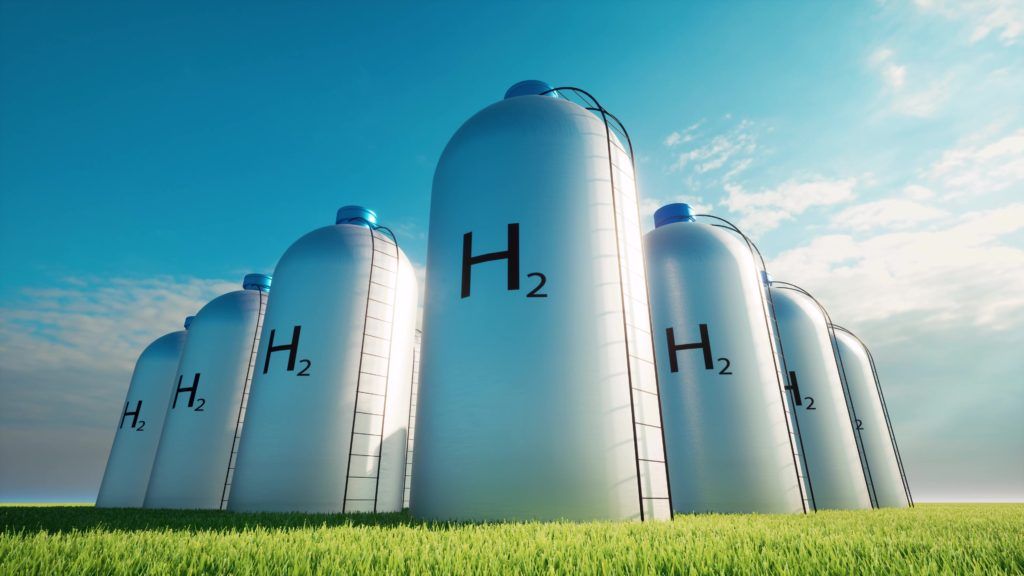
hydrogen economy

Innovative Design Solutions

Designing a hydrogen infrastructure that is both efficient and sustainable requires innovative thinking. Engineering companies leverage their creativity and technical know-how to design cutting-edge solutions for electrolysis plants, hydrogen storage facilities, and distribution networks. They consider factors such as scalability, safety, and integration with existing energy systems to create infrastructure that meets the demands of a rapidly evolving energy landscape.

Procurement Management

Procuring the necessary equipment, materials, and technologies for hydrogen projects is a complex task that demands a deep understanding of the market and industry dynamics. Engineering companies excel in procurement management, ensuring that projects stay on schedule and within budget. Their ability to negotiate contracts, source quality components, and manage supply chains is instrumental in the successful execution of hydrogen infrastructure projects.

Hydrogen Infrastructure

To comprehend the multifaceted role of engineering companies in hydrogen infrastructure, it is essential to examine the key components involved in the development of a comprehensive hydrogen ecosystem.

Hydrogen Production Facilities

Engineering companies are instrumental in designing and constructing hydrogen production plants, whether they rely on electrolysis for green hydrogen or utilize steam methane reforming with CCS for blue hydrogen. The optimization of these facilities for cost-effectiveness, energy efficiency, and environmental sustainability is paramount to the success of the overall hydrogen infrastructure.

Storage Solutions

Hydrogen’s low energy density makes storage a critical aspect of the infrastructure. Engineers are tasked with designing safe and efficient storage solutions, which may include underground caverns, salt domes, or advanced materials for compressed or liquid hydrogen storage. These solutions must balance capacity, accessibility, and safety considerations.

Transportation Networks

The transportation of hydrogen from production sites to end-users necessitates a sophisticated network. Engineering companies contribute by designing pipelines, trucks, and other transportation modes tailored to the unique characteristics of hydrogen. They address challenges such as hydrogen embrittlement and develop solutions to optimize the logistics of hydrogen distribution.

End-User Applications

Hydrogen finds applications in various sectors, including transportation, industry, and power generation. Engineering companies collaborate with end-users to integrate hydrogen technologies into their existing infrastructure or design new systems that harness the potential of hydrogen for clean and sustainable energy solutions.

Challenges and Solutions

While the prospects of hydrogen infrastructure in North America are promising, several challenges need to be addressed to ensure a smooth transition. Engineering companies are at the forefront of developing solutions to overcome these challenges:

Cost Competitiveness

One of the primary challenges is the cost competitiveness of hydrogen compared to traditional energy sources. Engineering companies are actively engaged in research and development to drive down costs through technological advancements, process optimization, and the deployment of innovative solutions.

Scaling Up Production

Scaling up hydrogen production to meet the increasing demand requires strategic planning and execution. Engineering firms are developing modular and scalable designs for production facilities, allowing for the seamless expansion of capacity to align with market needs.

Infrastructure Integration

Integrating hydrogen infrastructure with existing energy systems poses a logistical challenge. Engineering companies are working on solutions to seamlessly integrate hydrogen into the existing energy infrastructure, ensuring compatibility and maximizing efficiency.

Regulatory Framework

The regulatory landscape plays a crucial role in the development of hydrogen infrastructure. Engineering companies collaborate with policymakers and industry stakeholders to establish clear and supportive regulatory frameworks that encourage investment and innovation in the hydrogen sector.

Conclusion

The rise of hydrogen infrastructure in North America represents a transformative shift towards a cleaner, more sustainable energy future. Engineering companies, with their expertise in design, engineering, and procurement, are pivotal in realizing the full potential of hydrogen as a key player in the energy transition. As governments, industries, and investors continue to invest in hydrogen projects, the collaboration between engineering firms and other stakeholders will be essential to overcome challenges, drive innovation, and establish a robust hydrogen ecosystem that powers tomorrow’s world.

Planning a Hydrogen facility and need some help? 

Vista Projects is an integrated engineering services firm able to assist with your hydrogen facilities and related projects. With offices in Calgary, Alberta, and Houston, Texas, Muscat, Oman, we help clients with customized system integration and engineering consulting across all core disciplines. Contact us today!
16 Feb 21:32

Carbon capture and storage – what did we learn in 2023?

by Peter Murchland

Since the dawn of the Industrial Revolution, carbon dioxide levels in the earth’s atmosphere have increased by 50%. This critical statistic — combined with rising temperatures and fears of a climate crisis — has made limiting greenhouse gas emissions the top priority of world governments and industries across sectors.

ccs

Over the years, carbon capture and storage (CCS) has emerged as a technology with the potential to reduce the impact of these emissions and bring countries a step closer to achieving their stated goal of carbon neutrality by 2050.

North America has been leading the way in development, with the region hosting most of the world’s facilities. But what’s next?

Let’s take a closer look at what happened with carbon capture and storage technology in 2023 and what’s ahead.

Understanding CCS Technology’s Relevance

ccs

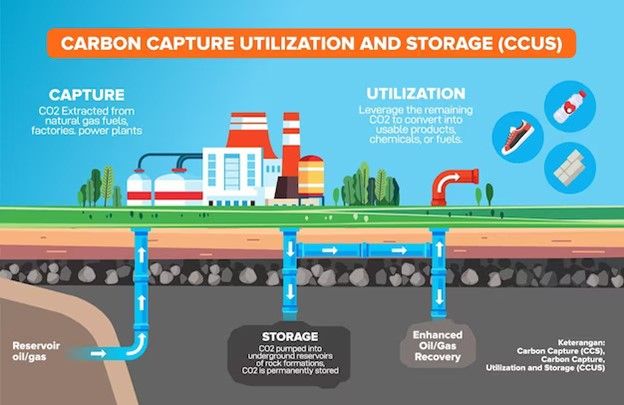
So, how does carbon capture work? Essentially, CCS facilities trap carbon dioxide released from industrial operations or directly from the atmosphere.

This carbon dioxide can then be reused on-site, compressed and sent to other industries via pipelines or stored underground in a process known as geological sequestration.

There are many benefits to this. The most obvious is, of course, that CCS facilities remove CO2 from the air and from industries that otherwise struggle to balance emission levels. A study points out that when this CO2 is injected underground, 98% of it will stay stored there for 10,000 years, with a very low chance of leakage.

At the same time, with the right engineering services, CCS facilities can be retrofitted to operate out of most existing industrial plants.

The carbon captured can be used to offset emissions in industries that otherwise struggle to meet net-zero goals. It could also be a potential source of income, with some facilities selling stored CO2 to enable enhanced oil recovery.

Alternatively, it can go into the production of low-carbon hydrogen, which can be used to decarbonize more industries.

Given these benefits, it’s no wonder that the technology has been gaining momentum.

The International Energy Agency estimates that there are currently over 500 facilities in various stages of development within the borders of its 31 member countries. These regions account for 75% of the world’s total carbon emissions.

Most of the facilities, both planned and currently operational, are in North America.

2023: a Big Year for CCS in North America

ccs

According to BTU Analytics, five CCS facilities are in the early development stage in the U.S. and Canada in 2023.

Three new projects were also announced in the two countries, including a significant 1,850,000-ton-per-year capacity facility at a proposed ammonia plant between Japanese conglomerate Marubeni and Canadian midstream operator Pembina.

The region has already been leading the way in CCS, with the United States home to almost half of the world’s facilities. Some of these facilities were opened as far back as the 1970s and ’80s. Just 10 of the U.S.’s operating facilities as of 2020 captured 25 Gigatons of CO2, which was two-thirds of the global capacity.

Fast forward to 2023, and the region is seriously ramping its efforts. North America has 123 commercial carbon capture and storage projects. A little over 20 are operational, while 101 are in the construction and development stage. The EU, by comparison, has four operational facilities, and the Asia-Pacific region has nine.

Japanese and European firms are especially interested in investing and partnering with several of the new projects announced in 2023.

Much of this push has come from changes made to Section 45Q — the section of the Internal Revenue Code that outlines a tax credit for carbon sequestration.

The 2022 Inflation Reduction Act has improved incentives for CCS facilities.

The act offers up to $85 per ton of CO2 permanently stored and $60 per ton for other industrial uses. For CO2 captured directly from the atmosphere, these credits go up to $180 per ton for stored CO2 and $130 per ton used for industrial purposes.

These credits come with a change in capacity requirements for eligible projects and a 7-year extension to qualify for the credit, promoting the construction of further CCS facilities until January 2033. 

The two regions particularly benefiting from this boom are the Midwest and the Gulf Coast, which account for 35% of the global capacity. BTU Analytics identifies three reasons for this.

  • Several existing industries that can be turned into CCS energy facilities
  • The region’s potential for enhanced oil recovery and geological storage
  • Higher premiums for low-carbon products.

Piping design engineers are also currently in the process of building three proposed CO2 pipelines to connect facilities to a central storage facility.

Upcoming CCS Projects in North America

Given all these factors, more planned carbon capture and storage facilities are popping up across the U.S. and Canada. Some of the major updates include:

  • A Direct Air Capture facility in Texas that will be operational by 2024. The project is a collaboration between a subsidiary of Occidental Low Carbon Ventures and Carbon Engineering Ltd
  • Air Products is investing $4.5 billion to create the world’s largest carbon capture and storage facility at a new blue hydrogen plant in Texas
  • The renewable energy company Aemetis has purchased 24 acres of a former military base in California to develop a CCS injection well
  • Canadian midstream operator Pembina has partnered with Japanese conglomerate Marubeni to develop a blue ammonia plant in Alberta
  • Also in Alberta, Moraine Initiatives LTD plans to build a natural gas plant with an integrated carbon capture facility
  • ExxonMobil and Mitsubishi Heavy Industries announced they will leverage multi-disciplinary team engineering to develop advanced CCS solutions

These are just some among a slew of projects in 2023 that will push North America to join Europe in accounting for an 11% increase in CCS deployment by 2030.

Conclusion: Decarbonizing the Future

The IEA has stated that CCS is crucial as the global community seeks ways to meet carbon neutrality goals. In fact, it places it alongside renewable electrification, bioenergy, and hydrogen as one of the four key pillars of global energy transitions.

North America’s long-standing commitment to scale up CCS technology, combined with the interest and expertise of multi-discipline engineering consultants, can go a long way in building a better future.

Planning a CCS project?

Vista Projects is an integrated engineering services firm that can assist with your carbon capture and storage projects. With offices in Calgary, Alberta, and Houston, Texas, and Muscat, Oman, we help clients with customized system integration and engineering consulting across all core disciplines. Contact us today!
16 Feb 21:32

Cleantech – can engineers and system integrators supercharge these projects?

by Peter Murchland

Credit: https://www.freepik.com/free-photo/earth-environment_8668094.htm

As we head into 2024, developing Cleantech is no longer an option but a necessity for many firms large and small.

Last year, U.S. President Joe Biden significantly pushed Cleantech in the Inflation Reduction Act and the Chips and Science Act.

By offering an estimated $400 billion in tax credits and subsidies, the two laws were designed to spur the development of U.S. Cleantech.

Industries across the U.S. responded — with the Financial Times reporting that $224 billion worth of Cleantech and semiconductor manufacturing projects were announced between August 2022 and 2023.

These projects, which include major strides in electric vehicles, batteries, and solar and wind energy, are estimated to create 100,000 jobs. But to reach their goal, industries must leverage the support of high quality engineering consultants.

What Does the Cleantech Push Include?

clean tech

Credit: https://www.freepik.com/free-photo/wind-turbines-farmland_1329893.htm

CleanTech often refers to the development and innovation of products, technologies, and business models that work within — but are not limited to — these categories:

  • Renewable energy: Innovation in the generation and transmission of fossil fuel-free energy
  • Pollution prevention: Improving technologies that reduce greenhouse emissions and improve waste management systems
  • Energy efficiency: Finding solutions to make the most of energy consumption
  • Clean transportation: The development of electric and hybrid vehicles, as well as innovation in infrastructure to allow for reduced emissions
  • Water technologies: Leveraging the latest technologies, including artificial intelligence and Internet of Things, to improve water quality and treatment
  • Green building and construction: Creating new systems and practices to reduce the emissions associated with traditional construction and building practices

So far, the U.S. has raised more funding for CleanTech than any other country, with California home to the largest number of CleanTech startups.

Canada, meanwhile, is the second most represented country in the Global Cleantech 100, the third largest producer of hydroelectricity, and is home to 20 percent of the world’s large-scale carbon capture and storage facilities.

How Quality Engineering Can Supercharge Cleantech Projects

Now that we’ve taken a little glimpse into the scope of Cleantech in North America, let’s dive into the role engineering consultants will play. According to a report quoted in the Financial Times, one of the biggest challenges Cleantech projects will face this decade is the need for one million computer scientists and engineers.

But what makes engineering consultants so critical to Cleantech?

Project Management

Engineering consultants leverage their expertise and knowledge to help Cleantech companies develop project execution plans. Whether it’s coordination, scheduling, or progress reporting, engineers ensure that projects are well-designed and cost-effective.

Engineering consultants may also develop project procurement software that aid in the purchase of sustainable goods and services. This includes procuring green technology and fuels, energy-efficient systems, and recyclable products.

Through a comprehensive assessment plan, they can assess the practicality of renewable energy options while taking resource availability and technical requirements into account. Furthermore, through rigorous risk assessments, they also help ensure the long-term viability and sustainability of a project.

This unique combination of project management and engineering expertise is, for instance, greatly beneficial in the design and implementation of carbon capture and storage projects. Over 100 CCS facilities are in the construction and development stage in North America today, each of which requires a high amount of technical assistance.

Technological Innovation

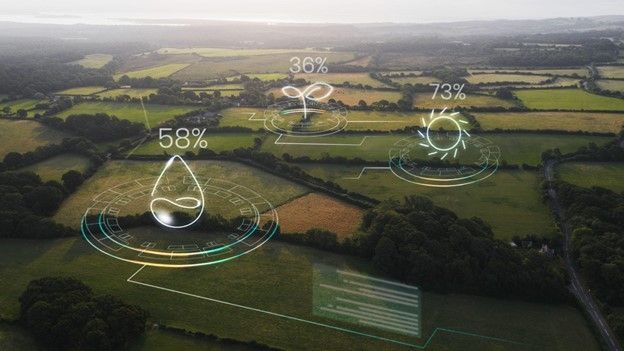
clean tech

Credit: https://www.freepik.com/free-photo/smart-farming-with-agriculture-iot_17121960.htm

Multi-discipline engineering consultants play a big role in developing new technologies, as well as optimizing existing designs.

Consultants leverage the most modern technology to offer solutions for the most complex engineering challenges, simplify the digital transformation of industrial assets, and streamline system integration for digital project execution. This is done following consultation with all stakeholders on a projects – both internal and external.

Digital Twins

Digital twinning is an example of such technology.

This virtual model collects real-time data to monitor operations. It has already proven to be a game-changer for oil and gas companies, helping them become more productive, efficient, and, hence, more sustainable.

Digital twinning has also shown promise in bringing down the costs of Hydrogen extraction, which is increasingly being seen as the green energy source of the future.

Single-Source-of-Truth

Digital engineering consultants can help a company organize its data into a single-source-of-truth, which ensures that everyone in an organization bases decisions on the same data. This data management system has shown promise in helping develop ESG reports — which a Cleantech company can use to identify risks and opportunities and, hence, make more environmentally-friendly decisions.

These are just a couple of examples of the techniques that engineering consultants implement to help companies maximize performance. Leveraging an engineering consultant’s expertise in artificial intelligence, machine learning, and IoT systems also helps Cleantech projects be more efficient and sustainable. 

System Design

Design engineering consultants can help Cleantech companies design systems that use resources more optimally. Using their expertise and knowledge, engineering consultants can be called upon to enhance energy efficiency, optimize renewable energy systems, design sustainable infrastructure, and implement smart grid technologies.

Regulatory and Compliance

The expertise of an engineering consultant also extends to a deep understanding of regulatory frameworks. While developing a Cleantech project, companies must comply with numerous regulations governing green energy projects.

When looking at construction in the energy sector, for instance, this expertise allows companies to navigate the permit approval process, reduce delays, and benefit from more knowledge of building codes and regulations.

Apart from these essential functions, engineering consultants can develop safety meeting topics to ensure that Cleantech companies maintain strict safety standards while identifying potential hazards and dealing with these red flags at a nascent stage.

Conclusion

As companies in North America continue to embrace Cleantech in the years to come, the role of engineering consultants cannot be understated. Whether it’s about digital infrastructure, system design, or efficient project management, multi-discipline engineering consultants are essential to overcoming both minor and major challenges.

Only when Cleantech companies leverage the expertise of engineering consultants in designing new products and optimizing existing infrastructure can we say that we’re making the most of this green revolution.

Looking for Engineering Consultants for a Green Project?

Vista Projects is an integrated engineering and system integration services firm that can assist with your Cleantech projects. With offices in Calgary, Alberta, Houston, Texas, and Muscat, Oman, we help clients with customized system integration and engineering consulting across all core disciplines. Contact us today!
16 Feb 21:32

Will Digital Engineering be a Game-Changer for the Offshore Oil and Gas Industry in 2024?

by Peter Murchland

Credit: https://img.freepik.com/free-photo/oil-platform-ocean-with-sun-setting-it_123827-23498.jpg

The offshore oil and gas industry, which has faced immense challenges due to the recent COVID-19 pandemic and the Russia-Ukraine conflict, is poised to make a huge comeback. In the next five years, the market is poised for a compound annual growth rate of 8.5% across regions.

As it transitions into Industry 4.0, the sector is also expected to see a transformation in its overall operations. More and more technological advancements are taking over traditional systems to streamline complex processes.

To make the most of this growth, industry leaders must focus on two concepts: system integration and digital engineering.

What is the relationship between the two, and how will they impact the offshore oil and gas industry? Let’s take a closer look.

The Relationship Between System Integration and Digital Engineering

offshore oil and gas digital technology

Credit: https://img.freepik.com/premium-photo/business-process-automation-concept-blurred-network-cabinets

-new-project-2020_161452-1829.jpg

System integration is the process of combining workflows or components from multiple sources into a single system. Systems integration consultants combine datasets and present them in a single-source-of-truth environment for seamless access.

In offshore oil and gas production, these systems could include those that monitor and control upstream processes, automated systems for oil and gas recovery, emission monitoring and reporting, or spill prevention and detection.

Digital engineering is the process of designing, optimizing, and operating complex systems using emerging technologies.

In upstream oil and gas production, this could involve collecting and analyzing large amounts of sensor data, enabling predictive maintenance, or streamlining intelligent remote operations.

Digital engineering has been used to make manufacturing and defense processes more efficient. Oil and gas facilities are jumping onto the trend by adopting technologies like AI, machine learning, the Internet of Things, and digital twins, among others, to make data-driven decisions that will help them stay profitable and relevant for decades.

When system integration and digital engineering work in tandem, they can:

  • Give industry players access to real-time data
  • Reduce installation costs and total cost of ownership
  • Ensure well-informed decision-making processes
  • Automate repetitive tasks and free up time for high-value tasks

How Offshore Oil and Gas Benefits from System Integration

Offshore oil and gas production is a critical component of upstream operations. It involves a wide range of activities, including looking for underwater oil and gas fields, drilling exploratory wells, and operating the machines that bring gas and oil to the surface.

Given so many variables, data organization is critical to improve efficiency, enable better analysis and decision-making, and reduce downtime by highlighting potential issues.

With the help of systems integration consultants, an offshore oil and gas production facility can:

  • Maintain greater control over processes from remote locations via phones or tablets. This could include interacting sensors, valves, and pumps from on- and off-site
  • Access, keep track of, and analyze real-time data
  • Make data more readily available to all stakeholders
  • Trigger texts, emails, or voice calls in hazardous situations, and,
  • Improves data visualization with context

Automation is another trend increasingly adopted by the oil and gas industry. Automated system integration projects ease data collection and boost efficiency by taking over repetitive and time-consuming tasks.

Automation and system integration can improve consistency, productivity, and safety, reducing operation costs.

Digitization of Offshore Oil and Gas Production

offshore oil and gas system integration

Credit: https://img.freepik.com/free-photo/standard-quality-control-concept-m_23-2150041859.jpg

Upstream companies can also greatly benefit from increased digitalization. The World Economic Forum states that the digitization of the oil and gas sector could add a staggering $2.5 trillion to its value.

Because offshore oil and gas production involves large amounts of seismic and geological data and routinely takes place in high-risk environments, digital solutions can significantly reduce costs and risks.

Some of the newer technologies being adopted by the sector include the following:  

offshore oil and gas digital twinning

Credit: https://img.freepik.com/premium-vector/oil-derrick-vector-3d-object-mining-minerals-abstract-explosion-particles_395079-11076.jpg

Digital Twins

A digital twin is a visual representation of a physical object, system, or process that mimics their behavior in real time. It integrates technologies like machine learning, AI, and data analytics for simulations that help predict and solve emerging issues.

Digital twinning could enable predictive maintenance and asset optimization in offshore oil and gas production to enhance emergency preparedness and sustainability initiatives.

Big Data and Artificial Intelligence

AI can help facilities monitor offshore platforms through various sensors, collecting and analyzing data related to temperature, pressure, or flow rate.

For example, seismic data can be analyzed to zero in on the optimum location for drilling. Datasets related to previous drilling operations can help identify the quantity of oil left in reservoirs and make production more effective.

AI also enables better decision-making, as it is incredibly efficient at analyzing large amounts of geological and seismic data and produces reports in mere seconds.

Internet of Things

IoT technologies go a long way in improving safety on offshore platforms, as they help workers monitor assets and detect potential risks.

IoT leverages novel technologies like edge and cloud computing and advanced signal processing, among others, to help oil and gas workers ensure timely maintenance of crucial equipment. In case of breakdowns, there is minimal to no downtime. As you’d imagine, this helps their companies save a lot of time and money.

These technologies can also be used to monitor leaks and minimize flaring, which can greatly impact the environment. Detecting toxic vapors and the presence of flammable gases goes a long way in hazard management.

The Bottom Line

Digital engineering and system integration are crucial to upstream oil and gas operations. The digitization of certain processes leads to more efficient operations, while data accuracy directly relates to cost reduction.

When both work in tandem, the industry is poised to see immense growth in 2024 and beyond.

Planning an Offshore System Integration Project? 

Vista Projects is an integrated engineering and system integration services firm able to assist with your offshore system integration and digital engineering projects. With offices in Calgary, Alberta, Houston, Texas, and Muscat, Oman, we help clients with customized system integration and engineering consulting across all core disciplines. Contact us today!
16 Feb 21:32

Is sustainable aviation fuel the answer to lower carbon emissions?

by Peter Murchland

The aviation sector is one of the modern world’s most crucial industries. It is also one of the largest contributors to carbon emissions.

In 2019, domestic and international passenger flights that took off from the United States emitted 179 million metric tons of the greenhouse gas. This makes the U.S. aviation industry the highest contributor to carbon dioxide (CO2) emissions globally.

This alarming statistic has been a wake-up call for a country that has demonstrated its willingness to achieve carbon neutrality by 2050.

Combined with the ever-rising petroleum prices, it has also emphasized the need for more low-carbon biofuels in the aviation industry. The result is a wealth of opportunities for change and growth.

The North American biofuels market was $47.2 billion in 2022 and is only expected to expand in the coming years as more airlines invest big in biofuels.

Why Developing Sustainable Airline Fuel is So Critical

biofuel opportunities in the aviation industry

Credit: Chokniti Khongchum via vecteezy.com

The U.S. Department of Energy estimates that with the right biofuel, emissions could be up to 165% lower than current rates.

Sustainable Airline Fuel (SAF) is a biofuel with similar properties to jet fuel. This means it can propel aircraft with a much lower carbon footprint. SAF is made from renewable biomass, such as corn grain, algae, manure, solid waste streams, and other types of wet and dry waste.

In the U.S., the Departments of Energy, Transport, and Agriculture have been working in tandem with other federal departments and engineering services to scale up biofuel production and technologies.

These organizations have noted that apart from the obvious benefits of reducing emissions, developing biofuels can also:

  • Boost farmer revenue: Investment in biofuel helps farmers earn more money during the offseason—they can sell feedstock to a brand new market.
  • Improve aircraft performance: SAF is a clean burning fuel, which has a positive impact on the performance of an aircraft engine.
  • Enhance soil and air quality: Increased production of certain crops can reduce the risk of erosion, promote biodiversity, and improve water quality. SAF made from waste also reduces the amount of methane released into the atmosphere.

Biofuel: Opening Up New Avenues in Aviation

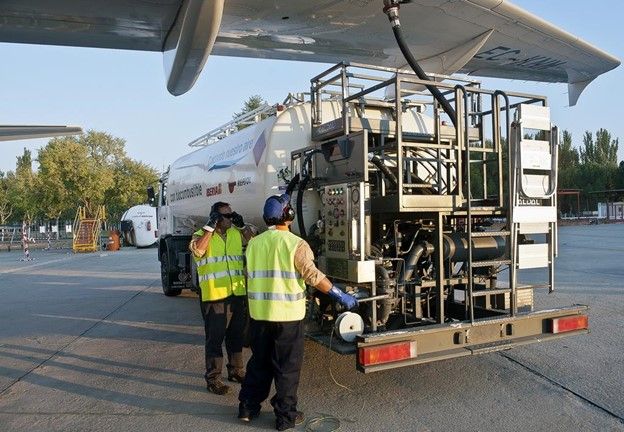
biofuel opportunities in the aviation industry

Credit: Refuel EC-KNM Iberia (CC BY 2.0), via Wikimedia Commons

So, what are the opportunities one can hope to benefit from when scaling up the production of biofuel?

Considering that the industry’s growth requires expertise in several disciplines, SAF production has the potential to open up many new economic avenues and create thousands of employment opportunities across North America.

By taking advantage of multi-discipline engineering consultants, jobs could be made available in the construction of biorefineries, manufacturing, infrastructure, farming communities, and the aviation industry.

Players who successfully navigate the challenges of scaling up in these sectors can benefit from a huge payoff. Many airline companies have shown serious interest in investing in biofuel.

biofuel opportunities in the aviation industry

Credit: © Raimond Spekking / CC BY-SA 4.0 (via Wikimedia Commons)

In 2022, United Airlines Ventures announced it was investing $37.5 million in NEXT Renewable Fuels to build a flagship biofuel refinery in Oregon. This will help NEXT in its goal to produce up to 50,000 barrels of SAF, renewable diesel, and other fuels every single day.

The Houston-based NEXT is seen as a major industry player because of its unique refinery design, access to a deep-water port, multi-modal logistics options, and feedstock options. This investment can help the organization take further steps in exploring biofuel opportunities and produce SAF on a larger scale—another critical step for the overall industry.

This is United Airlines Ventures’ fifth investment in green technology as part of its committed goal of zero net emissions by 2050. In 2021, United Airlines was the first aviation company to fly a passenger plane using 100% sustainable fuel.

Other airline carriers in North America, such as JetBlue and Virgin Atlantic, have also been experimenting with biofuels in passenger flights over the last few years.

In Canada, the New York-based Air Company signed a deal earlier this year to provide Air Canada with SAF by 2025. The company has said this biofuel will be entirely independent of fossil fuels and cut emissions by 94%.

The push for SAF in Canada was also endorsed by the CEO of WestJet, who has said that the country has all the necessities to facilitate biofuel production.

The North American demand for biofuels is expected to increase, bringing with it a wealth of opportunity. Market growth is projected to be $1.31 billion by 2026, with companies like Exxon Mobil investing up to $600 million in biomass like algae.

Challenges of Developing Sustainable Aviation Fuel

biofuel opportunities in the aviation industry

Credit: Puwadon Sang-ngern via vecteezy.com

That said, this opportunity isn’t without its challenges. To make the most of this growing industry, project developers face issues related to production economics, engineering processes, and certifications.

The biggest hurdle in production economics is reducing biofuel costs to match traditional jet fuel. This can only be done by lowering production costs and increasing feedstock availability.

Another significant challenge involves the technical expertise and infrastructure required to scale operating production facilities. This can only be done with the assistance of multi-discipline engineering consultants.

The Bottom Line: A Win-Win Situation

Biofuel companies are well poised to take advantage of one of the largest growing markets in North America and be rewarded with long-term agreements with some of the biggest airlines in the world. With these developments, the aviation industry can get closer to the goal of net zero emissions by 2050.

To truly benefit from this win-win situation, companies must focus their attention on biofuel engineering and refinery design to face some of the major challenges SAF production poses.

Fortunately, they will not have to navigate this alone…

Are you planning to make your mark on the biofuel industry?

Vista Projects is an integrated engineering services firm able to assist with your sustainable aviation fuel  or other biofuel projects. With offices in Calgary, Alberta, Houston, Texas, Muscat, Oman, we help clients with customized system integration and engineering consulting across all core disciplines. Contact us today!

feature image: Credit: Oleg Gapeenko via vecteezy.com

16 Feb 21:32

Energy industry upgrade using artificial intelligence?

by Peter Murchland

In the energy sector, the term artificial intelligence or “AI” is becoming more and more common, and its potential importance is being examined more than ever. By enabling effective decision-making processes and real-time insights into asset performance, AI technology is starting to change the energy business across North America and beyond.

energy industry artificial intelligence

Energy firms can now optimize operations, minimize downtime, cut costs, enhance safety protocols, and make better forecasts about future trends by incorporating AI algorithms. North America is one of the industry leaders in this area, with many organizations making significant investments in cutting-edge technology that use AI to positively impact their operations.

Successful AI adoption can help revolutionize the industry for years to come, from enhancing drilling procedures to reducing environmental concerns linked with oil spills or gas leaks. For instance, larger oil firms like ExxonMobil and Chevron are using AI-powered sensors to track their drilling machinery in real-time and foresee possible issues before they arise. This decreases downtime while also enhancing safety protocols by averting mishaps brought on by malfunctioning machinery.

Challenges of implementing AI

Since its inception, the energy sector has been renowned for its intricate processes, extensive infrastructure, and highly trained staff. However, it seems that the current workforce is finding it difficult to keep up with AI’s constant technological developments, specifically, there seems to be a lack of workers skilled to manage complex AI-driven projects. Furthermore, there seems to be some resistance from workers who feel threatened by the potential automation of their jobs.

energy industry artificial intelligence

This leads us to our next challenge – the high cost of AI technology. As these new technologies are incredibly costly to develop and implement effectively into existing systems, companies face yet another obstacle in adopting them completely into their work processes. It’s like having a pricey toy without anyone who knows how it works! However, the long-term benefits of adopting AI technology, such as increased efficiency and productivity, can outweigh the initial costs and ultimately lead to cost savings for companies.

Another critical issue preventing widespread adoption of AI within the energy sector is resistance from traditionalists towards changing long-standing practices that have served well over generations but lack flexibility when it comes down to embracing modern trends.  For example, a manufacturing company can use AI-powered robots to automate their assembly line. Although the initial investment may be high, the company will benefit from increased production speed and accuracy, leading to cost savings in the long run.

In addition to the financial costs, there are also ethical considerations that come with implementing AI technology. One of the biggest concerns is the potential loss of jobs as machines become more capable of performing tasks that were once completed by humans. This may lead to significant social and economic impacts, particularly in industries that rely heavily on manual labor. Companies must carefully consider the ethical implications of their AI implementations and work to mitigate any negative effects. Furthermore, there is also the issue of data privacy and security, as AI systems often rely on vast amounts of sensitive information to operate effectively.

In summary, these challenges pose significant hurdles for organizations trying to incorporate artificial intelligence into their core business processes.

Opportunities of AI

Companies can identify previously unknown reservoirs and streamline drilling processes by leveraging machine learning algorithms on massive amounts of geological data. Furthermore, better predictive maintenance systems enabled by AI may provide an unrivaled advantage in reducing downtime and, ultimately, lowering costs. Using smart sensors to collect real-time performance data from machines such as pumps or compressors enables operators to perform preventative maintenance before equipment failures occur, ensuring maximum uptime for your facility.

energy industry artificial intelligence

Furthermore, enhancing safety measures remains a top priority in this industry. Employees have access to highly realistic training scenarios using AI-powered technology such as some digital twins or simulation models, which prepare them for mostly hazard-free work environments while providing valuable feedback on their performance under stressful conditions.

Overall, it is evident that AI will have a big impact on how we explore our natural resources more effectively in ways that were previously unimaginable, opening up new areas where energy sources were previously unreachable and expediting the sustainable transition to a cleaner future. There are many chances for energy firms to apply artificial intelligence, notwithstanding the difficulties. In the exploration and production processes, AI can help raise productivity, reduce costs, and promote safety.

Additionally, AI can assist with preventative maintenance, enabling companies to identify and deal with potential equipment faults before they happen. AI can also help with data analysis, offering insightful data that can be utilized to guide decisions and improve operations. In general, artificial intelligence has a lot to offer the energy sector, making it a feasible option.

Case studies of AI implementation

  • ExxonMobil’s use of AI for drilling optimization

ExxonMobil has optimized drilling operations using AI, which has led to significant cost reductions and improved productivity. There AI system examines drilling data in real-time to find trends and forecast outcomes, enabling proactive adjustments to be made before issues develop. As a result, safety has improved, downtime has decreased, and production rates have increased.

  • Chevron’s use of AI for maintenance planning

Chevron reduced drilling time by 30% and drilling costs by 50% by using artificial intelligence to optimize drilling operations. Additionally, Chevron has been able to reduce downtime and preventative maintenance by identifying probable equipment faults before they happen thanks to artificial intelligence. These accomplishments show how AI has the ability to completely transform the energy sector.

  • BP’s adoption of AI for facility safety and risk management

Artificial intelligence has been employed by BP to continuously evaluate safety hazards and, if necessary, take fast action. AI has also been used to analyze data from a variety of sources in an effort to better risk management techniques and identify potential risks. The energy industry has the potential to benefit from increased efficiency and safety thanks to these AI applications.

Outlook and potential of AI

The energy industry has always been known for its high-risk, complex operations. However, with the advent of AI, previously unthinkable opportunities have become reality. AI’s improved exploration and production efficiency is one such opportunity. Companies can identify previously unknown reservoirs and streamline drilling processes by leveraging machine learning algorithms on massive amounts of geological data.

Furthermore, better predictive maintenance systems enabled by AI provide an unrivaled advantage in reducing downtime and, ultimately, significantly lowering costs. Using smart sensors to collect real-time performance data from machines such as pumps or compressors enables operators to perform preventative maintenance before equipment failures occur, ensuring maximum uptime for facilities.

Enhancing safety measures also remains a top priority in this industry. Employees have access to highly realistic training scenarios using AI-powered technology such as some digital twins or simulation models, which prepare them for completely hazard-free work environments while providing valuable feedback on their performance under stressful conditions.

Overall, it is clear that AI will play a significant role in shaping how we explore our natural resources more efficiently in ways never thought possible , opening up new horizons where energy sources were previously unreachable and accelerating the sustainable transition to a cleaner future.

Looking to implement AI into your business?

Vista Projects is an integrated engineering services firm able to assist with your system integration and engineering projects. With offices in Calgary, Alberta, Houston, Texas, and Muscat, Oman, we help clients with customized system integration and engineering consulting across all core disciplines. Contact us today!
16 Feb 21:32

Engineering excellence – what’s the secret sauce?

by Peter Murchland

Making the right decisions at the right time and mitigating risk is nothing new to energy industry professionals. There will be lots of decisions to make in 2024 and beyond as the energy industry transforms. For example, the energy industry in the U.S., and indirectly in Canada and globally, is about to witness changes as a result of the billions of dollars for projects included in the CHIPS Act, the Inflation Reduction Act (IRA,) and the Infrastructure Investment and Jobs Act (IIJA).

According to a report by Deloitte, the energy sector can continue to expect effects from geopolitics, macroeconomic variables (like materials cost and high interest rates), innovation, and evolution in the regulatory and policy landscape.

Operating in this environment requires efficient use of resources and stellar collaboration. That brings us to the stage-gate approach and how its implementation in energy projects can be a reliable path to successful outcomes.

What is the stage-gate approach?

The stage-gate development approach is a methodology designed to track spending before committing to investment and cutting down on unpredictability for more desirable outcomes. The approach is widely used across industries that leverage industrial capital for projects, including mining, energy, pharmaceuticals, energy, infrastructure, and more.

The idea is to divide a project into different phases or decision points, analyze the proposition, resources, risks, forecast, and find the best path forward.

Key elements of the stage-gate approach

To understand the approach better, it is worth going through its components. When boiled down to its key components, the stage-gate approach is a way to gauge the viability of an opportunity, explore alternatives, settle on an idea, and then execute the project.

The approach breaks down into the following steps:

  • Stage 1– A business opportunity is identified; this opportunity could come from changes in the industry, such as policy changes. This step clearly defines the idea, including the problem the business wants to solve. It is at this stage that all subsequent activities of the project are outlined.
  • Stage 2– Once the idea is put forward, the business can develop and consider other solutions. A concept is developed during this stage, or the decision is made to continue or stop the investment.
  • Stage 3– If the decision to execute is made, plans are put in motion to extensively detail the engineering and execution for easier cost, scheduling, and outcome estimations.
  • Step 4– The next step is procurement, transportation, construction, and testing of all facilities. During this stage, the custody and control of the facility is transferred to the organization that will operate it.
  • Step 5– This is the final stage where operations begin. It represents the lifecycle of the asset, during which there will be projects to figure out, expand, renew, or upgrade, each with its stage-gate approaches.

The model works because the thinking is that dividing a project into stages means every stage can be optimized to yield better results.

Applications and benefits

quality engineering, engineering excellence

Energy projects can apply stage-gate methodology to various projects in 2024 and beyond. Some of the primary applications can include:

  • Developing and deploying new and innovative technologies such as carbon capture and storage, hydrogen, and digital twins.
  • Enhancing the resilience and security of the energy grid, including pipelines and refineries, to meet uncertainty and variability in energy supply and demand.
  • Optimizing the performance and profitability of existing and new energy assets, including renewable, fossil fuel, and nuclear energy.

These are only some of the major applications. To understand how it helps with outcomes, it is worth exploring the benefits of using the stage-gate approach.

1.     Risk mitigation

The stage-gate approach can help energy companies identify and manage their projects’ technical, environmental, financial, social, and operational risks. Stage-gate reviews allow companies to evaluate the viability and desirability of their projects to make informed decisions before committing resources to them. It is an efficient way to know when to proceed, change, or terminate a project.

2.     Efficient resource use

Allocating resources after exploring viability and feasibility options tend to lead to better outcomes for everyone and helps allocate resources to move the business forward. In this case, resources include human, capital, material, and time.

Defining each stage’s scope, objectives, and deliverables allows the projects to plan and budget resources in a way that avoids waste and redoing work.

3.     Project success

With the increased level of confidence that comes with stage-gating a project, success becomes more likely. Companies can deliver high-quality projects on time, within budget, and for optimum customer satisfaction.

By following a structured and disciplined process, a company improves the collaboration of teams and stakeholders, engineering outcomes, and innovation within the organization.

4.     Flexibility

Energy companies cannot afford to have projects that burn money without an easy way to pivot or back out. As we have mentioned several times, stage-gating is supposed to prevent this.

To adapt to the evolving and changing energy market and customers, companies must incorporate feedback and learning from each gate to adjust the scope, objectives, and requirements to respond to snags or opportunities.

5.     Cross-functional teams

quality engineering, engineering excellence

Complex projects often require innovation and rely on input from all stakeholders. As such, all teams must collaborate to meet time-to-market timetables and increase the project success rates. That is why project leads seek to create genuinely cross-functional teams, a well-documented ingredient of success.

By involving everyone in gate decisions and reviews, companies can ensure they get all the relevant input and foster buy-in and trust for a more transparent process.

The benefits do not end here but illustrate what the stage-gate approach can bring to a company.

The stage-gate approach can be your way to success in energy projects

As the world’s industries digitalize, use innovative technologies, and accelerate their processes, the energy industry cannot be left behind. Efforts to decarbonize, for instance, would benefit significantly from better and more assured use of resources, cleaner initiatives that account for their impact throughout the process, and a time-to-market that reflects the urgency surrounding climate change.

The decision to stage-gate often depends on things like project cost, size, complexity, infrastructure, and the requirements of the funding mechanism. The stage-gate approach can help energy projects ensure success in 2024 and beyond when used with other innovations.

Looking for some industrial engineering help?

Vista Projects is an integrated engineering services firm able to assist with your system integration and engineering projects. With offices in Calgary, Alberta, Houston, Texas, and Muscat, Oman, we help clients tailor engineering phases for the unique needs of their projects. Contact us today!
Vista Projects applies a traditional front-end loading (FEL) model of project development, with clear delineated phases and gated approaches. For clients who want to perform similar design development but have requirements for a streamlined schedule or want to reduce the cost of engineering, Vista has ample experience utilizing a data-centric approach which allows activities to be fully performed but with more overlap.