Article URL: https://cs007.blog/
Comments URL: https://news.ycombinator.com/item?id=15786703
Points: 1035
# Comments: 328
Article URL: https://cs007.blog/
Comments URL: https://news.ycombinator.com/item?id=15786703
Points: 1035
# Comments: 328
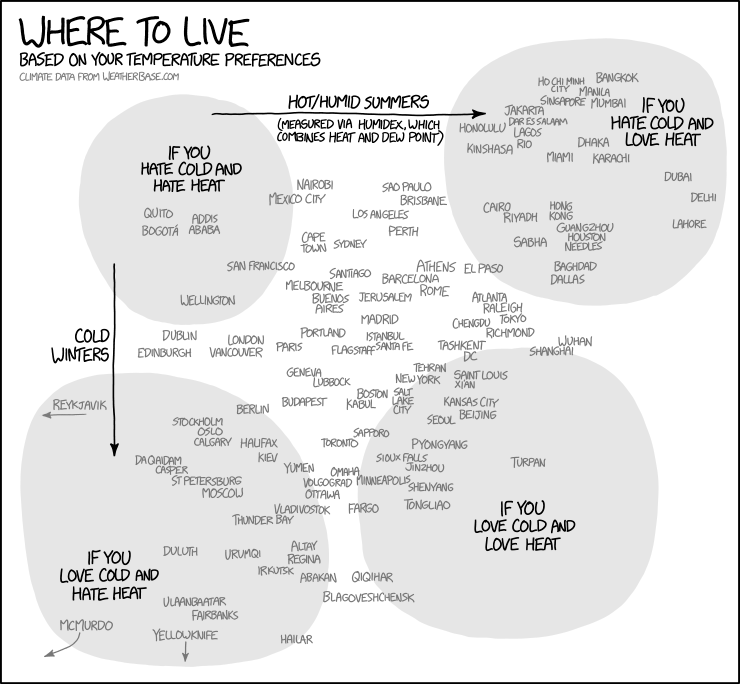
R.P. Adityahe gets it almost right -- Delhi needs to move south as does Bogota

Last week, Alice Paul Tapper, a fifth-grader in Washington, D.C., wrote an op-ed in the New York Times that had women of all ages nodding in solidarity. On a fourth-grade trip, Tapper noticed that “all the boys stood in the front and raised their hands while most of the girls politely stayed in the back and were…

It’s fine and very sweet for kids to engage with new dogs, as long as they do so appropriately (Rule No. 1: approach the owner first), but there may be times when a dog greets them with too much affection or even aggression. Doggone Safe, an organization focused on dog bite prevention, teaches kids to “be a tree” if…

In the first year of the STBD, the city invested the equivalent of 270,000 annual service hours into the Seattle bus system. That was spread across 68 routes, boosting frequency on a lot of routes and restoring others (e.g. Route 47) that had been eliminated. Service hours also went toward reducing crowding at peak times, improving on-time performance, and making routes more frequent when demand is highest. The STBD has put a particular emphasis on some core routes such as the 5, 10, 48, and RapidRide C and D Lines. Annual service hours paid by Seattle now total more than 308,000, an astounding sum that in a number of cases is backing more than 30% of the total service hours for city bus routes. Transit ridership is seeing healthy growth in Seattle. A significant amount of this has been on frequent transit bus routes and light rail. In fact, bus-based transit has seen some of the largest gains on the RapidRide C, D, and E Lines. The RapidRide C Line, for instance, has experienced a 40% growth in ridership since 2015. This growth was partially induced by 71,000 additional service hours (21% of the new service hours funded by the STBD in 2015-2016) that were showered onto the RapidRide lines during the first year of STBD investments. The net result was more frequency and higher ridership. But another feature of ballooning transit ridership has been led by light rail with more than 100% growth since 2015. Two new stations in Capitol Hill and at the University of Washington are the primary drivers of that.Without that investment at that key moment, says Fesler, Seattle may not have managed to reduce drive-alone rates to downtown to an all-time low. Seattle is succeeding at the same time other cities have lost ground. Cities like Washington, DC could learn a thing or two from this.
Testimony and Statement for the Record of Bruce Schneier
Fellow and Lecturer, Belfer Center for Science and International Affairs, Harvard Kennedy School
Fellow, Berkman Center for Internet and Society at Harvard Law School
Hearing on "Securing Consumers' Credit Data in the Age of Digital Commerce"
Before the
Subcommittee on Digital Commerce and Consumer Protection
Committee on Energy and Commerce
United States House of Representatives
1 November 2017
2125 Rayburn House Office Building
Washington, DC 20515
Mister Chairman and Members of the Committee, thank you for the opportunity to testify today concerning the security of credit data. My name is Bruce Schneier, and I am a security technologist. For over 30 years I have studied the technologies of security and privacy. I have authored 13 books on these subjects, including Data and Goliath: The Hidden Battles to Collect Your Data and Control Your World (Norton, 2015). My popular newsletter Crypto-Gram and my blog Schneier on Security are read by over 250,000 people.
Additionally, I am a Fellow and Lecturer at the Harvard Kennedy School of Government --where I teach Internet security policy -- and a Fellow at the Berkman-Klein Center for Internet and Society at Harvard Law School. I am a board member of the Electronic Frontier Foundation, AccessNow, and the Tor Project; and an advisory board member of Electronic Privacy Information Center and VerifiedVoting.org. I am also a special advisor to IBM Security and the Chief Technology Officer of IBM Resilient.
I am here representing none of those organizations, and speak only for myself based on my own expertise and experience.
I have eleven main points:
1. The Equifax breach was a serious security breach that puts millions of Americans at risk.
Equifax reported that 145.5 million US customers, about 44% of the population, were impacted by the breach. (That's the original 143 million plus the additional 2.5 million disclosed a month later.) The attackers got access to full names, Social Security numbers, birth dates, addresses, and driver's license numbers.
This is exactly the sort of information criminals can use to impersonate victims to banks, credit card companies, insurance companies, cell phone companies and other businesses vulnerable to fraud. As a result, all 143 million US victims are at greater risk of identity theft, and will remain at risk for years to come. And those who suffer identify theft will have problems for months, if not years, as they work to clean up their name and credit rating.
2. Equifax was solely at fault.
This was not a sophisticated attack. The security breach was a result of a vulnerability in the software for their websites: a program called Apache Struts. The particular vulnerability was fixed by Apache in a security patch that was made available on March 6, 2017. This was not a minor vulnerability; the computer press at the time called it "critical." Within days, it was being used by attackers to break into web servers. Equifax was notified by Apache, US CERT, and the Department of Homeland Security about the vulnerability, and was provided instructions to make the fix.
Two months later, Equifax had still failed to patch its systems. It eventually got around to it on July 29. The attackers used the vulnerability to access the company's databases and steal consumer information on May 13, over two months after Equifax should have patched the vulnerability.
The company's incident response after the breach was similarly damaging. It waited nearly six weeks before informing victims that their personal information had been stolen and they were at increased risk of identity theft. Equifax opened a website to help aid customers, but the poor security around that -- the site was at a domain separate from the Equifax domain -- invited fraudulent imitators and even more damage to victims. At one point, the official Equifax communications even directed people to that fraudulent site.
This is not the first time Equifax failed to take computer security seriously. It confessed to another data leak in January 2017. In May 2016, one of its websites was hacked, resulting in 430,000 people having their personal information stolen. Also in 2016, a security researcher found and reported a basic security vulnerability in its main website. And in 2014, the company reported yet another security breach of consumer information. There are more.
3. There are thousands of data brokers with similarly intimate information, similarly at risk.
Equifax is more than a credit reporting agency. It's a data broker. It collects information about all of us, analyzes it all, and then sells those insights. It might be one of the biggest, but there are 2,500 to 4,000 other data brokers that are collecting, storing, and selling information about us -- almost all of them companies you've never heard of and have no business relationship with.
The breadth and depth of information that data brokers have is astonishing. Data brokers collect and store billions of data elements covering nearly every US consumer. Just one of the data brokers studied holds information on more than 1.4 billion consumer transactions and 700 billion data elements, and another adds more than 3 billion new data points to its database each month.
These brokers collect demographic information: names, addresses, telephone numbers, e-mail addresses, gender, age, marital status, presence and ages of children in household, education level, profession, income level, political affiliation, cars driven, and information about homes and other property. They collect lists of things we've purchased, when we've purchased them, and how we paid for them. They keep track of deaths, divorces, and diseases in our families. They collect everything about what we do on the Internet.
4. These data brokers deliberately hide their actions, and make it difficult for consumers to learn about or control their data.
If there were a dozen people who stood behind us and took notes of everything we purchased, read, searched for, or said, we would be alarmed at the privacy invasion. But because these companies operate in secret, inside our browsers and financial transactions, we don't see them and we don't know they're there.
Regarding Equifax, few consumers have any idea what the company knows about them, who they sell personal data to or why. If anyone knows about them at all, it's about their business as a credit bureau, not their business as a data broker. Their website lists 57 different offerings for business: products for industries like automotive, education, health care, insurance, and restaurants.
In general, options to "opt-out" don't work with data brokers. It's a confusing process, and doesn't result in your data being deleted. Data brokers will still collect data about consumers who opt out. It will still be in those companies' databases, and will still be vulnerable. It just don't be included individually when they sell data to their customers.
5. The existing regulatory structure is inadequate.
Right now, there is no way for consumers to protect themselves. Their data has been harvested and analyzed by these companies without their knowledge or consent. They cannot improve the security of their personal data, and have no control over how vulnerable it is. They only learn about data breaches when the companies announce them -- which can be months after the breaches occur -- and at that point the onus is on them to obtain credit monitoring services or credit freezes. And even those only protect consumers from some of the harms, and only those suffered after Equifax admitted to the breach.
Right now, the press is reporting "dozens" of lawsuits against Equifax from shareholders, consumers, and banks. Massachusetts has sued Equifax for violating state consumer protection and privacy laws. Other states may follow suit.
If any of these plaintiffs win in the court, it will be a rare victory for victims of privacy breaches against the companies that have our personal information. Current law is too narrowly focused on people who have suffered financial losses directly traceable to a specific breach. Proving this is difficult. If you are the victim of identity theft in the next month, is it because of Equifax or does the blame belong to another of the thousands of companies who have your personal data? As long as one can't prove it one way or the other, data brokers remain blameless and liability free.
Additionally, much of this market in our personal data falls outside the protections of the Fair Credit Reporting Act. And in order for the Federal Trade Commission to levy a fine against Equifax, it needs to have a consent order and then a subsequent violation. Any fines will be limited to credit information, which is a small portion of the enormous amount of information these companies know about us. In reality, this is not an effective enforcement regime.
Although the FTC is investigating Equifax, it is unclear if it has a viable case.
6. The market cannot fix this because we are not the customers of data brokers.
The customers of these companies are people and organizations who want to buy information: banks looking to lend you money, landlords deciding whether to rent you an apartment, employers deciding whether to hire you, companies trying to figure out whether you'd be a profitable customer -- everyone who wants to sell you something, even governments.
Markets work because buyers choose from a choice of sellers, and sellers compete for buyers. None of us are Equifax's customers. None of us are the customers of any of these data brokers. We can't refuse to do business with the companies. We can't remove our data from their databases. With few limited exceptions, we can't even see what data these companies have about us or correct any mistakes.
We are the product that these companies sell to their customers: those who want to use our personal information to understand us, categorize us, make decisions about us, and persuade us.
Worse, the financial markets reward bad security. Given the choice between increasing their cybersecurity budget by 5%, or saving that money and taking the chance, a rational CEO chooses to save the money. Wall Street rewards those whose balance sheets look good, not those who are secure. And if senior management gets unlucky and the a public breach happens, they end up okay. Equifax's CEO didn't get his $5.2 million severance pay, but he did keep his $18.4 million pension. Any company that spends more on security than absolutely necessary is immediately penalized by shareholders when its profits decrease.
Even the negative PR that Equifax is currently suffering will fade. Unless we expect data brokers to put public interest ahead of profits, the security of this industry will never improve without government regulation.
7. We need effective regulation of data brokers.
In 2014, the Federal Trade Commission recommended that Congress require data brokers be more transparent and give consumers more control over their personal information. That report contains good suggestions on how to regulate this industry.
First, Congress should help plaintiffs in data breach cases by authorizing and funding empirical research on the harm individuals receive from these breaches.
Specifically, Congress should move forward legislative proposals that establish a nationwide "credit freeze" -- which is better described as changing the default for disclosure from opt-out to opt-in -- and free lifetime credit monitoring services. By this I do not mean giving customers free credit-freeze options, a proposal by Senators Warren and Schatz, but that the default should be a credit freeze.
The credit card industry routinely notifies consumers when there are suspicious charges. It is obvious that credit reporting agencies should have a similar obligation to notify consumers when there is suspicious activity concerning their credit report.
On the technology side, more could be done to limit the amount of personal data companies are allowed to collect. Increasingly, privacy safeguards impose "data minimization" requirements to ensure that only the data that is actually needed is collected. On the other hand, Congress should not create a new national identifier to replace the Social Security Numbers. That would make the system of identification even more brittle. Better is to reduce dependence on systems of identification and to create contextual identification where necessary.
Finally, Congress needs to give the Federal Trade Commission the authority to set minimum security standards for data brokers and to give consumers more control over their personal information. This is essential as long as consumers are these companies' products and not their customers.
8. Resist complaints from the industry that this is "too hard."
The credit bureaus and data brokers, and their lobbyists and trade-association representatives, will claim that many of these measures are too hard. They're not telling you the truth.
Take one example: credit freezes. This is an effective security measure that protects consumers, but the process of getting one and of temporarily unfreezing credit is made deliberately onerous by the credit bureaus. Why isn't there a smartphone app that alerts me when someone wants to access my credit rating, and lets me freeze and unfreeze my credit at the touch of the screen? Too hard? Today, you can have an app on your phone that does something similar if you try to log into a computer network, or if someone tries to use your credit card at a physical location different from where you are.
Moreover, any credit bureau or data broker operating in Europe is already obligated to follow the more rigorous EU privacy laws. The EU General Data Protection Regulation will come into force, requiring even more security and privacy controls for companies collecting storing the personal data of EU citizens. Those companies have already demonstrated that they can comply with those more stringent regulations.
Credit bureaus, and data brokers in general, are deliberately not implementing these 21st-century security solutions, because they want their services to be as easy and useful as possible for their actual customers: those who are buying your information. Similarly, companies that use this personal information to open accounts are not implementing more stringent security because they want their services to be as easy-to-use and convenient as possible.
9. This has foreign trade implications.
The Canadian Broadcast Corporation reported that 100,000 Canadians had their data stolen in the Equifax breach. The British Broadcasting Corporation originally reported that 400,000 UK consumers were affected; Equifax has since revised that to 15.2 million.
Many American Internet companies have significant numbers of European users and customers, and rely on negotiated safe harbor agreements to legally collect and store personal data of EU citizens.
The European Union is in the middle of a massive regulatory shift in its privacy laws, and those agreements are coming under renewed scrutiny. Breaches such as Equifax give these European regulators a powerful argument that US privacy regulations are inadequate to protect their citizens' data, and that they should require that data to remain in Europe. This could significantly harm American Internet companies.
10. This has national security implications.
Although it is still unknown who compromised the Equifax database, it could easily have been a foreign adversary that routinely attacks the servers of US companies and US federal agencies with the goal of exploiting security vulnerabilities and obtaining personal data.
When the Fair Credit Reporting Act was passed in 1970, the concern was that the credit bureaus might misuse our data. That is still a concern, but the world has changed since then. Credit bureaus and data brokers have far more intimate data about all of us. And it is valuable not only to companies wanting to advertise to us, but foreign governments as well. In 2015, the Chinese breached the database of the Office of Personal Management and stole the detailed security clearance information of 21 million Americans. North Korea routinely engages in cybercrime as way to fund its other activities. In a world where foreign governments use cyber capabilities to attack US assets, requiring data brokers to limit collection of personal data, securely store the data they collect, and delete data about consumers when it is no longer needed is a matter of national security.
11. We need to do something about it.
Yes, this breach is a huge black eye and a temporary stock dip for Equifax -- this month. Soon, another company will have suffered a massive data breach and few will remember Equifax's problem. Does anyone remember last year when Yahoo admitted that it exposed personal information of a billion users in 2013 and another half billion in 2014?
Unless Congress acts to protect consumer information in the digital age, these breaches will continue.
Thank you for the opportunity to testify today. I will be pleased to answer your questions.

There has been a hopeful but ungrounded optimism among many thinkers and practitioners in the last few years, with them believing that technology can fix all the problems that we as a country are facing.
The proponents of this belief system, especially around digital technology, think that problems of agriculture, health, nutrition, gender injustice, education, and governance can all be solved expeditiously if the country embraces the digital revolution; that digital will awaken the country from the slumber that it is in.
I have my own grave reservations, and I believe that there is a limit to what technology can do.
Initially, I thought that I was naïve in stating this apprehension, but soon I ended up reading a publication of University of Michigan professor Kentaro Toyama (2015). Toyama’s central thesis is what he calls “The Law of Amplification.” He states, “Technology can only amplify human effort.” So, at the core is the need for a human effort. Technology cannot substitute human effort, nor can it drastically change the aspirations or directions of that effort.
Unfortunately, in the zeal to promote digital interventions, especially in the education and health sectors of the country, we are forgetting the basic fact that technology cannot substitute the brick and mortar functions that are so necessary to operate on the ground.
Take this situation into consideration—A group of IIM-Udaipur students, as a part of the course Indian Social and Political Environment (ISPE) taught by a group of faculty (including this author), were required to stay in a village for five days to experience village realities. During their stay, the young, enthusiastic students went to the local school, and, in an attempt to solve for the problem of staff shortage, showed the 19 school children a video lecture of a mathematics session that had been downloaded in their local language. When the 15-minute video was completed, the school children had blank expressions on their faces. They had not understood anything.
Needless to say, a laptop could not substitute for a teacher in the room who was engaging with the children.
In another experience, I happened to visit an urban slum in Jogeshwari in Mumbai in 2016, where a reputed nonprofit was working on a project that would integrate technology and learning in schools. The nonprofit had managed to impart training to the students in the use of basic computer operations and software like Word, Excel, and PowerPoint, and students and teachers alike were excited to learn a new skill. However, what we realised was that while the children were computer-literate, the intervention could not promote basic skills in thinking, critical analysis, and processing multiple sets of information.
Hence, while the nonprofit was proud to share the projects that students had done using the internet, in reality the projects were nothing short of a cut-and-paste effort. They had learnt to download the information from Google’s search engine and nothing more. Any additional processing or thinking was missing even after the students had spent close to one year in the project.
Digital interventions cannot replace basic infrastructural requirements.
If the rural school does not have a sufficient number of classrooms and is perennially understaffed, with one teacher teaching four classes, no amount of digital intervention will make any significant dent in the quality of learning. Similarly, if nursing staff in the primary health centre does not report for duty in a remote village, a biometric attendance system at best can point out his or her absence but cannot assure the availability of health care. In a similar vein, if farmers do not get timely supply of quality seeds, no amount of video-based education on better farming practices is going to help them.
One also needs to be sensitive to the structural and socio-cultural practices that are deeply ingrained in Indian society. While the cellphone revolution has brought the world closer to women, it hasn’t necessarily changed their place in society.
In some areas of the country, male members routinely scrutinise the call logs of women in their families; in others women are also not allowed to use their cell phones after seven in the evening. How can digital technology overcome these deep-rooted gender perceptions and stereotypes?
While digital technology is necessary, it is not at all a sufficient intervention and a panacea for the development deficit as it claimed by the evangelist. If the digital evangelists could accept this basic hypothesis, they would be doing a great service to the developmental sector.
This post first appeared on India Development Review (IDR). We welcome your comments at ideas.india@qz.com.

Article URL: http://www.math.tamu.edu/~cyan/Rota/mitless.html
Comments URL: https://news.ycombinator.com/item?id=15628869
Points: 341
# Comments: 239
hnrss is a labor of love, but if the project has made your job or hobby project easier and you want to show some gratitude, donations are very much appreciated. PayPal and Bitcoin both accepted. Thanks!
Article URL: http://www.npr.org/sections/krulwich/2012/10/22/163397584/how-human-beings-almost-vanished-from-earth-in-70-000-b-c
Comments URL: https://news.ycombinator.com/item?id=15615399
Points: 317
# Comments: 141

A few years ago, my group in Microsoft’s research organization began to experiment with tools that make it possible for kids to learn how to code in the context of Minecraft, the wildly popular game where players build fantastical virtual worlds out of digital blocks, create and play mini-games within the game, and learn to survive monster-filled nights.
Confused? That’s okay. Many grownups don’t understand Minecraft. Even if they think they do, they don’t. That no rules, open-world environment is all part of its appeal. Our goal is to leverage this enthusiasm to teach kids how to code while playing Minecraft. After all, game playing is the most natural way for humans to learn.
The research is an outgrowth of our TouchDevelop program, which we started in 2011 to teach people how to program and build apps using the touchscreen on their phones. These devices are much more powerful, graphic and sensor rich computers than those we learned to code on as kids. Our TouchDevelop group wanted anyone to be able to program their phones as easily as we did 8-bit computers.
Then Minecraft emerged as the game people everywhere were playing and we found ourselves wanting to code inside Minecraft, too. The rest, as they say, is history.
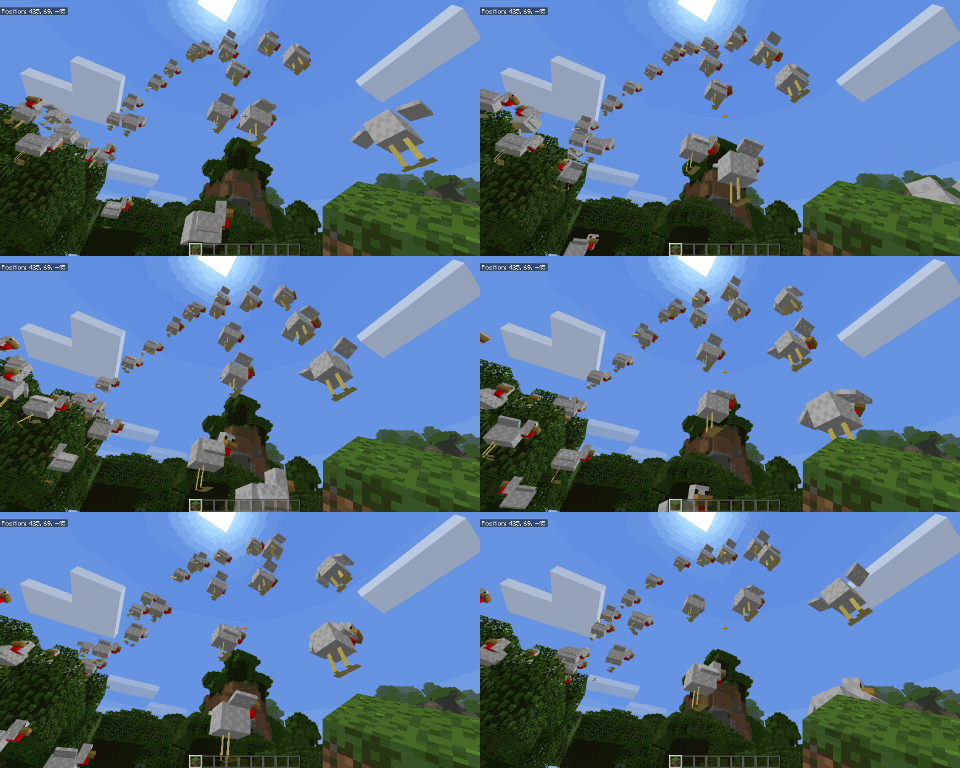
Students in my after-school computer science classes lucky enough to tinker with coding in Minecraft went nutso crazy, in a good way. The ability to write code and immediately see the results in Minecraft, such as avatars that can jump 100 blocks high, dig through mountains and make it rain chickens, sent my students running around the classroom from screen to screen to see what their classmates did and shouting the IP addresses of their servers across the room.
Today, our Microsoft Research and Microsoft MakeCode teams are excited to make this learning experience widely available through Microsoft MakeCode for Minecraft on Windows 10.
The MakeCode for Minecraft editor has the pixelated look and feel of Minecraft. MakeCode allows coding with visual blocks, based on a drag and drop interface for beginners, as well as in text with a JavaScript interface for the more experienced learners.
Coding with blocks or text, MakeCode teaches the 101 of programming languages, including variables, control flow, if statements, loops and functions. More advanced users smoothly ramp up to more complex concepts such as recursion, fractals and object oriented or distributed programming.
The Microsoft MakeCode team also works on other editors that allow the programming of physical things such as micro-controllers including the micro:bit and Adafruit Circuit Playground Express. In all these scenarios, the coding is directly linked to building something real, which is the primary reason most computer programmers learn to code in the first place.
Instead of thinking they are coding, students are playing a game, they are building their next superpower. Minecraft is a game. MakeCode for Minecraft fits the coding experience into the game itself. Check it out.
Related:
The post MakeCode for Minecraft makes learning to code super fun appeared first on Microsoft Research.
R.P. Adityasort of obvious and thereby cool, but not sufficient
At the 26th ACM Annual Symposium on Operating Systems and Principles, better known as SOSP 2017, my colleagues described a new technology called CrystalNet – a high-fidelity, cloud-scale emulator that helps network engineers nearly eliminate network downtime related to routine maintenance and upgrades as well as software bugs and human errors. A collaboration by Microsoft Azure and Microsoft Research teams, CrystalNet was developed through the application of two years’ worth of research to create an emulator bulletproofed by Azure network engineers who operate one of the largest networks on the planet. The result is a first-of-its-kind set of tools that help significantly decrease network downtime, and increase availability for Azure customers.
Cloud networks are constantly growing and evolving. They consist of immensely complex and massive cloud-scale production networks, interconnecting hundreds of thousands of servers using millions of wires and tens of thousands of network devices that are sourced from dozens of vendors and deployed across the globe with stringent needs for reliability, security and performance. It’s imperative to continually monitor the pulse of the networks, to detect anomalies, faults, and drive recovery at the millisecond level, much akin to monitoring a living organism. Networks are essentially the cloud, as they are the core infrastructure that hold up cloud services and helps deliver availability across other key services such as compute and storage. However, there are few currently available tools at the disposal of cloud providers to proactively foresee the impact of planned updates and changes, or a bug in the system. Before making any changes to the network, engineers can run the proposed changes through our verification tools, which check the impact of the configuration changes before green-lighting them for deployment in our production networks.
Emulating a Cloud-Scale Network
The idea of testing before deploying is age old, but following a two-year study by Microsoft Research looking at all documented outages across all major cloud providers, we believed that we could find most potential problems proactively if we first validated a production network on an identical copy of the network. By identical copy, we literally meant using the same network topology, hardware, software and configurations as in our production network. Using the cloud to build the cloud is a common design pattern for creating and running an enterprise high-performance cloud, but replicating the physical hardware of the entire network is too expensive and where would we put it? To more cost efficiently solve this problem, we run hardware, software and network configurations on virtualized hardware interconnected exactly as the production network architecture. In effect, we create a large-scale, high-fidelity network emulator that allows Azure engineers to validate planned changes and gauge the impact of various updates and failure scenarios. We call our network emulator “CrystalNet,” seeing the future of your network via a crystal ball.

Figure 1: The architecture of CrystalNet
CrystalNet faithfully emulates large scale production networks to significantly decrease network incidents caused by software, configurations and human errors. Unique properties include:
Networking Azure regionsMicrosoft Azure empowers its customers to use server resources at locations within a geographical area it calls “regions.” Azure regions are defined by a bandwidth and latency envelope which contain one or more datacenters within a geographic area. Customers can specify the Region where their customer data will be stored. As of this post, Azure has announced 42 regions globally, more than any other cloud provider, and 69 compliance offerings, the most comprehensive compliance coverage in the industry. Plus, new Azure Availability Zones provide new levels of resiliency for high-availability within a region and across regions. Previously, inter-data center, or intra-region, traffic was carried in Microsoft’s wide-area network. As the demand for high capacity, low latency networks between datacenters within the same region grew, the overall network design was upgraded and improved. The new design includes new regional backbone networks that interconnect the data centers inside the same region, bypassing the wide-area network. When transitioning to regions, a challenging task was to evolve an existing network architecture to a different one without incurring any downtime. They had to keep in mind hardware capacity limitations, shortage of IPv4 addresses, load on network switches, impact of configuration changes on routers and network security. |
The Proof is in the Pudding
Azure engineers have been using CrystalNet to successfully emulate Azure’s production networks. Specifically, our colleagues in Azure Networking have used CrystalNet’s unique capability to validate and reduce the risk of new network designs, major network architecture changes, network firmware/hardware upgrades and network configuration updates. They have also been using it as a realistic test environment for developing network automation tools and for developing our in-house switch operating system, Software for Open Networking in the Cloud, called SONiC.
CrystalNet was a critical tool to enable migration of Microsoft Azure’s regional backbones from old architectures to a new standardized architecture with zero user impacting incidents, even though production traffic flowed through the network continuously during the migrations. Making such major changes to an operational network is often fraught with peril. Operators must guarantee that no noticeable disruption or degradation of existing traffic in the region will happen during or after the migration. CrystalNet allowed Azure service engineers to intensively validate and refine their operational plans and software tools. They discovered and resolved several hard to find bugs in tools and scripts, thus averting potential outages. The final migration plan, verified and perfected on CrystalNet, did not trigger a single incident. There were no incidents of casual human errors such as typos either, which the engineers attributed to intensive practice sessions on the emulator.

Figure 2: Traffic before migrating to regional backbones

Figure 3: Traffic after migrating to regional backbones
Looking into the Crystal Ball
CrystalNet’s ability to accurately emulate a large complex network is powerful. Azure customers have expressed interest in our network emulator because they see it as a way to reduce downtime in their own enterprise networks. Network device vendors are equally keen to use CrystalNet to test their products before putting them on the market. Our colleagues in academia and industrial research labs tell us that they want to use CrystalNet to experiment and explore new and groundbreaking ideas. This genuine interest in CrystalNet is driving us to continuously work with Azure engineers to perfect the technology.
Related:
The post Microsoft Azure and Microsoft Research take giant step towards eliminating network downtime appeared first on Microsoft Research.
Article URL: http://danluu.com/programmer-moneyball/
Comments URL: https://news.ycombinator.com/item?id=15591441
Points: 895
# Comments: 620
hnrss is a labor of love, but if the project has made your job or hobby project easier and you want to show some gratitude, donations are very much appreciated. PayPal and Bitcoin both accepted. Thanks!
What ancient stones on a tiny Pacific island can teach us about Bitcoin, blockchains and the future of money. Future of Money click for video Source: Quartz (11:26)
The post Future of Money appeared first on The Big Picture.

Dunkirk is a shrinking, suburban city on the northern coast of France. It’s a car town, where public buses are a mode of last resort: They represent only five percent of trips.
But when Patrice Vergriete ran for mayor in 2014, he envisioned something different: a sustainable city that allures and serves young people, families, and the elderly alike. So he made a radical campaign promise, which he thinks helped him win: make the buses free.
“I wanted to give back purchasing power to the families,” Vergriete says in an interview at CityLab Paris.
In 2015, Vergriete’s administration launched free weekend service. It was a popular move: Saturday ridership increased by 30 percent, and Sunday ridership by some 80 percent. People loved it, telling local media that they saved money and time by avoiding the stress of parking.
What’s more, passengers diversified. Before, transit in the Dunkirk area had been solely the province of the poor, the elderly, and young students. Now professionals and families—car owners, in other words—began to ride, too. They scarcely considered transit over driving when both modes cost them money, even if bus fare was as cheap €1.40, according to Vergriete. But a totally free option “made people stop and think,” he said.
Now buses in the Dunkirk region will be fully gratis, seven days a week, starting in September 2018. Dunkirk will be the largest city in France to offer such a service (though it won’t be the first).
Some people can’t believe the metro can afford it, Vergriete says. “They think it’s like magic,” he says. “They think it’s not possible, that you are a liar. You cannot pay the salaries of the drivers, for the buses, with free transport.”
But rider fares only ever made up about 10 percent of transit’s operating budget, which is about €50 million per year, he explains. The rest come from a special transport tax levied on businesses and the regional government’s operating general budget. Transit systems all over the world operate on similar budget breakdowns, where “farebox recovery” is quite low. When riders are already paying so little, “I think mayors should think about making it free,” he said. “It’s really a choice that we are making to charge.”
Vergriete’s choice was even more explicit, he says. The tax on regional business that helps fund transportation was raised by half a percent in 2011 by Vergriete’s predecessor. His goal had been to use the tax dollars for a major expansion to a local sports arena, which would have doubled the capacity at the cost of €250 million. For a depopulated metro, this would have been the fulfillment of long-laid economic development plans.
But the project was always controversial, and Vergriete says most people in the Dunkirk area believed it unwise. And so did he. “The stadium was not useful for everyday life,” he said. For simple mobility purposes, for the environment, and for drawing residents to downtown jobs, “it’s better to have free public transportation.” So the region is using the new tax funds to pay for the bus.
Free buses don’t equal effective transit service on their own. Buses in the Dunkirk area are fairly spread out and infrequent, which is why Vergriete is also working with transportation authorities to increase bus supply by about 20 percent, and pick up speeds, frequency, and access. The mayor also has plans to extend bike and walking networks throughout the city.
At CityLab Paris, Vergriete said he often had other mayors asking how he did it. His answer is always the same, he said: “It is a question of political priority.”
Every day there’s more news about the inevitable arrival of autonomous vehicles. At the same time, more people are using ride-hailing and ride-sharing apps, and the percentage of teens getting their driver’s license continues to decline.
Given these technologies and social changes, it’s worth asking: Should Americans stop owning cars?
We’ve conducted an analysis of the all-in cost of car ownership, and we found that mobility services such as ride-hailing and ride-sharing apps—which few people today would consider their main mode of transportation—will likely provide a compelling economic option for a significant portion of Americans. In fact, if the full cost of ownership is accounted for, we found that potentially one-quarter of the entire U.S. driving population might be better off using ride services versus owning a car.
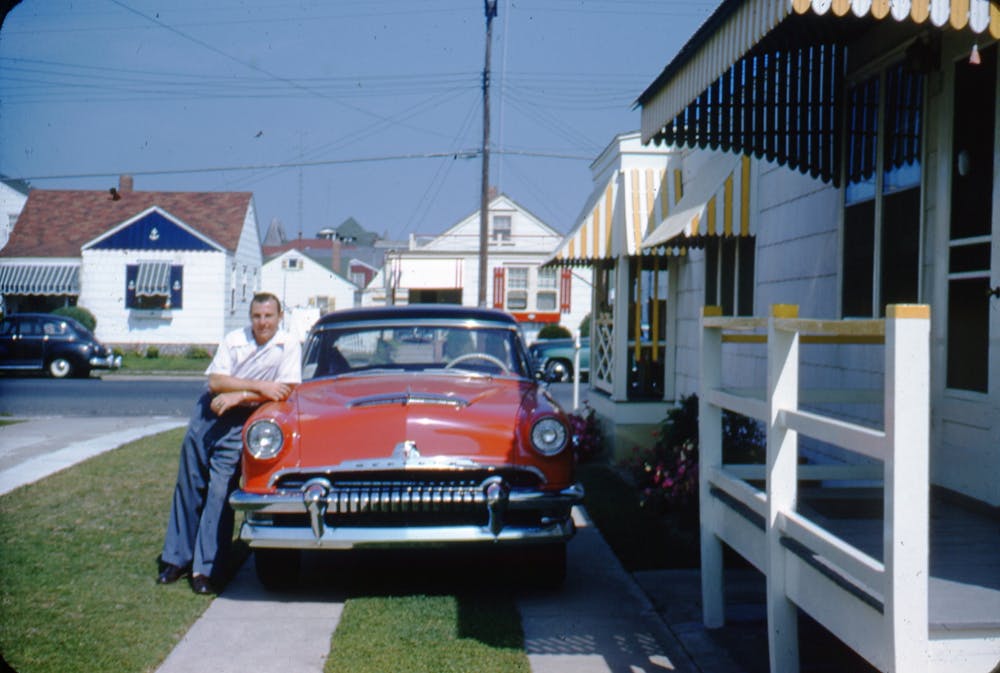
America’s love affair with the car and individual car ownership took off after World War II, aided by inexpensive fuel, a rising consumer class and a vast national network of highways. A new generation of young professionals moved away from the urban core to the suburbs and abandoned mass transit for transportation enabled by personal car ownership.
This shift transformed the modern American landscape, triggered a new approach to city planning and enabled urban sprawl. Cities that blossomed before WWII—New York and Boston, for example—already had and continue to use their mass transit systems. By contrast, cities whose growth mostly occurred in a post-war boom like Los Angeles, Atlanta, Houston and Denver were built and effectively designed around car ownership. It’s still typical for an American family to buy a house that has a large garage to store cars.
But for many people, the 1950s concept of driving as an expression of personal liberty has been replaced by the brutal reality that driving is often a tedious chore. With an average price of $35,000 apiece in the U.S., cars are used about 4 percent of the time, during which drivers are often subjected to congested traffic.
On its face, spending so much money for an appliance that starts losing value immediately, takes up vast amount of our free time and is rarely used seems ridiculous. Is it time to consider a whole new approach to personal transportation?
To answer this question, we built a comprehensive calculator that includes the costs of car ownership and compares it with an alternative of using mobility services, such as ride-hailing and ride-sharing apps, full-time to replace personal car ownership. The results might surprise you.
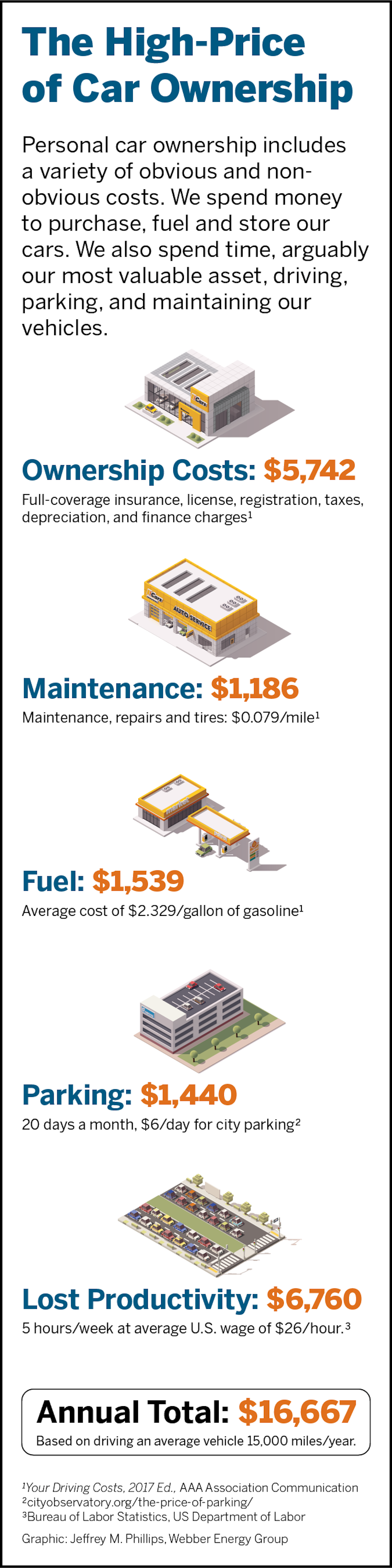
The costs of traditional car ownership go far beyond the price tag: There is also interest paid on car loans, insurance, taxes, fuel and maintenance. Some expenses are non-obvious, such as parking, property taxes and construction costs for home garages, and the value of our time.
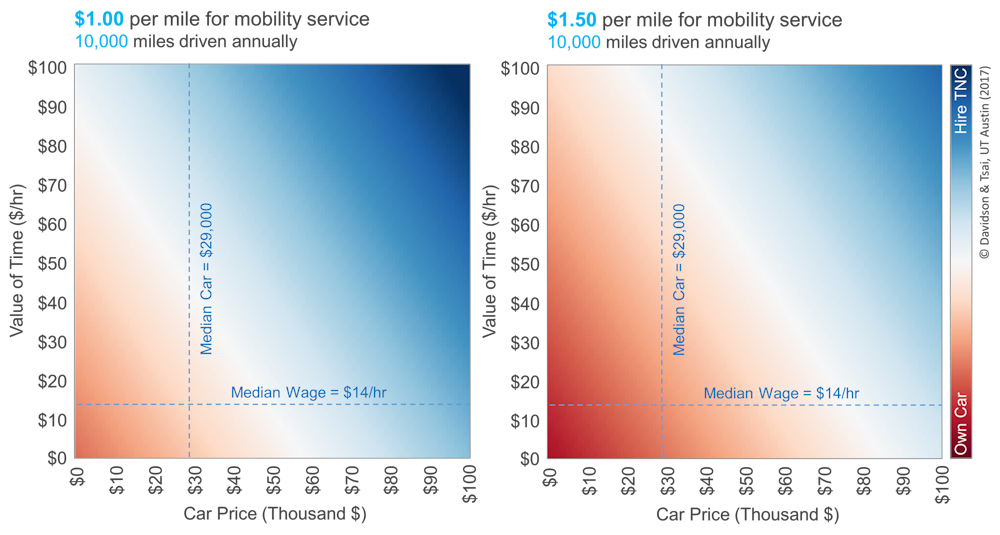
The value of an individual’s time—that is, the dollars per hour you would assign to the time you spend driving—is one of the most important factors in our calculations.
The average American spends 335 hours annually behind the wheel driving over 13,000 miles. Add in the hours we spend maintaining, cleaning and managing our cars, and it becomes clear that America’s focus on personal car ownership is costing us a significant amount of time, arguably our most precious asset.
How much would you pay to avoid the stress of driving around town? How much would you pay to use that time more efficiently, such as catching up on email, reading a book or taking a nap? What if you could do work-related tasks while riding? Some professions are more suited to using time riding in a productive way: It’s probably easier for a lawyer to clock billable hours while riding to work than a plumber, for example.
When these costs are included, mobility services might be the economically preferable option. To be clear, this analysis is focused on full replacement of personal car ownership in which an individual would shift to using ride services for all trips, rather than purchase a new vehicle.
The decision for owning a vehicle or using mobility services is unique to every individual. If you purchase a highly efficient vehicle for less than $25,000 and drive it more than 15,000 miles per year until it falls apart, then you should definitely own a car if your goal is to save money.
But, if you drive less than 10,000 miles per year, face long waits in traffic, or place a high value on your time that would otherwise be spent driving, our calculations show that mobility services might be the cheaper option. Geography can also play a role—it’s not a coincidence that there have historically been so many taxi cabs in New York City, where the high cost of parking and slow pace of traffic consume time and money.
The rise of autonomous vehicles used for carpooling and ride-sharing services could make mobility services even more compelling, particularly when you consider the economics from the service provider’s perspective.
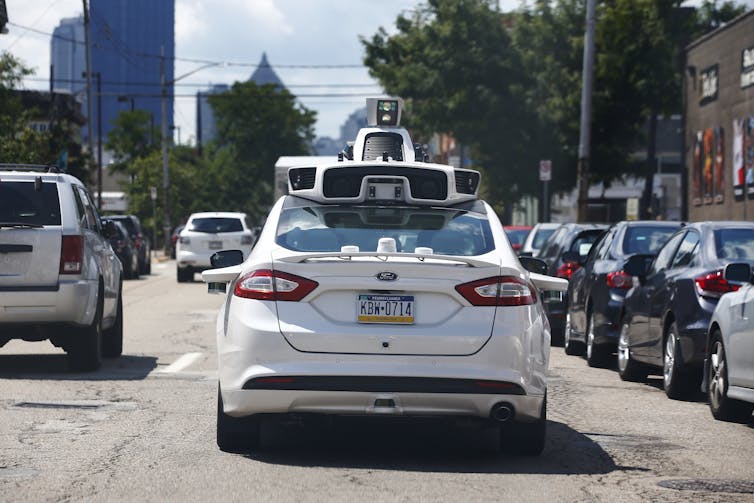
Assume for a moment that you operate a fleet of vehicles that provide mobility services. Let’s also assume you can purchase the vehicles in bulk for $20,000 apiece and that they will operate full-time for five years (the average age of a New York City taxi was 3.6 years in 2015). The median annual pay for a taxi driver is approximately $25,000. This means that it will cost you $145,000 to purchase the car and pay a driver over five years of operations (ignoring fuel, maintenance, registration and other miscellaneous operating expenses).
Using common accounting practices, we calculated that if you could buy an autonomous vehicle for less than $114,000, a service provider would be better off never hiring a driver.
For the average customer, a price tag of $114,000 is unimaginably high for a car. But, for a company like Uber that might someday operate a fleet of autonomous vehicles, a price tag north of $100,000 might look like gold when compared with paying drivers, a major contributor to operating cost.
As the price for autonomous vehicles goes down, the cost of delivering ride services goes lower. That means more consumers are more likely to use them, expanding the overall market.
Uber, Alphabet and many of the automotive companies understand this. It’s one of many reasons why there is an epic race to capture market share and eventually be the first to deliver fully autonomous vehicles.
On the other hand, if the price of autonomous vehicles falls far enough, maybe individuals will buy their own and recapture the time they currently spend driving themselves, obviating some of the value of mobility services.
But, another question remains: Do Americans really want to give up their cars? Even if mobility services with carpooling and automation are a less expensive choice, the service might still not be adopted quickly since people purchase cars for many reasons beyond simply price (for example, they buy cars for convenience, status, fun, identity and so forth).
For many decades, the car has been a critical part of the American culture, often used as a tool to flaunt wealth and showcase the unique personalities of the drivers. Will Americans want to ride in cookie-cutter cars that are part of a larger automated fleet? Will they trade off the idea of car ownership as an extension of identity to gain back some of their free time?
Some trends do appear to be working in favor of increased use of mobility services. As the United States, and the world more broadly, continues to adopt ever greater levels of digital communication, more people will be able to complete work while on the go. And, the movement toward cities during the past decades has resulted in denser urban centers, increasing traffic congestion and making the case for alternatives to traditional car ownership.
Even changes in how different generations consume goods and services might be playing a role. Millennials have shown tepid interest in following in the footsteps of prior generations when it comes to car ownership. It will be interesting to observe whether Generation Y shows more desire for cars as they begin to enter parenthood and push toward suburbs in pursuit of affordable housing.
How the transition will play out is still unclear. If we were to postulate, it seems the most likely outcome is that the future transportation system will be a mix of personal car ownership and mobility services, using both systems as complementary. If more people use carpooling services in particular, these complementary systems of personal car ownership, mobility services and public transportation might make our roads and cities cleaner, faster and more affordable.
In addition to common mobility services today, Uber and Lyft might soon be joined in force by microtransit operators, like Ford’s Chariot shuttle service.
As mobility services become more mature, we will likely see new solutions emerge to make it even more convenient to meet specific needs, such as transporting youths, the elderly or disabled people, and even assist in disaster recovery efforts. The increased level of service could create a virtuous cycle that reinforces the value of mobility services, producing greater adoption, which further lowers costs and leads to even greater adoption. When it’s all said and done, the ease and economic benefits mean that the transition to mobility services might take place faster than we think.
 Researcher Zhenhong Lin, Ph.D., from the Oak Ridge National Laboratory contributed to the research in this article. Gordon Tsai of the University of Texas also contributed.
This article was originally published on The Conversation. Read the original article.
Article URL: https://zwischenzugs.wordpress.com/2017/10/15/my-20-year-experience-of-software-development-methodologies/
Comments URL: https://news.ycombinator.com/item?id=15476357
Points: 397
# Comments: 147
hnrss is a labor of love, but if the project has made your job or hobby project easier and you want to show some gratitude, donations are very much appreciated. PayPal and Bitcoin both accepted. Thanks!
Article URL: https://imgur.com/gallery/RM3wl
Comments URL: https://news.ycombinator.com/item?id=15423202
Points: 639
# Comments: 35
Article URL: https://www.newyorker.com/magazine/2017/10/09/how-the-elderly-lose-their-rights?mbid=social_facebook
Comments URL: https://news.ycombinator.com/item?id=15393270
Points: 696
# Comments: 247

These days, it’s all about the gut. Not how it looks in a Speedo or bikini, though. More like, how it feels inside. Increasingly, gut health is correlated with general health; gastrointestinal status is widely thought to affect everything from the immune system to emotional stability.
So what does a healthy gut want? Probiotics, apparently – the “good” bacteria that flourish in the human intestinal tract and allegedly promote smooth digestion, conquer pathogens and stimulate effective immune response. Growing awareness of the benefits of probiotics has generated a robust demand for fermented milk products such as yogurt and kefir, foods that are rich in such microorganisms.
But probiotics don’t live by bread alone. In fact, they hate bread—and polished rice, pasta made from white flour, and all other varieties of processed foods. Given their druthers, they’ll go for fresh vegetables, fruit, whole grains, and nuts. What they really crave, however, are prebiotics, certain carbohydrates, including some sugars, that are indigestible by humans but rocket fuel for gut microflora.
These prebiotics aren’t just for kids: adult guts also seem to benefit when HMOs are added to the diet.
While the whole “good gut” meme feels vaguely New Age, the science appears solid, with a growing number of researchers emphasizing the links between flourishing communities of intestinal microflora and general sound health. Among them is Justin Sonnenburg, an associate professor of microbiology and immunology at Stanford and the co-director of the Center for Human Microbiome Studies at the university’s school of medicine. Sonnenburg has published extensively on the relationships among gut bacteria, probiotics, and prebiotics, including articles on the potent beneficial powers of a group of 180 prebiotics specifically found in human milk. Known collectively as human milk oligosaccharides (HMO), these compounds appear to be a primary driver of infant health. Further, these prebiotics aren’t just for kids: adult guts also seem to benefit when HMOs are added to the diet.
But there’s a problem. You can’t just go down to the local Safeway and buy a pound of HMO cubes for your morning coffee. There aren’t vast quantities of prebiotic sugars out there, and what are available are astronomically expensive. (Besides, while HMOs are technically sugars, they don’t taste sweet.)
So three Cal PhDs—microbiologist Kulika Chomvong, chemical engineer Chaeyoung Shin, and plant biologist Jason Liu—aim to change this dynamic. Their start-up, Sugarlogix, is harnessing modified yeasts to churn out HMOs in quantity. The company has worked with Cal’s in-house business accelerator SkyDeck, and also with IndieBio, a biotechnology startup accelerator co-founded by Ryan Bethencourt, who also launched the DIY biotech incubator, Berkeley BioLabs.
 Sugarlogix is on track to deliver its first ton of 2-Fucosyllactose (2-FL) by October of next year, Chomvong said at a recent IndieBio presentation. The company has secured FDA clearance, booked revenues in excess of $800,000 for 2018, negotiated letters of intent with an infant formula company, an adult prebiotic supplement producer and one of the biggest dairies in the country, and is now raising $2 million in seed funding.
“We’re concentrating on 2-FL at first because it’s one of the most studied of all the prebiotics, it’s the most abundant HMO, its efficacy is well-known, and we knew we could make and sell a lot of it,” Shin says. “It’s only found in human milk – and in the yeasts we’ve developed to produce it, of course. But we ultimately plan to design yeasts to produce the entire HMO portfolio. All 180 play a role in supporting good gut health, and we want to make all of them available to our customers.”
Neither Chomvong nor Shin started out in food or health research. They met at Cal’s Energy Biosciences Institute, where both were researching biofuel production.
“The biofuels we were working on require similar fermentation technologies and separation processes as prebiotic production,” Shin says. “We knew a food scientist (Yong-Su Jin at the University of Illinois at Urbana-Champaign) who was extremely knowledgeable about prebiotic sugars, and he convinced us that prebiotics offered both greater profitability and products with higher social value. So it was easy to make the jump.”
For the foreseeable future, the company will focus on producing prebiotics in bulk to product manufacturers. But Shin says Sugarlogix may take a more vertical approach in coming years. The market for their products, after all, is robust. Current annual U.S. sales for prebiotics are about $7 billion for infant formula, $3 billion for adult supplements, and $15 billion for food and beverages; nor does the demand seem likely to slacken.
“We aren’t at all averse to developing a brand, to manufacturing and promoting our own products that we can sell directly to customers,” Shin said.
That will require marketing and promotional acumen as well as scientific expertise, of course, skills that microbiologists and chemical engineers often lack. Shin freely acknowledges she and Chomvong both had deficits in the pitching and flesh-pressing departments.
“We were really out of our comfort zones when it came to promoting our company,” says Shin, “so our experiences with both SkyDeck and IndieBio made all the difference. PhDs in microbiology and chemical engineering don’t really prepare you for making connections with investors and customers. But good business accelerators can teach you those skills. Now we’re getting use to the business end. We’re even enjoying it.”
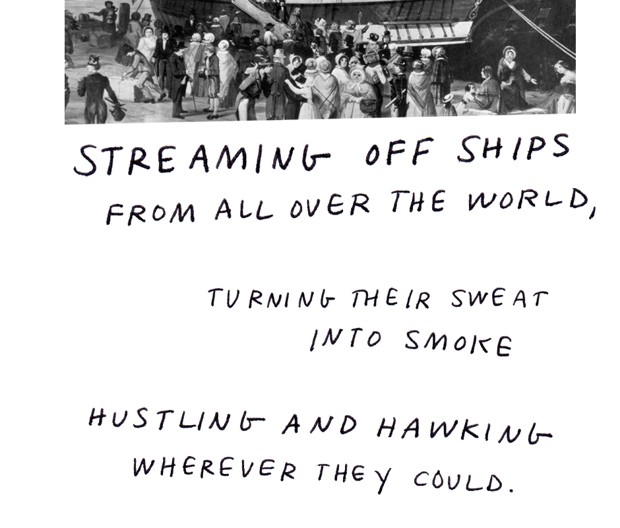
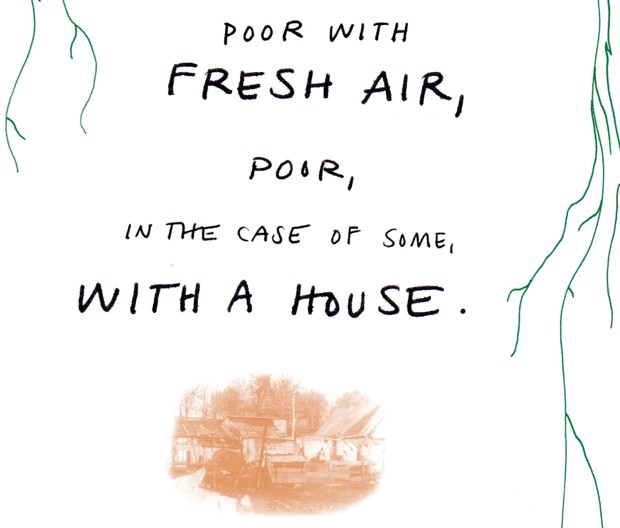
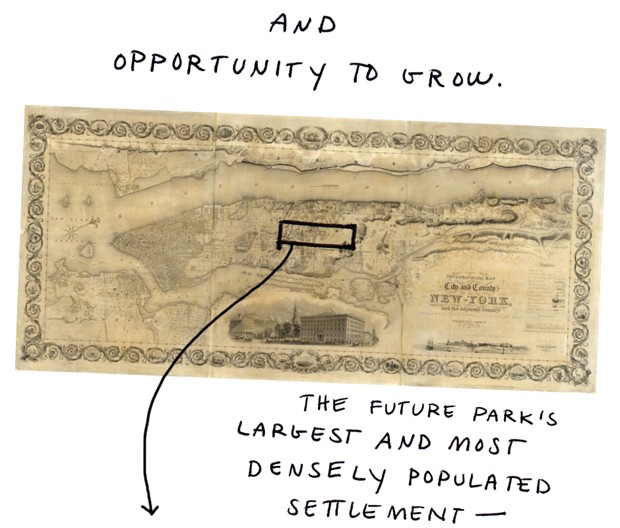
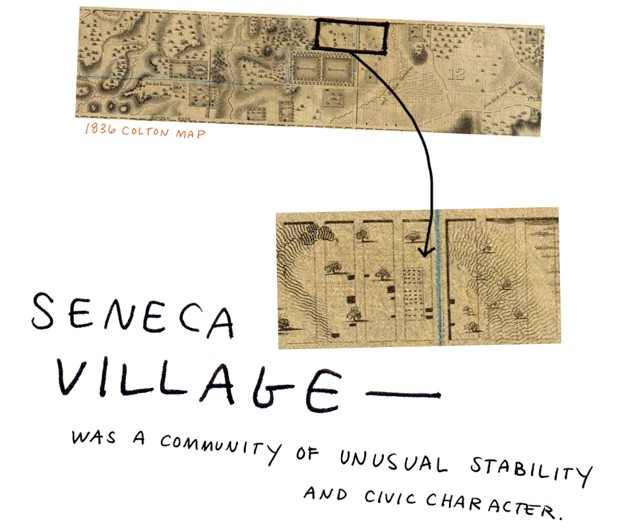
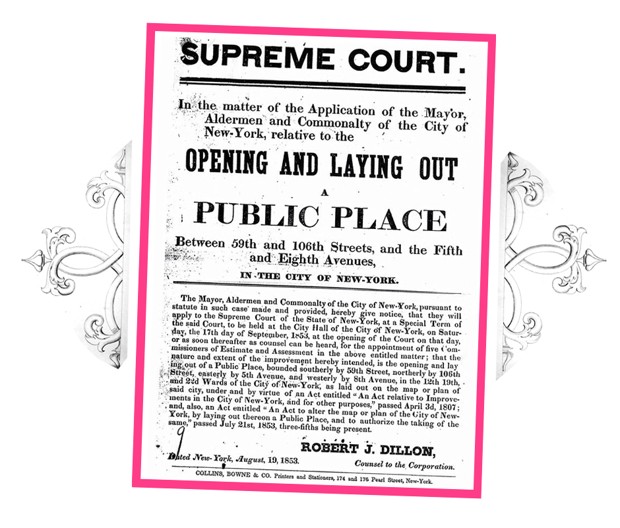
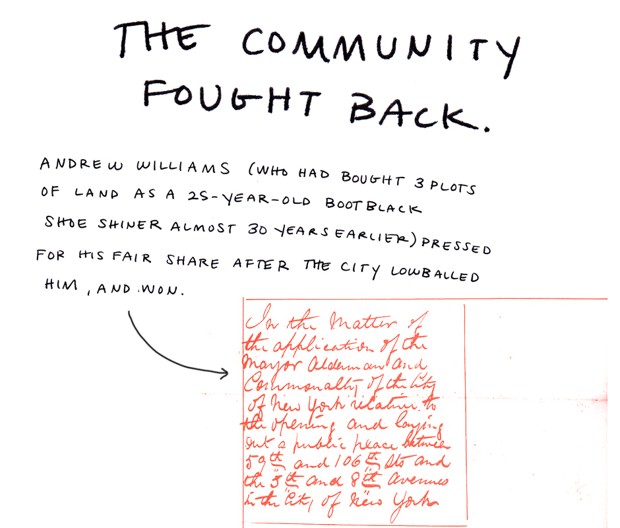
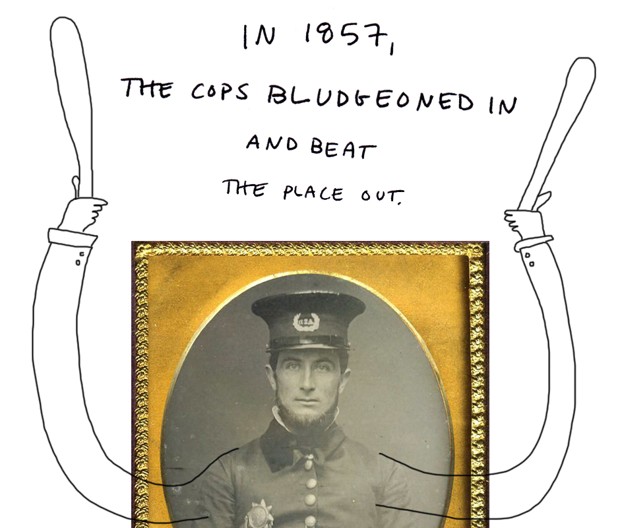
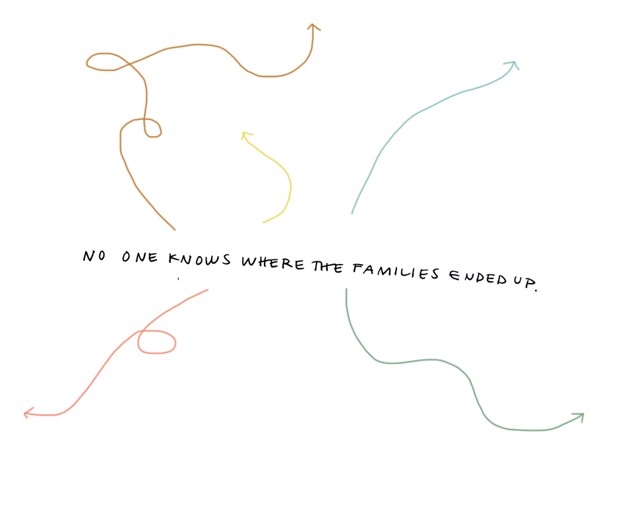
This month, CityLab visual storyteller Ariel Aberg-Riger shares the ugly and oft-overlooked story behind the construction of Central Park.



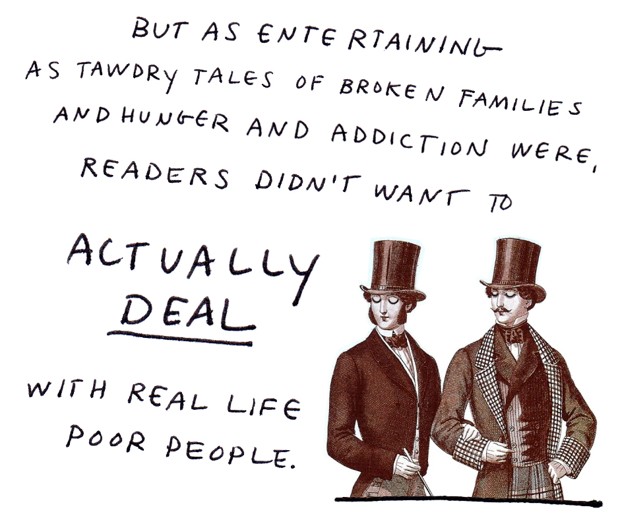
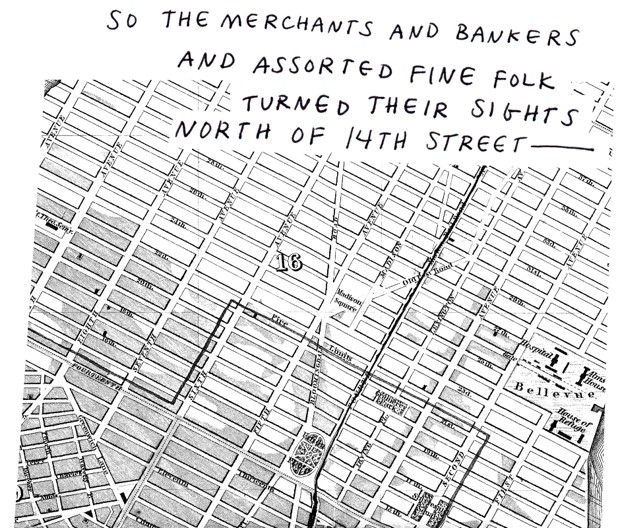


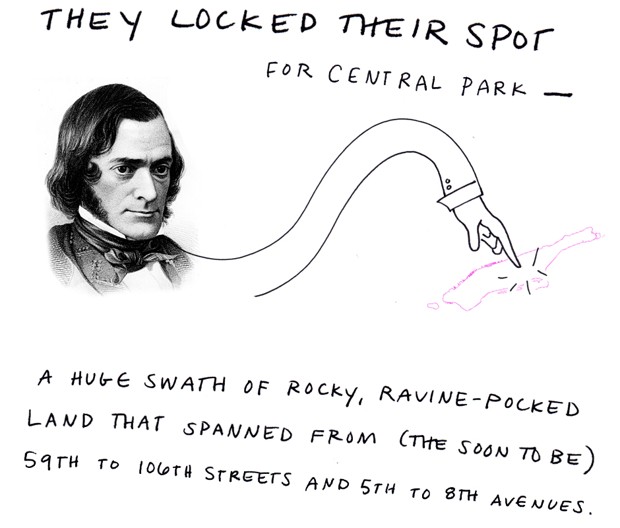
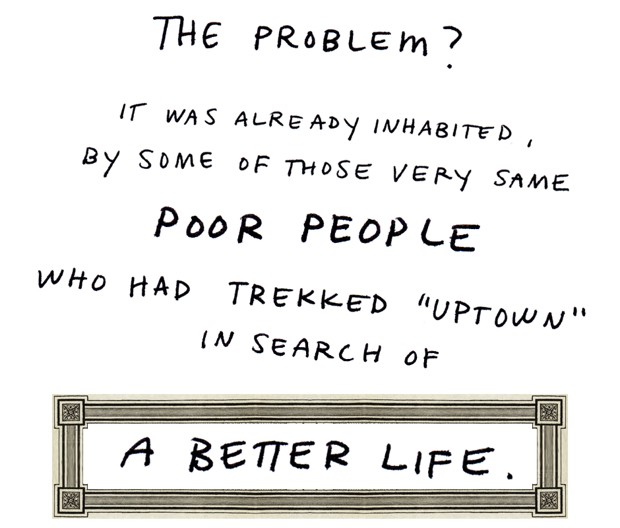


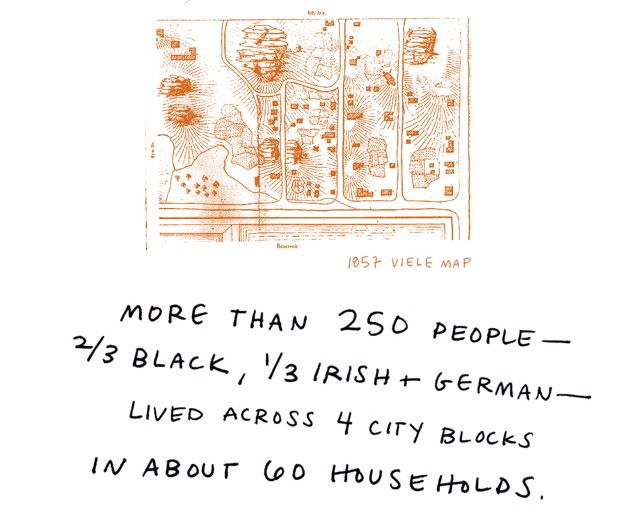
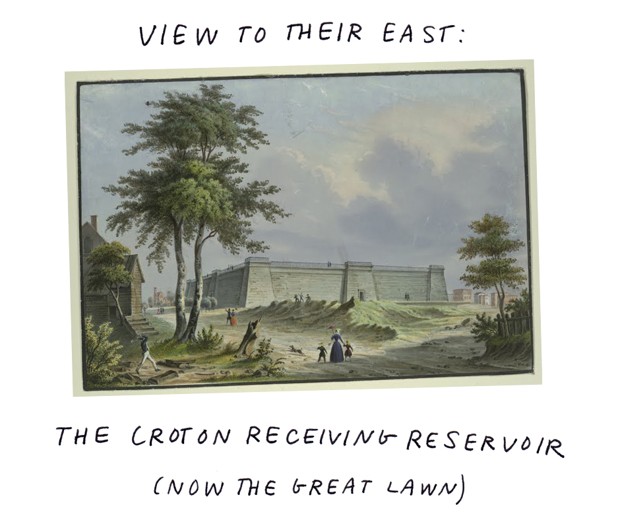
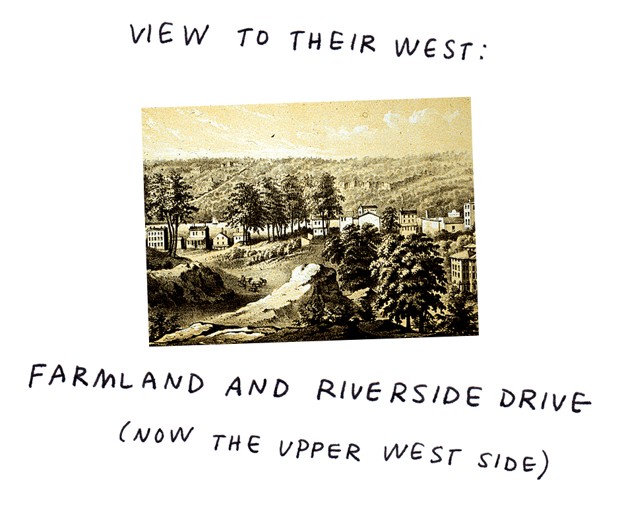
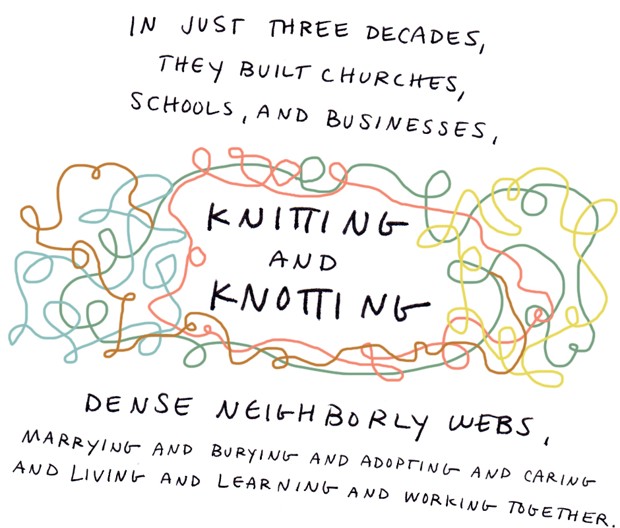

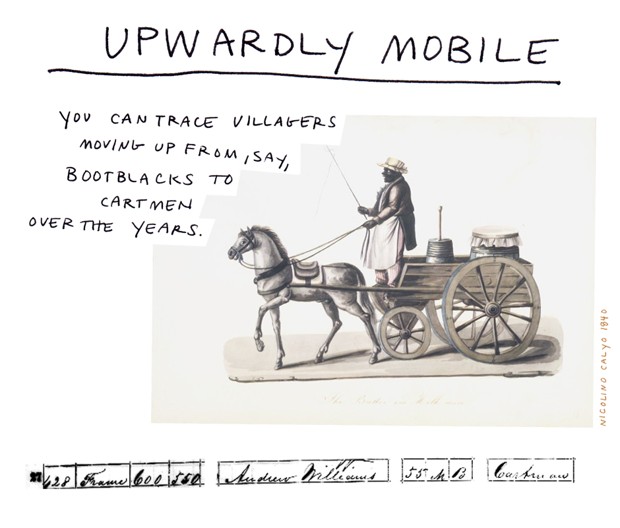

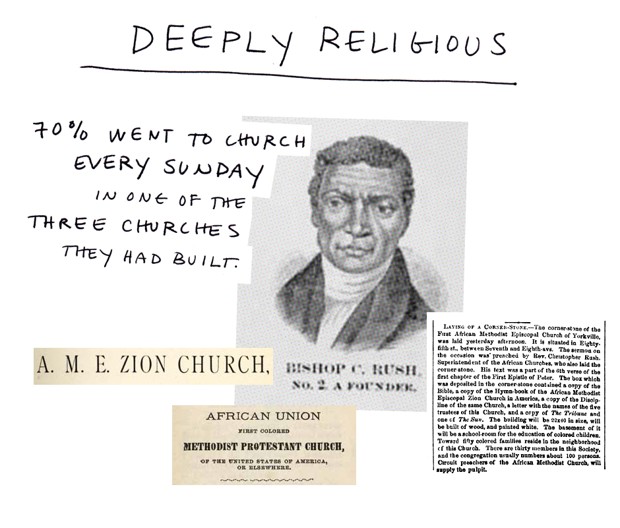
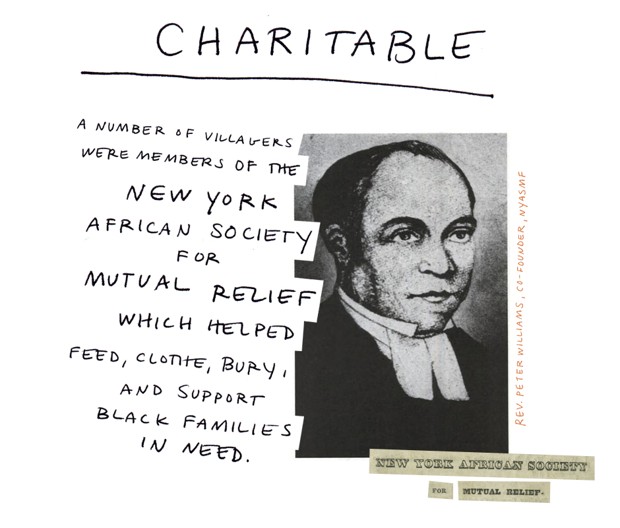
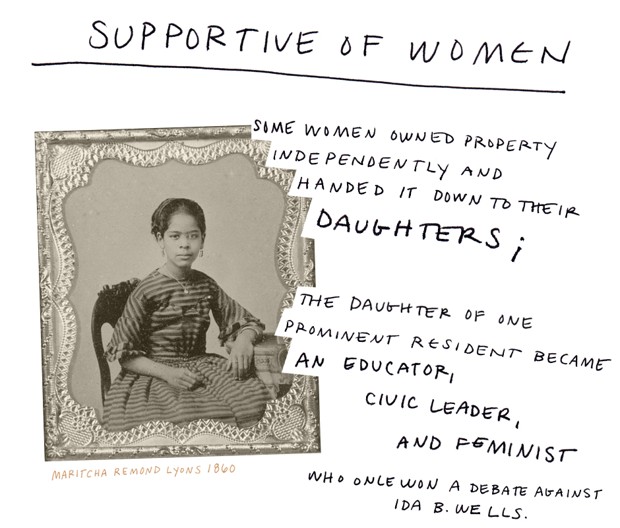
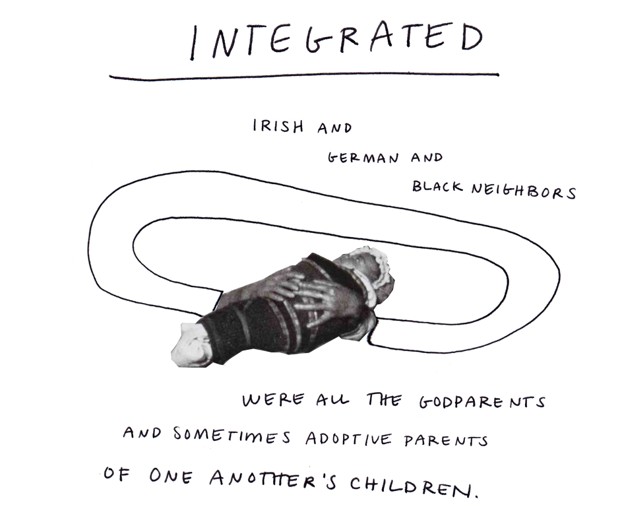
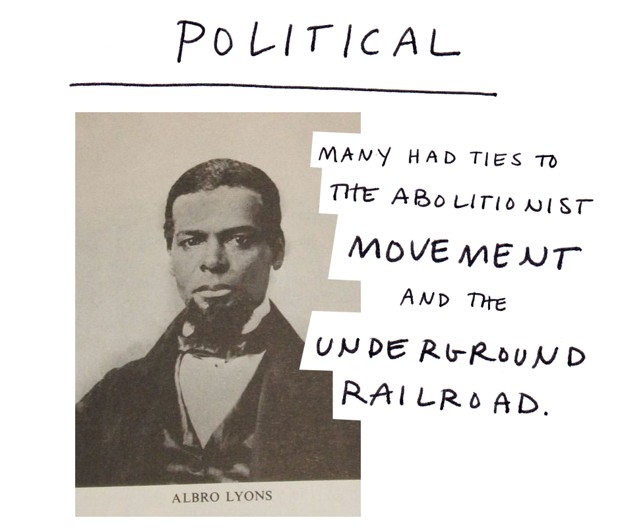
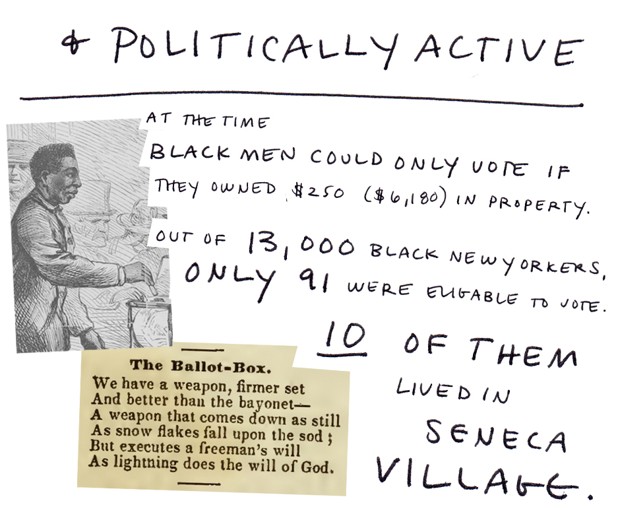















Article URL: http://icelandmag.visir.is/article/photos-video-3d-crosswalk-isafjordur-helps-slow-down-speeding-motorists
Comments URL: https://news.ycombinator.com/item?id=15374966
Points: 364
# Comments: 158
Fascinating: Click for the full timeline. Source: National Geographic
The post Hidden Costs of Climate Change Running Hundreds of Billions a Year appeared first on The Big Picture.
Article URL: https://blog.timescale.com/why-sql-beating-nosql-what-this-means-for-future-of-data-time-series-database-348b777b847a
Comments URL: https://news.ycombinator.com/item?id=15335717
Points: 391
# Comments: 289
hnrss is a labor of love, but if the project has made your job or hobby project easier and you want to show some gratitude, donations are very much appreciated. PayPal and Bitcoin both accepted. Thanks!

I owned a bright orange 1973 VW Bug for 30 years. I loved and in many ways “identified” with it. I parked it on campus almost every day as close to the physics buildings as I could, and students and colleagues knew I was in when they saw the car.
I bought it while on sabbatical in Paris. Although I wanted to buy a French car, I couldn’t because they weren’t certified for California without elaborate changes to the exhaust system. So I ordered a yellow, automatic VW bug. The VW people wanted $2400 in American cash (car plus insurance plus shipping!). American cash was not easy to get in Paris, but I managed. I felt uncomfortable carrying that much cash in my wallet or pocket, so I put twelve one hundred dollar bills in each shoe and set off for the VW factory in Wolfsburg.
 Because of heavy rain, my money got wet. I tried to dry the bills under a heat lamp at a Holiday Inn. I wasn’t too careful and the edges got burned, but the VW people took the money anyway. They said their automatic bugs were awful, however, and wouldn’t make it up a Berkeley hill. They insisted that I take the orange manual model.
In Paris, my colleagues didn’t like the color and were mad that I didn’t get a French car, but they liked knowing “when I was in” just by looking for my car. I drove across Paris to take my children to school everyday, an hour each way. The bug was such a faithful companion that I took it with me on my next sabbatical to Honolulu. Colleagues there, in Berkeley, and in Paris would say things like, “Marvin is inseparable from his car.”
In 1995, when Chancellor Chang-Lin Tien called and told me that I was to be honored with a University Professorship, which would give me the opportunity to serve at all of the UC campuses, I felt grateful for the recognition. After my colleagues found out about my appointment, they offered congratulations, and most of them asked, “Do you get a parking place like the Nobel Laureates?” None asked if I got a salary raise (I didn’t), which tells you something about the priorities of academics. I said I didn’t know, but I’d find out when I went to renew my permit.
At the Parking Office I asked the person working there about it. He said, “Do you also have a Nobel Prize like Professor Townes?” who was the only other University Professor on our campus at that time.
I said, “I don’t.”
He said, “That’s too bad.”
 I answered, “Yes, it is.”
He said he couldn’t do anything for me but said I should ask the Parking & Transportation Office. I did, and they said they would refer it to the Parking Committee, but in the meantime, I would get assigned parking. Soon after that my bright orange bug (license plate “POPOKI,” which was also the name of our cat and means ‘cat’ in Hawaiian) was parked next to a pole with a “UP” sign on it, for University Professor. Popoki and I were delighted, but it was not to last. The Parking Committee put my case on their schedule and interviewed me. Unfortunately, at one point I did state that our football coaches and assistant coaches had parking provided for them, so why not one more permit? That did not sit well with the committee.
After the interview, I reported to my colleagues that I had flunked my oral exam, which is what they called it, and soon the UP pole was gone, replaced by an undignified cement mound. It was sad, particularly for my bug which had looked so proud parked in its own special space, its “UP Parking Permit” dangling from its rearview mirror.
Read our 2015 profile of theoretical physicist Marvin L. Cohen here, and Zen and the Art of Bug Repair, from our Fall 2017 issue, here. Got a VW tale of your own to tell? Send it to us at californiamag@alumni.berkeley.edu.
Article URL: https://www.lopezferrando.com/30-interesting-shell-commands/
Comments URL: https://news.ycombinator.com/item?id=15246302
Points: 356
# Comments: 125
Article URL: https://www.nature.com/news/massive-genetic-study-shows-how-humans-are-evolving-1.22565
Comments URL: https://news.ycombinator.com/item?id=15213091
Points: 319
# Comments: 140
hnrss is a labor of love, but if the project has made your job or hobby project easier and you want to show some gratitude, donations are very much appreciated. PayPal and Bitcoin both accepted. Thanks!
Article URL: http://geon.github.io/programming/2016/03/03/dsxyliea
Comments URL: https://news.ycombinator.com/item?id=15226676
Points: 460
# Comments: 174


