Here’s a shot of Metro – the port city – looking southeast from Lions Gate Bridge.
But what is that cluster of highrises in the distance? It’s not Metrotown – that’s just outside the image to the right. Is it Edmonds, along the Expo Line? Possibly Surrey City Centre?
There are now so many high-density station areas, it’s getting hard to tell. We even confuse a second-tier station like Edmonds with our image of what Metrotown used to be not that long ago.
I was back in Portland a few weeks ago for my annual transportation-and-land-use lecture. With a few spare hours I took the opportunity to rediscover a part of PDX’s heritage that should be more widely known – especially relevant for Vancouver in our search for new, denser, acceptable urban development in established neighbourhoods.
I was in search of the small of apartment buildings of Frederick Bowman.
Portland has a wonderful heritage of streetcar suburbs, rather like Vancouver, only more extensive. Imagine West Point Grey and Grandview just about surrounding the CBD on all sides. Portland’s streetcar network did just that.
One of the earliest sreetcar suburbs was Irvington, in the northeast quandrant east of the Willamette River. Laid out in 1887, the same year the CPR arrived in Vancouver, Irvington prospered as “a self-contained middle-to-upper-class residential district in which commercial activity was to be prohibited, so as to maintain property values.”
It certainly did.
Into this graciousness, Frederick Bowman, an architect-builder, found a way to sensitively insert small apartment buildings of less than a dozen units. He used a variety of styles popular at the time, particularly tudor and arts-and-crafts, mixed together in a way that so suited the cities of the Pacific Northwest.
His best known work is one of the largest: the eight-unit (plus basement suite) F.E. Bowman Apartments at 1624 Tillamook.
How good is it? Distinguished enough to make it to the National Register:
The answer to the question is "no", at least in my view, but for reasons having little to do with the four outstanding issues highlighted in this article. We've seen these issues show up in any number of articles: completion rates, accreditation, accessibility, and sustainability. These, though, are the issues faced by traditional online courses pretending to be MOOCs. In MOOCs as they were originally defined, completion rates are a non-issue, accreditation is in the eyes of the participants, access is to any and all who are interested, and sustainability is based in the community (and the fact that we don't really have budgets to offer these things).
Oliver rambling about the roof of the Duomo in Milan when he was 7 years old. It was an ethereal autumn day: crisp, bright, and foggy. On a remarkable building.
carol of the jump@JodiesJumpsuit
Andrew Scheer has made the same mistake as his former boss and countless other conservatives: he embraced a Ford, n… twitter.com/i/web/status/1…
I’ve begun using this term a lot in the past six months (thanks Patrick).
Within every community strategic plan we create, we try to separate the critically important things which have to go well from things which can be ok.
The must-win battles are the hard part of our work.
Some examples might be:
Creating a world-class website that members love and facilitates the right kind of engagement within the budget and resources we have available.
Getting resources and support from key stakeholders to harness the full value of the community.
Getting top experts to share their best knowledge in the community in a way that others can benefit from.
Getting our audience into the habit of visiting the community and feeling comfortable asking questions…
Each of these leads into a series of smaller tasks (finding the right vendor, negotiating price, working with an implementing partner, ensuring the design is workable etc…).
Once you know what your must-win battles are (the things that truly decide if your strategy succeeds or fails) you should act like a general and allocate the bulk of your resources to winning them decisively.
Unsurprisingly, the key to winning your must-win battles is always preparation.
1) Become an expert on winning each battle. You’re not the first person to have done this. Find others who have been there before by asking in relevant communities. Meet with them, pepper them with questions, and identify every possible landmine (especially do this with vendors). Build a list of as many good examples as possible. Learn every trick in the book. Get consultancy help if you need.
2) Deeply understand your members. Interview dozens of members, undertake good surveys, really get into the heads of your members and understand what makes them tick. Don’t be afraid to be bold and different if you know members will love it.
3) Get good at building relationships. If building close relationships with stakeholders or members isn’t your strength, take the time to learn how to do it extremely well. Find a mentor, take training or lessons to improve your social skills and charisma.
By far the most common reason must-win battles are lost is when no-one prepared to win them well. If you want to win them, equip yourself with the skills, knowledge, and resources you need to win them decisively.
If you’re paying any attention at all to news coming out of the tech sector, it’s hard to go a day without coming across a story about a new robot, app, or tool that promises (or threatens) to do what we previously did for ourselves. Some of these tasks involve physical labor, but increasingly they involve cognitive, emotional, and even ethical labor. Thinking carefully about the implications of this trend is, in my view, one of the most important tasks before us.
Taking a comment from Adam Thierer on a recent post about “smart-homes” as my point of departure, I propose that we think about the trend described above as a three-step process aimed at the enchantment of the human-built world.
In Adam’s view, as I read his comment, the “smartness” of the “smart home” is simply an extension of the many ways that we have already automated household tasks over the course of the last 100 years or so. Moreover, to my claim that a “smart home” is “an active technological system that requires maintenance and regulation,” Adam commented, “Even in the days of mud huts and log cabins that was somewhat true.”¹
In my initial response to Adam, I suggested that while it is true that more primitive homes, huts and cabins if you will, involved technology and might even be considered technological systems if we press the semantic range of that phrase a bit, there were important discontinuities as well. To clarify that claim, I began by making some distinctions using home heating as an example.
For most of human history, if I wanted warmth in my home I would need to build and sustain a fire of some sort. I could, for example, build a fire in a fireplace or I could light one in a coal burning stove. This would require a good deal of effort and caution. In short, it required a significant amount of engagement on my part, physical and mental.
Then along came the furnace and central heating. I no longer needed to build and sustain a fire. I could simply flip a switch and a machine would generate the heat and disperse it throughout my home. But I would hesitate to call this an instance of automation. Instead, let’s call it mechanization. Central heating, machine heating if you will, mechanizes the work of providing heat. And, of course, with that mechanization comes far less engagement on my part. In fact, this initial step is probably the most obvious and striking point of discontinuity in the evolution of home heating.
Add a thermostat and I no longer need to actively monitor the temperature in order to keep my home comfortably warm. I can set the thermostat at a toasty 73 degrees and trust the system to do the work for me. Ease of use continues to advance as my degree of engagement diminishes. Now, I think, we can talk about automation. Of course, thermostats of varying degrees of sophistication are available. The simplest models allow you to set just one temperature and require you to manually change that setting if you want the temperature to adjust over the course of the day. More elaborate, digital thermostats allow you to program a series of temperature changes throughout the course of the day and for different days of the week. All of these, however, allow me to automate the functioning of the machine. But, we should note, altering these settings still required direct action on my part.
It seems that the next step in this progression is something like Nest, a thermostat that “learns” your preferences and takes over management of the temperature for you. Nest is illustrative of the “smart” trend that promises something more than simple automation. Tools like Nest take automation further along the path toward autonomous functionality by “learning” to regulate themselves. Nest can also be controlled with a smart phone. In other words, it can be networked; it can “talk” to other devices. It is, then, a potential component of the assemblage of technologies that together constitute the so-called Internet of Things, one manifestation of which is the “smart home.” At this point, I am thoroughly disengaged from the process of providing heat for my home. I don’t need to cut wood or start a fire. I don’t need to flip a switch. I don’t need to adjust controls. Without labor, attention, or decisions on my part, my home is comfortably heated.
I remain uncertain about what to call this last step. Mechanization, automation, and … what?
In my previous post, I couldn’t quite resist an allusion to the famous scene in Boris Karloff’s Frankensteinwhere Dr. Frankenstein shouts,“It’s alive. It’s alive!” The allusion suggested “animation” a name for the third step after mechanization and automation. That strikes me as a provocative and vivid word choice, but it also threatens to mystify more than it clarifies. I mean the term in a figurative sense, but it may be too easy to suppose that something more literal is intended. Nonetheless, throwing caution to the wind, I’m going to go with animation, at least for the time being. Blogging is nothing, if not provisional, right?
So then, we have three discernible stages–mechanization, automation, animation–in the technological enchantment of the human-built world. The technological enchantment of the human-built world is the unforeseen consequence of the disenchantment of the natural world described by sociologists of modernity, Max Weber being the most notable. These sociologists claimed that modernity entailed the rationalization of the world and the purging of mystery, but they were only partly right. It might be better to say that the world was not so much disenchanted as it was differently enchanted. This displacement and redistribution of enchantment may be just as important a factor in shaping modernity as the putative disenchantment of nature.
In an offhand, stream-of-consciousness aside, I ventured that the allure of the smart-home, and similar technologies, arose from a latent desire to re-enchant the world. I’m doubling-down on that hypothesis. Here’s the working thesis: the ongoing technological enchantment of the human-built world is a corollary of the disenchantment of the natural world. The first movement yields the second, and the two are interwoven. To call this process of technological animation an enchantment of the human-built world is not merely a figurative post-hoc gloss on what has actually happened. Rather, the work of enchantment has been woven into the process all along.
In support of this claim we might consider, first, the entanglement of technology and magic just as the process of disenchantment is taking off in the early-modern period as well as the pervasive and, secondly, the persistent presence of the religion of technologywithin the western technological project.
I’m going to leave it at that for now. In a subsequent post, I’ll bring Hannah Arendt’s discussion of labor, work, and action into the discussion to help us think about the trade-offs involved in this enchantment of the human-built world.
¹ There is a methodological question lying beneath the surface of this exchange: how do we wisely weigh the relevant degrees of continuity and discontinuity with older technology as we think about new technology? This can be tricky. There can be a tendency to exaggerate either the continuity or the discontinuity. In both cases, there would be nothing at all to learn because either nothing has changed and thus nothing needsto be learned, or else everything has changed and nothing of use canbe learned. In the most unhelpful cases, both exaggerations are simultaneously affirmed. To generate hype, proponents of a new technology breathlessly proclaim its revolutionary character while at the same disingenuously allaying criticism by insisting the new revolutionary technology is really just like any number of other technologies that preceded it.
Here’s a feature of dplyr that occasionally bites me (most recently while making these graphs). It’s about to change mostly for the better, but is also likely to bite me again in the future. If you want to follow along there’s a GitHub repo with the necessary code and data.
Say we have a data frame or tibble and we want to get a frequency table or set of counts out of it. In this case, each row of our data is a person serving a congressional term for the very first time, for the years 2013 to 2019. We have information on the term year, the party of the representative, and whether they are a man or a woman.
library(tidyverse)

## Hex colors for sex
sex_colors <- c("#E69F00", "#993300")

## Hex color codes for Dem Blue and Rep Red
party_colors <- c("#2E74C0", "#CB454A")

## Group labels
mf_labs <- tibble(M = "Men", F = "Women")

theme_set(theme_minimal())

## Character vectors only, by default
df <- read_csv("data/fc_sample.csv")

df

#> > df
#> # A tibble: 280 x 4
#>      pid start_year party      sex
#>    <int> <date>     <chr>      <chr>
#>  1  3160 2013-01-03 Republican M
#>  2  3161 2013-01-03 Democrat   F
#>  3  3162 2013-01-03 Democrat   M
#>  4  3163 2013-01-03 Republican M
#>  5  3164 2013-01-03 Democrat   M
#>  6  3165 2013-01-03 Republican M
#>  7  3166 2013-01-03 Republican M
#>  8  3167 2013-01-03 Democrat   F
#>  9  3168 2013-01-03 Republican M
#> 10  3169 2013-01-03 Democrat   M
#> # ... with 270 more rows
When we load our data into R with read_csv, the columns for party and sex are parsed as character vectors. If you’ve been around R for any length of time, and especially if you’ve worked in the tidyverse framework, you’ll be familiar with the drumbeat of “stringsAsFactors=FALSE”, by which we avoid classing character variables as factors unless we have a good reason to do so (there are several good reasons), and we don’t do so by default. Thus our df tibble shows us <chr> instead of <fct> for party and sex.
Now, let’s say we want a count of the number of men and women elected by party in each year. (Congressional elections happen every two years.) We write a little pipeline to group the data by year, party, and sex, count up the numbers, and calculate a frequency that’s the proportion of men and women elected that year within each party. That is, the frequencies of M and F will sum to 1 for each party in each year.
df %>%
    group_by(start_year, party, sex) %>%
    summarize(N = n()) %>%
    mutate(freq = N / sum(N))

#> # A tibble: 14 x 5
#> # Groups:   start_year, party [8]
#>    start_year party      sex       N   freq
#>    <date>     <chr>      <chr> <int>  <dbl>
#>  1 2013-01-03 Democrat   F        21 0.362
#>  2 2013-01-03 Democrat   M        37 0.638
#>  3 2013-01-03 Republican F         8 0.101
#>  4 2013-01-03 Republican M        71 0.899
#>  5 2015-01-03 Democrat   M         1 1
#>  6 2015-01-03 Republican M         5 1
#>  7 2017-01-03 Democrat   F         6 0.24
#>  8 2017-01-03 Democrat   M        19 0.76
#>  9 2017-01-03 Republican F         2 0.0667
#> 10 2017-01-03 Republican M        28 0.933
#> 11 2019-01-03 Democrat   F        33 0.647
#> 12 2019-01-03 Democrat   M        18 0.353
#> 13 2019-01-03 Republican F         1 0.0323
#> 14 2019-01-03 Republican M        30 0.968
You can see that, in 2015, neither party had a woman elected to Congress for the first time. Thus, the freq is 1 in row 5 and row 6. But you can also see that, because there are no observed Fs in 2015, they don’t show up in the table at all. The zero values are dropped. These rows, call them 5' and 6' don’t appear:
#>     start_year party      sex       N freq
#>  5' 2015-01-03 Democrat   F         0 0
#>  6' 2015-01-03 Republican F         0 0
How is that going to bite us? Let’s add some graphing instructions to the pipeline, first making a stacked column chart:
Stacked column chart based on character-encoded values.
That looks fine. You can see in each panel the 2015 column is 100% Men. If we were working on this a bit longer we’d polish up the x-axis so that the dates were centered under the columns. But as an exploratory plot it’s fine.
But let’s say that, instead of a column plot, you looked at a line plot instead. This would be a natural thing to do given that time is on the x-axis and so you’re looking at a trend, albeit one over a small number of years.
A line graph based on character-encoded variables for party and sex. The trend line for Women joins up the observed (or rather, the included) values, which don’t include the zero values for 2015.
That’s not right. The line segments join up the data points in the summary tibble, but because those don’t include the zero-count rows in the case of women, the lines join the 2013 and 2017 values directly. So we miss that the count (and thus the frequency) went to zero in that year.
This issue has been recognized in dplyr for some time. It happened whether your data was encoded as character or as a factor. There’s a huge thread about it in the development version on GitHub, going back to 2014. In the upcoming version 0.8 release of dplyr, the behavior for zero-count rows will change, but as far as I can make out it will change for factors only. Let’s see what happens when we change the encoding of our data frame. We’ll make a new one, called df_f.
df_f <- df %>% modify_if(is.character, as.factor)

df_f %>%
    group_by(start_year, party, sex) %>%
    tally()

#> # A tibble: 16 x 4
#> # Groups:   start_year, party [8]
#>    start_year party      sex       n
#>    <date>     <fct>      <fct> <int>
#>  1 2013-01-03 Democrat   F        21
#>  2 2013-01-03 Democrat   M        37
#>  3 2013-01-03 Republican F         8
#>  4 2013-01-03 Republican M        71
#>  5 2015-01-03 Democrat   F         0
#>  6 2015-01-03 Democrat   M         1
#>  7 2015-01-03 Republican F         0
#>  8 2015-01-03 Republican M         5
#>  9 2017-01-03 Democrat   F         6
#> 10 2017-01-03 Democrat   M        19
#> 11 2017-01-03 Republican F         2
#> 12 2017-01-03 Republican M        28
#> 13 2019-01-03 Democrat   F        33
#> 14 2019-01-03 Democrat   M        18
#> 15 2019-01-03 Republican F         1
#> 16 2019-01-03 Republican M        30
Now we have party and sex encoded as unordered factors. This time, our zero rows are present (here as rows 5 and 7). The grouping and summarizing operation has preserved all the factor values by default, instead of dropping the ones with no observed values in any particular year. Let’s run our line graph code again:
A line graph based on factor-encoded variables for party and sex. Now the trend line for Women does include the zero values, as they are preserved in the summary.
Now the trend line goes to zero, as it should. (And by the same token the trend line for Men goes to 100%.)
What if we want to keep working with our variables encoded as characters rather than factors? There is a workaround, using the complete() function. You will need to ungroup() the data after summarizing it, and then use complete() to fill in the implicit missing values. You have to re-specify the grouping structure for complete, and then tell it what you want the fill-in value to be for your summary variables. In this case it’s zero.
## using df again, with <chr> variables

df %>%
    group_by(start_year, party, sex) %>%
    summarize(N = n()) %>%
    mutate(freq = N / sum(N)) %>%
    ungroup() %>%
    complete(start_year, party, sex,
             fill = list(N = 0, freq = 0))

#> # A tibble: 16 x 5
#>    start_year party      sex       N   freq
#>    <date>     <chr>      <chr> <dbl>  <dbl>
#>  1 2013-01-03 Democrat   F        21 0.362
#>  2 2013-01-03 Democrat   M        37 0.638
#>  3 2013-01-03 Republican F         8 0.101
#>  4 2013-01-03 Republican M        71 0.899
#>  5 2015-01-03 Democrat   F         0 0
#>  6 2015-01-03 Democrat   M         1 1
#>  7 2015-01-03 Republican F         0 0
#>  8 2015-01-03 Republican M         5 1
#>  9 2017-01-03 Democrat   F         6 0.24
#> 10 2017-01-03 Democrat   M        19 0.76
#> 11 2017-01-03 Republican F         2 0.0667
#> 12 2017-01-03 Republican M        28 0.933
#> 13 2019-01-03 Democrat   F        33 0.647
#> 14 2019-01-03 Democrat   M        18 0.353
#> 15 2019-01-03 Republican F         1 0.0323
#> 16 2019-01-03 Republican M        30 0.968
If we re-draw the line plot with the ungroup() ... complete() step included, we’ll get the correct output in our line plot, just as in the factor case.
Same as before, but based on the character-encoded version.
The new zero-preserving behavior of group_by() for factors will show up in the upcoming version 0.8 of dplyr. It’s already there in the development version if you like to live dangerously. In the meantime, if you want your frequency tables to include zero counts, then make sure you ungroup() and then complete() the summary tables.
Rewriting… longtime readers of this blog will know that for a long time I’ve thought we could do more in the way of creating written diagrams to help make courses more maintainable. Part of this comes from the ability to make minor edits and reflow a diagram, part of it comes from developing, over time, a set of reusable patterns and building on top of (or iterating around) what you’ve already done. Working out which bits of a diagram to parameterise in order to come up with parameterisable or programmable diagram generators (think things like the Blockdiag diagrams) is something that is likely to develop over time and provide accelerating returns if you need to generate diagrams of a similar type in future.
Updates to TM351 include a couple of diagram types. Entity relation diagrams of various kinds and some database transaction diagrams.
I thought there would be easy ways to do this, but not where I looked, so here are some fragments using Tikz (LaTeX)… Which is to say, old tech…
Generate arrows of the form:
Not all of these make sense, but that might be useful when creating nonsensical examples.
Here’s an example diagram (not necessarily a meaningful one):
So… the above were generated using code. And everyone should learn to code, apparently. But from what I can tell, everyone (academic-wise) tends to either handover a sketch for an artist to draw (the above diagrams can be rendered as PDF, eps, or SVG (which can in turn be converted to PNG etc), although I’m not sure how nice the SVG is, e.g. when it comes to importing it into a drawing package?), or try to draw the diagram in Word or Excel. (Also based on experience, people who teach code often don’t seem to tend to think in terms of creating or using code, albeit even the scruffy code that many of us write, in the everyday, to actually help get stuff done…)
And when it comes to recruitment, we recruit yet more academics to academic posts, with complete disdain and disinterest for practical skills (not right for an ‘academic’ job role). But then, “university” not “polytechnic”, I guess.
We are so missing out on making contributions around how to teach innovatively using emerging current tech and develop new teaching strategies with it. Which requires the confidence and ability to use it, and explore ways in which it can be used.
Instead, the best we can hope for is finding a way of co-opting something bought off-the-shelf and making do with it as best we can at the user level, forgetting that much of the off-the-shelf stuff may have been recently developed by small start-ups with little or no academic “technology enhanced learning” expertise. (And that there is a long of stuff to be learned at the deploying new tech in ways and new ocmbinations level.) But maybe we add value by showing how to take of-the-shelf productised tech and demonstrate how to “use it properly”.
(If we’re competing with other institutions to by the same tech, what additional do we bring? How to “use it properly” in a distance education setting? Maybe I’m being churlish. Maybe there is real value in us doing that.
When you work at the UI layer, you working at the same level as every other muppet.
It’s like a weird inverse of the not-invented-here syndrome: we’re safer buying something in because we have no expertise or capacity to develop it internally. And we’re not interested in trying to develop capacity. (Compare that to when I joined the OU: it was a leading developer of educational software; but capacity and in-house expertise has cut and lost year-on-year for years now…)
The thing about code is that it lets you build your own tools. The thing about code is that it builds up abstraction levels that lets you combine things are each level. The thing about code is that unlike Lego, where you start with big chunky Duplo blocks, move to standard Lego then Lego Technic, code starts small and fiddly, and then builds layers on top: C, Python, pandas, pytorch|Tensorflow, Docker container running Jupyter notebooks|pythorch|tensorflow, Docker container running Jupyter notebooks|pythorch|tensorflow docker composed with a database, or notebook extended to run jobs on a remote cluster.
But then, academics are academics first, not technologists first, or engineers first. The ability to do magic in the real world is of no interest.
If you believe, as I do, that the primary innovation of cryptocurrencies is a means to monetize open-source software, which in turn enables and incentivizes coordination of life-sustaining work outside a firm, then there's good reason to believe it has a bright future: Open-source cryptocurrency projects are censorship-resistant at the level of exchanging one’s capital—particularly time—for money.
One can contribute their time and financial stakes to Satoshi, Vitalik and Zooko with no fear of rejection; conversely, if Apple, Google and Facebook all decline to offer you a job—which they do for Population of Earth less the number of Apple, Google and Facebook employees—they are censoring you from participating in and contributing to the upside of Steve Jobs, Larry and Sergey, and Zuck. It's an odd application of "censorship-resistance", but I think it's a far, far more salient form of censorship resistance than censorship of media, which is more commonly discussed amongst promoters of blockchain.
It's possible that we're at a local maxima for political discord, just as it's possible that we're somewhere on a linear slope. But it's also possible that we're on the early portion of an exponential curve, and that as this trend accelerates while these companies increasingly dominate their markets, previously agnostic organizations will increasingly represent political alliances between a staff and the consumers of their product. It's difficult to imagine things splintering this badly, but all exponential changes are, nearly by definition, difficult to imagine. As Chuck Klosterman put it in But What If We’re
Wrong?, "All strengths become weaknesses, if given enough time."
For those who joined Facebook or Google in the last few years, it's been like a "Come for the now-unattractive stock options, stay for the moral crisis" sort of deal.
"I’m f-ing exhausted of cleaning up after the sloppy and careless mistakes that made so many of the people responsible for them so, so rich," lamented one Facebook employee in response to the company's latest scandal. "Why does our company suck at having a moral compass?", asked another. By contrast, working for an open-source organization either requires no moral compass (because the project belongs to the commons) or enables infinite moral compasses (because the project can always be forked).
If given enough time, I think significant talent will migrate to open-source environments to flee the moral consequences, which is a form of freedom.
You are the leader of an open-source project. Your Uncle Mort is turning 70. You are set to fly to Minneapolis this weekend to visit him, when you remember that a longtime contributor to your project, who you only know from sporadic Github comments and IRC chats, lives there. You arrange to meet this contributor for coffee while in town.
Over coffee you learn that this person not only holds morally reprehensible views, but has likely performed immoral acts. You leave the cafe with no doubt that this is a very, very bad person.
Two weeks later, they make another pull request that would be valuable to your project. Is it ethical to accept this request, and others moving forward?
I try to tease this apart (but not “unpack it” because that phrase is obnoxious) in Part II.
In Political Studies class this week, Oliver is learning about the differences between the economics spectrum and the political spectrum. This post from Stephanie Booth was a good jumping off point for our own discussion about this:
Ce matin, dans un podcast un intervenant remarquait que l’on avait été tellement bien éduqués à être des consommateurs qu’on réagissait en consommateurs et non en citoyens aux problèmes politiques ou de gouvernement. Je pense que c’est une remarque très juste, et que c’est grave. On ne résout pas les problèmes politiques en agissant comme des consommateurs mécontents.
In 2014 when I presented, on behalf of PEI Home and School Federation, to the Standing Committee on Education, during in the question and answer period with MLAs afterwards, I said “The education system is not Walmart,” and it’s this “We do not solve political problems by acting as dissatisfied consumers” sentiment that I was trying to convey. We are not customers of the public school system, we are actors in it, co-conspirators in the process of educating ourselves, all of us, as citizens.
Jonathan Morrison has an excellent walkthrough of what it’s like to edit an entire 4K video on an iPad Pro. In the video, Morrison adjusts the audio, color corrects footage, and assembles everything from multiple clips using LumaFusion running on a 12.9-inch iPad Pro.
Morrison came away impressed with LumaFusion and the iPad Pro’s performance as a video editing workstation. Among other things, previewing and scrubbing through footage was smooth and responsive, and the iPad Pro exported the final video in close to real-time.
Near the end of the video, Morrison addresses some of the criticisms leveled against Apple’s latest iPad:
Everyone’s looking at it as a laptop replacement when it’s an alternative, and you’re looking for traditional methods when you should be looking for alternative methods.
That’s a refreshing perspective from someone coming from video editing on the Mac. It’s also a point we touch upon on this week’s episode of AppStories. Trying to map workflows directly from the Mac to iOS is a recipe for disappointment because the platforms work differently. The differences often require adjustments be made, but they can pay dividends as Morrison demonstrates.
Well, Kate did. And she’s playing it a fourth time and learning just how much she missed in the first three.
As everyone has noticed, the game has excellent writing. There are moments where the writers’ voices speak a little to clearly and preachily, but on the whole the characters are themselves from the moment you meet them to the moment the credits roll.
For a game taking the slice of the lives of twenty-somethings there is a surprising lack of sex and romance. Gregg and Angus are the best couple, and Mae gets sloshed rather than face her high school bf… but just as there is exactly one bathroom in Possum Falls, there appear to be only two bedrooms. Even Angus and Gregg seem to share a single bunk bed.
Gameplay is mostly light platforming between conversations. The conversation engine is executed confidently, with choices presented in exactly the words that are sent. There’s some inconsistencies where “I can talk with you” indications appearing over characters with nothing to say but a single bubble with a sketch in it instead of the far more common signal of the end of conversations being that the indicator is just absent. It’s not bad, it’s just a little jarringly inconsistent.
In addition to walking and talking there are a few minigames to suck at: Guitar Hero for bass playing, some timing games like knife fighting with your friend, a hunting simulator… sucking at them is in character, so I wonder what the responses are if you’re actually competent at something.
Overall I recommend this heavily to anyone who likes “Walking Simulators” or Interactive Fiction… or if you ever came from a small town and went back at least once (and if so I also recommend that you read Sunshine Sketches of a Little Town).
As Transportation Service Providers (TSPs) provide a suite of options in the form of a service contract, rather like telecommunication providers do now, there will be less and less need for individually owned cars. And it’s also the way that automated, even autonomous, vehicles are likely to be introduced: a fleet of AVs that the consumer has access to, rather than an individually assigned car. In other words, the way car-sharing works today.
How fast will that happen? How soon will the self-owned vehicle be rare or even obsolete?
How about in 10 years?
That’s what one presenter at a transportation conference last week predicted.
By 2029, self-owned vehicles may be rather like that ’57 Chevy is today – the passion of collectors and passionate individualists. Indeed, unless older cars and trucks have been upgraded with the minimum in collision-avoidance technologies, they may not be allowed on the road.
On the other hand … it takes time for new technologies to penetrate a market when the existing product does the job and hasn’t yet been amortized, rather in the way electric vehicles haven’t yet achieved much of a market share.
This is where service providers (and insurers) may make the difference. If rapidly rising liability for current vehicles more subject to collision forces people to make the switch because of insurance costs, a third-party service provider that assumes liability becomes ever more attractive.
Politicians in search of a solution for gas-tax replacement and some form of mobility pricing need to understand this switch. Once their voters no longer have a personal attachment to a singular piece of hardware, or no longer know or care how they’re being taxed for individual trips because it’s being done through their service plan (what’s the tax on a cell-phone call, for instance?), then we’re in a different world.
If you just go by what the large U.S.-based institutions and companies are doing, which is what this article does, then MOOCs look like a scam. "MOOCs are now the free ice cream, the bait in the trap and, as such, it’s normal to wonder what they’re really worth even if they’re free." But outside the bastion, MOOCs are doing what they were intended to do: provide free learning resources to millions of people. This week alone I'm looking K-MOOCs in Korea (see here) and the KOOL system in Kerala (see here). It's the stark contrast between the world according to Forbes and the world according to the rest of us. (Note, as always, with Forbes, there's a spamwall, which I disable with Ublock Origin; there's also popup video - scroll down, scroll up, scroll down again and the 'close window' (X) appears above the video so you can shut it down).
Short interview with philosopher Andy Clark. His first book, Microcognition, came out (and was very influential) around the time I was working on my PhD studies on the same topic. He explores connectionism, extended cognition, and the nature of consciousness. "If the information stored ‘out there’ is in those ways properly integrated with the stuff known by the bio-core, it counts as part of your extended mind. I think we’ll all get used to this in the near future, as we routinely extend our minds using various forms of more personalized A.I.," he says.
It was such an honour to be invited to speak at National Digital Forum in Wellington. This was the biggest talk I’ve ever done and it’s the first talk I’ve done on the diversity and inclusion. I surprised myself by how emotional I got at the end and it couldn’t have been a safer place to share my ideas and my feelings.
blah blah blah: diversity and inclusion
Kia ora koutou
Ngā mihi nui ki ngā tangata whenua o tēnei rohe.
Ko Tara Robertson ahau, nō Vancouver ahau.
Tēnā koutou katoa.
(Thank you Courtney Johnston for the mihi and to Georgie Ferrari who recorded it on her iPhone so I could practice it again and again!)
I am so excited and delighted to be invited here. I arrived from Canada about 10 days ago and this whole trip has been full of wonderful and serendipitous connections. It’s been amazing to reconnect with old friends and colleagues. I appreciate all the hospitality that has been extended to me and my wife–thank you so much Fiona and the rest of the organizing committee. We feel really welcomed and taken care of.
Finding the right title is something that I’m not very good at. I’m going to mostly talk about my work at Mozilla but I’m going to take some detours and blah blah blah.
Thank you to:
I’m one of those annoying extroverts who needs to think out loud. I appreciate the generosity that all of these people have extended me. These people are friends, colleagues, comrades, librarians, sex worker activists, academics, feminists, queers and artists. I want to acknowledge and thank all of these people up front as extended feminist citation practice.
photo used with permission from Tourism Prince George
I was born in Vancouver and grew up in a logging town called Prince George. Prince George is 800km north of Vancouver, at the junction of the Nechako and Fraser rivers. It is on the traditional territory of the Lheidli T’enneh, which means the people of where the two rivers flow together. Growing up most towns in a 10 hour drive in any direction didn’t have any McDonald’s and Prince George, population 75,000, had 4. This is Mr. PG, the town mascot. 8m tall, originally made of wood, he rotted and the replacement is built to last out of fiberglass and sheet metal.
My mom is Japanese-Canadian and my dad is white, of Scottish and Irish ancestry. I’ve lived in 7 different countries including Scotland and Japan–partly to learn about the world but I think I was also looking for a sense of belonging and home. Being mixed race and queer means I’ve spent most of my life feeling like I don’t belong and that I don’t fit. This has also given me a first hand, personal view of group dynamics–I see things that many people in the majority groups do not.
In 2009, I moved here with the intent to spend a year in Wellington. I’m grateful that Courtney Johnston hired me on contract, to work on the National Library’s website. To be honest, I was a bit crap. I was trying to figure out a bunch of things in my life and wasn’t the greatest employee. I made some colossal errors, including taking the website down 3 times. I had planned to stay here for a year, but got homesick after 6 months during a cold and wet Wellington winter. The silver lining of feeling homesick was that I finally realized where my home was.
My home
Vancouver has been my home for 15 years. The Pacific Ocean and the mountains feel like a giant hug. Old friendships and community connections also root me in Vancouver. Google Maps says it takes approximately 17 hours to fly here from there.
Before Mozilla I was a librarian for 12 years working mostly in post-secondary institutions. I was drawn to libraries because I’d volunteered in activist and feminist libraries and care deeply about access to information. People often ask me about my odd career path from libraries to doing diversity and inclusion work in the tech sector. I was active in the library technology community where I led some work to make our conferences safer and more inclusive. For the last 5 years of my librarian career I managed an accessibility organization that served students with print disabilities by format shifting their textbooks into a digital formats that they could use. I’m still very passionate about accessibility and universal design. I love that the NDF organizers care about accessibility and communication access. The interpreter Tania and I also know each other from 16 years ago when we lived in Hokkaido, Japan. It feels really special to have her interpreting my words in to NZ sign language.
I’ve been at Mozilla just over a year. As the Diversity and Inclusion Strategic Partner I’m the data person on our team. I’ve been building out our infrastructure so we can measure progress on diversity metrics. I partner with different parts of the organization on specific strategies for cultural inclusion. I’ve led projects on trans inclusion and continue to advocate for accessibility.
Mozilla!
Mozilla has 1200 staff and 10,000 volunteer community members worldwide. Our mission is to ensure the Internet is a global public resource, open and accessible to all. The way we do this is with open source products, like the Firefox web browser. If you’re not using Firefox I suggest you give it a try as we relaunched Firefox Quantum last fall. It’s fast and we don’t do bad things with your data.
Mozilla is a company that has one shareholder, the not-for-profit Mozilla Foundation.
The Mozilla Foundation does awesome work on policy, publishes the Internet Health Report, host MozFest in London, and offers fellowships to 26 technologists, activists, and scientists from more than 10 countries, including New Zealand. This year our Fellows include:
A neuroscientist building open-source laboratory hardware.
An artist and maker who is looking to make weird projects that can only really live on the decentralized web, and to build tools and tutorials to help other people make even better, weirder things
and Sam Muirhead, here in Wellington. Sam is working on an open source approach to the creation and adaptation of illustrations, comics, and animation. The aim is to support international activist networks running digital campaigns in diverse cultural contexts — enabling local chapters to speak with their own creative voice, while building solidarity and sharing resources across the network.
I got to meet this cohort of Fellows in Toronto and they are one of the most interesting groups of people I’ve ever met. I’m so excited about the change that they’re making in the world.
Whose voices are missing? How do we include these voices?
These are two questions that have guided my work for the last 10 years.
In most social situations, I think it’s always interesting to observe:
Who is in the room?
Who is at the table?
Who speaks a lot?
Who has social capital?
Who feels welcome?
Whose ideas are respected and centered by default?
I think even more interesting is to note:
Who is missing?
Who is sitting on the margins?
Who doesn’t feel welcome?
Who has to fight to have their viewpoints heard and respected?
How diversity makes us smarter
photo from www.wocintechchat.com
For groups that value innovation and new ideas, diversity is key. There’s plenty of social science research that demonstrates this but one of my favourite articles is by Dr. Katherine Phillips, Professor of Leadership and Ethics and Senior Vice Dean at Columbia Business School. Her article How Diversity Makes Us Smarter in Scientific American is an accessible summary of some of the key research in this area.
Dr. Phillips says that when we’re around people like us, whether it’s people who are the same race, gender, have the same political viewpoints as us, it leads us to think we all hold the same information and share the same perspective. When we hear dissent from someone who is different from us, it provokes more thought than when it comes from someone who looks like us. Diversity jolts us into cognitive action in ways that homogeneity does not. Simply by being in the presence of someone who is not like you, you will be more diligent and open-minded. You will work harder on explaining your rationale and anticipating alternatives than you would have otherwise.
There’s a couple of other important points in Dr. Phillips’ article. While diverse groups performed better than homogeneous groups they also had more conflict and enjoyed working together less. As someone works in D&I this means that as we build more diverse teams we also need to also build people’s skills on understanding unconscious bias, giving and receiving feedback and communicating when there’s conflict.
Mozilla’s mission is to ensure the Internet is a global public resource, open and accessible to all–how can we do that if we don’t have everyone at the table building the tools to do this? It’s not just about diversity, people need to feel that they can bring their whole selves to the table and that difference will be accepted and valued. This is the inclusion piece.
What is something that someone has done to make you feel included?
So, I want you to think about something that someone did to make you feel included. The example you think about can be from work, social, school, family, church, sports team…whatever. I’m going to give you 1 minute to quietly think about this and to write your answer down.
OK, great! I want you to get into groups of two and share what you wrote down. You have 2 minutes. Go!
Share (4 min)
OK, I’m going to change the question slightly now. The question is: What can we do to make this community even more inclusive?
I want you to get into groups of 4, discuss this question and write down your group’s ideas in the Google Doc at bit.ly/NDF-2018
You have 4 minutes. Go!
(Thanks to the people who organized the responses! I love librarians!)
Diversity is the mix of people
At the start of our D&I journey at Mozilla we did 20 focus groups with Mozillians. We heard about many diversity dimensions in our findings and they have shaped the way we define diversity. Diversity is all the things that make us who we are…it is our specific, unique, beautiful mix of people.
In the top right hand corner there’s MoFo and MoCo. MoCo is our internal shorthand for the Mozilla Corporation. Internally we call people who work for the Foundation MoFos.
Inclusion is getting the mix to work
And then, what is inclusion? We Mozillians believe inclusion is getting our specific mix of people to work well together, to invite voices forward, to speak boldly but respectfully, and listen intently. Inclusion is about how each of us wants to be treated.
Quote from Mitchell Baker
This is a quote from Mitchell Baker, our Chairwoman.
Mozilla’s mission is to build the Internet as a global public resource, open and accessible to all. ‘Open and accessible to all’ implies a deep commitment to inclusion, and to building inclusive practices. As part of this commitment we describe a set of ‘behaviors of inclusion’ that we aspire to. These are set out in Mozilla’s Community Participation Guidelines.
The CPG is the Code of Conduct at Mozilla. It outlines both behaviours we want to see and behaviours that are unacceptable.
The following behaviors are expected of all Mozillians:
Be Respectful
Value each other’s ideas, styles and viewpoints. We may not always agree, but disagreement is no excuse for poor manners. Be open to different possibilities and to being wrong. Be kind in all interactions and communications, especially when debating the merits of different options. Be aware of your impact and how intense interactions may be affecting people. Be direct, constructive and positive. Take responsibility for your impact and your mistakes – if someone says they have been harmed through your words or actions, listen carefully, apologize sincerely, and correct the behavior going forward.
Be Direct but Professional
We are likely to have some discussions about if and when criticism is respectful and when it’s not. We must be able to speak directly when we disagree and when we think we need to improve. We cannot withhold hard truths. Doing so respectfully is hard, doing so when others don’t seem to be listening is harder, and hearing such comments when one is the recipient can be even harder still. We need to be honest and direct, as well as respectful.
I love that this is written in plain English. Recently I found myself dragging my feet on having a hard conversation with someone I care about at work. When I was practicing for this talk I heard myself saying “We cannot withhold hard truths. We need to be honest and direct, as well as respectful.” This was the nudge I needed to have this conversation. Looking back I wished I’d had this conversation about a month before I worked up the courage to do so.
The CPG also outlines behaviours that are not tolerated. These include:
violence
threats of violence
personal attacks
derogatory language
disruptive behaviour (like heckling speakers)
and unwelcome sexual attention or physical contact.
This includes touching a person without permission, including sensitive areas such as their hair, pregnant stomach, mobility device (wheelchair, scooter, etc) or tattoos. This also includes physically blocking or intimidating another person. Physical contact or simulated physical contact (such as emojis like “kiss”) without affirmative consent is not acceptable.
I love that the CPG includes these concrete examples–some of them I hadn’t thought about before.
The CPG also includes information about consequences of unacceptable behaviours and information on how to report. It is open licensed under a CC Attribution Sharealike license.
The work we all do has a ripple effect in the world. Mozillians in Brazil used our CPG as the base of their open letter to a JS conference to call out a transphobic incident. And a couple of weeks ago, the SQLite community adopted our CPG as their code of conduct.
Open source is “startlingly white and male” No rockstars. No ninjas.
…even though users of the open source software present in countless products and services are now as diverse as the internet itself, the open source development community remains startlingly white and male—even by the tech industry’s dismal standards.
I had a lot of imposter syndrome throughout the application process for Mozilla. I was just a librarian at a college in Canada that no one had heard of. Who did I think I was applying to work for Mozilla? There were 3 sentences in the job posting that made me apply:
You demonstrate a history of working in a collaborative and open manner—whether that be in open source projects or simply openly discussing projects and questions.
You should apply even if you don’t feel that your credentials are a 100% match with the position description.
We are looking for relevant skills and experience, not a checklist that exactly matches the position itself.
Of course this was by design. Knowing that open source skews white and male, requiring open source experience would limit the people who would choose to apply, and likely some excellent candidates would self select out. The key experience is open collaboration, not open source experience.
We also use a tool called Textio to make sure that our job postings use balanced language. Thankfully we don’t post job ads for code ninjas and rockstar developers anymore.
In the 1970s, top orchestras in the US were only 5% women. At that time there were lots of reasons given for this including:
“women have smaller techniques than men,”
“women more temperamental and more likely to demand special attention or treatment,” and that
“the more women, the poorer the sound.”
Zubin Mehta, conductor of the Los Angeles Symphony from 1964-78 and of the New York Philharmonic from 1978-90, said, “I just don’t think women should be in an orchestra.” (Goldin and Rouse, p 719)
By 2000, orchestras were up to almost 30% women. Part of the reason for the change was the introduction of “blind auditions”, where the musicians literally auditioned behind a curtain so that the panel couldn’t see them. They were only assessing candidates based on how they sounded. They found that even with the curtain that there were other telltale signs, like the click clack of women’s high heels. They either added a carpet or got women to take their shoes off and had a man make clomp clomp clomp noises with his shoes. Now most US orchestras are 40-50% women, though there are very few women who are conductors or who play in the brass section. In researching this I learned about “the brass ceiling”.
At Mozilla our version of the blind audition is a tool called HackerRank. This enables hiring managers to evaluate candidates based on their code, not their perceived gender or race, or the university that they graduated from. We started using Hackerrank to select candidates for our internships. There was more than 4x improvement in first two years of HackerRank, we went from:
From 2 women to 13 women
From 7 colleges to 27 colleges + 1 code academy
61% of the 2017 cohort were women and/or People of Color
I’ve been involved in open source projects for more than 10 years. When I first got involved I really bought into the idea of a meritocracy, which means those with merit rise to the top. Merit is based on your contributions, talent and achievements, and not on your job title, the company you work for, or the university you graduated from. I now see that meritocracy has a tonne of bias baked into it. We come with different privilege, access to resources, tools, and technology. It’s not a level playing field.
Last month Mozilla stopped using meritocracy as a way to describe our governance and leadership structures. This was a big deal. Emma Irwin, our D&I community lead writes “From the beginning of this journey to a more inclusive organization, we have been thinking about the words we use as important carriers of our intended culture and the culture we wish to see in the broader movements we participate in.”
Mitchell says:
I personally long for a word that conveys a person’s ability to demonstrate competence and expertise and commitment separate from job title, or college degree, or management hierarchy, and to be evaluated fairly by one’s peers. I long for a word that makes it clear that each individual who shares our mission is welcome, and valued, and will get a fair deal at Mozilla – that they will be recognized and celebrated for their contributions without regard to other factors.
Sadly, “meritocracy” is not that word. Maybe it once was, or could have been. But not today. The challenge is not to retain a word that has become tainted. The challenge is to build teams and culture and systems that are truly inclusive. This is where we focus.
External diversity disclosure
In April we did our first ever external diversity disclosure. This is voluntary and we’ve joined about 30 tech companies that have published high level demographic data. As of the end of last year women made up 24% of Mozilla overall, 33% in leadership, 13% in tech roles. Underrepresented minorities (Black, Latinx, Indigenous folks) in the US made up 7% of Mozilla overall, 0% in leadership, 6% in tech roles.
Our CEO Chris Beard said: “We are not where we want to be, and have a lot more to do.” I appreciate this intellectual honesty and transparency.
I’m excited for us to publish the 2018 update so we can share our progress.
Librarianship: startlingly white
We know that librarianship is a female dominated profession, but there’s not much data about the racial demographics of librarians in Canada, NZ and the US.
In Canada there was one study done by the Canadian Association of Professional Academic Librarians of, not surprisingly, academic librarians. The researchers collected 1730 names and email addresses by looking at college and university websites. Of the 1730 people they contacted, they received 904 responses. 91% of respondents were white. Only 2% of respondents identified as Indigenous — First Nations, Métis or Inuit.
Being in a community of librarians I’m often a lazy researcher. I’ll do a quick search for something then reach out to someone I know who is more expert in the topic than me. When Fiona asked if I had any questions about the NZ context I asked her my demographic question. She in turn used the same methodology and reached out to LIANZA, Te Rōpū Whakahau and RNANZ. No one was aware of demographic research that had been done in this area.
According to ALISE: Library and Information Science Education Statistical Report in 2015, 79% of students at ALA accredited universities in the US are white. This means that the pipeline for future librarians is only slightly more diverse than the workforce.
The sparse or non-existing data tells a story by what’s missing. We measure what we care about. I hope that our library associations or researchers will take on this important work. We need to know what our baseline is and we need to be able to track change over time.
Should the MLIS/MLS be a requirement for all librarian jobs? No.
If we go back to the arguments around diversity and innovation, working to make our workplaces more diverse is something that libraries must do to survive and be relevant. There’s additional arguments about reflecting the diversity of our user groups and society. Also–it’s the right thing to do.
Seeing the lack of racial diversity in the library school student data, which is our pipeline, we need to to rethink the MLIS/MLS as a requirement for all librarian jobs. We need to articulate the core competencies for what is important in libraries now and broaden our view of whose qualifications are relevant. We need to recruit from a more diverse pool of candidates. I’m not talking about lowering the bar, rather being more critical of what libraries need, which might raise the bar.
We need to stop talking about cultural fit on our hiring committees. Culture fit means that we’re perpetuating a monoculture of people who look just like us and think just like us–this isn’t what we need to be relevant now, or in the future.
In addition to rethinking our hiring pool, we need to build in additional scaffolding so that people of colour can imagine a future for themselves in libraries, where there’s mentorship and a promotion path is clear. As diversity and inclusion are intertwined we need to work to change the culture of libraries so that people of colour can bring their full selves to work and that that difference would be valued. This will mean some hard and necessary conversations about our culture and whiteness.
Developing a culture of consent
I’m going to shift gears and talk about consent now. code4lib is a library technology conference and community where I feel at home. In 2015 I proposed that we ask speakers for permission to livestream their talks and that we use coloured lanyards as a visual shorthand to communicate people’s desire to be in photos online. Red meant absolutely no photos, green meant photos are fine, and yellow meant you needed to ask. (blog post)
Some of the initial comments from men who had been in the community longer than me bummed me out. Some of those comments included:
“This needs to be opt out, not opt in.”
“I enjoy taking candid photos of people at the conference and no one seems to mind.”
“My old Hippy soul cringes at unnecessary paperwork. A consent form means nothing. Situations change. Even a well-intended agreement sometimes needs to be reneged on.”
I was able to get enough support to get this off the ground. Another woman of colour, Ranti Junus, helped me pull together a consent form and we did the work of talking to all of the speakers. Thankfully things have changed a lot and this is now standard practice at code4lib and many other conferences have followed suit.
Consent is something that’s really important to me as a feminist. I want to take a quick detour and share a personal story.
In Spring 2016 I came out in my professional life as former sex worker. I know what it’s like to have content about myself online that I didn’t consent to. In my case, it’s a newspaper article that appeared in a major Canadian newspaper that identifies me as a sex worker and a librarian. For most of my career I’d been terrified that my employer or my colleagues would find this out. We live in a judgmental society where there are many negative stereotypes about sex workers. I was worried that this would undermine my professional reputation.
I think that we would all agree that open access to information is a good thing. If you remember, this is the reason I became a librarian. However, over the last couple of years I’ve come to realize that this isn’t an absolute and that there are some times where it’s not appropriate or ethical for information to be open to all.
In 2016 I learned that Reveal Digital, a nonprofit that works with libraries, digitized On Our Backs, a lesbian porn magazine that ran from 1984-2004. For a brief moment I was really excited — porn that was nostalgic for me was online! Then I quickly thought about friends who appeared in this magazine before the internet existed. I was worried that this kind of exposure could be personally or professionally harmful for them. There are ethical issues with digitizing collections like this. Consenting to a porn shoot that would be in a queer magazine with a limited print run is a different thing to consenting to have your porn shoot be available online.
For a year I kept digging and researching this topic—I visited Cornell University’s Rare Book and Manuscripts Collection and found the contributor contracts, learned a lot more about US copyright law, and most importantly I talked to queer women who modeled for On Our Backs about their thoughts and feelings about this.
Quote from an anonymous model
This is a quote from one of the models from an email to me.
She writes: “People can cut up my body and make a collage. My professional and personal life can be high jacked. These are uses I never intended and still don’t want.”
I was successful in getting this collection taken down from Reveal Digital’s collection by publicly questioning the ethics of digitization projects like this and amplifying the voices of models who appeared in On Our Backs.
Like many of the people who use Firefox, our employees value being able to choose — with clarity and confidence — what information they share with whom. One of the ways we look out for this, when hosting our All Hands events, is by offering our attendees the choice of a white or red lanyard. White lanyards mean you are okay being photographed. A red one means you are not. Wearing a name badge is required during our events so a colored lanyard is a very visible way to communicate a preference without having to say a word. It also makes it easy to spot and remove any photographs that may have been taken by mistake.
Like with our work, Mozilla’s values don’t necessarily tell us what to do but rather remind us of how we should do it. Making red lanyards available to our employees and their families as part of our semi-annual events is a small but tangible manifestation of just what we mean.
Pronoun stickers
I love how we keep iterating on our culture. At our last All Hands Brianna added pronoun stickers for people to add to their name badges. I like this is something we can all do to make our culture more inclusive.
This is another example of how our actions creates ripples in the world. After seeing this photo on social media, a labour union adopted this idea for their conference.
So, I’ve mentioned All Hands a few times now. All Hands is our twice yearly meeting where we all come together in person.
Mozilla staff are in 16 countries and 40% of our workforce is remote. All Hands is critical part of building the connective tissue that allows us to work well together the rest of the year.
The week after I get home to Canada, I’m heading to Orlando for our next All Hands.
This past summer All Hands was in SF. The big event is the plenary session where our senior execs talk about where we’re at and where we’re going. Imagine 1200 of us in this giant hotel ballroom…
San Francisco All Hands – Lauren’s talk
In between each of the executive presentations, regular staff were interspersed reading thank you emails from our users and sharing other short snippets.
This was the short snippet between the Chief Marketing Officer and the Chief People Officer.
Hi. My name is Lauren Niolet. I work on lifecycle marketing out of my home in North Carolina. I recently sent a letter to Jascha, who you just met, and I’m going to share it with all of you now.
Jascha, you might recall a conversation we briefly had at Austin All Hands about some interesting changes in my life. But just to put a label on it, I’m transitioning my gender presentation to female. This has been a lifelong time coming. While I wouldn’t say changing genders is anything close to the easiest thing I’ve ever done, this ongoing process has already been one of the best. I’ve been asking colleagues, one or two at a time, to start calling me Lauren, and referring to me with feminine pronouns. I’d like for you to do the same. Don’t worry about slip ups. I forget at least once a day and it’s my name.
Like any self-respecting marketer, I’m working with HR on a go-to-market strategy to take this news big. That is, by the way, highfalutin talk for an email to all of marketing. But I’m writing to give you an early heads up.
I do want to mention that your personal and professional commitment to making Mozilla marketing a safe space that values all people was a huge factor in my decision to begin transition. As a member of the group that worked on team norms, I’m very aware that things here weren’t perfect. But I also know that after I began living authentically, I would feel respected and protected at Mozilla. And the work I do would be more important than my pronouns. You should know how much of an incredible impact your commitment to these values can have on one individual life. Thank you just doesn’t seem to capture it.
Thank you.
Lauren moved me to tears–and I wasn’t the only one in the audience who was crying. I have deep admiration for her courage.
There was also an amazing feeling in the room. After the loud cheers I could feel people’s careful attention in how they were leaning forward and listening with care and attention.
I wrote guidelines to support staff who are transitioning their gender at work. Initially I intended for it to be a simple list of places where one would need to update usernames and gender markers, but it became more comprehensive to give context to understanding gender more broadly, for managers to understand their responsibilities, and for all staff to understand how they can make Mozilla a more welcoming and inclusive place. I heard from managers that they wanted to do the right thing and were worried they might make a mistake and hurt someone. So, I organized some training to help our staff level up their knowledge and comfort in being inclusive of trans and non-binary colleagues. 180 people RSVPed to attend the sessions, and over the recordings have been viewed 300 times over just a couple of weeks.
Mozillians care and want to learn more and do better.
What is the most important thing in the world?
As of yesterday morning I didn’t have an ending to this talk and was starting to get a bit worried.
Fiona organized two tours for us at the National Library. Michael Edson had a question about Māori worldviews. Just then Bella, a Māori elder, was walking by. She was very generous with her time and explained some things about her culture. One of the things she said stuck in my head and heart, and I realized it was the thread that ties this whole talk together.
What is the most important thing in the world?
He tāngata, he tāngata, he tāngata
It is the people, it is the people, it is the people
I am enjoying the new series with the 13th Doctor Who a lot. Now, the 4th Doctor will always be ‘my’ Doctor, but that actually reinforces enjoying the new series. Given that the 13th Doctor’s outfit so clearly references the 4th. Maybe because the 4th was the first to suggest the Doctor could regenerate into a different gender.
If you have been waiting for the Digital Wellbeing feature in Android 9 Pie to get out of beta before trying it out, now’s the time.
Continue reading →
A neighbor was sweeping his sidewalk, pushing tiny white rocks back into his rock garden. The sky was an uninterrupted blue. A mailman worked his way up the empty street. There were no signs of “Sharia Law.” The migrant caravan was still hundreds of miles away in Mexico. Antifa protesters had yet to descend on Pahrump. Chapian squinted against the sun, closed the shades and went back to her screen.
I have a few thoughts on the recent Washington Post piece on misinformation, which follows both a purveyor of it and a consumer of it. I’m breaking those thoughts into a few posts. This is number one.
It’s a doozy.
One note — I should be clear to people reading this who don’t know my deep hatred of conspiracy theory — 9/11 happened. Charlottesville happened. The Access Hollywood tape is real. If you think otherwise you’re a bit of a dope. That’s the whole point of using the examples I use below.
It’s amazing I have to say this stuff, but I choose these events as examples because they are real and yet our experience of them is surprisingly ungrounded, and that level of ungroundedness presents cultural vulnerabilities that are exploited by bad actors. Stick with me, folks. Read it to the end.
Facts and Downstream Beliefs
In misinformation, you’ll often hear it said that “facts” don’t really change downstream actions much.
This is true, in a very contained sort of way. If you believe nuclear power is safe, and I show you evidence it is not and then ask you what you think we should do about nuclear power, the chances are your answer will not change much. In fact, your knowledge may increase, but your larger beliefs about nuclear power will likely not move, at least in the short term. This is one of the more established facts of political science.
People are really resistant to changing their minds (unless, of course, you tell them a new idea is what they have always thought, but more on that in later posts). We have a status quo bias of sorts when it comes to our identity, and we’re not going to start ripping up the floorboards of our self-conception because someone forwarded us some new press clippings. Identity and experience is what really shifts our thinking, and as such people are (rightly) skeptical that headlines reading “California Wildfires due to Global Warming Say Experts” are going to turn us all into a cap-and-trade evangelists.
But reading the Washington Post story, I think it’s clear that this model of disinformation — as primarily changing beliefs — is wrong for much of what’s going on.
Experience Alters Identity, and Identity Action
Did 9/11 change you? It changed me. Not immediately, but over time. Like nearly everybody, I remember the day well. My wife drove me to work, our two year old in the back seat. For some reason the car radio had flipped to a Spanish station and they were talking excitedly. Nicole went to change it and I joked no, leave it there, give our daughter some exposure to Spanish.
“What do you think they are so excited about?” Nicole asked.
I walked into the office, ready to crank out some educational software and saw people huddled around some of the TVs we used for previewing educational video clips.
“What’s going on?” I asked, seeing the now famous footage on TV.
“Basically, we’re under attack.” said one of my co-workers.
I was a libertarian anti-war kid who believed most geo-political threats were blown out of proportion, who had opposed everything from the Gulf War to Kosovo, and openly scoffed at Clinton’s attempted Bin Laden strike as a wag-the-dog response to the Lewinsky scandal. I didn’t become a pro-war booster, of course, but the experience shattered my ideological simplicity. Temporarily, at least, it made me less vocally anti-war. Again, not pro-war — but far less confident about my own opinions for a short period of time.
That day is the big one for a lot of people, but think of how many other events shaped your life. The death of Heather Heyer in Charlottesville. The shooting at Tree of Life. Dylann Roof and that Confederate flag. The images of Katrina. The pepper-spraying of students at UC Davis. The shooting of Philando Castile. The Access Hollywood bus tape.
It would be folly, I think, in a world where the gender gap in politics has reached historic levels, to think that that Access Hollywood tape hasn’t had a part in framing what has come since. That Heather Heyer’s death didn’t push the ACLU to rethink its mission. That Castile’s death didn’t alter, at least incrementally, the sense of urgency around police violence. That even smaller things — like the President’s comment that there were fine people on both sides — hasn’t altered the way we can frame and not frame events.
Political scientists are a cynical bunch about change and causality, but you won’t find political scientists that say that events don’t matter at all. Matter less than we think, matter only in certain circumstances. But from Watergate to the sinking of the Lusitania to Pearl Harbor to the death of Emmett Till, events have changed the political landscape in both subtle and profound ways.
These cultural experiences shape us and change what is politically possible. Not overnight, but, like the bankruptcy in The Sun Also Rises, gradually, then suddenly. Even 9/11, one remembers, found itself amplified by the DC sniper, the ricin letters, the slow confluence of events that built a narrative of a world out of control. Together they made it politically possible to advance a war that wreaked untold suffering on both Iraqis and our soldiers, that made leaders unembarrassed to share new waterboarding authoritarian fantasies with pride.
I didn’t support the Iraq War, of course. For me, it was a matter of disagreeing but too noncommittally. Too much deference to writers I should have ignored. Too much of the then Slate-inflected on-the-other-hand distance, from about 2001 to early 2003. For others, it moved them into far darker places from which we still have yet to escape. (Others of course, were not knocked off balance at all , and I salute them).
But added together, the shifts were enough to change history, not just of the U.S., but of the world.
And yet, for most people, their primary experience of these events was through screens, websites, and print. One of the defining emotional experiences of any person my age’s life, and it was essentially information.
Information Is Experience
Years ago, Baudrillard made a compelling argument that the nature of reality had shifted over the course of human history, due to a shift in the way simulation relates to experience. According to him, first order simulation — the more common simulation of the past — represents things but maintains a boundary. I draw a picture of you the best I can, and hang it up. I make a map of the road to my house and hand it to you. You look at these as copies of reality and judge the fidelity of them to the source.
We’ll skip over second order simulation, to jump to this: by the time you get to third order simulation, the relationship of mediation to what is “real” has changed. The simulation doesn’t mediate reality as much as create it. For the vast majority, the reality of most of what you know about 9/11 or Charlottesville or Castile is never verified against any non-mediated reality. In turn, that created reality informs your physical experience, rightly or wrongly. My perspective of a recent “patriot” group that came onto campus, for example, was more influenced by the death of Heather Heyer than anything that happened on campus, and the digital reality I had been exposed to shaped that experience.
In the world of Baudrillard’s hyperreal, information is experience. And as such, the standard old-school experimental psychology tests — “Here’s some information about global warming, how do you feel about regulation now?” and the standard negative campaigning studies don’t really apply to what where seeing right now. They don’t even come close.
Digital Experience Frames Non-Digital Experience
Imagine your parent dies, or, if you’ve been so unlucky, think back on the death of a parent. This is an event that seems relatively unmediated, very real, very raw.
But what if you had found out, directly after their death, that the death was not inevitable? That as a matter of fact your parent had been misdiagnosed, was not in fact sick at all, and had been prescribed an accidentally lethal dose of medication by a doctor too drunk to even stand up?
Would your life change? Would it be different? Would your perspective on health care change? Would your narrative about this your parent’s life change? Would your identity change?
Some varieties of experimental psychology applied to disinformation would say no. It’s just information, it doesn’t change your opinions or beliefs. But of course it’s not just information. It’s experience, and the experience of having a parent die due to the negligence of a drunk doctor is fundamentally different than the experience of believing they died of lung cancer caused by earlier smoking.
If this seems over the top, consider that this is the experience of parents who have kids with autism, who daily must convince themselves that their child’s lifetime of struggle is not due to their decision to vaccinate them, or the greed of Big Pharma. It’s the experience of a person who doesn’t get a needed job and believes it is due to affirmative action policies they’ve read about, meme-ified across the web.
And it’s the experience of Chapian, where the stuff that she is reading online connects with nothing in her life, and yet it is the digital world that is more real.
This is not just about Chapian, of course. It is an unavoidable consequence of the world we inhabit. I care deeply about children separated at the border, have broken down in heaving sobs over the Tree of Life slaughter. Yet, the realness of these things for me is not as much mediated as it is created by the media I consume, and my experience of that reality is not fundamentally different than local events I hear about.
This is not necessarily a bad thing — as a person with a great deal of privilege, to trust only what is outside my window as reality would be ethically dubious at best. But the stream of digital information that reaches people is experience, both on its own — without any connection to daily life whatsoever — and as powerful frame for what they experience daily. Mucking with that stream of information doesn’t just change what I know, it changes my life history. It changes what happens to me.
Not What Would It Mean To Believe, But What Would It Mean To Experience
There’s benefits to separating belief and experience of course in analysis of course. But when thinking about disinformation I wouldn’t start with belief. I’d start with thinking about experience.
Not “what does it mean to believe crime is skyrocketing”. But “what would be the effects of skyrocketing crime on a population?” Not “what would it change if people believed migrants were threatening people in the street”, but instead “how would politics change if migrants were threatening people in the street?” Not “what would it change if people believed Monsanto was poisoning our cereal?” but instead “what would be the impact on your trust of corporations if you were personally poisoned by Monsanto?”
It seems a small change, but it will help you better understand how much of the most effective disinformation works, not by providing us with information, but by hacking the simulation that we must necessarily inhabit, and mucking with our experience, and thereby changing the realities that we are willing to accept.
Take for example this:
Chapian looked at the photo and nothing about it surprised her. Of course Trump had invited Clinton and Obama to the White House in a generous act of patriotism. Of course the Democrats — or “Demonrats,” as Chapian sometimes called them —had acted badly and disrespected America. It was the exact same narrative she saw playing out on her screen hundreds of times each day, and this time she decided to click ‘like’ and leave a comment.
It’s a guess of course, but I’m going to guess that Chapian knows at least some Democrats, but that given her level of interaction with Facebook and her lack of interaction with others it is more likely that what she reads on the web alters her experience of those people more than her relationship with those people informs her experience of the web. The same would be true of immigrants, communities of color, and so on.
As she reads, she is not simply learning new information — she is repeatedly having enraging experiences with Democrats, Jews, migrants, Hollywood celebrities and others, and each bad experience does not ground to some mediated but ultimately singular reality. Instead, it grounds to a rich texture of other digital events which have formed her set of impressions. It’s believable the Democrats flipped off Trump because — well, all of your life experience supports it. I mean, for starters, Jay-Z rapped “middle finger to the lord” at a Clinton rally:
Michelle herself said “White folks are what’s wrong with America”
And Obama was caught on a mic saying that
“These crackers got no idea what it’s like to feel the struggle. Speakin’ of, how you gonna keep all your n*ggas in line while whitey Trump rules the roost?”
This is all false, of course, but Chapian experiences it at the level the average American experiences child separation policy at the border, the Access Hollywood tape, or far-right violence. The information is false, but each experience is real. And because of the phenomenon of hyperreality, she is more likely to trust her digital experience than her non-digital experience. She simply has accumulated far more influential experiences online, and to the extent that her online experience differs from other mediated realities, it’s the non-digital that is seen as not fitting:
For years she had watched network TV news, but increasingly Chapian wondered about the widening gap between what she read online and what she heard on the networks. “What else aren’t they telling us?” she wrote once, on Facebook, and if she believed the mainstream media was becoming insufficient or biased, it was her responsibility to seek out alternatives.
The story above is for a trivial thing, of course — the rudeness of Democrats. But it’s the same process for pulling people into conspiracy theories about immigrants or Jews or the Deep State. It’s the same process by which many Democrats came to believe that Clinton had hacked the results of voting machines in the primary to hand her wins in Arizona, or that the White Helmets are really CIA agents.
See, even there I slipped — I let language minimize and constrain. “[T]he same process by which many Democrats came to believe that Clinton had hacked…” No. It’s the same process by which many Democrats came to experience the primaries as hacked by Clinton. See the difference?
Maybe this all seems like a trivial distinction to you. Maybe you already know this. I’m deep enough into this field that it is hard for me to tell what is common knowledge out there and what is not. Or maybe you think this conception is far too out there — though if that’s the case, I beg you to read the Washington Post article after this and reconsider.
But whatever your take, I encourage you to think of disinformation in this way, at least for a bit — not as the spread of false information, but as the hacking of the simulated reality which we all must necessarily inhabit. As something that does not just change knowledge, but which produces new life experiences as real as the the Iraq War, your neighbor’s fight with cancer, or your child’s illness. To see it in this way is perhaps more terrifying, but ultimately necessary as we attempt to address the problem.
Mentioned during lovely tea “salon” at Le Marais with Sumana and many others:
Erma Bombeck. Wikipedia articles skimmed through on our phones. Several of us remembered liking her books when we were kids – according to Sumana the humor holds up well. I had a sort of visceral memory of a particular bookshelf in my grandparents’ basement that also held tattered paperbacks of Carlos Castaneda and some other books that must have belonged to my aunts when they were in college. (The better books were up on higher shelves all around the basement edge, hardbacks from the Heritage series which my grandma must have subscribed to mid-century; they were very nice with great typefaces and prints, and are why I read tons of Russian novels and Balzac and stuff like that in my childhood).
The Prey of Gods by Nicky Drayden. Science fiction I’m currently reading, set in approx. 100 years from now South Africa. It’s very good! Genetic engineering, AI robot assistant/pets, lots of species gone extinct. Youth coming of age, social chaos, weird espionage. There will be a sequel!
History of BART. Susan had the coolest damn thing which was a BART pen she was given at a BART station from answering a questionnaire. A little scrip rolls out from the barrel of the pen and lo! it’s a BART map! Adorkable. I recced the BART history book which I’ve now been given as a gift twice (and gave one copy away)
Jean Kerr, who wrote Please Don’t Eat the Daisies, which sounds familiar but I can’t really recall it. More 20th century humor!
Ruth McKenney, who wrote My Sister Eileen, another humorist and playwright
David Graeber book Utopia of Rules, which looked good. I read some of Debt and some other book of his and thought they were OK. This looked maybe more up my alley though since I enjoy thinking about bureaucracies
Our friend Seth being a mime in Paris and my aspiration to join a MIT puzzle hunt team next year
The Wrath of Khan musical, which is AMAZING (the bits i’ve seen) Here’s a sample: Have I Still Got the Magic
Tidelift as a way for open source software to be supported. You can sign up for it free which gets you a sort of audit of what packages you are using so that you can support their maintainers directly.
As always I recommended Happy Snak, my favorite SF book right now. I am trying to at least make it a cult classic. Best heroine. Best aliens. Best first contact. Best small business owner of a mall food court restaurant on an alien space station who becomes an unlikely diplomat and whose deep belief that everyone deserves the happiness obtainable from delicious, convenient, low cost snacks turns out to be revolutionary.
I’m sure we talked about things that weren’t books, plays, or software projects, but I didn’t take notes on those things so have no idea what they were.
I'm unreasonably interested and excited by this. There is a simple fact that we need to do this and car companies will not do it, they are too invested in the existing carbon economy. My first thought is that 2040 is way too far off, but this really isn't a simple change and the political and societal desire to change is not strong enough to force a sudden change yet.
Other jurisdictions are making similar noises, but haven't introduced legislation yet. Two that talk about it more are the UK and California. There are some interesting questions in BC :
BC is big. Twice the size of California and over four times the size of the UK. It's full of a lot of nothing. You can go long ways without encountering anything. This problem is common to most of Canada, but the current range of electric vehicles is more obvious when its 400km to the next charging station.
Remind me why we should have a pipeline to ship oil from Alberta out again?
Yes I am focusing on electric vehicles here, because that's the majority of non oil burning cars out there. Notably Vancouver has the first hydrogen fuel station in Canada. We might need hydrogen in other parts of BC, or perhaps there will be another answer by then, but for the moment it looks like we are looking at an electric future.
Anyways, I hope this legislation happens and if so it sets us down an interesting path. A slow one, but there are some real problems to solve on the way.
Unless you’re building a customer support community, you want a unique, powerful, concept.
For example, a community for authors isn’t a unique concept. A community exclusively for authors of bestselling books is more interesting. As is a community for qualified authors to connect with verified book agents. Or a community for authors of detective novels etc…
Member research can help you come up with good ideas for concepts, but until you test them out you never know if it will really catch on and excite your audience.
There are good and bad ways to test out a concept.
The bad ways take a lot of time, money, and incur a lot of public exposure. Launching a new community on a premium platform and promoting it to your entire mailing list is the worst way to test your concept. Once you’re publicly locked into the idea, it’s very hard to change it (yet it’s also the mostcommon for most brands).
Better ways tend to include:
Launching a blog on the topic first and promoting it to your mailing list to gauge the reaction.
Publishing a manifesto or whitepaper on the topic and promoting it within related groups
Hosting a webinar (or series of webinars) on the topic (if the number of attendees rises, you’re in luck).
Hosting a meetup about the topic.
Starting a private Facebook group and asking people to put themselves forward to join.
You can quickly see if:
a) There is a small group of people really passionate about the topic. If the people in the group really love the group, you’re in luck.
b) If the topic is interesting enough to sustain discussions beyond that initial interest. If you’re getting 5+ new discussions a day, that’s a good sign.
Don’t launch a community until you’ve tested and confirmed your exciting concept. It’s a lot easier to change your community before you’ve launched it.
Today the libertarian Montreal Economic Institute think tank released a short report claiming that Ontario’s $14 minimum wage is costing thousands of young workers their jobs and raising prices for everyone else. These overblown claims, based on skewed and cherry-picked data, came out—purely coincidentally to be sure—on the same day that Doug Ford’s Conservatives were set to enact Bill 47, the law that will cancel the planned increase in Ontario’s minimum wage to $15 on January 1, 2019 and reserve many other gains for Ontario workers such as two paid sick days.
The MEI study makes three main points, (1) that Ontario’s $14 minimum wage has caused 56,000 youth jobs to be lost so far, (2) that it has raised prices at restaurants by 5.6% and (3) that it is ineffective at fighting poverty. (Although it is irresponsible to call what MEI released a study; it is essentially a 2-page brief with an appendix mostly comprised of a very selective bibliography.)
Each is a claim is highly problematic, based either on cherry-picked data, a misreading of the research or both. Let’s take a look at each in turn.
First, the MEI claims that employment for 15- to 24-year olds in Ontario fell by 56,000 since the introduction of the $14 minimum wage. Looking at the data, however, it’s plain that there has been a big increase in youth employment volatility and it’s much less clear what the ultimate impact on youth employment itself has been. The MEI essentially cherry-picked a difference between the highest (November 2017) and one of the lowest (October 2018) volatile monthly points to get the largest possible estimate of jobs lost.
To see how volatile the data is, let’s pick a couple other month pairs. Between November 2017 and March 2018, the change in 15- to 24-year old employment is zero. That’s between the date Bill 148 was announced and after one quarter of it being in effect! Between July 2017 and July 2018 there was a gain of 22,400 jobs for 15- to 24-year olds. In fact, looking at these year-over-year changes in employment, the more stable average year-over-year change in youth employment in the ten months between January and October 2018 has in fact been a 16,900 job gain.[1]
Meanwhile, the employment rate for 15- to 64-year olds, which is much less volatile and comprises a much larger number of workers, is nearly identical today to November 2017, unchanged since Bill 148 was enacted. This represents a year-over-year gain of 82,800 jobs.
Looking more broadly at the first three quarters or nine months of 2018 so far, employment in Ontario has been up 1.7% on average year-over-year, higher than the rest of the country at 1.4% on average. In six of the nine months so far in 2018, Ontario’s unemployment rate was over 0.5% lower than in had been a year previous.
Not only has Ontario’s jobs performance kept up with or outpaced Canada-wide trends, it has been disproportionately strong in low-wage sectors—those where you would most expect to see negative effects from a higher minimum wage. September’s year-over-year employment growth in each of the three service sectors where low wage work is most common beat Canada-wide figures by around 0.5%. At the same time, earnings for low-wage workers have seen a big boost. Total wages in accommodation and food services, the most low-wage-heavy sector of the economy, were 14% higher in September than they were one year earlier, increasing at double the Canada-wide rate. Little sign of existing or impending labour market doom.
Next, the MEI cherry picks price data to fear-monger about out-of-control price increases. While Ontario’s restaurant prices did jump somewhat right after the minimum wage increase, overall inflation is in line with the rest of Canada. In fact, Ontario’s CPI is 2.2% higher than it was a year ago, exactly the same as Canadian CPI. In a meaningful, general sense, prices in Ontario are growing at the Canadian average. This is in line with most research, which finds very limited price effects from minimum wage increases.
The MEI is right, however, that restaurant prices did experience a bump. Between December 2017 and March 2018, they grew by 4.8% in Ontario; however, this has to be compared to overall price growth which was 2.1% over the same period—leaving a difference of 2.7%. Since then, however, restaurant prices have roughly kept pace with overall price growth and growth in restaurant prices across Canada (which Ontario has also tracked closely, with a very similar 2.6% shift upwards over the national average in early 2018). This relatively small, one-time bump in restaurant prices is not unexpected (and it is 27 cents on a $10 meal). In fact, it shows firms in industries with the very highest concentrations of minimum wage work finding avenues other than cutting jobs to absorb cost increases.
Finally, the MEI is wrong to claim that most studies show no connection between higher minimum wages and lower poverty rates. The latest research states the exact opposite, finding a clear link between higher minimum wages and lower poverty. A very recent “meta-analysis”, or study of studies, took 12 of the most credible new research papers on the topic, even including those from well-known academic opponents of raising the minimum wage and found that for every 10% increase in the minimum wage, the number of non-seniors living in poverty decreased by 2% to 5%. It also found significant increases in household incomes for the bottom half of households, largest among those in the bottom quarter. (For a good, non-technical explanation, see this piece in the Washington Post.)
Past research, today’s jobs numbers, even initial reports from the big banks confirm that a higher minimum wage does not spell doom, either for Ontario’s economy or for low-wage workers. In fact, it appears to have been the boost from the bottom up that was needed. While there is certainly space to study the effects of increasing Ontario’s minimum wage to $14 (and the still, as of writing, planned increase to $15 on January 1, 2019) in more detail, the MEI is only muddying the waters with its simplistic, skewed analysis.
[1] The impact on teen (15- to 19-year olds) employment has long been a key feature of minimum wage research, with some earlier research showing statistically significant impacts. Some more sophisticated and more recent studies from the US have overturned these results, finding no significant effects on employment from raising the minimum wage, even on teens. And even those still-significant estimates from recent Canadian research would find much smaller impacts (by a factor of more than two) than the crude calculations done by the MEI.
The laughably misnamed 'Institute of Economic Affairs', part of the nexus of foreign-funded, hard right lobbyists at 55 Tufton Street, today 'reports' that warnings about the impact of no deal Brexit on ports have been 'exaggerated'. No mention of who paid for the 'research'.
Posted by
mrjamesob
on Wednesday, November 21st, 2018 9:34am
For the past couple of years, I (and the rest of the MacStories team) have used Working Copy to store and collaborate on Markdown drafts for our articles. As I explained in a story from late 2016, even though Working Copy is a Git client primarily designed for programmers, it is possible to leverage the app's capabilities to perform version control for plain text too. Each MacStories team member has a private GitHub repository where we store Markdown files of our articles; in the same repository, other writers can make edits to drafts and commit them to GitHub; this way, the author can then pull back the edited file and use Working Copy's built-in diff tool to see what's changed from the last version of the file and read comments left by whoever edited the draft.1
As I mentioned two years ago, this system takes a while to get used to: GitHub has a bit of overhead in terms of understanding the correct terminology for different aspects of its file management workflow, but Working Copy makes it easier by abstracting much of the complexity involved with committing files, pushing them, and comparing them. This system has never failed us in over two years, and it has saved us dozens of hours we would have otherwise spent exchanging revised versions of our drafts and finding changes in them. With Working Copy, we can use the text editors we each prefer and, as long as we overwrite the original copies of our drafts and keep track of commits, the app will take care of merging everything and displaying differences between versions. From a collaboration standpoint, using Working Copy and GitHub for file storage and version control has been one of the best decisions I made in recent years.
The beauty of Working Copy – besides its support for various advanced Git features – is that it's an amazing iOS citizen. Developer Anders Borum is always quick to add support for the latest iOS devices and APIs, and his app is at the bleeding edge of modern iOS technologies when it comes to automation, integration with other apps, and support for iOS' system-wide Files layer.
My archive from Working Copy (right) can also be accessed from the Files app as a location.
One of Working Copy's most powerful integrations is how it works alongside the Files app on iOS. In addition to exposing repositories as folders in its Files location (so you can view your Working Copy files in the Files app), Working Copy supports iOS' Open in Place feature. This means that other apps like, say, text or code editors can open a document stored in Working Copy and make changes to the file directly without importing it and duplicating it in their own container. With this method, Working Copy essentially acts as a storage space for apps: in our case, this feature lets us use Pretext and iA Writer (apps that both support the Files document picker) to open a Markdown file someone from the team pushed to a repo so we can edit it and have changes be automatically reflected in Working Copy.
This is convenient for two reasons: first, the integrated system based on native iOS Files APIs allows us to work with the original version of a file without scattering duplicates across multiple apps; more importantly, it enables us to edit in the writing environment we prefer (Working Copy's text editor is not optimized for prose and MultiMarkdown) while delegating storage, syncing, conflict resolution, and collaboration to Working Copy.
With today's 3.6 update, Working Copy extends its integration with Files even further by letting you sync entire app folders from iCloud Drive as repositories, thus allowing you to manage documents from third-party apps in its Git-based workflow. Allow me to explain how this works in practice, because I think it is one of the most exciting productivity enhancements for iOS file management I've seen in a while.
By default, iA Writer stores all of its text files in iCloud Drive under the app container labeled 'iA Writer'. In Working Copy 3.6, you can set up this folder as a synced directory that will import all of the items contained in iA Writer's iCloud Drive folder and configure them as a local repository in the app. As you make changes to documents in iA Writer (and therefore iCloud Drive), they are reflected in Working Copy as uncommitted edits. But because this is a two-way sync between Working Copy and iCloud Drive, it also means you can edit a text file in Working Copy and, once you open iA Writer, the same file will be edited in the app too.
Setting up iA Writer's iCloud Drive folder as a synced directory in Working Copy.
This functionality, called "opening directories in place", isn't new to iOS 12 or the third-party app ecosystem. To my knowledge, Textastic was the first app to support opening directories in place years ago by – you guessed it – letting you open Working Copy repositories as folders. Now with version 3.6, Working Copy is doing this the other way around: folders from any app that uses iCloud Drive (or "On My iPhone/iPad" local storage) can be imported and kept in sync as a folder.
Where all of this gets really interesting is if you also set up a GitHub repository as a "remote" for a synced app directory. This allows you to sync an app folder with Working Copy and to push the contents of the mirrored local folder to an online repo on GitHub too. Again, let me explain this with an actual example.
After setting up iA Writer's iCloud Drive folder as a synced directory in Working Copy and confirming that the two apps were communicating with each other, I added my existing 'Ticci Drafts' GitHub repo as a remote for the folder.
From iA Writer to GitHub thanks to Working Copy.
This GitHub repo is the one I have been using for a couple of years to store my drafts and share them with MacStories team members. This repo already contained hundreds of text files in an 'Archived Posts' folder. After performing the initial merge for the iA Writer directory with the Ticci Drafts repo, I moved my old archived files into a new 'Archive' folder I had previously created in iA Writer. From the Ticci Drafts repo in Working Copy, I moved files with drag and drop from 'Archived Posts' (GitHub) to 'Archive' (iA Writer); I then committed my changes and pushed (i.e. uploaded) to GitHub. In about a minute, a hundred files were moved from the old GitHub repo to the iA Writer app folder, backed up to iCloud Drive, and re-uploaded to GitHub. Now, those hundreds of files are available both on iCloud Drive and GitHub, and I can access them from Files, iA Writer, and Working Copy – all without creating duplicate copies of the originals.
The benefit of this dual-app system is twofold: at a basic level, both iA Writer and Working Copy are dealing with the same set of documents – the "master copy" that is stored in iCloud Drive on my devices and available to every iOS app. But because the iA Writer folder is also mirrored to GitHub, all my files and folders are backed up in a shared space where my teammates can access my drafts and edit them. All I need to do is keep writing in iA Writer as usual, then commit and push the iA Writer folder to the 'Ticci Drafts' GitHub repo. This integrated writing and sharing setup cuts one step from my workflow: I no longer have to manually export a document version from iA Writer because edited files are already available in Working Copy, ready to be committed to GitHub.
As you can imagine, the opposite is also true: if someone else from the MacStories team makes an edit to a text file in the shared Ticci Drafts GitHub repo, syncing and merging that repo in Working Copy results in the original file being mirrored back to iCloud Drive and iA Writer. For instance, if Ryan edits a draft I pushed to GitHub, syncing his changes back to my devices will make the edited file appear as a new version of the original file in iA Writer. Thanks to Working Copy's support for versions and file restore, I can tap the 'sync' icon at the top of the iA Writer synced directory and view all versions of the file and restore a specific one if I don't like the changes. I can also compare changes between versions in Working Copy with its built-in diff tool or drag and drop individual versions into Kaleidoscope, which has a superior diff viewer.
Working Copy can keep track of versions from the synced iA Writer directory.
The built-in diff viewer for versions in Working Copy.
The more flexible diff viewer of Kaleidoscope for iOS.
So, to recap, this kind of setup allows me to:
Write and edit files in iA Writer, which stores everything in iCloud Drive;
Automatically mirror iA Writer's iCloud Drive folder to Working Copy;
Manually push changes to my text files to a private GitHub repository shared with my teammates;
Merge edits from Ryan and John back to iA Writer, iCloud Drive, and Working Copy, all in one go.
There is very little management involved with this system; it is considerably better than my old process, which consisted of two separate sets of files (iCloud vs. GitHub) that I needed to manually reconcile every time. With this new approach, I always have access to every version of a file and I can continue working in iA Writer, using Working Copy as a middleman between iCloud Drive and GitHub. It's pure Markdown collaboration bliss.
The ability for Working Copy 3.6 to open app directories in place isn't exclusive to iA Writer. As I mentioned above, any iOS app that uses iCloud Drive for document storage is eligible for this integration – with varying degrees of utility, of course. While I wouldn't recommend mirroring Pixelmator's image library to Working Copy, developer Anders Borum has collaborated with the makers of Codea, Scriptable, and other apps to ensure compatibility with the new feature.
In my tests with Working Copy 3.6, I was able to take my existing library of JS scripts from the Scriptable app (which are stored in iCloud Drive) and mirror them to a sub-folder in my Ticci Drafts GitHub repo. To sync an app directory with a specific folder in Working Copy, you can select the folder, tap the share icon in the upper right corner of the title bar, then choose 'Files Sync'. This will allow you to point the folder to a specific app directory from iCloud Drive and set up sync between the two locations.
Scriptable's iCloud Drive folder, synced with Working Copy.
After creating a 'Scriptable' folder in my GitHub repo, I set up Files Sync with the Scriptable app directory from iCloud Drive and performed the initial commit and merge. Once that was done, everything was mirrored back to iCloud Drive into my iA Writer folder, which means I now have access to Markdown files and JS scripts in a single text editor. And, of course, if I make any changes to a Scriptable document from Working Copy, or iA Writer, or apps like Kodex and Pretext, those edits will be reflected in the main Scriptable app as well.
In the two years I've spent using Working Copy, I've learned that the more an app can integrate with iOS' native Files layer, the better the overall experience is for me as a writer who works from an iPad Pro. Even before today's update, the ability to have my version control system available from the Files document browser outclassed any other solution I had tried in the past.
Working Copy 3.6 makes a strong argument in favor of using iCloud Drive, supporting Files' Open in Place APIs, and, generally speaking, implementing modern iOS features for document collaboration. While these APIs and the Files document browser were somewhat buggy when they were introduced in iOS 11, I never experienced a single issue with Working Copy's open-in-place mode, nor did I notice any conflicts with iA Writer, Scriptable, or other apps that used iCloud Drive for storage. I set up app directory sync and, for the most part, forgot about it. When I'm working on my iPad, I commit changes from iA Writer's repo to my main GitHub one, now with the added benefit that every file is going to be backed up, not just the ones I exported. Thanks to this feature, more than ever before, I am now seeking out apps that are based on iCloud Drive for document storage; with some exceptions, I see custom sync and storage approaches that do not integrate with the rest of iOS as downsides given the Files-centric workflow I've established.
Whether you're a writer or a programmer or just need to collaborate with someone on specific documents, and particularly if GitHub makes sense for your needs, I highly recommend checking out Working Copy and its new Files integration. I'm glad I started using this app two years ago, and I'm amazed by how much its developer continues to push the envelope for what is possible with file management on iOS.
Something new on Granville Island — at least, new to me.
It’s a pop-up eatery: the Popina Canteen. A new and highly attractive people place transforms precious space.
Much better than average food, unexpected variety, in a spectacular location. It’s west of the market, in a former motor vehicle storage area. Views of False Creek, two bridges, marinas and towers. Easily accessible by foot, bike and from the ferry dock. It’s a contender for the best patio in Metro Vancouver.
This looks like a part of the Granville Island 2040: Transportation Strategy, which among other things, seeks to expand visitor numbers on a limited land area: ” . . . involves the reduction of surface parking in order to provide the necessary space for critical new developments that will continue to support tenant operations while attracting more visitors.”
Here’s a more in-context quote:
Central to the Granville Island 2040 vision is the idea that Granville Island’s long term success will require increasing visitor numbers while decreasing the number of cars.
This view is based on the observation that, given the Island’s limited road network, car-dependent visitor growth is not physically possible, especially at peak times of the year when the Island’s roads and parking lots are near full capacity.
And over time, the Granville Island 2040 vision involves the reduction of surface parking in order to provide the necessary space for critical new developments that will continue to support tenant operations while attracting more visitors. To achieve this vision, future growth in visitor numbers will have to be largely accommodated by travel modes other than the automobile – walking, cycling, transit and ferry use.
It seems to me that this pop-up restaurant and patio, which replaces around 10 free (and coveted) motor vehicle storage spaces, is the first nudge of many to come, intended to help attract more visitors while repurposing the space now gobbled up by motor vehicles that dominate the island.
It’s also an object lesson that there’s only so much space on an island or in a city. How you use the space determines what kind of island or city you create. It’s a fundamental and far-reaching decision. Truly strategic.


 Portland has a wonderful heritage of streetcar suburbs, rather like Vancouver, only more extensive. Imagine West Point Grey and Grandview just about surrounding the CBD on all sides. Portland’s streetcar network did just that.






 L.M. Sacasas.


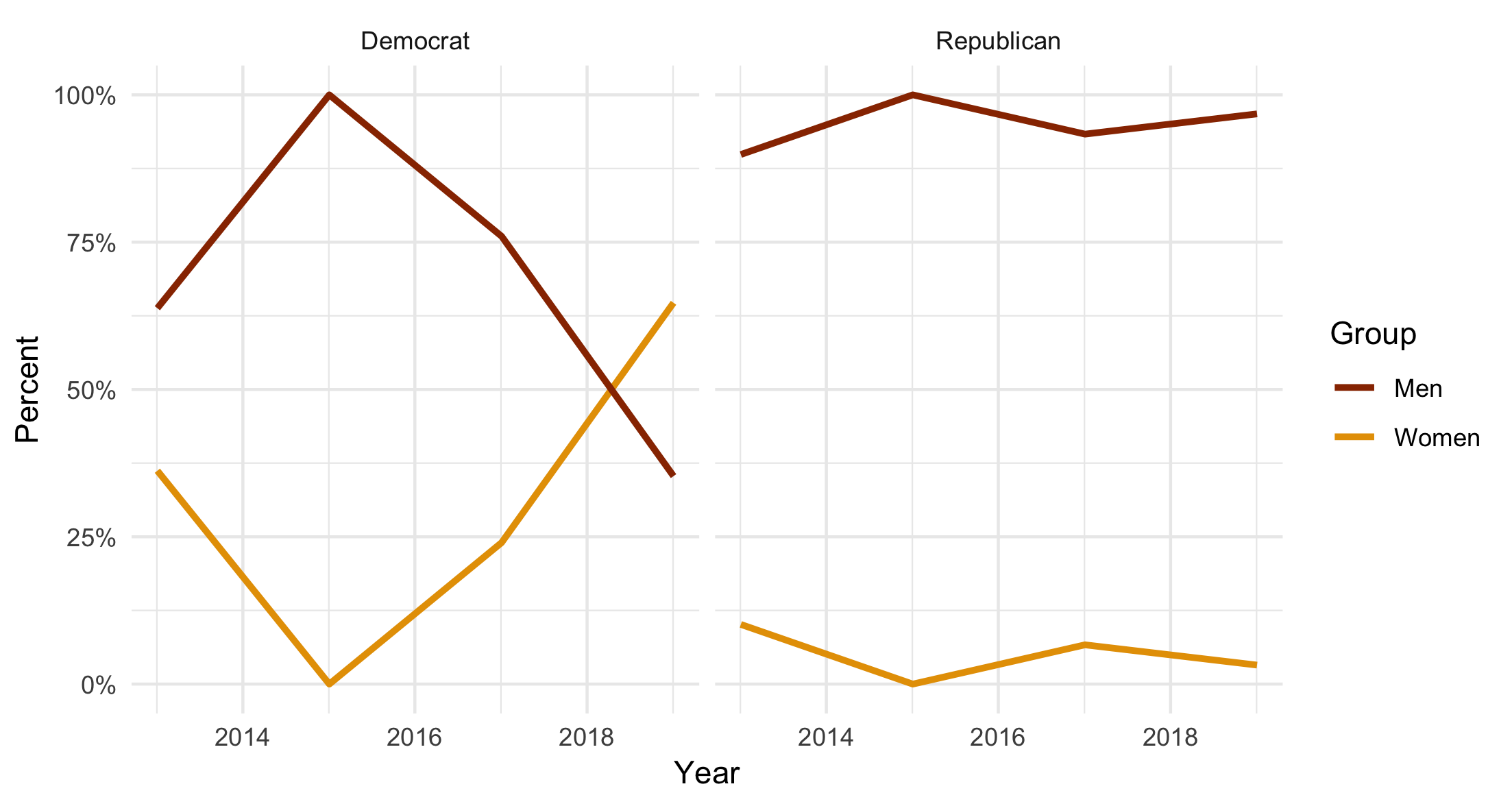




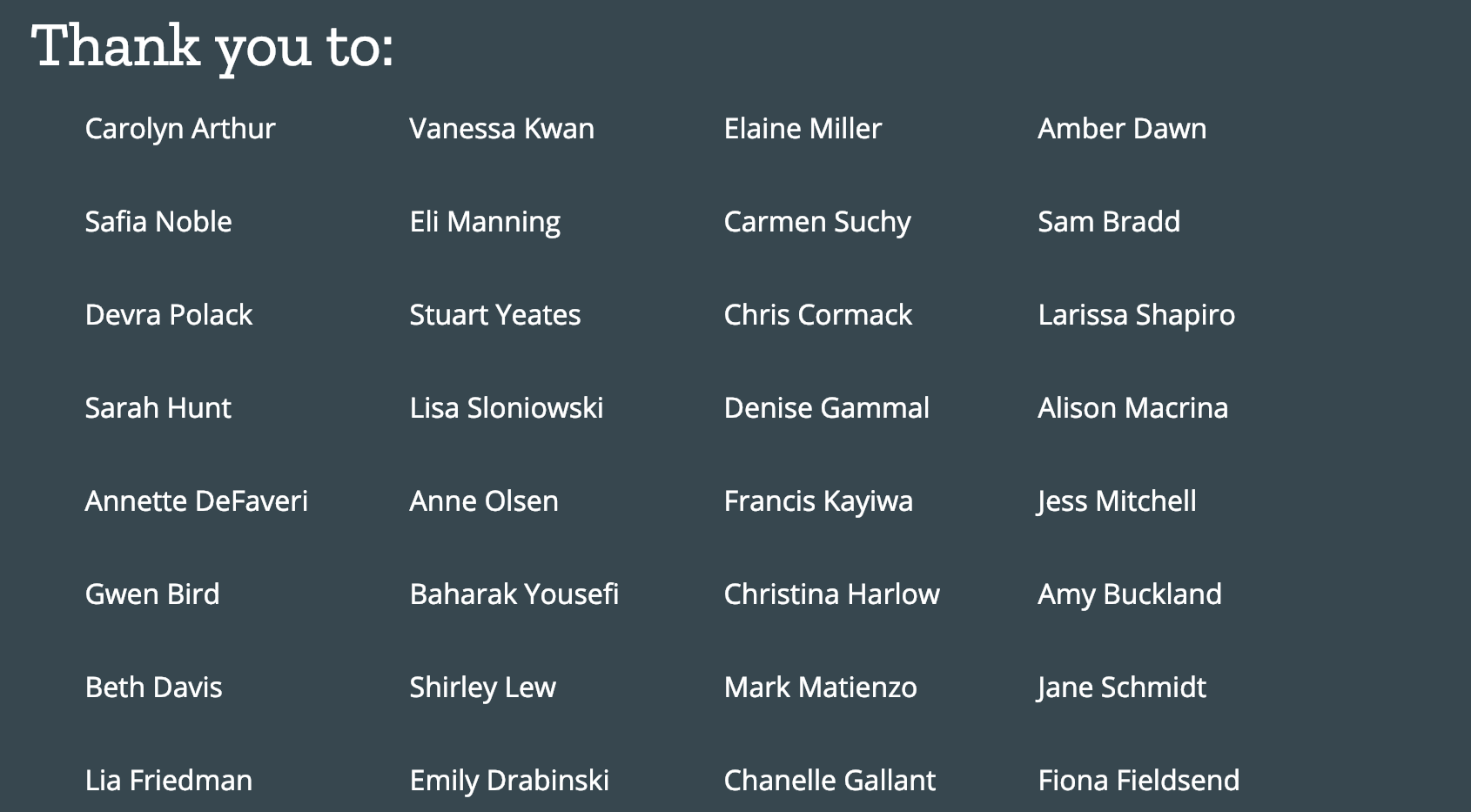






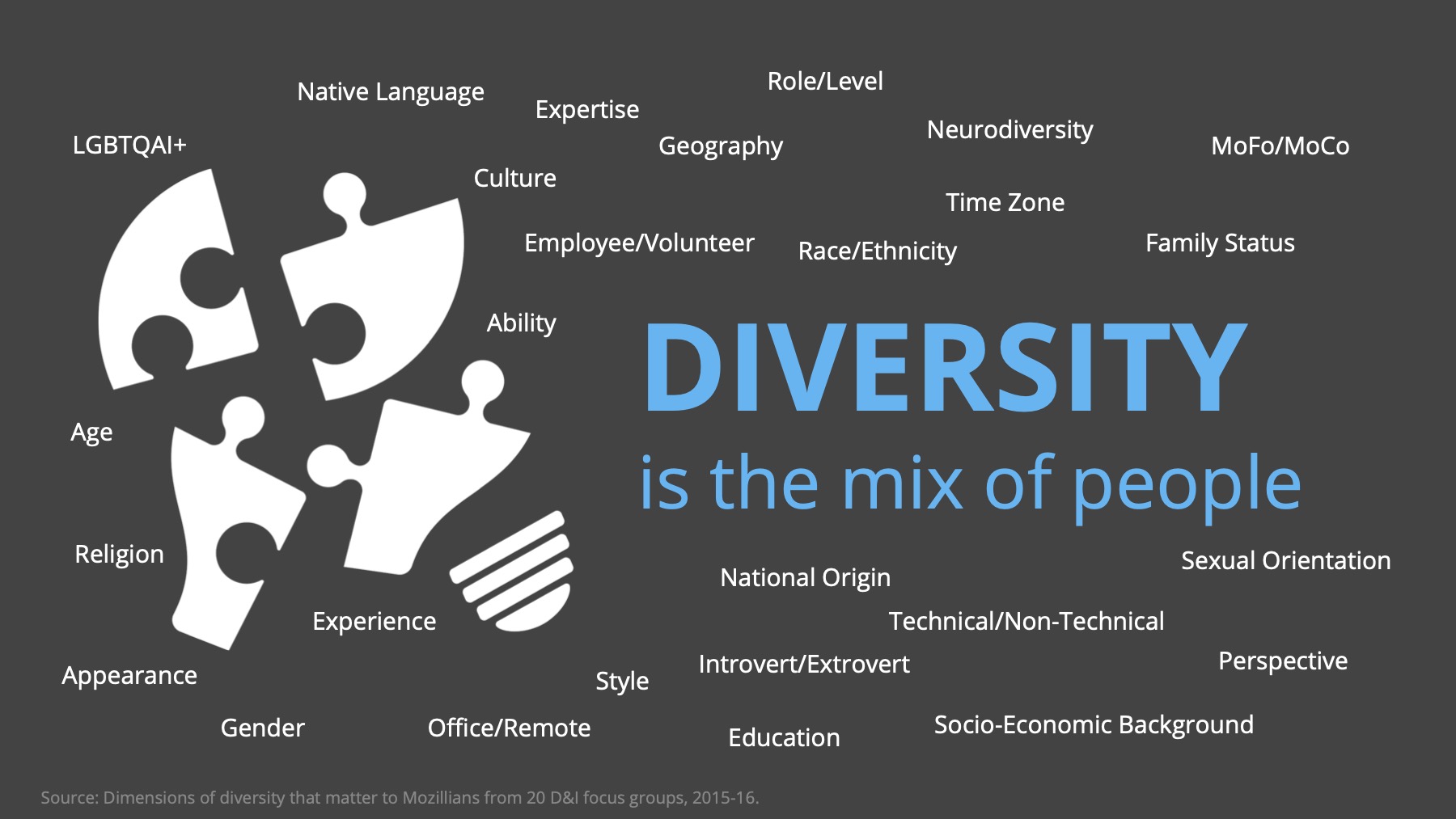
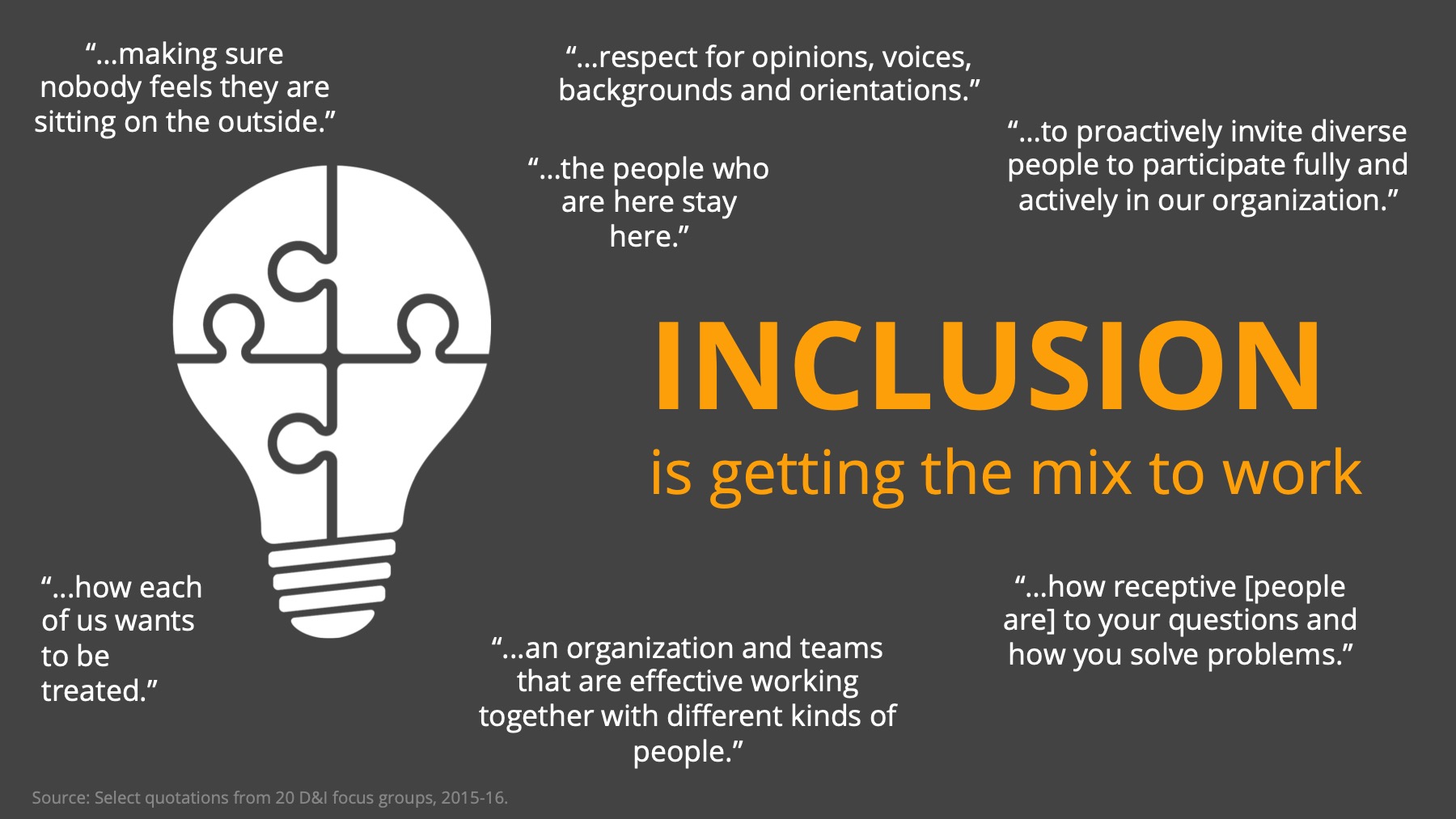
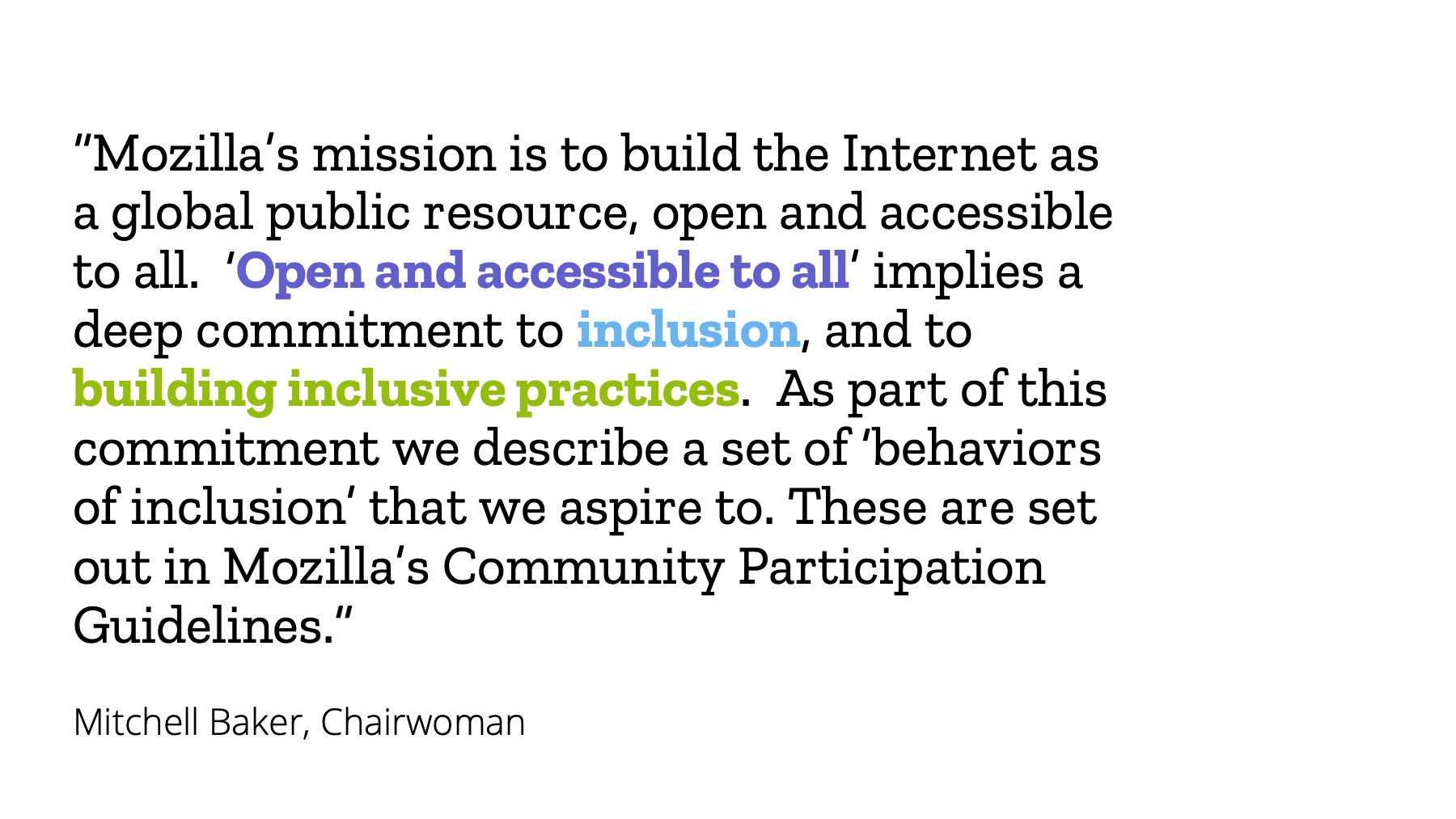


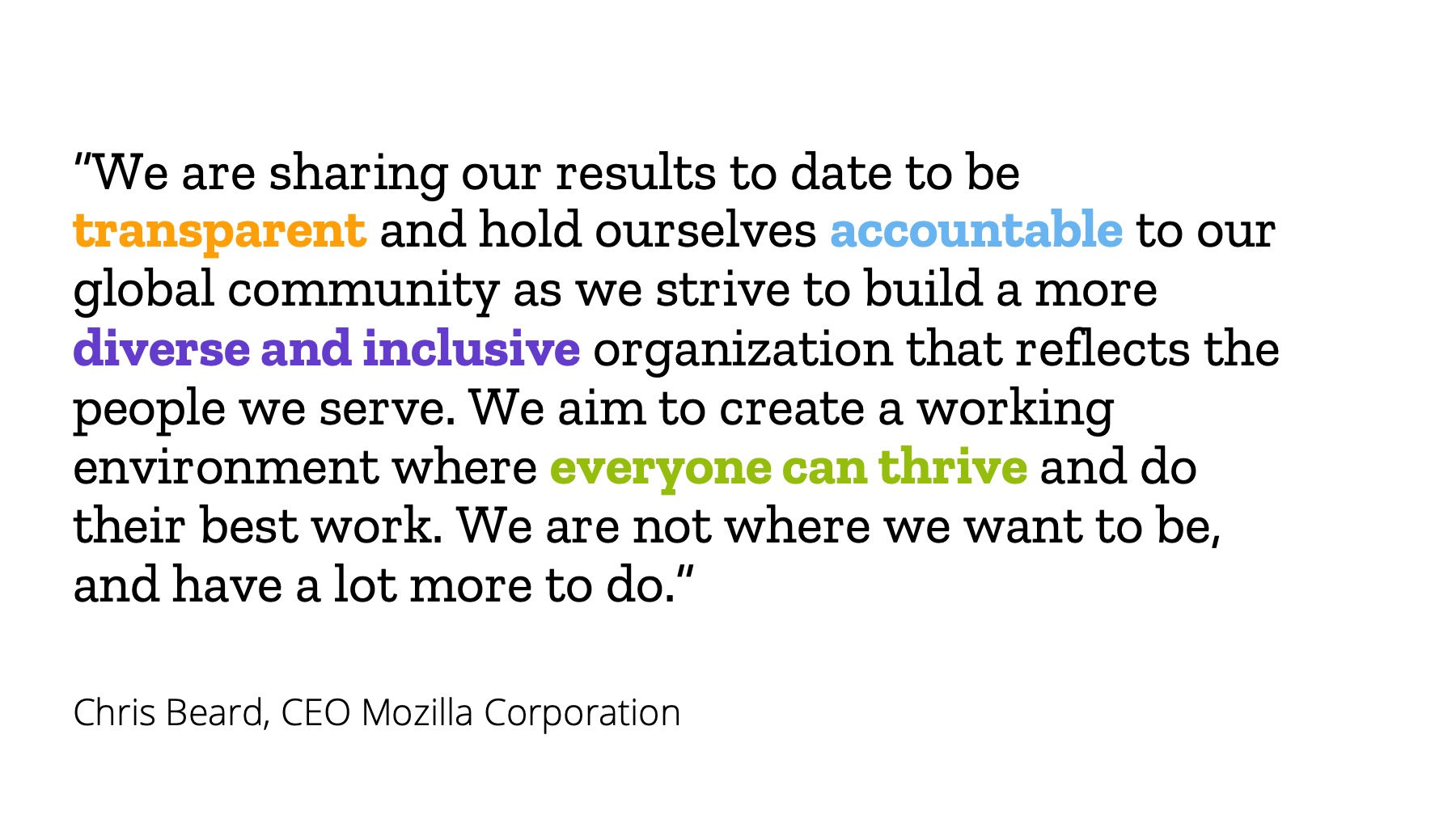


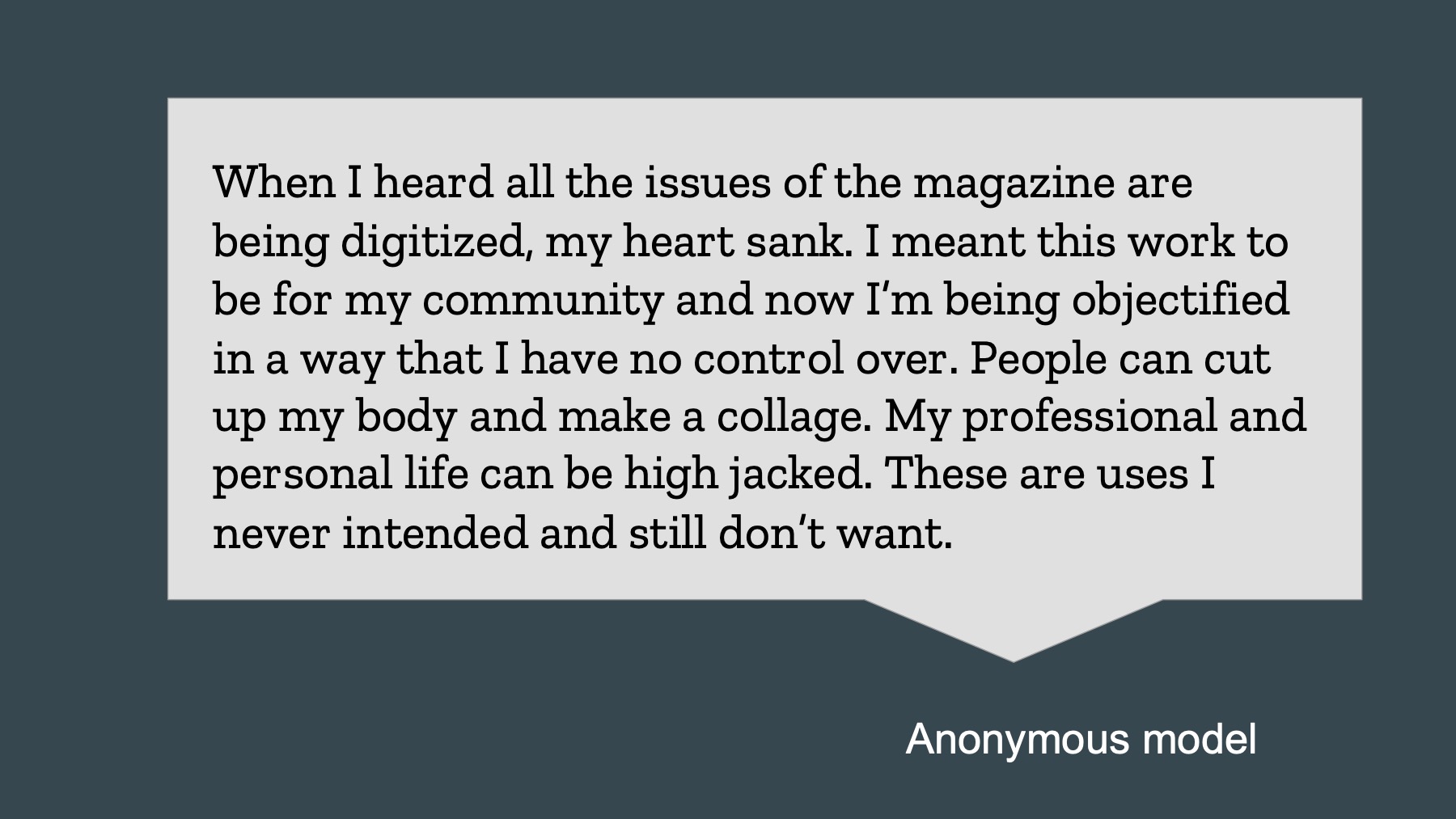
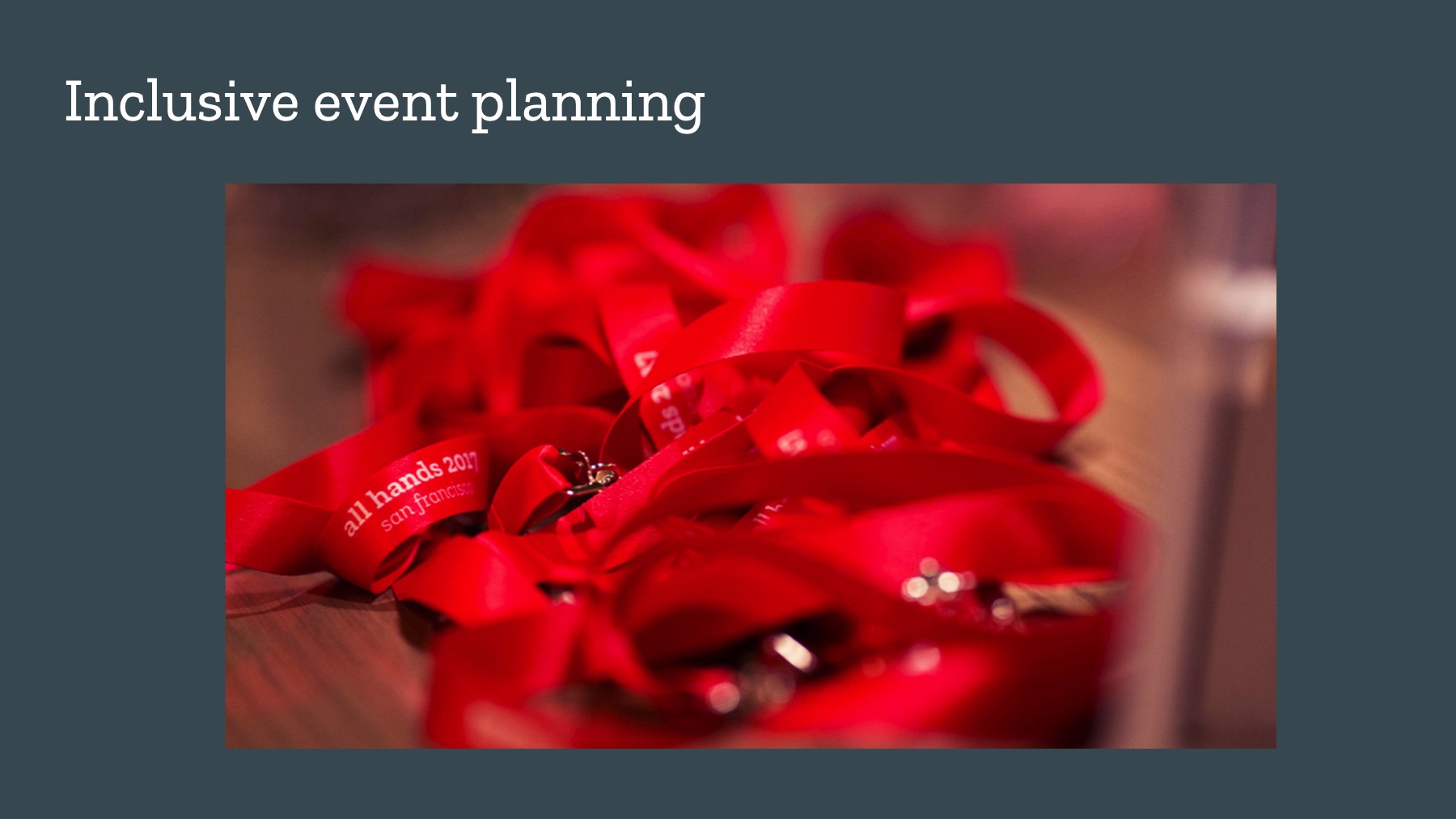
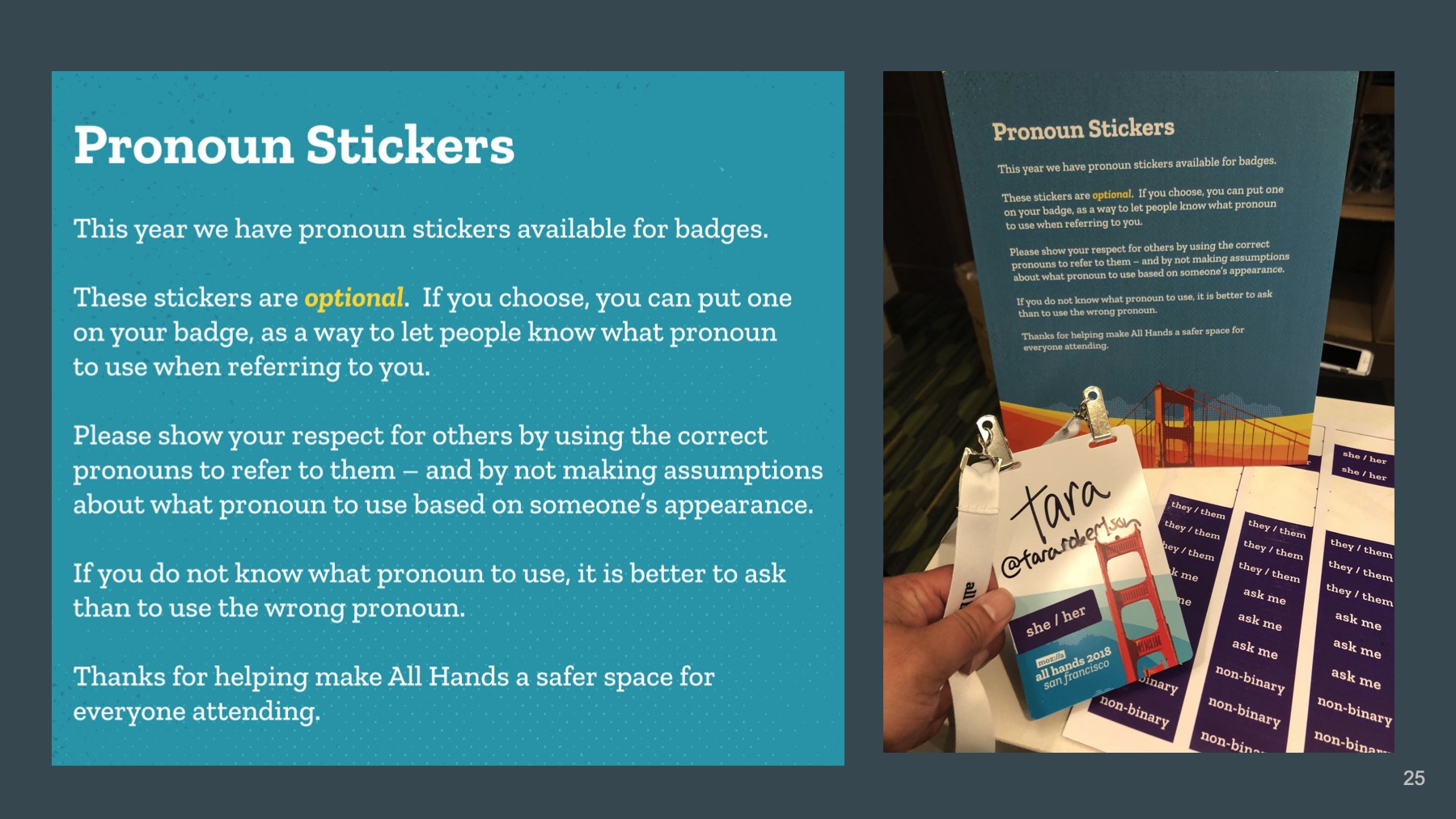


 If you have been waiting for the Digital Wellbeing feature in Android 9 Pie to get out of beta before trying it out, now’s the time.

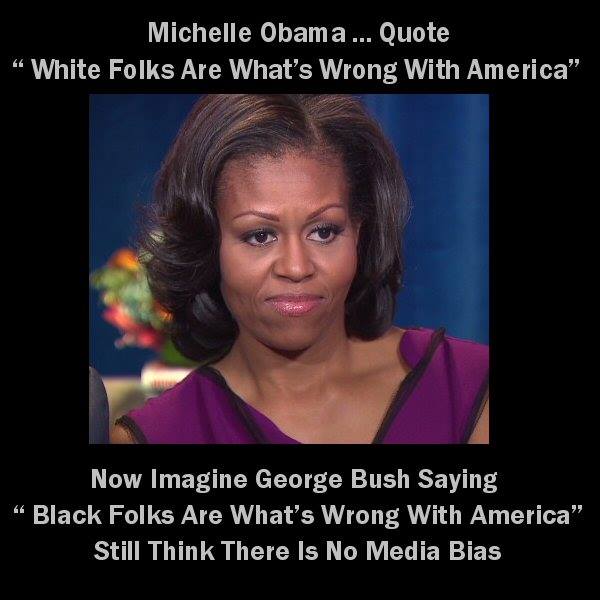


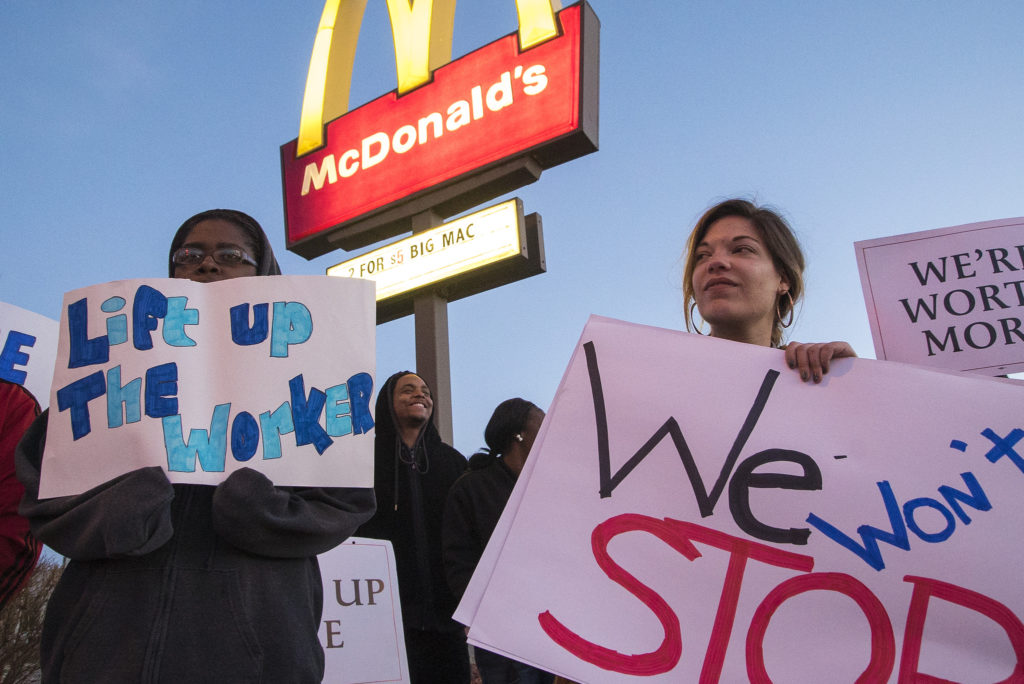
 mrjamesob on Twitter.


