Shared posts

04 Jan 01:53

Volkswagen wants to make the EV charging station portable

by Brad Bennett

Volkswagen has come up with a new idea to make electric vehicle (EV) chargers portable.

As much as companies are working on electric vehicles, they’re also working on new ways to charge those vehicles. The recently announced fast charging system from Porsche and BMW is one significant advancement. Now this portable charger from Volkswagen might be the next piece of the charging puzzle.

Volkswagen says the charger is perfect for short-term events, or as a temporary charger to test out potential sites for EV charging stations. Since the charger is still in a testing phase, it doesn’t seem like Volkswagen has completely nailed down the best use case scenarios for the device yet, but there are clearly a lot of advantages to making EV chargers portable.

“The mobile charging stations are a decisive step toward an efficient network of charging points. They can be set up anywhere as required – with or without connection to the power supply. This flexibility enables a completely new approach for the rapid expansion of the charging infrastructure,” reads a statement from Thomas Schmall, chairman of the board of management of Volkswagen Group Components in a December 27th press release.  

The concept charger can power roughly 15 vehicles before its 360 kWh battery runs dry. The charger can plug into an existing power grid to recharge itself at a rate of 30 kW from an alternating current (AC) outlet.

The portable station delivers power at a rate of 100 kW, which means its capable of charging some electric vehicles in 17 minutes, according to the company’s press release. The charger can also power four vehicles at once as long as two are using AC connections, while the other two use DC. There is no specific mention if the DC charging is faster than the AC, but that’s typically the case.

The station uses battery technology from Volkswagen’s Modular Electric Toolkit (MEB). This means the company can recycle old batteries from electric Volkswagens and use them in the charging stations. MobileSyrup has reached out to see if this means that some chargers will have less capacity then others.

So far the company is the only pilot testing these charges in Wolfsburg, Germany, but it plans to move the project into production by 2020.

Source: Volkswagen Automotive Group 

The post Volkswagen wants to make the EV charging station portable appeared first on MobileSyrup.

02 Jan 20:40

New Sonos S18 Satellite Speaker Pops Up in FCC Filing :: Variety

by Volker Weber

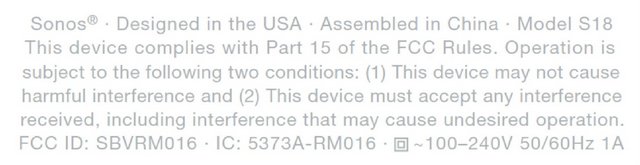
Annotation 2019-01-01 173024

Smart speaker maker Sonos seems to be readying a satellite speaker to bring true surround sound as well s voice control to its Playbar soundbar, if a new FCC filing is any indication. A Sonos spokesperson declined to comment on the filing.

The heavily redacted filing, which was published by the FCC Monday, describes a new Sonos device with the model number S18, which has both Wifi and Bluetooth connectivity. Photos and other documents aren’t included in the public version of the filing, but one slip-up gives us a good idea of what S18 will be.

FCC filings are easy to find, if you know what you are searching for. In this case http://fcc.io/SBVRM016 and the next Sonos product will likely be RM017.

The Variety piece does not make sense to me yet. If Sonos wanted to add voice control to a Playbar surround, they could also make use of Sonos One back channel speakers.

More >

02 Jan 20:40

WTF is Sommerwampe? :: I have a better translator for you

by Volker Weber

2cc4d0c6adc45bcd30e40040a3cf743d

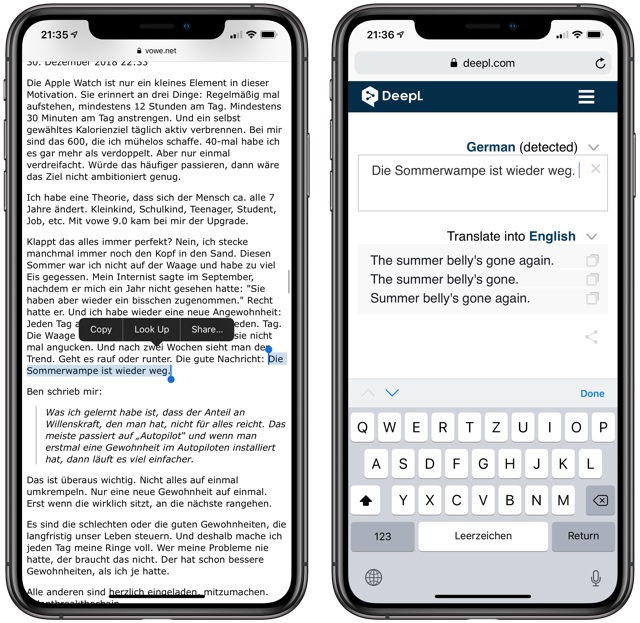
John recently asked me what Sommerwampe is. I had written a casual article about how habits, good or bad, change our lives for the better or worse. And I was referring to a mistake I made. I did not go on the scales this summer and ended up with quite a belly because of bad nutrition and neglect. I called it my summer belly and created a new German word for it: Sommerwampe, loosely translatable as summer womb.

If you translate my text with Google Translate or the competing Microsoft Translator, it will not be able to decode that. German has this nice rule that you can concatenate nouns to make new nouns, which quickly breaks translators. But it does not break DeepL. I told John about it and he tweeted:

If you try to follow my German texts and Google Translate will make you scratch your head, go ahead and try DeepL.

More >

02 Jan 20:38

‘Share-turation’ in the West End

by Gordon Price

I’ve been waiting for this day, when the number of carshare vehicles outnumber the ‘domestic’ cars on a block.  How nice that it’s on the first day of year, in the block nearest my home.  Thanks to Bob Ransford for the name.


02 Jan 20:38

Fake internet

by Nathan Yau

Max Read for New York Magazine describes the fake-ness of internet through the metrics, the people, and the content:

Can we still trust the metrics? After the Inversion, what’s the point? Even when we put our faith in their accuracy, there’s something not quite real about them: My favorite statistic this year was Facebook’s claim that 75 million people watched at least a minute of Facebook Watch videos every day — though, as Facebook admitted, the 60 seconds in that one minute didn’t need to be watched consecutively. Real videos, real people, fake minutes.

I wonder how the fake-ness level online compares to fraud IRL.

Tags: fake, Internet, New York Magazine

02 Jan 20:37

Stepping out

by russell davies

As previously discussed I'm a devotee of the horribly unfashionable and widely discredited practice of counting steps per day. For 2018 I set myself a target of 15,000 steps. I failed. I was doing OK until the middle of the year when I changed jobs and walking to and from work became just too far. Also, all that walking was really starting to eat into my time. Walking 7 miles a day takes quite a while. And, around about August, I damaged my knee.

So, here's what last year looked like:

Steps 2018

I averaged 14,636 steps. But, realistically that's not going to happen in 2019. So, to give myself a little stretch target, I'm going to aim for 13,000.

02 Jan 20:37

Recently

by Tom MacWright

Welcome to 2019, and back to your regularly-scheduled recently.

The Bay Model

Reading is a little light right now: I’m still reading REAMDE, a fiction ‘technothriller’ by Neal Stephenson. It’s entertaining, fast, and a welcome change from the many nonfiction & history books I consumed in 2018.

I’ve been focusing on music coming out of Chicago - I’m really liking Slow Mass, which feels a little like DC-area Foozle. Date Stuff, was a great find, and of course there’s always more of the incredibly talented & prolific Nnamdi Ogbonnaya to discover.

I’m quitting Netflix (again) and trying to stay off of YouTube, so my watching lists will be pretty slim for a bit. I’ll watch some movies in theaters - very excited for Us.

02 Jan 20:36

“Not Read By Millions of People”

by Richard Millington

The Economist used to boast about its limited circulation.

Major newspapers touted their mass readership and did everything to attract more. The Economist bragged it was “not read by millions of people”.

While print media circulations have collapsed this century, The Economist has grown their audience considerably. They did this without clickbait, SEO hacks, advertorials, and any tactic which would irritate their audience.

You don’t need to be bigger than any other community. Being small is a weapon. Being able to slice off a segment of the audience and cater exclusively to their needs is a weapon. Focusing on being better instead of bigger is a weapon.

Being patient is also a weapon. It’s always tempting to replicate engagement hacks you see elsewhere – especially when they seem successful. But it’s a fool’s game. You attract the audiences you don’t want at the expense of the audience you already have.

Far better to be a lighthouse of quality in a sea of mediocrity. Light a beacon to attract exactly the audience you want and no more. A beacon that shows your values, your focus, and your commitment to supporting your members in the best way possible.

The irony, of course, is The Economist today has grown their audience to the millions.

02 Jan 19:49

Bilan de vélotaf en 2018

by Tristan

Velo Moustache et tour Eiffel.jpg

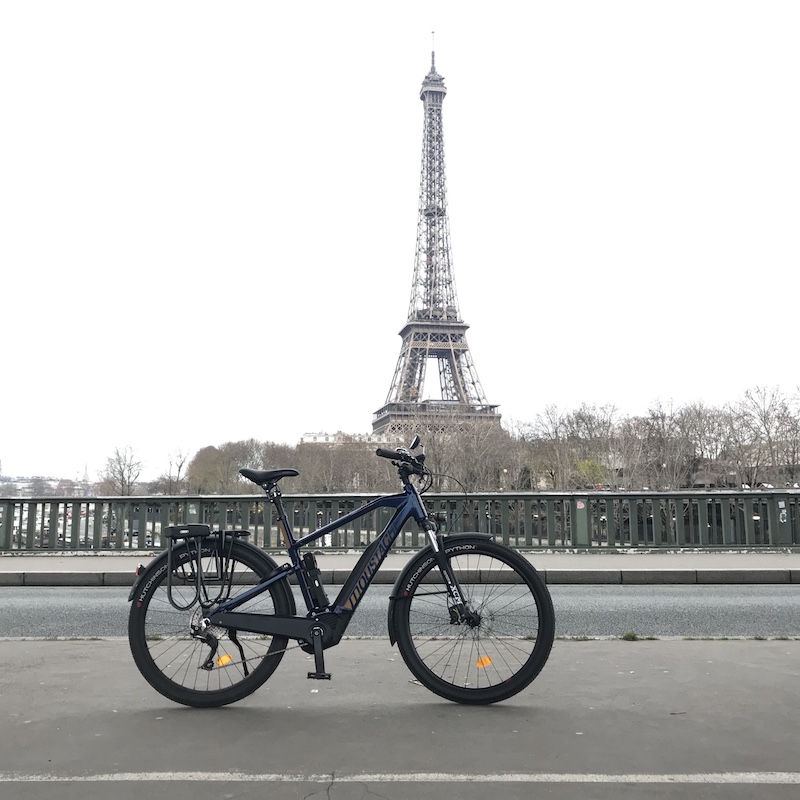
Hier, c’était la première sortie de “vélotaf” (vélo pour aller bosser) le 1er janvier (mais sans aller bosser). J’en ai profité pour faire un petit bilan de 2018 sur cet aspect de ma vie :

  • nouveau vélo Moustache que j’aime d’amour
  • 5 antivols. Ça fait beaucoup, mais ça s’explique :
    • celui de série, nul
    • celui que j’ai acheté le jour même, articulé, censé être super mais dans lequel je n’ai pas super confiance
    • un U pour vélo de qualité, que j’utilise en priorité, avec l’articulé pour faire bonne mesure
    • un U de moto laissé au bureau pour me garer rapidement quand j’arrive
    • un U de moto laissé dans le garage de la maison
  • 0 crevaison
  • 0 accident
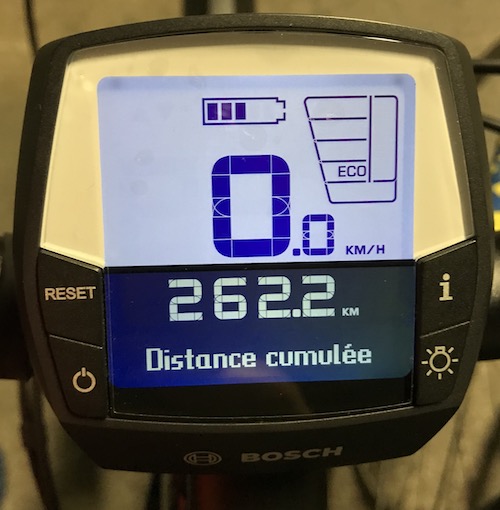
  • 262km en décembre malgré une entorse (faite dans le MÉTRO !)
  • un gain quotidien énorme en temps
  • Le sourire quand je vais bosser !

Et vous votre bilan de vélotaf?

262 km à velo en 2018.jpg

02 Jan 19:48

Sony’s rumoured Xperia XZ4 beat the Mate 20 Pro and iPhone XS in an AnTuTu benchmark

by Dean Daley
Sony logo

An AnTuTu benchmark of Sony’s rumoured Xperia XZ4 smartphone has surfaced online. The benchmark, first spotted by GizChina, shows the upcoming handset earned a score of 395,721, which suggests it features a Snapdragon 855 chipset.

To put that score in perspective, phones with Snapdragon 845 chipsets have earned scores in and around 235,000 to 275,000. Meanwhile, the Huawei Mate 20 Pro achieved an AnTuTu score of 307,059 and the iPhone XS a score of 353, 596. Those two smartphones feature Huawei and Apple’s respective 7nm chipsets, the Kirin 980 and A12 Bionic. The Snapdragon 855 is Qualcomm’s new 7nm chipset and is a direct competitor to those two processors.

It’s important to note that benchmark scores don’t always reflect the real world experience of using a device. That said, Sony’s newest phone is likely to be quite fast.

Sony will likely unveil the Xperia XZ4 at Mobile World Congress 2019 at the end of February. However, it’s unclear if the company will bring its Xperia XZ4 to Canada, considering it didn’t release the XZ3 here.

Source: GizChina

The post Sony’s rumoured Xperia XZ4 beat the Mate 20 Pro and iPhone XS in an AnTuTu benchmark appeared first on MobileSyrup.

02 Jan 19:48

"Delayed gratification is obsolete in a world dominated by VUCA, because the pain you’re pulling into..."

“Delayed gratification is obsolete in a world dominated by VUCA, because the pain you’re...
02 Jan 19:48

Shutting off Disqus

I never seem to see people leaving Disqus comments anymore. Tumblr people use Tumblr’s...
02 Jan 19:48

Thunderbird in 2019

by Ryan Sipes

From the Thunderbird team we wish you a Happy New Year! Welcome to 2019, and in this blog post we’ll look at what we got accomplished in 2018 and look forward to what we’re going to be working on this year.

Looking Back on 2018

More Eggs in the Nest

Our team grew considerably in 2018, to eight staff working full-time on Thunderbird. At the beginning of this year we are going to be adding as many as six new members to our team. Most of these people with the exception of this author (Ryan Sipes, Community Manager) are engineers who will be focused on making Thunderbird more stable, faster, and easier to use (more on this below).

The primary reason we’ve been able to do this is an increase in donors to the project. We hope that anyone reading this will consider giving to Thunderbird as well. Donations from individual contributors are our primary source of funding, and we greatly appreciate all our supporters who made this year so successful!

Thunderbird 60

We released the latest ESR, Thunderbird 60 – which saw many improvements in security, stability, and the app’s interface. Beyond big upgrades to core Thunderbird, Thunderbird’s calendar saw many improvements as well.

For the team this was also a big learning opportunity. We heard from users who upgraded and loved the improvements, and we heard from users who encountered issues with legacy add-ons or other changes that they hurt their workflow.

We listened, and will continue to listen. We’re going to build upon what made Thunderbird 60 a success, and work to address the concerns of those users who experienced issues with the update. Hiring more staff (as mentioned above) will go a long way to having the manpower needed to build even better releases going forward.

A Growing Community

Early in the year, a couple of members of the Thunderbird team visited FOSDEM – from then on we worked hard to ensure our users and contributors that Thunderbird was spreading its wings and flying high again.

That work was rewarded when folks came to help us out. The folks at Ura Design worked on us on a few initiatives, including a style guide and user testing. They’ve also joined us in working on a new UX team, which we very much expect to grow with a dedicated UX designer/developer on staff in the new year. If you are interested in contributing or following along, you can join the UX team mailing list here.

We heard from many users who were excited at the new energy that’s been injected into Thunderbird. I received many Emails detailing what our userbase loved about Thunderbird 60 and what they’d like to see in future releases. Some even said they’d like to get involved, so we made a page with information on how to do that.

We still have some areas to improve on this year, with one of them being onboarding core contributors. Thunderbird is a big, complex project that isn’t easy to jump into. So, as we closed out the year I opened a bug where we can detail what documentation needs to be created or updated for new members of the community – to ensure they can dive into the project.

Plans for 2019

So here we are, in 2019. Looking into the future, this year looks bright for the Thunderbird project. As I pointed out earlier in this post, we start the new year with the hiring of some new staff to the Thunderbird team. Which will put us at as many as 14 full-time members on our staff. This opens up a world of possibilities for what we are able to accomplish, some of those goals I will detail now.

Making Thunderbird Fly Faster

Our hires are already addressing technical debt and doing a fair bit of plumbing when it comes to Thunderbird’s codebase. Our new hires will also be addressing UI-slowness and general performance issues across the application.

This is an area where I think we will see some of the best improvements in Thunderbird for 2019, as we look into methods for testing and measuring slowness – and then put our engineers on architecting solutions to these pain points. Beyond that, we will be looking into leveraging new, faster technologies in rewriting parts of Thunderbird as well as working toward a multi-process Thunderbird.

A More Beautiful (and Useable) Thunderbird

We have received considerable feedback asking for UX/UI improvements and, as teased above, we will work on this in 2019. With the addition of new developers we will see some focus on improving the experience for our users across the board in Thunderbird.

For instance, one area of useability that we are planning on addresssing in 2019 is integration improvements in various areas. One of those in better GMail support, as one of the biggest Email providers it makes sense to focus some resources on this area. We are looking at addressing GMail label support and ensuring that other features specific to the GMail experience translate well into Thunderbird.

We are looking at improving notifications in Thunderbird, by better integrating with each operating system’s built-in notification system. By working on this feature Thunderbird will feel more “native” on each desktop and will make managing notifications from the app easier.

The UX/UI around encryption and settings will get an overhaul in the coming year, whether or not all this work makes it into the next release is an open question – but as we grow our team this will be a focus. It is our hope to make encrypting Email and ensuring your private communication easier in upcoming releases, we’ve even hired an engineer who will be focused primarily on security and privacy. Beyond that, Thunderbird can do a lot so we’ll be looking into improving the experience around settings so that it is easier to find and manage what you’re looking for.

So Much More

There are a still a few things to work out for a 2019 roadmap. But if you’d like to see a technical overview of our plans, take a look at this post on the Thunderbird mailing list.

Support Thunderbird

If you are excited about the direction that Thunderbird is headed and would like to support the project, please consider becoming a donor to the project. We even have a newsletter that donors receive with news and updates about the project (and awesome Thunderbird art). You can even make a recurring monthly gift to Thunderbird, which is much appreciated. It’s the folks that have given of their time or donated that have made 2018 a success, and it’s your support that makes the future look bright for Thunderbird.


02 Jan 19:46

"Implicit in the introvert, stay-at-home discourse is the idea that life is increasingly bad."

“Implicit in the introvert, stay-at-home discourse is the idea that life is increasingly...
02 Jan 19:46

Daily Dose of Internet History from Darius Kazemi

by Ton Zijlstra

Mozilla fellow, artist and distributed web promoting coder Darius Kazemi has launched the 365 RFCs project. For each day of 2019 he will post and discuss a RFC, request for comment, of the Network Working Group. Starting with the very first RFC that was published in April 1969, 50 years ago, and continuing to RFC 365 (published in July 1972).

Darius writes “In honor of [the 50th] anniversary [of RFC1], I figured I would read one RFC each day of 2019, starting with RFC 1 and ending with RFC 365. I’ll offer brief commentary on each RFC. I’m interested in computer history and how organizations communicate so I think this should prove pretty interesting even though RFCs themselves can be legendarily dry reading (the occasional engineering humor RFC notwithstanding).

I think it’s good to bring the early internet (or arpanet) history to attention. This because I think having a basic understanding of how the internet works is a civic requirement for the 21st century. So add Kazemi’s project to your RSS reader (here’s the feed), and follow 3 years of internet history in 2019. (found via Frank Meeuwsen and Jeremy Keith)

02 Jan 19:45

An Abbreviated Year for Levees

by peter@rukavina.net (Peter Rukavina)

January 1, 2019 saw Prince Edward Island receive a 20 cm dumping of snow and, later in the day, an increase in the wind; as a result, many of the scheduled New Year’s Levees were cancelled, especially later ones.

The irony, for me, was that I was kept so busy updating the levee schedule web page in the morning that I didn’t manage to make it out to the Lieutenant Governor’s, to City Hall, or to any of the other earlier levees that did go ahead (this was, in part, because I was at home and not in the office, and so I was editing the website with my phone, which is never a quick proposition).

Oliver being both a creature of routine and as fine a student of the levee as me, insisted that the day not be left entirely a bust, so we donned our coats and scarves and hats and gloves, suited up Ethan the Dog, and trudged through the snow to the Haviland Club and to the PEI Regiment, both of which were satisfyingly bustling.

Keen observers will be able to identify more than one person in this photo I took from the balcony looking down (look for an outcropping of Green Party adherents, and at least one Pendergast and one Leo Cheverie).

Photo of the PEI Regiment levee on January 1, 2019, taken from the balcony looking down on the crowd.

The Prince Edward Island Regiment Band was as crack as it’s ever been (did you know that “musician” is a recognized trade in the Canadian military? I didn’t), the conviviality was strong, and the museum–always opened for the levee–was as interesting as ever.

Happy New Year!

02 Jan 19:45

Predictions 2019: Stay Stoney, My Friends.

by John Battelle

If predictions are like baseball, I’m bound to have a bad year in 2019, given how well things went the last time around. And given how my own interests, work life, and physical location have changed of late, I’m not entirely sure what might spring from this particular session at the keyboard.

But as I’ve noted in previous versions of this post (all 15 of them are linked at the bottom), I do these predictions in something of a fugue state – I don’t prepare in advance. I just sit down, stare at a blank page, and start to write.

So Happy New Year, and here we go.

1/ Global warming gets really, really, really real. I don’t know how this isn’t the first thing on everyone’s mind already, with all the historic fires, hurricanes, floods, and other related climate catastrophes of 2018. But nature won’t relent in 2019, and we’ll endure something so devastating, right here in the US, that we won’t be able to ignore it anymore. I’m not happy about making this prediction, but it’ll likely take a super Sandy or a king-sized Katrina to slap some sense into America’s body politic. 2019 will be the year it happens.

2/ Mark Zuckerberg resigns as Chairman of Facebook, and relinquishes his supermajority voting rights. Related, Sheryl Sandberg stays right where she is. I honestly don’t see any other way Facebook pulls out of its nosedive. I’ve written about this at length elsewhere, so I will just summarize: Facebook’s only salvation is through a new system of governance. And I mean that word liberally – new governance of how it manages data across its platform, new governance of how it works with communities, governments, and other key actors across its reach, and most fundamentally, new governance as to how it works as a corporate entity. It all starts with the Board asserting its proper role as the governors of the company. At present, the Board is fundamentally toothless.

3/ Despite a ton of noise and smoke from DC, no significant federal legislation is signed around how data is managed in the United States. I  know I predicted just a few posts ago that 2019 will be the year the tech sector has to finally contend with Washington. And it will be…but in the end, nothing definitive will emerge, because we’ll all be utterly distracted by the Trump show (see below). Because of this, unhappily, we’ll end up governed by both GDPR and California’s homespun privacy law, neither of which actually force the kind of change we really need.

4/ The Trump show gets cancelled. Last year, I said Trump would blow up, but not leave. This year, I’m with Fred, Trump’s in his final season. We all love watching a slow motion car wreck, but 2019 is the year most of us realize the car’s careening into a school bus full of our loved ones. Donald Trump, you’re fired.

5/ Cannabis for the win. With Sessions gone and politicians of all stripes looking for an easy win, Congress will pass legislation legalizing cannabis. Huzzah!!!! Just in time, because…

6/ China implodes, the world wobbles. Look, I’m utterly out of my depth here, but something just feels wrong with the whole China picture. Half the world’s experts are warning us that China’s fusion of capitalism and authoritarianism is already taking over the world, and the other half are clinging to the long-held notion that China’s approach to nation building is simply too fragile to withstand democratic capitalism’s demands for transparency. But I think there may be other reasons China’s reach will extend its grasp: It depends on global growth and optimistic debt markets. And both of those things will fail this year, exposing what is a marvelous but unsustainable experiment in managed markets. This is a long way of backing into a related prediction:

7/ 2019 will be a terrible year for financial markets. This is the ultimate conventional wisdom amongst my colleagues in SF and NY, even though I’ve seen plenty of predictions that Wall St. will have a pretty good year. I have no particular insight as to why I feel this way, it’s mainly a gut call: Things have been too good, for too long. It’s time for a serious correction.

8/ At least one major tech IPO is pulled, the rest disappoint as a class. Uber, Lyft, Slack, Pinterest et al are all expected this year. But it won’t be a good year to go public. Some will have no choice, but others may simply resize their businesses to focus on cash flow, so as to find a better window down the road.

9/ New forms of journalistic media flourish. It’s well past time those of us in the media world take responsibility for the shit we make, and start to try significant new approaches to information delivery vehicles. We have been hostages to the toxic business models of engagement for engagement’s sake. We’ll continue to shake that off in various ways this year – with at least one new format taking off explosively. Will it have lasting power? That won’t be clear by year’s end. But the world is ready to embrace the new, and it’s our jobs to invest, invent, support, and experiment with how we inform ourselves through the media. Related, but not exactly the same…

10/A new “social network” emerges by the end of the year. Likely based on messaging and encryption (a la Signal or Confide), the network will have many of the same features as the original Facebook, but will be based on a paid model. There’ll be some clever new angle – there always is – but in the end, it’s a way to manage your social life digitally. There are simply too many pissed off and guilt-ridden social media billionaires with the means to launch such a network – I mean, Insta’s Kevin Systrom, WhatsApp’s Jan and Brian, not to mention the legions of mere multi-millionaires who have bled out of Facebook’s battered body of late.

So that’s it. On a personal note, I’ll be happily busy this year. Since moving to NY this past September, I’ve got several new projects in the works, some still under wraps, some already in process. NewCo and the Shift Forum will continue, but in reconstituted forms.  I’ll keep up with my writing as best I can; more likely than not most of it will focus the governance of data and how its effect our national dialog. Thanks, as always, for reading and for your emails, comments, and tweets. I read each of them and am inspired by all. May your 2019 bring fulfillment, peace, and gratitude.

Previous predictions:

Predictions 2018

2018: How I Did

Predictions 2017

2017: How I Did

Predictions 2016

2016: How I Did

Predictions 2015

2015: How I Did

Predictions 2014

2014: How I Did

Predictions 2013

2013: How I Did

Predictions 2012

2012: How I Did

Predictions 2011

2011: How I Did

Predictions 2010

2010: How I Did

2009 Predictions

2009 How I Did

2008 Predictions

2008 How I Did

2007 Predictions

2007 How I Did

2006 Predictions

2006 How I Did

2005 Predictions

2005 How I Did

2004 Predictions

2004 How I Did

02 Jan 19:44

Writing in flow is not a Markov process

by Josh Bernoff

Writers follow the flow. But if you don’t keep track of the destination, the flow will lead you astray. Let me explain, using the mathematical concept of a Markov process. What is a Markov Process? You’re familiar with Markov processes, even if you don’t realize it. A Markov process is one in which the likely … Continued

The post Writing in flow is not a Markov process appeared first on without bullshit.

02 Jan 19:43

In Baden-Württenberg gibt es mehr Fahrräder als Pkw

by noreply@blogger.com (Christine Lehmann)
mkalus shared this story from Radfahren in Stuttgart.

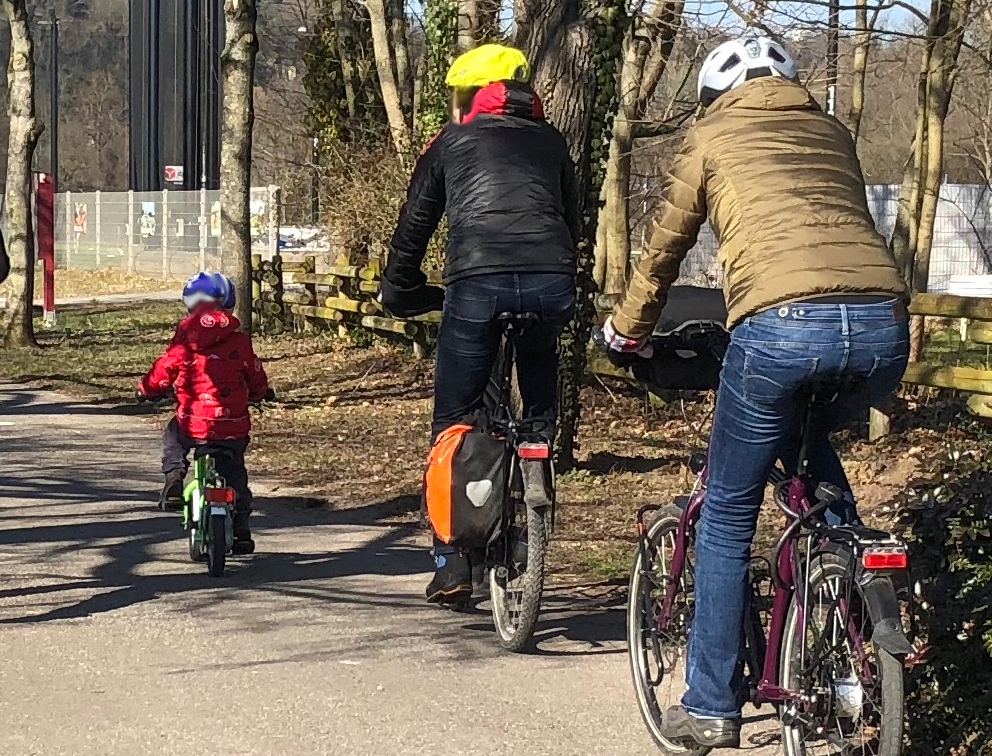
In Baden-Württemberg hat gut 11 Millionen Einwohner/innen, die fast 10 Millionen Fahrräder besitzen. 

Nach Informationen des Statistischen Landesamts kommen auf 100 Haushalte durchschnittlich 192 Fahrräder. Die Zahl der Pkw beträgt 6,5 Millionen.

Am meisten Fahrräder stehen in Haushalten, in denen Paare mit Kindern leben, im Durchschnitt 3,5. Auch Wohngemeinschaften haben überdurchschnittlich viele Räder. Bei Menschen, die alleine leben, haben mehr Männer ein Fahrrad (103 auf 100) als Frauen (86 auf 100). Der Bestand von Pedelecs unter diesen Fahrrädern liegt bei 12 Prozent, wobei die älteren mehr der teuren Räder besitzen als die Jüngern.
Vor allem die über 65-Jährigen entdecken mit Pedelecs das Fahrradfahren neu oder bleiben damit Radfahrer/innen.

Diese Zahlen kommen aufgrund einer Befragung in 6.500 Haushalten und einer Hochrechnung zustande. Das nennt sich Einkommens- undVerbraucherstichprobe (EVS) und dient auch als Grundlage für viele weitere statistische Erkenntnisse, etwas den Warenkorb beim Verbraucherindex oder für die Festlegung von Regelgrundsätzen in der sozialen Grundsicherung.

Im Detail nachlesbar hier.
02 Jan 19:42

Twitter Favorites: [drunkencinemaTO] @sillygwailo @JodiesJumpsuit @CinemaThrowback @RevueCinema Glad you had a fun time at our events!!! Hope you come b… https://t.co/q27S8SNjRq

𝘿𝙧𝙪𝙣𝙠𝙚𝙣 𝘾𝙞𝙣𝙚𝙢𝙖 @drunkencinemaTO
@sillygwailo @JodiesJumpsuit @CinemaThrowback @RevueCinema Glad you had a fun time at our events!!! Hope you come b… twitter.com/i/web/status/1…
02 Jan 19:37

Igor’s favourite things of 2018

by Igor Bonifacic

It’s hard to believe I first wrote one of these back in 2016.

Reflecting back, so much has changed in the past three-and-a-half years that I’ve been at MobileSyrup.

And yet, the one constant is that I continue to have the privilege to do a job I love. As with everyone else on the team, I compiled a list of a couple of my favourite things from the past year.

Be More Kind by Frank Turner

Life hurts
And love will burn
Don’t we wish it weren’t that way
“Don’t Worry” — Frank Turner

This past summer, one of my best friends experienced the kind of loss that sticks with you your entire life.

In the aftermath of that event, we went with a couple of friends to see his favourite musician, Frank Turner. It was the first of three shows the British folk-punk singer played at the Phoenix in Toronto in support of his new album, Be More Kind.

I hadn’t listened to Frank Turner’s music before that night, despite the fact that my buddy has never failed to quote at least one of his songs every time we’ve hung out.

If you ask my friend, he will tell you that Frank has had a song for every important moment of his life. And so when Frank played “There She Is,” a song he wrote about his fiance, my friend broke down in tears.

It’s hard to describe even how I felt at that moment: here was someone that had always been there for me, and yet over the past few weeks everything I said and did felt so inadequate.

But sometimes the Universe finds a way, even in a year like 2018.

After ‘There She Is,’ someone in the audience tapped my shoulder.

He, Ted, asked me if my friend was alright. I told him what had happened. He listened and offered to help.

Ted, it turns outs, had been a bartender at one of Frank’s favourite bars in London. “I’m friends with Frank,” he explained. He then pulled out his phone and messaged him. Within 30 minutes of the show’s conclusion, my buddy got to meet his favourite musician.

They say you should never meet your idols, but Frank turned out to be exactly the person you imagine him to be listening to his music. He was a kind, attentive listener, and after my friend told him his story, Frank signed his vinyl copy of Sleep Is For The Week and asked, “What are you guys doing tomorrow and Friday night? Want to come tomorrow night.” My buddy got to see him perform the next day and even share a drink with him.

This year saw a lot of great albums come out, but the one that meant the most to me was Frank Turner’s Be More Kind.

If you do nothing else after reading this article, please listen to Frank Turner’s music. He showed my friend a bit of kindness when he needed it most. For that, I will be eternally grateful to him.

Sonos One
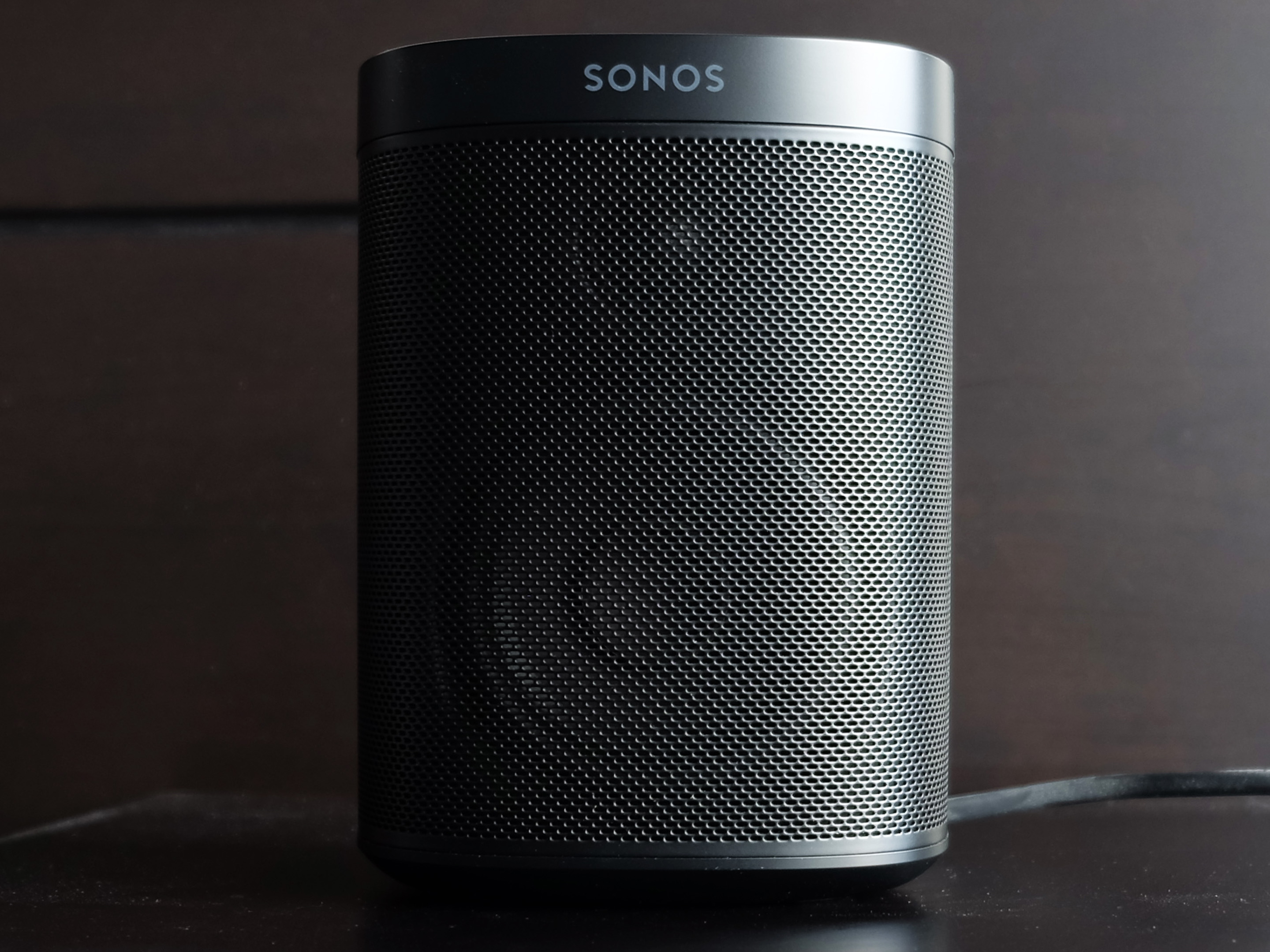
Sonos One front

In 2018, I got my first Sonos speaker, the Sonos One.

The best compliment I can pay the Sonos One is that it’s the one new device I got this year that adds the most joy to my daily routine.

A lot of that has to do with the fact that the Sonos One is the kind of device I imagine product managers spend their entire careers attempting to create: it’s beautifully designed, sounds excellent, does exactly what it promises and, most of all, it’s easy and intuitive to use.

Seriously, Sonos doesn’t get enough credit for the great work it’s done with its iOS and Android app. You would think it would be easy to create a music app in 2018 but look at Apple and Google’s past efforts in the area.

There’s also something to be said about Sonos’ more open approach. While Apple, Amazon and Google all offer their own smart speakers, the Sonos One is the one smart speaker that works with almost any combination of services and ecosystem. I love the fact that I can control the Sonos One seamlessly from both my Android and iOS devices, as well that it supports almost every music and podcast service out there.

With the One, Sonos has also added the necessary hardware to support voice-activated assistants. Better yet, the company added a handy switch that disables the feature altogether. If you’re like me and don’t want a voice Amazon in your bedroom or workspace, the One’s best feature is that it includes a hardware switch to turn that functionality off.

Fujifilm X-E3

Since 2015, I’ve used a Sony cropped sensor mirrorless camera for all my work and personal photography needs. Sony makes incredibly capable mirrorless cameras, but from a usability standpoint, the company still has a lot to learn; almost every action on a Sony camera takes one too many button presses to accomplish, and the company’s menu systems are notorious for their unnecessary complexity.

I put up with all those flaws until my a6300 failed at a hands-on event Sony held for the Xperia XZ2. If that wasn’t the world telling me to switch camera systems, I don’t know what it was.

And so 2018 is the year I finally switched to a Fujifilm mirrorless camera.

After a lot of research, several conversations with my friend and fellow Fuji user David Imel and two weeks with an X-T20 loaner, I settled on the Fujifilm X-E3. Like the Sony a6300 I owned previously, the X-E3 features what you could describe as a rangefinder-style body.

There are features I wish the X-E3 included, such as USB-C connectivity and a tilting LCD screen, but what it lacks in features, the XE-3 more than makes up for it with what joy it is in moment-to-moment use. If you’ve never used a Fuji camera, what makes them so intuitive to use is all their manual controls.

Initially, all those dials and buttons can make the prospect of using one of the company’s cameras daunting, but once you get acquainted with them, the X-E3 is one of the fastest and most efficient cameras to use.

I took some of my favourite photos ever with the X-E3. A lot of that has to do with the simple fact of developing a better eye with practice, but there’s something to be said about finding a tool that inspires you.

Sony WH1000XM3
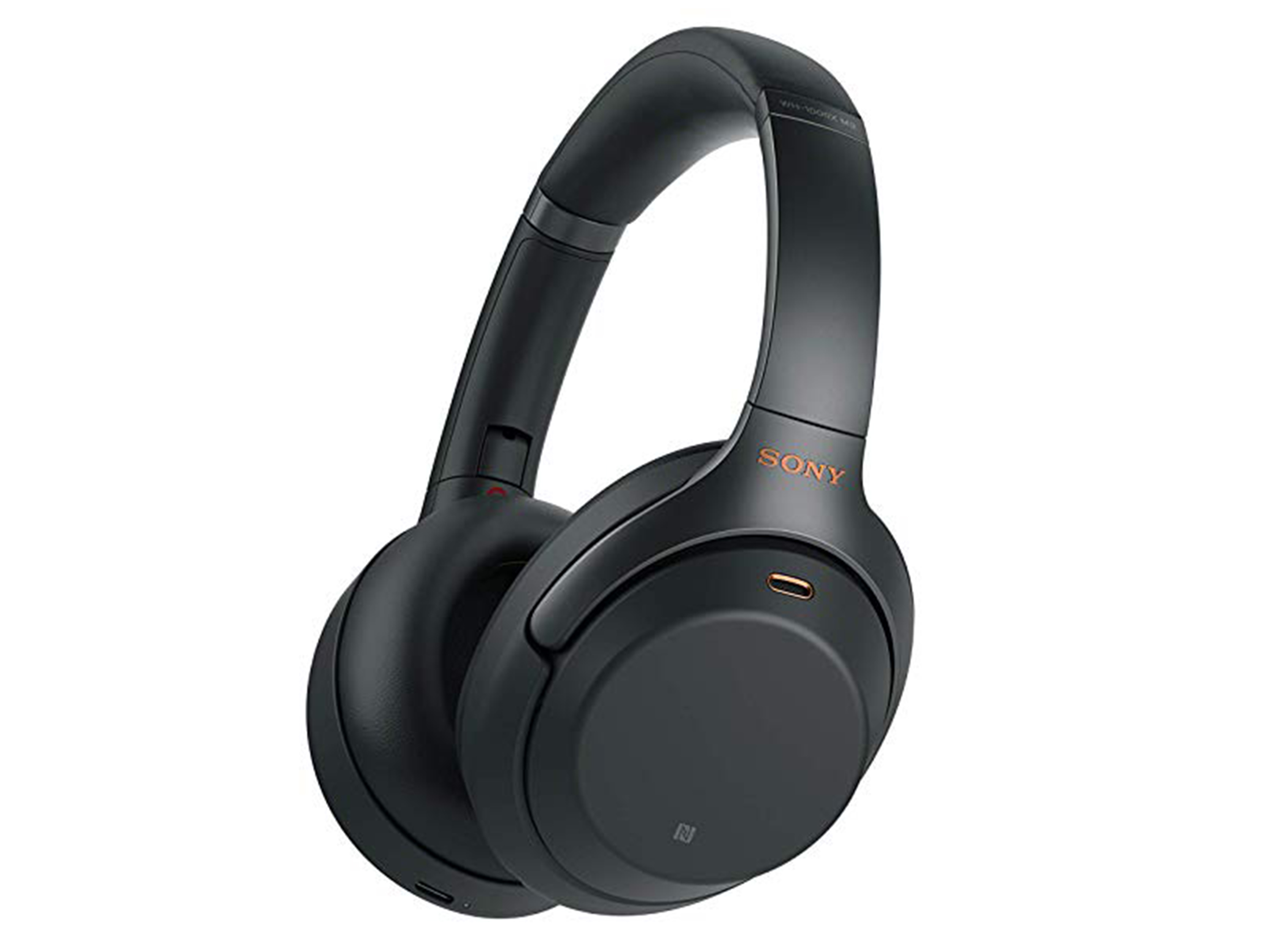
I did a lot of flying this year. Between jaunts to New York City, San Francisco and Maui for work, and personal trips to South Korea, London and Paris, I spent the total of several days in the air, anxiously waiting to get to my next destination. On almost every flight I took in the second half of the year, I had Sony’s new WH1000MX3 with me.

Besides having to contend with sometimes finicky touch controls, Sony’s latest pair of high-end noise cancelling headphones made every flight I had with them more enjoyable; it’s incredible how much easier it is to enjoy a movie or finish an article with a little peace and quiet.

The WH1000MX3 are comfortable to wear over long stretches, they sound great and their noise cancelling capabilities are second to none. Moreover, with some 30 hours of battery life on a single charge, they’ll easily get you through multiple flights. My favourite feature, however, is the inclusion of USB-C connectivity. Except for my Fuji camera, every electronic device I take with me on my trips features the new port standard. I now only ever carry two USB-C cables with me when I travel, which has simplified my cable bag.

At $449 CAD, the WH1000MX3 are expensive, but I can’t recommend them enough.

Florence

In a year in which incredible games like God of War and Red Dead Redemption 2 came out, one of my favourite games was a two-hour long mobile game.

I played Florence on my way to Google I/O 2018 and fell in love with its simple but affecting story, beautiful art style and whimsical soundtrack. The less said of Florence, the better. If only because you should experience its emotional arc first-hand.

The post Igor’s favourite things of 2018 appeared first on MobileSyrup.

02 Jan 19:36

More apps sending personal data to Facebook: study

by Shruti Shekar

In a new study, U.K.-based privacy watchdog Privacy International found that 61 percent of apps “automatically transfer data to facebook to moment a user opens the app.”

Privacy International said popular apps that transfer data automatically include travel apps Kayak, TripAdvisor, Skyscanner, and fitness tracker MyFitnessPal.

The study, titled How Apps on Android Share Data with Facebook (Even if you don’t have Facebook account), said it tested 34 apps, out of which 20 apps sent information including analytics data as well as a person’s unique Android ID.

On apps like Kayak, information that gets sent include destination, flight search data, travel dates, and whether kids will be part of the travel, it said.

The report added that it was not able to find out what the information was used for and that it raises “questions about transparency and use of app data.”

It said that the apps that transfer data also include the Google advertising ID, which is used to allow advertisers to link data about a users’ behaviour.

“If combined, data from different apps can paint a fine-grained and intimate picture of people’s activities, interests, behaviours and routines, some of which can reveal special category data,k including information about people’s health or religion,” the report said.

Facebook responded to the report on December 28th, 2018, saying that the social media giant installed a voluntary feature that should allow developers to delay collecting automatically logged events until after they acquire user consent. This feature was launched a few months after the EU General Data Protection Regulation entered into force.

Though this feature only works on Facebook software developer kit (SDK) version 4.34 and later.

The report suggests recommendations for Facebook including better explaining how it uses data that it automatically gets through Facebook SDK and how long this data is stored for.

It also noted that Facebook should also offer better services to make developers easily “protect the privacy of their users by design and by default.” It added that Facebook should also make it easier for people to exercise their data rights on all “personal data that Facebook stores, whether they have a Facebook account or not.”

Further, the report highlights recommendations for users on how to protect their data.

Privacy International said it tested the apps between August and December 2018, “with the last re-test happening between 3 and 11 of December 2018.”

How Apps on Android Share D… by on Scribd


Source: Privacy International Via: Engadget

The post More apps sending personal data to Facebook: study appeared first on MobileSyrup.

02 Jan 19:36

Windows 10 now runs on more devices than Windows 7

by Jonathan Lamont
Windows 10 Cortana search bar

Microsoft had a great 2018, ending off the year as the world’s most valuable company. Now, it’s newest operating system — Windows 10 — is the most popular operating system in the world as well.

According to data by Net Applications, Windows 10’s market share surpassed Windows 7 in December 2018. Windows 10 clocked in at 39.22 percent compared to 7’s 36.90 percent.

Those numbers are a testament to how popular Windows 7 still is nearly a decade after its release. Windows 10, meanwhile, has taken three and a half years to reach that level of adoption.

Net Applications’ numbers also mean that Microsoft is closer to achieving its goal of getting Windows 10 on a billion devices. The OS currently runs on more than 700 million devices, including PCs, tablets, phones and Xbox One consoles.

Windows 10 taking over as the world’s most popular OS comes at a crucial time for Microsoft.

Windows 7’s extended support is set to end on January 14th, 2020. Knowing Windows 10 is the more popular version of Windows could help Microsoft convince businesses to upgrade to 10 instead of opting for the Extended Security Updates (ESU) program for Windows 7 next year.

Source: Net Applications Via: The Verge

The post Windows 10 now runs on more devices than Windows 7 appeared first on MobileSyrup.

02 Jan 19:36

Nokia 9 PureView shows up in leaked promotional video

by Dean Daley

The Nokia 9 PureView, a phone with five rear-facing cameras, leaked this past week.

Now, the promotional video for the handset has also appeared courtesy of MySmartPrice.  

According to the video, the handset will feature a Snapdragon 845 processor, 6GB of RAM and 128GB of storage.

The phone will use its five cameras to brighten up images and for better HDR performance. The promotional video also indicates the phone is capable of capturing photos with all five sensors simultaneously.

The handset can also change the depth of the field in post-production. Additionally, the device uses Qi Wireless Charging and an in-display fingerprint sensor.

The video also says that the phone sports a 5.99-inch 2048×1080 pixel 2K display with HDR10.

The phone is expected to be officially unveiled by the end of this month. It’s possible that the company will also launch the Nokia 9 at or around Mobile World Congress.

Source: MySmartPrice

The post Nokia 9 PureView shows up in leaked promotional video appeared first on MobileSyrup.

02 Jan 19:36

Samsung roadmap shows when to expect Pie on your Galaxy phone

by Jonathan Lamont

Following the release of its Android 9 Pie update roadmap, Samsung has tweaked some dates.

The company initially rolled out the roadmap for the update last week through its Samsung Members app. Users could view a list of over 20 Samsung devices slated to get Android Pie and when they would get the latest version of Google’s Android operating system.

Since then, Samsung has tweaked some of the dates. You can see the refreshed list below.

  • Galaxy Note 9 (January 2019)
  • Galaxy S9 (January 2019)
  • Galaxy S9+ (January 2019)
  • Galaxy Note 8 (February 2019)
  • Galaxy S8 (March 2019)
  • Galaxy S8+ (March 2019)
  • Galaxy Tab S4 10.5 (April 2019)
  • Galaxy A6 (April 2019)
  • Galaxy A6+ (April 2019)
  • Galaxy A7 2018 (April 2019)
  • Galaxy A8 Star (April 2019)
  • Galaxy A8+ 2018 (April 2019)
  • Galaxy A9 2018 (April 2019)
  • Galaxy J2 (2018) (April 2019)
  • Galaxy J2 Core (April 2019)
  • Galaxy J4 (April 2019)
  • Galaxy J6+ (April 2019)
  • Galaxy On7 (2018) (April 2019)
  • Galaxy J4+ (May 2019)
  • Galaxy J6 (May 2019)
  • Galaxy J8 (May 2019)
  • Galaxy J7 2017 (July 2019)
  • Galaxy J7 Duo (July 2019)
  • Galaxy J7 Neo (July 2019)
  • Galaxy Tab S3 9.7 (August 2019)
  • Galaxy Tab A 2017 (October 2019)
  • Galaxy Tab A 10.5 (October 2019)

It’s worth noting that this roadmap could change again. Devices could get bumped up, delayed, or worse, stricken from the list entirely.

Further, several factors could cause the dates on the list to vary. From a user’s region to carrier, likely not everyone will see updates line up with the above list. Instead, view the above list as a general guideline.

Finally, if you want to get a clearer picture, you can always check the Samsung Members app on your Galaxy device. If you don’t have the app, you can grab it for free from the Play Store.

Source: SamMobile Via: 9to5Google

The post Samsung roadmap shows when to expect Pie on your Galaxy phone appeared first on MobileSyrup.

02 Jan 19:36

Tesla produced a record 86,555 vehicles in Q4 2018

by Brad Bennett

Electric vehicle manufacturer Tesla produced a total of 86,555 vehicles in Q4 2018.

The number represents a 7.7 percent increase over the 80,142 vehicles the company produced in the previous three-month period, and a new record for Tesla.

Specifically, the company produced 63,150 Model 3 sedans. Heading into the quarter, financial analytics firm FactSet had projected the company would manufacturer 64,900 Model 3s.

That said, the company built 53,239 Model 3s last quarter, so it’s still improving on its base output.

Tesla still hasn’t shared if it’s any closer to its goal of building a low-cost Model 3.

Since CEO Elon Musk announced the Model 3, Tesla has aimed to build a Model 3 that costs $35,000 USD (roughly, $45,843 CAD). Currently, the cheapest Model 3 costs $60,100 CAD before incentives and savings.

However, the company did announce it’s cutting the cost of its vehicles, including the Model 3, by $2,000 USD to offset a recent reduction

Source: Reuters

The post Tesla produced a record 86,555 vehicles in Q4 2018 appeared first on MobileSyrup.

02 Jan 19:36

You can test Google Chrome’s dark mode on Windows 10 [Update]

by Jonathan Lamont
Chrome on Windows 10

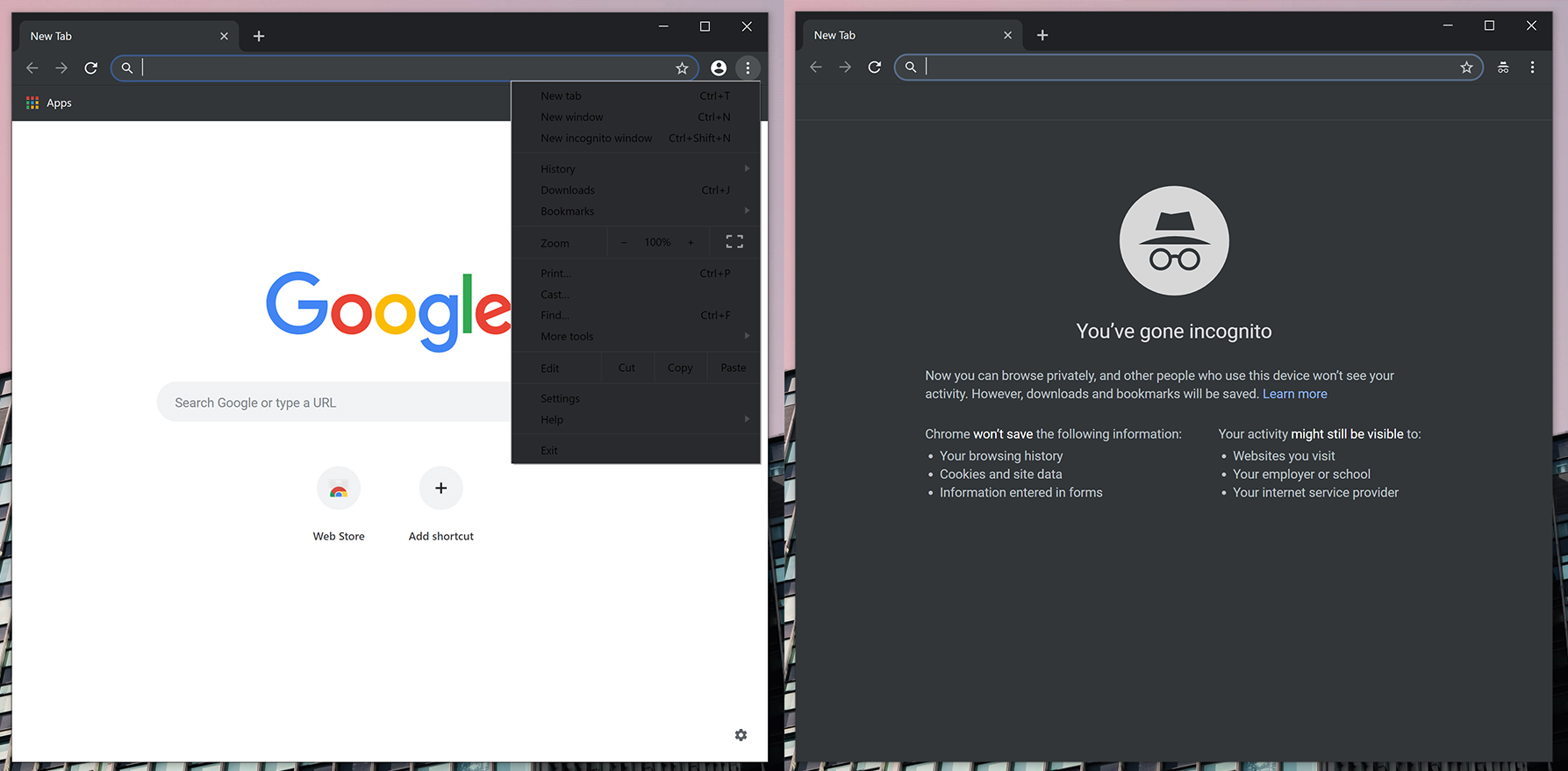
Following reports that the Chrome team was working on a dark mode for the macOS version of the browser, it looks like the Windows 10 version of the browser will get the same treatment.

Google engineer Peter Kasting confirmed as much in a Reddit post, writing that the team is working on a dark mode feature for desktop.

Further, Kasting was behind a bug post on the Chromium Bug Tracker concerning dark mode in Windows 10. Originally posted on May 2018, the bug description points out that Windows 10 allows users to set their apps to light or dark mode.

“Chrome should respect this,” wrote Kasting.

While there is currently no timeline on the release of dark mode for Chrome, we could expect it alongside the release of dark mode for Chrome on macOS.

The dark mode feature is expected to appear in Chrome versions 72 or 73 on macOS, which are due out in January and March 2019, respectively.

The main issue with implementing the dark mode so far has been Chrome’s ‘Incognito mode.’ Incognito traditionally has a dark appearance, so the Chrome team needs to find a way to differentiate browsing in dark mode from browsing in incognito.

Ultimately, we should see a dark mode in Chrome on macOS and Windows early this year. It’s great news for people who like the dark theme. Hopefully, we’ll get a dark mode for Chrome on mobile soon as well.

In the meantime, you can browse in Incognito or use a theme add-on on the desktop to give yourself a pseudo-dark theme.

Google Chrome dark mode on Windows 10

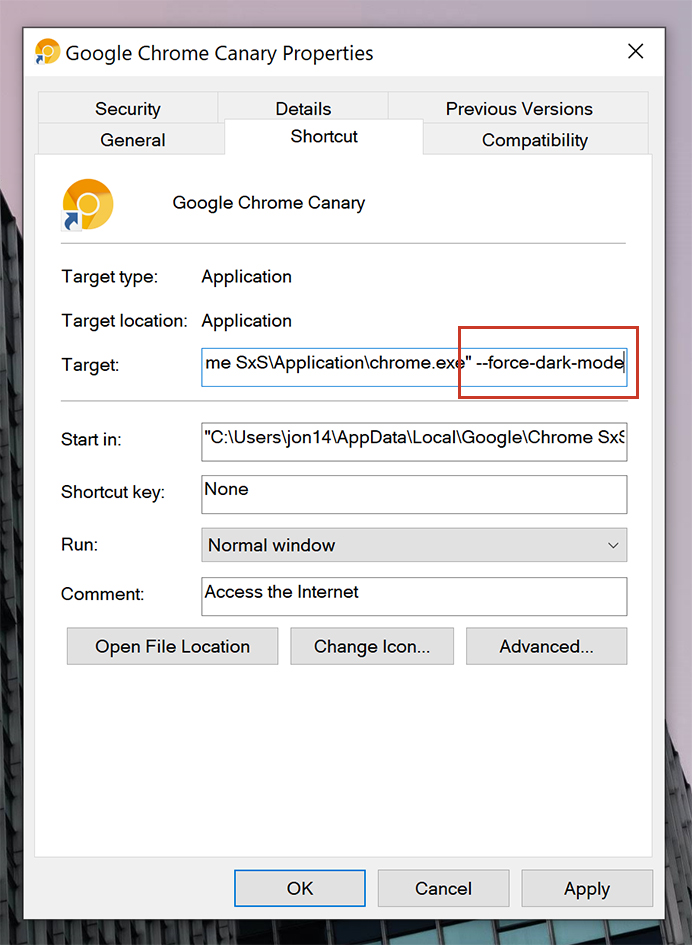
Update 01/02/2019: You can now enable the dark mode yourself if you want to try it on Windows. You’ll need to download Chrome Canary to make it work.

Once you’ve downloaded Canary, right click on the shortcut and select properties. Then, in the ‘Target’ field, add ‘–force-dark-mode’ without the quotations.

Enabling dark mode in Chrome on Windows 10

Once you’ve done this, when you open Canary it’ll be in dark mode. A similar method may work on macOS as well.

It’s also worth noting that the theme is unfinished. You can see that some of the menu text isn’t the right colour yet, for example. Other aspects of the dark theme may change with time as well.

Source: Chromium Bug Tracker, Reddit Via: TechRadar, 9to5Google

The post You can test Google Chrome’s dark mode on Windows 10 [Update] appeared first on MobileSyrup.

02 Jan 19:36

Black Mirror: Bandersnatch production pushed back the show’s fifth season

by Bradly Shankar
Black Mirror: Bandersnatch Stefan

Black Mirror: Bandersnatch released on Netflix on December 28th, offering fans of the dark technology-focused drama a feature-length choose-your-own-adventure film.

However, Bandersnatch‘s end-of-year release means that the series’ fifth season, which was confirmed in March 2018, is still a ways off.

In an interview with The Hollywood ReporterBlack Mirror creator and writer Charlie Brooker and producer Annabel Jones confirmed that the production cycle of Bandersnatch resulted in season five getting pushed to 2019.

According to Brooker and Jones, Bandersnatch has “millions” of story variations depending on the choices that the viewer makes. As the story progresses, the viewer must decide on what programmer Stefan (Fionn Whitehead) must do as he works on a video game adaptation of the popular Bandersnatch novel. Decisions come at a steady pace (at a pace of roughly one to one-and-a-half minutes, according to Brooker), resulting in an increasingly branching narrative.

This required the filmmakers to shoot about 250 segments of video. Altogether, Bandersnatch was in production for around two years, which kept Brooker (who has written every episode in the series) and company quite busy.

That’s not to say any work hasn’t been done on season five, though. “We knew going into [Bandersnatch] that this would impact our time, but it hasn’t stopped us from doing other films,” Brooker told The Hollywood Reporter. “I think it’s fair to say that it took us more time and effort than we had initially anticipated.”

Netflix has yet to announce a release window for Black Mirror‘s fifth season. Official details of the season have also not been revealed, although actress-singer Miley Cyrus has revealed she will be in one of the episodes.

Did you watch Bandersnatch? What did you think about the experience? Let us know in the comments.

Source: The Hollywood Reporter

The post Black Mirror: Bandersnatch production pushed back the show’s fifth season appeared first on MobileSyrup.

02 Jan 19:36

USB-C might soon offer more protection from security risks

by Patrick O'Rourke
iPad Pro USB-C port

Though USB-C is undeniably the cable standard of the future, living the ‘dongle life‘ isn’t as simple as it should be given cables adopt varied standards and purposes.

The dream of one cord to rule them all, unfortunately, isn’t yet a reality in 2019.

Now, the USB Implementers (USB-IF) has launched a new USB Type-C Authentication Program that aims to mitigate this issue, at least to some extent.

The program offers cryptographic-based authentication for USB-C devices and chargers, allowing any device to confirm the authenticity of the USB-C cord in question immediately as a connection is made. In theory, this stops the spread of malware and other unwanted software over USB-C. Though this issue exists with USB-A, the problem is compounded by the fact that USB-C is designed to transfer data, charge devices and connect external displays.

“USB-IF is excited to launch the USB Type-C Authentication Program, providing OEMs with the flexibility to implement a security framework that best fits their specific product requirements,” said USB-IF President and COO Jeff Ravencraft in a recent statement. “As the USB Type-C ecosystem continues to grow, companies can further provide the security that consumers have come to expect from certified USB devices.”

For instance, a smartphone manufacturer could only allow their handset to be charged from certified chargers as well as grant USB-C storage access to approved accessories. Of course, this could also result in USB-C becoming even more complicated and restricting given that it seems like manufacturers will be able to lock their devices to only specific, approved USB-C accessories.

With this in mind, the USB Type-C Authentication Program isn’t mandatory and is just a recommendation right now. As a result, it isn’t a requirement for all manufacturers that part of the group — at least not yet.

Source: BusinessWire, USB.org Via: Engadget  

The post USB-C might soon offer more protection from security risks appeared first on MobileSyrup.

02 Jan 19:36

Netflix names former video game company exec Spencer Neumann as CFO

by Shruti Shekar

Netflix has named Spencer Neumann as its new chief financial officer, with the executive leaving behind his former role as CFO of video game company Activision Blizzard.

News outlets have reported that no start date has been announced. Spencer will replace David Wells who was Netflix’s CFO since 2010.

Reuters reported that on December 31, 2018, Activision Blizzard, in a regulatory filing, had intended on firing Neumann for unspecified reasons. On January 2nd, 2019, Variety reported that the company said Neumann was “terminated for cause for violating his legal obligations to the company.” The article suggested this could mean that he breached his employment agreement with Activision.

Activision Blizzard is one of the most successful standalone interactive entertainment companies. Some of the notable games that have been released by Activision include Call of Duty, Destiny, Guitar Hero, Diablo, Warcraft, and Candy Crush Saga.

That Neumann joins Netflix from a video game publisher/developer and given that the news was announced less than a week after Netflix released the world’s first interactive choose-your-own-adventure movie in partnership with TV series Black Mirror (Black Mirror: Bandersnatch), could mean that Netflix aims to develop more interactive movies.

“Spencer is a stellar entertainment executive and we’re thrilled that he will help us provide amazing stories to people all over the world,” Reed Hastings, Netflix’s chairman and CEO, said in a recent statement. “I also want to again say thank you to David Wells, on behalf of the company and our shareholders, for his invaluable contributions at Netflix over the past 14 years.”

Neumann said on January 2nd: “Netflix is a singular brand, and I’m excited and honoured for the opportunity to work with the Netflix team and all of our stakeholders to build on the company’s exceptional track record of success and innovation.”

Neumann was the CFO at Activision Blizzard since May 2017 and before that was the CFO and executive vice-president of global guest experience at Disney’s Walt Disney Parks and Resorts division.

He’s held various other senior executive roles at Disney, including executive vice-president of the ABC Television Network from 2001 to 2004 and CFO of the Walt Disney Internet Group from 1999 to 2001.

Image credit: LinkedIn, Flickr

Source: Variety, Reuters

The post Netflix names former video game company exec Spencer Neumann as CFO appeared first on MobileSyrup.