by Fahreen Budhwani
Summary
The Japanese government’s lip service towards gender equality is just that, a falsity. In 2015 Abe revised his goal of raising women’s participation from 30% to just 7% in government and 5% in the private sector (Kano, 2018, pg. 8). His own cabinet saw the reduction of 5 female ministers to only 1 after a 2018 cabinet reshuffle (The Asahi Shimbun, 2018). Furthermore, four years on from Prime Minister Abe’s famous Davos speech and Japan’s current ranking has slipped to 117th on the World Economic Forum’s Global Gender Index (World Economic Forum, 2018, pg. 11)
A note from Japan Subculture Research Center–The following is an academic essay contributed to the website. As much as possible, we have kept to the original form and structure of the essay, although this may make for stiff reading, it is nonetheless illuminating and we felt it was worthy of being shared.
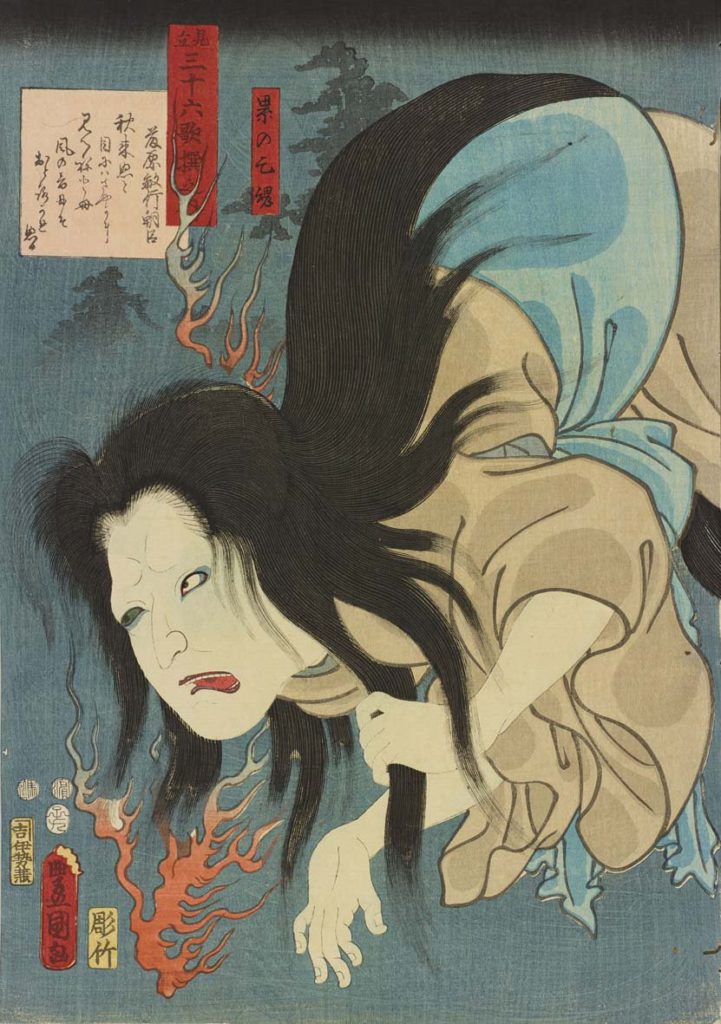
Gender inequality is amongst the most significant issues facing Japanese society. The stunted participation of Japanese women in the economy is one manifestation of this inequality. Prime Minister Shinzo Abe has sought to correct this deficiency through his womenomics policy which seeks to encourage Japanese women’s economic participation. This dissertation asserts that ultimately womenomics will not succeed. The failure of Abe’s policy is a result of three interrelated social and historical factors. Firstly, the discursive construction of motherhood as hegemonic feminity emphasises women’s familial responsibilities and limits their options outside of the home. Secondly, based on the notion that women are naturalized as mothers and by extension caretakers, the role of welfare is integral to determining their engagement in the economy. Historically speaking, Japanese welfare practices have not served to encourage women’s participation, rather they have sought to maintain traditional gender divides which relegate women to the home. Finally, Japanese employment patterns which dictate that employees must prioritize the company over the family impedes upon women’s ability to engage in work. The interaction of these three factors renders women’s participation in the Japanese economy highly gendered and unequal. In order for womenomics to succeed it must address and seek to dismantle the structures which inhibit Japanese women’s equal economic participation.
Contents
Introduction: 3
0.1 Structure 3
0.2 Methodology 4
Chapter 1: Theorizing Women in the Home and at Work 4
1.1 Gendered Division of Labour 5
1.2 Feminism and the State 7
Chapter 2: The Construction of Motherhood 7
2.1 The Protection of Motherhood Debate 9
Chapter 3: Welfare Politics 12
Chapter 5: Womenomics & Neoliberal Feminism 25
5.1 The Origins of Womenomics 26
- 2 Lip Service 28
5.3 Neoliberal Feminism 31
Conclusion: 34
Introduction
Gender inequality remains deeply entrenched in Japan. Despite being one of the most economically developed countries in the world with the 3rd largest GDP, women are continually marginalized in society. Inequality in Japan is manifested in various spheres of life, and in particular is evident in women’s economic participation. In 2014, the Japanese government adopted its womenomics policy which encourages the economic participation of women. This dissertation argues that womenomics will ultimately fail to empower Japanese women because it is a purely economic solution to a cultural, historical, and social problem which is manifesting itself in the economic sphere. This will be demonstrated by analysing 3 factors: firstly, the construction of motherhood, secondly, welfare politics, and finally, employment patterns. The structure of the dissertation is presented below.
0.1 Structure
The first chapter focuses on the theories of feminism in order to place the Japanese case study within the wider literature of gender inequality. The focus is on theorizing the gendered division of labour and its effects on women’s economic participation. This chapter will also explore the role of the state in producing, sustaining, and reinforcing gender inequality. Overall this section will provide a basis for understanding the broad forces which affect women’s equal economic participation in Japan.
The second chapter explores how the formation of identity in Japan is linked to the gendered division of labour. This section will be engaging with the construction of motherhood as hegemonic feminity. Furthermore, it will demonstrate how motherhood has been discursively constructed as the ideal form of “womanhood” and how this in effect obstructs women’s economic participation.
The third chapter builds upon the construction of motherhood by analysing welfare politics. This chapter will demonstrate how Japanese welfare politics limit women’s access to social services which inhibits their ability to engage more equally in the workforce.
The fourth chapter explores employment patterns in Japan. In particular, it analyses how women’s employment has been deeply affected by their identity as mothers and their ability to access welfare. The chapter will demonstrate that gender inequality in Japan persists despite the economic participation of women.
The final chapter will focus on examining the origins of womenomics and its intended outcomes. This section will demonstrate the failure of womenomics to adapt to the outlined barriers and address the basis of true inequality, ultimately rendering it a failure.
0.2 Methodology
This dissertation presents a unique application of feminist scholarship to a non-western country, as such, there are limitations regarding the accessibility of primary sources in English. In order to overcome this barrier, the research focuses heavily on qualitative research and secondary sources conducted by contemporary Japanese scholars writing in English. By focusing on Japanese scholars the dissertation limits western bias while also presenting culturally relevant information. Furthermore, this dissertation uses quantitative data, obtained from global indexes and Japanese government bodies such as the Gender Equality Bureau, to articulate with measurable accuracy the historical experience of Japanese women. In addition to focusing on Japanese scholars writing about the Japanese case, the dissertation also employs broader feminist literature and applies it, where relevant, to demonstrate the universality of gender inequality. Chapter 1: Theorizing Women in the Home and at Work
In order to understand the roots of Japanese women’s inequality in the labour force, it is vital to examine feminist scholarship which theorizes gender inequality more broadly. The following chapter theorizes the role of women within the family and in the private sphere by engaging with feminist scholars and their perspectives. Firstly, this chapter will begin by engaging with literature on the gendered division of labour to demonstrate how inequalities between men and women are reproduced. Following, it will assess the different characterizations of the state based on feminist international relations theory to determine the role of states in marginalizing women. Overall, this chapter will set the tone for assessing the construction of motherhood, welfare practices, and employment in Japan.
Inequality amongst the sexes can be regarded by assessing the distribution of political power, material goods, economic opportunities, educational advantages, in addition to countless other variables (Chafetz, 1991, pg. 3). Simply put, the degree of stratification based on the aforementioned variables reflects the extent to which women are disadvantaged within society. This is evidenced in Japan where women’s access to economic opportunity is particularly low.
1.1 Gendered Division of Labour
Amongst the structures which contribute to gender stratification, Claudia Geist argues that the gendered division of labour is the primary producer of inequality (2005, pg. 23). Furthermore, the division of labour can be regarded as the principal feature which restricts women’s active participation in the labour force. The gendered division of labour refers to the unequal distribution of paid and unpaid labour conducted by men and women. In particular, it notes the relegation of women to the private sphere to conduct household labour, while men are consigned to the corporate sphere to conduct paid labour (ibid, pg. 24).
Household labour can be understood as the variety of processes associated with maintaining the home (Bianchi et al. 2000, pg. 192). This includes everything from cooking and cleaning, to childcare and eldercare. Household labour is a necessary component of social reproduction which in turn is necessary for capitalism (Elias & Roberts, 2018, pg. 37-39). The term social reproduction refers to child-rearing processes which contribute to the production of healthy and valuable citizens. Social reproduction literature shifts the focus from the production of goods for capitalism to the production of labour for capitalist exploitation (ibid). Furthermore, social reproduction has been naturalized as women’s work (ibid). Feminist scholars are critical of the term “natural” because it is used to dismiss subordination as something that is beyond change (Mies and Federici, 2012, pg. 45).
Across all socially, culturally, and historically different societies men have never been the primary caregivers (Chafetz, 1991, pg. 4). Cross-societal research has indicated a variable degree of male involvement in domestic duties; however, across the board, women have always constituted the primary caregiver in society (ibid). This gendered division of labour is particularly evident in Japan where men are mainly active in the workforce and women are mainly present in the household (Nagase & Brinton, 2017, pg. 445).
Three main approaches have been utilized to understand the determinants of the division of labour: the rational process approach, the relative resource approach, and the gender ideology approach. The rational process approach is founded on the notion that the division of labour is not gendered (Geist, 2005, pg. 25). Actors are motivated by economic maximization (ibid). As such, men and women negotiate a rational division of labour based on which partner earns more and is, therefore, more valuable in the labour market (Kamo, 1994, pg. 350). The second approach is based on the relative resources of partners. The partner with greater resource accessibility is able to negotiate for less involvement in domestic affairs by exchanging resources for reduced responsibility in the domestic realm (ibid). The final approach for understanding the origins of the division of labour focuses on the importance of gender ideology. Feminist scholars contend that the division of labour is not a rational arrangement, rather it is a performance of deeply ingrained gender norms (Geist, 2005, pg. 25). The feminist approach focuses on how gender roles are socialized from a young age and serve to inform men and women about their respective societal roles (Bianchi et al. 2000, pg. 194). Feminists critique the rational process and relative resource approaches for failing to recognize the role gendered ideologies play in inhibiting women’s access to both labour market equality and resource accumulation. This dissertation and the focus on Japanese women’s economic emancipation will demonstrate the validity of the feminist argument. More specifically, the dissertation will highlight the significance of gender norms, specifically motherhood, for attaining both labour market equality and resources.
1.2 Feminism and the State
In order to understand more deeply the role that gender ideology plays in perpetuating the division of household labour it is necessary to examine the role of the state in feminist theory. Feminist international relations (IR) scholars have theorized that the nature of the state has implications for women’s liberation. Liberal feminists characterize the state as a neutral entity which believes strongly in the principles of equality. Under a liberal regime, states which display gender inequality can combat these grievances by incorporating women into the existing institutions and structures of government and economy (Tickner & Sjoberg, 2010, pg. 199). In a critique to liberal feminists, the critical school of feminism finds that the institutions and structures of states are inherently patriarchal. Therefore, separating “male” power from “state” power is impossible (ibid). As such, critical feminist scholars find that the state is unable to liberate women by increasing their visibility because the state itself is the oppressor. An extension of the critical feminist perspective is promoted by the socialist feminist school. Socialist feminist’s regards the state as a patriarchal and capitalist structure predicated on exploiting women’s social reproduction labour to bolster capitalist productivity (Elias and Roberts, 2018, pg. 73). Thus, for socialist feminists, the emancipation of women comes from challenging the structures of both male dominance and market capitalism.This dissertation demonstrates that Japan is a capitalist patriarchal state. Japanese welfare practices illustrate the inherently male-dominated institutions which reinforce women’s marginalization while the Japanese employment system is predicated on exploiting women’s part-time work. Based on this characterization of the Japanese state this dissertation will demonstrate that womenomics as a policy, which is fueled by liberal feminist principles, is ultimately doomed for failure because the Japanese state is not neutral. In fact, the state can be regarded as reinforcing the gendered division of labour.
Chapter 2: The Construction of Motherhood
This chapter will focus on the construction of motherhood as the dominant identity for Japanese women. The discursive use of motherhood as hegemonic feminity constricts women’s participation in the labour force by placing them in the realm of the home. Hegemonic feminity is based on Gramsci’s definition of hegemony which regards the ideological subordination of one category in light of a different, hegemonic, category (Bates, 1975, pg. 351). This definition is used to describe how variants of gender are constructed and hierarchized (Howson, 2005, pg. 57). In Japan motherhood is the privileged feminity, and therefore the hegemonic feminity. This chapter demonstrates how hegemonic feminity, i.e. motherhood in Japanese society presents one of the largest hurdles for the success of womenomics.
Since the 1900’s women in Japan have been visible in the public sphere primarily as a result of their reproductive capabilities. Factory reforms from the 20th century illustrate the significance of characterizing women through the lens of motherhood. In 1911 the Japanese government ushered in its first-ever labour protection law entitled the “Factory Act of 1911”; the Act was aimed at protecting working women and children (Vera, 1998, pg. 72). These laws provided basic safeguards against overnight work and protection from hazardous industries in addition to maternity leave and nursing breaks for mothers (ibid. pg. 91). Despite resistance from the industry, the Factory Act was passed because it was believed to be serving the national interest (ibid. pg. 76). The government’s justification was that by protecting working women, the state was ensuring the health of mothers and by extension children, or in capitalist terms, the future productive labour force. This characterization is reinforced by the description of working women as the ‘women who are the mothers of the nation’ (kokumin no haha) (ibid). In reality, however, working women tended to be young, unmarried, and childless (Uno, 1999, pg. 14). This distinction was unimportant to the Japanese state. The actuality of motherhood was not as imperative as the potentiality.
In a paradoxical sense, it is worth noting that it is only through the construction of motherhood that Japanese women are afforded labour rights (Vera, 1998, pg. 77). These rights, however, are not granted as rights owed to workers, but, are rather constructed as forms of protection provided by the “paternalistic” state to mothers in need of protection (ibid. pg. 71). This narrative paints Japanese women as passive, dependent, and reliant on the state rather than as individuals with agency and equal dignity to that of a man. The promulgation of the Factory Act provides a glimpse into the significance of motherhood for attaining visibility in Japan’s public sphere. Furthermore, the importance placed on motherhood demonstrates what the Japanese government values. Without the state’s pre-emptive desire to safeguard future labour, working women’s rights would have been wholly dismissed. The primacy of motherhood in Japan is further exemplified by one of the country’s most significant feminist debates.
2.1 The Protection of Motherhood Debate
The Protection of Motherhood Debate (Bosei Hogo Ronsō) unfolded between 1916 and 1919 (Vera, 1998, pg.86). However, the arguments and ideas underpinning the debate transcend these dates. The Protection of Motherhood Debate is significant because it demonstrates the importance of motherhood as an identity and establishes the value of economic independence for Japanese women. The exchange was inspired by feminist trends in Europe. Fukushima Shiro, an editor at the women’s newspaper Fujo Shinbun, was analysing two key feminist developments overseas: the women’s civil rights movement and the mother’s rights movement (ibid). In Europe, these two strands often collided with individual women’s class and race backgrounds causing what Boxer (1982, pg. 552) terms a “mosaic” feminist movement rather than a homogenous movement amongst all European feminists. In Britain, the feminism of the early 20th century was characterized primarily by the growing suffragette movement (British Library Learning, 2018). To contrast, in France, the right to vote, although important, was not the primary concern of French feminists in this same period (Boxer, 1982, pg. 552). French feminists were concerned with improving the conditions related to women’s natural vocation as mothers and carers (ibid). Shiro argued in line with French feminists stating that the more pressing of the two concerns in Japan was the latter question of mother’s rights (Vera, 1998, pg. 86). Fukushima Shiro’s argument reflects the significance of motherhood as an identity in Japanese society and was heavily supported by Hiratsuka Raichō. Hiratsuka Raichō was a key contributor to the Motherhood Protection Debate. In 1911 Raichō, inspired by the Bluestocking Society in England, founded Japan’s first all-women’s literary magazine entitled Sieto (literally translating to Bluestocking) (Tomida, 2005, pg. 50). In Seito, Hiratsuka advances her idea of ‘the new woman” when she elaborates by saying:
“Fundamentally mothers are the precious source of life. Before women produce children, they are regarded as nothing but mere individual beings, but through their worthwhile act of giving birth to children, their status as trivial individual beings is raised to the point where they are considered to be socially and nationally important beings.”
(Hiratsuka in Tomida, 2004, pg. 255).
Hiratsuka Raichō’s idea of what constitutes “the new woman” furthers the notion that women in Japan were visible only as an extension of their maternal capabilities. Raichō’s ideas were dismissed in 1916 by Yosano Akiko, the second significant contributor to the Motherhood Protection Debate. In the article entitled “I Refuse to Over-Emphasise the Significance of Motherhood” Akiko drew on her own experiences as a mother, poet, and wife to argue that women are defined by more than just their roles as mothers (Tomida, pg.252, 2004). Akiko went on to criticize the notion that child-rearing was a solely female responsibility, citing the importance of fatherly love in children’s lives (ibid). This first phase of the debate reflects the construction of motherhood as hegemonic feminity. While Raichō emphasises the importance of childbearing and rearing, Akiko explores the multitude of identities held by women which are marginalized in light of the category of mother. The debate can be read as a uniquely Japanese attempt at problematizing and dismantling gender norms which dictate care and motherhood as naturally feminine.
The Protection of Motherhood Debate reached new heights when Raichō advocated for a stronger state role in protecting motherhood. In 1918 Hiratsuka Raichō published an article outlining the significance of children to society, as future forces of labour, soldiers, and the bearers of national identity (Tomida, pg. 255, 2004). Inspired heavily by the Swedish feminist Ellen Key, Raichō argued that the state should protect mothers through financial support and award their contribution to society. The argument built upon her assumption that women’s value to society is defined in relation to their reproduction and social reproduction activities. Thus, she argues it is through the lens of motherhood, not womanhood that Japanese women should be granted state protection.
The primacy of motherhood over alternate categories, as outlined previously, was troublesome for Akiko, who wrote a counter article arguing for women’s emancipation. Yosano Akiko criticized Raichō’s calls for protection, contending that such practices encourage dependence mentality and likened women to state dependents akin to the elderly and disabled (Vera, pg. 86, 1998). Akiko further recognized that women in this situation would be presented with two equally demeaning options: women’s choice was between dependence on an individual male (father, husband), or, dependence on the patriarchal state (ibid). Both options would continue to constrict women, thus, Akiko argued that economic independence was the only form of true freedom for women. In a critique to both Akiko and Raichō, Yamada Waka, the final significant contributor, promoted the notion of a “family wage” similar to French feminists ideas (ibid, pg. 87) (Boxer, pg. 555, 1982). Waka argued that if men received a family wage the notion of “motherhood protection” would be obsolete (Vere, pg. 87, 1998). Yamada Waka’s proposal sought to maintain the integrity of women’s role in the domestic sphere and, similar to Raichō, she proposed a solution targeted at mothers financial security rather than women’s.
The Protection of Motherhood Debate is particularly significant because it marks one of the first major debates of the Japanese feminist movement, even predating calls for women’s political inclusion. The debate emphasises two significant points. Firstly, the identity of women is largely shaped by their role as mothers in the Japanese context. Secondly, the debate outlines the importance of economic independence for women. Despite varying opinions, each of the contributors is ultimately proposing a vision which seeks to protect women’s economic security. Thus, it is evident that for one to determine the effectiveness of womenomics and understand the economic emancipation of Japanese women in contemporary times it is necessary to examine the influence of motherhood and the constraints it places on realizing true economic empowerment. Motherhood is at the primacy of women’s economic independence because it represents a gender norm which naturalizes the division of labour. Consequently, it is necessary to analyse Japanese welfare practices which could alleviate the burden of motherhood to allow for greater economic participation.
Chapter 3: Welfare Politics
Based on the notion that Japanese women have been, and continue to be, constructed as mothers, this dissertation argues that welfare politics play an essential role in dictating women’s economic empowerment and will determine the overall success of womenomics. The relationship between gender norms and welfare is cyclical and reinforcing. The welfare state, through its redistribution of resources and institutionalization of ideologies is able to shape the distribution of domestic responsibilities (Geist, 2005, pg. 26). The provision of childcare in addition to the overall structure of welfare has significant influences on women’s ability to participate equally in the labour force and thus merits greater attention. I argue that two key features of Japan’s welfare system demand attention for their impact on womenomics. Firstly, this chapter examines the evolution of Japan’s welfare society and the implications this has for reinforcing motherhood. Secondly, it will examine how childcare provisions have been structured as a result of the welfare society and the impact this generates on women’s economic participation. Together, these two elements serve to highlight conditions which are actively constraining women to the domestic realm.
3.1 The Welfare Society
The welfare society is amongst the most powerful mechanisms which reproduces gender hierarchies, institutionalises traditional gender norms, and reinforces the identity of motherhood. The features of this institutionalized society contribute to the failure of womenomics. Following the end of the Second World War, Japan endeavoured on a course to establish welfare provisions. Originally, Japan moved towards welfare expansion (Miura, 2012, pg. 58). However, in the 1970s the country quickly retracted welfare policies after conservative backlash (ibid, pg. 59). Critiques of welfare expansion highlighted the British economic struggles of the period as a “disease” brought on by extensive welfare provisions (ibid). Thus, the Liberal Democratic Party (LDP) government turned toward a different solution, one that was not regarded as impeding upon the economic success of the nation but would influence greatly the level of equality between Japanese men and women.
This new model was epitomised by the slogan of the 1970’s LDP government, which read “towards a Japanese style welfare society” (Watanuki, 1986, pg. 259). The principle of the welfare society was to transfer the responsibility of welfare from governments to families, the community, and society (ibid, pg. 263). Prime Minister Masayoshi Ōhira emphasised the family as the foundation of the welfare society and in 1980 commissioned a 204-page report on “How to Strengthen the Basis of Families (ibid, pg. 264). In practice, the importance placed on the family ensured welfare responsibilities were primarily attributed to the women in households. By conflating family values with state welfare, the Japanese government effectively institutionalized the gendered norms which kept women in the home and therefore out of the labour market (Geist, 2005, pg. 26).
The policy direction towards a welfare society over a welfare state can be read through two lenses: neoliberal, and, feminist. The neoliberal lens articulates an economic justification for the government’s pursuit of this track while the feminist lens seeks to demonstrate how Japan’s welfare society has actively constrained women’s equal participation in the workforce by reinforcing the identity of motherhood.
The welfare society plays a significant role in attributing care based tasks to women through its emphasis on family obligation. This is most evident in the importance placed on a woman’s social reproduction responsibilities. In Japan, the mother is the primary provider of welfare. This notion is reflected in the Family Charter of 1970, which highlights the role of the mother in social reproduction as follows:
“A woman should recognize herself as the best educator of her child. An excellent race is born from excellent mothers…only women can bear children and raise them. Therefore, mothers should be proud and…employment opportunities should be given to those women who have finished raising their children and who still wish to resume working outside the home.”
(Quoted in Mariko 1989, pg. 73)
The ideals presented in the Family Charter can be further evidenced in the stereotype of the ‘Education Mother’ (Kyoiku Mama), whose main responsibility is to ensure her children’s scholastic success and to secure their productive capabilities for the nation’s future exploitation (Uno, pg. 2). Uno describes the ideal Kyoiku Mama as follows:
“She studies, she packs lunches, she waits for hours in lines to register her child for exams and waits again in the hallways while he takes them. She denies herself TV so her child can study in the quiet and she stirs noodles at 11 P.M for the scholars snack”
(ibid).
The Kyoiku Mama is a reflection of the ideal mother in Japanese society because she facilitates the education of an “excellent race”. Furthermore, in keeping with the ideals outlined in the Family Charter, the ideal mother cannot take up employment outside the home since it would distract from her ability to ensure her child’s success. A good mother and a good citizen are conflated under the welfare society model.
Overall, it is evident that Japanese welfare practices naturalize the division of labour by transferring welfare responsibility to mothers. This contributes to the failure of womenomics by inhibiting women’s equal economic participation. On the macro level, the welfare society advocates for a greater sense of family responsibility, while on the micro level, this responsibility falls strictly on women. The welfare society norms have a direct effect on Japanese women’s relegation to the domestic realm and on their access to child care provisions which could allow them to work.
3.2 Childcare Provisions
The welfare society and the gendered norms it institutionalizes reflect the nature of childcare provisions available. In order for womenomics to succeed it must seek to alleviate the childcare burdens which constrict women to the home. Due to the emphasis placed on mothers as primary caregivers and welfare providers, the Japanese government historically limited its involvement in childcare provisions. Early provisions which did exist for childcare can be understood through a strategy of “poverty relief” (Peng, 2000, pg.100). Childcare centres under the purview of the Ministry of Health, Labour, and Welfare (MHLW) existed primarily as safety nets for lone-mothers in the early post-war period (Lambert, 2007, pg. 8). Day-care facilities held strict eligibility criteria which in effect only admitted children of single mothers or sickly fathers who were unable to work and therefore unable to support the family (ibid). These centres existed for the sole purpose of alleviating child-rearing responsibilities for single mothers so that they could pursue jobs beyond the home to maintain economic stability and refrain from falling below the poverty line. The development of day-care institutions was therefore a means of encouraging the poor to work, rather than relying on the state for security (Uno, 1999, pg. 13).
Married women were not entitled to access the early childcare provisions because it would serve to fracture the orthodox gendered division of labour and challenge the role of women in the home. Women’s access to child care services was limited as a consequence of societal norms and formalised application processes which only admitted children of single mothers (Lambert, 2007, pg. 9). Furthermore it was expected that married women gained their financial stability from their husband’s family wage (Peng, 2000, pg. 109). This expectation was codified beyond rhetoric, and the importance of the family in welfare provision was even translated to legal enforcement. Ito Peng identifies the post-war Family Law, which holds family members responsible for one another’s welfare by extending vertically three generations and horizontally amongst spouses, as a site of inequality reproduction (ibid, pg. 91). Family Law, and by extension the obligation of familial care contributes to generous company welfare packages which are calculated based on a male employees dependents such as wives, children and parents (ibid). Welfare packages for male workers are intended to support the gendered division of labour so married women can stay at home. Thus the existence of a family wage along with the lack of childcare accessibility for married women demonstrates how the welfare society’s notion of family obligation is actualized. Furthermore, the lack of childcare accessibility actively enforced women’s position as caregivers and reinforced the primacy of motherhood over all other identities, including workers in the labour market.
Child-care provisions since the early post-war period have marginally expanded as a result of women’s increasing economic participation; however, the ideals of the welfare society continue to plague the reach and accessibility of these services. The distinctions between Yōchien (kindergarten) and Hoikuen (day-care) serve to reinforce the values of the welfare society and the division of labour which relegates the “ideal” women to the private sphere. Yōchien are widely regarded as a place of learning and early socialization, as such, they fall under the jurisdiction of the Ministry of Education (Soma and Yamashita, 2011, pg. 136). Contrastingly, Hoikuen, which can offer education, but are primarily care facilities are managed by the MHLW (ibid). In addition, Yōchien holds classes primarily in the morning between 9:00 am and 11:00 am whereas Hoikuen hours mirror the working day (Mariko, 1989, pg. 77). As such, these institutions exist to serve two distinctly different groups. Yōchien are accessible to housewives who are not working and able to mind their children after classes’ end, while Hoikuen exists to serve working mothers. In 1982 only 29.7% of students attended Hoikuen before their elementary education while 64% had attended Yōchien (ibid). The attendance disparity can be attributed to the limited availability of Hoikuen as a result of the perceived social value of the institution. Yōchien conformed to the ideals of the welfare society model by maintaining the primacy of the mother in social reproduction and thus garnered higher prestige (Imoto, 2007 pg. 93). Over time, however, demand for childcare provisions which would permit more women to work has emerged, thus the line between Yōchien and Hoikuen has blurred slightly in recent decades (ibid, pg. 96).
Margarita Abe and Yeong-Soon Kim demonstrate that it is only during the 1990s that a change in childcare provisions, which would permit more women to engage in the labour market, can be regarded (2014, pg. 666-685). The LDP had limited incentive to change childcare provisions from “poverty relief” to “universal accessibility” before the 1990s because it would disrupt the traditional gender arrangements (Abe & Kim, 2014, pg. 676). However, labour shortages since the late 1980s contributed to the rise in female workers, which in turn has spurred a rise in demand for childcare (Lambert, 2007, pg. 2). Traditional middle-class housewives, who were previously relegated to the home, drastically increased their economic participation. In 1955 roughly 10% of married wives engaged in the labour force, yet in 1996 the proportion of middle-class married women in employment reached 50.5% (Peng, 2000, 103). As a result, the demand for childcare services has skyrocketed. In 1995 there were 28,481 children on waiting lists for childcare services (Zhou & Oishi, 2005, pg. 104). To accommodate the rising demand for childcare the LDP government initiated the Angel Plan in 1994 which was intended to expand the access of day-care services beyond just single-mothers (ibid, pg. 101). However, Ito Peng notes that the changes have been insignificant due to a lack of funding (ibid). Based on statistics from the MHLW the demand for childcare services rose to 42,800 in 2003, demonstrating the ineffectiveness of the 1994 Angel Plan in providing childcare (Zhou and Oishi, 2005, pg. 104). This failure is further evidenced by the series of government policies which rolled out following the original Angel Plan.
A mere 5 years later the government introduced the “New Angel Plan” in 1999 which was followed by the “Zero Waiting List Plan” in 2001 (Abe & Kim, 2014, pg. 676) and a “New Zero Waiting List Plan” in 2008 (Kawabata, 2015, pg. 42). As an element of womenomics, Prime Minister Shinzo Abe announced his plan to eliminate waiting lists completely by 2017 (Matsui, 2014, pg. 9). Since then Abe has pushed his deadline forward to 2020 (Nikkei Asian Review, 2017). Broadly speaking the aims of each new plan has been relatively identical: to increase the availability of childcare for Japanese children. Each plan has failed to meet this goal (Abe & Kim, 2014, pg. 676).
In 2017 Yuka Ogata, a politician of Kumamoto municipality brought her 7-month old baby to a chamber debate to highlight the lack of childcare services available for working mothers (Demetriou, November 30th 2017). Ogata was met with intense backlash from her colleagues but widespread support from mothers on social media who faced the same challenges (ibid). The politician’s stunt was an effort to highlight that without childcare provisions, mothers are unable to enter the workforce and move beyond the realm of the home.
Despite nearly two decades of increased government involvement in childcare provisions the demand for day-care services is drastically surpassing the supply (Zhou & Oishi, 2005, pg. 103). Thus, while the government has seemingly made some effort to improve access to childcare, as evidenced by the continuous updating of childcare provision policies, ultimately Japan has not succeeded in alleviating the burden of care off of women, making it increasingly difficult for mothers to work. The overall failure of the expansion of Japanese childcare can be attributed to the continued influence of the welfare society in perpetuating gender norms, the nature of Japanese employment and ultimately the failure of womenomics as a policy.
Chapter 4: Employment Patterns
The structure of Japanese employment is influenced by the emphasis placed on motherhood and the ideals of the welfare society. What is critically understood about female employment is the type of work women engage in, primarily part-time work in order to balance their welfare responsibilities. Part-time employment inescapably contributes to inequality between men and women which is reflected in pay gaps along with different career progression tracks. This chapter will first address the construction of the salaryman as a form of hegemonic masculinity which bars women’s access to equal employment. Following, the chapter will analyse why women are saturated in part-time work and how this reinforces the ideals of the welfare society. Overall the chapter serves to demonstrate how the government and corporations maintain traditional family structures which restrict women’s equal participation in the labour market and must be dismantled in order for womenomics to succeed.
Labour in Japan is divided into two distinct categories: regular worker (Seiki) and non-regular worker (Hi-Seiki) (Kano, 2018. Pg.7). It is the balance of these categories that continues to reinforce the gendered division of labour and sustains the ideals of the welfare society. The difference between the two is not simply related to working hours but is greatly influenced by gendered constructs.
4.1 The Construction of Salaryman Masculinity
The conditions of a regular employee effectively disqualify women from being both good citizens, under the terms of the welfare society, and good employees. The construction of the salaryman as a form of hegemonic masculinity and the glorification of the salaryman as the ideal employee has barred women from achieving equal economic opportunity, despite female participation in the labour force, and therefore requires greater analysis to understand why womenomics will fail.
The archetypes of the salaryman (Sararriiman) and corporate warrior (Kigyô Senshi) have been regarded as the foundation of Japan’s economic growth and the success of Japanese corporations. The hyper-visible men ranging between their mid-20s to late 60s in almost uniform-like black suits, white button downs, matching “seven-three” haircuts, and leather briefcases can be spotted crammed together on Tokyo’s subways during morning rush hour and drunkenly stumbling home on the last train in the evening (fig. 1). On the surface, the term salaryman defines a white collar worker (Seiki) in the private sector (Dasgupta, 2003, pg. 120). This definition, however, is overly simplified. More accurately a salaryman represents the ideal Japanese worker, which, as the moniker indicates, is a man.
Salaryman Masculinity
Figure 1
(Source: https://www.roberthalf.jp)
As Dasgupta identifies, the salaryman is a figure of Japanese hegemonic masculinity which stands in direct opposition to the hegemonic femininity of the mother (2003, pg. 118). Following the end of WWII, formerly revered masculinities such as the farmer and soldier were subdued in favour of the corporate warrior/ salaryman (ibid, pg. 122). That is not to say that the values which underpinned the former masculinities have been erased. In fact, the opposite is true. The attributes which underpin the core values of Japan’s Samurai (warrior) class come to also colour the character of the salaryman. Loyalty, self-sacrifice, duty, and endurance are integral features of the salaryman and they are reflected through the salaryman’s commitment to the corporation (ibid, pg. 120). Part of the contract between the salaryman and his employer stipulates the understanding that it is the employee’s duty to prioritize the needs of the corporation before his own (Miura, 2012, pg. 23).
Japanese salarymen are stereotypically known for working long egregious hours as part of their commitment to the company. The typical salaryman works well past the average 8-hour day, with over 60% reporting a minimum 10-hour working day (Nemoto, 2013, pg. 515). The burden of overwork is so deeply embedded in Japanese salaryman culture that death by overwork and suicide from overwork are common phenomena (Kyodo, 2002). The normalization of overwork has significant impacts on the gendered division of labour. Claudia Geist’s empirical study demonstrates that men’s participation in the household is highly dependent on the amount of time they spend working (Geist, 2005, pg. 26). Similarly, a case study conducted by Nobuko Nagase and Mary C. Brinton concludes that Japan’s overwork employment practices inhibits male participation in domestic duties and actualizes the role of women as primary caretakers (2017, pg. 362). These studies indicate that individual beliefs about gender equality influence the division of labour less than systemic employment conditions which prioritize loyalty to corporations over family.
Salarymen’s unwavering commitment to the company, and by extension their invisibility in the domestic realm, is not accidental as it is taught through media and therefore is a gendered construct (Dasgupta, 2003, pg. 124). Keniichi Suzuki’s “What Men Need to Do in Their 20’s” instructs incoming salarymen that economic success comes from dedication. Specifically, Suzuki states that the word “no” should not exist in the vocabulary of an entry-level salaryman (Dasgupta, 2003, pg. 124). Keniichi Suzuki’s instructional manual demonstrates how long working hours are not simply a product of the Japanese work environment, rather, they are an integral feature of the identity of the salaryman. Overwork and the sacrifice of a personal life are constructed as a heroic display of commitment to the company, akin to the sacrifices made by warriors for the nation (Nemoto, 2013, pg. 514). Since sacrifice of the personal life is a glorified aspect of the salaryman identity, working women are required to mirror this hegemonic masculinity, or, opt out of full-time employment. Women who attempt to juggle welfare society expectations with employer expectations are unable to commit to the same extent as their male counterparts and are thus characterized as “weak” (ibid).
Kumiko Nemoto highlights that promotion for women is synonymous with childlessness (2013, pg. 514). Prejudice against Japanese women in the Seiki working track is rampant. As recently as 2018, Tokyo Medical University, one of the country’s most prestigious medical institutions came under fire for altering female applicants test scores to lower the number of women entering the university from 40% to less than 30% (BBC, 2018). When questioned, the university officials claimed that their “silent understanding” for lowering women’s test scores was driven by the assumption that “female students who graduate [would] end up leaving the actual medical practice to give birth and raise children” (ibid). Tokyo Medical University argued that women’s child-rearing responsibilities led to staff shortages and added strain to an already overburdened healthcare system (Todd and Reese, 2018). A similar case of test score tampering was uncovered at Jutendo University and Kitasato University (ibid). The example of these universities illustrates how presumptions about a women’s welfare responsibilities have actively lead to a compromise in women’s economic opportunity and must therefore be addressed by womenomics. This type of prejudice against female professionals is not rare in Japan; in fact, while the Tokyo Medical University scandal received scrutiny and overseas coverage, it is a mere reflection of the society-wide problem.
The division of women as workers and mothers in Japanese corporate life is significant for understanding why womenomics will fail. Sayaka Osakabe, the founder of Matahara, an organization dedicated to opposing the rampant maternity harassment of Japanese corporations, advocates for the fair treatment of pregnant women in the workforce. Osakabe notes that maternity harassment is a widespread form of power abuse which forces women out of employment as a result of pregnancy (Hall, 2017). In 2015, the Japanese Trade Union Confederation released a report which indicated 20.9% of women experienced such harassment (ibid). This is particularly telling since, women are severely underrepresented in Japanese unions and thus it can lead us to believe that these figures are much higher when addressing not only unionized female employees but all female employees.
Maternity harassment is a widespread practice because Japanese companies believe that child-rearing will take away from an employee’s efficiency. This belief is termed “the motherhood penalty” and greatly impacts a women’s career progression; the same is obviously not true for men since men’s status as fathers has no influence on their progression as employees (Nemoto, 2013, pg. 514). This juxtaposing treatment of female and male parents in the workforce is a direct result of the ideologies reinforced by the welfare society. Due to welfare responsibilities, regular working women are often pushed out of full-time employment at the cusp of motherhood. As a result of the demands of the regular working track, Japanese women are more often relegated directly into the part-time category to ensure they can balance welfare and work responsibilities.
4.2 Part-Time Work
As a result of the impossible to emulate salaryman characteristics and the lack of accessible childcare, Japanese women are saturated in the part-time career track. The relegation of women to part-time work further solidifies the gendered division of labour, fails to encourage women’s equal economic participation, and presents a hurdle for womenomics.
Women’s part-time work can be regarded as the product of the tension between governments and corporations. The patriarchal state promotes women’s role as mothers and caretakers under its welfare society model and as such requires women to be relegated to the home, but, Japanese corporations, who look to maximize profit through additional labour exploitation, seek to encourage women’s participation in the labour force. Part-time work is regarded as the compromise between these two spheres as it allows for women’s labour to be exploited while their continued primacy remains within the home (Broadbent, 2002, pg. 60).
Pato (part-timer) is a highly gendered term used to define female part-time workers, traditionally working housewives (Miura, 2012, pg. 25). This is evidenced by the fact that 90% of pato in 2005 were women (ibid). The saturation of women in the pato category is a result of women’s restricted access to childcare. Mizuki Kawabata’s research in Tokyo demonstrates that 72% of women with children under the age of 5 want to work, but only 37% of those women are actually in employment (2014, pg. 42). Similarly, figure 2 from the MHLW demonstrates that the majority of Japanese mothers are unemployed before their children reach school age, and when they do enter employment it is primarily on a part time basis.
Percent Distribution of Mothers Occupation Status by Childs Age Group
Figure 2
Source: Ministry of Health Labour and Welfare
The volume of part-time workers is significant for women’s economic emancipation because pato earn marginally more than minimum-wage (Miura, 2012, pg. 25). This contributes to high levels of wage-inequality between Japanese men and women, as evidenced by figure 3.
Gender Pay Gap Comparison of OECD Countries
Figure 3
Source (https://www.oecd.org/japan/Gender2017-JPN-en.pdf)
Wage inequality also ensures that it is increasingly difficult for Japanese women to enjoy economic security without marriage. Furthermore, as a result of the competitive nature of the salaryman, Japanese men are discouraged from taking a more active role in care giving responsibilities. Part-time employment is therefore a supplement to the pre-existing single-male breadwinner model and contributes to the failure of womenomics (Broadbent, 2002, pg. 57).
4.3 The “M” Curve
When graphed, the employment patterns of Japanese women follow an “M” curve (fig 4.).
Women’s Labour Force Participation by Age Group
Figure 4
Source: Gender Equality Bureau of Japan
The employment rate peaks around the age of 20 when women began graduating from university and continues to rise steadily till women reach child-bearing age, and then the level of female employment drops drastically. The valley in the “M” curve exists until children have reached school age, at which point mothers re-enter the workforce and a second peak in women’s employment is regarded and sustained until retirement. As demonstrated by figure 4, the labour force participation of women from others countries is less impacted by motherhood. The “M” curve and Japanese women’s employment pattern is therefore particularly unique. The steep valley in the “M” curve reflects the lost labour potential of Japanese women. Furthermore, the existence of this off-ramping reduces women’s skills progression and negatively influences their ability to move up the corporate ladder into managerial and senior positions. As a result of the off-ramping, the only option for women re-entering the workforce is part-time employment. Overall, the “M” curve is a consequence of the welfare responsibilities women must undertake when they become mothers and the lack of childcare provisions which would enable them to continue working and raise children.
Based on the salaryman model and the structure of part-time employment it is evident that even when Japanese women are participating in the labour market their work is not equal. The disparity between men and women’s economic participation is the result of welfare responsibilities and the construction of motherhood. Japanese women cannot access regular worker tracks without sacrificing personal aspirations. Women who choose to engage in work and family life must compromise by entering the part-time workforce which provides limited career opportunities. Thus, the fair and equal treatment of Japanese working women should be the main priority of the government’s womenomics policy.
Chapter 5: Womenomics & Neoliberal Feminism
Previous chapters have effectively sought to analyse the construction of motherhood, the ideologies of the welfare society, and employment patterns in the evolution of women’s economic participation in Japan. Together these sections have demonstrated the barriers which restrict women’s full participation in the labour market and by extension their economic emancipation. The emergence of womenomics as a policy is the culmination of this evolution and a proposed solution to bolster women’s economic participation. I argue that womenomics is ultimately doomed to fail because it is an economic solution to what is principally an economic problem caused by cultural, societal, and historical barriers. Government policy seeking to promote women’s economic participation must, therefore, fully address the barriers I have identified throughout this dissertation to enact genuine change. This chapter will illustrate that womenomics as an economic policy appropriates liberal feminist branding, while ultimately failing to drive women’s overall economic emancipation because it disregards the historical roots of women’s oppression. The chapter will first analyse the emergence of womenomics as an economic solution for declining growth. Then it will demonstrate how womenomics has transcended into the realm of policy as a tool for boosting Japan’s public image. Finally, it will demonstrate the neoliberal roots of the policy.
5.1 The Origins of Womenomics
As evidenced by its name, the emergence of womenomics as a policy is driven by economic need, rather than the principles of equality. Womenomics has been posited as the solution to Japan’s economic stagnation; this is particularly evident when tracing the emergence of the policy. Kathy Matsui, Vice Chair and Chief Japan strategist for Goldman Sachs, has been advocating a women-centric solution to Japan’s economic crisis since 1999. The Goldman Sachs report penned by Matsui et. al “Women-omics: Buy the Female Economy” proposes that by increasing female labour participation the Japanese economy can continue to grow. Matsui predicts that by closing the gender gap Japan’s GDP could increase by 13% (Matsui et al, 2014, pg. 1). The argument identifies that male employment rates in Japan are essentially at capacity (Matsui et al, 1999, pg. 1). Therefore growth, for the Japanese economy depends on an additional, novel source of labour. Three potential solutions are presented by Matsui for policy consideration: Firstly, the government should focus on increasing the birth rate, secondly, greater support for emigration to Japan should be provided to drive new labour sources, finally, the government can capitalise on women and the role they can play in the labour market. When assessing these options the report states that the government’s attempts to increase the birth rate have been met with overwhelming failure (Matsui et al, 1999, pg. 8). The second option proposed by the report is to increase immigration to Japan. However, as noted by Matsui, this remains largely taboo in society and among politicians (ibid). This leads the authors to conclude that women’s increased participation in the labour force is among the most feasible of the recommendations for a revitalized Japanese economy. The chronology and structure of the report begins by problematizing a solution for Japan’s economic situation, where women only enter the dialogue as a tool for economic growth. Thus, the emergence of womenomics is derived not from an interest to empower women, rather a desire to fuel the economy.
Four volumes of Goldman Sachs Womenomics report have been published since Matsui’s original proposal in 1999. In the 2014 edition entitled “Womenomics 4.0: It’s Time to Walk the Talk” Matsui indicates that:
“Japan has more to gain than most countries from raising female labour participation”
(Matsui et al. 2014, pg. 2)
More than 15 years after the original report, and the language used by Kathy Matsui to promote womenomics has remained almost identical. It articulates what the nation has to gain from female labour participation and not what women themselves have to gain and hence illustrates the values which drive the policy of womenomics.
Furthermore, Matsui assumes participation is equivalent to empowerment. However, as noted in previous chapters, women are already actively participating in the Japanese economy and will continue to do so. However, participation itself is fundamentally unequal due to the pressures of motherhood and the structure of regular and non-regular working tracks. Matsui’s proposal to raise women’s participation rates in the labour market makes no consideration of the welfare society ideologies which constrict women to the domestic realm. In essence, the report argues an overall increase in women’s burden by promoting further labour participation with no outline for balancing welfare responsibilities. Despite the lack of depth and consideration in Matsui’s womenomics proposal, the ideas have transcended into the realm of policy.
The appropriation of womenomics into the realm of policy is fundamentally the result of economic necessity and a need to improve Japan’s international standing. Womenomics first appeared in Japanese politician’s vernacular in 2014. At the annual 2014 Davos summit, Japanese Prime Minister Shinzo Abe gave a speech which for the first time alluded to Matsui’s ideas of achieving economic success through increased female labour participation. Abe, taking note of Japan’s “super ageing population” inquired to the audience about where Japan may seek to find the human capital it desperately desired for growth (2014). His answer mimicked the now 15-year-old report by Matsui. Abe declared “the female labour force in Japan [as] the most under-utilized resource” (ibid). The immediate comment made by Prime Minister Abe upon announcing womenomics as a policy course mirrored Matsui’s notion that womenomics could serve the economy. From the onset, Abe did not frame womenomics as a policy to increase women’s equality or bolster the position of women in society. Instead, he sought to alleviate the burden on the Japanese economy by referring to women as “resources”.
Lip Service
In addition to the economic factors which motivated the adoption of womenomics by Abe, there is a clear desire to utilize womenomics to bolster the image of Japan in the eyes of the international community. In the 2014 Global Gender Index Japan ranked 104th out of 142 countries (World Economic Forum, 2014). The World Economic Forum’s index is calculated based on four factors: Economic Participation & Opportunity, Educational Attainment, Health & Survival, and Political Empowerment (ibid). Japan’s low score overall is a result of its poor showing in economic participation & opportunity and in political empowerment (ibid). Data for the Global Gender Index is derived from the visibility of women in political positions and managerial positions in the workforce. Thus, in order for Japan to raise its overall standing the government needed to focus on improving these two factors (Kano, 2018, pg. 4). Womenomics, with its central focus on encouraging women’s participation, increases the visibility of Japanese women and consequently should lift Japan’s international standing. In 2014, Abe announced that 30% of leadership positions would be occupied by women in 2020 (Kano, 2018, pg. 2). In an effort to move towards his target, the Prime Minister appointed 5 women to his cabinet (ibid, pg. 4). One year later Japan’s place on the Global Gender Index jumped to 101 (World Economic Forum, 2015) and its ranking for political empowerment improved from 125th to 104th. Therefore as Ayako Kano notes, the Abe administration’s goal of increasing women’s representation by 30% can be viewed as a performative nod to progressive liberal ideologies without actualizing significant socio-cultural change (2018, pg. 4).
The Japanese government’s lip service towards gender equality is just that, a falsity. In 2015 Abe revised his goal of raising women’s participation from 30% to just 7% in government and 5% in the private sector (Kano, 2018, pg. 8). His own cabinet saw the reduction of 5 female ministers to only 1 after a 2018 cabinet reshuffle (The Asahi Shimbun, 2018). Furthermore, four years on from Prime Minister Abe’s famous Davos speech and Japan’s current ranking has slipped to 117th on the World Economic Forum’s Global Gender Index (World Economic Forum, 2018, pg. 11). These changes are drastic and they allude to the Abe’s inability to genuinely understand how the interaction of welfare, motherhood, and employment intersect to limit women’s equal economic participation.
The administration is not completely blind to the social challenges women face. The LDP, has a vested interested in maintaining the status quo and upholding traditional gender norms (Kano, 2018, pg. 2). However, the government is aware that a degree of social change is necessary for propelling women into the workforce. Without a shift in domestic responsibilities, the womenomics project which aims to contribute to the growth of Japan’s economy will remain idle. Thus, a few nods, as a part of womenomics, have been made in the direction of altering societal norms. Firstly, Abe has acknowledged that access to childcare is a significant hurdle for women’s employment (Abe, 2014). Therefore, the Prime Minister declared his governments support for childcare expansion by building upon existing actions like the Angel Plan and Zero Waitlist Plan with a new promise to eliminate waitlists by 2017 (Matsui et al, 2014, pg. 9). As previously established, the government has failed to attain this goal with over 55,333 children reportedly on waitlists as of 2018 (Jiji, 2018). Abe was not merely unsuccessful in eliminating the childcare burden, but the argument stands that the government was hardly invested in the issue to start with. Rather than increasing government spending to support the provision of childcare, Abe has sought a solution based on outsourcing Japan’s care needs.
In his Davos speech, Prime Minister Shinzo Abe stated that “support from foreign workers will also be needed for help with housework, care for the elderly and the like” (Abe, 2014). The statement indicates that the Japanese government is aware of the welfare barriers currently weighing on Japanese women and impacting their economic participation. Abe’s response to these hurdles is the mere transferal of domestic responsibilities to foreign workers. In the 1970s the government transferred welfare to women, and in 2014 it seems the next transfer will be to migrant workers. Japan will thus become incorporated into the transnational care economy which is predicated on the basis of creating a care deficit in one country (almost always a developing one) in order to absorb the care demands of another (Lutz, 2011, pg. 22). Although Abe’s use of “workers” is gender neutral, the reality is that transnational care economies are highly gendered. Domestic work has become the largest sector fuelling women’s migration and is characterized by unfair pay, restrictions on freedom, and poor social security (ibid. pg. 19). Womenomics, therefore, encourages the exploitation of foreign women. The ease with which the Prime Minister encourages migration to alleviate Japanese women’s welfare responsibilities reflects his government’s willingness to exploit both migrant women and Japanese women. Thus, it is evident that womenomics is motivated by economic principles rather than egalitarian ones. Helma Lutz inquires:
“Why despite the waning significance of the housewife marriage … has there been no redistribution of family or care work between gender groups? Why is it preferable to pass on this work to another woman from another country?”
(2011, pg.28)
Abe privileges migrant women over domestic men as caretakers because transnational care economies fundamentally maintain the gendered hierarchies of society. The invisibility of Japanese men in Abe’s Davos speech is stark and their place in womenomics is, if anything, purely ceremonial.
In an effort to pander at the most basic level to international critiques and domestic opponents, the Abe government has targeted male participation in domestic duties as a way of promoting women’s employment. A new government-backed trend ikumen (handsome men who partake in domestic duties) has been advertised as the changing force in Japan’s domestic division of labour (The Japan Times, 2016). The government has even launched awards for companies which encourage their male employees to take paternity leave (Fleming, 2018). The glossy media coverage ikumen has received is far from the reality it is attempting to portray. Kumiko Nemoto’s research at two major Japanese companies found that male attitudes towards child leave, despite employer encouragement, remained negative. Only one man, from both companies took child care leave (2013, pg. 522). Furthermore, the same employee revealed his decision to take leave was not based on a desire to conform to the ikumen standard but rather was, in the ideal salaryman way, an act of loyalty to his company. The employee stated that:
“If one man takes childcare leave in a firm, the Japanese government approves the firm as being family-friendly and adds it to the list of family-friendly companies. The company needed one man. I had to sacrifice myself. It was just for the image of the firm. It might be better for the profits of the firm…. Nobody wants to take such leave. When you take childcare leave, you get a 3.3 per cent reduction in your salary.”
(Nemoto, 2013, 522).
The salaryman’s reservations about child leave are not completely unfounded. Stefanie Anne Aronsson argues that it is actually “economically rational” for Japanese women to take child care over men, because from the onset the perception of women as mothers has limited their ability to earn as highly as their male counterparts (2016, pg.35). Thus, the ikumen project, more than anything, is simply a discursive marketing strategy being employed by the government to improve the image of Japanese gender divisions without addressing the true employment inequality women face.
5.3 Neoliberal Feminism
Abe’s womenomics represents a new wave of feminism: neoliberal feminism. Hester Eisenstein explains that Neoliberal feminism, also labelled “transnational business feminism”, is based on the notion that women are untapped resources who represent the solution to capitalisms downfalls (2017, pg. 38). This is evidenced by the way both Kathy Matsui and Prime Minister Shinzo Abe have spoken about women as the solution to Japan’s economic stagnation. The main focus of neoliberal feminism is to incorporate women into the structures of capitalism (ibid, pg. 45). McRobbie has dubbed neoliberal feminism a “faux-feminism” (2009, pg. 119) because the “revolutionary demands of feminism have been reduced by capitalism” to reflect that paid work and political visibility are equal to liberation (Eisenstein, 2017, pg. 37). The emerging notion that economic participation can be equated to women’s liberation focuses primarily on the individual with little concern for the wider political and social systems which have historically been responsible for women’s oppression (ibid, pg. 42). Eisenstein’s point is clearly reflected in the reality of Abe’s womenomics policy, which has failed to challenge the existing social structures of welfare, employment, and motherhood to empower women. Thus, when characterising Abe’s womenomics as a new neoliberal form of feminism it is necessary to inquire about who wins and who loses as a result of this pseudo-feminist policy (Kano, 2018, pg. 8).
It is undeniable that womenomics will produce “winners”, most obviously the Japanese economy and corporations, but also some women’s economic independence will be improved as a result of the policy. Part of the womenomics agenda has been to encourage the promotion of women to managerial positions. The International Labour Organization released a report to commemorate International Women’s Day this year, which details that only 12% of management positions in Japan are occupied by women (2019, pg. 30). This is only a 3.6% increase in representation of women in management since 1991 (Tanaka, 2019).
In 2015 the administration passed legislation that requires businesses with over 300 employees to set quotas and targets for women to achieve leadership positions (Business and Human Rights Resource Centre). However, there is no enforcement to ensure companies comply with their self-set targets, as well as no penalties for failing to advance women (BBC News, 2018). Furthermore, as previously indicated corporations and the government have made marginal progress with regards to childcare accessibility this in effect disqualifies mothers from attaining management positions. Evidently, womenomics is not succeeding in bolstering women’s rise to leadership. Women who are advancing to management are those who are willing and able to mirror the salaryman lifestyle, i.e. do not have welfare and childcare responsibilities (Nemoto, 2013, pg.513) (Aronsson, 2012, pg. 47). Ultimately no changes have been made by the administration to challenge the status-quo employment practices which privilege total commitment to the employer over a work-life balance, which could drastically improve the prospects of women who seek to enter senior positions. Women who seek to pursue a family life and career will be faced with a “struggle and juggle” dilemma as a result of the welfare responsibilities and unfair employment practices which will continue to persist under womenomics (Kano, 2018, pg. 7). With regards to certain women’s progression as a result of womenomics, Ayako Kano poses an important question:
“Rather than all women being treated as second-class citizens because of their gender, if some women would be treated as first class… would this be a step forward or back?”
(2018, pg. 10)
In response to Ayako’s question, I argue that this division of elite and non-elite women is, in fact, a step back for the women’s liberation project because it fails to dismantle the social structures which are constricting Japanese women. The creation of “elite” women would distract from addressing the lived inequality faced by most women in society. Furthermore, while Aronsson (2012, pg. 9) argues that elite women may act as role models, the fact remains that until socio-cultural inequalities are address by womenomics there will be little improvement.
Thus it can be understood that womenomics will privilege a certain type of women but will fail to emancipate women as a whole. In the words of Ayako Kano womenomics presents “an uncomfortable marriage between feminism and neoliberalism” (2018, pg. 1). It isn’t genuine concern for women’s empowerment which is driving Japan’s turn to womenomics but rather a desire to grow the economy at the expense of women. As such, feminists should be dubious about womenomics and the promises it seeks to make.
Conclusion
“The roots of gender inequality are not found in women’s exclusion from production per se, but rather in the material and ideological separation of production from social reproduction”
(Roberts, 2015, pg. 219).
Adrienne Robert’s remarks are particularly valuable for understanding the failure of womenomics as a policy. Women’s marginalization in Japan will not be reversed as a result of their increased visibility in the labour force. In fact, for most women, inequality will only be furthered as they are forced into a double work-shift to try and manage welfare and workfare responsibilities. Womenomics will undoubtedly increase the number of working women. However, these workers will largely be relegated to part-time employment because womenomics does not challenge the ideological foundations which continue to construct women as primary caretakers and welfare providers. In order to genuinely challenge gender inequality a serious attempt at dismantling gender norms such as motherhood and reformulating welfare and employment practices is necessary.
This dissertation has demonstrated how identity formation, and the primacy of motherhood, has influenced the accessibility of welfare for Japanese women and further characterized their role as employees. Without fully addressing the social, cultural and historical roots of women’s oppression, Japan’s search for growing women’s participation is doomed for failure.
Bibliography
Abe, E. Margarita and Kim, Yeong-Soon. (2014). Presidents, Prime Ministers, and the Politics of Care: Why Korea Expanded Child Care much more than Japan. Social Policy & Administration. Vol. 48(6). pp. 666-685
Abe, Shinzo. (2014). A New Vision from a New Japan, World Economic Forum 2014 Annual Meeting. Speech at Davos International Forum. Transcript available: https://japan.kantei.go.jp/96_abe/statement/201401/22speech_e.html
Aronsson, Anne Stefanie. (2012). Career Women in Contemporary Japan: Pursing Identities, Fashioning Lives. Yale University Dissertations. pp.1-42.
Bates, Thomas R. (1975) Gramsci and the Theory of Hegemony. Journal of the History of Ideas. Vol. 36 (2) , pp. 351–366.
BBC. (2017). Reality Check: Has Shinzo Abe’s ‘Womenomics’ Worked in Japan? (February 17th). Available at: https://www.bbc.co.uk/news/world-asia-42993519
BBC. (2018). Tokyo Medical University ‘changed female exam scores’. (August 2nd). Available at: https://www.bbc.co.uk/news/world-asia-45043818
Bianchi, S., Milkie, M., Sayer, L., Robinson, J. (2000). Is Anyone Doing the Housework? Trends in the Gender Division of Labour. Social Forces. Vol. 79 (1). pp. 191-228.
Boxer, Marilyn J. (1982). ‘First Wave’ Feminism in Nineteenth – Century France: Class, Family, and Religion. Women studies and International Forum. Vol. 5 (6). pp. 551-559.
British Learning Library. (2018). Women’s Suffrage Timeline. The British Library. (February 6th). Available at: https://www.bl.uk/votes-for-women/articles/womens-suffrage-timeline#
Broadbent, Kaye. (2002). Gender and Part Time Work in Japan. Equal Opportunities International. Vol. 21 (3). pp. 57- 74
Business and Human Rights Resource Centre. Japan: Parliament Adopts Law to Promote Women in Workplace. Available at: https://www.business-humanrights.org/en/japan-parliament-adopts-law-to-promote-women-in-workplace
Chafetz, S Janet. (1991). “The Gendered Division of labor and the reproduction of Female Disadvantage: Toward an Integrated Theory” in Gender, Family, and Economy: The Triple Overlap. Edited by. Blumberg, L Rae. Newbury Park, California. SAGE publications. pp.74-94.
Dasgupta, Romit. (2003). “Creating Corporate Warriors: The Salary Man and Masculinity in Japan” in Asian Masculinities. Edited by Louie, Kam and Low, Morris. London, U.K. Routledge. pp. 118-135
Demetriou, Danielle. (2017). Japanese Politician Reprimanded With Official Warning for Bringing Baby to work. The Telegraph. (November 30th). Available at: https://www.telegraph.co.uk/news/2017/11/30/japanese-politician-reprimanded-official-warning-bringing-baby/
Eilias, Juanita and Roberts, Adrienne. (2018). Handbook on the International Political Economy of Gender. Cheltenham, U.K. Edward Elgar Publishing. pp. 23-86
Eisenstein, Hester. (2017). Hegemonic Feminism, Neoliberalism and Womenomics: “Empowerment” instead of Liberation? New Formations. Vol. 91. pp. 35-49
Fleming, Sean. (2018). Make way for a New Superhero: The Devoted Japanese Father. World Economic Forum. (December 4th). Available At: https://www.weforum.org/agenda/2018/12/japan-fathers-family-ikumen/
Geist, Claudia. (2005). The Welfare State and the Home: Regime Differences in the Domestic Division of Labour. European Sociological Review. Oxford University Press.Vol. 21(1). pp. 23-41.
Gender Equality Bureau of Japan. Figure 4. Facts and Figures. pp. 8-12. Available at: http://www.gender.go.jp/english_contents/pr_act/pub/pamphlet/women-and-men15/pdf/1-3.pdf
Hall, Ava. (2017). Stamp Out Maternity Harassment. The Japan Times. (October 6th). Available at: https://www.japantimes.co.jp/opinion/2017/10/06/reader-mail/stamp-maternity-harassment/#.XI0KrC2cbEY
Howson, Richard. (2005). Challenging Hegemonic Masculinity. New York, US. Taylor & Francis Group. pp. 55-80
Imoto, Yuki. (2007). The Japanese Preschool System in Transition. Research in Comparative and International Education. Vol. 2(2). pp. 88-101
International Labour Organization. (2019). The Quantum Leap for Gender Equality: For a better Future of Work for All. Geneva, Switzerland. Pp.1-134. Available at: https://www.ilo.org/global/publications/books/WCMS_674831/lang–en/index.htm
Jiji. (2018). More than 55,000 Children Wait for Nursery School Places in Japan as List Grows for Third Straight Year. The Japan Times.(April 12th). Available at: https://www.japantimes.co.jp/news/2018/04/12/national/social-issues/55000-children-wait-nursery-school-places-japan-lists-grow-third-straight-year/#.XIk9ri10fEY
Kamo, Yoshinori. (1994). Division of Household Work in the United States and Japan. Family Issues. Vol. 15 (3). Pp. 348-378
Kano, Ayako. (2018). Womenomics and Acrobatics: Why Japanese Feminists Remain Skeptical about Feminist State Policy. Feminist Encounters. Vol. 2(1).
Kawabata, Mizuki. (2015). Child Care Access and Employment: The Case of of Women with Preschool Aged Kids in Tokyo. Urban and Regional Development Studies. Vol 26 (1). pp. 40-56
Kyodo. (2002). ‘Karoshi’, ‘Keiretsu’ on Oxford List. The Japan Times. (January 18th). Available at: https://www.japantimes.co.jp/news/2002/01/18/national/karoshi-keiretsu-on-oxford-list/#.XI0IFCL7RXS
Lambert, A Priscilla. (2007). The Political Economy of Postwar Family Policy in Japan: Economic Imperatives and Electoral Incentives. The Journal of Japanese Studies. Vol. 33(1). pp.1-28
Lutz, Helma. (2011). The New Maids: Transnational Women and the Care Economy. London, U.K. Zedd Books. Pp. 18-31
Mariko, Fujita. (1989). “It’s all a Mother’s Fault” Childcare and the Socialization of Working Mothers in Japan. The Society of Japanese Studies. Vol. 15(1). pp.67-91.
Matsui, Kathy. (1999). Women-omics: Buy the Female Economy. Goldman Sachs. pp. 1-16. Available at: https://annazavaritt.blog.ilsole24ore.com/wp-content/uploads/sites/54/files/womenomics2-pdf.pdf
Matsui, Kathy. (2014). Womenomics 4.0: It’s time to Walk the Talk. Goldman Sachs. pp. 1-31. Available at. https://www.goldmansachs.com/insights/pages/macroeconomic-insights-folder/womenomics4-folder/womenomics4-time-to-walk-the-talk.pdf
McRobbie, Angela. (2009). The Aftermath of Feminism: Gender, Culture, and Social Change. SAGE Publications. pp.110-131
Mies, Maria and Federici, Silvia. 2014 Patriarchy and Accumulation on a World Scale: Women in the International Division of Labour. Zedd Books. 3rd Ed. E-Book. pp. 1-50.
Ministry of Health Labour and Welfare. Figure 2. Available at: https://www.mhlw.go.jp/english/database/db-hss/dl/hs091216e.pdf
Miura, Mari. (2012). Welfare Through Work: Conservative Ideas, Partisan Dynamics, and Social Protection in Japan. Ithaca, U.S. Cornell University Press. E-Book.
Nagase, Nobuko and Brinton, C Mary. (2017). The Gender Division of Labor and Second Births: Labor Market Institutions and Fertility in Japan. Demographic Research. Vol. 36(11). pp.339-370
Nemoto, Kumiko. (2013). Long Working Hours and the Corporate Gender Divide in Japan. Gender, Work and Organization. Vol. 20(5). pp. 512-527.
Nikkei Asian Review (2017). ‘Japan Extends Deadline to Eliminate Daycare Waiting List’. (June 1st). Available at: https://asia.nikkei.com/Editor-s-Picks/Japan-Update/Japan-extends-deadline-to-eliminate-day-care-waiting-list
OECD. (2017). The Pursuit of Gender Equality: An Uphill Battle. How does Japan compare?. Available at. https://www.oecd.org/japan/Gender2017-JPN-en.pdf
Peng, Ito. (2000). A Fresh Look at the Japanese Welfare State. Social Policy and Administration. Vol. 3 (4). pp. 87-114
Robert Half. (2016). Figure 1. Is Becoming a “Salaryman” a Wise Career Choice? (March 2nd). Available at: https://www.roberthalf.jp/en/blog/jobseekers/becoming-salaryman-wise-career-choice
Roberts, Adrienne. (2015). The Political Economy of “Transnational Business Feminism”. International Feminist Journal of Politics. Vol. 17 (2). Pp. 209-231
Soma, Naoka and Yamashita, Junko. (2011). Child Care and Elder Care Regimes in Japan. Journal of Comparative Social Welfare. Vol.27 (2). pp. 133-142.
Tanaka, Chisato. (2019). Six Years in Abe’s Womenomics Push, Women in Japan Still Struggling to Shine. The Japan Times. (March 8th). Available at: https://www.japantimes.co.jp/news/2019/03/08/national/social-issues/six-years-abes-womenomics-push-women-japan-still-struggling-shine/#.XIkL6S10fEY
The Asahi Shimbun. (2018). Abe Picks 12 New Members, One Woman, in Cabinet Reshuffle. (October 2nd). Available at: http://www.asahi.com/ajw/articles/AJ201810020039.html
The Japan Times. (2016). Japanese Bachelors Learn the Art of Parenting to Help Find Wives. (September 19th). Available at: https://www.japantimes.co.jp/news/2016/09/19/national/japanese-bachelors-learn-art-parenting-help-find-wives/#.XIlT8y10fEY
Tickner, Ann and Sjoberg, Laura. (2010). “Feminism” in International Relations Theories: Discipline and Diversity. Edited by: Dunne, Tim., Kurki, Milja., Smith, Steve. Oxford, UK. Oxford University Press. Second Edition. pp. 196-212
Todd, Bridget and Reese, Anney. (2018). Sexism and Tokyo Medical University. Stuff Mom Never Told You. Stuff Media LLC. https://www.stuffmomnevertoldyou.com/podcasts/sexism-and-tokyo-medical-university.htm
Tomida, Hiroko. (2004). The Controversy over the Protection of Motherhood and its Impact Upon the Japanese Women’s Movement. European Journal of East Asian studies. Vol. 3 (2). pp. 243-271.
Tomida, Hiroko. (2005). The Association of New Women and its Contribution to the Japanese Women’s Movement. Japan Forum, Vol. 17 (1). pp. 49-68.
Uno, Kathleen. (1999). Passage to Modernity: Motherhood, Childhood, and Social Reform in Early Twentieth-Century Japan. Honolulu, Hawaii. University of Hawaii Press. E-Book.
Vera, Mackie. (1998). Creating Socialist Women in Japan. Cambridge, U.K. Cambridge University Press. E-Book. pp. 70-94.
Watanuki, Joji.(1986). Is there a ‘Japanese Type’ Welfare Society? International Sociology. Vol. 1(3). pp.259-269.
World Economic Forum (2015). The Global Gender Gap Report 2015. Geneva Switzerland. pp.9. Available at. http://www3.weforum.org/docs/GGGR2015/cover.pdf
World Economic Forum. (2014). The Global Gender Gap Report 2014. Geneva, Switzerland. pp. 9. Available at. http://reports.weforum.org/global-gender-gap-report-2014/rankings/?doing_wp_cron=1552309232.6747870445251464843750
World Economic Forum. (2018). The Global Gender Gap Report. Geneva, Switzerland. pp. 11.Available at: http://www3.weforum.org/docs/WEF_GGGR_2018.pdf.
Zhou, Yanfei and Oishi, Akiko. (2005). Underlying Demand for Licensed Child Care Services in Urban Japan. Asian Economic Journal. Vol. 19 (1). Pp. 103-119
Fahreen Budhwani is currently completing her Masters in Gender, Policies and Inequalities at the London School of Economics. Her passion for gender intersects with her love of Japan and fasciation with Japanese politics and institutions. Alongside her studies, Fahreen is the co-host of a Feminist Podcast titled “Super Smash Hoes”. Along with her co-host Erika, the two girls explore society, gender and culture in Japan.













 iandunt on Twitter.