The original goals of the book, from 10-years ago, have been met, i.e., discuss what is currently known about software engineering based on an analysis of all the publicly available software engineering data, and having the pdf+data+code freely available for download. The definition of “all the public data” started out as being “all”, but as larger and higher quality data was discovered the corresponding were ignored.
The intended audience has always been software developers and their managers. Some experience of building software systems is assumed.
How much data is there? The data directory contains 1,142 csv files and 985 R files, the book cites 895 papers that have data available of which 556 are cited in figure captions; there are 628 figures. I am currently quoting the figure of 600+ for the ‘amount of data’.
The analysis of the available data is like a join-the-dots puzzle, except that the 600+ dots are not numbered, some of them are actually specs of dust, and many dots are likely to be missing. The future of software engineering research is joining the dots to build an understanding of the processes involved in building and maintaining software systems; work is also needed to replicate some of the dots to confirm that they are not specs of dust, and to discover missing dots.
Some missing dots are very important. For instance, there is almost no data on software use, but there can be lots of data on fault experiences. Without software usage data it is not possible to estimate whether the software is very reliable (i.e., few faults experienced per amount of use), or very unreliable (i.e., many faults experienced per amount of use).
The book treats the creation of software systems as an economically motivated cognitive activity occurring within one or more ecosystems. Algorithms are now commodities and are not discussed. The labour of the cognitariate is the means of production of software systems, and this is the focus of the discussion.
Existing books treat the creation of software as a craft activity, with developers applying the skills and know-how acquired through personal practical experience. The craft approach has survived because building software systems has been a sellers market, customers have paid what it takes because the potential benefits have been so much greater than the costs.
Is software development shifting from being a sellers market to a buyers market? In a competitive market for development work and staff, paying people to learn from mistakes that have already been made by many others is an unaffordable luxury; an engineering approach, derived from evidence, is a lot more cost-effective than craft development.
As always, if you know of any interesting software engineering data, please let me know.
Samsung is reportedly scaling back its Galaxy Note 20 production, according to a new report from Korean publication TheElec.
The report outlines that the tech giant only manufactured 70 percent of what it had originally planned to produce last month. It’s worth noting that the series launched on a high note, but the success was apparently short-lived.
Samsung originally planned to manufacture 900,000 units of the phone in October, but only ended up making 600,000 units.
The report alleges that the Note 20 Ultra seems to be doing better than the standard Note 20, considering that the production ratio between the standard and higher-end model was around one to two last month.
Samsung recently announced that its smartphone sales increased 50 percent in Q3 2020 when compared to the same period last year. Since the series launched towards the end of the quarter, this likely contributed to the increase.
The tech giant’s next flagship phone is rumoured to launch in January 2021, and will reportedly not include earbuds and a charging brick in the box. Leaks indicate that the Samsung Galaxy S21 Ultra will reportedly feature a 5,000mAh battery.
It’s also rumoured that the phone sports a 6.8-inch Dynamic AMOLED 2x display, a 108-megapixel primary camera, 40-megapixel selfie shooter and possibly a 144Hz screen refresh rate. It’s unclear what “2x’ means regarding the S21 Ultra’s display.
I’ve made product decisions which I’d say were ideological, so it gave me pause. Then, this morning, I read a short blog post from Seth Godin in which he said:
A principle is an approach you stick with even if you know it might lead to a short-term outcome you don’t prefer. Especially then.
It’s this gap between the short-term and the long-term that makes a principle valuable. If your guiding principle is to do whatever benefits you right now, you don’t have principles of much value.
Then, picking up same book again this afternoon, I read an interview with Josh Elman, who has led product at a number of high-profile tech companies:
The hardest part of building something comes down to this: are you building it for yourself, or are you building it for how you believe most people will react and interact? It’s important and really powerful to get out of your own head and think about how other people will engage with a system or a product, and make sure you are making choices that are meaningful to them, not to you.
First, I start from the tech equivalent of the Hippocratic oath (“do no harm”). So I’m not going to work on betting apps, anything which negatively affects our societal response to the climate emergency, or ‘addictive’ services.
Second, I continue from the position of identifying communities of people to help. I spend time finding out, both directly and indirectly, where their pain points are and what would delight them.
Third, I put together a team to design and build prototypes to test with these people. We then iterate based on that feedback.
By doing this, you can have your ideologicical cake and eat it. When your values are in line with those of your users, then everyone wins.
Alberta Premier Jason Kenney has rejected the federal government’s COVID Alert exposure notification app.
Kenney is encouraging Albertans to download the province’s own ABTraceTogether app. He stated that the province no longer plans to sign onto the COVID Alert app because ABTraceToegther is more useful in stopping the spread of the virus.
“This has nothing to do with one being federal or one being provincial. ABTraceTogether is, in our view, simply a better and more effective public-health tool,” Kenney told reporters on November 6th.
“Alberta will not currently adopt the federal COVID Alert app because a condition of doing so would be turning off the ABTraceTogether app, which is a key part of our contact tracing system.”
Prime Minister Justin Trudeau recently stated that the Alberta government was blocking COVID Alert from being used in the province.
For context, COVID Alert notifies users if they have been exposed to someone who has tested positive for the virus, while ABTraceTogether collects data that is used by contact tracers. The federal government has repeatedly stated that COVID Alert is not a contract tracing app, which is why Kenney says the province will not be using it.
COVID Alert is currently fully functional in Saskatchewan, Manitoba, Ontario, Quebec, New Brunswick, Nova Scotia, Newfoundland and Labrador, and Prince Edward Island.
The app can be downloaded everywhere, but other regions don’t provide one-time verification keys with positive tests, which are integral to how COVID Alert operates.
Other than Alberta, British Columbia is the only other province that hasn’t signed onto the app. The B.C. provincial government has stated that COVID Alert is very “non-specific” and that it won’t adopt the app until some changes are made.
👋 14 things we will lose as we usher the loser out. Joe Berkowitz in Fast Company: “We will lose the distrust of official government announcements. Each new dispatch from the White House or one of its departments will no longer be a wildly partisan and often antagonistic missive about Trump’s inherent greatness.”
⚙️ And now, let’s shift gears away from the election, at least for a moment…
🛫 #DankeTXL Today marks the last day for Berlin’s Tegal airport. It first opened in 1948 to support the Berlin Airlift with what was then the longest runway in Europe. When it wasn’t overcrowded, Tegal was a joy to fly from. From now on, we’ll be making the trek to the new airport: BER.
NOTE: There’s a unique feed URL for R/tech stuff — https://rud.is/b/category/r/feed/. If you hit the generic “subscribe” button b/c the vast majority of posts have been on that, this isn’t one of those posts and you should probably delete it and move on with more important things than the rantings of silly man with a captain America shield.
The last 4+ years — especially the last ~10 months — had taken a bigger personal toll than I realized. I spent much of President-Elect Joseph R. Biden Jr.’s and Vice President-elect Kamala Harris’ first speeches as duly & honestly selected leaders of this nation unabashedly tear-filled. The wave of relief was overwhelming. Hearing kind, vibrant, uplifting, and articulately + professionally delivered words was like the finest symphonic production compared to the ALL CAPS productions that we’ve been forced to consume for so long.
The outgoing (perhaps a new neologism — “unpresidented” — should be used since so much of what this person did was criminally unprecedented) loser did damage our nation severely, but I’m ashamed to admit just how much damage I let him and those that support and detract him do to me.
President-elect Biden said this as part of his speech last night:
And to those who voted for President Trump, I understand your disappointment tonight.
I’ve lost a couple of elections myself.
But now, let’s give each other a chance.
It’s time to put away the harsh rhetoric.
To lower the temperature.
To see each other again.
To listen to each other again.
To make progress, we must stop treating our opponents as our enemy. We are not enemies. We are Americans.
The Bible tells us that to everything there is a season — a time to build, a time to reap, a time to sow. And a time to heal.
He went on to say:
Let this grim era of demonization in America begin to end — here and now.
The refusal of Democrats and Republicans to cooperate with one another is not due to some mysterious force beyond our control.
It’s a decision. It’s a choice we make.
And, still, further on:
We stand again at an inflection point.
We have the opportunity to defeat despair and to build a nation of prosperity and purpose.
We can do it. I know we can.
I’ve long talked about the battle for the soul of America.
We must restore the soul of America.
Our nation is shaped by the constant battle between our better angels and our darkest impulses.
It is time for our better angels to prevail.
What President-elect Biden did was socially engineer a Matthew 18:21-35 on me/us since what he’s calling on us (me) to do is forgive.
Forgive the Resident in Chief.
Forgive his supporters.
Forgive the right and left radicals whose severely flawed agendas have brought us to the brink of yet-another antebellum.
Forgive the Evangelicals who sold out American Christianity for a chance to be court evangelicals and wield even greater earthly power than they already did.
Forgive owners of establishments and organizations that showed support for MAGA and the outgoing POTUS.
Forgive the extended family on my spouse’s side who proudly supported and still support what is obviously evil.
And, forgive myself for — amongst a myriad of other things — just how un-Christ-like my hate, disdain, and despair has increasingly consumed myself and my words/actions over the past 4+ years.
I wish I could say I’m eager to do this. I am not. The self-righteous, smug, superior hate and disdain feels pretty good, doesn’t it? It’s kinda warm and fiery in a wretched country bourbon sort of way. It feels soothingly justified, too, doesn’t it? I mean, hundreds of thousands of living, breathing, amazing humans in America died directly because of “these people” (ah, how comforting acerbic tribal terminology can be), didn’t they? How can I possibly forgive that?
Fortunately — yes, fortunately — I have to, and if you’re still reading this and feel similarly to the preceding paragraph, I would strongly suggest you have to as well.
I have to because it is the foundation of my Faith (which I seem to have let evil convince me to forget for a while) and because it’s a cancer that will eventually subsume me if I let it (and I already beat physical cancer once, so I’m not letting a spiritual, emotional, and intellectual one win either).
We all have to — on all sides, since “right” and “left” are far too large buckets — if Joe and Kamala have even a remote chance to lead America into healing.
Now, I am not naive. The road ahead is long and fraught with peril. We are a deeply divided nation. Repair will take decades if it happens at all.
I’ll start by striving to take Colossians 3:12-17 more seriously and faithfully than I have ever taken it before and be ready to perform whatever actions are necessary to help this be a time for myself and our nation to heal.
I say “strive” as I had planned to conclude with some “I forgive…”s, but I quite literally cannot type anything but ellipses after those two words yet. Hopefully it won’t take too long to get past that for most of the above list. I’m not sure forgiving the last item on it will happen any time soon, though.
First, let’s admit it’s pretty amazing that Biden won. If you look historically
at US Presidential elections all the forces were tilted toward a Trump win:
We had a national catastrophe (Covid) and Americans traditionally rally around the President when faced with such adversity, just think of Bush’s rise in popularity after the 9-11 attacks.
Trump had every advantage and still lost, which is amazing.
But now let’s pivot and focus on what made Trump’s rule possible and so terribly destructive.
Let’s start by unpacking the fact that at the peak of his power Trump controlled
the executive branch of the US government, controlled the messaging on the
countries largest cable network, and also controlled the algorithmic bias on the
world’s largest social network.
Now as far as Fox News is concerned, the first step there is to re-introduce the
Fairness Doctrine and
applying it not only to broadcast media like radio and TV, but also to cable
networks and social media algorithms.
The Facebook problem is also a problem of market concentration. If we had a
dozen or a hundred different Facebooks all competing with one another then a
single algorithmic change at a single company couldn’t be so
effective.
Finally we need to address that fact that there was a large group of Americans
that were primed for radicalization.
Why is a large portion of the population upset? Dwindling job prospects and
shrinking wages, let’s call this the gutting of middle class jobs.
Why are good middle class jobs being gutted? Moving manufacturing out of the
country and the weakening of worker power.
Why are jobs being moved out of the country? Companies make higher
profits when they seek out cheaper labor and lower tax burdens outside
the US.
Why are companies allowed to move production outside the country when
it’s obviously a detriment to US citizens? Because market
concentration creates larger companies and more billionaires that are
able to exert more political power than average US citizens.
Why is worker power being weakened? Because market concentration creates
creates an unfair playing field where fewer and fewer companies are vying
for the same number of jobs, so workers have less choice and thus less
bargaining power.
Why do we have market concentration? Because Robert Bork wrote a book The
Antitrust Paradox that
gave conservatives the veil of academic legitimacy to dismantle antitrust
regulations, which they succeeded in doing during the Reagan administration.
Reagan. It’s always Reagan.
Anyway, the root of the problem is that market concentraction is incompatible
with democracy, and the first
part of a solution would be to abandon the “consumer welfare” interpretation of
antitrust law and go back to the “increasing competition” interpretation.
The last point that needs addressing is the incredible power of the position of
the President of the United States. I have no idea how to address that, but I
can say that Nancy Pelosi’s utter failure to use the oversight power of the
House on the Trump administration was appalling, and replacing Nancy as Speaker
of the House would be a good first step.
I’ve been following the writing of Peter Turchin for years, so where we are, and
what still lies ahead, hasn’t been a surprise to me. Welcome To The ‘Turbulent
Twenties’ is a
good introduction.
Do you realize Robert Bork was not only the architect of the destruction of
antitrust law in the US, which led us to Trump and almost losing our democracy,
but he was also a part of Nixon’s
Saturday_Night_Massacre?
This guy is the Thomas Midgley Jr. of democracy.
If you are unfamiliar with Thomas Midgley Jr. he invented both Leaded Gasoline and CFCs. From the
Wikipedia entry:
Midgley’s legacy has been scarred by the negative environmental impact of
leaded gasoline and Freon. Environmental historian J. R. McNeill opined that
Midgley “had more impact on the atmosphere than any other single organism in
Earth’s history”, and Bill Bryson remarked that Midgley possessed “an instinct
for the regrettable that was almost uncanny”. Use of leaded gasoline, which he
invented, released large quantities of lead into the atmosphere all over the
world. High atmospheric lead levels have been linked with serious long-term
health problems from childhood, including neurological impairment, and with
increased levels of violence and criminality in cities. Time magazine included
both leaded gasoline and CFCs on its list of “The 50 Worst Inventions”.
The weak link in Apple's closed ecosystem is and has always been the World Wide Web. That's why I'm so protective of it; if we lose the web, we will be immediately transported to a world in which Apple (or some other company) gets a percentage of every transaction you conduct online, even if it's something as simple as sending messages back and forth. Now of course a game like Fortnite is much more complex than a simple message, but depending on the platform, it can be offered over the web, instead of as a locked-in application. And while this may undermine Epic's legal case against Apple, it may also put Apple in the untenable position of having to block websites or give up its 30 percent.
After months of political and social laissez-faire, punctuated with a smattering of public events, insanely active night life and constant outbreaks in nursing homes, this is hardly surprising.
In short, like pretty much everywhere else, there is a segment of the population (young, carefree, stupid–pick any two) that just isn’t helping.
Schools are still open (given that “there is no data to prove they’re a major source of contagion”–yet), the government and most politicians are rallying around the need to keep as much of the economy running as possible, but right now we’re starting to run out of hospital beds:
This is the really worrying bit.
I’m told we’ve actually gone over stated capacity from March, although (obviously) more beds were made available and we’ve learned a lot about how to treat this in the meantime.
Walking on Quicksand
I’m squarely on the side of these new measures being too little, too late–again, like in other countries, there is a widespread notion of trying to use November as a suppression buffer to “tide us over Christmas”, but it would have been a much better decision to have restricted movements a full month (or maybe even two) ago, just as people were coming back from holidays and mingling.
Would it have been a highly popular move? No.
Would it have impacted the economy? Yes, but (and this is my key point here) a lighter touch might have gone farther.
I guess monkeys humans are clearly not cut out for statistics. Or for thinking ahead, in general.
Mind the Gaps
The way I see it, there are two major blind spots in government thinking and some of their most common statements:
“there is no data to prove (schools are) a major source of contagion” (which comes to mind every day I pick up my kids from school and see teenagers removing their masks as soon as they go through the gates to bunch up on the street)
and “there is no evidence of contagion on public transportation”, which worries me considering a hefty chunk of the population absolutely must use it to get to their jobs.
Also, the curfew on weekend afternoons just means that supermarkets (and shopping centers, which these days are often co-located) are going to be crowded in the mornings. Not the brightest idea, to say the least.
In short, family groupings, pubs, restaurants, etc., are considered (rightly) to be a major factor in spreading the disease, but many scenarios where humans are shut in enclosed environments at length are blissfully ignored.
And many people will be going to other councils to work (or shop), so it is quite likely that we’ll be looking at more than 121 councils under lockdown in a couple of weeks.
What about Masks?
They work, but we’re hostages to human nature and carelessness. Even with them becoming mandatory, I still see too many colorful rags, noses poking out or uncovered faces to believe they are, in the grand scheme of things, effective against the blithering mass of “covidiots” that pervades the population.
Just as an example, the guys preventing me from working quietly every day walk around the stairway and in and out of the building with nary a care in the world.
What About The Next 50 Days?
I’m a pessimist, but based on what I’ve been observing I fully expect January and February to be pretty dramatic as people get together over the holiday season, the weather becomes worse and hospitals start to collapse under the number of cases.
There is already widespread concern that COVID-19 has had a severe collateral impact in the ability to treat or even keep track of all other medical conditions, so this is not going to be a happy holiday season–except if you’re a pine tree or something.
That Data Cesspit
Oh, and before I forget–case reporting is still a shambles. A few days ago 3500 delayed cases “caught up” with the official daily report, which still hasn’t improved and is still a disgraceful dinky little PDF instead of an actually usable dataset.
Sadly, I think even the volunteer crews have given up by now. I salute them, and hope we’ll all see the end of this soon.
Ich möchte einen Artikel über den praktischen Einsatz von Pens mit Windows. Weniger die Hardware, also welche Software man benutzt, was geht und was nicht. Vielleicht verbunden mit praktischen Hilfestellungen bei Problemen oder Tipps zur effektiven Nutzung.
Was macht Ihr denn so? "Kann ich nicht gebrauchen" ist kein wertvoller Kommentar. :-)
The keynote is named ‘One more thing,’ harkening back to Steve Jobs’ love of surprising audiences with a secret product at the end of product launch events.
There’s a lot of speculation that the event will reveal Apple’s first MacBooks with ARM CPUs. Beyond that, we might finally see the long-rumoured AirTags and AirPods Studios over-ear headphones.
To watch the event, you can head to Apple’s events website on the 10th. On the main page, you’ll be able to view the company’s One more thing video when it kicks off at 1pm ET/10am PT. Those with an iPhone, iPad or Apple TV, can download the Apple Events app as well and watch it from there.
For the most coverage, make sure to keep refreshing the MobileSyrup home page or follow us on Twitter to keep up with our reporting during and after the event.
For more on Apple’s ‘One More Thing’ event, check out MobileSyrup managing editor Patrick O’Rourke’s round-up of what to expect from the keynote.
That said, it’s important to note that unless you’re really into snapping pictures with your smartphone, the iPhone 12 Pro Max’s minor camera upgrades over the iPhone 12 Pro likely aren’t worth its $1,549 price tag.
The 6.7-inch iPhone 12 Pro Max looks identical to its smaller 6.1-inch counterpart, including the grease attracting stainless steel band running around its new flat edges. While I like the slightly washed-out ‘Gold’ iPhone 12 Pro Max Apple sent me, its almost glowing gold stainless steel edges are a little too flashy for my taste. Thankfully, since I put all my smartphones in cases, this isn’t really that big of a concern for me. The iPhone 12 Pro Max is also available in matte ‘Graphite,’ ‘Silver,’ and, of course, ‘Pacific Blue’ colours, just like the iPhone 12 Pro.
The only other subtle design difference beyond its size is that its rear-facing three-camera array’s individual 12-megapixel lenses stick out by a few millimetres more than the iPhone 12 Pro Max’s. The difference is subtle, but you can feel it when you run your finger over each lens.
The display is just as great-looking as the iPhone 12 Pro’s, though it is worth noting that instead of 6.5-inches like with last year’s iPhone 11 Pro Max, the new iPhone 12 Pro Max comes in at 6.7-inches. The 12 Pro Max is slightly taller than the iPhone 11 Pro Max, but manages to feature an 87.4 percent screen-to-body ratio, a slight improvement over last year’s 83.7 percent screen-to-body ratio with the iPhone 11 Pro Max. While only a marginal overall increase in display size, you really notice the iPhone 12 Pro Max’s screen is larger when looking at it directly beside the iPhone 11 Pro Max’s display.
This makes watching videos on Netflix or YouTube, typing and performing nearly any task a great experience as long as you’re fine with holding the device with two hands — reaching the corner of the smartphone’s display with one hand will be nearly impossible for almost everyone. I also generally found the iPhone 12 Pro Max easier to hold thanks to its squared-off edges despite its slightly larger size.
It’s worth keeping in mind the iPhone 12 and iPhone 12 Pro already measure in at a sizeable 6.1-inches. This is more than enough screen real-estate for most people when it comes to a smartphone and could make the iPhone 12 Pro Max’s 6.7-inches feel like overkill. With all this in mind, it remains strange that Apple still hasn’t brought some form of multi-tasking to iOS, especially given the iPhone 12 Pro Max’s expansive 6.7-inch screen would be perfect for it.
It’s really the iPhone 12 Pro Max’s photography capabilities where things start to get more interesting, though again, only those that are interested in the minutia of terms like aperture and sensor shift should consider the Pro Max a viable option.
The larger smartphone’s primary sensor is bigger and utilizes 1.7-micron pixels, allowing it to capture more light thanks to its 47 percent larger sensor over last year’s iPhone 11 Pro Max. Generally, low-light performance with the iPhone 12 Pro Max is slightly better than what the iPhone 12 Pro is capable of. This means in some cases, night mode doesn’t need to turn on in order for me to snap a photo. However, as you can see from the comparison below, the difference is usually overall pretty negligible.
The iPhone 12 Pro’s wide camera is on the left and the iPhone 12 Pro Max’s wide shooter is on the right. The iPhone 12 Pro Max handles highlights slightly better and features generally overall sharper focus, especially in the foliage. However, the difference in quality between the two photos is negligible.
There are other photography-focused upgrades as well, including that the Phone 12 Pro Max’s telephoto lens comes in at 65mm f/2.2 compared to the iPhone 12 Pro’s 52mm f/2.0. While the aperture is smaller and lets in less light, its longer focal length allows the Pro Max to shoot 2.5x optical zoom. I enjoy shooting at 2.5x zoom and have found that it comes in handy frequently. That said, similar to a lot of the iPhone 12 Pro Max’s upgrades over the iPhone 12 Pro, 0.5x of additional zoom really doesn’t change the composition of photos that much.
Other iPhone 12 Pro Max improvements include image stabilization technology more commonly found in DSLRs called ‘Sensor Shift.’ This technology moves the sensor around multiple axises to stabilize external motion.
The iPhone 12 Pro’s 2x zoom is on the left and the iPhone 12 Pro Max’s 2.5x zoom is on the right. While 2.5x zoom does allow you to get you closer to the subject you’re shooting, the difference isn’t dramatic.
Though this feature does make it easier to snap photos quickly, especially under low light, the most significant benefit is that, once again, night mode doesn’t need to turn on as often because the iPhone 12 Pro Max is capable of shooting at a slower shutter speed thanks to Sensor Shift.
This year, the iPhone 12 Pro Max is my favourite smartphone in Apple’s iPhone 12 lineup. I fall into the camp of appreciating these minor smartphone photography improvements, especially the marginally better low-light performance. I also like big phones because I spend a ton of time on my smartphone during the day browsing the internet, death scrolling through Twitter and watching YouTube.
As far as I’m concerned, the bigger the smartphone is, the better it comes to performing these tasks.
Apple’s iPhone 12 Pro Max starts at $1,549 CAD for the 128GB version. The 256GB iteration costs $1,689 and the 512GB version costs $1959. The iPhone 12 Pro Max will be available on November 13th.
It’s basically the same smartphone as the iPhone 12 Pro and, to a lesser extent, the iPhone 12 Pro Max, only the device measures in at 5.4-inches instead of 6.1-inches and 6.7-inches.
To put how small this is into perspective, the iPhone 12 mini is slightly tinier than the 4.7-inch iPhone SE (2020), but features a far more expansive display thanks to its nearly bezel-less design and lack of a physical Touch ID button.
If you liked the look of the iPhone 5, 5S or even the SE, this is the closest Apple has come to the aesthetic of those smartphones in several years thanks to the iPhone 12 mini’s flat sides.
Compared to nearly every 2020 flagship smartphone — and even most smartphones released in the last few years, for that matter — the iPhone 12 mini really is super small. The 12 mini is also really light coming in at just 135g, resulting in a few instances where I forgot it was in my pocket.
I’ve been using the iPhone 12 mini for the last few days, and I’m surprised at how much I’ve enjoyed my time with the pint-sized smartphone. iOS 14 scales surprisingly well to the tiny 5.4-inch display, though I sometimes found it a little more difficult to navigate than the iPhone 12 or iPhone 12 Pro’s 6.-1-inch screen.
For example, typing and navigating websites can sometimes be frustrating because I often accidentally press the wrong area of the display by accident. After roughly a day with the mini, I started to get used to the smaller size, though I still prefer bigger devices. For example, I enjoyed my time with the iPhone 12 Pro Max far more, but of course, this comes down to my fondness for bigger smartphones. That said, the iPhone 12 mini is incredibly easy to use with one hand and it’s hard not to appreciate that in the modern era of massive handsets.
The iPhone 12 Pro Max is on the left and the iPhone 12 mini is on the right.
To be clear, I’d say I have average-sized hands, so that could be part of the issue. However, my partner, who has smaller hands, didn’t run into these same problems when I asked her to test out the iPhone 12 mini for a few minutes.
Despite the iPhone 12 mini featuring a smaller battery, I didn’t notice that this resulted in noticeably less battery life than the iPhone 12 or 12 Pro. Generally speaking, as long as I charged the device overnight, I still had roughly 20 to 30 percent of battery by the time I went to bed at roughly 11pm.
The iPhone 12 mini Apple sent me to review is the ‘Black’ version. I’d say that unless you’re set on the Black iPhone 12 mini, any of the other colours, including ‘Green’ or ‘Blue,’ are better options since they show less grime and dust.
What’s important to note is that while the iPhone 12 mini is small, it’s still a high-end iPhone — there are no compromises here. It features the same dual-camera 12-megapixel wide and ultra-wide camera array, powerful A14 processor and Face ID functionality as its larger counterpart.
It’s unclear if the iPhone 12 mini’s launch marks a broader shift in the smartphone industry back towards smaller devices, but part of me hopes it will at least result in more manufacturers — especially Samsung– offering smaller smartphones.
The last few years have felt like every smartphone maker is moving towards releasing the largest device possible, with the 6.7-inch iPhone 12 Pro Max and 6.9-inch Galaxy Note 20 Ultra pushing this direction to what feels must be nearly its limit.
In an industry full of massive devices, it’s refreshing to see Apple finally offer a smaller iPhone with nearly no significant compromises. It might not be the device for me, but it will most certainly find an audience, especially considering its somewhat reasonable $979 starting price tag.
From left to right: the iPhone 12 Pro Max, the iPhone 12 Pro, the iPhone 12 and the iPhone 12 mini.
The iPhone mini starts at $979 CAD for the 64GB iteration. The 128GB version costs $1,049 and the 256GB costs $1,189. The iPhone 12 mini will be available on November 13th.
The FDA has approved an Apple Watch app called ‘NightWare’ that could help treat users’ PTSD-related nightmares.
NightWare essentially senses body movement and heart rate during sleep. This data is sent to the NightWare server and creates a unique sleep pattern for the users.
When the app detects that a user is experiencing a nightmare based on its analysis of heart rate and body movement, the system vibrates the wearable in response to interrupt bad dreams, but not actually wake you.
It’s important to note that NightWare is only available through a prescription, and isn’t a standalone treatment and is to be used in conjunction with medications. Users who are known to “act out” during sleep are not recommended to use the Apple Watch therapy.
There is obviously no guarantee that NightWare will work, but the FDA has stated that a study showed that the app did lead to better sleep quality.
Regardless, it’s still interesting to see how the Apple Watch can not only be used to track sleep, but also shape the quality of your sleep.
It’s important to understand that just because the app has been approved by the FDA, does not mean that it will be coming to Canada. It will have to be approved by Canadians authorities before it can be put in use.
Over at grid.tzyl.nl I’ve started playing with CSS grids, with the ultimate aim to build a ‘brick layer’ IndieWeb compatible theme for WordPress.
The idea is to find a form factor that does not clearly say ‘this is a blog’ or ‘this is a wiki’, but presents a slightly confusing mix of stock and flow / garden and stream, something that shows the trees and the forest at the same time. (I’ll stop mixing metaphors now.) So as to invite visitors to explore with a sense of wonder, rather than read the latest or read hierarchically. At the back-end nothing will fundamentally change, there still will be blogposts and pages with their current URLs, and the same-as-now feeds for them to subscribe to. But the occasional visitor will have a very different starting point.
The theme’s working title is Tondriaan, as in me and Mondriaan (who was born in my hometown). The painting below was the first inspiration source, with its ‘bricks’ and one of them having a sort-of capital T in it (as in Ton).
Detail of Tableau no. 2 / Composition no. V, by Piet Mondriaan, 1914. Currently in the MoMa collection. (The painting is in the public domain, and straightforward images thereof as well)
This is a RSS only posting for regular readers. Not secret, just unlisted. Comments / webmention / pingback all ok. Read more about RSS Club
For the past few years, I've examined Drupal.org's contribution data to understand how the Drupal project works. Who develops Drupal? How diverse is the Drupal community? How much of Drupal's maintenance and innovation is sponsored? Where do sponsorships come from?
The report might be of interest even if you don't use Drupal. It provides insights into the inner workings of one of the largest Open Source projects in the world.
This year's report shows that:
The recorded number of contributions increased year over year.
More and more contributions are sponsored, but volunteer contributions remain important to Drupal's success.
Drupal's maintenance and innovation depends mostly on smaller Drupal agencies and Acquia. We don't see many contributions from hosting companies, multi-platform digital agencies, system integrators or end users.
Drupal's contributors have become more diverse, but are still not diverse enough.
We looked at all Drupal.org issues marked "closed" or "fixed" in the 12-month period from July 1, 2019 to June 30, 2020. This for Drupal core and all contributed projects, across all major versions of Drupal.
What are Drupal.org issues?
Each "Drupal.org issue" tracks an idea, feature request, bug report, task, or more. It's similar to "issues" in GitHub or "tickets" in Jira. See https://www.drupal.org/project/issues for the list of all issues.
A screenshot of an issue comment on Drupal.org. You can see that jamadar worked on this patch as a volunteer, but also as part of his day job working for TATA Consultancy Services on behalf of their customer, Pfizer.
Drupal.org's credit system is unique and groundbreaking within the Open Source community. It provides unprecedented insights into the inner workings of a large Open Source project. There are a few limitations with this approach, which we'll address at the end of this report.
What is the Drupal community working on?
In the 12-month period between July 1, 2019 and June 30, 2020, 31,153 issues were marked "closed" or "fixed", a 13% increase from the 27,522 issues in the 2018-2019 period. This averages out to 85 issues marked "closed" or "fixed" each day. This is compared to 75 issues in 2018-2019.
In total, the Drupal community worked on 4,195 different Drupal.org projects this year compared to 3,474 projects in the 2017-2018 period — a large 20% year-over-year increase. I attribute the larger than normal growth to the Drupal 9 release.
Time period
Number of issues "fixed" or "closed" by day
Number of projects worked on
2017 - 2018
67
3,229
2018 - 2019
75
3,474
2019 - 2020
85
4,195
The majority of the credits are the result of work on contributed modules:
Compared to the previous period, contribution credits increased across all project types:
It is nice to see the "non-product credits" grow. More and more members in the community track credits for non-product contributions. These include organizing Drupal events, presenting at Drupal events, promoting Drupal, mentoring, and more. While some of these increases reflect new contributions, others are existing contributions that are newly reported. The fact that the credit system is becoming more accurate in recognizing more types of Open Source contributions is both important and positive.
Who is working on Drupal?
For this report's time period, Drupal.org's credit system received contributions from 8,303 different individuals and 1,216 different organizations. We saw a 2.5% decline in individual contributors, but a 7% increase in organizational contributors.
Consistent with previous years, approximately 50% of individual contributors received one credit. Meanwhile, the top 30 contributors (the top 0.4%) account for 20% of the total credits. In other words, a small number of individuals do the majority of the work.
Starting last year, I weighted each credit based on the adoption of the project the credit is attributed to. For example, each contribution credit to Drupal core is given a weight of 10 because Drupal core has about 1 million active installations. Credits to the Webform module, which has over 470,000 installations, get a weight of 4.7. And credits to Drupal's Commerce project get 0.6 points, as it is installed on around 60,000 sites.
The idea is that these weights capture the end user impact of each contribution, but also act as a proxy for the effort required to get a change committed. Getting a change accepted in Drupal core is both more difficult and more impactful than getting a change accepted to a much smaller, contributed project.
This weighting is far from perfect, but so is the unweighted view. For code contributions, the weighted chart may be more accurate than a purely unweighted approach. I included both charts:
No matter how you look at the data, all these individuals put an incredible amount of time and effort into Drupal.
It's important to recognize that most of the top contributors are sponsored by an organization. We value the organizations that sponsor these remarkable individuals. Without their support, it could be more challenging to contribute.
How much of the work is sponsored?
When people contribute to Drupal, they can tag their contribution as a "volunteer contribution" or a "sponsored contribution". Contributions can be marked both volunteer and sponsored at the same time (shown in jamadar's screenshot near the top of this post). This could be the case when a contributor does paid work for a customer, in addition to using unpaid time to add extra functionality or polish.
For those credits with attribution details, 15% were "purely volunteer" (8,429 credits). This is in stark contrast to the 69% that were "purely sponsored" (37,399 credits). Put simply, roughly two-thirds of all contributions are "purely sponsored".
This is the first time in Drupal's history that "purely volunteer" contributions stayed flat year over year. This might be related to COVID-19; coding sprints are harder to organize, people may have lost income, parents are busy home-schooling their children, people have Zoom-fatigue, and times are generally stressful. In contrast, we did see a very large increase in "purely sponsored" contributions.
Volunteer contribution remains very important to Drupal. Volunteers contribute across all areas of the project. A lot of volunteer time and energy goes towards non-product related contributions such as event organization, mentoring, and more.
Who is sponsoring the work?
Now that we've established that the majority of contributions are sponsored, let's study which organizations contribute to Drupal. While 1,216 organizations contributed to Drupal, 50% of them received four credits or less. The top 30 organizations (roughly the top 2.5%) account for approximately 30% of the total credits. This means that the top 30 companies play a crucial role in the health of the Drupal project.
Similar to the individual contributors, I've ranked organizations by both "unweighted contributions" and "weighted contributions". Unweighted scores are based solely on volume of contributions, while weighted scores also try to take into account both the effort and impact of each contribution.
If you are an end user looking for a company to work with, these are some of the companies I'd work with first. Not only do they know Drupal well, they also help improve your investment in Drupal. If you are a Drupal developer looking for work, these are some of the companies I'd apply to first.
A variety of different types of companies are active in Drupal's ecosystem:
Category
Description
Traditional Drupal businesses
Small-to-medium-sized professional services companies that primarily make money using Drupal. They typically employ fewer than 100 employees. Because they specialize in Drupal, many of these companies contribute frequently and are a huge part of our community. Examples are Third & Grove, Srijan, PreviousNext, MD Systems, etc.
Digital marketing agencies
Larger full-service agencies that have marketing-led practices using a variety of tools, typically including Drupal, Adobe Experience Manager, Sitecore, WordPress, etc. Many of these larger agencies employ thousands of people. Examples are Wunderman, Possible, and Mirum.
System integrators
Larger companies that specialize in bringing together different technologies into one solution. Example system integrators are Accenture, TATA Consultancy Services, EPAM Systems, and CI&T.
Hosting companies
Examples are Acquia, Pantheon, and Platform.sh, but also Rackspace or Bluehost.
End users
Examples are Pfizer or bio.logis Genetic Information Management GmbH.
A few observations:
Most of the sponsors in the top 30 are traditional Drupal businesses with fewer than 50 employees. With the exception of Acquia, Drupal's maintenance and innovation largely depends on these small Drupal businesses.
The larger, multi-platform digital marketing agencies are barely contributing to Drupal. Only one digital marketing agency shows up in the top 30: Intracto. Hardly any appear in the entire list of contributing organizations. I'm frustrated that we have not yet found the right way to communicate the value of contribution to these companies. We need to incentivize these firms to contribute with the same commitment that we see from traditional Drupal businesses.
The only system integrator in the top 30 is CI&T. CI&T is a smaller system integrator with approximately 2,500 employees. We see various system integrators outside of the top 30, including EPAM Systems, Globant, Capgemini, Publicis Sapient, Accenture, and TATA Consultancy Services. Accenture and Wipro, despite doing quite a bit of Drupal work, did not receive any credits.
Various hosting companies make a lot of money with Drupal, yet only Acquia appears in the top 30 with 1,823 credits. The contribution gap between Acquia and other hosting companies remains very large. It was great to see that Pantheon tripled its contributions from 43 to 122 this period. Platform.sh earned 23 credits compared to 22 in the last period. In general, there is a persistent problem with hosting companies not contributing back.
We only saw two end users in the top 30 this year: Thunder (815 credits) and Pfizer (201 credits). Many end users contribute though: European Commission (290 credits), bio.logis (219 credits), Google (144), University of Waterloo (111 credits), Johnson & Johnson (93 credits), University of British Columbia (91 credits), University of Texas at Austin (74 credits), NBCUniversal (48 credits), Workday (38 credits), PayPal (17 credits), and many more.
While we should encourage more organizations to sponsor Drupal contributions, we should also understand and respect that some organizations can give more than others — and that some might not be able to give back at all. Our goal is not to foster an environment that demands what and how others should give back. Instead, we need to help foster an environment worthy of contribution. This is clearly laid out in Drupal's Values and Principles.
How diverse is Drupal?
Supporting diversity and inclusion is essential to the health and success of Drupal. The people who work on Drupal should reflect the diversity of people who use the web.
I looked at both the gender and geographic diversity of Drupal.org contributors.
Gender diversity
Only 10-11% of the recorded contributions were made by contributors who do not identify as men. This is a very small improvement compared to last year. The gender imbalance in Drupal is profound. We need to continue fostering diversity and inclusion in our community.
Two years ago I wrote a post about the privilege of free time in Open Source. It made the case that Open Source is not a meritocracy. Not everyone has equal amounts of free time to contribute. For example, research shows that women still spend more than double the time as men doing unpaid domestic work, such as housework or childcare. This makes it more difficult for women to contribute to Open Source on an unpaid, volunteer basis. Organizations capable of giving back should consider financially sponsoring individuals from underrepresented groups to contribute to Open Source.
Compared to men, women do more sponsored work, and less volunteer work. We believe this is because men have the privilege of more free time.
Free time being a privilege is just one of the reasons why Open Source projects suffer from a lack of diversity. Other reasons include hostile environments and unconscious biases. We should consider collecting data on other systemic issues beyond gender. The Drupal Association is currently working to update demographic data collected at DrupalCon, and beyond, with the goal of better understanding our community. Knowing more about these trends could help us close existing gaps.
Geographic diversity
We saw individual contributors from six continents and 117 countries. The top countries:
The top 20 countries from which contributions originate. The data is compiled by aggregating the countries of all individual contributors behind each issue. Note that the geographical location of contributors doesn't always correspond with the origin of their sponsorship. Wim Leers, for example, works from Belgium, but his funding comes from Acquia, which has the majority of its customers in North America. Wim's contributions count towards Belgium as that is his country of residence.
Europe contributes more than North America in both absolute and relative terms.
Contribution credits per capita calculated as the amount of contributions per continent divided by the population of each continent. 0.001% means that one in 100,000 people contribute to Drupal. In North America, almost 4 in 100,000 people contributed to Drupal the last year.
Asia, South America, and Africa remain big opportunities for Drupal; their combined population accounts for 6.3 billion out of 7.5 billion people in the world.
Limitations of the credit system
It is important to note a few of the current limitations of Drupal.org's credit system:
The credit system doesn't capture all code contributions. Parts of Drupal are developed on GitHub rather than Drupal.org. Contributions on GitHub usually aren't credited on Drupal.org. For example, Drush is maintained on GitHub instead of Drupal.org, and companies like Pantheon don't get credit for that work.
The credit system is not used by everyone. There are many ways to contribute to Drupal that are still not captured in the credit system. Technically, that work can be captured. But because using the credit system is optional, many contributors don't. For example, not all event organizers and speakers capture their work in the credit system. As a result, contributions often have incomplete or no contribution credits. Where possible, we should automatically capture credits. For example, translation efforts on https://localize.drupal.org are not currently captured in the credit system, but could be automatically.
The credit system doesn't accurately value complexity and quality. One person might have worked several weeks for just one credit, while another person might receive a credit for 10 minutes of work. Each year we see a few individuals and organizations trying to game the credit system. In this post, I used a basic weighting system based on project adoption. In future, we should consider refining that by looking at issue priority, patch size, number of reviews, etc. This could help incentivize people to work on larger and more important problems and save smaller issues such as coding standards improvements for new contributor sprints.
Because of these limitations, the actual number of contributions and contributors could be much higher than what we report.
Like Drupal itself, the Drupal.org credit system needs to continue to evolve. Starting this year, the Drupal Association, with the direction of the newly formed Contribution Recognition Committee, will start to evolve and leverage the credit system in new ways.
Conclusions
Our data confirms that Drupal is a vibrant community full of contributors who are constantly evolving and improving the software. It's amazing to see that just in the last year, Drupal welcomed more than 8,000 individual contributors and over 1,200 corporate contributors. It's especially nice to see the growing number of contributions year over year.
To grow and sustain Drupal, we should support those that contribute to Drupal and find ways to get those that are not contributing involved in our community. Improving diversity within Drupal is critical, and we should welcome any suggestions that encourage participation from a broader range of individuals and organizations.
It’s not quite open data in the classic sense of the term, but it’s a step closer. Under the hood is a WMS service, which you can think of as a way for web maps — their map, your map, my map — to request data about the trees of Charlottetown. So I can craft a request to, say, grab an image of the trees in Hillsborough Square that looks like this:
The WMS server, however, doesn’t appear to support returning anything other than images,as setting the FORMAT parameter to XML or JSON returns an error. So the WMS server is more like a picture of open data than open data itself.
Embargoes have lifted for the first wave of iPhone 12 mini and iPhone 12 Pro Max reviews. Preorders for the new iPhones, which opened on November 6th and won’t begin to arrive on customers’ doorsteps until this Friday, November 13th, but in the meantime, you can read about both new iPhones and watch some excellent video reviews.
As you would expect, the reviews of the Pro Max concentrate on the new camera system while the reviews of the mini focus on the new device’s diminutive size and the implications of that.
iPhone 12 Pro Max
The Verge’s Nilay Patel clearly spent a lot of time putting the iPhone 12 Pro Max’s cameras through their paces, concluding that:
You won’t always see the benefit from that increased capability; it really depends on what kind of light you’re taking photos in. In sunlight and other bright situations, photos from the 12 Pro Max and 12 Pro look identical to me — we’re at the point where photos from all the major flagships are starting to look the same…
But when the light gets dimmer, the 12 Pro Max really starts to stand out.
Patel concludes that the Pro Max is for anyone who wants the best smartphone camera on the market and great battery life. His review is accompanied by a terrific video, and both provide extensive side-by-side comparisons of the new Pro Max cameras in a variety of conditions.
Matthew Panzarino also reviewed the iPhone 12 Pro Max for TechCrunch and has an interesting observation about the telephoto lens that I haven’t seen mentioned elsewhere:
There is also one relatively stealthy (I cannot find this on the website but I verified that it is true) update to the telephoto. It is the only lens other than the wide angle across all of the iPhone 12 lineup to also get the new optical stabilization upgrades that allow it to make 5,000 micro-adjustments per second to stabilize an image in low light or shade. It still uses the standard lens-style stabilization, not the new sensor-shift OIS used in the wide angle lens, but it goes up 5x in the amount of adjustments it can make from the iPhone 11 Pro or even the iPhone 12 Pro.
Like Patel, Panzarino came away impressed with the Pro Max’s camera performance and battery life. However, both reviewers note that the tradeoff is the device’s large size, which isn’t for everyone.
Less impressed with the iPhone 12 Pro Max’s camera system is Marques Brownlee, who saw few differences in the images he shot compared to the iPhone 11 Pro Max. Brownlee’s conclusion:
The camera in the 12 Pro Max is not the biggest reason to upgrade to it, but this is definitely the iPhone you should get if you want the biggest iPhone.
For the first time in many years, Apple is making an intentionally small phone. The key, though, is that unlike other small phones, Apple isn’t putting worse parts in it. The iPhone 12 mini has all the same features as the larger iPhone 12. It has the same cameras, same processor, same everything save for two things: screen size and battery life.
Unlike larger iPhones, Bohn says users need to be mindful of their usage to get through a full day without the mini’s battery dying. That’s a tradeoff that’s not for everyone, but one that many people are likely to be willing to make in exchange for a more pocketable device that can be used more easily with one hand.
Brownlee reviews the iPhone 12 mini, too, calling the battery life ‘subpar, but manageable.’ Like the other reviewers, he notes that unlike the other iPhone 12 models, the mini is limited to drawing 12 watts of power compared to the other models’ 15W, although Brownlee also notes that the difference isn’t substantial. Engadget was similarly critical of the mini’s battery life.
Panzarino saw fewer battery differences between the iPhone 12 mini and iPhone 12:
Apple says that the iPhone 12 mini’s battery life is better than the 4.7” iPhone SE and that bore out in my testing. I got through a day easily, with maybe a few percentage points difference between the iPhone 12 mini and the iPhone 12.
For an unboxing along with still photography and video tests of the iPhone mini and iPhone 12 Pro Max, don’t miss Justine Ezarik’s video, which features an excellent time-lapse video shot in the desert. Joanna Stern has a terrific video reviewing the iPhone 12 Max as usual too, although the full written review is behind The Wall Street Journal’s paywall. For a close-up look at some of Apple’s new accessories for the iPhone 12 line and an unboxing, check out Rene Ritchie’s video too.
Overall, I was personally hoping that the camera improvements of the iPhone 12 Pro Max would be more dramatic, but I’m still looking forward to trying it in low-light conditions myself. The mini isn’t for me, but I do appreciate that there are so few compromises in such a small device. I know a couple of people who have ordered a mini and am looking forward to hearing how it compares to the other iPhone 12 models over an extended period.
Support MacStories Directly
Club MacStories offers exclusive access to extra MacStories content, delivered every week; it’s also a way to support us directly.
Club MacStories will help you discover the best apps for your devices and get the most out of your iPhone, iPad, and Mac. Plus, it’s made in Italy.
Austin Mann is back again, and this time the professional travel photographer has reviewed the camera in the iPhone 12 Pro Max. We linked to Mann’s iPhone 12 Pro review last month, but that story was focused heavily on this year’s software improvements. For the iPhone 12 Pro Max Mann has taken a detailed look at the hardware upgrades in Apple’s latest top-of-the-line camera system.
This time around Mann has journeyed through Zion National Park. The photos he gathered are gorgeous, and he had this to say of the experience:
All in all, this was one of the most unique and beautiful hikes I’ve ever been on. You really should go experience the splendor for yourself — but for now, the iPhone 12 Pro Max served as an excellent camera to capture and share this adventure with you.
Don’t miss the photos and accompanying videos, as well as Mann’s full review over on his site.
If you spend hours sitting at your desk each day, a great office chair can make all the difference for your back. But since the best office chairs cost hundreds of dollars—and some are over $1,000—it’s not an investment that everyone can (or wants to) make.
For The Washington Post, Ashlyn Still and Ted Mellnik show the shifts in the 2020 election compared against the 2012 and 2016 elections. Good use of swooping arrows.
Last week I wrote about finding a Vancouver treasure 5,700 kilometres away in Prince Edward Island. It was a post card size photo taken around 1914 of a couple with their son and dog in front of a very handsome craftsman cottage on Clark Drive.
The one clue to the identity of this family was in the inscription on the back of the card which read
“2825 Clark Drive E. Vancouver B.C. A glimpse of us and our new home with units. Kind love and best wishes for a very happy Xmas and New Year to you all. Edie, Arthur, Willie”.
The house is still standing, hidden by a bushy tree, with pink stucco covering the formerly handsome exterior.
I asked readers whether anyone could help identify who Edie, Arthur and Willie were, and whether I could return the image to their family.
What a response I received. Within 24 hours I knew all about this family and their story, and had found another story of this family that should be retold for Remembrance Day.
Meet the Millachip Family. The family came to Vancouver in 1912 from England, and had their son’s christening in London.
Arthur Herriot Millachip and Edith Eliza Moore had one son, William who was born in 1904 in London United Kingdom. Arthur was a house decorator, a trade he also had in London. They moved into 2025 Clark Drive in 1913 and lived the rest of their lives in Vancouver. Edith passed away in 1935. Arthur died in North Vancouver in 1959.
Sadly, their son William died in Tranquille British Columbia at the time the facility was a tuberculosis hospital. Arthur did have a brother John who also came to Canada. His story is tragic as well. John signed up with the Canadian Expeditionary Forces in 1914 and died in France at the battle of Somme in 1916. I will be writing up the remarkable story of John, and how the men in this extended family were decimated in war.
The house at 2825 Clark Drive was built around 1909 to 1910, and Frank D. Gore who was a butcher was the first home owner. This information came from @VanalogueYVR who also established that Arthur Millachip was the owner by 1914.
More information was found by twitter members @faintingincoils and @theaaronchapman, Jak King, Bud Pennington, Andy Coupland and Ron Usher. Homeless writer Stanley Woodvine also mentioned how vital it will be in the future to have a “reverse” Google street function to see how houses have evolved through the years in that app. He’s right~that could be a valuable future research tool.
Back to the continuing story of the Millachips. Arthur also wrote letters to newspapers about literacy and about beer. In the entry below he pondered why there needed to be a white line on a beer glass for a pour. This is from February 1946, and Arthur is living at 1566 East 11th Avenue.
After the death of his wife and his son, Arthur travelled back to England in 1952. In the newspaper article England is called “the Old Country” and there is a rather breathless statement that Arthur travelled “both ways by plane”. By this time he is living at 649 Royal Avenue in White Rock.
Arthur died at 88 years of age and had a funeral service on the North Shore in 1959. But that is not where the story ends.
Yesterday I received an email that had been prompted from Ron Usher. It was from Arlington Virginia and it was from a gentleman married to a surviving relative of Arthur H. Millachip. Arthur is the great uncle of his wife.
Richard Zeutenhorst has been working on the family tree for thirty years. Mr. Zeutenhorst stated:
I have asked Mr. Zeutenhorst whether I can send him the Millachip postcard for his records and for uploading to his family’s genealogy page. Otherwise, I will be giving the photograph and all the information gathered to the Vancouver Archives.
Thank you for helping to put together the story of this early Vancouver family.
For Remembrance Day I will be following up on how four men of this family served their country in World War One, called “The Great War”. Only one survived.
Image: Early Photo of brother to Arthur, John S. Millachip. 1883-1916.
Canadian Expeditionary Forces from Vancouver. Body never recovered.
Modern gadgets are typically built around a single, highly integrated chip, known as a “System on Chip” (SoC). While the earliest home computer motherboards consisted of around a hundred chips, Moore’s Law pushed that down to just a handful of chips by the time 80286 PC/AT clones were mainstream, and the industry has never looked back. Now, a typical SoC integrates a CPU core complex, plus dozens of peripherals, including analog, RF, and power functions; there are even “System in Package” solutions available that package the SoC, RAM, and sometimes even the FLASH die into a single plastic package.
Modern SoCs are exceedingly complex. The “full user’s manual” for a modern SoC is thousands of pages long, and the errata (“bug list”) – if you’re allowed to see it – can be hundreds of pages alone. I put “full user’s manual” in quotations because even the most open, well-documented SoCs (such as the i.MX series from NXP) require a strict NDA to access thousands of pages of documentation on third party Intellectual Property (IP) blocks for functions such as video decoding, graphics acceleration, and security. Beyond the NDA blocks, there is typically a deeper layer of completely unpublished documentation for disused silicon, such as peripherals that were designed-in but did not make the final cut, internal debugging facilities, and pre-boot facilities. Many of these disused features aren’t even well-known within the team that designed the chip!
Disused silicon is a thing because building chips is less like snapping together Legos, and more like a sculptor chiseling away at a marble block: adding a circuit is much harder than deactivating a circuit. Adding a circuit might cost around $1 million in new masks, while delaying the project by about 70 days (at a cost of 100,000 man-hours worth of additional wages); with proper planning, deactivating a circuit may be as simple as a code change, or a small edit to a single mask layer, at a cost of perhaps $10,000 and a few days (assuming wafers were held at intermediate stages to facilitate this style of edit).
photo credit: “Man With Mallet & Chisel Bas Relief (Washington, DC)” by takomabibelot is licensed under CC BY 2.0
Thus a typical SoC mask set starts with lots of extra features, spare logic, and debug facilities that are chiseled away (disused) until the final shape of the SoC emerges. As Michelangelo once said “every block of stone has a statue inside it, and it is the task of the sculptor to discover it,” we could say “every SoC mask set has a datasheet inside it, and it is the task of the validation team to discover it”. Sometimes the final chisel blow happens at boot: an errant feature may be turned off or patched over by pre-boot code that runs even before the CPU executes its first instruction. As a result, even the best documented SoCs will have a non-trivial fraction of transistors that are disused and unaccountable, theoretically invisible to end users.
From a security standpoint, the presence of such “dark matter” in SoCs is worrisome. Forget worrying about the boot ROM or CPU microcode – the BIST (Built in Self Test) infrastructure has everything you need to do code injection, if you can just cajole it into the right mode. Furthermore, SoC integrators all buy functional blocks such as DDR, PCI, and USB from a tiny set of IP vendors. This means the same disused logic motifs are baked into hundreds of millions of devices, even across competing brands and dissimilar product lines. Herein lies a hazard for an unpatchable, ecosystem-shattering security break!
Precursor sidesteps this hazard by implementing its SoC using an FPGA. FPGAs are user-reconfigurable, drastically changing the calculus on the cost of design errors; instead of chiseling away at a block of marble, we are once again building with a Lego set. Of course, this flexibility comes at a cost: an FPGA is perhaps 50x more expensive than a feature-equivalent SoC and about 5-10x slower in absolute MHz. However, it does mean there is no dark matter in Precursor, as every line of code used to describe the SoC is visible for inspection. It also means if logic bugs are found in the Precursor SoC, they can be patched with an update. This drastically reduces the cost to iterate the SoC, making it more economically compatible with an open source approach. In an ideal world, the Precursor SoC design will be thoroughly vetted and audited over the next couple of years, converging on a low-risk path toward a tape out in fixed silicon that can reduce production costs and improve performance all while maintaining a high standard of transparency.
LiteX: The Framework Behind Precursor’s SoC
Precursor’s SoC is built using LiteX. LiteX is a framework created by Florent Kermarrec for defining SoCs using the Migen/MiSoC FHDL, which itself is written in Python 3.6+. The heart of LiteX is a set of “handlers” that will automatically adapt between bus standards and widths. This allows designers to easily mix and match various controllers and peripherals with Wishbone, AXI, and CSR, bus interconnect standards. It is pretty magical to be able to glue an extra USB debug controller into a complex SoC with just a few lines of code, and have an entire infrastructure of bus arbiters and adapters figure themselves out automatically in response. If you want to learn more about LiteX and FPGAs, a great place to start is Florent’s “FPGA_101” mini-course.
A Brief Tour of Precursor’s SoC
Above is a block diagram of Precursor’s SoC, as of October 2020. It’s important to pay attention to the date on documentation, because an FPGA-based SoC can and will change over time. We generally eschew pretty, hand-drawn block diagrams like this because they are out of date almost the day they are finished. Instead, our equivalent of a “programmer’s manual” is dynamically generated by our CI system with every code push, and for Rust programmers we have a tool, svd2utra that automatically translates SVD files generated by LiteX into a Rust API crate. With an open source FPGA-based SoC, automated CI isn’t merely best practice, it’s essential, because small but sometimes important patches in submodule dependencies will regularly affect your design.
Core Complex
The “Core Complex” currently consists of one RISC-V core, implemented using Charles Papon’s VexRiscV. We configured it to support the “RV32IMAC” instruction subset, gave it an MMU, and beefed up the caches. The VexRiscV limits cache size to 4kiB, but effective capacity can be increased by upping the cache associativity. We get about a 10% performance boost by tuning the core to have a two-way I-cache, and a four-way D-cache. We also provision a 32 kiB boot ROM, which currently holds three instructions, but will someday be expanded to include signature checks on code loaded from external memory and a 128kiB on-board SRAM for tightly coupled/higher security operations. The CPU core is adapted to, and arbitrated into, a multi-controller Wishbone bus by LiteX and further adapted into a CSR bus by a dedicated CSR bridge that has been configured to automatically space peripherals on 4-kiB page boundaries, so that they can be individually remapped with the MMU. There’s also an IRQ handler that manages interrupts originating from peripherals sprinkled around the chip.
The Core Complex also includes a set of mostly boilerplate CSRs which perform the following functions:
“Reboot” allows us to specify a new location for the reset vector
“Ctrl” allows us to issue a soft reset
“Timer 0” is the default timer provided by LiteX. It is a high resolution 32-bit timer clocked at the same frequency as the CPU core.
“CRG” is an interface to control the FPGA’s clock generator. Right now we don’t do much with it, but eventually this is going to play a central role in power management and extending battery life.
“Git Info” is a static register that provides information about the state of the git repo from which Precursor was built.
“BtSeed” is a 64-bit number that can be randomized to force entropy into the place-and-route process, in case the end user desires a final FPGA netlist unique to their device without having to modify the code (otherwise the builds are entirely reproducible).
“Litex ID” is a human-readable text string that identifies the SoC design.
“TickTimer” is a low-resolution, 64-bit timer clocked in 1 ms increments. It serves as a source of time for the Xous OS.
Debug Block
Adjacent to the Core Complex is a Debug block. The Debug block features a full speed USB MAC/PHY that can tunnel Wishbone packets and serve as an alternate Wishbone controller to the CPU. We use this to drive the debug interface on the CPU, thus allowing GDB to connect to Precursor over USB even when the CPU is halted. In fact, one could build Precursor with no RISC-V CPU and just tunnel Wishbone packets over USB for debug and driver development. The debug block also includes a small CSR peripheral called the “Messible”, which is a 64-entry by 8-bit wide FIFO, useful as a mailbox/scratchpad during debugging.
Memory Mapped and CSR I/O
The memory space of the RISC-V CPU is mapped onto various peripherals and memory blocks via a Wishbone bus. For traditional SoC designers, Wishbone is kind of like AXI, but open source. Wishbone supports fancy features like multiple masters, pipelining, and block transfers. A portion of the Wishbone bus space is further mapped onto a bus called the Configuration and Status Register (CSR) bus.
While Wishbone is high-performance, it requires more interface logic and is happiest when the peripheral’s bit width matches the bus width. CSRs are area-efficient and gracefully accommodates registers of arbitrary bit-width from both a hardware and software API standpoint, but are lower performance. Thus CSRs are ideal for low-to-medium speed I/O tasks (such as the eponymous configuration and status registers), whereas Wishbone is ideal for memory-mapped I/O where improved bandwidth and latency are worth the area overhead.
From a design process, most peripherals start life mapped to CSR space, and are then upgraded to a memory-mapped implementation to meet performance demands. Thus, it’s no coincidence that most peripherals on Precursor are CSR-only devices. Here is a brief description of each CSR peripheral. As a reminder, you can always consult our reference manual for more details.
“COM SPI” is the SPI bus that connects to the Embedded Controller (EC) SoC. It’s a 20MHz SPI peripheral that has a fixed transfer width of 16-bits. This block is targeted for an upgrade to a memory mapped I/O block.
“I2C” is an I2C bus controller. Currently, only a real time clock (RTC) chip and an audio CODEC chip are are connected to this I2C bus.
“BtEvents” is a catch-all block for handling various external real-time interrupt sources. Currently it handles interrupts from the EC and RTC chips.
“KeyScan” is the keyboard controller. It’s designed to scan a 9×10 keyboard matrix for key hits, using a slow external 32kHz clock source. By decoupling the keyboard scanner from the system core clock, the system can go to a lower power state while waiting for keyboard presses, extending the number of days that Precursor can go between charges.
“BtPower” is a set of GPIOs dedicated specifically to managing power. It can turn the audio and discrete TRNG on and off, override the EC’s power control commands, activate boost mode for the USB type C port (allowing operation as a DFP or “host”), and engage the self-destruct mechanism.
“JTAG” is a set of GPIOs looped back to the FPGA’s JTAG pins. These are used in combination with our eFuse API drivers to self-provision AES bitstream encryption fuses on the 7 Series FPGA.
“XADC” is the interface for the 7-Series XADC block, which is a 12-bit, multi-channel ADC. This is primarily used for the self monitoring of system voltages. In the final production revision, at least one channel of the ADC will also be available as a configuration option on the GPIO internal header so that users have an easier path to integrating analog sensors into Precursor.
“UART” is a simple 115200, 8-N-1 serial interface which is connected to the debug header for console I/O.
“BtGpio” is a straight-forward digital I/O block for driving the pins on the GPIO internal header. Note that due to the nature of the FPGA’s implementation, it’s not possible to switch between a digital GPIO function and an analog GPIO function without updating the bitstream.
In addition to the CSR I/Os, a few I/O devices are memory-mapped for high performance:
“External SRAM” is a 32-bit wide, asynchronous interface that memory-maps 16 MiB of external SRAM. The SRAM is battery-backed so that it can retain state while the SoC is powered off. The intention is to optimize power by reducing sleep/wake overhead. However, this also means that the self-destruct procedure must first clear sensitive data from SRAM before activating the final blow that knocks out the SoC, as the self-destruct circuitry is also powered by the SRAM’s backup power supply. The External SRAM block also has a CSR interface to read out the configuration mode of the SRAM.
“Audio” is an I2S interface to an external audio CODEC. In addition to a CSR block that configures the I2S interface, it also includes a pair of 256×16 entry memory-mapped sample FIFOs.
“SPI OPI” is a high-speed SPI-like interface to external FLASH storage that memory-maps 12 8MiB of non-volatile storage. The “O” in OPI stands for octal – it’s an 8-bit bus that runs at 100MHz DDR speeds. It also includes a pre-fetcher that can hold several cache line’s worth of code, optimizing the case of straight-line code execution. High performance on this bus is essential, since the intention is for the CPU to run most code as XIP out of FLASH. It also features a CSR interface to control operations like block erase and page programming.
“MemLCD” is the frame buffer for the LCD. The Sharp Memory LCD contains its own internal memory, which allows it to retain an image even when the host is powered off. The MemLCD frame buffer is thus a cache for the LCD itself. It manages which lines of the LCD are dirty and will flush only the dirty lines to the LCD upon requests made via the CSR. This improves the perceived update rate of the LCD, which is limited to 10 Hz if the entire screen is being updated, but improves inversely proportional to the fraction of the screen that is static.
Cryptography Complex
All the features described thus far consume about 20% of the FPGA’s logic; the majority of the logic in Precursor’s FPGA is dedicated to the Cryptography Complex.
Above is an amoeba plot that visualizes the relative size of various functions within the Precursor SoC design. Some blocks, such as the semi-redundant SHA-512 and SHA-2 accelerators, are currently included simply because we could fit both of them in the FPGA, and not because we strictly needed both of them. Fortunately, removing the SHA-2 block is as easy as commenting out four lines of code, saving about 2800 SLICE LUTs or about 9% of the device’s resources. LiteX and the svd2rust scripts take care of everything else!
Here’s a quick run-down of the blocks inside the Cryptography Complex:
“Engine25519” is an arithmetic accelerator for operations in the prime field 2^255-19. It’s a microcoded, 256-bit arithmetic engine capable of computing a 256-bit multiply plus normalization in about one microsecond, about a 30x speedup over running the equivalent code on the RISC-V CPU. It consumes a huge amount of resources, but was deemed essential because the Betrusted secure communications application is built around the Double-Ratchet Algorithm, which relies heavily on this type of math. The CI documentation is probably the best starting point to understand more about the Engine25519 implementation. The block is big enough that later on it will get an entire post dedicated to explaining its function.
“SHA-512” and “SHA-2” are hardware-accelerated SHA hash blocks. They are derived from Google’s OpenTitan SystemVerilog source code. The SHA-2 block is directly from OpenTitan and included mostly because it was easy to integrate. The SHA-512 block is our own adaptation of the SHA-2 block. This is the historical reason for why we have both in the current build of Precursor, even though most applications will only need one hash or the other to be hardware accelerated.
“AES” is an AES accelerator also lifted directly from the Google OpenTitan project. It is capable of doing AES 128, 192, and 256, and supports encryption and decryption in ECB, CBC, and CTR modes.
“KeyROM” is a 256×32 ROM implemented using fixed-location LUTs in the FPGA. Since the ROM’s location is fixed, we can use PrjXray to determine the location of the KeyROM bits in the FPGA’s bitstream. This allows us to edit the key ROMs directly into the FPGA bitstream, thus enabling a transfer of trust from the low-level eFuse AES key into the higher-level functions of the Precursor SoC. We will discuss more about some important, recently-discovered vulerabilities in the FPGA eFuse AES key in a post coming soon.
“TRNG” is an on-chip, ring oscillator-based TRNG. It uses multiple small rings to collect entropy which are then merged into a single large ring for final measurement. The construction and validation of Precursor’s TRNGs will also get their own post at some point down the road.
“ICAPE2” is an explicit tie-down for an unused internal debug port in the FPGA fabric. ICAPE2 is Xilinx’s way of allowing an FPGA to introspect and access internal configuration state. We explicitly tie it down so that no other functions can try to claim it. Also, since the ICAPE2 is at a well-known location in the bitstream, it is possible to write a tool that does post-compilation inspection of the bitstream to verify that the ICAPE2 block is in fact deactivated.
Parting Thoughts
That’s it for our whistle-stop tour of the Precursor SoC! We’ve sculpted in the parts that are essential to functionality and security and hope the development community will add more. By commenting out a few lines of code, you can clear out unnecessary blocks and make space for your own creations. Precursor’s code base is entirely open and available for inspection – no hidden test logic or microcode blobs and no NDA required to trace an unambiguous, cycle-accurate path from the release of reset to the execution of the first instruction. This lack of “dark matter” and total transparency of design adds yet another argument in the evidence-based case to trust Precursor’s hardware with your private matters.
General Motors has given a glimpse of the upcoming Bolt EV lineup’s infotainment screen.
The screen looks nice, and it appears that GM is leaning into the green lighting that it’s already used in its Cadillac Super Cruise system. Overall, the system looks premium compared to other automakers’ infotainment platforms, but GM is still behind regarding software design.
The Bolt has been the company’s flagship EV for the last few years, but it announced that it was planning to build a crossover version of the car during its’ EV Day’ earlier this year. This means in the future, there’s going to be a Bolt and a Bolt crossover.
It’s also worth noting that GM told Electrek that the upcoming EV will be the first electric vehicle to use Super Crusie, which should give the vehicle several advanced driver assistance programs. The publication also notes that neither of these vehicles uses the company’s new Ultium battery platform, which means that they likely won’t have huge range bumps over the existing Bolt models.
The myth goes that the UK has four nuclear submarines, at least one of which is just out there at all times, patrolling the ocean, and the rule is that we don’t contact it and it doesn’t contact us.
What it does is listen to BBC Radio 4 which, to explain for non-Brits, is the news/speech radio network broadcast both within the UK and globally on long wave.
This nuclear sub: the story goes that if it doesn’t hear the morning news programme on Radio 4, the Today programme, for three days in a row, the submarine captain assumes that London has been destroyed, and therefore launches all its missiles at Moscow. Exact instructions are in a letter in a sealed envelope kept in a safe on the boat.
I mean, is there really a nuclear sub under the ice-caps listening to the morning headlines?
It’s a very Cold War game theory thing to do, a Strangelove-ian Dead Man’s Handle meets Mutually Assured Destruction.
I don’t know whether the Soviets took it into account, but Brits are primed to believe in this kind of stuff…
The BBC license fee is a bargain. About 160 quid a year, and for that there’s a ton of TV, radio, podcasts, all the news and original journalism of course, sport (including all the Olympics coverage), and so on.
The story goes that the license fee is enforced by “TV detector vans.”
These are vans that drive around and can magically tell if you’ve got a television set. Every so often you see such a van, and they’ve got “TV licensing” written on the side and a spinning device on the top, straight from the props department, and everyone has a friend-of-a-friend who’s accidentally seen in the back of one of them and the van is always completely empty.
I don’t even know how this would work. Something something resonance? Whatever. It’s almost certainly nonsense. Most of us pay our license fee none-the-less.
In the middle of the night, Radio 4 broadcasts the Shipping Forecast and this is ostensibly a terse update on the current and changing situation in 31 different shipping areas around the British Isles, succinctly spoken for the benefit of sailors tuning in. But it’s also beautifully poetic, an incantation of numbers and mysterious, distant names, and (I’ll share this experience with many Brits) it lulled me to sleep through most of my 20s.
Here’s a letter printed in The Telegraph in 2015, reproduced here:
The African student who thought that the shipping forecast was a coded broadcast to British spies might not have been far off the mark.
For years I wondered why the broadcast would always end with the phrase: “No icing in South East Iceland.”
This ending hasn’t been heard since the end of the Cold War. I listen to the shipping forecast every day in case the mysterious message makes a return.
What I find most interesting about these forms of haunting is that they’re not easily dismissed as ghost stories or conspiracy theories.
They’re not Flat Earth. Not Qanon. Nor the Black Knight. (The Black Knight satellite is a 13,000 year old object of extraterrestrial origin, in polar orbit around the Earth, covered up by Nasa.)
Instead they sit halfway between fact and fiction. I’m not prepared to fully believe… but I’m not prepared to fully discount. They seem to have a grain of truth.
But also I think the mode of haunting tells us something about radio itself. Broadcast radio is weird, and the nuclear subs and TV vans resonate with our efforts to understand it:
you listen, and there’s no way to know who else is listening – are you alone or in a crowd? If you’re in a crowd, who else might be there?
you listen, and there’s no way for anyone else to tell that you’re listening – a receiver is like listening at a locked door that can never be opened… but what if they can tell?
So what are equivalent hauntings of the internet? What stories do we tell ourselves?
In 1977, John Backus presented an algebraic vision of programming that departed from the von Neumann fetch-and-store semantics. This seminal paper has influenced functional programming in many ways. In this episode, I read excerpts from and comment on John Backus's 1977 Turing Award Lecture paper Can Programming Be Liberated from the von Neumann Style? A Functional Style and Its Algebra of Programs.
Die Contingency-Mechanismen in den USA sind nicht ordentlich durchdacht.
Nehmen wir mal an, Trump erkennt die Wahl nicht an.
Der Mechanismus ist, dass die Staaten Abgesandte nach Washington schicken, die dort ansagen, wie in ihrem Bundesstaat die Wahl ausgegangen ist. Was passiert denn jetzt, sagen wir mal, wenn die unterlegene Partei einfach andere Leute zum Electoral College schickt, die sagen: Stimmt gar nicht, die anderen Leute waren illegitim. Hier ist das wahre Ergebnis: Trump hat gewonnen. In dem Fall sieht das System vor, dass die Angelegenheit im Unterhaus entschieden wird. Aber halt, nicht eine Stimme pro Abgeordneter. Eine Stimme pro Bundesstaat.
So und da wird es spannend, denn es gibt mehr Bundesstaaten mit Republikaner-Mehrheit. Da wohnen zwar insgesamt trotzdem weniger Leute als in den Bundesstaaten mit Democrats-Mehrheit.
Die Vertreter der Bundesstaaten dort könnten einfach die Wahlergebnisse ignorieren und Trump zum Präsidenten ernennen.
Das wäre offensichtlich undemokratisch, ein Staatsstreich. Aber halt ein legaler, wenn man formaljuristisch nach der Verfassung geht.
Bewohner einer Wohnung in Lengerich, Nordrhein-Westfalen, haben am Freitagabend wohl einen dumpfen Knall in ihrer Wohnung gehört und sich auf die Suche nach der Ursache gemacht. Der Knall kam von dem Akku eines E-Bikes, der mittlerweile schon rauchte und knisterte. Der Finder nahm das Dingen, legte es geistesgegenwärtig in die Badewanne und verließ mit seiner Mitbewohnerin die Wohnung. Kurz darauf explodierte der Akku in der Badewanne, wobei die dadurch entstandene Druckwelle eine Tür samt Rahmen aus dem Mauerwerk riss. Die Wohnung sei jetzt unbewohnbar, der entstandene Schaden liegt bei 200.000 Euro. Also immer schön vorsichtig mit die Dinger.
Librem 14 will begin shipping in December with all backorders shipped in January and reaching shipping parity in February.
While our plan was to be able to start shipping devices early Q4, which would be about now, a couple of recent industry-wide developments caused a few delays. We are at least as disappointed as you are, but on the other hand we also do not want to rush some half-baked solution forward but instead want to stay focused on what we planned—making the ideal laptop—because we are convinced that this is what we all want.
CPU Supply
The first issue to resolve happened some weeks ago. There was frequent news about Intel not being able to satisfy the demand of current CPU generations, especially the ones for laptops. This is nothing new, it happened several times in the past and so far we have not been affected by it because we have been able to source from different CPU distributors. About six weeks ago we got confirmation from a few CPU distributors that there are not enough i7-10710U CPUs for the full mass production of the Librem 14. Through perseverance and having connections with a preferred Intel partner we were able to expedite sourcing of the CPUs, but still with a lead time of about eight weeks along with a significant down payment and pre-order volume that we had to place for these CPUs. By procuring enough CPUs for mass production—though later than we wanted—we are able to get a more accurate delivery and know we are likely to begin shipping in December, with orders being fully delivered in January, and reaching shipping parity in February.
Firmware and EC Development
The second issue—albeit smaller—was coreboot, PureBoot, and EC development that couldn’t start in earnest until after producing EVT (Engineering Validation Test) samples, including our full Purism-designed main board with two SO-DIMM slots, two M.2 SSD slots, TPM, kill switches, type-C charging, type-C video out etc. We are now working on the software side, especially coreboot and PureBoot support as well as a lot of work on the Embedded Controller firmware. The Embedded Controller (EC) is a very important part in this laptop, it controls peripherals like the fans, status LEDs, the keyboard and also battery charging. With this new Librem 14 we want to implement a lot in the EC on our own and invested a lot in getting all the necessary tools for doing so. This work is proceeding rapidly and we are very happy that we can finally do it! The EC firmware is usually a pretty closed thing but now we can change it and eventually also free it, albeit this will probably come in a second step later since we are continuing to work on it as our goal!
Minor Mechanical Changes
The third issue encompasses a handful of minor mechanical changes we desire after producing the EVT samples, such as sourcing the wrong TFT panel that we are exchanging. All of these issues are not insurmountable, each issue by itself is rather minor, but they need to get addressed and fixed in the final product. We want this product to be as good as possible and not some compromise. Some issues require redoing tooling, some other require changes in the main board and some others again renegotiation with suppliers. Redoing a main board PCB takes at least about three to four weeks, just to give you an idea. Modifying mechanical tooling can take even longer. We are moving things as fast as possible without impacting quality (which is not negotiable for us).
Pandemic Supply Chain
Another issue which showcases the challenges of producing complex custom hardware during a pandemic we learned one of our suppliers of specific metal parts went out of business. We were able to secure all parts needed, so luckily this is not a problem, it just added some time delay, and negotiating a new supply chain for those parts.
Now that we are back on track, with a month or so delay, we expect to produce a second round of EVT samples within about two to three weeks which may double as PVT (production validation testing) and if this is the case, which we expect, we will very quickly kick off mass production. The current conservative estimate is that we will produce product by mid of December.
We are really sorry for this production delay. This pandemic is causing major issues, for private lives and business. Supply chains are not as reliable as
they used to be, factories suddenly close down or output is very limited. Making plans has become much more challenging. We are doing our very best to remedy everything quickly. Please stay with us, we will update you as soon as we have confirmed news to share.

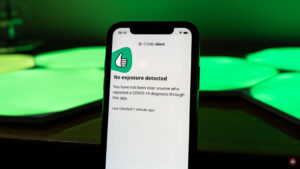

 As usual, this comes from
  This is the really worrying bit.
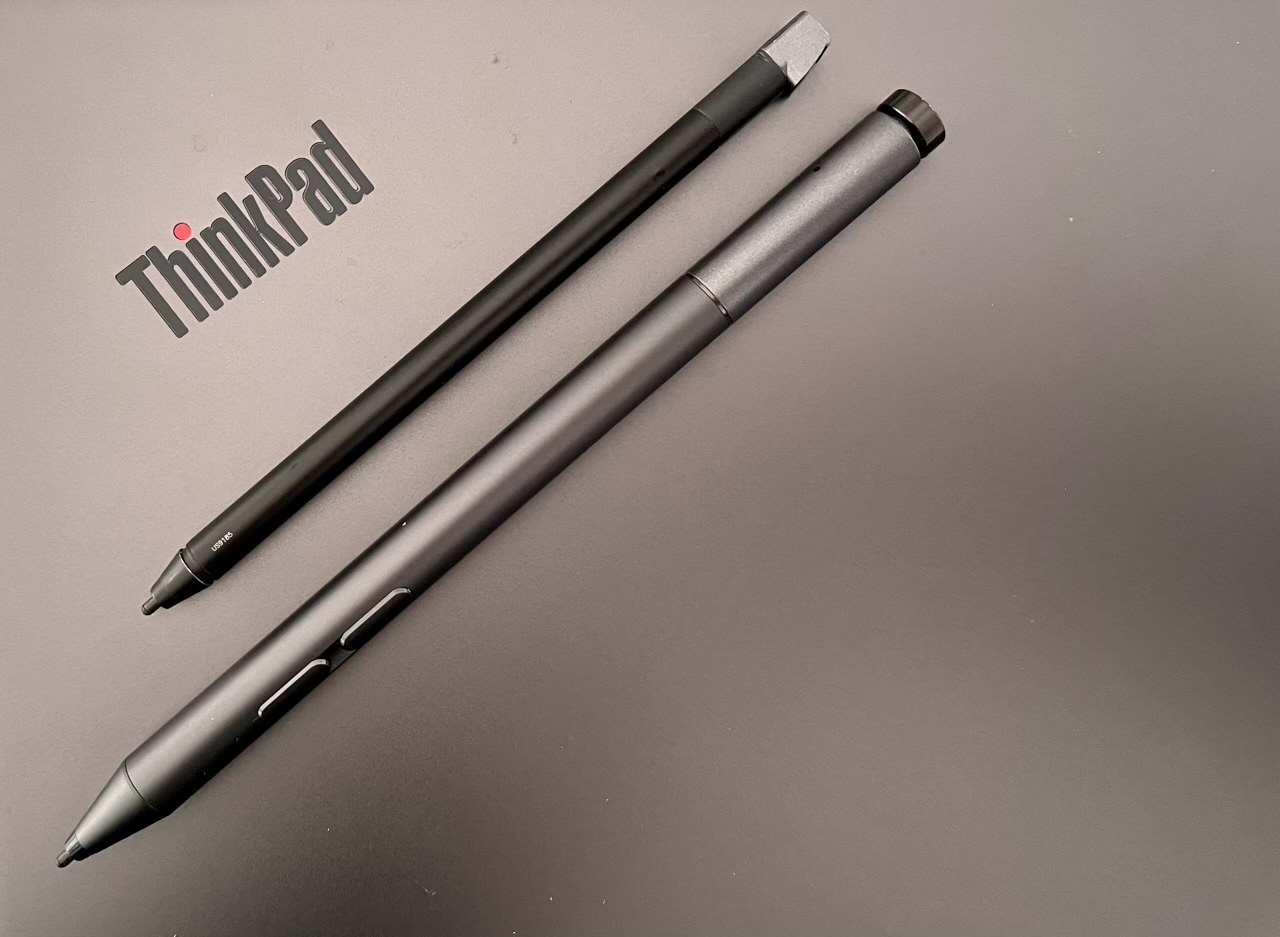


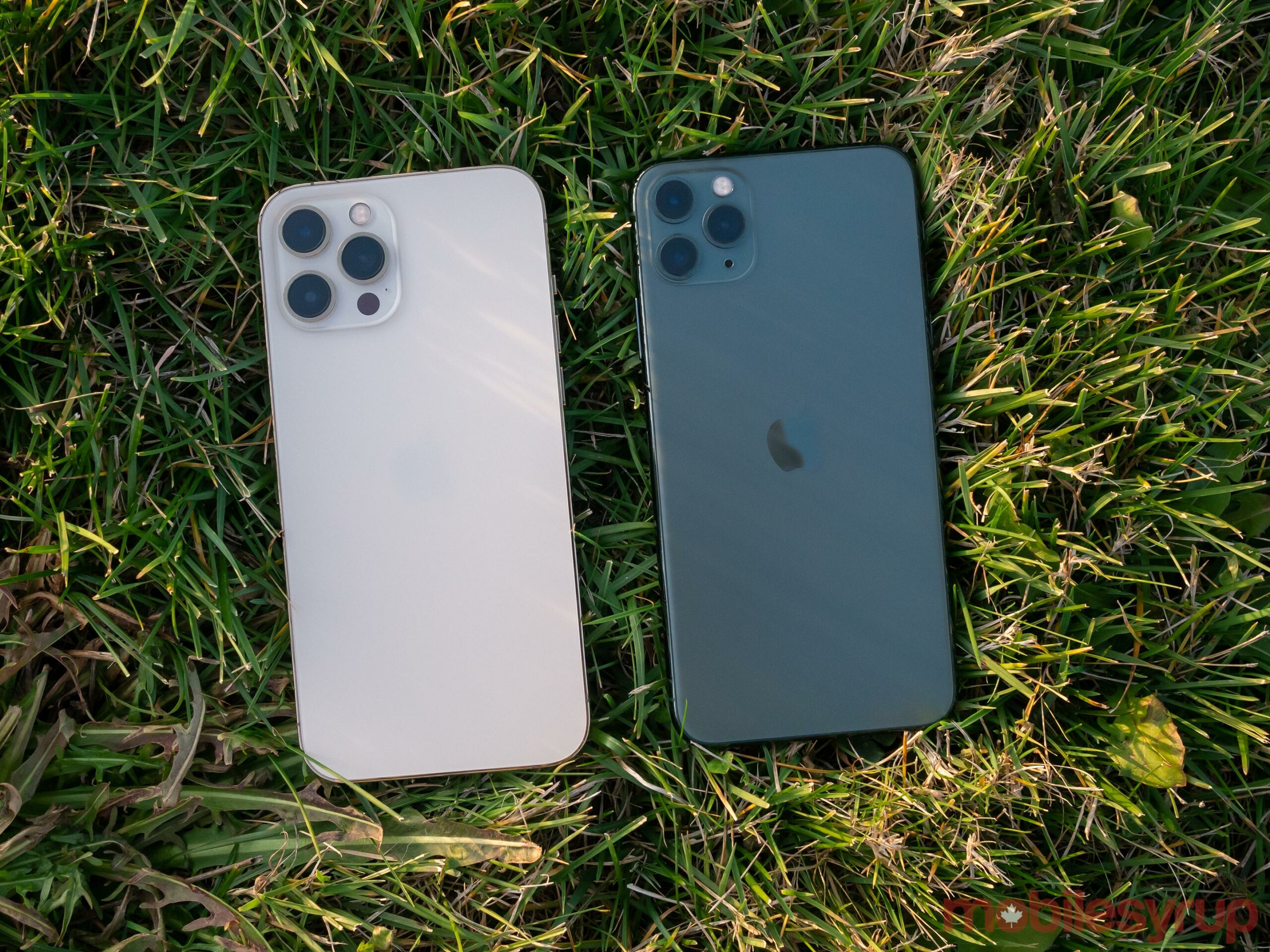








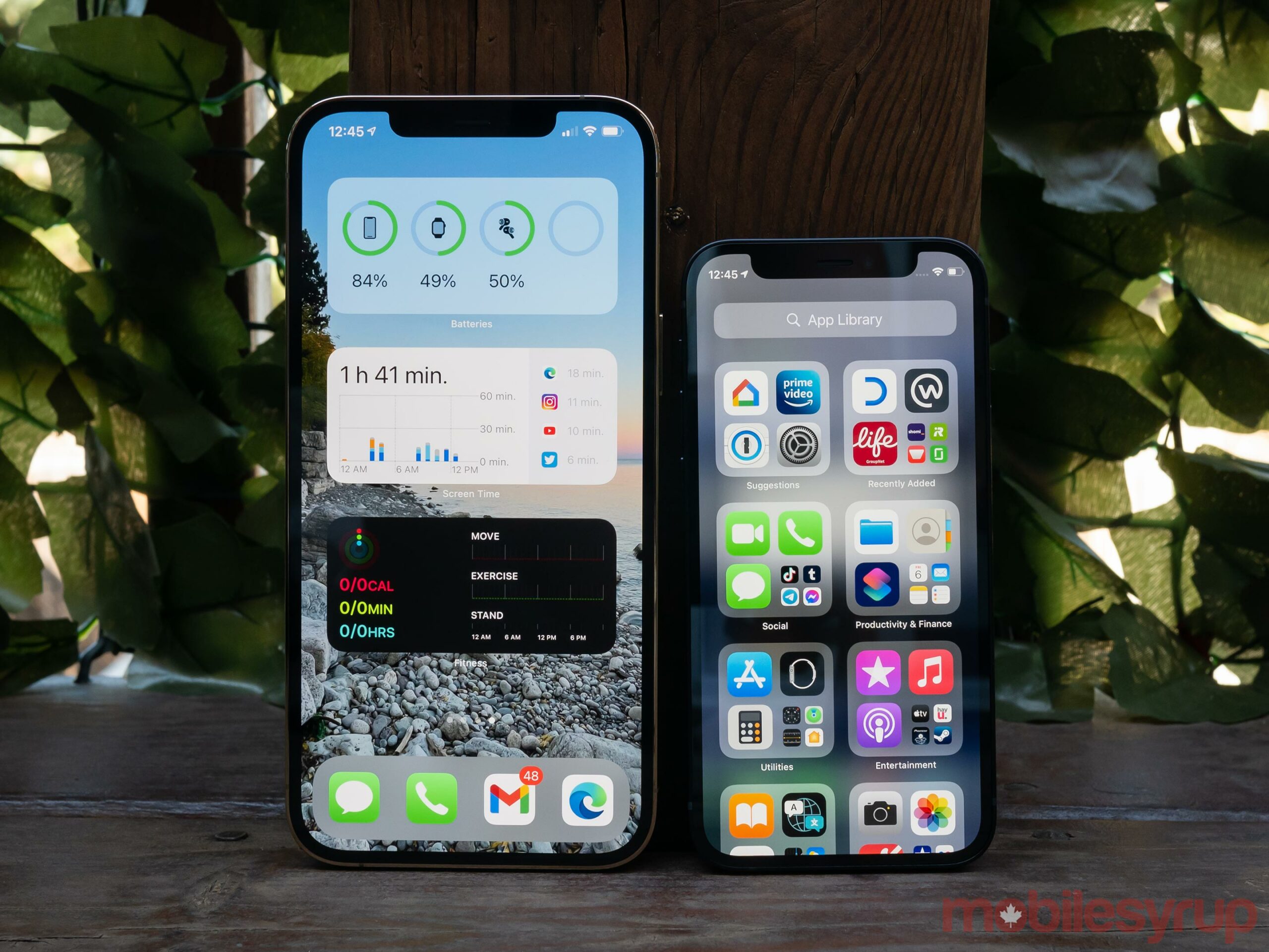





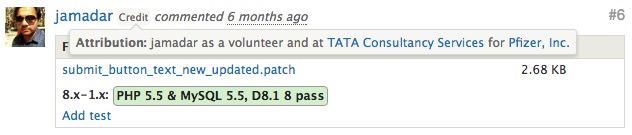
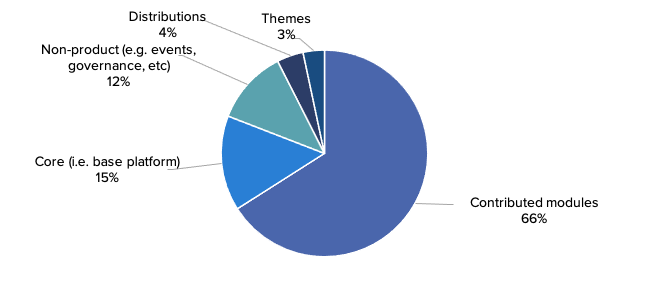
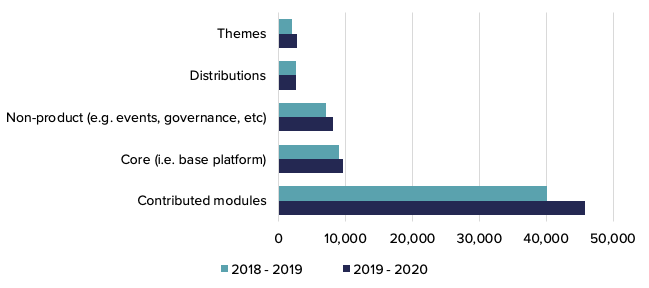
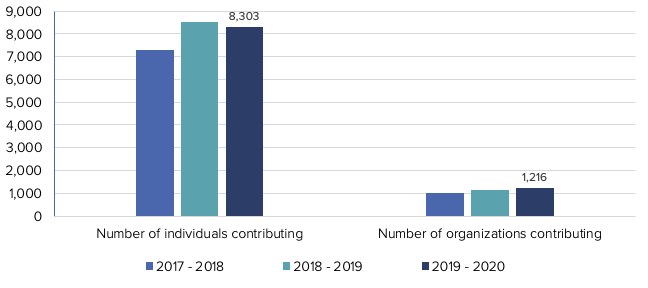
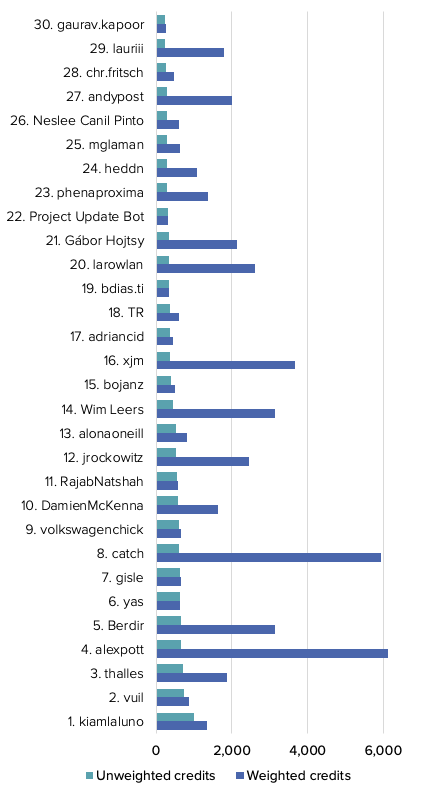
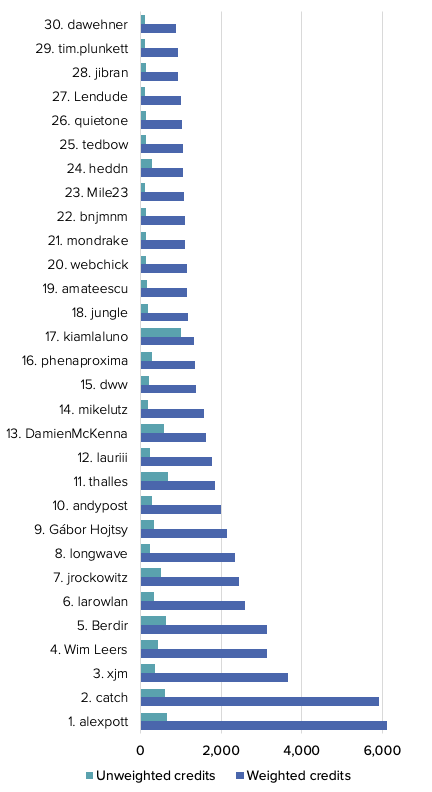
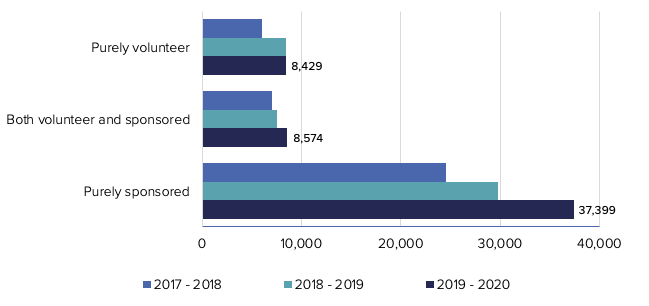
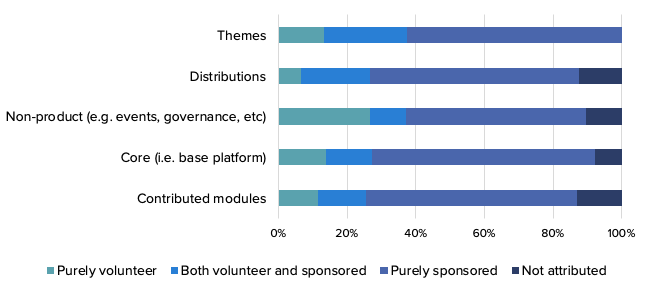
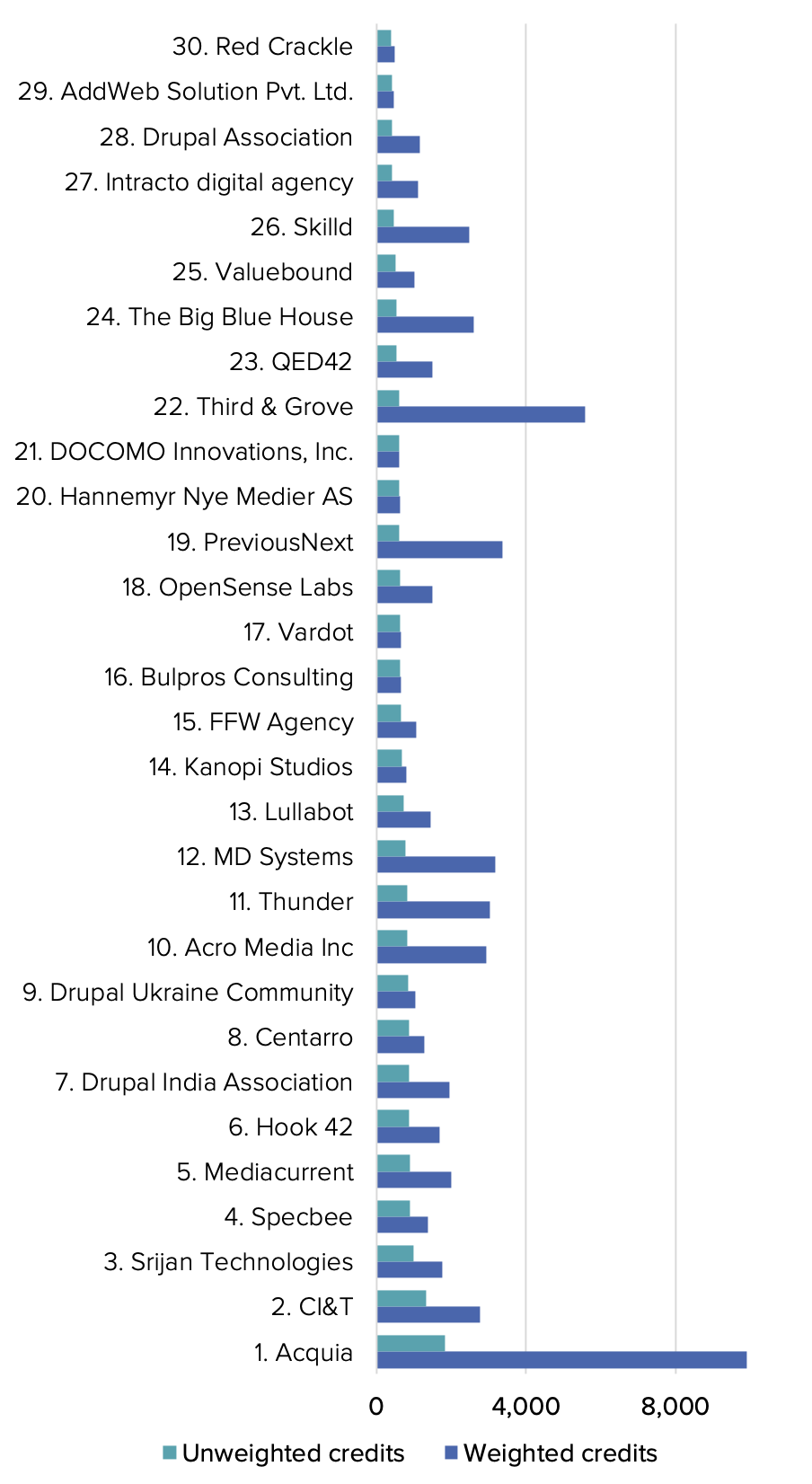
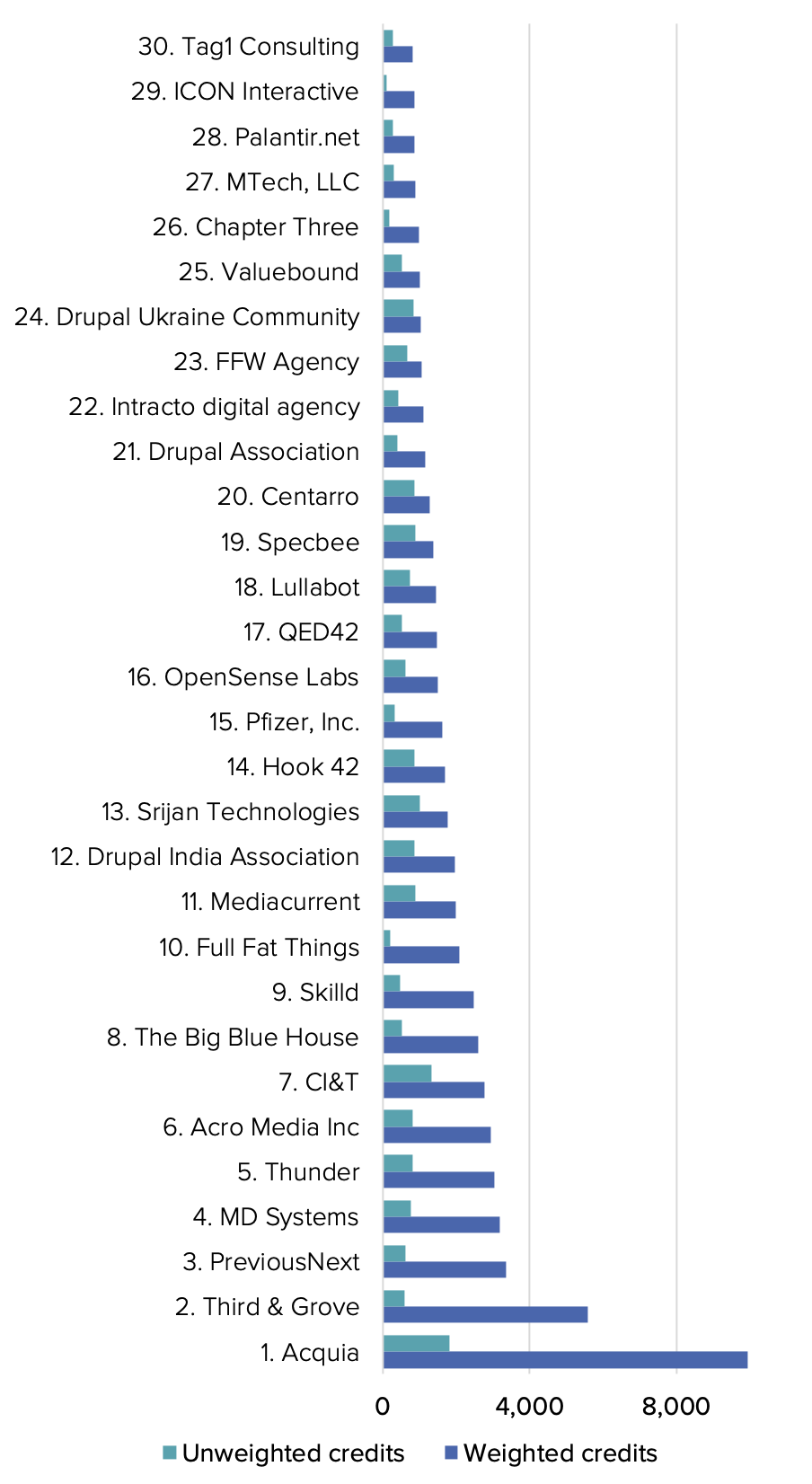
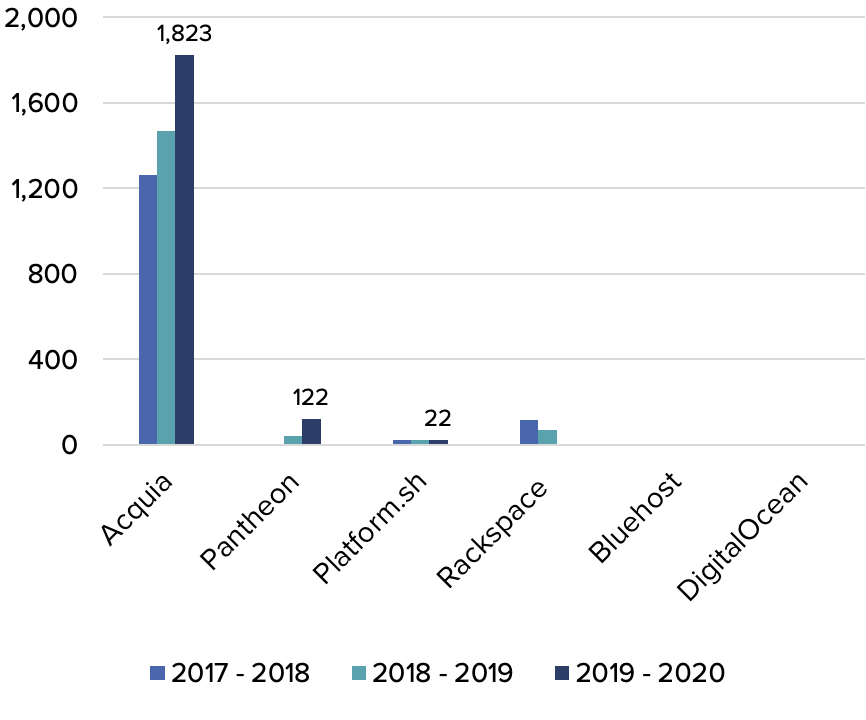
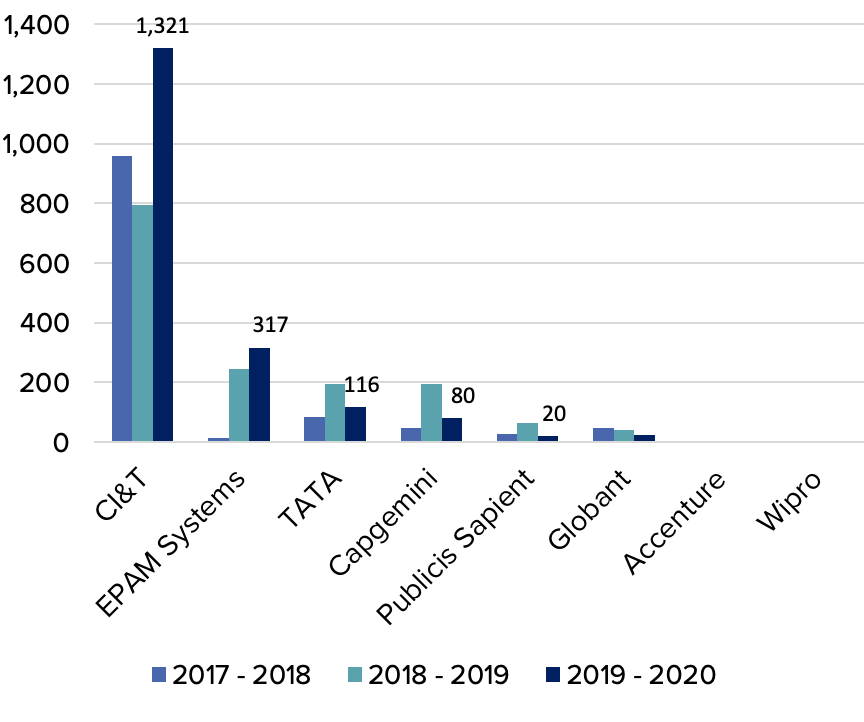
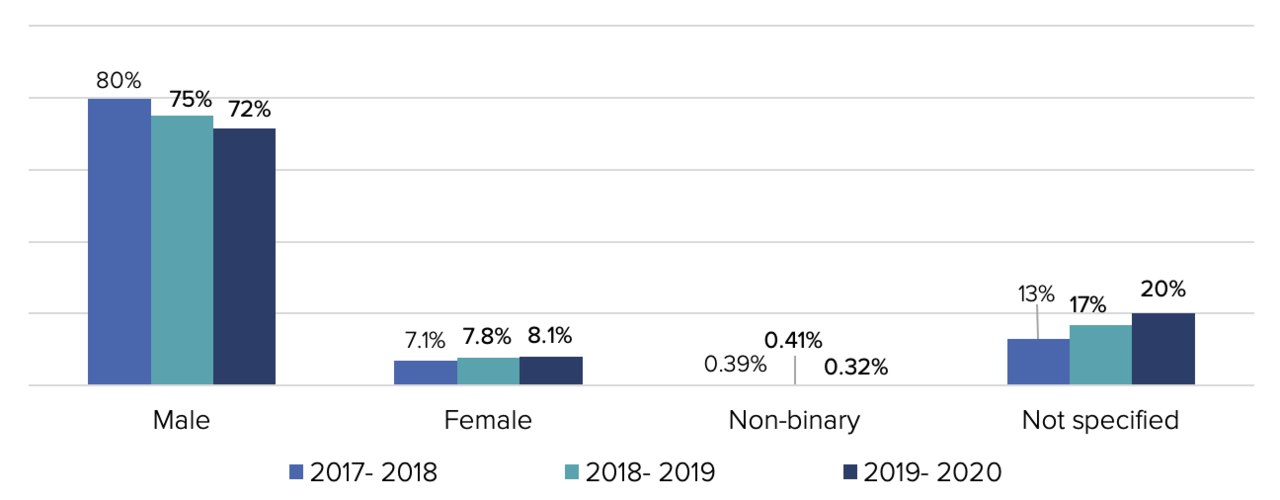
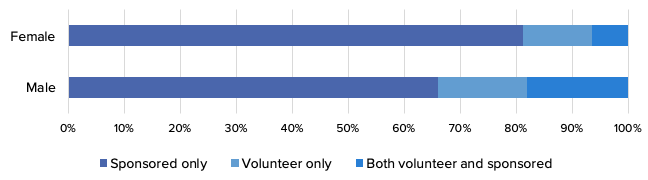
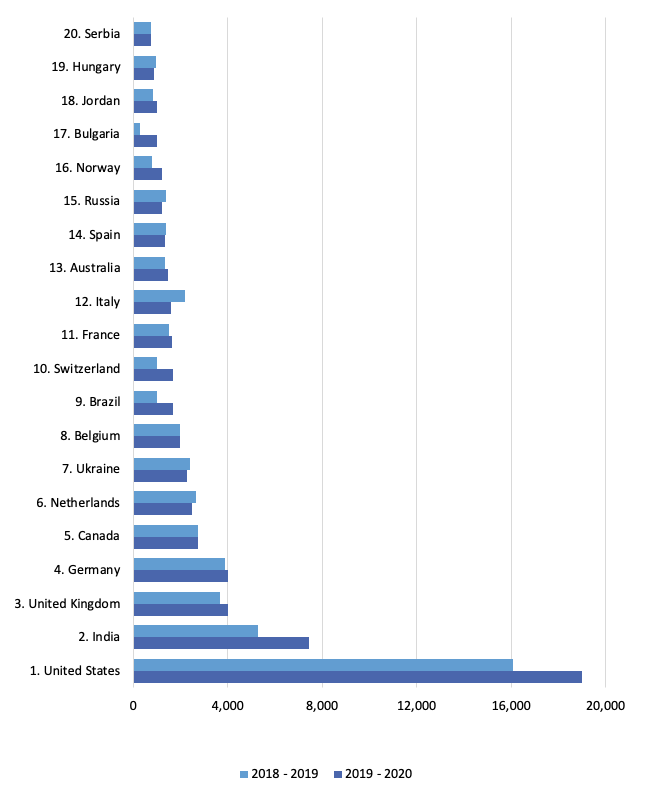
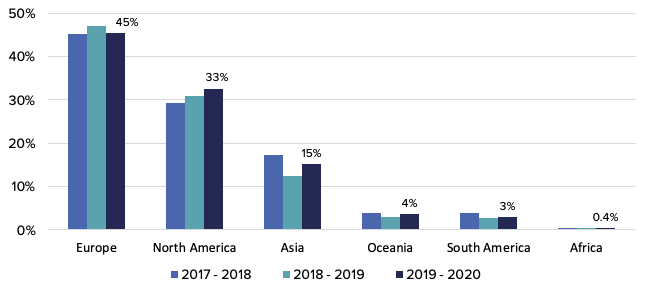
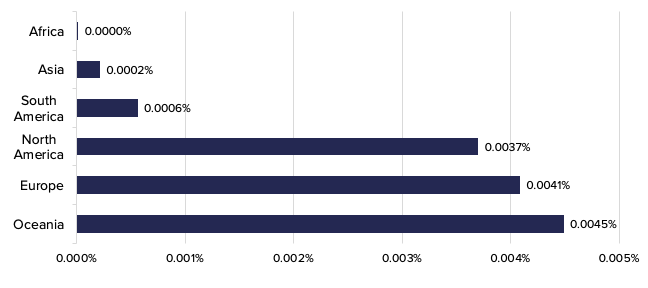




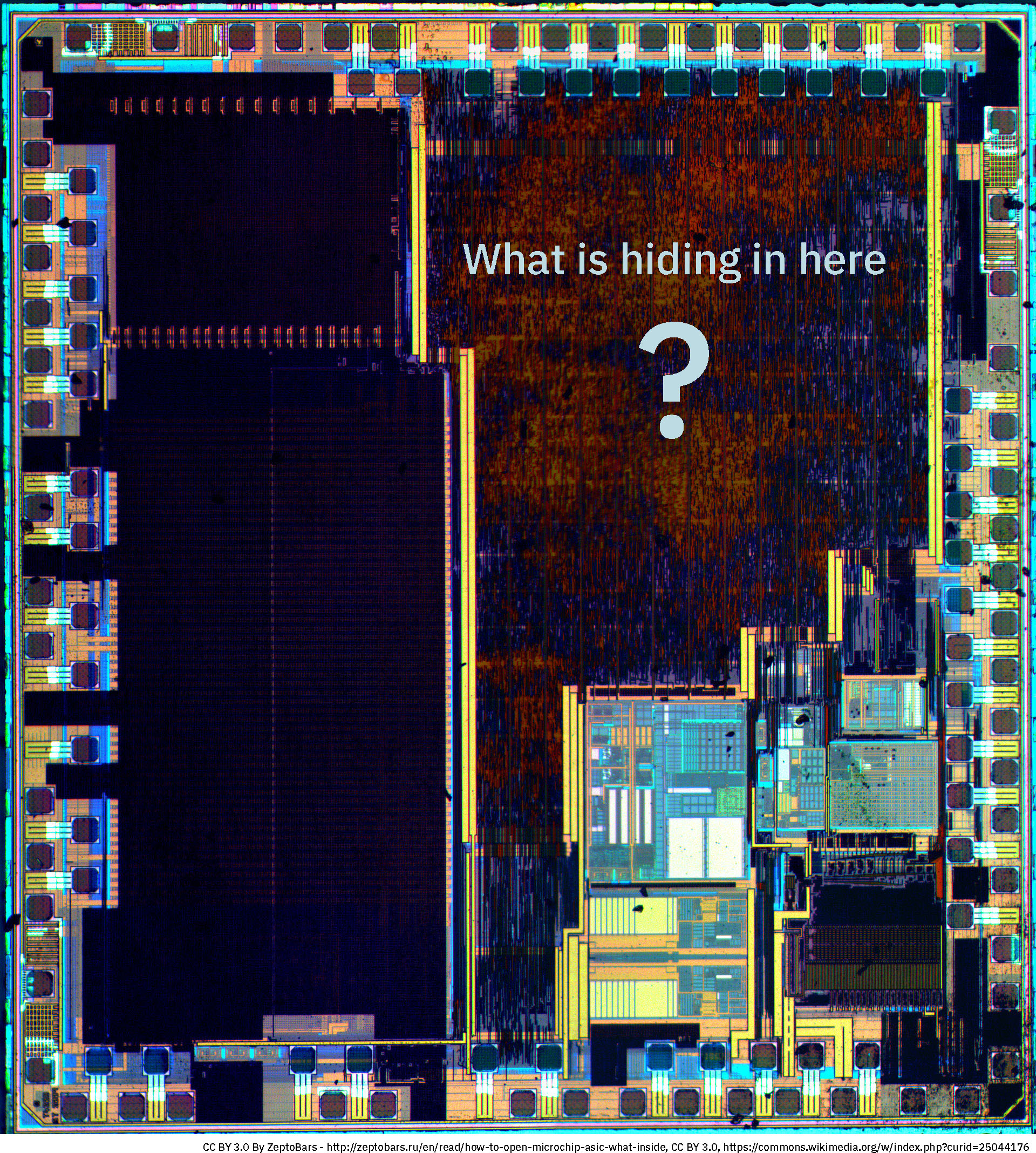

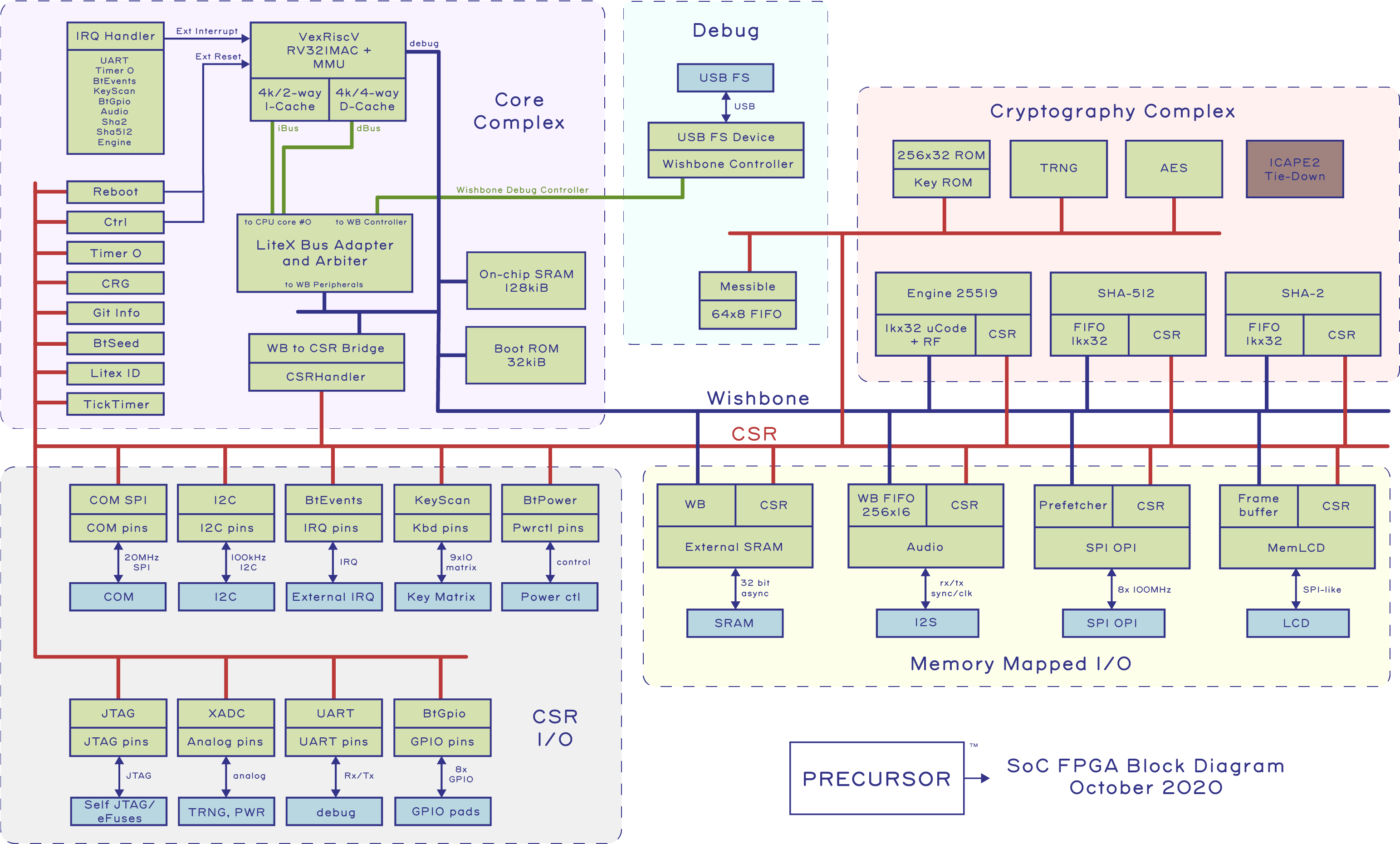
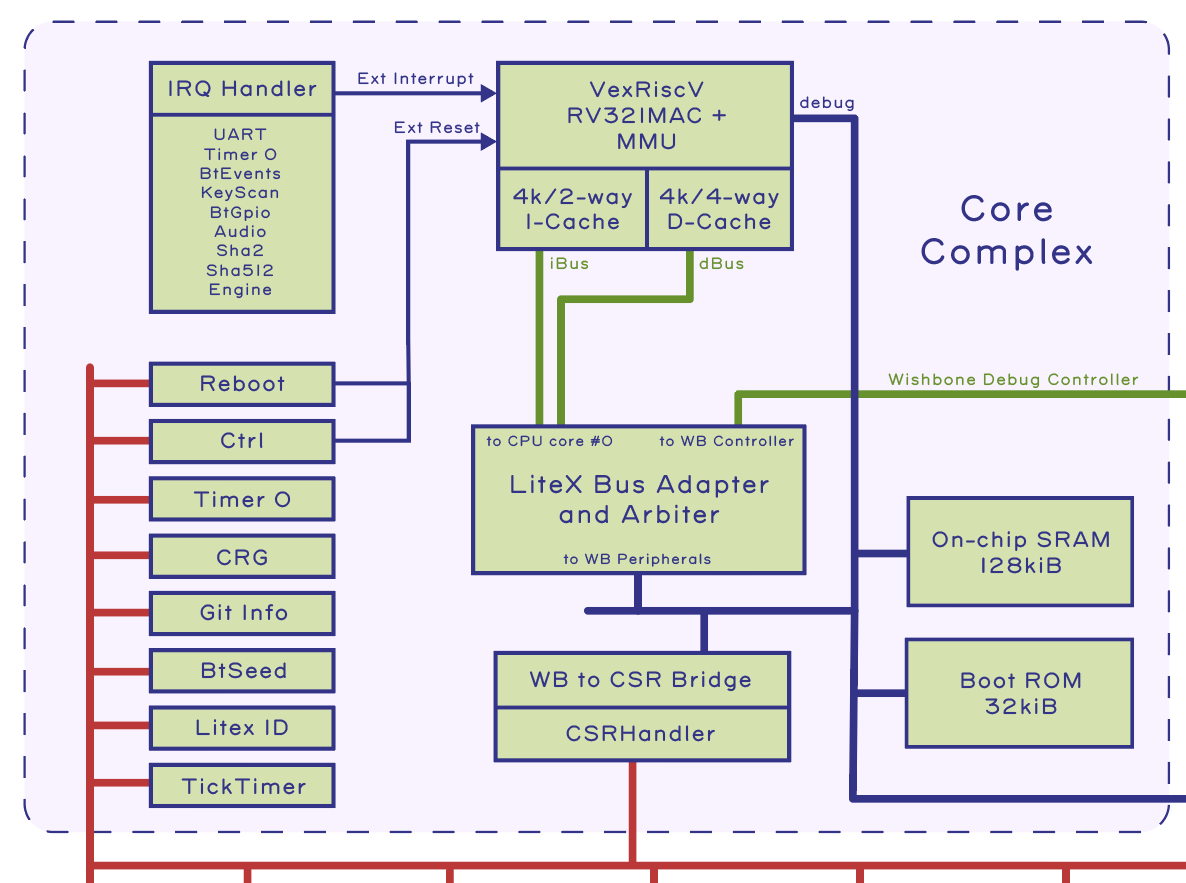
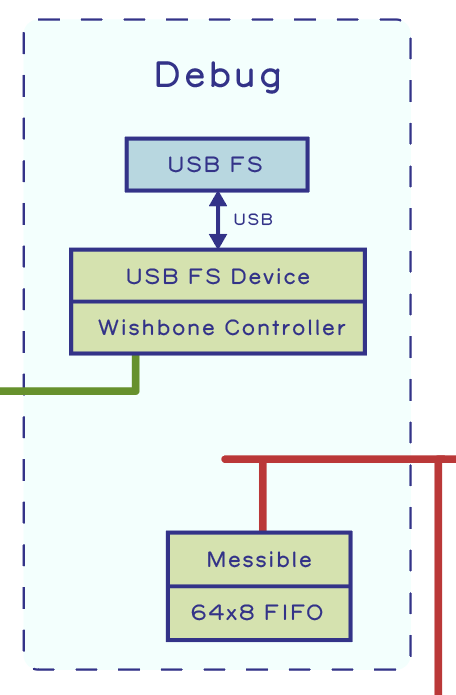
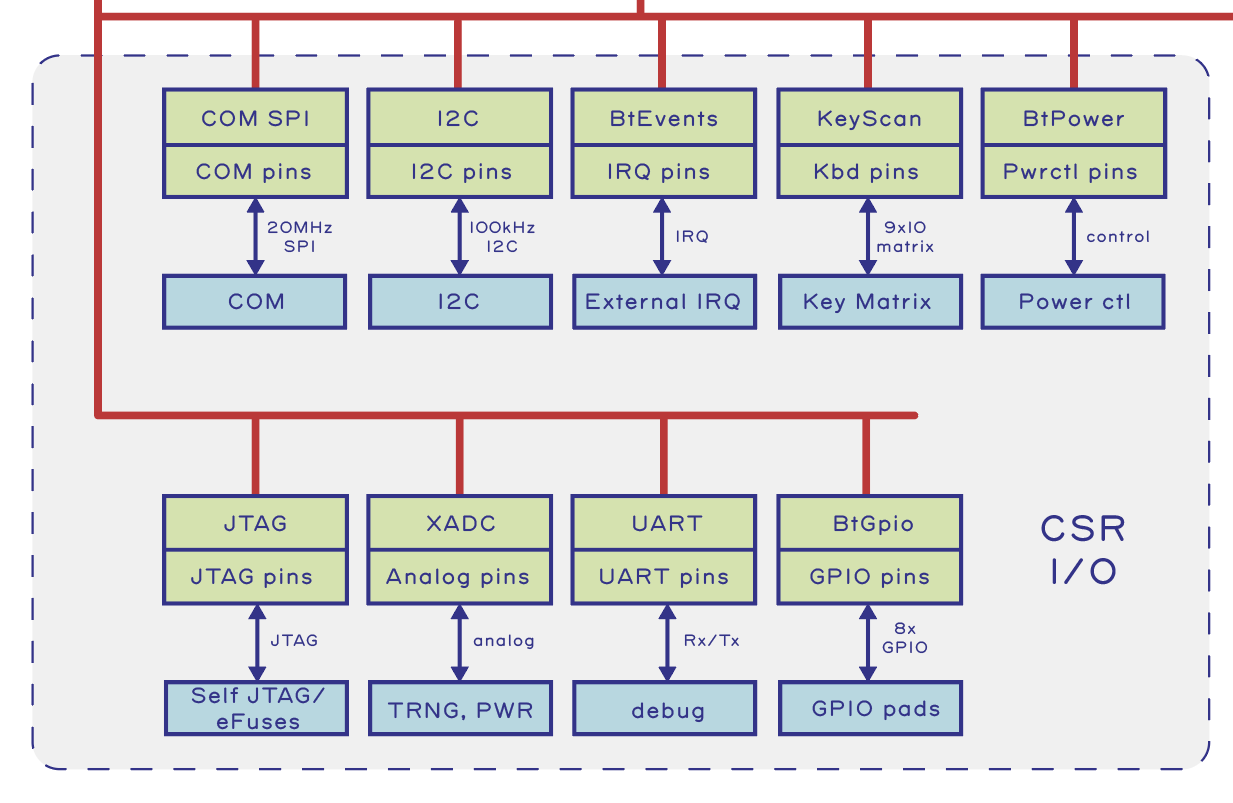
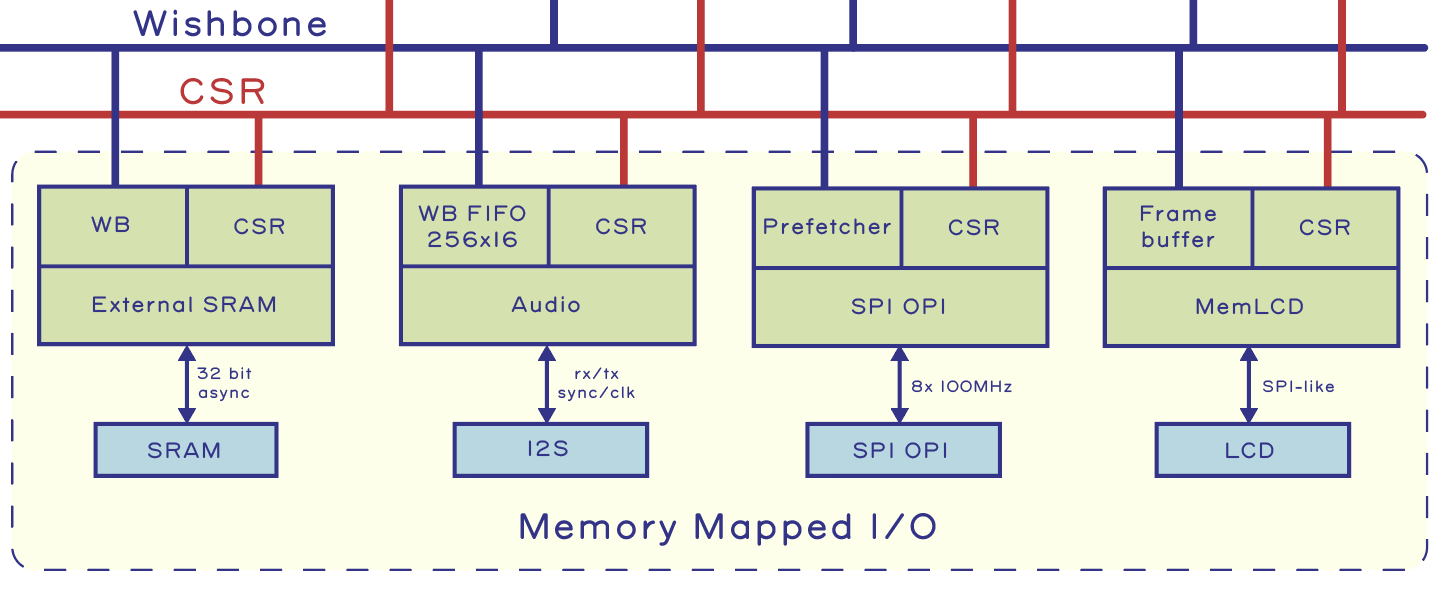
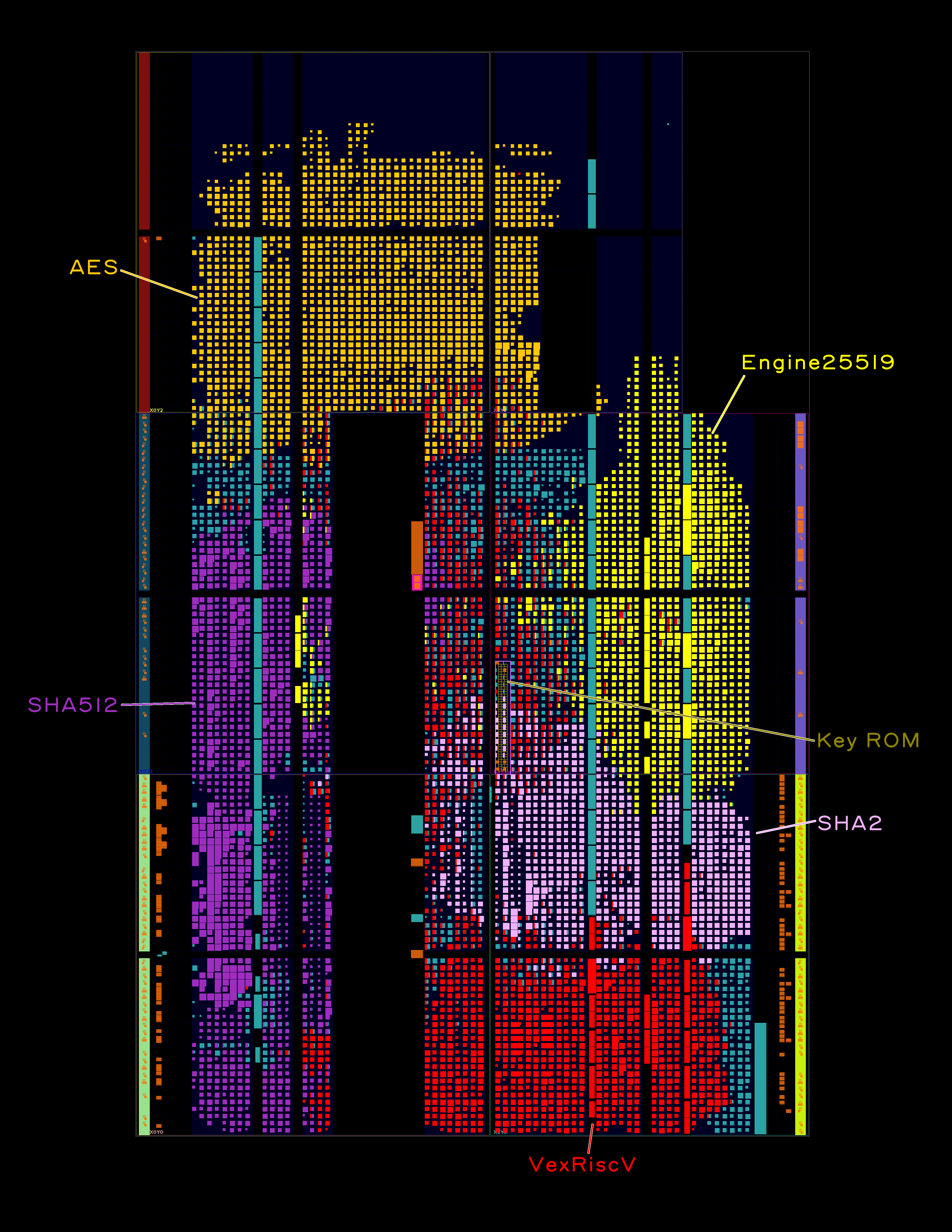
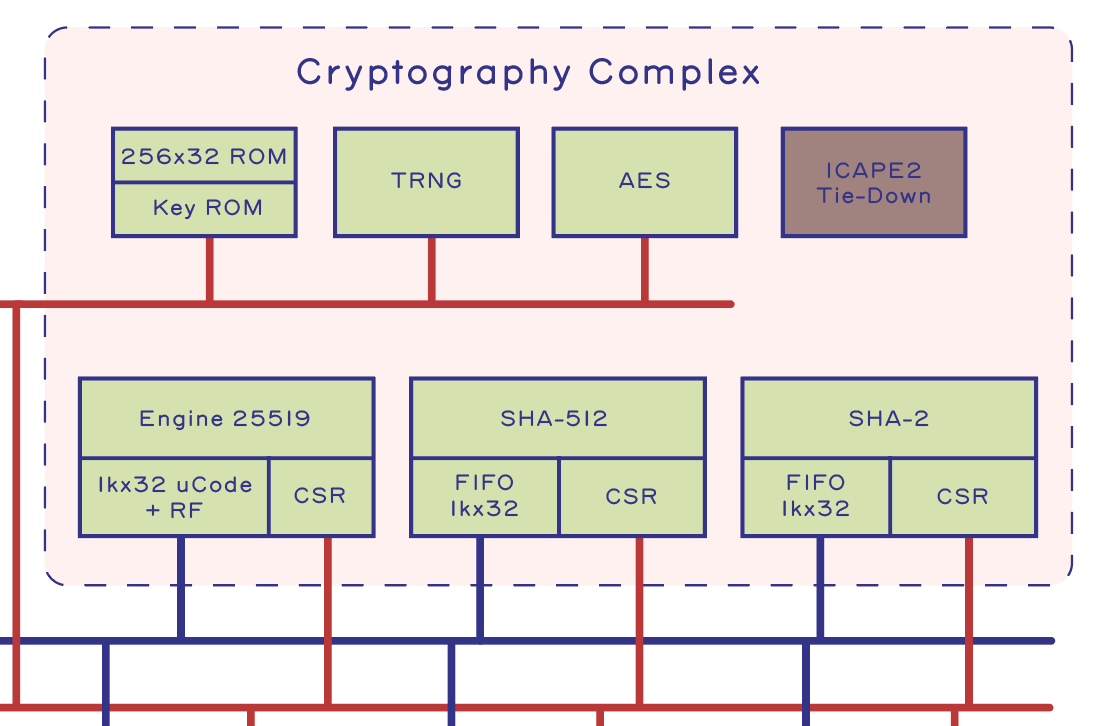


 Fefes Blog.
 Das Kraftfuttermischwerk.
