:: A few Sunday Tidbits for you :: A lovely flash fiction story on what Cassandra also saw that she did not tell the Trojans about… 2017 in (potential) Bright Comets :: If you don’t already have Astro Bob on your RSS Feed / Subscription, you should. Stephen Hawking on This is the most dangerous... Read more »
So I have actually already whitelisted Wired – as the screenshot shows – but instead of showing me the page I get the appeal. Again. Which I have already answered.
Yes you are whitelisted. I will put up with your ads. Show me the content, dammit!
Editor’s Note: This post is contributed by Sean Konieczny, a tech entrepreneur and extensive traveler. While in Asia, he settled in Beijing and co-founded a digital health data company to provide precision healthcare services that correspond with user health data.
For the past few decades, Silicon Valley has been the global innovation hub. To think that this will last forever, however, is ludicrous. Just as history has proven, the world’s “center for innovation” cycles from place to place – just as Babylon changed the world, eventually so did Alexandria, then Ancient Greece, and then Berlin. These cities are just some of the places throughout history that have taken form of a “Silicon Valley”. History will repeat the cycle, and sooner than we think.
The next Silicon Valley will be a city much deserving of the title. It will take a special combination of developing skill sets, growth velocity, infrastructure, location, and put plainly, good timing. Some candidates are places like government-backed Singapore, renewable energy leader Munich, intellectually and academically centered Boston, progressive and aggressive Bangalore, and even the high-tech and fast transforming city of Rio de Janeiro. They’ve all shown to be solid candidates for a future epicenter of innovation.
With all these places filled with opportunity, the future of innovation on a global scale seems bright but which candidate will take the title? The answer is Shenzhen, China.
From fishing village to global powerhouse
35 years ago, Shenzhen was just a fishing village across the border from Hong Kong. In 1979, just one year after Deng Xiaoping became China’s paramount leader, he designated the village of Shenzhen as a “special economic zone”. This would be the first test of capitalism as the Chinese economy began to liberalize.
In 1983, the worldwide sales of personal computers grew by 73% and the technological shift began to station itself in Silicon Valley. Meanwhile, in the East, the fishing village of Shenzhen was radically changing its infrastructure. The city grew faster than any other in the history of civilization, as it went from a population of 300,000 to over 10 million in the time of a single generation. Shenzhen quickly became the incubator of technology for China.
Since the transformation, Shenzhen has acted as a round peg in a square hole, forcing China to think differently. Simply put, the manufacturers make new products, introduces new business models and consistently remains on the cutting-edge of technology. Shenzhen got its economic start by manufacturing products for foreign companies but quickly used its knowledge acquired from experience to start building its own economy. The city has grown not only as a manufacturer but as an authority for innovation.
Many of today’s technological leaders prefer to use Shenzhen as their headquarters. Companies such as Huawei, Tencent, BGI, and ZTE call Shenzhen home. As the city moves to shake its manufacturer label and become an innovator in its own right, it transitions from old to new at an astonishing rate.
People make the difference
The city is in the middle of an upgrade from manufacturing hub to global groundbreaker. With the support from the government, Shenzhen is set to transform rapidly.
According to Shenzhen’s current mayor, Xu Qin, more than 17,000 Shenzhen manufacturers have shut down in the past five years primarily due to the city’s plan for an upgrade. Xu also confirmed that Shenzhen will become a “global innovative center” as the city shifts investments from manufacturing to research and development in the technology sector.
Xu’s goal is to attract more high-end global-based business. Leveraging the city’s entire ecosystem is key. However, it is the people that will ultimately make the difference.
The people of Shenzhen are different from traditional innovators. Many of the existing electrical engineers in Shenzhen are performing well above of their international peers, but without any formal training.They never went to school because they never had to. They were raised building logic boards using spare parts from factories.
The gap of academic knowledge for most of this community actually plays to their advantage. Skills have been adopted primarily through real experience, something the traditional schooling system fails to offer. The existing environment breeds creativity and efficiency which are prime advantages when designing and developing new products and business models.
Open source, open innovation
Besides the advantage of experience, Shenzhen has another huge edge over its competitors: its ability to open source. Evolved from its manufacturing background, the city has learned to share technology, creativity, and innovation all in the spirit of creating efficiency. The open-source model has proven to work wonders for a number of companies.
Some argue that open-source is the reason why Shenzhen is beginning to lead the world in selective industries, with virtual reality as one of the best examples.
Minal Hasan, of Silicon Valley venture capital firm K2 Global, said, “I think China will adopt VR way faster than the U.S. because of how the country is structured, and how involved the government is.”
Shenzhen is leading China, an $86 million domestic market, in VR development. Some may argue that VR is the highest potential market in today’s world economy. Judging by the existing infrastructure inclination, Shenzhen will take ownership of the market and Silicon Valley will trail in a distant second.
Industry leading companies are also validating the worth of an open-source model. Elon Musk, like Shenzhen, understands the value of leveraging open-source to drive innovation. In June 2014, he announced that Tesla was removing all patents in the spirit of open-source and “for the advancement electric vehicle technology.” Musk’s goal is to advance an industry as an existing leader, not to slowly beat down smaller, less resourceful competitors through patent battles.
Musk isn’t the only one in the valley that’s leveraging the model. Microsoft recently joined the Linux Foundation as a Platinum Member to leverage the open-source operating system and build products beyond previously untouchable limits. Google, a leader in software and web search, has opened its Scholar platform to allow anyone to contribute to scholarly journals, as well as many other resources in their ecosystem. The open-source model has also been adopted by rising entrepreneurs and pioneered by crowdfunding with platforms like Indiegogo, Kickstarter, and Bountysource.
Imagine the difference it makes when not just a single company, but an entire city adopts an open-source model. Shenzhen is not only dipping its toes; they have been growing with this model deep within their bloodstream. This will be a determiner for the transformation from Silicon Valley to Shenzhen as the leading city for innovation.
Silicon Valley is slowing down
The Western world, in contrast, has traditionally been known to try to control the economy and create high barriers to entry. Silicon Valley is the perfect example. The start-up environment in Silicon Valley resembles one of a fraternity.
As an entrepreneur, maybe you can bootstrap your idea and hustle your way with a small team to an office conveniently located next to a food truck in Soma. Although, in order to scale enough to make a dent in the market, getting funded to gain broader resources is often necessary.
The group of venture capitalists in Silicon Valley is small, tightly-knit, and has a very exclusive selection process. With the existing system in Silicon Valley, the investors are the ones who have control of how technology is developed, applied, and distributed to the general public. It’s an underlying, silently controlled economy.
In parallel, companies like Apple and Samsung are constantly in legal battles over who patented rounded rectangles and 4.7” screens. For many companies, the business model and contributed value are strictly generated from patenting. Unfortunately, this causes many Silicon Valley companies to allocate heavy spending for lawyer fees and court battles – a huge distraction from the importance of innovation.
Factors for a paragdigm shift
In order for Shenzhen to make the most of this opportunity, there are two vital factors:
Shenzhen must never forget that consumers love quality, design, and purpose of products. The city will need to shed much of its manufacturing mindset and begin recognizing itself as a leader in design and as a global innovator. With this mindset and stereotypical shift, Shenzhen can become the new powerhouse of innovation and the technological world.
Silicon Valley must fail to demilitarize the traditional model of the Western intellectual property and a patent-packed ecosystem. Silicon Valley’s current infrastructure and value model were built for traditional innovation. It will be very difficult for the community to completely transition to the new, open-source structure. This is good news for Shenzhen.
Filled with experience, history, and dedicated drive, Shenzhen is on the verge of achieving greatness. The city has the chance to become the next epicenter of innovation. 2017 will be an important year to prove itself.
No matter where the next Silicon Valley is, it will be an upgrade. The new norm is a flexible ecosystem of exponential ideas and open-source innovation and Shenzhen has an incredible head start.
If there’s a downside to being a polymath is that everything looks interesting. If I don’t control myself (and I have to be quite strict about this), I can easily spend hours down the rabbit hole of Twitter and Facebook, or the depths of the internet. Distractions come easy to me, sad as this may sound. However, there are a few things I do purposefully to be able to focus. I am going to share these in this post. But first, a bit of background.
Photo credit: Michael Dales, Creative-Commons-Licensed on Flickr
I was showing my Mom last night the gift I got from one of my administrative assistants (a collection of Herbert Von Karajan directing Mozart, Chopin, Brahms and a few other composers’ works). Normally, I use classical music to write, and other types of music to do different tasks. This conversation with Mom made me realize I need to engage in actual “hacks” or “tricks” to force myself to focus. Focusing isn’t something that comes naturally to me, I’ve developed it through hard work (so much so that last year, my Word of the Year was FOCUS)
Here are some hacks I use. Some of them may be quite obvious, and simple, but they do work for me.
1. I physically close my laptop for at least 30 minutes every morning.
As anybody who reads my blog or follows me on Twitter knows, I wake up every single morning at 4 am to start working (usually, writing). Most of the time, I write in an uninterrupted 2 hour block. I have been doing this for quite a few years now, and this strategy works well for me. Obviously, I am as tempted as anyone else to check my email or Twitter as soon as I wake up. I fight this urge with all my might. So I use a simple trick: I close my laptop and leave my working materials on a clean working surface every morning. Doing this allows me to free-write by hand, or read a journal article, a book or a book chapter, and highlight and scribble notes on paper (be it on the margins of the paper or in my Everything Notebook).
To force me to focus I purposefully close my laptop and leave it closed for at least 30 mins every morning. pic.twitter.com/oF5KuRMleX
Closing my laptop and clearing my desk forces me to do something that is NOT reading Twitter, Facebook or sending emails. 30 minutes of focus on non-computer-related tasks does wonders for my concentration. This effort often pays off by actually helping me concentrate further.
I know that if I allow myself to be interrupted during a task, I will always be interrupted. So I set up a timer and I set it at 30 minutes. Contrary to the Pomodoro method, which establishes that you should work for 25 minutes and force yourself to take a break of 5 minutes, I let my brain continue working if I’m still concentrated. From my own experience, my brain starts to wander after 90 minutes, so if I can concentrate for 30 minutes, chances are I’ll be able to go for 45, 60, 75 or 90 minutes non-stop. The lower limit for me is always 30 minutes, though.
I’ve always advocated that even 15 minutes helps, so you can do the same as well (e.g. concentrate for at least 15 minutes). This focused, concentrated time is what Cal Newport calls “deep work”, and Srinivas Rao calls “uninterrupted creation time“.
Touch One Time rule, RPV edition: read summary, find main ideas – rhetorical précis or memo, labelling, filing pic.twitter.com/yKn55HhS52
I love 80s, 90s and 2000s music, as well as jazz, acid jazz, soft rock and chill-out music. I can work listening to all of these. HOWEVER, if I am writing, I ONLY listen to classical music. That way I can focus easily because I’m not even listening to rhythm (and there are no vocals). I do NOT use opera, because I associate opera with my Mom and my brother, and my mind wanders to happy occasions when we’ve gone to concerts together. I primarily listen to piano concerts, though I’m open to violin and other orchestral arrangements. But for example, when I am writing a blog post, I usually listen to acid jazz or chill/house music. This kind of music is also instrumental but allows me to focus on another type of writing. I’ve also associated classical music with writing in such a strong way that when I am driving to campus and I start listening to this type of music, my first instinct is to want to stop and open my laptop and start writing! (yes, a bit Pavlovian).
4. I tackle a couple of easy Quick Wins, then a more complex/tedious/involved task.
This is something I learned when I was playing competitive volleyball. My trainer would always start us off with drills that would be enjoyable for us, and where we would perform well (for me, this was hitting from the 4th position, and receiving when balls were served against me – I have always been very competent at both tasks). Then he would ask us to focus on a less-exciting task, but one we needed to get competent at. I would usually choose blocking, because that was what I wasn’t really good at at the time. Believe it or not (and I know it’s just anecdata and N=1) but it worked, and my performance with regards to how many blocks I could perform would increase.
I do the same now. Usually, a Quick Win for me is writing a couple of rhetorical precis on a couple of articles, or 500 words of a memorandum of a paper I’ve already highlighted, plus highlighting another article. I love reading and I love highlighting and summarizing articles, those are some of the strong, easy things-to-do that I can assign as Quick Wins, before engaging in a more involved process.
Another Quick Win I use is dumping quotations from one article into my Excel conceptual synthesis worksheet. So, I schedule a couple of Quick Wins, THEN one annoying or more engaging task. That usually engages me for the rest of the 2 hours block (and even if it’s just re-arranging or line-editing or free-writing, that one task feels a lot more rewarding).
5. I set specific deadlines throughout the week (by day) and throughout the day (by the hour), and reward myself when I comply with them.
For example, if I know that a student of mine needs a letter of reference, and I know for a fact that the deadline is a specific day, I set myself up to finish writing the letter BY 4PM OF 24 HOURS BEFORE THE LETTER’S DEADLINE. Or for example, if I’m feeling unfocused but I know that I have a meeting with a colleague, I read everything they expect me to read and/or finish whichever task we agreed upon by at least 3 HOURS BEFORE the meeting. That way, I feel like I accomplished stuff, and I don’t let myself feel overwhelmed. I think to myself “well, if I finish reading this piece by 11am, I can go for a quick walk around campus, and be ready for my 2pm meeting“.
6. I set the menial tasks for when I’m low on energy or focus.
For example, I know it’s hard for me to concentrate right after lunch (and I try hard to eat a small amount of food every 2-3 hours). Thus, I normally set my To-Do list to finish menial tasks (what I call, The Grunt Work). Cleaning references in Mendeley. Sending emails to set up meetings. Clearing my desk and sorting and filing (using the Four Tray Method I wrote about a few weeks back).
As I’ve said, concentrating and focusing is hard for me too, so hopefully the strategies I use will be also useful for you if you, like me, have a hard time with concentration and focus!
Here's a handy guide to the best selling fitness trackers of the year. All of these fitness trackers offer excellent ways to track your bike rides and all associated stats. Post includes unboxing and set up videos.
Law enforcement agencies around the country have been expanding their surveillance capabilities by recruiting private citizens and businesses to share their security camera footage and live feeds. The trend is alarming, since it allows government to spy on communities without the oversight, approval, or legal processes that are typically required for police.
EFF is opposing new legislation introduced in California by Assemblymember Marc Steinorth that would create a tax credit worth up to $500 for residents who purchase home security systems, including fences, alarms and cameras. In a letter, EFF has asked the lawmaker to strike the tax break for surveillance cameras, citing privacy concerns as well as the potential threat created by consumer cameras that can be exploited by botnets.
This is Kits Beach “It’s between the parking lot path and the Boathouse restaurant, due west of the tennis courts” (Anthony Floyd). The picture was taken by me on Monday January 9, around lunch time – and posted to Twitter. In fact this entire post is crowd sourced from Tweetdeck.
In the summer there are signs on both sides of the concession building asking cyclists to dismount due to the heavy foot traffic between the beach, bathrooms, changing rooms, concession, first aid/lifeguard station, restaurant etc.
This is a crop from the official bike route map of the City of Vancouver – and the picture was taken just to the right of the letter k in “Kitsilano Beach Park” (courtesy Jens van Bergmann)
This is like putting “no driving” between the road and parking lot. (Anthony Floyd)
“No cycling” sign on official bike path? Can we please get this sorted out (Jens van Bergmann) to the City and the Park Board
The City responded “Thanks guys! I’ve sent an inquiry over to Active Transportation team via case 8965477! ^BP” – and once we get a response that will be added here
Incidentally while I was sending the picture and caption to Instagram I saw someone cycle past the sign, blythely ignoring it. There is another sign like near the path to the beach and the Biennale’s chair exhibit.
And one comment might be worth noting from Instagram user Colin M Stein “Misquoting Jack Nicholson’s 1989 Joker: “This Park Board needs an enema.””
UPDATE
This is by the entrance to the Parking Lot of the Maritime Museum.
If you’ve been keeping up with the latest advancements in technology, you’ve probably heard the news that self-driving or autonomous cars are taking over the roads. While major companies like Uber, Google, Tesla, Nissan and more are jumping head first into developing cars capable of driving themselves, the public remains a bit hesitant.
The uncertainty that many people feel about autonomous vehicles isn’t unwarranted. From fear of losing jobs to safety concerns, many people are wondering if self-driving cars are really the right way to go.
With the invention of the car came the invention of the car accident. Soon after the Model T took over America’s roads, car-related fatalities soared to nearly 20,000 a year and have remained within a few thousand ever since. When drivers are distracted, accidents are bound to happen. Handing over the steering wheel to a computer, according to tech companies, may be a way to finally reduce the five-figure annual death tolls.
Not even those companies selling self-driving vehicles are arguing that driving deaths will be totally eliminated. Mistakes can happen with both humans and computers; it’s fair to wonder how autonomous cars will respond to unexpected scenarios.
The problem here is that when you get in your car and need to avoid an accident, you react to the situation at hand. If you were in completely self-driving car, the situation requires the car to make a decision. A decision requires forethought. This leads the ethical dilemma surrounding self-driving cars. Cars could soon choose between hitting a bystander, taking the brunt of the blow (potentially risking the lives of it’s passengers) or sacrificing the few in favor of saving the majority, also known as the Trolley Problem.
Autonomous cars also pose the question of who would be responsible for an accident? Will the owner of the vehicle be to blame if something goes wrong, or does the manufacturer take the fault? The answer to this question will differ, depending on the degree of automation.
The National Highway Traffic Safety Administration recently released a set of standards that each self-driving vehicle must adhere to. These rules and regulations differ depending on where the vehicle falls on the automated driving system scale, with Level 0 being a standard car where a human is entirely in control and Level 5 indicating that the vehicle is completely driverless, even in extreme conditions.
With minimal autonomous features like cruise control or power steering, most of our driving experiences stay around a Level 1 or a Level 2. At these levels, the driver is still in charge of the majority of the vehicle’s functions. However, the new self-driving vehicles being developed are at a Level 3 or a Level 4. Unfortunately, many people operate their Level 1 or 2 car like it is a Level 3 or 4 car. One needs only to turn to YouTube to find proof of people ignoring the road while behind the wheel.
Human drivers aren’t perfect, but neither are human programmers and engineers. Automating something as complex as driving will never be perfect. Thinking through the ethics and accountability scenarios for self-driving cars should keep pace with technological development. Are we really ready to put our safety in the same hands as companies who struggle to create cell phones, apps, and programs that don’t malfunction? With so much hesitation around self-driving vehicles, we may be better off if they don’t get rolled out at all. However, we know that won’t be the case.
Most people though, remain suspicious about the helpfulness of self-driving cars. “The handoff” from the computer to a human driver can be a dangerous few seconds. If you’re traveling down the highway at 55mph and your car alerts you, how quickly can you take the wheel in an emergency situation?
As you read that last sentence, did you think of a response? In that time you’ve lost precious seconds. If you do that while driving the problem compounds itself. While you may think it’s no big deal, remember it only takes 4.6 seconds at 55 miles an hour to travel the length of a football field. Your reaction would have been immediate in a regular car. While you think this could lead to the demise of the autonomous car, it will actually create a push for more advanced Level 5 cars.
As most of America warms to the idea of letting algorithms take the wheel, there remains a sizeable portion of Americans who have good reason to resist autonomous vehicles. People who drive for a living — from taxies to semi-trucks — are worried what this could mean for their jobs. With the introduction of self-driving trucks that can eliminate the restrictions surrounding human drivers, truck drivers fear that their jobs may be replaced.
Cab drivers and Uber drivers also worry they will find themselves out of a job if autonomous vehicles really begin taking off. Uber is already expanding their self-driving fleet to other cities. It’s only a matter of time before unemployment becomes the unfortunate reality for taxi and truck drivers.
The fact of the matter is, humans aren’t perfect. The irony is, some people think that an autonomous car, programmed by a human, will perform correctly 100% of the time. There will always be a margin of error. With the ethical dilemmas and job loss surrounding these vehicles, are they really the road to the future we want to travel?
Megan Ray Nichols is a freelance science writer. She’s a regular contributor to Datafloq and The Energy Collective. Megan also writes weekly on her personal blog Schooled By Science where she discusses the latest news in science and technology. Subscribe to her blog for the latest news and follow her on Twitter, @nicholsrmegan, to join the discussion.
Right now, Project Prox is taking shape as a mobile-first application on iOS. Starting with your location, we look for interesting places and events near you. That’s where our focus is at the moment — the here and now.
Yes, there are also other parts to this story too. But we’ve decided that focusing on this part of the “Traveller’s” journey right now makes the most sense. This was also something we touched on during our Design Sprint. If you’d like to know more (and haven’t already), you can read more about that process here.
The Map from Day 1 of our first Design Sprint
But I don’t have an iPhone… why is it only on iOS?
Believe it or not, “only make this for iOS” wasn’t one of our goals. But with all our constraints, we felt that the iOS platform was the best place to start. We definitely want to expand to other platforms in the future. This came down to a matter of resourcing, time constraints, and the usual like.
It’s important to call out our goal here: to solve real user/people problems. We want to understand the problem space and provide user value through iterative research and design.
Is this something Mozilla should be doing?
When you think about Mozilla, it’s pretty much synonymous with Firefox. But surely that’s not the only way we can carry out our mission, is it?
Our mission is to ensure the Internet is a global public resource, open and accessible to all.
How do we define “the Internet”? It takes so many different forms nowadays. We might know what it looks like today, but what about the future? How will technology influence the way we interact with “the Internet” then?
Not too long ago, Mobile was the future. Now, the web platform itself is growing. Chrome’s Accelerated Mobile Pages, and Progressive Web Apps give us the ability to create new, better experiences for the mobile Web.
If we want to ensure that the mobile Web is also “open and accessible to all”, we need to grow the influence of the mobile Web too. We need to be open to new technology and consider all the different ways people are (and will be) accessing this information.
Ok, so what does Project Prox look like?
As soon as you open the app, we want to provide immediate value. Our goal is to enable easier decisions about what to do or where to go next. So, without even knowing what to start searching for, we want to leave you with a satisfying day.
This should work regardless of whom you’re connected to, because your social network shouldn’t be a prerequisite for getting the most from the web.
For those looking for a less immediate perspective, we also included a “Map View”. This was actually not something we tested in our Sprint. But the intention here was to offer an alternative view for users to give them more context about their surroundings. The goal here was to give users a better sense of spatial awareness.
“Map” — Design mock of an alternate view
Although we never finished it in time for Kona, we still got a lot of helpful feedback that is going to help us iterate and test this more for the next version.
Last but not least, notifications! If you’re nearby an event, we’ll notify you so that you can decide if you’re interested or not. The nuances of notifications makes this helluva lot trickier. But more than anything, we want to be useful without being annoying.
Notifications — Received from Project Prox while I was in the Hilton
Keep in mind, all of this is still a work-in-progress. We’re going to continue iterating with the help of our User Research team until we have something we’re happy with.
What’s next?
All in all, it’s just too early to tell. Kona was our first announcement but we’ve yet to actually launch the product. But we do have a clearer picture of what success might look like for us.
We’re calling this a “V1” — so there’s lots of work to be done still. We’re going to address some of the feedback and bring the product to a level we’re comfortable with calling an MVP before releasing to a larger population. And obviously, it works better in some cities versus others.
We need to get more data and gather more feedback. Improving the experience and releasing the updated product in a larger, denser city will be our next challenge. What we learn there will help us determine the appropriate next steps.
If you’re interested in giving feedback, please reach out!
Project Prox? was originally published in Firefox User Experience on Medium, where people are continuing the conversation by highlighting and responding to this story.
I noticed this too: numerous incorrect (and indeed, impossible) reports that the shooter in Florida had boarded a flight in Canada. What's significant here is that this fake news (for that's what it was) had nothing to do with social media: it originated, was spread, and was not properly corrected by traditional media. Not social media. If young people are spreading fake news, it's only because they are following the example set by the authorities and role models in society. Sadly, some of those same role models argue that they young should not be given the tools of critical literacy, thereby depriving them of any remedy they might have had. Photo: ABC News
On the 10th anniversary of the iPhone’s reveal, Tim Cook, the company’s CEO, says the “the best is yet to come,” possibly hinting at the massive iPhone 8 overhaul that’s expected to be revealed later this year.
This year marks the 10-year anniversary of the release of Apple’s iPhone, the device that brought the concept of a “smart” phone to the masses. Today, however, is the exact date Steve Job’s initially revealed the smartphone’s initial design 10 years ago.
In a recent press release, Apple relived iconic phrases Jobs used when he took to the stage at Macworld 2007 to reveal the iphone.
At the time, Jobs described the new device as, “a widescreen iPod with touch controls, a revolutionary mobile phone and a breakthrough internet communications device.”
Cook said the following in a recent press release Apple sent out today:
“iPhone is an essential part of our customers’ lives, and today more than ever it is redefining the way we communicate, entertain, work and live,” he said. “iPhone set the standard for mobile computing in its first decade and we are just getting started. The best is yet to come.”
Phil Schiller, Apple’s senior vice president of worldwide marketing, as you make have expected, had similar glowing things to say about the iPhone:
“It is amazing that from the very first iPhone through to today’s newest iPhone 7 Plus, it has remained the gold standard by which all other smartphones are judged. For many of us, iPhone has become the most essential device in our lives and we love it,” said Schiller.
Apple’s original iPhone utilized Edge connectivity technology, resulting in it never making its way to Canada. It wasn’t until 2008 and the release of the iPhone 3G, that the company’s industry altering smartphone was finally available north of the wall.
In terms of its original reveal, the iPhone was first shown off on January 9th, 2007. When it comes to release, however, the phone actually dropped on Jun 29th, 2007.
In about 90 days, I’m heading to London, England, to spend my birthday. As you get older, birthdays become less and less important I find, certainly not enough to warrant a huge drunk at the bar. So I thought this year I would spend my birthday in another country, hopefully meeting a few new people and maybe exploring the countryside.
A few days after my birthday, I’m heading to Spain to start the Camino de Santiago, a famous Christian pilgrimage that ends in the city of Santiago, Spain. Historically many people attempted the long walk as penance for their sins, but nowadays people walk it for a variety of reasons, often because they want some introspection on life.
Camino de Santiago Routes
There are many different routes to Santiago, most of which span various countries in Europe such as France, Spain and Portugal. The route I’ve settled on is called the Camino Frances, or The French Way. It starts in Saint Jean Pied de Por, France, and extends over the northern parts of Spain, eventually ending at Santiago.
Anyone who walks more than 100 kms. will acquire a certificate stating they are officially a pilgrim, so my original goal was to do at least that. Not being someone who likes doing the bare minimum, I thought shooting for at least 200 kms would be a better goal.
I haven’t decided my starting point yet – in terms of sheer distance, starting at Ponferrada, Spain is roughly 200 kms from the end, so that’s certainly an option. That said, many people start further away from Santiago and simply take a bus to skip the sections of the walk that may not interest them (for example, some of the relatively flat, sparse sections in the middle), so I’ll explore that option as well.
My friend Scott is flying up from South Africa to join me on the camino, so we’ll finalize everything over the next month or so. While I saw Scott relatively recently on a trip of his to BC, Canada, we haven’t really had many opportunities to hang out since his wedding in Cape Town, South Africa nearly five years ago, so it will be great to catch up and experience this together.
The Camino Frances is the most popular route, and part of the appeal of it is interacting and meeting all the other future pilgrims who fly in for the experience. Most individuals choose to stay in the albergues, which are essentially hostels for pilgrims. These are very basic accommodations, often consisting of a single bunk in a room of 8 or 12 bunk beds. But the price (often $5 Eur – $10 Eur per night), and the opportunity to socialize, makes them extremely attractive options. In addition, most restaurants along the route have special pilgrim deals in recognition of their efforts. A friend of mine who did the camino years ago told me that it’s common for restaurants to serve a whole bottle of wine for lunch, regardless of how many people are in your party. So drinking lots of wine and eating lots of food also appear to be important parts of the camino – sign me up! I’ve also been told that English still isn’t very prevalent along the route, so it will be a great opportunity for me to brush up and hopefully improve my Spanish while there.
To record your progress to Santiago and also to stay in the albergues, you need a pilgrim passport, technically called a credencial. You can pick these up at various places along the route, but many countries have their own. I recently ordered two for Scott and myself from the Canadian Company of Pilgrims, so we’ll be all set when we arrive. Churches, albergues and various restaurants have official stamps, so one of the daily tasks along the camino is to get your credential stamped in each new town.
Years ago I hiked the West Coast Trail on the West Coast of Canada. It’s a 75 km hike with a few difficult sections, and I did it in six days (with one rest day in the middle). My longest walking day on that hike was about 17 kms, so a reasonable walking goal per day for the camino I figure is about 20 kms for now. A friend of mine who did the camino a few years ago was doing about 25 – 30 kms per day, and he recommended going at a slower pace in retrospect.
Over the next few months I’ll be hitting the gym hard, and hopefully getting in some long walks. I’m about 20 lbs heavier than my “travel weight” (I blame the Canadian winter!), so I’m hoping to knock all that off before I leave in April. Regardless, most people lose a bunch of weight during the walk, so hopefully I’ll come out the other end much more fit than I started.
Porto, Portugal
After Scott and I arrive in Santiago and officially become pilgrims, we’re slowly going to migrate south to Porto, Portugal, where we’ll be meeting Scott’s wife (and my former Thailand neighbour!) Samantha. I was in Porto approximately three years ago, but strangely I can hardly remember it. So I’m looking forward to having a bit more time there to explore.
If you would like updates of all my Camino de Santiago posts, please sign up here – http://eepurl.com/cylAY5.
It’s a grey, chilly morning the week before Christmas.
I’m walking through the ticket barriers to board the London train at my end-of-the-line station in Norfolk. I’m pressed for time because, once again, I had to help an elderly passenger who had fallen victim to the unfathomable interface of the car park machine. Festive cheer is running low.
“Good morning, sir,” said the ticket attendant. “And Merry Christmas.” He smiled and handed me a small box of chocolates, decorated with toy trains and winter scenes.
In that moment, entirely irrationally, I could feel a year of over-crowded, over-priced and over-heated train experiences being turned on its head.
I laughed at myself.
I knew how illogical I was being, but they’d got me – emotionally – with that simple little interaction. It was a straightforward, relatable, human experience in an environment where I – and I suspect many others this year – have come to expect a faceless, corporate brick wall of strikes, delays and frustration.
Settling down on the train, I realised I was not alone in my reaction. Behind me, two teenage girls were opening one of the boxes.
“What’s in there?”
“It’s loads of little chocolates. Oh look, they’re snowmen…”
“How cute!”
Across the aisle, two parents were corralling their three children into some seats, on their way into London for a day of Christmas shopping.
“What a treat! Aren’t we lucky!” I overheard the mum tell her children, after probably spending the best part of £100 on a family day ticket.
As the journey unfolded, the unexpected significance of this little gesture became more apparent.
We’ve come to accept trains as an environment of ‘every man for himself’: passenger against passenger, passenger against train company, train company against train staff. Unspoken conflict and resentment is written into every customer interaction.
But that day they handed out the chocolates, passengers started talking to each other in a way I’ve never seen before on these crowded carriages.
I watched as someone handed around their chocolates to strangers who had boarded the service further down the line and therefore not received a gift box of their own.
For the first time in a long-time, the train had become a civilised place, a public place, where people did not have to withdraw into themselves and their laptops just to make it through to their destination.
The chocolates were actually awful, cheap little things. The box was just printed cardboard costing a few pennies. But the memory… Well, I’m writing about it here, and – as I departed the train in London – I heard each of the passengers who’d shared the chocolates wishing the others a Merry Christmas before going their separate ways.
The experience itself was not reliant upon technology, of course, but I found it all the more interesting for that reason. Not least because it changed the dynamic of train carriages, which have become a technology saturated environment.
One of the techniques we use to analyse existing customer experiences of any kind is to remove and examine in each building block in turn, considering how variance would affect the outcome:
The station attendant. The human connection was important to this experience. It is absent from most British railway journeys, replaced by touchscreen machines and automated announcements. The inflexibility of such customer touchpoints, which are incapable of nuanced dialogue, is especially noticeable during times of disruption. There is an old adage in customer experience planning that customers need to feel, above all else, that they are being understood. Once understanding is perceived by the customer, satisfaction rates begins to rise, even before there is tangible progress towards solving their actual need. It is indicative of how infrequent these moments have become on the railways that something as simple as the presence of a real person on the platform to say ‘thank you’ felt this refreshing.
The gift. There was a folksy cuteness to the box design and the snowmen chocolates it contained, but these could have been substituted for any number of other gifts. The important part was that felt like a genuine present, not corporate marketing material. Perhaps unwittingly, the inclusion of multiple chocolates proved to be the more important decision. This facilitated the acts of sharing – and the subsequent conversations – among fellow passengers. It also opened the possibility the gift would be taken home and shared with other family members, leading to further discussion.
The timing. The season constructed the context for authentic sentiment. My reaction was influenced by feelings towards the upcoming Christmas holidays. Time of day also played a role. This was one of the slightly later morning commuter trains, meaning there was a sufficiently reduced flow of people that one attendant could hand a box to each passenger. Earlier in the rush hour, or later when people were returning home, it might have felt strained.
The journey. The potential of the gift was amplified by the length of the journey. On a suburban commuter train with five minutes between stops, there may not have been time for unpacking of the box and sharing of the chocolates. As the starting station at the end of the line, there was also a longer buffer period during which passengers were boarding and getting themselves settled, which gave breathing room to explore the gift, rather than simply putting it into a bag for later.
The surprise. The experience would have felt very different if this has been promoted to me in advance. My positive reaction was increased by the unexpected change in my morning, from a familiar routine, to a serendipitous pleasure.
There is often a misguided temptation for short-term competitive response to match other companies point for point. We see it in all forms of experience design, digital and otherwise. In smartphones, for instance, it has been at its most ineffective in the ongoing mimicking of the iPhone. With the exception of Apple and Samsung, almost every smartphone manufacturer has been driven to razor thin or negative margins by trying to copy the market leaders.
Exercises like this are a starting point for a sustainable response. By looking at how each component affected customer emotions, it is possible to abstract the ‘how’ from the ‘why’. When you understand why a customer feels positive about an experience, you open more possibilities as to how you might differentiate a competitive response for the long-term.
The change in sentiment I experienced that morning on the train had nothing to do with the power of a box of chocolates and everything to do with the power of authentic goodwill to surprise and brighten. That’s an approach which is transferrable to any industry.
Part of MEX User Stories, an ongoing series of tales about digital user experience in the real world.
Ten years ago today, Apple introduced a product that was designed to serve as not only a music player, but a phone that could go on the internet — the iPhone. In the decade since, the company has surfed some huge news waves, sometimes riding high, and other times, totally wiping out.
We thought it would be a good time to reflect on where the iPhone has been in its short life, the highs the company experienced as well as the lows. From the first time anyone camped outside for an iPhone and the first iPhone selfie, to the “Death Grip” antenna debacle and “Bendgate,” Apple has certainly taken consumers to unexpected places.
“Every once in a while a revolutionary product comes along that changes everything,” Apple co-founder Steve Jobs told the audience at the iPhone’s introduction in San Francisco on Jan. 9, 2007. It wasn’t just a widescreen iPod with touch controls, or a “revolutionary” mobile phone, or a “breakthrough internet communications device,” no, “this is one device,” Cook said to cheers from those assembled.
Of course, Jobs would brag about the company’s new product, but listening to the audience cheering, applauding, and oohing and aahing over the iPhone’s features, you know people believed the iPhone would be a game changer.
Indeed, Consumer Reports wrote at the time that for Apple to enter the smartphone market, “it would have to be with a technology that is both transformative and disruptive. The new Apple iPhone, set to ship this coming June, is poised to be that rule breaker.”
The second iPhone Apple introduced, the iPhone 3G, was half as expensive as its predecessor — at only $199 for an 8GB device, instead of $599 with a phone contract. That worked magic for Apple’s sales numbers, with the company reporting it sold a million units in its first weekend on sale. By comparison, it took 74 days for the first iPhone to hit that figure, Consumer Reports notes in a great post about the iPhone’s history.
The 3G was introduced with a pretty noteworthy feature as well: the App Store. We wouldn’t be able to play SugarFreekChocolateSodaBingBang without it.
3. The iPhone Becomes A Selfie Machine
Ah, the iPhone: the device that made people feel okay about flooding social media with photos of themselves, taken by themselves. In June 2010, Apple debuted the iPhone 4, which was the first product to to have a front-facing camera for FaceTime, Apple’s video chat service (that turned out to be very popular in the porn industry). Yes, you could take a photo of yourself with a regular camera before this, but now you could take a photo of yourself and see yourself while you were doing it. And yet, there are still people taking photos of themselves in the mirror on dating sites to this day. Why, people? Why?
4. The World Meets Siri
In Oct. 2011, Apple heralded the arrival of the iPhone 4S, which came loaded with a new virtual assistant named Siri, who got her voice from a woman named Susan Bennett. Finally, we could talk to technology and have it talk back, Apple announced at the event. iPhone users could ask Siri about the weather, the six wives of King Henry VIII, or where the closest liquor store could be found, as well as existential questions like, “Why am I here?” Siri still doesn’t have a great answer for that one: “Good question,” she said today.
5. The “World Phone”
The iPhone 4S was the last model before the iPhone –– and the world –– began switching to LTE, and all phones were theoretically capable of using both the GSM (AT&T, T-Mobile, most international carriers) and CDMA (Verizon, Sprint, a few international carriers) bands. That meant Verizon and Sprint’s phones came with a slot for a GSM SIM card, which would allow users access to a wider variety of international carriers. Though we’re counting this as a good thing — since you could take your phone anywhere in the world and use it — it was also a bit annoying because the phones could only be unlocked for international use, and not so you could switch to another carrier and bring your phone with you.
It hasn’t been all selfies and funny Siri questions, however. Apple found itself on Consumer Reports’ bad side in 2010 with the iPhone 4, when our sister publication said it wouldn’t recommend the device until the company fixed a design flaw known as the “Death Grip”: owners were reporting that when they held their phone up to their head to make a phone call, as one does, the phones would suddenly drop their network connections. Consumer Reports backed this claim up with tests that found the drop in signal strength when holding the phone had “a significant effect on both call success and quality.”
“We are extremely sorry for the frustration this has caused our customers and we are doing everything we can to make Maps better,” Cook said in a letter to customers, going on to point out some other, perhaps better, options, like “Bing, MapQuest and Waze, or use Google or Nokia maps by going to their websites and creating an icon on your home screen to their web app,” Cook wrote.
The fall of 2013 marked the first time Apple decided to sell a “cheap” version of its phone, the 5c, which for some reason unbeknownst to everyone, came in a variety of candy colors instead of the usual metallic hues.
The company called them “beautifully, unapologetically plastic” shelled things, but consumers apparently didn’t have much of a sweet tooth, as retailers were working hard to unload the 5c: only a few months after its release, retailers started chopping prices for the iPhone 5c in an attempt to rid the world of its candy-colored stain.
4. iPhone 6 Comes With U2 Album Whether You Want It Or Not
Consumer Reports weighed in with its own investigation, and found that “both the iPhone 6 Plus and the smaller iPhone 6 proved more rigid than YouTube videos suggested,” though they were “less rugged than the iPhone 5 and phones from Samsung and LG” used for comparison.
Eventually, Apple promised to replace bent devices once a Genius had conducted a “Visual Mechanical Inspection” to judge whether the phone was bent or not.
Want more stories from Consumerist? We’re a non-profit! You can get more stories like this in our twice weekly ad-free newsletter! Click here to sign up.
Many have noted the irony that monetary solutions based on decentralization, and a history of serving the "dark web" (that seeks to bypass the centralized controls and regulations implemented for state currencies) may someday become adopted and even dominated by global banking and financial services.
Interest among central banks is quite high in cryptocurrencies, and more generally in the underlying distributed ledger technology, for a broad range of financial services. Central banks around the world -- including Australia, Canada, China, England, Russia, Singapore, Sweden, and the US -- are engaged in some level of exploratory activity in blockchains, from working groups and studies to proofs of concept.
Prof. Ari Juels, IC3 co-Director noted that "many successful peer-to-peer technologies have historically been eclipsed or supplanted by centralized or commercial systems (e.g., in the online music industry)."
IC3 Goes to Washington
IC3 staff and members have been sought after for their expertise by central banks and regulators to elucidate the limits and possibilities of cryptocurrencies and smart contracts technology for a wide variety of use cases. Here are some notable highlights from recent events:
IC3 co-director Emin Gun Sirer at the first SEC Fintech Forum.
On Nov 14, Prof. Emin Gun Sirer, IC3 co-Director, was invited to the SEC as a panelist at the SEC Fintech Forum, describing blockchain fundamentals and possibilities in a event open to the public and attended by many of the blockchain policy makers. The panel on "Impact of Recent Innovation on Trading, Settlement, and Clearance Activities" was moderated by an SEC attorney, Valerie Szczepanik, Head of the SEC Distributed Ledger Technology Working Group and Assistant Director, for the SEC Division of Enforcement. Prof Sirer's co-panelists included the CTO of NASDAQ, the former head of the Commodities Futures and Trading Commission, and Chris Church, Chief Business Development Officer, at Digital Asset (an IC3 Member).
Last June, Adam Ludwin, CEO of Chain (an IC3 Sponsor Member), gave the keynote A New Medium for Money to a conference hosted by The Fed, IMF, & World Bank. This 16th Annual Int'l Conference on Policy Challenges Facing the Financial Sector was attended by more than 90 prominent central bankers from around the world and included the inaugural address of Federal Reserve Chair Janet Yellen. Adam described models for issuing bonds and currencies onto a blockchain, as well as monitoring and compliance activities: "We now have a tool to measure systemic leverage and counterparty exposure. We can monitor compliance in real-time. We can answer questions about collateral ownership and rehypothecation that were at root in the run on the system in 2007."
The Long Strange Trip from Hamilton's Bank to Today
Alexander Hamilton led a hard fought political battle against Thomas Jefferson, James Madison and others to establish the first central bank of the US, signed into law by George Washington in 1791. Hamilton modeled the bank after the Bank of England, and pushed the thesis that without a central bank, the growth and stability of the young US economy would be hindered. The First Bank of the US was an unquestionable economic success, but lasted only 20 years, failing to win sufficient political support to renew its charter in 1811. The notion of a US central bank remained a political football until the early 1900's. The "Bank War" of the 1830's is a fascinating account of high drama politics and soaring oratory (sadly missing in today's government) that ended in the demise of the Second Bank of the US.
The US financial industry operated through the 1800's with and without a central bank, with often more than a thousand competing state banks in operation, many offering unique bank notes that served as paper currencies of non-uniform value for the country. State and federal regulation of these banks were likewise often non-uniform. The Federal Reserve was established in 1913, precipitated by the "Bank Panic" of 1907, when J. P. Morgan coordinated an effort of several wealthy individuals and the U.S. Treasury to perform the role of a central bank, lending ten's of $M in a historic bailout of financial institutions.
As the concepts of investment vehicles, banking, and money in the U.S. have evolved, from notes backed by gold and silver to the fiat of today, so has the technology of financial services. The biggest changes came in the 1970's as computerized book-entry securities systems were adopted to streamline custody, clearing, and settlement in the equities markets. However, while a transaction today is initiated by a mouse click, multiple intermediaries are often involved in the back office processes, with manual, paper-based steps required to clear, settle and close certain transactions over a period of days.
The report examines several use cases and how blockchain and smart contracts may be brought to bear; one such use case is depicted in the figures below from the 2016 WEF report (on pages 122-123).
Equity Post-trade ("As-is")
Equity Post-trade ("To-be" with blockchain and smart contracts)
While Hamilton faced strong broad-based opposition to his vision, we see a broad groundswell of support, albeit cautious and measured in some circles, for blockchain deployment, with most seeing ubiquitous usage as a matter of time. "Rather than stay at the margins of the finance industry, blockchain will become the beating heart of it," said Giancarlo Bruno, of the WEF in a statement released with the August 2016 report.
While we see a growing consensus for uses of blockchain in various aspects of financial services, such as the aforementioned clearing and settlement of financial instruments, the case for central bank issued crytptocurrency is far from agreed.
Some interesting thoughts about the AirPods by Steven Aquino. In particular, he highlights a weak aspect of Siri that isn't usually mentioned in traditional reviews:
The gist of my concern is Siri doesn't handle speech impediments very gracefully. (I've found the same is true of Amazon's Alexa, as I recently bought an Echo Dot to try out.) I’m a stutterer, which causes a lot of repetitive sounds and long breaks between words. This seems to confuse the hell out of these voice-driven interfaces. The crux of the problem lies in the fact that if I don’t enunciate perfectly, which leaves several seconds between words, the AI cuts me off and runs with it. Oftentimes, the feedback is weird or I’ll get a “Sorry, I didn’t get that” reply. It’s an exercise in futility, sadly.
[...]
Siri on the AirPods suffers from the same issues I encounter on my other devices. It’s too frustrating to try to fumble my way through if she keeps asking me to repeat myself. It’s for this reason that I don’t use Siri at all with AirPods, having changed the setting to enable Play/Pause on double-tap instead (more on this later). It sucks to not use Siri this way—again, the future implications are glaringly obvious—but it’s just not strong enough at reliably parsing my speech. Therefore, AirPods lose some luster because one of its main selling points is effectively inaccessible for a person like me.
That's a hard problem to solve in a conversational assistant, and exactly the kind of Accessibility area where Apple could lead over other companies.
Although there isn’t a launch date yet, new details emerged about the first show slated to debut on Apple Music. Variety reports that Carpool Karaoke will air 16 half-hour episodes based on the James Corden bit from the ’Late Late Show.’ According to Variety:
the series won’t have a single host in the drivers’ seat. Instead, the trio conceived of a format that is more of an interview series than longer versions of the “Late Late Show” bit, with a different “host” for every episode.
more traditional musical choices like John Legend with Alicia Keys and Seth MacFarlane with Ariana Grande, but also more outside-the-box choices like Billy Eichner in the passenger seat, surrounded by the band Metallica, or former NFL star and talk show host Michael Strahan with NASCAR driver Jeff Gordon.
The Carpool Karaoke described by Variety sounds very different from the ‘Late Late Show’ segment it’s based on, which is probably a good thing considering the show is a half-hour long.
There is an excellent article in the Guardian by Evgeny Morozov, who gets at the heart of what we have come to call “the fake news problem”. According to Morozov, there are two “denials” that drive not only fake news (and a host of other corrosive clickbait), but our entire information environment:
The big threat facing western societies today is not so much the emergence of illiberal democracy abroad as the persistence of immature democracy at home. This immaturity, exhibited almost daily by the elites, manifests itself in two types of denial: the denial of the economic origins of most of today’s problems; and the denial of the profound corruption of professional expertise.
I disagree with some of Morozov’s points, but overall find it a compelling argument. The problem we are looking at concerns our entire information ecosystem; fake news and clickbait conspiracy are only the latest infestations of an increasingly out of balance environment.
Counterfeit experts
Calling the “liberal media” a form of “fake news” is a false equivalence. But so much of our current expertise compromised in some way, and the media is often a willing accomplice to its distribution. We see this, for example, in educational technology, where the totality of an “expert’s expertise” involves floating a startup, or working an organization that traces its money to outfits with larger (and more dubious) agendas.
Universities that used to fund research and development are increasingly reliant on corporate money as federal research funds shrink. Think tanks with political advocacy as a core mission fund an increasing amount of the studies bandied about by the press.
I believe in expertise. I believe we need a return to valuing expertise. But the trend over the past 40 years has been to mint expertise wedded to particular political results, whether its the junk science of Big Tobacco or the Merchants of Doubt of climate change. In economics, it’s even worse, with the best economists revolving through positions at banks, think tanks, and government. Can we trust an answer from that group on whether regulation works?
What happens when powerful interests learn to print expertise and push it into circulation? They same thing that happens when you do such things with currency. With no clear dividing live between the counterfeit and the real, the value of all currency suffers. (And if you read Merchants of Doubt, you’ll see that for some entities this is exactly the point — to sow a broad distrust in the idea of any expert consensus — or in the idea of expertise at all).
As we can see, the alternative to believing in expertise — the sort of knee-jerk nihilism we are seeing in some political quarters — turns out to be far more frightening than even our corrupted version of scholarship. But you can’t address the nihilism without addressing the environment that fostered it.
Monopolistic Digital Capitalism
Morozov notes:
The problem is not fake news but the speed and ease of its dissemination, and it exists primarily because today’s digital capitalism makes it extremely profitable – look at Google and Facebook – to produce and circulate false but click-worthy narratives.
To recast the fake news crisis this way, however, would require the establishment to transcend one of their denials and dabble in the political economy of communications. And who wants to acknowledge that, for the past 30 years, it has been the political parties of the centre-left and centre-right that touted the genius of Silicon Valley, privatised telecommunications and adopted a rather lax attitude to antitrust enforcement?
Again, this is correct. The reason these varieties of misinformation have propagated so quickly and fully is that we have developed an economy which is focused on rewarding distribution, not creation or value.
Facebook doesn’t produce content. It figures out ways to monetize the content of others. The content providers on Facebook (you and me) make nothing, and Facebook pays the providers of the content we share nothing. Facebook doesn’t benefit if you read a thought-provoking piece on the platform on that you think about on your morning drive. It makes money when you scroll, skim, comment, like, share. Like a food scientist looking for the flavor profile that makes people eat 23% more tortilla chips, Facebook’s focus is not on satiety, or even curiosity, but compulsion.
It’s worthwhile to note that this is not the only model out there. Podcasters, for example, don’t benefit from clickbait sensationalism, but from content that can maintain sustained interest for twenty to thirty minutes at a time. Longform journalism relies on your feeling of having read something satisfying to build a brand identity.
Facebook relies on you having a compulsive relationship to Facebook that devalues direct relationships to other professional content providers. And so you get exactly what you’d predict you’d get.
Morozov talks about devolution of power to the individual in a way that is unclear to me, but his comment about the click-and-share drive of social media is on target:
The only solution to the problem of fake news that neither misdiagnoses the problem nor overpowers the elites is to completely rethink the fundamentals of digital capitalism. We need to make online advertising – and its destructive click-and-share drive – less central to how we live, work and communicate. At the same time, we need to delegate more decision-making power to citizens – rather than the easily corruptible experts and venal corporations.
This means building a world where Facebook and Google neither wield much clout nor monopolise problem-solving. A formidable task worthy of mature democracies. Alas, the existing democracies, stuck in their denials of various kinds, prefer to blame everyone but themselves while offloading more and more problems to Silicon Valley.
Would breaking up Facebook and Google solve this? I’m not sure. It probably wouldn’t hurt. What I am sure of is that solutions to our current malaise are as unlikely to come out of Silicon Valley as solutions to global warming are to come out of Exxon.
This is a pretty technical article so if you aren't inclined just read the first few paragraphs and skim the rest. Or if (like me) you like to get your hands dirty, set this one aside for a Saturday afternoon project. Here's the concept: by using an Amazon cloud account, we can create our own website without using a web server. Amazon provides basic services like storage and authentication; the rest of the word is performed by Javascript you run on your own browser. Why is this significant? Look at the Contentful website and you'll see: it shifts the primary interface to the API, the presentation is content-centric, and the service is scalable on an as-needed basis. It's like everything on the web before this was books, and now we're moving to something that is not books. This is the future; don't miss this.
This is a funny story with a surprise inside. The funny part is the artwork: an artist created glass blocks exactly the dimensions of a FedEx box and then shipped them in those boxes, producing unique art out of the cracks and breakage that resulted. The surprise is that it turns out that Fed Ex has corporate ownership over that space. "There’ s a copyright designating the design of each FedEx box, but there’ s also the corporate ownership over that very shape. It’ s a proprietary volume of space, distinct from the design of the box." Now I'm afraid I might accidentally violate FedEx's ownership over that specific shape should I decide to, I don't know, create my own mailing box.
During the last day of CES 2017, Samsung announced that its recent lineup of Gear wearables — specifically, the Gear S3, Gear S2 and Gear Fit — are now compatible with the iPhone.
To pair their iPhone with one of Samsung’s Gear wearables, Apple users need to download one of Samsung’s new iOS apps. With the Gear S3 and Gear S2, that means downloading the Gear S app, available via the iTunes App Store. Meanwhile, pairing the Gear Fit 2 with the iPhone requires the Samsung Gear Fit app. Compatibility is limited to the iPhone 5 and up. Once iOS users download and launch the correct corresponding app, Samsung’s software will guide them through the pairing process.
Functionality varies depending on the device, but at their most basic level, Samsung’s Tizen-powered Gear wearables function as fitness trackers, with the Gear Fit, as the name suggests, more built towards that functionality. Most of each wearable’s functionality makes the jump to iOS intact. With the Gear S3, for instance, the wearable’s GPS and barometer functionality is available while paired with an iPhone. However, some users have noted in their App Store reviews of the Gear S app that paid apps aren’t available via the on-device app store.
Samsung originally promised to make its Gear wearables iOS compatible last August — though the company has reportedly been working on the functionality since at least 2015.
There are many great things about having a personal blog and consistently posting to it. And none of the great things are about trying to be a “thought leader” or personal brand. After blogging (more-or-less consistently) for 17 years, I’ve discovered that much of what I write is like jotting down a note to the future me.
In the past decade, I’ve blogged tens of thousands of words about Apple products.
But there’s something great about reading what you first thought about something that later turned out to be more (or less) significant.
It makes you feel like you were clueless…or insightful. But that you had any opinion at all makes you feel connected to an event in some way.
The headline of the post where I wrote my response is, “The least impressive thing about the iPhone is that it’s a phone.”
Ten years later, I think I nailed it.
What else happened on this day, ten years ago.
Looking at other posts of the day, I see that MyBlogLog.com was going to be purchased by Yahoo. Later, that would be as disastrous as most Yahoo acquisitions were.
AppleTV was released.
While I didn’t blog about it, ten years ago today was the first time I ever used Twitter. I had set up an account a few months earlier (in the year 2006), but MacWorld was the first time I used it. Why? The media center (I had press credentials thanks to a friend in high places), encouraged reporters to follow their posts to Twitter (“tweets” didn’t exist yet) to learn about changes in the MacWorld schedule or other updates. This was back when it was far easier to understand what Twitter was (a group text messaging thingee) than it is today. (However, for months, I continued to think it was a method for PR people to distribute text messages.)
This past weekend I watched as a video we made went viral. In a little over two days it has been watched by over 300,000 people! The audience response has amazed me and it is still growing.
This video is part of a series of short videos we are doing about women who are breaking barriers and working in professions that were typically dominated by men. I am usually working on a personal project and many times it centers around a cause I am passionate about. In this case, I hope that these videos will create awareness and empower other women to pursue the careers they feel passionate about. Ultimately, I hope to eliminate gender bias from our conversation.
I’ve seen a lot of positive changes and opportunities open up for women since I entered the workplace some 35 years ago. It’s been a slow forward movement and I am very encouraged by the reach and impact that social media has.
I didn’t set out to make this video go viral and I don’t know if I ever could again. I merely took notice of a request from @Verticalmag to share the file so they could post it on their Facebook page. The file had already been uploaded to my Vimeo site and website but I opted to upload this particular video of Natalie Jones, a helicopter pilot with Erickson to the project’s Like a Woman Facebook Page. Then I passed the link to Vertical Magazine to post on their FB page. Within an hour the video went viral. Not only that, other videos from the project which were uploaded on the Facebook Page doubled or tripled their views.
My next step is to put out a call to action, asking people to pick up their phones and record a short message about what they are doing to break barriers so that gender inequality in the workplace is a thing of the past.
Let’s face it -- indoor Air Pollution is dangerous and climbing at alarming rates. Air pollution in general rise worldwide, killing more than 3.3 million and one study says it could double by 2050. Given that we spend nearly 90% of our time indoors (some research says more) and indoor air pollution is slated to be from 3 to 10 times worse than outdoor air pollution, it’s no wonder that that cases of Asthma and Allergies are climbing and at an all-time high. In addition to seasonal allergens, many also suffer from dust and chemicals from cleaning products, paints and other residues at home, work and school.
Photo credit: Air Filters for Clean Air
Think Your Indoor Air is Safe? Think Again!
When we think of air pollution, we tend to think of outdoor air pollution and that we're safe inside where we spend most of our time. If you think that all the places where you OR your kids spend time is at safe levels, think again. Studies show that 50% of America’s schools have problems linked to indoor air quality and an issue in 6 out of 10 homes worldwide. Indoor air may contain lead from the old paints which have been connected to early brain development in children. Not only does research show that clean air helps people be more focused and efficient at work and can reduce sick leave time, but shows that purer air improves kid’s productivity and results at school as well. Bottom line, what we breathe in day after day, can impact the quality of our sleep, energy levels and even life span.
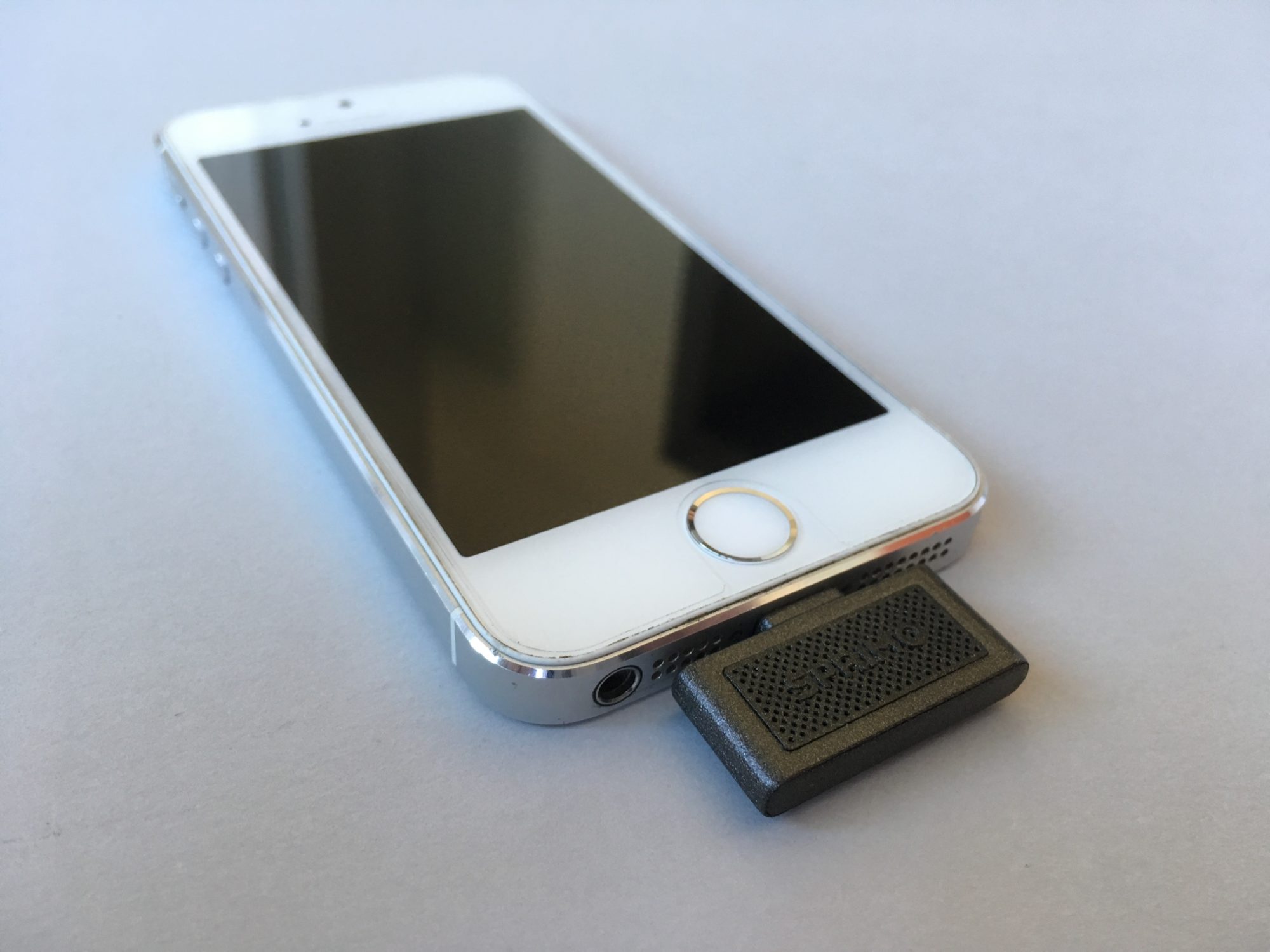
Photo credit: The Climate Chief Indoor air you breathe can be hazardous to your health without any telltale signs, so having a personal air purifier by your side can improve your health and your life. Enter Sprimo, the “go-to” product for people who want the best quality air in the personal spaces they work, play or sleep. Unlike traditional air purifiers that focus on large square footage areas to measure success, Sprimo is aimed at improving the quality of life through bursts of clear air instantly. Sprimo’s small, lightweight and nearly silent air purifier is smart and adapts based on people’s issues, from chemicals and dust to seasonal allergens.
Anyone who suffers from allergies can benefit from Sprimo as well as those at higher risks, such as children and the aging. Parents who want to ensure their children are breathing in fresh air while they sleep can place a Sprimo on their bedside table at night. Because Sprimo is light, easily portable and nearly silent, you can bring it to work to improve the quality of air you breathe at your desk every day. Its convenient size also makes it a godsend for travelers who can use it on the road at hotels, gyms, spas, cafes and more. The purifier’s low entrainment air flow works as a shield to block contact by reducing the chance of you breathing an airborne virus by up to 60%. With Sprimo, you can take charge of your health wherever you go. Sprimo’s new Personal Air Module (PAM) and cloud-based mobile app delivers real-time data on air quality via your smart phone so you can be alerted wherever you may be. Simply plug it into your iPhone and you’re good to go – you’ll be alerted whether you’re breathing in poor quality air or not.
Sprimo showed its latest at the annual Consumer Electronics Show (CES) in Las Vegas this last week in the health and wellness section at Sand's Eureka Park. They will be kicking off a crowdfunding campaign on Kickstarter in March where they'll be taking pre-orders. More information can be found at www.sprimo.com and via their social media channels @SprimoLabs where you can sign up for their newsletter and be alerted when product is available among other useful tips on improving your lifestyle through healthier air. Disclosure Note: I provide consulting to Sprimo Labs however all opinions expressed are my own.
Candice Molnar has become the latest CRTC commissioner to depart the federal organization after her nine-year term ended last week, leaving yet another vacancy in the Canadian Radio-television and Telecommunications Commission’s leadership roster.
Molnar was responsible for overseeing Manitoba and Saskatchewan.
The telecom regulator currently has seven sitting commissioners of a potential maximum of 13. The Department of Canadian Heritage has had trouble filling the available seats.
The problem could get worse with two commissioners scheduled to depart this year, including the sitting Chairman of the CRTC, Jean-Pierre Blais.
This announcement comes shortly after Ontario commissioner Raj Shoan was fired last summer due to allegations of workplace harassment and a reported run-in with Blais over his leadership style. Shoan has challenged the dismissal in court. The other vacancy came in 2015 when Tom Pentefountas, the commission’s former vice-chair of broadcasting, resigned.
The Ontario placement left by Pentefountas has remained vacant for over a year, though the federal government temporarily filled the position by appointing Judith LaRocque. LaRocque is a francophone civil servant who also helps meet the CRTC’s requirement of three francophone commissioners to hold hearings in Quebec. Her term ends in May.
I remember driving to Oakville at the end of 2007 thinking about starting a blog focused on the wireless industry in Canada. At the time, BlackBerry was king, Motorola was innovating with the Moto Q, Sony Ericsson was pushing music, and Nokia targeted gamers.
As for the wireless carriers, Rogers was setting the stage to launch the iPhone 3G on its GSM network, Bell and Telus were rocking CDMA, Virgin Mobile was an MNVO, our regional players had limited handsets, and the thought of a new entrant invading protected market share with more choice, was not of concern.
So here we are, a decade later. The cellphone is vastly different than simply being a companion device. What was once targeted to a select audience — mainly those interested in playing Brick Breaker — the mobile phone is now in the hands and pockets of millions of Canadians and has become a necessity when it comes to connecting with family, friends, business, and in emergency situations.
The industry has evolved and we have too. This is the third massive iteration of MobileSyrup.
First off, MobileSyrup started from my condo in Toronto and we now have expanded to an office located in the heart of the city. Behind the scenes are a number of people — Patrick, Igor, Rose, Jessica, Zach, Rob, Teddy, Steven, Matthew, Robyn, and Tom — that bring you the latest news, reviews, galleries, and unique perspectives of wireless in Canada.
Since the term ‘mobile’ has changed drastically over the course of the past decade, here’s the Canadian-focussed tech we cover on MobileSyrup, both in the consumer and enterprise space: smartphones, tablets, wearables, automotive, IoT, gaming, accessories, and VR/AR.
Homepage, news articles, reviews, gallery and search
Version 2.0 of MobileSyrup was lacklustre but served its purpose. With version 3.0, we’ve amped up and uncluttered our layout with full-screen view, larger photos, cleaner text, and included galleries and a search box that actually works.
The homepage is where you’ll find all the latest news and features on the site, along with an array of pictures and text sizes that bring the articles to life. If you’re interested in perusing one specific section, just click or tap on the dedicated button to view, news, reviews, features, resources and business. In addition, there is a large placement directly under the latest articles that highlights a specific story we feel needs to be communicated and shared more than others.
Our general news articles aren’t that different from what you’re used to, however. They are now cleaner with larger fonts and a larger title. On desktop, instead of us linking to a related page, we have included a stream of articles that are automatically generated based on what you’re reading (this is omitted in mobile to save data and time scrolling to the comment section).
The reviews section now features a revamped working gallery, which many have been asking from us for years.
We have also included the ability to have multiple galleries within a review. Finally, you’ll notice we brought forth the ability to compare one device to another — for example, an iPhone 7 to the iPhone 6s, iPhone 6 and Galaxy S7.
In our media section, this is where our readers can have quick access to our latest photo galleries and videos.
Rate comparison and how-to section
One of the major concerns of the 30 million Canadian wireless subscribers is their monthly rate plan. Time and time again we’ve heard of ‘bill shock,’ massive overages, and unwanted charges appearing on their monthly bill. We now have embedded a service that helps you compare your plan with a competitor to see if your charges are in-line with the industry, or if you can easily switch to a better deal.
On a weekly basis, we’ll be publishing more how-to’s to be a resource for you, enabling you to be more productive and also allow you to have more fun with your device.
Dedicated section devoted to Canadian-specific news
Since our core focus is on Canada, you’ll notice we now have a section on our homepage devoted to the latest Canadian mobile news. This is based on time and showcases the latest eight articles. On desktop, you’ll see this feature can be viewed with a beautifully designed scroll bar, while on mobile you can simply swipe with your finger.
What’s next?
This is the first phase of the new MobileSyrup and over the course of the next two months you’ll see a number of new additions and improvements.
As always, we appreciate your feedback and would love your thoughts on how we can improve and what features you’d like us to add.




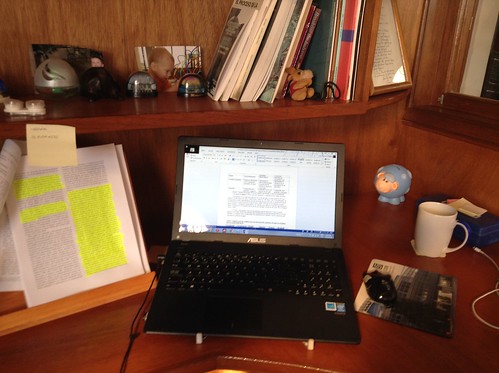
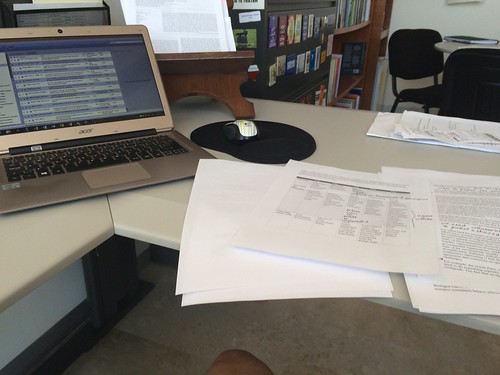
 Here's a handy guide to the best selling fitness trackers of the year. All of these fitness trackers offer excellent ways to track your bike rides and all associated stats. Post includes unboxing and set up videos.
 Why a Tax Break for Security Cameras Is a Terrible Idea
 jwz.
jwz.


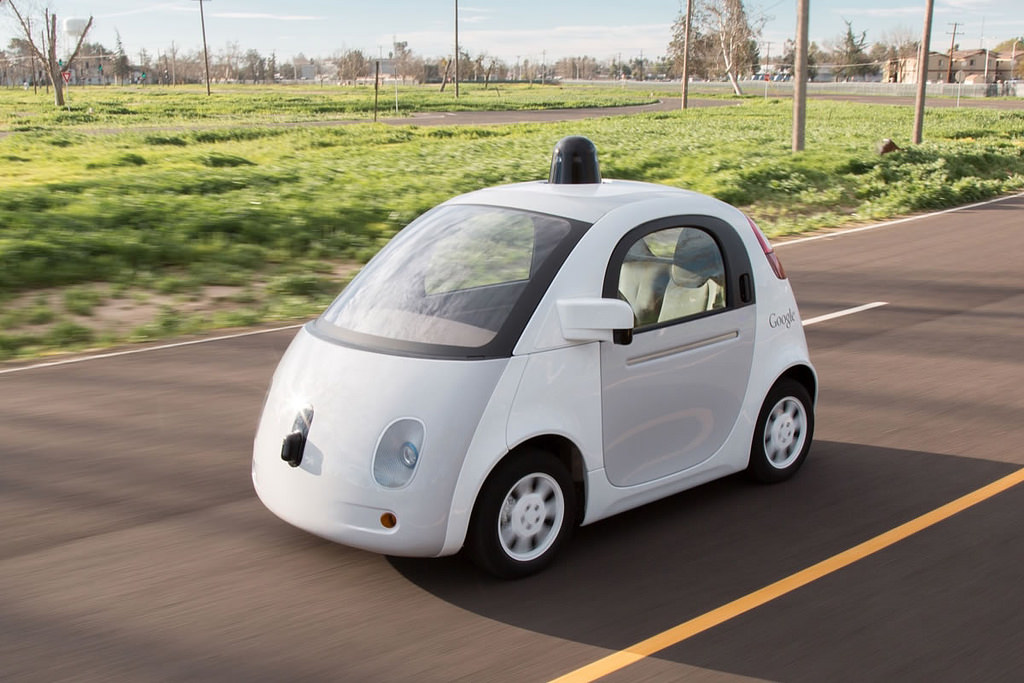

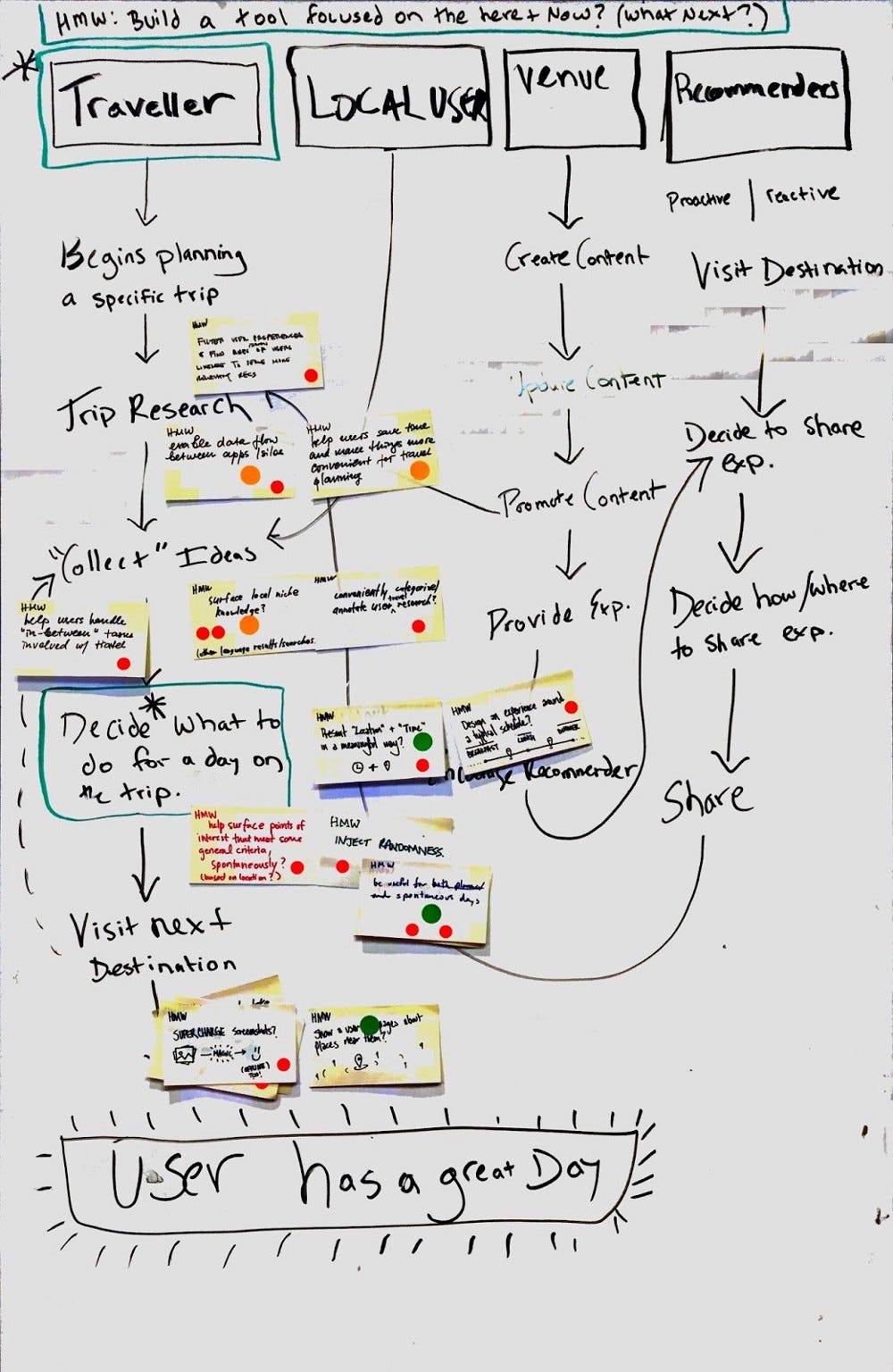

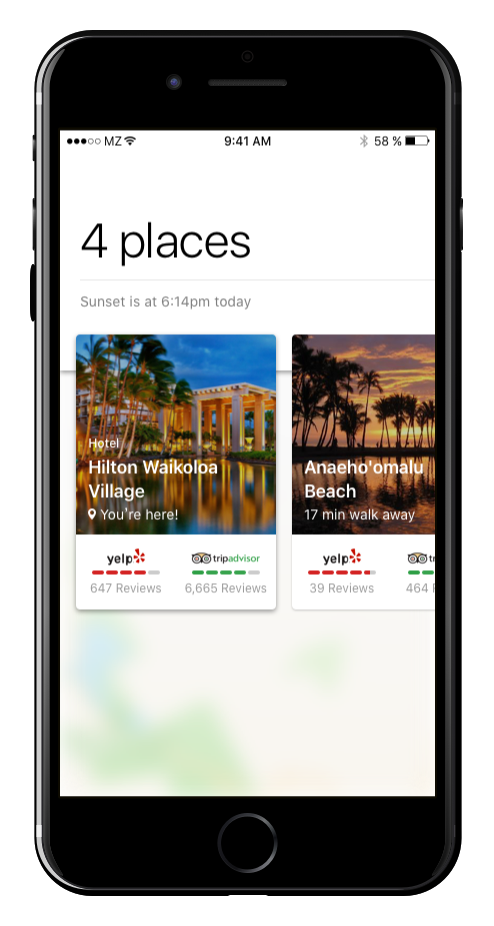


 CommitStrip.



 The second iPhone Apple introduced, the iPhone 3G, was half as expensive as its predecessor — at only $199 for an 8GB device, instead of $599 with a phone contract. That worked magic for Apple’s sales numbers, with the company reporting it sold a million units in its first weekend on sale. By comparison, it took 74 days for the first iPhone to hit that figure, Consumer Reports notes in a great post about the iPhone’s history.
 Ah, the iPhone: the device that made people feel okay about flooding social media with photos of themselves, taken by themselves. In June 2010, Apple debuted the iPhone 4, which was the first product to to have a front-facing camera for FaceTime, Apple’s video chat service (that turned out to be very popular in the porn industry). Yes, you could take a photo of yourself with a regular camera before this, but now you could take a photo of yourself and see yourself while you were doing it. And yet, there are still people taking photos of themselves in the mirror on dating sites to this day. Why, people? Why?
 The iPhone 6 Plus had only been on sale for a few days when a guy posted a video showing how easily he could bend the device with his bare hands. Thus, Bendgate was born, with some owners complaining that the devices were bending while in their pockets.


 Consumerist.


 With the introduction of the iPhone 5 in 2012, Apple replaced the default Google Maps app that had come loaded on previous phones with its own Maps service. Almost immediately, CEO Tim Cook found himself having to apologize to customers angry about the bug-ridden app. Some of the complaints included geographical errors and missing information, as well as a lack of features many customers love in Google Maps like public transit directions.
 The fall of 2013 marked the first time Apple decided to sell a “cheap” version of its phone, the 5c, which for some reason unbeknownst to everyone, came in a variety of candy colors instead of the usual metallic hues.
  In Sept. 2014, Apple unveiled the iPhone 6, and a group of middle-aged Irish guys with a little band called U2 decided it would be a good idea to force-place their new album onto those devices without asking if those people wanted it, and without initially giving those iPhone users a way to remove the songs. After a bit of reflection, U2 realzed that maybe this wasn’t the brightest publicity move. Lead man Bono apologized, saying he was “sorry about that,” and that the band “might have got carried away with it ourselves.”

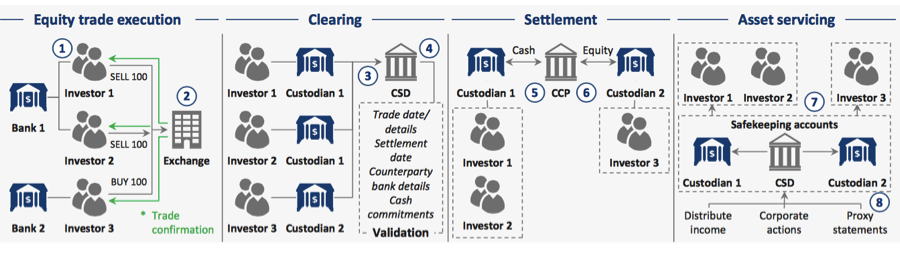
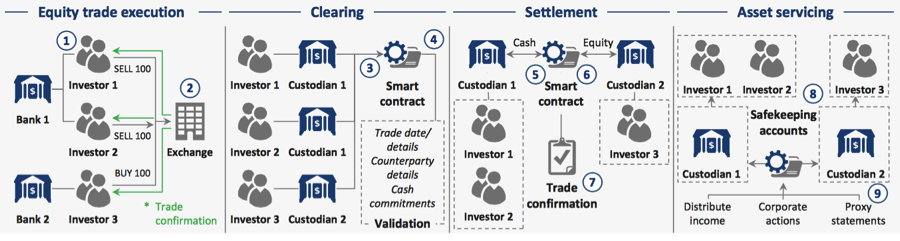


 and I don’t know if I ever could again. I merely took notice of a request from @Verticalmag to share the file so they could post it on their Facebook page. The file had already been uploaded to my Vimeo site and website but I opted to upload this particular video of Natalie Jones, a helicopter pilot with Erickson to the project’s Like a Woman Facebook Page. Then I passed the link to Vertical Magazine to post on their FB page. Within an hour the video went viral. Not only that, other videos from the project which were uploaded on the Facebook Page doubled or tripled their views.


 Anyone who suffers from allergies can benefit from Sprimo as well as those at higher risks, such as children and the aging. Parents who want to ensure their children are breathing in fresh air while they sleep can place a Sprimo on their bedside table at night. Because Sprimo is light, easily portable and nearly silent, you can bring it to work to improve the quality of air you breathe at your desk every day. Its convenient size also makes it a godsend for travelers who can use it on the road at hotels, gyms, spas, cafes and more. The purifier’s low entrainment air flow works as a shield to block contact by reducing the chance of you breathing an airborne virus by up to 60%. With Sprimo, you can take charge of your health wherever you go. Sprimo’s new Personal Air Module (PAM) and cloud-based mobile app delivers real-time data on air quality via your smart phone so you can be alerted wherever you may be. Simply plug it into your iPhone and you’re good to go – you’ll be alerted whether you’re breathing in poor quality air or not.