Shared posts

17 Jun 20:32

Brain Science And Web Marketing – Lessons From AMA Speaker Andy Crestodina

by Josh Kasombo

As a digital marketing agency we’re always on the lookout for the best tips and tricks for supercharging our clients’ success. That’s why we continue to love what AMA Milwaukee has done for local marketers by bringing key influencers in the industry to share their knowledge and insights with us. That was certainly the case when we had the pleasure of sitting in on Andy Crestodina’s seminar, “Brain Science and Web Marketing.”

The seminar promised to reveal the secrets of marketing masters, citing specific examples of the relationship between the brain, behavior, and marketing on the web. Crestodina didn’t disappoint on that promise, highlighting case studies and specific neuromarketing tactics that any website can use to better connect with their customers with social proof, psychological anchoring, and tapping into cognitive biases in your writing.

Here’s just a touch of what we learned!

1. Social Proof

Using social proof is a bias that has been used for as long as you can imagine. In short, everyone has an unconscious desire to act or do what everyone else does. You might know it as the “conformity bias.” What this does is provide legitimacy for your product or service. An example would be having a running count of everyone that has picked you over the competition (think McDonalds’ over however many billion served signs). The point is to make it seem like it would be strange not to choose you.

2. Priming

When you hear the word prime you often think of ideas like first or the best one. Priming follows that same idea in that marketers can strategically present you with a certain piece of information first in an effort to make you feel differently about what ever follows it. This is seen all the time in pricing. If you list the most expensive option first and then provide less costly ones afterwards, you are primed to think that first number isn’t the best deal.

3. Loss Aversion

This is one that you may not even realize happens to you! With loss aversion the idea is that we tend to react more to losing something than we do to gaining something. The feeling of pleasure that you get from that brand new gadget isn’t on the same level of the pain you feel from your favorite watch dying. We’re programmed to avoid the feeling of losing something or missing out. That’s why you’ll often see services or products marketed with messaging that highlights what you’ll miss out on by not using it.

4. Reciprocity

As the old saying goes, “Do unto others as you would have them do unto you.” That’s the basis of this strategy. Reciprocity is more so an investment, meaning that the more things you do for someone else, the better chance they will then feel inclined to return the gesture. This is more impactful when we think of social media and networking. Going out of your way to like, share, comment, and recommend will put you in a good position to receive similar treatment in the future.

5. Writing Tips

When it comes to writing the most important thing is to be simple. Make things easy to skim and digest (an 8th grade level of readability is the best). This means making sure your content is split up with headers and sub-headers, bullets or italics, and short paragraphs.

6. Visual Tips

Visual style and preference can be largely subjective, but here are a few things that will help no matter the project!

For buttons:

Make sure it’s code, not a graphic!

Make it big enough to touch (57 pixels)

Use color that contrasts with other site elements

Things to definitely put on your website:

Pictures of you and your team!

Things to avoid:

A testimonial page

“We are #1” or “We are the best!” banners or decals

Check out Andy Crestondia and his book Content Chemistry: The Illustrated Handbook for Content Marketing here!

17 Jun 20:32

How To Master Inbound Marketing On A Shoestring

by Jorgen Sundberg

What exactly is inbound marketing and why should you be doing it? I recently had a chat about this with David Smooke who is an expert in this field. You can listen to the audio podcast on iTunes and Soundcloud (embed below) or keep reading for a summary of our conversation, a longer version is available at Link Humans. Questions by me, answers by David.

What is inbound marketing important for brands?

Well, inbound marketing is a great way to get people to your own message. At the simplest level, it’s driving traffic to your values. I really look at it with the rise of the internet as the best way to market because as you put out your message, your ideas, your content, your status updates, you end up attracting people that align with how you already see the world. So instead of paying for direct mail and ads and trying to convince people it’s who you are, you just keep telling people who and what you are and who you help and have content that supports that. You end up forming an audience of really potential buyers.

It’s exciting for me in the marketing space because really right now it’s valued more so than the size your wallet is, the quality of your message because we have so many channels and mediums available to us online that we didn’t have 5 years ago, 10 years ago. Even the last year or two you still have new platforms emerging. Medium, LinkedIn Publisher, there’s always a new blog coming along, there’s always a new place to write. It’s been exciting for my career. I just write something and I’m able to talk to people like you and read things you’re writing and comment on your articles. It’s an exciting time to be in inbound marketing.

How can you get started with inbound marketing?

Well, I haven’t written a book yet so I guess the answer is not a clean yes, but with that said, there are clear places to start. A lot of it starts with looking at who you are and then what words. Do you want it to be your words, how to be a new source for that solution, how to reduce barriers to produce content, how to find your advocates. How does that fit in to your overall message and judging how successful you are in driving that type of traffic and conversions?

I will say one thing. I didn’t really know too much about the founding of HubSpot until recently and I had a good talk with one of their early employees. It was cool to hear that they actually started as 20 little JavaScript apps, a great blog and a long email list that that blog created. From this, they were able to get to the next stage as a company and then they acquired another company that became the group of its core product. So when you look at these, what I’d take away from the story is that if you have these little effective tactics and you get to the next step, your whole strategy will form into place. You don’t have to be as structured as saying, “Here is my 10-page strategy guide and we’re going to do this step this week and that step next week.” It’s like if you can keep producing content and growing your audience and moving in the right direction, that strategy can form as it goes. Not that you want to entirely go that way because you want to look ahead and see where you want to be but you also want to reduce barriers to keep taking each small step and building a great audience of target buyers.

What technology do you need for inbound marketing automation?

It does depend with what stage you are at as a company. HubSpot’s a great tool but it’s very expensive. If you’re in that price range of ready to spend $2,500 a month on a solution, I think they’re great. At more simple levels, it starts with your own site and social networks. I know these are mundane for good reason technologies but you need to have a good content management system in place. You need to be able to publish as quickly as possible. Whenever you have these barriers where the writer isn’t able to submit drafts, you have your CEO producing content and he’s sending you an email with a draft, and then as you go to finalise it, people aren’t within the same system, just a little thing like that can end up causing you to waste a lot of time.

With the social networks, I guess we’re not really getting on big tools here but it is important. With Facebook, you can schedule posts within Facebook. With Twitter, having a good solution to schedule content such as Buffer, Hootsuite, Sprout Social, those are all great. They’re worth the small investment to have. I’ve also been doing some work with a company called Knotify and they’ve been doing really good things about uniting in-app activity and email. So they’re a good solution there if you’re trying to further engage your existing customers.

How do you calculate ROI from inbound marketing?

Yeah, it’s a little tougher because a lot of value of inbound marketing is long-term residual traffic. So you do want to set a proper approach in terms of timeline and expectations with people, but at the simplest level to get you going, I’ve been trying to grow this term of re-engageable audience. The re-engageable audience is your social media followers in your email list. I think it’s a very direct way of saying, “This is my group of people that I can send a message to in the future.” That would be an important metric in addition to traffic and conversions.

Traffic is pretty simple. It’s people on your website. Google has been pushing the visitor stat more which I like. So it’s how many unique people in your website. With conversions, you’re looking across different types of conversions. It really depends on your business but essentially, the threshold is that when they’re paying you or not paying you. So once you get to the point of traffic you drove, it actually starts paying money for your good or service. So I would start with those three and then you can really break down a lot more stats from each one of those.

With traffic, someone visiting the pricing page is a much more important person across most businesses than someone reading a blog post about how to do something. But some blog post about how to do something could be very high conversions for you. Whenever you’re looking at traffic, you want to look at what pages have the most likelihood that they’ll turn into a conversion. And then it’s like, “Okay, if this page is 1% and this next page is 20%, if I can move them from that page that’s 1% to 20%, my odds have gone up a lot.” There are a lot of good ways to break it down.

What companies or brands that are doing inbound marketing right?

One company I was thinking of, they’re a really good example of how to integrate humour into their inbound marketing and that’s Eat24. They have a product where it’s very beneficial for them to integrate humor. Depending on the seriousness of your product, you want to make a decision on your tone and your voice. But with Eat24, their app is to order food online through your phone. They have a level of like the more you just have this positive association with them, the more Eat24 is able to just make you smile, the more orders that will happen through the app.

A few examples they’ve done, they did a great breakup letter with Facebook where they were saying, “Facebook advertising isn’t working for us,” and they did all these really funny food comparisons like if you’re to break up with your pizza. It was just a hilarious post that got picked up by all the mainstream publications because what they did was they tapped into a bigger issue and that is “Does Facebook advertising work?” They went on the forefront of saying, “It’s not working for us,” and essentially, being a negative case study, it’s a little bit of a risky move because you’re calling out a company bigger than you and saying you don’t work very well which is kind of a funny thing to do but it’s just a very, very funny read.

We’ve talk about them before but it’s hard to not come back to HubSpot because they’re not only selling me inbound software, they’ve done inbound marketing software. They’ve done a great job of saying, “Hey, we want our brand to be like a publication.” I met with them about a year ago and it was cool to see the structure of their team. So to learn about how to scale at inbound marketing department, they basically break up into three sprint teams and one team does short form content like their blog. Another team does long form content like their eBooks and white papers and then they have a third team. Each one of these teams is of seven people where they actually are entirely focused on distributing content, and optimising the distribution cost and organic methods of the content distribution.

Connect with David on Twitter @DavidSmooke and check out his thoughts on how content maps to different stages of the sales funnel on LinkedIn.

17 Jun 20:30

29 travel hacks that even frequent fliers don't know

by Sophie-Claire Hoeller

Airport

Instead of insulting your intelligence with "hacks" like "pack light," or "bring an empty water bottle," we've put together a list of tips and tricks that will help even the most seasoned jetsetter avoid the inevitable hassles of frequent flying.

1. Sign up for TSA PreCheck or Global Entry

Essentially an express lane for the proactive, these programs are pre-approvals from the US Customs and Border Protection that designate you a low risk traveler. As long as you're not a convicted criminal, you're good to go after little more than some light paperwork and a quick in-person interview.

Essentially, TSA PreCheck ($85) makes US domestic travel simpler, allowing you to keep your shoes, belts, etc. on and cut security lines, while Global Entry ($100) makes returning from an international trip easier, eradicating paperwork and lengthy processing lines.

2. Book two one-way flights 

Sometimes flying two different airlines and booking two one-way tickets is more cost-effective than booking a roundtrip, plus it might get you better arrival and departure times as you mix and match flights. Some flight booking sites, like Kayak, already do this for you, but you should do your homework and check the airline websites yourself for even better deals.

3. Book non-US airlines if possible

Foreign carriers have better amenities than US ones, even in economy, where they often provide you with hot towels, pillows, and blankets, and even — gasp — full cans of soda.

4. Understand Code Shares

Make sure you know how flight partnerships work before booking a flight on a partner airline for miles. Some partnerships will offer the same mileage, others will give you less. Others again might calculate miles based on the amount of money you paid for the ticket, rather than the distance flown.

5. Get upgrades by booking an economy ticket with a Y or B booking code

wine on plane

Ask and thou shalt receive (when possible). Basically just requesting an upgrade when booking should get your ticket marked with a Y or B booking code, which, according to TravelNerd.com's Amy Lee, means that the flier is looking for an upgrade. In other words, should there be any open seats in the next class up from what you booked, you should get a complimentary upgrade. This works best if you're a frequent flyer, and loyal to the carrier you're booked on.

6. Pretend you're somewhere else when booking to score discounted fares

A ticket's "point of sale," in other words where it is purchased, can affect its price thanks to something called "regional pricing." Basically, the price of a ticket will be lower in a country with a lower standard of living, or when travel companies are trying to break into a new country according to travel industry analyst Henry Harteveldt.

Harteveldt says you could find different ticket prices for the same flight on Expedia.com and Expedia.co.jp, the Japanese version, as well as for internal foreign flights on an international carrier's website by changing your "residence" to the airline's home country. The only thing to watch out for is that you'll be seeing prices in local currency, so make sure to do the math and convert them.

7. Clear those cookies

A little thing called "dynamic pricing" means that no, refreshing a window 147,554 times will not make a flight cheaper, but, in fact, may make the price go up as it changes based on demand. While most people like to get around this by using incognito windows, clearing your search history and cookies is a safer bet. 

8. Know that you have a 24-hour window to get a refund

Even non-refundable flights generally have a 24-hour window during which you can cancel them without having to pay a fee. In other words, pull the trigger and book a flight, then keep tracking it for another day to see if a better rate pops up, in which case cancel and rebook. Or, put your airfare on hold on carriers like American Airlines, Southwest, and Virgin America, which all have free 24-hour hold services. United has something called a FareLock starting at $6.99 that lets you wait up to a week before booking, while Options Away ($4-$45) can hold flights for up to three weeks.

9. Fly on a Boeing 767

If you're deciding between similar flights and one's on a Boeing 767, take that one, as the aircraft has fewer of the dreaded middle seats than other planes.

If you can't get on a Boeing 767, check out our comprehensive guide to getting the best seat on every flight. Your best bet is checking seatguru.com, which has up-to-date seating charts for every single flight, and gives you the inside scoop on whether a row doesn't recline, whether a seat is too close to the bathroom, or whether there's any extra legroom to be had.

10. Download your airline's app

Most airlines (like Delta and United) have invested some significant cash into developing apps that provide you with real-time updates on gate changes or delays, so that you can hit up one of those Xpress Spas without worrying about missing vital information. Even better, the app also allows for paperless boarding at most airports. 

11. Keep a go-bag of essential items

Packing toiletries in plastic bagsInstead of wasting time squeezing your favorite shampoo into TSA-friendly 3.4 ounce bottles, or packing and unpacking the same toiletries over and over again, keep a go-bag of your favorite items at the ready. That way you don't have to think about what you may need or scramble at the last minute.

Pro tip: try ordering samples of your favorite products online for free travel sized toiletries.

12. Keep an extra set of cables and chargers ready

Forget racing around your apartment pulling cables out of outlets. Instead, keep a small, zippered and water resistant bag of electronics, batteries, and chargers packed, and never think about them again.

13. Pack a squishy carry-on

Checking a bag is amateur hour, but taking this trick to the next level is using a duffel or some sort of squishy bag as your carry-on. Having a malleable bag that can be smushed into the overhead bin means that it is less likely to be taken from you at the gate.

Or, even better, outfit yourself with the right gear, like this "perfect" size carry on, which will fit every airline's size requirements.

14. Roll clothing up, then use air-compression plastic bags to squeeze air out of them

We have tons of packing tips, but one of the best is to roll, rather than fold clothes to maximize space and minimize wrinkling, then use space compressible plastic bags to push excess air out of the clothes for even more space. If you're not into the idea of rolling your clothes, packing them in tissue paper or dry cleaner plastic should also reduce wrinkles.

15. Pack one color scheme, and make sure it's a dark one

Try and pack clothes that are all in the same color family, and preferably dark. This means all of your clothes will match and you don't need to waste time worrying about putting together outfits, and dark colors hide stains.

16. Use shoes for more space

Use your rolled up socks as shoe trees, preserving your shoe's shape inside the suitcase, but thereby also maximizing space by using that inside of your shoes.

17. Pack shoes foot-to-toe at the bottom of your bag

Putting the heaviest items at the bottom, near the wheels of a suitcase, ensures that your bag is balanced. Nothing worse than a bag that keeps tipping over as you're rushing to the gate.

18. See extra cities for free

Tourist with map

Why not add a free stopover (any connection that's more than four hours domestically, and 24 hours internationally) to a flight you've already paid for? Some airlines — and you'll have to check first — offer free stopovers, generally in their hub city, meaning that you can visit an extra destination or two without purchasing any extra tickets. This is especially great if you do it on a business trip and using a company-paid flight.

19. Volunteer to get bumped off a flight

If your flight is overbooked and you have no pressing plans, volunteer your seat to make some extra money. That said, be smart and negotiate your compensation — it helps to know what you're entitled to. Ask for cash, or make sure that flight vouchers don't have tons of stipulations and blackout dates making them impossible to redeem. Also, make sure that even if you're the first to volunteer you'll get the same amount of money as the last one to, as compensation often increases as the airline gets more desperate for people to give up seats. That said, double-check that you won't be on standby on your next flight, or in any position to get stranded where you are (for example, if you're giving up a seat on the last flight out for the day).

20. Check your credit cards for perks

You might already be entitled to perks without knowing it. From covering your insurance when renting a car to hotel room upgrades and access to airline lounges, many credit cards you may already have come with special advantages and freebies. 

21. Choose the best credit card for travel

Travel perks differ, so you need to figure out what your priorities are, like whether you want to earn more miles or get foreign transaction fees waived. One of the best travel credit cards is  the Chase Sapphire Preferred Card, which gives you 2 Ultimate Rewards Points per $1 spent on travel and restaurants, as well as 1 point per $1 spent elsewhere. It also waives those pesky foreign transaction fees, offers a signup bonus  of 40,000 points when you spend $4,000 on purchases in the first 3 months of opening an account, and boasts 20% off travel when you redeem points for airfare, hotels, car rentals and cruises through Chase Ultimate Rewards. That said, it charges an annual fee of $95.

22. Get into the airport lounge, even if your ticket says economy

Lufthansa lounge

Most people don't know that airport lounges often sell day-passes allowing you to pay to access them. While pricey, purchasing them in advance online often gets you steep discounts.

You can also get a Priority Pass ($99-$399 a year), which gives you access to 700 airport lounges around the world.

Finally, there are lounges that aren't affiliated with any airlines, and thus also allow you to pay for access.

However, if you don't want to pay, check your credit card to see whether it gives you lounge access (like the American Express Platinum which gets you into Delta and Centurion lounges), or play the long game by being loyal to a specific airline and attaining elite status.

23. Get elite status faster

As a frequent traveler, getting in on a loyalty program is imperative. However, a trick allowing you to fast track the process is collecting miles on lesser-known partner airlines that might give you the same elite status for fewer miles flown, like Aegean Airlines, a Star Alliance Member. 

24. Save money staying connected

Both in-flight internet fees and roaming charges are exorbitant. Bypass them by getting a subscription to Boingo, a Wi-Fi hotspot provider that ranges in cost between $4.98 a month for access in the Americas to $59 a month for worldwide coverage.

In line with checking your credit cards for perks, know that if you have an American Express Platinum Card you can get a free Boingo subscription.

25. Minimize jet lag by sleeping right

Passengers Sleeping on Airplane

Jet lag — aka when you cross time zones faster than your body can adjust, thereby mucking up your circadian rhythm — usually takes one day to adapt to per time zone crossed when traveling west, and about a day and a half when going east. However, you can cut down on this recovery time by loading up on sleep before your trip (the more rested you are the less a lack of sleep will affect you), as well as starting to shift your meals and bedtime closer to those at your destination. This takes some forward planning and resoluteness, but if you can, start going to bed an hour earlier each night and getting up an hour earlier each morning a few days before heading east, and an hour later each night/morning for a few days before heading west.

26. Minimize jet lag by eating right

Unfortunately, experts recommend laying off booze and caffeine as they dehydrate you and make jet lag worse. In terms of food, eating meals when they'd be served at your destination helps adjust your circadian rhythm. What you eat matters too — heavily processed food like that served on planes dehydrates you, so the best thing to do is either skip a meal or two, or eat healthy snacks or foods that are high in protein. 

27. Get food faster by ordering a special meal

This involves some advanced planning, and probably not-so-regrettably forgoing the meal everyone else is getting, but by requesting a special meal (kosher or vegetarian, for example) you will usually get served before everyone else, and can go to sleep sooner, without waiting for the full dinner service. Plus, rumor has it that those special meals are better anyway.

28. Head to the departure zone for a cab sans line

If you see a massive line snaking around arrivals, do a quick 180 and head to the departure zone. People will be getting dropped off by cabs, which you can simply snag without any competition. Of course this depends on how an airport is set up — it might cost more time than you’re saving to take a train to another terminal — but hey, you win some, you lose some.

29. Make free(ish) calls abroad 

You can make free calls with Skype or Google Voice using its app or the Hangout app. All you need is some Wi-Fi, so buy a local SIM, or get 120MB for only $30 on ATT for example.

SEE ALSO: 14 money-saving travel hacks from the ‘Man Who Flies For Free’

FOLLOW US: BI Travel is on Twitter!

Join the conversation about this story »

NOW WATCH: This guy absolutely loses it as he bungee jumps off a tower in China's beautiful Qing Long Canyon

17 Jun 20:26

3 Ways to Use Email Signatures for Content Promotion

by Dan Hanrahan

There is no denying that email continues to be a critical communication modality for businesses. In fact, rather than shrinking, email usage is expected to continue to grow upwards of six percent per year for the foreseeable future.

Email is inextricably woven into the way we do business – in essence, it’s the database of our personal and professional lives. Email is one of the few constants in our lives; it never stops, day or night. You have your phone on your nightstand when you wake up, you check your email before your commute and you use your tablet at night while you’re watching tv. We rely on email to communicate with prospects, customers, vendors, friends and family.

The email signature itself is one of the richest, yet untapped, branding and demand generation tools at a company’s disposal. Because of the impact (and impression) your employee email signatures can leave on the recipient, we’ve put together a quick three-step guide to help you and your company make the most of this tool.

For Marketing

Marketers want audiences to interact with their brand. Best practices dictate that marketing teams will create a lot of marketing-related content and deploy that content across many different channels. Their objective is to target the appropriate people with those marketing pieces, in the hope of piquing their interest enough that they decide to explore further.

So how can companies capitalize on the thousands of 1:1 emails their employees are sending each day? By leveraging the email itself. Each email that a company’s employee sends has a signature area – a dedicated space that is ideally suited to contain a graphical, clickable call to action that promotes what’s most important and top of mind to the organization. As a marketer, it’s a profound opportunity to be able to promote a brand or demand generation message in each of the thousands of emails that are sent out each day – and update them in real time, in a moment’s notice.

Use email signatures to promote marketing materials such as:

  • Thought leadership (reports, ebook, blogs, etc.)
  • Email newsletter sign-up CTAs
  • Direct links to your social channels
  • Case studies and customer videos
  • News about events, tradeshows and webinars
  • Press releases and feature articles

By leveraging the e-mail signature block, every employee’s email now provides an opportunity to engage and convert prospects and customers.

marketing email signaturesFor Sales

If marketers’ primary objective is to drive engagement with the brand, then salespeople want you to engage with the process. Sales, whether it’s pre-sales or getting the final contracts signed, cares a lot about the process and making sure prospects see the true value of what they’re providing.

What if you could let your email signatures do the work for you? What if with every email, you guided your prospects on a journey where, with one click of a button, they could interact by requesting a demo, seeing a product video or tour, viewing pricing and product features, or calculating the impact your product or service could provide with an ROI calculator. With each click and interaction, they understand your product or service offerings better – all with minimal effort on your part.

Use email signatures to allow prospects to interact with tools such as:

  • Demo requests and product videos
  • Pricing and feature guides
  • ROI Calculators

Now every email can help your prospects feel more and more confident about moving through the sales process.

sales email signature

For Customer Support & Customer Success:

If Marketing want you to interact with the brand and Sales wants you to engage with the process, then Customer Support and Customer Success wants customers to learn more about the product, services and value the company offers.

Customer Support and Customer Success exist to help customers feel more confident about the product and services being provided. They want their customers to understand not only how to get their questions answered, but how to best troubleshoot and solve problems for themselves and continue the learning journey well beyond signing on as a new customer.

Promoting product materials or a referral landing page doesn’t mean replacing the existing portal or community, but rather email signature marketing serves as a constant reminder of the tools and resources that are available for those customers and urges them to join the conversation.

These tools can include things such as:

  • Service and support phone numbers and contact info
  • Latest product release notes
  • Community sign-in or sign-up page
  • Overview of new products/services
  • Landing page to suggest referrals

Customers can be one of your company’s biggest assets. It all starts with education and empowerment.

email signature mobile

Are you thinking of other ways you could leverage email signature marketing at your company? What about your HR department promoting career openings? What about your channel team promoting new partnerships? The options are endless. For more information, check out the free resource “3 Creative Ways to Unlock the Hidden Power of Email Signatures”.

If you’re ready to get started with email signature marketing at your company, check out Sigstr to power one-to-one email signatures for your employees, who are often the most frequent touch point with your customers. Sigstr helps ensure that your best marketing, sales and customer support content is elegantly inserted into these conversations – providing continued return on your content investments.

premier relevance.com sponsor

17 Jun 20:26

5 Tips for Running an A/B Test on a Budget

by Meg Lister

A/B tests are like eating your vegetables. You know they’re good for you, and they’re something you’re supposed to do, right? The trouble is that they can be intensely time- and money-consuming. You’re probably already envisioning a process filled with negotiations with graphic designers and engineers, time-consuming integrations, maybe even difficulty convincing your manager that this is the right move. Never fear! With the right tools and some preparation, you’ll be running A/B tests with ease.

AB testing tips WordStream homepage AB test

A recent A/B test that we ran on the WordStream.com homepage

I recently joined WordStream as a Senior Optimization Specialist and have been running lots of A/B tests to increase conversion rates at key points in our user journeys. Our website gets a ton of traffic, but since we’re still in startup mode, we make a point to run our tests as frugally and efficiently as possible.

Based on our personal experiences, here are our top 5 tips to guide you through the A/B testing process if you’re also a small business or working on a budget.

Tip #1: Find Your Biggest Pain Points & Get Real Feedback

You probably already have a good idea of what needs improvement on your website. Does a particular page have an insanely high bounce rate? Are your conversion rates on a specific section of your site falling behind? When deciding where to run a test, make sure that you’re running on pages with enough traffic to actually get real, actionable results. Sure, changing the imagery on your “About Us” page may slightly improve your conversion rates – but you’ll likely have to wait months to see any real results. Make sure that your test is running on a page that has a high traffic volume and is integral to the conversion process.

AB testing tips product pages

Your product page likely has the traffic volume and impact on the conversion funnel that makes it perfect for an A/B test. For example, you could test moving the CTA above the fold on this page.

Once you’ve identified the page or section that you’d like to test, it’s time to get some real, honest feedback. It’s hard for many marketers to look objectively at their own websites – that’s like calling your own baby ugly! You could reward some of your customers for completing a survey about their experience and asking them to identify specific points in the conversion path where they felt confused or couldn’t find the information they were looking for. In a survey by the Rockefeller Corporation (PDF), 68% of users reported abandoning a website experience because “they think it doesn’t care about them.” What’s worse, you’ll only ever hear from 4% of unsatisfied customers – the other 96% just abandon without submitting any feedback to your business. If you don’t have the resources to devote to user testing, you could call in a favor from a fellow marketer and ask for their unbiased evaluation.

Tip #2: Think Big!

Big problems require big solutions. Changing the color or size of your button may be an easy fix, but it’s not going help you achieve the long-term improvement you’re looking for. Instead, think about the call to action (CTA) featured in the button or the offer itself. Is your CTA confusing, or is it not presenting enough value? Revise the copy with clear, action-driven language. Is your page not converting because the offer isn’t presented clearly enough? Think about adding a graphic or a video to demonstrate the value of the offer. Perhaps the offer itself isn’t appealing to your current audience. Instead of urging your user to buy your product now, you could test a free trial offer, or offer different contract lengths.

AB testing tips calls-to-action buttons

Think bigger! This likely won’t have the big impact on conversion rate that you’re looking for.

Tip #3: Form a Realistic, Actionable Hypothesis, and Identify KPIs

Once you’ve identified what your test will look like and where it will run, set some time aside to develop a hypothesis. Your hypothesis should take the form of a simple if/then statement (remember these from 7th grade science?): If I change the text of the CTA on my homepage, then my click-through rate will improve significantly. Refer back to this hypothesis when you’re analyzing the results of your test!

AB testing tips blog sidebar test

A recent test we ran on our blog sidebar.

The hypothesis was: “If we include an image of the AdWords Grader Report, then users will be more likely to complete the Grader.”

After you’ve developed a hypothesis, choose some key performance indicators (KPIs) to monitor your test. In the example above, the main KPI would be click-through rate. You’d also want to pay attention to conversion rate. Develop a daily or weekly tracker where you can keep an eye on these metrics. Many A/B testing services will monitor them for you, and if you’re running a test using two unique URLs, you can isolate these two pages in your reporting software. Also, if you’re presenting multiple offers on the same page, make sure that you’re tracking all of them so that you’re able to hone in on the results of your test! You may find that you’ve cannibalized one offer by optimizing the other.

AB testing tips conversion data

AB testing tips conversion data graph

Examples of tracker formatting with fictional data.

Tip #4: Be Patient!

Doing nothing may be the most difficult part of your test! Make sure that you run your test for at least 7 days and that your results achieve statistical significance – at least 95% is recommended. Most A/B testing services will compute the significance of your results for you, but you can also find a calculator online (here is a good one from Optimizely). Be aware that if you’re testing a low-traffic page, or if your website doesn’t have a high number of conversions, you’ll need to run your test for a few weeks or more.

AB testing tips Optimizely size calculator

Sample from Optimizely’s free sample size calculator. Take advantage of this even if you’re not an Optimizely customer!

Tip #5: Choose the Right Testing Partner & Invest in Your Own Training

There are several good A/B testing platforms on the market right now! You’ll find that almost all platforms offer the same basic A/B testing features, including a visual WYSIWYG editor so that you can move, resize, and edit different elements of your page without calling in development resources (a big timesaver!). They also offer basic reporting features, visitor segmentation (would you like to only show your test to new visitors? Desktop visitors?), the ability to set custom goals, and run tests across multiple pages.

AB testing tips Optimizely visual editor screenshot

An example of Optimizely’s visual editor in action.

Optimizely has been around for a while and has set the standard for A/B testing tools. They also offer a suite of training lessons geared towards specialized users. However, their pricing may be prohibitive for many small businesses. Some other options to consider are Convert, Marketizator, and Visual Website Optimizer (VWO).

AB testing tips heatmap example

Heatmap tracking may be a value-add for your A/B test.

Convert has the most competitive pricing and integrates goals, segmentation, and tracking easily with Google Analytics, Crazy Egg, and other CRO software. Marketizator is also cost-competitive, especially when signing a longer-term contract. They include additional survey and personalization features to deliver banner ads when your users load, scroll, or exit a page. Visual Website Optimizer aims to serve as an all-in-one conversion optimization platform, offering heatmaps and advanced targeting and personalization features on top of standard A/B testing.

Finally, after you’ve chosen a testing partner, take the time to master the tool and make sure that you’re fully trained on how to set up and run tests. Any good software partner will take the time to offer you training resources and help you get your first test set up.

You’re all ready to start setting up your first (or your best) A/B tests! Let us know how it goes.

17 Jun 20:19

8 Outside the Box Marketing Ideas Your Business Should Try in 2015

by Ed Zitron

Forget classical thinking with your marketing--2015 is the year that you want to start digging into the more inventive side of how you market yourself and your products.

The way that we marked has changed a lot even in the last year, let alone over the last few years, and in 2015 we're seeing a lot of "different" (both good and bad) thinking as far as how we market things. I don't miss only doing online advertising or horrible billboards, personally, but many don't know what to do next. There's more competition, more options and it's utterly confusing.

One of the best ways to do so is to surprise your audience with something interesting and new, as obvious as that sounds. Here are a few of the least conventional methods I've seen in marketing recently:

Building on Your Current Community

In 2011, a customer of Starbucks took a phone shot of his card and shared it online inviting anyone to use it. Starbucks capitalized on this potential by leveraging that user's popularity and the altruism of the deed he'd done (give a coffee, get a coffee) to build on their own message. Don't overlook your own customers as means of spreading your message. It's one thing to get new customers through classical means - it's another to find your customers through your current ones. Word of mouth is an old trick, but finding a new wy to spread it is even better.

Know Where Your Customers Are. Even If It's A Little Different.

One photographer managed to get a lot more customers for her business by placing her ads...in a public bathroom. After realizing most of her clientele drank at a particular bar, she put an ad up in the washroom there and the leads came in. Knowing where your clientele frequents can help you figure out how to best position your marketing. Even Eat247 found new customers through some 'different' thinking - on a giant pornography website.

Develop Personal Connections

This one is pretty obvious, and Coke has capitalized on it with their "share a Coke" campaign. Consider personalizing the products that you market or arranging to have them personalized for your customers. This simple gesture goes a long way toward being more personal with your consumers. It may have seemed trite at the time to me, but I've seen way, way too many selfies and Instagram pictures of people with their name (or a title like "Showstopper") on a Diet Coke can. It's working.

Say Thanks In A Special Way

TD Canada Trust utilized this in their "TD Thanks You" campaign, which saw them sharing over 300,000 twenty-dollar gift certificates for their clients. You don't have to go that big, but thanking someone by giving something back to them resonates in a special way with consumers. It can be as simple as a gift-code, which you'll see small niche sites like dog treat site BestBullySticks do, or Opentable's VIP program that gives points per reservation that eventually convert into gift certificates.

Don't Underestimate the Power of the Internet

Have you ever seen a flash mob? It's easily arranged and gets a lot of social media attention. Banco Sabadell is producer of one of the more famous flash mobs using Beethoven's Ode to Joy with a complete orchestra and a background of onlookers. Internet shares have made their name pretty recognizable to many people who otherwise would not have known who they were. I personally don't love them (I mean, come on, leave me alone, I'm walking here), but can't deny that they seem to get results when they're done correctly.

Try Some Infographic Marketing

Though everyone is trying infographics, it's important to use them correctly. When you do, you can help deal with the attention span of consumers that's rapidly over the past few years, thanks to the advent of social media and technology. That means words aren't nearly as effective as they used to be, and multimedia communication is on the rise. Infographics are an excellent way to explain a topic, or provide information in a fun and interesting way. They also have the potential to spread like wildfire on the web via social media shares, media outlet exposure, and infographic directories. Just remember to make sure they use great data, are good-looking and (let's be honest) aren't just a junk survey you threw together at the last minute. The right vendor is also crucial, so make sure you see their work before you agree to work with them.

Launch an Affiliate or Referral Program

Affiliate marketing is an excellent way to drive sales to your business, without any out of pocket expense. Instead of paying for client acquisition up front, you'll only pay for leads or sales that others send to your business. Even local businesses can benefit from referrals. Try offering a referral fee to people in your locality for qualified leads. Entire companies, like Referral SaaSquatch have built huge businesses out of creating referral programs for online companies. Don't just say "thanks" - actually give them something.

People Hate Ads - Unless They're Creative

This doesn't mean putting more creativity into your ad's artwork. McDonalds did an ad series in 2010 that utilized crosswalks, designing them to look like fries. Innovative marketing like this takes an eye for parallels, but if you can pull it off it's wonderful publicity for your business. People remember when something is different, even if it's clearly there for a product. You can own that product and sell it to them, duh.

Thinking Creatively. No, Really.

Sometimes you'll get lucky and the same ideas you had last year will keep working, though oftentimes they won't. New advertising doesn't keep its novelty for very long, and you're required these days to constantly consider alternatives to existing methods of engaging current and potential customers. Business owners should be very aware of common marketing mistakes (which are funny to watch at times, I admit), while also looking ahead for new and potentially lucrative ideas that may not have worked in previous years (smartwatches, anyone?). In 2015, think outside the box for your marketing needs because it allows you to keep one step ahead of the competition and pleasantly surprise your customers.


17 Jun 17:41

5 Must-Have Lead Nurturing Policies for Automated Responses

by Elisa Ciarametaro

Do your automated responses truly help you connect better with prospects and customers? We hear a lot of talk about using automation in the sales cycle: we automate social networking, social platforms, social marketing, social selling and the buyer focused sales cycle. As sales professionals, how do we use automatic processes to enhance the buyer experience, before and after the sale?

I recently had an experience researching a solution for a client, which was frustrating because of the customer service system. It made me take a fresh look at the value of automatic messaging in fostering leads.

As a buyer, my experience was frustrated by the system set up to handle my questions. This inspired five tips that would have made my experience more pleasant, to help others in sales and marketing to better nurture the interests of prospects and customers.

  1. Please do not send me a meaningless automated response, telling me simply that you received my email request and will be responding shortly. Include who will be contacting me, when to expect a reply, and through which medium (I’m hoping you’ll reply to the address, number or channel I used to reach you).
  2. Even better than connecting with me the same way I reached you, is to respond the way I prefer and suggest. For example, if email is my only option to reach you, I will email you, but I may want someone to call me. If I ask you to call me, please do so (I don’t want to interact through your scripts alone).
  3. I have a specific reason for contacting your firm. Listen for why I’m calling. Ask about what I need, and show me you understand my reason for connecting before trying to setup a demo or a meeting. Don’t push me to schedule your demo – it’s the least of my concerns but usually one of the first of yours.
  4. Please let me call you only once. ‘One and done’ is important to me as potential customer. I’ll call you multiple times if I have to (after all, I need to report back to my client), but your follow-up to my initial call makes a great impression. This works to your advantage. Be diligent in responding to my inquiry before the sale; it’s a strong indication to me as a buyer how I will be treated after the sale.
  5. Always be pleasant. It is paramount to customer satisfaction on your buyer’s journey.

I hope these five tips help you serve your customers and prospects better through your automated systems. Small changes in your automated processes can lead fewer prospects to think you don’t really care, and encourage more to appreciate that you do.

17 Jun 17:41

7 Tactics to Increase Your Sales Without Cold Calling

by seth.e.coyne@gmail.com (Seth Coyne)

smash_phone.jpg

You're safe here. You can admit it.

You hate cold calling.

It's okay. We all do.

Whether you're a salesperson, sales manager, or business owner, you likely know that cold calling is not the most efficient use of your resources. But you probably still devote a significant amount of your time, resources, and energy to cold calling.

If you want to get ahead in business, you need to increase sales. Seeing as how sales are so important, why not expand your selling toolbox so that you don't have to rely on unpleasant, inefficient practices?

These seven tactics can help you increase your sales ... without relying on dreaded cold calls.

1) Networking

Even with the internet, email, social media, and advanced tracking software, at the end of the day, business is still the same. It's people buying from people.

Want to make more sales? Get more people to know, like, and trust you.

Unfortunately, most people don't understand how to network effectively. The best way to start a new relationship -- inside or outside of business -- is to ask yourself the following question: "How can I add value to this person's life?" Note that the question is not "How can I add value to this person's life, so that I can get them to help me?"

The best networkers are friendly, outgoing, and willing to help without any expectation of a reward. Does that mean you should let people freeload off you and never ask for anything in return? No. But if you are consistently generous towards others, they will probably be willing to support you when you need it.

Just remember that the value you add shouldn't be conditional. People will probably see through your "help" if you demand something in return. When you freely offer people your help, many will naturally want to help you in return.

If you build value-adding relationships with other people, especially those who would be your ideal customers or clients, you will likely see a dramatic increase in sales. And these sales will come from friends who will offer you their business again and again, because they like, trust, and feel indebted to you.

2) Public Speaking

One of the best ways to get buyers to come to you is to establish yourself as an authority. Public speaking allows you to instantly position yourself as an expert on a particular topic -- and it's not as difficult as you might think.

If you do a good job of networking and adding value, you should be able to find public speaking opportunities. As far as the venue goes, your local public library or community college might be willing to provide you with a room to speak in if you are giving a free, useful presentation. Other opportunities might come from civic or charity organizations and industry events or conferences.

There are a few things to keep in mind before you go the route of public speaking. First of all, when I say public speaking, I'm not talking about giving sales presentations. Your presentation must be useful to your listeners -- whether or not they choose to buy from you. Your listeners should not come away feeling like they just heard a boring sales presentation. Instead, they should feel they were educated on a relevant topic and, preferably, entertained.

Second of all, the topic needs to be something your ideal customers are interested in. For example, if you sell hunting gear, you could talk about how to shoot with better accuracy.

Third, you do need to do your homework. Before you speak about a given topic, make sure you know more about that particular topic than your average prospect knows. You do not need to know everything there is to know -- just more than your audience. Take some time to study up.

Finally, speak loudly and clearly, and articulate your words. When you're speaking to a large group, audience members can't ask you to repeat yourself every time they didn't hear something. If you don't have public speaking experience, you should practice. Record your voice as you speak and then listen to it later and note what you did well and what you need to improve. Another great way to hone your public speaking skills in a nonthreatening environment is through a local Toastmasters chapter. 

As you educate your prospects about a relevant topic, you will build authority, and become more widely known to more of your ideal prospects. 

Quick tip: Want more people to attend your speeches? Offer them free food.

3) Writing

Writing for publications that your ideal customers read serves a similar function to public speaking. It increases publicity and positions you as an expert. Our whole lives, we are taught to view teachers as authority figures. As a result the easiest way to be viewed as an authority is to become some type of educator.

Submit high-quality articles to either online or print publications that educate your ideal customers or clients. As you build authority through writing, you might eventually create your own blog. The beauty of running your own blog is that you can continue to build up publicity, popularity, and authority through other people's content.

Most bloggers get this wrong. You don't have to do all the work yourself. In fact, it's better if you don't. By publishing other people's articles or videos on your own website, you'll be able to reach a larger audience, and you will be taken more seriously by your readers. A blog is one thing. An comprehensive media site that publishes content from multiple authors is another.

If you want to build authority I recommend a combination of writing, publishing, and public speaking. Writing for other publications is probably the easiest one to start with.

4) People Who Have Said No In The Past

I recently asked a friend if she wanted to see the new Avengers movie with me. For one reason or another, we didn't end up seeing it together. Does that mean she never wants to see a movie with me again? Despite my questionable smell, I'm thinking the answer to that question is no. I'd say there's a fair chance she and I will end up watching a movie together in the future.

Sometimes when people say "No," what they really mean is "Not right now." Maybe a prospect was happy with their supplier until a recent incident. Maybe a customer didn't have the funds to invest in your offering in the past, but they do now. Maybe a client had personal problems that were sapping their time and energy, which are now resolved. If you add value to the lives of others, it makes perfect sense to reach out to people who have said no in the past and see if they might have a different answer for you now.

Reaching out with a simple, friendly phone call is an easy thing to do. And you never know their answer until you ask.

5) Offer Incentives For Referrals

If you do a great job, people will be begging you to refer their friends to you … right? Unfortunately, this isn't always the case. Sometimes people need a little more incentive to help you out.

Hopefully, you know that you should always, always ask satisfied customers for referrals. Seeing as how asking for referrals is one of the easiest ways to increase sales, why not give your customers an extra reason to spread the word to their friends?

Let's face it. For the most part, your customers and clients really don't care about your business or even what you're selling. They just care about what your product can do for them. As a result, many people have one question on their minds when you ask for an introduction: "What's in it for me?"

In many cases the answer is:

  • Inconvenience
  • Loss of time
  • The risk of upsetting someone

Doesn't sound like a great deal, does it? However, by offering a valuable incentive for referrals, these annoyances can be overcome.

Your referral incentives could be things like:

  • Discounts
  • Vendor credit
  • Freebies
  • Plain old cash

One thing I do recommend is to only offer incentives for leads that actually become customers. If you offer incentives for any leads at all, you may find yourself with a bunch of useless prospects that you had to pay good money for.

Referrals are an easy way to increase sales, so why not give your customers an irresistible reason to help you out?

6) Referrals From People Who Say No

Sometimes you're just not going to make the sale. That's just the way it is. Maybe your prospect is stubborn. Maybe you're not convincing enough. Maybe what you're offering is just not the right fit for them. Whatever the reason, sometimes you're going to hear no.

Don't worry. That's nothing to be ashamed of. However, just because your prospect isn't interested doesn't mean they don't know people who are interested. It doesn't hurt to ask.

If you're smart, you will offer incentives for referrals -- whether people buy from you or not.

By the way, if you have a good referral program that profitably brings in new customers, I strongly urge you to not place a cap on the incentives you offer. For example, let's say you charge your clients $1000 a month, and you have a 50% profit margin. That means each client brings in $500 in profit per month.

Now let's say you offer $100 for every new client that someone refers. If you have a very ambitious friend who refers 20 new clients to you, you will owe her $2000. Some people might worry, because that's twice the price you charge a client per month. Some people might even decide they'll only pay $100 for every new client up to a total of five referrals per person. That means you'll never owe someone more than $500 (the net value of one client per month).

Sounds good, right? Wrong! If someone refers 20 new clients you owe them thousands of dollars. But, those 20 new clients are worth a total of $10,000 every month. The last time I checked $10,000 per month is more than a one time payment of $2000. Make sense? That's a serious return on investment right there.

Whether people are clients or not, be generous when offering referral incentives. Don't worry about how much you're giving away -- focus on how much your business is growing. If you think about it the right way, anyone who refers a new customer or client to you in return for an incentive is, in essence, a freelance sales rep. However, the incentive will probably cost a lot less than the commission most sales reps make.

Be generous, offer great incentives, and watch your sales increase rapidly.

7) Proactive Customer Service

Whoever thought it was a good idea to create automatic answering software that allows you to put your customers on hold for half an hour did not understand how business works.

Customer service isn't a business expense. It's an investment. In fact, it's what a business is.

Did you know that 60% of customers claim to often or always pay more for a better service experience? That means a company with great customer service can charge more money for the same products, thus increasing profit margin.

But that's not all. Why settle for great? Why be satisfied with getting more money for one sale, when you can be proactive and get customers to pay good prices over and over again?

Take the time to reach out to new and existing customers. Find ways to genuinely help them. As cheesy as it sounds, make them feel loved. As you stay in close, friendly contact, doors open that lead to more and more sales from the same customers. In fact, it's been reported that loyal customers are worth 10 times more than their original purchase. So why not make them relentlessly loyal (and profitable) by being relentlessly loyal to them?

If you want to grow your business, you need to increase sales. It's as simple as that. Try using these seven tactics to boost sales, so you don't have to rely on unpleasant, inefficient strategies like cold calling.

Isn't it time to step it up and take your business to the next level? Which of these seven sales tactics do you want to try using first? Share your thoughts in the comments.

Get HubSpot CRM today!


17 Jun 17:41

How To Get More Value From Your Articles

by Rachel Foster

Articles and blog posts are a B2B marketing power tool. Here’s how to get more value from all of your articles, so you can reach a wider audience, attract more leads and turn them into customers…

picture of a typewriter and a megaphone talking to different media

Articles – including blog posts – are one of the top B2B marketing tactics.

And with good reason…

They can enhance your thought leadership, improve your SEO, and bring more targeted leads to your content. Articles are also useful for educating and nurturing leads throughout your sales cycle.

According to the 2015 B2B Content Marketing Benchmarks, Budgets and Trends report, 81% percent of B2B marketers are using articles on their websites. Meanwhile, 80 percent are blogging.

B2B Content Marketing Tactic Usage Research Chart

Image source: 2015 B2B Content Marketing Trends—North America: Content Marketing Institute/MarketingProfs

However, many B2B marketers bury articles on their websites and hope customers will find them. Or, they promote a new blog post the day it comes out and then move on to the next thing.

Here are seven ways to get more value from your articles:

1. Interlink your articles and blog posts.

Coloured circles that are linked by lines.

Linking your articles lowers bounce rates and keep visitors on your site longer.

Many marketers focus on bringing visitors to their website. While this is important, it’s even more important to keep them there once they arrive.

One way you can do this is by linking all of your articles to related content. When someone scans one of your articles, they will see where you have related content and can click for more information. This will lower your bounce rates and keep visitors on your site longer.

Interlinking your posts also makes it easier for search engines to crawl and index your content. This can improve your SEO.

Take Action: Read your last five blog posts or articles and see if you have the opportunity to link to any of your existing articles, premium content or product pages.

2. Make it easy for readers to tweet your content.

Map of the world in chalk with twitter birds and hashtags

Make it easy for your busy readers to share your content by providing them with pre-written tweets.

Have you ever pressed a “tweet now” button on a blog post only to have a blank box appear? If so, how often do you decide not to tweet something, because you don’t want to type the name of the blog post or copy and paste a link?

You’re not lazy, you’re just busy.

Make it easy for your busy readers to share your content by providing them with pre-written tweets. This also gives you more control over what people are saying about you on social media. You can hand select your juiciest quotes and insert your top hashtags.

Pre-written “tweetable” quotes make it easy for readers to share your content.

Take Action: Check out www.clicktotweet.com. It’s a free service that lets you add tweetable quotes to your WordPress site.

3. Always include a call to action.

Picture of man

Always include a call to action in your articles that asks readers to take the next step.

Many B2B marketers create amazing content that educates buyers and leaves them wanting more. But then they leave readers hanging.

Always include a call to action in your articles that asks readers to take the next step. FYI – contacting a sales rep is usually too big of a step for someone who just stumbled upon your article online.

However, you can ask them to check out another piece of content, register for a webinar or download a white paper.

Take Action: Read “How to Turbocharge Your List Building With Content Upgrades” to learn about a new call to action that is making waves in the marketing community.

4. Use images.

computer screen full of images

Articles with images receive 94% more views than those without.

Articles with images receive 94 percent more views than those without. In addition to capturing a reader’s attention, images can also improve your SEO. The better you optimize your images, the more your articles will get found.

A new study has also found that consumers are moving to image-focused social networks, such as Pinterest and Instagram. Since what people do at home carries into how they behave at work, it may be worthwhile to include “Pinterest-worthy” images in your articles.

You can also turn some of your existing articles into infographics to make use of images, repurpose your content and reach a wider audience.

Take Action: Review the images in your last five articles or blog posts. Are they something you would want to share on Pinterest? If not, how can you make your images more interesting?

5. Use your own data in your articles.

A rocket flying over a data chart

Using your own data gives you something unique and highly sharable.

According to a B2B Content Preferences Survey, 59.9 percent of B2B buyers strongly believe that vendors need more data and research to support their content.

While using others’ data can lend credibility to your articles, using your own data gives you something unique and highly sharable.

According to Derek Singleton, Analyst at Software Advice, “When you publish primary research, you’re not repurposing what everyone else has said. This makes your content more powerful, as it’s supported by original, qualitative data.”

Take Action: Read “How Original Research Can Help Your B2B Technology Company Stand Out” to learn what types of data best engages technology buyers.

6. Turn your articles into SlideShare presentations.

SlideShare is an overlooked B2B social network. According to SlideShare, most of its 60 million monthly users are business professionals. They use the site to find information that will help them do their jobs better.

One great thing about using SlideShare is that you can insert lead capture forms directly into your presentations. SlideShare notifies you when you have a new lead and provides analytics on how your presentations and forms are performing.

SlideShare also integrates directly with LinkedIn. This means that every presentation you upload to SlideShare can boost your presence on LinkedIn.

Take Action: Read your last five blog posts or articles and determine if any of them would make good presentations that you can upload to SlideShare.

7. Turn a group of articles into a white paper or ebook.

Laptop with a collection eBooks

Pulling your best articles into an ebook or a white paper is a great way to make your content live longer, reach a wider audience and influence more buying decisions.

Creating a large piece of content – such as a white paper or ebook –can be a daunting project. One way to make this task easier is by collecting your existing articles and turning them into something larger.

This is also a great way to “save” your best articles. Blog posts and articles often get buried in websites. Pulling your best articles into an ebook or a white paper is a great way to make your content live longer, reach a wider audience and influence more buying decisions.

Take Action: Review your marketing goals and select a topic for a white paper or ebook. Do you have any articles that can form the basis for this content?

3 Ways to Apply This Information Now

  1. Download the B2B Blog Post Pre-Flight Checklist, so you can ensure that all of your articles hit the mark with your readers.
  2. Read “How to Turbocharge Your List Building With Content Upgrades” to learn about a new call to action that is making waves in the marketing community.
  3. Click to share this article on LinkedIn. Sharing quality content increases your visibility and credibility with your existing contacts, creating conversations and potentially new business.
17 Jun 17:41

Think Tech Doesn't Matter? Buyers Want to Buy From 21st Century Reps [New Research]

by peter.ostrow@aberdeen.com (Peter Ostrow)

typewriter_and_laptop.jpg

Let's face it: the moment the release date of the new iPhone, Xbox, tablet, or other consumer electronics goodie is announced, either we ourselves, or someone we know on Facebook, can hardly wait to get their hands on the new technology toy.

While the tech vendors serving the sales enablement market can only wish that enterprises exhibited the same behavior, the realities of corporate budgeting demand a far more judicious approach toward investing in hardware and applications that support their customer-facing personnel. As a result, we unfortunately do not have to look very hard to find aging Blackberrys, Office 2007 formatting, clunky product brochures, or the continued use of fax machines in contemporary B2B sales organizations.

Still, product managers within the tech vendor community continue to release new versions of their applications multiple times per year, promoted by extensive marketing roadshows. If we assume this behavior is rooted in an expectation of positive end user sales results, this means some companies are actually investing in the latest and greatest sales solutions on the market relatively soon after they are released.

The question then is: who are these buyers, and what benefit do they get (if any) from adopting new technologies early on?

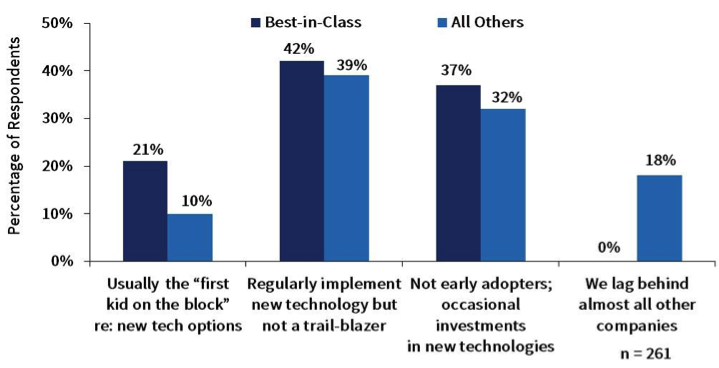
Figure 1: Early Adoption of Sales Effectiveness Solutions Pays Off

figure1.png

Aberdeen research conducted for Rich Media for Sales and Marketing: "Facts Tell, but Stories Sell" asked survey respondents -- predominantly leaders of sales and sales operations teams -- to what degree their enterprise typically exhibited "early adopter" behavior around sales effectiveness technologies.

Figure 1 tells two stories. First, the majority of organizations cluster around the less radical responses, with no significant deltas between Best-in-Class (those with the highest customer retention rate and annualized improvement in revenue, marketing contribution to sales pipeline, and sales cycle reduction) and under-performing companies.

More telling are the data at the extreme ends of the chart, which clearly define the correlation between stronger sales results and leading-edge attitudes toward technologies. The top performers are more than twice as likely as All Others (21% vs. 10%) to eagerly adapt to the newest sales effectiveness solutions available and, infinitely less often (0% vs. 18%), to wait for other organizations to take the lead.

Early Adopters Rise to the Top

The premise here is that the all-important B2B buyer experience ‒- which takes place after a frustrating hidden sales cycle has finally yielded a prized one-to-one sales conversational opportunity -‒ can potentially be handicapped if the seller is perceived as missing the boat regarding the latest and greatest tools of the trade. Think of it this way: If two sales reps meet with us on the same day offering competitive solutions, are we more impressed with the salesperson who is armed with the coolest new tech products, in addition to the traditional advantages of dressing well and sharing our interests? It’s very likely.

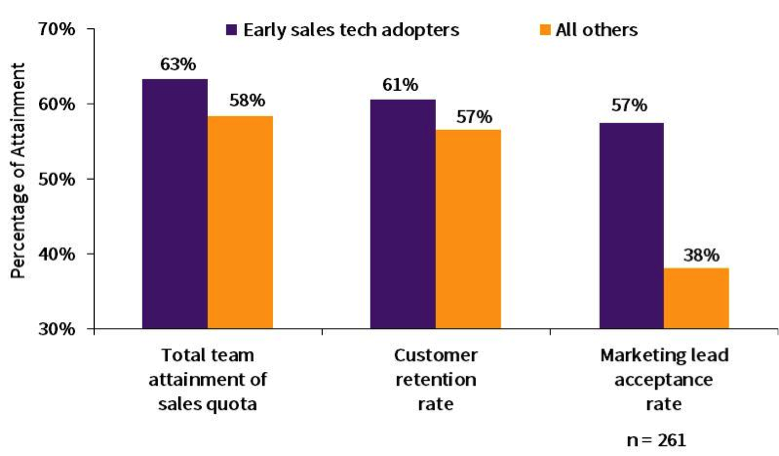
Lest this hypothesis be perceived as merely an intellectual construct, take a look at Figure 2, which compares the current business results of early versus late adopters. This data shows that in all facets of the customer management lifecycle, organizations that enable their sellers with more current tools perform better than non-adopters:

Figure 2: Early Adopters Score More Victories in Marketing, Sales, and Service

figure2.png

Here are three key takeaways from this chart:

  1. Today's professional B2B marketers are not judged by activity-based 20th century metrics, such as the number of registrants, attendees, or eyeballs. Rather, today's KPIs are far more sales-centric -- see Aberdeen's Consider the Audience: Marketing Effectiveness Metrics for Everyone for confirmation. With a 50% higher lead acceptance rate (57% vs. 38%), early sales technology adopters are clearly partnered with more effective corporate marketers. This is because they more actively provide the sales team with access to the marketing automation platform, have a voice in messaging development, and follow other lessons from Aberdeen's data featured in Sales and Marketing Alignment: A Primer on Successful Collaboration.
  2. Typically, more marketing leads accepted by sales will create cascading efficiency that yields a stronger batting average for the closers. Is a 9% delta in total team attainment of sales quota (63% vs. 58%) worth a more aggressive approach in providing your front line with better tools? Considering that Aberdeen's research shows the typical cost of replacing each B2B sales rep is over $29,000 and takes 7.3 months to hire and train, every percentage point that contributes toward the entire team's success is indeed well worth the technical investment.
  3. Finally, sales organizations that adopt new tools sooner than later keep their customers around longer. Customers expect a seamless experience when buying and consuming from their sellers. They will not tolerate or respect a counterpart who is not enabled with the most up-to-date tools of their trade, for fear that the offerings of the company behind that rep are not future-focused.

Continue reading here.

Get HubSpot CRM today!

17 Jun 17:40

SMarketing Insight: Defining Your Sales Funnels

by Bill Faeth

Are Your Sales Funnels Undefined?

Sales Funnels

The importance of creating cohesion between your sales and marketing teams has long been established; companies that have made strides towards bridging the age-old gap between sales and marketing experience up to 20% annual revenue growth compared to companies who neglect this important step.

Confusion and lack of strategy between your sales and marketing efforts can lead to a diminished number of quality leads and fewer leads converted into customers. There are a few easy ways to improve your company’s success, however.

Through defining your sales funnels, you can create uniform language and clear definitions of success for your sales and marketing departments. You can also build clear, understood processes for handling leads once they come through your funnel.

Defining your sales funnels are a vital part of your company’s overall success. Here are a few easy tips for getting started.

Determine What a Marketing Qualified Lead (MQL) Looks Like

What is a Marketing Qualified Lead, exactly? Well, it depends on your company’s particular definition, based on collected data, trends, and the type of customer you are trying to attract.

Sam Kusinitz at Hubspot defines an MQL as “a lead judged more likely to become a customer based on lead intelligence, often informed by closed loop analytics.”

The leads that are determined to be “Marketing Qualified,” according to your company, should possess a series of carefully researched traits and activities that indicate the lead is a good fit for your company and ready to talk to a sales person.

You might also include descriptors for your MQL such as job title, level of interest in your company, and role in the decision making process of a company, such as influencer, buyer or end user. Each of these pieces of information can help aid the process of defining an MQL for your sales and marketing departments, diminishing the communication barrier and helping transition both departments to the same page.

Determining the definition of a Marketing Qualified Lead is the key point of transition between sales and marketing teams.

When you’ve determined the definition and attributes of a Marketing Qualified Lead, your sales and marketing teams can move forward in the defining of sales funnels.

Implement a Service Level Agreement (SLA)

Another important piece of the sales funnel puzzle is to establish a Service Level Agreement between your marketing and sales departments.

The Service Level Agreement (SLA) will help determine what both departments are responsible for in the company’s overall strategy and will also help stablish shared goals towards growth and revenue.

Step 1: Determine the Marketing Department’s Accountability

In this step, you will need to determine how many leads the sales team needs to meet their quota.

With this information in mind, you can determine how many leads your marketing department will be required to deliver, what quality of leads they are required to deliver, and the timeframe in which they are required to deliver them.

You can also consider what percentage of the company’s overall prospecting will be done by each department.

Your sales department may need to be responsible for a fraction of the prospecting and for obtaining a number of the leads they’ll need to meet their quota.

Step 2: Determine the Sales Department’s Accountability

To determine your Sales Department’s Accountability in the Service Level Agreement, you’ll need to determine how quickly a sales rep should follow up with a Marketing Qualified Lead. You will also need to determine how many attempts at contact your sales rep should make with all MQL’s of a certain type.

With this information on hand, you can determine how contact attempts at contact your sales team should complete each month.

Step 3: Determine SLA in Dollar Value

In order to determine the Service Level Agreement in dollar values, you’ll need to take the percentage of sales’ quota that your marketing department is responsible for every month.

Say for instance, this amount equals $200,000.

Once you’ve determined this amount, you’ll need to calculate the value of each Marketing Qualified Lead. With the value of an MQL in mind, you can then determine how many leads your marketing department is required to deliver each month, to reach the total amount you’ve designated for their monthly quota.

For more information on determining the value of a Marketing Qualified Lead (MQL), check out our Complete Guide to SMarketing.

Each of these steps is a crucial element of success in aligning your marketing and sales departments. They can help catapult your company towards better relationships with customers and leads, better handling of Marketing Qualified Leads and more revenue overall.

16 Jun 15:52

What Every Marketer Should Know About Millennials In 2015

by Bob Hutchins

millennialsMillennials hit a new milestone this year. According to new Pew Research Center analysis of U.S. census bureau data, Millennials are now the largest generation in the U.S. labor force, totaling 53.5 million. The number of Boomers in the workforce has dropped, as well, leveling out with the number of Gen-X workers.

The Millennial generation – like any generation judged by its predecessors – is subject to some false assumptions. Millennials tend to get a bad rap from Gen-Xers and Baby Boomers as lazy, glued-to-their-phone consumers who gotta-have-it-now.

However, the differences between what Millennials are perceived to desire and what they actually desire are actually very different. (The following statistics are reported in KPCB’s 2015 Internet Trends Report, which we recently shared on the BuzzPlant blog.)

What Millennials Want Out of a Job
Millennials most value the following things in their career (from most to least important):

  • Meaningful work
  • High pay
  • Sense of Accomplishment
  • Challenging Work
  • High Level of Self-Expression
  • High Level of Responsibility

millennial 1

There are three big surprises here, in terms of what managers expect and what Millennials report. Millennials attribute much more importance to “meaningful work” and a “sense of accomplishment” than managers give them credit for. Furthermore, Millennials value “high pay” with less frequency than managers’ expect.

The Top Job Benefits Millennials Want
When it comes to work, there are three things that stand out above all other desires for today’s Millennial in the workforce:

  • Training & Development (22%)
  • Flexible Working Hours (19%)
  • Cash Bonuses (14%)

millennial 2

Emerging Millennial Trends: Flexibility & Tech Adoption
The newest data on Millennials points to two major trends: flexible work hours and tech savvy.

  • Many expect to be mobile and able to work from their home, office, or a café at will.
  • 20% identify as ‘night owls’ and work outside normal business hours.
  • 38% freelance (v. 32% of those over the age of 35).
  • 32% believe they will be working ‘mainly flexible hours’ in the future.

With regards to their tech savvy…

  • 34% prefer to collaborate online (v. in-person or over the phone).
  • 45% use personal smartphones for work purposes.
  • 41% are likely to download applications to use for work purposes in the next 12 months. They will pay for them with their own money.

Lastly, on-demand workers (those who generate economic activity through online platforms such as Airbnb, Uber, Lyft, Etsy, etc.) are primarily Millennials. It’s likely that we will see even more Millennials subsidize their income – or create primary revenue streams – through these models.

millennial 3

Marketing to Millennials In 2015
As a marketer or business owner, what will you do with this data? What surprises you? What opportunities do you see?

16 Jun 15:50

7 Highly Effective Daily Pinterest Habits For Business Pinners

by Dorien Morin-van Dam

As a business pinner, what are your objectives?

A good and solid strategy should always start with goals, so let me ask you, as a business pinner, ‘what are your objectives?’ to justify spending time on Pinterest?

What are you trying to accomplish? What to do gain from pinning?

Do your objectives include

  • Increased web traffic
  • Increased brand awareness
  • Increased Pinterest audience
  • Increased online audience

If so, you are on your way, all you need is

7 highly effective daily habits for business pinners. Get started today!

So…how do you get where you want to go?

By having a plan and being consistent! To get a plan, read, read, read and read! Ask questions, observe those who do it well.

There a so many successful pinners out there, many successful business pinners and because of them there have been plenty of articles written about Pinterest tactics and Pinterest business must-do’s and must-have’s.

Each business is unique and each business has a slightly different target audience, different objective and certainly a different style and brand

By being consistent and working on your account daily, you will make progress daily.

Do this by developing daily pinning habits!

If you were to ask several successful pinners, I am sure everyone has their very own ‘secret formula’ for pinning success. Someone might have great success with following huge numbers of accounts each day. Someone else might contribute their success to group boards. Someone else will say it’s the coaching they received, the online audience they had or the influence they used to gain followers.

For me, I’ve been on the tortoise’s path, not the hare’s.

Slow, steady progress with small growth spurts and small successes. My Pinterest business account is active, has a good size audience and continues to drive traffic to my website.

I have ‘7 Highly Effective Daily Pinterest Habits‘ and I am getting ready to share these with all of you business pinners.

Read. Learn. Analyze Apply. Repeat.

What are these ‘7 Highly Effective Daily Pinterest Habits for Business Pinners’?

7 highly effective daily pinterest habits for business pinners #infographic

1. FOLLOW PEOPLE

Be consistent and set a daily, weekly and monthly goal. Measure your growth once a week and you’ll know if you are on the right track! Make sure to follow accounts of people and business who are in your target market, because many of them will follow you in return. There’s a neat feature on Pinterest (one that often gets missed) where you can find out who your followers are following and it’s a great way to find and follow some new pinners, especially if you are connected to those in your industry!

7 Highly Effective Daily Pinterest Habits for Business Pinners

2. LIKE

Find pins you can ‘like’. ‘Liking a pin’ will trigger a notification to the owner of the pin and will get you noticed. It’s one way to ‘save’ pins you might want to repin at a later date. (another way to do that is to pin them to a secret board)

3. COMMENT

Select several pins every day to comment on. The comments do not have to be lengthy, but do have to add value to the pin. Again, this gets you noticed and will get you engagement.

I suggest you use your analytics to find out who’s pinned what pins from your website; then go and comment on those pins, thanking the pinner. It’s triggered many great conversations for me!

4. PIN ORIGINAL CONTENT

Eighty percent of pins are repins! That means many of the same pins get repinned, over and over. Introduce original content to Pinterest by pinning directly from websites. Don’t forget to include your own pins in those!

5. REPIN

Repin several pins everyday. I like to decide what two to three boards to pin to that day and search for pins for those boards. Sometimes, I’ll repin something that pops up in my feed, just because it’s too good to pass up. I will also schedule repins with Tailwind, my Pinterest tool of choice!

6. PIN TO GROUP BOARDS

Don’t underestimate the power of group boards. (I did, for a while.) Your Pinterest reach will increase, your pins will get noticed by a larger audience and if you own the board, it’s a great way to reach out and engage with fellow pinners!

7. ANALYZE

Check your notifications daily. Check your analytics often, too. Find out what pins are being repinned; use Pinterest analytics, and what content is being pinned from your website. Do this by adding your website to pinterest.com/source/yourwebsite like this: https://www.pinterest.com/source/moreinmedia.com/. Keep an eye on which boards are getting the most views and repins for the week. Pin to those most popular boards!

Consistency is key!

As with all social media marketing, look at strategy (and planning) for Pinterest as you would training for a marathon. Set a goal. Build it up slowly. Create a plan to follow. Make healthy choices. Measure and celebrate small successes. Social media is not a sprint; training to get it right takes months, if not years. Social media consistency is important to building up an audience. ‘Training’ daily for a great end result is what is needed to succeed.

Social Media Marathon - Consistency is key!

And from experience I KNOW how rewarding it is to get results at the end of the long journey! Just look at my smile.

16 Jun 15:50

Why LinkedIn chooses really weird names for the software it gives away for free (LNKD)

by Julie Bort

voldemort harry potter

Like all huge internet companies, LinkedIn invents a lot of software to keep it up and running.

And like most Valley companies, it turns around and gives that software away for free, so others can use it and add to it, which helps LinkedIn add new features to it.

That's a process called open source and it has not only forever changed the software industry, but is starting to change the internet hardware industry too.

And when you invent something, you get to name it.

LinkedIn, it turns out, has a lot of oddball names for its open source projects. So we asked LinkedIn: What's up with that?

Project Name: Voldemort

Project lead Jay Kreps was reading the last Harry Potter book, and the book's villain Voldemort had split himself into many pieces, each of which had to be destroyed to kill him. That made Kreps  think of a distributed computer system.

Kreps says: “I don’t know whether it is nerdier to be reading Harry Potter or to be wondering what kind of consistency protocol Voldemort uses when keeping all his pieces up-to-date, but regardless, the name stuck.”

What it is/does: Open source key value storage system, which is a method for storing and finding data in certain kinds of databases.


Project Name: Kafka

kafka portraitThe team had just finished using a lot of Harry Potter-themed project names (Voldemort, Azkaban, Lumos, etc.) and were over Harry Potter so they went with something more random, Kafka, after the writer.

What it is/does: This is a system for writing things down that replaced a very complex system for writing things down, Kafkaesque if you will.

(In geek speak: Apache Kafka is an open-source message broker project developed by the Apache Software Foundation written in Scala, designed to handle real-time data feeds).


Project Name: Pinot

Pinot GrisThe team chose the name for two reasons. First, everyone loves pinot noir wine.

Second, the pinot noir grape is the toughest of all red varietals to grow and process into wine, yet can produce some of the most complex wine available. This is much like data, which can be so tough to gather and analyze, but so incredibly useful once it's put to work in the right way.

What it is/does: Pinot is a distributed online analytics infrastructure, meaning it lets LinkedIn slice and dice huge amounts of data. It's used at LinkedIn for nearly real-time analytics.

(In geek speak: it does large scale multi dimensional time series data).


Project Name: Cubert

rubik's cubeThe Cubert name owes its origin to the project team's fascination with the Rubik’s Cube. (Pronounced Cube-bert, get it?)

Just as the blocks are moved about in smart ways to solve the Rubik's cube, the team found that moving data blocks in smart ways can solve complex analytics problems.

What it is/does: Cubert is a computational engine used for crunching a lot of data.

(In geek speak: Cubert is a batch computation engine for complex analysis and reporting of massive data sets on Hadoop.)


Project Name: Nuage

Nuage is French for cloud.

mushroom cloud apocalypseWhat it is/does: This is a cloud service that helps developers more easily set up a database to use with a cloud application.
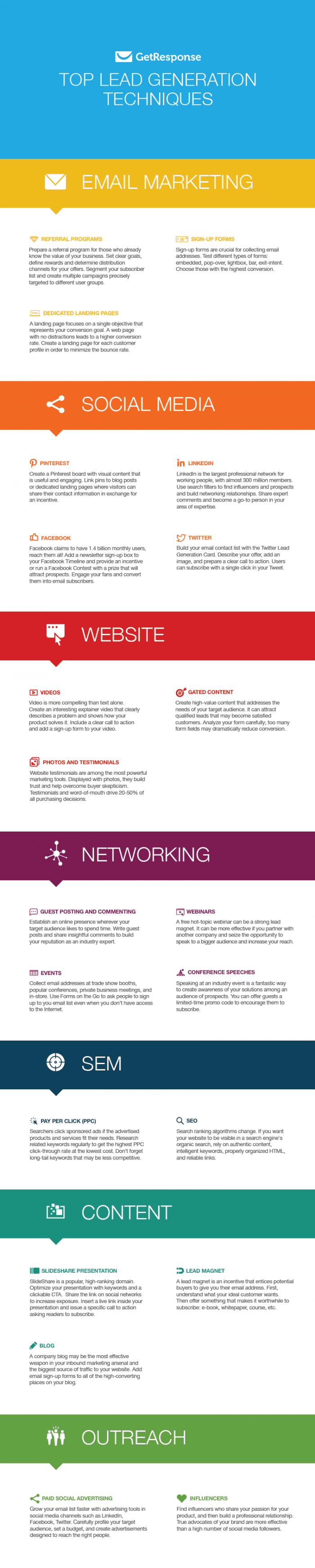
(In geek speak: Nuage makes it easier to do database provisioning by giving developers a set of application programming interfaces.)

SEE ALSO: Thanks to IBM, a hot startup called Databricks is poised to dominate a vital new market

Join the conversation about this story »

NOW WATCH: 5 clever iPhone tricks only power users know about

16 Jun 15:50

These charts from a major VC firm might just convince you there's no tech bubble

by Matt Rosoff

Infoteh__benedict_evans2_hires0_.jpeg

Is there a bubble in tech? 

We see enormous amounts of money flowing into privately held companies with books that are hidden from the public, and some people like investor Mark Cuban see a repeat of 1999. Other VCs like Bill Gurley agree that we're in some kind of bubble, even if it's not the same as last time.

But Marc Andreessen has been one of the strongest voices to say there is no bubble, that things really are different this time. (Although even he warned that some venture-funded startups were burning way too much money and would soon "vaporize.")

Earlier today, three analysts at Andreessen's VC firm — Morgan Bender, Benedict Evans, and Scott Kupor — published a bunch of charts that strongly support Andreessen's point of view.

To boil their argument down:

  1. Yes, the absolute number of dollars flowing into privately held tech startups is approaching the same levels as the dot-com boom. But by every other reasonable metric — funding as a percentage of GDP, funding as a percentage of people online, P/E multiples of tech companies — this looks nothing like 1999.
  2. Except for big late stage funding rounds, the average size of rounds is actually smaller than it was last time. There's no inflation at earlier stages. In fact, more companies are being created than ever, and it's cheaper to start a company, so those early-stage startups need less funding to get rolling.
  3. What's really happening is companies are taking much longer to go public. The tech IPO market is basically dead. So the only way to capture value from a successful tech company's massive growth phase is to invest when they're still private. That's precisely what's happening — massive late stage investments are being driven by funds that would normally invest in the public markets, but couldn't capture the massive growth if they waited.

The best example: Imagine you bought into Microsoft's IPO. Years later, you bought into Facebook's IPO. The only way your return on Facebook would be the same as your return on Microsoft would be if Facebook were someday worth $45 trillion — more than twice the entire GDP of the United States.

Here's the full thing:


SEE ALSO: Salesforce CEO Marc Benioff says Mark Cuban is wrong: There's no bubble

Join the conversation about this story »

NOW WATCH: The crazy story behind Slack, the app taking over offices everywhere

16 Jun 15:49

Top lead generation techniques [Infographic]

by Robert Allen

21 lead gen techniques to give your lead generation a boost

Lead generation is a critical driver for new business, especially for B2B marketing.  So reviewing the full range of lead generation techniques now available is useful to see whether there are missed opportunities for generating new leads. This infographic from GetResponse will help you review 21 techniques across the 7 key digital marketing channels which your lead generation efforts should be focused around.

You may already be using several of these techniques, but there could be others you have overlooked? Do you run webinars to showcase your offering? If not then it could be something to consider as they often generate the very hottest leads. If you don't feel you have the assets to run one alone, try partnering with another company as the infographic suggests to run webinars that will speak to a bigger audience and increase your reach.

Creating some high-value gated content that requires prospective customers to fill out some details to access can also be a great way to attract leads as well, as again they will by definition be people interested in what your company has to offer.

Use this infographic and handy lead generation checklist from GetResponse to make sure you are making the most of all the different lead generation techniques available to you, so you're not missing out on an opportunity for more leads.

infographic lead generation

16 Jun 15:48

5 Basic Steps Industrial and Manufacturing Companies Can Use for Getting Started In Social Media

by Sarah Greesonbach

Eighty-four percent5 Basic Steps Industrial and Manufacturing Companies Can Use for Getting Started In Social Media of B2B marketers use some kind of social media marketing for business development, and a lot of that growth has taken place recently. Sixty-two percent of marketers said social media became more important in the last six months, and 72 percent have only been actively using social media marketing for a few months or less.

Given these impressive statistics, traditionally “less-sexy” industries such as industrial and manufacturing companies are eager to see what social media marketing can do for their business.

Does it have value, or is it a waste of time?

Like all new initiatives, they face a few challenges. They wonder if social media marketing can really deliver on those promises, and they aren’t sure about getting started in social media.

Fortunately, every B2B business can find an excellent use for social media if they target the right audiences with the right strategies.

The difficulty lies in knowing where and how to start. Today we’d like to introduce you to social media 101 for industrial and manufacturing companies. Here’s everything you need to know about identifying the right platform for you, building an effective profile, and figuring out what and how often to post.

5 Steps for Getting Started in Social Media

1. Identify the Best Platform for Your Business

When you’re getting started in social media marketing as an industrial and manufacturing company, the most important thing you can do is select social platforms where you can actually find your prospective clients. Depending on your industry, Pinterest will likely never be the best choice for your marketing budget. LinkedIn, however, with 259 million global, business-minded users, will almost always be a good idea. Carefully consider the pros and cons of the four major social media platforms before you commit to building a community on each.

For industrial and manufacturing companies, LinkedIn and YouTube are our go-to social media recommendations. B2B Video Marketing has helped us get results for several major manufacturing clients, and LinkedIn is a powerhouse for connecting CEOs, CMOs, and senior sales personnel with qualified, interested leads.

2. Build Effective Social Media Profiles

Much like every word on your website needs to be written for the right audience, your social media profiles need to reflect the unique value and personality of your business. If LinkedIn is the platform you’re moving forward with, start with a well-written personal profile. Then expand your efforts to your business page to include action-oriented headlines, a polished company summary, and consistent branding and language from your website. Take a moment to review LinkedIn’s best practices for company pages resources, as well.

3. Dig Deep for Social Media Content

Once you’ve identified the right platforms for your community, it’s time to answer the often frustrating question, “What should I post?” Start by brainstorming the unique perspective that your company brings to your industry.

  • What will your customers find valuable?
  • What do your customers want to read about?
  • What will your customers be likely to share with their networks?

If you consider your products, services, and business from the perspective of what your customer needs from you, you can generate a lot of ideas with very little effort.

While industrial and manufacturing companies are traditionally considered “boring,” and “quiet,” they are actually particularly ripe for social media content because they’ve been inactive for so long. These smart but silent industries can bring their knowledge to their customers in a new way that bypasses the traditional company jargon in favor of interesting and engaging content.

One such example comes from KISSmetrics’ Neil Patel as he writes about an example B2B company that sells large vivarium misting systems to zoos, research universities, and animal theme parks:

“That sounds pretty boring. What the heck is a vivarium misting system? This is where the B2B needs to get creative. A vivarium misting system helps reptiles to survive in an environment that is different from their native environment. It’s going to help pythons thrive in a research environment so scientists can understand them. Do you see the unboring angle emerging? There may not be a lot of people interested in vivarium misting systems, but there are a lot of people interested in pythons, or rainforest preservation…”

Find the non-boring angle on how your company serves a larger public and tap into it for engaging social media content. Then those ideas can take the form of hundreds of different kinds of social media content that engages and entices your customers into a relationship.

4. Establish a Meaningful Posting Rhythm

One of the most common questions we get about getting started in social media marketing is how often companies should update social media platforms. And most of our clients are afraid that the answer will be very involved and very time consuming.

However, the Social Media Marketing Industry Report notes that marketers saw qualified leads from social marketing with as few as six hours per week. The lesson here is that social media marketing doesn’t need to be time-consuming to be effective. In fact, the more planning you put into it, the less time you will need to spend in implementation.

When you’re ready to set a posting schedule, research-based infographics like this one and tools like Tweriod can help you identify the most effective times for your network of prospective customers. When in doubt, start with one unique post per weekday on the major networking platforms and tweak according to the results you experience.

For example, if you find that the increase in posting corresponds with an increase in engagement it’s a good sign that you could increase your posting to twice per day. Continue to increase until you notice a decreased engagement trend, and then return to the posting schedule that inspired the highest level of engagement.

5. Go Above and Beyond Social Platforms

If you limit your social media marketing to social media platforms, you may miss out on even more benefits of networking with your community. When you’re getting started in social media, don’t stop with your social channels. Go above and beyond the platforms by integrating your social media presence into your company blog, website, and trade shows. Each of these marketing tools offers a new way to fuel your social efforts, maximizing the value of the tool itself.

For example, trade shows provide tons of opportunities to connect with prospective customers in real life and follow up online. As you plan for your manufacturing trade show, identify a list of pre, during, and after-show tactics you can deploy via social media to make the most of the event. When you get back from the trade show, post an update to your company blog summarizing the event, outlining the speakers, and mentioning the partners that you met while you were there. Use this blog post to continue networking with clients and other businesses that attended the trade show to get a bigger reach than just your current social network.

Now that you have your primer for getting started in social media, we’d love to know what questions you have about implementing your strategy. Leave a comment below and we’ll let you know our thoughts.

16 Jun 15:47

Never talk price before value

by steli@close.io (Steli Efti)

Imagine you're doing a cold call and pretty early on in the sales conversation the prospect asks you: "What's the price?"

You probably already know better than to just give them the price. But what if they insist on it: "Just tell me the price already. There's no reason for you or me to waste our time going through this whole conversation only to find out at the end that your price isn't a good fit for our budget. So how much are we talking?"

Sounds reasonable. So what do you do? Give them the price range?

Let's assume for a moment you give them a price range: "The price range is around $10,000 to $20,000 annually."

Congratulations, you've just put the final nail in your coffin!

At this point, you have given away all your power in the sales conversation. You know nothing about the prospect.

By putting out your price like this, you've positioned your solution as a commodity. The prospect now looks at your offer as a cost center. It's very hard to establish the value of your product or service from here on out.

Unless you actually are selling a commodity, you simply don't have the insights you need to quote a prospect a price. For most SaaS companies, you need to know a couple of things about your buyer, for example:

  • How much value is your solution able to create for this prospect?
  • How will that value be evaluated and quantified, which KPIs?
  • Is this a small, medium or enterprise-sized prospect?
  • How much support does this prospect need?
  • What are their overall wants and needs?
  • Will the prospect require consulting?
  • What's their budget?
  • How much usage will they create on your platform?

There are all kinds of ways that quoting them a price too early can backfire.

Most people think that quoting a price that is too high is the potential deal breaker, and for many prospects this is true. But sometimes the opposite is true!

What if your price was too low?

Some buyers have gigantic budgets and want to know that you're a serious vendor.

If you quote them $10-20,000 a year for something that they usually would spend $2 million a year, they won't take you seriously.

cheapsentiment

You lost the deal because you didn't know who you were dealing with. You threw darts in the dark, and gave them a price way too low.

So what should you do instead?

"What's your budget?"

If the prospect tells you they don't want to waste time talking about an offer that might not match their budget, just ask them: "Well, what's your budget? We have many ways to structure deals, so if you tell me your budget, I can tell you if and how we can make it work."

Many prospects will share insights about their budget with you. But some won't...

"I'm not going to tell you the budget"

Many people will freak out when they get a no from a prospect. 'Oh no! I pushed too hard and now they're upset!'

No. That's the completely wrong way of looking at this. You've elicited a strong response from the prospect. A moment ago the temperature in the room was cool, they were slightly interested. You've just turned the temperature up.

Now the prospect is much more emotionally engaged.

Take that energy and turn it into interest. That's how you turn a disengaged prospect into a hot lead in a sales call.

Establish value first

Gather relevant insights about your prospects first. Then when it comes to price, you can make it about the value your solution provides. Rather than being a cost center, the prospect views it as an investment.

The question shouldn't be: How much does this cost?

The question should be: How much will the ROI of this investment be?

Pricing is positioning

Hopefully, you're not in the business of being the cheapest on the market. But if you want to position yourself as a premium solution, you can't do it with wholesale pricing. It's not a sustainable business, and people draw conclusions about the value they get based on the price you charge.

Conclusion

Never, ever give away price without understanding your prospect.

Never, ever give away your price before establishing value in a sales conversation.

If you talk about price before you know what value you create, you're talking cost, commodity, you're losing control.

When you talk price once you truly understand the prospect and customer, now price is an investment, it's a branding, it's a positioning. See how it turns from something negative and out of your control to something positive and empowering, something that strengthens your negotiations in the sales process.

16 Jun 15:47

5 Ways to Generate Leads on Social Media (That Works)

by Sherman Standberry

Are you generating quantifiable leads from social media? There are thousands of companies leveraging platforms like Facebook, Twitter, and Instagram. Most spend majority of their time creating and posting content on a daily basis. Others may place a large focus on increasing followers. After working for a social media management company, I’ve learned that while both are very important, they do not often directly translate into leads. In this blog post, you will learn 5 actionable ways to take people from social media and convert them into leads. Here they are:

1) Get Your Brand in Front of People Who Need It

The most direct way to generate leads on social media is to promote your product directly to people
who need it. I strongly believe that if you connect a good product to the right audience, it will convert.
Here are some easy ways to connect with potential buyers immediately on various platforms:

  • Facebook: Leverage advertising to laser target people who have expressed “interest” in what
  • you offer.
  • Twitter: Use advanced twitter search to find people talking about their need for a specific
  • product or service related to what you over and start conversations with them.
  • Instagram: Find strong competitors, similar brands, or general social media pages that your
  • target audience may follow and follow their followers.
  • Pinterest: Leverage promoted pins to place your product or service on keyword-based search
  • results related to your brand.

2) Create Downloadable Content to Educate Your Target Audience

Depending on your business, heavy promotions of your product or service will not always be effective if
people cannot understand the benefits of using it. For example, you can’t sell software to people who
are unable to understand how the software will help them. By creating downloadable content in
exchange for contact information, you can educate your target audience while fueling your email
marketing and sales pipeline. Some forms of downloadable content consists of:

  • Short eBooks
  • Whitepapers
  • Infographics
  • Cheat Sheets
  • Checklists
  • Guides

If you need inspiration for downloadable content, try reading 100 content marketing examples.

3) Develop Webinars and Podcasts

Webinars and podcasts are another way to capture information from your target audience. Some people are visual learners, while others would rather jump off of a cliff before reading something. Webinars are a quick, visual, and easy way to get right to the point while providing valuable information to your target audience. Webinar marketing has grown dramatically with social media as a main driver of traffic.

4) Offer Special Promotions and Coupons

Offering special promotions and coupons is a fundamental way of generating sincere leads on social media. People love saving money on things that they need or are interested in. You can incorporate coupons into everything mentioned thus far. By including special offers in advertisements, in downloadable content, and at the end of webinars, you’ll find your target audience gravitating closer to becoming a qualified lead and future customer.

5) Social Media Contests

Lastly, social media contests and giveaways are a great way to generate leads. By giving away something of interest, you draw hundreds and thousands of relevant people to your brand. To generate leads with contests, you have to do make sure you do a few things:

  • Giveaway something that people actually want, but is relevant to your business
  • Make sure that you are promoting the giveaway to your target audience
  • Create a barrier of entry that involves collecting their contact information

16 Jun 15:47

Wanted: One Crystal Ball to Predict Sales and Marketing Success

by Carolyn Ladd

Believe it or not, we are nearly halfway through the year already. Summer is looming, and sales and marketing departments are beginning to seriously assess if they need to take any immediate actions to ensure they meet their numbers for the year. There is nothing like the halfway point to evaluate earlier predictions and change course if necessary. It’s also the time when reality sinks in and wistful statements start with “if only.”

June is also when many of the good intentions heralded in January, like the vision and mission for the new year, are questioned. Moreover, because none of us have a crystal ball, there is no way to achieve success based on the way most companies use data — which is to say that little to no data is used to predict success. Much of what we do is reliant on gut or the results from the previous year. However, because a company’s trust in these past results is often low, many marketing and sales organizations begin to take action in the name of thwarting disaster or, at the very least, ensuring success six months out.

The fact is companies need to put away their Ouija boards and tarot cards and move to using the predictive tools for today. Insights from customer analytics can give companies data about the best customers, and this data can arm sales people with a better strategy regarding whom to approach about more sales. Companies know that all customers are not equal when it comes to their overall value and loyalty, yet most companies never invest in trying to understand their current buyers.

According to the Loyalty Research Center, “A five percent increase in customer loyalty can lead to between a 25 percent and 85 percent increase in profitability.” Understanding who these most loyal customers are could have a huge impact on marketing and sales results. Now that is a prediction relevant to any business-to-business company.

At the front end of the marketing funnel there is also a better way to predict success. According to a recent Forrester Research report, From Priming the Pipeline to Engaging Buyers: The B2B CMO’s New Role in Sales Enablement, “CMOs who enjoy the most collaborative working relationships and push the automation envelope also develop 50 percent or more of the opportunities that sales accepts and forecasts.” Again, here is success you can count on.

So, leave your Magic 8 Ball at home with the kids and begin using analytics and marketing automation to ensure your sales and marketing success. Your company’s future may depend on it.

16 Jun 15:46

Some B2B Marketers Are Liars (Or Not)

by Marc Jadoul

What’s more important, the absolute facts and figures or the story?

As I have written many times before on this blog (read e.g. the posts mentioned at the bottom of this article,) I am not a big fan of presenting naked numbers to an non-expert audience. IMHO, most numbers, spreadsheets and charts are meaningless without a value context or without a good story.

The title of this week’s post is inspired by the title of Seth Godin’s 2005 bestseller “All marketers are liars.” In this book the author illustrates the power of marketing an authentic story:

“All marketers tell stories. And if they do it right, we believe them. We believe that wine tastes better in a $20 glass than a $1 glass. We believe that an $80,000 Porsche Cayenne is vastly superior to a $36,000 VW Touareg, even if it is virtually the same car. We believe that $225 Pumas will make our feet feel better —and look cooler— than $20 no names… and believing it makes it true.”

Though Godin’s examples are originating from B2C use cases, the title statement also holds for B2B marketers. Often we think that, unlike consumers —who tend to make buying decisions based upon impulse, emotion, or even the love for a certain brand— business customers only care about detailed product specs, competitive differentiators, and value-for-money. But business decision-making is often driven by emotion too.

Recently I came across a CEB research paper about the challenges that marketing leaders in large B2B organizations face in structuring a brand differentiation strategy and in addressing their customer’s real needs:

  • Branding is important. Most B2B buyers (74%) believe that brands provide business value, although the exact value is hard to quantify by numbers. Only 14% of customers perceive a real difference in a supplier’s offerings and value its difference enough to be willing to pay a premium for it, while 68% of buyers who see a personal value will pay a higher price for a product or service. This personal value includes emotional appeals in areas such as professional benefits, social benefits, emotional benefits, and self-image benefits.
  • Stories and personal value messages drive action. 48% of B2B buyers say they have ever wanted to buy a new solution but not spoken up about it because of fear of losing respect and credibility with colleagues (or even their job). To drive action, suppliers must shift their customers’ focus away from the costs and risks of change, and start a conversation with their prospects about personal difficulties, emotional needs and future personal gains.

By telling a story that empathizes with their customers’ real challenges and offers them solutions in a language they can understand, B2B marketers can build trust and support buyers in their choices and decisions.

liar

And, although one should never lie to your audience or present them with content that you definitely know is incorrect, there is nothing wrong with omitting meaningless figures, or framing the facts to better align with the message you’re trying to convey.

16 Jun 15:45

Should Salespeople Blog? 6 Perspectives on the Great Debate

by esnider@hubspot.com (Emma Snider)

typing_green.jpg

Buyers today can get all the information they need about a given product or service on the vendor's website. This means salespeople need to offer value to prospects beyond merely explaining features. Whereas salespeople were once primarily product experts, they now need to become experts on their prospects' industries and businesses to stay relevant. 

But how do you advertise your business savvy? One of the best ways to identify yourself as an expert and express your unique viewpoint is through blogging. When salespeople blog, prospects can familiarize themselves with the rep's approach and begin to form trust. Not to mention that blogs can help sales reps attract qualified buyers to them -- no outbound outreach required.

This is the argument in favor of salespeople blogging. However, there are equally strong points against the practice. 

So, should salespeople blog? We asked six experts to weigh in. As you'll see, the answer isn't a firm "yes" or "no." But the nuances are incredibly informative for any Sales or Marketing leader thinking about instituting such an initiative. 

What are the benefits of salespeople blogging?

Blogging "shows how knowledgeable we are -- not only about our products and our industry, but also about our customers’ needs and wants and what’s happening in their industry. Sharing this knowledge attracts the right people. They follow us and get to know our reputation." - Alice Heiman, founder and chief sales officer of sales consulting and coaching firm Alice Heiman LLC

"Today salespeople must not only find their customers and identify customers’ early buying patterns -- they must also help customers find them. Writing blogs is a great way to establish a brand. Salespeople who want to blog can position themselves as a person with a viewpoint and perspective to share. They can bring insights to their customers, spark agreement and debate, develop relationships with peers and other bloggers, and help customers find them." - Linda Richardson, founder of Richardson and faculty at The Wharton School

"I think writing is one of the most important skills a salesperson can have and blogging helps develop those skills." - Craig Elias, CEO of SHiFT Selling, Inc.

Should salespeople blog? If so, where -- LinkedIn, their company blog, a personal blog, etc.?

"Yes, [on] all three, as each site is going to reach a different audience and have different outcomes. For nearly everyone, LinkedIn is going to be the best platform, but only if you have taken the time to develop connections with people who are probable to 'like' your posts and thus push them out to more people." - Mark Hunter, speaker, trainer, and consultant at The Sales Hunter

"Yes and no. Creating trust and expertise is crucial for [a rep's] credibility, particularly in high-end and complex selling environments. Creating original content -- about best practices, not about the awesomeness of their solution -- is a great tactic, but it takes time away from selling. So, I suggest an occasional original blog be interspersed with more frequent sharing, retweeting, and reposting of marketing-provided content. In terms of which venues are best, it’s wise to try them all and see which gains the most traction." - Peter Ostrow, vice president and research group director for the customer management research practice and sales effectiveness principal analyst at the Aberdeen Group

"I support blogging as a marketing activity and know it will increase sales. However I don’t think there is enough incremental value in having sellers blog for their corporations to warrant them blogging directly. I think companies are better served with sellers as 'content curators' rather than 'content creators.' Provide sellers with pieces they can republish to their social networks and personal blogs, share with clients, and talk about at networking events." - Colleen Francis, owner of Engage Selling Solutions

"I think LinkedIn is the best place to start blogging because your network becomes your readers and it's easy to promote your posts within the groups you are a part of. Once you've mastered blogging on LinkedIn you can move to guest blogging for other sites where you can get a wider audience." - Craig Elias

"On a practical level, there are questions such as: Where does blog writing fit into the salesperson’s priorities? Does the salesperson have the writing and editing skills needed? Does the company [need to] censor? How will the blog be managed, and what is the quality of the content? If blogging for any of these reasons is something salespeople can't commit to, they can ask and answer questions on the sites their customers visit or comment on a thread." - Linda Richardson

"In very limited cases, salespeople should blog. With the right circumstances it will be helpful. For most companies, I recommend that marketing and sales leadership be the authors of the blogs and that salespeople be trained to share that information properly by email and social media. I also recommend that we teach salespeople to be content curators. Salespeople need to elevate their status as experts in the eyes of customers and prospects. Blogging is one way they could do that. But they could also do it by curating and sharing good content online, holding training webinars, speaking at events their customers and prospects attend, and solving problems." - Alice Heiman

What are some of the downsides to having salespeople blog?

"There are so many issues about having salespeople blog. Getting them to actually do it is only one of them. In companies where there are hundreds of salespeople, it would be a logistical nightmare any way you tried to do it. Brand and reputation are everything in this market. Having salespeople blogging on their own could be damaging." - Alice Heiman

"In the end it’s customers, not just eyeballs, that you want. Too many people believe if all they do is crank out blog content, everything else will take care of itself. People relying on that strategy will soon find themselves broke. First of all, blogging takes time, and it might be months or even years before your blog content gains traction. Only a fool would believe content -- even good content -- is going to translate into immediate sales." - Mark Hunter

"The benefits are more exposure, and more discussions about your company in the market. The downsides are also more exposure, and more discussions about your company. Assess the risks and requirements in your own market before opening up blogs to your sales teams. Can you control the messaging that is being published about your company tightly enough for your satisfaction and profit?" - Colleen Francis

"The downside is a rep going off the rails in terms of style, promises, pricing, or overly aggressive or competitive behavior. An editor from the marketing team should try to provide oversight." - Peter Ostrow

Should salespeople receive training before they blog? 

"Anyone who blogs should have training. There are many dos and don’ts for writing blogs and anyone who is going to write needs to be trained to follow them. Having a writer who interviews salespeople and gives them the byline may be a good idea."  - Alice Heiman

"No. The key thing is making sure what you write is grammatically correct and compelling. It may be helpful to have another person review and edit what you write before you post it. Yes, there are things you can do with regard to keywords, but if you share compelling copy, search engines will do the rest." - Mark Hunter

"Yes! When you create or curate content you are representing yourself and your company publically. If you are going to allow sellers to blog, they must be trained on how to write, and what to write. They should also be given written guidelines about what they can write and what they can republish from others." - Colleen Francis

"Yes, and their first couple of entries, at least, should be supervised until they are up to speed." - Peter Ostrow

What are some tips to help salespeople get started with blogging and/or curating content?

"Before any salesperson blogs, they should first focus on building out their LinkedIn profile. Your LinkedIn profile will do more for you than anything else in terms of allowing people to become confident in you. My suggestion is to then use the LinkedIn publish feature as the platform for you to begin sharing content. Don’t even think of going beyond that point until the posts you put on LinkedIn are gaining both views and comments." - Mark Hunter

"The best reps earn their buyers’ trust by helping them do their jobs better, before the sale. Learn about your buyers’ challenges and provide value -- for free, in the spirit of sharing user-generated content -- by at first curating, then creating, content that will make you look good.  Don’t use your publication platform to sell the product -- just to educate." - Peter Ostrow

"Show them how to find industry experts to follow and gather that content using Pocket, Feedly or some similar tool. Teach them how to share that content on social media and with email. More importantly, show them how to follow their customers and prospects online and interact with them in a meaningful way." - Alice Heiman

What do you think -- should salespeople blog? Give us your opinion in the comments.

Get HubSpot CRM today!

16 Jun 15:44

Ready, Get Set, Read! 10 Thought-Provoking Books to Peruse This Summer

by Jessica Langensand

iStock_000003700742_Small

Yay, it’s summer! Now that the days have gotten longer, there’s more time for BBQ-ing, road tripping, and, of course, catching up on all those books you’ve been meaning to read!

Whether it’s good ‘ole marketing you’re interested in, or you’re seeking some sound business advice, you’ve come to the right place. As you (hopefully) find time to prop your feet up and relax this summer, here are some books to help stimulate your mind:

1. Everybody Writes: Your Go-To Guide to Creating Ridiculously Good Content

everybodywrites

Everybody Writes: Your Go-To Guide to Creating Ridiculously Good Content – Ann Handley

Whether you’re authoring 140-page ebooks or 140-character tweets, you are producing messages that reflect your brand. In her latest book, Ann Handley provides readers with the tips and tricks to create engaging content.

2. The Art of Social Media: Power Tips for Power Users

artofsocialmedia

The Art of Social Media: Power Tips for Power Users – Guy Kawasaki and Peg Fitzpatrick

We know it’s important that all organizations have a social media presence—but how do you ensure you are focusing your time and budget in the most effective way? This step-by-step guide will arm you with creative ideas to engage with your online audience and take your social media strategy to the next level.

3. The Engaged Leader: A Strategy for Your Digital Transformation

engagedleader

The Engaged Leader: A Strategy for Your Digital Transformation – Charlene Li

In today’s digital world, the way people lead has fundamentally changed—ironically, making them more disconnected. Charlene Li’s insightful book explains how leaders can adapt to this changing environment and master the art of listening, sharing, and engaging.

4. The Business of Belief: How the World’s Best Marketers, Designers, Salespeople, Coaches, Fundraisers, Educators, Entrepreneurs, and Other Leaders Get Us to Believe

businessofbelief

The Business of Belief: How the World’s Best Marketers, Designers, Salespeople, Coaches, Fundraisers,

Educators, Entrepreneurs and Other Leaders Get Us to Believe – Tom Asacker

A suggestion made to me last year, The Business of Belief explores how successful leaders motivate, inspire, and influence others. It will not only teach you how to be a better leader, but also how to understand the leaders around you.

5. The Tipping Point: How Little Things Can Make a Big Difference

tippingpoint

The Tipping Point: How Little Things Can Make a Big Difference – Malcolm Gladwell

Like many of you, I read The Tipping Point years ago when it first came out…but I don’t care—I’m reading it again! The insights on trends and fads from this book still very much apply to us today. So, if you’ve already had the pleasure of reading this book, I invite you to join me for round 2!

6. Do It! Marketing: 77 Instant-Action Ideas to Boost Sales, Maximize Profits, and Crush Your Competiton

doitmarketing

Do It! Marketing: 77 Instant-Action Ideas to Boost Sales, Maximize Profits, and Crush Your Competition – David Newman

This is a really applicable read for any small-business owner or entrepreneur. Do It! Marketing is filled with powerful and practical strategies that you can begin implementing right away!

7. The Challenger Sale: Taking Control of the Customer Conversation

challenger

The Challenger Sale: Taking Control of the Customer Conversation – Matthew Dixon and Brent Adamson

Complex sales require more than just building relationships. The Challenger Sale illustrates a better way to educate buyers, tailor your messaging, and take control of the sales process. This is a must-read for anyone in, or considering, sales as a career.

8. The Power of Visual Storytelling: How to Use Visuals, Videos, and Social Media to Market Your Brand

visualstorytelling

The Power of Visual Storytelling: How to Use Visuals, Videos, and Social Media to Market Your Brand – Ekaterina Walter and Jessica Gioglio

Did you know that web posts with visual content drive up to 180% more engagement? When vying for your audience’s attention, visuals like infographics, video, and photos can make a big difference. This guide will help you become a more visual storyteller.

9. How to Win Friends & Influence People

winfriends

How to Win Friends & Influence People – Dale Carnegie

First published in 1937, the techniques outlined by Carnegie have stood the test of time. This self-improvement book explains how to be more likable, win people over, and change minds without eliciting resentment. In business and in life, all of these abilities are invaluable.

10. The Tao of Twitter: Changing Your Life and Business 140 Characters at a Time

taooftwitter

The Tao of Twitter: Changing Your Life and Business 140 Characters at a Time – Mark W. Schaefer

If you’re new to the Twitter world (or just hoping to get better at it), then this book is going to be your best friend. The Tao of Twitter has easy-to-follow guidelines for building an audience, gaining competitive advantage, and determining ROI. Social marketers always need to think about honing those tweeting skills!

My list here may be done, but now I invite you to check out my blog from last summer where I presented another 10 books to sink your inquisitive minds into…(because surely the 10 above won’t be enough for all you speed readers out there!)

Now, it’s your turn. What are your suggestions for a good marketing or business summer read? Feel free to share your recommendations in the comments below!

16 Jun 15:35

How to Plan a Week’s Worth of Social Media Posts in One Hour

by Katheryn Horsley

As beneficial as social media may be to a brand’s success, many business owners shy away from it simply due to the time commitment involved in updating regularly. However, when a thoughtful strategy is applied, social media can easily foster consumer recognition, loyalty and engagement.

Here’s how to effectively utilize social media to attain its benefits without the burdens:

Create a Content Calendar

The best way to keep your social media marketing strategy in place is through the use of a content calendar. Your calendar may be written or digital and it should be organized via categories such as blog, Facebook, Twitter, Instagram, etc. The goal of your content calendar should be to streamline content effectiveness across the mediums used by your business.

In many cases, social media content calendars include daily themes to follow on a consistent basis. For example, Mondays at Keystone Click are reserved for motivational quotes and messages. While the theme of the week stays constant, the target audience of the post may rotate on a week-by-week basis. In doing so, you can be sure each segment of your audience is being targeted at some point within your monthly schedule.

We all know social media is centered on buzz words and trends. Be sure to consider this when brainstorming themes for your initial content calendar! Including themed #hashtags and buzz-word phrases in your posts will increase engagement while enhancing your brand’s overall theme and message.

Begin a Running List of Content Pieces to Share

At Keystone Click, we practice the 70/20/10 rule. This means that 70% of our posts are dedicated to sharing valuable content pieces with our audience. Additionally, 20% of our shared posts are aimed toward other users within our industry. Finally the last 10% of the content shared is intended for generating leads and profits for our brand. You may be wondering why you should post “selling” content pieces only 10% of the time – And you aren’t alone! Your social media presence speaks volumes about you as a brand. By tailoring your posts to feature informative content the majority of the time, you will ultimately become a valuable resource within your consumer’s eyes. Thus the 10% of sales posts you create will be optimized and less likely to be overlooked!

With the 70/20/10 strategy in mind, isolating content pieces specific to your industry and audience becomes crucial to your social media strategy. We recommend starting a Google or Word document where you can save articles and shared posts you find interesting as you explore the web on a daily basis. When the time comes to schedule weekly social media posts, you may refer to your saved document and easily locate pieces appropriate for your brand. As mentioned above, using a content calendar is a great tool for organizing weekly posts by subject nature and usefulness.

Utalize Social Media Scheduling Functions

Most social networks have functionalities that allow business profiles to schedule posts in advance. By utilizing this feature, you’ll save yourself the extra time and stress involved with logging into your account each day to share a content piece!

On Facebook, you’ll find the scheduling feature within a drop down menu prior to publishing. From there, you’ll be able to view your scheduled posts separately from your live feed. This will give you a chance to double-check your posts for errors or topic inconsistencies within your content calendar. If you haven’t already, we recommend trying out Hootsuite for scheduling tweets associated with your business.

16 Jun 15:35

When Sales Fails Marketing: Webinars Are *Sales* Opportunities

by Blake Johnston

When Sales Fails Marketing

One of the most popular forms of online marketing and lead generation is online webinars. Online webinars provide great value for the presenters as well as the attendees.

I usually register for 2-3 different webinars per week on topics that interest me from a sales and marketing perspective. The follow up from these webinars is poor, which is surprising because many of the webinars I attend are hosted by sales and marketing software platforms.

Here is the most common follow up process by these companies:

  • I sign up for the webinar and get a calendar invite.
  • After the webinar I get a copy of the recording, sometimes shortly after the webinar, other times weeks after the webinar.
  • Then, I am added to whatever monthly/quarterly email blast they are doing about their company.

That is it; nothing else happens. No one calls me, no one emails me directly, no one puts me in some type of email sequence to share more information with me.

Sales Is Failing Marketing

I believe sales managers are simply allowing marketing to handle all the follow up after webinars. Sales is taking no ownership, and has no strategy about how to get these contacts into the funnel and turn them into qualified leads. For example, if your sales team is waiting weeks after an original webinar to send recordings out, then they have waited too long and the prospects have already moved on. Marketing sets up the webinar, handles all the logistics, and then emails the attendees the recording. If the company is big enough they send the attendee list to inside sales or outside sales and the sales team cherry picks which prospects they believe to be the best. (Sometimes someone from sales follows up with one email, but that is pretty rare.)

As a sales organization you are missing a great opportunity to nurture warm leads and eventually get them into your sales funnel. Prior to hosting the webinar, sales and marketing should sit together and lay out an exact plan on what the follow up will be with the attendees. Setup an outbound marketing calendar specific to each webinar.

An example of a strong outbound marketing to sales transition:

  • Day of Event: Send recording to all attendees, whether they attended or not
  • Day Two: Inside Sales sends a follow up whitepaper or case study related to the webinar topic
  • Day Four: Inside Sales cold calls into the prospect
  • Day Eight: Inside Sales follows up with another email asking about their current process
  • Day Ten: Insides Sales follows up again with a phone call

There should be a clear distinction between what qualifies a lead that should continue to receive marketing alerts and collateral and a lead that should be actively transitioned into the sales organization. Webinar attendees signal that they want to learn and are interested in receiving information. An outbound sales effort (what Sales Engine likes to call “proactive pursuit”) can continue this process while actively qualifying leads in and out of the sales funnel.

There is one company that does an incredible job with webinar follow-up and that is InsideSales.com. Every event I attend one that they host seems to have a specific follow up plan including both email and phone calls. If you haven’t already, register for a few of their webinars and watch the follow up process. Their process is a good example of how to follow up after webinars.

Simply adding these individuals to your company wide email marketing list is not enough. Sales management needs to take ownership and outline a process for the sales team to follow up with the webinar attendees.

16 Jun 15:35

Use the Metrics That Really Matter in Your Business

by Michael Cooper

Gross profit. Sales revenue. Cash on hand. All of these are important metrics, but they may not be the most important metrics for your business.

When I start working with a new client, I always ask which metrics they track on a frequent basis. I’m often surprised that most people only track a handful, such as revenue (not profit), new customers and sales leads in their pipeline.

When I inquire as to why they track those specific metrics, most people simply say, “That’s what I was told to track.” Not surprisingly, these folks often have a big problem in their businesses because they haven’t identified the metrics that really matter — the ones that strongly correlate to success.

While there’s nothing that makes one metric better or worse than any other, it’s important to keep in mind that the most important metrics in your business will change over time, depending on the company’s stage of development and market conditions.

For example, if business is booming and you’re landing new customers like crazy but you aren’t tracking how many customers you’re losing (customer churn) then you could be ignoring the most important metric in your business and missing the main reason behind a loss in profits.

On the other hand, if your business is steady and you’re tracking revenue but not profit margin per customer, you could be ignoring a looming disaster if your profits start to decline. In this case, if you tracked profit margin per customer and you saw it declining, you could respond with new high-margin offerings, streamline your operations, cut costs, upsell existing customers, etc.

For most small businesses, the following metrics are a great start:

  • Revenue per week or month
  • Leads generated per week or month
  • Profit per customer per week or month
  • Cash on hand
  • Operating reserve (savings)

With just these five metrics, you can tell how healthy your business is. You can make informed decisions about putting more effort into sales or keeping your marketing strategy the same. You can know how many months or weeks you can operate without any new customers. These are all important considerations when running a business.

So make sure you know which metrics to track and when. Do not assume that you need to track the same metrics all the time. Every stage of your business development requires the monitoring of different metrics that will help you keep track of how you’re leading and how your business is performing.

Don’t forget virtual metrics.

While hard numbers are great, virtual metrics, or soft metrics, are just as important.

One of the metrics I encourage all of my clients to track is their personal stress on a scale of one to 10. For each individual, we establish a normal stress threshold that must require some action if it is crossed.

If you normally operate with a personal stress metric of five and one week your stress rises above that threshold, it requires a conversation and possibly some action. Sometimes, it’s just a blip. Other times, it’s an important issue that needs to be solved and requires a coaching conversation.

In addition to personal stress, I also request that my clients track their personal fulfillment on a scale of one to 10, especially if they run a small business. Why? Fulfillment tracks personal satisfaction and the degree to which clients believe they are living up to their potential. It’s the prime indicator of how much they enjoy their work and the growth and satisfaction it brings to their life.

If a client’s fulfillment metric starts to dive, we both know that something needs to change. Either they need new, more interesting projects or customers, a vacation or a change in scenery. The response is always different depending on the individual, so it requires a critical coaching conversation.

Metrics are the measure of your business success or failure. Make sure you’re tracking the metrics that matter the most and the ones that really inform your business leadership decisions and your personal fulfillment.

This post originally appeared on entrepreneur.com on April 24, 2015

16 Jun 15:34

Are You Losing Sales Because You’re Ignoring Webinars ?

by Nishadha Silva

Selling to people online is getting harder by the day. Internet users are bombarded with advertisements so it has become a Herculean task to get their attention, let alone make a sale. As a diagramming start-up going up against the likes of Microsoft Visio this was an even bigger problem for us.

Why should I use your tool to draw a flowchart? What’s the benefit of switching from them to you? How can you help me to be more productive? These are all valid questions need to answer to convince our users. We created videos, created lengthy articles explaining the product and a whole lot more, but one thing that has worked time and time again is webinars.

This is not to say that other methods didn’t work. They all helped in different way attract potential visitors and convert them to customers. But the personal touch in a webinar helps to create loyal customers who have the potential to be evangelists. So let’s explore how you can use webinars to skyrocket your sales.

Picking a Webinar Topic

A good topic is probably the most important thing to have a successful webinar. In some cases the topic is straightforward but sometimes it can be hard to pick a topic. Listed below are few topics which you can explore for ideas.

  • Introducing your product – This one is probably an obvious choice for any product company. This enables you to highlight your products features and educate your users on how to use the application/product efficiently. This is a good place to show off all those nifty shortcuts and power features.
  • Major improvement – If you’ve done a significant improvement to your product then that’s another great topic for the webinar. Just make sure that it’s a significant improvement that can really benefit users. For example my company did one when we launched in the Chrome web store or when we considerably enhanced our wireframing tools.
  • Educating users – If you’re a service oriented company then this is a great fit. Educational webinars are not about selling your product. It’s more about providing value so they will be interested in your product. Some companies go even further by inviting industry leaders to speak on their webinars. It gives more credibility to the webinar, gives exposure to the industry leader and provides great values to the participants.
  • Current news – If something major happened in your industry then it might be another good topic idea for a webinar. For example if you’re selling SEO services then you can have a webinar about a major algorithm update. If you’re practicing law it could be about a new tax law etc.

Listed above are some general guidelines. But there are plenty more other topics that can be relevant to your industry or company. Just make sure to make it relevant and provide real value to participants.

Promoting Your Webinar

You don’t want to do all the research and other background work only to find out few people are attending the webinar. So you need to make sure to promote is as much as possible to hit your attendee goal.

There are almost countless ways and places where you can promote your webinar. But you need to smart about it and focus your efforts on reaching the right people. Below are few ways we do it and hopefully can copy that.

  • Invite in Welcome emails – This is for the intro webinar. Great way to interact with users and very relevant for them as well.
  • Send a newsletter – This is done rarely and only for major release webinars. With 400,000 email subscribers we get a good number of registrants.
  • Share on social media – This is done for educational type webinars and in some cased we promote it via social channels through advertising.

There are countless others ways so it’s up to you to figure out which promotional method works best.

Registrants != Attendees

It’s important to keep in mind that not all registrants will attend the seminar. This is especially true if you’re webinar is attended by a global audience. If you can get at least 50% of the registrants to participate in the webinar that would be considered a success.

However it depends on the webinar type as well. For example our product intro webinars almost always have a good attendance. But they are done using Google Hangouts with around 10 people. So it’s easier to follow up and remind them of the webinar. Plus Google does a good job of reminding then with notices.

But the webinars we did for our major releases had way more registrants but the attendance was about 40%. Calculating the average attendance is important because most monthly packages of most webinar software are based on number of attendees. For example we use ClickWebinar for large webinars and the price almost doubles when you go from 50 attendees to 100 attendees. You don’t want to be paying extra for those nonexistent attendees.

Another tool frequently used by our support teams is Join.me. Although they do support webinars we mostly use it for quickly explain things to customers. Its easy to setup, which makes it a good fit for the customer support team who wants to get more information about support requests.

Constant Reminders Are the Key to Success

As I mention in the previous section, lots of registrants doesn’t mean you’ll get lots of attendees. If you’ve started promoting the webinar a month in advance then some participants might not even remember why they registered in the first place. This is why reminders pay a pivotal role in a successful webinar.

Usually you send a reminder about one week in advance. Then another one few hours in advance and another one just before the webinar starts. Instead of just mentioning the webinar make sure to include the details of the webinar as well. People have short memory and they might have forgotten what made them signup for your webinar.

Reuse Webinars to Drive More Leads

Conducting a webinar itself is a good way to capture leads. But once you have a recorded webinar you can use it capture more leads.

The success of this method depends on the value of your webinar and also on the credibility you have built so far in your niche. Some companies even package webinars together and sell them separately. What you do with them depends on the content but educational type webinars are definitely a great way to drive in more leads.

I hope I’ve managed to convince you about the power of webinars. They are definitely a great way to directly interact with your customers and potential customers so ignore them at your peril.

16 Jun 15:34

5 Simple Hacks That Will Double Your Email Open Rates

by sam.jefferies@workbooks.com (Sam Jefferies)

apples_big_and_small_growth.jpg

The number of emails sent is growing rapidly. Target Internet forecasts a growth from 109 billion in 2015 to 140 billion in 2018 (oh, and that's 140 billion ... a day).

Yes, you read that right. That's 20 emails each day for every person on the planet!

At the same time, according to eMarketer.com, open rates continue to decline. Yet email remains at the core of most sales and marketing strategies. Strong email lists are, after all, a more secure asset than website traffic (you’re not totally in control of how much traffic your website can get, but do have full control over your email list).

So how can a salesperson increase their email open rates in a world where inboxes are already brimming over?

I've outlined five hacks that can double your email open rates -- fast. Let's start with email templates.

1) Build Email Templates

Potential email open rate improvement: 10-200%

As a salesperson, it's likely that you have some seriously underused data at your fingertips. Why not build on this data to craft the perfect sales email template?

First, I suggest looking through your previously sent emails and sorting them by open rate and then clickthrough rate (admittedly, this is far easier if you use an email marketing platform). What trends do you see across these emails? Are they graphic-heavy, personalized, short, direct? Are the subject lines personalized, or are they generic? Do they create a sense of urgency?

After identifying the trends, you can formulate a hypothesis on what type of email is likely to get the highest response rate. Now create at least three different versions of the email template (we suggest focusing on one variable at a time), run them through your email marketing tool, and measure the response rate over time. Continually tweak these emails to see the biggest breakthroughs.

How to add a template? Templates can easily be added to most email and marketing platforms.

If you’re using Outlook it’s slightly more tricky but can still be done. Simply create a new email (as normal), make your template, and then click File>Save As>Select: Outlook Template as the file name. Make sure you save the template in the Outlook template directory.

To use the template visit New Items > More Items > Choose From then simply select User Templates in File System. Select your template and press Open.

Through applying the Kaizen principle to your email marketing you’ll be able to continually test what works and what doesn’t. Over time the wins will add up and you’ll be left with dramatically improved emails.

Personally, I've found adding personalization within subject lines and email bodies has had a significant effect -- particularly when we went beyond the recipient's first name (e.g. industry type and/or company name).

2) Deploy Walkaway Emails

Potential email open rate improvement: 50-200%

An example of one of the templates I personally use (and have had great success with) is the walkaway email. Essentially, you’re sending a final email which suggests you will close the prospect's account if you do not hear back.

This type of email works best with prospects whom you’ve had contact with in the past but who have been difficult to get hold of recently. You suspect that the project may have gone on hold, possibly due to people leaving the company or reprioritization.

To help, here are a couple of templates we’ve used:

Walkaway email #1: "New Employee"

Hi <INSERT NAME>,

A colleague of mine called <INSERT NAME> had been in contact over the past few months with reference to a potential <PROJECT NAME> project. I am new to <COMPANY> and I am following up on potential prospects in our database. I did call this afternoon but I got your voicemail.

I am keen to find out if you still have a <PROJECT NAME> project? I appreciate that you are busy and I don’t want to waste your time, but if you could let me know if this is something you are open to discussing, I would appreciate it as we would love to have the opportunity to understand your requirements. If not, then I can stop any further contact.

Kind regards,

<YOUR NAME>

Walkaway email #2: "Closing Accounts"

Hi <INSERT NAME>,

We’ve been in contact over the past few months with reference to a potential <PROJECT NAME> project. Unfortunately we’ve been unsuccessful at reaching you recently.

We are now in the process of closing accounts.

I am keen to find out if you still have a <PROJECT NAME> project? I appreciate that you are busy and I don’t want to waste your time, but if you could let me know if this is something you are open to discussing, I would appreciate it as we would love to have the opportunity to understand your requirements. If not, then I can stop any further contact.

Kind regards,

<YOUR NAME>

These have been some of our most successful emails and usually get responded to.

3) Optimize Send Times

Potential email open rate improvement: 10-100%

Send times have an impact on your open rates, but perhaps not in the way you expect. After analyzing 21 million messages, research from Marketing Sherpa found emails sent at 8 a.m., 9 a.m., 3 p.m. and 8 p.m. yielded the greatest number of clickthroughs.

However, they also found the best open rates occurred at slightly different times: 8 a.m., 9 a.m., 3 p.m. and 4 p.m. (the majority were opened within the first two hours of being received).

Marketing Sherpa further identified Tuesday and Wednesday as the most effective days to send emails.

It’s also worth noting time zones. if you are targeting a UK-based customer but you’re located in California, it may be best to send your email as soon as you can in the morning. This will hit your prospect in the UK at the end of their day when they are likely to be checking their email.

The same time patterns seem to hold for both B2B and B2C companies. Lastly, linking up your email to send when certain events trigger (as covered later on) will likely have a bigger impact on open rates than generic best time of day guidelines.

4) Build/Modify Workflows

Potential email open rate improvement: 10-100%+

Workflows are a marketing automation tool within the HubSpot marketing platform that allow you to trigger events or emails based on certain criteria being met (such as a lead visiting a specific webpage or initiating a free trial).

Let's use the example of a contact starting your company's free trial. This action triggers a workflow which sends out emails every three days showcasing different features of your trial. The workflow ends with a final email timed to send on the day the trial finishes.

Essentially, you’re outsourcing your lead nurturing process (although additional outreach is recommended) to allow you to continuously sell your product over time. By the time your final email is sent your prospect is already halfway sold.

5) Use Advanced Personalization

Potential email open rate improvement: 20-100%

To get the most out of advanced personalization, you’re going to need as much data about your leads as possible.

Integrating your marketing automation and CRM platforms would be a great start. Furthermore, you could add custom tracking links and events across your website to see visitor activity in even more detail (such as what videos have been played or product pages viewed).

Now that you have a more fleshed out picture of your prospects, you can begin to highly personalize your emails.

For example, you could create IF statements within a HubSpot workflow to send out case studies based on industry type, or automatically send out free trial emails when a prospect hits your pricing page. Alternatively, you could trigger a cart abandonment email to send when a prospect abandons a purchase halfway through (perhaps containing a discount coupon).

Personally, I email out relevant case studies using the prospect's name and industry type in the subject and copy, and this has more than doubled our open rates.

If you’re able to adopt all of the above methods you should see at least a 100% increase in your open rates.

Admittedly some are harder than others, and a couple even assume you have the budget for marketing automation or CRM software. If budget is an issue, I recommend starting with walkaway emails and continually testing your subject lines and copy -- both of which can have a dramatic impact on your open rates.

Just don’t forget to use your email list to build relationships. You might even consider asking your list for feedback. Incorporating recipient-suggested changes with the above hacks should cause your open rates to skyrocket.

Do you already use any of these hacks? Or are they totally new to you? I'd love to hear about your experiences in the comments.

Get HubSpot CRM today!

16 Jun 15:34

The Quest for Good Leads: Are You Asking the Right Questions?

by Dan McDade

lead_cost_v2

What’s a good lead rate? How much should a lead cost?

These are questions stirring in the minds of executives everywhere. (Just google them.) The problem is they’re not so easy to answer; few have found success; and for that matter, are they even the right questions?

I have been in this business since 1991 and things have not changed dramatically over the past almost twenty-five years. (The lead rate for high quality, enterprise opportunity leads has been roughly flat.) That said, for several years the elephant in the room has been inbound marketing and inbound marketing lead rates. Many of today’s inbound pundits suffer from an over-reliance on inbound marketing (what I like to call “inbounditis”). They would have you believe that outbound marketing is equal to interruption marketing and is not productive. I beg to differ.

Read what Mike Weinberg, author of New Sales Simplified, says about this pervasive thought:

Many in what’s called the Sales 2.0 movement harshly declare that proactive targeting and prospecting for new business is dead. These so-called experts proclaim that cold-calling is ineffective and pursuing prospects that aren’t coming to you is a waste of time. These false pronouncements are having a severe negative impact on sales performance [bold added].

I have seen inbound lead rates reported as high as 11 – 14%. However, these so-called leads really are not leads. They include tire kickers, competitors, and students—even prisoners.

So, maybe we’re asking the wrong questions.

Mike Damphousse, founder, CEO and CMO of Green Leads and author of Smashmouth B2B Blog: Sales & Marketing Demand Gen places the focus on value: 1) The value of the inbound versus outbound lead; and 2) how far those leads are in the pipeline against the amount invested.

Here’s an excerpt from one of his recent blogs (May 2015):

This past week I was reading HubSpot’s study on the state of inbound marketing, and understandably, with HubSpot being in the inbound marketing business, the study showed that the marketing spend on inbound marketing is rising. It also determines that the price of an inbound generated lead is 3x less than the price of an outbound generated lead, $84 versus $220. (Inbound: SEO, SEM, Blogs; Outbound: Telemarketing, Email, Events).

I accept that, and I truly believe there is a place for inbound marketing in all of our marketing budgets. I do, however, challenge the value [emphasis added] of that inbound lead versus the value [emphasis added] of the outbound lead, and that was not discussed. What is the equity value of those leads—the lead equity? In simple terms, how far along is each of those generated leads in the pipeline and what is the value of that lead against the amount you have invested in it so far? Even at 3x the cost, it’s not apples and oranges.

The question we should ask ourselves is how many $84 leads does it take to get to pipeline, an active sales opportunity, and how many $220 leads does it take to get to pipeline. In my own business, where we do about equal billing on inbound/outbound spending, we have found that the increased quality of the outbound leads justifies the expense. For argument’s sake, let’s just say it takes 10 inbound leads to get one pipeline opportunity, and 3 outbound leads to do the same. That’s $840 for inbound, $660 for outbound. We attribute it to the fact that the outbound work does much of the screening and vetting and sometimes even the first steps of selling, thereby increasing the quality of the lead.

Absolutely right, Mike! Focusing on the number of leads and cost per lead misses the point. Focusing on the cost per pipelined deal and/or cost per closed deal IS the point. A very fine line makes the difference.

Let’s take a look at the average first-pass lead rates PointClear has experienced across multiple clients over the course of the last five years:

lead-rates_503x60

These are the results of one round of outbound only. (Most companies stop here.) Not bad, but could be better. This leads me to the revenue Gap:

RING-trimmed

The Gap, which can be determined using my RING formula, is critical to revenue generation. In my whitepaper RING: Mind the Gap I explain how pipeline and nurture dispositions (or completed contacts) in addition to lead dispositions can significantly increase lead rates—by up to 3x. By nurturing and optimizing to fill the GAP, companies can triple their lead rates in any given year. Unfortunately, most companies ignore this number and thereby forfeit the opportunity to do so.

So, again, perhaps we’re asking the wrong questions.

Instead of: What’s a good lead rate?

Ask: How can I optimize my lead rate?

Answer: Use the RING formula to determine the optimal lead rate for your company—which is likely triple the rate you thought was “good.”

And instead of: How much should leads cost?

Ask: Are the leads I generate driving revenue?

Answer: Carefully assess return on each marketing investment AND avoid the mistake of putting too many eggs in the inbound basket.

Bottom line? You don’t have to buy my numbers. But consider reframing your questions, and see what happens.

Download Mind the Gap: Can Inbound Do It All

16 Jun 15:34

How SaaS companies can use customer behavior and data to reduce customer churn

by VB Staff
hands on keyboard

SPONSORED:

This sponsored post is produced in association with Preact.

Everyday, software companies spend significant amount of time, resources, and funds to acquire new customers. Once they obtain them, the goal is to keep their new customers happy, engaged, and loyal.

Reducing customer churn (also referred to as attrition rate or customer defection) is a perennial problem that companies and businesses across a variety of industries face on a daily basis. And companies whose business model is focused around the concept of Software as a Service (SaaS companies) — offering their customers a software license on a subscription basis for recurring revenue — are especially vulnerable to churn. The entire success of the SaaS business model is tied to keeping the churn rate as low as possible.

The evolution of the SaaS economy

The world of SaaS has changed dramatically over the past decade. Traditional enterprise companies grew their businesses by individual sales reps. Things were much simpler then — sales reps leveraged customer relationship management (CRM) software like Salesforce to go from one new business opportunity to the next. Once a sale closed, that was the end of the sales interaction with one customer and the rep simply moved on to the next potential customer.

Today we live in an era where recurring revenue is king and a sales rep’s job doesn’t end after closing a new customer lead. The sustainability of successful (and scalable) SaaS companies is focused on a modern sales process of closing new customer leads, quickly followed by an integrated company-wide approach across success, product, and engineering to ensure that new customers are happy and continue to pay, renew, and purchase additional services. It’s a trend affecting all SaaS companies and is now taking center stage.

Plus, as software companies become more mature and growth rates slow from the 90+ percent rate, organizations must put much more focus on customer retention.

Defining and calculating SaaS customer churn rate

What is customer churn? The short answer is the number of customers or subscribers to a service who cut ties with the company or service during a given time period. A customer signs up for a contract and at the end of that contract, despite a company’s best efforts, decides not to renew their contract.

Customer churn affects B2B enterprise companies as well as B2C-focused SaaS companies like Netflix or Pandora. For example, if you sign up for an ad-free monthly Pandora music streaming subscription and at the end of the second month, you decide not to renew your subscription, Pandora’s churn rate just increased for that month.

Calculating customer churn rate is done by dividing the number of customers who cancel during a given period (week, month, quarter, year) by the total customers at the start of that same time period. There are specific formulas based on different SaaS business models but this is the basic formula for customer churn calculation. This is not to be confused with revenue churn, which can be misleading based on the occasional high-revenue customer churns (both positive or negative).

The power of data to evaluate churn

Churn offers us a bird’s eye view of a very strategic metric: “How many customers did we sign up and how many did we lose?” That’s what matters to your CEO and that’s what churn will tell you. However, that’s a long-term approach and, while very important, doesn’t allow you to be as nimble as you could be in order to pivot when necessary to manage and control your churn rate.

There are short-term metrics that we’ll call ‘Proxies for Churn.’ Cloud-based customer success systems like Preact allow you to track these proxies to identify unhealthy customer behaviors that, when married with the use of data science, can steer business leaders towards a healthier retention rate.

Here are a few customer behaviors that are key to understanding your potential customer retention rate and how you can keep your company’s churn rate to a minimum.

  • Software on-boarding: This is one of the most critical points in the customer retention process. Customers who complete the SaaS on-boarding process are more likely to renew than those who don’t. If you’re tracking customers that aren’t completing or finishing your on-boarding process, you need to reach out to those customers immediately and assist them with the process. Quite simply put, you can’t renew a customer that hasn’t been able to use your service.
  • Platform stickiness: If your customers are requesting reporting and leveraging site analytics, it means that they are receiving a benefit from your service and are likely to stick around longer than those who never leverage your platform utilities. It means your service is sticky. Sticky is a good thing. So promoting these services is also a good thing.
  • New functionality: Track how many customers are using new functionality introduced on your service. What’s the usage rate after the first week, the first month? That will tell you the value of the new functionality and whether that is helping you lower your customer defection rates.
  • Customer engagement: How is your customer engaging on your application and platform? Are they clicking through on content and communication that you are sending them?

Relying too hard on intuition

“This is what I believe is a healthy customer.” Sound familiar? One of the most common mistakes in addressing customer churn is relying too heavily on your personal intuition and experience to dictate a company’s short and long-term strategies. Fortunately we live in an age where you can leverage data science to decode customer behavior and use your intuition as part of the final equation.

Best practices to minimize your churn rate

By mining and analyzing all your customer behavioral data, you can gain better insights into your customers’ needs and preferences. This information will enable you to develop a customer success strategy that ultimately will enable you to better serve your customer base.

Here are some best practices to keep your churn rate to a minimum.

  • Perfect your on-boarding process: Ensure that the on-boarding process is simple and easy. The customer should never be intimidated to begin using your service.
  • Put the proper near-term metrics in place: Align your short-term goals and metrics in order to ensure that you can pivot as needed to keep your long-term churn rate in a downward spiral.
  • Customer journey: As marketers and business leaders, you need to be able to understand and create a continuous and measureable customer journey and process. From the moment they see your initial ad, sign up for your service, go through (and hopefully complete) the on-boarding process – how you make that a seamless and frictionless process is what will ultimately drive customer churn down and keep it down.
  • Ask outgoing customers why they are leaving: Ask outgoing customers why they cancelled or want to switch to a competitor. Use that data to better understand your customers and adjust your service and offerings accordingly.
  • It’s ultimately a combination of art & science: Leverage the power of data science along with your business intuition on your customer base to get a 360-degree view of what their behavior is telling you. Use this holistic approach to create an integrated strategy to engage your customers and help them solve both their immediate and long-term business challenge.

Sponsored posts are content that has been produced by a company that is either paying for the post or has a business relationship with VentureBeat, and they’re always clearly marked. The content of news stories produced by our editorial team is never influenced by advertisers or sponsors in any way. For more information, contact sales@venturebeat.com.