Shared posts

11 Apr 17:36

What SpaceX’s landing means for commercial space travel

by Christian Davenport, Washington Post

They tuned in by the tens of thousands, crowding around their screens the way residents of the Florida Space Coast once jammed the beaches to witness rocket launches at the dawn of the Space Age.

But the audience watching SpaceX’s live web broadcast of its launch from Cape Canaveral on Friday was treated to a show that until just a few years ago was widely discounted as impossible – the vertical landing of the Falcon 9 rocket, which used its engine thrust to slow down and touch softly on a boat in the Atlantic Ocean.

On Sunday morning, SpaceX’s Dragon spacecraft caught up to the International Space Station. Flying at 17,500 mph, the spacecraft pulled up alongside the orbiting laboratory, and at 7:23 a.m., European astronaut Tim Peake grabbed it using a robotic arm.

“It looks like we caught a Dragon,” he said.

While the main mission was to deliver food and cargo to the station, it was the landing at sea that was hailed as a breakthrough.

President Barack Obama, whose administration followed through with controversial plans to retire the space shuttle and contract out missions to the space station, tweeted his congratulations. And employees at SpaceX, which earlier had made four unsuccessful sea landing attempts, went wild, thrilled at pulling off yet another feat.

Buzz Aldrin cheered on SpaceX. So did Lori Garver, a former NASA deputy administrator who helped spearhead the effort within the agency to help stand up a new commercial space industry by awarding lucrative contracts to help companies develop their spacecraft.

They understood the significance of the landing for the commercial space industry: that being able to recover rockets – instead of discarding them into the sea, as was the practice for decades – could help to dramatically lower the cost of spaceflight and eventually open it up to the masses. In December, SpaceX landed its first stage on a landing pad it had built at Cape Canaveral.

But this time, the event – and that extra bit of daring by landing it on a boat – reverberated well beyond the space community. Actress Mia Farrow and director Jon Favreau tweeted their congrats. On her MSNBC broadcast, Rachel Maddow started off the segment by saying, “So here’s an incredible thing that happened today. You just kind of have to see it. It’s amazing.”

SpaceX via AP
SpaceX via APIn this image made from video provided by SpaceX, the unmanned Falcon rocket lands on a barge in the Atlantic Ocean on Friday, April 8, 2016. SpaceX resumed station deliveries for NASA on Friday, and in a double triumph, successfully landed its booster rocket on an ocean platform for the first time.

Other journalists were publicly rooting for the achievement, just as Walter Cronkite did while watching John Glenn become the first American to orbit the Earth in 1962. “Go, baby!” he cheered during the CBS broadcast, as the rocket soared into the sky.

Years later, he would say he “dropped my impartiality for a moment. Well, it just burst out.”

The launch to the space station was SpaceX’s first since its Falcon 9 rocket blew in June. While the company investigated the failure, its rockets were grounded for months. Now it has a lot of catching up to do to work through a backlog of commercial and government launch orders. At a news conference after the launch on Friday, CEO Elon Musk said SpaceX plans to launch every two to three weeks later in the year.

And it will continue to try to perfect the art of the first-stage landing, either on the drone ship, as it calls its autonomous boat, or at its landing zone on the cape.

“We’ll be successful, ironically, when it becomes boring,” Musk said. “When it’s like, ‘Oh, yeah, another landing. No news there.’ ”

Later this year, SpaceX also plans to fly its newest rocket, the Falcon Heavy, which would have 27 engines, or three times as many as the Falcon 9. But Musk’s main goal is to fly to Mars. And later this year, he plans to provide some details on the space vehicles that would ultimately take humans there.

Along with Boeing, SpaceX has a NASA contract to fly astronauts to the space station. First flights are scheduled for next year. If successful, those flights would represent an even greater achievement: the first manned missions to space from U.S. soil since the space shuttle was retired in 2011.


11 Apr 17:26

Smarter funding: How to get the backing that best fits your startup

by BJ Lackland, Lighter Capital
Funding

GUEST:

When going from $0-10 million in sales, most tech entrepreneurs think there’s only one path to raise growth capital for their startups: selling equity in their business. It’s a model that has been reinforced by several decades of tech companies feeding on a steady diet of equity money. This equity model creates a cycle for entrepreneurs: found, build, raise, grow, raise, grow, and then exit, hopefully at a top valuation (and without too much dilution or a down round, since that would wipe out your founder holdings).

Then after you exit, if you’re really successful, you either spend lots of time on your sailboat, dabble as an angel investor and startup guru, or you repeat the process by starting another company and going at it all over again.

But things have changed over the past decade, and entrepreneurs should adjust their mental framework about startup financing accordingly. Here are some of the trends in the tech world that have impacted how startups raise money:

  • Launching a product takes less capital than it used to. Especially if you have a SaaS offering, your cost of development, delivery, support, and updates cost so much less than the days of packaged software. Development is faster, and platforms like Salesforce and AWS don’t require on premises severs and tons of tools, etc.
  • Recurring revenue models take time to build, but over time the power of compounding is intense.
  • Niche markets are easily served, meaning you can build great businesses and dominate a niche market without much competition.
  • More financing options are available for tech companies than ever before – if you’re creative.

If you’re trying to raise money for your business, there are now many alternatives to VC funding, particularly for smaller tech companies. Let’s look at some of the options:

Revenue or royalty-based financing

RBF is something of a blend between bank debt and venture capital. A relatively new type of financing structure, with RBF the company “sells” a set percent of its future revenues to the investor in exchange for a capital investment. The simplest way to think about it is as a revenue share between the company and the investor.

  • Pros: This method of financing is more accessible than bank loans or venture capital, and the loan payments align with the success of the business as they are based on company revenue. Additionally, the company retains full ownership and control, and there are no personal guarantees or covenants required.
  • Cons: RBF can cost more than other types of financing such as bank loans, SBA loans, or crowdfunding.
  • Good for: Companies that have been in business for at least 6-12 months and have a recurring revenue stream and steady growth. Also good for companies looking for growth funding to scale sales, marketing or development efforts.

Customer pre-pays for long periods

There are many pros and cons to this approach, but overall it’s cheaper than equity and it means your customers are committed to you.

  • Pros: In addition to providing cash flow and working capital to cover operating expenses, pre-payments may drive higher customer retention rates.
  • Cons: It can be hard to convince customers to prepay. This method also requires discipline to correctly manage cash flow. If you offer both monthly and annual payment options, you need to make sure pricing is appropriately discounted. Keep in mind that a prepayment discount is usually implied, i.e. 20% off if you pay for our tool/service annually vs. monthly.
  • Good for: Companies with large customer bases and businesses with seasonality (think landscaping in seasonal climates).

Charge customers for non-recurring engineering (NRE) expenses

Charging customers for non-recurring engineering costs will pay for your dev team! But before you go that route, you need to make sure whatever you plan to develop is something many of your customers want. You don’t want to allow one big customer’s requirements to derail your value proposition and focus. And you need to make sure you get the customer and don’t turn them off – you’ll do this by being the best overall solution for them, addressing their needs best and forming strong relationships with them.

  • Pros: Since you have to pay for development costs anyway, this route helps cover some of that cost. This capital boost allows you to build the features customers are requesting into your product.
  • Cons: You have to make sure these requested features are functional and map to customer requests/expectations. Furthermore, if you don’t estimate the project timeline correctly, it can end up costing you more time and money. Sometimes big customers can derail your product roadmap/vision.
  • Good for: Companies with large, complex enterprise offerings and integrations, and highly integrated tech startups that need to build products connected to other platforms (AWS, Salesforce, Marketo, etc.).

Donation-based crowdfunding

No equity is involved here, so we’re talking donation-based platforms like Kickstarter and Indiegogo. Crowdfunding only works for certain products, but some businesses have raised tons of money doing this. This financing method is simply booking customer sales in advance of having a product. It’s the best type of capital you can receive from your customers and the best thing for your cap table, since there’s zero dilution.

  • Pros: Crowdfunding allows you to have customer sales locked in and front-loaded before you start production. It can also serve as a good way to test demand and provide good intel on target customers and market.
  • Cons: You’ll have the added pressure of a large number of pre-paid customers anxiously expecting their reward or product. Plus, your offering may be perceived as a beta product and signal you’re not ready for prime time or in it for the long haul.
  • Good for: Companies producing material goods or who are in early stages of testing their product and market.

Equity crowdfunding

To gain financing through equity crowdfunding, a large group of investors (aka the “crowd”) gives you money in exchange for shares. If you go down this path, you may end up with dozens or even hundreds of investors, and there are more reporting requirements for investor protection, so it’s important to know how it all works. Here’s a good Equity Crowdfunding 101 article for reference.

  • Pros: With an online offering page, you are able to quickly share the details of your deal. This method also gives you easy access to investors and their capital.
  • Cons: There are many new and changing regulations around this model. While the JOBS Act is designed to open this type of investing to everyone, it has set limits. For example, if you raise more than $500K you’ll be audited, and you can only raise $1M in any 12-month period (via non-accredited investors). There will also be cap table issues and concerns about what type of investors you are bringing on. Choosing to pursue this source of capital might mean losing the ability for your investors to also be advisors. Venture investors sometimes view crowdfunding negatively — they don’t want to be one of dozens or hundreds.
  • Good for: B2C and early stage startups with a Minimum Viable Product showing traction (# of customers/users, MAU, DAU). Companies that have real numbers and metrics that demonstrate growth.

Line of credit

Once your company has over ~$5M in sales, technology-focused banks such as Square 1 or Silicon Valley Bank can provide Accounts Receivable (AR) and Monthly Recurring Revenue (MRR) lines of credit. Types of covenants you may see for lines of credit are minimum net income thresholds, restrictions on additional debt, and minimal revenue growth. Then there are liquidity ratios, which mean you must have a certain amount of cash in the bank vs. how much is pulled on the line.

  • Pros: In addition to low interest rates of 6-8 percent, you’ll also have access to the capital even if you don’t use it right away.
  • Cons: You must give a personal guarantee. Banks will usually require a financial covenant to secure the loan, so that means your house, or other equitable property, etc.
  • Good For: Companies with lots of accounts receivables and cyclical payment cycles, and companies with tangible assets.

As you review different financing options, it’s important to make sure that the options you consider map to your business goals. Here are three key questions to think through:

1. Are you sure you want to sell your company in next ~5 years? What if you really love what you’re doing and want to run the business for a long time? If that’s the case, equity probably isn’t the best funding option, since the first letter in “ROI” is “R”, and equity investors expect big returns – usually 10x or more. Successful businesses that never give a return to investors are a bad investment. It’s not fair to equity investors and can create a lot of tension. It’s hard to buy people out later, especially if you’re successful, and it means you’ll almost certainly be trading one equity investor for another equity investor.

2. Do you want to give up control? Once you take on equity investors, it’s no longer just you and your cofounder making decisions. You’ll have a whole new audience you need to please all the time, in addition to communicating with your employees and customers. Some investors will want to provide input on strategic direction and decisions. And you’ll likely get a new boss – a board of directors.

3. Are you really sure you want to “go big or go home”? What if you just want to build and run a great business? Receiving VC money is like having a rocket strapped on your back – either you’ll make it to the moon or you’ll blow up trying. While your chance of making $100M goes up when you receive VC money, so does your chance of making little to no money.

Just to be clear: I’m not against VCs or taking VC money. In fact, I’ve been a VC myself. There are many amazing companies that use VC money to grow and succeed. However, I do think if you’re looking at funding choices for your startup, you should go in armed with as much information as possible, because many times there may be a better option out there for your business.

BJ Lackland is CEO of Lighter Capital.


Get more stories like this:  twitter  facebook


11 Apr 17:26

The crossover is (almost) over: Public-market investors bail on tech startups

by Jeremy Abelson, Irving Investors
bad investment

GUEST:

Historically, mature private companies relied on “growth” or late-stage venture firms for their last round, or rounds, before filing for IPO. That ecosystem has been disrupted over the last few years as large public market focused investors entered the space. But just as the big money players flooded into the market, current economics are washing some of them right back out.

In 2013, IPOs returned a staggering average gain of 160% from the last private round to IPO pricing, with only 21 months between the private and public rounds. Larger public market focused funds, i.e. Fidelity, Wellington and T.Rowe had already started to cross over to invest in late-stage private rounds. Hedge funds followed to chase these returns, but with smaller balance sheets and shorter investment horizons.

In 2015, tech, media, and telecom (TMT) IPO returns from the last private round decreased to 50%, from 137% in 2014, a 63% decline in one year. This decline intensified halfway through the year; the second half of 2015 showed a sharp 50% decrease in returns relative to the first half of the year for both TMT and the broad market.

In addition to depressed returns, the volume of IPOs decreased 36% in 2015.

IPO volume

How and why?

Larger rounds, driven by larger investor balance sheets, enabled companies to stay private longer. These large private companies looked a lot like public companies in size, balance sheet, and access to capital. The problem is that the “illiquidity discount” disappeared from late-stage funding rounds. Private companies were being valued relative to public companies as if they were both identically liquid instruments.

When public markets sold off in August 2015, uncertainty caused investors to become cautious and fickle, which precipitated a cooling of the IPO market. While public-equity investors can sell stocks they don’t want to own, or are forced to sell due to fund redemptions, selling private company stock is significantly harder, hence the illiquidity discount that had existed until excess demand drove it out of the market.

Crossover investors were left holding private-company stock without clarity on when, if, or at what level they could exit their positions. Public market multiple compression also decreased relative valuations, and delivered the dual detriment of longer hold times and lower returns on private investments.

This situation led to a number of valuation write-downs of private positions among crossover players. With decreasing returns, and with no liquidity options, crossover investors have pulled back from the private market, are bidding more conservatively, or are focusing elsewhere.

“We have seen the interest level in pre-IPO private financing rounds wane and valuation sensitivities increase,” John Fogelsong, Principal at Glynn Capital Management, a late-stage Sand Hill Venture Capital firm, told me a few weeks ago. “The trend started in the Spring of 2015 and intensified after the rise in global volatility over the summer.”

The future of the crossover

Late-stage investing has quickly turned into a buyer’s market, and private companies are already finding it much harder to raise capital. Rounds are taking longer to execute, and down-rounds for high-flyer “unicorns” are becoming more common. For many, this is a reality that has been a long time coming and represents a return to a rational market, where valuations must be justified at the time of financing instead of being forward-priced and expected to be grown into.

Although the spread is being materially compressed, mutual funds are still thinly profiting from investing in private rounds rather than in the open public market, for now. Also, IPO delays theoretically don’t impact their long-term view of a company. Their private company write-downs shouldn’t be considered news; they’re consistent with their public portfolio mark-to-market declines. These declines, coupled with a significant decrease in competition, allow these investors to be selective in who they fund and at what terms, particularly at what valuations.

Those chasing returns alone face a different reality. Without a long-term interest in owning a stock, returns will no longer be attractive enough to justify the risk. Many of the momentum-based cross-over investors lack the expertise to evaluate or aid the actual businesses represented by the stocks they were buying.

Mutual funds have retracted, are revising valuation methodologies, and will become much more selective buyers. Hedge funds will go away until they see another late-inning momentum opportunity, which will cause the inflation of the next cycle, although we wouldn’t expect that anytime soon. We are already seeing investors return to value over solely growth, to logical decisions, and to appropriate diligence in their investment decisions. Investors, both late-stage and venture, will still seek companies with a likely path to IPO in this new environment.

Is the crossover over? No, but its heyday is. And investors are back in the driver’s seat.

Jeremy Abelson is founder and portfolio manager at Irving Investors.

Ben Narasin was an entrepreneur for 25 years, a seed investor for 8 and is now a traditional VC as a general partner at Canvas Ventures.


Get more stories like this:  twitter  facebook


11 Apr 17:26

6 fuel-efficient cars you probably didn't know about

by Aaron Brown

PanameraSE Hybrid_01

With all the fully-electric cars flooding the market, it's pretty easy to forget some of the less popular gas-electric hybrids and other fuel-efficient cars that are also out there. 

Though these six cars aren't the most common high-mileage cars out there, they're some of the neatest and more special ones available.

The Honda CR-Z is a great option for getting around cities.

Starting right above $20,000, the three-door Honda CR-Z isn't the sportiest small car in the world, but it tries.

The CR-Z's is good looking thanks to its aggressively-styled exterior. It's also unique among hybrids because you can equip it with a manual transmission

The CR-Z is rated to get 39 MPG city and 36 MPG highway. Not bad at all.

Unfortunately, its limited 130 horsepower output leaves the car feeling a little lethargic, but if you don't mind something a little slow, this sporty hybrid could be for you.


The BMW 330e iPerformance is a stylish hybrid sports sedan.

Like the BMW i3 and the i8, the BMW 330e iPerformance uses a plug-in hybrid powertrain setup. Combined, the electric motor and the gasoline motor put out 248 horsepower, which is a slight power bump over the 328i model and a lot more than the 180 horsepower 320i entry-level model.

What makes the 330e standout is its fuel economy. Though numbers haven't yet been released for the new model, the previous 330e, which is pretty much the same on paper, saw ratings of almost 150 MPGs. That's wild.

At a $44,695 starting price, the 330e isn't exactly cheap. It's over $10,000 more than the 320i and almost $3,000 more than the 328d diesel 3 Series.

What's cool here though is that the car can actually be used as a full electric vehicle up to 14 miles and at speeds under 75 MPH.


The Toyota Prius Prime is a better version of the original.

Like the 330e, the Prius Prime can go 22 miles on complete electric power using its 8.8 kWh battery. In total, it has an estimated range of 600 miles. That's a ton.

Pricing and official mileage ratings have not yet been revealed, but it likely won't be too much more than the $23,000 regular Prius.


See the rest of the story at Business Insider
11 Apr 17:13

Seven Call-To-Action Examples From the Pros

by Kristin Lisak

CTA-examples-for-the-pros.jpg

We’ve all seen them. Some of us have even left websites because of them. Calls-to-action, or CTAs, that were executed with poor strategy…or worse, no strategy at all. Thankfully, professionals exist, creating well-designed, irresistible CTAs that drive conversions on their websites.

According to HubSpot, the essential elements that make up a quality CTA are eye-catching design, copy that makes people want to act, a clear value proposition, and a link to a specific landing page (that aligns with the appropriate stage in your sales cycle). In addition to the above components, marketing guru Neil Patel suggests that effective CTAs live above the fold (the portion of the webpage that you can see without scrolling) and offer immediate results. He also points out the importance of social proof, or influencing people to act based on what others are doing. Keeping those characteristics in mind, let’s look at seven call-to-action examples from some of those who do it best.

Pinterest

Pinterest teases you until you sign up, giving you limited access to their addictive content. No need to worry about staying above the fold, this CTA follows you as you scroll down the site. All of the key elements are here – it is visually appealing and easy to complete, demonstrates social proof in the large number of members and pins, explains the benefit you will receive and allows you immediate access to the site. This CTA also incorporates a social sign up option. Social sign up is becoming very popular and works well with Pinterest, as people can easily share ideas and projects with friends and family.

Dropbox

This CTA is a prime example of a visually appealing layout offering a clear value proposition. Visitors can almost immediately understand what the product does, how it will benefit them, and be on their way to a free trial. For those who are ready to commit, the “purchase now” option is conveniently placed, but for those who need to know more, the top menu offers one click access to resources, product features, pricing, and sales support. Dropbox presents a wealth of information above the fold, but in a cleverly minimalist package.

Evernote

Remember everything. A bold statement, but one that concisely summarizes the perceived value that users expect from Evernote. For a product that promises to simplify your life, it’s only appropriate that the clean page layout and call to action make it easy as well. Above the fold, visitors get a visual of tasks that can be managed, how they are simplified, and a simple sign up form. Just below the fold, Evernote displays up-front pricing and plan features that make it easy for visitors to find what they are looking for and engage immediately.

Birchbox

Birchbox is doing a lot of things right when it comes to the essential CTA elements: there is visual appeal in the photograph of their current beauty box, the copy boasting the benefits of the selected products encourages visitors to act, and there is immediate satisfaction in knowing that once signed up, a box of goodies is in the mail and on its way to your doorstep.


The main focus is on the monthly subscription box that they assemble, but below the fold, Birchbox also gives visitors the option (via CTA) to select a curated box of cosmetics that is tailored per client, offering an additional conversion opportunity for customers who found new favorites in their monthly boxes and want to ensure they keep receiving those specific products.

Hautelook

Screen_Shot_2016-03-08_at_12.37.35_PM.pngUnlike other membership-based retail sites, Hautelook allows browsing, but in order to purchase the item that you’ve just fallen in love with, membership is required. This CTA is effective because it not only gives an idea of the value that members receive (50-70% off), but also puts their convenient return policy right up front. Hautelook is a member of the Nordstrom family, and anything purchased on the site can be returned to the nearest store. Considering many online shoppers have concerns when it comes to returning items, including this policy right at sign up is a great way to make potential members more comfortable with shopping on the site. Completing the form also gives visitors access to both Nordstrom Rack and Hautelook with just one sign up – extra incentive to join.

Starbucks

There are a lot of components on this site, but they all play nicely together, offering landing pages for eachstage in Starbucks’ sales cycle. Sales and promotions along the top to increase awareness, a featured item and drink descriptions for those in the consideration stage, and for those who are already addicted, easy access to Starbucks rewards account information. And there’s no question of visual appeal here with product images that make visitors want to run out and grab a frappuccino.

Verizon

Screen_Shot_2016-03-08_at_12.09.27_PMThis simple CTA gives a clear reason why people should click—financial incentive. Verizon puts their value proposition front and center, making it easy to understand what they are willing to offer those who make the switch to their service. There is also the promise of immediate answers that can easily be found on the site. In comparison to competitors’ sites, Verizon’s is also less cluttered, instead focusing on simple CTAs and icons that help visitors quickly find the information they are looking for.

These seven CTAs are great examples of how combining elements of design and persuasive content can quickly lead to conversions. What other compelling CTAs have you seen recently?

Growth Driven Design eBook

11 Apr 17:12

Debunking 6 Tradeshow Marketing Myths

by Monica Orrigo

In ancient times, people found long ivory horns washed up on ocean beaches and wondered what creature could have left behind such a beautiful object. From this, the legend of the unicorn––a mythical flying horse with a horn on its head––was born. In reality, the horn came not from a mythical creature at all, but from a narwhal, a relative of the walrus.

Okay, so what do unicorns and narwhals have to do with tradeshow marketing? If the idea of profitable tradeshow marketing seems more like a mythical creature to you than an effective way to target potential customers and build your business, then perhaps you’ve given in to one of these six tradeshow marketing myths:

Debunking 6 Tradeshow Marketing Myths

1. One tradeshow is the same as any other.

If you believe this, then your tradeshow marketing efforts are already in trouble. The fact is that every tradeshow has a specific audience, and if you don’t know how to reach them, you’re unlikely to have much success.

Early in the planning process, look into the attendee and exhibitor data for any shows you’re considering attending to find out whether that show is the right one for your brand.

2. There is lots of downtime after hours.

Although tradeshows are often held in locations known for their tourist or leisure activities (e.g. New York, Vegas or Orlando), you’re not there to party. You’re there for one reason and one reason only: to develop relationships, build new contacts, and turn those contacts into customers.

Every activity you undertake at a tradeshow should support this. Are we saying that the social gatherings that are so often part of trade shows aren’t important? No, we’re actually saying the opposite. Attending after-hours events associated with the show can be a huge opportunity to network, and it goes without saying that your approach to these events should remain professional. Take a pass on that second glass of wine, and listen carefully to the sound of opportunity knocking.

3. There’s nothing special about tradeshow marketing.

Many companies think that tradeshow marketing simply means taking a booth, some marketing collateral and a few samples to the convention center. Wrong.

Companies need to fully understand why they attend tradeshows: it’s not just to stand around in the booth handing out pamphlets. It’s to actively engage attendees, capture leads, and maybe even meet with prospects that you’ve already scheduled appointments with. There’s more to this than meets the eye, so you’ll need to do your research and strategize well in advance to ensure success.

4. Anyone can staff a booth.

Although it’s true that technical expertise isn’t necessarily a requirement to be an effective trade show booth staffer, your booth personnel should be well-trained in what your––and their––goals are for each and every show. There’s nothing worse than investing in a booth, shipping, and travel expenses, only to have your booth staff standing idle as attendees walk by.

5. Tradeshows are a waste of time.

Exhibitors who’ve been unsuccessful at tradeshows in the past may feel that they are a waste of time, or that they take away from more important business activities. But consider this: according to a recent survey, more than 75% of tradeshow attendees ask for quotes at the show, and more than 22% are likely to sign a purchase order. Does that really sound like a waste of time?

The truth is that tradeshows are like most activities: what you get out of them is directly proportional to what you put in. If you approach a show as an opportunity to gather leads, develop relationships and make some important sales, you are more likely to get those results.

6. Smaller brands can’t make a splash at tradeshows.

Although it’s easy to feel like a small fish in a big pond when it comes to tradeshow marketing, don’t let that persuade you that trade shows are only for big brands. Smaller brands simply need to be more strategic as they select and prepare for the shows that they will exhibit at. If your budget won’t let you make a big splash at the biggest shows, consider regional or more targeted shows.

Don’t give into these trade show myths. If you need more facts to encourage you to get out there, keep in mind that 81% of tradeshow attendees have buying authority, and 92% of them are looking for new products. 46% of them will only attend one show. These facts mean it’s important to take every show seriously as a real marketing and sales opportunity for your business.

Is your brand planning to do any tradeshow marketing this year? Why or why not? Let us know about it in the comments.

11 Apr 17:11

Do You Know the Formula for Successfully Marketing Your Company on LinkedIn?

by Wayne Breitbarth

Over 8.7 million companies have LinkedIn company pages, and that's a great place to start. But the road to real corporate marketing potential begins with company employees presenting a consistent branding message on their personal LinkedIn profiles.

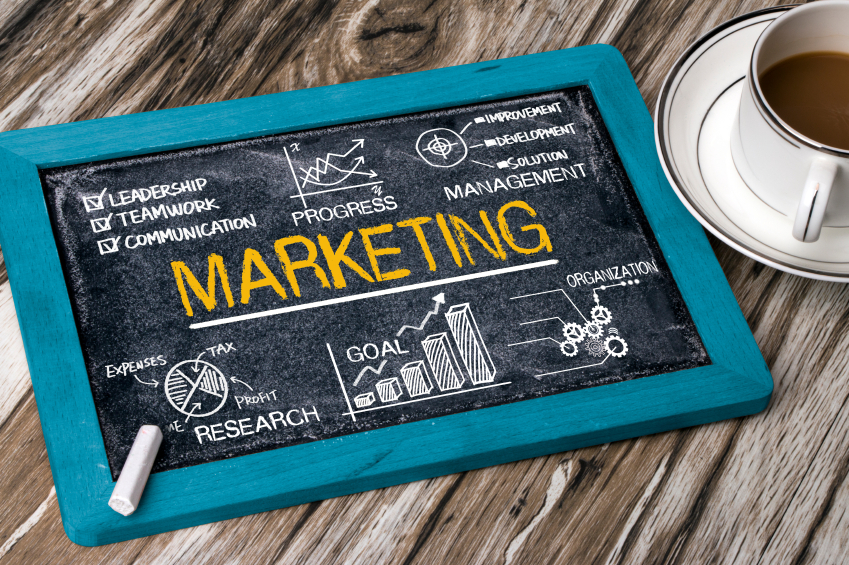
marketing concept with financial elements hand drawn on blackboaBut if you're company management, how can you help your employees share the responsibility for promoting your company's products or services?

It starts with creating LinkedIn best practices guidelines and sharing them with all employees. The guidelines should include profile standards as well as simple LinkedIn activities that will be helpful for the employees as well as the company.

A LinkedIn training session is a quick and easy way to share the guidelines with your employees--and they will be more likely to follow the guidelines if they understand the strategy behind them and see the personal value in addition to the corporate value.

Of course, I've provided LinkedIn training for hundreds of companies and would be happy to assist you and your company as well.
/..

What to include in your company's LinkedIn best practices guidelines

The first seven items below are typically one-time profile updates that all employees can quickly and easily perform. The last two items are activities that employees should be encouraged to engage in on an ongoing basis.

1.  Photo. Bring in a photographer and get professional head shots. You only get one chance to make a great first impression, and the profile photo is the first thing people see when they view someone's LinkedIn profile.

2.  Banner. Design an eye-catching banner that your employees would be proud to display as their profile background. The banner is quite large, thus an easy way to promote the company brand.

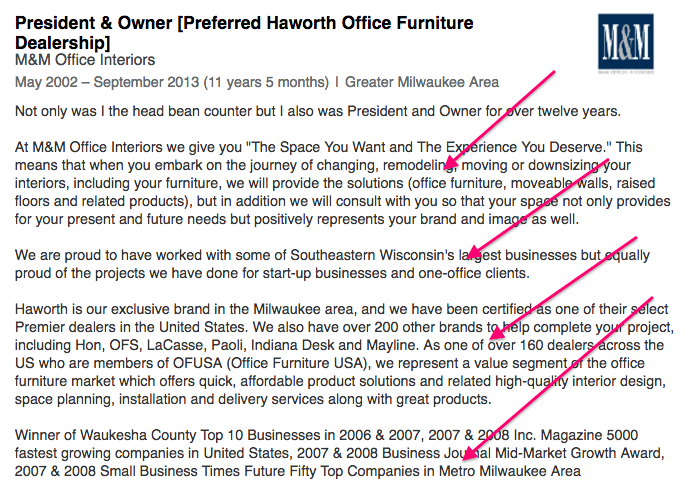
Screen Shot 2016-04-07 at 4.11.27 PM3.  Standard company description paragraph(s). Share one succinct paragraph that they can include in their Summary section and then two or three more detailed paragraphs that they can include in the job description for their current job at your company.

4.  Keywords. These are critical on LinkedIn. If you want your people to regularly show up in search results, give them a list of five to ten words or phrases that people typically use when searching for companies like yours. These are usually your products, services, brands, etc. And then encourage your employees to place them in the right spots on their profile.

5.  Websites. All employees can list three websites in their Contact Info section, and the entries can be hyperlinked to specific pages on your company website. Choose the best pages on your site--and when your employees proudly display them on their profiles, you'll begin to generate some nice traffic to your site.

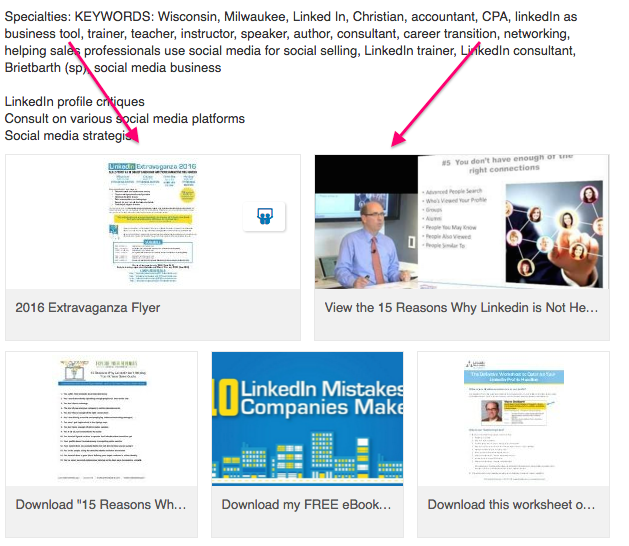
Screen Shot 2016-04-07 at 4.16.12 PM6.  Media or web links in Summary and current Job Experience sections. This is a great place to show off videos, slide shows, photos of your best work, products, customer testimonials, etc.

7.  Each employee's job entry correctly attached to your company page. When this is done right, your company logo will show up next to their current job entry. This is must-have branding. If it doesn't show up, it means (1) they added this job entry prior to your business having a company page with a logo attached or (2) they selected the wrong company or no company when adding this entry to their profile. This is simple to fix. The employee simply edits that job entry and selects the correct company page when LinkedIn autofills as he/she is typing in your company name.

8.  Sharing, "liking" or commenting on company status updates, individual status updates, and individual published posts. This can be hard to monitor because it's ongoing rather than a one-time profile change. But the more it's done, the more eyes your company updates are seen by, and that's obviously a good thing.

9.  Targeted industry group memberships and activities. This is a divide-and-conquer strategy. Find the best groups that at least one company employee should be involved in, and then assign individuals to join those groups, share relevant information, and connect with the right people in the groups. Be sure to not only join your industry groups but your clients' industry groups as well.

Getting your team on board with these guidelines may take a bit of effort, but it will really amplify your company message on LinkedIn, the world's largest business database. Let me know if I can help you develop more specific guidelines for your company and get your team on board.

The post Do You Know the Formula for Successfully Marketing Your Company on LinkedIn? appeared first on Wayne Breitbarth.

11 Apr 17:07

Tesla is about to repeat a huge mistake — and this time it could be even worse (tsla)

by Matthew DeBord

Tesla Model 3

Tesla has taken in well over 300,000 preorders since it unveiled the mass-market Model 3 vehicle just about a week ago.

That's epic, and the frenzy to get in on the latest Tesla — at $1,000 a pop, and with a potential wait of several years before your car can be delivered — has led to some hyperventilating about what the electric-car maker has accomplished.

Yes, 325,000 deposits on an as-yet-constructed automobile is unprecedented in the auto industry. It might be unprecedented in any industry. (The only thing I can think of that comes close would be that time Led Zeppelin broke the internet when the band staged a one-off reunion in 2007, and seemingly every music fan on earth wanted a ticket.)

Tesla has every right to celebrate, and possibly panic. The carmaker so far has built 50,000 cars in a year. In 2016 it is aiming for between 80,000 and 90,000, but it isn't off to a good start. And those 325,000 Model 3 preorders, and counting, represent about 200,000 more Teslas than are on the road globally.

But there's a bigger problem than not being able to build the Model 3. Tesla may have repeated a mistake it made before, just on a much larger scale.

Fooled you once

When the Model S sedan launched in 2012, it had been under development for quite a while, and it had been designed and engineered in a world that had seen SUVs fall out of favor. The hangover of gas at $4 a gallon in the US was still fresh. It wasn't clear then that SUVs would stage a comeback.

Tesla Model S P90D 33

But stage a comeback they did, persuading many buyers to return to these most American of vehicles. Tesla had always planned to create a vehicle with more utility, having unveiled the Model X in 2012 (but not launching it until 2015). However, for three years, as SUV sales bounced back robustly, and it started to become obvious that the family sedan might be in terminal decline, Tesla wasn't selling a ute.

All-wheel-drive was added to the Model S in October of 2014, but that was mainly to make the sedan more appealing to customers in the US Northeast and northern Europe.

With the Model 3, Tesla has indicated that the vehicle is actually a platform, a base on which other types of cars and trucks can be constructed.

But the 3 unveiling mirrors Tesla's past: The original two-seat Roadster was followed by a large four-door sedan, and that sedan has been followed by a smaller version.

Given the state of the US market especially — and for now, the US is largely where Tesla's sales are concentrated — it might have made more sense to skip the midsize sedan version of the 3 and roll out a compact SUV as the mass-market product.

In theory, if Tesla's platforming strategy works, it shouldn't make that much of difference: An SUV or crossover could be built of the same underpinnings as the Model 3 sedan.

But the optics aren't quite right, and it makes matters worse that Tesla just launched the Model X, whose birth was difficult but whose arrival shows that Tesla can create a spectacular vehicle. That's a tough act to follow.

Tesla Model X

The problems keep coming

There's another problem: The Model 3 preorder customers won't be able to configure their vehicle for some time. It makes sense that Tesla will have between now and 2017 or 2018 to develop a Model 3 crossover, and many customers may choose the truck over the car.

But Tesla may only be able to execute on a passenger-car design. Model S production, for a $100,000 luxury sedan, has come along nicely; Model S made up the bulk of the nearly 15,000 vehicles than Tesla delivered in the first quarter of 2016.

Model X is another story. Production is seriously lagging behind with this vehicle, as Tesla works through what it rather melodramatically described as its "hubris" in making the X overly complicated.

Tesla should be able to build just about any type of vehicle at this point. It has abundant excess production capacity at its plant in California; electric cars are simpler to assemble than gas-powered ones; and this isn't exactly experimental particle physics we're talking about here. Traditional automakers build everything from luxury sedans to big pickup trucks without breaking a sweat.

I knew we were going to see a sedan version of the Model 3 first, but I cringed slightly when it actually appeared. Not because it looked bad — it's actually very cool-looking — but because I just knew it was the wrong vehicle for the market.

It gets worse

The situation could be worse in 2017, when the first Model 3's are supposed to hit the streets. Fiat Chrysler Automobiles CEO Sergio Marchionne has argued that sedans are finished and the market has made a permanent structural shift to SUVs and crossovers.

Tesla could wind up delivering the Model 3 sedan to a limited market of buyers who want Teslas, while the larger market wants crossovers and won't want to wait for Tesla to figure out how to build one that it can sell for $35,000 (the Model X, for what it's worth, arrived with a price tag well north of $100,000).

Ford Escape Sync 3

I'm not sure this is something Tesla can easily correct. First impressions are important, and though the Model 3 could become a family of vehicles, the first editions — the ones that drove the massive preorders — were preproduction sedans. The company may have no choice but to follow through, and the challenge there will be to make sure that a small SUV is in the mix. Which could be tricky if Tesla's production problems continue.

There is a silver lining. The Model X arrived late and was beset with glitches, from the exotic falcon-wing doors to the sculptural back seats. CEO Elon Musk admits that Tesla probably shouldn't have built it. But in the flesh, it's a fantastic car — a game-changing crossover.

The same could be true of a Model 3 SUV. But I'd genuinely like to see Tesla put a design in front of us. And they might. Musk has hinted that the Model 3 unveiling will be a two-part event. Part one is history. Now we can look forward to part two — and avoiding mistakes of the past.

SEE ALSO: I drove my first Tesla 6 years ago — after driving it again I still believe it's the best thing the company has created

Join the conversation about this story »

NOW WATCH: Everything Elon Musk just revealed about the Tesla Model 3

11 Apr 17:06

How to Boost Online Sales Using Psychological Triggers

by Jawad Khan

Selling is about building trust with your prospects and convincing them about the usefulness and the value of your offer.

But these aren’t easy skills to master, especially when you’re selling online and not directly facing your prospects.

Thankfully, though, we have data to help our cause.

Studies show that websites and sales pages that successfully persuade visitors to spend money have certain common elements.

These are psychological triggers that make people take action.

Here’s how you can leverage them to increase conversions and boost your sales numbers.

1. Use Scarcity to Accelerate Sales

One of the oldest and most effective ways to make your offer more attractive is by limiting access to it.

In psychological terms, this is called scarcity.

Limited offers, limited editions, and time-sensitive offers are typical examples of using scarcity to drive more sales.

Why does it work so well?

Because people are lazy and don’t take action unless they’re pushed to do so.

So when a product is not easily available, or available for a very short period of time, people fear missing out on it. Their perception of the product’s value suddenly increases, which forces them to take action.

Amazon product pages use this to great effect.

The fear of missing out (FOMO) is the real factor that drives action here.

This is the same psychological trigger that makes discounts so appealing. When you offer a discount, it’s usually for a limited time period. It creates both scarcity and urgency.

For example, this portal uses the same trigger on its product pages

Source: Orbita

SaaS businesses that offer free trials also create scarcity by giving their customers a taste of the premium product for a limited time and then taking it away from them.

This is why free trials usually have a high conversion rate.

2. Establish Trust With Social Proof

Do you know what 84% of people do when they want to try a new product or service? They reach out to friends, family and their trusted contacts for recommendations.

More than 88% people trust testimonials and online reviews while evaluating new products and services.

Client testimonials act as social proof for your business. The more authoritative and credible testimonials you have, the easier it is for you to win the trust of your target audience.

This is why organizations frequently display client logos on their websites. Every logo acts as a testimonial for the company and makes it look more trustworthy.

A good example is Groove, a help desk startup. Apart from displaying the logos of their top clients, they also intelligently highlight their total member base which acts as a secondary form of social proof

Source: Groove

Since most online businesses never meet their customers physically, social proof is a crucial element of online sales.

If you have authority names in your portfolio, and your customers openly praise your work, persuading new prospects becomes much easier.

3. Simplify Decision Making by Limiting Options

When you sell something online, you pose a question to your prospects. They need to decide whether your offer has enough value for their money.

They need to evaluate your product from different angles and compare it with other similar products.

In short, they have a lot to think about.

Your job is to simplify this decision-making process for them. And that is why the typical “more is better” mentality doesn’t work here.

Studies show that limiting the options of your prospects drastically improves conversions.

Why? Because when you offer them fewer options, they have less to think about, which results in more action.

For example, this study shows how reducing the number of fields on your sign up form can increase conversions

Source: QuickSprout

Similarly, when you reduce the number of products on a page, or the number of colors or flavors of a product, the chances of conversion are significantly higher.

So even when it’s tempting to list everything on your product page, try limiting your focus to the most important product features and highlight just one call to action.

4. Have a Clear “Why” in Your Message

Several studies show that our minds are much likelier to accept something when it has a clearly stated reason (even if it’s a weak reason).

For example, an experiment by psychologist Ellen Langer found that people standing in a line at a photocopier were 34% more likely to let someone stand ahead of them, even when they had a meaningless reason like “I need to make some copies”.

That is why you frequently see “Why Work With Us” pages on corporate websites. In most cases, your marketing copy highlights the reasons why you’re better. But there’s a spike in conversions when you highlight the ‘Why’ part in a separate section.

Constant Contact, a leading email marketing software, use this trigger on their homepage.

Source: Constant Contact

Highlighting the ‘why’ behind your product also gives your customers a comparative analysis. Even when they don’t actually compare your offer with other similar products.

But the sense of reassurance they get from it is enough to drive action.

5. Use Information Clusters to Effectively Make Your Point

Another easy way to simplify the decision-making process for your customers and, as a result, increase conversions is to group together similar information on your sales page.

In sales terms, create packages for your prospects and help them identify the one that matches their needs.

This also helps you tap into different types of buyers and expand your sales net.

When a prospect sees a package that is tailored to his needs, he’s much more likely to take action.

Wrapping Up

Sales are not just about numbers and discount offers. There’s a lot of psychology involved in it as well. If you understand what makes people take action, and what doesn’t, you can mold your marketing copy and sales pages accordingly. As I said at the start, sales are all about persuasion, and persuasion is nothing but psychology.

11 Apr 17:03

How to Build a Massive Email List With These 5 Tools

by Grant Thomas

Email marketing is the bread and butter of all of your marketing campaigns. Why? Email is the most direct and personal form of communication that you can have with subscribers, leads, and customers. Email marketing platforms now have the necessary tools to segment subscribers and deliver relevant emails that drive results.

However, your emails are nothing without an email list to send them to. So who’s emails should you try to get? Your website visitors of course! These are people who most likely have interest in what you are selling and you have the opportunity to convert them into an email subscriber. Email capture on your website is so important and you must actively engage visitors to build your list.

Here are 5 different tools to drive email sign ups on your website:

Email Pop Ups

email_pop_up_shinesty.png

The most effective way to build your email list is with email pop ups. While you may be hesitant or skeptical about using pop ups on your site, there’s no denying the results. In this ecommerce case study, a retailer increased email capture by 660%.

But why do email pop ups work so well? Here are a few reasons:

  • Email pop ups place your sign up form in highly visible and accessible spots on your website. Don’t make visitors search your site for an email sign up form, put the form right in front of them!
  • An email pop up is a short sales pitch for your newsletter and your business. An attractive design, captivating copy, and even an offer drives email sign ups.
  • Actively engaging and asking a visitor to subscribe is going to increase email capture. As a consumer, when is the last time you’ve subscribed to a brand’s emails without being engaged? Smart marketers know that they must ask or call for action in order to receive.

Keep in mind that plenty of websites have bad email pop-ups. The best websites use custom branded designs and crafted marketing copy. Check out these effective email pop ups from ecommerce brands and also Really Good Pop Ups for inspiration!

Sign Up Bars

nine_five_ltd_uno_bar.png

You can’t use a pop up on every single page of your website which is where a global sign up bar comes into play. A sign up bar can be placed at the top or bottom of the browser window, allowing you to display your messaging, offer, and sign up form in an unobtrusive manner throughout your website. This allows you to be open to lead conversion opportunities at all times. While email pop ups will capture more emails than a sign up bar, this gives you a more subtle way to engage visitors.

Slide-In Email Sign Up Form

justuno-design-popup-position-CRO.gif

Another effective email capture option is using a slide in email sign up form. This is essentially a small window that will slide into the browser. This tactic puts your sign up form in prime location on your site. You can also control when it appears based on page views, time spent on page, amount of page scrolled, and other behavioral triggers.

A slide in sign up box allows you to make an impression on visitors with both design and a marketing message. This tactic also gives you options as to where you place the sign up form on your site.

Navigation Call to Action

united_by_blue_contest.png

If you’re using landing pages for lead generation, then you need to direct traffic to those key pages. The truth of the matter is that a significant amount of traffic will never make it to those landing pages. You need to direct them to those pages. To achieve this, use a navigation call to action. This can be done with a pop up, sign up bar, or a slide in window so you have complete control over how you engage your visitors.

Exit Offers

exit_intent_us_patriot_tactical.png

People will leave your website without converting into an email subscriber. But in that very moment when someone decides to leave, you have one last opportunity. An exit offer or exit email pop up will be presented to visitors at the exact moment that they attempt to leave your website. This gives you one last chance at selling an individual on your newsletter and one last opportunity to capture their email.

Exit offers are incredibly effective, especially when the message is catered to a leaving visitor. Attaching some sort of incentive like a promo code or gated content can also create value and drive someone to submit an email.

Grow your email list today!

Building your email list is a critical aspect of improving marketing efforts and growing your business. By investing in converting your current website visitors, you will not only rapidly build your email list but also improve ROI of traffic driving campaigns and expand sales opportunities for your business. Implement email pop ups and sign up forms on your site today!

11 Apr 17:01

Do Your Sales People Understand The Objective Of Your Content?

by Dave Brock

The other day, I downloaded an outstanding market research study. It was entitled, 2016, The State Of Marketing. It’s a fascinating piece of work.

The problem was that in downloading the paper, I immediately get emails and phone calls asking my interest in Marketing Automation Solutions — because that’s what this particular company sells.

The problem with much of our prospecting or follow up on “leads,” is that it is completely disconnected from the content that generated the lead. It’s this disconnect, that actually hurts our abilities to prospect and engage the customer. It actually creates a negative reaction with the customer, putting us in a worse position than if we just didn’t call.

When a prospect or customer downloads content, they are giving us an important clue about what they are interested in. If we are customer focused, isn’t that what we want to talk about–at least in our initial engagement?

Let’s take my recent experience as an example. I am clearly interested in learning more about the issues facing CMO’s and marketers. I’m interested in learning about these and in seeing the market research. If someone had called wanting to talk about the report I downloaded—perhaps summarizing key findings, perhaps digging into an issue more deeply, or even discussing why I’m interested in learning about the State Of Marketing, I would have welcomed the conversation. I would have been interested in what I could have learned. Any email or voicemail suggesting, “I’d like to share more information about that research study,” would have met with a welcome response.

Instead, the sales person was directed to ignore my expressed interest, instead choosing to talk about what her company wanted her to talk to me about—marketing automation. As the prospect, it’s clear they don’t care about me or my interests. The call is not about me, but about them. My reaction, and any prospects’ reaction is, “I don’t care about what you want to talk about, and you clearly don’t care about what I want to talk about.”

This kind or prospecting is just insanity! It’s a huge lost opportunity. The prospect or customer is expressing interest, they are telling us clearly their interest by the content they are selecting. What would change in our ability to engage the customer if we actually talked to them about that content? What if we took this as an opportunity to teach them, to build a relationship?

In the case of the 2016 Trends In Marketing–that’s a starting point to a conversation. It’s easy to see how we might take that conversation from, “Here are the key issues facing CMO’s in 2016” to “Marketing automation can help you address these issues.” But the context of the conversation has to be directly connected to the context of the content they are interested in.

Unfortunately, SDR’s, BDR’s and sales people bear the brunt of customer frustration with these bad marketing approaches. SDR’s, BDR’s, and sales people get “dinged” on their metrics because of their inability to engage and convert the customer. But it’s not their fault. They are just victims of poorly designed marketing programs, bad training, or management that doesn’t understand.

We have a tremendous opportunity to engage and teach prospects with our content. We have the opportunity to extend that into real conversations with our prospects, but only if we can teach our sales people how to have a contextually relevant conversation with the prospect.

Do your sales people know the objective of each piece of content?

Are they trained and do they have the speaking points to be able to engage customers in a contextually relevant conversation? (By the way, marketing automation tools are very powerful for this, but apparently, this vendor didn’t realize how they could leverage their own tools.)

The opportunity is tremendous! Customers want to learn, they want to be taught, but they care about what they care about. The marvelous thing about content, is the customer is telling us what they care about. So what if we talked to them about that?

11 Apr 17:01

A Step by Step Guide to Building an LDR or SDR Team – Part 2 – Managing and Measuring

by Tim Matthews

Old Fashioned Tape Measure

If you followed the checklist from part one of this post, you now have a clear strategy for your sales and lead development efforts. You have decided on either SDRs or LDRs, or both; and you know what the objective of each is. You should have a clear understanding and agreement on who does what, and have determined what kind of people you are seeking to fill the roles.

That’s a good start, but don’t let your efforts stall due to inattention. A common mistake is not actively managing these teams. LDRs and SDRs need consistent management, just like sales reps do. Here are the six key steps in managing and measuring your teams.

Set Quotas – Just like sales reps, LDRs and SDRs need quotas. As the sales legend Zig Ziglar says, “If you aim at nothing, you’ll hit it every time.” I recommend that LDRs should have a meeting quota or qualified lead quota, and SDRs have a meeting quota. Calculate quotas by first setting an overall goal for the LDR and SDR team – for example, 10% of all leads are meetings set by SDRs – and then dividing that number by the number of SDRs. The divide by four so you have a quarterly target. You may want to ramp the quarterly number for new LDRs and SDRs.

Importantly, you need to tie the quota to compensation. I strongly recommend that you set up a variable comp plan for both LDRs and SDRs. It incentivizes the right behavior, and is good training for those looking to graduate to an account rep role. The percentage is up to you, but 80% base and 20% commission for LDRs feels right to me. SDRs might have more at risk – say 60% base and 40% commission. Then divide the variable comp by the number of meetings, and that’s how much the LDR or SDR gets paid per meeting. I think it’s great to make it real so they know how much every meeting is worth. I also think it’s a good idea to have accelerators that kick in once they hit 100% of their quota. So a meeting that’s worth $100 up to 100% of plan, might be worth $125 up to 110% of plan, and $150 up to 125% of plan.

You can also set a mix of meetings and revenue for SDR compensation. That way, SDRs make more for sourcing good opportunities. The split is up to you, but 50% on meetings, and 50% on revenue is a good place to start. You may need to experiment a bit.

Determine Daily Tasks – Let’s say that your LDR needs to set up 50 meetings per quarter. How many emails should they send? How many phone calls? Should they call and email? As a manager, you need to be prescriptive about activity, and you need to manage to those numbers.

A good place to start is with industry benchmarks. Open View Venture Partners has a good set of sales benchmarks for lead and sales development teams. Two metrics, in particular, are important: Call-to-Conversation Conversion Rate and Conversation-to-Appointment Conversion Rate. Compiled from an analysis of several reports on inside sales performance, “Measuring Up: 9 Sales Benchmarks that Can Help Expansion-Stage Companies Build a Scalable Sales Machine” has the average Call-to-Conversion rate at 9%, and the Conversation-to-Appointment rate at 23%. So, continuing our example, to get 50 meetings, an LDR needs 217 (50 ÷ .23) conversations, and needs to make 2411 (217 ÷ .09) calls. For a 13-week quarter, that’s 185 (2411 ÷ 13) calls per week, or 37 calls per day. Armed with these numbers, you can manage their daily tasks.

Importantly, your LDRs and SDRs need to be on the phone, not just emailing. Study after study show reps who call and email are more successful. If you don’t hear them on the phone, something is wrong.

They should be emailing, too, of course. Email works better for some people, and can be more effective than the phone if you are calling into territories where English is not the primary language. Also, don’t let your reps get away with only sending a single email and leaving a single voice mail. The total number of email and phone “touches” you will need ranges – six to eight is what you will typically see – and should be a mix of calling and emailing. You should set up a standard cadence for calls and emails. Insight Squared, for example, has an eight-touch model, with a call and an email every other day.

Finding an LDR or SDR activity model that works for you will take time and adjustment. Tracking activity will help you do that. Find out what your most successful LDRs and SDRs are doing and make that the standard.

Train for Success – Make sure your LDRs and SDRs are properly trained or all that work getting to the prospect will be for naught. First, make sure they know enough about your product or service to speak intelligently. The marketing team should provide these teams with the elevator pitch, “reasons to care” bullet points, and answers to common objections. New team members should shadow a trained LDR or SDR for a week to learn the ropes. Some companies even have a buddy system for new development reps so the always have someone to turn to for questions without “bothering” them. You should also have SDRs listen in on sales calls – especially for the rep(s) they are supporting to learn the ropes and learn their style.

Establish a Feedback Loop – As a manager, you need to hear from your development reps how things are going. What emails are working? Do certain times or day work better than others? Certain subject lines? Or maybe an angle or offer you came up with? In your weekly 1:1, make sure to ask for this feedback. You should also listen to the calls your development reps are making, either live or recorded.

I recently got a great tip from Bryta Schulz, a tech marketing colleague of mine. She replays inbound voicemails she gets from SDRs and LDRs trying to sell her something, and has her SDRs critique them. That way her SDRs can learn from good and bad examples.

Arm with Tools – As mentioned above, SDRs and LDRs need to make a lot of calls and send a lot of emails. The good news is that there are some great tools out there to help them. InsideSales.com has a power dialer that will not only make a lot of calls, but leave a (previously recorded) voice mail if the person doesn’t pick up. The development rep is alerted if the person picks up, and can otherwise be doing something else (like emailing…). Email tools like ToutApp (which we use) let LDRs and SDRs send lots of personalized emails to prospects, test subject lines, report on individual rep performance and more.

Set the Lead Handoff Process – Even with all of the work hiring, goaling, training and equipping your team, one critical step can cause problems – the lead handoff. This is called the sales acceptance process, and the leads move to a sales accepted lead, SAL, stage. You need to be specific about the level of lead qualification and how a rep receives the lead. For example, is any meeting a good lead, or does it need to be with someone from a company of a certain size, or perhaps with a certain title? This needs to be determined up front so that sales reps can’t arbitrarily reject or ignore the leads passed to them. I also recommend setting a timeframe of 48 hours for a rep to accept or reject leads.

You will no doubt learn a lot in the process of running your LDR or SDR team. That’s part of the fun. You will learn how many touches it takes for your ideal customer, and whether phone of email is more effective. Certain subject lines will work better than others. Encourage your team to give you feedback and to try new things.

Remember, creating an effective LDR or SDR team is a process. Hiring is just the start. Management and measurement are key.

Anything I missed? Have you run and SDR or LDR team and have tips to share?

09 Apr 21:25

How to Generate Reports Your Clients Will Actually Read

by Will Fanguy

Being a freelance worker isn’t easy. Not only do you have to make time to complete all of your client work, you also have to do all the things that come along with running your own company: emails, accounting, benefits. You know; all of the fun things that take away from enjoying the work itself.

Piktochart can help with that! We’ve got the tools to help you solve some of the biggest problems facing freelancers. In addition to being the best option for creating amazing infographics, Piktochart has templates for the types of reports you want to create and your clients want to read.

If you’re looking for ways to use Piktochart to help take your freelance communications to the next level, you’ve come to the right place. This post will take a look at some of the common problems facing freelancers and how Piktochart can help you solve them. We’ll even give you a headstart on creating the reports and invoices that your clients will read as soon as they hit their inboxes.

Common Freelance Struggles

There are some hurdles that get in the way for every freelancer and self-employed small business owner. No one has ever woken up and said, “I want to work for myself because if there’s one thing I love, it’s tons of administrative work and the headaches that come along with it.”

The good news is that because you’re not the first person to hit these speed bumps, there are folks out there that want to help you get through the paperwork and back into the work you want to be doing.

Communication is Key

If you’ve ever worked with a client who hates to return emails or pick up the phone, you know exactly how important communication is for freelancers. More often than not, your client isn’t sitting in an office right down the hall, ready to answer any questions you have.

Maybe it’s not the client’s fault. It’s possible that he or she would love to answer your email, but it’s buried in their inbox alongside everything else. Or maybe they saw your invoice during the haze of early morning, pre-coffee email checking and day preparations. They want to pay you; they just… forgot.

people-office-group-team

(Source: http://startupstockphotos.com/post/100833062651/sprint-accelerator-kansas-city-mo-check-out)

Piktochart can help put these problems out of your mind. Using our report templates and tools for importing data, you can create eye-catching, memorable invoices in no time. Instead of a greyscale spreadsheet where all of the line items and figures blur together, you can build a custom invoice with graphs, glyphs, and colors that are specific to your business. You’ll never be mistaken for a run-of-the-mill spreadsheet again!

Clear communication is important, too. If you have to explain what each item means or how Part A works with Piece B every time you talk with a client, it’s possible that you’re confusing them. That’s not a situation most people walk into willingly.

Piktochart can help with that, too. Studies have shown that visuals increase comprehension and transmit messages faster. Visuals also have a habit of sticking in people’s long-term memory. A report that uses visuals instead of only using text might help your client understand your message more clearly.

The client will appreciate how much easier it is to understand what you’re working on. You spend less time explaining and more time working. Both of these things makes clients happy and more likely to hire you again in the future.

Time is Money

Speaking of the time you spend explaining, those are probably not “billable” hours. When I was doing freelance work, I viewed working hours that I wasn’t doing billable work as time (and money) lost.

It’s likely that the time you spend generating reports and invoices is also not billed time. That means you’re working for free at best. Even worse, you could be losing out on the opportunity to be doing billable work and therefore losing money, too.

laptop-paper-pencil

(Source: https://unsplash.com/photos/aOC7TSLb1o8)

If you spend less time explaining what you’ve done or how it’s billed, that means you can spend more time working for both you and your client. It also means less time waiting to get paid.

Oh, yes. Getting paid was one of my key stressors as a freelancer. Freelance work can be feast or famine, and the cable company doesn’t care if you’re waiting for an invoice to be paid.

Making your invoices memorable and easy to understand can play a huge role in helping you get paid faster. Remember: visuals stick in people’s long-term memory. An impressive invoice might make be the difference between a client clicking the “Pay Me” link right away or moving your email to the “To Do” folder to catch up on “later”.

Be Memorable (for the right reasons)

Regular, repeat clients make freelance life easier. Most of the time you have that’s not dedicated to doing work is spent finding work. If you don’t have to go looking, you have more time for work that pays.

But what if you’re not the only person who does what you do? Chances are there are other editors/writers/designers out there who have the same skills and might be willing to showcase them for less money. Loyal clients aren’t as likely to stray, but how do you keep them coming back?

The best way to ensure repeat business is to be respectful of your clients’ time and to have clear and concise methods of communication. That’s why we covered those points first.

Another great way to be at the top of your client’s list for repeat business (or better yet, referrals) is to be unique. It helps if you’re memorable for the right reasons. Anyone can throw together a spreadsheet with a table of expenses and time spent. It takes someone who really cares about their work (and their clients) to put together a report that makes your results crystal clear.

Who do you think is more likely to be recommended: the freelance writer who does what’s required and bills on time every month, or the writer who goes the extra mile to answer all of the client’s questions before they ask them (in a colorful, eye-catching report)?

How to Get Started

Jumping into something new, particularly when you’ve been doing it in a completely different way, can be intimidating. But I’m not just going to throw out these suggestions and let you sink or swim on your own. I promise.

I worked with Maxi, one of our in-house designers, to put together a couple of visuals to serve as inspiration for your new adventure. You can use them as guides to using Piktochart to take your freelance game to the next level.

Invoicing

The first visual we put together is an invoice. Getting paid is a priority, right?

invoice-report

I started with our Hourglass 2 Report template and made a couple of tweaks. First, I changed my color scheme to match our brand colors here at Piktochart. Having your communications branded is an easy way to ensure that your clients remember you and your invoices.

For fun, I added some glyphs and icons to visually represent the work I did. I also broke down the costs and time spent into their respective pie charts using the Dynamic Data import tool.

gdrive-data-import-piktochart

It makes importing data from my time spreadsheet remarkably easy. Maxi added some coordinating colors to help each section stand out a little more clearly.

At the bottom, we added the total amount due in its own box so that it’s easily found. We also added a place to put a link to your payment processor of choice (PayPal, Square, etc.). Now all the client needs to do is visually scan the report, notice the amount due, and click the link. BOOM. It’s easy to make, and it’s much more memorable and unique than simply sending over a spreadsheet.

Price Sheet

As Maxi and I were putting together the invoice visual, we kept going back and forth to make a small tweak here or there. It got our minds turning about how we dealt with changes to projects when we were freelancers, and out of that came our next visual.

If you’ve ever had to negotiate with a client about making changes to a project or task that you’ve already “finished”, you’ll know how much easier those conversations are when you have a clear list of your services and their accompanying costs. Again, you could have a spreadsheet that lists and categorizes everything, or you could use Piktochart to make a price sheet that’s far less likely to get lost in the shuffle of papers on your client’s desk.

price-sheet-template

Maxi chose to use the same color scheme as the invoice because we want our communications to be branded in a way that’s easily associated with our company. Then, Maxi and I took some of the types of information we remembered having to send over and over again during our freelance days and laid it out in a easy-to-understand arrangement.

Having a short blurb about your business at the top of your sheet can help remind potential clients about what makes you unique. Having short summaries and prices for your common services or packages in one place will cut down on the amount of time you spend sending the same responses to similar inquires. Plus, this arrangement makes it easy to distinguish between packages, so the client will know exactly what they are getting for their money.

Using the Right Tools

Maximizing time and money is the top priority of most freelance workers. Using a tool like Piktochart to help with tasks like generating invoices and reports can help you save time, get paid faster, and feel like the one-of-a-kind freelancer that you are.

What challenges do you face as a freelance worker? Are there any that we might be able to help you with? Please drop us a line in the comments below if there’s any way we can help!

09 Apr 21:22

The Difference Between Winning and Losing in Today’s World

by Keenan

The rules to success have changed. If you read this blog, you’ll know I’ve been saying this for quite some time.

We’re headlong into the information age. The time when most of us grew up, the industrial age, is well past us, yet far too many of us are clinging to the industrial age, skills and strategies that no longer work for success. We’re still condition to the ways of the past.

Two groups of people are quickly emerging in this change, those gaining an advantage and those falling behind. There is one fundamental difference between the groups. Those winning are doing something those that are falling behind aren’t.

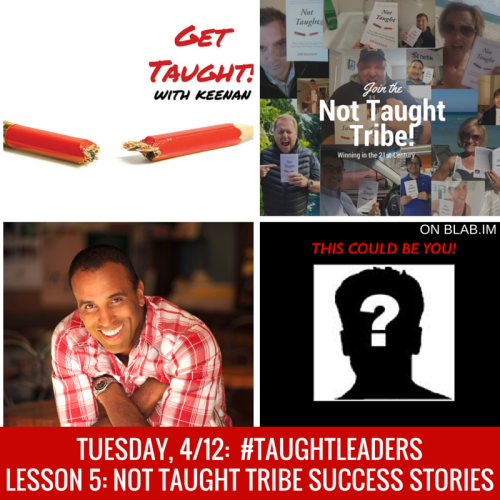
Taughtleaders Lesson 5 Join Us!

This Tuesday I’m spending an hour with those who are winning to show you what those winning are doing.

In Lesson #5 of the Taught Leader’s series we’re focusing on the winners, those people who have recognised the change and have adopted the new rules to success.

Find out what today’s success stories are doing to accelerate their career and create more opportunities for themselves. Join us this Tuesday at 11:00 MST for Taught Leaders Lesson #5: Real Success Stories.

Add heading (1)


09 Apr 21:13

Change of heart: Ottawa cabbie turned Uber driver is now taking a stand against his former colleagues

by Megan Gillis, Postmedia News

When Uber driver Anupam Kakkar recently dropped off a customer near a taxi stand in Ottawa, a trio of licensed cabbies quickly spotted him.

“F— Uber, f— Uber,” the cabbies started shouting, Kakkar says.

(The customer had unintentionally tipped the taxi drivers off by hopping out of the back seat of the Uber, instead of the front, where most clients ride more discreetly.)

Kakkar said he was ready to have it out. 

They knew my face. . . . That was it.

“I got out with the posture of taking a stand, facing them,” Kakkar said. “I do what I do. That’s what I heard and that’s something that was very offensive. I opened the door and got out with a very firm body language.

“They knew my face. . . . That was it.”

They recognized Kakkar because he used to be a cabbie, just like them.

 Jean Levac / Ottawa Citizen
Jean Levac / Ottawa Citizen Anupam Kakkar, a cabbie turned Uber driver.

Amid rancorous debate at city hall about allowing Uber and other ride-hailing apps to operate legally in Ottawa, Kakkar says he’s not alone in making the switch but that he’s the only one talking publicly about it.

The 42-year-old argues that since late 2014, he’s made more money working shorter hours and has been able to balance going back to school, spending time with his kids and now hunting for a job in computer network security. 

The pay is still low – about $12 an hour but sometimes up to $300 a day if he spreads out his hours over busy periods on a Saturday. He figures he made about $8 an hour during four years as a cabbie after paying to rent a plate, run a car and cover dispatch services, insurance and union dues.

“Those numbers are way better when you have flexibility, you have freedom and you make your own hours,” said Kakkar, who was born in India, educated in Australia, and lived in the United States before coming to Canada in 2002.

At Tim Hortons, you don’t call the shots. Here you call the shots. You are your own boss.

“At Tim Hortons, you don’t call the shots. Here you call the shots. You are your own boss.”

He said he likes that both the Uber driver and rider have a stake in maintaining their high ratings on the system. He also contends he feels safer because the app tracks who he’s picking up and doesn’t allow street fares.

Driving a cab, customers might “talk down to you” or be downright rude. He said he felt “abused and used,” squeezed between the plate owner collecting rent and dispatch companies charging fees.

“I have taken a huge stand, I’m the only one speaking on Uber’s behalf who has been on the other side of the aisle. I faced them at city hall and they booed while I was speaking.”

Veteran driver Ali Enad says the city’s 2,500 “legitimate” taxi drivers and their families are “fighting for their own day-to-day survival” and is asking city councillors to listen to cabbies, not consultants.

“We are the ones who are on the road, who deal with the public, and who pay the costs in all aspects,” Enad wrote, adding “in some cases we have lost brothers carrying out the job.” Cabbies act as tour guides, the eyes and ears of police and as quick transport during emergencies that can range from heart attacks to childbirth, he said.

What rankles Enad, who started driving in 1994, is that taxi drivers have long been regulated, governed and had to follow city-imposed rules.

“Those regulations have cost taxi drivers a lot and cannot just be wiped out to accommodate a part-time ‘ride sharing’ and think it will add value to the transportation service,” Enad wrote.

He is the sole breadwinner paying a mortgage and supporting four kids while paying for a recently purchased vehicle and renting his plate. He has even thought about driving for Uber instead but believes that he would take home less and have to work shifts even longer than his current 12 hours between the app’s cut of lower fares, taxes and insurance.

“I was hoping there was a solution in the taxi recommendations for drivers like me,” he said. “It’s working in favour of Uber and in favour of the taxi companies but nothing for the drivers.”

09 Apr 21:10

Best Practice Advice for Marketing Data Transfer

by Suzanne Stock

Don’t get caught out by risking a data breach. Protect the personal data you hold – and your business – when sending it to a third party (e.g. for cleansing and analytical purposes).

The following guidelines for transferring marketing data between two locations are recommended by the Direct Marketing Association as best practice.

Marketscan can offer advice on the best method for your business and help you with transferring data securely. Additionally, a confidentiality agreement can be set up before any data transfer takes place.

Before Transfer

Before the transfer of any marketing data is undertaken, consider:

  • Is the transfer really necessary? Do not move data unless you really need to!
  • Are you transferring more than is needed? Reduce the amount of data you move to minimise the risk and consequential damage if it does get lost. Consider sending only those records that are needed or only the specific fields that are required.
  • Are you certain that the recipient of your data is authorised to receive and process it?
  • Are you certain that your recipient has adequate security measures to safeguard your data?
  • Do all parties have the correct data protection notification?
  • Are there sufficient security measures in place? Including encryption, pseudonymisation and transfer methods.

Methods of Transfer

Having ascertained that a transfer is required and reduced the data to the minimum necessary, it is important to consider HOW the data is transferred. Many methods of moving data from place to place are available but the main ones to consider are as follows:

  • Secure File Transfer Protocol (SFTP)
  • File Transfer Protocol (FTP)
  • FTP/SHTTP/S
  • HTTP/S
  • Physical transfer by courier or post
  • Email

These have been listed in order of preference for guaranteeing the maximum level of security.

1. Secure File Transfer Protocol (SFTP)

  • This method is a point-to-point transfer from client to server.
  • Data is transferred directly from one machine to another and is encrypted throughout the journey.
  • With SFTP, sending usernames and passwords in clear text is a thing of the past.
  • Furthermore, this is completely transparent to the user and the way the application behaves is the same.
  • SFTP software is available at a reasonable cost from many suppliers.

Encrypt files separately

Separately compress and encrypt files BEFORE transfer so that access to the data is still controlled once on the recipient’s server. Various software applications are available for this – research to find the most appropriate for your purpose.

Set strong passwords

Passwords used for both file compression and the SFTP session should be unique and strong – meaning at least 10 characters, containing both numbers and letters and not based on a dictionary word.

Exchange passwords separately to the files

Ensure that passwords are exchanged securely – and separate to the data files.

Expire passwords

SFTP passwords should expire after a suitable time period.

Log all transfers

All transfers should be properly logged to enable proof of delivery – and to check that downloads are only actioned by authorised parties.

Remove files from SFTP servers immediately after transfer

Data should be promptly removed from your SFTP servers after download by the recipient and in accordance with your organisation’s data retention policy.

2. File Transfer Protocol (FTP)

  • FTP is a point-to-point transfer from client to server.
  • Data is transferred directly from one machine to another but the transfer is NOT encrypted.
  • All data is passed back and forth between the client and server without the use of encryption.
  • This does make it possible for an eavesdropper to listen in and retrieve confidential information, including login details.
  • FTP is not as secure as SFTP but, if the additional guidelines below are followed, is probably better than the alternative methods listed.

Encrypt files separately

Because FTP does not automatically encrypt data, you should compress and encrypt files using another software program before transferring via FTP.

Be extra secure with passwords

It is even more important that the rules above relating to passwords and removal of data are followed.

Log all transfers

All transfers should be properly logged to enable proof of delivery – and to check that downloads are only actioned by authorised parties.

Remove all files from servers immediately after transfer

Data should be promptly removed from your FTP servers after download by the recipient and in accordance with your organisation’s data retention policy.

3. FTP/S

  • This is the same protocol as SFTP but with data encrypted using Secure Sockets Layer (SSL) encryption.
  • If you use this protocol, check that your server is configured to encrypt both the authentication and the data transfer layers – as often only the authentication is encrypted.
  • If both encryptions are enabled, then this method is at a similar level of security to SFTP and has the added advantage of not requiring anything other than a browser to access.

4. HTTP/S

  • This protocol is often used for files being downloaded from web servers.
  • It can be very secure and is very convenient to the end user as files can be downloaded easily via web links and email links.
  • It should be noted though that it is probably only suitable for relatively small files as transfers cannot be resumed if interrupted and have to be restarted from the beginning.

5. Physical transfer by courier or post

Physical media transfer carries a much higher risk of data getting lost, damaged or delivered to the wrong person. If this is the only method of data transfer available, then the following guidelines should be followed.

Depersonalise

Ensure that your data is minimised – and preferably depersonalised.

Encrypt

Protect the data with strong encryption – AES256 is recommended.

Use strong passwords

Send strong, unique passwords to your recipient by a separate means.

Use specialist data couriers

Use a courier with a specialist data service if possible.

Have good contracts

Have a good contract with your courier service. If this is to be regular and the data is high value, consider asking to see your courier’s security policies.

Confirm delivery

Confirm delivery with your recipient.

Check signatures

Ensure that signatures and receipts are readable and available quickly.

6. Email

The main problem with transferring data via email is that in most cases the message is not transmitted directly from sender to receiver. There may be several server-to-server hops for the message, each one of which is a potential resting place for a copy of the original message.

Additionally, a copy of the data sent is likely to remain in the accounts of the sender and recipient and on the mail servers of the respective locations. If using this kind of transfer then the following guidelines should be undertaken.

Depersonalise

Ensure that the data is minimised and depersonalised.

Encrypt

Protect the data with strong encryption before attachment – AES256 is recommended.

Use strong passwords

At least 10 characters, containing both numbers and letters and not based on a dictionary word. Send strong, unique passwords to your recipient separately – preferably by telephone rather than another email message.

Check tracking receipt

Ask for a tracking receipt so you know when the email is opened.

Delete email from all email folders

Delete the attachments/sent email, plus and draft copies, after the message receipt is confirmed.

09 Apr 21:10

7 Things You Should Really Do in Social Media Marketing but Probably Don’t

by Katerina Petropoulou

So you manage social media for a (personal) brand and everyone who’s on the outside is thinking “Big deal, you tweet once or twice, you spend your day on Facebook AND you get paid for it and you Instagram pretty things.”

Well, it is a big deal! Managing social media for a brand is not an easy task. Social Media Managers need to juggle lots of different things: maintaining a presence on social, finding interesting content to share, being creative in crafting that content, acing those reports, being in sync with the marketing team and the product team, developing relations with the audience, being good listeners and the list goes on and on.

So with a million things you have to focus on during the day, for sure some of those will be overlooked. But what you might be overlooking could really have an impact on your social media marketing. Let’s take a look at some important tasks you might be overlooking in your day-to-day.

1

Monitoring conversations other than the classic Twitter mention

Twitter mentions are the bare minimum you should do keep an eye on when it comes to monitoring your brand on social. They work as a sort of notification that someone is talking to or about your brand. But there’s probably many more conversations going on regarding your brand beyond direct Twitter mentions that never reach you. Simply because people tag the wrong Twitter account or they just use your brand’s name with no tag.

So to have the full picture, clearly your brand’s name should be at the top your monitoring list including any possible misspellings or variations of your name, to make sure that you will not miss any results. In addition to these, you might consider including the names of your products as long as any keywords related to marketing campaigns you might be running at a given time. Seamless is one of the brands that does monitoring the right way.

2

Setting clear goals and KPIs

The thing is, every single action you perform on social media, every tweet you post, every comment you reply to, is or should be, part of your overall presence on social media and yet another way to market your brand. And really successful brands on social media have a plan.

Before you take any action on social media, you need to define clearly your goals and objectives in order to a solid base for a social media strategy. Your social media marketing goals should be aligned with your overall business strategy simply because social media is an important marketing tool with a great potential for helping you achieve your business goals.

I know, this sounds intimidating. But trust me; it becomes much easier once you follow the SMART approach for setting up your social media marketing goals.

SMART Social Media Marketing goals (1)

It might come as a surprise, but a recent survey revealed that only 15% of brands are able to quantify the impact of social media on their business.

So how are you going to determine whether your social media efforts are actually making a difference for your business? What key measures will you use to evaluate social media strategy effectiveness?

This infographic that surfaced a few years back, reveals what KPIs social media marketers focus on to quantify the impact of social media marketing on their business.

SM KPIs

For example, if your social media marketing goal is to increase conversions through social media, which let’s just face it, is the ultimate goal for any brand on social, then using Google Analytics, you can track all conversions throughout platforms by checking the Conversions report under Acquisitions > Social.

Convince and Convert have put together a great guide of top Google Analytics reports every social media marketer should keep an eye on that cover different goals and KPIs. Check it out.

3

Keeping an eye on competition

Competition is an integral part of your brand’s environment so keeping your competitor’s social media activity on your radar is important.

Make a list of the accounts you are interested in looking and analyze their social media behavior. My advice is to keep it under 10 so that you don’t get lost in the maze of numbers, platforms and behaviors.

Points to look at:

  • Social Media presence and Audience size: Where are your competitors active? What is their number of followers on each platform and how do you stack up against them? Would it make sense to you to join the platforms you haven’t been active on?
  • Type of content: What do they usually post on each medium? Is it images, video, simple text? And how are they using each platform? Is Facebook used for company news for example and Twitter for customer support?
  • Frequency of posting: This is an important point as it can teach you a lot about your content tactics. How often they are posting on each platform and which days and times they seem to prefer?
  • Average engagement per post: The average engagement is also something you can look at against the audience size.
  • Tone: Don’t confuse voice with tone. Voice is something unique to a brand but tone is often dictated by the platform. For example, LinkedIn calls for more professional posts as opposed to Instagram that is usually more casual. If you’re new on a platform or you are doubting about the tone your posts should have, this point could help you tremendously.

Bonus: When I run this analysis for Twitter Counter, I always consult the relative growth graph that shows me how fast our competitor have grown on Twitter in the period I am looking at.

Relative growth

4

Investing time on a social media calendar

What should I post next? I’m sure that you’ve asked yourself this question at some point. If you are active on more than one social platforms you often could struggle with content creation as it takes up most of your time. So how can you organize the way you deliver content? That’s right, with a social media calendar! Having a social media calendar not only can save you a ton of time but it also allows you to better plan ahead around significant dates.

How to create a social media calendar

5

Performing a social media audit

I don’t know about you but when I hear the words “social media audit”, I get the shivers. The truth is that working with spreadsheets is not my favorite thing in the world but it is definitely something that grows on you, you know what I mean?

A social media audit gives you the opportunity to spot what’s been going right or wrong with your social media strategy, assess your current status and how you manage your brand online, avoid mistakes of the past and enables you to move forward in achieving your social media marketing goals.

As dreadful as it may sound, a social media audit is something that you should do on a frequent basis.

Social media audits help you get a grasp of how you’ve been doing so far in terms of meeting your social media marketing goals, if everything you had planned at the beginning of the year are working and whether you need to reconsider certain tactics of your social media plan.

But where to begin? Basically from the top down, going into as much depth as you need, in order to gain a better overview of your social media activity so far.

Take a look at a few basic steps for a super quick social media audit you can do on a frequent basis.

Step 1: List all the platforms you are active on with links to your social media profiles.
Step 2: Update any imagery and profile description that needs to be updated.
Step 3: Check some key metrics such as audience growth, reach, engagement and traffic generated from this platform.
Step 4: Evaluate your presence on each social media platform by checking your KPIs. This process will help you gain some perspective and assess where you should focus your efforts from now on.

SOCIAL MEDIA AUDIT

6

Engaging with (potential) customers

Managing social media requires engaging and interacting with your audience, as well as building meaningful relationships with current and prospective customers and industry influencers.

Spending as much as a few minutes a day asking questions, replying to comments, engaging with your community and sharing their content can really make a difference.

For a better overview of your brand’s environment your listening should also take into account popular hashtags and keywords related to your interests or industry. For example, one of the terms I am regularly monitoring for Twitter Counter are “social media” and “twitter statistics”. Tweetdeck can be a very helpful tool you can use every day for monitoring real-time conversations, replying to mentions and engaging with your audience on Twitter.

Twitter chats are a wonderful way to engage with your niche, build authority for your brand and expand your reach. They provide you with the chance to be useful and relevant, offer your help and communicate your brand’s voice and identity in a constructive way.

HOW TWITTER CHATS CAN HELP YOUR BRAND

7

Educating yourself

Social media is fast evolving environment with new trends, tools and platforms appearing every day. So staying up-to-date with all the latest developments in the industry is very important.

Blogs

Make a list of your favorite blogs for news and best practices to use as a source. A few blogs I make sure I check on a regular basis is Buffer Social, Social Media Examiner and the Social Media channels of The Next Web and Entrepreneur magazine. Feedly is an awesome tool for keeping them all in one place.

Feedly

Apart from their community building value, Twitter chats are above all an educational experience because they allow you to connect with people in your field from anywhere in the world. More than that, they can be a great source of inspiration, tips and tricks from peers and influencers and an engaging way to keep yourself up with all the latest trends, developments and best practices.

Twitter Chats

There are so many interesting Twitter chats out there on social media marketing with great tips and insights. Here’s just a few to add to your calendar.

#MediaChat – Thursdays at 10pm EST

Hosted by Aaron Kilby, this Twitter chat covers anything media related, featuring guests on social and online media.

#SocialChat – Mondays at 9pm EST

Moderated by Alan K’necht and Michelle Stinson Ross this chat focuses on social media trends, tactics and best practices, featuring a special guest each week.

#GetRealChat – Tuesdays at 9pm EST

Led by Pam Moore, this chat focuses on all the new developments in social media, marketing and ROI featuring social media experts as special guests.

#TwitterSmarter – Tuesdays at 1pm EST

Hosted by Madalyn Sklar this chat is all about connecting, learning and sharing Twitter tips and ideas, featuring special guests every week. Madalyn is also hosting a weekly podcast with super helpful Twitter tips, tricks and resources.

Podcasts

Podcasts are also a great and fun way of staying on top of your social media game and spice up that morning commute. What to keep in your playlist? Michael Stelzner’s Social Media Marketing podcast, Jay Baer’s Social Pros podcast, Charlene Johnson’s Build your tribe and Social Fresh’s Social Media Toolkit podcast.

So let me know in the comments right below, is there anything you feel you might be overlooking when it comes to social media marketing? What are the most important things to focus on?

09 Apr 21:08

Study: Why B2B Marketers Waste 19% of Their Budgets

by Aaron Orendorff

Imagine that you were only getting 81 cents of value out of every dollar you spent. If you only wasted a few bucks, it might be okay to eat the occasional loss. But over time, those losses would add up, and it probably wouldn’t take long for you to start rethinking your spending habits. Now put yourself in the position of someone investing billions of dollars. How important would it be for you to fix that loss?

B2B marketers spend roughly $5.2 billion annually on content marketing, but $1 billion of this total is reported lost due to “inefficient” spending. As B2B content marketing continues to boom, it becomes even more important for companies to understand exactly how these funds are wasted. Where are B2B marketers going wrong?

A recent LinkedIn study of 6,000 B2B marketers, salespeople, and customers from around the globe examined the disconnect between spending and outcome, detailing why marketers have been looking at the wrong indicators. Here’s a breakdown of the top takeaways from the report, including strategic alternatives that can help marketers get the most value out of their content investments.

Don’t neglect the middle of the funnel

Knowledge exchange is a huge factor for B2B buyers that are deciding on vendors. And this knowledge can come in many forms such as industry expertise or specific insight on the prospective buyer’s company.

Product information, data sheets, and demos contain important information, but according to the report, this collateral alone is not enough to earn buyer trust.

Study: Why B2B Marketers Waste 19%25 of Their Budgets

Instead of focusing on final-sale material, the report encourages companies to nurture their audiences with mid-funnel content that demonstrates expertise and inspires an honest, helpful dialogue. This content typically consists of newsletters, e-books, case studies, industry-level facts sheets, white papers, or anything else that serves to educate and engage the reader.

For example, GetResponse’s 86-page e-book, “How to Write Newsletters That Get Opened, Read and Clicked,” does a great job of nurturing marketers with information on how to improve their mid-funnel strategy. The benefits are twofold. First, the e-book addresses a pressing need: helping B2B companies improve their newsletter strategy. Second, it positions GetResponse as a subject-matter expert.

Adapt your content for the right touch point

According to the study, the average B2B buying decision involves three or four different departments, led by IT and finance. The collaboration shouldn’t come as a surprise—most products and services are not isolated for a single use. Smart investments are versatile, helping different departments accomplish different goals for the same organization.

Study: Why B2B Marketers Waste 19%25 of Their Budgets

To maximize the efficiency of their marketing budgets, B2B brands should focus on segmentation to address specific departments, dividing their target market into groups that aren’t determined by traditional demographics—age, income, and location—but instead by company role.

For instance, marketing directed at IT, which usually covers product information, should be separate from content aimed at finance. In other words, don’t talk to the director of sales the same way you would the head of development, but know how their decisions affect one another.

Prioritize trust over price

For the most part, buyers have favorable opinions of their vendors. In fact, the report claims that vendor relationships are at an “all-time high.” Eighty-four percent of respondents had positive things to say about their marketing partners, and 54 percent rated their vendor relationships as good.

But these vague descriptions don’t always paint an accurate picture. Words like “good,” “satisfactory,” and “fine” are notoriously misleading when it comes to predicting the health and longevity of a business relationship. Instead of examining the bland taxonomy, the study suggests focusing on why certain relationships get stronger at a faster pace.

In the chart below, trust and personal connections are the biggest reasons that buyer relationships get stronger. Interestingly, monetary value is down the list. That’s not to say price isn’t important, but the data suggests that personal interactions have more of an impact once buyers and vendors start talking to each other.

Study: Why B2B Marketers Waste 19%25 of Their Budgets

Know what content your audience wants

When entering the final stages of the buying process, buyers and marketers seem to be on different wavelengths. Per the report, there are some critical discrepancies that could be hurting deals near the end of the sales cycle. For example, per the chart below, 35 percent of buyers believe that product information is the most effective sales content, but only 24 percent of marketers feel the same way.

Marketers appear to be overvaluing the importance of peer testimonials and case studies the most, which could be one of the main reasons that approximately 20 percent of B2B marketing spend is wasted.

Study: Why B2B Marketers Waste 19%25 of Their Budgets

While educational mid-funnel content helps nurture leads and build trust, these bottom-funnel materials are time sensitive. The issue isn’t whether or not buyers want this type of content, it’s at what point they need it.

Unique viewers, downloads, email subscriptions, and social shares are critical at the top of the funnel. But marketers go astray when they apply these same metrics to different parts of the funnel that are better off focusing on analytics that look at time on page and lead scoring. From this chart, we can conclude that awareness and thought leadership pieces in the middle of the funnel may enhance engagement strategies, but data sheets and demos are more likely to close a deal.

With that in mind, marketers should think carefully about their calls to action. Instead of a white paper or e-book, prospects near the bottom of the funnel will likely be on the lookout for a simple explainer video or product trial.

Take a look at analytics software company Panorama for a good example of how to think about this dynamic:

Study: Why B2B Marketers Waste 19%25 of Their Budgets

Study: Why B2B Marketers Waste 19%25 of Their Budgets

Panorama displays a series of product demo videos before offering a free trial on its product page. There’s a natural progression to the setup that buyers seems to appeal to buyers.

What you need to remember

It’s easy for B2B marketers to get tied up in vanity metrics and stress about the pressure to prove ROI. But to fully address the discrepancy between dollars spent and dollars wasted, sales and marketing teams have to get on the same page when assessing buyer preferences. As LinkedIn’s study reminds us, what we believe about marketing behavior is not always what’s true.

09 Apr 21:07

3 Ways to Optimize Your Twitter Marketing Efforts

by Jasmine Sandler

We are on Twitter, now what?

As Twitter marks its ten-year anniversary, marketers have boundless ways to use this social network as a major marketing tool. But how?

Twitter has enhanced its platform to include hyper targeted advertising, video roll in and live editing via mobile, hired on industry leaders such as their new CMO Leslie Breland, formerly at AMEX, at the executive level and more. Marketers can gain organic influence, do effective Direct Marketing, drive event registrations, and build a personal brand for their company thought leaders―all in Twitter. So you are on Twitter and want to maximize your effect. Here are three ways to optimize Twitter Marketing efforts and drive results.

Twitter Marketing Tactic #1: Find and Create Your Twitter Ecosystem

Twitter is based on Social Influence. You either are an influencer or you need to look to become in the inner circles of influencers in your industry. This can include Celebrities, Media Personnel, Journalists, Industry Thought Leaders and so on.

So first you need to find the Twitter influencers. There are many tools you can use to find them. The easiest place to start is on Twitter using its Search tool. In this you can search for specific Twitter users and find Twitter accounts or conversations involving potential people you may want to follow.

Twitter also suggests a “Who to Follow” on the righthand side of your Twitter Homepage. These accounts are based on other accounts you recently followed and ones that are generally “verified”. Verified accounts in Twitter mean that Twitter deems these the official, real accounts of that person or company. You want to watch out for following fake Twitter accounts. Look for the verification symbol or checkmark next to Twitter accounts you think about following.

There are also a large number of third party Twitter Follow Finding tools that you may consider for identifying Twitter Influencers in your industry. Some that I have used for my Twitter Marketing and would recommend include: Manage Flitter, Follower Wonk, Twill, Weepy, Crowd Fire, Commun.it, and many more (there are over 100 of these tools and counting as of late 2015).

The keys to success in creating your ecosystem, as is with the other social networks, is to build a Follower:Following ratio of people that can influence better business for your organization. This means everything from getting mentions from Followers who know you and your content well and can help you create your own personal brand influence to those who will retweet your event promotions or Sponsored Twitter Cards. This is why who you Follow is as important as who Follows you.

And as you build out those you Follow, you want to make sure you are beginning to sort out who they are and how you plan to interact with them. This means using the Twitter Lists Tool. By using Lists, you can create both public and private lists. For example, you can list Media Influencers, Target Vertical CEO’s, Conference Speakers and so on. Lists are particularly useful for keeping track of event attendees, conference speakers, tweet chat members, and targeted media. By creating, monitoring, and engaging with Lists, you stay aware of what is going on with your influencers.

Twitter Marketing Tactic #2: Nurture & Engage with Your Followers in an Authentic, Supportive Way

Now that you have started to build a list of those whom you are Following for your Twitter Marketing and have profiled them to make sure they are real, influential, and on target with your industry, then it is time to have a plan to nurture, engage, and support. This is where Social Media Monitoring and Management tools like Buffer, Hootsuite, Social Sprout, Nimble, and many others can be very helpful in saving you time while giving you the ability to engage on Twitter.

By using these tools, you can track conversations by keywords and by Twitter account. In this, you will find opportunities to engage. You can be ahead of your competitors on Twitter by truly supporting those who retweet you, mention you, and so forth by thanking them, doing the same for them, and even reaching out to them with a Direct Message to begin a real conversation. In the same way, I suggest you take LinkedIn first connects offline to truly begin to build a relationship, which you can also do for your Twitter Followers. Also, like any other social network, know that this is a daily job of supporting and engaging. This is why utilizing a platform for daily monitoring is crucial to proper Twitter Marketing Management.

Nurturing and engaging, i.e., being responsive, also shows your personality. In this way, you can start to cement your personal brand or social brand online. By showing how you treat others, what value you can add to their Twitter conversations, and industry Tweet chats in which you join, others can see what you are really all about and help to build a strong brand position online.

Twitter Marketing Tactic #3: Testing Advanced Twitter Ad Targeting, Video, and More

With Twitter’s 2015 acquisition of Periscope, the platform truly enhanced its video sharing capabilities. Now marketers can live video stream shares of event segments, use video in ad rolls, edit video on the Twitter mobile app and more.

With Twitter’s hyper-targeted ad platform, marketers can now create compelling Twitter Cards to encourage Twitter users to go to a landing page, website, and Twitter profile. Further, these ads can be used under a Follower campaign, to drive up new followers quickly and ones that are targeted for new or low volume accounts.

On Twitter, marketers can target by industry, title, location, and even keywords in their Twitter Marketing programs. Further, the costs to advertise are fairly low. Twitter is meant for branding and impression based targeting, so CPCs and CPMs are lower than the other heavy ad-driven networks like Facebook. On Twitter, marketers can also target “Flexible Audiences” by creating combinations of existing Tailored Audiences and adding filters based on the frequency of engagement events.

This is the time for marketers to use Twitter Marketing as an advertising, branding, and social branding tool. Twitter supports more messages per daily active user per second than any other social network. Should the Twitter team move faster and smarter than ever before, its ten-year anniversary may be a great growth story for the tech media. With a new, proven CMO at the Marketing helm and its Founder back in daily action, Twitter is ripe to get out of the red and start to inch closer to the status of the likes of Facebook and LinkedIn.

09 Apr 21:07

Going Simple Can Be A Tough Sell

by Brent Pohlman

simple process

Today, I am writing on all sides of this topic. Getting Simple is hard to do in a world of distractions and mass information. The problem I am finding is I need to address this issue today or it will cost me more in wasted time and resources each day.

Process Improvement

Many people are trying to make sure all bases are covered. As a result, we have taken very simple tasks and created much-unneeded complexity overnight. People have so many options and ways of completing a task. This can be good to a point. Today, I think it is a big problem because it ultimately can lead to inconsistencies and invalid quality checks. Making processes much simpler needs to be a much higher priority for me than it has in the past.

Content Marketing

Over the last four years, I spent a lot of time creating content and I saw a lot of return on this content through organic search and connecting with people. Now, I have backed way off and I am actually seeing a higher quality of return. I fell into that trap that if content was not being produced daily, I would lose our edge. Now I have a lot of content that has some value, but in some ways confuses readers because processes have changed and personally, I continue to grow and change the way I view certain topics.

Website Evaluation

I want to get to an upgraded mobile responsive site that can be viewed on all devices. The technology is there, but the mindset for others and myself is a struggle. We are evaluating whether current processes still have value. Is it necessary to continue to live with a website jammed with content and a log-on for customers to process data because at the time it was written 1998-2005 there were no such things as apps and sophisticated data systems. This where I am at today. Frankly, something has to give. Moving with the new times is where I plan on going.

Communication

Today, most communication occurs with our hands and fingers. How long has it been since you last touched your phone? In addition, this new reality of instant information is actually a huge distraction to day-to-day communications. People are so focused on their own work; they are not looking up and seeing the big picture. Big picture has become this narrow focused site which is only focused on current situations.

Summary

Getting simple is a much harder process than change management . Change is good, getting simpler is much better. Complex processes need to be reviewed, discussed and rewritten. It is a never-ending process.

Today I started a Get Simple List and I continue to add different processes that need to be looked at going forward. I also listen for conversations that contain the following phrase, “That’s the way we have always done that process”. This is a huge red flag that a process needs to be looked at soon.

09 Apr 21:07

6 Reasons You Need to Attend Marketing Conferences and Networking Events

by Shelby Clarke

Why_Conferences.png

Everyone has different feelings when it comes to networking. Some are networking pros who understand the benefits that come out of bringing different experts and thought leaders together under the same roof. Others have been to less-engaging and not-so-educational meet ups where they felt like their time was wasted – slowly and painfully. And then there are those who prefer not to network at all. Just because.

For the most part, however, I think we can all agree these events are beneficial; we just don’t know if they’re right for us. We’re marketers, and while there is a fundamental understanding that we need to network, we’re also busy people who can’t afford to waste time.

So what is it about conferences and networking events that make them so worthwhile? Often it’s not just what happens at those events, but what you’re able to do afterward, as well.

1. The Internet Isn’t Always a Perfect Resource

Let’s be honest. Despite the wealth of info we can glean from the web, it’s also the ultimate distraction. In fact, I’d go as far to say there is almost too much information, too many resources to examine and too much to see. A link on one article leads to another and soon enough you find yourself watching a cat video.

via GIPHY

See? Distracting. Curse your adorableness, you kittens.

To avoid all the information overload and the distractions, it’s helpful to have a list of key resources on hand, ones you know you can rely on in a pinch. Whether you are able to contact them personally, or simply have access to books or content they’ve created, you have a direct line to a specific source of knowledge.

How do you build this list? (Here’s where networking comes in…)

By filling it with the names of the people you’ve heard speak before or who are known public thinkers others in your network looks up to. After an hour of listening to someone talk, you can tell if they know their stuff. You know whether you can trust them to provide you with solid answers, and they can be a go-to resource for you in the future.

2. Education Is a Two-Way Street

Some speakers seem like the wisest, most profound individuals in the world. But even they had someone to teach them what they know. And that knowledge still took time to develop and solidify through experience and practice. On the other hand, it’s foolish to believe that you’ll ever get to a point when you are the most experienced person in the crowd.

That’s why networking events (both during and after) can be great opportunities to promote the ideal that learning should go both ways.

Here at Quintain, we place an equal value on both continuous learning and continuous education. One of the best things about this is that we have a chance to learn and educate ourselves on a particular topic, and then to teach our fellow teammates all about that topic we’ve studied.

Always be learning, and always be teaching. Learning improves the teaching, and teaching improves your expertise and understanding of what you’ve learned.

3. Grow Your Network

This may seem obvious, but networking events are good for… wait for it… networking!

Conferences help you to meet people from all over who, like you, are experienced in marketing and excited to learn more. These events provide opportunities for building strong relationships and help you build your list of great, knowledgable contacts.

With those new friends who are located in your area, you will be able to continue working and learning and growing with them in person. Those who are more distant are still just a phone call or email away, and their marketing content is still always a great resource for you, since you are now familiar with them and recognize them as a valuable source of marketing know-how.

4. Boost Your Confidence as a Speaker

While attendees benefit from speakers sharing their know-how, these experts also benefit from sharing their knowledge with the audience, as it gives them a chance to continually refine their presentation skills and to grow their ability to speak to large crowds.

Public speaking is rarely a natural talent. Three out of every four people have speech anxiety. That’s 75 percent!

“Public speaking is rarely a natural talent. Three out of every four people have speech anxiety.”

While some of your favorite speakers and public figures might seem like they were born to be speakers all their lives, remember that three-fourths of them had to work just as hard as we do to overcome anxieties and imperfections in talking to large audiences.

When it comes to public speaking, the best way to improve is to just do it. Take up offers to speak at networking events and push yourself to get out in front of a crowd. You know marketing, so take pride in the knowledge you have and share it with the world.

5. Build Your Personal Brand

Just as inbound marketing focuses on sharing brilliant content with an online audience in order to create trusted relationships with clients, conferences and networking events help you get yourself “out there.”

One of my favorite things about conferences is the chance to live-tweet literally every glob of knowledge that I absorb. Because what’s better than hearing brilliant concepts? Sharing them!

I may not have thousands of followers, but I do know my audience. Because of this, I use my social accounts to share the information I’m learning first-hand at these events with my fellow marketers and designers. And you can do the same. Not only does this spread the great info that you’ve learned onto others, but it solidifies you as a source of information in whatever field or topic you’re sharing info about.

6. It’s Good to Escape the Office

Conferences are like intense, compressed vacations for learning and for meeting awesome, new and brilliant people.

Even if the event or class you go to is only a few hours long, it helps to simply take a step back from your typical day-to-day and to view your work from a broader perspective.

And then, when you end up traveling to new cities or countries for these events and conferences, it opens up all-new experiences and opportunities that don’t come out of staying behind the same desk each day.

Expand Your Knowledge Network

Sometimes networking events, summits and conferences can be hit or miss, and you may not know which it will be before attending. The point is to try them out and see for yourself.

I absolutely love attending HubSpot’s Inbound conference with my team each year, but I know that I need to find more events where I can continue to learn marketing and design best practices throughout the year. I also know I need to keep in touch with these real-life experts and not limit myself to the same events.

There is so much great content out there, so I urge you to test out new networking groups and conferences. See what works, what doesn’t and find a few impactful ones to latch onto.

Get out there, start networking, and learn and share knowledge with the brilliant experts you surround yourself with!

Have specific marketing (or design) conferences that you know and love? Share them with me! I’m always looking for new ways to expand my network and knowledge base.

Download Measuring the Effectiveness of Inbound Marketing

09 Apr 21:07

Creative in the C-suite

by Clark Valberg
Ron Elizondo, Toms

Photo credit: Gerald Gonzales

Today, design-driven products threaten to disrupt 100-year-old, multi-billion dollar industries, seemingly overnight. As more examples of these disruptive, design-driven brands like Netflix and Uber show long-term sustainability, consistent growth, and immense market stickiness, companies are seeing first hand the importance of a mission-critical—but underrepresented—role in executive leadership: design.

Philips, PepsiCo, and Apple have all named a chief design officer. Even in the absence of a specific chief design officer role, many companies—including industry-disrupting companies like Airbnb—have designers in their C-suite, filling roles like Chief Executive Officer, Chief Creative Officer, or Chief Product Officer. Even longstanding companies like Intuit and IBM are putting an increased emphasis on the power of design thinking.

“In 2006 we had 6 designers at the executive level; today we have 35,” wrote Intuit CEO Brad Smith in Harvard Business Review. “We’ve challenged everyone who works for us—even our lawyers and accountants—to think deeply about how design should be part of their jobs.”

Design can be the deciding factor in an organization’s relevance because design thinking places the emphasis not on creating products and then selling them, but on identifying what customers want and need and then developing the optimal product and experience to meet that need. Customers today have little patience for poorly designed products and experiences and aren’t shy about voicing their displeasure. As such, many are recognizing that design is no longer just about how things look. Instead, design has become the language and currency of many of today’s most successful and industry-shaping businesses.

Understanding the customer

Incorporating a designer’s mentality into your organization’s leadership and business strategy can pay dividends in countless ways, but none more so than in the designer’s ability to put themselves in the shoes of the customer.

Designers know the importance of and understand what the customer wants. If you want to create a customer-focused brand—which you should, since your company wouldn’t exist without customers—a designer’s empathetic nature can steer the conversation among leadership back to the customer’s needs.

Designers know better than anyone how to pique a user’s curiosity and delight them with an experience—and the best place to monetize that curiosity and delight. They understand it’s not just one individual conversion point, but the accumulation of numerous touch points over multiple channels that form the whole of a positive user experience. And they understand that the screen has become the nexus of communication between customers and brands. Wearing the customer’s hat is what creates a strategy that breeds brand loyalty.

Companies like Airbnb, Fab.com, and Pinterest understand that—and they’re in good company. According to a recent Design Management Institute (DMI) survey, all of the top 20% of cumulative-funded, VC-backed ventures who raised additional capital since 2013 has a designer as a co-founder.

Photo credit: Gerald Gonzales

Photo credit: Gerald Gonzales

Bringing composure to the C-suite

Understanding the customer doesn’t just mean delighting them—it’s about listening when their needs aren’t being met. The most talented designers I’ve worked with excel at incorporating feedback in a balanced way. They listen, ask thoughtful questions, and distill it all into actionable strategy without fear or reservation.

That sort of discernment is invaluable in a leadership environment, from the perspective of both corporate strategy and interpersonal relationships. As Mat Hunter, Chief Design Officer at Design Council, put it: “The person who is sensitive, delicate, and powerful at a board level is quite rare.”

Pair that sensitivity with the requirement for executive-level clarity about strategy. Gone are the days of lone figureheads commanding attention with myopic strategies. Far more unifying is a leader who understands how to explain something so simply, so clearly, that everyone listening just… gets it. Designers recognize this virtue: they strive for it every day.

A design-minded individual’s experience receiving and managing customer (or employee) feedback equips them with the equanimity to play well with others, and the wider vision to remain objective. They’re able to balance their vision and leadership with the reality of what the customer sees, supplying a wide-lens perspective to the C-suite. Then, they can communicate that in a simple way that unifies and doesn’t confound. Leading a business is all about perspective, and good designers supply it in spades.

Relevance and growth through creativity

From sales to finance, engineering to operations, all other components critical to a business have found a stable place in the C-suite—but not so when it comes to design. Introducing this invaluable source of innovation into your organization’s leadership confirms the value you place on creativity and design, and offers a trustworthy source of mentorship for creative professionals in your organization.

At it’s worst, executive leadership can be associated with groupthink, but design is innovation and confident decision-making based on quantitative and qualitative feedback. Introducing naturally innovative, confident professionals into an organization’s leadership fosters an environment where out-of-the-box thinking and innovative ideas are encouraged, incubated, and given room to grow. That kind of thinking can help keep your organization relevant and growth-driven.

A DMI study found design-driven companies—the likes of Apple, Ford, IBM, Intuit, Nike, and Target—outperformed the Standard & Poor’s 500 by more than 200 percent.

“The most innovative companies in the world share one thing in common,” researchers wrote. “They use design as an integrative resource to innovate more efficiently and successfully.”

Of course, it isn’t enough (or even smart) to just throw ideas at a wall, or to be risky for the sake of it. But combining ingenuity and the ability to take risks with a customer-centric approach and a level-headed attitude is what sets the design-minded leader a notch above the rest, making them invaluable in the C-suite.

Innovation ultimately happens at your company’s growth points. It can be in the challenge of finding business partners, bringing in new talent, launching a new product, or doing a complete 180 with your business strategy. Disrupt the status quo by introducing design-centric thinking into your strategic leadership, and with the right attitude, you’ll experience a positive business evolution.

09 Apr 21:06

Sales Leadership Book of the Month: The Sales Development Playbook

by Jennifer Dignum

LH-SalesLeaderBotM-BB-660x380_R2

This month’s “The Scribe: Sales Leadership Book of the Month” features Trish Bertuzzi’s recently released book “The Sales Development Playbook.”

If you’re a sales leader who wants practical advice about how to build an efficient and effective sales machine – specific to your organization’s unique needs and situation – this book is for you. Trish, CEO of The Bridge Group, Inc., has given sales leaders a book that is written in plain English, doesn’t include any theory, and is fun to read.

Read on to hear what Trish had to say about her book.

Q: Why did you write The Sales Development Playbook?

Trish: There are multiple variables in play in a sales development model. There isn’t a single way to address a sales problem. Just doing the same thing that worked in another company doesn’t work. Sales leaders have to think through their own variables – including buyers, solutions, price points, and technology adoption life cycle.

Yet people oversimplify how to address sales problems. Reading sales books and listening to industry speakers, I would hear them all say basically the same thing: “I did it like this, so you should, too.” Or, they’d be talking about a sales problem, and give one way to address that problem.

This frustrated me. Then I got pissed off. Then I decided to write a book to help people think through the variables and make smarter decisions. That was my impetus in writing The Sales Development Playbook.

Q: Why is your book so important now?

Trish: Sales is different now. Our buyers are being inundated with poor sales processes and poor sales messaging. They’re being bombarded with white noise all day long.

Any monkey could close a deal if they knew how to ask the hard questions. The hardest part is:

  • Arousing curiosity
  • Establishing credibility
  • Getting the buyer to engage

That’s what this book is about and why it’s so important. Sales development as a function has been around for 30 years. It’s just now emerged into a more critical function for success because of those reasons.

Q: What are the three things that you’d like sales leaders to learn from your book?

Trish:

#1. Get a framework for your sales development strategy.

People tend to implement whatever strategy they’ve done before – and that isn’t always the right decision. My book helps people figure out the right decision for their organization based on set variables. Sales leaders need a framework to think through in order to build their organization’s strategy.

We’ve put together a framework that’s built around the “5 Whys” – the very questions that prospects are asking themselves in a complex B2B purchase. Why listen? Why care? Why change? Why you? Why now? It’s important to take the buyer’s reality into consideration and align your sales process and strategy with how they’re thinking.

#2. Use micro-promotions for your sales team

The Bridge Group has found that sales leaders are promoting their SDRs to AEs way too quickly – and they’re experiencing a massive failure rate in the process. They’re doing this because they know that they either have to promote the person, or the person will leave.

My book addresses this issue by defining a micro-promotion strategy that builds skill sets, and increases compensation, through a multi-stage process.

We often think of promotions as one big leap, but they can be effectively done in micro-stages.

If a rep is not ready to make the jump from SDR to AE, management needs a process to move them through the organization, teach them new skills, and recognize their value. This is essential to retain top talent.

#3. Speak to buyers in a language that resonates

Buyer-based outbound messaging is the biggest competitive advantage of any rep. Too many companies leave it to the SDR manager or individual reps to do their own messaging. By pulling together cross-functional teams in a workshop, management can get great insights to create or refresh messaging.

“The key to executing compelling conversations lies in leveraging the tribal knowledge that is floating around within your organization.”

LiveHive: What message from your book do you think will be most shocking for sales leaders?

Q: There’s no one data point that’s going to be a shock. I think they’ll be shocked and surprised at how comprehensive it is – this book is not theoretical. It goes right from how to build your strategy; to how to build a fabulous team; to how to lead it; to how and what to measure; to how to write voicemails and emails.

The ‘playbook’ isn’t just a gimmicky name – this is the damn playbook.

People have been shocked at the book’s comprehensiveness and have asked me whether I’m afraid I’ll put my consulting business out of practice. The answer is NO. People still buy books on diets, and it’s not as though we don’t know how to lose weight.

Q: Can you describe your book’s style? How does it differ from other sales and business books?

Trish: It’s extremely direct. There is no theory. It tells you what to do, why you should do it, why it’s important, and what outcomes you can expect.

Plus, I’m funny. If anyone’s ever met me in person, and they read my book, they are like “That’s so your book.”

Q: What was the worst/best part about writing this book?

Trish: The worst part was writing the book. If you’re running a multi-million dollar business and writing a book, you’re certifiably insane. So, for a year, I was certifiably insane. This was not on my bucket list. If I wanted to write a book, I’d prefer to have written Gone with the Wind or 50 Shades of Gray. I was just that pissed off that I had to write the book.

Then you’re done with the book, you wait for people to tell you how ugly your baby is – and they don’t. They tell you that your baby is the most beautiful thing they’ve ever seen. They thank you for giving them the baby. That’s the best part.

Q: Would you do it again?

Trish: Never. Well, you know how everyone says “never say never” – but WOW. It’s hard. It’s not hard to write a book. I self-published. But Matt, my son and to whom the book is dedicated, said we’re not writing a book. We’re writing THIS book, and THIS book is going to be amazing.

Original Post

09 Apr 21:03

5 Basic Principles of LinkedIn

by Alice Heiman

5 Basic Principles of LinkedIn

Imagine yourself walking down the street, and passing someone you recently met at a conference or networking event. What do you do? I’m guessing you would smile and wave at them – maybe even pause for a quick chat. Now, imagine if that person didn’t return the wave, or even acknowledge your existence! You would probably feel a little snubbed and wonder why that person, who you had supposedly made a business connection with you, completely ignored you.

This scenario represents the impression you could be giving the connections within your LinkedIn network, right now. Just being on LinkedIn is not enough to get results. In fact being there and not participating can be held against you. I’m going to share five principles that will help you make connections build relationships and generate leads.

1. It’s Just Like Real Life

Your LinkedIn connections are real people. If you aren’t acknowledging them, then you are the one doing the snubbing, no less than if you ignored them in passing. Hitting the “Like” button on the content your connections have posted is equivalent to giving them an engaging smile and a wave. Contributing comments on their posts is like stopping for a brief, pleasant exchange on the street. These interactions help you build a strong, usable network that can be leveraged in your favor.


Clicking “Like” on your connections posts is like giving them an engaging smile & a wave.
Click To Tweet


2. Add ValueBasic Principles of LinkedIn: You Have to add value

After you’ve clicked the “Like” button and interacted with your connections, it’s time to add value. And by “add,” I mean sharing content. You can start by sharing their content with people in your network; to give them more exposure. Next, share content from thought leaders in your industry. If you have the time, take the opportunity to private message your connections, and start a conversation. Don’t look at this as a chance to sell! It’s a chance to build the relationship. Send your connections interesting articles they might enjoy or invitations to events, but avoid selling. Do be careful not to stay in the “social selling friend zone” too long though. Look for opportunities to have a live conversation or send them a link that gives them an opportunity to opt in to get some highly useful content.

3. It’s Not a Resume

Are you looking for a job? If so, you have a resume, send it through the proper channels. If you are not looking for a job, don’t let people think you are by having a profile that looks like a resume. Think of your LinkedIn profile as a free AD. Don’t waste space. Highlight the unique things about you that will compel readers to hire you, refer you, and connect you to their growing networks. Be creative and include content that shows them what you can do. Make sure your writing is clean, crisp, and clear so it will grab the attention of anyone looking at your profile. There is little worse than inviting potential connections to view your profile and then distracting them with punctuation errors or boring them with information they don’t care about. When your ideal customer finds your profile, what do you want them to know? What will get their attention and get them to connect?

4. Your Profile Does Matter

Your profile is their first impression and the basis for them to decide if they will connect with you. All of the information and details on your profile matter. Your profile helps people identify with you so they can get to know you, like you, and, eventually, trust you.  If you make a good first impression they will connect with you and refer you to other connections within their networks. Basic Principles of LinkedIn: Your LinkedIn Photo Does matterUse your profile to get them to know you, like you and trust you. Fill out all the sections so they can read and find things they have in common with you.

Your LinkedIn profile picture is a critical part of their first impression. It needs to reflect your professional persona.

Keep these things in mind when you are selecting your profile picture:

  • Have Good Lighting
  • Avoid Distracting Backgrounds
  • Wear Business Attire


Also, don’t forget to look up and smile! A smile on your friendly face is the first thing that will engage them.

5. It’s Social Media

Doing the first four will prevent you from making a bad impression, but if you want results, you have to interact. LinkedIn is just like real life, so when you connect with new people, take the opportunity to build a rapport with them by reading, commenting and sharing their content. Send personal messages with your connection requests, and tell them who you are and why you would like to connect. Just like you have to set aside time to have lunch or go to a networking event, you need to schedule time specifically for your activity on LinkedIn. Use that time to keep in touch with your connections and follow thought leaders in your industry. Consistently engaging on LinkedIn, with people you know and would like to know you, will keep your personal brand in front of them. It will remind them to contact you when they need what you offer. It will give you opportunities that will lead to sales. It will give you your own network of real connections will help it grow.


More LinkedIn Resources:


Basic Principles of LinkedIn

The post 5 Basic Principles of LinkedIn appeared first on Alice Heiman, LLC.

09 Apr 21:02

5 Amazing Ways to Impact Your Audience with Data Storytelling

by Elizabeth Wellington

Data is a sizzling hot topic these days. Marketers are learning how to use the right information to drive leads and close sales in record time. Data, refines strategy and optimizes efforts, driving your campaign to new heights.

But despite all the buzz data is getting in industry circles, most marketers are focusing on how it informs strategy rather than content. And we’re missing the boat. As Alexandra Samuel said in the Harvard Business Review, “Yet even as companies have embraced their new role as content creators, they’ve largely missed out on one of the hottest trends in the world of traditional media: data journalism.”

Not only does data allow for new insights and build authority, Samuel argues that “data-driven stories attract the kind of social media attention that publishers dream about: fresh data and infographics spread across Twitter, Facebook and other social channels precisely because they are able to tell a story in a concise, compelling and visually appealing way.”

Data storytelling hits an emotional and intellectual pulse that rivets your audience and keeps them coming back for more.

Data Always Tells a Story

In 1921, a Guardian editor wrote, “Comment is free, but facts are sacred.” Almost 100 years later, the same holds true in content marketing. To gain a foothold as an authoritative brand, you need to build your content on data, not opinion.

Even if you want to craft an eye-opening opinion piece, facts will be the bones of your story. Sarah Slobin at Wall Street Journal reveals why data storytelling is the way forward:

We can paint pictures of our entire lives with our digital trails. From what we consume and browse, to where and when we travel, to our musical preferences, our first loves, our children’s milestones, even our last wishes – it all can be tracked, digitized, stored in the cloud and disseminated. This universe of data can be surfaced to tell stories, answer questions and impart an understanding of life in ways that is currently surpassing even the most rigorous and careful reconstruction of anecdotes.

Now that this kind of data is available to us, digital storytelling can be both energized and grounded in information.

Understanding the Different Ways to Conceptualize Data

Data storytelling means different things to different people. There’s no one way to tell a story. Data unlocks limitless possibilities — you can shape facts and statistics into any form. You can even create new content formats with data (check out the history of infographics).

As you start to see your data as a goldmine not only for your strategy but also for your storytelling, you open up your content production horizons – serving up formats your audience is asking for.

Here are just some of the many formats you can consider for data storytelling:

  • Articles and Blog Posts
  • Calculators
  • Quizzes
  • Podcasts
  • Infographics
  • Images
  • Graphics
  • Interactive Visualizations

For more options, check out the Data Visualization Catalogue compiled by graphic designer Severino Ribecca. This ever-growing library of visual systems is an awesome resource for any content creator — it includes 60 form types, information about the best options for your data, and a list of creative resources that would make the best designers jealous.

Using data visualization as your storytelling method gives you the power to translate complex ideas and wide swaths of information into remarkable digital experiences.

Let’s take a look at five different narratives that showcase the power of data and how they work.

1. Illustrate a Process

We’ll start with a seemingly simple infographic. Released as a summary of the Data Journalism Handbook, this infographic by Lulu Pinney gives the traditional table of contents a major upgrade.

Pinney used small circles to represent data floating in the digital world. As readers walk through each stage of data journalism, the circles morph into shapes or forms, until eventually, they are shared with the audience as finished stories.

Once dispersed into the world, data floats back to the beginning of the journey in the form of crowdsourced information. As readers move through each chapter, they gain the tools to apply new knowledge to the data at their fingertips. In other words, the journey through the handbook is a metaphor for the data-driven content creation process. Pretty cool, huh?

We can learn from the color scheme as well. Bright orange and robin’s egg blue are snappy complimentary colors that draw in the eye and act as the perfect backdrop for the graphic. According to a study from University of Toronto, most people prefer graphics with two or three simple colors, so don’t get too complicated. Use this infographic as a blueprint for illustrating the steps of any process beyond the average listicle.

What You Should Do

  • Ask yourself: what processes or steps could you illustrate with a graphic? How could you make the journey clearer through visualization?
  • Enlist the help of a talented designer to make your vision a reality.
  • Consider the color scheme – make it user friendly and easy to digest.
  • Don’t try to do too much! The best visualizations simplify complex ideas.

2. Use Data Storytelling to Illuminate Trends

Fried calamari is no longer the cool kid at the table — and it’s been replaced by brussel sprouts. (Yes, you read that right.) Neil Irwin, a senior economist correspondent for the New York Times, applied his analytical chops to measure food trends for the Upshot. He tracked the number of NYT articles using the term “fried calamari” as a proxy for its popularity over time.

Their graphic designer kept the calamari graph clear with one thin, purple line. Smaller charts in the article served dual purposes, showing the individual popularity of eight other foods over time, allowing readers to contrast and compare them against each other.

How could you use this in your own marketing? In some industries, measuring trends is itself a trend. Marketers that dig into their own data frequently discover interesting insights that might be worth sharing even outside their own four walls.

For example, Buffer recently conducted a study on their own blog traffic. What would happen if they stopped publishing new posts for a full month?

Their findings were fascinating, and turned into an incredibly successful new piece of content for the Buffer blog itself. The team could have simply conducted this analysis, learned from it, and moved on – but they wanted to share it with their audience, who might want to apply those takeaways to their own strategies.

I love this example because the “data storytelling” element is so simple. Buffer is a fully transparent company, so they simply screenshotted their Google Analytics dashboard and inserted the graphic right into the post.

Next time, instead of mulling over your coolest finding at the water cooler with colleagues, share your off-beat finding with your community. They’ll thank you for it.

What You Should Do

  • Identify a trend your audience cares about – that might mean digging into your own data.
  • Think about the “visualization” resources you already have – your technology dashboards can be a great place to start.
  • Share your insights with your community. Even if they aren’t necessarily earth-shaking, creating a show-and-tell can help foster customer relations and advocacy.

3. Support an Argument

I stumbled on this epic piece of content in an article by Neil Patel on Quick Sprout. Patel’s findings are always gold — but this one surpassed all others by bringing data to a serious sports debate.

The question, “Who is better, Ronaldo or Messi?” has plagued soccer fanatics for years. FiveThirtyEight Sports decided to end the debate by breaking the question down to sheer metrics. Their findings: Ronaldo is a great player, but Messi is “impossible”. As Patel remarks, “He stands out so much on these graphs that no one can really make an argument against the conclusion.”

Neil Patel has a major point — FiveThirtyEight uses not one, but 18 different graphics to make the undeniable conclusion that Lionel Messi takes the cake…I mean, the cup.

If you ever need to make an argument, make sure to rely on visuals. A study cited by Buffer found that presentations that include visuals are 43% more persuasive. Follow FiveThirtyEight’s lead and approach the debate from every angle. When readers see the results with their own eyes, they may be convinced by facts rather than opinion.

Also, note how their graphic designer used the soccer field as part of the data visualization. Yes!

What You Should Do

  • Identify the metrics you’re using in your persuasive copy and think of how you can represent them visually instead of just in numbers.
  • Whenever possible incorporate the subject’s theme into the design and display itself.
  • Provide variations on the data to show multiple perspectives and forms of evidence.

4. Drive Emotions

Data can end an argument, and it can also inspire people to action. George Washington University’s graduate program in health administration created this visualization about climate change to impart a sense of moral obligation.

Peter LaPuma, a professor at George Washington summarizes its impact, “This infographic helps to illustrate the environmental injustice issues related to climate change. The countries who have had the least to do with greenhouse gas emissions have the most to suffer from it.”

This piece of content makes a vast body of data absorbable for the average viewer. It uses the size of concentric circles as a metaphor for the injustice of the climate change crisis — the biggest emitters of CO2 are also the least vulnerable to the effects of climate change and vice versa.

A world map draws a second conclusion to the forefront, illustrating that most of the vulnerable nations are in Sub-Saharan Africa. The most amazing visualizations never leave you guessing — it clearly illustrates a point, and in the case of this infographic, move you closer to empathy and change.

What You Should Do

  • Devote time to understanding your core audience and find out what interests them, what their pain points are, and what will motivate them.
  • Use data to inspire a connection that will resonate with them past the typical sales points, touching upon them as people and not just buyers.
  • Make your designs to clearly emphasize the main takeaways, not leaving any guesswork for the viewer.

5. Make Data Storytelling an Interactive Experience

Michael Schrage, a fellow at MIT’s Sloan believes that data visualization will not reach its full potential until it seeks to engage, not just enlighten: “Yes, accessibility, understanding, and insight are the wonderful products of wonderful visualizations. But truly transformative visualizations invite people to touch, stroke, and go deeper into the data that underlie them. They engage, and encourage engagement. They give their users a new way to view each other, as well as the data.”

At SnapApp, we couldn’t agree more. Interactive data applications take visualization to the next level, engaging the audience with a malleable experience that shifts with individual interests.

This application from GapMinder illustrates the correlation between life expectancy and GDP per capita. You can also adjust the year of the data displayed, or view the progression of age expectancy over time by pressing “Play” on the bottom left button. Users can select certain countries to compare, and can also correlate the data with each continent.

Just in case you still want to dig a bit deeper, click their “How to Use” button for more tidbits on making the most of the data.

By having different dynamics users can alter and control, automatically gets them sitting and more interested in the results they are creating. Providing different functions piques different interests, giving you a bigger target.

Interactivity brings a new dimension to a visual experience, and we are just beginning to crack into its potential as marketers.

What You Should Do

  • Repurpose your current infographics into interactive experiences where users participate with the interface.
  • Create dynamic calculators where prospects can apply their own numbers to see results based on your data findings. This creates a direct and personalized result.
  • Layer in questions into your data displays to learn more about your audience. Use this data to build better buyer profiles and inform future content.

In Review: Why Visual and Interactive Data?

Ninety percent of the world’s data has been created in the last two years alone! As a marketer and consumer, you have more access to information than any generation before you.

With so much of the same content formats constantly being promoted to buyers everywhere, creating unique stories and visual experiences with hard numbers can give your marketing the edge to stand out.

Start learning how to analyze information and mold your best gems into visual and interactive experiences. And remember — data and graphics are a winning pair, like mac ‘n cheese. Never leave your best assets hanging without their other half.

Thirsty for to learn more about different interactive content options? Experience our Interactive White Paper: What Is Interactive Content and Why It Works.

09 Apr 21:02

Will Asking for Referrals Help This Sales Leader?

by Joanne Black

Mark left a Fortune 500 Silicon Valley company to become VP of Global Sales for a start-up in the same industry. His team’s biggest problem, Mark told me, was building a consistent stream of qualified leads.

Prospects didn’t know their company existed, making it difficult for Mark’s team to even get meetings. Instead, buyers went straight to the well-known “big guys”—the safe choice.

Yes, working for an “underdog” presented this sales veteran with new challenges. Mark knew he had to level the playing field, but asking for referrals wasn’t even on his radar as the solution to his problem.

What Sales Approach Will Solve His Problem?

As Mark learned from our conversation, committing to a systematic referral program is a huge competitive advantage for sales reps—no matter the company size.

Why?

  • Decision-makers always take meetings with sellers who’ve been referred by people they know and trust.
  • Sales reps arrive pre-sold, with credibility already established.
  • The sales process shortens dramatically as reps spend less time prospecting and more time meeting with qualified prospects.
  • Sales reps attract new clients at least 50 percent of the time (most salespeople say the conversion rate for referrals is more than 70 percent).
  • The sales pipeline grows quickly, because those new clients refer other qualified prospects.

Clearly, asking for referrals matters, especially for small businesses. Sales teams don’t need a well-known brand to stand behind, because they have something even better: the word and reputation of people their prospects trust.

The Small Company Play

Lead generation isn’t so tough when your team is asking for referrals. They receive introductions to exactly the people they want to meet. But the power of referrals goes far beyond getting leads and getting meetings.

Referred sales reps also:

  • Get in early, ask smart questions to identify the prospect’s real need, and offer tailored solutions.
  • Learn about the buying process, the key players, and the budget.
  • Set the criteria by which their competitors are evaluated.
  • Build relationships and earn the right to ask for referrals.
  • Get the inside track (the deal is theirs to lose).

I own a small company. Yet, I scored a meeting with the CEO of a Fortune 500 company. How? Someone he knows well (in this case, a large client) introduced me. That never would have happened if I’d been cold calling.

The Payoff for Asking for Referrals

Adopt a disciplined, systematic referral program that includes skills, metrics, and accountability for results, and you’ll guarantee a consistent stream of qualified leads.

If you hold onto the underdog mentality, you’ll continue to be an underdog. But when you enlist your clients and colleagues in your referral network, your company will emerge as a key player and the “go-to” resource in your industry. When referral selling becomes your #1 outbound prospecting strategy,

You’ll go from “underdog” to “top dog.”

Get 5 Secrets of the Most Productive Salespeople now to learn how sales reps can work smarter than their competition and become more effective.

09 Apr 21:02

7 Powerful Ways to Conduct B2B Buyer Research

by Elizabeth Wellington

With more access now to buyer behaviors and interests than ever before, marketers can use a variety of methods for buyer research and get a much stronger understanding of their audience — who they are, what their challenges are, and where they need help.

This isn’t necessarily breaking news – 92% of Content Marketing Association members use customer data as an aspect of their strategy and a way to transform the sales funnel. However, with an increasingly complex landscape among tech stack tools, it’s easy to get lost or overlook powerful buyer research practices.

Depending on your strategy, you may already have significant access to important details about your buyers, and you always want to be getting the most of your current channels, right? Waste not want not.

By taking a step back at your current touchpoints and making sure you’re optimizing them to their best capability, you unlock more opportunities to gain buyer insight. Plus this type of audit can help identify new useful tools or platforms to add to your stack.

Here are seven key ways to track down data and cultivate buyer research without getting lost in the tech noise:

1. Lead Forms

Well-made lead form fields give you the essentials on each lead: name, email, company name, and job title. These are the most basic aspects of your buyer research. Even with just a company name and job title, you can discern a lot about the person: their field of interest, their company size, and their ranking within an organization. You can even add a more playful field to loosen up the formality like favorite TV show or if they’re more of a cat or dog fan.

Note that the shorter the lead form, the more leads you often attain. Plus, you’re a lot less likely to find fake inputs muddling your data when you use shorter lead forms, which, as you may know, happens. Hubspot estimates that the optimal lead form length is seven fields long, so stay in that ballpark. Like in the example above, consider adding a creative CTA or submit button that gives a little more incentive to get to the next page.

2. Interactive Content

Interactive content not only increases lead engagement and participation, but it doubles as an excellent source of buyer research. Pose questions in the form of quizzes, assessments, and polls. Also turn larger pillar assets like white papers and ebooks interactive to capture the nuances of your buyers while offering leads a two-way conversation with your content.

CEB, for example, implemented a quiz to help understand the challenges of their leads. Questions like “What is the primary goal for your business transformation?” filled in the blanks for marketers who needed to know more about a buyer’s pain points.

By using interactive content, you give leads a personalized experience while capturing a full breadth of data. If there’s something you’re itching to know about your buyers, just ask.

Adding interactive elements can also improve the lead form process or even eliminate it altogether by offering the typical form questions throughout the content instead of all at once.

3. Keywords and Referrals

Analytics is key to figuring out how your buyers found you. 72% of buyers turn to Google once they have recognized their pain point, but the path from there is unknown. Working backwards through site analytics, you can determine which keywords leads used and how long they stayed on your site. Keywords are pivotal points of data — they connect the dots between your own success at SEO and your buyers’ needs.

Referrals also give you clear feedback on the success of your content marketing and social media campaigns. Be sure to track URL traffic by tagging your shared links with specific IDs so you know where each visitor is coming from. If high-quality leads find you through articles or social shares, you know you’re on the right track!

4. Competitors’ Information

We’ve all taken a look at competitors’ websites, gauging their approach to buyers. Instead of taking a quick, covert spin around their websites, dig into competitors’ content with an eye for buyer data. Answer these questions for each direct competitor:

  • Who are your competitors speaking to?
  • How do you imagine their buyer personas?
  • Do you want to reach the same audience or a different group?
  • Is there anything that these companies are doing poorly or extremely well?

By exploring competitors’ content, you gain insight into their research and strengthen your own awareness. Conducting this practice every quarter ensures you’re staying competitive.

5. Social Listening

As social platforms become invaluable to day-to-day interaction, social listening is a clear way to tune into the voices of your buyers. With a monitoring tool such as Social Mention, TweetDeck, or Hootsuite, you can gain real glimpses into your customers’ feelings about your brand. But don’t stop there — you also want to know about your buyers’ habits, interests, hobbies, and connections. PricewaterhouseCoopers broke down successful social listening into four easy steps:

1. Monitor

Monitor customer action across social platforms and websites. If a lead liked a Facebook post and commented on a blog article, you need to know both — and connect them to the same prospect.

2. Listen

Identify relevant conversations and feedback with one of the tools listed above.

3. Interpret

Explore trends over differing periods of time — both in the short term and the long term — across different groups of people.

4. Transform

Real-time platforms make it easy to consult data when making marketing decisions. Transform these numbers into meaningful conclusions for your team.

6. Interviews

To create buyer personas, consider interviewing some real life clients to gain a deeper understanding of their priorities and needs. As Pamela Vaughan, a principal marketing manager at Hubspot suggested, these conversations should focus on the “why” behind decision making.

When you ask interviewees questions, try to unfurl deeper conversations about motivations, fears, and personalities. Start by interviewing three to five people for each buyer persona, spread out with one interview a week.

If participation is a little scant, take a page from your sales team and offer swag or other rewards for your clients time. Another idea is to offer free use of your service, with the intention of gaining more feedback as they delve into your offerings.

7. Conversations at Events

In the 2015 Content Marketing Institute benchmarks report, marketers listed in-person events as the most effective B2B marketing tactic. Despite the expense of attending conferences, they offer face-to-face interactions and invaluable personal connections.

Keep your ear attuned to data when you speak to leads, making a note of any information that could contribute to your understanding of buyers.

To boost your buyer research, offer booth visitors tablets loaded with quick but engaging content. Cornerstone, a Software-as-a-Service company, offered a fun HR personality quiz at the HR Tech Euro Conference & Expot. They collected 327 leads with a 90% conversion rate for one quiz. Their piece of content filtered a tremendous amount of prospects down the sales funnel, while empowering the marketing team with diversified data on prospects.

Applying Your Research

As new avenues to connect with buyers appear, research techniques will continue to evolve.
However, the core of this connection should always have the aim of creating great experiences for your audience.

As you collect more and more research to help identify personas, needs, and interests make sure it is continually informing your campaigns and content to create a resonants with your buyers through every stage of the funnel. Test different approaches and learn from them. Use new stach tools with a specific goal mapped out.

If lead generation is one of those goals (of course it is!), learn more about how interactive content can fuel your buyer insights and increase lead generation with our interactive infographic!

09 Apr 21:01

How to Make Your Facebook Page the Gateway to Sales

by Wishpond

How to Make Your Facebook Page the Gateway to Sales

So you’re running out of new ways to keep your Facebook page fun and engaging, and you know there has to be another way to make your page a gateway to sales. What’s next?

I would suggest a Facebook contest.

Here’s why…

Facebook contests provide an enormous range of benefits and an excellent return on investment. To start, they give people a reason to connect with your page, and if the prize or incentive is a great one, they’ll share it with their friends too. More eyes on the prize, literally, is a good thing.

Second, the customers that enter your contest are interactively engaging with your brand, which is very beneficial if you are trying to leave a memorable impression. (You are). People feel more connected to a brand if they invest some time in it.

Not only that, contests are a cool way to keep readers excited. A single Facebook contest can give you the same value for your time as dozens of pieces of content, which saves you a ton of time and effort. This can be a breath of fresh air when you are feeling inundated with blog posts and other inbound techniques.

So, how do you implement a successful lead-generating Facebook contest? I’ve got five things for you to try:


1) Offer a prize that fulfills a need for your targeted customers


If you’ve read any sort of marketing contest “how-to” post before, you’ll know that offering a gimmicky prize like an iPad is a big no-no. I repeat….do not give away a free iPad.

In order to really entice targeted customers to engage in your contest, the prize has to be something that relates to your brand.This is key. If the prize is something generic or completely unrelated, the customer may lose sight of what your company is really all about. Plus, you may be getting entries from people who have zero interest in your brand.

An iPad or any other general prize may provide you with thousands of random entries, but it won’t necessarily get you more leads. And the goal here is to generate leads…

Think of something brand related that will offer your customers a value that they haven’t been offered before. Their incentive to continue along the contest process will be much greater than if it is something that has been done too many times before.

Here are a few ideas:

  • A free one-year subscription of your service
  • A free lifetime subscription of your service
  • A gift card for your product or service (this is a great way to weed out anyone that isn’t actually interested in your brand, and just wants an iPad)
  • A product offering (this is an easy way to engage customers with a fun activity like “Name our Product” or “Caption This”)
  • A complimenting additive to your service (i.e. A/B testing, a free consultation etc.)

Here’s a great example from Zatista (Great visuals and ease of presentation, too!):

How to Make Your Facebook Page the Gateway to Sales


2) Make sure your written copy is clear and concise, i.e. short and simple!


The longer your contest takes to explain, the greater the chance is that people will move on before entering. No bueno. Generally a person will leave a webpage in 10-20 seconds, which really isn’t a very long time to convince them to stay on your page and learn more about your product or contest.

Nowadays, our attention spans have gotten shorter than ever. In fact as of 2016, human attention span on average is said to last only 8 seconds. That’s a whole second shorter than a goldfish!

(Wait….are you still reading this???)

So to that end, your content has to be short enough to explain in seven seconds or captivating enough to hold a viewer’s attention past the eight second threshold. Either that, or you should start marketing to goldfish.

Which brings me to my next point…


3) Use visually appealing photos (or even a short compelling video).


Since we have such a small amount of time to convince a prospect to engage on our page, we have to be tactical with our presentation. Luckily, photo or image-heavy content receives 84% more link engagement on Facebook than other types of content

Great images can sometimes be hard to find, but an image or video that relates to your brand or contest is certainly better than no visual at all.

Simply put, visuals are important. But keep in mind that an amazing photo isn’t necessarily going to lock up a potential customer if it has nothing to do with your company.

Below, Wishpond uses an eye-catching image that is directly related to their contest and service:

How to Make Your Facebook Page the Gateway to Sales


4) Make sure your contest page is easy to navigate.


If your contest page isn’t easy to navigate, users are going to give up pretty easily (remember those 8 second attention spans?)

Work with your UX designers to ensure that your contest is easy to maneuver for even the un-savviest of users. There should be a minimum number of steps before the customer is able to enter. Less is more here.

Something like this:

How to Make Your Facebook Page the Gateway to Sales


5) Provide an entry form that isn’t unnecessarily long.


Because the goal of this campaign is to lock up leads, you don’t want to deter any potential users by trying to squeeze out unnecessary info from them in the entry form. If the user has made it to the call-to-action – the contest entry form in this case – you are now on the final home stretch to generating a lead. The absolute worst thing that could happen at this point is that your form asks too many questions or looks too long, scaring off your potential customer. You’ve worked too hard to get to this step and lose your lead!

For example: If you’re not planning on calling the entrants, don’t bother asking for a phone number. You can probably do without their middle name and job title, too.

Bonus idea: Try giving a gift away to every participant when the contest is over as a “thank you for entering.” Getting something as a surprise always feels awesome – kind of like finding a $5 bill in your jacket pocket or getting an extra nugget in your Mcnuggets (or a Timbit in your 10-pack). A “thank-you” gift is another opportunity to make customers feel more connected to the brand, and it can be something as small as 10% off.


Ok, let’s review.


Here are some of the questions you should ask yourself when creating your next Facebook contest:

  • Is your prize both exciting and brand related?
  • Is your content simple and clear?
  • Did you use a visually appealing image? (or even a short compelling video)
  • Is the contest page easy to navigate?
  • Is your entry form quick and easy to fill out?

Contests can be a great way to start a long-term relationship with new customers, or nurture the existing ones you already have. As marketers, we are always searching for awesome ways to generate leads and inch customers toward the end of the sales funnel and onto that sweet, sweet conversion. If done properly, Facebook contests can easily be your gateway to sales.

Good luck!

About the Author:

Emily Zurrer is a marketing enthusiast and recently retired Canadian Olympic soccer player. Emily writes blogs in her spare time as she searches for ways to conquer the digital marketing world.

How to Make Your Facebook Page the Gateway to Sales

09 Apr 21:01

4 Powerful (Yet Subtle) Tactics to Target Content to the Right People

by Sam Oh

It’s no secret that content is a powerful source for leads. Content marketing is a growing industry with 70 percent of B2B marketers creating more content than they did the year before.

But it’s not about blogging for high volume keywords or advertising to broad markets. Content that converts guides an audience through a journey with your product as its final destination.

As a content marketer, you need to transform your strategy into a systematic approach and use your words to create conversion powerhouses. I’m not talking about how your brand is better than the rest.

I’m talking about “here I am”, “let me help” and “by the way, here’s a solution.” These four tactics will help you create more effective content and get it in front of the right people at the right time.

1. Understand and segment your customer’s journey.

Don’t underestimate the importance of mapping your customer’s journey. It’s easy to get caught up in the Hail Mary approach where factors like copy, colors and A/B testing dominate your mindset.

The truth is, these techniques might be limiting your ability to convert. If you’re targeting the wrong people at the wrong time, they won’t buy.

Let me explain. People go through a process before purchasing. Inbound marketers look at it in three stages:

  • Awareness – identify a need.
  • Consideration – clearly identified a problem and committed to researching.
  • Decision – decide on a solution by weighing out the options.

HubSpot’s “sore throat” example paint’s the buyer’s journey best.

hubspot-sore-throat-example

By segmenting audiences through content, you can provide value to their current needs, address pain points and fulfill the next pit stop in their journey.

I explain this concept further in my free eBook on how you can use the buyer’s journey to leverage this information to generate new leads.

Whether that’s done through remarketing, thank you pages or email, you’ll know exactly where they left off in their journey.

2. Use real people your target audience resonates with: John and Jane Doe don’t exist…

Examples aren’t an option. They are a necessity. They clarify concepts, increase engagement and act as psychological triggers for brand recognition.

But it’s not about examples you love. It’s about examples that resonate with your target audience. If you’re targeting graphic designers who struggle with finding freelance jobs, then use examples they can relate to.

If you’re helping medical professionals leverage online marketing, then use examples they can relate to.

example-of-examples

When your examples portray well-researched customer personas, your audience will relate, react and respond. Examples make content sticky.

3. Trade value for highly classified marketing intelligence

Asking your subscribers for feedback is great. The problem with this technique is that most people won’t respond to your request or even open that email you spent hours crafting.

I learned something from content marketing wizard, Neil Patel as he took this approach a step further.

On August 26, Neil sent an email to his subscribers. He was offering a free 45-90 minute strategy session with one of his team members.

In fact, if you thought the strategy session was a waste of time, he promised to send you $100.00. No questions asked.

What does Neil get in exchange for his time and knowledge?

He gets to know who his subscribers are, what they struggle with and how to attract more people with similar struggles.

Give your audience something that’s valuable to them in exchange for more information that will guide your content creation process.

4. Stalk your competitors

You’ve probably gone through a phase of competitor envy. They boast bold revenue figures, subscriber counts and traffic stats.

They’ve worked hard to get where they are and observing them is free. Here are two ways you can learn from your competition.

Sign up for their mailing lists

You’ve heard it before, but I’ll say it again. The money is in the list.

Successful marketers spend countless hours optimizing emails for more opens, clicks and conversions. In fact, most six and seven figure online course graders don’t have a link to their sales page from their main website. Instead, they send out a series of emails to their mailing list when the course is open for registration.

Pay attention to their subject lines, analyze their language and the way they engage their community.

Read through their blog comments

If you read blogs, you’ll notice a habit most bloggers do at the end of their post. They ask a question.

competitor-blog-comments

You can learn a lot about your target audience’s pain points and address solutions through your own content.

Conclusion

Now that you see the undeniable value of understanding your customers, go and get them.

Give before you ask. Give them what they want, when they want it. Create unforgettable examples where the story can’t be told without mentioning your brand.

I’ll leave you with one last thing. Mark Cuban puts it best: “Know your business and industry better than anyone else in the world. Love what you do or don’t do it.”

Do you have any tactics to sell through content? If so, add them in the comments section below.

09 Apr 21:01

Find New Prospects For Your Personal Brand With Twitter

by Personal Branding Blog

shutterstock_237572050Twitter is still a top social network for your personal brand to build a strong community and attract new leads. If you want to increase your sales it’s important to add an effective social selling strategy here, which offers opportunities to connect with influencers, more insights into your target market, and much more.

How can you take advantage of Twitter and drive more conversions? By using existing free features including the Advanced Search function to learn more about your brand’s community.

Attracting new connections and engaging with your community is easy to do on this top social network with the right focus and engagement in place. Once your personal brand has established meaningful relationships you increase your content shares and website growth.

How to make the most of Twitter For Your Brand Sales

Here are some key points to focus on in order to attract more leads:

  • Begin with your existing network – Your brand’s current connections are the first place to start communicating with on Twitter. Conversations provide insights into how others are perceiving your company as well as what their needs and desires are. Understanding your customers and the competition will also create opportunities for growing your existing network.
  • Use lists to focus your efforts – By establishing your own Twitter lists based on topics in your niche your brand can attract more followers who have shared interests. Look for other professional lists to follow as well, and start interacting with top users.
  • Hashtags provide insights and user information – Twitter Advanced Search can provide information on what your competition is sharing and communicating with the use of targeted hashtags. A username search is particularly effective for this, and can give your brand new ideas on how to better approach your content marketing.

As your personal brand builds an authentic community on Twitter your leads and customers will view you as a trusted source and be more likely to want to make a purchase. Research will reveal more about your followers and the competition and enable your company to focus on the right approach to best reach them. It’s important to stay active throughout the work week in order to rise above the rest, which can include answering questions, sharing content, replying to influencers and sharing their articles, and so on.