Shared posts
Fixes: If Sugar Is Harmless, Prove It
4 New Ways to Store Renewable Energy With Water


If Elon Musk has his way, in the future we’ll all be storing renewableelectricity inside big banks of lithium-ion batteries. But let’s not forget the energy storage situation today. In the United States, 97 percent of utility-scale storage in 2014 was in pumped-storage hydroelectric plants, according to research by Oak Ridge National Laboratory, in Tennessee.
In traditional pumped hydro, a dam separates a lower reservoir from an upper reservoir. When a utility company needs to store energy, the system pumps water from the bottom to the top. It generates electricity when water flows back down through a turbine. In 2015, Citibank estimated that the cost of power from pumped hydroelectric was about 5 percent of the cost of grid-scale battery-stored electricity. The problem is that there are many places that “consume high amounts of power but don’t have geological opportunities to build conventional pumped-storage plants,” says Jochen Bard, an energy processing technology manager at the Fraunhofer Institute for Wind Energy and Energy System Technology (IWES), in Germany.
In 2017, a number of new pumped-hydro technologies should achieve milestones. They aim to bring the low cost of the technology to geographies that ordinarily wouldn’t allow it. Here are four you might hear about:
-

Photo: Fraunhofer IWES Energy system technology The Concrete Bunker
Stensea (Stored Energy in the Sea) is a hollow concrete sphere with a built-in pump turbine. It sits on the seafloor and, in its discharged state, is filled with water. To store energy, the system uses electricity to pump water out into the sea. When discharging, the pump works in reverse, generating electricity as water refills the sphere.
In November, Fraunhofer IWES installed a 3-meter-wide pilot sphere in southern Germany’s Lake Konstanz at a depth of around 100 meters. It ran a successful four-week test of the system with full charging and discharging. Following a year-long feasibility study, the team is now developing the concept for a 5-megawatt, 20-megawatt-hour full-scale system. The spheres will have certain geographic needs: a water depth from 600 to 800 meters and a surface flat enough to prevent tilting. Potential sites for such a project include locations in the Mediterranean Sea, the Atlantic Ocean, and the Norwegian trench.
-

Photo: Hydrostor Compressed-Air Bags
Hydrostor’s system consists of weighted-down balloonlike bags that are placed underwater and connected to a system on the shore. To store energy, it uses electricity to compress the air and fill the underwater bags. (A heat exchanger and underwater bath capture heat lost during compression to help preserve efficiency.) When electricity is needed, the air flows back out of the bag into a machine that expands it to drive a turbine. [See “Stashing Energy in Underwater Bags,” IEEE Spectrum, August 2014.]
Hydrostor commissioned a 660-kilowatt pilot plant with undisclosed storage capacity in November 2015 at Toronto Island, and the company is currently optimizing the performance. It has proposed new projects in Canada, the United States, and Mexico. And it’s now constructing a 2-MW, 7-MWh facility in Goderich, Ontario, that uses underground salt caverns instead of bags, which could be followed by a 1-MW, 6-MWh storage system with bags in Aruba later this year.
-

Photo: DNV GL Energy Island
In DNV GL’s energy island concept, a dike encloses a 10- by 6-kilometer section of the North Sea off the Dutch coast [artist’s rendering, left]. To store electricity, the system pumps interior water up and out to sea. Letting water flow through a turbine on its way back generates electricity.
Unlike with traditional pumped storage, the inner lake can be built out in the sea as long as the seafloor has a sufficiently large layer of clay to prevent the ocean from seeping back in. There would also be some trade-off between more energy storage gained from a deeper ocean and increased construction cost.
For now, this energy island is only in the concept stage. DNV GL, based in Norway, is running a business case analysis with partners in the Netherlands and discussing plans to build a large-scale system. It hasn’t settled on a power rating or storage duration yet, but a small-scale prototype wouldn’t work for something like this, according to the company.
-

Photo-illustration: Naturspeicher Wind Turbines With Water Storage
In a system by Naturspeicher and Max Bögl, wind turbines are built on the top of a hill with a pair of water storage reservoirs at their bases that raise them by an extra 40 meters above a typical turbine. A man-made lake sits at the bottom of the hill; energy is stored when the water is pumped up into the reservoirs, and electricity is produced when the water falls back down to the lake.
Adding an extra 40 meters of height should boost generation about 25 percent, but it also requires weight balancing that would ordinarily be expensive. In this case, however, the company says, water in the reservoirs naturally balances the mechanical load on the cheap.
The system “integrates harmoniously into the landscape without major disruption,” Naturspeicher says. It plans to have a wind farm on line by the end of 2017 in the hills of the Swabian-Franconian Forest, in Germany, with pumped storage following by late 2018. It expects the system, when completed, to store 70 MWh and deliver up to 16 MW.
Amazon adds ocean freight to the pieces of the shipping puzzle it controls
 Amazon has begun shipping products from Chinese merchant partners to its U.S. warehouses via ocean freighters, the Wall Street Journal reports. This is something it used to outsource exclusively, and another piece of the overall shipping and logistics picture that it’s now controlling directly, at least in part.
Amazon doesn’t own ships, or employ crews, but it now acts as a… Read More
Amazon has begun shipping products from Chinese merchant partners to its U.S. warehouses via ocean freighters, the Wall Street Journal reports. This is something it used to outsource exclusively, and another piece of the overall shipping and logistics picture that it’s now controlling directly, at least in part.
Amazon doesn’t own ships, or employ crews, but it now acts as a… Read MoreThese Hubcaps Automatically Deploy Snow Chains!
This is pretty wicked: Czech inventor Petr Gross, frustrated by the difficulties of getting snow chains onto tires, has invented a far easier solution. His pop-on hubcap design automatically deploys snow-biting spiked arms, and can even deploy them when the car is in motion:
8 Proven Ways to Skyrocket Your Website’s Conversion Rate

Nothing is worse than having a great product or service, but not being able to get anybody on board.
You know you’ve got something special, yet you’re having an impossible time convincing anyone else to buy in.
You thought that if you just built it, they would come, right? Well, you built it, but the rest didn’t really work out too well.
So now what?
Good news. You don’t have to remain stuck with a terrible conversion rate. With just a few tweaks, you can start seeing immediate improvements. Suddenly you’ll go from being a door-to-door evangelist, with no conversions, to being a cult leader (of sorts), where you can’t keep people away.
Here are 8 ways to increase the conversion rate on your website.
1. A/B test the heck out of everything
A/B testing is simply creating an “A version” of a page and a “B version” of a page and then seeing which one creates more conversions. By iterating this multiple times, you can keep narrowing things down until you have a massively high-converting page.

Image Source: Addiction Marketing
What should you be A/B testing? Everything.
Even small, seemingly insignificant changes can generate surprising bumps in your overall conversion rate. Tinker with:
- The headline. Incorporate different words playing on different emotions. Try a positive headline, a negative headline, and a headline making big promises.
- The page layout. Move key sections around to see which layout performs best. Try a single “Buy” button then multiple ones. Include more images, bigger images, less text, more bullet points. As you work through these various permutations, keep narrowing it down until you determine which layout crushes it.
- Your offer. Don’t be afraid to mess around with your price, discounts, and bonuses. Add in additional bonuses and watch for jumps in conversions.
- The “Buy” Buttons. Change up the language on your call-to-action buttons. Try using direct language like, “Buy now”, as well as more conversational statements like, “Yes, I’m in!”
These are just a few of the things you can test. Think of A/B testing like a scientific experiment, and yourself as the mad scientist.
Feeling skeptical about whether this can really make a difference? When CityCliq changed their headline, they saw a 90% increase in their conversion rate! With one small change, they practically doubled the number of conversions. That’s the power of simple A/B testing.
2. Craft a killer, clear value proposition
When people come to your site, they should know exactly what you’re offering. There’s no room for muddy, unclear language here. If you only sell the best custom bowling balls on the planet, visitors shouldn’t come away thinking you’re a bowling instructor.
Your value proposition should be both crystal clear and really attractive. Without both of these, your conversion rate will suck. You may be the best hot yoga instructor in history, but visitors won’t know that if that if your proposition isn’t clear and attractive. This is why a clear, attractive value proposition is so crucial. Without one, visitors will stumble away from your site confused.

Image Source: Wider Funnel
Have someone who isn’t familiar with your business visit your site and then ask them these questions:
- Did you know within 10 seconds or less what I offer?
- Were you confused about my offer?
- Based on what you saw, would you be interested in purchasing my product/service?
Their answers will help you grade your value proposition.
Even if you’re a big name company, you can still improve your value proposition. When The Sims 3 website clarified theirs, they saw a 128% increase in game registrations.
3. Tackle objections head on
People are suspicious, and they don’t want to be sold, snookered, or tricked. They will have objections when they scope out your offer. You basically have two options when it comes to disarming suspicions and overcoming objections.
- Option One: You can try to keep piling bonuses on until they feel like they would be stupid not to get in on your offer. This is the standard, “As Seen On TV,” trick. “But wait, there’s more!” This can work but it can also generate the feeling that it’s all too good to be true. Visitors may feel like they’re getting pulled into an infomercial.
- Option Two: A better option is to address all objections head on. Speak to their fears. If you’re able to offer a really low price, explain why. If you operate in an industry with a bad reputation, speak openly about that. The more upfront you are, the less objections people will have.
One simple way to address objections is to create a Frequently Asked Questions section. This allows you to provide detailed answers to common objections and to dispel some of the suspicion.
4. Work hard to build trust
Unfortunately, the Internet is a cesspool of untrustworthy people trying to steal money from unsuspecting innocents. “Nigerian Princes”, password phishers, greeting card viruses, and a host of other villainous practices make trust a rare online commodity. If you can increase trust between you and visitors, you’ll see your conversion rate skyrocket.
How can you build that sacred trust? A number of ways.
- Have a website that looks legit. This should be glaringly obvious. If your site looks like it was designed by a moody teenager, people won’t trust you. Your site should be clean, professional, easy to read, free from typos, and without obnoxious imagery. There are plenty of comprehensive guides to teach you how to create a website by yourself, but don’t be afraid to hire someone to build an amazing site for you. Just make sure you’ve done your research, and know exactly what quality you’ll receive.
- Provide contact information. Don’t bury your email or phone number deep in the murky recesses of your site. Put your contact info in a clear, easy to find place.
- Include testimonials. The more customer testimonials you can include, the better. It shows people that you’ve worked with other customers and that you offer a real solution, not some sort of digital snake oil.
- Offer live chat. Customer trust will go through the roof when they can immediately get their questions answered. And unlike the days when you had to have a dedicated call center for live chat, there are now scores of low-cost options available.
- Offer superb guarantees. Guarantees allow people to feel safe about their purchase. It lets them know that if something goes wrong, you’ll make it right. Highlight your guarantee with a big seal to increase conversions even more. Oriental Furniture bumped up their conversion rate by 7.6% by using a guarantee seal prominently on their site.
- Use real pictures of people. Stock photos of smiling people in artificial scenarios don’t build trust. When possible, use real photos of normal people doing normal things. Medalia Art saw a 95% increase in their conversion rate simply by using pictures of actual people.
- Use videos. A simple video of you talking to customers can significantly boost your conversion rates. It puts a face on the product or service and reminds people that a real person is behind the company. This video doesn’t need to be highly produced or have a great soundtrack. Just talk honestly to your customers.
People have been burned too many times to trust just any old website. Work hard to cultivate trust and you’ll be rewarded by increasing conversion rates on your site.
5. Minimize design friction points

Man, I feel stressed just looking at that picture.
Generally speaking, friction is anything that psychologically keeps a visitor from signing up or purchasing. Design friction is anything in the design or layout of your page that hinders visitors from moving forward. Some really easy friction points to fix are:
- Too many fields. Only require the bare minimum when it comes to filling in fields. If you only need a first name, don’t ask for first name, last name, blood type, astrological sign, and Harry Potter house. Too many fields causes fatigue, which then sends your visitors away.
- Slow loading time. If your website takes more than three seconds to load, you’re going to lose conversions. The Internet operates at warp speed, and if your website is slow, people will quickly go somewhere else.
- Too much useless text. If the pages on your site are unnecessarily long, people will get bored and go watch cute cat videos.
- Hard to read fonts. We’ve all visited sites that use a weird font. What do we do? Get out fast. Don’t get overly creative with artistic fonts and colors. Above all, your site should be easy to read.
- Too many actions. You should be driving your visitors toward a single, primary action, such as purchasing or signing up or contacting you. If you’re pushing visitors toward multiple actions, people can become confused and overwhelmed, leading to a drop in conversion rate.
More than anything else, you want your site to be smooth, attractive, and easily readable. It should be, relatively speaking, a pleasure to navigate your site. To identify friction points, A/B test variations of your pages.
6. Enough with the features already
When you’ve spent years perfecting a service or product, you can lose sight of the forrest for the trees.
Here’s the thing: most people don’t care about the finer points of your product. They don’t care that your roller skate wheels are 0.03 microns thinner than the industry average or that your carpets are triple under weaved with a double twist.
What do people care about?
Benefits. Repeat after me: It’s all about the benefits.
Visitors want to know how your product or service will make their lives better. They want to know how you will give them access to the good life. They want more comfort, less pain, more free time, more money, and fewer taxes. They don’t want endless details about how you managed to cram more processors on your motherboards. They want to know that your computers won’t crash during tax season or finals week.
When waxing eloquent about your roller skate wheels, tell them how much faster they’ll go because of the thinner wheels. Explain how the weave of your carpets creates a soft, plush, stain-resistant carpet. Paint a picture for potential customers. Help them envision how amazing their lives will be once they take what you offer.
People don’t want to buy features. They want to buy a better life.
7. The proof is in the pudding
Social proof, like case studies, are an easy yet powerful way to boost your conversion rate. After all, people want to know that you get results. That you can actually deliver. That you’re not a con man looking to make a quick buck. If you can show people the exact steps you took to help a client succeed, you’ll demonstrate that you already have a proven track record.
E-books and whitepapers are a great way to provide case studies to potential customers. You can make them longer than blog posts, and include more nitty gritty details.
8. Give your site a total makeover
If your site is so bad that a few simple tweaks won’t fix things, you may need to think about giving it a complete makeover. Yes, this will cost a bit up front. Yes, it’s going to be a total pain in the butt.
But you need to think about this in terms of long-term costs and benefits. How much will your terrible conversion rate cost you over the course of this year? Five years? This isn’t just about dollars and cents. How much further will your competition get if they have a website that is crushing it? Eventually, you’re going to be left in the dust.
Hiring a local web design team to craft you a gorgeous, conversion-centered site is a small short-term cost with a huge long-term benefit. Don’t settle for lousy conversion rates when you don’t have to.
Wrap
Many people assume that low conversion rates are the result of a poor product or service. Thankfully, that isn’t true. By implementing all or some of the steps listed above, you can fix your problem.
Here’s to more conversions!
5 Subject Line Mistakes That Tank Your Open Rates
Email is a conversion-driving goldmine.
Which means we marketer’s feel the insatiable need to strangle our own Golden Goose by pushing the volume of email sent well into the trillions.
It might still outperform younger, sexier options like Facebook and Twitter (to the tune of 40X). But those days are numbered if we keep receiving hundreds of emails daily (most of which is unsolicited graymail).

So how do marketers get people to open and respond today? Especially when simply getting emails delivered to inboxes is becoming increasingly difficult?
It comes down to that tiny, one-line email subject line that can entice or repel people within fractions of a second. So you have to get it right.
Here are five common email subject line mistakes, and how the savviest email marketers are getting around them.
Mistake #1. Spammy Language
“Vicodin”. “Fast Viagra delivery”. “Cures baldness”.
What do these three things have in common? (Besides my search history.)
The answer is that they all trip up email spam filters, blatantly tipping off service providers to potentially unwanted and unsavory content that lurks deep within.
Thankfully HubSpot has done a lot of the dirty work, collecting most of the words that will trigger spam filters. But that number keeps increasing.
The word “free” is a classic tightrope-walking example that can help driving conversions for your upcoming sale, or completely prevent that mission-critical email from reaching recipients in the first place.

That’s a dangerous game of Russian Roulette when there could be tens to hundreds of thousands in new revenue on the line.
“Free” is tricky because it can help some industries. Sometimes. While it also hurts in others (at other times).

So you don’t know. It’s a risk either way.
How, exactly, do you get an important sales-related message across without relying on one of these words that might prevent delivery in the first place?
Create urgency instead.
Sometimes that’s as simple as explicitly using the words “urgent” or “important”.

But urgency can also be manufactured by incorporating power words that resonate with the deep, dark recesses of our primitive minds.
These don’t have to be over-the-top claims. However, they should feature strong, evocative language that will make people sit up and take notice.
For example, my company recently went through 280,358 emails to see which email subject lines performed best.
The average open and click rates for the Marketing and Advertising industry hover around 18% and 2.5% respectively. We saw double those averages when using strong, evocative language that resulted in a short, punchy subject line.
“Why Comments Are Useless”
- 33% Open Rate
- 6.17% Click Rate
“50 Ways to Get Customers in 2014”
- 36% Open Rate
- 9.10% Click Rate
“3 Killer SEO Resources”
- 38% Open Rate
- 6.21% Click Rate
These subject lines, while clickbaity, don’t fall victim to some of the spam-triggering words.
And they also avoid the overly polished, overly corporate stuff that also can tank open rates.
Mistake #2. The Same Ol’ Salesy, Corporate-y Jargon
MailChimp analyzed over 40 million sent emails to determine which email subject lines performed best and worst.
The #winners delivered an incredibly high 60-87% open rate, while the #losers only managed a depressingly low 1-14%.
But the surprising part was the results.
Here were the best performing subject lines:
- [COMPANYNAME] Sales & Marketing Newsletter
- Eye on the [COMPANYNAME] Update (Oct 31 – Nov 4)
Huh? What?
These generic subject lines seem to fly directly in the face of “best practices” over the past few years, in favor of… honesty?
But wait until you see this.
Here were the worst performers:
- Last Minute Gift – We Have The Answer
- Valentines – Shop Early & Save 10%
In other words, carbon-copies of the subject lines lying in obscurity inside your Gmail Promotions tab right now.
So what’s going on?
Have we all of a sudden found a metaphorical-marketing Jesus? An overnight acceptance of truth and shunning idolatry of sales?
Apparently we can all start talking to people like… like… humans?! Actual people?
And that works?!?!?!
In other words, unmarketing.
Susan Su, email marketing maven and 500 Startups Baller, calls the recent-ish inclusion of “Fwd:” and “Re:” inside subject lines “Un-marketing at its finest.”

These two and three-letter tidbits create a pattern interruption. They catch your eye while scanning which emails to delete and cause you to pause.
They appear like they’re from a friend or colleague. Like this is a personal recommendation or referral. And they cut through all of the “Last Minute Gift” and “Shop Early & Save” hyperbolic noise, piquing a recipient’s curiosity enough to click.
People, it seems, want to hear from people. Preferably ones they like and trust. Apparently.
Fortune 500’s shouldn’t take all the blame though. Governments and politicians are especially terrible at unmarketing, relying instead on carefully-crafted speeches (that someone else wrote) or specially polished digital sound bites (that someone else also wrote).
President Obama infamously bucked this trend during his two runs for the Presidency. For example, look at the subject lines his campaign used in this brilliant graphic from NYmag:

The subject line “Hey” appears 3-4 times within the same number of months! Other friendly examples include, “Meet me for dinner”, “Today”, and “My best friend”.
Each example above shuns the traditional legal-approved message in favor of something personal and intimate.
Another pattern to notice on this list?
They’re all incredibly short.
Mistake #3. Long-Winded Subject Lines
Open and click rates have remained steady over the past few years, despite the onslaught of volume that email is facing.
Desktop performance may be slipping, but mobile has picked up the slack and continues to push opens and clicks higher.

The strong performance should be obvious. We’re a long way from your dad’s ancient ‘90s Blackberry that was a glorified rolodex.
Today, even conversions from mobile devices are trending up. Consumers are mobile-first; devices are better, faster, stronger; and mobile-friendly websites suck a little less.

These trends have a trickle-down effect, where mobile devices are also now being used increasingly for early product research.
Which brings us to emails. 65% of people read an email for the first time on their mobile device. It’s often the first thing people do upon waking while still lying in bed (hey – anything beats heading to the gym).
And those long-winded, complex subject lines are the first that get skipped over. Partly due to the fact that their message is truncated and lost in translation.

So now there’s a new email subject line challenge.
We need to somehow, someway, keep them around the 40-character mark to make sure the message is delivered loud and clear.
It needs to be punchy enough to create urgency and interest. Yet pithy enough to say more with less.
That’s incredibly difficult. Especially when you’re trying to get an important message across.
Mistake #4. Asking Before You Give
Poor charities. They mean well.
But they’ve got it rough.
They’re completely reliant on donations and outside funding. However, those specific words are among the worst you can use in an email subject line.
Euphemisms, including “charity” or “fundraiser”, also suck, as you can see from the below Mailchimp data.

It’s not that people don’t want to help. But it’s the wrong message out of context. And it’s completely focused on the organization’s needs, instead of the recipient’s.
“If you don’t like what is being said, then change the conversation,” according to Don Draper. (And who said television rots your brain?!)
So switch the messaging around. Frame the conversation differently.
Instead of asking for a donation, invite them to an event. WOW them through a special announcement that focuses on all of the good (first) before getting to the funding (last).

This is Sales 101 when you think about it. You build value first before you ask for the sale.
Fundraising and donations are no different. People need to understand and see the value of what you’re offering before they’re willing to part with their hard-earned green.
All of this conjecture was backed up by a MarketingExperiments study. They A/B tested three different email subject lines to analyze what impact (if any) introductory text or time had on results.
The short answer? Little if any. Instead, the focus was on the topic at hand and what people were going to get out of it.

#WIIFM, aka “what’s in it for me”: That thing you heard through the alcohol-induced fog on your first day of Marketing class so many years ago.
Apparently, people love them some them. So help them see the benefit. Spell out what they gain (or avoid losing).
And personalize where appropriate.
Mistake #5. “Hey $FNAME”
“Hey $FNAME” used to cut it. Used to be good enough.
And then like many things in marketing, it was overextended, overused, and now inevitably ignored.
Today’s unmarketing trend is the first response. It completely drops the “$FNAME” pretense in favor of a direct and to-the-point statement that still sounds personal.

The casualness looks and sounds and feels personal. More so than any unnatural first name drop from a stranger does.
And it’s an excellent example of how to put a personal touch on spray-and-pray emails sent to huge groups of people.
That doesn’t mean personalization is dead however. In fact, it’s only accelerating and becoming cleverer (is that a word?).
Today’s personalization continually layers on small bits and pieces of data to individuals within a larger database. So eventually you know not just that person’s name, but more importantly, their circumstances and preferences.

This process starts at the very beginning, picking up clues by looking at what sent them to your site and what they did while on it.
For example, the topic of a blog post CTA should be tied into that post’s topic. (Duh.) That means when someone downloads that eBook or free guide…

… you know a hell-of-a-lot about them.
You know what they’re looking for and which messaging preferences they might respond to. You can infer what their goal is and what’s potentially stopping or preventing them from reaching it.
You know what type of email content to send them which will help nurture and build value in your products or services.
And most importantly, you know what type of subject lines to use to get their attention.

It might not look “personalized” at first pass. There’s no corny, overly obvious $FNAME $LNAME screaming out at you.
Which is why it works.
What did we learn today?
Tactics decay over time. That’s the world we live in. Like it or not.
We can only react and respond accordingly.
Today that means making sure emails are delivered by avoiding the ever-increasing laundry list of dangerous terms. It also means unmarketing, or speaking to people like real life human beings.
The majority of emails are being read on mobile devices, so formatting and even your subject lines need to adjust.
To make matters worse, recipients need to know instantly what they’re gonna get from your email.
That can be made easier, with subject lines that are tailor-made to speak to their fears and desires.
But only if you’re doing the due diligence that’s required to stand out from everyone else out there.
Effective Lead Nurturing: 7 Tactics for Better Prospect Relationships
Lead nurturing must be a part of your comprehensive sales and marketing strategy. In its core, lead nurturing is about building relationships with prospects through different channels, even when they’re not near the decision stage yet.
B2B customers often take the long and winding road, so to speak. Potential buyers in the B2B space don’t become customers in a snap. They need to be marketed to constantly and over time. They need space to absorb information and educate themselves. Most importantly, they need to build trust with potential vendors.
This is where lead nurturing comes in. It’s the component of a sales and marketing strategy where you keep constant communication with your prospect through different channels and throughout their journey in the sales process. During the times when the prospect isn’t in direct contact with a marketer or a sales rep, lead nurturing works its magic.
Here are some lead nurturing principles you must take to heart.
Understand your audience
In order to communicate effectively, you need to identify your audience. It’s crucial that all content for lead nurturing is created with your audience in mind.
This starts with your buyer personas.
As per Hubspot, buyer personas are,
“…a semi-fictional representation of your ideal customer based on market research and real data about your existing customers. When creating your buyer persona(s), consider including customer demographics, behavior patterns, motivations, and goals.”
Creating these personas for your organization will help both sales and marketing tailor all their communications effectively. It is one thing for the content to reach your audience and another for the content to effectively resonate with them.
Make sure you capture as much first-hand information as you can from leads and prospects. Tools that integration your CRM and phone system like the Salesforce Asterisk CTI help you keep all call data without reps having to fumble with manual note-taking.
Proceed only with permission
Sending emails is easy. Sending mail to people who are willing to open them is tough.
In marketing, permission is king.
The moment you miss to ask permission or lose the permission of your prospect, you’ve already lost their interest. They become disengaged. Your emails? Unsubbed. Marked as spam.
You must be well-versed in permission marketing.
Seth Godin explains it succinctly.
“Permission marketing is the privilege (not the right) of delivering anticipated, personal and relevant messages to people who actually want to get them.
It recognizes the new power of the best consumers to ignore marketing. It realizes that treating people with respect is the best way to earn their attention.”
Score leads
Lead scoring is the method of assigning a numeric value to prospects in order to grade them according to priority. This score will be based on a number of factors including lead quality and sales readiness.
Each organization needs to create their own unique scoring criteria and methodology. Creating that will require coordination between sales and marketing. It involves identifying your buyer persona and ideal customer, the activities and behavior that signal interest, and other criteria that would characterize a lead as sales-ready.
Maintain communication between sales and marketing
Many lead nurturing plans fail because marketing and sales can’t get it together. This lack of coordination and mutual understanding between two departments is a tale as old as the abacus.
It’s a must for marketing to coordinate with a sales reps to ensure that the timing is right: When a lead is qualified, it must be passed. Same goes for the content that a lead has been exposed to. Both sales and marketing have to know what contact the prospect has already had. A comprehensive tech stack that includes something that allows reps to record all customer interaction will help tremendously. If you use Salesforce and Asterisk, integrate them with a CTI that has a call logging feature.
This is important in determining the next steps.
This understanding isn’t only for better lead nurturing. The result of a harmonious sales and marketing relationship is a steady influx of high-quality leads.
Think beyond the inbox
Does your lead nurturing efforts purely revolve around emails? If so, you are missing out on many opportunities to reach prospects.
All marketing channels are possible venues for lead nurturing. You need to be present where the prospects are, ready to provider meaningful conversation and value at every step of the way, in any time.
Aside from email, use a combination of different content types like white papers, ebooks, social media posts, toolkits, checklists, and other creative content forms to nurture your prospects through the sales cycle.
Be sensitive of buying cues
Watching out for buying cues is a challenge now that almost everything happens online, not even over the phone. Keep track of their digital body language so you can get a feel of where they are in the decision-making process. What have they downloaded? Did they register for something? Use all this info in your lead scoring so you could identify at what point they become sales ready.
Understand the multi-touch nature of B2B marketing and sales
Successful lead nurturing campaigns deliver content that’s both timely and appropriate for the situation. Content must take your prospect further into the buyer’s journey by answering their questions and addressing their doubts.
It takes multiple touches to turn a prospect into a sales-ready lead. According to research from Aberdeen entitled the Marketing Lead Management Report, it takes ten marketing touches to bring a lead from the top of the funnel up until they are closed-won.
Take your prospect relationships to another level by following these tips!
What Does the 2017 Small Business Report Tell Us?
As small and medium-sized businesses everywhere look to 2017 and beyond, one of the major questions has to be how they’ll compete with large companies like Amazon, which is “traditionally” an online retailer but appears to have its sights set on virtually every industry, from software to entertainment. How can smaller companies mimic that kind of success, even on a lesser scale?
There is more than one answer to that question, depending on whether your business provides a service or product, is online-only, and a number of other factors. But one tool we’ve identified as crucial to Amazon’s dominance (and the dominance of other multinational corporations around the world) is the way they handle their inventory management. As you might expect, their inventory control system is automated, though it is powered by low-cost and high-functioning technology like barcodes.
Small businesses, on the other hand, tend not to make large investments in inventory management software. We know this because the 2017 Wasp Barcode State of Small Business Report shows that use of automated systems for inventory is still lacking.
Here’s the report’s breakdown, based on the responses of over 1,100 business owners and executive leaders, of what businesses use to track their inventory:
- 18% use an inventory control software or system
- 21% use Excel or another spreadsheet program
- 15% have inventory functionality in an accounting system
- 14% use manual processes to track inventory
- 8% don’t track their inventory at all
The rest of the respondents selected “other” or said they didn’t have inventory to track. The latter choice was common for very small businesses (5-10 employees) who provided a service rather than a product.
This means fewer than one in five respondents said their business used an inventory management system, while more than one in five either used manual processes or didn’t track inventory at all (which, in our view, might as well be the same answer). Here’s why the numbers don’t add up, and why those who chose not to invest in inventory management may feel differently by next year.
Not tracking inventory or using manual processes is a losing battle
First of all, no serious business that offers a product can afford not to track their inventory at all. Simply guessing at whether you have enough in stock to meet customer demand—whether it’s around the holidays, when buying everywhere surges, or even during lulls, when every sale counts—is how you run into problems like promising a customer an item that you don’t actually have in stock. There may be no better way to lose a potential customer-for-life, not to mention 4% in sales each year, than with this mishap.
There’s a domino effect to no inventory tracking. Unknown inventory numbers means a higher lead time, which means slower reaction to stockouts, which foments customer disapproval, which puts a greater strain on customer service and marketing, with no solution in sight. And we haven’t even mentioned issues that arise from internal issues like theft or misplacement.
We have to give it to those companies that use manual processes to track their inventory: At least they’re trying. But the odds of accurately tracking inventory with pen and paper, for example, are low. Most retail stores suffer from this problem—Management Science once found, in the days before widespread inventory software, that inventory numbers were inaccurate for 65% of inventory records examined from 37 retail stores.
We tend not to want to view ourselves as fallible, but mistakes are all-too-common when using manual processes. A misplaced digit, a twice-counted product, an overlooked return—any of these mistakes can cause major disruption as the company tries to locate a ghost, or misses out on sales that could have otherwise gone through seamlessly.
Excel and other spreadsheet programs aren’t much better
The use of spreadsheet programs is yet another step up from “nothing at all,” but issues still remain. Similar to using manual processes, data entry errors in the spreadsheets your business uses are common, and can lead to extra hours spent each week double-checking inputs or tracking down inventory which is said to be in one location but is actually in another.
That’s not all. Excel and other programs have other limitations, including:
- A single Excel workbook limits user access, which increases the probability of errors.
- Excel doesn’t have real-time data capabilities, which means the Excel workbook is potentially out-of-sync with the real count (and becoming more incorrect with each transaction, including returns). There shouldn’t be more than a single step, or scan, or update in order to have accurate records across all data access points.
- Excel can’t help you quickly analyze historical data. Everyone knows that December is a busier month than, say, February. Your inventory turnover ratio—the amount of inventory you need to keep on hand in order to not overwhelm your warehouses, while still meeting demand—will vary markedly in different seasons. Excel can’t help you analyze data and forecast demand the way an inventory management system can, and why take the extra time to go back yourself when you can simply have that data on-demand?
If you have an automated inventory management system, access to virtually error-free inventory count is always at the tip of your fingers. The report shows that bigger businesses (those with at least 51 employees, and as many as 499) better understand the value of this information, as they have markedly higher use of inventory management software. When you start making lots of sales (especially if you have an ecommerce platform), you see the immense value in accurate inventory control.
But if you’re reading this and thinking, “Well, my business is really small, why do I need to spring for that investment now?” consider that it’ll be much easier to grow into an automated inventory management system than it would be to transfer over years of inaccurate data once the need becomes pressing. Don’t waste time auditing your own work—if you see the value in always knowing where your inventory is, it’s never too early to get a handle on it.
There wasn’t a noticeable increase in the use of inventory management software from 2015 to 2016. We don’t expect that trend to remain as we move forward. The world is becoming automated, and inventory control is unlikely to remain an outlier.
How to Be Charismatic: The 9 Habits of Insanely Likable People
Whether working in sales or support, the best reps know how to be charismatic. When these team members walk into a meeting or join a call, they immediately put customers at ease with their conversational tone and genuine demeanor.
While some people are naturally charismatic, instant likeability doesn’t come easily for everyone. For the reps who are on the more introverted side or maybe even new to a management role, rest assured that charisma is something that can be learned, according to a study from the Academy of Management.
To better understand exactly how to be charismatic, let’s take a look at the habits of the most likable, charismatic, and charming people.
 1. They have positive and negative empathy.
The ability to connect and form relationships is something that comes easily to charismatic people. And the underlying characteristic of strong relational skills? Emotional intelligence (EQ). EQ is an essential characteristic for those who work directly with customers. Research from TalentSmart EQ found that 90% of top sales performers are high in emotional intelligence.
EQ is often demonstrated in someone’s ability to be empathetic, whether positive or negative.
Positive and negative empathy is the ability to put yourself in someone else’s shoes and genuinely feel what they are feeling — either good or bad.
People who possess positive empathy don’t get jealous, they get excited. They are thrilled when:
-
Someone else decides to quit their job and travel in South America for 6 months.
-
Someone else gets their dream promotion (or hired at their dream company).
-
Someone else gets their business acquired for $100 million.
Negative empathy is the ability to comfort others when they’re down. People who possess this trait will:
-
Help someone when their family member gets diagnosed with cancer.
-
Support someone when they get fired from their dream company.
-
Comfort someone when they break up with their significant other of six years.
Want to see where you stand when it comes to EQ? Take this free emotional intelligence quiz from the University of Berkeley-California.
2. They are humble.
People who are genuinely enjoyable to be around are humble, not arrogant. They don’t wave awards in people’s faces. They don’t name-drop for the sake of sounding important. They don’t toot their own horns. They don’t act like they’re above any person or situation.
Of course, it’s healthy to be confident and sustain high self-esteem. 98% of workers say they perform better when they feel confident, according to a survey from Indeed.
But there’s a fine line between confidence and arrogance. And the difference is humility. It separates those enjoyable to be around versus those you can’t stand.
If you’re not sure how exactly to practice humility, watch it in action by observing the patterns of humble people. Consider the following:
-
How do they react when accepting praise?
-
When discussing someone else’s problem, do they listen and respond thoughtfully?
-
How do they talk about their accomplishments?
Take these characteristics into account when you’re talking to a customer, a colleague, or your team.
3. They are vulnerable.
Brené Brown, a social psychologist with over 10 years of experience in studying vulnerability, famously spoke about the topic in one of the most-watched TED Talks of all time at over 57 million views:
Vulnerability is uncertainty. It’s putting yourself out there to risk embarrassment or judgment. That definition can become foggy, so here are a few examples:
-
Vulnerability is approaching a stranger in a coffee shop and striking up a conversation.
-
Vulnerability is giving a presentation to 195 people, even when you’re scared shitless of public speaking.
-
Vulnerability is stating your conflicting opinion when nine out of ten people in a room all believe the same thing.
Let’s be clear — being vulnerable isn’t easy. It’s one of the most emotionally challenging hurdles one can face, overcoming the fear of being judged or criticized.
Yet incredibly likable people aren’t afraid to open up. They don’t seek approval from others and have no desire to come off as a perfectionist. Furthermore, they realize that those who do appear as perfect may actually be less likable.
When someone appears perfect, we distance ourselves from them. When they appear flawed, we’re attracted to them. This psychological phenomenon is known as The Pratfall Effect.
In the workplace, by making a mistake, or admitting to a mistake, we become more likable. The 1966 study proves that people connect with those who admit their flaws, versus those who appear as perfect all the time.
4. They have a sense of humor.
Now don’t you just like Old Spice a little bit more after watching that?
In a study conducted by the American Psychological Association, people who were exposed to humorous ads for low-cognition products were vastly more likely to purchase the product.
But here’s the crazy part — people HATE ads. So if ads alone can make someone smile, surely so can another human.
It seems obvious, but people who are enjoyable to be around genuinely have a great sense of humor. Plus, to tie back to our last point, humor is also connected to vulnerability.
One study suggests that discussing shortcomings and mistakes with humor can increase social support from colleagues. Simply put, there are very few downsides to having a sense of humor, especially if you want to be likable.
5. They are present.
We’re all guilty of being distracted. Our phones vibrate or the ping of an email goes off, and our attention is immediately drawn to that tiny screen — even if we’re in the middle of a conversation. As a result, we’re distracted from what’s in front of us. This makes it seemingly impossible to have a productive conversation or give customers or team members our full attention. Similarly, it’s difficult talking to someone who is completely tuned out of a conversation.
But the benefit of being present is that it can build a connection and improve your likeability easier than you’d think. A study found that people felt more connected to their conversation partners when the partner responded quickly to them. When you work in service, showing that you’re present can be demonstrated not only in your verbal communication but in your non-verbal communication like body language, as well.
If you struggle to be present, one method to try out is meditation. I’m not the first (or last) to preach about the powers of meditation. These successful people also practice meditation:
-
Mark Benioff (CEO of Salesforce)
-
Arnold Schwarzenegger
-
Oprah Winfrey
-
Tim Ferriss (entrepreneur and author)
-
Martin Scorsese (film director)
-
Ray Dalio (hedge-fund manager)
6. They are genuinely interested in EVERYONE.
Remember how likable people are humble? Well, they’re also not pretentious.
That means they don’t hold a chip on their shoulder when dealing with someone who is “under” them. They are genuinely interested in what EVERYONE has to say. They want to hear their story.
This quote from Robert Brault sums it up well:
“Charisma is not so much getting people to like you as getting people to like themselves when you’re around.”
Whether talking to a customer or getting to know a new teammate, showing genuine interest in getting to know will go a long way in the relationship — and in how likeable you come across.
7. They avoid social narcissism.
Guess what the favorite topic of conversation is for a social narcissist? Themselves.
They want to talk about their stories. Their problems. Their successes. Their complaints. Their family. Their friends.
45 minutes later, it’s time to split ways and they haven’t once asked about the other person’s past, present, or future.
Instead of focusing about how amazing (or terrible) their lives are, likable people ask questions. They dive deep into the minds of the person they’re talking to.
Not only do they touch on surface-level, small talk questions such as where are you from? Or what do you do? Or how about that weather today? But they dive deep, asking open-ended questions, uncovering the emotions and motivations of people.
They show genuine interest.
Getting stuck in a conversation with a customer? Or maybe it feels like a dead-end? Try asking open-ended questions:
-
How did you do it?
-
Why did you do it?
-
What did you struggle with most?
-
What was the most valuable lesson you learned from that?
You’ll be surprised how far a conversation can go when the “yes/no” questions are avoided.
8. They are generous and altruistic.
According to Adam Grant, an organizational psychologist, best-selling author, and professor at Wharton School of Business, there are three types of people:
-
The Taker
-
The Matcher
-
The Giver
Grant further explain the three types in his book, “Give and Take: A Revolutionary Approach to Success.”
-
The Taker is an egoist. They tend to get more than they give. They believe the world is a competitive, dog-eat-dog world. As a result, they put their needs before everyone else. This strategy works for short-term gain, but it’s nearly impossible to sustain.
-
The Matcher is someone who seeks balance between giving and taking. They seek fairness and equality. If they put too much into a relationship, without getting anything in return, they’ll eventually give up. They believe in even exchanges and trading favors.
-
The Giver is altruistic. It’s a rare breed of human who doesn’t look for anything in return. Whereas Takers are focused on receiving all of the time and Matchers are focused on receiving at least some of the time, Givers don’t even think about it.
When you work in customer support, the ability to tap into The Giver can reap benefits for both you and your company.
According to a consumer survey by TCN, 60% of respondents said one of the most important qualities of a customer service agent is their “willingness to help” while 54% said “having a compassionate attitude” was important.
Bottom line: Being generous and compassionate is a sign of someone who’s likeable and knows how to be charismatic.
9. They reciprocate praise (and take blame).
When a likable person is praised for their work, they typically have a response like this:
Thank you so much! However, I’d like to emphasize that this was a team effort. I played only one small role in hitting this goal. Jen, Sam, Mike, and Kelsey…you were all crucial to making this happen. And we couldn’t have done it without you.
In other words, they give credit where credit is due. When they’re recognized for a success, they shift the praise toward everyone else. They give praise and empower people without expecting anything in return.
Conversely, when shit hits the fan, they aren’t afraid to take the blame. If you want to be charismatic, then knowing how to address your mistakes in a pragmatic way is essential.
Was a project screwed up that you had a part in? Or did you directly mess it up? Follow the step-by-step process to come across more likeable:
-
Admit your mistakes
-
Fix your mistakes immediately
-
Send a post-mortem analysis of what went wrong and how to prevent it in the future
Summary: 9 Habits of Insanely Likable and Charismatic People
As a quick summary, here are the 9 habits of insanely charming and charismatic people:
1. They are empathetic
2. They are humble
3. They are vulnerable
4. They have a sense of humor
5. They are present
6. They are genuinely interested in EVERYONE
7. They avoid social narcissism
8. They are generous and altruistic
9. They reciprocate praise (and take blame)
Editor's note: This post was originally published in [Month Year] and has been updated for comprehensiveness.

Why Isn’t Your B2B Company Using Twitter Lead Generation Cards?

Would you turn down the chance to install a billboard showcasing your startup company in the middle of Times Square for free?
No sane startup owner would ever turn down the opportunity to get the attention of thousands of eyes every day. However, many startup owners actually make the equivalent mistake by failing to participate on Twitter. Twitter presents the opportunity to make your brand visible to millions of people. If your startup company’s goal is to capture B2B leads, Twitter is an amazing resource. What Twitter offers businesses are essentially small, tailored billboards that show up in the feeds of users who are likely to be interested in the message, product or service they are trying to share.
The Reason Why Twitter Isn’t Working For You
One of the reasons why so many startup companies shy away from using Twitter is that they aren’t exactly clear on the results they should be expecting from the platform. Many brands establish Twitter accounts early in the game. However, they soon abandon those accounts after putting out a few tweets that receive virtually no responses. This lack of engagement is not the fault of Twitter. The reality is that posts won’t get legs unless you have a strategy in place for giving your words exposure.
Why You Need To Know About Twitter Lead Generation Cards?
A Twitter Lead Generation Card is a professional tool that helps to drive purchases by expanding your Tweets to provide offers. Users will see a description of your offer, a photo and a call to action. They can accept the offer by clicking on a button that will share user information with you securely and directly.
The Perks Of Using A Twitter Lead Generation Card
Lead Generation Cards are free resources that can display content and drive traffic to your brand’s website. This option is quite effective at adding engagement and capturing business prospects quickly. Many companies find a lot of value in taking advantage of this resource because they are able to harness the power and infrastructure of the Twitter platform to advance their own brands. Twitter has already taken care of the expensive development and deployment of a very sophisticated tool that helps businesses. The only thing left to do on your end is to consistently utilize this resource and generate content that appeals to prospective leads.
What Should Your Endgame Be On Twitter?
What is the actual endgame of being active on Twitter? Many people think the end goal is to gain as many followers as possible or create as many popular posts as possible. While both of these goals should be in the back of your mind, they aren’t the primary functions of using Twitter’s business tools. Your endgame should be to establish a convincing call to action. This call to action should be designed to get followers and viewers on your website. This is the crucial step that so many tech startups fail to recognize and pursue.
What Information Do Companies Receive From A Lead Generation Card?
A Lead Generation Card is like a treasure chest full of information regarding leads.
- Users who engage with a Lead Generation Card can choose to submit their names, usernames and email addresses. The information is actually pre-filled on the card using the information the user provided when signing up to create a Twitter profile. This is useful because it allows leads to share information with just one click. The simple process removes the common problem of leads leaving out information or providing incorrect information.
- Twitter also provides verification that the data you receive is truly coming from Twitter. The platform validates each advertiser’s lead data by providing a unique hash token.
What Are The Best Practices When Using A Lead Generation Card?
The goal is to use a Lead Generation Card as a means to make exclusive offers that will drum up interest and generate meaningful leads.
- Having a particular offer or enticement on the table will make it easier to track your results.
- You’ll also want to sprinkle a little bit of marketing magic into the mix by using words that make viewers feel special. This can be done by presenting your offer as being very exclusive and immediate.
- Framing what’s waiting on the other end of the screen as a contest or exclusive opportunity will help to inspire viewers to take action.
- Of course, you’ll need to get your message across using as few words as possible. Your call to action must be crisp and easy to understand.
- You’ll also want to create consistency by making sure your Tweet status matches the offer or subject matter contained in your Lead Generation Card.
- Not to forget, the message should be targeted to the right audiance.
Let’s see how different companies are using this card to really up their game in the market.
Reebok
Targeted message is the secret mantra to succeed with Twitter Lead Generation Card and Reebok did an amazing job of being explicit about the eyeballs they want to attract. Clear message targeting the right customers, bang-on value proposition (Join 10,000 instructors, Gyms and Enthusiasts) and perfect image to highlight the discounts they are offering; everything together makes a great recipe to getting new customers.

Pizza Express
Here’s another example of a company that is well-known in its own domain but how perfectly they are pulling more customers through proper message and image. The cusomers are also clear about what to expect after signing up their newsletter, it’s more like directly speaking to the customers and with that yummy Pizza on display they played their best card here.

So, you thought only companies could reap benefits through Twitter’s Lead Generation Card? Think again! Many thought leaders and experts are finding a good way to increase their followers by using this opportunity the right way.

The Importance of Testing
Attracting leads isn’t a process that works by magic. It’s going to take some testing to figure out how to attract interest and maximize the potential of Twitter’s business resources. Plan to test multiple cards using many different versions of copy as you discover what works best.
Following Up Is The Key
Leads are only as good as your company’s ability to follow up with them. The reality is that attention spans on the Internet only last as long as it takes for someone to stumble upon the next interesting Tweet or shareable photo. Don’t waste your efforts by leaving your leads hanging after they’ve submitted contact information. Let them know that the contact they’ve made with your brand is genuine. Be sure to include new leads in your exciting marketing initiatives or create special segmented email campaigns that are sent to new followers.
Make Twitter Work For Your Brand
The reality is that social media is increasingly affecting the way people make choices. It would truly be a shame to ignore the tools and resources Twitter provides to businesses on its widely popular platform. Twitter essentially gives you access to millions of engaged users without the need to build your own platform, make cold calls or spend excessive marketing dollars on online ads. Make a plan to incorporate a Twitter Lead Generation Card into your next promotion or push for leads if you want to see what the power of a popular social platform can do for your brand.
Have you started thinking about this approach yet? Share your thoughts with us!

The Biggest Problem With Employee Advocacy…And How You Can Fix It
Dinner time in our household is pretty noisy, messy and not all that peaceful but last night I figured it was time I started talking to the girls about the real world. What’s going on outside our little bubble.
We talked about the recent avalanche tragedy in Italy and the inauguration of President Trump. Awkward, only because the mention of the word “trump” normally results in our girls collapsing in fits of giggles.
I scaled back the explanation considerably from “he’s the new leader of the free world and President of the United States of America” to “you know your keyworker at school? Well, Trump is a bit like the top keyworker for all other keyworkers”.
I think they get it…just.
Kids need simple explanations. When they understand, they get curious and start asking questions. When they ask questions, they’re engaged. They want to learn. It opened my eyes.
Engagement Is The Key Driver With Employee Advocacy
Without engagement, you will get “what, more training?” – cue eyes rolling in dismay. Sometimes you hear “not another tool!” usually preceded by a tutting sound and sharp head tilt. The most common of all? “I don’t have time for this”.
I’ve heard it all. I get it.
The solution? Context.
Context is everything. If you can’t answer the question “what’s in it for me?” from an employee perspective, you’re probably not ready for employee advocacy.
Employees need to be emotionally connected to your employee advocacy program as much as they’re emotionally connected to your brand.
If employee advocacy is introduced to streamline internal communications, to boost marketing impressions or provide a content hub for social selling then you’re coming at it from the wrong perspective.

Employee Advocacy Starts With The Employee
Imagine a pyramid – top down. The brand creates content. Content is cascaded to employees. The masses shall share on social media. No. Problem is, no employee wants to be used as an amplification vehicle for marketing content unless it’s relevant to their network and interesting to read.
Now turn that pyramid upside down. Employees (the masses) are now at the top of the pyramid. The brand now supports the creation of lots of individual expert-led content. Authentic employee voices that can explain the brand story in their own words and how they contribute to it.
So, ask yourself these questions:
- How will employee advocacy help your employees?
- What will they gain from getting involved?
- How will this help them do their job better?
- How will it support their next career move?
- What’s their role within the program?
- How can they progress through the program?
- What training will they receive?
- Does their direct manager understand the value of the program?
- How will the business encourage their participation?
I’m not naive. A business leader may feel this looks a bit one-sided. This isn’t going to generate revenue or decrease costs. Wrong.
According to Aberdeen Group, companies with an employee advocacy program report a 26% increase in year over year revenue.
Further data shows that organisational revenue that comes from customer referrals soars to levels that are more than three times greater than organisations who do not have an employee advocacy program in place. (15.1% vs 4.6%).
Finally, organisations that have an employee advocacy program in place enjoy significant gains in overall sales team attainment of their annual quota, amounting to 2.7 times that of All Others (13.1% vs 4.7%)

But Does Employee Advocacy Drive Employee Engagement?
A recent report from Altimeter, a Prophet company, discovered that employee advocacy does, in fact, drive employee engagement.
When employees were asked how they felt after sharing work-related content, the leading response was “I feel more connected and enthusiastic about the company I work for” followed by “I better understand my employer’s business”.

There is no doubt in my mind that a connected workforce contributes towards an engaged workforce. This advocacy approach goes way beyond the silos of sales, marketing, communications and HR.
The collective employee brand is fast becoming more powerful than the carefully orchestrated business brand.
Organisations must embrace social networking as a way to connect all relationships across the business including their employees, customers, prospective customers, suppliers, partner, future employees and leaders.
After all, a connected business is a truly social business.
What do you think? As an employee, would you advocate your employer’s brand? What would motivate you to become a brand ambassador?
Three Tips to Make the Most of the LinkedIn Desktop Redesign
.
Why Not Having a Content Personalization Strategy Isn’t an Option
Amazon, Netflix and Facebook aren’t the only digital platforms that people expect personally relevant content from. In this day and age, consumers expect every digital experience to be individually relevant.
Studies show that 56% of consumers openly admit that their purchase decisions are largely driven by personalized marketing. As a result, 94% of brands admit that personalization is the key to marketing success. However, 75% of consumers complain about irrelevant content, and only 57% of specialized marketing leaders are actually interested in personalization. Even worse, only 14% of marketers have adopted an end-to-end personalization approach to the consumer journey.
If the majority of marketing leaders aren’t even that interested in personalization, then what’s the big deal? Turns out, not having a personalization strategy for your branded content presents more risks for your brand than you might think. We asked 1,500 consumers about their perceptions of the brands that do and don’t take the time to provide personally relevant content experiences. The findings suggest that not having a content personalization strategy isn’t an option for brands anymore.
Less personalization equals less attention for your brand.
The survey reveals that 39% of consumers won’t spend time with publisher or media content if it’s not personally relevant to their interests. The risks are even greater for brand publishers—45% of consumers indicate they won’t spend their time with branded content if it’s not personally relevant.
This emphasizes the fact that relevance is even more critical for brands in the eyes of consumers, and they’ll have to work even harder to capture and maintain people’s attention with individually personalized content experiences.
Less personalization equals less interest in what you’re selling.
This is where personalization really impacts the bottom line. 42% of consumers reported that they’re less interested in a brand’s products and services (and thereby less inclined to buy them) when the brand fails to offer personally relevant content.
This trend is even more prominent among Millennial buyers. More than half (51%) of Millennials (age 18-34) are somewhat or significantly less interested in what a brand has to offer when the content experience isn’t personalized to their interests.
Personalization is an imperative. Here’s how to get started.
Based on the success of technology giants like Amazon and Netflix, it’s clear personalization is no longer just a strategy—it’s an imperative. But if you’re with the 86% of brand marketers who haven’t adopted an end-to-end personalization approach, how will you keep up? To help you get started, we created the complete guide to mastering content marketing personalization, which includes practical guidance for:
- Assessing your current content marketing program, from strategy to metrics, so you can evaluate the maturity of your content marketing practice and where personalization fits in
- Assessing your current personalization efforts so you can select the right strategy and technology for personalizing content marketing
- Aligning your stakeholders so you can get the right people involved in building your personalization strategy from the beginning
- Building the business case for personalization by setting and measuring the right KPIs
- Picking the right technology to help you execute and optimize your personalized content marketing
Get a demo to discover how OneSpot can help you reach your content marketing personalization goals in 2017.
Canada needs a free trade deal with China, says Teck Resources CEO

Security guards patrol the Shanghai Free Trade Zone. (Eugene Hoshiko/AP)
Amid the uncertainty around Canadian companies’ access to the U.S. market, Teck Resources CEO Don Lindsay has added his voice to those calling for a free trade agreement between Canada and China. Speaking at a mining exploration conference in Vancouver this week, he pointed to Australia’s bilateral pact with China, which came into effect a year ago, as a model.

“Australia has successfully completed a trade deal that has eliminated 95% of trade tariffs between the two countries,” Lindsay said. “Meanwhile we have duties on our coal.”
Whereas U.S. President Donald Trump has proposed spending US$1 trillion on infrastructure over 10 years, Lindsay noted, “China spends a trillion on infrastructure in about 11 months.” He also referred to a 2016 white paper by the Canada-China Business Council and the Canadian Council of Chief Executives that projected such a deal would increase Canada’s GDP by $7.8 billion, boost exports by $7.7 billion and create 25,000 jobs by 2030.
“Australia recognized 15 years ago that its economic future lay with Asia in general and with China in particular,” Lindsay said. “The stronger our relationship with our industry’s top market by far, the better off we all will be.”
Negotiations on “ChAFTA,” as the China-Australia deal is known down under, started in 2005 and concluded in 2014. It reduces tariffs on a range of Australian agricultural products, eliminates tariffs on coal and enhances market access for service industries including financial services, professional services, education, health, hospitality and construction. While Australian companies in some of these industries are restricted to setting up shop in the Shanghai Free Trade Zone, others, such as hotel chains and operators of care homes, can do business anywhere in China. The deal offers no tariff relief, however, for products including sugar, rice, wool, cotton, wheat, corn and canola.
ChAFTA also promises up to 5,000 visas per year for Chinese business and leisure travellers in Australia and limited ability of Chinese companies to use Chinese temporary workers. Companies from either country have a limited ability to sue governments in the partner country for arbitrary policy changes in contravention of the pact.

China also concluded free trade deals with New Zealand in 2008 and South Korea in 2015. The New Zealand agreement will be fully phased in by 2019.
Chinese Premier Li Keqiang and Prime Minister Justin Trudeau announced that Canada and China had launched exploratory talks towards the possible negotiation of a trade deal during Li’s visit to Ottawa in September. In the past, though, Canadian officials have expressed reservations around the issues of labour standards, environmental protections and state-owned enterprises. Candidate Maxime Bernier has championed a Chinese trade deal in the Conservative Party leadership race.
Teck Resources, a miner of base metals and coking coal based in Vancouver, was the best-performing large-capitalization stock in the world in 2016, with a gain of 419%, according to Bloomberg.

MORE ABOUT INTERNATIONAL TRADE & CHINA:
- Why 2017 could be the time to get back into emerging markets
- 10 lessons for Canadian firms trying to crack the Chinese market
- What Canadians need to know about doing business in India now
- How investing in emerging markets is getting more complicated
- Dynamic Structures’ wild ride from steelmaker to theme park innovator
- For many MBA programs now, global experience comes standard
- How to hire amazing employees (and stop hiring duds)
- Why even the smallest businesses need to focus on workplace culture
- Jim Balsillie on how Canada is doing innovation wrong—and how to fix it
The post Canada needs a free trade deal with China, says Teck Resources CEO appeared first on Canadian Business - Your Source For Business News.
Finding Success in the Modern Sales World with Max Altschuler [Podcast]

The modern sales world is one that’s becoming more and more confusing simply because there are so many options available when it comes to software and tech. To help us sort it all out today I’m so excited to bring you a true expert when it comes to tech in sales. Max Altschuler is the CEO of Sales Hacker Inc, a rapidly growing sales event company focused on the future of B2B Sales. Max wrote the book Hacking Sales: The Playbook for Building a High Velocity Sales Machine. Aside from Sales Hacker, Max is also an angel investor, and an advisor to startups around the globe. Max and I chat about all things sales related including how sales has changed and what today’s sale leader needs to do in order to build relationships that turn into long-term clients.

Max Altschuler
A growth mindset is essential to success in the modern sales world.
If you don’t recognize that you need to always be growing, you’re going to be left behind.. That’s because with things changing so rapidly you’ve GOT to be learning just to keep up, much less excel. Max Altschuler is a model of the kind of growth mindset sales leaders need these days in order to stay relevant and effective. Max shares his approach to fostering a growth mindset on this episode, so be sure you take some time to listen.
Will salespeople go the way of the dinosaurs because of tech?
There are many people out there who cry that the advent of technology in the sales arena will make salespeople unnecessary in time. While that’s entirely possible neither I nor my guest on this episode, Max Altschuler believe it’s going to happen that way. One of the things I enjoyed most about this conversation with Max was that he shared how sales leaders can use the technology many are afraid of to make themselves even more indispensable. It’s an amazing insight so be sure you take the time to hear it.
The modern sales world would be wise to foster the development of millennials.
Max Altschuler has made it his mission – partly because he’s in the millennial demographic – to work hard to not only employ but also equip and utilize the millennial workforce to its greatest potential. He’s not one to write them off because he sees that as generations rise to adulthood, the work ethic and approach they have to employment is naturally going to change. In his mind, employers have the onus of responsibility to figure out how to build their company with the type of employees they have – including millennials. If you want to know how to better include millennials in your company, Max is the guy to listen to.
Every buyer has the same info as the salesperson. That’s the modern sales climate.
So what? You can sit and moan over the way things have changed or you can pivot with the changes and learn how to use what can further your sales career. Max Altschuler believes that the information buyers have before even talking to a salesperson is an asset to be used, not a liability to be feared. You can hear why Max feels that way and what he does to make the most of sales by listening to this episode. I hope you do – Max is a very generous guy and shares a lot of great tips on this episode.
Outline of This Episode
- [1:31] My introduction of Max Altschuler, CEO of Sales Hacker.
- [7:16] Why a growth mindset is critical for success.
- [11:30] 3 secrets to ramping up revenue efficiently and effectively.
- [14:20] Will salespeople eventually go away due to technology?
- [17:40] Why Max has focused a lot on the Millennial workforce.
- [25:10] Where should an organization focus to generate revenue in a world of tools?
- [28:59] How the ease or product research today has impacted sales.
- [35:25] One piece of advice for sales leaders in the digital era we live in.
Resources Mentioned
- www.TheRevenueSummit.com – Max’s conference
- SalesHacker
- BOOK: Hacking Sales
- Udemy
- Flip My Funnel
- Salesforce
- Hubspot
- Marketo
Stay On Track With Your Social Media Plan
How to Stay Focused With Your Social Media Marketing for More Success
 Your social media plan is like the rails that your social media train runs on. Without the rails, the train could still move quickly – But it would just run everywhere, and quite possibly be dangerous. The same goes for social media.
You can spend a lot of time on social media without actually getting much done. You can even damage your brand by spending too much frivolous time on social media. On the flip side, with a strong social media plan, social media can be an incredibly powerful tool for building your brand and your following.
So what should you include in your social media plan?
Core Goals and Metrics to Track
To start with, you should have your core goals and your core metrics figured out right at the very beginning.
Begin with your goals. What do you want to use social media for? Are you trying to meet JV partners? Are you trying to land speaking engagements? Are you trying to expose your brand to more people? Are you trying to build up your follower count? Are you trying to drive traffic to your site and get actual buyers?
The metrics you’d track stem directly from your goals. For example, if you’re trying to build up your follower count, you might track virality and new followers per day as your core metrics. On the other hand, if you’re trying to make sales, visitors to your website might be your most important metric.
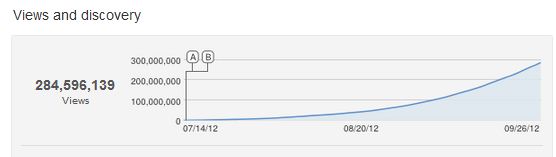
You can’t have a good social media plan without clear goals. Start your planning by figuring out what your goals are, then pick your core metrics to track.
What Social Media Sites You Plan to Cover
Your plan should cover exactly which social networks you plan to be on. The networks you use depend mostly on who you’re trying to reach.
Let’s say you’re trying to land more speaking gigs. In this case, being on Facebook might not be the best way to reach your target audience. Instead, getting on LinkedIn is probably your best avenue, followed by Twitter.
Don’t neglect smaller social networks either. For reaching an early adopter crowd, Google+ could be still be a very viable option. Smaller communities might have their own social networks setup on like on Ning (as shown below).

The long and short of it is this: Go where your audience is.
Breakdown of How to Spend Your Time
Your plan should have a detailed outline of how you plan to spend your time. For example, your plan might look something like this:
• Monday: 30 Minutes Scheduling Facebook Posts, 30 Minutes Scheduling Twitter
• Tweets Tuesday: 30 Minutes Replying to Messages, 30 Minutes Posting on LinkedIn
• Q&A Wednesday: 60 Minutes Post on Forums, Comment on Blogs
• Thursday: Repeat Monday
• Friday: Repeat Tuesday Try to segment your activities into different “buckets.” When your time in one bucket runs out, move on. Don’t let yourself get sucked into one thing for too long.
List of Essential Actions
What are the most important things you have to get done every week?
If you’re trying to land speaking gigs, then an essential action should be to respond to any conference organizer within 3 business hours. It doesn’t matter what else you’re doing, this takes precedence.
If you’re trying to build a social media following, your essential action might be not missing a post. You have a schedule and you stick to it rigidly. If something might detract you from hitting your posting deadline, those things have to wait.
Having a list of your essential actions can help you prioritize tasks in a busy work environment.
A Plan for Outreach & Connection Building
Two things you should have as part of your plan are building your audience and deepening your connection with your community.
Your outreach strategy should be, again, tailored to your goals. If you’re trying to reach influencers, you might comment on their blogs for several weeks before shooting them a direct Twitter message. If you’re trying to build a Facebook audience, your strategy might involve putting out innovative content every month.
As for building connections, the most important thing to realize on social media is the value of a single person. It’s easy to get lost in the statistics and the crowd of a thousand likes. But often time’s your biggest breakthroughs – PR7 links, JV opportunities, speaking gigs, etc – Will come from the most unexpected places.
Whenever you can, reach out and get in touch with people one on one. Acknowledge your fans and build real connections.
Treat This as a Living Document
Don’t treat your plan as something that’s set in stone. Treat it as something that’s organic. Your plan should grow as you grow and as your audience grows.
Figure out what’s working and what isn’t about your social media plan, then adjust your plan accordingly. Treat your plan as a living document. Use it as a tool to keep yourself and your company on track as you head towards your goals.
Use these these ten tips to stay focused on your social media marketing strategy:
Tip #1: Keep Your Business & Personal Accounts Separate
Mixing the two accounts is a recipe for disaster. You’ll log on to update your Twitter status, then get sucked right into the funny video of your next door neighbor’s niece.
If you have your accounts mixed, separating them alone will drastically boost your productivity.
Tip #2: Do Not Multitask
When you’re working on social media, you should spend that time only working on social media. Don’t do other things at the same time.
People will often try to do social media “on the side” while they’re taking care of other things. For example, you might be listening in to a company wide call that isn’t taking up your full attention. So, you might hop on Twitter at the same time to post a few things.
This is bad, because it trains your brain to not separate social media work time from other things. By not multitasking and only doing social media during social media time, you train your brain to work on social media in a very focused way.
Tip #3: Have a Daily Action Plan
Having a plan for how you spend your time on social media can really help minimize distractions. For example, if you plan on using your social media time to build an influence, you might break your time down like this:
• 5:00 – Schedule Posts in HootSuite
• 5:30 – Respond to @Mentions, Read Tweets, Retweet
• 6:00 – Send Personal Messages to Influencers
Don’t “wing” your social media.
Tip #4: Do Your Social Media When Your Work is Finished
Plan your social media time after the majority of your work is finished. Though social media is an important marketing venue, it’s rare that it’s really so urgent that it needs to be done early in the day.
Doing your social media last helps cut down the likelihood that your social media work would detract from the rest of your day.
Tip #5: Avoid Chats
Turn off your chats. Turn off Facebook chat, Google chat and any other chat programs you have running in the background. Many social networks will have a chat program weaved into their basic functionality. Make sure those chat systems are off.
Chats can throw your entire day out the window. Someone might message you and a 15 minute social media session suddenly turns into a 40 minute conversation. Often time’s you’ll have trouble saying no to someone’s communication because you don’t want to damage the relationship. You’re better off just turning your chats off in the first place.
Tip #6: Learn to Recognize Seemingly Urgent But Unproductive Behaviors
Do you really need to watch that 2 minute video that someone just uploaded? Do you really need to respond to that provocative comment?
A lot of the content you see on social media is designed to be inherently attention catching. They can seem urgent. But when you look at them objectively, you’ll find that it’s really counter productive to spend your time on it. Whenever you’re tempted to click on a link, ask yourself: “Is this really going to forward my business?”
Tip #7: Don’t Do It Alone
Doing social media alone is a big pitfall for many reasons.
First, there’s nobody to tell you when you’re going off course. Second, it’s easy to get distracted and not get things done if there’s nobody you’re accountable to. Third, you have nobody to share your triumphs with, which makes social media less exciting.
Having someone to share your social media ventures with gives you a strong framework to work in. Sharing your projects with a supervisor, a peer, with your business partner or with fellow online entrepreneurs can really help boost your social media focus.
Tip #8: Stay Focused on Learning One Thing at a Time
Social media users often try to take on far too much at once. They try to learn how to run a contest, how to learn new software, how to use a new social network and so on all at the same time.
Each task individually might not seem like it’s challenging to learn. But when you pile your plate high with new things, you’re going to have a scattered attention span. That sense of being scattered will cause you to be more easily distracted. It’ll also take you longer to learn any skill than if you learned them thoroughly one at a time.
Learn to focus on learning one thing at a time. Once you master that one thing, then you can take on something else.
Tip #9: Use Tools to Condense Your Sessions
It’s nearly impossible to focus on your work if you have to log into Twitter, Facebook and other social networks many times throughout the day. But many audiences do expect you to post updates throughout the day.
That’s why it’s absolutely crucial that you use tools like HootSuite and Buffer to schedule posts and updates. These tools allow you to communicate at the frequency that your followers expect, without having to distract yourself from your workday all the time.
Tip #10: Be Metric Driven
When you’re accountable for delivering metrics and you use your social media time in a goal driven manner, you’re going to be much more productive. It’s when you’re just “doing social media” for the sake of doing it, without a goal, that tends to detract from focus.
If you don’t have clear metrics, you’ll have a hard time staying driven. After all, you won’t know when you’re doing things right and when you’re doing things wrong, so it really doesn’t matter what you do. But when you have clear metrics, you’ll know exactly when you’re on track and when you’re not.
What you track improved. Track your social media progress.
Having more focus will help you have more success with your social media activities, so you progress quickly in the social sphere and your workday.
The Secret to B2B Sales – Identifying Your Prospect’s Pain Points
As a VP of Sales you’ve probably encountered this situation before. You’ve got a nice healthy amount of meetings at the top of your funnel and you have capable field reps there to take those meeting and transition them to closed business… Should be a pretty straight forward conversion process, right? However, you notice that out of all these meetings taking place your forecasted closed business is still not where you’d like it to be. How could that be? From my experience the problem can often be traced back to the initial meetings themselves. Most often what I see as the primary issue can be outlined in the scenario below.
Having managed a team of Sales Development Reps (SDR) one of the things I liked to do when an SDR passed a lead was walk over to their desk and say “Hey! I heard you just passed a lead, tell me about it!” The following conversation ensues:
SDR: “Well I sent out a mass email explaining what we do and asking for some time and someone replied back.”
Me: “OK, what did they say?”
SDR: “Here, read the email….’I am available early next week and would like to learn more.’ So I went ahead and set it up.”
Let’s just stop it right there.
While I appreciate the enthusiasm of a rep when they get someone on the hook, herein lies the problem.This SDR has no idea why this prospect would like to take a call and no information on their current environment. Most importantly, they have no idea what their pain is. What SDRs should do in these situations is pick up the phone, call the prospect, mention they received the email reply, and proceed to further qualify.
Above timeframe, budget and authority, identifying pain is highest on my priority list when reviewing a lead from an SDR.
Pain felt from the right person within an organization gets things moving.
Pain identified in an initial conversation saves the field rep from dealing with a tire kicker. Getting those probing questions answered is key in making sure that not only is your funnel filled with tons of meetings but that those meetings are likely to keep moving down the funnel to closed business.
For me it’s all about quality over quantity. It’s hard for a field rep to get excited about a prospect they know nothing about. Context is super important to their process and should not be overlooked by the SDR supporting them. So take a closer look at the meetings your SDR’s are booking and ask them “where’s the pain?” I guarantee moving forward you will see more quality leads and more meetings moving to a next step.
Millennials aren’t coddled—they just reject abuse as a management tactic

(Jamie Jones/Getty)
Recently, the University of British Columbia’s faculty of medicine circulated a video meant to make its instructors aware of “student mistreatment.” With a minor-chord piano medley providing the soundtrack, viewers were asked to avoid putting students on the spot with questions, to minimize “cold and clinical” interactions, and to cultivate “safe” learning environments for the young residents.

It seems a little like something created by The Onion, but the video was sincere, and its message will be familiar to a lot of employers dealing with people in their 20s. For many who remember what business was like pre-Internet, millennials seem an appallingly sensitive lot, having been protected from the vagaries of the world by helicopter parents, trigger warnings and—to especially cynical critics—sheer narcissism. “Aren’t young people coddled?” is now as safe an icebreaker as, “Did you see last night’s Seinfeld?” would have been 20 years ago.
It’s a stereotypical view and, of course, an incomplete one. But there’s no doubt younger workers are changing the interpersonal dynamics of the modern workplace, much as they’ve already done in high schools and universities. And I have news for you, my fellow judgmental old people: That’s a good thing.
For decades—centuries—the archetype of the successful business person has been the sneering blowhard, unafraid to bark orders and excoriate the work of underlings. He (let’s be honest, it’s traditionally a he) leads with a charming mix of ego, hair-trigger temper and intimidation. The fictional Gordon Gekko is the poster boy, but real-world examples abound: Rupert Murdoch, Anna Wintour, Larry Ellison, Kevin O’Leary, Donald Trump. Steve Jobs, brilliant as he was, was an often vicious and tyrannical boss.
The influence of such titans has created the expectation that to be successful in business, one must be able to be, for lack of a better term, mean. Or, at least, one must be prepared to act that way. For decades, otherwise mild-mannered and amiable individuals have had to train themselves to behave differently at work: to be harder, colder, less polite. (You can actually take courses on this kind of thing.) In some workplaces, making a colleague cry is considered a sadistic rite of passage. In the culture of commerce, behaviour that would be inexcusable in pretty much any other context is not only tolerated, but rewarded.

To what end? What real benefits are conferred on a business when its leaders are nasty? Abusive behaviour sure doesn’t spur productivity: A 2006 Florida State University study of 700 employees in a variety of different roles found that those with abusive bosses were five times more likely to purposefully slow down or make errors than their peers, and nearly six times more likely to call in sick when they actually felt fine. Nor does it do much for employee morale: As Stanford organizational behaviour professor Robert Sutton wrote in his 2007 bestseller, The No Asshole Rule, brutish managers “infuriate, demean and damage their peers, superiors, underlings and, at times, clients and customers, too.”
The most progressive bosses today—the ones whose behaviour will be tomorrow’s status quo—are demanding without being discouraging, honest without being rude and confident without being cocky. There has been plenty of important research on each of these management qualities, such as Mark Murphy’s book Hundred Percenters on motivating employees to greatness; or ex-Googler Kim Scott’s “radical candour” approach to providing feedback; or the work of Brené Brown, whose landmark 2010 TED talk is called “The Power of Vulnerability.” Caring about people’s feelings doesn’t make managers airy-fairy pushovers; rather, such leaders recognize their job is to help people excel. And they produce exceptional results not in spite of their compassion and kindness, but because of it.
Yes, it can be irritating to hear our younger colleagues complain of hurt feelings. But millennials aren’t wrong to expect a kinder, gentler work environment. The rest of us are wrong for clinging to the useless and outdated notion that to thrive in business, you have to be an asshole.

MORE ABOUT MILLENNIALS & WORKPLACE CULTURE:
- Millennials are now the biggest generation in the Canadian workforce
- Millennials can make great salespeople—if you forget the phone
- Five ways small businesses can compete with big companies for top talent
- How “reverse mentoring” can help improve workplace diversity
- How more women are dealing with mid-career burnout
- Why you should be forcing workplace colleagues to socialize more
- We need to make professional development work for introverts too
- Donald Trump’s election has measurably decreased workplace happiness
- Marketers need to understand that not all millennials are created equal
- How millennials are forcing financial firms to rethink retirement
The post Millennials aren’t coddled—they just reject abuse as a management tactic appeared first on Canadian Business - Your Source For Business News.
The Top 5 Reasons Your Sales Training Will Fail
Sales training is a big investment. Not only are you paying for the training itself and related expenses, but your sales team is also losing prime selling hours to attend workshops and sessions.
Nonetheless, this investment can reap significant benefits and set your sales teams up for success. Research from SiriusDecisions found high-performing sales organizations are twice as likely to provide ongoing training as low-performing ones.
So, how do you make your training a success, not a flop? In the past 15 years, I've trained more than 20,000 salespeople working at companies of all types and sizes. Here are the most common reasons I've seen training fail -- along with ways to overcome them.

Top Reasons Your Sales Training Will Fail
- Your managers aren't involved.
- Every rep is required to attend.
- Your objectives are vague.
- You want everyone to speak the same language.
- There are no corresponding dashboards.
1. Your managers aren't involved.
If you spent three days in a language class, would you walk out as a fluent speaker? Of course not. Even if you already had some familiarity with the language, fluency requires both immersion and regular practice.
It's the same idea with sales. Some leaders view sales training as an injection of concepts and best practices that their teams should be able to implement immediately. But unless those lessons are combined with a guided application on the sales floor, the training will ultimately have no impact.
Motivating reps to consistently practice what they've learned requires total buy-in from your front-line managers. They can set the right expectations and inspect what salespeople are doing on a daily basis.
However, you won't win their full commitment if you bring them in at the end of the process. Make them true partners: Ask them to help select your training vendor and curriculum, review the proposed agenda, choose the venue and date, and so forth.
I'm always confident training will go well when an organization's front-line sales managers are involved, as this tells me they'll actively reinforce the lessons when training is over.
2. Every rep is required to attend.
Most organizations require every salesperson to attend training. If you've ever attended a mandatory session, you probably know what this policy leads to a room of people with varying levels of motivation. Some salespeople are excited to take their sales knowledge to the next level. Some are neutral. And some wish they were anywhere else.
As with any educational experience, the sales trainer ends up teaching to the lowest common denominator, or the reps who are disengaged and unmotivated. Not only is this unfair to the salespeople who are eager to learn, but it also lowers the quality of the training itself.
I advise companies to make sales training a reward, rather than a requirement. If your reps hit a specific activity or quota-based milestone, invite them to attend.
With the money you've saved on attendees, host the event at a nicer hotel or hire a high-end caterer. These touches will reinforce the idea training is a privilege.
You'll raise the dialogue to a more mature level. It'll also incentivize salespeople to apply what they learn: If they don't, they'll waste the "reward" of new insights, strategies, and techniques.
Some sales leaders say, "We can't exclude reps from training -- they're horrible at [core skill]!" If your sales team isn't proficient at calling, prospecting, and other foundational competencies, that's a hiring issue rather than a training issue.
Sales training isn't designed to bring reps up to the basic performance levels: That's what your hiring and onboarding processes are for. Training should help your salespeople gain an edge over the competition.
3. Your objectives are vague.
Without a specific goal or desired outcome, you can't measure the impact of sales training. Some management teams say they're investing in training because they want their reps to "work harder," "close more deals," "speak the same language," and so on.
Who doesn't want those results? It's incredibly difficult to plan and implement sales training around a vague objective such as, "Make our salespeople harder workers."
The more specific the goal, the better. For example, you might want to reduce discounting by 10%, win 25% more competitive deals against a competitor, or reduce your average sales cycle by two days.
These objectives are highly focused, enabling you (or the vendor you hire) to craft your curriculum around them. If you want to discount less, for instance, you might cover alternatives to discounts, strategies for selling on value rather than price, and potential responses to discount inquiries.
4. You want everyone to speak the same language.
Reevaluate your objectives for training if your primary goal is to get your sales team "speaking the same language."
Great sales training introduces common disciplines and common language for talking about your products, but it shouldn't teach a one-size-fits-all sales style.
The goal of training shouldn't be to fit each salesperson into a predefined box -- cookie cutter sales styles are unattractive to reps and prospects. Katelyn Craine, a Culture Program Manager at HubSpot, says, "The strongest teams create an environment where each salesperson is able to find their own authentic voice." This, in turn, helps salespeople relate to and build trust with their prospects.
Sales training should provide your team with a set of tools and strategies each rep can apply their own style to. They'll bring their authentic selves and unique perspectives to each sales call, meeting, or email -- and this allows them to build rapport with prospects and customers from diverse backgrounds.
Plus, a sales team with reps who have a wide range of talents and skill sets leads to knowledge-sharing and innovation for your sales team -- it's a win/win for sales reps and leaders.
5. There are no corresponding dashboards.
Let's say you spent $2,500 on a comprehensive sales training package. Your team completes the training and they return to their day-to-day routines and activities.
How can you be sure the sales training was effective? Are reps using the tactics they learned?
If you haven't created a dashboard in your CRM to measure the results of the training, you're not seeing the return for your money or the time your reps were away from the sales floor.
Take the time to create a CRM dashboard that reflects the results of the training. It should include reports that track the new behaviors and activities your salespeople adopted.
When managers comment on the dashboard or reference it during meetings, sales reps will take the training seriously and be more likely to implement the strategies they learned. And you'll clearly see the results of your investment.
The success of a sales training program is a team effort. Sales managers must set clear objectives and need to be involved at every step. This way, your salespeople will be motivated to learn and adopt new selling techniques and strategies.
Ready to put this advice to the test? Check out Hoffman's sales training programs.


Content for Lead Generation

There are a lot of reasons to produce content as a marketing department. Last month we published an entire post dedicated to Content for Link Building.
Today, I want to turn you on to another specific way that marketers can use content to grow the business. Content can be a great tool to use in the lead generation process.
How?
The answer is that there are multiple ways for marketers to use content to help drive new leads for your sales team. The goal of any lead generation effort is to fill the top of the marketing funnel with high-quality sales leads. And content can be the thing that turns a casual browser into a strong prospect.
The most common usage of content for lead generation is the so called “gated content”. This refers to a piece of high-value content for your target audience that sits behind a lead form. In order to access the content, one must submit their contact information. That information can then be used to follow up with them at a later time.
The keys here are the quality of the content and how you promote it. This kind of content has to add value, otherwise no one will submit their information to you. Solve a problem that people in this audience have. And then use social media and low-cost digital marketing strategies to drive traffic to that specific page of your site.
The second way you can use content to drive leads is through a more standard blog, or article writing strategy. When you continue to publish fresh new content in your space, you are attracting people to your website in order to view that content. Use intro or outro text to highlight your products and services. Use call to action buttons to send some of that traffic to your product pages.
The people who read your content regularly are great leads for your business. They just haven’t submitted their information yet. You have to ask for it, otherwise they never will.
What Are the Best Content Formats To Generate Leads?
 Investment in content marketing is rising every year, because it delivers great results at a reasonable price. Ask any marketing agency and they will tell you content marketing, when done well, can build brand awareness, increase hits to your company website and, crucially, generate high-quality leads. With that being said, certain types of content are more effective than others when it comes to lead generation strategy. Here, we take a look at five of the best formats available to you.
Video Content
In many ways, 2016 can be described as the year of video content and its effectiveness is clear. A report from Forrester states that including a video in an email increases the click-through rate by 200 to 300 percent, while Unbounce found that embedding a video in a website landing page increases conversions by 80 percent.
Such statistics highlight the serious lead generating potential of video content. In addition, video content is extremely versatile, as it can be inserted into web pages, shared on social media sites, or uploaded to sites like YouTube. Best of all, HubSpot reports that consumers share 9 out of 10 videos with other people.
Blog Posts
Blog posts are the go-to option for content marketers, and part of the reason for this is because they have proven effectiveness in generating leads. In fact, WebDAM found that B2B marketers who blog regularly generate an average of 67 percent more leads than marketers who do not blog.
Of course, blog posts are a very diverse content type, which can include a number of different formats within them, including infographics and videos. Most search engine consultants agree that the trick to effective blogging is to blend it with your SEO strategy and focus on providing real solutions for problems your target audience may have.
E-Books
E-books represent one of the fastest growing content formats in the world and projections from PwC suggest that by 2018, revenue from e-book sales will have increased by 3,000 percent in a ten year period. Despite this growth, however, they are still criminally under-utilised by businesses.
An e-book allows you to go into greater detail than you would with other formats. People expect an e-book to be longer than a blog post, so will not be put off by thousands of words. This is excellent for making in-depth points and establishing yourself as an expert in your field. Businesses have the option of charging for e-books or giving them away for free and you can also collect contact information from people who buy or download each publication.
Case Studies
Ultimately, in order to attract quality leads, you need to establish your business as being trustworthy and case studies are a great way to do this. In particular, a case study can help customers who are almost ready to make a purchasing decision to choose your company over a competitor.
“It’s great to include testimonials on your website… but also offer a downloadable case study to generate leads that focuses on one particular client,” suggests Jessica Kandler, writing for MySiteAuditor. “Great case studies include specific examples, results supported by metrics, and testimonials from your client.”
Webcasts
Webcasts or web seminars are another great method for generating leads, especially when dealing with other businesses. A ‘webinar’ gives you the chance to demonstrate your expertise and provide examples of how your products or service can be used, without needing to meet face-to-face.
According to research conducted by the Content Marketing Institute, webcasts and webinars are the second most effective B2B tactic, with only in-person events proving more effective. The key to delivering successful webcasts is to use engaging speakers, research what customers want to see beforehand and conduct follow up research.
Guides and White Papers
Finally, they might sound like an old fashion format but White Papers or Guides tend to work extremely well when used the right way. Producing an in-depth piece of content (ideally backed by in-house research, recent data or scientific discovery) in line with your audiences’ needs is a proven lead generation tactic. They have the benefit to produce targeted leads as well as reinforce your company’s expertise in your industry. After all, according to the Content Marketing Institute, White Papers are the 4th-most effective B2B content marketing tactic (after in person events, Webcasts and Case Studies) so they are worth investing in at regular intervals within the year. The other great advantage of any more substantial piece content is that it can be repurposed, segmented and outreached for longer periods of time, which means that in the long run, the return on investment will be greater.
Regardless of the format you choose. Start with the end in mind – that being lead generation. If your content idea don’t seem like it will attract leads, you should consider the reason you’re creating the content in the first place.

7 Creative Demand Gen Tactics to Drive Trade Show Booth Traffic
Even in this digital age, trade shows are still a core part of many B2B marketers’ 2017 demand generation plans. Generating maximum return from that investment, however, requires careful planning, and close attention to both pre-show and post-show communications strategy.
In a previous post, I discussed key strategies for following up with trade show leads. Here are 7 ideas for increasing booth traffic and lead volume at the show:

1. Direct Mail – sure, it’s more expensive, but guess what: relatively few B2B companies use mail, so there’s less competition. Plus, as a physical medium, direct mail provides creative options to drive booth traffic and track response – for example: “be one of the first 50 people to bring this postcard with you to our booth and get a free [insert free gift here].” (Tip: always limit response; it caps your expense and drives urgency.)
2. Invite, don’t Promote – if you’re presenting scheduled demos at the show, or if one of your executives has a speaking slot, invite people to the event as you would a Webinar, i.e. with date, time, location at the show, “what you’ll learn”. Make the call to action an “add to calendar” link or design a custom landing page promoting all your events at the show and how to sign up. (Offer an additional incentive to people who pre-register.)
3. Email Signatures – design a custom HTML email signature banner promoting the show and provide it to your sales, pre-sales, and customer support team, along with instructions on how to add the signature in popular email clients. Signatures can be an extremely effective (and free!) channel to generate awareness for an upcoming show, particular to your customer base and current prospects.
4. Google AdWords – place ads on AdWords using the show name (and variations) as keywords. Develop a custom landing page describing your presence at the show, with an emphasis on demos, presentations, and networking events. Offer opportunities to sign up for a personalized demo. Consider geotargeting to focus on those customers and prospects most likely to attend a show in their local area.
5. LinkedIn Ads – Place sponsored updates on LinkedIn using a custom image with an emphasis on speaking slots, demos, networking events, and specific, compelling reasons to drop by the booth. Link to a custom landing page that includes more information (what, where, when) and “add to calendar” links for any scheduled demos, presentations, and networking events at the show.
6. Brain Teasers – you know those “98% of people get this wrong” brain teasers on LinkedIn that generate thousands of comments? Consider using a similar brain teaser or quiz in your pre-show outreach, and offer a prize to the first 50 attendees to come to your booth with the correct answer. (Tip: math challenges work best vs. general knowledge because the answer can’t be googled.)
7. Blogging – Few companies want blog posts to be overtly promotional, but there are still ways to leverage blog content to drive show traffic. Use blog posts as “teasers” for speaking slots, show floor presentations, and scheduled demos by either a) excerpting a planned presentation or b) writing to a related topic/trend/best practice. Then (critically), close the post with an invitation to learn more by visiting with your company at the show.
3 Benefits of Marketing Automation You Didn’t Know About

We know that marketing automation can help a business reach its full potential. Streamlining and simplifying the more cumbersome tasks leaves your marketing team with more time to create effective campaigns. However, marketing automation helps more than just your marketing team.
The Less Obvious Benefits of Marketing Automation
It’s important to recognize how automated processes improve your productivity. Primarily, the marketing automation you create is going to save everyone time. Of course, your automated processes are going to require tweaking from time to time, but the time investment spent on manual responses is dramatically cut when you automate. This added productivity will reach just about every corner of your organization and improve your operational efficiency in various ways.
1. Automated Workflows
We all have tasks we dread at work. Typically, these tasks aren’t especially difficult or complicated, just mundane and repetitive. These routine tasks may not be hard to accomplish per se, but their repetitive nature lends itself to increasing the chances of human error. Essentially, the longer you do the same thing over and over with very little variation, the more likely you are to make mistakes.

When you delegate these routine tasks to an automation system, you’re creating a much smoother workflow for everyone involved. Instead of spending an inordinate amount of time on mundane (but essential) marketing tasks, those resources can be better spent elsewhere. With a robust automation platform, you can even incorporate internal processes like budgeting, workflow approvals, project management, and more into the automated processes.
2. Better CRM + Marketing Automation = High Business Success
CRM, or Customer Relationship Management, is software meant to help marketers keep tabs on their relationships with their customers. CRM systems greatly mitigate the risk of embarrassing situations such as confusing two high-profile customers, or sending a customer the same marketing materials repeatedly. Most reliable marketing automation platforms allow you to incorporate your CRM tools into their system for an even more detailed level of automation.
Customer Preservation
Every marketing professional knows that customer retention should never take a backseat to customer acquisition. It’s not only good for your business to maintain relationships with long-standing clients – it’s more cost-effective than constantly seeking out new business, too.
Improved Customer Service
Retaining your customers hinges on serving them well, too. Your marketing automation platform should be delivering custom-tailored content to your customers, and if any issues with your marketing arise, they are typically much more easily solved via an automation platform than traditional means. A marketing automation system allows you to carefully segregate your clients’ email addresses so you can be sure you’re sending the right stuff to the right people.
3. Thorough Lead Accountability
Nurturing your leads, or generating increasing interest in your brand from potential customers, is a task that doesn’t solely fall on the shoulders of the marketing department, but of the sales team, as well. There needs to be a viable synergy between these teams if you want to turn leads into buyers. Automation processes enable more robust accountability in this regard. When roadblocks happen, it’s much easier to see where the problems are. Marketing automation platforms include feedback features that allow everyone involved in a workflow to leave essential comments and additional info when necessary.

If you haven’t investigated what marketing automation can do for your organization, now is the time. You can not only improve your internal processes and boost the bottom line, but also provide your customers with more personalized experiences with your company.
You Don’t Need a Better Sales Process – You Need a Better Sales Message

When Sales needs to hunker down and improve its performance, what do you typically hear from sales management?
“We need a better sales process.”
Then, your sales management team and your sales training experts spin the dial to pick one of the many options available in the marketplace – in hopes that it will help you rise above the economic pressures and rapid commoditization of your market.
Unfortunately, many of these programs struggle to deliver the results hoped for. In fact, a few years back, McKinsey & Company documented that 75 percent of the efforts at companies using one of the hottest sales process methodologies in the field – solution-selling – were deemed to be failures within three years.
It’s not about the sales process…
Sales processes and methodologies have been around for more than 20 years. Most companies have tried two or three of them. And most sales people have been trained on at least that many. Don’t you think maybe something is missing?
…It’s about having the right messages to fuel your process
Several years ago, we performed a survey of marketing and sales executives. We found that 70 percent of the executives surveyed ranked commoditization or competitive differentiation as their number one threat to growth – outside the economy. Why? There are more capable competitors than ever before. And customers are overwhelmed by the amount and complexity of information. As a result, customers, in their confusion, were telling salespeople that they see all the competitors as the same. Your challenge is to avoid commoditization and set yourself apart from the competition. And that’s not something that can be accomplished with a new sales process.
Your message is your most strategic competitive asset
Your sales conversations are becoming the last battleground in competitive differentiation. And, your messaging, even more than your methodology, is what matters most in this hypercompetitive environment. In fact, you could argue that your message is your most strategic competitive asset when everything else appears the same.
So, how do you develop messages that make a difference – no matter which sales process your organization uses? Corporate Visions can help. Our Power Positioning helps you find your unique point of view so you can create clear points of differentiation between you and your key competitors.
The post You Don’t Need a Better Sales Process – You Need a Better Sales Message appeared first on Corporate Visions.
Make Learning a Lifelong Habit

I recently worked my way through Edmund Morris’s first two Teddy Roosevelt biographies, The Rise of Theodore Roosevelt and Theodore Rex. Roosevelt wasn’t without flaws, but he was by nearly all accounts fascinating and intellectually voracious. He published his first book, The Naval War of 1812, at 23 and continued to write on everything from conservation to politics and biography. According to Morris, at certain periods he was rumored to read a book a day, and all this reading and writing arguably made him both charismatic and uniquely equipped to engage the host of topics he did as president: national conservation efforts, naval expansion, trust regulation, and a variety of others.
Roosevelt was what we might call a “lifetime learner.” Learning became, for him, a mode of personal enjoyment and a path to professional success. It’s a habit many of us would like to emulate. The Economist recently argued that with all the disruptions in the modern economy, particularly technology, ongoing skill acquisition is critical to persistent professional relevance. Formal education levels are regularly linked to higher earnings and lower unemployment. And apart from its utility, learning is fun. It’s a joy to engage a new topic. Having an array of interesting topics at your disposal when speaking to colleagues or friends can boost your confidence. And it’s fulfilling to finally understand a difficult new subject.
But this type of continuous and persistent learning isn’t merely a decision. It must become a habit. And as such, it requires careful cultivation.
First, developing a learning habit requires you to articulate the outcomes you’d like to achieve. Would you like to reinvigorate your conversations and intellectual activity by reading a host of new topics? Are you looking to master a specific subject? Would you like to make sure you’re up-to-date on one or two topics outside your day-to-day work? In my own life, I like to maintain a reading program that exposes me to a variety of subjects and genres with the goal of general intellectual exploration, while also digging more deeply into a few areas, including education, foreign policy, and leadership. Picking one or two outcomes will allow you to set achievable goals to make the habit stick.
You and Your Team Series
Improving Yourself
-

How to Master a New Skill
- Amy Gallo
Learning to Learn
- Erika Andersen
How to Make Learning More Automatic
- Gretchen Rubin
Based on those choices, set realistic goals. Like many people, each year, I set a series of goals for myself. These take the form of objectives I’d like to achieve over the course of the year (e.g., read 24 books in 2017) and daily or weekly habits I need to cultivate in accordance with those goals (e.g., read for more than 20 minutes five days per week). For me, long-term goals are tracked in a planner. Daily or weekly habits I monitor via an app called momentum, which allows me to quickly and simply enter completion of my habits on a daily basis and monitor adherence. These goals turn a vague desire to improve learning into a concrete set of actions.
With goals in hand, develop a learning community. I have a bimonthly book group that helps keep me on track for my reading goals and makes achieving them more fun. Similarly, many of my writer friends join writing groups where members read and edit each other’s work. For more specific goals, join an organization focused on the topics you’d like to learn — a foreign policy discussion group that meets monthly or a woodworking group that gathers regularly to trade notes. You might even consider a formal class or degree program to add depth to your exploration of a topic and the type of commitment that is inherently structured. These communities increase commitment and make learning more fun.
To focus on your objectives, ditch the distractions. Learning is fun, but it is also hard work. It’s so extraordinarily well documented as to be almost a truism at this point, but multitasking and particularly technology (e.g., cell phones, email) can make the deep concentration needed for real learning difficult or impossible. Set aside dedicated time for learning and minimize interruptions. When you read, find a quiet place, and leave your phone behind. If you’re taking a class or participating in a reading group, take handwritten notes, which improve retention and understanding, and leave laptops, mobiles devices, and other disrupting technologies in your car or bag far out of reach. And apart from physically eliminating distractions, consider training your mind to deal with them. I’ve found a pleasant impact of regular meditation, for example, has been an improvement in my intellectual focus which has helped my attentiveness in lectures and ability to read difficult books.
Finally, where appropriate, use technology to supplement learning. While technology can be a distraction, it can also be used to dramatically aid a learning regimen. Massive Open Online Courses (MOOCs) allow remote students to participate in community and learn from some of the world’s most brilliant people with the added commitment of class participation. Podcasts, audiobooks, e-readers, and other tools make it possible to have a book on hand almost any time. I’ve found, for example, that by using audiobooks in what I think of as “ambient moments” — commuting or running, for example — I can nearly double the books I read in a year. Good podcasts or iTunes U courses can similarly deliver learning on the go. Combine these tools with apps that track your habits, and technology can be an essential component of a learning routine.
We’re all born with a natural curiosity. We want to learn. But the demands of work and personal life often diminish our time and will to engage that natural curiosity. Developing specific learning habits — consciously established and conscientiously cultivated — can be a route to both continued professional relevance and deep personal happiness. Maybe Roosevelt had it right: a lifetime of learning can be a success in itself.
Why 2017 Will Be The Year of Targeting
Those who use social listening platforms will likely tell you that Twitter is a very important playground for your business on social media. They’re not exactly wrong, but they’ve been hoodwinked into believing just how important it is.
Take a look at any social listening scan for the sources of the data and Twitter can account for half, two-thirds, three-fourths or more of the social media conversations.
Things Are Changing…
But the social listening platforms have conveniently forgotten to stress that they do not index the vast majority of Facebook, which is hidden behind privacy firewalls. At the Conversation Research Institute, our testing shows that anywhere from 45% to 90% of all conversations about a given topic online happen on Facebook.
We’re missing that understanding. And we don’t have much time before our only look into it will be gone.
Facebook has told social listening partners it will sunset its search access, broadly known as Facebook Topic Data, in September of this year. I, for one, am disheartened by the news since I spend most of my days deciphering online conversations for brands. Facebook Topic Data is the only way to see what conversations look like on the world’s largest social network
But there is a glimmer of hope and it comes in the form of Facebook Advertising. More specifically, Facebook Ad Manager.
A Brave New Facebook Targeting Option
When Facebook Topic Data is sunset in September, there will likely be an entirely new suite of products offered by a handful of Facebook’s partners that add more depth and breadth to its advertising targeting features.
I’m told by multiple people at a half dozen companies that the indications are that the added feature sets will likely bring targeting based on conversation dynamics to the table.
If you read the tea leaves a bit, this means Facebook Topic Data wasn’t really driving the kind of revenue Facebook hoped for and is thus turning conversation data into targeting data. It will perhaps allow you to target your advertising to anyone talking about Topic A in a negative (or positive) sentiment and/or using the qualifying behavior indicators (like want, buy, hate, love, etc.).
Moving Forward
This is all conjecture on my part. But it is also hopefulness. Since Facebook’s walled garden is the most plentiful in the conversation research set, I want at it. If these advertising features are what Facebook’s partners have been challenged to create (which I think they are), then researching conversation on Facebook may not be dead.
And advertising targeting is going to get a whole lot more sophisticated by year’s end.
Whether you’re a researcher or an advertiser, the prospect is exciting. Here’s to 2017!
The post Why 2017 Will Be The Year of Targeting appeared first on Social Media Explorer.


6 Project Management Skills Every Marketer Needs to Know [Webinar of the Week]

Project management.
Two relatively benign words that when put together create headache and heartache for marketers worldwide.
Why?
Because project management not only requires a strict attention to detail, but also requires a certain kinship with the designers, developers, writers, and bosses to make sure things are getting done on time and with grace.
But the worst part: The actual skills behind project management weren’t taught in most marketing classes. They’re being learned on the job as deadlines get missed and processes get overlooked.
Instead of reactive project management, what if we could implement proactive project management? The kind of project management that anticipates bottlenecks and workflow issues BEFORE they happen?
On Tuesday, January 31st (that’s next Tuesday!), my pal Jason Falls will be joining Brent Bird from Workfront, the all-in-one workflow management specifically designer for marketers.
Click here to sign up for the webinar:

If you’ve never seen great project management in action, I understand why attending a webinar like this may not seem important to you. That’s why I wanted to share the top five reasons stellar project management skills make the world go ’round, especially for marketers:
1. Project Management Sets a Plan in Motion
Failure to plan means planning for failure, right? You’d be surprised by how many marketers jump into a new campaign or strategy without a set plan in place.
When you’ve got a project manager in charge, you know you’ll get an organized project plan through which to act. From setting goals and identifying audiences to editing, promoting, and measuring, this part of the project should act as a marketer’s bible for success.
2. Project Management Develops a Realistic Timeline
We’ve all been there: I’ve got my writing done, but my editor is taking forever to proof my content (was it really THAT bad?). Or I’ve got the landing page ready to go, but my developer hasn’t pushed it live yet (what’s she waiting for?).
A realistic timeline accounts for everyone’s work schedules (including vacation and travel days) and can even build in buffers when common bottlenecks are known. For example, if your boss is speaking at an event but you need his or her approval to move forward, you may want to schedule your writing time or your graphics creation time during their travel so that when they return, everything is prepped and ready for the next step.
When we live in an age where we don’t even have time to pee, a project manager knows that realistic timelines can make or break the success of a project. It doesn’t help anyone to be overly optimistic about how long things actually take to get done.
3. Project Management Encourages Positive Collaboration
Are you the type that only talks to your coordinators when there’s a problem? Are you making time for positive interactions among your team that spark collaborative culture?
It might be hard to admit, but many of us are constantly working in a reactionary environment, providing way more negative than positive feedback, and are always on the defense. A clear project management system makes the plan obvious and apparent for everyone to see to avoid miscommunication and missed deadlines. Everyone is working toward the same goal, so it’s in everyone’s best interest to be on the same page and support each other with a smile when someone needs help, brainstorming time, or simply a polite kick in the pants.
4. Project Management Ensures Quality Results
Imagine what would happen if you built a house without a foundation. Or a road without a map. Too many clichés for you?
It’s ridiculously simple because it’s true: You can’t ensure quality without a series of checks and balances (and someone to adhere to those checks and balances). I’d take this one step further and say that you can’t measure success without knowing where you are every step of the way. When you start managing projects effectively, you cut down the time it takes to produce quality products, which increases your ROI in return.
5. Project Management Supports Failure
What? You want me to fail?
No, of course not. But I want you to be able to identify gaps quality assurance, bottlenecks in management, and any other issues throughout your processes so that you can address and fix them as soon as possible. This makes you equipped to handle larger, more involved projects and campaigns in the future. The faster you fail, the faster you can learn. And the faster you learn, the better off you’ll be.
Do I sound like a fortune cookie yet?
Register for 6 Project Management Skills Every Marketer Needs to Know right now and position yourself as the best project manager on the block. Your boss (and your team) will thank you for it!


Assessing Talent for Inside Sales
Many sales leaders have told us they are expanding their inside sales channel strategy to take advantage of shifts in buyer behavior (see Don’t overlook competencies when expanding inside sales). In doing so, they also need to take advantage of their sales talent, both in hiring and in developing the skills of current employees.
The hiring process itself should provide ample opportunities for candidates to demonstrate how they would sell to customers. While this holds true for any sales position, it is even more important for inside sales, where sellers never meet customers face to face. There are three relatively simple ways to test a candidate’s skills in action: video, role play, and voicemail.
Skype and other video chat services allow sales leaders to see how candidates would interact with prospects and customers. Sellers can no longer shy away from video; it has become an accepted, and even expected, communication channel. Everyone in sales should get themselves comfortable with video chats. There are a few tactical issues with a video call versus a phone call – such as removing distracting backgrounds, paying attention to posture, and making eye contact – but video can be the next best thing to meeting in person. You can also use a Skype call to role play with a candidate. They should be able to handle the pressure and give you a sense of how articulate, composed, and compelling they are.
Cold calling is always an asset for those in inside sales, and sales leaders should require candidates to leave them a cold-call voicemail. From this, they can assess how well candidates engage prospects – gaining insights from tone as well as message.
One question I would advise asking candidates for inside sales positions is about their career aspirations. Specifically, inquire as to their expectations for eventually moving into a field sales role. If the sales organization has shifted its strategy to close off this career path, make that clear from the start. Candidates, then, should be those who want to work in inside sales and can thrive in an environment of talking on the phone all day, every day. This can be an exhausting job, so look for candidates who are resilient and have high energy. They have to be able to move forward and bounce back after hearing “No” over and over.
When growing an inside sales team, it is possible that an experienced field sales rep may be interested in taking an inside position under the right circumstances. Maybe they are tired of traveling or have other reasons for seeking a change. While this kind of transfer was more unusual in the past, I would not discount it – or the person – if they were sincerely interested and there was a good fit.
Just as technology is changing the sales environment, it can also help sales leaders find the right people for the right roles. Pre-hiring assessments can be invaluable in teasing out the competencies and differences in candidates. At Richardson, we use an online tool called TalentGauge™, a predictive assessment and salesforce readiness tool that works both in the recruitment process and in assessing the talents of the current salesforce.
In changing their channel strategies to expand inside sales, sales leaders have clear expectations for improvements in productivity, outcomes, and success. The proper attention to training and development, both with new hires and current sales reps, can lead to more meaningful customer dialogues, better engagement, cross-selling opportunities, and more efficient and successful sales. The potential return is well worth the investment in talent.
Click here to contact us to learn more about how Richardson can help you develop an inside sales channel strategy. For immediate assistance you can reach us at info@richardson.com, or call 215-940-9255.
 What Selling Challenges do you Anticipate in 2017?
Complete this confidential short survey to share your insights and gain access to the full report. Participation makes you eligible to win a free iPad.
We appreciate your support!
The post Assessing Talent for Inside Sales appeared first on Richardson Sales Training and Enablement Blog.
Connection Requests…The More the Merrier? How to Create a Valuable Network
Recently my “Pending Invitations” box has been full of new, and frankly, unknown Connection requests. Being a millennial, that’s awesome right? I mean, think about Facebook or Instagram – when you get a notification saying “so and so has requested to follow you” or “John Doe has sent you a friend request.” Who cares if you know them or not; that’s another potential “like” on a picture! But when it comes to the world of LinkedIn, let’s leave those unknown requests for someone else.
When growing your LinkedIn network, you want to make sure that you are Connecting with people who you know first-hand, or people that are Connected to your 1st level connections. Think about going to dinner with your friends. Obviously you are going to say yes if your friend is attending, right? So you go to dinner with your childhood friend and they bring their roommate from college along. Normal? Absolutely! The three of you have a great time and now you have formed a friendship (Connection) with this new person. After dinner you check your phone and now you have a new friend request. Not creepy.
Now let’s say you go and grab a coffee at your local spot. You order your drink and then 5 minutes later, you have a follower request from someone who said they saw you grab your coffee and heard the barista call your name when you picked up your order. That’s creepy and their reason for the request isn’t clear.
The same applies to LinkedIn. When you think of LinkedIn, you think of it as a business tool rather than a social media site. You’re using your Connections to grow your network, in order to better your business. We all can agree that sometimes our Home Pages are a little overwhelming with constant article shares, job updates, new blog posts…and these are all from people we know! Why exhaust yourself by adding unknown Connections that come with even more shared content? That will only overwhelm you more! Your homepage should be full of only one thing; beneficial and valuable content. How many times can you say that you have seen a shared article pop up that has zero value to you? You’re not alone! Trust me, I have witnessed many articles that then make me go back and say “Wait, who is this person?”
So, before you accept that Connection request from someone that you don’t know, think about it and ask yourself “how is this of value to me” or “how is my network going to benefit from this?” Happy Networking!