Shared posts

24 Aug 17:45

Why Are There So Many Articles about Selling?

by Lisa

By Jim Cathcart

Like you, I subscribe to a number of magazines and resources that specialize in sales, marketing, and business success strategies. What astounds me about them is how there is an endless flow of articles on selling. You’d think the first 100 or so would pretty much cover the ground and the rest would be redundant.

Selling Is Not Always the Same

But that assumes that all selling is fundamentally the same. Not true. Yes, all selling involves connecting with people in a way that causes them to buy from you but, after that, there are endless variables. Online sales to consumers is vastly different from boardroom sales to executive teams. Selling through proposals and tenders is not even similar to direct multilevel sales. Retail store sales and in-home contractor sales are very different. Selling at expos requires a mindset different from selling people on having cosmetic surgery. Need I go on?

This diversity of selling situations, products and services, rules, laws, customs, and restrictions means you can never fully understand all aspects of this wonderful craft. But that doesn’t mean you should stop trying.

What’s Consistent in the Profession of Selling?

You may be selling cars through online ordering systems but you can still learn techniques or ideas from hoteliers in Las Vegas who are selling room upgrades and vacation packages. The guy who sold you the white-water rafting trip could probably teach you something that would help you sell parts to airplane manufacturers. It’s all human interaction, problem finding, needs analysis, solution finding, collaboration, decision making, negotiation, and confirming commitments.

A mind that is always learning is more capable than one that is simply well informed. I once marveled at how many firms were offering sales training and how different some of their processes were from mine. Then it occurred to me that “Selling” is the “family name” of all of them. Among Cathcarts, I’m Jim. My cousins are Bruce and Judy. My father is Earl. But we are all Cathcarts. Among sales techniques, mine is “Relationship Selling™,” Tony Alessandra’s is “Platinum Rule® Selling,” Don Hutson’s is “Selling Value™,” but they are all Selling – first and foremost. What separates them is the style or areas of emphasis.

I’ve been teaching sales for 40 years now and have authored 18 books, but I still read every page of Selling Power magazine each month and I scour the other publications, Websites, podcasts, and blogs for insights and inspiration. I go to conventions and collaborate with my competitors (who are also my colleagues). We share our books with each other and often recommend each other to our own clients. I hope you do the same.

The more you help others succeed, the greater the pool of buyers there will be for all of you. Keep the flow of different points of view flowing freely into your mind. Each idea will find the appropriate “file” of understanding that fits it – and your sales capacity will increase endlessly.

Jim Cathcart is a long-time contributor to Selling Power and one of the world’s leading professional speakers. He is the original author of Relationship Selling plus 17 other books. Cathcart.com helps organizations increase sales engagement and self-motivation. Contact Jim at info@cathcart.com.

The post Why Are There So Many Articles about Selling? appeared first on Sales 3.0 Conference.

21 Jul 17:45

4 Key Attributes of Mentally Prepared Sales Professionals

by Doug Dvorak

Top salespeople don’t just have meetings; they are mentally prepared for meetings. Just as you would make sure you have the demo, the samples, the PowerPoint or brochures as well as the product video all keyed up on the tablet, top salespeople also take the time to prepare mentally. Are you mentally prepared for your next sales meeting? Here are 4 key attributes of mentally prepared sales professionals.

1) Mentally Prepared Sales Professionals are Organized and Focused

mentally-prepared-sales-professionals-keep-records

Top sales professionals keep a great record of their clients and their information. They have the names of their clients’ spouses, information about their passions, hobbies, and the industry they are selling into.

Mental preparation for sales presentations and meetings are a part of mental discipline. It is often not boring or a lot of memorization if sales reps are genuine and authentic. Get into a problem-solving mindset rather than sales mode with clients.

2) They Study the Unique Sales Problems of Their Clients

mentally-prepared-sales-profs-review-challenges

Mentally prepared sales professionals consider the information on the client already known, what would be helpful to know in this meeting, and how the product or service offers value.

In this way, mental preparation is a lot like putting together a jigsaw puzzle. In going over current information, the mentally prepared sales professionals may find missing pieces. Reviewing client information provides a framework for details and data for the sales rep.

This is vital to understanding the story and challenges that the customer is facing. By discovering these details in authentic and genuine conversations, the product or service becomes the solution rather than just a part of the puzzle.

3) They Are Experts at Adjusting Their Sales Tactics Based on the Client

It is very common for a sales professional to find a method of selling which works very well with one client. A common mistake is to develop a thought that this sales technique or method is the “perfect” option for all customers.

mentally-prepared-sales-professionals-adjust-sales-tech

Customers are very different. This difference extends even to companies within the same industry. What works as a solution for one company may not be needed or effective in another company. Locking into a mindset of one sales solution for all customers is not only self-limiting, but it is likely to be self-destructive.

A better option is to maintain an open mindset about trying new things. This also goes back to not taking rejection personally. In some cases, the deal-breaker may be the approach that was used. Experimenting with different approaches and methods differently will keep the sales professional focused on the buying signals sent by the client.

For example, one customer may want to spend 10 or 15 minutes sharing personal stories and getting to know you as an individual. Another client may want to talk about the problems they are experiencing, and a third client may want to include a team approach to making a purchasing decision. Some customers may want information emailed while others will want to hear your presentation at the meeting. Understanding each customer will impact how you structure and plan your time with the customer.

4) They Communicate in a Relaxed and Genuine Manner

mentally-prepared-sales-professionals-vary-comm-styles

By being flexible and carefully discerning what approach is best for the client, top salespeople vary their presentations, communication styles, and interactions with the customers. This flexibility comes across as authentic, natural, and not stilted or forced. It also gives you additional ideas for how to be comfortable in trying new approaches with future customers.

Not being rigid also allows the successful sales rep to quickly read a customer and adjust their style in the first few minutes of a meeting. Challenging yourself to meet the best style for working with a customer is a great mindset for success and one which will have an immediate positive impact on any meeting.

21 Jul 17:42

Why Your Startup Doesn't Invest Sufficiently in its Differentiators

There are three types of product features, a seasoned head of product told me recently. MMRs, neutralizers, and differentiators. MMRs are minimum market requirements; basic features that every customer expects and demands. Neutralizers mitigate competitive threat. Differentiators are your startup’s competitive advantage. As a product manager, I’d never thought about this type of roadmap segmentation before. But it made a lot of sense to me.

When a startup has established product market fit, the differentiator is clear. This feature set distinguishes the company. It is the reason customers prefer the product to alternatives. The very first buyers buy irrespective of deficiencies. The differentiator is enough to overlook those faults.

As the product team talks to customers, they are likely to hear feedback encouraging more investment in MMRs and neutralizers. “Your product is missing this feature. We need this capability that exists in another piece of software in yours.”

This type of product feedback is important. It has a place in the product roadmap. But it shouldn’t drive all, or arguably even the majority of engineering effort.

In her experience, customers rarely push vendors to further their differentiation. By definition, the unique selling proposition doesn’t exist elsewhere in the market. So advances or improvements to the differentiator may not be obvious to customers. Example: Henry Ford’s faster horses vs a car. Features that reinforce differentiation won’t surface in customer feedback.

The product management team must take responsibility for reinforcing the startup’s differentiator. Once the market recognizes the startup’s advantage, every competitor will race to replicate it. The startup must invest in that differentiation to sustain their market lead.

When I was a PM, sales and support teams pushed prioritize different features that would close large accounts, or minimize competitive weaknesses and churn. The pressure can be acute: e.g., not building a feature loses an account. Push through.

Defending differentiation, investing in it, and reinforcing the startup’s competitive advantage. Is there any higher priority for a product team? Does your startup’s roadmap reflect this strategic reality?

20 Jul 17:00

Design your business for agile innovation

by Steven Forth
Agile_Innovation_blog.png

Ibbaka's focus is very much on the pricing of innovations. We help our customers understand the value of what they are building and then to segment the market and choose target segments based on that value. Once we have done that, we can develop a pricing model and the supporting data models that will connect price to value and deliver long-term customer value.

As a result, we get to see how many different companies organize for innovation. At some companies, corporate structures work against sustained innovation. Innovation at these firms is intermittent and seen as something separate from normal business activities. These companies often struggle to bring their best new ideas to market. There are other companies that have redesigned their entire business model around delivering sustained innovation. Let's look at one pattern we are seeing.

This pattern is generally seen at companies that combine professional services with a software platform. The professional services are delivered through the platform and the revenue model is a combination of services, platform subscriptions and in some cases data subscriptions. This bundle of services, platform and data is likely to emerge as one of the most successful in the emerging AI/data driven economy. It is different from the currently popular 'pureplay SaaS' pattern that has been popular with investors (and therefore start-ups) over the past decade.

Here is a quick sketch of what these companies look like. They often lead with services, but the services are part of a platform. The combination of services and platform is much more scalable and profitable than a pure subscription or pure services model and is generally needed to be customer centric (see Peter Fader's work on customer centricity). The services and platform alone are not enough. AI and prediction engines are becoming a standard part of business and AI takes data. The three data circles are drawn to indicate that most but not all data will be connected to the platform and that data is most likely to provide insights when data from two or more sources are combined.

Blending services, platform and data

What sort of organizational design will work for this business model? One critical issue is that these platform-based models can be heavy and slow to adapt to changing customer needs. Product managers need to be very careful about how they prioritize and roll out new functions and the overall market needs can be different from the needs of a specific client. Services though, have to be tailored to the specific opportunity. There is a tension between the product driven business model and the services model that becomes a barrier to customer centricity. This tension has to be addressed by new organizational designs.

Here is one design we have seen working. The company leads with some form of solution sales strategy (or when the offer is truly innovative with the Challenger sale). Professional services and customer success teams work hand in hand from the beginning. This is different from what we see at many companies, where their professional services is engaged at the beginning and then hand off the client to customer success. The critical innovations though, are the use of Ninja teams and the Data Analytics and Visualization teams. More on these below. Having at least a small R&D team, that is doing exploratory and foundational work is also critical to sustained innovation. Ideas from customer services, ideas and code from the Ninja teams, Data Analytics and Visualization, and R&D all feed into the platform. The Ninja and Data Analytics and Visualization teams are generally on fast cycles where 2-6 weeks seem to work best. The platform moves more slowly managing a 6-12 month roadmap, and R&D needs to be able to make longer term investments.

Organize for innovation

Let's look a bit closer at the Ninja and Data Analytics and Visualization teams. 

The Ninja team is a small agile group that includes business consultants, coders and UI people as needed. They solve customer problems that need a software solution and often draw on platform APIs (including some that may not yet be publicly available). Sprints are short, usually a week, but I have seen some teams do two sprints a week. They are more likely to use design sprints than a full blown design thinking process. Project length is usually 4-6 weeks and when there is more work to be done it is broken into smaller deliverables. Over time, the best and most general applications from the Ninja teams get rolled into the platform.

The Data Analytics and Visualization Team uses data from the platform, clients and from external sources to provide insights and visualizations. These are then used by the Ninja teams and the professional services teams in their own deliverables. As with the Ninja teams, the best ideas get rolled back into the platform.

Over time, as companies grow, they will want to have more than one growth platform. This may come from any of these teams - the platform/product team, a Ninja team, or Data Analytics and Visualization. Most likely, it will come from some mashup of all three with ideas and code from R&D as well.

What does all this have to do with pricing? Think of the Ninja teams as ways to explore new ways to create differentiated value. To do this effectively, they need to understand the basics of value-based pricing and be trained to gather data about alternatives, emotional value drivers and economic value drivers. The Data Analytics and Visualization team also needs to understand value-based pricing, and know how to collect the right data and then search for patterns that suggest value-based market segments (Ibbaka's internal software platform is focused on this).

The agile teams need to understand and be accountable for understanding the emotional and economic value and they should be equipped to gather the most relevant data. This will be of value when determining what goes into the platform, how it creates value and how it should be priced.

Pricing, in the form of value understanding and data capture, should be part of the front end of your innovation process.

Subscribe

Sign up with your email address to receive news and updates.

Email Address Sign Up

We respect your privacy.

Thank you!
20 Jul 17:00

Doing it completely and totally wrong

by Seth Godin

Sriracha hot sauce does it all wrong, of course.

The label contains more than five identifiable typefaces.

The distribution method was sort of odd.

The pricing is way too low.

Trademark protection is non-existent.

Line extensions were avoided.

The market was crowded.

And on and on.

It’s possible to do everything wrong and do very well. In fact, sometimes that’s the only way to do very well.

       
20 Jul 16:59

How to Be an Effective “Outsider” CEO

by Devon McDonald

Editor’s Note: The following article is based on a recent episode of OpenView’s BUILD podcast. You can listen to the full episode featuring Alex Shootman, CEO of Workfront here.

One of Alex Shootman’s best moves when he first joined Workfront as CEO was completely unconscious.

During his first 100 days after taking the reins at Workfront in 2016, Shootman took part in a three-hour product review session that ran over lunch. The crew ordered some pizza and after eating his portion, Shootman picked up his plate and walked around the table. “I asked, ‘Are you done with your plate?’ and I put some plates in the trash. I didn’t think about it.”

Others apparently did. Head of Engineering Steve ZoBell called Shootman aside. At first, Shootman thought he made some kind of faux pas. But Zobel said that cleaning up everyone’s pizza sent a message about what a mensch Shootman was and how the action reflected what Shootman thought of the company.

What’s notable about that story is that Shootman doesn’t generally seem to do anything unconsciously. His process of moving from outsider CEO to trusted CEO was literally scripted. Here are the steps he took and how it played out:

1. Get a lay of the land

Outsider CEOs like Shootman are on the rise. A recent analysis from PwC strategy consulting business Stategy& found that 22 percent of CEOs hired in a planned succession between 2012 and 2016 at the world’s largest companies were outsiders. That’s nearly double the rate from 2004 to 2007 and disruption is a primary reason.

That wasn’t the case for Workfront. Founded in 2001 as AtTask, by 2016 Workfront had established itself in the work management solution category, raised an E-round and had 3,000 customers when Shootman replaced another outsider CEO, Eric Morgan.

Shootman, who had formerly been the president of Apptio and Eloqua before that, started by looking at what he called the “as-is situation.” He looked at eight aspects of the company, including its financial situation, the budgeting process and how the company generated revenue and made forecasts.

“I wanted to go through products, what are the titles, the pricing, the performance, the roadmap. I wanted to understand the customer base,” he said. Shootman learned these things by arranging interviews with various people at the company.

2. Meticulously plan your first 100-day schedule

Shootman scripted his first 100 days as CEO, looking at everything from travel to meetings with analysts. “It was important that I not get trapped at headquarters in the first 100 days, but make sure that I had been in customer offices,” he said.

3. Solicit help from other CEOs and executives

Before writing his plan, Shootman canvassed a dozen CEOs he knew. “I asked, ‘What should I pay attention to?’ And from all of that I kind of amalgamated this, you know, kind of home grown startup plan.”

Like a screenwriter eager to punch up a script, Shootman sent that inchoate plan to investors and Workfront’s board.

4. Write an introductory letter to your team

Shootman didn’t just write out a plan, he wrote a letter as well and presented it to his team about two weeks before his first day. The letter said “I am wide open to learning a lot of things, to getting input, and advice, and opinions. But I have 10 items that are non-negotiable.” The items included “culture eats strategy” and “the customer signs the paycheck.”

“The response to that was predictable,” Shootman said. “It was a scramble both to prove that they were doing that and a scramble to get educated on what I meant.”

5. Make a big entrance.

Board member Susan Carstensen was the interim CEO prior to Shootman. On the day he arrived, Cartensen was MIA and founder/chairman Scott Johnson introduced him instead. “It was an intentional decision between Susan and myself to basically say Susan doesn’t exist anymore,’” he said. “Obviously that took a humble ego on Susan’s part.”

6. Change the names of the conference rooms

One of the first things that Shootman did as CEO was change the name of every conference room in the company to be named after a customer.  “It made people mad because they’re like, ‘We’re on the second floor, our conference rooms are named after rock songs. And we’re on the third floor and they’re named after places.’” Shootman’s response? “Well, you don’t get to choose that because every time you go in a meeting, I want you to think about a customer.”

7. Enlist your most trusted employees as advisors

Another of Shootman’s unorthodox methods was to pick 27 company veterans and divide them into three teams. Each team picked one of three plausible directions for the company to go in and spent six weeks honing their argument. The teams spent a day making their cases to the senior team. Shootman said he did this to hear voices that would keep him from making a bad decision. “It also created some authority within the company because we were speaking with the voice of 27 people that they respected,” he said.

8. Make yourself accessible to the board

Shootman approached everyone on the board and asked them how they’d like to communicate. “For the first two or three months for the ones that wanted a scheduled call, it was on my calendar,” he said. “For the ones that just said, ‘Call me on your way to work,’  I just called them on the way to work.”

Shootman wound up being an effective CEO. But looking back, he said he might do things a little differently. “I think that my biggest mistakes have been in trying to do too much too fast,” he said. “I was trying to go 100 miles per hour on everything. Next time I’d slow it down.”

The post How to Be an Effective “Outsider” CEO appeared first on OpenView Labs.

20 Jul 16:59

The Price of Connection

by Ben Decker

Jay-Z-Eye-CommHow do you put a price or value on connection? On being present?

Jay-Z is a genius and talent in music who is practically unequaled. As I watched him as a guest on David Letterman’s Netflix show, My Next Guest Needs No Introduction, I was fascinated by the subject matter they covered—a discussion that had little to do with music at all. Intelligence and insight from two iconic figures. As I watched and listened, I realized how amazing Jay-Z is at speaking, listening and relating in a simple one-on-one conversation—and SO much of that is through his eye communication.

Because of what I do, I might be a little more observant—but I’m confident that everyone can see it and identify with it. It’s why eye communication is THE #1 behavioral skill we focus on. It makes or breaks a connection with an audience, whether we’re speaking one-on-one or to 1000 people. Yet most people don’t know what they do with their eyes. Their habits are to dart their eyes around and not really focus on any one person. Even in one-on-one conversations, we tend to look away while we gather our thoughts, and look at our listener much less.

The goal is to stick with the 5-second rule. When you’re speaking to a group of people, hold your eyes on one person for five seconds, then move to another person. You can go longer during a one-on-one (seven to 10 seconds), but you do need to break it up or else it can come across as too intimate or possibly too intimidating.

The value of great eye communication was confirmed to me last week by a client. She is a finance leader, and she shared a story about giving a speech to a women’s affinity group. Afterward, one of the attendees came up to her and said, “Thank you for that speech, I loved what you had to say and more so you made me realize something. We’ve had our financial advisor for several years, and he doesn’t look at me. He only looks at my husband, and he calls for my husband—and it’s dismissive. You looked me right in the eyes, and I appreciate that. I think we’re going to move our assets over to you.”

Within a week, this woman moved $100 million to my client’s firm. Eye communication may not seem like it’s worth that much to most of us, but the price of connection, in this case, was huge.

Start working on being aware of what you do with your eyes to connect with your audience. Jay-Z’s worth of over $1 billion isn’t due to his eye communication, but it doesn’t hurt either!

The post The Price of Connection appeared first on Decker Communications.

20 Jul 16:58

How 7 Brilliant Brands Tell Their Brand Story Through Content

by Katy French

Your brand story isn’t one particular type of content; it’s a throughline in every piece of content you make. From your ads, to your sales materials, to your annual report, if you are using content to communicate, you are telling your brand story. But the best storytelling doesn’t just inform; it uplifts, inspires, and energizes both your brand and the people you’re trying to connect with.

That may sound like a tall order, but it’s really not that complicated. Sure, some brands push the boundaries through innovative storytelling and next-generation tech. But there are plenty of effective brands that use simple, creative brand storytelling to enrich people’s lives. But what does that look like?

7 Smart Ways to Tell a Brand Story

To give you a little inspiration, we’ve rounded up some of our favorite real-world examples of brands (both large and small) whose content moves the needle. From engaging social posts to creative explainer videos, these brands prove that a great brand story just requires a little creativity.

1) Bacardi

How they use content: To spotlight culture

Strong brands don’t just make products that stand alone; they make products that are part of a lifestyle. For Bacardi, the largest family-owned spirits company in the world, their rum is part of Caribbean culture, which is why their smart storytelling focuses on celebrating that culture in a unique way: through music.

Their 4-part documentary series Sound of Rum is a deep dive into the roots of Caribbean music and the artists who brought it to the world. For Bacardi, it’s a unique and creative way to create a connection with the culture while educating viewers about an important cultural legacy.

(If the documentary inspires you to spin some reggae or dancehall, you can also check out the custom Bacardi X Major Lazer Spotify playlist.)

2) Häagen-Dazs

How they use content: To educate about important causes

For years, we’ve heard that VR will be the new frontier of brand storytelling, but you might assume it would be tech brands that would jump on it. Not so. Ice cream maker Häagen-Dazs is embracing the medium in a genius way: to highlight a cause important to their brand. Certain flavors of their ice cream, like rocky road and strawberry, rely on thriving honeybee colonies.

Unfortunately, these bees are suffering from Colony Collapse Disorder, something that affects not just the natural world but our human world. The brand has invested in research to remedy this issue, and now they are raising awareness through a 360-degree brand storytelling experience, which educates viewers about the honey bee experience—by putting them in the driver’s seat.

Through the VR experience, you learn about the plight of honey bees, how their issue affects humans, and what you can do to save them.

It’s a brilliant way to personalize a collective problem, helping the brand bring the average person into their mission.

3) Supreme

How they use content: To turn branding into art

Supreme is a skateboarding brand that has amassed a huge following, elevating it from standard streetwear to coveted designer item. (They even released a Louis Vuitton collaboration in 2017.) Much of their allure comes from their hip, creative, and artistic approach to brand storytelling.

One classic example is their simple, brand-centric “random videos,” which immerse you in an entirely Supreme-branded world. Whether it’s a custom Supreme-branded pinball machine or a Rube Goldberg machine featuring Supreme-branded dominoes, these simple snippets feel like art installations, allowing the brand to push the boundaries of creativity and try to outdo itself with each video.

4) Suavecito

How they use content: To demonstrate their values

Suavecito is a pomade brand that, like Bacardi, has firmly immersed itself into a lifestyle: the custom car, motorcycle, and tattoo barber culture that is thriving across the country. As such, they value individual expression and attention to detail, whether it’s the airbrushed mural on a car or the embossed designs on their pomade lids.

They’re all about creating a unique, high-quality product and an experience to match. Thus, they demonstrate that value through content, even in the simplest of ways. For example, when they brought in a local handlettering artist to hand-paint the brand’s logo an their flagship store, they documented it via a timelapse video.

Sharing this behind-the-scenes story was a simple way to celebrate creativity, support a community artist, and demonstrate their values.

5) Visa

How they use content: To reimagine explainer videos

Explainer videos are important. They show people how a product works or how to use it, which is vital information. Unfortunately, many brands take a dry and clinical approach to their explainer videos. Visa, on the other hand, breaks the mold by turning their explainers into entertaining storytelling experiences.

Through mixed media, motion graphics, paper craft, stop motion, and a variety of other techniques, they turn what could be dull explainers into colorful, creative videos that are enjoyable, informative, and educational.

6) Tito’s Vodka

How they use content: To build community

Animal rescue has been a major pet project (literally) for Tito’s Handmade Vodka for the last 20 years. They are determined to better the lives of dogs (and pets) everywhere through their Vodka For Dog People partnership with Emancipet, an organization that provides affordable spay/neuter services and veterinary care to pet owners.

As such, they sell Tito’s-branded pet products (whose proceeds go to Emancipet), and have cultivated a tight-knit Instagram community that celebrates the stories of dogs and humans everywhere. Their instagram is an inspiring feed of adorable dog photos, each including a Tito’s branded product and a personal story.

Through these unique photos, the brand embraces personal storytelling to build a bond with the dog-loving community.

7) Play-Doh

How they use content: To demonstrate the possibilities of their product

Play-Doh is a much-beloved product meant to help kids express their creativity, but the brand is also committed to helping kids expand their minds. As such, they have amassed a number of educational how-to videos to help both moms and teachers use the product in educational ways.

For example, a simple DIY project shows kids how to create a solar system, helping them combine play and learning in a fun and creative way.


20 Jul 16:57

5 Trending Rumors About B2B Lead Generation That Need to Die

by Wendy Marx

5 rumors

Lead generation is one of the top struggles for nearly every B2B company. In an ideal world, you’d retain clients with bottomless pockets for an eternity and you wouldn’t have to hit the pavement looking for new leads. However, we all know that’s not the reality in which we all live.

The truth for most B2B companies is:

  • Lack of time and staff are huge obstacles to lead generation.
  • Existing client’s budgets change, so the need for new leads is ongoing.
  • Allocating enough funds for lead generation often takes a backseat to tending to existing clientele.

Add to this, the challenge of knowing just where to start with lead generation. Along with the confounding rumors and anecdotal evidence about how to go about the whole business.

Let’s dispel some of these myths today and give you a leg up on how to generate qualified leads that turn into actual customers.

5 Rumors About B2B Lead Generation – Dispelled

Rumor#1: SEO best practices are too complex and don’t help generate real leads.

Although you may never hear any execs admit to believing this rumor, their actions (or lack of) may say otherwise. Content may be King, but it doesn’t mean every company bows its knee to it. Content creation with an eye towards SEO may dwindle to a low-priority task if marketers don’t understand its relation to lead generation.

So, let’s dispel this myth.

Although it may be more difficult today to stake your digital claim than it was 10 or 20 years ago, it’s certainly not impossible. It’s much like putting money into a savings or growth account. Your balance accrues over time. An SEO-focused blog post you wrote today may not bring you instant fame with the Google gods, but over time, as its user value is established, you win big with rankings.

In a practical sense, here’s what that looks like:

1. SEO-optimized blog posts are created (or even better, a cluster of them around one theme).

2. You share the posts on social media and with your subscribers.

3. You seek relevant, high domain authority sites to link to your content.

3. As your number of views increases, as well as time on page, and bounce rate are perfected, your blog posts are rewarded with a higher search engine ranking.

4. You display targeted opt-ins on your posts, gathering lead info, such as name, company name, email address, and job title.

5. In turn, you use that lead generation information to nurture your potential customers.

Rumor #2: Business to business companies need to address corporate personas to generate “serious” leads.

This is a rumor that needs to be accompanied with a Do Not Resuscitate Order. Old school mentality markets to accounts. However, there’s far too much transparency in this world to be thinking that way. The account you’re trying to land has actual humans running it, and as TTEC’s VP of Product Strategy & Marketing, Jeff Marcoux, stated, “Personas and segments don’t buy your product—a human buys your product.” (source: Forbes)

These humans have families, job frustrations and joys, and needs that your product may be able to fill.

In practical terms, marketing to humans rather than corporations looks like this:

1. You reach out personally — perhaps via email, telephone, or at conferences and trade shows.

2. You might start a Facebook group that begins a dialogue about industry challenges or that is designed to educate. You invite leads and contacts who might benefit from the forum and you engage with them there.

3. Your overall brand messaging addresses challenges that the people behind organizations face, rather than speaking to the business as a collective.

4. You use a combination of marketing automation and personal follow up to nurture leads.

Rumor #3: Social media has little lead generation value for small- to medium-sized B2B companies.

Social media account maintenance is tedious work. Messaging needs to be developed and approved, images found, posts monitored, and comments answered. And then there’s the whole business of growing followers and analyzing metrics.

There’s a reason why social media is often outsourced to the pros.

So that begs the question: Is social media really a viable lead generation tool for your small or medium-sized business?

Absolutely! Remember that human element we just talked about? Well, those humans are on social media… even during work hours (shocker!)

If you want to connect with your leads, you must engage with them on social media. And encourage your employees to get involved, too. According to PostBeyond, “Messages shared by employees went 561% further than the same message shared on a brand owned channel.”

In fact, Social Media Examiner reports that “by spending as little as six hours per week, 66% of marketers see lead generation benefits with social media.”

Rumor #4: Showcasing brand values are more important to lead generation for B2C companies than for B2B companies.

B2B companies are often thought of as the guys in the background. They’re the ones that make the parts for the things we use – digital keys, machine parts, business software. So why do we want to know about them? We just want their products to work for us.

Here’s where every B2B company can take a lesson from certain B2C companies. Take Uber’s Moving Forward campaign, for example. When new CEO, Dara Khosrowshahi, took over in August 2017, his aim was to create a new culture — one that highlighted safety and addressed the concerns of the community. We were able to get a little behind-the-scenes glimpse into the ride company’s corporate structure and the people behind its name. Uber was humanized.

Imagine what putting a face to your nuts and bolts company could do. Executive branding encourages prospects to connect with you as a person; it establishes your company’s mission and purpose.

Now you’re speaking as one person to another, not as a faceless corporation to an unknown prospect.

Rumor #5: It’s really hard to get viable leads from trade shows.

Trade show prep starts months ahead, and by the time you get to the show, you wonder if your hard work will pay off. The thousands of people wandering the floor are in a flurry, bogged down with in-house meetings, speaking events, and products and sales pitches. So, can you really get viable leads from trade shows? Maybe. Maybe not. That largely depends on what you do after the show.

Here’s a little secret: “90% of trade show attendees received no follow-up within 12 months of their visit.” (source: Skura)

So take advantage of every business card you receive and every personal contact you make and follow up after the show. You’ll already be ahead of the competition.

Then, make sure to implement the above strategies by reaching out on social media, creating SEO content with your audience in mind, and continuing that personal connection.

The Nail in the Coffin

To wrap this up neatly, just imagine if you ignored all the lead generation rumors we talked about, and, instead, implemented the foregoing suggestions. Imagine the number of qualified leads you’d have in your pipeline.

Do you think you’d have to go back to your CFO next quarter or next year to beg for a bigger budget? Likely not. Your results would speak for themselves.

Would you stress so much when a client ends their contract? Granted, most of us will always stress about that. But, knowing you have dozens, or even hundreds of leads in the pipeline makes the bad news that much less painful.

Likely your biggest problem would be making sure you have enough staff on hand to manage all of the leads.

For many B2B companies, implementing all of these ideas at one time, although basic, may not be an attainable goal. So why not start with just one? If you need help organizing your lead generating strategy, be sure to download my ebook, 30 Proven Tips and Tactics to Get New Leads.

20 Jul 16:56

How to Suffer in Sales

by Anthony Iannarino

The first way that you might suffer in sales is wishing that you had hot, ready to buy leads burning up the phone lines. Ready to buy leads are much better than targets in the mind of those who suffer, because ready to buy leads don’t require that you sell. Targets, or what I call dream clients, require that you displace your competitor, which requires a relatively high level of skills as a salesperson.

You might also suffer in sales by wishing that prospecting was easy. You might wish you didn’t need to use the telephone to make outbound calls to prospective clients. You wish that you could sit comfortably behind your screens sending emails to schedule meetings instead. You wish that your brand was big enough on LinkedIn that your prospects hunted you down instead of you having to hunt yourself. Selling is in large part about creating opportunities, and that requires prospecting.

Believing that your client should not perceive you as a commodity, nor should they treat you as suspect just because you’re a salesperson will leave you disappointed. Wishing that the bar was lower and that you didn’t need the business acumen and the situational knowledge necessary to be perceived as a peer doesn’t in any way, shape, or form lower the bar. The reality is that your behavior determines how you are perceived. You decide whether you are a time waster or a value creator. You decide whether you are a commodity or a strategic partner.

It may not seem fair that your prospective client is going to resist making the commitments that you need them to make in order to help them produce the result they believe is necessary now. They will resist having certain meetings, bringing in other stakeholders, and even something so little as providing you with the information you need to do an analysis of their current state. the fact that you must control the process, and you have to sell the client on making and keeping their commitments, well, that is what salespeople do. In fact, that’s why we call it selling.

Being angry, upset, or disappointed by the things that happen in the normal course of business is a recipe for suffering. The fact that your operations team struggles to deliver the outcomes you sold is the reality of execution. Your client refusing to make the changes they agreed to make as you were going through the process and causing them not to be able to generate the results you promised, is also something happens in the normal course of business. If you are going to be upset over the things that happen in the normal course of business, you’re going to spend a lot of time being upset.

The recipe for suffering is wishing that something was different than it is. In large part, we humans wish that things that are outside of our control were in our control, so we could have the certainty of outcomes we desire. The truth is, the only thing that you can control is yourself, and most of us are very good at that. If you are going to try to exercise control of yourself, you may as well start with working to control your response to things that are difficult, things that are uncomfortable and the things that are outside of your control. To do less is to suffer.

The post How to Suffer in Sales appeared first on The Sales Blog.

20 Jul 16:56

Hey Mr. Trump, when it comes to trade, even America has its sacred cows

by Naomi Powell

This is the first instalment in Access Denied, a four-part series on protectionism in Canada and beyond

In 2002, a former Brazilian engineer born into a family of cattle ranchers and sugar farmers took on the United States government. Pedro Camargo, who had joined Brazil’s Department of Agriculture following a mid-life career change, believed the U.S. was unfairly subsidizing its cotton industry. At his urging, the Brazilian government lodged a complaint at the World Trade Organization and a dispute panel in 2005 ruled in its favour.

What followed is one of the more outlandish entries in the annals of global trade. After a long string of failed appeals, the U.S. was told to eliminate all subsidies for its politically influential cotton growers. Congress balked.

Brazil threatened retaliatory tariffs on a laundry list of U.S. goods: tires, intellectual property, pharmaceuticals and cars. American industry balked.

The U.S. government then made an offer: it would pay $147.3 million per year to Brazilian farmers if Brazil dropped its complaint.

“It was very bizarre because (the U.S.) only had about 5,000 farmers then,” Camargo said in an interview. “It was a payoff and they were paying, basically, to get out of the rules.”

The cotton dispute, while unusual, is a good illustration of just how far countries will go to support politically sensitive industries. It’s also proof of what every trade negotiator knows: almost every country, including Canada and the U.S., has a contentious policy or two, not necessarily hidden, but largely unnoticed until another country wags an accusatory finger.

Of the $900 billion in annual trade flowing between Canada and the U.S., the vast majority of it is tariff free under the North American Free Trade Agreement. Dig a little deeper, though, and you’ll find the aberrations, the policies that aggravate, frustrate or otherwise irk relations between the trading partners and, on occasion, prompt accusations of protectionism.

Telecommunications is one of the most protected sectors in Canada.

In Canada, it might be courier services or telecommunications, where restrictions are among the toughest in the developed world. In the U.S., it might be the heavily regulated maritime transport industry or insurance services. Both countries might have a bone to pick with each other — and others — on agricultural policy.

“There’s certainly no clear case to be made that Canada is more protectionist than the United States,” said Alan Deardorff, a professor of international economics at the University of Michigan. “That’s just nonsense. That doesn’t mean individual tariffs are the same, not at all. Each country has particular objectives and sectors it protects more than other sectors.”

In tweets, U.S. President Donald Trump has accused Canada of having “all sorts of trade barriers on our Agricultural products,” treating U.S. agricultural businesses and farmers “very poorly,” and being “highly restrictive on Trade!”

Some form of government aid, be it subsidies, tariffs, price supports or other interventions, contributes 9.6 cents of every dollar that goes to Canadian agricultural producers, according to 2017 data compiled by the Organisation of Economic Co-operation and Development. That’s just slightly below the U.S. at 9.9 cents per dollar.

Both countries’ rates are below the OECD average, though Canada’s share of aid delivered through market price supports — one of the policies considered most “distortive to trade” — is higher.

The main recipient of that largesse: Dairy.

Between 2015 and 2017, the government contributed 44.7 cents of every dollar going to Canadian dairy producers, almost all of it coming from market price supports, according to the OECD’s measure of single commodity transfers (STCs), which provides an estimate of the total dollar value transferred via government policy from taxpayers and consumers to agricultural producers.

A ship to shore crane prepares to load a 40-foot shipping container onto a container ship at the Port of Savannah in Savannah, Ga. In the U.S., there are severe restrictions on ships travelling from one U.S. port to another.

Dairy farmers receive the most support of any Canadian agricultural sector, through a complex supply management system that employs production quotas, fixed prices and hefty import duties, said Jared Greenville, senior agricultural policy analyst at the OECD. After dairy, support for most other Canadian food, including soybeans, barley, oats and rapeseed, drops to a few pennies at most.

“If it weren’t for dairy, Canada would be, I guess, one of the champions of better access and freer access in world agricultural markets,” he said, noting that Canada is a member of the Cairns group of 19 countries seeking to liberalize global trade in agriculture. “In fact, if you were to take dairy out of it, Canada provides less distortionary support to agriculture than the U.S.”

Yet Canada isn’t the only country whose support for the dairy industry — one of the most protected group of commodities globally — has been called out by other countries. Between 2015 and 2017, 19 cents out of every dollar that went to U.S. dairy producers came from government support, all of it via market distorting measures, according to the OECD.

New Zealand and Australia, which demanded greater access to Canadian markets during talks to form the Trans-Pacific Partnership, also took issue with the U.S.

“This was a big issue for the U.S., too, in the TPP,” said Gary Hufbauer, a senior fellow at the Peterson Institute for International Economics in Washington, D.C.

And dairy isn’t the only agricultural product that the U.S. supports with trade-distorting measures. At nearly 54 cents on every dollar, U.S. sugar producers received the most relative support between 2015 and 2017, with 32 cents of that coming from market price support. Likewise, nine cents of every dollar going to sheep meat producers is through SCTs, all of it from market-distorting measures, the OECD noted.

“The point is that everybody is doing something on agriculture,” said Debra Steger, a law professor at the University of Ottawa and a former senior trade negotiator for the Canadian government. “What I don’t think is fair is to just pick on Canada for dairy and act like the U.S. isn’t doing anything.”

Countries have plenty of motivations for supporting agricultural producers. Some hope it will slow the rate of rural decline and postpone the problem of how to employ large quantities of labourers when farms disappear. Developing countries, in particular, often cite food security as a concern.

Canadian and U.S. dairy industries are recipeints of market price supports — one of the policies considered most “distortive to trade.”

There is also evidence that as populations become wealthier and more urban, they are more willing to pay to protect their agricultural sectors for nostalgic reasons, Hufbauer said. In many cases, he added, the political lobbying power of agricultural producers can throw off reform.

Ironically, one of the main reasons agriculture supports have stubbornly remained in place can be traced back to the U.S., which led the global charge to liberalize trade coming out of the Second World War.

Following the 1930s imposition of the Smoot-Hawley tariffs — generally believed to have exacerbated the Great Depression — it was hoped that a low tariff agenda would cement bonds between Western nations and promote shared prosperity. But U.S. Congress insisted on an exemption for agriculture.

Until the Uruguay round, the multilateral negotiation that began in 1986 and ultimately formed the World Trade Organization, “countries could basically do whatever they wanted in terms of agriculture,” Hufbauer said.

Economists have long championed freer trade, arguing that lower tariffs encourage countries to specialize in what they produce best and most efficiently, while allowing other countries to buy those products at better prices, reserving their own labour and capital for more productive means.

“In general, countries that have remained open to trade, that haven’t erected barriers including tariffs, have grown faster, they have higher incomes, higher productivity,” U.S. Federal Reserve Chairman Jerome Powell said in Senate testimony on Tuesday. “Countries that have gone in a more protectionist direction have done worse. I think that’s the empirical result.”

Removing tariffs might be better for an economy overall, but it also exposes companies that can’t compete and, in practice, politicians have allowed protections to hang around rather than deal with the fallout of lost jobs.

A look at the services trade suggests Canada and the U.S. are both less restrictive than most countries, scoring below average in the 22 sectors covered in the OECD’s Services Trade Restrictiveness Index. But, here again, each country has its sacred cows.

No. 1 for Canada: telecommunications, where policies on foreign ownership are among the most restrictive of all OECD countries.

Foreign ownership is limited to no more than 20 per cent of a company’s voting shares and no more than 33.3 per cent of the voting shares of a carrier’s holding company. In addition, 80 per cent of the board members must be Canadian nationals. These rules, however, do not apply to telecoms with less than 10 per cent of the market share.

Postal and courier service is another area of tight control, with Canada Post Corp. holding a monopoly on all letters weighing less than 500 grams, which is heavier than most other countries.

In the U.S., maritime law states that goods can only be transported between U.S. ports if they are carried on U.S.-built ships that are flying U.S. flags and crewed by Americans. The shipping company must have at least three-quarters U.S. ownership, and the chief executive, chair of the board and majority of directors must be U.S. citizens.

The U.S. also places unusually tight restrictions on foreign involvement in the insurance industry, freight forwarding and customs brokerage.

“These policies carve out a large portion of the market for domestic players and the result is that consumers pay more because there is less competition,” said Hildegunn Nordas, a senior economist at the OECD.

Yet in services, as in any form of trade, there is a fine line to be drawn between barriers that exist for public policy reasons and those that are purely designed to disguise protection, said Daniel Trefler, a trade economist and Canada Research Chair in Competitiveness and Prosperity at the University of Toronto’s Rotman School of Management.

The airline industry, Trefler points out, is one of the most protected sectors in the world. The limitations on foreign ownership of Canadian airlines was recently raised by the federal government to 49 per cent from 25 per cent, although no single international investor can hold more than 25 per cent of the voting shares. The U.S. has similar restrictions.

Federal Reserve chairman Jerome Powell recently said in Senate testimony that the countries that grow the fastest are those that have the fewest trade barriers.

Countries will often argue that protecting the airline industry ensures a certain amount of control over the movement of people, particularly in remote areas. Were a U.S. company to take over Air Canada, for instance, it might find it more profitable to cancel a route between two less populated cities in the North in order to focus resources elsewhere.

“Competition has a massive impact on the price charged to consumers,” Trefler said. “So when Air Canada has a route that competes with Porter, prices are much lower. I mean substantially lower. I understand if the government wants to help a portion of the population who are in difficult-to-access areas of Canada. The easiest way to do that is any airline that flies that route, you will give them $100 to $200 for each passenger. But don’t disrupt the competitive environment to reach that goal.”

Restrictions in other industries can also be severe, but serve a different purpose. For example, Canadian banks wield enormous power over the market and limit consumer choice, but Trefler said that completely opening the sector could be risky.

“We run the risk of having our financial sector, which is systemically important to the country, being taken over by American companies,” he said. “It could open us up to massive financial instability.”

The same argument applies to Canada’s screening system for foreign direct investment, Trefler said.

The Investment Canada Act evaluates foreign purchases of more than $1 billion to determine if they are a “net benefit” to Canada, either in terms of providing jobs or offering other opportunities. By comparison, the U.S. selectively screens purchases and evaluates whether they are a risk to national security. In both cases, the impact comes down to how the laws are exercised.

“You can say those are restrictive, I guess,” Trefler said. “But in China, for instance, even though there are likely clear rules on foreign investment, crony capitalism means the situation is far different on the ground.”

Tariffs and border measures are just one way to protect industry, and there have been growing concerns since the late 1980s that trade-restricting non-tariff barriers — or NTBs — have risen as tariffs have fallen, said Dan Ciuriak, a senior fellow at the Centre for International Governance Innovation in Waterloo, Ont.

NTBs can include licensing requirements, regulations and delaying inspections of products at the borders, and their effects are difficult to quantify. Evidence suggests the use of anti-dumping and countervailing duties that use tariffs to protect domestic industry from imports being sold at less than a fair price have also increased, Ciuriak said.

“There are tools for safeguards under trade agreements, but often it takes too long to get approval under the rules to use them,” he said. “So these other tools have come into greater use as safeguards.

Restrictions in other industries can also be severe, but serve a different purpose. For example, Canadian banks wield enormous power over the market and limit consumer choice, but some argue that completely opening the sector could be risky.

Who benefits from all these policies? Not the consumer. Canada’s system of dairy supply management, for example, costs families an extra $444 a year, according to a recent study by the University of Calgary.

“Behind every tariff wall, you see the emergence of inefficient practices,” Ciuriak said. “The optimal outcome is free trade. This is a theoretical target, of course. We don’t live in a perfect world, but what we do know is the more trade we have, the better off we are. And when tariffs are not there for corrective reasons — for example, to correct for a subsidy — they drive a wedge between countries’ cost structures and ultimately cost consumers more.”

But if you are going to call another country out on its trade policies, trade economists say, you’d better be ready to defend your own.

Financial Post

• Email: npowell@nationalpost.com | Twitter: naomi_powell

20 Jul 16:54

Trending This Week: Why Mentors Are a Must

by Kylee Lessard
A Sales Mentor Helps His Prodigy

A great mentor can challenge you, encourage you, and help you see things from a different perspective. They can applaud your strengths, yet are careful to not turn a blind eye to your weaknesses. They can make you better at selling, and at life.

Regardless of where you’re at in your career, having a mentor can be critical to your success. Are you wondering how to position yourself for a director position? Would you like to strengthen key skills such as lead qualification or establishing trust? The right mentor can help.

You likely already know someone who can help. The good news is, you don’t need to formally announce that you would like them to be your mentor. All you need to do is ask that person for advice on something specific. Chances are, they’ll be more than happy to share their expertise with you. And if it’s a good match, the mentor/mentee relationship will blossom from there. Then, as the relationship develops, continue to listen closely and show your appreciation for their guidance by sharing, specifically, how they’ve influenced your success.

And, if you’re a seasoned sales pro who has benefited from the advice of a mentor, be as generous with your time and knowledge as others have been with you. After all, mentees aren’t the only ones who benefit from these relationships.

This week’s trending sales content includes posts on the value of sales mentors, a simple way to stop worrying so much, and a language switch-up which can help you build credibility and rapport with prospects.

Here’s What Sales Professionals Were Reading and Sharing This Week:

Sales Advice: Who was Your Most Valuable Sales Mentor?

In this post by Alec Shirkey, seven sales and business leaders reminisce about their most valuable mentors. For some, the behaviors of their mentors illustrated important lessons, such as the difference between a sales leader and a sales manager, or the value of making “just one more” call before the day is done. Yet for others, mentors shared wisdom that shaped their sales philosophy, including “Rarely listen to others who don’t,” and “Titles don’t always tell the real story.”

The Type of Salespeople Who Drive Me Crazy

Like most of us, Dave Kurlan is not a huge fan of salespeople who waste his time. However, unlike most of us, he has a list that compares the core competencies of the top 10% and bottom 10% of sales pros. Read his full post to see how your core competencies stack up, and where you should look to improve.

The Simple But Effective Way to Stop Worrying So Much (It Sounds Ridiculous But It Actually Works)

It’s 6 p.m., which means it’s time to worry. Why? It’s not because you’re late for an appointment. No, it’s because this is your dedicated worrying time. While it sounds silly, booking 30 minutes of worrying time each day may decrease your overall anxiety and improve the quality of your sleep. In this post, Amy Morin shares why scheduled worrying time works and tips on how to get started.

This "Hidden" Language Trick Is Used by the World's Most Persuasive People

We often use “I” language instead of “we” language to build rapport with customers. After all, saying “I can help” typically sounds friendlier than saying “We can help.” But “I” language isn’t always the best option when interacting with prospects. In this post, Chris Orlob highlights findings gleaned from studying the language patterns of 23,000 B2B deals. The post includes fascinating charts and other tidbits to help you to establish credibility and build rapport with your prospects.

What Professional Selling is Actually All About

In this post, Robert Terson gives us the scoop on professional selling as he sees it. For Terson, it all comes down to having the right attitude. If you’re not getting the results you want, or dread making cold calls and following up with prospects, it might be that be you’re looking at the selling process through shaded lenses. See the post for two key rules that could very well change your approach to selling.

10 Things All Salespeople Should Do This Summer To Succeed

Ken Kupchik offers up a top 10 summer to-do-list for sales pros. Two of our favorites suggestions are “take some time off" and “close deals at the beach.” But chances are you won’t be able to spend your entire summer chilling at the pool. So, check out the post for eight other ways to get ahead this summer.

Great Leaders Are Confident, Connected, Committed, and Courageous

What sets apart so-so leaders from great ones? Peter Bregman believes that it comes down to a few key attributes: confidence in yourself, connectivity to others, commitment to a purpose, and emotional courage. Read the post to learn how the interaction between these four characteristics can inspire action, create accountability, and help others rally around a common purpose.

For more ways to elevate your profession and advance your career, subscribe to the LinkedIn Sales Solution blog.

20 Jul 16:53

Start Your Omnichannel Journey the Right Way

by Andrew Gori

Understanding the value of the omnichannel experience is one thing, but successfully implementing it? Well, that’s something else entirely. However, if you’re unsure how to begin, rest assured that there’s a tried and true method to getting there and providing the kind of experience customers demand.

To see how it’s done, let’s return to the story of backpacking enthusiast Marisa, longtime customer of Sasquatch Outdoor Equipment. Ever since it first launched, Sasquatch understood the importance of providing excellent customer service along the buyer’s journey, and as customer expectations changed, the company took notice.

To ensure it got it right, Sasquatch formed a thoughtful plan, one that focused on a trio of key elements: planning, people, and technology.

Strategic planning

Because Sasquatch knew the reality—most customers expect a seamless support experience across channels and think companies need to focus on that outcome—its leadership decided to focus first on understanding the scale and complexity of its support requests.

For example, when Marisa needed to find a sleeping bag on short notice, the low complexity/high urgency request naturally fit Sasquatch’s chat channel. However, when she requested that the company find it in stock at a brick-and-mortar store along the way to Joshua Tree, the interaction became more complex—which meant that the phone channel would make more sense.

As part of this first stage of implementing omnichannel, Sasquatch decided to push customers with simple issues towards less costly channels such as self-service and online forms. To do that, Sasquatch embedded a web widget on its site and mobile app to help drive these customers to its knowledge center.

Meanwhile, Sasquatch also considered ways to proactively reach out to high-value customers like Marisa to build and maintain relationships. Its chat channel, which is embedded in its shopping cart page, ensures that its customers not only abandon purchases less often but also gives agents the opportunity to upsell.

Sasquatch has also embedded live chat on its shopping cart page, ensuring customers not only abandon purchases less often but also giving agents the opportunity to upsell. This proactive outreach has helped address questions by valued customers in time of need, quickly and easily.

People and process

Once Sasquatch finished its plan for omnichannel, it began the next step: setting up agents for success and getting the process right. In an omnichannel experience, it’s common for customers to interact with more than one agent as they move across channels, so Sasquatch knew that every support employee needed the following:

  • Access to the customer’s profile
  • A view of past conversations the customer had
  • What the customer was doing before reaching out

Sasquatch also needed to decide how it would handle channel assignments for its agents—would it choose a shared model, in which agents handle multiple channels, or a dedicated model, where support employees focus on say, email or chat?

In Sasquatch’s case, its large customer base made it natural to gravitate toward a dedicated model, which had some key benefits for the company: it allowed for the creation of specialists and helped its large support organization work more efficiently. However, if Sasquatch had been a startup, it may have moved toward a shared model, which plays to the strengths of smaller, agile teams.

Get the right technology

Finally, Sasquatch was ready to choose the technology that would power its omnichannel experience. The company’s leadership understood that the software not only needed to provide a seamless channel-to-channel experience for its customers, it must offer agents a unified interface with simplified workflows and context (the ability to view all open tickets, see customer contact preferences, make calls directly from the dashboard, start chat sessions, and review all channels a customer has used).

Beyond that, Sasquatch knew it needed advanced functionality for its administrators: robust analytics and reporting options, platform stability, and the ability to customize workflows. Once the outdoor equipment company had this final piece in place, it was ready to give customers like Marisa what they demand: a seamless support experience anywhere, anytime.

20 Jul 16:52

How to Create a Buyer Persona to Focus Your Marketing Efforts

by Ronald Dod

Buyer personas are generalized representations of your ideal customers. These representations will help you understand your audience better and identify your potential buyers. This is key to refining your marketing efforts with messaging that is meaningful to them.

Have you defined buyer personas in order to better tailor your marketing efforts? If you’re like many business owners, chances are you haven’t. I find that although many businesses know of the importance of having buyer personas, they don’t have them because they lack the knowledge on how to create them.

Luckily, here you will find guidelines on how to create accurate buyer personas that will help you reach successful results. Let’s get started!

1. Analyze Your Existent Data

If you have an established business, you can use information available in Analytics tools to discover the profile of the people that are already engaging with your brand. Start by visiting Facebook Insights. This powerful tool provided by Facebook will help you find data about your Facebook users such as demographics, location, purchase behavior, lifestyle and more.

Note that Audience Insights is different from Page Insights because the latter looks at interactions in your page rather than the profile of the users engaging with it.

Start by adding your Facebook page and going through the tabs at the top (demographics, page likes, location, activity) to discover data.

Another great tool to analyze user data is Google Analytics. If you already have traffic to your store, and have installed the Google Analytics tracking code, you can get a lot of data in just one place. The menu on the left of the platform will allow you to see different reports. Start by going to Audience> Demographics > Overview:

As you see above, you can change the date and segment the traffic. The “All Users” segment is a default segment that contains all the users in your traffic. There are many other default and custom segments that are useful. To review them, just click on “Add Segment” and select a default option or start from scratch.

Replacing the “All Users” segment with a more defined one will allow you to see user data only for the segment you’ve created. For instance, if I select the “Made a Purchase” segment, I would only see the demographics of users who have made a purchase on my site.

Another interesting report to analyze is located under “Interests” on the left-hand side of the platform. This report will allow you to see the interests of the users in your selected segment.

2. Do Additional Research

If you don’t have any data available, or if you want to go the extra mile looking for additional information, research and surveys are necessary. Start by creating simple surveys that can be answered with yes or no and offer a reward, such as a discount, for completing the survey.

When it comes to reaching out to prospective clients, make use of your network–ask your coworkers, search through social media and try to find people you would like to interview.

Make sure to ask the right questions. In order to create buyer personas, come up with questions that help you truly get to know your customers or prospective customers. Needless to say, be friendly. Start by thanking your interviewee for the time he or she is taking by accepting the interview. And now has come the time to ask away!

  • Ask about their personal background. You want to know whether they are married or have children and learn about their educational level, their career path and about any social networks they belong to. Also, learn about their go-to publications and blogs whenever they want to learn something relevant to their job or just entertain themselves.
  • Ask about their role and the company they are working for. Have them explain their daily life at the office, the skills required in their job position, their responsibilities, the size of the company they are working for, the revenue it makes and the types of industries it works in. Lastly, ask them about their goals and challenges. These facts will come in handy when creating your personas.
  • Ask for their shopping preferences. Start by learning about how they prefer to interact with vendors–whether it is by phone, email or in person. You are also interested in knowing if they do some type of research on vendors or products before making their purchase. Thirdly, learn about their most recent purchase, finding out why they purchased the product.

3. Make Sense of the Data

You have all of this fresh information so let’s do something with it! Quick advice: Start with just three or five personas. The rest will come in time. Starting with a small number will help you to truly focus on each of your personas and develop an effective and persuasive elevator pitch designed specifically for each of them.

There are websites that offer free templates for this purpose, facilitating the investigative and creative process that creating a persona signifies. First, go through all of the information and try to find patterns of conduct in order to develop one persona. Start by giving it a name–for example, Ferdinand First–and write down, using few and concise bullet points, their basic information: married status, children, job position, age, income, property type.

Consequently, add what you’ve learned about your new persona’s motivations: goals, challenges and how you can help them achieve and overcome them. Include real quotes from the interviewees. This will help you to truly grasp their wants and concerns, preparing you for the future questions that may arise from prospective clients when launching your marketing campaigns. This equips your team to address these doubts with well-prepared answers that indicate a knowledge of their needs and the existence of a plan to satisfy those needs.

After you have developed your personas, finding patterns and addressing doubts, create an elevator pitch that is focused on each of them. Remember something: People don’t care about you. They care about how you can help them. Truly focusing on the persona you created, rather than on your future sales, is the way to generate sales.

Now your chances of targeting, marketing and raising awareness of your brand just got higher. Be patient. The world of marketing is subjective, so, as I said, try to truly focus on the persona you are directing your campaigns toward, not on the results of the said campaign, and you will get better results! Good luck!

20 Jul 16:51

Crafting Content For the Buying Cycle

by Andrew Schulkind

FirmBee / Pixabay

All content is not created equal. Which is good, because not all prospects are interested in the same things. That’s why it’s critical to create content that appeal to the different buyer needs.

Please don’t view this as an invitation to try to be all things to all people. No marketer can succeed at that. The different prospects I’m encouraging you to focus on are really the same prospect at different stages of his or her buying journey.

The stages will vary depending on the prospect’s own internal process and to some extent on your industry. Most will share at least these basic steps:

  • Identification
  • Exploration
  • Evaluation
  • Comparison
  • Purchase

Identification

This is one of the more interesting stages because it’s one that many marketers ignore at some level, and with good reason. It can be an expensive and low-probability task to help a prospect understand that he has a problem and should be looking for a solution.

It can also be difficult to identify prospects at this stage, so much of the targeting we might do simply won’t be effective.

There are exceptions to this, of course, and there can be real opportunity to introducing an entire class of prospects to a solution. These are typically brand new technology like electronic medical records or drones for photographers and videographers. In both cases, you’re targeting an entire industry. (Which you’d likely segment in other ways.)

Content here is going to be most successful when it can appeal to the early adopters in the target audience, and can offer an easily understood demonstration of how the new solution works and, critically, what the benefits are. This will be your broadest content, the content that would fit nicely in an introductory “101” level course on the subject.

Exploration

Beyond that very initial stage comes exploration. Prospects here understand that something in their operations could be better and are seeking ways to make the desired improvement. Since they haven’t pinpointed what kind of solution they really want or need, their digital searches and colleague conversations are going to be fairly general.

Your content should reflect this, perhaps focusing on, “the best lead generation techniques for small business” rather than, say, “using Salesforce and video marketing for lead generation.”

Evaluation

As the universe of possibilities comes into focus for prospects, they begin to weed out possibilities that are obviously a poor fit for them, whether for budget or other reasons. This is good news because as the audience grows smaller, their interests grow more targeted.

Your content can be more focused, as well, and begin talking about the nitty-gritty of your approach, what implementation looks like, the experience of working with you, and of course, the benefits they’re likely to see. Case studies are a great example of content that works for these prospects.

Comparison

Moving a step further along, prospects arrive at a point where they know what they want to do and now want to figure out who can best help them do it. Here’s where they will quite literally be comparing you to competitors. Mailchimp vs. Constant Contact vs. iContact vs. …

Creating comparison charts and talking about features that truly differentiate you is critical here. Your content will vary depending on the fragmentation of your industry. If you can name your top competitors, do so. Because heaven knows your prospects will and you’d rather frame the comparison in favorable terms. If you don’t. Your competitors will.

One last note here is the unnamed competitor that trips many marketers up: inertia. Frequently, buyers will opt to take no action because no solution has presented itself as a clear improvement to the current situation. (Or least not a clear improvement with an acceptable level of risk.) So your comparison-stage content should point out the costs, both hidden and obvious, of inaction. It may be your biggest competitor of all.

Purchase

Finally, we get to the point, we hope, where a prospect is ready to make a decision. And if your prospect has gotten far enough with you that you’re still in the running, they’ll want to reassure themselves that they’re making a defensible choice, a choice that won’t get them fired. (See inertia and risk above …)

Once the big picture check-boxes have all be ticked, that’s when the boring, basic content in the “About Us” section of your website comes to the fore. Earlier in the process, nobody cares about your “decades of combined experience” or the prestigious institutes of higher education your team has all attended. Now, though, they’re looking for any and all evidence that they’re not making a mistake that’s going to get them fired or cost them money. Have you been around for a long time? Do you seem to be a stable organization? Do you have a history of happy clients?

All of those questions will have come up to some extent already, but now they’ll be reviewed again. Make sure that the simple stuff that operates isn’t what trips you up.

20 Jul 16:50

Rock Your Direct Sales Business With This Content Marketing Strategy

by Rhonda Bavaro

Direct-Sales-Business-Content-Marketing-Strategy

As the direct sales industry transitions from home parties to online selling, direct sales consultants are often left wondering how to market their businesses online successfully. I’m not suggesting that home parties are a thing of the past. However, as the internet makes the opportunity to start a direct sales business easier and more appealing to a new generation of home-based entrepreneurs, direct sales companies are leveraging the accessibility of the internet to attract new consultants.

The problem is that many companies haven’t yet figured out how to train their consultants in effective online marketing strategies. What ends up happening is that consultants play follow the leader and do what their upline instructs them to do or what they see other consultants doing – often with detrimental results.

You may have joined your direct sales company because you thought it would be easy to market your products online; just start posting on Facebook and Instagram and your friends and followers will want to buy your jewelry, makeup, or essential oils. The truth is that while your friends and family may support your new business, their purchases won’t be enough to grow your business beyond a hobby. Worse yet your social media posts may begin to annoy your friends and family. That gives you and the direct sales industry as a whole a bad rap.

I’ve been in direct sales myself for 15 years. I’ve seen it happen and have learned a few lessons myself. Fortunately, there is a better way.

To sustain and grow your business, you will want to use the power of inbound marketing to reach new potential customers. One of the facets of inbound marketing that will help you attract a wide audience is content marketing. Content marketing is the use of published content, in the form of blog posts, videos, social media posts, and email messages, to attract and connect with a target audience. To use content effectively, you’ll need a content marketing strategy.

Copyblogger defines a content marketing strategy as:

A content marketing strategy is a plan for building an audience by publishing, maintaining, and spreading frequent and consistent content that educates, entertains, or inspires to turn strangers into fans and fans into customers.” – Demian Farnworth, Copyblogger

I particularly like this definition because it emphasizes content that educates, entertains, or inspires. In direct selling, it’s important to create a following of fans and customers who know, like, and trust you. By creating a connection with your readers based on mutual interests and aspirations, you become a trusted friend, someone they want to hang out with online. Once strangers begin to trust you, they are more likely to purchase your products.

Your first instinct when writing content may be to write about your products and how to join your company. But, you know how it feels when someone you meet hits you with “buy my stuff” or “join my team” without getting to know you first? It feels icky. Avoid that. Write content that shows who you are as a person – your obsessions, your life, your family, your struggles, and celebrations. Be a human being first, direct sales consultant second. Then as people get to know you, they will be more receptive when you publish content about your products, how to use them, and what’s on sale.

Brenda Ster, Social Media Consultant and Founder of Sassy Suite, describes a successful content marketing strategy as focusing on the “3 Ps” – content that is purposeful, shows your personality, and is promotional. Most of the focus should be on the first two – purposeful and personality. Promotional content should appear less frequently in your content strategy.

Now that you have an idea of what a content marketing strategy is let’s dive in and piece together how you, as a direct sales consultant, can create a content marketing strategy to build your customer base.

Objectives of Your Direct Sales Content Marketing Strategy

A strategy begins with a goal. Begin with the end in mind. Then work backward. What are your objectives as a direct sales consultant? There are four main objectives for your content strategy:

Objective #1 Fill Your Sales Funnel

Objective #2 Gain Followers

Objective #3 Increase Sales

Objective #4 Add Team Members

Each of these objectives impacts the next one. Fill your funnel by attracting your target buyers, and you will gain new followers (social media followers and email subscribers). Followers will become customers, and some may become team members.

So, how do you fill your sales funnel? How do you increase the number of people that see your content on a consistent basis as they move toward making a purchase? That’s where content marketing comes in. A content marketing strategy follows a series of steps that parallels the buyer’s journey from stranger to customer.

Visualize the customer journey like this:

Direct Sales Customer Journey graphic

Search engine or social media search answers to a question or solutions to a problem > Find blog article or social media post that answers question > Follow blog or social media account > Download offer that makes life better in exchange for email address > Enjoy blog or social media account and develop a connection with the direct sales consultant > Buy product on the recommendation of consultant and other followers > Become loyal customer

Visualize your content marketing strategy like this:

Direct Sales Content Marketing Strategy graphic

Buyer persona + Keyword research > Create engaging content that attracts readers and followers by answering their questions and solving their problems > Offer irresistible resources > Capture email addresses > Build relationships > Convert into customers & team members > Delight with excellent content and customer service

Create Your Direct Sales Content Marketing Strategy

Step 1 – Research

Once you’ve decided to use content marketing in your direct sales business, you will need to determine the topics that are of interest to your target audience. Your goal is to attract new customers who are searching for solutions to their problems. The answer is in keyword research as well as knowing the needs and desires of your target buyer. We’ve written about these two topics previously, so I will refer you to two articles which will help you understand your target customers and create a list of topics that will appeal to them.

How Buyer Personas Shape the Way Your Business Connects – Knowing the day-to-day life of your customers and their needs, wants, struggles, and motivations will help you write content that appeals to them and connects with them on a deep level. It may be tempting to skip this step because your buyer is likely someone very much like yourself but creating a buyer persona will help you dig deeper and will set your messaging and blog content apart from others in your company. Our buyer persona template will help you.

After you’ve determined your buyers’ pain points, you’re ready to do some keyword research so search engines can find your blog articles.

How to Find Blog Topics That Improve SEO – To gain new customers, you have to get the right people to your website. This article will guide you through the process of keyword research to determine what your target buyer is searching for online. This will help you create blog topics that attract your potential customers.

Once you have clearly defined your buyer persona and keywords, it’s time to start creating content. Make a list of topics that you can write about and plan them out using a content calendar. Vary your topics to keep your readers and followers interested and looking forward to the next article or post.

Publishing Content as a Direct Sales Consultant

So, you’re probably wondering, where am I supposed to publish content? Do I need a website with a blog? Are there any alternatives? Let’s examine the options.

Should You Have a Blog?

If you’re wondering whether or not it’s worth the time and expense to start a blog, you’ll want to check out our article Should I Have a Blog for my Direct Sales Business. The short answer is that it depends.

If you will commit the time to publishing content on your blog consistently and create a strategy for promoting your blog articles on social media, then the answer is yes. A blog is the best way to develop a body of content that you personally own, that’s branded and is uniquely yours.

You’ll be able to add landing pages and forms to build your list of email subscribers. You’ll have a place where you can provide resources for your customers. Blogs are also great for SEO. Having your website served up in searches can help you stand apart from other consultants in your company. There is a lot you can do with a blog, and it will serve as the hub for your content marketing.

If you cannot invest the time into researching keywords, writing articles, creating resources, and promoting your content, then the answer is no. Skip the blog and develop an alternate plan.

No Blog? An Alternate Approach

If the thought of starting a website and writing blog articles is daunting, there are alternatives. Although starting a website doesn’t require you to be as tech-savvy as you may think, I understand it’s not for everyone. You will want to investigate microblogging.

Microblogging, or short-form blogging, is a method of publishing short blog articles as social media posts. You may have seen Facebook and Instagram posts that are longer than normal and read like a short blog article. That’s microblogging. Twitter and Tumbler are other popular microblogging platforms. The advantage of microblogging is that it gives you the opportunity to connect with your followers in a deeper way. Since posts are published directly on social media channels, there is an immediacy that can’t be obtained through traditional blog articles.

Assuming they take the time to read the entire post and engage with it by sharing, commenting, or liking the post, it can help increase your page’s reach.

Step 2 – Create Content That Attracts Customers

If you’ve been in the direct sales industry a while, you’ve probably heard the saying “Facts tell, stories sell.” In your home parties you’ll have higher sales if you tell stories about the products and how they improve your life rather than drone on about their features. The same advice goes for writing content. Write in the voice of a trusted friend, using stories rather than facts.

Going back to the definition of a content marketing strategy, write content that educates, entertains and inspires.

Direct Sales Content That Educates

This may be the easiest type of content for you to write. We love our products and teaching others how to use them, right? Create content that demonstrates the amazing abilities of your product, how it makes life easier, how it transforms the ordinary into something extraordinary, how it speaks to your heart and touches those who receive it as a gift. Educate your audience on how to use the products to get the best results, complete with images and instructions. Better yet, educate them on ways to use the product that they may have never thought of. Set yourself apart from others in your company by having the best, most creative ideas. Make a video showing the use of the product. The ways to educate your audience are limitless.

Besides educating your audience on the uses of your product, I challenge you to educate them about other things related to your product. Product-related posts can cross over into “promotional” territory, so balance it with educational posts about related topics. For example, if you sell jewelry, write about fashion and style trends. If your product is kitchenware, post recipes. If essential oils are your thing, write about health and wellness.

Entertaining Content That Engages

Entertaining content makes you relatable and shows your audience that you’re someone who experiences the same silly life moments that they experience. Everyone loves a great gif, so gif away! Your buyers will love knowing that you have a sense of humor and don’t take life too seriously. Entertaining content is your opportunity to show your personality (one of the 3 Ps). If your readers fall in love with your personality, they will keep coming back for more.

Inspirational Content That Moves

Add some content that inspires others to be their best self, to take action, or to do good in the world. People want to do business with people who are good human beings, who have the same aspirations and are inspired by life. Write about how you overcame a difficult situation, let your audience in to see who you are as a person. Creating that human connection with them helps develop deeper relationships with your customers.

Step 3 – Offer Irresistible Resources

Beyond blog articles and social media posts, it’s important to offer something of value to your potential customers that is tangible and irresistible. Create downloadable freebies such as checklists and eBooks and offer them in exchange for your reader’s email address. You can also use quizzes and giveaways to collect email addresses. You can learn more about creating quizzes for your direct sales blog here.

You can also think of your social media accounts as a valuable resource. Use your Instagram account and Facebook VIP group to provide unique and valuable content that will hook your followers. By making your social accounts THE place to get updates about product specials and your best ideas and behind-the-scenes glimpses into your life and your business, your followers will stay tuned for the latest and greatest from you.

Pinterest has been a very successful platform for many direct sellers and bloggers. Be sure you are using Pinterest as another place to offer valuable content. Check out Pinterest SEO in 2018 for the latest on using Pinterest for your business.

Step 4 – Email Marketing

In step 3 you guided people to your email list by offering valuable resources in exchange for their email address. The reason to do that is so that you can continue to build a relationship with them via email. The email addresses you collect are gold. You now have a list of contacts that you own and a way to connect with your customers directly. Treat your email contacts like royalty. Give them the best information that can’t be found anywhere else. If they want your secret special best stuff, they have to be subscribed to your list.

How often should you email your contacts? A good rule of thumb is no more than once a week unless there’s something urgent like a special sale that you want to let your customers know about.

Step 5 – Build Relationships

This step isn’t specifically about content marketing strategy. It’s more about the benefits of all of the content marketing you’ve been doing up to this point. If you’ve been following all the steps above, you’ve been working toward building relationship with your potential customers.

Like any relationship, the relationship you have with your customers is a two-way street. Give more than you take and reciprocate the attention they give you. What I mean by that is, on Instagram, follow people back and engage with their posts. If they join your Facebook group, send them a friend request and get to know them. If they refer customers to you, send them a thank you message. As you get to know your customers better, you’ll come across opportunities to suggest products you think they will like or helpful tips you think they will enjoy. Wish them happy birthday, offer sympathy when they are going through a hard time, and laugh with them. The internet has made it easy to become friends with strangers. It’s a special opportunity to connect with others who share similar interests.

Step 6 – Nurture Followers into Customers and Team Members

So, now we’ve come to the ultimate goal – gaining new customers and team members. By using content to attract people who are looking for what you offer, becoming a trusted source of education, entertainment and inspiration, and developing a relationship with your readers and followers, you are now in the unique position of being looked upon as the go-to person in your company to fill their needs and provide solutions to their problems – solutions that include your product line.

Again, you’ll use content to help you achieve your goal. This time the goal is to nurture your customers into becoming customers and team members.

Your readers and followers are just waiting for the right time and the right reason to purchase. When the time is right and they need the product you sell, they will purchase and they’ll purchase from you because you are top of mind. Stay on their radar by continuing to provide value and also make it easy for them to connect with you and to purchase from you.

On social media it’s not always easy to know how to make a purchase, so include links in your profile to your other corporate website. On Instagram, use a tool like linktree which gives you a way to optimize the one link that you’re allowed in your profile, taking followers to a page that includes links to all of your other ways to connect, including your blog, your corporate website, Pinterest profile, Facebook VIP group, Join My Team page, and more.

When your audience is interacting with you on social media and reading your blog posts, you can bet that they are asking themselves, “Could I do this too? Could I sell this product? I love these products but could I really sell them and be successful.” Use content to answer those questions. Include blog articles covering topics about how to run a successful business. Include helpful tips and tutorials on business-related topics. Become known as the consultant who knows how to run a business and is willing to show others how to be successful as well. Your potential team members will see you as a good mentor, someone they will enjoy learning from and partnering with.

Step 7 – Measure Results

Be sure you measure and analyze the results of your content marketing strategy. Are you gaining new followers and subscribers, improving your search engine rankings, getting good engagement on your social channels and your emails, increasing sales and adding team members? You’ll want to make adjustments over time as you learn what your customers respond to and what actions help you meet your goals.

Putting it Together to Fill Your Sales Funnel

If you’ve read this far, you may be wondering if all of this effort is worth it. If you are committed to building a successful direct sales business online then absolutely it is worth it. You’re running a small business, and to be found online and reach potential customers, you will need content just like any other small business wanting to attract customers online. What will set you apart from others in your company is the research you put in to develop a solid content strategy, the quality of the content you publish, your commitment to consistently publishing content, and your ability to connect with your followers and build relationships with them.

Put all of that together, and you have the recipe for a content marketing strategy that will help you find more customers and new team members for your direct sales business.

In direct sales, YOU are your brand. Are you connecting with your audience in a way that attracts followers and builds relationships? Our branding guide will help. Get your copy below.

20 Jul 16:47

How to keep your writing from sabotaging your deals

by Guest Post

Guest Post by Christopher Gillespie 

On Monday, a salesperson gets blasted on Twitter for a presumptuous note. Tuesday, a new website is met with clickless silence and on Wednesday, a marketer triggers an avalanche of unsubscribes.

Unrelated mishaps, you might think. But the one thread ties these flops together: Mediocre writing.

“The single biggest problem in communication is the illusion that it has taken place,” wrote playwright George Bernard Shaw. We often think we’re saying one thing, but readers hear another. And when salespeople and marketers choose words carelessly, their tweets, landing pages, and emails confuse and irritate 81 percent of prospects.

That equates to a lot of lost revenue. If teams truly wanted to close more deals, they’d stop chasing new tech and seek advice from a class of people who are famously unskilled at making money (often described as starving) but who know everything about printed persuasion: Writers.

Great writers will tell you that to be effective, your revenue team’s writing should be four things:

1. Precise

Clarity of writing follows clarity of thought. So what do you think prospects might make of an outbound email like the following?

Hi Friend,

I was hoping to get time on your calendar to talk about how our solution might eliminate risk and help you drive your business forward.

That’s a real email. The only thing that’s clear about this note is that the sender doesn’t understand what he or she is selling any more than they grasp what the reader’s company does. That’s not a good start, and it’s not just the outbound reps. Here’s one company’s LinkedIn description:

Our success is driven by operating responsibly, executing with excellence, applying innovative technologies and capturing new opportunities for profitable growth.

Come again? This statement describes nearly every business. If the purpose of a value proposition is to convey why a company’s offering is useful, unique, and worthy of attention, these unclear messages are missed opportunities.

To clarify your writing and drive up responses, edit. You must repeatedly chip away the imprecision of your first draft like you’re sculpting a bust. (Yes, tweets and emails need more than one draft.)

With practice, any sales or marketing professional can learn to avoid:

  • Clichés such as “Drive your business forward.” Unless you’re Uber, this is untrue and imprecise. Instead, mention a specific benefit, like how your service helped one company attract 40 percent more leads.
  • Jargon such as “capturing new opportunities for profitable growth.” What exactly is an opportunity? Does anyone actually seek unprofitable growth? Drop the jargon and say what you do, such as invest heavily in R&D to remain the best CRM.
  • Buzzwords such as “growth hacking.” Entrepreneurs aren’t actually breaking into anyone’s mainframe. Call it experimenting, or just marketing.


How to be more precise:

Always write a second draft and if possible, sleep on it. Ask yourself: Would a five year-old understand these words? Consult a thesaurus, post a list of avoidable clichés, jargon, and buzzwords in the office, and consider hiring a writing coach to lead a workshop.

2. Concise

Reading takes brainpower. Whatever you write, help your prospects read by making it as brief as possible without losing any meaning. For example, here’s a sentence that’s been edited to be more concise:

I was hoping we could find a time to connect and hash out any concerns, objections, or thoughts you might have before the team meets again.

Can we meet to discuss your concerns before Tuesday?

And another:

You can try to utilize interactive events in order to capture more data on your potential leads.

Use interactive events to capture more lead data.

In both instances, the shorter versions are clearer and more likely to be read by skimmers, AKA, anyone you’re selling to.

How to be concise:

Assign yourself a limit, such as 65 characters for a subject line or 800 words for an article, and edit to:

  • Simplfy.  Replace “Utilize” with “use” and “in order to” with “to.”
  • Delete filler terms such as try to, sort of, and kind of.
  • Delete adverbs such as operationally, unbelievably, and ridiculously, so long as it doesn’t alter the meaning.

3. Evocative

Don’t think that because you’ve chiseled your words down to be precise and concise they’ve lost their flair. Just the opposite. Clear writing allows audiences to virtually fly through without getting hung up. At that speed, whatever emotionally evocative words you add will stand in stark contrast and have a greater effect.

For example, the following sentence is full of hyperbole and tries too hard:

Our software is ridiculously effective at getting sky-high performance from your ABM accounts.

Whereas a simpler version carries more weight:

It’s rocket fuel for ABM.

How to make your writing evocative:

Use emotion-laden words like “beautiful,” “inspiring,” “shocking,” and “incredible,” but sparingly. Less really is more.

4. Unselfish

Most of us know prospects don’t care about features, yet we pitch them anyway because it’s easy. Writing about benefits is harder but conveys more.

Outbound reps: Instead of beginning your emails with, “I was just hoping we could talk,” which is what you care about, start with something they care about, such as, “Our software frees up 20 percent of your day.”

Marketers: Instead of saying “We unify your user data” and praying that readers understand why that will help them, come right out and say how they’ll benefit: “You’ll make more profitable product decisions.”

If your benefits are interesting, readers will ask how it works. But by then, you have a dialog going.

How to write more thoughtfully:

Adhere to an 80/20 ratio of benefits-to-features. Replace any mention of “I” or “me” with “you” and “your” and then edit so the piece makes sense.

It’s a simple sell, really

Imprecise, wordy, exaggerated, and self-centered writing can sabotage your deals. Don’t let it. Get your team fired up about banishing buzzwords and jargon and give your sellers and marketers a competitive boost with a writing edge.

The post How to keep your writing from sabotaging your deals appeared first on Heinz Marketing.

20 Jul 16:47

Sales Leadership: Who is Your Role Model?

by Mark Hunter

When I’m delivering a training session on this subject of sales leadership, I always ask people to think of who in their life exemplifies sales leadership.   My goal is to get the participants to have in their mind a first-hand memory of a sales leader.

This simple activity allows people to begin seeing behavior they should exhibit.

Who in your life would you say is a role model for sales leadership?  What makes them a great role model?   What is it about them that you like and how can you take those same actions and apply them to your life?

Leadership is a series of activities, and I know as I look at sales leaders who have influenced me the most, I see traits I can mirror.  Your objective is to write down the names of no fewer than 3 sales leaders you hold in high regard.  Next to their names, write the traits you’ve seen them live out.  This simple process will give you a roadmap by which you can build your leadership skills.

With the list of names and traits in hand, your goal is to then take one trait at a time and work on it. Don’t attempt to work on all the traits at once. Doing so will overwhelm you, and you’ll wind up not doing anything. Focusing on one trait at a time will allow you to focus your efforts.  When you feel you are exhibiting the trait near to the level of the person’s name you wrote down, then move to the next one.

The process is not hard. It merely takes focus and a willingness to self-analyze your actions.  Carry out the process, and you’ll find your name being the one others around you write down as a sales leader from whom they can learn.

A coach can help you excel in your sales career! Invest in yourself by checking out my coaching program today!

Copyright 2018, Mark Hunter “The Sales Hunter.” Sales Motivation Blog. Mark Hunter is the author of High-Profit Prospecting: Powerful Strategies to Find the Best Leads and Drive Breakthrough Sales Results

20 Jul 16:47

5 Things You Need to Know About Outsourcing Content Marketing

by Patti Podnar


Outsourcing content marketing can be tough. After all, no outsourced content creator will understand your business like an insider would, right?

Well…not necessarily. Trust me, it’s possible to work for a company for years without really understanding why the company does what it does, how it makes money, etc. Not to mention how things like an increase in the cost of raw materials or having to meet stricter regulation affects profit margin.

If it’s not that…then what? What is it that sometimes makes outsourcing content marketing so frustrating?

The thing is, outsourcing is a partnership. If you’ve been switching from freelancer to freelancer and agency to agency without seeing any improvement, that’s probably what’s missing. Even if you’re absolutely certain you’ve just had a string of bad writers, why not consider whether there are things you could do to improve the quality of your outsourced content marketing?

I’ve got a few ideas, based on the things that frustrate from the other side of the table. So let’s take a look.

Know what you’re trying to accomplish

That may sound simplistic, but it’s not. Because if you get this part wrong, everything that follows will be wrong, too.

Here are just a few of the decisions that flow from knowing what you’re trying to accomplish.

What kind of writer you should work with

If your main goal is driving traffic

If your primary goal is to drive traffic for ad revenue, the simple truth is that eyeballs are eyeballs. You don’t need to worry about converting those eyeballs into customers. That may also be true if you sell a general market product or service that could appeal to anyone who winds up on your site.

In that case, you need a writer who’s an expert at SEO, keyword research and trending topics…someone who can write engaging copy and clickable headlines.

You don’t need somebody like me, with my focus on the business impacts of the content I write. You’d be paying too much, and I’d drive you nuts with my questions.

Free-Photos / Pixabay

If your main goal is to generate leads that will eventually convert

If you sell a product or service, driving traffic is less important, because not all eyeballs are created equal. The only thing you’ll gain from putting too much focus on clickability and shareability is a bunch of traffic that does nothing but slow down your server.

And that makes a difference when it comes to choosing an outsourced content writer. A writer who creates content based on popular keywords and trending topics aren’t going to do you any good unless those keywords and trending topics just happen to be relevant to your product or service. But you don’t want to base your business on luck.

Instead, you want a writer who can quickly get up to speed on what your target audience is looking for. This may sound like heresy, but all industries are pretty much the same when you look at things from the perspective of business fundamentals: You need to attract customers who see enough value in your product/service that they’re willing to pay more than it costs you to make or provide it. Obviously, there are many other factors from that point on that differentiate one from another. But a writer who doesn’t understand the basics of running a successful business is going to have a tough time connecting a given topic to your business goals. It’s a matter of mindset and context.

How you measure success

Your goals also shape how you determine whether your relationship with an outsourced content writer is “working.” If your primary goal is to drive traffic, then social metrics like shares, likes, and page views are important. If you’re trying to move leads through the sales funnel, then conversion rate and customer acquisition cost (CAC) are important.

Know what level of involvement you want to have

Do you want a writer to whom you can say, “Go write 800 words on this topic using these keywords” — and who won’t bug you again until they send you the finished product? Or are you willing to deal with questions and pushback if it improves the quality of the final content?

Be honest about your reasons for outsourcing content marketing

Are you outsourcing content marketing because you don’t have time to do it yourself? If so, you probably need someone whose experience, knowledge, strengths, and weaknesses are similar to your own…in other words, someone who can be you.

Or, is it because you lack some of the skills needed to produce great content? If so, you need someone who’s strong where you’re weak, and vice versa. If you know the material inside out but have trouble explaining it in writing, then you need someone with writing expertise. If you’re a great writer but don’t know all the technical details of what your business does, you need a subject matter expert.

LUM3N / Pixabay

Don’t make your life harder by hoarding information

Seriously. I can’t tell you how many times clients have withheld info that, had I known about it, would have made a huge difference. Usually, they either thought I didn’t need to know or that I wouldn’t understand. Sometimes, it was the curse of knowledge at work: It never occurred to the client that I might not know everything that was in their heads.

Unless it’s proprietary information and you haven’t had the writer sign an NDA, err on the side of sharing too much information rather than too little.

Here’s an example I use a lot. Let’s say you own a chain of wine/liquor stores, and your rate of damaged returns goes through the roof every summer because people leave wine in their hot cars and then return it when it doesn’t taste good.

  • If you ask me to write an article on how heat damages wine, I’d write a rather techy article explaining the process of how heat damages wine.
  • If you asked me to write an article for the purpose of reducing the damaged return rate from people leaving wine in their cars, I’d spend a paragraph or so on the techy stuff and then create a list of tips on how people can protect their investment, which would also help accomplish the owner’s goals.

So please, please tell your writer the why, not just the what, of the content you request. The content creation process will be smoother, and the result will be better.

Oh…and the more actionable, the better. “We want readers to understand the challenges of X and the range of solutions available” may be your corporate-speak purpose — the one that pops into your mind when someone asks — but it’s not actionable. It gives neither the writer nor the reader something to do.

Take the time to write a good content brief

The time you invest will more than pay for itself in the long run. There are a thousand (at least!) ways to approach any topic, and it’s up to you to help your outsourced content writer find the right one.

In general, anything that you find yourself correcting over and over, whether from the same writer or dozens, needs to be addressed in the content brief. Same thing if you’re answering the same questions over and over.

If you’re working through an agency, they’ll probably have a template that they use with all clients. Templates can definitely make the process easier, because all you have to do is fill in the blanks. Just make sure it addresses everything a writer would need to know to get the job done.

Depending on your business, your content briefs might need to cover things like:

  • Company size (sales, number of employees, etc.)
  • Who your customers are (and aren’t)
  • Where they are in the sales funnel
  • Their level of knowledge or expertise
  • Which of their pain points your product or service resolves
  • What the company is currently prioritizing (growing existing markets, entering new markets, introducing new products/services, etc.)
  • Whether there are any important obstacles/constraints (like regulatory matters, supply chain instability, technological disruption, etc.)
  • The company’s overall goal for their content marketing initiatives (drive traffic, create awareness, educate, etc.)
  • What this particular piece of content is intended to accomplish
  • Word count (preferably a range)
  • SEO preferences (keyword focus, semantic search, search intent, etc.)
  • Linking preferences
  • Content policies, style guides, etc.
  • Preferred sources
  • Sources to avoid
  • How promotional to be (or not)
  • Deadlines
  • Contact information

Frantically waving huge red flags…

That last point is my single biggest source of frustration. Going through a middleman can make it tough to get questions answered. Sometimes it’s because some poor assistant got stuck managing the outsourcing of something he knows nothing about. Other times, it happens when you’re working through an agency.

Some agencies do it very well. (Shout out to Paul Adler, who set the gold standard for understanding my questions and getting answers in record time.) Their content managers understand the big picture and don’t hesitate to call the client with questions. And some agencies will facilitate direct contact between the writer and the client if that’s what it takes to get the job done.

Other agencies, however, would rather have to do revisions than undermine their projected expertise by asking the client questions. Some protect their business model by putting a barrier between writers and clients. In other cases, the agency contact person serves in a project management role and may not have the knowledge to translate either the question or the answers correctly.

I’m definitely not saying to avoid working with agencies. I have worked and continue to work with outstanding agencies. Just make sure you understand their processes as well as the role of your contact person, especially when it comes to getting questions answered.

On a personal note…

I hesitated to write this post, because the last thing I want is to come across as whiny (and just ask my kids how well I respond to “…but it’s not MY fault!). But any successful content outsourcing arrangement is a partnership. While the suggestions in this article stem from my own biggest frustrations (my value proposition is “Content that means business,” and I don’t like it when things get in the way of that), my goal was to present them from your perspective. I wanted to tell you about the things you can do to make your own life easier and to increase your chances for content marketing success. I hope you find them valuable.

Want to talk one-on-one? I’m available for phone consultations and would love to help.

19 Jul 14:06

Everything You Need to Know About Account-Based Sales [Guide]

by Morgan Ingram

Account-Based Sales (ABS) is hardly a new concept, but today, many business leaders are giving it more than just a second look.

Gartner predicted it will become the default selling framework for most tech vendors that exceed $5 million in annual revenue.  Moreover, 7 out of 10 surveyed corporate leaders revealed they are increasing their budget to improve their account-based strategies.

There are many factors driving the dramatic shift towards account-based selling:

  1. Customer centricity, which is a key tenet of ABS, has become the new mantra.
  2. There has been an uptick in the required number of approvals, especially in enterprise sales. Thus, making the sales process more complex.
  3. The ROI on ABS adoption has been clearly demonstrated over the years. Interdepartmental alignment, process improvements, and brand loyalty are among the key benefits.

If you think your sales teams can improve their performance, perhaps it’s high time for you to give ABS a second look.

  1. What is account-based sales?
  2. Is ABS for you?
  3. When is the right time to implement an ABS strategy?
  4. How to implement ABS in your organization
  5. What is the role of Marketing in ABS?
  6. How important is lead nurturing in ABS?
  7. How do you align ABS with the customer journey?
  8. What tools do you need for ABS?
  9. Your own ABS checklist

What Is Account-Based Selling?

Account-based selling is a hyper-personalized customer engagement strategy. It provides optimal focus and resource allocation to every valued customer. Every account — and the decision-makers who lead it — is treated as a market of one, with Marketing and Sales working together in a multi-touch, multi-channel effort to close these accounts.

The goal in account-based selling is to manage each valued account as an independent and scalable revenue stream to be nurtured over the long term.

Using ABS, entire teams engage with multiple stakeholders at a single prospective company. This is in contrast to the usual selling approach of assigning one salesperson to engage a customer.

The idea is to use laser-precise tactics and multiple touchpoints to catch a single high-value customer. We remove the whole idea of casting a wide, generic net to catch plenty of low-value customers.

Given its cross-functional applications, the account-based model spawned near-identical terms in marketing and business development. It now spans account-based marketing (ABM), and account-based sales development (ABSD).

Is Account-Based Sales for You?

In the right conditions, account-based sales consistently delivers on its revenue-boosting promises.

But ABS is NOT for everyone. In fact, a mismatch between your business model and account-based sales can do more harm than good. It really depends on the type and purchasing behavior of the customers you engage.

As a rule of thumb, account-based sales is a good fit for B2B companies where:

  • Sales interactions are complex and involve lengthier cycles
  • Major purchases require the tiered approval of several decision-makers
  • Opportunities for upselling, cross-selling, etc., are unusually high

Account-based sales in B2C sales

On the other hand, the hyper-personalized focus required by account-based selling is a massive overkill in a B2C environment. ABS applied in such environments will likely just ramp up the metrics you’d like to trim — things like opportunity costs, operational expenses, and attrition rates.

In addition to significant resource reallocation, ABS also entails a paradigm shift in your company culture. Obviously, that means any mismatch will negatively disrupt both people and profit at your company.

Start by defining your ICP

When considering account-based sales, it is important to clearly define your ideal customer profile (ICP) and the different buyer personas you need to engage.

If your ideal customers are mostly small businesses whose transactional behavior is relatively simple, then ABS is not for you.

On the other hand, if you’re scaling your startup, you might want to consider alternative strategies. For example, one small cross-sectional team may implement ABS for high-value customers.

When Is the Right Time to Implement an ABS Strategy?

Ask yourself these questions:

  • How ready is your organization to adopt this new sales approach? Do your sales teams have the experience and business acumen to tackle target accounts?
  • Do you have both corporate and cultural buy-in?
  • When it comes to customer data, do you have sufficient information to build out your ABS strategy?

If you answer “yes” to each of these questions, you’re ready to get started with an ABS strategy. If not, you may need to do more prep-work to effectively transition to an ABS approach.

How to Implement Account-Based Sales in Your Organization

Here is a 6-step process to get started in account-based selling.

Step 1: Assess the cultural fit of ABS in your company

A team’s attachment to conventional selling methodologies might cause resistance to any shift from the workflows they are familiar with. Break that resistance by demonstrating the overall benefits of change.

Step 2: Create your ideal customer profile (ICP)

Top management needs to thoroughly research and categorize your customers, then identify the attributes of your best customers.

Use these key attributes to help you create effective customer segmentation:

  • Industry
  • Annual revenue
  • Location
  • Employee size
  • Current subscriptions etc.

Then create a profile for your ideal customer.

Step 3: Establish the buyer personas your team expects to engage

You need to clearly identify the personas that represent the key stakeholders, influencers, and decision-makers at your target enterprises.

Once you have that, you can form the relevant units to execute the ABS strategy as a single team. Define roles and set expectations for each unit and team member. Typical roles in a crack ABS team include:

  • Account executives
  • Sales development reps
  • Marketers
  • Support representatives
  • Customer success managers

Step 4: Identify and set relevant metrics to assess performance

Common account-based sales metrics include the following:

  • Customer Acquisition Cost (CAC) – the cost you incur on average to convert one account
  • Average Deal Size (ADS) – the average value of the sales or service contract you have with customers
  • Lifetime Value (LTV) – the value generated from each customer over time

But ultimately, it’s up to you to determine the metrics that give you the feedback you need to track performance. Based on what the data tells you, you can find your strengths and weaknesses.

That will help you determine the sales tools, marketing assets, sales enablement materials, etc., that you need to achieve your performance benchmarks.

Step 5: Create the required ABS resources

Messaging and content creation in account-based selling is highly customized per target account and decision-maker. Spend time researching each stakeholder’s goals and pain points.

Sales and Marketing should collaborate in developing compelling content for each milestone in specific buyer journeys.

Step 6: Execute

The best plan in the world means nothing if you don’t execute on it.

Create meaningful experiences for customers and orchestrate their success through hyper-personalized solutions. Align your engagement with their customer journey — offering value at every stage of the cycle.

And remember to track results, so you know how to optimize your process and improve results.

What Is the Role of Marketing in ABS?

Successful customer engagement is driven primarily by marketing-related processes.

In a typical ABS cross-departmental team, marketers develop content and experiences aimed at guiding prospects towards a purchase. Marketers also analyze and predict prospect behavior by studying the results of these account-specific interactions.

Marketing is what fuels the emotional incentive to get your prospects to opt in, download, watch, subscribe, buy, etc.

How Important Is Lead Nurturing in ABS?

Lead nurturing is typically most effective with small businesses that have, at most, three decision-makers. But it doesn’t mean you can’t apply lead nurturing tactics for bigger accounts.

Account-based nurturing can still work in a B2B environment — especially if you use highly customized content to trigger account-based engagement.

Keep in mind, though…

In account-based nurturing, you need to engage multiple stakeholders in an organization with differentiated messaging based on their buyer personas. You also need to consider which stage each occupies in their specific buyer journey. Then respond dynamically to their actions and behavior and slow the pace if the buyer journey decelerates.

How Do You Align ABS with the Buyer Journey?

While they may have different needs, every stakeholder in an organization typically goes through the same stages in the buyer journey. Depending on the framework you use, this journey often includes Awareness, Interest, Consideration, Purchase, and Advocacy.

The attention of a chief financial officer (CFO), for example, might be captured via messaging that highlights a product’s moderating effect on operational costs.

Meanwhile, messaging that presents a product as a competitive advantage within a niche might compel a CEO.

The trick is to gather adequate customer data about each stakeholder. Then, generate insight from this data and strategically engage these decision-makers.

What Tools Do You Need for ABS?

Technology can help you execute account-based sales with better precision and broader scale.

You can start with addons and APIs that can enhance your existing CRM. From there, you can improve your process with the right sales automation tools to make it repeatable.

Your goal is to create a customized sales tech stack that keeps Sales, Marketing, and Customer Success on the same page, with the same data and customer information.

A Checklist to Get You Started

Given the continually shifting business landscape, your organization might need to take its own journey as well. Here’s a checklist to tick off in case you decide to take the ABS route:

  1. Meet all criteria (customer demographic, organizational readiness, etc) for ABS adoption
  2. Identify target high-value accounts
  3. Spot decision-makers and influencers in each account
  4. Define Ideal Customer Profile (ICP)
  5. Determine buyer personas
  6. Form cross-departmental team, assign roles, and set expectations
  7. Establish relevant performance metrics
  8. Create an inventory of existing tools
  9. Compile a list of required tools for ABS implementation
  10. Collate list of seed B2B marketing, sales, and customer success collateral
  11. Vet initial list of staff training requirements
  12. Compute required initial budget for ABS implementation
  13. Estimate a timeline for sales transformation


The post Everything You Need to Know About Account-Based Sales [Guide] appeared first on Sales Hacker.

19 Jul 13:50

How to Get Free Media Attention for Your Small Business

by Liz Willits

Imagine your business featured on live television or radio for free! It’s just a pipe dream, right? It doesn't have to be, according to media expert Paula Rizzo. The media is searching for people just like you to share their stories with the masses. You just need to know how to tell it. During my recent interview with AWeber customer Paula Rizzo, a business owner and Emmy-award winning television producer for nearly 20 years, I learned the ins and outs of landing free media spots. Keep reading to discover Rizzo's proven formula for delivering a successful media pitch and how she uses the media to grow her email list.

How small businesses can earn media attention

Rizzo founded and owns two successful businesses List Producer and Lights Camera Expert. But her businesses weren't always full-time gigs.  For years, Rizzo worked as a television producer for a news station. Her entrepreneurial journey was just a side-hustle that she hoped would take off. But she quickly realized that she would never be able to do them full time if she didn't get media attention, she says. To make that happen, she knew she had to establish herself as an expert in her niche: productivity. She started a blog where she explains how people can live a more efficient life through to-do lists, checklists, and lists for almost every occasion. By writing about topics such as optimizing your to-do list and how to use lists to be more efficient, she was able to demonstrate her expertise online, which played a huge role in landing media spots. When she would pitch the media, she could reference her blog as proof that she's knowledgeable within her niche. She recommended this same plan for small businesses who want to earn their own media spots. Create educational content within your niche, publish it to demonstrate your expertise, then go out and pitch the media. “You don’t need to be chosen by the media. The media is looking for great experts and great stories all the time," Rizzo says. In fact, they need content to fill a 24/7 news cycle. They're craving new stories, and you have their next one. If you don’t currently create content, Rizzo recommends starting with a blog. Or, if you don’t like writing, try video. Keep your videos under 2 minutes so they’re short and "snackable" for your viewers. However, as you seek out media spots, you must keep in mind that they aren’t an advertisement for your business. Instead, they’re your opportunity to serve the audience and make a connection with them. “It’s never about your product or book. It’s about how you can serve them. What could you give them today for free so they can walk away and say, ‘I learned something.’?” Rizzo says. Producer's won't feature your story unless there's a takeaway or learning for their audience. This means that your pitch must be educational. This may make you wonder, How do media spots help my business? While media spots don’t often lead to a direct sale, they help your business grow in numerous ways. For example, they can help you earn:
  • Social proof. You can highlight the media spots you’ve earned on your website as proof you’re an expert.
  • Speaking gigs. Media spots put your brand in the spotlight, which can lead to tons of other opportunities, like speaking gigs.
  • Higher quality clients. You can acquire more prestigious clients through media spots. When big brands see you on TV, they may be more likely to reach out and work with you.
  • Awareness. Ultimately, media spots make consumers more aware of you. And once they know who you are, they may visit your website and interact with you.

The 3 elements of a pitch

To earn media spots, you’ll need to actually pitch the media with a story. This means reaching out to producers, websites, newspapers, radio stations, magazines, podcasts, and even blogs to explain what value you can provide to their audience and what story you’ll tell on air or in writing. While this may sound intimidating, Rizzo shared her proven, 3-step formula for writing effective pitches:
  1. The hook: The beginning of your pitch should have a hook that grabs the producer’s attention. To write your hook, ask yourself two questions: What makes this story exciting? Why should people care about it?
  2. The twist: Your pitch should have a unique twist that makes it different from every other story out there. When incorporating a twist in your pitch, ask yourself: How is what you’re saying different from what your audience has heard before?
  3. The takeaway: Every good pitch has a key takeaway for the audience. This takeaway should be something valuable for your audience. To find your takeaway, ask yourself: What is my audience going to get out of this?

How to get a producer’s attention

Once you’ve used Rizzo’s formula to craft a convincing pitch, you’re ready to share your pitch with the media. Rizzo told me that this is where businesses often make their first media mistake. They don’t treat their media contacts like people. And because they don’t take the time to build a relationship with producers, they end up getting ignored. To prevent this mistake, Rizzo explained 4 ways you can build a relationship and get a producer’s attention:
  • Make connections with producer’s on social media. Follow the producers or media contacts you’d like to pitch on LinkedIn and Twitter. Then, share their content and comment on it. They’ll appreciate this help and may remember you.
  • Pitch the right story. Understand the producer or media contact you’re pitching well enough to know what kind of stories they’re looking for. Tailor your pitch to their needs and audience.
  • Write a compelling subject line for your email outreach. If you’re sharing your pitch via email, keep in mind that a producer’s inbox is inundated with hundreds of pitches. To stand out, your email subject line needs to be more interesting than the other pitches in the inbox. Include a counter-intuitive fact, a surprising stat, or a timely subject that you’re an expert in.
  • Ask friends or contacts to make an introduction for you. If you know someone that successfully landed a media spot, ask them to introduce you to the producer via email. This is a great way to quickly gain their trust.

Make your brand stand out

One of the best ways to easily land media spots is by standing out from the rest, Rizzo explained. Your company should be so interesting that the media can’t resist talking about you. You can accomplish this is by sharing a pitch that’s unique and different from everything else people have heard. This could be information that’s contrary to what people currently believe. For example, you could provide research which explains that bacon is actually good for you, Rizzo says. But your business’s brand story also plays a huge role in standing out. People want to get to know and like you. Sharing why and how you started your business is a great way to make this happen. “Don’t underestimate the power of your own personal story. Because so often people bury that. That’s what people want. People want to like you.” Rizzo says.

How to tell your brand’s story

The best brand stories are the ones your audience can identify with, says Rizzo. You can then connect with your audience through your story. Rizzo says that a great example of this is the fitness company ConBody. ConBody landed media spots through a compelling personal story. As a result of sharing such a great personal story, ConBody earned media spots in The New York Times, BuzzFeed, Men’s Health, and more.

Acing your first on-air interview

Rizzo now offers one-on-one and group training to help authors and experts prepare for their upcoming media interviews. While you may get jitters when you think of being on TV, Rizzo shared two simple ways to ace your first on-air interview be succinct and know you’re talking points. Plus, lead with your headline, or the most impactful point you have to share. "Give me the headline that if I walk away and only hear that one sentence, I got something out of it,” says Rizzo.

How Rizzo uses the media to grow her email list

The media attention Rizzo earned helped her build awareness for her business. It did something else as well: It grew her email list. When companies heard about Rizzo through her media spots, they began reaching out to her with speaking opportunities. During these speaking gigs, she used a text-to-subscribe service to allow people to easily join to her email list. She simply shared a number that the audience could text to subscribe. In exchange for subscribing, she gave them a free ebook. To do this yourself, you can use a service such as Textiful or Call Loop. Give your audience an incentive or freebie for subscribing to increase your growth. Beyond speaking gigs, media spots also grew Rizzo’s email list because they drove people to her website and email sign up form. People could easily join her email list right from the homepage of her website.
Rizzo’s top 2 email marketing tips

Rizzo explained that email has played a huge role in transforming her media relationships into sales. “Having my email list is really the only way I’ve been able to sell," she says. According to Rizzo, her email marketing success is due to two strategies she follows religiously:
  1. Rizzo segments her emails. By sending personalized emails to subsets of her audience, she’s been able to boost her email engagement.
  2. She sends emails regularly. A routine email schedule keeps her in the habit of sending.
For more from Paula on how to grow your business with email marketing, pitch the media, and be more productive, tune in to our full podcast interview with her below.

Try the email platform Rizzo uses to grow her business

As Rizzo said during our interview, email marketing is an essential part of selling her products and services. Want to try the email marketing platform Rizzo uses? Get a 30-day free trial of AWeber and start growing your business with email marketing. Rizzo says, “AWeber helps [me] reach [my] goals because I can target who I want to target. That way I’m able to zero in and talk to that person about that one product."

The post How to Get Free Media Attention for Your Small Business appeared first on Email Marketing Tips.

19 Jul 13:45

How Customer Value Affects Your Business

by Aashish Sharma

For B2B companies, the customer journey is essential to increase profits, discover new opportunities and boost sales. We must, therefore, focus on the best methods that inbound marketing offers. The apprehension of the latter is not limited to selling a product. The important thing is to target the best customers in order to retain them, but also to identify new prospects. That’s how the Customer Lifetime Value comes in. It’s an indicator to measure customer profitability, but also to strategically target them.

What is meant by “Customer lifetime value”

Customer lifetime value

Customer lifetime value (CLV) is a term in English that translates the value of a customer’s life. It is an indicator that represents the profits made by a company through its relationship with certain customers.

It is used to know the value of a customer, that is to say, how much this customer can generate, but also identify other strategies to attract new customers. It is also by calculating the CLV that the marketer can predict the lifetime of a customer.

The mechanism of the “Customer lifetime value”

The principle of the value of a customer’s life is essential when it comes to customer value and sound if customers are rather satisfied with the services offered. It validates the relevance and profitability of marketing campaigns, in particular by comparing the lifetime value and the cost of customer acquisition. The CLV involves all the monetary transactions a customer generates and all that he could bring back in the future.

Customer lifetime value is mostly used to determine the intersection between marketing and customer relationship management. When measures are calculated to improve the customer relationship, we get the value of each transaction or marketing action.

The value of a customer’s life is based on the average life of a customer and the price of consumption. It will also make it possible to calculate the acquisition cost of a customer, to value a company from the client portfolio.

As the concept of customer loyalty is essential for most B2B companies, it is essential to use modeling to begin its calculation.

Indeed, it is not uncommon for companies wishing to calculate the value of their client’s life face difficulties related to uncertainties caused by the lack of information and the instability of market conditions. Especially since some companies tend to overestimate the value of their customers by developing overly optimistic assumptions about consumption.

Several models also make it possible to obtain the CLV during the customer journey, in particular during the specific requests made by the customers. It is then necessary to take the duration of the customers into consideration according to the stages of the purchase. (First contact, relationship building, cross-selling, etc.)

It can, therefore, be said that the value of a customer is significant for a customer in terms of investment, and constitutes a calculation element of the CLV.

The main vocations of the “Customer lifetime experience”

In practice, the CLV focuses on three kinds of variables, namely:

  • The cost of acquiring a target that can be authorized, given the profitability of the latter over a given time.
  • The retention by a segment that will be obtained from a survey of the customer base
  • Customer capital valued at the time of an assignment within the company

Companies are interested in customer segmentation to develop clear and precise plans of action. They will observe their promotional campaigns from the attitude and behavior of customers. Thus, marketers and salespeople can characterize segments as advantageous or not for the company and determine the quality of their customers.

How to calculate the “Customer lifetime value”?

To calculate the value of a customer’s life, we apply the following formula:

Life Value = Total Customer Revenues – Total Costs for Customers

Let’s take an example where your customer has an income of 2,000$ in lifetime value or contribution. Knowingly, you would obviously not spend 2000$ for the acquisition of a new customer. However, you should expect about 10%, that is, 200$ for the cost of acquiring a new customer.

There are other ways to calculate the CLV from other variables such as termination rate, discount rate, profit margins, loyalty costs. The formula must be adapted to the various offers. But we also remember this formula:

Life value = (Average order value) x (Number of sales) x (Average duration of the relationship)

Also, remember that not all customers have the same economic situation. It is to this belief that the shoe pinches. It is possible that passive customers are more profitable, and that those who are active do not consume much and do not improve the products.

You will also meet customers who will give you more opportunities because they really appreciate what you do and what you offer them. For all these reasons, the segments all have different values. Hence the interest in having different strategies for each of them.

The important thing is to say that by improving the value of a customer’s life, you also improve his career.

19 Jul 13:44

B2B sales: six steps to value

by bob@inflexion-point.com (Bob Apollo)

BalanceOne of the biggest frustrations for today’s sales leaders is their sales peoples’ apparent inability to connect the business value of their solutions with the business issues of their prospective customers. It’s not a new phenomenon - we’ve been wrestling with it for years.

We can find an explanation in research reported by Corporate Visions that the average business executive is at least 4 times more interested by business insights than by product features whilst the average sales person is 4 times more confident talking about their offerings than about their customer’s business challenges.

The problem is amplified by the average sales person’s habit of pitching their solution the moment the customer acknowledges a need, rather than continuing to learn about the problem and its implications. Top performers know better. So how does their behaviour differ?

The most obvious characteristic of top sales performers is that they have learned to stay with the problem and are able to avoid the itch to pitch their solution. They know that it is far harder to return to the discovery process once they have succumbed to what Mike Bosworth, author of Solution Selling, refers to as “premature elaboration”.

Staying with the problem

Staying with the problem requires patience, discipline and a certain amount of self-confidence. It involves leading our customer though a progressive discovery process that builds up the cost and consequences of the problem (and the risks of sticking with the status quo) before establishing the value of our solution.

It recognises that we need to ensure that the customer is persuaded of the need for change before we can hope to make a compelling case for investing in our solution, and it’s a journey that involves six key steps.

[1] Understanding their Issues

We need to start by understanding the trends, opportunities and threats that are facing our customer’s business. Prior to our initial conversation with them, we need to invest in understanding the trends, opportunities and threats that are confronting similar people in similar organisations.

In addition to developing effective questioning techniques, we need to have the confidence to introduce issues that they may not yet have acknowledged but which have the potential to be highly relevant to them. We need to have stories at our fingertips of how we have helped other similar organisations to address these issues.

[2] Identifying their Obstacles

Having identified a significant issue that we are confident we are going to be able to help them solve, we need to turn our attention to identifying and where necessary uncovering the obstacles that may already or could in the future prevent them from implementing an effective solution.

We need to discover what if anything they have been doing to eliminate these obstacles, what the results of these initiatives have been and what they have learned from these experiences. And we need to have stories at our fingertips of how we have helped similar organisations to get rid of these obstacles.

[3] Amplifying the Impact

We now need to turn our attention to the impact on our customer of failing to address the issues and deal with the obstacles they have acknowledged. It’s particularly helpful to be able to understand the consequences for our prime contact, for their department or function, for other affected stakeholders, and for the organisation as a whole.

And, of course, we have a role to play in drawing their attention to any previously unconsidered consequences that could make sticking with the status quo even more uncomfortable and making the case for change even more powerful.

[4] Establishing their Needs

Now that we’ve helped them to develop the strongest possible case for action, our attention needs to turn to enabling them to establish what specifically needs to change in order to achieve their goals. What we focus on at this stage depends on the stage they have reached in their buying decision journey.

If they have not yet established a clear vision of a solution, we need to influence their thinking, leading them progressively towards our approach. If they have already established a clear vision, we may need to introduce unconsidered needs and implications that once accepted will have a similar effect.

[5] Defining their Required Capabilities

These high-level needs will need to be translated into more detailed required capabilities. If establishing their needs was about identifying the best approach, defining their required capabilities is about helping them to recognise the specific features that their solution needs to incorporate.

We need to persuade them that our most powerful (and preferably hard-to-copy) capabilities are essential to successfully achieving their desired results. We’re still leading towards rather than with our solution, but the connection has now become rather more explicit.

[6] Projecting the Business Value

We’ve already helped them to acknowledge the costs and consequences of failing to address the issue. Now we need to create the widest possible contrast between sticking with the pain of the status quo and the gains to be had from implementing our proposed solution.

If we’re to do full justice to this, we need to understand how these sorts of investments are assessed and evaluated by their ultimate decision authority - and we need to recognise that this project will probably end up competing for funds with other investment opportunities, so we also need to create positive contrast between the payback to be had from this project compared to the other alternatives.

Speed up by slowing down

Following this path will take initially longer than the “you’ve acknowledged a problem - I can’t wait to propose my solution” that is common in most sales environments. But because the case for change is so much stronger, and because the contrast between our approach and all the other solution options is so much clearer, it is much more likely to result in action.

Alternatively, this approach could allow us to recognise that the case for change is in fact far weaker than we would like to think, and to qualify these weaker opportunities out far earlier than usual in the sales cycle.

Either way, following these six steps to value will result in consistently better outcomes...

ABOUT THE AUTHOR

Apollo_3_white_background_250_square.jpgBob Apollo is a Fellow of the Association of Professional Sales , a regular contributor to the International Journal of Sales Transformation and the founder of UK-based Inflexion-Point Strategy Partners. Following a successful career spanning start-ups, scale-ups and corporates, Bob now works with high-potential tech-based B2B-focused scale-up businesses, equipping them to Sell in the Breakthrough Zone® by systematically creating, capturing and confirming their distinctive value in every customer interaction.
19 Jul 13:44

Canadian firms at risk of falling behind on digital transformation, IDC study finds

by James McLeod

New research from IDC Canada finds that Canadian executives need to embrace digital transformation and risk-taking to remain globally competitive, and the rate of adoption varies widely when it comes to major tech trends.

Some sectors of the economy, notably retail, are at risk of falling behind, IDC Canada found, with 77 per cent of retailers having no strategy for innovation.

“Building Success in the Digital Economy” is based on interviews 31 representatives from Canadian enterprises with revenue of more than $500 million, supplemented by other insights from IDC Canada, a firm specializing in market intelligence in the technology sector.

The study was sponsored by SAP Canada.

Tony Olvet, vice-president of research at IDC, said they found in case studies that the real front runners in digital transformation stand apart because they all have people inside the company who evangelize technological adoption, and those people need to have the sway to make things happen.

“There were individuals, not necessarily at the very top, but key players within the organization that are able to connect the dots and facilitate innovation in different business units,” Olvet said.

“They’re learning from those early implementations and also bringing those to other parts of the business, so digital front runners are effectively building out their capabilities once they’ve done those proof-of-concepts.”

The report suggests that individual companies need to pick a strategy when it comes to how they think about digital technologies.

“Organizations will need to choose between weathering the storm, developing digital transformation competencies and becoming a disruptor, and becoming a fast follower of disruptors,” the report says.

But Olvet was more blunt, and he used the retail sector as an example, where Amazon is eating into just about every competitor. Olvet said it’s important to be aware of the international competition, but it’s at least as important to be aware of shifting customer demands

“I think the message is that you cannot be complacent,” he said.

“Even though Amazon is not a Canadian-based organization, it just shows the international flavour of digital disruption.”

Across the “Big 5” digital transformation technologies — Cloud, IoT, big data analytics, artificial intelligence and blockchain — the common denominator is data.

Across virtually every sector of the economy, businesses are finding more value and insights in their data to improve profitability, and especially when it comes to industrial applications, more and more that’s taking form of internet-connected sensors that collect data on manufacturing, infrastructure, and more.

But the IDC Canada report found that only 32 per cent of Canadian enterprises see IoT as a important for maintaining a competitive advantage.

“I would say we still have a bit of a conservative streak in us, in that we are dipping our toe in the water,” said Glenn Sawyer, director of IoT digital transformation with SAP Canada. “I don’t think we have adopted the technology as aggressively as the U.S. has, or in Europe.”

Sawyer said he worked on a project where a construction company wanted to use internet-connected sensors to figure out how to predict downtime on equipment, and do more proactive maintenance to prevent disruptions and save money.

So they set about their work, and found that in fact the company was doing oil changes too often on some of its vehicles, and in fact they could get 40 per cent more use out of a vehicle between oil changes.

“It’s not the cost of the oil change, it’s the cost of taking that asset out of commission,” he said.

“Projects like that pay for themselves inside of six months.”

• Email: jmcleod@nationalpost.com | Twitter: jamespmcleod

19 Jul 13:44

Evolving Your Email Audience to Combat Unsubscribes

by McKenzie Gregory

Email marketing is all about building relationships.

It’s one of the best vehicles available for increasing customer retention and maximizing lifetime value, but to make the most of it, you have to think beyond list growth. While many brands think the more subscribers the better, that isn’t necessarily the case. A smaller, more engaged email list will almost always produce better results than a large, disinterested one. And while 25% of your contacts will unsubscribe each year on average, the best way to combat that churn isn’t necessarily to gain new subscribers—it’s to better serve the ones you already have.

So how do you keep your subscribers around for the long haul?

1. Grow a healthy list from the start.

As with any relationship, there are a few things you need to do from the very beginning to create a lasting connection and prevent unsubscribes.

Step 1: Provide simple signup opportunities everywhere.

If you can’t find your signup form within 2-3 seconds of landing on your website, you need to take another look at your list building strategy. In an ideal scenario, you should supply an easily discoverable signup form on your homepage, then supplement that form with other signup opportunities at every audience touchpoint.

This could include:

  • Embedded forms
  • Lightbox forms
  • In-person signup through an iPad
  • Social media or SMS

example popup newsletter signup form on a website about beauty products

Step 2: Set the right expectations from the beginning.

On your form, tell potential subscribers exactly what they can expect from you in terms of content, offers, and send cadence.

Step 3: Have a clear value proposition for joining your list.

Most prospective subscribers won’t sign up for your list unless you provide a compelling incentive to do so, like a discount or access to exclusive content.

Step 4: Collect the right data from the get-go.

If there’s a data point you need right away to send relevant messaging (location info for a brick-and-mortar restaurant chain, for instance), be sure to include it on your form.

2. Use automation to build long-term brand engagement.

Welcome emails

Automated welcome emails have become non-negotiable for any brand hoping to get results in the inbox. Not only do subscribers expect them, but they’re some of the best-performing emails you’ll ever send, with an average open rate of about 50%. Set one up to fire off immediately after someone signs up for your list. Introduce your brand, follow through on any promised content or offers, and use it as an opportunity to get subscribers to manage their preferences.

welcome email that says thanks for joining from madewell

Date-based emails

You can use date-based automation to celebrate special occasions, like birthdays or signup anniversaries. You can also remind customers to replenish goods or services (think subscription-based ecommerce like Dollar Shave Club).

Link click emails

You can also automate based on actions your subscribers take in their inbox. When someone clicks a link in your email, amp up the relevance of your next message by following up with similar content or complementary products.

3. Segment your audience to send more relevant emails.

To ensure your subscribers stay interested in your emails, you have to serve up relevant, engaging content and messaging—and segmentation is the easiest way to ensure you do just that. Though the best ways to segment vary by your brand, audience, and industry, here are a few ways to start.

Segment based on the data you’ve already collected:

  • Data fields on your signup form
  • How they signed up (landing page, in person, etc.)
  • Data in your CRM
  • Self-selection through a preference center

Segment based on response history:

  • Have opened
  • Have not opened
  • Have clicked
  • Have not clicked

4. Re-engage your audience to maintain list hygiene.

Have you tried it all, but your subscribers still aren’t paying attention to anything you send them? That’s when it’s time to launch a dedicated re-engagement campaign.

According to a study by Salesforce, 63% of marketers surveyed said that re-engagement campaigns are “very effective.” Besides, reminding a subscriber that you’re paying attention to them is incredibly important for both strengthening your relationship and keeping your data fresh. For a step-by-step guide on how to send an effective re-engagement campaign, check out this blog post.

email example of a re-engagement campaign with a whale pun and two options to either stay engaged or unsubscribe

Remember: If you do end up losing some subscribers, it isn’t the end of the world. Unsubscribes hurt, for sure, but they can actually be beneficial in the long-term.

Wrap up

Here’s an email marketing rule to live by: Always serve up the kind of emails you’d actually want to receive as a subscriber. If you plan your strategy with that in mind, you’ll ensure your subscribers want to maintain a connection with your brand, maximize lifetime value, and combat unsubscribes over time.

19 Jul 13:44

How To Get Over Perfectionism (And Execute On Your Ideas)

by Rebekah Bek

As marketers, we’re all too familiar with putting off executing on an idea.

There’s always a perfectly good reason for this: the end goal hasn’t quite crystallized yet. The resources and budget need to be better thought through. The analytics systems in place don’t seem up to par. …you know how the rest goes.

The underlying problem?

We badly want to “do it right” so much that we end up not doing it at all. Perfectionism paralysis at its finest – and ironically, the higher the stakes are, the harder it hits.

At Ahrefs, we’re definitely no stranger to this. But when your marketing and content strategies trend towards conducting multiple experiments, you pick up certain ways to trick your mind into letting go a little.

We do a ton of experiments. Some succeed and some fail. What’s important is that they get done.

We’ve learned lots along the way, through trial and even more error – and now, we’d love to share some key points of our journey with you.

Ready? Let’s go.

3 social media experiments and their results

Our CMO, Tim Soulo, believes that a huge chunk of marketing ROI simply cannot be measured. And things get done a lot faster when the people up top aren’t pressuring you to predict ROI, set specific numbers to hit and track data for every step of every process.

In fact, we often do things because our gut feeling tells us it’s the right thing to do, rather than because the numbers say so. In short, we believe that it’s better to do something than not do anything at all – simply because it doesn’t seem perfect. If we have a cool idea and some spare resources, we take action…and quickly.

Let’s dive into some examples that illustrate this. We’ll be exploring the thought processes behind three Twitter marketing experiments that have varying degrees of polish to them.

1. The 1k retweet growth hacking experiment

Starting off quick and easy: in February, we attempted to get 1k re-tweets on Twitter in order to loosen up a data limitation on one of our paid subscription plans.

Here’s a little secret: we were going to loosen up the limit either way, but we also wanted to draw some attention to that fact. Hey, no harm having extra toppings on our ice cream.

In terms of measuring success? We didn’t even bother.

This is a fantastic example of doing something because it feels right, not because we expected or were aiming for a specific outcome. It could just have easily turned into a monster of an experiment – calculating the rate of visibility spread, analyzing data on the users who retweeted, attempting to measure the value of publicity generated…so on and so forth.

Instead, we decided to simply jump into it, then collectively nodded when the experiment succeeded and called it a day.

The story: Our initial, “raw” tweet collected about 100 re-tweets (Dmitry doesn’t have a large following on Twitter.) To give it a little boost, we pushed it to our users via Intercom announcement and also shared it in our private Facebook Group. This boosted the retweet count to nearly 700.

Funnily enough, at this point our counter leaped another 500 re-tweets in no time at all to total almost 1.3k; we suspect that someone lost his or her patience and purchased re-tweets on a service like Fiverr. So we gave up on our goal of 1k re-tweets and rolled out the update – we’d reached our goal of more publicity for this plan upgrade, and that’s all we needed.

(Looking at the tweet now, we’re back to 800. It looks like Twitter deleted the bot accounts and removed all retweets from these bots.)

2. The recirculation experiment

Sometime in March this year, we decided to run another experiment. Granted, this one’s actually more of a best practice, or highly-adopted technique, in social media marketing: content recirculation.

We have tons of well-researched, in-depth blog posts that we go to great lengths to create. Most remain highly relevant months after their initial publish date, but traffic soon starts to dwindle when compared with newer posts – mostly due to an increasing lack of visibility as they get pushed further down our archives.

Solution? We decided to dust off our previously underutilized Twitter account (due to lack of resources on our end) and kick off a more regular content schedule. This included lightly repurposing our existing content into catchy tweets.

We love to make things easier, so we didn’t set any hard KPIs or goals. Our followers on Twitter are a cool bunch; engaged, receptive and fun. We just wanted to highlight cool stuff that they might have missed and see how things went from there.

Turns out, plenty of these tweets were really well-received:

Initially, we were simply aiming to see if there were any changes in the number of people who liked, retweeted or replied to our tweets. Then a peek at our Twitter analytics a week later showed these trends:

Above: red lines mark when we began the experiment. Engagement rate, link clicks, retweets and likes all showed a noticeable upward trend.

Pretty cool, we thought! The charts instantly confirmed what we were hoping to see: a definite boost in overall engagement and link clicks.

We’ll probably pop into Google Analytics in a couple of months’ time to confirm that our blog is indeed seeing increased traffic from Twitter. But in the meantime – success, and on to other things!

The custom Twitter header experiment

Now for a more complicated example – we went into this one with more planning in place.

A header image is the first thing you see at the top of any Twitter profile: 1500 x 500 pixels’ worth of it, to be exact.

Given their prime position and reach potential, we were seeing companies invest efforts into making custom twitter backgrounds for every occasion, from event announcements to highlighting important news, to more targeted offers and call-to-actions.

Here are a couple of examples:

It got us wondering – just how effective are these header images? Do many people see them? And if they do, do they actually act on them? Most of all: since creating cool images can be costly in terms of resources, does it make sense to start investing in them?

Experiment time!

The concept was simple: use our Twitter header image to announce a flash giveaway, then monitor responses and engagement levels. We kept the mechanics easy. The first 10 people to send in an email with the message we specified would be granted a free month’s worth of access to Ahrefs.

We had ~19.3k followers at the time and were excited to see how this would translate into entries for our giveaway. Before we began, we checked where the Twitter header could be seen from:

  1. Results page upon searching for “ahrefs” in Twitter’s search bar;
  2. Ahrefs’ Twitter profile page;
  3. On hover of a direct mention (@ahrefs) or on Ahrefs’ name on Twitter timeline (not applicable on mobile devices)

Pretty promising, right? We also came up with a couple of potential cons to the experiment:

  1. A single person could abuse this pretty easily by sending in multiple entries to get many accounts;
  2. Or, a person could spread the word to others through other (non-Twitter header) channels, effectively defeating the purpose of the experiment.

What we learned

We ran the header image on January 16th and reached our 10th entry on January 24th, over a week later.

Here’s the breakdown:

Overall, the response was curiously slow for an instant win giveaway like the one we were running. In fact, although we were hitting an average of ~45k impressions per day, we only saw our very first entry two full days after launching.

The lukewarm response continued until there was a spike in entries on the 24th. After some digging, we discovered two big occurrences on that day:

1. We experienced a power outage for a period of time. People were coming to our Twitter profile to send us direct messages and tweets asking about the downtime. Presumably, many spotted our header image along the way – one existing user sent in an entry;

2. Ahrefs picked up a direct mention and article plug from the @growthhackers Twitter account with 187k+ followers. We can assume that some of their followers decided to follow Ahrefs on Twitter (or visit our profile to learn more about us) after reading the article. These people would have been exposed to our Twitter header and we suspect this is the main reason why we had an influx of entries.

Going by the trend seen in the final spike in entries, we can conclude that new leads are probably generated from our content marketing efforts: Twitter users enjoy an article, decide to follow us on Twitter, see our header and decide to write in for a free account.

On the other hand, entries from existing Ahrefs users are likely a result of users visiting our profile to either tweet at us or send us direct messages – whether to lodge a complaint or ask a question. While on our profile, they may have come across the header and had a “why not?” moment.

In other words, without big external factors, our presence on Twitter seems to do an equally good job of engaging both new leads and existing users.

The conclusion

Overall, the response to our giveaway was poor until some ‘special circumstances’ occurred.

Our takeaway: customizing multiple high-quality header images and expecting huge results is out of the question. But considering that header images can be designed pretty quickly or outsourced for cheap, even a really low conversion rate might justify the cost of creation in order to complement an existing marketing strategy.

In short, we decided that investing our efforts in customized banners is a pretty low-priority effort. It may produce some results, but they aren’t likely to be exceptional. Experiment concluded!

Over to You

I hope the contrast in these stories help to highlight what we’ve learned:

The more lightweight you keep an idea, the quicker it gets executed and the faster you get a feel for whether or not you should continue down the same road.

Remember:

  1. Keep things simple! Run experiments for the sake of learning, even if you haven’t quite nailed down how to best track results.
  2. The more effort you put into the planning and analytics stages, the more resources you’ll need to execute. It will always be “cheaper” to just throw things at the wall.
  3. Put cool ideas on hold if you don’t have the resources available at the time. You never know when you can work on them, or if an alternative execution method will spring to mind.

I’d love to hear your thoughts – how do you strike a balance between shipping experiments while avoiding getting mired down by the technicalities involved? How long do you keep tracking your results, and how do you use this information moving forward? Are there any other tips, tricks or hacks you’d like to share?

19 Jul 13:42

10 Clever Tricks to Get a Buyer's Attention in 8 Seconds or Less

by ben@lessonly.com (Conner Burt)

We've all heard the claim our attention spans are shorter than a goldfish's -- and shrinking by the minute. The thing is, that's not really true. In fact, "Goldfish can perform all the kinds of learning that have been described for mammals and birds," says Professor Felicity Huntingford, who's spent more than fifty years studying fish behavior.

She continues, "They've become a model system for studying the process of learning and the process of memory formation, exactly because they have a memory and because they learn."

Your prospects might have the ability to focus more than eight seconds. The problem is, they just aren't willing to give most salespeople more of their time and attention without them having earned it.

So, like the best bull riders, saddle up, and use these eight tactics to grab a prospect’s attention in eight seconds or less and send better email.

How to Get a Prospect's Attention

  1. Use a GIF
  2. Reference their LinkedIn
  3. Engage with them on social
  4. Write a clever subject line
  5. Call out someone who works at their company
  6. Be humorous
  7. Provide choices
  8. Revamp your email signature
  9. Send a video
  10. Leave a voicemail

1. Insert a custom or funny GIF

Visuals are often more impactful than words. Depending on what you’re selling, think about the picture you want to paint for the prospect, and literally paint it.

GIFs are quick to create at scale if you use a combination of PowerPoint or Keynote and my favorite free utility: Licecap.

Here's a custom GIF I made to ask for a meeting with Movoto:

2. Reference the prospect’s LinkedIn bio

The prospect’s LinkedIn summary is your best friend. Insert a reference in your outreach to something that genuinely caught your eye, or a relevant responsibility that makes the prospect a good fit for your offering.

Here’s an example:

(Click to enlarge)

3. Use a social one-two punch

We’ve found that favoriting a prospect's tweet and then requesting them on LinkedIn before sending an email can increase response rates. Social media can take a static, professional relationship and loosen the necktie -- and maybe even create a digital or real-life friendship.

4. Write a clever subject line

Prospects are receiving umpteen junk emails a day. You’re setting yourself up for failure if your subject line mimics those of the usual junk. In fact,35% of email recipients open email based on the subject line alone. In our own testing, a mention of the prospect's company name gets you to at least 65% opens.

Don't be afraid to use humor to get a foot in the door. Here are some funny email subject lines to give you some inspiration.

5. Call out specific company figures

Many public sources and articles reference company-wide goals. Use them to your advantage to catch a prospect's attention.

For example, here’s an email I got from a service provider Lesson.ly ended up partnering with:

(Click to enlarge)

This worked because the salesperson caught our attention with something we knew well: Our annual revenue targets. But it doesn’t have to stop with revenue.

For more on how to source and connect with new prospects, check out this list of tips to help sellers identify and connect with uber-busy buyers. Use them wisely, and you’ll be surprised at the response.

6. Be funny

Take a look at the following screenshot. The prospector's first line is relevant to me, he uses specific fundraising amounts, and then ends with a clever remark: “How was the company party?

Recipe for success.

(Click to enlarge)

Here are several highly effective, unconventional sales email templates real salespeople use.

7. Provide choices

A sales manager once taught me about the "Dear Gibby" email. When you’ve gotten to the point where you’re out of ideas but you haven't been able to prompt an answer, giving the prospect options (with the goal of soliciting some response) will definitely catch their attention.

Here’s an example:


Hey [first name],

Apologies we haven't been able to get in touch! Holler if we (Lesson.ly) can help at some point. To make it easy, feel free to respond A, B, or C.

A) Interested, let's chat ... or

B) Interested, bad timing though ... or

C) Not interested, you failed ... kind of like this poor cat!

via GIPHY

send-now-hubspot-sales-bar

8. Revamp your email signature

We've found that a surprising amount of clicks come in the P.S. line, or in a well-crafted signature. Pro tip: Show some personality. Reps that include “My favorite blog today is ... or “Current song on repeat ... get more human responses to their outreach.

In addition, we use a service called Sigstr to help turn our email signatures into marketing opportunities. Our best campaign to date has been to let potential buyers “meet the team.

9. Send a video

Adding videos to your email can increase click rates by 300%. You don't need to have a video with high production value. A simple iPhone video with light editing can serve as a friendly, personalized way to conduct outreach to your prospects. 

Keep the following three things in mind when you're adding video to your sales emails:

  • Capture attention: Use “video” in your email subject lines and include the thumbnail in the email body. 
  • Establish credibility: Give your prospects a reason to engage with you before asking them to pull out their checkbook.
  • Make it personal: Learn about an individual and their business and use that information to connect with leads individually.

10. Leave a voicemail

Voicemail is still one of the most powerful resources available to a salesperson. Here are some tips for leaving the perfect sales voicemail

But make sure to always send a follow-up email. It gives your prospect a choice in how they get back to you and increases the chances they'll respond to you at all. Just remember these few pieces of advice:

  1. Keep your message short at 30 seconds or less.
  2. Lead with your name.
  3. Get right to your ask.
  4. Close with your phone number -- this ensures that in the age of phone dictation, the last thing your prospect sees is your number, making it easy for them to call back.

By using any of these 10 tricks, you can catch your prospect’s attention fast. Imagine if you deploy a combination of them! You’ll be closing deals with time left on the clock ... to close more deals. Just make sure you're adding value in your email so your prospect gets something out of reading it.

HubSpot Free Sales Software Training

19 Jul 13:41

Introducing “Bye Bye Basic,” a New Video Series about B2B Business

by Kylee Lessard
bye bye basic buzzwords

On the surface, the #basic phenomenon that swept the US back in 2014 seemed to apply only to college girls in Ugg boots with Starbucks cups in hand. Now the term “basic” has expanded to refer to anyone and everyone participating in homogenous, mass culture without a second thought for the actual quality or value of what they’re consuming.

Say “bye-bye” to #basic business

Salespeople are not immune to this phenomenon. In fact, we see them blindly conforming to boring B2B tactics all of the time. “Bye Bye Basic” is LinkedIn’s new video series showing that B2B business doesn't have to be boring or stuck up. It can be just as down to earth and accessible as the voices coming out of your favorite B2C companies.

In this light-hearted, entertaining series, we’ll be poking fun at all the #basic things B2B business people are doing -- around communication, lack of personalizationn, following dead-end leads, etc. -- and helping unearth more human and relatable ways to get more meetings and close more deals. With the future of business so dominated by things like AI and machine learning, our humanity is more important than ever.

Buzzwords are the first to go  

In our first episode, saying buh-bye to #basic business means cutting the buzzword nonsense. We salespeople are often guilty of speaking in code when it comes to our clients. We’re so well versed in the benefits and value of the B2B SaaS software or manufacturing machinery we’re selling, we often get caught up in the way the company talks about it internally, rather than thinking about how an outsider will perceive our messaging. What we cannot forget is that our clients and prospects don’t want to be spoken to in jargony industry-speak. They want to be spoken to in human words.

Practice concision & clarity

If you take a trip back to high school in your mind for a moment, you’ll remember that concision and clarity are the two most important rules for effective communication. That’s why our 10th grade English teachers would send it back for draft after draft, to try to remove the meaningless fluff from our 3-page essays. The same should apply to your spoken words, especially with the rise of telecommunications. When body language is removed from a communication setting, we rely more and more on our words to convey our messages and sell folks on our products or services.

Here’s how we do it at LinkedIn:

What’s the most basic buzzword you’re going to commit to quitting? Tell us on Twitter with the hashtag #ByeByeBasic for a chance to be featured in the next episode’s blog post! Oh, and don't forget to subscribe to our blog, so we can deliver the next segment straight to your inbox.

19 Jul 13:41

Writing for Results: Anatomy of a Great Lead Nurturing Campaign

by Mitchel Sinon

rawpixel / Pixabay

So, you’ve offered gated content on your website, and now you’ve gotten clicks and form submissions. Great news, you’ve got leads you always wanted! But, now what do you do?

That’s where lead nurturing comes into play. Lead nurturing is what you do with your customers after you’ve gotten them onto your site and interacting with your content. You can call them leads or contacts at this point, but if you don’t feed and nurture them with more information along the way, they may not blossom into customers. Instead, they might just die on the vine.

There’s a lot that has to happen to create a successful lead nurturing campaign, so let’s dive in!

Step 1: Map it All Out

Like most things in life, it all works better if it’s well thought-out. Ask yourself:

  • Who are you trying to target?
  • Why do you want to target them?
  • What do you want them to do?
  • For how long do you want to be in their inbox?
  • What’s the best-case scenario for this campaign?

Once you’ve clarified your goals, you’ll be able to more easily stay on target as you create your emails and design your workflow.

Step 2: Create the Emails

Email Layout

If the content is the gasoline for a lead nurturing campaign, emails are the vehicles. There are a lot of tactics that allow for successful open rates and click-through rates (CTR), so let’s look at the various sections of an email:

Subject Line: Open rates are determined by the quality of your subject line. The better the subject line, the more likely your customer is to open your email. Therefore, keep it short and to the point. Depending on your relationship with your customer, personalization tokens in the subject line can increase open rates.

Body Content: Likewise, click-through rates are determined by quality content. Use pictures, bullet points, short paragraphs, and CTAs to induce higher CTR. There’s a good chance that much of your audience will be reading these emails on their phones, so make your links as “clickable” as possible by making your CTAs large and clear.

Email Content

Now that you know how to get people to interact with your emails, you need to make sure you’re serving them with quality information. Personally, I like to pick content that relates to the form they initially filled out. You know, give them something you think they’ll actually want to read. For example, if the initial form they filled out was to access a loss prevention webinar, send them other loss prevention-related information (like blogs, white papers, case studies, etc.).

But, you’ll want to vary the content you send depending on your overall goal for the campaign. For instance, maybe you need more contact information. If so, send them another piece of gated content with different form sections to fill out. Or, maybe they’re further down the sales funnel and you want them to request a quote. In that case, add a simple CTA to your emails to lead them to your quote page.

Step 3: Lay Out the Workflow

This is my favorite part of the process. Take all the content you’ve created (landing pages, forms, emails, etc.) and link them together into one organized workflow.

When designing the first step of the workflow, make sure that your enrollment criteria only brings in those you’re interested in nurturing for this particular campaign. This could be as broad as anyone who filled out a conversion form, or it could be made more specific by breaking down that list based on customer data (i.e., they filled out the form AND they have less than 10 locations, etc.).

From there, you’ll want to send them those emails you wrote up in step 2! You should add a time delay of (generally) at least a week, since you don’t want to bombard their inbox, and you want your brand name to stay on their mind until they’re ready to purchase. So think about your customer’s average buying cycle and try to match your lead nurturing campaign so it fits their questions, needs, and timelines.

Step 4: Analyze and Adjust

We’ve come to the end of our journey! Now you can finally sit back and watch the leads roll in. Thankfully, there’s plenty of data to review. Start by looking at the open rates and click-through rates on the first batch of emails you sent out. If your open rates are really low, adjust the subject line on the next email in the workflow. Likewise, if your CTRs are really low, focus on changing the content of the email.

As your customers move through and eventually complete your workflow, take note of their behavior, and use that data for your next campaign. Further segmenting your contact list and serving up specific content is always a powerful move.

Conclusion

To make this a little easier, here’s a list of some key takeaways for your next lead nurturing campaign:

  • Plan, plan, plan! Map out exactly where you want your leads to go.
  • Experiment with emails. Use what worked and what didn’t work in your first batch of emails as a lesson for future emails. Play with the subject line, CTA placement, and email content until you get the best results.
  • Be specific with your workflow. Customize what happens to various leads depending on the decisions they make.

Lead nurturing is all about holding your customer’s hand and guiding them through their own buyer’s journey. With workflow technology and email best practices, you’re able to map their progression from casual website lead to customer. It just takes plenty of planning, helpful content, well-written emails, and a logical workflow. Sounds easy, right?

19 Jul 13:41

14 Marketing Productivity Tools You Should Check Out in 2018

by Eric Siu

As marketers, we’re constantly trying to get the most bang for our buck, i.e. the highest ROI. That’s as true for our time as it is for our budget. But there’s just so much that needs to get done: emails to answer, campaigns to review, content to publish…the list seems to go on forever!

Fortunately, none of us are alone in this struggle. Talented teams have put together dozens of tools that can help you unlock the ability to concentrate and get stuff done.

If you’re focused on advertising, social media or content & SEO, this article is for you. I’ve put together a list of my favorite marketing productivity tools that we use at my digital marketing agency to ensure that our clients see big results.

Collaboration

Team collaboration and coordination is a critical part of successful marketing. Everyone needs to be on the same page. It also helps to have your communication unified so that your team can focus on checking one place instead of six different apps. Here are some tools to help your team work together seamlessly and stay on track.

Productivity Tool #1 – Trello
Trello is a simple productivity platform that adapts to your team’s workflow. It’s set up ideally for a Kanban productivity system (“kanban” means signboard or billboard in Japanese) which allows you to move through a series of phases with explicit actions at each step:
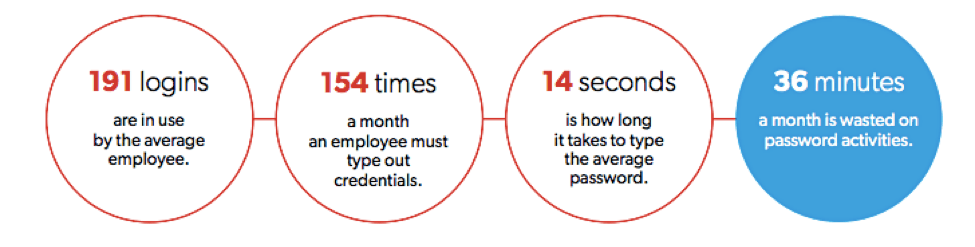
Trello

But part of what makes Trello great is its flexibility. You can set it up however you want by using boards, lists and cards, to which you can add comments and attachments, and color coordinate the stages of the workflow. Flexibility and simplicity are what makes this tool so great.

Productivity Tool #2 – Asana

I like to think of Asana as a more mature version of Trello. Its standard setup is very similar, with lists and cards, but it gets a bit more sophisticated (and complicated). For example, you can assign people to individual subtasks within one card:

Asana

You can add task dependencies so that you can identify blockers and get updates when the task is ready to be worked on:

Asana 2

A new feature is the timeline, which allows you “[s]ee how the pieces fit together so you can spot gaps and overlaps before you start.”

Asana 3

If your team likes the concept of Trello but is looking for something a bit more robust, Asana is definitely worth checking out.

Productivity Tool #3 – Slack

Slack probably doesn’t need much explanation. It’s a team chat and shared workspace software that has pretty much taken over the market. You can collaborate in a multitude of ways: “to kick off a project, hire a new employee, deploy some code, review a sales contract, finalize next year’s budget, measure an A/B test, plan your next office opening, and more.”

Slack

If you provide B2B services like we do, one of the best features is the ability to create shared channels for specific departments or projects inside your organization. That means your team and your clients can stay inside their own groups and still collaborate with one another in a special room.

It also has its own built-in commands and shortcuts, like these:

Slack 2

Productivity Tool #4 – LastPass

According to LastPass research, the average business employee must keep track of 191 passwords!

LastPass

You don’t realize how helpful LastPass is until you’re using it. It takes away the stress of remembering all your passwords (not to mention the lack of cybersecurity) and makes sharing password-protected sites with employees and contractors easy and secure.

LastPass 2

Whenever a client wants you to access some of their systems, they can share the password with you via LastPass. You’ll have access to the tool, but not the actual login information. If they update their password, it will change in LastPass and you’ll keep access (unless they revoke it).

You can do the same thing with your team by adding them to a shared folder with all your marketing tools. Each time you add a new tool or update the passwords, everyone you shared that folder with will continue to have access from their computer. This is a huge time saver and is much more secure than emailing passwords around.

Content & SEO Productivity Tools

If you work on inbound marketing, you know how much time it can take to research and execute a content plan. What’s worse, you know that if you don’t do each step accurately, the results won’t follow and you’ll be left with a negative ROI. These tools will help you get the job done effectively and efficiently.

Productivity Tool #5 – Ahrefs

Ahrefs is a massive tool for backlinks and SEO analysis that’s packed with features. Some of the most powerful are for keyword research and rank tracking. Combined with other tools like Google Analytics, it can help you identify what content is working and what has the most potential.

Ahrefs

It’s not cheap, but the subscription comes with plenty of valuable features like competitive research, backlink outreach, and the ability to explore trending content (like with BuzzSumo) that make it worth it.

Productivity Tool #6 – Grammarly

Grammarly is an evolved version of spellcheck. It will point out grammatical and even stylistic errors in your writing. It can save you and your editors tons of time by catching all the small mistakes before they review it for more important issues like style, quality and proper sources.

Grammarly

It’s still an algorithm and language is challenging to parse, so sometimes you might not be sure about a change that it suggests. That’s why they give you expanded examples to help you make a decision to adopt or ignore their suggestions:

Grammarly 2

The free version catches all critical errors and provides suggestions for fixing them. If you want even more insights like highlighting passive voice or ambiguous pronouns, you can upgrade for $29.95/mo.

Productivity Tool #7 – Piktochart

One of the most effective forms of content marketing is infographics. They’re super shareable, attract tons of backlinks and are fun to look at. But they require design skills to put together. If your content team doesn’t have a graphic designer, you might shy away from this powerful medium.

That’s where Piktochart comes in. They have hundreds of templates for infographics, slide decks, newsletters and more. You can take the same great information in your blog post and format it visually in very little time.

Productivity Tool #8 – Canva

Canva is another helpful design tool for marketers. Unlike Piktochart, it focuses more on creating simple, eye-catching graphics that you can use on your social media or within your blog content to add more depth to it.

Canva

Canva is great for large marketing teams because it can be used by so many different campaigns. Bloggers can use it to create blog images or enhance their content, but it also works great for social media campaigns.

Social Media Marketing

In the world of social media, everything is constantly moving. It’s all about high-volume, quality content, scheduled at the right time, targeted to the right audience. It can be a lot of fun. But if you’re not organized, it can also be a lot of stress.

That’s where productivity tools come in. Here are some of my favorites for managing your social media channels.

Productivity Tool #9 – HootSuite

HootSuite is a central dashboard for all your social media. It lets you post content across multiple channels at once, which makes it a lot easier to organize and track what’s been shared already.

HootSuite

It’s also great for teams because you can give multiple users access to collaborate on the platform just as you would use Trello or Asana for content marketing.

And in the spirit of keeping it all together, it also pulls all your analytics and reporting into one place—making it easy to get both a high-level and detailed view of how your campaigns are performing across all of your owned social media.

HootSuite 2

Productivity Tool #10 – Sprout Social

Sprout Social is another content management system (CMS) for your social media. It’s fairly simple, which makes it easy to learn and use, but it does miss out on some of the reporting functionality that comes with Hootsuite.

Sprout Social

For a more in-depth comparison of the two tools, so that you can pick the right one for your particular business needs, check out this review.

Productivity Tool #11 – Mention

One of the most effective ways to leverage social media is engaging with real customers to build relationships. Whether you’re addressing complaints or promoting posts, these organic interactions add a lot of social capital to your marketing.

But the problem is that customers don’t always let you know they’re talking about you. That’s where Mention comes in. It monitors the web for any mentions of your brand or company and alerts you so that you can respond quickly. Besides monitoring your brand, you can manage a crisis, create reports, study the competition and find influencers.

Mention

Paid Advertising

Productivity Tool #12 – AdRoll

You’ve probably heard about the power of retargeting. But setting up ad campaigns can be tricky and time consuming.

AdRoll takes care of that for you. They make it easy for you to “effectively advertise online, even without infinite resources and budget, [and make it] easy to challenge established brands and grow your business online.”

You can upload (or request) web dynamic ad designs and automate programmatic placement across the web. They also give you analytics and feedback to help you refine your campaigns.

AdRoll

Productivity Tool #13 – Driftrock

Driftrock is an advertising management platform for Facebook, LinkedIn and Google that allows you to grow your leads and sales. What makes them stand out is that they let you run ads based on offline triggers, like weather or TV schedules.

DriftRock

This can save you a lot of time trying to sync your campaigns according to these offline events since it is built right into the platform.

Special Mention

There’s one tool that isn’t reserved for one type of marketing, but really belongs in each of these categories.

Productivity Tool #14 – Zapier

Zapier is an awesome productivity tool that really only does one thing: connects all your other tools, apps and platforms (currently they have 1,000 integrated apps).

One of the most time-consuming projects in any industry is moving stuff from one place to another, like an email that needs to be discussed in Slack, and then broken into tasks in Asana before publishing content on WordPress that gets shared in Hootsuite.

Zapier’s job is to automate all that moving around for you.

Zapier

You can even create Zaps within a single platform to keep your team organized. For example, when your content team publishes a new post and marks in complete in Asana, you can have Zapier automatically create a new task assignment for your promotion team to start going through their checklist.

Conclusion

One thing that separates the top marketers from the rest is their ability to focus on what’s truly important and to leverage tools that allow them to work efficiently. These are some of my favorite tools for helping keep my team ahead of the competition.

The trick is to look at your existing processes, see where things are getting hung up and then test one or two tools that address that bottleneck. By systematically addressing each issue, your team will be more productive and more effective.

The post 14 Marketing Productivity Tools You Should Check Out in 2018 appeared first on OpenView Labs.