Shared posts

30 Oct 10:55

7 Powerful Strategies From The Great Philosophers For A Better Life

by Tyler Durden
7 Powerful Strategies From The Great Philosophers For A Better Life

Authored by Jonathan Millimore via The Epoch Times,

Fifteen years ago, I lost a job.

The timing was bad. My wife and I had just purchased our first home, and we were expecting our first child.

As editor of a small publication, I had refused to spike a story we were set to publish (it involved questionable political dealings of a prominent politician). Spiking the story would have been easy, but I couldn’t bring myself to do it. It felt wrong. So I prepared a resignation letter, hoping it wouldn’t come to that. (It did.)

Losing one’s job is rarely a satisfying occasion. But for me, it was. For one, the move turned out to be very good for me professionally. More importantly, I had stood for something. This made me proud—after the sting wore off.
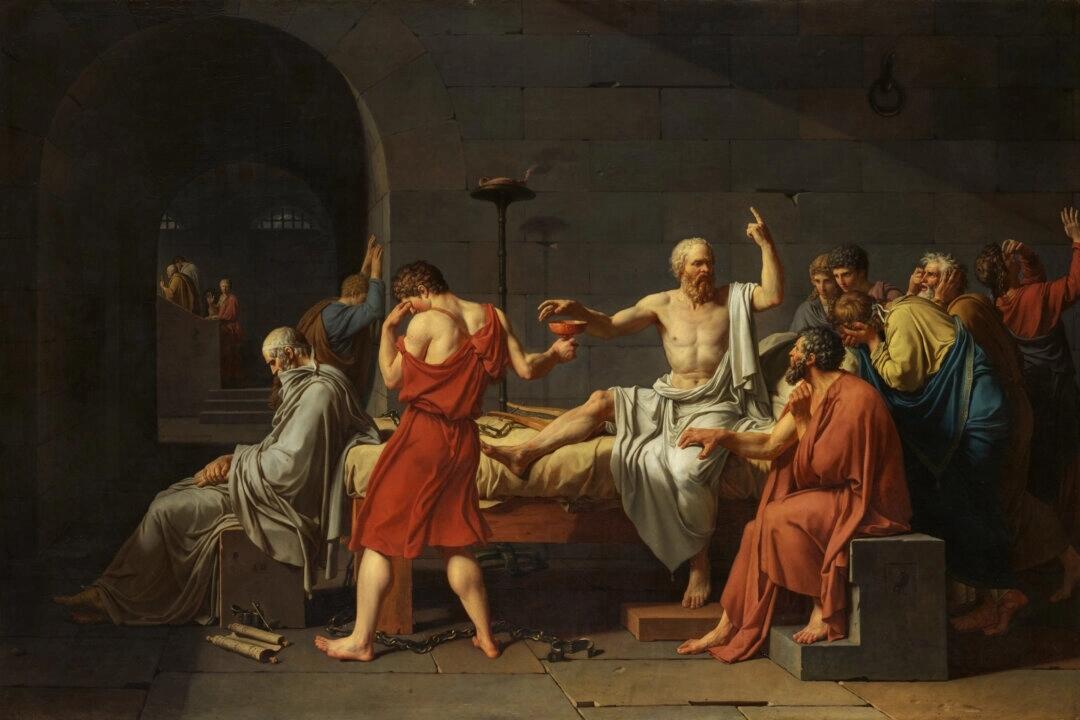
1. Do the Right Thing

Though I didn’t realize it at the time, the episode was pivotal in my character development. The great Roman thinker Cicero believed that doing the right thing in the face of consequences is an essential part of virtue.

“He who sacrifices his duty to expediency is like one who cuts down the ship’s mast to escape a storm,” Cicero (106–43 B.C.) wrote in “On Duties.” “He is saved for the moment, but shipwrecked forever.”

The moral is simple: On important things, stand firm on principle, even if it costs you.

Here are six more strategies from great philosophers that can help you build a better life.

2. Rule Your Inner Life, Not Other People

Plato (428–347 B.C.) once said that the “first and greatest victory is to conquer yourself.” The Greek philosopher said it was the most “shameful and vile” of things to allow your inner desires to rule you.

Epictetus, writing 500 years later, urged people to focus energy inward. He believed happiness comes from moderating desires and choosing pleasures that are not enslaving. He wisely saw this as a path to freedom, both inward and outward. After all, a person who commands himself cannot be easily commanded by others.

Many people today focus their energy on trying to fix the world while neglecting their own inner life. This is folly. Conquer yourself first. Just remember, it’s not as easy as it sounds.

C.S. Lewis wrote in “Mere Christianity”: “No man knows how bad he is till he has tried very hard to be good.”

A woman meditates in Kyiv, Ukraine, on Nov. 7, 2023. Oleksii Pidsosonnyi/The Epoch Times

3. Value Work and Take Pleasure In It

Many postmodern thinkers see work as degrading, coercive, and alienating.

That’s not just a bleak view of work—it’s a false one. Many of us have experienced not just the material fruits of work (a paycheck) but the less tangible fulfillment it offers. As a young man, I worked as a waiter, a roofer, and a garbage collector—jobs some call demeaning or “exploitative.” I don’t want to romanticize those jobs—they were hard—but I gained more than money from each of them. Work, with the proper mindset, is one of the surest paths to self-improvement. It is also part of human nature, when done freely.

“It is the natural desire of every man to better his condition when he is secure of enjoying the fruits of his own labour,” philosopher Adam Smith observed in “The Wealth of Nations.”

Smith saw the dignity and independence that work offers. Creating value builds both character and community, and it is one of the truest expressions of human liberty.

A waiter works at a restaurant in Tijuana, Mexico, on July 5, 2024. Guillermo Arias/AFP via Getty Images

4. Pursue Your Own Happiness

Oscar Wilde once observed, “Unselfishness is letting other people’s lives alone, not interfering with them.”

The quote puts the individual in his proper place and reminds us of something important: You are the one in charge of your life. Not the tribe. Not the state. In a free society, individuals decide what they want and value. This is not “selfishness.” It’s a social good. The philosopher John Stuart Mill observed that society flourishes when people are free to choose their own actions and pursue their own dreams.

“In proportion to the development of his individuality, each person becomes more valuable to himself, and is therefore capable of being more valuable to others,” Mill wrote in “On Liberty.”

Choosing one’s own path—“the pursuit of happiness,” in Thomas Jefferson’s immortal words—is central to human dignity and flourishing. Don’t let anyone choose yours, but choose wisely and accept the responsibility that comes with that freedom.

5. Cultivate Virtue as a Habit (Especially Humility)

Aristotle believed that virtue was not something rulers could impose. In fact, virtue requires choice. He also said virtue is demonstrated and developed by our actions.

“We become just by doing just acts, temperate by doing temperate acts, brave by doing brave acts,” the philosopher wrote in “Nicomachean Ethics.”

There’s a lot of confusion over virtue today. Many would have you think that your beliefs make you a virtuous person. Nonsense. Virtue is attained. We become virtuous not through belief but through practice. So dedicate yourself to the four cardinal virtues—prudence, justice, fortitude, and temperance—and don’t forget to include humility, which Saint Augustine called “the foundation of all the other virtues.”

6. Face Death to Live Fully

The Roman philosopher Seneca (4 B.C.–A.D. 65) once said that the tragedy of life isn’t that it’s short, “but that we waste much of it. … So we must prepare for death every day.”

The words might sound macabre, but this is good advice. It’s easy to forget, but death is part of life. We don’t just lose loved ones along our way; we, too, will depart this earth. Writing in the journal First Things, filmmaker Caylan Ford said facing this reality comes with benefits.

“Awareness of death humbles us in our vanity, our hubris, and our contempt for others, and it dispels any illusions that we are in control of our fates,” she wrote.

Like many Greek thinkers, Roman Emperor Marcus Aurelius believed it was irrational to fear death, which was the most natural of all things. Plato, meanwhile, tells us that Socrates went to his grave cheerfully despite his unjust death sentence.

“I think that a man who has truly spent his life in philosophy is probably right to be of good cheer in the face of death,” Socrates says in Plato’s “Phaedo.”

By facing death and accepting mortality, you learn how to live more fully—and more wisely.

Budimir Jevtic/Shutterstock

7. Wake Up Right

My pastor says the first thing he does in the morning is get on his knees and pray. It’s a habit I’ve tried to adopt, but with little success. I share the anecdote for a reason: Everyone has heard the idiom about “getting up on the wrong side of the bed.” It turns out that how (and when) we get out of bed matters.

It’s a cliché, but getting up early is important. There are clear benefits to rising early, including lower risk of depression. But how we get up matters almost as much as when. Marcus Aurelius thought it was so important that he prepared himself daily.

“When you wake up in the morning, tell yourself: The people I deal with today will be meddling ungrateful, arrogant, dishonest, jealous, and surly. They are like this because they can’t tell good from evil,” he wrote in “Meditations.”

Humans need sleep, but having the discipline to rise each morning and devote yourself—in mind and spirit—is important. As a father of three, I can attest that being present in the morning with one’s children—making them breakfast, getting them dressed, having them prepared for their day—is essential for a functioning family.

Views expressed in this article are opinions of the author and do not necessarily reflect the views of The Epoch Times or ZeroHedge.

Tyler Durden Thu, 10/30/2025 - 05:45
30 Oct 10:53

“Es falso, no estuve con 8 traveIos en la habitación 35 de aquel puticlub” (estaba en la habitación 36)

by Fino
30 Oct 10:52

Ghost Hero

by Doug

Ghost Hero

Bringing back a character from last year’s Halloween comics!

And there’s still time to enter my Halloween contest. Winners to be chosen on Friday night!

30 Oct 10:51

Dejemos de romantizar la resiliencia: No eres más fuerte por aguantar más

by Jennifer Delgado

La entrada Dejemos de romantizar la resiliencia: No eres más fuerte por aguantar más se publicó primero en Rincón de la Psicología por Jennifer Delgado.

Resiliencia tóxica

Sé fuerte”, decían nuestros padres.

Sé resiliente”, decimos nosotros.

Las palabras han cambiado, pero la esencia del mensaje es la misma: hay que aguantar.

Y claro que a veces no queda más remedio que ser fuerte. Pero a veces acabamos soportando lo intolerable, desgastándonos por dentro sin más razón que ese mandamiento de aguantar estoicamente contra viento y marea.

La resiliencia, un concepto poderoso mal entendido

La resiliencia está en boca de todos. El concepto ha saltado de la Psicología a la cultura popular convirtiéndose en una especie de alfa y omega, un “superpoder” útil para soportar los embates de una vida que se nos antoja cada vez más caprichosa y caótica.

Sin embargo, cuando nos imbuimos acríticamente en una cultura que idolatra la resistencia y celebra al que “sigue adelante” a pesar de todo, una cultura que piensa que quien carga la mochila más pesada y nunca se queja es el más fuerte, tenemos un problema a la vista. Y no es precisamente pequeño. Porque la verdadera fortaleza no radica en soportar lo insoportable, sino en tener el coraje de decir “basta” y cambiar lo que tiene que ser cambiado o simplemente alejarse de lo que nos daña.

Aguantar ≠ Fortalecer

La resiliencia es el proceso dinámico de adaptarse en medio de la adversidad. Implica, por una parte, que debemos exponernos a una situación particularmente difícil y, por otra, que tenemos la capacidad de alcanzar resultados positivos a pesar de las circunstancias o incluso gracias a ellas.

Sin embargo, cada vez más estudios critican la tendencia a ver la resiliencia como una especie de invulnerabilidad silenciosa, ignorando que muchas personas simplemente sobreviven sin estar bien o que no logran salir fortalecidas de esa experiencia dolorosa. O sea, resiliencia no es “rebotar” y “seguir adelante” o pensar que somos fuertes porque aguantamos sin decir nada.

Cuando asumimos que resistir es sinónimo de fortaleza, es más probable que soportemos situaciones que no deberíamos aguantar y que resistamos sin límites, como si acumular cicatrices nos hiciera merecedores de algún tipo de medalla emocional.

Hay situaciones que no deberían ser toleradas. En esos casos, soportar lo insoportable puede convertirse en un acto de pasividad encubierta. Nos va arrebatando nuestra autoeficacia y, lejos de volvernos más fuertes, nos instala en un estado de indefensión aprendida que succiona nuestra energía vital. Entonces la resiliencia se vuelve tóxica.

Acumular cicatrices no te hace un héroe, te convierte en un saco de boxeo

En el imaginario popular existe una visión heroica y romantizada de las heridas, que se equiparan con muestras de fortaleza. Sin embargo, esa narrativa a menudo pasa por alto un detalle crucial: la repetición del daño no siempre nos vuelve más resilientes, a veces solo nos traumatiza y nos deja más vulnerables o nos empuja a replegarnos en nosotros mismos, convirtiéndonos en personas cínicas, desconfiadas o amargadas.

Cada vez que ignoramos una señal que nos indica que algo no está bien, permitimos que el problema se perpetúe. Y esa acumulación de cicatrices no es un trofeo de resistencia, sino más bien la señal de que estamos llevando demasiado peso sin darnos un respiro o de que es hora de poner límites.

Al romantizar la resiliencia (ya sean todas esas noches sin dormir o el peso que cargamos solos), en realidad estamos glorificando un desequilibrio. Y eso puede hacer que otros (o nosotros mismos) pensemos que “aguantar” sin quejarse es lo correcto.

Pero no es así. O al menos no siempre.

La resistencia emocional sin descanso no es una virtud, es un mero mecanismo de supervivencia que acaba erosionando nuestra salud mental. De hecho, las investigaciones han comprobado que la resiliencia tóxica cronifica la postura de “aguantar”, lo cual acaba deteriorando la percepción de control y el sentido vital y nos vuelve más propensos al burnout emocional.

Una nueva narrativa para la resiliencia: elegir hasta cuándo y cómo aguantar

Imaginemos por un segundo que la narrativa de la resiliencia no se enfoque solo en aguantar sino en elegir. Que deje de ser un trofeo de cicatrices y se convierta en un acto de coherencia con nosotros mismos. Desde esa perspectiva, no es más resiliente quien más soporta, sino quien más se escucha, decide y actúa. No es más resiliente quien cae más veces, sino el que más veces decide levantarse y toma medidas para no tropezar dos veces con la misma piedra.

La clave radica en transformar la narrativa de la resiliencia tóxica que equipara la fuerza con aguantar en una resiliencia realmente empoderadora que nos dé la fuerza para decidir y actuar en consecuencia.

1. Reconoce cuando has aguantado demasiado

Hazte la pregunta: ¿estoy soportando porque realmente no tengo otra opción o porque me enseñaron que hay que aguantar? Spoiler: a menudo seguimos resistiendo por simple inercia emocional, por miedo a decepcionar o por no admitir que algo nos duele más de lo que debería. Detectar ese punto de saturación no es rendirse, es empezar a recuperar el control. Cuando lo reconoces, dejas de ser víctima y puedes elegir conscientemente cómo seguir adelante.

2. Distingue la diferencia entre adaptarse y resignarse

Adaptarse implica flexibilidad y movimiento. Resignarse es inmovilidad disfrazada de paciencia. La diferencia está en sus efectos porque uno transforma y el otro apaga. La verdadera resiliencia es un proceso dinámico de interacción entre la persona y su entorno, no un simple “aguantar sin quejarse”. Por eso, ser resiliente no es soportar lo injusto, sino buscar nuevas formas de vivirlo o intentar dejarlo atrás.

3. Da un paso, aunque sea pequeño

No basta con mentalizarnos con que algo tiene que cambiar: tenemos que atrevernos a dar un paso, aunque sea pequeño. Decir “basta” no es un fracaso, es una forma de autocuidado. De hecho, esa decisión puede requerir más coraje que todo el esfuerzo previo por resistir. Podría tratarse de poner fin a una relación que nos está drenando, pedir ayuda profesional, modificar un hábito o simplemente dejar de decir “sí” cuando queremos decir “no”. Cada acción interrumpe el ciclo de la resistencia pasiva. No te propongas «aguantar solo un poco más» cuando ya has soportado bastante, el alivio comienza con el movimiento, no necesariamente cuando todo se soluciona.

En definitiva, deberíamos dejar de romantizar al que se queda cuando todo lo empuja a irse y empezar a celebrar al que decide cambiar, al que se respeta, al que se levanta o se retira con dignidad. Porque la verdadera fortaleza no está en resistir más lo que venga, sino en reconocer que incluso la resistencia tiene un límite. Y tú, que lo estás sintiendo, que lo estás reconociendo y que tal vez estás pensando en decir “basta”, debes saber que eso también es fuerza y valentía. Y mereces que se reconozca.

Referencias:

Maslach, C. & Leiter MP. (2016) Understanding the burnout experience: recent research and its implications for psychiatry. World Psychiatry; 15(2): 103-111.

Luthar, S. S. et. Al. (2000) The construct of resilience: a critical evaluation and guidelines for future work. Child Dev; 71(3): 543-562.

La entrada Dejemos de romantizar la resiliencia: No eres más fuerte por aguantar más se publicó primero en Rincón de la Psicología por Jennifer Delgado.

30 Oct 10:49

Los transportistas de ENCE se plantan

by LAS OPINIONES DE FERNANDO GUILLEN

formacionyperitajesfg@gmail.com
WhatsApp 675047589

Seguimos con el tema de la captación de conductores, y dedicamos unos minutos al paro de los transportistas de ENCE
30 Oct 10:16

STABLECOINS, BANCOS y PODER: Lo que REVELÓ el ÚLTIMO CRASH CRIPTO | Cris Carrascosa

by Inversión Racional Podcast

Obtén un 20% de rentabilidad extra sobre tus EURC, USDC, BTC y ETH dándote de alta en Criptan usando el código INVERSIONRACIONAL: https://app.criptan.com/signup?referralCode=inversionracional

📝 Notas del episodio y bibliografía aquí: https://www.inversionracional.com/podcast/

¡Bienvenidos a un nuevo episodio de Inversión Racional! En la entrevista de hoy, Luis Miguel Ortiz tiene el placer de entrevistar a Cris Carrascosa... ¡por tercera vez!

Cris, reconocida abogada y experta en cripto, analiza en profundidad el reciente crash que sacudió el mercado cripto con pérdidas de más de $19,000 millones en octubre.

En esta conversación reveladora, Cris desgrana las causas técnicas detrás del colapso, la vulnerabilidad en los sistemas de referencia de precios que desencadenó liquidaciones masivas, y cómo los anuncios políticos sobre aranceles a China sirvieron de catalizador.

Además, exploramos el fascinante mundo de las Stablecoins: su funcionamiento, regulación en Europa bajo MiCA, y su papel fundamental en el futuro de las finanzas digitales.

Cosas que aprenderás:

✅ Los mecanismos técnicos que provocaron el crash cripto y cómo las liquidaciones en cascada afectaron a miles de inversores
✅ Por qué las exchanges centralizadas y descentralizadas respondieron de manera tan diferente ante el pánico del mercado
✅ Los distintos tipos de stablecoins y cuáles ofrecen mayor seguridad: respaldadas por fiat, algorítmicas, o por criptoactivos
✅ Cómo está evolucionando la regulación europea para stablecoins y qué significa para inversores y empresas
✅ La batalla entre el euro digital y las stablecoins privadas por la soberanía monetaria digital
✅ El papel de los grandes bancos en la creación de consorcios para emitir sus propias stablecoins
✅ Por qué las stablecoins en dólares ofrecen mayor rentabilidad que las equivalentes en euros

Este episodio es imprescindible para cualquier inversor o interesado en criptomonedas que busque entender las dinámicas actuales del mercado, las tensiones geopolíticas que lo afectan, y el futuro de las monedas digitales en un mundo cada vez más dividido en bloques económicos competitivos.

Inversión Racional:

🔗 Aprende a invertir como un profesional con nuestro curso avanzado: https://www.inversionracional.com/curso-inversion/

CRONOLOGÍA:
00:00 Intro
2:07 Temas de la Charla
5:07 ¿Qué ha pasado en el Mercado Cripto?
8:10 ¿Qué es el Depeg?
11:58 Riesgos de la Inversión
15:30 Plataformas Descentralizadas
18:10 El Apalancamiento NO es para todos
22:55 Volatilidad del Mundo Cripto
25:30 La Influencia de Trump en el Mundo Cripto
28:50 ¿Qué son las Stablecoins?
31:34 Tipos de Stablecoins
36:50 Nuevas Formas de Réplica Sintética
38:35 ¿Qué Sustenta las Stablecoins?
44:20 La Normativa MiCA
46:18 ¿Cómo Crean Dinero Nuevo las Empresas?
51:00 Las Limitaciones de Stablecoins
58:20 Contexto de las Stablecoins en EEUU
1:01:10 Europa y el Euro Digital
1:08:10 Las Infraestructuas en el Mundo Token
1:11:56 Los Movimientos de los Consorcios
1:14:32 Las Licencias EMI
1:20:18 Cómo Transformar las Stablecoins
1:26:10 ¿Qué es el New York Token?
1:31:35 Límites de Operar con Stablecoins
1:35:10 Rentabilidades de Dólar VS Euro en Stablecoins
1:42:55 Situación de Asia
1:48:08 Dos Ejes de Liquidez
1:53:50 ¿Qué va a pasar entre China y EEUU?
2:01:10 Bitcoin y Oro
2:02:38 ¿Futuro a Medio Plazo?
2:08:00 Despedida

📌 ¡No olvides suscribirte y dejar tus recomendaciones en comentarios!
30 Oct 10:14

Así se Fabrica a un Culpable: Los Medios y la Justicia lo Condenaron Injustamente - Anónimo García

by David Jiménez - El Director

Clip extraído de https://youtu.be/bB2v8ZO029Q

Conversamos sobre el papel de los medios, la inmediatez tóxica, la confusión entre hecho y opinión, y cómo incluso el Consejo General del Poder Judicial difundió citas falsas en su sentencia.

Anónimo explica el calvario de cinco años de proceso judicial, el desconocimiento de los jueces sobre la libertad de expresión, y por qué en España todavía no sabemos convivir con la ofensa ni distinguir entre realidad y ficción.

PUEDES SEGUIRME EN MIS REDES:

X: https://twitter.com/DavidJimenezTW
Instagram: https://www.instagram.com/davidjimenezeldirector
Linkedin: https://www.linkedin.com/in/david-jim%C3%A9nez-991a577b/
Facebook: https://www.facebook.com/DavidJimenezPeriodista

PUEDES COMPRAR MIS LIBROS AQUÍ:
https://www.amazon.es/stores/author/B0045AZWAY/allbooks?ingress=0&visitId=5b6cafed-43cc-4dff-b4af-64103e08b188&ref_=sr_ntt_srch_lnk_7

Edición por Nacho Amela
X: https://twitter.com/nachoamela
IG: https://www.instagram.com/nachoamela/
30 Oct 10:07

The Wild Project #347 - Beatriz de Vicente | Los ASESINATOS más terroríficos de la historia

by The Wild Project

- Vídeo de Halloween de El Rincón de Giorgio: https://youtu.be/5slQdCUb_IM
Especial Halloween en The Wild Project con una invitada espectacular: la criminóloga Beatriz de Vicente, una de las personas con más experiencia frente al mal. Hablaremos de los asesinos en serie más terroríficos y morbosos de la historia, desde los más conocidos hasta auténticas incógnitas. Si te gusta el terror y lo macabro, no te lo pierdas...
-Beatriz de Vicente https://www.instagram.com/bestias.podcast

- ¡El libro Jordi Wild "ANATOMÍA DEL MAL" ya a la venta!: https://amzn.eu/d/fbPpMWS
Mi libro ASÍ ES LA **** VIDA: https://amzn.eu/d/9R5QCrv
El libro de mi padre LOS CUENTOS DE PAPA GIORGIO: https://amzn.eu/d/gg5EapZ

Hazte Miembro del Canal: https://www.youtube.com/channel/UCBYyJBCtCvgqA4NwtoPMwpQ/join

#Publi - Suscríbete a Podimo y obtén 30 días gratis, ahí estoy SIN ANUNCIOS: https://podimo.es/thewildproject

Mail para posibles invitados: invitados@jordiwild.com

Realización y edición: Nacho Amela https://twitter.com/NachoAmela https://www.instagram.com/nachoamela/

Mi nuevo Tik Tok, ¡sígueme!: https://www.tiktok.com/@jordiwild
Canal de YT de Jordi Wild: https://www.youtube.com/user/ElRincon...
Jordi Wild web → http://www.jordiwild.com

TWITTER:
https://twitter.com/JordiWild
https://twitter.com/TheWildProject8

FACEBOOK:
https://www.facebook.com/jordiwild

INSTAGRAM:
http://instagram.com/jordiwild8
30 Oct 10:02

Se pone implantes dentales en Turquía y su nariz se deshace.

by Fino

Me he pasado por su cuenta de Instagram y tengo la ligera sospecha de que, aprovechando que el Pisuerga pasa por Valladolid… ha hecho un Lucas.

Ver post completo: Se pone implantes dentales en Turquía y su nariz se deshace.

30 Oct 09:54

Los apaches hablaban español | Lo que no te contaron

by Pilar Almagro

¿Recuerdan las películas de “indios y vaqueros”?
Bueno… los apaches hablaban español. Sí, español. Y eran católicos. Y montaban a caballo porque los caballos los trajeron los españoles.

Durante siglos, las comunidades indias en zona española vivieron bajo las Leyes de Indias, con identidad y territorio, conviviendo con los españoles.
Hasta que llegaron los ingleses…

María Elvira Roca Barea nos cuenta que Gerónimo, el líder apache, hablaba español y era católico. Sus padres también lo eran. Y hoy, sus descendientes también.

A veces, la historia no es como nos la contaron ¿A que ahora veremos las películas de indios de otra manera?

¿Tú que piensas?
#ahorro #mercado #mercadolibre #consultoríaempresarial #empresarialidad #empresarios #estado #empresa #emprendimiento #capitalismo #capital #liberalismo #liberalismoeselfuturo #empresarial #empresarias #empresaria #innovaciónempresarial #consultoria #libertadeconomica #empresarias #empresario #empresariado #empresariado #liberalesalpoder #empleo #libertarismo #crecimientoempresarial #escuelaaustriaca #trabajo #inversor #inversiones #ceo #produccion #precios #mercado #libremercado #mariaelvirarocabarea #i2028 #hispanidad #hispaniccommunity #hispanos #hispanicheritage #hispanoamerica #hispanosemprendedores
30 Oct 09:52

Lo Que Aprendí Después de 500 Entrevistas - Alex Fidalgo

by Alex Fidalgo

Hoy, 'Lo que tú digas' llega a los 500 episodios. Ocho años y más de mil horas de conversaciones llenas de aprendizajes, emoción, humor, confesiones y necesaria controversia. Para celebrar una cifra tan especial, Alex cambia de silla y cede el asiento del entrevistador a una de las personalidades más influyentes, reconocidas y elusivas del país: Carlos Alsina.
30 Oct 09:52

Tu mente necesita menos pantallas: descubre los beneficios del minimalismo digital

by Pablo Andrés Rojas Ramírez

El avance de la tecnología ha traído problemas de los que nuestros abuelos no tuvieron que preocuparse: la hiperconectividad, el exceso de notificaciones y la adicción a las redes sociales. Como respuesta a este ritmo acelerado, el minimalismo digital busca recuperar el equilibrio de nuestras vidas y dejar de depender tanto de los estímulos del mundo virtual.

Gracias al desarrollo tecnológico la forma en que nos comunicamos ha cambiado por completo. Hoy podemos teletrabajar desde casa y mantenernos conectados con el mundo sin salir de nuestra habitación, pero estos “beneficios” también nos han hecho más dependientes a las pantallas. Aprender a desconectarnos nos ayuda a cuidar nuestra mente y bienestar emocional.

El ruido digital y sus efectos en la salud mental

¿Cuándo fue la última vez que diste un paseo por el parque o te sentaste tranquilo a contemplar la naturaleza? En un mundo dominado por las pantallas, pareciera ser que cada minuto libre está lleno de actualizaciones, TikToks, correos laborales por responder y series nuevas que ver. Estímulos que, sin darnos cuenta, agotan nuestra mente y nos impiden disfrutar del momento presente.

Múltiples estudios han señalado que entre las principales consecuencias de la adicción a la tecnología destacan la disminución de las habilidades sociales, fatiga cognitiva, falta de motivación, poca inteligencia emocional y reducción de la automotivación. Además, puede aumentar el riesgo de sufrir TDAH, insomnio, depresión y ansiedad, más aún en las personas jóvenes.

Esto no significa que el uso de la tecnología sea malo, pero obsesionarte por estar conectado a Internet o no ser capaz de funcionar sin antes mirar la última notificación de tu teléfono sí puede hacerle un daño profundo a tu salud mental y bienestar emocional. Es aquí donde el minimalismo digital surge como una alternativa para volver a conectar con nosotros.

Qué es el minimalismo digital y cuáles son sus beneficios

El minimalismo digital es un enfoque para optimizar el uso de la tecnología y aprovechar todas sus ventajas, pero sin dejarnos llevar por la adicción o un comportamiento compulsivo. Su finalidad es reducir el desorden digital y físico que nos roba la energía y aprender a usar las herramientas tecnológicas con más conciencia y propósito.

Esta manera de relacionarnos nos invita a priorizar la calidad sobre la cantidad. No tiene nada de malo revisar tus redes sociales, pero sí pasar horas sin desconectarte de ellas. La idea es centrarnos en las aplicaciones y dispositivos que nos aportan valor, y eliminar las distracciones que se llevan nuestro valioso tiempo sin que nos demos cuenta.

Al minimizar la sobrecarga de información y dejar de ser dependientes de la tecnología, podemos reducir la ansiedad y el estrés, aumentar la productividad, mejorar el descanso y tener más control de nuestros impulsos.

El minimalismo digital también incluye cuidar nuestro entorno. Mantener organizado tu escritorio, simplificar los cables o usar un mini PC eficiente y silencioso ayuda a que la mente se sienta más despejada. Al reducir el ruido digital y físico podemos trabajar con más claridad y enfocarnos en nuestras responsabilidades, reduciendo así las distracciones y la procrastinación.

Cómo empezar a implementar el minimalismo digital

Dar los primeros pasos hacia el minimalismo digital no se trata de eliminar por completo el uso del teléfono o dejar de ver las series que tanto te gustan. Más bien, es empezar a ser conscientes de nuestra relación con estos dispositivos, cuándo los usamos y cuánto tiempo les invertimos para que nos beneficien en lugar de agotarnos.

Por ejemplo, si trabajas desde casa, puedes poner horarios para revisar tus correos y redes, en lugar de responder todo al instante o a altas horas de la noche. También puedes reservar como máximo un par de horas al día para navegar por la web, y emplear el tiempo que sueles dedicar a revisar TikTok o Instagram para hacer algún hobby o algo que te apasione.

Y si vas a pasar tiempo en Internet, procura que sea aprendiendo algo, trabajando en un proyecto personal o comunicándote con un ser querido, no porque te quedaste enganchado al algoritmo. Y no olvides dar pequeñas pausas digitales, como dar un paseo de 5 minutos, meditar o jugar con tu mascota. Estos simples pasos son suficientes para tener una relación más sana con la tecnología.

La entrada Tu mente necesita menos pantallas: descubre los beneficios del minimalismo digital se publicó primero en La Mente es Maravillosa.

30 Oct 09:51

Lo que hacemos no es parodia, es un retrato | Entrevista a Pantomima Full en #esdlb 🍻

by El Sentido De La Birra con Ricardo Moya

Puedes ver la entrevista completa a Pantomima Full en Podimo http://podimo.es/elsentidodelabirra

El objetivo de Pantomima Full con sus video de comedia no es parodiar, si no retratar: la persona que se está retratando es real, y si el retrato suena a ti, es porque lo es. Es un espejo incómodo de la realidad.

🎟️ ¿Quieres venir a ver el podcast en directo? Compra tu entrada
https://www.elsentidodelabirra.com/Venta_Entradas

🔔 Síguenos en redes para no perderte nada:
Instagram: https://www.instagram.com/elsentidodelabirra
TikTok: https://www.tiktok.com/@esdlb
Twitter: https://twitter.com/esdlbirra
30 Oct 09:47

Síndrome del Pato Flotante: ¿Por qué aparentamos que todo va bien cuando en realidad no es así?

by Jennifer Delgado

La entrada Síndrome del Pato Flotante: ¿Por qué aparentamos que todo va bien cuando en realidad no es así? se publicó primero en Rincón de la Psicología por Jennifer Delgado.

Síndrome del pato flotante

¿Alguna vez has visto un pato nadando en un lago? Dan la sensación de que flotan serenamente sobre el agua, con un mínimo esfuerzo. Pero si miras debajo, verás que sus patas se mueven frenéticamente para poder mantenerse a flote y avanzar.

Ese contraste entre la serenidad exterior y el enorme esfuerzo oculto constituye la base de un fenómeno que psicólogos de la Universidad de Stanford bautizaron como el “síndrome del pato flotante” y que probablemente todos hemos sufrido en alguna etapa de nuestras vidas.

¿Qué es exactamente el síndrome del pato flotante?

Inicialmente, este síndrome se utilizó para describir la enorme presión a la que están sometidos los estudiantes universitarios, pero aun así, se esfuerzan por transmitir una imagen relajada para dar la sensación de autoeficacia y de tenerlo todo bajo control.

En la actualidad, se utiliza para referirse a una tendencia más generalizada a ocultar las luchas internas y el estrés tras una apariencia de éxito y serenidad. Se trata de personas que transmiten una imagen engañosa para ocultar el enorme esfuerzo que están realizando o lo mal que lo están pasando.

Bajo esa apariencia de calma y eficacia suele esconderse una lucha invisible que genera una gran ansiedad, inseguridad e incluso frustración. Este fenómeno refleja una disparidad entre las apariencias externas y la realidad interna, algo que suele tener profundas implicaciones para la salud mental y el bienestar.

Cuando fingir calma y control se convierte en una carga: las consecuencias psicológicas

Mantener la apariencia de que todo va bien puede parecer resiliencia, pero a la larga se convierte en una trampa emocional. Ese esfuerzo constante por ir por la vida con una “elegancia desenfadada”, mientras por dentro se lucha por no hundirse, pasa factura en distintos niveles.

  1. Agotamiento emocional. Fingir que todo está bien, aparentando calma y serenidad continuamente requiere una energía enorme. La mente permanece en un estado de tensión constante, intentando controlar los gestos, las palabras y las emociones para no transparentar lo que realmente ocurre dentro. Con el tiempo, esa vigilancia interior genera un agotamiento profundo que ni el descanso físico logra aliviar.
  2. Ansiedad y perfeccionismo. Pretender que todo esté siempre en orden y que salga según lo planeado alimenta un miedo constante a fallar. Muchas de las personas que sufren el síndrome del pato flotante viven con temor a ser “descubiertas”, se sienten como si estuvieran interpretando un papel que no les corresponde. Como resultado, suelen revisar con lupa cada uno de sus pasos y exageran cada tropiezo. Este nivel de autoexigencia no impulsa la excelencia, sino la angustia, porque nada parece suficiente.
  3. Gran frustración. Un estudio realizado en la Universidad de Cambridge reveló que las personas que experimentan el síndrome del pato flotante suelen desarrollar una frustración enorme. El problema es que, al ser conscientes del esfuerzo que están haciendo, suelen esperar mayores recompensas y reconocimientos. Sin embargo, dado que transmiten una imagen más desenfadada, a menudo esa reconocimiento no se materializa, lo que genera frustración y resentimiento.
  4. Autoestima frágil. Cuando pensamos que nuestra valía depende de proyectar una imagen de éxito y serenidad, cualquier error se vive como una amenaza. La autoimagen se convierte en una fachada que hay que proteger a toda costa, por lo que la autenticidad queda relegada a un segundo plano. Por ende, el reconocimiento externo sustituye al autoconocimiento, lo que debilita la autoestima, como comprobaron investigadores de la UIN Walisongo Semarang.
  5. Desconexión emocional. Fingir estar bien durante demasiado tiempo termina desconectándonos de nuestras emociones. A la larga, perdemos la capacidad de reconocer qué sentimos y por qué, lo que nos impide gestionar adecuadamente ese malestar. El resultado suele ser una especie de anestesia emocional que parece protección, pero en realidad nos impide sanar.

¿Qué causa el síndrome del pato flotante?

Todos desempeñamos diferentes roles en la vida. Somos profesionales, padres, amigos, hijos… A veces, nos esforzamos demasiado por representar bien esos papeles, ocultando la tensión que experimentamos dentro. Intentamos, cual malabaristas, poder con todo manteniendo la sonrisa.

Esa presión por mantener una fachada perfecta suele ser una exigencia social que se alimenta de mensajes aparentemente positivos como “a mal tiempo buena cara” o “no te quejes, que hay quien lo está pasando peor”. Como resultado, intentamos transmitir una imagen de éxito, empoderamiento y bienestar, aunque por dentro nos estemos haciendo añicos.

Las redes sociales amplifican ese efecto ya que a menudo solo muestran el éxito en forma de viajes, logros y sonrisas. Generalmente se oculta la parte incómoda: el cansancio, las dudas y los intentos fallidos que forman parte del proceso real.

Este contraste entre lo que se muestra y lo que se vive genera una presión silenciosa por proyectar una imagen siempre positiva y serena, alimentando la ilusión de que los demás avanzan sin esfuerzo mientras uno chapotea en silencio.

De hecho, una investigación llevada a cabo en la Università degli Studi di Messina constató que las redes sociales fomentan el síndrome del pato flotante, sobre todo cuando se consumen sus contenidos de manera pasiva, generando sentimientos de insuficiencia y frustración.

El arte de fluir con la vida: Estrategias prácticas para evitar el síndrome del pato flotante

Mantener una fachada de éxito y calma constantemente puede ser agotador, por lo que es mejor aprender conectar con nuestras emociones y expresarlas asertivamente. Eso nos permitirá reducir la presión y vivir con mayor autenticidad. ¿Cómo lograrlo?

  • Mini confesiones diarias. Cada día, comparte una pequeña dificultad o molestia con alguien de confianza. No necesitas profundizar mucho, solo decirlo en voz alta. Reconocer “hoy no me siento bien” o “me está costando más de lo habitual” te permitirá disminuir la carga interior y acostumbrarte a mostrar tu vulnerabilidad, sin tener por ello que exponer toda tu vida privada.
  • Rituales de autocuidado. En lugar de “practicar mindfulness” o yoga una vez a la semana, podría ser más útil definir acciones concretas que te ayuden a relajarte: 5 minutos de respiración profunda antes de una reunión, caminar 15 minutos sin teléfono, disfrutar de un té en silencio… Son pequeños gestos que conectan cuerpo y mente, contribuyendo a aliviar la tensión interna. Si te cuidas, no tendrás que fingir la calma, realmente todo te costará menos porque no estarás irritable con los nervios siempre a flor de piel.
  • Ejercicio de autoaceptación. Cuando notes que estás intentando “mantener la fachada”, detente un minuto para decirte que es perfectamente normal sentirse estresado, agobiado o sobrepasado en algunos momentos y que no es necesario ocultarlo. Tomarte la “temperatura emocional” varias veces al día entrena la mente para que acepte las emociones incómodas sin juzgarlas ni reprimirlas.

Al final, vivir bajo el síndrome del pato flotante no implica solo fingir tranquilidad o éxito, sino ignorar nuestras necesidades y ocultarnos tras una fachada que no corresponde con lo que somos o sentimos. Reconocer que está bien no estar bien, que a veces las cosas nos cuestan y que no siempre podemos con todo no es debilidad, es el primer paso hacia una vida más auténtica.

Referencias:

Hafadzoh, U. et. Al. (2025) The Dynamics of Self-Esteem in Facing the Duck Syndrome Phenomenon Among University Students. Psikologi Prima; 8(1): 10.34012.

Akçay, E. & Ohashi, R. (2024) The floating duck syndrome: biased social learning leads to effort–reward imbalances. Evolutionary Human Sciences; 6: e30.

Godrey, F. et. Al. (2024) The Floating Duck Syndrome: The Gap Between Appearance and Reality on Social Media. Addiction & Social Media Communication; 1(2): 48-58.

La entrada Síndrome del Pato Flotante: ¿Por qué aparentamos que todo va bien cuando en realidad no es así? se publicó primero en Rincón de la Psicología por Jennifer Delgado.

30 Oct 09:41

TODO SOBRE LA VIVIENDA EN CHINA. Guía definitiva con precios actualizados

by Adrián Díaz 李安

¿Cuánto vale un apartamento en China? Me lo preguntáis mucho porque la red está repleta de información confusa, cuando no malintencionada.

En China la casa te la regalan o te la venden a precios regalados, lo habréis escuchado. La verdad es que es increíble el nicho que encontré el día que decidí dedicarme a explicar lo que veía cuando salía a la calle, porque... es que no hace falta tener tres másters, sólo relatar cosas cotidianas que, incomprensiblemente, cuando se trata de China, son disruptivas.

Bueno, pues hoy, os voy a hablar de uno de los pocos sectores que, ciertamente estando intervenidos, como lo están en cualquier país del mundo, son un infierno. Quizá por lo intervenidos que están, no lo sé. Allá vamos.

Fuentes:

Sina Finance y el 96%: https://finance.sina.com.cn/china/2020-04-24/doc-iircuyvh9570653.shtml?wm=b213&utm_source=chatgpt.com

Informe vivienda entre los jóvenes: https://finance.sina.com.cn/tech/2021-04-27/doc-ikmxzfmk9306665.shtml?utm_source=chatgpt.com

Preocupación vivienda: https://zhuanlan.zhihu.com/p/520974032?utm_source=chatgpt.com

Precios vivienda en China: https://fangjia.gotohui.com/
30 Oct 09:40

SOTO IVARS: El pueblo salva al pueblo (cuando el Estado es negligente)

by Juan Soto Ivars

Hoy se cumple un año desde la catastrófica gota fría que arrasó Valencia.
Era obligatorio hacer un pequeño ejercicio de memoria y plantearse algunas preguntas.
¿Cómo es posible que Mazón siga? ¿Cómo le ha permitido al PSOE hacer relato para salir indemne?

#danavalencia #mazon #pedrosánchez
30 Oct 09:35

El último estertor.

by quark

La producción de petróleo mundial ha crecido en los últimos meses de forma desaforada. Indiferente a la demanda mundial, mucho más lenta, los productores se han lanzado a extraer tanto petróleo que la capacidad excedente se ha reducido a mínimos históricos y amenaza el próximo año, con quedarse prácticamente a cero.

El gráfico de producción con las perspectivas para 2026 es muy claro.


Si observamos el incremento, vemos un crecimiento desproporcionado desde finales de 2024 (apenas 81 millones de b/d), hasta mediados-finales de 2025 (casi 87 millones b/d previstos). Semejante incremento es una barbaridad. Si bien la demanda sigue fuerte, apenas crece un millón de b/d por año, no seis millones en el último año como ha hecho la oferta.

Este crecimiento no proviene del parón de 2020, sino de la puesta en marcha de todos los proyectos desarrollados durante largos años en Guyana y Brasil, del fuerte aumento de Noruega, de los proyectos del Golfo de México, de la suma de crecimiento orgánico en Canadá y Argentina, de ligero exceso de la producción de shale oil USA, de la ampliación de Tengiz en Kazajistán y sobre todo, de abrir todos los grifos al mismo tiempo de la Opep.

No obstante, hay discrepancias en algunos comentarios que realiza IEA . Se supone que vamos a tener un exceso de 4 millones de b/d en el cuarto trimestre de 2025 y que según IEA, hemos tenido un exceso de oferta-demanda de 1,9 millones de b/d a lo largo del año 2025.


Sin embargo, los inventarios occidentales del año 2025 siguen en mínimos, a pesar de ese sensacional exceso producido a lo largo de todo el año 2025 (algo que no se ha reflejado en el stock OCDE).


    Para explicar la aparente contradicción, IEA dice que el exceso en forma de inventarios se ha concentrado en LGN y crudo almacenado en China.

De su informe de Octubre ...

 "El mercado petrolero ha registrado superávits desde principios de año, pero la acumulación de existencias se ha concentrado hasta ahora en el crudo de China y los líquidos de gas de Estados Unidos." 


La demanda real probablemente se encuentre entre las previsiones de IEA y las de la Opep.


Es verdad que en Septiembre hemos visto un espectacular incremento en las exportaciones de petróleo, que forzosamente aumentarán las reservas, primero en el tránsito marítimo y luego en tierra, cuando desembarquen.


Sin entrar en que la producción enorme de la Opep puede responder a la petición de Trump de inundar el mercado de petróleo para poder aplicar severas sanciones al crudo ruso, lo cierto es que nos hemos quedado sin capacidad excedente (en 2026 esa capacidad se verá reducida exclusivamente a EAU y Arabia, sumando entre los dos países alrededor de un millón de b/d) y sin nuevos proyectos para desarrollar en el futuro. Tras 2026, el número y cantidad de barriles que llegarán al mercado en el periodo 2027-2030 va a ser mínimo y si la producción de shale oil empieza a descender, podemos encontrarnos con una situación muy difícil.


Por un lado no existirá capacidad de respuesta si hay cualquier percance y por otro, al no existir nuevos proyectos por traer al mercado, la producción de petróleo empezará un suave descenso inicial, para ir acelerando poco a poco, lo que coloca este último empujón en la producción mundial, como el canto del cisne antes de comenzar la temida caída definitiva.

Parece como si quisieran que durante un par de años existiera una gran abundancia de petróleo, con el objetivo de tener suficientes suministros para emprender un movimiento que todavía desconocemos.


La Opep tenía planificado devolver el petróleo al mercado, pero de una forma muchísimo más lenta, para no afectar a los precios del petróleo, y de repente deciden dispararse  a los dos pies, en un consenso sin ninguna justificación, como se ha visto en el precio del petróleo. 

Lo único que de momento han conseguido es la existencia de un exceso en el mercado que al menos durará dos años. Si es a cambio del petróleo ruso-iraní-venezolano, lo sabremos en los próximos meses, porque si ha sido a cambio de nada, solo habrán conseguido bajar los precios a costa de agotar aún más rápido sus menguadas reservas.


En cualquier caso, este esfuerzo no va a cambiar la dinámica del pico del petróleo, porque solo será un exceso puntual, el conocido último estertor antes de la "muerte" del petróleo abundante. Recuerden que no importan las reservas que disponga cada país, sino la capacidad de extracción y su velocidad para llevar al mercado nuevos proyectos. Si estos terminan, como parece el caso en los próximos años, no hay nada que podamos hacer. La producción de petróleo empezará su persistente caída después de este último "brindis al sol" y con su descenso, se inicia el periodo más negro de nuestras vidas. 

La burbuja de la deuda, la burbuja de las bolsas, el exceso de liquidez que ha presidido los últimos veinte años, solo son señales que indican el final de un ciclo civilizatorio, con un magnífico espectáculo de luz y color que caracteriza un "fin de fiesta" proporcional al tamaño de la burbuja.  

Por ejemplo, hoy hemos presenciado otro empujón en el apoyo a las bolsas, con la rebaja de un cuarto de punto de los tipos de interés, al tiempo que se da por finalizada la QT (ajuste del balance de la FED). Es increíble que sigan fomentando la burbuja de la deuda y las bolsas, con medidas que solo las alimentan aún más.

Las condiciones financieras nunca han sido tan laxas (tasas de interés bajas, mayor facilidad a la hora de obtener créditos y menor riesgo percibido). Es como arrojar gasolina al fuego. 


PD. Hoy hemos conocido los inventarios de petróleo y productos en USA a finales de Octubre y siguen muy bajos.


https://ir.eia.gov/wpsr/overview.pdf 


30 Oct 09:33

80 frases divertidas sobre la risa

by Luisina Belén Sosa

Reírse no solo es contagioso, sino que también es una de las formas más simples y poderosas de sentirnos mejor. Una buena carcajada, o leer frases graciosas sobre la risa, puede mejorar el humor en un día gris y aliviar tensiones.

Y no es casualidad que, en ciertos momentos, recurramos a la risa como medicina para sobrellevar el malestar. Por eso, en este artículo, compartimos una selección de frases que te sacarán una sonrisa.

Para carcajearse

  1. “¿Si practico deporte? Sí, corro riesgos”.
  2. “No es flojera, es talento para descansar”.
  3. “A veces me hablo a mí mismo, y me caigo bien”.
  4. “Soy un caso perdido, pero con sentido del humor“.
  5. “Hoy me levanté motivado… para seguir durmiendo”.
  6. “No tengo miedo al compromiso, solo al despertador”.
  7. “Si dormir fuese un deporte, sería campeón olímpico”.
  8. “No soy holgazán. Estoy en modo de ahorro de energía”.
  9. La vida es corta, así que sonríe mientras tengas dientes”.
  10. “Yo nunca discuto, sino que explico por qué tengo razón”.
  11. “Si la montaña viene hacia ti, ¡corre que es un derrumbe!”.
  12. “Hoy me desperté con ganas de hacer nada… y lo estoy logrando”.
  13. “Si me pierdo, búsquenme en mis pensamientos… o en la heladera”.
  14. “Mi cama y yo nos amamos, pero mi despertador quiere separarnos”.
  15. “¿En serio esperas que madure? Ni siquiera las frutas lo hacen a la fuerza”.
  16. “La pereza es la madre de todos los vicios, y como madre, ¡hay que respetarla!”.

Frases cortas y graciosas

  1. “No eres tú. Es el lunes”.
  2. “Reír es mi cardio favorito”.
  3. “Café, sarcasmo y a seguir”.
  4. “Estoy en forma… redonda”.
  5. “Si no me acuerdo, no pasó”.
  6. “Vivo al límite… de mi paciencia”.
  7. “El wifi va mal, pero yo voy peor”.
  8. “No soy raro, soy edición limitada”.
  9. “Sé tú mismo, pero no tan seguido”.
  10. “Hoy no doy señales de inteligencia”.
  11. “Soy un diamante en bruto… muy bruto”.
  12. “A veces pienso, pero no me acostumbro”.
  13. “No es drama, es interpretación intensiva”.
  14. “No tengo sueño, pero sí vocación de koala”.
  15. “¡Hoy me desperté brillante! Pero se fue la luz”.
  16. “No estoy en línea, estoy en modo avión emocional”.

Frases que invitan a reír

  1. “¡Ríe! No existe un plan B”.
  2. “¿Feliz? No, ¡en modo chiste!”.
  3. “Si no puedes con el caos, ríete de él”.
  4. “Que nunca te falte la risa… ni el wifi”.
  5. “Nada une más que reírse de uno mismo“.
  6. “Si reír alarga la vida, ¡me quedan siglos!”.
  7. “Cada risa es un paso hacia el buen humor”.
  8. “Objetivo del día: reír hasta que duela la panza”.
  9. “Respira hondo y ríete, aunque sea de ti mismo”.
  10. “Ríe tanto que el estrés no sepa dónde encontrarte”.
  11. “No hay problema que no se cure con una carcajada”.
  12. “Si reír fuera un delito, yo estaría preso a carcajadas”.
  13. “El humor no resuelve todo, pero ayuda a sobrevivirlo”.
  14. “Soy una persona sencilla: me haces reír y ya te quiero”.
  15. “Ríe y el mundo reirá contigo… o creerán que estás loco”.
  16. “¿La habilidad clave para sobrevivir? Reírse de uno mismo”.

Pensamientos célebres sobre la risa

  1. La risa es el lenguaje del alma“. (Pablo Neruda)
  2. “La tierra ríe en flores”. (Ralph Waldo Emerson)
  3. “Un día sin reír es un día perdido”. (Charles Chaplin)
  4. “Donde no hay sentido del humor, hay dogma”. (Alfonso Ussía)
  5. “La risa es el sol que ahuyenta el invierno del rostro humano”. (Victor Hugo)
  6. “La raza humana tiene un arma verdaderamente eficaz: la risa”. (Mark Twain)
  7. “Una buena risa es un rayo de sol en una casa”. (William Makepeace Thackeray)
  8. “La risa no es más que la gloria que nace de nuestra superioridad”. (Thomas Hobbes)
  9. “El tiempo que uno pasa riendo es tiempo que pasa con los dioses”. (Proverbio japonés)
  10. “La risa es un tónico, un alivio, un respiro que permite apaciguar el dolor”. (Charles Chaplin)
  11. “Si uno es capaz de encontrar humor en cualquier situación, podrá sobrevivir a ella…”. (Bill Cosby)
  12. “El humor es la gran coraza con la que uno se defiende en este valle de lágrimas”. (Camilo José Cela)
  13. “Por el hecho de envejecer no se deja de reír; mas dejar de reír te hace envejecer”. (Honoré de Balzac)
  14. “Ríe y el mundo reirá contigo; llora y el mundo, dándote la espalda, te dejará llorar”. (Charles Chaplin)
  15. “No hay nada en el mundo tan irresistiblemente contagioso como la risa y el buen humor”. (Charles Dickens)
  16. “El hombre sufre tan terriblemente en el mundo que se ha visto obligado a inventar la risa”. (Friedrich Nietzsche)

Para compartir

  1. “La risa te hace sabio”.
  2. “Ríe… que la vida ya se está riendo”.
  3. “Mi dieta incluye al menos tres risas al día”.
  4. “La risa es un fuego que quema las lágrimas”.
  5. “La risa es el lenguaje universal de la alegría”.
  6. “Si no encuentras el lado gracioso, gira la vida”.
  7. “Juntarse a reír debería ser una actividad física”.
  8. “La risa es un tranquilizante sin efectos secundarios”.
  9. “Una sonrisa es una línea curva que lo endereza todo”.
  10. “A veces solo necesitas una carcajada, y un chocolate”.
  11. “Si reír fuera un ejercicio, yo ya tendría abdominales”.
  12. “Ríe y el mundo reirá contigo. Ronca y dormirás solo”.
  13. “El que ríe último, seguramente no entendió el chiste”.
  14. “Una sonrisa es el mejor maquillaje que puedes llevar”.
  15. “Ríe sin razón, porque sobran razones para no hacerlo”.
  16. “Una buena carcajada es más eficaz que muchas pastillas”.

Reír nos alivia y conecta

La risa no solo es divertida, sino que es una oportunidad de conexión con los demás. Reír nos recuerda que la vida, incluso con sus complicaciones, también puede ser magnífica.

Así que, nunca subestimes el poder de unas buenas frases graciosas sobre la risa, porque pueden cambiar el humor de alguien, suavizar un mal momento o crear un recuerdo inolvidable. Guárdalas, compártelas y deja que la risa haga su magia.

La entrada 80 frases divertidas sobre la risa se publicó primero en La Mente es Maravillosa.

30 Oct 09:31

🔥 El Gran Wyoming: “El PSOE domesticó a la izquierda” (ENTREVISTA INÉDITA)

by FurorTV

❗ Entra en https://apoya.furor.tv/ y únete a Furor TV.

En 2016, @GregoriMarugan entrevistó a El Gran Wyoming.

Nueve años después, esa conversación inédita ve la luz. Una charla íntima y combativa donde Wyoming reflexiona sobre el papel del humor en la política, la impunidad del poder, el expolio franquista y la deriva del PSOE como fuerza que —en sus palabras— “domesticó a la izquierda” y neutralizó la potencia de transformación social surgida de la Transición.

Hablamos de memoria histórica, de los medios de comunicación convertidos en corporaciones, y de la pasividad ciudadana ante la corrupción. Y aunque fue grabada en pleno 2016, cada diagnóstico de Wyoming resuena con fuerza hoy: precariedad, desafección política, manipulación mediática… y la sensación de que “seguimos atrapados en el mismo bucle”.

⭐ Conviértete en miembro del canal de YouTube:
https://www.youtube.com/channel/UCH6Xr67k_7_KAgeDgQiFamw/join

00:00 Tráiler
00:59 Intro
02:39 Comienza la entrevista

🎙️ Podcast 'No Obstante': https://linktr.ee/noobstante
🎧 Spotify: https://open.spotify.com/show/13VXUWQYHeOfnfNOBtKRP1
🎶 Ivoox: https://www.ivoox.com/podcast-no-obstante_sq_f12427166_1.html
📺 YouTube: https://www.youtube.com/playlist?list=PL2Yc0en4H8RCE0K9xiKWSjvheT1lgHbOY

👉🏼 ¡MILITA EN FUROR TV! ➞ https://patreon.com/FurorTV
👉🏼 ¡SUSCRÍBETE AQUÍ! ➞ https://cutt.ly/9IBlRhV

Nuestros espacios y redes sociales:
🫂 Nuestras redes oficiales ➞ https://linktr.ee/furortv
👥 Patreon ➞ https://patreon.com/FurorTV
🔴 Twitch ➞ https://twitch.tv/FurorTV
📹 Canal de Sergio Gregori ➞ https://acortar.link/AyhOmm
📹 Canal de Ayme Román ➞ https://acortar.link/pb8GDa
🎙️ Podcast 'No Obstante' ➞ https://linktr.ee/noobstante
🐦 Twitter ➞ https://twitter.com/furortelevision
🦋 Bluesky ➞ https://bsky.app/profile/furortv.bsky.social
📷 Instagram ➞ https://www.instagram.com/FurorTV
💻 Facebook ➞ https://www.facebook.com/FurorTV
🌐 Página web ➞ https://www.furor.tv
📩 Correo electrónico ➞ contacto@furor.tv

Suscríbete y activa las notificaciones para no perderte nada.

#noobstante #furortv #sergiogregori #aymeroman
#politica #política #actualidad #noticias #podcast
30 Oct 09:31

The Fed's 25 Basis Points Rate Cut is Another Mistake

by Peter Schiff

In this discussion, Peter Schiff of Euro Pacific Asset Management and Andy Brenner of NA Alliance Securities analyze the Federal Reserve's recent rate cut and the end of quantitative tightening. Schiff argues that not only should the Fed have continued raising rates due to high inflation, but prematurely ending quantitative tightening is a mistake. Brenner sees the rate cut as hawkish, highlighting reservations within the Fed itself and projecting potential challenges for the market. Both experts note significant reactions in gold prices and bond markets, suggesting further implications for the U.S. dollar and future Fed actions.

*Subscribe* for weekly market analysis and expert guidance: https://youtube.com/peterschiff

👉 Follow Peter Schiff on Twitter: https://twitter.com/peterschiff
👉 Follow Peter Schiff on Instagram: https://instagram.com/peterschiff
👉 Follow Peter Schiff on TikTok: https://tiktok.com/@peterschiffofficial
👉 Follow Peter Schiff on Facebook: https://facebook.com/peterschiff

⭐️ Sign up for Peter's most valuable insights at https://schiffsovereign.com
🔔 Free Reports & Market Updates: https://www.europac.com
🟨 Gold News: http://www.schiffgold.com/news
📘 Book Store: https://schiffradio.com/books
30 Oct 09:28

¿Existen valores objetivos o todo es relativo?

by Miguel A. Ariño

En el mensaje de esta semana propongo el tema de si hay verdades y valores absolutos o todo es relativo. Dispuesto a escuchar todas las opiniones.

The post ¿Existen valores objetivos o todo es relativo? first appeared on Toma de Decisiones Miguel A. Ariño.

30 Oct 09:20

The big reset by Willem Middelkoop

by Raul Barral Tamayo

© Willem Middelkoop, 2016

A system reset seems imminent. The world’s financial system will need to find a new anchor before the year 2020. Since the beginning of the credit crisis, the US realized the dollar will lose its role as the world’s reserve currency, and has been planning for a monetary reset.

According to Willem Middelkoop, this reset will be designed to keep the US in the driver’s seat, allowing the new monetary system to include significant roles for other currencies such as the euro and China’s renminbi.

Prepare for the coming Reset.

In all likelihood gold will be re-introduced as one of the pillars of this next phase in the global financial system. The prediction is that gold could be revalued at $7,000 per troy ounce.

By looking past the American ‘smokescreen’ surrounding gold and the dollar long ago, China and Russia have been accumulating massive amounts of gold reserves, positioning themselves for a more prominent role in the future to come.

The reset will come as a shock to many. The Big Reset will help everyone who wants to be fully prepared.

Willem Middelkoop (1962) is founder of the Commodity Discovery Fund and a bestselling author, who has been writing about the world’s financial system since the early 2000s. Between 2001 and 2008 he was a market commentator for RTL Television in the Netherlands and also appeared on CNBC. He predicted the credit crisis in his first bestseller in 2007.

Estimated reading time: 47 minutes.

This book objectives:

  • This book combines information from all previous books with an additional chapter on the expected Big Reset for the current worldwide monetary system.
  • This book tells the story of a mostly hidden world of money and gold which I hope will also be of interest to a larger, international public.
  • This book provides all the evidence needed in support of the claim that a secret war on gold has been fought by the US and other central bankers at least since the 1960s.

Main ideas:

  • Alan Greenspan: «In the absence of the gold standard, there is no way to protect savings from confiscation through inflation».
  • Gold has been used again and again to stabilize fiat money systems during monetary resets in the past.
  • The gold price is like a barometer: a rise in the price acts as a warning to investors that something is wrong with their currency.
  • At some point, politicians will start to understand that only a major change (a big reset, as I call it) in our global monetary system can save it. This realization will probably occur around the time that they are no longer able to refinance their mountains of debt.
  • The fact that money is created out of thin air and in the form of credit is quite difficult to understand.
  • The stability of prices over a long period of time can be attributed to the disciplinary monetary effect of a gold and/or silver standard.
  • The term fiat refers to the first words that God spoke according to the story of the Genesis in the Bible: «Fiat Lux», or «Let there be light» in English.
  • As history has shown time and again, rulers have yet to succeed in printing extra money with impunity or to implement the «conjure-something-out-of-nothing» trick with lasting success.
  • There is no way this debt can ever be repaid in non-deflated currencies. Strangely enough, most of the money that is supposedly safely invested in risk-free bonds are most at risk.
  • Even most economists are not aware that the government does not own the shares of the Fed and that it is in fact Wall Street that controls the Fed instead of the other way around.
  • Almost two-thirds of all financial gold reserves worldwide were at the disposal of the US at the end of World War II.
  • The real challenge for the petrodollar trade would be if the BRICS (Brazil, Russia, India, China and South Africa) were to decide to drop the dollar in their trading transactions.
  • At some point in time, even governments have to get rid of their debts. This will happen either through inflation, debt defaults or debt cancellations.
  • China was already aware that the renminbi’s dependency on the dollar was problematic and that they were «trapped» by the huge size of its dollar holdings. That is why China has been looking for an exit strategy.
  • Many countries are ill prepared to provide for the coming wave of pensioners.
  • The endgame to the global financial crisis is likely to require: «some combination of financial repression (an opaque tax on savers), outright restructuring of debt, inflation, and capital controls under the umbrella of macro prudential regulation».
  • If history is any guide, when the mountain of debt becomes too large, a default will occur.
  • Once people lose faith in money and its purchasing power, it is almost impossible to re-introduce fiat money.
  • The days of dollar as a world reserve currency are numbered, which explains why gold is making a remarkable comeback and why a flight to hard assets including farm land and old masters has started.
  • Every year, more and more physical gold is moving from vaults in the West to the East as a symbol of a change in the world power balance.
  • Since the Fed has started to monetize most of the newly issued debt as part of its QE operations, the point of no return has been passed.
  • Central planners know the only way to plan a reset is to do it in total secrecy. That is why investors have to watch what central bankers do instead of what they say and prepare themselves well in advance.
  • One thing is certain: in almost all monetary crises and resets, holders of (physical) gold (and silver) have come out financially unharmed.
  • The SDR has the features and potential to act as a super-sovereign reserve currency.
  • It’s not a matter of if, but only when, they will introduce their reset plans.

Comments extracted from the book, they could be right or wrong, you decide for yourself:

  • Alan Greenspan: «In the absence of the gold standard, there is no way to protect savings from confiscation through inflation. There is no safe store of value. If there were, the government would have to make its holding illegal, as was done in the case of gold. The financial policy of the welfare state requires that there be no way for the owners of wealth to protect themselves. This is the shabby secret of the welfare statists’ tirades against gold. Deficit spending is simply a scheme for the confiscation of wealth. Gold stands in the way of this insidious process. It stands as a protector of property rights».
  • After studying the financial system for over ten years, I had come to the conclusion that a collapse of the unstable global financial system (and its mountain of debt) was «only a matter of time». I believed this new reality would entice investors to look seriously at investing in hard assets, especially gold and silver. We have seen precedents of this in every crisis for the last 300 years.
  • This book combines information from all previous books with an additional chapter on the expected Big Reset for the current worldwide monetary system.
  • This book tells the story of a mostly hidden world of money and gold which I hope will also be of interest to a larger, international public.
  • Before World War I, almost all major currencies were backed by gold. This was the area of the gold standard. The money supply was restricted to the growth of the gold supply.
  • Unlike fiat money, gold has always maintained its purchasing power. That is why gold has been used again and again to stabilize fiat money systems during monetary resets in the past.
  • The gold price is like a barometer: a rise in the price acts as a warning to investors that something is wrong with their currency. Often it is a sign that bankers are creating too much money.
  • Since the US took the dollar off the gold standard in 1971, gold has become financial enemy #1 of Wall Street and the White House. This is because the price of gold acts like a canary in the coal mine by pointing to a decline in the value of the dollar.
  • This book provides all the evidence needed in support of the claim that a secret war on gold has been fought by the US and other central bankers at least since the 1960s, when the dollar system came under pressure for the first time since its inception at the end of World War II.
  • To combat the economic fallout caused by the credit crisis, countries have allowed their fiscal deficits to increase dramatically. In order to pay the bills, governments had to sell enormous amounts of bonds. As more and more investors stopped buying these government bonds, central banks needed to step up to the plate. Economists describe this process as the monetization of debt by central banks. Economic textbooks refer to this process as «the nuclear option», only to be used when no other method of financing can be applied effectively. This is a process that is easy to tart but almost impossible to stop.
  • At some point, politicians will start to understand that only a major change (a big reset, as I call it) in our global monetary system can save it. This realization will probably occur around the time that they are no longer able to refinance their mountains of debt.
  • This book explains why piling more and more debt onto the balance sheets of central banks is not a sustainable way of helping our economies recover. But policymakers will always choose a possible economic death in the future over a night certain economic death now. This demonstrates the inadequacy of our system, which focuses on treating the symptoms while ignoring the actual illness.
  • Central bankers and politicians are merely buying time, hoping to prolong the endgame phase of our global financial system as it exists today. But there are those who have secretly started to prepare for the big reset that is needed to bring this financial system to the next level.
  • A similar reset took place with the start of the dollar system in 1944. It is my belief that, well before 2020, the global financial system will need to be rebooted to a new paradigm in which gold will play a larger role, the dollar will lose its status as the sole reserve currency, and countries like China will be much more powerful.
  • Rothschild Brothers of London: «The few who understand the (money) system will either be so interested from its profits, or so dependent on its favors, that there will be no opposition from that class».
  • Paul Volcker, 2013: «Inflation is a more fundamental danger that speculative investment. Some countries seem to be in the inusual situation where they are trying to create inflation. They will come to regret that».
  • Although we talk about money on a daily basis and most of us work hard for it, few stop to reflect on what money actually is and what it means. Even people working in the world of finance often do not comprehend what money is all about. The fact that money is created out of thin air and in the form of credit is quite difficult to understand.
  • According to Henry Ford, the famous car manufacturer, a revolution would break out before dawn if people got wind of how our money system really works.
  • Ten thousand years ago, money in the form that we know it, did not exist. A simple community consuming merely a few varieties of food and materials, did not need a trading system.
  • Bartering has many disadvantages. There is not always a constant need for certain products, and perishable goods are unstable in value.
  • It is possible for some goods to act as money. These goods do need to have certain characteristics: they have to be easily divisible, portable, imperishable and scarce.
  • Since 700 B.C., the peoples of almost all cultures (Mayans, Incas, Egyptians, Greeks, Romans, Byzantines, Ottomans and Arabs) have considered gold and silver to be a valuable means of exchange.
  • Out of the entire periodic table of elements, gold and silver are the most suitable as a means of payment.
  • The demand for gold and silver is infinite and eternal.
  • There are strong indications that the Roman Empire fell because the Roman currency was debased.
  • After the fall of the Roman Empire, Western Europe returned to a locally organized economy where barter once again became the norm.
  • Having a gold standard brings with it many advantages. The most important advantage is that it forces governments to be discipline in their fiscal policy because they cannot turn on the printing press to finance budget deficits.
  • Gold offers monetary security and is the most important weapon against the depreciation of money. A gold standard gives citizens economic freedom because their money is always exchangeable for gold.
  • The stability of prices over a long period of time can be attributed to the disciplinary monetary effect of a gold and/or silver standard.
  • When money printing is not an option, even fighting wards is made more difficult.
  • The value of the dollar remained stable as long as the US had a gold standard.
  • Many European countries went off the gold standard in 1914 in order to be able to print more money to finance the First World War. Wartime governments understand that they cannot raise money to finance the war by raising taxes or by borrowing from banks. Accelerating the printing presses is an easier method, and often the only way, to pay for a war.
  • After the end of World War I, the excessive money creation continued apace, leading to the creation of a massive credit bubble in the 1920s. This led eventually to the market crash of 1929, after which the world economy collapsed and fell into a deep economic crisis.
  • In a financial system where money is not backed by something substantial like gold or silver, banks can create virtually limitless amounts of money by creating new loans. All money is created in the form of credit (new debt). If all loans were to be paid off, all money would disappear. Because interest has to be paid on every loan, however, more and more money has to be created.
  • The term fiat refers to the first words that God spoke according to the story of the Genesis in the Bible: «Fiat Lux», or «Let there be light» in English.
  • In a fractional reserve banking system, the bank retains only a portion of all outstanding liabilities as available reserves. in 1900 this was around 30% and has now declined to just 3%.
  • Money creation starts at the central bank. By typing a few numbers on the computer, unlimited amounts of new money can be created. If, for instance, 10 billion is created this way, then this amount will be transferred from the central bank to a commercial bank. The receiving bank can then sell loans to the value of 90% of this 10 billion. The amount of 9 billion is transferred onto another bank’s account and this party will lend out another 90% of the 9 billion. This process can continue until the original 10 billion from the central bank has generated extra credit in the amount of more than 90 billion.
  • It is important to understand that central banks can never replenish the reserves of a bank. They can increase a commercial bank’s liquidity but never its solvency.
  • As with many other inventions, fiat money was first invented in China. The Emperor Khan had found a way of creating paper money that was just valuable as gold and silver.
  • Paper money in Asia disappeared from the 14th century on wards. A great thirst for silver followed. Paper money would not reappear until 1609, when the Wisselbank in Amsterdam started issuing «bills of exchange».
  • As history has shown time and again, rulers have yet to succeed in printing extra money with impunity or to implement the «conjure-something-out-of-nothing» trick with lasting success.
  • Quantitative easing (QE) is the euphemistic term used by the US Federal Reserve to build a smokescreen around t he unconventional monetary policies it has embarked upon. Central banks only embark on these unorthodox monetary policies to stimulate the economy when standard monetary policies have become ineffective. The Bank of Japan is seen as the inventor of these recent unconventional strategies.
  • Officially, central banks in most developed countries are prohibited from buying government debt directly. So they use a backdoor trick to buy their national bonds in the secondary market.
  • Richard W. Fisher, Dallas Federal Reserve President: «I believe that with each program we undertake to venture further in that direction, we are sailing deeper into uncharted waters. The truth is that nobody on the committee, nor on our staffs as the Board of Governors and the twelve Banks, really knows what is holding back the economy. Nobody really knows what will work to get the economy back on course. No central bank has ever been on this cruise before». He described the risk of these unorthodox monetary policies «as the risk of being perceived as embarking on the slippery slope of debt monetization».
  • In 2013, the Bank of England’s Executive Director of Financial Stability, Andy Haldane, said that the bursting of the bond bubble «created by central banks forcing down bond yields by pumping electronic money in the economy» was the main risk to financial stability.
  • One of the worst things that can happen to an economy is hyperinflation. A rise in prices of ove 50% within a year. Hyperinflation is so harmful because money loses its value and power. We could well call if the death of money. Without money, the economic system disintegrates and people revert almost immediately to bartering.
  • Governments are very creative in adjusting economic data. In the US, the manipulation of key figures and economic indicators has been elevated to a work of art.
  • According to John Williams, an economist who has specialized in this field, the statistics on inflation were fairly accurate until the early 1990s. In the following years, the model used to calculate inflation numbers started to change as politicians began to pressure the statisticians.
  • Adjusting for inflation can mean the difference between a recession and positive economic growth. Announcing that the economy is in a recession tends to lead to a decline in consumer confidence and also possibly power consumer sales.
  • Central banks never tell you that they are the ones causing inflation by creating more and more money every year.
  • Any student of monetary history knows that central bankers have never succeeded in building a lasting fiat money system without leading to a large loss in spending power. By printing more and more money, all currencies in a fiat money system are debased.
  • The gola of the ECB from its inception in the late 1990s was money growth of  4% to 5% annually. But within a few years after the introduction of the euro, yearly money growth had risen to above 10%. Through the excessive growth of debt, most Western currencies have lost over 95% of their spending power in the last century alone.
  • Central banks now also act as the lender of last resort. As a consequence, central banks such as the Fed and the ECB create over one trillion dollars in new money every year in order to support their governments. And still they claim they are fighting inflation.
  • The fact that our money is backed by nothing but hope and trust must be kept hidden from ordinary people.
  • Few people know that printed and minted money represents only a small percentage of all the money that is in circulation.
  • If savers realized the risks of their money being lent out over thirty times, they would probably prefer to buy gold.
  • Savings in a bank account are legally speaking a debt claim. That is why, in the case of a bank bankruptcy, deposits are not immediately returned to the deposit holder, as is the case with an equity or bond porfolio.
  • Our entire monetary system is built on trust.
  • The word bank comes from the Italian word «banca», the name used for the marble tabletop upon which Italian goldsmiths dropped foreign coins. From the sound of the coins being dropped, they could assess whether a coin contained a lot of copper or nickel.
  • Banks know they will be bailed out if they run into trouble because the economy cannot function without them.
  • Most central banks in the pat 400 years were initiated by rich businessman who understood quite well that (central) banks, which owned the monopoly on creating money and were backed by government tax revenue, had a wonderful business model.
  • The start of the Bank of England is often seen as the start of a new era. Fiscal deficits by governments could be financed by means of selling (perpetual) bonds. We could in fact say that the current financial system of bond financings started with the foundation of the English central bank more than three hundred years ago.
  • There is no way this debt can ever be repaid in non-deflated currencies. Strangely enough, most of the money that is supposedly safely invested in risk-free bonds are most at risk.
  • A global debt restructuring will probably be needed, and could be part of the Big Reset.
  • In 2012, Bill Gross, founder of the largest bond investor house Pimco, advised investors to start buying «hard assets» instead of paper assets such as government bonds. This is the equivalent of a car salesman advising people to start using the train instead of buying a new car.
  • In a good functioning banking system, central banks keep a watchful eye over commercial banks to prevent them from taking irresponsible risks that could be harmful for the whole monetary system.
  • Napoleon, 1802: «The hand that gives is above the hand that takes. Money has no motherland, financiers are without patriotism and without decency; their sole object is gain».
  • The most important international banking regulations (known as the «Basel rules») are still decided at regular meetings of the Bank for International Settlements (BIS) in Basel. The BIS can be seen as the mother of central banks and was founded at the International Bankers Conferences at Baden Baden (1929) and The Hague (1930). After World War II, it became clear that the BIS, which had been a kind of house banker to the Nazis, had helped to launder stolen gold. In April 1945, a decision to liquidate the BIS was made, but it was reversed by the US in 1948.
  • While the presidents of the ECB and the Fed can still be held accountable by parliament or congress, no single form of democratic control exists over the decision-making process of the BIS. Their meetings are concealed from the outside world. The same bankers that brought our global financial system to the brink of collapse are deciding on the banking reforms needed to prevent another credit crisis. To this day, BIS directors enjoy diplomatic status and cannot be prosecuted even after the end of their tenure.
  • Adam Smith: «History shows that once an enormous debt has been incurred by a nation, there are only two ways to solve it: one is simply declare bankruptcy, the other is to inflate the currency and thus destroy the wealth of ordinary citizens».
  • Alan Greenspan: «Rising prices of precious metals and other commodities are an indication of a very early stage of an endeavor to move away from paper currencies. There are numbers of us, myself included, who strongly believe that we did very well in the 1870 to 1914 period with an international gold standard».
  • Many of the Founding Fathers were strongly opposed to the formation of a central bank because England had tried to place the American colonies under the control of the Bank of England.
  • For the third time in US history, the monopoly on the printing of dollars was transferred from government to private banks. Not many politicians realized the far-reaching consequences this decision would have. Immediately after the introduction of the law, all US banks became compulsory shareholders of the Fed.
  • While the Federal Reserve presents itself as a normal central bank with twelve districts, the New York Fed is actually running the show. It is well known that shareholders are predominantly Wall Street banks.
  • Even most economists are not aware that the government does not own the shares of the Fed and that it is in fact Wall Street that controls the Fed instead of the other way around.
  • Because several countries (including the UK) had made payments to the US in gold during World War II, and because the US had «looted» quite a bit of gold, almost two-thirds of all financial gold reserves worldwide were at the disposal of the US at the end of World War.
  • An important benefit of having its own currency as the world reserve currency is that the US could finance its trade deficits inexhaustibly by simply printing more dollars.
  • Ten percent of Marshall Plan funds was used to finance CIA operations in European countries. This was arranged in secret, without any knowledge or approval by the US congress.
  • Between 1959 and 1971, the US lost over half of its gold reserves. If this process had continued at the same rate, the US would have risked losing all its gold holdings within a few years’ time. In the summer of 1971, President Richard Nixon refused a request by the Bank of England to exchange a few hundred million dollars for gold. After rejecting the British request, President Nixon asked his economic advisors for advice. Their verdict was short but sweet: «Break the promise that the dollar can be exchanged for gold».
  • This book argues that we are still waiting for the new international monetary system promised by Nixon. But 1971 was a big financial reset when gold was repriced to $38 per ounce (and then again to $42 per ounce in 1973).
  • Technically speaking, America defaulted in August 1971, since the country no longer fulfill the obligations agreed upon in Bretton Woods. But surprinsingly, the Nixon shock created only a relatively short dollar panic in the world’s financial markets.
  • At first, the inflation caused by the printing of extra dollars was moderate, but later in the 1970s, inflation began to take off, leading to a severe recession in 1979 and 1980.
  • With the strengthening of the dollar, the need for a new international monetary system appeared to evaporate. However, this need is now more urgent than ever.
  • Henry Kissinger came up with the idea of asking Saudi Arabia to agree to only sell oil in dollars and to reinvest these dollars in US Treasuries. The money that the US government received in this manner, now known as petrodollars, could then be recycled into the American economy. This arrangement would require a constant increase in the supply of dollars. In return, Saudi Arabia was to receive any military protection needed for its royal family and its growing oil empire. The US also promised to help the country build a modern infrastructure. Other OPEC countries followed suit and by 1975 all of OPEC had agreed to only sell their oil in dollars. The modernization of the Middle East could begin.
  • It is no surprise that countries that chose to sell their oil for currencies other than the dollar were to meet serious opposition from the US. In 2000, Iraq converted all its oil transactions under the Oil for Food program into euros. When the US invaded Iraq three years later, oil sales from this country switched from the euro back to dollars instantly.
  • William R. Clarke explains that the US-UK decision to invade Iraq in 2003 was oil-driven. According to him, the petrodollar system was the driving force behind US foreign policy.
  • Ala Greenspan: «I am saddened that it is politically inconvenient to acknowledge what everyone knows: the Iraq was is largely about oil».
  • Ron Paul, former US Congressman and Presidential candidate: «If oil markets replace dollars with euros, it would in time curtail our ability to continue to print, without restraint, the world’s reserve currency. It is an unbelievable benefit to us to import valuable goods and export depreciating dollars. The exporting countries have become addicted to our purchases for their economic growth. This dependency makes them allies in continuing the fraud, and their participation keeps the dollars’ value artificially high. If this system were workable long term, American citizens would never have to work again. Using force to compel people to accept money without real value can only work in the short run».
  • The real challenge for the petrodollar trade would be if the BRICS (Brazil, Russia, India, China and South Africa) were to decide to drop the dollar in their trading transactions.
  • The US understands better than anybody else that a country can sometimes be hurt more by destroying the value of its currency than by bombing its infrastructure.
  • Jonathan Kirshner, political scientist: «The dollar hegemony has become the most important pillar of the US hegemony, while many say the American military hegemony is used and abused for the monetary hegemony».
  • In order to maintain its monetary hegemony, the United States must weaken any potential competitors who will possibly challenge US monetary hegemony. Wars in the Middle East are fought to strengthen the dollar’s position and fight regimes that have been supporting Russia.
  • General Wesley Clark, Supreme Allied Commander of NATO during the 1999 War on Yugoslavia: «We’re going to take out seven countries in five years, starting with Iraq, and then Syria, Lebanon, Lybia, Somalia, Sudan and, finishing off, Iran».
  • By «obliging» foreign central banks to keep their monetary reserves in Treasury bonds, the US in fact forced them to finance US military spending abroad, as Michael Hudson explains. In this new form of imperialism, the US is able to rule not through its position as world creditor, but as world debtor. America’s weakness as a debtor country has indeed become the foundation of the world’s monetary and financial system.
  • A Chinese market commentator: «Everyone accepts dollars because dollars can buy oil. Only when dollar-holding nations decide to buy natural resources instead of US treasuries, is the dollar’s reserve currency status in danger. This is exactly the exit strategy China and Russia seem to be playing right now».
  • Some have even said that the US (the West) has now entered an era of «fictitious capitalism», in which the inflow of capital is of vital importance for it to maintain its global primacy.
  • The delegates of the Bretton Woods Conference also agreed to establish the International Monetary Fund (IMF), which would safeguard the world’s financial system, and the International Bank for Reconstruction and Development (IBRD), which would act as world investment bank. Both entities were pitched as bodies that would serve the interests of the world but were de facto controlled by the US.
  • During the Bretton Woods negotiations, the US also insisted that countries could only join the IMF after decoupling their currency from gold. Once decoupled, the central banks, with some help by the Federal Reserve, were able to dump their enormous gold reserves.
  • Ron Paul calculates that the dollar has lost «more than 96% of its value since the Fed’s creation in 1913».
  • The Department of Justice started a few dozen criminal investigations against Wall Street Bankers since 2000. But the only bankers sent to jail were those that had a conflict with one of the Wall Street banks or were punished for insider trading on their own account. No Wall Street CEO even came close to facing criminal charges.
  • Lenin: «To destroy a bourgeois society, you must debauch its money».
  • At some point in time, even governments have to get rid of their debts. This will happen either through inflation, debt defaults or debt cancellations. Such monetary resets have been the solution many times in the past. It could well happen again.
  • According to Peter Bernholz, Emeritus Professor at the University of Basel in Switzerland, the tipping point at which hyperinflation will occur is when the government’s deficit exceeds 40% of its expenditures. The US reached this level already in 2009. The US government was apparently well aware of this risk, as this ratio has since come down to less than 35%.
  • According to statistics, China seems to have stopped buying US treasuries in 2010. From that moment on, the Chinese started to invest hundreds of billions of dollars per year in hard assets such as gold and other commodities.
  • According to John Mauldin, China is «even more addicted to money printing than the US or Japan». It is hard to know how significant Chinese money growth is because China statistics cannot be trusted completely. Li Keqiang, who became premier in 2013, even said GDP figures were «man-made» and «for reference only».
  • Just as in Japan, China is confronting a rapidly aging population. This will result in a declining population after 2030 and could well end the country’s phenomenal growth story in the coming decades.
  • China has publicly stated that it is dissatisfied with the present dollar-orientated system.
  • Between 2002 and 2012, the Chinese experienced the dangers of being dependent on the dollar and/or the euro. As a result, the Chinese Communist Party has decided to make the renminbi a true international trading currency. China started to sign bilateral renminbi trading agreements with dozens of countries between 2010 and 2014. In 2012, China outlined a route map for full renminbi internationalization in the next decade.
  • China was already aware that the renminbi’s dependency on the dollar was problematic and that they were «trapped» by the huge size of its dollar holdings. That is why China has been looking for an exit strategy. Chinese companies started buying natural resources in the Middle East, Central Asia, Africa and Latin America. The Chinese also started to invest more and more of their dollars in energy and infrastructure projects. The money is now invested in projects worldwide. The US still does not seem to understand how to cope with these developments.
  • We have now arrived at the point where it is not the banks but the countries themselves that are in serious financial trouble. Deficits could be lowered in one of two ways: by cutting expenditures or raising taxes. Both options are politically unfeasible. In order to stimulate their economies, many countries have decided to allow large budget deficits and rising sovereign debt.
  • Many countries are ill prepared to provide for the coming wave of pensioners.
  • Debts will need to be restructured before the general public starts to lose faith in the value of the currency.
  • In 2012, it was suggested in Germany that the rich should be required to invest a one-off 15% of their capital in special national bonds.
  • In a recent IMF paper, title «Financial and Sovereign Debt Crises: Some Lessons Learned and Those Forgotten», Carmen M. Reinhart and Kenneth S. Rogoff conclude that debt restructuring will be needed «far beyond anything discussed in public to this point». According to their study, the endgame to the global financial crisis is likely to require: «some combination of financial repression (an opaque tax on savers), outright restructuring of debt, inflation, and capital controls under the umbrella of macro prudential regulation».
  • In both the Jewish and Christian traditions, one can find a so-called «year of Jubilee», a year of universal pardon. The French finance minister Abbe Terray, who lived in the 18th century, thought governments should default once every hundred years in order to restore balance.
  • Most countries pretend they will replay their debts. But if history is any guide, when the mountain of debt becomes too large, a default will occur.
  • Switzerland is the only country that has always repaid its creditors.
  • Mark Carney, the Governor of the Bank of Canada, said at the end of 2011 that our financial system was on the verge of a collapse: «The global Minsky moment has arrived». The Minsky moment, named after American economist Hyman Minsky, is the point in time at which, after decades of prosperity, a wave of selling takes place by parties who had made investments with too much debt. In order to reduce these debts, they even have to sell good investments at increasingly lower prices.
  • When enough people lose faith in their country’s money, this an lead to hyperinflation. Once people lose faith in money and its purchasing power, it is almost impossible to re-introduce fiat money.
  • Jim Rickards: «Hyperinflation produces fairly predictable sets of winners and losers and prompts certain behavior and therefore can be used politically to rearrange social and economic relations among debtors, creditors, labor and capital, while gold is kept available to clean up the wreckage if necessary».
  • Paul Singer of Elliott Management: «Nobody can predict how long governments can get away with fake growth, fake money, fake financial stability, fake jobs, fake inflation numbers and fake income growth».
  • The days of dollar as a world reserve currency are numbered, which explains why gold is making a remarkable comeback and why a flight to hard assets including farm land and old masters has started.
  • Every year, more and more physical gold is moving from vaults in the West to the East as a symbol of a change in the world power balance.
  • By selling (paper) gold, bankers have been trying in the last few decades to keep the price of gold under control. This war on gold has been going on for almost one hundred years.
  • After a decoupling of paper and physical gold prices in the next few years we will see the gold price rise to its «full potential».
  • The war on fold is, in essence, an endeavor to support the dollar.
  • A 1988 study by Summers and Barsky confirmed that the price of gold and interest rates are highly correlated, with a lower gold price leading to lower interest rates.
  • The survival of our current financial system depends on people preferring fiat money over gold.
  • It was vital for the US to «manage» the gold market; otherwise, countries could exchange their surplus dollars for gold and then sell these ounces on the free gold market for a higher price.
  • In response to the «gold shortage» during the years of the London Gold Pool, in 1963 the IMF created a new form of international reserve assets called special drawing rights (SDR). These were created out of thin air and were designed to take over the dollar’s role as a world reserve currency when needed. Because SDRs were created out of nothing, they soon received the nickname «paper gold».
  • A few random audits of the gold in Fort Knox were carried out between 1974 and 1986, but doubts about the US gold reserves have continued to grow. The official gold reserves in Fort Knox have never been audited.
  • Eddie George, Governor of the Bank of England, September 1999: «We looked into the abyss if the gold price rose further. A further rise would have taken down one or several trading houses, which might have taken down all the res in their wake. At any cost we had to quell the gold price. It was very difficult to get gold under control but we have now succeeded. The US Fed was very active in getting the gold price down. So was the UK».
  • The central bank of Australia confirmed in 2003 that its gold reserves are mainly used to control the price of gold.
  • Central banks have even used at least one gold mining company to help them keep the price of gold under control.
  • Prices for metals such as gold and silver are set by trading future contracts on the global markets. Because up to 99% of these transactions are conducted on behalf of speculators who do not aim for physical delivery and are content with paper profits, markets can be manipulated by selling large amounts of contracts in gold, silver or other commodities (on paper).
  • In a study analyzing all intraday gold price changes between 2002 and 2012, the German analyst Dimitri Speck found that average gold prices fell consistently and significantly during New York trading hours.
  • The Americans will try to maintain their monetary supremacy for as long as possible. For over 40 years, the US has used all its power, creativity and flexibility to keep its monetary allies on board. Every trick in the book has been used to convince countries to support the dollar and to marginalize the role of gold.
  • Since the Fed has started to monetize most of the newly issued debt as part of its QE operations, the point of no return has been passed. Probably within the next decade, the global financial system will have to find a different anchor. we can expect the US to take the initiative again before a real crisis of confidence occurs.
  • Our financial system can be changed in almost any way as long as the main world trading partners can agree to the changes.
  • Central banks have only been buying time since the start of the credit crisis in 2007. Insiders predict that much more radical action will be needed before 2020.
  • Any official comments about a new «Plan B» will crash financial markets (Plan A) immediately. Central planners know the only way to plan a reset is to do it in total secrecy. That is why investors have to watch what central bankers do instead of what they say and prepare themselves well in advance.
  • One thing is certain: in almost all monetary crises and resets, holders of (physical) gold (and silver) have come out financially unharmed. This is because «gold is nobody’s liability».
  • China stopped buying US Treasuries in 2010 and has been loading up on gold ever since, which is a sign not to be ignored.
  • The fact that the US is still fighting gold with everything in its power is a clear indication that old will probably be an important part of a planned reset. If not, it will at least be the best safe haven when the storm passes.
  • The current system is constructed by mankind and does not follow the rules of natural law, almost any desired change can occur.
  • In theory, all debts worldwide could be wiped out on a Sunday afternoon. We could start from scratch with a new balance sheet the next morning. If every citizen in the world was to be credited with let’s say 1,000 newly designed Bancors, which would be accepted by all banks and businesses, we could start a new in an instant. We could even write off all mortgages and nationalize all real estate, and have a system whereby we pay rent to the state. This kind of scenarios are hard to comprehend, but when the need is highest, solutions can become very creative.
  • We do not live in a binary black and white world. Rather, reality is in 256 shades of grey. It is therefore much more logical to expect an outcome for our reset to range somewhere between 1 and 256. Some debts will be cancelled. Some parts of the financial system will be nationalized, as we have seen happening with banks and other financial institutions since 2008.
  • A new reset will simply bring our monetary system to the next phase. All parties involved (the US, the EU, the BRICS countries, Japan, the Middle East) have so much to lose if they wait too long implementing the necessary changes. And the US knows they have the most to lose. They understand they will need to take the initiative again, just as they did in 1944.
  • The desirable goal of reforming the international monetary system is to create an international reserve currency that is disconnected from individual nations and is able to remain stable in the long run, thus removing the inherent deficiencies caused by using credit-based national currencies.
  • Back in the 1940s, Keynes had already proposed to introduce an international currency unit named «Bancor», based on the value of 30 representative commodities. The collapse of the Bretton Woods system, which was based on the White approach, indicates that the Keynesian approach may have been more farsighted.
  • The SDR has the features and potential to act as a super-sovereign reserve currency.
  • Chinese officials frequently point out that diversifying too rapidly out of the dollar would risk triggering a precipitous decline in the US currency, which would in turn erode the value of China’s significant dollar holdings. Similar considerations apply to the euro.
  • While most experts believe there will be no return to a full gold standard, gold will probably play a much greater role in the next phase of the financial system.
  • The OMFIF has also called for extending a new SDR to include the so-called R-currencies (the renminbi, rupee, real, rand and ruble) and possibly gold.
  • China has made clear they would prefer to choose the path of cooperation instead of confrontation although they would prefer to start with a «new world central bank».
  • The fact that China and other Asian countries (including Russia) are buying massive amounts of gold shows they think gold will play a larger role in the future phase of the monetary system.
  • Gold is the world’s only monetary asset that has no counter-party risk, and is the only cross-nation, cross-language, cross-ethnicity, cross-religion and cross-culture globally recognized monetary asset.
  • While the US and the EU try to discourage its citizens from buying gold, China wants them to buy as much gold as possible.
  • China wants to increase its gold reserves «in the shortest time» possible to at least 8,000 tonnes. This amount would put the Chinese on a par with the US and Europe on a gold-to-GPD ratio. This would open the way for a possible joint US-EU-China gold revaluation to support the financial system when needed.
  • By joining forces within the BRICS alliance the Chinese took the initiative for a new BRICS bank, the New Development Bank (NBD), a new international payment system, which can be compared to the Western-oriented SWIFT system and the Asian Infrastructure Investment Bank (AIIB). At almost the same time, another important Chinese initiative was launched. The «One Belt, One Road Initiative» (OBOR), a development strategy that focuses on the connectivity and cooperation among countries in Eurasia. It consists of two main components, the land-based «Silk Road Economic Belt» (SREB) and ocean-going «Maritime Silk Road» (MSR). All these developments within a relative short time-frame underline China’s push to take a bigger role in global affairs.
  • China has clearly decided to invest portions of its huge financial assets to create an infrastructure that will benefit China and many other countries for centuries to come.
  • The New Silk Road, is much more than a revival of this old trade route. It can be seen as part of the battle for dominance in the Eurasian mainland, a great worry for the US.
  • The BRICS alliance understands that a common voice from, in total, over three billion people cannot be ignored or marginalized by the West with less than one billion people.
  • It is not in China’s culture to behave like the world’s policeman. To the contrary, China, just like Russia, would welcome a less aggressive US, telling the world how to behave, mostly inspired by their own (business) interest.
  • The old saying «He who has the gold makes the rules» has been known in the East for thousands of years.
  • The crucial question is whether an international consensus over a reset of the global financial system can be reached in time. A breakdown in trust between the most important economic powers could result in a worst-case scenario of escalating trade-, financial- and even real wars, which could include gold confiscations.
  • James Rickards: «The catalyst for a spike into the $2,500 to $3,000 price range will be an announcement by China […] that they have acquired 4,000 or more in their official gold reserve position. This will put China on an equal footing with the US in terms of a gold-to-GDP ratio and validate gold as the real foundation of the international monetary system. Once that position is validated, gold will move to the $7,000 range […] Any lower price level is deflationary and must be avoided at all costs by central banks».
  • James Rickards: «A return to a gold standard is a possibility, but I don’t see that in the immediate future, I think we need to have a collapse first. A collapse of the dollar standard and the petro-dollar deal. Then it [the dollar] will have to be replaced with something, which will either be the SDR or gold».
  • Gold repatriations by European countries are another sign that we are reaching the end of a calm monetary period of over 40 years.
  • The Chinese leadership understands that they need at least another ten to twenty years to improve their own financial and military structures before they can be in a position to compete with the US for worldwide leadership.
  • There is a risk that a new crisis will occur before a planned reset could be unrolled and chaos will take over.
  • As early as 2006, the US government secured a $400 billion contract with Halliburton to set up internment camps spread over the US. These could well be used to detain a great number of US citizens in case of a large-scale revolt as a result of a full market collapse.
  • The term «Financial Repression» (FR) was first employed by McKinnon and Shaw in 1973. Investopedia defines financial repression as «measures by which governments channel funds to themselves as a form of debt reduction».
  • History has shown that the closer we come to a major reset, the more likely it is that forms of financial repression will be activated.
  • The rest of the Cyprus banking system demonstrated that very few of those affected were prepared in advance.
  • Paul Krugman and Larry Summers are currently overtly propagating the opinion that too much is being saved and not enough is being invested. In order to compensate for this imbalance, interest rates should be pushed into negative territory.
  • Numerous examples show that the path toward the abolition of cash is already pursued.
  • I would like to add that physical silver is an even better investment. At the moment of writing (summer of 2015), gold is over 75 times more expensive than silver. Historically, the norm has been ten to 15 times. Given the growing shortages in the silver market I expect an enormous re-rating of the «poor man’s gold».
  • Since 2007, I have stuck to my general model portfolio, which is really quite simple:
    • 25% cash
    • 25% precious metals (gold/silver)
    • 25% real state (mostly your own home)
    • 25% equities (good «hard assets»)
    • This portfolio has weathered all storms well, since the start os this credit crisis. It is my personal insurance against any possible scenario.
  • With more and more markets controlled by central bankers, it is clear Western capitalism has reached its end. We have now entered an era of state capitalism.
  • Trillions of sovereign bonds on balance sheets no longer represent their book value, since the principal can’t ever be repaid. Only a debt restructuring can solve this problem. That’s why more and more money has started fleeing towards the general stock markets and other hard assets.
  • It’s not a matter of if, but only when, they will introduce their reset plans. Wars have been started with much less at stake.
  • It’s evident that we are witnessing the very first stages of a global reset, an event which will have enormous repercussions on monetary, economic and geopolitical affairs.

Have you read this book? Any other similar book? Do you have anything to say about what this book is saying? Do you recommend any book related to this matter? Anything at all? I’ll be glad to know what you think about it in the comments.

Some related links:

Some related books:

raul

30 Oct 09:16

The One Invention That Changed Humanity Forever

by Container Solutions

Check out Episode 3: The Patent Heist that Defined Modern Tech Leadership of Visionaries, Rebels and Machines on our channel page @ContainerSolutionsOfficial or listen to it on:

- Spotify: https://open.spotify.com/show/15bcjyezTt0epNn1sSMcIT?si=761d53f5833e4186
- Apple Podcasts: https://podcasts.apple.com/us/podcast/visionaries-rebels-and-machines/id1829045240

Or wherever you get your podcasts!

Get you free taster of the book here: https://www.container-solutions.com/visionaries
30 Oct 09:12

Meta's Ray-Ban Glasses Users Film and Harass Massage Parlor Workers

by Emanuel Maiberg
Meta's Ray-Ban Glasses Users Film and Harass Massage Parlor Workers

A number of Instagram accounts with hundreds of thousands of followers and millions of views have uploaded videos filmed with Meta’s Ray-Ban glasses show men entering massage parlors across the country and soliciting the workers there for “tuggy” massages, or sex work. In some cases, the women laugh at the men, dismiss them, or don’t understand what they’re talking about, but in a few cases they discuss specific sex acts and what they would cost.

It doesn’t appear that the women in the videos know they are being filmed and that the videos are being shared online, where they’re viewed by millions of people. In some cases, the exact location of the massage parlor is easy to find because the videos show its sign upon entering. This is extremely dangerous to the women in the videos who can be targeted by both law enforcement and racist, sexist extremists. In 2021, a man who shot and killed eight people at massage parlors told police he targeted them because he had a “sexual addiction."

30 Oct 09:09

Trump ordena realizar "inmediatamente" ensayos con armas nucleares por primera vez en 33 años para competir con Rusia y China

by Andrés Gil

Trump ordena realizar "inmediatamente" ensayos con armas nucleares por primera vez en 33 años para competir con Rusia y China

"A consecuencia de los programas de pruebas de otros países, he ordenado al Departamento de Guerra que inicie las pruebas de nuestras armas nucleares en condiciones de igualdad", ha dicho el presidente de EEUU en alusión a Rusia y China. El último ensayo de armamento nuclear estadounidense fue en 1992, en Nevada

Un nuevo ataque de EEUU contra otra supuesta narcolancha en el Pacífico Oritental eleva a 61 los asesinatos extrajudiciales

Tres décadas después del último ensayo con armas nucleares, el presidente de EEUU, Donald Trump, ha anunciado este miércoles que ha dado órdenes al Departamento de Guerra para realizar “inmediatamente” ensayos con armas nucleares. El último test de este tipo, bautizada como Divider, se llevó a cabo el 23 de septiembre de 1992 en lo que hoy se conoce como el Sitio de Seguridad Nacional de Nevada.

Ese mismo año, el entonces presidente, George H.W. Bush, anunció una moratoria sobre las pruebas nucleares subterráneas, recuerda The Guardian.

La orden ha sido comunicada por Trump en sus redes sociales. “Estados Unidos posee más armas nucleares que cualquier otro país”, afirma el presidente de EEUU, si bien Rusia cuenta con más de 5.500 ojivas nucleares, mientras que EEUU posee 5.044, según la Campaña Internacional para la Abolición de las Armas Nucleares.

En su publicación también menciona a China, en el tercer lugar de la carrera nuclear, lo que demuestra que a Trump le preocupa la velocidad con la que Pekín está avanzando en su capacidad armamentística.

Truth Social de Trump sobre las pruebas con armas nucleares.

El presidente de EEUU se atribuye “una completa modernización y renovación del arsenal existente, durante mi primer mandato. Debido a su tremendo poder destructivo, ¡me resultó muy duro hacerlo, pero no tenía otra opción!”

“Debido a los programas de pruebas de otros países, he instruido al Departamento de Guerra para que inicie las pruebas de nuestras armas nucleares en condiciones de igualdad. Este proceso comenzará inmediatamente”, ha sentenciado Trump.

La orden de Trump llega después de que Rusia anunciara la semana pasada que había probado con éxito un misil de crucero, llamado Burevestnik, de capacidad nuclear y con un alcance de más de 12.800 kilómetros.

“Ellos saben que tenemos un submarino nuclear, el más grande del mundo, justo frente a sus costas”, se lamentaba el presidente de EEUU este lunes en el Air Force One camino de Japón: “No necesita tener un alcance de 12.800 kilómetros. Probamos misiles todo el tiempo. Y tenemos un submarino, un submarino nuclear, no necesitamos un alcance de 12.800 kilómetros. Y no creo que sea apropiado que Putin diga eso. Por cierto, deberían poner fin a la guerra. Una guerra que debería haber durado una semana y ya lleva cuatro años. Eso es lo que deberían hacer en lugar de probar misiles”.

Putin, además, anunció este miércoles que Rusia había probado con éxito el torpedo dirigido de propulsión nuclear Poseidón, el segundo anuncio del Kremlin esta semana sobre un arma que utiliza un motor radiactivo.

Poseidón tiene una ojiva nuclear capaz de provocar un tsunami radiactivo que dejaría inhabitables las ciudades próximas al mar. Se lanza desde un submarino como un torpedo, pero puede volar como un dron antes de atacar con su ojiva nuclear.

30 Oct 08:15

Italia reconoce la obesidad como enfermedad crónica: un paso histórico en la salud pública

by José Miguel Soriano del Castillo, Catedrático de Nutrición y Bromatología del Departamento de Medicina Preventiva y Salud Pública, Universitat de València

El 9 octubre de 2025, Italia dio un paso sin precedentes en Europa al aprobar una ley que reconoce legalmente la obesidad como una enfermedad crónica, progresiva y con tendencia a la recaída. Su entrada en vigor se produjo el pasado 25 de octubre.

Hasta la fecha, ningún otro país europeo ha promulgado una ley nacional que reconociera la obesidad con tal amplitud: como una patología crónica y con garantías específicas de prevención, tratamiento y seguimiento incluidas en la atención sanitaria pública.

Pasos en la misma dirección

No obstante, algunos países del entorno también han avanzado parcialmente en la misma dirección. Así, mediante el Despacho n.º 12634/2023, Portugal aprobó en diciembre de 2023 implementar un Modelo Integrado de Cuidados para la Prevención y Tratamiento de la Obesidad, dentro de su Servicio Nacional de Salud. Aunque no se trata de una ley, la define como un problema crónico de salud pública e impulsa redes especializadas de tratamiento.

En Alemania, el Bundestag la reconoció en 2020 como una enfermedad en sentido médico y social, dentro de la Estrategia Nacional contra la Diabetes y la Obesidad, aunque sin dotarla aún de un marco legal que garantice prestaciones o cobertura sanitaria específica.

Y, por último, Reino Unido tampoco cuenta con una ley como la de Italia, pero su Servicio Nacional de Salud sí incluye la obesidad entre las condiciones crónicas de manejo prioritario, con énfasis en la prevención y el tratamiento a largo plazo.

De “culpa personal” a problema estructural

En consecuencia, la legislación italiana, a la que la revista The Lancet Diabetes & Endocrinology le ha dedicado unas páginas en el número de este mes, marca un antes y un después en Europa: es la primera que convierte en norma legal al máximo nivel una visión médica y social moderna de la obesidad.

Durante décadas, la acumulación anormal de grasa en el cuerpo fue interpretada como una consecuencia de malos hábitos, falta de disciplina o elecciones alimentarias equivocadas. Sin embargo, la evidencia científica ha demostrado que su origen es complejo, resultado de la interacción entre factores genéticos, ambientales, metabólicos y sociales.

La nueva legislación italiana asume esa visión moderna, y al hacerlo, rompe con el estigma que ha acompañado a millones de personas. Reconocer la obesidad como enfermedad significa reconocer también que requiere atención médica especializada, no juicios morales.

Una pandemia silenciosa

La Organización Mundial de la Salud ha calificado la expansión de la obesidad como “globesidad”, una pandemia en constante aumento. El World Obesity Atlas 2025 estima que su prevalencia mundial habrá aumentado entre 2010 y 2030 más de un 115 %. Si no se mejoran las medidas de prevención y tratamiento, el coste económico podría alcanzar 4,32 billones de dólares anuales en 2035, casi el 3 % del PIB mundial. Esta cifra es comparable al impacto de la covid-19 en 2020, o al del cambio climático en la actualidad.

Este problema no se limita a la salud individual: está asociado a un incremento sustancial en enfermedades cardiovasculares, metabólicas y oncológicas. Los investigadores incluso han introducido un nuevo término, adiponcosis, para describir la relación entre exceso de tejido adiposo y el desarrollo de hasta 13 tipos de cáncer.

Más allá de la atención médica

Al reconocer la obesidad como una enfermedad crónica con implicaciones sanitarias, sociales y económicas, la Ley n. º 149 del 3 de octubre de 2025 también impulsa políticas integradas para su prevención y tratamiento. Su enfoque combina prevención, educación, investigación y asistencia, mediante la creación de un programa nacional y un observatorio especializado

Entre sus disposiciones, promueve campañas de información y educación sobre alimentación saludable y actividad física, así como iniciativas comunitarias y escolares destinadas a crear entornos que favorezcan estilos de vida sanos. Aunque no contempla medidas fiscales ni de etiquetado, la norma sienta las bases para una estrategia nacional multisectorial.

Cambio de mentalidad

El reconocimiento de la obesidad como una enfermedad crónica con repercusiones sociales y sanitarias implica un cambio simbólico importante: las personas afectadas pasan a ser consideradas sujetos de derecho sanitario, merecedores de atención y respeto. La nueva norma promueve la educación, sensibilización y formación profesional para mejorar la comprensión social del problema, sentando las bases para reducir el estigma y fomentar una visión más sensible y estructurada de la obesidad.

En definitiva, el reconocimiento oficial puede contribuir a cambiar el discurso público, promoviendo empatía y comprensión en lugar de juicio y culpa.

Un modelo para el mundo

Ahora, el desafío radica en implantar con eficacia y sostenidamente las medidas que impulsa, garantizando la coordinación entre los niveles institucionales y el seguimiento continuo de los resultados. Pero si el modelo tiene éxito, podría inspirar una transformación global en la manera de entender y afrontar la obesidad.

Como concluyen los autores del artículo en The Lancet, la decisión italiana “representa un paso crucial para reducir los costes del tratamiento y frenar la mortalidad”.

En una época en la que las enfermedades crónicas amenazan la sostenibilidad de los sistemas sanitarios, reconocer la obesidad como una enfermedad es, ante todo, un acto de realismo y de justicia sanitaria, que debe ser tratada por los profesionales de la nutrición.

The Conversation

José Miguel Soriano del Castillo no recibe salario, ni ejerce labores de consultoría, ni posee acciones, ni recibe financiación de ninguna compañía u organización que pueda obtener beneficio de este artículo, y ha declarado carecer de vínculos relevantes más allá del cargo académico citado.

30 Oct 08:14

‘La Marea’ publica su investigación sobre el negocio de la gestación subrogada en un especial interactivo

by La Marea

El resultado de más de un año de trabajo sobre la industria de los vientres de alquiler en Ucrania, Georgia, Colombia, Grecia, Irlanda, España y los países nórdicos puede consultarse ahora en una página especial. En total, 25 artículos que combinan reporterismo, investigación y decenas de entrevistas a mujeres gestantes, empresas del sector y especialistas.

Más de un año analizando la industria de los vientres de alquiler. Ese es el tiempo que ha dedicado un equipo de reporteras y periodistas de investigación a documentar el negocio transnacional de la gestación subrogada. La primera parte de este trabajo, publicada en el número 105 de la revista La Marea, incluía reportajes desde el terreno en Ucrania, Georgia, Grecia y España, a cargo de las periodistas Patricia Simón, Queralt Castillo Cerezuela, María Volkova y Lisa Torosyan. Su cobertura se completó con el trabajo de investigación de Marco Dalla Stella y Magda Bandera sobre agencias intermediarias en dichos procesos.

Tras descubrir, durante la primera fase del proyecto, que el negocio se está expandiendo hacia nuevos países —entre los que destaca Colombia—, decidimos ampliar la cobertura. La reportera Marina Sardiña ha realizado un exhaustivo monitoreo de los actores implicados en esta industria en el país andino, con la colaboración de Marco Dalla Stella. Por su parte, Queralt Castillo y Kaisa Beltran explican cómo están funcionando las leyes que permiten la gestación subrogada en Irlanda y Dinamarca, respectivamente.

El trabajo, que cuenta con el apoyo de JournalismFund Europe, se complementa con una introducción a las estrategias de distintos grupos de presión para lograr que se regule la gestación subrogada. El resultado de esta investigación se ha traducido en los 25 artículos que pueden leerse ahora en un interactivo diseñado por Bruna Cooperativa Audiovisual SCCL y desarrollado por Plug-in Desarrollos Online SL.

Investigar el entramado de empresas dedicadas al negocio de los vientres de alquiler ha supuesto un gran esfuerzo por parte de La Marea y del equipo de periodistas que ha llevado a cabo el proyecto. Además de haber recibido una demanda de una de las agencias intermediarias en procesos de gestación subrogada, una clínica nos ha amenazado con acciones legales si la incluimos en nuestras próximas informaciones: una especie de censura previa inadmisible. Por supuesto, no nos van a detener.

La entrada ‘La Marea’ publica su investigación sobre el negocio de la gestación subrogada en un especial interactivo se publicó primero en lamarea.com.

30 Oct 08:12

Amazon EBS introduces additional performance monitoring metrics for EBS volumes

by aws@amazon.com

Amazon EBS now provides additional visibility to monitor the average IOPS and average throughput of your Amazon EBS volumes with two new CloudWatch metrics - VolumeAvgIOPS and VolumeAvgThroughput. You can use the metrics to monitor the I/O being driven on your EBS volumes to track performance trends.

With these new volume level metrics, you can troubleshoot performance bottlenecks and optimize your volume’s provisioned performance to meet your application needs. The metrics will provide per-minute visibility into the driven average IOPS and average throughput on your EBS volume. With Amazon CloudWatch, you can use the new metrics to create customized dashboards and set alarms that notify you or automatically perform actions based on the metrics.

The VolumeAvgIOPS and VolumeAvgThroughput metrics are available by default at a 1-minute frequency at no additional charge and are supported for all EBS volumes attached to an EC2 Nitro instance in all Commercial AWS Regions, including the AWS GovCloud (US) Regions and AWS China Regions. To learn more about these new metrics, please visit the EBS CloudWatch Metrics documentation.

30 Oct 08:11

Amazon S3 adds conditional write functionality to copy operations

by aws@amazon.com

Amazon S3 expands conditional write functionality to copy operations. With conditional copy, you can now verify if the object exists or has been modified in your destination S3 bucket before copying it. This helps you coordinate simultaneous writes to the same object and prevents multiple concurrent writers from unintentionally overwriting the object.

You can now perform conditional copy operations through S3 CopyObject by including either the HTTP if-none-match header to verify object existence or the HTTP if-match header with ETag to validate the object’s content. Additionally, you can use the s3:if-match and s3:if-none-match condition keys in your S3 bucket policies to enforce conditional copy operations. S3 then evaluates the condition against the specified object's key or ETag before executing the copy operation in the destination bucket. This eliminates the need for additional client-side coordination mechanisms or API validation requests.

Conditional copy is available at no additional charge in all AWS Regions in both S3 general purpose and directory buckets. You can use the AWS SDK, API, or CLI to copy data conditionally to your buckets. To learn more about conditional operations, visit the S3 User Guide.

30 Oct 07:50

my employee is upset she wasn’t promoted — and senior management is noticing her attitude

by Ask a Manager

A reader writes:

I am a manager of a small team at a midsize company.

Recently, one of my best performers (Jan) had a dip in morale. During Q4, we had an opening come up that would be a small promotion for her, but we were told we couldn’t fill it until the new fiscal year. She was told by me and other managers to continue performing at a high level and was given additional responsibilities to prove herself. We all felt she was a shoo-in and even told her this during her annual review.

Unfortunately, the new fiscal year came around and we could not promote her. Senior management wanted to bring in an external hire. The senior manager wants to move Jan to a new team where she would be on the same level with the same pay.

When I told Jan, she was upset. She said she felt confused because she was told by me and the other managers (including multiple senior managers) that she was a good fit for the promotion. She didn’t see the new team as an opportunity to grow and has even dropped the ball on a few projects she was working on for her current role. She is responsible for training the new hire on the projects she’s taken on and she hasn’t even made any training materials for it. Her level of engagement has gone down to zero and senior management has noticed the decline.

How do I convince Jan to change her attitude? She is hurting her image with senior management at this point. I can’t promote her even if I wanted to, my hands are tied by what senior management will allow. When I try to talk to her, she seems very disinterested in the conversations. Please help me get a previously highly engaged employee back to this level.

You probably can’t! She took on extra work to prove herself for a promotion she was told she was a shoo-in for, which was then yanked away. Not only is she not getting the promotion multiple people told her to expect, but now she’s being asked to train the person who did? Of course she’s demoralized and doing less.

It would be a mistake to frame this to her as, “You’re hurting your image with senior management.” Given what’s happened, that’s highly likely to make her more bitter and cynical, and rightly so! No one seems concerned that they hurt their image with her.

It’s also likely that Jan is job-hunting, or at least thinking about it.

You should talk with the senior managers who are “noticing” Jan’s lack of engagement and explain why! Say you’re working to rebuild her trust in the organization, which has understandably been damaged.

Meanwhile, if Jan isn’t currently meeting the requirements of her job, you do need to talk to her about that — but that means truly not meeting them, not just that she isn’t going above and beyond like she used to. If she’s working at the same level as someone average on your team and it’s just different from the top performance she used to turn in … that’s a pretty natural consequence in a situation like this. People won’t continue performing at a higher-than-average level when they haven’t been treated well.

But if she’s actually performing at a lower-than-acceptable level (and she might be — you mentioned that she’s dropped the ball on a few projects), you do need to talk about that. You just need to be sensitive to the history when you do it. So the conversation isn’t, “You’ve been dropping the ball and that can ’t continue.” It’s something more like, “I fully understand why you’re upset. We shouldn’t have told you that you were a shoo-in for the promotion and had you take on additional duties without ensuring that upper management was on the same page. What happened isn’t fair to you, and I’m partly responsible for that. I understand why you might feel less invested in your job after that. But it’s starting to show up in your work in ways that it can’t— you’ve missed recent deadlines and (fill in with details). What can we do to get things back on track?”

Note that this isn’t about changing her attitude; it’s about getting her work back up to an acceptable level.

Alternately, you could frame it as, “I know it’s not realistic to expect you not to be upset by what happened. I would be too. But I also need you to meet the minimum requirements of your job. If you no longer want to be here, I would understand — although I hope you won’t decide that. But I do need you to decide if you’re up for continuing to do this job or not.”

If talking with Jan and laying out the specific things that need to change — again, focusing on lower-than-acceptable work, not the absence of above-and-beyond work — then at that point you need to have a more serious conversation about whether she still wants to stay in the position or not, and what you need from her if she does.

You should also think about whether there’s another path to promotion for her. Obviously, be very, very sure before presenting anything like that this time, and don’t ask her to take on extra responsibilities ahead of time.

Throughout this all, though, the key is to acknowledge what happened, acknowledge that you and others in the organization messed up and it was at her expense, and keep any conversation focused on whether she’s meeting the requirements of her job, not on whether she’s not as deeply invested as she used to be.

The post my employee is upset she wasn’t promoted — and senior management is noticing her attitude appeared first on Ask a Manager.