Llamas izquierda al PSOE. Izquierda soy yo. Extrema izquierda son unos amigos punkos. ¿Tú crees que el PSOE, monárquico, vistiendo con traje y corbata, es izquierda? No solo te pasa a ti. Un amigo me dijo un día: ‘He votado a la izquierda’. Y había votado al PSOE. No me jodas que os tienen engañados de esta manera. El PSOE es centro derecha. PP derecha de toda la vida. Y Vox, extrema derecha. La izquierda somos nosotros. Y extrema izquierda son mis colegas que son anarkas. Nos han movido, y lo ha comprado mucha gente. Ahora el PSOE es de ...
etiquetas: óscar jaenada, psoe es de centro-derecha, monárquico, traje, corbata
Génesis Ester Gutiérrez Castellanos, de cinco años, extraña a sus primos, compañeros de clase y maestros de jardín de infantes en Austin, Texas. A pesar de ser ciudadana estadounidense, fue deportada el 11 de enero junto con su madre, Karen Guadalupe Gutiérrez Castellanos, a Honduras, un país que Génesis nunca había conocido.
El histórico Café Central evita el cierre y hace las maletas para fijar un nuevo epicentro del jazz en Ateneo de Madrid. El Café Central, uno de los locales más emblemáticos de la capital y referente internacional del jazz, no cerrará finalmente sus puertas y continuará su actividad en una nueva ubicación en el Ateneo de Madrid, donde abrirá una nueva etapa tras más de cuatro décadas de historia en su sede de la Plaza del Ángel.
etiquetas: café central, jazz, cultura, gentrificacion, madrid
Los autores de los disparos con armas de guerra contra efectivos de los GRECO de la Policía Nacional se dedicaban a facilitar sus servicios a organizaciones criminales a cambio de droga o de pagos en efectivo de hasta 50.000 euros por cada trabajo. La Policía Nacional ha confirmado que la macrooperación que se inició este martes 27 de enero contra la red criminal de narcotraficantes que tiroteó a agentes del cuerpo el pasado mes de noviembre en Isla Mayor (Sevilla), ha concluido 24 horas después.
Isabel Díaz Ayuso va por libre en la política española y eso en ocasiones trae consecuencias. Este jueves, la presidenta de Madrid se va a encontrar muy poco acompañada en un evento que puede servir para medir su poder de convocatoria, tanto dentro de su propio partido, el PP, como entre otros líderes regionales. El caso es que nadie de peso institucional va a acudir a su llamada para celebrar una misa en la catedral de La Almudena en homenaje a las víctimas del accidente de tren en el que murieron 45 personas hace 11 días, una de las tragedias
La Unidad Central Operativa (UCO) de la Guardia Civil trabaja desde el pasado noviembre en la elaboración de un informe sobre el presunto encubrimiento del reparto ilícito de una comisión entre Alberto González Amador y Fernando Camino, presidente este último de Quirón Prevención y quien habría favorecido desde otra empresa el pelotazo de casi 2 millones de euros que disparó la carrera empresarial de la pareja de Ayuso en los inicios de la pandemia. Estos hechos centran la imputación por corrupción en los negocios y administración desleal de A…
"Es el primero de una lista de 60.000 personas que pueden verse expulsadas de sus casas" por los votos de PP, Vox y Junts. El pasado martes, Partido Popular (PP), Vox y Junts per Catalunya juntaron sus fuerzas en el Congreso de los Diputados para tumbar el escudo social, que incluía la moratoria de desahucios pensada para proteger a las familias vulnerables. Este jueves, Mariano Ordaz se enfrenta al primer desalojo de los más de 60.000 que podrían producirse tras la caída de la suspensión. Un vecino del barrio madrileño de Embajadores que
etiquetas: orden, religiosa, mas 300, pisos, desahucia, mariano
Ante la propuesta de cambio normativo que exigiría a algunos viajeros extranjeros que visitan EE.UU. facilitar la información de sus cuentas en redes sociales, los expertos en viajes internacionales afirman que esta política podría disuadir aún más a los visitantes de acudir al país, lo que se traduciría en una pérdida de ingresos de miles de millones de dólares para el sector turístico.
etiquetas: viajeros, otros, destinos, turísticos, usa, política, redes, sociales
Ever wonder what your therapist is thinking? Now you can find out, as therapist and New York Times bestselling author Lori Gottlieb takes us behind the scenes of her practice, where her patients are looking for answers (and so is she).
When a personal crisis causes her world to come crashing down, Lori Gottlieb (an experienced therapist with a thriving practice in Los Angeles) is suddenly adrift. Enter Wendell, himself a veteran therapist with an unconventional style, whose sessions with Gottlieb will prove transformative for her.
As Gottlieb explores the inner chambers of her own patients’ lives (a self absorbed Hollywood producer, a young newlywed diagnosed with a terminal illness, a senior citizen who feels she has nothing to live for, and a self-destructive twenty-something who can’t stop hooking up with the wrong guys) she finds that the questions they are struggling with are the very questions she is bringing to Wendell.
Taking place over one year, and beginning with the devastating event that lands her in Wendell’s office, Maybe You Should Talk to Someone offers a rare and candid insight into a profession that is conventionally bound with rules and secrecy. Told with charm and compassion, vulnerability and humour, it’s also the story of an incredible relationship between two therapists, and a disarmingly funny and illuminating account of our own mysterious inner lives, as well as our power to transform them.
Lori Gottlieb is psychotherapist and New York Times bestselling author who writes the weekly Dear Therapist advice column for The Atlantic, where she is also a contributing editor. Se has written for The New York Times Magazine and has appeared on Today, Good Morning America, CBS This Morning, CNN, and NPR. She lives in Los Angeles.
Estimated reading time: 63 minutes.
This book objectives:
This is a book that asks, «How do we change?» and answers with «In relation to others».
The greater goal: to reveal our shared humanity so that we can see ourselves more clearly.
Main ideas:
James Baldwin: «Nothing is more desirable than to be released from an affliction, but nothing is more frightening than to be divested of a crutch».
«There’s something likeable in everyone».
We can’t have change without loss, which is why so often people say they want to change but nonetheless stay exactly the same.
A little-discussed fact: Therapists go to therapists. We’re required, in fact, to go during training as part of our hours for licensure so that we know firsthand what our future patients will experience.
One of the most important steps in therapy is helping people take responsibility for their current predicaments.
Sometimes, more often than we tend to realize, those difficult people are us.
A therapist will hold up a mirror to patients, but patients will also hold a mirror to their therapists.
Most people are what therapists call «unreliable narrators».
Will you spot the insecurities that I’m so skillful at hiding? Will you see my vulnerabilities, my lies, my shame?
Most big transformations come about from the hundreds of tiny, almost imperceptible, steps we take along the way.
Study after study shows that the most important factor in the success of your treatment is your relationship with the therapist, your experience of «feeling felt». This matters more than the therapist’s training, the kind of therapy they do, or what type of problem you have.
Most therapists prefer to work with patients who are verbal, motivated, open, and responsive; these patients who improve more quickly.
Maladaptive attachment styles can be modified in adulthood; this, in fact, is a lot of the work of therapy.
A trust that has to develop before any work can get done.
The presenting problem, the issue somebody comes in with, is often just one aspect of a larger problem, if not a red herring entirely.
Don’t judge your feelings; notice them. Use them as your map. Don’t be afraid of the truth.
If we spend the present trying to fix the past or control the future, we remain stuck in place, in perpetual regret.
My job is to help both of us understand what feelings he’s hiding from.
Therapy can’t help people who aren’t curious about themselves.
The hardest patients are the ones who keep coming but don’t change.
Often different parts of ourselves want different things, and if we silence the parts we find unacceptable, they’ll find other ways to be heard.
Feelings lead to behaviors. Once we know what we’re feeling, we can make choices about where we want to go with them.
Freedom involves responsibility, there’s a part of most of us that find responsibility frightening.
Our work is an intricate dance between support and confrontation.
Therapists tell their patients: Follow your envy, it shows you what you want.
It’s a deep human need. It’s well documented that touch is important for well-being throughout our lifetimes.
Often when patients see our humanity, they leave us.
Resistance is a clue to where the cruz of the work lies.
The truth comes with a cost: the need to face reality.
One of the things that surprised me as a therapist was how often people wanted to be told what to do.
Every decision everyone makes is based on two things: fear and love.
Nobody can keep profound feelings sealed up forever. Inevitably, when we least expect it, they escape.
You won’t get back today.
Avoidance is always about fear. Something I learned during my internship: «Avoidance is a simple way of coping by not having to cope».
The four ultimate concerns are death, isolation, freedom, and meaninglessness.
Therapists are trained to listen for what patients aren’t saying.
It’s common for people with traumatic histories to expect disaster just around the corner.
There’s only one person in this entire world who benefits from you not being able to enjoy anything good in your life. Who? You.
Feeling deep in your cells that you matter is part of the alchemy that takes place in good therapy.
There’s a saying that therapists can take their patients only as far as they’ve gone in their own inner lives.
A mentor once remarked that often in therapy, change happens «gradually, then suddenly».
For many people, going into the depths of their thoughts and feelings is like going into a dark alley, they don’t want to go there alone.
In therapy, we learn to pay close attention to those voices in our heads so that we can learn a better way to communicate with ourselves.
We grow in connection with others.
Relationships in life don’t really end even if you never see the person again.
Comments extracted from the book, they could be right or wrong, you decide for yourself:
Carl Jung: «People will do anything, no matter how absurd, to avoid facing their own souls».
Carl Jung: «Who looks inside, awakes».
This is a book that asks, «How do we change?» and answers with «In relation to others».
The greater goal: to reveal our shared humanity so that we can see ourselves more clearly. Which is to say, if you see yourself in these pages, it’s both coincidental and intentional.
James Baldwin: «Nothing is more desirable than to be released from an affliction, but nothing is more frightening than to be divested of a crutch».
During my training, a supervisor once told me, «There’s something likeable in everyone», and to my great surprise, I found that she was right.
We should take the world’s enemies, get them in a room to share theirs histories and formative experiences, their fears and their struggles, and global adversaries would suddenly get along.
Today he just seems like an asshole. Have compassion, have compassion, have compassion. I repeat my silent mantra then refocus on John.
I know how affirming it feels to blame the outside world for my frustrations, to deny ownership of whatever role I might have in the existential play called My Incredibly Important Life. I know what it’s like to bathe in self-righteous outrage, in the certainty that I’m completely right and have been terribly wronged.
Change and loss travel together. We can’t have change without loss, which is why so often people say they want to change but nonetheless stay exactly the same.
I want to capture the process in which humans, struggling to evolve, push against their shells until they quietly (but sometimes loudly) and slowly (but sometimes suddenly) crack open.
Therapists, of course, deal with the daily challenges of living just like everyone else. Our training has taught us theories and tools and techniques, but whirring beneath our hard-earned expertise is the fact that we know just how hard it is to be a person. Which is to say, we still come to work each day as ourselves, with our own sets of vulnerabilities, our own longings and insecurities, and our own histories.
No matter how open we as a society are about formerly private matters, the stigma around our emotional struggles remains formidable. We’ll talk with almost anyone about our physical health, even our sex lives, but bring up anxiety or depression or an intractable sense of grief, and the expression on the face looking back at you will probably read, Get me out of this conversation, pronto.
My business, the therapy business, is about looking. And not just with my patients.
A little-discussed fact: Therapists go to therapists. We’re required, in fact, to go during training as part of our hours for licensure so that we know firsthand what our future patients will experience. We learn how to accept feedback, tolerate discomfort, become aware of blind spots, and discover the impact of our histories and behaviors on ourselves and others.
Then we get licensed, people come to seek our counsel and … we still go to therapy. Not continuously, necessarily, but a majority of us sit on somebody else’s couch at several points during our careers, partly to have a place to talk through the emotional impact of the kind of work we do, but partly because life happens and therapy helps us confront our demons when they pay a visit.
Everyone has demons (big, small, old, new, quiet, loud, whatever). These shared demons are testament to the fact that we aren’t such outliers after all.
It’s with this discovery that we can create a different relationship with out demons, one in which we no longer try to reason our way out of an inconvenient inner voice or numb our feelings with distractions like too much wine or hours spent surfing the internet.
One of the most important steps in therapy is helping people take responsibility for their current predicaments, because once they realize that they can (and must) construct their own lives, they’re free to generate change. Often, though, people carry around the belief that the majority of their problems are circumstantial or situational, which is to say, external. And if the problems are caused by everyone and everything else, by stuff out there, why should they bother to change themselves? Even if they decide to do things differently, won’t the rest of the world still be the same?
Sometimes, more often than we tend to realize, those difficult people are us. That’s right, sometimes hell is us. sometimes we are the cause of our difficulties. And if we can step out of our own way, something astonishing happens.
A therapist will hold up a mirror to patients, but patients will also hold a mirror to their therapists. Therapy is far from one-sided; it happens in a parallel process. Every day, our patients are opening up questions that we have to think about for ourselves. If they can see themselves more clearly through our reflections, we can see ourselves more clearly through theirs.
By definition, the presenting problem is the issue that sends a person into therapy. It might be a panic attack, a job loss, a death, a birth, a relational difficulty, an inability to make a big life decision, or a bout of depression. Sometimes the presenting problem is less specific, a feeling of «stuckness» or the vague but nagging notion that something just isn’t quite right. Whatever the problem is, it generally «presents» because the person has reached an inflection point in life. But people don’t care about inflection points when they come for their first therapy session. Mostly, they just want relief. They want to tell you their stories.
There are many ways to tell a story, and if I’ve learned anything as a therapist, it’s that most people are what therapists call «unreliable narrators». That’s not to say that they purposely mislead. It’s more that every story has multiple threads, and they tend to leave out the strands that don’t jibe with their perspectives. Most of what patients tell me is absolutely true, from their current point of view.
If you go through life picking and choosing, if you don’t recognize that «the perfect is the enemy of the good», you may deprive yourself of joy. At first patients are taken aback by my bluntness, but ultimately it saves them months of treatment.
Will you spot the insecurities that I’m so skillful at hiding? Will you see my vulnerabilities, my lies, my shame?
Therapy elicits odd reactions because, in a way, it’s like pornography. Both involve a kind of nudity. Both have the potential to thrill. And both have millions of user, most of whom keep their use private.
The countries with the most therapists per capita are, in descending order, Argentina, Austria, Australia, France, Canda, Switzerland, Iceland, and the United States.
Given I’m a therapist, you’d think that the morning after the Boyfriend Incident, it might occur to me to see a therapist myself. But as I lie paralyzed in the fetal position, that’s not the call I make.
During an initial burst of pain, people to lash out either at others or at themselves, to turn the anger outward or inward.
What I really need just hours into this breakup is for somebody to sit with me in my pain, but I also know how helpless it feels to watch a friend suffer and do nothing to fix it.
I have the bandwidth to focus only on the immediate present. Right now it’s all about one foot, then the other.
Doing something prompts you to do something else, replacing a vicious cycle with a virtuous one. Most big transformations come about from the hundreds of tiny, almost imperceptible, steps we take along the way.
Do they consider what they’re saying to be the only version of the story (the «accurate» version) or do they know that theirs is just one of many ways to tell it? Are they aware of what they’re choosing to leave in or out, of how their motivation in sharing this story affects how the listener hears it?
If the only thing that keeps you going all day is knowing you’ll get to turn on the TV after dinner, you probably are depressed.
Whenever I’m not sure what to say in the therapy room (which happens to therapists more often than patients realize) I have a choice: I can say nothing until I understand the moment better, or I can attempt an answer, but whatever I do, I must tell the truth.
Therapists get married and patients have reactions to that. Those can be worked through. Loss of trust is harder to repair.
Inevitably the question of what to share gets tricky. In each situation, there’s a calculation to make, a subjective litmus test we use to assess the value of the disclosure: Is this information helpful for the patient to have?
There’s nothing like sickness to take away a sense of control, even if we often have less of it than we imagine.
What people don’t like to think about is that you can do everything right and still get the short end of the stick. and when that happens, the only control you have is how you deal with that stick, your way, not the way others say you should.
I had to remember that I was there to help Julie, not comfort myself.
«Maybe you should talk to someone», Jen suggests two weeks after the breakup. «You need to find a place where you’re not being a therapist», she adds. «You need to go where you can completely fall apart».
You may need to meet with a few therapists before you find the right one. That’s because clicking with your therapist matters in a way that it doesn’t with other clinicians.
Study after study shows that the most important factor in the success of your treatment is your relationship with the therapist, your experience of «feeling felt». This matters more than the therapist’s training, the kind of therapy they do, or what type of problem you have.
You can play tennis or be in a book club with your surgeon, dermatologist, or chiropractor, but not with your therapist.
I don’t want my colleagues to know I’m seeking urgent therapy. Might they hesitate, consciously or not, to send referrals my way?
About three-fourths of clinicians who do therapy are women.
High-functioning is therapist code for «a good patient», the kind most therapists enjoy working with. They can form relationships, manage adult responsibilities, and have a capacity for self-reflection. The kind who don’t call daily between sessions with emergencies.
Studies show, and common sense dictates, that most therapists prefer to work with patients who are verbal, motivated, open, and responsive; these patients who improve more quickly.
I, too, am suspicious al chronically happy people.
Therapists rarely answer their office phones so that patients won’t fell rebuffed if they call in a crisis and their therapists have only a few minutes between sessions to speak. Colleague-to-colleague calls are made via cell phone or pager.
This is a common placebo effect: patients often feel hopeful after making that first appointment, before even setting foot in the therapy room.
An interesting paradox of the therapy process: In order to do their job, therapists try to see patients as they really are, which means noticing their vulnerabilities and entrenched patterns and struggles. Patients, of course, want to be helped, but they also want to be liked and admired. In other words, they want to hide their vulnerabilities and entrenched patterns and struggles.
In a strange way, I’m relieved to be able to cry this hard in front of another person, even if that person is a stranger who doesn’t say much.
He’s trying to determine what’s known as my attachment style. Attachment styles are formed early in childhood based on our interactions with our caregivers. Attachment styles are significant because they play out in people’s adult relationships too, influencing the kinds of partners they pick (stable or less stable), how they behave during the course of a relationship (needy, distant, or volatile), and how their relationships tend to end (wistfully, amiably, or with a huge explosion). The good news is that maladaptive attachment styles can be modified in adulthood; this, in fact, is a lot of the work of therapy.
He’s trying to establish what’s known as a therapeutic alliance, a trust that has to develop before any work can get done. In the early sessions, it’s always more important for patients to feel heard and understood than it is for them to gain any insight or make any changes.
What all therapists know: That the presenting problem, the issue somebody comes in with, is often just one aspect of a larger problem, if not a red herring entirely. Most people are brilliant at finding ways to filter out the things they don’t want to look at, at using distractions or defenses to keep threatening feelings at bay.
Defenses server a useful purpose. They shield people from injury … until they no longer need them.
I know that often people create faulty narratives to make themselves feel better in the moment even though it makes them feel worse over time, and that sometimes, they need somebody else to read between the lines.
I didn’t want to fall into the trap that Buddhists call idiot compassion. You avoid rocking the boat to spare people’s feelings, even though the boat needs rocking and your compassion ends up being more harmful than your honesty. Its opposite is wise compassion, which means caring about the person but also giving him or her a loving truth bomb when needed.
I didn’t tell John that our sessions aren’t, in fact, his alone. Every therapy session belongs to both patient and therapist, to the interaction between them.
It was the psychoanalyst Harry Stack Sullivan who, in the early twentieth century, developed a theory of psychiatry based on interpersonal relationships.
There’s a myth that therapists are trained to be neutral, but how can we be? We’re humans, not robots. In fact, instead of being neutral, we therapists strive to notice our very un-neutral feelings and biases and opinions (what we call countertransference), so that we can step back and figure out what to do with them. We use, rather than suppress, our feelings to help guide the treatment.
Neuroscientists discovered that humans have brain cells called mirror neurons that cause them to mimic others, and when people are in a heightened state of emotion, a soothing voice can calm their nervous systems and help them stay present.
People often mistake numbness for nothingness, but numbness isn’t the absence of feelings; it’s a response to being overwhelmed by too many feelings.
People who come to therapy present snapshots of themselves, and from these snapshots, a therapist has to extrapolate. Patients arrive, if not at their worst, then certainly not at their best. They might be despairing or defensive, confused or chaotic. Generally, they’re in very bad moods. So they sit on the therapist’s couch and look up expectantly, hoping to find some understanding and, eventually (but preferably immediately), a cure. But therapists don’t have an immediate cure because these people are complete strangers to us. We need time to acquaint ourselves with their hopes and dreams, their feelings and behavior patterns, sometimes more deeply even they have.
Therapists listen, suggest, nudge, guide, and occasionally cajole our patients to bring other snapshots into view, to shift their experience of what’s happening inside and around them.
He suggests, if I’m clinging to the suffering so tightly, I must be getting something out of it. It must be serving some purpose for me.
I spend so much time trying to figure things out, chasing the answer, but it’s okay to not know.
Wendell: «Your feelings don’t have to mesh with what you think they should be. They’ll be there regardless, so you might as well welcome them because they hold important clues».
Don’t judge your feelings; notice them. Use them as your map. Don’t be afraid of the truth.
There is a continuing decision to be madre as to whether to evade pain, or to tolerate it and therefore modify it.
Therapists talk a lot about how the past informs the present; how our histories affect the ways we think, feel, and behave and how at some point in our lives, we have to let go of the fantasy of creating a better past. Our notion of the future can be just as powerful a roadblock to change as our notion of the past. We tend to think that the future happens later, but we’re creating it in our minds every day. When the present falls apart, so does the future we had associated with it. If we spend the present trying to fix the past or control the future, we remain stuck in place, in perpetual regret.
It’s our honesty with ourselves that helps us make sense of our lives with all of their nuances and complexity. Repress those thoughts, and you’ll likely behave «badly». Acknowledge them, and you’ll grow.
People are often are their most interesting when they’ve got a proverbial gun to their head.
People tend to dream without doing, death remaining theoretical.
The longer our bucket lists are, the more time we imagine we have left to accomplish everything on them. Cutting the list down, however, makes a tiny dent in our denial systems, forcing us to acknowledge a sobering truth: Life has a 100 percent mortality rate. As the saying goes, none of us will get out of here alive.
Life is the very definition of uncertainty.
No parent is a saint. Most of us end up being the «good-enough» parents that Donald Winnicott, the influential English pediatrician and child psychiatrist, believed was sufficient to raise a well-adjusted child.
Most people’s parents did their absolute best, whether that «best» was an A-minus or a D-plus. It’s the rare parent who, however limited, deep down doesn’t want his or her child to have a good life.
Supervisor: «Without thinking about it, what three adjectives come immediately to mind in relation to your mom’s [or dad’s] personality». These off-the-cuff answers have always given me (and my patients) helpful insights into their parental relationships.
Personality disorders are ego-syntonic, which means the behaviors seem in sync with the person’s self-concept. Mood disorders, on the other hand, are ego-dystonic, which means the people suffering from them find them distressing. They know something’s off with them.
From time to time everyone exhibits a tad of this or that personality disorder, because each is rooted in the very human wish for self-preservation, acceptance, and safety.
People who are demanding, critical, and angry tend to suffer from intense loneliness. I know that a person who acts this way both wants to be seen and is terrified of being seen.
My job is to help both of us understand what feelings he’s hiding from. He’s got fortresses and moats to keep me out, but I know that part of him is in the turret calling or help, hoping to be saved, from what, I don’t know yet.
Many patients secretly wish to be their therapist’s only patient. Or, at least, the favorite, the funniest, most entertaining and, above all, most beloved.
There’s something innately bonding about sharing a meal together.
Breakups tend to fall into the category of silent losses, less tangible to other people. You have a miscarriage, but you didn’t lose a baby. You have a breakup, but you didn’t lose a spouse. So friends assume that you’ll move on relatively quickly.
Grief, not surprisingly, can resemble depression.
We all have a yearning to understand ourselves and be understood.
One woman said to her husband, «You know what three words are even more romantic to me that ‘I love you’?». «You look beautiful?», he tried. «No», his wife said. «I understand you».
Therapists delve into a mind rather than a brain, and we can see from the subtlest gesture or expression if we’ve hit a nerve. But unlike neurosurgeons, we gravitate toward the sensitive area, pressing delicately on it, even if it makes the patient feel uncomfortable. That’s how we get to the deeper meaning of the story, and often at the core is some form of grief. But a lot of plot stands in between.
People want to be understood and to understand, but for most of us, our biggest problem is that we don’t know what our problem is. We keep stepping in the same puddle.
Wendell watched me grieve, and he didn’t try to make things more comfortable by interrupting or analyzing the issue. He let me tell my story in whatever way I needed to today.
Gretel Ehrlich: «Honesty is stronger medicine than sympathy, which may console but often conceals».
Therapy can’t help people who aren’t curious about themselves.
Generally what happens between therapist and patient also plays out between the patient and people in the outside world, and it’s in the safe space of therapy room that the patient can begin to understand why.
It’s easy to have smooth relationships on a surface level.
There are times when something just isn’t right between therapist and patient, when the therapist’s countertransference is getting in the way. One sign: having negative feelings about the patient.
Therapists use three sources of information when working with patients: What the patients say, what they do, and how we feel while we’re sitting with the,. Our experiences with this person are important because we’re probably feeling something pretty similar to what everyone else in this patient’s life feels.
The hardest patients are the ones who keep coming but don’t change.
It’s heartbreaking when a patient invest hope in you and, in the end, you know you’ve let her down.
Therapy is hard work, and not just for the therapist. That’s because the responsibility for change lies squarely with the patient. If you expect an hour of sympathetic head-nodding, you’ve come to the wrong place. In therapy, you’ll be asked to be both accountable and vulnerable.
Rather than steering people straight to the heart of the problem, we nudge them to arrive there on their own, because the most powerful truths (the ones people take the most seriously) are those they come to, little by little, on their own. Implicit in the therapeutic contract is the patient’s willingness to tolerate discomfort, because some discomfort is unavoidable for the process to be effective.
It may seem counterintuitive, but therapy works best when people start getting better, when they feel less depressed or anxious, or the crisis has passed. Now they’re less reactive, more present, more able to engage in the work. Unfortunately, sometimes people leave just as their symptoms lift, not realizing that the work is just beginning and that staying will require them to work even harder.
Wendell added that while everyone wants to leave each session feeling better, I, of all people, should know that that’s not always how therapy works. He wasn’t in the short-term-gratification business.
What makes therapy challenging is that it requires people to see themselves in ways they normally choose not to. A therapist will hold up the mirror in the most compassionate way possible, but it’s up to the patient to take a good look at that reflection instead of turning away.
The patients who are boring are the ones who won’t share their lives, who smile through their sessions or launch into seemingly pointless and repetitive stories every time, leaving us scratching our heads: Why are they telling me this? What significance does this have for them? People who are aggressively boring want to keep you at bay.
The theme of exclusion. It’s the fear that we’ll be left our, ignored, shunned, and end up unlovable and alone.
It’s no surprise that we often dream about our fears. We have a lot of fears.
What are we afraid of?
being hurt.
being humiliated.
failure and of success.
being alone and of connection.
listen to what our hearts are telling us.
being unhappy and being too happy.
not having our parents’ approval and accepting ourselves for who we really are.
bad health and good fortune.
our envy and of having too much.
have hope for things that we might not get.
change and of not changing.
something happening to our kids, our jobs.
not having control and of our own power.
how briefly we are alive and how long we will be dead.
being responsible for our own lives.
Sometimes it takes a while to admit our fears, especially to ourselves.
Wolfgang von Goethe: «Too many parents make life hard for their children by trying, too zealously, to make it easy for them».
Happiness equals reality minus expectations.
Often different parts of ourselves want different things, and if we silence the parts we find unacceptable, they’ll find other ways to be heard.
So many of our destructive behavior take root in an emotional void, an emptiness that calls out for something to fill it.
Say what you will about the wonders of technology, but screen-to-screen is, as a colleague once said, «like doing therapy with a condom on». It’s not just the words people say or even the visual cues that therapists notice in person (the foot that shakes, the subtle facial twitch, the quivering lower lip, the eyes narrowing in anger). Beyond hearing and seeing, there’s something less tangible but equally important, the energy in the room, the being together. You lose that ineffable dimension when you aren’t sharing the same physical space.
Whenever one person in a family system starts to make changes, even if the changes are healthy and positive, it’s not unusual for other members in this system to do everything they can to maintain the status quo and bring things back to homeostasis. If an addict stops drinking, for instance, family members often unconsciously sabotage that person’s recovery, because in order to regain homeostasis in the system, somebody has to fill the role of the troubled person.
I do what therapists are taught to do when we’re having a complicated reaction to something and need more time to understand it. I do nothing, for the moment. I’ll get consultation on this later.
There’s a difference between a criticism and a complaint, how the former contains judgment while the latter contains a request. But a complaint can also be an unvoiced compliment.
Feelings lead to behaviors. Once we know what we’re feeling, we can make choices about where we want to go with them. But if we push them away the second they appear, often we end up veering off in the wrong direction, getting lost yet again in the land of chaos. Men tend to be at a disadvantage here because they aren’t typically raised to have a working knowledge of their internal worlds; it’s less socially acceptable for men to talk about their feelings.
It’s impossible to grow without first becoming vulnerable.
Love can often look like so many things that don’t seem like love.
Anger is the go-to feeling for most people because it’s outward-directed, angrily blaming others can feel deliciously sanctimonious. But often it’s only the tip of the iceberg, and if you look beneath the surface, you’ll glimpse submerged feelings you either weren’t aware of or didn’t want to who: fear, helplessness, envy, loneliness, insecurity. And if you can tolerate these deeper feelings long enough to understand them and listen to what they’re telling you, you’ll not only manage your anger in more productive ways, you also won’t be so angry all the time.
I know that therapy won’t make all my problems disappear, prevent new ones from developing, or ensure that I’ll always act from a place of enlightenment.
Therapists don’t perform personality transplants; they just help to take the sharp edges off. A patient may become less reactive or critical, more open and able to let people in.
Therapy is about understanding the self that you are. But part of getting to know yourself is to unknow yourself, to let go of the limiting stories you’ve told yourself about who you are so you aren’t trapped by them, so you can live your life ant not the story you’ve been telling yourself about your life.
Most of us come to therapy feeling trapped, imprisoned by our thoughts, behaviors, marriages, jobs, fears, or past. Sometimes we imprison ourselves with a narrative of self-punishment. If we have a choice between believing one of two things, both of which we have evidence for (I’m unlovable, I’m lovable), often we choose the one that makes us feel bad.
Freedom involves responsibility, there’s a part of most of us that find responsibility frightening.
«Insight is the booby prize of therapy» is my favorite maxim of the trade, meaning that you can have all the insight in the world, but if you don’t change when you’re out in the world, the insight (and the therapy) is worthless. Insight allows you to ask yourself, Is this something that’s being done to me or am I doing it to myself? The answer gives you choices, but it’s up to you to make them.
Typically therapists are several steps ahead of our patients, not because we’re smarter or wiser but because we have the vantage point of being outside their lives.
Many people who say: «No, that’s not me», find themselves a week or a month or a year later saying, «Yeah, actually, that’s me».
Therapists are always weighing the balance between forming a trusting alliance and getting to the real work so the patient doesn’t have to continue suffering. From the outset, we move both slowly and quickly, slowing the content down, speeding up the relationship, planting seeds strategically along the way. Our work is an intricate dance between support and confrontation.
Therapists tell their patients: Follow your envy, it shows you what you want.
A therapist is supposed to be a container for the hope that a depressed person can’t yet hold.
Often at the beginning of therapy, I’ll ask patients to recount the past twenty-four hours in as much detail as possible. In this way I get a good sense of the current situation: their level of connectedness and sense of belonging, how their lives are peopled, what their responsibilities and stressors are, how peaceful or volatile their relationships might be, and how they choose to spend their time. It turns out that most us aren’t aware of how we actually spend our time or what we really do all day until we break it down hour by hour and say it out loud.
Andrew Solomon, The Noonday Demon: «The opposite of depression isn’t happiness, but vitality».
It’s the most common refrain I hear from single women of all ages: Dating sucks.
It’s a deep human need. It’s well documented that touch is important for well-being throughout our lifetimes.
He joked about that dating a therapist was like dating a CIA agent. We’re always pretending not to know the people we know most intimately. Often it’s therapists who feel uncomfortable when our outside worlds collide. After all we’ve seen our patients’ real lives. They haven’t seen ours.
Often when patients see our humanity, they leave us.
In movies, therapist silences have become a cliché, but it’s only in silence that people can truly hear themselves. Talking can keep people in their heads and safely away from their emotions. Being silent is like emptying the trash. When you stop tossing junk into the void (words, words, and more words) something important rises to the surface. And when the silence is a shared experience, it can be a gold mine for thoughts and feelings that the patient didn’t even know existed.
If something isn’t working, do something different, therapists are taught in training when they’re hitting a wall with a patient, and we also suggest it to our patients.
Patients think they want to know about their therapists, but often, once they find out, they wish they hadn’t, because this knowledge has the potential to contaminate the relationship, leaving patients to edit, consciously or not, what they say in their sessions.
It’s no coincidence that people who had angry parents often end up choosing angry partners. They have an uncanny attraction to people who share the characteristics of a parent who in some way hurt them. In the beginning of a relationship, these characteristics will be barely perceptible, but the unconscious has a finely tuned radar system inaccesible to the conscious mind. It’s that they want to master a situation in which they felt helpless as children. Freud called this «repetition compulsion».
People don’t have to tell you their stories with words because they always act them out for you. Often they project negative expectations onto the therapist.
It may seem logical that if you identify with a patient, it will make the work easier because you intuitively understand her, but in many ways, this kind of identification makes things harder. I’ve had to be extra-vigilant in our sessions, making sure that I’m seeing Charlotte as a separate person and not as a younger version of myself that I can go back and fix.
Therapy was the perfect setup for somebody like Charlotte, a person who craved connection but also avoided it. Our relationship was the ideal combination of intimacy and distance; she could get close to me but not too close because at the end of the hour, whether she liked it or not, she went home.
Of course, patients think about their therapists between sessions all the time, but for Charlotte, keeping me in mind felt less like a stable connection and more like a loss of control.
Therapist is spelled the same way as the rapist. It’s a common joke in the therapy world.
Resistance is a clue to where the cruz of the work lies; it signals what a therapist needs to pay attention to. Our supervisors would counsel, «Resistance is a therapist’s friend. Don’t fight it, follow it».
Sex comes up with almost every patient I see, the same way that love does. It’s a common belief that people’s sex lives reflect their relationships, that a good relationship equals a good sex life and vice versa. But that’s only true sometimes. Just as often, there are people who are extremely problematic relationships and fantastic sex, and there are people who are deeply in love but who don’t click with the same intensity in the bedroom.
In projection, a patient attributes his beliefs to another person; in projective identification, he sends them into another person. For instance, a man may feel angry at his boos at work, then come home and say to his spouse, «You seem angry».
Especially in couples therapy, patients occasionally walk out if they feel besieged by intense feelings. Sometimes that person benefits from a phone call from the therapist, particularly if the reason he or she bolted had to do with feeling misunderstood or injured. Often, though, it’s best to let patients sit their feelings, get their bearings, and then work through it with them the following session.
Sometimes when people don’t show, they do it to punish the therapist and send a message: You’ve upset me. And sometimes they do it to avoid not just the therapist but themselves, to avoid confronting their shame or pain or the truth they know they need to tell. People communicate through their attendance, whether they’re prompt or late, cancel an hour beforehand, or don’t show up at all.
I recommend that patients participate in at least two termination sessions. I discuss this with new patients at the outset so that if something upsets them during treatment, they don’t act impulsively to rid themselves of the uncomfortable feelings. Even if they do feel it’s best to stop, at least the decision will have been reflected upon so they can leave feeling that they made a thoughtful and considered choice.
It would take practice before I’d come to feel the rhythm of every session by instinct, to know that there was an arc to every hour, with the most intense parts in the middle third, and that you needed about three or five minutes to put the patient back together, depending on the person’s fragility, the subject matter, the context. It would take years to learn what should or shouldn’t be brought up when and how to work with the time available to get the most out of it.
Years later, when I’ve done thousands of first sessions, and information-gathering has become second nature. I’ll use a different barometer to judge how it went. Did the patient feel understood? When it doesn’t, the patient doesn’t return.
If I’m to learn anything in this traineeship, my supervisor emphasizes, it’s that I can’t help anybody unless I’m authentic in that room.
Victor Hugo: «What makes night within us may leave starts».
In medical school, we students suffered from «medical students’ disease». This is an actual phenomenon, documented in the literature, in which medical students believe that they’re suffering from whatever illnesses they happen to be studying.
The truth comes with a cost: the need to face reality.
It’s important to disrupt the depressive state with action, to create social connections and find a daily purpose, a compelling reason to get out of bed in the morning.
One of the things that surprised me as a therapist was how often people wanted to be told what to do, as if I had the right answer or as if right and wrong answers existed for the bulk of choices people make in their daily lives. As a therapist, I can come to understand people and help them sort out what they want to do, but I can’t make their life choices for them.
I realized that people resent being told what to do. Yes, they may have asked to be told (repeatedly, relentlessly) but after you comply, their initial relief is replaced by resentment. Ultimately humans want to have agency over their lives, which is why children spend their childhoods begging to make their own decisions. Then they grow up and plead with me to that freedom away.
Sometimes patients assume that therapists have the answers and we simply aren’t telling them, that we’re being withholding. We hesitate to give answers not only because patients don’t really want to hear them, but also because they often misconstrue what they hear. Most important, we want to support their independence.
I’ve learned about advice-giving over the years: that the information the patient presents to you is distorted through a particular lens; that the presentation of the information will change over time as it becomes less distorted; that the dilemma may even be about something entirely different that has yet to be uncovered; that the patient is sometimes gunning for you to support a particular choice and this will become more clear as your relationship develops; and that the patient wants others to make decisions so that she doesn’t have to take responsibility if things don’t work out.
Everyone wages this internal battle to some degree: Child or adult? Safety or freedom? But no matter where people fall on those continuums, every decision they make is based on two things: fear and love.
Nobody can keep profound feelings sealed up forever. Inevitably, when we least expect it, they escape.
Patients often do this as a way to ensure that the therapist won’t forget about their pain if they mention something positive.
Sometimes I’ll hear something a patient is saying (some self-destructive course of action she’s taken or is about to take) and I’ll have to suppress the urge to blurt out. No! Don’t do it!
It’s not uncommon for patients to go through an entire session talking about this or that, only to spill something important in the last ten seconds. People do this for a variety of reasons; they’re embarrased, they don’t want you to have a chance to comment, they want to leave you feeling as unsettled as they do.
I think about how common it is, even in everyday situations, to be jealous of a spouse and how taboo it is to talk about that. Aren’t we supposed to be happy for their good fortune? Isn’t that what love is about?
Many women have told me that they loathed getting their menstrual periods but grieved the loss of them when they reached menopause.
Recently in my consultation group, Andrea had said what while we need to hold hope for our patients, we have to hope for the right thing.
Sometimes the only thing to do is yell, «Fuck!».
You won’t get back today. What a chilling idea.
Much of life is made up of provocation, annoyance, misfortune, and pain. Feeling your sadness or anxiety can also give you essential information about yourself and your world.
It’s a lot easier (and quicker) to swallow a pill than to do the heavy lifting of looking inside yourself. And I had nothing against patients using medication to feel better. Just the opposite; I was, in fact, a strong believer in the tremendous good it often did in the right situations. But did 26 percent of the general population in this country really need to be on psychiatric medications?
Erich Fromm: «Modern man thinks he loses something (time) when he does not do things quickly; yet he does not know what to do with the time he gains except kill it».
No matter the circumstances, there seemed to be this common element of loneliness, a craving for but a lack of a strong sense of human connection. A want. They rarely expressed it that way, but the more I learned about their lives, the more I could sense it, and I felt it in many ways myself.
Philip K. Dick, writer: «Strange how paranoia can link up with reality now and then».
There’s nothing scarier to a single mom than contemplating leaving her young child on this earth without her.
Avoidance is always about fear. Something I learned during my internship: «Avoidance is a simple way of coping by not having to cope».
Therapy is a completely different experience with a different therapist; no two are exactly the same.
I try to wrap my mind around this paradox: self-sabotage as a form of control. If I screw up my life, I can engineer my own death rather than have it happen to me.
Irvin Yalom, the scholar and psychiatrist, often talked about therapy as an existential experience of self-understanding, which is why therapists tailor the treatment to the individual rather than to the problem. Two patients might have the same problem but the approach I take with them will vary.
The four ultimate concerns are death, isolation, freedom, and meaninglessness.
Death is an instinctive fear that we often repress but that tends to increase as we get older.
There’s a reason that solitary confinement makes prisoners literally go crazy; they experience hallucinations, panic attacks, obsessional behavior, paranoia, despair, difficulty with focus, and suicidal ideation. When released, these people often struggle with social atrophy, which renders them unable to interact with other.
John doesn’t let anyone touch or to be touched by him, which leaves him alone in already isolating circumstances.
I think about how it’s the not knowing that torments all of us. At a certain point, we all have to come up to terms with the unknown and the unknowable. Sometimes we’ll never know why.
There are many ways to defend oneself from the unspeakable. Here’s one: you split off unwanted parts of yourself, hide behind a false self, and develop narcissistic traits.
People generally don’t «just do it», as Nike.
People tend to move through a series of sequential stages that look like this:
Stage 1: Pre-contemplation.
Stage 2: Contemplation.
Stage 3: Preparation.
Stage 4: Action.
Stage 5: Maintenance.
Therapists aren’t persuaders. We can’t convince an alcoholic not to drink. We can’t convince people not to be self-destructive, because for now, the self-destruction serves them. What we can do is try to help them understand themselves better and show them how to ask themselves the right questions until something happens (either internally or externally) that leads them to do their own persuading.
People often start therapy during the contemplation stage. Here people procrastinate or self-sabotage as a way to stave off change (even positive change) because they’re reluctant to give something up without knowing what they’ll get in its place. The hiccup at this stage is that change involves the loss of the old and the anxiety of the new.
It’s hard for her to accept that while she might change, other people might not. Sometimes the changes you want in another person aren’t on t hat person’s agenda, even if he tells you they are.
Viktor Frankl maintained that people’s primary drive isn’t toward pleasure but toward finding meaning in their lives.
Viktor Frankl: «Between stimulus and response there is a space. In that space is our power to choose our response. In our response lies our growth and our freedom».
It may seem like the patient controls the session, deciding what to say or not, setting the agenda or topic. But therapists pull the strings in our ways; in what we say or don’t say, what we respond to or hold on to for later, what we give attention to and what we don’t.
Therapists are trained to listen for what patients aren’t saying.
I feel lighter, relieved of a burden. Sharing difficult truths might come with a cost (the need to face them) but there’s also a reward: freedom. The truth releases us from shame.
«Not a day will go by that I won’t miss my father either», I say.
By seeking a male therapist, I had hoped to get an objective opinion on the breakup, but instead, I got a version of my father.
Erikson’s psychosocial stages focus on personality development in a social context. They look like this:
Infant (hope) – trust versus mistrust.
Toddler (will) – autonomy versus shame.
Preschooler (purpose) – initiative versus guilt.
School-age child (competence) – industry versus inferiority.
Adolescent (fidelity) – identity versus role confusion.
Young adult (love) – intimacy versus isolation.
Middle-aged adult (care) – generativity versus stagnation.
Older adult (wisdom) – integrity versus despair.
Erikson maintained that, in later years, we experience a sense of integrity if we believe we have lived meaningful lives. This sense of integrity gives us a feeling of completeness so that we can better accept our approaching deaths. But if we have unresolved regrets about the past, we feel depressed and hopeless, which leads us to despair.
It’s common for people with traumatic histories to expect disaster just around the corner. Instead of leaning into the goodness that comes their way, they become hypervigilant, always waiting for something to go wrong.
Parents strive to give their children all the things they themselves didn’t have, but they sometimes end up, without even realizing it, resenting the kids for their good fortune.
For some, forgiveness can serve as a powerful release, you forgive the person who wronged you, without condoning his actions, and i allows you to move on. But too often people feel pressured to forgive and then end up believing that something’s wrong with them if they can’t quite get there. so what I say is this: You can have compassion without forgiving. There are many ways to move on, and pretending to feel a certain way isn’t one of them.
We may want others’ forgiveness, but that comes from a place of self-gratification; we are asking forgiveness of others to avoid the harder work of forgiving ourselves.
Many of us torture ourselves over our mistakes for decades, even after we’ve genuinely attempted to make amends. How reasonable is that sentence?
There’s only one person in this entire world who benefits from you not being able to enjoy anything good in your life. Who? You. Pain can be protective; staying in a depressed place can be a form of avoidance. Safe inside her shell of pain, she doesn’t have to face anything, nor does she have to emerge into the world, where she might get hurt again. Her inner critic servers here: I don’t have to take any action because I’m worthless.
I don’t always tell Wendell everything I should, and I unwittingly (or wittingly) distort what he says. Like most patients, I want my therapist to enjoy my company and have respect for me, but, ultimately, I want to matter to him.
Feeling deep in your cells that you matter is part of the alchemy that takes place in good therapy.
Carl Rogers believed that a positive therapist-client relationship was an essential part of the cure, not just a means to an end, a groundbreaking concepto when he introduced it in the mid-twentieth century.
Unconditional positive regard doesn’t mean the therapist necessarily likes the client. It means that the therapist is warm and nonjudgmental and, most of all, genuinely believes in the client’s ability to grow if nurtured in an encouraging and accepting environment. Unconditional positive regard is an attitude, not a feeling.
I feel genuine affection for my patients all the time, their tender places, their bravery, their souls.
According to Julie, here are a few things not to say to a dying person:
Are you sure you’re dying?
Have you gotten a second opinion?
Be strong.
What are your odds?
You need to be less stressed.
It’s all about attitude.
You can beat this!
I know somebody who took vitamin K and was cured.
I read about this new therapy that shrinks tumors, in mice, but still.
You really have no family history of this?
Comments people make at various difficult times:
You can still have another child.
At least he lived a long life.
She’s in a better place now.
When you’re ready, you can always get another dog.
It’s been a year; maybe it’s time to move on.
These comments are meant to comfort, but they’re also a way of protecting the speakers from the uncomfortable feelings that somebody else’s bad situation stirs up. Platitudes like these make a terrible circumstance more palatable for the person saying the words but leave the person experiencing the adversity feeling angry and alone.
Not speaking about something doesn’t make it less real. It makes it scarier.
When people delude themselves into believing they have all the time in the world, Julie’s noticed, they get lazy.
Julie’s father: «At the end of the day, love wins».
I’ve been learning how to be okay with not being totally okay.
Sessions to which patients come with neither a crisis nor an agenda tend to be the most revelatory ones. When we give our minds space to wander, they take us to the most unexpected and interesting places.
When we dance, we express our buried feelings, talking through our bodies instead of our minds, and that can help us get out of our heads and to a new level of awareness. That’s partly what dance therapy is about. It’s another technique some therapists use.
Political correctness aside, we aren’t emotionally blind to qualities like appearance, wardrobe, gender, race, ethnicity, or age. That’s the way transference works.
Sometimes when a new patient comes in, I ask not just «What brings you here?» but «What brings you here now?». The now is the key. Why this year, this month, this day, have you decided to come talk to me?».
If we’re cut off from our feelings, just skating on the surface, we don’t get peace or joy, we get deadness.
It’s not that I’m in love with Wendell. The fact that I’m finally noticing him not just as a therapist but as a man is simply evidence that our work together has helped me rejoin the human race. I feel attraction again.
Ralph Waldo Emerson: «Though we travel the world over to find the beautiful, we must carry it with us, or we find it not».
Sometimes people drop out of therapy because it makes them feel accountable when they don’t want to be. What they forget is that therapy is one of the safest of all places to bring your shame. But faced with lying by omission or confronting their shame, they may duck out altogether. Which, of course, solves nothing.
People imagine they come to therapy to uncover something from the past and talk it through, but so much of what therapists do is work in the present, where we bring awareness to what’s going on in people’s heads and hearts in the day-to-day.
Some people hope that therapy will help them find a way to be heard by whoever they feel wronged them, at which point those lovers or relatives will see the light and become the people they’d wished for all along. But it rarely happens like that. At some point, being a fulfilled adult means taking responsibility for the course of your own life and accepting the fact that now you’re in charge of your choices. You have to move to the front seat and be the mommy dog driving the car.
The stages of change are such that you don’t drop all of your defenses at the same time. Instead, you release them in layers, moving closer and closer to the tender core: your sadness, your shame.
There’s no hierarchy of pain. Suffering shouldn’t be ranked, because pain is not a contest.
You can’t get through your pain by diminishing it. You get through pain by accepting it and figuring out what to do with it. You can’t change what you’re denying or minimizing. And, of course, often what seem like trivial worries are manifestations of deeper ones.
Many people come to therapy seeking closure. Help me not to feel. What they eventually discover is that you can’t mute one emotion without muting the others. You want to mute the pain? You’ll also mute the joy.
There’s another related concept: impermanence. Sometimes in their pain, people believe that the agony will last forever. But feelings are actually more like weather systems, they blow in and they blow out. Just because you feel sad this minute or this our or this day doesn’t mean you’ll feel that way in ten minutes or this afternoon or next week. Everything you feel (anxiety, elation, anguish) blows in and out again.
Do I want advice (counseling) or self-understanding (therapy)?
Sometimes a therapist will deliberately «prescribe the problem» or symptom that the patient wants to resolve.
This strategy, in which the therapist instructs patients not to do what they’re already not doing, is called a paradoxical intervention. The idea behind them is that if patients believe that a behaviour or symptom is beyond their control, then making it voluntary, something they can choose whether or not to do, calls that belief into question. Once patients realize that they’re choosing a behavior, they can examine the secondary gains, the unconscious benefits it offers (avoidance, rebellion, a cry for help).
Julie finally understood the meaning of the phrase «living on borrowed time»: our lives are literally on loan to us.
In couples therapy, therapists talk about the difference between privacy (spaces in people’s psyches that everyone needs in healthy relationships) and secrecy (which stems from shame and tends to be corrosive). Carl Jung called secrets «psychic poison».
Therapy is a profession you learn by doing, not just the work of being a therapist, but also the work of being a patient. It’s a dual apprenticeship, which is why there’s a saying that therapists can take their patients only as far as they’ve gone in their own inner lives.
Research shows that people tend to remember experiences based on how they end, and termination is a powerful phase in therapy because it gives them the experience of a positive conclusion in what might have been a lifetime of negative, unresolved, or empty endings.
One litmus test of whether a patient is ready for termination is whether she carries around the therapist’s voice in her head, applying it to situations and essentially eliminating the need for the therapy.
I have the fantasy that all adults should be given the opportunity to hear parents (not their own) rip themselves open, become completely vulnerable, and give their versions of events, because in seeing this, you can’t help but come to a newfound understanding of your own parents’ lives, whatever the situation.
We all use defense mechanism to deal with anxiety, frustration, or unacceptable impulses, but what’s fascinating about them is that we aren’t aware of them in the moment.
Wendell: «The nature of life is change and the nature of people is to resist change».
Wendell: «The more you welcome your vulnerability, the less afraid you’ll feel».
Somewhere along the way, we realize that everyone lives with things that may not get worked out. How we make meaning of it becomes our task.
I think about how hard it is for John to be vulnerable. How ashamed and needy it makes him feel. How scary connection seems.
The story a patient comes into therapy with may not be the story she leaves with. What was included in the telling at first might now be written out, and what was left out might become a central plot point. Some major characters might become minor ones, and some minor characters might go on to receive star billing. The patient’s own role might change too, from bit player to protagonist, from victim to hero.
Rita’s therapy will continue because old habits die hard. Because pain abates but doesn’t vanish. Because broken relationships require sensitive and intentional rapprochement, and new ones need support and self-awareness to flourish.
Even in the best possible relationship, you’re going to get hurt sometimes, and no matter how much you love somebody, you will at times hurt that person, not because you want to, but because you’re human. If you sign up for intimacy, getting hurt is part of the deal.
What makes self-sabotage so tricky is that it attempts to solve one problem (alleviate abandonment anxiety) by creating another (making her partner want to leave).
Irvin Yalom, the psychiatrist, wrote that it was «far better that [a patient make progress but] forget what we talked about than the opposite possibility (a more popular choice for patients), to remember precisely what was talked about but to remain unchanged».
Most of the time, therapists grieve their patients’ deaths in private. The therapist is left to grieve alone. Even at the funeral, there are confidentiality issues to consider. Our duty to protect our patient’s confidentiality doesn’t end with death.
In the best goodbyes, there’s always the feeling that there’s something more to say.
We’re told, as therapists, that if we do attend a patient’s funeral, we should stay off to the side, avoid interacting.
A mentor once remarked that often in therapy, change happens «gradually, then suddenly».
Maybe we all need to doubt, rail against, and question before we can really let go.
John: «I thought, you have a more complete picture of my total humanity than anyone else in my life».
I think about John’s childhood dream of becoming a psychiatrist and how this grasp of exquisite pain is what makes him such a powerful writer.
Gain and loss. Loss and gain. Which comes first?
For many people, going into the depths of their thoughts and feelings is like going into a dark alley, they don’t want to go there alone.
The past and the future can creep into the present, sometimes eclipsing it entirely.
Freedom isn’t just right in front of us but literally inside of us, in our minds.
No matter our external circumstances, we have choices about how to live our lives and that, regardless of what has happened, what we’ve lost, or how old we are, it ain’t over till it’s over.
Sometimes we have the key to a better life but need somebody to show us where we left the damn thing.
Wendell once pointed out that we talk to ourselves more than we’ll talk to any other person over the course of our lives but that our words aren’t always kind or true or helpful, or even respectful. Most of what we say to ourselves we’d never say to people we love or care about, like our friends or children. In therapy, we learn to pay close attention to those voices in our heads so that we can learn a better way to communicate with ourselves.
Therapists take risks all the time on behalf of their patients, making split-second decisions on the presumption that these risks will do far more good than harm. Therapy isn’t a paint-by-numbers business, and sometimes the only way to move patients beyond their stuckness is by taking a risk in the room, by going out of the therapist’s own comfort zone to teach by example.
There’s a biblical saying that translates roughly as «First you will do, then you will understand». Sometimes you have to take a leap of faith and experience something before its meaning becomes apparent. It’s one thing to talk about leaving behind a restrictive mindset. It’s another to stop being so restrictive.
The strangest thing about therapy is that it’s structured around an ending. It begins with the knowledge that our time together is finite, and the successful outcome is that patients reach their goals and leave. The goals are different for each person. In the best case, the end feels organic.
There are so many stories left unfinished, so many people I think about but will never see again.
We’re also taught something that we can’t really understand until we’ve done thousands of hours of sessions. We grow in connection with others. Everyone needs to hear that other person’s voice saying, I believe in you. I can see possibilities that you might not see quite yet. I imagine that something different can happen, in some form or another. In therapy we say, Let’s edit your story.
Wendell said that I was trying to «control the therapy» and that my attempts to bend situations to my liking might have played a part in my being blindsided by Boyfriend. I remember how I both loved and hated Wendell for saying that. It’s like when somebody finally has the guts to tell you that you have a problem and you feel both defensive and relieved that this person is telling it like it is. That’s the delicate work that therapists do. Therapy can only work if it’s a joint endeavor.
Relationships in life don’t really end even if you never see the person again. Every person you’ve been close to lives on somewhere inside you. All of them evoke memories, conscious or not. Often they inform how you relate to yourself and others. Sometimes you have conversations with them in your head; sometimes they speak to you in your sleep.
I’m always embarrassed as a therapist when I can’t understand my own dreams.
Have you read this book? Any other similar book? Do you have anything to say about what this book is saying? Do you recommend any book related to this matter? Anything at all? I’ll be glad to know what you think about it in the comments.
En esta entrevista, Leiva hablamos de la exposición emocional de su documental, de la presión de liderar un proyecto donde el futuro de sus amigos depende de su inspiración y de los límites físicos que le impone la voz, obligándole a pasar por el quirófano antes de cada gira.
También reflexiona sobre el éxito y sus contradicciones, el rechazo a una de sus canciones más populares, el peligro del ego cuando el show lleva tu nombre y su relación con la ansiedad y la salud mental. Una conversación honesta sobre creatividad, fragilidad, suerte y la necesidad de no dejar que el algoritmo marque el camino artístico.
Nuestras entrevistas se publican en exclusiva en Podimo 👉 go.podimo.com/es/elsentidodelabirra 👈y compartimos 2 fragmentos en YouTube y después de 3 meses las publicamos completas aquí.
¡Suscríbete y activa las notificaciones para no perderte ningún estreno!
by Llúcia González Safont, Investigadora del Centro de Investigación Biomédica en Red en Epidemiología y Salud Pública (CIBERESP) y miembro de la Unidad Mixta de Investigación en Epidemiología, Ambiente y Salud FISABIO-Universitat Jaume I -Universitat de València, Fisabio
“¿Deberíamos tener un animal de compañía?, "¿va a beneficiar a la salud mental de nuestro hijo o nuestra hija?” Estas y otras preguntas son habituales en muchas familias, y de lo más pertinentes: más de la mitad de hogares españoles cuenta hoy con uno o más animales de compañía, de acuerdo con la Asociación Española de la Industria y el Comercio del Sector del Animal de Compañía.
Cuestión de apego
Se llama apego a los lazos emocionales que se crean entre un bebé y su figura cuidadora como parte de su desarrollo, aportando seguridad y consuelo. Este vínculo puede formarse en cierto grado también con los animales, que, según las evidencias, pueden ejercer efectos beneficiosos de diferentes formas:
Son “catalizadores” para facilitar y acompañar otras relaciones humanas. Esto ocurre, por ejemplo, cuando un animal es el punto de interés común entre un menor y un familiar poco conocido.
Participan en experiencias transicionales. Es decir, actúan como sustituto de la figura de apego cuando esta no se encuentra presente.
Pero, más allá de estas virtudes, ¿cómo afecta realmente a la salud mental de los más pequeños la convivencia con animales en casa? Nos referimos de manera específica a la mayor o menor presencia de problemas categorizados como internalizantes (síntomas de depresión, ansiedad, somatización…) y externalizantes (los que se relacionan con la conducta y pueden incomodar al entorno del menor, como la agresividad o la ruptura de normas).
Estudio dentro del Proyecto INMA
Cohortes INMA incluídas en el análisis (cuadro rojo). Número de participantes (mujeres embarazadas) en el periodo del reclutamiento para el estudio.
Llúcia González, CC BY
Para averiguarlo, analizamos los datos que proporciona el Proyecto INMA (Infancia y Medio Ambiente). Se trata de un estudio de cohortes, o sea, un seguimiento periódico de los participantes –en este caso, desde el embarazo hasta los 6-7 años– a través de cuestionarios, mediciones ambientales y pruebas clínicas.
Gráfico descriptivo de animales en las familias.
Concretamente, nuestro trabajo incluía unas 1 900 familias de Asturias, Gipuzkoa, Sabadell (Barcelona) y Valencia. De ellas, el 52,3 % tenía o tuvo uno o más animales de compañía; un 19,1 % convivió con perros; un 8,7 %, con gatos; un 14,8 %, con pájaros; y un 28,6 %, con otros animales como hámsteres, conejos, tortugas o peces.
Cuando evaluamos la relación entre la presencia de animales y la salud mental, observamos que los niños y las niñas que nunca habían tenido mascota manifestaban las puntuaciones más positivas. Según algunas tendencias, aunque no pueden considerarse significativas, quienes siempre convivieron con alguna mostraban resultados ligeramente más negativos. Por su parte, quienes solo habían tenido animales puntualmente presentaban riesgos más altos de experimentar problemas. No obstante, hay que aclarar que este patrón solo fue significativo para el caso de los gatos.
Relación entre tenencia de mascotas y salud mental infantil.
Para considerar otros factores que podrían estar influyendo en esta relación, realizamos análisis múltiples que nos permitieron ajustar los resultados en función de la clase social, el sexo, la edad o la cohorte, entre otros. Así pudimos observar que no había diferencias entre quienes nunca habían convivido con animales y quienes los habían tenido siempre o solo puntualmente. Esto se aplicaba a la variable que estudiaba cualquier tipo de mascota, así como las específicas que evaluaban la relación con perros y pájaros.
Lo más curioso es que tener un gato a los 4-5 años edad sí se podía asociar con más problemas de salud mental, mientras que contar con otro tipo de animales como hámsteres, conejos, tortugas o peces de forma consistente a lo largo de la primera infancia parecía ejercer un efecto protector en los niños y las niñas.
Explicaciones para estos hallazgos
En los primeros años de vida, los lazos afectivos pueden no estar totalmente formados. Por eso, es posible que la presencia de perros o pájaros no afecte mucho la salud mental. Además, otras variables no incluidas en nuestro estudio podrían haber influido en los resultados.
En el caso de los gatos, su forma de interactuar con las personas podría explicar los efectos observados. Son más independientes, lo que limita el vínculo emocional. Adicionalmente, puede influir que algunas familias que eligen este animal como mascota tengan hijos o hijas con necesidades emocionales.
Además, la toxoplasmosis es más común en gatos que en otros animales. Esta infección, provocada por el parásito Toxoplasma gondii y que puede transmitirse a humanos, se relaciona con problemas de comportamiento y está vinculado a trastornos mentales graves como el trastorno bipolar y la esquizofrenia.
Por último, tener peces, tortugas y hámsteres de manera constante sí parece proteger a los niños y niñas frente a problemas de salud mental. Estas mascotas no solo procuran un contacto estable y fácil, sino que también ayudan a aprender responsabilidad, empatía y autocontrol.
El impacto real de tener una mascota
En conclusión, nuestro estudio no asoció claramente la presencia de algunos animales de compañía, como perros y pájaros, con beneficios o perjuicios en la salud mental infantil. Esto podría deberse a que el trabajo está centrado en una exposición muy temprana del menor y, por tanto, se requerirían estudios centrados en edades más avanzadas.
Además, los menores que convivieron con animales como hámsteres, conejos, peces o tortugas de forma constante obtuvieron mejores resultados que los que solo las tuvieron de manera puntual. Esto sugiere que la continuidad del vínculo puede ser más beneficiosa que la exposición esporádica. Y aunque vivir con una mascota puede fomentar la responsabilidad, empatía y autorregulación emocional, su impacto real depende de factores como el tipo de vínculo, la edad y el estilo de crianza.
Las personas firmantes no son asalariadas, ni consultoras, ni poseen acciones, ni reciben financiación de ninguna compañía u organización que pueda obtener beneficio de este artículo, y han declarado carecer de vínculos relevantes más allá del cargo académico citado anteriormente.
¿Cómo ha pasado el hombre del tiempo de ser, hace muchos años, víctima de las burlas por no acertar demasiado a convertirse en víctima de la polarización? ¿Se ha convertido la meteorología en una profesión de riesgo? Pues son dos preguntas muy legítimas en estos tiempos, tal y como demuestran las palabras de Martín Barreiro, físico meteorólogo y hombre del tiempo en TVE, en el último episodio del podcast Pausa.
Allí, Barreiro, en conversación con Marta García Aller, directora y presentadora de Pausa, explicaba como recibe "amenazas de muerte en redes. Hay muchas publicaciones en las que hay amenazas", a la vez que reconoce que es algo "que no vimos venir y que obedece al negar hasta la propia realidad. En la previsión meteorológica solo ha habido avances en los últimos 20 años".
Este episodio de Pausa, el podcast de El Confidencial, gira sobre qué está pasando con el tiempo en estos tiempos y se pregunta si ahora la meteorología es una profesión de riesgo. "Cuando te dicen eso de 'no aciertas nunca', esa generalidad y esa falta de respeto por un trabajo, o por un esfuerzo, me parece feísimo. Es de las críticas que no llevo bien, no acepto y rebato. No, no es verdad", afirma Barreiro.
El propio meteorólogo reconoce que recibe muchos mensajes en redes en los que también le felicitan su trabajo, aunque siempre con peticiones: "Me dicen mucho que tapo Canarias, o que tapo Baleares. O que no hablo del tiempo en tal o cual zona pero, si tengo un tiempo limitado y hay mucha información, no puedo dedicar tiempo a decir que hay sol en Baleares. ¡Eso ya lo saben!".
Sobre el aumento de fenómenos atmosféricos extremos, Barreiro narra como para él contar el tiempo "se ha convertido en algo cada vez más angustioso". "Yo el domingo del telediario antes de la dana de Valencia acabé con las pulsaciones altísimas, porque estaba yo mismo aterrorizado con lo que venía. Era crucial para mí explicar bien lo que se venía", dice.
Barreiro también señala que no deberíamos pensar "si hay un plan B" porque eso es "un pensamiento muy egocentrista" "Podemos estar tranquilos porque el cambio climático al planeta le da igual, ha vivido épocas mucho peores. Pero nosotros no", sentencia.
"Se está cociendo algo gordo": Estas son las señales que alertan al sistema financiero. Eneko Knörr
Eneko Knörr, cofundador de Stabolut, analiza en Negocios TV la actual volatilidad de los mercados financieros, vinculando las recientes correcciones del Nasdaq y Bitcoin a una recogida de beneficios impulsada por la incertidumbre geopolítica. Knorr señala que, a pesar de la caída del 5% en Bitcoin —que sitúa su cotización en el entorno de los 80.000 dólares—, el activo se mantiene en niveles técnicos críticos. El experto advierte que perder este soporte psicológico podría arrastrar el precio hacia los 60.000 dólares, activando un escenario bajista o bearish.
En cuanto al sistema financiero, el analista destaca el papel disruptivo de las stablecoins como una tecnología capaz de transformar las transferencias internacionales, permitiendo movimientos masivos de capital con costes marginales. Knorr subraya que el comportamiento alcista del oro refleja una desconfianza sistémica hacia las monedas fiat (euro y dólar), que pierden valor debido a la impresión ilimitada de dinero. En este contexto, sostiene que Bitcoin acabará asumiendo su función de "oro digital" y reserva de valor a medida que el mercado lo perciba como una alternativa real ante la devaluación de los activos tradicionales.
🔞Exención de responsabilidad: Toda la información, material y / o contenido incluido en este programa es sólo para fines informativos y educativos. Invertir en acciones, opciones y futuros es arriesgado y no es adecuado para todos los inversores. Consulte a su propio asesor financiero independiente antes de tomar cualquier decisión de inversión.
Negocios TV no se hace responsable de las opiniones expresadas en el vídeo.
Hoy, paseando por el barrio del piso de mi padre, vi que me seguía alguien. Empecé a andar más rápido hasta el piso de mi padre y al llamar insistentemente me abrió la vecina. Pregunté por él y me dijo que se había mudado hace 3 meses con una mujer. Veo a mi padre cada domingo y no me había enterado. ADV ADV
You probably felt it: after a few hours of coding, your brain isn't as fresh anymore. A good day can give you maybe 3 to 4 hours of deep, focused coding. After that, quality and focus drop. Research in cognitive psychology also supports the pattern.
Across the teams I’ve led and coached, the same loop keeps showing up. Developers judge themselves by an eight-hour ideal, then feel behind when only a few hours produce real output. But high-focus work has a ceiling. Treating 3 to 4 hours as the primary objective leads to better software and less burnout.
In the rest of the article, we are going to talk about:
The cognitive ceiling. Research by Ericsson, Mark, and Newport shows that 3-4 hours is the daily maximum for concentrated effort. Beyond that, diminishing returns.
Where developer time actually goes. Data reveal that the median coding time is 52 minutes/day. Meetings consume 11+ hours per week, pushing peak coding to the afternoons when mornings should be prime.
The cost of interruptions. 23 minutes to recover from one interruption. For programmers, 30-45 minutes to rebuild the full context. A single meeting can destroy an entire afternoon.
Flow as a force multiplier. Csikszentmihalyi’s research: 500% increase in productivity in the flow state. But flow requires 15-25 minutes of uninterrupted time just to begin.
Strategies for deep work. There are four strategies of deep work listed by Newport: Monastic, Bimodal, Journalistic, and Rhythmic, and some practical techniques are time-blocking, batch communication, and focusing on
Why managers should care. Protecting manager time is more valuable than adding more processes. No-meeting days, async defaults, and reasonable deadline setting provide big wins for cycle time and quality.
So, let’s dive in.
1. The cognitive ceiling is real, and lower than you think
Cal Newport, a full-time professor of computer science at Georgetown University and author of the excellent “Deep Work” book [1], describes “deep work” as “professional activities performed in a state of distraction-free concentration that push your cognitive capabilities to their limit”. When you are in such an optimal state, you’re not only completing high-leverage work in an efficient way, but it’s also being done at an optimal quality. It’s a bit like being in “flow” or being “in the zone”, a state described in psychological terms as “Csíkszentmihályi” (full absorption and energized focus)!
But here’s the challenge: such mental strains can be limited. Newport shows us that most individuals should expect that they can perform what Newport refers to as “deep work” for an average of four hours per day.
Of course, this is further substantiated by traditional psychological research by K. Anders Ericsson, one of America’s most prominent psychological researchers. Ericsson studied competitive violinists [2], showing that they indeed engaged in “concentrated blocks of practice, or 4 hours of concentrated effort, before they became tired.” So, despite what certain individuals set as their objective, four hours of concentrated “deep work” is obviously an apex after which one’s performance naturally declines significantly.
Software development isn’t any different. Coding, particularly creative problem-solving or architecting systems, is mentally intensive work. Pushing beyond the 3-4 hour mark for sustained, high-concentration coding usually leads to diminishing returns. I’m sure you’ve felt it-that late-afternoon slowdown where you’ve been staring at the screen but not actually producing much.
The pattern repeats across different domains. Famous mathematician Henri Poincaré worked 2 hours in the morning and 2 hours in the evening. G.H. Hardy only worked mornings. Charles Darwin, B.F. Skinner and C.S. Lewis both worked in 3-4 hour writing schedules.
Gloria Mark’s attention research at UC Irvine [3] paints an even clearer picture. Her findings discovered we now spend an average of just 47 seconds on any screen before shifting attention, down from 2.5 minutes in 2004. “Our minds are just not equipped to be able to focus for long extended periods of time,” Mark says. “We have limited attentional resources or cognitive resources.”
The difference between perceived and actual coding time is interesting. An analysis by Software.com of more than 250,000 developers [4] found that the median developer spends only 52 minutes per day writing or editing code, or about 4 hours 21 minutes per week. Only 10% of developers code for more than 2 hours a day, while 40% code for more than 1 hour.
Where does the time go? Software engineers typically have 10.9 hours of meetings each week, according to an analysis of 1.5 million meetings done by Clockwise [5].
Engineering managers spend 18 hours in meetings each week, almost half of a standard 40-hour workweek. Developers at large organizations have 12.2 hours of meeting time each week, whereas developers at smaller organizations have 9.7 hours.
After a day of “meetings,” “admin,” “code reviews,” and “collaboration,” engineers have a mere 19.6 hours of focus left each week, most of it in unusable chunks.
Clockwise found that developers spend nearly 11 hours in meetings each week [5]
Peak coding time shows how meetings eat mornings. Software.com found that 45% of all workday coding occurs between 2 pm and 5 pm, while only 10% occurs between 9 am and 11 am. Developers are not naturally afternoon coders. Their mornings are just consumed by standups, syncs, and ceremonies. As the report itself notes, “If more companies protected mornings, we might see an increase in the global average code time per day.”
An interruption, however, comes with a hidden cost. According to Gloria Mark’s research [3],it takes a person exactly 23 minutes and 15 seconds to fully resume a prior task after an interruption.
For programmers, however, this cost is much higher. According to research conducted at Georgia Institute of Technology [6], it takes 10-15 minutes for programmers to resume their work by starting to edit their code, but a full rebuilding of their prior mental context takes 30-45 minutes.
The 5min meeting with a developer (Y-axis: productivity, X-axis: time)
This dynamic is captured perfectly by Paul Graham in his influential 2009 essay on the maker’s schedule: “For someone on the maker’s schedule, having a meeting is like throwing an exception. It doesn’t merely cause you to switch from one task to another; it changes the mode in which you work.”
A single meeting doesn’t just destroy its allotted time; it “can blow a whole afternoon, by breaking it into two pieces each too small to do anything hard in.” Even anticipating an afternoon meeting makes developers “slightly less likely to start something ambitious in the morning.
A meeting is much more than the time scheduled for it
Learn more about why context-switching is the main productivity killer:
Mihaly Csikszentmihalyi, in his research [7][8] identify flow, which is “the state of being completely involved in an activity for its own sake, when the ego disappears and time flies by.” This illustrates the importance of protecting time for deep work. His 10-year study found that people achieved a productivity rate 500% higher when in a flow state than in a normal state.
Flow, for a software developer, means the difference between tedium and breakthroughs.
Csikszentmihalyi found that the balance between challenge and skill was the key to flow, or its absence. The absence, in other words, of too much or too little challenge causes one or the other.
Therefore, it can be stated that Flow, or deep focus, is one of the most powerful predictors of high performance in software teams. Teams that frequently feel they can deliver more value, more quickly, and with greater satisfaction. But most engineers rarely feel it.
Flow is not something that occurs naturally. It requires protection from the forces that drain it.
Given that 3-4 hours of deep coding is probably the most one can hope for, the objective should then be to make every minute of that time count. The key is effective time management and setting boundaries around one’s schedule.
Here are some things that have personally worked for me and have also been effective for the teams that I manage:
Create a distraction-free environment. Close Slack. Silence notifications. Use visible status indicators to signal deep work mode. Even seeing a notification breaks concentration, even when you don’t respond to it.
Set clear goals before every coding session. Not “work on the backend” but “make the authentication endpoint return proper error responses.” The aspect of specificity allows for clear engagement with what one wants to achieve. Before the actual engagement, one should be clear about what “done” means.
Tackle hard problems during peak cognitive hours. The “research on circadian rhythm [9] reveals that cognitive performance can vary by as much as 9 to 40 percent depending on the time.” The most relevant fact for programmers is that “most adults experience their best problem-solving skill during mid-morning to early afternoon (about 10 am-2 pm). Afternoon energy wanes after lunch, but then surges again during late afternoon.” Evening people, known as “owls”, peak at different times than morning people, ”larks.” Code most intensely at your “personal cognitive peak” but protect those times “ruthlessly.”
Time-block for maker schedules. Proactively block 2-4 hour chunks on your calendar for deep work. Cluster meetings at the end of the day or on specific days. Set one goal for each work block, and break it into three actionable tasks. Focus on one task at a time. After work sessions reflect, do you need to change the length of time, do some tasks before others, etc. Here is an example of how I structure my day for deep work:
Eliminate context switching. Context switching is the biggest productivity killer. Batch out two communication windows a day rather than trying to be immediate responders. Close browser windows that aren’t relevant to the current task underway. Treat your attention as the scarce resource it is.
Work in focused sessions, not marathon sprints. The usual 25-minute pomodoro schedule is entirely inadequate for complex development tasks, just enough time for entering flow state before you are timer-interrupted. Take your breaks between intervals. The aim is for maximum quality, not maximum hours, within your cognitive abilities.
Reflect and compound your learning. Ericsson’s research on deliberate practice attests that it’s not time on task but reflective thinking that can produce expertise. One can conclude each in-depth coding session by mindful reflection on what worked, what got in my way, and what I will try differently tomorrow.
The Monastic Strategy involves the effective elimination of shallow work. Consider Donald Knuth, for example, who decided to remove email in 1990 so that he could focus, without distraction, on computer science research.
The Bimodal Strategy carves your week into deep and shallow days. So, maybe Monday to Wednesday you’re unreachable, then Thursday and Friday you handle meetings and emails.
Rhythmic Strategy: Execute deep work at a same hour each day - no exceptions. Jerry Seinfeld uses the “don’t break the chain” approach.
The Journalistic Strategy means seizing deep work whenever a window opens. Meeting canceled? Thirty free minutes? Drop into focus mode immediately.
For most developers, Rhythmic Strategy works the best. Set your mornings aside to code, uncommitted to any of Slack’s reactive tempts. Most of the people find mornings as the part of the day with the most energy.
But the Journalistic approach is interesting too. The idea of moving into deep focus for even 30-45-minute chunks between meetings sounds efficient. The only problem is to convince yourself you’re doing deep work when you’re actually just context-switching all day. That’s not focus-that’s fragmentation dressed up as productivity.
6. Why engineering managers should care
The rationale for “saving” developers’ time boils down to simple arithmetic. If developers have an average allocation of only 52 minutes of actual coding per day, but all the interruptions they cause take away an additional 23+ minutes in “makeup” time, it means that one message eats nearly half a developer’s daily allocation just by itself!
TechSmith ran an experiment eliminating meetings entirely, yielding a 15% increase in feeling productive, with 85% of employees stating they would trade meetings for async communication going forward. According to a Microsoft survey of 31,000 employees, inefficient meetings ranked #1 as a workplace productivity distraction.
The evidence strongly supports the idea that the best productivity activity for an engineering manager doesn’t involve adding processes or meetings, but instead removing them.
Here are a few recommendations for managers:
Fine-tune your schedule so that you can have uninterrupted mornings
Schedule no-meeting days (we do no-meeting Wednesdays)
Asynchronous should be the default rather than synchronous communication
Allow for creative exploration by setting realistic deadlines that allow for it
It’s necessary to understand that it’s better to have only 3 or 4 hours of actual, focused work than to fall for the commonly held misconception that one increases productivity with 8 hours, only to do so with interruptions.
To measure the impact of these actions, one can assess cycle time reduction, team satisfaction, and engagement score, as well as quality metrics such as bug rates and rework percentage.
A team of happy and productive employees (Image by pch.vector on Freepik)
7. Conclusion
The bottom line is this: 3-4 hours per day of real, deep programming is not a problem with your work habits, but a hard limit on how much useful cognitive load you can have in a day. Rather than fighting this, accept it and fit around it.
Optimize what you can control. You might not control ad-hoc production issues or a customer escalation that wrecks a planned focus block. But you can turn off notifications for a couple of hours, or let your team know you’ll be available after lunch instead of before.
You can negotiate with your product manager that the team needs two mornings per week free of meetings to improve output. You can improve your own habits, like not scheduling back-to-back meetings that mentally drain you, so that even when you do get a free hour, you’re too fried to code.
Most importantly, you need to change your mindset. Doing “half focus” for 8 hours is not better than doing “deep work” for 4 hours. Trust me, in any situation, you can guarantee that “deep work” will always win in terms of results generated in comparison with “half focus.” Once you accept this, you can stop apologizing for “not being busy” and stop envying the people who always look productive.
The objective is, of course, to make every coding work-hour worth more, rather than simply working more hours.
You will, over time, realize that consistently entering that flow state for a few hours every day leads to higher-quality code, reduced bug risk, and innovative solutions, not to mention a greatly improved work-life balance.
Remember, folks, coders are marathon runners, not sprinters, and while marathon runners occasionally sprint, that’s not feasible over 26.2 miles.
Your energy is one of the most valuable resources on the planet, so conserve it.
A note on AI coding assistants
Tools like Copilot, Cursor, and Claude don’t extend our deep work hours. They just move our focus. Instead of writing code from scratch, you’re working with an AI assistant and reviewing its output. That’s still mentally demanding work. You need the same context, the same judgment, and the same focus level to catch the subtle bugs that AI can introduce.
AI maybe handles mechanical tasks faster, but the 3-4 hour ceiling isn’t about typing speed. It’s about how long your brain can sustain high-quality decision-making under load. That limit doesn’t change just because the code appears on screen faster.
Where AI genuinely helps is during your shallow hours. Drafting documentation, generating boilerplate, answering quick “how do I do X in this library” questions, these tasks drain focus when done manually. Offloading them to AI preserves your deep work budget for actual architectural thinking and complex problem-solving.
The trap is using AI to produce more code than you can mentally process. More output doesn’t mean more value if you can’t reason clearly about what you’ve built.
The goal isn’t to generate more lines per day. It’s to spend your limited cognitive resources on the decisions that matter most.
Use AI to protect your deep work hours, not to pretend you have more of them.
8. References
Newport, Cal. Deep Work: Rules for Focused Success in a Distracted World. Grand Central Publishing, 2016.
Ericsson, K. Anders. Research on expert performance and deliberate practice.
Mark, Gloria. Studies on workplace interruptions (University of California, Irvine).
C. Parnin and S. Rugaber, "Resumption strategies for interrupted programming tasks," 2009 IEEE 17th International Conference on Program Comprehension, Vancouver, BC, Canada, 2009, pp. 80-89, doi: 10.1109/ICPC.2009.5090030
Csíkszentmihályi, Mihály. Flow: The Psychology of Optimal Experience. Harper & Row, 1990.
Valdez, P. et al. (2023). Diurnal variation in variables related to cognitive performance: a systematic review. Chronobiology International, 40(8), 1091–1110
More ways I can help you
📱 You Can Build A LinkedIn Audience 🆕. The system I used to grow from 0 to 260K+ followers in under two years, plus a 49K-subscriber newsletter. You’ll transform your profile into a page that converts, write posts that get saved and shared, and turn LinkedIn into a steady source of job offers, clients, and speaking invites. Includes 6-module video course (~2 hours), LinkedIn Content OS with 50 post ideas, swipe files, and a 30-page guide. Join 300+ people.
El alcalde de Ponferrada, Marco Morala, anunció este jueves que 75 años después de su asesinato y posterior enterramiento, los restos de Manuel Girón Bazán acaban de ser identificados genética y antropológicamente entre los exhumados recientemente en el antiguo cementerio del Carmen de Ponferrada por la Asociación científica Sputnik Labrego y el Ayuntamiento de Ponferrada. La historia de Manuel Girón transcurre entre la realidad y la leyenda de uno de los más famosos maquis de la resistencia antifranquista.
etiquetas: manuel girón, antifranquista, ponferrada, maquis
Lejos de actuar conforme a su obligación legal, el acusado aprovechó esa información para iniciar un chantaje económico. Según la Fiscalía, obligó a Javier J. a entregarle dinero “a cambio de no denunciarlo”, instaurando un sistema de pagos periódicos. El escrito cifra en “una cantidad total de 8.000 euros” el dinero obtenido mediante esta extorsión continuada, sostenida gracias al conocimiento de la situación judicial de la víctima.
Los expertos definen la convocatoria de este evento como 'vergonzosa', 'lamentable' y hasta 'peligrosa' y reclaman a las autoridades suspender el congreso e investigar a sus organizadores
Los seis episodios e historias originales de “Fun to Imagine” en un solo video: un total de 66 minutos. Richard Feynman fue un físico teórico y un amante de la vida que, entre muchos otros logros, ganó el Premio Nobel en 1965 por su trabajo en electrodinámica cuántica. Aquí se divierte pensando en voz alta sobre la naturaleza de la Naturaleza… Grabado originalmente en película de 16 mm en la casa de Feynman en Altadena, California, en 1983, y emitido por primera vez en BBC2.
China ha ejecutado a 11 integrantes de la familia Ming, un poderoso clan que controlaba centros de estafas en Laukkaing, Myanmar, según medios estatales. En septiembre, un tribunal de Zhejiang los condenó por delitos graves como homicidio, detención ilegal, fraude y gestión de casinos. La familia gobernaba esta ciudad fronteriza con China, que bajo su influencia pasó de ser una zona empobrecida a convertirse en un llamativo enclave de casinos y distritos de ocio.
etiquetas: china, pena de muerte, estafas, mafia, myanmar
El ministro de Transportes baraja comprar trenes para la línea Madrid-Barcelona del fabricante China Railway Construction Corporation una corporación controlada por el régimen comunista con un largo historial de siniestros. Un mes antes del accidente de Adamuz, Óscar Puente se reunió en Pekín con el gigante chino de la ingeniería y las infraestructuras ferroviarias para interesarse por sus trenes. La compañía, controlada directamente por el Partido Comunista de China acumula un largo historial de accidentes mortales y corrupción.
Un informe de Save The Children revela que los delitos de abuso sexual en redes han crecido un 13 % en los últimos dos años, con más de mil denuncias en 2024. Además, la organización avisa que estos datos son solo “la punta del iceberg”.










 Copyright © Lori Gottlieb 2019


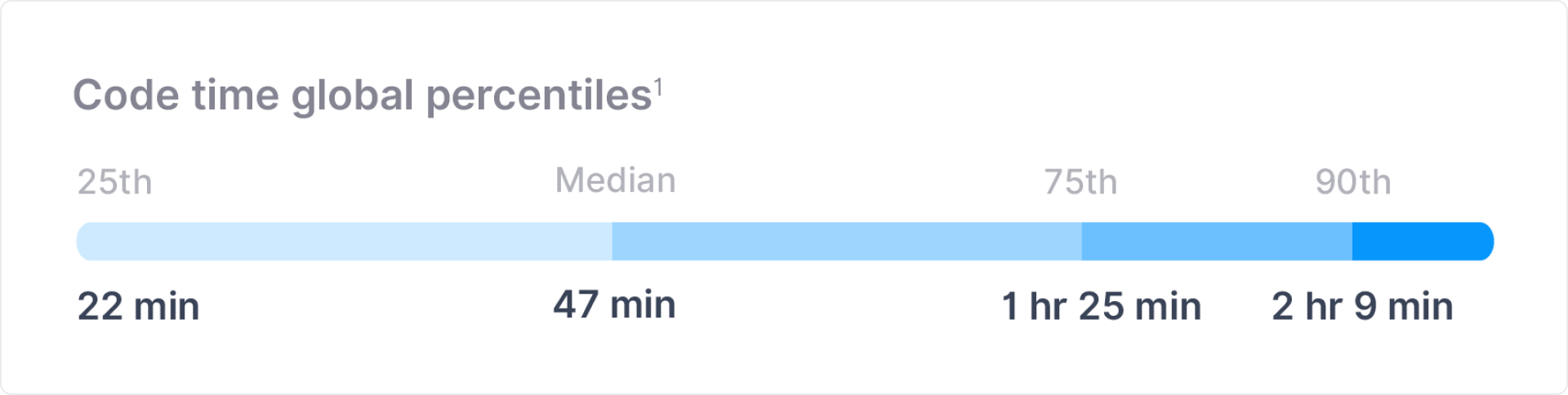
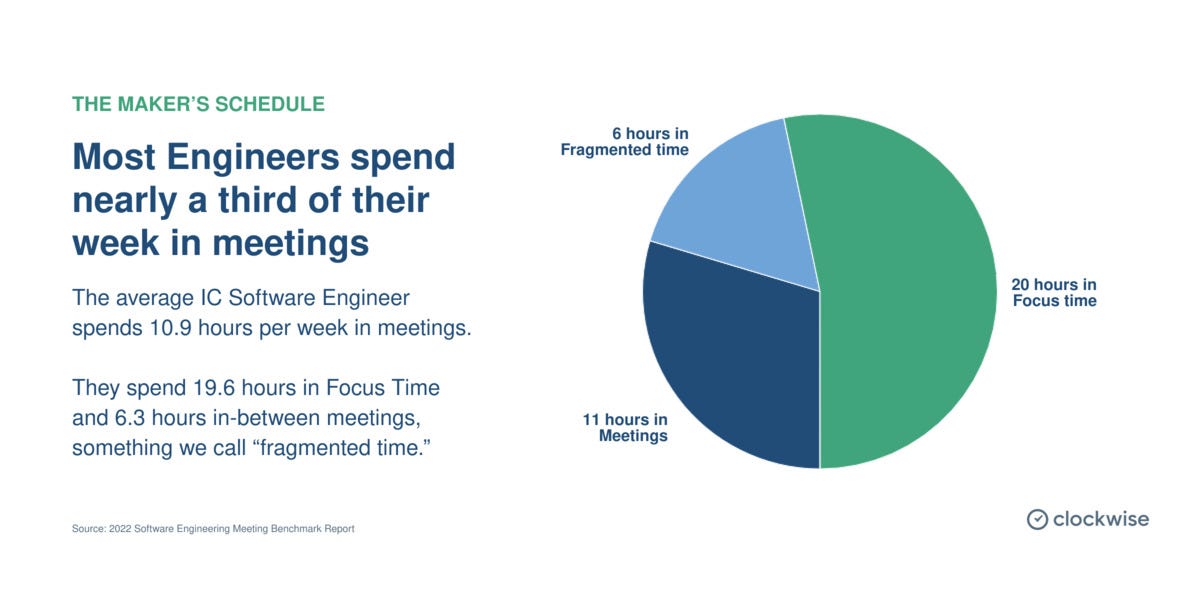

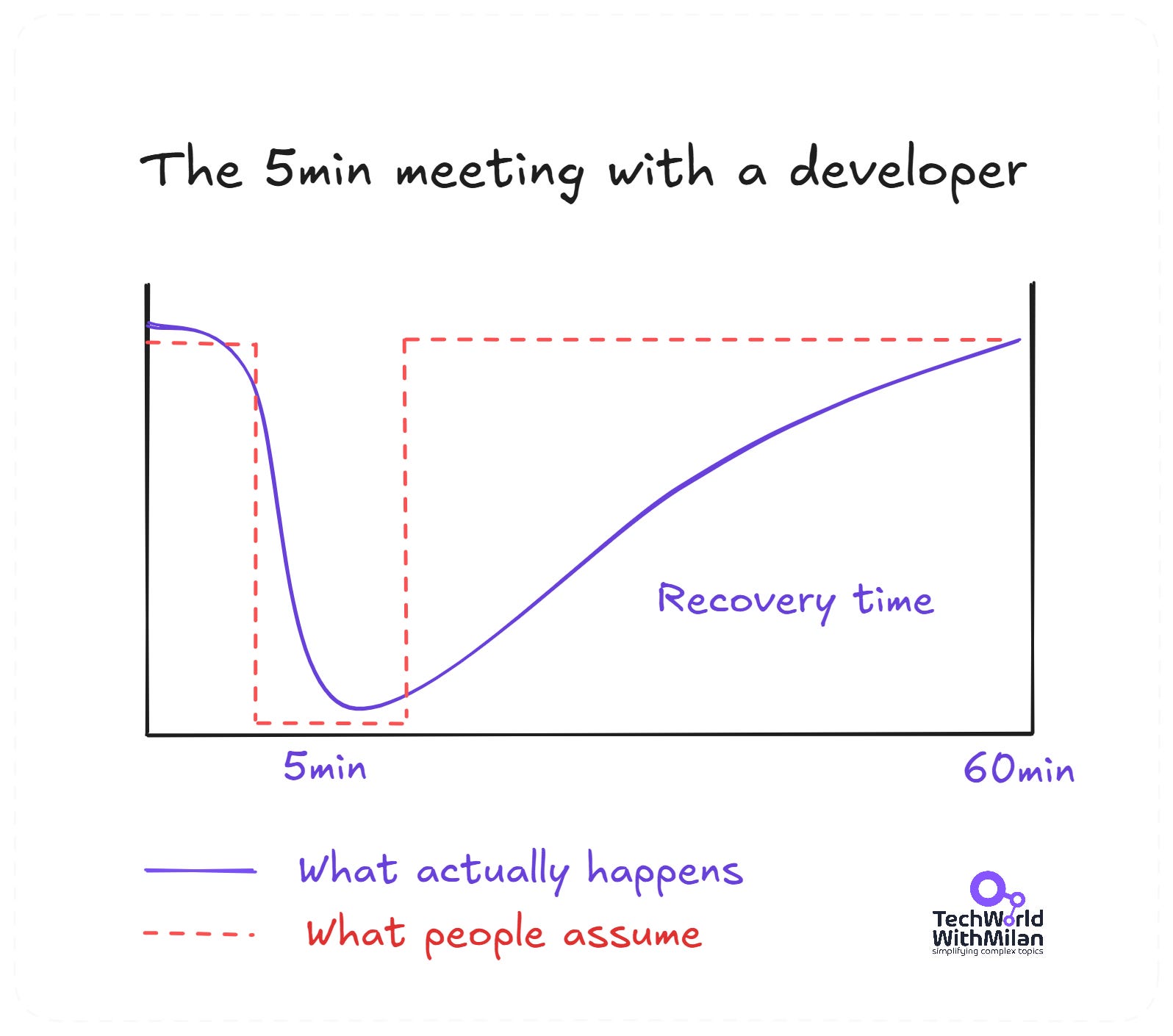
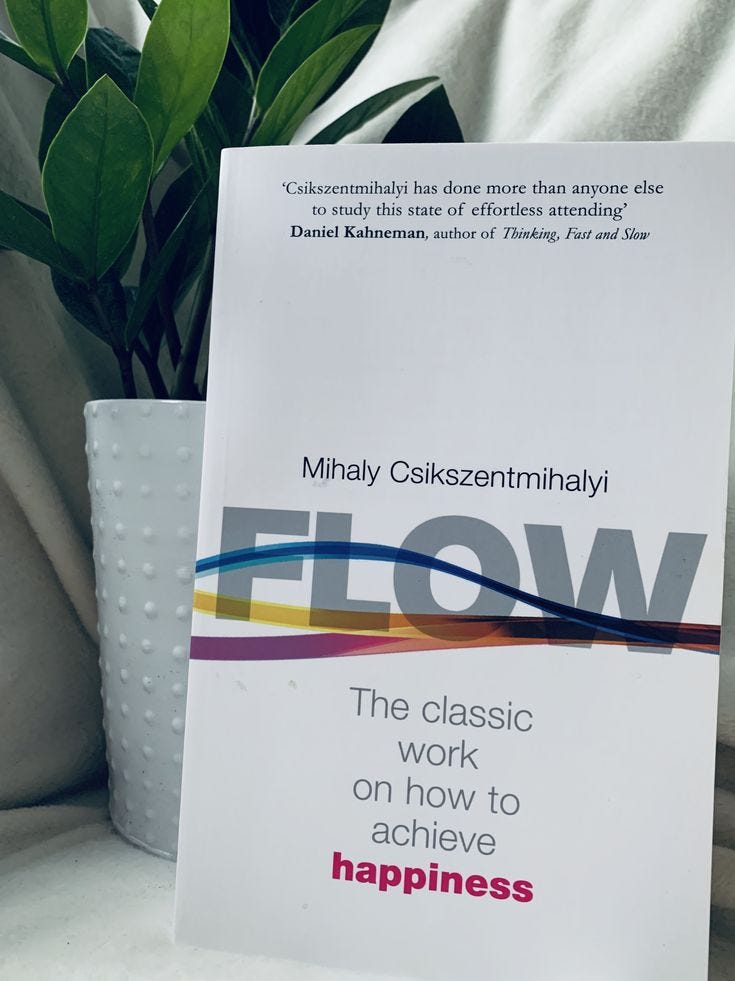
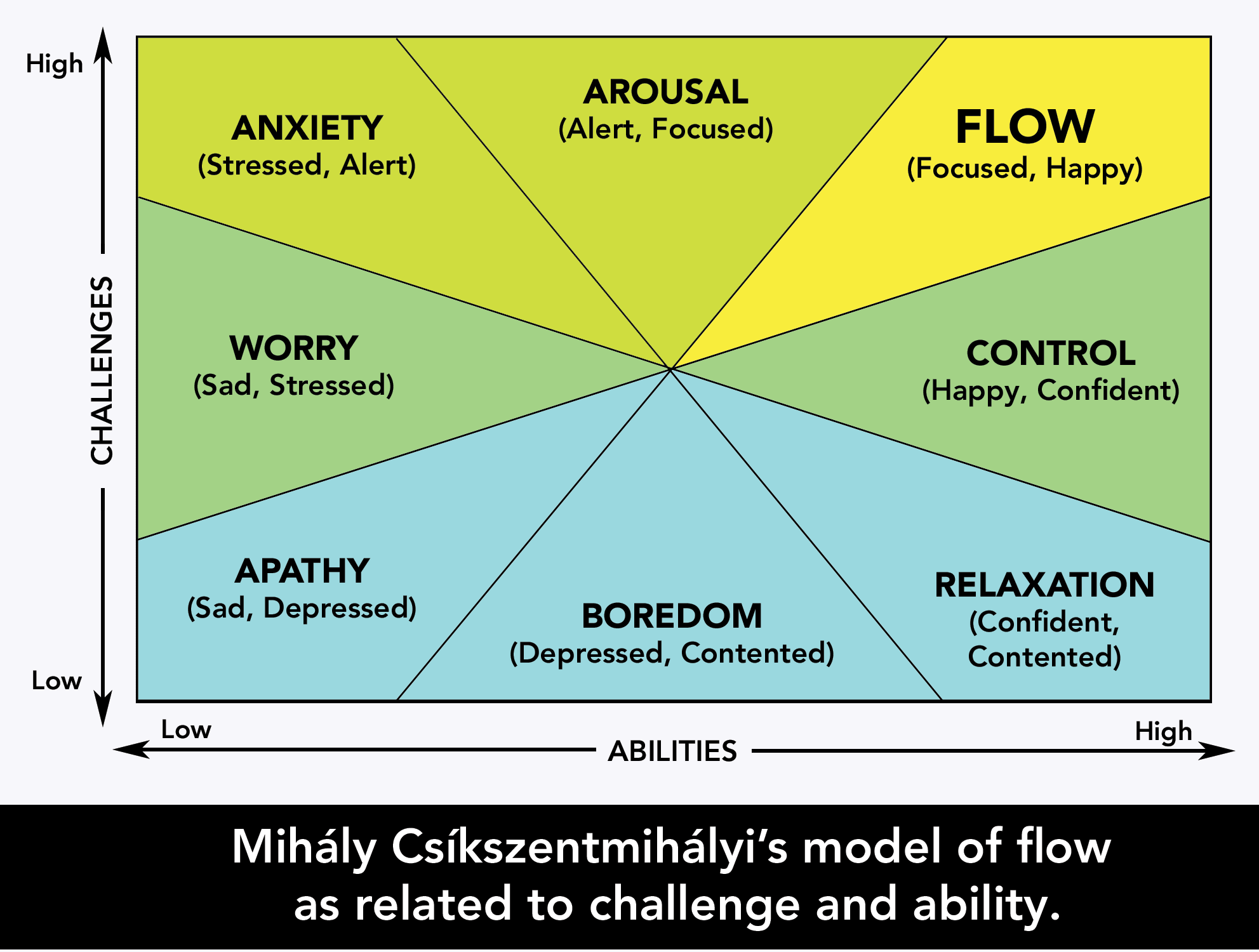

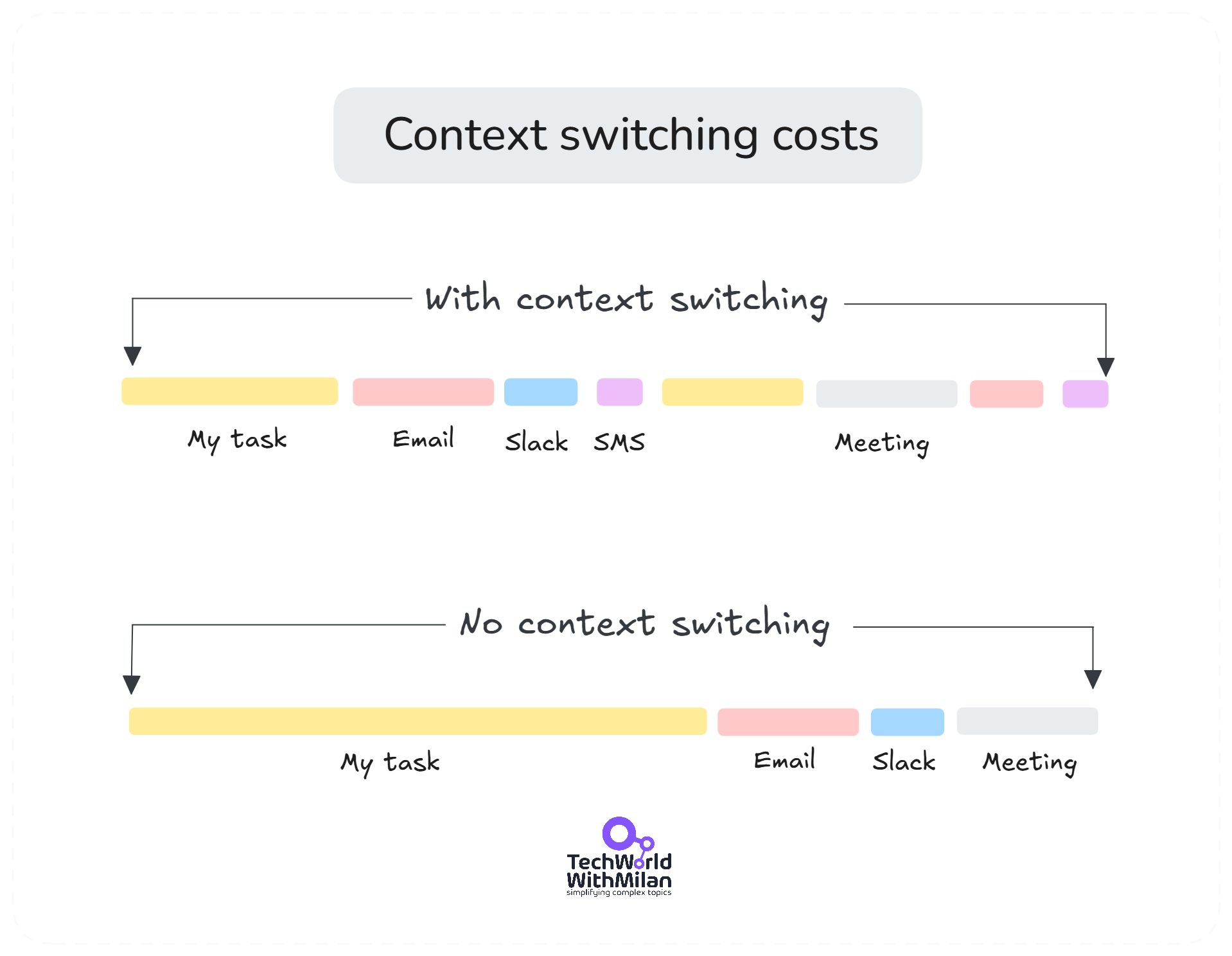










 Tech World With Milan Newsletter