Un investigado por falsificar facturas falsas para el novio de Ayuso, condenado a tres años por fraude a la Unión Europea
Shared posts
17 Feb 07:26
Un investigado por falsificar facturas falsas para el novio de Ayuso, condenado a tres años por fraude a la Unión Europea
by Livingstone85

Raul Barral Tamayo likes this
17 Feb 07:26

Ekaitz Sirvent, el jefe de ETA convertido en profesor de Ética de niños entre 12 y 16 años en el instituto de Elgoibar
by Igorymi
Salió de una prisión francesa en 2022, donde cumplió 13 años de condena. Un año después aprobó unas oposiciones convocadas por el Gobierno vasco con plaza de funcionario.En ETA se especializó en falsificación de documentos. Situado en la cúpula, como Txeroki, al ser detenido en París en 2009 llevaba pistola y una lista de objetivos; entre ellos, empresarios para extorsionar. En la sala de docentes del Instituto de Elgoibar y toma posesión de su plaza como profesor de Filosofía y Ética cuando habían pasado de tres años desde que el etarra excarc
etiquetas: eta, ekaitz sirvent, educación, ética
» noticia original (www.elespanol.com)
Raul Barral Tamayo likes this
17 Feb 07:25

Rótulos por el mundo: Búho Diagonal
by Replicante
Descubre la historia del Búho Diagonal y lo que representa para la gente de Barcelona.
etiquetas: rótulo, búho, barcelona, diagonal
» noticia original (www.youtube.com)
Raul Barral Tamayo likes this
17 Feb 07:25
Una carta desde Cuba se hace viral en redes: “No es una crisis. Es un crimen”
by Lon
El texto, firmado por Ikay Romay y difundido masivamente en redes sociales, denuncia el impacto de más de seis décadas de bloqueo de Estados Unidos sobre la población cubana y llama a la comunidad internacional a “no normalizar el sufrimiento” del pueblo de la isla
Raul Barral Tamayo likes this
17 Feb 07:25
El Supermercado de los Elementos: Cómo vender Diarrea, Neumonía y Humo a precio de oro
by Miniyo
La nueva moda de la élite es pagar fortunas por "Agua Cruda" llena de algas y botellas de "Aire Premium" con moho. Analizamos los precios y los peligros médicos de esta estafa global.
Raul Barral Tamayo likes this
16 Feb 22:48

Estudio Epstein: Un sitio web para investigar sobre los tentáculos del caso Epstein
by Lord_Cromwell
Un usuario de Reddit ha creado un cuartel general digital para revelar los datos redactados en los millones de páginas de documentos sobre Jeffrey Epstein publicados por el Departamento de Justicia de Estados Unidos. El sitio, al que de momento sólo se puede acceder desde el escritorio con la dirección epstein-studio.com, pretende descifrar las partes censuradas de los documentos con inteligencia colectiva. La lógica de funcionamiento del sitio web también impide que se tergiversen los documentos que sacuden la agenda mundial mediante...
etiquetas: estudio, epstein, documentos, investigación, censura
» noticia original (es.euronews.com)
Raul Barral Tamayo likes this
16 Feb 22:48

La amnistía y el temor al ascenso del fascismo: qué hizo que el Frente Popular arrasara hace 90 años
by Malinowski
El Frente Popular de izquierdas nació al calor de un contexto internacional en el que los fascismos estaban acumulando cada vez más y más poder. Reflexionamos sobre ello 90 años después, ante un panorama con bastantes semejanzas.
etiquetas: frente popular, amnistía, fascismo, guerra civil, república
» noticia original (www.lamarea.com)
Raul Barral Tamayo likes this
16 Feb 22:47

El 'sueño americano' a los 76 años: con medio pulmón y un marcapasos, conduce un Uber cada noche porque la sanidad privada le arruinó
by nereira
El llamado "sueño americano" para Mason ya no es prosperar. Es mantener la independencia. A los 76 años, con un marcapasos y medio pulmón, sigue trabajando. No por ambición. Sino porque el sistema sanitario privado, en su peor momento, le dejó sin red.
etiquetas: sueño americano, 76 años, conductor uber, sanidad privada
» noticia original (www.huffingtonpost.es)
Raul Barral Tamayo likes this
16 Feb 22:47

Discurso y realidad: el índice anticorrupción aumentó durante el segundo año de gobierno de Milei
by HernanArg
La publicación señala que las investigaciones sobre presunta corrupción en la gestión de fondos destinados a medicamentos para personas con discapacidad evidencian los riesgos que enfrentan los grupos vulnerables.
etiquetas: argentina, milei, corrupción, transparencia
» noticia original (www.tiempoar.com.ar)
Raul Barral Tamayo likes this
16 Feb 22:47

Giorgia Meloni pisa el acelerador: Italia intervendrá el precio de la recarga para salvar al coche eléctrico
by candonga1
Meloni lo tiene claro. No tiene sentido pedir a los ciudadanos que hagan un esfuerzo económico importante para cambiar de coche y, después, dejarles a merced de tarifas eléctricas imprevisibles o directamente elevadas. Según su planteamiento, la energía no puede convertirse en el impuesto invisible que termine por hundir la competitividad del coche eléctrico frente a los combustibles fósiles. Y es que el problema no está solo en el precio del coche. En Italia, como en España, muchos potenciales compradores hacen números.
etiquetas: italia, intervención, precio, recarga, coche eléctrico
» noticia original (forococheselectricos.com)
Raul Barral Tamayo likes this
16 Feb 22:47

Los caseros preguntan cuánto se ha subido “exactamente” el SMI “para calcular una cosa”
by Dakaira
Diciendo que es “para unos cálculos internos”, la asociación española de caseros, arrendadores y propietarios de inmuebles ha preguntado al Gobierno exactamente cuánto se ha subido el SMI a fin de “actualizar una cosa” que no han especificado.
etiquetas: emt, smi, caseros
» noticia original (www.elmundotoday.com)
Raul Barral Tamayo likes this
16 Feb 22:46
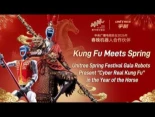
Robots de la Gala del Festival de Primavera de Unitree [Eng]
by Mangione
Decenas de robots G1 lograron la primera actuación de kung fu (con movimientos rápidos) de un grupo de robots humanoides totalmente autónomos del mundo, superando los límites del movimiento y estableciendo múltiples récords mundiales. H2 hizo apariciones sorprendentes tanto en la sede principal de Pekín como en la sede secundaria de Yiwu, vestido con la pesada armadura del Rey Mono y montado en una «nube voladora» interpretada por perros robot cuadrúpedos B2W, entregando bendiciones de Año Nuevo desde las nubes.
etiquetas: robótica, china, kung fu, movimiento, innovación, demostración
» noticia original (www.youtube.com)
Raul Barral Tamayo likes this
16 Feb 22:46
Global: Los Estados europeos deben retractarse de escandalosos ataques contra la relatora especial de la ONU Francesca Albanese
by TooBased
Ante las peticiones de dimisión de Francesca Albanese, relatora especial sobre la situación de los derechos humanos en los Territorios Palestinos Ocupados desde 1967, realizadas por ministros y otras autoridades de Francia y Chequia, Agnès Callamard, secretaria general de Amnistía Internacional, ha declarado: “Es reprochable que ministros de Alemania, Austria, Chequia, Francia e Italia hayan atacado a la relatora especial de la ONU para el Territorio Palestino Ocupado, Francesca Albanese, basándose en un vídeo deliberadamente cortado para terg
etiquetas: amnistía internacional, europa, retractarse, ataques, francesca albanese
» noticia original (www.amnesty.org)
Raul Barral Tamayo likes this
16 Feb 21:49
AWS Weekly Roundup: Amazon EC2 M8azn instances, new open weights models in Amazon Bedrock, and more (February 16, 2026)
by Esra Kayabali
I joined AWS in 2021, and since then I’ve watched the Amazon Elastic Compute Cloud (Amazon EC2) instance family grow at a pace that still surprises me. From AWS Graviton-powered instances to specialized accelerated computing options, it feels like every few months there’s a new instance type landing that pushes performance boundaries further. As of February 2026, AWS offers over 1,160 Amazon EC2 instance types, and that number keeps climbing.
This week’s opening news is a good example: The general availability of Amazon EC2 M8azn instances. These are general purpose, high-frequency, high-network instances powered by fifth generation AMD EPYC processors, offering the highest maximum CPU frequency in the cloud at 5 GHz. Compared to the previous generation M5zn instances, M8azn instances deliver up to 2x compute performance, 4.3x higher memory bandwidth, and a 10x larger L3 cache. They also provide up to 2x networking throughput and up to 3x Amazon Elastic Block Store (Amazon EBS) throughput compared with M5zn.

Built on the AWS Nitro System using sixth generation Nitro Cards, M8azn instances target workloads such as real-time financial analytics, high-performance computing, high-frequency trading, CI/CD pipelines, gaming, and simulation modeling across automotive, aerospace, energy, and telecommunications. The instances feature a 4:1 ratio of memory to vCPU and are available in 9 sizes ranging from 2 to 96 vCPUs with up to 384 GiB of memory, including two bare metal variants. For more information visit the Amazon EC2 M8azn instance page.
Last week’s launches
Here are some of the other announcements from last week:
- Amazon Bedrock adds support for six fully managed open weights models – Amazon Bedrock now supports DeepSeek V3.2, MiniMax M2.1, GLM 4.7, GLM 4.7 Flash, Kimi K2.5, and Qwen3 Coder Next. These models span frontier reasoning and agentic coding workloads. DeepSeek V3.2 and Kimi K2.5 target reasoning and agentic intelligence, GLM 4.7 and MiniMax M2.1 support autonomous coding with large output windows, and Qwen3 Coder Next and GLM 4.7 Flash provide cost-efficient alternatives for production deployment. These models are powered by Project Mantle and provide out-of-the-box compatibility with OpenAI API specifications. With the launch, you can also use new open weight models–DeepSeek v3.2 , MiniMax 2.1, and Qwen3 Coder Next in Kiro, a spec-driven AI development tool.
-
Amazon Bedrock expands support for AWS PrivateLink – Amazon Bedrock now supports AWS PrivateLink for the
bedrock-mantleendpoint, in addition to existing support for thebedrock-runtimeendpoint. The bedrock-mantle endpoint is powered by Project Mantle, a distributed inference engine for large-scale machine learning model serving on Amazon Bedrock. Project Mantle provides serverless inference with quality of service controls, higher default customer quotas with automated capacity management, and out-of-the-box compatibility with OpenAI API specifications. AWS PrivateLink support for OpenAI API-compatible endpoints is available in 14 AWS Regions. To get started, visit the Amazon Bedrock console or the OpenAI API compatibility documentation. - Amazon EKS Auto Mode announces enhanced logging for managed Kubernetes capabilities – You can now configure log delivery sources using Amazon CloudWatch Vended Logs in Amazon EKS Auto Mode. This helps you collect logs from Auto Mode’s managed Kubernetes capabilities for compute autoscaling, block storage, load balancing, and pod networking. Each Auto Mode capability can be configured as a CloudWatch Vended Logs delivery source with built-in AWS authentication and authorization at a reduced price compared to standard CloudWatch Logs. You can deliver logs to CloudWatch Logs, Amazon S3, or Amazon Data Firehose destinations. This feature is available in all Regions where EKS Auto Mode is available.
- Amazon OpenSearch Serverless now supports Collection Groups – You can use new Collection Groups to share OpenSearch Compute Units (OCUs) across collections with different AWS Key Management Service (AWS KMS) keys. Collection Groups reduce overall OCU costs through a shared compute model while maintaining collection-level security and access controls. They also introduce the ability to specify minimum OCU allocations alongside maximum OCU limits, providing guaranteed baseline capacity at startup for latency-sensitive applications. Collection Groups are available in all Regions where Amazon OpenSearch Serverless is currently available.
- Amazon RDS now supports backup configuration when restoring snapshots – You can view and modify the backup retention period and preferred backup window before and during snapshot restore operations. Previously, restored database instances and clusters inherited backup parameter values from snapshot metadata and could only be modified after restore was complete. You can now view backup settings as part of automated backups and snapshots, and specify or modify these values when restoring, eliminating the need for post-restoration modifications. This is available for all Amazon RDS database engines (MySQL, PostgreSQL, MariaDB, Oracle, SQL Server, and Db2) and Amazon Aurora (MySQL-Compatible and PostgreSQL-Compatible editions) in all AWS commercial Regions and AWS GovCloud (US) Regions at no additional cost.
For a full list of AWS announcements, be sure to keep an eye on the What’s New with AWS page.
Upcoming AWS events
Check your calendar and sign up for upcoming AWS events:
AWS Summits – Join AWS Summits in 2026, free in-person events where you can explore emerging cloud and AI technologies, learn best practices, and network with industry peers and experts. Upcoming Summits include Paris (April 1), London (April 22), and Bengaluru (April 23–24).
AWS AI and Data Conference 2026 – A free, single-day in-person event on March 12 at the Lyrath Convention Centre in Ireland. The conference covers designing, training, and deploying agents with Amazon Bedrock, Amazon SageMaker, and QuickSight, integrating them with AWS data services, and applying governance practices to operate them at scale. The agenda includes strategic guidance and hands-on labs for architects, developers, and business leaders.
AWS Community Days – Community-led conferences where content is planned, sourced, and delivered by community leaders, featuring technical discussions, workshops, and hands-on labs. Upcoming events include Ahmedabad (February 28), Slovakia (March 11), and Pune (March 21).
Join the AWS Builder Center to connect with builders, share solutions, and access content that supports your development. Browse here for upcoming AWS led in-person and virtual events and developer-focused events.
That’s all for this week. Check back next Monday for another Weekly Roundup!
— EsraThis post is part of our Weekly Roundup series. Check back each week for a quick roundup of interesting news and announcements from AWS!
Raul Barral Tamayo likes this



16 Feb 21:45
¿Saldrán alguna vez a la luz “los papeles de Gómez”?
by Fino


Raul Barral Tamayo likes this
16 Feb 21:45
La torre de cartas se empieza a desmoronar.
by Fino


“En esta primera entrega de una larga serie, este periódico revela los vínculos del presidente del Gobierno y su esposa con la OMT, Air Europa y Dominicana.
Según los mensajes en poder de la UCO, Aldama hizo de intermediario entre la OMT y Moncloa. Por su parte, el asesor de Ábalos se encargaba de realizar cualquier trámite ministerial para Zurab Pololikashvili” @elespañol

Ver post completo: La torre de cartas se empieza a desmoronar.
Raul Barral Tamayo likes this
16 Feb 21:44
Los aplausos cuando se escuchan disparos dicen mucho de lo cansada que está la gente.
by Fino

Raul Barral Tamayo likes this
16 Feb 21:43
The Chess "Italian Game" Handbook: Traps for White
by Ihechikara Abba
A chess game is usually divided into three phases: the opening, middlegame, and endgame.
In the opening phase, each player develops and sets up their pieces. In the middlegame, they plan attacks, execute different tactics and strategies to gain an advantage and weaken their opponent. In the endgame, there are usually few pieces left on the board, and each player tries to win using certain techniques and piece coordination.
In this handbook, you'll learn about opening traps for the Italian Game, which is one of the most played openings in chess.
When learning about openings, you're usually taught some basic principles, like:
-
Control and fight for the center.
-
Develop pieces.
-
Castle the king early.
-
Connect the rooks.
-
Don’t bring the queen out early.
-
Avoid unnecessary pawn moves, and so on.
These principles are easier said than done. Many beginners focus too much on implementing them and fall for obvious traps. That’s what this handbook will help you with.
Learning about an opening is as important as learning the common mistakes associated with each opening. You can learn a chess opening to improve your tactics and strategy, understand how to develop your pieces, and understand how to spot certain mistakes early so you can avoid them or take advantage of them.
This handbook will focus on those opening mistakes and how to take advantage of them when playing as white.
You can watch the video version of this handbook here:
Table of Contents
How to Use this Handbook
This handbook makes use of notations and images. If you understand chess notations, then you can follow along without relying on the images. If you're new to notations, I'd recommend reading the What are Notations in Chess? chapter of this handbook.
In order to follow along, you should have a board with you. You can use either a physical board or an online chessboard. You can use Lichess for your online chessboard. Under the Tools section, you should see a couple of board related tools that you can make use of.
I would not recommend reading through without practicing. The best way to understand certain concepts is to try them out yourself.
And remember, improving in chess takes time and effort, so don't feel bad if you don't automatically start seeing gains. Focus on understanding and practicing first, and if you're doing that the right way, you'll gradually start progressing.
What This Handbook Will Teach You
This handbook will teach you some opening traps when playing the Italian Game as white. The overall purpose is for you to see common opening mistakes and how to take advantage of them. Even though you'll play as white in this case, you'll also learn why your opponents fall for these tricks, and that should help you avoid them when playing as black.
So, this is not an Italian Game opening handbook where we'll analyze lengthy games from start to finish. This is solely for beginners who want to understand why certain traps occur occasionally and why they always fall for them. You can learn something useful with this handbook irrespective of the color you play as.
What This Handbook Will Not Teach You
This handbook will not teach you how to follow basic opening principles to a tee. Sometimes, in order to win early and gain an advantage early in the game, you have to play unconventionally. These unconventional moves may prevent you from following certain principles.
You’ll not learn deeply about piece placement or pawn structure. These concepts are part of this handbook but we won’t focus much on them.
This guide will also not make reference to popular or model games. That is, won’t not make use of or analyze games that have been played by masters in the past. So, I won’t be explaining key moments from specific games.
Traps
Chess isn't scripted, so if you rely on your opponent to fall for certain tricks because you played the "right" moves from a course, then you may lose a lot of games. The traps here should not be seen as a conventional way of playing openings. It's important that you understand the concept behind the moves, as this will help you adjust your gameplay against anyone who knows how not to fall for traps.
In summary, don't memorize lines to use against opponents. Understand the concept and strategies first. Doing that will help you improve your tactics/strategy, and make it easier to spot similar positions in different games.
Let's get started!
The Italian Game
The Italian Game is a very popular chess opening used by players across all levels of chess. The opening allows you to quickly develop your pieces and move them to active positions, and gain control of the center.
The Italian Game starts with these lines:
-
e4 e5
-
Nf3
Bringing the knight to f3 attacks the pawn on e5, which leads to black playing:
- ... Nc6
This defends the e5 pawn.
- Bc4
Finally, the bishop is moved the c4, and here's what the position looks like:

When you reach the position in the image above, you've entered the Italian Game opening. Let's analyze white's position.
White has developed two minor pieces and a pawn, and has made way for castling and protecting the king early in the game. White is not wining yet, but that could quickly change depending on what black plays.
- ... Bc5
This position leads to a variation of the Italian Game known as Giuoco Piano, and it’s played very often. In fact, it’s the most played variation of the Italian Game. We’ll start with that variation in the next section.
How to Create Traps in the Italian Game
In this section, you'll learn some common traps for the Italian Game. We'll start with the Giuoco Piano variation.
Game #1 - Giuoco Piano
Here's the starting position of the Giuoco Piano variation:

- c3
Moving the pawn to c3 provides support for the d-file pawn, which can threaten the bishop on c5 and gain control of the center.
- ... Nf6
With that, the black knight threatens to capture the pawn on e4 and clears the way for castling.
Here's our current position:

What should you play here? Well, this section is about tricks. The safest move here would be d3 – this keeps things balanced, protects the e-pawn, and allows you to continue developing your pieces. But we're not going for a balanced or safe development.
- d4
This move forces black to capture on d4. If black chooses to move the bishop to a different square like Bb6, then we'll have something like 6. dxe5 Ng4, 7. Bxf7+ Kxf7, 8. Ng5+ Ke8. Black can't castle at the moment, as white is trying to gain more control of the center and can easily start attacking from the kingside. So retreating with the bishop isn't a good move for black. Although black can move the bishop to other squares and have a different outcome, white still gains an advantage.
-
... exd4
-
cxd4
That brings us to this position:

Again, retreating with the bishop puts black at a disadvantage. For example, 6. ...Bb6, 6. ...Bd6, or 6. ...Be7 will simply allow white to start attacking with the pawns in the center of the board. The worst move here would be 6. ...Bf8, which both blocks black from castling and allows white to start attacking from the center.
The best move for black would be to check the king:
- ... Bb4+
This is a crucial point for the trap. The safest move here is 7. Nd2. This protects the king and keeps the game balanced. But again, we're not playing it safe this time.
- Nc3
Let's look at the position visually:

This position gives black a slight advantage. In order to set the perfect trap for your opponent, you may have to sacrifice some of your pieces and give them some false advantage. This doesn't mean that every trap will work – so make sure to evaluate your position well before taking chances.
With Nc3, white gives up the e4 pawn. This position is known as the Greco's Gambit. The main purpose of the move is to lure your opponent into capturing the e4 pawn with its knight.
- ... Nxe4
This is a common response. Without getting rid of that pawn, white can start attacking with the pawns and make black's opening a bit difficult. So how do you respond? Remember, we're playing a gambit, which involves sacrificing a piece, usually a pawn, in the beginning of the game in order to gain an advantage.
Since black has accepted the gambit by capturing that pawn, we can continue with the plan.
- O-O
Now that the king has been safely castled, a couple of things have changed:

The knight on c3 is no longer pinned to the king, and if black castles, it'll lose the e4-knight. The best move here for black is to capture with the bishop. This is something you should always remember when playing as black in this position. White starts gaining some advantage if black captures with the knight, and that's what we'll use to learn about the trap here.
-
... Nxc3
-
bxc3 Bxc3
We've managed to lure black into the trap by sacrificing more pieces. Black is threatening the a1-rook, but we're not going to try and save it. Since the purpose of a gambit is to gain advantage, we must capitalize on doing just that. If you try saving the a1-rook, then black will simply castle and you'd be in a slightly losing position.
- Ba3
This prevents black from castling the king. Here's what the current position looks like:

White already has more advantage in this position and is giving up the a1-rook. If black decides to block the a3-bishop with 10. ...d6, then black would lose its bishop after 11. Rc1 Ba5 12. Qa4 Bd7 13. d5 Nd4 14. Qxa5. This is another variation you can learn, in case black doesn't capture the bishop. But don't rely on these to always work – you're better off understanding the strategy behind these attacks than trying to replicate them all the time.
- ... Bxa1
This is the moment we've been waiting for all along.
- Re1+

Black can only defend the king with the knight or the queen. Neither of those moves will make black's position any better. Naturally, defending with the knight would be the first option (although I would suggest resigning if you're playing as black in this position against a player who knows what they're doing).
- ... Ne7
As white, you can either play 12. Bxe7 or 12. Rxe7. The former would lead to a black losing its queen after 12. ...Qxe7, 13. Rxe7+.
- Rxe7
The best option for black would be to lose the queen by capturing the e7-rook. Not that it gives black any sort of advantage, but it's better than moving the king to f8. If your opponent plays 12. ...Qxe7, then you can capture the queen with Bxe7, forcing the king to capture back on e7. At that point, your trap would have served its purpose: you've taken your opponent's queen, delayed their opening development, and their king can no longer castle. For you, your king is safe and you have enough minor pieces and your queen to win the game.
- ... Kf8
Here's our current position:

The light squared bishop has been sitting on c4 since the game started. It's finally time for it to join and support the attack.
- Rf7+
White checks the black king, forcing it back to e8. The king cannot capture the rook because it’s protected by the bishop on c4. No matter what black plays at this point, the game will end in two moves. If black plays:
- ... Kg8
Then the game ends with a double check:
- Rf8#
If black plays this instead:
- ... Ke8
Then white can respond with a check, forcing the game to end:
-
Qe1+ Qe7
-
Qxe7#
This game showed how placing your pieces on certain squares can help you gain an advantage later in the game. For example, white's light squared bishop seemed insignificant until it was needed to end the game. Placing the bishop on c4 is where the Italian Game starts and that bishop can become very troublesome for your opponents if they don't defend properly.
Here's a replay of the moves, along with the notations:

-
e4 e5
-
Nf3 Nc6
-
Bc4 Bc5
-
c3 Nf6
-
d4 exd4
-
cxd4 Bb4+
-
Nc3 Nxe4
-
O-O Nxc3
-
bxc3 Bxc3
-
Ba3 Bxa1
-
Re1+ Ne7
-
Rxe7+ Kf8
-
Rxf7+ Ke8
-
Qe1+ Qe7
-
Qxe7#
Game #2
Here's our starting position again:

-
e4 e5
-
Nf3 Nc6
-
Bc4 Bc5
-
Nc3 Nf6
-
d3 d6
-
Bg5
Nothing much has happened here. Both sides have focused on developing their pieces so far and the game is still balanced. Here's our current position:

The common move here for black is usually h6, and that is probably the best move. Most players don’t want to worry about the bishop pin when they want to move the queen or the f6-knight, so it's usually a good idea for them to start pushing the bishop away.
-
... h6
-
Bf6
With this move, white forces the black queen to capture on f6:
- ... Qxf6
Now white can start setting a trap. Here's the current position of the board:

- Nd5
This forces the queen back to d8. If the queen moves to e6, it'll be forked with 9. Nc7+. If the queen moves to g6 in order to put pressure on the kingside, the knight can fork the king and rook on c7 as well. So the best move for white would be moving back to d8.
-
... Qd8
-
c3
Now white is trying to take more control of the center.
- ... Be6
Black attempts to add pressure in the center while developing a minor piece. But this move allows white to move on with some traps. It’s not very evident to see with the current position:

-
d4 exd4
-
cxd4
Black can play a couple of moves here, but none of them really leads to an advantage. If black plays 11. ...Bb4+, then you'd have something like 12. Nxb4 Bxc4 13. Nxc6 bxc6 14. Qc2 Be6 15. Qxc6+ Bd7 16. Qc3. White comes out of the situation with more control of the center and a pawn up. This is the safest route for black. The alternatives, as you'll see in the following moves, will lead to black losing at least one minor piece.
Here's our current position (we'll revert back to this position to see other variations for the traps later):

Variation #1
- ... Bb6
The bishop retreats to avoid getting captured by the d4-pawn, but this is a blunder.
- Nxb6
Now black is down a piece. If black plays Bxc4, then the b6-knight will simply capture on c4. So black is forced to take the b6-knight. The reality is that, no matter what black plays in this position, it's going to be down by at least one minor piece.
-
... axb6
-
d5
Here's our current position:

If black chooses to move either the knight or bishop away from the pawn fork, then it'll lose the other. But the knight can attack on a5, right? Well, let's see how that pans out for black.
-
... Na5
-
Bd3
Now, can black safely move the bishop away and save both pieces that were under threat? Unfortunately, the knight is now trapped. So, right from when the pawn fork happened, one piece was "destined" to leave the board.
-
... Bg4
-
b4
Now, no matter what black plays next, the a5-knight will be captured. Here's the position:

That concludes things for this variation of the trap. Here's a replay of the first variation of the trap and the notations:

-
e4 e5
-
Nf3 Nc6
-
Bc4 Bc5
-
Nc3 Nf6
-
d3 d6
-
Bg5 h6
-
Bxf6 Qxf6
-
Nd5 Qd8
-
c3 Be6
-
d4 exd4
-
cxd4 Bb6
-
Nxb6 axb6
-
d5 Na5Bd3 Bg4
-
b4
Variation #2
Now, let's go back to the position that started the first variation:

If black decides to capture the d5-knight, here's what will happen:
-
... Bxd5
-
exd5
Which brings us to this position:

Two of white's minor pieces are now under attack and one will eventually be captured. If black plays:
- ... Bb4+
Then you'll have something like this:
-
Kf1 Ne7
-
Qa4+ Qd7
-
Qxb4
Black ends up losing the bishop. Here's a replay of the moves above, along with the notations:

-
e4 e5
-
Nf3 Nc6
-
Bc4 Bc5
-
Nc3 Nf6
-
d3 d6
-
Bg5 h6
-
Bxf6 Qxf6
-
Nd5 Qd8
-
c3 Be6
-
d4 exd4
-
cxd4 Bxd5
-
exd5 Bb4+
-
Kf1 Ne7
-
Qa4+ Qd7
-
Qxb4
Game #3 – Legal's Mate
The Legal Trap is one that allows you to capitalize on your opponent's mistakes in the opening phase of the game. With this trap, the game ends after eight moves.
Note that the trap may not work against intermediate players. Most of the moves that lead up to the mate are all bad moves and you won’t often see that many bad moves in row.
As usual, here's the starting position of the Italian Game:
-
e4 e5
-
Nf3 Nc6
-
Bc4

- ... d6
This is black's first bad move. The d6-pawn now prevents the development of the dark squared bishop. Beginners often make this mistake because they want to strengthen the support on the e-pawn and use the light squared bishop to pin white's knight.
- Nc3 Bg4
Here's the position so far:

Black pins the white knight and can decide to put more pressure by bringing the knight to d4 next.
- h3
White attempts to push the bishop back. In this position, moving the bishop back to e6 would be best for black. But most beginners would want to maintain the pin on the knight.
- ... Bh5
Black moves back but continues pinning the knight. This is where white attempts to end the game by giving up the queen.
- Nxe5
Here's the current position:

- ... Bxd1
Black goes for the queen without seeing white's plan.
-
Bxf7+ Ke7
-
Nd5#
The game ends in eight moves.
This is not a checkmate pattern you'll see often, but it's important to understand how it works. Positions like this can appear at any time, so you should focus more on understanding why the pieces were moved to certain squares instead of memorizing the lines.
I know I’ve mentioned this before, but it's crucial to repeat it here because if you try to use the Legal's Mate as your main strategy from the beginning of the game, then you'll most likely encounter difficulties.
Here’s a replay of the move, along with the notations:

-
e4 e5
-
Nf3 Nc6
-
Bc4 d6
-
Nc3 Bg4
-
h3 Bh5
-
Nxe5 Bxd1
-
Bxf7+ Ke7
-
Nd5#
Game #4
This particular trap is one that many beginners fall for. The aim is to allow your opponent to think they're getting a free pawn, but then they either lose the game or a minor piece.
-
e4 e5
-
Nf3 Nc6
-
Bc4 Bc5
-
c3 Nf6
-
d4 Bb6
In this case, black decides not to capture the d-pawn. That move gives white an advantage in the opening, because it can start attacking with the pawns in the center. Here's the current position:

- dxe5
This move is where most beginner players mess up. They assume that the e4-pawn is up for grabs. The moment black captures that pawn, then the knight will be trapped. But it's not just that. Here:
-
... Nxe4
-
Qd5
The queen move threatens a checkmate on f7 if black tries to saves the knight. There is really nowhere for that knight to go, so you're better off saving your king with 7. ...Qe7 if you're playing as black in this position.
Here's a replay of the moves, along with the notations:

-
e4 e5
-
Nf3 Nc6
-
Bc4 Bc5
-
c3 Nf6
-
d4 Bb6
-
dxe5 Nxe4
-
Qd5
Game #5 - The Fried Liver Attack
The Fried Liver Attack is one of the most common tricks played by beginners. Many amateur players fall for this trick because it creates tension at the beginning of the game.
Here's what the position of the Fried Liver Attack looks like:
-
e4 e5
-
Nf3 Nc6
-
Bc4 Nf6
-
Ng5

The most commonly played move here is d5. If you play anything else as black, then 5. Nxf7 will fork the queen and the rook.
- … d5
And we have this position:

- exd5 Nxd5
The 5. …Nxd5 play is one I wouldn’t recommend for most beginners playing as black. It can lead to some complicated situations.
- Nxf7
Now black has no option other than to capture the f7-knight, which now prevents the king from castling later in the game. If black ignores the knight, then it’ll lose either its queen or rook.
-
… Kxf7
-
Qf3+
The problem now is that the king is being forced to move closer to the center of the board and protect the knight on d5. Remember, one of the opening principles in chess is to castle your king early, but black can no longer do that.
If black decides to move the king backwards, let’s say 7. …Kg8, then the game will end in three moves: Bxd5+ Qxd5 9. Qxd5+ Be6 10. Qxe6#. If black moves to e8 instead, then white can capture the knight on d5 and black still wouldn’t be able to castle.
- … Ke6
This is not a completely losing position for black, but it’ll be easier for white to put more pressure on the king, and if black doesn’t play very well, the game could end. With the king in the center, white can add more pieces to the attack:
- Nc3
The knight now threatens the black knight as well.
-
… Nb4
-
O-O c6
Here’s the current position:

As you can see, white has more advantage: the black king can no longer castle and is close to the center of the board. The white king has castled and is safe, and white can focus on developing its pieces while black has to find a way to prevent a checkmate or losing the knights.
It’s still possible for black to win in the situation, but this can become very complicated, especially for beginners.
Here’s a replay of the moves, along with the notations:

-
e4 e5
-
Nf3 Nc6
-
Bc4 Nf6
-
Ng5 d5
-
exd5 Nxd5
-
Nxf7 Kxf7
-
Qf3+ Ke6
-
Nc3 Nb4
-
O-O c6
Game #6 - Anti-Fried Liver Defence
From our last game, here’s the setup for the Fried Liver Attack:
-
e4 e5
-
Nf3 Nc6
-
Bc4 Nf6
-
Ng5

Since many beginners struggle with the tension created from the Fried Liver Attack, they try to avoid it completely from the beginning of the game. So, some might play h6 as their third move to prevent the white knight from moving to the g5 square. That is:
-
e4 e5
-
Nf3 Nc6
-
Bc4 h6
Which leads to this position:

-
d4 exd4
-
Nxd4
This is where white sets the trap. Black should continue developing minor pieces and castle the king. A move like 5. ...Nf6 would work for black. But some people may want to double the attack on the d4-knight in order to push it back:
- ... Bc5

-
Bxf7+ Kxf7
-
Qh5+ Kf8
-
Qxc5+
With these moves, black no longer has the option of castling and the kingside looks weaker.
Here's a replay and the notations:

-
e4 e5
-
Nf3 Nc6
-
Bc4 h6
-
d4 exd4
-
Nxd4 Bc5
-
Bxf7+ Kxf7
-
Qh5+ Kf8
-
Qxc5+
Conclusion
This handbook showed you some of the most common beginner traps for the Italian Game. Although we saw most of the traps from the perspective of white, it can also help you defend against them when playing as black.
Opening moves in chess can be quite tricky. You may decide to stick with opening principles by developing your pieces, trying to control the center, and castling early. But, along the way, you may miss obvious mistakes and fall for your opponent’s traps.
You shouldn’t learn chess openings in order to replicate everything you see in various courses. Instead, you should try and understand why certain moves were made and their outcome. That way, you can improve your tactics and strategy and be able to recognize similar positions in other games.
I hope this handbook has been helpful for you on your chess journey. You can find me on Lichess @ IHECHIKARA.
You can watch the video version of this handbook here.

Raul Barral Tamayo likes this
16 Feb 19:23
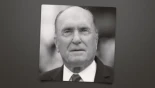
Robert Duvall, actor versátil sin apenas iguales, muere a los 95 años. (ENG)
by NoEresTuSoyYo
El actor de mirada acerada, cuyas interpretaciones en las dos primeras entregas de The Godfather, Apocalypse Now, The Great Santini, Lonesome Dove y The Apostle lo convirtieron en uno de los mejores actores de cualquier generación, ha fallecido. Tenía 95 años. Duvall, que recibió un premio de la Academia, uno de sus siete nominaciones al Ósca, por su interpretación de un cantante country alcohólico en Tender Mercies, murió el domingo en su casa, en su rancho de Virginia, según anunció su esposa, Luciana.
etiquetas: robert duval, actor, ee.uu
» noticia original (www.hollywoodreporter.com)
Raul Barral Tamayo likes this
16 Feb 19:22

El nuevo orden mundial pone contra las cuerdas a Suecia: crece la presión para dejar su moneda y entrar en el euro
by bonobo
La unión hace la fuerza y, en un mundo tan convulso, posiblemente más. Esta reflexión resume el giro histórico que puede emprender una Suecia que ha visto, como los demás, que las viejas certezas se desvanecen a la velocidad de la luz. Una seña de identidad del país nórdico, como es una moneda propia con la independencia que eso le confiere, puede verse ahora aparcada por un interés aún mayor: estar a cubierto en un escenario geopolítico que se ha vuelto demasiado hostil en poco tiempo.
etiquetas: suecia, euro, rusia, ucrania
» noticia original (www.eleconomista.es)
Raul Barral Tamayo likes this
16 Feb 19:22
Más de 200.000 usuarios reclaman a Amazon la “jugarreta” que han hecho con el precio de Prime Video
by josdete
¿Te imaginas pagar por un servicio sin anuncios y que, de un día para otro, empiecen a colártelos si no pagas un extra? Eso es exactamente lo que ha encendido a más de 200.000 usuarios en Alemania contra Amazon Prime Video. Lo que parecía un simple “ajuste” en las condiciones terminó convertido en una demanda colectiva gigantesca.

Raul Barral Tamayo likes this
16 Feb 19:22
El Museo Británico elimina Palestina de los mapas tras la presión de grupos pro-Israel.
by onainigo
El periódico británico The Telegraph informó que el Museo Británico de Antigüedades de Londres ha decidido eliminar el nombre "Palestina" de algunos de sus mapas y placas para Oriente Medio, tras presiones y quejas de partidos pro-Israel....
Raul Barral Tamayo likes this
16 Feb 19:22
EEUU promete su apoyo a Orbán antes de unas elecciones con los sondeos en contra: "Su éxito es nuestro éxito"
by onainigo
Tras reunirse en Budapest, Marco Rubio y Viktor Orbán han presumido de la buena sintonía entre Washington y Budapest, que han calificado como "nueva edad dorada"
Raul Barral Tamayo likes this
16 Feb 19:22
Despedida una trabajadora de una residencia: «viejo hijo de puta», «te veré el día de tu muerte»...
by onainigo
El Tribunal Superior de Justicia del País Vasco ve procedente la salida por falta disciplinaria grave de una empleada que dispensó un «trato ofensivo» a varios usuarios del centro de Basauri.
Raul Barral Tamayo likes this
16 Feb 19:17
ASÍ HA SIDO EL CARNAVAL DE LEGANÉS 2026
by TELEGANÉS
🎉 Así hemos vivido desde el Ayuntamiento el #Carnaval en #Leganés
👉🏻 Dentro vídeo 🎥 GRACIAS, GRACIAS y GRACIAS, LEGANÉS 🩵
#leganés #teleganés #ayuntamiento #ayuntamientodeleganés #carnaval
👉🏻 Dentro vídeo 🎥 GRACIAS, GRACIAS y GRACIAS, LEGANÉS 🩵
#leganés #teleganés #ayuntamiento #ayuntamientodeleganés #carnaval
Raul Barral Tamayo likes this
16 Feb 19:17
ICE & DHS: Last Week Tonight with John Oliver (HBO)
by LastWeekTonight
John Oliver discusses ICE’s repeated atrocities over the past months and explores the massive entity overseeing it all: the Department of Homeland Security. How it started, who runs it, and how many hats Kristi Noem owns.
Subscribe to the #lastweektonight YouTube channel for more almost news as it almost happens: www.youtube.com/lastweektonight
Or find us on your favorite social media platform we may or may not have discussed at length on the show:
Instagram: https://www.instagram.com/lastweektonight
TikTok: https://www.tiktok.com/@lastweektonighthbo
Threads: https://www.threads.net/@lastweektonight
Bluesky: https://bsky.app/profile/lastweektonight.com
Facebook: https://www.facebook.com/lastweektonight
Or visit our official site for all that other stuff at once: https://www.hbo.com/lastweektonight
Subscribe to the #lastweektonight YouTube channel for more almost news as it almost happens: www.youtube.com/lastweektonight
Or find us on your favorite social media platform we may or may not have discussed at length on the show:
Instagram: https://www.instagram.com/lastweektonight
TikTok: https://www.tiktok.com/@lastweektonighthbo
Threads: https://www.threads.net/@lastweektonight
Bluesky: https://bsky.app/profile/lastweektonight.com
Facebook: https://www.facebook.com/lastweektonight
Or visit our official site for all that other stuff at once: https://www.hbo.com/lastweektonight
Raul Barral Tamayo likes this
16 Feb 19:16
DESFILE COMPLETO CARNAVAL DE LEGANÉS 2026
by TELEGANÉS
LEGANÉS 15 FEBRERO 2026 / En un día soleado, Leganés disfrutó este domingo 15 de febrero de un desfile de Carnaval espectacular. Han participado más de 2.000 personas de 45 entidades repartidas en 15 carrozas y 30 comparsas han llenado de color y fantasía las calles.
El Rey León, Dream Machine, Ajedrez, Naturaleza Salvaje, el Paleolítico, Faraones o Bosques Encantados han sido algunas de las temáticas que han encandilado a nuestros vecinos.
Por la tarde-noche se entregaron los PREMIOS a los mejores del Desfile de Carnaval de #Leganés:
Comparsas Otros Municipios
🥇 Venimos del Sagrado
🥈 Medina Azahara
🥉 Asociación Vamos a tomar café
Comparsas Adultos
🥇 Peña Amarena
🥈 Casa Extremadura
🥉 Las de Siempre
Comparsas Infantil Juvenil
🥇 CEIP Pequeño Príncipe
🥈 AMPA Gerardo Diego
🥉 AMPA Andrés Segovia
Carrozas
🥇 AMPA Andrés Segovia
🥈 CEIP Pequeño Príncipe
🥉 Casa Extremadura
Premio Especial del Público
🎖️ AMPA Gerardo Diego
🎸 Y como colofón, el concierto de Un Pingüino en mi Ascensor
#leganés #teleganés #carnaval #desfilecarnaval #carrozas #comparsas
El Rey León, Dream Machine, Ajedrez, Naturaleza Salvaje, el Paleolítico, Faraones o Bosques Encantados han sido algunas de las temáticas que han encandilado a nuestros vecinos.
Por la tarde-noche se entregaron los PREMIOS a los mejores del Desfile de Carnaval de #Leganés:
Comparsas Otros Municipios
🥇 Venimos del Sagrado
🥈 Medina Azahara
🥉 Asociación Vamos a tomar café
Comparsas Adultos
🥇 Peña Amarena
🥈 Casa Extremadura
🥉 Las de Siempre
Comparsas Infantil Juvenil
🥇 CEIP Pequeño Príncipe
🥈 AMPA Gerardo Diego
🥉 AMPA Andrés Segovia
Carrozas
🥇 AMPA Andrés Segovia
🥈 CEIP Pequeño Príncipe
🥉 Casa Extremadura
Premio Especial del Público
🎖️ AMPA Gerardo Diego
🎸 Y como colofón, el concierto de Un Pingüino en mi Ascensor
#leganés #teleganés #carnaval #desfilecarnaval #carrozas #comparsas
Raul Barral Tamayo likes this