
Shared posts
Governance in the Age of AI, Nuclear Threats, and Geopolitical Brinkmanship | RR 21
Humans have shaped the world more than any other species in existence, largely due to our ability to coordinate and work together as a unit – in other words, to govern ourselves. This means that, while human societies are at the center of the many crises we face today, we are also the key to navigating through them safely. But this is only possible if we’re able to hold the foundations of our governance together: communication, agency, and remembering our shared humanity. What is the current state of our ability to do this, and what policy mechanisms and agreements are needed to navigate the turbulent decades to come?
In this Reality Roundtable, Nate is joined by geopolitical risk experts Mark Medish and Chuck Watson to discuss the increasing strain being placed on human governance as a result of escalating conflicts between nations and state leaders. Together, they delve into the intricate foundations of our modern governing structures and why it is critical that we reinforce existing international treaties and agreements in order to avoid the worst outcomes for all of humanity. Mark and Chuck also discuss the history of nuclear arms control – including the upcoming expiration of the New Strategic Arms Reduction Treaty (New START) – and how artificial intelligence threatens to disturb the tenuous peace built in the 20th century. Ultimately, they emphasize the need to renew public awareness and education on the importance of governance and the need for our leadership to engage in diplomatic negotiations in an increasingly complex world.
Despite the media’s focus on laws, regulations, and technology, why do people and our shared humanity still lay at the center of good governance and decision making? Where are our current leaders failing us, and does the average citizen still hold agency to influence the trajectory of global events? Lastly, what do we risk by abandoning trust in our fellow citizens and nations, and what opportunities are still available to rebuild our confidence in each other?
About Mark Medish:
Mark Medish has over 30 years of professional experience in policy, law, finance, and strategic communications. Medish served at The White House as a Special Assistant to the President and Senior Director on the National Security Council, as well as at the U.S. Treasury as Deputy Assistant Secretary for International Affairs. He also worked in senior positions at the State Department (USAID) and the United Nations (UNDP). Medish is Vice Chair of Project Associates Ltd., a London headquartered strategic consultancy with offices in Europe, the Middle East, East Africa, and the U.S. He is also a founding partner of the Mosaiq Law Group in Washington, D.C., and a co-founder of Keep Our Republic, a non-profit civic education organization promoting democratic governance and rule of law.
About Chuck Watson:
Chuck Watson has had a long career in international development projects as well as military and intelligence work, with a specialty in natural and human-made disaster modeling. He worked for the US Air Force, was an attaché to US Ambassadors to the Middle East Robert McFarland and Secretary of Defense Donald Rumsfeld. Chuck is also the founder and Director of Research and Development of Enki Holdings, LLC, which designs computer models for phenomena ranging from tropical cyclones (hurricanes) and other weather phenomena, earthquakes, and tsunamis, as well as anthropogenic hazards such as industrial accidents, terrorism, and weapons of mass destruction.
Show Notes and More:
https://www.thegreatsimplification.com/episode/reality-roundtable-21
Want to learn the broad overview of The Great Simplification in 30 minutes? Watch our Animated Movie:
https://youtu.be/-xr9rIQxwj4?feature=shared
---
Support The Institute for the Study of Energy and Our Future:
https://www.thegreatsimplification.com/support
Join our Substack newsletter:
https://natehagens.substack.com/
Join our Hylo group and connect with other listeners:
https://www.hylo.com/groups/the-great-simplification/join/i9jLqPmbGI
---
00:00 - Introduction
04:29 - Defining Governance and Its Importance
10:15 - The Role of Law and Politics in Governance
18:32 - Technological Challenges in Modern Governance
25:22 - AI and Its Impact on Governance
33:38 - International Conflicts and Governance Structures
37:50 - The Importance of Arms Control Treaties
47:26 - The Technological Quadrangle: Nuclear, Space, Biological, and AI
51:16 - The New Strategic Arms Reduction Treaty (New START)
01:06:45 - The Role of Media in Governance
01:11:59 - Can Humanity Overcome Technological Challenges?
01:22:38 - Engaging in American Democracy
01:25:26 - Closing Remarks
The complexification of our world has big implications for our ability to govern ourselves.
Reclaiming Food Sovereignty through Farming Clubs? with Jason Bradford | TGS 211
With grocery prices skyrocketing and supply chain disruptions becoming more frequent, the average person has more and more incentive to get involved in growing their own food – but how does one even get started? For most people, the time, money, knowledge, and land remain out of reach in order to learn even the basics of agriculture. What kind of options are available for individuals who want to reclaim their food sovereignty – and subsequently become more connected with the Earth and like-minded people?
In this episode, Nate is joined by biologist and farmer Jason Bradford, to discuss his ‘Farming Club,’ which offers hands-on learning for ecologically based agriculture, where members also get to take home food and build a relationship with the land. Jason explains why industrial agriculture, optimized for financial returns and machine efficiency while ignoring ecological costs, makes it almost impossible to become a successful small-scale farmer in today’s economy. The Farming Club’s model provides a way for people to maintain their jobs while building the knowledge, skills, and community connections needed for a lower-throughput future.
How could reinvigorating farming culture provide an avenue to real skills and purpose to the next generation, especially for young men? How could the farming club model be replicated across the country, sparking small rural movements everywhere? And how could thousands of ideas and initiatives like these act as safety nets for individuals and communities as we transition to a more simplified society?
About Jason Bradford:
Jason co-manages a Community Supported Agriculture program with the Organic Growers Club at Oregon State University, where he practices land stewardship methods and cultivates community rooted in ecologically-based agricultural practices. Prior to his switch to agriculture, he was a research biologist studying evolution, ecology, and global change.
Additionally, Jason has been affiliated with the Post Carbon Institute since 2004, first as a Fellow and then as Board President. He is currently a co-host of the Crazy Town podcast, as well as a writer for Resilience.org. Additionally, in 2019, he authored The Future is Rural: Food System Adaptations to the Great Simplification.
Show Notes and More:
https://www.thegreatsimplification.com/episode/211-jason-bradford
Want to learn the broad overview of The Great Simplification in 30 minutes? Watch our Animated Movie:
https://youtu.be/-xr9rIQxwj4?feature=shared
---
Support The Institute for the Study of Energy and Our Future:
https://www.thegreatsimplification.com/support
Join our Substack newsletter:
https://natehagens.substack.com/
Join our Hylo channel and connect with other listeners:
https://www.hylo.com/groups/the-great-simplification/join/i9jLqPmbGI
---
00:00 - Introduction
03:18 The Farming Club: A Day in the Life
07:04 The Rich Soil of Willamette Valley
09:44 Challenges and Rewards of Small-Scale Farming
19:00 Ecological Degradation and Large-Scale Farming
22:02 Reviving Rural Communities
24:54 The Future of Food Sovereignty
42:06 Practical Steps for Aspiring Farmers
46:18 Creating a Self-Sustaining Paradise
48:02 Community Connections and Wide-Boundary Capital
52:49 Scaling Farming Clubs and Community Involvement
55:24 Challenges and Opportunities in Modern Farming
01:03:22 The Role of Simplification and Embodied Knowledge
01:10:22 The Future of Farming
01:14:27 Reflections on Sustainability
01:18:33 Closing Thoughts
Humanity as Dr. Jekyll & Mr. Hyde: The Symptoms, Patterns, and Drivers | Frankly 126
In this week’s Frankly, Nate looks at how aggregate human behavior changes as groups scale from small tribes to large and complex societies. He uses the framing of Dr. Jekyll and Mr. Hyde throughout the episode to illustrate how traits that once helped small groups survive can serve to destabilize complex societies when expanded globally. Rather than a moral failing of the human species, he frames the more-than-human predicament as a predictable outcome that emerges when human instincts operate at large scales.
Nate also walks through the layers that make up the reality we experience. He starts with the major symptoms that increasingly draw our attention today like global heating, biodiversity loss, and geopolitical tensions. He then emphasizes that these surface problems are driven by recurring systemic patterns, which are kept in place by society-scale driving forces. The episode closes by asking the audience to reflect on what responsibility and agency look like in a world where powerful incentives shape collective outcomes.
Where do we see societal thresholds when scale removes the natural limits that once kept us in balance? How can we be aware of reinforcing deeper societal forces while trying to solve for symptoms? And if our instincts helped us survive in the past, what might a system that works to balance human nature and biophysical reality look like?
Show Notes and More:
https://www.thegreatsimplification.com/frankly-original/126-humanity-as-dr-jekyll-and-mr-hyde
Want to learn the broad overview of The Great Simplification in 30 minutes? Watch our Animated Movie:
https://youtu.be/-xr9rIQxwj4?feature=shared
---
Support The Institute for the Study of Energy and Our Future:
https://www.thegreatsimplification.com/support
Join our Substack newsletter:
https://natehagens.substack.com/
Join our Hylo channel and connect with other listeners
https://www.hylo.com/groups/the-great-simplification/join/i9jLqPmbGI
---
00:00 - Introduction
00:53 - Objectives of this Video
04:21 - Metacrisis Symptoms
06:40 - The “What” Introduction
07:31 - Laws of Power
09:14 - Overshoot and Resource Depletion
10:24 - Arms Races
11:36 - Rebound Effects & Jevons Paradox
12:39 - Tragedy of the Commons
14:07 - (The Great) Simplification
15:33 - The “What” Conclusion
16:03 - The “Why” Introduction
18:20 - The Maximum Power Principle
21:20 - Hierarchy Drift
25:30 - Delayed and Distorted Feedback
28:46 - Us Vs. Them Dynamics
31:25 - Time Bias
33:39 - Anthropocentrism
35:27 - Jekyll and Hyde Metaphor
37:37 - Closing Questions
For most people, the time, money, knowledge, and land remain out of reach in order to learn farming.
Frente Popular, burkas, nueces, policías y delincuentes #ResumenSemanal 156 | Miguel Charisteas
Esta semana: El Frente Popular de Gabriel Rufián y Emilio Delgado, Garamendi y la subida del SMI, las cañitas de Ayuso, las nueces de Mañueco, el burka de Abascal, y los policías y delincuentes de Marlaska.
________________________________________
RESUMEN SEMANAL 156 con Miguel Charisteas
Hazte mecenas en Patreon: https://www.patreon.com/miguelcharisteas
Más información en: https://miguelcharisteas.com/
¿No viste el resumen anterior? Aquí lo tienes: https://youtu.be/LuLSjgppVL8
“You’re Dodging a Very Serious Question”
#tuckercarlson #mikehuckabee #benjaminnetanyahu #israel #greaterisrael
La lucha por el laicismo en la escuela
¿Debe impartirse Religión en la escuela pública? ¿Hasta qué punto las creencias religiosas tienen que compartir el aula con las ciencias, la Lengua, las Matemáticas o la Filosofía? ¿Por qué ese empecinamiento de todos los gobiernos democráticos en no resolver el problema?
etiquetas: religión, asignatura, laicismo
» noticia original (elfarodeceuta.es)

La pobreza afecta al 27,4 por ciento de la población de América Latina.
El Gobierno de Ayuso dio siete contratos públicos a dedo a su amigo y gurú, el líder de los 'Pocholos'
En el ámbito cultural, es habitual este tipo de contratos no licitados, ya que la administración puede querer a un proveedor concreto, es decir, un espectáculo específico que solo pueda prestar una empresa elegida de antemano.
etiquetas: pocholos, rasputín, ayuso
» noticia original (www.eldiario.es)

METRO MADRID | Cortada casi 4 horas la Línea 6 de Metro entre Príncipe Pío y Plaza Elíptica tras caer parte del techo en la catenaria
La interrupción de la circulación en este tramo ha supuesto el corte de una gran parte de la circular, la línea con más pasajeros del suburbano madrileño, Según informó Metro de Madrid, se trataba de un desprendimiento leve de parte del techo sobre la catenaria en la estación de Carpetana.
etiquetas: metro, madrid, carpetana
» noticia original (www.epe.es)
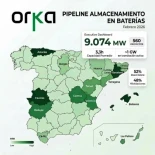
9074 MW en proyectos de almacenamiento en baterías en España, 1058 MW en construcción ya iniciada o inminente
Gran aumento de la capacidad de almacenamiento de energía en baterías en España.
etiquetas: energía, acumulación, baterías, renovable, sostenible
» noticia original (www.linkedin.com)

EEUU mezcla indio y galio y crea una pupila de metal líquido capaz de ofrecer 'supervisión'
EEUU ha desarrollado una pupila de metal líquido creada a partir de indio y galio capaz de modificar su forma y tamaño en tiempo real para optimizar la visión artificial. El avance, publicado en Science Robotics, abre la puerta a sistemas con supervisión avanzada para robótica y vehículos autónomos. El estudio ha sido desarrollado por investigadores del Departamento de Ciencias Físicas Aplicadas de la UNC-Chapel Hill. La investigación describe un ojo artificial que no se limita a capturar imágenes, sino que reacciona físicamente ante los camb
etiquetas: indio, galio, mezcla, pupila, metal, líquido, supervisión
» noticia original (www.elconfidencial.com)

El rotundo informe sobre la propiedad del jardín monumental de los Reyes Caudillos en Oviedo, inmatriculado por la Iglesia: "Es municipal"
...el Ayuntamiento ha recopilado un arsenal de pruebas que abarcan más de un siglo de historia. Entre los documentos figuran registros de 1870 sobre reformas en la Plaza de la Catedral y, de forma señalada, expedientes de expropiación de las casas números 9, 10 y 11 realizados entre 1935 y 1942 para ejecutar las obras del recinto. También se han incorporado referencias de la cronista Carmen Ruiz-Tilve y actas del Legado de Luis Muñiz Miranda sobre las expropiaciones para la calle Reyes Católicos...
etiquetas: inmatriculación, iglesia, oviedo, ayuntamiento, reyes caudillos
» noticia original (www.lne.es)

"Hecho en la UE" - fue más difícil de lo que pensaba [eng]
Intenté montar mi startup usando solo infraestructura europea. Este es el stack tecnológico que acabé eligiendo, lo que fue más difícil de lo esperado y lo que todavía no se puede evitar
etiquetas: startup, europa, innovación, stack
» noticia original (www.coinerella.com)

Condenado a un año y tres meses de prisión por pegar un puñetazo al alcalde de Soria
El condenado, que iba borracho en el Lavalenguas de 2023, le agredió tras llamarle "prevaricador, hijo de puta", según recoge la sentencia publicada hoy.
etiquetas: soria, alcalde, agresión, condena, borracho
» noticia original (sorianoticias.com)
‘¡Puedo destruir el país!’ Trump se pone furioso por el fallo de la Corte Suprema [ENG]
“¡El tribunal dijo que no puedo cobrar ni siquiera $1! ¡No se puede cobrar un dólar a ningún país bajo la IEEPA!” Trump se enfureció durante un discurso desde el Casa Blanca.
“Pero se me permite cortar todo comercio o negocio con ese mismo país; en otras palabras, ¡puedo destruir el comercio, puedo destruir el país! Incluso se me permite imponer un embargo que destruya un país extranjero, ¡puedo embargar! Puedo hacer lo que quiera, ¡pero no puedo cobrar $1!”
etiquetas: trump, aranceles, sentencia, tribunal supremo
» noticia original (www.rawstory.com)

Más del 99,9 % de los estudios coinciden: los seres humanos han provocado el cambio climático
Más del 99,9 % de los artículos científicos revisados por pares coinciden en que el cambio climático está causado principalmente por los seres humanos, según una nueva encuesta realizada a 88 125 estudios relacionados con el clima. [eng]
etiquetas: cambio climatico
» noticia original (news.cornell.edu)

¿Una buena persona defiende a la ultraderecha?
En una sociedad cada vez más infantilizada e individualista crece el número de personas que exigen un modelo social y económico que coincide con las propuestas progresistas de la socialdemocracia. Mejores servicios públicos, garantía de acceso a la vivienda, lucha contra la desigualdad… En cambio, cuando tienen que cumplir con su responsabilidad como ciudadanos o no lo hacen, es decir, no votan, o escogen las papeletas que trabajan por recorrer el camino contrario. "Si nadie aspira a ser mala persona, nadie debería votar a malas personas...
etiquetas: vox, pp, trump, ultraderecha, odio, racismo, aporofobia
» noticia original (www.huffingtonpost.es)

¿Algo más? Pues que Mullvad fue censurado en el Reino Unido [eng]
El Reino Unido está intensificando su censura y vigilancia masiva. Cuando Mullvad intentó abordar este tema con el anuncio de televisión «¿Y entonces?», fue prohibido en la televisión británica. La campaña de publicidad exterior que pretendía criticar la prohibición del anuncio también fue paralizada en gran medida. Aquí puedes ver los anuncios prohibidos y explorar la campaña completa.
etiquetas: mullvad, censurado, uk, vpn, verificación edad
» noticia original (mullvad.net)

El abogado de Leslie Wexner a su cliente ante sus declaraciones sobre el caso Epstein: "Te voy a matar"
Un descuido técnico marcó la comparecencia de Leslie Wexner, fundador de L Brands, ante el Congreso de EEUU por sus vínculos con Jeffrey Epstein. Un micrófono abierto captó a su abogado, Michael Levy, susurrándole: “Te voy a matar si respondes otra pregunta con más de cinco palabras”. La frase expuso la estricta estrategia legal para limitar el testimonio del magnate de 88 años, quien admitió visitar la isla de Epstein pero negó conocer sus delitos, asegurando que rompió relación con él hace dos décadas.
etiquetas: abogado, wexner, comité, congreso, amenazas
» noticia original (www.lavoz.com.ar)

Detenido por intentar matar a un mastín en Baena colgándolo de un puente
La Guardia Civil ha detenido, en colaboración con la Policía Local de Baena, a un vecino de la localidad como presunto autor de un delito de maltrato animal al intentar matar a un perro colgándolo de un puente. El pasado 5 de febrero se tuvo conocimiento, a través de una llamada telefónica recibida en el puesto principal de Baena, de que un perro de raza mastín estaba colgado de un puente de la localidad, pero aún con vida. Inmediatamente, se desplazaron al lugar indicado y rescataron al animal aún con vida, para lo cual contaron con la ayu...
etiquetas: baena, mastín, colgado, puente
» noticia original (www.diariocordoba.com)
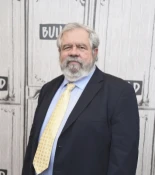
David Cay Johnston: "El mayor talento de Trump es su habilidad para estafar, para hacer que la gente crea sus disparates"
David Cay Johnston (1948), periodista de investigación, ganador de un Premio Pulitzer y uno de los grandes expertos en fiscalidad y evasión de impuestos en EEUU, empezó a cubrir los negocios de Donald Trump a finales de la década de los 80. Debutó con sus casinos, siguió con sus empresas, las inmobiliarias y sus peligrosas relaciones con oscuros empresarios o familias mafiosas. Trató mucho al hoy presidente y fue víctima de su ira y sus pleitos. En 2016, publicó su primer libro sobre él, Cómo se hizo Donald Trump y en 2018 y 2021 los siguientes
etiquetas: david cay johnston, trump, periodismo, libros
» noticia original (www.elmundo.es)

"Hay que ser caradura": la oposición carga contra el novio de Ayuso por pretender librarse del juicio por fraude fiscal
El propio González Amador admite que sí defraudó, aunque dice que menos de los 350.000 euros que reconoció hace dos años; ahora solo admite haber dejado de pagar la cantidad justa para que no haya delito, algo más de 200.000 euros en dos ejercicios fiscales.
etiquetas: gonzález amador, hacienda, oposición, caradura
» noticia original (cadenaser.com)

El coche empieza a quedarse fuera del bolsillo de muchos en España: la realidad que dibujan las encuestas
La misma encuesta nos habla también de que cada vez más gente no puede renovar armario, ni ropa ni zapatos, o tener reuniones familiares o lúdicas al menos una vez al mes. Prácticamente todo lo que se puede considerar carencias sociales han aumentado en los últimos 12 meses, incluso el de personas que no pueden permitirse conexión a internet en sus hogares.
etiquetas: coche, economia, carencias, encuesta, ine
» noticia original (www.motor.es)

Linux 7.0 ya sorprende a los desarrolladores con mejoras sustanciales frente a las versiones previas: hasta un 75% más rápido
La próxima gran versión del kernel de Linux promete una velocidad nunca vista. Unas nuevas líneas de código consiguen limpiar la memoria del sistema hasta un 75% más rápido que antes. El mundo está a punto de dar la bienvenida a la versión 7.0 de Linux y, tal y como se ha podido saber, lo que se avecina es una bestialidad. Los desarrolladores acaban de sacar a la luz unos parches que tiran por tierra a las versiones anteriores en uno de los puntos más importantes de cualquier ordenador: la gestión de la memoria RAM...
etiquetas: linux 7.0, sorprende, desarrolladores, 75%mas rápido, ram
» noticia original (computerhoy.20minutos.es)

Mantén Android abierto
En agosto de 2025, Google anunció que, a partir de septiembre de 2026, ya no será posible desarrollar aplicaciones para la plataforma Android sin registrarse primero de forma centralizada en Google. Ayuda a que no se cumpla.
etiquetas: google, cerrar, código, registrar, app
» noticia original (keepandroidopen.org)

Encuentran sustancias químicas nocivas en el 100% de los auriculares de marcas como Sennheiser, HyperX, Bose, Sony, Samsung o Panasonic
El proyecto ToxFree Life for All ha dado estos resultados reveladores de que los auriculares pueden contener sustancias químicas nocivas y afecta a decenas de marcas y modelos. Han analizado un total de 81 modelos de auriculares con un total de 180 muestras y marcas de todo tipo, tanto conocidas como de nicho. Estos se compraron en tiendas de Europa central y también en tiendas online chinas como Temu y Shein. En el 100% de las muestras se detectaron sustancias nocivas de diversos tipos como ftalatos o retardantes de llamas.
etiquetas: auriculares, sennheiser, hyperx, bose, sony, samsung, panasonic
» noticia original (elchapuzasinformatico.com)


