Shared posts
Texas lawmaker admits 'lapse in judgement' in affair with aide
🟢 El Efecto Japón o el poder del CONTEXTO
En este vídeo exploramos cómo nuestra percepción está moldeada por las historias que nos contamos antes de mirar. Desde una calle anodina hasta una persona, una relación o incluso nuestra propia vida, todo adquiere significado según el encuadre que utilizamos.
El taoísmo, el arte, la memoria, Van Gogh… todo converge en una idea incómoda y poderosa: no vemos la realidad tal como es, sino como creemos que es. Y ese “creer” lo cambia todo.
Quizá no necesitas viajar más lejos.
Quizá necesitas aprender a mirar de nuevo.
Porque lo extraordinario no siempre está en otro lugar. A veces está justo delante… esperando a que cambies el marco.
Game Theory #10: The Law of Asymmetry
Fear by Thich Nhat Hanh
 Copyright © 2012 Plum Village Community of Engaged Buddhism, Inc.
When we’re not held in the grip of fear, we can truly embrace the gifts of life.
Learn how to overcome the worries, insecurities and fears that hold you back in this perspective-shifting book.
Drawing on his years of experience as a celebrated Zen master, Thich Nhat Hanh shows that by mastering the practices of mindfulness you can learn to identify the sources of pain that cause fear and move past them to live a mindful and happy life.
Zen Master Thich Nhat Hanh is one of the most revered and influential spiritual teachers in the world today. Born in Vietnam in 1926, he became a Zen Buddhist monk at the age of sixteen. Over seven decades of teaching, he has published more than a hundred books, which have sold more than 4 million copies in the United States alone. Exiled from Vietnam in 1966 for promoting peace, his teachings on Buddhism as a path to social and political transformation are responsible for bringing the mindfulness movement to Western culture. He established the international Plum Village Community of Engaged Buddhism in France, now the largest Buddhist monastery in Europe, and the heart of a growing community of practice centres around the world. He lives in Hue in Central Vietnam.
Estimated reading time: 42 minutes.
Main ideas:
- We think that, to be happier, we should push away or ignore our fear.
- The only way to ease our fear and be truly happy is to acknowledge our fear and look deeply at its source.
- The practice of living fully in the present moment (what we call mindfulness) can give us the courage to face our fears and no longer be pushed and pulled around by them.
- Fear keeps us focused on the past or worried about the future.
- The first part of looking at our fear is just inviting it into our awareness without judgement.
- When we understand that we are more than our physical bodies, that we didn’t come from nothingness and will not disappear into nothingness, we are liberated from fear.
- One of the first things we can do to soothe our fear is to talk to it.
- We only need to practice mindful walking and mindful breathing, to cultivate the energy of mindfulness and understanding.
- To sincerely accept others as they are, we must begin with ourselves.
- Accepting all your ancestors with both their strengths and their weaknesses will help you become more peaceful and less afraid. Only when you make peace with them can you be one hundred percent in the moment.
- One day we will likely also fall sick. If we are not diligent in contemplating this reality now, then when that day suddenly comes upon us we won’t be able to handle it.
- We must be ready to let go.
- Invite your fear into consciousness, and smile through it; every time you smile through your fear, it will lose some of its strength. Only by looking deeply into the nature of your fear can you find the way out.
- If we allow ourselves to be overwhelmed by our fears, we will suffer, and the seed of fear in us will grow stronger.
- When we are not fully present, we are not really living.
- When you do mindful breathing and walking, you go home to the present moment, and you touch the many wonders of life in you and around you.
- Many people forget their own body. They live in an imaginary world.
- If you stop running after the object of your craving your fear will dissipate.
- We intoxicate ourselves with what we consume every day.
- Watering the seeds of happiness is a very important practice for those who are sick or dying.
- Mindfulness allows us to be aware of what is going on in the present moment, in our bodies, in our feelings, in our perceptions, in the world.
- Don’t be violent toward your anger, your fear, and your worries. The practice is simply to recognize them.
- You get accustomed to looking at things in a very superficial way and being carried away by wrong perceptions and the negative emotions that result.
- When you know how to handle your body, your feelings, your perceptions, there is no need to worry anymore.
- We need to have a nonviolent attitude toward our suffering, our pain, our fear.
- If he weren’t suffering, he wouldn’t have spoken or acted in a way that hurt us.
- When we are angry, when we behave in a very angry, violent way, then we are not so different from the terrorists we demonize.
- We can only remove violence and fear with compassion and love.
- What do we do to build safety with? Fortresses, bombs, or airplanes are not going to take away our fear; in fact, they will more likely increase it.
- Safety is not an individual matter. Helping the other person feel safe is the best guarantee for your safety.
- Only with the practice of deep listening and gentle communication can we help remove wrong perceptions that are at the foundation of fear, hatred, and violence. You cannot remove wrong perceptions with a gun.
- Caring for yourself, reestablishing peace in yourself, is the basic condition for helping someone else.
- When no one listens to us or understands us, we are like bombs ready to explode.
Comments extracted from the book, they could be right or wrong, you decide for yourself:
- For many of us, even when we are most joyful, there is fear behind our joy. We fear that this moment will end, that we won’t get what we need, that we will lose what we love, or that we will not be safe.
- Often, our biggest fear is the knowledge that one day our bodies will cease functioning.
- We think that, to be happier, we should push away or ignore our fear. We don’t feel at ease when we think of the things that scare us, so we deny our fear away.
- The only way to ease our fear and be truly happy is to acknowledge our fear and look deeply at its source. Instead of trying to escape from our fear, we can invite it up to our awareness and look at it clearly and deeply.
- We may think that if we ignore our fears, they’ll go away. But if we bury worries and anxieties in our consciousness, they continue to affect us and bring us more sorrow.
- We have the power to look deeply at our fears, and then fear cannot control us. We can transform our fear. The practice of living fully in the present moment (what we call mindfulness) can give us the courage to face our fears and no longer be pushed and pulled around by them.
- Don’t think that dangers come only from outside. They come from inside. If we don’t acknowledge and look deeply at our own fears, we can draw dangers and accidents to us.
- Fear keeps us focused on the past or worried about the future. If we can acknowledge our fear, we can realize that right now we are okay.
- The first part of looking at our fear is just inviting it into our awareness without judgement. We just acknowledge gently that it is there. This brings a lot of relief already. Then, once our fear has calmed down, we can embrace it tenderly and look deeply into its roots, its sources. Understanding the origins of our anxieties and fears will help us let go of them. Is our fear coming from something that is happening right now, or is it and old fear, a fear from when we were small, that we’ve kept inside?
- We need to free ourselves from these ideas that we are just our bodies, which die. When we understand that we are more than our physical bodies, that we didn’t come from nothingness and will not disappear into nothingness, we are liberated from fear.
- Each of us faces our fears in one way or another every day.
- Fearlessness is not only possible, it is the ultimate joy. When you touch nonfear, you are free.
- Nobody can give you fearlessness. Even if the Buddha were sitting right here next to you, he couldn’t give it to you. You have to practice and realize it yourself.
- In China and Vietnam we call the womb the palace of the child. You spent about nine months in the palace. The nine months you spent in the womb were some of the most pleasant times of your life.
- We were born, and with that birth, our fear was born along with the desire to survive. This is original desire. Ever desire we will have in our lives has its root in this original, fundamental desire to survive.
- When you depend on someone or something else to survive, it means that a link, a kind of invisible umbilical cord, is still there between you.
- Everyone is afraid sometimes. We fear loneliness, being abandoned, growing old, dying, and being sick, among many other things. Sometimes, we may feel fear without knowing exactly why. If we practice looking deeply, we see that this fear is the result of that original fear from the time we were newborns, helpless and unable to do anything for ourselves. Even though we have grown into adults, that original fear and original desire are both still alive. Our desire to have a partner is, in part, a continuation of our desire for someone to take care of us.
- We need to look closely at our relationships to see whether they are based primarily on mutual need or on mutual happiness. If you relationship is based n fear rather than on mutual understanding and happiness, it doesn’t have a solid foundation.
- We have to look deeply to identify the original, primal fear and desire that are behind so many of our behaviors. Every one of the fears and desires that you have today is a continuation of original fear and desire.
- One of the first things we can do to soothe our fear is to talk to it. You can sit down with that fearful child inside and be gentle with him or her.
- It’s very important to take the time to go back, to recognize the presence of the wounded child in us, to talk to him and try to help him heal. We can remind him several times that we are no longer a helpless child, we have grown up into an adult, and we can very well take care of ourselves.
- Acknowledging and soothing the fear within is the first step in letting it go.
- Understanding that we are now safe is essential for those of us who have suffered abuse, fear, or pain in our past.
- Many of us often find ourselves thinking of things that stir up feelings of fear and sorrow. Perhaps in your mind you continue to be abused again and again, even though you are an adult now.
- Mindfulness reminds us that it is possible to be in the here and now. It reminds us that the present moment is always available to us; we don’t have to live events that happened long ago.
- You are no longer in the past; you are in the present moment. That did happen, yes, in the past. But the past is already gone. Now the only things left are pictures and memories. If we root ourselves in the present moment, we can look at the past in a different way and transform its suffering.
- The feeling that you’re fragile, vulnerable, unable to defend yourself, the feeling that you always need someone to be with you, is always there. That original fear, and its other face, original desire, is always there. The infant, with his fear and his desire, is always alive in us.
- Some of us have depression and continue to suffer even if in the present situation everything looks all right. This is because we have a tendency to dwell in the past. We feel more comfortable making our home there, even if it holds a lot of suffering.
- It’s so easy to be caught in the past, it’s helpful to have a reminder to stay in the present.
- My true home is in the here and now. The past is not my true home.
- When we recognize that we have a habit of replaying old events and reacting to new events as if t hey were the old ones, we can begin to notice when that habit energy comes up. We can then gently remind ourselves that we have another choice. We can look at the moment as it is, a fresh moment, and leave the past for a time when we can look at it compassionately.
- Living mindfully in the present does not preclude making plans. It only means that you know there’s no use losing yourself in worries and fear concerning the future.
- If you are grounded in the present moment, you can bring the future into the present to have a deep look without losing yourself in anxiety and uncertainty. If you are truly present and know how to take care of the present moment as best you can, you are doing your best for the future already.
- The teaching and the practice of mindfulness do not forbid looking deeply into the past. But if we allow ourselves to drown in regret and sorrow concerning the past, that’s not right mindfulness.
- Our original fear isn’t just from our own birth and childhood; the fear we feel comes from both our own and our ancestors’ original fear. Our ancestors suffered from hunger and other dangers, and there were moments when they were extremely anxious. That kind of fear has been transmited to us; every one of us has that fear inside.
- Even when nothing bad is happening, that doesn’t prevent us from feeling fear.
- Writing a letter is a form of meditation practice.
- The little boy or girl in you is still alive, and maybe still deeply wounded. That child is calling for your attention. But you have no time for him or her. You’re too busy. You conceive of yourself as an adult, but in fact, you are also that little girl or boy who is deeply wounded and afraid. So when you breathe in and see yourself as a small child who is fragile like that, compassion is born in your heart. And when you breathe out, you smile to him or her, and that is already a smile of understanding of compassion.
- If you really care for your child, even when your child is not yet born, you will surround that child with love. Love should begin very early.
- Even if we refuse to see our parents or talk to them, we cannot separate ourselves completely from them. We are made from them. We are our fathers. We are our mothers. This is true even if we think we hate them. We are the continuation of our mothers and fathers. We can’t extract that part of ourselves. We need to reconcile with the parents inside, talk to the parents inside, and look for a way to peacefully coexist. If we can realize this, reconciliation will be easy.
- Because we are scared, we often think we don’t know what to do. But we only need to practice mindful walking and mindful breathing, to cultivate the energy of mindfulness and understanding. Understanding, when it comes, helps us release our fear, our anger, our hate, and so on. Love can only be born on the ground of understanding.
- You are present in the consciousness of everyone you have touched.
- You possess the wisdom and intelligence to become a full human being because you have inherited an eternity of wisdom, not only from your blood ancestors but from your spiritual ancestors too. Your spiritual ancestors are in every cell of your body. You cannot deny their presence.
- Just about everyone has some blood ancestors whom we admire, and others who had many negative traits and of whom we are not proud. They are all our ancestors. We may also have spiritual ancestors who did not help us and may even have done harm. We may be angry with them, but they are still our ancestors.
- We need to return to ourselves and embrace our blood and spiritual ancestors. We cannot get rid of them. They are a reality and they are there inside us, in body, mind, and spirit. Unconditional acceptance is the first step in opening the door to the miracle of forgiveness.
- To sincerely accept others as they are, we must begin with ourselves.
- The circumstances of our lives can helps us water the seeds of patience, generosity, compassion, and love. The people around us can help us water these seeds, and so can the practice of mindfulness.
- Parents who suffer a lot and are afraid of the world and other people water the seeds of fear and anger in their children. If children grow up embraced by security and love, the good seeds in them are nurtured and grow strong. If you can look at your ancestors in this way, you will understand that they were human beings who suffered and tried their best. That understanding will erase all rejection and anger. Accepting all your ancestors with both their strengths and their weaknesses will help you become more peaceful and less afraid.
- Making peace with your ancestors takes some practice, but it is important to reconcile with them if you are to settle the fear within yourself. All you need to do is visualize the presence of all your ancestors inside you. You are their continuation. Only when you make peace with them can you be one hundred percent in the moment.
- Running away from our fear ultimately makes us suffer and makes others suffer, and our fear only grows stronger.
- The Buddha taught that when we call up and get in touch with the truth that we cannot escape old age and death, our fear (and the foolish things we do to try not to feel it) will cease. We no longer act out our fears unconsciously and fuel the cycle that makes them grow even stronger.
- Siddharta recognized his arrogance and was able to let go of it.
- One day we will likely also fall sick. If we are not diligent in contemplating this reality now, then when that day suddenly comes upon us we won’t be able to handle it.
- Most of us aren’t making good use of our ability to take good care of others and ourselves. We don’t use our energy for the practice of transforming our afflictions and helping to relieve suffering in others and ourselves.
- Surely we will get sick one day. Seeing this, naturally we will drop our arrogance about our good health.
- Our defense mechanism pushes us to forget; we don’t want to hear about it. But in the back of our minds, the fear of death is always there, pushing on us.
- When we really face the fact that we will die one day (and maybe sooner than we think), we won’t embarrass ourselves doing ridiculous things, keeping up the delusion that we’re going to live forever. Contemplating our mortality helps us focus our energy into the practice of transforming and healing ourselves and our world.
- The Buddha said monastics should only have three robes, a begging bowl, a water filter, and a sitting mat, and even these things they also should be prepared to release. We must be ready to let go.
- If we are attached to obtaining more and more wealth, fame, power, and sex, we lose our freedom.
- When we die, the only things that continue us are our thoughts, words, and actions; that is, our karma. All the thoughts you have thought, all the words you have spoken, all the actions you have done with your body; these are your karma that follows and continues you. Everything else you leave behind. We will receive the fruits of any act we have done, whether wholesome or unwholesome.
- Invite your fear into consciousness, and smile through it; every time you smile through your fear, it will lose some of its strength. If you try to run away from your pain, there is no way out. Only by looking deeply into the nature of your fear can you find the way out. Using diversions like television, computer games, alcohol, and drugs, we try to ignore the realities of aging, illness, death, and the impermanence of the things we cherish.
- If we allow ourselves to be overwhelmed by our fears, we will suffer, and the seed of fear in us will grow stronger. But when we are mindful, we use the energy of mindfulness to embrace our fear.
- We don’t want to face our fear, so we try to cover it up, keep it down there in the cellar. We don’t like it when somebody or something reminds us of it. We don’t want it showing itself in our mind consciousness. Mindfulness is the opposite of this tendency. We must invite these things up into our mind consciousness every day and tell them, «My dear, I’m not afraid of you».
- When fear manifests, we want to have the see of mindfulness also manifest to embrace it. The fear receives a bath of mindfulness and becomes a little bit weaker before it drops back down to the depths of our consciousness in the form of a seed.
- Just because fear goes away for a little while doesn’t mean we have dissolved it completely. If we have a peaceful moment, a moment of mediation, we can call it up again. We can stay with our fear for five, ten, twenty or thirty minutes, depending on our needs, and use the energy of mindfulness to embrace our fear. Being embraced like that every day, our fear will lose its strength.
- When we are not fully present, we are not really living. We’re not really there, either for our loved ones or for ourselves.
- Life is available in the present moment. The Buddha said, «It is possible to live happily in the present moment. It is the only moment we have».
- The place where you should look for your happiness, your peace, and your fulfillment, has to be in the present moment. It’s so simple and clear. But since we have the tendency to slide back into the past or to run into the future, we have to recognize that habit and learn how to be free from it to really establish ourselves in the present moment.
- When you do mindful breathing and walking, you go home to the present moment, and you touch the many wonders of life in you and around you; and all of that belongs to the kingdom of God.
- There is no birth; there is only a continuation. That is the nature of everything: no-birth, no-death.
- There’s a tendency for people to think that they can eliminate what they don’t want: they can burn down a village, they can kill a person. But destroying someone doesn’t reduce that person to nothing. They killed Mahatma Gandhi. They shot Martin Luther King Jr. But these people are still among us today.
- According to Buddhist wisdom, the view of immortality, or permanence, is a wrong view. Everything is impermanent; everything is changing. Nothing ca be the same forever. So permanence is not the true nature of anything. Everything we observe is impermanent, always changing. But annihilation is also a wrong view.
- To die means that from something, you suddenly become nothing at all. To die means that from someone, you suddenly become no one. But we’ve seen that this is not the case. Your birth was not your beginning but only your continuation. You were here already, in other forms.
- You have never lost your beloved. She has just changed forms. That is the kind of vision, the kind of insight that is needed to overcome grief. We think that we have lost him forever, but that person has not died, has not disappeared. We have to practice looking deeply to recognize his continuation and support it.
- Zen Master Linji: «The miracle is not to walk on water or fire. The miracle is to walk on the earth».
- We can enjoy every minute of our lives.
- In our daily lives, our fear causes us to lose ourselves. Our body is here, but our mind is all over the place.
- Many people forget their own body. They live in an imaginary world. They have so many plans and fears, so many agitations and dreams, and they don’t live in their body. While we’re caught in fear and trying to plan our way out of fear, we aren’t able to see all the beauty that Mother Earth offers us.
- Please take a moment to enjoy the simple practice of mindful breathing: «Breathing in, I know that I am breathing in; breathing out, I know that I’m breathing out». If you do that with a little concentration, then you’ll be able to really be there. The moment you being to practice mindful breathing, your body and your mind begin to come back together. Every one of us can do it, even a child.
- Nonfear is the basis of true happiness, and if you can offer nonfear to someone, you are giving that person the best kind of gift.
- When we understand that we cannot be destroyed, we are liberated from fear. It is great relief. Nonfear is the ultimate joy.
- Fear goes together with craving. We want to be safe and happy, so we begin to crave a particular person or object or idead (such as wealth or fame) that we think will guarantee our well-being. We can never fully satisfy our craving, so we keep running and we stay scared. If you stop running after the object of your craving your fear will dissipate.
- If we can model the ability to embody nonfear and nonattachment, it is more precious than any money or material wealth.
- You practice intoxicating yourself every day. You think you’re getting some kind of relief, but while entertaining yourself you continue to bring into the depths of your consciousness even more elements of pain and suffering. So the blocks of pain deep within you keep growing bigger and bigger. We intoxicate ourselves with what we consume every day. We let the television set be our children’s babysitter, and our children get intoxicated every day by what they see and hear there. There are poisons in us already, deep in our consciousness, and yet we open ourselves up to bring in even more poisons and toxins.
- Practicing meditation means being aware of all that is going on, not only in our body but also in the rest of the world.
- If you are locked into the idea of a separate self, you have great fear. But if you look deeply and are capable of seeing «you» everywhere, you lose that fear.
- Watering the seeds of happiness is a very important practice for those who are sick or dying. Otherwise seeds of fear, regret, or despair can easily sprout into big formations that overwhelm us.
- When you say, «I take refugee in the Buddha», you don’t mean that you take refuge in a kind of god that exists outside of you. It means that you have confidence in your capacity to understand and to love.
- When the Buddha was very old, just before he died, he said, «My dear friends, my dear disciples, don’t take refuge in anything outside of you. In every one of us there is a very safe island we can go to. If you dwell on that island in yourself with your mindful breathing, you are safe. That is a place where you can take refuge whenever you feel fearful, uncertain, or confused».
- When we’re inside we can be more in touch with the outside. If you’re not there inside, if you’re not yourself, there’s no real contact with the world outside. The way out is in. If you get deeply in touch with the inside, you get in touch with the outside too; and if you’re able to get in touch with the outside, you can get in touch with the inside at the same time.
- Mindfulness allows us to be aware of what is going on in the present moment, in our bodies, in our feelings, in our perceptions, in the world.
- Worry is a part of you, and that’s why when your worry comes up, you have to know how to handle it tenderly and peacefully. You can recognize and tenderly embrace your worry, fear, and anger.
- Don’t be violent toward your anger, your fear, and your worries. The practice is simply to recognize them. Continue to practice mindful breathing and mindful walking; then, with the energy generated by your practice, and embrace them tenderly.
- When we practice mindfulness, we can take our practice with us whenever we go.
- Everyone has the seed of mindfulness inside. Everyone can drink their tea mindfully, everyone can take a step in mindfulness.
- Awareness is mindfulness, concentration, and insight.
- You get accustomed to looking at things in a very superficial way and being carried away by wrong perceptions and the negative emotions that result. This leads to behaving wrongly and making life miserable.
- When the emotion is too strong and the breathing isn’t enough to get you to stop and relax, go out and walk. Focus on your footsteps to help your mind stop. Don’t let your mind carry you away with thinking, judgments, irritation, strong feelings, or projects. Come back to the present moment, stop, and relax. Stop, and release the agitation and tension in you. Even if you’re not experiencing strong emotions, train yourself so that when you do need to think about something, contemplate something, look deeply into something, you’ll be able to sit quietly and look deeply and make your plan.
- With practice, you can release the tension and reduce the pain in your body, and you can recognize painful feelings inside, know how to embrace them, and release the tension in your feelings, bringing relief. You can create a feeling of joy and happiness whenever you want.
- When you know how to handle your body, your feelings, your perceptions, there is no need to worry anymore.
- If some negative thinking comes, just say hello and be aware of that judgment. Let go and smile to it.
- We need to have a nonviolent attitude toward our suffering, our pain, our fear.
- Many of us have big blocks of pain and suffering in the depths of our consciousness that we cannot bear to look at. We have to keep ourselves very busy to ensure that these unwelcome guests do not come and pay us a visit. We do anything and everything we can to fill our attention with something. That is the practice of repression. Most of us adopt this embargo responde. We do not want to open the door for our fear, our sorrow, and our depression to come up, so we bring in all manner of other things to occupy us. Distraction is the policy for many of us. Many others of us practice television watching or video game playing to cover up our discomfort.
- When you are overwhelmed by strong emotions, don’t stay there, it’s too dangerous. Bring your focus down to your navel (that is the trunk, the most solid part of yourself) and practice mindful breathing. Become aware of the rise and fall of your abdomen. Just breath. Don’t think of anything. Breathe through the movement, the rise and fall, of your abdomen. Practice in this way for ten or fifteen minutes, and the strong emotion will pass on through.
- When you have enough energy of mindfulness, you can look deeply into any emotion and discover the true nature of that emotion. If you can do that, you will be able to transform the emotion.
- Emotions have deep roots in us. They are so strong, we think we will not survive them if we let them be. We deny and suppress them until finally they explode and cause hurt to ourselves and others. But an emotion is just an emotion. It comes, it stays for a while, and then it goes away. We are so much more than our emotions.
- When we succeed in surviving strong emotions, we experience a more solid peace of mind. Once we have got the practice, we are no longer afraid. The next time a strong emotion arises, it become easier. We already know that we can survive it.
- Sometimes it’s tempting to ridicule the fear of others because it reminds us of our own fear. We have been taught to keep our fear out of sight and unacknowledged.
- We do not like feeling afraid. Often, if we hold on to our fear, it turns into anger. We are angry that we are afraid. We are angry at whatever or whomever we perceive as causing our fear and keeping us afraid. Some people spend their whole lives trying only to take revenge on whatever or whomever they think caused their suffering. This kind of motivation can only bring suffering, not only to others but also to the one who feels it.
- If he weren’t suffering, he wouldn’t have spoken or acted in a way that hurt us.
- Responding to violence with violence can only bring more violence, more injustice, and more suffering, not only to the ones we seek to punish but also to ourselves.
- When we are angry, when we behave in a very angry, violent way, then we are not so different from the terrorists we demonize, because we have the same knife of anger in our hearts.
- When we’re not mindful in our words, we say things that can hurt others and cause a lot of pain. That is a kind of intimidation, a kind of terrorism.
- Much of our suffering comes from wrong perceptions. The first thing we can do in these situations is to acknowledge internally that the pictures we have in our head, what we think happened, may not be accurate.
- If we are sincere in wanting to learn the truth, and if we know how to use gentle speech and deep listening, we are much more likely to be able to hear others’ honest perceptions and feelings. After listening to them fully, we have an opportunity to help them correct their wrong perceptions. If we approach our hurts this way, we have the chance to turn our fear and anger into opportunities for deeper, more honest relationships.
- We can only remove violence and fear with compassion and love.
- Listen with all your mindfulness and concentration. Your sole desire is to give him or her a change to speak out. Compassionate, deep listening means that the other person, or the other nation, has a chance to say what they have never had the change or the courage to say, because no one ever listened deeply to them before. If you interrupt, deny, or correct what they say, you will cut off the process of restoring communication, of reconciliation. Deep listening allows the other person to speak even if what he says contains misperceptions and injustice.
- The intention of deep listening and loving speech is to restore communication, because once communication is restored, everything is possible, including peace and reconciliation.
- Any real peace process has to begin within ourselves, within our own group and our own people. We should not continue to blame the other side for not practicing peace. We have to practice peace to help the other side make peace.
- The basic condition for touching the kingdom of God is freedom from fear, despair, anger, and craving.
- With a community to talk with us, support us, and always remind us of the blue sky, we’ll never lose our faith, and our fear dissolves.
- Community building is the most important action of our century.
- We should learn to do things together, to share our ideas and the deep aspiration in our hearts.
- We need each other in order to practice solidity, freedom, and compassion so that we can remind each other that there’s always hope.
- What do we do to build safety with? Fortresses, bombs, or airplanes are not going to take away our fear; in fact, they will more likely increase it. We have to learn to build safety with our in-breath and our out-breath. We have to learn to build safety with our steps, with our way of acting and reacting, with our words and our efforts to build communication.
- Your peace and compassion help the other person feel safe. This allows her to relate to you with compassion and understanding, and you to will feel safer.
- Safety is not an individual matter. Helping the other person feel safe is the best guarantee for your safety.
- Your country won’t be safe if you don’t do anything to help other countries feel safe with you.
- We live in a time when there are so many sophisticated means for communication yet it is very difficult for individuals, groups, and nations to communicate with each other. We can’t seem to use our words to speak, so we end up using bombs instead. When we arrive at the point where we can’t communicate with our words and we have to use guns, we have succumbed to despair.
- We have to learn to communicate. If we can show a group we are in conflict with that they have nothing to be afraid of, then we can begin to trust each other.
- With trust and communication, dialogue becomes possible.
- Since the so-called war on terror began, we have spent billions of dollars but have only created more violence, hate, and fear. It’s time to contemplate and find a better way to bring peace to ourselves and the world.
- Only with the practice of deep listening and gentle communication can we help remove wrong perceptions that are at the foundation of fear, hatred, and violence. You cannot remove wrong perceptions with a gun.
- Sorrow, fear, and depression are like a kind of garbage. We should not throw anything out. All we have to do is learn the art of composting, of transforming our garbage into flowers. In the practice of Buddhism, we see that all mental formations (including compassion, love, fear, sorrow, and despair) are organic in nature. We don’t need to be afraid of any of them, because transformation is always possible.
- The most precious gift you can give to the one you love is your true presence. To be there is the first step, and recognizing the presence of the other person is the second step. To be loved means first of all to be recognized as existing.
- In our everyday life, most of us have very little time to cultivate our love. We are all so busy.
- Even before you do anything to help, your wholehearted presence already brings some relief, because when we suffer, we have great need for the presence of the person we love. If we are suffering and the person we love ignores us, we suffer more.
- Really try to be there, for yourself, for life, for the people you love. Recognize the presence of those who live in the same place as you, and try to be there when one of them is suffering.
- The last thing you feel like doing is to ask that person for help. You prefer to go to your room, lock the door, and cry there all alone. So now it is your pride that is the obstacle to reconciliation and healing. According to the teaching of the Buddha, in true love there is no place for pride.
- Caring for yourself, reestablishing peace in yourself, is the basic condition for helping someone else.
- Mindfulness isn’t something we practice only in the meditation hall; we also practice in the kitchen, in the garden, or when we’re on the telephone, driving the car, or washing the dishes.
- When I met Dr. Martin Luther King Jr. in 1966, during the Vietnam war, one of the things we discussed was the importance of building community, or, as we call it in Buddhism, sangha. He was aware that, without a community, little could be accomplished. A solid sense of brotherhood and sisterhood gives us strength when we feel fear or despair and helps sustain our power of love and compassion. Brotherhood and sisterhood can heal and transform our lives.
- When there’s healing and peace, we know it’s a real sangha. With the support of the sangha, the practice is easier, and life in general becomes much easier. Your family or your group of friends can be your sangha. It is whatever community supports you.
- Building a sangha means building your safety, your support, and your happiness.
- When no one listens to us or understands us, we are like bombs ready to explode. Compassionate listening brings about healing.
- If we really love someone, we need to train ourselves to be deep listeners. We also need to train ourselves to use loving speech. We have lost our capacity to say things calmly. We get irritated too easily. Every time we open our mouths, our speech is sour or bitter. We have lost our capacity for speaking with kindness. Without this ability, we cannot succeed in restoring harmony, love, and happiness.
- You listen without giving advice or passing judgment. This is called compassionate listening. You have to listen in such a way that compassion remains with you the whole time you are listening. That is the art. If halfway through listening, irritation or anger comes up, then you cannot listen deeply anymore. You have to practice in such a way that every time the energy of irritation and anger comes up, you can breathe in and out mindfully and continue to hold compassion within you. No matter what the other person says, even if there is a lot of injustice in his way of seeing things, even if he condemns or blames you, you continue to sit very quietly, breathing in and out. If you are not in good shape, if you don’t feel that you can on listening in this way, let the other person know.
- Practice more walking meditation, more mindful breathing, and more sitting meditation to restore your capacity for compassionate listening.
- In the Buddhist tradition, we call our practice our Dharma body. We have our physical body, but if we have a spiritual practice, we also have another body, our Dharma body. With the Dharma body, we can cope with difficulties and suffering, and if our Dharma body is strong, we can help other people.
- If we understand our suffering, we understand the suffering in the world; if we can transform our own suffering, we’ll be able to help transform the suffering in the world. And that’s precisely what the Buddha did.
- If you allow the plague of helplessness to overwhelm you, you’ll go insane.
- Getting in touch with the suffering of the world, we feel much less alone, and our own suffering feels smaller already.
- If there isn’t an existing sangha that is close enough or suitable for you, please start a sangha in your home, in your town, your friends, and your family.
- If you transform your family into a sangha, other people can come and take refuge in your family.
- If you’re capable of producing a feeling of joy, a feeling of happiness, then you’ll also be able to handle painful feelings.
- We don’t need to gran onto, fight, or repress the unpleasant feeling. We simply recognize its presence. We stay free, even when we have a painful feeling. A feeling is just a feeling. And you are much more than that feeling. We shouldn’t let ourselves be carried away by a feeling, even a pleasant one, much less an unpleasant one. We just practice recognition of the feeling.
- Fear can accumulate in our body, causing stress and tension. Rest is precondition for healing. When animals in the forest get wounded, they find a place to lie down, and they rest completely for many days. They don’t think about food or anything else. They just rest, and they are able to heal themselves quite naturally. When we humans become fearful and overwhelmed with stress, we may go to the pharmacy and get drugs, but we rarely have the wisdom to stop our running around. We don’t know how to help ourselves.
- Deep relaxation of the body should be done at least once a day. It may last for twenty minutes or longer. You can do it in bed at night or in the morning. It’s also possible to practice deep relaxation in a sitting position, for example at your office desk. Lying awake, you can enjoy the practice of total relaxation and follow your breathing in and out.
Have you read this book? Any other similar book? Do you have anything to say about what this book is saying? Do you recommend any book related to this matter? Anything at all? I’ll be glad to know what you think about it in the comments.
Some related links:
Some related books:
- El arte de domar a tu tigre interior de Thich Nhat Hanh.
- El arte de vivir de Thich Nhat Hanh.
- Silencio de Thich Nhat Hanh.
- Enseñanzas sobre el amor de Thich Nhat Hanh.
- Cómo lograr el milagro de vivir despierto de Thich Nhat Hanh.
- El corazón de las enseñanzas de Buda de Thich Nhat Hanh.
- Cuestión de confianza de Dr. Russ Harris.
- La teoría Let Them de Mel Robbins.
- The willpower instinct by Kelly McGonigal, Ph. D. [2].
- The obstacle is the way by Ryan Holiday.
- Ego is the enemy by Ryan Holiday.
- Tu miedo es tu poder de María Esclapez.
- Sobre el Miedo de J. Krishnamurti.
- El miedo a la libertad de Erich Fromm.
- Miedo de Osho.
- La sociedad del miedo de Heinz Bude.
- It’s not my fault by George A. Goens.
- Healing the Child Within by Charles L. Whitfield, M.D..
- Radical Acceptance by Tara Brach, Ph.D..
- Vive sin miedo de Paramahansa Yogananda.
- It’s a Shame I Can’t Share by Jake Ware.
- The Worry Cure by Dr Robert L. Leahy.
- Sobre el Miedo de J. Krishnamurti.
- Vengo de ese miedo de Miguel Ángel Oeste.
- El hombre que tenía miedo a vivir de Miguel Ángel Montero.
- Anatomía del miedo de José Antonio Marina.
- Luchar contra el miedo y el desánimo de Jorge Castelló Blasco.
- Emociones libres del miedo, los celos y la ira de Osho.
- Ya no tengo miedo de Patricia Fernández Montero.
- Aunque tenga miedo hágalo igual de Susan Jeffers.
- Vivir sin miedo de Warren Mansell.
- El miedo es el mensaje de Enrique Gil Calvo.
raul
¿Te grita un miembro de tu equipo?
#Liderazgo #TrabajoEnEquipo #Management #LiderazgoConsciente #DesarrolloProfesional
Inteligencia artificial: innovación y obsolescencia
En el mensaje de esta semana en el blog hablo de que la inteligencia artificial está transformando profesiones enteras. El reto no es solo tecnológico. Es directivo. ¿Cómo incorporar la IA sin dejar atrás a quienes han dedicado su vida a la empresa? La tecnología es imprescindible. Pero la persona sigue siendo el centro. Cuestión compleja de abordar
The post Inteligencia artificial: innovación y obsolescencia first appeared on Toma de Decisiones Miguel A. Ariño.
Cómo es vivir con un implante cerebral durante 5 años
Un vecino alertó al 112 del mal estado de la pasarela de Santander la víspera del accidente en el que han muerto 5 jóvenes

A sus 73, Fernando Cabellos, vecino de Monte “de toda la vida”, es un amplio conocedor de la zona litoral de El Bocal donde el colapsó de una pasarela se saldó el martes con la muerte de cinco jóvenes estudiantes de FP, una herida que permanece hospitalizada y otra desaparecida. “Yo no llevo teléfono nunca. Fui para casa y dije: Voy a llamar porque si pasan muchas personas, con el peso, se va a hundir. Llamé al 112 hacia la una de la tarde”, relata.
etiquetas: santander, costa quebrada, costas, ayuntamiento, gema igual, 112
» noticia original (www.eldiario.es)
El error en el programa electoral del partido de Alvise Pérez para Castilla y León: se dirige 15 veces a los "aragoneses"

El partido de Alvise Pérez, Se Acabó La Fiesta (SALF) ha cometido un grave error en su programa electoral de las elecciones de Castilla y León. Un día después de las elecciones de Aragón, la formación registró su participación para las castellano y leonesas, con un programa idéntico, en el sentido literal de la palabra. Hasta en 15 ocasiones aparece repetida la palabra "aragoneses" en el "contrato electoral", que es como el partido ha llamado a su programa.
etiquetas: alvise pérez, castilla y león, aragoneses
» noticia original (www.ondacero.es)
Tesh Sidi denuncia que las redes son responsables del "99,9%" del odio y no lo frenan "porque generan dinero"

"Tú amenazas de muerte a alguien y la policía se planta en tu casa. Pero, en el espacio digital, la policía necesita que Instagram, que TikTok coopere y no lo hacen"
etiquetas: tesh sidi, denuncia, odio, amenazas, redes
» noticia original (www.lasexta.com)
El Pentágono admite que EE.UU. “no puede detener todo” lo que Irán lanza

El secretario de Guerra de Estados Unidos, Pete Hegseth, declaró que Teherán “no puede sobrevivirnos”, mientras Washington da señales de que ampliará los ataques hacia el interior del país.
etiquetas: pentágono, ee.uu., detner todo, irán
» noticia original (www.trtespanol.com)
El Senado de EEUU bloquea el intento de limitar las acciones bélicas de Trump [ENG]
Casi todos los republicanos votaron a favor de bloquear una medida que requeriría que el presidente Trump obtenga la autorización del Congreso para continuar la ofensiva.
etiquetas: guerra, irán, trump, senado
» noticia original (www.nytimes.com)
Tres personas sin hogar mueren en las calles de Badalona en dos meses

. Este miércoles han localizado el cuerpo sin vida de Jordi, un conocido carnicero de la ciudad
etiquetas: badalona
» noticia original (es.ara.cat)
El nivel del mar ya ha subido mucho más del que estimaban los modelos: "Podemos ver impactos devastadores"

El aumento del nivel del mar calculado hasta ahora por los científicos está subestimado y es, de media, treinta centímetros más del que estaba previsto, porque el grosor de las investigaciones hechas hasta ahora no ha tenido en cuenta factores locales determinantes como las mareas, las corrientes o los vientos. Así lo pone de manifiesto un estudio recogido este miércoles en la revista Nature, en el cual los autores, *Katharina *Seeger y Philip *Minderhoud —Universidad de *Wageningen (Países Bajos). [EN VALENCIANO]
etiquetas: cambio climatico, mar, nivel
» noticia original (www.apuntmedia.es)
Bruselas propone exigir fabricación europea a las industrias clave que reciban dinero público

La Comisión Europea presentó este miércoles su esperada Ley de Aceleración Industrial, que propone exigir un mínimo de fabricación europea cuando se concedan fondos públicos a sectores estratégicos con el fin de impulsar la reindustrialización del continente y permitir que compita con China o Estados Unidos.
etiquetas: bruselas, unión europea, industria, economía
» noticia original (efe.com)
Robert De Niro conmueve en el Carnegie Hall con mensaje de Lincoln

De Niro participó en la gala anual de Tibet House US, donde recitó un histórico discurso de Abraham Lincoln sobre la civilidad. A pesar de que el nombre del mandatario apenas se escuchó durante las tres horas de función, su influencia fue palpable en las intervenciones de varios artistas. Se escucharon críticas hacia el Servicio de Inmigración y Control de Aduanas de Estados Unidos (ICE), la situación bélica con Irán y el clima de hostilidad social.
etiquetas: de niro, discurso, lincoln, mensaje, trump
» noticia original (kchcomunicacion.com)
El público merece saber lo que pasa en la guerra contra Irán, pero hay gran censura en Estados Unidos e Israel [eng]
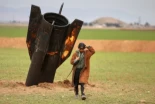
Del lado israelí, la censura suele ser aún más directa. El censor militar israelí, que supuestamente prohibió la publicación de 1635 artículos y censuró parcialmente otros 6265 en 2024, volverá a la carga, probablemente envalentonado por el retroceso de Estados Unidos bajo el gobierno de Trump. Los periodistas que desobedezcan la censura, que también les prohíbe informar sobre su silenciamiento, se arriesgan a ser arrestados.
etiquetas: geoestrategia, información, enemigo, debate, internacional
» noticia original (freedom.press)
Demócrata gana el escaño de la Cámara de Representantes de Arkansas en elección especial (ING)

El demócrata Alex Holladay derrotó al republicano Bryan “Bo” Renshaw en una elección especial para la Cámara estatal de Arkansas para reemplazar al legislador republicano Carlton Wing. Este resultado marca la novena vez que los demócratas arrebatan un escaño republicano desde que Donald Trump inició su segundo mandato, mientras que los republicanos no han logrado ningún giro similar. Holladay, administrador de salud, ya había disputado ese escaño en 2024, perdiendo por apenas dos puntos.
etiquetas: demócrata, ganar, escaño, cámara, representantes, arkansas
» noticia original (arktimes.com)
Irán afirma que la fragata Dena, «invitada por la Armada india», fue atacada sin previo aviso por Estados Unidos en aguas internacionales (EN)

El Ministro de Asuntos Exteriores de Irán, Seyed Abbas Araghchi formuló una grave acusación contra el Estados Unidos de América, afirmando que Fragata Dena, 'un invitado de la Armada de la India que transportaba casi 130 marineros, fue alcanzado en aguas internacionales 'sin previo aviso'.
etiquetas: dena, irán, india, maniobras, eeuu, submarino
» noticia original (economictimes.indiatimes.com)
Ataques iraníes dañan 3 centros de datos de Amazon en Bahrein y exponen su vulnerabilidad

Los daños en tres instalaciones de Amazon Web Services (AWS) en Oriente Medio por ataques con drones iraníes ponen de relieve el rápido crecimiento de los centros de datos en la región, así como la vulnerabilidad del sector ante los conflictos.
etiquetas: bahrein, amazon, ataque, irán, guerra
» noticia original (apnews.com)
Ayuso anuncia la bonificación del 100% del Impuesto de Transmisiones Patrimoniales en la compraventa de obras de arte

Esta medida contribuye a crear un entorno fiscal más favorable para los agentes culturales, frente a barreras tributarias dependientes del Estado como el IVA del 21%. Permitirá avanzar en la consolidación de la región como líder en el mercado del arte
etiquetas: política, recaudación, impuestos, servicios, obras de arte, pp, madrid
» noticia original (www.larazon.es)
PLD Space cierra una ronda de financiación de 180 millones liderada por el fabricante japonés Mitsubishi y Cofides

PLD Space, empresa internacional de transporte espacial, ha cerrado una ronda de financiación Serie C de 180 millones de euros, liderada por el reconocido fabricante japonés Mitsubishi Electric Corporation junto a la empresa de referencia en la gestión de fondos públicos Cofides.
etiquetas: pld space, miura
» noticia original (valenciaplaza.com)
Senador republicano Tim Sheehy expulsa a golpes a un ex-marine en el Senado
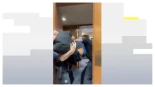
"Nadie quiere luchar por Israel", con esta protesta un hombre se coló en el Senado de Estados Unidos. La policía y un senador republicano lo placaron y lo sacaron de la cámara. El manifestante es un veterano de la Marina y en el forcejeo le han partido un brazo. Este incidente ocurrió justo antes de que el Senado rechazase una resolución para frenar la guerra en Irán.
etiquetas: veterano, senado, iran, marina
» noticia original (www.antena3.com)
¿Por qué los países ya no declaran la guerra? El fin de la cortesía bélica

Antaño, la guerra era un asunto de caballeros (o al menos, eso intentaban aparentar). Si un país quería invadir al vecino, enviaba un telegrama formal o un ministro se presentaba en la embajada para pedir el pasaporte del embajador enemigo, revocando su inmunidad diplomática. Era el equivalente geopolítico a tirar el guante en un duelo.
etiquetas: declaracion de guerra, paises
» noticia original (batallitas.es)
Reino Unido confirma que dron contra base en Chipre no provino de Irán
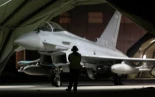
El Ministerio de Defensa del Reino Unido aseguró este miércoles que el dron que tuvo como objetivo la base de la Real Fuerza Aérea en Akrotiri, en Chipre, no fue lanzado desde Irán,
etiquetas: chipre, irán, dron, guerra, reino unido, akrotiri
» noticia original (www.jornada.com.mx)
Irán niega que haya disparado un misil hacia Turquía

Las Fuerzas Armadas de Irán niegan que hayan disparado un misil hacia territorio de Turquía, según una declaración difundida por los medios de comunicación estatales en la madrugada de este jueves
etiquetas: falsa, bandera, iran
» noticia original (elpais.com)
Kanwal Sibal afirma que EE. UU. ignoró las sensibilidades de la India; IRIS Dena estaba indefensa y sin municiones
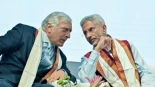
Sibal, que ha sido embajador de la India en Turquía, Egipto, Francia y Rusia, escribió en X: «El barco iraní no estaría donde estaba si no lo hubiéramos invitado a participar en nuestro ejercicio de Milán. Nosotros éramos los anfitriones. Me han dicho que, según el protocolo de este ejercicio, los barcos no pueden llevar munición. Estaba indefenso. El personal naval iraní había desfilado ante nuestro presidente. El ataque del submarino estadounidense fue premeditado, ya que Estados Unidos era consciente de la presencia del barco iraní en el eje
etiquetas: usa, iran, fragata, desarmada, sin minicion, submarino
» noticia original (english.mathrubhumi.com)
Si Irán sobrevive y se mantiene firme, la guerra de recursos de Trump contra China y los BRICS se derrumbará [ENG]
Irán está a Ipunto de agotar por completo las reservas de interceptores del Golfo y, además, ha mermado considerablemente las menguantes reservas de defensa aérea israelí-estadounidenses, ya que Irán ha dado prioridad inicialmente a los misiles y drones más antiguos...El asesinato del líder supremo ha resultado ser un error garrafal. En lugar de provocar un colapso de la moral, ha dado lugar a una oleada masiva de apoyo a Irán. Ha encendido los ánimos de los chiítas de toda la región...Tel Aviv y EEUU han interpretado muy mal la situación.
etiquetas: irán, eeuu, israel, golfo pérsico, china, brics
» noticia original (conflictsforum.substack.com)
China ordena a las principales refinerías que detengan las exportaciones de diésel y gasolina [EN]

En Asia, el país ocupa el tercer puesto en exportaciones marítimas, solo detrás de Corea del Sur y Singapur.
etiquetas: china, diésel, petróleo
» noticia original (www.businesstimes.com.sg)