Shared posts
Metro to suspend weekend track work during Cherry Blossom Festival
Ravens release FB Vonta Leach, LB McClain
Make DIY Yarn Dryer Balls for Chemical-Free, No-Static Circulation

Tossing a dryer sheet in with your clothes is a nice way to reduce static, but if you'd like something a bit more natural, one Instructables user shows how to make your own yarn dryer balls.

    
|
Why You Should Care More About Your Smartphone’s Security

It seems like every week we hear about a smartphone security flaw. Whether it's a massive bug in iOS , apps leaking your location data to the public , or insecure passcodes on our phones , smartphone security isn't taken seriously. Yet it should be: in a lot of cases, you can access someone's entire life with just their phone.

|
|
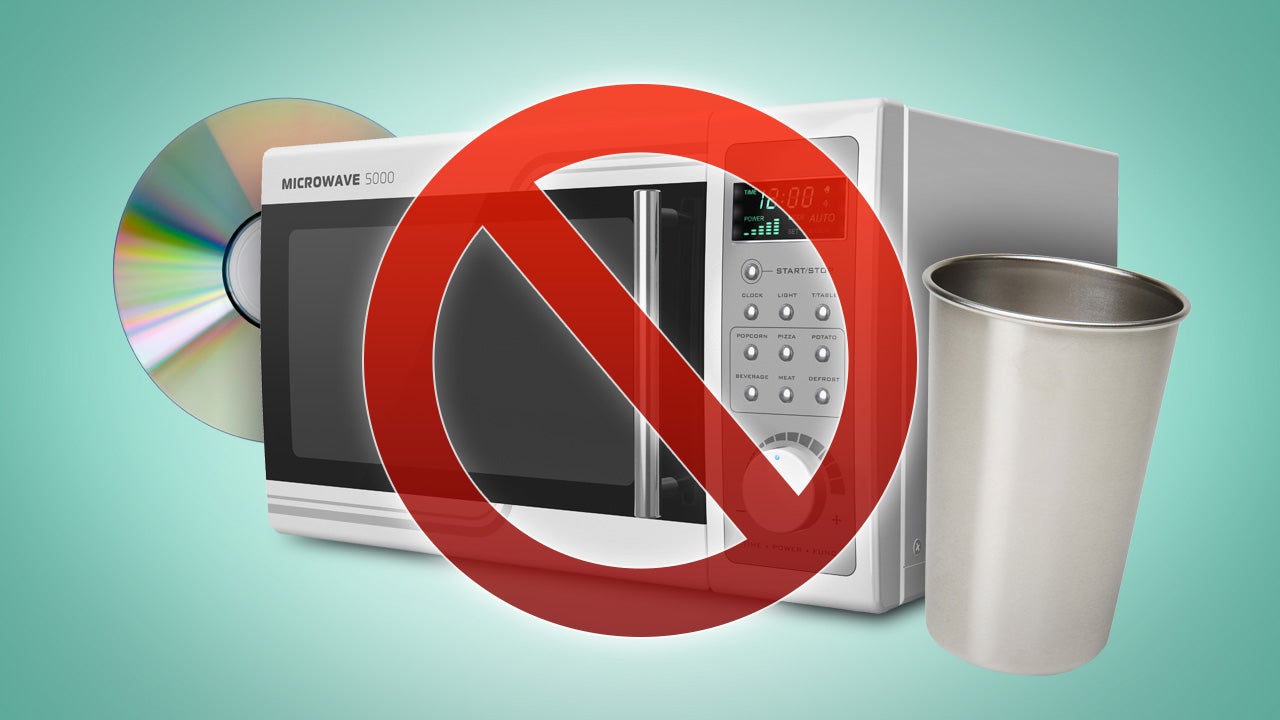
What Should and Shouldn't I Microwave?
Dear Lifehacker,
I heard it's dangerous to microwave food in plastic containers or plastic wrap because of scary food-contaminating chemicals. Is that true? What other things are safe or unsafe to use in the microwave?

|
|
Repurpose a Lotion Bottle into a Faucet Extender for Kids
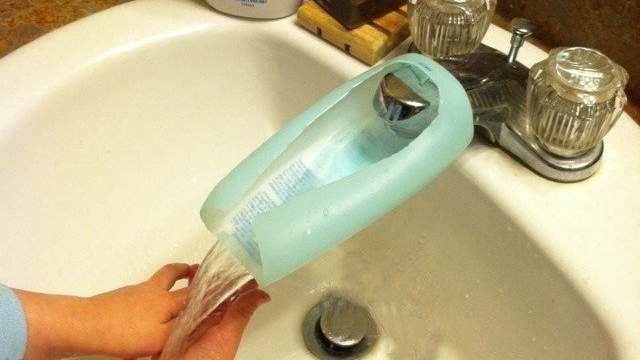
Some sinks have short faucets that make it hard for little kids to reach the water. You can solve the problem by cutting an old lotion bottle into the shape shown above and using it as a faucet extender. Just make sure you use something like sandpaper or steel wool to take off the sharper edges.

|
|
If You're a Wallflower, Seek Out Other Wallflowers at Events
If you're a bit on the shy side and tend to stick to the wall at most social events, that doesn't mean you can't still have a great time. Inc points out that all you need to do is seek out other wallflowers.

|
|
Why We Procrastinate in the Afternoon (and How to Stop)
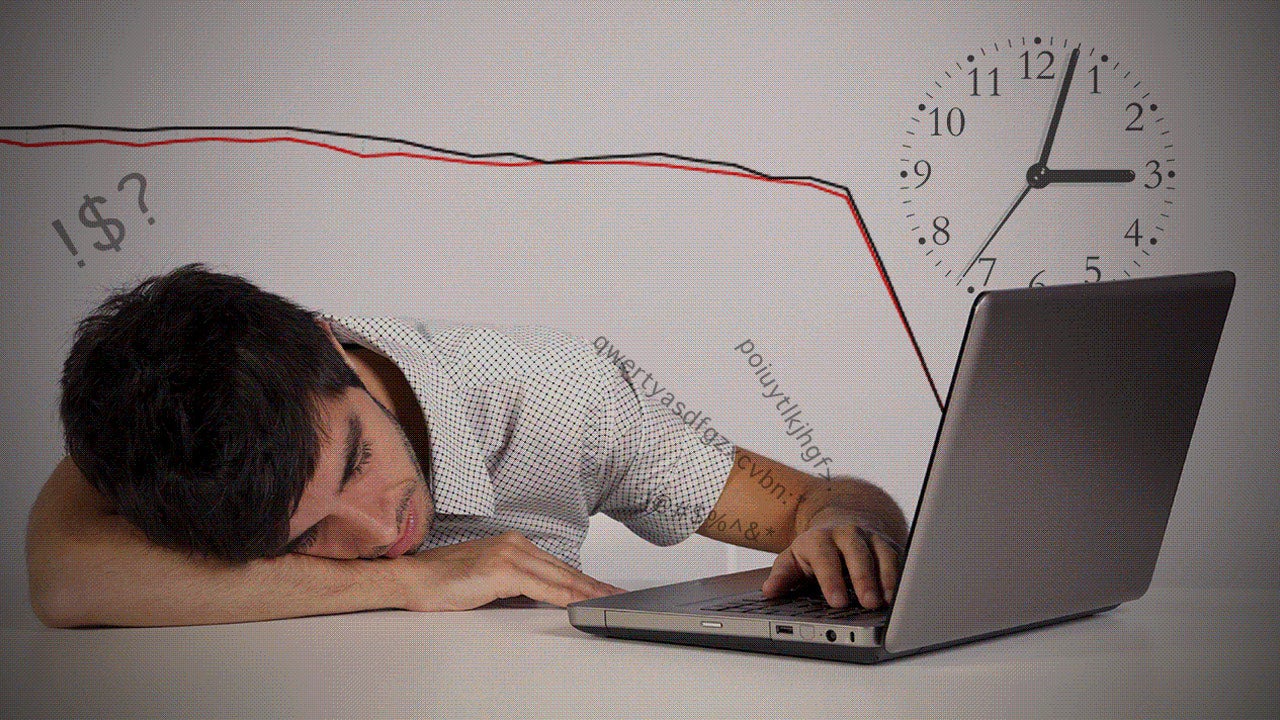
It's 3pm and you find yourself struggling to focus on work. You can't seem to stop checking Facebook. Instead of being productive, you welcome distractions like text messages and co-workers coming by to chat. Welcome to the afternoon slump: that time in your workday when your brain refuses to cooperate with you and you can't stop procrastinating.

|
|
Gamma Ray Computer Glasses Are a Cheap Alternative to Gunnars
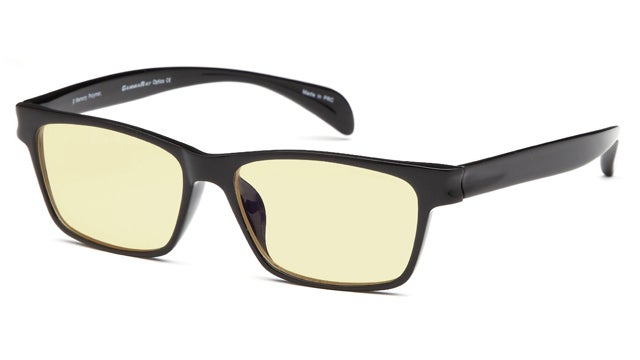
If you experience eyestrain from staring at a computer all day, computer glasses can help . Popular brands like Gunnar are pretty expensive, though. If you want something a little cheaper, Gamma Ray glasses are a similar option for under $30.

|
|
FDA’s New Nutrition Label Emphasizes Calories, Serving Size, Added Sugars
 Earlier today, the FDA finally got around to unveiling the first major change to food nutrition labels in two decades. The new-look label contains mostly the same information as the current version, but with the addition of “added sugars” data, the loss of “calories from fat,” and more emphasis on total calories per serving and servings per container.
As you can see from the side-by-side example above, the two biggest changes — aside from flipping the percentages to the left of the column — are the increased prominence of the calories and the much larger and bolder information regarding servings per container. Additionally, nutritional info that is currently listed as “Amount Per Serving,” will have the actual serving size listed. In the above example, you can see that the proposed label now says “Amount per 2/3 cup,” as a further reminder that 2/3 of a cup is the serving size for this product.
An update that is not as immediately noticeable is the inclusion of an “added sugars” line. The FDA says this was important to include in the label because Americans eat 16% of their daily calories from sugars added during food production.
Meanwhile, the FDA is proposing to get rid of the “calories from fat” info.
“We know that the type of fat is more important than the total amount of fat,” says FDA scientist Claudine Kavanaugh about this change.
A non-cosmetic change to the labels, but one that would impact the data that appears on the nutrition panel, is the FDA’s proposal to update serving size requirements to reflect what people actually eat, not what they should be eating.
For example, a pint of ice cream is currently listed as 4 servings. The FDA proposes changing that to two servings per container.
One final new requirement is the inclusion of Vitamin D and potassium information on each label, as part of an effort to increase public awareness of how littel of each of these nutrients consumers are getting. Vitamin D is to be included because of its importance in bone health, especially among women and the elderly, while potassium helps to lower blood pressure and prevent hypertension.
Proposed Changes to the Nutrition Facts Label [FDA.gov]

American Airlines Discontinues Bereavement Fares Because Who Cares If You Need To Make A Funeral

American has ended a policy of extending special reduced fares to passengers booking a last-minute flight because of a family member’s death, the Associated Press reports.
While American didn’t have a specific discount for mourning travelers, it did offer a different fare class that produced lower prices than travelers might find elsewhere. Bereavement fares have long been offered as a way to give consumer’s a bit of relief when faced with purchasing expensive last-minute flights.
American officials said the decision to drop the special fares was made to create a single, consistent program for American and US Airways. The two airlines merged in December to create the American Airlines Group, Inc.
The airline said customers have the option to purchase changeable and refundable tickets, and apply future reservations to a last-minute flight and be eligible to waive the change fee.
American joins US Airways, Southwest Airlines and Virgin America in not offering bereavement fares. United Airlines offers a discount of 5 percent off the lowest available rate when the ticket is issued, while Delta Air Lines’ website says it offers flexibility on the best published fares, AP reports.
Dropping special fares for bereavement travelers is just the latest development in the American Airlines and US Airways merger.
The first phase of the mega-merger began in January when the airlines announced customers would see an “over communication” of changes.
Several of the those first changes involved combining or rewriting airline policies. Changes include no longer allowing military members to board before first class, instead the two groups will board at the same time, and families will no longer have the option to board early.
American Airlines drops bereavement fares [Boston.com]

Report: Telemarketers Pocket Nearly 2/3 Of Charity Donations

91 of the 589 charity telemarketing campaigns studied resulted in a loss, meaning the telemarketer was being paid more than it brought in. (Source: NY Attorney General’s Office)
New York state Attorney General Eric T. Schneiderman has issued a report [PDF] that looked at the ultimate destination of the money raised by telemarketers for legitimate charities in the state.
The report found that those telemarketing companies registered in New York brought in nearly $250 million in donations in 2012, the largest amount ever recorded by the AG’s office.
But Schneiderman claims that only 38% of those donations actually went to the charitable organizations, with telemarketers keeping an average of $.62 of every donated dollar. In half of the telemarketing campaigns in the report, the telemarketers received more than 70% of the funds raised.
Amazingly, in 91 of the 589 telemarketing campaigns (15.4%) in the study, the telemarketing fundraisers were paid more money than they brought in. Meanwhile, fewer than 10% of all fundraising campaigns resulted in the charity receiving at least 60% of the donations.
The previous report from the NY AG’s office on telemarketing fundraising resulted in multiple investigations into campaigns and fundraisers where only a small fraction of donated money was handed over to charities. Those investigations have thus far resulted in the closure of three charities and one fundraising business. Schneiderman says that this latest report will likely bring about further inquiries.
The AG’s office provides the following suggestions for dealing with a telemarketing fundraiser:
Resist Pressure To Give On The Spot. If you receive a call from a telemarketer, do not feel pressured to give over the phone. You can ask to receive information about the cause and a solicitation by mail.
Ask The Telemarketer. Ask the caller what programs are conducted by the charity, how much of your donation will be used for charitable programs, how much the telemarketer is being paid and how much of your donation the charity is guaranteed.
Ask How Your Donation Will Be Used. Ask specifically how the charity plans to use your donation, including the services and organizations your donation will support. Avoid charities that make emotional appeals and are vague in answering your questions. Be wary if an organization will not provide written information about its charitable programs and finances upon request. Any legitimate organization will be glad to send you this information.
Look Up Charities. Review information about the charity before you give. In New York, people can use this page on the Attorney General’s website to search for information about charities and fundraising companies.
Each state should have similar information available to consumers. The National Association of State Charity Officials has contact information for the correct regulators in each state available on its website.
Your state office also can verify how much of your donation goes to the charity, and how much goes to fundraising and management expenses.
You also can check out charities with the Better Business Bureau’s Wise Giving Alliance and GuideStar.
Give To Established Charities. Donate to organizations you are familiar with or ones with a verifiable record of success in meeting their charitable missions. Closely examine charities with names similar to more established organizations.
Never Give Cash. It’s best to give your contribution by check made payable directly to the charity. This is safer than giving by credit or debit card and far safer than sending cash. Be careful about disclosing personal or financial information; never give out such information to an organization or individual you don’t know.
Report Suspicious Organizations. If you believe an organization is misrepresenting its work, or that a scam is taking place, contact your state’s Attorney General’s office.

McDonald’s Expanding Test Of Customizable Burger Options

McDonald’s has been testing the build-your-own concept at a single restaurant in California. There, customers select from various bun, patty, cheese and topping combinations by tapping away on a tablet at the counter.
The test has been successful, reports the AP, and so the chain is looking to try it out elsewhere.
A rep for McDonald’s wouldn’t say how many restaurants would be included in the expanded test, other than to tease that “It’ll be more than five, less than a hundred,” though he did say some locations would be in Southern California.
The idea is nothing new to fast food. There are any number of small and mid-size burger chains that not only let you customize your burger to order, but encourage it. The move toward made-to-order may help the nation’s largest burger chain earn some of those customers who have taken their business to these competitors.
The AP also reports that some McDonald’s have been getting larger kitchen prep tables recently. These tables could hold additional toppings and condiments that are not yet being made available on the regular McD’s menu. So this may be a sign to come that consumers could be getting more choices when they customize their burgers.

Sriracha-Flavored Pringles Now Available, Only At Walmart
 Maybe this means that the sriracha trend is finally over? Nah, probably not. And we’re glad for it. Sriracha-flavored Pringles are now a thing, and are available exclusively at Walmart.
The good news is that the chips have actual hot sauce on them. Well, hot sauce powder. Here’s the tail end of the official ingredients list:
Contains 2% Or Less of Salt, Sugar, Sodium Diacetate, Rice Flour, Garlic Powder, Dextrose, Monosodium Glutamate, Hot Sauce (Red Peppers, Vinegar, Salt, Garlic), Citric Acid, Natural And Artificial Flavor, Chili Pepper, Disodium Inosinate, Disodium Guanylate, Malic Acid, Apple Cider Vinegar, Paprika Extract (Color), Red 40 Lake.
Hmm. Maybe I’ll just take some regular Pringles and lightly coat them in sriracha. Emphasis on the “lightly.”
All of these sriracha-flavored chips (well, the Pringles and Lay’s) give me flashbacks to the fateful day in 2000 when I mistook my college roommate’s jar of the sauce for salsa, scooped a generous portion onto a tortilla chip, and popped the whole thing in my mouth. I still miss those taste buds.
SPOTTED ON SHELVES – Sriracha Pringles (Walmart Exclusive) [The Impulsive Buy]

Just A Reminder: Leave Your Siberian Tiger At Home Before You Go Bar-Hopping

This guy’s already had a few too many. (mainfr4me)
If I had a pet tiger, no doubt I would want to take him everywhere. You know, because tigers love seeing what the city has to offer. But after a man took his Siberian tiger cub out for a walk and stopped at a few bars in town, cops have decided that’s probably not the best idea, exposure to the big, wide world of human society regardless.
It’s one thing when a wild bear gets confused and ends up patronizing a local watering hole. But police in a Chicago-area town say that the operator of a nearby nonprofit ranch, which is home to big animals like bears and wolves, shouldn’t be bringing a tiger cub out as his wingman. Wingtiger?
According to The Herald-News, witnesses have seen the 57-year-old man walking around town with a Siberian Tiger cub, including stops at several bars. Police would like to politely remind us all that such beasts don’t need to socialize that way and definitely don’t need another shot of whiskey.
“After 32 years in law enforcement, I thought I had seen and heard everything,” the town police chief said after an officer spotted the twosome out and about. “Taking your tiger for a walk downtown on a wintry day.”
While there’s apparently no city ordinance specifically prohibiting tiger walks/tiger visits to the bar, police convinced the man to take the tiger home and keep him there, as he’s considered a dangerous animal.
After further research, officials decided that his animal exhibitor’s license doesn’t extend to such public displays, and charged him with three misdemeanors: reckless conduct, disorderly conduct and possession of a dangerous animal.
“While we were looking into possible charges, officers spoke with a woman who claimed the tiger bit her in [in a local bar in December],” the police chief said.
“We are trying to be proactive and will be speaking with business owners,” he added. “Dangerous animals do not belong in liquor establishments.”
We imagine they’ll be distributing signs soon reading: “NO TIGERS Of ANY KIND ALLOWED.”
You can follow MBQ on Twitter to see if she ever actually brings a tiger out for a walk: @marybethquirk
Man takes tiger for a walk [The Herald-News]

UK Spy Agency Snooped On Yahoo Cam Chats, Including The Nude Ones

(Tee_Bird)
The Guardian reports that a GCHQ program dubbed Optic Nerve collected and stored these sill images in bulk between 2008 and 2010. And in just one half of 2008, the program snooped on accounts of more than 1.8 million Yahoo users.
Yahoo says it had no knowledge that any such spying was going on and says that this revelation demonstrates “a whole new level of violation of our users’ privacy.”
The idea, much like the other mass-collection snooping operations that have recently been made public, was about casting a wide net hoping to catch… something. After all, some bad guys use Yahoo, so if you tap into as many Yahoo users as possible, maybe you’ll catch some of these villains.
According to the documents leaked by former NSA contractor Edward Snowden, Optic Nerve was developed as a prototype in 2008. Among the purposes intended for the program, which would take a snapshot of a cam chat feed every five minutes, were experiments in automated facial recognition and the monitoring of existing GCHQ targets.
“Face detection has the potential to aid selection of useful images for ‘mugshots’ or even for face recognition by assessing the angle of the face,” reads one document about the program. “The best images are ones where the person is facing the camera with their face upright.”
And while GCHQ did try to limit the availability of these captured images so analysts couldn’t just amuse themselves by searching for stills of people looking stupid on webcams, there were loopholes.
For example, even though bulk searches were limited to the images’ metadata (the who/what/where/when info attached to each image), the Guardian reports that analysts were still shown the faces of people with similar usernames to surveillance targets. So if the search target had a username that had many similar variations, that opens the door for the analyst to see many unrelated, likely innocent users’ images.
GCHQ also ran trials that would allow analysts to search for users with faces similar to the face of a targeted individual. Again, depending on how unique that target’s features are, and how wide the search parameters were, that could turn up quite a lot of people.
And as you’d expect, the snooping turned up more than a few nude and sexually explicit images from folks using their webcams.
“Unfortunately … it would appear that a surprising number of people use webcam conversations to show intimate parts of their body to the other person,” reads one document, which figures that between 3-11% of collected Yahoo images contain “undesirable nudity.”
GCHQ was also surprised to learn that because Yahoo’s system allows one cam user to broadcast their feed without having to see the feeds of everyone watching, “it appears sometimes to be used for broadcasting pornography.”
The best way GCHQ could figure to filter out pornographic images from analysts’ search was to exclude images that the software determined did not include a face.
The agency would not comment to the Guardian specifically on Optic Nerve but did claim that all of its work “is carried out in accordance with a strict legal and policy framework which ensures that our activities are authorised, necessary and proportionate, and that there is rigorous oversight, including from the secretary of state, the interception and intelligence services commissioners and the Parliamentary Intelligence and Security Committee.”

Girl Scout Troop Loses $4,500 And 6 Cases Of Cookies In Robbery Because People Are Awful

Any time you’ve got a business pulling in a lot of cash, there going to be dastardly, mustache-twirling villains lurking in the wings. And with 66% of Consumerist staff consisting of former Girl Scouts, I can say we are sorely disappointed this year to continue reporting on what will likely be a spate of crimes against Girl Scouts and their cookies.
To wit: Someone boosted $4,500 in cash and three cases of cookies from a group in Massachusetts, reports CBS Boston. The troop leader’s husband came home one day to find the front door open and the home turned upside down. The thief or thieves stole not only many of the family’s electronics, but also stole away with thousands in cookie cash and the cookies.
That’s more than a week’s worth of work by the Girl Scouts and Brownies in those troops, says the leader, including four booth sales they held while on February vacation.
“The girls make about 61 cents per box so they stole about $300 to $350 of profits from each troop,” she explained.
She thinks she might’ve been targeted specifically, that someone saw her coming or going with cookies and picked her home to rob due to the cash from likely cookie sales. But that’s not putting a damper on her troops’ spirits.
“They want to keep going,” she says of the girls. “I was expecting maybe they didn’t want to do it anymore but they’re not going to let this get them down. They want to do even more than we had planned. I’m pretty proud of them.”
She says they’ll figure out how to still do the things they wanted to with the vanished profits, but whoever stole those funds should feel awful while stuffing themselves with those ill-gotten gains.
“They should be ashamed on themselves,” the troop leader said. “They should really return that money back to those girls. They worked very hard for it and they don’t deserve it.”
Already this year someone’s pulled a gun on a Girl Scout and in another case, police nabbed thieves who’d been stealing phones from troops. Just make it stop already, please? This year can be different, people. No harming or otherwise hampering the cooking bringers. The 66% of our staff with Girl Scout roots will be especially grateful, and the others really like cookies, too.
You can follow MBQ on Twitter where she’ll chronicle all Girl Scout cookie interactions she has: @marybethquirk
$4K Of Girl Scout Cookie Money, Cookies Stolen From Leominster Troops [CBS Boston]

Outdated Social Security System Puts Some Who Wait To Marry At Greater Risk For Poverty In Retirement

This couple is enjoying retirement.
(saramarie)
Marriage has long been seen as a way to bring stability to a couple’s finances. You earn together, save together, and many decades down the road you may even qualify to receive retirement and survivor income from Social Security thanks to your beloved. But times are changing and the rules that govern these benefits were designed more than 50 years ago when fewer women worked and couples tended to tie the knot earlier. Today’s evolving marriage and work trends are leaving some future retirees vulnerable.
A new report [PDF] by the Government Accountability Office found that some retirees are more susceptible to poverty because they are waiting longer to get married, more women are working, and a shift in employer benefit plans.
Eligibility for Social Security spousal benefits among women is projected to decline, in part, because fewer women are expected to qualify based on marital history.
Over the past 50 years the number of women getting married declined 14%, and those who marry often do so later in life and for shorter periods of time.
Federal requirements for Social Security retirement income state a spouse is entitled to receive up to 50% of a retired worker’s benefit and widow is eligible to receive 100% of a deceased worker’s benefit. In the case of divorce, an individual is eligible to 50% of benefits if the marriage lasted at least 10 years.
From 1960 to 2011 the number of women who received Social Security benefits based purely on their spouse’s or deceased spouse’s work declined from 56% to 25%.
The report found that 21% of women ages 65 and older who never married fall below the poverty line, while only 5% of married women fall below the poverty line.
The changing trend in marital status isn’t the only factor causing a decline in benefit eligibility. Today, more women are entering the workforce than ever before, reducing the amount of spousal benefits they are entitled to receive. However, half of women in the United States now receive benefits based on their own work.
But for those individuals who do not work, the employer shifted from defined benefit plans to defined contribution plans creates additional vulnerability.
Spousal protections between the two plans vary greatly. In defined benefit plans, current law requires spousal consent if the participant wishes to waive the survivor annuity for his or her spouse. Under defined contribution plans there is no federal requirement to provide an annuity option and the participant can withdraw funds without consent. Meaning, individuals can withdraw all assets and spend them, leaving a widowed spouse with retirement.
While the changing trends identified by GAO reflect some positives – greater earnings and ability to save; it also shows the increased vulnerabilities retirees face today.
The GAO says these changing trends raise important questions for existing Social Security and retirement programs.
Trends in Marriage and Work Patterns May Increase Economic Vulnerability for Some Retirees [Government Accountability Office]

Chipotle Rolls Out Vegan Tofu Option Nationwide
 While customers have a bunch of options when building their burritos or bowls at Chipotle, the core of those components has remained reasonably unchanged for two decades. So it’s news that not only has the eatery chain made its first major menu addition in 20 years, but that this addition is tofu.
Chipotle has been testing the Sofritas (shredded tofu braised with roasted poblanos, chipotle chiles, and spices) at certain stores for about a year, but tells Fast Company that it will now be on the menu nationwide.
So far, the tofu isn’t overtaking its meat counterparts, only accounting for about 3% of sales, but Chipotle believes that it could gain an audience both among those who don’t want to eat meat and those who just happen to like the taste of Sofritos.
The ingredient was originally conceived as a vegetarian-friendly substitute for chorizo sausage. Before being released in test markets, it included honey. However, since that would make it a no-no for potential vegan customers, the company nixed the honey.

Paula Deen Will Open New $20 Million Restaurant This Summer In Tennessee

Hey, y’all!
She’s back, y’all. Or at least, Paula Deen is back in the food business for the first time since the scandal over her admitted past use of racial slurs that stripped her of most of her lucrative business deals. And she’s not slipping in through the kitchen door quietly. Unless a $20 million restaurant is the definition of “quiet.”
No, instead Deen is re-entering the food foray with a new Tennessee restaurant that has a pretty hefty operating budget, reports CNNMoney, after snapping up about $75 to $100 million in funding from investors for her new company, Paula Deen Ventures.
The new eatery and retail store (because you can’t just eat Paula Deen food, you’ve gotta wear her branded merchandise while doing so ) will open this summer in the shadow of the Smoky Mountains, in Pigeon Forge, Tenn.
The 20,000 square foot comeback vessel will be called Paula Deen’s Family Kitchen and is slated to open up a shopping mecca in the town near Gatlinburg. It’s also a hop, skip and a jump away from Dolly Parton’s Dollywood, so maybe Deen is hoping to channel some of Dolly’s mojo to bring customers back into her buttery arms.
You can follow MBQ on Twitter in case she ever visits Dollywood: @marybethquirk
Paula Deen to open first post-scandal restaurant [CNNMoney]

Domino’s Driver Sent To Deliver 20 Unwanted Pizzas To Man’s Ex Isn’t Amused By The Prank

On the one hand, there’s the flabbergasted look on someone’s face when 20 pizzas she didn’t order arrive at her door. On the other, she’s not going to eat all those and she certainly isn’t going to pay for it, and now the Domino’s delivery driver made a trip with all those darn pizzas for nothing and seriously, guy who pranked his ex-girlfriend? You just caused a pricy headache.
It’s all fun and games and revenge until there’s a $297 bill to be paid and a backup on deliveries, which is what happened in a small Minnesota town when cops say a man ordered up 20 pizzas and had them delivered to his ex-girlfriend as a prank.
But that prank could turn into a criminal charge if the guy doesn’t pay the tab, police say. Not to mention that the order caused a slowdown at the Domino’s, which results in pizzas going out later to other customers and perhaps, a smaller tip for the hardworking drivers.
“It’s not a victimless crime. There’s a lot of people who work hard at their job to make that food,” a police officer explains.
Indeed, the delivery driver who tried to bring the pies to the unwitting customer says it’s already hard out there for a Domino’s worker.
“You know, I go out on the road and put myself out there to deliver these pizzas and make a living,” she explains. “People joke around about this. It’s not fun. All I want out there is respect.”
Her manager agrees — keep other people out of your personal beefs, okay?
“She’s carrying four different bags. Running to her car with two and then another trip… hustling to get the pizzas there,” the manager points out.
The Domino’s in question says it didn’t waste those unwanted pizzas, and instead brought them to the police, fire department, and local ambulance service in town.
Follow MBQ on Twitter because all she writes about these days is pizza, apparently: @marybethquirk
Pizza Prank in Fergus Falls Leads to $400 Dollar Citation for One Man [Valley News Live]

The Future Will Not Be Televised: Comcast’s Merger Plans Are All About Broadband
 Comcast and Time Warner Cable are cable companies: they run their wires to little boxes in our living rooms so we can watch Mad Men and Game of Thrones. But even though roughly 100 million Americans subscribe to paid TV, that’s not what the merger between the two companies is about. The future of entertainment is online, and that access is what’s really at stake in the proposed merger deal.
Everybody Watches TV… For Now
Until recently, the pay-TV industry — cable, satellite, and fiber all together — only ever grew. From quarter to quarter and year to year, subscriber numbers went only up, even if occasionally not as quickly as cable operators might hope.
All that has changed since 2011, though. That’s the year when subscribers peaked, at just shy of 101 million. Since then, all of the TV operators have seen at least some quarters with losses rather than gains, and in two years the industry has shed a few million subscribers. As more and more young adults raised on a media diet of YouTube and Netflix grow up and move out, a decent percentage of them are predicted not to bother ever buying cable subscriptions.
Researchers predict that by 2017, just a few years from now, subscriptions will have dropped by 5% or more, to below 95 million. And while 95 million is still an awful lot of viewers, the long-term trends do not look good for TV-only companies.
More Than TV
But of course, Comcast and Time Warner Cable are not TV-only companies; they’re some of the biggest internet service providers in the country. According to their 2013 annual reports, at the end of last year Comcast had about 20.6 million broadband subscribers and Time Warner Cable another 11 million. And those numbers keep going up. The combined company would likely control between 30 and 35% of the American broadband market.
And as for that American broadband market: in the most general terms, high-speed internet access in the United States stinks. We pay more and get less than our peers in the vast majority of developed countries.
How much more and how much less? A 2013 study compared the available download speeds and monthly access costs in cities like New York, LA, and Washington DC to similar packages in Hong Kong, Paris, Toronto, and a couple dozen other cities. The results are ugly.
In Seoul — not a low-cost-of-living city — triple-play (voice, internet, and TV) packages cost between $14 and $22 USD monthly. In Zurich, also not cheap, it’s between $30 and $35. US packages came in very far down the list, between $60 and $150 monthly for slower packages that often include data caps.
There is one glaring exception in American broadband, though, and that’s in cities that have fiber competition, either their own municipal network or a public-private partnership like Google Fiber. The study looked at Chattanooga, TN; Bristol, VA; Lafayette, LA; Kansas City, MO; and Kansas City, KS and found — surprise! — that compared to other US cities in the study, all four of those areas offered higher speeds at lower prices.
But the road to municipal broadband, and the competition that comes from it, is rocky at best. The cable lobby, of which Comcast is of course a prominent member, works hard to discourage states from going that route. The 30 million internet customers a post-merger Comcast would have wouldn’t have any more choice for home broadband than they already have right now.
To be fair, since TWC and Comcast operate in different markets, consumers also wouldn’t have less competition post-merger. American consumers would face a landscape a lot like the current one when it comes to home broadband. Comcast, due to size and scale, would gain even more influence over its competitors than it does now when it comes to negotiations over internet services, but nothing about the companies running wires through houses would change much in the immediate term.
The Future In The Air?
There is one way consumers may be yet begin to see true network competition, though: in ditching those wires altogether. The growth of mobile, wireless data connectivity has been explosive over recent years. And if Comcast ticks off enough customers through its dominance of terrestrial broadband, subscribers in the not-too-distant future may come to feel that abandoning their home network altogether is a viable option.
Recent research from Pew highlights just how quickly mobile use is already catching on. 91% of Americans now have cell phones of some kind, while 55% have smartphones and 42% have tablets.
Those Americans who are getting used to having the whole of the digital world in their pockets increasingly see no reason to put down their gadgets at home. Pew finds that do 63% — a clear majority — of cell phone owners use their phones to go online. That’s a number that’s roughly doubled over the last five years.

Pew Research Internet Project, Cell Internet Use Study of 2013
Not only does 57% of the entire country (as Pew explains the math) use their phones for internet access, but a significant portion now use only their phones. Over a third–34 percent–of users who own internet-capable phones “go online mostly using their phones,” Pew says, rather than “using some other device such as a desktop or laptop computer. For young adults, those aged 18-29, that jumps up to around 50%.
Those same young adults who prefer their iPhones and Androids to a laptop are the “cord-nevers,” who haven’t subscribed to cable for TV and aren’t likely to start anytime soon. The faster and cheaper their wireless data plans get, the less reason they have to call Comcast for any reason at all.
A shift to wireless connections would do no good for Comcast or Time Warner Cable, who once upon a time held significant chunks of the wireless spectrum but sold them off to Verizon in 2012. Verizon, meanwhile, has basically stopped expanding FiOS availability — yet another blow to competition in markets dominated by a single cable company — but has maintained dominance as a wireless carrier.
If the merger goes through, Comcast will find itself with the financial burden of upgrading TWC’s older, slower, less reliable tech in major markets like New York, while mobile carriers sit pretty on piles of broadband spectrum. It’s true that right now, consumers probably have a 20GB mobile data cap and a 300GB wired broadband cap for a very similar monthly bill, so going all wireless, all the time still isn’t practical for many subscribers. It remains to be seen when and how we could see that change.
Until then, business is all about the bottom line and the bottom line is broadband. GigaOm crunched the numbers when Comcast and TWC made their announcement, and the profit margins in data service are huge. Consumers need internet access, and companies are happy to charge for it.

Graph showing projected data-service revenues for a post-merger Comcast, via GigaOm
Wired broadband service is still the fastest and most reliable way to access the internet — the “most important pipe coming into people’s homes (after power and water),” as GigaOm put it. Comcast’s stake and investment in the backbone of broadband keep growing. The more power one single cable company has to set rates, build pricing structures, and negotiate up and down the pipeline, the harder it gets for newer or smaller companies to provide alternatives.

Behold The Pop-Up Electric Hot Dog And Bun Toaster

Live from the store-closing sale of yet another Kmart, reader Amanda sent us this strange unitasking appliance that we were not previously aware existed.
What if you say to yourself, “that’s good, but I really wish that it had cross-branding for some kind of fizzy sugar water.” You’re in luck!

(Amazon)
While checking to make sure this was a real product and Amanda wasn’t just messing with us, we discovered that the company is real. They also make cotton candy and snow-cone makers, and popcorn machines, if you’re into that kind of thing.
Take Our PollAmazon reviews on this product are mixed, by the way. “This toaster is poorly made and I’m taking it back! I’ll stick to the microwave or boiling water!” wrote one reviewer. Poor quality is a recurring theme, as is the fact that the hot dogs barely cook. Maybe you’re better off microwaving, after all.

9 Federal Laws That Companies Can Skirt By Using Forced Arbitration

A new report [PDF] from Public Citizen examines the current state of forced arbitration and how it is increasingly being used to allow companies to skirt or possibly break the law.
For example, the federal Credit Repair Organization Act specifically states that credit/debt repair companies must include statements in their disclosures that state, “You have a right to sue a credit repair organization that violates the Credit Repair Organization Act.”
But in 2012, the U.S. Supreme Court ruled in 2012′s CompuCredit Corp. v. Greenwood that this “right to sue” isn’t really a right to file a lawsuit and have your case heard in a court of law, but merely a statement saying the consumer will have some forum in which to resolve the dispute.
So if a sketchy credit repair company (which is not hard to find) violates the CROA but includes a forced arbitration clause in its contract, your complaint will never be heard in court.
Then there’s the Telephone Consumer Protection Act, which also explicitly grants consumers who allege violations of that law to bring action against the company “in an appropriate court.”
But in Dec. 2013, when a Florida man alleged that Sallie Mae had violated the TCPA, he found that he was stuck having to arbitrate the case because of an arbitration clause in the promissory note he signed. So his case would not be heard in a court of law, but in arbitration.
Other laws that can be skirted in similar ways include the Electronic Funds Transfer Act, the Fair Credit Reporting Act, the Equal Credit Opportunity Act, the Fair Debt Collection Practices Act, the Right to Financial Privacy Act, the Servicemembers Civil Relief Act, the Truth-in-Lending Act.
Each of these laws give consumers the statutory right to seek legal redress, but forced arbitration clauses can be used to move any attempt at resolution out of the courtroom and into a private arbitration process that is weighted heavily in favor of the company that wrote the contract.
“As these provisions indicate, proper enforcement of consumer protection laws depends not only on state and federal enforcement but also on consumers’
ability to act on their own, which forced arbitration substantially impairs,” writes Public Citizen in its report.
THE SNAKE BITING ITS OWN TAIL
While some wronged consumers attempt to get around arbitration clauses by claiming they are unconscionable and therefore not legally enforceable, companies merely get around this potential pitfall by including a stipulation in the clause that leaves it up to the arbitrator to determine whether the terms of a contract are fair or not. In 2010, the Supreme Court signed off on such circular clauses in its ruling in Rent-A-Center, West, Inc. v. Jackson.
“With companies’ widespread use of forced arbitration in contracts, our only option as consumers is to challenge the validity of the arbitration clause itself in court,” explained a plaintiff whose case against Citibank was forced into arbitration. “But that option is also gone.”
CAN ANYTHING BE DONE?
A recent preliminary report on forced arbitration from the Consumer Financial Protection Bureau confirmed that an increasing number of banks and credit card companies are using arbitration clauses to avoid litigation and put bans on class actions.
Forced arbitration clauses are now found in everything from wireless contracts to loan agreements to video game consoles. While the CFPB doesn’t have oversight over many of these companies, the Public Citizen report calls on the Bureau to use its authority to create a rule barring these clauses from contracts of those businesses it does oversee — banking, lending, credit, debt collection.
“[T]hese terms allow companies to escape accountability while engaging in illegal and predatory practices that harm the financial marketplace,” concludes the report. “The Bureau can and should act to restore consumers’ legal rights in all financial sectors by issuing a rule that eliminates forced arbitration in their contracts.”

CFPB To Credit Card Companies: Put Free Credit Scores On Monthly Statements

(jonpolka)
The CFPB is urging the nation’s top credit card companies to make credit scores and related content freely available to consumers, while reminding them not to avoid investigating customer disputes, the Bureau announced Thursday.
Credit scores are used by bankers, lenders, and others to determine a consumers’ creditworthiness and the rates they will pay for services. Typically, consumers have to pay for credit scores or sign up for trial offers that may have hidden costs.
A regularly available credit score may prompt consumers to review their credit standing and pull their free annual report, CFPB director Richard Cordray says in the letter [PDF] to credit card companies.
Fewer than one in five Americans actually use the once-a-year free credit report they are entitled to from Equifax, Experian, and TransUnion, CFPB says. Without the regular review of credit reports consumers run the risk of not noticing errors in the data or identity theft. In fact, a Federal Trade Commission study last year found that 26% of consumers had errors on their credit reports.
“Consumers often learn the importance of their credit standing when it is too late: after a credit application is denied or identity theft has occurred,” Cordray says. “Sometimes they fail to see the importance of their credit standing even if it has affected them in material ways, such as being rejected for a job or charged a higher price for a loan.”
CFPB’s decision to push for free credit scores was applauded by consumer advocates, including our co-workers at Consumers Union.
“Consumers shouldn’t have to pay to find out their credit score,” Pamela Banks, senior policy counsel for Consumers Union said in a news release. “They deserve free access to the same scores lenders use to evaluate how much they pay for credit. Director Cordray and the CFPB got it right by focusing on free scores that are reliable and relevant to your finances.”
The CFPB’s call for easy credit score access comes just weeks after Discover announced it would begin providing customers’ FICO scores on monthly statements. At the time, a representative for FICO said the organization was in negotiations with other larger credit-card issuers.
Free monthly credit scores could lessen the number of credit reporting complaints the Bureau receives from consumers.
The CFPB handled roughly 31,000 complaints from consumers frustrated with credit reporting companies between Oct. 22, 2012 and Feb. 1, 2014.
The top three consumer complaints include: incorrect information on a credit report, frustration with a credit reporting company’s investigation and difficulty obtaining a credit report or score.
On Thursday, the Bureau published a supervisory bulletin [PDF] warning companies that provide information to credit reporting agencies not to avoid investigating consumer disputes.
The CFPB has observed that data furnishers sometimes respond to a dispute by simply deleting the disputed accounts and not notifying the credit reporting company. This practice can lead to an incorrect credit report.
Cordray said the agency would continue to work to ensure that credit report disputes are fully investigated, errors fixed, and consumers treated fairly.
CFPB Calls on Top Credit Card Companies To Make Credit Scores Available to Consumers [Consumer Financial Protection Bureau]

Woman Spends Harrowing 45 Minutes Locked Inside Department Store, Live-Tweets The Experience

#FreeEmily
When you try to leave a store only to discover that you’ve been locked inside and no one is around to help, many thoughts may cross your mind. “I’ve got to tweet this” probably won’t be one of them, but you’re not the Canadian writer who spent a harrowing 45 minutes or so locked inside a Hudson’s Bay store in Toronto.
The nightmare began shortly before 8 P.M., when employees thoughtlessly locked the doors without letting Emily Keeler out.
I am trapped at @HudsonsBay_Co at Yonge and Bloor and everything is closed, no one is here. Do I head to bedding for the night or?—
Emily M. Keeler (@emilymkeeler) February 27, 2014
Her dispatches came complete with photographic proof:
But seriously how do I get out of here? http://t.co/i3xOAnNkop—
Emily M. Keeler (@emilymkeeler) February 27, 2014
A dude shouted thru the glass to say I should try the mythical fifth floor back doors first.—
Emily M. Keeler (@emilymkeeler) February 27, 2014
Nope! http://t.co/Bi25ziDKJY—
Emily M. Keeler (@emilymkeeler) February 27, 2014
Okay, thank you everyone for reminding me of Today's Special an Mannequin. I am smiling through the fear and isolation.—
Emily M. Keeler (@emilymkeeler) February 27, 2014
So I am going stand near the adjacent office again. Their security said they needed HBC's own security to get in here.—
Emily M. Keeler (@emilymkeeler) February 27, 2014
If they can't get a hold of HBC security in 10 or so, I guess I'll have to call the cops on myself?—
Emily M. Keeler (@emilymkeeler) February 27, 2014
Thank you for being worried if you are, but I'm totally fine for now. The office security dude said he'll figure this out.—
Emily M. Keeler (@emilymkeeler) February 27, 2014
Being alone in an empty store is creepy when the radio won’t stop.
The in store radio is still playing. Including Bay Ads.—
Emily M. Keeler (@emilymkeeler) February 27, 2014
Non emerge police dispatcher was all "what do you mean, you're trapped in a department store?"—
Emily M. Keeler (@emilymkeeler) February 27, 2014
CTV confirmed that the police did receive a non-emergency call around 8:30 from someone stuck in a department store.
Finally, at 8:32 PM, sweet freedom.
I'm free!!—
Emily M. Keeler (@emilymkeeler) February 27, 2014
These nice managers freed me! http://t.co/5WR1mmgOAf—
Emily M. Keeler (@emilymkeeler) February 27, 2014
Ms. Keeler has refused interviews, saying, “I think I’ve already embarrassed myself enough.” That’s okay: the tweets tell the story.
Toronto woman trapped in The Bay live-tweets ‘terrifying’ ordeal [CTV]
Laura spent a harrowing five minutes locked inside a Sears last week, but failed to tweet about it. You should follow her anyway.

10 Things You Should Never Buy At The Dollar Store

(diaper)
A few weeks ago, we presented you with a list of 15 things that you should buy at the dollar store. Okay, great, but it’s a big store: there must be something that you should avoid, either because of crappy quality or because paying a dollar isn’t such a good deal. Right?
Over at Wisebread, they wrote up a list and also flipped it around, detailing ten items you should buy at the dollar store and then that you should avoid.
1. Electric Appliances
If it has an electric plug, don’t buy it. Counterfeit Underwriters Laboratories seals are a thing, so that’s no guarantee of quality. Just stay away.
2. Plastic food storage bags, plastic wrap, aluminum foil wrap
Offerings at your dollar store may vary, but the quantity and quality of these offerings just doesn’t measure up.
3. Kitchen utensils
It might seem like a good idea at the time, and it’s only after you’re dealing with a melted spatula or shattered paring knife that you rethink your choices.
4. Vitamins
Now experts say that maybe we shouldn’t be taking so many vitamin supplements in the first place. You’re better off visiting a health food or drug store for your supplements if you do want to take them, though.
5. Toys
This depends on the age of your kids, but the toys available in dollar stores might just be flimsy junk, or could be dangerous.
6. Medicine
By the time they hit the dollar store, meds could be expired, stored in sketchy circumstances, or they might be counterfeit to begin with. Stay away.
7. Oven Mitts and Potholders
You might question this until the day when your cheap potholder melts. Buy something made of, you know, cotton.
8. Soda
Usually not such a great deal in dollar stores – watch for deals in grocery and big-box stores, if you’re going to drink soda at all.
9. Tools
You buy a $1 hammer, you’re going to get $1 of use out of it.
10. Chewing Gum
Like soda, the deals at the dollar store aren’t great. Watch for deals elsewhere.
10 Things You Should Never Buy at the Dollar Store (and 10 You Should) [WiseBread] (via)
