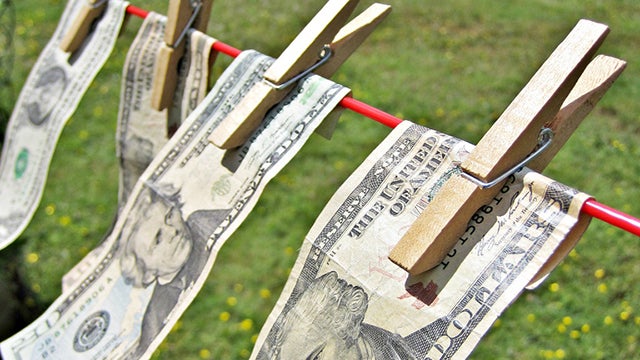
Managing your long-term finances—such as planning how to pay down your debt or creating a savings schedule—is a pretty big task by itself. However, they might be easier to deal with when you're already working on your taxes.

    
|
Managing your long-term finances—such as planning how to pay down your debt or creating a savings schedule—is a pretty big task by itself. However, they might be easier to deal with when you're already working on your taxes.
|
|
If you have a standard Boston cocktail shaker (the kind with two cups nested together, not the kind with a strainer attached) and a hand-held cocktail strainer, you can make whipped cream in moments. This video from the folks at Panna shows you how.

|
|

It's well established that not all breakfast cereals are good for you , so how do you pick the healthy choices and skip the bad ones? Greatist advises closely looking at three criteria: sugar, fiber and whole grains.

|
|
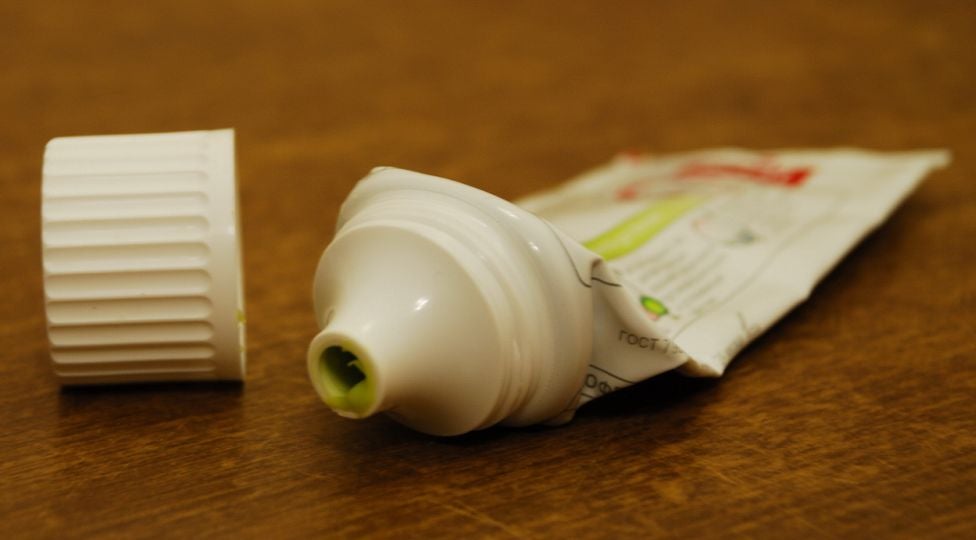
Do you try to squeeze out every bit of shampoo or toothpaste out of the bottle to get the most for your money? The Simple Dollar crunches some numbers to show that might not be worth your while: if you aren't sure, follow the "two second rule."

|
|
Finding the right tool to track your to-dos is highly personal, and one person's best is another's junk—but there are some that are better than others. The best offer great syncing and scheduling options, great apps, notifications and reminders, or just the right mix of features and flexibility that make it easy to stay organized. Here are five of the best, based on your nominations.

|
|
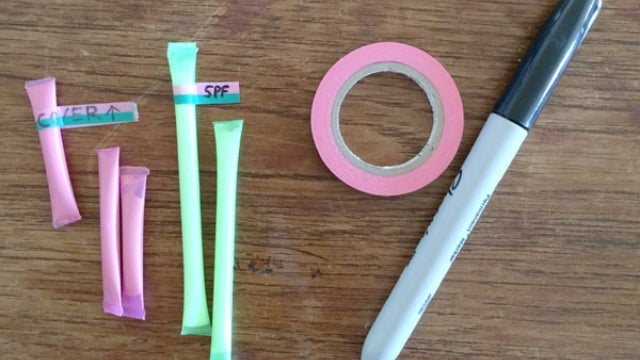
You never know when you might need sunscreen or a bit of moisturizer. Instead of lugging a bunch of bottles in your bag that add to the weight and space, Mighty Girl has a simple hack that's especially useful in a pinch: DIY toiletries in a straw.

|
|
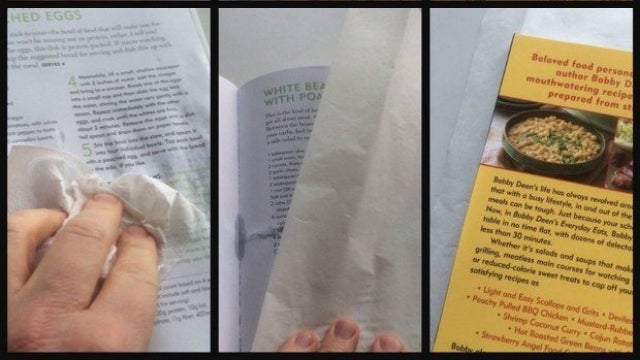
As helpful as cookbooks are in the kitchen, you end up mistreating them. Drop a bit of sauce on a page and it'll get stuck to its neighbor. The Oregonian has a simple solution to keep that from happening, which has been in your kitchen all along: parchment paper.

|
|
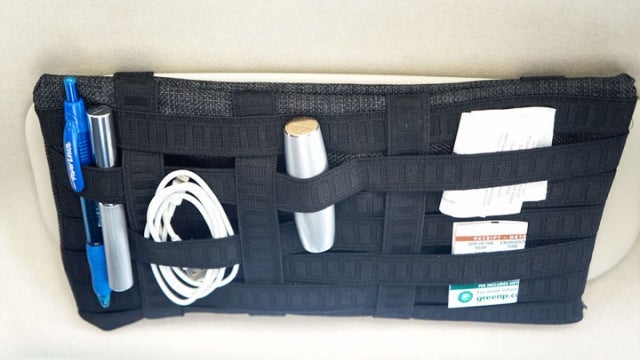
The Grid-It is great to keep your tech organized and it's one of the must-have tools in your bag. And as Simply.Striking shows, there are other uses for it too. Mount it to your car's visor and it's a great place to keep stuff organized while easily reachable.

|
|
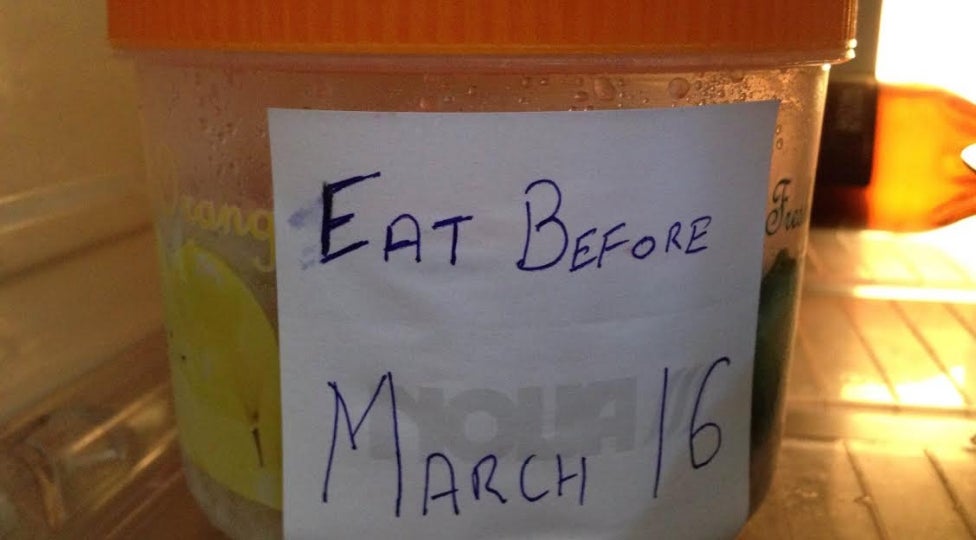
The Mayo Clinic advises against eating leftover foods stored in your fridge for more than four days . How do you remember that? Put sticky notes on the container and write either the date you made the food or an expiration date.

|
|
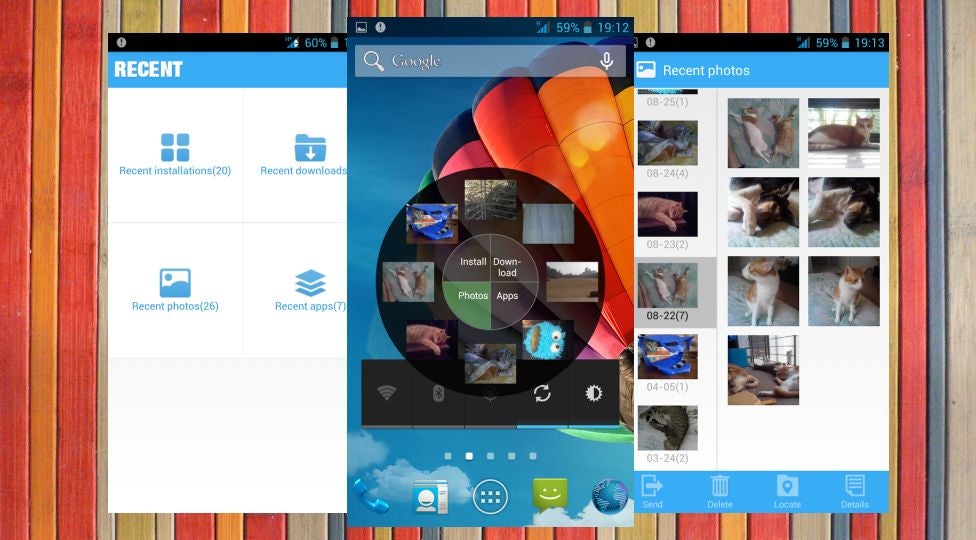
Android: Don't know where you just downloaded that file? Where's that app you just installed? And how do you find photos you clicked in your unorganized Gallery? Recent is the simplest app to give you that info in a jiffy.

|
|

No one wants to stay in a bad mood, so you can try doing creative exercises or understand the science to turn it around. But one of the easiest ways to get out of your funk is to help out someone else, says Caroline Adams Miller, a Maryland-based author and psychologist specializing in Applied Positive Psychology.

|
|

Usually we have a little warning before we vomit our lunches, but sometimes you only have a matter of seconds to find a toilet or trash can to hold your puke. It's disgusting in the moment, but you can continue to feel awful throughout the day if you're unprepared and can't immediately leave to go home. Building a tiny little vomit survival kit, however, can restore you to freshness.

|
|
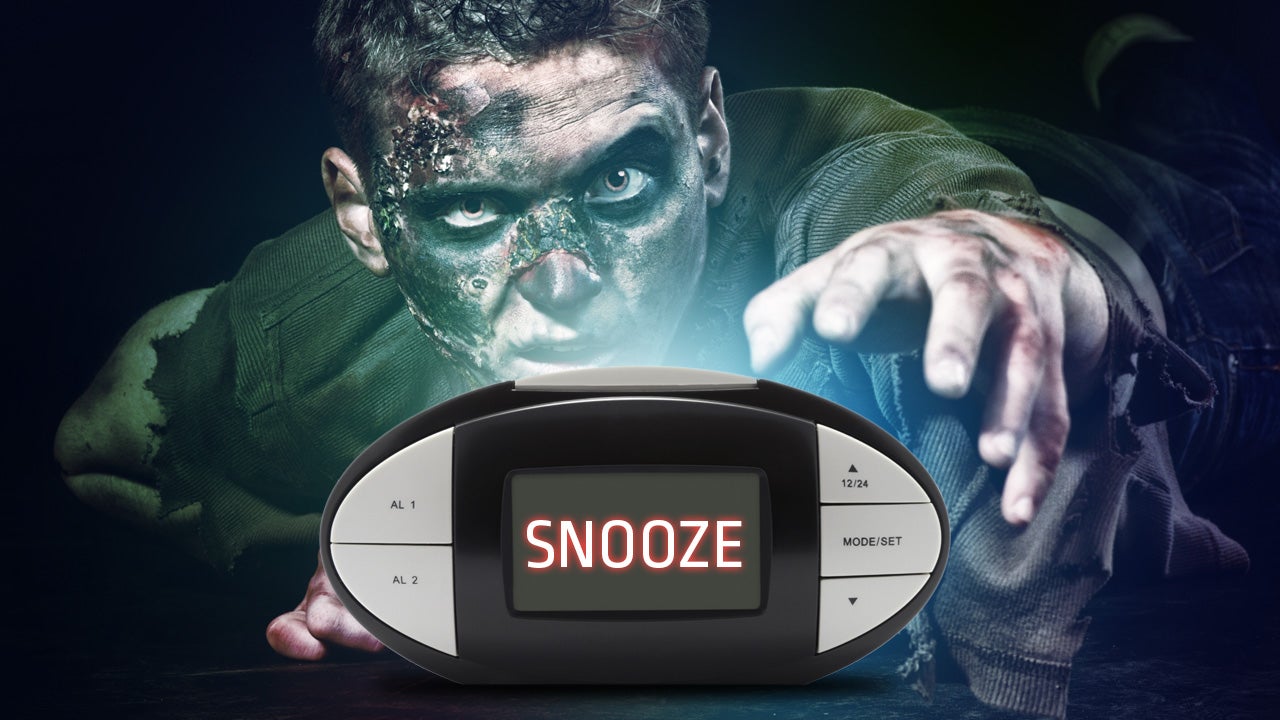 A few more minutes of precious sleep can be incredibly tempting in the morning, but the snooze button might not be your friend. Those extra minutes of sleep will impede the wake-up process and turn you into a groggy zombie. The wide-awake users at Stack Exchange chime in on the snooze button's bad vibes.

|
|
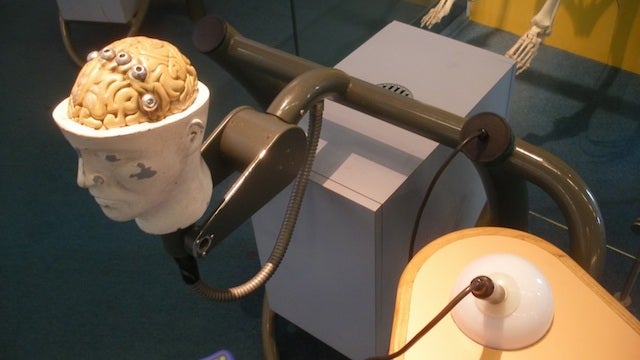
We're often told to concentrate our time on one or different skills so we can really perfect them, but that doesn't mean dabbling in other skills is a bad idea. Entrepreneur spoke with neuroscientist Jeff Stibel about why dabbling is beneficial.

|
|

(Consumerist)
This is according to a new survey from the folks at Bankrate.com, which found that, of those opting to face the penalty instead of obtaining coverage, 41% said it was because they believed that insurance is too expensive for them.
However, the survey also found that only 30% of uninsured Americans are even aware of subsidies and tax credits that are available to bring down the cost. That’s virtually the same number (29%) as those who incorrectly believe there are no such credits, and markedly below the 41% of uninsured people who admitted to not knowing about these subsidies.

Another reason given for choosing to not get coverage was opposition to the Affordable Care Act. This was the answer for about 1-in-6 of those people who said they will not get insurance by the March 31 deadline. That group was dominated by males, who were nearly three times more likely to give this reason than females.

The 18-29 year-old demographic has been the subject of much of the marketing for the ACA, but the Bankrate survey found what you’d probably expect to find among this age group — a sense of invincibility and a perceived immunity from all things that could make you sick or kill you — with 31% of uninsured young adults saying they simply don’t need insurance because they are healthy.
Just remember that thought when a piano or anvil falls on top of you from a comical height.
Whatever you decide to do, and whatever your reasons are, just know that the deadline is March 31. That way, you’re truly making a decision to obtain or not obtain coverage, rather than simply letting the deadline pass because you weren’t aware of it.

Honda Motor Co. is recalling 886,815 Odyssey minivans that could catch fire because of a crack in the fuel-pump, the National Highway Traffic Safety Administration reports.
The 2005-2010 Odysseys include a fuel-pump part that could crack and cause a fuel leak, increasing the risk of fire. There has been no report of fires or injuries related to the issue.
Repair parts won’t be available until summer, but Odyssey owners can receive interim parts beginning in April.
The car company has yet to determine how the cracks in the fuel-pump occurred, but possible causes include acid from chemicals found in car washes and low-pH materials used in fertilizer and dust control agents.
Honda recalls nearly 900,000 Odyssey Vans in U.S. for fire risk [Reuters]

First, the game releases at $60, maybe with a collector’s edition for somewhere between $70 and $100. Over the next 6-12 months, a couple of downloadable content packs drop, at $10-$20 each. Between 8 and 12 months after launch, an ultimate or game of the year edition — a repackaged omnibus including some or all of the DLC — shows up on shelves for between $30 and $50 before quickly dropping to $20, where it comfortably settles into the back catalog for as long as its console hangs around.
That very sameness is unnerving. As a rule of thumb, the pattern holds no matter what studio designed the game or what publisher marketed it. It doesn’t matter if you’re playing an Ubisoft game on a Microsoft console or an EA game on a Sony one. It doesn’t even matter if you’re buying it at Target or Walmart or GameStop or Amazon: the pricing, to within just a couple of dollars, is the same.
Since the launches of the Xbox 360 and PlayStation 3 in 2005 and 2006, that’s the track we’ve settled into. The still-new era of the Xbox One and PS4 is starting off in the same shape. But there’s one huge exception: players who tackle tomb raiding from their computers, instead of from their set-top consoles, can see enormous discounts that sometimes completely, if temporarily, disrupt the pricing pattern. So what gives?
Price-Fixing That Isn’t
There’s a reason that pretty much every retailer in the US charges $59.99 for a new video game on the week of its release. It’s a price point that comes from the publisher, and all the retailers that sell the new product to consumers agree to abide by it.
Stores that choose not to abide by the price agreement quickly find themselves out of favor with the publisher for future shipments. So if Big Game Store wants to get players in the door for next year’s Call of Duty iteration, they won’t drop below the publisher’s guidance for this year’s.
That kind of agreement is called minimum resale price maintenance. From a retailer and publisher perspective, that flattening out of competition has a bunch of positives. Publishers know what their cut of the game will be. Stores know that they don’t have to cut into the bone on their own profits to try to get shoppers in the door. Retailers compete on convenience, other available goods, and other factors that aren’t price. From a consumer perspective, well, consumers are utterly unable to make decisions based on price, and sometimes that really stinks.
Those fixed prices mean that retailers who sell new game discs and consoles don’t make much money on them, comparatively speaking. Big-box stores like Target and Walmart can afford to sell some low-profit-margin items like PlayStations since they can make up cash elsewhere; GameStop, meanwhile, makes close to half of their profit from used game sales.
That might sound like price-fixing, and it sort of is. But it’s the legal kind, not the illegal kind. Basically, the Supreme Court, interpreting anti-trust law over the last century or so, has determined that manufacturers can impose price floors or price ceilings for their goods on the retailers who sell them, but that the retailers can’t conspire among themselves to set specific price points.
So: if GameStop, Target, Amazon, and Walmart all had a clandestine meeting over cigars in a mysteriously dim room and agreed between them that they were going to sell all new video games at $60, that would be super illegal. But a game publisher like EA can say to all retailers, “We will wholesale our shiny new game to you, but the terms of the deal are that you do not resell it for less than $60,” and that’s fine.
While it might seem suspicious that all of the blockbuster game publishers arrive at the same price point at the same time in the same console generation, there’s no collusion there, either. At least not legally. For the law to get involved, there’s a high bar to meet. A conspiracy must be “knowingly formed” and must “substantially affect” commerce to be illegal price-fixing.
Realistically, publishers are all looking at the same kind of market research, the same target demographics, the same retailers, and the same platforms on which to run their software. They also know that they’re all in competition with each other. If they all come to the same conclusions about price, and nobody wants to blink first, legally speaking that’s just the marketplace in action.
When you get away from the discs and into the digital marketplace, though, one particular retailer has managed to throw a fairly substantial wrench into the system.
The Long Tail And The Big Sale
The online marketplace for digitally-distributed PC games has been evolving since families started hooking their computers to their phone lines en masse in the 1990s. Valve’s Steam platform first launched over a decade ago, in September of 2003.
What once began as a way for some folks to be better able to play and to update CounterStrike has since become an absolute behemoth. In 2013, as The Verge reported, Steam crossed the 65 million user mark — as compared to Xbox Live’s 48 million.
Steam might be huge, but it’s also not the only game in town. There plenty of online storefronts for PC gaming. But Steam has thrown one big wrench into the online marketplace that nobody yet has matched: the vaunted Steam Sale.
Blockbuster games usually launch on Steam at the same price as their console counterparts, or sometimes $10 lower. But the launch price, on Steam, is never the price for long. The major sales are now so regular and so massive that they have taken on an iconic status of their own. Gamers can all but mark the seasons by them.
And so, too, can competing online game sellers. Smaller gaming-focused sites like GamersGate, GOG, GameFly, Desura, and plenty of others also now tout regular deep discounts to subscribers — but it’s not just the specialty shops. Amazon, too, has developed a habit of pushing major game discounts with remarkably coincidental timing to Steam’s big sales.
Digital storefronts for consoles are only just now starting to catch up to the PC’s decade-long lead. The console generation on its way out launched in 2005, which means plans and designs for it were mostly generated and finalized between 2001 and 2004. Early in the century, home broadband service and limited console hard drive space weren’t going to support taking high-detail, blockbuster games off of discs and into the ether.
Nearly a decade later, in 2014, Xbox Live and PlayStation Network do have robust digital offerings, and both offer monthly sales and occasional promotional discounts. Same-day digital release is a reality for more and more games every month. The tech is ready… but the element of competition is still missing.
The digital storefronts for both major consoles are walled gardens: Sony and Microsoft have the final say, and you’re not going to see a Steam app hawking relatively new games for $5 on the Xbox One anytime soon.
Right now, though, you can at least buy digital download codes for PlayStation games from Amazon, the same way you can buy PC download codes. Maybe an era of competition for controller-wranglers finally is on the near horizon.


(zyphbear)
Quiznos announced today that, as we reported a few weeks ago, the company will be filing for Chapter 11 bankruptcy protection, a move that will let the chain cut its debt load by about 2/3. That’s great news for the corporate headquarters, but will dissatisfied franchisees be happy with the plan?
Franchisees blame the company for charging too much for supplies that they could buy for less elsewhere. In their bankruptcy filing, meanwhile, Quiznos turned around and blamed some franchisees. Their argument: inexperienced restaurant operators who opened new outposts during the company’s recent expansion have hurt the brand due to their lack of experience in the quick-serve biz.
Quiznos has about 2,100 restaurants left, most of which are franchises. Owners complain that the cost of running a Quizno’s is too high, making it difficult to compete with other fast-food and quick-serve restaurants.
In the Consumerist archives, we can see some of the problems that Quiznos cites: poorly run restaurants where small children make the sandwiches, you’re not allowed to have a sandwich without meat on it, employees were rude to the elderly, and they served up whatever the hell this is.
From our perch watching over Consumerland, the biggest problem for Quiznos in recent years has been that longtime conflict with franchisees. Specifically, the problem where Corporate would issue coupons and promotions, and franchisees would refuse to participate.
Sometimes there were good reasons. The Million-Sub Giveaway was a big promotion where the chain, well, gave away a million subs. According to a tipster who contacted Consumerist back in 2009, the problem was that Quiznos designed the promotion, then wanted franchisees to bear the entire cost of giving away all of those subs. Readers reported that they had trouble redeeming the free sub coupons, since franchisees found the money-losing promo to be a bad deal.
Quiznos will need to mend their relationships with franchise owners, the brand’s relationship with consumers, and then also somehow patch up the relationship on the ground and in the strip malls between franchise owners and their customers. We like hot sandwiches, so we hope they succeed.
Quiznos Files Pre-Packaged Chapter 11 Plan After Debt Deal [Wall Street Journal]

 We have countertop devices that blend, toast, and bake bread. We can make our own wine at home, and there are even machines to make beer at home. So it didn’t seem completely implausible this past week when the story spread across the newsphere that you could toss a few ingredients in a machine no larger than an electric kettle and pour out some lovely wine only a few days later. Just very implausible. And it was.
There were a few red flags in the product’s original pitch: the idea that you could make and age palatable wine in only a few days, for example. Or the entire machine being run by an iPhone app.
The $499 machine that provides you with unlimited wine was, alas, a hoax meant to get attention for the nonprofit Wine to Water. Their purpose is simple: they started out holding wine fundraisers to raise funds to get people all over the world access to clean water.
There we have it: an example of how a simple, well-executed social media hoax can get millions of people to hit “share” without giving something critical thought, yet still create good in the world.
Miracle Machine [Wine to Water]


One of the Sergeant’s products containing propoxur.
As we reported back in February, the Natural Resources Defense Council sued the EPA in federal court as part of an ongoing effort to halt the use of an insecticide called propoxur, which can pose a threat to the brain and nervous systems of children.
Under today’s agreement between the EPA, Sergeant’s Pet Care Products and Wellmark International (the two companies make products like Bansect, Sentry, Zodiac and Biospot), the companies will be allowed to continue producing collars containing propoxur until April 1, 2015. They will be allowed to continue distributing those collars until April 1, 2016.
While health advocates are happy to see an eventual end to the use of propoxur, the lengthy phase-out period, along with the fact that flea collars can sit on store shelves for years before passing their effective date remains a concern.
Additionally, the continued use of the second chemical involved in the NRDC lawsuit, tetrachlorvinphos (TCVP), was not dealt with by today’s agreement. It’s possible that this will be resolved in the near future, but advocates say that every day a decision delayed is another day that pet-loving children are at risk.
“It’s good to see EPA and pet companies start to address the health threat from toxic chemicals in flea collars, but our kids still need better and more complete protection,” says Miriam Rotkin-Ellman, senior scientist with the Natural Resources Defense Council.
In 2010, the EPA issued an assessment finding that the risks to children from toxin levels were “of concern.”
Last year, the agency finished its assessment of the insecticide and found, in some cases, “unacceptable risks to children from exposure to propoxur pet collars on the first day following application.”
“EPA found a risk to kids and that deserves immediate action, not a slow retreat,” says Rotkin-Ellman. “Families shouldn’t have to wait years for dangerous products to leave the store shelves. We need strong action that removes these dangerous products from the marketplace and doesn’t leave families at risk.
Because of the concern that these collars could continue to be on shelves for years to come, NRDC is urging major pet store chains to consider removing the collars in question now sooner than later.
Companies Agree to Stop Selling Pet Collars Containing Pesticide to Protect Children [EPA]

Now that you’ve successfully become master of your crockpot or slow cooker using the handy tips we picked up from America’s Test Kitchen, what’s a kitchen conquerer to do when she can’t finish all those soups or stews in one sitting? Because we don’t want to let your hard-earned gains go to waste, we’ve got a few tips that will extend the life of your leftovers.
While we were on the topic of achieving crockpot greatness, we had a natural follow-up set of questions for ATK’s Jack Bishop — for example, if you’re cooking for only one or two people but using a regular-sized crockpot, there might be leftovers that need freezing.
Presenting, The Right Way To Do Crockpot Leftovers (or really anything soupy or liquidy):
1. Use the appropriate sized container: Head room, notes Bishop, because the more air there is between the food and the lid, the more ice that can develop.
“You don’t really want it overflowing, but you don’t want one cup of levers in a gallon container for instance,” he says.
2. Use foil or plastic for added ice protection: So what if you don’t have the Goldilocks of containers? Or maybe you’re still worried about ice building up. Simply place aluminum foil or a piece of plastic wrap on top to make the container closer to airtight.
3. Always defrost in the refrigerator rather than a counter top: This is a safety issue, if not a palatability issue, Bishop explains. If you set something to defrost on the counter, you’re growing bacteria. And from the palatability side, things can get really mushy because they’re too warm on the counter.
Bishop suggests pulling your leftovers from the freezer and setting them in the fridge before you leave for the day, so they should be defrosted or close to it by the time you get home and are ready to eat.
4. Adjust seasonings when you reheat: There’s nothing worse than that chili you froze a few months ago tasting less awesome than it did when you first made it. A few simple seasoning adjustments will help revive flavors that may have dulled during the chilling and reheating process, Bishop says — and not just adding some more salt and pepper.
“A lot of times something acidic — a little lemon juice, a shot of vinegar (balsamic, red wine, etc) — will perk up the flavors and make something that seems a little dull a whole lot less dull,” he suggests.
Fresh herbs are also a good idea too, and can make something that’s reheated a lot fresher than it really is.


(pdxmac)
What if a major retailer made a large investment in anti-malware software to protect its information systems, finally put the new program in place, and then ignored the warnings that the new system gave? That’s what sources tell Bloomberg Businessweek is what happened in the weeks before Target’s massive payment information breach. Target could have stopped the breach, or even ended it before baddies could get hold of customer data.
The problem is that people don’t always trust a new system after it’s been installed. About six months before the famous attack, Target installed a system specifically designed to prevent this kind of thing. The software, from a company called FireEye, also provides security software to the CIA and the Pentagon.
According to Businessweek’s sources, the company had a team of analysts in Bangalore, India who watched the network during the hours while people at headquarters in Minneapolis were off duty. The analysts in Bangalore noticed when the hackers’ program for extracting the data to staging points in the United States was being installed and uploaded, and flagged the malware. They let security experts in Minneapolis know. And then nothing happened.
FireEye worked perfectly: it sent a malware alert when the hackers uploaded different versions of the program. The program can automatically delete data that it flags as a threat, but Target had things set up so a human had to make the final decision. Trouble is, the human in charge of that didn’t delete anything.
Some experts speculate that since the implementation of FireEye was so new, tech higher-ups at Target didn’t trust the program yet, and ignored the warnings.
Missed Alarms and 40 Million Stolen Credit Card Numbers: How Target Blew It [Businessweek]

That’s what happened to reader April from New York state. She shopped at Target with her Capital One-issued Visa card in November and December. After the hack came to light, Capital One issued her a new card with a new number and April thought that would be the end of it.
But this week, she writes, there was something suspicious on her statement: “I noticed a charge for nearly $200 at CVS, at a branch I’ve never been to,” April explained. “I confirmed with my husband that he did not drive 45 minutes to go to CVS, then called CapOne.”
During the call, it occurred to April to ask which credit card number had been used: her new one, or the card that was canceled after the Target hack. The customer service rep confirmed it was the old card, not the new one, that had been used. April continued:
“[The rep] explained that Visa allowed the transaction because I am a frequent CVS shopper (there is one up the street from my house). It didn’t matter that I’ve never been to this CVS before. She also explained that reoccurring charges for utilities, etc., would likely [continue to] go through if I hadn’t updated the card number on their websites.”
April added that Capital One told her the old card number would remain active for a week after her replacement card was issued, but the fraudulent charge occurred a month later, she said.
When we asked Capital One about April’s situation, a representative from the company stressed to Consumerist that they “made the decision to proactively reissue cards that were used at Target during the compromise window even though fraud had not yet been detected,” and that April was one of those customers who received a new card. They also added:
In order to minimize inconvenience for our customers, we allowed old cards to remain open for about a week after receipt of the new card before the old one was shut down to allow customers time to transition to the new card, reinstate recurring transactions, etc. Again, this was to avoid or minimize any disruption to our customers (who up until that point had not experienced any fraudulent activity on their card).
The spokesperson added that customers were notified in January that their new cards were coming, and the new cards were sent and received in late February, so the March 8 fraud on April’s card fits into that window. (Even though March 8 is more than a week from even the last day of February.)
CapOne did make sure April was not responsible for the charges to her card. Still, “I am annoyed,” April said. “[Customer service] just told me to keep checking my statements and to report any further fraudulent charges. What is the point of the new card if the old one is still usable by the criminals?”
Millions of other consumers are potentially in the same boat as April. In addition to Capital One, Citi and Chase also replaced some customers’ cards, as have many smaller banks. But the Target hack was so big that the sheer volume and cost means it’s taking a while to get new cards into customers’ hands. And even when those new cards are issued, the transition from old number to new clearly isn’t always seamless.
So remember: even if you or your bank have canceled a card you think is compromised, it never hurts to keep a sharp eye on your statements and take common-sense steps to protect your accounts.

Police make arrests in Manassas rape, Nokesville bank robbery Inside NoVA Michael Lee Jerman, 33, of Moss Court in Manassas is charged with robbing the Carter Bank and Trust in Nokesville on March 6. Jose Roberto Ruiz. Jose Roberto Ruiz, 35, of Yorkshire Lane in Manassas in connection with the March 9 rape of a woman ... and more » |

If you haven’t tried Cards Against Humanity, you should. Just don’t play with anyone who is easily offended or… um… has a soul.


