Shared posts

10 Apr 20:36

How Do I Know When to Upgrade My PC or Just Build a New One?

by Alan Henry

How Do I Know When to Upgrade My PC or Just Build a New One?

Dear Lifehacker,
My computer is getting a little old. I built it myself, but I'm not sure whether it's worthwhile to upgrade individual things like my processor or video card or whether I should just start from scratch and build a new rig. How can I tell when it's time to upgrade and when I should start over?

Read more...


23 Jun 02:39

How Often Should I Charge My Gadget's Battery to Prolong Its Lifespan?

by Whitson Gordon

How Often Should I Charge My Gadget's Battery to Prolong Its Lifespan?

Dear Lifehacker,
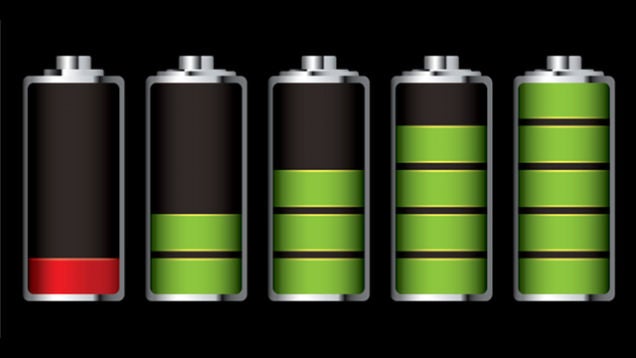
What is the deal with lithium-ion batteries (the kind found in smartphones and laptops)? I've heard lots of different things about how to take care of them, like that they need to be kept charged between 40% and 80%, or that they should be drained completely and charged to 100%. What is the ideal approach to maintaining a good battery-life-to-battery-health ratio?

Read more...


23 Jun 02:38

The Surprising Things You Can Recycle or Donate, from A to Z

by Melanie Pinola

The Surprising Things You Can Recycle or Donate, from A to Z

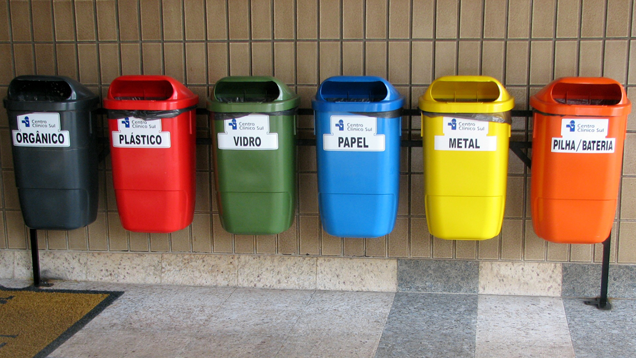
Beyond newpapers and plastic bottles, there are a ton of items you can help keep out of our landfills and recycled for better use. Real Simple's A to Z guide points out a few uncommon ones.

Read more...


23 Jun 02:38

Too Much Sleep Might Be as Bad for Your Brain as Too Little Sleep

by Melanie Pinola

Too Much Sleep Might Be as Bad for Your Brain as Too Little Sleep

We've long talked about the importance of sleep and getting enough of it , but what if you tend to sleep more than the often recommended 7-8 hours? A new study suggests that might also negatively affect your memory and thinking.

Read more...


23 Jun 02:38

The Best Life Lessons Learned from Stand Up Comedians

by Eric Ravenscraft

The Best Life Lessons Learned from Stand Up Comedians

Stand up comedy is a special art. Despite the rise of flashy movies and processed music, a good comedian can still put on an entertaining show with words alone. Sometimes, between the laughs, some genuine wisdom shines through.

Read more...


23 Jun 02:37

Use "I Don't" Phrases Over "I Can't" to Resist Temptation

by Mihir Patkar

Use "I Don't" Phrases Over "I Can't" to Resist Temptation

How you phrase your goal might have an effect on whether you complete it. Researchers say phrases starting with "I don't" are more effective for setting goals than those starting with "I can't".

Read more...


21 Jun 04:24

Make Your Own No-Hassle Vegetable Stock Without a Recipe

by Alan Henry

Make Your Own No-Hassle Vegetable Stock Without a Recipe

The great thing about making your own stock is that, besides using up scraps and leftovers that would otherwise be compost, you get a flavorful base for future soups, stews, or other dishes. Food52 shows us how to make a simple vegetable stock with no fuss, no recipe, and no hurry.

Read more...


21 Jun 04:24

Carry a Monthly Cash Allotment to Gamify Your Discretionary Spending

by Eric Ravenscraft

Carry a Monthly Cash Allotment to Gamify Your Discretionary Spending

Even in the strictest budgets, most of us have a certain amount of money we set aside each month for things like eating out, impulse buys, and other casual spending. To make it more of a challenge (and possibly fun), carry that amount around in cash.

Read more...


21 Jun 04:13

Store Asparagus in Water to Keep It Fresh Longer

by Alan Henry

Spring means asparagus is in season, but before you grab a bunch to roast, sautee, or shave into salads or stir-fry , our friends at Chow remind us that storing your asparagus upright in about an inch of water will keep them fresh in the fridge longer than leaving them in the crisper.

Read more...


08 May 01:16

Purina Lawsuit Claims Blue Buffalo Is Misleading Customers About Its Natural Ingredients

by Ashlee Kieler

There could be a rather large cat fight on the horizon. Nestle Purina PetCare is suing rival Blue Buffalo alleging the company is lying about the natural ingredients in its pet food.

St. Louis-based Purina filed a lawsuit [PDF] in federal court Tuesday accusing Blue Buffalo of false advertising, disparagement and unjust enrichment.

Purina, the maker of brands like Beneful and Friskies, claims that Blue Buffalo’s ads stating its products contain “only the finest natural ingredients” and “no chicken or poultry byproduct meals” are false and violate the Federal Lanham Act.

“This is not an action we take lightly,” Steven Crimmins, Vice President and Chief Marketing Officer of Nestlé Purina, says in a statement. “We believe consumers deserve honesty when it comes to the ingredients in the food they choose to feed their pets.”

A rep for Blue Buffalo tells Consumerist that the company will have an official statement sometime this afternoon. We will update this post when we receive it.

Purina alleges that testing conducted by an independent lab revealed that several of Blue Buffalo’s top-selling Life Protection products contain significant percentages of poultry by-product meal. The complaint claims the testing also found Blue Buffalo LifeSourceBits contain poultry by-products meal and corn.

Additionally, Purina alleges that products advertised as grain-free were found to contain rice hulls.

According to the complaint, Blue Buffalo spent approximately $50 million last year to promote its claims that its ingredients were superior to competitors.

“With tens of millions of dollars in advertising and a small army of in-store marketers, BlueBuffalo has built a brand targeted at ingredient-conscious pet owners,” the complaint states. “It has become increasingly clear, however, that Blue Buffalo’s brand is built instead on a platform of dishonesty and deception.”

This isn’t Blue Buffalo’s first issue regarding its product advertising. In March, the National Advertising Division (NAD) of the Council of Better Business Bureaus found the company’s True BLUE Test to be falsely disparaging to competing pet food companies.

In that case, Hill’s Pet Nutrition, Inc., the manufacturer of Hill’s Science Diet, challenged the advertisements. After its review, NAD recommended that Blue Buffalo change its claims.

Purina Sues Blue Buffalo For False Advertising and Disparagement [Purina]

08 May 01:15

Posting A Video Called “Me Driving Like An Idiot” Was Teen’s Second Mistake

by Mary Beth Quirk

Look, kid. You’ve made at least two mistakes recently (allegedly!), the least of which isn’t posting a video called “Me driving like an idiot” on YouTube for all to see. Because of course the most important mistake you made is (allegedly!) choosing to drive like an idiot.

Now that I’m done lecturing via the Internet, a Florida teen has been arrested and charged with two counts of leaving the scene of a crash with injuries as well as reckless driving and driving without a license after he reportedly filmed himself driving erratically and smashing into other vehicles as he went, reports UPI.

During the four-minute mistake, the young man allegedly hit four cars and put five people into the hospital, including himself. The video was posted on YouTube last Tuesday (it’s since been removed but you can see it here, if you need to) and he was arrested on Friday.

“He wasn’t concerned about anyone’s safety,” a police spokesperson said. “He just drove in a manner, cutting people off left and right just a total disregard for our citizens. We’re just really lucky we’re not dealing with a death in this case.”

‘Me driving like an idiot’ YouTube video leads to Florida teen’s arrest [UPI]

08 May 01:14

Even Sarah McLachlan Changes The Channel When Her ASPCA Commercial Comes On

by Chris Morran

smlachlangrabAnyone who was watched basic cable after midnight in the last seven years has probably come face to face with the 2-minute long heart-rending ASPCA commercial about animal cruelty featuring singer Sarah McLachlan and her oft-karaoked song “Angel.” While it’s been a huge fundraising success for ASPCA, it’s not an easy couple of minutes to watch, especially when you’re just trying to watch a 2 a.m. rerun of House Hunters International. Now the Canadian songstress has a comforting message for those of us who reach for the remote: We’re not alone.

The commercial popped up repeatedly during McLachlan’s Ask Me Anything session earlier today on Reddit.

But when one Redditor admitted that the commercial is such a bummer that the channel must be changed when it comes on, McLachlan confessed, “I change the channel too. It’s the kitten with the droopy eye, or the 3-legged dog, bless them, it kills me.”

In barely related news from the AMA, McLachlan’s best reply was to a 12-year-old boy who says he gets made fun of by his friends for liking her music:

“I think it’s wonderful you were listening to my music, and they’re not really your friends if they can’t support your musical tastes.
Tell ‘em fuck off from me.”

For those who aren’t familiar with the ASCPA ad and have two minutes in which to feel really bad about the world, here you go:

08 May 01:14

The TSA Now Has A Nice Six-Point Throwing Star With Folding Blades In Its Collection

by Mary Beth Quirk

(TSA)

(TSA)

Of course there’s the occasional time you forget that nice set of kitchen knives is in your carry-on, or you didn’t realize that all-purpose razor fell into the bag. But wouldn’t you probably remember not to pack your six-point throwing star with folding blades? It’s just that kind of apparent forgetfulness that has given the Transportation Security Administration a new ninja weapon.

Yesterday’s entry is just the kind of thing that makes me want to pay more attention to the TSA — sure, it’s informative for the public to see what kinds of items are confiscated by the agency so that he or she doesn’t repeat the same mistake.

But it also shows someone at the TSA has a bit of a sense of humor, because it’s not usually a common thing to remind people not to bring a weapon most people have only seen in movies on an airplane.

It’d be like me thinking it was totally cool to toss my nunchakus in my purse for easy access while flying. I’m not going to do that, mostly because nunchakus deserve my respect and would never be tossed, but also because I live in the world and realize the TSA will take them away from me, should I try.

In any case, it’s enjoyable to chuckle about whoever it was that thought it’d be peachy keen to bring such a terrifying thing on an airplane. Enjoy your new spot sitting in a TSA locker, throwing star.

08 May 01:13

Walmart To Test New Store That’s Only For Picking Up Online Grocery Orders

by Chris Morran

The planned site of the new Walmart drive-thru pick-up center in Bentonville.

The planned site of the new Walmart drive-thru pick-up center in Bentonville.

While many large retailers, allow customers to place orders online and then come pick them up at the store, Walmart is planning to test out a new depot format where customers don’t do any shopping, but only pick up groceries they has pre-ordered on Walmart’s website.

Since last fall, the country’s largest retailer has been testing a drive-thru system for picking up online orders at 11 stores in the Denver area, but the planned project in Walmart’s Arkansas hometown of Bentonville will be a stand-alone depot that is not connected to a Walmart store.

The idea was first announced by CEO Bill Simon earlier this year at an investors conference in Orlando, and this week the retailer is showing its plans to the city.

According to 40/29 News (Note: auto-play video at that link), the site for the first depot is about the length of a football field and would feature six drive-thru lanes.

The City Wire reports that while there won’t be a retail store at the location, there will be a sizable 15,000 square-foot warehouse holding 10,000 different grocery items.

Customers who place their orders online are given a time after which they can pick up their groceries. They pull up and Walmart employees help load their vehicles with the stuff they purchased.

The idea of a grocery pick-up center that does not have a retail facet could be an interesting development. Fresh and frozen items would be easier to store as they wouldn’t be constantly exposed to warmer temperatures. The depot would be able to stock all items in a warehouse inventory where the emphasis would (presumably) be on efficient storage and access, rather than having to concern itself with whether one brand of ketchup is positioned in a more marketing-friendly location than others, or if chips and salsa are in the same aisle.

Additionally, since all payment processing is done before the customer arrives, Walmart does not have to employ cashiers. That would allow Walmart to expand its grocery sales with minimal human resources expense. Good news for the company’s bottom line; not so great for its employees.

Some businesses, like NYC-based delivery service FreshDirect, already offer a pick-up service like this, but not on the scale — and not with the financial backing — of a company like Walmart.

08 May 01:11

Give Your Gas Grill A Checkup Before Summer Begins

by Laura Northrup

Around my suburban neighborhood, the smell of grilled meat is beginning to waft from backyards. Here in the Northeast, we pack our grills away for the off-season. Now that it’s May, we’re fairly certain that it’s not going to snow anymore, so most people are bringing their grills out of hibernation. How can you make sure that yours is in safe working condition for meat season?

Here are some gas grill checkup tips courtesy of our fired-up colleagues down the hall at Consumer Reports.

Use soapy water to look for gas leaks. They recommend mixing up some dish soap and water in a spray bottle, then coating hoses and connectors with the mixture. Turn on the gas and look for bubbles: this method will find even hairline cracks. Replace hoses or tighten connections accordingly.

Watch the flames. If the flames are yellow or uneven, you may need to replace burners or ports. This is pretty common, and may be cheaper than getting a new grill.

Clean and check the firebox. Remove grease, corrosion, and other badness using the cleaning solution recommended in the owner’s manual for your individual grill. If the drip pans are corroded, cracked, or so full of crud that they’re beyond help, replace them. Covering them with foil does not count.

Scrub the grates. You should have done this before putting the grill away for the winter, but if you didn’t, we won’t judge. Don’t use soap on porcelain grates, but deploy a stiff wire brush and lots of elbow grease. Check for chips, which can lead to rusting. In some cases, you might be better off replacing the grill than going shopping for new grates.

Is your gas grill a goner? [Consumer Reports]

08 May 01:05

Seattle Apologizes For Labeling Stuck-In-Traffic Drivers As “Scumbags”

by Chris Morran

SDOT has since apologized for, and removed, this Tweet attempting to mine some humor from a Monday morning traffic jam.

SDOT has since apologized for, and removed, this Tweet attempting to mine some humor from a Monday morning traffic jam.

When government organizations try to be funny on social media, it usually falls flat. And when that attempt at humor is directed at people who are likely in a humorless mood — like, say… people stuck in a traffic jam — it will probably end in an apology.

That’s exactly what happened in Seattle yesterday, where the city’s Dept. of Transportation (SDOT) took to its Twitter account to copy/paste Scumbag Steve’s signature brown hat on to a number of cars stuck in Monday morning traffic.

Not content with merely hoping that people familiar with the Scumbag Steve meme would get the joke, SDOT captioned the image with “You get a scumbag hat, you get a scumbag hat, everyone gets a scumbag hat! haha I’m mean #sorry.”

The purported intention of the image — which had already been posted sans Scumbag hats earlier in the morning by SDOT — was to warn drivers about congestion and to put some blame on drivers that SDOT believed were rubberneckers slowing to look at a nearby crash.

“Our traffic-management center staff typically will use a humorous meme to highlight a problematic roadway situation,” explained SDOT’s communications director — who probably wished he’d been stuck in traffic instead of having to deal with this nonsense — to the Seattle Times. “Our intent is not to insult motorists, rather it’s just to call out where there’s a problem so people can make decisions about their trip.”

The Times also points out that rubbernecking was probably not the source of the slowdown, as traffic continued well past the location of the crash.

“Instead of insulting taxpayers and voters for trying to survive, SDOT and the heads of city government should be answering today why, for decades, West Seattle’s transportation issues were overlooked,” said the co-founder of the West Seattle Transportation Coalition.

Even though SDOT’s Twitter account had previously busted out the Scumbag hat for previous Tweets, a rep for Seattle Mayor Ed Murray says “It’s never acceptable for a city employee to ridicule members of the public. I understand the Tweet in question was meant humorously, but many — myself included — took it quite differently.”

08 May 01:04

Coke, Pepsi Now Removing Brominated Vegetable Oil From All Drinks (Yes, Even Mountain Dew)

by Chris Morran

Perhaps this can of Mountain Dew Throwback will be a collector's item in the BVO-free future... but not likely.

Perhaps this can of Mountain Dew Throwback will be a collector’s item in the BVO-free future… but not likely.

Yesterday, Coca-Cola made news when it confirmed that it was phasing out the use of brominated vegetable oil (BVO), a food additive that is banned in other parts of the world, in Powerade. Last night, both Coke and Pepsi announced they would be getting rid of the controversial ingredient in all remaining drinks — including Mountain Dew.

BVO has been used for decades as an emulsifier, intended to stabilize many fruit-flavored soft drinks. Because of concerns that ingestion of BVO might result in bromine build up in a person’s fatty tissue, it is banned as a food ingredient in Japan and in Europe. U.S. regulators have allowed its continued use but placed limits on its concentration.

The topic of BVO came to the fore back in late 2012, when a Mississippi teenager gathered more than 200,000 names on a change.org petition asking PepsiCo to drop BVO from its Gatorade drinks, especially since these same beverages were available without the ingredient in markets where BVO is banned.

A few months later, Pepsi announced it was making Gatorade BVO-free, but not in response to the petition. It also stated at the time that it had no plan on removing BVO from its other drinks, the most high-profile of which is Mountain Dew.

Then came yesterday’s news about Powerade, which Coca-Cola has quietly been transitioning away from BVO. Then the AP got Coke to confirm that its other BVO-containing beverages, including Fanta and Fresca, would stop using the ingredient by year’s end (Though cans and bottles containing BVO versions of these drinks might remain on shelves for quite some time, depending on a store’s inventory and sales).

The AP has also confirmed with Pepsi that Mountain Dew and Amp energy drinks will be going BVO-free, but couldn’t get the beverage biggie to give a timeline for the removal.

COKE, PEPSI DROPPING ‘BVO’ FROM ALL DRINKS [AP]

08 May 00:39

What’s The Fastest Way To Beam 10 Bucks To A Friend?

by Laura Northrup

Let’s say that you owe a friend money, but you can’t just hand them some cash and call it a day: your friend lives in a different state. What is the easiest, most cost-effective, and most importantly the fastest way to beam money from one person to another? Over at the Wall Street Journal’s Marketwatch, staffers decided to race four different services and see how they differed.

Here’s the funny thing about the modern banking system: it isn’t terribly modern. Here in the United States, transfers of money generally only move from one place to another during business hours on weekdays. That means that some cash-beaming services might seem surprisingly slow as soon as we want that money back in the standard banking system.

The competitors: Popmoney, PayPal, Google Wallet, Square, and an old-fangled check. $10 traveled from a reporter in New York City to a colleague in San Francisco. They tracked how long the money took to get from one bank account to another. That’s the easy part: a transfer from one PayPal or Google Wallet account to another takes seconds, but the part where it enters the regular banking system gets complicated.

How did the competitors do? The race began at 3 P.M. on a Friday, to find out how the services would fare at the end of the business week.

Popmoney: This transaction could be funded from a credit card, and did require both parties to sign up for an account. The transfer took three days in total, and cost 95 cents. It would have taken longer to move a larger amount of money or fund the transaction with a bank account.

Google Wallet: This account was relatively easy to set up, and the transfer was quick, but the process becomes slower and more complicated if you need to move cash to a regular bank account instead of using it to get some pizza with a side of free chicken or something. The transfer was free if funds came from another bank account instead of a credit or debit card, and took four days to hit the recipient’s bank account. You’ll need your account and routing numbers to withdraw the money.

PayPal: Out of these services, this is probably the one most readers are familiar with, but the problems and pricing structure were very similar to those of Google Wallet: free transfers if you use a bank account to fund the transaction, but small fees otherwise.

Square Cash: You might be most familiar with Square as one of the first smartphone credit card readers to hit common usage. They aren’t just for merchants, though: you can use Square Cash to send money to anyone, whether they already have an account or not.

The service doesn’t require users to sign up for an account: you send an e-mail to your friend, copy Square on the message, and then follow up later with your financial information to fund the transaction. This makes it easy to use, cash-sender Jonnelle Marte a little nervous, noting that “anyone who hacked into our email account could theoretically empty our bank account.” This transaction had no fees, and the money reached the recipient’s bank account the same day.

Paper check and snail mail: This venerable method didn’t take that much longer than the others: the check showed up on the recipient’s desk in San Francisco only a day after the Google Wallet transaction had cleared. The fee for this transaction was 46 cents, the current price of a postage stamp. The transfer took a total of four days.

Square, Google, Paypal, Popmoney — who’s faster? [MarketWatch]

08 May 00:22

15 Things Everyone Needs To Know About Disability Insurance

by Karin Price Mueller

This is the fifth and final post in a “How To Not Suck…” series on insurance. Previous posts looked at auto insurance, homeowner’s coverage, and life insurance, and long-term care policies.

Now that we’ve talked about insurance for your car, your home, your life and your long-term care, it’s time to consider how to protect your paycheck when something bad happens.

Most of us need our paychecks. And most of us, if we ever became ill or injured and couldn’t work, don’t have enough money in an emergency fund to cover our expenses for very long.

That’s where disability insurance comes in.

Before you say you don’t need disability insurance, consider this: A quarter of today’s 20-year-olds will become disabled at some point before they retire, according to the Social Security Administration.

And how about this, from the Council for Disability Awareness:

A 35-year-old woman — 5’4″, 125 pounds, a non-smoker who works an office job with some outdoor physical responsibilities — has a 24% chance of becoming disabled for three months or longer during her working career. There’s a 38% chance the disability would last five years or longer. If the same woman was a smoker and weighed 160 pounds, the risk of a disability that lasts three months or longer goes up to 41%.

And take a 35-year-old man — 5’10″, 170 pounds, a non-smoker who works an office job with some outdoor physical responsibilities. He has a 21% chance of becoming disabled for three months or longer during his working career, and there’s a 38% chance the disability would last five years or longer. As a smoker and at 210 pounds, the chance of a disability that lasts at least three months goes up to 45%.

Convinced yet? Even if you’re not, there are certain things everyone needs to know about disability insurance before choosing a policy:

1. You can’t count on worker’s compensation.
Even though it’s required in all states, worker’s comp is only helpful in certain situations. According to the National Safety Council, nearly 75% of long-term disabilities are not from a work-related cause. If you do qualify, you’d generally get about two-thirds of your income.

2. Some states have you covered… for a while.
If you live in New York, New Jersey, Rhode Island, California or Hawaii, the state will provide some short-term disability benefits, generally up to six months’ worth. You already pay for this through payroll deduction. If you live in one of the other 45 states, you’re out of luck.

3. There’s Social Security coverage, but it’s not for everyone.
Social Security has a disability insurance program, which on average paid $1,130 per month for beneficiaries in 2012. But the agency says 65% of those who apply are denied, at least upon the initial application.

4. You may already have disability insurance.
Take some time to visit your HR department to find out what coverage your company has. It might be a short-term policy that would cover a percentage of your income for up to three months, or it could be a long-term policy that generally pays between 40-60% of your pre-tax income for a longer time period. The bonus here is that because it’s a group plan, you won’t be denied coverage, and many employers foot the bill.

5. Your employer may also offer additional coverage that you’d pay for.
If your boss offers a policy, check it out because it’s probably less expensive than one you’d buy on your own. The negative is that if you leave or lose your job, you lose your coverage.

6. There are other, non-work sources for group policies.
If you belong to a professional organization or an alumni group, you may be eligible for coverage, and policies are probably cheaper than individual ones.

7. Your credit cards may offer disability insurance… but beware.
If your card issuer offers disability coverage, the initial premiums will seem super-cheap compared to individual policies. But you’ll also find the benefits are limited, and may only pay enough to pay off your credit card balance. Don’t bother.

8. Buying your own policy, while the most expensive option, is also the most flexible.
Unlike employer policies, the insurance will stay with you as long as you pay the premiums. Most plans will cover 40 to 65% of your income, and if you pay the premiums with after-tax dollars, the payouts when you’re disabled are tax-free.

9. There are two main types of disability coverage.
“Own occupation” pays if you’re unable to work at your own occupation, while “any occupation” will cover you if you’re unable to work at all. This is an important difference. Say you’re a waiter and you lose your leg in an accident. You can’t easily be a waiter — your own occupation — but you could take a desk job somewhere. If the waiter had “any occupation” coverage, the policy wouldn’t pay. If he had the “own occupation” policy, it would pay. Of course the “own occupation” coverage is more costly.

Items 10 through 15 are terms that anyone looking to buy disability coverage should become familiar with:

10. “Benefit level”/”Benefit period”
The benefit level is how much of your pre-disability income the policy will pay. Generally this will be from 40 to 65% of your income. The benefit period is how long the policy will pay out to you. Typically, you can choose between one and five years, or for a more expensive premium, until age 65.

11. “Elimination period”/”Waiting period”
This is how long you have to wait after a disability happens before the policy starts paying benefits, usually between 30 and 90 days. If you want a lower premium (and you have a healthy emergency fund to get you through), consider a 180-day elimination period.

12. “Guaranteed renewable”/”Non-cancelable”
It may cost more, but you want a policy that’s both guaranteed renewable and non-cancelable. That means they can’t cancel your policy as long as you pay the premiums, and the premiums will not change. If your policy is only guaranteed renewable, the policy can’t be cancelled, but premiums can be raised if your state approves a rate hike for all policies of your type.

13. “Inflation protection”
This will also cost more, but it’s a very important addition to any disability policy, which you’re likely to have as long as you’re working. The inflation clause, or rider, is basically a cost-of-living adjustment so you if you collect, your benefits will rise as costs rise.

14. “Presumptive disability”
This means you are presumed completely disabled — even if you can perform certain tasks, and even if you can do your regular job — if you suffer certain conditions, such as the loss of a limb, hearing, eyesight or speech.

15. “Exclusions”
Make sure you understand any exclusions or limits. You might find disabilities caused by pre-existing conditions could be excluded, as could mental illness or stress-related disabilities, and chronic conditions such as fibromyalgia. Also look for exclusions related to disabilities caused by so-called dangerous hobbies.

Have a topic you’d like to see covered in How To Not Suck? Or maybe you’re an expert who would like to share your insight with Consumerist readers? Send us a note at notsuck@consumerist.com.

You can read Karin Price Mueller’s stories for The Star-Ledger at NJ.com, follow her on Facebook, and on Twitter @kpmueller.

PREVIOUSLY ON HOW TO NOT SUCK:
15 Things People Of All Ages Need To Know About Long-Term Care Insurance
15 Things You Need To Know About Life Insurance
15 Things Everyone (Including Renters) Should Know About Homeowner’s Insurance
15 Things You Need To Know About Buying Auto Insurance
How To Not Suck… At Going To Small Claims Court
How To Not Suck… At Buying In Bulk
How To Not Suck At Planning Your Wedding, Part 5: Spending Your Wedding Cash
How To Not Suck At Planning Your Wedding, Part 4: The Honeymoon
How To Not Suck At Planning Your Wedding, Part 3: The Costly Little Extras
How To Not Suck At Planning Your Wedding, Part 2: The Stuff People Pay Too Much For
How To Not Suck At Planning Your Wedding, Part 1: The Most Expensive Steps
How To Not Suck… At Teaching Your Kids About Money
How To Not Suck… At Valentine’s Day Gifts
How To Not Suck… At Merging Your Money When You Marry
How To Not Suck… At Borrowing For College
How To Not Suck… At Saving For College
How To Not Suck… At Pre-Paying For Your Funeral
How To Not Suck… At Making Financial New Year’s Resolutions
How To Not Suck… At Last-Minute Christmas Gifting
How To Not Suck… At Saving For The Holidays
How To Not Suck… At Charitable Giving
How To Not Suck… At Disputing Credit Report Errors
How To Not Suck… At Lowering Your Utility Bills
How To Not Suck… At Home Inspections
How To Not Suck… At Understanding Credit Card Rewards
How To Not Suck… At Getting Ready For Tax Season
How To Not Suck… At Picking A Retirement Plan
How To Not Suck… At Deciding When To DIY
How To Not Suck… At Getting Out Of Debt
How To Not Suck… At First Year College Budgets

DISCLAIMER: Any websites, services, retailers, or brands mentioned in the story above are only intended as some of many options available to consumers, and do not constitute an endorsement by Consumerist, Consumerist Media LLC (CML) or its staff. Per Consumerist’s No Commercial Use Policy, such information may not be used by others in advertising or to promote a company’s product or service. In addition, this policy precludes any commercial use of any of CML’s published information in any form, or of the names of Consumers Union®, Consumer Media, Consumer Reports®, The Consumerist, consumerist.com or any other of CU or CML’s publications or services without CU or CML’s express written permission.

08 May 00:21

7 Household Expenses You Can (And Should) Cut

by Laura Northrup

Looking to cut back on your spending, or just put more in savings? You might be leaking money without realizing it with some common household expenses.

Here are some tips from WiseBread that might be helpful if you’re looking to free up some cash.

1. Cable TV – it’s not as easy to cut the cord as it once was unless you live in a market with Aereo, since broadcasters have figured out what cord-cutters are up to and limited streaming access to their shows to cable subscribers. You can still save a substantial amount of money by ditching your cable provider.

2. Cleaning products and fancy toiletries – some things aren’t replaceable, but you can clean everything from a clogged drain to gross laundry to your hair with vinegar and/or baking soda.

3. Late fees. Automated payments can help with these…until the automated payments fail, of course. Set up calendar reminders on your phone (or on an old-fashioned paper calendar) so you avoid paying late fees on bills that you can afford to pay.

4. Landscaping services. Would you use the time you would normally spend doing yardwork doing something that earns more money than you pay someone else to mow your lawn? If not, don’t pay someone to do your yardwork unless you have physical limitations that prevent it.

5. Phone bills – It happens that the Wise Bread post that this list comes from was sponsored by Skype, but this is a good place to cut back. Don’t limit your cuts to long-distance–can you cut back on your texting plan by substituting a service like Google Voice to message people you text with frequently?

6. Subscriptions and memberships – Do you get any magazines you never read? Belong to professional organizations that aren’t helpful to you? Pay for a gym membership that you never use? Ditch them all.

7. Credit monitoring services - These don’t do much that you can’t do yourself by keeping a close eye on your credit reports yourself, and you can check each credit bureau’s report once a year.

7 Unnecessary Household Expenses You Can Cut Today [WiseBread]

08 May 00:19

This Is A Paper Towel Holder USB Hub

by Laura Northrup

Why?

Why?

Have you ever looked at your paper towel holder and thought to yourself, “Wow, I really wish I could plug my smartphone into that”? No, neither have most other people, but the TowlHub still exists.

We learned about this new and exciting product from The Worst Things For Sale, which questioned the wisdom of placing lots of small, pricey electronics near your kitchen sink. That’s one problem with this product. The other is that you still need the cords for each individual phone, tablet, or other device that you want to charge while you…cook? Where do the cords go? Do they just sit out on the counter, or do you wind them around the paper towels?

The name, by the way, isn’t just a cool Flickr-like affectation of dropping a vowel to make a distinctive name. That little thing on top is a wine stopper shaped like an owl.

All this can be yours for only $50.

TowlHub (USB paper towel holder with interchangeable topper) [Amazon]

08 May 00:16

16 Ways To Not Suck At Making Mother’s Day Special

by Karin Price Mueller

(photo: Mike Matney)

(photo: Mike Matney)

Mother’s Day is almost here. The day to celebrate the woman who brought you into the world… Or to celebrate the woman who gave you children. Or both. Flowers are a lovely gift (in those instances where the recipient gets what you actually ordered) but they’re not exactly an original or personal gift and can be costly.

Here’s how to not suck at saying thanks to Mom with some frugal and creative ideas.

1. Take a class:
You know what your mom likes, so find something you can do together. Try a cooking class, or one that teaches pottery or art. Or kickboxing.

2. Print it out:
Actual printed photos are a novelty these days. Choose a few and frame them. Or, create a collage of favorites on canvas using an online photo shop.

3. Have an experience:
Take your mom out for a day or night of fun, and try something that’s not on her regular schedule. Consider a comedy club, a museum or a theme park. If mom is the adventurous type, take her whitewater rafting or horseback riding. There’s always a night in a dive bar to play pool or shoot darts, or even miniature golf. You may find discounts and coupons for the event of your choice.

4. Create a book of stories:
We all have funny stories about Mom. Get together with your relatives and ask everyone to handwrite their favorite memory of Mom. Add photos related to the memory, if you have. Then, hit the office supply store and buy a binder and a package of plastic sleeves, and voila! Or, if you have the time and the cash, there are plenty of online companies (the Snapfishes and Shutterflys of the world) where you can scan and upload your documents and photos and create a bound book.

5. A spa day:
If you don’t have the cash to send mom for a mani and pedi, you can create a spa experience at home. Buy a few scented candles and bath oils and set mom up in the tub. Next, give her a long massage, and finish up with that mani and pedi.

6. Go personal:
If you have young kids, Grandma is sure to love anything with their faces on it. Get a shirt, a mouse pad or a mug with their mugs on it. You can go a step further and buy a dollar store basket, and create a theme gift around the one thing you select. If it was a mouse pad, for example, add some pens and stationary to the basket. If you chose a mug, add some coffee, tea and cookies to the gift.

7. Clean up:
Give your mom a homemade gift certificate that promises you’ll clean her house top to bottom. Or, if you have the cash, hire a maid service for her.

8. The sounds of music:
Have your children sing some of your mom’s favorite songs, record it, and create a CD.

9. Stop whining and start wining:
Use your wine habit for good and create a trivet set with old corks.

10. Get artsy:
Go to a craft store and pick up a few inexpensive canvases and paint, and let your kids create a masterpiece for her. Or, have the kids add their handprints and footprints to the canvas. (One of the best gifts I received was not paint, but a photo of my three kids’ bare feet.)

11. Go tech:
If your mom is of an older generation and she’s resisted getting online, give her a lesson. Help her set up e-mail and social media accounts so she can stay in touch with the family. If you can give her a lesson in Skype or ooVoo or another video chat program, go for it.

12. Cook:
Mom will appreciate a homemade meal from you, even if you’re not all that good at it. If you really don’t want to be in the kitchen, pack a picnic lunch and take mom to the park. Breakfast in bed is always a winner, and you can add some extra love to your toast, too.

13. Discount dinner:
Many restaurants offer Mother’s Day specials. Look for deals and coupons and take mom out on her special day.

14. Easy dinner:
What’s for dinner? Take out? No problem. Scour your mom’s neighborhood for restaurants that deliver. Get all the take-out menus and put them in a binder so mom has a fast and easy reference guide for those night when cooking isn’t on the menu. Add a gift card for one of the restaurants if you have the cash.

15. Grow some love:
Buy a small pot or two and decorate them with paint. Then, plant a few spices for mom’s kitchen.

16. Write a list:
Take a simple piece of printing paper and write a list of all reasons mom is special, then frame it.

Have a topic you’d like to see covered in How To Not Suck? Or maybe you’re an expert who would like to share your insight with Consumerist readers? Send us a note at notsuck@consumerist.com.

You can read Karin Price Mueller’s stories for The Star-Ledger at NJ.com, follow her on Facebook, and on Twitter @kpmueller.

PREVIOUSLY ON HOW TO NOT SUCK:
10 Ways To Not Suck At Spending Your Tax Refund
15 Things Everyone Needs To Know About Disability Insurance
15 Things People Of All Ages Need To Know About Long-Term Care Insurance
15 Things You Need To Know About Life Insurance
15 Things Everyone (Including Renters) Should Know About Homeowner’s Insurance
15 Things You Need To Know About Buying Auto Insurance
How To Not Suck… At Going To Small Claims Court
How To Not Suck… At Buying In Bulk
How To Not Suck At Planning Your Wedding, Part 5: Spending Your Wedding Cash
How To Not Suck At Planning Your Wedding, Part 4: The Honeymoon
How To Not Suck At Planning Your Wedding, Part 3: The Costly Little Extras
How To Not Suck At Planning Your Wedding, Part 2: The Stuff People Pay Too Much For
How To Not Suck At Planning Your Wedding, Part 1: The Most Expensive Steps
How To Not Suck… At Teaching Your Kids About Money
How To Not Suck… At Valentine’s Day Gifts
How To Not Suck… At Merging Your Money When You Marry
How To Not Suck… At Borrowing For College
How To Not Suck… At Saving For College
How To Not Suck… At Pre-Paying For Your Funeral
How To Not Suck… At Making Financial New Year’s Resolutions
How To Not Suck… At Last-Minute Christmas Gifting
How To Not Suck… At Saving For The Holidays
How To Not Suck… At Charitable Giving
How To Not Suck… At Disputing Credit Report Errors
How To Not Suck… At Lowering Your Utility Bills
How To Not Suck… At Home Inspections
How To Not Suck… At Understanding Credit Card Rewards
How To Not Suck… At Getting Ready For Tax Season
How To Not Suck… At Picking A Retirement Plan
How To Not Suck… At Deciding When To DIY
How To Not Suck… At Getting Out Of Debt
How To Not Suck… At First Year College Budgets

DISCLAIMER: Any websites, services, retailers, or brands mentioned in the story above are only intended as some of many options available to consumers, and do not constitute an endorsement by Consumerist, Consumerist Media LLC (CML) or its staff. Per Consumerist’s No Commercial Use Policy, such information may not be used by others in advertising or to promote a company’s product or service. In addition, this policy precludes any commercial use of any of CML’s published information in any form, or of the names of Consumers Union®, Consumer Media, Consumer Reports®, The Consumerist, consumerist.com or any other of CU or CML’s publications or services without CU or CML’s express written permission.

08 May 00:16

Police: Man Held Up Waffle House With A Pitchfork, Stole Cash Register

by Mary Beth Quirk

(WSB-TV)

(WSB-TV)

Just because your methods are somewhat antiquated doesn’t mean you can get away with allegedly robbing a Waffle House using a pitchfork as your method of force. Police in Georgia are looking for a man accused of forcing Waffle House employee into the back of the restaurant with the farming tool so he could plunder the register.

According to the suspect, the 50-year-old suspect was wearing coveralls and a ski mask when he walked into the restaurant one night and herded employees into a back room with the pitchfork, reports WSB-TV.

“When he realized he couldn’t get the cash register open, he took the whole cash register and exited the store… with his pitchfork,” the chief of police explained.

Once he was outside the joint he apparently dropped the weapon, cops say, but made sure to keep a tight grip on that register. That’s when resourceful employees turned his former tool against him, grabbing the pitchfork to smash the back window of the suspect’s truck before he took off.

“It wouldn’t be an offensive weapon in your garden, but it was in a Waffle House,” the apparently jokey police chief added.

The suspect is on the lam right now after abandoning his truck.

Man robs Waffle House with pitchfork in Norcross [WSBTV]

06 May 23:31

Bristow stable owner charged with 57 counts of animal cruelty - WJLA


Bristow stable owner charged with 57 counts of animal cruelty
WJLA
BRISTOW, Va. (WJLA) - A handful of horses and baby chickens remain at Cross States Stable today. The vast majority of the barns and holding pens are now empty and fairly clean – a far cry from what they looked like two weeks ago, according to Prince ...

06 May 23:21

Suspect in Ohio vets hospital shooting in court

A man suspected of shooting an Ohio veterans hospital housekeeping employee in the ankle was scheduled for a federal court hearing on Tuesday.
06 May 23:18

Lion cubs take swim test at National Zoo

Four African lion cubs will soon be on display at the National Zoo after passing an important test Tuesday afternoon.
06 May 04:17

The Comcast Merger Isn’t About Lines On A Map; It’s About Controlling The Delivery Of Information

by Kate Cox

Comcast and proposed merger partner Time Warner Cable claim they don’t compete because their service areas don’t overlap, and that a combined company would happily divest itself of a few million customers to keeps its pay-TV market share below 30%, allowing other companies that don’t currently compete with Comcast to keep not competing with Comcast. This narrow, shortsighted view fails to take into account the full breadth of what’s involved in this merger — broadcast TV, cable TV, network technology, in-home technology, access to the Internet, and much more. In addition to asking whether or not regulators should permit Comcast to add 10-12 million customers, there is a more important question at the core of this deal: Should Comcast be allowed to control both what content you consume and how you get to consume it?

QUESTIONABLE COMPETITION
This week, Comcast and Time Warner Cable executives testified before the Senate Judiciary Committee about why they think their merger is such a great idea.

In their joint testimony [PDF], the execs made a point of giving hearty shout-outs to anyone they perceive as a competitor, in order to claim that the merged company won’t be a monopoly. That list of competitors repeatedly named AT&T, Verizon, DirecTV, Dish, Amazon, Apple, Sony, Google, Netflix, and Facebook as chief concerns.

Some of those are easy to understand: the satellite companies directly compete with Comcast to get TV networks into peoples’ homes, for example, and the fiber companies do that plus broadband, too. But Apple and Sony? Amazon and Netflix? Facebook?

If Comcast is the company that plugs the broadband wire into your home, then why are they so concerned about whose devices and services you might use once you’ve got that connection?

Comcast is so concerned about all those other products explicitly because they aren’t just the company that plugs the broadband wire into your home. Comcast is already not only your carrier but also your content — and if they get their way they’ll become your gatekeeper to everyone else’s content, too.

WHAT COMCAST DOES
The post-2011, post-NBCU-merger Comcast is an absolute behemoth of a company. They’ve got reach into an enormous number of media, internet, film, and television-related businesses.

So Comcast is:

  • A “last mile” cable company, managing the physical infrastructure for television delivery
  • A “last mile” broadband company, managing the physical infrastructure for Internet delivery
  • A content delivery company, managing the software for broadcast/cable television (set-top boxes, the X1 platform and “TV anywhere”)
  • An ISP, managing software for Internet access (Comcast.net etc)
  • A broadcast TV network (NBC)
  • A cable content company (Bravo, SyFy, USA, etc.)
  • A movie studio (Universal, Focus Features)
  • A streaming content delivery company (Streampix, Hulu, Xfinity On Demand)

And that’s without getting into their landline phone service, their web properties, their physical properties, their sports ties, or the several large cities where they own major local TV stations.

Distilled, the core businesses from which Comcast makes its big money are as a cable TV distributor, as a broadband Internet access distributor, and as a content company. And the combination of those three elements gives it enormous power.

Owning so many elements all the way up and down the whole process chain is known as vertical integration. (Horizontal integration is spreading a business wider, as the Comcast/TWC merger would do.) So for example, Comcast could take a 30-minute sitcom from production, to broadcast, to syndicated cable rerun, to on-demand, to streaming service that goes right to your home on Comcast’s data network without a third party being any link in the chain.

When vertical integration is used to prevent competitors from doing their business, it can be an anti-trust concern. That most famously happened when the Supreme Court broke up the Hollywood studio system in 1948. In 2011 when Comcast wanted to buy NBCUniversal, the FCC and the Justice Department updated the metrics [PDF] they use to analyze vertical integration and imposed some restrictions on Comcast to prevent certain foreseeable abuses from happening.

THE COMCAST ECOSYSTEM
Pay TV — cable, fiber, and satellite — all work through a series of contract agreements with companies that own the networks. The company that owns the content gets a fee from the distributor, and these are generally arranged on a per-network, per-subscriber basis.

ESPN famously commands the highest fee of any cable network. So parent company Disney gets a little bit of money — in the ballpark of $5 — for every cable, satellite, and fiber subscriber in the country that has ESPN in their package (pretty much all of them).

Smaller networks command much lower fees, because content companies are trying to get their little channels in front of more eyeballs to increase ad revenue. Bigger networks get much higher fees, because realistically if a cable company blacks out ESPN they’re going to lose an enormous number of subscribers. The money depends on who needs whom.

But of course, this is 2014, the age of the cord-cutter. With somewhere between 95 and 100 million subscribers, pay TV is still a big deal… for now. The under-40 crowd is starting to opt out of pay TV at a rate that the industry didn’t see coming even a few years ago. But just because someone doesn’t pay for cable anymore doesn’t mean they don’t want to see the programming.

DOUBLE-DIPPING AND THE MODERN MARKET
Happily for Comcast, those cord-cutting households aren’t unplugging; they’re just replacing their pay-TV service with streaming-only options. And successfully doing that means maintaining a reliable home broadband connection… which Comcast, conveniently, also provides.

Broadband competition is effectively nil in many areas, despite Comcast’s claims about 4G LTE mobile broadband. So buying TWC extends Comcast’s reach into that market, which they no doubt want to do.

But there’s more to it than just selling access to the Internet pipelines. What comes down those pipelines matters, too.

Under the recently-vacated net neutrality rule, an ISP like Comcast would be forbidden from working out a pay-for-carriage agreement with an Internet content company the same way they can with a cable network. But that rule was overturned early this year, and nothing yet has replaced it.

Comcast is obligated, under the terms of its NBCU purchase, to keep adhering to the now-absent rule until 2018. But that rule has plenty of loopholes that can still result in services needing to pay for decent access to Comcast’s network.

Of course, Comcast isn’t just sitting around finding ways to charge companies like Netflix for carriage; they’re out there competing directly in the same space. The trade and lobbying group for the big cable companies, the NCTA, has a chart on their website under “competition” where they list the biggest video subscription services. From largest to smallest, the list includes Netflix, Comcast, DirecTV, Dish, TWC, Hulu, FiOS, U-Verse, Cox, and Charter.

Eight of those are companies that provide pay TV service, and can easily be considered competitors with each other. The other two though, Hulu and Netflix, are internet-only content-only companies that don’t care who you get your broadband connection from, as long as you’re in front of a screen that can access their apps or websites — and Comcast already owns about a third of Hulu.

HOW COMCAST KEEPS YOU IN ITS SANDBOX
The joy of being a vertically integrated company is being able to exercise something called vertical leverage. Basically, the bigger Comcast gets, the more extraordinary financial power they wield. The terms they can negotiate upstream and downstream are more likely to be favorable to them, and not to anyone else.

A report [PDF] from the Consumer Federation of America calls these “bottleneck points.” And the bigger Comcast gets, the more of them they have — as in their recent peering dispute with Netflix.

Comcast also has ways of keeping paying consumers, not just other businesses, playing on their turf. In 2012, for example, Comcast declared that while time spent streaming video through YouTube or Netflix counted against a customer’s monthly data cap, data streamed from Comcast’s On-Demand service would not.

And what about that X1 platform that Comcast keeps touting in all if their testimony, filings, and self-congratulatory website posts? It’s the company’s next iteration on a cable box: a cloud-based, remotely accessible platform that integrates DVR, currently-airing TV listings, and Comcast’s on-demand video. It is convenient for Comcast subscribers… and it’s also a way to keep them from ever wanting to turn on another device and log in to Netflix instead.

Comcast even manages to find a way to use its extensive gatekeeping to prevent paying subscribers from accessing material they paid for. HBO subscribers who get their premium channel from Comcast can’t use the HBO Go app on certain platforms (Roku and PlayStation 3) even though HBO supports it — because Comcast’s authentication process doesn’t.

IS THIS REALLY SOMETHING TO WORRY ABOUT?
Right now, Comcast is limited by legal agreements not to behave in too shady a manner. They had to relinquish management control of Hulu, for example, and those net neutrality requirements remain in place. Getting the merger with Time Warner Cable through the approval process would likely require some sort of nod to broadband competition as a concession.

But Comcast has a really bad track record of actually obeying those orders. Once it gets the green light to go ahead with a business move, they generally just do what they want.

Consumer advocacy groups aren’t the only ones worried about Comcast’s continued expansion plans: lawmakers from both parties have their doubts. Those concerns aren’t just about who runs wires where, and what company a consumer pays to get service. They’re about what customers are allowed to consume.

Whether the reasons for locking a content provider out of distribution access are politically motivated or simply financial, the end result is the same: consumers have narrower access.

THE FUTURE OF NOT-AWESOME
And that’s the future that’s coming to pass. Comcast already controls the production, distribution, and exhibition pipeline for content — both in the traditional TV space and also in the streaming space. But Comcast’s reach, despite the dearth of true competition in most markets, isn’t yet universal. A few other companies are big enough that they can still provide tiny obstacles to Comcast’s vertical leverage.

In the end, making Comcast bigger only gives it more leverage — a company that would control the lion’s share of to-the-home information for this country. Until such a time when (and if) wireless and fiber providers begin offering a service that competes with cable Internet on speed, availability and cost, consumers are only going to see the walls around Comcast’s sandbox grow taller, while bottlenecked Internet businesses face higher and higher tolls for access to a huge portion of American homes and offices.

In this game, the only one who wins is Comcast.

06 May 01:48

Manassas water tower gets 6-month reprieve - Washington Post


Manassas water tower gets 6-month reprieve
Washington Post
MANASSAS, Va. — A 100-year-old water tower in Manassas will stand for at least another six months. The Washington Post (http://wapo.st/SpIp5s ) reports the Manassas City Council will wait that long before discussing again whether to demolish the blue ...

and more »
06 May 01:17

Mayor: Derailed train cars should be moved soon

The remaining cars from an oil train that derailed last week in downtown Lynchburg should be removed soon.
06 May 01:09

Smithsonian makes deal to offer online courses

The Smithsonian Institution is venturing into online education with a new deal to provide content for digital courses in history, science, culture and the arts.