×You need to sign in to continue.

Shared posts

23 May 04:09

FairyGodboss Offers Women a Place to Review and Discuss Employers

by Heather Yamada-Hosley

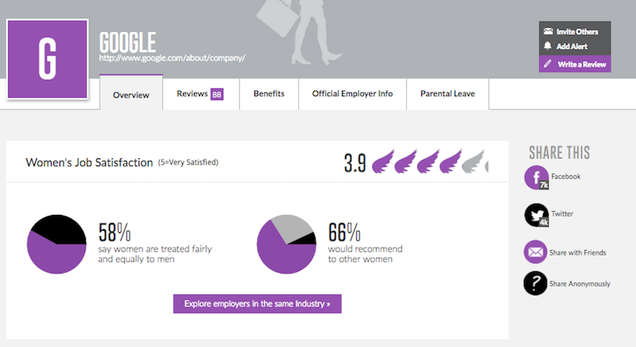
Asking about tough topics like parental leave or workplace equality can be tough during a job interview. You want to do everything you can to make the interview go well, but you also need to know if a company’s culture is right for you. FairyGodboss can help you scope out potential employers through the reviews left by other women who work or have worked at the companies you’re considering.

Read more...

23 May 04:09

This Video Teaches the Crucial Knife Skills You Need in the Kitchen

by Stephanie Lee

Your kitchen knife is quite literally the sharpest tool in your culinary shed, so you should know how to care for and use it. From proper maintenance , cleaning, and using fancy French cutting techniques, this HowStuffWorks video will help sharpen your knife handling skills.

Read more...

23 May 04:08

Stop Using the "Sandwich Method" to Give Feedback

by Alan Henry

The “sandwich” method of feedback, where you squish criticism between compliments to smooth it over, is played out and everyone knows it. Most of us cringe when we hear someone suggest it, and even when it works, it’s obvious. Adam Grant, author and professor, says it’s time to just give it up, and we agree.

Read more...

23 May 04:07

Sprint Changes Plans Again, Will Kill Off Two Year Contracts

by Eric Ravenscraft

Sprint, it seems, cannot make up its mind about contracts. In January, the company killed two year contracts, only to bring them back a month later. Now they’ll be leaving again by the end of May. Mostly.

Read more...

23 May 04:07

Make Frosting a Cake Easier by Chilling It In the Refrigerator Beforehand

by Patrick Allan

When it’s time to frost a cake, there is one major enemy you need to look out for: crumbs. This simple practice will keep your cake layers intact, and keep crumbs from invading your pristine frosting.

Read more...

23 May 04:07

Seven Questions You'll Probably Be Asked in Your Exit Interview

by Kat Boogaard

You did it. You gathered up your courage and put in your two weeks notice. You’re ready to make it through your last few workdays, bid your co-workers adieu, and then hit the road for greener pastures. You feel confident that you’re over the hardest part of the process, when suddenly HR contacts you to inquire about a time for your exit interview.

Read more...

23 May 04:06

The Three Most Common Mistakes People Make When Washing Their Face

by Patrick Allan

It’s important to wash your face, but it’s even more important to do it right so you don’t actually make things worse for your skin. It all comes down to how often you should wash, and what you wash with.

Read more...

23 May 04:04

Your Employer Is Responsible For Tracking Your New Overtime Pay

by Hamilton Nolan on Gawker, shared by Andy Orin to Lifehacker

Yesterday, America got a look at the new overtime rule , which will make millions of people who make less than $47,500 a year eligible for overtime pay. You may be wondering: who, exactly, is responsible for making sure I get paid for all my newfound overtime?

Read more...

23 May 03:54

Chrome Will Finally Stop Going Back a Page When You Accidentally Hit Backspace

by Eric Ravenscraft

If you’ve ever lost a form you’re filling out because the Backspace key sends you to the previous page, get ready to be happy. In the newest Canary builds of Chrome, Google has added the ability to stop using the Backspace key as a Back browser button.

Read more...

23 May 03:52

Compact Cars Are The Best Value Used Vehicles This Year

by Kristin Wong on Two Cents, shared by Andy Orin to Lifehacker

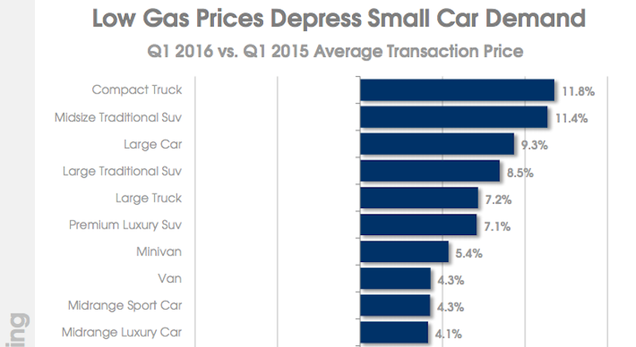
If you’re in the market for a used car, you might consider going compact. According to a report from Edmunds, even though used car prices have increased overall, prices of used compact and subcompact cars are down.

Read more...

22 May 15:03

Noodles & Company Probes Breach Claims

by BrianKrebs

Noodles & Company [NASDAQ: NDLS]a fast-casual restaurant chain with more than 500 stores in 35 U.S. states, says it has hired outside investigators to probe reports of a credit card breach at some locations.

noodlesOver the past weekend, KrebsOnSecurity began hearing from sources at multiple financial institutions who said they’d detected a pattern of fraudulent charges on customer cards that were used at various Noodles & Company locations between January 2016 and the present.

Asked to comment on the reports, Broomfield, Colo.-based Noodles & Company issued the following statement:

“We are currently investigating some unusual activity reported to us Tuesday, May 16, 2016 by our credit card processor. Once we received this report, we alerted law enforcement officials and we are working with third party forensic experts. Our investigation is ongoing and we will continue to share information.”

The investigation comes amid a fairly constant drip of card breaches at main street retailers, restaurant chains and hospitality firms. Wendy’s reported last week that a credit card breach that began in the autumn of 2015 impacted 300 of its 5,500 locations.

Cyber thieves responsible for these attacks use security weaknesses or social engineering to remotely install malicious software on retail point-of-sale systems. This allows the crooks to read account data off a credit or debit card’s magnetic stripe in real time as customers are swiping them at the register.

U.S. banks have been transitioning to providing customers more secure chip-based credit and debit cards, and a greater number of retailers are installing checkout systems that can read customer card data off the chip. The chip encrypts the card data and makes it much more difficult and expensive for thieves to counterfeit cards.

However, most of these chip cards will still hold customer data in plain text on the card’s magnetic stripe, and U.S. merchants that continue to allow customers to swipe the stripe or who do not have chip card readers in place face shouldering all of the liability for any transactions later determined to be fraudulent.

While a great many U.S. retail establishments have already deployed chip-card readers at their checkout lines, relatively few have enabled those readers, and are still asking customers to swipe the stripe. For its part, Noodles & Company says it’s in the process of testing and implementing chip-based readers.

“The ongoing program we have in place to aggressively test and implement chip-based systems across our network is moving forward,” the company said in a statement. “We are actively working with our key business partners to deploy this system as soon as they are ready.”

22 May 14:50

Police: Suspect called herself ‘sociopath in training’

by wtopstaff

CHRISTIANSBURG, Va. (AP) — A former Virginia Tech student charged in the kidnap-slaying of a 13-year-old girl called her co-defendant a “sociopath” and referred to herself as a “sociopath in training” a police detective testified Friday.

Also, prosecutors in the case against David Eisenhauer and Natalie Keepers introduced text messages taken from Eisenhauer’s cellphone speculating about the body never being found and talking about engaging in “overkill.”

Eisenhauer, 18, is charged with kidnapping and first-degree murder. Keepers, 19, charged with being an accessory to kidnapping and murder and with helping hide the body of Nicole Lovell, a 7th grader who authorities say sneaked out her window early one morning last January to rendezvous with the older teens.

Montgomery County Juvenile and Domestic Relations Judge Robert Viar Jr. found probable cause to send the case to a grand jury, which will meet in late July to determine whether the two former college students from Maryland should be indicted.

Blacksburg Police detective Ryan Hite testified that Keepers told investigators she and Eisenhauer discussed several ways to kill Nicole: drugging her, making it look like suicide and knocking her unconscious and leaving her to die of exposure. They settled on what she called “the official plan,” Hite said: “Grab her from behind, cover her mouth and slit her throat.”

Keepers insisted to investigators she was not present during the actual killing. At one point in her police interview, she said Eisenhauer forced her involvement but she later said she participated because it made her feel like part of a special, secret club.

“She referred to Eisenhauer as a sociopath and to herself as a sociopath in training,” Hite said.

Hite also said Keepers described in detail how she and Eisenhauer bought a shovel and cleaning supplies, went together to pick out a rural site where Nicole would be killed and dumped her body just over the state line in North Carolina.

Keepers took investigators to those sites, pointing out tire tracks from Eisenhauer’s car and their footprints in the blood-spattered snow, as well as to locations where they disposed of Nicole’s clothes and backpack, Hite said. She could not find the wooded area where Eisenhauer tossed the knife, Hite said, but Nicole’s blanket, emblazoned with “Minions” cartoon figures, which she brought with her when she sneaked out her window, was seized from Keepers’ dorm room.

In the text message conversation about the massive search for Nicole after her disappearance, Eisenhauer said that as long as nobody found the body for a week “it will never be traced.” He also said Nicole “was blackmailing another guy too,” and he and Eisenhauer talked about smelling like cleaning solution. Keepers had told police that she and Eisenhauer had cleaned Nicole’s body with sanitizing wipes and bleach.

“Always go overkill, especially when your life is on the line,” Eisenhauer said in one of the text messages.

Eisenhauer was less talkative in his interview with police while Nicole was still missing. Blacksburg Detective D.L. Twigger testified that Eisenhauer said he arranged to pick Nicole up outside her apartment, but he thought she was much older. He said Nicole did not get in his car and started walking back toward her apartment, and he drove away.

According to Twigger, Eisenhauer said he thought police should focus more on finding the body “rather than interrogate the last person to see her alive. I’m calling a lawyer. I’m done.”

Officials didn’t testify about a possible motive.

However, a friend of Eisenhauer whose cellphone was recently seized by police earlier provided a possible answer.

Bryce Dustin of Pulaski told The Roanoke Times earlier this month that Eisenhauer texted him about meeting a teenage girl at a party and later learning that she was underage. Eisenhauer feared the girl would “expose” him and asked if Dustin knew where he could hide a body, Dustin told the newspaper.

The post Police: Suspect called herself ‘sociopath in training’ appeared first on WTOP.

22 May 14:27

Users Of Walmart’s Prepaid MoneyCard Say They Can’t Access Funds

by Ashlee Kieler

Prepaid credit cards can serve as a lifeline for millions of unbanked Americans in need of an alternative to traditional banking, but they’re only helpful when users can actually get access to their funds. To that end, thousands of consumers who use Walmart-branded prepaid debit cards say they’ve been stranded without their funds for three days. 

Consumers who depend on the Green Dot-based cards to pay bills, buy groceries, and make other purchases began experiencing problems with the system on Monday, with issues persisting as of Wednesday afternoon, the Los Angeles Times reports.

Cardholders say they have been unable to withdraw cash from ATMs, check their account balances, or make purchases.

Green Dot, which issues the prepaid debit MoneyCards for Walmart, has blamed the issue on a technical problem.

A post on Twitter explains that a processing partner is “experiencing slowdowns in some of their systems and as a result, we are currently unable to provide card balances online or over the phone.”

Despite consumers’ complaints that they’ve been unable to make purchases or withdraw cash from ATMs, Green Dot maintained in the Tweet that those actions were not impacted by the glitch.

“We understand the important role we play in the daily financial lives of our loyal customers and apologize for any inconvenience this may cause,” the company said.

Steve Streit, Green Dot Chief Executive, tells the L.A. Times that the issue was expected to be fixed Wednesday night.

As of Thursday morning, MoneyCard users were posting on a Facebook group called “Walmart MoneyCard Exodus” about continuing problems with the cards.

One user said she had tried to withdraw funds at least three times and was continuously declined.

“Going on day 4 soon of no money,” the poster said. “Finally was able to get someone on the phone after trying since Monday. All he could say was he was sorry and that the system update failed and caused a lot of people’s card not to work.”

“So I woke this morning, checked my balance and it say my balance is $0.00 called the 800 number says my account was negative $42.89, talked to a rep and he said I had $289.62, but I cannot use my card until issue is fixed,” another card user said.

The issues with Walmart’s Green Dot cards come months after thousands of consumers using prepaid RushCards were affected by a similar glitch.

Among other things, users reported being locked out of their accounts and that their balances suddenly showed $0.

RushCard recently entered into a settlement agreement in which the company will pay $19 million in compensation for consumers who were affected by the weeks-long outage.

Customers say Walmart-brand prepaid debit cards aren’t working, cutting off access to funds [The Los Angeles Times]

22 May 14:24

Senators Introduce Bipartisan Bill To Limit Law Enforcement’s Rights To Hack Stuff

by Kate Cox

A group of Senators has announced today that they are introducing a new bill into the Senate designed to prevent mass hacking of Americans’ digital devices. But the lawmakers aren’t targeting shadowy collectives or foreign nationals with their proposed legislation; they’re seeking to limit the scope of actual Federal agencies’ powers.

The Stopping Mass Hacking Act — which they are, yes, literally referring to as the SMH Act — seeks to limit changes to a section of law known as Rule 41 from going into effect. Senators Ron Wyden (OR) and Rand Paul (KY) are spearheading the effort, with co-sponsorship from Senators Tammy Baldwin (WI), Steve Daines (MT), and Jon Tester (MT).

The text (PDF) of the bill is as short and blunt as it gets, reading, in full: “The proposed amendments to rule 41 of the Federal Rules of Criminal Procedure, which are set forth in the order entered by the Supreme Court of the United States on April 28, 2016, shall not take effect.”

So what’s rule 41, and what did the Supreme Court change?

The EFF has an in-depth explanation, but the short version is this: the proposed changes to Rule 41 would expand procedural power (so, the things law enforcement can legally, regularly do) to access more people’s stuff.

The proposed change would allow judges to grant search warrants for remote search of accounts and devices — as in, using software to access someone’s phone or computer when it’s miles and miles away and not necessarily in the possession of the entity you’re investigating.

It specifically targets two groups of people and devices. The first are those using certain privacy tools, like VPNs, that virtually hide your device’s location. The EFF surmises that it could even extend to smartphones and apps with location services disabled.

The other group of devices that could be subject to search? Anything that’s part of a botnet which, by definition, is going to include a whole lot of innocent or unrelated persons’ devices running software they don’t know about and don’t intend to run. As the EFF puts it: “This means victims of malware could find themselves doubly infiltrated: their computers infected with malware and used to contribute to a botnet, and then government agents given free rein to remotely access their computers as part of the investigation. Even with the best of intentions, a government agent could well cause as much or even more harm to a computer through remote access than the malware that originally infected the computer.”

Senator Wyden, who has in recent months taken strong stands for consumers rights’ to encryption and privacy, shared his thoughts in a post on Medium.

Speaking partly in *.gif, the language of the internet, Wyden said, “An agency with the record of the Justice Department shouldn’t be able to waive its arms and grant itself entirely new powers.”

“The American public should understand that these changes won’t just affect criminals: computer security experts and civil liberties advocates say the amendments would also dramatically expand the government’s ability to hack the electronic devices of law-abiding Americans if their devices were affected by a computer attack,” Wyden continued. “Devices will be subject to search if their owners were victims of a botnet attack — so the government will be treating victims of hacking the same way they treat the perpetrators.”

The proposal could affect over 500 million computers, Wyden wrote, and the scale matters. “By allowing so many searches with the order of just a single judge, Congress’s failure to act on this issue would be a disaster for law-abiding Americans,” said the Senator, before concluding:

“When the public realizes what is at stake, I think there is going to be a massive outcry: Americans will look at Congress and say, ‘What were you thinking?'”

22 May 14:21

Antibiotic-Resistant Superbugs Could Kill Millions Every Year If Left Unchecked

by Chris Morran

Each year, some 700,000 people around the world die from antibiotic-resistant infections; that’s more than 1,900 deaths per day. If nothing is done to curb the overuse of antibiotics — in humans, and in livestock and agriculture — these superbugs could eventually kill 1,100 people every hour.

This is according to the final report [PDF] on antimicrobial resistance from UK economist Jim O’Neill, who produced this and previous research at the request of UK Prime Minister David Cameron.

O’Neill contends that the current 700,000 figure for annual deaths attributable to antimicrobial resistance is a conservative number due to poor reporting.

“Nearly 200,000 people die every year from multidrug-resistant and extremely drug-resistant tuberculosis alone,” he writes. “In India, antibiotic-resistant neonatal infections cause the deaths of nearly 60,000 new-borns each year. A current death toll on this scale means that more than one million people have lost their lives to drug-resistant infections in the 19 months since we published our first report.”

Using data on rising drug resistance for six pathogens, O’Neill estimates that by 2050, drug-resistant bacteria could kill 10 million people a year, at a cost of $100 trillion.

“On this basis, by 2050, the death toll could be a staggering one person every three seconds and each person in the world today will be more than $10,000 worse off.”

Antimicrobial resistance occurs naturally and has been seen by researchers since the introduction of antibiotics. However, resistance can be encouraged by the overuse of antibiotics.

Not only are physicians overprescribing antibiotics to treat viral infections and other conditions on which these drugs have no effect, but the overwhelming majority of antibiotics sold in the U.S. and several other countries is being provided to farm animals primarily for the purpose of growth-promotion.

At the same time, no new classes of antibiotics have been created in more than 30 years, meaning we’re continuing to use too many of the same old drugs, giving rise to more resistance.

With the increase in superbugs, doctors have had to turn to drugs of last resort to treat infections that had previously been fought off using traditional antibiotics. Colistin, a harsh antibiotic that had been used only sparingly because it can severely damage the kidneys, is now being used more frequently to treat resistant pathogens.

Of even more concern than the potential damage done by colistin is the fact that colisitin-resistant bacteria has already been found in at least 19 countries on three continents.

When resistance renders a drug of last resort useless, where else do you turn? This is why we simultaneously need to curb the overuse of our current lineup of antibiotics and invest money and time in the development of new treatments.

Congresswoman Louise Slaughter of New York, a trained microbiologist and an outspoken critic of antibiotics overuse, says the O’Neill report spotlights the need for a global response to the problem.

“We cannot fix this issue if we continue to misuse new antibiotics in the same old ways,” says Rep. Slaughter, who has introduced legislation intended to curb the use of these drugs in farm animals. “This single industry consumes 80% of all antibiotics, which is why we must finally end the overuse and abuse of antibiotics in agriculture for nontherapeutic uses.”

22 May 14:15

Target Using California Stores As Retail Labs To Test “Enhancements”

by Ashlee Kieler

Retailers tend to be cautious about rolling out changes nationwide, instead testing out a couple tweaks here and few updates there. Target, however, is using entire stores in California as testing grounds for dozens of new in-store “enhancements.”

The Street [WARNING: Obnoxiously loud auto-play video] reports that as part of a $1 billion initiative to remodel stores, Target has overhauled the look of several departments to create what could be a glimpse into the retailer’s future.

In all, 25 revamped stores in the Los Angeles area put many of the retailer’s top enhancement tests under one roof.

Each location features 35 enhancements that include, among other things, stylish apparel fixtures, better-lit fresh produce sections, an emphasis on organic products, service stations expedited online order pick ups, and department specialists.

target produce

The stores will also feature an expanded focus on in-store cafes and restaurants. For example, Starbucks locations will have more floor space, and “healthy” fast-casual restaurant concepts will be added, The Street reports.

“What we are doing with LA25 will influence our next-generation store experience that we are working on — there may also be specific sections from these stores that may help influence the chain quicker,” Mark Schindele, a senior vice president at Target who’s leading LA25, tells The Street.

target service
Target also revamped its Active Wear section with new displays and racks.

First Look: Target’s ‘Store of the Future’ Launches in California [The Street]

22 May 14:03

How Does Taco Bell Turn Everything, Including Fried Chicken, Into Taco Shells?

by Laura Northrup

Last fall, we began hearing reports that Taco Bell was testing taco shells made from fried chicken, because that’s an actual thing that people would definitely eat. The fall test was in Bakersfield, CA, and they also tested them in Kansas City last month. Where do they come from, though? Is it simply a Tex-Mex Double Down?

(Venessa Wong/Buzzfeed)

Buzzfeed’s Venessa Wong was able to learn more about the creation of the shell product, which has since been renamed the Naked Chicken Chalupa. The shell comes from one of Taco Bell’s apparent guiding principles of the last few years: fold a variety of flat foods in half and call them tacos.

The Naked Chicken Chalupa will be going nationwide fairly soon, and the company’s test kitchen wizards explained to Wong how they make these shells in-store. The shells arrive flat, but already breaded and seasoned. They’re fried in the shaping basket contraption that you see above to give them a taco-shell shape, which is also how they turned various breakfast foods into taco shells in-store.

Here’s How Taco Bell Makes A Taco Shell Out Of Fried Chicken [Buzzfeed]

22 May 14:03

9 Things We Learned About How Few Americans Are Regularly Taking Part In The “Sharing Economy”

by Mary Beth Quirk

Though it might feel like you can turn a corner without seeing an ad for this ride-hailing app or that on-demand delivery service, Pew Research Center’s first-ever survey of how American adults interact with the new digital economy shows there’s a big difference between how many people have ever tried one of these services and the people who use them on a regular basis.

Pew’s in-depth survey on the digital economy covers commercial services that offer on-demand access, like ride-hailing apps; sharing service that enable people to sell products or expertise like StubHub and TaskRabbit, respectively; and other “collaborative” services that try to connect communities and solve problems by way of crowdsourcing, like Kickstarter.

Pew surveyed 4,787 American adults and asked them their views on a wide range of services, and while for many folks these services are part of their every day lives, there are many others who barely use them — or even know they exist. Here are a few of the results from Pew’s report on the digital economy that we found most interesting:

1. People are picking and choosing among services: While 72% of American adults have used at least one of 11 different shared and on-demand services, many are only using one or a few of them. About 20% have used four or more of such services, and 7% have used six or more.

2. Exposure doesn’t always translate to use: Then there’s the full 28% of Americans who said they’ve never used any of these commercial platforms. For example, though 15% of Americans have used a ride-hailing app like Uber or Lyft, about twice that many people haven’t even heard of them in the first place. On those same lines, 11% of people have used Airbnb, VRBO, or similar, but almost half don’t know they exist.

3. Educated, high-income, young people in cities use these services the most: It might come as no surprise, but college graduates are more likely to use four more of these services, Pew found, as well as those with relatively high household incomes and those under the age of 45.

Urban and suburban dwellers are also twice as likely as those living in rural areas to use four or more of these services, Pew found, while about 25% of that same category haven’t used any of the platforms the survey measured.

4. People with cars still use ride-hailing apps: The survey found that 3% of American adults use apps like Uber or Lyft on a daily or weekly basis, and around two-thirds of those people either own their own car or regularly drive a personal vehicle, Pew found. Though this means that regular ride-hailing app users have cars, as a group they’re still less likely to own or drive a car than people who only use such apps occasionally or not at all.

5. Ride-hailing apps are convincing folks they’re not transportation companies: Though many users aren’t sure the relationship between these services and drivers, Pew says that in the abstract, people “tend to view these services as software platforms rather than transportation companies, and they view their drivers as independent contractors rather than employees.” About 58% of ride-hailing users see these apps as software companies, 30% view them as transportation companies, and 66% think drivers are independent contractors.

However, 68% of ride-hailing users believe that both drivers and the services themselves should be responsible for making sure drivers are trained properly, and 62% think both drivers and service should make sure cars are clean and safe.

6. About 11% of adults have used something like Airbnb, VRBO, or HomeAway to stay in someone else’s home: Americans of all ages are using home-sharing platforms, Pew found, though folks ages 35-44 are almost twice as likely as people ages 18-24 to have used one.

7. There’s confusion on the employer/worker relationship here, too: Similar to ride-hailing app users, consumers using home-sharing services aren’t quite sure on the relationship between the platform and the people renting out their spaces. About 58% of home-sharing users say such services are just software companies, while 26% see them as hospitality companies that vouch for the quality of the properties they list, and have control over the customer experience.

Again, much like with ride-sharing apps, those who use home-sharing services ascribe varying levels of responsibility on the parties involved when it comes to managing the day-to-day user experience: 67% believe that both homeowners and the home-sharing platforms themselves should make sure properties are like they’re described, while 8% think it all rests on the shoulders of the app or service, and 23% think it’s up to homeowners.

8. One-in-five Americans have given to online fundraising projects: Close to 20% of American adults have given money on sites like Kickstarter and GoFundMe, and 3% have created their own project on such sites. Most of those folks who have contributed have done so only a handful of times — 87% have given to a total of five projects or fewer.

9. People like to donate money to those in need: A full 68% of adults who’ve contributed on crowd funding sites have given money to help someone facing hardship or financial challenges.

Another 34% have given to fund a new product or invention, while others donate money for school projects or fundraisers (32%), to musicians or other creative artists (30%), and to projects for new businesses (10%).

Shared, Collaborative and On Demand: The New Digital Economy [Pew Research Center]

21 May 14:13

DC fire captain arrested on gun, drug charges

by Rick Massimo

WASHINGTON — A D.C. Fire Department captain has been arrested on gun and drug charges in Fairfax County.

Brian Grace, of Centerville, Maryland, was arrested on Wednesday and charged by the Fairfax County police with possession with intent to manufacture, sell and distribute drugs and possession of two firearms with a Schedule I or II drug, The Washington Post reports.

The D.C. Fire Department says Grace has been in the department since 2000 and has been placed on administrative leave, The Post says.

The post DC fire captain arrested on gun, drug charges appeared first on WTOP.

21 May 13:36

Amazon's Selling a Full Set of Pillows For $25, Today Only

by Shep McAllister

Whether you aren’t happy with your current pillows, or just need an extra set for your guest room, Amazon’s selling a 4-pack today for $25.

Read more...

21 May 01:25

Those Updated Nutrition Labels On All Your Packaged Food Are Finally Happening

by Kate Cox

It’s something most of us learned to do decades ago: you see an inviting package on the supermarket shelf. You pick it up, have a look at the front to see if you might like that flavor, and then flip it over to stare intently at the familiar white nutrition label on the back. Well now, finally, after much hemming and hawing, those nutrition labels are getting an overdue upgrade.

The changes look a lot like the proposal the FDA unveiled more than two years ago, in Feb. 2014. But rules don’t change immediately, by fiat; the agency had to go through a whole long process of proposal, comment, and approval in order to make the change.

So what’s going to be different? The white box you’re used to will look pretty similar to the way it has, but some of the contents are going to change, especially when it comes to serving size. Some highlights include:

  • The number of calories per serving will be a BIG, bold number that you can’t easily miss.
  • Serving sizes are going to have to shift to be more similar to portions actual human people really eat. (When’s the last time you had a measured half-cup of breakfast cereal in a measured half-cup of milk?)
  • Some line items that only listed contents in percentages [of daily recommended value] before will now actually include real quantity measurements, in grams.
  • Items you might consume in a single sitting even if they’re more than one serving, like your classic pint of breakup ice cream, will have to show both the per-serving and per-container values.
  • Single-serve but theoretically multi-serving containers, like 20 oz sodas, will just have to list the numbers for the whole bottle as one serving because let’s be real, people don’t usually share or save half for tomorrow.
  • Some of the recommended daily value numbers have been tweaked, because the science on how much you should or shouldn’t have has been updated.

In short, the FDA says, your new labels are going to look a lot like this:
fdanewnutrition2016

The full text of the newly updated rules regarding both serving sizes and nutrition will be posted to the Federal Register soon.

Meanwhile, it might still take a while for you to get used to seeing the new label out in the wild; the deadline for manufacturers to get it in use is July 26, 2018.

21 May 01:24

After Nearly 1,000 Complaints, Regulators May Open Investigation Into GM Airbag Issue

by Ashlee Kieler

General Motors isn’t making any new Saturn or Pontiac vehicles, but owners of the many Saturns and Pontiacs still on the road should have some reasonable expectation that their airbags will deploy properly when needed.

This is why the National Highway Traffic Safety Administration is working to determine if a full-scale investigation into 91,000 vehicles that contain airbags that may not deploy properly is needed.

The potential investigation, which centers on 91,205 model year 2007 to 2010 Saturn Sky and model year 2006 to 2010 Pontiac Solstice vehicles made under the General Motors banner, was initiated after the agency received more than 900 consumer complaints and a petition from one owner.

According to a notice [PDF] posted with NHTSA, the Office of Defects Investigations received a petition requesting a defect investigation into the vehicles’ airbag systems.

The petition [PDF] alleged that the Passenger Sensing System (PSS) sensor mat can break over time. If this occurs it could lead to a failure in the circuitry of the sensor mat that may lead to the passenger air bag system being inoperative when the seat is occupied by a passenger that would otherwise require air bag protection.

In addition to receiving the petition to open an investigation into the General Motors-made vehicles, NHTSA says it has received 933 complaints from owners over the issue.

“The identified complaints encompass several General Motors vehicle models in addition to the Pontiac Solstice and Saturn Sky,” the agency says. “ODI will evaluate these complaints further to determine if the complaints pertain to the issue cited in the petition.”

Complaints submitted by owners alleged, among other things, that the issue is first noticed when the car’s “service airbag light” comes on. Subsequent visits to dealers for repair have resulted in thousands of dollars worth of repairs.

“As complained by most Saturn Sky owners this should be recalled. HUGE SAFETY ISSUE!! Is it really going to take more deaths to have this considered recall-able? I now have both airbag lights on and estimated cost of repairs is close $1500,” the owner of a 2007 Saturn Sky tells NHTSA in a complaint.

“On the right side airbag is not working, I had it checked out and they said it would be 1,050 dollars to fix it,” the owner of a 2007 Pontiac Solstice owner writes.

“My 2009 Saturn Sky, with less than 50,000 miles, displays the ’service air bag’ light in the instrument panel for no reason,” another owner writes. “The air bags have never deployed and the car has never been in an accident. I am taking it to an authorized GM dealer but this cost and problem is absurd for a car well taken care of and garage kept.”

“Passenger airbag service light came on at 67K,” the owner of a 2009 Solstice says. “The car was never involved in any accident and has no damage. Took it to a GM dealer, they want $900 to fix the faulty sensor. It should be a manufacturer recall.”

NHTSA says in its notice that the Office of Defects Investigations will evaluate the issue and determine if an investigation is warranted.

20 May 22:24

Manassas Park Sees Population Decrease: U.S. Census Estimates - Patch.com


Patch.com

Manassas Park Sees Population Decrease: U.S. Census Estimates
Patch.com
Latest U.S. Census figures suggest the Manassas region is growing, but outside of Manassas Park. Manassas Park, VA. By Greg Hambrick (Patch Staff) - May 19, 2016 1:54 pm ET. ShareTweetGoogle PlusRedditEmailComments0. Manassas Park Sees ...

and more »
20 May 22:24

Manassas Sees Population Increase: U.S. Census Estimates - Patch.com


Patch.com

Manassas Sees Population Increase: U.S. Census Estimates
Patch.com
Latest U.S. Census figures suggest the Manassas region is growing, including inside the municipal boundaries. Manassas, VA. By Greg Hambrick (Patch Staff) - May 19, 2016 1:50 pm ET. ShareTweetGoogle PlusRedditEmailComments0. Manassas Sees ...
How fast is Washington growing? Fast, but not as fast as Georgetown — the one in Texas.Washington Post

all 126 news articles »
20 May 11:41

How to Care for a Husky

Huskies are highly energetic working dogs, meaning they need a lot of exercise and activity to be happy.[1] They are loyal and good-natured dogs who have a genuine love for life, and lots of people want them as pets. However, Huskies can also be stubborn and quite difficult to train, so you must be up to the task. If you are considering owning a Husky, decide if you have the time, patience, energy, and dedication to help him live a long, happy, and fulfilled life.

EditSteps

EditTraining Your Husky

  1. Socialize your Husky puppy Socialization teaches your puppy how to interact properly with various aspects of his environment (e.g., people, other dogs), which will help him grow into a confident and well-mannered adult dog. Allow your puppy to spend time around different people and experience various sights and sounds.[2]
    Care for a Husky Step 1.jpg
    • Puppy kindergarten class is a great way to teach your Husky puppy how to interact with other dogs.[3] Enroll your puppy Husky in puppy kindergarten when he is four to five months old.[4]
    • Other than puppy kindergarten, you can socialize your puppy by exposing him to different situations in his environment, such as the sounds of passing cars and honking horns. You can also invite your friends over to help him become comfortable with new people.[5]
    • Taking your puppy to a park is another good way to expose him to different people, sights, and sounds.
    • Observe your puppy as he explores his new world. If he appears frightened or wary of certain experiences, do not continue to expose him to those situations.
  2. Enroll your adult Husky in an obedience training class. By nature, Huskies are very independent and intelligent dogs.[6] However, they can also be stubborn,[7] which can make training difficult. Obedience classes are ideal for training your Husky.[8]
    Care for a Husky Step 2.jpg
    • Enroll your Husky in a "junior" obedience class when she is 4 months old and follow up with adult training around 12 months.[9] For a well-behaved dog, it is imperative you begin training your Husky at a young age.
    • Be aware that your Husky may use her intelligence to differentiate between training class and home — she may perform the training exercises perfectly in class, then misbehave when she gets home.[10] Frustrating as this may be, continue to practice and reinforce her training at home.
  3. Crate train your Husky. This is particularly important if you have a Husky puppy. Crate training will help the housetraining process go more smoothly—he will not want to urinate or defecate where he sleeps.[11] In addition, crate training will turn his crate into a safe space to go if your Husky feels scared or needs to rest.[12]
    Care for a Husky Step 3.jpg
    • Your Husky’s crate is not a place of punishment.[13] Sending him to his crate when he misbehaves may cause your Husky to develop a negative association with his crate.
  4. Leash train your Husky. If you let your Husky off her leash, she will likely dash away from you to go for a good run or happily pursue something far away.[14] She may love you as her owner, but, if given the chance, her love of running and chasing (and maybe even her predatory instincts) may take over.[15] Because of this, leash training your Husky is essential.
    Care for a Husky Step 4.jpg
    • Leash training will also prevent your Husky from pulling on the leash. If she begins to pull, you can either stand still and call her back to you or smoothly and immediately walk in the opposite direction of the pull.[16]
    • Do not jerk or pull back on the leash — this may encourage your Husky to pull even harder.
    • Do not use a retractable leash — this could cause your Husky to pull even more, since pulling will let her go further.[17]
    • If you have a puppy, let her sniff and "explore" her leash and collar in the house before you try walking her outside.[18]
    • Obedience training classes can help you leash train your Husky.
  5. Establish that you are your Husky’s leader. Huskies are pack animals and expect to have a clear leader of the pack.[19] Your Husky should see you as his leader. A good way to establish this leadership is to make him wait to eat.[20]
    Care for a Husky Step 5 Version 2.jpg
    • By controlling when he eats, your Husky will see you as the sole source of his food and resources, and thus his leader.[21]
    • Another way to establish your leadership with your Husky is to lead during your walks with him.[22] By taking the lead, you are confidently showing him that he is to follow you, rather than the other way around.
    • Do not be surprised if your Husky occasionally tries to become the leader of the pack. If he does, remember to be firm and consistent with your leadership.[23]
    • Do not establish your leadership through bullying or hitting your dog.[24] Your Husky is unlikely to trust and respect you as his leader if you try to establish your leadership through physical intimidation.

EditExercising and Playing With Your Husky

  1. Exercise with your Husky on a daily basis. Huskies are working dogs, with their origins in Siberia where they pulled heavy sleds over long distances.[25] Thus, it comes as no surprise that Huskies require daily, vigorous exercise (at least 30 to 60 minutes) to release pent-up energy.[26][27]
    Care for a Husky Step 6.jpg
    • Long walks are a great way to exercise your Husky.[28]
    • To encourage your Husky’s "working dog" side (and if you are feeling adventurous), tie her leash to a bicycle or wheelbarrow and let her pull you.[29] Do not attempt this if she is not well trained.
    • Playing fetch and going hiking with your Husky are other good ways to exercise her.[30][31]
    • If you live by the water, you can take your Husky swimming.[32]
    • Be mindful that Huskies are very energetic dogs, and are almost always ready to play and exercise.[33] Make sure you have the energy to keep up with her!
  2. Secure your yard to prevent escape. Huskies are master escape artists.[34] If you let your Husky exercise in the backyard, prevent his escape by enclosing your yard with a six-foot fence.[35] This may not be enough, however — your Husky’s love of digging may lead him to try to dig his way out of your yard.[36]
    Care for a Husky Step 7.jpg
    • To prevent a ‘"digging" escape, have your fence sunk at least several inches into the ground.[37] You could even place concrete or strong mesh wiring at the base of the fence to prevent digging.[38]
    • Contact a fencing company to reconfigure your fence such that your Husky cannot dig his way out.
    • If your Husky has managed to dig some holes, you can fill them with cinder blocks to discourage further digging.[39]
    • Always supervise your Husky when he is out in the yard. Although your Husky loves the outdoors, leaving him in the backyard unattended will probably make him feel lonely and bored, which could lead to destructive digging.[40]
  3. Find a playmate for your Husky. Huskies are very social animals.[41] Your Husky would love to have another dog with whom she can play and exercise. An ideal playmate will be a dog that is about the same size as your Husky and can keep up with her.[42]
    Care for a Husky Step 8.jpg
    • Allow your Husky to meet other dogs so that she can choose a playmate.[43]
  4. Do not exercise your Husky in hot weather. Huskies have a double coat, which makes them best suited for cold climates.[44] This does not necessarily mean that you should not own a Husky if you live in a warm climate — you will just need to use more caution when playing and exercising with him during the warmer months of the year.
    Care for a Husky Step 9.jpg
    • If you live in a warmer climate, exercise your Husky only in the early morning when it is not too hot outside.[45]
    • Your Husky could overheat if he is outside for too long during the heat of the summer. Try to keep him inside during the hottest part of the day.
  5. Entertain your Husky. Your Husky is very intelligent, and will need mental stimulation to keep her happily busy and entertained. Kong toys are especially good for Huskies: they are durable and mentally challenge your Husky to figure out how to get the food out.[46]
    Care for a Husky Step 10.jpg
    • Fill the Kong toy with your Husky's favorite treats.
    • Be mindful that Huskies can be very destructive. Choose durable chew toys that will keep your Husky busy, but cannot be easily destroyed.
    • Other than toys, teaching your Husky various tricks (e.g., playing dead, playing fetch) will provide her with plenty of mental stimulation.

EditFeeding and Grooming Your Husky

  1. Feed your Husky high-quality dog food. Huskies were originally bred to survive on a small amount of food. Therefore, your Husky will not need to eat a lot of calories to be healthy and have the energy to play and exercise.[47]
    Care for a Husky Step 11.jpg
    • Feed your Husky either once or twice daily and avoid exercise for at least 90 minutes after eating.[48][49]
    • Your Husky may need more or less food, depending on such factors as her size, age, and health status.[50]
    • If you have a Husky puppy, begin by feeding her three times a day — early morning, early afternoon, and evening. When she is three to four months old, she will likely cut herself back to twice-daily meals.
    • Human food and canned food may cause your Husky to become a finicky eater and/or develop diarrhea.[51]
    • If you purchased your Husky from a breeder, he or she can recommend dog foods for your Husky to eat.[52] You can also ask your veterinarian and other Husky owners for food recommendations.
  2. Brush your Husky’s coat. By nature, Huskies are very clean dogs. They have little to no dog odor and groom themselves frequently, so you will not need to do much extra grooming.[53] However, Huskies do shed quite a bit, particularly during the spring and fall when they blow their coats (complete shedding of the undercoat).[54][55]
    Care for a Husky Step 12.jpg
    • The "blowing coat" period lasts for at least three weeks.[56]
    • Brush your Husky with a slicker brush at least once a week throughout the year to remove dead hair and keep his coat fresh and shiny.[57][58][59] Slicker brushes are available at your local pet store.
    • Do not shave your Husky's coat in the summer. You may think that shaving his coat will help cool him off, but you are actually removing his protection from harmful ultraviolet rays.[60]
  3. Bathe your Husky. Since Huskies do an excellent job of keeping themselves so clean, they rarely need baths. You will probably need to bathe your Husky only once a year.[61] If you are not able to bathe your Husky on your own, you may prefer to take her to a dog groomer.
    Care for a Husky Step 13.jpg
  4. Trim your Husky’s nails. Your Husky’s nails should be trimmed once every one to two weeks.[62] If your Husky’s energy and size make it difficult for you to trim his nails on your own, schedule a nail-trimming appointment with your veterinarian. Keep in mind that he may keep his nails naturally trimmed down with his exercise and play.[63]
    Care for a Husky Step 14.jpg
  5. Brush your Husky’s teeth. If you can manage it, brush your Husky’s teeth at least two to three times a week.[64] You can purchase veterinarian-approved toothpaste through your veterinarian.[65]
    Care for a Husky Step 15.jpg
    • Brushing your dog’s teeth will not only keep her breath fresh, but will also prevent plaque and tartar buildup, both of which can lead to serious dental and systemic diseases.[66]
    • Consider talking with your veterinarian for extra guidance on brushing your Husky’s teeth.
    • If you are not able to brush your dog’s teeth, you can schedule a dental cleaning with your veterinarian. However, this requires general anesthesia and can be very expensive.

EditTips

  • On average, Huskies live for 12 to 15 years.[67][68]
  • Given their strong-willed nature, Huskies are better suited for experienced dog owners who can confidently and consistently assert firm leadership.[69]
  • You will need to plenty of patience and perseverance to train a Husky.[70]
  • Schedule regular veterinary visits for your Husky to ensure that he is in good health and is up to date on his vaccinations.
  • Keep your Husky on a monthly heartworm preventative, as well as a flea and tick preventative.
  • Provide your Husky with plenty of fresh water.

EditWarnings

  • Huskies can be very destructive when left alone without enough to keep them busy and/or mentally stimulated.[71] Provide your Husky with plenty of toys when you are not home, and closely supervise him when you are home.
  • Huskies are prone to such diseases as hip dysplasia and eye disorders (e.g., progressive retinal atrophy, cataracts), which may not be detectable when they are puppies.[72] Consider only buying a puppy from a breeder who screens their breeding animals for hip dysplasia and PRA. Take your Husky to your veterinarian if you notice that he is having trouble walking or seeing.
  • Huskies are predatory dogs.[73] A Husky may see your cat as prey. If you have cats, you should probably consider a dog breed that does not have strong predatory instincts.
  • Huskies are not guard dogs.[74] In fact, they may enthusiastically greet an intruder or suspicious stranger, which could put you and your family in danger. Consider another breed if you want a guard dog such as a German shepherd or Doberman pinscher.

EditRelated wikiHows

EditSources and Citations


Cite error: <ref> tags exist, but no <references/> tag was found


20 May 11:41

How to Grow Honeysuckle

Honeysuckle is a low maintenance plant. It is available in two varieties: a fragrant climbing honeysuckle or a beautiful woody shrub. Both varieties require full sunshine and yield glorious flowers in yellows, golds, whites, pinks, and reds. The climbing variety is often trained to grow up fences, walls, trellises, and stakes.

EditSteps

EditPlanting Honeysuckle in Your Garden

  1. Select a sunny, moist spot. While honeysuckle plants can tolerate partial-shade, they flourish in the sun. If possible, choose to plant your honeysuckle in a location that receives full sun. The site you choose should also have soil that retains some moisture—excess water should drain off.[1]
    Grow Honeysuckle Step 1 Version 2.jpg
    • Without sunshine, honeysuckle plants will not flower profusely and they may shed their leaves.[2]
  2. Install supports for your plants if needed. Once you have selected the location, determine if the plant will serve as ground cover or if the honeysuckle will climb up a support structure. If you intend to use the plant as ground cover, you will not need to install a support structure. If you would like to train the honeysuckle to climb, you will either need to plant it near an existing wall or fence, or install a trellis, stakes, wall, or fence. If you are not planting your honeysuckle near an existing fence or wall, Insert the support structure into the ground prior to planting the honeysuckle.
    Grow Honeysuckle Step 2 Version 2.jpg
    • If you install the structure after placing the plant in the ground, you may damage the root system.[3]
  3. Plant the honeysuckle in the early spring. After the threat of frost has passed in the spring, you may plant the honeysuckle in your garden. If you are using the honeysuckle as ground cover, plant them between two to five feet apart. If you are training your honeysuckle, place each plant six to twelve inches away from the support structure and three to fifteen feet away from other plants.[4]
    Grow Honeysuckle Step 3 Version 2.jpg
    • Dig a hole as deep as the plant’s current root system. The hole should be two to three times wider than its container.
    • Combine new compost into the soil you removed from the hole.
    • Remove the honeysuckle from its container without damaging the root system.
    • Loosen the plant’s soil with your fingertips before placing it in the hole.
    • Scoop half of the soil-compost mixture into the hole. Water the area to remove unwanted air pockets. Allow all of the water to drain.
    • Fill in the rest of the hole with soil-compost mix.
    • Water your transplanted honeysuckle thoroughly.
    • If you are training your honeysuckle, attach the plant to the support structure with old nylon hosiery tied in a figure eight. The crossed part of the tie should lay between the stem and the support structure.[5]
  4. Care for your honeysuckle. There are several actions you can take to ensure the health and prosperity of your honeysuckle plant. These include:
    Grow Honeysuckle Step 4 Version 2.jpg
    • Immediately after planting, cover the base of the honeysuckle with a two inch layer of compost, followed by a layer of mulch. The mulch will help the soil retain water.
    • If your region receives less than one inch of rain per week, water the honeysuckle plant.
    • After your honeysuckle has flowered, prune the plant.[6]

EditPlanting Honeysuckle in Containers

  1. Find a large container. When you plant honeysuckle in a container, the pot must be large enough to accommodate the plant’s growing root system. Select a container that is two to three times larger than the honeysuckle’s current pot.
    Grow Honeysuckle Step 5 Version 2.jpg
    • If you intend to install a support system within the pot, the container will also have to accommodate for the trellis or stakes.[7]
  2. Plant the honeysuckle in the container. Fill your large pot approximately halfway full of soil and/or compost. Carefully remove the honeysuckle from its plastic container without damaging its root system. Insert the plant into the large pot so that the base of the plant sits flush with the lip of the container. Fill in the empty space with more soil and/or compost.
    Grow Honeysuckle Step 6.jpg
    • If you need to elevate the honeysuckle, add more soil or compost to the pot until the plant’s base reaches the lip of the container.[8]
    • The type of honeysuckle you choose to plant is dependent upon the size of the container you wish to use, the climate of your region, and availability at local nurseries, markets, and stores. Before you purchase a honeysuckle, make sure the variety is not considered invasive.[9]
  3. Install a support system. In order to train your honeysuckle to climb, you must provide it with a support structure. You may position the container next to a south-facing wall or fence. If this option is not available to you, you may install a trellis or set of stakes within the pot itself.
    Grow Honeysuckle Step 7.jpg
    • You can create a makeshift cage out of three bamboo dowels and nursery wire. Insert the three dowels along the inner edge of the container at even intervals. Wrap a piece of nursery wire around the top of the three dowels. Cover the rest of the structure—from its top to its base—with five to seven rings of nursery wire.
  4. Train your honeysuckle. Once your structure is in place, you can train the plant to climb up the trellis, stakes, wall, or fence. Wrap the plant’s vines around the support structure. You can attach the honeysuckle to the structure with old nylon hosiery.[10]
    Grow Honeysuckle Step 8.jpg
    • If you have not already done so, move the honeysuckle to a sunny location and water the plant.

EditPropagating Honeysuckle from Cuttings

  1. Take cuttings from a honeysuckle plant. You can start a new honeysuckle plant from a cutting, or portion of an existing plant, treated with root hormone. Remove six to eight inch pieces of vine from your honeysuckle plant with a sharp knife. The cut you make should be slanted as opposed to straight across. If possible, separate the cutting from the vine just below a leaf node, or the portion of the stem that produces leaves. Remove the lowest two sets of leaves.
    Grow Honeysuckle Step 9.jpg
    • Take your cuttings from a plant that is at least two years old.[11]
  2. Remove the stem’s outer layer. With a knife, carefully scrape off the top layer of the stem. You do not need to remove the entire layer, only the portion that spans from the base of the cutting to the lowest leaf node. This distance will be approximately two inches.
    Grow Honeysuckle Step 10.jpg
    • This step is optional and should be avoided if you do not have a steady hand.[12]
  3. Treat the cuttings with root hormone. Root hormone is used to enhance the growth of plant’s roots. Place a small amount of powder or liquid root hormone into a clean disposable dish. Dip two inches of the cutting into the root hormone. Tap the excess product off on the side of the dish.[13]
    Grow Honeysuckle Step 11.jpg
    • Root hormone is commonly used on cuttings, like honeysuckle, that generate roots rather slowly.[14]
  4. Plant and cover your cutting. Fill a small container with fresh soil or compost. Insert the cutting two inches into the fresh soil. Stick a bamboo skewer into the soil approximately half an inch away from the cutting. Water the cutting. Cover the plant with a plastic bag and seal the bag with a rubber band.
    Grow Honeysuckle Step 12.jpg
    • The bamboo stick with keep the bag off of the cutting.[15]
  5. Let your honeysuckle take root. Once the cuttings are planted, relocate the containers to a bright, sunny sport. Within two to three weeks, the cuttings should produce roots. To check their progress, lightly tug on the cutting to see if it is attached to the soil. When the roots are at least one inch long, you may transplant them to a larger pot or into your garden.
    Grow Honeysuckle Step 13.jpg
    • Don’t forget to water your cuttings. The soil should remain moist, not damp or dry.[16]

EditSowing Honeysuckle Seeds

  1. Purchase or collect honeysuckle seeds. Honeysuckle seeds are not available in every region, at every nursery, or through every seed catalogue. If you can not find a supplier and you have access to a honeysuckle plant, you may collect the seeds directly from the spent flowers.
    Grow Honeysuckle Step 14.jpg
    • Honeysuckle seeds are found in pods. When the pods become dry and brittle, they are ready for harvest. Ripe pods should snap off the stem and split a small amount when squeezed.[17]
  2. Dry the seeds. After harvesting the pods, the wet seeds need to dry. Dry the seeds in a well ventilated room. The room should be kept at a temperature between 70 and 95℉. After two to six weeks, the seeds will be ready to plant.
    Grow Honeysuckle Step 15.jpg
    • You can dry the seeds in a closed paper bag, an open plastic cup, or a mixing bowl covered with a piece of screen, lightweight fabric, or cheesecloth.[18]
  3. Plant the seeds. Fill a small container with moist perlite soil. Sprinkle or place the seeds on top of the soil. Water the seeds immediately. The seeds will germinate within fifteen days.
    Grow Honeysuckle Step 16.jpg
    • The seeds must be wet to germinate, or transform from a seed to a seedling. Check the soil every day to determine if the seeds need additional water.[19]

EditVideo

EditTips

  • The brighter the color of the flowers, the fainter the scent, in general. Usually you need to choose between colorful or fragrant.
  • Non-invasive honeysuckle varieties include L. periclymenum, L. hildebrandiana, and L. x heckrottii.
  • Honeysuckle is a tough, hardy plant.
  • Lonicera fragrantissima is a type of honeysuckle that will bloom through during the winter in temperate climates. This honeysuckle is a shrub and grows to a height of about 7 feet (2.1 meters). It has cream to white colored flowers.

EditWarnings

  • Make sure the type of honeysuckle you wish to plant is not considered invasive n your region.

EditThings You'll Need

  • Honeysuckle plant, cuttings, or seeds
  • Trellis, stakes, fence, or wall

EditRelated wikiHows

EditSources and Citations


Cite error: <ref> tags exist, but no <references/> tag was found


19 May 15:43

Here’s How To Tell The FCC How You Feel About New Debt Collection Robocall Loophole

by Chris Morran

Now that the government has carved out a loophole allowing it to place automated and/or pre-recorded robocalls to consumers to collect any debts owed to the federal government, the FCC is trying to come up with robocall rules that aren’t entirely awful. Consumers have a short window of time to chime in on these rules, so here’s how to share your feelings with the FCC.

The FCC’s proposed rules include a few safeguards intended to minimize the annoyance of these robocalls.

Consumers would retain the right to stop debt collectors from calling them, and the new robocalls would need to clearly disclose this right when the call is made. Debt collectors would not be allowed to place robocalls to friends or family members of the alleged debtor. Robocalls would also be limited to three per month.

Is that enough, or should there be more?

Maybe you think there should be restrictions specific to calls made to cellphones. Perhaps you have an opinion on how robocallers should disclose the ability to stop receiving calls. What about the penalties for robocallers who repeatedly call the wrong number?

As you can see if you read the full notice of proposed rulemaking [PDF], the FCC is seeking comment from the public on a wide variety of issues here. Make sure your voice is heard above the din of the debt collectors clamoring to cash in.

Now is your chance to take advantage of this public comment window, which ends on June 6. Our colleagues at Consumers Union have a helpful and easily filled out form for anyone share their comment directly with the FCC.

Note that any comment filed with the FCC on these matters is in the public record, so all the information you share in the comment will ultimately be published on the FCC’s website.

19 May 14:58

Uber’s First Self-Driving Car Is Now Rolling Along Pittsburgh’s Streets

by Mary Beth Quirk

There’s a new self-driving car on the block, and it’s currently roaming the streets of Pittsburgh. Uber’s first autonomous vehicle, a hybrid Ford Fusion outfitted with sensors, radars, laser scanners, and high-resolution cameras, is on the road.

With a human in the driver’s seat to make sure everything is going according to plan, the car will be pulling double duty on its rounds: while it’s testing self-driving mode, it’ll also be collecting mapping data, Uber says in a blog post.

Uber says the self-driving future is a safer one, noting that 1.3 million people die every year in car collisions, 94% of which involve human error.

“In the future we believe this technology will mean less congestion, more affordable and accessible transportation, and far fewer lives lost in car accidents,” Uber says. “These goals are at the heart of Uber’s mission to make transportation as reliable as running water — everywhere and for everyone.”

The company, which has been working with autonomous vehicle experts at its Advanced Technologies Center, chose to establish its base in Pittsburgh “because of its world-class engineering talent and research facilities.”

“Pittsburgh is an ideal environment to develop and test our technology across a wide variety of road types, traffic patterns and weather conditions,” Uber explains. “The city’s long history of innovation continues today as it helps us shape the future of transportation.”

19 May 14:46

Amazon's Hosting a Massive One-Day Swimwear Sale, Just In Time For Summer

by Shep McAllister

Need a new swimsuit before you head out to the pool or beach? Amazon’s discounting dozens of them today for men, women, and kids, from a variety of designers as part of a Gold Box deal.

Read more...

19 May 14:39

Airmule: Odd Name For A Real Service That Swears It’s Not A Shipping Company

by Mary Beth Quirk

Hear the word “mule” in any context other than the barnyard and you’ll likely think of people shoving illegal drugs or other contraband in bodily cavities in order to smuggle it past the authorities. So when we heard about a new “peer-to-peer” courier service called AirMule, we had to take a closer look.

Promising “affordable express shipping worldwide with trusted travelers,” Airmule urges potential customers to “ship with people, not boxes.” Translation: you give a stranger your package and they get on a flight with it, and then either deliver it in person or ship it using local mailing services to its final destination.

How It Works

Using the Airmule app, people who want to ship something find others who have listed upcoming trips they’re taking, and connect in the app to discuss package details. There’s a minimum rate of $4 per pound, but folks listing their flights will often price things at an average of around $8 or $10 per pound, Airmule CEO and co-founder Sean Yang tells Consumerist.

The two parties then meet to hand off the item, an encounter that again, is arranged through the app so there’s a record of the exchange. Senders can then track their packages as the carrier travels, and receive real-time notifications until the item arrives at its destination.

How Is It Legal?

The process sounds simple enough, but what happens at the airport when the Airmule user is asked if someone gave them anything to take on the plane with them?

The Transportation Security Administration does have an Indirect Air Carrier program, which requires that “any person or entity within the United States” that doesn’t operate as an air carrier but who wants to “engage indirectly in air transportation of property and uses for all or any part of such transportation the services of an air carrier” must adopt and carry out a security program okayed by TSA, which is renewed every year.

However, Airmule’s Yang claims the company doesn’t need that certification, because (and this might sound familiar) it’s not a courier service; it’s a platform to connect people who have things that need to be carried, and travelers willing to carry those items.

“Airmule is actually not a shipping company, in the same way that Airbnb doesn’t provide accommodation,” Yang tells Consumerist, so the company hasn’t submitted any applications to TSA. In fact, he says they tried to contact TSA, but couldn’t get any direct answers from the government agency.

Yang adds that they checked with airline companies as well, who all said they were fine with it as long as the package doesn’t contain any restricted items — flammable good, drugs, weapons, whathaveyou.

“[When] passengers purchase the ticket, they have the right to sit on the airplane, and they own the luggage they bring in,” Yang explains. “They have the right to bring whatever they want, as long as the item is legal.”

When contacted by Consumerist and asked if the agency was aware of Airmule or whether it had concerns with the platform, TSA could not provide a comment.

What If Something Goes Wrong?

Okay, you might be saying, I’ve seen movies — what if the person you hand your package to opens it — as they’re allowed to, under Airmule terms, and instead of inspecting it, they stuff a baggie full of cocaine in that teddy bear? Or what if the traveler doesn’t crack open the stuffed animal’s head and misses the drugs stashed inside?”

It’s all about prevention, Yang tells Consumerist, and in documenting every step of the process through the Airmule app. Travelers have the right to inspect any package they agree to carry, to ensure it doesn’t contain illicit goods.

And if someone is stopped by authorities with something they shouldn’t have, there’s a clear record of who put what, where, because the process is tracked through the Airmule app — as well as the sender’s banking and credit card information and the location they made the handoff — effectively providing a paper trail that documents every step of the package’s journey.

On the traveler’s side, anyone can be a courier. But once you’ve signed up Airmule sends an application to become a “verified” courier, which means uploading your driver’s license and passport to the Airmule platform, which the company keeps encrypted. In the future, Yang says, the company might upgrade some verified couriers to a “professional” level, that would require background checks.

If a traveler is stopped by authorities because of something illegal they’re carrying that they didn’t see when they inspected the package, Yang says Airmule would stand by them and provide authorities with any documentation they might need to have the situation cleared up.

Real Drug Mules Wouldn’t Use Airmule Anyway

Besides, Airmule talked to some professionals — people who are in jail for actually being drug mules or other drug-trafficking crimes. And they all said they’d never use a system like Airmule, Yang says, because it’d be too easy to get caught.

“Most of these people are cash only, they don’t want to leave any trail,” he explains. “And they only work with people they know — they’re not just going to give their stuff to some stranger just because there’s an app.”

Although he admits that it’s not impossible for some bad actor to figure out a way to send something illegal through Airmule, he says the platform makes it really easy for the company to find them out if it does happen.

So, About That Name…

Of course, there’s that other elephant, or rather, mule in the room — the company’s name. Why name your business something that conjures up illicit activity? Basically, because the company isn’t afraid of answering questions about whether or not its business is legal, Yang says.

The company wasn’t originally named Airmule, but everyone had the same questions we did, he says, as well as connecting the service to drug mules. He got a bit emotional over the fact that people don’t consider the good in people as well as the bad, so he just decided, fudge that, why not call it Airmule and meet the questions head on?

“Airmule is not really a mule business,” Yang explains. “I just want people to know, if you’re going to challenge me, we’re ready for the challenge, we’re not going to back down just to give a bunch of explanations.”

He adds that it’s a business model that works, with over a thousand shipped items during Airmule’s initial beta testing. Out of all of those, only one package had an issue, when a courier mailed a $600 wallet to the wrong customer on his list. After Airmule contacted the unintended recipient, who has used Airmule herself, she sent it back to be redirected at her own expense.

“This is what we do, and we have faith in delivery, and apparently, it works,” Yang says.