Nellie Bowles, writing for The New York Times last month:
I’ve gone gray, and it’s great.
In an effort to break my smartphone addiction, I’ve joined a small
group of people turning their phone screens to grayscale —
cutting out the colors and going with a range of shades from white
to black. First popularized by the tech ethicist Tristan Harris,
the goal of sticking to shades of gray is to make the glittering
screen a little less stimulating.
I’ve been gray for a couple days, and it’s remarkable how well it
has eased my twitchy phone checking, suggesting that one way to
break phone attachment may be to, essentially, make my phone a
little worse. We’re simple animals, excited by bright colors, it
turns out.
On the iPhone, you can manage this in the Display Accommodations section with General → Accessibility in Settings. The easiest way to use it is to enable “Color Filters” as the Triple-Click accessibility shortcut, all the way down at the very bottom of the Accessibility section. Then you can just triple-click the side button to toggle it.
I tried this while hanging out with some friends over Super Bowl weekend. They liked it more than I did. I can definitely see how this reduces the urge to turn to your phone the moment you’re bored, but to me it’s so unpalatable that I find it hard to use the phone. Your mileage may vary.
At this year’s Transmediale in Berlin, I did not only give a brief talk about how money is failing, but also was part of a panel titled The many faces of fascism” together with Ewa Majewska and Alex Foti, moderated by Diana McCarthy, at February 1. It was very well attended and some asked me to publish my introductory talk, which I will now do, in two parts.
The second part will go straight at the question of how to understand contemporary fascism. This first part is more of a reflection connecting the topic to the political situation in Sweden, and to the media activist scene to which Transmediale has a long-standing connection.
Part 1
Ten years ago, exactly on this day – the 1st of February, 2008 – I sat on this same stage. It was my first time at Transmediale, and I talked about The Pirate Bay: the famous bittorrent tracker and symbol of file-sharing culture, that had just been indicted by the Swedish state for assisting copyright infringement. I guess that I did somehow represent The Pirate Bay, although I was not directly involved in it. Rather I was part of the group that had started it, and we cooperated in internet activism, sometimes using the frontpage of The Pirate Bay to draw attention to campaigns and pranks. Our identity was that of radical leftists, and we kept a distance to the Pirate Party with its mixture of left-libertarians and right-libertarians. When it came to defending a free and open internet, however, we certainly saw a natural alliance between all kinds of libertarian forces. (Call it cyber-libertarian if you wish.)
We were all opposed to the authoritarians, those who wanted to take control also over flow of information, and to stifle alternative media. We could clearly see this authoritarianism represented by George W Bush and his neoconservatives, by Vladimir Putin and his friend Silvio Berlusconi, by Mahmoud Ahmadinejad, to just mention a few.
We resisted the attempts of these authoritarian leaders to shut down the digital infrastructure for free and decentralized communications. In that particular context of internet politics, issues rarely had an obvious relation to nationalism or fascism. As it appeared, the national-populists and the fascists did just represent a more extreme version of authoritarianism. And they had not yet entered the Swedish parliament.
That was 10 years ago. Things have changed, for sure.
Last month I visited the website of The Pirate Bay as I wanted to download some tv series episode. I don’t go there very often nowadays, and I must be careful to close the tab immediately; otherwise a javascript will hijack the processing power of my computer to mine some cryptocurrency. Let me add that I don’t know who runs The Pirate Bay anymore. I guess it has fewer visitors than before, but its frontpage has still a significant outreach. So this time I stopped to look at it. Just like in the pranks we used to do, the ordinary logo was exchanged for another image.
It sure looked like a prank, featuring the image of a guy surrounded by a pentagram plus some Hebrew letters. I clicked on it and was filled with disgust as I arrived at a Youtube video. Then guy had his own talkshow centered on national-populist and anti-feminist propaganda, featuring some of the usual alt-right codes. Apparently that is also how to read the Hebrew letters, serving no purpose except that of being open to interpretation as either antisemitic or filosemitic.
The young youtuber, who also declared himself to be a nihilist, looked like the stereotypical hacker guy, precisely the kind that you would previously find in the Pirate Party. He turns out to be a minor star in Sweden’s national-populist counter-culture, using his own immigrant background to accentuate an outsider perspective on a country supposedly taken over by a crazy elite of feminists, who are somehow using immigration to further their own economic interest, at the expense of ordinary working-class Swedes. Paradoxically, he poses as a warrior, talking about class and speaking out for social justice, while at the same time preaching resistance to the so-called “social justice warriors”. Another part of his message is a fierce critique of social media companies like Google and Facebook for, as he claims, designing algorithms that systematically downrate those who dare telling the truth. He finally puts his hope to another youtuber, namely Pewdiepie who have many more followers and who has supposedly been “redpilled”. (This may allude to his antisemitic jokes, his anti-feminist rants, or to something else.) If only Pewdiepie will speak out for the Sweden Democrats before the elections in September, there will be a chance to save Sweden. This was the final point made in the video officially endorsed by The Pirate Bay.
Seeing how The Pirate Bay has now transformed into a propaganda outlet for the Sweden Democrats was a bit shocking in itself, but maybe more noteworthy was how nobody in Sweden really seemed to note it. So many things are moving to the right at the moment. The Pirate Bay, while still used, is not longer considered to be politically interesting. It is associated with the politics of the left/right libertarian alliance of the 00s, which disbanded in the 10s.
After all, there has already been examples of high-profile cyberlibertarians, in Sweden and elsewhere, turning towards the populist right. The list includes the founder of the Pirate Party who was right-wing all along, but at some point decided for a change of alliance. Instead of a libertarian alliance between left and right, a new right-wing alliance was formed between libertarians and national-conservatives.
We were certainly naive, but such a transformation we could not have imagined ten years ago. But in between came Wikileaks and the whole disaster around the person of Julian Assange, who accused Sweden of being “the Saudi Arabia of feminism”. At this point, some male cyber-libertarians were drewn towards a more explicit anti-feminism.
There are numerous parallels outside of Sweden. I could mention the Netherlands, where the whole leadership of the Pirate Party quit to join Thierry Baudet’s new fascist party.
Here in Germany, the leader of AfD’s parliamentary group is invited as a keynote speaker at a large business convention for the blockchain and cryptocurrency community. At the same time, identitarian fascists are reenacting the rhetoric about Stasi 2.0 that used to be a signature of the Pirate Party. Today it seems to be the right-wing that talks most loudly about about “internet freedom”, as they protest new laws that promise protection against hate speech on social media.
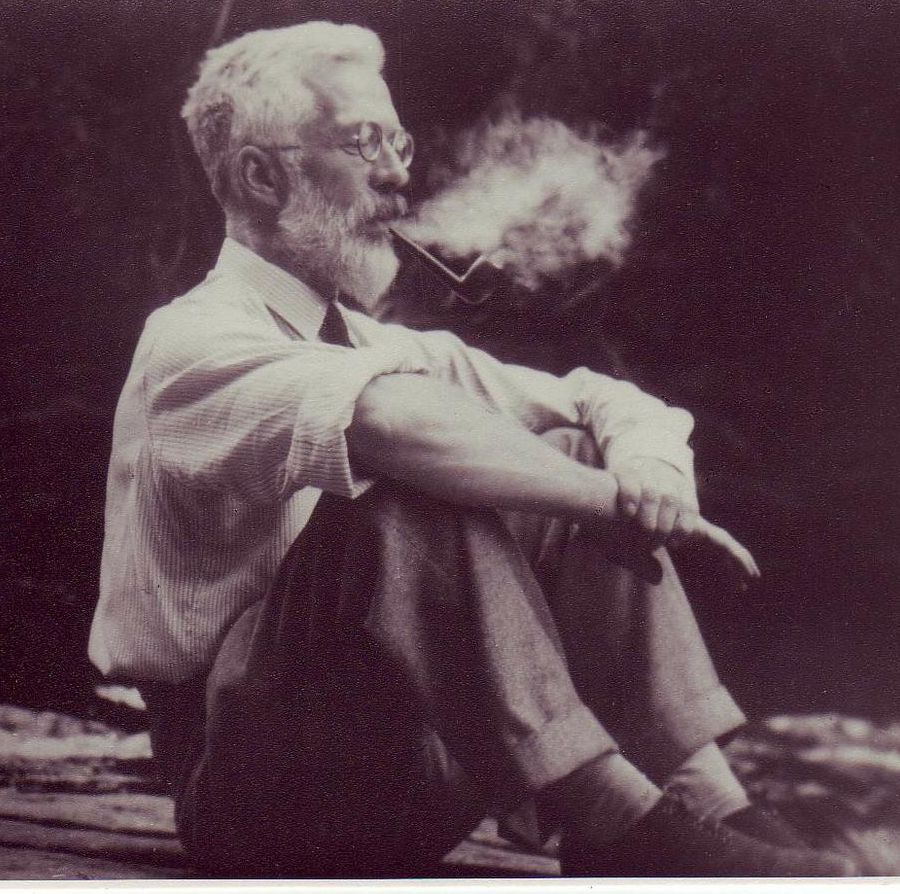
Ronald Fisher (1890-1962) var ett självständigt, egensinnigt geni. Han är 1900-talets viktigaste namn inom statistiken. Han utvecklade randomiserade kontrollerade studier, idag en självklar hörnsten i alla vetenskaper där de kan tillämpas. Han studerade ingående problemet med att skilja på kausalitet och korrelation; när kan vi dra slutsatsen att företeelsen A orsakar B, eller att A inte orsakar B?
Ett fall där A bevisligen orsakar B är så omsorgsfullt och gediget demonstrerat sedan så länge att det känns lite egendomligt att det alls ifrågasatts. Men en av de första studier där sambandet mellan rökning och lungcancer påvisades publicerades 1950 i den synnerligen ansedda British Medical Journal. I den studerades över 1400 patienter där hälften hade lungcancer (som hade ökat dramatiskt de senaste decennierna), hälften inte. Alla möjliga faktorer kartlades för att försöka hitta den som orsakade cancern. Resultatet var tydligt men inte helt avgörande. Men det fick stöd av den ena studien efter den andra, över hela världen. 1957 slog redaktionen på BMJ och landets medicinska forskningsråd fast att "the most reasonable interpretation of this evidence is that the relationship is one of direct cause and effect": rökning orsakar cancer.
De fick, givetvis, mothugg. Vi vet att tobaksbranschen tidigt mobiliserade mot forskningen. Ett tyngre namn utgjordes av en genial statistiker som ingående studerat problemet med att skilja på faktiska och skenbara orsaker. Fisher sade inte att slutsatsen behövde vara fel i sig, men att man ännu inte hade tillräckligt mycket data för att kunna dra den.
En av Fishers hypoteser är riktigt "fin": Ponera att lungcancer kan ta lång tid på sig att utvecklas, kanske flera decennier. Och under denna tid ger upphov till en lätt retning, ett undermedvetet obehag i lungorna. Tänk vidare att detta obehag mildras av tobaksrök. De framtida patienterna skulle få ett röksug som de inte riktigt vet orsaken till ... Voilá: Lungcancer orsakar rökning!
Det där låter ju absolut helstolligt. Men hur stolligt är det egentligen? Var går gränsen mellan rimliga och orimliga hypoteser?
Man har funderat på hur Fisher egentligen resonerade. Styrdes han av politiska åsikter? Eller var han kanske köpt, mer eller mindre, av tobaksindustrin? Men även om han fick medel från dem för att studera huruvida rökning och lungcancer har genetiska orsaker, så behöver man inte studera honom länge för att inse att han var alldeles för egensinnig för att låta sig lockas av pengar eller inflytande. Själv lutar jag åt att han är ännu ett exempel på hur folk som blivit tillräckligt vana vid att ha rätt utvecklar en sorts undermedveten immunitet mot att på allvar ifrågasätta sig själva.
Ronald Fisher fortsatte livet ut med att hålla fast vid tanken på att rökning inte orsakar lungcancer liksom att röka pipa.
Artikeln jag använt som huvudkälla avrundas med ett citat av en av forskarna bakom 1950 års studie. I ett tal inför Royal Society of Medicine gick han igenom hur man avgör om A orsakar B eller inte, vilka kriterier som är viktigare än andra ... Men även den grundläggande vetenskapliga principen att varje slutsats är provisorisk. Att man alltid ska vara redo att ändra sig innebär dock inte att man kan tillbringa resten av livet med att samla in data; eller så lång tid som behövs för att få "rätt" resultat, kantänka.
All scientific work is incomplete – whether it be observational or experimental. All scientific work is liable to be upset or modified by advancing knowledge. That does not confer upon us a freedom to ignore the knowledge we already have, or to postpone the action that it appears to demand at a given time.
Oj, vad tydligt det just blev att finns ett överflöd av pengar, i full färd att blåsa upp ännu en präktig it-bubbla. Denna gång är det inte genom att addera domännamn eller portaler till saker som de ska bli till guld, utan genom att addera blockkedjor.
Smaka på den här: “Svenskens Wikipediautmanare tar in en kvarts miljard“. Jajamensan, nu ska Wikipedia “utmanas” av ett kommersiellt alternativ: Everipedia. Hurdå utmana? Genom att flytta till blockkedjan såklart! Investerarna bultar redan på dörren, bönar och ber om att få kasta in sina sedelbuntar. Riktiga dollar, väl att märka. Medan skribenter ska lockas att till medverkan genom att få betalt i en egen kryptovaluta “och ju mer det växer så kan man se att värdet av att äga dessa tokens bara blir större på sikt”.
Bakom investeringen på en kvarts miljard kronor står finansmannen Mike Novogratz som uppenbarligen är helt galen i kryptovalutor. Investeringen verkar inte direkt grunda sig i en kalkyl över framtidens efterfrågan på encyklopedier, om man säger så. Det viktiga är att Everipedia tänker “flytta till blockkedjan” i sommar.
Hittills har Everipedia inte ha gjort mycket mer än att kopiera hela Wikipedia. Det tillåter förvisso Creative Commons-licensen, som dock är av typen share-alike. Det betyder att Everipedia i sin tur måste tillåta kopiering av artiklarna, i den mån de använder material från Wikipedia. Det ser onekligen ut som att Everipedia bryter mot licensen, för även om det finns en liten CC-logga i sidfoten, så framgår det inte tydligt på sidorna vilken licens som gäller.
Enligt användarvillkoren hävdar Everipedia ensamrätt på sitt innehåll “except that the foregoing does not apply to /…/ content that was directly imported to the Service from Wikipedia.org” (för då gäller share-alike). Men det är knappast uppenbart vilket innehåll direktimporterat från Wikipedia. Närmare bestämt är det svårt att hitta något som inte är det.
Blockkedjan är ju idag lite vad fria licenser var för tolv år sedan. Då var många övertygade om att Wikipedia var prototyp för framtiden – en roll som nu har övertagits av Bitcoin. Skillnaden är att det finns mycket, mycket mer pengar i techbranschen nu. Så mycket att någon kastar en kvarts miljard på detta skämt, grundad av ett par dudes i Los Angeles.
En av dem kallas Tedde. Han är 22 år, uppvuxen i Jönköping och presenteras i Breitbart(!) som “high school dropout and professional gamer”. Därtill är han CEO för Everipedia. Han kanske kan förklara vad ett uppslagsverk har på blockkedjan att göra?
Theodor Forselius ser ett antal fördelar. Bland annat att nätverket decentraliseras och skyddas från censur.
”En positiv bieffekt av att använda peer-to-peer-teknologi är att det blir otroligt svårt för länder som i dagsläget blockerar bland annat Wikipedia att censurera innehållet”, säger han och syftar på att informationen inte kommer att lagras på någon enskild server utan istället fördelas mellan användarna.
Jag är inte helt övertygad om att detta skulle förändra någonting, jämfört med att exempelvis använda Tor. Eller om att censur är det främsta problem som vår tids encyklopeder ställs inför.
Vad övrigt som Everipedia kan utlova, är en befrielse från Wikipedias relevanskriterier (principen om notability). Här får man skriva om allt. Inte minst om sig själv. Alla är ju i någon mån kändisar på internet. Så varför får inte alla bli omskrivna på Wikipedia? Ungefär så resonerar Everipedia, och det verkar även vara på den vägen som de fick pengar. Från en investerare som var bitter över att Wikipedia inte ansåg honom vara tillräckligt berömd för att ägnas en egen artikel. Efter att han hållt en föreläsning kom några killar fram till honom och visade att han minsann hade en egen artikel på deras “Wikipedia-utmanare” – och så hoppade han genast i båten.
Hur tänkte då Everipedia tjäna pengar? Den frågan har jag inte ens sett ställas i intervjuer. Det säger en del om vilken bubbla projektet rör sig i.
Den rödkindade prins Henrik af Danmark har lämnat oss. Han var en högljudd men munter gamäng, mer dansk än många danskar, så fransk han var. Han var poet och konstnär och misshandlade sina barn med den principfasta glädjelöshet som bara ett äkta psyko klarar av. Sonen Fredrik vittnade om övergreppen på föräldrarnas silverbröllop: ”Pappa, man säger att den man älskar, agar man. Vi tvivlade aldrig på din kärlek.”
Tiden som han inte la på att misshandla sina barn, ägnade han gärna på bitterhet. Han var bitter över att inte bli kung när han gifte sig med drottningen. Han var bitter över att sonen, kronprins Frederik, stod över honom i rang, hur mycket stryk han än fick. Sa jag att han var poet? Och konstnär? ETT BULLRIGT SKRATT återkommer i många omdömen. HAHAHAHAHA!
Jag minns inte prins Henrik alls. Men när man läser om honom dagarna efter hans död, framträder en ganska tydlig bild av en reaktionär idiot med grandios självbild. (Poet? En definitionsfråga, I guess. Jyllands Posten konstaterar att han ”skriver dikter som imiterar dikter” och kallar det ”iögonfallande banalt”.)
Är det smaklöst av mig att skriva så här, om någon som nyss lämnat ett helt folk av rökande öldrickare i sorg? Eller är det kanske snarare smaklöst av svenska medier att oreflekterat beskriva Henrik som typ en härlig, ständigt ropande, konstnärlig livsnjutare?
Jenny Axelsson i Aftonbladet återger ett av sina egna möten med honom: ”Hans avslappnade stil var befriande och det fanns inget av den där distansen som man ofta märker när man träffar kungligheter”. Hon skriver, imponerat, om en prins som pratade med journalisterna (som han själv bjudit till sitt slott i Frankrike). Barnmisshandeln omnämns av henne som ”en gammaldags syn på uppfostran”.
Det är med hovjournalistik som med lumpen. De som vill ägna sig åt det, är undantagslöst de som är sämst lämpade för det.
Bonus: Hur andra skulle beskrivits av pressen efter sin död, om de bara varit kungliga:
En välkänd hbtq-profil. Alltid nyfiken på ungdomar och hela tiden fördomsfritt vidgande sina kulinariska ramar. (Jeffrey Dahmer)
Den stilige georgiske skomakarsonen som gjorde politisk kometkarriär. Ett spontant yrväder med buskig mustasch och pliriga ögon. (Stalin)
Han älskade människor, i synnerhet sin syster. Men han var också djurälskare nog att utse sin häst till det krävande jobbet som konsul. (Caligula)
På hemvägen från Berlin snappar jag upp spridda rubriker om börsras. Från att ha varit rätt slut, känner jag mig plötsligt lite piggare. Klart att krascher kittlar.
Eftersom jag genast ska återuppta skrivandet på vår kommande bok Den svenska enhörningen ställer jag mig givetvis frågan om vad börsraset, om det skulle fortsätta, kan betyda för Spotify, som ju väntas gå till börsen inom några månader. En gång i tiden, hösten 2008, hade de enorm tur med tajmningen – då lyckades man sluta sitt första avtal om att få in riskkapital precis innan det globala finanssystemet hamnade i fritt fall. Kommer de ha samma tur denna gång?
Breakit uppger att Spotifys börsnotering nu är i allvarlig fara och att de kan tvingas dra tillbaka den noteringsansökan som skickats till NYSE, eller åtminstone skjuta upp noteringen ytterligare. (Jag börjar känna mig allt mer trygg med att vår bok hinner ut först – det känns bra!)
Till saken hör flera skeenden som tycks försätta Spotify i en särskilt utsatt position:
Netflix-aktien har fallit rejält, och det i en hela vecka, om än från en hög nivå. Det råder inga tvivel om att många investerare sneglar på Netflix när de ska avgöra om det är värt att riskera pengar på Spotify.
Myndigheterna i USA har beslutat om en kraftig höjning av ersättningarna till låtskrivare och musikförlag från streamingtjänster som Spotify. (Till skillnad från i Sverige där dessa ersättningar sätts i förhandling mellan Spotify och Stim, som har ensamrätt att säga ja eller nej till att licensiera musiken, tillämpar USA ett system med statlig skiljedom, mindre liberalt och mer korporativt.) Dagens ersättning på 10,5 % av intäkterna ska trappas upp med en procentenhet per år till 15,1 %. Det lär knappast göra det lättare för Spotify att vända förlustsiffrorna.
I bakgrunden spökar också den pågående rättssaken om musikersättningar.
Ytterligare en jobbig nyhet är den om att Apple Music växer snabbare än Spotify i USA, räknat i antalet betalande prenumeranter, och kommer att gå om i sommar om alla kurvor fortsätter peka dit de pekar. Dock finns det goda skäl att ta statistiken med en nypa salt och flera olika sätt att mäta framgång. Spotify kommer nu säkert att försöka rikta uppmärksamhet mot andra mått.
I förlängningen verkar Spotifys börsintroduktion kunna få efterverkningar på hela tech-sektorn. På så vis kan det bli ett mer spännande år. Som jag tidigare skrev förhoppningsfullt, om möjligheten att tänka sig ett annat internet än det som styrs av några få monopol:
Affärsmodeller måste gå upp i rök, börsvärden måste raderas, sociala nätverk slitas i spillror.
Now, it’s time for Flipboard’s charm offensive with publishers. This week, the mobile reading app rolled out full-page print ads in newspapers, including the Financial Times and The Wall Street Journal, and sites, including Axios, Vanity Fair and The Hollywood Reporter, just as publishers are increasingly seeking ways to replace their Facebook referral traffic.
Mike McCue, Flipboard’s founder and CEO, said discussions of a campaign began late last spring and that the timing of the launch is unrelated to Facebook’s announced plans to cut the amount of news people see in its news feed. Still, the campaign comes after a year when Flipboard worked with publishers on reporter-curated newsletters, grew its editorial and curation team and laid the groundwork to help publishers monetize their video inside Flipboard. It added more than 100 non-U.S. publishers to its roster of 4,000.
It’s also backing away from a fast-loading mobile article format, similar to Facebook Instant Articles, which it debuted before mobile-optimized sites were common. In response to publisher feedback, it’s no longer stressing the format, instead allowing publishers to use Flipboard as a source of referral traffic, provided their sites are mobile-optimized.
The effect has been dramatic in some cases. The Next Web was publishing all its content on Flipboard using its proprietary format and started using it for referral traffic in November. After the switch, Flipboard immediately leapfrogged Facebook, where The Next Web has over 1 million fans, and Twitter (1.85 million followers) to become its top source of social teferral traffic, despite the fact that The Next Web has just over 181,000 followers on Flipboard.
Mobile referral traffic from Flipboard is up over 350 percent since May, according to Parsely, albeit from a small base compared to Google and Facebook. Google and Facebook still dominate mobile referral traffic by a big margin, and Flipboard is a distant fourth after Twitter, according to Parsely.
“It’s become a sleeper hit,” said Jess Barron, vp and gm of Livestrong.com, which joined Flipboard six months ago. “Every publisher is looking for the next big thing to provide us that regular infusion of traffic.”
Flipboard is not in the same weight class as Facebook or Google. It claims a monthly active user base of 100 million, less than 5 percent of Facebook’s 2.1 billion. And its audience doesn’t skew heavily toward a particular age group — its audience is equal parts millennial, Gen X and older.
A still from Flipboard’s digital brand campaign, which launched this week.
But unlike Facebook, which is trying to become a native video platform and a commerce marketplace and a global ad platform (as well as a place for friends and family), Flipboard’s raison d’être is simple and publisher-friendly: Deliver brand-safe publisher content to its users.
Publishers just need a functioning RSS feed of their content to be distributed on Flipboard. But this past year, Flipboard began collaborating more closely with publishers on content packages that appeared both on Flipboard and in newsletters. NBC News, for example, created a package around the first year of Donald Trump’s presidency; The Wall Street Journal created a package on the state of women in the workplace.
Those efforts continue in 2018. For the Golden Globes, for example, E! curated coverage of the event that Flipboard put on its homepage.
Publishers, which have often complained that other platforms from Facebook to Pinterest haven’t been helpful solving their problems, will take any platform love they get these days.
“They’re incredibly responsive,” said Janaki Challa, who heads audience development at The Daily Beast, which gets more traffic from Flipboard than Facebook. (She wouldn’t give numbers.) “It can be hit or miss with other partners, but with them, it’s been a relatively easy relationship.”
Update: An earlier version of this story said Flipboard was The Next Web’s top source of referral traffic. It is its top source of social referral traffic.
Business has never been better at Basecamp. Despite all the competition, all the noise, and all the changes since we launched 14 years ago, 2017 was the year we earned the most revenue ever.
While that alone is cause for some celebration, it’s hardly the most important thing for Jason and I, as the business owners. Sure, it’s nice to see numbers tick ever higher, but we passed enough many years ago. What matters far more than big numbers for us today is how the business feels.
And it’s really never felt better, in almost all the ways. Basecamp the product is the best its ever been. Tens of thousands of new businesses and teams continue to sign up every month. We keep hearing from customers about the profound changes to their organization, productivity, communication, and even sanity that Basecamp helps them realize. It’s deeply rewarding.
We’ve also kept up with our founding mission to out-teach and out-share rather than out-spend the competition.
Since shortly after the launch of Basecamp, we’ve been stewarding the Ruby on Rails movement. The latest major release has a brand new framework, Active Storage, that was extracted from Basecamp 3. So too was the last major new framework in Rails, Action Cable. And now we’ve shared our entire two-pack punch to front-end development with Stimulus and Turbolinks.
Jason and I are finishing our fourth book, extracted from the lessons running Basecamp. It’s called The Calm Company and will be released this year. And after a lovely run with The Distance podcast, we’ve launched a REWORK podcast to share ever more of our lessons and perspectives.
So. Things are good. Really good, actually. Which invariably invites the question I get asked so often: WHAT’S NEXT?! Which is really a question of WHAT’S MORE? What else are you going to do in addition to all the shit you’re already doing? It’s so ingrained in our entrepreneurial culture that you must always be on a conquest. Once a set of territories have been subdued, you’re honor-bound to push further north.
Thanks, but no thanks. Basecamp has never sought to conquer the world or the markets. We do not have to win a total victory from a total assault to be fulfilled. Which partly stems from the fact that we aren’t beholden to financiers, partly because the satisfaction of running Basecamp comes more from doing the work, less from owning the work.
It’s this focus on the satisfaction of doing the actual work that’s been driving our outlook since the inception of Basecamp. How can we structure the business in such a way that Jason and I are able to spend the bulk of our time doing our favorite things? Designing. Programming. Writing.
That’s harder than it sounds. The momentum of growth assumes control of the ship quickly, if you don’t dare wrestle back the wheel. It’s so easy to just go with the flow. Of course we’re going to hire more people! Of course we’re going to spend more money! Of course we’re going to build more features! Of course we’re…
Before you know it there’s no longer time to do your favorite things. Now all the things that simply have to be done fill first your weeks, then your months, and then finally the whole year. I keep the parable of the fisher man in my mind often not to forget this boiling pot.
At just around 50 people and no full-time managers, it feels like we’re just at this crucial break in the waves at Basecamp now. On the other side, the tide will pull us out further and further out to sea. And maybe there are ever-greater riches to be found out there, but we’d be lost and adrift. If we dare resist the pull, we can stay anchored and connected.
So we’ve decided to dare. To resist. And thus, in our celebration of BEST EVAH, we’re taking the unusual step to drop that anchor and freeze all hiring at Basecamp¹.
“Wait, what?”, I can imagine a few puzzled minds thinking. Hiring freezes are usually for companies that are struggling. Trying desperately to cut costs to stay afloat. And here we are, doing better than ever, pulling that same move? Yes.
We’ve always been great fans of constraints, and capping the headcount in the face of growth is perhaps the biggest constraint of all. Especially because we’re not at all about running faster. Squeezing out more productivity from fewer hands. Quite the contrary.
The constraint of having the same team means that you also only get to do the same amount of work. But you don’t have to do the same actual work, you can do different work. You can judo the work. You can say no to more work. You can focus on more effective work.
That’s the kind of environment that excites me.
¹ The sole exception may be support, which is the only department that doesn’t yield well to just “do less”. If there are more customers and they need help, you gotta help them. But we’re working on making sure that they both need less help and that we don’t take on excessive amounts of new customers.
Randomly think of a thing. Let it bump around your head a bit. If the bumping gets too loud, start writing the words with the nearest writing device. See how far you get. The more words usually mean a higher degree of personal interest. Stop when it suits you.
Wait for time to pass and see if the bumping sound returns. Reread what you’ve written so far and find if it inspires you. Yes? Write as much as you can. No? Stop writing and wait for more bumping.
Repeat until it starts to feel done in your head. If it’s handwritten, type it into a computing device. When you are close to done, print it out on paper. Sit somewhere else with your favorite pen and edit your work harshly. If this piece is important, let someone else edit harshly.
Transfer all of your edits into your piece. Enter your writing into your favorite publishing platform. Proof your final piece once more. Use Grammarly because the Internet is a cruel copy editor. Hit publish and tell yourself you don’t need validation. Wait for validation and once more wait until you randomly think of a thing.
In this video from the New Yorker, chess granmaster Garry Kasparov talks through his four most memorable chess games: two against Anatoly Karpov, one against Viswanathan Anand, and the final game in his rematch against Deep Blue, in which he gets wrong-footed by a move that the computer didn’t know how to make. Even if you’re not a huge fan of chess, it’s instructive to hear Kasparov talk about the importance of what’s happening not on the board — things like body language and confidence.
Sometimes I wonder what it’d be like to go full-bore blog again, like in the old days. Twitter’s only real use is as a notification system, after all, so you’d just pump out post links to it from your blog. You know, the way people used to, when having a place for your own voice and your own thoughts was a good thing.
When I was in the swing of it, way back when, it was like the world’s most minimalist radio station. A Station Ident post to start the day, a Night Music or Closedown post at the end of the day, littered with whatever strangeness and wonder passed my screen in between.
I miss that long moment when the web seemed full of people doing the same thing, or thinking in public. It happens in the Republic Of Newsletters, now. But it was nice to have all those little radio stations broadcasting in the night.
Yesterday, Reza Negarestani emerged with a website called Toy Philosophy, whose first post was entitled Returning to the Age of Blogging.
Now, my RSS feeds never went quiet. I linked to a friend’s blog post the other day and he told me half the reason he posted it was to see if anyone was still using RSS!
I’ve seen the idea circulating for a while: come off the streams, own your own platform for your own voice and your own complete statements. It seems like a reactionary step, from some angles. But maybe that great river, The Conversation, was, like every river followed to its source, a dead end. The resurgence of the Republic Of Newsletters may be one aspect of a return to the ocean, dotted with little pirate radio stations broadcasting through the night again.
Ursula K. Le Guin, 1929-2018. I have been dreading the day. Because Ursula had been growing older, stubbornly, inexorably, she was bound to leave us eventually, and because we always seem to lose our heroes when we need them most. And so we lost Ursula.
She started writing as a child, taught to read at five by her older brother, Ted, and began submitting her poems and short stories for publication in her twenties, although not systematically, not until she was thirty, at which point the rejection slips came back hand over fist. Her early work, bursting out of the gate with a romanticism that ebbed with age, didn’t quite resonate with the editors of science fiction magazines. But her maturity coincided with the first stirrings of the genre’s “New Age,” that cultural moment in which the early successes of science fiction—the tales of serialized space adventure Ursula herself grew up reading—fractured, along with the larger American id, into a morass of experimental forays into the cosmic and psychedelic mind.
It suited Ursula, who would forever be fascinated by the interior lives of her characters, even as their stories unfolded in lands populated by roving dragons, androgyne aliens, or dense and ancient forests. Always forests. Her characters were rarely far from a tree; Ursula thought of herself as the most “arboreal” of the science fiction writers, writing that “we all have forests in our minds. Forests unexplained, unending. Each of us gets lost in the forest, every night, alone.”
I can’t help but think that her fascination with trees was as much Jungian as it was due to the life she made, with her husband and three children, in Portland, Oregon, where I also grew up. There is a knottiness to our forests that takes root in the imagination. As a child, I’d sit in the back seat of my parents’ car, as we drove those one-lane roads that slice through the woods, mentally launching myself, like an arrow, straight into the loamy darkness of the trees, dreaming that they might envelop me completely. In her novels, I always relive that hypnotic pull into the forest; I hear the siren song of deep time, the time of the trees, as they grow silently among us. She wrote a story once about a single oak tree on State Highway 18, in Oregon: how its sole job was too loom and disappear, loom and disappear, marking our movements across the world. That’s empathy, a superhuman kind.
Ursula came up with the greatest of the New Wavers—Octavia Butler, J.G. Ballard, Philip K. Dick, James Tiptree, Jr.—but she was never wholly of her generation, either, anchored as she was in her own deeply complete moral universe (when I think of Ursula, I think often of a pure-hearted child standing bravely on her own two feet). She was a Taoist, and published her own English version of the Tao Te Ching, a book she was grateful to have discovered at a young age, through her anthropologist father, because it meant she was able to live with it her whole life.
She was also an anarchist, and not in the Anarchist Cookbook sense, what she called “bomb-in-the-pocket stuff,” too easily confused with terrorism. Hers was more pure, rooted in a strong sense of collaboration and mutual support. She read and admired pacifist writers like Peter Kropotkin and Paul Goodman, comparing them to her beloved Lao Tzu. “Anarchism’s principal target is the authoritarian state,” she wrote, and “its principal moral-practical theme is cooperation.” She went all in on this idealism, as she went all in for beauty. For her, these things were never mutually exclusive. They were kin. In the preface to her Tao Te Ching, she wrote, explicitly, that “in poetry, beauty is no ornament; it is the meaning. It is the truth.”
Her novels and stories spoke with the breath of these politics, a graceful and humanist blend of lyrical environmentalism, feminism, and anticapitalism. The only good thing about a money economy, she believed, was that being paid meant her work would circulate, that it would be read—the central pursuit of a writer. She was never afraid to stick to her guns on any issue of principle. Asked to blurb an all-male anthology in 1987, she shot back a searing letter that regularly makes the rounds on social media every time it is re-discovered. Like a boss, she was civil but unflinching: “gentlemen,” she wrote, “I just don’t belong here.” But her most essential statements were embedded deeper, in the literature, in worlds she built from the ground up on principles worth dying for: the anarcho-syndicalist world of Anarres, where even the language has no possessives, or the forest planet of Athshe, where the natives live in a dream-time, in harmony with the trees, or among the Gethenians, a civilization of androgynes, where gender carries no influence in the relations between beings.
"I want them to be read, I want them to be argued about, I want people to cry over them, I want unreadable dissertations written about them, I want people to get angry with them, I want people to love them"
Ursula didn’t often write hard science fiction, what she called “wiring-diagram” stories. Hers was a wider realm, a map of mists and mystics and cold-bright cities under alien moons, populated by wounded races, lost utopias, and creatures beyond time. Unlike other writers of her generation who sidestepped the isolating confines of genre—her good friend, Margaret Atwood, has largely escaped being called a science fiction writer despite being one—she owned the moniker of science fiction, discussing it frequently, looking it over, bending it however she pleased. She also wrote fantasies, poems, songs, and “psychomyths,” which took place “outside of time,” in a realm “without spatial or temporal limits at all.”
Years ago, as a cub reporter, I had the great fortune of interviewing Ursula. She was, at the time, mounting formidable opposition to the Google Books Settlement, a agreement which granted Google permission to circumvent existing US copyright law and scan the world’s print libraries, using a new revenue system designed to compensate authors and publishers for the use of their copyrighted books. Ursula, forever speaking truth to power, had rallied a coalition of 367 of her peers to petition against the tech giant’s “opt-out” policy. She saw the whole thing as an end-run around copyright, although Google justified it as a way of making “orphaned” books—those books whose copyright holders were difficult, if not impossible, to track down—available to the public.
In that spirit, I asked Ursula what she wanted to see happen to her books after she died. I’ll never forget what she said. I’ll share it with you now, as a reminder of how we are supposed to grieve her, even if we can’t read through the tears:
“I want them to be available, I want cheap paper editions of them, I want them to be continuously downloaded in forty different languages, I want them to be read, I want them to be argued about, I want people to cry over them, I want unreadable dissertations written about them, I want people to get angry with them, I want people to love them.”
Ursula, we will.
Claire L. Evans is a cofounder of Motherboard's science fiction imprint, Terraform. She is the author of "Broad Band: The Untold Story of the Women Who Made the Internet," and lead singer of the pop group YACHT.
On September 13, 1970, Timothy Leary escaped from a low security California prison by pulling himself on a high wire over a 12 foot chain linked fence topped with barbed wire. He was ferreted underground by the radical Weather Underground who helped him escape America. He ended up in Algeria with an exiled chapter of the Black Panther Party lead by Eldridge Cleaver.
All MONDO readers probably know this, but I thought I’d set the scene a bit.
While I was a participant in the late 1960s counterculture — to the extent that a high school student in a smallish town could be — I wasn’t particularly obsessed with Leary. I enjoyed reading his occasional piece in the underground press, but Abbie Hoffman was more my thing. Until the escape. After that, I developed a lifelong interest in his action adventure episode and how it impacted on his philosophical ideas.
That’s why I was excited to learn of the publication ofThe Most Dangerous Man in America: Timothy Leary, Richard Nixon and the Hunt for the Fugitive King of LSD by Bill Minutaglio and Steve Davis. The book doesn’t disappoint. The narrative is in present tense and fast forward. It’s a ripping yarn that bounces back and forth between Leary’s life on the lam and President Richard Nixon’s own personal delirium as he copes with the Vietnam war, extreme rebellion in the streets of America and his own obsession with capturing Leary.
For those MONDO readers, who have followed Leary’s philosophical musings over the years, this period is kind of the last phase of Tim’s cosmic hippieishness. He comes across as deep into mysticism; consulting the i Ching and the Tarot for strategic decisions and so forth. In some ways, his intellectual credibility would rely on things he wrote before this time and after it. And yet, I think he gained a lot, in terms of sophistication and insight from the experience, that showed up in his later writing.
I interviewed Steve Davis about the book via email
R.U. Sirius
Timothy and Rosemary Leary in disguise, leaving “Amerika”
R.U. There are a number of things that are illuminated for Leary fanatics (as many Mondo readers are) by your book. One of them is the degree to which many of the ultra-radicals of that crazy period in the early 1970s were not really Tim’s friends. Particularly the lawyer, Michael Kennedy. What can you tell us about this “alliance”?
Steve Davis: Well, you can see this alliance of “dope and dynamite,” as Michael Kennedy enjoyed calling it, play out throughout the book. In some sense both Tim and the radical left were using each other for their own purposes. For Tim, of course, the revolutionary outlaws provided the means for his escape from prison – something he wanted desperately. But then of course once he climbed over the prison fence he entered a blind maze of new prisons – and as you say, these people did not have Timothy Leary’s best interests in mind, from the Weather Undeground demanding his rhetorical fealty to their vision of a violent revolution to Eldridge Cleaver and the Black Panthers demanding that Tim renounce LSD and join them in calling for Death to the Fascists. On and on it went. Tim had to keep shape-shifting to save his own skin. He basically became a pawn of both the far left and the far right (Nixon and his cronies) during this era – and of course when everything ended and he looked back on it, he realized that the law-and-order struggles between the far left and the far right were two sides of the same coin. I think the experience made him suspicious of any alliance after that. Hell, it would do the same to any of us!
R.U. There’s the scene in which the radical lawyer visits him in exile while Tim is desperate for help and the lawyer basically presents him with the bill. I know that Tim always resented having his family home in Berkeley taken to pay the legal fees.
Tim was in an incredibly vulnerable position at the time of this visit – he was sitting in a Swiss jail awaiting possible extradition to the U.S. (not to give too much of the plot away, but, yeah, he manages to slip away from this particular snare – with an outpouring of help from writers and thinkers and thousands of regular folks all over the world.) And so, here’s Tim, in a dungeon, really, feeling nearly certain that any day he’ll be sent back to the US in chains.
To set the scene a little bit further, let’s note that Tim had earlier been trapped in Algeria, for months, with an increasingly ominous-sounding Eldridge Cleaver, yet Kennedy had completely ignored Tim’s increasingly desperate appeals for help. But now that he’s in a Swiss jail, Kennedy sends his partner, Joe Rhine, to Switzerland. But the visit had nothing to do with providing aid. Rhine was there for two reasons: one was to check up on Tim and make sure he wasn’t blabbing to people – especially the FBI – or cutting any deals by revealing that Kennedy had helped orchestrate his escape from prison. And then the second reason, as you allude to in your question, was to basically strip Tim financially. We weren’t privy to the accounting records held by Kennedy’s law firm, but from our perspective, Tim had a damn good reason to feel that he’d been screwed over financially by Kennedy. He shouldn’t have had to surrender his home.
Eldridge, Timothy and Abbie
But let’s be honest and think more broadly about where the blame really lies: Tim’s home in Berkeley had been paid off. He left his adult children in charge – they were able to rent the home out and all they had to do was dedicate a portion of the collected rent to pay the taxes. Not a complicated setup, but for whatever reason, Tim’s kids proved incapable of handling that. And that’s really how the house got lost – because when it went into arrears for taxes, Kennedy had to step in and make those payments – and that’s what put Tim in a vulnerable position with Kennedy. So, you can blame Kennedy, and it’s easy to do, but we should also be thinking about Tim’s kids – and maybe his parenting.
Tim, of course, was happiest when he could just live and think and not have to worry about hustling money or paying bills. Come to think of it, that scenario sounds pretty damn appealing to many of us.
R.U.: I wonder what younger people make of that period in the early ‘70s (that were formative for me). The passion people felt about ending the war seems sort of sadly archaic. And the whole “let’s overthrow the government asap” thing has mainly shifted from left to right. How does that all speak to our time?
SD: I was born in 1963 and came of age in the 1970s and always felt like I’d just missed out on one of the greatest, most exciting time periods in American history. And that’s actually true. But I’ve come to agree with those who define the “Sixties” as the period from 1963-1974 or thereabouts. From the JFK assassination to Watergate. So in a sense, this early 70s story is really a continuation of the Sixties.
But I know what you mean about the passion for ending the war feeling sadly archaic. I was talking with a Sixties writer I admire who’s written two of the best, but overlooked, counterculture novels: Edwin “Bud” Shrake, author of Strange Peaches– about a dopesmoking antihero in Dallas at the time of the JFK assassination and Blessed McGill – a fine peyote-tinged historical novel that is the first “Absurdist Western.” Anyway, Shrake and I were talking about why people weren’t rioting in the streets at the beginning of GW Bush’s Iraq war, and he pointed out that, if we still had the draft, people damn sure well would be rioting.
And that made me realize that one of the great “triumphs” of the 1960s – ending military conscription – actually is a great failure, for three reasons: 1) we still have a draft, only it’s an unacknowledged economic draft – poor people have to “volunteer” for the military in order to gain opportunity. 2) as imperfect as the draft was, it threw different segments of society together and forced them to live together. Which moderates extremes. We’ve lost that. 3) finally, when you have an unpopular war and you’re in danger of being drafted to fight for it, you’re damn well going to protest in the streets. We’re not doing that now because it’s “the other” who is fighting those unpopular wars for us – people who have no choice because they have no other opportunities. When you think about all this, it makes you really question what the Sixties accomplished, and whether the bulk of the benefits went to the privileged, educated classes.
One last thing while I’m ranting about this – why don’t we have a constitutional amendment: any politician who votes in favor of military action must send their immediate family members to fight on the front lines. Let those fuckers fight the wars they’re voting for.
R.U. The other thing that I think many of us didn’t quite believe when Timothy alluded to it was the degree to which Richard Nixon was engaged in his persecution and capture. Tim was apparently near the top of Dick’s list.
SD: Yeah, when you hear Nixon and his aides in the White House chanting Leary’s name and Nixon bellowing “We have room in the prisons for him” that definitely proves Tim’s point about being persecuted. Actually, when we began writing this book we didn’t know any of that. I was simply drawn to this story because I liked learning about Tim and knew that this episode of his prison breakout and life on the lam was damn interesting, but very little had ever been written about it. I mean, it has surreal absurd nightmare/adventure written all over it. And with Tim’s archive now available to researchers, we figured we could get close to the story.
I’d seen some of the same things you mention here – this idea that Nixon had described Tim as “the most dangerous man in America” – which Nixon apparently enjoyed calling other people as well, most notably Daniel Ellsberg of the Pentagon Papers. But it wasn’t until we got into the archival research – along with the FBI and CIA and State Department files we were able to gain access to – not to mention the Oval Office recordings, were we able to really piece together and then understand the extent of Nixon’s Leary obsessions.
The amount of energy Nixon’s Administration invested on recapturing Leary – who was originally arrested on a minor marijuana possession charge – is stunning. You had Nixon sending his Attorney General over to Switzerland to strong-arm the Swiss into giving Leary up. You had the Secretary of State pressuring the Algerians – to the exclusion of other important diplomatic priorities in that country. In Afghanistan, a pivotal nation on the front lines of the Cold War, you had Nixon’s people gambling with our fragile diplomacy there in order to force an illegal rendition of Leary. A few months later, Afghanistan’s government collapsed. The abuse of power by Nixon and those who worked for him is unnerving – and even more so when you realize that, truthfully, Tim Leary was probably just one of probably hundreds of people Nixon was going after. Leary, for example, was never on Nixon’s “Enemies List.”
RU: At first Nixon’s animus towards Tim seemed strategic but after awhile he was really angry at Tim for not getting caught.
SD: For Nixon, like Trump (sorry, couldn’t resist) everything was personal. Honestly, I don’t think that Nixon had that much of a sense of who Leary was for the most part. He just knew him as this ex-professor, longhaired druggie-degenerate peddling LSD. But Nixon probably wouldn’t have recognized Tim if Leary had walked into the Oval Office and handed him a tab of Orange Sunshine and told the president it was a miracle cure for alcoholism.
Clearly, what really bothered Nixon was his government’s inability to deliver results, to bring him the head of Timothy Leary. It began with J. Edgar Hoover assuring everyone, “We’ll have him in ten days.” And as the Leary chase stretched across entire continents, and Tim left a trail of frustrated FBI, CIA, and State Department people behind, you can practically see Nixon growing more and more angry – just as he was in every other facet of his life at that time. This was, after all, a president who’s first reaction to thinking that the Democrats have stashed incriminating files about him at the Brookings Institution is to immediately order his aides, “Goddamn it, get in and get those files. I want it implemented on a thievery basis…You’re to break into the place—blow the safe and get it.” When you’re dealing with a madman like that, and you’ve got Timothy Leary hopscotching his way across the world, you bet Nixon kept upping the ante trying to capture him. Putting that five million dollar bail on Tim’s head felt more like a bounty.
R.U.: How would you account for him taking so much more acid the more desperate his situation became? Most of us would do the opposite, I would think.
SD: I’m not sure I have a good answer for that, but I can take a crack at it. Let’s say that Tim became really adept at managing the LSD experience, even controlling it; perhaps better than anyone else could. Given that, let’s say that Tim came to rely on the insights, on the perceptions, that he experienced while doing LSD – because he felt that those perceptions lifted him to a higher cosmic understanding than he’d had previously. And at some point, that became his dominant way of viewing the world – it led him to great thoughts and ideas.
Nothing wrong with that, right? Except that, Tim also built up a huge tolerance to LSD and so kept having to take more of it to keep pushing the edge. And while he’s busy assembling his view of humanity based on a cosmic viewpoint, he loses sight of the ground-level political intrigues that ended up threatening so much of his personal well-being.
I think Eldridge Cleaver, who was crazy in many ways but also very smart and perceptive, had a good handle on this when he noted of both Tim and Rosemary: “We’ve noticed that they’re very dangerous people because whatever the use of LSD has done to their brains, one thing that it’s very clearly done is destroyed their ability to make judgments, particularly in the area of security.” In other words, peace, love, and understanding only works if everyone else is playing that game.
RU: This is such an action adventure story, One would love to view Tim, in this situation, as a dashing romantic competent outlaw. Well he was dashing and romantic… but not altogether great at stealth and cunning.
SD:Ha, ha, yes, that’s true. It was Eldridge Cleaver who pointed that out in Algeria. If you think about Cleaver, who had a reputation as the toughest, meanest Panther – and who organized a secret mission for Tim Leary to take a trip, incognito, through the Middle East into the PLO war zone – and Leary shows up at the airport with a button on his cap that says “Turn On, Tune In, Drop Out,” you can get a sense of Tim’s inability to engage in subterfuge – and how frustrating that was to Cleaver and others on the militant left. The truth about Tim is that he was not made to live underground – he couldn’t stay there. He managed to surface several times and, in that dashing romantic way of his, he was able to continually elude Nixon’s minions. Until, of course, the time he didn’t.
RU: So if there’s a movie (and I think there has to be), who would you have play Tim?
SD: I don’t know Hollywood very well. My wife says Owen Wilson. Who do you think?
You don’t have to agree with Uncle Sam on how he conducts all of his affairs to accept that “starving the beast” isn’t a path that leads anywhere good long term.
Basecamp used to take two common business deductions called the domestic manufacturing credit (§199) and the Research & Development credit. Both of these tax credits were substantial, both were recommended by esteemed accounting firms with entire departments dedicated to their exploitation, and both were total fucking bullshit.
So we stopped taking them. (You should have seen the faces of our new accountants as we told them this 😂).
Supposedly these credits are there to encourage American companies to spend on R&D and to keep manufacturing jobs in the country, but give me a break. I’d wager that the vast majority of companies that accept these tax handouts do not base their decisions about how much to spend on R&D or whether to hire domestically on these credits in the least. It’s just free money.
Now the conventional wisdom goes that companies have a fiduciary duty to squeeze, pull, and bend the tax code until it submits to the minimal possible effective rate. That executives and accountants simply must exploit every loophole and take every handout. Then celebrate when they score undue deduction after undue deduction with ever more lavish bonuses and payouts.
Fuck that.
Now, I’m not saying that you should voluntarily just send a bigger check to the IRS than your nominal rate requires. Or that there aren’t reasonable deductions that perhaps make sense and encourage good behavior in circumstances. But I am saying you’re allowed to read the intent of the law, not just the letter of it. That beating the system with the IRS as your opponent is a dismal and dark assessment of a companies role in the larger society.
You can absolutely chose not to partake in these schemes. But first you have to break out of the paradigm that has most executives and accountants treat loophole exploitation as the default strategy.
The scandal isn’t what’s illegal but what’s legal. Don’t be so scandalous.
Den här intervjun är inte pinfärsk men det spelar ingen roll, tvärtom. Vilka exempel på falska diagnoser (ett bättre begrepp än det rätt hemska "inbillningssjukor", då symptomen ofta är nog så verkliga) räknar den skeptiske läkaren upp?
– Amalgamsjuka, elallergi, kronisk borrelia till exempel. Trötta binjurar är inte heller någon sjukdom som vi vanliga läkare tycker existerar.
Ute – Det är länge sedan amalgamsjuka var inne och det lär bli ännu mer bortglömt för varje år.
Ute – Elalleri har fortfarande sina anhängare men börjar också att kännas passé.
Inne – Kronisk borrelia är betydligt hetare än de två ovan.
Inne – Trötta binjurar är det senaste tillskottet på listan, det minst kända och därmed minst utslitna.
För även i hypokondrins värld gäller att det som ska vara inne varken får vara för okänt eller känt, liksom att inget är så ute som det som verkligen varit inne ett längre tag.
For a decade, Amazon’s relentlessly offered new ways for people to read books. But even as platforms change, books haven’t, and the incompatibility is beginning to show. Phones and tablets contain nothing of what makes a paperback wonderful. They’re full of distractions, eye-wrecking backlights, and batteries that die in a few hours. They also open up massive new opportunities. On a tablet, books don’t have to consist only of hundreds of pages set in a row. They can be easily navigable, endlessly searchable, and constantly updated. They can use images, video, even games to augment the experience….
The next phase for the digital book seems likely to not resemble print at all. Instead, the next step is for authors, publishers, and readers to take advantage of all the tools now at their disposal and figure out how to reinvent longform reading. Just as filmmakers like Steven Soderbergh are experimenting with what it means to make a “movie” that’s really an app on a totally interactive device with a smaller screen, Amazon and the book world are beginning to figure out what’s possible when you’re not dealing with paper anymore.
Except… not really.
Very few people have held out more hope for the digital transformation of the book than me. I used to run a website called Bookfuturism. I wrote, at length, in The Atlantic, at Wired, at The Verge, at any magazine or website that would have me, about the possibility of a new reading avant-garde. And it just never happened. For reasons.
For one thing, almost every kind of forward-looking reading technology can be put to more lucrative uses than making e-books. Facebook will buy your company. Google will buy your company. Some games publisher will buy your company. You will not be making books any more. You will be making something else. It might be cool! But it won’t be books.
Second, and more importantly, the main way that the Kindle and other digital devices have transformed books is to make them as liquid as possible. By liquid, I mean, they take the shape of their container, rather than dictating the container’s shape. You need a single book to read in much the same way on a Kindle as on an iPhone, a full-sized tablet, a PC, and on whatever device you’re using to read your audiobook. Plus, you know-printed books, which are still huge. And part of the value of the digital book is that it’s a reasonable facsimile of the printed book.
While all of these devices are more multimedia-capable than an analog printed book, the differences between their capabilities is vast, and designing around those differences is no easy task. So Amazon has done what I think any of us might do given those requirements, and basically de-formed the book, deemphasizing page design and anything else that might not cross over to devices with different screen sizes, media capabilities, and affordances.
Getting wild with digital design in 2018 means getting wild in 2018 with responsive design that’s agnostic to the kind of device you’re rocking. That’s doable, probably, but it’s really, really hard.
“If Amazon wanted to, it could with a single act bring a new form of book into being,” Pierce writes. It’s true that Amazon is probably the only company that could do so. But it has good reasons, not least the overall conservative nature of the book market writ large, to move exceedingly slowly.
Every generation deserves to have its own dreams for the future of the book dashed against the wall. For reference, here is a timeline Microsoft-nice, safe, Word-and-Office Microsoft!-put forward back in 1999.
2003- eBook devices weigh less than a pound and run for eight hours on a charge. Costs run from $99 for a simple black and white device to about $899 for the most powerful, color magazine-sized machine.
2005- eBook title and ePeriodical sales top $1 billion. Many serial publications are given away free with advertising support that now also totals more than $1 billion. An estimated 250 million people regularly read books and newspapers on their PCs, laptops, and palm machines.
2006- eNewstands (kiosks) proliferate on street corners, airports, etc. As usual, airlines offer customers old magazines on the flight, but the magazines are now downloaded to eBook devices.
2009- Several top authors now publish directly to their audiences, many of whom subscribe to their favorite authors rather than buy book-by-book. Some authors join genre cooperatives, in which they hold an ownership stake, to cover the costs of marketing, handle group advertising sales and sell “ancillary” (that is, non-electronic) rights, including “paper rights.” Major publishing houses survive and prosper by offering authors editing and marketing services, rather than arranging for book printing. Printing firms diversify into eBook preparation and converting old paper titles to electronic formats.
2011- Advances in non-volatile chip storage, including Hitachi’s Single Electron terabit chip, allow eBooks to store 4 million books - more than many university libraries - or every newspaper ever printed in America.
2012- The pulp industry mounts its pro-paper “Real Books” ad campaign, featuring a friendly logger who urges consumers to “Buy the real thing - real books printed on real paper.”
2018- In common parlance, eBook titles are simply called “books.” The old kinds are increasingly called “paper books.”
2020- Ninety percent of all titles are now sold in electronic rather than paper form. Webster alters its First Definition of “book” to mean, “a substantial piece of writing commonly displayed on a computer or other personal viewing device.”.
The technology has never been the issue. The willingness of big players in the industry to move quickly has never been the issue. I never thought Kindles were going to be wildly experimental, but I thought they might start doing everything that text does, or that paper does. But people don’t really want to even do Sudoku on their Kindles. What they seem to want to do is read (and in some cases, listen to) books. Books, and the enormous and enormously complex interconnected nature of the book market and book readership, seem to be the issue. You just can’t make that barge turn on a hairpin.
Perhaps unsurprisingly for a review for CNN, the video seems like the “real” review, and the written article seems like an afterthought extracted from the video review. He makes three main points:
The car drives and performs well, about how you’d expect given Tesla’s reputation.
It’s expensive for what you get compared to other cars in this price range — but this point seems hard to quantify, because none of those other cars have Tesla’s excellent electric drive train.
Having almost all of the controls, including things like controlling the air vents, go through the touchscreen is not a good design. He writes:
To do almost anything, from adjusting the mirrors to tweaking the
car’s speed while driving in Autopilot, I had to use the screen.
There are two unmarked knobs on the steering that are involved in
various functions but, before you can use the knobs, you have to
poke around on the big screen first. It’s annoying and most people
will hate it. More importantly, it’s terribly distracting.
I feel like #3 is by far the most interesting point, but Valdes-Dapena seems ill-equipped to make it. He just says it’s very annoying, rather than explaining or illustrating why it’s annoying. Perhaps because he’s used to writing about cars, not about user interfaces?
I’ve long been frustrated by the fact that car reviews seldom devote attention or expertise to the design of the controls of the car. They matter a lot to me (shocker, I know), but I think they matter a lot to everyone, whether they think about control design consciously or not. The Model 3’s touchscreen centric design is so radical, it deserves a thorough review of its own.
Vi säger “house” mest av bekvämlighetsskäl. Något som överlappar såväl med techno och acid som med vissa former av disco och funk, liksom alltsammans i olika grad kan glida in mot ambient. Ingen kan överblicka allt, men kassettformatets materialitet gör att det ändå går att skymta vissa väggar och tänka sig ett rum, där en handfull kassettbolag verkar befinna sig särskilt centralt. Här kan vi notera en förlust: 1080p från Vancouver, som stod för några av 2016 års bästa släpp, tystnade plötsligt och har inte märkts av under hela 2017. Däremot fortsätter 100% Silk (Los Angeles) att imponera, gång på gång, medan Seagrave (London) har ökat tempot på sina släpp med lite mer abstrakt musik och i den brittiska scenen måste jag även nämna de färgglada släppen från Acid Waxa (Newcastle).
För att inte glömma alla de artister som släpper på egen hand, oftast via Bandcamp (vars centrala betydelse som nod kanske är en akilleshäl för hela kassettscenen). Där går nästan alla släpp att hitta även i digital version. (Huruvida musiken finns på typ Spotify orkar väl inte jag kolla upp. Kanske gör den det.)
Min princip för den här listan är att bara ta med kassetter som jag själv faktiskt har köpt (innan de oftast små upplagorna tagit slut). Så löste jag överblicksproblemet. Här listar jag dem, 22 stycken, i alfabetisk ordning. Jag tänker försöka undvika att beskriva hur musiken låter eftersom jag just nu inte orkar med inflationen av subgenrer och de förutsägbara motreaktioner som sedan kommer som ett brev på posten.
Lagom tills att träden tappade sina löv släppte Gävlebolaget Lamour den här mycket höstiga C40-kassetten med två spår på ena sidan och ett på den andra. Analoga klanger som rör sig mellan acid och ambient. Bakom artistnamnet står malmöiten Anders Walldén. A Thousand Mouths by A Thousand Mouths
AIWA – Recent Ups and Downs (Seagrave) Flera helkvällar i höstas snurrade den här kassetten varv efter varv i min bandare. Lajos Nádházi från Budapest (och som väl hör till samma scen som S Olbricht) beskriver själv sin musik som “fusion funk hardware jamz”. Recent Ups and Downs by A I W A
Birdy Earns – Nachtangst (Seagrave) Ännu ett släpp från Seagrave som är svårt att placera i ett fack, utöver att det ligger i linje med Seagraves övriga utgivning. Erinrar kanske lite mer om tidigt 2000-tal, på ett lekfullt sätt. Nachtangst by Birdy Earns
DJ Sabrina the Teenage DJ – Makin’ Magick Kanske något att antingen älska eller hata. De som slentriangnäller på lo-fi har verkligen fått en krok att hugga på. Själv älskar jag DJ Sabrina the Teenage DJ, vem som än döljer sig bakom det underbart fåniga artistnamnet, som får den musikaliskt närbesläktade DJ Seinfeld att blekna. Alldeles oavsett alla samplingar från tv-serien, så är det här musik som gör mig glad. Punkt. Dessutom kom den hem till mig i form av en skrikrosa dubbelkassett. Vill ha mer. Makin' Magick by DJ Sabrina The Teenage DJ
Fennec – One Night Could Change Your Life Till skillnad från ovanstående kan detta inte anklagas för ironi. Fennecs samplingsspäckade house är på samma gång lekfull och oerhört varm och känslomättad. De långa tacklistorna känns också befriande ocreddiga. Den här gången får vi en givande bakgrundsbeskrivning. Fennec är tydligen från den amerikanska Mellanvästern, långt från storstädernas klubbkultur. I stället sprider sig dansmusiken via intima fester i människors egna källare. Den här kassetten är ett försök att skildra periferins värme. Upplagan är fortfarande inte slutsåld! One Night Could Change Your Life by Fennec
French 79 – Olympic Mina barn gillar den här kassetten mycket. Men jag är inte heller själv helt osvag för dess varma syntpop med vokala inslag. Utgivet på Data Airlines som annars mest är en institution inom chiptune (och t.ex. har gett ut en rad släpp med svenska Dubmood, som vissa av er säkert minns från Piratbyråntiden). Olympic by French 79
Inner Self – O.E. Outside Experience (100% Silk) New York-producenten Andrew Stefano rör sig mellan deep house och elektronisk jazz, så visst, kalla det gärna fusion. Även detta är en kassett som med sina varma syntklanger envisats med att spelas varv efter varv på kvällarna hemma hos mig. O.E. Outside Experience by Inner Self
Khotin – New Tab Ljud som jag fortfarande förknippar med försommaren. Khotin från Vancouver har tidigare mest gjort dansmusik, men detta är någonting annat, mestadels renodlad ambient, känslosamt med lite samplade röster. (Men missa ändå inte föregående årets vinyl Baikal Acid, kanske ett av de sista släpp som gjordes på 1080p.) New Tab by Khotin
Lesinge – Slide Blinders (Acid Waxa) Acid som från och till erinrar ordentligt om de släpp som Richard D. James i början av seklet släppte under artistnamnet Analord, men också om Ceephax. Alltsammans levererat i ett mycket snyggt omslag signerat Broshuda. Slide Blinders by Lesinge
Minimal Violence – Live at the Pickle Factory (Lobster Theremin) Ett set med mörk acid och synkoperad techno, inspelat i somras på en klubb i östra London. Årets enda kassettsläpp från Lobster Theremin som annars ger ut mycket av den allra bästa dansmusiken i vår tid. (Hoppa gärna till 4.40 i klippet.)
MONO.1 (Modularfield/Noorden) Inspelade livesessioner med olika artister knutna till de två Köln-etiketterna. Stilarna växlar lite för fort för att jag ska hinna med och visst blir det ganska ojämnt, men särskilt på B-sidan finns ett par riktigt bra passager. MONO.1 by Modularfield x Noorden
PKU! – Veggie Vet inte vad detta är för Stockholmare men deras musik är rolig! Fullt av samplingar, även från gamla svenska filmer. “Det måste ju funnits nån kvinna som gjorde nånting bra under första världskriget” kan vara årets låttitel. Upplagan om 20 kassetter än ännu inte slutsåld! Veggie by PKU!
Replica – Gold Londonproducenten beskriver sin kassett som “en dekonstruktion av housegenren”. En utsökt liten resa. Gold by Replica
Åmnfx – Moscow Beat (100 % Silk) Rysk producent som genom sitt sätt att abstrahera för tankarna till mycket av vad som under året utgavs på Seagrave. Moscow Beat by åmnfx
V/A – Sensate Silk (100% Silk) Brukar inte köpa samlingskassetter, men har ändå svårt att inte köpa allt från 100% Silk och den här var ingen besvikelse. En rad bra bidrag från nya och okända producenter, men en av dem sticker ut – berlinaren Westcoast Goddess (som just har släppt sin första vinyl på stockholmska Omena). Sensate Silk by 100% Silk
V/A – Volna 1 (Volna) Rysk kassetthouse har en särskilt plats i mitt hjärta och det verkar hända mycket på den fronten nu. Vad som i väst kallas för “low-fi house” verkar ryssarna helt enkelt kalla “raw” och öppna för en större bredd av influenser från hiphop, r’n’b och techno – utan gränser för hur opolerad ljudbilden kan bli. Underbart. Mitt intryck är att detta är något som rör sig utanför de allra största städerna i Ryssland. Den här kassetten anlände till mig från en avsändaradress i Nizjnij Novgorod. Räkna med att höra mer från den ryska kassetthousescenen under 2018, inte minst sedan nu ett amerikanskt bolag släppt samlingskassetten “Dirty tapes from Russia, vol. II“. VOLNA 1 by VOLNA
I keep thinking about this post from Baldur Bjarnason, Over-engineering is under-engineering. It took me a while to get my head around what he was saying, but now that (I think) I understand it, I find it to be very astute.
Let’s take a single interface element, say, a dropdown menu. This is the example Laura uses in her article for 24 Ways called Accessibility Through Semantic HTML. You’ve got two choices, broadly speaking:
Use the HTML select element.
Create your own dropdown widget using JavaScript (working with divs and spans).
The advantage of the first choice is that it’s lightweight, it works everywhere, and the browser does all the hard work for you.
But…
You don’t get complete control. Because the browser is doing the heavy lifting, you can’t craft the details of the dropdown to look identical on different browser/OS combinations.
That’s where the second option comes in. By scripting your own dropdown, you get complete control over the appearance and behaviour of the widget. The disadvantage is that, because you’re now doing all the work instead of the browser, it’s up to you to do all the work—that means lots of JavaScript, thinking about edge cases, and making the whole thing accessible.
This is the point that Baldur makes: no matter how much you over-engineer your own custom solution, there’ll always be something that falls between the cracks. So, ironically, the over-engineered solution—when compared to the simple under-engineered native browser solution—ends up being under-engineered.
It is impossible to style select option. But is that really necessary? Is it worth abandoning the native browser behavior for a complete rewrite in JavaScript of the functionality?
The answer, as ever, is it depends. It depends on your priorities. If your priority is having consistent control over the details, then foregoing native browser functionality in favour of scripting everything yourself aligns with your goals.
The web does not value consistency. The web values ubiquity.
Ubiquity; universality; accessibility—however you want to label it, it’s what lies at the heart of the World Wide Web. It’s the idea that anyone should be able to access a resource, regardless of technical or personal constraints. It’s an admirable goal, and what’s even more admirable is that the web succeeds in this goal! But sometimes something’s gotta give, and that something is control. Rian again:
The days that a website must be pixel perfect and must look the same in every browser are over. There are so many devices these days, that an identical design for all is not doable. Or we must take a huge effort for custom form elements design.
So far I’ve only been looking at the micro scale of a single interface element, but this tension between ubiquity and consistency plays out at larger scales too. Take page navigations. That’s literally what browsers do. Click on a link, and the browser fetches that URL, displaying progress at it goes. The alternative, as exemplified by single page apps, is to do all of that for yourself using JavaScript: figure out the routing, show some kind of progress, load some JSON, parse it, convert it into HTML, and update the DOM.
Personally, I tend to go for the first option. Partly that’s because I like to apply the rule of least power, but mostly it’s because I’m very lazy (I also have qualms about sending a whole lotta JavaScript down the wire just so the end user gets to do something that their browser would do for them anyway). But I get it. I understand why others might wish for greater control, even if it comes with a price tag of fragility.
I think Jake’s navigation transitions proposal is fascinating. What if there were a browser-native way to get more control over how page navigations happen? I reckon that would cover the justification of 90% of single page apps.
That’s a great way of examining these kinds of decisions and questioning how this tension could be resolved. If people are frustrated by the lack of control in browser-native navigations, let’s figure out a way to give them more control. If people are frustrated by the lack of styling for select elements, maybe we should figure out a way of giving them more control over styling.
Hang on though. I feel like I’ve painted a divisive picture, like you have to make a choice between ubiquity or consistency. But the rather wonderful truth is that, on the web, you can have your cake and eat it. That’s what I was getting at with the three-step approach I describe in Resilient Web Design:
Identify core functionality.
Make that functionality available using the simplest possible technology.
Enhance!
Like, say…
The user needs to select an item from a list of options.
Use a select element.
Use JavaScript to replace that native element with a widget of your own devising.
Or…
The user needs to navigate to another page.
Use an a element with an href attribute.
Use JavaScript to intercept that click, add a nice transition, and pull in the content using Ajax.
The pushback I get from people in the control/consistency camp is that this sounds like more work. It kinda is. But honestly, in my experience, it’s not that much more work. Also, and I realise I’m contradicting the part where I said I’m lazy, but that’s why it’s called work. This is our job. It’s not about what we prefer; it’s about serving the needs of the people who use what we build.
Anyway, if I were to rephrase my three-step process in terms of under-engineering and over-engineering, it might look something like this:
Under andra världskrigets sista månader genomfördes en räddningsaktion som blivit vida känd och även föremål för en del missuppfattningar och missriktad kritik.
Idén och förarbetet kom från norrmän; om en enda person ska nämnas så är det Niels Christian DitleffWP, norsk diplomat i Stockholm. Han var helt emot idén att vänta tills de allierade befriade koncentrationslägren. Organiseradet utfördes av Svenska Röda Korset, det är också dess vice ordförande Folke Bernadotte som främst förknippas med projektet. Den första fasen av aktionen bekostades av det svenska försvaret (svenskarna var militärer och fick ta tjänstledigt när de skulle agera i krigförande land), den andra och större främst av det danska.
De vita bussarna var ett unikt projekt med unika förutsättningar. Den ursprungliga idén var att rädda norska, danska och svenska medborgare ur tyska läger; man befarade att nazisterna skulle försöka utplåna alla läger och dess fångar innan kriget tog slut, vilket också inträffade på många håll. Den 8 mars 1945 lämnade en karavan med över 70 fordon Hässleholm för att bege sig in i krigets Tyskland. Hälften var bussar, hälften andra fordon. Man fick utrusta sig som om man skulle till nordpolen och ta med sig precis allt: mat, drivmedel, utrustning ner till minsta plåster. I Tyskland våren 1945 kunde man inte stanna till på Autobahn för att bunkra; man fick vara glad om man överlevde. De allierade, som sedan länge behärskade luftrummet, förklarade också att de inte kunde garantera deras säkerhet — annorlunda uttryckt, skyll er själva om ni blir angripna. Det var, trots allt, en krigszon. Vad jag förstått hade de heller inget folkrättsligt skydd. Fordonen målades som ambulanser, vita med röda kors (i den andra fasen fick de danska flaggor) i förhoppning om att slippa bli angripna. Ändå angreps de flera gånger av allierat flyg. Såväl personal som befriade fångar skadades och dödades.
Men det som var mest speciellt var att allting genomfördes med Reichsführer-SS Heinrich Himmlers tillåtelse. Han hade, likt praktiskt taget alla andra tyskar, länge insett att kriget var förlorat, och försökte nu att ställa in sig hos västmakterna. Han förde diskussioner med Bernadotte om en separatfred med västmakterna, med en förtvivlad förhoppning om att fortsätta kriget mot Sovjetunionen. Det var därför han, under mycket lirkande, gradvis tillät skandinaverna att hämta fler och fler fångar ur lägren, givetvis under ständig övervakning från Gestapo och SS. Himmler var också mycket noga med att försäkra sig om att ingenting fick läcka ut till pressen — det skulle ha ställt honom i dålig dager hos Hitler.
Det har framförts kritik mot aktionen. Den har gått ut på att skandinaver prioriterades, vilket är sant; att fångtransporter mellan läger utfördes av de vita bussarna, vilket också är sant (de utvalda fångarna mellanlandade i lägret Neuengamme nära danska gränsen som då fick tömmas på andra fångar); och att man då bröt mot Röda Korsets regel om att prioritera de som bäst behöver hjälp, vilket är sant — men samtliga regelbrott var förutsättningar för hela operationen. Det var inte frågan om någon sorts kommandoräd som på eget bevåg körde ner och befriade fångar, eller hur man tänker sig det hela. Den som fått det intrycket har fått fel intryck.
Berättelsen om Svenska Röda korsets dödliga transporter tenderar att falla ur det kollektiva minnet. Det tog över ett halvt sekel innan eftervärlden fick kunskap om vad som hände dessa krigsfångar. Att komma ihåg deras livsöden, samtidigt som man också minns att Bernadotte-aktionen lyckades rädda tiotusentals människor till Sverige i krigets slutskede, är vad som krävs för att göra historien rättvisa.
Artikeln från 2015 är en uppdatering av en artikel från 2005 där tonen mot Bernadotte var betydligt hårdare. Stycket ovan lades till, stycket nedan togs bort.
Folke Bernadotte och de vita bussarna var inte bara i mars 1945 involverade i byteshandel med människoliv, utan ända fram till krigsslutet, och regeringen i Stockholm gav direktiv om vilka fångar av rätt nationalitet som skulle räddas till Sverige.
Lomfors är sedan 2014 chef för Forum för levande historia. Ett Forum som gjort och gör mycket för att sprida information om förintelsen, men samtidigt haft en omotiverat njugg inställning till Röda Korsets vita bussar.
I början av 1980-talet kom hemdatorvågen. En populär historia som återberättades lite varstans, som sig bör med varierande detaljer och sanningshalt, handlade om tonårsgrabben som satt inne på pojkrummet och programmerade på sin dator – för att rätt som det var bli miljonär på sin skapelse. Vi återkommer strax till den berättelsen.
I Liverpool bildades 1982 ett dataspelsföretag som hette Imagine. Redan året därpå var det ett av Storbritanniens mest omskrivna företag, alla kategorier. Det hade gått från noll till miljonomsättning på ingen tid alls, dess spel sålde obegripliga mängder, och de oförskämt unga grundarna hade blivit hejdlöst rika. Det tydligaste tecknet på framgång var ett obligatoriskt inslag i tidningsartiklarna: På företagets parkering stod rader med sportbilar.
En sportbil hade också en roll i berättelsen om deras stjärnprogrammerare. Eugene Evans hade en årslön på 35 000 pund (idag skulle det motsvara över 100 000:- i månaden) och ägde en Lotus Esprit. Han körde den dock inte till jobbet. Vilket berodde på att han inte hade något körkort, vilket berodde på att han var 16 år ... Han som börjat som assistent i en datoraffär häromåret kunde plötsligt köpa elektronik för tusentals kronor, även om han var tvungen att betala med fem punds-sedlar, vilket berodde på att han var för ung för att få betalkort eller checkkonto.
Allt om hemdatorer nr 2/1983
1984 gick Imagine i konkurs. De hade inte alls sålt särskilt mycket, särskilt inte på det senaste året. De många häftiga bilarna var hyrda eller köpta på avbetalning. Evans hade aldrig varit någon stjärnprogrammerare. Han hade fått rollen som Wunderkind för att han var ung, utåtriktad, såg någorlunda bra ut och därtill kunde programmera över huvud taget. Han hade skrivit något enstaka spel för Imagine men inget av deras mest sålda. Några 35 000 i årslön, eller vilka uppgifter som nu cirkulerade, hade han definitivt aldrig haft. Allt detta kände naturligtvis hans kolleger till, på Imagine liksom på andra företag i den lilla branschen; man kan föreställa sig vad de tänkte när de läste de upphetsade hyllningsartiklarna.
Man hade kunnat tänka sig Evans gå från Imagines mycket omtalade krasch till anonymitet; vända burgare något år, bli tråk-kodare på någon grå byrå, den stilen. Så blev inte fallet. Evans hade verkligen talanger, om än inte de påhittade man hyllat honom för.
På LinkedIn står han som boss och grundare på en egen firma. Och den har han grundat efter en lång och gedigen karriär som chef och mellanchef på en lång rad ansedda firmor i branschen.
Eugene Evans may look like a success, but he feels like a survivor. Speaking at the Develop conference in Brighton this week, Evans reflected on a 30-year career that took him from one of the first computer retailers in the UK to the general manager of BioWare Mythic. Along the way, he held influential positions at Psygnosis, Viacom, Zipper Interactive and Electronic Arts, and yet his message for an audience of largely young developers is not how to succeed, but how to survive.
Huvudkälla för denna bloggpost var Jimmy Maher: Games on the Mersey, Part 1: Taking Scousers Off the Dole, The Digital Antiquarian 1 september 2017 – en fantastisk blogg med hur många insatta och välskrivna artiklar som helst om en liten men fascinerande (åtminstone om man själv upplevt den) bit nutidshistoria.
Så har vi släpat våra rövar till 2018. Det är valår – och det är som att eoner av tid passerat sedan senast. Då var vi gulliga, oskuldsfulla konfirmander med en tro på kärleken. Nu är vi en satanisk sekt av inavlade nihilister i ett universum som är helt likgiltigt inför vårt öde som art.
Eller, med enklare bilder: Då var vi Jonas Gardells Facebook, nu är vi Hanif Balis Twitter.
Kommer ni ens ihåg hur det var? 2014 var nazism inte en ideologi bland andra. Nordiska motståndsrörelsen hade fortfarande inte haft en enda sommarpratare. Ingen pratade om kulsprutor på Öresundsbron. Det är lätt att bli nostalgisk.
Nåväl. För att valåret ska bli i alla fall lite mer uthärdligt vill jag be alla politiker om en sak: Prata om vad ni vill göra med det här landet. Gör bara det. När journalister frågar om hur regeringen ska se ut efter valet – svara inte på det. När någon undrar hur ni förhåller er till SD – svara att ni inte gör det alls.
Detta är det enda som kan rädda oss.
Beskriv hur Sverige skulle se ut om ni får egen majoritet i riksdagen. Renodla er politiska identitet (i den mån den finns). Vilka principer betyder något? Var utopister! Det är inte detsamma som att vara orealistisk – det är detsamma som att ta demokratin på allvar. Forma inga allianser eller pakter. Sök inte koalitioner. Berätta sagor och sjung sånger.
Journalisterna, sorry, klickonomerna, kommer aldrig att fråga er om det här. De kommer att fråga om just vilka som ska bilda regering efter valet. Deras onda tvillingar på ledarsidorna kommer skriva indignerade drapor om hur ni flyr ert ansvar och bla bla bla whatever. Men ni gör motsatsen då. Kom ihåg det. Ni tar ert jävla ansvar genom att inte med ett enda ord beröra hur Sverige ska styras efter valet.
Det är bara ni, kära politiker, som kan rädda kvar ett uns av värdighet i politiken. Så gör det. Låt det här bli året då ni pratar ideologi och drömmar. Det kommer att bli struligt efter valet, när en regering ska bildas. Det vet vi redan nu. Så låt vägen dit bli en snygg väg, den är ju det enda ni kan påverka. Vad vill ni?
Sommaren 1940 angrep tyskt flyg Storbritannien, med olika metoder och mål, och gång på gång på gång ... I september övergick de till intensiva bombningar av London. Först militära mål som hamnarna, sedan blandade terrorbombningar: Blitzen.
Nu är det så, att myndigheter under krigstid högst ogärna sprider bilder av förödelse i det egna landet. Så var till att börja med även fallet i Blitzens London.
Men fotografen Fred Morley fick en idé. Från ett mjölkbud lånade han rock och ett ställ med flaskor. Sedan gick han och hans assistent runt i förödelsen till de fick se några brandmän i arbete; det dröjde nog inte länge. Assistenten drog på sig den vita rocken och agerade mjölkbud framför kameran tills Morley var nöjd. Även censorerna blev nöjda: Visst ser man ruiner och förfärligheter. Men bildens budskap går inte att ta miste på. Londonborna rycker inte bara ut och släcker bränder, de ser även till att vardagen går sin gilla gång. Det finns ju massor av hushåll som inte är utbombade, och det är klart att de ska ha sin mjölk.
Många propagandabilder ser inte ut som något annat än propagandabilder. Men de bästa fixar avvägningen: Budskapet är tydligt, men ser inte övertydligt eller alltför konstlat ut.
Den intressantaste frågan är nog huruvida bilden hade kunnat vara äkta. Gick inte mjölkbuden sina vanliga rundor, även om delar av dem råkade ha blivit ruiner? Varifrån fick Morley annars attiraljerna?
Jag avskyr begreppet “megatrend”. Det låter så myndigt att slänga sig med listor över tre eller fem eller tolv “megatrender”, men är mest fluff eftersom det inte finns några definierade kriterier för hur dessa skulle skilja sig från andra trender, än mindre från varandra. Det underförstådda antagandet är att megatrenderna är pseudonaturliga lagar som vi människor bara har att anpassa oss till. Så kan det förstås vara, men då gäller det att förklara varför. Ingen historiker eller samhällsvetare med självrespekt försöka förklara något med hänvisning till “megatrender”. Det gör däremot enuppsjöavsjälvutnämndaframtidsexperter, som går i fortspåren av John Naisbitt som med boken Megatrends (1982) inledde en välbetald föreläsarkarriär (och fick ge namn åt ett privat universitet i Belgrad).
Med detta sagt, tyckte jag det var ganska intressant att läsa Carl Bildts nyårsbulletin om det världshistoriska tillståndet. Inte minst att han så tydligt tonar ner betydelsen av 1989/1991 som historisk brytpunkt, för att i stället betona kontinuiteten från 1945 till vår tid, med kvartsseklet 1990–2015 som någon form av blomstringsfas, “kanske det bästa i mänsklighetens historia”. Nu är denna långa epok över, menar Bildt. Vår tid är en “hårdare tid”.
Efter den delade världens decennier, och det liberala systemskiftets framgångsrika kvartssekel, är det tveklöst en mer orolig och svårförutsägbar tid som vi har kommit in i. En stökigare tid. Historien framstår inte längre som linjär – det är inte längre uppenbart att vi automatiskt från mörkret stiger mot ljuset.
Vad är det som får just vår tid att sätta punkt för så mycket? Varför förlägga den historiska brytpunkten till 2010-talet? Här kan det noteras att Bildt inte visar något särskilt intresse för ekonomiska förklaringar (trots att han skriver i Dagens Industri). “Vår tid” skildras alltså inte som en tid i kölvattnet av en global finanskris, inte heller som fortsättningen på en utveckling med rötter i 1970-talet. I stället hänvisar Bildt till – just det – “tre megatrender”:
För det första ser vi hur geopolitiken utmanar globaliseringen som dominerande kraft. /…/
För det andra har frågor om identitet ersatt frågor kring ideologi i framför allt det vi kan kalla de västliga demokratierna. Det är inte förhoppningar inför framtiden, utan snarare farhågor, som dominerar. /…/
Och för det tredje är det uppenbart att vi befinner oss i slutskedet av den industriella och i inledningen av den digitala eran.
Inget fel på dessa spaningar, även om den tredje är mer än lovligt fluffig (eftersom det inte ges någon förklaring av vad som slutar när “den industriella eran” tar slut). Men ingen av tre trenderna kan förklara vad som gör just vår tid till en brytningstid, utan de är fortfarande bara löst hängande observationer. Såvitt jag kan se ger Bildt ingen antydan om hur de ska förklaras. Ointresset för klimatförändringarna är också slående. I stället ägnar han större delen av artikeln åt det han kan bäst, nämligen geopolitik. Globalt sett kretsar då inte allt kring Ryssland, tvärtom. “Ryssland är en i bästa fall stagnerande makt, långsiktigt snarare en nedgående.”
Med nuvarande trender kommer den kinesiska försvarsbudgeten någon gång efter 2030 att komma upp i samma nivå som den amerikanska, och denna motsvarar i dag cirka 45 procent av alla militära satsningar i världen.
Grundtonen är mycket dyster – trots att klimatförändringarna knappt nämns. Ändå kan det noteras hur Bildt lindar in sitt resonemang i ett tunt lager glättigt papper genom att inleda och avsluta med lite teknik- och tillväxtoptimism.
“Världsekonomin är på väg uppåt” – jo, kanske det, men från vilken punkt? Påståendet om en uppgång är tämligen meningslöst när saknar tidsskala. “Den digitala utvecklingen är bara i sin linda” – av sådana fraser får man känslan av att “digital” är ett ord som ofta används som synonym till teknikutveckling i allmänhet och det är klart att den inte stannar av, frågan är i vilken riktning den rör sig och hur den tas tillvara. Att 2017 var året när “snart sagt alla” började prata “om blockkedjor, artificiell intelligens och kvantdatorer” säger ingentingting om den saken utan är mest en indikator på vart investeringspengarna rör sig just i detta nu.
Imagine you’re about to release a brand new trailer for a movie you’ve worked on for three years, and days before, a story is released that says the team behind your movie... may not actually be behind your movie.
That happened to writer-director Alex Garland this week for his new movie, Annihilation. The film, which stars Natalie Portman, Tessa Thompson, Oscar Isaac, Gina Rodriguez, and others, is an adaptation of a heady, difficult scifi novel by Jeff VanderMeer about a group of scientists exploring a mysterious phenomenon. However, reports came out that producers clashed over the whether the film had enough mainstream appeal. Now, in an effort to mediate the dispute, Paramount will only release the movie on Netflix internationally.
Advertisement
“It’s disappointing,” Garland told io9 on the phone from the UK. “I’ve got nothing against [streaming] as a medium. The Handmaid’s Tale was not made for the big screen and I think it was absolutely stunning. It’s more that we made this film for the big screen... Then I have to tell really good friends and colleagues, ‘Hey, this is what’s happening’ and they’re disappointed, so that kind of sucks.”
On the other hand, Garland also knows that his movie isn’t an easy sell—like, at all. This is a fact you can see quite clearly in the new trailer, which is filled with mysterious, unique visuals that stem from a scary place called Area X and an even scarier phenomenon the movie calls the Shimmer.
“Within this space, things are colliding with each other that don’t normally collide. Human, plant, animal, light, all things that are within the space that are colliding with each other that’s at times kind of horrifying and other times, sort of beautiful,” Garland said. “And that will mix with psychology, as well. So, it’s like a sort of holistic collision of lots of different things. Physical, psychological, emotional, and so on.”
Garland’s previous film was the acclaimed Ex Machina. Image: A24
Descriptions like that make the trepidation toward his film easy to understand, if not actually expected. But, mostly, Garland is struck by the timing.
Advertisement
“A large group of people worked flat out on something that’s difficult and unusual and trying to sort of step outside the mainstream in some kind of way,” Garland said. “And it’s like, just as you’re about to reach the start of the race, somebody gives you a hard push and knocks you off balance. And you think, ‘Oh, fuck.’ That’s not what you hoped for. It would be nice to be starting the race on a more even footing.”
The feeling was similar way back at the beginning of the process. Garland read the book before it was released and loved it, but had no idea how an adaptation was possible.
“Reading the book is sort of like having a dream,” he said. “So, I took a very kind of... liberal interpretation in how I approached the adaptation.”
Advertisement
He checked with VanderMeer to make sure that was okay and the author gave him “creative permission” to move ahead. “I think that people who love the book, and I understand why they love the book, too, will have things they love about the book and they won’t be in the film,” Garland said. “In some ways, I’m worried that [the adaptation] will disappoint people. But what can I say? I did the best I could.”
One of the biggest changes is that the characters have names in the movie. In the book, they’re only referred to by their job title.
“That was something people loved about the book and I actually also loved about the book,” he said. “But then we made this film, and we’ve got people talking to each other. And in the normal rhythm of conversation, people often use each other’s names. So some of the changes were really just for that really kind of functional book-to-film reasons.”
Image: Paramount
That also goes for the simple fact that, in a book, an author can leave something open to interpretation and the reader fills in the blanks. But a movie has to show things. So Garland and his team had to define what the Shimmer and the creatures and things within it look and sound like, which always risks alienating readers who envisioned something else. No matter what, Annihilation was never going to be for everyone.
Advertisement
“It’s a privilege to get to make a film, and so, I’m not exactly complaining,” Garland said. “And when you see it, you’ll be even more surprised [that it got made].”
Annihilation is out February 23, 2018. Watch the new trailer below.
Typiskt bluffinlägg vars svajiga svenska tyder på danskt påbrå.
Bluffakuten är en bra sida på Facebook som tipsar om sidor och kampanjer i den kanalen. Här är ett typiskt exempel på en "dela ett inlägg och vinn en oproportioneligt dyrbar vinst"-bluff. Så kallade tiny houses är en grej som verkar reta delnings-nerven extra mycket. De supergulliga husen brukar, om man köper dem nya färdigbyggda, ligga på sisådär en halv till en miljon. Huset på just denna bild kommer från California Tiny House och förefaller att ligga i den högre delen av det prisintervallet. För övrigt är alla deras hus unika så här lovar bluffarna bort någon annans hus.
Vad är grejen med att lura folk att dela på bilder? När den delats tillräckligt många gånger så lägger man till en länk i beskrivningen, och hoppas att tillräckligt många ska klicka på den. I typfallet går den till en sida hos ett företag som toleadoo GmbH eller någon av dess otaliga skumma karbonkopior till kolleger. Hos dem ska man fylla i ett formulär med namn, adress, epost och så vidare. Dessa kontaktuppgifter säljs sedan till spammare. Det är allt som händer. Några vinster – om man nu lockat med hus, presentkort eller något annat – delas naturligtvis aldrig ut eftersom de var rent påhitt från början.
It’s thankfully been a really long time since I’ve been invited to a recurring meeting. But I heard a couple mentions of them last week, and it brought back terrible pre-Basecamp memories.
It reminded me that not everyone is so lucky — many people still have to attend those soul-sucking, brain-draining, pointless recurring meetings. You know the ones — they’re usually filed under euphemisms like “stand-ups”, “status”, and “check ins” and happen on a daily or weekly basis.
They’re terrible. Let’s discuss why and see if we can help each other get rid of them.
They force people to meet even when there’s nothing to discuss
Ever gone to a recurring meeting only to find a bunch of blank expressions and everyone just kinda looking at each other? Welcome to the recurring meeting.
For some reason the default corporate mindset is that there will always be something to discuss, so having a regularly scheduled meeting is good because it “gives folks a chance to catch up.”
But if you really think about it, is there always something to discuss? Aren’t there just some days or weeks where things have gone smoothly or people are just doing their work and there’s nothing to chat about?
How often are these recurring meetings actually needed? 10% of the time? 50%? I have no idea, I can’t see into the future — so why do meeting organizers think they can?
A common retort you’ll hear from organizers is that you should keep recurring meetings around because “you can always cancel them”. And sure, in a perfect world, that helps a little — it gives me back some of my day. But this also assumes that every meeting organizer is super vigilant in managing their meetings. And let’s be honest, they’re not.
Beyond that, canceling an instance of a recurring meeting doesn’t fix all the other problems they cause in aggregate. Keep reading.
They create a vicious cycle of meetings and overwork
Here’s what meeting organizers do: they look at everyone’s calendar and try to find the best time for everyone.
But because there are so many recurring meetings, blocks of time are hard to come by. So organizers start scheduling new meetings at inconvenient times because those are the only times available: early in the morning, late in the evening, over lunch. All times you should be relaxing, not working.
If a majority of recurring meetings were simply off the books and scheduled as needed, everyone would have more available time and fewer meetings overall. Imagine the possibilities!
This also shows why “just canceling” a recurrence doesn’t fix everything — a recurrence is already eating a block of time that other organizers can’t schedule against, so it has a cascading effect of breeding meetings at even worse times.
They hurt your team’s work and workflow
If you know you have a meeting in an hour, do you start your deepest, most complex problem solving work? I’d venture to guess most people don’t. I certainly don’t.
It makes sense — if you know you’re about to be interrupted in an hour, why start the really deep-thinking work you need to do. You’re probably more likely to tackle a few small, easy things. It’s a subtle effect, but imagine that happening multiple times a week. How much good, deep-thinking work is lost because of looming meetings?
Oh and to address the magic bullet of “just cancel the meeting” again — getting a cancellation 30 minutes before the meeting gives me the meeting time back, but it’s already screwed at least a couple hours of my day’s work.
They become a dumping ground
The recurring meeting is the dumping ground of everything you don’t want to deal with now (probably because you’re stuck in another meeting).
How often have you seen this happen — you start talking with someone, can’t make a call, and then they say “let’s talk about it at the status meeting”?
Recurring meetings are a crutch — they let you defer decisions you probably should (and could easily) just make now. Remember, decisions are temporary!
“If circumstances change, your decisions can change. Decisions are temporary.” ― Jason Fried, Rework
This is yet another reason why “just cancel it” may sound good on paper, but doesn’t work in practice. People tend to find ways to fill scheduled meeting times.
They drown out the important stuff
Recurring meetings can cause serious calendar overload for many people — they can be double or even triple booked at times. There’s considerable mental overhead to look at a busy calendar and try to decipher what’s important and what’s not. Ever missed an important meeting because you got things crossed up on your excessively noisy calendar?
And from a human perspective, meetings also make people think twice about scheduling important personal appointments. Yes, of course most of the time it’s OK to miss a recurring meeting. But have you ever thought twice about scheduling a personal appointment because there’s a meeting on your calendar? Of course you have, and so have I. It may be a small thing, but even the most unimportant meeting might make someone think “I should really go to this” instead of taking care of something far more important to them.
“Yes, awesome, another recurring meeting!”
I’m half joking, but honestly, have you ever heard anyone say this? Or is it more often a deep sigh followed by “Ugh, another meeting”.
Or how about this — remember the last time one of your meetings got canceled and how overjoyed you were that you didn’t have to go?
Doesn’t that tell you something?
Alright, so we’ve established I’m not a fan of recurring meetings. Maybe I’ve convinced you they’re terrible, or maybe I haven’t.
Either way, would you perhaps, pretty please consider trying a few things either as a meeting organizer or attendee? You might be pleasantly surprised by the results.
Organizers: Try reversing your default mindset
If you’re a meeting organizer, try this for one project—reverse your thinking and assume you don’t need one of the recurring meetings you usually schedule. Instead see how things go without it, and if a discussion needs to happen, schedule a standalone meeting with the fewest people necessary to make the call.
Things might be a little uncomfortable or harder at first, but in the end I bet everything will be fine (and your team a lot happier for it).
Attendees: Ask the meeting organizer if you can skip
This might be tough because a lot of times meeting organizers are in positions of power (managers, directors, your boss, etc.) But if you’re one of the people getting killed by recurring meetings, try asking the organizer if you can skip them unless there is something specific you’re needed for. Most of the time any reasonable person will be OK with that.
This still makes you a willing participant and available, but by default you get to do your real work unless they specifically call on you to attend.
Attendees (Bonus Points): Thank the never-calls-a-recurring-meeting organizer
They’re a rare breed, but if you ever notice someone who breaks from the mold and rarely calls a recurring meeting, thank them. No, seriously. They might chuckle, but they’ll appreciate that you noticed and it’ll validate how they run things. It will give them the confidence to keep doing things their way — recurring meeting free!
So hey, it’s nearly 2018 and it’s a great time to turn a new leaf. What do you say — can we cancel any and all recurring meetings and start the year fresh?
If you enjoyed this post, please do hit the 👏 button below. Thanks!
Do you have a story of a meeting gone terribly awry? Or a time when you put your foot down on recurring meetings? We’re collecting your funniest, most memorable, and most cringeworthy meeting stories for an upcoming episode of our podcast, Rework. (If you found a way to make meetings less terrible at your business, we want to hear about that too!) Drop us a line at hello@rework.fm or leave us a voicemail at (708) 628–7850. We look forward to hearing from you!
I ingrediensförteckningen på vaniljglassen står nämligen endast "naturlig arom", vilket många tolkar som att det är arom utvunnen ur vanilj, men som egentligen bara betyder att den är utvunnen med "naturliga metoder" ur växter eller djur. I själva verket kan aromämnet i det här fallet vara utvunnet ur det sekret som bävern utsöndrar ur sina analkörtlar för att doftmarkera sitt revir, åtminstone i USA.
Nyckelordet i båda artiklarna, liksom praktiskt taget alla andra som cirkulerade hösten 2013, är kan. Bävergäll eller castoreum är ett naturligt (äkta vara!) ämne som är säkert att konsumera. Det har en vaniljliknande smak som gör att det kan användas som ersättning för vanilj. Eller vad man nu ska kalla det, när bävergällen är långt mycket dyrare än äkta vanilj, för att inte tala om syntetiska smaker som vanillin. Skulle en tillverkare välja en dyrbar råvara framför en billigare, frivilligt och utan att antyda det på förpackningen? Bara för att lura sina kunder på, ja, vad?
Alarmist warnings about castoreum are overblown: its use is now exceedingly rare, and the typical consumer is unlikely to ever encounter castoreum in food.
Shoppingappen Wish har tagit Sverige med storm och miljontals paket från Kina väller in på Arlanda. Varorna är ofta extremt billiga och en orsak är att någon annan betalar priset för det.
På mindre än två år har Kina sprungit förbi alla andra länder när det gäller e-handel bland svenska konsumenter. I dag kommer 36 procent av svenskarnas utrikes e-handel från Kina, mot 24 procent 2015.
I snitt handlar det om cirka 150 000 paketförsändelser från Kina till Arlanda – varje dag. Och shoppingappen Wish är en stor bidragande förklaring till det.
– Wish är den absolut populäraste plattformen. Sedan kommer Alibaba och Ali express, men Wish är helt klart den största källan till paketförsändelser just nu, säger Carin Blom, detaljhandelsanalytiker på Postnord.
Siffror från rapport 2017.
Väldigt låga priser
Som exemplen nedan visar är varorna ofta extremt billiga, i vissa fall till och med gratis. Beställaren betalar då endast fraktkostnaden, som kan variera. Ibland är även frakten gratis, men i exemplen som KIT listat nedan landar den på mellan 10 och 71 kronor.
Hur kan det vara så billigt?
Det finns några olika förklaringar till detta:
Inga mellanhänder
Konsumenterna som handlar via Wish beställer direkt från fabrikerna i Kina. De paketerar och skickar produkterna direkt till kunden. Appen Wish fungerar i princip bara som en annonsör och förmedlare. Det finns alltså inga mellanhänder som tar betalt på vägen – vilket drar ner priset.
Subventionerad fraktkostnad från Kina
Wish, AliExpress och andra liknande shoppingappar och leverantörer drar nytta av att post från Kina är subventionerad enligt internationella överenskommelser från mitten av 1900-talet.
För att möjliggöra att folk i utvecklingsländer skulle ha råd att skicka brev till personer i västvärlden utan att bli ruinerade på kuppen bestämdes det att post från fattiga länder skulle subventioneras.
Kina räknades på den tiden som ett u-land och har därför generösa subventioner som har hängt kvar, trots att det i dag är en av världens mest konkurrenskraftiga industrinationer.
Eftersom det tidigare framförallt handlade om privat post var detta länge inte något problem, men när den internationella e-handeln exploderat på senare år ger det alltså stora konkurrensfördelar för exempelvis appar som Wish.
Postnords ersättning täcker inte kostnad för leverans
Ökningen av paketförsändelser från Kina har alltså varit enorm bara det senaste året:
Och för Postnord har detta skapat en hel del problem, det visar inte minst SvD:s avslöjande om att tusentals paket ligger dumpade under bar himmel på Arlanda.
Övriga stora e-handelsnationer har för vana att meddela när en stor mängd försändelser är på väg. Men den kinesiska posten ger aldrig några sådana förvarningar – vilket ytterligare bidrar till situationen.
Carin Blom, Postnord.
– Vi får inga aviseringar från kinesiskt håll och plötsligt kan det välla in containrar med paket. Det gör det svårt att planera bemanningen, säger Carin Blom, detaljhandelsanalytiker på Postnord, och fortsätter:
– De flesta paket som kommer från Kina är dessutom så pass små, eller skickas med oläsliga fraktsedlar, så det går inte att använda sorteringsmaskin utan paketen måste sorteras för hand.
Svensk Handel: ”Vi får betala för våra konkurrenter”
Summan av detta – och de subventionerade terminalavgifterna – blir att för Postnord är det ofta en förlustaffär att leverera paketen eftersom ersättningen från posten i Kina (som tar ut det lokala portot) är så låg.
– Det stämmer att det kostar oss mer att hantera de här försändelserna än vad vi får i ersättning, säger Maria Ibsén, pressansvarig på Postnord.
Stefan Kvarfodt, Svensk Handel.
På Svensk Handel har man länge varit starkt kritiska till detta eftersom det snedvrider konkurrensen.
– Och när paketen från Kina blir en förlustaffär att leverera så måste ju intäkterna för Postnord tas ut från andra kunder, vilket blir vi som skickar paket i Sverige. I princip får alltså Svenska handlare subventionera våra konkurrenter vilket blir en ganska absurd situation, säger Stefan Kvarfordt, på Svensk Handel.
I fjol fattade dock Universal Postal Union, som är ett FN-organ, beslut om att revidera systemet fram till 2021. Det kan komma att betyda högre ersättning till Postnord och i så fall sannolikt innebära högre priser framöver för svenska Wish-handlare.
Tullfritt under 1 500 kronor
Om exempelvis en svensk klädförsäljare importerar varor från Kina så måste denne betala tull på allt som har ett värde motsvarande cirka 1 500 kronor eller mer. Det gäller med andra ord nästan alla leveranser.
Men eftersom näthandlare som Wish skickar varor i små leveranser till enskilda köpare, och inte importerar stora volymer i samma försändelse som fysiska butiker gör, så når försändelsens värde ofta inte upp till 1 500 kronor*. Därmed behöver ingen tull betalas och tillsammans med brevsubventionerna ger detta en konkurrensfördel.
OBS! I en tidigare version av den här texten angavs att varorna även är momsbefriade under ett värde på 220 kronor. Men detta gäller inte varor från näthandel och postorder från länder utanför EU utan dessa ska skattas från första kronan. Momsen betalas i regel in av köparen till varuleverantören eller ombudet där varan hämtas ut.
* På branschorganisationen Svensk Handel vill man inte peka ut Wish eller någon annan specifik aktör, men det har också hänt att utrikes varuförsändelser har paketerats för att se ut som gåvor för att på detta sätt undvika tull och skatt på varorna.
Låga omkostnader och krav samt billig arbetskraft
Kina har under de senaste decennierna växt till en enormt konkurrenskraftig industrination. En orsak är låga löner och omkostnader till följd av bland annat lägre arbetsmiljökrav och liknande. Detta är förstås en fördel som inte bara Wish utan alla aktörer som säljer varor producerade i Kina drar nytta av.
Wish har ingen skyldighet att följa miljö- och säkerhetskrav
Som privatperson måste du själv ansvara för säkerheten hos en produkt
Skillnaden ligger i att Wish saknar krav på att leva upp till gällande standard som svenska återförsäljare måste förhålla sig till.
Det gäller exempelvis att säkerställa att elektroniska prylar uppfyller svenska säkerhetskrav. Som Elsäkerhetsverket skriver i en rapport från i somras:
”Privatimport av elektriska produkter direkt från tillverkare i Kina är idag lika enkelt som att köpa från närmaste internetbutik, men det är inte säkert att produkten är gjord för den svenska marknaden. Som privatperson måste du själv ansvara för säkerheten hos en produkt när du agerar importör.”
I rapporten konstateras också att antalet bränder där Räddningstjänsten kunnat fastslå USB-laddare som brandorsak mer än fyrdubblades mellan 2013 och 2015. Detta skulle kunna ha en koppling till ökad import av elektroniska prylar utan säkerhetskontroller, men några säkra slutsatser går enligt Elsäkerhetsverket inte att dra.
Medvetenheten om västerländska säkerhetsstandarder är dessutom låg bland kinesiska tillverkare inom allt ifrån elektronik till kläder.
Omfattande arbetsmiljöproblem i Kina
Arbetsförhållandena i den kinesiska industrin har förbättrats de sista åren och det finns fabriker och tillverkare som håller relativt god standard. Men den generella standarden är fortfarande långt under vad vi skulle acceptera i Europa, och med jämna mellanrum kommer rapporter som visar på omfattande och allvarliga problem (läs exempelvis här och här).
Det kan förekomma tvångsarbete och barnarbete
Det handlar om allt ifrån utnyttjande av ung arbetskraft med väldigt låga löner till extrem och påtvingad övertid, avsaknad av skyddsutrustning för att hantera farliga kemikalier och så vidare.
– Det kan förekomma tvångsarbete och barnarbete till exempel, säger Linda Scott Jakobsson, researcher på Swedwatch, som är en ideell förening med fokus på att undersöka att svenska företag lever upp till internationella konventioner och mänskliga rättigheter i sin produktion utomlands.
Oklart om Wish tar något ansvar
Huruvida Wish tar något som helst ansvar för under vilka omständigheter som varorna som säljs via deras app har producerats är väldigt oklart.
Ingenting på bolagets hemsida tyder på detta. Där listas en rad olika krav på de producenter som vill ansluta sig till deras nätverk – men inget rör miljö, arbetsmiljö eller säkerhet. I stället handlar kraven om saker som återköp, prissättning, spårning av paket och leveranstider.
Notoriskt svåra att få tag på
KIT har på olika sätt sökt företrädare för Wish för att ställa frågor om detta. Men bolaget är notoriskt svårt att få tag på.
Någon svensk kontaktperson finns inte, trots att Sverige är en uttalad marknad och appen har svensk översättning.
Inte heller till huvudkontoret i San Francisco hittar undertecknad något nummer till en talesperson eller pressinformatör. Istället provar jag att ringa kundservice i USA, men åtminstone utanför lokal kontorstid kopplas detta direkt till en telefonsvarare som hänvisar den som ringer till att istället maila eller läsa på hemsidan.
Jag mailar alltså frågorna till kundservice men får bara automatgenererade nonsenssvar tillbaka.
Samma sak när jag försöker att skicka meddelande till kundservice via Wishs Facebook-sida:
Ett sista långskott…
… blir att försöka kontakta grundarna av Wish, Peter Szulczewski och Danny Zhang, via deras personliga Facebook-konton. Frågorna jag ställde var dessa:
Och faktum är att Danny Zhang relativt snabbt återkommer i ett mail. Men istället för att svara på mina frågor om Wish till exempel kan garantera att varorna de säljer inte har tillverkats av barn, så hänvisar han till sin kompanjon Peter Szulczewski.
I skrivande stund, fem dagar senare, har han ännu inte återkommit.
Nya avslöjanden inkluderar Disney, Mattel och Walmart
Tills vidare måste alltså slutsatsen bli att det inte går att vara säker på vilka förhållanden som gäller vid tillverkningen av de varor som säljs via Wish.
Vem har betalat priset för att den här produkten ska vara så billig?
Detta är förstås långt ifrån unikt, och även om det blivit allt vanligare för företag att tala om CSR (Corporte Social Responsibility), och medvetenheten bland många konsumenter i västvärlden ökat, så är det fortfarande inte ovanligt med avslöjanden om missförhållanden även bland sedan länge etablerade storföretag.
Exempelvis rapporterade nyligen China Labour Watch om arbetsmiljöproblem som extrem övertid, avsaknad av skyddsutrustning och andra missförhållanden i produktionen av leksaker till storföretag som Disney, Mattel och Walmart.
Den allmänna rekommendationen från Linda Scott Jakobsson på Swedwatch till den konsument som har etiska ambitioner med sitt shoppande blir därför att helt enkelt använda sitt omdöme.
– Om något kostar tio kronor eller rent av ges bort så bör man nog ställa sig frågan: vem har betalat priset för att den här produkten ska vara så billig?
Lise Tamm tillträder snart som chef för Riksenheten mot internationell och organiserad brottslighet. Hon tycker att Rinkeby är jämförbart med en krigszon. Det är ett halvår sedan jag var i Rinkeby senast men då tänkte jag snarare miljonprogram än jag tänkte Aleppo eller Mosul. Att kliva av blå linjen är inte som att hoppa ur båten på Omaha beach.
“Men det är ju bara ett ord” säger folk från Hanne Kjöller till Lars Sjunnesson och himlar med ögonen. “Så löjligt att haka upp sig på ett ord när man borde prata om de problem som finns där.”
Jag bor själv i Farsta, ett av de 54 områden, tillsammans med bland andra Täby och Majorna, som Per Gudmundson utropade till en no go-zon i en legendarisk artikel i Svenska Dagbladet. Hit vågar ingen åka. Här vänder ambulansen.
Idag är detta etablerade “sanningar” hos rasisterna.
Man kan inte kalla områden krigszoner och no go-zoner om de inte är det och sedan gnälla över frånvaron av en nyanserad diskussion om problemen. Det går inte att först hävda att 54 områden kontrolleras av kriminella gäng och sedan säga att man inte ska anmärka på ord, när man kritiserar det, för att man till exempel, du vet, bor här.
Det är alltså inte “vänstern” som har en fucked up relation till ord och som omöjliggör en saklig diskussion om områden med problem. Det är de som använder de här svepande etiketterna som förstör.
Det är ju faktiskt helt sjukt att det ska behöva påpekas.