Shared posts

07 Jun 10:59

Top 5 Roofing Essentials New Homeowner Needs to Know

by Ohm Restoration

As a new homeowner, you’ve probably spent countless hours researching and planning every little detail of your dream home. You’ve got the perfect paint color picked out for each room, the comfiest couch to sink into after a long day at work, and maybe even an adorable reading nook with floor-to-ceiling bookshelves.

But what about something as crucial yet often overlooked like your roof? It’s time to put on our roofing expert hat and dive deep into all things roofs because trust us; it’s better to learn now than when there’s water dripping onto that brand-new couch!

From materials, inspecting your roof, to proper maintenance techniques, we will provide you with the knowledge you need to ensure your roof stays in top shape for years to come. So, let’s get started!

#1 Roofing Materials And Their Lifespan

It’s essential to understand the different roofing materials available and their respective lifespans. Material comparison is crucial in making an informed decision about the type of roof that will best suit your home and provide long-lasting protection.


Roofing Material

Lifespan

Asphalt shingles

15-30 years

Metal roofs

40-70 years

Clay or concrete tiles

up to 50 years

Wood shakes

20-40 years

Slate roofs

exceeding 100 years


Common types of residential roofing materials include asphalt shingles, metal roofs, clay or concrete tiles, wood shakes, and slate roofs. Lifespan factors play a significant role when determining which material is most suitable for your roof.

Asphalt shingles are generally the most affordable option but have a shorter lifespan ranging from 15-30 years, depending on climate conditions and maintenance practices.

Metal roofs offer greater durability with life spans between 40-70 years while maintaining energy efficiency due to their ability to reflect sunlight effectively.

Clay or concrete tiles can last up to 50 years if properly maintained and installed correctly; however, they tend to be heavier than other options requiring additional structural support.

Wood shakes offer an attractive appearance but require more regular maintenance compared to other materials – typically lasting around 20-40 years if well-maintained.

Slate roofs are on the higher end regarding both cost and longevity with lifespans exceeding 100 years in some cases; nevertheless, proper installation by experienced professionals is critical for optimal performance over time.

#2 Regular Maintenance And Inspection

Cleaning your roof is essential to its longevity; it removes leaves, dirt, and other debris that can trap moisture and cause damage.

You should inspect your roof twice a year, or after any major weather events. If you notice any loose or damaged shingles, you should call a professional right away to make repairs.

You should also check your gutters to make sure they’re clear and not clogged with debris. If any flashing or seals are cracked or missing, you should also call a professional to repair them.

Lastly, don’t forget to inspect the area around your chimney; shingles can come loose and cause leaks.

Regular maintenance and inspections will help your roof stay in optimum condition for years to come.

Cleaning

You’ll be amazed at the difference a clean roof can make in your home’s appearance! It’s one of those little details that you might not notice until it becomes an issue, but keeping your roof well-maintained and free from debris is essential for its longevity.

Regular cleaning is essential for preventing wear and tear on your shingles and overall structure.

One key aspect of roof cleaning is ensuring proper gutter protection. Your gutters are designed to carry water away from your home, preventing damage to your foundation, landscaping, and exterior surfaces. However, if they become clogged with leaves or other debris, this can cause water to back up onto your roof, leading to leaks and potential damage.

Installing high-quality gutter guards will help keep debris out while still allowing water to flow freely through the system. Moss prevention should be considered as part of routine maintenance since moss growth can lead to moisture retention which may weaken the structural integrity of your roof over time.

By regularly inspecting and addressing these issues early on, you’ll be doing yourself – and your wallet – a huge favor in the long run.

Inspection Frequency

Now that we’ve established the importance of roof cleaning and gutter protection, let’s talk about how often you should inspect your roof.

Regular inspections are crucial to identifying potential issues before they become costly problems. Inspection frequency will vary depending on factors such as the age of your roof, local weather conditions, or if there have been recent storms in your area.

Generally speaking, it’s a good idea to schedule professional inspections at least once every two years. However, this doesn’t mean you can’t perform DIY inspections more frequently – just be cautious and prioritize safety when doing so.

Keep an eye out for missing or damaged shingles, signs of moss growth, and any debris buildup in your gutters. Remember that inspection costs are minimal compared to the expenses associated with repairing significant damage caused by neglecting regular maintenance checks.

So don’t hesitate to make routine inspections part of your home care plan!

Repairs

As we emphasize the importance of regular inspections, it’s crucial to address the topic of repairs. Timely and proper repair work is essential in maintaining your roof’s integrity and longevity.

While some homeowners may be tempted to tackle minor issues themselves as a cost-saving measure, DIY disasters can often lead to more significant problems down the line. We’d advise against taking matters into your own hands unless you have adequate experience and knowledge.

Moreover, keep in mind that many roof warranties require professional installation and repair work for them to remain valid. So when faced with any damage or potential issues arising from your routine inspections, don’t hesitate to contact a qualified roofing contractor for assistance.

Not only will this protect your warranty coverage, but it also ensures that repairs are done correctly – giving you peace of mind and safeguarding one of your most valuable investments: your home.

#3 Identifying Common Roof Problems

One essential aspect that cannot be overlooked is the early identification of common roof problems. Timely problem prevention and damage detection are crucial to maintaining your roof’s integrity and ensuring its longevity.

As a new homeowner, familiarizing yourself with these issues will help you avoid costly repairs or even premature replacement. To start off, regularly inspecting your roof for damaged or missing shingles can prevent water infiltration that may lead to severe structural damage over time.

Keep an eye out for sagging areas which could indicate underlying rotting wood or weakened supports. Gutters should also be cleaned frequently as clogged gutters can cause water to back up under the shingles, resulting in leaks inside your home.

Ventilation plays a critical role too; inadequate ventilation contributes to moisture buildup, encouraging mold growth and damaging insulation. Furthermore, keep an eye on flashing around chimneys, skylights, and vents – improper sealing here might result in leaks during heavy rains or high winds.

By staying attentive to these potential issues and addressing them promptly, you’ll save yourself from headaches down the line while preserving your investment in your home’s most important protective feature – its roof.

#4 Choosing The Right Roofing Contractor

Choosing the right roofing contractor is crucial for new homeowners, as it significantly impacts the longevity and performance of your roof.

There are several factors to consider when selecting a contractor, including their experience, reputation, and whether they offer comprehensive roof warranties. 

Verifying that the contractor has proper insurance coverage can protect you from potential liabilities during the installation or repair process.

When evaluating different roofing contractors, make sure to ask about the details of their offered roof warranties. A reliable contractor will provide both workmanship and material warranties to cover any defects in their service or products used.

Moreover, ensure that your chosen roofer carries adequate insurance coverage such as general liability and workers’ compensation to safeguard against unforeseen accidents or damages during the project.

By taking these steps, new homeowners can have peace of mind knowing their investment in a quality roof will be well-protected by both warranty support and appropriate insurance measures.

#5 Energy Efficiency And Ventilation Considerations

As a new homeowner, it’s essential to understand the role your roof plays in energy efficiency and ventilation. Proper insulation and ventilation not only help regulate your home’s temperature but also protect the integrity of your roof by preventing moisture build-up that can lead to mold, mildew, and rot. 

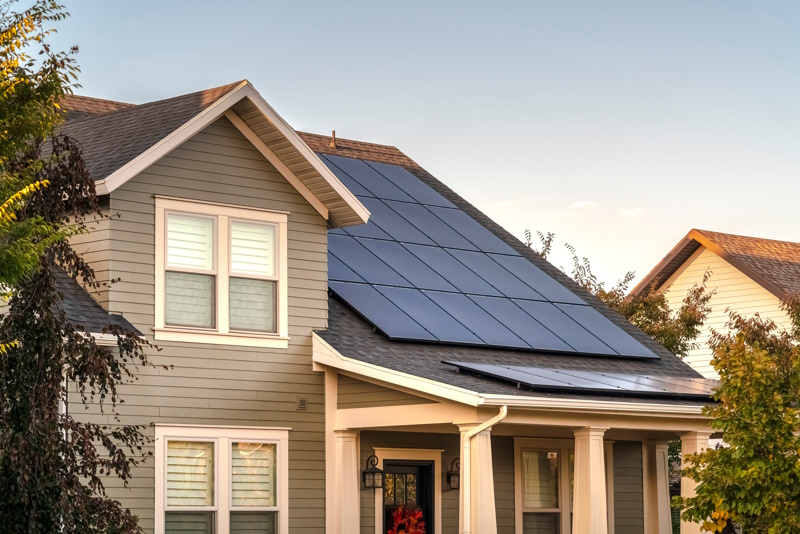
One way homeowners can improve their roof’s energy efficiency is through solar panels integration, which significantly reduces electricity costs while promoting the use of clean energy.

Insulation upgrades are another crucial aspect of optimizing your roof for energy efficiency. Adequate insulation under the roofing materials will minimize heat loss during cooler months and prevent excessive heat gain during warmer months, reducing your reliance on heating and cooling systems. 

To further enhance ventilation, consider installing ridge vents or soffit vents that allow fresh air intake and stale air exhaust. The table below highlights various features you should consider when improving your roof’s energy efficiency and ventilation:


Feature

Benefit

Solar Panels

Reduce electricity costs & promote clean energy

Insulation Upgrades

Minimize heat transfer & reduce HVAC system usage

Roof vents

Allow hot air to escape from attic space

Soffit Vents

Facilitate continuous airflow through eaves


Taking these factors into consideration will ensure that your home remains comfortable year-round while saving money on utility bills. As a responsible homeowner, invest time in learning about different options available to optimize your roof for maximum performance – doing so will pay off both financially and environmentally down the road.

Conclusion

It’s essential for new homeowners to be well-informed about their roof’s materials and expected lifespan. Keeping up with regular maintenance and inspections can save you from costly repairs down the line.

Remember, identifying common roofing problems early on is crucial in maintaining a healthy home environment.

Don’t hesitate to give us a call at Ohm Restoration, our company prioritizes energy efficiency and proper ventilation for your home.

Your investment in understanding your roof today will pay off in long-term peace of mind.

The post Top 5 Roofing Essentials New Homeowner Needs to Know appeared first on Ohm Restoration.
07 Jun 10:59

Missouri Solar Incentives That Springfield Residents Should Know

by Ohm Restoration

Solar power is often considered the way of the future. It provides extensive environmental benefits; not only does it utilize a renewable resource, but it also produces no carbon emissions. Many environmentally-conscious individuals may invest in solar power for that reason alone. However, solar energy comes with additional advantages.

Using solar power for your home not only benefits the environment but can also make you eligible for a variety of Missouri solar incentives that save you money. As state and federal government entities continue to promote the use of renewable energy sources such as solar power, more local and federal agencies now offer monetary incentives for solar installation. Your eligibility and savings for solar incentives can depend on your exact location, usage, and equipment, but many customers experience savings and bonuses for the use of solar energy.

Our friendly and experienced team of experts at Ohm Restoration serves as a trusted roofing company in Springfield, MO, and works to provide the surrounding community with energy-efficient roofing as well as reliable solar panel installation and maintenance. Our team of experts can help you evaluate the benefits of solar panels for your home, explaining incentives and additional energy-saving programs. 

The experts at Ohm Restoration can help you install and repair solar panels for your home for energy savings and a better environment.

Solar Power Federal Tax Credit Incentives

All solar power equipment purchases across Missouri qualify for the Federal Investment Tax Credit (FITC) rebate. This provides you with a federal tax credit equal to up to 30% of the total cost of the purchase and installation of your solar systems. While the FITC rebate does not qualify for a returnable tax credit, you can use it as a reduction credit for any federal tax liabilities. In addition, it can transfer from year to year as a credit in your federal tax account, so you don’t have to pay as much if you owe taxes at the end of the tax year.

The FITC incentive can apply as a direct payment rebate for non-profit organizations and government entities that install solar panel systems. The tax credit also remains as a 30% value for all systems installed and used between January 1, 2022, and December 31, 2032. You can talk with your tax advisor or a financial expert about the possibility of a FITC incentive and learn how to transfer your tax credits into the next year if needed.

Solar Power Missouri Utility Rebates

Many utility companies offer rebate incentives based on the size, usage, and installation of your solar panel or array. You can talk with your utility company or ask a solar expert about rebate programs for both commercial and residential solar power systems. The exact amount varies based on the system installation date and your usage.

Some utility companies also offer increased incentive amounts for solar power systems that generate and save power during peak utility times. Partnering with a qualified professional can help you can set up one of these systems, allowing you to enjoy extensive savings.

Ameren and Liberty Rebates

Ameren, which services much of St. Louis, offers solar power usage rebates. These rebates are calculated on the exact wattage produced by your solar panels as an incentive for using renewable energy sources. Liberty, a utility company in Springfield and serving other major areas, offers the same rebate as Ameren for solar power usage.

This rebate provides 25 cents for each watt, up to 25 kilowatts, produced by your solar array. It remains available for any solar power system installed before December 31, 2023. Customers with this rebate can earn as much as $6,250 with the use of high-producing solar energy sources.

Columbia Water and Light Rebates

Customers of Columbia Water and Light can also get a solar rebate. Depending on how much your solar panels produce, you can receive large rebates from the power company as an incentive. The rebate tiers for Columbia Water and Light customers include three different levels:

  • Tier 1: 0 to 10 kilowatt systems with a $375 to $625 rebate per kilowatt

  • Tier 2: 10 to 50 kilowatt systems with a $300 to $500 rebate per kilowatt

  • Tier 3: 50 to 100 kilowatt systems with a $150 to $250 rebate per kilowatt

Incentives remain available for both homeowners and businesses looking to switch to more sustainable and efficient energy.

KPC&L Evergy Rebates

KPC&L Evergy also provides a solar power rebate program similar to the Ameren and Liberty benefits. This rebate gives residential and commercial customers a 25-cent rebate per watt produced with a cap of 25 kilowatts, meaning you can earn up to $6,250 in incentives. The rebate applies to any systems installed and registered on or before December 31, 2023, in Missouri.

Electric Cooperative Utility Incentives

If you pay for your electricity or utilities through one of Missouri’s local electricity cooperative organizations, you may also qualify for solar power savings and incentives. You can check with your specific provider for information about the exact terms, savings, and requirements. Wabash Valley Power Association, White River Valley Electric Cooperative, Southwest Electric Cooperative, and more have energy-efficient and solar power discounts, incentives, or rebates for customers who switch to more renewable power sources.

Missouri State Sales Tax Exemptions

While the purchase of residential solar panels and equipment does not qualify for state sales tax exemptions in Missouri, the legislation does provide sales tax exemptions for solar purchases intended for commercial use. Companies in the state can now purchase solar power systems without additional state taxes. Still, they should also check for more specific terms regarding the types of systems eligible for these exemptions and incentives.

You can check with the solar company supplying the panels and equipment to get more information about which commercial systems qualify for sales tax exemptions. Residential purchases have yet to receive the same exemption, but Missouri residents can save in other ways through rebates and other tax deductions. The sales tax exemption serves as a great way to promote commercial solar power throughout the state.

Missouri State Property Tax Exemptions

State, local, and county property taxes no longer apply for any land used for solar power sourcing. This includes both residential and commercial solar panel properties. You can claim this property tax exemption every year, which saves money and reduces your tax liabilities. The property tax exemption serves as one of the best Missouri solar incentives by providing ample savings in the form of a yearly reduction of tax costs.

The proper installation and integration of a solar power system increases the overall resale value of your property without raising your property tax rate. Currently, the state property tax exemptions in Missouri offer indefinite savings and protection for residents, with no set end date for the exemptions.

SRECs In Missouri

Solar renewable energy credits (SRECs) are available for solar customers in Missouri. These credits represent a valuable asset that appears separate from your actual energy equipment or solar panels. You can earn SREC vouchers over time with the use of your solar energy. The number of vouchers increases according to the amount of energy generated by your solar panels.

An SREC can make you more money and offset the costs of your solar panel installation. Energy and utility companies have to buy a certain amount of SREC assets each year to meet their renewable portfolio standards (RPS), meaning that you can sell your credits for a good price depending on the demand in the market and the number of credits you have. The market for SRECs in Missouri currently has a low demand, with very few companies purchasing from residential holders. However, they can still offer some savings and provide a valuable asset.

Discounted Solar Loan Rates With PACE

Many areas in Missouri provide homeowners with access to Property Assessed Clean Energy (PACE) financing programs. These programs provide accessible and fair loans for residential solar power installations. Eligible candidates can get a 100% upfront payment to cover the entire cost of their solar systems. The repayment program offers a fixed interest rate for 20 years, which provides a generous amount of time for repayment.

This allows homeowners to switch to solar power without worrying about securing private loans or experiencing increased interest rates. Funded by private capital, these loans don’t affect your credit score and remain attached to your property rather than your personal financial liabilities, meaning you can reduce your loan by selling your property. Your eligibility can depend on your location, property value, and power usage, and you can talk with PACE specialists and providers for the exact terms and availability.

Net Metering for Missouri Solar Customers

Missouri requires net metering by law for residential solar customers. This ensures that power companies cannot charge solar customers any additional fees and secures your utility savings. Net metering provides solar customers with protection against Demand Charges or other fees that utility companies may attempt to add for solar-powered homes.

The net metering has to occur at a one-to-one ratio for residential customers in Missouri. Providers like Evergy offer this net-metering rate for the month, with any excess energy transferred as a credit for the next month’s energy bill. You can set up net metering practices and policies during your solar panel installation and communicate with your utility provider about metering credits or savings.

Solar Power Services from Ohm Restoration

Installing solar panels is an excellent way to benefit the environment and save money. By taking advantage of Missouri solar incentives, you can enjoy extensive savings that are well worth the price of installation. First, however, you have to find a professional who can help. You need to work with a company that has the experience, knowledge, an

Our services at Ohm Restoration can provide you with the solar installation necessary to start saving on your energy bills and obtain one of the many solar power incentives offered across the Missouri area. Our team of experts can help you find eligible solar panel systems and work to provide high-quality installation, maintenance, and repairs for all solar projects in both residential and commercial settings.

With incentives and energy savings, there’s no reason not to switch to solar energy in your private or business property. Get started on your solar panel installation today with services from the experts at Ohm Restoration. Take advantage of Missouri solar incentives while also reducing your carbon footprint. You can also ask about other energy-efficient services for your roof or home to further save on energy costs and lower your environmental impact.

Call Ohm Restoration in Springfield, MO, today at 888-319-7058 to get all of your solar and roofing needs from the experts and start saving.

The post Missouri Solar Incentives That Springfield Residents Should Know appeared first on Ohm Restoration.
07 Jun 10:59

10 Common Insurance Claim Mistakes That Springfield Homeowners Should Not Make

by Ohm Restoration

Homeowners’ insurance policies offer coverage when storms or accidents damage your home. Filing a claim can be difficult, especially when you don’t have much experience with insurance policies and processes. Some common insurance claim mistakes can cause your provider to deny or limit your claim and require you to pay more out-of-pocket costs for home repairs.

Understanding these mistakes and how to avoid them can help you get the support and compensation you need to restore your home. Ohm Restoration, the trusted roofing company in Springfield, MO, has put together this list of common insurance claim mistakes to avoid for better coverage.

1. Not Reading Your Insurance Policy

One of the most common insurance claim mistakes is not paying close enough attention to your policy. Not reading through your insurance policy before filing your claim often results in wasted time or denied claims. The policy contract has important information about the processes, requirements, and terms of each type of claim you may make. You can look for specific sections about coverage, exclusions, and necessary evidence to ensure you have a firm basis for your claim before taking the time to submit it.

You can also have a professional, such as a public insurance adjuster or property damage attorney, read through your policy. Understanding the exact terms, necessary evidence, and steps ensures you get a fair amount of coverage from your insurance provider.

Your policy may also outline the terms for your rates. By looking for this information, you can determine whether filing your claim will cause your rates to go up and evaluate whether the payment is worth the increased costs. Another common mistake includes failing to read your policy at the very beginning of your coverage. You want to ensure it meets your needs and includes reasonable terms and coverage for your home, so examine a policy carefully before purchasing it.

2. Admitting Your Blame

When speaking with an insurance agent or filing your report, you should avoid admitting blame or fault on your end. Mentioning any preventative measures that you failed to implement can make the entire claim invalid. Document the exact measures you took during the incident and ensure you know the series of events that led to your damages.

When you meet with an insurance adjuster, they may ask you about any possible mistakes you made or blame you could have. Ensure you remain firm in your description of the incident, and don’t let them assign blame that isn’t accurate.

3. Waiting to File

Filing your insurance claim as soon as possible not only ensures you get your funds but also increases the chances of your claim being approved. Some policies allow a year or more after the incident for filing, but it’s always better to file as early as possible for peace of mind and easier repairs or payment.

Customers who wait too long before filing their claims often have less evidence and a less clear idea of the events that occurred. This delayed communication and filing makes the claim less certain for you and the insurance provider. By filing right away, you can ensure the insurance adjuster and provider can gather the necessary evidence and understand the direct causes of the incident.

4. Lacking Solid Evidence

Evidence serves as one of the most important components of your claim. Take as many pictures, videos, and recordings of the incident and any property damages that occurred. Try to get clear and accurate pictures from a variety of angles, and remember to document any additional items or areas that experienced damage.

Other evidence may include medical records and bills for anyone who experienced an injury from the incident. Keep track of any exams, appointments, medications, and services necessary and provide these documents to the insurance company for compensation. 

5. Not Having a Home Inventory

A home inventory is a complete list of each item in your home. Not having this list readily available in the case of extreme damage such as a flood, fire, or break-in can make your insurance claim less complete. Making an inventory list and keeping it available allows you to accurately claim the extent of your losses.

Homeowners can take proactive steps right now to create a home inventory and avoid this insurance mistake in the future. Include your furniture, appliances, valuables, and stored items in your home inventory list for the most comprehensive coverage possible. You can give this inventory to your home insurance provider after an incident with information about the items that are missing or damaged. This way, you can ensure you get the monetary compensation you deserve.

6. Not Mitigating Damage

While insurance claims cover accidents, a failure on your part to mitigate and prevent further damages can negatively impact the validity of your claim. You can mitigate further issues in your home by temporarily repairing broken doors, windows, roofing, and more. Taking small steps to reduce preventable problems increases the effectiveness of your claim and shows the insurance provider your ability to take responsibility.

In many cases, you can take temporary and easy steps to reduce the effects of the incident after the initial problem. For example, failing to turn off the water supply in your home after a broken or burst pipe means the insurance company can claim the resulting water damages as your fault, and they may deny your claim or reduce your compensation.

7. Cleaning Up Too Soon

After an incident or disaster, you may want to restore your home or clean the affected area right away, but it may cost you. Many homeowners make the common mistake of clearing damage or debris too soon. By waiting to address the mess, you can ensure you don’t throw away evidence, documentation, or items you need to make your claim.

Giving it time and considering the cleanup process allows you to fully gather evidence, take photos, and evaluate damages. If possible, you can wait until after you read your policy or receive communications from your insurance agent before cleaning the area. Many times, the insurance provider requires the insurance adjuster to evaluate the damaged area before you clean anything.

8. Not Negotiating Offers

Many homeowners make the mistake of accepting an initial offer or denial from their first insurance claim. You can actually negotiate and refute the results of your initial claim if you feel that the compensation or denial appears unfair. If you re-open a case, the company can’t close it again without proper cause or evaluation.

For rejected claims, you can file an appeal to get a second opinion and have your case reevaluated. The insurance company can’t close your claim without an appeal process. In addition, if you feel the coverage doesn’t meet the terms of your policy, you can also hire a property damage attorney to meet and negotiate with the insurance companies on your behalf.

9. Claiming Too Often

While it’s good to use the benefits of your insurance policy, claiming damages too often results in increased insurance rates for future policies and payments. Insurance companies look at your claim history when they decide your rates and create your new policies. If you’ve filed countless claims in the past, then they may feel insuring you is risky. As such, your insurance company may only offer you a policy with a higher rate or with less coverage options. If you plan to file a claim, then make sure that you truly need to do so.

10. Filing Independently

For large insurance claims with multiple factors and damages, filing your claim without the help of a professional can result in denied or insufficient coverage. You can hire a public claims adjuster to help you assess, record, and file damages and negotiate the payments from the insurance company. These adjusters may add additional costs to your claim, but they can increase the value of your coverage and can handle the complicated or technical insurance processes to save you time and stress.

Roofing and Restoration with Ohm Restoration!

Insurance is meant to protect you from having to pay for costly repairs or replacements after a natural disaster or other event. Unfortunately, filing an effective insurance claim requires attention to detail and some prior knowledge of insurance policies. Understanding the common insurance claim mistakes and how to prevent them can help you use your insurance policy for good.

Avoiding the most common insurance claim mistakes can improve your ability to get the payments necessary to make expert repairs to your home. Once you have the funds from your insurance claim, it’s time to finally repair the damages and get your home in working order. Ohm Restoration in Springfield, MO, can provide high-quality roofing repairs and a variety of other indoor and outdoor restoration services for your home or commercial property when you need them. 

Repair your home with the knowledge of our experts at Ohm Restoration in Springfield, MO, by calling 888-319-7058 today. Get more information now.

The post 10 Common Insurance Claim Mistakes That Springfield Homeowners Should Not Make appeared first on Ohm Restoration.