Shared posts

16 Aug 08:06

Which Is More Cost-Effective for Mississauga Homes: Interlocking or Concrete?

by Matt Moniz

Homeowners in Mississauga often ask a common question when planning a new driveway, patio, or walkway: Is interlocking more expensive than concrete? The short answer is yes – interlocking paving stones (also called interlock pavers) generally cost more upfront than a basic poured concrete slab. However, cost isn’t the only factor to consider. In this article, we’ll break down the cost per square foot for interlocking vs. concrete in 2024 – 2025, and explore the pros and cons of each option in terms of durability, aesthetics, maintenance, and long-term value. By the end, you’ll have a clear understanding to help decide which option best suits your Mississauga property.

Cost Per Square Foot: Interlocking Pavers vs. Poured Concrete

When comparing prices, poured concrete is usually less expensive initially than interlocking stone. In the Greater Toronto Area (including Mississauga), recent estimates show that a standard concrete driveway or patio costs around $18 – $25 per square foot on average. This assumes a basic broom-finish concrete; opting for decorative finishes like stamped or exposed aggregate will push the price to the higher end of that range (or beyond). By contrast, interlocking pavers typically range from about $20 – $25 per square foot installed for a typical project. This means interlock generally comes with a higher upfront price tag than plain concrete.

To put it simply, per square foot costs in Mississauga might look like:

  • Poured Concrete: Approximately $15 – $25 per sq. ft. installed for most residential projects (basic grey finish on the lower end, decorative or colored concrete on the higher end). Concrete’s initial cost advantage comes from cheaper material and quicker installation.
  • Interlocking Pavers: Approximately $20 – $30+ per sq. ft. installed, depending on paver style and project complexity. Simple interlock jobs using standard pavers may start around $18 – $20, whereas high-end designs with premium stone can cost more.

Why the difference in cost? Laying interlocking pavers is more labor-intensive – each stone is placed and leveled by hand, with a crushed stone base and polymeric sand between joints. Poured concrete, on the other hand, can be installed faster by pouring into forms and smoothing it out, reducing labor hours. The materials also differ in price: concrete mixture is relatively affordable, whereas individual paving stones (especially premium ones) cost more per unit.

It’s important to note that these are 2024 – 2025 average estimates for the Mississauga/Ontario region. Actual quotes can vary based on factors like project size, site preparation needs (e.g. excavation or old driveway removal), and any extra features. For instance, removing an old concrete driveway can add $4 – $10 per sq. ft. in demolition costs, and upgrading to a luxury natural stone paver could raise interlock prices well above average. Urban areas like Toronto or Mississauga may also see slightly higher rates than rural areas. Always obtain a detailed quote for your specific project.

1 6

Durability and Longevity

Beyond upfront cost, it’s crucial to compare how each material holds up over time in Mississauga’s climate.

Interlocking Pavers

Interlock driveways and patios are renowned for their durability and flexibility. Individual pavers form a flexible surface that can handle freeze-thaw cycles well. The small gaps and sand between stones allow the surface to shift slightly with ground movement, preventing the cracking that often plagues large concrete slabs. Quality interlocking stones are built to withstand heavy loads and Ontario’s weather extremes. In fact, a properly installed interlock surface can easily last 25 – 30+ years with minimal issues. If one paver does get damaged, it’s easy to swap it out (more on repairs later). Overall, when it comes to longevity, homeowners find interlocking to be a “long-lasting investment” that can serve them for decades.

Poured Concrete

Concrete is also a durable material and can last a long time if well built – often 20 – 30 years for a driveway that’s poured and cured correctly. It’s strong under heavy loads and creates a solid, continuous surface. However, concrete’s Achilles’ heel is cracking. In a climate like Mississauga’s with harsh winters, the expansion and contraction from freezing and thawing can lead to cracks in concrete slabs. Even with control joints cut in, completely preventing cracks is difficult over the long term. Once cracks form, they can widen or allow water in, which may shorten the lifespan of the slab. Concrete is essentially a rigid surface, so ground shifting or tree roots can also cause cracks or heaving. In summary, concrete offers excellent durability in the short term, but it is more prone to cracking over time in our climate. Proper installation (good base prep, correct concrete mix) and maintenance (like sealing) can help extend a concrete driveway’s life toward the higher end of its range.

Aesthetics and Curb Appeal

The look of your driveway or patio is a big part of your home’s curb appeal. Here’s how interlock and concrete compare in terms of design options and visual impact:

Interlocking Pavers

If visual appeal and design flexibility are top priorities, interlocking pavers are the clear winner for most homeowners. Pavers come in a wide variety of shapes, sizes, colors, and textures. This means you can create custom patterns (herringbone, basket-weave, etc.), incorporate borders or banding with contrasting stones, and choose styles that complement your home – from old-world cobblestone looks to sleek modern slabs. The ability to mix and match colours and layouts allows each interlock project to be unique. This level of customization can greatly enhance your property’s character and boost curb appeal. Many homeowners find that a well-designed interlocking driveway or patio looks more upscale and adds value to the property. Simply put, in terms of aesthetics, interlocking provides a high-end, elegant look that’s hard to beat.

Poured Concrete

Traditional concrete offers a more simple, minimalist appearance. Standard concrete is plain grey, which can actually complement modern or minimalist home styles with a clean, uniform look. The aesthetic options for concrete have expanded in recent years – you can choose to have the concrete colored or stained, or go for decorative finishes like stamped concrete or exposed aggregate to mimic the look of stone. These upgrades can make a concrete patio look much more interesting than a flat grey slab. However, decorative concrete comes at extra cost and effort, and there are still fewer design patterns available compared to the infinite patterns of individual pavers. Even with stamping, concrete essentially offers one continuous color/texture over the whole surface, whereas interlocking can combine different paver styles. So while concrete can certainly be made to look attractive (and is versatile enough to shape into curves, etc.), it generally provides a more limited design palette than interlocking. If a sleek, modern or understated look is what you want, concrete could suffice. But if you want to really customize the design, interlock wins hands down on creative freedom.

2 6

Maintenance and Repairs

Another key consideration is how much maintenance each surface needs and how easy it is to fix problems.

Interlocking Pavers

Interlock is often praised for being low-maintenance on a day-to-day basis. The surface is easy to keep clean – a quick sweep or an occasional pressure wash will remove dirt and refresh the look. Because pavers are individually set, the design also allows excellent drainage, meaning water (or melting snow) seeps between the stones rather than puddling on top. This helps prevent ice buildup and staining.

Weed growth can occur between pavers over time, but this is minimized if polymeric sand is used in the joints and occasionally topped up. Every few years, homeowners might need to re-sand the joints as part of maintenance – this is a straightforward task that keeps pavers locked tightly and prevents weeds or shifting. One of interlock’s biggest advantages is ease of repair: if the ground settles or a few stones get damaged, you can lift and re-level that section or replace individual pavers without redoing the entire area.

This modular repairability can save money long-term. Do keep in mind that interlocking patios do not require sealing, but some homeowners choose to seal them to enhance color or resist stains – that’s optional. Overall, maintaining interlock is simple: occasional cleaning and joint maintenance, with the ability to make small fixes as needed.

Poured Concrete

Concrete is often touted as very low-maintenance initially. A properly sealed concrete driveway will resist stains and can go a few years without much attention. It’s easy to sweep or hose off, and the flat surface is convenient for shoveling snow or clearing debris. In fact, one big plus for concrete is that snow removal is a breeze on a smooth slab, and it tolerates de-icing salt well. However, when maintenance or repairs are needed, concrete can be more challenging and costly.

To maintain its appearance and prevent water penetration, concrete should be re-sealed every few years (especially stamped or colored concrete, to protect the finish). More critically, if cracks develop, you can’t simply patch them invisibly – any patch or new concrete will usually be noticeable. Repairing a small section of slab often results in a color/texture mismatch, and major cracks might require tearing out and re-pouring an entire section of the driveway for a truly seamless fix. In other words, partial repairs on concrete are difficult to blend in, so you may end up living with some visible crack repairs or eventually replacing the whole slab.

This contrasts with the piece-by-piece repair possible with pavers. In summary, concrete demands little upkeep in the short term (just keep it clean and sealed), but any significant damage is difficult to remedy without large-scale replacement.

3 6

Long-Term Value

When evaluating long-term value, consider both the financial aspect (the lifecycle cost and effect on home value) and the practical longevity of each material.

Interlocking Pavers

Although the upfront cost is higher, interlocking can be more cost-effective over the long run. Why? First, the durability and repairability mean you likely won’t need to completely replace your driveway or patio for a very long time – well-installed pavers can last decades, and you’ll avoid the big expense of re-doing the entire surface that cracked concrete might necessitate. Maintenance costs are low, and you can address small issues DIY or with minor service calls, rather than major overhauls.

Second, there’s the value to your property: interlock’s attractive appearance and prestige can increase curb appeal and even market value of your home (potential buyers in Mississauga often appreciate a professionally done interlocking driveway or patio).

As one Ontario landscaping company notes, while concrete may seem cheaper “upfront, the long-term value of interlocking can be more economical when you factor in longevity and aesthetics.” In short, interlocking stone is a long-term investment – you pay more now, but you get a beautiful, resilient outdoor feature that pays dividends in durability and home appeal down the line.

Poured Concrete

Concrete’s main value proposition is the lower initial price. If you have a tight budget or you’re improving a property on a shorter timeline, concrete lets you get the project done without as much cash outlay. For many homeowners, that immediate savings is a strong draw. In terms of long-term costs, though, you should be aware that significant repairs or premature replacement can eat into those savings.

If your concrete driveway cracks badly in 10 – 15 years and needs replacing, the cost over time may end up equal to or more than if you had installed interlock to begin with. Concrete generally doesn’t add as much upscale appeal, but it’s not a deal-breaker either – a clean new concrete driveway does look neat and can certainly last many years, providing solid value for its lifespan. Just remember to plan for eventual repairs.

Weigh how long you plan to stay in the home and the importance of curb appeal. For short-term ownership or very large surface areas (where interlocking would be prohibitively expensive), concrete can be a pragmatic choice that delivers adequate performance for the money. But if you’re looking at the 30-year picture, you may find interlocking’s longevity and minimal ongoing costs give you better value over time.

4 5

Conclusion: Choosing the Right Option for Your Home

So, is interlocking worth the higher cost, or should you stick with concrete? The answer depends on your priorities and situation. If you value a custom design, long-term durability, and maximum curb appeal, interlocking pavers are likely the best choice despite the higher initial investment. An interlock driveway or patio will give your home a distinctive, upscale look and hold up strong against Ontario’s tough winters, all while being easier to repair if needed.

On the other hand, if you have a tight budget or a very large area to cover, and you’re satisfied with a simpler look, a poured concrete surface can be a practical and budget-friendly solution. Concrete will do the job and is by no means a bad choice – it’s solid, clean-looking, and lower cost upfront, just with more risk of cracking eventually.

For Mississauga homeowners, it often comes down to climate and value: our freeze-thaw climate favours materials that can flex and last, and our real estate market rewards curb appeal. That’s why many in the GTA ultimately lean towards interlocking for driveways and outdoor living spaces. Still, every project is unique. You should consider how long you plan to live in your home, your maintenance willingness, and the style you prefer. In many cases, interlock provides a worthwhile return on investment in the long run, while concrete offers short-term savings and a no-fuss clean look. By weighing the cost, pros, and cons outlined above, you can confidently choose the option that suits your property best. Whether you go with the timeless charm of interlocking stone or the streamlined appeal of concrete, making an informed decision will ensure you enjoy your outdoor space for years to come.

16 Aug 08:06

Is Interlocking Worth the Investment? Boosting Home Value Explained

by Matt Moniz

Homeowners often seek improvements that not only enhance their living space but also boost their property’s resale value. One popular question is does installing interlocking pavers increase home value? In many cases, the answer is yes – a well-designed interlocking driveway, patio, or walkway can elevate curb appeal, create functional outdoor space, and even provide a solid return on investment.

However, it’s important to understand why interlocking pavers add value, how they compare to traditional concrete, and what factors to consider to maximize your investment. This article explores how interlocking pavers can impact home value in Canada’s context, from aesthetics and durability to cost-effectiveness and ROI.

What Are Interlocking Pavers?

Interlocking pavers are specially engineered paving stones (often made of concrete, stone, or brick) that fit together like pieces of a puzzle to form a stable surface. They are used for driveways, walkways, patios, and other landscaping features. These pavers come in various shapes, sizes, and colors, allowing for endless design possibilities. Unlike a solid concrete slab, interlocking pavers create a segmented flexible surface.

This means they are highly durable and easy to repair – if one paver gets damaged, you can replace it individually without ripping out an entire section. They also offer excellent drainage through the joints, reducing issues like puddling. Overall, interlocking pavers blend aesthetic appeal with functionality, making them a practical choice for outdoor improvements.

1 5

Curb Appeal and First Impressions

One of the biggest ways interlocking increases home value is by dramatically improving curb appeal. Curb appeal is the attractiveness of your property when viewed from the street, and it strongly influences buyer impressions. An old, cracked concrete driveway or a plain entry walk can make a home look tired. In contrast, an interlocking paver driveway or front walkway can transform the look of a property, making it more inviting and upscale.

Pavers allow for creative designs – from simple elegant patterns to intricate layouts – that instantly elevate visual appeal. This strong first impression can translate into a higher perceived value of the home.

Real estate experts often note that quality landscaping and hardscaping (like paver features) positively impact home value by wowing buyers before they even step inside. In fact, industry data shows a professionally landscaped front yard can increase a home’s value by up to 15%, and homes with attractive paver walkways or patios tend to sell faster and at higher prices than similar homes without those enhancements. Simply put, interlocking pavers boost curb appeal, which is a key driver of home value.

Durable Quality That Holds Value

Beyond looks, interlocking pavers add value through their durability and low maintenance. In Canada’s climate (with freezing winters and thawing springs), standard concrete slabs often crack and deteriorate over time due to ground movement and weather extremes.

These cracks can be unsightly and costly to fix, potentially detracting from your home’s value. Interlocking pavers, however, are designed to handle freeze-thaw cycles by flexing slightly in response to temperature changes. They have joints that allow slight movement, so they resist cracking much better than poured concrete. If a section does settle or get stained, you can swap out individual pavers easily – a far cheaper and simpler repair than re-pouring concrete.

This means an interlock patio or driveway will likely look great for decades, maintaining the home’s appeal without major repairs. With minimal upkeep (periodic cleaning and re-sanding of joints), pavers can last 30+ years while retaining their functionality and beauty. Buyers appreciate features that won’t become headaches down the road.

The longevity and robust quality of interlocking pavers protect your property value, whereas a concrete feature that’s prone to cracking might become a liability. In the long run, the durability of interlocking can literally “pay for itself,” as the investment holds up over time instead of requiring costly fixes.

2 5

Upfront Cost vs. Long-Term Value

It’s true that interlocking pavers typically cost more upfront than plain concrete. For example, poured concrete might cost around $6 – $10 per square foot, while interlocking pavers can range roughly $10 – $25 per square foot installed. The higher price comes from the cost of materials and the labor-intensive installation process (each paver is laid by hand in a prepared base). However, higher initial cost doesn’t necessarily mean lower value. In fact, the benefits often outweigh the initial expense. Over the long term, interlocking pavers can prove more cost-effective than concrete when you factor in maintenance and lifespan.

Concrete will likely need repairs or replacement after some years (especially if cracks or frost damage occur), whereas a paver surface can be maintained with minor fixes and rarely needs full replacement. A study comparing the two options noted that over a 20 – 30 year span, interlocking pavers often turn out to be the cheaper solution when you account for longevity and upkeep costs.

Moreover, the value added by pavers’ enhanced appearance and durability can offset the higher upfront cost. As one landscaping contractor put it, even though they come with a bigger initial investment, the reduced maintenance, superior strength, and curb appeal of interlocking pavers make them “a wise investment” for homeowners. In summary, while you’ll pay more on day one for interlock, you are investing in a feature that can increase your home’s value and save money down the road.


ROI and Resale Benefits of Interlocking

Home improvements are often measured by their return on investment (ROI) – how much of the project cost you can expect to recoup in added home value. Interlocking pavers, as part of overall landscaping, generally offer a solid ROI. They might not return every dollar spent, but studies show they tend to recoup a large percentage. According to industry reports, outdoor hardscaping projects (like paver patios, driveways, and walkways) see an average 60% – 80% ROI at resale.

In other words, if you spend say $10,000 on a quality interlocking installation, it could increase your home’s eventual sale price by about $6,000 – $8,000, plus make your home more attractive to buyers. The National Association of Realtors (NAR) consistently ranks landscaping and hardscape upgrades among the top projects for adding resale value. In one NAR survey, adding a simple paver walkway with some landscaping was found to recoup over 80% of its cost in home value.

Even more telling, 11% of realtors in that survey said a landscaping upgrade helped close a sale they otherwise might have missed. Buyers love move-in-ready outdoor spaces – an interlock patio or firepit area helps them envision an enjoyable lifestyle in the home, which can translate into higher offers.

It’s worth noting that scale and design of the project matter for ROI. Going for a moderate, well-designed interlocking project is usually the smartest move. If you invest in a huge, lavish patio with high-end custom features beyond what’s typical for your neighborhood, the incremental value might not fully match the cost.

For example, one remodeling report found an elaborate upscale patio might only add back around 50% of its cost in value, whereas a simpler, mid-range patio could recoup most or all of what you spent. In short, you should tailor your investment to your home’s price range and area. The good news is that many relatively affordable interlocking upgrades (like a front walkway, driveway border, or modest patio) can yield strong returns and greatly improve marketability. Homes with inviting paver features tend to not only appraise higher, but also attract more buyers – often selling faster and for closer to asking price.

3 5

Striking the Right Balance

While interlocking pavers can increase home value, it’s important to strike the right balance in your project’s scope. As mentioned, over-improving with excessive or overly elaborate hardscaping can lead to diminishing returns. Experts advise keeping designs simple and tasteful to appeal to the broadest range of buyers.

For instance, a clean 12’x20’ interlock patio with a seating area might be more universally attractive (and cost-effective) than a sprawling outdoor living room with integrated kitchen and waterfall – the latter could be beautiful, but not every buyer will value it enough to pay extra. Aim for improvements that complement your home’s style and the neighborhood.

A well-built interlocking driveway, a neat walkway, or a cozy patio adds value because it makes the home more enjoyable and more attractive for resale. Just be careful not to turn your yard into an overdone showcase that overshoots what buyers in your market expect. In the end, quality and good design matter more than sheer extravagance. “Keep it simple” is often the best approach for ROI in landscaping projects.

Another key to maximizing value is ensuring professional installation and design. Poorly installed pavers (uneven, improper base, drainage issues) can hurt your home’s appeal and even lead to problems like settling or weeds, which undermine value. Hiring experienced installers or contractors with interlocking expertise will ensure the project enhances your property as intended. A properly installed interlocking feature will look and perform its best for years, giving future buyers confidence. As one Canadian interlocking company notes, a balanced plan and pro installation means you get a beautiful result without “overdoing it,” thereby adding value without waste.

Bottom Line

So, does interlocking increase home value? In most cases, yes – interlocking paver projects can boost your home’s value by improving curb appeal, expanding usable outdoor space, and offering long-lasting quality that buyers appreciate. A beautiful paver driveway or patio creates an upscale look and great first impression, which can translate into a higher selling price and faster sale. Durable, low-maintenance features like interlocking also protect your home’s value since they age gracefully without requiring expensive repairs.

Keep in mind that the best returns come from well-planned, proportionate projects – choose designs that enhance your home’s appearance but stay within a reasonable budget for your market. When done right, adding interlocking pavers is not just an upgrade for your own enjoyment, but a strategic investment in your property. By extending living areas outdoors and elevating the overall look of your home, interlocking can indeed make your home more desirable and valuable in the eyes of buyers and appraisers alike.

Just be sure to consult with professional landscapers or hardscape contractors to ensure your interlocking installation is executed properly for maximum benefit. With a quality interlocking project, you can enjoy your enhanced outdoor space now and potentially reap rewards later when it comes time to sell.

16 Aug 08:06

Unlocking Interlocking Costs in Ontario 2025: Budget Smarter & Avoid Surprises

by Matt Moniz

If you’re planning a new patio, driveway, or walkway in Ontario, one of the first questions on your mind is likely “How much will interlocking pavers cost me?” Interlocking stone installations remain a popular choice for their durability and curb appeal, but they do come with a higher upfront cost than basic asphalt or concrete.

In this guide, we’ll break down current interlocking pricing trends in Ontario (as of 2025), including cost by material type, typical price-per-square-foot ranges for common projects, and how interlock compares to alternatives like stamped concrete and asphalt.

Our goal is to give Ontario homeowners a clear, honest overview of interlocking costs in 2025 so you can budget confidently for your project.

2025 Interlocking Paver Pricing Trends in Ontario

Average cost per square foot: In early 2025, Ontario landscape contractors report that a fully installed interlocking paver project typically costs around $18 to $22 per square foot on average. This figure assumes a mid-sized project (generally at least 500 sq. ft.), standard site access for machinery (a ~3 ft wide path), and mid-range paver materials (usually concrete pavers priced under ~$7/sq. ft.).

If you opt for high-end stones or have a smaller project, the price can be higher – often reaching the mid-$20s per sq. ft. or more. In fact, “common” interlock materials in 2025 tend to run about $20 – $25+ per sq. ft. installed, whereas premium stone options can push around $25 – $35+ per sq. ft. installed. These ranges reflect the total cost including base preparation, labour, and materials.

Trend note

Interlock pricing in Ontario has seen slight increases in recent years due to rising labor and material costs. Supply-and-demand also plays a role – peak season (spring/summer) and busy urban markets like the GTA may command the higher end of the price range. Homeowners should also be aware that **smaller projects have a higher cost per square foot. Fixed overhead costs (crew, equipment, delivery, etc.) get distributed over fewer square feet, so jobs under ~500 sq. ft. often carry an above-average rate per foot. In other words, a small 100 sq. ft. walkway might cost more per sq. ft. than a large driveway because the contractor still needs to mobilize the same equipment and crew. Conversely, larger projects may get volume pricing benefits.

Patio vs. driveway pricing: You might also notice different pricing for patio/walkway projects versus driveways. One reason is that driveways require thicker pavers (typically 80 mm thick vs. 50 mm for patios) to handle vehicle loads, and those thicker pavers cost a bit more.

This thickness difference alone can add up to ~$2 per sq. ft. to the material cost for driveways over patios. So, don’t be surprised if quotes for a driveway come in slightly higher per square foot than for a backyard patio using the same style of stone.

1 4

Cost Breakdown by Material: Concrete vs. Natural Stone vs. Permeable Pavers

One of the biggest factors affecting your interlocking project’s cost is the type of paver material you choose. In 2025, Ontario homeowners have a range of options, from affordable manufactured concrete pavers to upscale natural stone and eco-friendly permeable pavers. Here’s how these materials compare:

Concrete Interlocking Pavers (Manufactured)

The most common interlocking material is concrete pavers (including popular brands like Techo-Bloc, Unilock, Permacon, etc.). These are mass-manufactured, come in many shapes and colors, and are designed to lock together with tight joints filled by sand. Concrete pavers offer excellent strength and design versatility at a moderate cost. In 2025, standard concrete interlocking pavers typically cost about $5 – $7 per sq. ft. for the material alone, with higher-end styles up to ~$10. Installed, you’re looking at roughly $18 – $25 per sq. ft. for most basic concrete paver projects in Ontario.

This assumes a relatively simple design (e.g. straight-laid pattern, no elaborate features) and normal site conditions. Concrete pavers provide the best value for most homeowners – they are durable, modular (easy to repair by swapping out a cracked piece), and available in endless designs, which is why they’ve become one of the top choices for driveways, patios, and walkways.

Natural Stone Pavers (Flagstone or Granite/Cobblestone)

If you desire a more high-end, organic look, natural stone might be appealing. Natural interlocking stones can include cut flagstone, imported travertine or limestone, granite cobblestones, etc. These materials have timeless beauty but come at a premium price due to the material cost and the labor involved in fitting irregular shapes. In Ontario, dry-laid natural flagstone patios average about $24 – $31 per sq. ft. installed, and other luxury stone pavers can go even higher for intricate work. It’s not uncommon for natural stone interlock projects to land in the $30 – $40+ per sq. ft. range, especially for small areas or complex layouts.

For example, an Ottawa-area estimator notes that opting for natural stone or luxury pavers with intricate design could elevate an interlock project into the $35 – $65 per sq. ft. range. In short, natural stone interlock is the most expensive route upfront – roughly 25%+ higher cost than standard concrete pavers – but it delivers a one-of-a-kind look. Keep in mind natural stone pieces are extremely durable themselves, but the labor-intensive install drives up the price.

Permeable Interlocking Pavers

Permeable pavers are specially designed to allow rainwater to drain between them, reducing runoff – a big plus in areas with strict stormwater management or for eco-conscious homeowners. Many concrete paver styles now come in permeable versions. Installing a permeable interlock driveway or patio typically requires extra excavation and a deeper base of clear stone (to create a reservoir for water), which adds to cost.

According to national data, permeable paver projects usually cost about $10 to $30 per sq. ft. (installed) on average. In Ontario, you can expect the upper end of that range, since we need a substantial base to deal with freeze-thaw cycles. In practice, choosing a permeable system might add roughly 10 – 20% to the cost compared to a similar non-permeable interlock job.

For instance, if a standard paver patio would be $20/sq. ft., the permeable version might be closer to $22 – $24/sq. ft. due to the extra crushed stone base and specialized installation.

The payoff is an environmentally friendly surface that drains quickly and handles Ontario’s freeze-thaw well (no standing water to turn into ice) – and some municipalities even offer stormwater tax credits or rebates for installing permeable driveways. Be sure to ask your contractor if permeable pavers are right for your project and budget.

Tip:

No matter the material, remember that the paver price is just one part of the project cost. Base preparation (excavation, gravel, bedding sand), edge restraints, polymeric joint sand, and labor are significant components of the total price.

For example, the material cost for standard pavers might be $6/sq. ft., but the installed cost comes to $20/sq. ft. once you factor everything in. Natural stone may cost more in both material and labor due to more meticulous fitting. Always look at quotes as an “all-in” cost for a proper installation, not just the stone price.

2 4

Cost per Square Foot vs. Total Project Estimates

Talking about dollars-per-square-foot is useful, but as a homeowner it also helps to see the big picture cost for typical project sizes. Below we provide some rough cost ranges for common interlock projects in Ontario, based on 2025 pricing. Keep in mind these are ballpark figures – your actual quote will depend on site conditions, design details, and material choices:

Front Walkway (Approx. 100 sq. ft.)

Estimated cost

$2,000 – $3,500. Small walkways or porch entrance pads (say 50 – 150 sq. ft.) generally fall in this range. Even if the math suggests 100 sq. ft. × $20 = $2,000, the reality is many contractors have a minimum charge (often $3k or more) to cover fixed costs. As noted earlier, projects under 500 sq. ft. tend to have higher per-foot costs. So a luxurious walkway with premium stone could be on the higher end.

If you keep the design simple and use standard pavers, you might stay closer to the low $2k’s for a small walk. Just don’t expect a $1,000 job – even a tiny project requires excavation, base prep, and crew time.

Backyard Patio (Approx. 200 – 300 sq. ft.)

Estimated cost

$4,000 – $7,000 installed. Patios are often in the 200 – 300 sq. ft. range for a seating or BBQ area. With mid-range interlocking pavers (around $17 – $20 per sq. ft. average), a 200 sq. ft. patio might run about $3,500 – $4,000, while a 300 sq. ft. patio could be $5,000 – $6,000. This assumes a fairly straightforward shape.

If you start adding features like built-in steps, retaining walls for elevation changes, or a complex pattern with multiple paver colors, the cost will increase. For instance, a patio with custom inlays or a pergola footing could easily top $7k.

The Ontario average for interlock patios in 2025 was about $17 – $20 per sq. ft. as noted, which aligns with these estimates. Remember, that assumes decent access for equipment (e.g. a standard 3-foot gate to the backyard) – limited access could add labor costs for wheel-barrowing materials in and out.

Double-Car Driveway (Approx. 600 – 800 sq. ft.)

Estimated cost:$12,000 – $20,000+. Driveway costs can vary widely based on size and design. A typical two-car driveway (~16 – 18 feet wide by 40 feet deep is roughly 640 – 720 sq. ft.) at $20 – $25 per sq. ft. would come in around $13k – $18k. This is a realistic range for many straightforward driveway installs with standard pavers. If you choose upscale materials or have an extra-large driveway area, costs go up.

Some contractors report 800 sq. ft. interlock driveways around Toronto costing about $14,000 for a quality stone and install. On the higher end, complex or luxury driveways can reach $20,000 – $30,000. In fact, one landscaping company notes that an average double driveway in the GTA might range from $22,000 – $30,000 in 2025 for top-tier work.

These upper-end jobs likely include premium pavers, custom borders or aprons, and possibly extras like lighting or heated driveway systems. Generally, budget at least mid-teens (in thousands) for an interlock driveway, and more if you have champagne tastes. By comparison, the same size driveway in plain asphalt might be only $4k – $8k – which brings us to our next topic.

3 4

Interlocking vs. Stamped Concrete vs. Asphalt: Cost, Durability & Aesthetics

How do interlocking pavers stack up against other driveway and patio surfaces such as stamped concrete or asphalt? Below we compare these options on key points important to homeowners: installation cost, longevity/maintenance, and overall look.

Interlocking Pavers:Cost

Highest upfront cost of the three. In Ontario, expect roughly $18 – $30 per sq. ft. installed for interlock on typical projects. Smaller jobs or high-end stone can push this higher. Durability:Exceptional lifespan – often 30+ years with proper installation.

Pavers are individual units that can flex with freeze-thaw ground movement, so they resist cracking. If a section does settle or get damaged, you can replace individual stones rather than redoing the whole surface. It’s common to see interlock driveways last decades (40+ years is cited in some cases). Maintenance is relatively low: periodic power-washing and re-sanding of joints every few years keeps it looking fresh. Stains (oil, etc.) can be lifted or individual bricks swapped out, unlike a poured slab.

Aesthetics

Top-notch curb appeal. Interlock comes in a vast array of styles, shapes, and colors, from classic brick patterns to modern large-format slabs. It adds instant elegance and value to a home. Homeowners often choose interlock specifically to elevate the look of their property – something both you and future buyers will appreciate.

In short, interlocking pavers offer a long-term “wow” factor and flexibility that other materials can’t easily match (e.g., you can even incorporate garden beds or lighting in the design).

The main downside is that premium look comes at a premium price up front and it’s critical to hire a qualified installer for best results.

Stamped Concrete:Cost

Generally cheaper than interlock upfront, but not “cheap.” In 2025, stamped or patterned concrete in Ontario tends to fall in the $15 – $25 per sq. ft. range for most patios and driveways, depending on the complexity of the pattern and colors. This is a bit higher than plain concrete due to the stamping labor and coloring process.

For example, one concrete specialist lists typical stamped concrete driveways at $18 – $45 per sq. ft. depending on finishes, though many straightforward jobs would be toward the lower end of that range.

So you might save ~20-30% versus interlock initially. Durability:Moderate lifespan (~20 – 30 years), with some important caveats. Concrete is strong in compression but can crack with freeze-thaw movement and soil shifts. Stamped concrete in our climate requires sealing every year or two to protect it from moisture and salt. Even with sealer, the color can fade over time and the surface may develop hairline cracks.

Major cracking or settling is costly to fix – essentially the slab would need re-pouring; you cannot patch stamped patterns invisibly. Also, the textured surface can become slippery when wet if a glossy sealer is applied. On the plus side, concrete is a solid surface that won’t shift under heavy loads, and a well-built concrete driveway can indeed last ~25 years.

Just be aware that in Ottawa/GTA winters, stamped concrete often won’t last as long as interlock without cracking. Aesthetics:Customizable but less forgiving. Stamped concrete can mimic the look of stone or pavers by using patterned molds and color stains – you can get beautiful designs initially. It’s a continuous surface, which some people prefer for a clean, unified look (no joints).

However, colors may fade and any repairs will usually be noticeable patches. It also lacks the depth of texture that real pavers have. Overall, stamped concrete offers a middle-ground option: upfront cost is lower than interlock, and you get decorative appeal beyond plain concrete, but you trade off some longevity and ease of repair. In a climate with harsh winters, it’s important to seal and maintain it diligently to approach its full lifespan.

Asphalt

Cost

Lowest initial cost by far. A basic asphalt driveway/paving in Ontario runs roughly $3 – $7 per sq. ft. on average. Even with an optional decorative topcoat or tint, asphalt rarely exceeds $10/sq. ft. (except some stamped asphalt techniques that could be ~$15, but those are less common). For example, an average 600 sq. ft. double driveway might cost only $4,000 – $6,000 in asphalt – about one-third the cost of interlock. Durability:Shortest lifespan (~15 years) on average.

Asphalt is a petroleum-based surface and tends to soften in high heat and crack in extreme cold over time. In Ontario, a well-built asphalt driveway might last 15-20 years with regular maintenance, but you’ll likely see cracking, heaving, or crumbling edges as it ages.

Asphalt requires regular maintenance: it should be sealed every 1-3 years to protect from water penetration and UV damage, and cracks need to be filled promptly. Even with care, expect fading from rich black to gray and some potholes or cracks as the years go on. The good news is minor asphalt repairs (filling cracks, patching potholes) are relatively easy, and a full resurfacing (adding a new top layer) can refresh an old asphalt drive at lower cost than redoing concrete or interlock.

Aesthetics

Plain and utilitarian. Traditional asphalt gives a smooth, black surface with no design, which can be perfectly acceptable but not “luxurious.” It can complement many homes in a clean, understated way. There are limited aesthetic upgrades – you might choose a stamped or colored asphalt topcoat to mimic brick or stone patterns, but those add cost and still don’t quite match the elegance of real pavers or stamped concrete.

Generally, homeowners choose asphalt when budget or speed of installation is the primary concern. It’s the quickest to install (often done in a day or two) and the cheapest initially, but it won’t wow anyone with looks, nor will it last as long before needing replacement.

In summary, interlocking pavers cost more up front but offer superior longevity and visual appeal, stamped concrete is a mid-range option with nice looks but some maintenance and cracking concerns, and asphalt is the budget-friendly workhorse with a shorter lifespan. Your choice will depend on what you value most: if you’re after the best long-term investment, interlock may be worth the cost, whereas if you just need a functional surface on a tight budget, asphalt can suffice for the next decade or two.

Final Thoughts: Getting Value from Your Interlock Project

Interlocking stone can transform your property’s appearance and provide a durable surface for decades, which is why many Ontario homeowners feel it’s worth the investment. The 2025 cost trends indicate you should be prepared to spend a bit more due to material and labor costs, but also that you’re getting improved quality and design options for that price. To make the most of your budget, consider these tips:

Plan the project scope wisely

Maybe you’ll decide to do an interlock patio now, and an asphalt driveway for now to save money, with the idea to upgrade the driveway later. Many homeowners mix materials (e.g., an interlock border on an asphalt driveway) to balance cost and looks. Decide where interlock will have the biggest impact and prioritize that area.

Choose materials that fit your budget & style

There are beautiful concrete pavers that mimic natural stone at a fraction of the cost. You don’t have to get the most expensive imported stone to have a stunning patio. Compare samples and ask your contractor about manufactured pavers vs. natural options – often the manufactured ones are engineered for durability (with lifetime warranties) and resist fading better than some natural stones.

Get multiple quotes and ask about what’s included

When comparing contractor quotes, ensure they are based on the same scope – how deep is the base, who is responsible for disposal of excavated soil, is sealing or polymeric sand included, etc. A quality installation might cost a bit more but will save you money on repairs down the line. Verify that proper base depth and compaction is part of the plan, as this directly affects longevity in our climate.

Consider maintenance and long-term costs

While asphalt is cheaper now, it will need more upkeep and earlier replacement. Stamped concrete will need resealing and might incur repair costs if cracking. Interlock may settle slightly over many years, but maintenance is usually just cleaning and joint sanding – plus perhaps resetting a few pavers if needed, which is relatively low-cost. These factors make interlock a strong long-term value proposition for many homeowners, not to mention the boost in property value a well-done interlock project can provide.

4 4

Bottom Line

We hope this guide has given you a clearer picture of interlocking costs in 2025 for Ontario. Remember that every project is unique – the best approach is to use these figures as a starting point and then discuss with a trusted local contractor to get a detailed estimate tailored to your home. By understanding the costs, materials, and comparisons outlined above, you can move forward with confidence in planning an interlocking project that fits your budget and enhances your home for years to come.

16 Aug 08:06

What is Interlocking in Landscaping?

by Matt Moniz

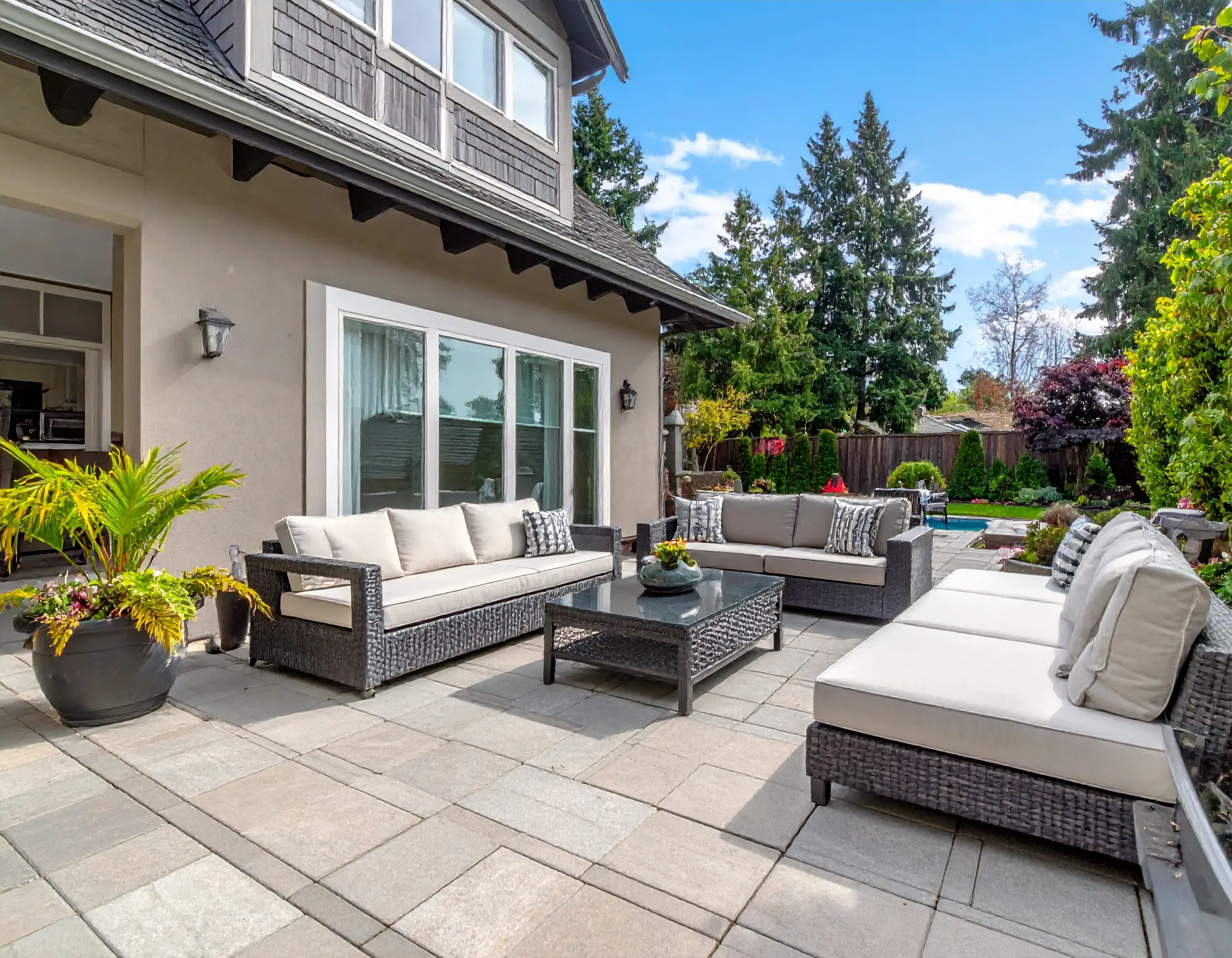
An example of an interlocking paver patio with varied colors and patterns, creating a durable and attractive outdoor living space.

Interlocking in landscaping refers to a system of paving stones (also called interlocking pavers) that fit tightly together without the use of mortar or cement. These pavers “lock” into one another to form a stable, continuous surface for outdoor areas like driveways, patios, and walkways. Unlike a poured concrete slab, which is one large piece, an interlocking paver surface consists of many individual units that mechanically interconnect, distributing weight evenly across the whole area. This interlocking mechanism makes the surface stronger and more resistant to cracking, even under heavy loads or pressure.

How Do Interlocking Pavers Work?

Interlocking pavers are typically installed over a layered base of compacted gravel and sand. Each paver is placed according to a chosen pattern, and then sand (often polymeric sand) is swept into the joints between the stones to lock them in place. Finally, the entire surface is compacted, which tightens the interlock and creates a solid, unified pavement. The beauty of this system is that it creates a flexible but stable surface – the pavers stay put, but the slight flex in the joints allows the surface to adapt to minor ground movement (for example, from temperature changes) rather than cracking. In essence, interlocking pavers combine strength with flexibility, which is a major reason they have become so popular for landscaping projects in Canada.

Climate durability: This flexibility is especially beneficial in climates with harsh winters. In regions of Canada that experience freezing and thawing cycles, traditional concrete or asphalt can crack due to expansion and contraction. Interlocking paver systems handle these freeze-thaw challenges much better. The small gaps and joint sand allow the pavers to move slightly with shifting ground, preventing significant damage. As a result, homeowners in cold climates find interlocking surfaces stay intact and safe despite winter weather.

Easy repairs: Another practical advantage is how repairs are handled. If a paver does become damaged or stained, it can be replaced individually without disturbing the surrounding pavers. There’s no need to rip out an entire section (as you often must with poured concrete). This makes maintenance and fixes far more convenient and cost-effective over time. In fact, an interlocking patio or driveway can literally be “unzipped” in a small area to access underground utilities or fix the base, and then zipped back up by re-installing the same pavers – no ugly patches left behind.

1 3

Key Benefits of Interlocking Pavers

When considering what interlocking can do for your landscape, it’s helpful to look at its major benefits. Here are some of the top reasons homeowners choose interlocking paver installations over other surfaces:

  • Exceptional Durability: Interlocking pavers are built to last. They are often 3 times stronger than standard concrete and can handle heavy vehicles without cracking. The interlocking design spreads out the load, preventing the surface from breaking under pressure.
  • Low Maintenance & Easy to Fix: Once installed, interlocking stone requires minimal upkeep. The tight fit and special joint sands (like polymeric sand) help prevent weed growth in the cracks, so you won’t be constantly pulling weeds as with some patios. The surface doesn’t need annual sealing (unless you choose to for appearance) and resists staining. If any issues do occur, as mentioned, you can replace single pavers or re-level sections easily, rather than re-pouring concrete. This means lower repair costs and less hassle for you over the life of the patio or driveway.
  • Enhanced Aesthetic Appeal: From a design perspective, interlocking pavers offer tremendous creative flexibility. Pavers come in various materials (concrete, brick, natural stone), a wide range of colors, shapes, and sizes. This lets you create beautiful patterns – from classic herringbone or cobblestone looks to modern geometric designs – to perfectly complement your home’s style. You can also mix and match paver colors or integrate borders and accents for a custom look. The result is a one-of-a-kind surface that adds instant curb appeal. A well-designed interlocking driveway or garden path makes a strong first impression and can even increase the value of your property by boosting its visual appeal.
  • Environmental Benefits: Interlocking paver systems can be more eco-friendly than you might expect. Many interlocking installations are somewhat permeable, meaning water can drain down between the stones. This helps reduce stormwater runoff and puddling on your property. Instead of rainwater sheeting off a solid slab (and into sewers), it seeps between pavers and into the ground, replenishing the soil and groundwater. This natural drainage can prevent erosion and is great for areas with heavy rainfall. Additionally, the lighter color options for pavers can help reduce heat buildup (the “urban heat island” effect) compared to black asphalt. And since no harsh chemicals are needed for installation (unlike some asphalt or concrete processes), it’s a more environmentally gentle choice.
  • Value Investment: While interlocking projects do require an upfront investment, they tend to pay off in the long run – both in longevity and added home value. A professionally installed interlocking patio or driveway beautifies your property and adds to its market value. It’s an upgrade that potential buyers will notice and appreciate. Plus, because the surface is durable and doesn’t need frequent replacement, you get many years of use out of that initial investment. Many homeowners find that the combination of durability, beauty, and low maintenance makes interlocking well worth it.

2 3

Common Uses for Interlocking Stone

One of the best aspects of interlocking pavers is their versatility. You can use interlocking stone to enhance almost any flat outdoor surface around your home. Some popular applications include:

  • Driveways – An interlocking paver driveway provides a grand welcome to your home, with far more character than plain concrete or asphalt. It can handle vehicle weight and traffic while looking fantastic.
  • Patios and Terraces – Create an outdoor living space with patio pavers where you can entertain, barbecue, or relax. The design possibilities are endless for shaping your patio and coordinating with your landscape.
  • Walkways and Garden Paths – Interlocking stones make charming, durable paths through your property or to your front door. They’re safer and more mud-free than gravel paths, and you can design them to curve around gardens or lawn features.
  • Pool Decks – Around a swimming pool, interlocking pavers provide a slip-resistant, decorative deck that can handle water and weather. They also stay cooler underfoot than solid concrete in hot sun.
  • Borders and Edging – You can use interlocking bricks or stones to edge flower beds, create raised garden borders, or outline other landscape features. This ties the look of your hardscaping together.
  • Retaining Walls and Steps – Some interlock systems include wall blocks that let you build short retaining walls or steps with the same interlocking principle, integrating seamlessly with patio or driveway pavers.

Ultimately, any outdoor area that needs a solid, attractive surface is a candidate for interlocking pavers. Homeowners have used them for front entryways, courtyards, parking pads, and even replacing sections of lawn with a low-maintenance stone terrace. The key is the ground should be relatively flat and stable (steep slopes might need special engineering). With a bit of creativity, interlocking can be both functional and decorative in virtually any part of your landscape.

3 3

Choosing a Professional for Interlocking Installation

While DIY paver kits exist, an interlocking installation is one project best left to professionals for truly top-notch results. Proper installation is critical to the performance and longevity of an interlocking surface – this includes expert site preparation, base installation, and precise laying of each stone. A professional landscaping company will ensure the ground is excavated to the right depth and pitch, the gravel base is compacted and leveled correctly, and high-quality sand and edging are used. This prevents problems like sinking pavers, poor drainage, or shifting over time.

Why choose Maverick Landscaping & Snow Removal? As a local Canadian landscaping specialist, Maverick Landscaping & Snow Removal has the experience and expertise to bring your interlocking project to life smoothly. We offer:

  • Experienced Craftsmanship: Our team has years of hands-on experience installing interlocking patios, walkways, and driveways. We know the best practices to build a paver surface that will withstand our tough winters and stay beautiful.
  • Quality Materials: Maverick uses only high-quality pavers and base materials suited for the Canadian climate. We can recommend options in concrete, natural stone, or brick pavers that fit your style and budget, without compromising on durability.
  • Attention to Detail: We pride ourselves on meticulous installation. From ensuring perfect paver alignment and pattern symmetry, to proper grading for drainage, we sweat the small details so you don’t have to. The result is an interlocking surface that not only looks amazing but also performs flawlessly.
  • Complete Landscaping Services: Because we handle everything from design to execution (and even year-round maintenance like snow removal), you get a seamless experience. Whether it’s a standalone interlocking project or part of a larger landscape makeover, we coordinate all aspects to make the process stress-free.

4 3

Transform Your Outdoor Space with Interlocking

Interlocking in landscaping is more than just laying stones – it’s about creating an outdoor space that is beautiful, resilient, and tailored to your lifestyle. With interlocking pavers, you’re investing in a feature that elevates your home’s appearance while standing up to the elements with minimal upkeep. From the inviting look it gives your property to the practical advantages in durability, it’s no wonder interlocking has become such a popular choice for Canadian homeowners.

If you’re ready to explore an interlocking project for your home, Maverick Landscaping & Snow Removal is here to help. We can guide you through design ideas, recommend the perfect paver materials, and install everything with expert care. Contact us today for a free consultation and let’s turn your driveway, patio, or walkway into a stunning interlocking showcase. With the right team on board, you’ll soon be enjoying an outdoor space that truly interlocks style with strength!

16 Aug 08:06

Avoid Costly Mistakes: 5 Expert Tips for Choosing the Right Landscape Contractor

by Matt Moniz

Choosing the right landscape contractor is a significant decision that can dramatically impact the beauty and value of your property. A well-executed landscape design can transform an ordinary house into a stunning home, while a poor choice can lead to frustration and additional costs. To ensure your vision for your outdoor space becomes a reality, it’s crucial to select a skilled and reliable professional. Here are some essential tips to guide you through the process.

1. Do Your Homework

Before you start contacting contractors, take the time to do thorough research. Begin by identifying your needs and wants for your landscape. Look through magazines, browse online galleries, and even drive through neighborhoods to gather ideas and inspiration. Once you have a clearer vision, you can start looking for local landscape companies.

A good starting point is to ask for recommendations from friends, family, and neighbors. You can also turn to local online forums and social media groups for suggestions. When you have a list of potential candidates, look into their history and experience. Check how long they have been in business and review their online presence, including their website and portfolios of past projects.

1 2

2. Verify Qualifications and Reputation

Professionalism and legitimacy are key indicators of a trustworthy contractor. Look for affiliations with national or local trade organizations, such as the National Association of Landscape Professionals or the Landscape Contractors Association. These memberships often signify a commitment to industry standards and best practices.

It’s also wise to check the company’s rating with the Better Business Bureau to see if any complaints have been filed against them. Furthermore, ensure that the contractor has adequate liability insurance and workers’ compensation. This will protect you from any liability in case of accidents on your property. Don’t hesitate to ask for proof of insurance and even contact their insurance provider to confirm the coverage is current. Also, inquire about any professional certifications their team may hold, such as Certified Professional Horticulturist (CPH) or Certified Landscape Technician (CLT).

2 2

3. Know What You Want and Get Multiple Estimates

Having a clear idea of your project’s scope and your priorities will help you communicate effectively with potential contractors. It’s recommended to get detailed, written estimates from at least three different companies. This will allow you to compare not just the price, but also the proposed materials, timelines, and scope of work.

Be cautious of bids that are significantly lower than others. While it may be tempting to go with the cheapest option, a low price can sometimes indicate subpar materials or workmanship. Remember that you often get what you pay for. Also, be wary of “”free design”” services, as a quality design is a crucial part of a successful landscape project and is worth investing in.

3 2

4. Ask the Right Questions and Check References

The interview process is your opportunity to vet potential contractors thoroughly. Prepare a list of questions to ask each one. Inquire about their experience with projects similar to yours, their estimated timeline for completion, and the schedule their crew will follow. Ask where they source their plants and materials and if they offer any warranties on their work or the plant material.

One of the most valuable steps in the selection process is checking references. Ask each contractor for a list of past clients, preferably those with projects completed over a year ago to ensure the work has stood the test of time. When you contact these references, ask about their overall experience, whether the project was completed on time and on budget, and if they would hire the contractor again.

4 2

5. Look for Professionalism and Good Communication

Finally, pay attention to the contractor’s communication style and overall professionalism. A good contractor will be a good communicator, listening patiently to your ideas and providing clear, thoughtful responses. They should be willing to work with you and your vision for the project.

Each landscape designer often has a unique style. Review their portfolio to see if their aesthetic aligns with your own. A professional contractor will also be upfront about potential challenges, such as weather delays, that could impact the project’s timeline or quality. Choosing a contractor you can build a good rapport with will make the entire process smoother and more enjoyable.

16 Aug 08:05

Unlocking Landscaping: Your Guide to Costs, Choices & Curb Appeal

by Padavan1

What is Landscaping?

Landscaping is often described as the art and science of designing and modifying outdoor areas to be attractive, useful, and in harmony with the environment. This means arranging natural elements (like plants, soil, and water) along with man-made elements (like fences, flowerbeds, or paving stones) into a pleasing composition.

Good landscaping isn’t just about looks – it’s about making your outdoor space work better for you. For example, a landscape design might include shade trees strategically placed to cool your home, a stone patio for entertaining, and native plants that thrive with little care.

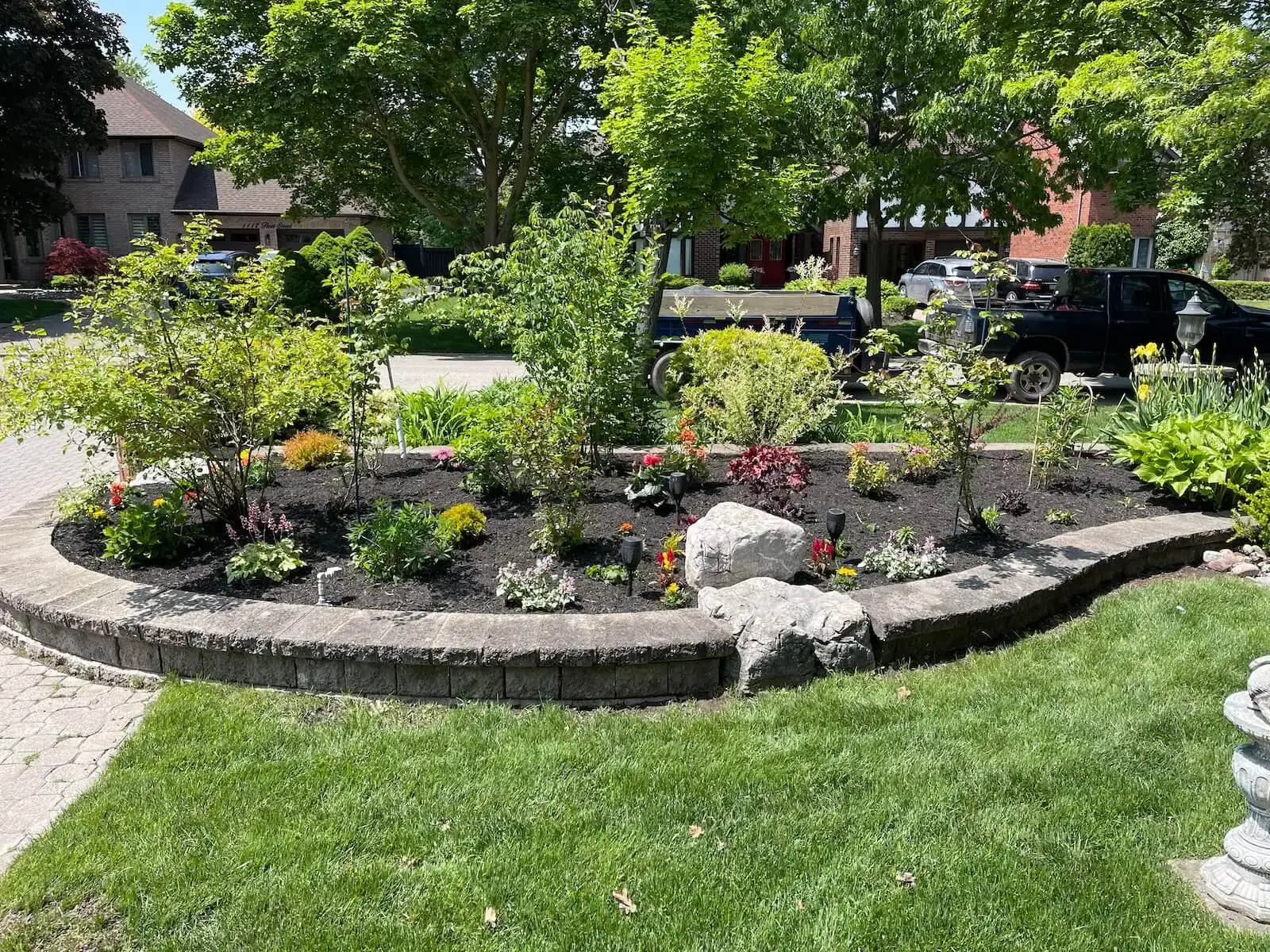
An in-progress residential landscaping project, with trees and flowering shrubs positioned in place before planting. Softscaping (living elements) and hardscaping preparations come together in the design implementation phase.

At its core, landscaping blends softscape and hardscape elements. Softscaping refers to all the living, growing parts of the yard – your lawn, flowers, garden beds, shrubs, and trees. These bring color and life to the landscape.

Hardscaping includes the solid, non-living structures – think of walkways, patios, retaining walls, rocks, decks, and arbors – which add functionality and define outdoor spaces. A well-balanced landscape uses both: perhaps a flagstone path (hardscape) winding through a lush garden (softscape). By combining plantings with patios, lawns with lighting, etc., a landscaper creates an overall environment that is both enjoyable and practical.

So, what can landscaping do for you? Beyond making your yard look nice, it can solve problems and enhance your daily life. Thoughtful landscaping can improve drainage, create privacy with hedges or screens, provide play areas or peaceful retreats, and even lower energy bills by shading your home.

And importantly, it’s personal – your landscape should reflect your taste and needs, whether you prefer a low-maintenance native plant garden or a lavish outdoor entertaining area. In short, landscaping turns your yard into an extension of your home: a place that is inviting, useful, and uniquely yours.

What Landscaping Is Not

Before we explore further, let’s clear up some common misconceptions about landscaping. Many people have a narrow or incorrect idea of what landscaping involves. To set the record straight, here are a few things landscaping is not:

  • Not just “yardwork” or mowing the lawn: While routine lawn care and gardening are parts of maintaining a landscape, landscaping itself is much more than upkeep. It involves design and long-term planning, not just cutting grass or pulling weeds. In fact, landscaping isn’t solely about making a property “pretty” – it’s also about functionality. A well-designed landscape can improve how your property works for you, influencing everything from water drainage to outdoor recreation space. It’s a blend of aesthetics and practicality, not just a quick tidy-up.
  • Not purely decorative or superficial: Some assume landscaping is only for show, but that’s a myth. Landscaping provides real tangible benefits – it can insulate your home from heat or cold, direct rainwater away from the foundation, buffer noise, and even boost security (for example, thorny shrubs under windows). Trees aren’t “just for looks” either; strategically placed shade trees can cut summer cooling costs significantly by cooling the area (one mature tree can have the cooling effect of 10 room-size air conditioners!). So, it’s not just about curb appeal – it’s also about comfort, efficiency, and safety.
  • Not only for large estates or huge budgets: Landscaping isn’t a luxury reserved for mansions or the wealthy. Projects can be scaled to any yard size and budget. From a simple DIY flower bed to a professionally designed outdoor kitchen, there are options for everyone. It’s a myth that professional landscaping is automatically “too expensive” for a typical homeowner. In reality, you can start small or tackle improvements in phases to spread out costs. Many landscape companies will work within a budget or offer staged plans. With smart choices – like using cost-effective materials or focusing on high-impact areas first – even modest investments can make a big difference. And remember, a well-planned landscape can pay you back by raising your home’s value (more on that later).
  • Not a one-time deal: Landscaping isn’t something you do once and forget. Installing a landscape is just the beginning – keeping it healthy and attractive is an ongoing process. Plants grow and change with seasons; lawns need care; leaves will fall. Some homeowners think their job ends after the makeover, but regular maintenance (watering, pruning, fertilizing, weeding) is key to sustaining the beauty and function of the space. That said, maintenance doesn’t have to be burdensome – you can choose low-maintenance designs (for example, using native drought-tolerant plants or automatic irrigation) to make upkeep easier. Landscaping is not about creating work for yourself; it’s about creating an enjoyable space. Modern, eco-friendly approaches can actually reduce maintenance (like mulching to suppress weeds or xeriscaping to minimize watering needs).
  • Not all about exotic plants or “perfect” gardens: Another misconception is that a great landscape requires fancy, non-native plants or a formal garden layout. In truth, native and climate-appropriate plants can be just as beautiful (often more so) and much easier to care for. There’s a myth that native plants are boring or plain, but they actually offer a huge variety of colors and textures – plus they thrive without pampering. Landscaping also doesn’t require sticking to any one style; it’s not about having a magazine-perfect lawn if that’s not your thing. It can be wild and natural, sleek and modern, or cozy and cottagey – whatever makes you happy. Don’t let the “perfect lawn” stereotype deter you; alternatives like wildflower meadows, rock gardens, or clover lawns can be gorgeous and eco-friendly. Landscaping is not one-size-fits-all, but rather a custom fit for your preferences and lifestyle.

By dispelling these misconceptions, we hope you feel more confident that landscaping is accessible and beneficial for any homeowner. It’s not just aesthetics – it’s about improving quality of life and adding value.

It’s not an all-or-nothing proposition – you can start small and grow your landscape over time. And it’s certainly not just endless chores – with the right approach, your yard can be enjoyable without eating up every weekend.

1 1

Benefits of Landscaping

Why invest time or money into landscaping? Simply put, a well-landscaped home yields a wide range of benefits – for you, your family, your wallet, and even the environment. Here are some of the top advantages of thoughtful landscaping:

Enhanced curb appeal and property value

An attractive landscape dramatically boosts your home’s curb appeal, making it stand out in the neighborhood. This isn’t just vanity – it can increase real estate value. First impressions matter, and buyers often prefer homes with established gardens or outdoor living spaces.In fact, landscaping improvements can increase a home’s value by 5 – 15% or more, and some sources note that quality landscaping may recoup over 100% of its cost in added home value. It’s one of the few home investments that appreciates over time as plants grow fuller. Even if you’re not selling, coming home to a lovely yard each day is its own reward.

Environmental and health benefits

Landscaping is good for you and the planet. Plants and trees improve air quality by filtering pollutants and releasing oxygen. They provide shade that cools the area (reducing the “heat island” effect in cities) and can lower energy bills – shade trees or vines can cut cooling costs by providing natural air conditioning. Proper landscaping also manages stormwater runoff, helping prevent erosion and flooding by absorbing rainwater. If you include native plants or pollinator-friendly flowers, you’ll support local wildlife like birds, butterflies, and bees – essentially creating a mini-ecosystem. This can enhance biodiversity right in your backyard. Additionally, greenery has a known calming effect: more exposure to nature (even in your yard) can reduce stress and improve mental health. Studies show that views of trees and gardens help lower anxiety and boost mood. Your landscaped yard can literally be a breath of fresh air – a personal oasis that contributes to a healthier environment.

Improved quality of life

One of the most important (and perhaps less tangible) benefits of landscaping is how it affects your day-to-day well-being. A thoughtfully designed yard gives you functional outdoor space to enjoy with family and friends. This might mean a patio for barbecues, a cozy corner to read a book, or a safe, open lawn for kids and pets to play. These extensions of your living area encourage you to spend more time outdoors, which often leads to more exercise and relaxation. Simply being in a green, living environment can reduce stress and promote happiness. Many homeowners find that after landscaping, they feel a greater sense of pride and contentment in their home – it truly becomes your haven. Privacy and comfort can be improved too: fences or hedges keep out prying eyes; a water feature might mask traffic noise; a pergola can provide cooling shade on hot days. All these little enhancements add up to a better quality of life at home.

Improved quality of life

Landscaping can have a surprisingly big impact on your mental and emotional well-being. A beautiful yard isn’t just nice to look at – it actually makes you feel better. Research has shown that spending time in green spaces lowers stress, anxiety, and depression, while increasing feelings of relaxation. Think about how refreshing it feels to sip coffee on a patio surrounded by flowers, or how kids naturally enjoy running around on the grass. By landscaping your property, you create a personal retreat where you can unwind from daily pressures.

There’s also a social aspect: a welcoming yard encourages outdoor activities and gatherings. Whether it’s chatting with neighbors over the garden fence, hosting a family BBQ, or playing catch on the lawn, your landscaped space can facilitate more social interaction and joyful memories. Instead of being cooped up indoors, you’ll have a reason to go out for a breath of fresh air – improving your mood and possibly your relationships.

In short, a well-planned landscape contributes to a healthier lifestyle, inviting you to connect with nature and with others. It turns ordinary routines (like watering plants or walking to the mailbox) into moments of pleasure and mindfulness. Improving your landscape really can improve your overall quality of life – it’s like giving yourself a daily dose of tranquility and inspiration right at home.

(Other benefits include savings on energy costs, if you use landscaping to shade your home or block winter winds, and even security – a thorny hedge under windows, for example, is a natural deterrent to intruders. The benefits list could go on, but these are some of the major ones most homeowners value.)

As you can see, landscaping is far more than an “extra” or an afterthought for a home. It’s an investment in your property’s value, your community’s environment, and your personal happiness. Next, let’s explore the various types of landscaping, since not all landscapes are alike. Understanding the different contexts – residential vs. commercial vs. public – will further show how landscaping touches many parts of our lives.

Types of Landscaping

Landscaping isn’t a one-size-fits-all endeavor; it comes in different flavors or types depending on the setting and purpose of the space. Here are the main categories of landscaping you might encounter or consider:

Residential Landscaping

Residential landscaping focuses on private homes and living spaces. This is likely what you, as a homeowner, care about most – making the area around your house beautiful and functional for your family. Residential landscaping can include front yard design (for curb appeal), backyard retreats, gardens, lawns, trees, and all the features that transform a house into a welcoming home environment.

The goals often include improving aesthetics (pretty flower beds, healthy green lawn), creating outdoor living areas (like patios, fire pits, or play zones), and ensuring the landscape is in tune with the homeowner’s lifestyle.

For example, a residential plan might add a patio for entertaining, safe paths to the door, and a mix of plants that provide bloom and interest each season. It might also consider privacy, like tall shrubs or a fence, and practical needs like where to store the trash bins or how to grade soil so water drains away from the house.

What’s great about residential landscaping is how personalized it can be. If you love cooking, you might plant an herb garden. If you have kids, you might want a flat lawn area for sports or a sandbox corner. Pet owners might incorporate dog-friendly turf or paths.

A professional residential landscaper will typically consider things like local climate (so they choose plants that thrive), maintenance level desired (low-maintenance yards might use more evergreens and natives), and how to complement the home’s architecture. Done right, residential landscaping increases your home’s value and enjoyment: a well-landscaped yard can boost property value and give you an outdoor space that truly feels like part of your home. It’s about creating your own little paradise just outside your door.

Commercial Landscaping

Commercial landscaping pertains to businesses, offices, retail centers, hotels, schools, and other non-residential properties. The focus here is on making a commercial or institutional property look professional, inviting, and functional for the public or employees. Think of a shopping center with neat flower beds and shade trees in the parking lot, or an office building with a courtyard garden where employees can take lunch breaks.

Those are results of commercial landscaping. It often involves maintaining a clean, attractive appearance that reflects a company’s image – for instance, a store or restaurant will use landscaping to enhance curb appeal and attract customers in, while an office park might aim for a calm, park-like setting to improve worker satisfaction.

Commercial landscapes typically use durable designs and easy-care plants because they have to withstand heavier foot traffic and minimal daily care (somebody might come mow or trim weekly, but not tend it daily).

You’ll see a lot of foundation plantings (shrubs along buildings), walkways, outdoor lighting for safety, and maybe signature pieces like fountains or sculpture to give a site character. Importantly, commercial landscaping also considers things like signage visibility (so plants shouldn’t block the business sign), accessibility (clear, safe walkways that meet codes), and low maintenance costs. Another aspect is the ecological benefit – many businesses today want sustainable landscaping that can, for example, reduce soil erosion on their property or provide shade in parking areas to lower heat.

Overall, commercial landscaping aims to create a positive impression. A well-kept landscape can signal that a business is thriving and cares about quality. From a practical view, it can also direct traffic flow (with hedges or walls), provide screening (like a dumpster enclosure hidden by plants), and even improve environmental conditions around the site (like using rain gardens to manage runoff from large roofs or lots). Whether it’s a small café with flower planters out front or a sprawling campus with lawns and trees, commercial landscaping marries aesthetics with the business’s functional needs.

Public Landscaping

Public landscaping (sometimes called urban landscaping or civic landscaping) involves designing, installing, and caring for outdoor spaces that are accessible to everyone – such as parks, public gardens, street plantings, playgrounds, and municipal grounds. These are the green spaces in our communities that everyone uses and enjoys. Public landscaping is usually overseen by city planners, landscape architects, or park departments and often emphasizes sustainability, safety, and inclusiveness.

Examples of public landscaping include city parks with walking paths and benches, the trees lining your street or around public buildings, landscaped areas around libraries or schools, and even highway median plantings or community playgrounds. The goals here are multi-fold: to provide recreational space, beautify the community, improve environmental quality (trees in a city help clean the air and provide shade), and boost civic pride.

A well-landscaped park or streetscape can make a city more livable and even raise neighboring property values. These projects consider factors like accessibility (making sure everyone, including those with disabilities, can enjoy the space – e.g., smooth paths, ramps), low maintenance costs (since taxpayer money is involved), and durability (public spaces get a lot of wear and tear).

Public landscaping also often integrates educational or cultural elements – like a botanical garden that teaches about native plants, or a historical statue with surrounding landscaping to highlight it. Community involvement can be big too: local groups might volunteer to plant trees on Arbor Day or maintain a community flowerbed.

Public landscapes are usually more naturalistic or broad in scale than highly manicured private gardens; large shade trees, open lawns for sports, ponds or rain gardens for stormwater management are common features. These green spaces have proven benefits, such as reducing stress for city dwellers and providing places for exercise and community events. In short, public landscaping is about improving quality of life on a community level, bringing nature into our daily public realm.

Environmental Landscaping

Environmental landscaping (also known as sustainable or ecological landscaping) is a type of landscaping that prioritizes the health of the environment. The goal here is to design outdoor spaces in a way that conserves resources, supports local ecosystems, and minimizes pollution. In practice, environmental landscaping might look like a garden that requires very little irrigation, or a yard that’s designed to attract butterflies and bees, or a project to restore a native habitat on a piece of land. This approach “focuses on sustainability and conservation,” creating landscapes that support local wildlife, conserve water, and reduce the impact of human development.

Key strategies in environmental landscaping include using native plants (since they’re adapted to the local climate, they usually need less water and care, and they support native fauna), employing water-wise techniques like xeriscaping (landscaping that reduces or eliminates the need for irrigation), installing rainwater harvesting systems or permeable pavers to recharge groundwater, and avoiding harmful chemicals.

For instance, an environmental landscape design might replace a high-maintenance, chemical-dependent lawn with a mix of native grasses and wildflowers that only need seasonal mowing. Or it might incorporate a rain garden – a planted basin that captures and filters stormwater runoff, protecting streams from pollution.

Environmental landscaping is becoming more popular as homeowners and communities realize they can have beautiful yards that are also eco-friendly.

These landscapes often are low-maintenance by design (saving you effort and money) because they work with nature, not against it. An example could be using drought-tolerant shrubs and drip irrigation to cut water use, or planting shade trees to reduce reliance on air conditioning. There is also a subset of environmental landscaping focused on restoration – like replanting native vegetation in damaged areas (riverbanks, forests, etc.) – but for homeowners, it usually means making greener choices in your yard.

The payoff is twofold: you get a lovely, natural-looking landscape, and you have the satisfaction of knowing your yard is helping the environment. Less mowing and blowing means quieter, cleaner air; more native flowers means more butterflies and birds for you to enjoy. It’s truly a win-win. Even if you don’t go fully “wild” with your yard, integrating some environmental landscaping principles – say, a compost area, some native plant beds, or switching to organic mulches and fertilizers – can make a positive difference.

Now that we’ve covered the types of landscaping, you can identify your needs: Most homeowners will focus on residential landscaping (perhaps with a sustainable twist), but it’s good to recognize the broader landscape around you – commercial and public spaces – and how they all benefit from good design and care. Next, let’s look at some techniques and design elements common to many landscaping projects, as well as the perennial question: Should you DIY or hire a professional?
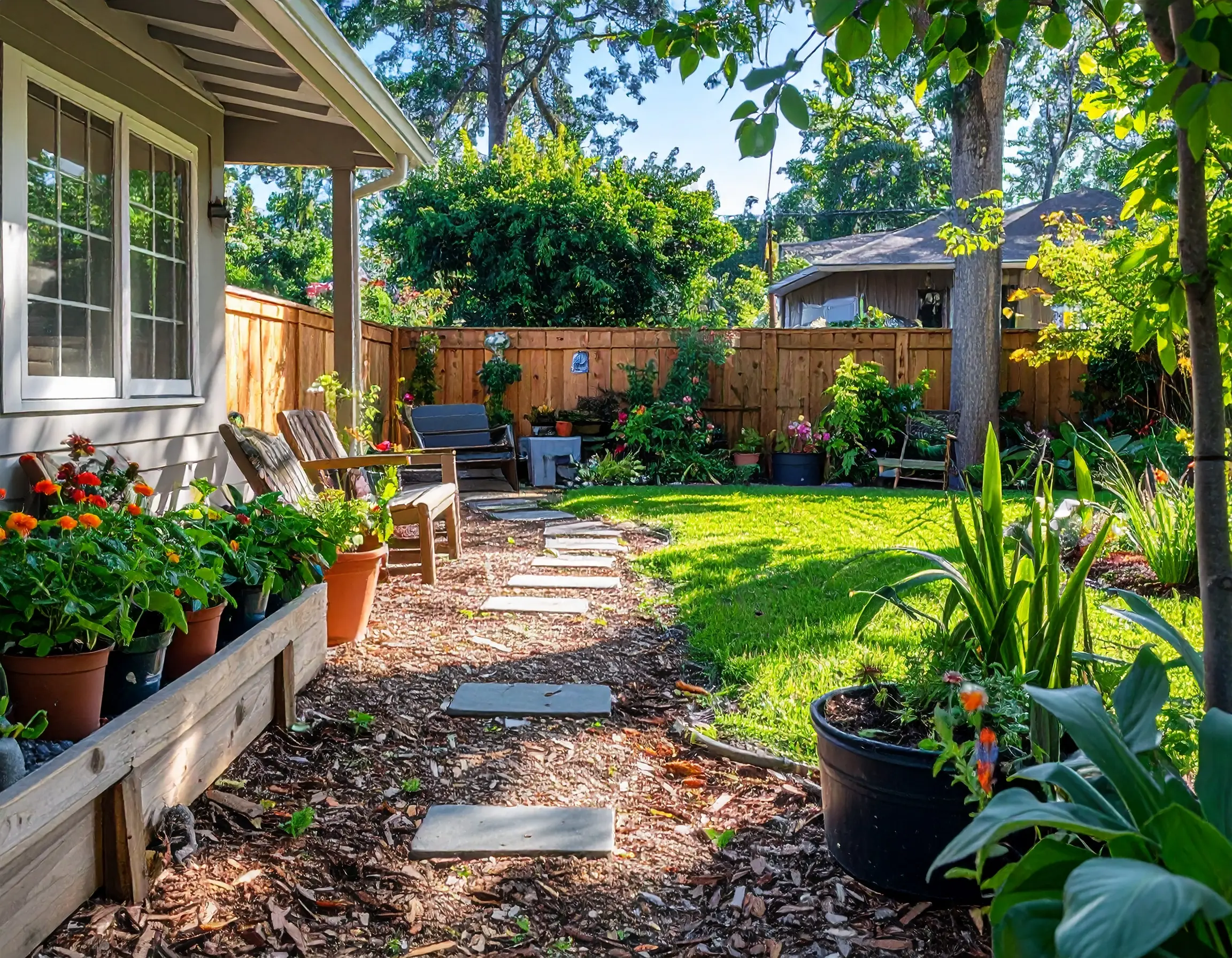
2 1

Landscaping Techniques and Elements

Designing a landscape involves creativity, but also some tried-and-true principles and techniques that professionals use to make spaces look and function their best. Let’s go over a few basic landscape design principles, and then discuss the pros and cons of doing it yourself versus hiring pros.

Basic Landscape Design Principles

When you look at a gorgeous yard and wonder why it’s so pleasing, chances are it follows some basic design principles. You don’t need a degree in landscape architecture to apply these ideas in your own yard – just keep them in mind as you plan. Key principles include unity, balance, proportion, rhythm, and focal points:

  • Unity and harmony: This is about making sure all the parts of your landscape work together as a cohesive whole. Repeating elements or a consistent style helps achieve unity. For example, you might use a recurring color scheme (white and purple flowers throughout the yard) or material (the same stone from the front path echoed in the back patio) to tie everything together. A unified landscape feels intentional and calm, rather than a random assortment of plants and ornaments.
  • Balance: A balanced design just feels right – one side of the space isn’t overwhelming the other. Balance can be symmetrical (formal, like having the same arrangement on both sides of an entryway) or asymmetrical (more informal, using different elements that have equal visual weight). For instance, you might balance a tall tree on one side of the yard with a group of shorter shrubs further away on the other side – different shapes, but together they even out the scene. Balance gives a sense of stability.
  • Proportion and scale: This principle is about the size of things in relation to each other and to the house or surroundings. A common rookie mistake is planting a tiny flowerbed in front of a very large wall – it will look lost – or, conversely, planting a tree that will grow too large for a small yard. Good design ensures that paths are wide enough to be comfortable, plants are chosen or pruned to the right scale, and features like pergolas or fountains are proportionate to the space. Everything should feel neither too cramped nor too sparse.
  • Rhythm and repetition: Rhythm in landscaping is created by repetition of elements to guide the eye around the space. This could be a repeating pattern of plants (a row of hedges, then a row of roses, then hedges again), or structures like evenly spaced lamp posts. It gives a sense of movement and predictability that is soothing. Just like in music, a visual rhythm can be fast (lots of little repeating plants) or slow (a few big trees spaced far apart). The key is consistency – but also using a bit of contrast to add interest so it’s not monotone (for example, a splash of red flowers among a sea of green shrubs can create a focal point).
  • Focal points: A good landscape usually has one or more focal points – these are features that draw attention and serve as anchor points for the design. It could be a specimen tree, a statue, a water feature, or even an eye-catching bench or colorful planter. Focal points give the viewer something to discover and remember. They should be used thoughtfully – too many and nothing stands out, too few and the landscape might lack definition. Often, focal points are placed where paths intersect or at the center of a view. For example, you might position a birdbath at the end of a garden path to create a pleasing destination for the eye.

If all this sounds a bit abstract, don’t worry. Even without consciously thinking about it, you might intuitively incorporate these principles. The result of following them is a landscape that feels intentional, comfortable, and aesthetically pleasing. Designers often make a rough sketch first, applying these ideas, before planting a single thing. One more tip: consider color and texture as part of your design palette. Mix different foliage textures (say, soft ferns against broad hosta leaves) and plan a color scheme (greens accented with purples and yellows, for instance) for a polished look.

And remember transitions – gently vary heights and colors rather than sudden jarring changes. These small touches make a big difference. If this is overwhelming, a professional designer can definitely help (and many have software to show you a preview of the design). But even DIYers can benefit from reading up on design basics – it’s like having a recipe to ensure all the ingredients in your garden mix well together.

DIY vs. Professional Landscaping

A big question for homeowners is: Should I take a DIY approach to my landscaping project, or hire professionals? The answer depends on your budget, your personal interest/skills, and the scope of the project. Both routes have advantages and challenges. Let’s break it down:

Doing It Yourself (DIY Landscaping): Tackling your own landscaping can be incredibly rewarding. The obvious benefit is cost savings – you’ll pay for materials and plants, but save on labor costs. For small projects or simple tasks like planting annuals, building a small flower bed, or doing routine maintenance, DIY is very feasible and budget-friendly.

There’s also a pride factor: many people enjoy the creative process and the exercise. Imagine looking at your garden and thinking, “I did that!” – it can be a great feeling. DIY landscaping lets you work at your own pace and make real-time changes as you like. If you love gardening or handy projects, this might be enjoyable rather than a chore.

However, be realistic about the challenges. Landscaping, especially anything beyond basic planting, can be time-consuming and physically demanding. Tasks like digging out tree stumps, hauling soil and mulch, or installing pavers are hard work. Without professional experience, you might run into issues with grading (ensuring proper drainage), irrigation setup, or selecting plants that will truly thrive in your specific yard conditions.

DIYers often learn by trial and error – which is fine, but mistakes (like a poorly built retaining wall or plants placed in the wrong spot) can be costly to fix later. Another challenge is having the right tools: professionals have access to everything from sod cutters to mini-excavators. If you DIY, you might need to rent equipment or make do with basic tools, which can limit what you can accomplish or impact the finished quality. In summary, DIY is great for manageable projects and if you have the interest, but it may not be ideal for complex designs or large-scale work (like building a patio or full-yard redesign) if you lack experience.

Hiring a Professional Landscaper: Bringing in the pros can take a lot of burden off your shoulders. Professional landscapers offer expertise and efficiency. They can translate your ideas into a solid design, recommend the right plants and materials, and foresee issues (drainage, roots, permits needed for certain work, etc.) before they become problems. For complex projects – say you want an outdoor kitchen, a retaining wall, or a complete yard makeover – a professional will ensure it’s done correctly, safely, and to a high standard of craftsmanship.

They also handle the heavy lifting (literally), which can save your back and a lot of time. What might take you months of weekends could be finished in several days by a skilled crew with machinery. Professionals also often provide warranties or guarantees on their work, meaning if a tree they plant dies within a year, they might replace it free, or they’ll ensure the paver patio doesn’t settle incorrectly (and if it does, they’ll fix it). This provides peace of mind.

The downside of hiring professionals is, of course, higher upfront cost. You’re paying for labor and expertise, and quality work isn’t cheap. However, consider that pros may help you avoid costly mistakes – which could actually save money in the long run. Another consideration: when you hire out, you have less hands-on control.

You’ll need to communicate clearly what you want (so you’re happy with the design), and then trust the process. Some people enjoy being involved in every step (which favors DIY), whereas others are happy to delegate to an expert. A blend of both approaches is also possible: you could have a pro do the hardscaping (since that often requires technical skill – leveling, cutting stone, etc.) and then do the planting, mulching, and maintenance yourself to save money and stay involved.

One strategy if budget is an issue: hire a landscape designer for a plan (which might cost a few hundred dollars, depending on complexity) and then implement it yourself in stages. This way you get a professional blueprint to follow, ensuring unity and good choices, but you can do the labor gradually as time and money allow. Many professionals will work with you on partial services too – maybe you do the cleanup and prep, and they do the specialty stuff.

In summary, DIY landscaping is best for smaller-scale projects, those who enjoy yard work, or when budget is tight but you have time. Professional landscaping is worth it for larger or technically challenging projects, or if you simply want that turnkey convenience and polished result. There’s no shame in either – and you can always start DIY and call in pros if you get in over your head. The goal is to end up with a landscape you love, without getting overly stressed in the process. If you’re unsure, consulting with a landscaper for an initial meeting or quote doesn’t cost much (often it’s free) – you can gauge from that how complex the job is and whether you feel comfortable doing it alone or not. Keep in mind, too, that professionals can advise on eco-friendly practices (like proper irrigation, native plant choices) to make your landscape more sustainable, which might be knowledge you don’t have on your own. Many homeowners find a happy medium: do the easy stuff yourself (planting annual flowers, mowing, etc.), and let pros handle design, heavy construction, or big tree installations.

Whichever route you choose, a bit of planning goes a long way. Next, let’s discuss the typical landscaping services out there – knowing these will help you figure out what you might DIY and what services you might hire out.

Types of Landscaping Services

Landscaping as an industry offers a wide range of services. It’s helpful to understand what these are – whether you plan to hire them or do some yourself – so you know who to call for what, or how to refer to the tasks needed for your project. The main categories of landscaping services include landscape design, hardscaping (landscape construction), and landscape maintenance. Let’s break down each:

Landscape Design

Landscape design is the planning phase of a landscaping project – essentially, creating a blueprint for your outdoor space. This service is often provided by a landscape designer or landscape architect (for complex projects). The designer works with you to develop a vision and plan that meets your needs and fits your property’s conditions.

They’ll typically start by assessing your site (measuring dimensions, noting sun/shade patterns, soil conditions, existing features, etc.) and asking about your preferences and budget. The outcome is usually a design plan or drawing that shows what goes where – including placement of patios, paths, lawns, planting beds, trees, and so on.

Hiring a professional for landscape design can be incredibly valuable. They bring creative ideas and technical knowledge to ensure everything will work well together. For instance, they know which plants thrive in shade vs. sun, how to position trees without interfering with power lines or foundations, how to contour the land for proper drainage, and how to create focal points and flow.

A designer will also consider the style you want (modern, formal, rustic, etc.) and make sure the landscape complements your home’s architecture. They will provide drawings – sometimes even 3D renderings – and a list of suggested plants/materials. With a design in hand, you can then either DIY the installation or hand it off to a landscaping crew to implement.

Even if you have a small yard, a clear design plan can save you money and headaches by avoiding mistakes (like planting a tree too close to the house or choosing plants that outgrow their space). Some landscape design services are offered as a standalone (consultation and plan only), while others are part of a design-build firm that will also do the installation.

In summary, landscape design service helps turn your ideas and needs into a coherent plan of action. It’s the difference between randomly buying plants each weekend (and ending up with a patchy yard) and having a purposeful layout that looks great and meets your goals. If you’re not confident in design, this service is worth considering – it’s like having an architect for your outdoors.

Hardscaping

Hardscaping services cover all the non-plant elements of landscaping – basically, the construction work that shapes your yard’s structure and functionality. If you need a patio, walkway, retaining wall, driveway, deck, fence, pergola, fire pit, or water feature installed, that falls under hardscaping. Hardscape crews are skilled in areas like masonry, carpentry, concrete work, and earth-moving. They will build the “bones” of your landscape that remain in place for years to come.

Typical hardscaping tasks include laying patios and walkways (using materials like concrete pavers, natural stone, or brick), constructing retaining walls to level slopes or hold back soil, installing edging and raised planters, building outdoor kitchens or fire features, and sometimes installing landscape lighting or irrigation systems (these can be considered hardscape elements too). Hardscaping is what makes your yard usable – it creates terraces to garden on, paths to walk on, places to sit and entertain, etc. It also often addresses functional needs, like solving grading issues or guiding how people navigate the space.

A good hardscape design will integrate with softscaping – e.g., a stone path might wind through a garden bed, or a retaining wall might double as a seating bench next to a lawn. Hardscaping adds a lot of value and longevity to your landscape. However, it’s labor-intensive and requires expertise. Professionals will ensure proper base preparation for patios (so they don’t sink or heave), proper reinforcement and drainage for walls, and safe construction of features. These projects can be heavy (literally moving tons of rock or soil) and often need specialized tools like compactors or wet saws.

For example, installing a simple paver walkway involves digging out soil, laying a gravel and sand base, carefully leveling each paver, filling joints with sand, and possibly cutting pavers to fit – a DIYer can attempt it, but a professional crew can do it faster and with fewer errors (and offer a warranty perhaps). Similarly, a well-built hardscape feature can last decades, whereas an improperly built one might fail after a couple of winters. Hardscaping provides the structure and outdoor “rooms” in your landscape design. Many landscape companies offer combined design-build services, where they create the design and their hardscape team brings it to life.

In summary, if you’re looking to add or improve the physical structures of your yard – whether it’s a new stone patio for dining, a decorative walkway to your door, a sturdy fence, or even a water feature like a pond or fountain – hardscaping services are what you need. These projects can transform the usability of your yard, turning slopes into terraces or empty areas into functional living spaces. Just remember to plan hardscape features before or alongside plantings, since construction can disturb soil and you want the layout set prior to planting around it.

A landscaper lays out square concrete paver stones to create a new garden pathway – a common hardscaping project. Hardscape installations like patios and walkways provide structure, accessibility, and year-round use to a landscape.

Landscape Maintenance

Once you have a lovely yard, landscape maintenance services help keep it that way. Maintenance encompasses all the ongoing care required by your plants and outdoor features. This can be done by homeowners who enjoy yard work, or by hired services ranging from weekly lawn care companies to full-service landscape maintenance firms. Key maintenance tasks include mowing the lawn, trimming hedges and shrubs, weeding garden beds, mulching, fertilizing, watering or irrigation management, leaf cleanup, and seasonal plant care (like pruning trees, dividing perennials, or planting seasonal flowers).

For lawns, maintenance is about regular mowing at the proper height, edging along walkways, and periodic treatments like aeration, overseeding, and pest control to keep the grass healthy. Garden and tree care involves checking for diseases or pests, applying treatments if needed, and pruning at the right times to encourage growth and flowering. In autumn, raking leaves or cleaning out gutters might be needed; in spring, clearing winter debris and refreshing mulch is common.

If you have an irrigation system, maintenance includes adjusting timers seasonally, repairing broken sprinkler heads, and winterizing the system in cold climates. Hardscape elements sometimes need maintenance too – for example, power washing a patio, refilling joint sand in pavers, or sealing a wood deck every few years.

Many homeowners choose to hire maintenance services because it can be quite a lot of work to keep up with everything. A professional maintenance crew will know how to properly care for each species of plant (e.g., when to prune roses vs. when to prune hydrangeas), how to fertilize lawns without overdoing it, and they’ll have equipment to do jobs quickly (like commercial mowers, hedge trimmers, leaf blowers, etc.). They can set up a schedule – weekly, biweekly, monthly, or seasonal deep clean-ups – depending on your needs and budget. Even if you do some things yourself, you might bring in help for tasks like tree pruning above a certain height (for safety) or heavy leaf removal.

One great benefit of professional maintenance is preventative care – they can spot issues early, such as a fungus on the lawn or aphids on a tree, and treat them before it becomes a major problem. They’ll also ensure that your investment in landscaping is protected year after year. According to industry data, maintenance is a fast-growing segment of landscaping services, as many people want the enjoyment of a beautiful yard without sacrificing their weekends to yard chores.

To give an example: If you hire a local landscaping maintenance company, a typical service might include weekly lawn mowing and edging, blowing debris off hard surfaces, monthly trimming of shrubs, keeping flowerbeds weed-free, and seasonal applications (fertilizer, pre-emergent weed control, etc.). Some companies also offer garden refreshes like replanting annual flowers for spring and fall, or adding holiday lights – you can often customize what you want.

In short, landscape maintenance is all about preserving the health and appearance of your yard over time. It ensures that the money and effort you put into design and installation continue to pay dividends. Whether you do it yourself with trips to the local garden center or hire experts, maintenance is an ongoing part of home ownership with a landscape.

The good news is that there are low-maintenance design strategies (like choosing slow-growing or native plants, using automatic irrigation, applying mulch to reduce weeds) that can minimize the work – be sure to discuss these if low maintenance is a priority for you. With a proper maintenance plan, your landscape will remain lush, tidy, and enjoyable in every season.

Now that we’ve covered services, you might be thinking about how to select a company if you choose to hire help. Let’s move on to finding the right landscaping company and what factors to consider.
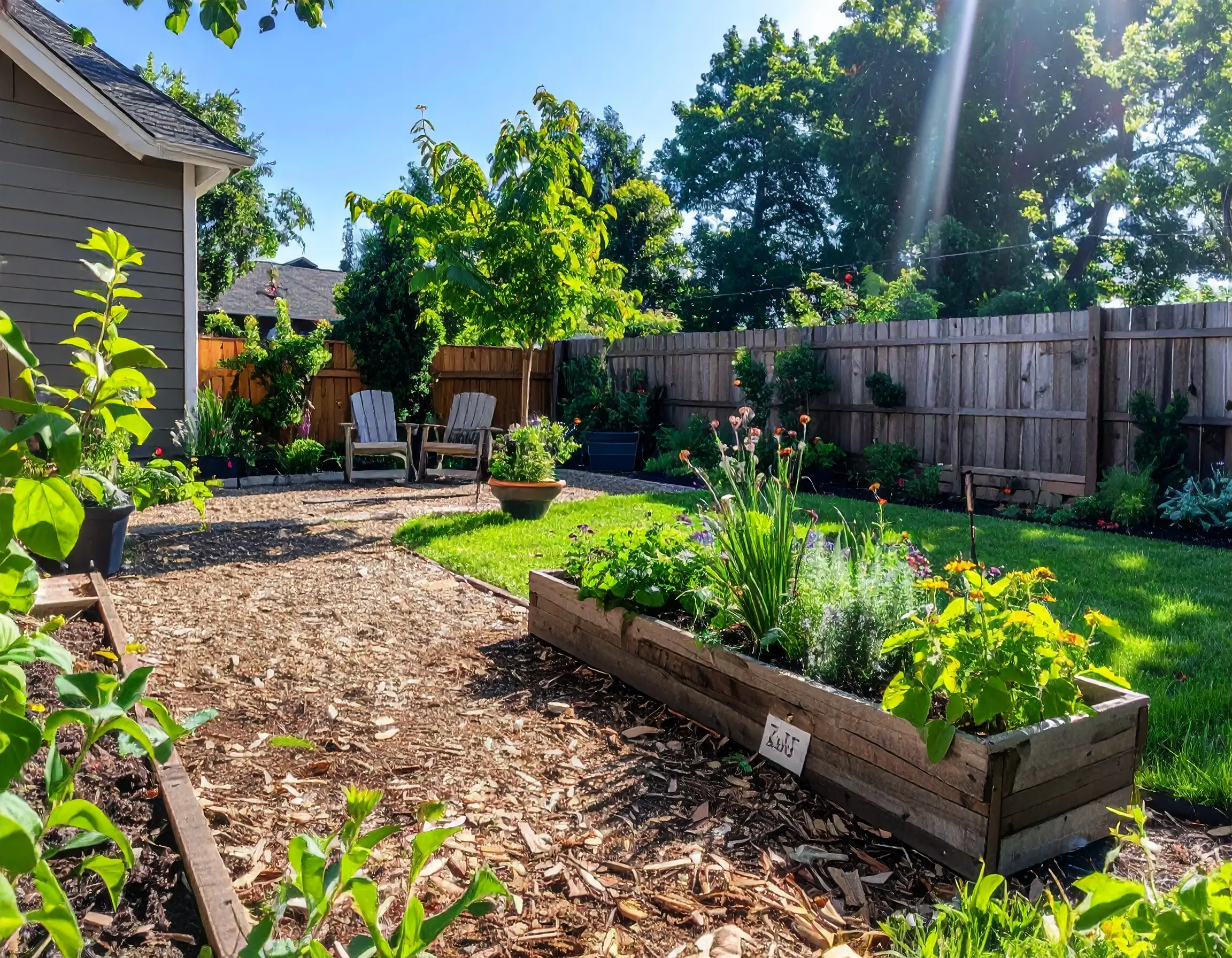
3 1

Finding the Right Landscaping Company

Choosing a reliable landscaping company or contractor is crucial to the success of your project (and your peace of mind!). A great company will bring your vision to life, while the wrong one could lead to frustration. Here are some key factors to consider and questions to ask when evaluating landscapers, so you can make an informed decision.

Factors to Consider When Choosing a Landscaping Company

Experience and Expertise

Look into how long the company has been in business and what their specialties are. Landscaping involves a mix of skills – design, horticulture, construction – so you want a team that has proven experience in the type of project you need. An established company with years of experience is often a good sign (they’ve had time to refine their work and satisfy customers). Also consider if they have experience with your specific needs: for example, some landscapers might excel in garden design and plant knowledge, while others might be more focused on hardscaping construction. If you want a new patio and pergola, ensure they have done those before (you might even ask to see photos of similar projects). An experienced company is more likely to anticipate challenges and handle them smoothly.

Services Offered

Not all landscaping companies do everything. Some only do design, some only maintenance, some handle full installations. Determine what services you require (design, planting, hardscape, ongoing maintenance) and find out if the company offers all of those, or if you’d need separate providers. It’s often convenient to choose a full-service company that can design, install, and then maintain your landscape, since they’ll know the project intimately. But if you just need a one-time service (like tree planting or a spring cleanup), a specialized company is fine. Make sure their offerings align with your project so you don’t have to juggle multiple contractors unnecessarily.

Reputation and References

Do some research on the company’s reputation. Read online reviews (Google, Yelp, etc.), check if they have testimonials on their website, or ask neighbors if they’ve heard of them. A reputable landscaping company should be able to provide references from past clients. Don’t hesitate to call a couple of references or request to see properties they’ve worked on (many will have a portfolio or even take you on a site visit). This will give you insight into their reliability, quality of work, and how they handle customer service. Look for mentions of whether they stay on schedule, communicate well, and stand behind their work. You can also check if they have any professional affiliations (like membership in a landscaping association) or awards, which can indicate professionalism.

Licensing and Insurance

This is a critical factor for any contractor you hire. Ensure the company is properly licensed to operate in your area (some states require a licensed landscape contractor, especially for jobs involving certain values or specialized work like irrigation or lighting). Just as important, confirm they carry liability insurance and worker’s compensation insurance. Landscaping work can involve heavy equipment, tall trees, digging near utilities, etc. – you want to be protected in case of any accidents or property damage. A reputable company will readily provide proof of insurance. If a company isn’t insured or licensed, it’s a red flag – you could be liable if something goes wrong. So always ask and verify credentials up front.

Communication and Rapport

Pay attention to how the company communicates from the get-go. Are they responsive to your inquiry? Do they listen to your ideas and concerns? Good communication is essential for a successful project. You’ll be working with these people potentially for weeks or months, so it helps if you feel comfortable with them. Sometimes a slightly more expensive contractor who communicates clearly and promptly is worth more than a cheaper one who is hard to reach or dismissive. During initial consultations, see if they take the time to answer your questions and explain their vision. You want a company that will collaborate with you, not just do what they think best without input. Trust your gut: if you feel a good vibe and professionalism, that’s a positive sign. If they show up late to appointments or seem disorganized, think twice.

Cost and Transparency

Price is obviously an important factor. Once you’ve discussed your project, a company should provide a detailed estimate or proposal. Be wary of quotes that are much lower than others – it could be a sign they’re cutting corners or not understanding the full scope. On the flip side, the highest quote isn’t automatically the best either. Look at what’s included: Does the proposal clearly list materials, plant sizes/quantities, labor tasks, and an estimated timeline? A professional outfit will spell out the plan and costs so you know what you’re paying for. Also inquire about payment schedules (many require a deposit and then staged payments). Ensure there’s clarity on how changes or extras will be handled cost-wise. While you shouldn’t choose solely on price, you’ll want to get value for your money. Consider the quality of materials they use (ask, for example, what nursery they source plants from or what brand of pavers they use), as higher quality often costs more but pays off in durability.

Portfolio and Style

Review their past projects via a portfolio or gallery. Do you like what you see? Some landscapers might have a signature style – say, very modern designs with clean lines – which might not match your preference for a cottage garden look. Find a company whose work resonates with your aesthetic or who shows versatility.

A portfolio also demonstrates the scale of jobs they handle; if all their pictures are small yards and you have a large estate (or vice versa), discuss whether they can scale up or down. Often landscaping websites have project case studies – those can be useful to gauge if they have tackled similar challenges to yours. This factor is more subjective, but it helps ensure you and the landscaper are on the same page visually.

Availability and Scheduling

Good landscaping companies can be in high demand – especially in peak spring/summer seasons. Ask about their schedule: when could they start and how long do they expect the project to take? If they can’t start until 3 months out and you hoped for a quick turnaround, that’s a consideration.

However, a bit of a wait isn’t necessarily bad – it might mean they’re busy because they’re good. Just be sure the timing aligns with your expectations (for instance, you want the yard ready before a planned event). Also clarify how they handle disruptions (weather delays, etc.) and how they will keep you updated throughout.

Considering all these factors may seem like a lot of homework, but doing your due diligence upfront can prevent bigger problems later. A landscape project is a significant investment in your home, so spending the time to choose the right partner is worth it. Once you have a shortlist of seemingly good companies, the next step is to ask them specific questions to further vet their suitability.

Questions to Ask Before Hiring a Landscaping Company

When interviewing or getting quotes from potential landscaping companies, it’s wise to have a list of questions. Their answers will help you compare and feel confident in your choice. Here are some important questions to ask:

  • “What experience do you have with projects like mine?” – This invites them to discuss similar jobs they’ve done. If you’re installing a new patio and redoing plantings, they might share how they’ve done that for another client, possibly showing photos. Their answer will tell you if they understand the scope and any challenges. It’s a positive sign if they get excited and start brainstorming on the spot (it shows enthusiasm and insight).
  • “Are you licensed and insured?” – As mentioned earlier, confirm their credentials. Ask for specifics: license numbers (which you can verify if needed) and proof of insurance. A professional won’t be offended by this; rather, they know it’s standard procedure. Also, if your state requires any specific certifications (for example, some states require an irrigation installer license for sprinkler systems), ask if they have those or if they use subcontractors for that work.
  • “Can you provide references or reviews from past clients?” – Even if you’ve seen reviews online, hearing directly about other customers’ experiences is valuable. A reputable landscaper should have a list of clients who’ve agreed to be contacted or written testimonials. You might ask references questions about the company’s punctuality, communication, problem-solving, and after-care. Additionally, if possible, ask to see a portfolio or visit a completed project (some clients allow their landscaper to show off their yard). Seeing the quality in person can be reassuring.
  • “What is your process for this project?” – Let them outline how they will approach design (if design is included), material selection, installation, and so on. Do they include a formal design plan or sketch? Will there be a project manager or point of contact you liaise with? Understanding their workflow helps set expectations. Some companies handle everything in-house; others might subcontract parts (like bringing in an electrician for lighting or a carpenter for a deck). If subs are used, you may inquire about their vetting process for those workers.
  • “What’s the estimated timeline and schedule?” – Get a sense of how long they expect the project to take and when they can start. Landscaping can be weather-dependent, but they should give a reasonable range. Also ask: Will they be on-site every day until completion, or juggle multiple projects? Some companies might rotate crews, which could extend the duration. It’s good to know if your yard will be an active work zone for one week or six. If you have a deadline (e.g., an event at your home), let them know and see if it’s feasible.
  • “Do you handle permits and utilities if needed?” – Certain landscape work may require permits (for example, constructing large retaining walls, or in some places any significant grading or tree removal). A full-service company often will handle pulling permits for you, but clarify that. Also, ask if they will call the utility hotline to mark gas/water lines before digging (responsible contractors will do this by law to avoid hitting lines). It shows professionalism if they bring this up themselves.
  • “What warranties or guarantees do you offer?” – Good landscapers often guarantee their plants for a certain period (like 1 year replacement if plants die, assuming proper maintenance) and usually guarantee hardscape workmanship for a period too. Ask what their policy is if a plant fails or if pavers shift, etc.. Also, ask about maintenance: Do they offer ongoing maintenance, and is any initial maintenance included? Some might do a 30-day check-in or one free adjustment of sprinklers, for example.
  • “How do you handle changes or unexpected issues?” – Sometimes once work begins, plans shift (you might decide you want an extra pathway, or they discover a rocky area that needs extra work). It’s good to know how they handle change orders or additional costs before those things happen. Do they communicate options and get approval for any extra charges? Landscaping can have hidden surprises underground, so knowing their approach to problem-solving is useful.
  • “What are the payment terms?” – Get clarity on how and when payments are expected. It’s common to pay a deposit, then perhaps a installment halfway, and balance at completion. Never pay 100% upfront. If they require a large deposit (over 50%), question that. Also ask if the quote is a fixed price or an estimate subject to change. Ideally, you want a clear contract with costs and terms spelled out so everyone is on the same page.

Asking these questions will not only give you information, but also signal to the contractor that you are an informed and attentive client. A good landscaper will appreciate these questions and answer them openly. If someone is evasive or gives unsatisfying answers (like they can’t provide references, or they aren’t insured), it’s a red flag to move on.

By doing this Q&A with a few companies, you’ll likely get a sense of who is the most professional, knowledgeable, and aligned with your vision. Then you can proceed confidently, knowing you chose the right team to bring your landscaping dreams to life.

With the right company in hand, the next consideration is cost – how to budget and what to expect. So let’s talk about the cost of landscaping services and projects.

Cost of Landscaping Services

Landscaping can range from very affordable to quite costly, depending on what you’re doing. It’s an investment in your home, so it’s wise to plan and budget carefully. In this section, we’ll discuss the factors that affect landscaping costs and give tips on budgeting for a landscaping project without breaking the bank.

Factors That Affect Landscaping Costs

There’s a wide range of landscaping projects – from a small garden refresh to a full property overhaul – and the costs vary accordingly. Here are the main factors that influence how much you might spend on landscaping:

Project Size and Scope

Simply put, the larger the area or the more extensive the project, the higher the cost. Transforming a half-acre backyard will cost more in materials and labor than sprucing up a small front yard. Scope also matters – adding a new patio, a pond, and replanting all your garden beds will naturally cost more than just one of those tasks. Contractors often price by the amount of labor and materials required, so a bigger canvas and more features mean higher expenses. For context, basic garden installations might be a few thousand dollars, whereas a full landscape redesign can run into the tens of thousands.

Design Complexity

An elaborate design with custom features will drive up costs. If your plan includes intricate hardscaping like curving walkways, multi-level terraces, an outdoor kitchen, or a water feature with a waterfall, expect higher expenses than a straightforward lawn-and-flowerbed design. Complex projects often require more skilled labor (maybe even specialists like electricians, carpenters, etc.) and take longer to execute.

Also, if you involve a landscape architect for a detailed design, there’s a design fee to account for. However, that expertise can be well worth it to get the result you want. Simpler designs (say, a patio plus a few planting beds) will be more budget-friendly. It’s about matching your ambitions to your wallet – you can also choose to phase complex designs over time (we’ll cover that in budgeting).

Materials Used

The choice of materials has a huge impact on cost. There is often a spectrum from budget-friendly to high-end options. For example, a patio made of concrete pavers from a home improvement store will generally cost less than one made of natural stone like bluestone or travertine. Pressure-treated wood decking is cheaper than composite or exotic hardwood. Using gravel or mulch paths costs far less than using brick or stamped concrete. The same goes for plants – a 5-gallon shrub costs more than a 1-gallon of the same species, and exotic or rare plants cost more than common varieties.

Decorative features like large boulders, custom metalwork, or premium lighting systems will add to the bill. It’s a bit of a “you get what you pay for” scenario: higher quality or more aesthetic materials elevate the look and longevity of your landscape, but you can often find affordable alternatives that still look good (for instance, using concrete that mimics stone). Balancing your material choices is a key part of staying on budget.

Labor and Expertise

Landscaping is labor-intensive, and the cost of labor will reflect the level of skill and the going rates in your area. Hiring experienced, well-trained professionals might cost more per hour, but they often work efficiently and produce high-quality results (possibly saving you money on fixes down the line). In some regions, landscaping labor (especially skilled hardscape installation) can be around $50 – $100+ per hour per worker.

If heavy machinery is needed (like a Bobcat to grade land or an excavator to remove a tree stump), that can add equipment costs or special operator fees. Also, if your project is in a hard-to-access area (say, a backyard only reachable by a narrow gate, requiring more hand work), labor costs may be higher than a site where machinery can roll right in. Keep in mind, you’re also paying for the company’s overhead – their project management, insurance, etc. – which is built into their pricing. So labor costs are not just “time spent”, but also the value of their expertise.

Plants and Landscaping Elements

The type and quantity of plants hugely affect cost. If your design calls for a dozen large trees, that’s a significant expense – large caliper trees can be several hundred dollars each (plus equipment to plant them). In contrast, using smaller nursery stock or fewer plants reduces cost.

Flowerbeds with perennial flowers and ornamental grasses might be cheaper than ones filled with exotic shrubs. Also, features like sod (for new lawn) cost money by the square foot, and installing sod over a big yard can add up. Native or drought-tolerant plants can be a smart cost choice – not only can they be cost-effective, but they also save money long-term on water and maintenance.

Note that in many projects, plants are actually a smaller portion of cost compared to hardscaping, but lush planting designs can still add up, especially if you want an “instant” garden (mature plants) rather than waiting for young plants to grow.

Geographic Location

Where you live influences landscaping costs due to both cost of living and climate. In high cost-of-living areas or big cities, expect higher labor rates. Remote areas might have extra delivery fees for materials. Climate affects what needs to be done: for example, in very rocky or clay-heavy soil, prepping beds or digging foundations can take more effort (sometimes requiring soil amendment or special equipment).

Also, the planting season window might be short in some regions, affecting how crews schedule jobs. If you live in an area with stringent regulations (some communities have landscape requirements or permit costs), that can also factor in. Essentially, prices vary by region – a landscaping project in a suburban Midwest town may be cheaper than the same in coastal California, just due to market differences. It’s wise to get local quotes and not rely solely on national averages.

Other factors can include site accessibility (if everything has to be carried in by hand versus using machines), existing site conditions (demo and removal of old landscaping can add cost), and any special features like irrigation systems, outdoor lighting, or smart controls, which would add to materials and labor. Every project is unique, but understanding these factors helps you grasp why a project might cost what it does.

Always ask the landscaper to break down the quote if possible so you can see where the money goes – you might find opportunities to adjust the plan to better fit your budget (e.g., opting for a less expensive material, or reducing the scope slightly). Next, we’ll look at how to plan your budget wisely and even some tips to save money while still achieving a great landscape.

Budgeting for a Landscaping Project

Creating a budget for landscaping is an important step that ensures you get the most value for your money and avoid surprises. Here are some practical tips for budgeting and keeping costs under control:

Determine your overall budget range early

Before getting deep into design, decide how much you’re comfortable spending on your landscape. This could be a fixed number or a range (for example, “I’d like to stay around $10,000, but could go up to $12,000 if it’s really worth it”). Communicate this with your designer or contractor from the start. A good landscaper will tailor the plan to fit your budget or tell you frankly what’s possible within that range. Being upfront prevents the heartbreak of falling in love with a design you later find out you can’t afford. Also remember to factor in design fees (if separate) and about a 10-15% contingency for any unforeseen extras.

Prioritize your needs and wants

List what features are most important to you. Maybe an expanded patio and a privacy hedge are top priority, whereas a decorative fountain is a “nice-to-have.” Prioritizing helps allocate funds to essentials first. If budget gets tight, you cut or postpone the lower priority items. It can also guide the contractor to suggest where to splurge vs. save.

For instance, invest in good quality foundational elements (proper grading, quality patio construction) which are hard to change later, but perhaps use cheaper plants or lighting fixtures which you can upgrade over time.

Plan in Phases

If the dream landscape is more than you can afford at once, consider a phased approach. You might break the project into stages over a year or two (or more). For example, phase 1 could be the patio and lawn grading this year; phase 2 could be planting trees and shrubs next spring; phase 3 could be the outdoor kitchen the year after.

Many homeowners do this to spread out costs. Just ensure the plan is cohesive – working with a designer on an overall master plan is helpful, so each phase builds toward the final vision. Phasing also allows you to potentially DIY some phases if you want, or wait for sales/off-seasons for certain purchases. When planning phases, tackle infrastructure first (anything involving earth moving, hardscape foundation) so you don’t disturb finished areas later.

Get multiple quotes and compare

It’s advisable to get a few quotes from different companies to see how costs line up. Make sure each quote is based on the same scope for a fair comparison. If one quote is much lower, scrutinize if something is missing or if they’re using lower-quality materials. Sometimes a higher quote might include more (e.g., better plant sizes or warranty). Use the quotes to also negotiate if appropriate – some companies might price-match or adjust scope to win the job. Just be cautious about automatically choosing the cheapest; consider reputation and your comfort with them too. The goal is to get competitive pricing without sacrificing quality.

Consider DIY for simpler tasks

To save money, see if there are parts of the project you can handle yourself. Maybe you hire pros to do the patio (complicated work) but you volunteer to do the final mulching and planting of perennials afterward. Many contractors are fine with this hybrid approach, but make sure to discuss it clearly so responsibilities are defined (and you don’t accidentally void any warranties by doing certain tasks).

Doing things like painting a fence, basic planting, or maintenance yourself can shave off labor costs. However, be realistic about your time and skill; you don’t want to end up with unfinished tasks. Another DIY angle is sourcing certain items – for example, you might buy your own outdoor furniture or pots gradually, separate from the contractor’s scope.

Choose cost-effective materials wisely

You can often substitute materials to reduce cost. For instance, using concrete pavers instead of natural stone can yield a similar look for less money. Or using gravel instead of paved walkway in low-traffic areas. For plantings, using smaller plants (1-gallon instead of 5-gallon) costs less – they’ll grow in a few years. Annual flowers are pretty but need replanting every year; perennials and flowering shrubs give recurring blooms and might be more cost-effective long term.

If irrigation is costly, you might initially set up hose timers or hand-water certain areas until budget allows a full irrigation system. The key is to not undermine the project quality, but to find savings where the impact is minimal. A good contractor will have suggestions if you say “How can we achieve a similar effect more affordably?”

Avoid scope creep

As exciting as it is to add “just one more thing,” try to stick to the planned scope. Small additions here and there (extra light fixtures, a bigger tree, more mulch) can add up and push you over budget. It’s wise to include a small contingency (~10%) in your budget for any little unplanned needs or price fluctuations, but be disciplined about changes.

If during the project you realize you really want that extra stone bench or a pergola, consider making it a future phase unless you can clearly afford it now. It’s better to finish under budget and add later, than to overspend and feel financial stress.

Consider financing or staged payments if needed

Some landscaping companies offer financing options or you could use a home improvement loan if the project is large and you’re confident it adds value. That said, be cautious with financing – don’t take on payments you can’t comfortably handle. But if, for instance, a well-landscaped yard will significantly increase your home’s value or enjoyment, financing could spread the cost out. Alternatively, doing parts of the project as budget allows (pay-as-you-go) is a conservative approach.

Invest in efficiency to save later

Spending a bit more on certain things can save money down the road. For example, installing a drip irrigation system and a smart controller might cost more upfront than hand-watering, but it will save on water bills and plant replacements by delivering water efficiently. Using LED landscape lighting costs more than halogen initially but saves energy. Planting hardy, pest-resistant plants might cost slightly more than delicate ones, but you’ll spend less on treatments or replanting. These are long-term considerations where the budget is not just the installation, but the lifetime cost of the landscape. It’s often worth allocating some budget to things that reduce maintenance or utilities over time.

By following these budgeting tips, you can approach your landscaping project with a clear financial plan. The idea is to align your dreams with your means, and there are always creative solutions to get a wonderful result at a variety of price points. Don’t be afraid to talk openly with your landscaper about budget – they deal with this all the time and can often suggest alternatives to meet your target. Remember, a great landscape can be achieved incrementally; you don’t have to do everything at once if it’s not feasible. With prudent planning, you’ll end up with an outdoor space you love and a budget that stays on track.

Finally, let’s weigh the overall pros and cons of landscaping as a whole, so you can feel confident about the journey and the outcome.
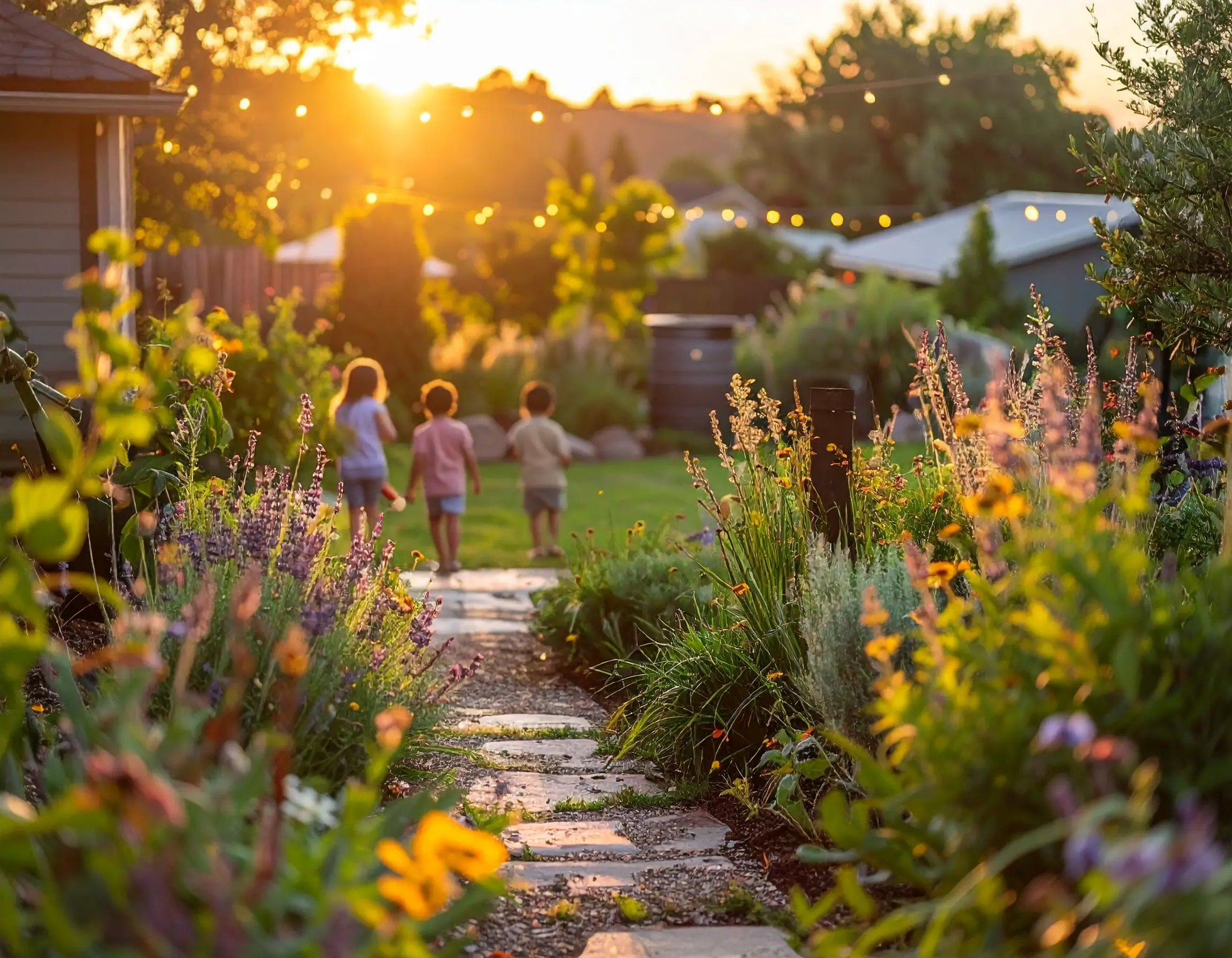
4 1

Pros and Cons of Landscaping

Landscaping your property is a significant endeavor, and like any home improvement, it comes with its set of advantages and potential drawbacks. Let’s summarize the key pros and cons to help set realistic expectations and ensure you’re making an informed decision about investing in your landscape.

Pros

  • Increased Property Value and Curb Appeal:

A well-landscaped home looks attractive and welcoming, which can boost your property’s market value significantly. First impressions are powerful – if you ever sell your home, buyers will often pay a premium for a house with beautiful landscaping already in place. Even if you’re not selling, it feels great to have the prettiest yard on the block! It reflects pride of ownership and can make your home stand out in the neighborhood. Studies and experts frequently cite landscaping as an improvement that can recoup much of its cost in home value.

  • Enhanced Outdoor Living and Personal Enjoyment:

Landscaping can effectively create outdoor rooms for relaxation and entertainment. Imagine having a patio for summer BBQs, a shady nook to read a book, or a fire pit to gather around on cool evenings. These extensions of your living space improve your quality of life by giving you more ways and places to enjoy your home. Your yard becomes a destination for family time, social gatherings, or peaceful solitude. Many homeowners find that after landscaping, they spend a lot more time outside, which is a wonderful lifestyle benefit.

  • Environmental Benefits:

Thoughtful landscaping is also good for the environment. Plants (especially trees and lawn) produce oxygen, absorb carbon dioxide, and filter pollutants from the air. They also stabilize soil and reduce erosion. A strategic landscape can help with stormwater management, reducing runoff and flooding through rain gardens or permeable surfaces. Additionally, landscaping can provide critical habitat for wildlife – birds, butterflies, and beneficial insects can thrive in a yard with diverse plantings. If you incorporate native plants or a pollinator garden, you’re actively supporting biodiversity. There’s also the micro-environment of your yard: more greenery can cool the area (reducing heat island effect), and shade trees can lower your home’s energy use by blocking hot sun. All these contribute to a healthier, more sustainable environment starting right at your doorstep.

  • Health and Well-being:

Having a green space has known mental and physical health perks. Tending a garden or just being in nature reduces stress and can improve mood. It encourages more physical activity (gardening, walking outside) which is good exercise. If you grow edible plants, you get fresh fruits, veggies, or herbs, which can encourage healthier eating. Even the act of maintaining a yard can be therapeutic for some – it’s a hobby that offers gentle physical activity and a sense of accomplishment. Moreover, landscaping can create a private, secure-feeling environment (tall hedges, fences, etc.), contributing to your peace of mind at home. Your yard can truly become a sanctuary that improves your daily life.

  • Creative Expression and Pride:

A landscaped yard is a canvas on which you can express your personal style. Whether you choose a Zen minimalist design or a riot of cottage-garden flowers, it reflects your tastes and creativity. There’s a lot of satisfaction in planning and seeing a landscape come together. Over time, as it grows and evolves, many homeowners feel a deep pride in what their property has become. It’s wonderful to watch small plants grow into mature features of your home’s scenery. Landscaping is one of those projects that often gets better with age – a pro that few home upgrades can claim.

In sum, the pros of landscaping include higher home value, better use of your property, improved lifestyle and enjoyment, environmental positives, and intangible rewards like pride and happiness. However, to be fair, one should also consider the potential cons or challenges.

Cons

  • Cost: Quality landscaping requires an investment.

Depending on the scope, it can be expensive – sometimes tens of thousands of dollars for major overhauls. Even smaller projects or maintenance costs can add up over time. Not everyone has the budget readily available, and financing might be needed, which is a commitment. It’s important to ensure the expense fits within your financial plan. While landscaping often pays off in enjoyment and home value, the upfront cost is a primary con for many people. Materials, labor, and ongoing care aren’t cheap, so it’s a factor to weigh. However, as discussed in budgeting, there are ways to manage costs and still achieve a good outcome.

  • Maintenance and Time Commitment:

A landscaped yard doesn’t take care of itself (unless you go for a very wild, hands-off approach, which still can get weedy). The reality is upkeep is required to keep things looking good and healthy. Lawns need mowing, plants need watering (especially in establishment phase), weeds need pulling, and things will need pruning or replacing as years go by. You either spend your personal time on these tasks or pay for maintenance services. If you travel frequently or have little free time, a demanding landscape could become a burden. Choosing low-maintenance designs can mitigate this, but no yard is zero maintenance. Additionally, some folks find that they underestimated the maintenance, leading to overgrown or untidy yards if they can’t keep up. It’s crucial to design with maintenance in mind (like avoiding very high-maintenance plants unless you love gardening) and be realistic about this con.

  • Possible Ongoing Costs:

Beyond routine maintenance, some aspects of landscaping have continuous costs. Watering a lawn or garden can increase your utility bills (though using drought-tolerant plants or efficient irrigation helps reduce that). If you have a lot of annuals or a fancy lawn, you might need seasonal replanting or lawn treatments. Fertilizers, mulch, replacing plants that don’t survive – these are recurring costs to plan for. Also, if you installed specialty features like an irrigation system or lighting, there could be occasional repair costs. While usually not huge, these are incremental cons to consider in the long run.

  • Construction Inconvenience:

The process of installing landscaping can be messy and disruptive. Yards can look like a construction site for days or weeks – expect dirt piles, machinery, noise, and not being able to use parts of your property during work. It’s a temporary inconvenience, but a con nonetheless. If something goes wrong (like a contractor hitting a pipe or a weather delay), it can add stress. Most people find the end result worth it, but you should be prepared for the short-term hassle of landscape construction, especially for large projects.

  • Unpredictability and Nature’s Impact:

Working with living things means there’s some unpredictability. Not every plant will thrive; a harsh winter or pest outbreak could damage parts of your new landscape. You might plant a perfect row of hedges, only to have one die randomly – and matching it later could be tricky.

Also, landscapes change: trees grow larger than expected, roots might heave pavement, or a plant might not bloom as much as you hoped. In essence, unlike static home improvements, a landscape is dynamic and can sometimes not turn out exactly as planned due to environmental factors. It requires a bit of patience and flexibility. Moreover, if not done responsibly, landscaping can have negative environmental impacts – for example, using too many chemicals or water is a con if one isn’t careful. That’s why sustainable practices are encouraged to minimize any downsides like runoff or habitat loss.

In summary, the cons of landscaping include the financial cost, the ongoing maintenance effort/cost, temporary disruption during installation, and a level of uncertainty/commitment with living elements. The good news is that many cons can be managed: by budgeting smartly, designing for low upkeep, hiring trustworthy pros, and caring for your investment, you can minimize the downsides.

For most homeowners, the pros – a more beautiful, enjoyable, and valuable home – far outweigh the cons if the project is approached thoughtfully. Landscaping is often called an investment for good reason; it yields returns in multiple dimensions of your life. As long as you go in with eyes open about maintenance and costs, you’re likely to find the process rewarding.

Bottom Line: Landscaping is a transformative home improvement that can enrich your lifestyle and property in countless ways. Yes, it requires resources and ongoing care, but the end result is your own slice of paradise. Whether you start with a small garden bed or embark on a full yard redesign, remember that any step toward beautifying and personalizing your outdoor space is a step toward a happier home.

Next Steps: If you’re feeling inspired but still unsure where to begin, consider reaching out for professional guidance. Maverick Landscaping (our team here) is always ready to help homeowners like you navigate the process – from initial ideas to final touches. We can offer personalized advice tailored to your yard’s conditions and your budget.

A consultation can demystify the options and give you a concrete plan. Remember, landscaping is approachable – you can start small, ask lots of questions, and build up your paradise over time. Whether you decide to DIY or bring in experts, the key is to take that first step.

Your dream yard is within reach. With the information from this guide, you’re well on your way to making informed decisions that suit your home and lifestyle. When you’re ready for more specific suggestions or a friendly consultation, don’t hesitate to contact Maverick Landscaping or another reputable local professional. We love helping homeowners turn “overwhelmed” into “overjoyed” with their new landscapes!

Happy landscaping, and enjoy the journey to a more beautiful home outside your door!
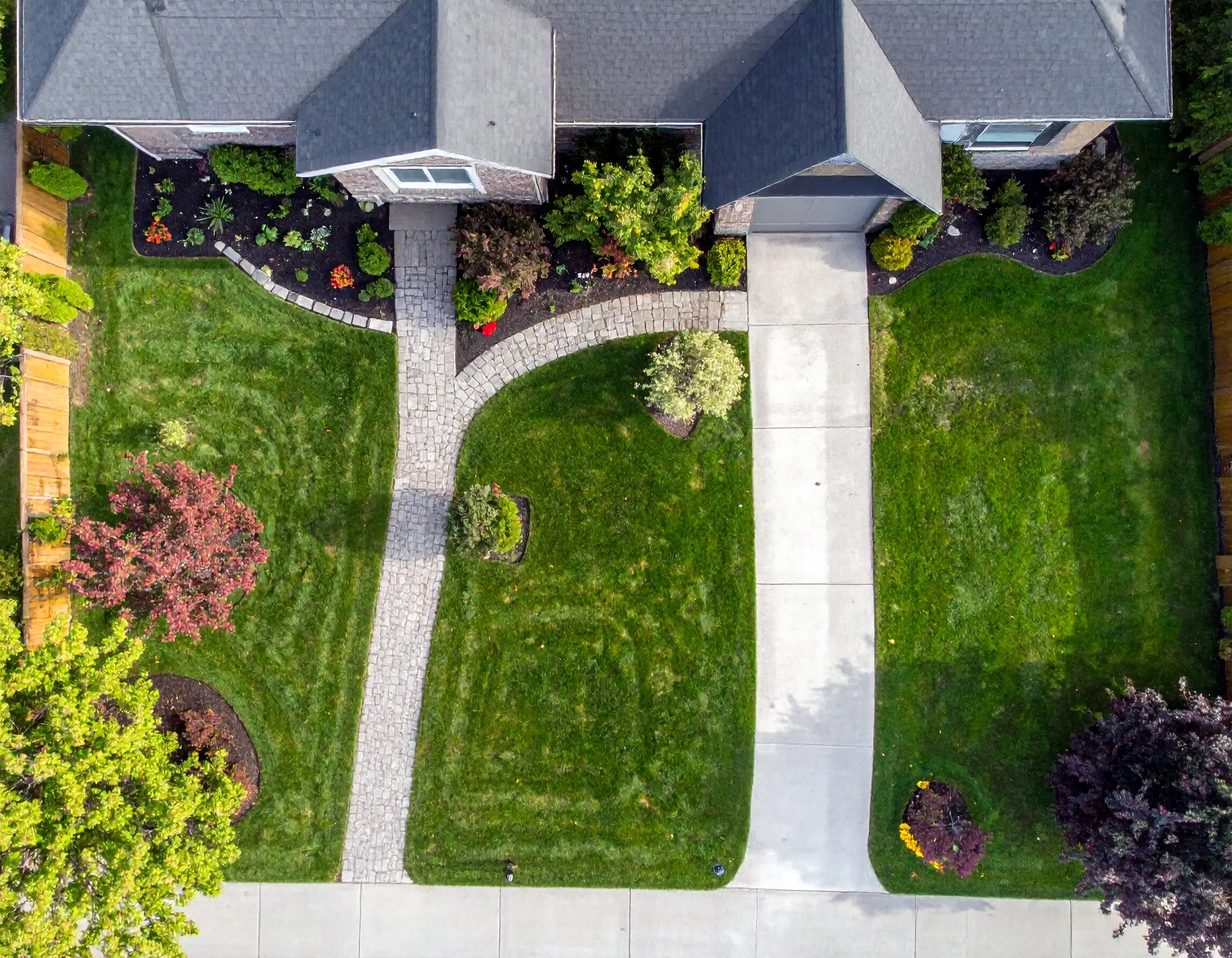
16 Aug 08:05

How Much Does Landscaping Cost in 2025

by Matt Moniz

One of the first questions homeowners ask is, “How much will my landscaping cost?” In 2025, landscaping prices in Toronto continue to reflect the scope of work, materials chosen, and labor involved.

Let’s break down what you can expect:

General Cost Range

For standard landscaping projects (not full property makeovers), Toronto homeowners typically spend somewhere between about $2,500 and $10,000 on their landscaping in 2025.

Smaller projects or basic upgrades might be even less – a simple front yard refresh could be around $1,000 – while very elaborate projects (complete redesigns of large yards with premium features) can reach $25,000 or more.

In fact, high-end custom landscapes with luxury features often exceed $25,000, and an average full landscaping overhaul in Ontario can range from $25,000 up to $75,000 for extensive projects.

Don’t be alarmed by the high end – that typically involves expansive properties or upscale materials. The key point is that costs vary widely with project size and complexity. To give context, one

Canadian cost guide noted that individual landscaping projects nationally average around $1,800 to $6,900, while a full overhaul averages about $17,200. Toronto tends to be on the higher side of national averages due to the city’s labor and material costs, but many common projects will still fall in the mid-thousands range.

1

Pricing Models

In Toronto, hourly rates for professional landscaping typically range from $50 to $150 per hour per worker, depending on the service and expertise required. This is common for maintenance or small jobs. For larger designs and installations, most companies will quote a flat project price that includes all labor, materials, and sometimes design fees.

Several factors can drive your landscaping cost up or down:

  • Property Size & Access:

Bigger yards need more materials and labor. Also, if access to your yard is difficult (say, row houses with no alley, meaning everything must be carried in by hand), labor costs can increase notably – a backyard with no machine access can add 20 – 40% more labor time compared to an easily accessible site.

  • Material Choices:

The types of materials you select have a major impact. Natural stone patios cost more than concrete, for example, and premium exotic plants cost more than common native plants. However, material cost is often not as significant as the labor required to install those materials. Choosing a material that’s labor-intensive (like very intricate pavers or a large wood deck) can raise the price more than the material’s price tag itself. We’ll provide examples in the service breakdown below.

  • Design Complexity:

Intricate or custom designs (curved patios, multi-level terraces, elaborate garden layouts) require more planning and skilled labor, thus higher cost, compared to a simple rectangular lawn or a basic garden bed. Custom features like water installations, extensive lighting, or outdoor structures also add complexity.

  • Timing:

Landscaping is seasonal. Demand (and prices) peak in late spring and summer. If you book in the off-season (late fall or winter for planning, or very early spring), some companies offer off-peak discounts of around 10 – 15%. So timing can affect your quote. Emergency or rush jobs might cost premium, whereas scheduling flexibly could save money.

Cost ranges by service type in the Toronto area

Service Type Typical Cost (Toronto 2025) Details/Notes
Lawn Care & Maintenance (basic mowing, trimming) ~$50 – $100 per visit for average yards, or $150 – $500 per month for ongoing care Regular lawn service often includes mowing, edging, and seasonal fertilizing. Price depends on property size and frequency. A one-time yard cleanup might start around a few hundred dollars.
Sod Installation (new lawn) ~$1.70 – $3.50 per sq. ft. installed. Average yard ~$3,000+ Removing old lawn, grading, and laying fresh sod has labor costs. For example, HomeStars data shows sod installation averaging about $3,055 in Toronto. Seeding is cheaper but takes longer for full lawn coverage.
Garden Bed Planting (flowers, shrubs) ~$500 – $3,000 for a typical planting project Costs vary by plant quantity and species. A simple front garden with hardy shrubs might be on the low end; a curated landscape with mature trees or exotic plants can be more. (Plants range $20 – $85 each plus labor.)
Hedge & Tree Trimming Hedges: ~$200 – $600 per trimming job.

Tree Pruning: ~$150 up to $3,000+ per tree

Small hedges or shrubs are inexpensive; large hedges or extensive hedge work averages ~$600. Tree work depends on tree size & complexity – pruning a small tree might be a couple hundred dollars, whereas removal of a large tree could be a few thousand (especially if requiring climbing or a crane).
Patio or Walkway (Hardscaping) Interlocking Pavers: ~$20 – $40 per sq. ft installed (material & labor).

Concrete: ~$15 – $30 per sq. ft.

For a 100 sq. ft patio, expect roughly $2,000 – $4,000 with pavers, or a bit less with plain concrete. Design complexity (curves, custom patterns) and high-end materials (natural stone can be 5 – 10% more than pavers) will increase cost. Remember to include base preparation and polymeric sand/sealing in quotes for longevity.
Deck or Fence Construction Wood Deck: $50 – $100 per sq. ft.

Wood Fence: ~$3,500 – $7,000 for a typical yard.

Wood decks provide raised outdoor living space; composite decking costs ~25 – 50% more than wood for a premium low-maintenance finish. Fence costs depend on length and style; e.g. a basic 6-foot wood privacy fence for a suburban yard might be around $5,000. Permits may be required for decks/fences over certain heights (check local bylaws).
Landscape Lighting ~$2,000 – $5,000 for a full outdoor lighting setup (average) Installing professional LED landscape lights (path lights, up-lighting trees, etc.) involves wiring and transformers. A basic front-yard package might start near $2k, whereas extensive back yard lighting with many fixtures can go up to $5k or more. This greatly enhances evening ambiance and security.
Sprinkler/Irrigation System ~$2,400 – $7,000 for in-ground sprinkler installation Automating your watering can save time. Cost depends on yard size and number of zones. In Toronto, typical sprinkler system installs often fall in the ~$1,700 – $3,000 range for average lots, but larger properties or complex systems (with drip irrigation, smart controllers, etc.) cost more. Always ask if quotes include permits (if required) and winterization setup.
Water Features (pond, fountain) ~$5,000 – $20,000 installed Even a small pond or waterfall feature involves pumps, excavation, and landscaping around it. Simple self-contained fountains are on the low end (a few thousand), whereas a custom pond with lighting and stream could easily hit five figures. These features add a unique touch but require significant planning (and future maintenance).
Complete Landscape Remodel Ranges widely: from ~$15,000 for moderate re-design to $50,000+ for luxury projects. A complete transformation might include new patio, lawn, gardens, fencing – essentially starting from a blank slate. In Toronto, large projects commonly land in the $20k – $40k range. For example, in nearby cities some landscaping projects reach $40k – $50k for expansive designs. Always get a detailed proposal; at this scale, multiple phases or financing options might be considered.

(Sources: HomeStars price guides and industry data for 2025, with Canada-wide averages as reference.)

As the table shows, prices vary by task, and every project will have unique aspects. It’s wise to get a personalized quote for your specific needs. The above ranges should, however, help you ballpark what’s reasonable in 2025 for Toronto. Also note that labor is a major component (often 60 – 80% of the cost), so anything that makes labor easier or harder (like site conditions or project complexity) will reflect in the price.

2

Avoiding Hidden Fees and Getting Fair Quotes

When budgeting, nobody likes surprises. Here’s how to ensure you’re getting an apples-to-apples quote and avoid hidden costs:

  • Request Itemized Quotes:

Ask each landscaper to provide a breakdown of costs for materials, labor, and any extra services. This level of detail makes it clear what you’re paying for and prevents sneaky “add-ons” later. For instance, does the quote include hauling away debris, or will that be extra? Are design and permit fees included, or charged separately? A transparent, itemized estimate lets you see that everything is accounted for – which protects you from later claims that something “wasn’t included” and will cost more. As one guide suggests, ensure every company you get a quote from has the same project info so you can accurately compare and see who offers the best value.

  • Discuss Permits and Regulations:

Certain landscaping work (fences over a certain height, decks above ground level, significant grading changes, etc.) may require city permits in Toronto. Confirm who is responsible for obtaining and paying for permits – many landscapers will handle the process but pass the permit fee onto you at cost. This should be clarified in the quote. If your design might trigger permits or HOA approvals, bring it up and avoid a “hidden” cost of compliance.

  • Ask About Site Prep and Cleanup:

Sometimes quotes can be deceptively low if they leave out site preparation or cleanup. For example, if you’re redoing a yard, will the contractor remove old sod or existing concrete? Will they charge for dumping fees? A professional quote should include clearing the work area and leaving your property tidy. Similarly, if major excavation is needed, ask if topsoil/fill is included to level things off, etc. Avoid vague language – if the quote just says “Install patio – $10,000” with no detail, ask for clarification on what prep and finish work is part of that.

  • Contingency for Unseen Issues:

Good contractors sometimes build in a small contingency or at least warn that if they hit an unseen issue (like discovering an old tree stump under the lawn or very poor soil that needs replacing), there could be a change order. This is normal, but the key is that they should communicate it. You can ask, “What kind of scenario might increase the cost from this quote?” Just raising the question helps ensure the landscaper is upfront. If they say “nothing will change” but you suspect potential issues, be cautious. Most will be honest: e.g., “If we find the subsoil is all clay and needs extra drainage, that would be an extra X dollars which we’d discuss with you.” Having this dialogue prevents nasty surprises mid-project.

  • Get It in Writing:

We’ve said it before but it bears repeating – always have a written contract. Verbal promises about “yeah, we’ll take care of that” should be put into the agreement. If the contract is comprehensive, there’s less room for hidden fees. Should something genuinely new come up, a written change order should be drafted for any additional work/cost, so you approve it before proceeding. Professional landscapers know this protocol well. If a contractor tries to tack on charges without documentation or consensus, you have the contract to point to for resolution.

By being proactive with these steps, you can avoid common hidden costs and ensure the quote you accept is truly what you’ll pay. A trustworthy landscaper, in fact, wants you to be comfortable with the budget and will happily explain how they price the job. It’s in both parties’ interest to have clarity.

Why Professional Landscaping Is Worth It: Time, Value, and Quality

Considering the costs involved, you might wonder if hiring a professional landscaper is really worth it. The short answer is yes – a well-executed landscape project provides tangible and intangible benefits that often outweigh the monetary expense. Here are some of the key ways professional landscaping adds value:

  • Saves You Time and Effort:

Perhaps the most immediate benefit is the time you reclaim. Landscaping, especially anything beyond basic lawn mowing, can be very labor-intensive and time-consuming if you attempt it yourself. Pros can get work done quickly and effectively thanks to their expertise and equipment. What might take you an entire summer of weekends, they can accomplish in a week or two. Plus, they handle the dirty work – hauling heavy soil, digging, operating machinery – so you don’t have to break your back. Your time is valuable, and by hiring professionals you can focus on your job, family, or simply relaxing rather than sweating over a DIY patio. Many homeowners also find that pros come with creative solutions that would have taken them endless trial and error to figure out. In short, bringing in a landscaper eliminates hassles and accelerates your project.

  • Avoids Costly Mistakes:

Ironically, DIY landscaping can end up costing more if things go wrong. There are many “unknown unknowns” – for example, using the wrong type of mulch, or planting a tree too close to the house, can lead to problems that require expensive fixes. An untrained attempt at grading could even cause drainage issues or basement leaks.

  • High-Quality Results (Beauty & Function):

There is a stark difference between a DIY job and a professionally finished landscape – in both appearance and durability. Professionals make your property look incredible. They are trained in design principles (balance, color harmony, scale) that produce a cohesive and attractive look rather than a patchwork of ideas. The construction quality tends to be higher as well: base preparations for pavers will be done to industry standards, plants will be properly planted with the right soil amendments, and so on. This means your landscape not only looks great when newly completed, but continues to age gracefully. A well-built patio won’t start sinking or shifting after the first winter freeze, and healthy plantings will mature into a lush garden rather than struggle. Moreover, pros can incorporate features you might not achieve alone – from custom lighting that highlights your favorite tree to a smooth stone walkway that ties everything together. The outcome is an outdoor space that is both beautiful and usable, truly an extension of your home.

  • Boosts Property Value:

Landscaping is widely regarded as one of the top home improvements for return on investment. Numerous experts and real estate studies note that landscaping can significantly enhance a home’s value. First impressions matter – a house with great curb appeal (neat front lawn, attractive entryway plants, maybe a flagstone path) will fetch higher interest from buyers and often a higher price. Even if you’re not selling immediately, enjoying a nicely landscaped yard can psychologically feel like your property is more valuable to you. Think of it as investing in “outdoor equity.” In Toronto’s competitive real estate market, professional landscaping can set your property apart. Beyond monetary value, there’s also the lifestyle value: you gain functional outdoor areas (a patio for entertaining, a peaceful garden corner) that improve your quality of life. This “value” can’t be measured in dollars alone, but it’s a real benefit of hiring a skilled landscaper to realize your yard’s potential.

  • Ensures Safety and Compliance:

Professional landscapers also bring knowledge of safety and local regulations. They won’t, for example, accidentally cut a gas line when digging (they obtain utility locates before work), and they know city bylaws – such as rules on tree removal or fence height – so your project doesn’t violate any codes. If you have children or pets, pros consider their safety too (e.g. recommending non-toxic plants and secure fencing). These considerations protect you from liabilities or fines that could arise from well-intentioned but uninformed DIY work.

In summary, professional landscaping delivers high-quality, lasting outcomes efficiently, while sparing you a lot of stress. The combination of design savvy, proper execution, and added property value means that, although hiring a landscaper is a financial expense, it often pays for itself in the value and enjoyment you get back. Many homeowners later say their only regret was not doing it sooner.

Of course, to reap these benefits, you need to hire a reputable contractor. That’s why we emphasized finding a qualified professional – the true value shines through when the work is done right. Landscaping is a prime example of “you get what you pay for”: investing in skilled labor and good materials now means you won’t be paying twice to fix problems later. Think of it as investing wisely in your home and lifestyle.

3

Common Misconceptions About Landscapers (Debunked)

Despite the advantages, some misconceptions persist about landscapers and landscaping projects. Let’s address a few of these myths:

  • “Landscapers just cut grass and plant flowers – I can do that myself.”

It’s true that basic lawn mowing or planting annuals are tasks many homeowners handle. But professional landscapers do far more than basic yard work. They are trained in horticulture, design, and construction techniques to tackle comprehensive projects that vastly improve your property. They can solve grading issues, create efficient drainage, design stunning hardscapes, and choose the right plants for each spot (taking into account soil, light, spacing, and future growth). The average homeowner typically doesn’t have the breadth of knowledge or tools (laser levels, plate compactors, etc.) that a landscaping crew brings. So while mowing the lawn might be easy, landscaping as a whole profession is much more involved. Hiring a landscaper is not an admission that you “can’t garden”; it’s a way to elevate your yard beyond what DIY alone could achieve.

  • “Hiring a landscaper is too expensive – DIY will always save money.”

This is a very common concern. Sure, if you only count immediate out-of-pocket dollars, doing it yourself avoids paying labor. But consider the true costs: your time (hours or weeks of labor), the risk of mistakes, and the lack of bulk buying power. Professionals often get contractor pricing on materials and know exactly how much to order – a DIY might over-buy (wasting money) or under-buy (causing delays).

More importantly, as discussed, costly mistakes can erase any upfront savings. If you install a patio improperly and it floods your basement, that’s thousands in damages. Or if plants keep dying because they weren’t planted correctly, you’ll spend more replacing them. A landscaper’s expertise ensures the job is done right, which can actually be more cost-effective in the long run.

Additionally, many people underestimate how many tools and pieces of equipment they might need to rent or buy to DIY – those costs add up. When you hire a landscaper, you’re effectively renting an entire team’s skills and equipment for the duration of the project. For anything beyond very small improvements, professional help often yields a better result for a reasonable incremental cost. Think of it this way: landscaping is a significant investment in your home; entrusting it to pros safeguards that investment.

  • “Any contractor who knows construction can do landscaping.”

You might be tempted to hire the cheapest handyman or a general contractor friend to do your landscaping. But landscaping is a specialized field. A crew might need knowledge from stone masonry to soil science to horticulture in a single project. Reputable landscapers have that multidisciplinary expertise.

They also coordinate sub-trades if needed (e.g. electricians for lighting, arborists for large tree work) and ensure everything integrates. A general contractor building a deck might not plan for drainage around it, whereas a landscaper will. Additionally, professionals dedicated to landscaping stay updated on industry best practices and plant diseases/pests common in the area.

Choosing a qualified landscaping company (as opposed to a jack-of-all-trades with a skid-steer) means you get the benefit of that specialized focus. It’s not to disparage other contractors, but simply to highlight that quality landscaping is more than just laying bricks or spreading topsoil – it’s the art and science of creating an outdoor environment. Hiring someone who “dabbles” in landscaping could leave you with a project that lacks the polish or longevity of one done by a specialist.

  • “Landscapers don’t need to be certified or insured – it’s just outdoor work.”

This misconception can get homeowners in trouble. In reality, you should only hire insured, legitimate landscaping businesses (as detailed in the selection section). If you go with an under-the-table crew to save a few bucks, you are exposed to liability if a worker gets injured on your property, and you have little recourse if the work is poor. On the other hand, professional landscapers who are certified or members of industry associations have proven their knowledge and professionalism.

For example, many Ontario landscapers carry the Landscape Industry Certified credential or are members of Landscape Ontario, signaling that they uphold standards and safety. Just because the work is outdoors doesn’t mean it’s any less technical or worthy of professional oversight – in fact, operating heavy equipment or modifying land grades can be dangerous without proper training.

Trust your project to those who take their trade seriously. It might cost a bit more than a cash deal with someone’s friend, but it protects you and ensures a better outcome.

By dispelling these misconceptions, we see that landscapers bring a lot of value to the table. The right professional is not a luxury reserved for the wealthy – they are an accessible partner for anyone who wants to improve their property efficiently and effectively. Understanding this will help you approach your landscaping project with the right mindset and realistic expectations.

4

Next Steps: Planning Your Landscaping Project

Feeling informed and ready to move forward? Here are some actionable next steps to help you kick-start your Toronto landscaping project and find the right partner:

  1. Define Your Goals and Budget:

Start by outlining what you want from your outdoor space. Make a list of “must-haves” (e.g., a patio for dining, new lawn for kids to play, privacy hedges) and “nice-to-haves” (e.g., water feature, built-in BBQ). Consider functionality (do you need a walkway? storage? lighting for evening use?) as well as style. At the same time, determine how much you are comfortable investing.

Having even a rough budget range (e.g. “around $10k” or “no more than $30k”) will help guide conversations with landscapers. Being aware of your needs and budget allows you to communicate clearly and ensures the proposals you get are realistic. It’s okay if your wish list and budget don’t perfectly align at first – a good landscaper will help prioritize features to meet your target.

  1. Research and Shortlist Landscapers:

Use trusted sources to find reputable landscapers in the Toronto/GTA area. Websites like HomeStars are an excellent starting point – you can search for Landscaping Companies in Toronto and read reviews and ratings easily. HomeStars even awards annual “Best of” accolades; seeing a company that is a HomeStars Best of 2025 winner or has a high rating with many reviews is a promising sign.

Additionally, check Landscape Ontario’s “Find a Pro” directory to locate member companies near you – membership implies they’ve been vetted to some degree. Personal recommendations are great too: ask neighbors or friends whose yards you admire. Aim to shortlist about 3 companies that seem to fit your project type and have good reputations.

  1. Interview and Get Quotes:

Contact your shortlisted firms to schedule consultations. Many offer a free initial consultation, where they’ll come see your property. Treat this like an interview – you’re evaluating them as much as they are evaluating the project. Ask questions such as:

  • Have they done similar projects? Can they show pictures?
  • What suggestions do they have for your space?
  • How long have they been in business?
  • Do they handle all work in-house or use sub-contractors (and for which parts)?
  • What timeline do they foresee (when could they start, and how long to finish)?
  • What warranty do they offer on their work?
  • Are they fully insured and can they provide proof? (You should already know the answer is yes – but it’s good to hear how they respond and ensure they don’t dodge the question.)
  • What certifications or training do their team members have?
  • How do they handle design – is there a separate design fee or included in the quote?
  1. Pay attention not only to the answers but the communicativeness.

A landscaper who explains things clearly about, say, how they would approach the project or discusses potential challenges openly is likely to be straightforward to work with. After the site visits, you should receive written quotes from each. Review these carefully (make sure they’re detailed as discussed). It can be helpful to create a comparison chart for yourself, noting differences in scope or materials each is proposing. Don’t hesitate to follow up with each company to clarify any discrepancies or ask for adjustments to the quote.

  1. Check References and Final Due Diligence:

Before making your final decision, do a final background check. Read the most recent reviews for each finalist company. If not already provided, ask the landscaper for a couple of past client references you can call. A quick chat like, “Hi, I’m considering hiring XYZ Landscaping; I know they did your backyard last year – were you happy?” can be incredibly insightful. Verify insurance and any licenses. This extra step might seem like overkill, but when you’re spending thousands of dollars, it’s worth a day or two of diligence. Trust is key – you’ll be working closely with this contractor, possibly for several weeks. You want to feel sure you’re in good hands.

  1. Select Your Landscaper and Finalize the Plan:

Based on all the information – quote, rapport, references – choose the landscaper that offers the best balance of value and confidence for you. It might not be the cheapest, but likely the one you feel will deliver the best results. Communicate your decision to the company and review the contract together. Make sure every aspect you care about is written in, including any specific materials or brand of product you wanted (for example, if you requested a certain paving stone or a maple tree cultivar, ensure it’s specified). Also confirm the payment schedule (never pay 100% upfront; a typical schedule might be 10% on signing, 40% on start, 40% midway, 10% upon completion – or similar). Once signed, discuss and secure a tentative start date. Quality landscapers can be booked months in advance especially in peak season, so planning ahead is important. If timing is a concern, booking in fall for spring work, for example, can lock you into the schedule.

  1. Prepare for the Project:

As the date approaches, prepare your property and yourself. Remove any personal items or furniture from work areas. If access is needed through a neighbor’s yard, coordinate permission if not already done. Plan for any disruptions (noise, dust) – let family and neighbors know the timeline. The more cooperative you are during the work (within reason), the smoother it will go. Maintain communication with the landscaper – they should inform you of each phase. If any changes arise, insist on discussing them and agreeing on any cost difference in writing (legitimate changes should be fine; you just don’t want confusion).

  1. Enjoy Your New Landscape – and Maintain It:

Once the project is complete, do a thorough walkthrough with the contractor. Use your checklist to verify all deliverables are met. If something is slightly off, a professional will address it (e.g. adjusting a misplaced plant or replacing a cracked stone). After that, it’s time to enjoy! Start using your new patio or garden and relish the improved curb appeal. Just remember that even low-maintenance landscapes need some care – follow the maintenance guidelines given (watering new plants adequately, etc.). You might even schedule the landscaper for seasonal check-ups or garden bed refreshes if you prefer. Taking care of the landscape will ensure it stays beautiful for years to come, maximizing the return on your investment.

By following these steps, you’ll go from an initial idea to a completed landscape in a methodical, confident way. The key themes are preparation, comparison, and communication. Planning a landscaping project doesn’t have to be overwhelming – with current information (like this guide) and the help of a trustworthy professional, you’re well on your way to achieving the outdoor space you’ve been dreaming of. Here’s to a successful project and a gorgeous landscape in 2025!

16 Aug 08:05

Lawn Replacement Cost

by Matt Moniz

Replacing your lawn is a smart investment – and it might cost less than you think. At Maverick Landscaping, we provide affordable options for every yard. In Ontario, the price of lawn replacement can vary based on the method you choose and the specifics of your project. Below, we break down average costs and what affects them, then dive into the pros and cons of each option. Finally, we’ll show you why Maverick Landscaping delivers the best value and results for your lawn transformation.

Average Lawn Replacement Costs in Ontario

Knowing the ballpark figures helps you plan with confidence. Here’s what you can expect to pay on average in Ontario for different lawn replacement options:

  • Natural Sod: Approximately $1.80 to $3.50 per square foot (installed) for a fresh sod lawn. That means a typical 1,000 sq. ft. yard might run around $2,000 – $3,500.
  • Artificial Turf: Roughly $15 to $20 per square foot including materials and professional installation. The upfront cost is higher, but maintenance costs are minimal.
  • Native/Drought-Tolerant Landscaping: Usually $5 to $20 per square foot for a conversion to a low-water landscape. The wide range depends on design complexity and plant choices.

These figures can fluctuate based on your exact needs and site conditions, but they offer a solid starting point. Now let’s look at what factors influence where your project falls in these ranges.

Factors That Influence Lawn Replacement Cost

Every lawn is unique. Several key factors determine your total project cost:

  • Yard Size: Larger areas require more sod rolls, turf, or plants. While bulk purchases can lower the per-square-foot rate, a bigger lawn will still have a higher overall cost than a small one.
  • Old Turf Removal & Disposal: If we need to remove an existing lawn, there’s labor and disposal involved. Uprooting old grass, hauling it away, and possibly treating the soil adds to the cost (typically more than installing on bare soil).
  • Site Access & Terrain: Hard-to-reach backyards or sloped/rocky terrain can increase labor. If our team and equipment have limited access, or if extra grading is required, the project may need more time and effort – which can reflect in the price.
  • Soil Preparation: A properly prepped foundation is crucial for any new lawn. Costs can include bringing in fresh topsoil, grading and leveling, fertilizing, and even treating for weeds. Healthy, well-graded soil ensures your sod roots or new plants thrive, but it does add some expense up front.
  • Irrigation Installation: Replacing a lawn is a great time to install or upgrade an irrigation system. Adding sprinklers or drip lines will increase the initial cost, but it’s often worth it to protect your investment (and we can certainly incorporate this into your project if needed).
  • Materials & Plant Selection: The specific sod variety or turf product you choose matters – premium grass blends or ultra-realistic turf can cost more. For drought-tolerant landscapes, opting for mature native plants, decorative boulders, or special mulch will raise costs compared to basic young plants and simple designs.
  • Design Complexity: If you’re doing a full landscape makeover (adding garden beds, stone pathways, retaining walls, etc.), the complexity will add to labor and material costs. A straightforward sod replacement is quicker than a custom-designed native garden with multiple features. We scale our plan to your vision and budget.

Understanding these factors helps you make informed decisions. Next, we’ll explore each lawn replacement option in detail – and how each stacks up in terms of cost, maintenance, and benefits.

lawn mowing h2

Natural Sod – Lush, Real Grass Instantly

Freshly laid sod creates an instant carpet of green in your yard, giving you a natural lawn literally overnight.

Choosing natural sod means getting a living, breathing grass lawn rolled out on your property. It’s the classic choice for homeowners who love the feel of real grass. At Maverick Landscaping, we often recommend sod for its balance of upfront affordability and immediate results. Typically, sod installation is the most budget-friendly option for lawn replacement. For a reasonable cost, you get instant curb appeal – no waiting weeks for seeds to sprout.

Installing sod is fast and efficient. Our team can often remove old turf and lay new sod in a single day. You’ll literally see bare dirt transformed to lush green by sunset. We use high-quality Ontario-grown sod, ensuring your lawn starts off healthy and dense. It looks realistic because it is real grass – a mix of hardy varieties (like Kentucky bluegrass or fescue blends) suited to our climate. Once in place, the sod roots will establish in your soil within a couple of weeks with proper watering.

Maintenance: Keep in mind, a natural lawn does require ongoing care. You’ll be mowing, watering, and fertilizing to keep that emerald-green look. During hot, dry spells, real grass needs regular watering to stay healthy. There’s also occasional weeding, and you may need to reseed or patch small areas over the years. However, you’ll enjoy a cool, soft surface underfoot and a yard that regenerates itself (grass can grow back in spots if cared for).

Lifespan: With good maintenance, a sod lawn can last indefinitely – it’s a living ecosystem. If parts of it get damaged (by pests, pets, or neglect), they can be repaired or regrown. There’s no fixed “expiration date” on a natural lawn as long as it’s looked after.

Pros of Natural Sod:

  • Instant Results: You go from dirt to a fully covered green lawn in a day. There’s immediate satisfaction and improved home appearance.
  • Lower Upfront Cost: Sod is generally the least expensive route to a new lawn. You get a lot of coverage for your dollar, especially for smaller yards.
  • Real Grass Look & Feel: Nothing beats the look, smell, and feel of real grass. It stays cooler in the summer than artificial turf, and it’s soft for kids and pets to play on.
  • Easily Repairable: If a section dies off or is damaged, you can reseed or re-sod just that spot relatively cheaply. Maintenance and minor fixes are straightforward.

Cons of Natural Sod:

  • Regular Maintenance Needed: Be prepared for weekly mowing in the growing season, periodic fertilizing, and constant monitoring for weeds or pests. The ongoing lawn care is the trade-off for that lower initial cost.
  • Higher Lifetime Costs: Over time, expenses for water, lawn care treatments, mower fuel, etc., add up. A natural lawn can cost more in the long run due to maintenance, even if it’s cheaper to install.
  • Water Dependence: In drought conditions or under water restrictions, keeping grass green can be challenging. Without sufficient irrigation, sod can brown out or die, so it’s less ideal if you want a low-water yard.
  • Can Be Vulnerable: Disease, insects like grubs, or heavy foot traffic can hurt a natural lawn. It requires care and vigilance. If you neglect it for too long, you might find yourself needing our help to revive or even replace patches of it down the road.

Despite these cons, natural sod remains a popular choice – and for good reason. It’s cost-effective and delivers that classic lawn many homeowners desire. Our team ensures your sod is installed correctly with healthy soil prep, so you get the best start possible.

Artificial Turf – Evergreen & Low-Maintenance

Professional artificial turf installation in progress – an investment that yields a gorgeous green lawn with minimal upkeep.

Artificial turf (synthetic grass) offers the luxury of a pristine green lawn year-round, without the weekly chores. It’s essentially a carpet of realistic grass fibers that we install over a prepared base. If you’re tired of mowing or fed up with patchy grass, turf is an attractive alternative. The main consideration is cost: artificial turf installation in Ontario averages from about $15 up to $20 per square foot for a quality product. It’s the priciest option upfront, but homeowners love that there’s virtually no maintenance expense after. No more buying fertilizer, seed, or gas for the mower – and no watering bills for the lawn.

Modern artificial turf looks incredibly natural. We use products with varied blade heights and colors to mimic real grass. Your neighbors will be asking how you keep your lawn so perfect! The turf is laid over a compacted gravel and sand base for proper drainage. We secure it and add infill (like silica sand) to help the blades stand up and feel more like real grass. The result is an evergreen lawn that doesn’t grow, doesn’t weeds, and doesn’t turn brown in July.

Maintenance: Here’s where turf shines. You’ll save hours of time each month because there’s nothing to mow or water. All your lawn equipment can retire. Maintenance is minimal – occasionally rinsing off dust or pet waste, and maybe brushing the fibers upright if they get flattened. Artificial grass doesn’t need chemicals or feeding. It’s an amazing feeling to set it and forget it.

Lifespan: Good artificial turf is durable, with a lifespan of 15 to 25 years before the fibers or backing start to degrade. That means decades of use out of your investment. (When the time comes, the turf can be replaced, and the base underneath can often be reused.) We select turf products with solid warranties to ensure you get long-lasting value. Keep in mind the turf will gradually wear in high-traffic spots, but it won’t suddenly fail – you’ll enjoy many years of a green yard.

Pros of Artificial Turf:

  • Very Low Maintenance: Say goodbye to mowing, edging, feeding and watering. Your weekends are free! Apart from an occasional rinse or leaf blow, your turf lawn stays gorgeous with little effort.
  • Year-Round Green: Artificial grass looks perfect in every season. It doesn’t die back in winter or dry out in summer. Even in the heat of August or the chill of November, your lawn remains a vibrant green.
  • Water Savings: You’ll dramatically cut your water usage. This is eco-friendly and saves you money on the water bill. In fact, many communities encourage turf for water conservation.
  • Great for Tough Areas: Have a spot where grass won’t grow (deep shade, under a playset, high foot traffic)? Turf will thrive where real grass struggles. It’s also ideal for families with dogs – no more muddy paws or brown pee spots.
  • Long-Term Value: While you invest more initially, over 15+ years you might actually save money versus maintaining a natural lawn. You also gain back time and peace of mind by avoiding lawn chores.

Cons of Artificial Turf:

  • High Upfront Cost: There’s no sugar-coating it – turf is an investment. It can cost several times more than sod to install. However, it’s important to consider the long-term savings and convenience. Many clients feel it’s worth the cost, but you’ll need a larger budget initially.
  • Heat Considerations: Under direct sun, artificial turf can become hotter than natural grass. On a scorching July day, the surface can feel warm to the touch. We can mitigate this with infill choices or recommending a quick spray of water to cool it, but it’s a factor to know (especially if kids or pets will be on it in bare feet).
  • Not “Alive”: Some homeowners miss the real grass feel or the ecosystem a natural lawn provides. Turf doesn’t absorb carbon or release oxygen like real plants do. And while it drains water, heavy downpours can still puddle briefly. It’s a trade-off between nature and convenience.
  • Replacement & Disposal: Eventually, after 15-20 years, the turf will need replacement. Disposing of old artificial turf has an environmental impact (though many manufacturers are improving recyclability). It’s not a concern for a long time, but it’s part of the life cycle.
  • Initial Installation Disruption: We will need to excavate a few inches of your soil to lay the base. This is a one-time process, but it’s more involved than laying sod. Rest assured, we handle all the prep and cleanup, but the project can be a bit noisy/messy for a day or two during install.

Despite the cons, customer satisfaction with artificial turf is extremely high. The effortless beauty it provides is a game-changer for busy homeowners. If you value a consistently green lawn and want to basically forget about yard work, turf is the ultimate solution. And with Maverick Landscaping’s expertise, your turf will be installed to perfection – you get realism, longevity, and the envy of the neighborhood.

IMG 1429

Native & Drought-Tolerant Landscaping – Sustainable Beauty

A drought-tolerant garden bed with mulch, native perennials, and stepping stones – a creative lawn replacement that conserves water and adds visual interest.

Another fantastic lawn replacement option is converting your yard to a drought-tolerant landscape. Instead of wall-to-wall grass, picture a mosaic of native plants, ornamental grasses, shrubs, and decorative stone or mulch. This approach (often called xeriscaping) swaps thirsty turf for hardy plants that thrive with little water. The result? A one-of-a-kind landscape that’s low-maintenance and environmentally friendly.

Cost-wise, a drought-tolerant landscape falls in a moderate to high range, because it’s more akin to a garden project. You can expect anywhere from $5 to $20 per square foot depending on how elaborate the design is. Simpler projects (like replacing a front lawn with a basic rock garden and a few shrubs) lie on the lower end. More complex designs with many plant varieties, landscape fabric, stone pathways, or patio elements will cost more. Maverick Landscaping will work with you to scale the project to your budget – from small pollinator gardens to full lawn makeovers.

What do you get for that cost? A yard that largely takes care of itself. We carefully select native Ontario plants or proven drought-resistant species that can flourish in our climate without constant care. Think flowering perennials, groundcovers, ornamental grasses, and perhaps some evergreens or succulents. We often lay attractive mulch or river rock around these plants to lock in moisture and give a clean finished look. You might also incorporate a stone walkway or a dry creek bed for drainage and style. Because each drought-tolerant landscape is custom, it’s a chance to truly personalize your yard’s look.

Maintenance: Compared to a lawn, upkeep is minimal. There’s no mowing at all, and typically no need for fertilizer or pesticides in a native plant garden. You will want to weed occasionally (especially in the first year as the plants establish). Some pruning or trimming of plants might be seasonal (for example, cutting back dried flower stalks at the end of the season). If we include any drip irrigation, you might run it during extremely dry spells, but many native gardens survive just on rainfall once established. Overall, you’re looking at a few easy days of maintenance per year instead of every week.

Water Savings: This option is a superstar in water conservation. By removing or greatly reducing lawn area, you’ll cut water usage dramatically – by as much as 50-75% for your yard, depending on the design. In times of drought or watering bans, your landscape will be far less stressed than a traditional lawn. It’s a great feeling to have a beautiful yard that’s also eco-friendly.

Aesthetic: A native or drought-tolerant landscape gives your home a unique curb appeal. Instead of a flat expanse of grass, you have textures and colors from different plants, blooms that attract butterflies and bees, perhaps ornamental boulders or a bench nestled among wildflowers. It can be designed to look naturalistic (like a piece of prairie or woodland) or contemporary and structured – we tailor it to your taste. Importantly, it can still have open space and functionality; many designs include a small area of artificial turf or a flagstone patio so you have a spot to sit or kids to play, combined with the surrounding low-water garden.

Pros of Native/Drought-Tolerant Landscaping:

  • Lowest Water Use: Once established, a native plant landscape sips water sparingly. You won’t need sprinklers running every week. This is ideal if you’re conscious of water bills or face seasonal watering restrictions.
  • Minimal Maintenance: No weekly chores. Aside from some light weeding and annual pruning, your garden largely fends for itself. The plants are chosen to thrive in local conditions naturally.
  • Environmental Benefits: Native plants support local wildlife – expect more butterflies, birds, and pollinators visiting your yard. You’re also avoiding chemicals (no need for constant fertilizers or weed killers), making your property safer for pets and children.
  • Unique Beauty & Curb Appeal: A well-designed drought-tolerant yard stands out in the neighborhood. It can be absolutely stunning with seasonal blooms, interesting foliage, and decorative elements. It’s a personal, creative statement – your yard won’t look cookie-cutter.
  • Long-Term Cost Savings: While the initial install can be pricier, you save money annually on water, lawn services, fuel for mowers, etc. Plus, native perennials come back every year – you’re not buying new plants each season. Over years, it often pays for itself compared to the high upkeep costs of grass.

Cons of Native/Drought Landscaping:

  • Higher Initial Cost (for Complex Designs): If you go for an elaborate landscape with many features, the upfront cost can be significant. Quality plants, landscape fabric, rocks, and professional design time do add up. However, we can also start modestly and let the garden grow over time to manage costs.
  • Patience for Plants to Establish: Unlike sod which is instantly full, a newly planted xeriscape can look a bit sparse until plants mature. You might have young plants that take a season or two to fill out. Patience is rewarded as the landscape gets lusher each year.
  • Different Aesthetic (Less Lawn): If you envision a big green lawn to lounge or play sports on, a native garden may not fulfill that specific use. We can incorporate small turf areas or open spaces, but generally this option is about plants and garden rather than open lawn. It’s not the best choice if you need a large grass play area for kids (though a mix-and-match approach can work).
  • Weed Control: Especially early on, weeds can sneak into any garden. While we lay mulch and use fabric where appropriate, you’ll need to monitor for weeds until the plants really take hold. Neglecting a xeriscape entirely could allow weeds to compete with your desired plants – but with minimal attention, this is easy to manage.
  • Potential Design Assistance Needed: Planning a cohesive native landscape can be daunting for homeowners. That’s where we come in – our expertise ensures you get a beautiful result. But it’s fair to say this approach is less of a DIY thing for most people, and more of a collaborative design process.

For many Ontario homeowners, the pros greatly outweigh the cons. You can transform a boring, high-maintenance lawn into a vibrant garden that works with nature. Maverick Landscaping has designed and installed numerous drought-tolerant landscapes, so we’re ready to guide you through the entire journey – from picking plants to laying the last stone. The result is a lawn replacement that makes you proud every time you pull into your driveway.

Why Choose Maverick Landscaping for Your Lawn Replacement?

Making the decision to replace your lawn is a big step – but choosing the right team to do it is even more important. We know you have options, but Maverick Landscaping truly stands apart from the rest. Here’s a direct look at what you gain by working with us, and how we outperform the competition:

  • Realistic, Natural-Looking Results: Whether we’re installing sod or high-end artificial turf, our craftsmanship ensures your lawn looks authentically beautiful. We pay attention to details – from perfectly aligned sod seams to using turf that mimics real grass blades. The end result doesn’t look “installed”; it looks like it was always meant to be there. Competing landscapers might rush a job, but we take the time to achieve a flawless, natural appearance. Your new lawn will make people do a double-take (and your neighbors green with envy).
  • Cost Savings & Value: At Maverick, we deliver top value for your investment. Our pricing is fair and transparent – with no hidden fees or surprise add-ons. Because of our expertise, we do the job right the first time, saving you from costly fixes later. We also leverage our network to source the best materials at good prices (savings we pass on to you). In short, you get premium workmanship without the premium markup. Many of our customers tell us we weren’t the cheapest quote, but the quality and longevity of our work ended up being the best deal in the long run. We’re all about long-term value.
  • Personalized, Friendly Service: We’re a local business and treat our clients like neighbors and friends. From your first call, you’ll notice our approach is different. We listen to your needs and goals before we even talk numbers. If you’re not sure which option is right, we’ll walk you through it in plain language. Our team is approachable and respectful – we keep your property clean, we’re mindful of your schedule, and we communicate every step of the way. You’ll never feel like “just another job” to us. We take pride in creating a positive, stress-free experience for you. Our friendly crew is always happy to answer questions on-site and will even share lawn care tips to help you get the most from your new yard.
  • Speed & Simplicity of Execution: Replacing a lawn can sound like a big project, but we make it hassle-free. Our organized process and experienced crew mean we often complete projects in a single day or two, minimizing disruption to your life. We handle everything – from removing your old turf, to soil prep, to installation and cleanup – so you don’t have to coordinate multiple contractors. It’s a turnkey service. Our competitors might drag their feet or juggle too many projects at once; we focus on your lawn and get it done swiftly. The process is streamlined and efficient. Before you know it, you’ll be looking at your gorgeous new lawn, wondering why you didn’t call us sooner!

In short, Maverick Landscaping delivers outstanding results with a personal touch. We care about your satisfaction and it shows in every lawn we transform. Our goal isn’t just to meet your expectations – it’s to exceed them, and give you a lawn that makes you smile every time you see it.

Ready for Your New Lawn? – Contact Us Today!

Your dream lawn is within reach, and Maverick Landscaping is here to make it a reality. Whether you want the lush comfort of natural sod, the easy-green life of artificial turf, or a stunning water-smart landscape, our experts are ready to help. Don’t wait to enjoy a better yard! Reach out for a free, no-obligation quote and let’s discuss the perfect lawn replacement option for your home.

Transforming your lawn is easier than you think. With Maverick, you’ll get friendly, professional guidance and a result that will make your property the talk of the town. Contact us today to get started – and take the first step toward a beautiful, maintenance-friendly lawn that you’ll love for years to come. Let’s grow something great together!

16 Aug 08:05

How Much Does Lawn Care Cost?

by Matt Moniz

Are you wondering how much you’ll need to budget for a beautiful, well-kept lawn in Ontario? You’re not alone. Lawn care pricing is a common concern for homeowners who want a lush, green yard without breaking the bank. The good news is that with a clear breakdown of costs, you can plan ahead and invest wisely in your lawn’s upkeep. In this guide, we’ll outline typical lawn care service costs – from mowing and fertilizing to weed control and seasonal cleanups – and show you how Maverick Landscaping delivers premium results with customer-first service at a fair price.

Lawn Care Cost Breakdown in Ontario

Lawn care costs can vary based on your lawn’s size, the frequency of service, and exactly what services you need. However, there are common price ranges you can expect for standard services in Ontario. Below is a pricing table with ballpark figures to give you a sense of typical costs:

Lawn Care Service Typical Price Range (CAD)
Lawn Mowing (Cut & Trim) $30 – $85 per visit for an average residential lawn. Weekly service plans often average around $150 – $250 per month during the growing season. Note: One-time or overgrown grass cuts can run higher (up to ~$150 per visit).
Lawn Fertilization $65 – $100 per treatment on average. Many homeowners opt for 3 – 5 applications per year; a full-season fertilization program typically totals around $250 – $400 for the season (depending on lawn size and the products used).
Weed Control ~$50 – $125 per weed control treatment (herbicide spray). Some companies charge $50 – $100 per hour for hand-weeding tough weeds. Tip: Many lawn care packages combine weed control with fertilizing (weed-and-feed) to save money.
Seasonal Cleanup (Spring/Fall) ~$125 – $400 per cleanup visit, depending on yard size and amount of debris. This service usually includes leaf removal, clearing dead grass and branches, and preparing your lawn for the next season. (Small yards may be on the lower end, while large properties or heavy cleanups cost more.)

Note: These figures are ballpark estimates for typical Ontario lawns. Actual prices will vary based on factors like your location, the size and complexity of your property, and the specific packages or frequency you choose. For example, a small city lot will cost less to maintain than a sprawling suburban property with extensive landscaping. Always request a personalized quote for the most accurate pricing.

Seasonal Packages and Bundled Savings

If you’re looking for comprehensive care, many companies offer seasonal lawn care packages that bundle multiple services for a flat rate. Opting for a full-season contract can often save you money in the long run (and give you one less thing to worry about). For instance, a standard season-long lawn maintenance plan (covering roughly 20 – 25 weekly mowing visits from spring through fall) might cost about $1,200 – $1,800 for the entire season. More full-service lawn care packages – which include regular mowing plus fertilization and weed control – typically range around $1,800 – $2,500 for the season in Ontario. These comprehensive packages often include extras like a spring clean-up and fall clean-up, so you get total care bundled into one price.

With a seasonal package, you get predictable monthly costs (many homeowners average about $250/month for full lawn maintenance during spring and summer ). Plus, you’ll have peace of mind knowing your lawn is on a consistent care schedule. Discounts or special rates may also be available for seniors, annual pre-pay, or early sign-ups, so it’s worth asking about those options.

retaining walls edging proc

Why Choose Maverick Landscaping for Your Lawn Care?

When it comes to maintaining a gorgeous lawn, the lowest price isn’t always the best value. At Maverick Landscaping, we pride ourselves on delivering premium service and natural-looking results that are worth every penny. Here’s what sets us apart and why hundreds of homeowners trust us with their lawns:

  • Naturally Lush Results: We don’t just cut grass – we cultivate healthy, green lawns. Our team uses expert techniques and quality products to ensure your turf stays thick, vibrant, and naturally beautiful. The result is a lawn that looks lush and healthy, never scalped or “artificial.” Your grass will be green and inviting, enhancing your home’s curb appeal in every season.
  • Premium Service Quality: When you hire Maverick, you’re getting top-tier professional care. Our experienced crew arrives on schedule, in uniform, with well-maintained equipment ready to work. We handle everything from precise mowing and trimming to careful fertilization and weed control with attention to detail. We also clean up thoroughly after each visit, so your property looks neat and pristine. Quality is guaranteed – if something isn’t up to our high standards, we make it right.
  • Customer-First Philosophy:Your needs and satisfaction come first. We believe in clear communication, reliability, and flexibility. Want a special mowing height or need us to accommodate a gated yard? No problem – we tailor our services to what’s best for you and your lawn. Our friendly team is easy to reach and always ready to answer questions. From the first phone call to the final result, you’ll notice our commitment to professional, courteous service centered around you, the customer.
  • Transparent Pricing & Honest Advice: With Maverick Landscaping, there are no surprises. We provide upfront quotes and explain exactly what’s included so you can make informed decisions. If we think your lawn would benefit from an extra treatment or a different maintenance schedule, we’ll let you know – but we’ll never push services you don’t need. Our goal is long-term lawn health and client relationships, not nickel-and-diming our customers. We strive to give you the best value by doing the job right the first time and standing by our work.

By choosing Maverick Landscaping, you’re investing in peace of mind. You can relax knowing your lawn is being cared for by professionals who treat it as if it were their own. Our combination of expertise, high-quality service, and genuine customer care means you get a lawn that not only looks amazing but also thrives year-round – all without the hassle or uncertainty about costs.

Ready for a Greener, Healthier Lawn? Get Your Free Quote Today!

Your lawn deserves the best care, and Maverick Landscaping is here to deliver. Now that you have a clear idea of how much lawn care typically costs and the value of doing it right, why not take the next step? Imagine enjoying a lush, green lawn all season long – without the hard work or guesswork.

📞 Contact our team today for a free, customized quote and let us take the stress out of lawn maintenance. Whether you need a one-time service or a full-season package, we will work with you to create a plan that fits your needs and your budget.

Don’t spend another weekend worrying about your grass. Reach out to Maverick Landscaping now – and watch your lawn transform with professional care. We’re confident that with our help, you’ll love the results. Let’s grow a healthier, greener lawn together!