By now, you've probably seen RoboSimian — the four-limbed, ape-inspired robot built by the Jet Propulsion Lab — in action at least once (and if you haven't, seriously, check it out now). Today, we've got Brett Kennedy, who leads the RoboSimian team at JPL, here to answer all our questions about robots, space, and robots in space!
Italian artist Denis Medri has made a name for himself on the comics Internet for his various series of themed superhero portraits, from 1950s Rockabilly Batman to steampunk Spider-Man. As it turns out, this fanart attracted the attention of DC Entertainment. Although Medri said the company balked at making an official comic based on his [...]
A few months ago, I wrote about the Oregon Arts Project, a movement to improve coverage of regional arts organizations on Wikipedia by training arts-minded new contributors to the site.
There's another, similar event on the horizon: The upcoming Art + Feminism Edit-a-Thon aims to boost Wikipedia's coverage of female artists while also encouraging women to contribute to the site, whose contributor base strongly skews male.
The Portland meetup is one of many taking place across the country. No experience is required; pro Wikipedians will be on hand to help newcomers navigate the Wiki editing process, including finding and citing sources. So if your interests lie anywhere near the intersection of art, feminism, and technology, put this one on the calendar. The Wikipedia page for the national event already contains a long list of feminist subjects whose articles either don't exist at all, or need substantial revision.
The Portland event is Saturday, Feb 1 at PSU's Neuberger Hall (Room 293), from 9 am-3 pm; participants should bring their own laptop and power cord.
Google's Niantic Labs announced today a partnership with HarperCollins to turn the upcoming young-adult trilogy Endgame into a location-based augmented reality game. The books developed by A Million Little Pieces author James Frey and Nils Johnson-Shelton will build on Niantic's Ingress, a multi-player mobile game that incorporates components from the real world, to build an interactive world around the story. With this deal, Google has the rights to exclusively distribute six of fifteen original e-books on the Play Store, and it's hoping to capitalize on Ingress even more by using it as the platform for a more immersive game that will include YouTube videos, search and image results, and maps.
Endgame's interactive components will have players solving puzzles to advance parts of the story. For the launch of the first book in the series, Endgame: The Calling, on October 7th, players will have clues and riddles woven into the text to solve in order to discover a key to a hefty prize: a pile of gold that will be encased bullet-proof glass. To make things even more exciting, Google plans to stream the event live on YouTube with the glass case on public display.
The prize will be real gold
As if that wasn't enough, Endgame has also been optioned by Twentieth Century Fox for an accompanying movie series. This is a huge win for Google and Niantic, since Ingress's goal from the start was to become an "open real-world gaming platform," and this would be the most mainstream book and movie collaboration it's had to date. Endgame seems a tad Hunger Games-esque, describing a world similar to Earth where champions from 12 "bloodlines" train and battle each other to the death, but if it proves to be compelling enough it could help Niantic slowly become a household name.
Yesterday, the company that leads the field in DNA sequencing machines announced that it was preparing to sell systems that would finally put a major milestone in reach: the $1,000 genome. This is a notable breakthrough as it's been less than a decade since a genome cost over a quarter-million dollars. While the price may be revolutionary, the system itself is an evolution of existing technology, built up to provide massive economies of scale.
The foundation of the new system is a sequencing machine that improves a bit on the company's existing hardware, providing more individual sequencing reactions at the same time in each machine (6-8 billion reactions in each machine) and speeding up the actual reactions so that more gets done within a 24-hour period. The system itself then clusters 10 of these sped-up machines. The cluster of 10, according to Matthew Herper at Forbes, will set you back $10 million.
Despite the high cost of entry, however, Illumina claims that the amortized price is included in their $1,000 figure—as are the costs of preparing the DNA and consumables used during the reactions, even the labor needed to get it all to happen. In other words, a single genome will still cost a fortune; buying the system and cranking out genomes nonstop for a few years will mean that the average cost drops to near the $1,000 price tag.
t-shirt cannons are the only substantial improvement to human life that has come from marketers
Big Bella weighs 600 pounds and requires two people to move. She has 30 rotating barrels and is capable of firing as many as 60 T-shirts in a five-second burst.
Japan could begin collecting taxes on content downloaded from servers outside of the island nation, according to a report from Nikkei Asian Review.
The tax would affect purchases like apps, ebooks, music and video game downloads originating on foreign servers.
Nikkei reports that this content is currently untaxed, which puts domestic sellers at a disadvantage. A company like Amazon, Apple or Microsoft could sell identical content from overseas servers and avoid the taxes levied on domestic servers.
Under the proposed changes, foreign companies who sell electronic content to Japanese consumers will have to register with tax authorities. Current plans would put the tax into effect in October 2015, when the Japanese sales tax will rise to 10 percent.
'Imagine Dragons have sold more than a million records, scored three radio hits, and spent 66 weeks on the charts. And this is probably the first time you’ve heard Dan Reynolds’s name. His band will play 22 arena dates in February and March, venues accustomed to hosting Elton, Prince, Bruce—one-name entities, not no-name entities. It’s time to ask if rock stars who can hide in plain sight are really rock stars.
In marketing, Q Scores measure the familiarity people have with brands, and I’ve got to believe there are Colorado Rockies relief pitchers with higher Q Scores than whoever sings for OneRepublic or the Fray. If the Head and the Heart and the Lumineers pulled the Folgers switch and showed up for one another’s gigs, what percentage of the audience would know?' ... 'Rock stars have taken publicity into their own hands, yet it was never merely publicity that made rock stars; it was mystery.
Jay Z is still a rock star, because for as much as we know, there’s so much we don’t: How he’s held so close to the vest the details of his marriage with Beyoncé—another bona fide rock star—is one of modern media’s great mysteries. But with so many rock stars talking and so little time, we’ve collectively made a knee-jerk decision to tune all of ’em out. It’s not even Imagine Dragons’ fault they’re so anonymous—truthfully, they rank low on the list of shameless oversharers. It’s Wayne Coyne’s fault. It’s Questlove’s fault. It’s Tyler, the Creator’s fault. Because of them, we’ve thrown the baby out with the bathwater.'
How come a band who are playing arenas, have scored three radio hits and spent 66 weeks on the charts are essentially anonymous?
Pizza is a big business in America. The two largest pizza companies in the country, Pizza Hut and Domino’s, accounted for $20 billion in sales in 2013, according to Pizza Today magazine (yes, there’s a Pizza Today magazine).
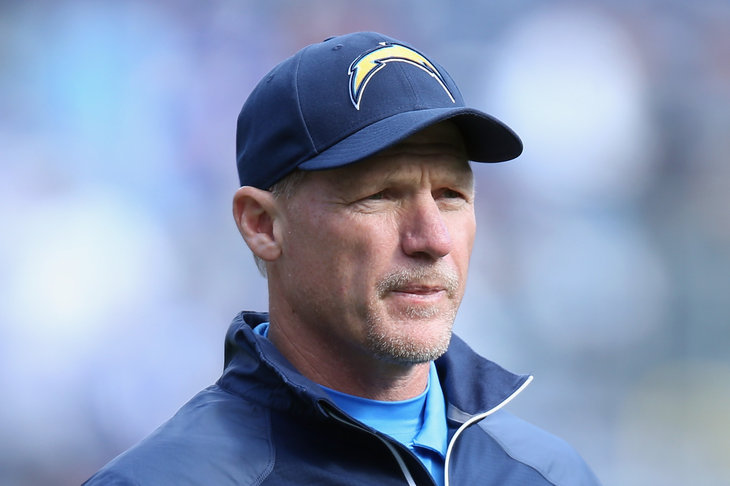
Nobody seems to want the Browns' head coaching job, despite assurances from the owner and front office that it's a very plum assignment. What's really going on in Cleveland?
1. Dennis Rodman's North Korean star turn is not going to produce any kind of diplomatic breakthrough in a tense part of the world. Surprise. But if you look past what it is on the surface from the Western point of view -- another example of a ex-celebrity using a reality TV stunt to extend a career -- it's a throwback to the Cold War days when petty tyrants would wrap themselves in kitsch and gaudy parades to assure people about progress in face of gulags and food rations.
... this is a dream come true for me and I'm excited about the group of people that we've put together and that are there, the structure with Jimmy Haslam as our owner. I'm excited about our future and I'm excited about this position and being the head coach and being a part of a management group for this organization to bring a winner to Cleveland. I'm excited and can't wait. Every day I wake up, the alarm doesn't have to go off for me to get up, I'm already up and excited about getting going on the day.
Chud really laid it on thick, huh? All that excitement was for naught. Haslam and his "group of people" deposed Chudzinski hours after the last game of the season. In hindsight, his Combine presser looks like another cherished North Korean tradition: the forced confession.
3. We haven't heard from Mr. Excitement since his ouster, but he's apparently been saying plenty about the people he was so excited about a year ago. NFL Network uber-insider Ian Rapoport reported Sunday that potential coaching candidates identified by the Browns had been talking to Chudzinski and he was being brutally honest about what was going on behind the iron curtain in Berea.
Details of the dysfunction there are sparse. We know what we know through reporters. The troika on top of Cleveland's politburo -- owner Jimmy Haslam, general manager Michael Lombardi and CEO Joe Banner -- are apparently "not on the same page."
4. It was never really clear all season what "page" the Browns were on. Banner and Lombardi spent the months leading up to the draft being coy about the quarterback situation. They skipped over the signal callers available in the draft last year, and brought in both Jason Campbell and Brian Hoyer to compete with Brandon Weeden for the job.
Back in an NFL front office after a five-year stint as a commentator, Lombardi used the team's first-round pick on LSU pass rusher Barkevious Mingo after spending big on free agents Paul Kruger and Desmond Bryant. He used his next pick (a third rounder because the previous administration used the second-round pick on Josh Gordon in the supplemental draft) on San Diego State cornerback Leon McFadden. Tyrann Mathieu was the next player off the board. They traded their fourth-round pick to Miami for drop-prone receiver Devone Bess, who also got a four-year, $14 million deal.
The erratic missteps of the spring continued into the fall when the team traded away Trent Richardson. It looked like the Browns were giving up after just two games. Richardson's flop in Indianapolis made it look like a smart move, but that overshadowed a willingness to sell off the franchise's precious few assets, including erstwhile cornerstones like Gordon and Joe Thomas.
5. The reasons given for Chudzinski's firing started with some talking points about accountability. Chud supposedly refused to cut a player when asked to do so by his bosses, a point that also happens to overlook the fact that the front office in Cleveland made the personnel decisions. Haslam and Banner offered up the usual explanations heard when a coach gets fired: disappointing results, unmet expectations, and so familiarly on.
The next guy would be better. The next guy would be the right man for the job, the real right man for the job.
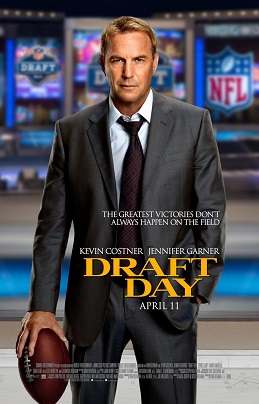
The Browns have tried everything to turn the franchise around... might Kevin Costner be an option? Fortunately, we'll have that answer thanks to "Draft Day," a movie about the Cleveland Browns.
6. Mr. Right this time around was supposed to be Josh McDaniels. He, too, was an Ohioan, a strange prerequisite that speaks to the franchise's shaky relationship with its fans. More important, McDaniels was a Bill Belichick disciple. (The fascination with replicating the Patriots Way is another bizarre facet of Cleveland's organizational weirdness.)
McDaniels turned them down. And after every "insider" in the media reported that he was their man, the Browns pushed back by leaking word that McDaniels supposedly walked away after being told he was not at the top of the list.
It was the same sour grapes play they ran after Chip Kelly turned them down last spring.
The coaching search got quiet for a while before Ken Whisenhunt, Todd Bowles, Ben McAdoo, Mike Munchak and Adam Gase popped up as potential candidates. Whiz took the job in Tennessee, the Giants hired McAdoo as their offensive coordinator and Bowles just flat out said he wasn't interested. Gase, currently Denver's OC, is currently occupied by the playoffs, but he's now seen by many as the backup plan to the backup plans. Chud was also a backup plan, remember, until he briefly became the right man for the job.
7. That week in Indianapolis last year might have been the last time the Browns' brass were all on the same page, or at least gave that outward appearance. Banner made the rounds spreading the new direction talk.
I'd be concerned if people thought we were dishonest. I don't think you'll ever experience that with me. I don't think you'll every experience that with Jimmy. I don't think you'll see that in Chuds. I don't think you'll see that in this administration. We haven't done that. We won't do that.
Turning a perennial loser into a winner was the excuse for hiring Banner and Lombardi, and also for firing Chudzinski.
He'll get the chance to do it all again whenever the Browns finally find the person who's willing to coach the team.
There's more than one way for autocrats to mask a regime's failures, and many more understated than basketball games with Dennis Rodman, bear hunts or children's choirs singing patriotic songs. That stuff is Cold War nostalgia. In Cleveland, autocrats can do the same thing by having a beer with the common folk and promising to do better in a heartfelt form letter.
But, in the end, it is tough to live under a thumb. People get worn down by the harsh reality and stop listening. Most of Cleveland's coaching candidates saw through it. Browns fans will see through it, too, if they haven't already.
Despotic regimes have no accountability to their people, until things get bad enough and an uprising starts. Crashing the gates of the Browns' headquarters and forcibly removing the owner and his men isn't an option.
With the Feds pursuing a fraud case against Haslam's truck stop business, the FBI is probably the last best hope for long-suffering Browns fans.
Greg Hardy says he's from Hogwarts, played in Carolina and could have a new home in 2014.
The Carolina Panthers made the NFC Divisional playoffs on the back of a strong defense and overwhelming pass rush, but could be poised for problems in 2014.
Hardy and his agent Drew Rosenhaus want a big contract after Hardy's 15-sack season. Given the Panthers' cap-challenged position, it doesn't sound like he'll get one in Carolina. The Panthers could slap the franchise tag on Hardy, but don't be shocked if they let him walk.
General manager Dave Gettleman was open about the Panthers' problems in his end-of-season press conference. He used the phrase "cap challenged" on multiple occasions, while explaining that when a good, young player leaves, there's often a reason behind the scenes that fans don't understand. Gettleman didn't refer to Hardy directly, but the overall tone was a front office facing difficult decisions.
Hardy has made it clear that he wants to be paid. Initially he made a statement he would take a hometown discount to stay in Carolina, but his song changed following a run to close the regular season that saw the 25-year-old defensive end amass 8.0 sacks in three games. Now he's poised to be the top pass rusher in the 2014 class, provided the Panthers choose to let him go.
A lot hinges on whether the Panthers feel Hardy was integral to their success in 2013, or if the team's defensive scheme helped him achieve season highs. Carolina is already paying veteran defensive end Charles Johnson a large contract and committed heavily to the defensive line in last year's draft. The team also has three developmental defensive ends who had varying degrees of success in Frank Alexander, Wes Horton and Mario Addison.
If Carolina chooses to slap Hardy with the franchise tag, here are the other top pass rushers poised to his free agency.
Michael Johnson
This story is a cautionary tale for Greg Hardy in his decision to accept a franchise tag. One year ago, Johnson was the crown jewel of pass rushers in free agency following a 11.5-sack breakout year. In 2013, he took a significant step back, finishing with the most tackles of his career but lowering his sack total to 3.5.
Johnson is still young at 26 years old, meaning a team will gamble on him returning to form in 2014.
He's 31-years old, but there are no signs of slowing down for Allen. He just completed an 11.5-sack year, his seventh consecutive 10-plus-sack year, and while he is slowing slightly, there are few players in the league with a more impressive resume.
Allen won't likely command a huge contract, but a veteran team in need of a pass rusher would easily entertain a three year deal.
There weren't many headlines surrounding the Raiders pass rusher in 2013, but he quietly had the best season of his career on a line without a glut of talent. He finished with 6.0 sacks and has a chance to build on that in a new organization.
The top players are rounded out by Arthur Jones, who had a 4.0-sack impact for the Baltimore Ravens in 2013. He doesn't have the same ability as Paul Kruger who left in 2012, but a needy team will find a player with starting potential.
"Users of CyanogenMod are likely to tell you that they use the platform because it's fast, stable, and offers great battery life. It also offers a way for devices that have long been left abandoned by their carriers or manufacturers, such as the venerable HTC HD2, to run newer versions of Android. The N1 doesn't really classify as an older device — it has a thoroughly modern processor, a high-res screen, and an enormous battery. Still, CyanogenMod runs swiftly on it, to the point that I didn't feel like Google's Nexus devices were any faster (as I usually do when comparing modified Android to stock Android).
In weeks of using the N1 I never once had an app force close, the phone lock up, a reboot, or even a stutter. That's not something I can say about even the most high-end devices from the biggest manufacturers in the world. I can see why people like using CyanogenMod and why they would go through the trouble to get it installed on their phones. It's a solid, reliable experience with just the right amount of improvements to what Google offers in Android. And frankly, I like it better than the software Samsung, LG, or even HTC offer. It's no surprise to me that 11 million people have chosen to use it, and by the company’s count it has more users than Windows Phone in the US."
If you’ve ever owned an Android phone and have even lightly explored the world of custom ROMs and modifications, chances are you’ve seen the name CyanogenMod. It is the most popular variant of Android available through the modding community, and it’s been loved by its supporters for its rapid updates, stability, battery life, and intelligent enhancements to Android. It’s also offered a way for older devices to be updated to newer versions of Android long after they’ve been left behind by their carriers or manufacturers.
Until now, the only way to experience CyanogenMod was to modify your own device that shipped with different software. That typically involves a lot of research in modding forums, and a good amount of hacking and trusting software tools of dubious origins. It’s always been a tedious process that requires a fair amount of technical knowledge and the fortitude to chance your smartphone becoming inoperable if something goes awry (not to mention voiding your warranty).
Cyanogen Inc., the company recently formed by the original creators of CyanogenMod, has been trying to change that. After announcing just this past September that it would incorporate and legitimately distribute its altered vision for Android, the company has raised tens of millions of dollars in venture capital and has made promises of grand things to come. Now, thanks to a partnership with Chinese manufacturer Oppo, CyanogenMod is shipping preinstalled on the N1, a $599 Android phone that aims to compete with mainstream behemoths such as the HTC One max. It’s the first time that the general public can experience Cyanogen’s take on Android without having to know the meanings to the words “root” or “bootloader.”
Between the “stock” Android that ships on Google’s own Nexus devices, and the heavily modified variants that Samsung, HTC, LG, and others offer, there are already plenty of ways to experience Android. And the smartphone world is dominated by giant players with deep pockets and impressive, powerful phones.
CyanogenMod has a long uphill battle to climb: it’s trying to make a difference in a market that is largely considered saturated. Even established makers such as BlackBerry have floundered in today’s smartphone market, and the only thing that’s really keeping Windows Phone going is Microsoft’s endless bank account. Cyanogen doesn’t have the legacy of BlackBerry or the cash of Microsoft, but it’s going to compete against Samsung, LG, Apple, and others just the same. That raises the question: is there room, or need, for yet another option in today’s smartphone world?
The CyanogenMod that comes on the Oppo N1 is version 10.2, based on Android 4.3 Jelly Bean. At first blush, it looks just like the standard builds of Android that come on Google’s Nexus devices. There’s no skinning here, no redundant email or messaging apps, and no carrier bloatware (after all, the N1 is sold direct by Oppo and isn’t modified by any carrier). It’s not unlike the versions of Android that ship on Motorola’s recent devices, which provide a "near stock" experience with a handful of enhancements under the surface.
It’s stock Android, but better
CyanogenMod offers its own secure device tracking and remote wipe service, an enhanced lock screen, secure messaging features (between other CyanogenMod devices), theming options, audio enhancements, an improved camera app, adjustable performance, greater security and privacy controls, and some customizability to the underlying interface. Quick toggles can be added to the notification bar or not, shortcuts to frequently used apps can be enabled on the lock screen, and it’s even possible to dive in and customize how fast the phone’s processor is allowed to run. But overall, it’s not much different from standard Android, and coming from a Moto X or Nexus device I instantly felt at home on CyanogenMod. Unlike Samsung’s or HTC’s software, CyanogenMod doesn’t rearrange the settings menus, change the home screen, or use unique fonts. It’s stock Android, but better, and that’s what many enthusiasts look for.
I liked the tweaks made to Android too — it wasn't long before I wished I had the smart lock screen shortcuts on my Google Play Edition HTC One, and the cLock home screen widget gave me so much information about the weather and my calendar that I didn't bother installing DashClock as I normally do.
Be that as it may, there are some things that Nexus devices have that CyanogenMod doesn’t and probably never will. The Google Experience Launcher with Google Now is nowhere to be found, nor is the intelligent Google Caller ID in the dialer. But since Google did approve the N1 to ship with the Google Play Store and associated apps, it does have Gmail, Chrome, Hangouts, and other core Google apps. CyanogenMod has these apps because it isn’t a fork of Android, like what Amazon did for the Kindle Fire. It’s more of a customization, like HTC’s Sense or Samsung’s TouchWiz. (At this point, the CyanogedMod that comes on the N1 is the only version of the OS that has Google's apps included — Cyanogen is not yet allowed to distribute the apps with versions of the OS for other devices.)
Users of CyanogenMod are likely to tell you that they use the platform because it's fast, stable, and offers great battery life. It also offers a way for devices that have long been left abandoned by their carriers or manufacturers, such as the venerable HTC HD2, to run newer versions of Android. The N1 doesn't really classify as an older device — it has a thoroughly modern processor, a high-res screen, and an enormous battery. Still, CyanogenMod runs swiftly on it, to the point that I didn't feel like Google's Nexus devices were any faster (as I usually do when comparing modified Android to stock Android).
In weeks of using the N1 I never once had an app force close, the phone lock up, a reboot, or even a stutter. That's not something I can say about even the most high-end devices from the biggest manufacturers in the world. I can see why people like using CyanogenMod and why they would go through the trouble to get it installed on their phones. It's a solid, reliable experience with just the right amount of improvements to what Google offers in Android. And frankly, I like it better than the software Samsung, LG, or even HTC offer. It's no surprise to me that 11 million people have chosen to use it, and by the company’s count it has more users than Windows Phone in the US.
It's striking how stable and fast CyanogenMod is
Still, I’m not sold that it’s a great differentiator for high-end phones. For older, outdated devices, CyanogenMod can breathe new life and offer a better experience than the software that they shipped with initially. But the improvements that it offers for high-end smartphones, such as the Nexus 5, aren’t really worth the trouble to install.
The Oppo N1 wasn't designed or built solely for CyanogenMod (buyers can opt for it with Oppo's own Color OS, yet another variation on Android), but its quirky design and unique features are oddly appropriate for the first device to offer the software.
The N1 is a well-made and attractive phone that could sit next to any high-end Android device today
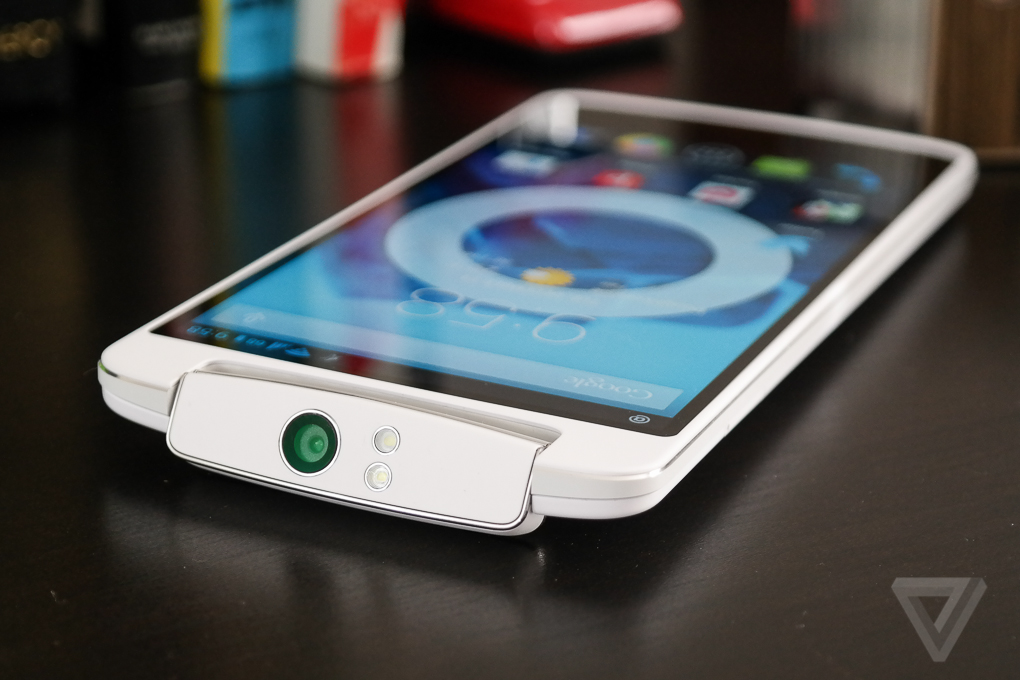
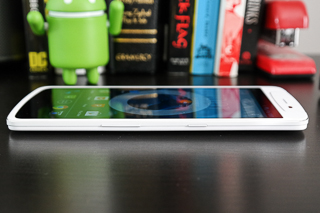
It’s a big phone — in the same class of "phablet" devices as the HTC One max, Samsung Galaxy Note 3, and Sony Z Ultra. It's also really heavy: at over 7.5 ounces, it weighs more than virtually all other modern smartphones. The N1 is not a device I can comfortably use in one hand. But it's well-built, and feels more premium than many other Chinese phones I’ve used in the past.
The 5.9-inch display is the same size and 1080p resolution as the screen on the One max, but it's not nearly as nice. It's bright, but lacks contrast and is pretty washed out. The display gets the job done, but can't hold a candle to the best screens on the market. For a phone that’s nearly $600, the display is really disappointing.
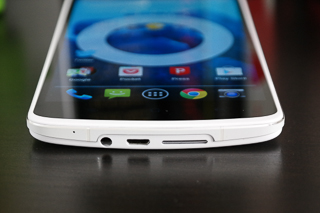
The N1 is plastic, but it's a high-quality plastic similar to that of Nokia's devices and some HTC smartphones. It's not glossy or slippery like Samsung devices, and though my review unit has a matte white finish, it doesn't pick up dirt and scuffs. An aluminum frame goes around the phone, which gives it an upscale look. Apart from the gargantuan size, the N1 is an attractive phone that could easily sit on a shelf next to any device from more established makers.
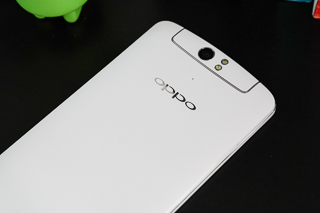
It does have its oddities, though, starting with the swiveling camera housing above the display. The phone doesn't have a front-facing camera, instead using the main 13-megapixel imager for both front and rear duties. (13-megapixel selfies are now a reality.) The swiveling housing works at any angle, enabling some unique perspectives with the camera. It also has two LED flashes (one low-power, one high-power), but it doesn't do the same dual-LED photo tricks as the iPhone 5S.
Unfortunately, the pictures from the camera aren't anything to write home about. Images are noisy and soft indoors, and pretty washed out and bland outdoors. The N1 also lacks optical image stabilization for better low-light photos, something that many of its peers now offer. I was also unable to use the camera for video calling in Google Hangouts, which really strange and disappointing. (Video calls in Skype work, but they are no better with the N1’s camera than with any other smartphone that supports Skype.)
The second odd hardware feature on the N1 is the touch-sensitive panel on the back of the phone. It's a roughly 2-inch rectangle that falls under your index finger when you hold the phone in your hand. It can be used for scrolling in apps or the home screens, to launch the camera, or to take pictures via double-tap once the camera is open. Like the swiveling camera, the touchpad doesn't really do much to add to the N1 experience, unfortunately. Scrolling with it is jerky and unpredictable, and its camera-launching feature meant the camera app opened every time I held the phone for a few seconds. Needless to say, I turned off the touchpad and for the most part, forgot about it.
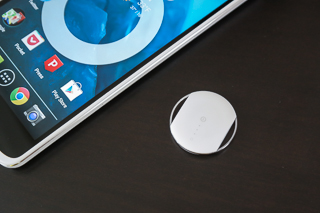
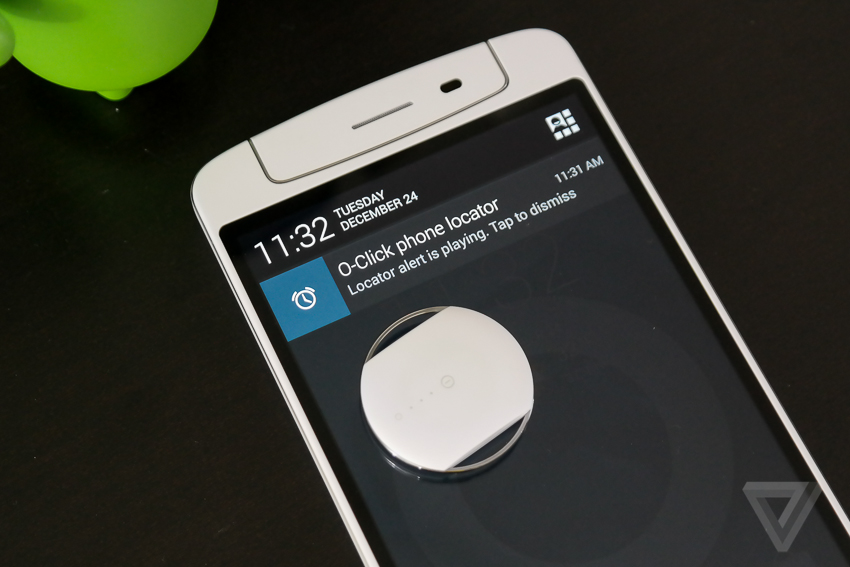
Finally, there's O Click key fob, a circular Bluetooth device about the size of a quarter that acts as a phone locator and remote camera shutter. The O Click will alert you with an audible beep if you walk too far away from your phone, acting as a reminder not to leave your phone behind. But its range is quite limited — the alert would beep when I would hang my keys by my front door and walk with the phone to another part of my small house. It turned into more of a nuisance than a convenience, though I will admit that the remote shutter button is a neat trick.
Inside, the N1 has everything one might expect to find in a modern Android smartphone. My review unit has a quad-core Qualcomm Snapdragon S4 Pro processor and 2GB of RAM, though Oppo also offers the phone with the newer Snapdragon 600 chip. I didn't notice any performance issues playing games or in normal use, and the N1 was just as fast as the HTC One and other Snapdragon 600 devices in my experience.
Lack of LTE is a big knock against the N1
The N1 has a massive 3,610mAh battery and no LTE, which means that it easily lasts for multiple days between charges. It really sucks that it doesn’t have LTE at all — support for high-speed cellular networks is table stakes for any high-end smartphone at this point, especially one aiming for the particular demographic of the N1. (The N1 is compatible with both AT&T and T-Mobile in the US, but doesn't support LTE on either carrier or anywhere else in the world.)
As a phone, the N1 offers a lot of unique hardware features in one package, but I don’t think they add any real value or improve the user experience in a meaningful way. Frankly, the N1 would be another forgettable phone if it didn’t come with CyanogenMod as an option, and despite Oppo’s best efforts, it’s not significantly different or better than the other massive devices flooding the market. And its lack of LTE makes it really hard for it to stand up next to the best smartphones from HTC, Samsung, and LG. That’s not to say it’s bad, it’s just not stand-out great. Your money is better spent elsewhere.
The N1 is an important step for CyanogenMod, but not yet a mainstream device
As the first device that comes from the factory with CyanogenMod preinstalled, the Oppo N1 is an important milestone. It also doesn't hurt that it's not a bad phone in its own right, with only a few issues in the display and lack of support for modern cellphone networks (and a high sticker price).
But it's also just as much of a niche device as CyanogenMod is still a niche operating system. The customer that would be interested in the N1, a phone that costs nearly $600, can’t be bought at a discount from a carrier, and doesn't have LTE, is likely the same person that wouldn't mind getting their elbows dirty and installing CyanogenMod on any other device they might already have. It’s clear that the N1 is a means to an end for the Cyanogen team: Oppo was a willing partner that provided them a way to launch CyanogenMod on a device in a short amount of time (it’s said that the team got the software ready for release in a mere 30 days, including adding support for the N1’s odd hardware features).
Cyanogen will eventually have to bring its software to more mainstream smartphones, and get the support of US carriers, if it's going to make a run for the third-place platform slot currently held by Windows Phone, as CEO Kirt McMaster has previously expressed. (It could also benefit from a more consumer-friendly name, which is reportedly in the works.) Fortunately, the bones are there — it's a fast, reliable, attractive take on Android that makes improvements where they count and doesn't bother with frivolous appearance changes or kitchen-sink features just for the sake of them.
There may be a day when you can go to a store and pick up a device running CyanogenMod without any compromises, and I'd welcome that. But there's a long road and a lot of things that need to fall into place before that happens, and frankly, the odds are stacked against Cyanogen.
The Breakdown
More times than not, the Verge score is based on the average of the subscores below. However, since this is a non-weighted average, we reserve the right to tweak the overall score if we feel it doesn't reflect our overall assessment and price of the product. Read more about how we test and rate products.
Gillian Anderson is returning to science fiction. The actress — best known for her near decade-long gig as FBI agent Dana Scully on the X-Files — has announced she's currently working on a sci-fi book series dubbed EarthEnd Saga, alongside co-writer Jeff Rovin. "After nine years of living in a semi-science-fictional universe," she told Entertainment Weekly, "I think I now have an ingrained knowledge and rhythm for it." The first volume, A Vision of Fire, is expected to launch in October.
"I think I now have an ingrained knowledge and rhythm for it."
The series will follow the exploits of a child psychiatrist named Caitlin O'Hara, who comes across a young girl with a particularly difficult problem that will usher in the story's sci-fi elements. "Caitlin begins to realize that the girl's behavior is tied to much greater forces in the universe," Anderson explains, "and as the story unfolds, she must prevent destruction on a grand scale."
EarthEnd Saga will be the first release from a brand new sci-fi imprint from publisher Simon & Schuster, dubbed Simon451 (an homage to the classic novel Fahrenheit 451). The imprint will focus both on new authors and franchises like EarthEnd, as well as reissuing older titles in digital formats. "Simon451 will publish in multiple electronic and printed formats, with a focus on digital-first publishing and ebook originals," the company explains.
Fred A. Walpole's birdseye Map of Siskiyou County, California, from 1884. Siskiyou County, Cal. Birdseye Map Date: 1884 Author: Fred A. Walpole Dwnld: Full Size (6.2mb) Print Availability: See our Prints Page for more details pff This map isn't part of any series, but we have other Northern California maps that you might want to check out. Fred Walpole made only two birdseye maps that I can track down, and...
“Carmen’s, 750 Barclay Ave., southern section of the island off Hylan Blvd. near Arden Ave. Spanish and Mexican food in a charming hacienda setting overlooking Raritan Bay. A bit on the expensive side. Lunch and dinner seven days a week. Parking.”
“Grandma’s Table, 33 Water St., Stapleton. Informal dining, lunch and dinner. Closed Thursdays. Inexpensive American standbys. Unpredictable service is compensated for by warmth of the surroundings. Park on street or in nearby municipal parking area.”
“Demyan’s Hofbrau, 742 Van Duzer St. on the hill overlooking Stapleton. Occupies a building which was once a brewery. The restaurant walls are covered with memorabilia. (Demyan’s was used as the commissary during the filming on location of The Godfather.) Lunch and dinner every day. On the expensive side. Lots of parking.”
“Montezuma’s Revenge, 103 Stuyvesant Pl., St. George. Don’t be put off by the name… terrific Mexican food, subtle to spicy. Lots of fun in a cozy setting. Lunch and dinner except Mondays. Street parking only, or try nearby municipal parking area.”
“Forest Inn Restaurant, 834 Forest Ave. off Broadway and near the zoo. An unpretentious place for snacks and simple American meals. Lunch and dinner every day. Parking in rear.”
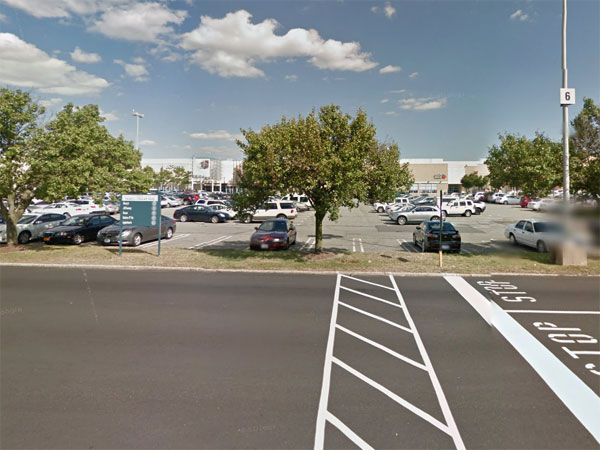
“Staten Island Mall, Richmond Ave. at Richmond Hill Rd., not too far from Richmondtown. Plenty of parking around this indoor shopping center and a range of eateries to choose from: Zum Zum, Chinese, Italian, pizza, McDonalds, Baskin-Robbins, and don’t forget the department store cafeterias.”
Trussardi unleashes its new campaign stars. The campaign was shot by William Wegman, an renowned animal portraitist, who has worked with Acne in the past.
had no idea all of Harvey Birdman was free to stream online
Fred Flintstone is a family man--possibly in more ways than one. Looking to expand beyond construction with a couple of small side businesses, Fred seeks legal advice from Harvey. The case is seemingly a simple matter until the feds start questioning the legitimacy of Fred's business dealings and his possible ties to the Mob.
Lizzie Schiffman at DNAChicago says that a huge Chicago sci-fi convention has been postponed for a year:
A major science fiction and fantasy convention scheduled to hit the city in March has been canceled and moved from the River North Westin Hotel after hotel staff referred to attendees as "freaks," according to an announcement posted on the event's website.
Sci-fi conventions are big money for hotels. I find it hard to believe, in America in the 21st century, that a hotel manager would refer to sci-fi convention-goers as 'costumed freaks [who] are not in keeping with the reputation' of the River North Westin Hotel. In any case, I'm pretty sure, given the online maelstrom that's forming over this story, that the hotel manager in question probably won't be working at that hotel for much longer. You can read the letter from Chi-Fi Chairman James Dobbs here.
The Food and Drug Administration (FDA) was wrong about the risks posed by genetic testing company 23andMe, according to commentary published in Nature.
In November, the FDA ordered that 23andMe stop revealing to customers their odds of contracting diseases without clinical evidence to support such conclusions. The FDA was afraid that patients would take results as diagnoses.
But Robert C. Green—a physician-scientist in genetics at Brigham and Women’s Hospital and Harvard Medical School—and Nita A. Farahany, a lawyer specializing in bioethics at Duke University, argue that the only thing we should require from 23andMe is honesty about the limits of their health testing. While the tests are often too inaccurate for consumers to consider them diagnoses, research shows that most customers will seek a doctor’s opinion before taking action, anyway. According to the authors’ research, 58% of 1,051 surveyed customers did nothing at all with their genomic results. Of the 42% who made health decisions based on the information, only 2% changed prescription drug regimens without consulting a physician. The majority of customers who made changes focused on diet, exercise, and vitamins.
Other research has supported those findings: A 2013 evaluation of personal genomics testing (pdf) found that while services like 23andMe aren’t particularly useful at this time (consumers, the authors write, would be better off spending the money on a gym membership) patients are unlikely to experience “distress,” based on results, and even less likely to change their behaviors because of them.
Green and Frahany think that the FDA made the wrong call. “The FDA invoked the precautionary principle,” they write, “acting on the basis of speculations of potential harm rather than reported harm.” While the FDA now classifies 23andMe’s testing—and any genomic service that provides interpretation in addition to genomic data—as a medical device, which puts it under their regulatory jurisdiction. The authors argue that making 23andMe answer to the FDA actually conflicts with the First Amendment of the US Constitution, which protects the rights of an individual to receive information. Such devices, they write, could “revolutionize health care by enabling individuals to make choices that maximize their own health.”
You can’t get better results—or better informed consumers—by hobbling the biggest consumer genomics company out there, Green and Frahany say. Instead, given that there’s no empirical evidence that personal genomics services cause harm, regulators should let 23andMe proceed.
About a week after being ordered by the FDA to halt its testing service, 23andMe announced that customers would only have access to ancestry and trait related results—hair and eye color, for example, instead of risk of breast cancer. Meanwhile, the company will seek FDA approval for health-related results. But while 23andMe was fairly reluctant to comply, other companies looking to put medical data in the hands of patients—Pixie Scientific’s urine-analyzing diapers, for example, and the at-home diagnostic tool Scanadu—embraced FDA compliance from the start. Whether the future of personalized healthcare lies in leapfrogging the FDA or working under its regulations remains to be seen.
'He seems to have some sick, twisted Captain Save a Ho complex, wherein he wants to be a Sugar Daddy for some girl from the hood, a la E-40. But since he doesn’t fundamentally respect the girls who dance in the club for money, he deems them all unworthy of being saved through his $50 thousand dollar gift.'
"He came up with this brainchild, got to watch countless women shake their ass for free mind you, and then did what dudes do best: blame women for being stupid enough to disrespect themselves."
Patron Saint of Hustlin Hood Chicks
Yesterday, Juicy J announced the winner of the $50,000 twerking scholarship that he began advertising in October in a partnership with World Star Hip Hop.
The winner, 19 year old biology major Zaire Holmes distinguished herself from many other applicants by deciding not to twerk.
It turns out twerking was not required.
Congratulations are in order for Ms. Holmes. She is not only a student, but also a full time single mom, with a clear cut set of goals for becoming a doctor and achieving her dreams. That’s awesome and I am peacock proud of the sister for doing the damn thing!
But I’m absolutely incensed at Juicy J for even daring to invoke respectability politics when announcing his choice of winner.
In the opening scene of the video, Juicy J says, “Fifty thousand dollars is a lot of money and I don’t want to waste it on just some girl twerking her ass. You don’t deserve it.”
Um what?! No sir. No fucking sir. You invited women to twerk, all while drumming up free publicity for your otherwise unremarkable song “Scholarship,” which is about a woman who pays her way through school by dancing.
Zaire says at the end of the video, “a lot of people thought you had to twerk but you just had to read the rules.” And Juicy J chimes right in, “See that’s what you get for shaking your ass and thinking you were gone get some money. It’s not always about shaking your ass.”
Now look, I know this shit seems clever, but color me unimpressed. Zaire was clearly a deserving candidate, but that does not mean that the scores of women who showed off their twerking skills deserved to be shamed or to have Juicy J’s whack ass insinuate that they were stupid.
I mean look, perhaps it was wrong of us not to recognize the master mind behind “Bands A Make Her Dance,” was incapable of noble intentions toward sisters hustling trying to make it. Who knew that he would use this scholarship as a sick experiment to add credibility to his premise, (i.e. girls will dance for money.)?
But that is the thing we should be clear about. Juicy J wanted girls to twerk, framed it as a twerking competition, and then had the nerve to try to make a ratchet project respectable not by simply taking responsibility for his choice but rather by shaming the sisters who participated.
My good friend Dr. Treva Lindsey noted that in many ways his refusal to choose a woman who twerked and his choice to just reduce their videos down to a mindless shaking of ass constituted “blatant usurping of any of the power the women in videos exercised in creating their own narratives about financing their education. We all knew the scholarship was a problematic from its inception, but damn if some of these hip hop generation women didn’t enter into that problematic space and find a way to resist and explore. Now we shaming??? GTFOH.”
Exactly.
Yes, many of these women twerked, but they twerked on their own terms, they twerked while reading Dorothy Roberts, they twerked with friends, they twerked for enjoyment. So while Juicy J might have capitulated to calls to make his process more “respectable” by not requiring a girl to shake her ass for money, he also undercut that by shaming the women who did exactly what he asked them to do.
He seems to have some sick, twisted Captain Save a Ho complex, wherein he wants to be a Sugar Daddy for some girl from the hood, a la E-40. But since he doesn’t fundamentally respect the girls who dance in the club for money, he deems them all unworthy of being saved through his $50 thousand dollar gift.
Like the Project Pat remix to E-40, Juicy J’s snub screams “don’t save her! She don’t wanna be saved.”
Sexism warps the mind and the dulls the thinking. Clearly.
Some part of me thinks that we feminists got what we deserved: our willingness to keep on trying to resist and subvert patriarchy often only ends up showing us how much we don’t control the terms of the conversation. And maybe our goal should not just be resistance any longer, but fullscale revolt, because in this instance, Black women got played. But we’re still figuring out what revolution looks like, and unfortunately we still believe these sexist assholes are redeemable and mean us some good.
Sexism doesn’t work that way though. Or rather it works exactly this way. He gives out a few crumbs to Zaire, and transforms her life. She is exceptional and he gets to be the Patron Saint of Hustlin Hood Chicks. All the while, his contempt for women in general and sex workers in particular remains in check and thinly veiled.
Oh and I’m not here for anybody talking about “they shoulda read the fine print.” Juicy J knew what he was doing, and if your goal is to give a scholarship, then don’t act like you are asking trick questions in a Mensa contest. You’re not that dude, J. Stay in your lane.
In the end, Juicy J switched things up, invoked respectability, invited a kind of derisiveness towards twerkers, and thought he would come out looking like a stand up guy.
Not so I say.
This is deeply fucked up and we should not fall for it.
Women who twerk for money are not stupid. Rather than blaming twerkers, I think our eyes should be squarely on Juicy J. He came up with this brainchild, got to watch countless women shake their ass for free mind you, and then did what dudes do best: blame women for being stupid enough to disrespect themselves.
But let’s remember he had money and power and he used it target women without money and power. Getting mad at them for making the “wrong choice” to participate absolves Juicy J of using male privilege and money and to set up a rigged game.
So don’t fall for the okey doke. Juicy J is a sexist. We already knew that. And he participated in the worst of kind of exploitation by getting working class sisters who really needed the help to participate in his contest.
I’m glad Zaire has the funds she needs to become a doctor, but Juicy J gets NO RESPECT. He might win some, but he just lost one.
The latest Indie Royale bundle is out now, spotlighting the recently released PC version of Q Games' PixelJunk Shooter alongside a collection of Steam-redeemable indie highlights.
Indie Royale's Vapor Trail bundle includes PixelJunk Shooter, Size ...
Coming soon! The Fourth Doctor Sourcebook. *Celebrating the 50th anniversary of Doctor Who, this Sourcebook explores the Fourth Doctors adventures on Earth and beyond. With detailed information on all the allies, enemies, aliens and gadgets that he encounters, as well as examining each of his adventures, the book contains a wealth of material for the Doctor Who: Adventures in Time and Space RPG, and is also a fact-packed resource for fans of the show!
Freed from his exile on Earth, the Doctor returned to his wandering ways, drawn to some of the great battles of the cosmos. Team up with a fellow Time Lord and a robot dog, explore E-Space, search for the Key to Time and return to Gallifrey as its saviour. Uncover the secrets of the Pyramids of Mars, change the destiny of the Daleks and thwart the machinations of the Masters final incarnation.
But first things first... would you like a jelly baby?
The 4th Doctor Sourcebook - 256 pages, full colour, hardback. Coming Soon.
The OpenBSD Foundation is running into a situation of lack of funding to the point that they can't even cover their electricity costs and may be forced to suspend or reduce their operations without additional help...







 Fred A. Walpole's birdseye Map of Siskiyou County, California, from 1884. Siskiyou County, Cal. Birdseye Map Date: 1884 Author: Fred A. Walpole Dwnld: Full Size (6.2mb) Print Availability: See our Prints Page for more details pff This map isn't part of any series, but we have other Northern California maps that you might want to check out. Fred Walpole made only two birdseye maps that I can track down, and...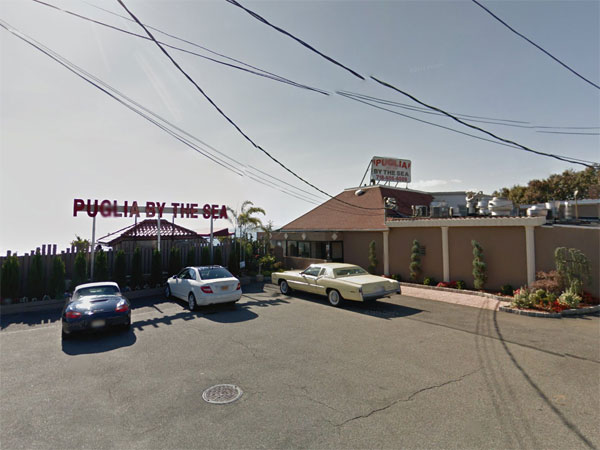



 The Crunk Feminist Collective:

 The latest Indie Royale bundle is out now, spotlighting the recently released PC version of Q Games' PixelJunk Shooter alongside a collection of Steam-redeemable indie highlights.
Indie Royale's Vapor Trail bundle includes PixelJunk Shooter, Size ...
The latest Indie Royale bundle is out now, spotlighting the recently released PC version of Q Games' PixelJunk Shooter alongside a collection of Steam-redeemable indie highlights.
Indie Royale's Vapor Trail bundle includes PixelJunk Shooter, Size ...
