Shared posts

22 Mar 14:42

What Resources Are Available For First-Time Home Buyers In Pennsylvania?

by techremedys

Most first-time home buyers in Pennsylvania find the process overwhelming, but various resources can help simplify your journey. From state-sponsored grants and low-interest loans to federal programs and expert advice, you have access to a wealth of support tailored specifically for your needs. Understanding these resources will empower you to make informed decisions and ultimately find the right home for you and your family. In this blog post, we will research into the crucial tools and programs available to assist you in your home-buying journey in Pennsylvania.

Key Takeaways:

  • First-time home buyers in Pennsylvania can access various state-sponsored programs designed to assist with down payments and closing costs.
  • The Pennsylvania Housing Finance Agency (PHFA) offers low-interest loans and grants to eligible buyers, making home ownership more affordable.
  • Buyers may benefit from federal tax credits and incentives, such as the Mortgage Credit Certificate (MCC) program, which helps reduce federal tax liability.
  • Local nonprofit organizations and community resources can provide educational workshops, financial counseling, and assistance in navigating the home buying process.
  • Eligibility for many programs often depends on income levels, credit scores, and property location, so buyers should assess their situation before applying.

Overview of First-Time Home Buyer Assistance Programs

To navigate the complexities of buying your first home in Pennsylvania, it’s vital to explore the various assistance programs available. These programs can help ease the financial burden by providing grants, loans, and resources tailored specifically for first-time buyers, ensuring you find the right support for your home ownership journey.

State Programs

An array of state programs is specifically designed for first-time homebuyers in Pennsylvania. The Pennsylvania Housing Finance Agency (PHFA) offers down payment and closing cost assistance, making homeownership more accessible to you. Additionally, initiatives like the Keystone Home Loan Program provide low-interest mortgage options, helping you achieve your property goals with better financial terms.

Federal Programs

Below are several federal programs aimed at aiding first-time homebuyers, enabling you to achieve your dream of homeownership. From FHA loans offering low down payments to VA loans for eligible veterans, these federal initiatives can make purchasing a home more feasible for you, even if you have limited funds or lower credit scores.

A variety of federal assistance options exist to support first-time homebuyers, including USDA loans designed for rural properties with no down payment required, and the Good Neighbor Next Door program aimed at teachers, police officers, and firefighters. You can also explore programs like the HomeReady mortgage or Home Possible loan, which are designed to cater to low- to moderate-income earners, allowing you to qualify for a mortgage with a lower down payment and flexible credit requirements.

Financial Resources Available

There’s a wealth of financial resources available for first-time home buyers in Pennsylvania to ease the purchase process. You can explore various programs including grants and low-interest loans designed specifically for novice home seekers. For a comprehensive overview, check out the Pennsylvania First-The concept of time. Homebuyer Guide 2025.

Grants and Down Payment Assistance

Payment assistance programs can significantly ease the financial burden on first-time home buyers. These grants often do not require repayment, providing you with the opportunity to secure funds for your down payment or closing costs. Local and state programs may offer varying amounts, so be sure to investigate your options closely.

Low-Interest Loans

After exploring grants, consider low-interest loans as another viable option. These loans can help you secure a mortgage at a more manageable rate, making monthly payments easier to handle.

Even small reductions in interest rates can lead to substantial savings over the life of your mortgage. Look for state-specific programs that cater to first-time buyers, such as the Pennsylvania Housing Finance Agency, which offers favorable terms and financing options to help you comfortably transition into home ownership.

Educational Resources for Home Buyers

After exploring the various options available for first-time home buyers, you can enhance your knowledge through numerous educational resources. A comprehensive guide on Pennsylvania First-Time Homebuyer Grants & Assistance offers valuable insights and tips to help you navigate the home-buying process smoothly.

Homebuyer Workshops

By participating in homebuyer workshops, you gain hands-on knowledge from industry professionals. These workshops often cover important topics such as credit scores, mortgage options, and how to make an attractive offer on a home, empowering you to make informed decisions throughout your buying journey.

Online Resources and Guides

Homebuyers can benefit greatly from various online resources and guides available to help simplify the process. Many websites provide step-by-step instructions, budgeting tools, and market analyses tailored to Pennsylvania’s housing landscape.

Resources like blogs, videos, and interactive calculators offer you user-friendly access to important information. Engaging with these materials not only equips you with the knowledge to understand your financial obligations but also helps you identify potential grants and assistance programs that may ease your path to homeownership.

Local Housing Authorities and Non-Profits

Once again, local housing authorities and non-profit organizations play a vital role in supporting first-time home buyers in Pennsylvania. These agencies provide resources such as financial assistance, counseling services, and educational programs to help you navigate the home buying process. Connecting with these local entities can offer you invaluable insights and tools tailored to your specific needs as a first-time buyer.

Role of Local Agencies

NonProfits and local housing authorities in Pennsylvania work together to create programs that assist first-time home buyers. They provide guidance on affordable housing options, help you secure financing, and offer workshops to educate you on topics like budgeting and home maintenance. By utilizing these resources, you can make informed decisions about your home purchase.

Non-Profit Organizations in Pennsylvania

NonProfits dedicated to housing in Pennsylvania focus on empowering you as a home buyer through comprehensive support services. Many organizations work specifically in your community to provide tailored assistance, whether you need help with down payments, closing costs, or choosing the right mortgage. These organizations often collaborate with local governments to enhance their offerings and create greater access to home ownership opportunities.

Also, various non-profit organizations in Pennsylvania, such as Habitat for Humanity and the Pennsylvania Housing Finance Agency, often have programs designed to assist you with home ownership. They may provide grants, low-interest loans, and free financial education workshops. By reaching out to these organizations, you can gain access to a wealth of information and services that will empower you on your journey toward owning your first home.

Mortgage Options for First-Time Buyers

Now that you’re considering homeownership, it’s imperative to explore your mortgage options. First-time buyers in Pennsylvania can leverage various loans tailored to their needs. To start your journey, HomeBUYERS Start Here with helpful resources and guidance. Understanding your choices will make this process smoother and set you on the path to owning your dream home.

Conventional Loans

Before you commit to a mortgage, explore conventional loans, which are popular among first-time buyers. These loans are not insured by the government and typically require a higher credit score compared to other options. With varying down payment requirements, you can tailor the loan to best fit your financial situation.

FHA and VA Loans

About FHA and VA loans, these government-backed options are designed to help you secure financing with specific benefits. FHA loans offer lower down payment options, making them accessible for those with limited savings. VA loans, available to veterans and active-duty military members, provide favorable terms without down payment requirements.

Mortgage options like FHA and VA loans can make homeownership more attainable for you. FHA loans, supported by the Federal Housing Administration, allow down payments as low as 3.5%, catering to first-time buyers. VA loans, provided through the U.S. Department of Veterans Affairs, enable qualifying veterans to purchase homes with zero down payment and no mortgage insurance. These options can significantly ease financial concerns and simplify the home-buying experience.

Navigating the Home Buying Process

Not only can the home buying process feel overwhelming, but it is also filled with important decisions that can impact your future. It’s vital to familiarize yourself with the stages of buying a home, from setting your budget to obtaining financing, and ultimately to closing the deal. Each step requires careful consideration and may even involve different professionals to help you along the way. Using available resources and understanding your options will enhance your confidence as you commence on this journey.

Finding a Real Estate Agent

Above all, choosing the right real estate agent can significantly simplify the home buying process. Look for an agent with experience in your desired area and a strong understanding of the local market. They can provide valuable insights, negotiate on your behalf, and guide you through each step, ensuring that you secure the best possible deal for your new home.

Steps to Closing the Deal

Navigating the closing process involves several important steps that you must complete before officially becoming a homeowner. You’ll need to review the closing disclosure, arrange for a final walkthrough, and secure your financing. It’s also vital to understand the various closing costs involved. By being proactive and organized during this phase, you ensure a smooth transition into your new home.

To successfully close the deal, you should prepare for key actions such as reviewing your closing documents carefully, confirming your financing is finalized, and being present for the final walkthrough. During this walkthrough, you’ll verify that all agreed-upon repairs have been completed. Moreover, keeping an eye on the closing costs and negotiating any changes prior to signing can help prevent any surprises on your closing day. By staying organized and in communication with your real estate agent, you can navigate this final step with confidence.

Final Words

From above, you have learned about the various resources available for first-time home buyers in Pennsylvania, including state programs, financial assistance, and educational workshops. Utilizing these resources can greatly enhance your home-buying experience and make the process smoother. As you navigate your journey, consider reaching out to local housing authorities and real estate professionals who can provide tailored advice and support. Armed with the right information, you are well-equipped to make informed decisions on your path to home ownership.

The post What Resources Are Available For First-Time Home Buyers In Pennsylvania? appeared first on Bucks County PA..


22 Mar 14:42

How Can Pennsylvania Home Buyers Effectively Negotiate Their Purchase Price?

by techremedys

It’s important for you as a home buyer in Pennsylvania to master the art of negotiation to get the best possible deal on your new home. Navigating the home buying process can be complex, and understanding effective negotiation strategies can empower you to advocate for your interests. In this article, you’ll discover practical tips and insights that can enhance your negotiating skills, ensuring that you make informed decisions and secure a favorable purchase price for your dream home.

Key Takeaways:

  • Research the local market to understand comparable sales and pricing trends, which strengthens your negotiation position.
  • Get pre-approved for a mortgage to demonstrate financial seriousness to sellers and increase your bargaining power.
  • Be prepared to make a strong initial offer, but leave room for negotiation by not starting with your maximum budget.
  • Consider including contingencies in your offer, such as home inspections, which allow for reassessment in case of issues.
  • Stay flexible and open to compromises, such as adjusting closing dates or including appliances, which can lead to a more favorable agreement.

Understanding the Market

As a Pennsylvania home buyer, grasping the dynamics of the local real estate market is important for successful negotiation. A solid understanding of current trends, property values, and neighborhood characteristics can empower you to make informed decisions. This knowledge allows you to approach negotiations with confidence, knowing you’re basing your offer on solid data rather than assumptions.

Current Housing Trends in Pennsylvania

Market trends in Pennsylvania have shown fluctuations in home prices, influenced by factors such as interest rates and inventory levels. Staying updated on these trends enables you to strategically plan your negotiations. Understanding whether you’re in a buyer’s or seller’s market can significantly affect your leverage during the purchase process.

Assessing Neighborhood Values

Market knowledge extends beyond just individual properties; it involves understanding the broader neighborhood dynamics. Comprehending factors such as local amenities, schools, and historical sales data can help you assess the value of different areas. This insight is vital when determining where to focus your search and how much to offer.

Plus, evaluating neighborhood values gives you a comprehensive view of what residents are willing to pay in specific areas. Researching average home prices, recent sales, and property features can illuminate why some neighborhoods command higher prices than others. By knowing the market highs and lows, you can tailor your negotiations to reflect the actual worth of the homes you’re interested in.

Preparing for Negotiation

Some home buyers in Pennsylvania might find the negotiation process overwhelming, but proper preparation can enhance your chances of success. Familiarizing yourself with the local market trends and understanding the seller’s motivations can give you an edge. For an updated guide, check out How to Buy a House in Pennsylvania | 2025 Update.

Setting a Budget and Expectations

Beside knowing your financial limits, setting realistic expectations based on your budget is important before entering negotiations. This ensures you remain focused on properties that truly fit your needs without overextending yourself financially.

Gathering Information on the Property

Setting the groundwork for negotiation starts with gathering detailed information on the property you are interested in. This involves looking at comparable sales in the area, understanding the property’s history, and assessing its condition to make an informed offer.

It is beneficial to investigate the local real estate market for recent sales and trends, as this data can provide context for your negotiation strategy. Examine the length of time the property has been on the market and any price reductions, which may indicate the seller’s urgency to sell. This knowledge positions you to craft a competitive yet fair offer that reflects the property’s true value. Don’t overlook any potential red flags or necessary repairs that might impact your negotiations.

Strategies for Effective Negotiation

For successful negotiation in Pennsylvania’s housing market, equipping yourself with effective strategies can make all the difference. Start by researching similar properties in the area, evaluating market trends, and determining the home’s true value. Your strategy should involve clear communication, solid reasoning, and a willingness to compromise while seeking favorable terms. Engage with a knowledgeable real estate agent who can provide insights and facilitate discussions, enhancing your negotiation position.

Making a Strong Initial Offer

Any successful negotiation begins with a strong initial offer. By presenting a competitive price based on your market research, you set the tone for discussions ahead. Highlight your position as a serious buyer by showing your readiness to proceed, which can appeal to sellers in a busy market. Tailoring your offer to the home’s value and leveraging insights on similar sales will strengthen your case, making it harder for sellers to dismiss your proposal.

Utilizing Contingencies to Strengthen Your Position

One effective method to enhance your bargaining power is by utilizing contingencies. These are conditions that must be met before the sale is finalized and can cover various aspects, such as financing, inspections, or appraisals. By incorporating contingencies into your offer, you create a safety net that protects your interests while simultaneously demonstrating to the seller that you are a cautious buyer. This approach not only gives you time to conduct necessary due diligence but also signals to the seller that you are serious yet sensible.

Strategies that incorporate contingencies allow you to tailor your offer without overextending financially. For instance, if your offer includes an inspection contingency, you can negotiate repairs or credits based on the inspection results, which can further justify your initial price. Additionally, a financing contingency protects you in case your mortgage doesn’t go through, ensuring you aren’t locked into a contract you can’t fulfill. Overall, well-structured contingencies can bolster your position by showing the seller that you are informed and ready to negotiate responsibly.

Communicating with Sellers

All successful negotiations hinge on effective communication with the seller. To enhance your bargaining power, familiarize yourself with the seller’s motivations and be open about your own. Engage sincerely and consider exploring resources like Mastering the Home Buying Process In Pennsylvania to better understand tactics that can lead to favorable outcomes.

Building Rapport with the Seller

Above all, establishing a positive relationship with the seller can set the tone for your negotiations. Take time to learn about their interests and what they value in a sale. When you connect on a personal level, you increase your chances of reaching a mutually beneficial agreement.

Crafting a Persuasive Offer Letter

Persuasive offer letters can play a significant role in your bidding strategy. A well-crafted letter needs to express not just your intent but also your genuine appreciation for the seller’s home, which can make your offer stand out against others.

Plus, include specific details about what you love about the property, and share any personal stories that might resonate with the seller. This narrative helps humanize your offer and can foster goodwill, making the seller more inclined to consider you favorably when comparing offers.

Working with Real Estate Professionals

Many home buyers in Pennsylvania find that teaming up with real estate professionals can significantly enhance their negotiating power. Agents possess in-depth market knowledge and can provide valuable insights into comparable sales, helping you determine a reasonable offer price. Their expertise will guide you through the complexities of negotiations and ensure that you don’t overlook any critical details or contingencies.

The Role of Agents in Price Negotiation

Any effective negotiation involves a skilled real estate agent who can advocate on your behalf. Your agent will use their negotiation skills to present your offer persuasively and may suggest strategies to get the best price. They’ll also know how to handle counteroffers and communicate with the seller’s agent to keep the process moving smoothly.

Legal Considerations and Closing Costs

By understanding legal considerations and potential closing costs, you can negotiate more effectively and reach your home buying goals. Having a knowledgeable agent can help you navigate these complexities while ensuring your interests are protected throughout the process.

Also, it’s important to be aware of various legal aspects, including property disclosures, contingencies, and inspections. Closing costs, which can include fees for appraisals, inspections, title insurance, and more, should be factored into your negotiations. Your agent can help clarify these costs and even negotiate with the seller to cover some expenses, making the overall purchase more manageable for you.

Common Negotiation Challenges

Once again, negotiating the purchase price of a home in Pennsylvania can come with its share of hurdles. Buyers often face challenges such as inflated listing prices, emotional sellers, and market conditions that can add pressure to the negotiation process. To better understand how to navigate these issues, you can explore How to Negotiate a House Price for strategies tailored to your needs.

Handling Multiple Offers

An effective strategy is key when you find yourself in a situation with multiple offers on a property. You should stay informed about the local market trends and be prepared to present your best offer to stand out among the competition.

Navigating Seller Concessions

Against the backdrop of price negotiations, navigating seller concessions can be a delicate process. Buyer incentives such as closing cost assistance or repair allowances can facilitate a smoother transaction when negotiating terms with the seller.

A helpful tip is to approach seller concessions with clarity about your priorities. You might want to consider what concessions will most benefit you financially, such as requesting the seller to cover some closing costs instead of lowering the purchase price. This strategy allows for a flexible negotiation that can improve your overall experience while ensuring that you secure imperative benefits without overly compromising on your offer.

To wrap up

From above, you now have a clearer understanding of the strategies you can employ to effectively negotiate your purchase price in Pennsylvania. By conducting thorough market research, understanding the nuances of the local real estate landscape, and being prepared to walk away, you can enhance your bargaining position. Don’t hesitate to communicate openly with sellers and use your findings to justify your offers. With these tactics in mind, you can approach your home-buying journey with confidence and secure a deal that aligns with your budget and goals.

The post How Can Pennsylvania Home Buyers Effectively Negotiate Their Purchase Price? appeared first on Bucks County PA..
22 Mar 14:42

Why Is Understanding The Closing Process Crucial For Pennsylvania Home Buyers?

by techremedys

Closing is a pivotal phase in the home-buying journey, particularly in Pennsylvania, where regulations and practices can vary significantly. By comprehensively understanding the closing process, you empower yourself to navigate potential pitfalls and ensure a smooth transaction. Not only will you gain insight into crucial documents and financial obligations, but you will also become familiar with key timelines and responsibilities that can impact your purchase. This informed approach can enhance your confidence, leading to a more satisfying home-buying experience.

Key Takeaways:

  • Understanding the closing process helps buyers navigate legal and financial obligations effectively.
  • Familiarity with timelines and tasks can prevent delays and miscommunication during the home buying journey.
  • Knowledge of closing costs and fees allows buyers to budget accurately and avoid unexpected expenses.
  • Awareness of necessary documents and requirements ensures a smoother transaction and reduces the risk of complications.
  • Being informed about post-closing responsibilities prepares buyers for homeownership responsibilities ahead.

The Importance of the Closing Process

The closing process is a vital step in your home buying journey in Pennsylvania. Understanding this phase can help you navigate the intricacies and ensure that your rights are protected. By grasping the important elements involved, you can avoid potential pitfalls and feel confident as you finalize your real estate transaction.

Definition of Closing

Definition: Closing is the final step in the home buying process where the property is officially transferred from the seller to you, the buyer. During this stage, all legal documents are signed, funds are exchanged, and you receive the keys to your new home.

Key Stages of Closing

Process: The closing process consists of several key stages that are crucial for a successful transaction. You’ll need to ensure that all contingencies have been satisfied, review and sign closing documents, and complete the financial transaction.

The stages typically include the final walk-through, reviewing the Closing Disclosure to understand closing costs, signing legal paperwork, and transferring funds for the home purchase. Each of these steps is important to ensure that the transaction is legally binding and that you’re fully aware of your financial obligations as a new homeowner. Being informed about these stages can significantly smooth your transition into homeownership.

Common Challenges Faced by Home Buyers

Now, as a prospective home buyer in Pennsylvania, you may encounter various challenges throughout the process. From unexpected fees to navigating complex legal terminology, understanding these potential obstacles can help you navigate your journey more smoothly. Educating yourself about the Real Estate Closing Process in Pennsylvania | MVSK will empower you to make informed decisions during your home purchase.

Financial Considerations

By evaluating your financial situation early in the home-buying process, you can avoid unpleasant surprises later. Calculating your budget, understanding mortgage options, and factoring in closing costs are necessary steps to take, ensuring that you’re financially prepared to move forward.

Documentation Hurdles

Between complex forms and various documents, gathering the necessary paperwork can be a daunting task for home buyers. Misunderstanding or omitting crucial information may lead to delays or even jeopardize your purchase.

In addition, you’ll likely need to provide documentation such as proof of income, credit reports, and various disclosures. Each piece must be accurate and complete to avoid complications during the closing process. Staying organized and diligent about these requirements can significantly enhance your home-buying experience. Seeking professional guidance can also minimize the risk of encountering these hurdles.

Legal Aspects of Closing in Pennsylvania

Unlike many other states, Pennsylvania has specific legal requirements that govern the closing process. It’s imperative for you to understand these legalities to ensure a smooth transaction. For detailed guidance, you can read How to Prepare for the Closing of Your New Home. By being aware of the laws regarding title transfers, mortgages, and closing disclosures, you can navigate potential pitfalls and advocate for your rights effectively.

Role of Real Estate Agents

Role of real estate agents is significant during the closing process. They guide you through the necessary documentation and legal requirements, ensuring that you understand what to expect at each stage of the transaction. Your agent will also act as your advocate, helping to address any issues that may arise at closing, which can give you peace of mind.

Understanding Settlement Statements

Legal disclosure documents, known as settlement statements, outline the financial aspects of your home purchase. These statements detail all the costs associated with the transaction, including loan amounts, closing costs, and prorated taxes. It is vital for you to review this document carefully before closing to ensure accuracy, as discrepancies can lead to complications down the line.

Consequently, understanding your settlement statement is key to avoiding surprises. It provides a transparent breakdown of every fee and credit applied to your transaction. Familiarizing yourself with this document allows you to verify that all charges are legitimate and helps you plan your financial obligations accurately. Your agent can assist you in interpreting complex items in this statement to prevent any confusion at the closing table.

Timing and Scheduling

Once again, understanding the timing and scheduling of the closing process is vital for Pennsylvania home buyers. It impacts not only your moving plans but also involves critical documents and payments that need to be aligned. To gain more insights, check out this Navigating the Home Sale Closing Process in York, PA for detailed information.

How Timeliness Impacts the Process

About managing your time effectively ensures that all necessary steps in the closing process are completed without hiccups. Timeliness allows you to avoid last-minute issues that could derail your plans, making it easier for you to transition into your new home.

Avoiding Delays

Process delays can be stressful, especially when you’re eager to move into your new home. Staying proactive in managing documentation and communication with all parties involved is vital to avoid any set-backs.

In fact, being organized and anticipating potential hurdles can save you valuable time. Ensure all documents are prepared and submitted on time, and maintain open lines of communication with your real estate agent, lender, and the title company. By addressing issues before they arise, you create a smoother closing experience, allowing you to enjoy your new home as soon as possible.

Strategies for a Smooth Closing Experience

Despite the complexities of the closing process, you can ensure a seamless experience by employing effective strategies. Being proactive in your preparations will allow you to navigate the final steps of your home purchase with confidence, reducing the likelihood of last-minute surprises and stress. With the right approach, you’ll find that closing can be a straightforward and efficient journey toward homeownership.

Preparing Necessary Documentation

By gathering all necessary documentation ahead of time, you set the stage for a smooth closing process. This includes your financial statements, proof of insurance, and any other relevant paperwork that may be requested by your lender or attorney. Having everything organized can help speed up the reviews and approvals needed for a successful closing.

Effective Communication with Professionals

Documentation is vital, but effective communication with your real estate agent, lender, and attorney is equally important. Keeping open lines of communication allows for clarification of any questions or concerns, ensuring that everyone is on the same page about timelines, requirements, and expectations.

To enhance your communication with professionals, it’s beneficial to initiate regular check-ins with your real estate team. This proactive approach helps you stay informed about each stage of the closing process and allows you to address any potential issues before they become problematic. Establishing a rapport with your mortgage lender and attorney ensures that your questions are answered promptly, helping you to feel confident and supported every step of the way.

Resources for Pennsylvania Home Buyers

Keep in mind that various resources are available to assist you in your home buying journey in Pennsylvania. From government web portals to local websites, you can find valuable information that can make the process easier and more informed.

Helpful Websites and Organizations

Between local resources and state-level organizations, you have access to a wealth of information as a Pennsylvania home buyer. Websites like the Pennsylvania Housing Finance Agency offer guides and resources tailored to your needs, while other platforms provide insights into local market trends and financing options.

Local Expert Contacts

Resources like local real estate agents, mortgage brokers, and title companies are necessary for your home buying process. Building relationships with these professionals can give you insights that you wouldn’t find online, including neighborhood specifics and insider tips.

Pennsylvania is home to numerous local experts who can guide you through each stage of the home buying process. From seasoned real estate agents familiar with regional markets to mortgage brokers offering personalized financing solutions, connecting with these professionals can provide you with critical insights and support. Utilizing their experience helps ensure that you make informed decisions that align with your specific goals and needs.

To wrap up

From above, it is clear that understanding the closing process is vital for you as a Pennsylvania home buyer. Being well-informed allows you to navigate potential challenges, ensures you’re aware of your rights and responsibilities, and helps you avoid unexpected costs. By familiarizing yourself with each step, you can make confident decisions and ultimately enjoy a smoother transition into your new home. Your knowledge of the closing process can significantly improve your home buying experience, enabling you to secure your investment with peace of mind.

The post Why Is Understanding The Closing Process Crucial For Pennsylvania Home Buyers? appeared first on Bucks County PA..

22 Mar 14:42

How Do Property Taxes Work For Home Buyers In Pennsylvania?

by techremedys

With the complexities of home buying in Pennsylvania, understanding property taxes is crucial for your financial planning. Property taxes in Pennsylvania are based on the assessed value of your home and can vary significantly by location. As a potential homeowner, you need to be aware of how these taxes are calculated, the factors that influence them, and how they can impact your mortgage payments. This guide will provide you with the key information you need to navigate property taxes effectively when buying a home in Pennsylvania.

Key Takeaways:

  • Property taxes in Pennsylvania are assessed at the local level, meaning rates can vary significantly by municipality.
  • The property tax rate is calculated based on the assessed value of your home, which is typically a percentage of its market value.
  • Home buyers should consider the property tax amount when budgeting for homeownership, as it can represent a significant ongoing expense.
  • First-time home buyers may be eligible for certain exemptions or reductions in property taxes, depending on local policies.
  • It’s important to check with local tax authorities to understand specific rates and any potential changes in property tax legislation that could affect future costs.

Understanding Property Taxes

For home buyers in Pennsylvania, understanding property taxes is necessary as they directly impact your overall homeownership costs. These taxes are based on the assessed value of your property and are typically used to fund local government services, including schools, roads, and emergency services. Knowing how they function can help you make an informed decision when purchasing your new home.

Definition of Property Taxes

Any property tax is a levy imposed by your local government on real estate properties, calculated based on the market or assessed value of your home. It serves as a primary source of revenue for municipalities and is necessary for funding vital community services.

Importance for Home Buyers

At the outset of your home buying journey, understanding property taxes is vital to budgeting appropriately for your future expenses. Property taxes vary significantly by location and can affect your affordability and financial planning.

Plus, recognizing the property tax rates in different neighborhoods can help you assess which areas fit your budget best. Higher taxes may mean better local services and schools, whereas lower taxes might indicate fewer community resources. By factoring in property taxes, you can avoid unforeseen expenses and ensure that your new home aligns with your overall financial goals.

Property Tax Assessment in Pennsylvania

Some key factors influence property tax assessments in Pennsylvania, which are crucial for you to understand as a home buyer. Property tax assessments determine the value of your home for tax purposes and are conducted at the county level, affecting how much you will pay annually in property taxes.

How Assessments Are Conducted

Among various methods, assessors typically use a combination of property sales data, physical inspections, and market analysis to determine the fair market value of your property. This systematic approach ensures assessments reflect current market conditions, ultimately affecting your property tax bills.

Role of County Assessors

Between overseeing property valuations and ensuring compliance with tax laws, county assessors hold a significant responsibility in the assessment process. Their work is vital for providing accurate property evaluations that can directly impact your property tax obligations.

Plus, county assessors are responsible for collecting data on all properties within their jurisdiction. This includes maintaining records, conducting periodic reassessments, and responding to inquiries from property owners like you. Their goal is to ensure fairness and accuracy so that you are paying the appropriate tax based on the market value of your home.

Calculating Property Taxes

Unlike many states, property taxes in Pennsylvania can vary significantly by county and municipality. To understand how these taxes will affect you as a home buyer, it’s important to examine the calculations involved. Factors such as local tax rates and property assessments contribute to the overall tax burden. For a deeper understanding, check out A Comprehensive Guide to Property Taxes in Pennsylvania‍.

Tax Rates Explained

One key aspect of property taxes is the tax rate, which is typically expressed in mills. Each mill represents $1 in taxes per $1,000 of assessed property value. Tax rates are determined by various local taxing authorities, including school districts, municipalities, and county governments, which can lead to differing rates based on your location.

Using the Assessment Value

For property taxes, your home’s assessed value is the starting point for calculations. This value is determined by the local tax assessor and reflects the market value of your property as of a specific date. It’s important to understand how this number is derived, as it directly impacts your tax obligations.

To determine your property taxes, you will multiply your home’s assessment value by the applicable tax rate. Each municipality in Pennsylvania may have different assessment practices, which can lead to inconsistencies. Therefore, it’s beneficial to assess the local market and consult with professionals to ensure that your property’s value is accurately assessed, ensuring you aren’t overpaying on property taxes.

Exemptions and Reductions

Once again, you may find opportunities to reduce your property tax burden through various exemptions and reductions. These incentives can significantly lower your financial responsibility as a home buyer in Pennsylvania. To explore your options, consider utilizing the Pennsylvania Property Tax Calculator to help assess applicable exemptions that can benefit you.

Available Tax Exemptions

At the state and local levels, Pennsylvania offers a range of tax exemptions for various groups, including veterans, senior citizens, and individuals with disabilities. These exemptions can lead to substantial savings on your property taxes, so it’s crucial to research which ones you may qualify for based on your situation.

Homestead Exemption in Pennsylvania

Exemption from property taxes for your primary residence can provide significant savings, and that’s where the Homestead Exemption comes into play. This program allows you to reduce the assessed value of your home, thereby lowering your property tax bill.

Available in many counties throughout Pennsylvania, the Homestead Exemption can offer relief based on a portion of the assessed value of your home. To take advantage of this benefit, you must apply through your local county office. The specifics may vary, including the maximum exemption amount, so stay informed about your county’s regulations to optimize your potential savings.

Appeals Process

Despite the initial assessment of your property value, you have the right to challenge it through an appeals process. This allows you to potentially lower your property tax burden if you believe the assessment does not accurately reflect the market value of your home. Understanding how to navigate the appeals process can help ensure that you are not paying more than you should for your property taxes.

Grounds for Appeal

With a solid foundation, you can present your case for why your property assessment is incorrect. Common grounds for appeal include errors in property information, discrepancies in neighborhood assessments, or a decline in property value due to external factors. Ensure that you have documented evidence to support your claims, such as recent sales data or appraisal reports.

Steps to File an Appeal

Behind every successful appeal is a systematic approach to the filing process. Start by researching and determining the specific deadlines for filing in your county. Gather all information and documentation needed, and complete the appeal application accurately. Once submitted, you may have the opportunity to present your case before a board or hearing officer, which could lead to a favorable outcome.

Appeals can be a detailed process, and you will want to ensure that you accurately follow all steps. Begin by checking your local county’s property assessment office for specific forms and guidelines. Make note of deadlines, as they vary by jurisdiction. Once your appeal is filed, prepare for a hearing, where you might need to present your findings and evidence. This can be a chance to explain why your assessment should be reconsidered, influencing the board’s decision on your property taxes.

Planning for Property Taxes

All home buyers in Pennsylvania should take property taxes into account when budgeting for their new home. It’s important to understand how local rates are assessed and how tax bills can impact your overall financial strategy. For more details, you can explore Pennsylvania Property Tax resources that provide insight into the rates in your prospective area.

Budgeting for Home Purchases

Property taxes are a significant expense that you should factor into your home purchase budget. Including these taxes in your financial calculations will help you determine what you can afford and avoid surprises after closing. You’ll want to research local tax rates and how they affect your monthly mortgage payments to ensure a comfortable financial situation.

Important Deadlines for Buyers

Along your home buying journey, be mindful of important deadlines related to property taxes. Missing these deadlines can result in penalties that add unnecessary expenses to your overall costs. It’s necessary to stay organized and informed about when property taxes are due and any deadlines that might impact your transactions.

Another key aspect to consider are the assessment deadlines for property taxes. You will want to pay attention to when the local tax office conducts assessments, as this will impact your property tax rate and future payments. Staying aware of assessment timelines will help you anticipate any changes in your financial obligations after purchase.

Conclusion

The property tax structure in Pennsylvania significantly impacts your home-buying experience. As you navigate the market, it’s important to understand how property taxes are calculated and when they are due, as these factors will affect your overall budget and long-term financial planning. By staying informed about local tax rates and potential exemptions, you can make more educated decisions that align with your financial goals. Ultimately, being aware of these details will empower you as a home buyer to manage your property investment more effectively.

The post How Do Property Taxes Work For Home Buyers In Pennsylvania? appeared first on Bucks County PA..

22 Mar 14:42

What Should You Look For During A Home Inspection In Pennsylvania?

by techremedys

Many prospective homebuyers in Pennsylvania may not realize the importance of a comprehensive home inspection. This process can reveal hidden issues that could significantly impact your decision to purchase a property. As you navigate this critical stage, it’s crucial to know what to look for during the inspection. From the foundation and roofing to plumbing and electrical systems, understanding these key areas can help you make informed choices about your future home. By paying attention to these details, you can protect your investment and ensure a satisfactory homebuying experience.

Key Takeaways:

  • Assess the condition of the roof, including shingles and flashing, to identify any potential leaks or age-related issues.
  • Check for structural integrity, looking for signs of foundation settlement, cracks in walls, or uneven floors.
  • Inspect plumbing systems for leaks, corrosion, and the condition of water heaters and fixtures.
  • Evaluate electrical systems, ensuring outlets, wiring, and circuit breakers are up to code and functioning properly.
  • Examine HVAC systems for performance, maintenance history, and age to predict potential replacements or repairs needed.

Understanding the Home Inspection Process

For first-time homebuyers or those unfamiliar with real estate transactions, understanding the home inspection process is vital. A comprehensive inspection helps you assess the condition of the property you are considering. This process includes evaluating major systems and components in the home, identifying potential issues, and giving you a clearer picture of your investment before making a decision.

What is a Home Inspection?

After a purchase agreement is in place, a home inspection is typically conducted by a licensed professional who evaluates the property’s condition. This assessment covers various areas, including structural components, electrical systems, plumbing, and more, ensuring you are aware of any existing or potential issues.

Importance of Home Inspections in Pennsylvania

Inspection of homes in Pennsylvania is vital for several reasons. It can help you identify both minor and major problems that may not be visible during a casual walk-through, saving you from costly repairs later. Furthermore, a thorough home inspection provides you with leverage in negotiations and can enhance your confidence in making one of the most significant purchases of your life.

To secure your investment, conducting a home inspection can provide necessary insights for you as a buyer. Pennsylvania’s diverse weather conditions and unique building practices necessitate a meticulous evaluation to ensure that your new home is sound and safe. By understanding what needs to be addressed right away, you can make informed decisions, whether it’s requesting repairs from the seller or adjusting your budget for future improvements.

Key Areas to Inspect

Some key areas to inspect during your home inspection in Pennsylvania include the foundation and structural integrity, roofing and gutters, plumbing systems, electrical systems, and HVAC and ventilation systems. Thorough evaluation of these areas can help you identify potential issues and make informed decisions about the property.

Foundation and Structural Integrity

The foundation is vital for the stability of your home. Look for signs of cracks, shifting, or moisture. Inspect the walls and beams for any signs of structural damage, as addressing these issues can be expensive and invasive.

Roofing and Gutters

Inspect the roof for missing shingles, signs of wear, and any leaks. Check the gutters and downspouts for clogs and proper drainage, as water damage can lead to significant problems in the future.

This part of the inspection ensures that roofing materials are in good condition and that gutters are functioning correctly. Any signs of damage or wear can indicate underlying issues that may require immediate attention, potentially saving you from costly repairs down the line.

Plumbing Systems

For plumbing, check for leaks, water pressure, and the age of the plumbing fixtures. Make sure to assess the condition of pipes, including materials used, as these can affect your water quality and maintenance costs.

For instance, old or corroded pipes can lead to leaks and water damage. Inspect under sinks, around toilets, and in the basement for any visible signs of water stains or moisture, as these could reveal larger plumbing issues that need professional evaluation.

Electrical Systems

With electrical systems, ensure that the wiring is up to code and that there are no exposed wires. Check the electrical panel for adequate capacity and any signs of overheating or corrosion.

In fact, performing a thorough check of outlets and light fixtures can prevent fire hazards and electrical failures. You should look for updated circuits and sufficient grounding, as poorly maintained electrical systems may pose serious safety risks.

HVAC and Ventilation

Among the HVAC and ventilation systems, inspect the furnace, air conditioning units, and ductwork. Look for any signs of wear and check for proper airflow throughout the home.

HVAC systems are crucial for comfort and air quality. A thorough check of filters, thermostats, and overall efficiency ensures that these systems will not only work effectively but also save you money on energy bills in the long run.

Common Issues Found During Inspections

Once again, being aware of frequent problems can help you during a home inspection in Pennsylvania. Issues such as faulty HVAC systems, roof damage, and plumbing leaks often arise. Be sure to check this HOME INSPECTION CHECK-LIST to guide you through the inspection process effectively.

Mold and Water Damage

By identifying mold and water damage early on, you can save yourself from expensive repairs down the line. Inspect areas like basements, kitchens, and bathrooms, where moisture often accumulates, ensuring you address any concerns promptly.

Pest Infestations

After discovering pest infestations during a home inspection, you should take immediate action. Common pests such as termites, rodents, and ants can cause significant structural damage and health issues if left untreated.

A thorough inspection often reveals signs of pests, including droppings, nests, and damaged wood. If you find evidence of infestations, consult a professional pest control service to assess the situation and provide solutions, ensuring your new home remains safe and sound.

Safety Hazards

On many occasions, safety hazards can be present in a home you consider purchasing. Issues like exposed wiring, unstable railings, or inadequate smoke detectors may put your family at risk, making it imperative to identify these problems during the inspection.

Consequently, ensuring that all safety aspects are up to code will greatly impact your well-being. It’s advisable to address any identified hazards immediately to avoid potential accidents, ensuring your home is not only comfortable but also secure for you and your loved ones.

Working with Home Inspectors

Not every home inspector is created equal, which is why it’s important to do your research before choosing one. Start by checking credentials and reviews to ensure they meet your expectations. To streamline the process, consult our Pennsylvania Home Inspection Checklist: What Every … to ensure you ask the right questions and cover all necessary bases during the inspection.

Choosing a Qualified Inspector

Before selecting a home inspector, verify their qualifications, experience, and any relevant certifications. Look for inspectors who are well-versed in Pennsylvania’s building codes and residential standards. Seek inspectors with good reputations and positive testimonials from previous clients to enhance your confidence in their abilities.

Questions to Ask Your Inspector

With any home inspection, it’s important to engage with your inspector by asking relevant questions. This ensures that you fully understand any potential issues that may arise and how they might affect your home purchase.

For instance, ask about their inspection process, what they will focus on, and how they report findings. Inquire if they can provide insights on common concerns in Pennsylvania homes, the estimated costs for repairs, and any recommendations for follow-up inspections. By posing these questions, you’ll gain a clearer understanding of what to expect and how to address potential issues moving forward.

Post-Inspection Steps

Unlike other states, Pennsylvania has specific protocols following a home inspection. Once you receive your inspection report, it’s important to assess the findings and determine your next steps. For comprehensive insights, check out Pennsylvania Home Inspection: Why You Need to Get One … to better understand the importance of these findings in your home-buying journey.

Interpreting the Inspection Report

Inspection reports can be detailed and overwhelming, so it’s vital to prioritize the findings. Review the highlighted issues carefully, focusing on significant concerns such as structural damage, electrical systems, and plumbing. Understanding these aspects will help you make informed decisions about your potential investment.

Negotiating Repairs with Sellers

Post-inspection, you have the opportunity to negotiate necessary repairs with the sellers. Use the inspection report as a bargaining tool to address any major issues that were uncovered. This may include requesting repairs, replacements, or even a price adjustment to account for needed work.

Hence, approach the negotiation process constructively. It’s beneficial to communicate openly with the sellers about the inspection findings, presenting your concerns backed by the report. This strategy can lead to achieving an agreement that satisfies both parties, ensuring you are protected and your future home is in a good condition.

Conclusion

Presently, when conducting a home inspection in Pennsylvania, you should focus on several key areas including the roof, foundation, plumbing, electrical systems, and potential pest issues. Additionally, check for signs of water damage and ensure that all major appliances are functioning properly. By being thorough during your inspection, you can make informed decisions about your prospective property and avoid unexpected expenses in the future. Trusting a qualified inspector can also enhance your understanding of the home’s condition and any maintenance requirements ahead.

The post What Should You Look For During A Home Inspection In Pennsylvania? appeared first on Bucks County PA..

22 Mar 14:42

Are There Specific Financing Options For Home Buyers In Pennsylvania?

by techremedys

You may be wondering what financing options are available to you as a home buyer in Pennsylvania. Understanding the variety of loan programs and assistance options can significantly impact your purchasing power and overall home-buying experience. This blog post will guide you through the specific financing opportunities tailored for Pennsylvania residents, helping you make informed decisions as you navigate the real estate market. From state-sponsored programs to federal loans, you’ll discover the resources designed to support your homeownership journey.

Key Takeaways:

  • Pennsylvania offers various state-specific financial assistance programs for first-time home buyers, such as the PHFA (Pennsylvania Housing Finance Agency) programs, which provide down payment and closing cost assistance.
  • Home buyers in Pennsylvania can explore low-interest mortgage options through the USDA Rural Development and VA loan programs, designed for eligible buyers purchasing in rural areas or veterans, respectively.
  • Some local governments and non-profit organizations in Pennsylvania provide grants or forgivable loans to assist buyers with down payments or rehabilitation costs.
  • Potential buyers should consider applying for the Homestead Exemption, which can reduce the property taxes on a primary residence, making homeownership more affordable.
  • It is beneficial for buyers to work with knowledgeable real estate professionals or mortgage lenders familiar with Pennsylvania’s specific financing options to find the best fit for their financial situation.

Overview of Home Buying in Pennsylvania

To navigate the home buying process in Pennsylvania, you need to understand the distinct steps involved, from securing financing to closing the deal. The state offers various options tailored to different buyers, including first-time homebuyer programs and assistance initiatives. Being aware of the specific regulations and local market conditions will empower you as you initiate on this journey.

Current Real Estate Market Trends

Any prospective buyer should be aware that Pennsylvania’s real estate market is currently experiencing a competitive landscape. With increasing home prices and a limited supply of affordable homes, it’s important that you stay informed on market conditions to make timely and informed decisions as you search for your dream home.

Key Factors Affecting Home Buying Decisions

Beside market trends, several key factors influence your home buying decisions, including location, property type, and your budget. Understanding these elements will help you prioritize your needs. Consider the following:

  • Neighborhood amenities and school districts
  • Proximity to work and necessary services
  • Home size and layout preferences
  • Current interest rates and financing options

Any misunderstandings or hesitation regarding these factors could lead to missed opportunities.

Current choices and preferences will greatly impact your home buying journey. Factors such as lifestyle preferences and family dynamics can shape what you are looking for in a home. Take the time to evaluate your unique situation with thoughtful consideration. Some aspects you might want to explore include:

  • Future growth potential of the area
  • Long-term investment value
  • Housing market conditions
  • Your personal financial situation

Any adjustments to these considerations may affect your final decision.

State-Specific Financing Programs

If you’re exploring financing options in Pennsylvania, there are several state-specific programs available to assist you. You can find valuable information on Pennsylvania First-Time Homebuyer Programs and Loans that cater to your needs, helping make homeownership more accessible.

Pennsylvania Housing Finance Agency (PHFA)

Pennsylvania offers the Pennsylvania Housing Finance Agency (PHFA), which provides various loan options and down payment assistance programs for home buyers. With competitive interest rates and flexible eligibility criteria, PHFA is designed to support you in achieving your goal of homeownership.

Other State Assistance Programs

At the state level, you can also take advantage of additional assistance programs that help with down payments, closing costs, and even tax credits. These programs are tailored to meet the diverse financial situations of home buyers like you, making it easier to achieve your dream of owning a home.

Other assistance options may include programs targeting specific demographics, such as veterans, teachers, or low-income families. By researching these opportunities, you can discover tailored solutions that fit your circumstances and enhance your financial readiness for purchasing a home in Pennsylvania.

Federal Financing Options

Once again, federal financing options can provide significant assistance to home buyers in Pennsylvania. Programs such as FHA loans, VA loans, and USDA loans are designed to make homeownership more accessible. For more information, explore the PA State Mortgage Assistance | First Time Home Buyer ….

FHA Loans

Among the most popular financing options are FHA loans, which are backed by the Federal Housing Administration and designed for low-to-moderate-income buyers. They require a lower down payment and offer more flexible qualification standards, making them an appealing choice for first-time home buyers like you.

VA Loans and USDA Loans

Around the corner lie VA loans and USDA loans, both of which offer additional benefits for eligible buyers. VA loans are available to veterans, active-duty military personnel, and certain members of the National Guard, while USDA loans cater to designated rural areas and aim to support low-income buyers.

With VA loans, you can enjoy benefits such as no down payment and no private mortgage insurance (PMI), while USDA loans also offer low-interest rates and reduced mortgage insurance costs. These programs aim to make home buying more affordable for eligible Americans, allowing you to achieve your dream of homeownership with less financial burden.

Down Payment Assistance Programs

After exploring home buying options in Pennsylvania, you may discover various down payment assistance programs available to help ease your financial burden. These programs can provide you with the funding needed to cover your down payment, making homeownership more accessible. By taking advantage of such initiatives, you can potentially maximize your budget and get into your dream home sooner.

Grants and Loans for First-Time Buyers

FirstTime home buyers in Pennsylvania have access to specific grants and loans designed to alleviate the upfront costs of purchasing a home. These funding options often come with favorable terms, including low-interest rates or even forgivable loans. By exploring these programs, you can significantly reduce the financial barriers that typically come with being a first-time buyer.

Employer-Sponsored Assistance Programs

After identifying various financing options, consider looking into employer-sponsored assistance programs that might be available through your workplace. These programs can offer you additional financial support for your home purchase, often as a grant or a low-interest loan directly linked to your employment.

Also, these employer-sponsored programs are becoming increasingly popular as businesses seek to support their employees’ journey toward homeownership. Depending on your employer, these programs may offer down payment assistance, closing cost help, or even favorable loan options. Engaging with your HR department can help you uncover potential benefits that could make your home-buying experience smoother and more affordable.

Tax Incentives and Benefits

Unlike many other states, Pennsylvania offers various tax incentives and benefits for home buyers that can significantly reduce your overall costs. You may find additional information and resources at HomeBUYERS Start Here, which provides guidance on potential savings you may qualify for as a first-time buyer.

Tax Credits for Home Buyers

Beside state-specific incentives, you could potentially benefit from federal tax credits that reward home ownership. These credits can help improve your financial situation, making the transition to your new home more affordable.

Deductions Available to Homeowners

Available deductions for homeowners allow you to lessen your taxable income, which can ease your financial burden. Common deductions include mortgage interest, property taxes, and certain home improvement costs aimed at energy efficiency.

Benefits of these deductions can be quite impactful when filing your taxes. Mortgage interest can often make up a substantial part of your annual expenses, and deducting it can result in significant savings. Additionally, property taxes are typically a large yearly obligation, making their deduction equally beneficial. Be sure to keep detailed records of your expenses, as this will help when it comes time to file your tax return.

Tips for Securing Financing

Keep your financial health in check when seeking home financing. To increase your chances of approval, consider the following:

  • Check your credit score and report for errors.
  • Limit new debt before applying for a mortgage.
  • Save for a larger down payment, if possible.
  • Gather all necessary documentation ahead of time.
  • Be prepared to shop around for the best rates.

Perceiving your financing options comprehensively can significantly impact your home buying journey.

Preparing Your Financial Profile

Behind your home buying aspirations lies a solid financial profile. Begin by assessing your credit history and rectifying any discrepancies. Maintain consistent employment and establish a budget that accommodates your future mortgage payments. It’s also beneficial to save for upfront costs, including closing fees and inspections, to strengthen your overall financial standing.

Working with Lenders and Mortgage Brokers

Mortgage professionals can simplify the financing process for you. They have access to various lending options and can help you identify the right mortgages that fit your unique circumstances. Whether you are a first-time buyer or looking to refinance, their expertise is invaluable in navigating the complexities of mortgage products and terms.

A knowledgeable lender or broker can also pre-qualify you for loans, giving you a better understanding of your budget. They can guide you through required documentation, interest rates, and loan features available in Pennsylvania. Having a relationship with these professionals can ultimately save you time and money as they assist in securing the best deal tailored to your financial situation.

Final Words

On the whole, understanding the specific financing options available for home buyers in Pennsylvania can significantly enhance your purchasing experience. You have access to a variety of programs, including state-sponsored initiatives and local grants that can ease your financial burden. By exploring these options and consulting with professionals, you can find a financing solution tailored to your needs. This informed approach not only empowers you but also positions you for success in securing your dream home.

The post Are There Specific Financing Options For Home Buyers In Pennsylvania? appeared first on Bucks County PA..
22 Mar 14:42

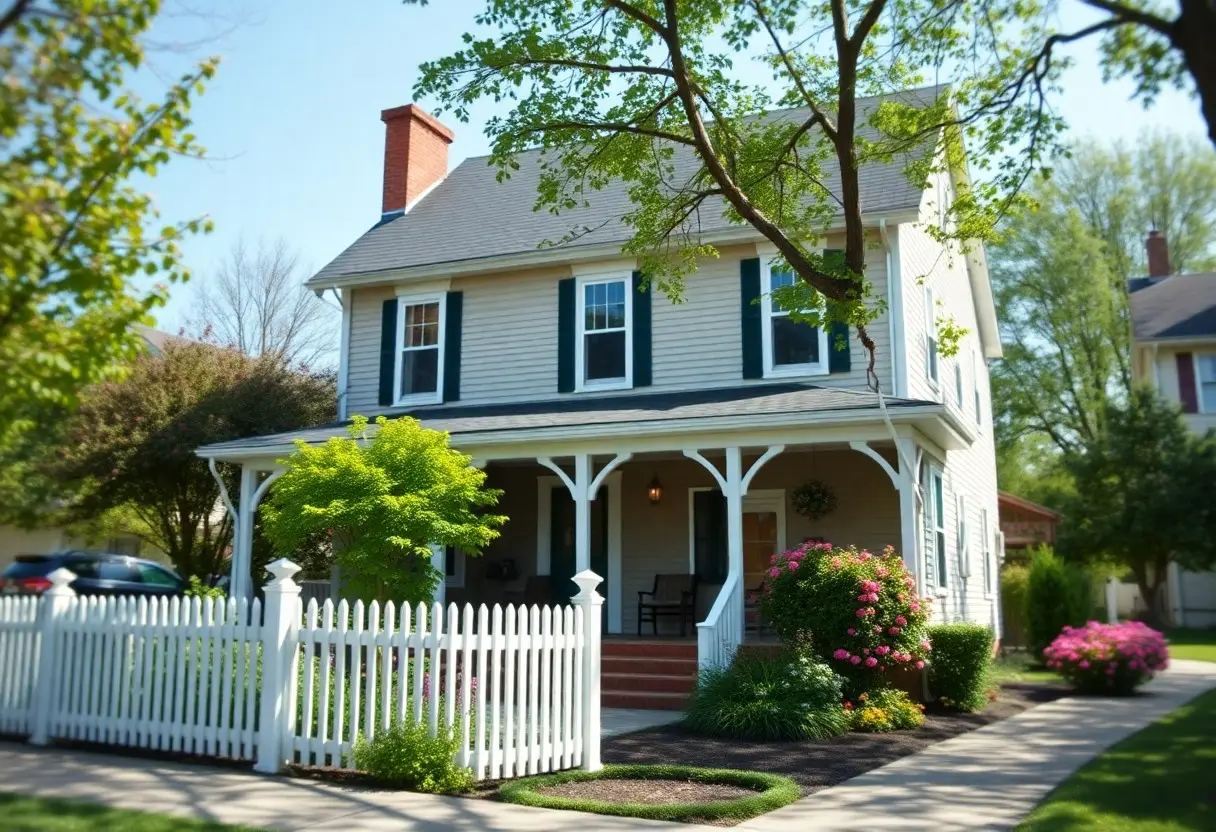
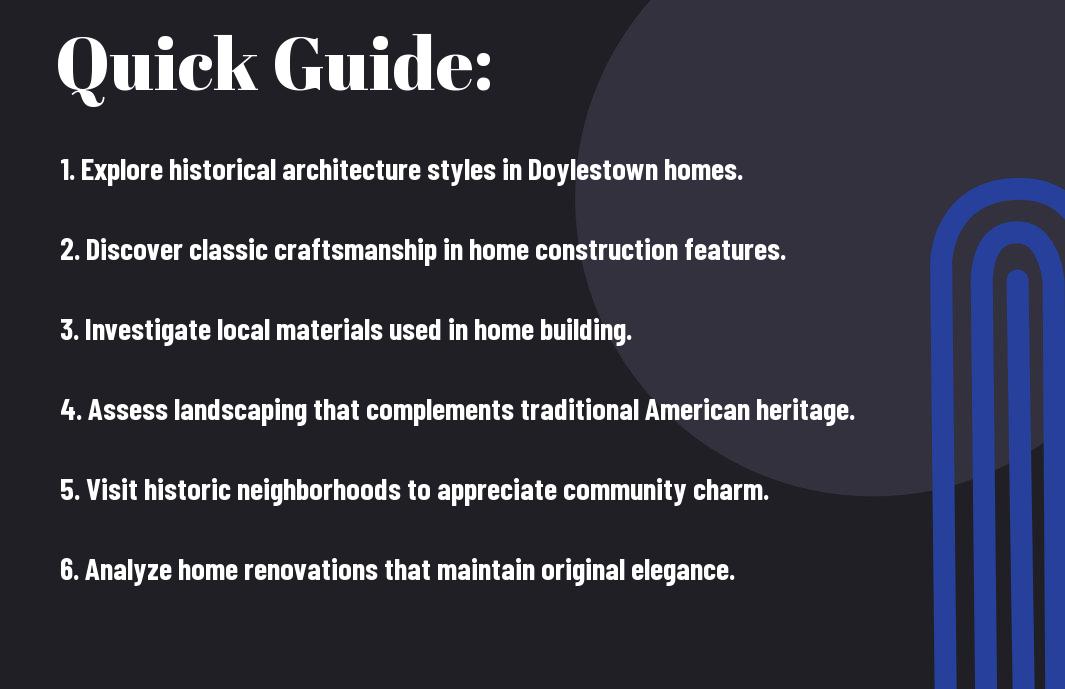
How Do Doylestown Homes For Sale Reflect The Elegance Of American Heritage?

by techremedys

Elegance is a defining characteristic of Doylestown’s real estate, where historic charm meets modern sophistication. As you explore the homes for sale in this picturesque town, you’ll find that each property tells a unique story reflecting American heritage. From colonial-style houses to architecturally rich estates, these homes not only offer aesthetic beauty but also provide a sense of community pride and connection to the past. Join us as we explore into how Doylestown’s homes embody the elegance that defines this vibrant area.

Key Takeaways:

  • Doylestown homes often showcase historical architectural styles that reflect the rich cultural tapestry of American heritage, such as Colonial, Victorian, and Craftsman designs.
  • The preservation of historic districts and local landmarks in Doylestown enhances the overall aesthetic appeal and community pride, attracting buyers interested in a blend of modern living and historical charm.
  • Outdoor spaces, gardens, and proximity to cultural institutions in Doylestown serve to emphasize the elegance of the area, fostering a lifestyle that values both nature and community involvement.

Types of Doylestown Homes

A variety of home styles define Doylestown, each showcasing its unique charm and history. You’ll find:

  • Victorian homes
  • Colonial houses
  • Craftsman bungalows
  • Contemporary designs
  • Luxury estates

Perceiving these diverse options can help you appreciate the rich architectural landscape of Doylestown.

Historic Homes Architecturally rich designs dating back to the 18th and 19th centuries.
Modern Constructions Sleek, dynamic designs that emphasize open spaces and contemporary living.
Victorian Styles Ornate details and vibrant colors create an inviting atmosphere.
Colonial Features Symmetrical designs that speak to America’s early architectural influences.
Eco-friendly Options Modern homes incorporating green technology for energy efficiency.

Historic Homes

Doylestown is renowned for its historic homes that tell stories of the past. These properties reflect the elegance of early American architecture, showcasing styles such as Georgian and Federal. Living in one of these homes offers you a glimpse into the history and culture of the area, as well as a connection to its rich heritage.

Modern Constructions

With an emphasis on innovation and sustainability, modern constructions in Doylestown blend aesthetics with functionality. These homes feature open floor plans and energy-efficient technologies that cater to today’s homeowner.

For instance, you may find smart home technology integrated into convenient layouts, enhancing your living experience. The focus on energy efficiency ensures lower utility bills, while eco-friendly materials contribute to a sustainable lifestyle. Additionally, these modern homes often include outdoor spaces, allowing you to enjoy the beautiful surroundings inherent to Doylestown. This unique combination of modernity and environmental consciousness positively sets Doylestown apart in terms of housing options.

Factors Influencing Elegance in Doylestown

One of the primary factors influencing the elegance of Doylestown homes for sale is their historical significance and architectural integrity. Key elements include:

  • Design styles that reflect various periods of American heritage
  • Quality materials used that stand the test of time
  • Landscaping that enhances outdoor aesthetics
  • Cultural heritage that resonates throughout the community

Assume that these factors contribute significantly to the charm and desirability of Doylestown properties.

Architectural Styles

Little attention is required to appreciate the diverse architectural styles that define Doylestown. The homes often feature a blend of Colonial, Victorian, and Federal designs, showcasing the area’s rich history. Each residence tells its own story, providing a glimpse into the artistry and craftsmanship that mark American heritage.

Landscaping and Outdoor Spaces

With enhanced focus on landscaping and outdoor spaces, Doylestown homes radiate elegance and tranquility. The lush gardens and thoughtfully designed outdoor areas not only complement the architecture but also elevate the overall ambiance.

For instance, vibrant flower beds and meticulously manicured lawns are prevalent in many properties, serving as a warm invitation for residents and visitors alike. Such well-planned outdoor spaces enhance your living experience and showcase a commitment to maintaining heritage. Additionally, unique outdoor features like stone walkways and architectural fountains can further elevate your home’s elegance, connecting you to nature while enriching your outdoor aesthetic. Engaging in these beautiful landscapes fosters a strong sense of community and belonging in Doylestown.

Tips for Potential Buyers

Many prospective buyers in Doylestown can benefit from following these imperative tips:

  • Determine your budget and stick to it.
  • Research various neighborhoods that align with your lifestyle.
  • Consider the architectural styles of homes, reflecting the elegance of American heritage.
  • Engage a local real estate agent who understands the market.
  • Attend open houses to get a feel for the local real estate.

Any informed decision is a step towards securing your dream home.

Researching Neighborhoods

Now is the time to probe into the areas surrounding Doylestown. By understanding the unique characteristics of each neighborhood, you can identify which community best fits your needs, focusing on aspects such as schools, local amenities, and overall vibe. Each neighborhood offers a different slice of the rich American heritage that defines this charming town.

Understanding Market Trends

With the Doylestown real estate market continually evolving, being aware of current trends can significantly impact your purchasing decisions. Familiarize yourself with property values, days on the market, and inventory levels to make informed offers. You should also track historical price movements to gauge future growth potential in the area.

It’s imperative to keep an eye on market fluctuations that can influence your buying power. Understanding the seasonal changes in inventory and demand can help you navigate buying during peak or off-peak seasons, impacting the way you position your offers. Be wary of properties sitting too long, as they may indicate issues, while high demand neighborhoods might lead to competitive bidding. Analyzing these details equips you with valuable insights to make the best buying decisions for your future in Doylestown.

Pros and Cons of Buying Historic Homes

Your decision to purchase a historic home can be a rewarding experience, but it’s necessary to weigh the pros and cons before committing. Below is a breakdown of the advantages and disadvantages you may encounter.

Pros Cons
Unique architectural features Potential for costly renovations
Rich history and character Potential maintenance challenges
Increased property value over time Strict historic preservation regulations
Enhanced sense of community Higher insurance premiums
Opportunity for tax incentives Limited modern amenities

Advantages of Ownership

For those who appreciate history and craftsmanship, owning a historic home allows you to preserve cultural heritage while enjoying unique characteristics that modern homes often lack.

Challenges and Maintenance

The upkeep of historic homes can be demanding, requiring a commitment to regular maintenance and repairs that adhere to preservation standards.

To successfully navigate the challenges associated with historic homes, you should be prepared for potential repairs on plumbing, electrical systems, and roofing that may need renovation. Additionally, be aware of preservation regulations that may dictate the type of renovations you can undertake. It’s important to establish a proactive maintenance schedule to avoid any costly surprises. Understanding local guidelines can also help you preserve the home’s integrity while ensuring it remains a viable and enjoyable space for years to come.

Step-by-Step Guide to Home Buying in Doylestown

After you decide to buy a home in Doylestown, it’s necessary to follow a systematic approach. A guide can help you navigate the complexities involved in purchasing your dream property. Below is a breakdown of the key steps:

Step Description
1. Getting Pre-Approval Understand your budget and get preliminary financing.
2. Finding a Real Estate Agent Choose a reputable agent familiar with Doylestown.
3. House Hunting Explore properties that meet your requirements.
4. Making an Offer Submit a competitive offer based on market analysis.
5. Closing the Deal Finalize paperwork and transfer ownership.

Getting Pre-Approval

Some buyers overlook the importance of getting pre-approved for a mortgage. This step signifies to sellers that you’re a serious buyer and helps you determine what you can afford. A pre-approval letter gives you an edge in negotiations, enabling you to focus on suitable properties within your budget.

House Hunting Strategies

Assuming you have your budget sorted, your next task is to employ effective house hunting strategies. Utilize online tools, attend open houses, and network with locals to get insights on properties not listed. Being proactive and methodical can significantly enhance your chances of finding the right home in Doylestown.

The landscape of Doylestown is diverse, and so are its homes. When house hunting, focus on your must-haves versus nice-to-haves. Keep an open mind, and take note of potential renovations that can enhance the property’s value over time. Don’t rush the process; patience and thorough research are key to finding the ideal home that reflects your lifestyle and preferences.

Reflecting American Heritage in Home Decor

For those seeking to embody the elegance of American heritage, home decor plays a pivotal role. Your choice of decor can encapsulate the rich cultural history and traditional craftsmanship that define the essence of Doylestown. By incorporating historical elements, you not only create a warm and inviting atmosphere but also pay homage to the timeless beauty of American architectural styles.

Period-Appropriate Furnishings

Decor choices rooted in history can enhance your home’s character. Opting for period-appropriate furnishings, such as handcrafted wooden tables or vintage-inspired upholstery, allows you to immerse your space in the charm of the past. These pieces resonate with authenticity and provide a genuine insight into the rich American narrative.

Integrating Modern Amenities

Decor with modern amenities enables you to enjoy the comfort of contemporary living while respecting traditional aesthetics. You can seamlessly blend smart-home technology and energy-efficient appliances with the classic designs that characterize your Doylestown home.

Home integration of modern amenities doesn’t have to compromise your historical decor. You can choose sleek and unobtrusive designs that provide functionality without overwhelming your aesthetic. By investing in quality, eco-friendly appliances and smart-home systems, you enhance your home’s efficiency while keeping the elegance of yesteryear intact. The key is to allow modern conveniences to complement rather than overshadow the detailed craftsmanship and rich heritage your home represents.

To wrap up

As a reminder, Doylestown homes for sale beautifully exemplify the elegance of American heritage through their historical architecture, rich cultural history, and the vibrant community that surrounds them. By exploring these properties, you gain insight into the refined craftsmanship and timeless designs that reflect the values and aesthetics of earlier American eras. Investing in one of these homes allows you to be a steward of that legacy while immersing yourself in a community that honors its past as it embraces the future.

The post How Do Doylestown Homes For Sale Reflect The Elegance Of American Heritage? appeared first on Bucks County PA..
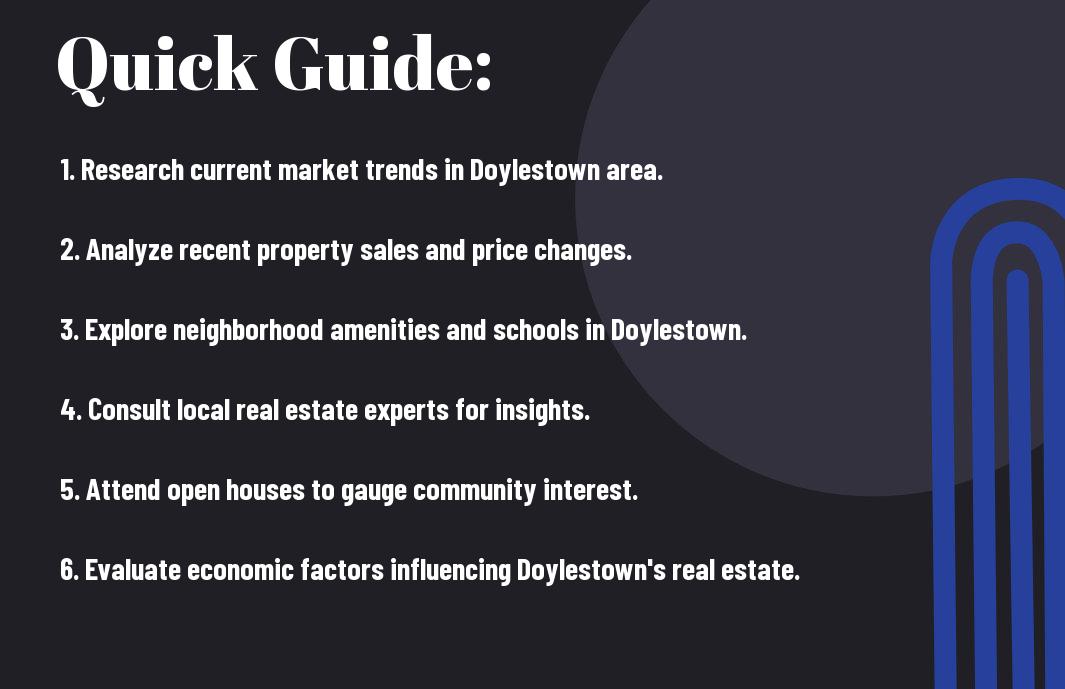
22 Mar 14:42

What Mystique Surrounds The Doylestown Real Estate Market Today?

by techremedys

This guide unravels the compelling mystique that characterizes the Doylestown real estate market in today’s landscape. You’ll gain insights into the factors driving property values, emerging trends, and the unique aspects that attract buyers and investors alike. Navigating this market can be both exciting and challenging, making it imperative for you to stay informed about current conditions and opportunities. Dive in to explore how local charm and modern developments impact your real estate decisions in this vibrant community.

Key Takeaways:

  • Doylestown’s real estate market is experiencing significant demand, driven by its desirable location, vibrant community, and strong school system.
  • Home prices are on an upward trend, reflecting both the limited inventory and the increasing interest from buyers seeking suburban living.
  • The market features a mix of historic homes and new developments, appealing to a diverse range of buyers, from families to young professionals.

Types of Doylestown Real Estate

The Doylestown real estate market offers a diverse array of options to fit various needs and preferences.

  • Residential Homes
  • Condos
  • Townhouses
  • Commercial Properties
  • Land for Development

After exploring these different types, you’ll find that Doylestown’s market showcases unique opportunities for each category.

Residential Properties Single-family homes, apartments, and townhouses.
Commercial Properties Retail spaces, office buildings, and warehouses.
Investment Properties Options for rental income and potential ROI.
Vacant Land Land available for new developments or agriculture.
Luxury Properties High-end homes with upscale amenities.

Residential Properties

Types of residential properties in Doylestown range from cozy single-family homes to modern condos, catering to various lifestyles. You’ll find a wide selection that can accommodate families, young professionals, and retirees alike. Each property type provides unique benefits and amenities, making it easy to find a space that feels like home.

Commercial Properties

Commercial properties in Doylestown come in various forms, suited for businesses of all sizes. You can explore options such as retail spaces, office buildings, and warehouses, which not only serve as operational hubs but also potential investment opportunities.

It’s important to consider the potential for growth in the Doylestown commercial market. The area enjoys a thriving economy, which can enhance your investment’s value. Plus, certain properties may come with risks, such as fluctuating demand and market competition, but with thorough research and the right strategy, the NJ commercial sector can offer substantial returns on investment.

Factors Influencing the Market

It is vital to recognize the various factors influencing the Doylestown real estate market today. Key elements include:

  • Economic conditions
  • Interest rates
  • Demographic shifts
  • Market demand
  • Supply issues

Perceiving these factors will aid you in navigating the market effectively.

Economic Trends

Factors such as employment rates, inflation, and overall economic growth play a significant role in shaping the Doylestown real estate market. Trends in the economy influence consumer confidence and spending power, ultimately impacting real estate investment opportunities in your area.

Neighborhood Dynamics

Assuming you are looking into the local market, understanding neighborhood dynamics is vital. Consider factors such as safety, access to amenities, and school districts, as these elements significantly influence the appeal of a property and its resale potential.

Dynamics within neighborhoods often encompass resident engagement and community spirit, as well as ongoing developments that may enhance or decrease value. For instance, a neighborhood that actively promotes local businesses can yield a stronger sense of community while attracting potential buyers. Conversely, areas plagued by high crime rates or limited access to public services may deter prospective homeowners. It’s vital to stay informed about upcoming infrastructure projects as these can significantly influence your future investment opportunities.

Tips for Buyers

Many buyers in the Doylestown real estate market should take advantage of these helpful tips:

  • Focus on the neighborhood’s current trends.
  • Be prepared to act swiftly when you find a home.
  • Consider financing options to enhance your purchasing power.
  • Always conduct a thorough inspection.

This knowledge can significantly impact your buying decision.

Research and Prepare

Assuming you take the time to research the Doylestown market, you set yourself up for success. Familiarize yourself with recent sales, neighborhood prices, and the overall market climate. This information will empower you to make informed choices, ensuring you don’t miss out on your ideal home as the market continues to evolve.

Work with a Local Agent

Clearly, partnering with a local agent is vital in your home search. A skilled agent offers deep insights into the Doylestown market, enabling you to navigate complex transactions smoothly.

Work with an agent who has strong connections and an intricate understanding of the Doylestown area. Not only will they provide you with insider tips, but they can also alert you to potential red flags on properties. Their negotiation skills can help secure a favorable price and deal terms, making your buying experience much more seamless. Furthermore, an agent can assist with paperwork and ensure you comply with all local regulations, ultimately making the process less daunting.

Tips for Sellers

Not only is the Doylestown real estate market unique, but selling your property can also be a complex journey. To enhance your approach, consider these tips:

  • Understand the current market trends.
  • Choose the right real estate agent.
  • Immerse yourself in effective marketing strategies.
  • Prepare your home for viewings.
  • Stay informed about pricing strategies.

The insights you gain will empower you in your selling process.

Pricing Strategically

If you want to attract potential buyers, it is crucial to price your home strategically. Conducting a thorough market analysis can provide insight into comparable properties and current buyer demand, allowing you to set a competitive price that will draw attention.

Staging for Success

Staging your home effectively is a significant part of the selling process. Staging allows buyers to envision themselves living in your space, making it more appealing.

For instance, focusing on neutral colors and decluttering your home can vastly improve its attractiveness. You might consider investing in professional staging if budget permits, since it showcases your home’s best features. Additionally, proper lighting and landscaping can elevate your home’s overall ambiance. Use of high-quality photos online can also leave a lasting impression. These strategies enhance buyer interest and can lead to quicker offers.

Step-by-Step Guide for First-Time Buyers

Now, navigating the Doylestown real estate market can feel overwhelming for first-time buyers. Below is a step-by-step guide to help you through the process effectively.

Step Description
1. Get Pre-Approved Understand your budget and secure financing.
2. Start House Hunting Find properties that meet your criteria.
3. Make an Offer Submit a competitive bid on your chosen home.
4. Home Inspection Identify any potential issues before closing.
5. Closing Procedure Finalize the sale and transfer ownership.

Pre-Approval Process

To start your journey towards buying a home, you need to get pre-approved. This involves providing your lender with financial documents and details about your income, which will help them determine how much you can borrow. With pre-approval in hand, you’ll gain a clearer picture of your budget and show sellers that you are a serious buyer.

Closing Procedure

PreApproval of the home purchase leads you to the closing procedure, where you’ll finalize the transaction. This typically involves signing a heap of documentation, while the seller formally transfers ownership to you. Additionally, you should be prepared for closing costs, which may include fees for inspections, attorney services, and loan origination. It’s vital to review all documents carefully to ensure everything is accurate and as expected, avoiding any surprises.

With the closing procedure, you are in the final stretch of home buying. Being attentive to details at this stage can help prevent any last-minute issues. You will pay your down payment and closing costs, sign the mortgage note, and complete paperwork. After everything is signed, you will receive the keys to your new home, marking the start of your exciting ownership journey!

Pros and Cons of Investing in Doylestown Real Estate

Your decision to invest in Doylestown real estate can come with a variety of advantages and potential challenges. Below is a breakdown of key factors to consider:

Pros Cons
Strong community appeal High property prices
Consistent market growth Limited inventory
Excellent schools Property taxes can be high
Rich cultural amenities Competition from buyers
Proximity to major cities Potential for market fluctuations

Advantages of the Market

Advantages of investing in Doylestown real estate include its strong community appeal, consistent market growth, and top-notch schools. The area boasts rich cultural amenities and is conveniently located near major cities, making it an attractive choice for both homeowners and investors alike.

Potential Challenges

An important aspect to weigh is the potential challenges. While Doylestown offers great opportunities, you may encounter high property prices and limited inventory. Additionally, property taxes can be on the higher side, impacting your overall investment return.

Investing in Doylestown real estate requires you to navigate various challenges that could affect your experience. The high property prices might limit your purchasing power, while the limited inventory can create heightened competition among buyers. Potential market fluctuations are another factor to consider, as they can impact property values. Remain vigilant about property taxes, as they can eat into your profits and affect overall investment viability. Thorough research and a strong understanding of the local market are vital to successfully manage these risks.

Final Words

On the whole, the Doylestown real estate market continues to intrigue you with its blend of historic charm and modern amenities. As you explore the diverse properties available, understanding the local trends, community atmosphere, and market dynamics will empower your decision-making. Whether you’re considering buying or selling, staying informed about market fluctuations, neighborhood developments, and buyer preferences will enhance your ability to navigate this vibrant real estate landscape effectively.

The post What Mystique Surrounds The Doylestown Real Estate Market Today? appeared first on Bucks County PA..

22 Mar 14:41

How Do Doylestown Homes For Sale Capture The Essence Of Quaint Living?

by techremedys

There’s a unique charm to Doylestown that resonates through its homes for sale, offering you a glimpse into a lifestyle steeped in history and community spirit. As you explore the various properties, you’ll discover features that reflect timeless architecture, beautiful landscapes, and a sense of belonging that embodies quaint living. This guide will help you understand how Doylestown’s real estate captures the serene essence of small-town life, making it the perfect place for you to call home.

Key Takeaways:

  • Doylestown homes reflect a blend of historic charm and modern amenities, ensuring a cozy atmosphere that resonates with quaint living.
  • The community’s vibrant cultural scene, including local shops, artisanal cafes, and historic sites, enhances the appeal of living in Doylestown.
  • Surrounded by picturesque parks and a friendly neighborhood vibe, Doylestown offers a serene lifestyle that prioritizes connection to nature and community.

Types of Doylestown Homes

A diverse selection of Doylestown homes offers something for everyone looking to embrace quaint living. Below are some types of homes you might explore:

Single-Family Homes Spacious and often adorned with gardens.
Townhouses Perfect for those seeking community living.
Historic Homes Character-rich buildings reflecting Doylestown’s past.
Modern Designs Contemporary style paired with functionality.
Condos Low-maintenance living ideal for busy lifestyles.

Any type of home you choose will help you capture the authentic charm of Doylestown.

Historic Homes

To appreciate the rich history of Doylestown, consider its historic homes. These properties often feature exquisite architectural details, such as original woodwork, high ceilings, and unique layouts. Living in a historic home not only provides you with a glimpse into the past but also connects you to the town’s heritage.

Modern Designs

Homes in Doylestown boasting modern designs capture a sleek, stylish aesthetic that appeals to contemporary tastes.

Another striking feature of modern designs is their emphasis on energy efficiency and sustainable materials, ensuring your home is not only beautiful but also environmentally friendly. With open floor plans and sleek finishes, these homes offer practicality while maintaining a sense of elegance. The incorporation of smart technology further enhances your living experience by making daily tasks simpler and more efficient, aligning perfectly with your modern lifestyle.

Factors Influencing Quaint Living

Now, when considering what makes Doylestown homes for sale reflect quaint living, there are several significant factors at play:

  • Community atmosphere
  • Local amenities
  • Architectural charm
  • Natural surroundings

Recognizing these elements helps you appreciate the unique charm and character that define this special area.

Community Atmosphere

Even in a bustling world, Doylestown fosters a warm community atmosphere where residents know and support each other. This friendly vibe is highlighted by community events, local markets, and intimate gatherings, making you feel genuinely welcomed.

Local Amenities

Any visit to Doylestown reveals the abundance of local amenities that enhance your living experience. From parks and boutique shops to renowned restaurants, everything you need is within easy reach.

To truly grasp the charm of Doylestown, you’ll find local amenities play a vital role in ensuring a fulfilling lifestyle. The town offers numerous parks, perfect for leisurely strolls or picnics with family, and boutique shops where you can find unique treasures. Additionally, the culinary scene is thriving, with restaurants serving diverse and high-quality cuisine. Engaging in local events and markets not only supports your community but also creates a strong sense of belonging, making your living experience even more enriching.

Pros and Cons of Living in Doylestown

Your decision to live in quaint Doylestown comes with its set of advantages and challenges. Understanding both sides can help you make the most informed choice when considering homes for sale in this charming community.

Pros Cons
Charming atmosphere Higher cost of living
Strong community feel Limited nightlife options
Rich historical significance Potential for traffic congestion
Accessible parks and recreation Public transportation limitations
Good schools Seasonal weather variability

Advantages of Quaint Living

Little towns like Doylestown create a sense of community that promotes friendly interactions among neighbors. You can enjoy picturesque streets lined with independent shops and cozy cafes, allowing you to embrace a slower-paced lifestyle that often comes with smaller towns.

Potential Drawbacks

You may find that living in Doylestown comes with certain disadvantages. While the charm is undeniable, some residents experience difficulty accessing vibrant city life and modern conveniences.

This can lead to feelings of isolation for those used to the hustle and bustle of larger cities. Additionally, limited nightlife options might be frustrating for some, while a higher cost of living can strain budgets. Furthermore, traffic congestion during peak times can hinder daily commuting, making it important to weigh these factors before making your decision to move to quaint Doylestown.

Tips for Home Buyers

For those seeking to purchase a home in Doylestown, understanding the local market is vital. Here are some tips to guide your journey:

  • Determine your budget and stick to it.
  • Research Doylestown to identify desirable neighborhoods.
  • Work with a local real estate agent who knows the area.
  • Attend open houses to get a feel for available homes.

Knowing this can enhance your home buying experience and lead to a perfect fit.

Finding the Right Neighborhood

Neighborhood choice is pivotal—look for areas that resonate with your lifestyle and values. Explore Doylestown’s unique neighborhoods, considering factors like amenities, school districts, and community spirit. You’ll want a place where you can create lasting memories and build connections.

Navigating the Market

Clearly, the real estate market can feel overwhelming. Understanding key trends is important as interest rates fluctuate and inventory changes. You should arm yourself with knowledge about current listings and property values in Doylestown. A seasoned agent can be a valuable ally; they provide insights and help you avoid potential pitfalls. To successfully navigate the market, prioritize locations that fit your lifestyle, assess the financial landscape, and approach negotiations strategically. Stay alert, as timely decisions can be the difference between securing your dream home and losing out. Seek the expertise of a professional to guide you through this complex process.

Step-by-Step Guide to Purchasing a Home

Many aspects come into play when purchasing a home. Following a structured approach can simplify the process and help you avoid common pitfalls. Below is a step-by-step guide that provides a clear framework for your home-buying journey.

Step Details
1. Evaluate Your Finances Assess your budget to determine how much you can afford.
2. Get Pre-approved Visit lenders to get a pre-approval letter for a mortgage.
3. Start Your Home Search Begin looking for homes that fit your criteria.
4. Make an Offer Submit an offer on the home you wish to buy.
5. Schedule a Home Inspection Check for any structural or maintenance issues.
6. Closing the Deal Finalize the sale with necessary paperwork and inspections.

Starting Your Home Search

Little do many prospective buyers realize that your home search begins with defining your needs and preferences. Think about your ideal location, the size of the home, and amenities you wish to have. Create a list of must-haves versus nice-to-haves to streamline your search.

Closing the Deal

For your closing process, you’ll want to gather all necessary documents and be prepared for the final negotiations. You’ll sign several forms and pay closing costs, making it imperative to have your finances organized beforehand.

StepbyStep, as you near the final stages of buying your home, you might encounter various challenges that could impact the deal. Be sure to clarify any outstanding contingencies and review the closing disclosure document thoroughly. It’s important to understand your financial obligations and ensure all repairs or agreements are noted. Stay vigilant for any miscommunications. A smooth closing will pave the way for the enjoyment of your new home!

Summing up

Ultimately, Doylestown homes for sale encapsulate the essence of quaint living through their rich historical charm, scenic surroundings, and close-knit community atmosphere. By choosing to invest in a property here, you engage with a lifestyle that values both tradition and modern conveniences. The unique architectural styles and local amenities serve to create not just a home, but a vibrant way of life that resonates with those seeking a peaceful yet dynamic environment. Doylestown invites you to embrace a slower pace where every moment feels significant.

The post How Do Doylestown Homes For Sale Capture The Essence Of Quaint Living? appeared first on Bucks County PA..