We finished the last article with Nintendo ruling as the undisputed king of the console market, everyone else being left to fight for whatever fell from Nintendo's table. That was about to change, however, with the dawn of a new console generation.
All the way up to the late 80s the console market had generally been dominated by a single console. Apart from the early 70s, when the market was still in its infancy and video games were still very much a niche, there had always been one clear market leader - from the 2600 in the late 70s and early 80s to the NES in mid to late 80s. Others had come and gone, trying to challenge them with varying levels of success, but none ever really came that close to threatening the leader's position.

The fourth console generation had begun back in 1987 with the release of TurboGrafx-16, but it wasn't until 1989 that it released in the west. Regardless, the console never truly caught on outside of Japan, largely due to a limited library of games. As such it eventually landed a distant third in the console race, selling a total of about 10 million units in its lifetime, which was still a fairly respectable number for the time.
The first real success of the new console generation came in 1988, when the Sega Mega Drive launched in Japan. It came out in the west the following year (renamed as Genesis in North America), and was an almost overnight success. It quickly established Sega as a serious contender to Nintendo and set the stage for the war that was about to begin.

1989 wasn't all about Sega, however; Nintendo also brought a new system to market that would prove to be one of the company's greatest ever achievements. This was of course the original Game Boy. Its debut began yet another era of Nintendo dominance, this time in the handheld market, and since then the company has never let go of its place at the top, despite being challenged by numerous competitors over the years.
The first of these was launched mere months after the Game Boy. Atari tried to get back into the mix with its Lynx handheld. It was a much more advanced system than the Game Boy, which still featured a black and white (or black and green) display. The Lynx was the first ever handheld to boast a colour display and unlike the Game Boy was also backlit. However, these features also made it more expensive than Nintendo's handheld, as well as shortening its battery life significantly. As a result it ended up quickly falling behind the Game Boy in sales, and eventually ended up selling somewhere around 3 million units.

The year saw the release of several high profile video games for various different platforms. Sega brought Phantasy Star to the Mega Drive/Genesis with the series' second outing, while Nintendo brought Enix's Dragon Warrior to North America, three years after its initial Japanese release. Many new series got their starts this year too - in Japan the first Mother was released for the Famicom (gamers in the west would have to wait until 2015 for an official release of the game on the Virtual Console) and on the Game Boy Princess Daisy made her first appearance in Super Mario Land.
All things considered, the console market was comparatively quiet in 1989, with the previous generation winding down and the new one only really finding its footing later in the year. On the PC front things were just starting to ramp up towards some of the platform's greatest years. Peter Molyneux, before he began making overly ambitious promises, created Populous, often regarded as one of, if not the first god game.

Prince of Persia made its first appearance on Apple II and in later years would be ported to countless other platforms. Another important title was Will Wright's SimCity, the first in the Sim-series of video games. Finally, on Amiga Psygnosis published Shadow of the Beast, a side-scrolling platformer which demonstrated the system's capabilities and helped sell it to a larger audience.
1990 was still very much part of the NES era, despite both the TurboGrafx and Mega Drive having been out for a while. Both were still building their presence while the NES still had a huge playerbase to work with. This would soon change, but for now it was still the console to beat. A few of the more notable releases for the console around this time were Final Fantasy, Mega Man 3, and Dr. Mario.
In addition, Nintendo made sure their console wouldn't go down without a fight when they released one of the console's biggest and most beloved games in North America in Super Mario Bros. 3. It would go on to become the best-selling non-bundled game on the system, trailing only Super Mario Bros. and Duck Hunt in sales. This ensured that Nintendo wouldn't lose any foothold in the market while their new console was still in development.
Speaking of which, in November of 1990 the Super Famicom would be released in Japan, immediately taking hold of the Japanese market with the help of its launch lineup of Super Mario World and F-Zero. People outside of Japan would have to wait a bit longer for the console, but the signs of a war between Sega and Nintendo were already in the air. In Japan Nintendo was still the king on the throne, but elsewhere Sega had established itself as a serious contender and Nintendo was already late to the race, especially with the European release of the Mega Drive happening in November as well.
Once again, it wasn't all about the consoles, however, as PC gamers got some huge games throughout the year. Origin brought out its big guns, with the release of Ultima VI: The False Prophet in June and Wing Commander in September. In October LucasArts released The Secret of Monkey Island, beginning one of the most beloved adventure game series of all time, and in November Sierra On-Line responded with King's Quest V. To fill in the gaps left by those games the year also saw the launch of Commander Keen and Sid Meier's Railroad Tycoon.
A few companies were also attempting to tap into the growing handheld market. Sega released the Game Gear in Japan and NEC put out the TurboExpress, which was essentially a handheld version of the TurboGrafx-16. Out of all the handhelds trying to compete with Nintendo's Game Boy, the Game Gear was easily the most successful, with sales exceeding 10 million units by the end of its life. Still, when the combined sales of all its competitors equalled about a tenth of the Game Boy's overall sales, it quickly became clear there was never much competition to be had on that side of the market.

1991 was when the console war truly began. Nintendo finally entered the new console generation in the west with the North American release of the Super Nintendo. Sega had a pretty significant headstart on its competition, but Nintendo had the technologically superior system on their side, not to mention an established fanbase for its games from the NES days. This was the first time that two more or less equally strong sides had done battle in the console market and the rivalry between Sega and Nintendo would spill to schoolyards and game rooms everywhere.
Naturally, Sega wasn't just going to watch on from the sidelines as Nintendo came in and began to take away the lead the company built up over the last two years. Nintendo would release Super Mario World and F-Zero alongside the SNES but this time Sega had an answer. As most of you probably already know, this answer was Sonic The Hedgehog. It actually wasn't until Sonic gave the Mega Drive/Genesis a mascot to rival Mario that the console truly took off, but at that point the SNES was already very close to coming out in North America.
This was also a time during which many companies employed some very aggressive and often not completely truthful marketing tactics. Sega had the famous taglines of “Blast Processing” and “Sega does what Nintendon't”, but Sega was far from the only company engaging in such tactics. NEC, for example, advertised the TurboGrafx as the first 16-bit console even though its central processor was only 8-bit (its graphics processor was its only truly 16-bit component).
While Sega and Nintendo were battling for the console crown, many other companies were bringing out some of the era's greatest games on both consoles and PC. The NES was still showing signs of life with the launch of Mega Man 4 and Tecmo Super Bowl, and while the system was clearly becoming less important to Nintendo, the huge install base still made it an attractive platform for third party developers.

Yet it was the new console generation that commanded most attention. EA released the first entry in the highly successful Road Rash series on the Mega Drive and Square gave us Final Fantasy IV (II in the west) for the SNES. Meanwhile, Nintendo released a game that would return to prominence over 20 years later - The Legend of Zelda: A Link to the Past.
Arcades were also beginning to stir once more, helped immensely by Capcom's genre defining milestone, Street Fighter II. The year also saw the release of the very first graphical MMORPG in Neverwinter Nights. PC in general played host to landmark games almost every month in 1991, including the likes of Lemmings, Another World, Monkey Island 2: LeChuck's Revenge, and the original Civilization.

Some incredibly important development studios were founded around this time, including Bungie, iD Software, and Silicon & Synapse (Better known as Blizzard Entertainment). All of these would later go on to define entire genres at different periods of time.
1992 was an even bigger year in terms of software. The new console generation had now established itself on the market and both Nintendo and Sega were firing on all cylinders in an effort to outdo the competition in any way possible. Together with third party developers they produced some of the most influential games of all time on consoles and PC.

The year got off to a flying start when Westwood Studios revolutionized the RTS genre with Dune II, which released on January 1st. The game would influence countless other titles in the years to come. Ultima Underworld: The Stygian Abyss gave birth to the first person 3D RPGs and Ultima VII: The Black Gate continued the acclaimed series with what is widely considered its finest outing. iD Software also made its mark on the industry by releasing Wolfenstein 3D, in the process popularizing the FPS genre.
That's not all. LucasArts continued to demonstrate their mastery of the adventure game genre with Indiana Jones and the Fate of Atlantis and Toys For Bob created what is often considered one of the greatest games ever made in Star Control 2. On Commodore we got Zool by Gremlin Graphics, which went on to become the Commodore Amiga's best selling game. The cherry on top was Interplay's Alone in the Dark, which gave birth to and popularized the survival horror genre. And this was all just on PC.
Arcades were undergoing a resurgence after the previous year's Street Fighter II had given them a much-needed shot in the arm. Sega's Virtua Racing laid the groundwork for later 3D driving games to build upon, while SNK showed us their take on the fighting game genre with Art of Fighting. However, it was a certain other fighting game that was released in arcades which was perhaps the main reason arcades strived during this time. The game in question was Midway's Mortal Kombat, which came to prominence largely through its excessive use of violence and gore, as well as its fighting mechanics, which were much simpler than many of its competitors'. In many ways the simplicity of the game was actually one of its greatest strengths, as it allowed just about anyone to simply pick up and start playing the game.

The genius of the game was in its fatalities, which made the game feel like a spectacle, and people lined up to experience them. There had simply been nothing like it before, and the controversy that followed reflected that. Numerous groups found the game objectionable to say the least. Parents and officials alike voiced their concerns over violence in video games, and in large part due to the impact of Mortal Kombat and its sequels the ESRB was established in 1994 to monitor and rate video games. As a result the game is in many ways one of the most influential pieces of entertainment ever conceived.
And that still wasn't all the year had to offer. Nintendo introduced the world to Kirby in Kirby's Dream Land, and to Wario in Super Mario Land 2: 6 Golden Coins for the Game Boy. Oh, and on the SNES they created one of the company's most enduring and popular franchises with Super Mario Kart, in the process creating the Kart racing subgenre of video games.

Sega was keeping busy as well, releasing Ecco the Dolphin in July, and finishing the year in grand fashion with Sonic the Hedgehog 2. The game is often considered one of the series' best entries and introduced gamers to Sonic's long-time sidekick Tails. It still stands as the best-selling entry in the series, proving that at least for the time being Sega was a force to be reckoned with in the home console landscape.
1992 had been an amazing year in terms of video games. Several entirely new genres were born during the year and others were refined to new, unprecedented heights. Sega and Nintendo were constantly pushing one another to improve and developers around the world were seemingly inventing new ways to play games every week.
The following year featured yet another batch of series starters and other influential games, and some new hardware was also introduced as the year wore on. This was also the year during which the fifth console generation began, starting the slow and often rather painful transition of the industry towards fully-realized 3D games.

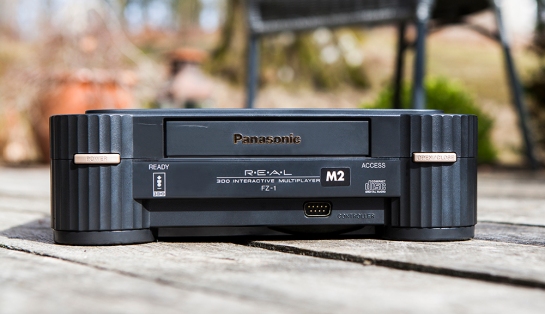
The first of these fifth generation consoles was a little-known console called FM Towns Marty from Fujitsu. The console was never released outside of Japan and was eventually discontinued in 1995 without making much of an impact. It is still notable for being the very first 32-bit console, however. Later in the year another contender appeared in the form of the 3DO. While it was marginally more successful than Fujitsu's attempt, its unusually high price combined with a lack of games (its launch line-up consisted of exactly one game - Crash 'n Burn) caused it to quickly lose steam and it ended up being discontinued in 1996.
Atari would also make one more attempt at returning to the console market in 1993, with their ill-fated Jaguar console. Atari had struggled to stay relevant after the company's heyday in the 1970s and early 80s and the Jaguar was meant to compete against the SNES and 3DO as a technologically superior alternative to those consoles. As such it was marketed as the first 64-bit console, which was yet another attempt at making a console seem more than it really was as the console actually had two 32-bit processors that supposedly worked together to create a 64-bit environment.
Needless to say, the Jaguar was an unmitigated disaster for Atari, often ranking among the worst video game consoles ever created. The system was criticized for its awful controller, lack of quality games, and for games that didn't look any better than similar ones on the 16-bit SNES. During the three years it remained in the market the console sold less than 250,000 units before Atari pulled the plug on it in late 1996. The fifth generation had started, yes, but not exactly on a positive note.
Fortunately, the existing platforms were still going strong, offering quality games in large numbers throughout the year. In arcades Midway gave us Mortal Kombat II which proved perhaps even more successful than the first game. It also fanned the flames of controversy surrounding the series even further, but that didn't stop it from becoming one of the year's biggest games. SNK continued putting out new fighting games as well, this time bringing out the first game in Samurai Showdown series.

Fighting games in general were quickly becoming one of the biggest genres in the industry, and especially in arcades. Sega also pushed the boundaries of the genre, literally, with Virtua Fighter, which laid the foundations for all future 3D fighting games to come.
Another genre that was beginning to strive in arcades was the 3D racer. Sega was playing its part here as well, by releasing Daytona USA. However, it was Namco that made the largest contribution to the genre that year with the release of Ridge Racer.
At home, despite the fourth console generation entering its sixth year and the fifth generation getting its start, the NES was still fighting back with the occasional high profile release. In March Nintendo released Kirby's Adventure for the console, introducing Kirby's copy ability and Meta Knight to the series. Capcom was also still putting out games on the old console, with Mega Man 6 being perhaps its highest profile release of the year on the NES.

On the Game Boy Nintendo showed what the handheld was capable of with The Legend of Zelda: Link's Awakening, pushing the handheld even further ahead of its competition. Sega's Game Gear was more or less just trying to stay relevant against the Game Boy at this point, but the Mega Drive had no such problems in fighting the SNES on a more equal footing. In 1993 Sonic CD made the Sega CD peripheral an attractive option for a moment and Virgin Games developed Disney's Aladdin for Mega Drive (Capcom released a SNES version around the same time), which became one of the year's biggest games, both commercially and critically.
The SNES also got its fair share of great games. Nintendo started the year strong with the February release of Star Fox, showing of the SNES's 3D capabilities and being Nintendo's first ever game to use 3D polygon graphics. This was achieved through the use of the newly-introduced Super FX chip, without which such graphics would not have been possible on the console. Nintendo also released Super Mario All-Stars later in the year, remaking the series' NES titles for the SNES with updated graphics and sound.

Square was also entering a period during which it developed some of the most beloved classics of the 16-bit era and claimed the console RPG throne with the release of Secret of Mana. The game was praised for numerous different aspects, including its plot, graphics and the excellent soundtrack which was composed by Hiroki Kikuta. It was the first game to be marketed under the Mana name, despite actually being the second game in the series after Final Fantasy Adventure. This year also saw the start of the Mega Man X series.
In 1993 PC saw the release of numerous hugely influential titles from several different developers. LucasArts was in the middle of its golden period, releasing such titles as X-Wing, Maniac Mansion: Day of the Tentacle and Sam and Max Hit the Road. 7th Quest became the flagship title for CD-Rom drives, while Return to Zork took the series away from its text-based roots. Gabriel Knight: Sins of the Father from Sierra started yet another beloved adventure game series, and Myst began confusing and infuriating players around the world, in the process becoming the best selling computer game of all time up to that point, a title it would hold until The Sims finally surpassed it in 2002.
Simcity 2000 by Maxis continued to develop the city-building genre, and Syndicate did the same for real time tactical games. Meanwhile, Master of Orion continued to popularize the 4X genre of strategy video games.

Yet despite all of those games being released within the same year on computers there was one title above all others as far as lasting impact is concerned. iD Software had begun popularizing the FPS genre the year before, and in 1993 they continued on the same path with the release of Doom in December. The success of the game was the first sign of a general change in gamers' tastes. Adventure games were still huge at this point, but as time went by they slowly began to lose ground to other genres, and the rise of FPS was perhaps the most obvious example of this.
The period from 1989 to 1993 was a time of rapid development on practically all fronts for the industry. The transition from 2D to 3D had begun in earnest and CD-Roms started to overtake the cartridge as the preferred way to store games. PC saw the inception of numerous entirely new genres and many already existing ones got their most beloved classics during these years. Sega and Nintendo were fighting against each other on the console front, trading blows more or less equally, but a new rival was about to emerge; one that would eventually change the face of the entire industry, much like Nintendo had done in the past.
This is where we'll stop for now - once again at the threshold of another monumental change in the industry. Next time, we will look at how some new faces looked to tear down the old ones on their way to the top. As always, thank you for reading.
Full Article - http://www.vgchartz.com/article/263490/history-of-video-games-the-beginning-of-the-console-war-1989-1993/




 The replacement for Club Nintendo, dubbed "My Nintendo," has finally become available in North America and Europe after launching in Japan earlier this month. Nintendo's first mobile app, Miitomo, has also released, which allows players to gain more points towards redeeming various awards Nintendo is offering as part of the system. Before, we covered the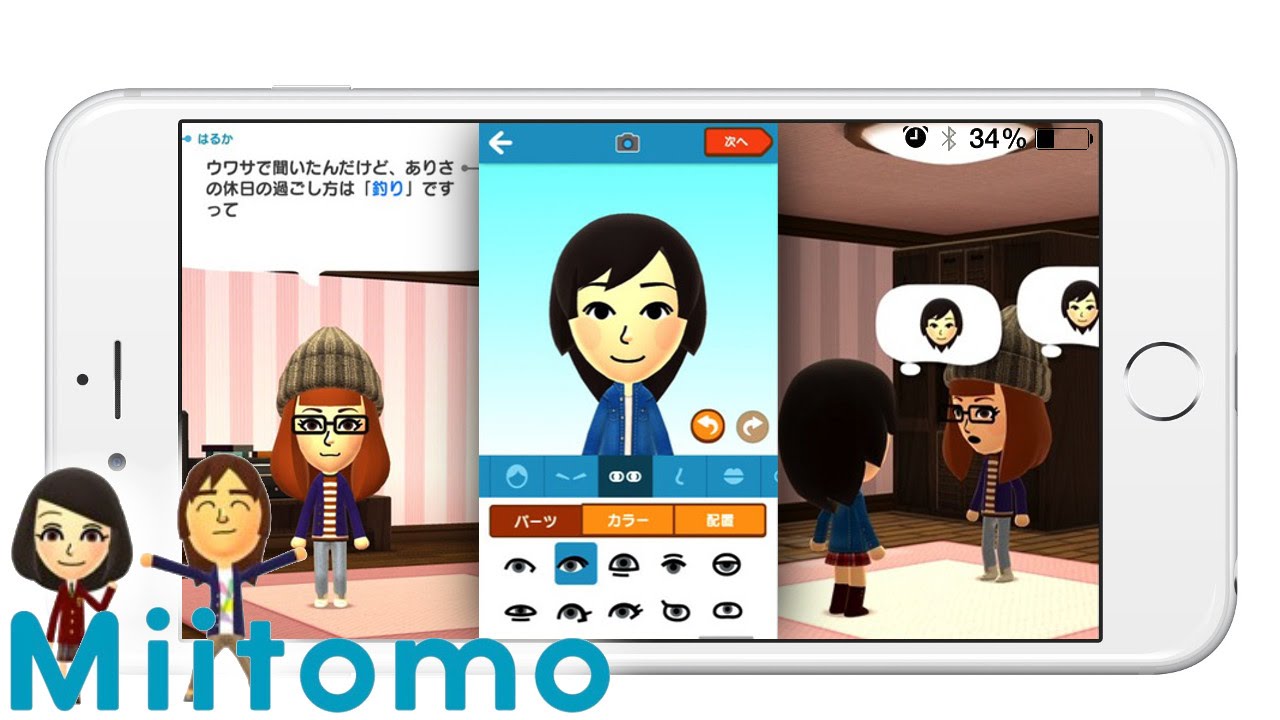

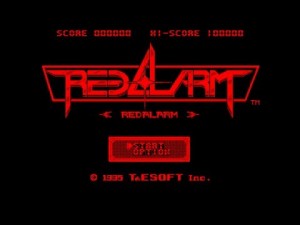 Unfortunately, VR would have to wait a while before the public was ready to fully embrace a version that could output more than red lines and didn’t look quite as stupid on your face. I don’t even know what 10-year-old Nathan would have done if he could have seen the Oculus Rift, Hololens, or HTC Vive. Crying probably would have been part of it, though, since those devices are currently way out of the price range for most people (especially considering the computer you need to run them!). Luckily, there are tons of companies out there that are building headsets that are far, far cheaper and only need a smartphone to work.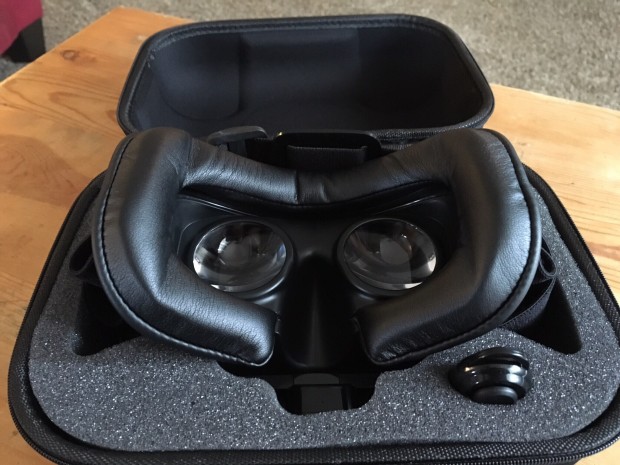
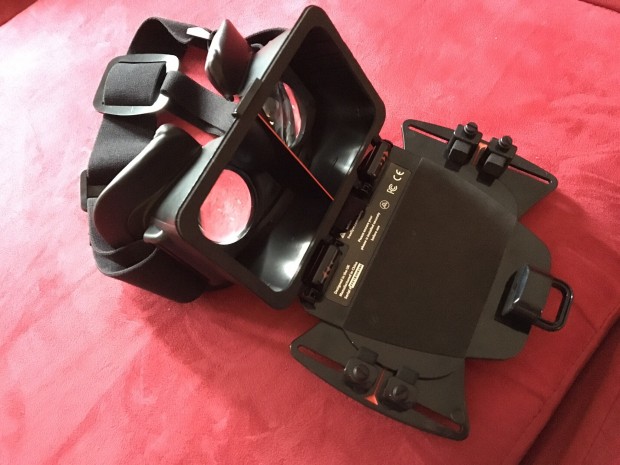
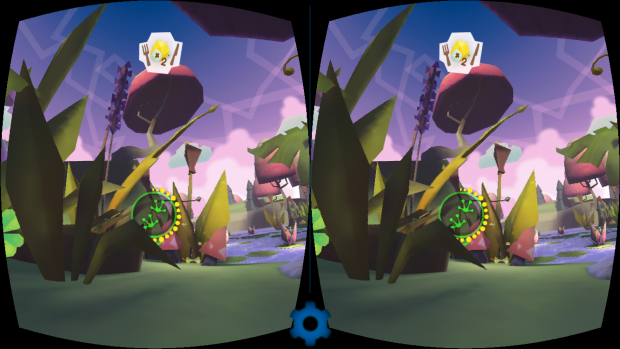
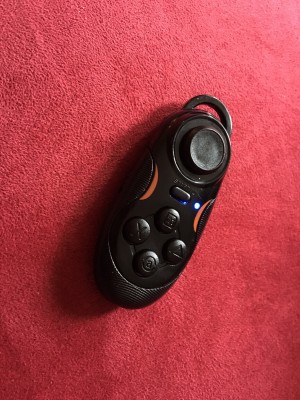 Speaking of games, one disappointing note is that the little controller the headset comes with (called the Glide) doesn't work so well with iPhones. Indeed, I was told it's mainly there for Android users, although a newer version is apparently being released soon which will play nice with iOS. I have no idea how it's supposed to work, though, since the current one doesn't appear to come anywhere close to matching Apple's weirdly strict specifications for MFi controllers. Maybe it'll use some workaround like the old iCade keyboard trick, perhaps? What I can say, though, is the little device sure looks neat, and the tiny analog stick and buttons feel pretty good for the size. (I'm also told that existing customers can have their Glides replaced free of charge when the new one comes out, so that's pretty awesome.)
 A few weeks ago we broke the news that the fabled Nintendo PlayStation / SNES-CD’s BIOS had leaked onto the internet. After sparking plenty of interest and leaving many wondering about its legitimacy, the brains behind the emulation scene have managed to reverse engineer its very core. As a result we’re impressed to say that the first playable game for the system will be hitting your emulators soon.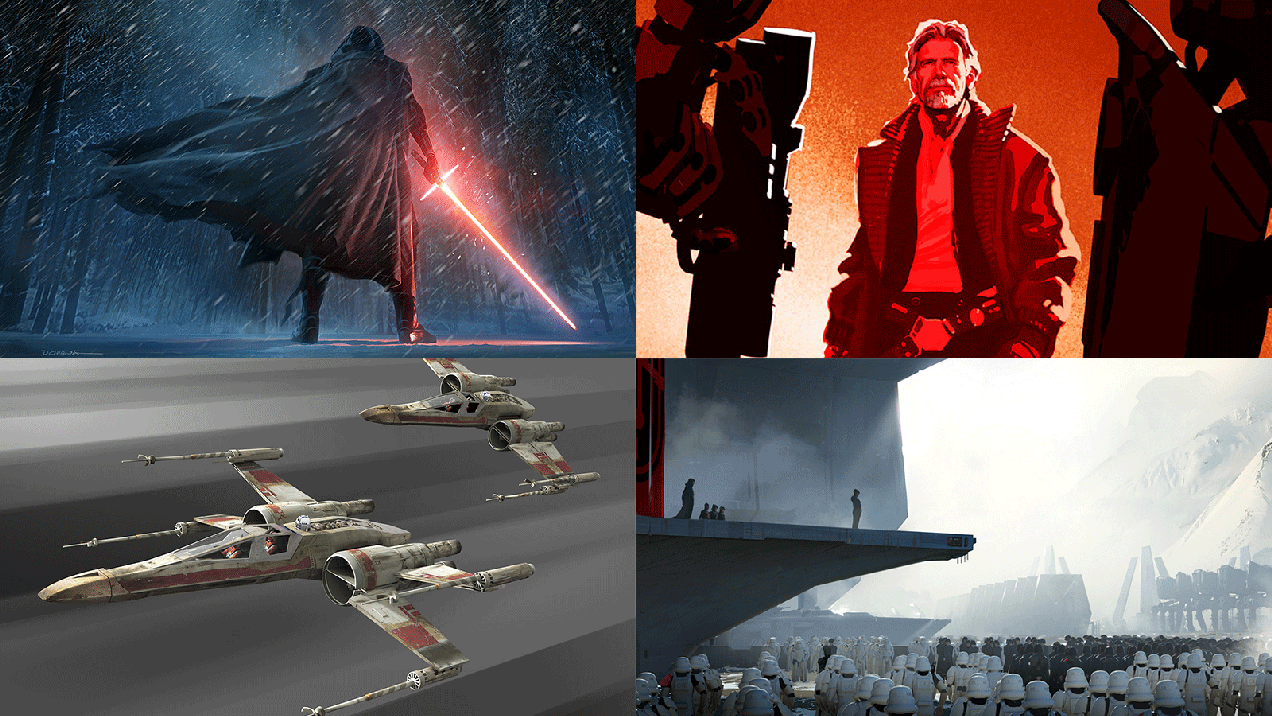

 Something wonderful happened on the Super Nintendo back in the mid-nineties. In fact a lot of amazing moments derived from that 16bit King Console. Long before the days of Grand Theft Auto on the Playstation 1, DMA Designs were hard at work designing a Super Nintendo game that I deem was one of a kind...
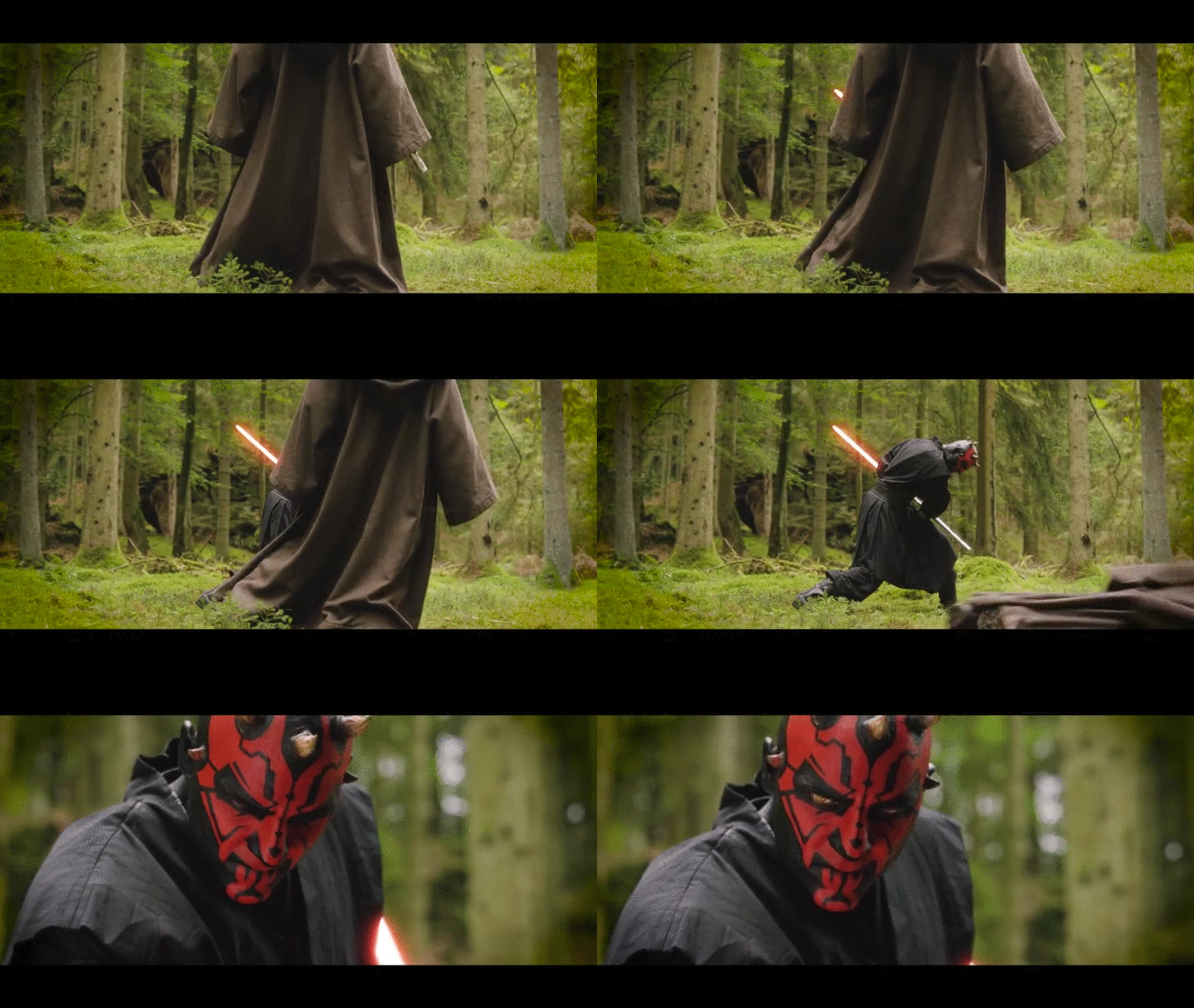




 Long before the likes of the Oculus Rift and even the Virtual Boy, video games were always developed for two dimensional play. While we’re perfectly happy with flat pixels, the arrival of Nintendo’s 3D Classics on the 3DS has left us wondering how many other titles would work with added depth. That’s all about to change following the recent development of a 3D Nintendo NES emulator.

 A developing partnership between Nintendo and Universal Studios saw the announcement of
  Guide für die GOTY-Edition
Zum Release von Mortal Kombat XL findet ihr in unserer Übersicht die Anleitungen zu sämtlichen Fatalities und Brutalities in Mortal Kombat X.
Guide für die GOTY-Edition
Zum Release von Mortal Kombat XL findet ihr in unserer Übersicht die Anleitungen zu sämtlichen Fatalities und Brutalities in Mortal Kombat X.
 Since the first arrival of news on the unreleased Super Nintendo CD collaboration with Sony, we've closely watched the hidden past between the two companies unfold. With more than enough to be talking about, the last thing we ever expected to be reporting on was the SNES CD’s boot ROM landing at our headquarters.
