Shared posts

05 Aug 13:18

Black gold

by S.W. and G.D.

A century of jittery oil production and prices 

OIL has been around for a long time. Some 6,000 years ago it was used to waterproof boats in the Middle East. The Chinese refined it to use in lamps around 1,000 years ago. But the oil industry only got going in the 1860s after the first wells were sunk in the rolling Pennsylvania countryside. It provided kerosene—a substitute to
whale oil in lamps, the main source of artificial light, as overexploitation had made it scarce and costly. (Some things never change.) The unstable liquids left over from the refining process were thrown away. Yet it is precisely that petrol and diesel that became the most important. Prices were initially just as unstable, until standardised production, innovation and steady output kept prices flat, relatively speaking. Demand soared as post-war affluence saw people take to the roads—interrupted by the oil shocks in the 1970s and 1980s. Prices swooned, dented by recessions and lifted by globalisation. But a combination of increasing fuel efficiency and the substitution of natural gas for transport could mean that, after a century of growing thirst for fuel, a peak in demand is in sight.

Continue reading
05 Aug 13:13

Swimming in Europe: interactive map of the best places to go

by Kelechi Anucha

Swimsuits at the ready! July's heat wave is forecast to return to Europe this month. The interactive map, sourced from the European Environment Agency's website, shows which bathing waters are the cleanest for a dip.


02 Aug 09:18

Новая замена Гуглридеру

by corpuscula
Oldreader скорее мёртв, чем жив, Feedly меня что-то не очень устраивает, но тут появился новый игрок - Inoreader. Внешне и функционально он очень похож на Гудглридер со всеми его социальными функциями - можно делиться ссылками, сопровождать их комментариями, лайкать, репостить в твиттер, ФБ, Блоггер и другие сервисы. Работает пока быстро. Единственное, что у меня при импорте возникли проблемы с русскими названими рсс-потоков - они отобразились ромбиками, изменение шрифта никаких результатов не дало, пришлось их просто перенабить по-русски (вообще-то просто скопипастить там же в режиме редактирования, потому что русские названия он видит и показывает. но не там, где надо), тогда они отображаются нормально.
01 Aug 12:13

Australian smokers pay more for a pack of cigarettes than most other countries

by Nick Evershed

After the government raises the tobacco excise Australia could potentially have the most expensive cigarettes in the world

Costlier ciggies. Dearer durries. The Australian government has announced plans to raise the tobacco excise by 12.5%. This means Australia could potentially have the most expensive cigarettes in the world.

Globally, Australia ranks towards the top on most measurements of cigarette prices, usually behind Norway. The World Tobacco Atlas measured cost per pack in 2012, and put Australia as the second most expensive in the world.


Click here for the graph on mobile.

The World Health Organisation, looking at cigarette prices in 2010, put Australia third, behind Ireland. Norway was first. Another website, cigaretteprices.net, has Australia as the second most expensive behind Burundi (which doesn't show up anywhere near the top on any other lists) for 2013 prices, but this site seems to use user-reported figures, so take this result with a fair degree of scepticism.

Looking at the percentage of excise in the cost of cigarettes, Cuba comes out on top with 87.1%, the UK's 73.5% rates a notable mention, and Australia ranks much further down at 54.7%. So, despite Australia's higher overall cost, we're still not paying as much of that due to tax.


Click here for the graph on mobile.

A certain amount of these global comparisons can be put down to a strong Australian dollar, which is why it's important to look at additional measurements to determine the relative affordability of cigarettes.

Australia's average income and GDP is also higher than many countries, so on average we are better able to afford higher-priced goods. The Tobacco Atlas's relative income to price list puts Australia 129th out of 168, with a lower result meaning cigarettes are relatively cheaper with regards to earnings. Another analysis, by Morgan Stanley, of minutes of work required to buy a pack of cigarettes, put us just below the average of 30 minutes. So, in terms of affordability, our cigarettes are actually more affordable than average.

You can see the prices mapped by country here.

If you're a smoker, how much do you pay for ciggies? Do you think raising the price will make people quit or cut down?


theguardian.com © 2013 Guardian News and Media Limited or its affiliated companies. All rights reserved. | Use of this content is subject to our Terms & Conditions | More Feeds

01 Aug 08:49

A 'nation of media multi-taskers': The latest Ofcom communications results

by Ami Sedghi

We may be watching more TV than ever before but we're also 'media multi-tasking' with an ever increasing range of gadgets, according to the latest Ofcom communications market report
Get the data
More data journalism and data visualisations from the Guardian

When was the last time you focused solely on your TV? More and more of us are regularly engaging in media multi-tasking' according to the latest Ofcom communications market report, with more than half of UK adults regularly using other media whilst watching TV.

The traditional living room format has transformed into a "digital media hub", according to the annual release, as we become increasingly adept at updating our Twitter status whilst catching up on the latest must-watch TV show.

The full 436-page report has some fascinating insights into the communications market but to save you the trouble (or drifting off to another device) we've picked out some of the key points below:

We still love watching TV

Despite the average household owning at least three types of internet-enabled device, the proportion of UK adults that viewing via their main TV set increased from 88% in 2002 to 91% in 2012.

In fact, live TV accounted for 90% of all viewing in 2012, with the average time spent watching TV increasing to just over four hours per person.

The report also highlights a trend in households reverting back to just a single TV set in the home – 41% in 2012 compared with 35% in 2002. James Thickett, Ofcom's Director of Research, said:

"Our research shows that increasingly families are gathering in the living room to watch TV just as they were in the 1950s – but now delivered on bigger, wider and more sophisticated sets. Unlike the 1950s family, however they are also doing their own thing. They are tweeting about a TV show, surfing the net or watching different content altogether on a tablet."

Texting is so last year

Web-based forms of communication, such as email, instant messaging or social networking are now the most popular method of communication amongst young people. 84% of 16-24 year olds use at least one of these forms of communication on a weekly basis – higher than texting on a mobile phone (80%).

The survey also found that one in five 16-24 year olds agree that it is acceptable to start a relationship by text, email or personal messaging on social networking sites. That's one way not to lose face.

Tablets are on the rise

Smartphone ownership may have almost doubled in the past two years but tablet up-take has risen incredibly fast. Household up-take of tablet computers has more than doubled between 2012 and 2013 and almost a quarter of households own at least one of these devices.

And these tablet computer owners are a dedicated bunch - half of
owners say they now couldn't live without their tablet.

Do you 'stack' or 'mesh' whilst watching TV?

Are you a media 'stacker' or a 'mesher'? Or maybe you like to do both? According to Ofcom, just over half of all UK adults are regular media multi-taskers. To avoid confusion, here are Ofcom's definitions of 'meshing' and 'stacking':


Media 'meshing' - conducting activities or communicating via other devices while watching TV; these activities are related to the TV programme being watched.

Media 'stacking' - conducting activities or communicating via other devices while watching TV; but these activities are not related to the TV programme being watched.

Combined the above make up media multi-tasking. According to Ofcom, a quarter of UK adults are regularly 'media meshing' such as talking on the phone (16%) or texting (17%) about the content they're watching.

The survey results show that 49% of people use their smartphones and tablets for completely unrelated activities while watching TV every week (that's 'media stacking', keep up).

What do you mean this photo album won't swipe?

Four in five parents said their children used a tablet computer at least weekly, with 41% reporting daily use by their children.

Playing games was most popular tablet use for children, followed by watching short video clips, internet browsing and watching TV programmes and
films.

The downloadable spreadsheet has a selection of the Ofcom data from the latest report.

Download the data

DATA: download the full spreadsheet

More open data

Data journalism and data visualisations from the Guardian

Development and aid data

Search the world's global development data with our gateway

Can you do more with this data?

• Contact us at data@guardian.co.uk

Follow us on Twitter
Like us on Facebook


theguardian.com © 2013 Guardian News and Media Limited or its affiliated companies. All rights reserved. | Use of this content is subject to our Terms & Conditions | More Feeds

01 Aug 08:45

О расе и преступности в США

Одна из тем, о которых все знают, но предпочитают молчать в Америке - связь расы с преступностью. Я рад отметить, что нашлись, наконец, люди: Корд Джефферсон и Крис Хайес, - которые нашли мужество поговорить об этом, о расе, о культуре и об ответственности лидеров за состояние своей общины: см. их замечательный диалог.

01 Aug 08:44

Eastern Europeans in the UK: are they arriving in hordes?

by Mona Chalabi

The front page of the Times on Wednesday discusses possible measures to deal with EU migrants. Which leaves us looking at the data on whether these migrants are a problem in the first place

Get the data

To deal with Britain's Eastern European 'influx', a strategy to stop migrants claiming benefits made the front cover of the Times on Wednesday.

Other suggested measures include "capping the numbers of foreign jobseekers, reserving more jobs for British workers and excluding the poorest EU nations altogether". In other words, meaning Romania and Bulgaria, whose citizens will become eligible to work in the UK from next January.

But do the numbers justify the measures?

The Times quotes David Goodhart, director of Demos, a British think-tank, who claims that since 2004, the UK has been witnessing "the biggest peacetime movement in European history". The think tank says that more than 1.5 million migrants (remember the word) have arrived in the UK since 2004.

It seems hyperbolic because it is hyperbolic. To make the claim you have to sidestep a couple of facts.

1. Migrants leave as well as stay
The think tank's claim that 1.5 million migrants have arrived here only works because they focused on what's known as the 'inflow' (which they conveniently rounded up from 1.32 million). If they would have also looked at 'outflow' statistics they would have noticed that 644,000 people who were born in the EU left the UK between 2004 and 2011.

The number of people leaving the UK has risen by 43% since 1997 to 332,000 in 2011. If immigrants can not find work in Britain, they do not necessarily become immediate 'benefit scroungers'. A DWP study in 2012 concluded that most claimants have worked in the past and want to do so in the future - if necessary, migrants will leave the UK to do so.

2. Migrants to Britain are not just coming from Eastern Europe, or from EU countries
The choice to focus on Eastern European migrants plays to common assumptions that aren't based on fact. In 2011, 168,000 long-term migrants arrived in the UK from the EU - but 329,000 arrived from outside of the EU. That's not a new trend - since 1975 non-EU migrants have far outnumbered EU migrants every single year.

Countries like Romania and Bulgaria are often quoted as the countries that will open the floodgates - despite a Home Office commissioned study that predicted 5,000-13,000 nationals would arrive from EU's new member states per year after EU enlargement.

When policy makers are discussing the 'strain' on services, what matters however is not immigration but net migration - the difference between the 'inflow' and the 'outflow' mentioned above. There too, the number of net migrants are consistently higher outside of the EU than inside it.

3. EU migrants are less likely to claim benefits
Of the 5.7 million adults in the UK that claim benefits from the Department for Work and Pensions, 371,000 of them were born elsewhere - and of those, just 62,000 were from the EU.

So 16.6% of British nationals of working age are claiming support from the state - compared to 6.6% of working age adults born elsewhere.

A study that investigated trends in 18 European countries from 1999 to 2007 backs this up. It found that "rates of people receiving benefits are statistically higher for non-EU migrants in just seven countries [none of which were was the UK] and in none of them if only unemployment benefit is taken into account." As a % of GDP, we spent the 3rd lowest amount of all the countries on benefits for immigrants.

4. As a proportion of our population, the UK takes in less than 11 other EU countries

How do we compare to our EU counterparts? It's true that looking at immigrant numbers, in 2011, the UK took in more people than anywhere else (566,044), followed by Germany (489,422), Spain (457,649) and Italy (385,793).

But the UK also reported the second highest number of emigrants with 350,703 behind Spain which saw 507,742 leave.

In absolute terms, the largest numbers of foreigners living in the EU were found in Germany (7.4m) and Spain (5.5 million) - the UK had the same number as Italy in January 2012 with 4.8 million foreigners in the country. But once you take into consideration the size of the our resident population, the picture looks very different.

5. We only have UK data going back as far as 1964
Some might argue European history is a little longer. Anyway.

The Office for National Statistics use something called the International Passenger Survey to understand what really matters in these debates - long-term international migration.

What is true is that the ONS interactive does show that immigration has started to outpace emigration - meaning that net migration has risen since 1997 (not 2004).

6. Demos' certainty about the figures is not easy to justify
A committee of MPs published a report this week claiming that official migration statistics are "not fit for purpose". The report said that the government was at risk of creating "inappropriate" immigration policy if it based its target level of net migration on such uncertain statistics. If officials don't know what is going on, we should be careful about leaping to firm conclusions.

While it's true that there are large numbers of people arriving to the UK each year, without understanding how they compare to our population size, how many of them subsequently leave and how many rely on our benefits system, quoting numbers without the correct context does more harm than good.

Can you do more with this data?

• Download the full spreadsheet
• Contact us at data@guardian.co.uk

Follow us on Twitter
Like us on Facebook


theguardian.com © 2013 Guardian News and Media Limited or its affiliated companies. All rights reserved. | Use of this content is subject to our Terms & Conditions | More Feeds

31 Jul 15:53

Гудзон-река

Предлагаю вашему вниманию несколько картинок с Гудзон-реки, нащелканных в прошедший уикенд.

Новая башня One World Trade Center - построенная на месте разрушенных башен-близнецов.
Hudson river, New York

Катания по Гудзону с ветерком
Hudson river, New York

Мадам Свобода. Подарок французских граждан американскому народу.
Hudson river, New York

Подражание статуе Свободы.
Hudson river, New York

Такси. Жёлтое, как и положено в Нью-Йорке.
Hudson river, New York

Под парусом
Hudson river, New York

Ещё ракурс на нижний Манхеттен
Hudson river, New York

Вот она, суровая стометровая громадина. Длина ладони - 5 метров, длина указательного пальца - 2.5 метра
Hudson river, New York

Чтобы попасть на статую надо потратить полдня на очереди. Как в своё время у нас к мавзолею. Вначале стоишь в очередях в Battery Park'е. Потом на самом острове. Фрагмент очереди:
Hudson river, New York

По ту сторону Гудзона: Нью-Джерси
Hudson river, New York

Водное такси на фоне авианосца "Бесстрашный" (Intrepid)
Hudson river, New York

У пирса 83
Hudson river, New York

На бережку. Полицейский Манхеттена
Hudson river, New York

Взгляд на Гудзон немного выше по течению - из Нью Джерси. Вдали Манхеттен.
Hudson river, New York

Народное творчество
Hudson river, New York

Скайлайн Нью-Йорка в тумане
Hudson river, New York


Hudson river, New York


Hudson river, New York


Hudson river, New York


Hudson river, New York


Hudson river, New York


Hudson river, New York
31 Jul 09:49

Об исторической правде и исторических фильмах

Брэд Де Лонг цитирует очень интересный и не известный мне ранее блог Ex Urbe. В данной записи его автор, профессиональный историк, рассуждает об исторической правде в исторических фильмах.

Ex Urbe говорит, что для специалиста любой такой фильм полон ошибок:

Представьте себе сцену, в которой два мужчины эпохи Возрождения сидят в болонском кабаке с проституткой. Когда эту сцену смотрю я, с моим профессиональным знанием периода и места, я замечаю, что горит неправдоподобно много свечей, гораздо больше, чем мог себе позволить такой кабак, плюс за обед заплачено примерно столько, сколько лендлорд зарабатывает за месяц, а на проститутке нет голубой вуали, обязательной для проституток по законам Болоньи того времени. Но если я покажу её двадцати другим историкам, они заметят много других вещей: что такие подсвечники нельзя было сделать при тогдашнем уровне технологии, что рисунок на ткани фламандский, что на окнах не должно быть занавесок, что еда, которую они едят, из правильного времени, но генуэзская, а не болонская, однако повар из Генуи не мог работать в Болонье из-за вражды между городами и т.д. и т.п. Это мы знаем. Но человек из того периода заметит ещё тысячу вещей: что свечи делались другого диаметра, что животных забивали иначе, что форма у стейков была другой, что ни одним кабак того времени не мог обойтись без какой-то непременной детали: чистильщицы шляп, котят, хлеба особенной формы. Все исторические сцены неверны, как неверна была бы сцена из нашего времени, где пара из высшего общества идет в ужинать формальный ресторан, где им предлагают бумажные меню и работает all-you-can-eat буфет. Тут каждая деталь возможна, но смесь неправильна.

Более того, пишет автор, слишком точное соблюдения деталей сделает фильм плохим:

Аудитория будет постоянно отвлекаться деталями вроде чересчур темных для фильма комнат, уродливых дырок вместо зубов, детей, которым в качестве одноразовых игрушек дают певчих птичек со сломанными крыльями или Марии-Антуанетты, облегчающейся на пол Версаля (несмотря на сотни туалетов, одной из примет роскоши Версаля были слуги, регулярно убиравшие человеческие испражнения из коридоров, иногда дважды в день, но никак не реже раза в неделю). Мы не можем сделать исторически точного кино - оно никому не понравится.

Это же верно и для костюмов. Автор рассказывает, что консультировала какой-то фильм, где пришлось отказаться от исторически правильных штанов викингов с широкими оранжевыми и белыми лампасами, долженствующими демонстрировать богатство хозяев: аудитория не поняла бы, почему викинги ходят в клоунских панталонах. Или представьте себе наряды средневековых принцесс в современном кино. Они там обычно нежно-голубых или розовых цветов, символизирующих хрупкую зарождающуюся женственность. Но для людей того времени неяркие краски были признаком бедности.

Отказываясь от точности, автор, однако, менее склонен прощать отсутствие того, что он называет историчностью: правды поведения персонажей. Заметка посвящена сравнению двух сериалов о семье Борджиа: французско-немецко-чешского и американского, снятых в одном и том же году. Автор приводит первые эпизоды обоих.

В европейском сериале один из Орсини застает свою жену в постели с Джиованни Борджиа - последний спасается в окно. Аудитория ждет, что начнутся крики, слезы, может быть, если сценаристы захотят изобразить плохого человека, муж побьет жену, и она будет ходить до конца эпизода в синяках. Ну, или если они захотят изобразить совсем уж негодяя, он в драке случайно сломает ей шею, и будет смотреть на труп то ли с сожалением, то ли нет. Ничего этого не происходит. Орсини хватает кочергу, проламывает жене череп и спокойно уходит из комнаты, предоставляя слугам убрать труп. В дальнейшем персонажи обсуждают возможные последствия вражды Орсини и Борджиа, но никто не сомневается в том, что муж поступил совершенно правильно. Это исторично: на дворе Возрождение, и люди этой эпохи вели себя именно так - что приводит в шок современную аудиторию.

В первом эпизоде американского сериала идут выборы папы. Кардинал (судя по сценарию, Джулиано делла Ровере) встречает в коридоре Родриго Борджиа и сообщает, что узнал, что Родриго берет взятки. Современная аудитория шокирована (взятки!). Но шокирован и делла Ровере: он сообщает, что будет бороться с Родриго изо всех сил. Это дело принципа: взяточник не должен сидеть на троне святого Петра! После выборов тот же кардинал шокирован, узнав, что у новоиспеченного папы любовница и незаконные дети. Это все, конечно, может шокировать аудиторию в 21 веке, но не в 1492 году - когда любовницы и дети имелись у всех пап на протяжении как минимум столетия. Ex Urbi особенно веселит, что нежным цветком оказался именно делла Ровере: исторического кардинала делла Ровере (а затем "Папу-воина" Юлия II), такие штуки уж никак не могли шокировать: у него хватало своих детей, на взятки он одалживал у иностранных правителей сотни тысяч дукатов, и т.д. "Это не историчность, - пишет автор. - Это присваивание выдуманным персонажам исторических имен и вкладывание в них лекций о том, что их шокирует".

Автор пишет, что создатели американского сериала, похоже, решили, что публика просто не поверит, если ей показать "настоящее" Возрождение. "Как, почти все кардиналы брали взятки? Как, многие, вероятно и большинство, влиятельных клириков открыто жили с любовницами? Как, каждый из этих людей совершил убийство или приказал своим головорезам его совершить? Подождите, у них у всех были свои головорезы? Даже у монахов?" Это выглядит преувеличением, и создатели сериала решили сгладить впечатление.

Европейский сериал, пишет Ex Urbi, не сглаживал. Драка в кабаке не переходит от оскорблений к крикам, оттуда к киданию стульями, а оттуда к вооруженной схватке. Вместо этого немедленно после оскорблений участники начинают резать друг друга: это Возрождение! В американском сериале четырнадцатилетняя Лукреция Борджиа возмущается тем, что отец организовывает ей брак по расчету, как возмутилась бы современная девушка. В европейском она непрерывно требует, чтобы ей этот брак организовали и убеждена, что иначе она останется старой девой. И т.д.

В заключение автор пишет, что оба сериала достаточно хороши в качестве развлечения. Но европейский интереснее: его персонажи, по мнению автора, глубже.

29 Jul 13:32

Критикам Навального

В последнее время я вижу в ЖЖ много критики Навального: дескать, нет у парня ни команды, ни программы, ну куда он такой беспрограммный лезет. Причем исходит эта критика не только от кремлевских блогеров вроде всем известной исландской мурзилки, но и от вполне рукопожатных граждан, ранее ни в чем не замеченных.

Друзья, мне несколько неудобно работать заезженной пластинкой, но вы, похоже, регулярно забываете, что живете в стране с официально авторитарным режимом.

Ваш президент - это чучело щуки, снятое в позапрошлом году. Ваш парламент - это жители Майями, Канн и Лондона, объявленные в розыск. Ваши судьи - это роботы устаревшей модели с телефонной трубкой, приваренной к уху. Ваша полиция - это быки с мясокомбината, получившие недельный отпуск. Ваш следственный комитет - это тонтон-макуты. Ваша академия наук - это несколько красивых зданий, давно сданных под склады. Ваши самолеты - это груда приличных западных деталей, которые уже некому прилично скрутить.

Посмотрите на число или хотя бы за окно - и убедитесь: сраная рашка катится в сраное говно.

А посему надеяться на то, что вам удастся проголосовать за кого-то, кто вас бы немедленно отправил в сияющий космос с вашего соломенного аэродрома, просто глупо. Baby steps, ребята, baby steps.

Навальный "не знает что нужно делать" - конечно, не знает. А кто знает, когда такая жопа? Вообще непонятно, за что хвататься, всё просрано. Но, по крайней мере, он знает, чего не нужно делать. Вам кажется, что "перестать воровать" - это не программа? А вы попробуйте, а потом поговорим. Когда 80% любых инвестиций разворовывается, ничего нельзя будет сделать, если это не пресечь. Если бы Навальному это удалось, ему можно было бы поставить памятник при жизни.

А что "команды" нет - так это понятно: к скольким еще приличным людям должны прийти ночью гестаповцы с обыском? А потом к их друзьям и родителям. А потом трубой по голове, если не дошло. Или двушечку с отправкой в гулаг. Вариантов много.

В общем, get real, people. Белый абрамс никогда не развернется на Красной площади, и лучше, чем Навальный, у вас никого нет и не предвидится. Поддержите его, ему это нужно.
29 Jul 13:07

Climbing the income ladder

by Nathan Yau

Climing income ladder

In a study conducted by researchers at Harvard and UC Berkeley, data shows spatial variations for the chances of rising out of poverty into higher income brackets. The New York Times reports:

Climbing the income ladder occurs less often in the Southeast and industrial Midwest, the data shows, with the odds notably low in Atlanta, Charlotte, Memphis, Raleigh, Indianapolis, Cincinnati and Columbus. By contrast, some of the highest rates occur in the Northeast, Great Plains and West, including in New York, Boston, Salt Lake City, Pittsburgh, Seattle and large swaths of California and Minnesota.

"Where you grow up matters," said Nathaniel Hendren, a Harvard economist and one of the study's authors. "There is tremendous variation across the U.S. in the extent to which kids can rise out of poverty."

Two things. First, the NYT piece is really nice. Graphics and interactives are typically shown separate from the written story, but NYT has been shifting as of late and I'm sure other publications will follow. (Although, as you can see in the credits, eight people made the graphics, and most places don't have such resources yet.) The story is all tied together, so you read and interact in a continuous flow.

Second, the Harvard/UC Berkeley research group released the data, so you can have a go yourself.

26 Jul 16:56

Hygiene ratings: an interactive map of UK food outlets

by Mona Chalabi, George Arnett, John Burn-Murdoch

How hygienic are your local butchers, bakers and balti curry makers? Use our interactive map to find out


26 Jul 16:28

How much will your first house cost? And are there enough to go round?

by Ami Sedghi

The country's housing crisis has left a 'jilted generation' struggling to buy their first home, according to new research
Get the data
More data journalism and data visualisations from the Guardian

The average price of a home in England for a first-time buyer in 2012 was £173,185 - nearly 10 times the average wage for 22 to 29 year olds, according to a report by the National Housing Federation (NHF).

NHF estimate that by 2020, the cost of owning a first home will increase by 42% to £245,165 and despite an expected rise of 36% in wages, they warn that the situation poses a "huge challenge" for those wishing to become homeowners.

The Joseph Rowntree Foundation (JRF) published a report earlier this year that stated, by 2020 the number of young people owning their own property is expected to decrease by approximately 1.1m to 1.3m.

The NHF research highlights what they call a "jilted generation" - children of the eighties, born during a baby boom, that are now struggling with housing costs. Their research shows that although almost 6m babies were born in England between 1982 and 1990, only about 2m homes were completed over roughly the same period.

According to the foundation, 240,000 new households were formed in 2012, but only 111,250 homes were built. They warn that not only is not enough currently being done to tackle the "severe lack of affordable housing" but that soon the noughties baby boomers will add to the strain.

A report published by Shelter in June 2013 attempted to assess the length of time it would take for first-time buyers to save up enough money for a deposit. The results showed significant regional variations in England. The table below shows the results.

As you would expect, the average first-time buyer deposit size according to Shelter is much higher in the capital - couples looking to buy a home in London can expect to save for more than a decade to secure the average deposit needed whereas couples in the north east, north west and Yorkshire and Humber face only 4.5 years.

Private renting costs are now increasing at a faster rate than house prices, according to the research by NHF. They estimate that private rents could increase sharply between 2015 and 2020, by about 6% a year, as interest rates and house prices increase. By 2020, rent prices are expected to be 46% higher than they are currently.

Figures released by the ONS last year show that in the UK, nearly 3m adults aged between 20 and 34 were living with a parent or parents in 2011- an increase of almost 500,000 since 1997 - despite the population for that age group being largely the same in 1997 and 2011.

By 2020, a further 700,000 people are expected to be living with their parents, according to the NHF.

Despite George Osborne's announcement in the latest budget that £1bn will be made available towards building more private rented homes and the Help-to-Buy scheme, designed to help young people onto the housing ladder, the NHF argue that "making mortgage deposits cheaper to aspirant homeowners without increasing housing supply doesn't tackle the root of the problem". Instead, they argue, it "risks creating another housing bubble where prices are pushed up."

An online calculator allowing people to gage how long it will take until they can afford their first home, has been created by Shelter. By providing information such as your postcode, age, whether you have a child and if you are saving on your own or with a partner, the calculator compares salaries to house prices in the area you choose to calculate how long it will take for you or your children to save for a mortgage deposit.

An interactive map can also be used to show the length of time it would take to save up for a home in each area. A drop down menu allows you to choose whether you are saving by yourself or with a family.

What do you think can be done to help first-time buyers? We'd love to hear your views on this subject in the comments field below. The data from the NHF report can be found in our downloadable spreadsheet alongside figures from Shelter and the ONS used in this article.

Download the data

DATA: download the full spreadsheet

More open data

Data journalism and data visualisations from the Guardian

Development and aid data

Search the world's global development data with our gateway

Can you do more with this data?

• Contact us at data@guardian.co.uk

Follow us on Twitter
Like us on Facebook


guardian.co.uk © 2013 Guardian News and Media Limited or its affiliated companies. All rights reserved. | Use of this content is subject to our Terms & Conditions | More Feeds

26 Jul 13:18

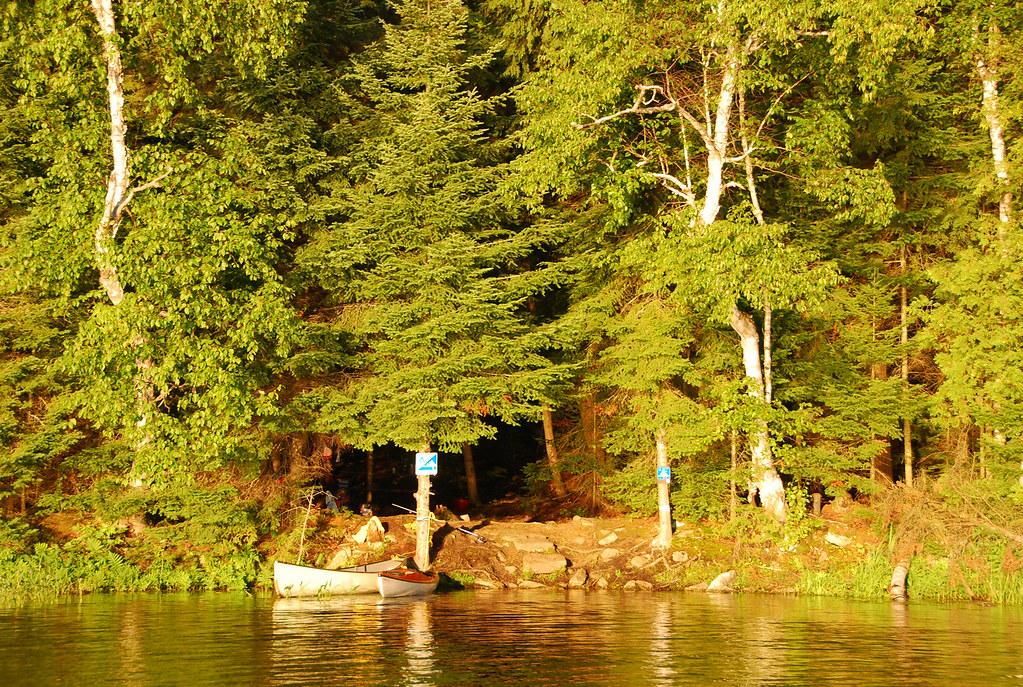
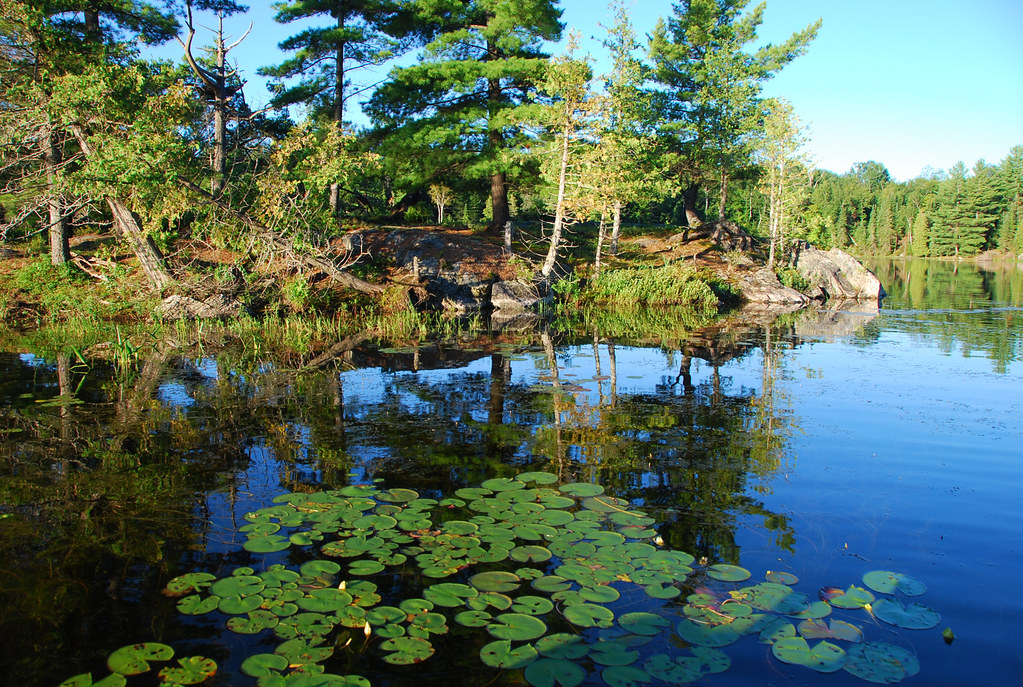
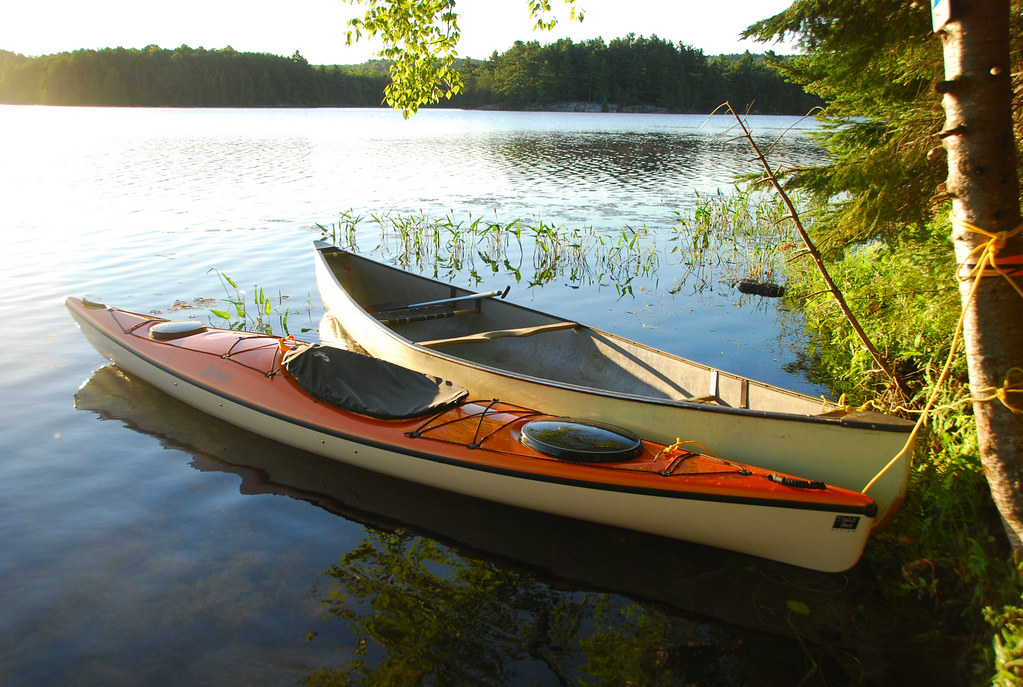
Озерно-кемпинговая жизнь

В парке Гатино

Утро
Capming in Quebec


Capming in Quebec


Capming in Quebec


Capming in Quebec


Capming in Quebec


Capming in Quebec


Capming in Quebec


Capming in Quebec


Capming in Quebec


Capming in Quebec


Capming in Quebec


Capming in Quebec


Capming in Quebec


Capming in Quebec


Capming in Quebec


Capming in Quebec


Capming in Quebec


Capming in Quebec


Capming in Quebec


Capming in Quebec


Capming in Quebec


Capming in Quebec


Capming in Quebec


Capming in Quebec


Capming in Quebec


Capming in Quebec


Capming in Quebec
26 Jul 13:14

О меритократии

Случайно наткнулся на старую запись Роберта Фарли в блоге Lawyers, Guns and Money. Пять лет назад Фарли задавал вопрос, придется ли когда-нибудь известному консервативному комментатору и публицисту Биллу Кристолу поплатиться за то, что его советы неизменно оказывались катастрофическими для его партии? Тогда как раз шла избирательная кампания, и Кристол изо всех сил проталкивал Сару Пейлин в вице-президентские кандидаты. Фарли анализирует причины непотопляемости Кристола и делает вывод, что его влияние не уменьшится, несмотря на очевидные последствия его деятельности. Фарли оказался прав: Кристол и сегодня - одна из ведущих фигур в консервативных кругах. Сейчас он с той же энергией, с которой агитировал за Пейлин или иракскую войну, борется против иммиграционной реформы, объясняя, что демонстративное противодействие ей гарантирует GOP светлое будущее.

Но тут возникает закономерный вопрос: каким образом Билл Кристол, человек, который, кажется, никогда не оказывался прав, не отличается ни глубиной мышления, ни интересным стилем, - каким образом он оказался влиятельным публицистом? Этот вопрос, кстати, можно задать не только про Билла Кристола: список лиц, которые вызывают аналогичное недоумение, слишком длинен, чтобы привести его тут.

В обсуждении один из комментаторов рассказал замечательную историю, в свою очередь, рассказанную ему профессором Колумбийского университета Айрой Кацнельсоном. Несмотря на опасность "испорченного телефона", я хотел бы её привести.

Во времена президентства Буша-старшего Кацнельсон как-то обедал с одним из отцов современного американского консерватизма (и, как водится, бывшим троцкистом), человеком несомненно талантливым, основателем нескольких журналов, влиятельнейшим публицистом Ирвингом Кристолом. В разговоре Кацнельсон спросил, каким образом сын Ирвинга Билл, в то время начальник штаба вице-президента Дэна Куэйла, начал политическую деятельность. Ирвинг Кристол рассказал, что в свое время поговорил со своим другом Харви Мэнсфилдом из Гарварда, и тот помог Биллу поступить в университет, а потом остаться в аспирантуре. Затем Ирвинг поговорил с Патом Мойниханом, тогда советником Никсона по вопросам внутренней политики, и тот помог Биллу стать интерном в Белом доме. Затем Ирвинг поговорил с друзьями из Республиканского национального комитета, и те нашли Биллу работу после защиты диссертации. Затем Ирвинг поговорил с другими друзьями, и те устроили Билла преподавать в Университете Пенсильвании и Школе Кеннеди. После этого, вспоминает профессор Кацнельсон, он спросил Ирвинга Кристола, что тот думает про Affirmative Action. "Я против, - ответил Ирвинг. - Она подрывает меритократию".

26 Jul 13:12

Две трагедии: немецкая и испанская

denmes напомнил в связи с железнодорожной катастрофой в Испании, которой забиты все новостные ленты, о другой трагедии - крушении скоростного поезда ICE в Германии в 1998 году.

Там всё было по-другому: у поезда на ходу отвалилась какая-то важная фигня, пробила пол в первом вагоне и застряла в одном из кресел. Пассажиры, естественно, переполошились и побежали искать кондуктора. Кондуктор оказался в третьем вагоне; услышав о происшествии, он поступил согласно должностной инструкции и пошел в первый вагон, чтобы решить, стоит ли дергать стоп-кран. Пока он шел, однако, поезд совсем развинтился, несколько вагонов снесли мост, и оказались под его обломками. Погибли более 100 человек.

Судя по всему, кондуктор выжил. (Первые три вагона почти не пострадали.) Не знаю, как он дальше жил, зная, что если бы раз в жизни действовал не по инструкции, а по уму, все эти люди остались бы живы. Вот вы бы лично, если бы вам сказали, что часть состава пробила пол и застряла в кресле, пошли бы лично на это смотреть или дернули бы сразу за ручку (рискуя получить страшный нагоняй от страшного начальства)?

... Такая вот мрачная ирония: в Испании десятки людей погибли из-за традиционного средиземноморского распиздяйства, в Германии - из-за традиционного немецкого орднунга.
26 Jul 13:05

Less offensive

by P.T.W., P.J.W. and K.N.C.

Crime has plummeted in the rich world, even amid the recession

26 Jul 13:03

Классные русские: 15 лучших отечественных сериалов нового времени

Тем, кому надоело ждать новых серий «Декстера», «Настоящей крови» и «Во все тяжкие», «Афиша» предлагает вспомнить и пересмотреть лучшие русские сериалы XXI века — новая классика, полузабытые шедевры, ретро нулевых и другие сокровища отечественного телевидения за последние тринадцать лет... Читать дальше
26 Jul 12:57

Полиция Торонто

aou поделился интересным роликом: интервью с русскоязычным полицейским.

26 Jul 12:53

Victory Lap for Ask Patents

by Joel Spolsky

There are a lot of people complaining about lousy software patents these days. I say, stop complaining, and start killing them. It took me about fifteen minutes to stop a crappy Microsoft patent from being approved. Got fifteen minutes? You can do it too.

In a minute, I’ll tell you that story. But first, a little background.

Software developers don’t actually invent very much. The number of actually novel, non-obvious inventions in the software industry that maybe, in some universe, deserve a government-granted monopoly is, perhaps, two.

The other 40,000-odd software patents issued every year are mostly garbage that any working programmer could “invent” three times before breakfast. Most issued software patents aren’t “inventions” as most people understand that word. They’re just things that any first-year student learning Java should be able to do as a homework assignment in two hours.

Nevertheless, a lot of companies large and small have figured out that patents are worth money, so they try to file as many as they possibly can. They figure they can generate a big pile of patents as an inexpensive byproduct of the R&D work they’re doing anyway, just by sending some lawyers around the halls to ask programmers what they’re working on, and then attempting to patent everything. Almost everything they find is either obvious or has been done before, so it shouldn’t be patentable, but they use some sneaky tricks to get these things through the patent office.

The first technique is to try to make the language of the patent as confusing and obfuscated as possible. That actually makes it harder for a patent examiner to identify prior art or evaluate if the invention is obvious.

A bonus side effect of writing an incomprehensible patent is that it works better as an infringement trap. Many patent owners, especially the troll types, don’t really want you to avoid their patent. Often they actually want you to infringe their patent, and then build a big business that relies on that infringement, and only then do they want you to find out about the patent, so you are in the worst possible legal position and can be extorted successfully. The harder the patent is to read, the more likely it will be inadvertently infringed.

The second technique to getting bad software patents issued is to use a thesaurus. Often, software patent applicants make up new terms to describe things with perfectly good, existing names. A lot of examiners will search for prior art using, well, search tools. They have to; no single patent examiner can possibly be aware of more than (rounding to nearest whole number) 0% of the prior art which might have invalidated the application.

Since patent examiners rely so much on keyword searches, when you submit your application, if you can change some of the keywords in your patent to be different than the words used everywhere else, you might get your patent through even when there’s blatant prior art, because by using weird, made-up words for things, you’ve made that prior art harder to find. 

Now on to the third technique. Have you ever seen a patent application that appears ridiculously broad? (“Good lord, they’re trying to patent CARS!”). Here’s why. The applicant is deliberately overreaching, that is, striving to get the broadest possible patent knowing that the worst thing that can happen is that the patent examiner whittles their claims down to what they were entitled to patent anyway.

Let me illustrate that as simply as I can. At the heart of a patent is a list of claims: the things you allege to have invented that you will get a monopoly on if your patent is accepted.

An example might help. Imagine a simple application with these three claims:

1. A method of transportation
2. The method of transportation in claim 1, wherein there is an engine connected to wheels
3. The method of transportation in claim 2, wherein the engine runs on water

Notice that claim 2 mentions claim 1, and narrows it... in other words, it claims a strict subset of things from claim 1.

Now, suppose you invented the water-powered car. When you submit your patent, you might submit it this way even knowing that there’s prior art for “methods of transportation” and you can’t really claim all of them as your invention. The theory is that (a) hey, you might get lucky! and (b) even if you don’t get lucky and the first claim is rejected, the narrower claims will still stand.

What you’re seeing is just a long shot lottery ticket, and you have to look deep into the narrower claims to see what they really expect to get. And you never know, the patent office might be asleep at the wheel and BOOM you get to extort everyone who makes, sells, buys, or rides transportation.

So anyway, a lot of crappy software patents get issued and the more that get issued, the worse it is for software developers.

The patent office got a little bit of heat about this. The America Invents Act changed the law to allow the public to submit examples of prior art while a patent application is being examined. And that’s why the USPTO asked us to set up Ask Patents, a Stack Exchange site where software developers like you can submit examples of prior art to stop crappy software patents even before they’re issued.

Sounds hard, right?

At first I honestly thought it was going to be hard. Would we even be able to find vulnerable applications? The funny thing is that when I looked at a bunch of software patent applications at random I came to realize that they were all bad, which makes our job much easier.

Take patent application US 20130063492 A1, submitted by Microsoft. An Ask Patent user submitted this call for prior art on March 26th.

I tried to find prior art for this just to see how hard it was. First I read the application. Well, to be honest, I kind of glanced at the application. In fact I skipped the abstract and the description and went straight to the claims. Dan Shapiro has great blog post called How to Read a Patent in 60 Seconds which taught me how to do this.

This patent was, typically, obfuscated, and it used terms like “pixel density” for something that every other programmer in the world would call “resolution,” either accidentally (because Microsoft’s lawyers were not programmers), or, more likely, because the obfuscation makes it that much harder to search.

Without reading too deeply, I realized that this patent is basically trying to say “Sometimes you have a picture that you want to scale to different resolutions. When this happens, you might want to have multiple versions of the image available at different resolutions, so you can pick the one that’s closest and scale that.”

This didn’t seem novel to me. I was pretty sure that the Win32 API already had a feature to do something like that. I remembered that it was common to provide multiple icons at different resolutions and in fact I was pretty sure that the operating system could pick one based on the resolution of the display. So I spent about a minute with Google and eventually (bing!) found this interesting document entitled Writing DPI-Aware Win32 Applications [PDF] written by Ryan Haveson and Ken Sykes at, what a coincidence, Microsoft.

And it was written in 2008, while Microsoft’s new patent application was trying to claim that this “invention” was “invented” in 2011. Boom. Prior art found, and deployed.

Total time elapsed, maybe 10 minutes. One of the participants on Ask Patents pointed out that the patent application referred to something called “scaling sets.” I wasn’t sure what that was supposed to mean but I found a specific part of the older Microsoft document that demonstrated this “invention” without using the same word, so I edited my answer a bit to point it out. Here’s my complete answer on AskPatents.

Mysteriously, whoever it was that posted the request for prior art checked the Accepted button on Stack Exchange. We thought this might be the patent examiner, but it was posted with a generic username.

At that point I promptly forgot about it, until May 21 (two months later), when I got this email from Micah Siegel (Micah is our full-time patent expert):

The USPTO rejected Microsoft's Resizing Imaging Patent!

The examiner referred specifically to Prior Art cited in Joel's answer ("Haveson et al").

Here is the actual document rejecting the patent. It is a clean sweep starting on page 4 and throughout, basically citing rejecting the application as obvious in view of Haveson.

Micah showed me a document from the USPTO confirming that they had rejected the patent application, and the rejection relied very heavily on the document I found. This was, in fact, the first “confirmed kill” of Ask Patents, and it was really surprisingly easy. I didn’t have to do the hard work of studying everything in the patent application and carefully proving that it was all prior art: the examiner did that for me. (It’s a pleasure to read him demolish the patent in question, all twenty claims, if that kind of schadenfreude amuses you).

(If you want to see the rejection, go to Public Pair and search for publication number US 20130063492 A1. Click on Image File Wrapper, and look at the non-final rejection of 4-11-2013. Microsoft is, needless to say, appealing the decision, so this crappy patent may re-surface.) Update October 2013: the patent received a FINAL REJECTION from the USPTO!

There is, though, an interesting lesson here. Software patent applications are of uniformly poor quality. They are remarkably easy to find prior art for. Ask Patents can be used to block them with very little work. And this kind of individual destruction of one software patent application at a time might start to make a dent in the mountain of bad patents getting granted.

My dream is that when big companies hear about how friggin’ easy it is to block a patent application, they’ll use Ask Patents to start messing with their competitors. How cool would it be if Apple, Samsung, Oracle and Google got into a Mexican Standoff on Ask Patents? If each of those companies had three or four engineers dedicating a few hours every day to picking off their competitors’ applications, the number of granted patents to those companies would grind to a halt. Wouldn’t that be something!

Got 15 minutes? Go to Ask Patents right now, and see if one of these RFPAs covers a topic you know something about, and post any examples you can find. They’re hidden in plain view; most of the prior art you need for software patents can be found on Google. Happy hunting!

Need to hire a really great programmer? Want a job that doesn't drive you crazy? Visit the Joel on Software Job Board: Great software jobs, great people.

22 Jul 16:02

Команда кандидата

by corpuscula
Вот такая была команда у Обамы на выборах 2008 года (Википедия):

On January 14, 2007, the Chicago Tribune reported that Obama had begun assembling his 2008 presidential campaign team, to be headquartered in Chicago.[20] His team included campaign manager David Plouffe and media consultant David Axelrod, who were partners at the Chicago-based political consulting firm AKP&D Message and Media.[21] Communications director Robert Gibbs was previously press secretary for John Kerry's 2004 presidential campaign.[22] Penny Pritzker headed the campaign's finance team.

Other members of the campaign staff included Deputy National Campaign Director Steve Hildebrand,[23] New Media Director Joe Rospars,[24] speechwriter Jon Favreau,[25] national press secretary Bill Burton, traveling press secretary Dan Pfeiffer, policy development Cassandra Butts, finance director Julianna Smoot, research director Devorah Adler, and pollsters Paul Harstad and Cornell Belcher.[26]

A number of Obama's top aides have backgrounds with former Senate Majority Leader Tom Daschle,[27] who left the Senate due to re-election defeat at the same time Obama was entering it.

Obama's economic advisors included chief Austan Goolsbee, who has worked with him since his U.S. Senate campaign, Paul Volcker, Warren Buffett,[28] health economist David Cutler and Jeffrey Leibman.[29] His foreign policy advisors included a core of nine people: Greg Craig, Richard Danzig, Scott Gration, Anthony Lake, Denis McDonough, Samantha Power, Ben Rhodes, Susan Rice, and Daniel Shapiro[30] until March 2008 when Samantha Power stepped down. A larger group of 250 advisers is divided into subgroups of about 20 people, each focusing on a specific area or topic.[31] His legal affairs advisors include Martha Minow, Ronald S. Sullivan Jr., Christopher Edley Jr., Eric Holder, and Cassandra Butts.[32]

Among his field staff, Paul Tewes and Mitch Stewart led Obama's winning Iowa caucus campaign, and one or the other of them directed field operations in many other crucial states, including Nevada, Minnesota, Texas, Pennsylvania, Ohio, and Indiana.

Obama's campaign was notable for extensive use of a logo consisting of the letter O, with the center suggesting a sun rising over fields in the colors of the American flag. It was designed by a team at Chicago design firm Sender LLC.[

Нет, я не настаиваю, чтобы у Навального было 250 советников, как у Обамы. И даже не претендую на Уоррена Баффета в качесте эксперта по экономике. Но хотелось бы, что бы можно было назвать больше трех фамилий. Как-то разговоры о "великой державе" плохо стыкуются с аргументом "ну у него же Ашурков и Кац!". А то разговоры про демократические институты останутся пустыми разговорами в комментах.
22 Jul 13:27

"Прошу предоставить мне доступ к порнографическим материалам в Сети Интернет..."

Тем временем наш дорогой пупсик вот-вот сделает объяву насчет интернет-порнографии. А именно, по умолчанию всех интернет-юзеров в Юкее отрубят от порнухи и заставят писать провайдеру специальную челобитную с просьбой этот фильтр для тебя лично снять.

Всё это делается, конечно, для детей, чтобы не смотрели сиськи-письки с младых ногтей. Всё для детей, для детей, для детей. Пусть даже ты чайлдфри. Всё равно для них всё. Универсальная отмазка для любых подлостей и наступления на права.

Эта идея насчет порнухи давно уже муссировалась, но всем нормальным людям казалось, что ну не могут такого сделать в нормальной стране, не посмеют. А вот поди ж ты. Расчет тут на то, что открыто оппонировать подобному мракобесию люди постесняются: мол, раз не согласен - значит смотришь порнуху, грязная козлина. Стыдно людишкам признаться-то. Хотя смотрят все. Поэтому я предвижу полное отсутствие противодействия, увы. Как с антигейскими законами в России - тот же подлый принцип. "Ты чо, пидор, что ли, гы?"

А вписывать свою реальную фамилию в списки порнофилов не все решатся. Хрен его знает, что эти твари рогатые потом с этим списком станут делать. Не зря же устраивают это палево.

Разумеется, как и со всеми попытками этих ублюдков отрегулировать интернет, найдется масса лазеек. Но дело тут в принципе, да и не хочется о таких вещах думать. Ведь в просмотре (мэйнстримной) порнухи нет ничего противозаконного, так какого же рожна эти говноеды нас заставляют выбирать между палевом и кривыми ходами?

whitehouse

Ненавижу, суки.
22 Jul 13:26

Послесловие

by corpuscula
И еще раз про Навального. Меня лично с ним объединяют только антипутинские настроения, ну и я тоже против коррупции и вранья в целом, но это уже общие слова, от которых ни тепло, ни холодно. В остальном какая-то серая зона, я не знаю, как его идентифицировать - национал-либерал? Чего хочет-то? Чтобы не воровали, я уже поняла. Но даже процесс по Кировлесу показывает, что грань между воровством и бизнесом очень тонка. Вот либерально настроенные авторы пишут, что его судят за то, что он делал нормальный бизнес - брал, где дешевле, и продавал с выгодой для себя. Точнее, хотел с выгодой, а получилась ерунда. А прокуратура считает, что он пытался украсть (и, вероятно, украл бы). Но это так, лирическое отступление. Я вовсе не считаю, что он должен сидеть. Я считаю суд очередной инсцинировкой МЗС. Навальный, как противостоящая сила, нам нужен. Вопрос в том, насколько он сила. И еще - а дальше что?

Вот тут и появляются вопросы про команду и программу. Хватит уже голосовать сердцем! Забудьте об этом. Это политика. Сердцем уже наголосовали себе. Если человек действительно хочет придти к власти, именно его стронники должны знать, с кем и с чем он придет. Это они должны себе ставить эти вопросы - чего у него не хватает? что ему нужно? чем мы тут можем помочь? Но именно сторонники закрывают глаза ладошками и пишут мне комменты в духе "не рефлексируйте, распростроняйте" и "потом всё будет", когда он "приведет команду профессионалов". И не видят противоречия в том, что на мой вопрос "а где команда профессоиналов" они отвечают "потом приведет".

Извините, делать бездумные глупости мне Заратустра не позволяет.

Команда - это не волонтеры плюс Кац. Команда, это те, с кем потенциально он может придти к власти. Те, кто займет ключевые посты, те, кто обеспечат ему поддержку с флангов и в регионах, те, кто будут отвечать за идеологию и исполнение программы.

Программа - это не лозунги для митингов, это описание, что он собирается сделать, чтобы нам стало лучше жить. Да, для Москвы ему написали, но в целом с программой Навального как политика одна большая дыра.

Противников Навального это все не интересует, им-то чем хуже, тем лучше. Нет у него людей - вот и отличненько. Но это всё должно интересовать сторонников. Они должны искать слабые места, чтобы закрывать их. Они должны быть бета-тестерами этого добра. А вместо этого глупости в комментариях пишут. "Нашего Лёху обижают, она не испытывает восторга и благоговения!".

Меньше эмоций, больше разума. 
19 Jul 21:28

Time to say goodbye

Алексей и Юлия

Надо понимать, что дали Навальному не 5 лет, а пожизненно. Потому как против него еще несколько "дел" "в производстве", и можно не сомневаться, что срок ему добавят. То есть сидеть будет до тех пор пока "темницы не рухнут", буквально.

Ленинский пойнт насчет того, что "декабристы разбудили Герцена", и т.д, мне всегда казался чепухой, если честно. Декабристы сгорели напрасно - молодые, хорошие парни, сгнившие в сибирских рудниках (кого не повесили). И жены их, и дети - всё напрасно.

Потому как когда революционный момент настает, на прошлое мало кто оглядывается. И даже если из тюрьмы выйдет потом сломанный человек, лидером революции он станет разве что номинальным. Чтобы сделать революцию, нужны уличные, реальные лидеры, и даже если они используют несчастного сидельца в качестве лица на знамени, это мало что изменит в раскладе сил на улицах.

В ЮАР было не так: режим апартеида пал под международным давлением, а не в результате революции. В случае России никакого давления не будет, это уже совершенно ясно из реакции на приговор Навальному. "Выразили сожаление".

В общем, зря. Всё зря. И Навальному надо было валить вместе с семьей, и вообще всем надо оттуда валить, я считаю. Пусть оно катится само по себе в известную субстанцию. Туда и дорога.
18 Jul 08:40

В коллекцию удачных формулировок

Пожалуй, Та-Нехси Коатс - один из лучших современных американских публицистов. Его сегодняшняя статья о Ричарде Когане очень интересна. А вот эту фразу я занесу в коллекцию:

Если вы верите, что определенные люди - не совсем люди, вы помещаете их в бесчеловечные условия жизни и работы и обращаетесь с ними бесчеловечно. Когда они по отношению друг к другу начинают вести себя бесчеловечно, вы используете это в качестве доказательства исходного положения. Карты тут крапленые. Потому что так задумано.
17 Jul 09:53

123. ERICA GOLDSON: Graduation speech

by Gav

123. ERICA GOLDSON: Graduation speech

This is part of the speech Erica Goldson, the 2010 Valedictorian of Coxsackie-Athens High School, gave at her graduation ceremony.
The speech was uploaded on YouTube, went viral and Erica became known as the ‘Valedictorian who spoke out against schooling’. You can watch the entire speech and read the transcript here.

Erica’s speech really struck a nerve with me because I was totally like her when I was in school. I always did what I was told, didn’t ask too many questions, mindlessly memorised then regurgitated facts and figures. I remember I would write out an entire essay for homework, memorise the whole thing, then write it down verbatim on test day … and then promptly forget it and move on to the next assignment. I graduated near the top of my class, but on hindsight, I’m not sure I learnt much. The pattern continued as I went on to university, even though I never really wanted to be a graphic designer. But the piece of paper I received at the end did help me land a job, so it was all worth it in the end right? Maybe if I had heard this speech back in high school, I would have realised I was stuck in the system and gone down a different path.

One positive thing I do remember about school is that I doodled on EVERYTHING – my textbooks, files, folders, desk, arms, legs,
pencil case and all of my friend’s stuff as well (mainly pictures of Batman, sometimes Wolverine, the occasional Ninja Turtle). If only I spent MORE time doodling and less time being a robot.

Related comics: 11 Ways to be Average. The Road Not Taken.

- Thanks to Jesse for submitting this.
- Check out this in-depth article about myself and the growth of Zen Pencils by viral media expert Jonathan Goodman. It’s especially relevant if you’re interested in starting your own website, blog or webcomic.

17 Jul 09:49

Clarity

by kafestyle
17 Jul 09:45

Партия регионов Украины и консервативные блоггеры в США

Президента Украины Виктора Януковича трудно назвать прозападным политиком. Тем не менее многие правые блоги в США, включая RedState, Breitbart, Pajamas Media, в последнее время напечатали довольно много постов в защиту его политики и Партии регионов.

Как пишут, разгадка тут проста: правым блоггерам платили постатейно. Денежные переводы организовал известный в либертарианских кругах Джордж Сковилл, он же передавал блоггерам "темники" от Януковича. В них были, в частности, образцы твитов, например: "Победа Партии регионов - это победа народа, Украины и демократии". Как и положено в таких делах, Сковилл предупредил блоггеров, чтобы они никому не рассказывали про полученные от него деньги (надо полагать, кроме налогового инспектора: у нас не Украина все-таки). Бывали и накладки: почти одинаковые текстуально посты появлялись за подписями разных блоггеров.

Говорят, что за комментарии в ЖЖ российские платные блоггеры получают по 85 рублей, т.е. $2.62 по сегодняшнему курсу. Сковилл был щедрее: он платил, правда, за статьи, а не комментарии, по $500.

Впрочем, Янукович не был первопроходцем в деле подкупа американских консервативных авторов. Тот же BuzzFeed в марте написал про аналогичную кампанию, организованную правительством Малайзии. Там, правда, речь шла не сколько о блоггерах, столько о "мейнстримных" журналистах, и платежи были побольше: десятки тысяч долларов на нос.

17 Jul 09:44

Toil and trouble

by P.W., J.S., and A.C.M.

How non-employment has changed since the financial crisis

SINCE 2007 the financial crisis, global recession and euro crisis have all taken their toll on rich-world labour markets. In its annual Employment Outlook report, the OECD predicts that the unemployment rate is likely to stay at around 8% of the labour force until the end of 2014 across the 34 member countries. But unemployment alone does not tell the full story since the jobless can stop looking for work, in which case they are classified as inactive. A more comprehensive measure of those not in work is “non-employment”, the sum of the unemployed and inactive as a share of the working-age population (15-64 year-olds). Worryingly, roughly half of the joblessness is now long-term (over a year), which is more difficult to escape as individuals lose confidence, their skills atrophy and they find themselves shunned by prospective employers. Over half of the unemployed in the troubled euro-zone economies of Greece, Ireland, Italy and Portugal have been out of work for more than a year. For several countries, however, inactivity changes have played a big part, mainly through declines that have reduced...Continue reading

15 Jul 10:30

О тампонах и пистолетах

Пишут, что в Техасе у публики, пришедшей посмотреть на обсуждение закона об ограничении абортов в легислатуре штата, изымают тампоны и прокладки: предполагается, что демонстранты будут швырять их с галереи в зал заседаний. В то же время пистолеты, как это принято в Техасе, у публики не отбирают.

Интересно символическое истолкование происходящего: законодательство как "мужское", а не "женское" дело (особенно законодательство об абортах).