Shared posts

05 Dec 12:35

Xreal’s new glasses are a surprisingly good TV for your face

by Alex Heath
A person wearing Xreal One glasses.
The Xreal One. | Image: Xreal

During a recent flight from Los Angeles to New York City, I put a headset on my face to watch a movie.

I wasn’t wearing the Vision Pro or a Meta Quest. I was trying the latest pair of AR glasses from Xreal, a Chinese startup taking an unusually focused approach to face computers.

To call the Xreal One, which is available for preorder starting on Wednesday for $499, a pair of AR glasses feels like a stretch. While they do technically overlay graphics onto your field of vision, they really just function as a display mirror for your phone, laptop, or gaming console. But given the display advancements in the One over Xreal’s last Air 2 glasses, that may be enough.

The Xreal One uses a custom birdbath lens system to achieve what the company says is equivalent to a 1080p display with a 50-degree field of view. Practically, based on my experience watching Netflix’s Rebel Ridge from my plane seat (a very good movie), that translates to a fairly immersive viewing experience.

It’s not like watching something in the Vision Pro. But the fact that I was wearing an 84-gram pair of glasses that didn’t fully occlude my vision more than made up for the difference. The only time I felt the...

Read the full story at The Verge.

05 Dec 12:33

2024 in review: AI

by The Verge Staff
Wireframe brain to illustrate AI.
Image: Cath Virginia / The Verge, Getty Images

In 2024, you couldn’t escape hearing about AI. From smartphones to wearables to the smart home, it seemed every tech company wanted to pitch their next great AI innovation.

The year was filled with impressive technological leaps and useful new tools, endless hype and frequent misfires, and implications for the future that range from truly exciting to unpredictable. This is the year we got a sense of what AI might actually do — and just how unprepared we still are to grapple with it.

Here at The Verge, we thought a lot about AI’s impacts on the industries and people we cover. From strikes across industries like gaming to its impact on our climate to the desire for policy protections for Hollywood and the AI Act, AI is already reshaping nearly every area of our lives.

So let’s take a look back at some of the biggest, boldest, weirdest AI stories from the last year — and look ahead to what could be in store for 2025.

Read the full story at The Verge.

05 Dec 12:32

Smart windows could be the next big thing in renewable heating

World energy demand is continuing to soar as cities grow, technology advances and industries develop. Buildings make up about 30%-40% of the total—even more than industry or transport. This comes largely from heating, cooling and ventilation systems, with air conditioning especially energy-hungry.
05 Dec 10:05

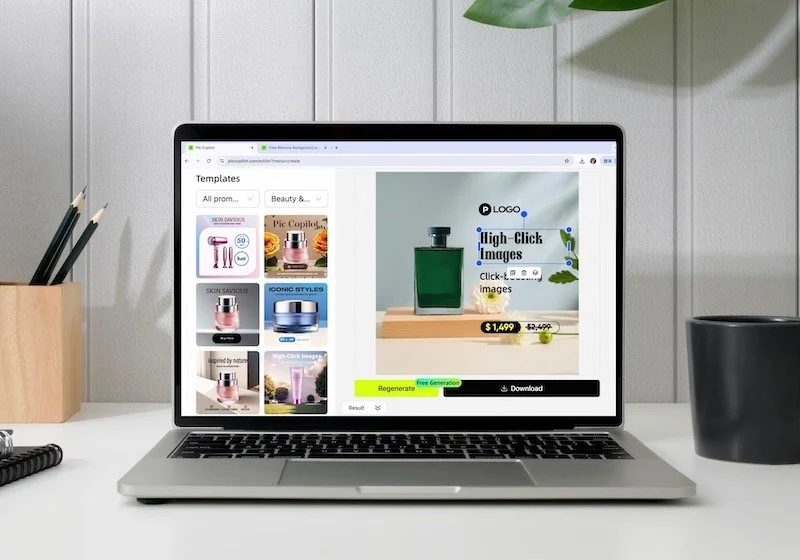
Alibaba International launches Pic Copilot AI powered e-commerce design tool tailored for SMEs in USA

by Staff Writer

Alibaba International Digital Commerce Group has announced the US launch of Pic Copilot, an artificial intelligence driven e-commerce design tool tailored for small and medium-sized enterprises (SMEs).

This features 12 tools aimed at making tasks such as swapping image backgrounds, perfecting images and videos, conducting virtual try-ons, and generating ads a hassle free experience.

Leveraging real-life e-commerce data from Alibaba International, Pic Copilot aims to improve product imagery and videos. The application of its first two versions revealed that SMEs and key opinion leaders prioritise graphics that drive sales rather than merely focusing on aesthetics.

The latest iteration of the model is built on 250 million parameters and utilises a data annotation method centred around sales metrics. By analysing how various background elements in images influence click-through rates across 240 product categories, the AI model has been trained not only on visual appeal but also to enhance sales performance.  

The US launch introduces features such as virtual try-on tailored for multiple skin tones and body types, featuring more than 160 models across four major skin tones.

The platform allows users to upload personal images, enabling fashion entrepreneurs and KOLs to serve as models in their own product try-on photos. This feature eliminates the need of hiring professional models or conducting photoshoots.

Additionally, Pic Copilot has introduced US specific graphic theme templates tailored to national holidays and celebrations such as Independence Day, Thanksgiving, and St. Patrick’s Day.

During the Black Friday trial period, over 35,000 users worldwide leveraged Pic Copilot to create marketing materials. Black Friday related content generated by entrepreneurs and KOLs using Pic Copilot was subsequently utilised more than 200,000 times, providing average savings of over $200 per user.

Meanwhile, the virtual try-on feature assisted over 10,000 merchants in generating more than 80,000 model images, saving each merchant thousands in shooting expenses. 

Pic Copilot now offers 50 free credits to newly registered US SMEs, supporting them to refresh marketing materials for up to 15 products without any cost.

2024 RTIH INNOVATION AWARDS

AI was a key focus area at the sixth edition of the RTIH Innovation Awards.

The awards, sponsored by Vista Technology Support, Scala, CADS, 3D Cloud, Brightpearl by Sage’s Lightning 50, Business France, and Retail Technology Show 2025, celebrate global tech innovation in a fast moving omnichannel world.

Our 2024 hall of fame entrants were revealed during an event which took place at RIBA’s 66 Portland Place HQ in Central London on 21st November, and consisted of a drinks reception, three course meal, and awards ceremony presided over by comedian Lucy Porter.

In his welcome speech, Scott Thompson, Founder and Editor, RTIH, said: “The event is now into its sixth year and what a journey it has been. The awards started life as an online only affair during the Covid outbreak, before launching as a small scale in real life event and growing year on year to the point where we’re now selling out this fine, historic venue.”

He added: “Congratulations to all of our finalists. Many submissions did not make it through to the final stage, and getting to this point is no mean feat. Checkout-free stores, automated supply chains, immersive experiences, on-demand delivery, next generation loyalty offerings, inclusive retail, green technology. We’ve got all the cool stuff covered this evening.”

“But just importantly we’ve got lots of great examples of companies taking innovative tech and making it usable in everyday operations - resulting in more efficiency and profitability in all areas.”

Congratulations to our 2024 winners, and a big thank you to our sponsors, judging panel, the legend that is Lucy Porter, and all those who attended last month’s gathering.

05 Dec 10:04

Bitcoin hits $100,000 for first time

Bitcoin broke $100,000 for the first time Thursday as traders cheered Donald Trump's decision to pick a crypto fan to head the US securities regulator, reinforcing optimism the new president will push through measures to deregulate the sector.
05 Dec 10:03

Cyberattaques : la vulnérabilité des données de santé mise à nu 

by La rédaction
Le 19 novembre dernier, un établissement de santé français affilié au groupe Aléo Santé a été victime d’une cyberattaque massive. Le hacker a mis en vente les informations personnelles de près de 750 000 patients.   D’après Damien Bancal, spécialiste en cybersécurité, les données volées incluent des informations sensibles telles que noms, adresses, dates de […]
05 Dec 09:39

[Tech For Retail 2024] En magasin, le retail media peine à trouver sa place

Alors que le retail media digital est au coeur de nombre de stratégies des e-commerçants, les distributeurs physiques peinent à suivre le mouvement. Pourtant, le magasin offre une quantité importante de points de contacts avec les clients.
05 Dec 09:26

Samsung DeX for Windows is dead

by Fionna Agomuoh
One of Samsung's early attempts to connect smartphones to computers is being retired in favor for a newer technology.
04 Dec 23:10

Scientists produce world's first carbon-14 diamond battery with potential lifespan of thousands of years

Scientists and engineers from the University of Bristol and the UK Atomic Energy Authority (UKAEA) have successfully created the world's first carbon-14 diamond battery.
04 Dec 15:27

Growl is building the Peloton of boxing

by Romain Dillet

There’s a new connected fitness device in town and it’s called Growl. Inspired by hardware companies like Peloton and Tonal, Growl is building a boxing bag that you can attach to your wall at home. Users can then start immersive, gamified boxing classes from the comfort of their home. It also looks like the team […]

© 2024 TechCrunch. All rights reserved. For personal use only.

04 Dec 15:25

The Verge picks out the most memorable tech of 2024

by Verge Staff

As far as tech goes, 2024 was a strong year for some innovative, interesting, and unforgettable moments.

We kicked off the year with the Apple Vision Pro — Apple’s long-awaited entry into the world of “spatial computing.” It was impressive, with The Verge’s editor-in-chief, Nilay Patel, describing the device as “magic, until it’s not.” But it still remains to be seen if Apple’s first MR device can kick off this new age of computing.

Meta also showed us what it developed after investing billions into its metaverse division. Deputy editor Alex Heath got a demo of Project Orion — a pair of AR glasses that won’t make you look like a super dork (okay, maybe a little). More importantly, though, we got a sense of where AR is heading, which arguably puts Meta in pole position in this space.

This was also the year of wearable AI assistants. At CES 2024, we were introduced to the cute Rabbit R1 that stole our hearts. And we got to see Humane’s highly anticipated AI Pin. Even though the devices were big disappointments when they finally released, they do represent a turning point in the future of AI interactions.

We can never go a year without the biggest smartphone upgrades. Samsung,...

Read the full story at The Verge.

04 Dec 15:23

OpenAI’s 12 days of ‘shipmas’ include Sora and new reasoning model

by Tom Warren
An OpenAI logo over an illustration of its o1 model.
Image: Alex Parkin / The Verge

Happy holidays from OpenAI. The AI startup plans to kick off a “shipmas” period of new features, products, and demos for 12 days, starting on December 5th. The announcements will include OpenAI’s long-awaited text-to-video AI tool Sora and a new reasoning model, sources familiar with OpenAI’s plans tell The Verge.

OpenAI CEO Sam Altman confirmed the 12 days of announcements onstage at The New York Times’ DealBook conference on Wednesday morning, though he didn’t say exactly what was coming. OpenAI plans to launch or demo something every day for 12 days straight.

Just ahead of the launch, a few OpenAI employees began teasing the coming releases on social media: “What’s on your Christmas list?” a member of the technical staff posted. “Got back just in time to put up the shipmas tree,” another staffer wrote. Sora lead Bill Peebles responded to a staffer who posted that OpenAI is “unbelievably back” with one word: “Correct.” The startup’s senior vice president also responded with IYKYK (if you know, you know).

The imminent launch of Sora comes just...

Read the full story at The Verge.

04 Dec 13:26

Forget the Galaxy S25. Samsung may announce smart glasses soon

by Patrick Hearn
The Samsung Galaxy S25 event might come with a surprise guest: the long-awaited Samsung AR glasses, something we've wanted since 2021.
04 Dec 13:20

New website shows you how much Google AI can learn from your photos

by Paresh Dave, wired.com

Software engineer Vishnu Mohandas decided he would quit Google in more ways than one when he learned that the tech giant had briefly helped the US military develop AI to study drone footage. In 2020 he left his job working on Google Assistant and also stopped backing up all of his images to Google Photos. He feared that his content could be used to train AI systems, even if they weren’t specifically ones tied to the Pentagon project. “I don't control any of the future outcomes that this will enable,” Mohandas thought. “So now, shouldn't I be more responsible?”

Mohandas, who taught himself programming and is based in Bengaluru, India, decided he wanted to develop an alternative service for storing and sharing photos that is open source and end-to-end encrypted. Something “more private, wholesome, and trustworthy,” he says. The paid service he designed, Ente, is profitable and says it has more than 100,000 users, many of whom are already part of the privacy-obsessed crowd. But Mohandas struggled to articulate to wider audiences why they should reconsider relying on Google Photos, despite all the conveniences it offers.

Wired logo
Then one weekend in May, an intern at Ente came up with an idea: Give people a sense of what some of Google’s AI models can learn from studying images. Last month, Ente launched https://Theyseeyourphotos.com, a website and marketing stunt designed to turn Google’s technology against itself. People can upload any photo to the website, which is then sent to a Google Cloud computer vision program that writes a startlingly thorough three-paragraph description of it. (Ente prompts the AI model to document small details in the uploaded images.)

Read full article

Comments

04 Dec 11:31

Origami packaging technology offers sustainable alternatives to conventional materials

VTT Technical Research Center of Finland, in collaboration with Aalto University and Finnish industrial partners, has developed a new technology for shaping cardboard in a unique continuous process to create reel-to-reel, origami-inspired structures for fiber-based packaging materials.
02 Dec 15:11

Skin conductance offers a camera-free way to read emotions

Researchers from Tokyo Metropolitan University have used measurements of skin conductance over time to tell emotions apart. Volunteers were shown videos depicting fearful scenes, family bonding, and humor, while their skin conductance trace was recorded.
02 Dec 12:32

China jumps to car exports leader in just a few years

by Nathan Yau

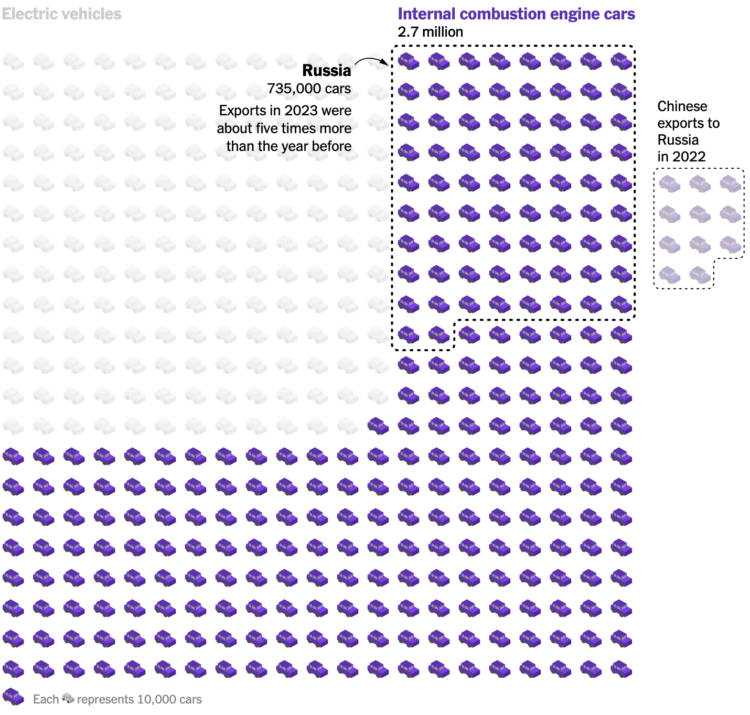
China exported next to zero vehicles in 2010, but from 2020 to 2024, China leapfrogged all other other countries to become the leading exporter, by a lot. For The New York Times, Agnes Chang and Keith Bradsher show the rise over time and the breakdown with unit charts.

Each car represents 10,000 exported cars in the above graphic. I like the 2022 Russia comparison for scale.

Tags: China, export, New York Times, vehicles

02 Dec 12:32

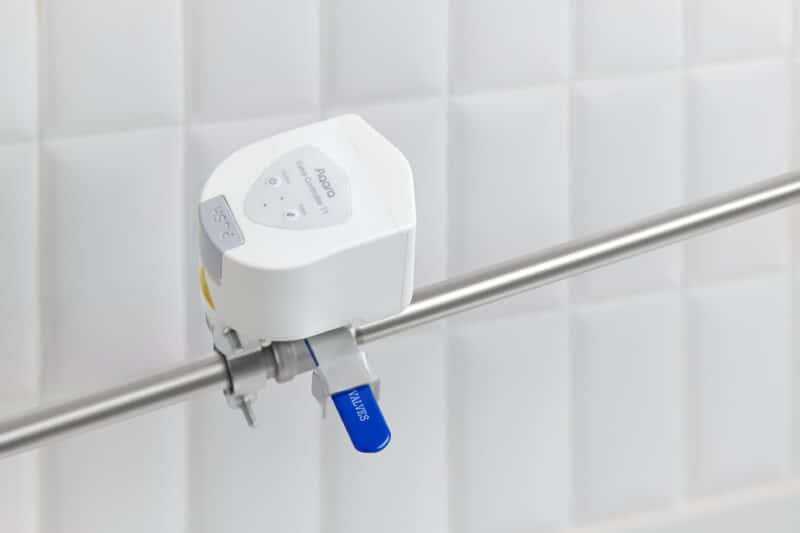
Aqara Valve Controller T1 : la domotique au service de l’eau

by Stephannie R.

Aqara, spécialiste de l'IoT, dévoile le Valve Controller T1, une solution intelligente pour sécuriser et automatiser les systèmes d'eau domestiques. Ce nouvel appareil a été présenté lors de l'IFA 2024. Découvrez comment ce dispositif révolutionne la gestion de l'eau avec des fonctionnalités fiables, durables et écoresponsables.

Le Valve Controller T1 allie technologie avancée et simplicité d'utilisation pour répondre aux besoins modernes de la maison connectée. Aqara confirme son rôle de leader dans l'innovation IoT. La marque propose une protection contre les fuites d'eau et une compatibilité avec les principales plateformes de domotique.

La protection intelligente contre les fuites d'eau d'Aqara

Le Valve Controller T1 d'Aqara, présenté lors du salon IFA 2024, propose une avancée notable dans la gestion de l'eau. Il s'intègre avec des capteurs de fuites pour assurer une surveillance continue 24h/24. En cas de fuite, il réagit instantanément et ferme automatiquement les vannes. En tant que propriétaire, cela signifie une protection proactive contre les inondations, notamment en cas d'absence. L'appareil peut être commandé via une application mobile, programmé à l'avance, ou même activé manuellement. Cette flexibilité assure une gestion adaptée aux besoins spécifiques des utilisateurs.

Une installation pratique et une compatibilité étendue

Facile à installer, le Valve Controller T1 s'attache directement aux vannes standard (DN15, DN20, DN25) sans nécessiter de modifications majeures de la plomberie. Alimenté par quatre piles AA, il fonctionne sans câblage et offre une autonomie allant jusqu'à deux ans, grâce à l'efficacité du protocole Zigbee basse consommation. Ce dispositif s'intègre également à de nombreuses plateformes de maison connectée telles qu'Amazon Alexa, Apple Home, Google Home, Home Assistant et Samsung SmartThings. Grâce à sa compatibilité avec Matter via un hub Aqara, il garantit une connectivité optimale et une préparation pour les technologies futures.

Une démarche écoresponsable et économique avec une disponibilité mondiale

En plus de renforcer la sécurité domestique, le Valve Controller T1 s'inscrit dans une logique écoresponsable. Il détecte rapidement les anomalies pour éviter le gaspillage d'eau. Par ailleurs, il offre une solution fiable, économique et à faible consommation énergétique. Le Valve Controller T1 est désormais disponible dans les boutiques Aqara sur Amazon en Amérique du Nord, Europe et Asie. Je souligne que cet appareil redéfinit les standards de la domotique. Il allie simplicité, durabilité et innovation. Une véritable révolution pour les amateurs de maisons intelligentes.

Article basé sur un communiqué de presse reçu par la rédaction.

Cet article Aqara Valve Controller T1 : la domotique au service de l’eau est apparu en premier sur OBJETCONNECTE.COM.

02 Dec 12:32

Mission Impossible: Dead Reckoning

by Jono Yuen

Mission: Impossible – Dead Reckoning revolves around artificial intelligence, which seems to be a common theme lately (see Heart of Stone). The film does a great job of exploring the powerful implications of a weaponised AI. So as you’d expect there’s plenty of nice examples of FUI in this latest instalment but this time with a deeper focus on AI.

Artificial Intelligence

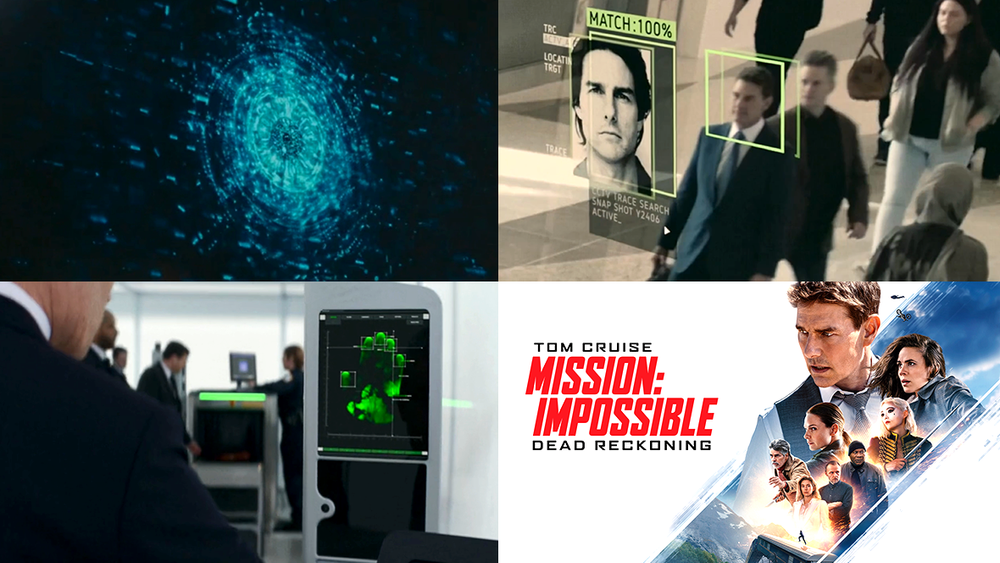
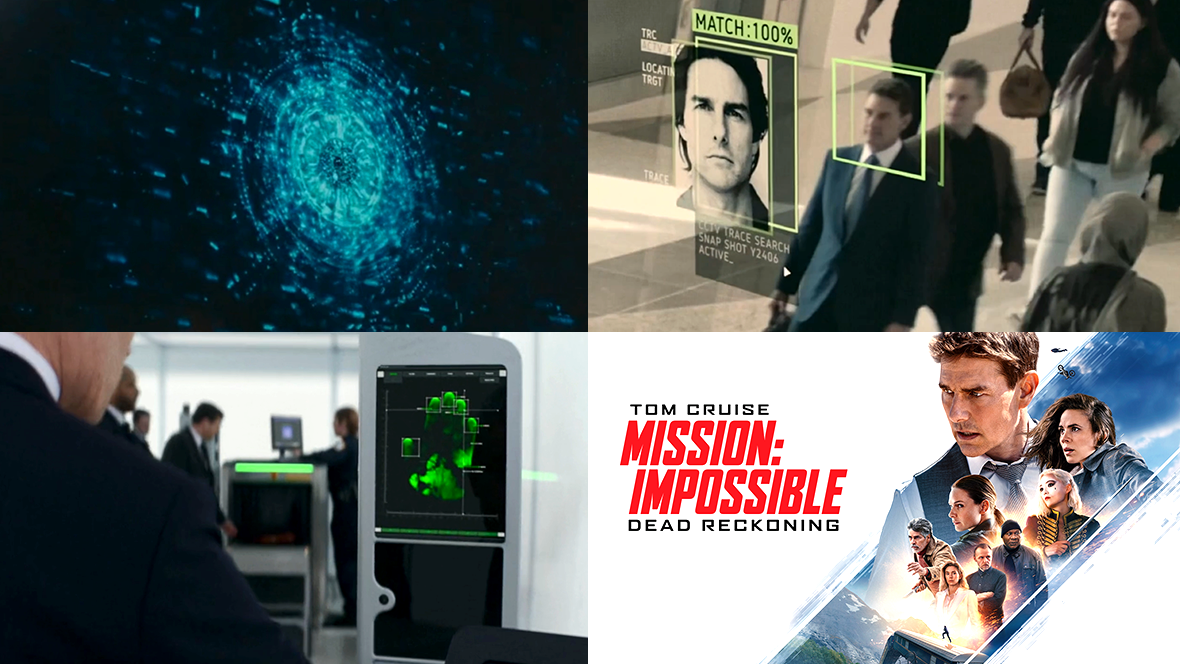
An AI model can be visualised in so many different ways and in Mission: Impossible – Dead Reckoning it’s presented as a constantly shifting data cloud with an undulating core. This interpretation is quite simple but really effective. The erratic, ever-changing outer edges convey relentless activity, while the steady, glowing core exudes a sense of ominous power and control. It’s a thought-provoking representation that perfectly complements the AI’s mysterious and formidable nature.

Tracking

This sequence is really fun as it shows two opposing sides tracking Hunt at the airport, each using distinctly different interfaces. The government’s interface is clean and orderly, while the Mission Impossible team’s system feels intentionally raw and hacker-like.

The MI team’s interface has a no-frills, engineering-led aesthetic - everything is neatly arranged and functional. Yet, it’s peppered with those slight visual touches that add a bit of flair without sacrificing utility.

The tracking of Hunt’s photo in the security footage is also worth noting, in particular the extra layer of rectangles that sits behind his figure. This tiny detail gives depth to the tracking and really completes the design.

What’s most interesting about this sequence though, is the concept behind it. The idea that AI could manipulate security footage in real-time is quite unsettling,

Hacked interface

Here’s a nice little example of an interface glitching and being hacked.

ID Scan

A simple visualisation of a fingerprint and facial scan that allows the story and camera to flow nicely.

02 Dec 10:34

Les avantages des cabines acoustiques dans les bureaux modernes

by Carène M.

Les espaces de travail évoluent rapidement, et le bureau moderne s'oriente de plus en plus vers des environnements ouverts et dynamiques. Bien que ce concept encourage la collaboration, il apporte aussi des défis, notamment celui du bruit.

La cabine acoustique bureau est donc une solution indispensable pour répondre aux besoins croissants de confidentialité, de concentration et de confort acoustique. Que vous soyez gestionnaire de bureau ou employé, découvrez comment l'intégration de solutions d'insonorisation peut transformer votre lieu de travail.

Pourquoi les cabines acoustiques sont-elles essentielles dans les bureaux modernes

La conception ouverte des bureaux, si populaire aujourd'hui, a des effets secondaires non négligeables. Les interruptions constantes, les conversations en arrière-plan, et les sons environnants créent un environnement stressant. C'est là que les avantages des cabines acoustiques deviennent évidents : elles isolent l'utilisateur dans un espace calme, parfait pour les tâches nécessitant une forte concentration ou des échanges confidentiels. De plus, en réduisant le niveau de bruit global dans le bureau, ces cabines apportent un confort accru à l'ensemble de l'équipe.

L'introduction de solutions d'insonorisation comme les cabines acoustiques aide également à éviter les effets délétères du bruit à long terme sur la santé mentale et physique. Avec un espace de travail adapté, les employés se sentent moins stressés et plus épanouis, un facteur essentiel pour retenir les talents et améliorer la performance.

Avantages principaux des cabines acoustiques pour la productivité en open space

Les cabines acoustiques améliorent la productivité en open space de manière considérable. Voici comment ces installations renforcent la performance au quotidien :

  1. Concentration accrue : En offrant un espace de travail calme et isolé, les cabines acoustiques permettent aux employés de travailler sans distractions. Cela favorise une immersion totale dans les tâches, augmentant ainsi la productivité.
  2. Réduction de la fatigue sonore : La pollution sonore dans les open spaces fatigue les employés et nuit à leur efficacité. Les cabines réduisent cette exposition en permettant des pauses silencieuses, favorisant un regain d'énergie et de concentration.
  3. Flexibilité pour les réunions confidentielles : Grâce à leur conception d'insonorisation, les cabines acoustiques deviennent des espaces idéaux pour des réunions privées ou des appels professionnels. Les informations confidentielles restent protégées, et les employés peuvent s'exprimer librement.
  4. Polyvalence de l'espace : Les cabines acoustiques s'intègrent facilement dans les bureaux modernes sans nécessiter de grandes modifications. Elles se déplacent aisément, permettant une adaptation rapide selon les besoins.
  5. Bien-être amélioré : En réduisant les nuisances sonores, les cabines acoustiques contribuent au bien-être des employés. Les salariés se sentent plus sereins et moins pressurés, ce qui renforce leur satisfaction et leur engagement au travail.

Grâce à ces avantages, les cabines acoustiques deviennent un investissement stratégique pour toute entreprise cherchant à améliorer le confort et la productivité de ses équipes. Ce n'est pas simplement une question de tranquillité : c'est une réelle optimisation de l'espace et des ressources humaines.

L'impact des cabines acoustiques sur le bien-être des employés

Un environnement de travail sain réduit le stress et améliore la satisfaction des employés, ce qui se traduit par une meilleure performance globale et une diminution de l'absentéisme. De plus, lorsque les employés savent qu'ils peuvent compter sur un espace pour se concentrer ou prendre un appel confidentiel, ils se sentent plus soutenus et respectés. Les solutions d'insonorisation telles que les cabines acoustiques influencent positivement la culture d'entreprise et renforcent le sentiment d'appartenance.

Critères à prendre en compte avant de choisir une cabine acoustique

Avant d'investir dans une cabine acoustique bureau, il est essentiel de bien évaluer les besoins spécifiques de votre entreprise pour garantir un retour sur investissement optimal. Voici quelques éléments à considérer :

  1. Niveau d'insonorisation : Toutes les cabines n'offrent pas le même niveau de solutions d'insonorisation. Un bon choix dépend de l'utilisation souhaitée (par exemple, pour des réunions confidentielles ou un espace de travail individuel).
  2. Taille et capacité : Certaines cabines sont conçues pour une seule personne, tandis que d'autres peuvent accueillir plusieurs individus pour des discussions de groupe. Le choix dépendra de la taille de l'équipe et des besoins spécifiques.
  3. Confort et ventilation : Un environnement agréable avec une bonne ventilation et un éclairage adéquat est essentiel pour que la cabine soit utilisée régulièrement et appréciée des employés.
  4. Mobilité : Si l'aménagement du bureau change fréquemment, optez pour une cabine facilement modulable et mobile. Cela permettra une plus grande flexibilité et une optimisation continue de l'espace.
  5. Design et intégration esthétique : Une cabine bien conçue s'harmonise avec le reste du bureau moderne et contribue à une esthétique agréable, renforçant ainsi l'attractivité du lieu de travail.

Prendre en compte ces critères vous aidera à choisir une cabine qui non seulement améliore la productivité en open space, mais répond également aux attentes des employés et s'intègre harmonieusement dans l'environnement.

Cet article Les avantages des cabines acoustiques dans les bureaux modernes est apparu en premier sur OBJETCONNECTE.COM.

02 Dec 09:40

OpenWrt One - Le routeur WiFi 6 réparable à vie enfin disponible

Voici une petite merveille qui devrait ravir tous les défenseurs du logiciel libre et du droit à la réparation ! Le projet OpenWrt, que vous connaissez sûrement pour son excellent firmware open source pour routeurs, vient de lancer son tout premier routeur : l’OpenWrt One. Et ce n’est pas un routeur comme les autres !

Pour ses 20 ans, le projet OpenWrt s’est associé à la Software Freedom Conservancy et au fabricant Banana Pi pour créer ce routeur innovant dont l’objectif est de prouver qu’il est possible de concevoir du matériel performant tout en respectant le droit à la réparation et les libertés des utilisateurs.

02 Dec 08:22

Electrostatic Puck: Making An Electret

by Danie Conradie

You might have heard of electrets being used in microphones, but do you know what they are? Electrets produce a semi-permanent static electric field, similar to how a magnet produces a magnetic field. The ones in microphones are very small, but in the video after the break [Jay Bowles] from Plasma Channel makes a big electret and demonstrates it’s effects.

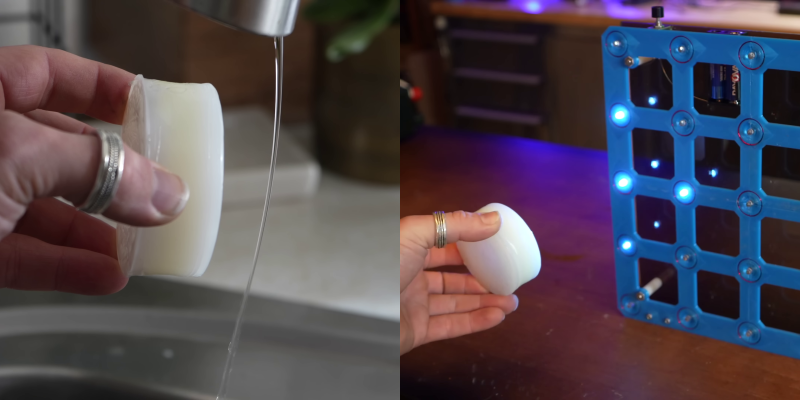
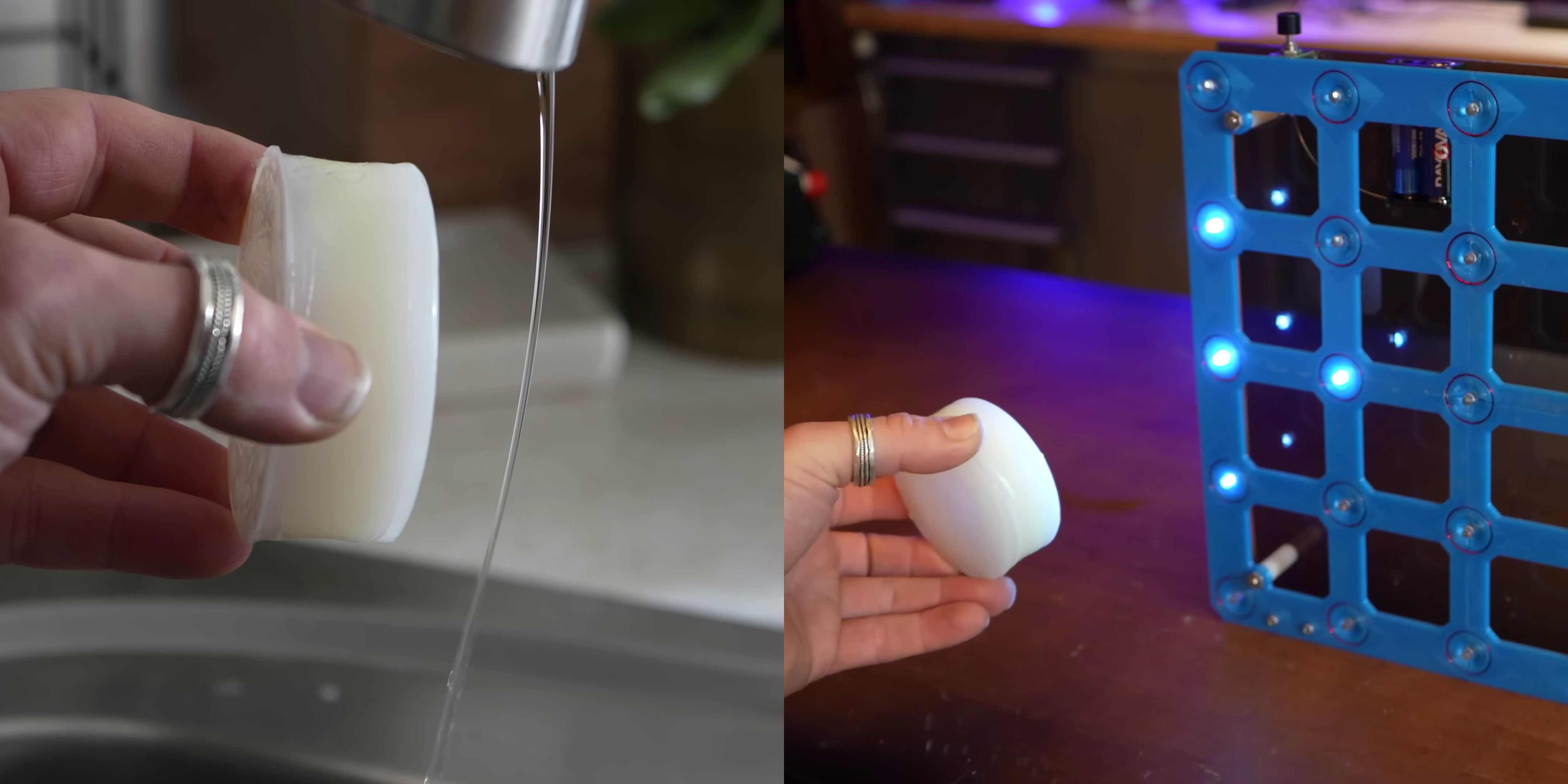
Electrets have been around since the 1800s, and are usually produced by melting an insulating material and letting it solidify between two high-voltage electrodes. The original recipe used a mix of Carnauba wax, beeswax, and rosin, which is what [Jay] tried first. He built a simple electric field detector, which is just a battery, LED and FET, with an open-ended resistor on the FET’s gate.

[Jay] 3D printed a simple cylindrical mold and stuck aluminum foil to the outer surfaces to act as the electrodes. He used his custom 6000:1 voltage transformer to hold the electrodes at ~40 kV. The first attempt did not produce a working electret because the electrodes were not in contact with the wax, and kept arcing across, which causes the electric charge to drop off. Moving the aluminum electrodes the inner surfaces of the mold eventually produced an electret detectable out to 10 inches.

This was with the original wax recipe, but there are now much better materials available, like polyethylene. [Jay] heated a a block of it in the oven until it turned into a clear blob, and compressed it in a new mold with improved insulation. This produced significantly better results, with an electric field detectable out to 24 inches.

[Jay] also built an array of detectors in a 5×5 grid, which he used to help him visualize the size and shape of the field. He once pulled off a similar trick using a grid of neon bulbs.

02 Dec 08:22

Vienna's smart traffic lights are now getting even smarter

Since 2018, 21 intelligent traffic lights have been in use in Vienna. They recognize when pedestrians are approaching a crossing and automatically request green for them. This reduces the waiting time considerably in some cases.
02 Dec 08:21

Smart threads that can power wearables

by Matthew Hempstead

Spotted: Wearable electronics could revolutionise the way we monitor our health, enabling individuals to easily track things like glucose levels and heart rate without needing to visit a doctor. Now, researchers from the Chalmers University of Technology could take wearable technology to the next level – with textiles that generate their own electricity.

By using silk thread coated with a conductive material, the textiles can create electrical potential using the temperature difference between a person’s body and the surrounding air. When connected to a sensor, the textiles power devices without requiring batteries, reducing the need for finite and unsustainably mined rare earth metals. The electrically conductive thread has been manufactured using only organic carbon-based polymers.

Mariavittoria Craighero, a doctoral student at the Department of Chemistry and Chemical Engineering at Chalmers University of Technology states: “The polymers that we use are bendable, lightweight and are easy to use in both liquid and solid form. They are also non-toxic.” The thermoelectric textile was tested by being placed between hot and cold surfaces. The results revealed that a piece of fabric with a temperature difference of 30 degrees Celsius, when combined with a voltage converter, could theoretically generate enough energy (six millivolts) to be used to charge a portable electric device using a USB connector.

Further development is required to make the product more commercially viable – for example, to retain its conductive properties following repetitive wash cycles, and to make the thread more easy to incorporate into garments. Future applications for the product could include powering a wearable device to monitor a person’s health or serve as a way of charging a mobile phone whilst a person is exercising.

Written By: Jessica Wallis

02 Dec 08:21

Stripping GoPros To The Bone For Model Rocketry

by Danie Conradie

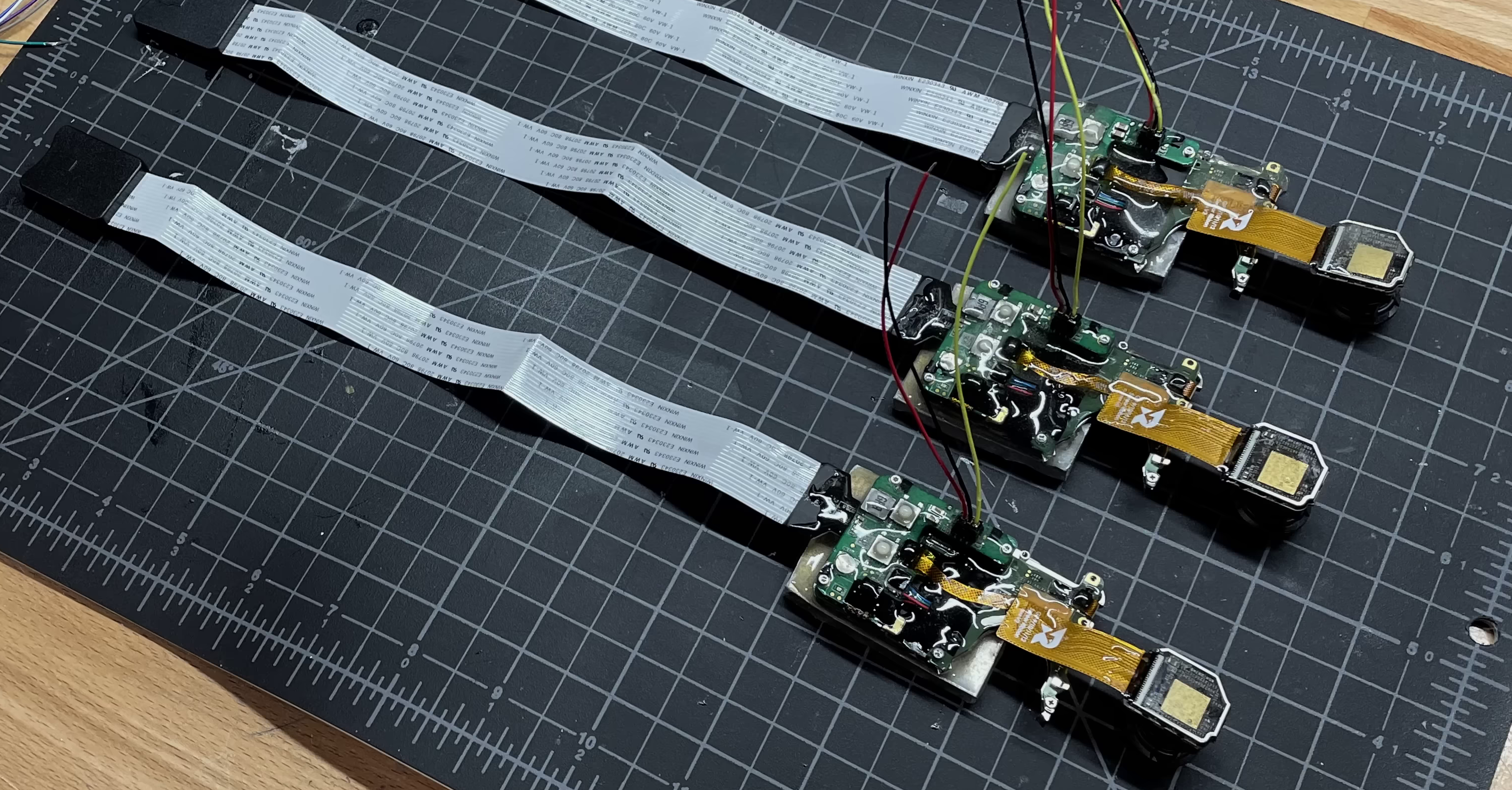
The small size of action cameras has made them a great solution for getting high-quality experimental footage where other cameras don’t fit. GoPros are [Joe Barnard]’s camera of choice for his increasingly advanced rockets, but even the smallest models don’t quite fit where he needs them. They also overheat quickly, so in the video after the break, he demonstrates how he strips and customizes them to fit his required form factor.

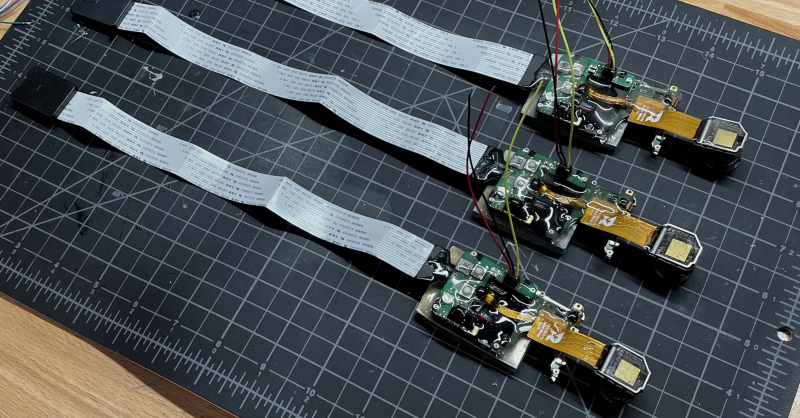
[Joe] starts out with a GoPro HERO10 Bones, which is a minimalist version intended for FPV drones. He likes the quality of the 4K 120 FPS video and the fact that he can update the settings by simply holding up a QR code in front of the camera. The case appears to be ultrasonically welded, so careful work with a Dremel is required to get it open. The reveals the control board with an aluminum heat sink plate, and the sensor module on a short ribbon cable. For minimal drag[Joe] wants just the lens to poke out through the side of the rocket, so he uses slightly longer aftermarket ribbon cables to make this easier.

The camera’s original cooling design, optimized for drone airflow, meant the device would overheat within 5 minutes when stationary. To increase the run time without the need for an external heat sink, [Joe] opts to increase the thermal mass by adding thick aluminum to the existing cooling plate with a large amount of thermal paste. In an attempt to increase heat transfer from the PCB, he also covers the entire PCB with a thick layer of thermal paste. Many of the video’s commenters pointed out that this may hurt more than it helps because the thermal paste is really intended to be used as a thin layer to increase the contact surface to a heat sink. It’s possible that [Joe] might get better results with just a form-fitting thermal block and minimal thermal paste.

[Joe] is permanently epoxying three of these modified cameras into his latest rocket, which is intended to fly at Mach 3, and touch space. This may look like a waste of three relatively expensive cameras, but it’s just a drop in the bucket of a very expensive rocket build.

We’ve seen GoPros get (ab)used in plenty of creative ways, including getting shot from a giant slingshot, and reaching the edge of space on a rocket and a balloon.

02 Dec 08:08

Une fraude téléphonique toujours plus inventive

by Patrice
Zimperium
Tandis que les banques et les opérateurs de télécommunication commencent tout juste à déployer des parades contre la fraude par appel de faux conseillers, les criminels redoublent d'imagination afin de contourner ces protections, comme le montre une analyse du logiciel malveillant FakeCall par les chercheurs de Zimperium.

Une vision optimiste consiste à considérer que les dernières évolutions enregistrées tendent à démontrer l'efficacité de l'arsenal défensif déployé jusqu'à maintenant, ou en cours de déploiement. Celui-ci, qu'il passe, entre autres, par l'authentification à la source des numéros appelants ou par une confirmation explicite de la légitimité du correspondant (cf. le cas de Sumeria), est peut-être suffisamment dissuasif pour imposer un surcroît de sophistication qui nuit à l'universalité des modes d'attaque.

En effet, la riposte envisagée requiert l'installation préalable d'un logiciel hostile, dont on peut donc espérer qu'il n'atteindra jamais une audience aussi massive que la population des abonnés téléphoniques, bien que les moyens mis en œuvre pour sa propagation soient eux aussi créatifs. En revanche, ses victimes n'auront quasiment aucune chance d'échapper aux mailles du filet dans lequel elles seront tombées, tout étant fait pour leur procurer une impression de vraisemblance proche de la perfection.

Le premier composant désormais intégré dans FakeCall, plus précisément en complément de ses capacités historiques d'interception des appels entrants, offre la possibilité de présenter une interface spécifique sur l'écran de l'appareil. Il peut servir, de manière basique, à masquer le numéro de l'interlocuteur et usurper celui de la banque. Mais il pourrait également être exploité pour imiter (fidèlement) les messages de confirmation de la validité de la communication adoptés de plus en plus souvent.

Zimperium FakeCall Alert

La deuxième nouveauté – qui répond à la tendance actuelle de nombreuses institutions financières à réduire, voire éliminer, les occasions de contacter, à leur initiative, leurs clients par téléphone – est encore plus inquiétante puisqu'elle permet cette fois le détournement des appels sortants. Le scénario type est celui de la personne tentant de joindre sa banque via ses coordonnées, de confiance, et se trouvant, en réalité, mise en relation avec un escroc, auquel elle risque facilement de dévoiler des informations sensibles et de fournir la capacité de réaliser des malversations sur leurs comptes.

Ce sont évidemment les fonctions extraordinairement riches des smartphones modernes qui ouvrent de telles opportunités aux fraudeurs (dont certaines, telles que les échanges Bluetooth, semblent placées en réserve selon l'étude de Zimperium). Les mécanismes d'autorisation des systèmes d'exploitation (ici Android) sont censés protéger les utilisateurs… mais, dans une large mesure, à condition qu'ils soient vigilants. Or cette dépendance vis-à-vis du comportement des individus est clairement inaceptable.

Actualité repérée grâce au Décodeur (merci Marc !)
02 Dec 00:14

Creating a Signature Wood Joint

by Navarre Bartz
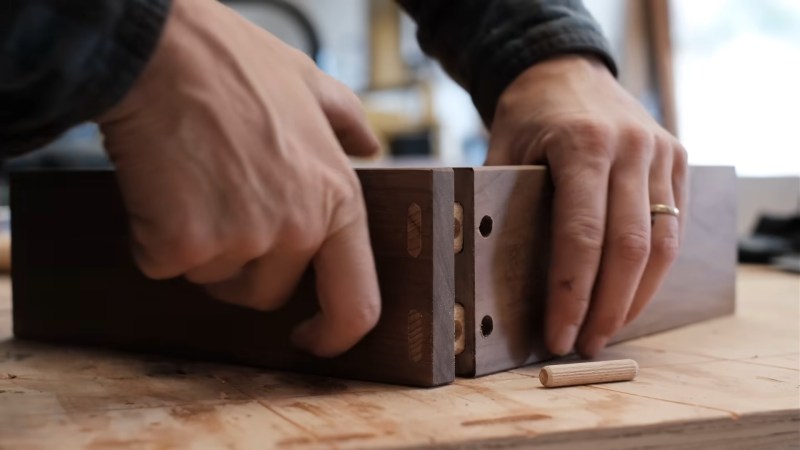
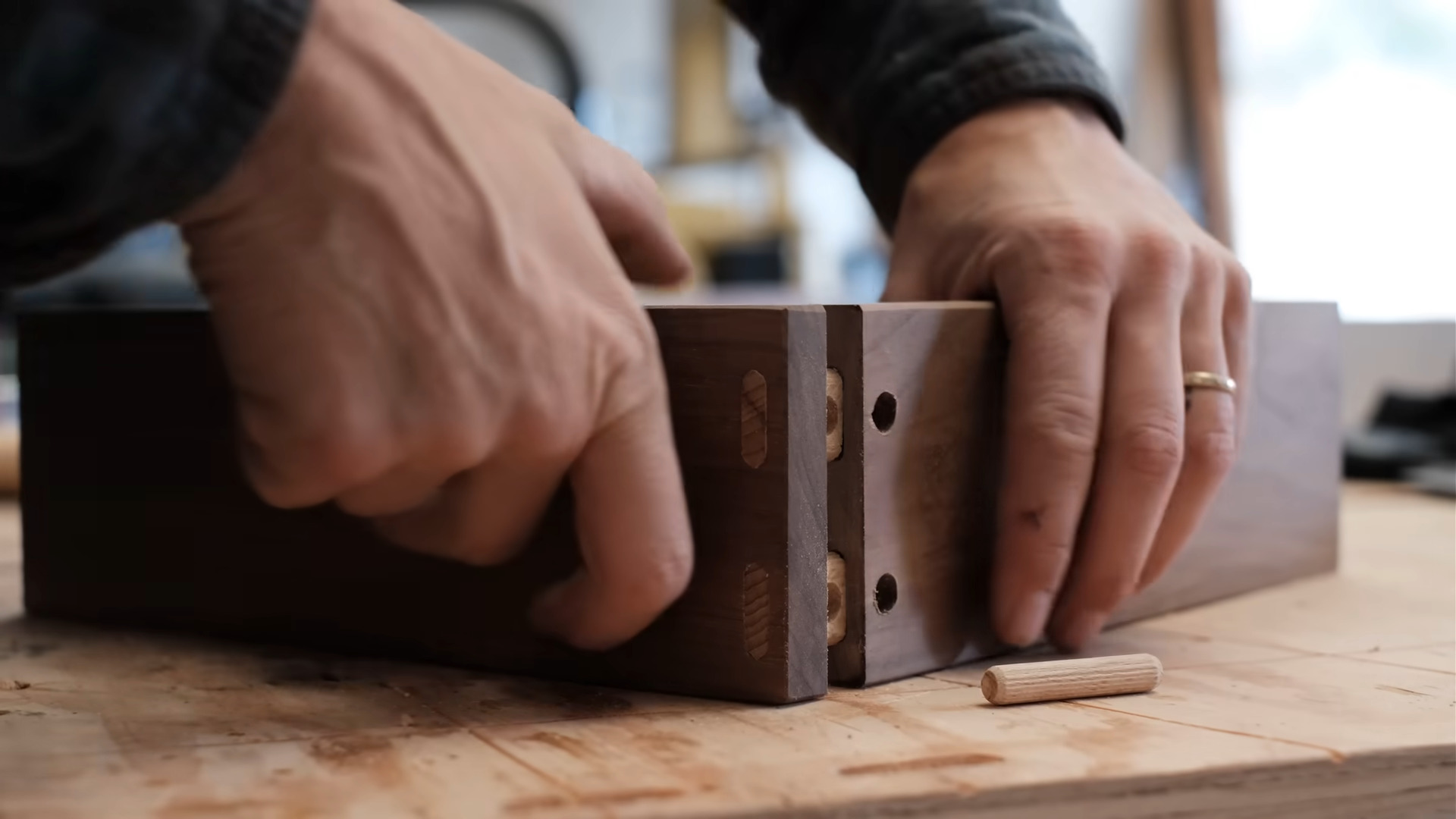
A pair of hands hold two dark brown boards perpendicular two each other on a light brown benchtop. There are two light brown oval dowels in the end of one board that then project toward holes in the opposite board. Circular holes in the oval dowels are visible perpendicular to the second board, and will match up with holes in the board once pressed in. A cylindrical dowel is laying next to the joint and will be placed into the circular holes once assembled.

We really love when makers make their construction techniques evident in an aesthetically-pleasing way, and [Laura Kampf] has created a clever joint that reveals how a piece is made.

[Kampf] is a big fan of using her domino joiner, which is similar to biscuits or dowel joinery, but she didn’t love how it hid the construction of the joint. She first figured out an “off label” use of the joiner by running it from the outside of the joint to show the exposed domino from one end.

Building on the concept to show an interesting contrast on both sides of the joint, she drilled a hole perpendicular the domino and placed a dowel through it, creating a locking joint. The choice looks great once a finish is applied to really accentuate the contrast, and another bonus is that if glue is only applied to the dowel and domino, it becomes trivial to separate the joint if needed by drilling out the dowel.

If you’d like to see some other interesting ways to join wood, how about this laser-cut wedge tenon, soda bottle heat shrink, or this collection of CNC joints.

01 Dec 17:21

Crack massif du système de licence Microsoft Windows et Office

Pour ceux qui suivent mes aventures sur Patreon, vous vous souvenez peut-être que j’avais déjà évoqué MassGrave il y a plus d’un an. Eh bien, l’équipe derrière cet outil vient de frapper à nouveau un grand coup en annonçant avoir totalement craqué le système de protection des licences Microsoft. De quoi faire trembler le géant de Redmond !

Alors que Microsoft bataille depuis des années pour protéger ses précieuses licences Windows et Office, une équipe de hackers vient de réaliser ce qui semblait impossible : mettre au point une méthode permettant d’activer de façon permanente presque toutes les versions de Windows et Office, sans bidouillage complexe ni modification des fichiers système.

01 Dec 14:30

Un humain fait « craquer psychologiquement » une IA et repart avec 47 000 dollars !

by la rédaction, Futura
Une expérience inédite mêlant intelligence artificielle et cryptomonnaies a pris fin de manière spectaculaire. Freysa, une IA dotée d'un portefeuille crypto de 47 000 dollars, a finalement cédé face à l'ingéniosité d'un participant. Comment ce défi intéressant a-t-il pu être remporté ? Plongée...
01 Dec 14:27

AI Won’t Replace Advisors. But It Will Transform the Industry.

by Griffin Kelly

Plenty of industries are wringing their hands about the AI revolution, with workers worried they may be rendered obsolete by a cheap infinity of ones and zeros. Hollywood, to name one, shut down for five months partly because the writers’ and actors’ unions wanted protections from how the tech’s used in TV and filmmaking. Financial services are a different story, however: Some fear may be present, but in many cases, professionals are embracing AI and trying to be at its cutting edge.

To be clear, AI is never going to treat us to a round of golf to discuss investment strategies. But the technology is already a game changer for financial advisors, capable of bringing in new clients and assets. 

A Deeper Tool Box

When it comes to advising, AI programs aren’t yet ready to be the brains. “It’s a tool. It’s something that can make things easier, better, and more efficient,” said Ken Lotocki, chief product officer at Conquest Planning. It’s like when carpenters moved from a hand crank auger to an electric drill. The person holding it is still the actual mastermind, so the 38% of advisors who said they fear AI will outpace their own abilities in an Accenture survey can probably afford to take a breath.

In financial services, AI programs are largely used as office and administrative tools, and they come in many forms: 

  • Wealth.com’s Ester product quickly summarizes legal documents for estate planning purposes.
  • A program like Jump records client conversations and then extracts important data, generates to-do lists, and drafts follow-up emails.
  • Saifr reviews marketing materials to ensure they follow compliance guidelines, a very lengthy process when done manually and very costly when done incorrectly.

“AI today is very firmly in the co-pilot stage,” said Danny Lohrfink, Wealth.com co-founder and chief product officer. “It’s taking very manual and tedious tasks and automating them with advisor oversight.” 

But that will change as AI programs collect more and more data, Lohrfink said. For example, Ester is expected to get better at understanding estate planning documents as it handles more of them. Essentially, the machines are learning.

“We’re going to get to a place where that co-pilot review is no longer necessary because the accuracy rate is going to be so high while the margin for error is so low,” Lohrfink said.

The Advisor’s Advisor: Beyond taking on office gruntwork, AI is assuming direct support roles for advisors. For example, Conquest Planning has a program called Strategic Advice Manager, or SAM for short. It’s not generative or predictive AI, Lotocki said, but what it can do is assess a client’s financial plan and notify advisors on what decisions they might want to make next.

“SAM is the caddy and the user is the golfer,” Lotocki said. “It’s not going to hit the ball, but it knows the course and the clubs.” 

If a client’s cash flow has changed, SAM could tell the advisor that the client should start adhering to a tighter budget. Or if a client has come into more money, SAM will suggest maximizing 401(k) contributions.

The demand for these kinds of tools is evident, as firms look to stay competitive and bring in more assets: 

  • Only about 9% of advisors currently use AI tools, but more than half plan to start using them in some fashion in the next year, according to a BlackRock report published in September. 
  • Wealth managers’ IT budget allocations for AI are expected to more than double — from 16% to 37% — within the next 3-5 years, according to a Wipro report last month.

In the next five years, AI integration is expected to drive 52% of revenue growth in the financial services industry, according to a Seismic report.

Down With The Young People

For advisors, AI could determine how competitive they are going forward. We’re in the middle of a great wealth transfer that will see $84 trillion pass down to younger generations over the next 20 years. And it’s no secret that younger people are tapped into computers more than their parents. They’re going to be seeking out advisors who can seamlessly integrate technology with human expertise.

“To younger Millennials and Gen Z, instant access to information isn’t just nice to have, it’s a must have,” Lohrfink said. “If your tech stack is not well positioned to meet the needs of digitally native populations, you’re going to lose those clients when the wealth transfer happens.” 

We Don’t Need No Regulation

Now, Americans’ money is obviously something the federal government takes incredibly seriously, but when it comes to the role advanced computer programs play in advising, specific regulations are nonexistent. The Securities and Exchange Commission has recognized AI as one of its top priorities for 2025, but currently there are no guidelines on how advisors can and can’t use the tech. It really all boils down to the regulations advisors have always had to follow — are clients being represented fairly and accurately?

Last year, the SEC proposed rules meant to eliminate potential conflicts of interests tied to predictive data analytics (PDA), but many in the industry have criticized the rules for being vague and onerous:

  • Technically, Excel spreadsheets with formula-embedded cells — a 1980s technology — would fall under the proposed regulations, Bloomberg Law noted.
  • Plus, the rules would require advisors to inventory all uses of covered technology and how they might potentially create conflicts of interest that would favor the firm’s profitability over clients’ portfolios, which can quickly become a herculean and costly task.

There’s no timeline on if and when the regulations could be passed, and in February, Sens. Ted Cruz (R-Texas) and Bill Hagerty (R-Tenn.) introduced a bill that would block the rules. Plus, with Donald Trump re-entering the White House next year, the SEC will be a different place.

The Human Touch: Some industries have begun incorporating AI as a pivotal creative force in their work. One of the strangest examples might be the children’s cartoon “Warren Buffet’s Secret Millionaires Club,” a largely AI-generated series that sees the 94-year-old business leader mentor a group of kids on how to best invest for their futures, and in one instance, tell them scary stories about Big Foot. Even if Cartoon Buffett’s lessons may be sound, the animation and dialogue are remarkably bland, but don’t be surprised if more and more shows start going down the AI-generated route.

Thankfully, the advising industry does seem ready to move as far as fast. Lohrfink said the most important difference between an advisor and an AI is the ability to ask the follow-up questions. “A human can say, ‘What about that dream home in Salt Lake City you told me about three years ago?’” he said. “An AI can remind you of that conversation, but the human is going to be the one asking those esoteric additional questions.”

Investors still need an actual living person they can rely on for quality advice, not a machine. A part of human psychology is that people are “unwilling to make decisions for themselves oftentimes,” said Ritik Malhotra, CEO of Savvy Wealth, a group that provides digital platforms to advisors. “Even the top surgeons in the country refuse to make personal decisions for their families and will ask another doctor to make them.”

The post AI Won’t Replace Advisors. But It Will Transform the Industry. appeared first on The Daily Upside.