Les batteries gravitationnelles exploitent la gravité pour offrir une solution de stockage d’énergie plus durable.
Le projet EVx en Chine utilise une tour de 120 mètres pour stocker et libérer de l’énergie efficacement.
Cette technologie réduit la dépendance aux minéraux rares grâce à l’utilisation de matériaux locaux.
L’essor des batteries gravitationnelles pourrait redistribuer les cartes du paysage énergétique mondial.
Face aux défis posés par le changement climatique, la transition vers des sources d’énergie renouvelables est devenue une priorité mondiale. Les infrastructures actuelles reposant sur des énergies fossiles ne sont plus viables à long terme. Cependant, l’intermittence des énergies renouvelables comme le solaire et l’éolien nécessite des solutions de stockage efficaces pour garantir un approvisionnement énergétique constant. Si les batteries lithium-ion dominent actuellement ce marché, elles ont des limites notables. Dans ce contexte, les batteries gravitationnelles émergent comme une solution innovante et prometteuse, offrant des avantages significatifs sur les plans environnemental et technologique.
Le principe révolutionnaire des batteries gravitationnelles
Les batteries gravitationnelles exploitent l’une des forces les plus fondamentales de la nature : la gravité. Leur fonctionnement repose sur un principe simple mais ingénieux : soulever une masse pour emmagasiner de l’énergie sous forme potentielle, puis la libérer lorsque la masse redescend, transformant ainsi cette énergie en électricité. Ce concept, bien que moderne dans son application actuelle, s’inspire de l’hydroélectricité par pompage utilisée depuis le début du XXe siècle. Cependant, les nouvelles technologies permettent aujourd’hui de soulever des blocs solides, éliminant la dépendance aux ressources en eau. Ce mécanisme assure une durabilité exceptionnelle, car les pièces mécaniques peuvent fonctionner indéfiniment avec un entretien approprié.
Contrairement aux batteries chimiques, l’énergie potentielle gravitationnelle ne se détériore pas avec le temps. Les innovations dans ce domaine promettent non seulement une efficacité énergétique accrue, mais aussi une moindre empreinte écologique, car elles utilisent des matériaux locaux et recyclés. Ainsi, les batteries gravitationnelles se positionnent comme une alternative durable et écologique aux solutions de stockage traditionnelles.
En Chine, le projet EVx incarne l’essor de cette technologie révolutionnaire. Conçu en collaboration avec la société suisse Energy Vault, cette tour de 120 mètres de haut est capable de soulever des blocs de 24 tonnes. Fonctionnant sur le principe décrit précédemment, ces blocs sont levés lors des excédents d’énergie et abaissés pour produire de l’électricité lors des pics de demande. Avec une efficacité de cycle supérieure à 80 %, le projet EVx démontre la faisabilité et l’efficacité des batteries gravitationnelles à grande échelle.
Ce projet offre également des avantages environnementaux et sociaux. En utilisant des matériaux locaux tels que le sable et les déchets recyclés, il minimise la dépendance aux minéraux rares. De plus, le développement de cet ouvrage a permis de mobiliser les ressources locales, créant ainsi des emplois et stimulant l’économie régionale. Des initiatives similaires sont prévues dans d’autres régions, notamment dans le sud de la Mongolie, renforçant l’impact positif de cette technologie.
Conséquences stratégiques et économiques
Bien que la Chine domine actuellement le marché des batteries lithium-ion, son investissement dans les batteries gravitationnelles pose des questions stratégiques. Ce paradoxe pourrait avoir des implications économiques et géopolitiques majeures. Si les batteries gravitationnelles se généralisent, elles pourraient réduire la dépendance mondiale aux batteries lithium-ion, redistribuant ainsi les cartes du pouvoir énergétique mondial. Ce changement pourrait modifier les relations entre les pays producteurs et consommateurs de technologies de stockage, influençant les dynamiques de pouvoir globales.
Alors que les batteries gravitationnelles gagnent en popularité, elles pourraient offrir à certains pays l’opportunité de se détourner des technologies traditionnelles, réduisant leur dépendance aux minéraux rares extraits dans des conditions souvent controversées. Cette transition pourrait non seulement transformer le paysage énergétique, mais aussi redéfinir les relations économiques mondiales.
Comparaison : batteries lithium-ion et gravitationnelles
Caractéristique
Batteries Lithium-ion
Batteries Gravitationnelles
Type d’énergie
Chimique
Gravitationnelle
Durabilité
Se dégrade avec le temps
Ne se dissipe pas
Impact environnemental
Extraction nuisible
Fabriqué à partir de matériaux locaux
Dépendance aux ressources
Minéraux rares
Matériaux abondants
La transition vers les énergies renouvelables nécessite des solutions de stockage innovantes et durables. Les batteries gravitationnelles se présentent comme une alternative viable aux batteries lithium-ion, avec des avantages environnementaux et économiques indéniables. Elles pourraient non seulement transformer le paysage énergétique, mais aussi redéfinir les relations géopolitiques. Les pays seront-ils prêts à adopter ces nouvelles technologies et à s’affranchir des ressources rares ?
La Chine exerce un contrôle sur 98,8 % du gallium, influençant fortement l’industrie des semi-conducteurs.
Les restrictions chinoises sur l’exportation de minéraux critiques menacent les chaînes d’approvisionnement mondiales.
Les entreprises japonaises subissent une pression croissante en raison des exigences de Pékin concernant l’utilisation de ressources stratégiques.
L’emprise de la Chine sur ces ressources soulève des interrogations sur la souveraineté technologique mondiale.
Le gallium, un métal souvent méconnu du grand public, est devenu un enjeu stratégique majeur dans la compétition technologique mondiale. Ce minéral, indispensable à la fabrication de semi-conducteurs et de batteries, est aujourd’hui au cœur d’une bataille économique et géopolitique. La Chine, en contrôlant une écrasante majorité de la production mondiale de gallium, exerce une influence considérable sur l’industrie technologique. Le Japon, principal importateur de ce métal, se trouve en première ligne face à cette domination. Cette situation met en lumière l’importance cruciale des ressources minérales dans les tensions internationales actuelles.
Les sanctions américaines et la réplique chinoise
En décembre dernier, les États-Unis ont pris des mesures drastiques pour freiner l’essor technologique de la Chine. L’administration Biden a placé 140 entreprises chinoises sur liste noire, limitant ainsi leurs interactions avec le marché américain. Ces sanctions visent spécifiquement le secteur des semi-conducteurs, un domaine où la Chine progresse rapidement. La réponse de Pékin ne s’est pas fait attendre. Le gouvernement chinois a annoncé des restrictions à l’exportation de minéraux critiques, tels que le gallium, vers les États-Unis. Ces matériaux sont essentiels non seulement pour les semi-conducteurs, mais aussi pour des applications militaires sophistiquées. Les conséquences de ces décisions risquent d’être lourdes pour les chaînes d’approvisionnement mondiales, notamment dans la fabrication de puces et de batteries.
Les tensions dans l’approvisionnement en matières premières
La crise des matières premières s’intensifie avec les mesures chinoises. Selon Jack Bedder de Project Blue, cette situation exacerbe les tensions dans les chaînes d’approvisionnement. Les pays occidentaux, déjà confrontés à des défis d’accès aux ressources, voient leur situation se compliquer. Peter Arkell de la Global Mining Association of China décrit cette confrontation comme une « guerre commerciale sans vainqueurs ». Les décideurs japonais, inquiets des perturbations potentielles dans l’approvisionnement en gallium et autres minéraux, ont alerté leurs gouvernements et alliés. Cette crise menace la stabilité des filières industrielles cruciales pour l’innovation technologique mondiale.
Les entreprises japonaises, grandes consommatrices de gallium, ressentent fortement l’impact des décisions chinoises. En plus des restrictions à l’exportation, Pékin pourrait demander des informations détaillées sur l’utilisation du gallium dans les produits destinés aux États-Unis. En cas de non-conformité, la Chine pourrait renforcer ses mesures restrictives, aggravant ainsi la crise d’approvisionnement. Entre août 2023 et août 2024, les importations japonaises de gallium ont chuté de 85 %. Cette baisse dramatique illustre les conséquences immédiates des tensions géopolitiques sur le commerce. La pression grandissante sur les entreprises japonaises souligne l’importance économique et stratégique de cette situation.
Les conséquences des tensions sino-américaines s’étendent bien au-delà des frontières de ces deux nations. Les entreprises japonaises comme Tesla et Broadcom pourraient voir leurs chaînes d’approvisionnement perturbées par le contrôle chinois des minéraux critiques. Les technologies modernes, des lasers aux puces des iPhones, risquent d’être affectées. Cette situation rappelle que dans le contexte économique mondial actuel, aucun pays n’est à l’abri. Les enjeux technologiques, économiques et géopolitiques sont tels que chaque décision locale peut avoir des répercussions globales. Comment les nations s’adapteront-elles pour préserver leur souveraineté technologique dans ce contexte de plus en plus complexe ?
Face à l’emprise croissante de la Chine sur des ressources essentielles, les gouvernements et industries du monde entier sont contraints de repenser leurs stratégies d’approvisionnement. Le gallium et d’autres minéraux stratégiques jouent un rôle de plus en plus crucial dans une économie mondialisée et dépendante de la technologie. Quelles solutions émergeront pour garantir un approvisionnement stable et sécurisé tout en naviguant dans un paysage géopolitique de plus en plus complexe ?
As Donald Trump's trade war brings new levels of uncertainty to American manufacturing sector, one issue seems to have been vastly overlooked: China's massive legion of robot workers.
New reporting by the New York Times on Chinese robotics is shedding light on the enormous scale of automation happening across the Pacific. The article highlights the fact that China is currently one of the most automated countries in the world, with more capacity than the US, Germany, or even Japan — and more robots per worker than any other country besides South Korea and Singapore.
Automation on such a massive scale enables Chinese factories to pump out consumer and industrial goods at ever-decreasing costs, while fine-tuning product quality.
The US, by comparison, is quickly falling behind in robotics. In the past years, American manufacturing has shifted from consumer and industrial goods to high-tech products like airplanes, medical devices, and advanced machinery. These gigs call for highly specialized skills that can't easily be turned over to robot underlings — at least, not without dramatically shifting our robotics industry away from pie-in-the-sky startups to practical manufacturing efforts.
As it turns out, that's exactly what China did to become the robo-mecca, starting in 2015 with a national strategy called "Made in China 2025." As the name implies, the government-led effort laid out performance and quality benchmarks for Chinese manufacturing to hit by this current year, including in sectors like shipbuilding, electric vehicles, and high-speed rail.
Among the goals was capacity to produce 100,000 industrial robots a year, according to the state-run outlet China Daily. A recent report by the International Federation of Robotics found that between 2022 and 2023, China deployed over 276,00 roboworkers — over half of all robots installed throughout the globe, and the second highest annual industrial robotics deployment ever recorded.
Further complicating things for the US is unique access to heavy rare earth metals, which are crucial for high-tech manufacturing, particularly robotics. US factories are heavily reliant on these materials, giving China a huge bargaining chip in Trump's trade war.
Case in point, China halted the export of rare metals to the US earlier this month in response to Trump's tariffs — prompting an outcry from his close ally Elon Musk, who said it would hinder his own robotics efforts — on top of other measures meant to strengthen Beijing's position at the negotiating table.
Weeks later, Trump made the announcement that threatened tax rates on Chinese goods will "come down substantially," suggesting that the Chinese government played their cards well.
It'll likely be a while before we see who emerges the victor of this trade war, if anyone really "wins" at all. But if US leaders want to get serious about stepping up their manufacturing game, it seems there's one obvious choice: stop quarrelling, and start cooperating with the clear winner in the robotics arms race.
When you hear “Lego music,” you probably imagine the sound of stepping on a brick at 2 a.m., but this working LEGO xylophone is way more melodic! Every single part of this instrument, from the keys to the mallets to the string suspension, is made entirely out of official LEGO pieces. The keys are tuned using cleverly placed bricks underneath. Even the mallets are made from LEGO rods and tires. It’s basically Mozart meets Master Builder. Check it out!
[Sean’s] game is called Calculus. It’s about mining asteroids and bartering. You’re playing as a corporation attempting to mine the asteroid against up to three others doing the same. Do a good job of exploiting the space-based resource, and you’ll win the game.
Calculus is played on a board made out of PCBs. A Xiao RP2040 microcontroller board on the small PCB in the center of the playfield is responsible for running the show. It controls a whole ton of seven-segment displays and RGB LEDs across multiple PCBs that make up the gameboard. The lights and displays help players track the game state as they vie for asteroid mining supremacy. Amusingly, by virtue of its geometry and some smart design choices, you can also use [Sean]’s board to play Settlers of Catan. He’s even designed a smaller, cheaper travel version, too.
Gold, laser goggles, and a camera: it's an unlikely combination that could one day be used to restore vision in people with retinal damage, according to researchers.
In a new study published in the journal ACS Nano, the team found that injecting gold nanoparticles into the eyes of mice with retinal disorders helped stimulate the rodents' visual systems and bring back some vision.
When targeted with infrared lasers, the microscopic gold pieces reproduce electrical signals similar to those emitted by cells in the retina that are essential to eyesight but are damaged by conditions like macular degeneration, which affects some 20 million Americans.
"This is a new type of retinal prosthesis that has the potential to restore vision lost to retinal degeneration without requiring any kind of complicated surgery or genetic modification," lead author Jiarui Nie, a researcher at Brown University and the National Institutes of Health, said in a statement about the work. "We believe this technique could potentially transform treatment paradigms for retinal degenerative conditions."
The most common retinal disorder, age-related macular degeneration, involves damage to cells in the retina called photoreceptors, causing blurry vision, blind spots, and in advanced stages, total loss of central vision. These photoreceptors come in the form of "cone" cells responsible for our perception of color, and "rod" cells that handle low light conditions. When light falls on them, the cones and rods zap little electrical pulses that are sent to bipolar and ganglion cells, which process the signals before they're beamed to the brain. If the photoreceptors are damaged, however, then the entire visual chain is cut off.
But gold nanoparticles — specifically, plasmonic gold nanorods — could effectively replace them. In the mice experiments, the researchers found that focusing infrared light onto the metal particles generated heat that stimulated the bipolar and ganglion cells, just like the photoreceptors would. This resulted in increased activity in the visual cortices of the mices' brains, indicating that the visual signals were in fact being received and that their vision was partially restored. And so far, the team hasn't observed any side effects from the approach.
"We showed that the nanoparticles can stay in the retina for months with no major toxicity," Nie said.
Applied to humans, a pair of goggles would beam infrared lasers encoding image data gathered from an onboard camera into the gold nanoparticles, and eureka — you have visual signals being sent to the brain. A similar approach was proposed a few years ago, the team notes, but crucially, this one doesn't require surgery, just a relatively simple injection (and a very advanced piece of headgear).
Nie believes the approach has other advantages, too, like allowing for a far higher-resolution image with a complete field of vision. Promising as it is, though, there's still significant research to be done before it can be tried in a clinical setting on humans, Nie said.
LILYGO T-Echo Lite is a small Nordic Semi nRF52840 board with a 1.22-inch e-Paper display, a Semtech SX1262 LoRa transceiver, and an L76K GPS module, that’s especially suitable for Meshtastic off-grid messaging firmware. It looks like it could even serve as the base for a Meshtastic watch.
The T-Echo Lite is a lightweight version of the earlier T-Echo that ships with a larger 1.54-inch e-paper display. Three Lite versions are available:
T-Echo Lite Core – Castellated module with nRF52840, LoRa, power, and battery management
T-Echo Lite Base – A breakout board for the Core module with battery and solar panel connectors, Qwiic connector, USB port, an interface for a 1.22-inch e-paper display, and an optional GPS expansion header
T-Echo Lite Main Unit – Complete solution built around the Base version, a 1.22-inch e-paper display, and an acrylic enclosure. The L76K GPS module is still an option.
CPU – 32-bit Arm Cortex-M4F microcontroller @ 64 MHz
MemoryStorage – 1 MB Flash, 256 KB RAM
Wireless – Bluetooth 5, Thread, ANT, Bluetooth Mesh, 802.15.4 (Zigbee), 2.4 GHz proprietary
LoRa transceiver – Semtech SX1262 with global coverage support: 433 MHz, 868 MHz, 915 MHz, 923 MHz
Power management circuitry
Display – 1.22-inch SPI e-paper display with 192 x 176 resoltion (GDEM0122T61)
GNSS – Optional L76K module with support for GPS, GLONASS, BeiDou, QZSS
USB – 1x USB Type-C port for power and programming
Expansion
2x 10-pin female GPIO headers
2x Qwiic connectors
Sensor – 9-axis IMU (ICM20948)
Misc – Reset and User buttons
Power Supply
5V via USB-C port
Solar panel connector for 4.5 – 6V input
Battery connector via 3.7V Li-ion battery
Deep sleep power consumption – As low as 2μA to 10μA
Dimensions – 41 x 41 x 14.5mm
Weight – TBD
T-Echo Lite Base breakout board with T-Echo Lite Core moduleWith optional L76K GPS module
While many people will run the Meshtastic firmware on the board, LILYGO provides Arduino samples for BLE, LoRa, e-paper, GPS, and most features, as well as a factory test sketch. They can be found on GitHub along with firmware, PDF schematics, and basic instructions to get started.
LILYGO sells four versions of the T-Echo Lite on AliExpress for $16.18 to $40.98, depending on whether you only need the Core module, the Base module, or the main unit with or without GPS. Sadly, the main unit options are all out of stock. Another option would be the company’s Amazon store, but only the T-Echo is sold there, and not the T-Echo Lite.
Content warning: this story contains some gory and otherwise disturbing imagery.
Despite its many guardrails, ChatGPT is still able to generate controversial imagery — depending on your definition of "controversial," that is.
In a thread on the r/ChatGPT subreddit, users shared what the chatbot's latest image generator spat out when asked to create "the most controversial photo it is allowed to make." While all were stylistically solid, they remained haunted by an unmistakable edgelordism that betrays the bot's training data from the world wide web.
While most of the images evoked a high schooler's understanding of "controversy" after watching "V for Vendetta" for the first time, a select few — whose exact prompting wasn't revealed — did pack a punch, albeit a cringey one.
Chief among that cohort was a photorealistic-looking image of Jesus Christ flipping the viewer the bird while the American flag burns in the background — though the baby head being cut into on a dinner plate with a knife and fork was a close second.
Ironically, the content of the original post has been deleted and wasn't archived before being kiboshed. (It featured art reminiscent of George Orwell's "Animal Farm," but instead of pigs, the lavish diners viewed from outside by hungry humans were robots — again, a pretty textbook example of quote-unquote "controversial" art.)
Others were functional enough at getting a point across, though highly derivative of existing popular memes.
Inspired, this reporter decided to put ChatGPT to the test. When they asked the chatbot for the "most controversial image" it could create, they were presented first with disclaimers about OpenAI's content guidelines before being offered five "spicy" subjects — ChatGPT's words, not ours — that included, among others, a "satirical take on AI taking over jobs."
After twice affirming that we wanted to go ahead, ChatGPT finally spat out an image it titled, with aplomb, "The Algorithm Decides."
Described as a "jab at algorithmic bias, digital echo chambers, and Big Tech's influence on truth and justice," the resulting cartoon was clearly drawing on training data from pro-labor protest art during the industrial revolution.
Still, for being made by a computer, it didn't look half bad — though there was nothing all that controversial about it, either.
Another ChatGPT offering threw so many ideas at the wall that we weren't sure what to make of it; the chatbot told us that the image "can spark conversation around media overload, digital addiction, capitalism, ignorance, and power."
As further perusal through the aforementioned Reddit thread indicates, the levels of ChatGPT-generated controversy seem to vary from user to user, and could be as boring as what Futurism was served to as legitimately gross and scandalous as the rude Jesus and the baby head entree.
While we weren't exactly expecting ChatGPT to spit out Andres Serrano's "Piss Christ," it's still telling that the most shocking of its outputs involved perversions of similarly hallowed symbols.
Even in its more uninspired moments, the chatbot's focus on technology and the anxieties humans feel about them struck us as curious. Why, when sifting through its training data to generate visual representations of "controversy," did it harken back to itself?
Aside from the wide gap in scandalous content, it bears noting that ChatGPT also generated some accidentally hilarious stuff for some Reddit users.
Our favorite: a robot sitting trial as a group of famous jurors, including Karl Marx, Martin Luther King, Jr, and Ayn Rand, scowl in its background.
Though the conceit itself is as basic as many of the others we saw, the addition of Larry David — which ChatGPT may have confused for the "Seinfeld" creator's friend and distant cousin Bernie Sanders, who he impersonated on SNL — inadvertently made the image wonderfully goofy.
Des scientifiques ont créé un dispositif optique capable d'imiter les trous noirs et les encore hypothétiques trous blancs. Ce système pourrait révolutionner notre compréhension de l'Univers et...
Des chercheurs européens ont réussi à transmettre des données quantiques sur 254 kilomètres. Ce nouvel exploit a été réalisé sur une fibre commerciale existante et sans refroidissement cryogénique. C’est un nouveau pas vers l’Internet quantique.
NRF 2025: Retail’s Big Show Europe, which is set to be the largest retail event in Europe, will take place in Paris from 16th to 18th September 2025.
This inaugural edition marks the fusion of the well established and long running Paris Retail Week with the global expertise of the US retail organisation the National Retail Federation and its Big Show, which runs annually in New York.
The event comes at a time when international retailers are facing heightened uncertainty amid political and economic change, ongoing regional conflicts, trade tariffs and the ongoing tightening of family budgets.
As a result it has arguably never been more important to bring together the strengths of the European and North American retail markets, and the event will fully embrace its theme: Retail Together. The event will address themes including seamless, unified retail; store design innovation and technology; logistics and the supply chain; CSR and ESG; expansion of marketplaces; payments innovation; CRM systems; the intelligent use of data and fraud and cybersecurity.
Indeed, despite the many challenges that have faced retailing in the five years during and after the pandemic, the retail mix of 2025 is far from the delivery dominated model predicted when online sales soared during Covid. Instead, unified commerce (all channels working consistently and seamlessly) has emerged as the driving strategy and physical stores and destinations have thrived again, all while the industry awaits a pivotal year for the application of AI.
As an example, visits to malls in the US are actually up around 7.3% over 2019 (the last full year before the pandemic) according to footfall analyst Placer.ai and while online sales as a proportion of total retail sales continues to edge up slowly, the reality is that nearly eight out of every ten consumer dollars, euros and pounds is still spent in a store.
But online shopping is gradually becoming more significant and by 2029 analyst Forrester expects US total retail sales to reach $6 trillion, with online retail sales at $1.8 trillion, representing online retail penetration of 29%.
The critical question for retailers is how they balance investment, and how they integrate the channels. In particular, retailers need to encourage online returns to be made in-store because when they do, customers then tend to spend more than the original purchase value. It is just one example of leveraging channels to produce a return on investment.
Undoubtedly an area that is catching headlines and will continue to dominate the digital agenda is AI. The prevailing view from the annual NRF Big Show in New York in January was that 2025 is the year retailers need to start delivering AI led projects rather than simply testing and learning. By the time NRF Big Show Europe comes to Paris in September, we should know just how far the retail world has come at delivering AI and unified commerce.
“NRF Retail’s Big Show: Europe will be the most comprehensive retail gathering in Europe and marks a significant shift from a national gathering to a truly international experience,” says Arnaud Gallet, Retail Business Unit Director at event organiser Comexposium. “The retail industry remains resilient and agile and is repositioning itself for a new generation of consumers and profound evolution, as artificial intelligence drives innovation and efficiency at every level.”
He adds: “This is a critical year in the blending of physical, digital and new technology. The retailers that thrive will be those who embrace everything from in-store customer service to new AI delivery and make it all feel part of one brand. That means Retail Together.”
Mindful of these trends, NRF 2025: Retail’s Big Show Europe will feature a world class exhibition and exclusive tours of Paris, with more than 480 international exhibitors including Vusion Group, Relex, Stripe, Zebra, NielsenIQ, SOTI and SymphonyAI.
The expo hall will span 25,000 m² across two pavilions (Hall 4 and Hall 6), and will highlight the latest advancements in retail digitalisation, logistics, seamless solutions and customer engagement technologies. Expo tours will be offered as well as store tours of innovative retail spaces throughout Paris.
The Innovation Lab & Startup Hub is a dedicated space spotlighting breakthrough technologies and emerging brands that are shaping the future of commerce, and the Big Ideas sessions will serve as a platform for exhibitors to showcase cutting-edge innovations and emerging trends.
Throughout the conference, international CEOs and c-suite executives from Europe and the US will deliver keynote speeches, offering their strategic vision on the future of retail. In addition, senior industry leaders will take part in topic-based breakout sessions to discuss key challenges and opportunities facing the sector.
NRF and Comexposium launched NRF 2024: Retail’s Big Show Asia Pacific last June, which will run again on 3rd-5th June 2025 in Singapore, and this first edition in Paris has been devised to unite the retail ecosystem across Europe.
To be informed about the opening of visitor pass requests for NRF 2025: Retail’s Big Show Europe, click here.
Une protéine naturelle pourrait révolutionner les traitements contre le cancer en facilitant l'absorption des médicaments par les cellules. Des chercheurs ont découvert comment exploiter cette...
Most people have wished for the ability to talk to other animals at some point, until they realized their cat would mostly insult them and ask for better service, but researchers are getting closer to a dolphin translator.
DolphinGemma is an upcoming LLM based on the recordings from the Wild Dolphin Project. Using the hours and hours of dolphin sounds recorded by researchers over the decades, the hope is that the LLM will allow us to communicate more effectively with the second most intelligent species on the planet.
The LLM is designed to run in the field on Google Pixel phones, due to it being based on Google’s in-house Gemini product, which is a bit less cumbersome than hauling a mainframe on a dive. The Wild Dolphin Project currently uses the Georgia Tech developed CHAT (Cetacean Hearing Augmentation Telemetry) device which has a Pixel 6 at its heart, but the newer system will be bumped up to a Pixel 9 to take advantage of all those shiny new AI processing advances. Hopefully, we’ll have a better chance of catching when they say, “So long and thanks for all the fish.”
Le railgun japonais se dévoile un peu plus en images sur son navire d’essai. L’engin est capable de tirer, sans charge explosive ni poudre, des projectiles à une vitesse hypersonique pour abattre des missiles manœuvrants, évoluant eux aussi à cette allure.
The human eye can see millions of colors — but no eyes have ever before beheld "olo."
Only five people on the planet have witnessed this brand new color, thanks to the efforts of a team of researchers in California. And to earn this exclusive privilege, they had to fire laser pulses into their eyeballs.
As detailed in a new study published in the journal Science Advances, the pulses stimulated specific cells in the participants' retinas without activating the others, producing a hue of unconquerable saturation that's impossible to see naturally. According to the lucky few, the color's closest analog to us unenlightened humans is turquoise — but this apparently doesn't do it justice.
"There is no way to convey that color in an article or on a monitor," study coauthor Austin Roorda, a vision scientist at UC Berkeley, told The Guardian. "The whole point is that this is not the color we see, it's just not. The color we see is a version of it, but it absolutely pales by comparison with the experience of olo."
Our perception of color is determined by photoreceptor cells in the retina called cones, of which there are three types: L cones for long wavelengths of light, M cones for medium wavelengths, and S cones for short wavelengths.
L cones pick up the colors we see as red light, M cones as green light, and S cones as blue light. Naturally, colors tend to be a blend of these spectrums. And while L cones and S cones can largely be stimulated on their own, that isn't the case for M cones; the light they react to also activates either the L or S cones, too.
"There's no light in the world that can activate only the M cone cells because, if they are being activated, for sure one or both other types get activated as well," coauthor Ren Ng, a professor of electrical engineering and computer science at UC Berkeley, told Scientific American.
But the researchers found a way to cheat that situation. First, they mapped each participant's retinas to find the position of their M cones. They then applied these findings in the setting of a dark lab, where the participant keeps still as a tiny pulse of light is fired into each M cone cell, one at a time. As the cells are lasered into, a magnificent turquoise patch roughly twice the size of a full moon forms in the subject's field of vision, per the Guardian. The effect is temporary, but the impression it leaves, apparently, is long-lasting.
"It's a fascinating study, a truly groundbreaking advance in the ability to understand the photoreceptor mechanisms underlying color vision. The technical demands necessary to achieve this are enormous," Manuel Spitschan, a research leader at the Max Planck Institute for Biological Cybernetics in Germany who was not involved in study, told Scientific American. "An open question, is how this advance can be used."
Others aren't convinced that it's anything more than a neat party trick.
"It is not a new color," John Barbur, a professor of optics and visual science at City St George's, University of London, told the Guardian. "It's a more saturated green that can only be produced in a subject with normal red-green chromatic mechanism when the only input comes from M cones." Barbur said that the work had "limited value."
Ng hopes the technology could one day be applied to create screens that are tailor-made to deliver perfect colors to your retinas, he told Scientific American. It could also let color blind patients see certain colors for the first time — but only temporarily.
Je dois bien l’avouer : jusqu’ici, Anker Nebula ne faisait pas partie de mes priorités. Leurs modèles précédents m’avaient laissé plutôt tiède – sur le papier, rien de franchement excitant à se mettre sous la dent. Mais voilà que débarque le Nebula X1, et pour la première fois, un projecteur signé Anker pique sérieusement ma curiosité. C’est donc une plongée en terre inconnue que je vous propose aujourd’hui.
Pour situer un peu le décor, Anker est une entreprise chinoise fondée en 2011 par Steven Yang, un ancien de Google. À l’origine, elle s’est fait connaître avec des batteries de remplacement pour ordinateurs portables, avant de devenir un poids lourd des accessoires électroniques : chargeurs, câbles USB, enceintes Bluetooth… Aujourd’hui, la marque est présente dans plus de 100 pays et a installé ses quartiers un peu partout – des États-Unis à l’Allemagne en passant par le Japon.
Derrière le nom Anker Innovations, on retrouve plusieurs marques bien distinctes :
Anker : tout ce qui concerne la recharge (batteries, hubs, câbles…).
Et bien sûr, Nebula, la branche dédiée aux vidéoprojecteurs.
Et c’est évidemment Nebula qui nous intéresse ici, avec un X1 qui ambitionne de jouer dans la cour des grands. Une première pour moi… et peut-être une surprise au bout du faisceau.
Anker Nebula X1
De quoi s'agit-il ?
Le Nébula X1 est le tout premier modèle triple laser du constructeur Anker. Il pourrait être classé dans la gamme des projecteurs "Lifestyle", mais je le vois plutôt comme un hybride entre un vidéoprojecteur classique et un modèle orienté "style de vie" – ouais, à la française !
Pourquoi ce mélange des genres ? D’une part, il n’est pas livré avec un support de type balancelle comme c’est souvent le cas dans cette catégorie. D’autre part, il embarque un zoom mécanique (rapport de projection de 0.9 à 1.5) associé à une balancelle/lens-shift vertical. L’ensemble de l’optique (focus, zoom et lens-shift) est entièrement motorisé, ce qui permet au Nébula X1 d’être le premier projecteur Lifestyle à proposer une mémoire de position d'images !
Mais ce n’est pas la seule innovation intéressante. Dans son optique tout en verre composée de 14 éléments, on trouve aussi un iris mécanique. Et là, je m’enthousiasme un peu plus, parce que c’est une option rare sur ce segment, et franchement bienvenue.
Bloc optique Nebula X1
Un iris mécanique, c’est un dispositif physique intégré à l’optique qui permet de moduler la quantité de lumière projetée. Contrairement aux ajustements logiciels (comme les fameux contrastes dynamiques), il agit en fermant plus ou moins un diaphragme, un peu comme l’iris de l’œil humain. Résultat :
Il permet de réduire l’intensité lumineuse maximale (jusqu’à 3500 lumens ici), ce qui est utile pour adapter la projection à la taille de votre écran et éviter l’effet "lampadaire dans la tronche" sur des diagonales inférieures à 3 mètres.
Il améliore la profondeur des noirs et le contraste, sans provoquer d’effets secondaires désagréables comme le pompage de luminosité ou les dérives colorimétriques qu’on observe parfois avec des systèmes software (coucou la fonction "Enhanced Black Level" des projecteurs Awol et Valérion – voir mes tests des Valérion Pro 2 et StreamMaster Plus 2).
Autre innovation signée Anker : un système de refroidissement liquide – oui, oui, watercooling, comme sur un PC gamer. Ce type de refroidissement est totalement inédit sur les projecteurs que j’ai testés à ce jour, et devrait logiquement permettre de réduire significativement le bruit de fonctionnement tout en assurant une meilleure dissipation thermique.
Voici un résumé de ses points-clés :
Source lumineuse laser RVB, sans roue au phosphore.
Couverture de l’espace couleurs BT.2020 sans filtre coloré.
Puissance lumineuse annoncée à 3500 lumens (énorme pour un projecteur domestique de cette taille).
Contraste de 5000:1 après activation de l’iris.
Puce DMD 0,47" avec émulation 4K XPR.
Compatibilité HDR10/HLG, Dolby Vision (mais pas HDR10+).
Support de la 3D DLP-Link.
Certification ISFccc avec deux modes image pros accessibles via un code caché (les calibreurs apprécieront).
Smart TV sous Google TV, parfaitement localisée pour l’Europe.
Le tout sera commercialisé en France fin mai 2025, à un prix public annoncé de 2999 €.
Tour de l'appareil
Contrairement à bon nombre de projecteurs dits "Lifestyle", le Nebula X1 s’éloigne du look cubique qui domine le genre. Ici, on a affaire à un format plus allongé, posé à l’horizontale, avec des dimensions de 283 x 186 x 248 mm pour un poids de 6,2 kg. Pas une plume, mais suffisamment compact pour rester maniable. La coque est globalement sombre, dans un noir discret et mat, à l’exception du dessus, où une animation LED rouge façon rayons lumineux s’illumine brièvement au démarrage. Le rendu est sobre, un poil futuriste, et franchement réussi.
Nebula X1 vue du dessus
Petite surprise agréable (et de plus en plus rare à notre époque) : le X1 dispose d’un vrai panneau de commande physique sur le dessus de l’appareil. Bien pratique en cas de perte (ou panne) de la télécommande Bluetooth – qui au passage, est rétroéclairée ! Oui, Anker pense aux cinéphiles et à nos séances dans le noir complet. Rien que pour ça, on applaudit.
Le bloc optique est entièrement motorisé, avec un dispositif de balancelle qui agit comme un lens-shift vertical, directement incorporé au châssis. Le zoom 1.6x permet un rapport de projection variable de 0.9 à 1.5, ce qui donne pas mal de flexibilité à l’installation. Et si jamais ça ne suffit pas, des ajustements électroniques de taille et de géométrie sont disponibles dans les menus.
Zoom optique et Lens-shift vertical Nébula X1
Cerise sur le gâteau : la fonction mémoire de position, accessible via la télécommande, permet de sauvegarder et rappeler une configuration d’image en un clic. Une fonctionnalité inédite à ce niveau de prix, et particulièrement utile pour jongler entre plusieurs formats.
Télécommande Anker Nébula X1
Sur le dessus, on trouve aussi une poignée de transport escamotable bien pensée, qui se déploie en appuyant légèrement en son centre. Pas indispensable, mais clairement pratique si vous devez le déplacer régulièrement.
Anker Nebula X1
Côté connectique, le X1 est plutôt bien équipé :
2 ports HDMI 2.1, dont un compatible eARC pour l’audio haut de gamme.
1 port USB-A, 1 port USB-C.
Connexions Wi-Fi et Bluetooth pour vos contenus dématérialisés.
Panneau arrière et prises Anker Nébula X1
Le son n’est pas laissé de côté non plus, avec 2 haut-parleurs totalisant 40W, accompagnés d’un caisson de basses intégré. De quoi assurer un minimum syndical en audio, sans recourir immédiatement à une barre de son.
En résumé : on a ici un projecteur triple laser compact, lumineux, doté d’un iris mécanique, d’une optique motorisée, d’un refroidissement liquide, d’un système audio intégré et – cerise sur le gâteau – d’une mémoire de position. Et tout ça à moins de 3000 €. Franchement, j’ai beau chercher, je ne vois aucun équivalent sur le marché à ce tarif. Anker frappe un grand coup, et clairement, le X1 ne se contente pas de cocher des cases : il bouscule la catégorie.
Interface
Le Nebula X1 fonctionne sous Google TV, avec son interface bien connue : un menu d’accueil fluide et personnalisable, qui, une fois connecté à Internet (avec ou sans Google Home), vous donne une vue d’ensemble sur vos plateformes de streaming préférées. Netflix, Prime Video, Disney+, YouTube... tout est là, prêt à être exploré.
Menu d'accueil Nebula X1
Petit point à noter : aucun lecteur multimédia n’est préinstallé par défaut. Pour lire vos fichiers locaux, il faudra passer par le Play Store et installer votre appli fétiche – VLC, Kodi ou autre, selon vos habitudes.
Lecture fichiers médias Nebula X1
Mais comme beaucoup d’entre vous maîtrisent déjà Google TV sur le bout des doigts, on va plutôt se pencher sur ce qui fait la différence : les réglages spécifiques au projecteur.
Dès la première mise en route, pensez à activer le format HDMI 2.1 dans le menu "Entrées". Sans ça, pas de HDR10 ni de Dolby Vision depuis vos sources externes. Une fois connecté, le projecteur détecte automatiquement le type de signal (SDR, HDR ou Dolby Vision) et affiche les menus de réglage adaptés.
Voici un aperçu des modes image disponibles :
En SDR et HDR10 :
NebulaMaster, Standard, Couleurs vives, Sport, Film, Jeu, Conférence, mais aussi les très pros ISF Day et ISF Night (pour les calibreurs dans l’âme).
En HDR10, ces modes sont automatiquement adaptés avec un suffixe HDR (Film HDR, Jeu HDR, etc.).
En Dolby Vision :
Trois profils sont proposés : Sombre, Lumineux, et Vif .
Différents modes image SDR Nébula X1
Si vous aimez mettre les mains dans le cambouis, bonne nouvelle : le X1 est particulièrement généreux en réglages avancés, même en dehors des profils ISF.
Échelle de gris : réglages manuels disponibles.
CMS complet (Color Management System) : réglage par teinte, saturation, et luminosité.
Gamma SDR : trois niveaux disponibles.
Température de couleur : trois préréglages + un mode utilisateur.
Et bien sûr, vous pouvez ajuster la puissance lumineuse du laser de 1 à 100 pour affiner au mieux selon votre écran, votre environnement et vos préférences visuelles.
Le X1 est équipé d’un iris mécanique, une rareté à ce niveau de gamme. Il permet de moduler la quantité de lumière projetée :
Niveau maximum : l’iris est totalement ouvert, on maximise la luminosité (idéal pour les grandes bases ou les pièces claires).
Niveau minimum : l’iris se ferme pour renforcer le niveau de noir et améliorer le contraste – au prix d’une baisse de luminosité.
Un mode automatique est également disponible.
Anker ajoute quelques fonctions d’optimisation :
Contraste dynamique logiciel, et une adaptation de la luminosité à la pièce.
Interpolation d’images (Motion Smoothing) sur sources SDR et HDR, avec trois niveaux d’intensité, ou désactivable si vous êtes allergique à l’effet "soap opera".
En HDR10, le X1 propose un Dynamic Tone Mapping (DTM), c’est-à-dire une gestion en temps réel des métadonnées pour optimiser l’image scène par scène.
Pour les contenus Dolby Vision, un menu dédié permet d’ajuster la luminosité globale, en tenant compte de la taille et du gain de votre écran – un vrai petit plus pour les amateurs de réglages fins.
Choix des dimensions d'écrans avec source Dolby Vision
Verdict technique
NB : Alors que j'avais achevé l'ensemble de mes tests et mesures, la marque a déployé une nouvelle mise à jour pour son X1. La version utilisée comme base pour cette publication est la V11.0.35 ; mes résultats et conclusions sont donc différents de ceux obtenus avec le firmware précédent du projecteur.
Bruit de fonctionnement et qualité du système sonore intégré :
Avant d'allumer le projecteur, je mesure le niveau sonore résiduel de ma salle de test, équivalent à celui de ma maison de campagne en l'absence de tout bruit extérieur. Il s’élève à 35,2 dB, sonomètre placé à une cinquantaine de centimètres du X1. Une fois l'appareil en fonctionnement, je relève 36 dB, soit 0,8 dB de plus. Ce n’est pas énorme, et je serais tenté de qualifier ce modèle de discret, si ce n’était la présence d’un léger buzzzz en arrière-plan. À noter : ma position de visionnage est située à seulement quelques centimètres de l’appareil, pratiquement à hauteur d’oreilles. Je serai donc indulgent sur ce point.
Bruit résiduel de la pièce Bruit de fonctionnement du Nebula X1 à pleine puissance des laser
D’autant que je n’ai aucun mal à écrire que le système sonore intégré au Nébula offre l’un des meilleurs rendus audio qu’on puisse espérer pour ce type de configuration tout-en-un. Je peux aisément me passer d’un système externe, tant la dynamique, les basses et la précision sont au rendez-vous grâce à la solution signée Anker.
Consommation électrique :
Toujours avec la source lumineuse triple laser à pleine puissance sur une mire 100 % blanc, j’ai mesuré une consommation de 135,2 W. Un excellent résultat rapporté à la puissance lumineuse disponible.
Consommation électrique laser 100%
Précision de l’image :
Comme ses petits camarades de chez Hisense, Leica ou Valérion, j’ai soumis le X1 au test de restitution des lignes entrecroisées. J’utilise pour cela une mire spécifique composée de lignes horizontales et verticales de différentes couleurs. Ce test est particulièrement exigeant pour un projecteur 4K : un véritable 4K doit pouvoir restituer distinctement les 12 lignes colorées, avec un fin espace blanc visible entre chaque.
Restitution mire lignes 4K Nébula X1
Le triple laser Nébula a passé ce test, reproduisant bien chaque ligne colorée séparée par une ligne blanche, mais avec une précision moyenne. En poussant l’analyse, j’ai constaté un léger effet de grille, assez surprenant sur un projecteur 4K XPR.
Effet de grille perceptible et aberrations chromatiques Anker Nébula X1
L’examen de la mire Burosch Lady permet également de détecter d’éventuelles aberrations chromatiques sur les bords de l’image. On observe un très léger débordement de la ligne horizontale de la croix (voir mire ci-dessous), imperceptible en usage réel hors mire fixe.
Précision de l'image Nébula X1
Fluidité :
La perception dépendra de la manière dont vous diffusez vos contenus. Explication : avec les applications de lecture internes (VLC, Kodi, etc.), le judder est très présent si l’interpolation d’images est désactivée. Ce n’est pas le cas avec ma platine Panasonic UHD820, qui, sur disque ou fichiers, délivre un signal 1080p24 conforme (entendez : peu ou pas de judder). C’est la première fois que je constate une telle différence. Si vous êtes sensibles au judder, la meilleure solution reste l’interpolation. Le mode "moyen" est selon moi le plus équilibré, même si de petits halos entourant les objets en mouvement subsistent.
Input lag :
L’input lag, c’est le délai entre l’envoi d’un signal vidéo et son affichage à l’écran. Pour les jeux vidéo, un long délai nuit à la réactivité. Hors mode jeu, on atteint un retard de 124 ms : rédhibitoire pour du gaming compétitif. En activant l’option "extrême" du mode jeu, on descend à 18,3 ms, un score très correct pour une partie de Call of Duty en ligne.
Input lag hors mode jeu Nebula X1Input lag réduit Nébula X1
Speckle laser :
Sur certains projecteurs triple laser, un effet granuleux ou scintillant peut apparaître, surtout dans les zones claires et uniformes. Ce phénomène, appelé speckle, peut vite devenir gênant.
Bonne nouvelle : sur le X1, cet effet est imperceptible, que ce soit sur mon écran blanc lambertien, sur une toile Black Series (Nothing Projector, version UST), ou encore sur l’écran Celexon HC+ (également prévu pour UST).
Aucune trace de speckle laser
En revanche, le dithering DLP est bien présent — comme sur le BenQ W4100i récemment testé —, particulièrement perceptible sur les fonds sombres (voir photo ci-dessous).
DLP dithering Anker Nébula X1
Overscan et bordure grise de la puce DMD 0,47" :
Le X1 ne pratique aucun overscan : l’image est affichée dans son intégralité, sans recadrage. Cependant, équipé d’une puce DMD 0,47", il affiche une fine bordure grise d’environ 2 cm autour de l’image : un effet typique de cette génération de puce.
Overscan Nébula X1
Colorimétrie :
Petit rappel sur mon protocole : les mesures sont réalisées sur un écran blanc lambertien (gain 1 parfait). J’utilise un colorimètre Klein K10A profilé à l’aide d’un spectrophotomètre Jeti 1501 Hi Res certifié à jour. Un avertissement au passage : on ne calibre pas sérieusement un projecteur laser, surtout triple laser, avec des appareils d’entrée de gamme. Trop d’influenceurs, plus soucieux de leurs commissions que de précision, passent outre ces règles fondamentales. Et ne parlons même pas de calibrage dans ces conditions…
Couverture BT.2020 second firmwareCouverture BT.709 nouveau firmware
Avec un protocole rigoureux, j’ai mesuré une couverture de 93,72 % du BT.2020 et de 99,3 % du DCI-P3. Seuls les triple lasers sans roue chromatique atteignent ces niveaux, couvrant jusqu’à 70 % du spectre visible.
Côté fidélité des couleurs en SDR : température proche de 6500 K, deltaE < 2 (selon les critères de la Professional Video Alliance, dont je suis diplômé), et gamma 2.2 (pièce de vie) ou 2.4 (pièce dédiée).
Mode film sortie de boîte nouveau firmware Nebula X1
Sans calibrage, je recommande les modes Film et ISF Night (l’ISF Day est trop clair). C’est déjà très bon en sortie de boîte. Pour les plus exigeants, le menu de calibration est complet, permettant un ajustement précis. Résultat post-calibrage : température à 6430 K, deltaE à 0,5, gamma à 2,20.
Rapport calibrage SDR NEBULA X1 second firmware
Rapport calibrage Nebula X1 second firmware SDR saturations
Gestion HDR / Dolby Vision :
Autre point fort du X1 : sa gestion automatisée du HDR10/HLG (métadonnées statiques) et Dolby Vision (métadonnées dynamiques). Grâce à son DTM intégré, le X1 restitue avec brio la fameuse scène des chevaux sous la neige jusqu’à 2000 nits, tout en conservant des détails dans les hautes lumières. En Dolby Vision, la gestion du contraste et de la luminosité est également automatique et convaincante (préférez le mode "Dolby Vision Dark").
Un calibrage reste toutefois recommandé pour le point blanc et le CMS.
Rapport calibrage HDR NEBULA X1 second firmware
Contraste et luminosité :
Anker Nébula annonce 3500 lumens pour le X1. J’ai mesuré jusqu’à 4039 lumens en mode "conférence"… mais avec une image franchement verte. Je comprends donc que la marque ait préféré annoncer une valeur plus représentative d’une image colorimétriquement juste. Après calibrage, on reste à 2415 lumens : une belle réserve de puissance qui permet de couvrir des bases allant jusqu’à 5 m en SDR !
Contraste luminosité colorimétrie second firmware Nebula X1
Grâce à l’iris mécanique et à une gestion laser précise, on adapte facilement la lumière à la taille de l’écran. Le contraste natif, sans iris ni dynamique, est de 1700:1. Avec l’iris fixe, on grimpe à 4400:1 — sans pompage, ni changement de teinte.
L’iris étant fixe, la luminosité reste stable, sans effet de variation gênant. Les 4400:1 mesurés sont bien visibles à l’image. Et comme le contraste est crucial pour la perception humaine, pas étonnant que le X1 impressionne par la profondeur de ses noirs.
Le niveau de noir, mesuré à 0,246 cd/m² après calibrage, descend à 0,04 cd/m² avec l’iris réglé sur "minimum" et le contraste dynamique activé. Vous trouverez ci-dessous plusieurs illustrations de l’effet obtenu.
Niveau de noir iris en mode automatiqueNiveau de noir iris ouvert au maximumNiveau de noir iris fermé au maximumIris en fonctionnement autoIris ouvert au maximumImpact iris fixe au niveau minimum
Avis subjectif
Le Nebula X1 impressionne dès les premières images. Dans Dune : Deuxième Partie, la scène du jardin impérial révèle une image précise, des couleurs riches et un équilibre lumineux très réussi. Pourtant, à y regarder de plus près, quelques limites apparaissent. La netteté, bien que satisfaisante, reste en retrait face aux projecteurs haut de gamme. Et selon la source utilisée, la fluidité peut varier, nécessitant parfois l’activation de l’interpolation d’images — avec, en contrepartie, un risque d’artéfacts.
Dune 2Dune 2
La cérémonie Harkonnen après la chute des Atréïdes constitue un autre bon test : ambiance très sombre, éclairage rasant, costumes noirs sur fond de désert, le tout rempli de détails fins. Le X1 s’en sort brillamment, sans perdre d’informations essentielles.
Dune 2 Nebula X1
Autre séquence exigeante : la fuite de Paul et de sa mère pendant l’éclipse solaire. Ambiance rougeoyante, très peu de points lumineux, et pourtant la lisibilité reste intacte. Les silhouettes se découpent clairement, les transitions sont fluides, et la compression n’écrase pas les détails. Le projecteur garde un équilibre convaincant entre profondeur des noirs et conservation des nuances. L’iris joue ici un rôle clé, permettant de tempérer la lumière sans nuire à la dynamique.
Le moment où le X1 m’a le plus bluffé sur la gestion des noirs ? L’intro d’ALIEN ROMULUS en 1080p SDR : un vrai bain d’ombre maîtrisé de bout en bout !
J’ai ensuite enchaîné avec Rogue One en HDR. Dès le prologue spatial, l’espace est noir, net, sans fuite lumineuse, et les étoiles scintillent avec précision. La profondeur de champ est bien rendue, et les hautes lumières sont maîtrisées. Lors du briefing sur Yavin, les couleurs sont d’une justesse impressionnante : uniformes, écrans, lumières d’ambiance... tout est lisible, tranché sans excès. C’est exactement ce que j’attends d’un bon triple laser : des couleurs franches, équilibrées, sans sursaturation.
Rogue One 4K HDR
Enfin, The Gorge en Dolby Vision m’a permis d’évaluer la gestion des métadonnées et du contraste dans un contexte plus contemporain. La scène où la tueuse se terre dans son abri, en attente de son tir, joue sur une palette sombre, avec quelques reflets métalliques et des tons chair à restituer subtilement. Le X1 relève le défi : les couleurs restent justes, le contraste bien tenu, et la luminosité reste maîtrisée — même dans les pics lumineux, on n’est jamais ébloui. Via les réglages Dolby Vision (gain, taille d’image), on affine facilement le rendu pour l’adapter à son installation.
La gorge Dolby VisionLa gorge Dolby Vision
Conclusion
Pour un premier pas dans le monde des projecteurs, Anker Nebula frappe fort avec le X1. Ce modèle combine image soignée, gestion efficace du HDR et du Dolby Vision, et un système audio intégré qui n’a rien d’un gadget. Le refroidissement liquide et la motorisation complète de l’optique montrent une vraie volonté d’innover.
Quelques réserves subsistent, comme une optique un peu en retrait et une fluidité variable selon les sources, qui rappellent que le X1, aussi réussi soit-il, n’est pas exempt de défauts. Ces éléments n’altèrent pas l’expérience globale, mais méritent d’être signalés.
En reconnaissance de ses nombreuses qualités et de sa polyvalence, le Nebula X1 inaugure le nouveau système de notation de Mondoprojos : « À l’affiche : Du très bon, qui brille dans de nombreuses situations. » Un projecteur qui, malgré quelques imperfections, saura séduire les amateurs exigeants de cinéma à domicile.
Nebula X1 Review
I have to admit it: up until now, Anker Nebula wasn’t exactly high on my radar. Their previous models left me rather lukewarm—at least on paper, nothing really stood out. But now here comes the Nebula X1, and for the first time, a projector from Anker is genuinely piquing my curiosity. So today, I’m diving into uncharted territory.
To set the stage a bit: Anker is a Chinese company founded in 2011 by Steven Yang, a former Google engineer. Initially, they made a name for themselves by producing replacement laptop batteries, before becoming a major player in consumer electronics: chargers, USB cables, Bluetooth speakers... Today, the brand is present in over 100 countries, with offices spanning the US, Germany, Japan, and beyond.
Under the umbrella of Anker Innovations, you’ll find several specialized brands:
And of course, Nebula, the video projector division.
And it’s Nebula that interests us here, with the X1 aiming to play in the big leagues. It’s a first for me… and maybe a surprise waiting at the end of the beam.
Anker Nebula X1
What are we dealing with here ?
The Nebula X1 is Anker’s very first triple-laser projector. It could be slotted into the “Lifestyle” projector category, but I see it more as a hybrid between a traditional home theater projector and a lifestyle-oriented model—yes, let’s give it that French twist!
Why this blend? First, it doesn’t come with a swing-style cradle stand like many of its lifestyle peers. Second, it features a mechanical zoom (throw ratio of 0.9 to 1.5) paired with motorized vertical gimble/lens shift. The entire optical system—focus, zoom, is motorized, making the X1 the first lifestyle projector to offer picture size memory !
But that’s not the only exciting innovation. Inside the all-glass, 14-element optical block lies a mechanical iris. Now I’m getting excited, because that’s a rare and very welcome feature in this segment.
Bloc optique Nebula X1
A mechanical iris is a physical diaphragm that modulates the amount of light being projected. Unlike software-based adjustments (like the infamous dynamic contrast), it works by opening or closing—just like the iris in the human eye. The result?
It reduces the maximum brightness output (up to 3500 lumens here), which helps tailor the projection to your screen size and avoid the dreaded “headlight in the face” effect on screens smaller than 3 meters.
It improves black levels and contrast without the annoying side effects of dynamic software tricks—no brightness pumping, no color shifting (looking at you, “Enhanced Black Level” on the Awol and Valérion projectors—see my reviews of the Valérion Pro 2 and StreamMaster Plus 2).
Another innovation from Anker: liquid cooling—yes, you read that right. Like a gaming PC. This kind of system is a first among the projectors I’ve tested and should theoretically reduce fan noise while improving thermal performance.
Here’s a quick summary of the highlights :
RGB laser light source, no phosphor wheel.
BT.2020 color space coverage without a color filter.
Claimed brightness: 3500 lumens (massive for a projector this size).
Contrast ratio: 5000:1 with iris engaged.
0.47" DMD chip with XPR 4K emulation.
HDR10/HLG and Dolby Vision support (but not HDR10+).
DLP-Link 3D compatibility.
ISFccc certification with two professional image modes (accessible via a hidden code—calibrators will love that).
Google TV smart interface, fully localized for Europe.
Launch date: May 2025. MSRP: €2,999.
Design Tour
Unlike many so-called lifestyle projectors, the Nebula X1 ditches the trendy cube shape. Here, you get a horizontally oriented rectangle, measuring 283 x 186 x 248 mm and weighing 6.2 kg. Not featherlight, but compact enough to remain practical. The chassis is mostly matte black, with a discreet LED animation on top—red rays that light up briefly on startup. The overall look is clean, slightly futuristic, and well executed.
Nebula X1 vue du dessus
A pleasant surprise (and increasingly rare these days): a physical control panel sits on the top of the unit. Very handy if the Bluetooth remote gets lost (or stops working)—and speaking of which, yes, the remote is backlit! Anker clearly had cinephiles in mind here. That alone deserves applause.
Télécommande Anker Nébula X1
The optical unit is fully motorized, with a vertical lens-shift mechanism incorporated directly into the chassis. The 1.6x zoom allows a variable throw ratio from 0.9 to 1.5, giving installation flexibility. And if that's not enough, electronic size and geometry adjustments are available in the menus.
Best of all: zoom memory is accessible directly via the remote, allowing you to save and recall image configurations at the press of a button. A rare and incredibly handy feature at this price point.
Zoom optique Nébula X1
Up top, there’s also a retractable carrying handle that pops out with a gentle press. Not essential, but definitely useful if you move the unit often.
Connectivity is solid :
2x HDMI 2.1 ports (one with eARC for premium audio).
1x USB-A and 1x USB-C.
Wi-Fi and Bluetooth for all your streaming needs.
Panneau arrière et prises Anker Nébula X1
Sound hasn’t been overlooked either: the X1 houses two speakers delivering a total of 40W, plus an integrated subwoofer. It’s more than enough to avoid relying on an external soundbar right out of the box.
In short: this is a compact triple-laser projector with serious brightness, a mechanical iris, motorized lens shift, liquid cooling, built-in audio, and zoom memory. And all for under €3,000. Honestly, I’ve looked around—there’s nothing else like it in this price range. Anker isn’t just checking boxes with the X1—they’re shaking up the category.
Anker Nebula X1
Interface
The Nebula X1 runs on Google TV, with the familiar interface: a fluid, customizable home screen that, once connected to the internet (with or without Google Home), gives you a panoramic view of your favorite streaming platforms. Netflix, Prime Video, Disney+, YouTube—they’re all here, ready to go.
Menu d'accueil Nebula X1
One quick note: there’s no media player app preinstalled. If you want to play local files, you’ll need to download your favorite app from the Play Store—VLC, Kodi, or whichever one you prefer.
Lecture fichiers médias Nebula X1
Since most of you already know Google TV inside out, let’s focus on what sets the X1 apart: its projector-specific settings.
Right from the first boot, make sure to enable HDMI 2.1 in the “Inputs” menu. Without it, you won’t get HDR10 or Dolby Vision from external sources. Once enabled, the projector automatically detects the signal type (SDR, HDR, or Dolby Vision) and loads the appropriate settings menus.
Here’s a look at the available picture modes :
In SDR and HDR10: NebulaMaster, Standard, Vivid Colors, Sport, Movie, Game, Conference, and the pro-level ISF Day and ISF Night (perfect for calibration enthusiasts).
HDR10 modes are auto-adapted with HDR suffixes (e.g., Movie HDR, Game HDR).
In Dolby Vision: Three profiles—Dark, Bright, and Vivid.
Différents modes image SDR Nébula X1
If you love to tweak, you’ll be pleased: the X1 offers an extensive array of advanced settings—even outside the ISF profiles :
Grayscale adjustment: full manual control.
Full CMS (Color Management System): adjust hue, saturation, and brightness.
SDR gamma: three levels available.
Color temperature: three presets + one user mode.
Laser light output: adjustable from 1 to 100 to match your screen, room, and preferences.
As mentioned, the mechanical iris is a rare gem in this price range. It lets you physically control light output:
Maximum level: iris fully open—great for large screens or bright rooms.
Minimum level: iris closed to enhance black levels and contrast—at the cost of brightness.
Auto mode: adapts iris based on scene brightness.
Anker adds a few bonus features :
Software-based dynamic contrast and ambient light adjustment.
Motion interpolation (frame smoothing) on both SDR and HDR sources, with three levels or full deactivation if you’re allergic to soap opera effect.
For HDR10, the X1 includes real-time Dynamic Tone Mapping (DTM).
For Dolby Vision content, a dedicated menu lets you tweak overall brightness by entering your screen’s size and gain—an excellent touch for calibration lovers.
Choix des dimensions d'écrans avec source Dolby Vision
Technical Verdict
NB: I had completed all of my tests and measurements when the brand rolled out a new firmware update for the X1. This review is based on version V11.0.35, meaning my results and conclusions may differ from those obtained with the previous firmware.
Fan Noise and Built-in Audio Quality : Before powering on the projector, I measured the ambient noise in my test room — comparable to that of a countryside home with zero outside interference. Result: 35.2 dB, measured about 50 cm from the X1. Once powered on, the projector reached 36 dB, an increase of only 0.8 dB. That’s not much, and I’d almost call it quiet... if it weren’t for a faint buzz in the background. Worth noting: my viewing position is very close to the projector, practically at ear level. So I’ll be lenient here.
Bruit de fonctionnement du Nebula X1 à pleine puissance des laserBruit résiduel de la pièce
And I’ll say it clearly: the Nebula’s built-in sound system is one of the best I’ve heard in this type of all-in-one unit. No need for an external setup — bass, dynamics, and clarity are all impressively handled by Anker’s audio solution.
Power Consumption : Using a 100% white pattern and the triple-laser light source at full power, I recorded a consumption of 135.2 W. That’s an excellent figure given the available brightness.
Consommation électrique laser 100%
Image Sharpness : Just like its peers from Hisense, Leica or Valérion, I put the X1 through the classic crosshatch test, using a pattern made up of vertical and horizontal colored lines. This is a tough benchmark for any 4K projector: a true 4K unit should clearly resolve all 12 colored lines, each separated by fine white spaces.
Restitution mire lignes 4K Nébula X1
The Nebula triple-laser passes the test — all lines were visible and properly separated, though with average sharpness. Looking closer, I noticed a slight screen-door effect, which is a bit surprising for a 4K XPR model.
Effet de grille perceptible et aberrations chromatiques Anker Nébula X1
Using the Burosch Lady pattern to check for chromatic aberrations along the edges, I noticed a slight horizontal overshoot in the center cross — nothing visible during real-world viewing, only on static patterns.
Précision de l'image Nébula X1
Motion Handling : Your experience here depends entirely on your playback method. With internal apps (VLC, Kodi, etc.) and frame interpolation turned off, judder is clearly visible. But not with my Panasonic UHD820 player, which outputs a clean 1080p24 signal from both discs and files — virtually no judder in that case. It's the first time I’ve observed such a drastic difference.
If you're sensitive to motion judder, frame interpolation is your friend. I recommend the “medium” setting, which strikes a good balance. Minor haloing may still appear around moving objects, but it’s acceptable.
Input Lag : Input lag is the delay between signal input and display — critical for gamers. Outside of game mode, the X1 shows 124 ms, which is far too high for competitive play. But in Game Mode Extreme, it drops to 18.3 ms — perfectly playable for online shooters like Call of Duty.
Input lag hors mode jeu Nebula X1Input lag réduit Nébula X1
Laser Speckle : Some triple-laser projectors suffer from speckle — a shimmering or grainy effect on bright, uniform surfaces.
Aucune trace de speckle laser
Good news: the X1 shows no visible speckle on my white Lambertian screen, a Black Series UST screen (Nothing Projector), or the Celexon HC+ screen.
DLP dithering Anker Nébula X1
However, DLP dithering is present, just like on the BenQ W4100i — particularly noticeable in dark areas (see image below).
Overscan and the 0.47" DMD Grey Border : There’s no overscan here — the full image is displayed with no cropping. That said, the X1 uses a 0.47" DMD chip, which introduces the typical grey border — a faint 2 cm halo around the image, common with this chip architecture.
Overscan Nébula X1
Color Accuracy : Quick note on methodology: measurements were taken using a white Lambertian screen (true gain of 1), with a Klein K10A colorimeter profiled using a certified Jeti 1501 Hi Res spectrophotometer. And let’s be clear — you don’t calibrate a laser projector, especially a triple-laser one, with entry-level gear. Too many influencers, more interested in affiliate links than accuracy, ignore this and publish unreliable results.
During his papacy, Pope Francis was an outspoken supporter of organ donation, the medical term meaning when a person signs paperwork so that after they die, their organs can be used in transplants to save the lives of others.
The practice "means looking at and going beyond oneself, beyond one's individual needs and opening oneself generously to a wider good," he said in 2019, adding that "organ donation is not only an act of social responsibility, but also an expression of the universal fraternity which binds all men and women together."
But ironically, the former pontiff — who passed away this week at age 88 — appears to have been unable to be an organ donor himself, at least after becoming the head of the worldwide Catholic Church in 2013.
We know that because the topic came up in relation to his predecessor, Pope Benedict XVI, years before his death in 2022.
As CBS reported back in 2011, the debacle began when a German doctor had been advocating for organ donation by correctly pointing out that then-Pope Benedict had volunteered as an organ donor decades prior.
But the campaign drew the ire of the Vatican, which ended up issuing its own announcement saying that the pope's organs would not be donated upon his death.
Their reasoning? The pope's body belongs to the Church, and thusly, so do his organs. In interviews with The Guardian, several Vatican insiders suggested that the pope's body would need to remain intact for postmortem veneration rituals, which could be made more complicated if his organs lived on in other bodies.
The matter didn't come up again during Benedict's time as pope because he ended up stepping down from the papacy due to poor health in 2013, making him the first pope in nearly 600 years to resign rather than die in the position. (He ultimately passed away at the age of 95 in 2022.)
While it's somewhat unclear whether the de facto rule against papal organ donation was ever formally announced or enforced prior to the outcry in 2011, a pope's organs weren't historically kept with the remains of deceased holy fathers until the turn of the 20th century.
Until 1903, when Pope Pius X took charge of the Holy See, a pope's organs were routinely removed after death and kept as relics at Rome's Church of Saints Anastasio and Vincent near the Trevi Fountain. A traditionalist and doctrinaire, Pius X banned the removal of papal organs, and subsequent popes haven't had theirs removed since.
As Euronews reports, Pope Francis' body has already been preserved for display using a technique called thanatopraxis, which is considered less invasive than embalming and has been practiced by the Catholic Church for centuries. After his funeral this coming Saturday, Francis is slated to be buried, per his wishes, at St. Mary Major Basilica in Rome where he — and his organs, seemingly — will lie for eternity.
Découvrez le test complet du Plaud NotePin, l’enregistreur vocal dopé à l’IA qui capte, transcrit et résume vos réunions, interviews et idées, même en environnement bruyant. Un assistant portable, efficace et innovant, pensé pour les pros et les créatifs exigeants.
Le chatbot Grok, développé par xAI (la start-up d’Elon Musk), continue d’évoluer rapidement. Vous pouvez désormais partager votre appareil photo avec Grok pour permettre au chatbot IA de voir le monde qui vous entoure. La dernière nouveauté en date : Grok Vision, une fonctionnalité qui permet au chatbot d’analyser en temps réel ce que vous montrez […]
OpenAI on Wednesday brought the tech behind its new and improved image generation feature in ChatGPT to its API, allowing developers to integrate it into their apps and services. OpenAI’s new image generator, which launched for most ChatGPT users in late March, went viral for its ability to create realistic Ghibli-style photos and “AI action figures.” […]
Tesla released first-quarter earnings on Tuesday, revealing that its net income had plummeted by an astonishing 71 percent since the first quarter of last year.
Sales are dropping precipitously around the world, in large part due to Tesla CEO Elon Musk's wildly controversial behavior.
Yet, the company's stock rose more than seven percent Wednesday morning, indicating early investor optimism.
Why? One undeniable factor is Musk promising during Tuesday's call that he'd be spending more of his time leading Tesla — and less time gutting the federal government — which is something investors have been begging him to do for a while now.
But another extremely auspicious factor: president Donald Trump's announcement that he's planning to be "very nice" to China, hinting at a possible U-turn in the United States' disastrous trade war.
The announcement couldn't have come at a more convenient moment for Tesla, dropping after the disastrous revenue figures on Tuesday but before markets opened on Wednesday, shooting the entire market — and Tesla — skyward from the "Trump Slump" that had resulted from all the trade posturing.
Add it all up, and it looks a lot like Trump did his buddy Musk an immense favor by giving him incredible news at the exact moment that he needed it most.
The reaction on Wall Street was swift in light of the news, with the S&P 500 Index rising two percent and AI chipmaker Nvidia's shares going up four percent.
Even international markets rallied in light of the news, indicating a major sigh of relief that Trump could finally come to his senses.
As Musk admitted during Tuesday's earnings call, while Tesla was in a "stronger position than any of our competitors" thanks to "localized supply chains," the "tariffs are still tough on a company when margins are still low."
"So, you know, I'll continue to advocate for lower tariffs rather than higher tariffs," Musk argued, "but that's all I can do."
But considering Trump's rapidly changing tune, his closest ally appears to have finally proven convincing enough for him to lower rates, something that could provide some much-needed relief for the huge swathes of the US economy.
It wouldn't be the first time Trump has bent over backwards to help Musk's carmaker. Earlier this year, Trump turned the lawn in front of the White House into an improvised Tesla showroom in a naked attempt to shore up some enthusiasm for the already tarnished car brand.
Ray-Ban Meta glasses can now translate speech between English, French, Italian, and Spanish, and multimodal Meta AI is finally rolling out to Europe.
Additionally, you'll soon be able to message and call on Instagram from the glasses, Meta and EssilorLuxottica are launching three new color variants of the Skyler style, and the companies plan to launch the glasses in Mexico, India, and the UAE.
Real-Time Speech Translation
As Meta teased at Connect 2024 in September, the glasses can now translate in real-time between English, French, Italian, and Spanish.
To activate the feature, you say “Hey Meta, start live translation.” You'll then hear the spoken words of people nearby translated to your own language from the speakers of the glasses, while they can see your words translated as text on the Meta View phone app.
0:00
/1:11
1×
Real-time translation demo from Meta Connect 2024.
If you want the feature to work even without an internet connection, you can optionally download the data for each language pair to your glasses via the app.
Meta AI Comes To Europe
Earlier this month, the multimodal capability of Meta AI started rolling out to the UK. This means UK owners can now answer queries about what they're looking at, by taking an image using the camera, whereas previously Meta AI couldn't access the camera in the UK.
In the rest of Europe, Meta AI was only available in Ireland, France, Italy, and Spain, and only in its basic voice-only form. Now, today, basic Meta AI is rolling out in Germany, Austria, Belgium, Denmark, Norway, Sweden, and Finland.
Next week the full multimodal Meta AI will start rolling out to every country where the glasses are officially sold, including these European countries.
Instagram Messaging & Calling Soon
Leveraging your nearby phone, the Ray-Ban Meta glasses can already send and receive messages and make calls via WhatsApp, Messenger, or your phone's built-in calling and messaging system. This includes video calls, wherein the recipient will see your first-person view.
"Soon", Meta says, this messaging and calling capability will also be available for Instagram.
Live AI In US & Canada "Soon"
At Meta Connect 2024, the company teased an upcoming capability called Live AI, wherein you can have a continuous session with Meta AI without the need to say “Hey Meta” each time. During this session, Meta AI will have continuous access to your camera.
Meta says this will allow its AI to "help you more naturally, in real-time as you’re doing things like exploring a city or preparing a meal", and today announced that it's coming "soon" in the US and Canada.
To start the session, you'll say “Hey Meta, start live AI”.
This capability already exists on traditional devices like phones and laptops via OpenAI's ChatGPT and Google's Gemini, and Google recently demonstrated it running on "conceptual" smart glasses.
New Skyler Color Variants
The Ray-Ban Meta glasses come in three styles: Wayfarer, Headliner, and Skyler.
These styles are offered with four types of lenses: Clear, Sun, Polarized, and Transitions, and come in a variety of colors, for both the frame and the lenses.
Today, Meta and EssilorLuxottica have launched 3 new variants of Skyler:
Shiny Black frame with Clear lenses
Shiny Black frame with Green lenses
Shiny Chalky Gray frame with Sapphire Transitions lenses
Skyler with Shiny Chalky Gray frame and Sapphire Transitions lenses.
As of February, the Ray-Ban Meta glasses had sold over 2 million units, and EssilorLuxottica announced that it plans to scale up annual production capacity to 10 million units by the end of 2026.
Addressing the challenges of fragrance design, researchers at the Institute of Science Tokyo (Science Tokyo) have developed an AI model that can automate the creation of new fragrances based on user-defined scent descriptors. The model uses mass spectrometry profiles of essential oils and corresponding odor descriptors to generate essential oil blends for new scents.
Wizards of the Coast has released the System Reference Document, the heart of the three core rule books that constitute Dungeons & Dragons' 2024 gameplay, under a Creative Commons license. This means the company cannot alter the deal further, like it almost did in early 2023, leading to considerable pushback and, eventually, a retreat. It was a long quest, but the lawful good party has earned some long-term rewards, including a new, similarly licensed reference book.
Dungeons & Dragons owner Wizards of the Coast (WotC) put the core D&D rules into an Open Gaming License in the early 2000s, inspired by Richard Stallman's GNU General Public License. The idea was that by making the core mechanics, classes, spells, races, and monsters available for anyone to build on, royalty-free, more versions of games would draw more people into the tabletop roleplaying sphere, and perhaps back to the core D&D games and rule books. It also likely didn't do much harm to WotC's properties, as these basic aspects of the game, and bits taken from existing fantasy works, were going to be difficult to copyright.
WotC considered that the Open Gaming License (OGL) was open to revisions, however, and the company proposed changes to the OGL that would require that anyone making certain amounts of money had to report it (over $50,000 per year) or start paying royalties (over $750,000). A leaked version of that license put the higher-level royalties at 25 percent, and only covered printed materials and static PDFs, leaving virtual tabletop and software makers questioning where they might fit in.
Des scientifiques ont trouvé une nouvelle façon de fabriquer des matériaux qui pourraient faire beaucoup avancer les technologies quantiques.
Ces matériaux, très fins (on les appelle des...
Amazon se lance dans la course spatiale avec son projet Kuiper pour concurrencer Starlink de SpaceX.
La Mission KA-01 prévoit le lancement de 27 satellites pour offrir un accès Internet à haut débit mondial.
Les satellites d’Amazon utiliseront des moteurs à propulsion électrique pour atteindre une orbite de 631 km.
Plus de 3 200 satellites seront déployés pour assurer une couverture complète, avec des lancements prévus jusqu’à la fin de l’année.
Amazon, le mastodonte du commerce en ligne, s’attaque désormais à la conquête spatiale. Avec son projet ambitieux nommé Kuiper, Amazon cherche à transformer radicalement l’accès à Internet pour les utilisateurs du monde entier. En rivalisant directement avec Starlink de SpaceX, Amazon entend bien redéfinir les standards de l’internet ultra-rapide grâce à une constellation de satellites qui promettent une couverture mondiale. C’est une course à l’innovation et à l’efficacité qui s’engage, et les enjeux sont énormes, tant pour Amazon que pour ses concurrents.
Un pari audacieux pour Amazon
Kuiper, le projet spatial d’Amazon, s’inscrit dans une démarche stratégique visant à concurrencer directement Starlink, le réseau de satellites de SpaceX. Ce mois-ci, Amazon s’apprête à lancer ses premiers satellites, un événement attendu qui marque le début d’une nouvelle ère pour l’internet mondial. Le décollage est prévu le 9 avril à 12 h EDT depuis la Cape Canaveral Space Force Station en Floride. Cette première opération, baptisée Mission KA-01, verra le lancement de 27 satellites à bord d’une fusée Atlas V, fournie par United Launch Alliance (ULA).
Mais l’ambition d’Amazon ne s’arrête pas là. La mission KA-01 est conçue pour aller au-delà du simple déploiement de satellites. Il s’agit de démontrer la capacité des satellites à se déplacer de manière autonome et à établir des communications efficaces avec la station au sol. Une fois séparés de la fusée, les satellites activeront leurs systèmes embarqués et utiliseront des moteurs à propulsion électrique pour atteindre leur orbite cible de 631 km au-dessus de la Terre.
Les satellites d’Amazon, conçus pour opérer en orbite terrestre basse, se distinguent par leurs caractéristiques techniques avancées. En orbite, ils circuleront à une vitesse impressionnante de plus de 27 359 km/h, permettant de compléter un tour de la Terre en environ 90 minutes. Grâce à une infrastructure terrestre sophistiquée, ces satellites assureront la transmission de données internet vers des antennes installées chez les utilisateurs finaux.
Le système Kuiper ambitionne de déployer une flotte de plus de 3 200 satellites pour garantir une couverture mondiale. Amazon a déjà programmé au-delà de 80 lancements pour rendre ce service opérationnel d’ici la fin de l’année. Les satellites de la mission KA-01 bénéficient d’améliorations significatives par rapport aux prototypes testés précédemment : des antennes réseau à commande de phase optimisées, des processeurs plus performants, des panneaux solaires renforcés, et des liaisons optiques inter-satellites.
La gestion minutieuse du lancement et du déploiement des satellites est orchestrée par ULA depuis son Advanced Spaceflight Operations Center situé à Cape Canaveral. Après la séparation des satellites de la fusée, l’équipe Kuiper, basée à Redmond dans l’État de Washington, prendra en charge le suivi et le contrôle des opérations. Amazon prévoit également de diversifier ses partenariats pour les lancements, en collaborant avec des acteurs majeurs comme Arianespace, Blue Origin, et même son concurrent direct SpaceX.
Les futurs plans d’Amazon incluent sept autres lancements avec la fusée Atlas V et 38 lancements avec la fusée Vulcan Centaur d’ULA. Plus de 30 autres lancements sont programmés avec divers partenaires pour étendre et renforcer la constellation Kuiper. Ce projet ambitieux nécessite une production accélérée et un déploiement rapide des satellites pour atteindre les objectifs fixés.
Des implications économiques et technologiques majeures
L’initiative Kuiper d’Amazon ne se limite pas à un simple projet technologique; elle implique également des retombées économiques significatives. En fournissant un accès à Internet à haut débit et à faible latence, Amazon pourrait transformer le marché mondial de l’internet, en particulier dans les zones reculées où les infrastructures terrestres sont limitées. Cela pourrait ouvrir de nouvelles opportunités économiques pour les régions sous-desservies et stimuler l’innovation dans divers secteurs.
La concurrence avec SpaceX de Elon Musk est également un facteur clé à surveiller. Le duel entre ces deux géants pourrait engendrer une accélération des avancées technologiques dans le domaine spatial et de l’accès à Internet. Alors que les deux entreprises s’efforcent d’étendre leur portée globale, les consommateurs pourraient bénéficier de services améliorés et de coûts potentiellement réduits. La question demeure : jusqu’où Amazon est-il prêt à aller pour dominer le marché spatial ?
Face à cet enjeu technologique de taille, il est crucial de se demander comment ces innovations transformeront notre quotidien. La stratégie d’Amazon, avec sa constellation de satellites Kuiper, va-t-elle redéfinir l’écosystème numérique mondial et influencer durablement l’économie numérique ?
As Scientific American reports, pending Congressional approval, the budget would have a mind-numbingly painful and unnecessary result: the effective cancellation of NASA's follow-up to its groundbreaking James Webb Space Telescope, the Nancy Grace Roman Space Telescope.
For years, scientists have been hard at work on the observatory, nearing final integration and testing, before moving it to Cape Canaveral, Florida for launch into space.
But the latest budget proposal, if approved by Congress, could be a death knell for the already-constructed space telescope.
"This is nuts," Simons Foundation president and former co-chair of Roman’s science team David Spergel told SciAm. "You’ve built it, and you’re not going to do the final step to finish it?"
"That is such a waste of taxpayers’ money," he added.
The telescope has historically had bipartisan support in Congress, suggesting efforts to cancel it could face significant opposition in Washington, DC.
In fact, as the publication points out, Trump has now tried to cancel the Roman telescope on four separate occasions — but Congress successfully fought back each time.
"We are extremely alarmed by reports of a preliminary White House budget that proposes cutting NASA Science funding by almost half and terminating dozens of programs already well underway, like the Mars Sample Return mission and the Roman Space Telescope," said representative Judy Chu (D-CA) and Don Bacon (R-NE), co-chairs pf the bipartisan US Congressional Planetary Science Caucus, in a statement.
"If enacted, these proposed cuts would demolish our space economy and workforce, threaten our national security and defense capabilities, and ultimately surrender the United States’ leadership in space, science, and technological innovation to our adversaries," they wrote.
If launched, the Roman space telescope could provide scientists with an unparalleled, extremely detailed look at large-scale cosmological structures in infrared light.
Named after Nancy Grace Roman, the late American astronomer who made important contributions to star classification and served as NASA's first female executive, the observatory could shed light on some of the biggest scientific mysteries astronomers are pondering today.
"Roman has the sensitivity we need to understand what’s going on with the 70 percent of the universe that we don’t understand, which is dark energy," Spergel told SciAm.
However, funding for existing telescopes, including NASA's JWST and Hubble, is accounted for in the budget proposal.
Experts have been appalled at the suggestion of dealing a near-fatal blow to the space agency's Science Directorate.
"It sets back a program that is clearly the leading program in the world — in a historic fashion," one former government official told SciAm. "You take that program and shoot it through the head."
Cancelling the Roman space telescope, in particular, could be devastating news for the scientific community, if not the world.
"Why do we even plan on doing great things if, on a whim, we can just decide ‘nah’?" a senior space scientist told SciAm. "These things take a generation to build and enable multiple generations of scientists. They should not be blithely thrown away."
Character.AI, a leading platform for chatting and roleplaying with AI-generated characters, unveiled its forthcoming video generation model, AvatarFX, on Tuesday. Available in closed beta, the model animates the platform’s characters in a variety of styles and voices, from human-like characters to 2D animal cartoons. AvatarFX distinguishes itself from competitors like OpenAI’s Sora because it isn’t […]
A group of computer scientists at Microsoft Research, working with a colleague from the University of Chinese Academy of Sciences, has introduced Microsoft's new AI model that runs on a regular CPU instead of a GPU. The researchers have posted a paper on the arXiv preprint server outlining how the new model was built, its characteristics and how well it has done thus far during testing.
 Les batteries gravitationnelles exploitent la gravité pour offrir une solution de stockage d’énergie plus durable.
 Le projet EVx en Chine utilise une tour de 120 mètres pour stocker et libérer de l’énergie efficacement.
 Cette technologie réduit la dépendance aux minéraux rares grâce à l’utilisation de matériaux locaux.
 L’essor des batteries gravitationnelles pourrait redistribuer les cartes du paysage énergétique mondial.
 La Chine exerce un contrôle sur 98,8 % du gallium, influençant fortement l’industrie des semi-conducteurs.
 Les restrictions chinoises sur l’exportation de minéraux critiques menacent les chaînes d’approvisionnement mondiales.
 Les entreprises japonaises subissent une pression croissante en raison des exigences de Pékin concernant l’utilisation de ressources stratégiques.

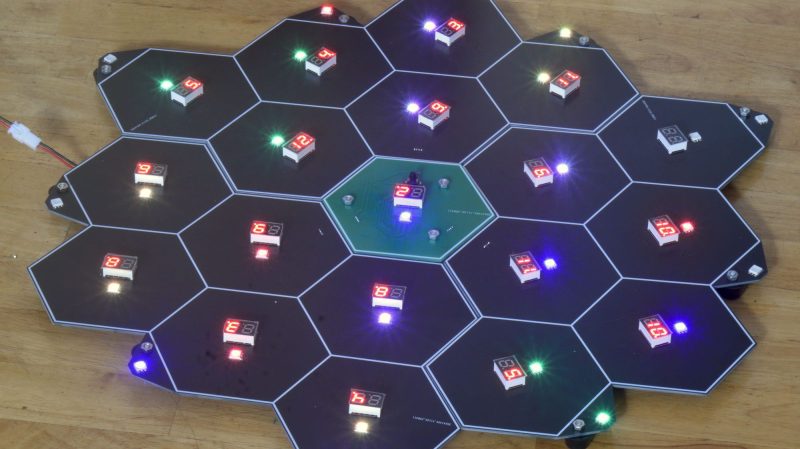
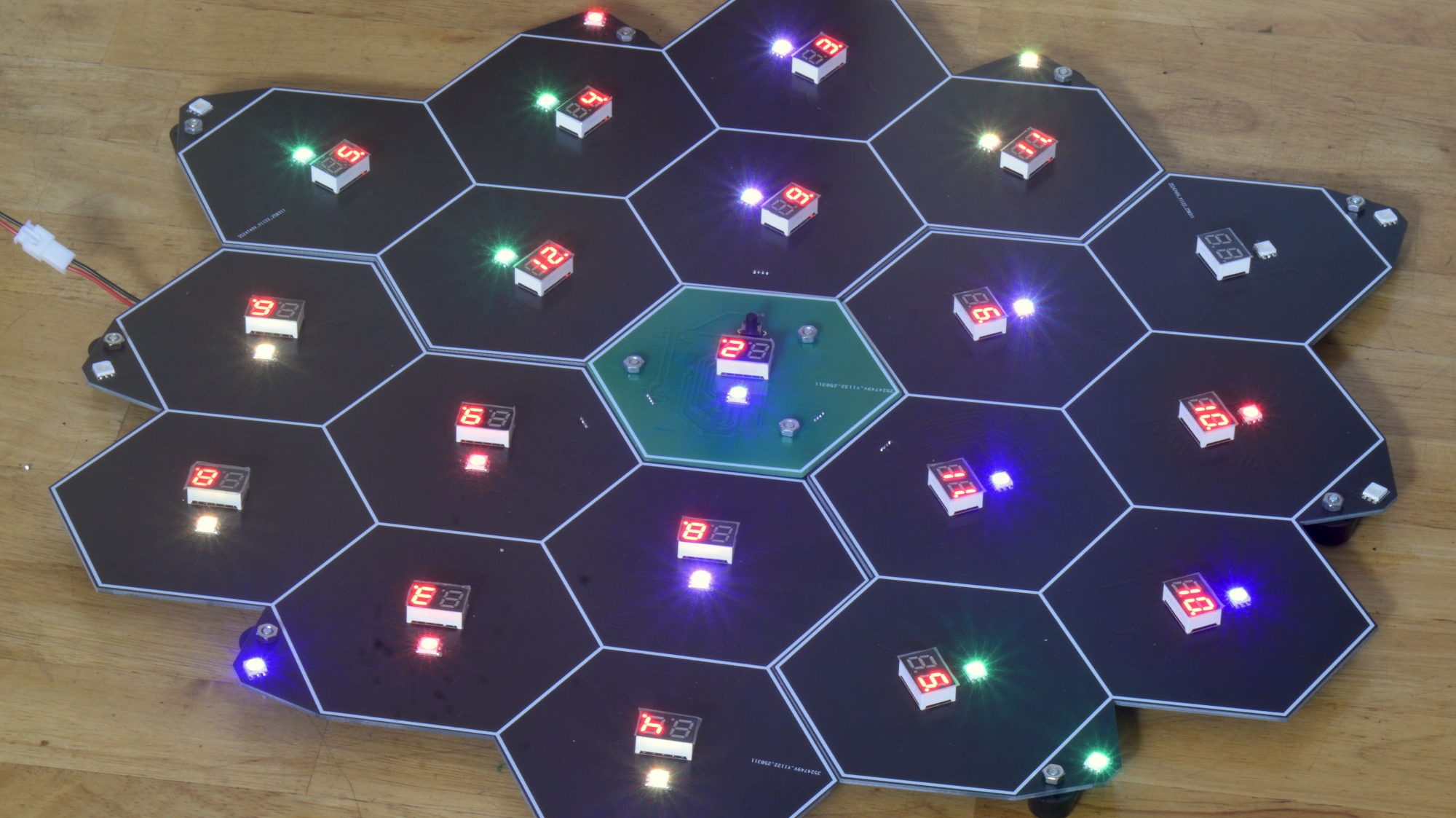

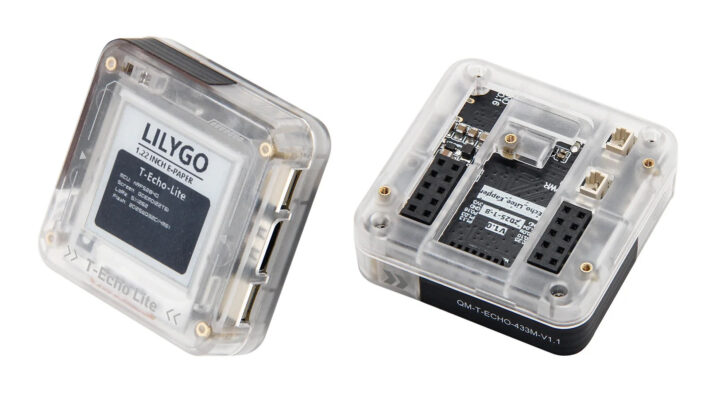
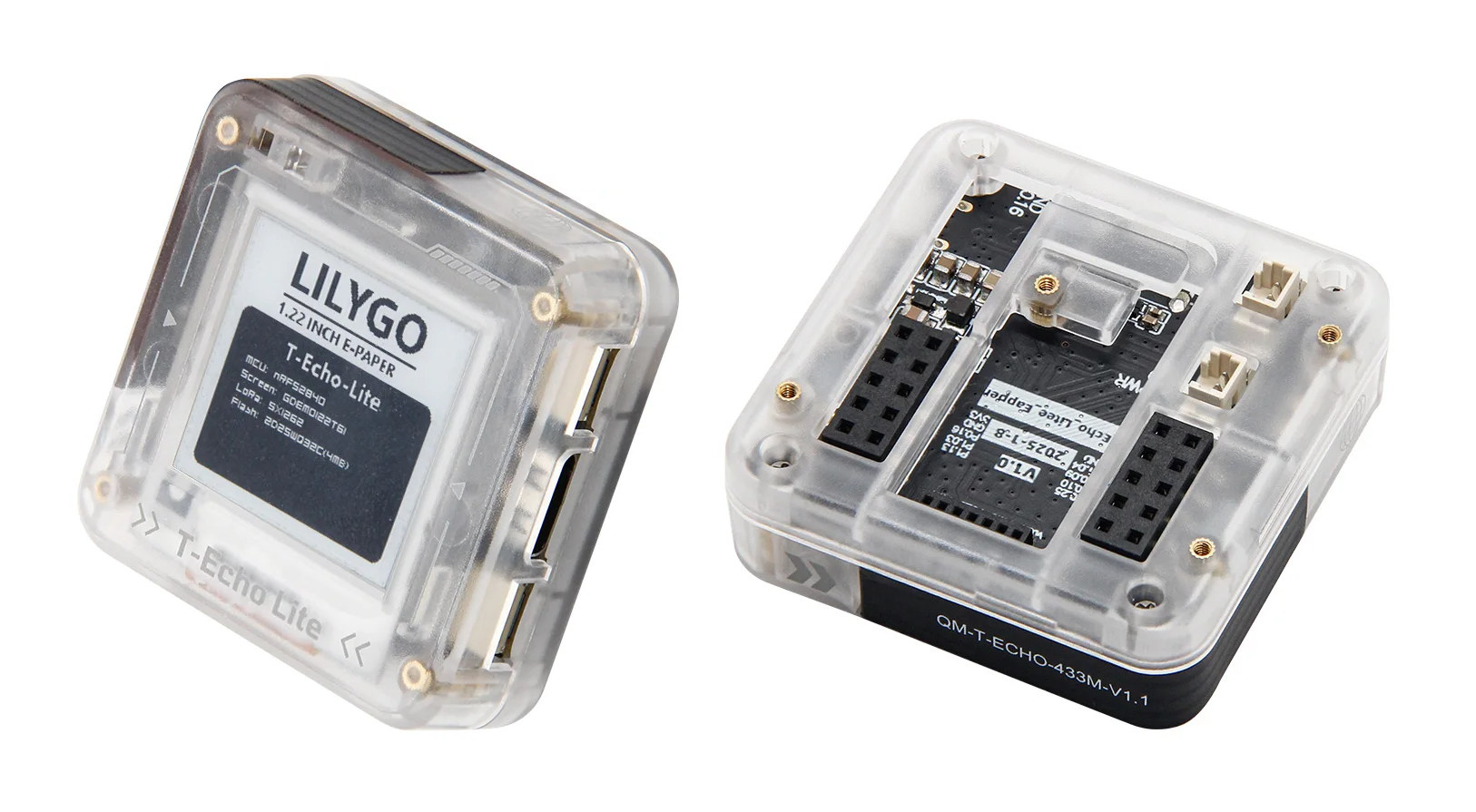
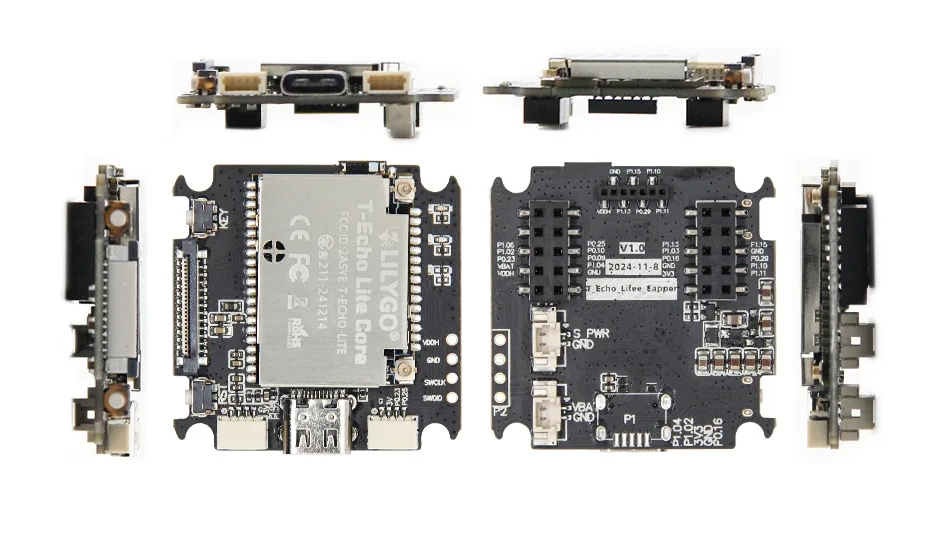
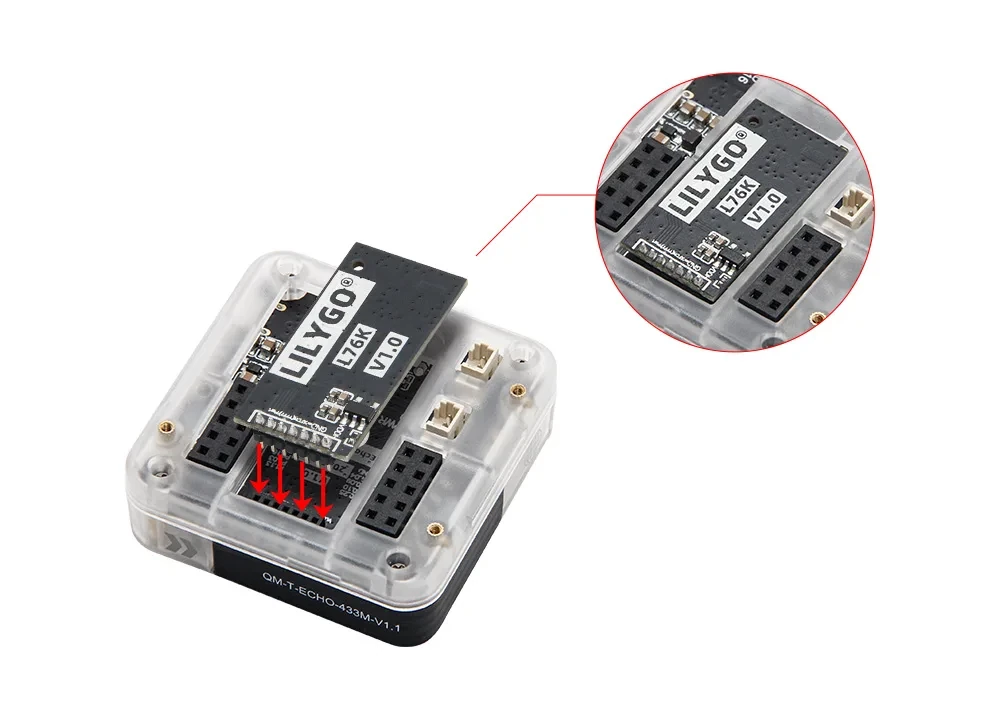
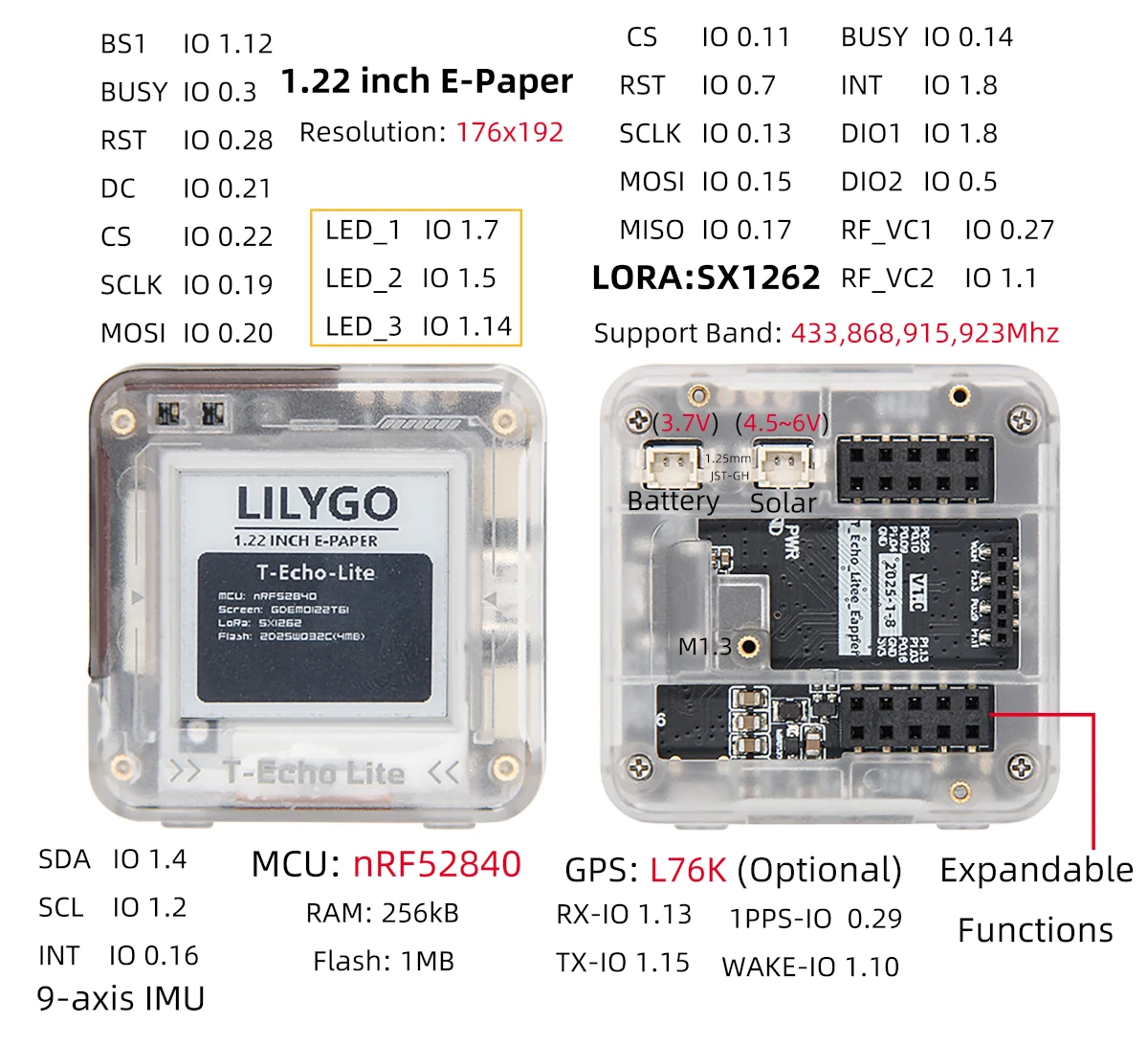







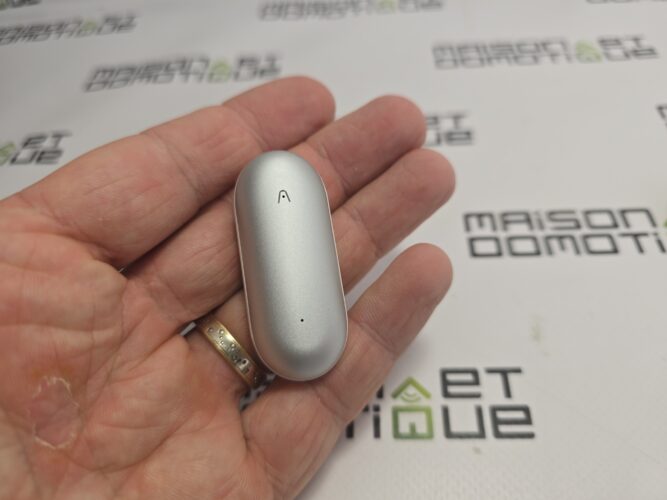 Découvrez le test complet du Plaud NotePin, l’enregistreur vocal dopé à l’IA qui capte, transcrit et résume vos réunions, interviews et idées, même en environnement bruyant. Un assistant portable, efficace et innovant, pensé pour les pros et les créatifs exigeants.


 UploadVRDavid Heaney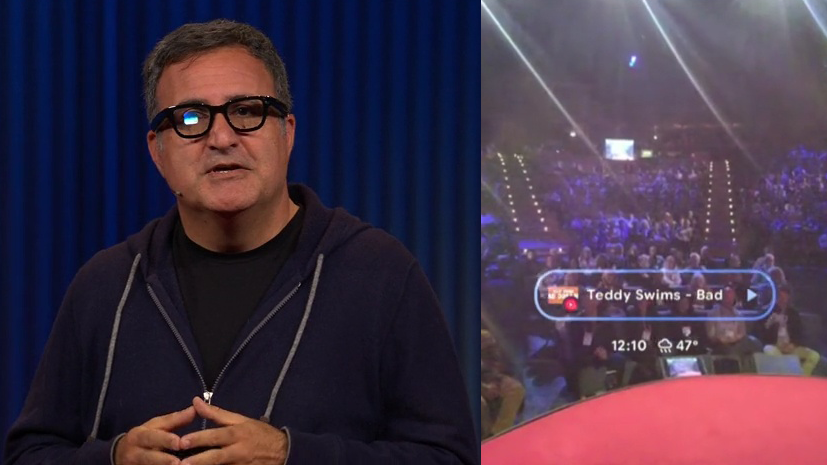
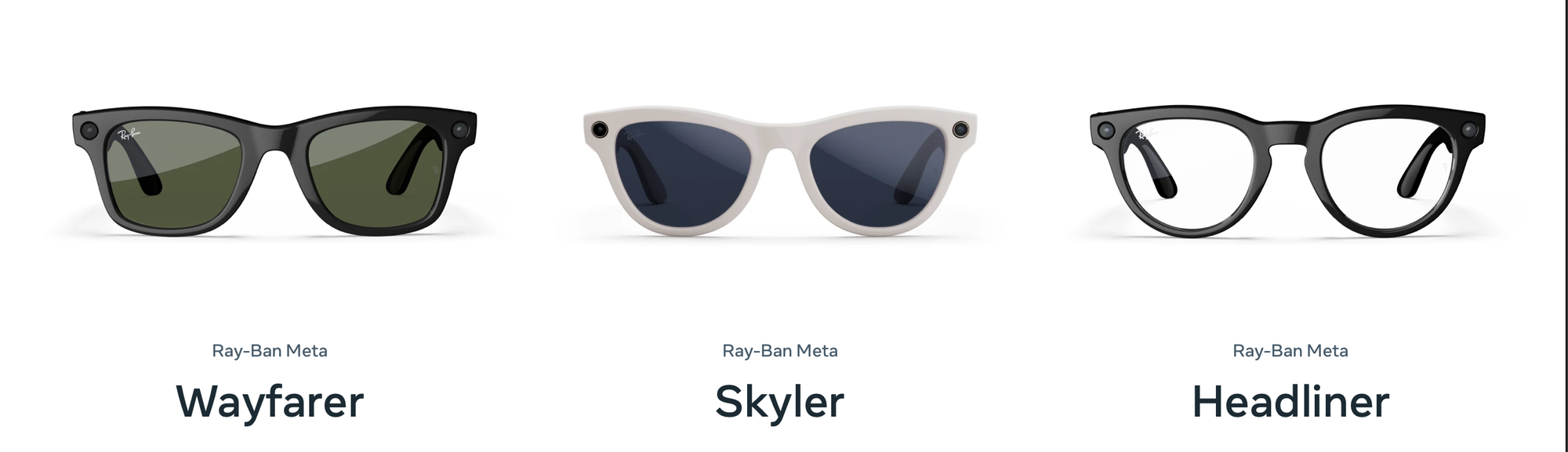


 UploadVRDavid Heaney