They are very different, but having had a couple Arcs and a couple Alphas, I tend to gravitate toward the Alpha now. Don’t get me wrong the Arc is one of the best tools ever made, but there’s just something about the Alpha that speaks louder, at least for my needs.
I love both, and like I said, they are different tools, but for now the Alpha wins, just barely, but enough to choose one over the other.
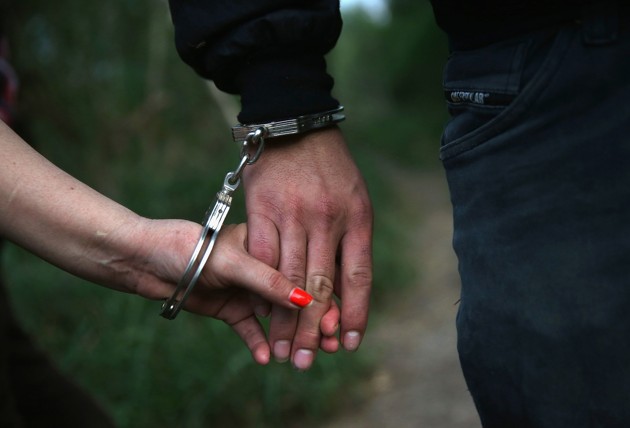
An anonymous reader quotes a report from Ars Technica: The US crackdown on chip exports to China has continued with the arrests of four people accused of a conspiracy to illegally export Nvidia chips. Two US citizens and two nationals of the People's Republic of China (PRC), all of whom live in the US, were charged in an indictment (PDF) unsealed on Wednesday in US District Court for the Middle District of Florida. The indictment alleges a scheme to send Nvidia "GPUs to China by falsifying paperwork, creating fake contracts, and misleading US authorities," John Eisenberg, assistant attorney general for the Justice Department's National Security Division, said in a press release yesterday.
The four arrestees are Hon Ning Ho (aka Mathew Ho), a US citizen who was born in Hong Kong and lives in Tampa, Florida; Brian Curtis Raymond, a US citizen who lives in Huntsville, Alabama; Cham Li (aka Tony Li), a PRC national who lives in San Leandro, California; and Jing Chen (aka Harry Chen), a PRC national who lives in Tampa on an F-1 non-immigrant student visa. The suspects face a raft of charges for conspiracy to violate the Export Control Reform Act of 2018, smuggling, and money laundering. They could serve many decades in prison if convicted and given the maximum sentences and forfeit their financial gains. The indictment says that Chinese companies paid the conspirators nearly $3.9 million. One of the suspects was briefly the CTO of Corvex, a Virginia-based AI cloud computing company that is planning to go public. Corvex told CNBC yesterday that it "had no part in the activities cited in the Department of Justice's indictment," and that "the person in question is not an employee of Corvex. Previously a consultant to the company, he was transitioning into an employee role but that offer has been rescinded."
It’s the second time Moreva has lost her home. She fled to Mariupol from Makiivka, an industrial
city near Donetsk, after Russia occupied Donbas in 2014. The 57-year-old rebuilt her life in the
port city, working as a professor in Mariupol State University’s ecology department and running an
animal shelter in her spare time.
When Russia launched its full-scale invasion of Ukraine, her husband was in Donetsk and their adult
daughter was living near the town of Bucha, where unarmed civilians were massacred.
“I was preparing lectures and my daughter called me early in the morning and said: ‘Mum, we are
being bombed.’ I said: ‘Vika, are you kidding? What do you mean you are being bombed?’ At that
moment it was still quiet in Mariupol.”
Soon after, the phone lines went down and Moreva lost all contact with her family.
Viktoriia Moreva at the Sea of Azov, Mariupol
On the day the airstrikes began in Mariupol, Moreva said she ran into the street with her neighbours
to wave at a drone overhead. “We thought that, seeing civilians, they would not bomb the area,” she
said. “But within a few minutes, the whole district was completely destroyed.”
Moreva described the harrowing early days of the siege of Mariupol: water, gas and electricity
supplies severed; Russian tanks roaming the city; bodies in the streets; children shot in fleeing
cars; screams from under the rubble.
“All the authorities had left, abandoned the city. It was mostly civilians who remained, including
many children, because there was no evacuation and no green corridors. We had nothing – no rescue
services, no ambulances, no fire department, absolutely nothing.”
Viktoriia Moreva’s apartment building after it was bombed
Moreva said at least seven of her neighbours were killed when her apartment block was repeatedly
bombed. The ones who survived cannot go home because the building has since been demolished. Of
those who remain in the occupied city, she knows of only one, an old man, who was rehoused. She said
his case was reported as a “success story” on pro-Russian social media channels.
Across the city, Moreva said the bodies of many people who died in their homes have never been
found. “People were trapped under the rubble when the buildings collapsed,” she said. “They
suffocated or died from cold, hunger and illness because they couldn’t get out, and no one could
reach them. Many were literally buried alive.”
Often, she said, the bodies that were recovered were buried in the courtyards of the apartment
buildings. “People covered the bodies with soil, and when the ground was frozen, they could only
cover them lightly, wrapping them in carpets or blankets.
“In Mariupol, now, they are building houses on bones. They are building so that people cannot
return.”
Viktoriia Moreva with her husband Alexander at Glenveagh National Park in Ireland
Moreva, who was eventually reunited with her family, now lives in Ireland. She still has the keys to
her apartment, “to the door that’s no longer there”. If she ever returns to Ukraine, it will not be
to the adopted city that she loved. “Even if I dreamed of getting there, I cannot enter,” Moreva
said. “I have nothing left in Mariupol.”
Close
Warning: This report contains graphic imagery.
A new apartment in the Mirapolis complex comes with panoramic views of the city. The property
developer boasts easy access to shops and schools, with colourful mock-ups showing families and
manicured gardens. “If you’ve been thinking about owning your own apartment by the sea,” it says,
“now is the best opportunity to realise your dream.” Prices range from about €75,000 to €110,000.
The Mirapolis estate is just one of many “new” residential housing complexes under construction
across Mariupol, the Ukrainian port city subjected to some of the worst horrors of Russia’s
invasion.
When the apartment blocks that originally stood here were bombed in March 2022, the residents of
Building 127 sheltered in the basement. Children were among the 90 people killed in the attack,
according to Mariupol’s Destruction and Victims
Map, which has documented the devastation across the city. At a nearby burial ground, graves
were marked with crosses made from scrap wood.
Credit: REUTERS
The four high-rises on the western edge of Mariupol were destroyed, and then torn down. Now, they
are being rebuilt.
Credit: REUTERS
Across the road is the new Nevsky residential estate, one of the sites pro-Kremlin media has used to
paint a picture of life returning to normal in Mariupol, which has been under Russian occupation for
more than three years. In a video of Russian president Vladimir Putin meeting residents in the
neighbourhood in 2023, a woman in the background can be heard shouting “This is all a lie!”
The damaged buildings were leveled by 2024.
Credit: Google Earth / Maxar, Google Earth / Airbus
A Bellingcat investigation has identified 23 multi-storey housing complexes — more than 50
buildings with at least 6,000 apartments – being built in the ashes of Mariupol and advertised
for sale, with low interest rate loans, to Russian citizens. Construction of the first buildings
has been completed; new residents have already moved in. Meanwhile, many of the original
Ukrainian owners cannot return home.
Satellite imagery shows the buildings before Russia invaded Ukraine in 2022. By the
summer of 2024, all had been demolished, with some already being rebuilt.
Russia launched its full-scale invasion of Ukraine on Feb. 24, 2022, minutes after
Vladimir Putin announced the start of a “special military operation” on state television.
Credit: Al Jazeera
The strategically important southeastern city of Mariupol was surrounded within days. Homes and
infrastructure were shelled.
Credit: Associated Press
The Russian bombardment cut food, water, power and heat to the besieged city. Internet and phone
lines went down.
Credit: REUTERS/Alexander Ermochenko
Most of Mariupol’s 430,000 residents were forced to flee.
Credit: REUTERS/Alexander Ermochenko
By the time the brutal 86-day siege ended, an estimated 25,000 people had been killed,
including thousands who died when their homes were bombed. Many are buried in mass
graves. The United Nations said
90 percent of Mariupol’s residential buildings were damaged or destroyed.
As part of its post-siege reconstruction of the coastal city, Russia deployed workers to
demolish what was left.
And to rebuild. In the months after Mariupol was razed, the new authorities released a
plan
to “restore” the city and grow its population to 500,000 over the next decade.
It is part of the Russification of Mariupol: streets have been renamed, Ukrainian monuments
removed, and murals painted over. Access to Ukrainian websites has been blocked and Russian
programmes are shown on television. Mariupol and St Petersburg are now “twin cities”.
Russia is painting a picture of a city restored, but many locals still live in perilous
conditions, including some in half-destroyed buildings.
Credit: REUTERS/Sergei Ilnitsky
Continue reading
Take me straight to the data
“A Step into a Bright Future”
The largest of the 23 developments is the Leningrad Quarter, a 10-minute drive from the shore of the
Sea of Azov. The sprawling residential complex, in Mariupol’s north-east, includes at least 11
high-rises along with car parking, recreation areas and children’s playgrounds. Last week, another
phase of the project was released, with four new apartment blocks listed online. “We are building
the future of Russia!” the website for the development says. The apartments are listed for sale with
“preferential
mortgages” at a 2 percent interest rate over 30 years with Russian banks. Mortgage rates in
Russia are, on average, about 20 percent.
Rewind three years. The Leningrad Quarter was a site of death and destruction. People fell from
their windows when the original building at 81 Metallurgist Avenue was shelled and engulfed in
flames, according to posts in a Telegram channel that documented the lives lost here. A
great-grandmother was killed when her apartment in Building 77 burned, her family said. Another
woman died while hiding in the basement of Building 121. “Forgive me, mum, for not saving you,” her
daughter wrote. Near Building 83, someone posted a photo of a 36-year-old woman’s grave, with fresh
flowers and a makeshift plaque. “I don’t know how she died,” they said.
Credit: TASS
Residents who survived the siege of Mariupol, or have since returned to the captured city, face the
challenge of finding somewhere to live. How can they prove ownership when property records are
missing or have been destroyed? To claim their home in the occupied territory – to prevent an “ownerless” property from
being confiscated – they must become Russian citizens and present, in person, with ownership
documents.
Credit: Mariupol’s Destruction and Victims Map
Some residents – including the people who lived in the original Soviet-era buildings at the
Leningrad site – have posted videos to social media, cautiously appealing to Putin and the
Russian-installed authorities in Mariupol to intervene.
“We don’t have the possibility to buy the housing with [a] mortgage, as many of us are
pensioners or have lost practically everything,” one woman said. Another said: “In 2022 we
lost housing, property, and many of us also our loved ones.”
Residents complain about being unable to move back to the sites where they used to live, and
say they were misled about access to compensatory housing. They say many people across the
city are still homeless or forced to rent.
Those who can prove property ownership say the financial compensation being offered is at a
rate far lower than market value. Authorities have said they will compensate residents who
lost their homes in the war, but this is capped at about €12,000 for
a one-person household and €16,000 for a two-person family. The cheapest flats advertised in
the rebuilt apartment blocks start at about €45,000 for a 20m2 studio.
“We are not asking for favours, but for adherence to the law and promises made,” one woman
said. “We ask to be given the housing we were promised, not an offer of [a] mortgage to our
own house or someone’s ‘ownerless’ apartment.”
It’s not only people from the reconstructed high-rises advertised for sale who are impacted. In one
video, a woman can be heard sobbing as she films the hollowed-out shell of a building on the western
edge of Mariupol. This apartment block was demolished but has not been rebuilt.
For Viktoriia Moreva, who lived on the first floor of the building, there’s nothing to go back to.
Moreva was in a friend’s home nearby when airstrikes hit her home in March 2022. She watched it
burn.
Viktoriia Moreva in Ireland
“We just couldn’t understand it, why the shelling started with the houses,” she
said. “It was a quiet residential area. There was a school and two kindergartens in
this area. No soldiers were in the houses. Only civilians.”
Read Viktoriia’s story
“Flagrant Violations of International
Law”
Professor Balakrishnan Rajagopal, the UN’s Special Rapporteur on the right to adequate housing, said
Russia’s attacks on homes and residential areas in Mariupol were “grave war crimes and crimes
against humanity”.
He told Bellingcat that the scale and intensity of destruction, mass displacement of residents and
deaths of civilians constituted “one of the most flagrant violations of international law” and were
“comparable to some of the worst examples from World War II”.
“Mass destruction of homes during conflict as in Mariupol are acts of ‘domicide’, as I proposed to the UN General Assembly
in 2022, and may constitute war crimes, crimes against humanity or even genocide, depending on
facts,” he said.
Professor Rajagopal said the housing policy measures implemented by Russia were contrary to the
basic rules of international law, such as the prohibition against taking private property during
occupation under the laws of war, including the Hague regulations.
“What appears to be happening is in fact an annexation of Ukrainian territory, through occupation
and creation of new property rights which excludes the former owners,” he said. “Declaring a
property ‘ownerless’ or ‘abandoned’ in order to annex it is an old colonial legal trick that settler
colonial states have used for hundreds of years when such property, usually belonging to native
populations, was declared ‘terra nullius’ (no person’s land) in order to acquire it, but is
considered to be completely contrary to modern international law.”
“What Russia is attempting is to go back to medieval practices and discredited norms such as ‘terra
nullius’ that Russia itself, as part of the Soviet Union, actively opposed for decades.”
A 2023 analysis by the Kyiv School of Economics estimated the damage to Ukraine’s housing stock to
be almost $56 billion. Mariupol was one of the worst-affected cities: Ukrainian authorities said
more than 11,000 homes were destroyed and tens of thousands more were damaged. Half of the 2,600
multi-storey residential buildings were reduced to rubble.
Credit: REUTERS
Over a large block that was decimated in central Mariupol, seven separate residential complexes are
nearing completion. Among them are four gemstone-named developments ranging from nine to 15 storeys.
Three apartment blocks in the centre of the “resort town” – the Residence I, Residence II, and
Residence III – are due to be completed by the end of the year.
Like the other estates analysed by Bellingcat, these apartments are listed on Russian real estate
websites with low-interest loans.
The advertisements target families with children: “Everything is close by: the sea, a park, schools,
medical facilities and a church,” says one for the new Residence III. They don’t show what was here
before.
The tree-lined street where Residence III now stands became a graveyard during the siege.
Credit: REUTERS / Alexander Ermochenko
A short walk away is Hospital No. 3, the children’s and maternity hospital bombed by Russian forces
on March 9, 2022. “Everything was destroyed in one second,” said Elena Karas, a nurse who was caring
for 13 premature babies on the third floor. “I didn’t ever think they could bomb our hospital. Not a
hospital. You would think it’s a safe place,” she
toldThe New York Times.
Ukrainian authorities said three people were killed and more than a dozen others were injured in the
attack, which President Volodymyr Zelensky said was evidence of genocide.
Iryna Kalinina, the wounded pregnant woman in this photograph, and her unborn baby – named Miron,
meaning “peace” – both died.
Credit: Associated Press / Evgeniy Maloletka
Across the road from the hospital, construction workers are building the Horizon complex, two
“comfort class” high-rises due to be finished by 2026.
A block behind the site is the Cypress complex. The residential building that originally stood here
was bombed and later torn down. Advertisements for Cypress – “a new destination for those who value
prestige, comfort, and reliability” – tout the 15-storey building’s proximity to Hospital No. 3.
On March 16, 2022, a Russian airstrike hit
Mariupol’s drama theatre.
The grand Soviet-era building had become the city’s main bomb shelter, with hundreds of civilians
seeking refuge inside. Outside, the word “CHILDREN” had been spelled out on the ground in giant
Cyrillic letters. As many as 600 people reportedly
died in the attack.
Credit: Google Earth / Airbus
Less than 500m from the theatre is the original site of the House with the Clock, a historic
landmark in the city’s centre. Noted for its clock tower, the 1950’s building served as a meeting
place for the city’s residents.
In the months before Russia’s invasion, its facade had been restored and a new clock installed.
Credit: House with the Clock / Google Maps
The building was shelled during the siege and demolished after Mariupol fell.
Credit: Mariupol’s Destruction and Victims Map
A new multi-storey complex with studio, one- and two-bedroom apartments was built on the site in
late 2024. “The House with the Clock was a recognisable symbol of Mariupol, but was damaged during
the war,” the property developer’s website says.
As is the case with most new complexes analysed by Bellingcat, its original address was changed
under occupation – a tactic Mariupol’s residents say further complicates their claim to housing. The
House with the Clock was on Myru Avenue – “Avenue of Peace”. The road has since been renamed Lenin
Avenue, after the former Soviet leader.
Farther east is the Azovstal Iron and Steel Works plant, where Mariupol’s last defenders surrendered on May 20, 2022.
Credit: Cover Media via REUTERS
Beyond the Azovstal steelworks are four new residential developments: the Olympic, Left Bank,
Zhukova and Designer’s House Mari, a seven-storey “business-class” complex “inspired by the sandy
coast”.
The bombed-out building seen in this footage is where Designer’s House Mari is being built.
Credit: Defense of Ukraine
Polished advertisements for the new building show it will feature landscaped courtyards and a
24-hour concierge service. Prices for a two-bedroom apartment are listed for about €130,000.
Ukrainian journalist Mstyslav Chernov and his Associated Press colleagues were trapped in Mariupol
during the first weeks of the siege.
The last international journalists to remain in the city, they captured
some of the most defining – and haunting – images of the war.
Unblur videos
The crew reported from across the charred city, including in Mariupol’s north-west, near the new
655-apartment Mirapolis complex. In this area, four new complexes are also under construction.
“This is where your story begins,” a website for the Azure Coasts development says. Among the people
killed here in March 2022 was an elderly man. “He lies there under the rubble,” his granddaughter
posted on Telegram.
An apartment building on Kuprina Street promises its new residents “comfort, security and
affordability”. A video filmed nearby after the original buildings were bombed shows unburied bodies
on the grass, carefully wrapped in sheets.
Credit: Mariupol’s Destruction and Victims Map
Maple Alley, a complex with 10 apartment blocks, is featured in a Russian YouTube video with the
caption: “Dreaming of an apartment by the sea with a preferential mortgage?” It is being built where
a mother and her son were buried with their neighbours during the siege.
Credit: Mariupol’s Destruction and Victims Map
This high-rise, advertised as having children’s playgrounds and being close to a kindergarten, is on
Troyiczka Street, which has been renamed to commemorate the USSR.
Credit: Mariupol’s Destruction and Victims Map
The UN’s Office of the High Commissioner for Human Rights (OHCHR) has said
that Russia’s legislation on “abandoned property” in occupied Ukraine violates international humanitarian
law prohibiting the unlawful confiscation of property, affecting both the right of displaced people to
return to their homes and the right to adequate housing.
The Institute for the Study of War (ISW) said Russia was engaged in a “large-scale campaign” to inventory
real estate in occupied parts of Ukraine, including Mariupol, with the intention of nationalising and
seizing property. Karolina Hird, a national security fellow at ISW, said the campaign has two main aims: to
generate profit for the Russian state and to repopulate occupied areas with Russian citizens and residents
loyal to the regime.
Hird said Russia’s bill to standardise and codify the mass nationalisation of “ownerless” property in
occupied Ukraine contains a provision for allocating nationalised residential real estate to government
officials, military and law enforcement personnel, doctors and teachers. The properties are often offered to
Russians at premium rates, she said, as a financial incentive to attract relocation to occupied regions.
“The property nationalisation campaign therefore supports the Russian effort to lend legitimacy to its
illegal occupation by creating the impression that occupied areas are predominantly populated by Russian
citizens. The fact that Ukrainians who wish to reclaim their property from Russian nationalisation schemes
must have Russian documentation further supports this campaign.”
As of Aug. 2025, Russia’s real estate registration agency Rosreestr reported that it had registered 550,000
properties in occupied Ukraine as “ownerless”.
Hird said the impact on the original owners and residents of seized property can be severe. “Russia uses its
ownership of the seized property as a coercive bargaining tool, basically trying to force residents to
return to occupied areas and receive Russian documentation and face the horrors and challenges of living
under occupation if they wish to retain their property,” she said.
“Property seizure also represents a loss of control for the original residents, who have no mechanism with
which to dispute its allocation to Russian citizens or regime loyalists. Russia’s longer-term aim is to make
the reintegration of occupied territories seem infeasible to Ukrainians, and the seizure of homes and
apartments significantly complicates the concept of future reintegration.”
Any serious gardener will spend countless hours planning and planting, weeding and watering, cursing groundhogs, and drowning slugs in beer. If you’re up for all of that, a raised-garden-bed kit will certainly make it easier to get started.
A raised bed offers a lot of advantages: It can prevent soil compaction, drain reliably, and extend the growing season. And you can avoid planting in contaminated soil. Also, orderly, organized beds tend to look tidier than an in-ground garden.
To compare the best raised garden beds for sale, I spent 45 hours researching models, talking to gardeners, and comparing materials costs at landscape suppliers and lumber yards. And since I’m the chair of the PTA greening committee at my kids’ elementary school, I got permission to assemble six ready-made raised-bed kits on school grounds, as well as a DIY raised bed made out of notched concrete blocks and 2-by-6 cedar boards. Parents and students helped us fill the beds with 7 cubic yards of compost, soil, and seedlings — approximately 4.5 tons’ worth. We found a lot of good options.
Visiting in early November from Michigan and deciding what to pack. I see the weather is around the high 60's/low 70's. Are people in sweaters and boots, or are you still more comfortable in warm weather clothing?
We're in full Fall fashion here in Michigan, so want to make sure I'm prepared for the weather and don't over pack. Female here, but open input from all genders.
It was late in the evening at Hillary Clinton’s victory party in 2016, and by that point, the guests understood there would be neither a victory nor a party. As Donald Trump’s upset sank in among the hordes at the Javits Center in Manhattan, I asked one Clinton supporter how he was feeling. “Like I want to kill myself,” he said.
Later, at a bar in Hell’s Kitchen, I stumbled upon a group of Clinton-campaign aides sitting together in tears. A tray of shots sat on the table before them. They shared a look of shock: How could this possibly have happened?
Trump trails Joe Biden by an average of eight points nationally, and is behind in every important battleground state. But his reelection still seems plausible, if only because 2016 seemed so implausible. “If I take my PTSD hat off, I can feel semi-comfortable about where things are,” Steve Schale, a Democratic strategist in Florida, told me. “But it’s impossible to take my PTSD hat off.”
Better to leave it on. Surrounding Trump is an apparatus that is still trying to flip states and woo evangelical, Latino, and Black voters, who could all make a difference in a tight race. “There are some people on the Trump campaign who understand political strategy,” Ryan Williams, a spokesperson for Mitt Romney’s 2012 campaign, told me. “They’re just overridden on a daily basis by whatever the president says or does.”
Certainly, the chaos candidate isn’t making the job any easier. At a rally last week, Trump told the people of Erie, Pennsylvania, that he’d rather be somewhere other than the city they call home. Still, the president’s reelection campaign is doing a few things that might work. Here are four.
Trying to expand the map
The president will be better positioned for another Electoral College victory if he can pry loose a state or two that Democrats won last time. His campaign has been eyeing New Hampshire and Nevada, but another target, Minnesota, has as many Electoral College votes as the other two combined. Clinton carried Minnesota by only 45,000 votes in 2016. Although Republicans haven’t won it since 1972, a play for Minnesota is not a bad gamble: At minimum, competing in the state forces Democrats to divert resources from other battlegrounds.
Minnesota Democrats estimate that as many as 250,000 white residents who didn’t go to college—the heart of Trump’s base—weren’t registered to vote in 2016. Republicans are taking pains to find them. While Democrats in the state have largely suspended door-to-door campaigning because of the pandemic, Republicans have kept at it. Last week, volunteers knocked on more than 130,000 doors in the state, a campaign official told me. “This is the largest organization that we’ve seen a Republican put into this state, in terms of advertising dollars, principal visits, and staff on the ground,” Ken Martin, the chair of the Minnesota Democratic-Farmer-Labor Party, told me. “There’s no doubt that they have a significant operation here.”
Trump’s campaign has booked more than $1.2 million in TV advertising in Minnesota in the final week of the campaign—more than it spent there in the preceding three weeks combined, according to Advertising Analytics, which tracks campaigns’ ad spending. Vice President Mike Pence held a rally in northern Minnesota on Monday, the latest in a series of visits to the state by Trump and top surrogates. Overall, the Trump campaign has deployed 60 staffers in Minnesota, a level of Republican intensity surpassing that of any race in memory, both parties say. (Democrats say they have many more staffers on the ground in the state).
Biden’s lead in Minnesota stands at 5 percentage points, according to the Real Clear Politics average of polls. That number could be inflated. State-level polling proved flawed in 2016: Clinton won Minnesota by 1.5 percentage points even though some of the final polls showed her up by double digits. “Knowing what we do about 2016, we would all be foolish to imbue the polls with undue certainty,” Charles Franklin, a pollster, told me. Both Biden and Trump are scheduled to make dueling appearances in Minnesota today.
Winning Minnesota would give Trump “some leeway to lose another state that he won last time,” Williams said. “It’s an insurance policy,” even if it isn’t “a game changer.” Minnesota has the same number of electoral votes as Wisconsin, for example—a battleground that Trump narrowly won four years ago. Should he lose Wisconsin this time, he’d be no worse off in the Electoral College tally if he manages to wrest Minnesota from the Democrats.
Microtargeting Latino voters
Trump’s campaign is sending customized messages to voters of Cuban, Colombian, Venezuelan and Nicaraguan heritage who may be receptive to the president’s anti-socialist rhetoric.
“It’s classic microtargeting,” José Parra, a Democratic consultant and former aide to ex–Senate Democratic leader Harry Reid, told me. Trump is “going after the main groups in South Florida that could help him out in blunting Democratic turnout.”
A theme of Trump’s messaging is that he’s a bulwark against leftist ideology espoused by specific political figures in Latin America. “These are folks who are generally religious and culturally conservative,” Nick Trainer, the campaign’s director of battleground strategy, told me of the voters being targeted. “Especially in Florida, the Cuban and Venezuelan voters often have left countries that have communist histories. The advantage of incumbency is we get to spend time homing in on each and every piece of the electorate.”
One ad juxtaposes images of Biden and the late Cuban leader Fidel Castro, a reviled figure in much of Florida’s Cuban American voting bloc, which numbers about 900,000, according to Eduardo Gamarra, a political-science professor at Florida International University specializing in Latin American politics. The same ad also includes footage of Gustavo Petro, a former Colombian guerrilla and an ex-mayor of Bogotá, saying he supports Biden. About 200,000 Colombians living in Florida are registered to vote, Gamarra said. Asked about the ad, a Biden-campaign official told me, “No, he [Biden] doesn’t want the support of Petro. Of course we don’t. Just—no.”
Meanwhile, Trump used his Twitter feed earlier this month to congratulate Colombia’s ex-president Álvaro Uribe after he was ordered released from house arrest amid an investigation into alleged witness tampering. Uribe’s tenure was also linked to human-rights abuses. Trump called him a “hero” and an opponent of socialism.
“It’s smart politics,” Gamarra said. Trump is “playing to the right wing here in Miami. Most Colombians are Democrats. But all he needs—and this is key—is to move these communities by 5 or 10 percent and that’s enough to change the equation in Florida.”
Shoring up evangelical voters
White evangelical Christians accounted for 20 percent of people who voted in 2016. Today, they constitute only 18 percent of registered voters, according to the Pew Research Center. Some are tiring of Trump’s act. He received 80 percent of the evangelical vote in 2016; a Pew poll earlier this month showed that his support had slipped to 78 percent. “He needs maximal white-evangelical turnout. That’s his only path to winning,” Michael Wear, who handled religious outreach for former President Barack Obama’s 2012 reelection campaign, told me.
“All the evangelicals I know have expressed chagrin, or concern, or heartburn, or some combination of the three about some of the president’s vocabulary and some of the president’s posturing toward those with whom he disagrees,” Richard Land, the president of the Southern Evangelical Seminary and a member of a group called Evangelicals for Trump, told me.
There isn’t much Trump can do about the larger demographic trends that have trimmed his base, but he can give evangelical voters reason to show up at the polls. In the final sprint to Election Day, Evangelicals for Trump is holding several “Praise, Prayer, and Patriotism,” events in battleground states. Past meetings featured the Florida televangelist Paula White and Alveda King, a niece of Martin Luther King Jr. A meeting at a Las Vegas hotel this summer drew hundreds of people—along with condemnation from the state’s Democratic governor, Steve Sisolak, for violating COVID-19 restrictions limiting gatherings to 50 people.
For the faithful, Trump isn’t an obvious choice. As my colleague McKay Coppins wrote, Trump has privately mocked Christian leaders and derided certain religious rites and doctrines. But he’s also taken action that matters to evangelicals, capped by the hasty nomination of the newest conservative Supreme Court justice, Amy Coney Barrett, whom he swore in Monday night. She is the third justice he’s installed on the high court, cementing a conservative majority that will decide cases on abortion rights, religious freedom, and other cultural issues long after Trump is gone. Trump is deploying “a very clever, cynical, and mostly successful strategy,” Rob Schenck, an evangelical minister who supports Biden, told me. “He made a deal with American evangelicals. He said, ‘You tell me what you want and I will deliver it, and you will give me back what I want—and that’s your vote.’”
Holding rallies to recruit new voters
Democrats went through rounds of finger-pointing after Clinton’s defeat. Should Biden lose, a similar reckoning will begin anew. Already, some analysts point to inroads Republicans have made in voter registration as a potential problem.
At Trump rallies, campaign aides have been checking to make sure supporters are registered to vote. (Biden largely chose to forgo big rallies because of the pandemic). In Florida, the Democratic registration advantage is down to about 134,000 voters, out of a total of more than 14 million. By contrast, in the 2000 election, Democrats’ registration lead in Florida was 379,000. In Pennsylvania, Republicans have cut the Democrats’ registration lead since 2016 from 916,000 to 687,000, out of 9 million registered voters. That’s not a trivial difference. Four years ago, Trump won Pennsylvania by just 44,000 votes.
Sean Trende, a senior elections analyst at Real Clear Politics, cites the registration numbers along with Trump’s relatively high approval ratings on the economy as evidence that he could prevail. “If Trump does pull out the win or overperforms expectations significantly, we would look back at these types of things and say, ‘Yeah, it was there all along!’” Trende told me.
Trump wasn’t supposed to win last time, making it harder to believe that he may lose this time. “You have this gnawing feeling in the back of your head about how wrong everyone was in 2016,” Chris Kofinis, a Democratic strategist, told me. “When people this time suggest, ‘There’s no way Trump can win; look at the polls; it’s impossible’—I heard that exact same nonsense in 2016. We all lived it.”
I'm trying to figure out if the skipjack class submarines had a towed sonar array that leads out the end of the starboard stern plane. I know that USS Shark had a completely different array but can't find solid evidence of the any of the 6 skipjacks containing the specified array.
Most of the Skipjack images don't show it but in the cold waters game, the Skipjack does have one and this drawing suggests that it did: https://imgur.com/a/GpceRd6
If you know that it does or doesn't please link me some reference images of it.
The House Judiciary Committee has released its conclusions on whether Amazon, Facebook, Apple, and Google are violating antitrust law. Its 449-page report criticizes these companies for buying competitors, preferencing their own services, and holding outsized power over smaller businesses that use their platforms. “Our investigation revealed an alarming pattern of business practices that degrade competition and stifle innovation,” said committee member Val Demings (D-FL). “Competition must reward the best idea, not the biggest corporate account. We will take steps necessary to hold rulebreakers accountable.”
The majority’s report lays out a number of concrete policy recommendations, which, taken together, would drastically change how the...
Piracy warnings come in all shapes and sizes. While some notices have no teeth, others should be handled with extreme caution.
Typically, alarm bells should go off when a letter is sent by a lawyer who knows who you are.
One such warning was sent to Mrs. Parks in early June, both by first class mail and e-mail. The Arizona woman is one of the people whose personal details were shared by the torrent site YTS, an issue we addressed in detail earlier.
Exposed by YTS Database Info
This YTS database ended up in the hands of anti-piracy attorney Kerry Culpepper, who’s actively exploiting it. The lawyer represents several movie companies and has used the information in the database to request out of court settlements from pirates.
Mrs. Parks, who allegedly downloaded the film “Lost Child,” was given the chance to resolve her case for $1,000 in four separate payments. If the first three payments arrived on time, the final $250 would be waived.
This same tactic is being used on dozens if not hundreds of alleged YTS users. It’s not clear how many people settle, but Mrs. Parks and her husband Mr. Dabney initially seemed willing to take the deal, which was confirmed over the phone and via email on June 8.
Agreement to Settle for $1,000
After this initial agreement, communications stopped for a while. Parks and Dabney never sent back the signed settlement agreement and a reminder on August 31 remained unanswered.
This course of events was written up in a complaint filed at a federal court in Arizona yesterday. The plan was to resolve the matter outside of court, even after the same IP-address shared another movie last week.
“On or about September 21, 2020, after still having received no communication from Defendants, Plaintiffs’ counsel determined that the same IP address Defendants used to download the torrent file for Lost Child (47.216.212.227) was used to download and share copies of the motion picture Saving Christmas,” Culpepper informs the court.
The complaint lists both Mrs. Parks and Mr. Dabney as the defendants. They are accused of using one and the same YTS account and allegedly downloaded the film “Lost Child” last year and “Saving Christmas” a few days ago, after which the attorney sent another settlement request.
“On September 21, 2020, Plaintiffs’ counsel sent Defendant Dabney a demand by email for the full $1000 of the settlement agreement and an additional $750 as damages for infringing the motion picture Saving Christmas,” the complaint reads.
Husband Responds With Tirade
After weeks of silence, Mr. Dabney responded to that request. He was not open to any settlements, however, and accused the lawyer of being “a fraud and a scam,” threatening to take action against the lawyer and his “fake law firm.”
The movie companies’ attorney responded by confirming that he would indeed file a lawsuit, reminding the alleged pirate that he wouldn’t get far in court with such scandalous language. That didn’t change the man’s tone, however, on the contrary.
“Look here. You will NOT get a dime out out [sic] me. You think that language was bad you ain’t seen sh*t fa**ot. That’s not a threat that’s a f*ckin promise. Put that in your records f*ckin bitch ni**a. Dude with a girls [sic] name. Get the f*ck out here and leave me family alone,” he replied.
In a follow-up email, Mr. Dabney further urged the attorney to “…stop looking at [his] IP address…” while accusing him of “…watching [his] 3 year old through the camera…”
Case Goes to Court
Instead of backing off, the attorney quoted these emails in the complaint he filed at the US District Court of Arizona. Representing the owners of the films “Lost Child” and “Saving Christmas,” he accuses the two defendants of both direct and contributory copyright infringement.
In addition, the complaint also includes a “breach of contract” allegation against Mrs. Parks, who allegedly failed to honor the settlement agreement that was agreed on earlier.
In court, the husband and wife now face damages claims that may end up being substantially higher than the original settlement. In addition to the damages claim, the complaint also requests compensation for legal costs and attorneys’ fees.
—
A copy of the complaint, filed on behalf of Santa Files Productions LLC, and Laundry Films Inc is available here (pdf)
From: TF, for the latest news on copyright battles, piracy and more.
by George Dvorsky on Earther, shared by Brian Kahn to Gizmodo
A biologist working off the Ross Sea in Antarctica has stumbled upon an assortment of Adélie penguin remains, some of which appeared to have died only recently. Turns out these dead penguins are actually quite ancient, having been newly exposed by the effects of global warming.
Everyone is looking for joy. Parents, this includes our children.
The search for joy lies behind all of our kids’ desires. It informs and directs all of their hopes, feelings, and actions. It is the proverbial carrot hanging in front of our kids’ hearts. It’s why they make that face when you remind them that dessert belongs only to those who eat their vegetables, and why their world seems to hinge on having five more minutes of video-game time.
Once we recognize joy’s formative power over our kids’ hearts, we are well on our way to knowing our children better and our role as parents better too.
Stewarding Joy
When God calls us to be fathers and mothers, he calls us to be stewards of our children’s joy. Which means that a lot of what we do centers on helping our joy-obsessed children find their greatest joy.
Now, this might sound strange to many of us. Most parenting books and podcasts don’t spend a lot of time accentuating the influential power of joy in our kids’ lives. Yet, whether you see it or not, you are more than likely already stewarding your children’s joy toward some end.
Just think about this week. What did you say to your daughter about her run-in with the school bully? What did you do when your middle child didn’t make the high school team? More than likely, you sought ways to replace their hurt with joy. And it doesn’t just have to be hurt that we exchange — we seek all the time to replace good with better, and better with best, such as when we tell our kids to power down their screens and pick up a book.
These instincts show us that much of what we do as parents is driven by our innate commitment to help our kids find joy. This is a good thing, but it’s also where we can get into problems.
Settling for Less
The pursuit of joy itself is good. God created all of us to seek true and lasting joy because he knows that this search ultimately leads us to him. This is why Jesus uses parables to liken God and his kingdom to buried treasure and a beautiful pearl (Matthew 13:44–46; cf. Philippians 3:7–8). He knows we would sell everything to makes these priceless riches our own because of the happiness they promise us. Jesus then helps us see that the real treasure, and the real pearl of great price, is God and his kingdom. This is where joy ultimately resides, and making this joy our own is worth giving up everything.
Pursuing joy, then, isn’t the problem. The problem is with where and how we find that joy, when we look outside of God for our delight. To be specific, the problem is with how sin twists our pursuit. Sin is, in many ways, simply misplaced or shortsighted joy. Sin works because it peddles counterfeit joys off as the real thing. Sin sets out to confuse and corrupt joy, and to make our hearts settle on anything other than God.
This is exactly what the serpent did to our first parents in Genesis 3. He promised that the forbidden fruit was better than God and his promises. So, in taking the bite, Adam and Eve settled for a lesser, broken joy — a fruit that was good and delightful, but paled in comparison to the utmost good and perfect delight of knowing God as they once did (Genesis 3:5–6).
So what does this have to do with parenting? Well, it redefines it. It means that God calls parents to more than just helping our kids discover any type of joy, anywhere. It means that God calls us to help show our children where and how they can find him, the very source and reason for every joy ever known (John 15:11; Psalm 36; Psalm 37:4).
Parenting Redefined
Now, if we let it, this can change everything about the way we raise our kids. For example, if we see ourselves as stewards of our kids’ joy, then our parenting finally has a destination. Everything we do — teaching, talking, commanding, loving, correcting, comforting — can be a step toward helping our children find their greatest joy in our great God (Psalm 16:11).
This doesn’t change just our parenting strategies, however; it changes us as parents too. When God becomes the target of our children’s greatest joy, we no longer have to be. When we see every interaction with our kids through the lens of helping them find delight in God, our work as parents is bigger than just having well-behaved kids with perfect test scores.
Which means we don’t have to be perfect moms and dads. Our calling is a better one. What we are called to do is lead our kids to joy in their perfect heavenly Father. And with that as our goal, we find freedom, and so do they. We are free to make mistakes, and so are they. We are free to live in God’s grace, and we want our children to live with us there too.
Getting to the Heart
How do we do this? How do we help our kids find their ultimate joy in God? Here are a few tangible ways to be good stewards of our children’s hearts.
1. Start with your own joy.
Remember, everyone is looking for joy. Parents, this includes us. So before we can guide our kids’ hearts, we must first know the way ourselves. We as parents have the privilege to hold our kids’ hands on the way to our greatest joy. So before diagnosing your kids’ idols, make sure to face your own. Ask yourself, What have I put all my hope in today? What am I worshiping? What stands between God and my real joy?
2. Reshape the do’s and don’ts.
If you are like me, it’s easy to get lost in the weeds as a parent. Sometimes we don’t have a good reason why we say no to our kids, and sometimes we say yes out of sheer pragmatism or exhaustion. But setting our sights on joy helps us recalibrate. Our do’s and don’ts should have distinct and eternal reasons behind them. We’re after more than behavior modification; we’re after our kids’ long-term happiness. Our commands and instructions don’t have to be speed bumps to our kids’ happiness; they can be signposts that point them to their ultimate joy. So take a moment before your yes or no and consider how your response will affect your kids’ search for joy.
3. Ask why.
As your kids grow, teach them how to spot joy’s formative power in their lives. One of the best ways to do this is with the question why. “Why did you hit your sister?” “Why didn’t you study for that exam?” Now, of course, you’ll have to wade through their “I don’t knows” and “just becauses.” But when you do, you’ve helped them to drill down into their motives, where they can finally see how their joys affect their feelings and actions and begin to evaluate them rather than just be enslaved to them.
4. Make connections.
One of the most important things we can do as parents is ask our kids what makes them happy, and then just listen. Getting a bead on your kids’ joy is like having an all-access pass to their hearts, and when you know what your kids love, you can help them put their loves in the right place. God isn’t in the business of simply removing our kids’ earthly joys, which means that shouldn’t be our business as parents either. Instead, God calls us to help connect our kids’ earthly and temporal joys to him, the divine and eternal one.
So play basketball with your kids and, when you can, help them see how this earthly gift points to greater joys. Sure, Legos and American Girl dolls can become idols, but they can also pave the way to conversations that can help our kids hope in their heavenly Father. And when (not if) our kids seek joy through sin, we have the divinely given privilege to help them see they’ve actually sold joy short by seeking it outside of God and his ways.
Gaming on Linux doesn’t have to mean buying a ludicrously priced GPU (thanks crypto miners!). Nor does it require a beefy CPU. There’s a real resurgence in retro style gaming going on right now. We’ve pulled together a selection of retro-inspired games for you to play today, on your beloved Linux machine.
You can stay up to date with our editorial picks by following Snapcraft on Twitter where we share three new and interesting snaps a week. We’d also love to hear what your favourite snaps are, perhaps you’ve found something we’ve missed. Let us know!
At nearly 7 years old Minecraft doesn’t really qualify as a conventional ‘retro’ game. Ask any 13 year old game player though and they might well disagree! With a retro aesthetic, Minecraft can consume a lunch hour or an entire weekend as you gather resources, battle mobs and build you own world. Get Minecraft from the Snap store or install it on the command-line with: snap install minecraft
Flare is an open source 2D action RPG. You’re exciled from Empyrean and begin a quest to re-gain entry to your homeland. With an isometric view, Flare is reminiscent of Diablo, dating back 20 years. Get Flare RPG from the Snap store or install it on the command-line with: snap install flare-rpg
Wolfenstein & Doom inspired a generation of game developers to create 3d worlds in which to get shot. WolfenDoom takes this to the next level as a story-driven FPS inspired by Wolfenstein 3D, Medal of Honor, and Call of Duty. Get WolfenDoom: Blade of Agony from the Snap store or install it on the command-line with: snap install boa
The evil agents are out to get you (aren’t they always?) in CodenameLT from Brazilian studio Vaca Roxa! This cat-and-mouse game of evasion is lightweight and fun. Get CodenameLT from the Snap store or install it on the command-line with: snap install codenamelt
Despite the name, this is not a test! Minetest is an open source, highly mod-able Minecraft-like game with creative modes, multi-player support, dynamic lighting and an infinite world to explore and build in. Get Minetest from the Snap store or install it on the command-line with: snap install minetest
Originally published as shareware in 1996, Quake is the classic follow up to Doom. This snap bundles the quakespasm engine with the shareware licensed levels. Get gibbed in Quake (Shareware) from the Snap store or install it on the command-line with: snap install quake-shareware
In constant development for over 20 years, MAME is an incredible open source project. Play your favourite arcade games from long ago on your Linux PC. Just add ROMs and you’re all set. Get the latest and greatest version of MAME from the Snap store or install it on the command-line with: snap install mame
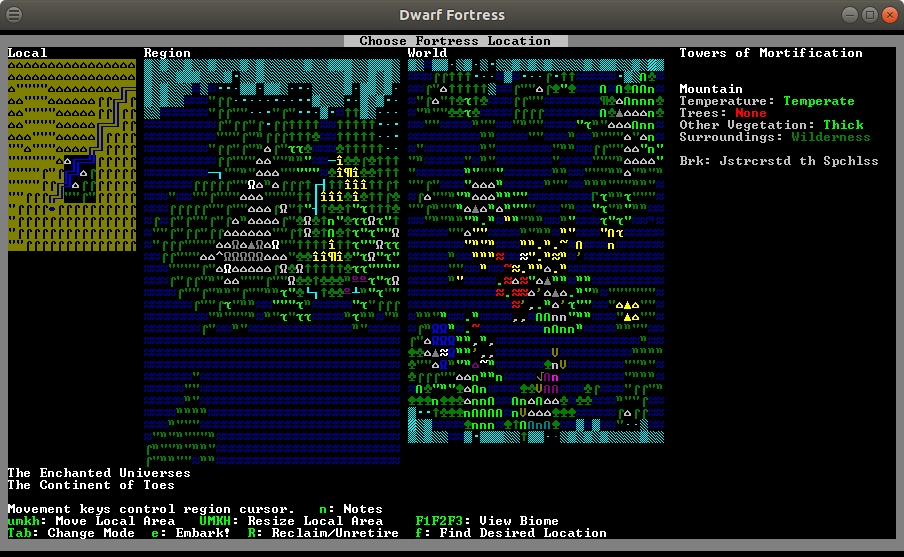
Dwarf Fortress an open-ended construction & management simulation, rogue-like indie game with everything. Build fortresses and go on adventures in the vast procedurally-generated worlds. Get Dwarf Fortress from the Snap store or install it on the command-line with: snap install dwarf-fortress
The SCUMM engine has been used for building point-and-click adventure games for over 30 years now. SCUMMVM allows you to play them on your Linux computer. Over 200 games are supported including the King’s Quest, Police Quest and Monkey Island. There’s a game for everyone. ScummVM from the Snap store or install it on the command-line with: snap install scummvm
OpenRA is an open source real-time strategy game-engine for the early Westwood games, such as Command & Conquer: Red Alert. Get OpenRA from the Snap store or install it on the command-line with: snap install openra
The community of developers building snap, snapcraft and snaps hang out on the snapcraft forums. Join us!
Russian Relations: This week, amid the growing humanitarian crisis in Syria, the U.S. threatened to suspend talks with Russia if the latter nation continued to bomb the city of Aleppo. Russia rejected the warning and the call for a cease-fire, though it did propose a “48-hour pause” in fighting to allow humanitarian aid to get through. In an interview Thursday, Secretary of State John Kerry called Russia’s actions in Syria “inexcusable.” Relations between the U.S. and Russia are also tense because American intel agencies suspect that Russian hackers tried to tamper with the U.S. presidential election—but Donald Trump is reluctant to point fingers.
Reckoning With Race: Police in El Cajon, California, now say Alfred Okwera Olango, the black man who was fatally shot on Tuesday, was unarmed; the object that officers said he pointed at them turned out to be a vaping device. It’s the latest in a series of incidents with a worrying effect: Two studies released this week suggest that black Americans are losing faith in law enforcement, with 911 calls from black neighborhoods dropping precipitously after reports of an officer-involved shooting of a black man, and black citizens reporting much less confidence in police than other racial groups. Meanwhile, in Minneapolis, a civil-rights movement is underway to combat racial inequality in the public parks system, while Georgetown University is attempting to deal with its history of profiting from slavery.
On the Docket: The U.S. Supreme Court announced it will hear eight new cases in its upcoming term, which starts on October 3. One of the most significant is Lewis v. Clarke, a dispute that could impact whether Native American tribes can invoke sovereign immunity in U.S. courts—and, by extension, the defendant argues, could threaten their right to self-government. The court will also hear an appeal on a death penalty case, Buck v. Davis, which hinges on a lawyer’s incompetence: Duane Buck was convicted of murder after his own lawyer presented a witness who told jurors Buck was more likely to commit violent crimes because he was black.
Snapshot
Undocumented immigrants comfort each other after being caught by U.S. Border Patrol agents in Welasco, Texas, on April 13, 2016. See more photos from the U.S.-Mexico border here. (John Moore / Getty)
Quoted
“That negative outcome that we’re all so fearful about, we’re already seeing.” —Sylvia Mathews Burwell, the U.S. Secretary of Health and Human Services, on Zika
“You only become rich by living in a nation that gives you all the things you need to become rich, like infrastructure, education, and a workforce, and mostly, a population of people who can afford to buy things.” —Morris Pearl, a millionaire who wants the wealthy to pay higher taxes
“Everything fucking gives me joy!” —Marnie, a self-identified hoarder, on why she can’t throw things away. For a reader discussion about keeping stuff, go here.
In the past two years, President Obama has converted climate change from a Democratic wedge issue into a major party plank. … But his accomplishments are precarious. The Paris Agreement supposes that the United States will reduce its emissions by 2025. Yet after the Senate failed to approve a carbon-market bill during his first term (even though it passed the House), the White House has advanced emissions-reduction policy primarily by introducing new regulations.
The most critical of these—and the White House’s last best hope to make significant domestic climate policy—is the Clean Power Plan, a complicated set of Environmental Protection Agency regulations that aim to reduce greenhouse-gas emissions from power plants by 2030. If fully implemented, the new rules would cut emissions from the electricity sector by about 30 percent compared to 2005 levels, according to the government’s estimates. It would also help the United States keep the emissions-reductions promises it made at Paris.
It is a last-ditch plan, the president trying to mitigate climate change however he can. It is also a legally risky one.
Read more here, as he looks at the legal challenge facing the plan and the hearing that could decide its fate.
What Do You Know?
1. The ____________ is the only human organ that the body grows, discards completely, and grows back again.
That … first month of teaching, a colleague asked if I had a gun back home because he thought all Black people did. My 5th and 6th graders didn’t understand my natural hair and touched it without asking. And virtually all of my students refused to believe I was American and must be from somewhere in Africa because to them Americans were only blonde and blue-eyed. Parents were frightened to speak to me simply because of what they had seen on TV shows and in movies. And in a small town, every time I walked out of my apartment building I was stared at incessantly. With such an onslaught of questions about my race and culture, I felt my Blackness being chipped away bit by bit, everyday.
NEWS BRIEF After the Boston Marathon bombing, Glenn Beck, the conservative radio host, said his producer received a tip. Two officials from the Department of Homeland security, Beck said, told the producer a Saudi man seen in a video at the scene financed the 2013 bombings.
But that man, Abdulrahman Alharbi, was cleared in congressional testimony of any role in the attacks by Janet Napolitano, who was Homeland Security secretary at the time. Despite that, Beck repeatedly insisted otherwise. Alharbi sued Beck and TheBlaze radio network, which Beck owns, for defamation. This week, a federal judge ruled Beck must reveal the sources who allegedly provided the information Alharbi was the “money man” behind the attacks.
The case has set up a fight over First Amendment rights, and the ethical obligations of the media when dealing with private figures.
Judge Patti Saris, of the U.S. District Court for the District of Massachusetts, released her 61-page decision Tuesday, in which she said all other means to learn if Homeland Security did indeed consider Alharbi a suspect had been exhausted. A freedom-of-information-records request turned up no evidence linking Alharbi to the attacks, so she requested Beck turn over his sources.
It's unclear whether Beck plans to comply with the disclosure order, which is directed to the defendants in the case: Beck, his companies TheBlaze Inc. and Mercury Radio Arts, as well as radio distributor Premiere Radio Networks. If they defy the order, the judge could impose sanctions, which could hurt their defense in the suit. She could also assess fines, or potentially even jail Beck for contempt.
Beck and his legal team had argued Alharbi was a public figure because he gave interviews to the media on the matter. But Saris ruled against that notion, saying if Alharbi was indeed a public figure, he was a “limited-purpose figure,” or an involuntary one. That means Alharbi must only prove Beck and his broadcasting network were negligent in reporting that he financed the bombing. Had he been declared a public figure, Alharbi would have had to prove Beck and his producer deliberately broadcast a falsehood, or intentionally acted with reckless disregard.
Typically, U.S. shield laws protect reporters from revealing their sources. Most states have these, but Massachusetts does not.
Alharbi, a student, was a spectator at the marathon, and was even injured in the blasts. Homeland Security did place him on a terrorist watch list, according to Politico, but Napolitano said they “quickly determined he had nothing to do with the bombing [and] the watch listing status was removed.”
So far, Saris has seemed unimpressed with the testimony Beck and one of his top administrators, Joe Weasel, have offered. In her report, she criticized them for allegedly taking notes of their conversation with the unnamed security source on post-it notes, then throwing the notes away. She wrote:
When asked what the confidential sources told the defendants about the plaintiff’s role in financing the attacks, Weasel could not recall specifically what the confidential sources told him about the nature of the plaintiff’s involvement. There are no notes to confirm the information.
Google Now automatically caters results to your prior searches, but manual customization of what it serves up is a little clunky. You can either toggle fields of interest on and off in the service's settings or click a box on cards or news sources to...
by Alanis King on Jalopnik, shared by Carli Velocci to Gizmodo
After nearly a decade with the company, the chief technical officer of Google’s self-driving car project left the company—along with two other veterans of the car division. The decisions to leave come under a new leader on the project, who reportedly didn’t mesh well with some longtime employees.





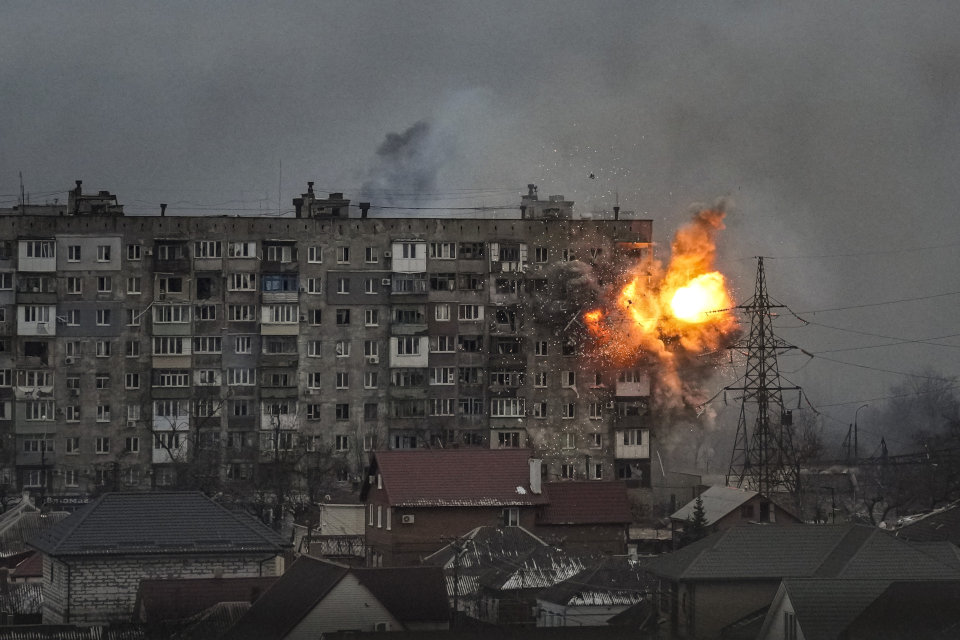
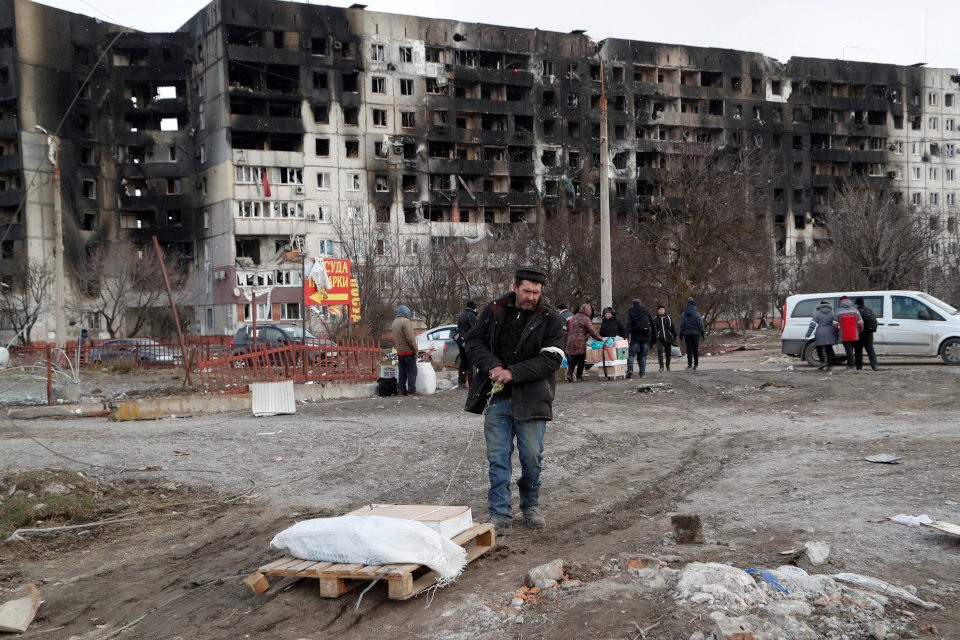
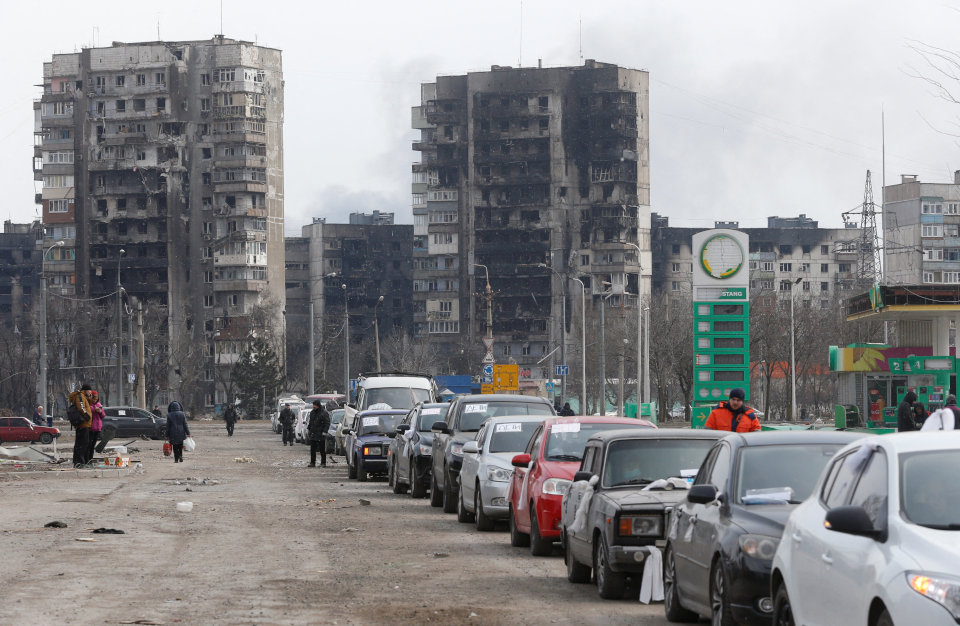















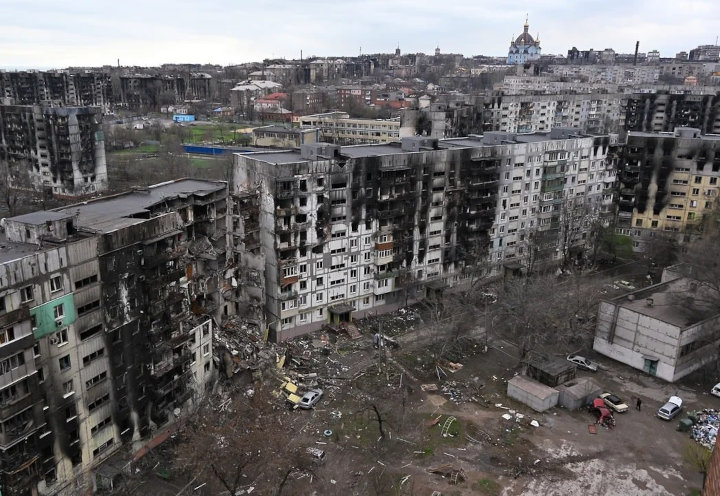


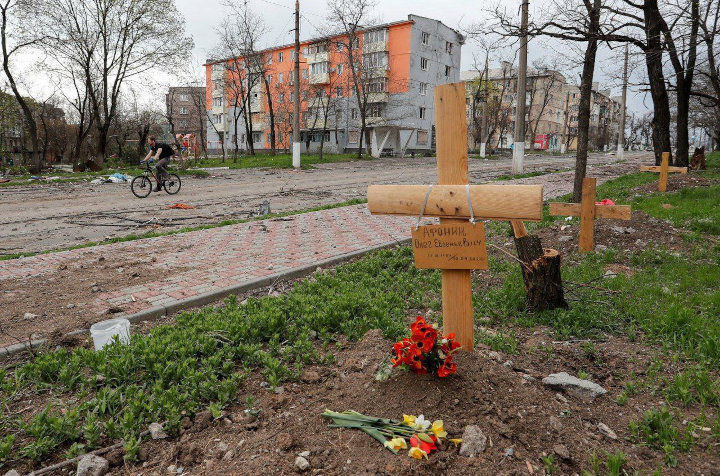
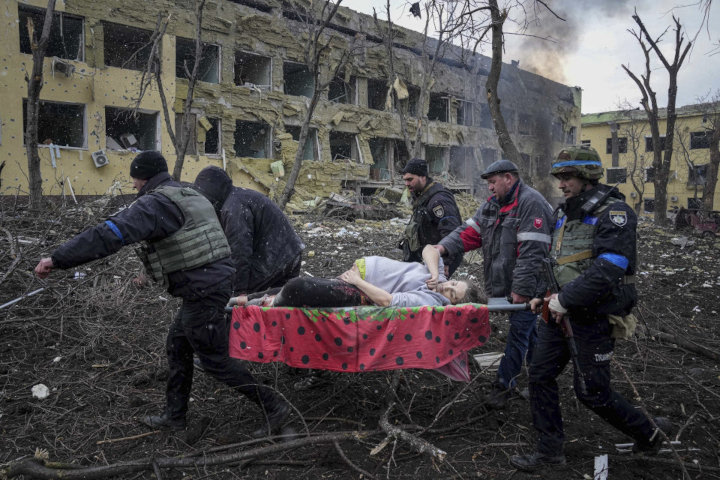




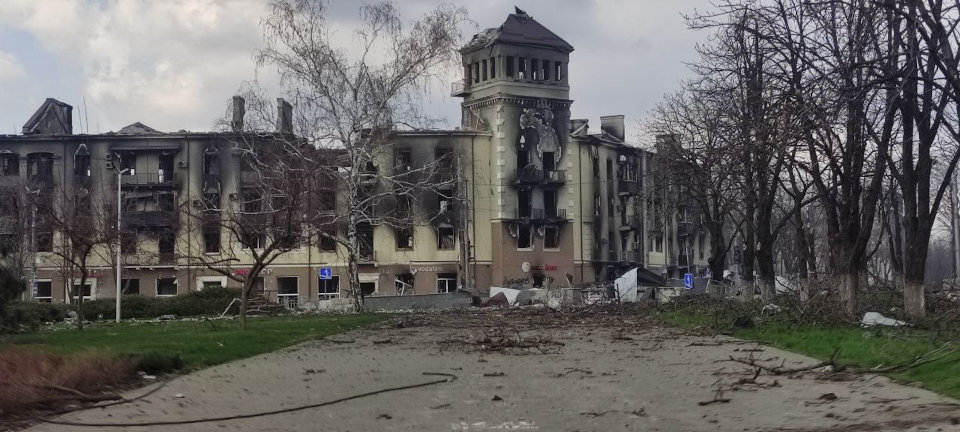




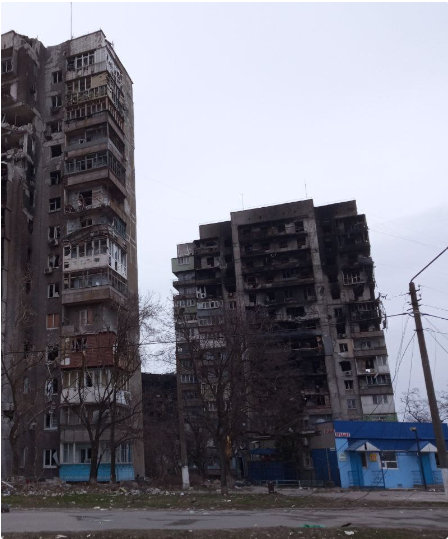




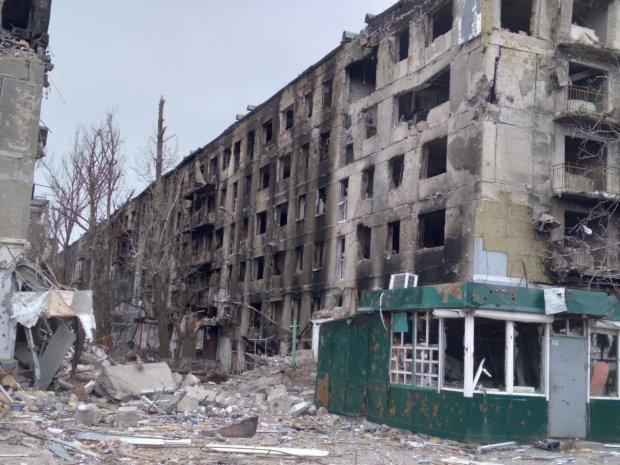









 Illustration by Alex Castro / The Verge

 Piracy warnings come in all shapes and sizes. While some notices have no teeth, others should be handled with extreme caution.

![[link]](https://i.redd.it/vu6dcw3u6p2g1.jpeg)
![[link]](https://i.redd.it/ru5johns8pr51.jpg)























![[link]](https://i.imgur.com/tiecFxn.jpg)



 Google Now automatically caters results to your prior searches, but manual customization of what it serves up is a little clunky. You can either toggle fields of interest on and off in the service's settings or click a box on cards or news sources to...