Shared posts

04 Oct 01:07

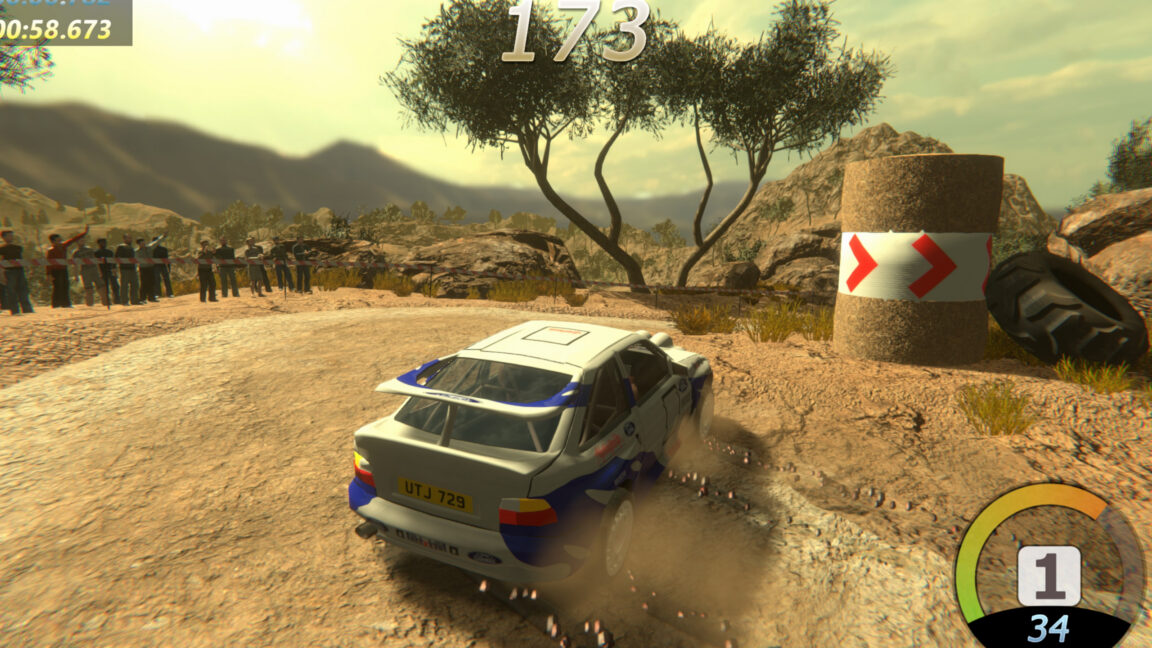
Rally Arcade Classics is a fun ’90s-throwback racing game

by Jonathan M. Gitlin

Over the years, racing sims have come a long way. Gaming PCs and consoles have become more powerful, physics and tire models have become more accurate, and after COVID, it seems like nearly everyone has a sim rig setup at home. Sim racing has even become an accepted route into the world of real-life motorsport (not to be confused with the Indy Racing League).

But what if you aren't looking to become the next Max Verstappen? What if you miss the more carefree days of old, where the fidelity wasn't quite so high, nor were the stakes? Rally Arcade Classics is worth a look.

Developed by NET2KGAMES, you might think of RAC as a spiritual successor to legendary titles like Sega Rally and Colin McRae Rally. Forget about the Nürburgring or even street circuits laid out in famous cities you might have visited; instead, this game is about point-to-point racing against the clock—mostly—across landscapes that long-time World Rally Championship fans will remember.
Read full article

Comments

03 Oct 02:24

Definitely not Windows 95: What operating systems keep things running in space?

by Ars Staff
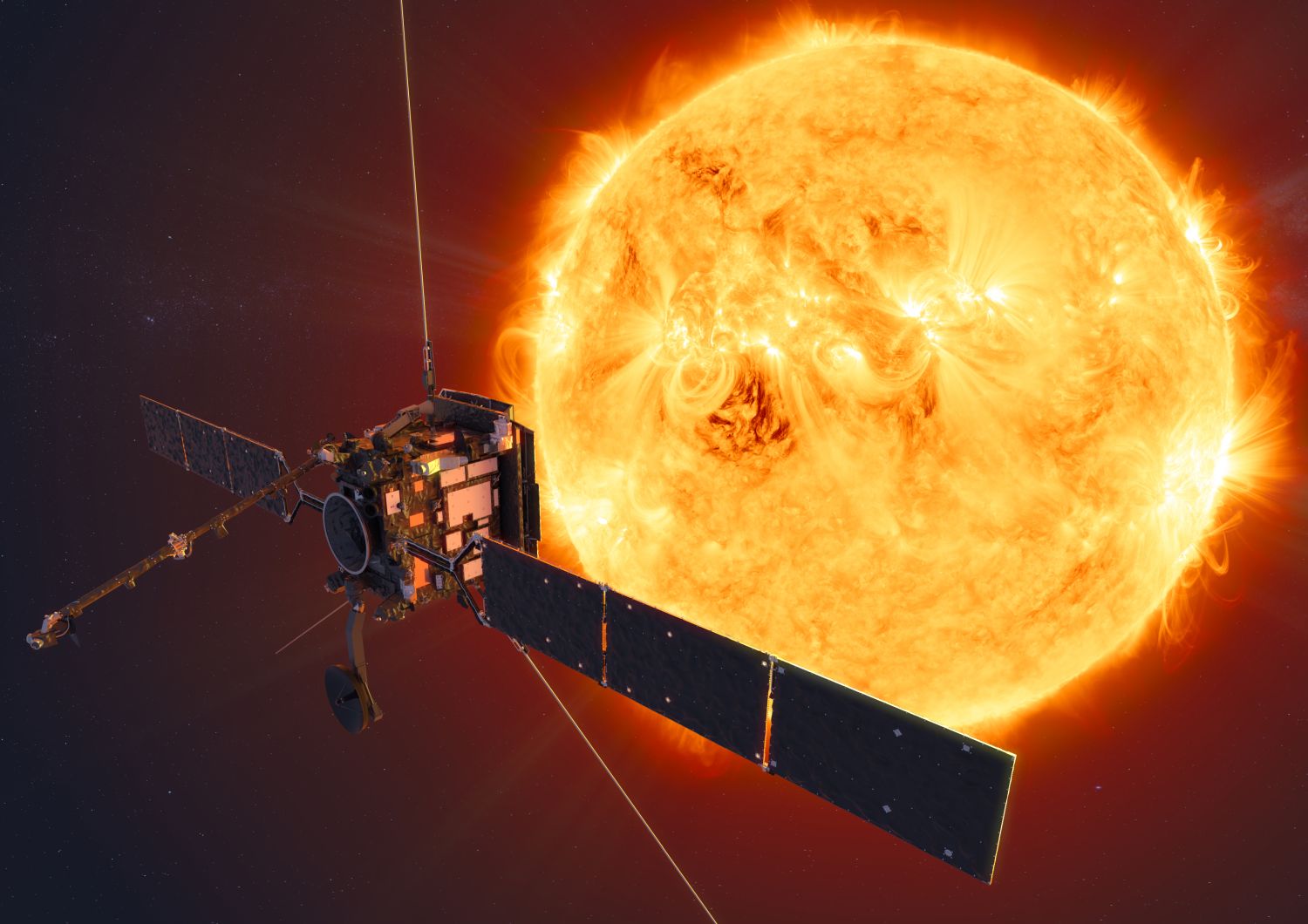
ESA's Solar Orbiter mission will face the Sun from within the orbit of Mercury at its closest approach.

Enlarge / ESA's Solar Orbiter mission will face the Sun from within the orbit of Mercury at its closest approach. (credit: ESA/ATG medialab)

The ESA’s recently launched Solar Orbiter will spend years in one of the most unwelcoming places in the Solar System: the Sun. During its mission, Solar Orbiter will get 10 million kilometers closer to the Sun than Mercury. And, mind you, Mercury is close enough to have sustained temperatures reaching 450°C on its Sun-facing surface.

To withstand such temperatures, Solar Orbiter is going to rely on an intricately designed heat shield. This heat shield, however, will protect the spacecraft only when it is pointed directly at the Sun—there is no sufficient protection on the sides or in the back of the probe. So, accordingly, ESA developed a real-time operating system (RTOS) for Solar Orbiter that can act under very strict requirements. The maximum allowed off-pointing from the Sun is only 6.5 degrees. Any off-pointing exceeding 2.3 degrees is acceptable only for a very brief period of time. When something goes wrong and dangerous off-pointing is detected, Solar Orbiter is going to have only 50 seconds to react.

"We’ve got extremely demanding requirements for this mission," says Maria Hernek, head of flight software systems section at ESA. "Typically, rebooting the platform such as this takes roughly 40 seconds. Here, we’ve had 50 seconds total to find the issue, have it isolated, have the system operational again, and take recovery action.”

Read 48 remaining paragraphs | Comments