Shared posts

12 Jul 14:32

I Was Tricked into Becoming a Cam Girl at 18

by Sarah Hurtes

This essay originally appeared in the Privacy & Perception Issue of Vice Magazine, created in collaboration with Broadly. You can read more stories from the issue here.

It was a warm evening, and my old friend—let’s call her Chloe—and I were sitting in a Tibetan eatery in Berlin. After gossiping about our times in high school, we began telling stories of our final summers spent in rural France, where we grew up.

Drunk on rice wine and nostalgia, Chloe divulged that at the age of 17, she began answering online ads to pose as a “nude model.” She’d never told anyone before, she said. The secret got me excited; we were sharing classified stories. In turn, I revealed that around my 18th birthday, a mysterious woman befriended me on MSN Messenger and offered to hire me as a “web model.” Before I could finish the story, Chloe interrupted. “Was her name Alicia Pimprelle1?” she blurted out. Chills ran down my spine. Seeing my face, she shouted in disbelief—so loudly that the waitress nearby almost dropped the soup off her tray.

Turns out, Chloe and I had both been approached around the year 2007. On the same platform. By the same woman—or at least people using the same name.

Recalling the experience, I was jolted back to that spring day when it all started. I was MSN chatting about school exams and reviewing my university applications when this so-called Alicia popped onto my screen. You’ve got to remember—this was long before the online world we’re used to today. Then, it wasn’t common for dodgy outsiders to request access to your digital shell. Receiving friend requests on MSN felt safe.

“Hi Sarah, thank you for accepting my friend request. My name is Alicia and I am a web model recruiter,” her first message read. Realizing she wasn’t an acquaintance, I considered blocking her. But then I took a look at her profile photo: a slightly chubby girl in a neatly ironed blue cardigan with straight, auburn hair flowing down her shoulders, adorned by a black headband. She looked harmless. Plus, she was a model recruiter. Maybe she saw that I’d been photographed by that Camille Albane hair salon the summer before? My beloved five minutes of teen-glossy-glory.
Alicia informed me that she was working for a Belgian paid dating website. “A bit like OkCupid or Match.com,” she said. The site was new, and more men than women were registered. To make their business work, they needed to hire girls to keep their customers interested. All I’d have to do was pretend I was looking for a date in Belgium and try to get members to stay online as long as possible by video-chatting my online matches. “Please note, you are only allowed to show your face to the camera. Nudity on screen is strictly prohibited,” Alicia clarified. I’d earn 8.50 euros an hour per person I talked to. The more I stayed connected, the more I’d get bonuses.

It didn’t take me long to accept. Anything to distract me from studying. Plus, I’d never had money of my own before, apart from what was in the Christmas envelope from my grandparents. And with no nudity allowed, what could go wrong?

I virtually baptized myself “saskia04.” (That’s not the actual screen name; I wouldn’t tell you that today.) My guidelines were to log in to an online platform and create my “model profile,” upload three to four photos of myself, and not forget to smile. “In order to help you easily hold a discussion, here is a set of lines that you can use, which also helps in not deviating to unwelcomed topics,” Alicia added. They included:

Hello, My name is... I am 18 years old and you? I’ve just moved to Brussels for an internship I am a student in marketing I registered to this website because I’d like to meet people Are you looking for a date? It’s been some time since I’ve dated someone What’s the most exciting thing you’ve ever done with a woman? I think I am bisexual Maybe we could meet somewhere? Do you know how to be romantic? How would you like me to dress on our first date?

I think my 18-year-old self must have found it entertaining. To be fair—I still do. Sickening, sexist, and absurd—but entertaining nonetheless. It was a long summer, and I wanted amusement.

I put on my black tank top with glitter straps and applied a dangerous amount of my mom’s Yves Saint Laurent beige lipstick and purple eye shadow. Then, I clicked “Start the Show.” A window opened showing my image. Every five seconds, a new photo was taken of me, like I was trapped in a never ending photo booth session.

Names like “Guillaume,” “27cm,” and “GrosseBite” began populating my screen, with each newcomer introduced by the sound of Disney’s Tinkerbell gone rogue. Rather than their faces, the men’s cameras showed an array of cocks. At 18, I was a late bloomer—still a virgin. I had no intention of seeing such things, nor did I have the appetite for it.

I got in touch with Alicia. She had “forgotten” to tell me that I could hide my visitors’ live video streams. She then graciously sent additional “lines.” “In case someone asks you to strip,” she wrote, “say: I am sorry, I am rather shy, especially when many people look at me. I prefer real contact. Would you like to meet in person?” She added not to hesitate calling them by terms of endearment such as “mon nounours” (my teddy bear) or “mon petit homme” (my little man).

Excuse me? I felt grossed out by her words. “What kind of website is this?” I asked. She sent me a link to a half-baked webpage. “Thousands of singles near you! REGISTER!” it read in pink letters. I wasn’t convinced.

And yet, that didn’t stop me from logging in again. Several times, in fact, for the following two months. I liked the idea of playing Saskia, of earning money, and mostly, of avoiding schoolwork—and the interactions didn’t strike me so much as predatory as they did curious and pathetic. They’d ask me to strip, but they’d also ask me things like “do you wear stilettos?” or “can you brush your hair?” and I remember this one guy enjoyed wearing a parade of expensive lingerie. Having little experience in the art of seduction, I enjoyed discovering men’s bizarre fantasies.

Gradually, my identity became blurred between my everyday reality and an online fiction. And that wasn’t the only thing that got blurred: The more I pretended to undress, the more I’d be undressed. What started as me playing with my glitter strap to show the lace of my bra led to me taking off my black top and squeezing my laced boobs to the screen. Clearly, Deputy Alicia wasn’t there to tell me off.

It got me wondering: Who, exactly, was watching? I figured, at this point, that the men I was chatting with weren’t actually members of the site I was supposedly approached by. I googled “saskia04” and discovered the model profile I had created on several live porn websites. I felt sick to my stomach—realizing I was the victim of a scam, and the object of more onlookers’ erotic fantasies than I’d bargained for. I deleted my account and blocked Alicia over email and MSN. Three months later, I went to university in the UK and had far better—dare I say, sexier—encounters. I no longer needed Saskia.

Reflecting on the experience with Chloe, however, made me think: What kind of scheme had I gotten roped into, exactly? If Chloe had also been approached by Alicia while living 500 miles away from me, had it happened to young girls all over France?

This April, exactly 11 years after first becoming saskia04, I logged back into my Hotmail account and unblocked Alicia Pimprelle: “Hi Alicia, are you still hiring web models?” A few hours later, I received a reply: “Hello Sarah, I am contacting you on behalf of Alicia concerning your application. I am the new person in charge of recruiting,” wrote Julia2 from Dream Animation3.

For More Stories Like This, Sign Up for Our Newsletter

After writing back with my availabilities, Julia asked to connect on Google Hangouts. There, she wrote: “So that there is no misunderstanding about the chat: most discussions revolve around sex.” I was told visitors do not pay to “exchange news and indulge in small talk.” My goal would be to attract subscribers and keep them talking for as long as possible. The pay would be broken down into two parts: The first at 12 euros per hour per subscriber for “fully clothed conversations” and the second at 50 euros per hour for “shows including a striptease (fully nude or partially).”

At that point my 18-year-old experience fully came into focus as an early, nonconsensual version of an erotic entertainment phenomenon that today is formalized and commonplace.

Curious to see what it would say, I signed the eight-page contract and immediately received a reply: “Congratulations, you’re an X Model, welcome to the world of cam girls!”

01 Jul 17:56

Feijóo pide agora que Pedro Sánchez o axude a pagar o seu novo edificio de 17 millóns da Cidade da Cultura

by David Reinero

O bloque de oficinas para as universidades que substituirá o gran teatro previsto por Fraga e nunca rematado terá “autonomía formal” do deseñado por Peter Eisenman pero con “complicidade”
01 Jul 17:55

Vendex obtuvo beneficios ilícitos por 295 millones, según De Lara

by Pepe Seijo

En un auto sellado el 22 de junio, la titular del juzgado de Instrucción 1 de Lugo, Pilar de Lara, y en respuesta a un recurso de reforma sobre Vendex, una de las dos principales empresas investigadas en la macrocausa de la Operación Pokémon, revela que la sociedad habría obtenido “beneficios presuntamente ilícitos” que suman más de 295 millones de euros.

Seguir leyendo.

01 Jul 16:37

too long; didn't not read

by michaelh
The ISFJ Assassin.
Find your post-apocalyptic Myers-Briggs type
or just keep reading the sidebar articles.
01 Jul 16:17

La Shônen Jump se disculpa por un polémico comentario de Eiichiro Oda en el volumen 89 de One Piece

by Marina

El departamento editorial de de la revista Weekly Shônen Jump de la editorial Shueisha publicó el pasado jueves una disculpa relacionada con los comentarios del creador del manga de One Piece, Eiichiro Oda, en el volumen 89 de la serie, que salió a la venta el 4 de junio. Al parecer, desde la editorial consideran el comentario de Oda como una “falta de consideración” y esperan que el autor del popular shônen esté reflexionando sobre la situación.

El controvertido comentario puede leerse en la solapa interior de la sobrecubierta del tomo. En él, Oda menciona al Sargento Yokoi. El mangaka explica que, durante una cena con amigos, quedaba un solo trozo (One Piece) de karaage, pollo frito. Una de las personas en la cena decidió bautizar al trozo de pollo como Sangento Yokoi, lo que para Oda quería decir, en palabras textuales, “¡El Sargento Yokoi se ha quedado atrás! ¡Que alguien termine esta guerra!”.  El autor pide a los niños que busquen la referencia, cerrando dicho comentario con la frase: “¡¡Con vergüenza!! ¡¡Comienza el volumen 89!!”.

Si bien muchos piensan que se trata de un comentario sin importancia, otros lo consideran desconsiderado e irrespetuoso con Shōichi Yokoi, un sargento del Ejército Imperial Japonés durante la Segunda Guerra Mundial. Fue uno de los últimos soldados del ejército en resistir después de que la guerra terminara en 1945, y se descubrió que vivía en la jungla de Guam en 1972, lugar en el que se escondió para evitar la terrible vergüenza de la rendición ante los estadounidenses. Tras regresar a Japón pronunció una frase que se convirtió en historia para los nipones y en un dicho popular: “Es con mucha vergüenza que regreso”. Muchos japoneses piensan desde entonces que la determinación de Yokoi es admirable y que merece compasión por vivir con tantas dificultades durante casi 28 años por el bien de su país. De esta manera, la polémica surge porque se acusa a Oda de hacer una broma con la que se estaría burlando y menospreciando a Yokoi.

Eichiro Oda no es el único mangaka cuyos comentarios han despertado polémica en los últimos días. Sus palabras han puesto sobre la mesa en Japón el debate de si, de esta manera, se está oprimiendo la libertad de expresión, ya que, recientemente, el anime [New Life+] Young Again in Another World fue cancelado por las declaraciones de MINE, autor de estas novelas ligeras, con las que se le acusó de incitar el odio contra China y Corea del Sur.

Eiichiro Oda empezó a publicar One Piece en las páginas de la Weekly Shônen Jump en julio de 1997. El manga ha alcanzado la cifra de 360 millones de copias impresas sólo en Japón y a nivel mundial cuenta ya con un total de 440 millones de copias. En España, el manga está siendo publicado por Planeta Cómic con un total de 84 tomos de los 89 que hay publicados en Japón

One Piece es una de las series shônen más exitosas de los últimos años y uno de los buques insignia de la editorial Shueisha. El manga cuenta además con su propia adaptación animada para televisión, así como con total de 13 películas. Éstas últimas han llegado a nuestro país de la mano Selecta Visión y ya pueden adquirirse tanto en DVD como en Blu-ray. Además de la serie animada, One Piece cuenta con varios videojuegos, novelas, libros de arte y hasta adaptaciones teatrales. Recientemente también se ha conocido que se está trabajando en dos nuevos libros, que recopilarán las portadas, y varios spin-off. Por otra parte, también se confirmó que One Piece será adaptado a serie de televisión live-action bajo producción estadounidense.

Monkey D. Luffy es un chico que sueña con ser el rey de los piratas y que se hace a la mar en un bote para buscar la tripulación que le pueda ayudar en ello. Junto al resto de los Sombrero de Paja correrán grandes aventuras en su camino.

Fuente: ANN

La entrada La Shônen Jump se disculpa por un polémico comentario de Eiichiro Oda en el volumen 89 de One Piece aparece primero en Ramen Para Dos.

30 Jun 01:49

The Female of the Species

by Garciuh

doasplit:
“ LANE ZINE coming soon
Danny Lane
”

Fly legs…

ignacioararipe:
“  Jindrich Styrsky, The Statue of Liberty, 1934  via weimarart.blogspot.com
”

Melinda Gebbie and Alan Moore:

weirdvintage:
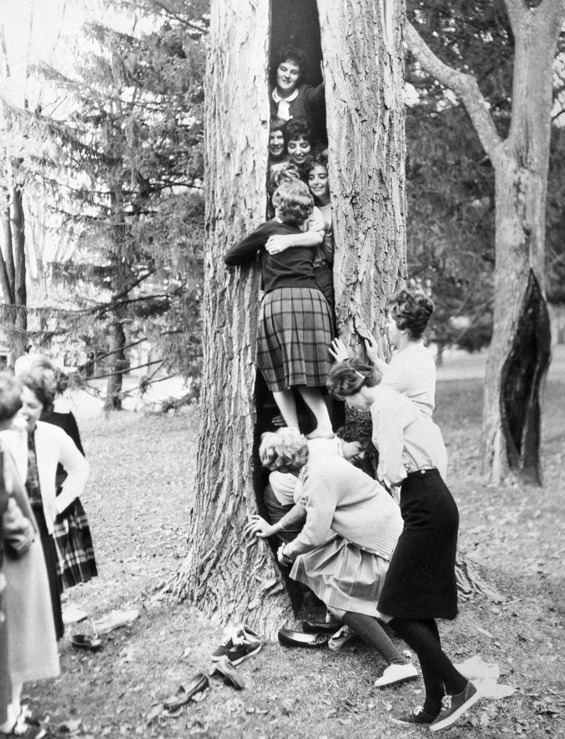
“Throughout the 1950s and 1960s, “stuffing” was quite the fad, be it in tiny cars or telephone booths. But in 1961, students at the University of Maine decided to cram inside hollow trees. A “Tree Stuffing” contest was held by the Pi...

And some other stuff…

THE END

30 Jun 01:42

Nace el partido Marea de Ferrol con la concejala Esther Leira, expulsada de FeC

by Rebeca

REBECA COLLADO | Ferrol | Viernes 22 junio 2018 | 21:20

Los partidos políticos empiezan a trabajar de cara a las próximas elecciones municipales de 2019. Este viernes se ha presentado una nueva formación, Marea de Ferrol, que aspira a presentarse a los comicios locales para ocupar dicen, un espacio que está vacío en la ciudad.

Una de las caras más conocidas de este proyecto es la de la ex concejala de Ferrol en Común, expulsada del partido y ahora edil no adscrita, Esther Leira. Un nuevo partido que se define como «municipalista», participativo, inclusivo y de «adscrición individual».

La formación se reconoce alineada con En Marea y sus principios fundacionales defendiendo la política municipalista. Cuenta con medio centenar de inscritos que llevan trabajando algo más de un año en este proyecto.

Son personas vinculadas al ámbito político y social de la ciudad que quieren trabajar por los intereses de los ferrolanos. Un proyecto abierto a la participación y que busca mejorar la ciudad, su aspecto, las prestaciones sociales, la calidad de los servicios y de las infraestructuras.

«Sabemos que no noso concello hai moitas persoas desilusionadas co devir político dos últimos anos. Así que damos este paso para recuperar a confianza en nós mesmas, en que se poden mellorar as cousas actuando colectivamente, e traballando con honestidade e compromiso», ha afirmado uno de los integrantes del partido, Xaime Villar.

Preguntados por las diferencias que separan a Marea de Ferrol de la formación de En Marea en la ciudad, Ferrol en Común, la ex integrante de la formación de Jorge Suárez, Esther Leira, ha asegurado que se trata de un proyecto «completamente diferente».

Ha señalado Leira que Marea de Ferrol es una formación de unidad popular, de adscritos individuales y por la contra Ferrol en Común, ha apostillado «é na actualidade unha coalición de partidos».

30 minutos antes de la presentación de Marea Ferrol, en el mismo lugar, el Ateneo ferrolán, ha tenido lugar la presentación del tercer Encuentro Municipalista que reunirá a diferentes mareas de Galicia en la ciudad naval el próximo 30 de junio.

Una presentación a la que ha acudido el alcalde de Ferrol, Jorge Suárez, y al que se le ha preguntado su opinión sobre la constitución del nuevo partido en el que se encuentra Leira. Suárez ha manifestado su respeto por todas las opciones políticas y ha afirmado que su formación no va en contra de nadie.

El regidor ha contestado que en su grupo son «respectuosos e demócratas» y por tanto respetan todas las opciones. Suárez ha comentado que en los próximos comicios locales habrá «un abano diverso onde elixir» en referencia a las diversas agrupaciones locales que han expresado su deseo de concurrir a las elecciones.

Es el caso, de además de Marea de Ferrol, el partido de jubilados y la formación Sentimiento Ferrolano que encabeza Anicet Lavodrama, exjugador del extinto OAR Ferrol.

29 Jun 08:55

¡Ya a la venta el nuevo CHICAS & MARICAS!

by Julián Almazán

¡El fanzine pop para la gente súper!

Para comprar on line entra en este enlace.

Chicas y Maricas es una revista con todas las de la ley pero con espíritu de publicación independiente.

Chicas y Maricas es un ameno y desenfadado repaso de diversos aspectos de la Cultura Pop tratados desde un punto de vista queer. Somos activistas de la frivolidad.

Por las páginas de este número pasan retratos de auténticas estrellas como Rob HalfordPam GrierCarrie Fisher o Linda Blair, estudios sobre el cine clasificado “S” o las películas que surgieron tras el boom de “¿Qué fue de Baby Jane?”, un estimulante informe sobre nuestra ciudad favorita, Benidorm, y el ensalzamiento de iconos pop de la talla de Patrick SwayzeCandy CandyMecano o la Viuda Negra. Todo esto y mucho más te espera en el nuevo número de nuestra revista.

Gontzal LargoMr. PopcornDick ScorpioJuan Flahn y BertoffFernando BsideJulián AlmazánEnrique F. AparicioIván G.Julio TovarPaula de AguirrePerla del TuriaPablo VázquezBatmanenriqueValeria VegasRubén LindeJuanfer “Scari Wò” y Jimina Sabadú firman un montón de artículos llenos de fantasía, brillantina, sudor, pop, cuero y rebeldía adolescente.

Mano Martinez es el autor de la MARAVILLOSA imagen que engalana nuestra portada y algunas páginas interiores. Los protagonistas de esta sesión de fotos son los actores Stefano y David Sánchez. Las ilustraciones de Iván G. y Claudio Jiménez dan el remate final a un número que nos ha quedado ¡de escándalo!

Esperamos que disfrutes con nuestra nueva revista tanto como lo hemos hecho nosotros convirtiéndola en una realidad.

Chicas y Maricas nº1 (segunda época) es un producto que ha sido desarrollado gracias al apoyo de Factoría Cultural. Este vivero de industrias creativas, a través de su iniciativa EmprendeLibro, ha estado acompañándonos durante más de un año en el proceso de dar una estructura empresarial al proyecto Teenage Thunder, encargado de editar esta revista. Presentamos con orgullo nuestra obra más ambiciosa hasta la fecha.

Para comprar on line entra en este enlace.

Podéis encontrar nuestra revista en las siguientes tiendas:

MADRID:

Elektra Comics (San Bernardo, 20)

Molar (La Ruda, 19)

Swinton & Grant (Miguel Servet, 21)

La Tarara (Poeta Blas de Otero, 62)

BARCELONA:

Arkham Comics (Xuclá, 16)


SI QUIERES TENER CHICAS & MARICAS en tu tienda, escribe a info@teenagethunder.com

________________________________
CHICAS Y MARICAS nº1 (segunda época)

SEMESTRAL

P.V.P. 9,99 €

COLOR   13X18 cm. 140 páginas

ISSN: 2603-9133

DEPÓSITO LEGAL: M-9280-2018

________________________________

Chicas y Maricas es un sincero homenaje, sin ironías ni dobles sentidos, a las revistas que durante en el siglo XX se dirigían a las féminas y, de manera más o menos encubierta, al público gay. Publicaciones como Super Pop, Popcorn, Nuevo Vale, y ya en los noventa la inolvidable Fantastic Magazine han servido de inspiración para crear este concepto que de momento se manifiesta en el fanzine y el evento cinematográfico del mismo nombre.

________________________________

The post ¡Ya a la venta el nuevo CHICAS & MARICAS! appeared first on Teenage Thunder.

29 Jun 08:50

Por qué te enfadas cuando tienes hambre

by Carson Kessler

Este mismo año, el Oxford English Dictionary ha añadido finalmente la palabra hangry (una combinación de los términos hungry, “hambriento”, y angry, “enfadado”), que muchas personas utilizan para describir la agresividad que invade tu cuerpo cuando necesitas calorías desesperadamente.

Ese sentimiento de enfado es una de las cosas que provocan un aumento en el uso de palabrotas. La propia hostilidad parece tener el poder de amenazar prácticamente cualquier relación. Aunque muchas personas consideran que no pueden evitar enfadarse cada vez que esperan mucho tiempo para picar entre horas, el hambre no siempre tiene que ir de la mano del enfado. ¿Por qué nos enfadamos? ¿Hay alguna forma de evitarlo, aunque solo sea para conservar nuestras amistades? Un estudio reciente publicado en la revista Emotion puede tener las respuestas.


MIRA:


Jennifer MacCormack, autora principal del estudio y estudiante de doctorado en el departamento de Psicología y Neurociencia de la Universidad de Carolina del Norte en Chapel Hill, analizó las emociones concretas que experimentamos cuando tenemos hambre y otros factores que contribuyen al sentimiento de enfado.

En una serie de tres experimentos, MacCormack descubrió las claves que determinan si el hambre contribuye a emociones negativas como el enfado: el contexto y la autoconciencia.

"El hambre por sí misma no es lo que nos pone de mal humor", nos cuenta MacCormack. "Si estás en una situación negativa, los estímulos negativos te harán pensar con más facilidad que el hambre te está queriendo decir algo sobre el entorno y lo que está sucediendo a tu alrededor, en lugar de reconocer que la fuente de tu sensación de malestar es el hambre que estás pasando".

En los dos primeros estudios, se mostró a más de 400 participantes una imagen diseñada para inducir sentimientos positivos, neutros o negativos. Esta fase se conoce con el nombre de preparación. Poco después de esa imagen, se mostró a los participantes otra imagen, esta vez ambigua: una pictografía china. Además de informar sobre su nivel de hambre, los participantes calificaron la pictografía en una escala de siete puntos que iba de lo más agradable a lo más desagradable.

Cuanto más hambre tenían los participantes, más probabilidades había de que calificaran la pictografía como negativa, aunque únicamente si la foto de la fase de preparación generaba sentimientos negativos. Las imágenes positivas y neutras no tuvieron efecto alguno sobre la calificación de la pictografía.

"El cerebro no solo depende de estados físicos para descubrir algo", dice MacCormack. "Las experiencias previas, la cultura y el contexto en el que vives tienen importancia a la hora de configurar tu percepción sobre algo, por eso el hambre por sí misma no es suficiente, sino que necesita estas otras cosas que ayudan a configurar nuestra percepción".

Sin embargo, los investigadores también descubrieron que los participantes que eran más conscientes de sus emociones y de que el hambre se manifiesta como una emoción tenían menos probabilidades de enfadarse por tener hambre. ”La conciencia emocional o reconocer ese estado de enfado nos permite romper el vínculo entre el hambre y la emoción”, dice MacCormack.

En el último experimento, los investigadores pidieron a más de 200 participantes que fueran en ayunas o comieran con mucha antelación. Por un lado, se pidió solo a algunos de los participantes que completaran un ejercicio de redacción diseñado para que se centraran en sus emociones y, por otro lado, después todos los participantes completaron un aburridísimo ejercicio de ordenador programado para que fallara continuamente, es decir, su intención era generar frustración en ellos. Más tarde, ambos grupos rellenaron unos cuestionarios sobre sus emociones y sus percepciones acerca del experimento.

Sorprendentemente, las personas hambrientas que no habían realizado primero el ejercicio de autoconciencia presentaban mayores emociones desagradables después de lidiar con el programa de ordenador que fallaba, mientras que aquellos que se habían centrado en sus sentimientos, tanto si tenían hambre como si no, no presentaban estos cambios emocionales.

"En realidad, existen muchas más probabilidades de enfadarse por tener hambre cuando estás totalmente sumergido en el mundo que te rodea y no estás prestando atención a tu mundo interior", declara.

"Recuerdo que un anuncio decía, ‘Cuando tienes hambre, pareces otro’, pero nuestros datos insinúan que, solo con dar un paso atrás en tu situación actual y reconocer tus sentimientos, puedes seguir siendo tú incluso teniendo hambre", declaró MacCormack en un comunicado.

A pesar de que el presente estudio se centra específicamente en el hambre, MacCormack cree que estos resultados apuntan a una fuerte conexión entre el cuerpo y la mente. "Nuestro cuerpo es parte de nuestra mente y, si lo cuidamos, nos ayudará a tener una mejor vida emocional y salud mental", afirma. "El simple hecho de ser consciente de eso y actuar tanto por los demás como por ti puede ser muy importante".

Por lo tanto, la próxima vez que pases demasiado tiempo sin comer, piensa durante un minuto que el hambre que tienes es una emoción en lugar de gritar a la primera persona que veas.

Suscríbete a nuestra newsletter para recibir nuestro contenido más destacado.

29 Jun 08:02

Hai un cruceiro masónico en Galicia?

by Íñigo Mouzo Riobó

José Cerviño, alcumado Pepe da Peña, foi un canteiro galego famoso no noso país e fora del por unha das obras cumio da nosa...

O artigo Hai un cruceiro masónico en Galicia? publicouse primeiro en Historia de Galicia.

25 Jun 18:06

EU Parliament Committee Adopts Piracy ‘Upload Filter’ Proposal

by Ernesto

Through a series of new proposals, the European Commission is working hard to modernize EU copyright law.

These plans have not been without controversy. In particular, Article 13 of the proposed Copyright Directive has been widely criticized as it would pressure online services to monitor and filter uploaded content.

The article states that online services are liable for any uploaded content unless they take “effective and proportionate” action to prevent copyright infringements, as identified by copyright holders.

That also includes preventing allegedly infringing files from being reuploaded, which implies some form of hash filtering and continuous monitoring of all user uploads. That said, there are several exceptions and limitations, as highlighted here.

Today, the Legal Affairs Committee of the Parliament (JURI) voted on the issue. With a 15 to 10 majority, the Article 13 proposal of Rapporteur Voss was adopted. This means that the plans move ahead in their current form, despite massive public outcry.

Over the past year, we have repeatedly covered the widespread opposition. Legal scholars, digital activists, politicians, all worried that the upload restrictions would violate the rights of regular Internet users.

In recent weeks, the wave of protests swelled. More prominent figures sounded the alarm bell, including Internet pioneer Vint Cerf, World Wide Web inventor Tim Berners-Lee, the Internet Archive’s Brewster Kahle, and Jimmy Wales from Wikipedia.

The campaign was picked up by the public as well. Roughly 320,000 people have signed petitions urging lawmakers to reject the plans and over the last week more than 50,000 tweets went up mentioning the #SaveYourInternet hashtag.

In addition to Article 13, there was also considerable pushback against Article 11, which is regularly referred to as the “link tax.” This proposal was accepted as well, with a 13 to 12 majority.

Now that the proposal has passed the Committee the plans will move to plenary before progressing towards the final vote on copyright reform next spring.

It also means that they are now much harder to stop or change. That has been done before, such as with ACTA, but achieving that type of momentum will be a tough challenge.

Pirate Party MEP Julia Reda, who suggested alternatives to the controversial proposals, is disappointed with the outcome. However, she’s not giving up yet.

“These measures will break the internet. People will run into trouble doing everyday things like discussing the news and expressing themselves online. Locking down our freedom to participate to serve the special interests of large media companies is unacceptable,” Reda says.

“I will challenge this outcome and request a vote in the European Parliament next month. We can still overturn this result and preserve the free internet.”

Source: TF, for the latest info on copyright, file-sharing, torrent sites and more. We also have VPN reviews, discounts, offers and coupons.

25 Jun 18:02

Leer más (libros y no artículos) te hace vivir más según este estudio

by Sergio Parra

Book 1421097 960 720 Leer tiene muchas ventajas. Y, si bien todos leemos hoy en día, no es lo mismo leer la etiqueta del champú, un Whatsapp o el artículo de una revista que un libro.

Es lo que sugiere un nuevo estudio en la revista Social Science and Medicine: que leer incluso puede hacer que vivas más tiempo, y si son libros, entonces el impacto es mucho mayor.

Lectura y longevidad

Investigadores de la Universidad de Yale preguntaron a 3.635 participantes mayores de 50 años sobre sus hábitos de lectura. A partir de esos datos, dividieron la cohorte en 3 grupos: no lectores, personas que leen menos de 3,5 horas por semana y personas que leen más de 3,5 horas por semana.

Los investigadores siguieron con cada grupo durante 12 años. Las personas que más leyeron fueron mujeres con educación universitaria en el grupo de mayores ingresos.

Ambros grupos de lectores vivieron más tiempo. Los lectores que leen más de 3,5 horas por semana vivieron 23 meses más que las personas que no leyeron nada. Esa vida extendida se aplica a todos los participantes de la lectura, independientemente de los factores de "género, riqueza, educación o salud", explica el estudio.

Reading Graph

Eso es una reducción del 20% en la mortalidad creada por una actividad sedentaria. Además, leer libros era más eficaz, quizá porque ello requiere mayor dosis de concentración y mayores facultades cognitivas. En comparación con los lectores que no leen libros, los lectores de libros tenían una ventaja de supervivencia de 4 meses, a la edad en que el 20% de sus pares falleció. Los lectores de libros también experimentaron una reducción del 20% en el riesgo de mortalidad durante los 12 años de seguimiento en comparación con los lectores sin libros.

Quizá no es que leer libros aumente la longevidad, sino que los más longevos son los que tienden a leer libros. Sin embargo, la actividad requiere una implicación tal del cerebro, tanto a nivel cognitivo como emociona, que acaso pudiera afectar positivamente a la salud, reduciendo también el estrés y aumentando la inteligencia emocional.

También te recomendamos

¿Leer más libros supone tener una esperanza de vida más alta?

Con el tiempo que pasas en las redes sociales cada año podrías leer 200 libros

La evolución de las interfaces de comunicación hombre-máquina: escribir, tocar, hablar… pensar

-
La noticia Leer más (libros y no artículos) te hace vivir más según este estudio fue publicada originalmente en Xataka Ciencia por Sergio Parra .

25 Jun 18:01

Separated Families Face Serious Challenges After Being Reunited

by Susan Rinkunas

While President Donald Trump signed an executive order on Wednesday to end the practice of family separation after people have crossed the country’s southern border, there is concern from the medical community about what will happen when children are reunited with their parents--if those reunions happen at all.

The administration has no formal plan to reunite these families; some of the children have been sent thousands of miles away including to places like New York. A fact sheet shared Saturday night by several agencies claims the government knows the location of every separated child. (One Democratic representative has asked DNA testing company 23andMe to use its tests to help reunite the families, especially given that some kids are so young they don’t know their parents’ full names, but there are concerns about providing the DNA of undocumented immigrants to the government.)

About 500 of the 2,300 kids separated through June 9 have been reunited, a senior administration official said Thursday, but it’s unclear how many of them are simply being detained with their families while their legal cases play out. (The fact sheet released Saturday said 2,053 separated kids were in government-funded facilities.)

Still, if a child is reunited with their parents, it’s not an automatic happy ending.

There’s been much discussion about how the time spent separated from parents can damage children’s brains, and potentially their future health, but for those families that are brought back together, their relationships could be permanently strained if they don’t get proper mental health care. And that strain can affect future generations.

“These kids have fight or flight all the time. They’re on red alert. The younger they are, the more likely they are to develop long-term damage because of this,” Colleen Kraft, president of the American Academy of Pediatrics (AAP), said on Thursday during the Aspen Ideas Festival’s Spotlight Health Conference, which I attended as a guest. Kraft helped shine the national spotlight on family separation after telling NPR what she saw during an April visit to a “tender age” shelter for young children.

Even when they’re reunited, Kraft says there’s “the fear of ‘is this going to happen again? Are you going to stay with me now? What if I do something wrong, does that mean you’re going to leave me again?’” adding, “That’s part of that complex trauma that really requires trauma-focused therapy in order to help heal that bond, even with a loving parent and a child who wants to be with them again.”

Ann Thomas, president and CEO of The Children’s Place, an agency in Kansas City, Missouri, that treats traumatized children under the age of 8, reminded the audience that what’s going on at the border can be difficult even for adults to comprehend, and kids are certainly not going to understand what happened.

Thomas used as an example the case of a Guatemalan woman named Beata Mariana de Jesus Mejia-Mejia who would be reunited with her 7-year-old son, Darwin, after a month of separation; the Mejias were seeking political asylum.

“He will look the same but he may not respond the same way. In those times he’s experienced fear, he was in an unknown situation, and had to adapt,” says Thomas, who’s also a licensed clinical social worker. “We have to remember that young children are also very egocentric, and it’s not uncommon to think ‘Mom, why did you leave me? What did I do wrong?’ She has a child that’s gone through all of this and he may not just run into her arms and say ‘Mom, I’m so glad we’re safe, we’re back together.”

“Traumatized kids have been hurt, so they’re really, really good at keeping people away--‘I’ll do it myself, you won’t hurt me again,’” she says, adding, “We suddenly have to repair that bond between them, and then also help them both heal from what happened.”

Which is to say that reunification will be difficult for parents, too, and not just in seeing how their child might react to them differently now. “The other piece we have to remember is the parents have experienced a trauma, too,” Thomas says. “The parent had lost their child for this period of time.” When Mejia was reunited with her son at a Baltimore airport early Friday, she told the Associated Press that she was never going to be away from him again.

The Children’s Place program focuses on re-establishing routines and consistency before trying to repair relationships. They also focus on fun. “Life has not been fun, so we have to do a lot of being a kid,” she says. “Go outside and blow bubbles, run, get dirty, lots of sensory activities.” All of these things will be difficult to do if families are held in family detention centers, which often have insufficient medical and mental health care.

Kraft says the AAP has a toolkit doctors can use when treating kids who’ve experienced trauma, and the first thing pediatricians would want to do is make sure that families get connected to resources to help them live in a safe environment.

“This is a big fear that we have with the reunification of these kids, because we’re not sure that that’s going to happen. And, secondly, where are these families going to be? Because we know that a community-based situation is going to be best for these families. Having them go from being separated from their parent to living with a parent in a detention center is wrong—that will only re-traumatize these kids.”

After connecting families with resources, the AAP recommends pediatricians connect families with the legal community and the social work community, which can help families “get them involved in some trauma-focused care that can really help repair this relationship,” Kraft says. The legal system can make sure they come to court when necessary.

“It is going to involve psychoeducation around all of these steps so that people are aware there is a recipe—that if we follow these things, we will move towards healing,” Thomas says. “And we are going to have to have the community’s support.”

As Luis H. Zayas, professor of social work and psychiatry at the University of Texas at Austin told the Washington Post, “Our government should be paying for this. We did the harm; we should be responsible for fixing the damage. But the sad thing for most of these kids is this trauma is likely to go untreated.” Some of these families will be granted asylum and will become US residents who get American healthcare—and whose health costs will become an American concern.

Kraft emphasized the need to humanize the families. “Rather than, ‘What’s wrong with you?’ It’s ‘What’s happened to you?’ Rather than, ‘You’re an illegal crossing the border,’ it’s ‘You’re a human being escaping violence and something happened to you there,’” she says. “Enough of us made Donald Trump change the separation policy. Enough of us need to be talking about the next steps as well.”

“What we’re doing to these young children and their brains is really something that can cause lifelong trauma,” Kraft says. “As we move to the ‘now what?’ step, it’s looking at what do these families need and that there is healing that can happen.”

Sign up for our newsletter to get the best of Tonic delivered to your inbox.

20 Jun 17:16

Joke’s on you…

by Garciuh

enchantedbook:
“ Hand coloured Bookplate from Thérèse philosophe by Jean-Baptiste Boyer d'Argens published 1773
”

[ Hairy / Unshaved Women ]

THE END


20 Jun 09:24

Galiza acumula tres décadas con máis mortes que nacementos

by X.M.P.
Desde 1987 non rexistra saldo vexetativo positivo.
20 Jun 09:24

Nostalxia de Pelegrín: así é a marca do Xacobeo 2021

by David Lombao

Turismo vén de rexistrar a marca 'X 21' na Oficina Española de Patentes y Marcas e mais na Oficina de Propiedade Intelectual da UE, o que a priori evita litixios como os ligados á marca Xacobeo 93

20 Jun 09:23

2017 foi o ano con menos nacementos da historia en Galicia

by Marcos Pérez Pena

A cifra total (18.413), feita pública este martes, sitúase por debaixo do anterior mínimo histórico, rexistrado en 1998. A taxa de natalidade fica por debaixo de sete nacementos por cada mil habitantes, superando apenas os datos de Castela-León e Asturias. A idade media da maternidade achégase aos 33 anos, só por detrás da de Euskadi. 2017 foi o ano coa maior fenda entre nacementos e mortes dende que hai datos.

20 Jun 09:13

This Is Why Small Talk Makes Some People So Anxious

by Jessica Dore

It can be difficult to know the difference between having social anxiety and being awkward, introverted, or shy. The American Psychological Association’s Diagnostic and Statistical Manual of Mental Disorders defines social anxiety as “a persistent fear of one or more social or performance situations” that involve being “exposed to unfamiliar people or to possible scrutiny by others.”

Modern life provides us with constant opportunities to be scrutinized by others, and while few among us wouldn’t be nervous about giving a work presentation or a speech at a wedding, an ongoing fear of saying the wrong thing in casual conversations can become problematic. Conversation anxiety, though not itself a disorder, is an aspect of social anxiety that can make dates, parties, and mixers anywhere from mildly stressful to intolerable.

In her new book, How to Be Yourself, Ellen Hendriksen says social anxiety is rooted in a fear of what she calls “the reveal” of a fatal flaw that will ultimately lead to social rejection. “This distorted fatal flaw is what we carry around with us if we have social anxiety. And we work really hard to try to conceal it, because we believe that if we actually engage, or if we stop avoiding, then it will be revealed, and we’ll be judged and rejected for it,” says Hendriksen, who is also a clinical psychologist at Boston University’s Center for Anxiety and Related Disorders.

Hendriksen’s reveal concept is based on the work of researcher David Moscavitch, who argues that the perceived flaw can be in any one of four areas—social skills, inability to conceal anxiety, physical appearance, or character. “What makes it a disorder is that this thing we’re worried about is either not true or there’s a grain of truth to it but nobody really cares,” Hendriksen says.

We all have insecurities and shortcomings that we’d prefer others not to know about. But if your fears of being found out cause more distress than seems appropriate for the situation, you might be dealing with symptoms of social anxiety. “If you have to give a presentation at work and lose sleep over it for the whole week, or if you’re going to go on a date and you can’t eat because your G.I. system is acting up, that is not proportional to the task at hand,” Hendriksen adds.

One idea for overcoming conversation anxiety is to come up with a script to prepare for dates or parties. In theory, a script would take the edge off of the uncertainty, which is somethin people with anxiety really struggle with. But scripting has serious limits: If you’ve planned everything you’re going to say ahead of time, you leave little room to respond in real time to the person you’re trying to connect with. Hendriksen says that while it’s okay to keep some stock stories in your back pocket, casual conversations generally shouldn’t require preparation. Scripting might actually make anxiety worse because it encourages excessive focus on the self.

“As more of our attention turns inward, the more self-conscious we feel. That takes up a lot of our bandwidth, and then we have very little left over for actually paying attention," Hendriksen says. "We might miss the conversations that we’re supposed to be a part of, or come off as preoccupied or distracted which then makes for a poor conversation."


More from Tonic:


Instead, if you’re worried about saying the wrong thing, sounding stupid, or otherwise being exposed as a no-social-skills-having ogre, Hendriksen suggests shifting your attention from yourself to those around you. “Pay attention to the people you’re taking to. Listen to what they have to say. When you’re truly listening, questions and comments naturally arise, so you don’t have to scan for them or plan them out," she says. "Then you’ll have the bandwidth to be filled with natural curiosity, interest, and friendliness. And that tends to go over much better with other people."

There may be no place more effective at evoking the fear of looking and sounding ridiculous than a party or networking event. If you’re able to secure a good conversation partner early on, you might think your troubles are over—that is, until that person walks away to grab a refill and you’re left standing alone, awkward, and possibly bombarded by a river of unwanted thoughts. You reach for your phone and pretend to be looking at something important, while simultaneously hoping no one sees you refreshing your Instagram feed. You wonder if anyone nearby saw that you had no new likes or follows.

Even Hendriksen says she can relate to this situation. Her advice remains the same: Get out of your head and focus on someone else. “I’ll find another person who’s standing awkwardly alone or scrolling through their phone. That almost always goes well, because you’re kind of rescuing them. They’re not really looking at their phone, they’re trying to quell the awkwardness. So if you walk up and say hello, more often than not they’ll be relieved and are delighted to chat."

A recent study of undergraduate students with social anxiety symptoms found, unsurprisingly, that young adults with higher levels of social anxiety were more likely to expect that they would feel bad in certain social interactions. “This could potentially cause them to avoid those types of situations altogether if they’re expecting to feel bad,” says Kimberly Arditte Hall, the lead author of the paper and a postdoctoral fellow at the VA National Center for PTSD.

Understanding the thought process behind social anxiety is important because it sheds light on how to help people overcome it. When it comes to having negative beliefs or expectations about conversations, Arditte Hall says we may want to actively target those types of thoughts using something like cognitive restructuring—a core feature of cognitive behavioral therapy (CBT) that involves identifying your thoughts and looking at whether or not they’re both realistic and helpful to you. "And then trying to be flexible about changing them or thinking about alternative beliefs that are more helpful as you move forward,” Arditte Hall says.

Of course, sometimes social interactions really are painful or difficult, and people with social anxiety may need some extra help learning how to tolerate those experiences, as well as the aftermath of them. “Exposure, or confronting situations that bring about negative emotions is a core component of CBT for social anxiety, and involves allowing yourself to feel the emotions without doing anything to change or avoid them," Arditte Hall says. "It often helps people to learn that they are more capable of managing negative emotions than they initially thought."

Because mistakes are bound to happen, learning to let go and move forward rather than get caught in cycles of post-event rumination is key. Arditte Hall says that dwelling on what went wrong can lead to a build-up of negative emotions like embarrassment and shame, which can actually set up the cycle for social anxiety to reoccur. She recommends distracting yourself with something that feels meaningful, or simply doing something that uses mental energy. She also recommends self-compassion.

“You’re not going to be perfect, especially if you’re trying to challenge something that’s difficult for you to begin with. And that’s okay,” Arditte Hall says. Making mistakes in social situations is a part of what it means to be human. Maybe you don’t perform perfectly, sound smart, or impress others in every social situation. But the truth is, neither does anyone else.

Sign up for our newsletter to get the best of Tonic delivered to your inbox.

20 Jun 09:09

Juego de hoy: Dragon Castle

by Farko

¡Hola, parejitas jugonas!

Un juego de concentración donde adivinar los movimientos del rival y organizar tus templos pueden darte la victoria. Una versión del conocido Mahjon adaptado a los tiempos modernos.

Hoy jugamos a Dragon Castle.

hgdc01_product_880x600_72dpi

Nº de jugadores: De 2 a 4

Tiempo de juego: 45 minutos

Autores: Loreno Silva, Hjalmar Hach y Luca Ricci

Ilustrador: Cinyee Chiu

Editorial: Edge

Empaquetado: Inserto personalizado para guardar tanto las cartas como las gruesas losetas de resina que tanto molan. Todo en su sitio y precioso. No se le puede pedir mucho más.

Preparación

Colocaremos el tablero en el centro de la mesa y preparamos el castillo, con la construcción que queramos en función del número de jugadores y de la complejidad o las ganas de cambiar que tengamos.

Colocaremos las fichas de cuenta atrás, tantas como sean necesarias en función del número de jugadores; los santuarios y los puntos de victoria los dejamos al alcance de los jugadores.

Si vamos a jugar con cartas de dragón y de espíritu, barajamos y sacamos una de cada. Las cartas de dragón nos darán un objetivo secundario para cumplir, las cartas de espíritu cambian un poquito las reglas.

IMAG0418.jpg

Cada jugador coge un tablero de reino y se decide el jugador inicial.

                                                                             ¿Cómo se juega?          

Nuestro objetivo será ser el jugador con más puntos de victoria al finalizar la partida.

Las partidas se dividen en turnos alternos. En cada turno los jugadores deberán realizar una de las siguientes acciones:

  • Coger una pareja de fichas iguales. Una de las fichas debe ser del nivel superior. Las fichas deben ser iguales, mismo número y mismo color.
  • Coger una ficha del nivel superior y un santuario, que colocaremos en nuestro tablero.
  • Descartar una ficha del nivel superior y coger un punto de victoria de la reserva. Las fichas que descartemos se mantendrán bocabajo.
  • Cuando ya queden fichas únicamente del nivel más bajo, también podremos coger una ficha de cuenta atrás.

La ficha que cojamos debe tener al menos uno de sus laterales libres. Sino es así, estará atrapada y no podremos sacarla aunque tenga el extremo superior y/o inferior libre.

Colocaremos las fichas que hayamos cogido en nuestro tablero bocarriba en el lugar que queramos. Se podrán colocar en un hueco vacío o sobre una ficha anteriormente colocada que este bocabajo.

Una vez tengamos como mínimo 4 fichas de un mismo color, aquí no es necesario que sean del mismo número, adyacentes estaremos obligados a consolidarlos. Para ello, contaremos cuantos puntos no dan en función de cuantas fichas tengamos y les daremos la vuelta. Si las fichas son mercaderes, granjeros o soldados (amarillas, verdes o rojas) podremos colocar un santuario sobre una de las fichas. Si son estaciones o vientos (azules o negros) podremos colocar dos. Si son dragones (rosas), además de colocar dos santuarios nos llevaremos un punto de victoria adicional.

Cuando se revele el símbolo de exclamación al coger una ficha de cuenta atrás se iniciará la ronda final. Si no quedan fichas en el castillo, lo único que puedes hacer es coger estas fichas. Los jugadores juegan su turno hasta el jugador a la derecha del jugador inicial, de este modo todos los jugadores habrán tenido el mismo número de turnos.

Una vez finalizada la ronda final, contaremos puntos. Cada santuario dará tantos puntos como el nivel en el que este, hasta un máximo de 3. A estos puntos le sumaremos los que hayamos conseguido a lo largo de la partida, los puntos de las fichas de cuenta atrás que tengamos y los de objetivo de las cartas de dragón, si las hubiera. El jugador con más puntos de victoria será el ganador.

IMAG0416.jpg

¿Qué tal está?

Dragon Castle entra por los ojos. Lo primero que vas a hacer es echarle un vistazo a las fichas gordas. Una vez las tengas te toca colocarlas en forma de tu castillo favorito (muy agradecidos de que haya una un sistema para construir tus propios castillos, para poder jugar a montar tableros) y en pocos minutos vas a estar jugando.

Es decir, es sencillo. Es un juego sencillo de explicar y de jugar.

¿Es simple de jugar? Eso por otro lado no, para nada. Es un juego que deja mucho a tu cerebro y te obliga a currártelo bastante. Un juego que necesita de tu ingenio y de saber sacarle los puntos a cada jugada, de analizar lo que hacen los demás jugadores y, a veces, tomar un calculado riesgo para poder puntuar en grande.

El juego sin duda beneficia a quien sabe jugarlo, y los jugadores más novatos caerán derrotados con facilidad ante adversarios de mayor calibre. Eso sí, gracias a los distintos animales y dragones, podremos adaptar la partida a como más disfrutemos del juego, permitiendo romper reglas que de otra manera nos sería imposible (o hacer trampas).

No hay duda de que es un juego que viene para quedarse, y que seguirá gustando a mucha gente en los años venideros.

Nosotros lo disfrutamos más con ciertos animales que nos dejan más libertad para coger las losetas que nos gustan y no tener que amoldarnos al primer piso, pero por otro lado, el reto de conseguir vencer saliéndote de tu zona de control es un añadido fantástico al juego, y le permite muchas salidas a mesa.

Es un juego estrictamente familiar, no es un juego duro y aquellos que busquen un reto complicado no se lo van a encontrar, a menos que se encuentren un adversario digno.

Vamos, a nosotros nos ha gustado mucho, y lo estamos pasando muy bien con cada partida que jugamos. Aún tenemos ganas de que salga, y le vamos pillando el gusto (al menos yo, que se me da mal, pero se me da tan mal que por poco bien que lo haga, todo es mejorar).

Genial-para-2-final

Enlaces de interés

Página del juego en BGG: Dragon Castle

Si queréis echarnos una manilla con el blog a la misma paz que os ganais el favor del dragón más guay del reino podeis comprar el juego en Tablerum – Dragon Castle

¡Hasta la próxima entrada!

20 Jun 09:04

ENTREVISTA CON FURILLO

by chopper_monster

Furillo nunca decepciona. Ni en vivo ni en papel. El descojone salvaje lindando con la reflexión metafísica. En esta entrevista vuelve a dar prueba de ello: pensamientos aristotélicos rebozados en mierda.

Furillo acaba de publicar Tiki Topless (Autsaider Cómics), un cuquísimo tebeo impreso en tinta marrón (¡cómo no!) y encuadernado a mano con un cosido visto que haría las delicias de cualquier bibliófilo. Aspectos formales aparte, el Tiki Topless es el garito de estriptís de ambiente hawaiano en el que transcurre la vida de sus exóticas bailarinas y su rijosa clientela, contrapunto las unas de los otros. Ellas, aguerridas amazonas que no se amedrentan por nada, con un desparpajo del que carece su acomplejado público, parroquianos de esa misa erótico-tropical en la que las aves del paraíso son diosas inalcanzables. Cocktails y sensualidad sirven de sustrato para este análisis de la decadente sociedad en la que vivimos, donde la soledad y el vacío llevan a los náufragos a agarrarse a estos tablones con cubrepezones y tangas minúsculos, danzando como las cíngaras del desierto.


ENTREVISTA CON

FURILLO


Oye Furillo, ¿por dónde cae el Tiki Top-Less? ¿Cuánto cobran la entrada? ¿Existe la posibilidad de tener reservado? Y la pregunta más relevante: ¿A qué huele ese local?

El Tiki Top-less está en Zaragoza, en la calle Islas Canarias sin número. Lo pone en sus posavasos y, ¿cuándo ha mentido un posavasos? Otra cosa es que no encuentres la calle, pero está allí, te lo digo yo. La entrada es gratuita, claro. Luego te dan el estacazo en los cócteles, que son una birria por otro lado. Es que la hostelería en Zaragoza es criminal. Ni reservado ni gaitas, el tiki solo tiene un escenario, un único altar, aquí no hay capillitas. El tiki huele a ambientador agotado, a galleta húmeda. Huele a pernera acartonada. A perfume barato con unos toques de lejía. En el fondo huele a humanidad. Desde que al lumbrera de turno se le ocurrió prohibir fumar en los bares se ha eliminado el efecto botafuméirico que el humo de los cigarrillos ejercía en toda reunión humana desarrollada en pequeños recintos. Ese olor a tabaco, desagradable también en ocasiones no lo negaré, no dejaba de ser un moderno incienso purificador. Porque, por otro lado, ¿acaso no apesta el puto incienso?

¿Cuál fue el germen que te llevó a mezclar ese cóctel de referencias pop como son las máscaras tikis, los bugas a-la-Eddie Roth y las pin-ups de apéndices desproporcionados para luego ser servido a parroquianos adalides de la españolidad más cochambrosa?

Me gustan todas esas cosillas, las máscaras en general, los coches locos y las titis desproporcionadas. Son cosas divertidas de dibujar. Y como me suele ocurrir con todo lo que hago pues acaba rebozado invariablemente en cualquier tipo de secreción o excremento. Me hace gracia la idea de que la mayoría de los parroquianos sean gente a la que se la suda el rollo exótico, y que solo van ahí a tocar la zambomba, porque son unos marranos. Se sumergen en un falso exotismo evasor del que ni siquiera son conscientes, sumergiéndose así más, en el fondo, en sus infiernos personales de autoestimulación.

Imagino que para la creación de esta obra cumbre has tenido que documentarte usando ese mecanismo bautizado por la modernez como “periodismo inmersivo” ¿Visitaste alguna coctelería o whiskería? ¿Cómo fue esa experiencia?

Como todo varón, las he visitado alguna vez en mi mocedad, impulsado por el afán investigador y la curiosidad propia de la edad del pavo. El personal de estos antros conforma un catálogo que no deja de ser oro puro para alguien con un mínimo de sensibilidad. Las zarzuelas que se desarrollan destiladas por la mezcla de sensualidad de opereta, alcohol e incompetencia social brillan como gemas de comicidad en un escenario que no deja de estar abrumado por un denso ambiente de pesadumbre.Hace muchos años que no visito ninguno, pero puedo imaginar que no ha cambiado nada. Seguirán pinchando a Los Chichos. Probablemente ya los pinchaban en tiempos del emperador Adriano. Todo sigue igual desde entonces. En cualquier caso yo haría una distinción entre coctelería y whiskería. Yo creo que una coctelería es una cosa fina donde va gente guapa a tomar tragos elaborados por los que te sacuden un estacazo, y donde entiendo que no hay putas en nómina. La Whiskería es un sitio en el que la gente por lo general se pide una cerveza, que es lo mínimo y se la cobran cara, claro, porque va por las señoras que trabajan allí. Al menos esa es mi concepción, como hombre del siglo XX. Igual ha cambiado y no me he enterado, que también puede ser. Ahora es todo distinto. Ya no se puede fumar en los bares. La gente tiene nombres raros.

En cuanto al Tiki Top-less, es un local de estriptís. Las señoras solo bailan. Aquí solo hay arte. Arte y buen gusto.

La gerencia de este antro es llevada a cabo por un venerable viejo con tupé, también conocido como “El hombre que inventó el rocanrol” ¿Qué hay de cierto en ello? ¿De verdad que inventó el rocanrol? Si es así  ¿Cómo es que ha terminado sus días dirigiendo este club de mala muerte? ¿Alguna vez recopilarás todas sus aventuras en un formato similar a este?

El hombre que inventó el Rock and Roll es efectivamente el hombre que lo inventó. Un tipo de Teruel cuyo nombre, debido a una serie de rocambolescas desgracias, malos entendidos, injusticias y por qué no decirlo, conspiraciones, ha sido olvidado, otorgando la fama y laureles de su “gesta” a otros, siendo ninguneado y arrastrado por el fango del menosprecio. Es el paradigma del “genio” español. Ahí están Peral, De la Cierva, De la Quadra Salcedo, y otros grandes que en el mundo han sido, que han traído ingenios y avances sin parangón y que en la escena internacional no pintan una mierda. Todo debido a alguna especie de secular contubernio internacional. De la misma manera que como dice un amigo mío, “allá a dónde vas siempre hay alguien de Andorra”, sospecho que la mayoría de los avances tecnológicos e intelectuales de la humanidad han sido generados por compatriotas nuestros que, bien por maniobras orquestadas por nuestros enemigos internacionales históricos o por nuestras propias tensiones internas, que desde nuestro propio origen nos encaminan hacia la autodestrucción, han acabado siendo borrados de la memoria universal, diluidos en la bruma del olvido. A poco que uno escarba se da cuenta de todo esto. Ahí están los genios creadores del chupachups, el futbolín o la fregona. Se apresuran a decir que Colón era genovés, ávidos de restar lumbre a la llama que emana del ingenio hispánico, cuando lo más probable es que también fuera de Teruel. Ahora es ya prácticamente imposible convencer a nadie de que los norteamericanos no fueron los primeros en llegar a la luna, solo unos cuantos conocemos la verdad. La historia del hombre que inventó el Rock and Roll constituirá un nuevo clímax en el análisis de la psique ibérica, y en nuestra capacidad para generar oro de la pura decadencia.

Una de las cosas que más llama la atención del tebeico es su encuadernación. Una cuerdecita que atraviesa 5 orificios anexos al lomo sustituye a las inanes grapas y al pobre encolado de toda la vida dando un toque de genuinidad y savoir favor nunca visto antes en un tebeo. ¿Por qué esta decisión? ¿Cómo fue este proceso de en-cuerda-nación?

Lo de la cuerdica fue idea del editor. Solo un tipo con su nivel de excelencia, con su conocimiento de los materiales nobles y del público se atrevería a una edición tan arriesgada, pero a la vez tan espiritualmente cercana al contenido como esta, despreciando la ganancia bruta en beneficio del producto. Un ejemplo de respeto hacia el lector. Aprovecho para mandar un saludo y rendir homenaje desde aquí a la media docena de inmigrantes tagalos que, hacinados en una húmeda bodega de algún lugar perdido de la Isla de Mallorca, cosieron estos legajos en condiciones insalubres, en jornadas maratonianas de catorce y dieciséis horas al día, por un mísero cuenco de arroz y, eso sí, la satisfacción de haber generado un producto de extraordinaria qualité.

Furillo


¿Cuál es el repertorio del hilo musical que acompaña a las pizpiretas starlettes mientras exhiben sus atributos bizarrescos a los clientes del local?

Suele sonar sucio y grasiento rock and roll, también la musiqueta esa de estriptís con los saxofones ahí haciendo como de borrachos… pero sale todo de una casette que grabó hace años el hombre que inventó el rock and roll, para no tener que estar pinchando discos y tal. Así que suena casi siempre lo mismo. Cuando se acaba una cara le dan la vuelta y así. 90 minutos.

¿Alguna vez visitó alguna celebridad o miembro de las altas esferas de la política el Tiki Topless? ¿Dejó propina?

No me consta que ninguno lo hiciera, pero tampoco sería extraño. Quizá algún rascabandurrias famosete, pasado de juerga, acabó por allí, pero te puedo asegurar que ninguno de los parroquianos lo conocería. Viven al margen del famoseo. No conocen a nadie. En cuanto al personal de las altas esferas políticas pues… bueno, ese tipo de gente tiene gustos peculiares. La mayoría son seres deformados por años de prácticas viciosas y el desarrollo de una actividad, en el fondo, poco edificante, en la que, en general, la falta de higiene es mayor que en el propio Tiki topless. Pero de haber entrado por allí algún concejal, o algún diputado, tampoco se habrían enterado.Dios no lo quiera pero no puedo reprimir mi curiosidad morbosa: ¿Ha fallecido algún cliente mientras contemplaba algún show? ¿Contará el local con equipo desfibrilador y botiquín adecuado, no?

Algún fallecido ha debido haber, a tenor de lo que cuenta el tebeo. De vez en cuando hay alguna pelea, y si se va de madre pues… algún esguince de pene, tendinitis, algún dislocamiento de mandíbula por tetazo también se ha dado. En general cosas normales. Lo más parecido a un desfibrilador que hay en el local es Chalada girl. Si cuando se pone a menear las tetas no se te acelera el pulso es que estás muerto. Y si estás muerto ya, ¿para qué queremos el desfibrilador?

Como aficionado al misterio qué eres ¿Por qué crees qué que el perfil de los moais recuerda tanto al de Miguel Indurain?

No cabe duda de que cuando esculpieron el primer moai tuvieron que tener por fuerza que fijarse en un modelo, o al menos en el recuerdo de un modelo. El moai no deja de ser la esquematización de un semblante humano, o mejor dicho, humanoide. Se sostiene que representan antepasados. A mí no me cabe duda de que es así, ahora bien, desconozco cuál es el origen de estos antepasados, ¿Terrestre?, ¿Alienígena?, tanto da, de ellos venimos, y por fuerza en nuestra sangre portamos su genética, y de la misma manera que se atisba en el semblante atolondrado de Froilán, el retraso genético de Doña Elena, propio de su estirpe, así mismo no es extraño que en el rostro de cualquiera de nosotros, pues la mezcla de razas es ya un hecho consumado, aparezcan los rasgos de aquellos que un día inspiraron a los maestros Rapa nui. Ahí está Albiol, también, por ejemplo. Un poco el Girautas….

Honolulu baby, Manila Girl, Lola Las Vegas, Chalada Girl… ¿Si te tuvieras que quedar con sólo una vedette de la plantilla Tiki Topless cuál sería? ¿por qué?

Sin duda Chalada Girl. Por su contundencia mórbida, por su exceso que, a pesar de todo, mantiene intacta su sensualidad y sobre todo por su pericia dando tetazos y por que está como un cencerro.


En la anterior entrevista en Chopper Monster comentabas con modestía acerca de tus tímidas incursiones en el terreno músical de la mano de tu combo “Los Bingueros”…el otro día sonó en el Sotano de radio 3 una canción de ese grupo ¿Qué será lo próximo? ¿Sacar un disco de duetos con Juanito Wau?

Lo de que pincharan a los Bingueros en el Sótano fue la hostia (Escuchar aquí el programa)  Sin duda fue el clímax de mi carrera musical. No puedo aspirar a más. The Bingueros tocó techo ese día. ¿Qué será lo próximo?, ¿quién sabe?, si con nuestra incompetencia musical, sin haber dado nunca un concierto, han pinchado nuestra única grabación editada en el mejor programa de la radio española, ¿acaso podemos ponernos algún límite?, ¿Un disco de duetos con Juanito Wau? ¿por qué no?, claro que sí, de jotas de picadillo, yo puedo hacer de Felisa Galé y él de José Oto, o viceversa vamos.

THE BINGUEROS

Clausuras el tebeo con una batalla épica entre el equipo de rr.hh. del Tiki Topless contra la banda “Los Vagos Motorizados” demostrando unas dotes para plasmar peleas que ya las quisiera para sí el colectivo Femen. ¿Si se te ofreciera ilustrar algún libro feminista tipo “Teoría King Kong” de Despentes o “El Manifiesto SCUM” de Valerie Solanas como lo abordarías?

Supongo que me tendría que leer el libro en cuestión antes de abordar la materia. Tendría que hacer un esfuerzo importante. Leo pocas cosas que no lleven dibujos. Los libros en general me decepcionan. Soy más de leer dominicales. Es un poco como la fruta. Es muy bonita y dices, venga, que esto es sano, y te la empiezas a comer y resulta que sabe a medicinas. Hay buenos libros, pero no son fáciles de encontrar. Están perdidos entre las montañas de libros que se editan todos los años, acumulando un volumen espantoso de material que te deja KO. Los nazis del pasado quemaban los libros que no les gustaban. Quizá los nazis del presente se dediquen a editar libros que aunque no les gusten, en el fondo sirvan para generar el mismo efecto. El vacío. La abundancia genera escasez. Pero volviendo a la pregunta, supongo que lo abordaría como todo lo que hago. Intentaría buscar imágenes evocadoras y divertidas de ver y de dibujar. Seguro que les iban a gustar. Y si no… ¿Para qué coño me lo ofrecen?

Muchas gracias, Furillo, por tu tiempo, como en la anterior entrevista ya me dibujaste tu bicicleta chopper ideal ahora te voy a pedir que dibujes, si puedes, tu barra de chopped ideal.


Ha sido un placer, coleguis.


Agradecimiento a Camilo Bingueros por facilitar suculento documento gráfico de cuando Furillo tocaba en The Bingueros

La entrada ENTREVISTA CON FURILLO se publicó primero en choppermonster.

20 Jun 09:01

Juicio por blanqueo a un histórico narco de O Grove

by Elisa Lois

Con uno de los historiales policiales más largos que se remontan a los años ochenta, el transportista Eduardo Eugenio Otero Castro, O Rubio de San Vicente, se sienta de nuevo ante un tribunal. En esta ocasión no tendrá que explicar los pormenores de una descarga de cocaína o hachís en las Rías Baixas, sino demostrar el origen del dinero con el que compró coches, motores fueraborda, embarcaciones, fincas y un chalé en San Vicente de O Grove donde reside, valorado en más de 315.000.

Seguir leyendo.

20 Jun 09:01

“El holandés venía como un loco. Hice bum, bum... Me escondí y que me busquen”

by Silvia R. Pontevedra

"El holandés llegó, venía como un loco" conduciendo por la carretera. "Pero yo cogí la escopeta. Hice bum, bum... me escondí y que me busquen". Juan Carlos Rodríguez no suele hilar muchas palabras seguidas. No es fácil, ni para los íntimos, escucharle pronunciar una frase completa. Pero el 8 de octubre de 2014, casi cuatro meses después de hallarse el coche y los huesos de Martin Verfondern y abrirse la investigación por su asesinato, según la Guardia Civil el ahora principal acusado de darle muerte, un hombre de 51 años con discapacidad diagnosticada del 67%, entró en un extraño estado de locuacidad en compañía de los agentes. Era como si el secreto guardado durante casi cinco años, desde la desaparición del vecino con el que su familia se disputaba el monte comunal, ardiera dentro de él y al fin entrase en erupción.

Seguir leyendo.

20 Jun 09:00

La Guardia Civil eleva a 35 los implicados en un fraude de cursos de formación que no se impartieron

by Elisa Lois

Cinco empresarios de la comarca del Deza han sido implicados en un presunto fraude de cursos de formación financiados con fondos públicos que no se impartieron, por lo que se eleva a 35 los investigados por la Policía Judicial en relación con esta estafa cuantificada en casi 700.000 euros, según informaron este martes fuentes de la Comandancia de la Guardia Civil de Pontevedra.

Seguir leyendo.

20 Jun 09:00

La viuda de Martin Verfondern: “En Santoalla hicimos nuestro sueño. Viviré y moriré allí”

by Silvia R. Pontevedra

La viuda de Martin Verfondern, el vecino holandés de Santoalla do Monte (Petín) asesinado en enero de 2010 y cuyos restos fueron recuperados en junio de 2014, se ha sentado en el juicio a apenas un par de metros de los acusados por la muerte, los hermanos Juan Carlos y Julio Rodríguez, hijos de la única familia nativa con la que los extranjeros compartían la apartada aldea de las montañas. Aunque ellos bajaban la vista, en especial Carlos, que no ha levantado la cabeza en ninguna sesión, no es para ella difícil mirarles a los ojos. Después de la misteriosa desaparición de Verfondern, Margo Pool siguió conviviendo con la familia que odiaba a su marido. Y lo hizo siempre "sin miedo", porque el que tenía espíritu reivindicativo y luchaba contra los Rodríguez en los juzgados reclamando la mitad que le tocaba de las ganancias del monte comunal era Verfondern. A ella, tras una ausencia temporal, siguió visitándola Juan Carlos cuando paseaba con la escopeta al hombro por la aldea. Hablaban "del tiempo y de los animales", con el parco lenguaje del gallego con discapacidad intelectual y las dificultades idiomáticas de la holandesa que desde que llegó en 1997 no ha logrado dominar la lengua. También Julio, según dijo este en la primera sesión del juicio, le encargaba cabritos. La viuda del asesinado y los supuestos asesinos siguieron compartiendo el reducido espacio de la aldea prácticamente arruinada donde ya casi solo se mantenían en pie las propiedades de ambas familias. Y ahora que ya no queda nadie más que ella, porque Juan Carlos cumple prisión preventiva, Julio vive en Petín y los padres de estos fallecieron recientemente, tras las detenciones, Margo Pool quiere quedarse para siempre. "Santoalla es muy hermosa. Martin y yo hicimos allí nuestro sueño. Por eso sigo viviendo allí y allí moriré, si es posible", ha explicado hoy al fiscal.

Seguir leyendo.

18 Jun 23:33

A fonte «móbil» de mármore branco

by Quique Alvarellos

Dende os anos 70 está no Paseo das Palmeiras da Alameda

18 Jun 23:29

Bico de Xeado prevé incrementar este ano un 40% as súas vendas ata os 280.000 litros

by Campo Galego

Bico de Xeado, a coñecida marca de xeados da cooperativa galega CAP Coruña, prevé incrementar este ano nun 40% a venda dos seus xeados artesáns elaborados a partir do leite das súas vacas, ata alcanzar os 280.000 litros. Así o asegura o xerente, Jesús Otero, quen destaca a evolución positiva deste proxecto, iniciado no ano […]

La entrada Bico de Xeado prevé incrementar este ano un 40% as súas vendas ata os 280.000 litros aparece primero en Campo Galego.

18 Jun 23:29

Cómo ocultar un cadáver un día de niebla y nieve y callarlo cuatro años

by Silvia R. Pontevedra

"Hay sitios y sitios, y Santoalla, en el fin de Galicia, es un mundo aparte. Santoalla era el salvaje oeste", ha descrito esta mañana al jurado popular el fiscal Miguel Ángel Ruiz, única acusación en el caso de la muerte de Martin Verfondern, el "holandés de Petín". La primera sesión del juicio que sienta en el banquillo de la Audiencia de Ourense a los hermanos Juan Carlos y Julio Rodríguez, oriundos de la apartada aldea encaramada a la montaña, ha servido para demostrar que el hecho de que un crimen sea o no perfecto depende muchas veces de la casualidad y las circunstancias, más que de una planificación meticulosa. Así al menos lo parece después de oir a Julio, el hermano mayor y único que ha aceptado declarar. El hombre, para el que la fiscalía pide 18 años si se demuestra que pactó el crimen con Juan Carlos (afectado por una discapacidad psíquica), niega desde el primer momento haber matado a su vecino el 19 de enero de 2010. Pero ha reconocido hoy, no obstante, haber ocultado el cadáver en una simple huída hacia adelante, solo "por miedo", cuando se lo topó desplomado dentro del coche al llegar con el tractor cargado de hierba para las vacas, como cada mediodía, a la aldea. "¿Y no se le ocurrió llamar a la Guardia Civil o a la ambulancia?", le ha preguntado el fiscal. "No se me ocurrió... pensé 'habrá que quitarlo de ahí'. Creí que [Verfondern] podía haber tenido problemas con alguien de mi familia y me puse nervioso", ha justificado.

Seguir leyendo.

18 Jun 23:24

This Is What Comes Out When a Woman Ejaculates

by Grant Stoddard

It was, and remains, one of the most spectacular things I’d ever witnessed. A dozen women, my then-partner among them, shooting arcs of liquid into the air from their genitals for the very first time, in unison. What had begun 90 minutes earlier as a fairly granular anatomy lesson in a Brooklyn townhouse had seamlessly morphed into something resembling the fountain show at the Bellagio.

Though intensely focused on my partner’s sudden apparent ability to “squirt”—as female ejacuation is commonly known—I was very much aware that the other new squirters in the room seemed to be expressing the same two things as she was: an unbridled release of pent up emotion and utter incredulity at their body’s ability to do something completely new and almost magical.

Up until this moment, I harbored serious doubts that the well-muscled man wearing colorful briefs and the hairstyle of a Lenape warrior could guide this diverse group of women and their partners to opening the floodgates for the first time, much less at the same time. Indeed, I showed up feeling fairly certain that there were people who could squirt and people who could not squirt and that it broke down in a ratio similar to those who are right- and left-handed.

What’s more, over a 15-year career writing mostly about sex and sexuality, I’d read plenty of scientific papers which concluded that female ejaculation is definitely a thing and a number insisting that it was definitely not a thing. A couple of others argued that it was a thing but not the thing you might think it is if Pornhub is where you’re getting your information. There was still more research that looked at where it came from, what the ejaculate was comprised of and how prevalent it was. As we were permitted entry into the townhouse, all of these nuanced conclusions literature had me resigned to going home unmoved and dry.

I left that space—Kenneth Play’s Squirting “PlayLab”—over two years ago, a firm and pleasantly damp believer in the idea that most women have the capacity to squirt. I have witnessed it many times since. But while squirting has become a very popular subgenre in porn and a ton of gear to both facilitate and manage sexual play that results in a puddle is readily available on Amazon, the scientific literature, at first blush, is as inconclusive as ever.


More from Tonic:


The main issue is around how female ejaculation—which has been written about for millennia in both the Eastern and Western world—is defined. Some papers conclude that the expulsion of cupfuls of clear liquid often depicted in porn and which necessitates the changing of sheets is chiefly urine. The term female ejaculate, they argue, should be narrowed to refer only to much smaller volumes of a milky white liquid that may also be expressed from the urethra.

Before becoming a sexologist, sex counselor, and sex educator, Anita Hoffer was a professor of Urology at Brigham and Women's Hospital. She confirms that virtually all of the ejaculate I’ve seen fly the the air had moments before been contained in a bladder explaining that there’s no other place for it to come from.

Studies have suggested that what is thought of as “true” female ejaculate springs from the Skene’s glands. These glands, which run alongside the urethra, are often called the female prostate because like the male version, they produce prostate-specific antigen (PSA) and prostatic acid phosphatase (PAP). “It’s important to realize that the Skene’s glands are very small and there is no way they can create 150, or even 30 ml of female ejaculate all by themselves,” Hoffer says.

A French study set about looking at where the massive amounts of liquid you might see at the Squirting PlayLab or in adult films such as ‘Squirt Squad,’ ‘Liquid Lesbians,’ and ‘White Water Shafting’ comes from. Researchers recruited seven self-professed super soakers whose gushes coincided with orgasm and asked them to provide a urine sample. The women then underwent an ultrasound to confirm that their bladders were empty. The seven then did whatever it took to make it rain. Some made it happen solo, others had their partners lend a hand.

Before the women experienced la petite mort, a second ultrasound was performed and at the point of orgasm the loosed fluid was collected in a bag and a third and final exam was performed. The second thing the researchers discovered was that that bladders of the women had completely re-filled prior to them letting it all go. The third thing they found was that while two of the seven volunteers’ urine samples were identical to the fluid they expelled at orgasm, the other five women had a small amount of PSA present in their squirt which was not present in their initial urine sample. The scientists' first conclusion was probably that they are doing nothing to dispel Americans’ ideas about what being a French academic is actually like on a day-to-day basis.

Hoffer explains that as urine passes through the urethra during sexual stimulation it picks up the secretions of the neighboring Skene’s glands on its way out. Play says that while some of the people in his classes put out a small amount of white fluid, most spray out a much larger volume of clear liquid. He thinks that while a few of his thousands of coachees are expelling only “true” ejaculate or only pee, most squirters—as a tentative consensus within the scientific community suggests—most are producing a cocktail of both: a little from column A and a lot from column B.

“I found that whatever this stuff is made of isn’t really that important to anyone who's experienced it,” Play says, adding that it’s quite common for new squirters to cry, laugh, or scream when letting go. He thinks that feelings of shame or being worried about being normal or just making a wet patch when you masturbate leads to clench when they feel an involuntary urge to pee during sex play. “While teaching technique and the ergonomics of facilitating an ejaculation to the partner is important, it’s more important to help the squirter to open up physically and emotionally when the feeling of needing to pee begins to manifest.”

“Women report that ejaculation may accompany sexual arousal but that it may also occur during sexual activity without being simultaneous with orgasm,” Hoffer says; she once performed a “informal” survey on 160 women’s perception of G-spot stimulation which is often associated to female ejaculation. She found that roughly half of them didn’t care for it at all. “Everyone is different.”

Hoffer remarks that an entire industry has grown around the G-spot and the female ejaculation it can provoke, referring to toys, books, other gear and, I suppose squirting workshops like the ones Play offers in the flesh and online. She says that the ability to squirt has become a marker sexual success for some women and that men too will “gauge their sexual prowess by the size of the wet spot on the sheets after sexual activity.”

“This is unfortunate and based on emulation of the male model where ejaculation is associated with pleasure,” she says, “and can leave both partners feeling unnecessarily unsuccessful if the female doesn’t respond in this particular way.”

Of course, even if a woman doesn’t or can’t squirt doesn’t mean she isn’t great at sex and isn’t thoroughly enjoying it. Indeed, even though the partner who gushed at the PlayLab was wowed by her ability to squirt, she dissuaded me from putting undue effort into provoking it again.

“Nah, I’m good,” she’d chirp, when I offered to put what I’d learned in my role as the facilitator into action. According to one intriguing study however, my former squeeze may have been something of an outlier. The survey, published in the British Journal of Urology found that 78.8 percent of women who squirt found that it enriched their sex lives. Their partners were even more enthused when things got wet and wild—fully 90 percent of them were super into it. Provided that my partners are enthused about opening the floodgates, I’m super into it too.

Sign up for our newsletter to get the best of Tonic delivered to your inbox.

18 Jun 23:16

Meet the Unconventional Mafia Boss Who Inspired 'Godfather' Don Corleone

by Matt Taylor

In May 1957, New York gangster Frank Costello was the victim of an assassination attempt orchestrated by Vito Genovese, his rival for control of what had once been Lucky Luciano's very own crime family. Luciano was in exile in Italy at this point, and Costello and Genovese had long been on a collision course as they ascended the ranks of a surging criminal underworld. Genovese was a bit more rash—a bit more hungry, maybe—and convinced Vincent "The Chin" Gigante to whack Costello. Somehow (the bullet grazed his head but did not puncture his skull) the Mafia Don survived. He saw the writing on the wall, however, and began bowing out of the life, retiring to his home in Sands Point on Long Island. Costello wanted to do what he could to live out his life in a normal way, die in his own bed, and not at the hand of an assassin, despite his Cosa Nostra roots.


In his forthcoming book, Top Hoodlum: Frank Costello, Prime Minister of the Mafia, Pulitzer Prize–winning scribe and noted Mafia historian Anthony M. DeStefano recounts the life and times of Costello, a man whose political connections enabled the Mafia to basically do whatever it wanted. VICE talked to DeStefano to find out just how much Costello served as the model for Mario Puzo's Don Corleone in The Godfather, the various powerful politicians (including a future president) he crossed paths with, and how close Costello got to achieving the legitimacy he craved.

VICE: It's often said in mafia obsessive circles that Frank Costello was the model for Mario Puzo's Don Corleone. Did Puzo ever confirm that?
Anthony M. DeStefano: I don't know if Puzo ever said it, but Costello’s image was part of the inspiration. I think there are possibly two others in the mix. Don Joe Profaci, who was the olive oil king—there was an olive oil connection to Don Corleone and his business life. Also: Carlo Gambino. Costello didn't have any family, but Gambino and Profaci did. I think that those are the three mafia leaders who inspired and contributed to the characterization of Don Corleone. It's a blend of all three.

Why do you think real-life mobsters like John Gotti and Al Capone get a lot more play and notoriety in pop culture than someone like Frank Costello, even though Costello arguably had more power and reach at his peak?
Costello was not a killer. He was not a tough guy. He was more of a politician, a facilitat, a diplomat of sorts. Gotti and Capone got more publicity because Capone was [portrayed] in The Untouchables. He was a really major gangster in the mid part of the 20th century. Gotti wanted to be a gangster and he sort of filled a need in the 1980s and early 90s to have some sort of mob [figure] like they had in the old days for the press and public.

What's your sense of where Costello's craving for the respectability of high society came from—his desire to elevate himself above the mob?
It began with some him coming from a poor immigrant background and family. Seeing how the rest of the upper crust society lived, he aspired to that respectability because he didn't have it. He wanted to be remembered as somebody who was legitimate because he wanted to shake the poor, sort of immigrant, gangster image. But in the end he really couldn't shake that. He cursed the gangster life that he’d grown up in. He was a product of the times, because a lot of these guys didn't really have much in terms of family resources or mainstream connections. They had to make it on their own, doing things that were illegal, but which the public craved, like booze and gambling.

How mobbed up were New York politicians and cops in Costello's time compared to the rest of the country?
The police were involved in Prohibition in the sense that they were moving liquor and smuggled booze for the gangsters, off-loading shipments. The politicians saw the mob as a source of cash, which politicians needed. But if you look around the country, in places like Kansas City, the mob also had influence there. Down south too, in the Arkansas area. The mob, such as it was in those other cities, had similar clout, but in New York it was more magnified—for the obvious reason that New York was the media capital.

Everyone has heard about Tammany Hall in its heyday, but I think readers will be surprised to learn just how involved people like Costello were in mainstream political events.
In 1932, Costello was with delegates at the Democratic National Convention in Chicago and worked to secure Franklin D.Roosevelt the presidential nomination. He was at the convention with Tammany leader Jimmy Hines, who years later would be convicted of corruption. Hines took regular cash payments from gamblers, controlled a city magistrate who dismissed criminal cases on Hines request, had sway over the Manhattan District Attorney's office, and protected Dutch Schultz's gambling operation.

You mentioned the media megaphone, which seems obvious, and it was always a big trade center. But why else was New York such a perfect breeding ground for bootleggers, mafiasos, and the dirty politicians they work with, even compared to other major cities?
New York had the five families—that structure was put in place by Luciano. The democratic machine, back in the day of Tammany, was getting poorer as time went on—we're talking in the 20th century—and they needed a good source of cash. The gangsters were that source of cash because they had a big stockpile of money from Prohibition. They were able to entice the politicians, who the mobsters needed to run favors. To get police on their side. To get government on their side. To sort of create a structure, in a political sense, that was favorable to organized crime.

New York has been pretty dirty politically in recent years, with several once-untouchable political leaders in Albany going down. Is the corruption now comparable to that era?
I don't think the mob has factored in New York City corruption for decades, since the 60s or 70s. But you still have, essentially, the basic motives for corruption: money and power. The way the political system is here, reliant on political donations and money, it's [ripe] for corruption.

How much of Costello avoiding major prosecution and serious prison tiume—despite his prominence—was luck as opposed to being crafty or careful?
Luck played a part of it. He was coming up in the 1920s, 30s, and 40s, when the laws weren't as sharply focused and tuned as they are today with racketeering statutes. When they did go after him for Prohibition, and for income tax, they just didn't have the goods on him. In some ways, he was the Teflon Don of the time because he avoided the [cases that tripped up his contemporaries]. He was investigated for a number of things, but they didn't go after him until really later on, when they did finally get a federal contempt citation on him because he didn't want to testify before Congress.

How close to legitimacy do you think Costello actually got in his lifetime? Did he achieve what he wanted, or was he still fighting for more?
In his mind he came close, but in society's mind, he had some distance to go. Fiorello LaGuardia [the New York City mayor] went after him with hammer and tongs, going after his gambling operations in the city, calling him one of the chiselers and punks with the racketeers. He went after him with gusto and caused a problem because that forced Costello to shift his gambling operations down south to Louisiana. The attention that Costello got from law enforcement prevented him from shedding that image of a racketeer, of a mob boss. You saw this in the Kefauver hearings.

Costello thought he could acquit himself well in his testimony, but it came out very poorly. People came away shaking their heads and figuring, "Well this guy is doing something wrong or has done something wrong in life." He was never really allowed to shake the image. Even though you're making your money legitimately, if you have that bad image, that reputation, it's gonna prevent you from being so-called legitimate. I think the impression was that he wasn't legit. No matter what he thought. No matter what he was doing.

Learn more about DeStefano's book, out June 26, here.

Sign up for our newsletter to get the best of VICE delivered to your inbox daily.

Follow Seth Ferranti on Twitter.

18 Jun 16:44

Sheela from 'Wild Wild Country' Says 'Bhagwan Knew Exactly What He Was Selling'

by Johanna Senn

This article originally appeared on VICE Switzerland.

It was a cool July day in 1986 when Ma Anand Sheela strolled into a courthouse in Oregon to plead guilty to attempted murder, grievous bodily harm, wiretapping, and immigration fraud. Sheela was sentenced to 20 years in prison, and fined $470,000.

"My main aim was always to protect Bhagwan," she said then, of her spiritual leader Osho Bhagwan Shree Rajneesh, still grinning as she was led away in handcuffs.

Today, Sheela runs two residential homes for disabled people, near Basel in Switzerland. One of the homes is Wohnheim Matrusaden. It is perched on a hill that's surrounded by a forest, looking over the small, 900-strong village of Maisprach. Sheela has lived and worked here for more than 20 years.

Sheela squatting in the large field outside a residential home he runs in Basel.

When I arrive, Sheela is sitting at a table at the front of the house, chatting and drinking coffee with a small group of people. Though she's welcoming, there's something distant about her. As we head upstairs to her room to chat, she leads me past patients' rooms and down corridors that smell of disinfectant. At 70 years old, she moves fast and purposefully, as if she's late to an important appointment.

Back in the 1980s, Sheela led a group of people who found spiritual comfort and fulfillment in the Rajneesh movement—a collective of followers of the Indian religious leader Bhagwan Shree Rajneesh. (Bhagwan translates as something between "god" and "guru"). For four years, Sheela was the group's spokesperson and head of the movement's commune in Wasco County, Oregon, known as Rajneeshpuram. She was also Bhagwan's personal secretary and confidant.

A portrait of Bhagwan hangs prominently near the entrance to the care home.

The Rajneesh movement—which some in Oregon called a sex cult at the time—caused plenty of controversy in the 1980s; the battle between the group and Wasco County locals is the main focus of the recent Netflix documentary Wild Wild Country.

If you've seen the series, you'll know this battle escalated to an alarming level.

In 1986, members of the commune, including Sheela, pleaded guilty to a number of crimes committed against both local officials and ordinary residents. Under a plea bargain arrangement, Sheela and Ma Anand Puja—another senior figure in the group—admitted their roles in a 1984 food poisoning attack that affected more than 750 people, which was intended to influence a local election and remains the largest biological terror attack in US history. The group also attempted to assassinate US State Attorney Charles Turner, who had his sights set on Rajneeshpuram.

The documentary series mostly paints Sheela as the instigator of these plots. However, she has said she was merely following the wishes of her "boss," Bhagwan.

"I've never been interested in meditating," Sheela tells me, sitting cross-legged on a rug in her room, shifting quickly from one thought to the next without any warning. "With mentally ill people, you always know what you're going to get. But the psychologically healthy think that they're going to achieve enlightenment or be led to enlightenment…" She breaks off and smiles. "Bhagwan always got so angry when I told him that members thought they were now enlightened. He'd then say, 'These stupid people and their enlightenment!' Bhagwan knew exactly what he was selling. It's surprising how dumb people could be—some of them had doctorates."

Sheela's father introduced her to Bhagwan when she was still a teenager. Just like her, her father was close to another powerful religious leader. "He was a student of Gandhi and was trained in his ashram," she says proudly, before grabbing a black book from her bookcase. She opens it gently and flicks through until she finds a letter. "Gandhi sent my father this letter," she tells me. "Gandhi only trusted a few people, and my father was one of them. He knew that when he gave my dad a task, it would be done properly."

There are obvious parallels here: As documented in Wild Wild Country, Sheela was more than happy to do whatever it took to keep Bhagwan happy.

Before Sheela's trial, Knapp told the FBI, "Whenever Sheela said something, everyone accepted that she was speaking on behalf of Bhagwan." Knapp also believed that Bhagwan knew everything that was going in Rajneeshpuram, including the deliberate poisoning of 751 people in Oregon. In an interview with German magazine Der Spiegel in 1985, the guru himself explained, "When others use violence, we will meet that with violence. That means an eye for an eye, and a tooth for a tooth."

Sheela shows me a profile of her father written in a book detailing Gandhi's inner circle.

In the Netflix documentary, Rajneeshpuram's neighbors constantly refer to the Oregon commune as a sex cult. At the time, Bhagwan would speak often of the virtues of free love and maintaining multiple lovers. "I don't have a sex life anymore," Sheela smiles today. "I don’t miss it, though. My life here is quiet and relaxed."

In Rajneeshpuram, however, her sex life was very different. "One of my lovers was South African. He was so good in bed. I called him my caveman because if he saw me he would grab me, throw me over his shoulder, and run away with me," she says, leaning back and shaking with laughter. "Of course we kissed and cuddled in public. But walking around, you never saw people openly having sex."

If sex was encouraged, having children was not. When I ask Sheela about Bhagwan's then-partner, Vivek, and her terminated pregnancy, her mood suddenly changes. "I'm sure she got pregnant on purpose," she answers, her voice raised. "He warned her that if she didn't get an abortion, she would have to leave the commune with the child. Bhagwan had always made it clear that children were a distraction from his spiritual path. To him, children were a burden. I don't think his views were harsh or unfair."

A collage in Sheela's room featuring pictures of her parents, and Bhagwan.

Everything was going fine in Rajneeshpuram, Sheela says, until Bhagwan started hanging out with the wrong people. "Rich and famous people wanted to be seen with Bhagwan, to feel special, to sit in the front row, so to speak," Sheela scorns. "They took drugs with Bhagwan, which he eventually became addicted to. I couldn't convince him to give it up, and because it was my job to protect him and I couldn't, I decided to leave the movement."

On September 16, 1985, after Sheela left the group, Bhagwan gave an interview to an Australian TV channel attacking her. "Sheela has proven that she is not a real woman, but a real bitch," he said, accusing her and other members of the Oregon commune of being behind the salmonella poisoning and other crimes. "Either she'll eventually kill herself because of her guilt, or she'll spend the rest of her life in prison."

Sheela with Bhagwan when she was still his secretary

"Everything I did was based on Bhagwan's teachings," Sheela explains. "But there came a point when I wasn't willing to compromise my integrity. I knew that Bhagwan was a vengeful man, so I decided to go along with everything I was accused of."

Sheela was released for good behavior after serving just under three years of her 20-year sentence. In the late 1990s, she moved—"penniless"—to Switzerland, where she married Swiss citizen and fellow Rajneesh follower, Urs Birnsteil, and got a job as a carer for an elderly married couple. That experience, combined with her time in Rajneeshpuram, convinced her that her true calling was looking after others.

At the end of our day together, I feel like I've gotten to see a compassionate side to Sheela. Nevertheless, as she's shown in the past, she can be manipulative when it comes to her interactions with others.

Just before I leave, Sheela suddenly tries to convince me that she never did anything wrong, offering to send me an email she received from Bhagwan just before he died as proof.

What Sheela eventually forwards me is a letter from a former member of Rajneeshpuram, who details a conversation that he apparently had with Bhagwan in August of 1986. In it, Bhagwan said that Sheela "was not the perpetrator, but a victim." Furthermore, it reads: "Sheela is not a criminal, and anything that she did, she did to protect the commune."

All these years later, Sheela is still trying to convince the world that she's somehow innocent. It reminds me of what she said about her past actions when we sat together on the floor of her room: "I don't think that any of us acted criminally," adding with a smile: "If I really had criminal instincts, I would still be committing crimes now."

Sign up for our newsletter to get the best of VICE delivered to your inbox daily.