Shared posts

23 Mar 02:51

13 Ways "Arrested Development" Ruined You For Life

“There’s gotta be a better way to say that.”

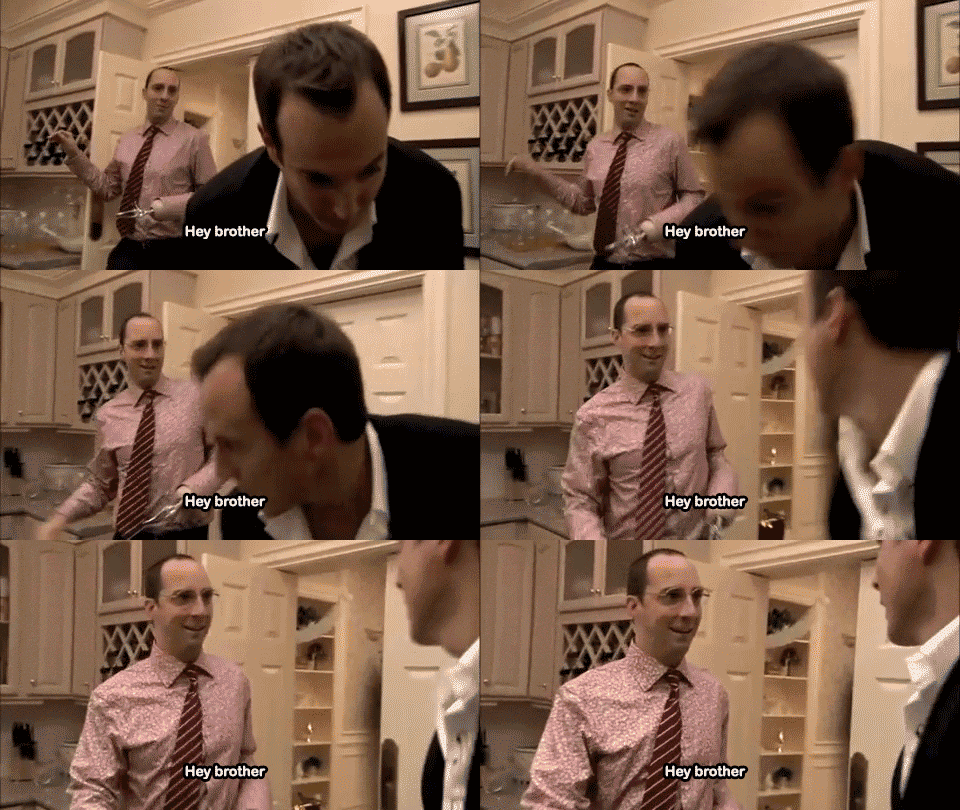
Arrested Development redefined comedy on television and probably changed the way you live your life. Like you definitely greet your brother like this.

Arrested Development redefined comedy on television and probably changed the way you live your life. Like you definitely greet your brother like this.

Imagine Television / Via media.giphy.com

And you can't see a Segway IRL without laughing to yourself.

And you can't see a Segway IRL without laughing to yourself.

Imagine Television

Magicians have changed in your mind, forever.

Magicians have changed in your mind, forever.

Imagine Television / Via media.giphy.com

Some names will never be the same... definitely Ann.

Some names will never be the same... definitely Ann.

Imagine Television


View Entire List ›

22 Mar 18:12

STOP

by garciuh


Mark Harless - Photography


EarthEclipse_ISS_1520


33


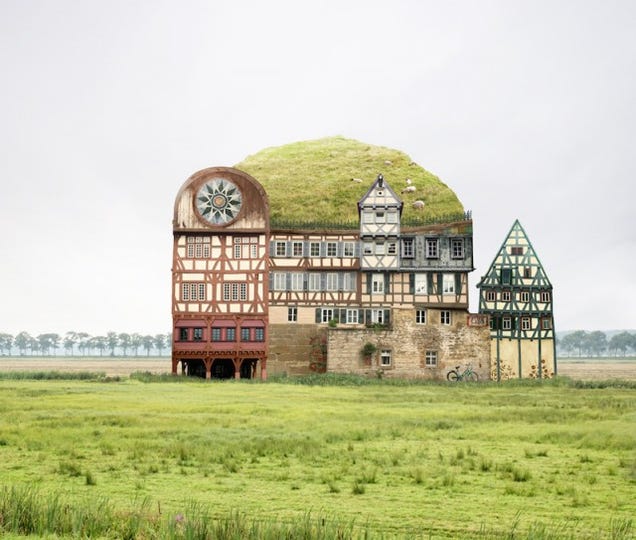
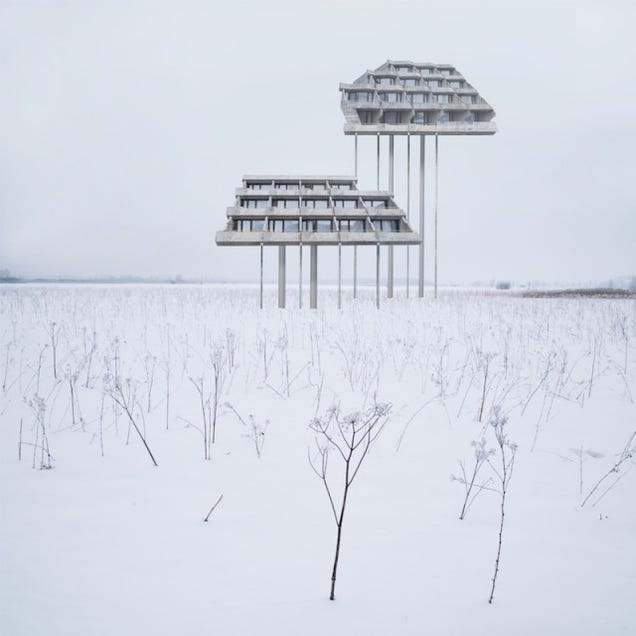
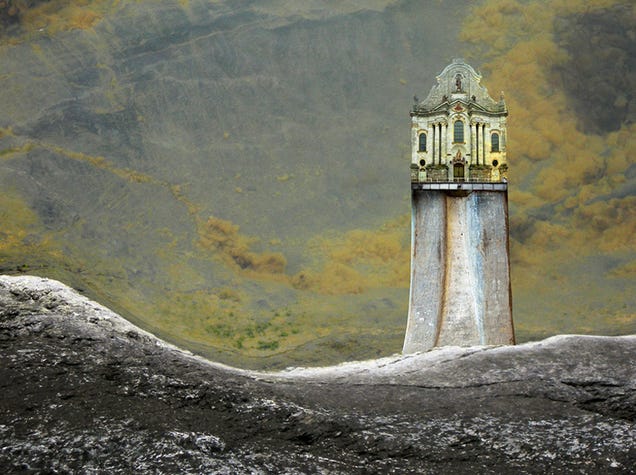
These Structurally Absurd Homes Look Straight Out of Harry Potter


These Structurally Absurd Homes Look Straight Out of Harry Potter

These Structurally Absurd Homes Look Straight Out of Harry Potter


These Structurally Absurd Homes Look Straight Out of Harry Potter


Jason Botkin - graffiti


Jason Botkin - graffiti


Iliad and Nicki 2


SWAMMN AN RAPIN


Lotta van Droom - Photography

Lotta van Droom - Photography


1*idXSOsFbnb7Y0nDcbfKMQA


2011_5_27-wedgesalad03.jpg


hotel


 Phroydianslip


THE END


read more

22 Mar 18:08

They're emulating our beer culture now, and it's kind of awkward.

by joseph conrad is fully awesome
How the West Coast-Style IPA Conquered the World - by Erin Mosbaugh, First We Feast:
"While many notable beers emerged from this scene—Ballast Point Sculpin, Alesmith IPA—few had the influence of Green Flash's flagship West Coast IPA. By trademarking the term in 2011 and emblazoning it across bottles in giant letters, the brewery effectively codified the regionality of the style and made it instantly recognizable to drinkers across the country (and beyond). Eagle Rock Brewery's Jeremy Raub explains, 'Green Flash West Coast IPA was a really over-the-top double IPA, which was the brewery's way to say, 'This is how we do it on the West Coast.' It was just over 8% ABV, resinous, and hoppy. It had more malt body, and it was 'dank,' as people like to call it."
"With the name becoming synonymous with that dank, almost weedlike aroma, brewers from coast to coast began naming beers West Coast IPAs, even if wasn't a style defined by the Brewers Association. 'I can't put my finger on an exact year, but if I had to guess, I would say the West Coast-style IPA really took off around 2010 for the mainstream consumer,' says Cilurzo. That was the fateful year that Cilurzo and his team poured 40 kegs of Pliny the Younger, the brewery's triple IPA, in 8 hours."
See also at the end of the article: "40 Years of Influence: 10 Beers That Define the West Coast-Style IPA".
22 Mar 16:23

31 Ways You Can Reorganize Your Life With Dollar Store Stuff

Spring cleaning just got interesting.

Alice Mongkongllite / BuzzFeed

Hang baskets on the wall to hold towels in the bathroom.

Hang baskets on the wall to hold towels in the bathroom.

Try using two different sizes to keep it from looking too boxy. Get the tutorial here.

makinglemonadeblog.com

Hide hot tools in a file box on the side of your sink.

Hide hot tools in a file box on the side of your sink.

And free up storage space under the sink. Get the tutorial here.

dreamgreendiy.com

Keep your favorite nail polish colors in a spice rack.

Keep your favorite nail polish colors in a spice rack.

Now, you probably can't fit all of your colors in there, but use a spice rack to display your seasonal inspiration. Or leave out the colors you want to wear more of.

lizmarieblog.com


View Entire List ›

22 Mar 16:22

En ningún país de Europa occidental llevar una camiseta a medio pecho es “cheeky”. Si hasta a mi...

En ningún país de Europa occidental llevar una camiseta a medio pecho es “cheeky”. Si hasta a mi abuela le parece discreto (pero cuidado con llevarlo en invierno que la garganta hay que protegerla no vayas a pillar una pulmonía).
Hay que quejarse de muchísimas cosas y ser conscientes de que en otros lugares las mujeres lo tienen peor que aquí, pero atención a la asimilación directa tan común que veo de estándares que deben estar sacados únicamente de la sección más conservadora del judaísmo americano o bien de la fantasía victimista que ya sabemos que existe muchas veces camuflada bajo el nombre de feminismo. Hay lugares en los que sólo enseñar las clavículas te categoriza de una forma, me lo puedo creer. Pero que os identifiquéis y compartáis como si os hubiera pasado a vosotras ya no, porque, en la España en la que yo me he criado (que de ninguna forma es la más avanzada y liberal de las Españas, como supongo que os imaginaréis del semirrural gallego), nunca jamás llevar una falda que muestre la rodilla ha sido ser “tease”.
Y cuidado con los efectos rebote. Que se empieza a decirlo y habrá gente que se lo crea y para la que de repente quien enseña cuello y muslo es cierta cosa, igual que entre los adolescentes de ahora se ha retrocedido unos veinte años en feminismo en los últimos cinco por el acceso y asimilación de una cultura que hasta la aparición de 9gag y los escándalos sobre no poder enseñar las tiras del sujetador en los institutos en Tumblr, nunca había sido la nuestra.

image
22 Mar 14:42

___019__of__the__current__incarnation__of__E.___

by E.23.20
22 Mar 14:10

Penis Mouth

by tiki god

Penis Mouth Penis Mouth

Penis Mouth originally appeared on MyConfinedSpace NSFW on March 22, 2015.

22 Mar 13:51

!!! THE BRISTOLS feat. FABIENNE DELSOL !!!

by noreply@blogger.com (Mr.Eliminator)


"Attracted to the British music scene of the time, Fabienne moved to London in 1996, almost immediately joining the Bristols, a then studio project consisting of Liam Watson and Ed Deegan, two producer-engineers at Toerag Studios.

Fabienne had never really sung before but after Liam’s proposition for an audition and knowing that his taste in music was so perfectly matching hers, she was determined to give it a go. The first single ‘Questions I Can’t Answer’ was recorded in a couple of hours, the first vocal take being used on the record that came out the same year on a Damaged Goods 7”. The Bristols were by then willing to make the most of it and in order to play live and tour decided to form a full line up, including members of the Headcoats, Kaisers and Cee Bee Beaumont.

After two albums, a few singles and several tours of Europe, the Bristols came to an end when Fabienne was unable to find a suitable new bass player to replace the original one. Eager to carry on singing, Fabienne went solo, getting backing from various musicians but with no fixed line up."


Whoa! Whatta post! More girl voiced rockin' sounds in this REAL COOL 60's influenced Garage-Pop project, Fabienne Delsol & Liam Watson’s garage supergroup featuring amongst it’s ranks Bruce Brand (Milkshakes/Headcoats) Owen Thomas (Graham Coxon Band/Cee Bee Beaumont) Parsley (The Adventures of Parsley/Dutronc/Dee Rangers).
Influenced by 60's Garage/Freakbeat as well as Girl Groups, French Ye Ye Pop and stuff, THE BRISTOLS made perfect retro beat sounds for 21st century.

If you dig stuff like Delmonas ,April March or Ludella Black, well crafted 60's garage pop rock with a bit of psychedelia, you mustn't miss this 'cause... it's even better. This is the best stuff I discovered lately. THIS IS A MUST!!!


22 Mar 13:45

The Sigh Guy

by Gin and Broadband
New documentary Tab Hunter Confidential is the story of the squeaky-clean 1950s teen idol whose career was nearly wrecked by gay rumours broken by the notorious Confidential magazine. Rumours that happened to be true.

The movie star who epitomised the Eisenhower era's idea of the young American male, clean-cut and impossibly handsome Tab Hunter was a bobbysoxer's delight. Warner Bros. signed him as the alternative to his 'bad boy' peer James Dean, though Hunter beat Dean to get his breakthrough role in Battle Cry.

Convinced to give acting a go by his mentor Dick Clayton, he walked into legendary agent Henry Willson's office as Art Gelien and, like Willson's other beefcake productions Rock Hudson and Troy Donahue, was re-named and packaged for stardom.

Soon he would be on the cover of innumerable fan magazines, romantically linked to various starlets. He also had a notable singing career and knocked Elvis off the top of the charts. Warner Bros. Records was quickly established on his behalf. He was the studio's top grossing star between 1955 and 1959. The studio called 6ft Hunter 'The Sigh Guy' and cast him in movies where his shirts had a convenient habit of coming off.

Warners particularly pushed his nights out with co-star Natalie Woods. After the pictures were taken, Woods would leave for dates with Dennis Hopper while Hunter headed out to meet his boyfriend Tony Perkins.

The Confidential story is widely considered to have been placed by Willson both as an act of revenge on Hunter, who had moved to another agent, and as a way to shift attention off of his main meal ticket, Hudson, whose sexuality remained secret for most of his life.

Private and happy to have left fame behind, Hunter only co-wrote his 2005 memoir at the urging of his partner Allan Glaser when he heard of an unauthorised biography being put together: "I thought, 'Look, get it from the horse's mouth and not from some horse's ass after I'm dead and gone".

The documentary (trailer) was directed by Jeffrey Schwarz, who had interviewed Hunter for I Am Divine about Hunter's Polyester and Lust in the Dust co-star: "She was one of my favourite leading ladies. Natalie Wood, Sophia Loren...Divine."
21 Mar 17:38

Say Cheese!

by Nicola Twilley

Cheese is the chameleon of the food world, as well as one of its greatest delights. Fresh and light or funky and earthy, creamy and melty or crystalline and crumbly—no other food offers such a variety of flavors and textures.

But cheese is not just a treat for the palate: its discovery changed the course of Western civilization, and, today, cheese rinds are helping scientists conduct cutting-edge research into microbial ecology. In this episode of Gastropod, we investigate cheese in all stinking glory, from ancient Mesopotamia to medieval France, from the origins of cheese factories and Velveeta to the growing artisanal cheese movement in the U.S. Along the way, we search for the answer to a surprisingly complex question: what is cheese? Join us as we bust cheese myths, solve cheese mysteries, and put together the ultimate cheese plate.

The Secret History of Cheese, or, Why the Cheese Origin Story is a Myth

This is the story you’ll often hear about how humans discovered cheese: one hot day nine thousand years ago, a nomad was on his travels, and brought along some milk in an animal stomach—a sort of proto-thermos—to have something to drink at the end of the day. But when he arrived, he discovered that the rennet in the stomach lining had curdled the milk, creating the first cheese. But there’s a major problem with that story, as University of Vermont cheese scientist and historian Paul Kindstedt told Gastropod: the nomads living in the Fertile Crescent of the Middle East in 7000 B.C. would have been lactose-intolerant. A nomad on the road wouldn’t have wanted to drink milk; it would have left him in severe gastro-intestinal distress.

Kindstedt, author of the book Cheese and Culture, explained that about a thousand years before traces of cheese-making show up in the archaeological record, humans began growing crops. Those early fields of wheat and other grains attracted local wild sheep and goats, which provide milk for their young. Human babies are also perfectly adapted for milk. Early humans quickly made the connection and began dairying—but for the first thousand years, toddlers and babies were the only ones consuming the milk. Human adults were uniformly lactose-intolerant, says Kindstedt. What’s more, he told us that “we know from some exciting archaeo-genetic and genomic modeling that the capacity to tolerate lactose into adulthood didn’t develop until about 5500 BC”—which is at least a thousand years after the development of cheese.

The real dawn of cheese came about 8,500 years ago, with two simultaneous developments in human history. First, by then, over-intensive agricultural practices had depleted the soil, leading to the first human-created environmental disaster. As a result, Neolithic humans began herding goats and sheep more intensely, as those animals could survive on marginal lands unfit for crops. And secondly, humans invented pottery: the original practical milk-collection containers.

In the warm environment of the Fertile Crescent region, Kinstedt explained, any milk not used immediately and instead left to stand in those newly invented containers “would have very quickly, in a matter of hours, coagulated [due to the heat and the natural lactic acid bacteria in the milk]. And at some point, probably some adventurous adult tried some of the solid material and found that they could tolerate it a lot more of it than they could milk.” That’s because about 80 percent of the lactose drains off with the whey, leaving a digestible and, likely, rather delicious fresh cheese.

Cheese Changed the Course of Western Civilization

With the discovery of cheese, suddenly those early humans could add dairy to their diets. Cheese made an entirely new source of nutrients and calories available for adults, and, as a result, dairying took off in a major way. What this meant, says Kindstedt, is that “children and newborns would be exposed to milk frequently, which ultimately through random mutations selected for children who could tolerate lactose later into adulthood.”

In a very short time, at least in terms of human evolution—perhaps only a few thousand years—that mutation spread throughout the population of the Fertile Crescent. As those herders migrated to Europe and beyond, they carried this genetic mutation with them. According to Kindstedt, “It’s an absolutely stunning example of a genetic selection occurring in an unbelievably short period of time in human development. It’s really a wonder of the world, and it changed Western civilization forever.”

Cheese

Tasting the First Cheeses Today

In lieu of an actual time machine, Gastropod has another trick for listeners who want to know what cheese tasted like 9,000 years ago: head to the local grocery store and pick up some ricotta or goat’s milk chevre. These cheeses are coagulated using heat and acid, rather than rennet, in much the same way as the very first cheeses. Based on the archaeological evidence of Neolithic pottery containers found in the Fertile Crescent, those early cheeses would have been made from goat’s or sheep’s milk, meaning that they likely would have been somewhat funkier than cow’s milk ricotta, and perhaps of a looser, wetter consistency, more like cottage cheese.

“It would have had a tart, clean flavor,” says Kindstedt, “and it would have been even softer than the cheese you buy at the cheese shop. It would have been a tart, clean, acidic, very moist cheese.”

So, the next time you’re eating a ricotta lasagne or cheesecake, just think: you’re tasting something very similar to the cheese that gave ancient humans a dietary edge, nearly 9,000 years ago.

Camembert Used to be Green

Those early cheese-making peoples spread to Europe, but it wasn’t until the Middle Ages that the wild diversity of cheeses we see today started to emerge. In the episode, we trace the emergence of Swiss cheese and French bloomy rind cheeses, like Brie. But here’s a curious fact that didn’t make it into the show: when Gastropod visited Tufts microbiologist Benjamin Wolfe in his cheese lab, he showed us a petri dish in which he was culturing the microbe used to make Camembert, Penicillium camemberti. And it was a gorgeous blue-green color.

Wolfe explained that according to Camembert: A National Myth, a history of the iconic French cheese written by Pierre Boisard, the original Camembert cheeses in Normandy would have been that same color, their rinds entirely colonized by Wolfe’s “green, minty, crazy” microbe. Indeed, in nineteenth-century newspapers, letters, and advertisements, Camembert cheeses are routinely described as green, green-blue, or greenish-grey. The pure white Camembert we know and love today did not become the norm until the 1920s and 30s. What happened, according to Wolfe, is that if you grow the wild microbe “in a very lush environment, like cheese is, it eventually starts to mutate. And along the way, these white mutants that look like the thing we think of as Camembert popped up.”

In his book, Boisard attributes the rapid rise of the white mutant to human selection, arguing that Louis Pasteur’s discoveries in germ theory at the start of the twentieth-century led to a prejudice against the original “moldy”-looking green Camembert rinds, and a preference for the more hygienic-seeming pure white ones. Camembert’s green origins have since been almost entirely forgotten, even by the most traditional cheese-makers.

Camembert
Penicillium camemberti growing in a petri dish in Ben Wolfe’s lab. Photograph by Nicola Twilley.

Listen to this week’s episode of Gastropod for much more on the secret history and science of cheese, including how early cheese bureaucracy led to the development of writing, what studying microbes in cheese rinds can tell us about microbial ecology in our guts, and why in the world American cheese is dyed orange. (Hint: the color was originally seen as a sign of high quality.) Plus, Gastropod will help you put together the world’s most interesting cheese plate to wow guests at your next dinner party. Listen here for more!

EPISODE NOTES

Heather Paxson

Heather Paxson is a professor of anthropology at MIT, as well as the author of an excellent book, The Life of Cheese, all about the new wave of American artisanal cheese-makers.

Stilton_Colston_Basset_IMG_9504_modified
Rind microbes from a Colston Bassett Stilton. Photograph courtesy of Benjamin E. Wolfe.

Microbes Make the Cheese

In the episode, Heather Paxson describes the struggles she and her colleagues went through as part of a committee responsible for writing this American Academy of Microbiology FAQ on microbes and cheese, “Microbes Make the Cheese,” published in February 2015 and available as a free PDF here.

Paul Kindstedt

Paul Kindstedt is a professor in the Department of Nutrition and Food Sciences at the University of Vermont, where he studies the chemistry, biochemistry, structure, and function of cheese. His book, Cheese and Culture: A History of Cheese and its Place in Western Civilization, came out in 2012.

Benjamin Wolfe

At his lab at Tufts University, microbiologist Benjamin Wolfe studies how microbes from food (mostly cheese!) interact, in order to tease out the ecological and evolutionary forces that shape microbial diversity. He is co-founder of MicrobialFoods.org, an online publication exploring the science of fermented foods.

BW examining petri dish cheeses
Ben Wolfe examining his in-vitro cheeses for signs of life. Photograph by Nicola Twilley.

Moulds
In-vitro cheese rind communities in Ben Wolfe’s lab. Photograph by Nicola Twilley.

Cheese Rind Communities Provide Tractable Systems for In Situ and In Vitro Studies of Microbial Diversity

This paper, published in the journal Cell in July 2014, was co-authored by Benjamin Wolfe,  Julie E. Button, Marcela Santarelli, and Rachel J. Dutton. The team surveyed 137 European and North American cheeses to assess microbial diversity, with some fascinating results. At the time, Wolfe was working in Rachel Dutton’s lab at Harvard’s FAS Center for Systems Biology. A Gastropod listener and current post-doc in Dutton’s lab, Kevin Bonham, recently wrote a three-part essay at Scientific American that goes into detail about the process for DNA-sequencing a cheese rind, and how to turn that data into useful information.

To eat the rind or not?

You may have noticed that some eaters scorn the rinds of cheeses, from the soft fuzzy white carpet that envelops brie to the tougher edge of an aged cheddar, while others tuck right into them. Which approach is correct? The answer depends on what kind of rind it is—as well as your own comfort level with microbes.

Some rinds today are covered with wax, and others, such as England’s Montgomery Cheddar, are surrounded by cloth, neither of which are edible. But for all the rest, the rind is what microbiologists such as Ben Wolfe call a “biofilm”—an entire ecosystem of microbes that colonize the cheese surface, gluing themselves together. Historically, the rind creates a method of preservation, a surface “to keep [the cheese] from being damaged and make it easy to transport. So people just let these rinds develop.” These microbial rinds are perfectly safe for consumption, though they have a different, sometimes stronger, taste than the cheese itself. So: Eat the rind or not? Heather Paxson, who unhesitatingly ate the rind on a St. Nectaire during an afternoon of cheese-tasting with Gastropod, says “It’s purely a matter of taste.”

Frankencheeses

As we explain in the episode, Ben Wolfe has become something of a “cheese doctor,” with cheese-makers sending him their “Frankencheeses” in the mail, in order to figure out what went wrong. Meanwhile, listener “Moldy in Avignon” sent us an email with the subject “Gross Cheese Mystery,” and a photograph of really, really old cheeses for sale in the Avignon market. We consulted with Ben, who shared his own photos of brown, nasty-looking French cheeses for sale at the Slow Food Festival in Bra, Italy. Apparently, these kinds of super-aged cheeses are meant for eating, though the cheese seller in this short video explains they are hard to find these days and much less popular than they used to be.

The brown dust is actually microscopic cheese mites: Wolfe calls them the “gophers” of the cheese world, as they eat into the rind, aerating it as well as increasing the surface area available for microbial colonization (and thus flavor development). They’re common in cheese aging, although in the U.S. they’re usually regarded as a pest, and cheeses are carefully brushed to remove them. Here’s footage of a cheese mite munching on microbial hyphae, filmed at the Dutton lab.

Mouldy cheeses
Very old cheeses (aged for up to five years) covered in craggly molds and a fine dust of cheese mites. (Left) Photographed by Ben Wolfe for sale at the Slow Food Festival in Bra, Italy. (Right) As photographed by listener “Moldy in Avignon.”

Cheese stories, cheese ads, and Wallace & Gromit

This episode wouldn’t have been nearly as much fun without all your cheese stories: thanks to all of you who wrote or called in, and particularly to Elana Lubin, Roz Cummins, Emily Lo Gibson, Mike Simonovich, Jenny Morber, Etta Devine, Tasha from the Boston area, and Doug from Perth. We sampled audio from Alex Crowley’s Wallace & Gromit “The Cheesesnatcher” claymation, as well as a 1986 Velveeta ad, a 1958 Kraft ad, and a “Time for Timer” Saturday morning cartoon PSA from the 1970s.

The post Say Cheese! appeared first on Gastropod.

21 Mar 17:36

La ineficacia de la oración religiosa o lo tremendamente complicado que es distinguir el placebo

by Sergio Parra

Prayer Wheels 402 640Distinguir el placebo es algo que escapa a la comprensión humana individual. Por eso se llevan a cabo complejos ensayos aleatorios (personas de distinta condición) y de doble ciego (ni el paciente ni el médico saben si están prescribiendo un placebo o una medicina real). Por eso el “pues a mí me funciona” es una frase casi medieval que no aporta ningún conocimiento fiable sobre la eficacia de una terapia.

Y también, por eso, incluso personas aparentemente sabias (pero que ignoran el funcionamiento del placebo, los ensayos de doble ciego o el simple método científicos) creen en terapias que nunca han superado al placebo. Dostoievsky, por ejemplo, dijo “las medicinas alternativas y naturales son las más potentes”. Y Gandhi: “La homeopatía permite curar a más personas que cualquier terapia”.

Estos sesgos cognitivos no solo afectan a quienes defienden algunas terapias naturales o simple agua sin principio activo (homeopatía), sino también a quienes consideran que la oración religiosa surte algún efecto beneficioso.

La oración no cura, e incluso te enferma

Christians 432075 640Partamos de la base que un sistema religioso basado en la oración es, cuando menos, ingenuo, provinciano y rayano con la esclavitud. Es decir: si rezas, te ayudan; si no rezas, no te ayudan tanto. Si cada segundo muere un niño de hambre en el tercer mundo será porque no reza, ¿y si rezara? ¿Y qué culpa tiene el niño de ignorar el poder del rezo? Y si nosotros rezamos para curarnos de una patología, ¿no resulta egoísta y provinciano que nos curemos mientras, simultáneamente, mueren millares de personas que no rezan?

Pero todo esto no es más que un razonamiento personal que podría aparecer en cualquier capítulo de South Park o Padre de familia. Vayamos a los datos empíricos. Si bien hay algún estudio que sugiere la oración ejerce algún poder, presenta errores fundamentales en su metodología.

Muchos estudios recientes no han demostrado el efecto de la oración sobre pacientes con leucemia o reuma ni sobre los que se someten a diálisis. Rezar a través de unos auriculares por el paciente anestesiado mientras se le practicaba una operación a corazón abierto tampoco surtió ningún efecto. Como explica el neurólogo Dick Swaab en su libro Somos nuestro cerebro:

Una combinación de catorce estudios bien conducidos llevó a la conclusión en 2006 que el rezo no tenía efectos sobre la curación de los demás. No obstante, un amplio estudio controlado ha demostrado los efectos negativos para pacientes con problemas cardíacos. El grupo constaba de seiscientos cuatro pacientes que fueron sometidos a un bypass a los que dividieron en tres grupos. Sin que los pacientes lo supieran, se rezan por el primer grupo pero no por el segundo, y no se apreciaron diferencias en el número de complicaciones. El tercer grupo sí sabía que se estaba rezando por ellos. Para el asombro de todos, fue este grupo el que mostró un mayor número de complicaciones. Podría especularse que los pacientes que sabían que se rezaba por ellos asumieron que estaban muy graves. Otro estudio mostró que cuantos más síntomas psiquiátricos tenían los pacientes, más rasaban.

Como explica Carl Sagan en su libro El mundo y sus demonios, en las salas de espera de los hospitales se producen más curaciones espontáneas que en Lourdes, donde hay miles de personas rezando. La proporción de “milagros” que se produce en Lourdes o Fátima están dentro de lo normal, y puede explicarse mediante el efecto placebo, las remisiones espontáneas y otros factores ya identificados como naturales.

A pesar de todo ello, el 82% de los estadounidenses cree que rezar puede curar las enfermedades graves, el 73% cree que rezar por otras personas puede curar una enfermedad y el 64% quiere que los médicos recen por ello.

Creo que la razón es que la gente que reza regularmente se siente bien al hacerlo. Aporta a los creyentes una sensación que va acompañada de un descenso de la hormona del estrés, el cortisol, en la sangre (…) Efectivamente, se pueden conseguir los mismos resultados con ejercicios de yoga, la meditación o escuchando tu música favorita.

Los efectos beneficiosos de la religión se pueden obtener apuntándose a clase de tango o cualquier otro club social. Pudiéndose así, de paso, evitar lo que ya diagnosticó Richard Dawkins en su libro El espejismo de Dios (y que podría extrapolarse a cualquier placebo, por considerarse éste una ilusión cognitiva): “Cuando una persona sufre una alucinación, se la llama locura. Cuando muchas personas sufren una alucinación, se la llama religión.”

Imágenes | Pixabay

-
La noticia La ineficacia de la oración religiosa o lo tremendamente complicado que es distinguir el placebo fue publicada originalmente en Xataka Ciencia por Sergio Parra .


21 Mar 17:27

Watch Wil Wheaton and his foulmouthed friends play Cards Against Humanity

by Stefan Sirucek
Screen Shot 2015-03-20 at 5.17.32 PM

With his many appearances on Star Trek and The Guild, among other credits, Wil Wheaton has a reasonable claim to the title of King of the Nerds. His game-centric Youtube show TableTop is right up that alley. In this special, foul-mouthed edition, Wheaton is joined by comedians Aisha Tyler, Ali Spagnola, and Laina Morris for a rollicking session of everyone’s favorite filthy card game Cards Against Humanity.

So sit back and watch the jokes and horse cum fly.

21 Mar 13:51

Visitamos el bar más facha de España: Casa Pepe

by Iñaki Berazaluce


En el microcosmos de los bares de carretera brilla con luz propia Casa Pepe, una venta ubicada en mitad de la cordillera de Despeñaperros, orilla la carretera de Andalucía y que con el paso de los años se ha convertido en una suerte de museo oficioso de la memorabilia franquista y falangista. Un mausoleo facha sin complejos cuyos propietarios observan con temor cómo el legado de la reserva espiritual de Europa se resquebraja a ojos vista.

Elegí un mal día para venir a entrevistar al heredero del Emporio Casa Pepe, Juanjo Navarro, hijo de Juan Navarro y nieto del fundador (el Pepe del rótulo). En la tele están anunciando la victoria de Syriza en las elecciones griegas, quizá un anticipo de lo que le toca a España: la victoria de la "izquierda radical".

Me pido un vino y un bocata de jamón serrano con tomate mientras espero a que me reciba Juanjo. Junto a mí, un tipo intenta enseñar el saludo fascista a su pequeño para la foto bajo el escudo del águila. La madre de la criatura se enfada: "¡Así no os saco!". El padre porfía, entre risas. La criatura no entiende nada.

[body_image width='1000' height='849' path='images/content-images/2015/03/20/' crop='images/content-images-crops/2015/03/20/' filename='el-bar-mas-facha-de-espana-casa-pepe-148-body-image-1426849553.jpg' id='38174']

¿Quién te lo iba a decir? No querías sacar la foto y ahora estáis todos en Vice.

Investigo las baldas y las paredes de la tienda-museo: botellas de vino con la efigie de Franco, chocolatinas con la letra del Cara al Sol, espárragos marca "El yugo y las flechas", gorros de la legión y un sinfín de banderas y escudos "preconstitucionales", por usar un término melindroso, invaden cada rincón del enorme local, no apto para progres, republicanos y comitivas gaditanas camino del Orgullo Gay. "Rojo que vuela, a la cazuela", era el lema de Juan Navarro, fallecido en 2013, hijo del fundador de la venta y verdadero alma máter del negocio.

La primera vez que paré en Casa Pepe, hará unos cinco años, reconozco que pasé miedo al verme rodeado de tanta iconografía facciosa. Temía que tarde o temprano los camareros se iban a dar cuenta que no era uno "de los suyos" y me iban a echar con cajas destempladas. Esta vez, en cambio, he logrado traspasar con mis rayos-X la capa de falangismo de clientes y empleados y he vislumbrado seres humanos como yo, con sus costumbres, dudas y miserias.

Juanjo Navarro lleva actualmente las riendas de Casa Pepe. Desde el primer momento me deja claras dos cosas:

1. Casa Pepe sigue siendo un mausoleo facha hasta el tuétano y

2. Aquí se atiende respetuosamente a todo el mundo, sin discriminación de raza o color político.

[body_image width='1000' height='565' path='images/content-images/2015/03/20/' crop='images/content-images-crops/2015/03/20/' filename='el-bar-mas-facha-de-espana-casa-pepe-148-body-image-1426849539.jpg' id='38173']

Juanjo Navarro, tercera generación de Casa Pepe.

Bajo el escudo del águila preconstitucional hablo con Juanjo en un día aciago (para él). En la tele anuncian la victoria de Syriza. Un fantasma recorre Europa y pronto puede ser que asome su roja faz en España. "No tengo la más mínima confianza en estos partidos de la izquierda radical, porque no creo que sean la solución a los problemas, ni de Grecia, ni de España. La gente se va a dar de boca, ojalá me equivoque".

Ojalá se equivoque, sí, porque "si gana Podemos lo primero que van a hacer es cerrarnos el negocio". Aunque, eso sí, "si es necesario recurriremos al mejor abogado de España para mantenerlo abierto".

Menos mal que Casa Pepe está en la provincia de Ciudad Real y no en la limítrofe de Jaén, porque entonces puede que los temores de Juanjo Navarro (el cierre, la nacionalización) ya se hubieran hecho realidad bajo la égida de los sociatas andaluces. Al día siguiente comento mi visita al alcalde de Guarromán, el pueblo con el nombre más divertido de España, apenas 40 kilómetros al sur. "No entiendo cómo ese sitio puede seguir abierto", me responde. ¿Alegoría del franquismo? "Toma claro", responde desde otra dimensión espacio-temporal el heredero del Emporio Pepe: "Puede que Franco no hiciera alguna cosa bien, pero ahora nos lo quieren pintar como si todo fuera malo".

El mismísimo Franco estuvo aquí. No hay foto de tan icónico momento, porque en los años 50 del siglo pasado aún no se estilaba el selfie, pero según relata el estremecedor libro 'Casa Pepe, 90 años al servicio de los españoles' (Memoralia), Franco honró a Casa Pepe con una visita personal en los años 50, "uno de los momentos más memorables para el restaurante y su fundador". Con la excusa de la visita, el autor (el dueño, vaya) se marca un párrafo antológico: "En 1936 España se asomó a un abismo que podía haber reducido su tradición milenaria y la cultura cristiana a escombros de un 'gulag' totalitario, materialista y ateo, en extremo degradante". Hasta que llegó Paco con la rebaja y todo lo demás ya lo conocen ustedes por el Cuéntame.

[body_image width='1000' height='691' path='images/content-images/2015/03/20/' crop='images/content-images-crops/2015/03/20/' filename='el-bar-mas-facha-de-espana-casa-pepe-148-body-image-1426849921.jpg' id='38179']

Vinito de la casa.

Remato mi provechosa visita a Casa Pepe con una tarta de la casa, concretamente la tarta nacional, elaborada en el inconfundible rojigualda de nuestra enseña. ¿Quién podría preferir un postre extranjerizante como el tiramisú frente a este manjar patriota?

Han pasado 40 años desde la muerte del sátrapa y lo que en aquel entonces resultaba provocativo hoy entra en la categoría de kitsch. La memorabilia franquista, como la soviética, huele a alcanfor, pero la nueva generación de los Navarro que lleva el negocio lo mantienen por un motivo inapelable: es la seña de identidad del local, un rincón auténtico (por más que pueda provocar arcadas) entre la pléyade de fast-foods, cadenas de cafeterías y gasolineras clónicas que trufan las autopistas de la Piel de Toro.

Iñaki Berazaluce dispara cada día sus soflamas desde Strambotic.

[body_image width='1000' height='706' path='images/content-images/2015/03/20/' crop='images/content-images-crops/2015/03/20/' filename='el-bar-mas-facha-de-espana-casa-pepe-148-body-image-1426849974.jpg' id='38180']

[body_image width='1000' height='700' path='images/content-images/2015/03/20/' crop='images/content-images-crops/2015/03/20/' filename='el-bar-mas-facha-de-espana-casa-pepe-148-body-image-1426849983.jpg' id='38181']

[body_image width='1000' height='1514' path='images/content-images/2015/03/20/' crop='images/content-images-crops/2015/03/20/' filename='el-bar-mas-facha-de-espana-casa-pepe-148-body-image-1426849997.jpg' id='38182']

[body_image width='1000' height='633' path='images/content-images/2015/03/20/' crop='images/content-images-crops/2015/03/20/' filename='el-bar-mas-facha-de-espana-casa-pepe-148-body-image-1426850011.jpg' id='38183']

[body_image width='1000' height='1768' path='images/content-images/2015/03/20/' crop='images/content-images-crops/2015/03/20/' filename='el-bar-mas-facha-de-espana-casa-pepe-148-body-image-1426850026.jpg' id='38184']

21 Mar 13:50

Burlesque

by ierdnall
21 Mar 13:48

I made you this!

by the_adriator
21 Mar 13:47

4 Sex Lies Everyone Needs to Stop Telling

By Felix Clay  Published: March 21st, 2015 
21 Mar 13:46

The 7 Most F***ed Up Real 'Choose Your Own Adventure' Books

By Gavin Jamieson  Published: March 21st, 2015 
21 Mar 12:18

Songs The Lord Taught Us

by noreply@blogger.com (Debbie D)
21 Mar 04:57

!!! THEE HEADCOATEES !!!

by noreply@blogger.com (Mr.Eliminator)


"Daughter Told Her Mommy, I Wanna Be A Headcoat Girl"


"Formed in 1991, in Kent, as a backing band for Billy Childish's band The Headcoats, The Headcoatees soon began releasing material of their own. Featuring Holly Golightly, Ludella Black, Kyra LaRubia and Debbie Green, the all girl outfit were active throughout the 90's, industriously releasing a plethora of albums and singles."


Straight from [whose else but] the Billy Childish kitchen came thee best girl garage punk band in the world. Surfadelic is pleased to finaly give a treat to Thee Headcoatees LP discography. From their '91. debut slab "Girlsville" to the real cool '99 singles collection "The Sisters Of Suave", you gotta dance, dance, dance to the raw beat of these legendary ''Headcoat'' PUNK GIRLS!!! 
Their sexy & funny treat of classic Headcoats tunes as well as covers of Bo Diddley, Jimmy Reed, 60's garage/freakbeat, Sonics, Shadows Of Knight, Troggs, Beatles, Ramones, Undertones, Plastic Bertrand and stuff gonna have you on yer knees.
With one of the most ridiculous 45's titles ''We Got 7 Inches, But We Wanted Twelve!'' and cover of Billy's tune turned into all-out, full blown fellatio anthem ''Cum Into My Mouth'' you know, they're more than just another girl group. Welcome to the Girlsville!


"Treat Yourself With Respect, Be A Headcoat Girl"


21 Mar 04:55

Hay que Jod...

by J Calduch
jododance.jpg


Y unas palabras de presentación:


 jodovideo.jpg

21 Mar 04:46

Don’t stop believing: El AOR o el rock peliculero 80s

by Jose Viruete

Desde que el hombre es hombre, existen los géneros musicales. Ya los primeros primates tenían larguísimas discusiones a base de gruñidos y hostias de huesos para diferenciar entre post-new jack y speed copla. La cúspide de este debate llegó con la creación de la etiqueta menos descriptiva del mundo: el AOR. El dichoso AOR. El no-género que dominó las ondas de los 80 (al menos en los EEUU) y las pantallas de cine. Si creciste disfrutando las canciones de Rocky, o esas que sonaban en los créditos de las películas de Van Damme, creciste escuchando AOR.

AORSoundtracksV21

A finales de los 70, eso de AOR, Adult Oriented Rock, era una etiqueta que ningún artista quería que le colgaran. A diferencia del metal, el hip hop o el punk nadie lucía con orgullo sus “colores de AOR”. Con el tiempo, y como sucedía con “friki” o “gay”, los fueron sus militantes los que al final acabaron abrazando la palabra como manera de diferenciarse, quitándole su valor despective. Pero esto aún tardó muchos años en pasar. Yo no supe del término, hasta que me dejaron el recopilatorio Burning Heart, muy anunciado en la Teletienda y que debió de vender un quintal. ¡En casete, por supuesto! En el pequeño libreto utilizaban la palabra un par de veces. Ya podía buscar más música parecida con facilidad.

Pero… si buscan por ahí el origen del acrónimo, verán que originalmente respondía a “Album Oriented Rock”. Se trataba de un tipo de programa de radio de los EEUU en el que el DJ no sólo ponía singles, o se ceñía a las listas de ventas, sino que pinchaba cualquier canción que les gustara del disco. La cultura del álbum vs la cultura del single. El cambio de “Álbum” a “Adult” se debió a la insistencia de los críticos musicales más modernos, especialmente europeos, que la catalogaban como “adulta”. Falta de vitalidad, de energía juvenil.

Pinche aquí para ver el vídeo

¿Música adulta? Pues sí. Los miembros de Sex Pistols tenían 20 años. Los de Toto, por decir algo, andaban todos en la treintena. Y poco excitante, según ellos. El éxito de bandas como Boston o Foreigner (que lo petaron en 1976 y 1977), con sus melódicas canciones de desamor, coincidió con la eclosión de géneros como el punk o el power pop o una incipiente new wave. Música que sonaba nueva y fresca, que transmitía urgencia y frustración. Justo lo que no conseguían esos grupos. Era un rock no rebelde. Rock para gente normal.

Claro que según este criterio, serían AOR cosas que ya en los 80 sonaban a viejunas, como Dire Straits o Alan Parson Project. Una cosa es el concepto de “rock adulto” como “coñazo”, y otra, la propia etiqueta, absurda pero útil, que ha terminado definiendo un estilo muy concreto, con unas características que terminaron conformando un género propio. Vamos a enumerarlas.


foreigner_urgent2

Rock comercial y destinado a la radio: el AOR destiló un montón de tendencias de finales de los 70 en un sonido ideal para sonar todo el santo día en las FMs. Como en toda la música pop, lo más importante es la voz. Agradable, pero con registro amplio. Eso sí: nada de chillidos jebis, por dios. Mejor voces algo más masculinas, eso sí, con un toque de soul, ideal para hablar del mal momento que pasa tu relación con Bethany.

En la parte instrumental, un poquito de caña. Se permiten los power-chords de hard rock y los solos: breves, pero con un toque de virtuosismo. Que se note que llevas años tocando. Que no eres un niñato, vamos. Y lo más importante de todo esto: una producción limpia, inmaculada, donde se distingan a la perfección todos los instrumentos, con voces armonizadas y una batería sin alardes. Ah, y una cosa más…

A tope con los teclados: muchos, muchos tecladitos haciendo tututututu tututututu tutuututut y/o subrayando los acordes principales. Los riffs de teclado también son bienvenidos, sobre todo si son muy cantables. Escuchen este ejemplo y entenderán en 4 minutos de qué coño hablo.

Pinche aquí para ver el vídeo

Melodías e intensidad:  Nadie compraba AOR para manifestar rebeldía. Los discos de una banda como Survivor, están repletos de canciones maravillosas en su perfección pop-rock, con preciosas melodías vocales y ganchos, “hooks”, que llevan la canción de un sitio a otro. Pero eso sí, puntuados por riffs guitarreros con un puntito de distorsión.  Melodías y fuerza. Ese era su juego de “uno, dos” para atrapar al oyente.

Letras de amor y superación a base de clichés: sus letras no solían hablar, precisamente, de pasar la noche follando, sino de lo mucho que sigues queriendo a tu mujer, de como aún recuerdas aquella primera cita, o de amargas separaciones. Incluso de divorcios. Todo con un lenguaje sencillo y simple, a base de frases hechas y lugares comunes de las rock lyrics. Ya os podéis imaginar: noseque “the fire, hearts in pain, will last forever, missing you, second chances”…

El otro tema predilecto de artistas señeros como Stan Bush era la superación personal: “no te rindas jamás”, “sigue  tus sueños”, “eres el mejor”… aunque tu pequeño bar o taller mecánico no esté funcionando bien, sigue con ello.  ¡Que tiemblen los putos comunistas ante el poder del ROCK!

survivor-circa-1979

Imagen rockera, pero formal: nada de pelos de colores, tachuelas, crestas o ropa rara. Gente de bien, vestida de músico de toda la vida. Tus oyentes de Virginia y Minessotta tenían que pensar que eras un rockero, no un payaso. Hasta mediados de los 80 era casi imprescindible tener un tipo con bigote en la formación, y los mullets eran bienvenidos. No era raro ver a algún miembro con buenas entradas.

Madurez y trayectoria: Steve Perry de Journey, aka DIOS, tenía 31 años cuando Escape llegó a número 1 en los EEUU. Era su sexto disco en estudio banda. Los miembros de Asia venían todos de bandas consagradas y también estaban bien entrados en la treintena. Léase lo mismo de Survivor, Génesis… Todos llevaban un buen tiempo en esto de la música y sacaban unos buenos 10 años a los miembros de cualquier grupo de moda, ya fueran The Clash, Spandau Ballet o yo que sé… Mecano.

Nombres de sitios: esto es una chorrada, pero el nombre arquetípico de una banda de AOR es, o contiene, el de una ciudad, estado o país. Boston, Dakota, Houston, Niagara, Biloxi, Europe, Korea, Asia, Tokyo, New England, Kansas, China Sky

114374547

Con estos mimbres, el AOR dominó las listas de éxito y la radio de 1976 a 1986, impulsado por LOS FANS JÓVENES. Es así, y es lo que la crítica nunca le perdonó, como tú tampoco perdonas que a los chavales les guste el Electrolatino: su carácter totalmente comercial y popular. Si vivías en Los Ángeles o Nueva York, con un montón de clubs para ir a ver grupos modernos, era fácil ser un tipo raro, marginadillo, y gustar de los punks o nuevo románticos. Pero… los chavales del medio oeste también querían su rock. Es más: los jugadores del equipo de fútbol americano también querían su rock. Los chicos de la fraternidad también querían su rock. Los chicos del ejército querían su rock. El ciudadano medio quería su rock, que para algo era la música de América. Y había muchos, muchos, ciudadanos medios.

Ellos son los que se encargaron de que una banda como Loverboy lo petaran a tope y aparecieran más por todo el mundo, tales como Mr. Mister, Magnum, Honeymoon Suite, Jeff Paris, Vixen, Duke Jupiter, White Sister, Eddie Money, John Parr, Orion The Hunter, Streets, Aviator y tropecientas más…

Rocky4

Las dichosas películas

Como hemos dicho, el género fue repudiado dentro y fuera de los EEUU. Allí tenía su público natural. ¿Y en el resto del mundo? Pues el AOR tuvo como aliado las producciones de cocainómanos como Jerry Bruckheimer o Don Simpson. El cine, cual caballo de Troya, se encargó de meter de estrangis estos sonidos en nuestros cines, videoclubs y casas. Con el auge de la MTV, los videoclips eran lo más moderno que había, y los productores exigían que los films los contuvieran para agradar a la juventud. Se disparaba la demanda de una buena canción que elevara ese montaje con momentos de crisis, diversión y superación personal.

Pinche aquí para ver el vídeo

¡A entrenar duro! Rocky IV contiene videoclip tras videoclips de puritito AOR, con el There’s no easy way out para torturar la psique del potro italiano o el inmortal Hearts on fire para puntuar el discursito final de Rocky ante los rusos. Y qué decir del “Burning Heart” de Survivor, que venían de hacer el celebérrimo “Eye of the Tiger”. A Stallone le molaban un puñao, y les hizo repetir con un tema dedicado al choque con el gran Iván Drago y una letra que le fliparía a Reagan:

“Two worlds collides, rival nations

It’s a primitive clash, venting years of frustration”

Los pelos como Scorpions. Posiblemente la BSO más AOR de la historia: un artefacto de evidente valor cultural.

Pinche aquí para ver el vídeo

Otros grandes momentos del cine AOR es EL CAMPEONATO DE KARATE KID. Mientras Daniel Larusso se enfrenta a los Kobra Kai (así, con K), pasando ronda tras ronda del torneo como el Atleti en Champions, una canción le grita “ERES EL MEJOR! LUCHA!”. Joe ‘Bean’ Exposito, gris músico de sesión, alcanzó la inmortalidad con un himno que tú también puedes usar para animarte en tus quehaceres diarios, ya sean drogarte como un loco o cabrearte viendo a Rajoy por la tele.

thetouch

Por encima de Survivor, Stan Bush es el rey del rock peliculero, metiendo canciones en películas como Contacto Sangriento, Kickboxer, El Aparecido o Transformers. Su caso ejemplifica el atractivo de poner una canción en una película: un buen cheque y derechos de autor all over the world. El lado malo… el tener 55 años y tener que ir cantando una canción sobre Optimus Prime en convenciones de fans de los autobots y los decepticons. Debe estar hasta los huevos.

Pinche aquí para ver el vídeo

Hay miles de ejemplos. Podéis rockear con la BSO de Top Gun, donde tenéis a un Kenny Loggins aorerizado a tope con el “Danger Zone”, o a unos Cheap Trick inventándose la canción de Ken con “Mighty Wings”. O mejor, podéis uniros a los chicos de Águila de acero y gritar eso de “Never Say Die (Iron Eagle)” que cantaban unos muy oportunistas King Kobra… ¡que se tuvieron que cortar el pelo de verdad para hacer el muy propagandístico vídeo! Banda Tope no fueron los primeros en pedir que te unieras al ejército.

Incluso películas más modestas como Los albóndigas en remojo, Atrapa ese maniquí, Regreso a la escuela, Tal para cual, Forja de Campeones o Admiradora Secreta  tienen una banda sonora muy melódica a cargo de grupos menores y mercenarios de la canción. Leche… ¡asta la hiper-cutrona Megaforce tiene un tema ahí! El mismísimo Jackie Chan le dio al tema con sus canciones para La armadura de Dios u Operación Trueno.

the_album_cover_art_work_for_night_rocker_by_david_hasselhoff

Y en tele, pues a tope con El coche fantástico y Michael Knight escuchando a 38 Special en una larguíiiiiisia carretera sin tráfico. Cosas de americanos: sus carreteras, sus cocharracos, sus pelos y su música. O acordaos de Fiona en Corrupción en Miami. O el opening de Los Vigilantes de la playa. Series de dibujos como los Galaxy Rangers, Mask o Slam Dunk tenía canciones de estas. ¿Y qué os creéis que es eso de “¡luz, fuego, destrucción!”?

Pinche aquí para ver el vídeo

Lo mismo sucedía en la publicidad. Todos recordamos la tonadilla que anunciaba Guillete: “Lo mejor para el hombre”, obra original del muy AOR John Parr. Coca Cola contaba con el “First Time” de Robin Beck para engatusar y Ford contrató a los alemanes Dominoe para cantar un grandilocuente y perfecto “Here I Am” para vender tu coche. Anécdota: Julio Iglesias se folló a la teclista de Dominoe. Ninguna sorpresa aquí, supongo.

Un fetiche personal: el Win in the end de Teen Wolf. A TOPE DE POWER!

 Cher

La música (adulta) te rejuvenecerá

Era muy habitual que viejas glorias de la música se acercaran al género para actualizar sus sonido, lo que lo envejecía aún más y lo hacía más “corporado”. Es el caso de los hits 80s de unos cuarentones Starship que aún suena en las radio. Lo mismo le ocurrió con Tina Turner, como el muy AOR Simply the best también tuvieron repercusión en Los 40 principales, como también le ocurría a Rod Stewart. Y a Cher, claro, no nos olvidemos de ella. Le ha dado a todo y a todo con éxito, y “If I Could Turn Back Time arrasó con su videoclip “animando a nuestras tropas overseas”.

No nos olvidemos de Genesis, que pasaron de hacer rock progresivo a material para un taquillazo de Michael J. Fox con cosas como Invisible Touch, para desesperación de los fans odiseas instrumentales. Pero de todos estos, los que más gustan a los españoles son Queen y Roxette, ambos con una buena parte de su discografía compuesta a base de AOR de libro: “One Vision” o “The Show Must Go On” de unos, “Dangerous” o “Joyride” de otros… Muchos hicieron lo mismo con menor fortuna:  Heart, Meat Loaf, Peter Frampton, David Cassidy, Ian Hunter o hasta peña de Venom probaron suerte, a ver si sonaba la flauta.

Poned Kiss FM y aún hoy día podréis escuchar a John Waite y su “Missing You” embutido entre los hits de Ella Baila Sola y La quinta estación. Eso sí: el locutor jamás habla de AOR, la etiqueta maldita. Son “éxitos de los 80″.


Pinche aquí para ver el vídeo

El AOR en España

Aquí, como decimos España no gustaba el AOR. Así de claro. Ninguna de las grandes bandas del género giró por aquí. NI UNA. La etiqueta nos llegó a toro pasado y a través del impacto de Europe y Bon Jovi, bandas que no pertenecen exactamente al género, como no pasaba tampoco con Sangre Azul, por decir unos. Los imitadores de Whitesnake usaban la palabreja, seguida de la coletilla “rock melodico”, como diciendo “cuidao, que metemos caña, pero con elegancia, nena”.

¿Significa que no se hizo AOR en España? No. Como música de éxito, como rock para todos los públicos, muchas bandas tuvieron sus acercamientos para dar variedad a sus disco y tener un temita rockero que hacer en directo.

Y luego están los cantantes melódicos.

Especialmente… Sergio Dalma

Pinche aquí para ver el vídeo

Por mucho que les joda al sector de público que se acercaron a Journey desde Iron Maiden, canciones como “Galilea o “La vida empieza hoy son 100% AOR. Incluso el dichoso “Bailar Pegados” es una balada que bien podría haber cantado Bon Jovi, mal que nos pese.

A partir de ahí, pueden hurgar en discos de Alejandro Sanz, Enrique Iglesias, David DeMaría o incluso David Bisbal, que ha hecho acercamientos al tema cuando su público se ha hecho mayor y ha olvidado la “musiquita latina”.

Lo mismo sucede con los cantantes latinos populares en nuestro país. Comprar un LP de Emmanuel o Chayanne es encontrar un par de joyitas por disco. ¡Detenela ya! ¡Que es una ladrona! El que más lo petó fue mi querido Cristian Castro, con su himno inmortal “Azul“, canción del verano de 2000 y eterno desastre en los karaokes de aquí y allí.

Pero el tema AOR hispano por excelencia es el “Entre tú y yo de El Norte, un tema que aún se canta en los karaokes y que bien podía haber firmado un Rick Springfield. Acojona aún su entonces modernísimo videoclip, hoy recopilación de tics horteras de la época. En su disco de debut se daban cita todos los tópicos del género. Hasta tiene una canción llamada No te desanimes.

Pinche aquí para ver el vídeo

Fueron La Trampa, el grupo de Pablo Perea, los que más si identificaron con la etiqueta en cuestión. El cantante aún anda por ahí haciendo sus conciertos, coincidiendo con frecuencia con Rafa Martín, aka “el Bryan Adams” español, otro que tal baila. Los dos tuvieron sus momentos de gloria, aunque no os acordéis ya. Os lo prometo.

Otros temas similares que lo petaron en nuestro país en la época dorada del género eran cosas como Valentino de Cadillac, “Paraíso Terrenal” de Barón Rojo, “No te dejes ganar” de Ñu o muchas canciones de Miguel Ríos. Si me preguntáis por Júpiter, Niagara y demás, en realidad siempre me ha parecido que querían imitar a Whitesnake, no a Survivor. Y no es lo mismo.

En los 90, y ya en plan revival, si aparecieron grupos buscando recrear aquel sonido 80s, casi siempre con poco éxito, como Elyte o el estupendo disco de La Fase. Hasta se coló en Gran Hermano con Iguana Tango. Hoy día no te puedes fiar: te vas a ver a unos que se venden con la etiquetita por molar y te encuentras con unos émulos de Skid Row. Soy un purista del AOR, que le vamos a hacer: sé lo que me gusta y como quiero que suene.

1996

Los 90 y más allá 

A mediados de los 80, grupos más jóvenes Bon Jovi o Europe, que utilizaban algunos elementos del género pero lo modernizaban para los chavales de la época, relegaron a nuestros protagonistas a un segundo plano. Journey se paralizó en 1986, Boston, lo mismo en 1988. Styx eran un chiste tras “Mr. Roboto” y Survivor quedaron encasillados en las bandas sonoras. Y así, casi todos cayeron en desgracia.

Pinche aquí para ver el vídeo

El vídeo de John Parr para la película St. Elmo, punto de encuentro, representa bien lo que sucedió. Ahí tienen al cantante, todo emocionado, saludando a unos Rob Lowe, Demi Moore o Emilio Estevez que ni saben quién es ese señor ni les importa tres narices, como a los chavales de hoy no les importa quién es Bud Spencer. La cosa empezaba a decaer, salvo en las pelis, último refugio del aorster.

BJm4xyDCIAASKRm

Y en los 90 se agudizó la decadencia con lo que ya sabéis:  la llegada del grunge, el rap metal, abolición de los solos, la Sega Saturn… Pero, al contrario de lo que muchos pensaban, el rock corporado sobrevivió, como el resto de estilos, en sellos especializados, fanzines y pequeños proyectos. Grupos como Heartland, Blanc Faces , Hugo, Houston o Mark Free siguieron sacando maravillosos discos a través de sellos como AOR Heaven, Escape Music o MTM. Un sello financiado, atención, por el futbolista alemán Thomas Hässsler. Tiene cara de fan de Van Halen.

Recuerdo… ay, recuerdos. Recuerdo cuando hablando con un amiga americana hace ya 10 años, descubrí  que despreciaba mi interés por este género musical. Tuvo que llegar el revival final de Los Soprano y Glee para que Journey dejaran de ser el equivalente español a José Luis Perales. “Don’t stop believing” llegó al nº1 de iTunes y Neox daba la matraca con ella promocionando sus series. El Guitar Hero y el Rock Band se llenaron de temacos, y en GTA Vice City podíamos hacer el mal a ritmo de “Working for the weekend”. La onda expansiva del eterno revival 80s arrastró a otras bandas que, de repente, volvían a ser miradas con simpatía. Asia, Survivor o Night Ranger volvieron a la actividad, junto con grupos más jóvenes (incluidos algunos hispanos y grupos de versiones). Aunque en su día fueras un devoto del shoegazing, nunca quedarás mal si pones “I just die in your arms tonight” de Cutting Crew en tu muro.

4473_266628

 5 discos para entender de qué va esto

Ya sabemos que hoy en día la música se escucha a base de Youtubazos. Vale. Pero la “full-AOR experience” sólo la vas a tener poniéndote los LPs de principio a fin, y entiendo como se estructuraba uno de estos discos, con su canción ahí de subidón, su medio tiempo sentido, su balada con guitarrazos, su tema en plan “que bien tocamos”, la canción para que Steven Seagal entrene, etc… Podría recomendaros fácilmente 20 discos que considero “imprescindibles”. Pero sé que posiblemente, no os vais a escuchar más de dos.  Así que vale con cinco, y así por el culo os la hinco :D

Pinche aquí para ver el vídeo

 Journey – Escape 

La obra maestra. Años de carrera confluyeron en este disco, nº1 en América y que contiene absolutamente todos los elementos del género, aún frescos, recién destilados. Canciones de superación, power ballads y nostalgia al amor veraniego de juventud. Es ponértelo y te entran ganas de casarte y tener una hipoteca. O dos. Hoy por hoy, mi tema favorito es, precisamente, “Escape”, con ese cambio de dinámica a mitad del tema que me flipa.

Pinche aquí para ver el vídeo

 Asia – Asia

El único club de fans de una banda al cual he pertenecido es Asia. Cuidao lo que acabo de confesar, ¿eh? Pues así fue. Y si ese  por musicalidad es, defiendo este disco con puños y dientes, comenzando por el celebérrimo “Heat of the moment”, un canto nostálgico a cuando salías por ahí de fies con tu novia de toda la vida. Do you remember when we use to dance? ¿EH? Predomina el ambiente grandilocuente, con riffacos de teclado, y armonías vocales a cascoporro incapaces de recrear en directo. Qué más da.


Pinche aquí para ver el vídeo

Night Ranger – Midnight Madness

Era o este o si siguiente disco. Estos tipos nunca vendieron tanto como Foreigner, pero si eran buenos para salir en 16 Velas o Exploradores, son buenos para mí. Night Ranger sobresalían contando historias, con sus personajes, sus principios y sus finales. Recuerda a tu primera novia con la emocionante When you close your eyes. Desmiente los cuernos de tu mujer con Rumours in the air. Y sobre todo, póntelo en el coche y siente que You can still rock in America, aunque circules por una comarcal. All right! Oh yeah!


Pinche aquí para ver el vídeo

Survivor – Vital Signs

El AOR como lo recuerdas. Ni más ni menos. 10 canciones casi perfectas, con letras, principalmente, de conocerse, enamorarse y querer casarse. “I can’t hold back” es una de esas canciones que crece según las escuchas y desemboca en una orgía melódica, su propio Don’t stop believing, y “High on you” es un tema pop con maravillosos teclados absolutamente canónico en el género.

¿Y la balada? La gente se casa escuchando The Search is Over.

Que hostias: yo quería casarsme con The Search is Over.

Fueron los mejores.


Pinche aquí para ver el vídeo

T’Bell- Replay

Una confesión: nunca me han gustado Toto. Demasiado funky, demasiada balada. Pero me encanta este disco. Uno de los que más veces he escuchado en mi vida. Editado por el genio sueco Patrik Tibell allá por el 2000, es una maravillosa colección de canciones con toques West Coast donde TODOS los cortes tienen tecladitos “tututu”. Yo no le pido más a la vida.

En fin. Ya lo tenéis un poquito más claro, y en estos tiempos de crisis en los que mi generación prefiere encerrarse en su nostalgia impostada (muy comprensible ante el desesperanzador panorama), un poco de positivismo, retro e imperialista siempre viene bien. Seguramente sea por eso por lo que me gusta a mí, aunque reconozco que encarna muchas cosas que odio en la música: oportunismo, excesiva comercialidad, letras repletas de clichés… y aún así acabé trabajando para el sello italiano Frontiers durante un tiempo. Y que tiempo.

Os invito a visitar páginas como esta, que recopilan decenas de canciones de infra-films 80s que te fliparán. Si necesitáis algo de adrenalina, os podéis subscribiros a mi lista de Spotify de canciones del entrenamiento. Y un consejo: cuidado con poneros mucho esta música si habéis sufrido una ruptura sentimiental. Evitad discos como Long Way to Love de Mark Free. Los recuerdos revivirán y las lágrimas fluirán.

Te puede pasar incluso a ti.

Sí, a ti. ¿Me lees, verdad?

Aunque hace tiempo que no hablamos.

Aquella con la que solía bailar. Era el verano del 69.

Déjame preguntarte una cosa….


Cuando cierras los ojos… ¿piensas en mí?

21 Mar 04:33

aspiring to a world in which personality is unchained from gender

by divined by radio
Boys Don't Cry
If you take any personality trait—aggressiveness, say—and draw a bell curve for the distribution of this trait in girls and boys, you will find there are many girls who are more aggressive than a number of boys. But when adults buy into traditional masculine or feminine ideologies, they rear their children to conform to those norms. They try to force girls who are aggressive into not being aggressive, or boys who are nurturing into not being nurturing.
Brian Gresko interviews psychologist Dr. Ronald Levant on the evolution of maleness and the sociocultural forces that have long stifled men and fathers.

Related projects, programs, and publications:

The Fatherhood Project (resources):
  • Trains professionals in healthcare, mental health, education, and social services about the critical role fathers play in child development and family life, and how to best support father engagement in their particular context.
  • Develops direct-service programs that strengthen emotional connections between fathers and children, focus on skill-building, and improve health outcomes for children across the life cycle, with special focus on underserved populations.
  • Partners with leading researchers to scientifically validate interventions, inform program and training development, and advance knowledge in related fields.
  • Serves as a central hub for important research and practical resources – articles, videos, podcasts, links – for dads, moms, and practitioners working with fathers.
  • The Society for the Psychological Study of Men and Masculinity (resources):
  • Promotes the critical study of how gender shapes and constricts men's lives.
  • Committed to an enhancement of men's capacity to experience their full human potential.
  • Endeavors to erode constraining definitions of masculinity which historically have inhibited men's development, their capacity to form meaningful relationships, and have contributed to the oppression of other people.
  • Acknowledges its historical debt to feminist-inspired scholarship on gender, and commits itself to the support of groups such as women, gays, lesbians and people of color that have been uniquely oppressed by the gender/class/race system.
  • Contends vigorously that the empowerment of all persons beyond narrow and restrictive gender role definitions leads to the highest level of functioning in individual women and men, to the most healthy interactions between the genders, and to the richest relationships between them.
  • The Men's Story Project (resources):
    The Men's Story Project (MSP) is a replicable storytelling and community dialogue project that brings exploration of social ideas about masculinity into public forums. The mission of the MSP is to strengthen social norms around the world that support healthy masculinities and gender equality.

    We work toward this mission by creating men's live story-sharing events, documentary films and other media, educational tools and community engagement campaigns and ongoing MSP Collectives.
    Voice Male Magazine (resources):
    Voice Male chronicles the social transformation of masculinity. Since its modest beginnings in 1983 as a newsletter for the pioneering Men's Resource Center for Change, Voice Male has evolved into a magazine exploring critical issues relevant to men's growth and health while cataloguing the damaging effects of men's isolation and violence. Think of it as a tool to assist men and boys navigating their passage to an engaged understanding of manhood and masculinities.

    In its pages readers will discover a chorus of men's voices—fathers, father figures and mentors; men of color; activist men; gay, bisexual, questioning, and trans men; and younger men. The voices of women ring clear and true in Voice Male's pages as well, inspirational allies who have led the way in the work of gender justice.
    Porter Anderson for Thought Catalog: Men And Masculinities: Leveling Up With Michael Kimmel
    What is "good masculinity" today has many descriptions, some of them bracingly contradictory. And yet, the overhang of cultural history persists, normally as expectations: the job, the marriage, the family, the house, the stereotyped goals don't go quietly — but they don't come as early, either.

    In the NPR broadcast, Kimmel told [Audie] Cornish, "Survey after survey shows that 60 to 70 percent of men still agree with the notion that masculinity depends on emotional stoicism — never showing fear, never showing pain."
    ★ On a related note, NPR's All Things Considered produced a special series last summer featuring programs intended to explore what it means to "be a man" in modern-day America: Men In America. The hashtag? #menpr.
    21 Mar 04:22

    All of America's folk heroes, in one map

    by Phil Edwards

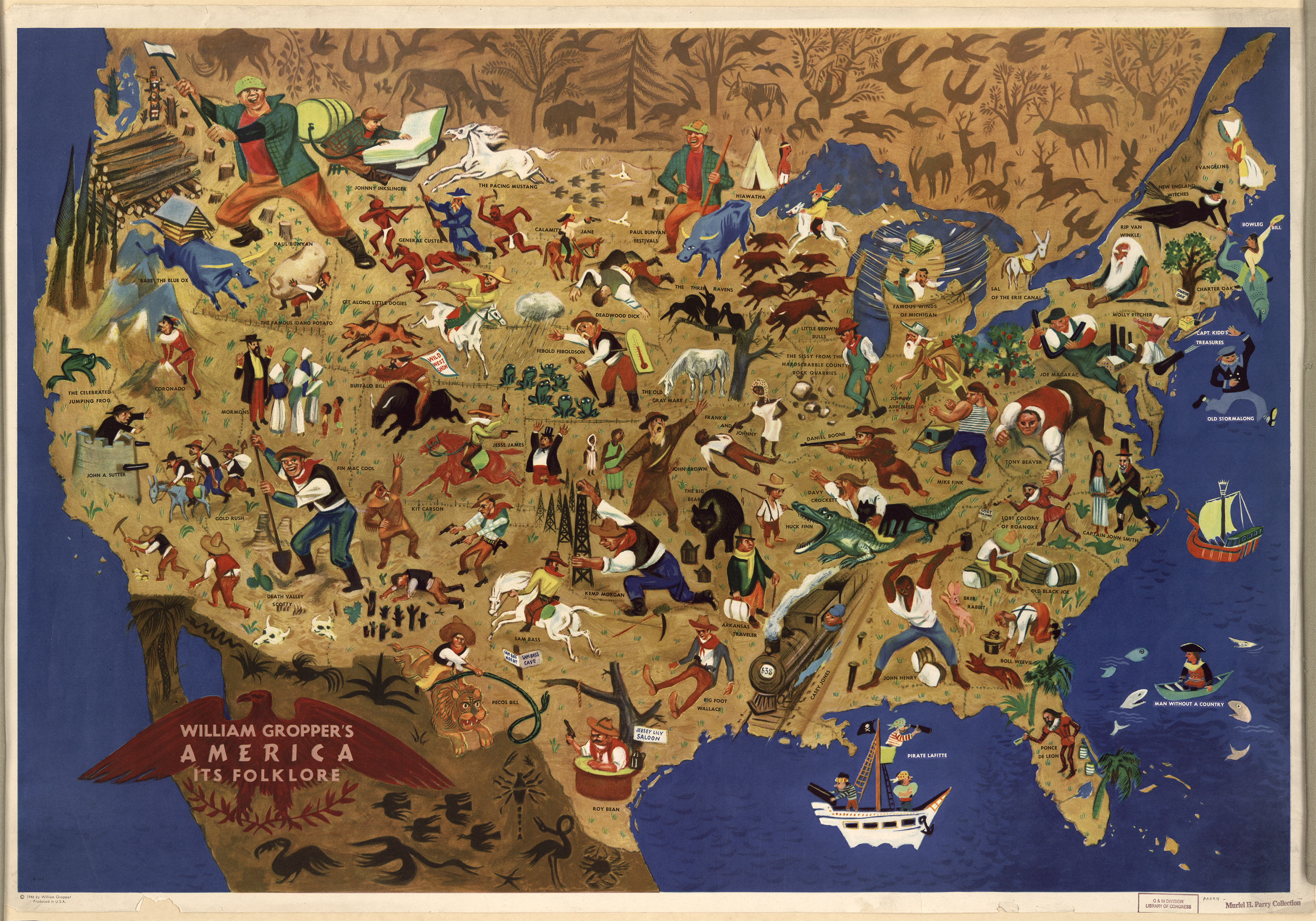
    This 1946 map, made by William Gropper, shows all of America's most famous folklore and myths in one gorgeous image. It's not comprehensive, but it's still a fascinating look at the myths that made America, highlighting real people who reached folkloric status as well as those who were invented in stories and song.

    You can hover to zoom or see a larger version of the map here. Every region's folk heroes are identified below. Your state probably has a hero — and it may be one you didn't know about already.

    (William Gropper)

    The Northeast

    William Gropper's American Folklore Map. (Library of Congress)

    Evangeline (Maine): Henry Wadsworth Longfellow's poem immortalized the tale of this Acadian girl searching for her lost love.

    New England Witches (Massachusetts): The Salem witch trials, from 1692 to 1693, saw the trial and execution of 20 people for witchcraft.

    Bowleg Bill (Massachusetts): This Wyoming ranch hand ended up in Massachusetts, where he rode on tuna fish and whales. The tale is found in a popular book published in 1938.

    Rip Van Winkle (New York): Washington Irving's 1819 story of the sleepy Van Winkle was set in the Catskill Mountains.

    Captain Kidd's Treasures (New York): Pirate William Kid hid some of his treasure on Gardiners Island, a small island just off Long Island.

    Sal of the Erie Canal (New York): Featured in the song "Low Bridge," Sal the mule is symbolic of the mules that helped build New York cities such as Utica and Buffalo.

    Charter Oak (Connecticut): This tree was famous for supposedly holding Connecticut's Royal Charter of 1662, until it fell in a storm in 1856. It appears on the state quarter.

    Old Stormalong (Massachusetts): Alfred Bulltop Stormalong was a giant sailor who cruised New England, fighting the Kraken. He's often called "Old Stormy."

    Molly Pitcher (New Jersey): Born in New Jersey, Molly Pitcher (a.k.a. Mary Ludwig Hays McCauley) became legendary for carrying water to soldiers during the Revolutionary War.

    Joe Magarac (Pennsylvania): This folk hero was a Pittsburgh steelworker who first appeared in print in 1931. In some depictions, he is actually made of steel.

    Famous Winds of Michigan (Michigan): Less folklore than weather phenomenon, this refers to the winds that occur off Lake Michigan.

    Johnny Appleseed (West Virginia, Pennsylvania, Ohio, Indiana, and Illinois): Appleseed, a.k.a. John Chapman, legendarily planted apple trees across the United States. Some claim his apples were used for hard cider.

    Tony Beaver (West Virginia): A woodsman from Eel River, he is occasionally called a cousin of Paul Bunyan and is known for his passion for griddle skating. (For those who've forgotten, that involves skating on a griddle, usually with butter-greased feet or bacon shoes.)

    Mike Fink (Pennsylvania and Ohio): This semi-mythical man was a tough fighter and boatman. He enjoyed practical jokes, shooting cups of whiskey off his friends' heads, and being strong.

    Daniel Boone (Kentucky): Most closely associated with Kentucky, Boone was an explorer who also served in the Virginia General Assembly. Like Davy Crockett later on, Boone's legendary exploits overshadowed his real ones.

    The Sissy From the Hardscrabble County Rock Quarries (Indiana): This tale has a simple moral: compared with the tough men who work the quarries, a man who rides panthers and uses a rattlesnake as a whip is a wimp.

    The Southeast

    William Gropper's American Folklore Map. (Library of Congress)

    Captain John Smith (Virginia): The English colonist who led the Virginia colony in Jamestown became legendary for his leadership and the tales of his interactions with Pocahontas.

    Lost Colony of Roanoke (North Carolina): The lost colony of Roanoke was located in modern North Carolina. The disappearance of its colonists remains a mystery.

    Old Black Joe (South Carolina): Stephen Foster wrote a song about the slave Old Black Joe. Though Joe is not associated with a specific state, the map places him in the Southeast. The song gained a second life when Al Jolson performed it in the movie Swanee River.

    Brer Rabbit (Georgia): Popular throughout the South, Brer Rabbit succeeds by tricking his adversaries. The cunning rabbit appears in some form in both African and Cherokee tales.

    Boll Weevil (South Carolina): The plague of the South, the boll weevil preyed on the vulnerable cotton crop and was immortalized in many popular songs.

    John Henry (Alabama): The legendary steel-driving man is mentioned in several folk songs and tales. He supposedly died when battling a steam-powered engine. Legends place him in West Virginia, Virginia, or, as on this map, in Coosa Mountain Tunnel in Alabama.

    Man Without a Country (Off the coast): Edward Everett Hale's story about Philip Nolan is an allegory about an Army lieutenant who renounced his country during a treason trial and was forced to live at sea.

    Ponce de León (Florida): Juan Ponce de León was a Spanish explorer who served as the first governor of Puerto Rico, but he probably appears on a folklore map due to his search for the fountain of youth.

    Pirate Lafitte (Gulf of Mexico/Louisiana): Pirate Jean Lafitte operated in the Gulf of Mexico and had a warehouse in New Orleans. He was both a smuggler and a pirate.

    Casey Jones (Tennessee/Mississippi): This real engineer from Tennessee famously guided the Cannonball Express, which collided with a freight train in Vaughan, Mississippi. Jones' attempts to stop the train made him a legend.

    Huck Finn (Mississippi): Mark Twain's famous character lived in the antebellum South and rode along the Mississippi River with his friend, the slave Jim.

    Davy Crockett (Tennessee): Both folk hero and real politician, Davy Crockett represented Tennessee in the House of Representatives, explored the frontier, and died at the Alamo. Later, more mythical acts were attributed to him (like jumping on alligators).

    Arkansas Traveler/Arkansaw Bear (Arkansas): The state historical song of Arkansas, "Arkansas Traveler" tells of how a local welcomed a lost city traveler. "Arkansaw Bear" is the tale of a boy named Bosephus who met a bear, Horatio, who could talk and play a fiddle. The two became fast friends.

    The Midwest

    William Gropper's American Folklore Map. (Library of Congress)

    Little Brown Bulls (Wisconsin): This traditional song of Wisconsin lumberjacks details logging along the river. The central story is a contest between some "big spotted steers" and "little brown bulls" to see which could haul the most wood.

    Hiawatha (Undefined): The prehistoric Native American leader is usually placed somewhere in New York, though this map puts him in the Midwest. He's a famous symbol for his leadership of the Iroquois confederacy.

    Paul Bunyan Festivals (Minnesota): The legendary lumberjack has a home throughout the Midwest, but Minnesota might have the strongest claim on him and his trusty friend, Babe the Blue Ox. Bunyan first appeared in print in a 1916 promotional pamphlet for the Red River Lumber Company.

    The Three Ravens (the Midwest): This version of an English ballad tells the story of three ravens who saw a slain knight. (In the Midwestern United States, the knight is occasionally replaced with a horse.)

    The Old Gray Mare (the Midwest): This folk song tells the story of an aging mare or mule. Some sources place the song in New Jersey, others credit Stephen Foster, and still others say it comes from a campaign song.

    Deadwood Dick (South Dakota): Popularized in dime novels by Edward Lytton Wheeler, the character became a symbol of the infamous cowboy town of Deadwood, and many real cowboys used the name. He's also a pseudonym for African-American cowboy Nat Love.

    Calamity Jane (South Dakota): Frontierswoman and fighter Martha Jane Canary became a folk hero for her strong personality.

    Febold Feboldson (Nebraska): The Swedish plainsman and cloudbuster was also a farmer and frontiersman who pioneered in the Old West.

    General Custer (Montana): The Civil War general hailed from Ohio and was killed at Little Bighorn, Montana. "Custer's Last Stand" remains an infamous battle in American history.

    The Pacing White Mustang (The West): Emblematic of the American West as a whole, the pacing white mustang represents the wandering of the West. Described by Washington Irving in 1832, the mustang first appeared in Oklahoma as a near apparition with a wandering soul, too fast to be caught.

    Buffalo Bill (Kansas): An infamous figure in the Wild West, Buffalo Bill rode in the Pony Express, fought in the Civil War, and explored the frontier. He began touring in 1883, in a show that burnished his legend as a cowboy.

    Git Along Little Dogies (Midwest and West): A traditional cowboy ballad, the song refers to motherless calves and the cowboy's call while herding them.

    The Southwest

    William Gropper's American Folklore Map. (Library of Congress)

    Big Foot Wallace (Texas): A ranger famous for his exploits in early Texas, William A. A. Wallace fought Native Americans and Mexicans. Over time, his adventures became more legendary.

    Frankie and Johnny (Missouri): The story of feuding lovers was most famously inspired by a murder in St. Louis, when a 22-year-old woman shot her 17-year-old lover. It became famous through the folk song of the same name.

    John Brown (Kansas): John Brown is more a figure of history than folklore, but his raid on Harpers Ferry became a legendary moment in American history. The famous abolitionist was later executed.

    Jesse James (Missouri): From Missouri, James was the Old West's most infamous outlaw and a celebrity even when alive. His death at the hands of Robert Fort secured his place in American folklore.

    Kemp Morgan (Oklahoma/Texas): The Paul Bunyan of the oil fields, he could smell oil underground and drill for it more effectively than any normal man.

    Sam Bass (Texas): This train robber and outlaw was shot in 1878 when scouting a train robbery. He died the next day and became one of a few infamous stagecoach robbers.

    Pecos Bill (Texas): The most iconic fake cowboy, Pecos Bill appeared in print in the short stories of Edward S. O'Reilly. He rode a mountain lion and lassoed a twister, among other exploits.

    Kit Carson (Colorado): The frontiersman roved the mountains of Colorado and became a legendary guide in his lifetime thanks to his help guiding explorer John C. Frémont. Carson later took part in the Mexican-American War and the Civil War, and was involved in many conflicts with Native Americans in the West.

    Fin Mac Cool (Texas): An Irish hunter and warrior whose original name was Fionn mac Cumhaill, Fin Mac Cool appears on this map in Texas. A Paul Bunyan figure in Ireland, he may appear in a localized incarnation on the map.

    Roy Bean (Texas): This saloon keeper/judge supposedly held court in a saloon along the Rio Grande. He became infamous as a hanging judge (despite little evidence that he did so much in real life).

    Death Valley Scotty (California): Walter Edward Perry Scott became known by this name for his many gold-mining scams and his notable mansion in Death Valley, California.

    The West

    William Gropper's American Folklore Map. (Library of Congress)

    Babe the Blue Ox and Paul Bunyan (the West): Though Bunyan is best associated with Minnesota, he's depicted here wandering across the Pacific Northwest, where numerous logging opportunities would be available.

    Johnny Inkslinger (the West): Like Bunyan, Johnny Inkslinger probably belongs in Minnesota or Wisconsin. Still, his unusual story is worth a mention: he was Paul Bunyan's timekeeper and accountant. He made his pen by connecting it to a barrel of ink with a rubber hose.

    The Famous Idaho Potato (Idaho): Less folklore than industry observation, the Idaho potato is the best-selling potato in the United States.

    Coronado (California): Francisco Vazquez de Coronado searched for the Seven Cities of Gold in the 1500s, a quest that took him from Mexico to California and even to Kansas. Though he never found the seven cities, his efforts made him famous.

    The Celebrated Jumping Frog (California): The frog was immortalized in Mark Twain's story "The Celebrated Jumping Frog of Calaveras County," which became notable as a fable about gambling (and a very impressive amphibian).

    Mormons (Utah): Why include Mormons on a map about folklore? It probably reflects the epic migration to Utah and the hardships suffered in the process. Mormons' identification with the state continues today, but it was probably even stronger in 1946, when the map was made.

    John A. Sutter (California): Born in 1803, Sutter became symbolic of the California Gold Rush, and later established a fort that would become Sacramento.

    Gold Rush (California): The catalyst for much of the settling and exploration of California, the 1840s Gold Rush captured the nation's attention and spurred Western migration (and the American imagination).

    What the map means

    The map of folklore shows the state of the American imagination (and Gropper's fascinations) in 1946. Notable gaps include the Pacific Northwest and the two future states of Hawaii and Alaska. Some inclusions — like Old Black Joe and Mormons — make for an unusual fit for modern eyes. But overall, it shows the iconic figures — real and fictional — that shaped the American imagination in the '40s and continue to do so today.

    21 Mar 03:54

    It's like sexual release that's allowed

    by jillithd
    Hysteria and Teenage Girls - How Justin Bieber, The Beatles, Morrissey, Franz Liszt, the Salem Witch Trials and the invention of the vibrator might all be related.
    20 Mar 15:07

    Dating: 20s Vs. 30s

    Some things get better with age. Others don’t.

    BuzzFeed Yellow / Via youtube.com

    Via youtube.com

    20 Mar 14:52

    ‘Tutti Frutti,’ Little Richard’s graphic ode to butt sex?


    Never forget that “Tutti Frutti”—the song grandma danced to, the song you sang at the church picnic, the song that lent its name to a popular chain of frozen yogurt stands—began as a bawdy celebration of butt sex. Little Richard recorded bowdlerized lyrics for his 1955 hit single, and the popularity of...

    20 Mar 14:47

    Boobies

    by mayhem
    20 Mar 14:18

    People Have Very Strong Feelings About Meghan Trainor's "Sexist" New Video

    “Dear future husband, If you wanna get that special lovin’, tell me I’m beautiful each and every night.” Or not.

    Have you seen Meghan Trainor's latest music video, "Dear Future Husband"?

    youtube.com

    It features the singer describing her ideal husband and saying how she'd be a great wife.

    It features the singer describing her ideal husband and saying how she'd be a great wife.

    Youtube.com

    In some scenes, she's seen cooking in the kitchen and scrubbing the kitchen floor.

    In some scenes, she's seen cooking in the kitchen and scrubbing the kitchen floor.

    Youtube.com

    Despite Trainor's popularity, it's safe to say a lot of people were left unimpressed by the song.

    Despite Trainor's popularity, it's safe to say a lot of people were left unimpressed by the song.

    music.yahoo.com


    View Entire List ›

    20 Mar 14:10

    How To Get Your Doctor To Prescribe You Adderall In 5 Easy Steps

    by Sarah Miller
    Flickr / McLevn
    Flickr / McLevn

    Tell your doctor that it was your parents or significant other’s idea for you to reach out for help regarding your concentration issues. If it wasn’t even your idea in the first place, how could you be there just to get medication?

    1. Bring up that you’ve been talked to at work about your lack of productivity and that although it was never stated, you feel like you’ve been dismissed from other jobs in the past due to similar issues.

    Source: Giphy

    2. Say that you’re really against medication and you only want to use it as a last resort. This will make it feel like it was your doctor’s idea in the first place.

    Source: Giphy

    3. Say that you’re really embarrassed about having to go through this and it’s why you haven’t reached out for help sooner.

    Source: Giphy

    4. Never mention any past drug use, eating disorders, depression, or sleeping issues. These are all deal breakers.

    Source: Giphy

    5. And last but not least, make sure you keep looking all around the room, ask your doctor to repeat himself at least 5 times, and pick-up something in his office and play with it. Just trust me.

    Source: Giphy

    Side Note: If you aren’t good at playing the innocent victim, you could also take the “I was on it in the past but I tried life without it and I can’t accomplish anything” approach. It’s a little bit more risky but it requires less of a performance. TC mark

    Check out our stream for more articles like this!
    Visit Thought Catalog Reel today.


    20 Mar 14:00

    Mysteries

    At the bottom left: The mystery of why, when I know I needed to be asleep an hour ago, I decide it's a good time to read through every Wikipedia article in the categories 'Out-of-place artifacts', 'Earth mysteries', 'Anomalous weather', and 'List of people who disappeared mysteriously'.