Full disclosure: I love me some Amy Schumer. I think she’s hilarious, and when she delivers her material through a feminist lens, it can be amazing. That said, it can also be problematic.
She’s been everywhere lately promoting her upcoming film, Trainwreck, in which she plays a woman who’s not into commitment, until she meets Bill Hader. It’s going to be awesome to see her in a feature film! Another place we might see her – The Bachelorette? Well, only if ABC meets certain requirements. According to E! Online, Schumer would be on The Bachelorette, which is a guilty-pleasure show for her, under these conditions:
1. Back up the Brinks truck: “Money,” Schumer says. A lot of money.”
2. Let’s get real: The reason Schumer, who is a “huge fan” of the show, doesn’t think she could ever truly be the Bachelorette is because she would be “very honest and I don’t think there’s room for that in the franchise.
“They would have to say, ‘We will let you be yourself,'” she adds. “I would say what was really up.”
3. No turds allowed: The biggest hurdle for ABC to land Schumer? “The casting process would have to be different,” the Inside Amy Schumer creator and star says, hilariously mocking the show’s “weird” job descriptions. “It’s like, ‘former investment banker’?! They’re like, ‘flower enthusiast’? You’re like, ‘But what do you do? How come you could leave your life?'” she says. “I love when it’s like, ‘I have five kids at home but I just came here to follow my heart.’ It’s like maybe go take care of your kids? I would keep it very real. And I don’t know if it’s good for that show.”
I’ve never in my life watched The Bachelorette, but you know what would make me tune in? Amy Schumer as the Bachelorette going on there to purposely tear shit up from the inside. However, according to The Daily Beast, one place we just missed having Schumer’s unique sensibility is on The Daily Show. That’s right, before Trevor Noah (who’s problematic in his own right), Schumer was approached to host the long-running news satire show. Apparently, she turned it down, because while it would be an amazing opportunity, she didn’t want to be locked into such a long-term gig:
I was so honored to be asked and considered. With Comedy Central, I project so much ‘You’re my parents!’ on the network and the people that run it, so them saying, ‘We believe in you and trust that you can do this,’ I thought, ‘Oh my god, thank you!’
And then I thought, ‘Well, I could give everyone I love a job and we could all be together for five years. But picturing being in a building and knowing what I was going to do for five years—I love not knowing. And I’ve never done anything safe or to make money for that reason. So, you know, I said, ‘I can’t start now.’
This is probably a good thing. Schumer would have been an interesting Daily Show host, but she’s better at playing characters – performing and writing sketch and playing comedic roles. In fact, a lot of her trouble comes in when she’s just being herself.
Lots of folks, for example, had trouble with her “Amy Goes Deep” segment back in April in which she interviews trans performer and porn star, Bailey Jay. While on the surface, it seems like Schumer is genuinely trying to increase visibility for trans people and be informative, so much of the interview suffers from the very things that so many trans people in media have been trying to fight – like questions about genitals, for instance. J. Bryan Lowder over at Slate brings up the excellent point that:
The segment’s first and perhaps largest mistake was in not making clear that Bailey Jay is, among other things, a porn star rather than merely, as Schumer introduces her, a “transsexual.” That’s not to demean sex workers in any way, but only to point out that the perspective of someone who happily makes a living off the fetishization of her body probably doesn’t apply to most individuals. Presenting Jay as simply a trans person rather than a trans porn star is misleading in terms of what sort of experience the interview is trying to represent.
Trans issues aren’t the only area in which Schumer has been problematic. In her parody video, “Milk Milk Lemonade,” Schumer skewers all the booty videos out there. However, for many people, like Courtney Taylor at For Harriet, her use of black women’s bodies in the video reinforces the already problematic media images we see in which black women are basically props for white female performers.
I have to say that, for me, the problem isn’t necessarily with the Bailey Jay interview, nor is it with “Milk Milk Lemonade.” For the first, while there are problematic moments, Bailey Jay also had the opportunity to clarify a lot of misconceptions, which she did. To me, Schumer in these interview segments is interviewing the way Stephen Colbert did – half herself/half in character and saying the stupid thing so that the guest can correct her.
As for the second, I don’t think that Schumer was only parodying “booty songs.” She was specifically parodying videos like Meghan Trainor’s for “All About That Bass,” Taylor Swift’s for “Shake It Off,” and Lily Allen’s “Hard Out Here.” Part of the parody seemed to be the fact that there are actual, real-life white female musicians appropriating black culture in music videos, and Schumer’s video disapproves of that in addition to disapproval of women being reduced to their posteriors. It’s a parody, and a take-down, of all those things.
So, yeah, I generally find Schumer’s work less problematic than most. However the thing I do have a problem with is with Schumer’s response. Yesterday, she took to Twitter to address the race issue:
This argument that people have to learn how to “take a joke,” this automatic defensiveness by performers whenever anyone criticizes the problematic elements of their work – it has to stop. It’s not just comedians, but anyone with any kind of a platform. It would have been nice if Schumer would’ve taken the criticism as an opportunity to delve into her work a little more deeply (since she likes “going deep”) and used the moment to enter a dialogue with her fans. Instead, she seems to misunderstand what people are upset about, or perhaps doesn’t care as long as there are those who laugh, and gets immediately defensive and says she’s gonna keep on doing what she wants to do. Now, I’m all for bravery in art, and for risk-taking – but those risks should never come at the expense of people, and her stance is particularly frustrating, because there’s so much about which she seems to give genuine, feminist thought. So, I know she’s capable of it. I just want her to apply those skills more often, and treat criticism like an opportunity, rather than an obstacle to be overcome.
Schumer’s hugely talented and really funny. I hope she recognizes that by embracing intersectionality in her feminism, her work can only get better. Amy, you’re good – you can be better. And your feminist comedy should not come at the expense of your trans sisters, or your sisters of color.
Ezra Furman – Perpetual Motion People (Bella Union)
LP | CD | DL
Out July 6th 2015
9/10
The incredible follow up to Day Of The Dog is finally here, it sees Ezra Furman on top form channelling a multitude of influences to create this phenomenal record.
The highly anticipated follow up to Day Of The Dog, Perpetual Motion People sees Ezra Furman back with a bang. So much has changed since the release of Day Of The Dog, from a man who had consigned himself to a life of obscurity, to breaking the UK with extensive acclaim, signing to Bella Union and now with expectations higher than ever, he has produced some of his finest work yet.
Opening with Restless Year immediately into his familiar rock ‘n roll groove, yet the lyrics suggest this track has a deeper meaning. Is it based upon last year’s success, his typically manic delivery suggesting so as the excited urgency pours from his lyrics. As with Day Of The Dog, Ezra has an effortless superpower as he combines a multitude of influences, as the album hits its stride.
Those influences become increasingly apparent as the album progresses. Yet there is an overriding factor on a number of tracks as that there seems to be a lot of sadness in the album, tracks like Hour Of Deepest Need filled with darkness as he offers to teach you how to feel really really bad. The stripped back acoustic nature of the song is almost a million miles away from the over excited tracks that precede it especially the sickly sweetness of Hark! To The Music.
This feeling of misery extends to Ordinary Life, which sees Ezra almost throw in the towel with the record. As he sings about being sick of his “Ordinary Life” it’s an unnerving listen, once again stripping away the excitement as he reveals his true pain.
The way in which Ezra addresses difficult subjects is incessantly refreshing, having discussed his feelings about gender oppression before Body Was Made sees him denounce his feelings around the subject. As he dismisses those who contend any point about the way in which we’re made, but it’s done with an exceptionally funky track, that you can’t help but feel the groove despite its serious message.
The 50s rock n roll inspired Pot Holes provides one of the finest hip-shaking moments of the album, with it’s funky sax solo and Ezra’s typical urgent delivery. You cannot help but smile all the way through this excited number. That said though he is quick to change the pace again, Can I Sleep In Your Brain sees him akin to the brilliance of Rufus Wainwright his brilliant vocals take over as he delivers this emotional ballad.
Perpetual Motion People is an album filled with an incredible amount of emotion, the depth of the sadness unrivalled by so many current artists. Yet Furman’s inspirations and influences are clear a heavy dose of rock n roll but what could be deemed as a tribute to Tom Waits in the form of Hour Of Deepest Darkness. Yet another truly masterful album, executed with exquisite ease his superpower which I alluded to before shines throughout the twists and turns of the record.
Potosí (Silver Mines of Colonial Peru)In 1545, the population of Potosí and its environs stood at around 3,000. Thirty-five years later, in 1580, the numbers had swelled to around 120,000, and by 1650 to around 160,000, making the remote mining center one of the largest urban concentrations in the world.
Of course, there is also a very dark side to all this. This city that grew out of the richness of its mines is nicknamed The Mountain that Eats Men.
You’ve been sleeping with Matt off and on for months now, but he’s as selfish, distant and clueless in bed as ever. If you thought the sex couldn’t get any worse, think again! Here’s how to take things with Matt from, “Uh-oh,” to, “Oh please God nooooo!”
Watch the porn he’s basing all his moves on—together!
Give the guy some credit—he’s done his research on how to make being inside you as pleasurable as possible for him. It’s time to be a little more open-minded about the ‘authentic’ amateur porn websites he visits thrice daily. By observing as Matt watches, then awkwardly attempts to recreate his favorite vid in real time, you’ll experience a whole new level of indifference toward him! As if those khaki shorts were doing anything for you in the first place.
Agree to do it in front of a mirror.
Have you seen the 1960 movie, Peeping Tom? In case you’re little rusty (like Matt’s natural scent), a serial killer holds a mirror up to his victims as he’s murdering them. Be that killer for Matt and let him watch himself as he’s working his magic on you…or, wait a minute, is he just working the magic on himself? That info is strictly between Matt and his mirror. If only he would use one to get dressed.
Stop forcing him to shower first.
Why make a fuss when Matt flops his crusty, fetid, sweaty body down on to your bed at the end of the night? He hates showering anyway, and once you stop forcing him, you’ll be able to experience his overwhelming rust stench in all its horrifying glory. Maybe let him pee in the corner of your room afterward! What could be worse than that?
Don’t correct him when he calls out another girl’s name.
Matt’s ex-girlfriend Kayla must have really made an impact on him because hers is the only name he ever grunts as he struggles and strains inside you. Why fight it? By repeatedly hearing the name of the only girl he’s ever cared about, you can remind yourself that you’re not a girl he’s ever cared about. Sex with Matt: ruined! Kayla, you can have him.
Be sober.
You know what’s even worse than having sex with Matt? Having sex with Matt stone cold sober and being able to remember every single disappointing moment for days afterward. Swap your customary pre-coital two bottles of wine for one glass of mineral water and see how your body and mind process his rusty aroma when you’re not completely off your tits.
Remember, you only live once!
However bad sex with Matt gets, never forget that you only live once, and you’re choosing to spend your one precious life having consensual sex with a guy who thinks you get off just from being within spitting distance of his dick. Is that really how you want to celebrate your limited time on this planet? Philosophical approach to sex with Matt = lady boner killer! Lady boner killed. And this philosophy doesn’t believe in life after death.
No matter how bad sex with Matt has been in the past, rest assured that there are plenty of ways for it to get much, much worse!
I Just Made Love es una de las fiebres sociales del año. Compartimos nuestra fecha
de nacimiento, el fulgor y el final de nuestras relaciones sentimentales,
nuestros cambios de peso, nuestras bromas más oscuras (#JeSuisZapata) y ahora,
también (por qué no), los polvos que echamos. Y lo hacemos con IJML. Todos los
expertos en tecnologías de la información y movilidad reconocen que una app capaz de sacar rendimiento al
aspecto de la geolocalización está llamada a tener un uso diferenciado y
posiblemente exitoso frente a aquellas herramientas que tienen una
funcionalidad similar en un ordenador de escritorio. En ésta la funcionalidad
está clara: aquí y así lo hemos hecho.
El motivo por el cual publicamos un selfie o describimos con cierto anonimato las relaciones sexuales que
acabamos de tener no están alejados. Así lo afirma Sandra McClean, piscóloga,
sexóloga clínica y presidenta de ADESEX
(Asociación Pro Derechos Sexuales): "relacionarse a través de este tipo de
plataformas permite un ahorro considerable de tiempo y energía, ya que cada
quien puede dejar claro a priori lo que busca y para qué", explica con total
claridad. Y redunda en esta idea que la tecnología en lo referente a las
relaciones amorosas y/o sexuales ha llegado hace demasiado tiempo y va a
quedarse. Sin embargo, no es -gel de-
oro todo lo que reluce: "sería interesante pararnos a reflexionar y valorar
otras cuestiones tales como la pérdida de la calidez del flirteo, lo sutil de
una mirada, una risa nerviosa, un roce intermitente, vacilante..."
En Malasaña (Madrid) no se folla mucho.
Aquí se folla un poquito más.
Ay, qué tiempos aquellos de la incertidumbre, por no destripar le
exceso de estímulos que una app como IJML supone para la corriente vouyerista de nuestras ciudades. Pero no
menos curioso es comprobar como, tras meses de actividad en España de esta app los barrios protohípster –que, por
esta condición, no se reconocen como tal- no tienen la inquietud de compartir
lugar, fecha, hora y conocimientos del Kamasutra adquiridos. Antes cabe
recordar que la herramienta permite compartir la ubicación, que la identidad
real no tiene valor ni uso, que es habitual comentar el indoor o el outdoor del
asunto y que, eso sí, lo que sí permite la app
es el contacto entre personas. Y de ahí el interés concreto por un contacto
que reitera su afición por 'los misioneros', por ejemplo.
Malsaña, Sant Antoni-Poble Sec y Ruzafa NO
FOLLAN
Haciendo una exploración rápida en la app, que ofrece un aspecto mucho más visual y amplio desde los smartphones que desde una web muy
mejorable, se recorre la actividad de la fruición por barrios y distritos. Y,
oh sopresa, oh dolor, quién nos iba a decir que, curiosiamente es en los
barrios con mayor actividad cultural y donde los jóvenes con algún poder
adquisitivo se instalan son donde menos check-ins
de la cópula encontramos. Los mapas de Malasaña de Madrid, Sant Antoni y Poble
Sec de Barcelona y Ruzafa de Valencia muestran un erial de polvos compartidos.
¿Por qué?
"Afirmar que en las zonas más intelectuales se practica menos sexo
que en las áreas marginales o en los extrarradios donde, por lo general habitan
personas de perfiles socioeconómicos más bajos, es caer en pensamientos
cargados de prejuicios y estereotipos. Es una información que tendría que ser
contrastada con datos verídicos y fehacientes muy difíciles de cuantificar, por
la escasez de estudios que se realizan actualmente desde los organismos
pertinentes y la carga de tabú que aún a día de hoy lleva consigo el acto
sexual en sí, y no exclusivamente basarnos en el uso de una aplicación de móvil
que no ha llegado a alcanzar los niveles de popularidad necesarios para poder
hacer estimaciones basadas en la evidencia", sentencia McClean.
Lo que esta experta en sexualidad humana quiere matizar es que "si
deberíamos tener en cuenta en relación a las conductas sexuales diferenciales
de los distintos estratos sociales. No es de extrañar que en áreas de las
ciudades en las que la oferta cultural y de ocio es más amplia, se tengan
relaciones sexuales con menor frecuencia. El tiempo es el que es, no se puede
comprar, por lo que la actividad sexual tiende a ser más reducida y, relegada a
un espacio privado. En zonas más empobrecidas es más fácil que se le dedique más
tiempo al sexo espontáneo y que éste se realice en espacios públicos como la
calle, el coche, la playa o la plaza del pueblo, especialmente entre la
población más joven que, en muchas ocasiones no disponen de un espacio privado
en el cual desarrollar su actividad sexual".
Y, de vuelta a los prejuicios, ¿cabe alguna vinculación entre estos
resultados y el aspecto aparentemente gélido en lo social y lo sexual de ese target dominante? "Es cierto que el
estilo de vida y la estética pseudo intelectual hipster de clase media alta
otorga una apariencia asexuada y fría, un tanto estereotipada también y artificial
en cuanto a lo que se supone que es la naturaleza humana. Parece que el postureo precede al placer y la pasión. Pero
tanto o más interesante es que, atendiendo a la otra cara de la moneda, la
parte capa social que podría considerarse mediáticamente como choni, se encuentra aún a día de hoy en
el epicentro de los embarazos no deseados y los nuevos casos ETS (enfermedades
de transmisión sexual). Esto sí está vinculado a un incremento de actitudes
poco saludables ante la propia sexualidad, aumentando las conductas de riesgo y
reduciendo el uso de medidas preventivas durante estos últimos años entre las
personas más jóvenes".
McClean ayuda a confirmar dos tendencias tanto o más interesantes
que la ausencia de check-ins en los
citados barrios de Madrid, Barcelona o Valencia: las zonas de cruising más conocidas de estas ciudades
y los aledaños de las universidades y barrios residenciales de erasmus cumplen con creces con las
expectativas de su estereotipo. Las playas de la Barceloneta y la Malvarrosa o
el Parque del Retiro se confirman como las zonas outdoor predilectas de las tres ciudades y eso cuando la app, que en Estados Unidos ha empezado a
despuntar en número de usuarios según la propia empresa, todavía tiene una
actividad –sexual- iniciática en nuestro país.
La gran pionera, desde la televisión norteamericana, fue Julia Child. Toda una institución desde los años sesenta, que fue interpretada en el cine por Maryl Streep en el filme Julia & Julia.
Tras los buenos resultados de su primer programa The French Chef (1963-1973), Child encadenó 12 espacios de televisión hasta el año 2000, cuatro años antes de morir. Casi una década después de su fallecimiento, sus recetas aún son referencia para los norteamericanos. En total, 30 años de programas de cocina que convirtieron a esta mujer de diplomático en toda una estrella televisiva. Y es que tenía los ingredientes perfectos para el éxito: físico rotundo (1,88 de altura), acento peculiar, dotes para la improvisación, cercanía didáctica, una pizca de ironía y unos conocimientos gastronómicos colosales, que adquirió en el tiempo que vivió en París y se instruyó en Le Cordon Bleu. Esa sabiduría francesa también fue clave para encandilar a los estadounidenses.
En TVE, aunque se realizaron varios programas culinarios e incluso un concurso gastronómico, de nombre Ding, dong (muy del estilo de Un, dos, tres), no fue hasta 1984 cuando la dirección de Televisión Española construyó una cocina real, en uno de sus propios platós, para realizar un formato con personajes famosos.
Así nació Con las manos en la masa y así alcanzó gran popularidad Elena Santonja, alma de este espacio que consiguió convencer a ilustres personajes para que cocinaran, en un estudio de televisión, las recetas que marcaron sus vidas. Lo hicieron al son de la imperecedera sintonía del programa, compuesta y escrita por Vainica Doble e interpretada por Gloria Van Aerssen y Joaquín Sabina.
Con las manos en la masa fusionó el formato de cocina divulgativo con el espacio de entrevistas más cómplice que, además, jugaba con el guion para no caer en la monotonía. De hecho, en una edición, el equipo fue envenenado por obra y gracia de Chicho Ibáñez Serrador.
El programa, rodado en los Estudios Buñuel como MasterChef, se mantuvo en antena 7 años, hasta que fue retirado de forma fulminante después de que Elena Santonja mostrara su desacuerdo al no recibir ningún tipo de compensación económica de las marcas publicitarias que se introducían, como tal cosa, dentro del programa.
Karlos Arguiñano cogió, con audiencias millonarias, el testigo de Santonja en 1991 e incluso, años más tarde, también intentó ‘pringar’ a famosos entre fogones en los fines de semana de TVE. No obstante, esta versión de su ‘show’ con personajes p0pulares duró poco. Nunca segundas partes fueron buenas y Arguiñano no necesitaba vips. Como Julia Child en la televisión norteamericana, sólo le bastaba su campechana y deslenguada personalidad (el valor crucial para triunfar en la tele: el carisma), que ha convertido al vasco en el cocinero con más horas en televisión de nuestra historia, pasando por todas las cadenas generalistas. El gran masterchef catódico. Una trayectoria que arrancó así de tímido en TVE:
Spider-Man es ahora negro. El mismísimo Stan Lee ha llorado por la decisión de Marvel (que si no hace falta, que si esto qué es...) pero el venerable autor no debería extrañarse. Esta ha sido solo la punta del iceberg de una oleada de cambios sorprendentes en los personajes clásicos e icónicos de Marvel y DC que está haciendo mutar el género en los comics. Para los más despistados, los que dejaron de seguir los cómics hace años, aquí va una guía con los cambios más significativos:
1. Spider-Man es negro
Como los buenos fans de largo recorrido de Spider-Man saben bien, el bueno de Peter Parker ha sufrido de todo: le salieron brazos extra, ha tenido novias chifladas, su tía May ha estado a punto de casarse con su peor enemigo... Pero últimamente, Marvel parece obcecada en apuntar donde más duele a los fans, la propia identidad secreta de Spider-Man. El propio Peter Parker. Durante todo un año, su archivillano Octopus ha ocupado su cuerpo en la estupenda colección Superior Spider-Man, lo que ha dado pie a una curiosísima situación: un supermalo complejo y con dudas calzándose el pijama de Spider-Man. Por supuesto, volvió el statu quo en enero de 2014 y Peter Parker tras la máscara, pero por poco tiempo.
Miles Morales, el nuevo Spider-Man, no es un recién llegado al Spider-universo. En realidad, lleva cuatro años balanceándose en un universo alternativo, el Ultimate, que nació como un método de Marvel para actualizar sus personajes más populares sin que los lectores tuvieran que estar al corriente de décadas de aventuras pasadas (y no les fue mal, teniendo en cuenta que los Ultimates -la versión Ultimate de los Vengadores- es la inspiración primordial de los Vengadores cinematográficos; un lío). El caso es que en el universo Ultimate, Peter Parker ha muerto y Miles Morales recibió los mismos poderes a causa también de una picadura de araña radioactiva, aunque generada de forma menos inocente. La aceptación del personaje fue considerable, e incluso se rumoreó, medio en broma medio en serio, cuando se habló de una nueva película de Spider-man, de que el protagonista podía ser Jaden Smith, hijo de Will Smith.
Desde 2012, Morales se ha ido encontrando en los comics con el otro Spider-Man, el tradicional, hasta que Marvel ha decidido cerrar la línea Ultimate fusionando ambos universos. Ahora hay dos Spider-Man en Marvel -con diferencias estéticas: el traje de Morales tiene más de negro que de rojo-, pero la editorial acaba de anunciar que a finales de 2015, Morales será el único héroe con ese nombre y protagonizará la cabecera clásica Spider-Man.
No es la única chifladura que ha experimentado el icónico trepamuros por culpa de los universos alternativos. Spider-Gwen es Gwen Stacy (la mítica novia cadáver de Spider-Man, que en las últimas películas interpretó Emma Stone), con los poderes de Spider-Man en un universo alternativo donde quien ha muerto es Peter Parker. Como todo Marvel en este verano, sus peripecias se han cruzado con las del universo Marvel convencional, pero después de este gran evento, volverá a su universo. Aunque seguro que no es la última vez que se cruza con... Ehm... el Spider-Man latino.
2. Thor y Lobezno son mujeres
Uno de los más notorios de estos cambios radicales en los clásicos superheroicos se produjo hace aproximadamente un año, cuando Thor pasó a ser una mujer. El resultado fue un comic aclamado y que demostró que si el tebeo es bueno, las formas dan igual. El guionista Jason Aaron mareó un poco la perdiz afirmando que esta “no es She-Thor. No es Lady Thor. No es Thorita. Es THOR. El THOR del universo Marvel”. Pero es una chica.
En realidad, Thor es quien sea capaz de levantar Mjölnir, el martillo místico del dios del trueno, que tiene una inscripción donde se lee: “Cualquiera que sostenga este martillo, si es digno, poseerá el poder de Thor”. El caso es que Thor ha sido en el pasado una rana y un alienígena, así que tampoco es como para echarse las manos a la cabeza. La identidad de este nuevo Thor ha permanecido en secreto hasta hace apenas un mes, cuando se ha revelado que Thor es Jane Foster, un personaje histórico de la serie, una enfermera que ya en 1962 era el interés romántico del primer alter-ego del dios del trueno, Donald Blake. En las películas es el personaje al que ha dado vida Natalie Portman, así que, eh, nada que no se pueda arreglar con una peluca rubia.
Por supuesto, la ira de los lectores (masculinos) no se hizo esperar, acusando a la editorial de someterse a los dictados de la corrección política. Lo cierto es que por entonces, Marvel hizo públicas unas cifras en las que se desvelaba que el 47% de sus lectores eran lectoras. No se nos ocurre una razón más clara y directa para que una empresa como Marvel tome decisiones de este tipo, muy por encima de guiños de cara a la galería.
Todo este galimatías en Marvel (aunque lo de Thor lleva ya un año) se enmarca en el proceso de reinicio de muchos de sus superhéroes más populares, llamado “All-new, All-diferent”, y que hará que después del verano, cuando acabe el evento Secret Wars, plantee algunos cambios en personajes por todos conocidos. Uno de ellos, oteado en un teaser publicitario, es la transformación de Lobezno en mujer. Después de la muerte de Logan, el Lobezno clásico (ah, que no sabíais que estaba muerto... ehm, sí, en otoño de 2014, lo que condujo entre otras cosas a que Spider-Man fuera profesor de la escuela de mutantes de los X-Men), se creó el grupo Los Lobeznos, que no es un combo ye-yé, sino un supergrupo del que forma parte X-23, un clon femenino y no autorizado de Logan. Es absolutamente imposible que X-23 sea Lobezno de forma definitiva (de hecho, ahí en el anuncio está el que posiblemente sea un Lobezno anciano, que ya debutó en el Universo Marvel hace años) pero de momento el traje y la identidad le sientan estupendamente a esta Lobezna.
3. El Capitán América es ahora un anciano y su sustituto es negro y lleva alas
Steve Rogers, el Capitán América original, lleva un tiempo dando tumbos por las entrañas de ese extraño universo paramilitar en el que se han convertido los círculos cercanos a los Vengadores (ha sido director de SHIELD y ha comandado los Vengadores Secretos). El caso es que tras una batalla con Iron Nail, el suero de supersoldado que lo mantenía joven desde la Segunda Guerra Mundial es neutralizado, y su cuerpo envejece recuperando el tiempo perdido y convirtiéndolo en un anciano de noventa años. Esa cuestión lo aleja definitivamente del campo de batalla.
Su sustituto es nada menos que Sam Wilson, conocido por los marvelitas como Halcón, un viejo compañero del Capi que ahora muta en un hombre abanderado, con... bueno, con alas, porque no puedes hacer que el Halcón deje de ser el Halcón, al fin y al cabo. Un Halcón con escudo. A ver cómo funciona esto, pero yo diría a los marvelzombis enfurecidos que estén tranquilitos: es poco probable que Steve Rogers permanezca eternamente en estado nonagenario.
4. El Motorista Fantasma conduce un coche
Toda esta oleada de cambios recientes vino precedida por un par de años de reformulaciones, cambios y reinicios en personajes clásicos de Marvel. Dos oleadas de lanzamientos y una puntilla llamada All-New que propuso cambios más o menos radicales en héroes de toda la vida. Una de ellas afectó al Motorista Fantasma, que dejó de ser Motorista. Vale, la trampa es que en EE.UU., el Motorista Fantasma se llama Ghost Rider, que es cualquier tipo de piloto o incluso jinete de caballo, camello o acémila, que es lo que fue, en realidad, en su primera encarnación (de caballo, esto es).
En este caso, el latino Robbie Reyes es el último recipiente humano del llamado Espíritu de la Venganza, que tuvo ya varias encarnaciones humanas con anterioridad. Es decir, no es raro que cambie el humano muerto que presta su cráneo en llamas al demoniaco vengador ultraterreno, pero sí que haya un nuevo vehículo. En este caso, un clásico Dodge Charger americano tuneado para la ocasión y de cuyo tubo de escape sale un familiar aroma a azufre.
5. Y en DC: Batman no es Bruce Wayne, Robin son muchos Robins...
DC nunca se ha caracterizado por la estabilidad de sus universos. Antes de la mítica macrosaga Crisis en Tierras Infinitas, más de los ochenta que los dibujos animados de los Masters del Universo, DC creaba tierras paralelas sin parar. ¿Que había que enfrentar a Batman a un gorila que hablaba -poca broma con los gorilas que hablaban en los años cincuenta-? No hay problema, está en una tierra paralela. El galimatías se solventó, a grandes rasgos, con la citada Crisis, que redujo todas las Tierras a una (y mató a Flash). Pero DC siempre ha sentido la necesidad de marear la perdiz. La última vez, hace apenas cuatro años, con el relanzamiento de absolutamente todas sus series -salvo Batman-, con el evento llamado The New 52, que mandó al número uno de nuevo a todas las colecciones, enfrentándose a la ira de los fans debido a la bajísima calidad de las colecciones relanzadas.
La campaña The New 52, no obstante, ha finalizado, y DC se plantea de nuevo cambios radicales en sus héroes. Por ejemplo, la identidad de Clark Kent como Superman es pública. Y en cuanto a Batman, agárrate, Bruce Wayne ya no es Batman. Esto no es la primera vez que le pasa: cuando Bane le partió en dos y lo mandó a una silla de ruedas, un pseudo Batman psicótico se encargó de vigilar Gotham City. Pero con este reboot, el nuevo Batman es nada menos que el Comisario Gordon, que tradicionalmente nunca se ha enterado de que Wayne era Batman. “Tradicionalmente”, esto es. Se enteró, se cabreó como una mona, pero ha recapacitado tras la muerte de Wayne -y del Joker, ojo-: Gotham City necesita un símbolo en el que confiar y por eso se pone una armadura con orejas de conejo (a mí no me miréis), y ese es el nuevo Batman. La marca “Batman” forma ahora parte de una corporación, y el héroe no es un vigilante nocturno, sino una especie de guardia jurado al servicio de la ley. Un Concejal de Porrazos.
¿Y qué piensa Robin de todo esto? Bueno, tras la muerte del último Robin (Damian Wayne, hijo de Bruce Wayne, esto ya lo sabías, ¿no?), DC lanza We Are Robin, una colección en la que varios adolescentes de Gotham se lanzan a la calle a suplir al compañero de Batman en una aventura que la editorial describe como una mezcla de V de Vendetta y El Regreso del Señor de la Noche, nada menos. El protagonista de la serie, el cabecilla de todos estos Robin, se llama Duke Thomas y es... negro. ¡Santo Todo-cambia-para-que-todo-siga-igual, Batman!
Carlos Slim, uno de los grandes multimillonarios del mundo, puede caminar por Madrid sin que nadie repare en su identidad. Lo mismo sucede con Amancio Ortega, una de las mayores fortunas del país. Ni sus caras ni sus complejos entramados empresariales son conocidos por el hombre y la mujer de la calle. Sin embargo, no sucede lo mismo con Julio Falagán, propietario de GEF (acrónimo de Grupo Empresa Falagán), al que hace unos días un cliente en un bar le preguntó intrigado: «¿Falagán? Por mi barrio hay un montón de tiendas que se llaman Falagán… Una tintorería, una sastrería… ¿Tienen algo que ver con usted?». Falagán, modesto, discreto, enemigo de la ostentación, negó con cierta timidez y salió del local.
«Vine a Madrid a ser artista. Pero me di cuenta de que eso era imposible»
La historia de este emporio empresarial se remonta al año 2009. Julio Falagán llega a la capital con el deseo de triunfar en el mundo del arte. «Vine a Madrid a ser artista, pero me di cuenta de que eso era imposible, así que empecé a trabajar en el mundo de la publicidad. El problema es que, al poco tiempo, descubrí que lo realmente difícil era vivir siendo publicitario y ser feliz, así que lo dejé y pedí una beca».
Con una ayuda de 9.000 euros, Julio Falagán recorrió durante todo un verano la península ibérica y fundó sus empresas en España y Portugal. «La beca eran 3.000 euros de honorarios y el resto, hasta los 9.000, de producción, es decir, materiales de pintura, gasolina, hoteles y comida… Nos pasamos un verano… Fue una beca muy bien aprovechada. Dimos la vuelta a España y Portugal, trabajando mucho pero pasándolo muy bien».
La actividad empresarial de Grupo Empresa Falagán: buscar comercios en ruina donde colocar nuevos rótulos hasta crear un holding interncional
Al poco tiempo, Empresas Falagán se presentó en sociedad y comenzó a verse en los medios. «Hubo una pieza que hice en Sancti Petri, en un antiguo pueblo de pescadores abandonado, que terminó saliendo en dos videoclips y en una revista de literatura. Un año después de hacerla, vi una revista de literatura en la que salía Montero Glez en portada apoyado en el negocio Club de Pescadores Falagán. Había ido al pueblo para inspirarse en una novela sin saber que ese club nunca había existido».
El futuro de Grupo Empresa Falagán es seguir trabajando en aprovechar la ruina, el despojo, lo vulgar”
Justamente esa era la actividad empresarial de Grupo Empresa Falagán: buscar comercios y negocios en ruina en los que colocar nuevos rótulos como “Forrados de zapatos Falagán”, “Helados y horchatas Falagán”, “Librería Falagán”, “Droguería Falagán”, “Melones y sandías Falagán” para sacar beneficio del fracaso de los demás, una actitud emprendedora que podría muy bien encajar en la tan cacareada “Marca España”.
«Sí, GEF es muy Marca España. De hecho, hace unos tres años Daniel Cerrajón, artista y comisario, hizo una exposición en Inéditos de Caja Madrid sobre el fracaso y me llamó para participar justamente por Grupo Empresa Falagán. Es de lo que va, del fracaso, de la profesionalización del arte. Por eso, el futuro de Grupo Empresa Falagán es seguir trabajando en eso, en aprovechar la ruina, el despojo, lo vulgar».
Además de sobre el fracaso, GEF también trata sobre la frontera que separa lo verdadero y lo falso, sobre el mundo de la publicidad del que Julio Falagán deseaba huir pero no acaba de escapar e incluso sobre el arte urbano de guerrilla aunque, todo hay que decirlo, GEF está socialmente mucho mejor visto que un grafitero al uso.
«Tiene que ver con todo eso porque no deja de ser como crear un negocio, una campaña publicitaria para ese negocio, una obra de arte que juega con lo verdadero y lo falso en una época en la que la gente se lo cree todo porque se lo ponen en internet. Pero también es arte urbano, es un bombardeo de grafitero porque yo compro el material, asumo el riesgo de hacerlo. La diferencia es que yo lo hago en los lugares que están destinados a eso. Encuentro un hueco donde hay un rótulo de algo que ya no existe, pues pongo otro rótulo».
Coloco los rótulos en horario laboral, con una chaqueta que pone Rótulos GEF. Cuando la policía te ve, piensa que estás trabajando
«A la gente no le sorprende y no le molesta. Hubo uno “Pan y leche Falagán” en la calle Lope de Vega de Madrid cuyo local fue remodelado para montar otro negocio. Quitaron el rótulo y pusieron el suyo, pero los del bar de al lado lo debieron ver ahí tirado y lo cogieron, lo enmarcaron y lo pusieron dentro del bar. También en la calle Minas abrieron una tienda de ropa y lo anunciaban como ‘en el local de la antigua Sastrería Falagán’. Lo fui a ver un día y tenían su rótulo, pero había dejado los medallones que yo había hecho, supongo que para que se respirase la antigüedad de la tienda. Todo eso es parte de mi trabajo, intervenir un espacio pero que pase desapercibido. Que no se perciba ese toque artístico aunque si pasas por una calle y te encuentras con tres negocios Falagán, tal vez sospeches que está pasando algo raro».
Además de su aspecto artístico, el proyecto GEF posee una potente carga conceptual que transita entre la irreverencia, el humor y el desafío a la autoridad aunque, para eso, Julio Falagán también tiene solución.
«Pintar es un problema, pero colocar no. Por eso lo que suelo hacer es medir los huecos que quiero intervenir, irme al estudio, hacer el rótulo y luego regreso a lugar y lo coloco sobre el que hay con clavos. Si hay algún problema, lo desclavo y aquí no ha pasado nada porque es como colocar un póster. Otra cosa que hago es colocarlos en horario laboral. Me pongo una chaqueta que pone Rótulos GEF y como lo haces en un lugar destinado para eso, cuando la policía te ve, no le sorprende y no te pide ningún papel porque piensa que estás trabajando de verdad. Cuando pintas en un muro, aunque tengas los permisos, la policía va a ir a preguntarte y pedírtelos, eso seguro».
Después de su primera experiencia internacional en Portugal, Grupo Empresa Falagán ha abierto recientemente sucursales en Italia, donde la aceptación de la ciudadanía no ha sido la deseada, un hecho que demuestra que, antes de abrir mercados, hay que conocer bien la idiosincrasia del país.
«En Italia hice cuatro o cinco. Uno se llamaba ‘Cicli Falagan’, o lo que es lo mismo, Bicicletas Falagán. Aprovechando que había una tienda en la que vendían ropa por un euro, compre maillots de ciclista. Compré veinte y los repartí entre los becarios de la Academia de España en Roma, cogimos las bicicletas de la Academia y nos hicimos una foto delante de ‘Cicli Falagán’ que se incluyó en el anuario de la Academia. También hice otros que me generaron algún problema. Uno de ellos ‘Antiquariato Falagan’, Antigüedades Falagán, lo estábamos montado en un local que parecía abandonado y de repente salió un romano del portal y se puso a gritarnos que lo quitásemos. También es verdad que ponía algo así como ‘Antigüedades Falagán, la industria del fracaso’ y se debió pensar que estábamos riéndonos de ellos. Nos amenazo de muerte y le dijimos que no se preocupase, que lo poníamos, que sacábamos una foto y lo quitábamos. Lo pusimos, nos marchamos y supongo que ya lo habrá quitado él».
«También tuvimos problema en un taller mecánico», continúa. «Es que en Roma, parece que está todo cerrado pero no, hay gente que vive y trabaja allí. Eso cuenta mucho de las ciudades. En Valladolid, por ejemplo, me costó mucho encontrar un hueco para poder hacer uno de los rótulos porque estaba todo pillado. Finamente encontré dos huecos, hice los rótulos pero duraron muy poco. En uno de los lugares están construyendo un bloque y en el otro han abierto un negocio. Eso es realmente horrible porque ya es fracasar en el fracaso».
¿Saben ustedes lo que son las Oops covers? Si me aguantan el rollo se lo cuento en un plis. Además tomaré como ejemplo ese grupo tan del gusto de secretarias, homosexuales y heavies llamado ABBA (si, si, a los heavies les gusta ABBA y KISS, siendo uno de los grupos el Doppleganger luminoso del otro, y a Yngwie Malmsteen le apasionan); y son tres colectivos con los que me llevo (aun) bastante bien, y no me gustaría que se ofendieran dado su poder (oigan, que es mayor que el de Ultrón recién despertado de la siesta y malcomido), pero vengo a desmontar mitos…
Un muro de sonido apabullante por lo recargado y denso, melodías pegadizas y juegos de voces angelicales. ¿Estamos seguros de esto último?
Si claro –exclamaran ustedes- Anneta y Frida cantan muy bien, y sus voces “empastan, incluso maridan” como una escuela de cupcakes y la fuente lobster, como un idiota y una visera recta, como Iñigo Errejón y un dado de 20 caras…
Scott Weems es doctor en neurociencia cognitiva por la UCLA y tiene un máster en escritura creativa por la Universidad de Lesley, y en Ja. La ciencia de cuándo reímos y por qué, se ha embarcado en diseccionar uno de los mayores misterios de la especia humana: la risa y lo que la produce, el humor. ¿Por qué existe la risa? ¿Qué ventaja adaptativa posee? ¿Por qué usamos el humor para provocarla?
El libro de Weems es una recopilación de estudios realizados al respecto de estas preguntas. Sin embargo, el libro se queda un poco corto ante preguntas tan complejas y solo ofrece una visión superficial o introductoria del asunto. Con todo, es una buena forma de acercarse al humor desde el plano neurocientífico y así estimular el interés por otras lecturas más específicas. Además, sabiendo cómo nos reímos y por qué, también aprovechamos para ir aprendiendo muchas otras cosas del cerebro humano.
El libro de Weems ha sido inspiración para escribir algunas entradas de Xataka Ciencia, como:
Lo reconocemos nada más verlo, pero es difícil definir el humor. En esta fascinante investigación, Scott Weems analiza, desde un punto de vista neurológico, pero también psicológico, antropológico y cultural, los mecanismos y resortes de la risa, así como sus beneficios probados. Tratar de explicar una broma es un despropósito, pero eso no ha impedido a los pensadores, de Aristóteles a Bergson, pasando por Kant y Nietzsche, construir amplias y sutiles teorías de la risa. Sin embargo, ninguno de ellos contaba con la información que aporta un escáner. ¿Sabías que el sentido del humor está estrechamente relacionado con la inteligencia o con la capacidad para resolver problemas? ¿Y que también depende de la edad, del sexo, de la nacionalidad o del nivel de dopamina? El humor surge de un conflicto interno en el cerebro, y forma parte de nuestro proceso de comprensión de este mundo complejo. Desde el papel del humor negro hasta el beneficio de la risa para nuestro sistema inmunológico, Ja levanta el telón sobre la más humana de las cualidades.
Don't judge a book by its cover ... judge them by these cryptic keywords, instead! A bookstore in Amsterdam wrapped a number of books in plain brown paper and taped hints like "Science-Fiction," "Ambiguous Utopia," "World Without Government," and "Brilliant Physicist" to help you guess the books inside.
"Try a blind date with a book!" The sign above the bin said, "With only the keywords as hints you can't judge these books by their cover. Purchase the book at the counter and unwrap. A great way to discover new books."
See if you can guess the titles of the books in the photo above.
It was in August 2014 that the real danger began, and that we heard the first warnings of war. That month, unmarked Russian troops covertly invaded eastern Ukraine, where the separatist conflict had grown out of its control. The Russian air force began harassing the neighboring Baltic states of Estonia, Latvia, and Lithuania, which are members of NATO. The US pledged that it would uphold its commitment to defend those countries as if they were American soil, and later staged military exercises a few hundred yards from Russia's border.
Both sides came to believe that the other had more drastic intentions. Moscow is convinced the West is bent on isolating, subjugating, or outright destroying Russia. One in three Russians now believe the US may invade. Western nations worry, with reason, that Russia could use the threat of war, or provoke an actual conflict, to fracture NATO and its commitment to defend Eastern Europe. This would break the status quo order that has peacefully unified Europe under Western leadership, and kept out Russian influence, for 25 years.
Fearing the worst of one another, the US and Russia have pledged to go to war, if necessary, to defend their interests in the Eastern European borderlands. They have positioned military forces and conducted chest-thumping exercises, hoping to scare one another down. Putin, warning repeatedly that he would use nuclear weapons in a conflict, began forward-deploying nuclear-capable missiles and bombers.
Europe today looks disturbingly similar to the Europe of just over 100 years ago, on the eve of World War I. It is a tangle of military commitments and defense pledges, some of them unclear and thus easier to trigger. Its leaders have given vague signals for what would and would not lead to war. Its political tensions have become military buildups. Its nations are teetering on an unstable balance of power, barely held together by a Cold War–era alliance that no longer quite applies.
If you take a walk around Washington or a Western European capital today, there is no feeling of looming catastrophe. The threats are too complex, with many moving pieces and overlapping layers of risk adding up to a larger danger that is less obvious. People can be forgiven for not seeing the cloud hanging over them, for feeling that all is well — even as in Eastern Europe they are digging in for war. But this complacency is itself part of the problem, making the threat more difficult to foresee, to manage, or, potentially, to avert.
There is a growing chorus of political analysts, arms control experts, and government officials who are sounding the alarm, trying to call the world's attention to its drift toward disaster. The prospect of a major war, even a nuclear war, in Europe has become thinkable, they warn, even plausible.
What they describe is a threat that combines many of the hair-trigger dangers and world-ending stakes of the Cold War with the volatility and false calm that preceded World War I — a comparison I heard with disturbing frequency.
They described a number of ways that an unwanted but nonetheless major war, like that of 1914, could break out in the Eastern European borderlands. The stakes, they say, could not be higher: the post–World War II peace in Europe, the lives of thousands or millions of Eastern Europeans, or even, in a worst-case scenario that is remote but real, the nuclear devastation of the planet.
I. The warnings: "War is not something that's impossible anymore"
Everyone in Moscow tells you that if you want to understand Russia's foreign policy and its view of its place the world, the person you need to talk to is Fyodor Lukyanov.
Sober and bespectacled, with an academic's short brown beard, Lukyanov speaks with the precision of a political scientist but the occasional guardedness of someone with far greater access than your average analyst.
Widely considered both an influential leader and an unofficial interpreter of Russia's foreign policy establishment, Lukyanov is chief of Russia's most important foreign policy think tank and its most important foreign policy journal, both of which reflect the state and its worldview. He is known to be close to Russian Foreign Minister Sergei Lavrov.
Fyodor Lukyanov speaks at a 2014 conference in London. (Anthony Harvey/Getty Images for The New York Times)
I met Lukyanov around the corner from the looming Foreign Ministry compound (his office is nearby), at a small, bohemian cafe in Moscow that serves French and Israeli food to a room packed with gray suits. He was candid and relaxed. When the discussion turned to the risks of war, he grew dire.
"The atmosphere is a feeling that war is not something that’s impossible anymore," Lukyanov told me, describing a growing concern within Moscow's foreign policy elite.
"A question that was absolutely impossible a couple of years ago, whether there might be a war, a real war, is back," he said. "People ask it."
I asked how this had happened. He said that regular Russian people don't desire war, but rather feared it would become necessary to defend against the implacably hostile United States.
"The perception is that somebody would try to undermine Russia as a country that opposes the United States, and then we will need to defend ourselves by military means," he explained.
Such fears, vague but existential, are everywhere in Moscow. Even liberal opposition leaders I met with, pro-Western types who oppose Putin, expressed fears that the US posed an imminent threat to Russia's security.
I had booked my trip to Moscow in December, hoping to get the Russian perspective on what were, at the time, murmurings among a handful of political and arms control analysts that conflict could come to Europe. By the time I arrived in the city, in late April, concerns of an unintended and potentially catastrophic war had grown unsettlingly common.
Lukyanov, pointing to the US and Russian military buildups along Eastern Europe, also worried that an accident or provocation could be misconstrued as a deliberate attack and lead to war.
In the Cold War, he pointed out, both sides had understood this risk and installed political and physical infrastructure — think of the "emergency red phone" — to manage tensions and prevent them from spiraling out of control. That infrastructure is now gone.
"All those mechanisms were disrupted or eroded," he said. "That [infrastructure] has been degraded since the end of the Cold War because the common perception is that we don’t need it anymore."
That the world does not see the risk of war hanging over it, in other words, makes that risk all the likelier. For most Americans, such predictions sound improbable, even silly. But the dangers are growing every week, as are the warnings.
"One can hear eerie echoes of the events a century ago that produced the catastrophe known as World War I," Harvard professor and longtime Pentagon adviser Graham Allison — one of the graybeards of American foreign policy — wrote in a May cover story for the National Interest, co-authored with Russia analyst Dimitri Simes. Their article, "Russia and America: Stumbling to War," warned that an unwanted, full-scale conflict between the US and Russia was increasingly plausible.
In Washington, the threat feels remote. It does not in Eastern Europe. Baltic nations, fearing war, have already begun preparing for it. So has Sweden: "We see Russian intelligence operations in Sweden — we can't interpret this in any other way — as preparation for military operations against Sweden," a Swedish security official announced in March.
In May, Finland's defense ministry sent letters to 900,000 citizens — one-sixth of the population — telling them to prepare for conscription in case of a "crisis situation." Lithuania has reinstituted military conscription. Poland, in June, appointed a general who would take over as military commander in case of war.
Though Western publics remain blissfully unaware, and Western leaders divided, many of the people tasked with securing Europe are treating conflict as more likely. In late April, NATO and other Western officials gathered in Estonia, a former Soviet republic and NATO member on Russia's border that Western analysts most worry could become ground zero for a major war with Russia.
At the conference, Deputy Secretary General Alexander Vershbow spoke so openly about NATO's efforts to prepare for the possibility of Russia launching a limited nuclear strike in Europe that, according to the journalist Ahmed Rashid, who was in attendance, he had to be repeatedly reminded he was speaking on the record.
One of the scenarios Vershbow said NATO was outlining, according to Rashid's paraphrase, was that Russia could "choose to use a tactical weapon with a small blast range on a European city or a Western tank division."
A few weeks later, the Guardian reported that NATO is considering plans to "upgrade" its nuclear posture in Europe in response to Russia's own nuclear saber-rattling. One proposal: for NATO's military exercises to include more nuclear weapons use, something Russia already does frequently.
II. The gamble: Putin's plan to make Russia great again
Russian President Vladimir Putin and Defense Minister Sergei Shoigu visit military exercises in Kirillovsky. (MIKHAIL KLIMENTYEV/AFP/Getty)
Should the warnings prove right, and a major war break out in Europe between Russia and the West, then the story of that war, if anyone is still around to tell it, will begin with Russian President Vladimir Putin trying to solve a problem.
That problem is this: Putin's Russia is weak. It can no longer stand toe to toe with the US. It no longer has Europe divided in a stalemate; rather, it sees the continent as dominated by an ever-encroaching anti-Russian alliance. In the Russian view, the country's weakness leaves it at imminent risk, vulnerable to a hostile West bent on subjugating or outright destroying Russia as it did to Iraq and Libya.
This is made more urgent for Putin by his political problems at home. In 2012, during his reelection, popular protests and accusations of fraud weakened his sense of political legitimacy. The problem worsened with Russia's 2014 economic collapse; Putin's implicit bargain with the Russian people had been that he would deliver economic growth and they would let him erode basic rights. Without the economy, what did he have to offer them?
Putin's answer has been to assert Russian power beyond its actual strength — and, in the process, to recast himself as a national hero guarding against foreign enemies. Without a world-power-class military or economy at his disposal, he is instead wielding confusion and uncertainty — which Soviet leaders rightly avoided as existential dangers — as weapons against the West.
Unable to overtly control Eastern Europe, he has fomented risks and crises in there, sponsoring separatists in Ukraine and conducting dangerous military activity along NATO airspace and coastal borders, giving Russia more leverage there. Reasserting a Russian sphere of influence over Eastern Europe, he apparently believes, will finally give Russia security from the hostile West — and make Russia a great power once more.
Knowing his military is outmatched against the Americans, he is blurring the distinction between war and peace, deploying tactics that exist in, and thus widen, the gray between: militia violence, propaganda, cyberattacks, under a new rubric the Russian military sometimes calls "hybrid war."
Unable to cross America's red lines, Putin is doing his best to muddy them — and, to deter the Americans, muddying his own. Turning otherwise routine diplomatic and military incidents into games of high-stakes chicken favors Russia, he believes, as the West will ultimately yield to his superior will.
To solve the problem of Russia's conventional military weakness, he has dramatically lowered the threshold for when he would use nuclear weapons, hoping to terrify the West such that it will bend to avoid conflict. In public speeches, over and over, he references those weapons and his willingness to use them. He has enshrined, in Russia's official nuclear doctrine, a dangerous idea no Soviet leader ever adopted: that a nuclear war could be winnable.
Putin, having recast himself at home as a national hero standing up to foreign enemies, is more popular than ever. Russia has once more become a shadow hanging over Eastern Europe, feared and only rarely bowed to, but always taken seriously. Many Western Europeans, asked in a poll whether they would defend their own Eastern European allies from a Russian invasion, said no.
Russia's aggression, born of both a desire to reengineer a European order that it views as hostile and a sense of existential weakness that justifies drastic measures, makes it far more willing to accept the dangers of war.
As RAND's F. Stephen Larrabee wrote in one of the increasingly urgent warnings that some analysts are issuing, "The Russia that the United States faces today is more assertive and more unpredictable — and thus, in many ways, more dangerous — than the Russia that the United States confronted during the latter part of the Cold War."
Joseph Nye, the dean of Harvard University's school of government and one of America's most respected international relations scholars, pointed out that Russia's weakness-masking aggression was yet another disturbing parallel to the buildup to World War I.
"Russia seems doomed to continue its decline — an outcome that should be no cause for celebration in the West," Nye wrote in a recent column. "States in decline — think of the Austro-Hungarian Empire in 1914 — tend to become less risk-averse and thus much more dangerous."
III. The drift: How the unthinkable became possible
The Cold War was a dangerous game, but it was a game in which everyone knew and agreed upon the stakes and the rules. That is not the case today.
The Western side believes it is playing a game where the rules are clear enough, the stakes relatively modest, and the competition easily winnable. The Russian side, however, sees a game where the rules can be rewritten on the fly, even the definition of war itself altered. For Russia, fearing a threat from the West it sees as imminent and existential, the stakes are unimaginably high, justifying virtually any action or gamble if it could deter defeat and, perhaps, lead to victory.
Separately, the ever-paranoid Kremlin believes that the West is playing the same game in Ukraine. Western support for Ukraine's government and efforts to broker a ceasefire to the war there, Moscow believes, are really a plot to encircle Russia with hostile puppet states and to rob Russia of its rightful sphere of influence.
Repeated Russian warnings that it would go to war to defend its perceived interests in Ukraine, potentially even nuclear war, are dismissed in most Western capitals as bluffing, mere rhetoric. Western leaders view these threats through Western eyes, in which impoverished Ukraine would never be worth risking a major war. In Russian eyes, Ukraine looks much more important: an extension of Russian heritage that is sacrosanct and, as the final remaining component of the empire, a strategic loss that would unacceptably weaken Russian strength and thus Russian security.
Both side are gambling and guessing in the absence of a clear understanding of what the other side truly intends, how it will act, what will and will not trigger the invisible triplines that would send us careening into war.
During the Cold War, the comparably matched Western and Soviet blocs prepared for war but also made sure that war never came. They locked Europe in a tense but stable balance of power; that balance is gone. They set clear red lines and vowed to defend them at all costs. Today, those red lines are murky and ill-defined. Neither side is sure where they lie or what really happens if they are crossed. No one can say for sure what would trigger war.
That is why, analysts will tell you, today's tensions bear far more similarity to the period before World War I: an unstable power balance, belligerence over peripheral conflicts, entangling military commitments, disputes over the future of the European order, and dangerous uncertainty about what actions will and will not force the other party into conflict.
Today's Russia, once more the strongest nation in Europe and yet weaker than its collective enemies, calls to mind the turn-of-the-century German Empire, which Henry Kissinger described as "too big for Europe, but too small for the world." Now, as then, a rising power, propelled by nationalism, is seeking to revise the European order. Now, as then, it believes that through superior cunning, and perhaps even by proving its might, it can force a larger role for itself. Now, as then, the drift toward war is gradual and easy to miss — which is exactly what makes it so dangerous.
But there is one way in which today's dangers are less like those before World War I, and more similar to those of the Cold War: the apocalyptic logic of nuclear weapons. Mutual suspicion, fear of an existential threat, armies parked across borders from one another, and hair-trigger nuclear weapons all make any small skirmish a potential armageddon.
In some ways, that logic has grown even more dangerous. Russia, hoping to compensate for its conventional military forces' relative weakness, has dramatically relaxed its rules for using nuclear weapons. Whereas Soviet leaders saw their nuclear weapons as pure deterrents, something that existed precisely so they would never be used, Putin's view appears to be radically different.
Russia's official nuclear doctrine calls on the country to launch a battlefield nuclear strike in case of a conventional war that could pose an existential threat. These are more than just words: Moscow has repeatedly signaled its willingness and preparations to use nuclear weapons even in a more limited war.
This is a terrifyingly low bar for nuclear weapons use, particularly given that any war would likely occur along Russia's borders and thus not far from Moscow. And it suggests Putin has adopted an idea that Cold War leaders considered unthinkable: that a "limited" nuclear war, of small warheads dropped on the battlefield, could be not only survivable but winnable.
"It’s not just a difference in rhetoric. It’s a whole different world," Bruce G. Blair, a nuclear weapons scholar at Princeton, told the Wall Street Journal. He called Putin's decisions more dangerous than those of any Soviet leader since 1962. "There’s a low nuclear threshold now that didn’t exist during the Cold War."
Nuclear theory is complex and disputable; maybe Putin is right. But many theorists would say he is wrong, that the logic of nuclear warfare means a "limited" nuclear strike is in fact likely to trigger a larger nuclear war — a doomsday scenario in which major American, Russian, and European cities would be targets for attacks many times more powerful than the bombs that leveled Hiroshima and Nagasaki.
Even if a nuclear war did somehow remain limited and contained, recent studies suggest that environmental and atmospheric damage would cause a "decade of winter" and mass crop die-outs that could kill up to 1 billion people in a global famine.
IV. How it would happen: The Baltics scenario
In September of last year, President Obama traveled to Estonia, a nation of 1.3 million people that most Americans have never heard of, and pledged that the United States would if necessary go to war with Russia to defend it.
Estonia, along with Latvia and Lithuania — together known as the Baltic states — are at the far edge of Eastern Europe, along Russia's border. They were formerly part of the Soviet Union. And they are where many Western analysts fear World War III is likeliest to start.
These small countries are "the most likely front line of any future crisis," according to Stephen Saideman, an international relations professor at Carleton University. Allison and Simes, in their essay warning of war, called the Baltics "the Achilles’ heel of the NATO alliance."
A full quarter of Estonia's population is ethnically Russian. Clustered on the border with Russia, this minority is served by the same Russian state media that helped stir up separatist violence among Russian speakers in eastern Ukraine.
But unlike Ukraine, the Baltic states are all members of NATO, whose charter states that an attack on one member is an attack on them all. Whereas a Russian invasion of Ukraine prompted Western sanctions, a Russian invasion of Estonia would legally obligate the US and most of Europe to declare war on Moscow.
"We'll be here for Estonia. We will be here for Latvia. We will be here for Lithuania. You lost your independence once before. With NATO, you will never lose it again," Obama pledged in his September speech in Estonia.
President Obama pledges the US will defend Estonia while in the Estonian capital of Tallinn. (Saul Loeb/AFP/Getty)
Less than 48 hours after Obama's address, Russian agents blanketed an Estonia-Russia border crossing with tear gas, stormed across, and kidnapped an Estonian state security officer, Eston Kohver, who specialized in counterintelligence. Kohver has been held illegally in a Russian prison for nine months now.
It was something like an act of geopolitical trolling: aggressive enough to assert Russian dominion over Estonia, but not so aggressive as to be considered a formal act of war that would trigger a Western counterattack. And it was one of several signs that Putin's Russia is asserting a right to meddle in these former Soviet territories.
The Russian military has already begun pressing the Baltic states. Russian warships were spotted in Latvian waters 40 times in 2014. Russian military flights over the Baltics are now routine, often with the planes switching off their transponders, which makes them harder to spot and increases the chances of an accident. Military activity in the region had reached Cold War levels.
NATO, fearing the worst, is increasing military exercises in the Baltics. The US is installing heavy equipment. And in February, the US military paraded through the Russian-majority Estonian city of Narva, a few hundred yards from Russia's borders.
It's a textbook example of what political scientists call the security dilemma: Each side sees its actions as defensive and the other side's as offensive. Each responds to the other's perceived provocations by escalating further, a self-reinforcing cycle that can all too easily lead to war. It is considered, for example, a major contributor to the outbreak of World War I. That it is entirely foreseeable does little to reduce the risk.
Even if Russia in fact has no designs on the Baltics, its bluffing and posturing has already created the conditions for an unwanted war. In early April, for example, a Russian fighter jet crossed into the Baltic Sea and "buzzed" a US military plane, missing it by only 20 feet. It was one of several recent near-misses that, according to a think tank called the European Leadership Institute, have had a "high probability of causing casualties or a direct military confrontation between Russia and Western states."
Meanwhile, Russia has been flying its nuclear-capable strategic bombers along NATO airspace, often with the planes' transponders switched off, making an accident or misperception more likely. As if that weren't dangerous enough, the bombers — hulking, decades-old Tupolev Tu-95 models — have become prone to accidents such as engine fires. What if a Tu-95 went down unexpectedly, say, off the coast of Norway? What if it was carrying nuclear warheads, or it went down during a moment of high tension? Such incidents can lead to misunderstandings, and such misunderstandings can lead to war.
By late April, when NATO officials gathered at the security conference in Estonia's capital of Tallinn, the severity of the danger had become unmistakable. As Ahmed Rashid wrote from the conference:
Baltic presidents and NATO officials were unusually blunt in describing the extent to which the security architecture in Eastern Europe has collapsed, how Russia poses the gravest threat to peace since World War II, and how the conflict in Ukraine and the loss of the Crimea has left the Baltic states on the front line of an increasingly hostile standoff. Amid these tensions, the thought of a plane crash leading to war seems scarily plausible.
It is not just Western officials who fear such an incident could spark war. Fyodor Lukyanov, the prominent Russian analyst who is considered close to the government, worried that the NATO military exercises in the Baltics meant to deter Russia were also contributing to the problem.
"Russia reacts to that because Russia perceives it as a hostile approach to the Russian border," he explained. "And it’s a vicious circle."
It is easy to imagine, Lukyanov said, any number of ways that the powder keg could explode.
"Without any intention to create the big conflict, it might happen," he said. "One step, another step, and reciprocity can become very dangerous. Say a Russian aircraft comes very close to an area that NATO believes is prohibited while Russia believes it’s not prohibited, and then British aircraft respond. It might be manageable, and in most cases of course it will be, but who knows."
V. How it would happen: A plot to break NATO
It was Andrei Piontkovsky, a Russian political analyst and frequent Kremlin critic, who first suggested the theory, last August, that Putin's plan for the Baltics was more sophisticated, and more calculated, than anybody realized.
Piontkovsky was trying to answer a question that Western analysts and policymakers had been puzzling over since Russian provocations began in the Baltics last fall: What does Putin want? Unlike in Ukraine, with which Russia has a long shared history, there is little demand among the Russian public for intervention in the Baltic states. They are of modest strategic value. And the risks of Russia's aggression there are potentially catastrophic. Why bother?
His is a theory that is now taken much more seriously by Western policymakers — and appears more plausible all the time.
Amanda Taub
Andrei Piontkovsky at his home in Moscow.
Putin hopes to spark a conflict in the Baltics, Piontkovsky wrote, so as to force Western European leaders into an impossible choice: Fulfill their NATO obligation to defend the Baltics and counterattack, even if it means fighting World War III over a tiny post-Soviet republic most Europeans couldn't care less about — or do nothing.
The implications of doing nothing, Piontkovsky pointed out, would extend far beyond the Baltics. It would lay bare NATO's mutual defense provision as a lie, effectively dissolving the military alliance, ending a quarter-century of Europe's security unification under Western leadership, and leaving Eastern Europe once more vulnerable to Russian domination. In this way, Putin could do what Soviet leaders never came close to: defeat NATO.
"This is his most cherished objective," Piontkovsky told me when we talked in his kitchen, in a leafy Moscow neighborhood across the river from Gorky Park. "It's an enormous temptation. He may retreat at any stage, but the temptation is enormous, to destroy NATO. ... The risk is big, yes? But the prize is enormous."
"To destroy NATO, to demonstrate that Article V does not work, the Baltic republics of Estonia and Latvia are the best place for this," he said. "It's happening now, every day. Intrusions into the airspace, psychological pressure, the propaganda on TV."
He suggested that Putin, rather than rolling Russian tanks across the border, would perhaps seed unmarked Russian special forces into, say, the Russian-majority city of Narva in Estonia, where they would organize localized violence or a phony independence referendum.
A handful of such unacknowledged forces, whom Putin referred to as "little green men" after they appeared in Crimea, would perhaps be dressed as local volunteers or a far-right gang; they might be joined by vigilantes, as they were in eastern Ukraine. They would almost certainly be aided by a wave of Russian propaganda, making it harder for outsiders to differentiate unmarked Russian troops from civilian volunteers, to determine who was fighting where and had started what.
Such an intervention would force NATO into an impossible choice: Are you really going to open fire on some hoodlums stirring up trouble in Estonia, knowing they might actually be unmarked Russian troops? Would you risk the first major European war since 1945, all to eject some unmarked Russian troops from the Estonian town of Narva?
Putin, Piontkovsky believes, is gambling that the answer is no. That NATO would not intervene, thus effectively abandoning its commitment to defend its Eastern European member states.
Piontkovsky's scenario, once considered extreme, is now widely seen by Western security experts and policymakers as plausible. At the end of 2014, the military intelligence service of Denmark, a member of NATO, issued a formal paper warning of precisely that:
Russia may attempt to test NATO’s cohesion by engaging in military intimidation of the Baltic countries, for instance with a threatening military build-up close to the borders of these countries and simultaneous attempts of political pressure, destabilization and possibly infiltration. Russia could launch such an intimidation campaign in connection with a serious crisis in the post-Soviet space or another international crisis in which Russia confronts the United States and NATO.
"The concern is that what Putin wants to do is break NATO, and the best way to do that would be to poach on the Baltics," Saideman, the political scientist, told me on a call from a European security conference where he said the scenario was being taken very seriously.
"And if Germany doesn’t respond to incursions in the Baltics, if France doesn’t respond and it’s just an American operation, then it will lead to the breaking of NATO, is the theory," he said. "That’s the biggest concern."
Saideman described a variation on this scenario that I heard from others as well: that Putin might attempt to seize some small sliver of the Baltics quickly and bloodlessly. This would make it politically easier for Western European leaders to do nothing — how to rally your nation to war if hardly anyone has even been killed? — and harder to counterattack, knowing it would require a full-scale invasion.
"I think they’re very serious about this," Saideman said. "There’s a real concern."
VI. How it would happen: The fog of hybrid war
A Ukrainian soldier stands watch near the front lines with pro-Russian separatist rebels. (MANU BRABO/AFP/Getty)
In early 2015, Pew pollsters asked citizens of several NATO states the exact question that analysts and policymakers from Washington to Moscow are gaming out: "If Russia got into a serious military conflict with one of its neighboring countries that is our NATO ally, do you think our country should or should not use military force to defend that country?"
The numbers from Western Europe were alarming: Among Germans, only 38 percent said yes; 58 percent said no. If it were up to German voters — and to at least some extent, it is — NATO would effectively surrender the Baltics to Russia in a conflict.
This poll is even worse than it looks. It assumes that Russia would launch an overt military invasion of the Baltics. What would actually happen is something far murkier, and far more likely to leverage European hesitation: the playbook from Ukraine, where Russia deployed its newly developed concepts of postmodern "hybrid war," designed to blur the distinction between war and not-war, to make it as difficult as possible to differentiate grassroots unrest or vigilante cyberattacks from Russian military aggression.
Putin may already be laying the groundwork.
In March of 2014, shortly after Russia had annexed Crimea, Putin gave a speech there pledging to protect Russians even outside of Russia, which many took as a gesture to the substantial Russian minorities in the Baltics.
Then, in October, Putin warned that "open manifestations of neo-Nazism" had "become commonplace in Latvia and other Baltic states" — repeating the language that he and Russian state media had earlier used to frighten Russian speakers in Ukraine into taking up arms.
This April, several Russian outlets issued spurious reports that Latvia was planning to forcibly relocate ethnic Russians into Nazi-style ghettos — an echo of similar scaremongering Russian propaganda broadcast in the runup in Ukraine.
Martin Hurt, a former senior official of the country's defense ministry, warned that his country's ethnic Russian minority could be "receptive to Kremlin disinformation." Moscow, he said, could generate unrest "as a pretext to use military force against the Baltic states."
In early 2007, Estonia's parliament voted to relocate a Soviet-era military statue, the Bronze Soldier, that had become a cultural symbol and annual rallying point for the country's ethnic Russians. In response, Russian politicians and state media accused the Estonian government of fascism and Nazi-style discrimination against ethnic Russians; they issued false reports claiming ethnic Russians were being tortured and murdered. Protests broke out and escalated into riots and mass looting. One person was killed in the violence, and the next day hackers took many of the country's major institutions offline.
Russia could do it again, only this time gradually escalating further toward a Ukraine-style conflict. NATO is just not built to deal with such a crisis. Its mutual defense pledge, after all, rests on the assumption that war is a black-and-white concept, that a country is either at war or not at war.
Russia can exploit this flaw by introducing low-level violence that more hawkish NATO members would consider grounds for war but that war-averse Western European states might not see that way. Disagreement among NATO's member states would be guaranteed as they hesitated over where to declare a moment when Russia had crossed the line into war.
Meanwhile, Russian state media, which has shown real influence in Western Europe, would unleash a flurry of propaganda to confuse the issue, make it harder to pin blame on Moscow for the violence, and gin up skepticism of any American calls for war.
Germany, which is widely considered the deciding vote on whether Europe would go to war, would be particularly resistant to going to war. The legacy of World War II and the ideology of pacifism and compromise make even the idea of declaring war on Russia unthinkable. German leaders would come under intense political pressure to, if not reject the call to arms, then at least delay and negotiate — a de facto rejection of NATO's collective self-defense.
In such a scenario, it is disturbingly easy to imagine how NATO's European member states could split over whether Russia had even crossed their red line for war, much less whether to respond. Under a fog of confusion and doubt, Russia could gradually escalate until a Ukraine-style conflict in the Baltics was foregone, until it had marched far across NATO's red line, exposing that red line as meaningless.
But the greatest danger of all is if Putin's plan were to stumble: By overreaching, by underestimating Western resolve to defend the Baltics, or by starting something that escalates beyond his control, it could all too easily lead to full-blown war.
"That kind of misperception situation is definitely possible, and that’s how wars start," Saideman said, going on to compare Europe today with 1914, just before World War I. "The thing that makes war most thinkable is when other people don’t think it’s thinkable."
In 1963, a few months after the Cuban missile crisis had almost brought the US and Soviet Union to blows, President John F. Kennedy gave a speech drawing on the lessons of the world's brush with nuclear war:
"Above all, while defending our vital interests, nuclear powers must avert those confrontations which bring an adversary to a choice of either a humiliating retreat or a nuclear war."
That is the choice that Putin may well force upon NATO.
VII. How it would happen: The Ukraine scenario
Evgeny Buzhinsky has spent much of his professional life with the threat of global nuclear destruction hanging over his head. A lifelong Russian military officer, he earned his PhD in military sciences in 1982, just as the Cold War entered one of its most dangerous periods, and rose to the General Staff, where he remained for years after the Soviet Union's collapse, through periods of calm and of tension.
He retired in 2009 as a lieutenant general and remains active in Russian national security circles, now heading the PIR Center, a well-respected Russian think tank that focuses on military, national security, and arms control issues.
Buzhinsky, when I met him in Moscow, had a warning for me. Those in the West who worried about the possibility of a major war breaking out in the Baltics were missing the real threat: Ukraine. The US, he feared, does not appreciate how far Russia is willing to go to avoid a defeat in Ukraine, and this miscalculation could pull them into conflict.
"Ukraine, for Russia, is a red line," he warned. "And especially a Ukraine that is hostile to Russia is a definite red line. But the US administration decided that it's not."
This was a concern I heard more than once in Russia. When Fyodor Lukyanov, the Moscow foreign policy insider, warned that Russian foreign policy officials saw a major war as increasingly possible, and I asked him how they thought it would happen, he cited Ukraine.
"For example, massive military help to Ukraine from the United States — it could start as a proxy war, and then ..." he trailed off
Lukyanov worried that the US does not understand Russia's sense of ownership over Ukraine, the lengths it would go to protect its interests there. "It’s seen by many people as something that’s actually a part of our country, or if not part of our country then a country that’s absolutely essential to Russia’s security," he said.
Buzhinsky is one of those people. Like Lukyanov and other Russian analysts, he worried that the United States had wrongly concluded that Putin would ultimately acquiesce if he faced likely defeat in Ukraine. The Americans, he said, were dangerously mistaken.
Gregarious, bear-sized, and clearly accustomed to dealing with Westerners from overseeing arms control treaties during much of the 1990s, Buzhinsky sipped a grapefruit juice when we met in downtown Moscow.
"A year ago, I was absolutely convinced Russia would never intervene militarily," he said about the possibility of a full, overt Russian invasion of Ukraine. "Now I'm not so sure."
The view of the Russian government, he said, was that it could never allow the defeat of the pro-Russia separatist rebels in the eastern Ukraine region sometimes called Donbas. (In August, when those rebels appeared on the verge of defeat, Russia provided them with artillery support and covertly sent troops to fight alongside them, none of which Moscow has acknowledged.)
If Ukrainian forces were about to overrun the separatist rebels, Buzhinsky said, he believed that Russia would respond not just with an overt invasion, but by marching to Ukraine's capital of Kiev.
"A massive offensive on the Ukrainian side" against the rebels, he said, would lead Russia to openly enter the war. "A war with Russia in Ukraine — if Russia starts a war, it never stops until it takes the capital."
When I asked Buzhinsky if he really believed Putin would launch a full Russian invasion of Kiev in response to a Ukrainian effort to retake Donbas, he answered, "Yes, definitely. He said twice publicly, 'I won't let it happen.' As he is a man of his word, I am sure he will."
Such a scenario, he said, could lead to a larger conflict no one wants. The Americans believe that "Russia will never dare, Putin will never dare, to interfere," leaving the US unprepared in case it should happen. "And then I could not predict the reaction of the United States and NATO."
Buzhinsky outlined another way he feared Ukraine could lead to a larger war. If the US provided sophisticated military equipment to Ukraine that required putting American trainers or operators near the front lines, and one of them was killed, he believed the US might feel compelled to intervene outright in Ukraine.
Would Russia really risk a major war over Ukraine, one of Europe's poorest countries?
For months, Moscow has been suggesting that Western military involvement in Ukraine, even something as mild as providing the Ukrainian military with certain arms, would be taken as an act of war against Russia. Like Putin's threats to use nuclear weapons, this has been shrugged off as bluster, mere rhetoric, just for scoring domestic political points.
What Buzhinsky was trying to underline to me was that the threats are real — that Russia might consider its interests in Ukraine so vital that it would risk or even fight a war to protect them. He was not alone in saying this — I heard it from many others in Moscow, including Russian analysts who are critical of their country's Ukraine policy as too aggressive.
Buzhinsky explained that Russia had set this as a red line out of the fear that a Ukrainian reconquest of eastern Ukraine would lead to "the physical extermination of the people of Donbas," many of whom are Russian speakers with cultural links to Russia. Russian state media has drilled this fear into the peoples of Ukraine and Russia for a year now. It does not have to be true to serve as casus belli; Moscow deployed a similar justification for its annexation of Crimea.
The connection to Ukraine is often expressed by everyday Russians as an issue of cultural heritage; Kievan Rus, a medieval Slavic federation with its capital in the present-day Ukrainian capital of Kiev, is something like Russia's predecessor state.
But this is likely about more than nationalism or kinship with Russian-speaking Ukrainians. Moscow is notorious for its conviction that the US is bent on Russia's destruction, or at least its subjugation. It is paranoid and painfully aware of its isolation and its comparative weakness. A hostile and pro-Western Ukraine, Putin may have concluded, would pose an existential threat by further weakening Russia beyond what it can afford.
Allison and Simes, in their essay on the risk of war, described Ukraine as a potential ground zero for wider conflict because of this.
"Russia’s establishment sentiment holds that the country can never be secure if Ukraine joins NATO or becomes a part of a hostile Euro-Atlantic community," Allison and Simes wrote in their essay on the risk of war, for which they say Ukraine could be ground zero. "From [Moscow's] perspective, this makes Ukraine’s non-adversarial status a non-negotiable demand for any Russia powerful enough to defend its national-security interests."
It is practically a cliché in international relations: "Russia without Ukraine is a country, Russia with Ukraine is an empire." Putin's Russia appears to believe that reclaiming great-power status is the only way it can guarantee security against a hostile West.
Jeffrey Lewis, an arms control expert, traced this Russian government obsession with Ukraine back to Putin's political weakness at home, as well as Russia's sense of military insecurity against a hostile and overwhelmingly powerful West.
"I suspect that the desire to unite the Russian world and to subjugate the non-Russian neighbors is driven by a fundamental sense of insecurity," Lewis said in a much-circulated September podcast on Putin's nuclear threats. "That, like the Soviet leadership, he has to try very hard to stay in power, and so there’s a tendency as his legitimacy declines to try to blame outside forces. And the problem is that when you try to look at the world in that conspiratorial way, there’s always a justification for subjugating the next set of neighbors."
This means that should the US or other Western countries become sufficiently involved in Ukraine that Russia cannot maintain control of the conflict, then Russia may feel this puts it at such existential threat that it has no choice but to escalate in response. Even at the risk of war.
Russia knows it would lose a full-blown war with NATO, of course, but it has other options. An official with the Russian Defense Ministry's public advisory board told the Moscow Times that should Western countries arm Ukraine's military, it would respond by escalating in Ukraine itself as well as "asymmetrically against Washington or its allies on other fronts."
Russian asymmetrical acts — cyberattacks, propaganda operations meant to create panic, military flights, even little green men — are all effective precisely because they introduce uncertainty and risk.
If that sounds dangerous, it is. American and NATO red lines for what acts of "asymmetry" would and would not trigger war are unclear and poorly defined.
Russia could easily cross such a line without meaning to, or could create enough confusion that the US believes it or its allies are under a severe enough threat to demand retaliation.
"You don't get to walk this back," Matthew Rojansky, the director of the Kennan Institute, warned in comments to the New York Times about what could happen if the US armed Ukraine's military, as Congress is pushing Obama to do.
"Once we have done this we become a belligerent party in a proxy war with Russia, the only country on Earth that can destroy the United States," Rojansky said. "That’s why this is a big deal."
VIII. The nuclear dangers: The red line is closer than you think
This August, as the Russian military launched its undeclared and unofficial invasion of eastern Ukraine to defend separatist rebels there against defeat, Putin attended an annual youth conference at Lake Seliger, just north of Moscow. During a Q&A session, a teaching student asked an odd question about the "cyclical" nature of history and concerns that Russia could be "drawn into a new, open global conflict."
Putin, in his answer, did something that the leaders of major nuclear powers generally avoid doing — he rattled the nuclear saber a bit:
Let me remind you that Russia is one of the world’s biggest nuclear powers. These are not just words — this is the reality. What’s more, we are strengthening our nuclear deterrent capability and developing our armed forces. They have become more compact and effective and are becoming more modern in terms of the weapons at their disposal.
There is a certain fear in Russia, never far from the surface, that the only thing preventing the West from realizing its dream of destroying or subjugating Russia is its nuclear arsenal. (Three months later, Putin warned that the West wanted to tame the Russian bear so as to "tear out his fangs and his claws," which he explained meant its nuclear weapons.)
"There is a widespread belief that the only guarantee for Russian security, if not sovereignty and existence, is the nuclear deterrent," Lukyanov, the Russian foreign policy expert, explained. "After the Yugoslavia wars, Iraq War, Libyan intervention, it’s not an argument anymore, it’s conventional wisdom: 'If Russia were not a nuclear superpower, the regime change of an Iraqi or Libyan style would be inevitable here. The Americans are so unhappy with the Russian regime, they would do it. Praise God, we have a nuclear arsenal, and that makes us untouchable.'"
But Russia faced a problem: Its conventional military forces are now so much weaker than NATO's, and its capital city so close to NATO's forces in the Baltics, that it feared NATO tank divisions could push all the way to Moscow and quickly win a war without ever using a nuclear weapon. Both the US and Russia had pledged to use nuclear weapons only to deter one another from nuclear attacks. This kept the Cold War cold. But because the US would not need its ICBMs to win a war, that deterrence is no longer enough to keep Russia safe.
In response, Russia has been gradually lowering its bar for when it would use nuclear weapons, and in the process upending the decades-old logic of mutually assured destruction, adding tremendous nuclear danger to any conflict in Europe. The possibility that a limited or unintended skirmish could spiral into nuclear war is higher than ever.
Russia's nuclear doctrine, a formal document the Kremlin publishes every few years outlining when it will and will not use nuclear weapons, declares that the Russian military can launch nuclear weapons not just in the case of a nuclear attack, but in case of a conventional military attack that poses an existential threat. In other words, if Russia believes that American tanks could be bound for the Kremlin, it has declared it may respond by dropping nuclear bombs.
A Moscow woman watches the March 2015 state media documentary on Russia's Crimea annexation in which Putin first revealed he had considered preparing nuclear forces. (DMITRY SEREBRYAKOV/AFP/Getty)
The danger that this adds to any possible confrontation, particularly along the Baltic states, is difficult to overstate. If an accident or miscalculation were to lead to a border skirmish, all it would take is for the Kremlin to misperceive the fighting as the beginning of an assault toward Moscow and its own doctrine would call for using nuclear weapons. Indeed, it would be the only way to avoid total defeat.
There is another layer of danger and uncertainty to this: It is not clear what Russia would consider a conventional threat worthy of a nuclear response. A few months after he'd annexed Crimea, Putin revealed that during Russia's undeclared invasion of the territory he had considered putting his country's nuclear forces on alert; his government has signaled it would consider using nuclear force to defend Crimea from an attack, something Russian analysts told me was not just bluster.
The United States, of course, has no intention of militarily retaking Crimea, despite surprisingly common fears to the contrary in Russia. But Russian paranoia about such a threat, and a possible willingness to use nuclear weapons to avert it, adds more danger to the already dangerous war in eastern Ukraine and the fears that greater Russian or Western involvement there could spark a broader conflict.
And the Crimea revelation raises a disconcerting question: Where exactly does Moscow place the line for a threat severe enough to use nuclear weapons? Its doctrine says they should be used only against an existential threat, but an attack on Crimea would be far from existentially dangerous. We can only guess where the real red line lays, and hope not to cross it by mistake.
IX. The nuclear dangers: How Putin is pushing us back to the brink
There is a specific moment that arms control experts often cite to highlight the dangers of nuclear weapons, how they kept the world poised, for years at a time, mere minutes away from nuclear devastation. That moment was September 26, 1983.
That evening, a Russian lieutenant colonel named Stanislav Petrov settled in for his shift overseeing the Soviet Union's missile attack early warning system. Petrov had a top-secret network of satellites, all pointed squarely at the United States and its arsenal of nuclear-armed intercontinental ballistic missiles, which pointed back at him.
The US and Soviet Union were ramping up development of ICBMs, which could circle the globe in 30 minutes and reduce an enemy city to ash. Both sides were driven by fear that the other could one day gain the ability to launch a preemptive nuclear strike so devastating and so fast that it would start and win the war within hours. Each sought to develop ever more sensitive warning systems, and ever more rapid mechanisms for retaliation, to deter the threat.
Petrov ran one such warning system. If he caught an American attack as soon as it crossed his sensors, it would give the Soviet leadership about 20 minutes of warning time. That was their window to determine how to respond. The space for mistakes was effectively zero.
Five hours into Petrov's shift that night, something he had never encountered in his 11-year career happened: The system went into full alarm. The word "LAUNCH" displayed in large red letters. The screen announced a "high reliability" of an American ICBM barreling toward the Soviet Union.
Petrov had to make a decision: Would he report an incoming American strike? If he did, Soviet nuclear doctrine called for a full nuclear retaliation; there would be no time to double-check the warning system, much less seek negotiations with the US. If he didn't, and he was wrong, he would have left his country defenseless, an act tantamount to treason.
His gut instinct told him the warning was in error, but when he flipped through the incoming imagery and data and he could reach no hard conclusion from it. After a few moments, he called his superiors and stated categorically that it was a false alarm. There was, he insisted, no attack.
Petrov waited in agony for 23 minutes — the missile's estimated time to target — before he knew for sure that he'd been right. Only a few people were aware of it at the time, but thanks to Petrov, the world had only barely avoided World War III and, potentially, total nuclear annihilation.
The US and Soviet Union, shaken by this and other near-misses, spent the next few years stepping back from the brink. They decommissioned a large number of nuclear warheads and signed treaties to limit their deployment.
One of their most important measures was a 1987 agreement called the Intermediate-Range Nuclear Forces (INF) Treaty, which saw both sides conclude that the medium-range, land-based nuclear missiles they'd stuffed across Europe were simply too dangerous and destabilizing to be allowed. Because the missiles could reach Moscow or Berlin or London at lightening speeds, they shortened the "response time" to any crisis — the window in which a Soviet or Western leader would have to decide whether the country was under attack before such an attack would hit — to just a few minutes. They made the danger of an unintended escalation, or of an error like the that one Petrov only barely prevented, far greater.
The risk they posed was deemed, in the 1987 INF Treaty, unacceptable to the world. And the weapons were removed.
Putin has taken several steps to push Europe back toward the nuclear brink, to the logic of nuclear escalation and hair-trigger weapons that made the early 1980s, by many accounts, the most dangerous time in human history. Perhaps most drastically, he appears to have undone the 1987 INF Treaty, reintroducing the long-banned nuclear weapons.
In March, Russia announced it would place nuclear-capable bombers and medium-range, nuclear-capable Iskander missiles in the Russian enclave of Kaliningrad — only an hour, by commercial airliner, from Berlin. Meanwhile, it has been testing medium-range, land-based missiles. The missiles, to the alarm of the United States, appear to violate the INF Treaty.
A Russian Iskander missile launch system in Siberia. (EVGENY STETSKO/AFP/Getty)
This is far from Putin's only nuclear escalation. He is developing more nuclear weapons, and calling frequent attention to them, as apparent cover for his aggression and adventurism in Europe. There are suspicions, for example, that Russia may have deployed nuclear-armed submarines off of the US Eastern Seaboard.
What makes this so dangerous is that Putin appears to believe, as the scholar Edward Lucas outlined in a recent report for the Center for European Policy Analysis, that he has a greater willingness than NATO to use nuclear weapons, and thus that his superior will allows him to bully the otherwise stronger Western powers with games of nuclear chicken.
This is a substantial, and indeed terrifying, break from Cold War–era nuclear thinking, in which both sides rightly feared nuclear brinksmanship as too dangerous to contemplate and used their weapons primarily to deter one another.
"Russia’s nuclear saber-rattling is unjustified, destabilizing and dangerous," NATO Secretary-General Jens Stoltenberg said in a May speech in Washington.
Putin is acting out of an apparent belief that increasing the nuclear threat to Europe, and as a result to his own country, is ultimately good for Russia and worth the risks. It is a gamble with the lives of hundreds of millions of Europeans, and perhaps many beyond, at stake.
X. The nuclear dangers: An atomic gun to the world's head
The view among many Western analysts is that the nuclear-capable missiles are meant as a gun against the heads of the Americans and the Europeans: You better not mess with us Russians, or who knows what we'll do.
Putin himself endorsed this view in a 2014 speech in Sochi, where he approvingly cited Soviet leader Nikita Khrushchev's 1960 address to the United Nations, when he hammered his shoe on the podium. "The United States and NATO thought, 'This Nikita is best left alone, he might just go and fire a missile. We better show some respect for them,'" Putin said.
This sort of a nuclear threat could be a perfect way for Putin to attempt the sort of NATO-splitting scenario described by analysts like Piontkovsky. What if, Lucas asked as an example in his report, Putin found some excuse to declare a Russian "military exclusion zone" in the Baltic Sea, thus physically cutting off the Baltic states from the rest of NATO?
"Would America really risk a nuclear standoff with Russia over a gas pipeline?" Lucas asked. "If it would not, NATO is over. The nuclear bluff that sustained the Western alliance through all the decades of the Cold War would have been called at last."
Putin's love of brinksmanship, while perhaps born of Russia's weakness, is also deeply worrying for what it says about the leader's willingness and even eagerness to take on huge geopolitical risk.
"Either he has a very weird theory of nuclear weapons, or he just doesn’t take the West seriously and is trying to cow us with whatever threat he can make," Saideman, the political scientist, said, going on to draw yet another of the many parallels analysts have drawn to the onset of World War I.
"There are two visions of international relations: One is that threats work, and one is that threats don’t, where they cause counter-balancing," Saideman continued. "This was the theory of the [German] Kaiser before World War I: the more threatening you are, the more people will submit to your will. That might be Putin’s logic, that he’s just going to threaten and threaten and hope that NATO bends. But the long run of international relations suggests that it goes the other way, where the more threatening you are the more you produce balancing."
In other words, Putin is hoping to compensate for his weakness by expressing his willingness to go further, and to raise the stakes higher, than the more powerful Western nations. But his actions are premised on a flawed understanding of how the world works. In fact, he is virtually forcing the West to respond in kind, raising not just the risk of a possible war, but the ease with which such a war would go nuclear.
XI. The nuclear dangers: Does Putin believe nuclear war can be "won"?
(Dmitri Dukhanin/Kommersant via Getty)
There is a corollary in Russia's nuclear doctrine, a way in which the Russians believe they have solved the problem of Western military superiority, that is so foolhardy, so dangerous, that it is difficult to believe they really mean it. And yet, there is every indication that they do.
That corollary is Russia's embrace of what it calls a "de-escalation" nuclear strike. Go back to the scenario spelled out in Russia's military doctrine: a conventional military conflict that poses an existential threat to the country. The doctrine calls for Russia to respond with a nuclear strike. But imagine you're a Russian leader: How do you drop a nuclear bomb on NATO's troops without forcing the US to respond with a nuclear strike in kind, setting off a tit-for-tat cycle of escalation that would end in total nuclear war and global devastation?
Russia's answer, in the case of such a conflict, is to drop a single nuclear weapon — one from the family of smaller, battlefield-use nukes known as "tactical" weapons, rather than from the larger, city-destroying "strategic" nuclear weapons. The idea is that such a strike would signal Russia's willingness to use nuclear weapons, and would force the enemy to immediately end the fight rather than risk further nuclear destruction.
Nikolai Sokov, a nuclear weapons expert and former official in the Russian Foreign Affairs Ministry, explained in the Bulletin of Atomic Scientists that this is not a far-fetched option of last resort; it has become central to Russian war planning.
"Such a threat is envisioned as deterring the United States and its allies from involvement in conflicts in which Russia has an important stake, and in this sense is essentially defensive," Sokov wrote. "Yet, to be effective, such a threat also must be credible. To that end, all large-scale military exercises that Russia conducted beginning in 2000 featured simulations of limited nuclear strikes."
Buzhinsky, the recently retired member of Russia's General Staff, confirmed in our meeting that this is something the military sees as a viable option. "If Russia is heavily attacked conventionally, yes, of course, as it's written in the doctrine, there may be limited use of nonstrategic nuclear weapons," he said. "To show intention, as a de-escalating factor."
It is difficult to imagine a more dangerous idea in the world of military planning today than of a "limited" nuclear war. Scholars have debated for decades, and still debate today, whether the concept of limited nuclear war is realistic, or whether such a conflict would inevitably spiral into total nuclear war. Put another way, no one knows for sure whether Russia's military planners have sown the seeds for global nuclear destruction.
Seen from the Russian side, it is at least possible to imagine how this doctrine might make sense: The threat of NATO's conventional forces is widely seen as both overwhelming and imminent, making such an extreme step worth considering. Ever since the fall of the Soviet Union, Russia's strategic culture has increasingly emphasized its nuclear arsenal, the one remaining legacy of its fearsome great-power status. It is a sort of Russian cult of the nuclear weapon, or even a certain strategic fetish. With nukes so central to Russian strategic thinking, it is little wonder Moscow sees them as the solution to its greatest strategic problem.
But when you consider this doctrine from the American side, you begin to see what makes it dangerous, even insane. Imagine that you are an American leader and your forces in Eastern Europe have somehow been drawn into conflict with the Russians. Perhaps, as artillery and planes from within Russia hammer your forces, you counterattack on Russian soil to take them out. The Kremlin, fearing the start of an invasion to take Moscow, drops a tactical nuclear warhead on your forces in Estonia or Latvia. You have no idea whether more Russian nuclear strikes are coming, either on the battlefield, more widely on Europe, or even against Washington or New York. Do you respond with an in-kind tactical nuclear strike, opening the risk of gradual escalation to total nuclear war? Do you, fearing the worst, move to take out the Russian leadership before they can order more attacks? Or do you announce a unilateral ceasefire, drawing your forces back in humiliation, rewarding Russia with a victory?
Russia's nuclear doctrine is betting that any American leader — not to mention the leaders of nuclear-armed France and the UK — would choose the last of those three options. If that prediction turned out to be wrong, it would mean nuclear war, perhaps global nuclear war and thus annihilation. This doctrine, in other words, is gambling with the fate of the world.
Such a scenario, to be clear, is remote, as are all of the nuclear scenarios. It would require a cascading series of events, and for neither side to pull back in time as those events built. The odds of this happening are quite low. But they are greater than zero, and growing. Such a scenario is within the realm of possibility — if it were not, then Russia would not regularly conduct military exercises that imagine exactly this outcome. And recall that Alexander Vershbow, the deputy secretary general of NATO, told a conference in late April that NATO is gaming out exactly such a crisis.
There are yet more worrying implications to this Russian doctrine. Its logical conclusion is that Russia sees itself as able to fight a war with the conventionally superior United States without losing, and that it can do this by using battlefield nuclear weapons. Under this doctrine, Moscow is deeming not only full-blown war against the US as imaginable, but a full-blown war with at least one nuclear detonation.
That, perhaps, can help explain why Putin has seemed so willing to ratchet up the possibility of a real war with the United States, even one involving nuclear threats — he may believe that through his superior will and brinksmanship, he can avoid defeat. Adding a nuclear element to any conflict would also seem to increase the odds of NATO's Western European members splitting over how to respond, particularly if Russian propaganda can make the circumstances leading up to the detonation unclear.
But this also shows the degree to which his entire strategy may rest in part on a shoddy premise — that "limited" nuclear war can be winnable — and one that puts the entire world at risk.
XII. The nuclear dangers: End games
A deactivated Titan II nuclear missile silo in Arizona. (BRENDAN SMIALOWSKI/AFP/Getty)
President Dwight Eisenhower held office at a time when the prospect of a nuclear war was relatively new and military planners unsure how to account for the possibility of a conflict with the Soviet Union in which both sides might use nuclear weapons. Though some in his administration urged him to consider plans for nuclear conflict, Eisenhower, no stranger to war, rejected the idea as unthinkable.
"You just can't have this kind of war," Eisenhower said in 1957. "There aren't enough bulldozers to scrape the bodies off the streets."
Putin believes he has found a way around this problem, relying on smaller, battlefield-use warheads that could win a war without escalating to a global conflict in which whole cities were sacrificed.
But even a limited nuclear war could be catastrophic, and not just for the nations where the bombs would fall, but for the whole world.
A 2008 study (updated in 2014) on the environmental effects of a "small" nuclear war described what would happen if100 Hiroshima-strength bombs were detonated in a hypothetical conflict between India and Pakistan. This is equivalent to less than 1 percent of the combined nuclear arsenals of the US and Russia.
The explosions, the study found, would push a layer of hot, black smoke into the atmosphere, where it would envelop the Earth in about 10 days. The study predicted that this smoke would block sunlight, heat the atmosphere, and erode the ozone for many years, producing what the researchers call without hyperbole "a decade without summer." As rains dried and crops failed worldwide, the resulting global famine would kill 1 billion people.
"We escaped the Cold War without a nuclear holocaust by some combination of skill, luck and divine intervention, and I suspect the latter in greatest proportion," General George Lee Butler of the US Strategic Air Command told the journalist Eric Schlosser for his book on the dangers of nuclear weapons.
We may have escaped the Cold War, but we have not escaped the nuclear threat, which not only remains but is growing. The sense that this danger is resigned to history books, common in Washington and other Western capitals, is precisely part of its danger. It is another echo of the months and years before World War I, when the world drifted blissfully aware toward disaster.
In April of last year, just after Russia had annexed Crimea, the London-based think tank Chatham House published a report on the dangers of unintended nuclear conflict. It was not pegged to the events in Ukraine, and at that point few people, including the report's authors, saw Crimea as the potential beginning of a larger conflict. Even still, it was dire in its warnings.
"The probability of inadvertent nuclear use is not zero and is higher than had been widely considered," it stated. "The risk associated with nuclear weapons is high" and "under-appreciated."
Their warnings were widely ignored. As the report itself noted, the world has concluded, wrongly, that nuclear weapons no longer pose an imminent threat. Attention has moved on. But the seeds of a possible war are being sown in Europe. Should the worst happen, which is a remote but real possibility, the consequences will follow all Americans to their homes.
In June, 1994, a man goes missing. His wife makes a series of interviews with police. Those interviews form the basis of the recently released title Her Story, an FMV-style game that tasks the player with digging through hours of video to determine what happened, and how, and why.
Adam Posen is president of the Peterson Institute for International Economics and, like every international economist right now, he's glued to the drama in Greece. There is, he says, a simple solution to the crisis: the Northern European countries should write a check and end it. But they won't, and in a conversation on Monday, he told me why. The interview has been lightly edited for length and clarity.
Ezra Klein: Imagine I haven’t been following this at all. What’s the simplest explanation for why the world is so concerned about Greece today?
Adam Posen: The simplest explanation is that for the euro to remain together, and therefore to remain a stable currency, you have to believe the membership pays their debts. Right now, the Greeks are not going to pay back what they owe the rest of Europe. Right now, there literally aren’t enough euros in the Greek financial system, public and private, to pay back what they owe.
So Greece will have to issue IOUs to their creditors and their businesses. And that will mean you have a currency in Greece that is not the euro. It will be a kind of scrip. And so the Greek people have been pulling their money out of the Greek financial system because they don’t believe this scrip will be worth as much as the euro.
The way we deal with this kind of problem in the US is we have fiscal transfers. Mississippi and Alabama never really pay back what they owe California and New York, and that's okay. So you can see the crisis in Greece two ways: you can believe it’s a failure because the Greeks are reneging on their debts or because Germany is not treating Greece like the US treats Mississippi, as a state they have to look after.
EK: Why is this happening right now though? What's changed from, say, six months ago?
AP: What has changed since a year ago is a breakdown in trust and a change in politics. The economic fundamentals really haven’t changed. But you have this new government in Greece that is taking a harder line with its creditors. They’re saying, basically, we can’t pay all this back, you need to be more realistic. And the European leadership has reacted to this first by saying, sorry, that deal is not on the table, and second, by saying, we basically just don’t trust you. You’ll tell us one thing and then go do something else.
So that’s the key: the economics didn’t change. It was a change in the Greek government, and then a change in the relationship between that government and the rest of Europe.
EK: One thing that makes this hard to follow from the US is it's not entirely clear which outcome to be rooting for. Greece can stay in the euro and try to endure grinding depression for years and years or they can leave the euro and endure a financial crisis. Which outcome is better?
AP: It’s easy to say what people should want to happen in Greece. It’s just impossible to get there. The Northern Europeans should write a check and make this go away. They should accept the fact that Greece is not going to pay most of its debts. They also need to accept that these debts are partly their fault. These loans were made by Northern European financial institutions, and the Northern Europeans should suffer for making stupid loans, too.
But that won’t happen. Northern European governments like Germany, Finland, Austria, the Netherlands, and Sweden don’t want their banks to lose money and they don’t want to tell their voters that they’re handing money to the Greeks.
EK: You often hear about how the Greek government is barely able to collect taxes. How big a contributor is that to this crisis?
AP: There is no question that the Greek system has done a terrible job of collecting taxes, and especially collecting taxes on the richest people. For instance, shipping is constitutionally protected from being taxed, and that’s where many of Greece’s great fortunes are. Taxation on real estate is also poorly collected. But in terms of Greece racking up all its debt, that isn’t the fundamental issue. The fundamental issue was the surge in capital from Northern Europe to Greece during the early and mid-2000s. Even if the Greeks hadn’t been able to collect much tax revenue they couldn’t have gotten into so much debt if people weren’t giving them all these loans.
EK: What do you think the financial consequences of Greece leaving the eurozone would be?
AP: I think the short-term consequences are going to be much smaller than people fear, with the huge, horrible exception of the Greek people themselves. It will be awful for them. But pretty much all the Greek debt is now in government hands. The total amount of debt, which is about $200 billion euros, is real money, but it’s really just about 1-2 percent of total euro area GDP. And every bank and every investor has known this has been coming for months.
But that’s the short term. The long-term is the IMF will be out billions of dollars which they need to pay back to their poorer members. The euro will be seen as less safe a currency than it once was and that will permanently raise interest rates in many European countries. It will permanently reduce the appetite for euro assets. And it will mean that the so-called periphery countries in Europe — notably Portugal — will be looked at with suspicion going forward. And that will make it harder for them to get investment and funding.
EK: What about the political side of it? Do you think this raises the possibility of dangerous political backlash in Europe?
AP: Absolutely. Branko Milanovic had a nice essay about how bad the politics of Europe could get in the aftermath of this. It’s a bit extreme but it’s a good point. Basically what you’ve had is the undermining of European solidarity. There is this level of distrust and resentment. The Greek people feel the Northern Europeans are trying to get blood from a stone and the Germans feel they’re being exploited.
«Ocurre con los adverbios como con la voz pasiva, que parecen hechos a la medida del escritor tímido. Mediante los adverbios, lo habitual es que el escritor nos diga que tiene miedo de no expresarse con claridad y de no transmitir el argumento o imagen que tenía en la cabeza». (Stephen King)
Cuando un autor pone su trabajo a merced de un corrector de estilo, teme que este le cambie su estilo. No es para menos, dado el nombre que ha recibido la profesión. Pero un buen corrector de estilo debería respetar el estilo del autor, entendiendo por esto los rasgos que diferencian su escritura de la de otros y la hacen reconocible.
Entonces, ¿qué corrige un corrector de estilo? Resumiendo mucho, hay dos tipos de correcciones. La primera, llamada corrección ortotipográfica, corrección de pruebas o corrección de textos a secas, simplemente «limpia» el texto eliminando los errores. Tras una corrección de pruebas, el texto será correcto, pero puede seguir siendo malo.
Para que el texto además gane calidad (sea más comprensible y más bello), hace falta una corrección de estilo. Esta lleva más tiempo y es más costosa. Soluciona temas como el orden de las palabras en las frases, las repeticiones, el uso adecuado de las palabras según su significado, la homogeneización de términos, la puntuación… Puede tener distintas profundidades (este nivel de intervención lo acuerda el corrector con la persona que le hace el encargo).
Así pues, las recomendaciones de hoy pertenecerían a una corrección de estilo. Quien quiera puede plagar su texto de estas expresiones, ya que este seguirá siendo correcto. Son solo sugerencias. Evitar en la medida de lo posible estas expresiones embellecerá un poco el escrito y lo hará más claro y directo.
Gerundios
Es mejor utilizar pocos. En primer lugar, porque tienen una sonoridad fea y abusar de ellos recarga el texto. En segundo lugar, porque muchas veces se utilizan mal, y en esos casos son, además de feos, incorrectos. Es el caso del llamado «gerundio de posterioridad», que indica una acción posterior al verbo principal: Trabajó toda la mañana en la oficina, yéndose después a casa.* En este artículo pueden verse más ejemplos de esto.
Adverbios terminados en –mente
En casi todos los libros de estilo se recomienda no abusar de los adverbios terminados en -mente. El escritor Stephen King asegura que son «el peor enemigo de la escritura». García Márquez decía que usar un adverbio terminado en –mente es «una solución demasiado fácil» y «un vicio empobrecedor». Cuando se busca una alternativa, esta siempre resulta mejor. En este post se habla largo y tendido sobre el tema.
Sucesiones de verbos en infinitivo
Las perífrasis demasiado largas también ensucian los textos. Casi siempre es posible eliminar al menos uno de los verbos de la ristra. Por ejemplo, la frase «queremos intentar conseguir alcanzar la excelencia en el campo» puede ser sustituida por «intentamos alcanzar la excelencia en el campo», por «queremos conseguir la excelencia en el campo» o cualquier otra variante similar más concisa.
Frases largas
La claridad del texto aumenta si las frases son cortas y siguen estructuras simples, sin muchas subordinadas. Cuanto más largas y complejas sean, más atención habrá que poner en el orden de sus partes para que sigan siendo comprensibles, ya que el objetivo debe ser poner las cosas fáciles al lector.
Palabras-comodín
Casi siempre que escribimos la palabra «cosa», esta podría ser sustituida por otra más adecuada. Lo mismo ocurre con el verbo «poner». Se trata de comodines, también llamados «palabras-baúl». Se caracterizan por abarcar muchos significados, pero a menudo tienen sinónimos más procedentes en cada caso concreto. Por ejemplo, en lugar de decir «poner la fibra óptica», podemos usar el verbo «instalar». En lugar de «poner atención», «prestar atención».
Muletillas
Son palabras que no aportan nada al texto pero facilitan la tarea de enlazar unas partes con otras, de enfatizarlo, de finalizarlo… Casi siempre pueden omitirse o sustituirse por otras fórmulas. Son comprensibles en la lengua oral («o sea, «pues nada…), ya que hay menos tiempo para construir el discurso en la cabeza; pero deben evitarse sin miramientos en la escrita. Algunos ejemplos de muletillas comunes en el lenguaje escrito son las expresiones «y es que» o «como no podía ser de otra manera».
Tópicos
Según el capítulo dedicado a la pobreza léxica en el libro Las 500 dudas más frecuentes del español, editado por el Instituto Cervantes, un tópico es una «expresión vulgar o trivial». Algunos tópicos bastante extendidos son los siguientes: «todas las opiniones son respetables», «rectificar es de sabios», «la vida hay que disfrutarla», «un marco incomparable», «las últimas tecnologías», «una forma diferente de hacer las cosas», «fiel reflejo», «espectáculo dantesco», «cese fulminante», «estrecha colaboración», «merecidas vacaciones»… Evítalos. Si piensas en una forma diferente de decir cada uno de ellos, tus textos serán más ricos.
Redundancias
Expresiones como «subir arriba», «bajar abajo», «entrar dentro» o «salir fuera» son correctas pero redundantes. Teniendo en cuenta que la recomendación general es eliminar todas las palabras superfluas de los textos a favor de la economía del lenguaje, las primeras que se deben tachar son las que repiten exactamente el significado de la palabra que tienen al lado.
Repeticiones
Repetir palabras es necesario para que los textos tengan coherencia, para que se entienda la relación entre unos párrafos y otros. Pero hay alternativas a las repeticiones que cumplen esta misma función y evitan que se abuse de un mismo término. Por ejemplo, podemos usar sinónimos, sustituirlas por pronombres o directamente suprimirlas (en el caso de que la frase permita una elipsis).
10. Eufemismos
Los eufemismos son correctos. Son formas atenuadas de referirse a una realidad, y es decisión del autor utilizarlos o no; o incluso optar por su contrario, el disfemismo (decir, por ejemplo, «estirar la pata» en lugar de «morir»). Los eufemismos, pues, son lícitos cuando son equivalentes a las palabras que sustituyen. Por ejemplo, decir «empleada del hogar» o decir «criada» es lo mismo. Pero son censurables cuando lo que hacen es disimular, ocultar o escamotear la realidad. Es el caso de eufemismos como «reajuste de plantillas», que siempre se refiere a la eliminación de puestos de trabajo y nunca a su ampliación, por lo que no es fiel al lenguaje: hace que las palabras dejen de tener el significado que les corresponde.
Caer en estos errores desenmascara a un escritor principiante. Aunque la lista de sugerencias de estilo a tener en cuenta sería interminable, tener en cuenta al menos estas hará que el texto gane calidad comparado con otro que solo sea correcto.
La palabra "normalidad" es a veces una palabra disonante y nunca nos ha gustado demasiado en el colectivo LGBT (siglas para designar a las personas lesbianas, gays, bisexuales y transexuales). Parece implicar “homogeneización” y el hecho de que haya gente a la que podríamos considerar normal y gente que no encaja en tal definición pero aspira, o debería aspirar, a encajar. Es una idea triste, y tristemente más extendida de lo que parece: a su alrededor giran muchas de las críticas al Pride —que...
¿Te apetece leer el resto de la entrada? No lo pienses más y pincha en el título.
Patton Oswalt has a routine about the first time he ever realized one of his parents was full of shit. "When you're growing up, up to a certain point, no matter what an adult says it's just gospel," he says, "and then there's that first thing where you go, 'I think that's fuckin' bullshit.'" For most of us, I imagine, that moment happens early.
For me, it hit well into my teens. And the realization was a lot harder to swallow.
This is the last time I'll mention this, so take it as a disclaimer: I'm going to talk about my experience of my father, Gene Simmons, plainly. That means I will, inevitably, talk about what he does for a living. I'm not going to avoid mentioning it, but I'm also not going to dwell on it needlessly. I'm going to talk about him as a human being separate and unique from his reputation, his persona, and the character he plays in daily life. I find that, generally speaking, rebellion for the sake of rebellion is as much a form of slavery as conformity. The magnet that pushes manipulates as much as the magnet that pulls—either way, an outside force is doing the moving. So I'll ignore whatever the expectations might be, and just talk about my dad.
Dad had this great big baritone voice. If he wanted me to do something, he would "make a deal" with me and shake my hand roughly, as though I were an equal partner in a business venture.
At 6'8", I tower over my father today, who stands a measly 6'2". But before I hit puberty, my father was monolithic. I remember feeling his physicality in my bones, and it was terrifying and comforting, all at once. When I heard that voice roll down the hall like a boulder, and those big boots smack against hardwood floors, it felt like the first time I saw the T-Rex in the original
Jurassic Park.
Dad had this great big baritone voice. If he wanted me to do something, he would "make a deal" with me and shake my hand roughly, as though I were an equal partner in a business venture (that venture being something like 'don't hit your sister and you can have rainbow marzipan cookies later'). He would never use "baby talk." He would wrap us in fatherly platitudes at every possible moment—cliché's like, "every day above ground is a good day," and, "you only get the respect you demand." There's something to be gleaned from these, of course, even if they are endlessly repeated clichés. It's a good record, even if it is broken.
I also remember how all the other adults used to bend to his will. He was famous, he was successful, and everyone always listened when he spoke. People would kneel down to my eye-level and tell me, with sincerity, "You know your dad's a legend, right?"
This epiphany came to me in high school, when I started learning about drugs. My father prides himself (read: brags about it to anyone who asks) on never smoking, drinking, or getting high in his life—save for one incident when some "special" brownies were mistaken for... well, normal brownies.
He is still, to this day, profoundly anti-drug. Perhaps due to stressful encounters with drug addicts in the rock n' roll scene of the 70s and 80s, he resents drug addicts as people. In his experience, they made his life, and his work, more difficult than they should have been.
He has often spoken, and misspoken, about this topic. I remember watching the news with him in the kitchen as a teen, seeing tragic stories of drug addiction and violence, VH1 behind the music stories, and things like that. He would get quite emotional, always exclaiming something like, "Those idiots. They should be [insert medieval punishment x, y, and z]." My mother, ever the voice of reason, will smack him with a magazine or throw an Altoid at him for these outbursts.
And it is hyperbole, of course, but he does believe in harsh drug laws, and he has no sympathy for drug addicts. From talking at length with him about it, I know now that this often-misunderstood resentment is not a reaction to real, tragic, medical victims of drug addiction. He resents more the people they were when they made that first choice: the choice to do that first hit, plunge the first needle, to take the first snort. He cannot empathize with that first decision to gamble with what is, in his immigrant's eyes, a life in the land of opportunity. He believes the responsibility lies with the drug addict for trying it first, knowing everything we know in this age of information. To take that risk is to forfeit his sympathies. The man that gets killed by a bear after poking it with a stick deserves his fate. This is, more or less, his philosophy on drugs—if I can speak for him. And I admit, it sort of makes sense.
But like many of his philosophies of life in general, my father takes this premise to an absolutist extreme, and makes liberal use of hyperbole. This has gotten him in trouble—and my family and I have lamented the resulting tabloid fodder he sometimes becomes.
It was during one of these situations that I realized that I disagreed with my father. There was a
soundbite passed around, on television and the internet, and people were taking shots at him for his rough, often non-literal way of speaking. I realized that, though I wanted to defend him as a son, I agreed with his critics. Not a very profound sentiment on its face, but this realization carried a huge moment of cognitive dissonance. I hadn't considered disagreement an option.
My dad taught me, accidentally, that our heroes can be wrong.
I knew people who smoked pot. Most people I knew drank. But I could not bring myself to conclude, as he did, that any negative health impacts of those choices were deserved. Life is risk, after all. I realized that I don't believe marijuana and alcohol should be treated the same as heroin and cigarettes. To group them as altogether harmful is a baby-and-bathwater situation. I believed, and still do, that most drugs should be decriminalized, and should be treated (for the most part) as a medical issue, not a criminal issue. I believe that if we own nothing else, we own our own bodies, and should be free to do with them what we wish, as long as we don't harm others. I knew my father would never agree, and I knew why: it ran against the narrative he was operating under. That had been my narrative, too—until I changed my mind and wrote a new one.
Whether you agree or disagree with my opinion on drug use is irrelevant—the larger point is that he taught me a more valuable lesson, in disagreement, than he had ever taught me when we agreed: that no belief is sacrosanct. He taught me, accidentally, that our heroes can be wrong. If I had heard his opinion about drug addicts at a younger age, I would have agreed simply out of emotion, and because I considered him wise, and because he was my dad. It was the appeal to authority fallacy, and I was living within it, at least up until that moment. Even if I do turn out to be wrong about this, that feeling—that the authority mightjust be wrong—was an important moment in my development. If this godlike authoritarian figure could be wrong about something, then no one else, no matter how qualified or powerful they seem, could possibly be on such a pedestal either. It was the evidence that mattered, not the authority.
Once I caught sight of this chink in the armor, the rest fell away easily. He was no longer Superman to me.
I remember the first year I passed him in height. He looked up at me, then down at my shoes, then up at me again, and said, "This is ridiculous. I don't like this." I've only gotten taller, and our interaction has only gotten more comical. If I sit across from him at a restaurant, we will inevitably bump feet. And he'll slam his forehead on the table and say something like, "Unbelievable. I can't escape." The T-Rex, the colossus, is long gone. He is just a man, and more interesting for it.
I used to take my father's lessons as an eager student, wide-eyed and receptive. We never used to argue. Today we do, and sometimes things get heated, especially when it comes to politics or social issues. But through it all, I've found that he respects me more in the end, even if we never come to terms, than he did when I just passively agreed.
My disagreement with my father has also made his occasional chafing with the press much easier to digest. It happens at least once a year, and it simply doesn't bother me anymore. Strong opinions are just that—and no matter what you say, there will always be someone with a middle finger cocked and loaded in response, whether from the mob or from an individual.
It's important to kill your heroes. And, sometimes, you have to kill your father. Kill him so you can love him, and his flaws, better than one can love a hollow archetype.
This lesson applies as much to my father's professional legacy as it does to his fatherhood. He is worshipped and surrounded by yes-men almost constantly now. But his greatest achievements, arguably, were during times of friction, before the yes-men. When he formed the band Kiss, he was a gangly, awkward kid in New York. No one said "yes" to him. He didn't do well with women. People thought he was stupid because he couldn't speak English well. My father and Paul had to fight for every deal and every concert, had to fight against bad reviews and debt and day jobs, had to fight everything, in order to achieve what they did. They had to disagree with everyone. They had to believe that everyone else, every authority, was wrong.
So, it's important to disagree. It's important to kill your heroes. And, sometimes, you have to kill your father. Kill him so you can love him, and his flaws, better than one can love a hollow archetype. The most important thing he taught me is that—just like everyone else—sometimes, he is full of shit.
Ele nos brinda la tradumaquetacion de los números que hay hasta ahora de la nueva serie web de Crossed. Este cómic no es recomendado para menores de 18 años, por su violencia y sexualidad explicita, tanto en el dibujo como en los guiones.
Garth Ennis vuelve al mundo que creo para proporcionarnos la historia de un nuevo grupo de supervivientes, siendo un tipo con “suerte” llamado Richie el personaje principal. El tratara de sobrevivir cueste lo que cueste, aunque tenga que deshacerse de todos, cruzados o no cruzados y además, Richie tiene un plan…
El webcomic original en ingles lo pueden leer online gratis en la página oficial de Crossed aquí
O leerlo online en español en el blog de ELE
Idioma: Español. Editorial: Avatar Guion: Garth Ennis, Dibujo: Daniel Gete Tradumaquetadores: Ele (CeE) Archivos: 12 Formato: CBR Tamaño: 24,7 mb
En algún lugar de
Francia en el siglo XVII, el abad Guibourg, un sacerdote que colgó
los hábitos, inventó las misas negras.
Guibourg fue el
primero en organizar las "misas negras", con su compañera
Catherine La Voisin, entre 1670 y 1679. Se sabe que Madame de
Montespan, la amante abandonada de Luis XIV, solicitó los servicios
de la pareja para organizar una serie de misas negras con el fin de
recuperar su lugar como la favorita del rey. Se sacrificó un bebé
por cada ceremonia para verter su sangre en un cáliz. La pareja
antes mencionada también hacía rituales que imitaban las prácticas
cristianas. De hecho, se les atribuye el nacimiento del culto a Satán
en Francia.
En la Edad Media se
temía a Satán y se creía que era el culpable de todos los males.
Sin embargo, con el paso de los siglos, se volvió un objeto de
veneración.
En la década de los
70 del siglo XX, el estadounidense Anton Szandor LaVey se encargó de
teorizar el satanismo, fundó la Iglesia Satánica en San Francisco
en 1966 y escribió la biblia satánica. El hombre de la cabeza
rapada y barba bien cuidada escribió líneas grandiosas sobre "una
filosofía religiosa donde Satán es el símbolo de la libertad y del
individualismo", con la que estableció las bases de una nueva
religión hedonista y libertaria que transgredía las normas
sociales. LaVey estudió y reinterpretó los clichés del pensamiento
occidental, y ahora predica la "superación del ser" para
transformarlo y convertirlo en un superhombre que posea la capacidad
de poner en práctica sus propios deseos. El satanista ideal debe
poder realizar rituales diversos y ceremonias con el objetivo de
exteriorizar su fuerza oculta.
Los satanistas dieron
poco de qué hablar hasta mediados de 1980, cuando se volvieron a
hacer notar con una serie de acciones. En esa época salieron a la
luz los incendios de iglesias y asesinatos entre amigos de la escena
del black metal noruego, las profanaciones de los cementerios en
Tolón, Francia —el 9 de junio de 1996, cuatros satanistas jóvenes
exhumaron el cuerpo de una mujer de 77 años de edad—, asesinatos
de sacerdotes, sacrificios humanos, entre otros crímenes y delitos
asociados al culto de Satán. Algunos fueron obra de grupos políticos
minoritarios, sin embargo, otros fueron el fruto de satanistas
amateurs que adoptaron ciertos elementos estéticos y culturales del
movimiento, y se inspiraron en la películas de terror, en la
literatura oscura y en el heavy metal.
¿Qué caracteriza a
un crimen satánico? La puesta en escena del crimen y la personalidad
del asesino. También una cierta disposición del cuerpo, la
presencia de símbolos y objetos religiosos, como crucifijos
invertidos, más que nada. Todos los asesinos dijeron haber sentido
"una gran necesidad de matar" semanas antes del crimen.
Teniendo en cuenta todo esto, me propuse encontrar los casos de
asesinatos satánicos más famosos de los últimos treinta años.
Imagen
vía Wiki Commons
Niños brasileños
sacrificados frente al altar de Satán
Seis
brasileños decidieron utilizar algunos niños para hacer rituales de
magia negra porque estaban convencidos de que todos los niños
nacidos después de 1981 estaban poseídos por el diablo. Seis
personas –entre las cuales habían dos doctores y dos
expolicías originarios de Altamira, una ciudad al norte de
Brasil, que pertenecían a la secta Lineamiento Universal Superior
(LUS)– estuvieron involucradas en este sórdido caso. Entre 1989 y
1993, se encontraron varios cadáveres de niños castrados. De las 19
presuntas víctimas, seis fueron asesinadas, cinco siguen
desaparecidas y ocho se negaron a hablar después de que los
drogaran, los ataran, los castraran y los dejaran en la orilla de la
carretera para morir. Sus órganos genitales estaban destinados a ser
utilizados en rituales satánicos. En 2003, 11 años después del
inicio de la investigación, cinco de los miembros de la secta se
enfrentan a cargos por torturar, castrar y asesinar a cinco niños.
Los dos médicos y los dos expolicías recibieron severas condenas.
La líder del grupo negó todas las acusaciones y fue absuelta.
Un cura de Alsacia
fue asesinado por un "impulso satánico"
"¡Mata
a un cura!", escuchó David, un empleado de Peugeot de 19 años
de edad, por segunda vez dentro de su cabeza. Esa noche, después de
haber escuchado música gótica en su cama, en casa de sus padres en
Kingersheim, en la ciudad de Mulhouse (Alto-Rin), David volvió a
sentir ese "impulso satánico". Vestido de negro y armado
con un cuchillo de caza, tomó su bicicleta y partió a toda
velocidad. Eran las 10 de la noche cuando llamó a la puerta del
padre Uhl. El padre lo dejó entrar y escuchó su confesión. Cuando
el padre se dio la vuelta, David sacó el cuchillo, le ordenó que se
acostara en el suelo, le gravó un pentagrama en la mano izquierda,
lo amordazó con un pañuelo, le dio varias patadas, lo apuñaló y
se dio a la fuga. "Es como si alguien se hubiera apoderado de mi
cuerpo", explicó el joven durante su juicio en abril del año
2001. Un feligrés encontró el cadáver del cura tendido boca abajo
con 33 puñaladas la mañana del 12 de diciembre. La investigación
que se abrió condujo al caso de la profanación de un cementerio de
Tolón en 2006. El cadáver de una mujer de 77 años de edad fue
exhumado y empalado con un crucifijo invertido hasta llegar a la
altura del corazón. Uno de los cuatro acusados —cuatro jóvenes
satánicos— tenía familia en Kingersheim. Era David. En el
dormitorio del joven se encontraron textos satánicos, diversos
objetos relacionados con el satanismo y una foto de Hitler. "Me
inspiré en mi sentimientos satánicos", dijo David. Creía que
si mataba a un cura, se iba a quitar su depresión. Fue condenado a
pasar veinte años en prisión.
El
hombre bajó a la cocina donde yacía su esposa, llevó su cuerpo a
la sala y le rindió honores.
Una sola
superviviente en la casa del horror
Por
fin un momento en donde no le va tan bien a Davy T. Este habitante
del departamento de Meurthe y Morsela, en la región de Lorena,
Francia, acababa de perder su empleo de vigilante y tenía que tomar
un tratamiento médico para cuidar su hernia discal y sus angustias.
El cuarentón nunca fue muy "amante de la vida". Le
encantaba Edgar Allan Poe, LaVey, escuchaba rock alternativo en su
garaje, escribía poesía y estaba muy metido en la cultura gótica.
El sábado 4 de junio, por la noche, se sirvió una copa mientras su
esposa le daba de comer a su hija de un año y tres meses de edad. Su
otra hija, de seis años de edad, producto de un matrimonio fallido,
estaba en la habitación de arriba. Davy bajó a la bodega de donde
sacó una lámpara enorme. Se aproximó a su esposa por la espalda,
la golpeó con el aparato y le hundió el cráneo. La mujer corrió a
esconderse a la cocina con el bebé. Davy la apuñaló con un
cuchillo de cocina. Se llevó a la bebé a su habitación, trató de
asfixiarla y terminó matándola con el mismo cuchillo. Después bajó
a la cocina donde yacía su esposa, llevó su cuerpo a la sala y le
rindió honores. Subió a la habitación de su otra hija, la obligó
a que le hiciera una felación y volvió a bajar a la sala. Se sentó
en el sillón, encendió unas velas y unos inciensos, se sirvió
whiskey y puso música. Vio a su esposa morir, la penetró, le tomó
fotos y dibujó cruces invertidas en las paredes. Después se tomó
sus medicinas y se fue a dormir. La policía encontró a la pequeña
de seis años encerrada en su habitación. "No fui yo, fue él,
Belcebú", dijo Davy tratando de explicar sus actos. El tribunal
de Meurthe y Morsela no tomó en serio la intervención del Diablo y
condenó a Davy T. en abril de 2015 a cadena perpetua sin derecho a
libertad condicional hasta pasados 22 años.
Foto
vía Flickr
Los góticos de
West Memphis presuntos culpables
El
6 de mayo de 1993, en West Memphis (Arkansas), una ciudad emblemática
de fundamentalistas cristianos del cinturón
bíblico.
Se encontraron los cuerpos de tres niños de ocho años en las
colinas de Robin Hood con las manos y los pies atados con los
cordones de sus zapatos. En vista de una escena tan macabra, los
investigadores sospecharon inmediatamente de que se trataba de un
ritual satánico. Tres adolescentes de los barrios pobres parecieron
de inmediato los culpables ideales. Tenían entre 16 y 18 años de
edad. Su delito fue tener un look gótico, amar el heavy metal y,
sobre todo, no tener los medios suficientes para pagarse un buen
abogado. A pesar de no tener pruebas concluyentes, dos de ellos
fueron condenados a cadena perpetua y el último fue sentenciado a
pena de muerte en 1994. Análisis recientes demostraron que no se
encontró ningún rastro de su ADN en la escena del crimen. En 2011
fueron declarados inocentes y puestos en libertad. El director de
cine Atom Egoyan rodó una película basada en el caso en 2014
llamada Devil's
Knot.
También se realizó un documental en tres partes llamado Paradise
Lost de
Joe Berlinger y Bruce Sinofsky.
Una satanista
confiesa 22 asesinatos a un periódico
"Dejé
de llevar la cuenta a partir de los 22", confesó Miranda
Barbour, de 19 años de edad, ante la prensa local cuando la
encarcelaron por el asesinato de un hombre de 40 años en noviembre
de 2013 en Pensilvania, Estados Unidos. No solo reconoció el
asesinato con arma blanca por el cual la encarcelaron, sino que dijo
"haber cometido al menos 21 asesinatos más" en todo
Estados Unidos, en especial en Alaska. La joven explicó que empezó
a los 13 años de edad, cuando frecuentaba a un hombre que era
miembro de una secta satánica en Alaska. La joven huyó de su casa
para formar parte del grupo. A pesar de que se mudó con su hermano a
Carolina del Norte, nunca dejó de estar en contacto con los miembros
de la secta. Según la prensa local, la noche del asesinato por el
cual la encarcelaron, Miranda llevaba un vestido negro y en su coche
se encontró una biblia satánica y una daga –medieval– con
la que mató a la víctima. "Si me dan un mapa, puedo decirles
dónde encontrarlos", declaró la joven mientras que la policía
investigaba los lugares que mencionó.
Los
verdugos torturaron a la novia de uno de los asesinos para encarnar a
la Virgen María.
Querían realizar
sacrificios humanos
El
23 de julio de 1997, el cadáver de Josef ben Meddour, de 36 años de
edad, fue descubierto en el parque Keillers de Göteborg, en Suecia.
La víctima, que no escondía su homosexualidad, fue asesinada con
dos balazos. Los autores fueron dos hombres de alrededor de veinte
años, Jon y Vlad, miembros de la Orden Misantrópica de Lucifer
(MLO, por sus siglas en inglés), una organización satánica. Uno de
ellos era el vocalista de la banda de black metal Dissection. Los
miembros de la MLO practicaban ceremonias ocultas donde sacrificaban
gatos. Semanas antes del asesinato de Josef ben Meddour, Jon y Vlad
se volvieron locos. Dijeron que querían "practicar sacrificios
humanos y después organizar un suicidio colectivo", un acto que
ahuyentó a un gran número de adeptos al culto. La justicia nunca
pudo decidir si se trató de un crimen satánico o un crimen
homofóbico. Los dos hombres fueron condenados a diez años de
prisión en 1998. Después de cumplir su sentencia, Jon se suicidó.
En 2006, su cuerpo fue descubierto en su apartamento en medio de un
círculo de velas rojas y al lado de un grimorio.
Las bestias de
Satán aterrorizan a Italia
Fueron
vistos por ultima vez el 17 de enero de 1998 en la entrada de
Midnight, un bar de metaleros en Milán. Fabio Tolis, de 16 años de
edad, era admirador de H.P. Lovecraft y vocalista del grupo Circus of
Satanis. Chiara Marino, de 19 años de edad, era su novia. Sus
cuerpos fueron descubiertos seis años después, en 2004, en un
bosque al noroeste de Milán. Los verdugos torturaron a Chiara para
encarnar a la Virgen María. Los investigadores sospecharon
rápidamente de Andrea Volpe, un joven conocido por vestir siempre de
negro y por conducir un coche con una efigie del diablo. La policía
sospechaba que Volpe había asesinado a su novia el mes de enero.
Cuando el padre de Fabio Tollis vio la foto del sospechoso en el
periódico, recordó que los dos chicos estaban juntos la noche en
que su hijo desapareció. En 2002, después de una larga
investigación en torno a Volpe, la policía descubrió muchos otros
sospechosos, varios casos de suicidios y al menos cuatro muertes
entre 1998 y 2004. Siete personas cercanas a Volpe estuvieron
implicadas. Todos eran miembros o conocían la secta satánica de
"Las bestias de Satán". Se les declaró culpables de haber
cometido homicidio, de ocultar los cadáveres y de haber obligado a
dos personas, y otros jóvenes relacionados a la organización, a
suicidarse.
Imagen
vía WikiCommons
Los esposos
satánicos actúan por "orden de Satán"
Programaron
la fecha del asesinato de un amigo para el 6 de julio, por la
simbología del número. "6.6 por nuestro matrimonio, 6.7 por el
sacrificio de un alma, al final da 6667", explicó Manuela, una
chica punk que se volvió satanista para "formar parte del
ejército de Satán". La joven estaba casada con Daniel,
exintegrante de un partido nazi que se convirtió al satanismo por
una "visión" que tuvo a los 14 años de edad. En esta
visión, un hombre le aconsejó sondear "la otra parte de su
alma". En el apartamento de Witten, en Alemania, se engancharon
unas esposas en el extremo de unas cadenas que colgaban del techo, se
erigió un altar de cráneos, se dibujó un pentagrama con sangre en
el muro y se colocó un ataúd frente a la ventana. El 6 de julio de
2001, la pareja secuestró a Franck, un amigo de Daniel. Su cadáver
fue descubierto en el salón con 66 machetazos y martillazos, y un
pentagrama dibujado en su vientre con un escalpelo. "No fue un
asesinato. No somos asesinos. Solo seguimos las órdenes de Satán",
declaró la joven durante su juicio. Su explicación no convenció al
tribunal y condenó a la "pareja satánica", ella y su
esposo, a pasar de 13 a 15 años internados en un manicomio.
Una francesa
apuñalada, descuartizada y casi decapitada
"Estaba
aburrido todo el tiempo y quería hacer algo emocionante",
explicó Lewis Peschet, de 21 años de edad, al tribunal de Aisne,
Francia, ante el cual comparecía por el asesinato de Sonia
Brunbrouck. El 19 de abril de 2012, Lewis quedó con la alumna de 17
años. El adolescente gótico se puso una gabardina, unos zapatos de
plataforma, cogió un regalo que había comprado para la chica y
partió para encontrarse con ella. Para esto, condujo hasta las
ruinas de la abadía de Saint Vincent, un convento abandonado a la
altura de Laon (una comuna francesa). Cerca del bosque, le pidió a
la chica que se diera la vuelta para no arruinar la sorpresa. Le dio
alrededor de sesenta puñaladas. Ya muerta, el joven le abrió el
vientre y le cortó la comisura de los labios. Descuartizó, cortó
parcialmente la cabeza de la chica y escondió el cadáver debajo de
unas tablas. Al día siguiente, su exnovia, Julie, con la que lo
había dejado un mes antes, acudió a la comisaría. Lewis le contó
que había asesinado a Sonia. Las autoridades lo interceptaron a la
salida de la escuela y el joven, dispuesto a cooperar, les mostró
donde se encontraba el cadáver. El joven fascinado por la muerte
dijo que "las ganas de matar se volvieron una obsesión" en
las últimas semanas. En su habitación encontraron la frase "Matar
es creer" debajo de su cama y partes de animales disecadas y
conservadas en bolsitas de té. A Lewis le encantaba "alegrar"
sus actos sexuales con actos de estrangulación. Escogió a Sonia,
que era muy atenta con él, porque le encantaban "las chicas
puras que no fuman, no beben y no tienen relaciones sexuales".
El 1 de octubre de 2014, Lewis Peschet fue declarado culpable por el
asesinato de Sonia Brunbrouk y fue sentenciado a cadena perpetua sin
derecho a libertad condicional hasta pasados 22 años.
Imagen
vía Flickr
Un cuervo le pidió
que matara
Ricky
Kasso, también llamado "El rey ácido", llevaba puesta una
camiseta de AC/DC cuando lo arrestaron el 5 de julio de 1984. Su
detención causó revuelo en todo Estados Unidos. Ricky, de 17 años
de edad, era hijo de un profesor de historia, dejó la escuela, huyó
de su casa y vivía en la calle. También era drogadicto y
participaba en ritos satánicos. Su rutina diaria era: entregarse al
satanismo, tomar LSD y dormir en cualquier coche que encontrara en
Northport, un barrio de Nueva York. Formaba parte de un grupo de
adolescentes satánicos llamado "Los caballeros del círculo
negro". Su libro de cabecera era la Biblia satánica de LaVey.
Le encantaba Black Sabbath y Judas Priest. Su pasatiempo era ir a
robar huesos humanos a los panteones. Un día se peleó con su amigo
Gary Lewes. Al parecer, Gary le robó a Ricky diez bolsas de polvo de
ángel. Dos meses después, Kasso le pidió a Lawers que pagara lo
que le había robado. Para reconciliarse, Kasso invitó a Lawers a
pasar la noche en el bosque de Aztakea, cerca de Northport, con otros
dos amigos, Albert Quinones y Jimmy Troiano. Entre los cuatro
montaron una tienda, trataron de encender una fogata y tomaron una
gran cantidad de mezcalina. Kasso atacó a Lawers, lo golpeó, lo
apuñaló –alrededor de treinta veces– y le arrancó los ojos. El
suplicio duró cerca de cuatro horas. Durante ese tiempo, Kasso le
dijo varias veces a la víctima "¡Di que amas a Satán!"
"No, amo a mi madre", respondía Lawers para enfurecer más
a su verdugo.
Según
Kasso, Satán tomó la forma de un cuervo y le ordenó realizar ese
"sacrificio humano".
De vuelta en la
ciudad, Kasso alardeó sobre el crimen durante dos semanas. Según
Kasso, Satán tomó la forma de un cuervo y le ordenó realizar ese
"sacrificio humano". Los adolescentes curiosos fueron en
seguida al bosque para ver los restos apenas cubiertos son unas
hojas. Una chica escuchó algunas conversaciones sobre el asesinado y
avisó a la policía. El 4 de julio, las autoridades descubrieron el
cadáver de Lawers en estado de descomposición. Aún quedaba mucha
carne en los huesos para obtener las huellas digitales e identificar
el cadáver. Al día siguiente, Kasso y sus cómplices fueron
detenidos dentro de un coche mientras dormían. Kasso no tuvo un
juicio. Lo metieron a la cárcel tras su arresto.
Imagen
vía Wiki Commons
Hablaban sobre
religión
La
víctima estaba tendida sobre su cama, la pierna derecha casi
dividida en dos, un crucifijo en la mano izquierda, una imagen del
Papa en el rostro y frases en alemán, en griego y en latín en todo
el cuerpo. Así se encontró a María de Jesús Lopes, una viuda muy
devota de 74 años de edad que vivía en un departamento pequeño en
Aubervilliers, una comuna en el distrito Saint Denis, Francia. El 14
de enero de 2004, la anciana pasó la tarde con un amigo cercano.
Mounir Aït Menguellet, de 34 años de edad, era el hijo de un
cantante cabileño famoso llamado Lounis Aït Menguellet. Estudió
antropología y derecho. Pasó toda la tarde hablando con María de
Jesús sobre religión mientras se tomaba un Martini. La mañana
siguiente, Mounir descubrió el cadáver de la anciana cuando se
disponía a desayunar con la hija y la nieta de la víctima. En poco
tiempo, el crimen se calificó como un "delirio místico" y
la investigación dirigió hacia Mounir. El sospechoso explicó que
estaba ebrio y que la anciana entró en su habitación, se desnudó y
le exigió un encuentro sexual. "Ya había sucumbido antes pero
esta vez me contuve", explicó y utilizó "la fatiga y el
alcohol" como una serie de circunstancias atenuantes. Más tarde
se encontró el ADN de los dos protagonistas en un preservativo. "Me
disculpé y me fui". En enero de 2008, el tribunal de Sena Saint
Denis determinó que Mounir pasó la noche con la anciana y que fue
el asesino. Mounir fue sentenciado a veinte años de prisión.
El narcosatánico
de Matamoros
Adolfo de Jesús
Constanzo fue un narcotraficante y fundador de una secta que no era
propiamente satánica, evocaba a Palo Monte (de la tradición de la
santería), pero esto no lo detuvo para realizar ritos que por sus
características, se relacionan con el satanismo. Actuó en
Matamoros, Tamaulipas, durante los años 80, y se cargó a cerca de
una docena de personas. Por un lado cruzaba marihuana a Estados
Unidos y, por el otro, secuestraba a víctimas con las cuales ejercía
una violencia extrema. A una de las personas que asesinaron le
cortaron el pene, las piernas, los dedos, las manos y, ¿por qué
no?, le abrieron el tórax de un manchetazo para morderle el corazón,
aún palpitante. El menú incluía sopa de sangre con cerebro de
víctima. La receta secreta puedes leerla aquí
y aquí.
Al final, la policía los acorraló a él y a sus cómplices,
Constanzo les ordenó que le dispararan.
Sandrine es una
periodista especialista en temas diversos. Síguela en Twitter.
Está dentro de las webs más populares del mundo (número 10 en Estados Unidos) y sus 170 millones de visitantes únicos mensuales hacen que esta página “de noticias” esté entre las más visitadas del planeta, aunque su faceta informativa represente a estas alturas sólo una parte de su funcionamiento.
En Reddit el contenido lo generan y organizan los usuarios (o redditors), quienes postean no sólo noticias sino también textos, fotos, videos o links que pueden ser votados —a favor o en contra— por la propia comunidad. De esa forma, lo más interesante se eleva al tope de la página, mientras que lo menos, se hunde al fondo. Lo mismo corre para los comentarios.
Este simple y democrático mecanismo, que al comienzo operaba únicamente en una página principal, funciona también en los numerosos subreddits, como se conoce a los foros temáticos que crean los usuarios según sus igualmente numerosos intereses. Y he ahí otra particularidad de esta comunidad: en Reddit lo importante es suscribirte a temas, no a personas. En torno a los subreddits -algunos muy serios, otros meramente recreativos- se han ido formando comunidades muy activas (la mayoría, de habla inglesa) donde se intercambian experiencias e información, en general con un ánimo colaborativo.
Reddit cumple esta semana 10 años y aquí rescatamos diez clásicos que han nacido y crecido gracias a esta web.
1. Bill Gates lava los platos
El subreddit IAmA (abreviación de “I Am A”, en español “Yo soy un”) comenzó en 2009 con gente muy variada ofreciéndose a contestar las preguntas de la comunidad: hackers, policías, personas atípicas, gente común. El acto comenzó a conocerse como AMA (de Ask Me Anything, Pregúntame lo que sea). Con el tiempo, realizar un AMA se volvió algo tan popular por el genuino interés que mostraban los usuarios frente a cada entrevistado. La sección atrajo a todo tipo de celebridades, entre ellas Jerry Seinfeld, Madonna o Bill Gates, este último, un fanático confeso de Reddit. El hombre más rico del mundo ha contestado ya tres veces las preguntas de la comunidad y le ha confesado a los redditors cuestiones como cuál es su mayor placer culpable (tener un avión) o que lava los platos todas las noches en su casa.
2. Esta es la fórmula para encontrar a tu perro perdido
Deja una prenda de vestir tuya, una que hayas usado al menos un día, en el lugar donde tu perro fue visto por última vez. Junto a ella, pon un plato con agua y, si es posible, también algún juguete de tu mascota. Súmale una nota escrita pidiendo que nadie mueva nada. Vuelve al día siguiente: es probable que allí esté tu perro esperándote. Consejos como ese a diario se comparten en LifeProTips, un popular subreddit generoso en soluciones para problemas cotidianos de la vida moderna. ¿Otro? Deja bolsas de té en tus zapatos durante la noche para eliminar los olores.
3. Problemas del primer mundo
¿Tu televisor HD tarda mucho en encenderse? ¿Tu iPhone se cayó sobre tu iPad y lo rompió? ¿Ha llegado el momento de cambiar tu almohada? ¿Wikipedia te muestra su banner a pesar de que ya donaste dinero? Si algunos de estos problemas te son familiares, entonces puedes sentirte acompañado en el subredditFirst World Problems (Problemas de Primer Mundo), donde sus suscriptores discuten, mitad en broma, mitad en serio, sobre ellos. El post más votado es el recorte de un artículo donde un vecino de Palo Alto, California, protesta por la llegada de multimillonarios a su barrio de millonarios.
4. El curioso caso del hombre con dos penes
Apareció primero en el subreddit de rarezas WTF . Luego se animó a responder un AMA, entrevista que terminó convirtiéndose en una de los más vistas del sitio, superando las de Bill Murray, Snoop Lion o Edward Snowden. Se trata de un norteamericano de 25 años, identificado simplemente como DoubleDickDude, que padece de difalia, una anomalía que consiste en nacer con dos penes y asociada a otro tipo de complicaciones que impiden que la mayoría de los casos sobreviva. Pero este hombre sería una excepción: dice llevar una vida relativamente normal y que sus dos penes son funcionales. El éxito de su entrevista en Reddit fue tal, que terminó publicando un libro (Double Header: My life with two penises) y su caso acabó siendo muy comentado en los medios y la televisión norteamericana.
5. La actitud más floja del mundo
¿Qué comida sería desagradable si se come con arroz? ¿Cuál es la cosa más floja que has hecho? La comunidad se anima a preguntar y responder cuestiones como éstas en AskReddit, otros de los subreddits de gran popularidad. En el primer caso, la respuesta votada como la mejor fue Mentos, mientras que en el segundo, la que obtuvo mayor cantidad de votos positivos se trata de una historia presenciada por un tercero: la de un somnoliento oficial de marina norteamericano que, mientras navegaba, pidió que cambiaran el curso del barco para que un rayo de sol no le diera en la cara mientras intentaba tomar el desayuno en el comedor.
6. Para los dinosaurios, vivimos en un futuro postapocalíptico
“Hola, soy Barack Obama, Presidente de los Estados Unidos. Pregúntame lo que sea”. Así comenzó presentándose, en agosto de 2012, Obama en Reddit, la tarde en la que atendió las inquietudes de los usuarios. Su AMA es el más popular hasta ahora (el segundo es el del chef Gordon Ramsay) y la empresa lo reconoce como un hito en la historia del sitio. Desde entonces, Reddit se volvió mucho más conocido. Al finalizar su AMA, el presidente escribió sobre su experiencia: “Es un ejemplo de cómo la tecnología e Internet pueden potenciar el tipo de conversaciones que fortalezcan nuestra democracia en el largo plazo”.
8. Nada como la claridad de una explicación dirigida a un niño
Desde preguntas de sencilla respuesta, como ¿por qué en tenis los puntos son 15, 30 y 40?, hasta otras que requieren mayor elaboración, del tipo ¿por qué viaja la luz?, se pueden encontrar en el Explain Like I’m Five (Explica como si tuviera cinco años). El ELI5, un subreddit muy exitoso y uno de los que mejor representa el espíritu colaborativo que reina en esta comunidad. Allí, tanto las inquietudes como las respuestas son elaboradas voluntariamente por los usuarios y se someten al escrutinio de todos. Así, es altamente probable que frente a una determinada pregunta la respuesta mejor encumbrada sea no sólo correcta sino que esté muy bien explicada. Igual que con el AMA, la abreviatura ELI5 ha adquirido vida propia, convirtiéndose en una expresión que los usuarios utilizan también en otros canales, cada vez que quieren una respuesta corta, sencilla y elocuente. Como la que le darías a un crío de esa edad.
9. La solidaridad tiene forma de pizza
Uno de los más curiosos subreddits es Random Acts of Pizza, donde las personas pueden regalarse entre ellas pizza a domicilio. Funciona tanto con peticiones de solicitantes que intentan convencer a potenciales filántropos de la pizza de que merecen recibir una, como con ofertas de usuarios dispuestos a regalar pizza a quien cumpla una determinada condición. A veces, los redditors solo quieren regalar una a quien realmente la necesita. Otras, simplemente se divierten, como cuando se ofrece pizza al primero que pueda probar que conduce un coche Ford Taurus de color verde.
10. Se puede jugar al amigo invisible con Arnold Schwarzenegger
Parte del proyecto Reddit Gifts (regalos de Reddit), el Secret Santa lleva seis años ofreciendo una plataforma para jugar al amigo invisible durante navidad con usuarios de más de 160 países. El éxito de este subreddit se mide por sus cifras: cada año dobla la cantidad de participantes, llegando a los 200.000 redditors que enviaron y recibieron regalos las navidades pasadas. Si tienes suerte, tu nombre le puede tocar a usuarios de Reddit tan famosos como Arnold Schwarzenegger, quien la última navidad regaló, entre otras cosas, un dibujo de un gato hecho por él. O el mismísimo Bill Gates, que hizo feliz a una mujer con un casco de Loki (el archienemigo de Thor) y un libro con fotos de África.
A todos nos ha ocurrido alguna vez que nos hemos reído mucho más con películas cómicas que hemos visto en el cine, rodeado de otras cientos de personas que se reían al unísono, que al ver la misma película solos en casa. También ocurre que hemos visto una película solos y luego la volvemos a ver en compañía y nos reímos más.
Esta diferencia no estriba tanto en que ya hayamos visto la película y conozcamos sus giros y gracietas, sino más bien que las películas producen más risa si estamos rodeados de personas que también se ríen. Por eso las risas enlatadas se han usado durante tantos años en las sitcoms televisivas.
En un experimento de Willibald Ruch quiso poner a prueba la naturaleza social del humor solicitando a 60 sujetos que se sentaran en una sala con una televisión, momento en el cual una investigadora les explicaba que verían segmentos de diez minutos de seis comedías divertidas, como El sentido de la vida, de Monty Python.
Los sujetos debían evaluar en solitario hasta qué punto esas películas les hacían gracia. Mientras lo hacían estaban siendo grabados en vídeo. Pero en la tercera película entraba de nuevo la investigadora, se sentaba detrás del sujeto para leer un libro o unos informes, sin hacer ningún comentario sobre la película.
En otros casos, sin embargo, la investigadora se sentaba y comentaba que las tres películas siguientes eran sus favoritas, y se reía ostensiblemente en varios momentos mientras se emitían. Para que el sujeto no advirtiera la trampa, las risas debían ser naturales: ni demasiado prolongadas ni demasiado estridentes.
Los resultados son comentados así por Scott Weems en su libro Ja, sobre la ciencia del humor:
Los sujetos que vieron la película acompañados de la “investigadora humorística” se rieron más intensamente y más a menudo que aquellos visitados por la investigadora silenciosa… casi el doble. Además, para ellos los tres últimos segmentos de películas fueron más graciosos que para los sujetos de control, lo que indica que la influencia de la investigadora influenciaba no solo su comportamiento, sino también sus percepciones. Era como si la presencia de la “investigadora humorística” hubiera provocado que los sujetos parecieran más el humor.
No solo nos reímos más cuando estamos rodeados de personas que ríen, sino que nos reímos más todavía si esas personas son nuestros amigos o no son completos desconocidos. Eso no significa que nos podamos reír de cosas sin gracia, sino que nos reímos más de las que ya tienen gracia.
En resumen, la risa no es contagiosa como la gripe. Si lo fuera, nunca cuestionaríamos por qué los demás se ríe, simplemente nos sumaríamos a ellos. Pero el humor es social de la misma manera que nuestros amigos íntimos son sociales. Cuando exploramos juntos las semejanzas compartidas, se forman vínculos estrechos. En cambio, cuando la carcajada es artificial, el resultado es tan satisfactorio como llevar a tu hermana al baile de fin de curso. Simplemente no es lo mismo.
En la Feria del Libro, la reina de España adquirió un ejemplar de Ángeles Fósiles del anarquista Alan Moore con influencias del satanista Aleister Crowley. La reina Letizia acudió este año, como es su costumbre, a la Feria del Libro de Madrid. Los medios informaron que había tratado de pasar desapercibida, sin éxito. Tal vez esta discreción no se debiera tan sólo […]
Juan Antonio Alcalá ha concedido una entrevista al diario homosexualista EL MUNDO en la que ha manifestado orgulloso su condición de homosexual. Alcalá es responsable de deportes de La Mañana de COPE. Desde 2013 forma parte del equipo de deportes de la cadena COPE y se acaba de convertir en el primer periodista deportivo de España que ‘sale del armario’. […]
After a ruff competition for the World's Ugliest Dog title, a 10-year-old so-strange-looking-he's-actually-cute mutt named Quasi Modo has won.
Quasi Modo has a spinal birth defect that made him hunchbacked (just like his namesake Quasimodo, the protagonist in Victor Hugo's novel The Hunchback of Notre-Dame). The dog's owners, veterinarian Virginia Sayre and her husband Mike Carroll in Loxahatchee, Florida, adopted him after he was abandoned at an animal shelter.
"My appearance can be a little unsettling to some (I have had grown men jump on top of their cars to get away from me because they thought I was a hyena or Tasmanian devil) but once they get to know me I win them over with my bubbly personality," Quasi Modo's biography stated.
Last year, Quasi Modo came in second place in the same competition, which is held annually at the Sonoma-Marin Fair in Petaluma, California. Here's a video clip showing Quasi Modo at his home at the G & M Ranch in Loxahatchee Groves, Florida:
Idioma original: español Título original: The Jones Men Año de publicación: 1974 Traducción: Guido Sender Valoración: muy recomendable
Menuda apuesta segura la de mencionar series de TV de culto. Quién no va a picar si se menciona The Wire en el fajín de un libro. The Wire es el aloé-vera de la cultura contemporánea. Una serie, de un ramillete reducido, de esas que llenan de rotundas afirmaciones la boca de sus incondicionales. Que si las series han superado al cine, que si Shakespeare escribiría para HBO. Que si ciertas series te hacen aprender de la vida.
Ahora bien: ironizar con ello no significa que no sea absolutamente cierto. Y, como en toda cacería de referencias e influencias que se precie, en algún lugar nos encontraríamos alguna mención a esta espléndida muestra de negra novela negra. No me hagáis explicar el chiste fácil. Los reyes del jaco ya es una declaración desde la jerga empleada para traducir su título, o la imagen empleada en su portada. Vaya con la gente de Sajalín la racha de aciertos que se está marcando. O debería decir ráfaga. Porque aquí hay armas a porrillo, de todo tipo y calibre. Y modelos de coches americanos, y peinados afro, y joyas, y muy caros (y sumamente horteras)) abrigos de piel. Ostentación a tope. Fanfarroneo. Que todo el mundo se entere del dinero que mueve el caballo. Tan setentero. Tanto, que uno lee esta novela y viaja en el tiempo. Oiría a los Temptations o a la MFSB o a Lonnie Liston Smith. O a Billie Paul. Aunque sin glamour: porque esas ratas que habitan los picaderos en edificios destartalados donde acuden los yonkies a pillar y a chutarse heroína no tienen mucho glamour. Ni la casi segura perspectiva de llevarse un tiro si uno se ve envuelto en alguno de los asuntos que los personajes de esta novela se traen entre manos. Que son ingredientes clásicos: alijos de droga, kilos, gramos, fajos de billetes, delaciones, soplos, traiciones, cambios de bando, luchas por el dominio de las esquinas, precaución en los contactos, matones,pocos escrúpulos. Veinteañeros de color que ya son veteranos de guerra con historiales delictivos. Jovencitas prostituyéndose para mantener el hábito.
"-¿Te lo cuento o te lo explico? El tío llega esta mañana montado en un Eldorado blanco y rojo caramelo, entra en el local luciendo un chaquetón de piel vuelta con cinturón a la espalda y un par de zapatos con la suela alta de dos colores que llevan los rufianes de ahora, y se dedica a invitar a parrillada a gente que ni siquiera conoce. Me parece que le va asombrosamente bien para ser un tío que se me sienta en la barra y me dice que apenas sabe leer. Las cuentas. en cambio, parece que las lleva de puta madre."
Las andanzas de los personajes que pueblan ese Detroit de 1972 en el cual nos situamos bien pronto son retratadas por Smith con conocimiento de causa, como periodista que fue en esa época y lugar. No hay duda de que muchas de esas situaciones, repletas de violencia y crueldad orquestadas con una especie de ética criminal (que da mucho miedo) tuvieron su reflejo en la vida real. Así que, intercambiando nombres y adaptando escenarios, no es extraña la menció en el fajín. Llámese Zorro o D'Angelo, llámese Flaco Williams o Stringer Bell, Mc Daniel o Barksdale. Todos esos capítulos (casi diría escenas: parece ser que, cuatro décadas tras su publicación, la novela tendrá la adaptación al cine que clama a gritos) vienen a reflejar los diversos aspectos del día a día de la vieja época de la heroína: el ritual de la dosis, la búsqueda constante del dinero para mantener el hábito. El curioso y letal sistema de jerarquías, ascenso social y dominación de las zonas de suministro. Las pugnas entre clanes compitiendo por el mercado. El curioso menosprecio hacia el usuario de la droga, curioso ejemplo de marketing inverso. Las reuniones donde todo el mundo asiste armado, las deserciones, la capilaridad de los cuerpos policiales esperando el momento de dar un buen golpe. Cruda y descarnada, con capítulos que causan impacto uno tras otro, Los reyes del jaco trasciende las limitaciones de género para imponerse como obra de culto y referencia necesaria.


 Dice Tower Con 2015 has come and gone and so we now look forward to Essen and the flood of games coming


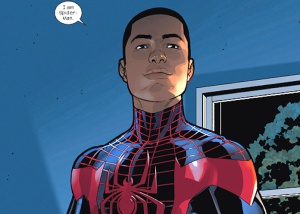


 Scott Weems es doctor en neurociencia cognitiva por la UCLA y tiene un máster en escritura creativa por la Universidad de Lesley, y en Ja. La ciencia de cuándo reímos y por qué, se ha embarcado en diseccionar uno de los mayores misterios de la especia humana: la risa y lo que la produce, el humor. ¿Por qué existe la risa? ¿Qué ventaja adaptativa posee? ¿Por qué usamos el humor para provocarla?


/cdn0.vox-cdn.com/uploads/chorus_asset/file/3829198/Screen_Shot_2015-06-27_at_7.56.15_PM.0.png)
/cdn0.vox-cdn.com/uploads/chorus_asset/file/3824114/2red.0.png)
/cdn0.vox-cdn.com/uploads/chorus_asset/file/3828712/RussiaWW3_STATIC2.0.0.png)
/cdn0.vox-cdn.com/uploads/chorus_asset/file/3747770/P1000514.png)
/cdn0.vox-cdn.com/uploads/chorus_asset/file/3830472/1326978.0.jpg)
/cdn0.vox-cdn.com/uploads/chorus_asset/file/3824104/nuclear_war_lede_1024.0.png)
/cdn0.vox-cdn.com/uploads/chorus_asset/file/3830508/GettyImages-466421158.0.jpg)








 A todos nos ha ocurrido alguna vez que nos hemos reído mucho más con películas cómicas que hemos visto en el cine, rodeado de otras cientos de personas que se reían al unísono, que al ver la misma película solos en casa. También ocurre que hemos visto una película solos y luego la volvemos a ver en compañía y nos reímos más.