Frankly, sophisticated audiences are not a problem. Dumb audiences are a problem. But I think audiences are getting more sophisticated — that's just a product of time. In the '50s, audiences accepted a level of artifice that the audiences in 1966 would chuckle at. And the audiences of 1978 would chuckle at what the audience of 1966 said was okay, too. The trick is to try to be way ahead of that curve, so they're not chuckling at your movies 20 years down the line.
Por favor, por favor, por favor, dejad de hacer activismo sobre cosas que no conocéis. Es que no hay cosa màs inutil que lo contrario. Entendéis qué pasa donde vivis? Pensad seriamente de donde habéis sacado esas cosas que defendéis y si tienen algun sentido en vuestro contexto.
Hablo de cosas como los “Es que este discurso feminista me parece mal porque no nombra a las mujeres negras y por tanto no es inclusivo” desde la Espanha profunda. Sabéis por qué, tanta insistencia sobre las mujeres negras? Donde es la poblacion negra una minoria significativa que reclama derechos?? Por qué hay otra minoria que lo tiene mucho peor como la de las mujeres arabes y de la que seguramente tengàis comunidades mucho màs cerca y a la que no se nombra jamàs y desde luego no como mencion obligatoria para estar haciendo el feminismo bien? En qué lugar apenas hay àrabes??
Venga, ya està. Otro dia repasaremos, OTRA VEZ, el como en nuestro pais jamàs se habia ni pasado por la cabeza de nadie que no dirigiese un colegio ultrarreligioso que amamantar a un bebé o llevar ropa que muestre la tira del sujetador a clase pudiesen ser actos considerados de alta carga erotica y censurados hasta que la invasion de propaganda ajena convencio de nuevo a toda pardilla buscajusticias de que esos eran asuntos a reivindicar. Es que estoy plenamente convencida de que entre la siguiente generacion de adolescentes esos actos durante décadas neutrales seràn ya sexualizados porque no dejan de leer en internet reivindicaciones que afirman que es asi.
There are so many great conversations on the Hotline—it's hard to choose a favorite. But we'll be doing it, once a week, to spread the wealth of our community's knowledge—and to keep the conversation going.
Today: We're getting down to the meat of marinades.
Marinades: They’re worthless. Well, at least that’s what theLos Angeles Times concluded in a piece published a few weeks ago. “Whatttt?” you say, “That uber lemony-olive oil-Worcestershire-soy sauce-oregano-basil marinade my steaks have been drowning in for the better part of two hours is effectively useless?” Perhaps, but let’s look closer at the merits of marinades:
Worth it
If you’ve ever had escabeche, you know the wonders of marinated fish. It tastes fresher, almost, than plain fresh fish, because the acid in marinades weakens aldehydes—the compound responsible for accentuating that fishy smell a lot of folks find unappealing.
Tofu—the little sponge it is—is better with a marinade. The same can be said for other soy products, like tempeh.
Vegetables, too, can benefit from an herbaceous marinade that coats every slice of squash or stalk of broccolini.
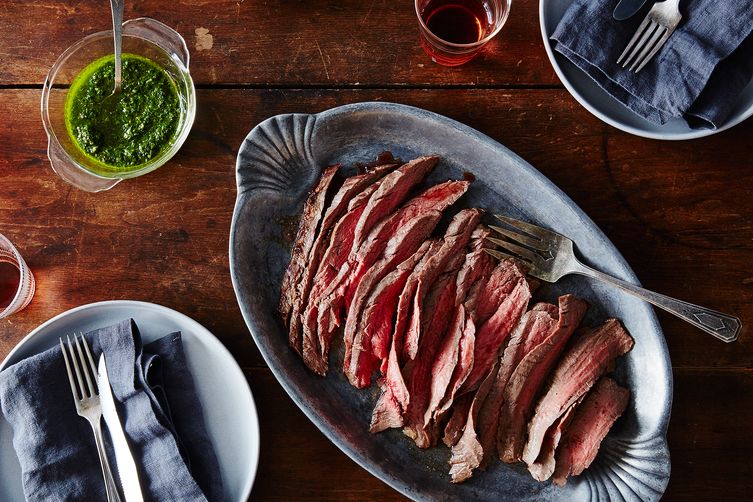
Slices of meat, marinated quickly for about 30 minutes, are one of your best shots at getting flavor into meat without degrading the meat (see below).
Not worth it
Marinades are acidic, and acids denature proteins (a.k.a. meat). “The acid in marinades does weaken muscle tissue and increase its ability to retain moisture,” writes Harold McGee in On Food and Cooking. “But marinades penetrate slowly, and can give the meat surface an overly sour flavor when they do so.” Sour meat? Nuh-uh.
As the Los Angeles Timespoints out, meat is mostly water. An oily marinade is mostly fat. Water and fat don’t mix, so that marinade’s not going to get past the meat’s exterior all that much. If you’re going to use a marinade, make it salty—which makes the meat more penetrable—and with bold flavors like onion, garlic, and shallots. McGee also suggests using a cooking syringe to inject the meat with whatever flavorful liquid you’re working with, essentially marinating it from the inside out.
Let’s just say it: The best seasoning for high-quality meat is salt and pepper. Our Hotline agrees, and so do we.
Verdict: This is a case-by-case basis. However, if you’re working with a good piece of beef or free-range bird, let the meat do the talking, not the marinade.
So you’re having sex now. That’s awesome! I’m proud of you. Sex is pretty fun and a good way to spend 30 minutes. Plus, if you’ve read my oeuvre, you know I like it … a lot.
However, sex is also a really complicated practice, especially if you’re relatively new to it. You’re figuring out what feels good to you and trying to figure out what your partner wants, too. Plus, it’s easy to get wrapped up in all those ridiculous sex tips in “Cosmo.” Trust me, I read tons of them when I was first having sex at 17 and thought, “THAT’S what I’m supposed to do?!?” I’m here to tell you that you don’t need to put a scrunchie on a dick or fuck like acrobats in a swimming pool. Swimming pool sex sucks, actually.
It’s best to start slow and simple. The key to newbie sex is learning what you like and learning how to express that to another person. You’ll get the hang of it, I promise. In the meantime, let me give you a few tips that I use even today, 20+ partners later. XO.
1. Take one of his fingers into your mouth and suck gently on it. Slide it in and out. For some reason, this makes dudes freak out.
2. You can grab his dick harder than you think. I promise. They’ll like it.
3. Want to move your makeout session to something more? Lick his earlobe slowly and moan quietly into his ear. Whisper his name. Bite it just a little. Instant boner.
4. Watch each other masturbate. You’ll get turned on watching and you’ll learn what the other person likes, straight from the source.
5. Even if you’re not enjoying it as much as he is, pretending to be into a blowjob (or legit being into it!) is really hot for a guy. Moan a little – the vibration really does feel good for him. “Cosmo” wasn’t wrong there.
6. Make eye contact. Dudes love eye contact. Do it while you’re blowing him or riding him. Turn your head to look at him when you’re riding him backwards.
7. Play with his balls. Cup them. Tug them a little. Suck on him.
8. Don’t do anything you’re not comfortable with. Sex is supposed to be fun, so do it with someone you trust and don’t put yourself in a situation you’re not OK with. If he wants to do something you’re not into, just tell him.
9. Use lots of lube. Even if you’re wet and ready to go, a little extra lube makes everything so much better. You can buy it (I use Astroglide) or just use your own spit. Trust me on this one.
10. Tell your partner what you want. If something doesn’t feel all that great, give them tips to make it better. Direct them.
11. Ask your partner what they want, too. Communication is key to having rad sex.
12. Try a twist on the simple things. You don’t have to go crazy and contort yourselves when you’re having sex. Sometimes just adjusting yourself a little bit – like lifting your legs up in the air during missionary, or squeezing your Kegel muscles during girl-on-top – can dramatically change the way things feel.
13. SQUEEZE THOSE KEGEL MUSCLES. I love moving up and down really slowly, squeezing along the way. Dudes go crazy for it. They beg me to do “that thing.”
14. Don’t be afraid to laugh. Sex is kind of ridiculous when you really think about it. Don’t take it so seriously.
15. Have a favorite vibrator? Bring it to bed. If your dude feels threatened, he’ll get over it when he sees how much it can enhance your sex life.
16. Talk dirty. You don’t need to be super-explicit and X-rated, but even just saying something like, “Mmmm … that feels good” can work wonders. Praising your partner when they do something you like just compels them to do it more often!
17. Don’t forget the power of touch. Sometimes just touching another person, and feeling them touch you, feels better than sex. Lying in bed with a dude while he gently strokes my skin is one of my favorite things.
18. Conversely, don’t be afraid to get a little rough. Drag your fingernails down his back while he’s inside you. Nip at his neck and his ears. Pull his hair a little bit. It adds an extra excitement to your fooling around sessions and can sometimes lead you to a new sexual discovery; some people love rough sex and others just don’t. You’ll never know til you try.
19. Talk to your friends. If your friends are sexually active, discussing what’s happening in their relationships versus yours can be very helpful. It’s like “Sex and the City.” Chatting about what’s going on with your girlfriends in your sex lives is fun! And occasionally eye-opening.
20. Relax. Don’t freak out about being “good in bed.” That’s subjective. Just let go. Breathe. Have fun.
A young man with a VR headset does not want to part with an inflatable torso dressed up as an anime character.
I interviewed Robert Anton Wilson for bOING bOING (the zine) in 1988 and he told me he was not concerned about virtual reality sex because people who favored it over real sex would be weaned from the gene pool.
Hace años que vengo publicando, poco a poco, lo que voy encontrando alrededor de la historia del aceite de oliva en Galicia, a ver si consigo poner un poco de orden en lo que sé sobre un producto del que se ha escrito mucho sin citar fuentes y que por lo que se ve es candente, ya que cualquier dato que se ofrezca puede ser tachado de interesado o torticero. Interesado en qué es algo que no queda claro, pero la elegancia es la que manda, evidentemente.
No hace mucho, la revista Benbó publicaba un extenso reportaje en el que se recogen ya algunas de las ideas que se han ido publicando en los últimos años respecto a la historia gallega de este producto, dejando atrás en cierta medida el mito de que el final de los olivares gallegos se debió a los Reyes Católicos, aunque este mismo texto señalaba por un lado que no hace falta una justificación histórica para la producción y comercialización de aceite gallego -punto que comparto, si bien creo que el empeño de tantas marcas en hablar de historia y tradiciones centenarias parece indicar que ellas no tanto- y, por otro lado, una supuesta laguna en la investigación de qué pasó con el aceite en época moderna que no acabo de compartir. Es cierto que no hay estudios monográficos sobre el asunto, pero sí que se pueden entresacar ideas de los estudios más generales que ayudan a entender qué puede haber pasado.
Resumiendo mucho, hasta ahora se ha mantenido que la producción de aceite en Galicia contaba con una larga tradición (de origen indeterminado) cuando los Reyes Católicos, fuera en venganza por los acontecimientos Irmandiños dentro de lo que se conoce como "Doma y castración de Galicia". o para beneficiar a la repoblación de los territorios conquistados en el sur peninsular gravaron fiscalmente al olivar gallego. El que sobrevivió fue objeto de nuevas tasas impuestas por el Conde Duque de Olivares empeñado en beneficiar a sus territorios en las inmediaciones de Sevilla. Esta última es la teoría que más he apoyado hasta la fecha.
Nada nos permite desechar totalmente esas hipótesis, que he defendido con anterioridad, pero sí que hay elementos como para matizarlas o resituarlas en un papel muy secundario, que trataré de resumir a continuación:
- Reyes Católicos: No hay, al contrario de lo que se cree y de lo que defendían recientemente algunos autores sobre el tema del aceite, un documento, colección de documentos o de ordenanzas que aluda a la doma y castración de Galicia. No quiere esto decir que no hubiera toda una serie de medidas que podemos considerar colonialistas o prácticamente de reconquista, pero encuadrar la destrucción del olivar gallego dentro de esa supuesta doma es una falacia histórica. La expresión "doma y castración" de Galicia fue usada por Castelao por primera vez en un discurso en 1931 tomándola del cronista aragonés Jerónimo Zurita (quien, por su parte, sólo habló de doma). Sin entrar a valorar la política de los reyes católicos, que no es el objeto de este texto, sí que hay que decir que no existió un programa bajo ese título y que la expresión como tal no aparece hasta siglos más tarde. Para quien quiera profundizar en el tema recomiendo la lectura de los trabajos de Anselmo López Carreira o Carlos Barros al respecto.
Lo que sí hubo en esa época -y tal vez ahí esté el origen del equívoco- es una importante subida de impuestos que afectó a Galicia al igual que al resto de las zonas de la corona de Castilla. Para ser precisos, lo que hubo fue una sistematización de impuestos ya existentes y un control mucho más detallado de su cumplimiento.
Los reyes sistematizaron el cobro de las alcabalas, impuestos que se cobraban sobre cualquier transacción relativa a bienes muebles o inmuebles, con especial atención al aceite, tal como señalaba el profesor Eiras Roel. Por su parte, se preocuparon de que se cobrase de manera efectiva el diezmo, un impuesto que la iglesia cobraba sobre la producción agrícola en sus territorios que, a partir de esta época estuvo sujeto a la Tercia Real. Es decir, los reyes se llevaban las 2/9 partes de los diezmos que cobrara la iglesia, así que estuvieron activamente interesados en que cobraran lo que tenían que cobrar sin excepciones por muy remota que fuera la zona.
Para esto instituyeron en 1480 la figura de los corregidores (véase el trabajo de Margarita Cuartas sobre los corregidores asturianos), responsables entre otras cosas de la normalidad fiscal en los territorios a su cargo, y los destinaron a las principales villas de cada territorio. Por otro lado, instituyeron el cobro de estos impuestos no a cada particular, como era más habitual hasta entonces, sino a la cabeza de concejo correspondiente, de tal modo que si el concejo no cobraba a los particulares, tenía que pagar a la corona igualmente. Esto hizo que las autoridades locales recaudasen con un mayor interés.
Igualmente se reforzó el cobro de los portazgos, un impuesto que se pagaba por transportar bienes y mercancías por la red viaria, similar a los actuales peajes de las autopistas, o por acceder a algunas ciudades o comarcas. De esta manera, el productor de aceite no pagaba solamente por el aceite vendido, sino también por trasladarlo para su venta. A pequeña escala comenzaba a no resultar rentable.
Todo lo anterior se resume en que, sin que hiciera falta crear nuevos impuestos, la carga fiscal real sobre la producción de cada olivo, incluso los más remotos, se vio de pronto multiplicada. Lo que sí hicieron los Reyes Católicos fue subir este impuesto, ya que en 1480 la alcabala pasó del 5% al 10% (hay un interesante texto de Enrique Ossorio al respecto). Es más que probable que agricultores que hasta ese momento habían producido aceite sin pagar impuesto alguno se encontrasen, de pronto, con que tenían que pagar el 10% de lo que vendiesen. Y esto, al igual que ocurre hoy en día, posiblemente acabó con algunas pequeñas producciones, en un territorio en el que seguramente la mayor parte de las producciones eran pequeñas.
Al mismo tiempo, los Reyes Católicos dictaron una ordenanza para controlar el fraude en el almojarifazgo del aceite, un impuesto que se cobraba a la entrada y salida de aceite por puertos o a la entrada en grandes ciudades, especialmente del sur. Más presión fiscal sobre un producto que hasta entonces en buena medida se había producido de manera libre. En esta ordenanza se especifica también el control sobre los lagares de aceite (veral respecto los trabajos de José Luis Pereira Iglesias relativos a Cáceres y los de José Damian González Arce para Sevilla).
Con todo esto no hace falta que los Reyes Católicos ordenasen arrancar los olivos gallegos (cosa que, si hicieron, no he podido documentar hasta ahora). Simplemente con la instauración efectiva de diezmos, alcabalas, tercias reales, portazgos y almojarifazgos es más que posible que ejerciesen un papel disuasorio de igual impacto.
- Conde Duque de Olivares: Es cierto que fue un personaje ambicioso y que hizo lo que pudo desde su cargo (que fue bastante) para beneficiar a sus territorios en el Aljarafe sevillano, pero tampoco aquí parece haber habido ninguna medida especialmente dura para Galicia en relación con otros territorios del reino sino, más bien, una desafortunada suma de circunstancias. De hecho, las revueltas en Aragón o la guerra de los Segadors en Catañuña parecen demostrar que el descontento era generalizado.
Al Conde Duque le tocó, básicamente, lidiar con el desmoronamiento económico del Imperio, cosa que hizo con más fortuna en unas ocasiones que en otras, y que dio lugar a la inmensa crisis del reinado de Felipe IV. En general en toda España una serie de circunstancias casuales se sumaron a políticas más o menos desafortunadas que, en Galicia, podemos resumir en las siguientes:
- Por un lado, el comercio con Inglaterra se ve muy perjudicado por las relaciones entre ambos reinos. Una consecuencia directa en el tema de los aceites fue que desde 1590 los ingleses dejan de comprar aceite español (especialmente duro para Andalucía) para ir a comprarlo a Djerba, en Túnez (Tesis Doctoral de Juan Juega Puig, USC). Esto dio lugar, efectivamente, a medidas proteccionistas que hicieron que el Marqués de Montesclaros se quejara al Conde Duque de "desigualdad en perjuicio de Castilla y no de Andalucía" (Manuscritos, BNE, Papeles curiosos en diversas materias tocantes a Estado, Guerra y Gobierno, Lg. 3207). Al mismo tiempo, al bajar la demanda parece haber existido una bajada de precio del aceite que hacía menos rentable su producción a pequeña escala.
- El coste de las guerras: el coste de las guerras, elevadísimo en un momento en el que América dejaba de producir plata al ritmo que lo había hecho hasta entonces, impuso la necesidad de subir impuestos. La Alcabala de la que ya hemos hablado pasó de un 10 a un 14%. Hasta ese momento se había gravado sobre todo la producción de cereales y vinos, lo que perjudicaba a regiones como Castilla y es por eso por lo que, para tratar de igualar la presión fiscal, se empieza a gravar productos como el aceite. El incremento de esta presión fiscal fue, seguramente, uno de los errores políticos del Conde Duque, pero tiene una explicación histórica clara.
- Malas cosechas: entre 1629 y 1631 se encadenaron tres años de malas cosechas que dificultaron el pago de estos nuevos impuestos.
- Expulsión de los moriscos: aunque en Galicia se ha considerado tradicionalmente que la influencia de este hecho fue anecdótica, su expulsión entre 11609 y 1613 (en 1610 en Galicia) restó mano de obra capaz de hacerse cargo del trabajo del campo. Dada la procedencia del sur de muchas de estas familias, es posible, además, que su expulsión tuviera consecuencias más graves en la producción de aceite. Los estudios más recientes han documentado casos en Santiago, Ría de Arousa, zona de Oseira y Valadouro-Alfoz (Carlos A. González Paz: Sarracenos, moros, mudéjares y moriscos en la Galicia medieval) pero se trata de un tema apenas estudiado.
- Guerra con Portugal (1640): En Galicia se recluta hasta a 16.000 hombres, que dejan de estar disponibles para el trabajo del campo y que suponen un porcentaje significativo de la mano de obra disponible.
- Repoblación de Granada: Está documentada la repoblación con más de 100 familias gallegas (más del 80% de ellas de Santiago) en un primer momento, aunque hubo una segunda oleada, en el S.XVII, de mayor impacto demográfico.
- Caída de la población: Entre 1570 y 1630 cae la población gallega en un 25% debido a los factores anteriores y a una crisis agraria que envía a muchos hombres a la emigración americana y a otros al clero (dejan de ser fuerza productiva y al mismo tiempo, reproductiva). Pasar de cerca de 800.000 habitantes a poco más de medio millón tuvo un grandísimo impacto en lo que se cultivaba.
- Hambruna en la provincia de Ourense en 1618 debida a las lluvias que arruinaron las cosechas.
- Peste: el principal episodio de peste en ese periodo tiene lugar en 1650 (en Galicia empieza en 1649)
- Periodo de importantes sequías entre 1622 y 1655 (según Eiras Roel)
- Periodo de oscilaciones térmicas especialmente duro en la España húmeda hacia 1660 y que perjudicó a los cultivos que aguantaban mal el incremento del frío durante el invierno.
Todo esto hace que la crisis agraria comience hacia 1570 y dure casi un siglo y que, debido a la pérdida de mano de obra y a las hambrunas se abandones cultivos menos productivos en favor de otros, especialmente los recién llegados maíz (sobre todo en la zona costera) y patata (en el interior). Esto lleva a un círculo vicioso: la sustitución de antiguos cultivos en favor de maíz y patata propició un crecimiento de la población a partir de 1660-1670 que llevó a una mayor demanda de alimentos, lo que a su vez hizo que se intensificara la producción de maíz y patata y se aprovechase todo el terreno disponible abandonando cultivos más exigentes o menos rentables.
En definitiva: la sistematización fiscal de los Reyes Católicos llevó a un primer momento que podría explicar la disminución de la producción aceitera sin tener que recurrir a ninguna ordenanza expresa. Por su parte, en el S.XVII, y sobre todo durante el mandato del Conde Duque de Olivares se suman una serie de cuestiones -crisis económica y subida de impuestos, sequías, inviernos más fríos, guerra con Portugal, emigración, expulsión de moriscos, repoblación de Granada, hambrunas y pestes- imposible de anticipar y que lleva a una disminución de la fuerza de trabajo y a la demanda de cultivos más rentables (en rapidez y en provisión de alimento). La aparición del maíz y la patata fue, seguramente, la gota que colmó el vaso. Todo esto no excluye que si, además, estas cuestiones beneficiaban a las tierras del Conde Duque esto pueda haber tenido cierta influencia. Pero no parece existir ninguna ordenanza concreta respecto al olivar gallego, aunque esta sea una idea que lleva entre nosotros toda la vida.
Tal como escribía el párroco Domingo Ramón Palomo en sus Avisos político-morales (1785) el vulgo de Orense estaba persuadido de que los muchos olivos que en otro tiempo tenían los habían cortado sus ascendientes porque un sugeto que deseaba hacer valer sus olivares en otra parte, había logrado con siniestras relaciones que por cada olivo pagase el dueño quatro reales, y que desde aquella época se habían abandonado enteramente. Hay un trasfondo real en la subida de impuestos de Olivares, pero como queda dicho, las causas finales parecen haber sido otras.
Así que, por sintetizarlo en una frase, podríamos decir que al olivar gallego lo mataron dos oleadas sucesivas de subidas de impuestos (algunos de ellos centrados específicamente en el olivar), la crisis agraria, la caída demográfica debida a guerra, peste, expulsiones y repoblaciones y la puntilla final que supuso la aparición de cultivos mucho más rentables en términos de producción como la patata y el maíz. El crecimiento de población que supusieron no hizo más que profundizar las causas del abandono de su cultivo. Y si además hubo o pudo haber maniobras del Conde Duque de Olivares o antipatías de los Reyes Católicos, que son perfectamente posibles, no dejarían de ser secundarias. El proceso habría sido el mismo sin ellas.
El resultado de todo este proceso, que se extiende desde 1480 a 1680 es la desaparición de buena parte del olivar gallego precedente. No hay que rebuscar mucho para encontrar evidencias y testimonios históricos al respecto, pero al margen de los ya mencionados en textos anteriores vale la pena mencionar algunos:
El ilustrado Lucas Labrada, al hablar de los cultivos de Valdeorras señala que hay vino blanco y tinto de muy buena calidad, mucha castaña, batata, alguna almendra, aceite, seda... Apunta, sin embargo, que en Quiroga sólo en dos curatos en 1770 se cosecharon 2.000 arrobas e incluso hay constancia de que se cogen más de cien arrobas. Parece claro que por entonces el cultivo sólo mantenía importancia en la zona de Quiroga, ya que apunta la existencia puntual de algunas plantaciones en las riberas del Miño y en la vieja provincia de Tui. Por su parte el profesor Xavier Castro apunta en su libro Yantares Gallegos que a mediados del S.XVIII solamente quedaban en Ourense unas 200 hectáreas de olivar.
El Padre Sarmiento, por su parte, señala la existencia de muchos olivos en el norte de Pontevedra los cuales sólo se conservan como adorno y para la procesión del Domingo de Ramos. Tanto es así, que a finales del S.XVIII, según Meijide Pardo, se producían sólo 500 arrobas de media en todo Orense. Lo cual parece deberse, según apunta Antonio de Valenzuela en su Memoria sobre la Exención Temporal de Impuestos (1862) a una plaga vegetativa que afectó especialmente en Galicia ya que, el olivo como el naranjo necesita en Galicia estar protegido contra el rigor de las estaciones.
En 1834 Claudio González Zúñiga apuntaba en su Descripción Económica de la Provincia de Pontevedra y Mejoras de que es Susceptible su Industria Agrícola, Fabril y Comercial que el cultivo del olivo (...) está abandonado enteramente. Apunta, igualmente, que se trae a Galicia aceite de Alicante, que se considera de mejor calidad. Y acaba repitiendo la misma idea que recogería años después el citado Valenzuela: El naranjo, el granado y el olivo necesitan ser protegidos contra el rigor de las estaciones (...) Los granados y olivos sólo producen en los sitios abrigados.
El catedrático Antonio Eiras apunta lo siguiente: la procedencia del aceite que se consumía en Galicia parece seguir la misma evolución que la sal: monopolio portugués en el S.XVII, diversificación de proveedores en el XVIII (...) Desde finales del S. XVII ya la procedencia de esas mismas mercadurías comienza a ser Sevilla o Cádiz y de puertos mediterráneos más que de Portugal (...) Por las aduanas gallegas entraban a finales del S.XVIII unas 5.000 arrobas de aceite portugués (...) aunque es imposible conocer el que entraba por la raya seca o fluvial. Una pequeña parte (...) llegaba de la Sierra de Gata a través de arrieros extremeños o sanabreses (...) y con menos frecuencia por arrieros extremeños de Coria y Villamiel.
Todo esto, sumado a los datos y referencias que he ido dando en anteriores textos parece dejar claro que, independientemente de cuál fuera el origen del cultivo del olivo en Galicia, sobre el que poco podemos decir a ciencia cierta hoy, la gran crisis que supusieron los acontecimientos de los S.XVI y XVII llevaron a que en el S.XVIII quedara muy poco del olivar precedente y que desde aquella fecha su importancia siguiese decreciendo hasta entrado el S.XXI.
Contenido publicado originalmente en http://gourmetymerlin.blogspot.com. Si lo encuentras publicado sin acreditar autoría estás ante un sitio pirata
Siempre se ha recomendado que, para llevar una dieta sana, no se debería abusar de las carnes rojas ni los productos lácteos, pero ahora resulta que una investigación de la prestigiosa Universidad de Anglia del Este (UEA) en Norwich, Inglaterra, afirma que comer un chuletón al día podría ser tan bueno para el corazón como dejar de fumar.
Según su estudio, en el que han analizado los datos de salud de más de 2.000 mujeres británicas, aquellas que tenían en su dieta una mayor presencia de aminoácidos presentaban una presión arterial más baja y menor rigidez arterial, las principales causas de los ataques al corazón.
Los investigadores observaron, además, que la procedencia de estos aminoácidos influye en los beneficios que aportan. Así, por ejemplo, los procedentes de verduras y legumbres (como las alubias, las lentejas, el brócoli o las espinacas) se asocian a una menor presión arterial. Por otro lado, los aminoácidos que aportan los lácteos, la carne y el pescado están relacionados con una menor rigidez arterial.
Lo realmente sorprendente, según indica el Doctor Amy Jennings, de la Facultad de Medicina de la UEA e investigador principal, es que "hemos hallado que la ingesta de determinados aminoácidos tiene un efecto sobre la presión arterial muy similar a la de otros factores de riesgo, como el exceso de sal, la falta de actividad física o el consumo de alcohol. Mientras que para la rigidez arterial, se trata de un cambio de una magnitud similar a la de dejar de fumar".
Así que a partir de ahora, podemos darnos el placer de un filete al día, un trozo de salmón o una buena dosis de lácteos sin ningún tipo de remordimientos. Eso sí, las raciones recomendadas no son tampoco como para emocionarse: 75g de carne, o 100g de salmón o medio litro de leche. A partir de ahí, los beneficios no aumentan y sí que nos llevamos las desventajas (grasas y excesos calóricos).
*The myth of the independent voter,
*The myth of the rational center,
*The myth that the parties are reflections of each other,
*The myth that centrism reflects moderation.
Here’s a clip from this week’s episode of Key and Peele, where we get an exclusive sneak peek at the Gremlins 2 writers’ room brainstorming session that takes a sharp turn once “Hollywood sequel doctor” Star Magic Jackson Jr. shows up to really get the ideas flowing. This may be from 1989, but it’s not […]
If you love to cook, approach buying a chef’s knife with the sober diligence of a commuter buying a car. You’re going to use it every day, so find one that looks and, most important, feels exactly the way you want it to. Don’t even think about buying a knife online unless you’ve held it in your hand first, gauging the weight, size, and shape. Listen to what the obsessives behind some of our favorite knife stores—The Brooklyn Kitchen, Town Cutler in San Francisco, and DC Sharp in Washington, D.C.—have to say first.
Eight Is The Magic Number
An 8” knife is about right for most people: It’s got the best ratio of mass to usable cutting surface. Go smaller if that really feels too long or heavy for you, or if you cook in really tight quarters, but don’t take it down more than an inch. And bigger? Not necessarily better. A foot-long chef’s knife might look cool, but…that’s about it.
Choose Sides
A lot of cooks reach for Japanese-style knives these days. They tend to be light, with thin blades made of extremely hard, sharp steel. But blades that hard are also brittle, which means they’re more prone to chip if they accidentally run up against, for example, bone. Western-style knives tend to be burlier, with thicker, heavier blades that feel better to some people and can take more of a beating.
Steel Yourself
Knife geeks will talk your ear off about different types of steel, but you can basically break it down into two categories: carbon and stainless. At its sharpest, carbon steel is sharper than stainless, and will stay that way longer. But it also requires maintenance: It needs to be dried thoroughly and oiled after using, otherwise it’ll discolor or rust, like a cast-iron pan. It’s a commitment. For most people, easy-to-care-for high-quality stainless is better than good: It’s good enough.
PERPETUO SOCORRO es grupo de A Coruña formado por Analís (batería), Sara (teclado y voz), Lulú (bajo y voz) y Emilio (guitarra).
Su música es una mezcla de punk, pop y rock garagero, tralleros y locos temas de actitud rebelde armados de aguerridas guitarras, alaridos punk, teclados nueva oleros y una sección rítmica demoledora, perfectas canciones para poguear en casa o en el bar.
Las letras nos hablan de supremacía, barajas, buitres,…
Tienen publicado un ep que puedes escuchar en su bandcamp.
Tarde picoteo en el legado de esa banda viguesa única en la historia del rocknroll ibérico. Rebuscamos en sus rarezas y aderezamos con clásicos varios. Bon apettit! Playlist (todas las canciones por Siniestro Total); Fuimos un grupo vigués, La revista, Mario, Trabajar para el enemigo, La caca de colores, Menea el bullarengue, Si yo canto, Qué tal homosexual, Cada día somos más, Me pica un huevo, Tumbado a la bartola, De hoy no pasa, Roxette, Esta vida es una mierda, Tener un talismán, El as para matar al tres, Soy así y Miña terra galega.
Todo empezó con
Tumblr (porque así es como empiezan las cosas hoy en día).
Look At This Fucking Oogle: Pornography For Homeless People es un perfil de Tumblr que
contiene fotos de crust punks, vagabundos envueltos en redes de pesca
destrozadas –a veces desnudos y mostrando tapones anales-, blancos
con rastas y muchos, muchos perros callejeros. Creado como una
versión con tatuajes y tachuelas del popular sitio web Look At This Fucking Hipster, la página ha generado todo tipo de reacciones: unos
la veían con rechazo, otros la usaban para buscar a sus amigos y
unos pocos se ponían cachondos con sus fotos.
A Byron Myers,
soldador crust punk residente en Filadelfia, un día se le ocurrió
que sería gracioso hacer un calendario picante en la misma línea que ese perfil de
Tumblr y recolectar dinero para crear un sitio porno independiente en
los que hubiera vídeos que realmente les gustaran. Dejaron el
proyecto en manos del viejo Slug, el punk de Nueva York que adquirió
dudosa fama por haber dado a G. G. Allin la dosis de heroína que
acabó con su vida, y la iniciativa fue todo un éxito.
A varios kilómetros
de distancia, Ashley Alms, de 24 años, conoció a Myers por Tumblr,
quien le contó su proyecto de hacer porno punk de baratillo. Alms
llevaba desde los 15 colgando fotos de desnudos suyos en internet,
había trabajado en el sitio de porno alternativo God's Girls y, lo
más importante, estaba harta de vivir en Portland, así que no dudó
en viajar a Filadelfia para conocer a Myers, y de aquel encuentro
surgió Fringe Fuckers.
Desde entonces, la
pareja ha realizado unas cuantas películas para su sitio web con
amigos, otros vagabundos y desconocidos. A diferencia de los vídeos
porno alternativos clásicos –que suelen estar protagonizados por
una chica blanca vestida de látex a imagen y semejanza de Emily
Strange y un tipo rubio y delgado con tatuajes en los brazos-, la
estética de Fringe Fuckers es pura mugre. Follan en dormitorios o
entre los arbustos, y celebran orgías en sótanos cuya salubridad
pondría los pelos de punta a más de uno. Como dijo una vez el
fotógrafo paparazzi Ron Galella, cuando eres pobre y no tienes donde
caerte muerto, «el mundo es tu estudio». Myers, Alms y compañía
no tienen el menor interés en el llamado «porno alternativo» que
ofrecen sitios como Burning Angel y ALT POP.
¿Te acuerdas de
esos crust punks que siempre ves tirados en una esquina del centro
con pancartas de cartón en los que han escrito mensajes pidiendo un
cambio global? Pues ellos son el perfil de actores porno que follan
para Fringe Fuckers y, a diferencia de muchos profesionales del
sector, Myers y Alms lo hacen por calderilla.
«No hay nada malo
en fingir ser algo si te pagan por ello. Hacer porno requiere de
muchas habilidades y es un negocio admirable, pero el problema es que
hay mucho porno alternativo que parece demasiado falso», nos explicó
Myers en una conversación por Skype. «Nosotros realmente llevamos
el estilo de vida que se muestra en nuestros vídeos. No nos
disfrazamos ni nada por el estilo. Simplemente documentamos nuestro
estilo de vida, punto. Ni siquiera nos pagan por hacerlo».
El hecho de que no
haya dinero de por medio implica que los que lo hacen es porque les
gusta y se contentan con la gratificación de una buena corrida en la
boca, un cartón de vino y medio Klonopin. Fringe Fuckers publican
sus vídeos mediante Clipvia y cobran 4,99 dólares [4,40 €] por
cada vídeo de 11 minutos. La pareja recibe mensajes por Tumblr de
gente que les pide que hagan vídeos nuevos, pero no siempre disponen
de recursos o de voluntarios dispuestos a participar (muchos punks se
apuntan al carro pero, a la hora de la verdad, se rajan). Myers y
Alms dicen que el dinero que ganan de Clivia lo utilizan para comprar
drogas o alcohol o para tener algo más de efectivo, pero en ningún
caso es su fuente principal de ingresos.
Muchos usuarios de
Tumblr han escrito a Alms y Myers para grabar vídeos, e incluso han
recibido propuestas de amigos que lo harían por una botella de
whisky. Al margen de quién participe, lo importante es la tolerancia
y el consenso. «Todo el mundo puede elegir con quién follar. Lo
principal es que sea la gente la que tenga el control», afirma
Myers.
Alms creció en
Illinois, donde fue adoptada al nacer. «Mi padre biológico renunció
a la patria potestad sobre mí en el momento de mi adopción. Firmó
los papeles sobre el maletero de un coche patrulla, antes de ingresar
en prisión. Murió en un accidente de coche años después»,
explica.
La familia que la
crió eran los «típicos borrachos del Medio Oeste». A los 17 años
dejó la escuela y se fue a vivir sola. Se sacó el graduado escolar
por su cuenta e hizo las maletas para emprender una vida nómada
viajando en trenes de carga. Acabó en Portland por un noviete, pero
finalmente regresó a su pequeña ciudad natal, donde no fue capaz de
encontrar un trabajo.
Nunca ha tenido
problemas en practicar sexo delante de una cámara y, de hecho,
confiesa que le gusta que la gente la vea desnuda, hasta el punto de
que suele pasearse medio desnuda por la casa que la pareja comparte
con más personas.
Myers creció en
Virginia del Norte, obsesionado con el punk y el metal, pero su
pasión era el béisbol, que había practicado desde pequeño. Le
concedieron una beca para jugar en la universidad. Se lesionó el
brazo durante el último año, pese a lo cual acabó la carrera.
Después se matriculó en una escuela de formación profesional para
obtener el certificado de soldador, mientras se ganaba un dinero
extra haciendo striptease en Secrets, un local gay del DC.
Myers empezó a
trabajar en Secrets una noche en que él y sus amigos fueron al club
porque daban bebidas gratuitas a los hombres si se quitaban la
camiseta. Le ofrecieron trabajo a su amigo, pero este lo rechazó.
Myers, con la euforia de la borrachera, dijo que él sí lo aceptaba.
Al principio iba totalmente perdido, pero los fines de semana
conseguía llenar el local con más de 600 gais cachondos. «Por
suerte, lo único que tienes que hacer cuando bailas para los gais es
estar desnudo, sobarte las nalgas y moverte al ritmo de la música»,
dice entre risas. Muchas veces, Myers se agachaba y se abría el culo
con las dos manos, pero los del club acabaron prohibiéndoselo porque
le daban demasiadas propinas y el resto de bailarines se quejaba.
«Muchos decían que
tenían demasiada dignidad como para ir abriéndose el culo delante
del público», explica. «Yo me reía en sus caras. "Somos
strippers gais, colega"».
Desde que Myers y
Alms empezaron a salir, su amor y el sexo los han mantenido unidos.
Los dos eran unos obsesos del sexo desde muy jóvenes. Myers incluso
se fabricó un Fleshlight con pasta de modelado y un rollo de papel
higiénico cuando estaba en sexto curso. Los dos opinan que G. G. Allin se cargó el rock 'n' roll de la mejor forma posible.
Siguiendo su mantra, la pareja afirma que solo quieren vivir a su
manera, sin importar lo que piensen los demás.
“Wildly funny. Its best jokes approach some savage, atavistic core of cultural taboo and make the viewer wonder: Is it really possible to laugh at this? But by the time you formulate that question, it’s too late: You’re already laughing.” – Dana Stevens, Slate, November 2, 2006. “It’s screamingly, hysterically, laugh-through-the-next-joke, laugh-for-the-next-week funny …This is […]
If you haven't watched Rick and Morty, a cartoon about the adventures of a mad scientist and his hapless grandson, teleport to the nearest screen and shove every episode into your eyes as soon as possible.
Rick is a true anti-hero, like Walter White or Tony Soprano, but with more drinking and less inner turmoil. There's a poetry to his crass wit, and it's impossible not to quote him.
In the hour-long podcast embedded below Against Me!’s Laura Jane Grace and Genesis Breyer P-Orridge discuss the notion that Caitlyn Jenner—rich, white, honored at awards...
Digamos en principio, y para no vender humo, que lo mejor que hizo Héctor Lavoe fue grabado en estudio entre 1966 y 1978, y ese periodo de su carrera es (aunque nunca lo suficiente) bastante conocido.
Todo eso está en Youtube. Quienes no han tenido oportunidad de escucharlo (escucharlo de verdad, quiero decir, no de pasada por la calle, o en la radio de la combi o en una fiesta), pueden empezar por aquí: el talento callejero, romántico y jíbaro de Héctor Lavoe, el contexto en que se produjo y el tinte desgraciado de su historia personal han determinado su leyenda, y siempre es bueno volver a la razón más importante para justificarla: su música.
Lo mejor del periodo 1966-1978 (lo que a mí me parece lo mejor) se encuentra aquí [los hipervínculos dirigen a las listas de reproducción, los álbumes o los temas]. Si eso no te gusta, es probable que lo que viene después no te interese.
También destacan sus participaciones en los discos en vivo de Fania All Stars: en el Red Garder en 1968 (volúmenes I y II, aquí), en el Cheetah en 1971 (volumen I y volumen II) y en Yankie Stadium / Coliseo Roberto Clemente, en 1973.
He hecho esta selección inicial para aclarar que lo que sigue no es, de ninguna forma, una antología de descubrimientos históricos (están en Youtube, de manera que ya es tarde para descubrirlos). Es una lista más bien sentimental de buenas interpretaciones en vivo de Héctor Lavoe, que he encontrado a lo largo de los últimos años paseando por Internet.
Siendo honestos, la mayoría de grabaciones en vivo que uno encuentra de Héctor Lavoe en Youtube son decepcionantes, a veces hasta dolorosas: su último concierto, sus presentaciones discretas, su voz balbuceante y quebrada, sus lamentables comentarios entre canciones, sus entrevistas finales. Hay una especie de tradición que insiste en que Lavoe fue genial e irrepetible incluso cuando ya estaba arruinado, y eso no solo es falso sino que, además, es un poco perverso. Yo he intentado, aunque no siempre sin éxito, evitarme la morbosa tortura de escucharlo morir así.
Por eso, la lista es sentimental: a pesar de la pésima calidad en que fue grabada la mayoría de interpretaciones que siguen (hay baches, distorsiones de sonido, capturas de televisión), puede reconocerse aquí la voz del mejor Héctor Lavoe, ese que merece la leyenda.
Algunos audios (los conciertos setenteros junto a Willie, sobre todo), sí son conocidos, pero cualquier excusa para compartirlos está justificada.
Este bolero pertenece al primer disco solista de Héctor Lavoe, La voz (1975). Fue escrito por el compositor peruano Mario Cavagnaro. Por la calidad de la interpretación, puede deducirse que esta grabación fue hecha poco tiempo después de lanzado el álbum.
En algún concierto, Héctor imita el tono de voz de Maelo y, durante cincuenta segundos, canta un pedacito de la canción (que, por lo demás, le viene precisa):
Yo he sido el incomprendido
ni tú ni nadie me ha querido
tal como soy
Miro una estrella y deja de brillar
toco una flor y se ha de marchitar:
¡negra suerte la que me tocó!
Sé que no es una joyita, pero queda la sensación de que habría sido maravilloso que a Lavoe le alcanzara la voz para hacer un cover de esta canción.
3. Guajira, el son te llama, en concierto con La Típica 73
El estribillo de esta canción es un clásico centroamericano. La letra pertenece al músico cubano Cheo Marquetti, pero no he encontrado ninguna interpretación suya en internet. La versión más conocida es, me parece, la de Afro Cuban All Stars, que se incluye en A toda Cuba le gusta (1997), y en la que canta Manuel Puntillita Licea.
Pero la canción es bastante más antigua. Con el nombre de Guajira, el son te llama aparece en Duro (1968), álbum del brillante trompetista dominicano Bobby Quesada (con la voz de Luis Rodríguez). Ese mismo año, la Sonora Ponceña incluye una versión del tema en su primer álbum oficial, Hacheros pa’ un palo, solo que aquí se titula Amor verdadero, que es el nombre que va a permanecer en las versiones posteriores.
Y aquí hay algo bastante curioso que acabo de encontrar. El disco A comer (1972), de Joey Pastrana, recoge una interpretación más de Amor verdadero. Al escuchar esta canción en Youtube reconocí no solo la voz de Héctor Lavoe en los coros, sino también un par de frases suyas, usadas en canciones de su época con Willie Colón: “Linda melodía, para que te comas…” está en la versión en vivo de Señora Lola; variaciones de “Para que te comas los guineos y te fumes la cáscara” aparecen dos veces en grabaciones en estudio, y las dos como referencias al pianista de la orquesta de Willie Colón, el Profesor José Torres: Barrunto y Piraña. Finalmente, “Esta es la mejor salsa de Puerto Rico” es una arriesgada afirmación que también hace en Timbalero, una de las mejores canciones de su etapa junto a Willie Colón. Solo que esta vez agrega: “Esta es la mejor salsa de Puerto Rico: Orquesta Pastrana”.
Todo es muy extraño, pero parece tener sentido. Según cuenta el mismo Joey Pastrana en esta entrevista, Willie había echado a Héctor de su orquesta en algún punto entre 1971 y 1972. Estas peleas, como se sabe, debieron ser habituales, ya que la relación entre ambos empezaba a dar muestras de agotamiento (aunque en el aspecto musical estaban todavía en su mejor momento). Entonces, Pastrana aprovechó la situación e invitó a Lavoe a que lo acompañara en diversas presentaciones en Puerto Rico. Es más, Lavoe prestó su voz para los coros en dos álbumes, A comer y El padrino (o Don Pastrana). Cuenta Pastrana que cuando Fania Records se enteró de que una de sus estrellas estaba grabando con una disquera rival (Parnaso) armó escándalo y allí se acabaron las colaboraciones.
Lo que sigue es un audio de Héctor Lavoe con La Típica 73. Héctor canta Guajira, el son te llama, pero cambia la letra de las estrofas (no he encontrado al autor, ni otra canción con esa letra), pero mantiene la idea del amor por la madre. No hay fecha pero, otra vez, la voz permite pensar que se trata de un concierto anterior a 1980.
4. Mi gente (Take 5)
Mi gente es una de las canciones más conocidas de Héctor Lavoe. Hay por lo menos dos memorables interpretaciones en vivo de esta canción: en el Coliseo Roberto Clemente, en Puerto Rico, en 1973, y un año después, en el Zaire, ambas con Fania All Stars. En 1975, Lavoe incluiría una versión de estudio en su primer álbum como solista, La voz.
Hace algunos años, Fania Records decidió lanzar una serie de Masterwords, discos que incluyeran ensayos generales, interpretaciones alternativas y temas que no fueron incluidos en las ediciones finales de sus álbumes. Lo hicieron con Indestructible de Ray Barretto y con Siembra, de Willie Colón & Rubén Blades.
Lo hicieron también con La Voz. Incluyeron una versión de ensayo general (take) de Mi gente que es bastante interesante. Quería subir un vídeo que solamente incluyera esta canción, pero no encuentro uno. Solo hay este, que incluye también la canción Las flores del campo.
Esta última es una grabación que Héctor no terminó en 1986 (ya estaba muy mal), y que por lo tanto no fue incluida en Strikes Back (1987), su último disco. Años después, en 1993, Fania contrató a Van Lester, cuyo talento más apreciable era el de imitar a Lavoe, para que él concluyera la grabación de los temas incompletos, y publicó un álbum cuyo título era una exageración publicitaria, The Master & The Protege. Esta es otra de las formas en que Fania canibalizó el trabajo de su estrella (basta recordar ese concierto infame en que, ya medio muerto, lo subieron al escenario).
5. Presentación en México, 1978
Pocas presentaciones en vivo del Héctor Lavoe solista son tan buenas como esta. Aquí interpreta cuatro canciones: Todopoderoso, Mentira, Bandolera y Periódico de ayer, temas que pertenecen a sus tres primeros álbumes: La voz, De ti depende y Comedia.
6. Con Willie Colón en Puerto Rico, 1978
Este concierto es representativo en la historia musical de Willie Colón, de quien ya hemos dicho bastante en este post. Para 1978, Willie lleva algunos años separado de Héctor Lavoe, pero siguen siendo amigos, y Willie sigue siendo el productor musical de Héctor; además, está trabajando con Rubén Blades, con quien acaba de presentar Metiendo mano! y prepara Siembra; y, finalmente, está cumpliendo uno de sus sueños de joven (de más joven: en este concierto Willie tiene solo 28 años) de trabajar junto a Celia Cruz.
El medley (popurrí, megamix) que hacen recordando su etapa juntos es fantástico: Che che colé / Barrunto / Bacalao / Calle Luna, Calle Sol.
7a. Con Willie en Panamá (1971)
Este concierto es maravilloso (es una presentación televisiva, pero qué lejos quedan los tiempos cuando en estas se tocaba en vivo). Héctor tiene su mejor voz, e interpreta las canciones de los últimos álbumes que, hasta entonces, ha trabajado junto a Willie (Cosa nuestra y La gran fuga). Aquí están No me llores más, Pa’ Colombia, Sonero Mayor y el instrumental Jazzy.
7b. Con Willie en Panamá (1971)
Hay otra presentación en Panamá que es memorable. Aquí interpretan Juana Peña, Sigue feliz y Ausencia. No encuentro un vídeo donde estén todas juntas, pero las he puesto en los hipervínculos. Aquí comparto Juana Peña.
7c. Con Willie en Panamá (1973)
Willie y Héctor presentan Lo mato (si no compra este LP), su último gran disco. Tocan Señora Lola, La María, Todo tiene su final, una versión de Quítate tú y Guajira, ven. La presentación en general es impecable, pero me quedo con Señora Lola y Todo tiene su final.
8. Con Willie en Nueva York (1972)
A diferencia de las presentaciones anteriores, me parece que esta es menos conocida. En esta edición del programa de Felipe Luciano, emitida el 15 de noviembre de 1972, Héctor y Willie tocan dos temas de los que no se ha encontrado (al menos hasta ahora) otras versiones en vivo: Aguanilé y Timbalero. Estas son, además, dos de sus canciones más brutales. Como no he encontrado un vídeo que reúna las cuatro canciones que tocaron ese día, coloco aquí los de las dos que acabo de mencionar.
Mientras buscaba información, encontré el enlace a la edición completa de este programa, en la que también se presenta Tito Puente. Pueden encontrarlo aquí.
9. Juan Cabeza Dura con el Gran Combo de Puerto Rico
Este es un vídeo casero (la calidad es muy mala), pero retrata la espontaneidad del soneo. La voz de Héctor está cada vez más frágil, pero su capacidad musical se mantiene. El Gran Combo está tocando Juan Cabeza Dura cuando sus cantantes ven entre el público a Héctor Lavoe y le piden que se acerque. Él sube al escenario y acompaña en el soneo a los coros.
10. El concierto en la Feria del Hogar (1986)
Ya, bueno, esto no tiene nada de caleta. Todo el mundo ha visto el vídeo de Héctor con su polera turquesa. Estamos hablando, además, de un Héctor Lavoe que empieza a apagarse. Pero es imposible no incluir esta presentación en una lista sentimental. Lavoe se presentó seis días seguidos en el estelar de la Feria. Un joven estudiante, que después se hizo mi amigo, fue los seis días a verlo. Una joven pareja de esposos asistió uno de esos días: ella estaba embarazada y esperaba a una niña, Sheilla. Su hermana menor, Mayra, nacida dos años después, sería mi esposa casi treinta años más tarde. Una adolescente fue también a una de las presentaciones: mi mamá, que todavía no conocía a papá. De alguna forma, como muchas otras personas, yo también estuve allí.
*Bonus track: La maqueta de Periódico de ayer
Como habíamos dicho, casi todos los discos como solista de Héctor Lavoe fueron producidos y arreglados por Willie Colón. La chamba de producción y arreglos es entendida de forma bastante borrosa, por eso ayuda mucho escuchar esta grabación: Willie dirige los ensayos de Periódico de ayer, tema de Tite Curet Alonso que se convertiría en la canción emblemática del álbum De ti depende. El enlace está aquí.
Combine your smartphone camera with the essential fundamentals of portrait photography and you can capture someone’s expression, personality, and mood—one beautiful image after another. This week, renowned commercial photographer and iPhone camera aficionado Trevor Paulhus pitches in to offer his expert advice. Here are five fundamental lessons to get you well on your way to taking great portraits with your smartphone camera.
Subject
One of the most challenging aspects of portrait photography is making the subject comfortable so they can feel natural and be themselves. Even if the person knows you well, they may not be at ease in front of the camera. Of course, with the number of smartphone users worldwide set to surpass two billion people in 2016, it makes sense that we’re getting more and more used to having our photos taken. It’s a more comfortable experience than a traditional camera photo shoot, but there are still barriers to cross.
“Getting a subject to be comfortable in front of you is definitely one of the biggest challenges of a portrait photographer,” Trevor says. “Not only do you need to find a way to have them relax so you can capture a genuine moment with them, but you also need to get them to trust you—trust that you will, for lack of a better phrase, ‘make them look good.’ This is where the personality of the photographer comes into play.” The more natural and confident you appear, the more your subject will be inclined to relax and be themselves in front of your camera. A good portrait photographer should be both personable and approachable to eliminate any anxiety the subject may have about being photographed.
“Be communicative and be patient with them,” Trevor continues. “But also be very confident and focused so they know that you know exactly what you want. To me, taking a good portrait is about sharing a moment of personal connection with someone. Whether it’s a contrived situation or not, that moment needs to be found. And really, just be nice.”
The less awkward of an experience you can create, the more authentic of a moment you will capture. It could be as simple as one quick frame when your subject takes a deep breath and then relaxes for a second. Before you start snapping pictures, take some time to talk with your subject and get to know them a bit.
Once you start shooting, continue the conversation. “I find that being conversational with my subjects not only helps in creating a more personal moment with them, but it also makes it less of a ‘task’ for them to be having their photo taken, which I find relaxes them,” Trevor recommends. “In turn, it gives me a more authentic representation of their character. Being talkative helps us connect and get better images.”
Setting
Put some thought into where you are going to take the photos. Get to know your subject, and get creative.
Let’s say you have a Little League baseball player as your subject. Have the youngster in uniform at their local ballpark where they play most of their games—standing at their position on the field, in the dugout, or with a bat on their shoulder next to home plate. Or, do your subjects enjoy gardening? Pose them thoughtfully, admiring their handiwork from the side or actually holding an armful of fresh vegetables, with the garden out of focus behind them.
Maybe you don’t want a theme or you simply want your subject in an appealing setting. That’s fine, too. However you decide to frame your portrait, remember to focus on your subject and let the background and the setting enhance the subject or draw the viewer’s eye to them.
“Always be aware of your environment,” Trevor explains. “Make sure that your subject is where you want them to be in the frame, with no busy distractions directly behind them, like light posts or trees coming out of their head, so to speak. Pay attention to those types of small details when composing your shot. A busy environment isn’t necessarily bad, but just make sure your subject is the focus of the image. That is where you want the viewer’s eye to go.”
Tap on your smartphone screen to focus on your subject’s face—preferably the brightest part of their face to properly expose their unique skin tone. Focus, depth of field, positioning, lighting—these are the things that will help you make sure that your subject stands out.
Trevor advises visualizing what you want your image to look like ahead of time, so that you can best direct your subject: “When you know where the light is coming from, where you want them in the setting, and how you will compose your shot, it will make for a much better experience for everyone.”
Lighting
A key aspect of portrait photography is lighting. Proper lighting will make or break your mobile portrait photography efforts, so it helps to know what to look for and how and where to include light in your image.
It could be a sunny day. Maybe it’s cloudy and overcast. You might be inside with the curtains or windows open. Whatever the day dictates, focus on natural light and eliminate any thought of using the available flash on your smartphone.
So—where should the light be coming from? Should it be behind you, facing the subject? Maybe behind your subject? How about lighting that comes in from the left or right side of your subject? The correct answer is simply—yes. Try them all.
“I tend to prefer more side directional lighting for portraits,” Trevor notes. “I feel it helps to add a bit of drama and contrast that I like in my images. I also feel that both sunny days and overcast days offer great lighting situations. Sunny days provide that much harder directional light that makes it easier to get sharp shadows and bright highlights. Overcast days provide you with lots of soft light that you can really use to your advantage to achieve beautiful portraits.”
Backlighting (illuminating your subject from behind) with your smartphone can cause an overexposed look, but it creates an interesting effect you may like—plus you can manually adjust your exposure on-screen to get just the look you want. No one type of lighting is right for all situations. They all offer their own benefits, it just depends on what you, the photographer, are looking for. That, of course, is the beauty of not only portrait photography but photography in general. It’s an art form and you are the artist. Use your unique ideas to make the images your own, with your personal stamp of creativity.
“Focus on whatever works best for the mood you are trying to give the photograph,” Trevor says. “Be aware of the light. Understand where it is coming from, how it will fall on your subject, and how it will affect your shadows, highlights, and the setting.”
Shooting
Here’s the really fun part. Your subject is ready, you know where you are taking the photos, where the light is coming from, and how you want the picture to look. It’s go time.
Distance from your subject How far should you stand from your subject? Some suggest that an arm’s length is a suitable starting point—or a general rule of thumb— but there are other options.
“This really all depends on the comfort level of your subject,” Trevor mentions. “Some people might not want you up in their face with your phone or camera, so standing back a little bit might help you give that level of comfort that will help them loosen up and feel natural in front of your lens.”
Eye Level—or Slightly Below Try to get eye to eye with your subject and then move slightly down or slightly above that to see what looks best. When it comes to getting on the same level as your subject, Trevor suggests “either eye level or even a little lower than eye level.” Remember, it’s your goal to make the subject look their best.
“Some people think that lower than eye level is not a flattering angle for portraits, which I would agree with for certain subjects, but I think it can also make for a very powerful and dramatic perspective. I usually never shoot downward onto a subject. I’m not a fan of how that looks.”
Portrait vs. landscape mode It may seem obvious to take portraits in portrait mode, but that’s not a hard and fast rule. In fact, Trevor prefers a horizontal orientation in his portrait photography, noting that it provides a “more cinematic and powerful composition.” You might agree. Try both ways, then use what you think works best for your particular situation and setting.
Focus on the Face You’ve heard the expression: “The eyes are the windows to the soul.” Focus on your subject’s eyes and you will be well on your way to creating a very dramatic portrait photograph that captures their personality.
“I typically always try to focus on my subject’s face when shooting a portrait,” Trevor says. “After all, that is what people will be drawn to when looking at most portraits. I think it’s important for the face and eyes to really have that sharpness and stand out a bit in the picture.”
Editing
Finally, it’s time to edit your portrait images. As with any picture you have taken, focus on taking great pictures, then make your already good images even better.
According to Trevor, a little goes a long way: “Try to hold the integrity of the original image as much as possible. This is more of a style/taste decision, but my typical editing process is actually pretty minimal most of the time. I definitely like to add some sharpening to my images to give them a little boost. But besides that, I usually just use some color correction and contrast adjustments.”
There’s an app for that. Using Enlight’s editing tools, you can go from conservative to crazy, depending on your mood.
To sharpen an image like Trevor does, tap Image > Adjust > Tools tab > Details and raise Sharpening and Structure or raise Structure in Analog > Tools tab > Structure. For color correction and contrast adjustments, preset filters offer many unique looks to consider, but go to Image > Adjust > Tools tab for more in-depth tweaking.
If you’re daring enough to venture into the world of iPhone art, create a posterized look that includes text and graphics or use the Mixer tool to blend another photo into your portrait for a superimposed effect. You can create fun caricatures out of your portraits and transform yourself into a cartoon illustration using the Doodle, Sketch or Painting tools. This might not be your style, but keep in mind, the possibilities are endless.
“More than anything, just have fun with the process,” Trevor concludes. “Spend some time playing around with photo apps to see what they do. Then create something that you dig. That is really all that matters.”
Contributing Photographer:Trevor Paulhus. Originally from the East Coast, Trevor has spent the past decade calling Dallas, TX home, while traveling the globe taking photos for a long list of clients. Although the iPhone isn’t his normal day-to-day work tool, its ever-evolving ability to beautifully shoot and expertly edit photos on-the-go, gives Trevor the ability to share his work and experiences with others in a much more natural way.
Judgey is a fun site that lets you rate a book's cover, then see if your rating matches up with its Goodreads rating. Great way to remind yourself of all the bad design in the world! Read the rest
Burger King ha lanzado hoy una propuesta de matrimonio, al menos por un día, a McDonald´s: la franquicia de comida rápida publicó una campaña en la que proponía a la competencia una fusión en el Día de la Paz, creando un restaurante y una hamburguesa común: la McWhopper. Amantes de la comida rápida, dejen de salivar. McDonald´s ha respondido con un cruel "no quiero" vía Facebook. Ya que todo apunta a que la McWhopper nunca llegará a ver la luz (y si lo hiciera, según los planes de Burger King, estaría a 7.000 kilómetros de España, en Atlanta), ¿por qué no intentar hacerla en casa?
Aunque tal vez no sea la más resultona ni la que más visitas lleva (esta otra supera las 900.000), esta es la versión de Big Mac con una salsa –la clave– más elaborada. Casi más que la propia hamburguesa. Para los amantes de la perfección, los que busquen que además el parecido sea más que razonable, pueden seguir los consejos de embalaje –y puntito de microondas– de esta otra receta pirata de McDonald´s:
Whopper
Esta receta pirata de Whopper, con más 242.000 reproducciones, intenta simular el toque de la parrilla de la carne de Burger King añadiendo Bovril, un concentrado de carne –al estilo Avecrem, pero en pasta– que puede encontrarse en casi cualquier gran superficie. Aunque el que tenga parrilla, casi que mejor.
Y ahora, ¿con qué nos quedamos de cada una?
Burger King ha publicado en su perfil de Youtube este vídeo, La propuesta de hamburguesa McWhopper, en el que explica cómo podría ser la distribución de los ingredientes de Big Mac y Whopper en la nueva McWhopper. Son:
Ahora, dos opciones: o hacer una mezcla de las dos recetas piratas anteriores... O tomar la vía rápida: acercarse a un McDonalds, comprar una Big Mac, acercarse a un Burger King, hacerse con un Whopper e iniciar la deconstrucción y posterior construcción del McWhopper. Como poco, habrás ahorrado hacer 6.900 kilómetros.
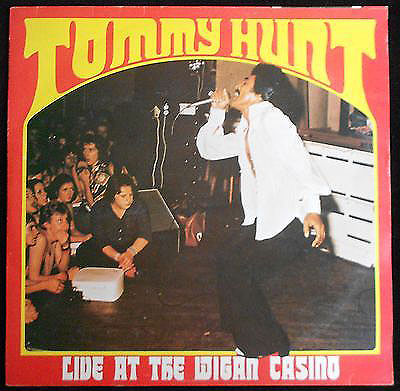
trax: 01 I Can't Turn You Lose 02 Get Ready 03 My Girl 04 Knock On Wood 05 Never Can Say Goodbye 06 Help Me Make It Through The Night 07 Crackin' Up 08 Baby I Need Your Loving 09 Interview Live At Wigan Casino 1975 …Thanks To Northern Madman! served by Gyro1966...This 2008 collection presents 25 of the finest tunes by 1960s soul singer Tommy Hunt, a one-time member of the Flamingos. In addition to Hunt’s biggest solo single, the passionate “Human,” the compilation includes a wonderfully downbeat version of Burt Bacharach’s “I Just Don’t Know What to Do with Myself” and the fiery “I Am a Witness,” making it an excellent introduction to the Philadelphia-born vocalist. (Thanks To Northern Madman)
trax: 01 human 02 the work song 03 i just don't know what to do with myself 04 you're so fine 05 i am a witness 06 the door is open 07 parade of broken hearts 08 and i never knew 09 you made a man out of me 10 lover 11 she'll hurt you too 12 poor millionaire 13 i'm wondering 14 so lonely 15 didn't i tell you 16 the biggest man 17 do you really love me 18 new neighborhood 19 make the night a little longer 20 don't make me over 21 your man 22 false alarm 23 this & only this 24 just a little taste (of your sweet lovin') 25 promised land …Thanks To Northern Madman! served by Gyro1966...This 29-song compilation of Hunt's 1961-68 recordings for the Scepter and Dynamo labels features, as the liner notes declare, "80% of Tommy Hunt's U.S. solo recordings." Most of the CD is taken from Hunt's 1961-64 singles for Scepter (including the original version of Bacharach-David's "I Just Don't Know What to Do with Myself" and his biggest hit, 1961's "Human") and outtakes from the period that showed up in the '80s and '90s on assorted Kent compilations. There are also less impressive tracks from his stay at Luther Dixon's Dynamo label in 1967-68. The notable but odd New York 1960s soul offered here has its virtues, but nonetheless, it is not immediately arresting -- not enough to garner more than a cult following. Hunt, like fellow Scepter artists Dionne Warwick, Chuck Jackson, and Maxine Brown, benefited from the label's patented "uptown" brand of soul, with its sumptuous string arrangements, choral backup vocals, and theatrical pop songwriting. Yet Hunt lagged behind everyone else in that list regarding his commercial impact and, ultimately, the quality of his work. He had a deep voice which was a tad overwrought, but not as dramatically overwrought (and therefore appropriate for the Scepter/Wand production mill) as that of his rival Chuck Jackson. With the singular exception of Bacharach-David's "I Just Don't Know What to Do With Myself," he was not gifted with material as outstanding as the best of what Warwick, Jackson, and Brown received. However, for the listener who both digs the Scepter sound and is willing to settle for less brilliance than could be found with those other singers, this is a recommended disc, if only for the commendably typical and pleasing Scepter production and arrangements, complemented by Hunt's competent delivery. There are some nice surprises along the way, like the dramatically arching "This and Only This," one of the finest overlooked Leiber-Stoller compositions, and "It's All a Bad Dream," with its unusual fish-tank sound effects. (Richie Unterberger, Allmusic) (Gyro1966 fresh rip)
trax:
01 The Biggest Man 02 I Just Don't Know What To Do With Myself 03 Human 04 Lover 05 New Neighbourhood 06 She'll Hurt You Too 07 You Made A Man Out Of Me 08 I Might Like It 09 Didn't I Tell You 10 Make The Night A Little Longer 11 This And Only This 12 Just A Little Taste (Of Your Sweet Lovin') 13 Coming On Strong 14 How Can I Be Anything (Without You) 15 Everybody's Got A Home But Me 16 Words Can Never Tell 17 False Alarm 18 I Am A Witness 19 Your Man 20 Don't Make Me Over 21 It's All A Bad Dream 22 Promised Land 23 Parade Of Broken Hearts 24 Poor Millionaire 25 So Lonely 26 It's All In The Game 27 Do You Really Love Me 28 I'm Wondering 29 Oh Lord, What Are You Doing To Me









 ...
...



 trax:
trax: This 2008 collection presents 25 of the finest tunes by 1960s soul singer Tommy Hunt, a one-time member of the Flamingos. In addition to Hunt’s biggest solo single, the passionate “Human,” the compilation includes a wonderfully downbeat version of Burt Bacharach’s “I Just Don’t Know What to Do with Myself” and the fiery “I Am a Witness,” making it an excellent introduction to the Philadelphia-born vocalist. (Thanks To Northern Madman)
 This 29-song compilation of Hunt's 1961-68 recordings for the Scepter and Dynamo labels features, as the liner notes declare, "80% of Tommy Hunt's U.S. solo recordings." Most of the CD is taken from Hunt's 1961-64 singles for Scepter (including the original version of Bacharach-David's "I Just Don't Know What to Do with Myself" and his biggest hit, 1961's "Human") and outtakes from the period that showed up in the '80s and '90s on assorted Kent compilations. There are also less impressive tracks from his stay at Luther Dixon's Dynamo label in 1967-68. The notable but odd New York 1960s soul offered here has its virtues, but nonetheless, it is not immediately arresting -- not enough to garner more than a cult following. Hunt, like fellow Scepter artists Dionne Warwick, Chuck Jackson, and Maxine Brown, benefited from the label's patented "uptown" brand of soul, with its sumptuous string arrangements, choral backup vocals, and theatrical pop songwriting. Yet Hunt lagged behind everyone else in that list regarding his commercial impact and, ultimately, the quality of his work. He had a deep voice which was a tad overwrought, but not as dramatically overwrought (and therefore appropriate for the Scepter/Wand production mill) as that of his rival Chuck Jackson. With the singular exception of Bacharach-David's "I Just Don't Know What to Do With Myself," he was not gifted with material as outstanding as the best of what Warwick, Jackson, and Brown received. However, for the listener who both digs the Scepter sound and is willing to settle for less brilliance than could be found with those other singers, this is a recommended disc, if only for the commendably typical and pleasing Scepter production and arrangements, complemented by Hunt's competent delivery. There are some nice surprises along the way, like the dramatically arching "This and Only This," one of the finest overlooked Leiber-Stoller compositions, and "It's All a Bad Dream," with its unusual fish-tank sound effects. (Richie Unterberger, Allmusic) (Gyro1966 fresh rip)
 trax:
trax: This 2008 collection presents 25 of the finest tunes by 1960s soul singer Tommy Hunt, a one-time member of the Flamingos. In addition to Hunt’s biggest solo single, the passionate “Human,” the compilation includes a wonderfully downbeat version of Burt Bacharach’s “I Just Don’t Know What to Do with Myself” and the fiery “I Am a Witness,” making it an excellent introduction to the Philadelphia-born vocalist. (Thanks To Northern Madman)
 This 29-song compilation of Hunt's 1961-68 recordings for the Scepter and Dynamo labels features, as the liner notes declare, "80% of Tommy Hunt's U.S. solo recordings." Most of the CD is taken from Hunt's 1961-64 singles for Scepter (including the original version of Bacharach-David's "I Just Don't Know What to Do with Myself" and his biggest hit, 1961's "Human") and outtakes from the period that showed up in the '80s and '90s on assorted Kent compilations. There are also less impressive tracks from his stay at Luther Dixon's Dynamo label in 1967-68. The notable but odd New York 1960s soul offered here has its virtues, but nonetheless, it is not immediately arresting -- not enough to garner more than a cult following. Hunt, like fellow Scepter artists Dionne Warwick, Chuck Jackson, and Maxine Brown, benefited from the label's patented "uptown" brand of soul, with its sumptuous string arrangements, choral backup vocals, and theatrical pop songwriting. Yet Hunt lagged behind everyone else in that list regarding his commercial impact and, ultimately, the quality of his work. He had a deep voice which was a tad overwrought, but not as dramatically overwrought (and therefore appropriate for the Scepter/Wand production mill) as that of his rival Chuck Jackson. With the singular exception of Bacharach-David's "I Just Don't Know What to Do With Myself," he was not gifted with material as outstanding as the best of what Warwick, Jackson, and Brown received. However, for the listener who both digs the Scepter sound and is willing to settle for less brilliance than could be found with those other singers, this is a recommended disc, if only for the commendably typical and pleasing Scepter production and arrangements, complemented by Hunt's competent delivery. There are some nice surprises along the way, like the dramatically arching "This and Only This," one of the finest overlooked Leiber-Stoller compositions, and "It's All a Bad Dream," with its unusual fish-tank sound effects. (Richie Unterberger, Allmusic) (Gyro1966 fresh rip)