Shared posts

17 Sep 00:01

El sótano - The Deslondes en directo - 16/09/15

 En su álbum de debut The Deslondes fusionan diversos estilos propios de su tierra, Nueva Orleans. Countr, RnB, Folk y tradición manejados con mimo y conocimiento por Sam Doores, Dan Cutler, Riley Downing, Cameron Snyder y John Tourville, nuestros invitados de hoy. Playlist; The Deslondes (The real deal, Fought the blues and won, Still someone, Low down soul, Time to believe in), The Bellfuries (Bad seed sawn) y Nikki Hill (Twistin’ the night away).

Las canciones desde el Rincón Subterráneo de los Directos fueron Less honkin’ more tonkin’, Those were the days y Hold on Liza.

16 Sep 23:44

A Tone Palette

by Greg Ross

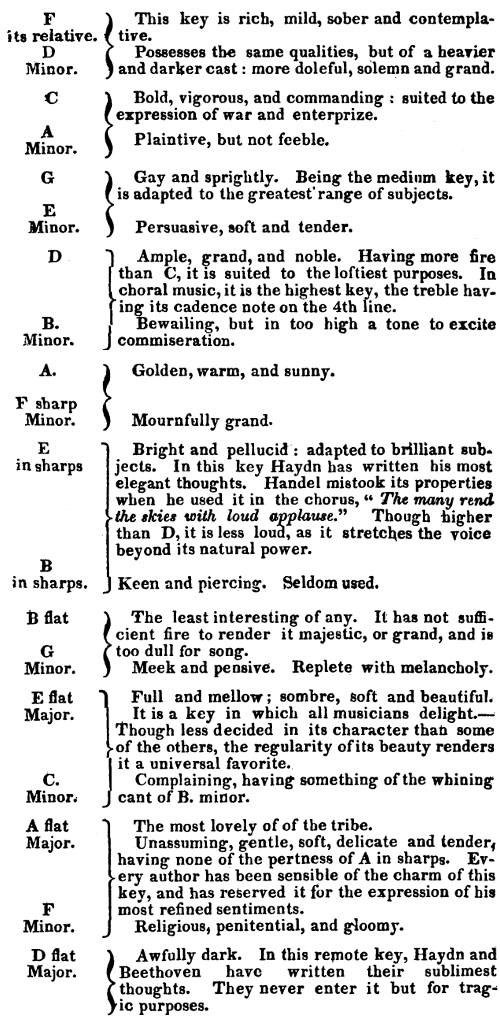
In his Musical Biography of 1824, John R. Parker attempts to characterize musical keys in words:

parker keys

“It is sufficient to have hinted at these effects,” he writes. “To account for them, is difficult; but every musician is sensible of their existence.”

Please support Futility Closet on Patreon!

16 Sep 23:36

News flash: government spending reduces poverty

by Matt Bruenig

In 2014, 14.8 percent of Americans were in poverty. That’s the headline figure the Census Bureau released today as part of its annual report on income, poverty, and access to health insurance in the US. But it doesn’t tell the whole story. For one thing, the official poverty measure, taken without context, is woefully incomplete.

More importantly, the number itself doesn’t tell us much about the nature of poverty in America. To get a full picture, one needs to dive into the raw microdata the census released today as well. Unfortunately, at the moment the agency only has data for the official poverty measure, not the superior supplemental measure also released today.

Still, by delving deeper into the numbers, we learn two things: that poverty is overwhelmingly concentrated among children, the elderly, and disabled people; and that government anti-poverty programs do significant amounts to combat it, and could do more if expanded.

More than two-thirds of poor people are children, elderly, or disabled

In 2014, 72.4 million Americans (22.9 percent) had incomes below the poverty line, before taking taxes and government spending programs into account. The supermajority of those people, 68.6 percent, were either children, elderly, or disabled. Another 19.2 percent were students, caretakers, or those who faced a spell of involuntary unemployment during the year. Together these vulnerable populations made up around 87.8 percent of the market poor — that is, people who are poor based on what they can earn on the job market, before adding in government benefits and tax credits.

Most are children or elderly

Matthew Bruenig

The poor population in the US, broken down by category.

The numbers indicate that one of the best predictors of poverty is whether or not you’re in the labor force, working full time. While the fully employed (those working 50+ weeks during the year) had a market poverty rate of 4.9 percent, every other group had poverty rates well over 20 percent, with non-elderly disabled people facing a poverty rate of nearly 50 percent.

Nearly half of disabled people are in poverty.

Matthew Bruenig

Poverty rates, by category, before taking government benefits into account.

The weak American welfare state actually does quite a bit to compensate for the market’s failures. In 2014, the welfare benefits counted under the official poverty measure — most notably Social Security but also Temporary Assistance to Needy Families (TANF) and Supplemental Security Income (SSI) — kept 25.7 million people out of poverty, bringing the actual poverty rate down from 22.9 percent to 14.8 percent.

As currently constructed, the US welfare state tends to do the most for the elderly and disabled, mainly because of the remarkably effective Social Security program.

Social Security is very good at what it does

Matthew Bruenig

The government cuts elder poverty by more than 77 percent.

Transfer programs kept 15.5 million seniors out of poverty last year, cutting the elderly poverty rate from 43.7 percent to 10 percent. Benefits also kept 4.4 million non-elderly disabled people out of poverty, cutting their poverty rate from 49.9 percent to 30.7 percent.

Breaking down the non-elderly disabled population further, the hard of hearing fared the best, with a 20.4 percent poverty rate. Other groups — which aren't mutually exclusive — hovered around a 33 percent poverty rate, even after counting benefits. (Note: Categories refer to aspects of life affected by the disability. So someone with difficulty living independently counts under "living independently," but may have trouble walking or performing intellectual tasks as well.)

In fact, there's likely to be considerable overlap between them

Matthew Bruenig

Note that the categories aren't mutually exclusive.

This leaves out a number of government programs that the official poverty measure does not include. Non-cash benefits (such as food stamps and housing benefits) and tax credits (such as the Child Tax Credit and Earned Income Tax Credit), most notably, are left out. Judging from prior years, these non-cash benefits and tax credits tend to help children the most.

Expanding welfare benefits could dramatically reduce poverty

Mainstream political commenters often present poverty as a problem of shiftlessness, and the poor as lazy freeloaders. But the microdata shows this couldn’t be further from the truth. While just 22.5 percent of officially poor people in 2014 worked at some point during the year, this is not because of a widespread laziness problem, but rather because most poor people cannot work due to disability or age, or have found themselves involuntarily locked out of the labor market for significant periods of time during the year, e.g., after a layoff.

Overall around 80 percent of the nonworking poor in 2014 were either children, elderly, disabled, or students. Another 10 percent were caretakers. Another 4.1 percent were unemployed the entire year. That leaves very few who aren’t working despite being able to do so:

The "other" category is very, very small

Matthew Bruenig

Most nonworking poor people can't work.

Conventional poverty analysis that focuses on employment and jobs is thus hopelessly flawed. While you can push people to join the labor market, or to work longer hours, or to try to boost their earnings, when it comes to reducing poverty, you are mostly pushing on a string. While market income offers little hope for poverty reduction, increasing welfare benefits targeted at vulnerable populations is generally a very easy way to cut poverty, as has been shown with elderly and disabled people through Social Security.

To illustrate this point, I simulated what would happen to poverty if we provided every family $300 a month for every child they are raising.

And children aren't the only ones who'd benefit

Matthew Bruenig

A child benefit would nearly halve child poverty.

Holding all else equal, this sort of child benefit would pull 11.2 million people out of poverty, including 6.7 million children. It would cause the overall poverty rate to fall 24.1 percent and the child poverty rate to fall 42.8 percent. After children, the group that would most benefit from such a program would be the fully employed, who would see their poverty rate fall by 38.9 percent, as many would be collecting the child benefit for their families.

These kinds of simple universal welfare benefits are common elsewhere in the world. For instance, in Canada, parents can receive as much as $312 a month per child, a benefit recently expanded by the governing Conservative Party. Bringing these kinds of benefits to the US could transform us from a high-poverty society to a low-poverty society.

Matt Bruenig is a writer who researches poverty and welfare systems at the think tank Demos.

16 Sep 21:13

Does Canned Food Ever Really Go Bad?

by Ria Misra

Why, hello! We’re so glad to see you made it past the velociraptornadoes, sinkhole maze, and fire ants made of literal fire to join us here in our Survival Week bunker. Please help yourself to a single (one, please!) rationed water bottle as we discuss our now increasingly urgent question: Does tinned food go bad?

Read more...


16 Sep 21:03

Why Fantasy Flight Buying Legend of the Five Rings is a Good Thing

by Matt M. Casey
Legend of the Five Rings is dead. Long live Legend of the Five Rings. By now, you’ve probably read that Fantasy Flight Games has bought the intellectual property for L5R from Alderac Entertainment Group, who has owned the rights to the feudal Japan-inspired world since its creation in 1995. FFG will scrap production of L5R’s [&hellip
16 Sep 21:00

Una noche El hombre lobo y un dia de linchamiento

by Jose Antonio Neto Santizo
Una noche El hombre lobo

Una noche El hombre lobo, editado en España por Viravi, es una traducción de One Night Ultimate Werewolf. Diseñado por Ted Alspach y Akihisa Okui e ilustrado por Gus Batts. Editado en su versión original por Bezier Games el año pasado (2014) cabe destacar su

La entrada Una noche El hombre lobo y un dia de linchamiento aparece primero en Ludoscopia.

16 Sep 18:11

Science May Be Close to the End of the “Biological Clock” - Family planning may be getting a little easier!

by Teresa Jusino

672843312_f13905784f_z

Some women prioritize children early. Others only after they’ve spent some time on themselves or their career. For the women who choose to wait a little longer to have children, there has always been the concern of age-related infertility. Well now, science may be coming close to an end of the “biological clock.”

The accepted wisdom has always been that women are born with all the viable eggs they’ll ever have, and those eggs will only be good for so long, so there’s an expiration date. However, back in 2004, biologist Jonathan Tilly and his team discovered the existence of egg precursor cells (EggPCs) in the outer cortex of the ovaries of mice. Later, they proved that these EggPCs could grow into mature eggs that could be fertilized and grow into healthy baby mice. In 2012, Tilly found these cells in humans and and these could be cultivated into mature eggs, too. So, that accepted wisdom we’ve been hearing about shouldn’t be as accepted as all that.

Now, a company called OvaScience has come up with a technology called OvaPrime, which will extract a woman’s EggPC cells and reintroduce them into the central part of the ovary, where they can grow into mature eggs. Since EggPCs are younger than regular eggs (they’re basically egg stem cells, which are the youngest cells in the body), they produce more energy, and so are less likely to have chromosomal abnormalities and will have the energy needed to divide properly, grow, and stay healthy throughout.

According to The Daily Beast:

OvaScience has already introduced a procedure called Augment, in which regular eggs retrieved with IVF are injected with mitochondria from EggPCs. In a group of women who had already failed IVF—sometimes multiple times—26 percent of women 40 and under achieved a viable pregnancy with Augment treatment. The results for those 41 or older were not as good, with only 1 out of 19 (5.3 percent) achieving a lasting pregnancy after Augment.

That could be because Augment is done after egg retrieval, when most of meiosis has already occurred. OvaPrime, on the other hand, uses EggPCs from the beginning. With their better mitochondria, these eggs should be more likely to divide normally.

Now, OvaPrime isn’t being tested until the end of the year, and there’s still a long way to go before we know how viable this is, or if it’s even realistically affordable. However, this is still great news for women who want to have children of their own later in life. Any step toward greater reproductive autonomy for women is a great one.

—Please make note of The Mary Sue’s general comment policy.—

Do you follow The Mary Sue on Twitter, Facebook, Tumblr, Pinterest, & Google +?

16 Sep 18:02

The Top Relationship Dealbreaker For Each Myers-Briggs Personality Type

by Heidi Priebe
1606pat
1606pat

ENFP: Having limits placed on their freedom.

ENFPs have big visions of what they want to experience in life – and they aren’t interested in discarding those visions for anyone else. Though they’re happy to accommodate and incorporate a partner into their lives, the ENFP has no interest in a relationship that is going to hold them back – they need an open-minded partner who is happy to explore and adventure their way through life together.

INFP: Being close-minded.

When Winona Ryder said, “I think too much. I think ahead. I think behind. I think sideways. I think it all. If it exists, I’ve fucking thought of it,” She may as well have been describing the INFP personality. This type is obsessively open-minded and there’s nothing more infuriating to them than a person who refuses to consider alternate points of view. INFPs need a deep, compelling partner who can keep up with their ever-shifting kaleidoscope of thoughts and emotions.

INFJ: Feeling unable to fully trust their partner.

INFJs are long-term oriented individuals who invest their emotions carefully. They aren’t looking for a partner who might bail or run out on them at a moment’s notice – they need someone they can trust to stick around for the long haul. When entering a new relationship, INFJs are consistently evaluating whether or not their partner is someone they can safely invest their love in long-term – and if they get the sense that they aren’t, they won’t waste any more time on the relationship.

ENFJ: Feeling unneeded.

ENFJs live to give to others. This generous type serves a well of wisdom and support for those around them and in a relationship they thrive on feeling needed. If the ENFJ’s partner refuses to open up and share their struggles with the ENFJ, the ENFJ may feel as though they have no purpose within the partnership. And that perceived lack of purpose will be romantically unsatisfying to the ENFJ, who will likely elect to leave the relationship.

INTJ: Dishonesty.

INTJs seek the truth at all costs – and their relationships are no exception to this rule. INTJs loathe being duped, lied to or kept in the dark. They want to make all decisions about their relationships from an informed perspective – and if they feel as though they’re lacking that perspective, they’ll be quick to leave any partner who won’t be upfront and honest with them.

ENTJ: Disloyalty.

ENTJs show their love through acts of diligence and loyalty – and they expect the same back from their partners. To an ENTJ, love is a verb, not a feeling. The moment they suspect that a partner may be willing to betray or act against them, they will not hesitate to shut them out. Relationships are a matter of risk management to the ENTJ and if you’re not going to play devotedly for their team, you can find another.

INTP: A partner who cannot think critically.

INTPs are the ultimate critical thinkers – this type won’t accept any thought, fact or opinion until they’ve examined it thoroughly, from every available angle. Though they may not expect their partners to be as intellectually thorough as they are, they need to be paired with someone who wants to learn, advance and grow alongside them. After all, if the INTP can’t discuss the latest theory they’re interested in, they’re going to have very little left to discuss.

ENTP: Boredom.

ENTPs are curious, explorative and eager to push boundaries. They approach relationships the way they approach everything else – with curiosity and an unquenchable enthusiasm to learn more. There is nothing more exciting to an ENTP than a person they can’t quite figure out – and there’s nothing more boring to them than someone they can. This type enjoys complicated, multi-dimensional partners who challenge them intellectually. Someone who is consistent to the point of rigidity gives the ENTP nothing to explore and learn from – which means the ENTP will likely tire of them quickly.

ESFJ: Unwillingness to commit.

ESFJs take their love lives seriously. This organized type always has one eye on the future and they need a partner who can keep up. They plan for the long-term – so if you can’t see yourself in their future, you can see yourself out of their lives. ESFJs don’t have the patience for flakiness or uncertainty – if they’re in a relationship they’re all in and they expect the same from their partners.

ISFJ: Insensitivity.

ISFJs need a partner they can relax with and feel comfortable around – and being a sensitive type by nature, that means they need a partner who cares deeply about both their feelings and the feelings of others. Obnoxious or arrogant personalities don’t fly with this kind and collected type – they put their best foot forward for others and they need a partner who can and will do the same.

ESFP: Having limits placed on their socializing.

ESFPs are the ultimate people-people. It’s incredibly important for this type to be able to maintain a wide, active social circle outside of their relationship – and a partner who wants to place limits on that circle isn’t going to last long with the ESFP. This free-spirited type needs to feel connected to a community. A jealous or controlling partner who can’t handle them socializing outside of the relationship is a definite deal breaker for this type.

ISFP: Being unable to express their true selves.

ISFPs are wildly creative and difficult to get to know well. More than anything else, this type wants a partner who takes the time to get to know them on a deep level and accept them exactly as they are. If the ISFP feels uncomfortable or unable to express who they truly are within a relationship, they will see little use in continuing it.

ESTJ: Inconsistency.

ESTJs take a pragmatic approach to everything and relationships are no exception. This type wants a partner they can rely on to be loyal, devoted and committed. If they perceive excessive inconsistencies within a person’s actions over a period of time, they are likely to feel distrustful towards them – and consider them unsuitable for long-term partnership.

ISTJ: Deviance from their personal system of values.

ISTJs are incredibly principled individuals who base all of their decisions on a core set of values. And they need a partner who lives his or her life in accordance with those same values, or else they’ll have trouble finding common ground. This type needs to feel a mutual respect for whoever they’re in a relationship with and if they perceive the other person to be morally corrupt in some way, the ISTJ will have a difficult time mustering that respect.

ESTP: Dormancy.

ESTPs are action-oriented folk and they need someone who can keep up. It’s not that they need you to be a marathon runner or a trade skydiver to date them, but do they need someone who’s open and adaptable to their fast-paced lifestyle. ESTPs can’t handle a partner who only wants to sit at home and deliberate – this type wants to be where the action is and they need someone who is willing and eager to join them.

ISTP: Insecurity.

ISTPs make for incredibly independent partners and they need to be paired with someone who understands this. They love and care for their partners, but they aren’t interested in constantly reassuring them of such – if their loved ones can’t take their actions as expressions of love, the ISTP won’t have the patience to carry on the relationship. TC mark

16 Sep 17:58

Constant flow

16 Sep 17:57

La formidable invasión mongola (Shintaro Kago)

by Gerardo Vilches

Invasión_Mongola

La formidable invasión mongola (Shintaro Kago). ECC, 2015. Rústica con sobrecubierta. 192 págs. B/N. 11,95 €

Tras una ausencia motivada por el cese de actividad de EDT, volvemos a tener una obra de Shintaro Kago en castellano, esta vez bajo el sello de ECC, que está últimamente esforzándose en publicar mangas adultos muy interesantes. La formidable invasión mongola contiene una única historia, seguramente la más larga que se ha publicado hasta en momento en España. Se trata de un cómic reciente, publicado en Japón en 2014, que muestra a un Kago relativamente conservador en lo formal, alejado de los experimentos metanarrativos que deslumbraron en aquel hito que fue Reproducción por mitosis y otras historias. En este libro la estructura de la página es bastante convencional, y todos los elementos extradiegéticos se mantienen en su sitio, sin que haya ninguna clase de ruptura de os cánones narrativos. Tampoco hay mucho del Kago más retorcido, el que manipula la carne y los sexos con mente perversa y lápiz de cirujano: no es un eroguro, sino, más bien, una obra donde da rienda suelta a su lado más cómico —siempre presente, por otro lado— y que se convierte en una sátira social y política plenamente inserta en la tradición del género.

El punto de partida de la historia es el descubrimiento de unos seres humanos gigantescos que son tomados por dioses, cuyas manos, al ser cortadas, pueden emplearse como monturas. Como son los mongoles de Gengis Kan los descubridores de esta maravilla, a partir de entonces y hasta el siglo XX se conocerán a estas manos gigantes como caballos mongoles. Esta divergencia con nuestra realidad cambia muy poco su historia, en el fondo: seguimos teniendo una era de descubrimientos, una revolución industrial, una gran guerra, y una crisis en el 29. Sólo cambian los detalles, y el hecho de que los caballos mongoles se convierten en la principal fuente de energía de la humanidad, sin que la máquina de vapor o el motor eléctrico se lleguen a inventar: todos los medios de locomoción se basan en diferentes variantes del caballo mongol. Esta idea absurda, en el fondo puro Kago, se desarrolla de un modo muy lógico: los diferentes inventores cuyas aportaciones fueron claves en el avance de los transportes y los medios de producción van investigando acerca de su naturaleza y funcionamiento. Así, se descubre que si se posee un brazo entero, éste puede ir generando nuevas manos indefinidamente, y que alimentándolas con distintas sustancias pueden durar más e incluso generar cuerpos amorfos.

invasión mongola int

No hace falta decir que uno de los atractivos de La formidable invasión mongola está en todas las grotescas situaciones que se derivan del hecho de que todos los vehículos se mueven mediante una o varias manos que se arrastran por el suelo a toda velocidad. El retrato que hace de algunos personajes históricos es glorioso: Watt es un tipo con el poder de detectar cualquier fallo en objetos y personas, fallos que lo excitan sexualmente; Henry Ford es aún mejor, un pirado obsesionado con su cadena de montaje, que emplea en sus orgías. Pero por encima de todo ello, me interesa la lectura que hace de nuestra historia, con la excusa del elemento fantástico, que en el fondo no marca ninguna diferencia en lo esencial: la naturaleza humana.

Es raro leer una historia en la que Kago deje de fondo su gran tema —o uno de ellos—: el cuerpo humano como máquina viva, y se centra en cuestiones sociales y económicas. De ahí que considere este cómic, sobre todo, una gran sátira. Por ejemplo, las consecuencias sociales de la revolución industrial, por ejemplo, desempleando a los trabajadores del sector textil, problema que Watt zanja con despreocupación arrogante: «¡Aquellos que no se suban al tren del progreso se quedarán atrás!». O mis capítulos favoritos, los que reconstruyen una gran guerra demencial, con los soldados cavando trincheras hasta convertirlas en sus hogares, con salas de recreo, iglesias y burdeles, y las máquinas movidas por caballos mongoles aplastándolos como a insectos. La posguerra es aún más afilada en su crítica, ya que el ejército francés, para recuperar la demografía del país, inventa juegos consistentes en buscar cadáveres de mujeres para que los tullidos soldados supervivientes recuperen su «instinto de macho»: una de esas grotescas locuras que Kago no puede evitar incluir en sus obras, incluso aunque sea una comedida como ésta.

El final de la obra decepciona un poco porque Kago no recurre al desmadre definitivo y sin vuelta atrás que acostumbra a emplear, ese «llegar a las últimas consecuencias» característico de su obra, sino que más bien termina en un punto cualquiera como podría haber sido otro. De hecho, me habría resultado muy interesante que siguiera avanzando y mostrara el resto del siglo XX mediatizado por la existencia de los caballos mongoles; ¿qué habría descubierto la ciencia moderna sobre ellos? ¿Cómo habría sido la carrera espacial?  Son preguntas que quedan sin respuesta en una obra que, por lo demás, es una lectura divertidísima, con un ritmo endiablado. No será el Kago que pase a la historia, pero eso no siempre importa demasiado.

16 Sep 17:49

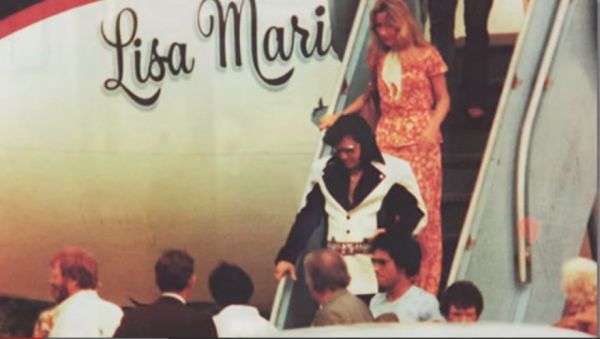
Elvis's Legendary Midnight Run to Denver for a Sandwich

by John Farrier

On the evening of February 1, 1976, Elvis Presley was entertaining friends at Graceland, his home in Memphis. They reminisced about a particular sandwich they had eaten at a particular restaurant in Denver, Colorado. They decided right then and there to go get some of those sandwiches. Elvis had his private jet prepared for an immediate flight.

The sandwich in question is the Fool's Gold Loaf. It's a loaf bread hollowed out and filled with 1 pound of bacon, 1 pound of jelly, and 1 pound of peanut butter. Elvis liked it a lot and was quite willing to go to enormous expense to have one immediately.

You can read the extraordinary story of Elvis's flight and the greatest party food run in history at Messy Nessy Chic. You can also find a recipe so that you can make your own Fool's Gold Loaf at home, which may be a bit cheaper. It "Serves one if you're Elvis. 8-10 if you're a regular person."

16 Sep 17:45

The Future of Food

by ellieBOA
16 Sep 17:31

They are "really good friends, but it's platonic."

by mippy
16 Sep 17:21

In the 1950s, people didn't want internet. They dreamed of "electronic home libraries."

by Phil Edwards

In 1959, one illustrator fantasized about how home entertainment might change, and his work presents an alternate vision of entertainment, when VCRs are fantastical objects and books' pages are cast upon the ceiling.

The library of the future, as imagined in 1959

Radabaugh via Flickr

The library of the future, as imagined in 1959.

One of several illustrations in Arthur Radebaugh's "Closer Than We Think!" series, this particular illustration predicts when people could record television shows (mission accomplished) and project pages of books onto their walls (also possible, but not as common). Radebaugh was a qualified technologist himself — as noted in a Newsweek piece about a retrospective of his work, Radebaugh was a pioneer of airbrush art and helped the Air Force use fluorescent paint for its instrument panels.

The electronic library was a bourgeoning fantasy in the late '50s and '60s, though people didn't know what form it would take. Most believed college libraries would lead the charge. In 1961, the New York Times covered a college library convention where many attendees said electronic libraries were the future of administration, and in 1967, legendary CBS CEO William Paley predicted that the electronic library was the future for large institutions.

Video recorders were a slightly less far-fetched idea in 1959, although they were still extremely expensive. In the 1950s, Ampex introduced the first videotape recorder, though it cost $50,000. By 1963, the price had been shaved by a full 30 percent ... making it $35,000. These high prices limited purchases to television networks, but they eventually came down.

All that said, views of the electronic home library have not always been so blindingly optimistic. For a bit of pessimism, there's no better source than this 1911 illustration by Harry Grant Dart. Titled "We'll All Be Happy Then," it depicts a future in which it's possible to instantly see video, get the news whenever you want, and even go to work from the comfort of your chair. And it all leaves you positively miserable:

Harry Grant Dart guessed exactly how 2015 would really feel.

Wikimedia Commons

Harry Grant Dart guessed exactly how 2015 would really feel.

16 Sep 17:06

Por qué nos gusta ver los episodios de los Simpson una y otra vez

by Jaime Rubio Hancock

Si cada vez que pillas Los Simpson en la tele te tragas el episodio hasta el final aunque lo hayas visto quince veces y te sepas los diálogos de memoria, no te sientas culpable: no estás desperdiciando el tiempo. Ver episodios repetidos de Los Simpson (o de Seinfeld, o de Castle, o de la serie que más rabia te dé) tiene efectos positivos: te relaja, te ayuda a reflexionar y renueva tus energías.

1. Un descanso

Lo mejor que podemos hacer cuando nos enfrentamos a tareas duras es volver a ver un episodio de Los Simpson (o de cualquier serie que nos guste), según Jaye Derrick, una investigadora del Instituto de Adicciones (en serio) de la Universidad de Buffalo.

Estas reposiciones nos ayudan a recobrar energía, fuerza de voluntad y autocontrol: “Tenemos una reserva limitada de estos valiosos recursos mentales -explica Derrick en Science Daily-. Cuando los usamos en una tarea, los vamos agotando y, por tanto, tenemos menos fuerza de voluntad y autocontrol para la siguiente”.

Estas reservas se recuperan con algo de tiempo (y alguna siesta), pero según el estudio de Derrick, las reposiciones de series y películas aceleran esta recuperación.

2. Nos reencontramos con viejos amigos

No vale cualquier contenido repetido: pueden ser libros, series o películas, pero tiene que ser ficción. Al ser reposiciones, no tenemos que esforzarnos en estar pendientes de la trama. Y además, mantenemos una relación con los personajes que nos ayuda a recuperar nuestra energía más rápidamente.

Hay que aclarar que usamos los mismos procesos psicológicos para entender la ficción y las situaciones reales. La ficción no es sólo un simulador de experiencias sociales, sino que es una experiencia social” en sí misma, como explica en The Guardian David Comer Kidd, coautor de un estudio que relaciona lectura y empatía.

De hecho, Derrick explica que todas las relaciones sociales nos pueden ayudar en este sentido, pero en algunas circunstancias la ficción puede ser aún más efectiva, ya que las interacciones sociales “también pueden provocar la sensación de rechazo, exclusión y ostracismo, que podrían disminuir la fuerza de voluntad”.

3. Reflexionamos

Volver a ver por séptima vez un episodio de Los Simpson nos ayuda con nuestra introspección, ya que “usamos el episodio o el libro viejo para analizar de forma subconsciente cómo han cambiado nuestras vidas”, explica Cristel Antonia Russell, una de las autoras de un estudio citado en Scientific American.

Según las experiencias que ha recopilado Russell en su trabajo, no se trata de experimentar el placer de la nostalgia, sino de utilizar estos contenidos y reflexiones “para mirar al futuro y hacer nuevos planes”.

4. Nos fijamos más

A esto se añade que apreciamos nuevos detalles. Los Simpson incluyen muchísimas referencias en cada capítulo. Por ejemplo, en Next Movie identifican las de cine sólo de las primeras cinco temporadas en un vídeo que dura casi 20 minutos, y The Atlantic recoge en este artículo unos cuantos guiños literarias.

En un primer visionado, estos detalles se nos pueden escapar al estar más pendientes de la trama y de las ocurrencias del guión. También puede ser que en ese momento no las captáramos simplemente porque todavía no las conocíamos. Y esto nos ayuda a disfrutar el episodio aunque ya lo conozcamos.

En definitiva, no te sientas culpable por ceder al placer de ver Los Simpson otra vez. Teniendo en cuenta todo esto, no tiene nada de extraño que Russell explique no en su estudio no registró aburrimiento por parte de los participantes.

Y no te preocupes por el futuro de las reposiciones en la época de internet y televisión a la carta. No sólo son un 61% del contenido de una cadena como la BBC, sino que además la plataforma de televisión a la carta Hulu se ha gastado al menos 125 millones de dólares para poder comprar la ya citada Seinfeld. De hecho, en Estados Unidos los chistes sobre episodios repetidos son con Seinfeld y no con los Simpson. Por ejemplo y según una encuesta, los estadounidenses creen que la cura del cáncer se encontrará antes de que dejen de echar episodios de Seinfeld.

15 Sep 23:03

Dobre récord de prezos na poxa de dous bois en Silleda

by Campo Galego

Se o pasado martes, 8 de setembro, a Central Agropecuaria de Galicia ABANCA acadara o seu récord absoluto en canto ao prezo pagado por un exemplar, cun boi de raza caldelá adxudicado por 5.259€, hoxe volveu a conseguilo por partida dobre.

Así, na subasta de vacún maior rexistráronse esta mañá dous novos récords históricos no prezo dun exemplar, cun boi de raza Rubia Galega que foi adquirido por  6.006€ e cun boi de raza Asturiana de los Valles que acadou os 5.616€. Ambos exemplares pertencían a unha explotación de San Sadurniño (A Coruña) adicada á cría de bois, e os dous foron adquiridos polo matadoiro Galcarnes (Monforte de Lemos).

La entrada Dobre récord de prezos na poxa de dous bois en Silleda aparece primero en Campo Galego.

15 Sep 23:02

The Opposite of Hoarding

by mama casserole
"Today, women's magazines routinely urge readers to purge; personal organizers offer to coach clients in their pursuit of minimalist perfection; earlier this year, Marie Kondo's book The Life-Changing Magic of Tidying Up, which promises to help people achieve "the unique magic of a tidy home," became a bestseller. But for some people, the cultural embrace of decluttering can provide cover for more problematic behavior."

From The Atlantic: The Opposite of Hoarding

Previously, a BBC documentary revealed the truth about what happens to Brits' charity-shop donations, and fashion blogger Grechen Reiter offered some unexpected advice to counter the well-meaning but often facile advice to purge: Don't throw that out! "When we just toss things aside that may not fit our lifestyle or evolving ethics, throwing them away, or blindly donating them, we devalue the work the (mostly) women put into creating those garments," Reiter writes. "It is the ultimate insult to buy something at H&M or Forever21 and wear it once, tossing it away as soon as it no longer suits us."
15 Sep 21:02

While discussing perceived status...

by noreply@blogger.com (MRTIM)

15 Sep 20:59

Apple “Looking at” Letting iPhone Users Delete Default Apps - "We want you to be happy."

by Charline Jao

Apple Unveils Updated iPad In San Francisco

“I’m so glad I have this handy-dandy Stocks app on my phone!” -No one, ever. For lots of iPhone users, some features (Compass, Newsstand, etc.) just take up unnecessary space. Tim Cook talked about those default apps in an interview with Buzzfeed, saying he gets it, but it’s not that easy.

This is a more complex issue than it first appears. There are some apps that are linked to something else on the iPhone. If they were to be removed they might cause issues elsewhere on the phone. There are other apps that aren’t like that. So over time, I think with the ones that aren’t like that, we’ll figure out a way [for you to remove them].

Cook does seem to sympathize, and while he offers a vague “we’re looking at it” comment, we can hope.

It’s not that we want to suck up your real estate; we’re not motivated to do that. We want you to be happy. So I recognize that some people want to do this, and it’s something we’re looking at.

(via The Verge)

—Please make note of The Mary Sue’s general comment policy.—

Do you follow The Mary Sue on Twitter, Facebook, Tumblr, Pinterest, & Google +?

15 Sep 18:35

“Someone Please Kill Me”

by A B

15 Sep 18:29

La leyenda de los cinco anillos pasa al catálogo de FFG

by Daniel Mayoralas

La leyenda de los cinco anillos pasa al catálogo de FFG

Final Fantasy Games ha llegado a un acuerdo para adquirir la propiedad intelectual de La leyenda de los cinco anillos, actualmente en manos de Alderac Entertaiment Group. El cambio efectivo se producirá en 2017 y el juego sufrirá cambios, siendo el principal el pasar de CCG a LCG. La leyenda de los cinco anillos ha […]

La entrada La leyenda de los cinco anillos pasa al catálogo de FFG aparece primero en LudoNoticias, todo sobre juegos de mesa y simulación.

15 Sep 18:26

LA SARDINA QUE LO CAMBIÓ TODO

by Jorge Guitián
Hace unos días Iago Castrillón abría su nuevo restaurante en Valencia. Más o menos por entonces Eva Pizarro hacía público su fichaje por Fierro, también en Valencia, el proyecto de Carito Lourenço y Germán Carrizo. Eva y Iago habían estado, a lo largo de un lustro, al frente de Acio, en Santiago de Compostela, y lo habían hecho pasar de un pequeño proyecto en una calle no especialmente prometedora a una de las referencias básicas de la cocina gallega actual. 

Y fue al poco de abrir su restaurante, en el verano de 2008, cuando ganaron en concurso local de tapas, que por entonces también nacía, con su Sardiña de San Xoán, una tapa que se convirtió en un emblema del restaurante y que ya no pudieron sacar de su carta. 


Por supuesto que antes de eso había habido en Galicia muchos platos de cocina de restaurante (de alta cocina, de cocina puesta al día o como queramos llamarle) alrededor de la sardina. Pepe Solla fue, sin duda, uno de los grandes defensores del uso de este producto y aun recuerdo un plato suyo, con sardinas y queso, que me encantó. Recuerdo también alguno de Bea Sotelo y Xoán Crujeiras o un arroz de xoubas de Xosé Cannas en Pepe Vieira. 

Y es cierto también que la relación entre la sardina y el humo no es algo nuevo en el imaginario gastronómico gallego. Lo que sí que lo fue, en su momento, fue la asociación de las dos cosas: algo tan popular, tan alejado a priori de la cocina de restaurante, como las sardiñadas callejeras de la noche de San Xoán y el uso de la sardina en cocina contemporánea. Un acierto servido, además, en formato tapa, lo que sin duda ayudó a su popularidad. 

Vuelvo sobre este plato, ahora que el restaurante ya no existe, porque casi ocho años después y sin haber hecho demasiado ruido, aquella Sardiña de San Xoán parece haberse convertido por derecho propio en uno de esos platos icónicos de la cocina gallega contemporánea, en uno de los que marcan un antes y un después sin pretenderlo. Y no lo hace sólo por el recuerdo que nos dejó a los que lo probamos sino, sobre todo, por su descendencia. 

No hablo aquí de derechos sobre nada, en los que no creo, además, si hablamos de este tipo de filiaciones en cocina, pero sí que me parece interesante dejar constancia del origen de una familia de recetas que hoy nos parecen comunes pero que, a menos que me equivoque, hace menos de una década no habían aparecido aun en la carta de los restaurantes gallegos. No con ese nombre, al menos (si alguien tiene una referencia estaré encantado de corregir y ampliar esta familia culinaria). 

A raíz de la inmensa popularidad de la sardina de Iago Castrillón encontramos al poco tiempo, en  2010, como  La Paella de Roberto presentaba en el concurso de tapas de A Coruña su versión de la Sardiña de San Xoán, bajo este mismo nombre. En 2012 el coruñés Alborada proponía su versión, asada con txangurro, migas de pan de broa y chorizo y al año siguiente era el lucense Mesón de Alberto el que proponía una Sardiña de San Xoán, 

En el festival Port América celebrado el pasado verano, el cocinero Héctor López, del restaurante España (Lugo) presentó una Sardina de San Juan en formato tapa. También este verano Bea Sotelo (de A Estación) preparaba en el programa de televisión Gastrópodos una sardiña de San Xoán en la que el ahumado lo aportaba un queso de San Simón de Acosta. Y el cocinero Fernando Agrasar tiene en su As Garzas una sardina de San Juan que se sirve sobre un caldo de sus espinas tostadas. 

Seis versiones diferentes, sin pretender se exhaustivo. Todas en los últimos 5 años, cuando antes de eso (insisto, que yo sepa) no se había preparado ninguna. Creo que podemos hablar de una nueva familia de recetas. Reviso blogs y veo que Mariano, en Mileurismo Gourmet, hizo la suya y que Rocío Garrido preparó su versión. Una familia que crece, que va más allá del restaurante y que pasa a formar parte del imaginario gastronómico colectivo.

Sardinas, humo, pan de broa... todos los gallegos tenemos esos sabores asociados en mayor o menor medida en nuestra memoria. No se trata de buscar el copyright de nada, ya que son sabores tradicionales con una historia que va mucho más allá de un plato concreto. Sí que se trata, sin embargo, de buscar el origen de una tendencia, de una familia de platos cuyo éxito está justificado por la popularidad de esa combinación de sabores y que, dentro de un par de décadas, serán ya algo tradicional, algo que lleva ahí toda la vida. Pues no: lo que lleva toda la vida en nuestra memoria es lo de tomar sardinas asadas al fuego la noche de San Xoán. Lo de hacer un aceite ahumado es algo que viene (esto también) de la factoría ElBulli y creo que, antes de este plato, Marcelo Tejedor jugaba ya en su carta con unas sardinas ahumadas al momento. Pero lo de encontrarlas reinterpretando ese concepto en restaurante es algo nuevo, algo que tiene un origen concreto y que sitúa por derecho propio al restaurante Acio en la historia de la cocina compostelana y gallego. 

Por cierto, Eva y Iago, os echamos de menos por aquí arriba. 
Contenido publicado originalmente en http://gourmetymerlin.blogspot.com. Si lo encuentras publicado sin acreditar autoría estás ante un sitio pirata
15 Sep 18:12

How Miss America winners’ body types have changed from 1921 to 2015

by Mark Frauenfelder

PsychGuides.com created the Miss America Morph, which shows how the winners' body mass index has declined over time, while the average American woman's body mass index has increased of the same period.

Read the rest
15 Sep 18:02

The Garbage Pail Kids Are Still Horrifying Parents 30 Years After Emerging from Trash Cans

by Julie Le Baron

so

Remember the Garbage Pail Kids? Yeah? That's probably because you're getting old. This year, the Cabbage Patch Kids-parody-turned-gross-out trading card series is celebrating three decades of delighting kids and horrifying adults.

The Topps collectionbrainchild of illustrators Art Spiegelman and Mark Newgardenrose to fame thanks to its cartoon depictions of children vomiting, being blown up, falling apart, and being subjected to more or less every other grotesque spectacle its artists could conjure up. It quickly became a massive success and was rolled out worldwide under local names like Snotlings (Italy) and Trashlings (Latin America). At the height of their popularity, the cards were actually banned from most schools in the States because teachers thought they were causing too much of a distraction.

To mark the anniversary, I emailed co-creator Mark Newgarden for a chat about why he first decided to start drawing kids being ravaged by spiders.

Mark Newgarden outside Topps, Brooklyn, 1986. Mark Newgarden 2015

VICE: You worked on Garbage Pail Kids from the start, right? How did the project come about?
Mark Newgarden: To some extent, Garbage Pail Kids grew out of a series called Wacky Packages that had been very successful for Topps in the late 1960s and 1970s. Wacky Packages were stickers, sold with bubble gum, that featured illustrated parodies of familiar consumer products. Crest Toothpaste became Crust Toothpaste, Pepsi Cola became Pupsi Cola, etc. I used to collect them as a kid and plaster them all over my mother's kitchen door.

In 1984 I got a job at Topps through my former teacher at the School of Visual Arts, Len Brown. He was working as the director of the Topps New Products Department and assigned me the task of developing material for a new Wacky Packages seriesthe first one in many years.

During the series' original run a lot of large companies sent "cease and desist" orders because of the parodies, so Topps was always looking for "fresh meat." The Cabbage Patch Kids dolls were taking off in American pop culture at the time, and they seemed like a solid target. I dubbed my parody Garbage Pail Kids and sketched it up. It seemed to work. The concept was subsequently moved up the production pipeline and became a sticker in the 1985 Wacky Packages series.

As our work on Wacky Packages progressed, the Cabbage Patch Kid dolls were rapidly becoming a pretty huge fad, and Topps was always interested in anything that was becoming a pretty huge fad

Original Mark Newgarden sketch for Wacky Packages, 1984. Mark Newgarden 2015

I read somewhere that they were trying to settle a license with the Cabbage Patch Kids people at some point. What happened to that?
From what I understand, the Cabbage Patch Kids people just weren't interested in bubble-gum cards, stickers, or Topps. I think they felt like it was too low-end a product category for their brand. You have to understand that those dolls were originally luxury items, more or less "hand crafted" and sold for fairly outrageous prices at exclusive stores they set up as "hospitals," complete with "medical staff." It was quite an elaborate marketing strategy.

Anyway, Arthur Shorin, the CEO of Topps, decided that if Topps couldn't get Cabbage Patch Kids then they'd do it their way. During one of Arthur's product meetings, the GPK Wacky Package paintingwhich was sitting in a folder on my deskwas requested for review. After the meeting, I got it back and Len Brown told me, "OK, this one's out. But now we have to figure out how to do 44 of these things!"

Related: Watch VICE's film about Mr. Cherry, Japan's Leading World Record Holder<span id="selection-marker-1" class="redactor-selection-marker"></span>

How did you pick the artists and writers that ended up making it?
We got lucky. There was a lot of great talent at Topps at the time. John Pound became the lead artist on the GPK and, in my opinion, the success of the product was largely due to the high quality of his work. With his background as both a cartoonist and a science fiction and fantasy artist, John had the perfect skill sets for the job.

We asked John and two other artists to try out some different concepts of what Garbage Pail Kids might look like. Of the three, John, who'd already painted the GPK Wacky Package, scored a perfect bull's-eye. He submitted a lot of great ideas right off the bat. I think that between John and I, we "wrote" about half of the first series.

Tomas Bunk started out illustrating the card backs and soon became our second lead painter. Tomas was an underground cartoonist from Germany who had connected with Art Spiegelman after arriving in New York. His dense, manic, cartoony approach was a great compliment to John's more iconic work. The third major Garbage Pail Kids artist was James Warhola, another illustrator with a background in fantasy artand, believe it or not, the nephew of Andy Warhol. His renderings had this spooky, moody vibe that fit in nicely with the rest.

Most of the visual gags were created by Art and I, as well as by the artists themselves. John Pound, especially, was a real idea machine. I wrote most of the backs, along with Jay Lynch and others. It was a group effort.

Tomas Bunk and Mark Newgarden, Brooklyn, 1987. Mark Newgarden 2015

I remember reading that you thought you were the only one who was actually excited about the series. How come?
I think, in general, there was a certain ennui and a jaded attitude about the work among the Topps "brain trust." I found it perplexing at first. Today, I understand it a bit better. Part of the reason I was hired, I guess, was that I was young and eager, and maybe a little naive. I actually found doing this kind of thing fun. It wasn't a burden. It wasn't boring. I didn't have decades of history there and I wasn't entrenched in formulas. I liked it. So they took advantage of that and I was given leeway. I was 23 when I started and probably the youngest person in the whole building. Ben Solomon, the original head of the Topps production department, was still there at the time and was probably my elder by a half-century.

Anyway, once the series became a certified hit, everybody there, no matter how tangentially connected, wanted to put their name on it.

Did you expect it to be so popular with kids and annoy so many adults?
Garbage Pail Kids is exactly what children like. I wasn't entirely surprised by the controversy, either. I honestly don't know if Garbage Pail Kids would have ever got off the ground had it been made today. The PC police would probably shut it down pretty quickly.

Mark Newgarden Inside Topps, Brooklyn, 1987. Mark Newgarden 2015

I read that your parents were proud of your involvement in the project, and happy that you'd "found a slot somewhere to express the more perverse aspects of personality." What were you like as a kid?
I was the oldest of six kids. I read a lot, drew a lot, and entertained my younger siblings with disturbing stories and gross pictures. I guess it was the perfect background for the job.

Were there cards that never made it into the series because they took things a bit too far? Where did you draw the line?
We always had an extra painting or two up our sleeves for the final "elimination round" of each series. So if Arthur Shorin objected to an image we would have a slightly less edgy back-up ready to go. We would then resubmit the rejected images next time around, again and again, and eventually wear poor Arthur down. But yeah, there were still a few gags that never saw the light of day. A pickled baby floating in a jar, a kid in a wheelchair jumping off a diving board, a post-nuclear holocaust GPK wall shadow are a few of the ones I can remember. In total, we produced 16 seriesabout 660 imagesand more or less every finished painting was eventually included.

Did you get a lot of hate mail from outraged parents or teachers?
Topps tried hard to shield the creative team from direct contact with the public. We never received any credit for our work on the series. Occasionally a secretary would pass along a particular piece of mail if they thought I might get a kick out of it, but I never saw any death threats. We did see plenty of public hatred for GPK on TV newscasts and in print. Most of it was absurd and amusing, and of course it fueled sales. It was the perfect storm for Topps.

Mark Newgarden in Los Angeles, 1987. Mark Newgarden 2015

A live-action GPK movie was released in 1987. In 2005, you said you were yet to see a worse movie. Did you ever manage to find one?
No. I have no explanation as to why any movie could end up being quite so awful.

Do you think there's still room for children's satire today? Could you give me a few examples of some recent kid stuff that really made you laugh?
I like to think that there's still room for funny stuff for kids, and still I work hard at it. But I have to admit that I see less and less interesting, creative, and genuinely funny work being produced in any medium. The climate is wrong and the odds just seem to be stacked against it. There seems to be no more privately-owned businesses like Topps that peddle humor directly to kids without parents, teachers, librarians, or multi-tiered corporations running interference. I think humorespecially satiregenerally makes gatekeeper-type adults very, very nervous.

Follow Julie Lebaron on Twitter.

15 Sep 17:16

¿Es tu casa un museo de lo inútil?

by Enrique Alpañés

Uno de los efectos perniciosos del capitalismo se esconde en tu casa. Apilado entre libros que no has leído, descansando entre jerséis que ya no usas y camisas que han pasado de moda. Mucho se ha escrito sobre la obsolescencia programada, sobre la contaminación de las fábricas y la explotación de trabajadores, pero nuestro modelo económico tiene otros efectos colaterales, más frívolos quizá, pero que nos afectan de forma directa diariamente. Consumimos por encima de nuestras posibilidades, si no económicas, sí de almacenaje.

Hemos convertido nuestras casas en museos de lo inútil, en depósitos de lo obsoleto. Nos rodeamos de cosas en una fijación conservacionista llevada al paroxismo. La consecuencia principal no solo es estética, sino mental. Ahogamos nuestra personalidad en un mar de objetos que no dicen nada sobre nosotros. Diluimos nuestras metas en el desorden de una casa que nos han arrebatado nuestras pertenencias. Marie Kondo quiere poner fin a esta situación.

Cuando era pequeña, Kondo estaba obsesionada con el orden. Su principal empeño era deshacerse de lo prescindible, tirar todo lo sobrante hasta convertir su casa en el máximo exponente del minimalismo posesivo. Después de arreglar su cuarto, la pequeña Kondo se colaba en el de sus hermanos, bolsa en mano, dispuesta a deshacerse de todo aquello que no necesitaran. La cosa llegó a tal extremo que sus padres le prohibieron que limpiara algún cuarto que no fuera el suyo.

«Kondo entiende el orden como un monólogo espiritual en el que debemos decidir quiénes somos en función de lo que poseemos»

Recién rebasada la treintena, Marie Kondo es una estrella internacional del orden con una lista de espera para recibir sus clases que de tanto estirarse ha optado por cancelar. Esta japonesa de modales exquisitos está formando a otras personas para que propaguen su filosofía, en una suerte de evangelización del orden que está rebasando fronteras. Su particular creencia tiene un libro angular que responde al elocuente nombre de The Life Changing Magic of Tidying. Su premisa es sencilla: puedes poner fin al desorden en tu casa. Y en tu vida.

Kondo entiende el orden como una conversación interna, un monólogo espiritual en el que debemos decidir quiénes somos en función de lo que poseemos. Así podemos descubrirnos, deshaciendonos de lo superfluo y reduciendo nuestras posesiones a aquello que realmente nos define, a aquello que nos hace ser felices. Su método gira en torno a una pregunta: ¿esta cosa irradia felicidad? Esto es lo que deberíamos preguntarnos al decidir sobre el futuro de un objeto, sobre si lo vamos a tirar o a conservar. El fin último es que todo a nuestro alrededor nos genere alegría, convertir nuestra casa en el lugar más feliz del mundo.

Para Kondo las cosas son como las personas. «No todos los individuos que conozcas a lo largo de la vida se convertirán en amantes o en amigos», predica en su libro. «Lo mismo pasa con los objetos, hay algunos que nos convienen en un determinado momento, pero cuando hayan cumplido su ciclo debemos dejarlos ir». Si los objetos son como personas, un día de limpieza es como un día de fiesta, al menos eso promete The life Changing Magic of Tidying. Una fiesta en la que ejercerás más de portero de discoteca que de anfitrión, pues tu misión consistirá en decidir qué objetos deben abandonar el local para siempre. «La limpieza debe ser algo divertido», asegura Kondo, que reniega de delantales o ropa vieja para limpiar. «Suelo ir con una falda y una chaqueta. Es un evento festivo, hay que vestir acorde», dice.

«Un día de limpieza es como un día de fiesta, hay que vestir según la situación»

Para hacer que un día de limpieza se convierta en un desfase épico no hacen falta un poco de azúcar y esa píldora, sino concentración y dedicación completa. Y seguir una serie de reglas. Nada de música, mucho menos televisión. Nada de sacar un minuto, hay que dedicarle un día entero. No podemos dejar que nuestra familia nos vea deshacernos de nuestras cosas. Y sobre todo, no podemos decidir dónde colocaremos cada elemento hasta que no nos deshagamos de todo lo prescindible.

La autora ejemplifica sus teorías con vivencias que ha tenido con clientas —siempre mujeres— y empleando conscientemente el género femenino en muchos de sus pasajes, en una suerte de machismo soterrado que nunca llega a hacerse explícito. Pero su método puede —y debe— ser empleado por hombres.

«Nadie nos ha enseñado a ordenar. Las recetas de cocina se transmiten de generación en generación, los trucos para ordenar no»

El orden es un rasgo distintivo de la cultura japonesa y hay detalles en su tradición que dan buena cuenta de ello. En su libro, la autora dedica un capítulo entero a adoctrinar al lector sobre cómo doblar la ropa. «El momento del almacenaje», asegura, «es cuando la ropa descansa después de un día ajetreado, así que debería estar relajada». La estrella del orden defiende que hay un punto exacto de doblado, aquel en el que las cosas encajan perfectamente y se adaptan al cajón o estante donde deben guardarse, una teoría que engarza con una tradición japonesa que se remonta al periodo Heian (794-1192).  Las ropas tradicionales japonesas, el kimono y la yukata, se doblan desde entonces en rectángulos para acoplarse a cajones específicamente diseñados para ellos. «No creo que haya otra cultura en el mundo en la que contenedor y contenido fueran diseñados para encajar de forma tan perfecta», asegura Kondo.

A pesar de dar consejos para mejorar tu vida a través de la limpieza, The life Changing Magic of Tidying no es un libro de autoayuda. Es quizá un tratado sobre un tema del que se ha hablado muy poco. Un estudio sobre un campo que no se ha estudiado, quizá por considerarse banal. «El principal problema», defiende Kondo en su libro, «es que nadie nos ha enseñado a limpiar. Las recetas de cocina se transmiten de madres a hijas, pero los trucos de limpieza no», lamenta. Después de leer el libro angular de esta particular japonesa uno no puede sino darle la razón. Y quizá reflexionar sobre nuestras pertenencias. Puede que tengamos más cosas de las que necesitamos. Y puede que una conversación profunda con nuestros calcetines sea la solución.


Este post ¿Es tu casa un museo de lo inútil?, escrito por Enrique Alpañés, se publicó originalmente en Yorokobu.

15 Sep 13:58

Ahora ya no existe Dios pero existen el consumo y el selfie y la forma de vivir para estar todo el...

Ahora ya no existe Dios pero existen el consumo y el selfie y la forma de vivir para estar todo el tiempo demostrando ante un observador exterior que se es un buen y devoto ciudadano que actua de la forma correcta no ha desaparecido en absoluto sino que incluso se ha reforzado.
Por eso el catolicismo como tal es una cosa ya muerta que es muy fàcil criticar en superficie y me molesta la superioridad intelectual de ponerse en contra cuando en realidad su papel social, que al fin y al cabo es su base, no ha muerto todavia y pervive màs fuerte que nunca en otra cosa. Y eso es lo que hay que criticar y ridiculizar, el catolicismo està super demodé ya.
Hay que ir con los tiempos!

15 Sep 13:49

Sha Na Na feud with the Ramones


Do you remember Rock ‘n’ Roll radio? Do you remember shitty ‘70s variety show TV?

Do you remember when goofball nostalgia act Sha Na Na invited the Ramones to a “Greaser’...

15 Sep 13:37

Estrenamos el primer capítulo de la nueva temporada de ‘Reflexiones de Repronto’

by Víctor Parkas

"Antesde la aparicin de YouTubeo las redes sociales, la diversin de Internet consista en saltarde pgina en pgina, pulsar en los links que me llevaban a laderiva de temas, empezar buscando "filmografaDavid Lynch"y acabar en un blog con fotos de monos fumando. El placer consistaen el viaje, en los continuos saltos de contenido y tono, aunquemuchas veces el juego te conduca a sitios de escaso inters.Reflexiones de Repronto es como ese viaje donde todos los links son apasionantes. Todo estconectado y todo es interesante en este navegador perfecto paraentender el siglo XXI." (BorjaCobeaga, director de pelculas como Pagafantaso Negociador).

VICE:Cmo un ingeniero industrial termina haciendo algo comoReflexionesde Repronto,un producto que tiene ms que ver con el anlisis cultural?

RalMinchinela:Lo que me fascina de las ciencias es que piden un detallismo que yono puedo tener. Requieren mucha paciencia y exactitud, no son mimbito. Yo estudi en la Universidad de Zaragoza y, cuando ya habapasado la primera gran barrera que eran los dos primeros aos decarrera, empec a hacer cosas, sin ms. Encerrarme nicamente enlo que me propona la facultad no me satisfaca. Me presentaba alos exmenes y los aprobaba, tengo mi ttulo, pero yo necesitabavidilla. Con lo que no s si soy el ingeniero o soy el to quehaca otras cosas -webzines,proyecciones- en la facultad de ingeniera.

Cundonace Reflexionesde Repronto?

Puesal mismo tiempo que aflora YouTubey tenemos conciencia de tener una biblioteca a nuestra disposicin.Nos preguntamos qu hacer conYouTube,que no qu hacer enYouTube...La diferencia es abismal. Vimos que podamos montar discursosutilizando exclusivamente vdeos. De eso hace ya ocho aos, que escuando estrenamos la primera temporada.

Nacecon YouTube,pero Reflexionesde Reprontoest colgado en otro portal diferente. Por qu no colgarlo en lapropia pgina de la que se nutre el programa?

Tieneque ver con tener el control sobre lo que haces. A m toda lamecnica que se ha generado en YouTubede terminar todos los vdeos dicindole a la gente lo que debehacer (suscribirse al canal, aadir el vdeo a favoritos, etc.).Bastante tengo con soltar un sermn de diez minutos. Y luego estel hecho de que Reflexionesde Reprontono va dirigido al cliente accidental: no paras a alguien por la calley se lo pones, como s puedes hacer con un vdeo de gatitos o unode bofetadas. El problema tambin es que YouTubees un elemento promocional que la gente no ve como promocional; no loven como una mquina de hacer dinero, en la que van a poner unanuncio de helados en tu vdeo de vacaciones. Estoy descolocadsimocon la omnipresencia de publicidad en Internet: es el negativo de laInternet de los noventa y los dosmiles. Yo pongo mis vdeos en unreproductor sin anuncios, dentro de una web sin anuncios, y esperoque haya alguien a quien le parezca buena idea. Pero es algo que creoque tengo que hacer.

Hayalguna razn ms?

Lareproduccin automtica. Por ejemplo, esto es algo que me parecimuy feo: despus de un vdeo de Salvador Raya te saltaba otro en elque alguien pagado por el propio YouTube, alguien de sucamada, llamaba subnormal a Salvador Raya. Y eso te saleinmediatamente despus de lo que has elegido t. No me pareceformal.

Dehecho, se puede decir que eres el anti-youtuber:tus vdeos son en plano secuencia, sin cortes ni edicin alguna;las imgenes no estn insertadas, sino en el propio set de rodaje.Por qu elegiste esta esttica para Reflexionesde Repronto?

Bueno,yo la verdad que no me veo haciendo el reto de la cuchara con canela,porque no busco ese tipo de atencin. Sobre la esttica, es la queresultaba ms fcil de conseguir cuando empezamos: tenamos eseespacio, tenamos la cmara, el lugar permita tener un sonidobueno. T montas la ficcin con los ingredientes que tienes. Losyoutubersno tienen las mismas reticencias que nosotros a utilizar ciertasherramientas porque s. Somos parcos adrede, porque el discurso estpor encima de todo lo dems; toda la pieza se supedita a eseobjetivo. Cada captulo de Reflexionesde Reprontoes una frase. Y lo que hace potente esa frase es que tardas diezminutos en explicarla.

Reflexionesde Reprontotiene un aire postapocalptico: parece que toda la raza humana sehaya extinguido y t disecciones sus manifestaciones culturalesdesde un bunker.

Tenen cuenta que lo que hace la serie es materializar el ideal delespectador. El ideal del espectador es: "Porel hecho de tener una tele, yo entiendo el mundo".Hemos sacrificado el exterior para hacerla: Repronto monta unlaboratorio y para hacer sus estudios slo requiere audiovisuales,as que es normal que est en un bunker. Lo que quiere mostrar esque l entiende el mundo a travs de una pantalla, y no hay nadaexterior que le manche directamente. Es una manera de encontrar unlugar comn entre l y el pblico, creando un discurso a travsde un zappingque una persona normal podra haber hecho durante un da extrao.

Esverdad que tu serie le debe mucho al libro LaRebelin de las masasdel filsofo Ortega y Gasset?

Heempezado el periplo de leerme las obras completas de Ortega y Gasset.Me he ledo hasta su tesis doctoral, la que hizo siendo estudiante.Ortega te poda sacar una cita de Voltaire que puede ilustrarte muybien a fecha de hoy. Pero Repronto slo es Ortega en el fondo: en laforma es Ramn Gmez de la Serna, que fue uno de los grandesconferenciantes de los aos veinte, y el primero en hablar de formamoderna. T escuchas a toda la gente de los aos veinte, de Francoa Unamuno, y todos hablan con la misma cadencia; con esos tramosinfinitos de palabras. De la Serna hablaba moderno porque hablaba,segn deca l mismo, como los vendedores del rastro madrileo.

Ortegacitaba a Voltaire y t a Alaska y Mario, porejemplo.

Esque si algo es esencial lo has de tener a tu lado por fuerza. Esa esla diferencia entre esencial y particular. Ortega, por ejemplo,sealaba con el dedo a las personas que se iban a la India buscandolo esencial, cuando en realidad buscaban lo particular. Si algo esrealmente esencial, lo puedes sacar de Alaska y Mario. Eso eslo puetero: lo que hace que esa pieza sea tan potente es que t noesperabas encontrar algo esencial en ella, y ah est. Has decrear, eso s, una distancia con la obra para separarte de ella. Esentonces cuando deja de ser un elemento en s mismo y se convierteen una herramienta para otra cosa; para hablar de otra cosa.

Peroves Alaska y Mario esperando encontrar eso?

Veola televisin como la ve el resto del mundo: para relajarte del daa da. Es una pausa de ficcin, donde los problemas no los tienest, sino que los tienen otras personas. Delegas tus problemas, dealgn modo. El problema es que la televisin est hecha para noescuchar, y sta es la mayor diferencia entre ReflexionesRepronto y el resto de programas. La televisin est hecha parano atender, pero, si prestas atencin a un programa como Mujeresy Hombres y Viceversa, hay ciertos tramos que pueden encajar concosas que tienes en la cabeza y eso te permite crear conexiones. Yohay tramos de Mujeres y Hombres y Viceversa que he lamentadono haber podido grabar para meterlos en uno de mis vdeos. Llego aprogramas como esos porque son testimonio de nuestra poca: muestranlas convicciones sobre las que cabalgamos. Ortega, de nuevo,distingua entre ideas y creencias: las creencias son cosas a lasque no ves las aristas, mientras que las ideas son elementos quepuedes modular. Los chicos de Mujeres y Hombres y Viceversamuestran sus ideas como creencias; nosotros las cogemos y lasexploramos como ideas. se es el punto en el que puedes empezar ajugar.

Todosesos programas estn considerados como baja cultura, pero t losmezclas en tus vdeos con otros de la cultura cannica. No crees,sin embargo, que la lnea es cada vez ms difusa? La misma personapuede seguir con la misma pasin Quinquiere casarse con mi hijoque una pelcula de Wim Wenders. La pulsin es la misma.

Yocuando voy al supermercado tiene ms peso Quinquiere casarse con mi hijoque Wim Wenders. No tiene ningn sentido sacar a colacin ElCielo sobre Berlnen la panadera. Puedes utilizar las dos cosas para explicar lomismo, pero es ms sensato hacerlo con Mujeresy Hombres y Viceversa.Y si en algn punto las puedes mezclar, es porque una complementa ala otra para exponer algo. Lo que quiero decir es que yo disfrutoleyendo a Foucault, pero no quedo con gente para leerlo.

Eneste arranque de temporada que empieza hoy hablar de BarrioSsamo.Qu otros temas te veremos tratar en esta nueva temporada deReflexionesde Repronto?

Enesta sexta temporada tenemos uno que gira sobre la figura deEsperanza Aguirre y el visionado irnico de las cosas; de cmo estevisionado irnico hace que se enquiste un personaje. Me centro en supoca como ministra de cultura y con cmo se proyectaba en elprograma CaigaQuien Caiga.Pongo en paralelo el proceso que experiment Aguirre en los noventay el de Carmen Lomana en los dosmiles. Lo que ocurre es que, cuandograb el episodio, Aguirre haba abandonado la poltica y Lomanano tena nada que ver con Podemos, y de pronto este ao se hatorcido todo.

Noha perdido vigencia el vdeo, entonces?

Loque sucede es que nosotros grabamos todo el ao de una sola vez, endos das. Desde el momento en que escribes un captulo hasta queste se emite puede pasar un ao y medio, sin exagerar. Hay piezasque cuando se emitieron ya haban cambiado las reglas del juego,pero el tronco siempre serva; segua fino un ao y medio despus.Y cuando se acerca la fecha de emisin sonres mucho, porque vesque eso an est por decir.

Enese sentido, recuerdo que, mucho antes de que estallase el 15-M, enuno de tus captulos llegabas a la tesis de que el pacifismo notiene utilidad. Viendo lo mucho que ayud a la no criminalizacinde los indignados la resistencia pacfica, mantienes an esapostura?

Esque para m la resistencia pacfica es combativa. Yo hablaba delpacifismo entendido como ese ideal en el que puede haber cambios contodas las partes de acuerdo en el proceso; que puede haber cambiossin tensin. Eso no es verdad: sin tensin no hay cambio. Elaborto se arregla hablando? No: el aborto se arregla poniendo unaclnica. Y al que no le guste, que se lo coma. A m me gustarapensar que las cosas, si se exponen correctamente, convencen, pero eslo que decamos hace un momento las creencias y las ideas: haymomentos en los que una conviccin sublima la propia realidad.

Tegusta que se creen este tipo de debates con Reflexiones deRepronto?

Yoconsidero que el hecho de que venga un seor y te tumbe un ensayo esenriquecedor, claro. Pero para que alguien te refute una idea has dehaberte molestado en exponerla. El punto clave de todo esto es elriesgo, no jugar a ir de mstico. Si vas a lo concreto, has de ponerla mano en el cajn, que venga otro detrs, te lo cierre, y te hagadao. Pero has de defender algo; saber para qu ests cogiendo elmicrfono.
15 Sep 04:24

Test Your Sense of Pitch

by Confess, Fletch
15 Sep 02:50

13 Women Describe What Their Boyfriend’s Penis Tastes Like

by Mélanie Berliet
damerogue
Twenty20, damerogue

1. Sausages

“It seems too good to be true, but there’s definitely a hint of crispy grilled sausage to my boyfriend’s penis. I’ve always been a whore for delicious breakfast foods, so I plant my face in his crotch every chance I get. He thinks I’m a goddess of a girlfriend, obviously.”

— Jessica, 23

beetlejuice

2. Medicine and rain

“During the first three months of dating, whenever I went down on my boyfriend I would get a flashback to the summer when I was thirteen and I got really sick and had to take this weird medicine because he tasted like a slightly watered down version of it. If I hadn’t figured out that it was the soap he was using and replaced it immediately, we probably wouldn’t be together anymore. Now he tastes like rain and it’s amazing.”

— Maddie, 20

beetlejuice

3. Gerbils

“Every time I lick my boyfriend’s balls, I think of the three gerbils I owned as a kid until they escaped one night. My man tastes just like my pets’ cage smelled and you might think that would turn me off but it totally doesn’t. I must be in love, right?”

— Sandra, 21

beetlejuice

4. A juicy plum

“My boyfriend doesn’t eat fruit, but his penis tastes distinctly like a ripened plum. When he comes, it’s like I’m swallowing a sample shot of a protein shake with just a bit of fruit flavoring. I’ve tongued a lot of cocks in my day, so I know firsthand that it could be a lot worse. I should really hold onto this one, huh.”

— Emma, 23

beetlejuice

5. Armpits

“I once licked my best friend’s armpit on a dare in middle school and that’s what my current boyfriend’s penis tastes like. As you can imagine, I’m not the biggest fan of giving him head. Not sure how long our relationship will last if I don’t find a way to stop myself from dry heaving after every time I mouth his dick. Maybe there’s some kind of genital deodorant out there…”

— Kayley, 21

beetlejuice

6. The gym

“I’m in a relationship with a star athlete at school and his balls are always a little sweaty, even right after he showers. If I sniff my hand after I’ve been rubbing his junk, it smells exactly like it tastes: part gym and part locker room with a dash of damp, sweaty towel. Hot.”

— Natasha, 20

beetlejuice

7. Grass clippings

You know that smell that lingers in the air on a hot summer day after the lawn gets moved? That’s what penis tastes like to me. I’ve only had one serious boyfriend so my experience is limited, but I can honestly say I like sucking dick as much as I like a tall glass of lemonade, or a strawberry popsicle.

— Cate, 25

beetlejuice

8. Feet

“My boyfriend is a clean person. He actually showers twice a day, which is more than I can say for myself. But his package tastes like dirty feet. Still deciding how to tackle this one. For the first time in my life, I understand why people ghost.”

— Mary, 34

beetlejuice

9. A barn

“I live in a major West Coast city but I grew up on a farm and my boyfriend’s penis tastes exactly like a barn. It’s kind of nice because oral reminds me so much of home. There’s no place like penis, I guess you could say!”

— Pamela, 28

beetlejuice

10. My favorite spicy chicken salad

“I’m obsessed with this spicy Thai chicken salad they make at the deli down the street and sometimes I have to wonder if I fell for my boyfriend purely because his penis tastes exactly like it. I mean, yum. The only downside is that I have to remind myself not to bite while I’m down there.”

— Tatiana, 26

beetlejuice

11. Cologne

“I have this theory that my boyfriend spritzes his junk with cologne before we meet up because his penis tastes faintly of Polo Sport. A kind gesture, if you think about it, but I’d much rather deal with a non-perfumed cock. Once we hit the six month mark I’m going to have to say something ’cause this shit can’t go on.”

— Leandra, 27

beetlejuice

12. My grandparents’ attic

“There’s a very specific musty smell to my boyfriend’s groin area that evokes my grandparents’ attic without fail. I told him this the other day and we both decided never to talk about it again. I can either get past it, or break up with him. Torn.”

— Fabian, 24

beetlejuice

13. My elbow crease

“Sometimes I take a whiff of my elbow crease on the sly midday because it smells exactly like my boyfriend tastes. Weird, but true. If I’m quick enough and no one’s looking, I’ll lick myself there too.”

— Rory, 25 TC mark