The latest project from the Serial team is a brilliant, complex, and incredibly invasive deep dive into one man's life.
S-Town, a stunning new podcast hosted by This American Life producer Brian Reed and produced by the creative team behind Serial, is brilliant, complicated, frequently troubling, and often painfully beautiful.
I’m not convinced it should have been made.
The first few episodes of the seven-episode series comprise a baffling, rapidly expanding set of mini-stories, involving one narrative twist after another about murder, mental health, impending societal collapse, and clocks. But they almost serve as misdirection away from a larger, more central thread. Indeed, it’s not untilepisode four of seven that S-Town’s theme finally articulates itself. At that point, a rare clock restorer describes his friend, a fellow rare clock restorer, as having “made an insurmountable challenge out of living.”
The friend he’s talking about is John B., a dizzyingly eccentric, real-lifeSouthern Gothic hero whose turbulent unrest fuels the series and constantly wars with his drive to create change and beauty in his rural Alabama community.
But it’s important to be clear that, despite its Serial roots and an investigative premise that initially seems like a journalistic jaunt into an unresolved murder, S-Town is not a true crime podcast.
On a broader scale, S-Townis about the insurmountable challenge of living that any of us might seem to face at one point or another. It’s this harsh truth that underscores the podcast’s many difficult, brutal, and inevitably controversial topics. These topics come to include isolation and sexual repression, which are shadowed by the looming and overarching threat of societal collapse due to socioeconomic upheaval and climate change. Yet in spite of their complexity and range, S-Town’s coverage of these topics ultimately amounts to a deep dive into one man’s mental health — a journey I don’t believe he ever explicitly invited us to take.
The most eccentric resident in S-Town, a.k.a. Shittown, is also our central character
John B. — the full story of the “B” isn’t revealed until the podcast’s final moments — lives in Woodstock, a small town near Tuscaloosa, Alabama, which he scathingly dubs “Shittown” to anyone who’ll listen. Throughout the narrative, John’s festering rage and the disquieting apathy of the town’s residents seem to feed off one another. But John is much more than just an avatar for rural disenfranchisement.
Reed describes him as a “local Boo Radley,” but he owes far more to Jim Williams — the last semi-closeted real-lifeantiquarian living on legacy antebellum property to inspire his own Southern Gothic tell-all.
John is all of the following: a queer liberal conspiracist who socializes with neighborhood racists; a manic depressive consumed by predictions of cataclysmic global catastrophe; an off-the-grid hoarder of gold who takes in stray dogs;a genius with a photographic memory who’s spent his whole life caring for his mother while designing a massive and elaborate hedge maze in his backyard; and one of the most skilled antique clock restorers in the world.
All that, and he may be sitting on a fortune in buried treasure.
It takes S-Town a while to discover all these facets, and more, of John’s life. When he first emails Reed out of the blue in 2014, he seems like a quirky but typical small-town eccentric, a random This American Life fan who wants Reed and the show to come to Alabama to help him solve a local mystery.
John believes “we have a genu-wine murder” in the pastoral county where he and his family have lived for generations. Firm in his belief that systemic local corruption has allowed the son of a rich family to escape punishment for beating someone to death, John eventually convinces Reed — after a year of occasional back-and-forth emails — to travel to the area to investigate.
Like John himself, “Shittown” starts out seeming weird but conventional, hiding a mystery that doubles easily as a vivid Southern Gothic, or, as John puts it, a portrait of regional “decay and decrepitude.” And John is its disgruntled, perpetually turgid center.
Initially, Reed’s attempts to find the truth are a bit half-hearted and mostly unsuccessful. Shittown is a tiny rural community full of complex characters and disconcerting social systems. Reed visits a tattoo parlor where white men maintain a “secret” exit to avoid having to talk to black customers. He observes an unlikely, latent homoerotic bond between John and one of John’s struggling, working-class neighbors. In episode two, flustered by the sheer number of locals who want him to casually confront a possible murderer, Reed sputters, “This town!”
Like many aspects of S-Town, however, the initial mystery turns out to be merely an entry pointfor something much stranger, sadder, and more bizarre. “This town,” like John himself, is both unique and universal. And as Reed soon realizes, to John, the whole world is Shittown — and he’s trapped in it.
The tension between the individual and the collective is S-Town’s greatest strength
Over the course of S-Town’s seven episodes, Reed attempts to simultaneously comprehend the micro and the macro as they impact John’s life, positioning overwhelming global problems alongside relatively tiny human calamities — the fallout of a missing will, failed romantic opportunities, barely articulable fantasies, untreated mental health.
In the wake of the 2016 presidential election, the media has been awash in attempts to empathize with the downtrodden white working class of regions like John’s, and S-Town initially proceeds as though it will ask us for a similar level of progressive empathy for the heartland. But almost immediately, S-Town takes darker, unexpected narrative turns, and never really stops turning inward upon itself, or John’s life.
Yet the series also turns unfailingly outward, asking us again and again to connect the dots of John’s life to the long-term, looming impact of global issues like climate change, and to see his isolation partly as a product of human existential crisis in the face of uncaring societal apathy.
“The amount of outrage versus the amount of shitty things in the world is totally out of whack,” John tells Reed at one point. His perennial, deep frustration with the state of the universe is palpable; it also increasingly drives his friends away and serves to further isolate him.
S-Town gives us a glimpse of Southern life through the eyes of a man torn between his loyalty to his home, his desire for change, and his bitterness over not having gotten the hell out decades earlier. This all feels a bit trite and cliché — after all, isn’t that the story of all current or would-be Southern expatriates? — until suddenly it isn’t, and John’s preoccupation with impending global disaster abruptly triggers a personal collapse.
It’s here that S-Towntakes yet another interior turn, as if the real mystery is John himself. It’s also here that S-Town becomes both incredibly invasive — and incredibly rewarding despite that invasiveness.
S-Town embarks down a risky, invasive path
The other breakout podcast of early 2017, Missing Richard Simmons, provoked considerable controversy over its creator’s choice to essentially hound friends of the fitness guru for details about his life, ostensibly out of concern that Simmons hasn’t appeared in public since 2014. Since Richard Simmons seems to be totally fine, and has stated repeatedly that he’s just taking a break from society for a while, listeners questioned whether Missing Richard Simmons served any real need. Some suggested it actually caused harm, by invading its subject’s privacy for the sake of others’ entertainment.
Likewise, S-Town prompts us to ask serious questions about the ethics of Reed’s narrative experiment. But to talk about the deeper aspects of S-Town, we have to reveal a major spoiler for the series.
So: Major spoilers for S-Town follow.
At the end of S-Town’s second episode, Reed has already determined that the murder mystery John summons him to investigate never happened. But he seems in no hurry to stop talking to John.
Then a friend of John phones to let him know: John is dead from a suicide.
At this point, Reed’s investigation becomes immediately and completely about exploring John’s life and the events that led to his death. Over the course of S-Town, Reed plumbs the threads he thinks will lead to an explanation for what happened;he examines everything from the way clocks are gilded and the history of sundials to the incorporation of John’s small town in the ‘90s and the fallout of many of his closest personal relationships.
The layers he uncovers are simultaneously broad-ranging, extremely personal, and complex. If you believe, as Reed does, that understanding John’s life and death is a worthwhile pursuit, then S-Town, in its intimacy, detail, and ability to use one life to highlight larger social issues and universal truths, is one of the finest podcasts ever produced.
But that is a huge “if.”
At first, Reed focuses on the fallout among John’s friends and family over John’s lack of will and the possibility that John left behind a serious amount of gold. But that path leads to a dead-end, and increasingly S-Town becomes an extremely close read of John himself.
We learn intimate details about his sexuality, his faltering and failed relationships with other people (often younger straight men he seeks to aid financially in exchange for an emotional bond), his intricate professional work on clocks, and even the quality of care he provides to his mother, who has dementia.
We’re also treated to an appalling scene in which John’s cousin envisions dismembering part of his corpse in order to access a set of gold rings he was wearing when he was buried. This commodification is echoed in the packaging of the land John owns, which is sold at auction to someone who calls John “selfish” for the choice of suicide that he made. S-Town mainly covers these events to remind us of the treasure hunt for John’s buried gold — but the narrative isn’t seriously interested in determining whether it exits. The real purpose of these tangents is to shock us, entertain us, and maybe get us to question the artifices inherent in public mourning.
And that’s pretty exploitative considering that S-Town is on one level a spectacle of public mourning itself.
S-Town deliberately proceeds without its subject’s ultimate consent — particularly regarding his queer identity
S-Town’s speculation regarding John’s psyche is painful and personal, and often disconcerting in its intimacy. Episode six is largely devoted to ruminating on John’s relationship with another aging queer man with whom he shared a sublimated homoerotic friendship. Using Brokeback Mountain, which John called “the grief manual,” as a parallel for their aborted friendship and lost potential love, S-Town dips into the well of collective universal longing for human companionship to fuel its conclusions about John’s life and the factors that brought it to a close. It’s a poignant, rich, un-missable portrait of repressed queer identity in the South.
This is brilliant, meaningful, ambitious podcasting with the potential to elevate the medium.
But it’s also journalism exploring the life of a private citizen who struggled intensely with mental health issues and never had a chance to consent to some of the facts that S-Town reveals about him. As I listened to the podcast’s final episodes, I really struggled with this aspect of the narrative, feeling as though I was violating the privacy of a man who had explicitly invited Reed to investigate a death — never his own.
At one point, Reed chooses to reveal a conversation John had originally asked be kept off the record, in which John talks about one of his romantic relationships with another man in his town. Reed later interviews and describes the man John is talking about, and ultimatelygives three reasons for breaking his ethical standard. First, he’s had on-the-record corroboration from other people about the substance of John’s comments. Second, the information John shared led to a greater understanding of who he was, “and I think trying to understand another person is a worthwhile thing to do.” And third, since John is an atheist, he doesn’t believe in afterlife repercussions, so according to his own belief he’s dead and buried and can’t be hurt by any of this information.
I’m not so sure, however, that making the choice to undermine the autonomy of a dead man, even if it yields greater understanding of him, isn’t hurtful to others — particularly to those who grew up queer in the South, unable or unwilling to fully explore their identities due to fear of societal repercussions.
And one potential repercussion is a result of Reed’s choice to disclose. John primarily wanted the conversation off the record in order to protect a closeted fellow resident of S-Town with whom he’d had a relationship. Despite not actually identifying the man, who he later interviews and discusses obliquely after the fact, Reed provides a few details about him that could potentially make it possible to single out someone in a small town, or at least make them a target of suspicion and hostility.
While listening to this sequence, I felt deeply uncomfortable and worried that I was participating in the unwitting outing of one queer man over the dead body of another. And given that the episode’s main storyline was not only incredibly moving on its own, but had little to do with this information, I don’t believe it was worth it, or that we necessarily deserve to understand the parts of a person’s life that they’ve explicitly requested not be shared with the world.
There are also moments in S-Town where the narrative seems to tease out aspects of John's queer and sexual identity as big reveals. First comes the question of whether allhis main emotional relationships have been with straight men. Then, there’s the question of whether or not he ever truly had an epic love story of his own. Each of these questions is structured and dealt with as a major dramatic plot point. When tied to the privacy of a dead man — one whose suicide has already been treated as a spoiler — this use of real life as drama feels exploitative.
Finally, there’s the “reveal” that Reed saves for S-Town’s final episode, in which we learn that John has been asking the straight object of his sublimated attraction to help him engage in a ritualistic pain fetish.
This ritual, which John and his friend call “church,” is clearly John’s attempt to practice a form of BDSM known as needle play. Already it’s debatable that we, the audience, needed to know this detail about our deceased main character. But Reed presents John’s ritual in an odd way — not as a known BDSM practice but as an alternative to cutting, something he implies could have been brought on by John’s depression.
As deeply as Reed has chosen to engage with a broad range of subjects in this podcast, from methods of clock-gilding to the way a sundial works to John’s love life, his choice to put John’s fetish on the record with so little contextualization feels irresponsible and out of sync with the rest of the podcast. John was attempting to practice an unhealthy, unsafe, and non-consensual form of structured masochism, in isolation, outside of healthy established BDSM practice. Once Reed decided to use that private information, he should have distinguished John’s pain fetish as disordered without equating having a pain fetish to self-harm and correlating it with mental illness, or implying that BDSM itself is inherently shocking, sinister, unstructured, and dangerous. Instead, Reed frames John’s fetish as a dramatic twist.
Then again, Reed also glosses over potentially illuminating questions about mental health care, such as what resources and attitudes toward treatment are like in central Alabama, and whether John was actually seriously seeking treatment for the depression that he and Reed openly discuss.
It’s not clear, despite the care and concern Reed seems to show for John after his death, whether he — or anyone — ever asked John if he was getting the help he needed while he was alive.
Is the emotional impact of S-Town worth trading its subject’s control over his own story?
Throughout S-Town, Reed’s affection for John and his community remains clear, even in moments when he seems completely flummoxed by Southern life and the detached apathy of the people around him towards social injustice, human dignity, and material possessions. This was the apathy that ultimately drove John to his death — yet S-Town never really questions whether it’s responsible to use John’s death as a means of challenging that apathy.
S-Town is a very, very good podcast. John is eminently fascinating and compelling, but also eminently troubled; S-Town tries to honor him by giving him a voice again and again, even shortly before he dies. But even as it’s allowing John to tell his own story, I question whether that story should have been told at all. Would John have wanted me to hear his final note? Would John have wanted the world to know he had his heart broken by the man who stopped returning his calls after John confessed his love? Should we have the right to speculate over the cause of his depression, or hear him enjoying himself in the middle of a BDSM scene?
I’m not sure that S-Town ever argues successfully that the public is entitled to explore the internal complexities of John’s life, particularly after his death. John may have been gregarious, opinionated, talkative while he was alive, and he may have invited Reed into that life as a documentarian. But the podcastproceeds with the familiar confidence of a production that believes it had open access to all facets of John’s life and death simply because John invited Reed to investigate a town scandal, and I’m not sure it did. I can’t help but wish Reed had questioned his mission more openly.
After all, this is a story where the dominant theme concerns one man’s drive to bring positive change to his community. And as powerful as it is, it would have been even more powerful had its subject been able to consent to its being shared with the world.
«¡Blasfemia!» «¡Ultraje!», rezaron los periódicos franceses, italianos y españoles. Pierre d’André, crítico de cine y ultracatólico, describió la escena más polémica de Je vous salue, Marie, de Jean-Luc Godard, de esta manera: «De la Virgen, el propio símbolo de la pureza, [Godard] ha hecho una especie de exhibicionista, que se muestra íntegramente desnuda en numerosas ocasiones y deja la cámara recorrer largamente su cuerpo de cerca, muy de cerca. Peor aún, ella incita a su hijo a descubrir su cuerpo desnudo bajo su vestido, lo que escandaliza al propio José que interviene». Hasta el papa intervino. El 4 de mayo de 1985, Juan Pablo II rezó, a través de Radio Vaticano, un rosario de desagravio por la proyección de la película.
«Cuando llegó a España se vieron escenas insólitas: manifestantes ultraderechistas, cruz y cirio en mano, rezando a las puertas del cine Alphaville de Madrid. Señores y señoras con rostro sombrío junto a chavales acostumbrados a las palizas callejeras»
Su estreno en España fue un pequeño cataclismo para los sectores ultras. La película venía precedida de una enorme polémica. Piquetes y cartas al director, amenazas de bomba y declaraciones públicas. Cuando llegó a España se vieron escenas insólitas: manifestantes ultraderechistas, cruz y cirio en mano, rezando a las puertas del cine Alphaville de Madrid. Señores y señoras con rostro sombrío junto a chavales acostumbrados a las palizas callejeras. El País, en su crónica del 21 de junio de 1985, describió así la tensión a las puertas del cine: «Una manifestación de un millar de personas, en su mayoría jóvenes o de edad avanzada y entre las que se encontraba Blas Piñar, ex presidente y fundador del grupo ultraderechista Fuerza Nueva, impidió la normal proyección de la película Je vous salue, Marie, de Jean-Luc Godard, el pasado miércoles, día de su estreno, en un cine de Madrid. De las cuatro sesiones, una se suspendió, y la nocturna fue la única a la que el público pudo acceder libremente tras realizar la policía una carga contra los manifestantes. Ayer, ocho furgones de la policía antidisturbios permitieron que se proyectara la película, con vigilancia fuera y dentro del cine». Se sucedieron las carreras, gritos y gestos de supremo dolor. El segundo día de proyección sucedió algo parecido, o incluso peor: «Impasible el gesto, una veinteañera ataviada con falda pantalón roja, zapatos y lazos a juego, encabezaba, crucifijo y megáfono en mano, la procesión que incansablemente subía y bajaba la acera rezando el rosario. Entre misterio y misterio, la muchacha vestida de rojo dedicaba los rezos del colectivo que la seguía “a los compañeros policías que ayer nos agredieron” o “a los hermanos pecadores que entran a ver una película blasfema”. Vivas a la Virgen, a Cristo Rey, a Lefevre y a Juan XXIII eran gritados con caras congestionadas por los participantes en la procesión», describió el periódico.
La protagonista de Je vous salue, Marie en dos escenas de la película
«No queremos que nadie vea a nuestra Madre desnuda e insultada. No, yo no he visto la película, pero no hace falta verla para saber de qué va»
Fue un fiasco de público, aunque lógicamente asustaba atravesar la barrera humana ultracatólica, que incluía insultos, lanzamiento de bombas fétidas o largas colas de falsos espectadores que pagaban una entrada (290 pesetas), cada uno de ellos con calderilla, provocando atascos monumentales. A la primera sesión asistieron 127 personas, cuando el aforo era de 236. La segunda sesión no alcanzó la cifra de la primera y se temía que las expectativas para las dos últimas no mejorasen, pero los agentes intervinieron ante las llamadas del cine y de los vecinos. Cuando aparecieron varias furgonetas policiales, muchos manifestantes intentaron convencer a los agentes de que estaban ante «compañeros». Había veteranos de guerra, ex combatientes franquistas y toda clase de grupos ultras. Fue en vano. La Policía Nacional invitó a los manifestantes a disolverse, pero estos se arrodillaron, comenzando una sufrida plegaria: «¡España, católica!», gritaron algunos, mientras otro le decía a un agente que no iba a moverse de donde estaba «porque no queremos que nadie vea a nuestra Madre desnuda e insultada. No, yo no he visto la película, pero no hace falta verla para saber de qué va». Evidentemente: ¿Quién consentiría que su propia madre fuese ultrajada de esa manera?
Militantes de Fuerza Nueva a la salida de un mítin de Blas Piñar
A la policía se le acabó la paciencia. El alboroto creció más cuando sacó pecho Blas Piñar, autoproclamado «vicario de Dios», mientras arreciaban los gritos de «¡Muerte a los rojos!» o el gesto desesperado de una monja que, al ver como zarandeaban a un espectador, imploraba que no le pegasen, que él solamente estaba «equivocado» y «perdido». Las primeras sesiones no pudieron proyectarse. Muchos espectadores, al ver la encerrona, se daban la vuelta y regresaban por donde habían venido. A las 21:15, dos centenares de policías cargaron contra la manifestación y golpearon a los jóvenes que, en primera línea, permanecían inmóviles profiriendo gritos de «¡Viva la policía!». A las 22:45, con la sala llena, comenzó el cuarto pase de la película, ya con toda normalidad.
Los fascistas, obviamente, criticaron la actuación policial, mientras la Conferencia Episcopal difundía un comunicado en el que lamentaba la proyección del filme de Godard. En Barcelona sucedió algo parecido, aunque no hubo cargas a las puertas del cine. Los ultraderechistas se congregaron a las puertas de la Catedral y, desde allí, marcharon hasta el Gobierno Civil con pancartas que rezaban «¡Viva la Virgen! No más blasfemias», «Cataluña será católica o no será» o «Reina de España, sálvanos». Pero Madrid estaba en el ojo del huracán. El cine Alphaville, tras el estreno, continuó bajo el punto de mira de los ultras. Semanas después, un jóven fascista de 17 años fue detenido tras arrojar una lata de gasolina a las puertas del local e intentar prenderle fuego. Durante el cacheo, le encontraron varias balas. Finalmente, las amenazas de bomba que durante días recibieron los dueños se tornaban sombríamente reales.
A recent study published in the Journal of Personality and Social Psychology suggests sexual satisfaction is all in a person's head game—as in, their beliefs about how they can maintain a fulfilling sex life.
When it comes to implicit beliefs about sexual satisfaction, researchers at two Canadian universities focused on two views: the belief that good sex comes from working at it with their partner (sexual growth) or that it's the result of natural compatibility (sexual destiny). In order to decide which perspective actually has bearing on satisfaction in the bedroom, the authors conducted a series of six studies.
First, researchers had to create a measure to assess where a person falls on the spectrum of sexual beliefs. Participants were asked in a survey to rate how much they agreed with such statements as, "Sexual relationships often fail because people do not try hard enough" and "If a relationship is meant to be, sex is easy and wonderful."
Next, the study's authors tested their theory that sexual growth beliefs are associated with higher relationship and sexual satisfaction across a variety of methods and samples. For example, researchers tasked 52 participants who were co-habiting with their partners to fill out a survey that measured their sexual beliefs, whether or not they had sex and if they did, how positive or negative the experience was each day for three weeks. Ultimately, researchers found that "individuals reported more positive sexual experiences and higher relationship quality on days when they more strongly endorsed the notion that sexual satisfaction requires work." Conversely, when participants "endorsed sexual destiny beliefs more than they typically did, sexual disagreements were associated with more frustrating, disappointing sex," the study states.
In another experiment, researchers focused on couples that recently had a baby, as maintaining a regular sex life during that time period often proves to be difficult. While the results echoed the findings of the other studies—that people who believe it takes work to maintain sexual and relationship satisfaction are happier with their sex lives than those who believe in sexual soulmates—researchers also discovered the benefit of a person with strong sexual growth beliefs having a partner with similar beliefs. During a time where sex may not be top priority, they're both willing to work at their sexual relationship.
It is important to remember that if your sex life isn't always perfect that's completely normal, and does not mean your relationship is in trouble.
One interesting discovery across the board was that men tended to endorse sexual destiny while women tended to endorse sexual growth. "This finding surprises a lot of people who think women are more into romantic ideas of soulmates," says Jessica Maxwell, a social psychology PhD candidate at the University of Toronto and lead author on the study. "We think this is because sexual satisfaction may take more 'work' for women, and hence they may be more likely to endorse sexual growth beliefs." (By more "work," she explains, she means that it's not typically as easy for women to achieve sexual satisfaction as men.)
More importantly, the research calls into question the idea perpetuated by the media that a person can be fulfilled sexually if they've found "the one." People who rate high in sex destiny beliefs are "probably passionate," Maxwell says, but she stresses that "it is important to realize the dangers of these beliefs: You are likely over-emphasizing the role of sexual compatibility. It is important to remember that if your sex life isn't always perfect, that's completely normal and does not mean your relationship is in trouble."
"To put it bluntly," she says, "if you want to believe in the idea of sexual soulmates, you should also be open to believing that even with a soulmate, sex can take work (i.e., at least believe in both sexual destiny and sexual growth). If not, we know that most couples face sexual disagreements/conflicts over time, so believing these problems are signs that your relationship wasn't meant to be, is going to make it hard to stay satisfied in most long-term sexual relationships."
It would take a lifetime to address all the possible variations of this Japanese classic. But this version from chilly northern Hokkaido is my favourite
Less a fast food than a national obsession, ramen inspires levels of devotion in its millions of fans that can seem puzzling to anyone who has never had the – considerable – pleasure. Yet one ridiculously rich, intensely savoury and scalding slurp is enough to explain why this simple noodle soup is fast becoming a global cult. Though it is not a dish with a long and distinguished pedigree (it was introduced to Japan by Chinese tradesmen in the 19th century, helped by imports of US wheat during the postwar years and then sent stratospheric by the invention of the instant noodle in the late 1950s), ramen has, it is claimed “come to define Japanese food culture in the 21st century”.
Though there are many different styles, the essential components of ramen remain constant: the broth (generally, though not always, rich and meaty); the tare, or seasoning, which defines that particular variety of ramen; the noodles (bouncy and chewy, rather than soft and yielding) and finally the toppings, a land of infinite and delicious possibility, though more often than not involving slow-cooked pork, spring onion and marinated eggs. Though it would take a lifetime to address all possible variations, this miso ramen, from chilly northern Hokkaido, is my own favourite – a pure umami bomb which takes this reliably satisfying dish to a whole new level of deliciousness.
Bass player/instructor Adam Neely explores the fastest "useful" music that humans can play. It's a fascinating topic, really, especially how he, and scientists/musicologists, frame the question around what's musically "useful." And yes, speed metal is considered "useful."
"But I discover something odd: Bob Seger's old albums are not only missing from my shelves. They seem to be missing from the world."
"Seger is one of the few remaining digital holdouts ... But this is not merely a case of artist/management being cautious about digital distribution, because most of his studio albums are no longer in print physically, either. Out of 17 total, his own website shows only six available for purchase."
"Seger's absence from digital services, combined with the gradual disappearance of even physical copies of half his catalog, suggest a rare level of indifference to his legacy."
"Though he's worked hard to maintain a consistent level of quality in both his songwriting and recording since breaking through in '76, he's demonstrated little interest in having a public profile beyond the work itself ... And through 2007, the public profile of the work itself didn't suffer overmuch. Ten years ago, it was still a safe bet that a new Bob Seger record would go platinum. Now, one can barely get halfway to gold. He's not unique in that regard, but he is unique in this one: He's not making it possible for anyone who hasn't already purchased that new record to ever hear it."
There's no denying that Netflix has had some pretty amazing original shows ranging from political dramas like House of Cards to absurd cartoons like Bojack Horseman. While everyone has their own personal tastes, it's always fun to rank things and that's what Collider did with this great list of every Netflix original series to date. Personally, I have to disagree with where they put Orange Is the New Black, which really dropped off over the last few seasons, but that's one of the best things about lists -the ability to disagree with them.
So check out the full list on Collider and feel free to debate their rankings in the comments here.
Depression has become the leading cause of ill health and disability across the world, now affecting more than 300 million people globally, the World Health Organization said Thursday. However, half of people suffering from depression don’t get treatments they need to live healthy, productive lives.
A new study was conducted on threesomes. I was naturally excited to read an academic analysis of this classically exotic sexual experience, but imagine my surprise to find that the study actually seems boring. "There has been little research on threesomes," the authors began, before ironically demonstrating why.
After summarizing their less-than-compelling findings, the researchers state that their "results suggest that young people are not judgmental about others engaging in take a lot of concentration that takes away from any one person's ability to enjoy what's going on. You can become so focused on making sure everyone is being treated equally that it's more of a job than a fun activity."
Ann conceded that there could be something appealing about the idea of a threesome—but insisted the appeal begins and ends there. "It's one of those fantasies that should be left a fantasy," she said, arguing that it basically makes no sense logistically. "It's a done deal that one person is going to orgasm first," Ann told me, adding that the threesome then "just becomes a twosome with a third reading a book or watching TV."
Many people came forward to tell me how boring and horrible threesomes are. I could never have anticipated how evil they can be, or that multiple people would, independently, compare threesomes to the undead. One woman named Elizabeth said that she had one threesome in her life, and it seems doubtful she'll have another. "They were like crazed hungry vampires and I was their meal," she said. "It was weirdly overwhelming."
"I refuse to do them now," Ann told me, sickened by the so-called allure of sexy threesomes. "It's just one of those urban legends." Ann is tired of media that continues to perpetuate a myth that three people should have sex together when what we really need to do is "pound a stake in the heart (or groin) of the threesome," laying it to rest forever.
If you were to make a word cloud of everything I say during sex, you'd be working with only four exclamations—"fuck," "shit," "faster," and "yes"—and the sentence "let me move my phone it's embedded in my butt cheek."
For someone who eats tuna salad sandwiches on the subway, I am an unusually self-conscious person. I'm so mortified by performance and the sound of my voice that I lip-sync "Happy Birthday" at parties, even when I'm drunk and among friends and family. So it checks out that I feel uncomfortable with dirty talk. Last year I was hooking up with a guy who asked me things like, "How do you want to be fucked?" and "Do you like that?" during sex, pretty non-threatening conversation points in the grand scheme of dirty talk. To both questions, I responded with a quiet "yes." But the only thing sex has in common with improv is that, to be a good partner, you need to respond to entreaties with "yes, and..."
In my fantasy world, Joe Millionaire is still on the air and sex is pretty quiet save for moans, sighs, ass-slapping, and the Ciara "Ride" video playing from a laptop. But if I worked through my insecurities, could I experience a level of passion and intimacy I never thought possible? Maybe, but this would require taking risks even bolder than singing "Happy Birthday" in a crowded Outback Steakhouse. What if I said something that sounded dumb or cliché? What if I accidentally said, like, "Hard cock, much?" Even if my partner didn't judge me, I would judge me, and check out for the rest of the experience. (Of course, dirty talk can go wrong on the receiving end, too. A friend told me a guy she was seeing once texted her "I want to rape you." She did not want that.)
I spoke with Tasha Reign, a 28-year-old adult film star, about dirty phrases I could try incorporating into sex. Reign's two favorites, which she thinks are good for beginners, are "fill me up" (she adds that even if you're using a condom, this will sound hot in the moment) and "split my pussy open." Though she emphasizes that the secret to stimulating dirty talk is practicing on yourself first.
"You have to masturbate and say those dirty things to yourself first out loud," she says. "Practice. Watch some adult videos and see what turns you on. People don't give enough credit to masturbation. Eventually you can try to implement it into sex and see how comfortable you are."
Photo by Glenn Francis, www.PacificProDigital.com, via Wikimedia Commons
While I was worried about humiliating myself by saying something predictable and stale, Reign takes comfort in the fact that most dirty talk is pretty unoriginal. "Realize that whatever you say isn't anything different than what other people say," she says. "I often feel calmed by the idea that other people are just like me. Everybody has those desires... so it's important to experiment with yourself to take the judgment off."
Mistress Summer, a 26-year-old woman who works as a professional dominatrix and cam girl, knows that a huge part of her livelihood depends arousing others with her words. After five years as a cam girl, she's learned what people secretly want but are afraid to ask for, and knows the information is unlocked with dirty talk.
"Most guys just want to hear words that their wives or girlfriends won't say, or words they can't say to some random girl without getting slapped in the face," she says. "They're looking to hear, 'my pussy.' They're looking to hear, 'I'm really excited to hear about your cock.' While your average sexter might say something about a 'juicy cock,' they might not talk about the 'intense throbbing' or what a 'dirty whore' it's going to make them feel like."
I'm so mortified by the sound of my voice that I lip-sync "Happy Birthday" at parties, even when I'm drunk and among friends and family.
While Summer says the key to dirty talk is being highly descriptive—digging deep to explain the sensations and feelings that arouse you—you don't have to dive straight in. In fact, you shouldn't. Summer recommends starting with a normal conversation, clothes on, and maybe say something like, "I think it's so hot when you talk about my ass." Have a talk about dirty talk.
"A lot of people don't try to do it until they're in the bedroom," she says, "And they're like, 'Put that in there,' and it comes across as awkward and forced. Don't be weird about it. Just communicate with the person you plan on fucking, and go a little further!"
Dirty talk is about communicating desires, yes, but it only becomes possible (or, at least, pleasurable) when you're comfortable with your own sexuality.
"If you can't look in the mirror and say, 'I have a beautiful pussy,' how can you look at someone else and say the same thing?" Summer says.
After our conversation, I took a moment in front of the mirror. I repeated, "I have a beautiful pussy" three times, each time cringing a little less at the word pussy. The conversion therapy was working. Then, I escalated. I said, "Your throbbing dick makes me feel like a dirty whore." No, no, no, no. That's not right. Later that night, while masturbating, I tried Reign's favorite: "I want you to split that pussy open." No, that's not for me, either... but maybe if I practiced more, it could be. I think there are two new Bob's Burgers? I'll check them out.
After Bob's Burgers, I tried again. I tried: "I want you to lift me up and fuck me," which played into my fantasy of being a petite person. We were getting somewhere. Maybe referring to myself as a "dirty whore" doesn't really affect me because it lands too close to reality; I need to understand what I want, not just what is there.
Above all, I need to push back against the fear that what I say will be perceived as dumb. Next time I have sex, I plan on requesting that my pussy be split open, but if that psyches me out, I'll just say, "I have a beautiful pussy." I've been practicing.
Sex Machina is a new and very personal column exploring the intersections of sex, romance, and technology.
“Food is the new music” is a good phrase to memorize for when you get too old to really go to a lot of concerts any more, because that shit happens very late at night.
DULUTH, MN—Noting her methodic applications of various chemical agents in carefully controlled combinations, sources confirmed Wednesday that local woman Sara Holloway has been carrying out an open-ended scientific experiment on her own skin. “I just got this new moisturizer I’m going to try out,” Holloway, 32, said of the latest phase in the study she has been running for the past 17 years, testing a wide range of hypotheses regarding which synthetic compounds and colloidal solutions might best be employed to attain optimal elasticity, hydration, and smoothness in dermal tissues. “The other stuff was kind of leaving my skin feeling dry. This one looks like it should be good, though.” At press time, reports indicated Holloway was nearing the final stages of an elimination test to determine which depilatory was causing a painful rash.
R. Moreno / La Gaceta– La Empresa Municipal de Transportes (EMT) de Madrid cederá 20 pases anuales de libre acceso a la red de autobuses urbanos a transexuales. ¿El motivo? “Promover la plena integración social de mujeres y hombres transexuales de Madrid”. Así lo ha informado éste miércoles el Ayuntamiento de Madrid, en manos de la podemita Manuela Carmena.
Cuenta que la iniciativa se enmarca en el convenio de colaboración firmado éste martes por la tarde entre la EMT y la Asociación Transexual-Española Transexualia. ¿Y qué condiciones debe requerir el beneficiario? Ser asociado a Transexualia y perceptor de la renta mínima de inserción.
Según ha detallado el Consistorio, “éstos pases serán distribuidos por la asociación entre las personas usuarias de sus servicios, en consideración a las respectivas situaciones de exclusión social o necesidad manifiesta que acrediten los interesados en relación con el ejercicio de su derecho a la movilidad y al desplazamiento”.
La presidenta de la Comunidad de Madrid, la popularCristina Cifuentes, colega de la alcaldesa, también regaladesde hace un año transporte gratis a transexuales. En su caso, 38 pases anuales de libre circulación por el metro, también a personas atendidas por Transexualia.
Cabe recordar que en marzo del año pasado, con el voto de Ciudadanos, salió adelante una Ley de transexualidad en Madrid que impone la teoría de género en la escuela pública y privada. La abstención del PP en la votación evidenció el giro ideológico de ésta formación de la mano de Cifuentes, promotora del texto inicial sobre transexualidad.
Era joven y guapo, el orgullo y la alegría de su madre; pero murió atormentado, ciego, enfermo y paralizado, a la edad de diecisiete años. Si hubiera conocido los peligros de la masturbación, podría haber vivido una vida mejor.
Modern humans colonised the planet after coming out of Africa, spreadinjg across Asia some 60k years ago, thence everywhere. But how did we do so well, given that genetics suggests we were down to under 10,000 breeding pairs, possibly well under and possibly more than once? And what happened to the other hominids around at the time?
Professor Stanley Ambrose, Professor of Anthropology, University of Illinois at Urbana-Champaign, gives an entertaining, wide-ranging lecture on how the most recent eruption of the Toba supervolcano may have driven Homo sapiens to evolve co-operation and thus the adaptibility to take over the world.
By no means everyone agrees on the evidence or the interpretation - conflict is as prevalent in paleoanthropology as it ever was on the ancient veldt. But if you fancy bonobo sex, neanderthal violence and even some Barry White, Ambrose is your man.
Nos rendimos a los pies de The Limboos nada más editar su primer álbum ‘Space Mambo‘ (2014). Nos obsequiaron con una versión en directo de su ‘Early In The Morning’ para un Don Café. Y, ahora, dos años después, la historia se repite. La banda acaba de editar el fabuloso ‘Limbootica‘, donde regresan con una nueva descarga de rhythm & blues exótico, al que han añadido gospel, swing, soul y un toque tropical, una música inédita en España, de la mano de estos gallegos devotos de Bo Diddley.
Mientras resuenan en nuestra cabezas las nuevas canciones ‘No Troubles’, ‘I Don’t Buy It’, ‘Been A Whole Lot Of Time’ o ‘Lies’, reunimos a tres miembros de The Limboos Daniela Kennedy (batería), Roi Fontoira (guitarra y voz) y Sergio Alarcón (percusión, guitarra, teclado), faltan Dani Niño (saxo barítono) y Santiago Sacristán (contrabajo), para someterles a un divertido ‘El Paredón’, antes de comenzar una nueva gira que les llevará de abril a junio por media España.
Si una industria cultural ha resultado acribillada por estudios e investigaciones apocalípticas, ha sido la de los videojuegos. De haberse cumplido el mensaje de los llamamientos a la histeria realizados desde asociaciones de padres y medios de comunicación desde hace ya un par de décadas, hoy no podríamos caminar por la calle. La ciudad estaría […]
Cassandra Vera, estudiante de Historia de 21 años, ha sido condenada a 12 meses de cárcel por tuitear varios chistes sobre Luis Carrero Blanco, presidente del Gobierno en 1973, durante la dictadura de Franco. Cuando en enero la Fiscalía de la Audiencia Nacional pidió cárcel para ella, Raúl Salazar, humorista gráfico de El Jueves, recuperaba en Twitter un libro de Tip y Coll, titulado Tipycollorgía, en el que se publicaba un chiste sobre este político asesinado por ETA: “De todos mis ascensos, el último fue el más rápido”. El libro es de 1984.
Tip y Coll no han sido los únicos que han hecho chistes sobre Carrero Blanco. Los comentarios humorísticos sobre su atentado llevan circulando más de cuarenta años, centrándose sobre todo en este dato: la explosión hizo que el coche se elevara unos 35 metros.
Por ejemplo, en la serie Aída, el personaje de Eugenia (interpretado por Marisol Ayuso) se pronunció el siguiente chiste: "Con un abrigo igual seducí yo a Carrero Blanco, antes de que pegara el salto, claro... el salto a la política, digo".
Los chistes sobre atentados no son tan excepcionales. Irene Villa ya explicó a Verne que creció con esos chistes. Y el periodista de la SER Miguel Ángel Garrosa recordaba hace unos días en Twitter que en 1995 la banda terrorista atentó contra José María Aznar y poco después se editaba el recopilatorio de éxitos del año, Bombazo Mix.
Además, recientemente la Audiencia Nacional absolvió a otro tuitero por otra serie de tuits, entre los que también se hablaba de Carrero Blanco. En cambio, César Strawberry, cantante de Def Con Dos, ha sido condenado a otro año de cárcel por tuits en los que mencionaba a los Grapo y a José Ortega Lara, funcionario de prisiones que fue secuestrado por ETA.
Lo curioso es que los chistes de Carrero Blanco estaban olvidadísimos, casi tanto como los de Fernando Morán, quien fuera Ministro de Asuntos Exteriores con Felipe González, y quizás algo más que los de Lepe.
De hecho, estamos ante un claro caso de efecto Streisand, que debe su nombre a cuando la cantante Barbra Streisand intentó prohibir la publicación de una foto de su casa y solo consiguió que apareciera en todos los medios que hablaron de sus acciones legales.
Es decir, en Twitter son muchos los que ahora están haciendo chistes sobre Carrero Blanco, intentando no citar al militar y político franquista, haciendo alusiones más o menos crípticas, con expresiones como “a estas alturas” y similares. Además, claro, son muchos quienes han manifestado su desacuerdo con la sentencia.
Los chistes de Carrero Blanco eran conocidísimos, pero ya casi nadie los hacía. Solo han vuelto a la actualidad precisamente por este juicio. Es decir, en lugar de silenciar el humor a costa del político franquista, el juicio lo ha propiciado, y más teniendo en cuenta que los tuits de Vera no habían sido virales. Lo cual no tiene nada de extraño: el mejor humor se hace a costa de la autoridad, poniendo en evidencia lo hueco de su solemnidad.
Si una terapeuta sexual excéntrica me pidiera que me sentara y que dibujara mi vida sexual hasta el momento, parecería los dibujos de niño de un asesino en serie. Habría algo de sangre roja por todas las relaciones que han conseguido alcanzar la línea del año, garabatos en boli por la gente que he jodido hasta que dejaron de hablarme y una violenta salpicadura de pintura por los encuentros de una noche con amigos, colegas y gente que he conocido en las colas del baño. Por último, le echaría líquido inflamable a todo y le prendería fuego.
¿Nos puede culpar alguien por tener unas vidas sexuales tan revueltas? Combina una proliferación de las aplicaciones de citas con un tenaz rechazo a madurar y a dejar atrás la mentalidad de adolescente desmadrado, y no será una sorpresa si tienes una generación de mujeres jóvenes cuyas vidas parecen más la de Fleabag que la de Kate Middleton. Lo que, por otro lado, estaría perfectamente bien si el disfrute del sexo no siguiera tan decantado hacia los hombres. Con tantos adolescentes que afirman "aprender" a follar a través del porno, no es una sorpresa que muchas mujeres heterosexuales digan que durante el sexo no sienten ningún tipo de placer.
La creencia aceptada es que, para las mujeres heterosexuales, el sexo es bastante justito hasta que llegas a los cuarenta, cuando de repente cada encuentro sexual que tienes acaba en orgasmo. Pero eso, claramente, es un crimen de discriminación por razones de edad; no hay ninguna razón por la que las mujeres en los veinte no sean capaces de poder hacer lo mismo. Así que aquí os traigo a algunos expertos que están de acuerdo conmigo y que ofrecen algunos consejos útiles.
OLVIDA LO QUE PENSABAS QUE SABÍAS
Vale, no todo todo. Si el ocho que dibujas con la lengua te funciona, sigue haciéndolo. Pero los expertos lo confirman: hay tantas expectativas sobre el sexo que puede llegar a ser abrumador. Denise Knowles, una terapeuta sexual de la organización benéfica Relate, explica que la mejor manera de resumir las dificultades sexuales de sus clientes es bajo el título de "ansiedad escénica"; en otras palabras, entrar en pánico si no lo haces bien.
Puede que el origen esté en preocuparse en si sabes o no, en problemas de imagen corporal, en experiencias pasadas complicadas o en asuntos emocionales; básicamente, en cualquier cosa que te impida relajarte. "Vemos un montón de imágenes sexuales en los medios (en el porno y en las películas) y existe una manera determinada de comportarse", explica. "Si las mujeres creen que deben hacer ciertas cosas y son contrarias a cómo se perciben o a cómo quieren practicar sexo, ¿entonces cómo lo van a disfrutar?".
DEJA DE PREOCUPARTE POR TU ORGASMO
Una gran parte de la ansiedad escénica, según Denise, depende de cómo o de si tenemos un orgasmo. No ha cambiado desde que empezara su carrera como terapeuta sexual hace 25 años. Es solo que ahora, en la era posterior a Sexo en Nueva York, las mujeres hablan más sobre ello.
"Hay mujeres que dicen que nunca han tenido uno", afirma ella. "Cuando explico lo que es, dicen 'Ah, entonces es posible…'. La gente piensa que es este momento de Cuando Harry encontró a Sally, o esperan que la tierra se caiga. Ayudo a la gente a entender qué pasa psicológicamente durante el orgasmo para que entiendan que algunos orgasmos serían de magnitud 1 en la escala de Richter y que otros pueden ser de magnitud 8. Y eso, que si te pones bajo presión para alcanzar el ocho, puede que te estés poniendo trabas para llegar a ese punto.
PERO SI ESTÁS PREOCUPADA, PRUÉBALO POR TU CUENTA PRIMERO
"La pregunta más común que nos hace la gente es 'nunca he tenido un orgasmo, ¿me pasa algo malo?'", afirma Renée, quien ha trabajado en la sex shop para mujeres Sh! en Londres durante diez años. "Las mujeres se ponen mucha presión encima, y su compañero también puede, y así es como acabas fingiendo todo, lo que acaba haciéndose una bola de nieve más y más grande… y después, dos años más tarde, acabas diciendo que en realidad a ti no te va bien así".
Renée explica que alcanzar el orgasmo es cuestión de práctica y de afinar la voz de tu cabeza que dice "estás tardando demasiado" o "nunca va a suceder, colega". Es un poco como la meditación, de verdad, y hacerlo solo es importante porque con un compañero, enseguida acaba tratándose de una cuestión de esfuerzo. "Yo empezaría con lubricante y los dedos primero, después un pequeño vibrador", dice.
Al acabar le puedes decir a tu compañero que has estado fingiendo todo el rato; solo intenta solucionarlo por ti misma primero.
USA EL PORNO A TU FAVOR, SI ES QUE LO VAS A USAR
Así que sí: el porno puede ser el equivalente en masturbación de una comida para el microondas. Pero solo porque a veces seamos un poco vagos, no significa que no prefiramos una cena en un restaurante pijo si alguien te lo propusiera. De la misma manera, el porno nos puede ayudar a valorar el sexo real, dice Louisa Knight, sumisa profesional y escort en Londres. "La expectativa de la frecuencia, la idea equivocada de que estás en tu máximo sexual o cerca, y la sensación de que tu cuerpo debería tener cierto aspecto… no creo que principalmente vengan del porno", afirma Louisa. "Ves un rango de cuerpos en el porno que no se ve en los medios de comunicación femeninos".
Hay porno de tantos tipos, dice, que casi siempre puedes encontrar lo que quieras. Así que, si eso, debería arrojar luz sobre lo que nos perdemos, más que hacernos sentir que hacemos todo mal. "Es como el Pinterest de los trabajadores sexuales", dice Louisa. "Si los clientes me llaman y no saben lo que quieren, les recomiendo que vean porno. "Encuentra lo que te pone y lo que no, y entonces vuelve", les digo.
EL SEXO EN GRUPO Y LAS FIESTAS SEXUALES PUEDEN SER UNA BUENA IDEA
¿Estás aburrida de tu vida sexual a los 25? ¿Por qué no experimentar con el sexo en grupo? "Si vas a usar aplicaciones, podrías echarle un vistazo a FEELD, que antes se llamaba Thrinder", dice Louisa, quien practica mucho sexo en grupo en el trabajo y en su vida personal. De hecho, la noche que estaba organizando una fiesta sexual de 20 personas en su piso. "Pero una fiesta sexual no es diversión organizada", pregunto. "En algunos aspectos… pero todo el mundo cree el mito del encuentro sexual en grupo sin negociaciones, que no sucede tan de inmediato como la gente quiere. Muchas veces encuentras a alguien y pasas al sexo después de haberos comunicado un poco".
Habiendo asistido a decenas de fiestas sexuales, Louisa explica que uno de los mayores beneficios de ver a otra gente practicar sexo es que "verás follando a gente con diferentes cuerpos, identidades de género y sexualidades, lo que hace que relajes un poco tus complejos porque te das cuenta de que la gente tiene sexo de muchas maneras". Puede que conozcas a parejas con otros modelos de relación (no monogámica, por ejemplo) y te hará pensar sobre qué te interesa a ti. "Además, desde luego, está el hecho de que cuando ves que otras personas desean a tu compañero, te recuerda por qué te atrae a ti. Si queréis, podéis ir juntos y practicar sexo vosotros mientras veis a otra gente".
Si te preguntas por dónde empezar, pregúntale a Google, pero en el Reino Unido, Killing Kittens es una apuesta bastante segura. Y acuérdate: si vas, no tienes por qué practicar sexo.
IR A LO SIMPLE ESTÁ BIEN, TAMBIÉN
Si la idea de ver a una muestra representativa de la sociedad practicando sexo en grupo no te acaba de convencer, no sufras. Dar vida a tu aburrida relación o a tu falta de relación puede ser muy simple (y barato). "Con cosas como el sexo duro, mucha gente se siente intimidada por la necesidad de accesorios o 'objetos'", dice Louisa. "En realidad, hay muchas maneras de practicar sexo duro, porque el BDSM consiste en la dinámica de poder. Puedes hacer cosas como jugar a pelearse, o crear reglas estúpidas que para indicar que el poder cambia de bando sin ser necesariamente un contrato de esclavo. Haz que un compañero sea sumiso y te obedezca, que te dé un masaje o, bueno, le quitas el móvil".
Sh! vende montones de juguetes sexuales para fetiches de todas las formas y tamaños, como tapones anales o consoladores de dos extremos, pero para Renée, existe un producto básico que recomendaría a cualquiera, y es una botella de cinco euros de lubricante. "Si solo pudieras comprar una cosa de una sex shop en tu vida, entonces debería ser el lubricante", dice con entusiasmo. "Existe la idea de que las mujeres deberían humedecerse por su cuenta, pero hay muchas razones que podrían hacer que la mujer esté un poco seca: puede ser deshidratación, medicación o pueden ser razones hormonales. El lubricante marca la diferencia. Es muy simple, pero me gustaría que más mujeres lo supieran".
"Como cultura, estamos tan obsesionados con la idea de que el buen sexo pasa sigilosa e inmediatamente, y que podéis leer la mente del otro y saber instintivamente qué queréis", dice Louisa. "Entonces pensamos que si no lo podéis hacer, es que no sois sexualmente compatibles. Pero es que no es así como funciona". Louisa da un ejemplo básico de la vez que conoció a una pareja a través de una aplicación online de para tríos: empezaron todos a follar y pronto se hizo claro que ella buscaba un "trío guarro y morboso" y que ellos solo querían a alguien para bañar fresas en chocolate y escuchar a Bruno Mars." La moraleja es: una buena comunicación al principio puede exponer las expectativas de todos.
Renée está de acuerdo. Pone el ejemplo de una pareja que ha estado junta desde hace años y que ven que su vida sexual está menguando, y dice: "Ves a una sex shop para mujeres local. Explorad juntos, reíd. Quizá encuentres algo pequeño como una botella de lubricante o un anillo para el pene, es una manera de empezar para establecer comunicación y de hablar de los deseos y cosas que nunca has probado. No tiene que ser por ahí, compra una guía y encuentra una posición diferente. Cuando empiezas con alguien, cuentas con energías renovadas para la relación, y con el paso del tiempo la vida toma el control y muchas parejas se estancan. Tened una cita nocturna para los dos… hablad".
ACEPTA QUE NO HAY VAGINAS NORMALES
Ya sabes el viejo consejo: consigue un espejo de mano y mira fijamente a los ojos de la bestia. Suena a chorrada, pero de acuerdo con los expertos, sentirte cómoda con tu vagina te ayuda en el camino de la iluminación sexual (y a disfrutar de que te coman el coño). En relación a esto, Renée sugiere visitar la página "La gran muralla de la vagina", un compendio de 400 páginas hechas con yeso por el artista Jamie McCartney.
"Tuvimos parte de la exposición en la tienda, y todas las mujeres que entraban y las veían decían, '¡no puedo creer que sean tan distintas!', dice Renée. "Tenemos la idea de que las vaginas deberían tener el mismo aspecto, pero no. Cuando lo ves, te das cuenta de que tus labios no son raros, solo son únicos".
RECUERDA: SE SUPONE QUE EL SEXO ES DIVERTIDO, PERO NO ES UN PRERREQUISITO PARA LA DIVERSIÓN
En general, pues, dice Louisa, siempre deberíamos recordar en primer lugar por qué queremos practicar sexo. Compara el sexo de hoy en día con el ejercicio o el comer sano, explicando que vivimos en una época en la que hay muchas opciones y mitos en torno a estos temas, además de tanta presión social para abordarlos, que rápidamente se pueden convertir de algo que se supone que debe ser divertido a simplemente otro palo que usas para mortificarte. "Ni siquiera todo el mundo quiere practicar sexo", señala. "Hay mucha gente que nunca practica sexo, y para ellos es perfecto. De verdad que tenemos que dejar de pensar que hay una manera correcta y que el resto están mal".
Ligar por internet es algo que hoy en día está aceptado y normalizado, pero hasta hace no muchos años quedar con un ser digital y hacerlo carnal era algo anormal, cosa de frikis, perdedores y asociales.
Ligar a golpe de clic es casi como bajar al supermercado y comprar un tetrabrick. Un cortejo online que ha pasado por diferentes fases y plataformas, desde chats como el IRC Hispano, Terra, foros temáticos de toda índole, páginas web de dating y, ahora, con aplicaciones móviles como la ya mencionada Tinder, Grindr, Adopta Un Tío o las redes sociales más corrientes como Facebook, Twitter o Instagram. Incluso hay quien aprovecha la coyuntura para pillar cacho en webs de empleo y de compra-venta de artículos de segunda mano. ¿Qué será lo próximo?
Vayamos al grano. Un grupo de viejas glorias en esto de internet y otros no tan viejos pero igual de gloriosos, nos comentan algunas de sus más locas experiencias en el mundo del online dating. Sobre todo, primeras citas que no fueron lo que esperaban.
Fotografía por la autora
Los Bingueros: cita, cartones, línea y madre binguera.
"Conocí a una chica en una red de contactos, en el famoso Badoo. Tras unos días de chateo e indirectas, le pedí una cita...Imagina qué cara se me quedó cuando llegué a la primera cita, más caliente que el mango de un cazo y más guapo que un San Luis, y ella me llevó a pasar la tarde al Bingo y con su madre. Mi gozo en un pozo. Ni cena romántica, ni noche pasional en el coche ni nada de nada... (eran mis años mozos, y no tenía siquiera un triste picadero)".
Francis, a través de Badoo.
Polvo al estilo National Geographic
"Quedé con una tía del Forocoches y mira por donde acabamos follando después de meses sin mojar el churro, pero aquello fue todo muy raro. Bufaba y gemía como un gato. Súmale a eso que las paredes de mi casa eran muy finas y se oía a la vez el gato en celo de la vecina. Parecía que tenían una conversación entre ellos hasta el punto de hacerme sentir desplazado y me costaba mantener la concentración en lo importante, pensaba que no volvería a mirar al gato del 4° de la misma manera. Al terminar, me esperaba que me comentara algo de sus ruidos animalescos, pero no comentó nada, me imaginé que sería algo tan normalizado en su vida sexual que ni se daba cuenta de ello.
El mismo Fiti, también comparte otra historia con una chica de un chat de "Gente Guapa Valencia" en la que la tecnología y el placer van de la mano. Y no tiene límites:
"Quedamos y la verdad es que a ella se le notaba que estaba cachonda, a mí no me parecía tan atractiva como esperaba pero charlamos y decidimos fumar unos porros. Con la tontería, empezamos a discutir sobre si habría cobertura de móvil dentro de la vagina (por decirlo finamente) y lo acabamos probando con mi ladrillo de la época. No es que haya sido hace mucho, pero es que yo en la tecnología siempre voy dos versiones por detrás. Nunca la olvidaré y tampoco su número de teléfono, tenía sentido del humor, la piel suave y buena cobertura".
Fiti, a través de Forocoches y Gente Guapa Valencia.
Foros de alta carga hormonal
"Nos conocimos por error a través de la presidenta del Club de Fans de Ángel Martín. Era una tía rara de cojones, pero maja y guapilla. Tras varios años y un tiempo en el que no hablábamos y en el que estuvo a punto de eliminarme por pesado y salido, volvimos a hablar. Ella había conocido a un chico por Twitter que le encantaba, era de otra ciudad, pero se animó a quedar con él e intentar algo. La cosa no salió como esperaba y estaba realmente jodida. La invité a venir a Madrid de visita y se animó. Apareció en Atocha con varias maletas a lo Paco Martínez Soria, un poco desorientada. Después de llevarla a mi casa, nos pusimos a ver videoclips en el ordenador. Un par de caricias en la mano hicieron que nos mirásemos y en una postura bastante rara nos besásemos. Los dos estábamos salidos como monos y follamos como locos esa noche. Su visita siguió siendo igual: paseos, comer y sexo.
Semanas después bajé a su tierra y la tónica del primer viaje siguió. Nos declaramos y empezamos como novios. Al cabo de un año vino a Madrid a vivir a empezar una nueva vida y este pasado verano compramos un piso... Mi chica sigue siendo rara de cojones, pero no la cambio por nada".
Manuel, a través del foro Ángel Martín
Fotografía por Rebeca
En Twitter también se folla
"Quedé con un tuitstar verificado para conocernos y tomar unas copas. Todo surgió después de seguirlo y unos cuantos replies. Me hizo follow back, mantuvimos varias conversaciones y acabamos quedando en un bar. Allí empezamos a hablar y flipé un poco porque lo que me había contado por Twitter no tenía mucho que ver con su vida real. Aun así, me cayó bien y fuimos a su casa a 'tomar la última'. El sexo no fue especialmente bueno ni malo, pero lo jodido vino después, cuando justo al terminar me dijo que me recomendaría por Twitter y me haría famosa. Me sentí insultada y humillada. Directamente le dije que ni se le ocurriera. Que no me había acostado con él por eso y que si tenía algún tuit bueno, lo hiciera, pero no por sexo (mi cuenta es pequeña y normalmente solo hago replies).
Tiempo después quedamos a tomar algo y vino con un amigo, bebimos y acabamos en un hotel los tres. El 'trío' se convirtió en un dúo mientras el otro veía la televisión y encima se querían turnar. Dije que me dolía mucho el estómago y me fui corriendo de allí."
Rebeca, a través de Twitter
Pasión inmobiliaria
"Quedamos en mi casa directamente. Cuando llegó al piso la conduje a mi cuarto, comenzamos a besarnos, la desnudé, empecé a lamer su cuello mientras ella me masturbaba... Y, de pronto, llegaron a nosotros unos gemidos procedentes de la habitación de enfrente. Nos acercamos a la puerta entreabierta, despacio y sigilosamente, y desde allí vimos a mi casera tendida boca arriba en su cama, con los pantalones a la altura de las rodillas, tocándose con una violencia inaudita mientras veía un vídeo porno en su móvil; llevaba los cascos puestos, así que no se percató de nuestra presencia. Gemía sin reparo, entre espasmos y temblores. Aquella estampa de película nos excitó tanto a mi cita y a mí que nos pusimos a follar allí mismo, en el pasillo, echando miradas furtivas al interior del cuarto de mi casera para inyectarnos una nueva dosis de morbo. No mentiré diciendo que terminamos los tres a la vez, pero tuvimos unos orgasmos tremendamente húmedos y placenteros antes de que mi acompañante se vistiera y regresase a casa. Y, aún hoy, estoy seguro de que la propietaria del piso ignora que fue partícipe de un trío de lo más rocambolesco".
Álvaro, a través de Badoo
Fotografía por Patxi
BDSM almodovariano de serie B
"Entré buscando un poco de caña BDSM y experimentar cosas con mujeres dominantes. Allí conocí a una chica que me dijo que tenía 38 años (luego descubrí que eran 45 años, me mintió). Quedamos en un hotel sin tomar nada previamente. Subí a la habitación, me recibió a oscuras y me hizo desnudarme y pajearme. Me tumbé en el suelo y ella empezó a tocarme la polla con la bota para ver si estaba dura y se puso a follar. Total, que la tía se corrió en nada y yo alucinando, allí sin correrme. Follamos más tarde en la cama y entonces ya lo eché todo.
A la mañana siguiente, cuando ya me estoy duchando para marchar, se presenta la tía con un bañador muy feo como de látex, rollo Aramis Fuster, cinco consoladores y un calabacín. Empezó a jugar con mi agujero sin preguntarme y me desvirgó analmente. Lo que le ponía era follar con tíos que tuvieran algo metido en el culo.
Fue todo muy inesperado porque quedamos para un polvo en plan erótico fetichista, yo prefiero que me azoten a que me follen el culo, acabé roto. Estuve una semana con el ojete dolorido. Era joven e inexperto y aprendí la lección de decir 'no' cuando algo no apetece".
Patxi, Foro Club Fetichista
Planificación familiar en la primera cita
"Quedé con una chica fisioterapeuta con consulta propia. Todo parecía normal hasta que aparecieron su hermana y su cuñado, quienes me sometieron a un tercer grado y luego se pusieron a comentar que tendría que venir yo a vivir a Madrid, los mejores barrios para formar familia, que tendríamos que buscar una casa con un cuarto para su abuela, hasta que el viaje de novios lo pasaríamos en París... Quería irme de allí. Dos horas y media organizando mi vida, para después forzarme a ir a la clínica de mi cita. Le mandé a un amigo un SMS pidiendo que me llamase fingiendo una urgencia, dije que iba a hablar con él al baño y supongo que siguen esperando que salga de allí en algún momento".
Josep, página de contactos sin revelar
Amor nacionalfalangista
"Una de mis primeras citas con alguien de internet fue con una chica informática y falangista del IRC Hispano, el chat típico de hace más de 15 años. Habíamos quedado en cómo nos reconoceríamos dándonos una descripción, pues aunque nos habíamos mandado foto y aunque mi foto era reciente, la suya era bastante más antigua. Total, que llegó el día, y cuál fue mi sorpresa que me encontré a toda una chica de aspecto geek, gafas de pasta incluídas. Tenía una habitación llena de fotos de Primo de Rivera, fotos de Franco, toda la jerarquía falangista y hasta una reproducción del Valle de los Caídos, sacada de una enciclopedia de los años 70. La cuestión es que, lejos de cortarme aquel santuario de la más rancia ultraderecha, eso me puso aún más y acabamos fornicando. Y he de decir que fue uno de los mejores polvos de mi vida".
Daniel a través de IRC Hispano
Chorizo de Almendralejo, el que en la primera rodaja no tiene pellejo
"La zona de contactos de Milanuncios me ha dado todo tipo de alegrías y sustos. Hace años quedé con una chica que se había descrito poco más o menos que como la doble de las Azúcar Moreno, me sedujo mucho la idea, fui a su casa directamente y lo que me encontré… digamos que no era lo que me esperaba. Cuando llegué a su habitación me encontré un caos desorganizado y ella espatarrada comiendo... ¡un chorizo! (¡sí, un chorizo!) diciéndome que 'estaba güeno' y que si quería un poco.
Mi primera reacción fue huir de allí como si hubiera visto al mismísimo diablo, pero me contuve y traté de ser educado y sobrellevar la 'dignidad' (si es que había dignidad) en aquella estampa. Le dije que tenía que irme puesto que tenía cosas que hacer. Me miró circunspecta, eructó (sí...) y huí como si no hubiera mañana".
Rogelio a través de Milanuncios
A Mark Zuckerberg no le gusta esto
"Esta Navidad quedé con una mujer casada de un grupo de coleccionistas de Playmobil de Facebook para intercambiar unas cajas recién llegadas de Alemania. Nos vimos y cuando me di cuenta, me estaba bajando los pantalones antes de coger el otro paquete. Fue todo muy rápido y ella tuvo que irse enseguida, sin darme tiempo a satisfacerla de la misma forma, así que espero poderle pagar pronto mi deuda".
Natalio a través de un grupo de Facebook.
Es que con Internet y la jodienda, no hay enmienda. Y es que, para la jodienda, no hay algoritmo que lo entienda.
Michael Cunningham might be the modern master of the fellatio scene, but it took leaving them out to finally win a Pulitzer. "I can't help but notice that when I finally write a book in which there are no men sucking each other's dicks," he toldPoz after winning for The Hours, "I suddenly win the Pulitzer Prize."
Cunningham's facility with writing fellatio is a rare talent. In Flesh and Blood, he uses a chapter-long scene running up to a blowjob as a kind of self-contained bildungsroman. Newly arrived at Harvard, Billy Stassos is seduced and fellated, and—although the scene begins with him full of fear and wary—he ultimately finds confidence in his newly assured homosexuality and a trust in men that he never received from his tough father. It is perfectly and succinctly rendered—a self-contained story in a single blowjob.
But even if Cunningham has found success in it, the literary depiction (both implied and shown) of fellatio has rarely been useful for reliably showcasing writerly talent. There are too many potential pitfalls. The key to the strong fellatio scene is not so much in its ability to create or to complicate character dynamics—as in most heterosexual sex scenes of highbrow literature—but rather to demonstrate and create internal character growth. And, even more so than with typical sex writing, the fellatio scene hangs in a delicate balance and can quickly tumble into ridiculousness.
The entirety of Susan Minot's 128-page novella Rapture takes the reader through the thoughts of both the giver (Kay Bailey) and receiver (Benjamin Young) of oral sex. Minot's descriptions are at once ironic while also staying concrete and detailed in explanation; she begins to fail when she gets carried away—the classic error in sex writing. She forces herself into this situation with her narrative conceit, which is to have the entire novel surround the thoughts leading toward Benjamin's climax. It is the psychological equivalent of the overwriting that plagues the sex scenes in Lauren Groff's otherwise stellar Fates and Furies: The physical descriptions are just too much. "He shut his eyes and thought of mangoes, split papayas, fruits tart and sweet and dripping with juice," Groff writes of her protagonist Lotto's ecstasy, "and then it was off, and he groaned and his whole body turned sweet."
The successful fellatio scene is necessarily understated. It is neither a time to find a metaphor for every sensation (as in Fates and Furies) nor a chance to jump into characters' minds (as in Rapture), but rather the opposite: It is an opportunity for minimalism. Cunningham's scene works because he doesn't need to explain what is happening to Billy; Billy's latent homosexuality and inability to trust his father are solved by his pleasure—that is, by implication. A blowjob lends itself toward suggestion and psychological emptiness, which itself can be understood in the context of social dynamics.
Michael Cunningham. Photo via Wikimedia Commons
Perhaps the sole time that the fellatio scene should consciously concern itself with the thoughts of and relationship between giver and receiver is when dealing with the exchange and hoarding of power. During oral sex, both participants have a valid claim on wielding the greater power: The giver literally holds the receiver within himself or herself and thus holds his pleasure, but the receiver has to do nothing while still managing to experience pleasure. It is the lovers' mutual understanding of power—is power about brandishing pleasure or about experiencing it?—that determines who holds the upper hand.
Fellatial power is dynamic and cannot be unilaterally understood. It is contingent on the characters involved, which makes the well-written blowjob scene one of the most subtly telling ways of demonstrating power and characters' understanding of themselves and their partners. Michel Houellebecq's resolutely misogynistic, often middle-aged, often self-hating male protagonists show an understanding of the insidiousness of this dynamic: Houellebecq's protagonists tend to claim that they are powerless—and that power resides with the giver (the person who administers pleasure)—while Houellebecq carefully leads the reader to see that the reality is likely otherwise.
A blowjob never occurs in a vacuum.
In Houellebecq's Submission, for instance, 44-year-old François, a literature professor at the Sorbonne who has fallen in love with a student he has been sleeping with, tells the reader that he has little power over the 22-year-old, Myriam, because she has a beautiful body and delivers well-executed blowjobs. "For men, love is nothing other than gratitude for pleasure given," François says. "Every one of her blowjobs would have been enough to justify the life of a man."
Yet all other signs point to the fact that it is actually François who maintains the greater power in their relationship: He is twice Myriam's age and her teacher, and their sexual encounters always take place at his apartment. He also admits to cycling through students to sleep with, usually seducing a new one each year. Receiving fellatio from Myriam validates François's feelings that he is not taking advantage of her, but that her control of the situation—that is, her control of his pleasure—makes himmerely victim to her sexual prowess and power.
It is not an atypical confusion of power. When Cary Grant found out he was cast alongside Audrey Hepburn in Charade,he asked for the script to be changed so that her character—Hepburn was 25 years his junior—would initiate all of the film's romantic advances, according to the screenwriter Peter Stone. Otherwise, it would seem an abuse of power for him to seduce her. It is only those who truly hold the power in a relationship who are able to willingly—and momentarily—give it up.
On a warm evening in July 2000, after a reading at the FNAC in Monaco, a young female reader asked Houellebecq if she might accompany him to the train station. She then asked him to spend the night with her. "Before accepting I made it clear that I hated to suffer," he recalls in his preface to Tomi Ungerer's illustrated book Erotoscope. "I love sex, but S&M disgusts me."
She reassured him at once. Although she was interested in S&M, she only wore revealing clothing to show off her "pussy and ass." She only desired to control his pleasure—to reveal herself or not reveal herself, to give him pleasure or to take it away. Although Houellebecq claims to have been initially reticent of carrying on with this encounter, his mind was changed when he determined that her perception of having power might prove a force of pleasure for him. "She added, which finally convinced me, that she succeeded very well in oral sex," he writes. Her belief that she held the power of his pleasure—and her sexual facility—kept him entertained for "the next three hours."
To follow Houellebecq's logic of power slightly further, the fellatio scene is the most arousing type of sex scene to a reader or viewer because it renders the receiver—a position in which the reader or viewer can easily imagine himself—resolutely in control while still allowing him to witness the giver's belief in his or her own power. "If fellatio is the queen figure of porn cinema," Houellebecq writes, also in that preface, "it is not only because men adore this caress; it is also that, sometimes, when the camera lingers on the woman's face for a long time, catching both her gaze and the movements of her tongue, one feels something pass of her emotion, her gluttony." The giver believes, or can be imagined to believe, that they are getting the better end of the deal even as the receiver knows this to be false.
Sheila Heti. Photo via Wikimedia Commons
Fellatio is, of course, a different game for women. In How Should a Person Be? Sheila Heti demonstrates the power predicament of heterosexual women in a depressingly realist manner: She allows her narrator to embrace her lack of power while also trying to throw it back in the face of abusive, hurtful men. "Aside from blow jobs, though, I'm through with being the perfect girlfriend," laments Heti's narrator. "One good thing about being a woman is we haven't too many examples yet of what a genius looks like. It could be me. There is no ideal model for how my mind should be. For the men, it's pretty clear... You just keep peddling your phony-baloney genius crap, while I'm up giving blow jobs in heaven."
By connecting her blowjob prowess to the social vagueness of what it means for a woman to be a genius, Heti's narrator challenges the notion that giving blowjobs is one of the few places where women can feel powerful. Thanks to Heti's absurd phrasing ("while I'm up giving blow jobs in heaven"), she subverts the notion that this is even a form of power at all.
It's clear that the physical dynamics of fellatio reflect the psychological ones, but they reflect social dynamics as well. The act of fellatio occurs within the context of a patriarchal society in which social expectations dictate that men work (i.e., remain active) while women remain passive. But during a blowjob, it is the man who remains passive as a woman or another man becomes active. It is one of the few instances in a man's life in which both pleasure and lack of work are reconciled, as he does not feel that he mustdo work to improve his situation. In fact, it is the opposite of work that he needs to do: He needs to feel, to observe, and to be aware. It is within this context of total presentism that he finds the keenest pleasure.
It is only those who truly hold the power in a relationship who are able to willingly—and momentarily—give it up.
A blowjob, therefore, never occurs in a vacuum. It is related to social expectations, especially to male expectations of productivity and work, but during the act itself these thoughts must fall away to make way for the implicit trust involved. To write a blowjob—within this social context and with the necessary nuance—is therefore achingly difficult. Even many of the great modernists fail to do so.
In Fury, Salman Rushdie is unable to detach himself from the sexual act he's writing about and, consequently, the prose descends into an uncommon form of sentimentality. The book deals in large part with the effects of post-colonialism and neoliberalism on modern sexuality, and it is difficult for Rushdie to escape heavy-handedness. He understands the complex social context, but misses the nuance.
Through a narrative time jump, Rushdie omits the likely oral sex scene between Malik Solanka, an Oxbridge-educated millionaire, and Mila Milo, a young Serbian computer genius. But their off-stage fellatio is played out in metaphors related to the dolls that Malik collects. "There's so much inside you, waiting," young Mila says to older Malik. "I can feel it, you're bursting with it. Here, here. Put it into your work, Papi. The furia. Okay? Make sad dolls if you're sad, mad dolls if you're mad... Blow me away, Papi. Make me forget her! Make adult dolls, R-rated, NC-17 dolls. I'm not a kid anymore, right? Make me dolls I want to play with now." The metaphor of dolls and lines like "I'm not a kid anymore" and "blow me away, Papi" make some sense in trying to socially contextualize their affair, but Rushdie goes too far, falling into saccharine prose, defeating the otherwise serious symbolism he's attempting to create.
It would be wise, however, to leave room for the possibility that all of the above is an example of reading too grandly into literary depictions of fellatio. In March 2015, at the American University in Paris, Houellebecq and Lorin Stein—the editor of The Paris Review and the English translator of Submission—were on a panel discussion together. At the end of the evening, Stein mentioned that he'd had particular difficulty translating a certain oral sex scene in which François describes Myriam as looking like a "poulet rôti" while fellating him. Stein wasn't sure if the literal translation of "roasted chicken" would provide the same kind of image that was achieved in the French, so he decided to email Houellebecq about it. "Cher Monsieur Stein," Houllebecq responded, "when I say 'poulet rôti,' I mean 'poulet rôti.'"
A blowjob is a blowjob is a blowjob. The scenes change, the words change, but the meaning—and the relationship of power—seems, always, to be the same.
It was the earliest known use of the soon-to-be-ubiquitous phrase on fleek. It quickly began to make the rounds online, circulating first through Black Twitter and then appearing in an Ariana Grande video before crossing over to mainstream beauty articles about how to make sure your own eyebrows were also on fleek. Eventually it became a way forcorporate social media accounts to show the world they are hip with the kids today.
Now Lewis is working to get the recognition she deserves. She’s interested in trademarking the phrase, and she’s launched a GoFundMe campaign to raise money with the ultimate goal of starting her own cosmetics line. “Back in 2014 I came up with the phrase/word ‘Eyebrows on Fleek’ on a 6 sec video on a app called VINE,” her campaign summary begins. “Everyone has used the phrase/word but I haven't received any money behind it or recognition.”
It’s a familiar cycle. On fleek’s journey from Lewis’s Vine to the Denny’s Twitter account is another iteration of an old story, one in which language born from black culture is co-opted by mainstream society, which uses it to signify coolness. Inevitably, corporations find a way to monetize the language, and inevitably, its origins in black culture are erased. It’s the same story that may have given us words as ubiquitous as cool, okay, and hip.
Kayla Lewis didn’t make any money from the word she created, but other people did
There are records of the word fleek appearing before Kayla Lewis made a Vine in 2014. Alex Russell found it popping up in some 19th-century poetry (“The cold pale moonbeams fleek”), and it appeared on Urban Dictionary in 2003 (“smooth, nice, sweet”). Linguist Neal Whitman argues that it just sounds like it should be a word: “fleek sounds so much like an English word that you could almost say that it has always been there, but no one got around to assigning a meaning to it until recently.”
Kayla Lewis, however, is the person who linked it definitely to on, and who made it synonymous with on point.
“I actually just said it,” Lewis told me over email. “I never heard of ‘FLEEK,’ so when I made that video I really didn't expect for it blow up like this.”
Lewis was 16 at the time, and the now-defunct Vine was at its peak cultural influence. “I had a few followers but not many,” she said. “So when I made that video my Vine blew up from that.”
The Vine spread wildly, and with it on fleek. Ariana Grande set it to music.
Then on fleek began to separate from Lewis’s Vine video, as articles on beautywebsites outlined the steps to achieving eyebrows that were truly on fleek.
“To me it felt like it happened all at once,” Lewis said. “Everywhere I looked somebody was saying ‘Fleek.’”
When Denny’s and IHOP and other big corporations and brands began to use on fleek to describe their various products, they were participating in a common form of cultural appropriation with a long, unfortunate history of minimizing the role black people have played in shaping American English. I reached out to Denny’s, IHOP, and Sour Patch Kids for comment and have not yet heard back from them.
American culture has been taking words from black people for centuries
Mainstream American culture has probably been appropriating black language since the slavery era. Since the nature of cultural appropriation is to make itself invisible — and since a lot of it happens orally, without written sources — it’s hard to track definitively. But Margaret Lee, a linguist and the author of Black Talk, tells me there’s compelling evidence to suggest that a lot of American English speech has its roots in West African dialects.
“Early on,” she said, “through direct contact with blacks, whites appropriated black words and phrases considered especially clever and creative and which seemed to fill a gap in the American English lexicon.” Specifically, the words dig (understand), hip (aware), mean (extraordinary), skin (hand, fingers), bogue (bogus, fake), and okay (all right) all have antecedents in West African dialects.
It’s likely that African slaves merged the vernacular structures of their native languages with English vocabulary, or in some cases imported new words outright, as with okay. White people picked up the new words and phrases and slang they liked, and then popularized them.
After slavery was abolished, mainstream America continued to pick up and appropriate language from black culture, mostly for the coolness factor. There was some social status inherent in being the kind of white person who knew words used by black people; it had prestige. So black America invented words, and white America took them. Lee sent me a small sampling:
List from Margaret Lee, graphic by Javier Zarracina | Vox
“Usually,” Lee says, “once a word or phrase leaves the black community and goes mainstream, blacks consider it no longer cool, stop using it, and move on to the next creative term.”
And in the meantime, the word inevitably finds its way to a corporation that can monetize it. Bling goes from being a word invented by Dana Dane in a 1987 rap to a word used to sell diamonds.
It’s good for different cultures to share with each other. That’s not quite what’s happening here.
But why, you might be asking, is this a bad thing? America is all about different cultures mingling and sharing each other’s languages and ideas and customs — that’s what makes the great global melting pot!
And it’s true that it’s great for cultures to share and learn from each other. But it’s not great for one culture to take the products of another culture’s creativity while simultaneously oppressing the people of that culture. When a white person heard an enslaved black person say I dig and thought, “Wow, that word really fills a gap in American English, I think I’ll use it,” that was not two cultures mingling and blending. That was one culture exploiting another.
Today, white America continues to appropriate black slang at the same time that black people deal with systemic oppression. And one of the forms that oppression takes is linguistic prejudice, or prejudice against people who speak vernacular English.
Consider Rachel Jeantel, who testified against George Zimmerman in 2013, when he was on trial for shooting Trayvon Martin. In her testimony, Jeantel spoke in what’s known as African American Vernacular English, but court officials who expected her to speak standard English thought she was just making grammatical errors.
Stanford linguist John Rickford points to Jeantel’s testimony about the conversation she overheard through Martin’s cellphone between Martin and Zimmerman. Jeantel said she heard a scuffle, and then someone yelling, “Get off!” The prosecutor asked her if she could tell who was yelling, and the court transcript has Jeantel responding, "I couldn't know Trayvon.”
But Rickford doesn’t think she was saying that, because it doesn’t make sense in any variation of English. “When another linguist and I listened to the TV broadcast of the recording played in court we heard, instead, 'I could, an' it was Trayvon.' Now we would need to listen to an excellent recording of the original deposition, using good acoustic equipment, to verify these exact words," Rickford says. "But she definitely did not say what the transcript reports her to have said."
Jeantel’s testimony was misunderstood to the point of damaging her credibility as a legal witness. It was also roundly mocked, with commenters calling Jeantel “illiterate” and an example of “just how bad things can be.”
So: White America regularly takes language from black American culture. White people who use that language are rewarded socially. They’re seen as cool. Sometimes they turn the language into marketing copy and make money from it.
Black people who use the same language are penalized socially. They’re sometimes considered stupid and liars and people of poor character. Their legal testimony is misunderstood, mocked, and ignored.
That is cultural appropriation.
Lewis says she’s happy her word is popular, but she still wants something of her own
On fleek has followed the same path that okay and bling did before it. The person who created it earned nothing from her creativity, but someone else was able to use it to gain cool points and, by extension, turn a profit.
Lewis says she’s happy her word took off the way it did. “It feels amazing to see that I created something that everyone uses,” she told me. “And it is so positive. Nothing about that [original Vine] video is negative, in my opinion and my mom’s. I feel very proud of myself, actually.”
But she also notes that she made no money from her creation — and others, like the companies that use on fleek in their ads, have. “So many people have made MILLIONS off of ‘On Fleek’ or ‘FLEEK,’” she says. (There's no way to quantify how much money any given person has made from using the phrase "on fleek," but corporations have certainly used it to bolster their brands.)
That’s why Lewis is trying to start her own company, she says. (In the month since she launched her GoFundMe campaign, she’s raised approximately 1/15 of her $100,000 goal.) It’s also why she’s looking into trademarking the phrase: so that she “can get usage off of my word.” She added, “I want to have something of my own.”
All seven episodes of the highly anticipated podcast are out today — but don’t expect a true crime narrative.
You are now entering Shittown.
That’s what the “S” in S-Town stands for, as we learn in the opening moments of one of the year’s eeriest new podcasts. The just-launched projectis the highly anticipated follow-up to 2014’s smash hit Serial, and all seven episodes are available to listen to now.
The details of S-Town’s premise have been shrouded in mystery for months. The show was first announced in November, but apart from a few tantalizing hints about murders and treasure hunts, its story was kept largely under wraps.
So the podcast’s opening revelation that the “S-Town” title is a smokescreen for a something much blunter is a perfect setup for the various bluffs, double bluffs, and unexpected U-turns to come. Hosted by This American Life producer Brian Reed, S-Town is about the real life of one man whose attempt to make a difference in his small Alabama community has sweeping, unexpectedly far-reaching repercussions.
Reed spent several years investigating the story, which began with an email from a This American Life fan and evolved into a mystery within a mystery. The story ultimately takes many unique turns that are best left unspoiled, but in the opening act, a man named John convinces Reed to travel to Alabama to help him investigate a murder. From there, Reed gets caught up in the somewhat baffling idiosyncrasies of Shittown and its residents — and above all, in the idiosyncrasies of John himself.
S-Town is the work of podcast royalty: The first podcast to launch under Serial’s spinoff production company Serial Productions, it is executive-produced by Serial co-creator Julie Snyder, and its editorial team includes longtime This American Life host Ira Glass, Serial host Sarah Koenig, and Starlee Kine, creator of the cult podcast hit Mystery Show.
However, despite its blatant positioning as the heir to the Serial throne, S-Town is not quite the true crime podcast you might be expecting. Instead, it’s an engrossing narrative about the complexities of human behavior. But there are definitely similarities to Serial and other podcasts that deal in real-life intrigue, like the recent controversial Missing Richard Simmons.
Perhaps inevitably, what seems to be a foray into one mystery abruptly veers into a much larger, more somber, and unexpected tale about how the personal is always political, and how change on an individual level can become change on a universal level.
Foi elixido con 18 votos dos 19 académicos presentes nun plenario do que se ausentaron os académicos críticos coa súa candidatura, aos que pide que se unan para "facer o camiño xuntos". O novo dirixente reclama a colaboración de todas as institucións a prol da lingua "e non cada un na súa leiriña"
Everything you wanted to know about onions but were crying too hard to ask
Onions have lots of layers and many varieties—yellow, white, red and several more. What’s the difference among them, and which recipes are best for which onions?
No es lo mismo ese ingeniero joven, moreno, musculado, con un polo oscuro adaptado a su ancho tórax, sus brazos fuertes, surcados de venas propias de quien los ejercita regularmente, uno de ellos decorado por el tatuaje de un ancla, señal, quizás, de que el ingeniero joven, moreno, musculado, con un polo oscuro adaptado a su ancho tórax, practica la vela, el remo, la natación en aguas abiertas u otro deporte náutico propio de hombres valientes hombres que se hacen a la mar, el cuello ancho, duro, trapezoidal, la mandíbula cuadrada, la barba rala, no descuidada, rala, de ser un poquito holgazán, de no ser demasiado vanidoso, el pelo majestuoso, erecto, volumétrico, desordenado menhir capilar, tan alto como larga es la cara en la que encontraremos una mandíbula de rectitud severa que ciera un rostro serio terminado en unos gruesos labios, una nariz de rotundo y viril tabique, heraldo de buenas noticias en lo concerniente al tema de lo que viene siendo la longitud y el grosor de la polla, unas gafas pequeñas, cuadradas, que no buscan el estilo sino que son meramente prácticas pues corrigen una leve dioptría aumentada quizás por tantas horas de estudio, porque esta es una persona muy inteligente, un ingeniero aeronáutico nada menos y ahí es nada, un caballero moderno buen hijo de su madre y que sabe lo que es estudiar, ir a la universidad con la ropa limpia y esforzarse por algo que se va consiguiendo poco a poco superando los diversos obstáculos que la vida tiende frente a nuestros objetivos como balsas de heces en llamas.
No es lo mismo que ese rechoncho operario de cuarenta y seis años embutido en prendas de trabajo amorfas que le quedan grandes, bolsas textiles recubriendo un saco de órganos apenas retenidos por la frágil frontera de una piel arrugada y paliducha, de brazos flaccidos, claramente impotentes, de dentadura irregular y descuidada, nariz pequeña, nariz de miserable, pelo ralo y demasiado corto, mirada huidiza, mirada de animal de carga, disposición pusilánime, holgazana postura, mal aliento y postura física permanente propia de aquellos hombres que han colgado el pene del perchero de su casa para que se enmohezca y se caiga al suelo como una pequeña cría de serpiente seca y muerta que jamás volverá a conocer el fresco río de la entrepierna de la mujer.




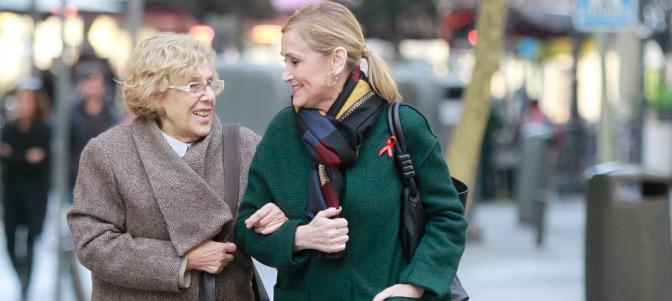







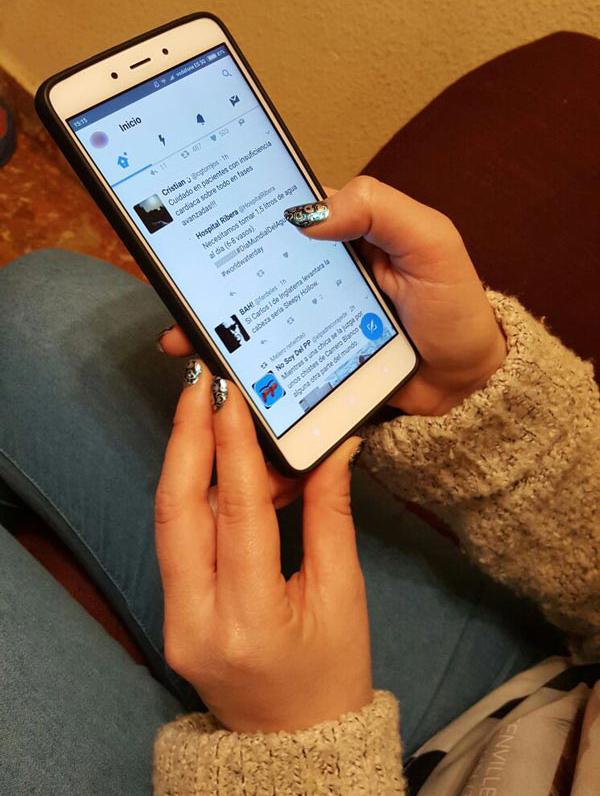


/cdn0.vox-cdn.com/uploads/chorus_asset/file/8203191/Black_appropiated_words.jpg) List from Margaret Lee, graphic by Javier Zarracina | Vox
List from Margaret Lee, graphic by Javier Zarracina | Vox


