Shared posts

04 Jun 11:06

A Complete Dictionary of the Most Bizarre Sex Slang

by Zing Tsjeng

Ever groped for trout in a peculiar river? Know the difference between a quimstake and a dry mouthed widow? Slang is one of the most delightful things about the English language, and nobody knows this better than Jonathon Green, the author of Green's Dictionary of Slang and perhaps the foremost lexicographer of slang in the world.

"I was always a great fan of slang," Green says. "I'm 69 and I've been doing it for well over 30 years now. It is my life's work, in everything sense."

Over his career, Green has collected 130,000 words and phrases and about 600,000 accompanying examples. (You can see the full archive on his website The Timelines of Slang.)

"Although it's always reinventing itself—and this is true of all of slang—there are basic themes that never go away," he explains. "If you go back to the 16th century and the 17th century, you can see that the penis is always going to be a gun, a club, a knife, a dagger—in other words, some kind of boys' toy. The vagina is always going to be this frightening, scary, dark hole. And that's because slang is 99 percent written from a male point of view."

If you want to see the ingenuity of slang in action, look no further than all the bizarre words and sayings people have used over the centuries to mean penis, vagina, and sex. We asked Green to explain a few of the weirdest ones.

A bit of summer cabbage (circa 1895)
"Summer cabbage" is hard to work out, I must admit. It means to have sex. "Cabbage" itself is used in slang to mean the vagina, as has the "cauliflower," the "mushroom," and the "artichoke." There's also "take a turn among the cabbages" to mean have sex. Let's put this one down to a late Victorian slang joke.

Read more: The Broadly Guide to Having Sex in Public

Box the Jesuit (c. 18th century)
According to my predecessor Francis Grose, who wrote slang dictionaries in the 18th century, it was a Navy term. Grose says it is a sea term for masturbation, and then he comments, "a crime it is said, much practiced by the reverend fathers of that society." This is traditional anti-religiosity to do with the Jesuits, who were not well thought of in England—particularly in the 18th century when this was coined.


Watch: Juggalette Beauty Pageant


Clatterdevengeance (c. 1659)
This is one of my favorites. It comes from the mid-17th century and it means the penis. It sums up slang's take on the organ, in a way: You've got the macho noise of "clatter" and this image of a man waving it around; you've also, with "vengeance" got slang's invariable misogyny. There's a story that goes with it—I found it in a propaganda news-sheet from the English Civil War—this soldier goes into a bar and claims he's going to rape all the barmaids. The barmaids, however, have their own big knife; they advance on him with it, pull out his clatterdevengeance, threaten to cut it off, and he faints. So it's a triumph for womankind!

Dry mouthed widow (c. 1942)
The dry mouthed widow is the hand—the dry hand that substitutes for the wet vagina. There's a lot of terms of this sort, like "Rosie Palm and her Five Daughters" and "Mrs Palm and her Five Daughters." They all refer to the hand that a man uses to masturbate.

Engage in three to one and bound to lose (c. 1793)
This is a late 18th century term. Again, it means to have sex. The "three" represents the penis and the two testicles, the "one" is the vagina, and the "loss" is of semen when you ejaculate.

Flock of geese flying out of one's backside (c. 1959)
This is a fine Australian phrase that is an attempt to represent orgasm. One must consider this sensation to be a positive term!

Photo via Flickr user British Library

Grope for trout in a peculiar river (c. 1603)
Basically, the peculiar river is the vagina. This is a class act, because this is Shakespeare from the play Measure for Measure. It's one of the earliest versions of the equation of women and fish. You do get an "old trout" to mean an old woman, but that is a hundred or so years later. Basically, the peculiar river is the vagina. Why "peculiar"? It's slang's male point of view again.

Holy poker (c. 1860)
Originally, the holy poker was an instrument of punishment used on souls who were in purgatory. But this is a pun on "hole" and a pun on "poke", and it's the penis. Nothing else to say, really!

Irish toothache (c. 1883)
The poor Irish do very badly in slang. Slang is not kind to them. The "Irish toothache" means "erect penis"—so intercourse is "to give a hot poultice to the Irish toothache". This is one of those pretty rare slang terms which comes from the woman's point of view. She, through the heat of her sexually aroused vagina, is giving a "hot poultice" to this poor bloke who's got the Irish toothache.

Johnny Hog-Leg (c. 1978)
A hog-leg is the nickname for a Colt Single Action Army revolver, otherwise known, some might suggest paradoxically, as the peacemaker. Johnny Hog-Leg—a man with a large penis—dates to 1978. It's not terribly common.

Knight of the golden grummet (c. 1935)
Knight of the golden grummet refers to a homosexual person, particularly one who takes the passive role in anal sex. A grummet is British navy jargon for a rope ring. "Gold," in terms of slang, means excrement. In the 16th and 17th century, when people went around to empty cesspits and collected what was called nightsoil, they were either called Tom Turdman—which is pretty obvious—or a goldfinder. So the golden grummet is, to be coarse, the arsehole.

Like a herd of turtles (c. 1940s)
This is another fine Australian image. It's used for a woman who has sex enthusiastically. This is from the late 1940s: "You ought to take her out to the toolies [tool shed], she'll go like a herd of turtles!" Whether a herd of turtles are particularly sexually excitable, I do not know. It defeats me, this one.

Master John Goodfellow (c. 1653)
This is one of many words coined by the writer and translator Sir Thomas Urquhart in his English version of Rabelais' epic 'novel' Gargantua and Pantagruel. Rabelais was big on lists, making up many of the synonyms himself, and Urquhart had to find English words to match. Here is one for penis, that of the infant Pantagruel who, being a giant, presumably already boasted an impressive member. The list derives from a scene in which that same penis, an object of both wonder and delight, is being dandled by an enthusiastic gaggle of court ladies. Urquhart translates this as: "One of them would call it her pillicock, her fiddle-diddle, her staff of love, her tickle-gizzard, her gentle-titler. ..." There are lots more.

For More Stories Like This, Sign Up for Our Newsletter

Nebuchadnezzar on the greens (c. 1890)
This refers to the penis, and dates back to around 1900. It comes from Nebuchadnezzar II, the King of Babylon and is a play on the slang "greens," which in the 19th century meant intercourse, and the king's madness, during which period he ate grass. The somewhat ponderous joke being that since grass is green, the king and the penis both enjoyed "greens."

Off at Hill Gate (c. 1976)
This is one of a number of terms for coitus interruptus—the joke being that in all cases the man "gets off" one stop before a given railway terminus. There are lots of other slang words which refer to the same thing and use various railway stations one stop before the end of the line, including "off at Edge Hill," "off at Gateshead," "off at Green Island," and so on.

Paw paw tricks (c. 1896)
This is presumably from "paw," the word for a hand (originally used for animals, and then humans). It refers to masturbation, which seems to play on the idea of a hand. But it also refers to any form of naughty, childish trick and was originally used by nurses on children. In 1788, Grose suggests it is derived from the French word "pas, pas", possibly spoken by a French nurse.

Quimstake (c. 1890)
Quimstake is very simple. It's a compound of "quim," meaning vagina, and the "stake" is the image of the penis as a weapon—in this case a stick. So it's a vagina stick; a penis. There is also quim wedge, which means the same thing.

"Up the bum, no babies!" This is defined as anal intercourse as a means of contraception.

Rufus (c. 1900)
"Rufus" in Latin means red. The word in slang is used of the female genitals, so this refers to the genitals and pubic hair of a redheaded woman.

Swinging the dolphin (c. 1922)
This is another of these naval phrases for masturbation. The "dolphin", if you want to look at it that way, is the penis and the hand swings it in masturbation. Swinging the dolphin is the naval equivalent of the army term "blanket drill," which means "in bed and masturbating."

Tippet de witchet (c. 1700)
Tippet de witchet is the vagina. The tippet is defined in the OED as a long narrow slip of cloth or hanging part of the dress, formally worn either attached to or forming part of a hood, headdress or sleeve. The point being, the woman wears a certain garment and by metonymy, the tippet comes to mean the female genitals. You get a similar thing with "smock". The "witchet" may just be assonance to create a pleasing sound.

UTBNB (c. 1999)
"Up the bum, no babies!" This is defined as anal intercourse as a means of contraception. Whether people still use it, I don't know. This came from a wonderful book called Roget's Profanosaurus, which in turn is produced by Viz Comics. It says "a reliable but illegal contraceptive device, the opposite of an IUD."

Vice versa (c. 1940)
This is very simple. It's the alphabetical version of what it is, which is a 69. It's as simple as that. This is used in a gay context. Thus in 1940, we find an Australian writer using "vice versa" in in this line "Likes his vice versa [...] I always thought he was a bit of a horse's hoof!" "Hoof" is rhyming slang for "poof."

There are a number of terms in which the vagina is seen as a way of a woman making money. There's the money maker, there's the breadwinner, and the bank.

Watergate (c. 1560)
This is a vagina which has become moist with sexual excitement. Watergates were something you had in irrigation systems, and the gate is a word for vagina. It's 1560, which is pretty much almost as far back as slang has been collected.

Exchequer (c. 1680)
There are a number of terms in which the vagina is seen as a commodity; a way of a woman making money. There's the "money maker," there's the "breadwinner," and the "bank." In the case of the bank and the exchequer, there's an extra pun on "making a deposit" – meaning the ejaculation of semen. This is from 1680.

Yo-yo (c. 1929)
Yo-yo is another pun for penis, usually a small one. Like the penis, a yo-yo "goes up and down" – another pun, and like many of slang's efforts, gruesome stuff!

Zum-zum (c. 2004)
Zum-zum is from the Caribbean, the West Indies. It means the vagina. It might be a variation on the better-known "pum pum," which comes from the Creole African language for "pumbe," which means the female vulva.

04 Jun 10:55

The Spread of Chess

by Alex E
Century in wich the game entered each country is indicated by date, A.D. Native names for chess are given for each country.


Related post:
World Map of Chess Grandmasters (2016)
04 Jun 10:55

Roman Roads (AD125)

by Alex E
04 Jun 10:52

Inditex: a sede en Galiza, os petos fóra

by X.M.P.
O xigante téxtil paga menos do que debera, grazas a unha estrutura fiscal para transferir beneficios a filiais en 'paraísos'.
04 Jun 10:39

Why 'Keep Calm And Carry On' Is A Lie You've Been Sold

By Alex Schmidt  Published: June 02nd, 2017 
04 Jun 10:07

The Girls Want The Boys! ~ Sweden's Beat Girls 1964-1970

by Polar Bear

1. Agnetha Fältskog - Ge Dej Till Tåls (Show Some Patience) (2:19)
2. Anni-Frid Lyngstad - Så Synd Du Måste Gå (What A Pity You Must Go) (2:25)
3. Eleanor Bodel - The Girls Want The Boys (2:12)
4. MAK Les Soeurs - Kärlek Finns Det Överallt (There Is Love Everywhere) (2:33)
5. Lena Junoff - Good Kind Of Hurt (1:47)
6. Plommons - Last Train To Liverpool (1:55)
7. Doris - Don't (3:07)
8. Bella And Me - Help Me Break This Habit (1:56)
9. Mona Wessman - Vädret (The Weather) (2:49)
10. Lill-Babs - Lite För Liten (A Little Too Small) (2:24)
11. Britt Bergström - You Really Have Started Something (2:18)
12. The Plums - Benny Law (2:37)
13. Anni-Frid Lyngstad - Där Du Går Lämnar Kärleken Spår (Where You Can Make Love Tracks) (2:43)
14. Sunnygirls - What Is The Reason (2:11)
15. Eleanor Bodel - To Love Somebody Is To Hurt Somebody (2:15)
16. Agnetha Fältskog - Spela Vår Sång (Play Our Song) (2:23)
17. Bella And Me - Whatever Happened To The 7-Day Week (2:23)
18. MAK Les Soeurs - Solsken (Sunshine) (2:27)
19. Mona Wessman - Jag Är På Väg (I'm On My Way) (2:20)
20. Suzie - Det Får Ej Hända Igen (It Must Not Happen Again) (2:04)
21. Maritza - Om Bara Du Gav En Vink (If Only You Gave A Hint) (2:10)
22. Angeliques - Sunshine Boy (2:28)
23. Lill Lindfors - En Man I Byrån (A Man In The Office) (2:44)
24. Susanne Wigforss - Sommartid (Summertime) (2:23)

@FLAC

https://filejoker.net/fg7960yx04li/VA_TheGirlsWantTheBoys-fl.rar

http://hitfile.net/SvFu9tO/VA_TheGirlsWantTheBoys-fl.rar.html
03 Jun 06:45

Easy Beef Bibimbap Recipe

by Sarah
Bibimbap was my first introduction to Korean food. Meaning, “mixed rice,” a bibimbap recipe is comprised of warm rice topped with different seasoned vegetables, sauce like gochujang (korean red...

[Click the post title to continue reading! Share your comments with us and browse what's new.]
03 Jun 01:19

"Exactly one-half exhilaration. Exactly one-half terror."

by zarq
The Ray Bradbury Theater was an anthology series that began on HBO from 1985 to 1986 and then moved to USA Network from 1988 to 1992. All 65 episodes were scripted by Bradbury and many were based on short stories or novels he had written and published, such as the classic "A Sound of Thunder."

The Guest Stars
The show was known for the high caliber of its guest stars, some of whom were character actors with decades of television, film and stage experience. Some names are listed next to many of the episode links.

The Episodes (Full playlist is also linked above. Some sources split up the seasons and order the episodes differently. This list puts them in airdate order.)

Season 1 (1985)
1."Marionettes, Inc." (With James Coco and Leslie Nielsen)
2."The Playground" (Starring William Shatner)
3."The Crowd" (Starring Nick Mancuso)

Season 2 (1986)
1."The Town Where No One Got Off" (With Jeff Goldblum and Ed McNamara)
2."The Screaming Woman" (Starring Drew Barrymore, Janet-Laine Green and Alan Scarfe)
3."Banshee" (With Peter O'Toole, Charles Martin Smith and Jennifer Dale. IMDb says Bradbury based the story on his working relationship with John Huston during the making of "Moby Dick" in the mid 50's.)

Season 3 (1988)
1."The Fruit at the Bottom of the Bowl" (Starring Michael Ironside, Robert Vaughn and Sonja Smits)
2."Skeleton" (Starring Eugene Levy)
3."The Emissary" (Starring Helen Shaver, Keram Malicki-Sanchez and Linda Goranson)
4."Gotcha!" (Starring Saul Rubinek and Kate Lynch)
5."The Man Upstairs" (With Micheline Prelle and Féodor Atkine)
6."The Small Assassin" (With Susan Wooldridge)
7."Punishment Without Crime" (With Donald Pleasence, Peggy Mount, Iain Cuthbertson and Frank Williams)
8."On the Orient, North" (With Magali Noël and Ian Bannen)
9."The Coffin" (With Denholm Elliott, Dan O'Herlihy and Clive Swift)
10."Tyrannosaurus Rex" (With Daniel Ceccaldi)
11."There Was an Old Woman" (With Mary Morris)
12."And So Died Riabouchinska" (With Alan Bates)

Season 4 (1989)
1."The Dwarf" (Starring Megan Follows and Miguel Fernandes)
2."A Miracle of Rare Device" (With Pat Harrington, Jr., Wayne Robson and William Kircher)
3."The Lake" (With Gordon Thomson)
4."The Wind" (With Michael Serrazin)
5."The Pedestrian" (With David Ogden Stiers))
6."A Sound of Thunder" (With Kiel Martin and John Bach)
7."The Wonderful Death of Dudley Stone" (With John Saxon and Alan Scarfe)
8."The Haunting of the New" (With Susannah York)
9."To the Chicago Abyss" (With Harold Gould)
10."Hail and Farewell" (Starring Josh Saviano)
11."The Veldt" (Starring Linda Kelsey and Malcolm Stewart)
12."Boys! Raise Giant Mushrooms in Your Cellar!" (Starring Charles Martin Smith)

Season 5 (1990)
1."Mars Is Heaven" (With Hal Linden and Paul Gross)
2."The Murderer" (Starring Bruce Weitz and Cedric Smith)
3."Touched with Fire" (Starring Eileen Brennan and Barry Morse)
4."The Black Ferris" (With Zachary Bennett)
5."Usher II" (With Patrick Macnee and Ian Mune)
6."Touch of Petulance" (With Eddie Albert and Dulcie Smart)
7."And the Moon Be Still as Bright" (Starring David Carradine and Kenneth Welsh)
8."The Toynbee Convector" (Starring James Whitmore and Michael Hurst)
9."Exorcism" (Starring Sally Kellerman and Jayne Eastwood)
10."The Day It Rained Forever" (With Vincent Gardenia, Gerard Parks and Sheila Moore)
11."The Long Years" (Starring Robert Culp and George Touliatos)
12."Here There Be Tygers" (With Timothy Bottoms)

Season 6 (1992)
1."The Earthmen" (Starring David Birney, Gordon Pinsent, Patricia Phillips and David Neale)
2."Zero Hour" (Starring Sally Kirkland and Katharine Isabelle)
3."The Jar" (With Paul Le Mat and Jennifer Dale)
4."Colonel Stonesteel and the Desperate Empties" (With Harold Gould, Wayne Robson and Shawn Ashmore)
5."The Concrete Mixer" (With Ben Cross and Howard Jerome)
6."The Utterly Perfect Murder" (With Richard Kiley, Robert Clothier and Eric Johnson)
7."Let's Play Poison" (Starring Richard Benjamin and Shane Meier)
8."The Martian" (With John Vernon, Paul Clemens, Sheila Moore and Janne Mortil)
9."The Lonely One" (Starring Joanna Cassidy and Sheila McCarthy)
10."The Happiness Machine" (Starring Elliott Gould and Mimi Kuzyk)
11."Tomorrow's Child" (Starring Carol Kane and Michael Sarrazin)
12."The Handler" (With John Sumner, Michael J. Pollard and Henry Beckman)
13. "Great Wide World Over There" (Starring Tyne Daly and David Orth)
14."Fee Fie Foe Fum" (Starring Jean Stapleton, Robert Morelli and Lucy Lawless)
15. "The Anthem Sprinters" (With Len Cariou)
16. "By the Numbers" (With Ray Sharkey, Geordie Johnson and Marton Csokas)
17."The Long Rain" (With Marc Singer and Michael Hurst)
18."The Dead Man" (With Louise Fletcher)
19."Sun and Shadow" (With Gregory Sierra, John Bach, Vicky Haughton and Stuart Margolin)
20."Silent Towns" (With John Glover and Monica Parker)
21."Downwind From Gettysburg" (Starring Howard Hesseman and Robert Joy)
22."Some Live Like Lazarus" (With Janice Rule and Yanick Bisson)
23."The Tombstone" (Starring Shelley Duvall, Ron White and Desmond Kelly )
03 Jun 01:13

Please Allow Paul F. Tompkins to Teach You How to Tie a Bow Tie

by Megh Wright
It’s an indisputable fact that Paul F. Tompkins is a classy, distinguished man with impeccable style and a lifelong love for bow ties, so there’s truly no better person to star in the bow tie tutorial video @midnight posted on Twitter today. It looks pretty complicated and intimidating, but Tompkins does a stellar job guiding […]
02 Jun 19:27

Laureano Oubiña: “Gané mucho dinero y llegué a esconderlo en cajas de tomates”

by RaimundodeFerrol
"El narcotraficante Laureano Oubiña ha vuelto a Galicia después de saldar sus deudas con la justicia, aunque su nombre sigue siendo un recuerdo lacerante para muchas familias que sufrieron en sus carnes el azote de la droga. No le será tan fácil saldar cuentas con la sociedad a la que vuelve y tampoco da muestras de arrepentimiento.

 La cárcel fue su domicilio durante dos décadas. Ha salido como el transportista de hachís más castigado en España al cumplir íntegramente tres de sus cinco condenas por narcotráfico, delito fiscal, cohecho y blanqueo. Ahora disfruta de la etapa más esperada de su turbulenta vida y habla, sin barreras, de su mundo al otro lado de la ley que tanto interés despierta al resto de los mortales.

 “Soy libre, he pedido perdón y estoy arrepentido de lo que hice, pero en mis adentros me siento un rehén del Estado porque nadie ha pagado con la cárcel ni ha apoquinado hasta el último céntimo como yo, ni siquiera traficantes como Pablo Escobar o El Chapo. Y me sigo preguntando por qué a un condenado por transportar hachís le han hecho esto”, proclama.


Oubiña, considerado símbolo de la ostentación, del blanqueo (tras comprar el famoso Pazo de Baión) y responsable de traer con sus negocios la ruina a miles de familias también puso en pie de guerra a las asociaciones de madres contra la droga.

Como un testigo de cargo, Oubiña, que el mes pasado cumplió 71 años, se traslada al origen del crimen organizado en España para exponer su particular teoría de que los responsables del narcotráfico han sido “los políticos” de la época.

 “Mi pregunta es: ¿por qué le declararon la guerra a los contrabandistas como si fuésemos terroristas? Porque ahí está la clave y el fallo de los políticos de turno”, opina. “Para mí, los Gobiernos de Felipe González cometieron un error de cálculo y la historia tendrá que reconocerlo así.

Me parece bien que persiguieran el contrabando porque no recaudaban, pero en Galicia había una componenda política de fondo, porque muchos tabaqueros financiábamos la causa de Alianza Popular y erraron al endurecer las penas del tabaco, mayores que para el hachís”, apunta el hombre que amasó con el narcotráfico una fortuna difícil de calcular.

Oubiña asegura que está retirado del narcotráfico. “Gané mucho dinero, yo lo llegué a guardar en cajas de tomates, había que tener cash para pagar a los proveedores”, recuerda el rey del hachís. “Estoy convencido de que la legalización de las drogas es el único camino para acabar con esto. Pero no, ¡legalizan el consumo!”, exclama.

 “Pero oigan señores políticos, ¿a qué tienda creen que va a ir a comprar el que consume? Va al tenderete del narcotraficante, al mercado negro que tanto persiguen ustedes, esta es la gran contradicción”, enfatiza.

Con su arrolladora vehemencia, insiste en hablar de su largo periplo carcelario ahora que ha salido de la cárcel de Navalcarnero (a la que siempre se refiere como Navalcatraz). “Es que hay que decirlo: la reinserción es una gran mentira, el que entra bueno sale malo y el que entra malo sale peor, solo sirve de depuradora porque allí sabes quién es tu amigo o tu enemigo”, sostiene el narcotraficante.

Oubiña cuenta que aprobó el Bachillerato en prisión y en 2004 se matriculó en Derecho en la UNED, carrera que no llegó a terminar. “De prisión en prisión era imposible y fui perdiendo convocatorias de exámenes”.

 “Ahora quiero vivir los años que me queden con la salud a medias, y poder contar mi verdad porque hay mucha mentira detrás que ya empieza a salir, gracias a Dios, porque soy creyente”, insiste mientras muestra las tres cruces y dos vírgenes, una de ellas réplica de la Pilarica, que le cuelgan del cuello.

Cree que la Operación Nécora “fue una pantomima reconocida por el mal llamado arrepentido Ricardo Portabales, que ahora dice que mintió y denuncia al juez Garzón y al fiscal Javier Zaragoza, los que le creyeron. Y después de todo esto, ¿cómo no voy a escribir un libro?”, apunta Oubiña."                  (Elisa Lois , El País, 19/05/17) 
02 Jun 19:16

Excursión ferrolá aos pés da Minerva

by Quique alvarellos
Unha viaxe pioneira en 1913 do Centro Obreiro de Ferrol

02 Jun 19:13

O vello Bar París de Valle-Inclán

by Quique alvarellos
O actual Negreira, no Vilar, era visita habitual do escritor

02 Jun 19:11

Cayetano Martínez de Irujo y Francisco Camps, juntos en el Camino de Santiago

by X. R. Penoucos / Natalia Noguerol
La pasada noche pernoctaron en Palas de Rei y hoy cubren la etapa hasta Arzúa

02 Jun 19:11

comunicado dos centros sociais da Galiza sobre o despejo do CSO Escárnio e Maldizer

by Gentalha

defende o escarnio
Os Centros Sociais galegos em Solidariedade com o CSOA Escárnio e Maldizer e contra a repressom policial
Os coletivos abaixo-assinados, integrantes do movimento popular galego e empenhados na construçom de espaços para a cultura contra-hegemónica e ao serviço do povo galego, declaramos:
1. A nossa solidariedade incondicional com o CSOA Escárnio e Maldizer, centro social ocupado com o qual trabalhamos em diversas iniciativas conjuntas, mostrando-se sempre como um coletivo comprometido com a construçom de alternativas ao embrutecimento e mercantilizaçom cultural dominantes.
2. O nosso apoio a um coletivo que foi vítima das forças repressivas por recuperar um espaço privado abandonado polos proprietários e que foi reconvertido num bem público. A defesa de tam elementar direito custou nom só um despejo violento do edifício, mas também ferimentos a várias pessoas e a detençom e acusaçom arbitrária de um vizinho.
3. A nossa condena à política de perseguiçom policial e mediática contra iniciativas nom controladas pola institucionalidade burguesa. A burda criminalizaçom e desprestígio induzidos polos principais meios de comunicaçom privados e mesmo públicos contra o CSOA Escárnio e Maldizer confirmam a necessidade permanente de auto-organizaçom popular em cada ámbito de luita social e de construçom nacional.
4. O nosso compromisso no fortalecimento e na criaçom de espaços que permitam avançar na galeguizaçom e desmercantilizaçom da nossa cultura, em coordenaçom permanente com outras entidades comprometidas com idênticos objetivos nos mais diversos ámbitos: laboral, político, feminista, comunicativo, ambiental, etc.
5. Apelamos ao movimento popular galego à unidade e à autodefesa, construindo novas ferramentas ao serviço dos interesses do nosso povo, combatendo a manipulaçom informativa e a repressom judicial-policial.

Galiza, 1 de junho de 2017

Ateneo Libertário A Engranaxe (Lugo)

Centro Social A Comuna (Corunha)

Centro Social A Galleira (Ourense)

Centro Social A Gentalha do Pichel (Compostela)

Centro Social A Revolta (Vigo)

Centro Social Fuscalho (A Guarda)

Centro Social Gomes Gaioso (Corunha)

Centro Social Madia Leva (Lugo)

Centro Social O Fresco (Ponte Areias)

Centro Social Xebra (Burela)

Centro Social Autoxestionado do Sar (Compostela)

Centro Social Ocupado A Insumisa (Corunha)

Coletivo Terra (Pontedeume)

Fundaçom Artábria (Ferrol)

Local Social Faisca (Vigo)

02 Jun 19:08

No interior da casa okupada por Escarnio & Maldizer na Algalia de Arriba antes de ser desaloxada

by Pincha
Entrada á biblioteca. Foto: Iván Barreiro

Entrada á biblioteca. Foto: Iván Barreiro

Esta semana é noticia en Compostela o desaloxo dunha casa okupada na Algalia de Arriba. O edificio, que albergara durante moito tempo a sede da agrupación Cantigas e Agarimos, levaba anos sendo utilizada polo CSOA – Centro Social Okupado Autoxestionado – Escarnio & Maldizer. Ata o pasado martes, 30 de maio, cando as súas portas e ventás foron tapiadas por orde xudicial. Esa mesma tarde, convocouse unha concentración de protesta, que rematou cunha auténtica batalla campal entre policías e manifestantes. Ao día seguinte, o alcalde compostelán, Martiño Noriega, lamentou que esta situación non fora solucionada pola vía do diálogo, e lembrou que “este local non provocou ningún problema de convivencia desde que foi okupado en abril de 2014”. Ademais, o Concello abriu un expediente urbanístico aos propietarios polo uso de formigón para tapiar un inmoble da Cidade Histórica. A polémica estaba servida e ten pinta de ir para longo. De feito, xa está convocada unha nova manifestación para o vindeiro 10 de xuño.

Ata aquí os feitos. Pero que é exactamente o que facían os de Escarnio & Maldizer neste edificio? Como estaba por dentro? O fotógrafo de Pincha, Iván Barreiro, puido fotografar boa parte del o pasado mes de febreiro para unha reportaxe que se publicou na extinta revista Pincha(e)Discos. Como podedes comprobar nas imaxes, algunhas das zonas estaban moi deterioradas. Outras, en proceso de recuperación. As actividades tiñan lugar en catro plantas. Alí se reunían diferentes colectivos sociais como MUGRE, Conas Ceives ou Guerrilha Conarte. Desenvolvíanse de xeito regular cursos de pandeireta, teatro, baile tradicional galego, boxeo ou judo. Tamén organizaban festas, actuacións, mercados solidarios… Nos últimos tempos, estaban dando forma a unha biblioteca. “É un espazo autónomo onde hai un traballo político propio en base a uns eixos acordados e construídos colectivamente que van desde o antiautoritario ao anticapitalismo, a defensa da cultura e a lingua galega, o feminismo e o antiespecismo, entre outros”, sinalaban algúns dos seus membros naquela reportaxe. Aseguraban, ademais, estar buscando a apertura co barrio, sempre seguindo o seu modelo de autoxestión e toma de decisións asamblearia. Na súa páxina web podedes atopar máis información sobre eles: https://csoaescarnioemaldizer.wordpress.com/

Haz click para ver el pase de diapositivas.


La entrada No interior da casa okupada por Escarnio & Maldizer na Algalia de Arriba antes de ser desaloxada se publicó primero en Pincha.

02 Jun 19:04

All Aboard the Catbus! Studio Ghibli Is Opening a Theme Park

by Charline Jao

MV5BN2M1M2M2NzctODk5MC00MmEzLTliNWEtN2I0ZDg1YjNhOGYwXkEyXkFqcGdeQXVyNjQ2NDA2ODM@._V1_

Exciting news Studio Ghibli fans! Producer Toshio Suzuki just announced today that the studio will be getting its own theme park, fulfilling all your childhood dreams of living in a colorful and magical Ghibli movie.

The park will be in Aichi’s Expo Park in Nagoya, Japan and based on the 1998 classic, My Neighbor Totoro. Hopefully, this means Catbuses and lots of tall trees. The park currently has a recreation of Satsuki and Mei’s house, but the park hopes to expand and build for a 200-acre park.

There’s no news about whether the park will include other titles, but I feel like a nature-filled attraction suits their body of work more than a crowded and bustling park. After all, considering how many Studio Ghibli films value nature and the fact that Hayao Miyazaki opened a nature sanctuary to foster an appreciation for the environment, a  Ghibli Land seems out of place, and exciting as it would be. While we’ll still be waiting on more news about what the design of the park will look like, I’m sure it’ll be full of great Ghibli magic (and delicious food).

The new happiest place on Earth is set to open in 2020. In the meantime, you can catch your favorite Studio Ghibli movies at Ghibli Fest this summer, kicking off with Totoro, or head to the Ghibli Museum in Japan.

(via Polygon, Image: Studio Ghibli)

Want more stories like this? Become a subscriber and support the site!

The Mary Sue has a strict comment policy that forbids, but is not limited to, personal insults toward anyone, hate speech, and trolling.—

02 Jun 18:54

Adam Ruins Everything Reminds Us Why Trump Withdrawing From the Paris Agreement Hurts Climate Change Efforts

by Charline Jao

This particular clip comes from the episode “Adam Goes Green” from December of last year, but the Paris climate change agreement has come into the political conversation again. Donald Trump, who’s written off climate change as a hoax and actively harmed conversation efforts, is preparing to withdraw the United States from the Paris agreement.

Elon Musk, who is on his economic and manufacturing advisory council, said he was “cautiously optimistic,” but it looks like now he’ll have to make good on his promise to leave the council if the U.S. does withdraw.

Here, Adam Conover is joined by NYU Professor of Environment Studies and Philosophy Dr. Dale Jamieson, who explains the agreement and its significance. “Each country agreed to be accountable for its emissions every five years, that’s a big deal. It proves that international cooperation on climate change is possible,” he says, but it’s just a first step as emission limits are non-binding.

To take the U.S. out of the agreement then, undoes the progress that we are trying to make to take care of our planet. It says to the people in the United States that climate change is not something they should care about individually or collectively. We already need to be doing more to combat climate change, so why are we moving backwards?

Adam Ruins Everything‘s second season premieres July 11 and 10 p.m. ET/PT, and they definitely have a lot to ruin.

Want more stories like this? Become a subscriber and support the site!

The Mary Sue has a strict comment policy that forbids, but is not limited to, personal insults toward anyone, hate speech, and trolling.—

02 Jun 18:45

The evolution of punk rock in 200 tracks (1965 to 2016)

by Mark Frauenfelder

https://open.spotify.com/embed/user/kingfirley/playlist/2EOmcCja09zTPTYQ0SagEh

Scott Harding's 11-hour Spotify playlist of punk rock starts in 1965 with "Goo Goo Muck," by Ronnie Cook and the Gaylads (I thought The Cramps wrote it until now), follows with bands like ? & The Mysterians, the Stooges, MC5, the Velvet Underground, The New York Dolls, and others before moving onto familiar names. Lots of good stuff in here.

[via Open Culture]

02 Jun 18:35

Lo que tu tipo de porno preferido dice de ti

by Sierra Bein

Este artículo se publicó originalmente en VICE Canadá.

Para la inmensa mayoría, la primera experiencia sexual suele ser con uno mismo y sus fantasías. El acto de masturbarse frente a una pantalla, por simple que parezca, encierra un significado más profundo de lo que parece.

Probablemente hemos llegado a un punto como sociedad en que el porno ha dejado de ser un tema tabú, pero desde la perspectiva científica, sigue habiendo muchas incógnitas respecto a este género y las fantasías a las que suele ir ligado. ¿Por qué, de entre las miles de categorías, temáticas y orientaciones que existen, nos decantamos por unas determinadas? Y aunque en el momento seguramente no estés concentrado en otra cosa que no sea mover la mano rítmicamente y en las imágenes, en algún rincón remoto de tu cerebro hay un hervidero de actividad neuronal.

Después de preguntar a varios expertos en sexo por qué tenemos predilección por determinados tipos de porno, he llegado a la conclusión de que la teoría más consensuada es la de que los gustos vienen determinados por las vivencias.

Nadie mejor para analizar el pasado y responder a estas preguntas que la doctora Carla Costa, sexóloga y psicoterapeuta de Toronto. Parte de la labor de la doctora Costa consiste en ayudar a los pacientes a entender por qué les atraen las cosas que les atraen.

"La pornografía capta poderosamente nuestra atención mental, física y emocional", señala. "Ya sea consciente o subconscientemente, nuestros gustos en el porno revelan una serie de emociones que hemos ido erotizando a lo largo de nuestra vida".

La erotización es un proceso mediante el cual tu cerebro toma una experiencia —positiva o negativa— y la convierte en algo excitante sin que seas consciente de ello. Este fenómeno da lugar a fetiches como la excitación sexual con vídeos porno de animación, objetos inanimados o con figuras autoritarias. También podría explicar por qué una experiencia negativa puede provocarnos excitación pasado un tiempo. Alguien a quien de adolescente le hubieran inculcado el sentimiento de culpa por masturbarse tal vez podría desarrollar una predilección por la humillación en la edad adulta. O quizá de pequeño recibía azotes y ahora es la única forma en que puede llegar al orgasmo. Para muchos, las razones por las que nos sentimos atraídos por algo son indicativas de experiencias ocultas sobre las que deberíamos ahondar.

"Tengo un cliente al que le gusta travestirse pero que toda su vida ha tenido una relación heterosexual. Sin embargo, a él le excita ver vídeos porno de travestismo, y eso le confunde, porque siente rechazo por esa faceta de su vida", explica. "Le pregunté si realmente quería erradicarla o si podíamos tratar de aprender de ello, aceptarlo y afrontarlo con el fin de lograr que afecte a su vida lo menos posible".

Sin embargo, tal como señala la doctora sexóloga Jessica O'Reilly, no todas las preferencias en el porno tienen su origen en experiencias del pasado. Muchas personas encuentran excitación simplemente en la idea de obtener algo que no pueden tener, por ejemplo.

"El nivel de dopamina, la sustancia responsable de la sensación de recompensa y motivación, es más elevado en los momentos de anticipación al placer que cuando se obtiene", explica. "En otras palabras, la espera es más excitante que el momento de recibir placer".

Esto también explica que haya tantos heterosexuales a los que les guste el porno con MILF. Así, en vez de suponer que estás erotizando la relación con tu madre (puaj), lo que ocurriría es que te sentirías excitado por la sensación de control y de estar con alguien más experimentado.

O'Reilly cree que todos poseemos sentimientos eróticos básicos, emociones que debemos sentir para "ponernos a tono" y poder llegar al orgasmo.

"Hay que reconocer que el porno no solo es una experiencia sexual, sino que también está asociado a la realización emocional. Esa es la razón por la que habrá tantos tipos de porno como personas que pienses en ellos", afirma. "No se trata solo de sexo. Podrías pasarte el día entero viendo escenas de sexo puro y duro, pero necesitas que haya algún tipo de sentimiento implicado".

Sin embargo, una consulta al doctor David Ley, psicólogo clínico y autor del libro Ethical Porn for Dicks, resulta en conclusiones muy distintas. Ley introdujo un concepto de investigación a la ecuación: el papel de la evolución en nuestros deseos sexuales. Según él, este factor explicaría, por ejemplo, por qué hay hombres a los que les excita ver a sus mujeres practicar sexo con otros hombres. En este caso, el instinto protector, la competitividad con otros hombres, genera excitación sexual.

Otra investigación apunta a factores mucho más cercanos.

"La investigación demuestra que este tipo de fantasías gustan a quien las tienen porque las consideran un reflejo de ellos mismos. Es hora de que reconozcamos de una vez que gran parte de estas características son de origen genético", señala. "Me he encontrado con muchísimas parejas e individuos que adoptan un determinado estilo de vida y luego se dan cuenta de que sus padres también lo hacían".

Dicho esto, Ley afirma que el sucio secreto (palabras de Ley) que tienen los investigadores es que nadie tiene la respuesta definitiva sobre por qué nos gusta determinado tipo de porno. Podemos responder preguntas sencillas con todo tipo de teorías, pero a fin de cuentas, nadie es capaz de determinar a qué se deben nuestras preferencias a la hora de llegar al orgasmo.

"La mejor respuesta seguramente sea que significa todo y nada", afirma.

Costa asegura a sus clientes que, mientras nadie salga perjudicado y exista consentimiento, cualquier género de porno que se vea es bueno.

"No lo sabemos ni lo podemos controlar; eso es lo interesante y la razón por la que no juzgo y nadie debería hacerlo".

Sigue a Sierra Bein en Twitter.

02 Jun 18:34

Editar en tiempos revueltos: Es Pop

by Bárbara Ayuso
Fotografía: Lupe de la Vallina
.

Óscar Palmer Yáñez no tiene teléfono móvil. Cuando nos pide hacer una llamada, toca el smartphone con un respeto asustado. Acostumbrado al desconcierto ajeno, él no se cree bicho raro, quizá porque ha descubierto la verdad de la condición humana: si hay que trabajar, que sea en calzoncillos.

Lo hace desde hace ocho años, cuando montó una editorial unipersonal para publicar lo que le saliera de lo que resguarda la prenda. La llamó Es Pop. Maqueta, edita, diseña y traduce sus propios libros, y no quiere ni oír hablar de subvenciones. Prefiere hacerlo de cómic, música o literatura, esquivando lo que dicen de él por ahí. Aunque haya vivido en Moscú, subtitulado realities de todo pelaje y aprendiese idiomas como quien asusta moscas, cree que no tiene una historia que contar. Prefiere darle el papel —«que está carísimo»— a Jim Thompson, Megan Abbott, Slash o D.H Lawrence.

Vamos a hacerte un compendio de las cosas que en el sector se comentan sobre ti: «Es el último hombre del Renacimiento del sector: traduce, maqueta y diseña todos sus libros», «aprendió francés, italiano e inglés por pura cabezonería leyendo cómics de pequeño», «es una verdadera enciclopedia de literatura, música, cómic, pulp, serie negra…». ¿Te reconoces?

[Risas] ¡Es un retrato un poco exagerado! Agradecido, eh, pero exagerado.

Pero el hecho de que tú te encargues de todo lo sustancial de la editorial (maquetación, traducción, diseño) tiene que ver más con la optimización de recursos… ¿O es ya una cuestión de cabezonería y no delegar?

Pues un poco de todo. Empieza, evidentemente, por pura necesidad, porque cuando lanzo la editorial lo hago con una mano delante y otra detrás. Pedí un préstamo y con lo que me dieron en el banco, que fueron veinte mil euros, eché a rodar. Con eso me daba para comprar los derechos y pagar los gastos de imprenta de los dos primeros libros, no me daba para absolutamente nada más, así que no me quedó otro remedio que hacerlo todo yo. Afortunadamente llevaba años trabajando de traductor y si monté la editorial fue precisamente para traducir lo que me dé la gana, o sea que lo de traducir los libros yo mismo estaba pensado desde el primer momento.

A lo que sí me obliga la escasez de medios es a meterme más a fondo con otras aficiones con las que había tonteado un poco, como la maqueta y el diseño. Estuve bastantes años haciendo fanzines y revistas y era el típico pesado que cuando el maquetista está trabajando lo atosiga a preguntas: «¿Qué haces? ¿Este botón para qué sirve?». En concreto participé en varios proyectos con dos grandes diseñadores como son Luis Bustos y Manuel Bartual, con los que aprendí mogollón. Y lanzar la editorial me obligó a tomármelo en serio. Los dos primeros libros los hice a medias con Manolo, con la idea de aprender realmente todo lo que iba a necesitar para sacar el proyecto adelante, y luego ya los he ido maquetando todos yo.

Hablemos de tu etapa de traductor, antes de fundar Es Pop. Si revisas tu currículum de libros, no hay un volumen malo: el Drácula de Stoker, Danza Macabra de Stephen King… ¿Es una cuestión de suerte que no hayas tenido que ceder a otro tipo de traducciones de calidad menor para pagar facturas? ¿Es casualidad?

Es verdad que he tenido mucha suerte. Empecé a traducir en 1999 directamente para Valdemar y prácticamente mis primeros trabajos son un Stoker y un Jack London… Vamos, que caí de pie. Valdemar tenía un catálogo que me gustaba mucho y habíamos entablado relación durante el año y medio previo gracias al primer proyecto que hago relacionado directamente con la literatura. Fue una revista que se llamaba Más Libros, un periódico gratuito mensual, tipo Mondo Sonoro. Nos daba muchísimo trabajo, porque la hacíamos entre unos pocos amigos y aunque era una cosa muy de andar por casa tenía que lucir profesional, así que todos teníamos un par de pseudónimos para que pareciera que había muchos más redactores. El caso es que a través de Más Libros entablé relación con bastantes editoriales y Valdemar fue de las primeras que se animó a ponernos publicidad, porque les cayó en gracia el proyecto. Lo valoramos mogollón, porque ellos casi nunca se anunciaban en ningún sitio. Así que cuando cerramos la revista, a los primeros a los que acudí buscando trabajo fue a Valdemar. Me ofrecieron hacer una prueba para un cuento de E. F. Benson y acabó siendo el primer libro que hice con ellos.

¿Y lo de los idiomas y la cabezonería?

Siempre me han gustado mucho los idiomas y además en casa tenía el ejemplo de mis padres, que siempre han sido bastante autodidactas. Recuerdo que teníamos varios cursos de aquellos del método Assimil, que venían en singles de 45 rpm metidos en carpetitas verdes. De hecho aprendí inglés con un curso de mi madre que se llamaba «Pleased to Meet You», de casetes. Tendría doce o trece años y lo hice porque quería leer La Patrulla X en inglés. Tiendas como Madrid Cómics empezaban a traer tebeos importados y en cuanto podía les hacía un pedido por correo desde Mallorca. En aquel entonces había un retraso como de dos años desde que se publicaba el número en Estados Unidos hasta que llegaba aquí y yo estaba desesperado por saber qué pasaba. Por supuesto la música fue otro modo de coger mucho vocabulario muy rápido, pero siempre en plan autodidacta. Empecé con el inglés y el francés para poder leer tebeos y comencé a hacer traducciones, pues… igual que con el tema de maquetar: principalmente para mi propio disfrute.

Hasta que de repente me lo tengo que tomar en serio como profesión y en ese caso, qué mejor que ir a la gente que edita lo que te gusta. Fue pura carambola: llegué a Valdemar en un momento en el que necesitaban nuevos traductores y les gustó la prueba. A partir de ahí les habré hecho… no sé, una veintena de libros. Lo mejor de todo es que más allá de la relación profesional empezamos a entablar una relación de amistad más estrecha y ahí ya vas intercambiando ideas e incluso te lanzas a sugerir títulos. He tenido la suerte de ir a dar con una gente bastante especial dentro del mundo editorial, como son Rafa y Juan Luis en Valdemar, o Javier, Fernando y Laureano en Astiberri; casi nunca me he tenido que ceñir al «este mes te toca hacer tal cosa». Siempre ha sido más bien: «¿Te apetece esto? ¿Te gusta este autor?». Es una vía muy extraña de haber llegado al oficio y cuanto más hablo con otros traductores más cuenta me doy de la profunda fortuna que he tenido.  
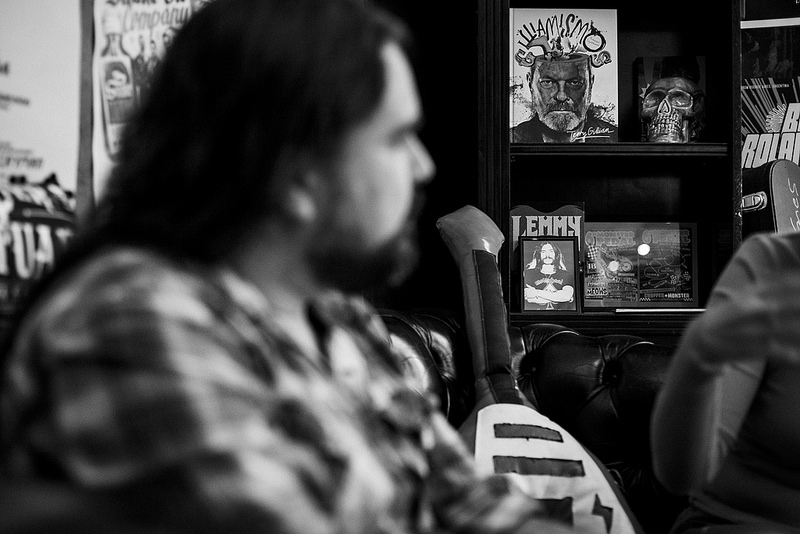
Cuando tradujiste el Drácula, ya había otras dos traducciones del clásico, la de Francisco Torres Oliver en Alianza y la de Juan Antonio Molina Foix en Cátedra. ¿Cómo surge la necesidad de plantear otra traducción? ¿Qué querías aportar?

Una colección como la Gótica de Valdemar necesitaba un Drácula. Es maravilloso que dediquen tiempo y dinero a publicar otras obras más desconocidas, pero los buques insignia tienen que estar también ahí presentes. Por otra parte, Drácula es uno de los libros que más me flipa y más me fascina desde que era niño, cuando lo leí en una edición muy chunga de Planeta en dos volúmenes que me dejó medio traumado, porque tenía un problema de edición en el segundo tomo y, en el último pliego, de cada cuatro páginas había dos en blanco, con lo cual no pude leer el desenlace. Como en mi pueblo, Cala Ratjada, no teníamos librería, solo quioscos, si querías comprar según qué cosas tenías que agarrar el coche y chuparte noventa kilómetros de carretera hasta Palma. La cuestión es que tardé semanas en encontrar otro Drácula para saber cómo cojones acababa y de ahí es de donde supongo yo que me viene la obsesión. Al final acabé juntando cuatro o cinco ediciones. Y luego me lo leí en inglés. Así que de toda la vida tenía como ilusión acabar traduciéndolo algún día.

Los estudios sobre la obra de Stoker habían avanzado una barbaridad, se habían empezado a publicar sus notas y apuntes de trabajo, que están en el Museo Rosenbach de Philadelphia, libros como el Hollywood gótico de David Skal… Había muchísimo material que permitía aportar información nueva y una mayor comprensión del libro. Así pues, se dio la casualidad de que Valdemar quería un Drácula, yo estaba empeñado en traducirlo y además ya les había hecho otro libro de Stoker, Cuentos de medianoche, que había funcionado muy bien. Vieron que merecía la pena lanzar una nueva traducción en vez de tirar de alguna de las precedentes y creo que estamos todos muy contentos con el resultado. Diez años más tarde sigue funcionando bien y bastante gente la tiene de referencia, aunque luego vaya en gustos lo de preferir una traducción u otra.

Dices que la traducción de Los impunes de Richard Price ha sido especialmente complicada. ¿Por qué?

Porque es uno de los mejores dialoguistas que he leído en mi vida y le tiene completamente pillado el pulso a la calle. Y para mí, cuanto más coloquial un texto, más complicado me resulta, porque lo que busco es que suene igual de natural en castellano que en inglés. No quiero que suene forzado o que se note la traducción. Podrá parecer paradójico, pero dediqué mucho más tiempo a traducir la autobiografía de Lemmy, que está planteada como una larga conversación tú a tú, que por ejemplo Arte Salvaje, la biografía de Jim Thompson, que a priori debería parecer más complicada, porque tiene un lenguaje mucho más elaborado. Pero es que precisamente por estar tan elaborado me salió más fácil. Polito escribe con tal corrección y sobre todo articula tan bien las ideas que no te deja margen para salirte, mantiene un único tono, académico y formal, de principio a fin. Pero en Los impunes saltas de un diálogo en argot policial a otro entre pandilleros, de una conversación informal entre amigos a una escena de interrogatorio. Y todas tienen que sonar igual de naturales. Stoker tiene esa misma complicación, porque era un loco de los dialectos e intentaba reproducir múltiples maneras de hablar. Traducir por ejemplo el inglés macarrónico de Van Helsing es una pesadilla, ¿cómo lo haces sin….

¿… ponerlo en extremeño?

¡Eso! El típico recurso de los años cincuenta y sesenta que a mí me parece horrendo. Y con Price me pasó un poco lo mismo, pero mira: sarna con gusto no pica. Y el de Los impunes ha sido otro de esos regalos que me ha ido dando este trabajo, porque Clockers es un libro que me dejó muy impresionado cuando lo sacó Ediciones B en su día. Desde entonces sigo con mucho interés su carrera, así que cuando me llamaron para ofrecerme un libro de Price no me lo podía creer.

¿Y Stephen King? ¿Qué tal es como autor para traducir?

No lo recuerdo particularmente complicado. Sí recuerdo que me lo pasé en grande con Rafa buscando fotogramas e imágenes para ilustrar la edición española. Fue otra de las muescas en la escopeta: una fue Drácula, otra Price y, quizás la más grande, Stephen King. Porque he crecido con él y porque una de las cosas que más me han gustado siempre eran sus prólogos, me maravillaba ese rollo tan coloquial y de tú a tú que tenía con el lector. Otro momento particularmente importante para mi formación como lector fue su prólogo para El umbral de la noche, que era básicamente un ensayo en miniatura sobre la literatura de horror. Ahí empezaba a explorar todo lo que vino luego en Danza Macabra.

A pesar de tener tu propia editorial, no tienes pensado abandonar el trabajo como traductor para otros, ¿no?

No, no lo tengo pensado. Porque Es Pop es el proyecto de mi vida, pero tampoco quiero dejar de hacer otras cosas mientras pueda, y está claro que con Es Pop nunca habría podido traducir a Price, por ejemplo. O los trabajos que hago para Astiberri. El cómic fue mi primer amor y tener la oportunidad de traducir con regularidad a autores como Bryan Talbot, Jason o Ben Katchor… es que es la hostia. Otro momento de supersubidón fue cuando Astiberri consiguió los derechos del Parker del malogrado Darwyn Cooke. La verdad es que no me puedo quejar, he tenido una suerte de la leche con la mayor parte de la gente con la que he currado. Y sé que no es lo habitual.
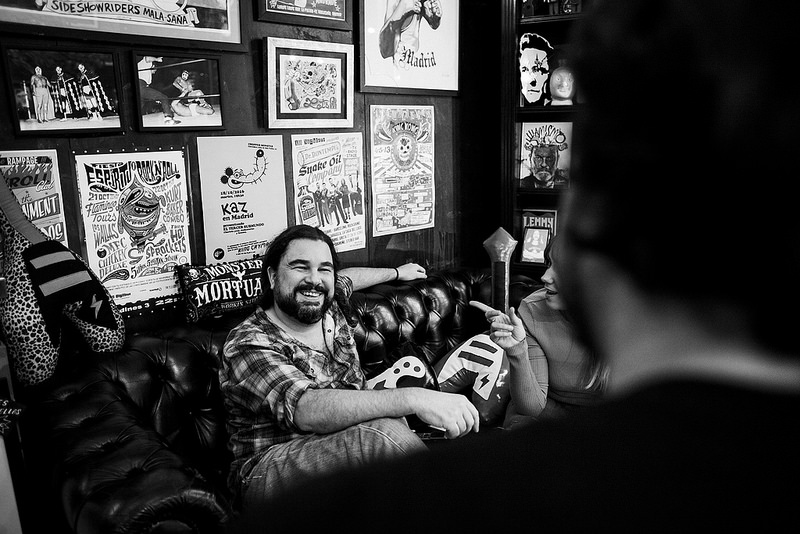
Los tres primeros libros de Es Pop que editas (Los trapos sucios, El otro Hollywood y Schulz, Carlitos y Snoopy) son metal, pornografía y cómic. Todo aliñado con la frase de Nietzsche («Ningún precio es demasiado alto por el privilegio de ser uno mismo»), ¿son una declaración de intenciones o una provocación?

[Risas] Sí, sí, fue algo intencionado. Bueno, tampoco es que dijera «tengo que sacar uno de porno y otro heavy por narices». Pero sí que entre los libros que tenía pensados, los más potentes, más llamativos y más inexplicablemente inéditos en España eran esos. Cuando edité Los trapos sucios, el libro llevaba ya casi ocho o diez años publicado en Estados Unidos. El otro Hollywood también llevaba dos o tres años en el mercado. Y me preguntaba ¿por qué nadie los saca?

Te devuelvo la pregunta: ¿Por qué? ¿Era una cuestión de que las editoriales de entonces no les encontraban encaje en sus catálogos o más bien era falta de audacia?

Quizás me equivoco, pero yo tengo la teoría de que básicamente no les interesaba en lo más mínimo. Hay un determinado tipo de editor que abunda mucho en la industria y que tiene unos prejuicios culturales muy marcados. A lo mejor son mis prejuicios también los que hablan, pero es que hay cosas que a mí solo me resultan explicables desde el desprecio, un desprecio total por parte de la industria hacia este tipo de cuestiones: el rock duro, el heavy metal, los cómics… La actitud hacia los cómics ahora está empezando a cambiar, pero durante años fueron la hermana fea.

¿No era más un desprecio al género, en general ?

Sí, claro. Lo de la literatura «de género» y la literatura «de verdad» es otro de esos debates gilipollescos que a mi parecer solo denotan complejos de inferioridad cultural, un querer aparentar que personalmente me parece patético. Esos editores que publican obras que podrían encuadrarse perfectamente dentro de un género e intentan ocultarlo de todas las maneras posibles. Lees las solapas y flipas. Bajo la piel de Faber no es una novela fantástica sobre una alienígena devorahombres; es una fábula swiftiana. Intemperie no es un wéstern postapocalíptico extremeño; es una metáfora sobre la dignidad del ser humano. ¿Qué me estás contando? Puede ser perfectamente ambas cosas. ¿Por qué me resaltas una y te callas la otra?

Las ediciones sobre música en España solían ser las biografías blanditas de toda la vida, de lo poco algo duro anterior a esto fue el de Por favor, mátame.

Iban saliendo cosas aisladas, como la de Marilyn Manson que sacó Mondadori, me temo que por motivos puramente coyunturales. Pero eran casos puntuales que no tenían solución de continuidad, y eso fue precisamente lo que me dio un poco la idea de montar la editorial. Tengo en casa una estantería dedicada en exclusiva a ensayos y biografías y aquello era un puto desastre: cada libro de una editorial, de un formato distinto, parecía un Tetris mal encajado. ¿No estaría guay que hubiera una editorial que uniera todos estos ensayos —sobre música, cine, cómic, literatura— bajo un mismo paraguas? Y eso fue lo que me decidió. Era el año 2008, estaba hasta las narices de hacer mi trabajo de oficina y dije «me lanzo». Fíjate, 2008, no sabía lo que se nos venía encima. Pero es que ni lo pensé, respondía más a una necesidad vital, porque llevaba varios años trabajando en un canal de televisión y no podía más.

¿Ahí fue donde traducías 30 Rock, o sea Rockefeller Plaza, al español?

No, eso lo fui haciendo aparte. En Paramount me cogieron para que les llevara la web, lo que pasa es que luego por otra vía acabé trabajando también para varios estudios de doblaje.

¿Y qué tal ?

Traducir para televisión probablemente sea el trabajo más desagradecido que he hecho nunca. Unos plazos reducidísimos, mal pagado, con prisas. De 30 Rock en concreto tenía que hacer cinco episodios semanales, luego eso pasaba por el filtro del director de doblaje y por último se doblaban los cinco en un mismo día. ¿Así cómo va a salir un buen trabajo? Afortunadamente es algo que no he vuelto a hacer desde que monté la editorial, porque era una de las cosas de las que quería apartarme.

¿Qué fue lo peor que tuviste entre manos?

Puf, mogollón de basura, me costaría elegir. Hice las cosas más lamentables que se te puedan ocurrir. «Documentales» de caza extrema. Incontables realities para MTV. Cita con mamá, Parental Control, Efecto Ex… ¡Ah! Sweet Sixteen, que era una cosa terrible que me hacía sentir muy sucio. Iba de niñas muy pijas a las que sus padres les montan un fiestón de puesta de largo. Todos los episodios tenían un pequeño cliffhanger antes de llegar la publicidad, cuando la niña de repente se disgustaba mucho con su padre: «¡Papááááá, este Corvette que me has regalado no era el que yo quería!». Ese era el nivel. Niñas superpijas montando el drama y papá solucionándolo todo a golpe de chequera. Era vomitivo, moralmente me parecía veneno y me dije que no podía seguir con aquello. Fue otra de las cosas que me impulsó a lanzar la editorial.
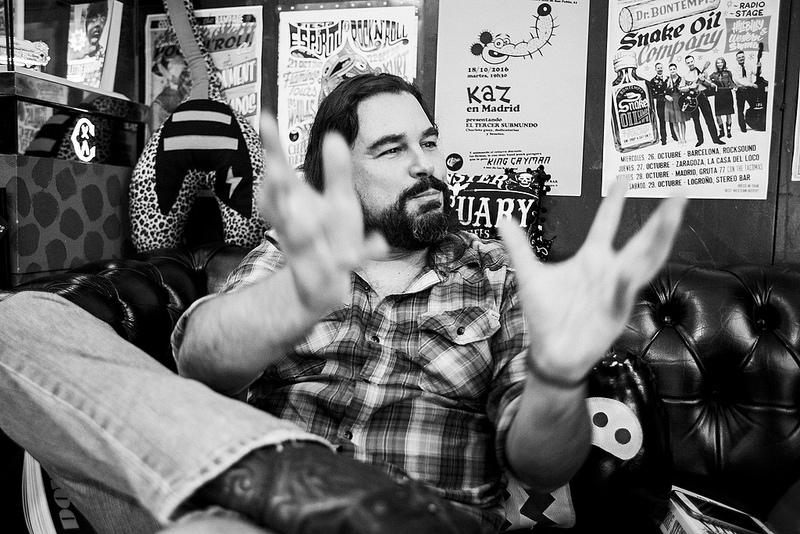
También viviste una etapa en Moscú, porque tu padre era el corresponsal de El Mundo en la época de la perestroika. De Mallorca a Moscú.

Sí, ahí tenía quince años, llegamos en 1990. Fue una experiencia de las que te cambian, literalmente, la vida. Primero por estar allí, en un ambiente completamente distinto, aislado por completo de tus referentes habituales, sin más comunicación que la de las cartas que tardaban treinta días en llegar. Y luego, a un nivel más profundo, aunque de esto no he sido consciente hasta mucho más tarde, por el puro disparate de la idea. Mi padre es periodista de oficio, no de carrera. Cuando yo era niño todavía trabajaba de pizzero, y en el plazo de quince años pasa de escribir crónicas locales en nuestro pueblo a ser redactor en Palma, luego corresponsal de Última Hora en el Congreso y finalmente corresponsal en Moscú. En El Mundo, que no llevaba ni un año en la calle, le pagan por crónica, como colaborador externo, no le ofrecen contrato. Pero lo hace porque es lo que de verdad le apetece y de repente allá que nos vamos toda la familia, por carretera, en una furgoneta hasta Moscú. Esto a mí a la larga me cambia la cabeza. Si un pizzero puede acabar de corresponsal en Moscú, renunciar a tu empleo fijo en una oficina para montar una editorial ya no parece ni tan disparatado ni tan arriesgado. Es como aquello que cantaba Eskorbuto, ¿no? «Creéis que todo tiene un límite y así estáis todos limitados». Sin ánimo de sonar como un puto manual de autoayuda, pero a veces es importante tener cerca personas que te cambien esa idea de dónde están los límites y en ese aspecto mis padres, los dos, han tenido mucho que ver.

En el 90 fue el Monster of Rock en Moscú, ¿no?

¡Y no pude ir! Me traje una camiseta de recuerdo, pero no pude ir… Un par de años antes se había celebrado también el Moscow Peace Festival, con Bon Jovi, Scorpions y más gente. ¡Estuvieron hasta Mötley Crüe! Ese al menos pude oírlo en la radio, en una emisora que se llamaba Radio Nostalgie Moskvá. Lo reponían a menudo, sobre todo la parte de Scorpions, que en aquel momento hacían furor allí con Winds of Change y todo aquello.

¿Y los cómics?

Pues me pasé un año de gran sequía. Me llegaron un par de paquetitos, pero poco más. Me ayudó muchísimo a mejorar el inglés, porque como empezaba a haber grandes muestras de apertura, había libros importados de Penguin y cosas así. Empezaron a llegar bastantes discos y me hice una discoteca bastante amplia. Melodiya, que era la única casa de discos allí, había empezado a publicar bastantes cosas occidentales, recopilatorios de los Stones, de Deep Purple… Y claro, al cambio a nosotros nos salía muy bien, porque lo comprábamos en tiendas rusas, así que fue el inicio de mi discoteca y mi biblioteca en inglés. Recuerdo perfectamente uno de los primeros libros que compré: The Rolling Stone History of Rock & Roll. Un tochazo de novecientas páginas escrito por tres periodistas de la revista, con todo lo que hay que saber hasta mil novecientos ochenta y tantos. El leer tanto en inglés me obligó a ponerme realmente las pilas.

¿En el ambiente de la Rusia de entonces se notaba la avidez por el entertainment occidental?

Sí, el interés por la música y la literatura era enorme, pero también por los cómics. Una de las experiencias más bonitas que tuve allí fue con unos chicos que estaban montando una cooperativa que se llamaba KOM. Un día vi en el Komsomolskaya Pravda que iban a presentar en público la cooperativa y para allá que me fui. Eran como treinta y pico, unos tíos encantadores, de edades entre los quince y los cuarenta. Cada uno aportaba sus guiones, sus dibujos, lo que pudiera, y entre todos editaban pequeñas antologías. Se juntaban una vez por semana para tomar el té y hablar de sus cosas y me invitaron a participar en sus reuniones. La verdad es que me acogieron de maravilla. Por una parte tenían muchas ganas de hacer cosas y una gran curiosidad por lo nuevo, pero a la vez también tenían muy interiorizado lo del colectivismo. Para mí fue una época de aprendizaje y de grandes descubrimientos, aunque para ellos seguía siendo una época jodida, claro. De todos modos fueron unos años que incluso ellos verán ahora con algo de nostalgia; los primeros años de apertura y de cambio. Fue como su transición antes de que se les viniera encima todo lo que se les ha venido después.

Has vivido el periodismo de cerca, y criticas mucho el esnobismo cultural. Te molesta que se utilice la cultura como arma arrojadiza y como barrera, desde un concepto pedante y exclusivista. ¿No crees que las cosas están cambiando un poco?

Es verdad que hay toda una generación de gente un poco más abierta, con un discurso menos cerrado y menos obsesionado con las divisiones de la «alta cultura» o la «baja cultura». Alta, baja, la de en medio, cultura popular… ¡Qué más da! Es que sinceramente es una distinción que no hago y que me parece hasta artificial.

Decías, cuando te metiste en el mundo de la edición, que en las primeras reuniones de editores la impresión que te causó aquello es que «parecía que acababas de entrar en Pedralbes».

[Risas]. Sí, sí. Quizás fuera un comentario un poco sobrado, pero lo que sí es verdad es que en el mundo editorial impera una clase socioeconómica de un nivel tirando a elevado. Eso está claro. Entre otras cosas porque editar es un oficio caro. Hombre, también hay mucho voluntarioso, mucho editor pequeño que se está dejando la piel para sacar lo que le apetece. Pero sigue abundando la gente de pasta, eso es así. Y ese nivel socioeconómico va a unido a determinadas experiencias y unas formas de ver la cultura que no se corresponden con las mías. Ya está.
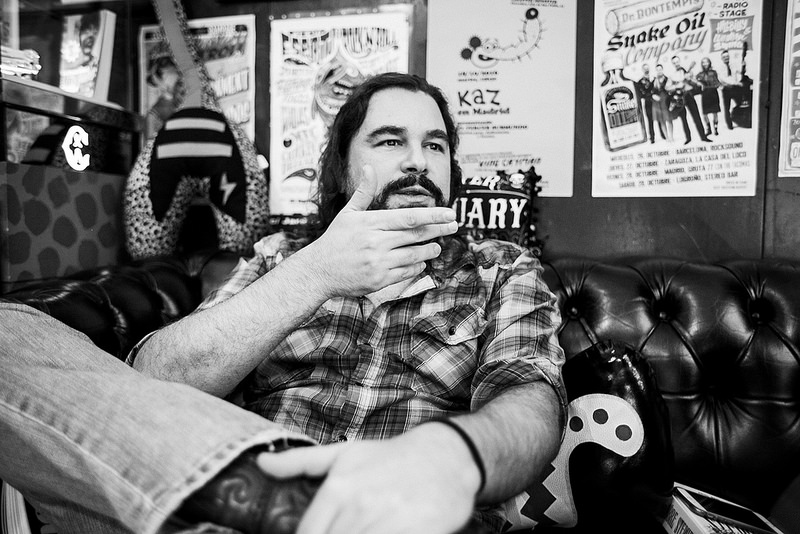
Cuando empezó a funcionar muy bien el libro de Lemmy, hubo alguien que te soltó «joder, ahora resulta que los heavies van a ser los intelectuales».

Fue precisamente un editor, sí. Supongo que era un comentario humorístico, pero qué tendrá que ver el tocino con la velocidad, ¿no? ¿Y por qué no te va a gustar leer si eres heavy? Es más, probablemente a ese jevi del que te estás burlando le gusta leer no solo la biografía de Lemmy, sino también los libros que estás publicando tú.

Y además: a ver qué tiene que ver leer con ser intelectual. Como si fuera lo mismo.

¡Claro! Es que hay muchas maneras de leer y unas no son mejores que otras por mucho que te empeñes. Yo lo que siempre defiendo es que la gente lea lo que quiera y que disfrute con lo que quiera, sin que tenga que venir luego un cretino a señalar con la mano: «¿Con esto pierdes el tiempo?». Porque no, no estás perdiendo el tiempo. Estás haciendo una actividad que te da un enorme placer, lo cual parece que siempre tiene que estar bajo sospecha. Si no lo sufres, es que no merece la pena. ¡No, hombre! Y si, por la misma regla de tres, resulta que eres una persona que encuentra el placer en el reto intelectual, que disfruta con los ejercicios puramente de estilo o con las exhibiciones de ingenio, pues me parece igual de bien. Bien si lo haces porque te gusta; si lo haces porque lo que te gusta es dar la nota y te crees que haber leído un libro en concreto te da la potestad de mirar a otras personas por encima del hombro, apaga y vámonos. Muchas veces pienso que parte de la culpa de que no se fomente más la lectura la tenemos precisamente los lectores, debido a esas actitudes de mierda que adoptamos a veces hacia la gente que no lee o que no lee lo que nosotros creemos que debería leer.

Estamos más centrados en lo que dicen de nosotros los libros que leemos que en disfrutar de los libros que leemos.

No quiero generalizar, pero creo que algo de eso hay. Dando por bueno que todos tenemos nuestras manías, ¿eh? Yo, por ejemplo, no puedo con los misterios de cámara; los libros-enigma estos de detectives que para la última escena juntan a todos los sospechosos en el comedor, pero no por eso le voy a faltar el respeto a Agatha Christie, que me parece una escritora muy buena en lo suyo, y mucho menos a sus lectores. Como tampoco te voy a llamar pedantorro porque vayas con el Ulises debajo del brazo. Si lo disfrutas, lo disfrutas, y me parece maravilloso que te guste. Respeto incluso que no te guste y que estés ahí insistiendo porque te lo has puesto como reto personal. De puta madre. Pero solo por aparentar… Eso ya me parece triste, porque creo que estás perdiendo un tiempo precioso en algo que solo te va a servir para comportarte como un perdonavidas.

A ti te molesta bastante que se junten en la misma frase las palabras «editor» y «responsabilidad social». ¿No crees que exista este tipo de responsabilidad en este oficio, o consideras injusto que los editores se la arroguen?

Me da un poco de urticaria esa expresión, sí. Vuelvo a lo de antes: si tú sientes esa responsabilidad, fenomenal, haz algo al respecto, pero no vayas por ahí predicando que todos los editores deberían hacer lo mismo. Porque además lo de la responsabilidad social hay muchas maneras de verlo. ¿Qué quiere decir? ¿Dónde acotamos el término? Porque tirando del hilo de la responsabilidad social, puedes llegar a decir que hay contenidos que te parecen irresponsables, y de ahí a la censura solo hay un paso. O a lo mejor yo puedo considerar que responsabilidad social es imprimir solo en España y no en Taiwán.

Pero la tentación del abaratamiento de costes está ahí.

Sí, está ahí, efectivamente. Todos los días llegan ofertas de China, de Malasia, de donde quieras. Pero mira, yo ahí sí que me arrogo una responsabilidad social, porque creo que en este barco vamos todos juntos: editores, distribuidores, libreros, lectores y también impresores. Y si tú no ayudas a mantener ese tejido industrial en España, las opciones se van limitando como de hecho ya está pasando, porque cada vez quedan menos imprentas y menos fábricas papeleras. Así pasa que en los ocho años que llevo como editor, el precio del papel es lo único que yo he visto que ha ido subiendo al mismo ritmo que el precio de las eléctricas [risas]. Cada tantos meses, pum. Por eso, para mí, apoyar a imprentas y papeleras españolas es «responsabilidad social», pero una que me autoimpongo yo solito, no le voy a afear a nadie que actúe de otra manera. Si imprimir en Taiwán es la diferencia entre chapar o sobrevivir, o si así te puedes permitir tener una editorial un poco más grande y dar trabajo a otras dos personas en lugar de estar solipandi como yo, pues cojonudo. Pero hablar con esa grandilocuencia de que «tenemos la responsabilidad social de blablabá», mira, no. Tú ponte las reglas que quieras para tu negocio, tu editorial y tu manera de vender la cultura, pero no pretendas convertirlas en intrínsecas a la edición.

Sobre tu rechazo a recibir subvenciones de ningún tipo, ¿es porque vinculas el hecho de ser una editorial independiente con eso, o hay otros motivos?

Bueno, para mí personalmente la independencia es eso: no depender de nadie más que del lector. Y una vez más, repito: no le pido a nadie que esté de acuerdo. Pero es que además el sistema de subvenciones tal y como está montado no me gusta nada.

¿Por qué?

Porque me parece muy aleatorio. Mal pensado. No estoy en contra de las subvenciones per se, eso que quede claro. No llevo un rollo libertario loco a lo Ayn Rand. Creo que hay cosas que deberían estar subvencionadas y creo que la literatura debería ser una de ellas. Me parecería fenomenal que hubiera más ayuda y más promoción para los nuevos talentos. Más ayudas a la traducción para potenciar las obras de nuestros autores fuera. O subvenciones de mayor cuantía que permitan a un autor dedicar dos o tres años a trabajar en obras inasumibles de otro modo. Ahora bien, que todos los años se presenten todas las editoriales de España, incluidas las más grandes, a una bolsa de dinero que se intenta repartir de manera más o menos equitativa entre todas mediante un sistema de puntos absurdo, de tal manera que al final Anaya y Mondadori se llevan los mismos euros que una editorial en la que trabajan dos personas, pues no lo veo. Como no veo bien que esté permitido presentarse a las ayudas año tras año. Si has facturado más de tantos euros durante el curso precedente y es evidente que no necesitas ayudas, no deberías poder presentarte. Luego hay gente que te confiesa que no está de acuerdo con cómo está montado el sistema, pero se presentan igual porque, para que se lleve el dinero Alfaguara, mejor que se lo lleven ellos. Y que conste que entiendo su razonamiento, pero yo no entro en ese juego.

Por último, a nivel personal, quiero saber que mi editorial se mantiene por su propio pie. Me parece peligrosísimo acostumbrarte a recibir un dinerito todos los años, empezar a contar con ello y creer que va a seguir siempre ahí, porque luego te llevas hostias. Allá por 2009 hubo un momento en el que los gobiernos autonómicos empezaron a recortar mogollón los presupuestos y, claro, yo vengo de una autonomía con lengua propia donde lo de las subvenciones siempre ha sido un tema de uso y abuso. Muchos de mis prejuicios a lo mejor vienen de ahí, no te digo que no. La cuestión es que mi distribuidor en Baleares era a su vez editor y en el momento en el que le cortaron las ayudas acabó en quiebra. Dejó de editar y a mí me dejó un pufillo en impagos. Es lo que pasa cuando das por hecho que las ayudas van a seguir llegando. En mi caso, mientras los libros que edite vayan pagando los gastos de los siguientes, seguiré. En caso contrario, no me quiero meter en agujeros de los que no sé luego cómo voy a salir.

¿Es cierto que cada libro que haces no sabes si va a ser el último?  

Bueno, no siempre. Cuando las cosas van bien, como por ejemplo ahora, suelo tener cerrados ya los dos o tres siguientes. Pero sí es verdad que cuando saqué Arte salvaje no sabía si iba a haber más. Tenía un sobrante de papel que me daba exactamente para hacer mil seiscientos ejemplares del libro y me dije: ahora o nunca, aunque sea el último. El papel ya estaba pagado, así que me daba igual todo. Si no se vende, al menos me iré a gusto, con uno de mis libros favoritos. Pero mira, al final funcionó relativamente bien y justo después salió adelante el contrato para la autobiografía de Lemmy, que fue la que de verdad tiró del carro.

¿Incluso antes de su muerte?

Sí, antes de que falleciera ya era el libro que más rápido he vendido nunca en la historia de la editorial. En los nueve meses que pasaron entre que lo publicamos y que murió Lemmy ya se habían vendido cinco mil ejemplares.

Si los de Libros del K.O. nos dijeron que la cocaína salvó su editorial, tú podrías decir que «el speed salvó a Es Pop»

[Risas]. Es que fue exactamente lo que pasó. Ver que el libro de Lemmy tenía ya unas ventas y que todavía parecía quedarle cuerda me permitió ampliar tiradas y sobre todo comprar papel en mayor tonelaje, para varios libros de golpe. De esa manera, los costes se reparten mejor y puedo permitirme sacar títulos que a lo mejor no van a tirar tanto como Lemmy con un PVP un poco más económico. Y a mí una de las cosas que más me obsesionan es hacer los libros lo más baratos posible, sin caer en lo cutre. No digo que sean libros baratos, pero sí que intento que sean lo más económicos posible. Es evidente que veintiséis euros sigue siendo un pastón, pero si ves un libro como Todo el mundo adora de nuestra ciudad, con sus seiscientas páginas en tapa dura, y lo comparas con todas esas novelas de entre trescientas y cuatrocientas páginas en rústica que salen directamente a veintidós, espero que se note el esfuerzo. Es un proceso que se ha ido dando con el tiempo y sobre todo con la experiencia, al principio no tenía ni el mismo margen de maniobra ni el mismo conocimiento del sector, pero vas ajustando a medida que aprendes.  

¿Qué pasó con la colección que hiciste en conjunto Es Pop y Valdemar? Javier Lucini lo señaló como ejemplo de por qué editar ficción es un suicidio.

Sí, totalmente de acuerdo. Por eso he dejado de publicar narrativa. Uno de los motivos por los que no sabía muy bien si seguir con la editorial era porque la narrativa me estaba causando pérdidas, directamente. Es una tendencia general. Las tiradas de las editoriales se han reducido muchísimo, las ventas medias de los libros de narrativa son ridículas, de no creérselo. Y no te voy a hablar de lo que me cuentan otras editoriales porque son datos compartidos en confianza, pero mis cifras de narrativa se estaban moviendo entre los quinientos y los setecientos ejemplares, y el último libro, Por mal camino, no llegó a los trescientos. La colección con Valdemar empezó bien, pero cada uno iba vendiendo menos que el anterior. Hubo que reducir paulatinamente la tirada de los siguientes títulos, con lo cual el PVP se fue encareciendo en un momento en el que la crisis se iba profundizando y la gente iba recortando en gastos. El típico círculo vicioso, vamos.

No es por ponernos conspiranoicos, pero ¿podría tener algo que ver también que en esa colección había tres autoras (Vicki Hendricks, Megan Abbott, Christa Faust), más mujeres que hombres?

No creo, porque de los cinco libros que sacamos los que mejor vendieron fueron precisamente el de Faust y el de Abbott. Para nosotros fue un palo que no funcionara, porque era una colección muy ambiciosa y en la que habíamos puesto mucha ilusión. Ahora, con la perspectiva que da el tiempo, no sé si fue la mejor idea que tuvimos [risas]. Por mi parte porque me despistó la atención de la colección de ensayo, que en realidad era mi motivo para montar la editorial, y me empecé a dispersar demasiado pronto… pero es que la tentación era muy grande. La idea no era publicar solo thriller o género negro, que es en lo que se quedó al final, sino celebrar todas las manifestaciones del género, alternando autores inéditos con el rescate de obras antiguas. Queríamos sacar wéstern, ciencia ficción, horror, noir… Teníamos previsto editar cosas como Sharp Teeth, una novela de hombres lobo de Toby Barlow, y recuperar títulos como La muerte de la hierba de John Christopher, La diligencia, El hombre que cayó a la Tierra… Se hizo una apuesta bastante gorda, porque de los dos primeros títulos tiramos tres mil ejemplares de cada. Fuimos a hablar con los distribuidores para decirles «a ver, esto es algo en lo que estamos poniendo toda la carne en el asador, conscientes de que es una apuesta diferente, por favor, apoyadla». Y lo cierto es que se portaron, es la única vez que me ha llamado un colega para decirme que había visto un libro mío en la estación del tren. Nos pusieron en sitios donde habitualmente no llegamos, pero sencillamente no vendió.

¿Dónde está el problema?

Pues a lo mejor los libros no eran lo suficientemente atractivos o puede que la estética pulp que escogimos para las portadas echara a la gente para atrás. A lo mejor simplemente pensaron que no eran tan buenos como nos parecían a nosotros. No sé, el caso es que disfrutamos mucho con ellos. La prensa, eso sí, no nos hizo ni puto caso. No hubo reseña alguna.

¿Habría provocado eso algún cambio?

No, tampoco creo que en última instancia acabe afectando, porque la influencia que pueda tener actualmente la prensa cultural en las ventas es ínfima salvo en casos muy contados. El único libro que me he comido hasta ahora de la colección de ensayo, que además me dejó un agujero bien guapo, fue la biografía de Schulz. Curiosamente, es el libro más reseñado y más alabado que he publicado desde que empecé a editar. Salió en Babelia, en El País, en ABC Cultural, dos páginas en Público… ¡Hasta dos páginas en el ADN! ¿Sirvió para la venta? No. Si al público no le interesa el tema, ya puede decir misa quien quiera. Mi experiencia ha sido esa: los libros más vendidos nunca han sido los más reseñados, más bien al contrario. Arte salvaje también tuvo unas reseñas estupendas. ¿Para vender cuánto? Mil ejemplares. Si con el apoyo de toda la prensa cultural eso es lo máximo a lo que puedes aspirar… No digo que de cara a ciertos autores, y sobre todo como amplificador de ciertos fenómenos, la prensa no ayude a vender más. Estoy convencido de que sí. Pero para el tipo de material que publico yo, creo que la influencia es mínima.
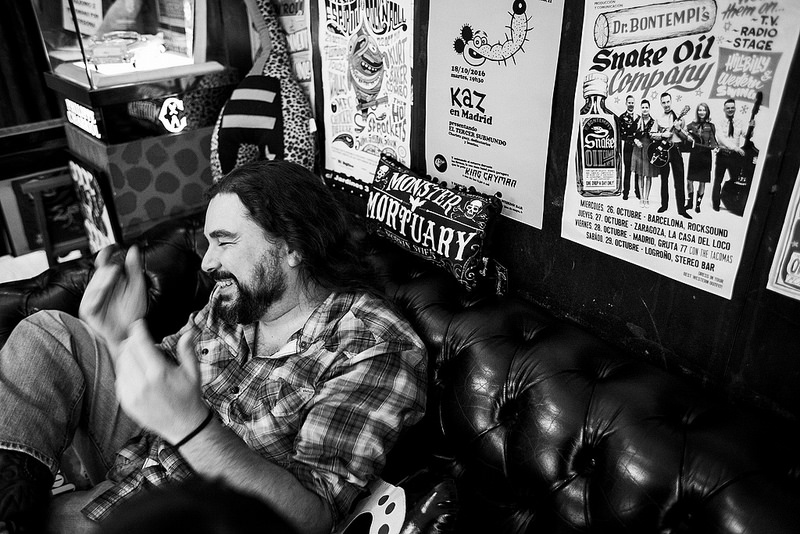
Qué relax tiene que provocar no tener que estar pendiente de cómo ponen tu libro en la prensa, ¿no? No tener que estar pendiente de si lo sacan o no…

Sí. Cada vez envío menos ejemplares a prensa y sobre todo se los envío a gente que sé que va a apreciar el libro y a reseñarlo bien. Reseñarlo bien no es que lo pongan bien, son conceptos diferentes. Me refiero a que me consta que se lo van a leer y van a escribir al respecto algo personal y meditado. Antes que enviárselo a un redactor de periódico grande que lo que hace es fusilarse cuatro anecdotillas del libro para llenarse una página sin currárselo demasiado, prefiero mandárselo a un medio como Detour, que es una web que no sé cuántos lectores tendrá, pero me da igual, porque las reseñas se las curran y siempre acaban sacándole punta a los libros, se ve que detrás hay gente con un interés genuino por decir algo, al margen de que luego la crítica sea positiva o negativa. Y ese es el tipo de cosas que yo valoro.

¿Respecto a lo demás? Pues te digo completamente en serio que me preocupa mucho más lo que digan de mis libros en el foro del Azkena Rock que en Babelia. Esto es así. Para los libros que yo publico, tiene mucha más influencia una reseña en ese foro que una doble página en prensa. Y no solo porque sea «mi público», sino porque en última instancia es un foro de música y cuando se les ocurre recomendar un libro no se andan con el mamoneo de los foros literarios: dan su opinión tal cual, de manera genuina y fresca, sincera. Y como se conocen y están hablando de otras mil cosas el resto del día, vale mucho más que uno de ellos diga que le ha gustado Fargo Rock City que el que lo diga un periodista. De hecho con ese libro fue automático: hubo un forero que lo puso de maravilla y empezaron a llegar los pedidos por la web. Es el boca a boca de toda la vida multiplicado por mil. Aparte de eso, sí que me siento agradecido con publicaciones como el Ruta 66 o Mondo Sonoro, que son de las pocas que han reseñado absolutamente todo lo que he publicado, no solo los libros de música, sino todos los de narrativa también. Me quito el sombrero.

Bueno, el clásico atragantado. ¿Cuál es el tuyo?

Lo tengo claro: nunca he podido acabar El Principito.

Un clásico de esta sección es Ulises, está trabado en muchas gargantas. Tú has publicado este año El libro más peligroso: James Joyce y la batalla por Ulises. ¿Es una rareza en tu catálogo?

Yo entiendo que de buenas a primeras puede parecer un salto inusitado, o que no pega nada con Es Pop y las cosas que digo, pero en realidad creo que es el libro que más se acerca a lo que tenía en la cabeza cuando me planteé montar la editorial. Creo que es el libro que da forma definitiva a toda la colección de ensayo. Nunca ha sido una colección solo de música, o solo de rockeros sobrados, o solo de cine de terror. No. Habla de cultura popular en general y del papel del artista, de cualquier artista, frente a la sociedad; de cómo se afrontan los procesos creativos y cómo son recibidos luego por el público. En concreto El libro más peligroso cuenta el proceso de escritura del Ulises, centrándose en toda la gente que apoyó a Joyce a la hora de sacarlo adelante. Escritores, amigos y sobre todo muchísimas mujeres, curiosamente aquellas a las que los censores más deseaban «proteger» de las lecturas supuestamente corruptoras. Ulises existe en concreto gracias a tres mujeres. La primera, Margaret Anderson, editora de The Little Review, una revista modernista neoyorquina que fue llevada a juicio por publicar la novela por entregas. El libro fue condenado por obsceno, lo que implicó su prohibición en Estados Unidos. Poco después Inglaterra hizo lo propio, prohibiendo su distribución, publicación e incluso su importación. Por eso al final se publicó en París, gracias a Sylvia Beach, la fundadora de Shakespeare & Co.

A todo esto, James Joyce de lo que está viviendo es del dinero que le envía Harriet Weaver, una solterona británica que leyó El retrato del artista adolescente y vio las estrellas. Le dijo a Joyce algo así como «yo quiero que usted sienta para escribir la misma libertad que he sentido yo mientras leía su libro». Y empezó a pasarle un estipendio anual, era una mecenas de la vieja escuela. Lo maravilloso de todo esto es que el Ulises, que hoy en día está considerado canon literario y la mayor expresión de la novela en lengua inglesa del siglo XX, estuvo durante doce años prohibido en Estados Unidos y en Inglaterra. Tiene tres juicios por obscenidad, dos de ellos federales. El tercero de ellos lo gana y ahí es cuando al fin se publica de manera masiva y empieza a subir como la espuma en la valoración crítica.

¿Por qué es relevante todo esto para Es Pop? Porque en realidad de lo que está hablando el libro es de un proceso de creación, incomprensión y revalorización cultural que podemos encontrar repetido una y otra vez en múltiples casos. Por ejemplo en Señores del Caos. Ahí tienes un pequeño conjunto de alienados que se meten en un sótano en Noruega y crean una manifestación cultural y musical completamente propia y singular que al cabo de unos años acaba trascendiendo a la cultura en general. Al margen de que las obras nacidas a su amparo te puedan interesar más o menos, tanto el modernismo como el black metal siguen el mismo esquema de desarrollo. Son culturas alternativas que empiezan como movimiento minoritario y muy militante, que poco a poco se va infiltrando en la cultura mayoritaria, con mayor o menor fortuna. The Egoist, una de las revistas fundamentales del modernismo, tenía una tirada de doscientos ejemplares que se distribuían por correo. ¿En qué se diferencia eso de un fanzine de música extrema? Es también el mismo proceso que cuenta Todo el mundo adora nuestra ciudad respecto al grunge. O Arte salvaje respecto a la literatura de quiosco en Estados Unidos. O la biografía de Phil Lynott respecto al ambiente cultural contestatario que se dio en Dublín a finales de los años sesenta.

Se dice siempre eso de que los escritores orbitan su carrera siempre «en torno a la misma historia» y parece que en este caso, el editor al final edita la misma historia…

Sí, exacto. Todo orbita en torno a una misma obsesión [risas]. Mi esperanza es que un lector que se haya leído libros tan diferentes como Los trapos sucios o Arte Salvaje de repente vea El libro más peligroso y diga: «Hostia, no lo leería jamás, pero como lo publica Es Pop…». Además estoy convencido de que le va a encantar.

Quizás no les (nos) reconvenzas de volver a intentarlo con el Ulises en sí, pero sí con este.

Es que es una historia tremenda. Cuando empieces a leer que había gente se arriesgaba a penas de diez años de cárcel para meter el Ulises de contrabando siguiendo la misma ruta que el whisky de Al Capone, a lo mejor dices «hostia, quizá este libro tiene algo» [risas]. Pero vamos, por no asustar: el autor, Kevin Birmingham, no es ni mucho menos un esnob cultural empeñado en convencerte de lo bueno que es el libro. Lo que te explica muy bien es por qué fue importante, al margen de que literariamente te pueda interesar más o menos. Porque lo que consigue Ulises es muy exagerado: marca un precedente de apertura sin igual para la literatura. Si lees el monólogo final de Molly Bloom, está lleno de referencias sexuales y palabras malsonantes. Quince años antes, al mismo Joyce le habían retirado de las librerías Dublineses solo por porque incluía la palabra «damn». Eso es salvaje.
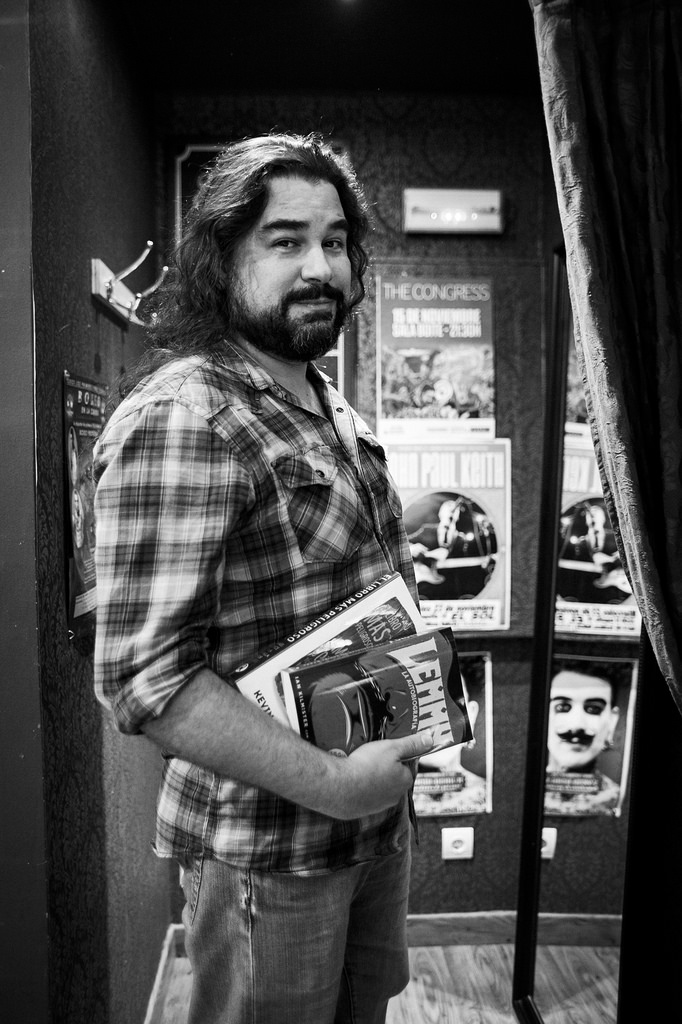
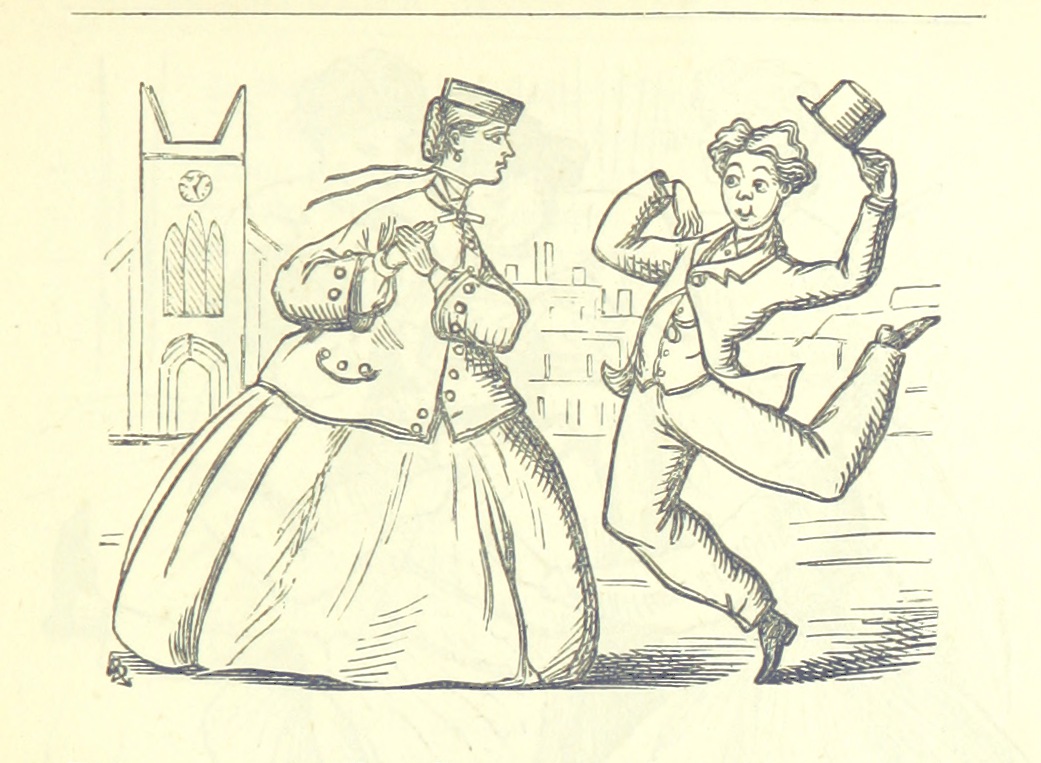
La entrada Editar en tiempos revueltos: Es Pop aparece primero en Jot Down Cultural Magazine.

02 Jun 18:14

The Story Behind: “Skinhead Moonstomp” de Symarip

by condenadofanzine
“Skinhead Moonstomp” se ha convertido en todo un clásico de la escena skinhead internacional. Probablemente también se puede decir que fue la primera canción escrita para la escena skinhead británica. Un tema que ha conseguido convertirse en un icono, un álbum que ha sido reeditado en ocho ocasiones, y lo fue por mera casualidad. De...
02 Jun 18:14

North Mississippi Allstars – Prayer for Peace (2017)

by exy

North Mississippi AllstarsTwenty years into their career, the word “sellout” remains a foreign concept to America’s diehard retro boogie masters, the North Mississippi Allstars. That’s true even as they cozy up to the suits on the group’s debut for the multi-national behemoth Sony corporation, a company that probably spends more on lunch for their executives in a week than the Allstars gross on a tour.
Brothers Luther (guitar/vocals) and Cody (percussion, piano, etc.) Dickinson are the stripped down members of this aggressive, uncompromising group whose dedication to the raw, rural blues of R.L. Burnside and Mississippi Fred McDowell (both of whose songs they cover here), along with the backwoods fife music of Otha Turner, has informed eight previous albums and helped make…

102 MB  320 ** FLAC

…Luther a sort of go-to guitarist for bands, like the Black Crowes, looking for some rootsy credibility. Even though the Allstars have occasionally mixed rugged hip-hop and psychedelic rock into this dusky stew, they have never abandoned the gutsy soul at their core and the duo’s credentials remain impeccable.

Despite the jump to a major label, that doesn’t change on Prayer for Peace, the hard touring band’s eighth platter and first studio effort since 2013’s suitably titled breakthrough World Boogie is Coming. Instead of shifting towards a commercial middle ground, the twosome doubles down on their dusky, swamp infested, high wattage basic blues and boogie. It’s an approach made clear on the opening title track that, with its driving drums, Luther’s grinding guitar, darkly bubbling bass from ex-Allman Brothers Band member Oteil Burbridge and pulsating fife, sets the disc’s murky tone.

Luther heads into Hendrix “Hear My Train A-Comin’” territory for the electrifying “Need to be Free” and “Bird Without a Feather,” slithers into Johnny Winter land on a riveting cover of McDowell’s classic “You Got to Move” (a sassy duet with the soulful Danielle Nicole), takes an excursion down ZZ Top’s on-ramp for the driving, slide guitar infused “61 Highway” and references Cream’s version of “Crossroads” with the crowing “Run Red Rooster.” The pile-driving version of Burnside’s “Long Haired Doney” is another in a series of highlights that turn the heat of Luther’s guitar into an explosive device. They unplug for a peppy cover of the Gus Cannon classic “Stealin’” and close with a sweet take on the traditional spiritual “(We) Bid You Goodnight,” a Grateful Dead favorite, where Luther’s slide emulates both Jerry Garcia’s lofty floating lines and Duane Allman’s singing sound.

Even though the tunes were recorded in no fewer than five different studios, including about half co-produced by the legendary Boo Mitchell at the similarly legendary Royal Studios in Memphis, the album hangs together as a well-crafted whole. To their credit, the Allstars show no interest in expanding or compromising their style to attract others beyond the dedicated base they have acquired over two decades.

There aren’t any revelations on Prayer for Peace, but the energy, excitement and intensity poured into every performance makes this a standout in an impressive Dickinson brothers catalog that doesn’t have any weak entries. — AmericanSongwriter

02 Jun 18:11

A Spotter’s Guide to Every Type of Tory Voter

by Joel Golby

What is a Tory? Well, at surface level, it's someone who votes Conservative. But it's also deeper than that, something more fundamental, a certain ethereal Toriness that emanates from the bones: Toryism is washing your BMW every single Sunday, and having full package Sky without ever calling to negotiate a deal, and owning more than one pair of walking boots, and thinking deep down that poor children, disabled people and immigrants should all be shot and killed. It's joining rotary clubs and putting your dog in for Crufts and only shopping at Aldi and Lidl once the Daily Mail has been there and said it's safe to do so. And it's hard to exactly define who or what a Tory is – there are millions of them, walking amongst us, silently hating everyone who isn't rich – but this rough spotter's guide should help identify the worst of them. Enjoy it.

GUN TORY

At first glance, Gun Tory is just a Country Tory, really – tweed, Barbour jacket, refers to their house as a "pile" or "farmstead", runs a decently profitable B&B from the side of their house, all four kids are called Barney and in the same private school their dad went to, Land Rover, daddy was a Lord – but hoo boy, does Gun Tory have some opinions about foxes. "Vile creature, vermin," they are saying, idly reading a leaflet. They have special hunting jodhpurs and this special trumpet they are very mad the government won't let them blow. "It's a way of life, though, is what they don't understand." Yes, you nod along, of course. Nothing like shattering a small creature with gunfire after it has been run ragged by dogs. Nothing like the thrill of it. Have you ever been to the IMAX, Gun Tory? I just think that maybe you'd get as much if not more of a thrill out of that. "No, hunting is… hunting is something else." They go misty-eyed and distant. Hold on, look at that leaflet they're holding: it's not about foxes at all. It's… a UKIP leaflet? About how immigration is ruining this country? Is… is this how it starts? How many years until we switch the gunfire rhetoric from foxes to foreigners? Five years? Ten?

SECRET TORY

Hard to tell with Secret Tories whether they are actual Tories or not, because:

– Get really aggressively obsessed with and write to the council about recycling == could be Green
– Very politely and quietly acquiesces when a waiter is rude to them in a restaurant == could be Lib Dem
– Nice car == they just have a nice car
– Nice house == they just have a nice house
– Keep saying Britain's Got Talent should be for 'British people only' == could be UKIP
– Sound lads who have you round for a barbecue and put on a really good spread of meats, salads, sides and desserts w/ free beer for all == could just be nice
– Also serve Pimm's == could be a Conservative MP

So it's difficult, obviously. Secret Tories move amongst us like aliens wearing human skin, and there are certain thin pulse points – the wrists, the crooks of the elbow – where the façade wears just thin enough for it to crack and fail. For example: one really good way to pull a Shy Tory out of their shell is to say the words "grammar schools". Another is to mention child benefits spending in the UK. Maybe you could tease a shy Tory out by playing a Gary Barlow song and seeing if they hum along. Mention that you've filled your ISA allowance for the year and see if they know any tax tricks. Here's a good one: mention Uber. Shy Tories haven't even heard of Uber because they all have Addison Lee accounts tacked to their work phone. They literally no nothing of the zero hours economy and the way the cab industry is flailing and changing. "You can charge your phone in an Addy Lee," Secret Tories say. "Why would I get this… what's it, again? Uber?" And that's where you've got them – now dig down and ask them what they really think about benefits claimants and watch them spew blue.

DRUNK TORY

First thing you will notice about the Drunk Tory is their shirt sleeves are rolled to the elbows. Tories, in their natural and sober state, have an almost pathological need to show their forearms: look at a Tory Dad at rest and he will be wearing a long-sleeved zip-thru from Blacks over a TM Lewin shirt, rolled right up. The elbow roll signifies one of two things: they are a politician on the campaign trail, in the last three days before a vote, and it is past 10PM on a 14-hour day (the Tory, in rolled shirt sleeves, will use their newly exposed arms to behold and kiss a baby, or they will raise them to clap above their heads, frothing the crowd into a peaked texture by flashing a glimpse of their underarm sweat patch); or, it means the Tory is drunk. It is possible, but rare, for it to be both.

Tories get drunk at a 15-degree more acute angle than people with souls do. Tories get drunk on wine and cognac and champagne, rather than fizzy pints of beer. At some point during a sesh, depending on the age of the Tory in question, they will either take a large expensive cigar out of their jacket pocket and slowly sniff up and down the length of it; or they will get Extremely Stuck In to two to three grams of Very Good Gear. Drunk Tories, as they age, grow pink-then-red in the face, spreading like a veiny blush down through the rest of their body. The breath of Drunk Tories is warm and stale in the same way a country pub carpet is. Drunk Tories have even less of a touch on the reality of money and the value of money than Regular Tories, meaning they frequently rack up bar bills in the hundreds then fall asleep mid-shit in the disabled toilets and leave you blurrily paying the tab. Drunk Tories, in the grand scheme of Tories, are amongst the most benign Tories, mostly harmless and fundamentally blithe, but they are also – and get this, duality fans – they are also possibly the worst.

CITY TORY

You know City Tory because he barged past you at the bar last night and starting simultaneously clicking, tutting and waving a £20 note around (how do you click and wave a note with the same hand? Vote for Theresa May this election and you will just be imbued with the skill; you won't have to learn it) before leeringly trying to shag either you or any of your nearby female mates. "Wagwan, girlies," the City Tory says, two bottles of what he not-even-ironically refers to as "bubbly" in both hands. "Let's say you, me and this bottle of Moet get to know each other in the VIP sectch?" The VIP section is a small roped off area of the bar that the City Tory paid up to £800 to secure. Once you're in there, the City Tory tells you about his "assets", how many times he's met Spencer from Made in Chelsea ("Four, and my ex- shagged him once before she got on me so we're technically eskimo bros"), and how many times he's been promoted at work this year (three). He will then invite you to a desolate grey-and-chrome tenth floor new-build flat in Canary Wharf where you'll do cocaine off a really good coffee table and get shagged doggy-style before he gets you a 3AM Uber home. Do you feel bad about yourself? You do feel sort of bad about yourself. But what is life without regrets.

BOY TORY

Weird kid who looks sort of like a shrunken Michael Gove and sincerely gives you the vibe that, even at 14, he still breastfeeds now and again. Rarely have to worry about him and his Little Gents® Baby's First Suit unless he goes on TV to make a speech about how poor kids don't want to do well at their GCSEs, actually, and is held up as the glowing yung light and the future of the Conservative party. Then you have to worry. Then you have to worry a lot.

MUMMY TORY

Mummy Tory is essentially very harmless – she likes baking cakes and volunteering to be on the school board and does the Big Shop at M&S as if that isn't the world's most ultimate flex and takes like seven holidays a year – until one day she just flips one-eighty on the spot and, like, full on says the N-word, or spits in a homeless person's cup, or goes on Newsnight to say immigrant children should be either deported or shot. She wears a lot of floaty chiffon scarves and tracks Gwyneth Paltrow's haircut exactly two years after Gwyneth Paltrow does it.

NIMBY TORY

That guy across the road from you who only gets vocal about setting up a Neighbourhood Watch patrol when an Indian family moves in two doors down. NIMBY Tory is pro-greenbelt, anti-third runway, pro-putting "VOTE CONSERVATIVE" signs up in his immaculately clippered lawn and pro-knocking on your door and asking you to turn the TV down after 10PM on a Wednesday. He will definitely, definitely have a rage heart attack and die the day they announce a black Bond.

ESSEX TORY

Essex Tory doesn't really know why he votes Tory; he just knows his dad started doing it the exact moment he started making money and it's gone on from there. "Yeah I'm voting for the winners," Essex Tory says, in his white jeans/white loafers, knotted jumper over blue dress shirt, deep tan, gives every Marbella holiday a "Fingering Score'"out of ten look. "It's just what you do, isn't it? Back the winners." Could go either way with this one: he'll either get ten years for intent to supply or move in after six weeks of dating one of the girls off TOWIE.

ARISTOCRITORY

Extremely puce-in-the-face sturdy lad who is thick through the torso in a way you can only get when you dine on partridge, caviar, champagne and nanny's teat from an early, early age, the Aristocritory lives or at least stands to inherit some exquisite Downton Abbey-style Grade II multi-mansion out in the middle of Buckinghamshire or something, but for now they just flop around their Knightsbridge flat doing good gear and waiting for daddy to die. Aristocritories are about the 1 percent of people alive who are allowed to have any sort of legitimate beef with the inheritance tax, but are so fundamentally to-the-bones rich that they are actually above it, instead expending most of their conversational energy explaining how country mansions are more of a blessing than a curse, actually ("Roof upkeep alone is in the low six figs, bruh") and test-driving Rolls Royces. It is entirely possible they are technically a lord and have just forgotten about it.

LIBERAL TORY

"Fiscally conservative, morally liberal!" says the Liberal Tory, one of only 15 people in the UK who thought the coalition government was good. Sincerely thinks the mantra "people shouldn't have babies if they can't afford them" is an effective form of birth control.

POVERTY TORY

This is the kid in your halls called Jacob who wants you to take him to a grime night and trades in his J Crew chinos for a full head-to-toe adidas outfit before you've even unpacked your mattress protector. "Yah," he says, "me and the boys bun hella zoots. You got a weed hook-up?" You do not. "Safe, safe." He peels a single £20 off a thick wad mummy left in an envelope to pay your halls' resident dealer, whose eyes bulge out of his head and invites you both to come hotbox in his Fiat. "I just love how, like, authentic it is here?" Jacob says, gesturing at Durham University. "The people, the places… the things." You invite him to play football and he picks the ball up and runs with it. You ask someone for a lift to the big Tesco and he offers to take you in his M-Series. He gets Deliveroo for dinner every single night. "What do, like, poor people do for entertainment?" he says, heaving a backpack onto your bed after a weekend spent back home with the rowing club. You rack your brains. They go to the pub? You end up doing your first ever line with him in a toilet cubicle at a student bar called, always, "Varsity", and you sort of get close to becoming actual mates with him, until he finds a group of other poor-passing Tories to hang out with and they spend the next three years alternately switching from history to social studies, planning and holding club nights with £25 entry fees and having sex with waifish private school-educated Jack Wills shop girls called Eve. Even when they're poor they're richer than you. In 15 years he will be your local MP.

FACEBOOK TORY

You know a Facebook Tory, because if you've been good you've been purging most of them apart from your bad uncles for weeks now: they are the most likely to do an "Okay, guys… can you so-called liberals explain to me THIS" status on Facebook with some false facts about JSA spend and then cry off the website entirely when a 60-reply comment thread systematically proves them wrong. "Right, if nobody can explain this to me while being CIVIL" is their rallying cry. Facebook Tories: the Tories so Tory they think being called an idiot on social media is worse than dying of benefits cuts.

Anyway, only six more days to go!

@joelgolby

02 Jun 18:01

Your Period-Tracker App Might Be Messing With Your Head

by Katie Heaney

About a month ago, I was at a party listening to some women I didn’t know very well evangelize their favorite period tracking app, Clue. At the time, I used an app called Pink Pad to track my own period, but I eavesdropped with interest as these women extolled Clue’s...More »

01 Jun 15:14

The look of love: Rarely-seen intimate pics of Freddie Mercury and his partner Jim

00freddiejim.jpg
Jim Hutton and Freddie Mercury with Dorothy the cat, Munich 1986.
 
The first time Jim Hutton met Freddie Mercury, he told him to “fuck off.” They were in the Copacabana, a gay club in the basement of a hotel in South Kensington, one weekend in late 1983. Jim was at the bar...

01 Jun 15:09

'Unbreakable Kimmy Schmidt' Has A Feminism Problem

by EJ Dickson

In the third season of Unbreakable Kimmy Schmidt, the titular character (Ellie Kemper) gets dressed up for a party with a group of college students, all of whom are rabid feminists. Decked out in a tight red dress and thigh-high Ariana Grande boots, Kimmy checks herself out in the mirror, clearly uncomfortable with her overtly sexual appearance. "So this is feminism," Kimmy says, toddling around in her boots. "I didn't know it'd hurt my feet so much." "That's so your butt looks good," one of the students chimes in. "For you."

It's not the show's strongest joke. For one thing, it's a little stale; sex-positive feminism had already been skewered to better effect with "Put Yourself First," the pitch-perfect Fifth Harmony parody from Crazy Ex-Girlfriend. But at the risk of committing the unpardonable sin of deconstructing a joke, it also doesn't work because its premise—that wearing high heels is inherently contradictory to the tenets of feminism, because high heels are a patriarchal construct—is flawed. Unless you're over the age of 40 or a radfem in the vein of Andrea Dworkin, you know that it's perfectly fine to wear or not wear heels.

The joke is just one example of the weirdly stodgy, retrograde, sex-negative, anti-feminist humor that plagues Unbreakable Kimmy Schmidt's otherwise strong third season—and, to a large degree, executive producer Tina Fey's entire career.

For Fey, who has built a legacy on breaking the glass ceiling for women in comedy, "Kimmy Is A Feminist!" seems strangely resentful of—or, at least, baffled by—feminist culture. In the episode, Kimmy befriends a posse of Columbia University students who are basically walking Breitbart News headlines about campus culture. They liberally quote Simone de Beauvoir (even though any campus feminist would know that de Beauvoir was problematic in her own right), balk at the term "you guys," and take classes on power and gender in contemporary yogurt commercials.

At one point, a guy hits on Kimmy by offering her a consent contract. This is an obvious nod to California's 2014 "yes means yes" law, which conservative pundits mocked as a prime example of liberal overreach, envisioning college students signing contracts before agreeing to go down on each other. Of course, that's not what the law actually entailed, but apparently the show's writers thought the concept of a dude asking a woman if it's OK to have sex with her was comedic gold.

The episode concludes that by dressing sexy, getting wasted and grinding against dudes at parties, these college students are just as beholden to the patriarchy as their less well-educated, less progressive forebears. Of course, those aren't necessarily "anti-feminist" actions so much as they're examples of shit that college students do. But the show's writers seem to view this behavior as a sign of intellectual immaturity, a point crystallized when Kimmy sees a roomful of inebriated college students, babbling incoherently and unsuccessfully trying to feed themselves noodles, and deems them "babies."

The show's skewering of millennial entitlement and campus culture gone awry is not entirely without merit: Not a day goes by when we don't see a headline about culturally appropriative campus foods, and when Kimmy politely rebuffs the guy who's trying to have sex with her, he calls his mom and demands she explain why—resonating with any woman who's had the gall to reject a 20-something manchild. But within the context of Fey's oeuvre, this skewering seems less like a few off-handed jokes here and there, and more like another example of a longstanding vendetta against sex positivity.

I'm not the first person to point this out, either: In the past, Fey has been accused of whorephobia, due to her claims that sex workers were victims of childhood sexual abuse (which has been debunked by studies), 30 Rock jokes about under-the-bridge prostitutes, and an interview she gave about strippers, where she said that while she enjoys dressing as a stripper to make fun of them, "that whole industry needs to die by us being a little better than that."

In Kimmy Schmidt, that whorephobia is once again on display. After Kimmy claims she looks like a hooker, her friend corrects her: "They're called sex workers. And they're heroes." Her deadpan earnestness is amusing, but is it really that outrageous that a woman who performs sexual labor to put food on the table—and according to some statistics has a shorter life span and 45% to 75% chance of experiencing violence as a result—could be considered heroic? They're certainly more heroic than the team of Ivy League-educated writers making fun of them.

In both 30 Rock and Kimmy, Fey has created two strong, independent women characters who just aren't all that interested in sex—which isn't offensive in itself. However, by continuously mocking women for dressing like whores—or at least, by claiming that women are deluding themselves when they consider dressing like whores and owning their sexuality empowering—Fey is making the dangerous (and extremely retrograde) statement that sex positivity and feminism are mutually exclusive.

Women who proudly flaunt their feminist credentials while flaunting their cleavage aren't intellectually unsophisticated "babies." We're not fooling ourselves into thinking that we're subverting the male gaze by putting on wedges, or grinding our asses into dudes' boners; we know exactly what we're doing. We just don't think that wearing a bodycon dress and flirting with randos negates the decades-old struggle for gender equality. In fact, in many ways, it advances it.

For decades, women have been unable to freely pursue their sexual desires without being shamed for them, while men have had the ability to stick it wherever they wanted. In many cases (for instance, when young women got pregnant and sought back-alley abortions), this double standard had a body count. Even though we've done a lot to eliminate slut-shaming in our society, in the case of slut-shamed young women like Phoebe Prince or Rehtaeh Parsons, who were bullied to the point of taking their own lives, that body count persists today.

Regardless of what Kimmy Schmidt might tell you, the fight for women to take ownership of their sexuality is not a small one, and it does not negate the continued fight for gender equality; indeed, the two are part and parcel of each other. The same can be said of the other tenets of sex-positive feminism that the show mocks, such as consent culture (something that should be treated with particular sensitivity, especially considering the fact that Kimmy is an abuse survivor) and whorephobia. Because females are strong as hell—even if they wear thigh-high boots.

Follow EJ Dickson on Twitter.

01 Jun 15:06

The Final Taboo: Masturbating Over Someone's Facebook Photos

by Nilu Haidari

Bit foul? Yes. Morally wrong? Probably. Something you would never admit to another living being for as long as you live? Absolutely.

Wanking over someone else's Facebook photo must make you feel like you've had a hot bath in pig shit. But I wouldn't know – as if I've done that? There are people out there who have, though. Some very awful people. I spoke to some of them here.

JADE

VICE: I understand that you were the knowing subject of a Facebook wank rather than the perpetrator?
Jade: Yeah. Facebook stresses me out too much for wanking, but I was reliably informed by my ex that he bashed one out over a picture of me with buns in my hair before we met.

Nice. Why were you friends on Facebook before you'd met?
Actually, we were friends on Tumblr first. He and my friend used to make comics, and I asked them to design a poster for a show I was putting on, which led to our Facebook friendship.

What was the picture of you like?
I'm actually holding a flier for the show in the picture, so there's probably an element of narcissism there also. A combi-wank over both me and his art.

Did he tell you this when you were dating?
He did, yes.

How far into the dating process was this?
It was quite early on – like, a month or two, maybe? I think we were talking about fetishes, or maybe just sexual preference in general, but hair pulling came up and he sheepishly mentioned the picture with the hair buns – presumably they're useful for holding onto.

How did it make you feel? Were you grossed out or flattered?
I thought, 'Wow, finally, someone as horny and shameless and open about it as me. We should get married!' In the end we dated for two years and now we're best friends.


WATCH: The Digital Love Industry


DAN

VICE: I hear you wank to Facebook photos.
Dan: I've fully jerked off to girls on my Facebook. Like, at least 15 people.

What kind of pictures are we talking about?
Holiday photos. Always holiday photos. Don't go on holiday when I got you on Facebook – bikinis set a motherfucker off; you should know this by now.

Talk me through your process.
It's like a jumping / jerking off point. I don't do it all the way till I nut, but if something gets me started I'll start myself off and then move onto something disgusting on the darker side of the internet.

Interesting. Is it people you fancy or is it more of an "anyone can get it" vibe?
Anyone is a victim in this hand-to-hand combat war. I don't specifically search for people, but if photos pop up on the main page that show a bit of titty or booty, I'll be like, 'Hmmm, sick,' and then beat them for like five minutes to get shit going, then it's straight to PornHub. The best is when I come across a girl who looks a bit like the girl I know and the whole thing comes full circle.

Do you ever feel bad after?
No way. I guess it depends on who it looks like and what's happening to them… say, for example, it looks like someone sweet and innocent I know and they're getting the big ting right in the butt and they're bare like "ahhhhh" and shit; maybe I'll feel deep, but only after I nut. Even then I'm mostly still like, 'Oh well.'

LUKE

VICE: Have you ever jerked off to someone's Facebook photos?
Luke: There was a period in my life where I would do it all the time. Like, every other day. I was really lonely and porn wasn't really doing it for me.

Was it the same person or different girls?
It was mostly a rotation of my female friends. It was pretty fucked up, but like I said, I was really lonely.

What made you stop?

I caught myself in the eye one day and kind of took it as a sign. I never did it again.

"It would be a mixture of thinking about the sex that we'd had and then looking at his photos and imagining all the sex that could have happened."

ABI

VICE: Tell me about the lucky ladies of your Facebook.
Abi: Whenever I had a girl crush I would casually scroll through her Facebook photos, which is pretty standard. If there was a particularly cute one or, like, a semi-revealing one I would find myself fantasising and imagining a scenario, and then…

Have a little one-on-one time.
Yeah, exactly. I'd start with a picture and then imagine other things or scenarios, like go to a place with it… how it would be to kiss them, to be with them, that sort of thing. I mean, you have to have a fucking think or a daydream about it, innit. I'm not just staring at a picture and bussing. Alternatively, I might start with a Facebook photo and then finish on YouPorn. I guess it depends on how imaginative you are… I'm quite an imaginative person so I can make myself cum through pictures alone, but sometimes I'd finish with porn.

Which was more satisfying?
It's more satisfying to cum without watching porn for me, because I feel like I've had more control of it, if that makes sense. It's also a bit more difficult and so takes a bit longer, but in a good way. Bussing with porn is easier – like, that's what it's meant to do. You can watch porn for three minutes and come; it's dead.

Do you ever feel bad afterwards?
I sometimes feel guilty about watching porn, but never about wanking over a picture. It's a picture; it's not the real thing.

JONOBI

VICE: What was the deal?
Jonobi: It was a very long time ago… I did it, like, twice or something.

Was it someone you knew?

Yeah, but not well. It was a girl I knew through a female friend. We used to go out a lot together. We'd have pre-drinks at their flat, that sort of thing. She was a legit 11/10 girl – brunette, slim and the best body I have ever seen. She was a fucking goddess. I was maybe 19 or 20 at the time and I had an insane crush on her, but she was way out of my league so I never talked to her much.

When was the first time you bashed one out over her photos?
She added me on Facebook after a night out and my heart stopped for what felt like 10 minutes. At that point I'd already decided to have a little one-on-one time, and after I'd calmed down I proceeded to go to my favourite porn site to get on with my business. I was into "edging" back then, so I took a little break to check her Facebook profile. I had a stalk of her pictures and fuck me if she didn't have pictures of her in a fucking thong from her trip to Australia. I pretty much had to buy a new keyboard after that.

Gross. How did you feel afterwards?
I'd never felt so good, but I'd also never felt so bad at the same time. Very mixed feelings.

Good orgasm but guilty conscience?
I felt… not completely disgusted at myself, but a bit. But I did it again a few weeks after we went out on the piss again, so then I was over it.

So you only did it twice?
Yeah. It died down a bit after that. But me and my friend still talk about her to this day.

NADIA

VICE: Who was the target of your sordid self-affection?
Nadia: Okay, I've only ever done this with one person, and it was someone who I had a one-night-stand with.

So you had slept with this person before?
Yes, but only once. I really liked him and the sex was amazing, so I wanted it to happen many more times, but he wasn't on it, so I would masturbate to his Facebook photos.

Did you use the memories to get you going?
Yeah, of course. It would be a mixture of thinking about the sex that we'd had and then looking at his photos and imagining all the sex that could have happened. He was a model and had a really great body, so his Facebook was full of loads of topless photos of him. It was too easy.

How did you feel afterwards?
Kind of sad, to be honest. But I did it pretty regularly for a couple of months until I got over him.

@niluthedamaja

More from VICE:

Would You Shag a Tory, Though?

Your Most Regrettable One Night Stands In Six Words

People Tell Us the Most Desperate Things They've Done In Breakups

01 Jun 15:05

This Election Is Blowing Up in the Tories' Faces

by Sam Kriss

Sometimes, in my darker, weaker, lonelier moments, I feel sorry for May and the Tories. It must feel awful to be constantly mocked and scrutinised just because you called a vanity election, or jeered at by every TV audience just because the things you say are ridiculous, or accused of awful misdeeds just because you've committed them.

There's something inescapably teenage about all electoral politics. Most of us get to grow up and stop worrying about whether people really like us or if they're sniggering about us behind our backs, but politicians are stuck in a perpetual playground. The world is run on the stupidest procedure possible: ugly, mercurial, unlikeable people trying desperately to be liked. And the Tories are not liked. It can't be easy to have to contend with the constant feeling that you've failed; that feeling of a slippery world falling out of your hands, the vertigo of events suddenly running chaotically away from you. And already the Tories have crushingly, devastatingly, gloriously failed.

This isn't to say that the Tories won't win this election. Every poll still has them ahead, and the chances of an outright Labour victory are minuscule. But Theresa May didn't call this election just to win it. The plan was to create an invincible Tory giga-majority, to crush Labour forever, to impose an eternal one-party rule, to present the crowned heads of Europe with a Britain magnificently united behind the proud jutting stern of the Prime Minister's nose. It was meant to do nothing more than strengthen her hand so she could scoop up this whole island in one riveted claw and swallow it whole.

This is not what's going to happen. Whatever the final result is, the Tories have fucked up badly. And it's not even about the numbers (although they are significant – just five weeks ago, there were extravagant fantasies of a 200-seat lead; now, the same pollsters are predicting a hung parliament). There's more. The awful pallor that's washed over Theresa May, her eyes swerving desperately and her laughs ringing like a funeral march whenever she's asked about her unwillingness to take part in her own election. The panic in a campaign whose messages just don't seem to stick, relaunching itself just as it was supposed to be winding down to a close. The glee that surged after Jeremy Paxman told the Prime Minister to her face that she was a "blowhard who collapses at the first sign of gunfire", the fact that all the party's best lines – strong and stable, coalition of chaos – have suddenly started inspiring derision whenever they're spoken aloud. They don't make sense any more. The narrative that sustained them, in which a Tory landslide was an inevitability, has dried up.


WATCH: Chat Shit Get Elected – What's Actually in These Manifestos?


Last night's seven-party debate, apparently held in a minor hall of Dis, the capital city of Hell, was a case in point. Most of the exchanges were stupid and unedifying, but in its better moments it was a spectacle of large-scale political bullying: six candidates roundly obliterating a Prime Minister who wouldn't even show up. The Tory campaign is based on May's personality, but May was not there; Amber Rudd was left praising the wonderful qualities of an absent leader and looking absolutely ridiculous in the process, full of the unseemly passion of a brainwashed cultist, feeling like a door-to-door evangelist for an absent god. Any other surrogate would have had the same fate.

This morning, the Daily Mail's front-page splash complained that the BBC audience, selected to be representative of the population at large, was clearly full of pinkos. "Fury," it announced – their own fury, mostly – "at bias on BBC TV debate." Why else would they have jeered when Rudd asked them to judge the government on its record, or cheered for Corbyn when he said things that actually made sense?

But if the Mail really wanted to see why this is happening, they should have looked closer to home. A media analysis from the University of Loughborough showed something surprising: while press coverage of the Labour party has been almost uniformly negative (with the exceptions of the Mirror and, to a much lesser extent, the Guardian), positive coverage of the Tories has been far more rare and more muted. Journalists can bash Corbyn, but even the most dedicated Tory hacks are struggling to come up with a positively articulated argument for the Conservatives. Nobody at the debate was clapping for the Tories – but then few people in the Mail's offices are doing it either. It's not that they're not good at their jobs. But there's nothing to work with. There's nothing there.

What's happened is that the Tories are running a post-political campaign, while the discourse of politics – which was supposed to have died some time in the 1990s – is back. This election was intended to be an administrative procedure – representation in Westminster would be brought in line with the opinion polls; it was basically just a matter of adjusting a few numbers in a table. It was not supposed to offer a choice between competing visions of society and its future, just May's stern competence and the mere anarchy of Labour. Ideally, there would be as low a turnout as possible, so it was scheduled to fall in the middle of exam season for first-time voters, and May made every effort to appear as bored by the whole thing as possible. Your votes are unimportant, you just have to be unexcited by the opposition, too. But the political – broadly defined, as the sphere in which human beings try to work out what our lives should be like and how we should relate to each other – has returned, and it's come in the form of Jeremy Corbyn.


The British Dream podcast: Why Do Politicians Never Answer the Question?


What Corbyn offers is something genuinely different. Labour's poll numbers are rising from a low base, but this surge happens to coincide with the party finally, grudgingly deciding to unify around its leader. A message like Corbyn's – diverse, prefigurative, offering a way out from all this petty shit – doesn't work so well when he has to delve into endless petty intra-party squabbles, but it's the only thing that can save Labour. Across Europe, social-democratic parties are collapsing. The French Socialist candidate took 6.4 percent of the vote in their presidential election, the Dutch Labour Party was on 5.7 percent, the German Social Democrats have been out of power for over a decade and poll ten points behind Merkel's Christian Democratic Union. It's impossible to imagine Yvette Cooper or Owen Smith changing this trend, because they're not political either. They play on May's terrain, offering slightly different faces and mildly tweaked skill-sets in a world that can never be changed.

Things can change. Theresa May might be about to find that out the hard way. Even if the Tories still win the election, without a massive increase in seats this whole charade will have been for nothing. And the Tories are not forgiving; already there are low rumblings, shock and anger at just how badly she's fucking this up. The 1922 Committee are not like normal human beings; they're an ant colony, or a nest of vipers. Furiously, terrifyingly united behind their leader – until that leader fails, and she's dragged down into the seething mass of bodies to be suddenly decapitated, and then they're furiously and terrifyingly united behind someone else. If May doesn't secure a landslide, she has to go. And if that happens, the Tories will have had three Prime Ministers in just over a year. At the very least, it should force them to shut up about being strong and stable, forever.

@sam_kriss

01 Jun 15:01

Nace a Rede do Patrimonio Cultural Galego

by A.V.
Oito entidades e colectivos de diferentes partes do país dan un paso adiante e impulsan unha ferramenta conxunta de coordenación na defensa e promoción patrimonial. A primeira cita será este sábado, nunha...
01 Jun 14:53

My Husband's Antidepressants Make Him Beat Me Up in His Sleep

by Jeanne Sager

I wake up to the first punch hitting me square in the side, right below the ribs. My hands flail out, instinctively grabbing at his fists and holding them tight in my own. "Stop! No!"

His fists release. He rolls right on his back, his hand at his sides, snoring. The attack is over.

He won't remember it in the morning, when I'll lift the side of the ratty t-shirt I wear to bed to show him a spot just above my left hip that's already turned an ugly black and blue. His face will be stricken when I do this. "I'm sorry," he'll tell me, wrapping his arms around me and kissing my forehead. "I'm so, so sorry. I don't remember it."

I know he doesn't. He's not a guy who uses "sorry" to hang a yoke of guilt around my neck nor can he control it. The attacks are born out of nightmares—an uncommon but all-too-real side effect of taking antidepressants.

Doctors call this sort of frequent lashing out violently in your sleep REM sleep behavior disorder or RBD. While most of us dream mentally, those with RBD dream physically. They move their arms and their legs. They punch. They kick. They may leap out of bed or scream in the night.

Normally, the body is put into a state of "atonia" during sleep, in which the muscles are essentially told by the brain to shut down, explains Cynthia Bodkin, a neurologist at Indiana University Health and associate professor of neurology at the IU School of Medicine. "Only the eyes and diaphragm still move," she says.

But for the 2 percent of the population afflicted by RBD, that state of atonia doesn't occur, causing the major muscles of the body to remain active during sleep. Exactly why that happens is still being studied, but for some it means even more trouble than roughing up your bed partner. "Often it may be one of the very early signs of a neurodegenerative disease," Bodkin notes. In other words, an RBD diagnosis could signal a diagnosis of Parkinson's or similar condition down the road for some people.


Watch this on Tonic:


But 6 percent of the estimated 60 percent of Americans who take antidepressants also have RBD, and in those cases, their bodies are generally not facing neurological disease. Their medicine is likely to blame. Antidepressants typically regulate serotonin and/or norepinephrine, two of the body's stress hormones. That helps fight depression by day, but during sleep, the body makes use of neurogenic and serotonergic pathways to help us achieve a normal REM sleep cycle, Bodkin says.

"Medications that block serotonin or norepinephrine absorption are blocking the body's natural way of producing muscle atonia," she explains. Going off your medications can often solve the issue completely, and reducing the dose may also do the trick.

That's not an option in my house. My husband has taken antidepressants for half of his life. He needs them to function, and we both notice if he's forgotten to take them. By the light of day, ours is a fairly standard American marriage. We have a child, bills, jobs, a house, and too many pets. My husband's generally gentle nature is part of what attracted me to him in the first place. We're not perfect, but we're perfectly good during the daytime.

But day always turns into night, and with night comes uncertainty. By some estimates more than 50 percent of RBD sufferers report injury to themselves or to their bedmate at some point. Often that's what sufferers mention when they're talking to their doctor, Bodkin says.

"Most patients don't have a lot of memory of what happens," she notes. Instead they may say their partner has complained about being hurt by them in bed, or they might report falling out of bed. My husband has yet to hurt himself. So far it's just been me.

I make it a point to always go to bed first now, hoping I'll fall asleep before he finishes his shower. If I don't, I know I won't make it through the night without decamping to the couch. Something about falling asleep without him in the bed makes it easier, and so I slip a torn piece of paper into my book and turn off the light, close my eyes and will myself to darkness.

It's been like this for two years now, since the night when I woke to a fist square in the mouth. I screamed so loudly it woke the entire house, our then nine-year-old rolling out of her bed and running to our room to see what had happened.

My top lip was already puffy, my husband mumbling "What's wrong? What happened?" He was half in his dreams and half out, unaware that his hand had connected with my face moments before. I walked around with a fat lip for a solid week, but because of my work-at-home job, I never had to explain it to anyone aside from our child. "Oh, Daddy and I knocked heads in our sleep," I told her. At nine, it made perfect sense, and she stumbled back to cuddling with her stuffed animals while I tried—unsuccessfully—to settle back to sleep.

I ended up moving to the couch that night, and when he came downstairs the next morning, he was surprised to find me on the couch and even more surprised to see me sporting a fat lip. He had no recall of the night before: Not of my scream, not of our nocturnal visitor from the next bedroom, certainly not of the part he played in the night's activities. His apologies that morning have become achingly familiar.

"Oh my god! I'm so sorry! I didn't know!" He hugs. He asks what I need. He promises it will never happen again. And then he moves on. What else can he do? He has no pain to nurse, no bruises to ice. There's no sting in his lips as he talks to co-workers or ache in his side as he strains to reach for something on a high shelf to remind him of what went down the night before.

Doctors like Bodkin recommend the sleep partners of RBD sufferers move to another bed if possible, or at least remove any sharp objects in the sleeping space (including the bedside table). At times I do opt for the couch, and we've cleared the bedroom of anything that could become a weapon in the night. He's opted against seeking clonazepam, the most commonly prescribed treatment for RBD, but he's trying melatonin, a more natural treatment option that Bodkin says can also help him sleep more restfully.

I'm hopeful that it will all go away, that we can just sleep side by side like a regular couple, but we're not there—at least not yet.

If I can't beat him to dreamland, I struggle to fall asleep, my head off the pillow at the slightest noise. I've always been a night owl, a "can't sleep because there's too much to think about right this second" kind of person. But now what I think about is his hands and what they might do to me tonight.

The incidents, for him, aren't real. They never happen because he can't remember them. If he hit me in the daylight, when he could remember it, he would have the horror of memory on his side. But there's nothing, save for the occasional bruise revealed in the morning as he readies for work, his mind already on a separate track.

There's only so much evidence I can produce anyway. There are the fat lips and the bruises, sure, but not every night's attack ends with marks on my body. More than a few times it's been a hand clamped over my mouth that I've woken to, my own arms shooting out instinctively as I struggle beneath him. Last week I somehow woke in time to catch both fists in my own before he could land either punch. Was it some stealth awareness of an attack I picked up during my teenage years when I studied karate? Or was it a self-preservation that's slowly built up in the past two years, a means to make sleeping in my own bed less fearful? I'm not sure.

I know only that I know nothing about what tonight will bring.

Read This Next: How to Sleep at Night When Trump is President