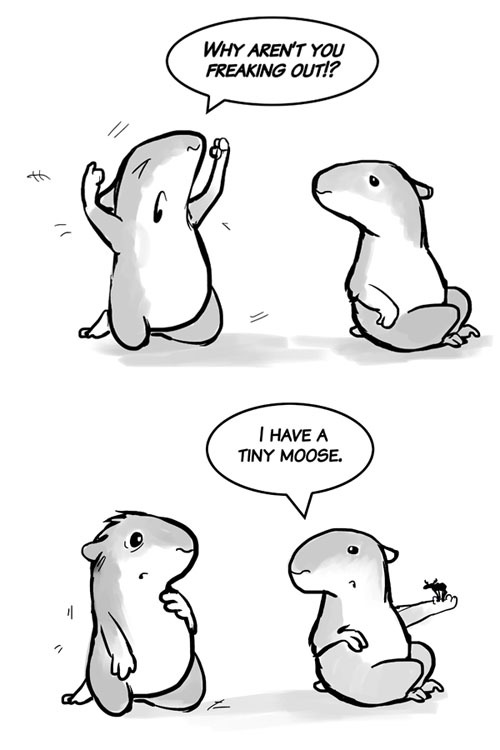
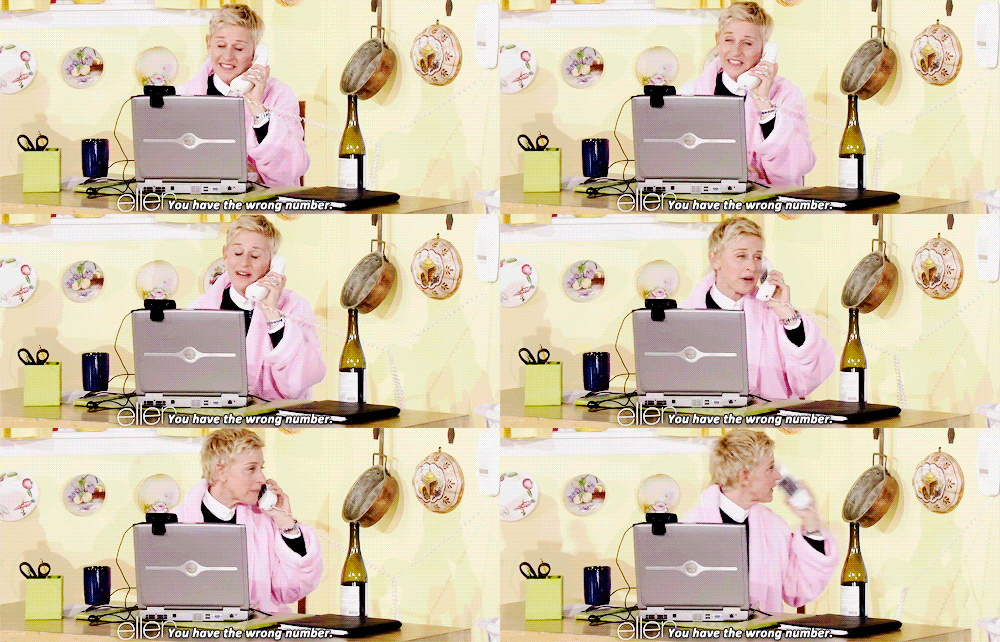
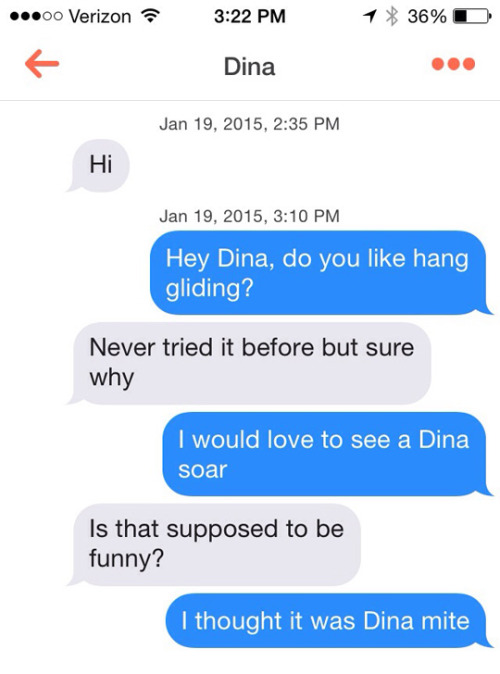
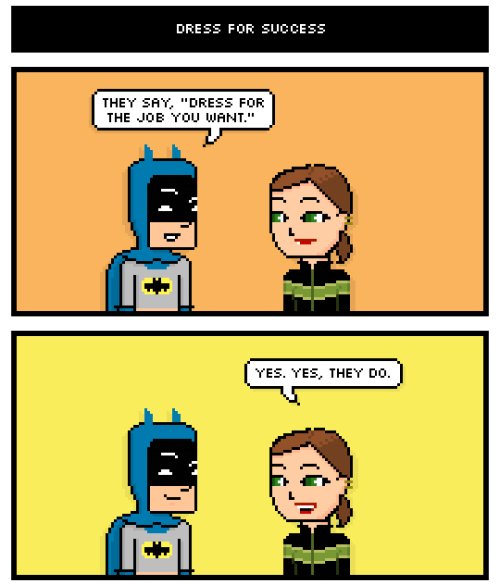
Considering that tomorrow is Valentine’s day and that 50 Shades of Grey was just released on the big screen (and apparently sucks big time,) here is the “Geeks are Sexy” version of the movie, one that should amuse you rather than… arouse you.
rgb(39,39,39) => #272727
rgb(40,40,40) => #282828
rgb(41,41,41) => #292929
rgb(43,43,43) => #2b2b2b
rgb(44,44,44) => #2c2c2c
rgb(46,46,46) => #2e2e2e
rgb(49,49,49) => #313131
rgb(50,50,50) => #323232
rgb(52,52,52) => #343434
rgb(53,53,53) => #353535
rgb(55,55,55) => #373737
rgb(57,57,57) => #393939
rgb(58,58,58) => #3a3a3a
rgb(60,60,60) => #3c3c3c
rgb(63,63,63) => #3f3f3f
rgb(64,64,64) => #404040
rgb(66,66,66) => #424242
rgb(68,68,68) => #444444
rgb(69,69,69) => #454545
rgb(71,71,71) => #474747
rgb(72,72,72) => #484848
rgb(74,74,74) => #4a4a4a
rgb(75,75,75) => #4b4b4b
rgb(77,77,77) => #4d4d4d
rgb(78,78,78) => #4e4e4e
rgb(78,80,84) => #4e5054
rgb(80,80,80) => #505050
rgb(81,81,81) => #515151
rgb(83,83,83) => #535353
rgb(86,86,86) => #565656
rgb(87,87,87) => #575757
rgb(88,88,88) => #585858
rgb(89,89,89) => #595959
rgb(91,91,91) => #5b5b5b
rgb(92,92,92) => #5c5c5c
rgb(94,94,94) => #5e5e5e
rgb(97,97,97) => #616161
rgb(98,98,98) => #626262
rgb(100,100,100) => #646464
rgb(101,101,101) => #656565
rgb(103,103,103) => #676767
rgb(106,106,106) => #6a6a6a
rgb(107,107,107) => #6b6b6b
rgb(108,108,108) => #6c6c6c
rgb(109,109,109) => #6d6d6d
rgb(111,111,111) => #6f6f6f
rgb(114,114,114) => #727272
rgb(115,115,115) => #737373
rgb(117,117,117) => #757575
rgb(118,118,118) => #767676
rgb(119,119,119) => #777777
rgb(123,123,123) => #7b7b7b
rgb(124,124,124) => #7c7c7c
rgb(126,126,126) => #7e7e7e
rgb(128,128,128) => #808080
rgb(129,129,129) => #818181
rgb(131,131,131) => #838383
rgb(134,134,134) => #868686
rgb(137,137,137) => #898989
rgb(139,139,139) => #8b8b8b
rgb(140,140,140) => #8c8c8c
rgb(142,142,142) => #8e8e8e
rgb(145,145,145) => #919191
rgb(146,146,146) => #929292
rgb(151,151,151) => #979797
rgb(154,154,154) => #9a9a9a
rgb(155,155,155) => #9b9b9b
rgb(156,156,156) => #9c9c9c
rgb(157,157,157) => #9d9d9d
rgb(159,159,159) => #9f9f9f
rgb(160,160,160) => #a0a0a0
rgb(162,162,162) => #a2a2a2
rgb(165,165,165) => #a5a5a5
rgb(166,166,166) => #a6a6a6
rgb(168,168,168) => #a8a8a8
rgb(169,169,169) => #a9a9a9
rgb(171,171,171) => #ababab
rgb(174,174,174) => #aeaeae
rgb(175,175,175) => #afafaf
rgb(176,176,176) => #b0b0b0
Yes, I’m well aware that there is 80 shades of grey on this page, however, 50 in hex equals 80 in decimal. So there you go, 50 Shades of Grey: The Geek Edition.
You don't have to be a bartender or a mixologist to pour a decent cocktail. You do, however, need to know what goes into it. This cheat sheet shows you how much of which ingredients to put in over 75 different, delicious cocktails.
Sometimes, quitting is the best option—whether it's a side project, job, relationship, or any other part of life. However, we also quit because we don't have the resources to complete something, when things get tough, and when the timing makes us "feels" like we have to. Here are the most common times people quit, and what you can do to push through.
The official poster for the 45th expedition to the International Space Station is Star Wars themed, and features astronauts Scott Kelly, Mikhail Korniyenko, Oleg Kononenko, Kimiya Yui, Kjell N. Lindgren, and Sergey Volcov dressed in Jedi robes and weilding lightsabers.
A rebooted version of friends featuring modern hipsters? No thanks, but this is still pretty funny.
“Friends” is now streaming on Netflix, but imagine if you will what that sitcom would like if it were released today. Nerdist Presents “Friends: Rebooted”!
We get old and get use to each other. We think alike. We read each
others minds. We know what the other wants without asking. Sometimes we
irritate each other a little bit. Maybe sometimes take each other for
granted.
But once in awhile, like today, I meditate on it and realize how
lucky I am to share my life with the greatest woman I ever met. You
still fascinate and inspire me. You influence me for the better. You’re
the object of my desire, the #1 Earthly reason for my existence. I love
you very much.
Happy Birthday Princess.
John
A heartfelt birthday message from Johnny Cash to his beloved wife June has been voted the greatest love letter of all time.
The simple, but plainly expressed missive in which the singer dubbed the
Man in Black writes ‘you’re the object of my desire, the #1 Earthly
reason for my existence,’ has topped a list of passionate penmanship.
VPNs are great for security, but one of the big reasons many people use one is to mask or change their IP address. This lets you get around location-based restrictions on content, or check if your provider is throttling your connection. Unfortunately, a new security flaw can reveal your real IP address to prying eyes, even if you're using a VPN, and it's easy to exploit. Here's how it works, and what you can do about it.
The news/ramifications/fallout from last night's bombshell announcement that Sony would let Marvel play with their Spider-Man figures (so to speak) continue! The WSJ confirms Spidey will make his Marvel Cinematic Universe debut in Captain America: Civil War while Sony's Sinister Six movie is back on!
This email was waiting for me when I got back from the JoCo Cruise:
Maybe it’s the fact that the boat is still moving, or the fact that I have real coffee in my veins for the first time in almost two weeks, or maybe it’s just because I’m easily amused, but here is my response:
Happy Monday, everyone! May all your emails today be amusing.
The helicopter, the elevator scene, the hyper-articulated six-pack abs, the breathy dialogue ... they're all here in this meticulously detailed trailer for Fifty Shades of Bricks. For the full effect, check out the side-by-side comparison between live-action and Lego parody trailers here, and ask yourself: which version would you rather see?
Ron Luxemburg is a professional photographer in California. He was using a very nice telescope, an Astro Physics AP155, on Jan. 27, 2015, to test out a Canon EOS M mirrorless camera.
The Moon was just past first quarter, and a pretty nice target. He had it all set up, and noticed an airplane headed toward the Moon in the sky. He didn’t have much time, but luck favors the well-prepared. He was able to snap this spectacular shot:
Holy wow! I’m no plane spotter, but a bit of searching makes me think that’s a Delta 767. At 1/640th of a second the plane shows a bit of blur at such high magnification, but that only adds to the sense of drama in my opinion. And I love the distortion of the Moon from the hot exhaust of the jets! Note how crisp the Moon looks otherwise; like I said, AP makes incredibly good optics.
A little math will help reveal just how good his timing was. Note that the plane is very roughly the same apparent size as the Moon. There are variants of the 767 with different lengths, but 50 meters is close. A typical cruising speed is 600 kilometers per hour, which is 170 meters per second. That means the plane travels its own length in about one-third of a second.
Now think about how perfectly timed this photo is. If Luxemburg had been off by literally half a second he might have missed the shot. I've seen a lot of shots of airplanes near the Moon, but this is the finest one in memory. Very cool.
I höstas skickade jag in en samling dikter till en rad olika förlag. Manuskriptet hade arbetsnamnet “Semestermaskinen” och bestod uteslutande av olika dikter jag hittade när jag satt och bläddrade i gamla dagböcker, och jag hade egentligen inga förhoppningar om att något förlag skulle nappa för texterna var i ärlighetens namn ganska dåliga. Här är ett exempel:
Ljudet av skrattande kompisar
Mitt självförtroende håller på att
krossas. Må de dö allihop!
Vinden ven över den öde heden när
den första klyschan gjorde entré
Undrar hur länge den här boken kommer hålla? Sommaren ut? Nja.
Jag dammsög under texten idag
Ordentligt. Fett dammigt! Vände
även på den så att det katten rivit
sönder inte syns. Ha!
Och här är ett till:
Somliga har för mycket fritid
Fan, undrar hur länge jag
suttit och skrivit detta.
Nu får det vara nog.
Givetvis var inget förlag intresserat, och de opersonliga refuseringsbreven har trillat in ett efter ett. Låt oss titta lite närmre på dem. Vad är ett refuseringsbrev? Hur formuleras det, och vad är det egentligen som sägs?
Så här skrev Albert Bonniers förlag:
Hej Magnus,
Tack för att vi fått läsa och överväga din bokidé. Dessvärre har vi beslutat oss för att tacka nej till utgivning av “Semestermaskinen”.
Vi tar emot ett stort antal manus varje år och har därför endast möjlighet att ge utförligare kommentarer i ett fåtal fall.
Tack för att du vände dig till oss!
Bonniers inleder med en personlig hälsning – eller i alla fall med att använda mitt namn. Artigt! Ordet “bokidé” är väldigt intressant, nästan som en litterär orkidé. Vad är ens en bokidé, och är det inte lite väl dissigt att kalla ett manuskript för en idé? Jag tänker mig att bokidé snarare är något i nivå med “Jag funderar på att skriva en bok om en katt och en arkivarie som löser brott”.
Vi går vidare. Så här refuserar Brombergs bokförlag ett manuskript:
Hej,
Vi har nu läst din diktsamling Semestermaskinen som du haft vänligheten att erbjuda oss för utgivning.
Tyvärr måste vi tacka nej. Lyrik är en väldigt liten del i vår utgivning och vi ser ingen möjlighet att ge ut dina dikter. Den lyrik vi ger ut är oftast i antologiform eller av författare som vi samarbetat länge med och där lyrik är en del i deras produktion.
Vi önskar dig varmt lycka till på annat håll.
Till skillnad från Bonniers så ursäktar sig Brombergs mer, nästan som att de inte riktigt vill stå för refuseringen. Här är det inget “Vi har beslutat oss”, utan istället får man en liten utvikning med subtexten att, åh, om ändå de haft möjlighet att ge ut mer lyrik så hade de självklart gett ut även detta, typiskt vilken osis! Vilket såklart är bullshit; mitt manuskript hade inte blivit utgivet om så Brombergs gav ut tio diktsamlingar i veckan. Jag uppskattar dock att de försöker ge mig en “soft landing”.
W&W är rakare:
Hej Magnus!
Tack för att vi har fått läsa ditt manus Semestermaskinen. Tyvärr har vi nu kommit fram till att vi tackar nej till utgivning. Vårt utrymme för nya åtaganden är för närvarande begränsat, och dessvärre tycker vi inte att ditt manuskript är tillräckligt övertygande för att publiceras
Vänliga hälsningar
Nu börjar det likna något. “Inte tillräckligt övertygande för att publiceras” ska bli min nya Twitter-bio. Det är sånt här man vill höra när man refuseras: hårda, kränkande ord och inte några jäkla ursäkter. Mycket bra, W&W!
Slutligen har vi det lilla nystartade Sjuttonde förlaget:
Hej och tack för att vi fick läsa Semestermaskinen!
Dessvärre har vi beslutat oss för att tacka nej till utgivning. När vi antar en bok ska vi dels känna att den passar Sjuttonde förlaget, dels känna att vi kan göra dig och ditt manus rättvisa.
Vi har tyvärr ingen möjlighet att ge utförligare kommentarer på manuset annat än i undantagsfall.
Lycka till!
Allt gott
Som ni kan se är det här det flummigaste refuseringsbrevet. Det är mycket snack om att “känna”. Vad har känslor med saken att göra? Jäkla hippies! Däremot är det mycket trevligt med hela två avslutningsfraser – “Lycka till!” och “Allt gott” – även om det styrker min hippieteori.
Sammantaget är jag besviken på breven. Det finns ingen skärpa i formuleringarna; texterna präglas av en osäkerhet och ängslighet och lyckas bara knappt förmedla sitt budskap.