Shared posts

05 Jun 21:21

Giant Lady's Leg Sundial in Lake Village, Indiana

Restored Giant Lady's Leg Sundial

Many Hoosiers today might be surprised to learn that their state has been home to a clothing optional/nudist resort since the 1930s. Located about about an hour southeast of Chicago, the Sun Aura Resort boasts one of the largest and most unique sundial in the country: the Giant Lady's Leg Sundial. 

The resort, formerly known as Club Zoro, was opened in 1933 and by Chicago attorney Alois Knapp, sometimes known as "the father of nudism in America." By 1968, the resort was under new management of the Drost family and renamed Naked City, a moniker which it kept until its closure in the 1980s.

The sundial—an 18.5-foot-tall, 32-foot-long woman's leg—was built in 1970. This period was also quite problematic in the history of the resort due in large part to the nefarious activities of the owner's son Dick Drost, which culminated in Dick being run out of Indiana on child molestation charges and the closure of Naked City in 1986. 

In 2015 the property was purchased and renovated, and is now runs under new management as the Sun Aura Resort. They are proud of the legacy of the Giant Lady's Leg Sundial, which is why it was recently restored to fix damage caused by 46 years of weathering and to preserve it for visitors for years to come.


04 Jun 16:41

perfect, forever cornbread

by deb

Here is my almost-summer wish for us: I think we should bring a pan of freshly-baked, thick, buttery, crisp on top, and plush with a flavor that absolutely reverberates with corn underneath, to your next park/picnic/potluck. It goes so well with summer salads and snacky things. And when cornbread is good, really good, it feels criminal not to share. This is.

Read more »

03 Jun 14:01

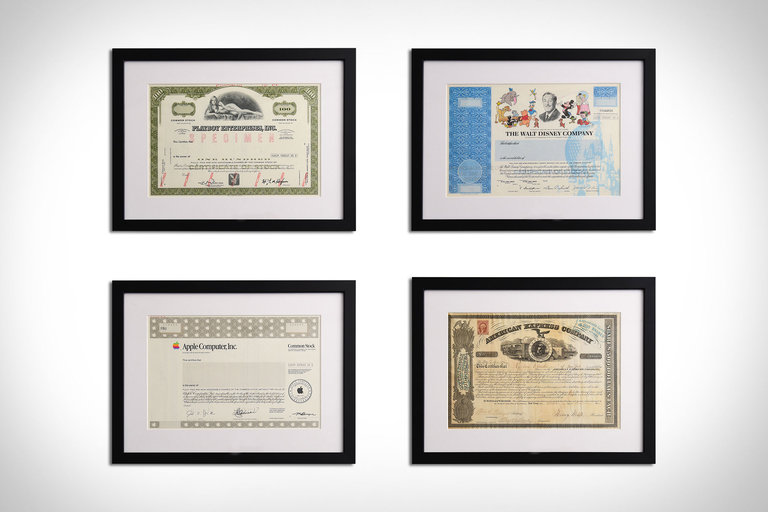
Vintage Framed Stock Certificates

Ranging from Apple to Playboy these vintage stock certificates make for unique conversation starters.

Visit Uncrate for the full post.
03 Jun 14:00

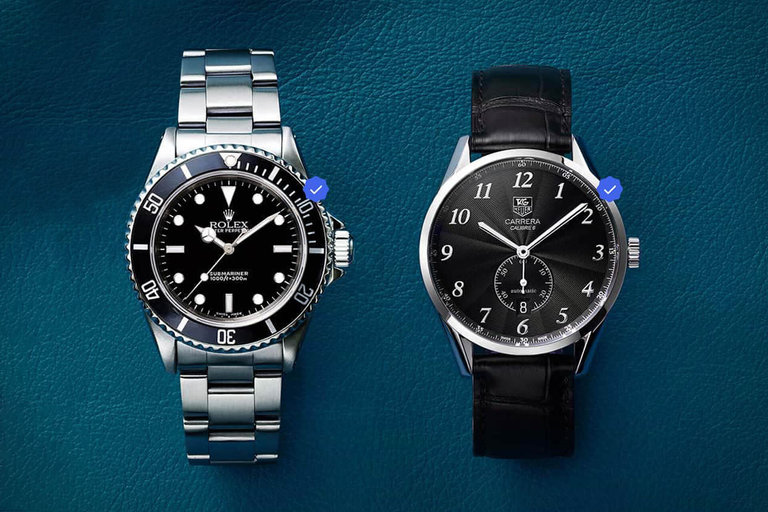
eBay Watches Authenticity Guarantee

Shop eBay's collection of luxury timepieces doubt free thanks to their new Authenticity Guarantee.

Visit Uncrate for the full post.
03 Jun 13:58

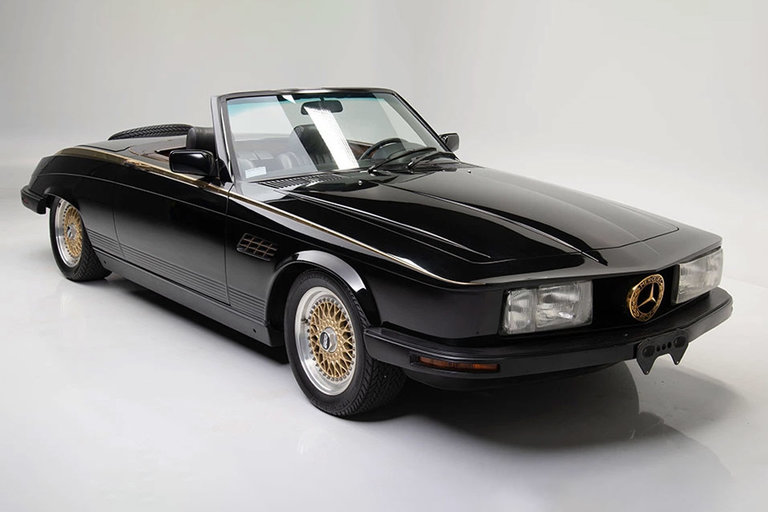
Wayne Newton's 1981 Mercedes-Benz 380SL Convertible

Commissioned by Wayne "Mr. Las Vegas" Newton, this custom 380SL convertible is going to auction.

Visit Uncrate for the full post.
03 Jun 13:56

The Best Bluetooth Transmitters for Home and Portable Use

by Nick Guy
The Best Bluetooth Transmitters for Home and Portable Use

Wireless headphones are great—until you want to use them with a source that lacks Bluetooth, such as an in-flight entertainment system or an older TV. A Bluetooth transmitter solves this problem by making any AV device with a headphone jack (or other type of audio output) compatible with Bluetooth. The best Bluetooth transmitter you can buy for use on the go is 1Mii’s ML300, while our favorite for connecting to your TV is 1Mii’s B03.

03 Jun 13:55

There’s a Sriracha Shortage. Try One of Our Favorite Condiments and Spreads Instead.

by Connor Grossman
There’s a Sriracha Shortage. Try One of Our Favorite Condiments and Spreads Instead.

The world’s seemingly never-ending stream of bad news about supply chain issues has come for Sriracha sauce. 

Dismiss
03 Jun 13:30

Toward a unified theory of chicken sandwiches

by Aimee Levitt

Despite what you may have heard on Twitter, chicken sandwiches existed before Chick-fil-A sold its first sandwich in 1961. There was schnitzel. There was milanesa. There was katsu. There was Nashville hot chicken. There were even plain old fried chicken sandwiches: Donna Battle Pierce, writing for Ebony, found an ad

Read more...

02 Jun 19:21

How To Make Apple Boxes

by claudia
31 May 13:02

A Hero Workout You Can Complete At Home On Memorial Day

by Jamie Gold, Contributor
You don’t need to be a SEAL, service member or CrossFit enthusiast to do your own Murph WOD. In fact, you don’t even need to leave your house, Russell notes. The workout is comprised of these components, said to be the late SEAL’s favorite workout:
31 May 13:00

Enjoy a refreshing beverage: The 13 best lagers to drink

by Pat Evans

Most Americans only know beer as a light yellow lager. Those are great. But so are these lagers.

The post Enjoy a refreshing beverage: The 13 best lagers to drink appeared first on The Manual.

31 May 12:59

The Art of Balancing Stones: How Artists Use Simple Materials to Make Impossible Sculptures in Nature

by Colin Marshall

Not so long ago, a wave of long-form entreaties rolled through social media insisting that we stop building rock cairns. Like many who scrolled past them, I couldn’t quite imagine the offending structures they meant, let alone recall constructing one myself. The cairns in question turned out, mundanely, to be those little stacks of flat rocks seen in parks, alongside trails and streams. They’re as common in South Korea, where I live, as they seem to be in the United States. Both countries also share a great enthusiasm for Instagram, and it’s the apparent Instagrammability of these cairns that has increased their number (and consequent ecological and cultural harm) in recent years.

No matter how many likes they garner, these common cairns require little or no skill in the building. The same can hardly be said of rock balancing, an art that demands a great deal more discipline and patience than many an influencer can muster. The Wired video at the top of the post profiles one of the most famous living rock-balancers, a Canadian named Michael Grab.

“One of my core drives is to make the formation as impossible as possible,” he says, referring to the apparent defiance of gravity performed by all the rocks he finds and arranges into stacks, arcs, orbs, and other unlikely shapes. In fact, it is gravity alone that holds his artworks together — and repeatedly destroys them in the countless trials and errors before their completion.

Yes, Grab has an Instagram account: Gravity Glue, on which he showcases his precariously solid sculptures as well as their natural contexts. So does Jonna Jinton, a Swedish “artist, photographer and Youtuber” who also balances rocks. “It’s such a great way to also balance myself,” she says in the short video just above, “and to create something beautiful at the same time.” For her, the art has become a form of meditation: “As I try to find a tiny, tiny little balance point, my thoughts are completely silent, and that’s a very good feeling.” Jinton doesn’t say whether she personally ensures the destruction of her works, as Grab does. But doing so, as one should note before entering the rock-balancer lifestyle, may keep you on the better side of the ecological recommendations and indeed the law. But then the aforementioned anti-cairnism seemed to hit its zenith in early 2020, since which time, it’s fair to say, the world has had more pressing concerns.

Related Content:

The Philosophical Appreciation of Rocks in China & Japan: A Short Introduction to an Ancient Tradition

Discover the Japanese Museum Dedicated to Collecting Rocks That Look Like Human Faces

Watch a Masterpiece Emerge from a Solid Block of Stone

A Modern Drummer Plays a Rock Gong, a Percussion Instrument from Prehistoric Times

Watch an Archaeologist Play the “Lithophone,” a Prehistoric Instrument That Let Ancient Musicians Play Real Classic Rock

Based in Seoul, Colin Marshall writes and broadcasts on cities, language, and culture. His projects include the Substack newsletter Books on Cities, the book The Stateless City: a Walk through 21st-Century Los Angeles and the video series The City in Cinema. Follow him on Twitter at @colinmarshall or on Facebook.

The Art of Balancing Stones: How Artists Use Simple Materials to Make Impossible Sculptures in Nature is a post from: Open Culture. Follow us on Facebook and Twitter, or get our Daily Email. And don't miss our big collections of Free Online Courses, Free Online Movies, Free eBooksFree Audio Books, Free Foreign Language Lessons, and MOOCs.

30 May 22:32

The 10 best 20-minute at-home workouts for every fitness goal

by Jon Gugala

Write down your goals and then crush these no equipment required, best 20-minute at-home workouts.

The post The 10 best 20-minute at-home workouts for every fitness goal appeared first on The Manual.

30 May 22:26

5 Scenic Boating Destinations to Set Sail for This Summer

by LeeAnn Whittemore
Looking for adventure? Let's set sail to five of the US's best boating destinations.
30 May 16:05

This Cinnamon Bun Recipe Is Insanely Easy

You don’t have to know a baker’s dozen from a beurre manié to master this simple, campsite-friendly cinnamon buns recipe.

30 May 15:57

Sunscreen breakthrough keeps skin healthy, offers ‘amazing anti-aging effects,’ and helps coral reefs thrive

by Study Finds
Woman at beach applying sunscreen

BETHESDA, Md. — A breakthrough in sunscreen technology keeps skin safe, could be used for anti-aging treatments and also protects coral reefs from devastation. Scientists have found the century-old medicine Methylene Blue, which once kept soldiers in the First and Second World Wars safe from malaria, could be the key in the future of new…

The post Sunscreen breakthrough keeps skin healthy, offers ‘amazing anti-aging effects,’ and helps coral reefs thrive appeared first on Study Finds.

29 May 12:18

There's Nothing Modern About MMT

by Alexander William Salter
TOPCSHISTORY

Modern Monetary Theory (MMT) tells us that governments should finance public spending by creating money. To prevent inflation, MMT advocates say, the government should use taxes to siphon off excess purchasing power, which supposedly would enable the public sector to greatly expand its activities, eliminating the scourge of underemployment.

At a time of skyrocketing national debt and mild inflation, what was once a fringe school of thought with few adherents has captured the public imagination. Rebutting MMT's claims requires a little history, which shows there is nothing "modern" about its prescriptions.

MMT promoters, who are mostly journalists and public intellectuals rather than professional economists, start with a couple of obvious truths: Governments can't default if their debts are denominated in their own currency, and they can create a demand for their currency by imposing tax obligations. From those premises, the theory's supporters leap to some extraordinary conclusions: They argue that there are too many idle resources even in healthy economies and that fiat-money finance is the key to mobilizing those resources. It sounds like clickbait: "Learn this one weird trick to jumpstart the economy!"

Similar measures have been tried before, right here in America, and they have worked. But that isn't good news for MMT fans, because understanding why currency finance worked then means seeing why it won't work now.

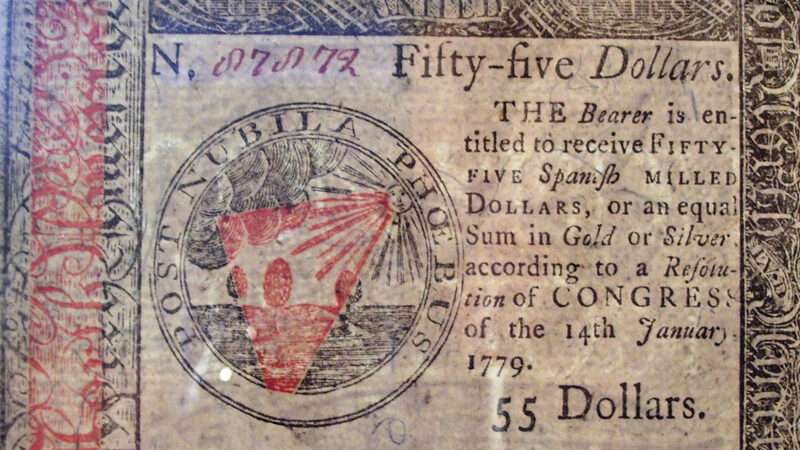
A popular myth about early American fiat money claims that various colonial and state governments created hyperinflationary disasters after they experimented with currency finance. But while New England and the Carolinas occasionally made a mess of things before the Revolutionary War, most colonies had a lot of success in issuing their own currency.

E. James Ferguson, a historian of American public finance, explains how it worked: "Governments met expenses by issuing a paper medium….They redeemed this paper, not by giving specie [i.e., hard money, such as gold and silver coins] to those who held it, but by accepting it for taxes or other payments."

This system had two great benefits. First, because hard money was scarce in the colonies, fiat money provided Americans with a much-needed medium of exchange. Second, controlled depreciation—a gradual fall in money's purchasing power, which redistributed wealth from the users of paper money to the issuers—functioned as a uniform and relatively unburdensome form of indirect taxation. This helped governments raise revenue at a time when assessing direct taxes was prohibitively expensive.

These practices lasted into the Early National Period, between the ratification of the Articles of Confederation and the Constitution. Runaway inflation was rare. The colonists-turned-citizens were quite happy with currency finance. In fact, liberty-loving Americans saw fiat money as a way of preserving their freedom. "Most people regarded specie payment as signifying permanent debts, heavy taxes—in a word, oppression," Ferguson observes. "Liberty in their minds was associated with paper money." It meant a debt that was never retired—merely rolled over. Permanent government debt in the case of Great Britain came to be identified with empire, mercantilism, and other "great game" forms of statecraft—all things Jeffersonians, at least, wanted to avoid.

Economic historian Edwin J. Perkins concurs. "Most governments retired or refinanced through debt obligations the fiat currencies emitted in the 1780s at face value, or thereabouts, through tax collections or the mortgage payments of private borrowers," Perkins writes.

Currency entered circulation in two ways. The first was through state-authorized "land banks," which provided short-term mortgages for farm or business improvement. The second was through tax anticipation bills, usually reserved for wartime or financial emergencies. That worked because, to paraphrase a popular economic maxim, it was "timely, targeted, and temporary."

If anything, this system worked too well, at least in the eyes of the Founding Fathers. Men like Alexander Hamilton, Robert Morris, and George Washington were angling for a stronger national government, and they viewed local traditions of public finance as a barrier to their centralizing schemes. Although the nationalists prevailed with the ratification of the Constitution, that doesn't change the impressive record of currency finance during the preconstitutional period.

But that record also explains why fiat-money finance, under the guise of MMT, won't work today. Early American currency finance was kept in check by several political feedback mechanisms.

First was local democratic control. Because of much smaller populations, legislatures were easier to discipline.

Second was jurisdictional competition. If a legislature let currency finance get out of hand in one place, a jurisdiction whose government had its books in order was never too far away.

Third was economic independence. Because of agriculture's prevalence, subsistence farming and barter with neighbors provided an outside option, especially in rural areas.

Fourth was that currency finance responded to specific needs. Relatively small and targeted governments could employ fiat money as a financing mechanism more safely.

None of these conditions exist anymore. MMT advocates think their system can work on a national scale, but they're wrong. It's much harder for citizens to discipline the fiscal authority today, whether by "voting with their feet" or "taking to the hills." And because MMT would transform the fiscal-monetary landscape of the entire country, it is anything but "timely, targeted, and temporary."

Furthermore, even assuming taxes can keep inflation low, does anybody trust today's feckless politicians to enact unpopular levies? Without the supporting economic mechanisms, MMT is exactly what its detractors claim: a sure way to turn a functioning economy into a financial basket case.

Currency finance may be as American as apple pie, but MMT isn't. The political and economic circumstances that once made it attractive are gone, and they aren't coming back. Our fiscal process is indeed broken, and persistent unemployment is certainly a social malady. But MMT offers a cure that's worse than the disease. Finance by fiat money should stay in the history books.

28 May 21:34

Mima teaching doubles on the drums

1340 points, 85 comments.

28 May 21:34

Our favorite tequilas for 2024, ranked

by Pat Evans

Tequila is a hot spirit right now. Here are 10 tequila brands from long-standing to those new to the scene.

The post Our favorite tequilas for 2024, ranked appeared first on The Manual.

28 May 21:18

The Essential Restaurants on St. Simons Island and Nearby Brunswick, Georgia

by Eater Staff
Porch

The historic island off the coast of Georgia and nearby city of Brunswick offer everything from barbecue, local beer, and burgers to fresh seafood, pizza, and pho

People generally don’t associate beaches with Georgia despite it having 100 miles of Atlantic coastline and 14 barrier islands; some of which are state parks or dedicated to protecting wildlife like sea turtles and wild horses. For many Georgia residents, an annual trek to the beach wouldn’t be complete without a visit to St. Simons Island. The large barrier island just off the coast is home to an iconic lighthouse, salt marshes teeming with birds and sea creatures, treelined streets dripping with Spanish moss, historic sites, and some really good beach food.

Below is a list of just some of the great dining to be found while visiting the beaches on St. Simons Island or checking out the nearby city of Brunswick.

More road trip eats:
Atlanta Gas Stations to Fill Up on Biscuits, Wings, and Tacos
The Essential Restaurants in Macon, Georgia

Did Eater miss a restaurant on this list? Send all the details via the tipline for consideration in a future update.

28 May 21:18

Peter Fonda’s Legendary Harley Chopper From ‘Easy Rider’ Is Going Up for Auction

by Bryan Hood
The motorcycle is a heavily modified 1952 Harley that was used to film the counterculture classic.
28 May 21:05

11 Awesome Bicycle Brands You Should Know

From Cannondale to Yeti, here are some of our favorite bike makers.

28 May 20:56

Taste-Test: Laphroaig’s New Sherry Cask-Finished Single Malt Is a Must-Buy for Peated Scotch Fans

by Jeremy Repanich
This 10-year-old expression opens a whole new world of flavors for the Islay single malt.
28 May 20:54

A Tailgate for the Ages

by David Buck

Hey all, Ernie here with a piece from David Buck that absolutely rocks—and celebrates the 35th anniversary of one of the hardest-rocking moments in music history. Read on:

Today in Tedium: I almost saw Aerosmith in concert once. It’s not that I’m a big Aerosmith fan (they have some fine moments), it’s just that ZZ Top was also on the bill that night. So I had to make a decision: do I sit through Aerosmith so I can see ZZ Top or do I hold out for the Judas Priest show where they’re going to play an entire album live? I never did attend that Aerosmith show. A few months later, Judas Priest played a spectacular show at Red Rocks here in Colorado—and I missed that one, too, unfortunately. But thanks to the magic of the internet, I had an opportunity to see what I missed out on via YouTube, which is where an entirely new generation of fans are likely now finding one of the greatest music documentaries I’ve ever seen: Heavy Metal Parking Lot. It was a viral video before anyone had a concept of such things. Like aspiring filmmaker Laz Rojas’ demo reel, HMPL became a frequently copied and shared piece of media, with some high-profile fans. On May 31, 1986—35 years ago this Memorial Day—John Heyn and Jeff Krulik set their sights on capturing a moment in rock history. As numerous fans waited with extreme excitement for the Judas Priest/Dokken concert to begin, they filmed the parking lot proceedings, making rock and roll history in the process. What happened in that Maryland parking lot on that unassuming late May night ignited public interest, essentially spawned an entire documentary genre, and captured the hearts of metalheads everywhere. It was definitely a tailgate to remember. In today’s Tedium, we’re celebrating a milestone anniversary of one of the greatest rock documentaries ever: Heavy Metal Parking Lot. Let’s rock. — David @ Tedium


Morning Brew #2

The latest business news, in a fun and engaging form: There’s a reason over 2.6 million people start their day with Morning Brew—the daily email that delivers the latest news from Wall Street to Silicon Valley. Business news doesn’t have to be dry and dense … make your mornings more enjoyable, for free.


17

The approximate length—in minutes—of the original Heavy Metal Parking Lot documentary film (the original short is exactly 16:40 long, for those interested in such things). Shot in the parking lot of the now-demolished Capital Centre in Maryland, the film captured a true slice-of-life from the halcyon days of the 1980s heavy metal scene. On the surface, it’s a document of a tailgate party prior to a concert, but at its core, HMPL is the story of how something so extraordinary came to be, took on a life of its own, and ultimately became an essential part of pop culture history.
Heavy Metal Parking Lot

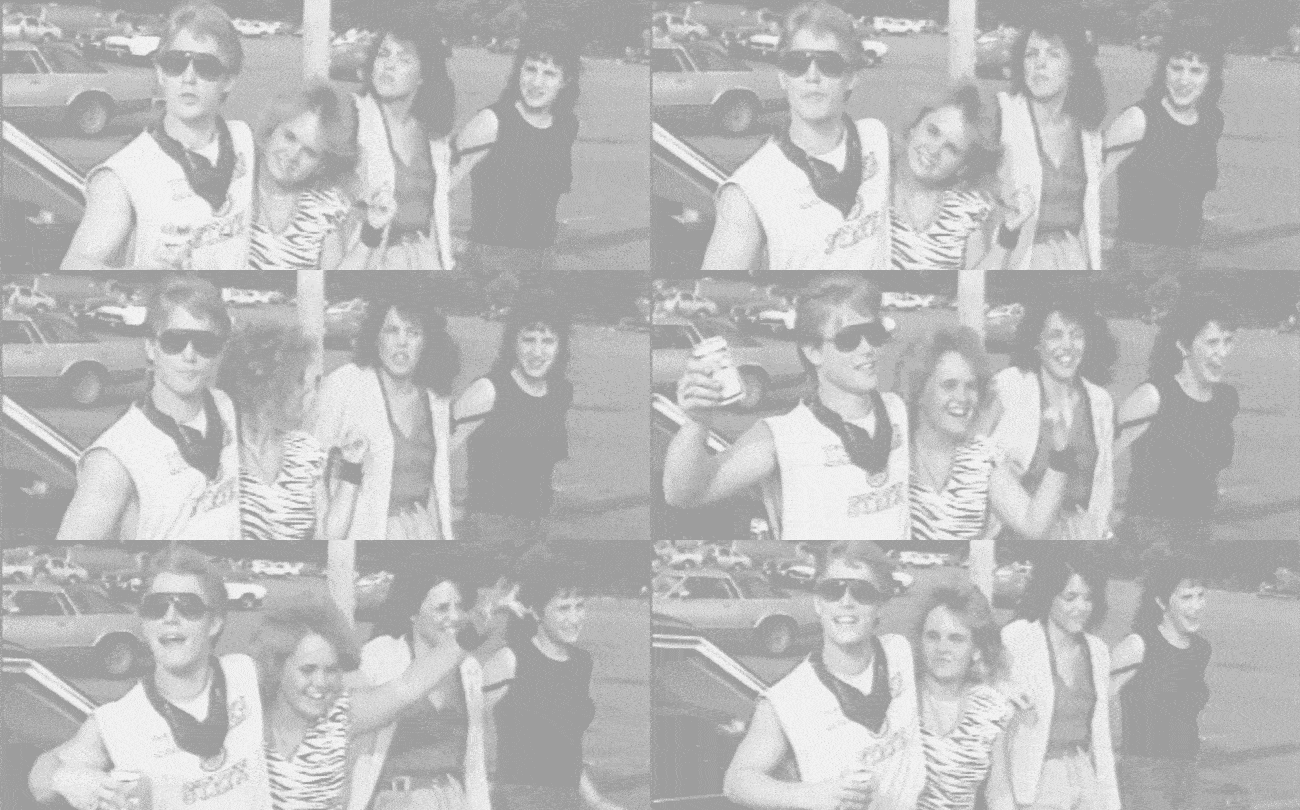
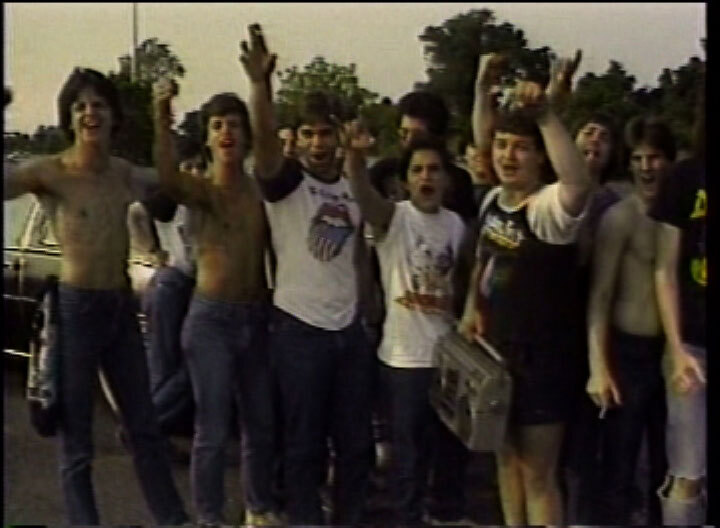
A scene from Heavy Metal Parking Lot, famously shot before a Judas Priest concert in Maryland. (all photos courtesy Jeff Krulik)

A bit of Fuel for Life

By the time Judas Priest embarked on the Fuel for Life tour in 1986, they’d already had nine previous albums under their collective belts. To support their newest release, Turbo, they hit the road in North America and Europe on a largely successful tour. The tour aesthetic was futuristic and dynamic, with a fantastic representation of the band’s music up to that point (even if it was slightly more commercial than usual). Their opening act on the night of May 31, 1986, was another essential heavy metal band from the period, Dokken. But all of this is merely incidental to the real story here: the friendship and professional pairing of the minds behind HMPL: Jeff Krulik and John Heyn. Tedium recently had the tremendous opportunity to speak with both of them for this piece, where they were kind enough to give us some insight into the phenomenon.

Krulik and Heyn became friends over their mutual love of old DC-area movie theatres (to this former projectionist, there’s nothing more nostalgic than a projector, some 35mm film, and a classy venue). Working together on several documentary projects about these legacy entertainment venues, the pair became fast friends. In the midst of beautiful suburban Maryland, Krulik spent his time running a public access community TV studio and decided to invite Heyn to join him in coming up with new ideas and helping him out with various productions.

A nascent independent filmmaker at the time, Heyn appreciated access to high-end equipment via Krulik’s public access job that would have otherwise been unavailable. One day, he made the suggestion out of the blue to go down to the Capital Centre and interview some heavy metal fans just before the concert. Per Heyn:

We did it on a creative whim. We had been working together for a year and had been quite prolific. Producing concert videos primarily, using public access gear. Generally, we sought out subversive ideas for our documentaries, subjects that other filmmakers didn’t have an interest in or notion of covering. We appreciated the power and energy of merging rock n’ roll with cinematic storytelling, hence HMPL was a natural outcome to our predilections.

Both men had attended concerts there in the past (“not heavy metal,” Krulik says). They knew the venue boasted crazy tailgating parties often. It didn’t matter who was playing on any given night; one could always depend on the “party in the parking lot.” Largely due to the popularity of hair metal and MTV, Krulik says, “metal could fill arenas even though the music wasn’t necessarily being played on the radio.”

With free access to professional gear and a solid idea, they paid to get into the show and just sort of went from there. The fact that it was a Judas Priest concert was a coincidence, as Krulik told us:

It was pure dumb, but very good luck that it was Judas Priest because they have become true metal icons and their music is iconic and really holds up. It could have been any band, but because we zeroed in on a Saturday night in late May, that’s when Judas Priest was headlining.

Because it was such an iconic band—with equally iconic fans—the two intrepid filmmakers managed to capture enthusiastic fans, occasional awkward moments, the precipice of a changing music scene, and an overarching sense of something much larger than the moment in time in which it took place.
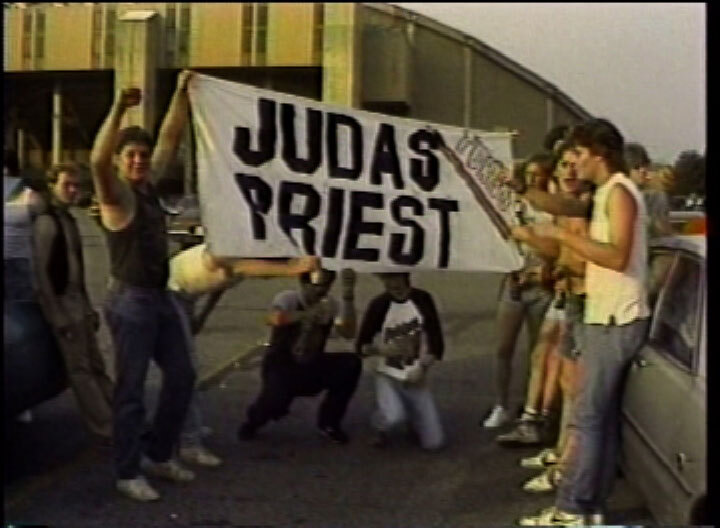
“For anyone who wants to understand what a heavy metal crowd looked like when heavy metal was at its peak popularity in the 1980s, this is a perfect document of that point in musical history. It’s just a great snapshot of fandom.”

Laura Schnitker, an ethnomusicologist at the University of Maryland, in an interview with NPR for the film’s 30th anniversary. To celebrate the milestone, the university displayed an extensive exhibit about the film called Heavy Metal Parking Lot: The 30-Year Journey of a Cult Film Sensation, which contained numerous items from the Jeff Krulik collection (which itself is available in UMD’s Special Collections Archive).

Judas Priest HMPL

The film was shot in an unplanned fashion—which added to its appeal.

Part of HMPL’s appeal lies in the technology and techniques that captured it

Tailgate parties and the parking lot scene pioneered by fans of jam bands like The Grateful Dead are still quite common. Phish fans, for instance, have taken this idea to an impressive level for years (there’s a documentary about that, too). So it wasn’t really unusual to see people partying outside the venue. So how did a spur of the moment documentary ignite such a unique genre?

While watching the original documentary, one gets the sense of stepping back in time and seeing a version of life as an American youth in the 1980s. It’s really a snapshot of teenagers performing a form of rebellion and working through their frustrations through the conduit of music. It’s candid, occasionally amusing, and decidedly not public access television.

Technical limitations and the lack of a script did nothing to deter Krulik and Heyn. As Krulik told us, “We just turned the camera on and waded forth into the crowd. We had no script, and no plan.”

This sort of freeform interviewing technique wasn’t planned, but it adds to the film’s charm and appeal. There were, however, some technical limitations that led to what we see in the final edit.

Heyn felt the video gear was a bit unwieldy, largely due to the bulkiness of 1980s video equipment and accompanying cable spaghetti. Tapes were also quite short and batteries didn’t last long. There were more manual controls and monitoring required on the user’s part. It wasn’t like today, where one could point their phone at the proceedings and capture every moment.

But despite the technological setbacks and limitations, they managed to capture some great footage. Krulik jumped in to point out that they were genuinely curious and interested in the subject.

“We had no agenda, and certainly no intent to mock anyone. We were just curious, and we let everyone just be themselves,” he said.

Letting everyone cut loose and be themselves ended up being the cornerstone and foundation of the story.

Per Krulik, the film was edited to only include the most entertaining material. Some folks were more sober and subdued, and at first they really weren’t sure what they were going to come across when they set out to do the documentary. Krulik says apprehension eventually gave way to enthusiasm, and the duo started mingling with the crowd and learning about them, their lives, and personalities.

Funny enough, Krulik says the duo essentially shelved the film after a final showing in 1990. When they learned that it was being rented out in a place called Mondo Video in Los Angeles around the year 1994, they decided to bring it back and start screening again. Every year since then, people continue to rediscover the documentary, bringing it to a younger generation, and cementing its status as a cult film in the process.
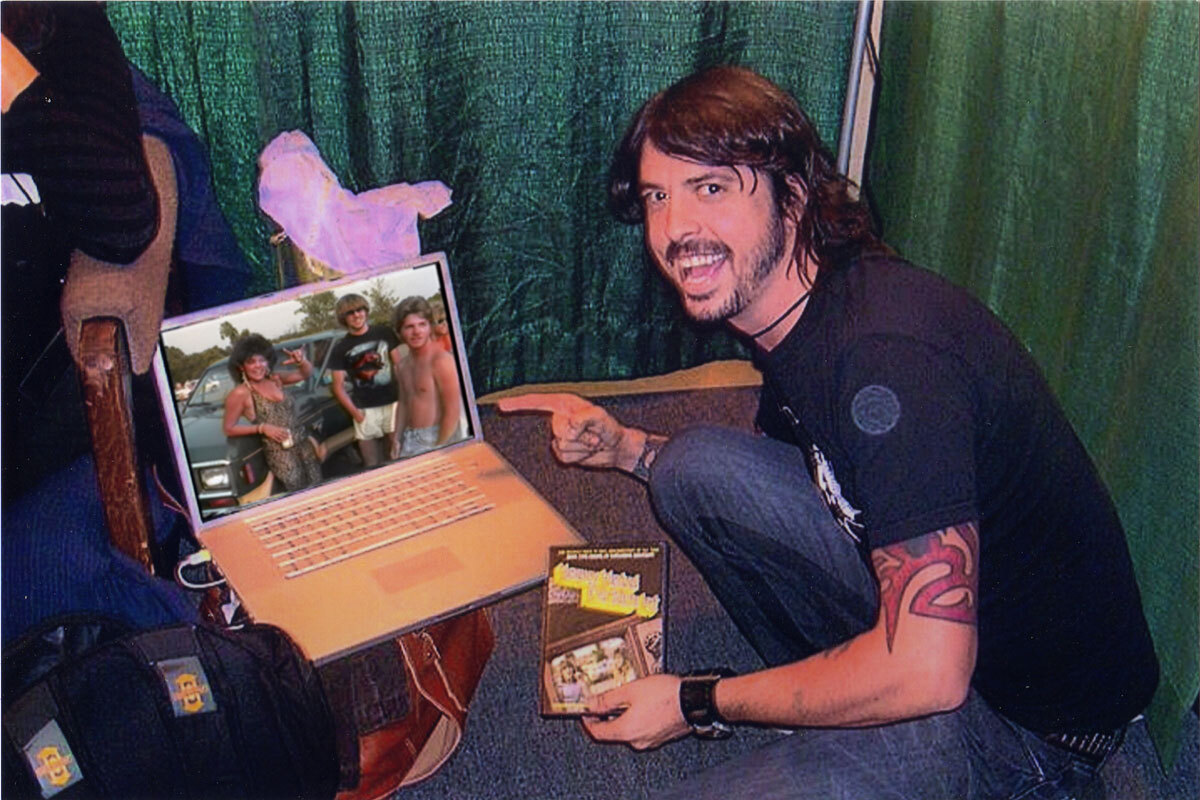
Grohl HMPL

Noted Heavy Metal Parking Lot fan Dave Grohl.

Whether it was through bootlegs, tape trading, or other avenues, the film spread around. It even caught the attention of Nirvana, becoming a favorite film on their tour bus (a fact that Dave Grohl confirmed to NPR in 2011).

The film’s legend grew to the point that it received direct tributes in pop culture—most famously in the music video for “Flavor of the Weak,” a 2001 power-pop hit for American Hi-Fi that changed the location from Maryland to Massachusetts, but kept the DC-101 shirt.

Ultimately, the directors were pleased with the final results, and not unlike Weird Paul Petroskey (we can basically guarantee he’s a HMPL fan), became viral before “going viral” was even a coherent thing.

2003

The year a short-lived, half hour series focusing on various bands and their fan bases having tailgate parties (it extended into 2004). In the vein of HMPL, Trio TV’s Parking Lot had Andy Cohen as an executive producer and covered similar ground. Although Parking Lot wasn’t on the air long, it did manage to cover those Phish parking lot parties we mentioned earlier, which is frankly kind of awesome (to the surprise of absolutely no one, I’m a pretty big Phish fan, too).

Neil Diamond Parking Lot, the decade-later sequel to HMPL.

A brief timeline of HMPL’s legacy

Parking Lot wasn’t the only one show that stemmed from the 1986 classic. The year 1996 brought the world HMPL’s official sequel Neil Diamond Parking Lot. It was at the same arena, but offered a totally different take. Despite the dissimilar genres, the film had the same vibe and energy as its predecessor. Two years later, Jeff was looking through lost HMPL footage and discovered five minutes of outtakes from the full 65 minutes they’d recorded that day.

At that point, they started selling VHS tapes of the film in 1999, they “unintentionally launched a franchise” when they shot a Harry Potter book signing (Harry Potter Parking Lot) near Krulik’s residence. The year 2001 marked the 15th anniversary of HMPL, with numerous screens across the country. The following year saw the film blown up to a 35mm print and paired with a Chris Smith documentary entitled Home Movie for theatrical distribution and release. A few more years passed and in 2006, HMPL found its way to DVD with more than two hours worth of special features.

2010 saw the premiere of Heavy Metal Picnic, which toured with the Found Footage Festival (which featured a super cool intro). 2016 brought the 30th anniversary of the film and plenty of online celebration ensued. As we approach the 35th anniversary, The Found Footage Festival is putting on a virtual 35th anniversary virtual event with a screening of the movie, some awesome rare footage, and a live reunion of the film’s stars. I’ll be there; won’t you?

(Note: If you’re reading this past the date of the event, don’t worry; you can still check out the original documentary online.)

Heavy Metal Picnic was born out of a friend sharing with me some VHS footage from a wild MD field party that he shot with a video camera and a swiped CBS microphone flag; I was stoked because it was from 1985, a year before we shot Heavy Metal Parking Lot, and I knew how rare video footage was of such a scene, so that inspired me to pursue making a documentary.”

— Jeff Krulik, describing the genesis and process for one of his other films, Heavy Metal Picnic.
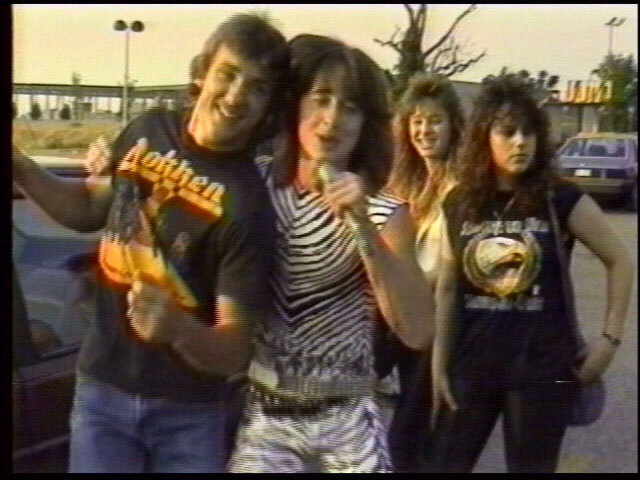
Zebraman

The iconic Zebraman, one of the stars of Heavy Metal Parking Lot.

We’ll meet at the end of the tour

Throughout Heavy Metal Parking Lot, viewers meet several colorful characters including the Glen Burnie Girl, Zebraman Graham of Dope, and Zev Zalman “Z.Z.” Ludwick.

As he told Nate Goyer of The Vinyl Guide podcast, Rob Halford of Judas Priest loved HMPL. He loved seeing fans share their passion for Judas Priest and called the presentation a means to get a “beautiful sense of what it’s like to be a genuine fan of the style of music.”

On the podcast, Halford mentioned he sometimes wonders where the fans are these days. While a DVD release addressed this very question, here are a few updates graciously provided by Jeff Krulik. We don’t have the space to go over all of them here, so we’ll focus on a few of the most interesting.

One of the most mysterious was the Glen Burnie Girl—the girl seen in the film yelling, “party!” and similar refrains. As it turns out, she was just a teenager having a good time at the concert. Today, she’s a professional with a family. ZZ Ludwick—the shirtless, long-haired man wearing suspenders in the film—now repairs stringed instruments at his violin repair shop.

For other updates, there was a Nashville Rock-N-Pod Expo featuring Jalyn Graham Owens (aka Graham of Dope) and Johnny the “DC-101 Guy” (Jeff says it was the “first time DC-101 Guy ever went public”). Graham himself wrote a memoir as well, but sadly passed last year.

For a more in-depth experience on discovering the whereabouts and happenings of various heavy-metal parking lot alumni, check out the DVD special feature presentation on that very subject.

“The content still delivers a gut punch, even with today’s jaded audiences. And it’s a wonderful unvarnished time capsule.”

HMPL co-director John Heyn, on the lasting impact of the film. Part of the reason it resonates with so many of us is how it represents something tangible, yet nostalgic and out of time. It’s a snapshot of the mid-’80s, with references to bands that remain relevant today. Not bad for a film put together from two hours of footage.

Heavy Metal Parking Lot certainly has its own unique legacy. Both Heyn and Krulik use the film as a calling card for their careers and told us about its positive influence on later work. These days, Heyn works as a video producer in the documentary niche and avoids the term “underground film” in reference to HMPL. He likes to pepper his creations with sly and irreverent humour whenever possible. When he collaborates with Jeff, they work extremely well together and after the employee guerilla filmmaking tactics.

Krulik has worked on numerous documentary films and provided research for others, including the Rat Fink (remember him?) documentary from a few years back. Both are successful filmmakers in their own right and retain a strong friendship today.
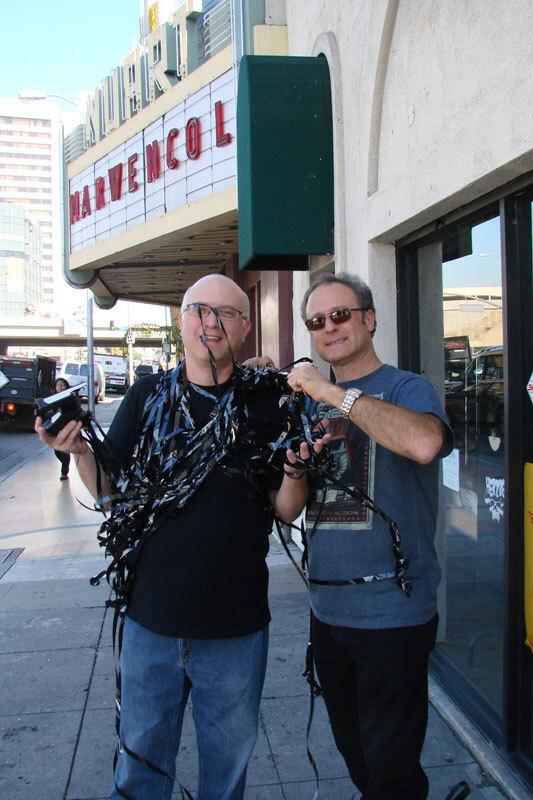
NBC Last Call shoot 2010

Krulik, left, and Heyn during a 2010 shoot for the NBC show Last Call with Carson Daly.

“We were joined at the hip, connected for life, brothers from another mother, etc. regarding Heavy Metal Parking Lot, and everything it spawned since 1986,” Krulik said.

Despite the film’s success, he still considers it as “running a little bit under the radar.” But ultimately, Heavy Metal Parking Lot became a vessel for experiencing the mid-1980s right of passage in a unique and relatable way.

Experiencing a concert vicariously through someone else’s shared experience or via a recording of the show may not be the same as actually being at the show, but it’s something many of us can relate to. And at the end of the day, something like Heavy Metal Parking Lot has the potential of usher in that shared, collective experience.

Now if you’ll excuse me, I have a Judas Priest album and a pot of coffee waiting for me, so until next time, don’t forget to keep on rocking!

--

For those curious about seeing the original Heavy Metal Parking Lot in a celebratory environment for its 35th anniversary, the Found Footage Festival is hosting a virtual event on May 31; tickets for the Zoom-driven event are available on the festival’s website. It’s $8, which any modern-day Judas Priest fan should be able to cough up.

Find this one an interesting read? Share it with a pal! Thanks again to John Heyn and Jeff Krulik for taking part, and thanks again for Morning Brew for sponsoring.

28 May 20:34

From Grilling Gear to Ingredients, Everything You Need for a Spanish Barbecue a La Plancha | Wine Enthusiast - Wine Enthusiast Magazine Online

28 May 20:31

A New And Delicious Way To Make BBQ Ribs - Forbes

28 May 20:31

Possibly the Biggest Error in Baseball History

by Miss Cellania

The Pirates infielders were not on their game Thursday. There were two outs in the third inning when Javier Báez of the Cubs got a hit. First baseman Will Craig only had to tag the base, but he did not. The rest of the play needs a Yakety Sax soundtrack! See it from different angles here. If you don't know how baseball works, here's a layman's explanation

The Cubs ended up beating the Pirates 5-3. This video induced Mefites to reminisce about the dumbest play they remember from their Little League games.   

28 May 15:56

Wine sweetness chart

by /u/goudadaysir
27 May 15:26

CineStill Launches BwXX 120 Film, Classically Only a Cinema Stock

by Anete Lusina

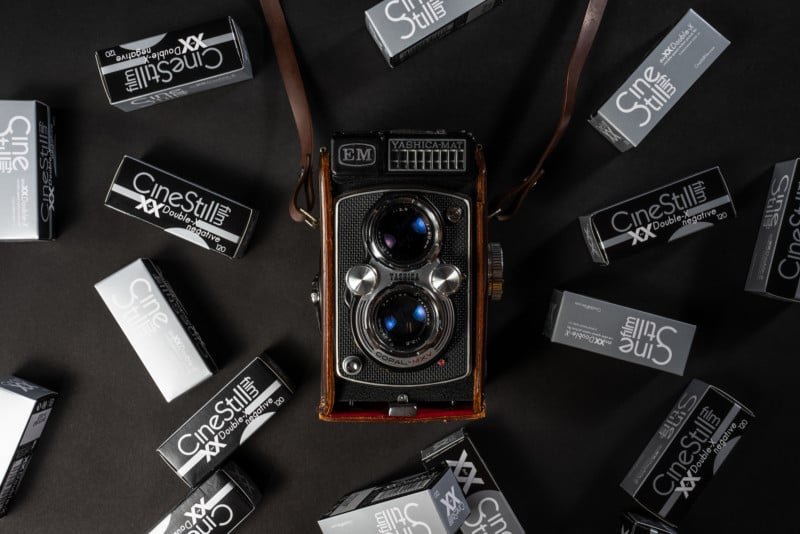
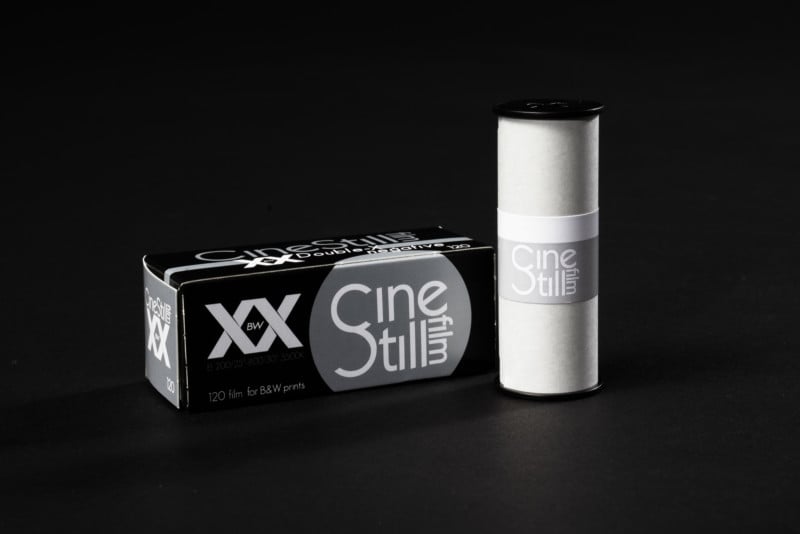
CineStill Film has launched CineStill BwXX 120, a classic black and white negative film for medium format cameras which it says had historically been reserved only for cinematographers.

CineStill says its primary goal is to further advance the “analog renaissance” by increasing the production of analog photography materials and tools that make the film photography experience more accessible.

The company’s latest product, CineStill BwXX 120, joins the previously released BwXX in 35mm format and, according to the company, now photographers have more versatility with the choice of the two available formats. This film stock has been left mostly unchanged since its release in 1959 when it was available to the motion picture industry and has been used in iconic movies filmed on Eastman Double-X film stock 5222 / 7222, such as “Schindler’s List,” and in modern-day ones, such as “Lighthouse” and “American Horror Story.”

CineStill BwXX is a variable speed, classic panchromatic black and white negative film for both outdoor and indoor use, which it claims is a good choice for photographers who are looking for a classic film stock with top-level performance and versatility to perform in a variety of shooting conditions.

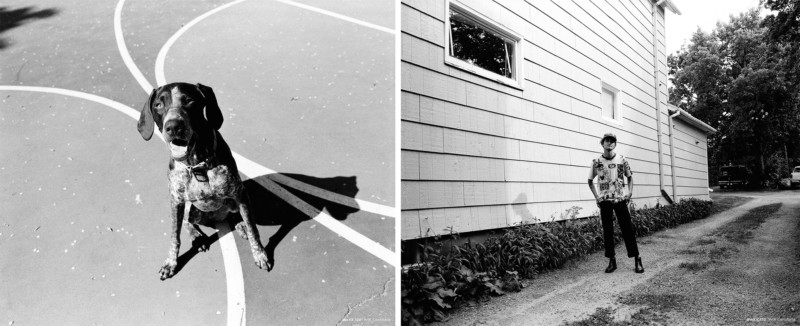
Image by Lena Jeanne

It has a variable base sensitivity of ISO 250 under daylight (5500K) and ISO 200 under tungsten (3200K) lighting conditions. It can be rated up to ISO 1600 using appropriate processing compensation.

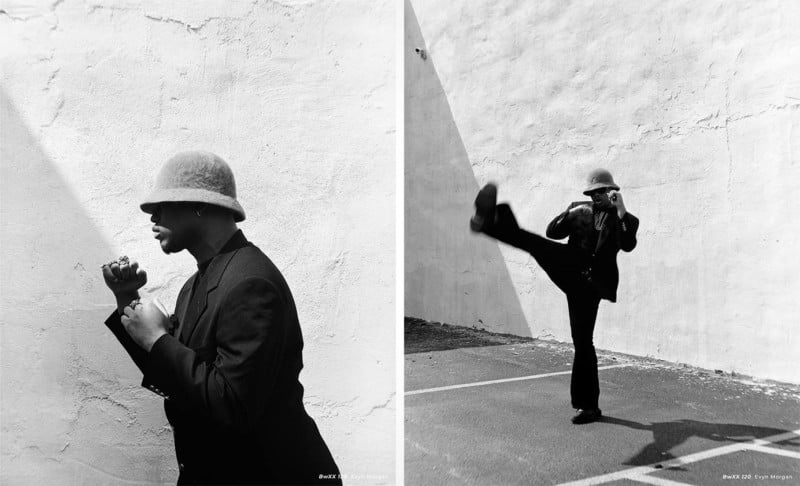
Images by Evyn Morgan

This film is said to deliver rich blacks and a wide range of tonal steps, while also providing high sharpness, crisp micro-contrast, and a fine grain structure, suited for street, portrait, architecture, and other types of photography where contrast and shadows are sought after.

Images by Will Cornfield

CineStill says that the contrast for this film will vary based on the chosen developer and method, but explains that as a rule, pushing higher ISO increases contrast, and pulling lower ISO lowers it. This film is suited for contrast control and for less contrast, the company suggests shooting and processing at ISO 200.

A developing times chart for BwXX can be found on the CineStill website for those who wish to learn more about different chemical processes that can be used at home or at a lab to achieve greater precision and image control.

The BwXX 120 film stock is available for sale on the CineStill website for $12 per roll and will shortly be introduced at film retailers globally.


Image credits: All images provided by CineStill Film and used with permission.

27 May 15:23

How to Create ‘Accidental Renaissance’ Photos: Light and Composition

by David Crewe

Photography, film, and art YouTube channel Chroma published this 8-minute video detailing what it takes to capture what are colloquially known as “Accidental Renaissance” photographs.

The term “Accidental Renaissance” was popularized by the Reddit community with the same name and refers to a photo that takes a modern situation and captures it in a way that mimics the master artists of the Renaissance period. The topic is extremely popular, as a quick visit to the Reddit community will reveal there are over 800,0000 subscribers to the topic with thousands of exceptional images shared by those users over the years.

“What we mean by Accidental Renaissance is a photo that inadvertently (accidentally) resembles a painting similar in composition, style, lighting, and/or subject to Renaissance-style art,” the subreddit explains.

While painters take painstaking efforts to create the scenarios presented in their artwork, photographers are often seen as more fortuitous, hence the “accidental” part. While many of the images you see described as an accidental Renaissance may be posted with the purpose of being a joke, there are still some amazing and breathtaking images to be found under this criteria.

But what truly makes a photograph “Renaissance-like”? According to Chroma, light and composition are key to achieving this look.

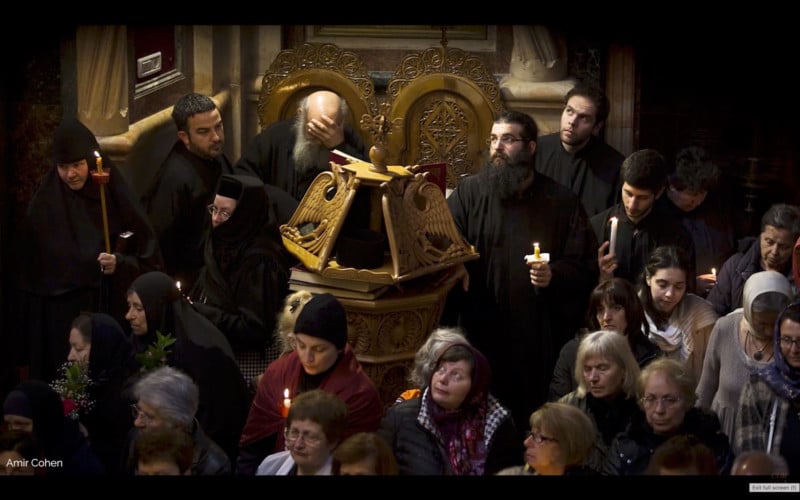
Often, images categorized this way depict chaos and are captured in areas full of people and dramatic action as well as intense emotion such as sporting, festival, or political events. Viewers relate these images as Renaissance-like due to the focal point: Often all the people pictured will be looking or pointing towards the center of the action, a single face lt among a crowd, or a simple break in a pattern. Often these images contain the use of the Golden Ratio as the composition technique.

Additionally, an image described as like a painting would not have much contrast or clarity. The highlights would be protected to preserve details with the highlights well-controlled and not particularly strong, since that is how a painting would look — paint can only get so bright.

Leonardo da Vinci said, “A painter should begin every canvas with a wash of black because all things in nature are dark except where exposed by the light.”

This is also how Renaissance artists achieved depth in their illustrations: painters obviously did not use super-fast or shallow depth of field lenses to create these iconic works of art. Photographers can use diffusers, flags, or even a cloudy day to control the transition between the colors and shadows in images in order to make the out-of-focus areas less distracting, and focus the attention on the subject.

“I think we also love Accidental Renaissance photos because of the disparity between intention and result; a spontaneous moment resulting in an image the masters could only achieve with painstaking effort. It shows that there could be art all around us, even if it is only by chance,” Chroma says.

For more from Chroma, make sure to subscribe to their YouTube Channel here.