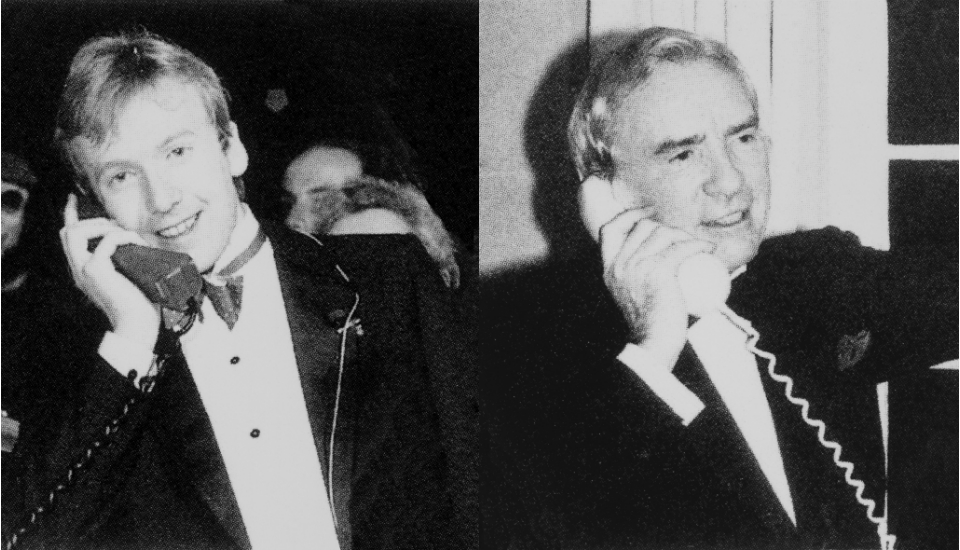
 Exactly 30 years ago today, two men made history by completing the first mobile phone call in the UK. As everyone celebrated the opening seconds of 1985, Michael Harrison, the son of former Vodafone chairman Sir Ernest Harrison, rang his father from ...
KWBaker
Shared posts
03 Jan 00:33
Exactly 30 years ago today, two men made history by completing the first mobile phone call in the UK. As everyone celebrated the opening seconds of 1985, Michael Harrison, the son of former Vodafone chairman Sir Ernest Harrison, rang his father from ...
It's been 30 years since Britain's first mobile phone call
by Nick Summers
Exactly 30 years ago today, two men made history by completing the first mobile phone call in the UK. As everyone celebrated the opening seconds of 1985, Michael Harrison, the son of former Vodafone chairman Sir Ernest Harrison, rang his father from ...
01 Jan 20:07




Filed under: From the Archives Tagged: Clarence F. Korstian, Duke University School of Forestry, historic photographs, lantern slides, North Carolina

Korstian Forestry Education Lantern Slides Now Viewable
by Eben Lehman
From the mid-nineteenth to the mid-twentieth century, lecturers often used glass lantern slides to illustrate their topics. Photographs were copied onto glass plates to make the slides, which would then be used with a projector to cast images onto walls or large screens. First developed in 1849, this process allowed for large groups of people to view photographs at the same time. This new technology was a no-brainer for lecturers. Large audiences now had a visual aid, one that was oftentimes further enhanced through color. Professional colorists hand-tinted the slides, producing colorized photos long before the invention of color film.
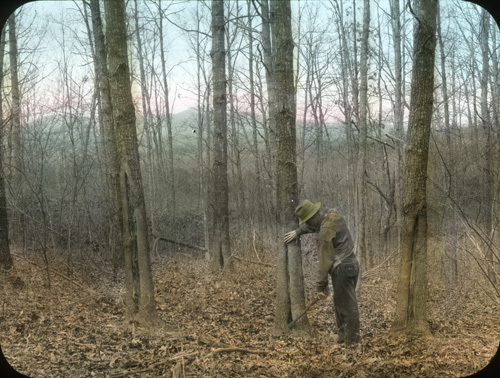
Lantern slide depicting a stand of mixed hardwoods and softwoods, Cheat River watershed, West Virginia, 1923.
FHS houses a set of such slides in the Duke University School of Forestry Lantern Slide Collection, a portion of which was recently digitized. These slides were collected by Clarence F. Korstian (1889–1968), a seminal figure in the history of forestry education both in North Carolina and nationwide. Korstian used the slides to accompany lectures during his tenure at Duke University from 1930 to 1959.
Korstian standing in open stand of timber in Craven County, NC, 1927.
Born and raised in Nebraska, Korstian spent the majority of his career in North Carolina. He served two decades with the U.S. Forest Service, about half of that at the Appalachian Forest Experiment Station in Asheville. He left the agency in 1930 to take a job at Duke as both a professor of silviculture and director of the Duke Forest. At Duke, Korstian organized a graduate school of forestry and served as the school’s first dean when it opened in the fall of 1938. He was instrumental in developing one of the nation’s leading forestry programs during his tenure, while also managing and expanding Duke Forest.
Duke Forest vehicle traveling on bridge over New Hope Creek in Durham, NC, 1930s.
The lantern slides Korstian collected to illustrate his forestry lectures come from at least 36 different states and several countries. Some of the photographs were taken by Korstian during his time with the Forest Service. The collection also includes photos from a trip he took to Europe to visit forestry schools in Germany, Switzerland, and France in the summer of 1932. The majority of slides in the collection are hand-colored, and as a whole they provide a unique look at forestry practices of the time as well as photographic technology.
Dr. Hans Mayer-Wegelin, Forstassessor Petri, and Prof. Joshua Alban Cope on forest road in Bramwald Staatsoberforsterei. Hann-Munden, Germany, 1932.
By the 1940s, 35mm Kodachrome slides began to take over as the preferred method for publicly showcasing photographs. Lantern slide use all but disappeared by the late 1950s. This was also around the same time that Korstian’s own career was winding down. He relinquished the deanship in 1957, and fully retired two years later. Following his retirement in 1959, one of the major divisions of Duke Forest was named in his honor.
Over 100 of the 900 slides in the collection have so far been digitized and can now be accessed online via the FHS image database. You can view more selections from the collection below, and see the collection’s finding aid for additional information. To learn more about Korstian, read the oral history interview Clarence F. Korstian: Forty Years of Forestry conducted by Elwood Maunder in 1959.
Second growth oaks, damaged at the base by fires. Pisgah National Forest, 1927.
Steam skidder in a gum swamp, Dismal Swamp area, NC, 1922.
Kudzu vines planted to control erosion, Tennessee, 1930.
Chestnut trees at Greenwich Park, England.
Virgin forest, chiefly spruce, at high elevation with rhododendron undergrowth, NC, 1900.
Filed under: From the Archives Tagged: Clarence F. Korstian, Duke University School of Forestry, historic photographs, lantern slides, North Carolina
Baker likes this
01 Jan 20:04
Publisher Harper-Collins omits the nation of Israel from school atlases "to meet local preferences"
Book publisher Harper Collins has entirely omitted the nation of Israel from atlases to be used in English-speaking schools in the Middle East.
from Daily Mail:
Publishing giant HarperCollins has been criticized for omitting Israel from an...
Baker likes this
01 Jan 03:08
SHOCK STUDY: Carbon dioxide emissions help rainforests GROW FASTER...
(Second column, 19th story, link)
Related stories:


SHOCK STUDY: Carbon dioxide emissions help rainforests GROW FASTER...
SHOCK STUDY: Carbon dioxide emissions help rainforests GROW FASTER...
(Second column, 19th story, link)
Related stories:
Baker likes this
01 Jan 03:04
Polaroid’s New Camera Prints + Uploads Pics Instantly
by delana
[ Filed under Gadgets & in the Camera & Video category ]






[ Filed under Gadgets & in the Camera & Video category ]
[ Gajitz | Archives | Categories | Privacy | TOS ]


Photo sharing moved almost entirely into the digital realm, but there’s still something special about pulling a snapshot out of your wallet to show off. Polaroid has created the best of both worlds with the Socialmatic camera: an instant print camera that also posts your images to Instagram, Twitter, Facebook, Pinterest and other apps.

The Socialmatic camera prints out 2″ X 3″ images with Zink Zero Ink printing technology. They’re smudge-proof, tear-resistant, and water-resistant. But even if something were to happen to one of your picture print-outs, you’ll have a backup online.

Built-in wifi connects your Socialmatic to the internet. If you’re in a location with no wifi, the Socialmatic also connects to your mobile device via Bluetooth so it can upload from anywhere you get cell phone service.

Remarkably, the camera is also a tiny Android computer with a 4.5 inch touch screen, stereo speakers, and 4 GB of onboard storage. It lets you browse the internet and check email, though that kind of seems like Polaroid is stretching the features a little too far.

The 14 megapixel forward-facing camera is complemented by a smaller 2 megapixel backward-facing selfie lens. When it goes on sale in early 2015 it will retail for $299.
Keep Going - Check out this Great Related Gajitz Article:


[ Filed under Gadgets & in the Camera & Video category ]
[ Gajitz | Archives | Categories | Privacy | TOS ]
Baker likes this
01 Jan 02:54
Inside the Tracker’s Pack
by kalexander
These days, Dwight McCarter, "The Tracker” we featured in our December/January 2015 issue, enjoys hiking the Great Smoky Mountains National Park for pleasure. He covers between four and twenty-six miles each week in his trusty Chippewa boots.

Photographs by Erika Larsen
But the retired ranger knows better than most the importance of always being prepared. He’s rescued twenty-six people (mostly children) from the rhododendron thickets and hemlock forests blanketing this more than half-a-million acre preserve of Appalachian mountains. So whenever he sets out in the woods, he goes with a partner or dog and a pack containing the following survival essentials:
Packing list:
-
Canteen cup (for cooking tea or soup)
-
Banana (for potassium for sore legs)
-
Tums (for magnesium, which also helps with sore legs)
-
Ramen noodles
-
One or two sturdy hiking sticks
-
A set of warm clothes—wicking shirt and long johns
-
Extra wool socks
-
Warm mittens
-
Balaclava
-
Rain pants and coat
-
Moleskin (for blisters)
-
Sting-Kill (for bee stings)
-
Compass
-
Several whistles (to scare bears and locate lost persons)
-
Very small flashlight with headband and extra batteries
-
Two cigarette lighters (in a resealable baggie)
-
Fire building material (a small amount of fire starter in a resealable baggie)
-
Roll of cheap toilet paper (to make a big white X in an open area so a helicopter can spot location)
-
Roll of hot pink flagging tape and an ink pen (to write messages)
Unlike many hikers, McCarter carries minimal water. He finds water in streams, creeks, and springs along trails, and can boil it for safe use when making soup. He doesn’t drink much while hiking. “I carry a bottle of Diet Rite Cola,” he says. “I may take two sips from it during my hikes and I rarely sweat. I adhere to the belief, ‘sweat kills.’” McCarter is an expert at layering—he removes and adds clothing depending on the temperature. On a recent hike, he said he and his hiking partners layered and unlayered their attire multiple times to keep their bodies from overheating or becoming too cool with sweat.
“You cannot wear every piece of your clothing in your pack and never adjust for the conditions,” he says. “Accept nature on her own terms.”
>Read more about Dwight McCarter

Baker likes this
01 Jan 02:52
Where We're Going in 2015
by rreed
Here’s where you’ll find us off-duty in 2015 (often inspired by what we’ve reported on or experienced in 2014).

Photograph by Peter Frank Edwards
“I get together with a couple of far-flung friends for a fishing trip every year. We meet up somewhere and spend a few days squeezing in as much time on the water as humanly possible. The last couple of years we've been hitting different rivers, and next year heading to the James River in Virginia. Open to other suggestions!”—Dave Mezz, Deputy Editor

Fried chicken from Prince's Hot Chicken Shack. Photograph by Caroline Allison
“I’d like to hike the Appalachian Trail, but here’s a more realistic view of my plans:
I’m heading to Carbondale, Colorado, to fly-fish in the Roaring Fork valley early next summer.
In the spring, I’m definitely trekking to Nashville to pay homage to the folks at Prince’s Hot Chicken Shack after their phenomenal showing at this year’s Jubilee.
I’m also going to a friend’s ranch about an hour from Austin, Texas, where I will drink authentic margaritas, eat migas, and hopefully learn to rope (or ride!) a steer.”—Jessica Mischner, Senior Editor

Richmond, Virginia. Photograph by Patricia Lyons
“I'm overdue for a swing through Virginia. My dream itinerary would take me to Chilhowie, for dinner at Riverstead, and then Staunton, for dinner the next night at the Shack, and after that up to Washington, D.C. to visit the Dabney, chef Jeremiah Langhorne's upcoming restaurant. Maybe that's a little bit ambitious, but I'll say this: I won't let the year pass me by without a stop at Comfort, in Richmond, for fried chicken and sour corn. Old-fashioned sour corn is hard to find nowadays, and I hear that chef de cuisine Travis Milton has mastered it.”—Jed Portman, Assistant Editor
A Tour de Italy this summer: Final destination is Siena for the Palio horse race on July 2nd.”—Margaret Houston, Associate Photo Editor
“Birmingham, Alabama. One of my longtime friends is a Birmingham-based musician who recently got engaged to another musician down there. Hear the live music scene is captivating, and the food scene is only growing but is still neighborhood-focused. Can't argue with good live music and local eats.”—CJ Lotz, Research Editor
“Brevard, North Carolina. I’ve been once before but I only got a small taste of what I came for, and I want more. Brevard, in my opinion, is the Moab of the South—a mountain bike paradise. Nearby DuPont State Forest boasts over 100 miles of single track. A number of trails top out on granite baldies, our version of Utah’s famous Slickrock Trail methinks, before whipping down ballsy descents into lush valleys that hide cold mountain streams. Honestly, and having ridden damn near every epic trail of note west of the Mississippi, it’s a fat tire freak’s paradise.”—Marshall McKinney, Art Director
“My first-ever fly-fishing trip was with the eminently capable, friendly, and G&G-recommended Rob Fightmaster on the Little River in the Great Smoky Mountains National Park. He wisely started me out on a wider stretch of the Little River between Townsend and Sugarlands so I could enjoy casting instead of fishing the line out of rhododendron thickets further up in the mountains. Just twenty minutes in, I caught a small rainbow and was… you guessed it… hooked. Hope to have the pleasure—and the good luck—again this spring.”—Phillip Rhodes, Executive Managing Editor

Austin, Texas. Photograph by Brent Humphreys
“I’ve always been romantic about train travel. I watched last year’s Big Easy Express on repeat. Trains just seems so much more civilized than flying these days or fighting traffic on I-95. I haven’t booked it yet but I’d love to hop on board one of the restored vintage Pullman train cars via the City of New Orleans line, which follows the Mississippi River from New Orleans to Chicago. Actually on the 2015 calendar: a trip to Austin to visit friends in the spring.”—Elizabeth Hutchison, Assistant Editor
Baker likes this
01 Jan 02:42



Post-Processing Tips of the Year 2014 on dPS
by Darlene Hildebrandt
What to do with all those photos after you’ve taken them is the question. Do you do any post-processing? Are you a minimalist? Or maybe you like do to HDR?
By Zvi Kons
Whatever your tendency this year had some helpful post-processing articles. Here are a few of the most popular ones from the last year:
Lightroom
- 6 of Lightroom’s Hidden Treasures
- Useful Lightroom Plug-ins
- How to do Noise Reduction in Lightroom
- Photoshop Versus Lightroom Which is Right for You?
- Lightroom How To – One Tip and One Trick
- Seven Pieces of Advice for New Lightroom Users
- Improve Your Images with the Lightroom Graduated Filter Tool
- Save Tons of Editing Time with Lightroom Presets
- How to Create a Vintage Look using Lightroom
- Step by Step Portrait Processing in Lightroom
- Lightroom 5 Tips – Hidden Gems
- Mastering Color in Lightroom using the HSL Tab
Photoshop
- 3 Easy Steps Using Photoshop to Making your Images POP
- 5 Photoshop Tools to Take Your Images from Good to Great
- How to Use LAB Color in Photoshop to Add Punch to Your Images
- 6 Commonly Used and Confused Tools in Photoshop Explained
- Ten Go-to Editing Tips for Using Photoshop
- 4 Tips for Post Processing Efficiency in Photoshop
- Understanding Masking in Photoshop
- How to Watermarking Images With Photoshop and Lightroom
- Two Quick and Easy Photoshop Head-Swapping Techniques
- How to Use Levels in Photoshop Correct Color and Contrast
- How to do Quick and Easy Curves Adjustments in Photoshop
- 3 Creative Uses of the Drop Shadow in Photoshop
- How to do Great Black and White Conversions Using Photoshop
- 5 Creative Ways to Process Infrared Photographs in Photoshop
- A Beginners Introduction to Using Layers
Other
- Are You Guilty of these 5 Over-Processing Sins?
- Luminosity Masks Versus HDR Software For Creating Natural Looking HDR Images
- Better Star Trails Photographs with StarStaX
- HDR Vertorama Photography – How to Create Mind-bending Images
- Getting to Know Picasa – a Free Image Editor and Browser by Google
The post Post-Processing Tips of the Year 2014 on dPS by Darlene Hildebrandt appeared first on Digital Photography School.
Baker and -1 others like this
01 Jan 02:41


Best Travel Photography Tips of 2014
by Darlene Hildebrandt
Travel photography is one of the most popular topics here on dPS. Things often seem more interesting to photograph when we are away from home, travelling somewhere exciting or just new. Here are some of the highest rated travel photography articles on dPS in 2014. In no particular order:
- The Only Three Lenses You Need for Travel Photography
- The Worst Mistake a Travel Photographer Can Make
- Off Camera Flash for Your Travel Photography
- 20 More Photography Tips Every Travel Photographer Must Know
- 6 Tips for Photographing People When Travelling
- 7 Proven Ways to Come Home with Better Travel Photos
- 10 Ways to Improve Your Travel Photography Portraits
- 5 Simple Tips to Improve Your Travel Photos
- Versatility – Your Guide to Shooting Great Travel Photography
- 6 Tips for More Unique Travel Photos in Busy Tourist Locations
- Travel Photography without the Travel – Going Local
- Overcoming the Fear – Creating Better Travel Photography Portraits
- How to Get the Most Out of a Travel Photography Location
The post Best Travel Photography Tips of 2014 by Darlene Hildebrandt appeared first on Digital Photography School.
Yanniv Ovadia, Baker likes this
01 Jan 02:35


Why Libertarians and Conservatives Clash Over the Meaning of the Constitution
by Damon Root
 Peter Lawler, a conservative
professor of government at Berry College, and Ilya Somin, a
libertarian professor of law at George Mason University, recently
conducted a fascinating debate inspired by my new book
Overruled: The Long War for Control of the U.S. Supreme
Court. Reviewing the book at the Volokh Conspiracy, Somin
kindly
described Overruled as “an impressive account of the
conflict over judicial review between conservatives and
libertarians.” In a nutshell, libertarians think the courts should
actively police the other branches of government and strike down
overreaching laws. Many conservatives, by contrast, favor the
philosophy of judicial deference first championed by early 20th
century Justice Oliver Wendell Holmes Jr., who declared, “a law
should be called good if it reflects the will of the dominant
forces of the community even if it will take us to hell.”
Peter Lawler, a conservative
professor of government at Berry College, and Ilya Somin, a
libertarian professor of law at George Mason University, recently
conducted a fascinating debate inspired by my new book
Overruled: The Long War for Control of the U.S. Supreme
Court. Reviewing the book at the Volokh Conspiracy, Somin
kindly
described Overruled as “an impressive account of the
conflict over judicial review between conservatives and
libertarians.” In a nutshell, libertarians think the courts should
actively police the other branches of government and strike down
overreaching laws. Many conservatives, by contrast, favor the
philosophy of judicial deference first championed by early 20th
century Justice Oliver Wendell Holmes Jr., who declared, “a law
should be called good if it reflects the will of the dominant
forces of the community even if it will take us to hell.”
Writing in response to Somin at the Library of Law & Liberty, Lawler stands up for the conservatives. Yes, he concedes, the libertarian view “maximizes individualism” by consistently championing both “social liberalism” and “economic conservatism” in court. But a problem arises, Lawler maintains, when “the judiciary interposes itself in political controversies while operating under an understanding of liberty that is deeply questionable and surely time-bound.” As evidence of the judiciary’s questionable defense of liberty, Lawler points to the Supreme Court’s decisions in favor of privacy rights and gay rights, among other issues.
Lawler is absolutely correct that the libertarian and conservative legal movements have come to grips on these fronts. But as I argue in Overruled, the fissure goes much deeper than the debate over “social liberalism.” Indeed, the fault-line originates with two very different interpretations of the U.S. Constitution. For example, according to the revered conservative jurist and legal theorist Robert Bork, under our system of government, “in wide areas of life, majorities are entitled to rule, if they wish, simply because they are majorities.” For Bork, that meant the courts should butt out of most legal disputes and instead let the democratic process run its course. (Chief Justice John Roberts invoked that very sort of judicial deference when he upheld Obamacare in 2012.)
In comparison, here’s how the libertarian legal theorist Stephen Macedo responded to Bork:
When conservatives like Bork treat rights as islands surrounded by a sea of government powers, they precisely reverse the view of the Founders as enshrined in the Constitution, wherein government powers are limited and specified and rendered as islands surrounded by a sea of individual rights.
In other words, it's a clash of constitutional visions between the libertarians and the Holmes-Bork devotees.
In his review of Overruled, Ilya Somin concludes that the libertarian legal movement is currently on the rise. But he also notes that the other side is “unlikely [to] give up without a fight.” Peter Lawler’s eloquent defense of old-school legal conservatism is further proof that this fight is not over yet.
Baker likes this
01 Jan 02:33


Feds Still Promote 'Cult of Home Ownership,' as Investors Drive Prices Up
by J.D. Tuccille
A couple of weeks ago, I noted that Fannie Mae and Freddie Mac are partially returning to their old tricks of promoting home ownership at all costs. By backing loans to "qualified first-time homebuyers" who put down as little as 3 percent of the value of a home, they're taking a step back toward the Clinton-era and Bush-era policies that led so directly to the mortgage meltdown.
Why would they do this?
Because government officials have long been hung up on the idea that home ownership is a good thing in itself, and that rising housing prices are a sign of increasing prosperity. Last year, President Obama went to Arizona (not quite ground zero for the last housing bubble, but close enough) to boast, "our housing market is beginning to heal. Home prices are rising at the fastest pace in seven years."
He added, "We've got to give more hardworking Americans the chance to buy their first home."
Well...That's not really happening. The Federal Reserve Bank of St. Louis reported yesterday that home ownership rates are dropping "in particular for first-time buyers or households headed by individuals age 35 and under."
That's not really a shocker when home prices are rising amidst presidential cheerleading—to the point where they're only 11 percent below the 2007 peak. If you raise the price on something, demand is likely to decline, especially when the bubble mentality of the last decade has evaporated (at least among the general public).

Notes the St. Louis Fed's Carlos Garriga, "housing demand and house prices have become disconnected since the financial crisis...This current episode could solidify the idea that it is possible to have housing booms driven entirely by investors."
So we may be back to the bubble, but this time without quite so many actual families' prosperity on the hook. With prices soaring back to the stratosphere, that declining home ownership rate is not only a natural reaction to the market, but very likely beneficial since it reduces exposure to the fallout when the new bubble pops.

Home ownership isn't inherently a good thing, anyway. It can be a good thing, but research suggests that it can also damage employment by reducing people's mobility. It can also be risky in other ways, argues Adam Posen of the Peterson Institute for International Economics, who objected to "the cult of home ownership" in a 2013 op-ed in the Financial Times:
in a free society, people who want to own homes and have the means should be able to purchase them, just as they would any other luxury item. But our governments do not need to subsidise that purchase. Increasing home ownership does not increase housing, least of all for the poor. Increasing home ownership in the US and Britain beyond what the free market would generate does, however, distort capital allocation, put a large share of household savings at unnecessary risk, impede mobility, and creates a powerful lobby for government transfers to the wealthy. And it creates housing bubbles to devastating effect.
So home prices are back up, this time driven by investors instead of families convinced by you-must-own-a-home happy talk. The federal government, Fannie Mae, and Freddie Mac are now doing their best to lure regular Americans back to the party.
Unless they've really thought through both the benefits and risks, Americans shouldn't take the bait.
Baker likes this
01 Jan 01:53


Civilian and Police Homicide Rates Roughly Comparable
by Ronald Bailey
 The Examiner is
citing the Twitter curation site
Twitchy regarding reports on three alleged attempts at
assassinating police officers in the past 24 hours. In addition,
Reuters has posted an article with the alarming headline,
"Gun
deaths for U.S. officers rose by 56 percent in 2014." From
Reuters:
The Examiner is
citing the Twitter curation site
Twitchy regarding reports on three alleged attempts at
assassinating police officers in the past 24 hours. In addition,
Reuters has posted an article with the alarming headline,
"Gun
deaths for U.S. officers rose by 56 percent in 2014." From
Reuters:
Gun related deaths of U.S. law enforcement officers rose by 56 percent in 2014 compared to the previous year, with about one-third of officers killed in an ambush, the National Law Enforcement Officers Memorial Fund said on Tuesday.
Across the country, 50 officers were killed by guns in 2014 compared to 32 in 2013, according to the website of the non-profit fund, which aims to increase safety for law enforcement officers.
The most deadly states were California, Texas, New York, Florida and Georgia, the group said.
"Fifteen officers were shot and killed in ambush, more than any other circumstance of fatal shootings in 2014," the website said.
Let's do some rough calculations to give the Reuters headline a bit of context. The National Law Enforcement Officers Memorial Fund (NLEOMF) notes that there are 900,000 sworn law enforcement officers in the United States - a record number. The NLEOMF notes that two of the gunfire deaths were accidental. So the death of 48 officers yields a homicide rate of about 5.3 per 100,000. The FBI reports that the overall 2013 (latest figures) homicide rate was 4.6 per 100,000 Americans. In 2013, excluding two accidental deaths, the homicide rate for police was about 3.3 per 100,000 officers.
In 2011, the 68 officers died from gunfire in the line of duty, so the rate that year was roughly 7.5 per 100,000.
It should go without saying, but here goes anyway: Murder is wrong, period. Everyone who has lost friends and family to this most heinous of crimes deserves our sympathy.
Baker likes this
01 Jan 01:47


Noah Berlatsky: Paper Rights
 Legally speaking, human rights have proliferated
over the last 40 years. Only 20 human rights were listed by treaty
in 1975. Today there are around 300, including the right to
privacy, the right to freedom of movement, the right to join a
trade union, and the right to an interpreter in official
proceedings. With so many human rights recognized by so many
countries, we clearly are moving toward a more just and humane
world.
Legally speaking, human rights have proliferated
over the last 40 years. Only 20 human rights were listed by treaty
in 1975. Today there are around 300, including the right to
privacy, the right to freedom of movement, the right to join a
trade union, and the right to an interpreter in official
proceedings. With so many human rights recognized by so many
countries, we clearly are moving toward a more just and humane
world.
Or perhaps not. In his new, short, drily pessimistic book The Twilight of Human Rights Law, University of Chicago law professor Eric A. Posner meticulously, and with a touch of glee, pours cold water on the hopes of the international human rights regime.
There is little evidence, Posner argues, that the proliferation of human rights treaties has done anything to push countries toward a greater reverence for human rights. In fact, he suggests, the growth in the number of legally enshrined human rights is both a symptom of and a contribution to the general incoherence of human rights law. With so many different rights on the books, from a right to free speech to a right to employment, countries can pick and choose which they want to pursue.
Baker likes this
01 Jan 01:44

Step Right Up: Our Latest Group Show Takes You to the State Fair
by Alison Zavos

Clackamas County Fair on August 17, 2012 © Leah Nash
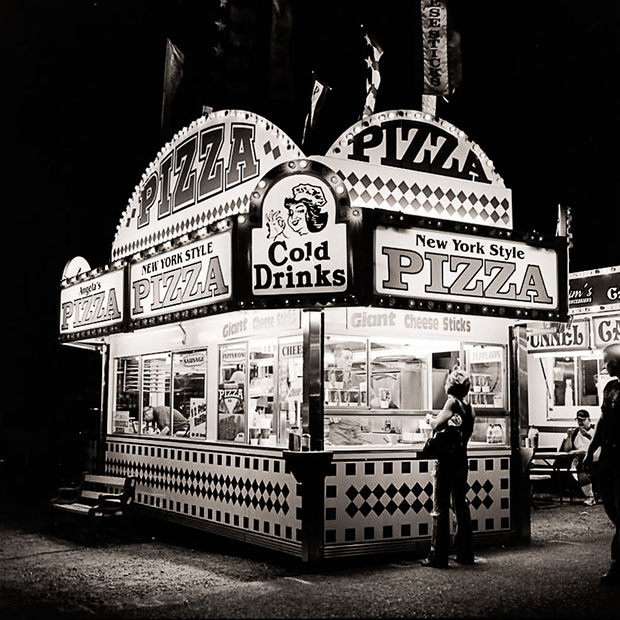
Pizza © Bruce Booher

The race. South Carolina State Fair, Columbia, SC, 2011 © Andrea Bonisoli Alquati
Our latest group show examines the weird, wild and wonderful state fair. Our juror Kat Kiernan selected photographs from Feature Shoot readers that encompass the raw and exciting energy of these traveling shows across the country.
Congratulations to Bruce Booher, Leah Nash, and Andrea Bonisoli Alquati, who will receive a one-year subscription to Squarespace, the innovative website publishing platform perfect for photographers. They make it simple to create professional websites that are 100% customizable, making web design accessible to everyone. Complete with award-winning designs, hosting, domains, commerce, and 24/7 support, Squarespace offers photographers more ways to market themselves and grow their business.
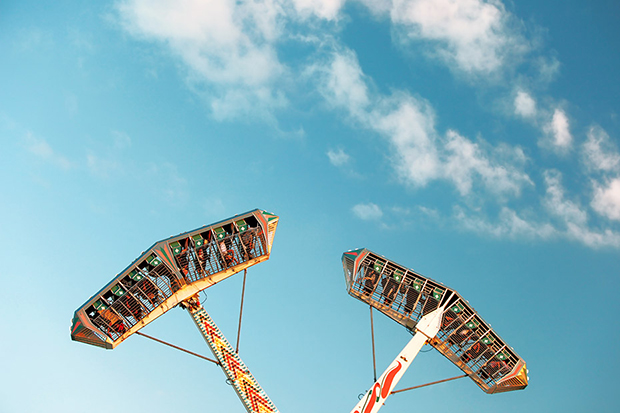
Upside down on a carnival ride at the Great Northern Fair in Havre, Montana © Todd Klassy
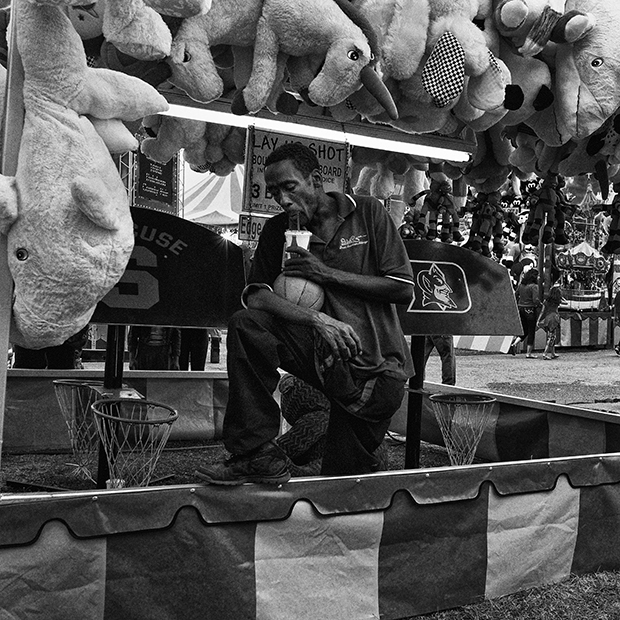
From the series Dutchess County Fair, NY, 2014 © Alvaro Keding
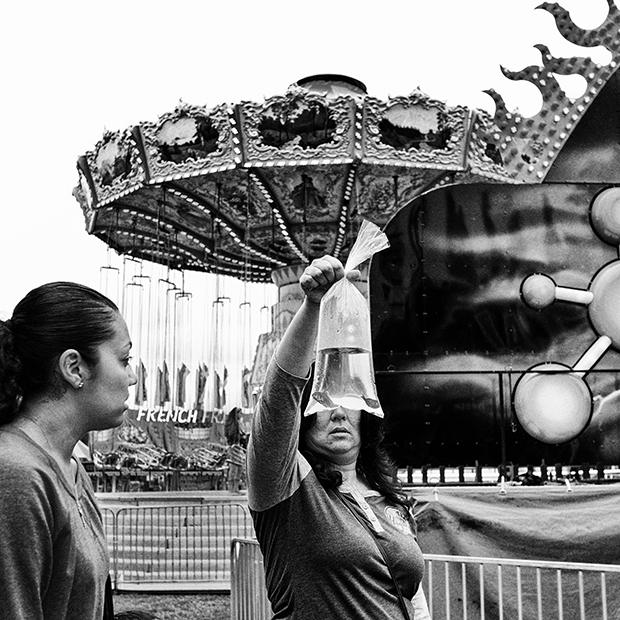
From the series Dutchess County Fair, NY, 2014 © Alvaro Keding
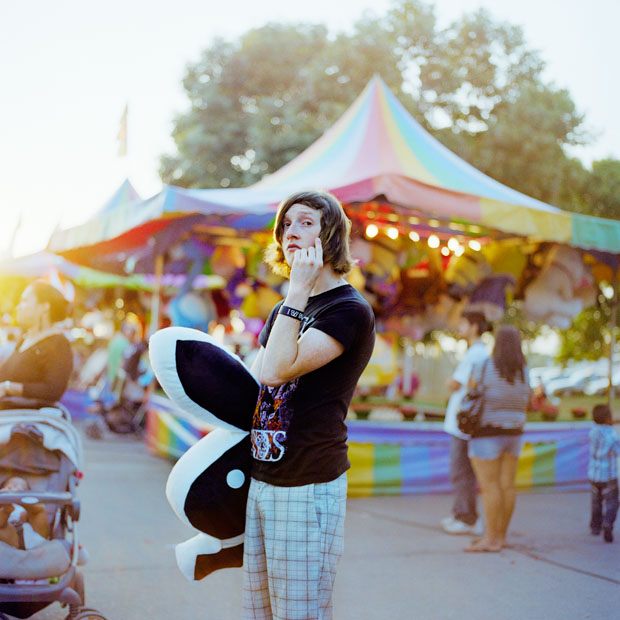
Untitled, 2012 © Angela Regas
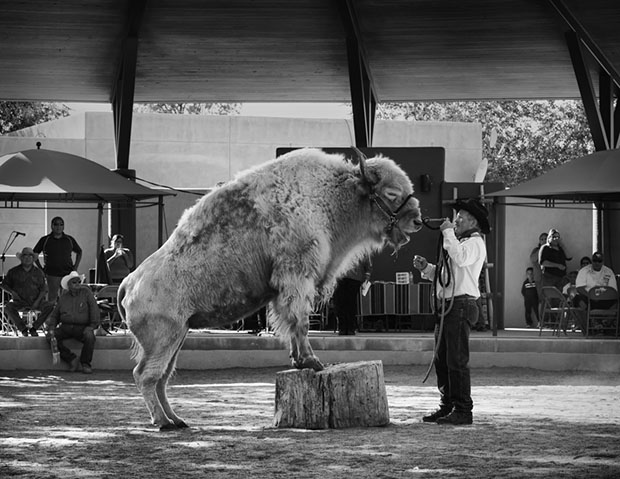
White Buffalo, New Mexico State Fair, 2012 © Brian Edwards

Holy Mary celebration, Romania, August 15 © Dani Gherca
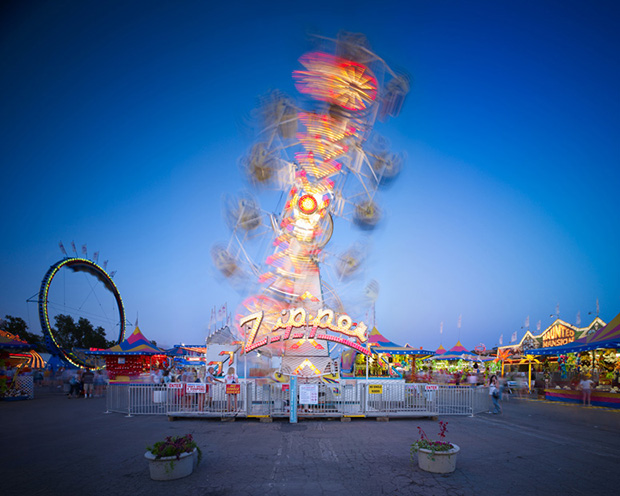
Zipper, Minnesota State Fair Midway © David Bowman

The Cyclone, Between Heaven & Earth © Estefany Molina

State fair worker, Chambord, Québec © Etienne Boisvert

Photo booth. LA County Fair, 2013 © Joe Toreno

Clackamas County Fair on August 17, 2012 © Leah Nash
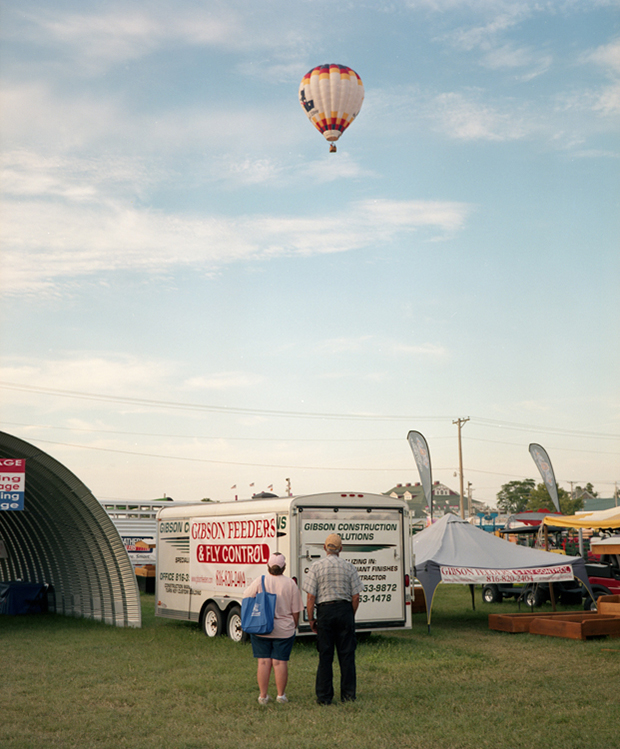
Up, Missouri State Fair © Matt Rahner
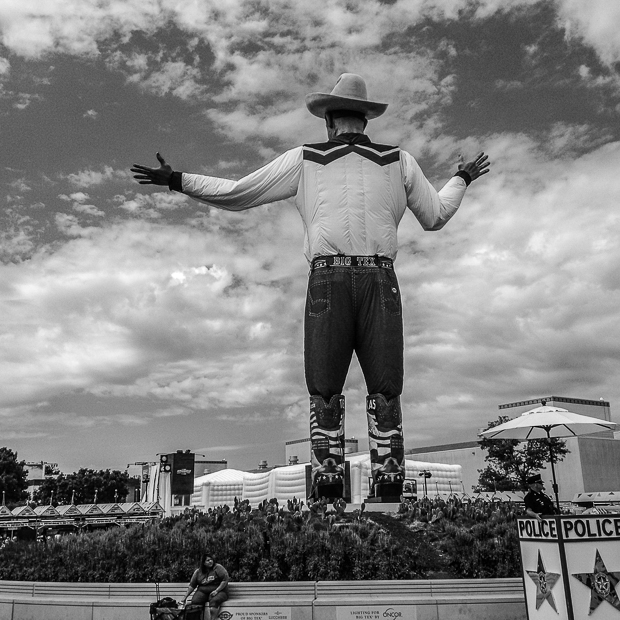
Big Tex, Texas State Fair (Dallas, TX) © Michael Magers
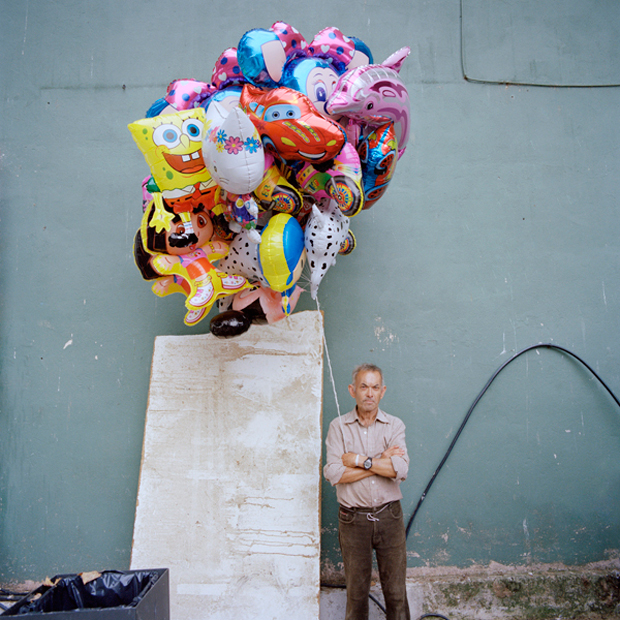
La Bisbal © Patrick Morarescu

Berlin © Patrick Morarescu
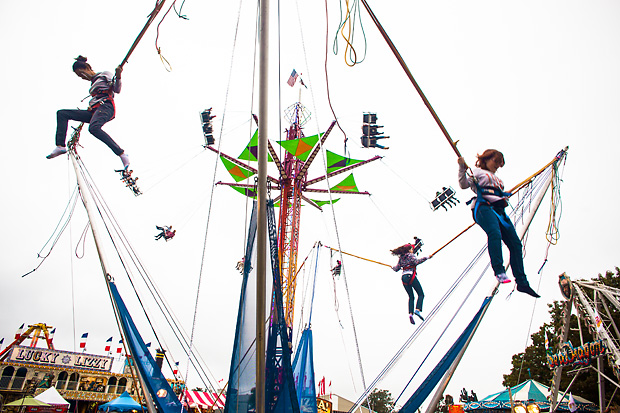
The Topsfield Fair © Porter Gifford
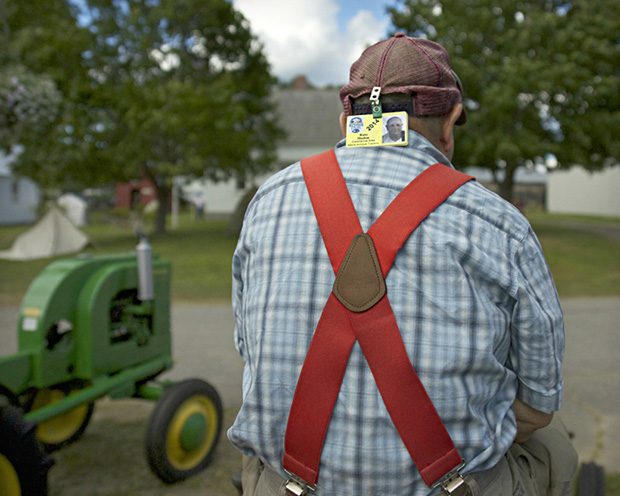
Russ with his Tractor Exhibit © Robert Moran
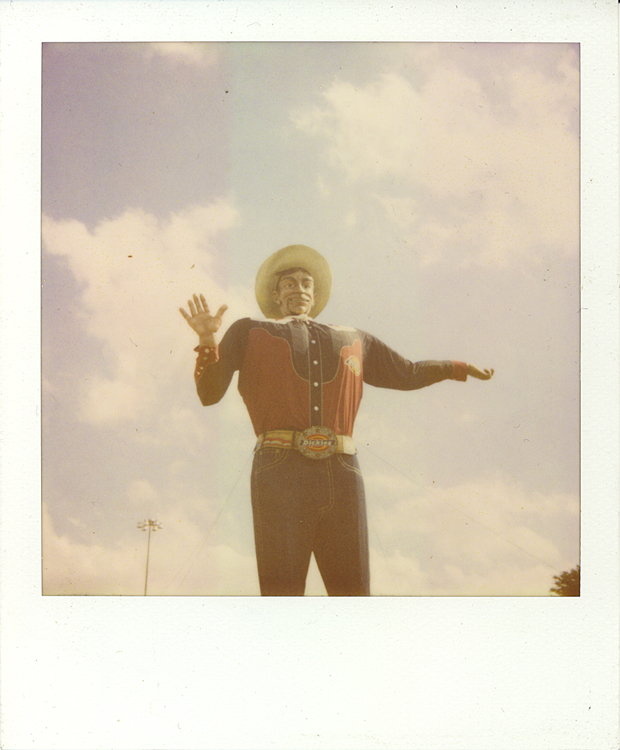
Big Tex, State Fair of Texas, 2013 © Ross Faircloth
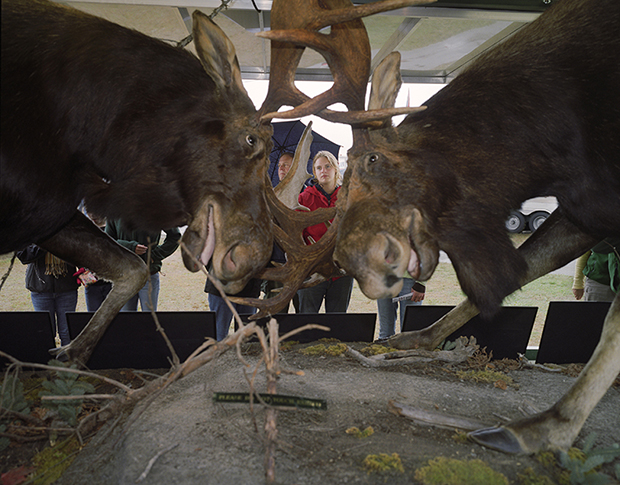
Deerfield Fair, NH – “Forever Locked” © Shane Godfrey

Poor Jack © Stuart Sipahigil

Rebel © Stuart Sipahigil

A concession stand at the Walworth County Fair in Elkhorn, Wisconsin © Todd Klassy

Walla Wall County Fair. Walla Walla, WA © William Rugen
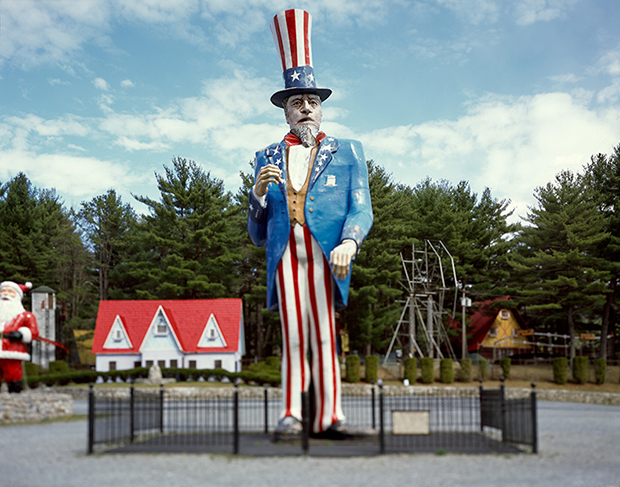
Uncle Sam, Lake George, New York, 2012 © Yoav Friedlander
Squarespace is a Feature Shoot sponsor.
The post Step Right Up: Our Latest Group Show Takes You to the State Fair appeared first on Feature Shoot.
Baker likes this
01 Jan 01:43

A Glimpse at the Quiet Life of a Montana Rancher
by Kat Kiernan
 John Hoiland
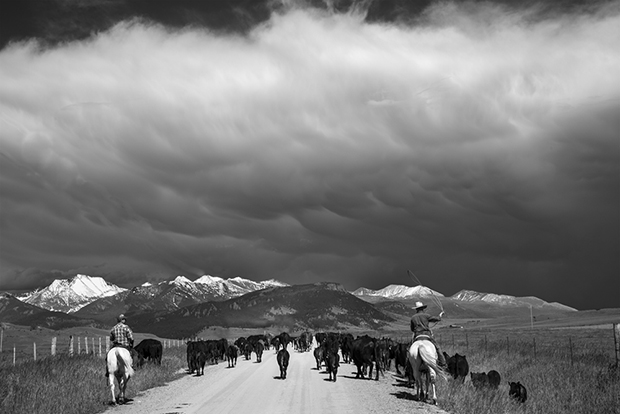 Cattle Drive, Wilsal, Montana
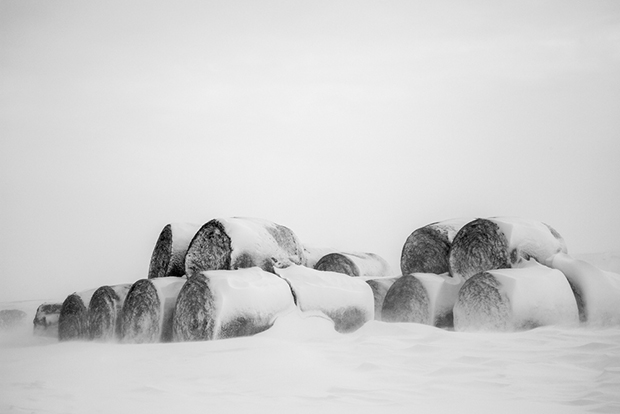 Hay Bales
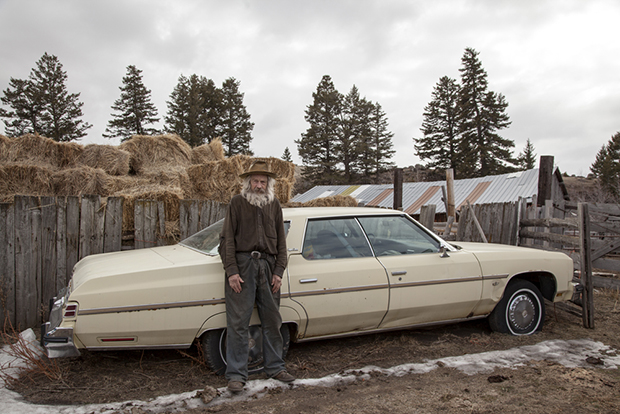
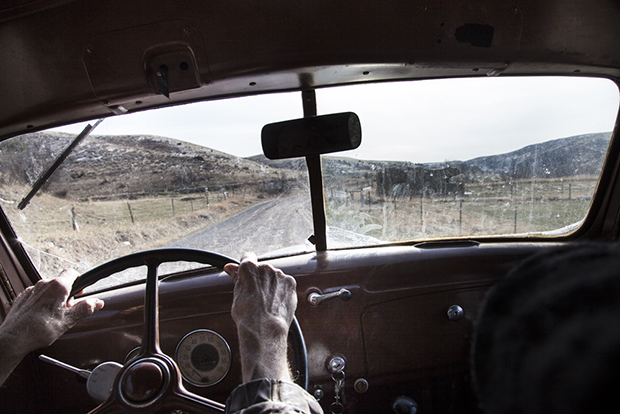
For the last three years Cynthia Matty-Huber has photographed ranchers across the state of Montana. Fascinated by the rugged lifestyle that ranching demands, Matty-Huber has spent the past year documenting one rancher in particular. John Hoiland’s family came to Montana in 1906. He has spent his entire life on the farm. When his parents died, he added their chores to his, working the farm alone.
A critical mass top 50 finalist, Matty-Huber’s photographs follow Hoiland’s life on the 940 acres that he has called home for generations. With compassion and tenderness she documents the hardships that come with being responsible for both land and animal. Against the expansive Western landscape we see the decline of Hoiland’s home, his time constraints now making it too difficult to maintain. Though in a state of decay, Hoiland holds fiercely to his land and the objects from his past. Through quiet, intimate photographs Matty-Huber conveys her admiration for his strength and perseverance.
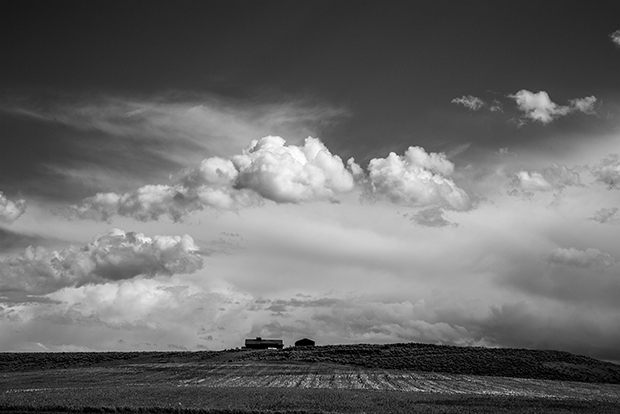 Wilsal, Montana
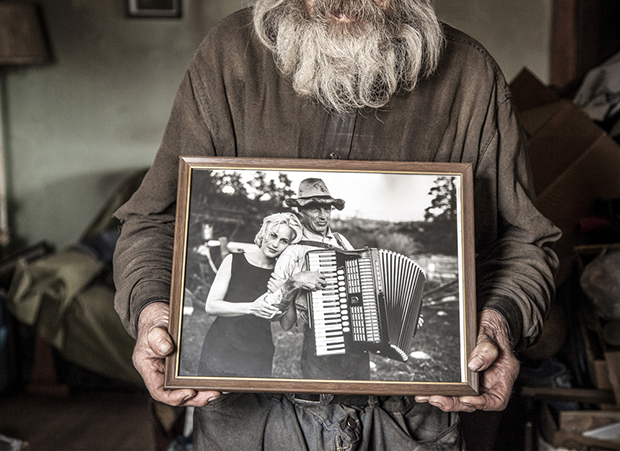 John and Patricia
 John’s Sink
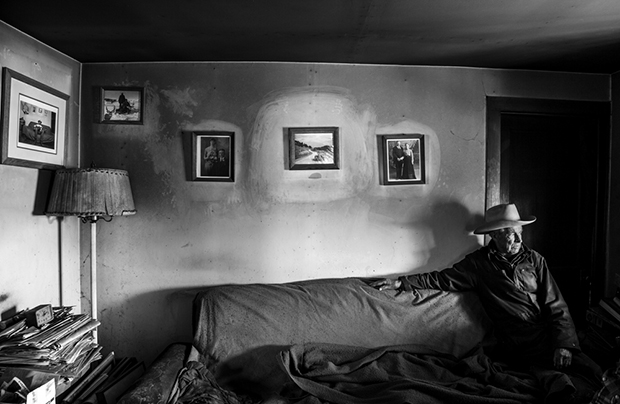 John in His Living Room
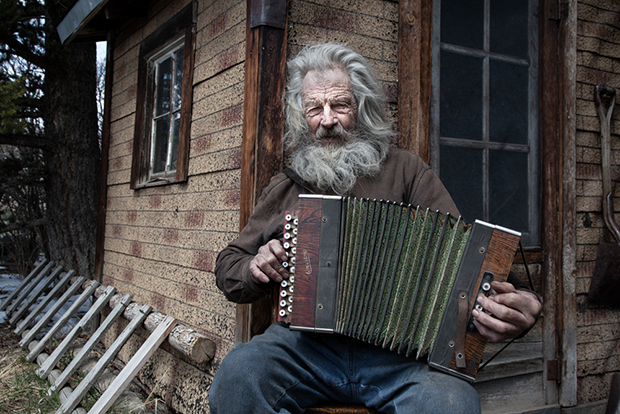 John Plays his Dad’s Accordion
 John’s Fairland
 John Out in his 1939 Chevy Truck
All images © Cynthia Matty-Huber
The post A Glimpse at the Quiet Life of a Montana Rancher appeared first on Feature Shoot.
Baker likes this
01 Jan 01:28


This Year in Music | Dudes With Guitars
by Al James
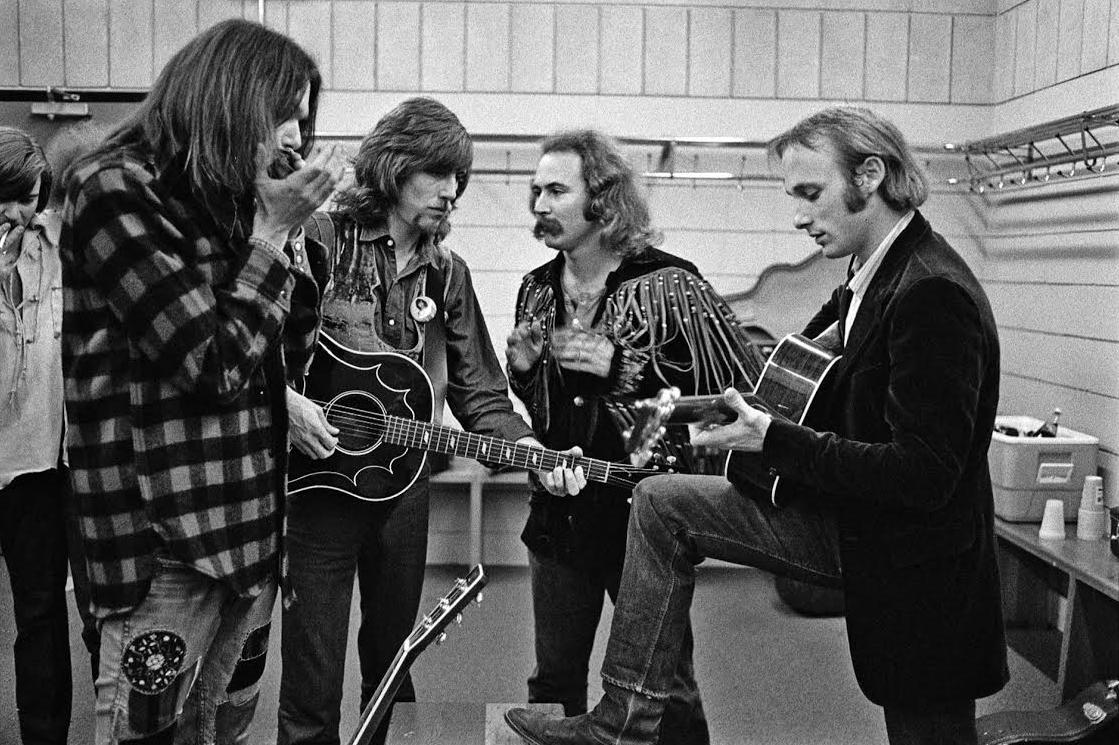
Last year we called it early and looked at some albums that were floating just below the mainstream. This year we’re highlighting the revival of a genre that critics keep saying has been dead for awhile. Across magazines, newspapers and blogs, writers have lamented the demise of guitar rock in all of its forms – punk, country, blues, garage, etc… They say that dudes with guitars are dead. They’ve been replaced by dudes with synthesizers, dudes with laptops, and dudes with samplers. This year, however, might be an exception. You don’t have to search too hard to discover that 2014 was actually an incredible year for straight-ahead, guitar-toting songwriters. Here are some of the best:
Sturgill Simpson
Though he worships at the altar of The Highwaymen, Sturgill is absolutely the genuine article. His Metamodern Sounds In Country Music is a classic country album filtered through a contemporary lens of drugs and existential dread. His songwriting point of view is fresh and his voice is timeless. Now if only the rest of Nashville could follow his lead.
Hiss Golden Messenger
After a series of great folk albums over the last few years, North Carolina’s M.C. Taylor dug deeper on Lateness of Dancers and struck gold. He and his band channel Dylan, The Band, The Dead and J.J. Cale like no one else has recently, keeping one foot firmly planted in swampy Southern R&B.
Steve Gunn
Steve Gunn’s Way Out Weather is the most experimental and inventive of the group. He is a rare guitar talent who can make the complex sound simple and stretch guitar lines to the point where riffs become meditations. His deep baritone sits low in the mix, anchoring a melody in all the glorious noise.
Field Report
Just look at the title – Marigolden sounds like a pop album and it is. The best kind in fact – big hooks, sad as hell ballads and get-stuck-in-your-head choruses. The production is smart and subtle. Lyrically, singer and songwriter Chris Porterfield goes to unexpectedly real places for this sort of album, adding a thoughtful depth to the clean pop instrumentation.
Kevin Morby
Writing simple songs is actually one of the hardest things to do and Kevin Morby is a master. On his latest – Still Life – think Lou Reed, Jonathan Richmond, early Dylan. He writes songs built on just a few chords with brilliant lyrics that weave in and out of the basic song structure. It’s something you swear you’ve heard before, but haven’t. His debut, Harlem River, is just as fine.
The War On Drugs
Of all these albums, The War On Drugs’ Lost In The Dream is the most high-profile release. Already named album of the year by numerous UK music magazines, it will surely top lists stateside as well. Frontman / songwriter Adam Granduciel has hit a nerve with his masterpiece of American 70s rock revivalism. Imagine a hazy, reverb-drenched venn diagram with The Boss, Dylan and Don Henley – The War On Drugs hits right smack in the middle.
And Next Year… A Couple Dudes With Pianos
Father John Misty
Grantland’s music editor Steven Hyden tweeted in early November, “Prediction for 2015: The Father John Misty LP will inspire rapturous reviews and unreadable thinkpieces.” I Love You, Honeybear is out in February and it’s already my album to beat in ’15. He gets all Randy Newman on Letterman for the single “Bored In The USA.”
Tobias Jesso Jr.
“True Love” is just a demo from Jesso Jr.’s upcoming album. It’s a gorgeous Lennon / Loudon Wainwright III / Nilsson ballad that hopefully won’t get too produced for his debut release in ’15. Try to listen to it just once.
Baker likes this
01 Jan 01:27


The ACL Guide to New York Hotels Young & Old
by Jake Gallagher
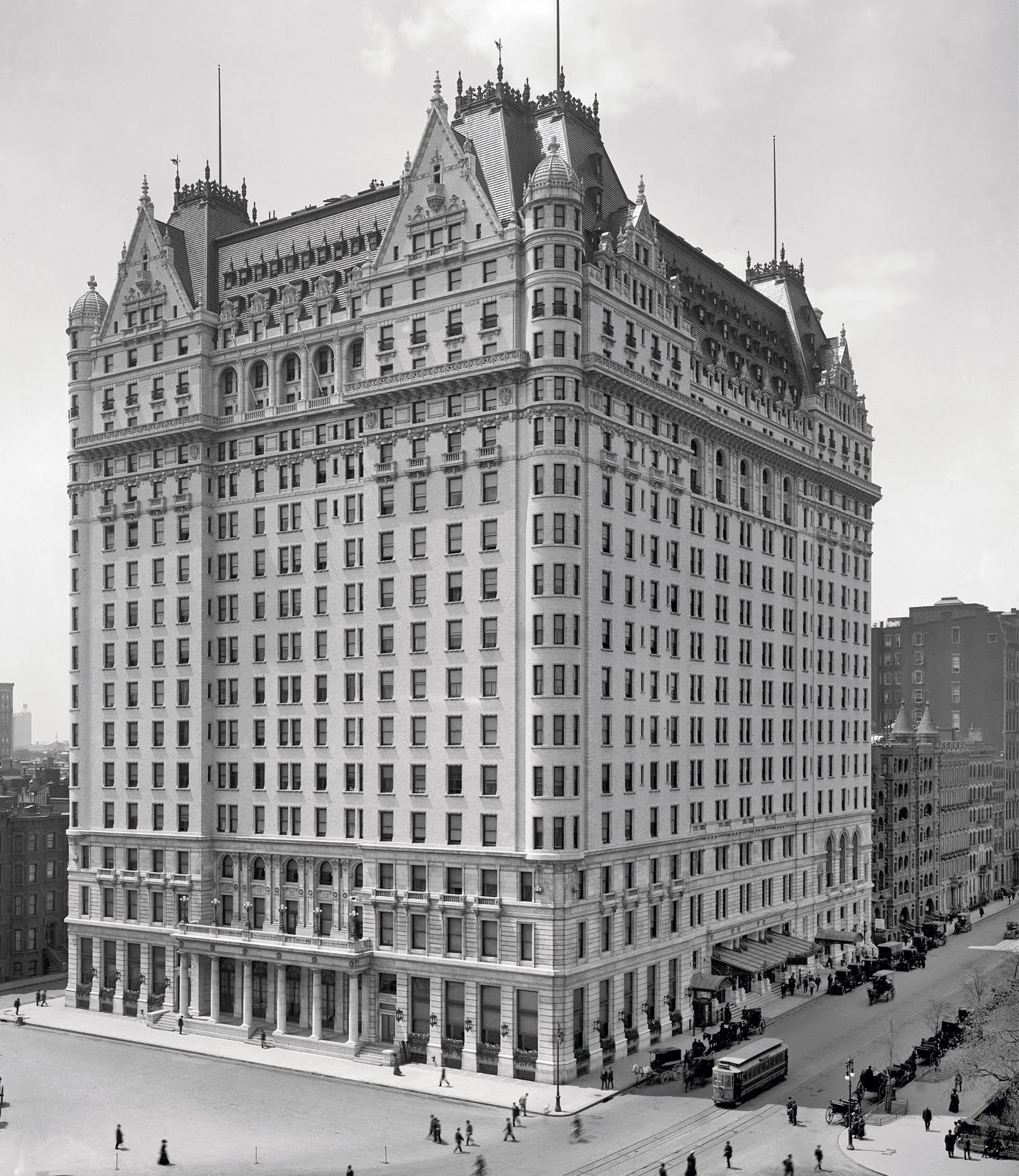
New York City is home to a staggering two-hundred-fifty plus hotels, ranging from five star palaces to hole in the wall hostels. And yet, even with mind-boggling number of options many visitors to the city end up just settling for whatever hotel they’re most familiar with, and that right there is a colossal mistake. New York hotels, old and new, are an attraction in their own right, and each one is as unique as the city’s eight million plus inhabitants. From a stately high-rise on Madison, to a renovated factory in Williamsburg, New York has a bevy of classic and contemporary hotels that are well worth a stay.
The Classics:
The Plaza: Barefoot in the Park, Scent of a Woman, Almost Famous, The Great Gatsby, American Hustle. All these films (and many, many more) have been filmed in and around this one-hundred-seven-year old hotel, because few buildings epitomize classic New York quite like The Plaza.

The Pierre: Elizabeth Taylor, Yves Saint-Laurent, and Sumner Redstone all once called The Pierre home, and that air of opulence still lingers today from the legendary rotunda up to the ultra-expensive Penthouse suites soaring five hundred plus feet over Central Park East.
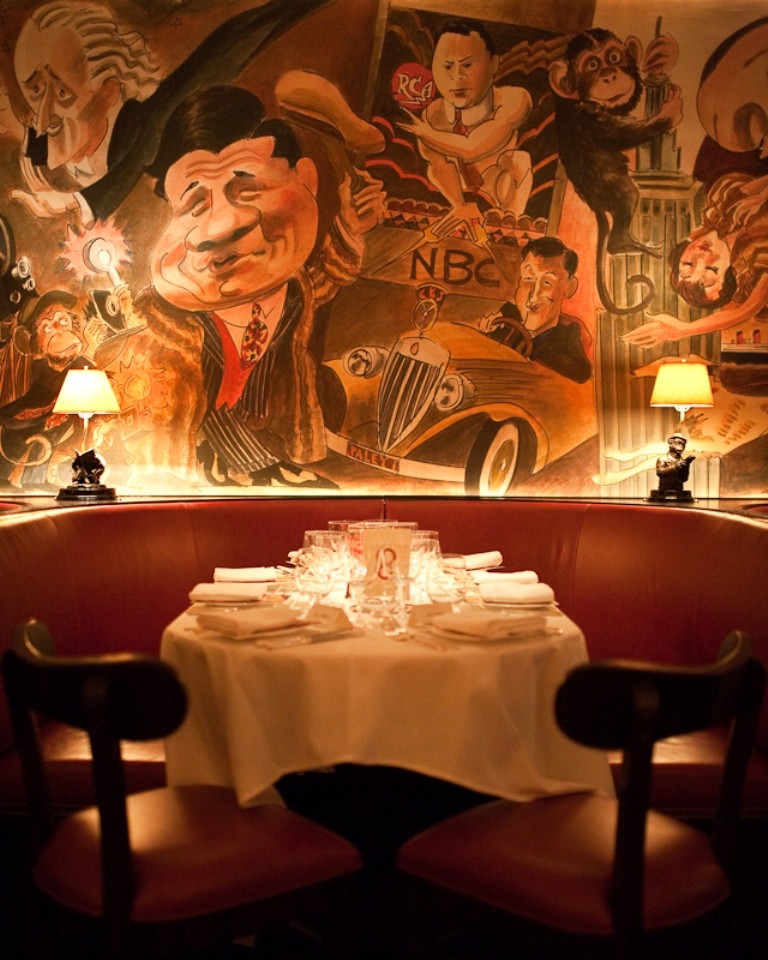
Hotel Elysée: Tennessee Williams died in the “Sunset Suite,” the downstairs restaurant, the Monkey Bar is co-owned by Vanity Fair editor Graydon Carter, and no two rooms are identical at this small, yet storied boutique in Midtown East.

The Waldorf Astoria: The Waldorf was the first to hotel to offer room service, it has its own railway platform, and Marilyn Monroe once took up residency here. While this recently renovated hotel doesn’t run cheap (in fact none of these classics are easy on the wallet) it remains one of the most grand hotels in all of Manhattan. We also just found out that the place is worth about 2 billion dollars, so we can understand how they can get those high rack rates.
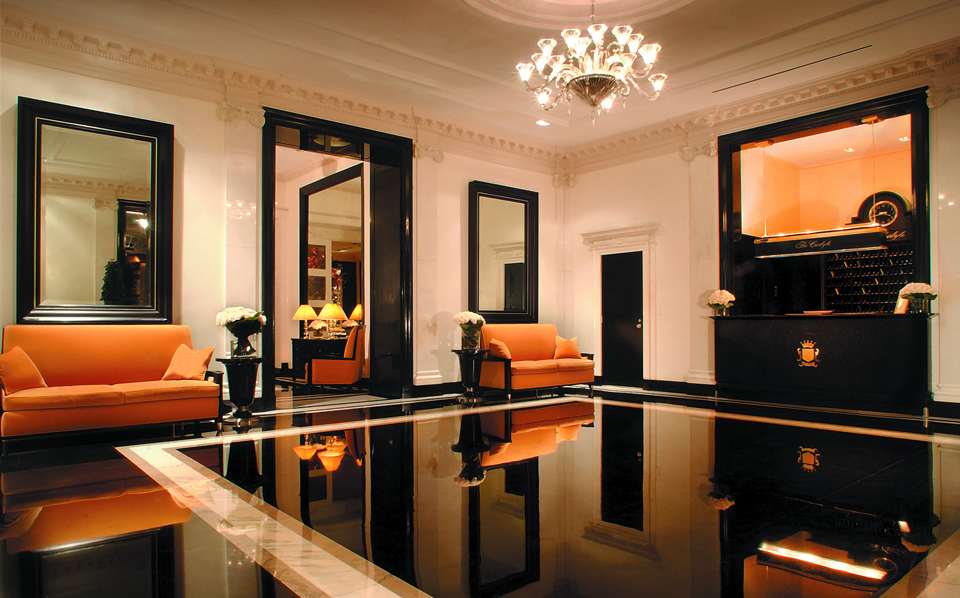
The Carlyle: Known during the early sixties as “the New York White House,” JFK spent many days at The Carlyle, and even apparently snuck Marilyn Monroe up through the hotel’s network of tunnels for a few clandestine conferences. As an added bonus Woody Allen plays weekly in a jazz group at Bemelmans Bar downstairs.
The Contemporaries:
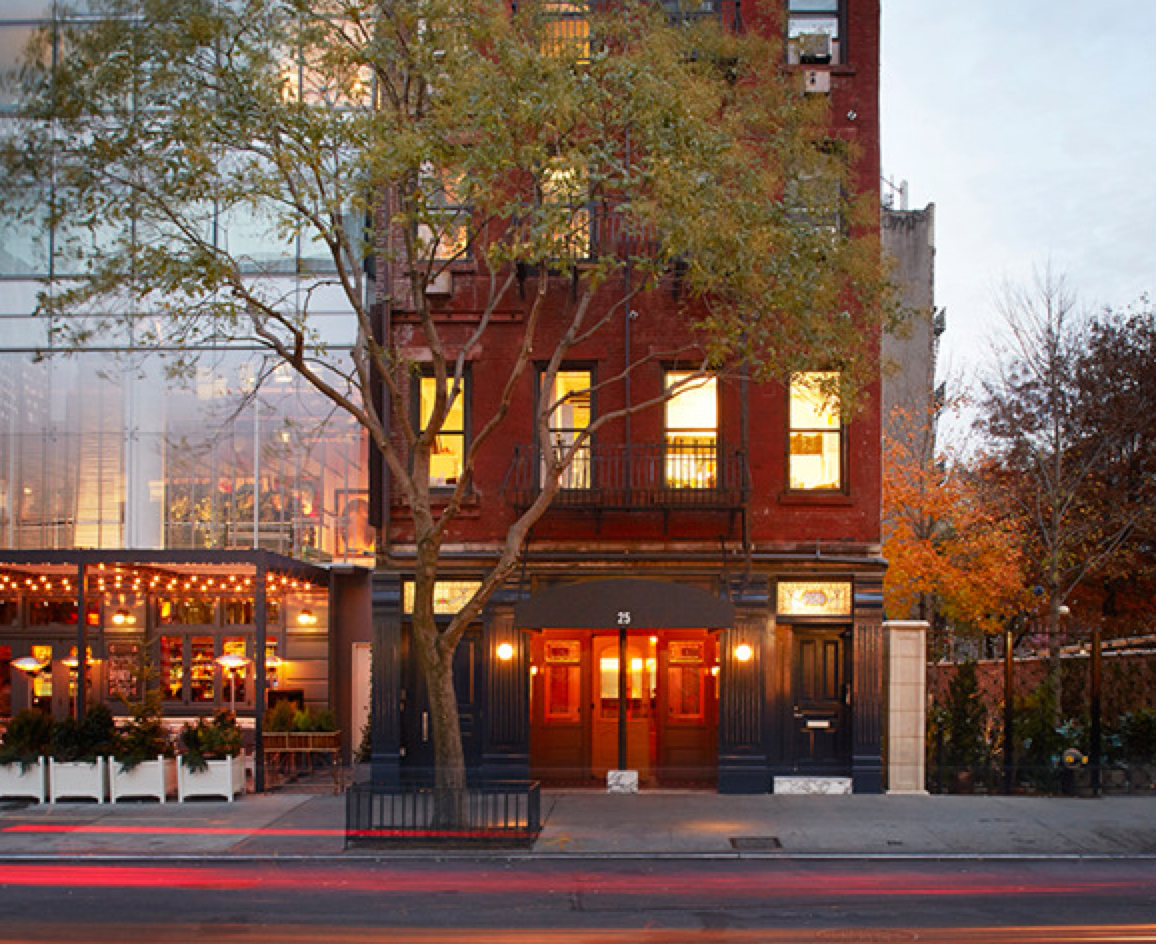
The Standard East Village: The latest addition to Andre Balazs mini-empire, the Standard East Village is often overshadowed by its West Village counterpart, but the Cooper Square location is a more tranquil, and all around more manageable spot.
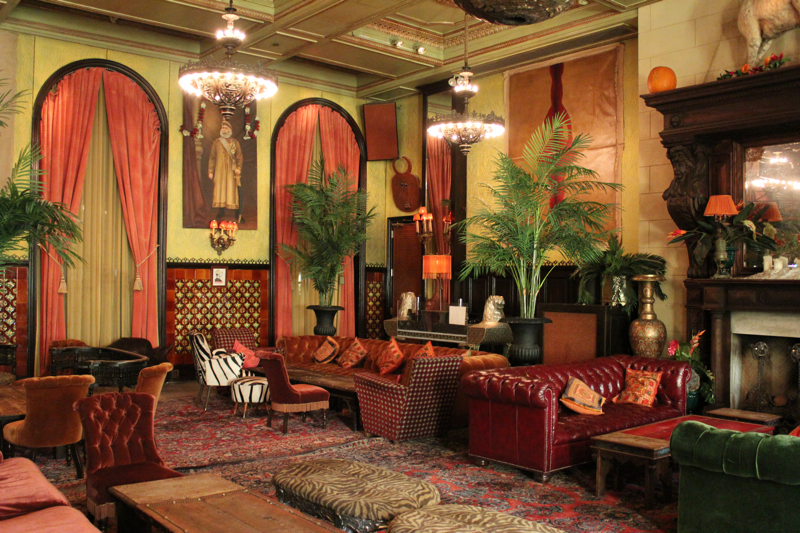
The Jane: Perched just a few steps the Hudson River, The Jane was originally built as a lodging house for weary seaman, but today has been converted into a splashy destination hotel, with a healthy dose of ocean-inspired details.
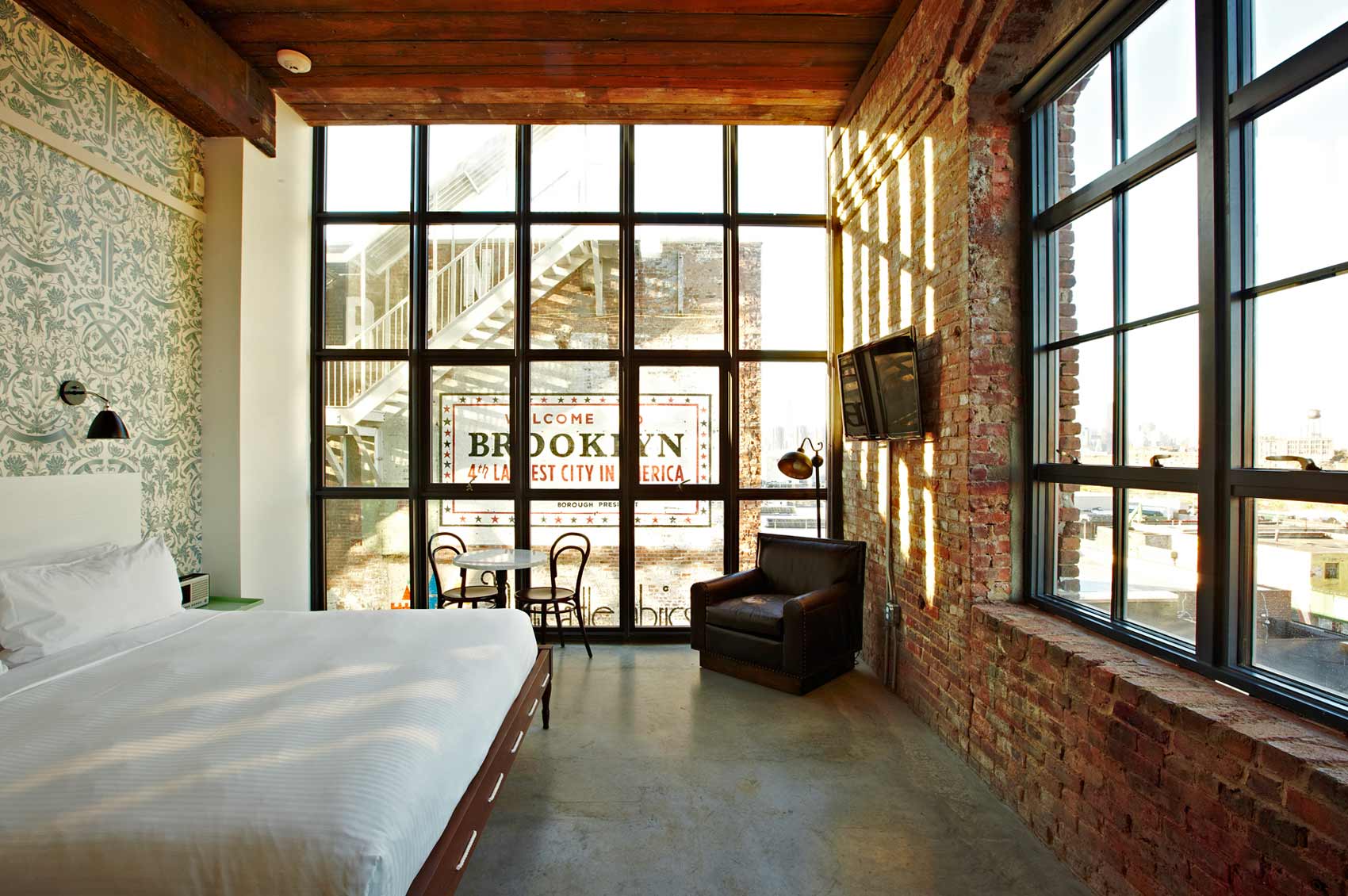
The Wythe: The Wythe could be considered the last thing that hipsterfied Williamsburg was missing: a swanky boutique hotel with a rooftop bar and prices on par with (if not above) comparable spots in Manhattan. Although with a gorgeous interior, a great restaurant, and some incredible views, the Wythe might just be worth the trek across the river.

The Mercer: Located smack dab in the middle of SoHo, the Mercer is another Andre Balazs production, and the sister hotel to LA’s Chateau Marmont. Despite it’s central location (and frequent celebrity guests) the Mercer is actually a fairly peaceful, and quite beautiful place to stay.
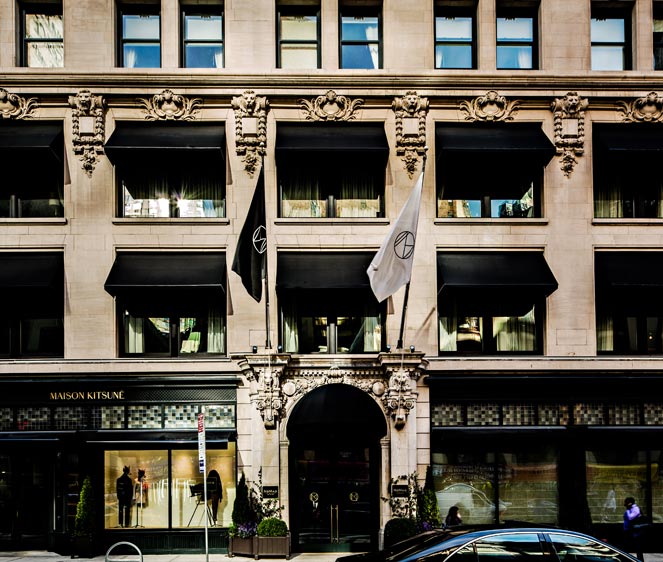
The NoMad: When it made its debut a couple years ago, the NoMad marked a new era in the New York hotel world. Billed as somewhat of an “Ace Hotel for grownups,” The NoMad is a more streamlined and stylish riff on “New York cool.” Think less kitschy, more sleek.

The Bowery: The Bowery ain’t what it used to be, but in the case of The Bowery Hotel that is quite a good thing. Located somewhere between the East Village and NoHo, TBH is a downtown hotel, that’s quiet enough to feel like anything but. And they’ve got a pretty damn good restaurant to boot.

The Gramercy Park:In another life, Humphrey Bogart was married here, The Kennedy’s lived on the second floor, and Babe Ruth drank at the bar. The Clash, David Bowie, The Stones and Madonna laid their heads down at the GPH. Today, that grandiose spirit lives on with an art selection that was curated by Julian Schnabel and some seriously dramatic interiors. The best perk of all though, is that if you stay at the hotel, you get your own key to Gramercy Park, arguably the most sought after key in the entire city.
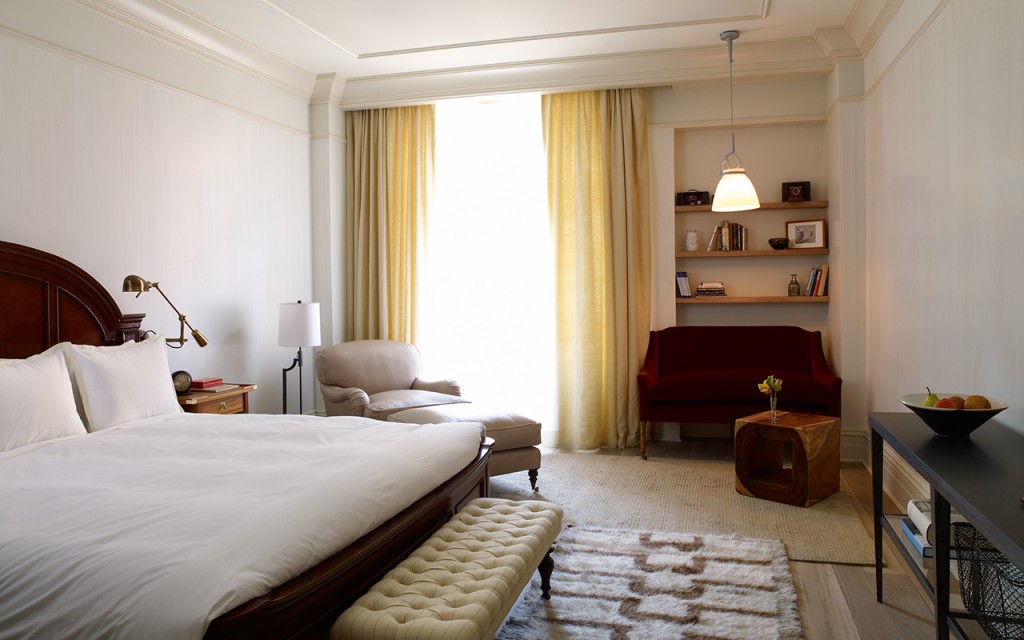
The Greenwich: Some hotels have celebrity guests, The Greenwich has a celebrity owner. But despite the fact that Robert DeNiro owns this 88-room hotel though, it’s far from glitzy. Located in TriBeCa on the more mellow side of downtown, The Greenwich is unimposing, comfortable, and most importantly, quiet.

The Mark: The lobby looks straight out of an exhibit on Italian futurism, the furniture is modern, and all the walls are adorned with art by big-name. Yep, if you forgot where you’re at, you could easily think that you’re downtown, but The Mark is actually located far north at Madison & 77th. While it does feel more downtown than uptown, The Mark does have a few Upper East Side appropriate features including their own John Lobb shop and a Jean-Gorges restaurant.
Baker likes this
01 Jan 01:19
Specter of Debtors' Prisons Looms Over Americans Who Just Can't Pay...
(Third column, 13th story, link)
Related stories:


Specter of Debtors' Prisons Looms Over Americans Who Just Can't Pay...
Specter of Debtors' Prisons Looms Over Americans Who Just Can't Pay...
(Third column, 13th story, link)
Related stories:
2015: State, local governments face massive, growing budget gaps...
Federal Student Loan Debt Tops $800,000,000,000...
Federal Student Loan Debt Tops $800,000,000,000...
Baker likes this
31 Dec 23:03


"New Normal" America, In One Picture
by Tyler Durden
A Florida man calls 9-1-1...

Welcome to the new normal - when not being able to 'game' is an emergency!!
h/t @_FloridaMan
Baker likes this
31 Dec 22:54
Are Monarch Butterflies Endangered? Population Down Ninety Percent
by Eric Mack, Contributor
Once a ubiquitous symbol of the arrival of spring across North America and elsewhere, the monarch butterfly may be moving towards official listing as an endangered species.
Baker likes this
31 Dec 22:46
Multi-Tasking Seaplane is a Fishing Boat, Sundeck + Tent
by delana
[ Filed under Transportation & in the Concept Vehicles category ]
[ Filed under Transportation & in the Concept Vehicles category ]
[ Gajitz | Archives | Categories | Privacy | TOS ]


Planning a remote fishing/camping trip involves coordinating travel, accommodations, and transportation between the camping and fishing sites – but the “world’s most versatile plane” is about to make it much simpler. As long as you can afford $189,000 and a pilot’s license, anyway.

The MVP from MVP Aero is an insane combination of a plane, boat, and tent. It’s classified as a Light Sport Airplane and can land on water, the ground, or snow depending on the gear that’s installed.


After you fly the plane to your destination, it can float on the water as your mobile fishing spot. The motor can propel it through the water just like a boat, and the whole canopy of the plane opens up. The instrument panel swivels up to lock in place away from the water and extra floor panels cover the former seating area to create a fishing deck complete with pedestal seat.


With the nose and instrument panel out of the way, you can spend all day on the water. If you need to dock, the wings swing back to make for a streamlined vessel that can pull right into a standard slip.


Once you’re ready to pack it in for the night, you can simply stay put and throw on the tent attachment. The tent uses the plane’s body for structure and gives you enough space for two adults to sleep comfortably. A hammock in the back can be used for daytime naps or for sleeping under the stars.
As seen in the video above, the MVP can be used in a huge variety of configurations, and it’s not only for fishing trips – photographers, researchers, and tourists could all get plenty of use out of it. It’s a crazily ambitious project, but MVP Aero expects to offer it commercially by 2019, so start saving up now.
Keep Going - Check out this Great Related Gajitz Article:


[ Filed under Transportation & in the Concept Vehicles category ]
[ Gajitz | Archives | Categories | Privacy | TOS ]
Baker likes this
30 Dec 17:25
Who Stole the Four-Hour Workday?
by Nathan Schneider

All illustrations are re-creations of four-hour-workday flyers from the 1930s and 40s. Original images courtesy of Industrial Workers of the World
We know you're busy. You probably didn't have time to read every article we published on VICE.com this year. So we've compiled a list of some of our favorites, and will be re-featuring them on the homepage through the end of 2014. This one originally published on August 5th.
Alex is a busy man. The 36-year-old husband and father of three commutes each day to his full-time job at a large telecom company in Denver, the city he moved to from his native Peru in 2003. At night, he has classes or homework for the bachelor's in social science he is pursuing at a nearby university. With or without an alarm, he wakes up at 5 AM every day, and it's only then, after eating breakfast and glancing at the newspaper, that he has a chance to serve in his capacity as the sole US organizer and webmaster of the Global Campaign for the 4 Hour Work-Day.
"I've been trying to contact other organizations," he says, "though, ironically, I don't have time."
But Alex has big plans. By the end of the decade he envisions "a really crazy movement" with chapters around the world orchestrating the requisite work stoppage.
A century ago, such an undertaking would have seemed less obviously doomed. For decades the US labor movement had already been filling the streets with hundreds of thousands of workers demanding an eight-hour workday. This was just one more step in the gradual reduction of working hours that was expected to continue forever. Before the Civil War, workers like the factory women of Lowell, Massachusetts, had fought for a reduction to ten hours from 12 or more. Later, when the Great Depression hit, unions called for shorter hours to spread out the reduced workload and prevent layoffs; big companies like Kellogg's followed suit voluntarily. But in the wake of World War II, the eight-hour grind stuck, and today most workers end up doing more than that.
The United States now leads the pack of the wealthiest countries in annual working hours. US workers put in as many as 300 more hours a year than their counterparts in Western Europe, largely thanks to the lack of paid leave. (The Germans work far less than we do, while the Greeks work considerably more.) Average worker productivity has doubled a couple of times since 1950, but income has stagnated—unless you're just looking at the rich, who've become a great deal richer. The value from that extra productivity, after all, has to go somewhere.
It used to be common sense that advances in technology would bring more leisure time. "If every man and woman would work for four hours each day on something useful," Benjamin Franklin assumed, "that labor would produce sufficient to procure all the necessaries and comforts of life." Science fiction has tended to consider a future with shorter hours to be all but an axiom. Edward Bellamy's 1888 best seller Looking Backward describes a year 2000 in which people do their jobs for about four to eight hours, with less attractive tasks requiring less time. In the universe of Star Trek, work is done for personal development, not material necessity. In Wall-E, robots do everything, and humans have become inert blobs lying on levitating sofas.
During the heat of the fight for the eight-hour day in the 1930s, the Industrial Workers of the World were already making cartoon handbills for what they considered the next great horizon: a four-hour day, a four-day week, and a wage people can live on. "Why not?" the IWW propaganda asked.
It's a good question. A four-hour workday with a livable wage could solve a lot of our most nagging problems. If everyone worked fewer hours, for instance, there would be more jobs for the unemployed to fill. The economy wouldn't be able to produce quite as much, which means it wouldn't be able to pollute as much, either; rich countries where people work fewer hours tend to have lower carbon footprints. Less work would leave plenty of time for family and for child care, ending the agony over "work-life balance." Gone would be the plague of overwork, which increases the risk of heart disease, diabetes, and Alzheimer's.
Benjamin Kline Hunnicutt, a historian at the University of Iowa, has devoted his career to undoing the "nationwide amnesia" about what used to constitute the American dream of increasing leisure—the Puritans' beloved Sabbath, the freedom to ramble that Walt Whitman called "higher progress," the Big Rock Candy Mountain. Hunnicutt's latest book, Free Time, traces how this dream went from being thought of as a technological inevitability, to becoming the chief demand in a century of labor struggles, to disappearing in the present dystopia where work threatens to invade every hour of our lives.
Hunnicutt himself has the bearing of a Whitmanesque sage, with a thick gray beard and a full-bellied chuckle. "These dreams seem to be completely forgotten, lost in a mad scramble for work and money," he laments.

There's a hint of what happened in an essay that the renowned British economist John Maynard Keynes wrote in 1930, titled "Economic Possibilities for Our Grandchildren." By 2030 he expected a system of almost total "technological unemployment" in which we'd need to work as few as 15 hours a week, and that mostly just to avoid losing our minds from all the leisure. In the meantime, however, "avarice and usury and precaution must be our gods for a little longer still," Keynes believed. "For only they can lead us out of the tunnel of economic necessity into daylight."
With this, he proposed a deal with the devil: Trust in greed for a while more, and it would save us from itself. To illustrate, Kenyes made the rather anti-Semitic observation that, just as the Jew Jesus brought access to eternal life into the world, the Jews' genius for compound interest would produce so much plenty as to deliver us all from wage slavery forever. Keynes didn't expect, however, that like most deals with the devil, the devil had the upper hand: Greed managed to suck up most of the benefits of almighty progress for itself.
Hunnicutt has spent much of his career detailing exactly how. Over the course of the Depression, pressure from the captains of industry turned President Roosevelt against shorter hours. He made sure that the Black-Connery Bill for a 30-hour week, which had passed in the Senate, would die in the House. With the help of Keynes's own notion of deficit spending, FDR's New Deal set the goal of employing everyone "full-time," and the Fair Labor Standards Act of 1938 enshrined the eight-hour day as the norm. That was to be the last in a century of reductions. The onset of the Cold War meant that those in the labor movement who kept calling for shorter hours were derided as subversives and communists. Fewer and fewer workers were able to join a union at all. Every hour of work became more and more productive, while the owning class gobbled up an ever greater share of the benefits.
A new American dream has gradually replaced the old one. Instead of leisure, or thrift, consumption has become a patriotic duty. Corporations can justify anything—from environmental destruction to prison construction—for the sake of inventing more work to do. A liberal arts education, originally meant to prepare people to use their free time wisely, has been repackaged as an expensive and inefficient job-training program. We have stopped imagining, as Keynes thought it so reasonable to do, that our grandchildren might have it easier than ourselves. We hope that they'll have jobs, maybe even jobs that they like.
The new dream of overwork has taken hold with remarkable tenacity. Hardly anyone talks about expecting or even deserving shorter workdays anymore; the best we can hope for is the perfect job, one that also happens to be our passion. In the dogged, lonely pursuit of it, we don't bother organizing with our co-workers. We're made to think so badly of ourselves as to assume that if we had more free time, we'd squander it.
The more we are told to value work, meanwhile, the less it's actually worth. When women began entering the workforce, two incomes started to be necessary to support a family, and women are still stuck doing the bulk of housework and child care. Overtime has become mandatory for many people, and having a part-time job usually means having to work one or two others.
"Some workers got shorter work hours, but what they didn't get was stable pay," says Karen Nussbaum, who directs the AFL-CIO affiliate Working America. In what's left of the labor movement, nobody is even bothering to ask for shorter workdays; it's hard enough to win a living wage, paid sick days, a bit of vacation time, and parental leave. Compared with when she began organizing women workers in the 1970s, Nussbaum says, "the crisis is different—more acute and more widespread."

You've heard of The 4-Hour Workweek, surely. Or at least you've seen it in an airport bookstore, with businessmen glancing sidelong at the cover as if it were a lingerie catalog. It's a lonely yet best-selling fascination, the hope that by working smarter, not harder, one might join author Timothy Ferriss among the "New Rich" with some solid investments and a modicum of maintenance. And it can happen—but only to a lucky few among the million-plus suckers who've bought the book.
The idea of the four-hour workday that workers imagined a hundred years ago was different. It was for everyone—the natural consequence of advancing technology. But in the decades since World War II, capitalism has not handed over a shorter workday freely. The coming kingdom of leisure used to be considered a mainly technological problem; it has turned out to be a political one.
The Industrial Workers of the World considered shorter workdays with no cut in pay to be, in the words of one pamphlet, "THE Revolutionary Demand." The so-called Wobblies recognized that fewer hours would make sure workers reap the benefits of progress rather than let them trickle upward. To win an eight-hour day around the time of the First World War, IWW-organized loggers in the Pacific Northwest blew a whistle and walked off the job when eight hours had passed. A recent IWW pamphlet suggests another tactic to highlight the impact of long workdays on families: Have workers' children picket outside the job, carrying signs about how much they miss their parents.
In the past few months there have been small indications of progress. After much pressure from organized labor, President Obama announced stricter federal rules on overtime pay; meanwhile, the government estimated that millions of workers might switch to part-time rather than full-time jobs because they can buy their own health insurance through the new system. Congressman Paul Ryan quickly expressed fears that, with affordable coverage, "the incentive to work declines." Just the thought of the non-rich working less than all the time, and still having health insurance, was an affront to his idea of the American way. He actually said, "It's adding insult to injury."
In this way, the most practical approach to winning shorter workdays may be to detach necessities, like insurance, from employment. Peter Frase, an editor of Jacobin magazine and one of the shorter workday's most capable advocates, calls for a universal basic income. People able to cover their essential needs could choose for themselves how much they want to work as a supplement to that. But unless there are powerful, disruptive movements demanding such measures, politicians and other elites will keep on claiming that there isn't enough to go around.
Workers in countries with stronger labor organizations know better. Gothenburg, Sweden, is experimenting with a six-hour workday for municipal workers, while in France, where a 35-hour week is already common, unions are trying out a rule against checking work email after hours.
The time-saving gizmos that Benjamin Franklin hoped for are here. But rather than liberating anyone, they've become a clever disguise for corporate greed to sneak ever more into our days and nights. Few subcultures revel in staying at the office after hours so much as Silicon Valley engineers. But who really benefits from their late nights of coding?
It's probably the same people who prevent Silicon Valley's underlings from forming a union, who don't mind a single mother working two jobs, who expect you to check email at all hours, who say we need more growth rather than let the unemployed lighten whatever work already needs to be done. Those who believe these profiteers from on high, and who neglect to organize with their co-workers, are stealing the four-hour workday from themselves.
Baker likes this


30 Dec 17:22
GRUBER: Obamacare WON'T Be Affordable...
Baker likes this
30 Dec 13:33

What's the history behind eating pork and sauerkraut, black-eyed peas, lentils, or pickled herring on the New Year? Read More


The True Story of Traditional New Year's Lucky Foods
by Sara Bir
What's the history behind eating pork and sauerkraut, black-eyed peas, lentils, or pickled herring on the New Year? Read More
Baker likes this