Shirley Chisholm, Politician, New York, New York, USA, 1972. Photo by Getty Images / BettmannMarie Curie, Physicist and Chemist, Brussels, Belgium, 1911.Gloria Richardson, Civil Rights Leader, Cambridge, Maryland, USA, 1963. Photo by AP/Shutterstock
Turn the pages of The Only Woman, the new book by the filmmaker Immy Humes, and you’ll find pictures of women, surrounded by men: scientists, artists, shipyard workers, activists, athletes, lawyers, and more. A few of them are smiling, and several of them are looking directly at the camera. Gloria Richardson, the Civil Rights activist, is different: she’s mid-stride, pushing aside a National Guardsman’s bayonet and rifle. It’s 1963 in Maryland, and Richardson isn’t afraid.
The Only Woman, now available for pre-order from Phaidon, spans 158 years of history, beginning in Virginia during the American Civil War and culminating on the football field at Vanderbilt University in Tennessee. As Humes explains, the photographs were made across twenty countries, including Mexico, Peru, England, Egypt, Pakistan, Japan, Singapore, Iceland, France, Turkey, New Zealand, and far beyond.
While many are formal group portraits and some fall under the photojournalism category, they all follow the same pattern: one woman, many men. Humes gave herself a rule: she’d only include photographs that adhere to the pattern, so no cropping was allowed. It started with a picture of Shirley Clarke (a fellow filmmaker), made in 1962, and from there, she found hundreds more.
In some cases–but certainly not all–the “Onlys” are also “Firsts”–meaning they were the first woman to win a Nobel Prize (Marie Curie), become a member of an American Presidential cabinet (Frances Perkins), seek the Democratic Nomination for President of the United States (Shirley Chisholm), become a deep sea diver for the army (Andrea Motley Crabtree), sit on the Associated Press’s board of directors (Katharine Graham), or win the Palme d’Or at the Cannes Film Festival (Jame Campion). Some of them remained the first and only for many years.
Humes has included familiar names–Chisholm, Curie, Frida Kahlo, Emmeline Pankhurst, Dorothy Parker, Colette, and Margaret Thatcher among them–and she’s also included women whose stories remain largely untold: an unidentified woman at the US Naval Academy in the days before women were admitted, a worker at a Pennsylvania railroad yard, a nurse in 19th-century Boston, and more. Some, including the boxing promoter Florence North and stick-up artist Virginia Wright, were previously unidentified but rediscovered in the process of creating the book.
Humes compares her early fascination with the “only women” photographs to a game of Where’s Waldo? (she amends it to Where’s Wanda?), and it’s easy to see why. Some contain groups so large it takes a moment to find her, while in others, she might be in the background. Sometimes she’s front and center, as is the case with jazz pianist and composer Lil Hardin. And then there are the pictures where you see her immediately, not because she’s in front but because she’s fighting her way through a crowd. Kathrine Switzer, who narrowly escaped the grasp of an angry race official to finish running the Boston Marathon, is one of them.
Gloria Richardson, casting aside that bayonet in 1963, is also impossible to miss. Maybe it’s her outstretched hand, or perhaps it’s the expression on her face–unsmiling and undeterred. Richardson passed away last year at the age of 99, having had the chance to witness the rise of the Black Lives Matter movement. She saw parallels between the work of today’s Civil Rights leaders and the work she did as part of the Cambridge Movement in the 1960s.
There’s a famous anecdote, retold by Humes in The Only Woman, about the Civil Rights leader’s meeting in the White House with Robert F. Kennedy: the Attorney General asked Richardson if she knew how to smile. “We were there to talk about civil rights,” she’d later recall. “There was nothing to smile about.”
Kathrine Switzer, Athlete, Boston, Massachusetts, USA, 1967.Lil Hardin, Musician and Songwriter, Chicago, Illinois, USA, 1923.Katharine Graham, Publisher, New York, New York, 1975. Photo by Shutterstock / APAndrea Motley Crabtree, US Army Deep Sea Diver, Panama City, Florida, USA, 1982. Picture credit: Andrea Motley Crabtree
Let’s talk about wedding photography flash and what you need to know. Shooting with flash can be intimidating if you’re just starting out but it can be freeing the more you know how to use it. There might be times when you need to use flash and there might be times when you choose to use flash.
For the 26 years that Catherine Schweitzer has worked at the Baird Foundation, a nonprofit based in Buffalo, New York, her organization has relied in part on a peculiar income stream: the mouthwash Listerine.
Every year, a small portion of the global revenue from the iconic mouthwash trickles back into the bank account of the Baird Foundation.
Neither Schweitzer nor the Baird Foundation has any direct connection to Listerine or to Johnson & Johnson, the company that now manufactures it.
But the nonprofit is one of dozens, if not hundreds, of entities that own royalty rights to Listerine — a group that has included former New Jersey governor Chris Christie and Wellesley College.
For every 2,016 ounces of Listerine sold (equivalent to 144 14-oz. bottles), Johnson & Johnson pays a total of $6 to Listerine’s royalty holders.
Most of the time, the Baird Foundation’s 0.5% share in the Listerine royalty trust totals to about $120k per year in passive income, split into quarterly installments paid by Johnson & Johnson. It’s a great investment, according to Schweitzer: “stable predictable cash on an annual basis.”
For most of her career, Schweitzer didn’t understand how the foundation had acquired the Listerine stake in the first place.
But in January 2017, a representative for the estate of a wealthy man from Buffalo, New York, reached out to Schweitzer, asking if the Baird Foundation wanted to buy another half-share of the Listerine royalty trust. She volunteered to investigate where their stake came from.
Over the next month, Schweitzer dug through her organization’s records. She discovered that Ivan Obolensky, a stockbroker and the descendent of Russian nobility, had privately sold a stake to the Baird Foundation decades ago.
“He was rubbing elbows with the who’s who, people in finance, people in philanthropy, and so the opportunity came to him” to sell a stake in the Listerine royalty trust, Schweitzer said.
Schweitzer decided to bid on the new Listerine royalty offer in 2017, but ultimately, the Baird Foundation didn’t win it. Their bid — which Schweitzer remembered as being between $1.25m and $1.35m —wasn’t enough, and the stake went to someone else.
A Listerine royalty statement from 2014 (via The Baird Foundation)
By all accounts, most of the sales of Listerine have happened this way: as a private auction between organizations and wealthy individuals in the know.
Today, though, Listerine auctions are increasingly coming out of the shadows:
In 2020, the website Royalty Exchange opened up a small share of Listerine royalties to public bidding for possibly the first time in the history of the mouthwash. One partial share sold for $561k.
This past May, in another auction, an anonymous bidder won the rights to a larger royalty share for $1.795m.
In 2022, investors are parking more and more of their money in an asset class called royalty trusts, a category that includes everything from Bob Dylan’s songwriting catalog and oil wells.
But the Listerine royalty trust remains singular — a mass-market product whose publicly traded manufacturer is on the hook for royalty payments in perpetuity.
And it’s all thanks to the quirks of a haphazard, 19th-century contract.
How the Listerine royalty came to be
The inventor of Listerine, Joseph Joshua (J.J.) Lawrence, was a doctor and drug developer who fought in the Civil War.
In the late 1860s, Lawrence formed a chemical lab in Baltimore, Maryland, where he began testing various mass-market products. After attending a talk by a scientist named John Lister, Lawrence decided to create a formula that could comfortably clean and disinfect wounds.
Joseph Joshua (J.J.) Lawrence, the inventor of Listerine (via Find a Grave)
The new antiseptic didn’t catch on. So when a local pharmacist named Jordan Wheat Lambert asked to buy the formula, Lawrence didn’t have a problem licensing it out.
Lawrence scrawled the original contract for the sale of Listerine by hand on a copy of Medical Brief, the medical publication that he owned.
Signed April 1881, it stated that for every gross (144 bottles) of Listerine sold, Lambert would “hereafter” pay Lawrence’s “heirs, executors or assigns” $20. By 1844, Lawrence had reduced his stake in the Listerine royalty down to $6 per 144 bottles.
Lawrence likely didn’t think much of the concession. Lambert was a small-time pharmacist, and the product wasn’t generating much enthusiasm on the market.
But that would soon change.
When Lambert died in 1889, Lambert’s son took over the company. Rather than just pitching Listerine as an antiseptic, he decided to emphasize its ability to remove mouth odors.
The contract that Lawrence and Lambert signed, it turned out, had one glaring flaw: The two men never specified an end date for the royalty payments. As long as Listerine was sold, Lawrence and his heirs would get their $6 cut.
Neither man likely could have imagined that, 140 years later, the mouthwash would become a household staple worth more than $500m globally.
The splintering of a mouthwash fortune
By the turn of the 20th century, Listerine was gaining traction across the country. A 1901 article dubbed it as “the very best mouth wash known.”
But J.J. Lawrence had other concerns.
In 1906, Lawrence’s only heir, his 15-year-old granddaughter, Vera, ran away to marry Russell Hopkins, the scion of a wealthy banking family who, among other things, constructed a private zoo on his 88-acre estate in Westchester, New York.
When J.J. Lawrence died in 1909, Vera Hopkins became the direct inheritor of the Listerine royalties. Five years later, Listerine became the first over-the-counter mouthwash in the country, and sales exploded.
LEFT: An ad for Listerine (1928); RIGHT: A bottle of Listerine (1931; Dick Whittington Studio/Corbis via Getty Images)
Between 1909 and 1928, the Hopkins family received over $4m in royalties from Listerine (~$65m today).
Those revenues would only balloon as sales increased: Between 1925 and 1950, the Lambert Pharmacal Company sold $187m worth of Listerine — ~$4B worth of product today.
When Vera and Russell died, their four children divided up the Listerine royalties. Their oldest son, John Randolph Hopkins, took the biggest share, and split the rest with his sisters: Susan Whitmore, Minnie Miller, and Josephine Graeber.
But even the massive stake that John Randolph now owned in Listerine couldn’t keep up with his expensive tastes.
As an adult, John Randolph became known for his lavish, playboy lifestyle. He owned multiple yachts, hired a private pilot, and, in 1946, paid$150k ($2.5m today) to buy Tarpon Island, a private island off the coast of Palm Beach.
But this royalty-funded lifestyle wouldn’t last.
In 1950, Hopkins sold his 50% stake in the Listerine royalty trust to a real estate mogul named John J. Reynolds for $4m ($48.5m today) and began his downward spiral.
The same year, he was indicted for tax fraud. By the end of the decade, Hopkins had lost nearly all of his money, and was admitted to a mental hospital in Las Vegas. When he pleaded guilty to fraud in 1960, newspapers reported that he was living in a “filthy shack” in New Mexico.
After Hopkins, the Listerine royalty trust continued to splinter.
Reynolds, who’d bought the stake off Hopkins, in turn sold it to the Catholic Archdiocese of New York. The church held a 50% stake in the Listerine royalty trust for nearly two decades, earning a total of $13m in less than 16 years.
Catholic Archdiocese of New York owned a 50% stake in Listerine royalties for nearly two decades, raking in ~$13m over 16 years (Michael M. Santiago/Getty Images; edited by The Hustle)
In 1966, the archdiocese sold off its share to an assortment of pension funds, colleges, and hospitals. Over the ensuing years, a number of institutions and firms bought stakes, including:
Wellesley College
The American Bible Society
The Salvation Army
The Rockefeller Foundation
The Bell Telephone Company
Meanwhile, the corporate owner of the mouthwash also started to change:
1950s: The Lambert Pharmacal Company merged to become Warner-Lambert
2000: Pfizer acquired Warner-Lambert
2008: Johnson & Johnson bought the rights to sell Listerine
These new owners weren’t happy about the Listerine contract, especially after the formula for Listerine entered the public domain in the 1940s.
In 1959, Warner-Lambert sued to terminate the royalty contract that J.J Lawrence had negotiated. Because the Listerine formula was no longer secret, the company argued, it should not need to pay out royalties to the descendants of the inventor.
But in a landmark case that’s still taught in law schools today, a New York court sided with the royalty owners.
Warner-Lambert Pharm. Co. v. John J. Reynolds, Inc. (1959) determined that Listerine royalty holders were entitled to continued payments (via Justia)
To sunset a perpetual contract without cause, the court said, “would be to rewrite the contract for the parties without any indication that they intended such a result.”
The new class of Listerine holders
Today, the group of Listerine owners includes universities, Catholic dioceses, wealthy individuals, environmental nonprofits, and more:
Former New Jersey governor Chris Christie owns a fractional share of Listerine, from which he earned ~$24k in 2015, when he last disclosed his tax returns.
Fisk University, a historically Black college in Nashville, made $121.7k from Listerine royalties in 2016.
In 2020, the Diocese of Rockville Centre, based in Long Island, New York, valued its Listerine holdings at $4.4m.
A nonprofit named for the creator of Life Savers, the Edward John Noble Foundation, reported $249.2k in Listerine profits in 2019.
Even the Musicians Emergency Fund, a group that provides financial support to musical artists, owns a stake of Listerine that it values at $270k.
And some of that money is still in J.J. Lawrence’s family: the Josephine Lawrence Hopkins Foundation, named for one of the sisters of John Randolph Hopkins (and a great-granddaughter of Lawrence), has a $1m stake in Listerine.
Many of these organizations have had a stake in Listerine for so long that they no longer know where it came from.
The Henry Luce Foundation, named for the founder of Life and Time, owns $1.8m worth of Listerine royalties. The company told The Hustle that its stake goes back at least 20 years, but it can’t recall its origins.
Sometimes, Listerine royalties can account for a significant share of a company’s revenue:
Christ Church Oyster Bay, a church on Long Island, makes about $90k per year from Listerine. That’s equal to about 10% of the church’s annual earnings.
The Boyce Thompson Institute, a research organization devoted to plant science, bought its 1% Listerine royalty stake in 1967. The group paid $350k for the stake; in 2014, it said it had made $2.42m from the royalties.
Listerine’s 2014 royalty payout (via The Baird Foundation)
In a report from 2014 obtained by The Hustle, J&J calculated that it sold 7.9B net ounces of Listerine worldwide. In the parlance of the original Listerine contract, that was equal to about 3.9m grosses of 14oz bottles.
That year, the company paid out $23,637,782 to royalty holders.
A cautionary tale in contract law
The story of the Listerine royalty trust is a “cautionary tale” for law students today, said Jorge L. Contreras, a law professor at the University of Utah who wrote about the Listerine case in a recent book on IP law.
“It’s an important case even though it is a little quirky and unusual,” Contreras said, “because it does show us that there’s nothing illegal or impermissible about having a perpetual royalty.”
Most types of intellectual protections (trademarks, copyrights, patents) have a built-in expiration date: Patents automatically expire after 20 years, at which point a company can no longer charge a royalty.
Listerine’s formula, however, was a trade secret — and a trade secret, the court ruled, can have a perpetual royalty contract.
Of course, the Listerine royalty fortune has lost some of its luster since the 1960s.
Because the original contract was negotiated for a flat fee of $6, rather than a percentage of the mouthwash’s revenue, the value of the stake has, and will, continue to decline with rising inflation: $6 in 1881 is the equivalent to ~$172 today.
But royalty holders don’t seem to mind much.
Schweitzer said the Baird Foundation has been paid out ~$120k every year for the past decade. When a news story about mouthwash sales pops up, she’s quick to share it with her trustees.
“We’re basically content to let those checks come in and put the money to work,” she said.
One of the many scenic views along the winding coast of Greece’s Peloponnese peninsula. Photos by the author and Carrie Drevenstedt.
Having never been to Greece before, my mental postcards of the country consisted of the crumbling Parthenon in Athens and a cluster of white-washed, blue-roofed houses overlooking a turquoise sea.
The Parthenon, which my wife Carrie and I visited the day before the Edelweiss Bike Travel Best of Greece tour began, looked like I thought it would. Well, except for the scaffolding. The temple at the Acropolis is nearly 2,500 years old and was partially destroyed by the Venetians in 1687, so a little sprucing up is in order.
The Parthenon rises high above Athens at the Acropolis.
Those white-washed houses are on Santorini, an island out in the Aegean Sea. We didn’t go there, and that’s a good thing. Places like Santorini are where huge cruise ships disgorge hordes of waddling tourists. The Edelweiss tour avoids crowds and takes the roads less traveled.
From Athens to the Oracle
Our tour began with meeting the guides, who gave us a safety briefing and an overview of the tour. Booklets, a hotel list, and a map of Greece were mailed to us in advance, but if I’m honest, I barely looked at them. The experts at Edelweiss have been running motorcycle tours since 1980, and they know what they’re doing. Since they take care of the preparation and planning, I enjoy letting the tour unfold from one day to the next.
Our tight-knit group of Americans enjoyed the roads, sights, and culture of Greece for two full weeks.
Our group was small, just eight participants, all Americans. Three couples rode two-up – Bob and Ronnie from Virginia, Ken and Evelyn from Georgia, and Carrie and me. Two guys rode solo – Yoram from California and Dave from Virginia. (Check out Dave’s travel tips on European motorcycle travel.) Our guides Paul (from Minnesota) and William (from the U.K.) alternated days riding the lead bike and driving the support van.
Smiles for miles. After a full day of riding challenging roads, we enjoyed a well-deserved “boot” beer at our hotel overlooking Lake Plastiras.
The first day of any overseas tour is a little stressful. Some folks are still jet-lagged, others are getting used to an unfamiliar bike on unfamiliar roads, and everyone is adapting to a new routine. Even so, our small group and common language made it easy for us to gel and get along.
Athens is a big capital city that’s home to nearly 4 million people – more than a third of Greece’s population. It’s great for sightseeing before or after the tour, but our objective was to escape the city as quickly as possible. After battling some Monday morning traffic, we did just that, climbing high into mountains on a narrow, winding road, giving us a taste of what was to come.
One of the curvy roads we rode on the first day of the tour.
Rainer Buck, managing director of Edelweiss, ranks Greece as one of his top three riding destinations because “it’s like a mountain range was dropped into the sea.” Greece is tied with Slovenia as the third most mountainous country in Europe after Norway and Switzerland. Nearly 80% of the country’s land area is covered by sloped terrain that motorcyclists long for.
Riding in Greece’s mountains was like being in the Alps but with less traffic.
Located at the southern tip of the Balkans, Greece has a peninsular mainland bordered to the north by Albania, North Macedonia, Bulgaria, and Turkey, and is surrounded on three sides by the Aegean, Myrtoan, and Ionian seas. The Peloponnese region is a large peninsula that resembles a fat, four-fingered hand, separated from the mainland by a narrow canal through the Isthmus of Corinth. Scattered around these land masses are thousands of islands. Our 1,500-mile tour followed a counterclockwise route around part of the mainland and much of the Peloponnese.
The Kipina monastery is built into the side of a cliff.
Not only is Greece a great place to ride, its significance in terms of human culture runs deep. Located at the crossroads of Europe, Asia, and Africa, it has been inhabited since at least 270,000 B.C. Pick your historical era – Stone Age, Bronze Age, Dark Ages, Middle Ages – and Greece was the place to be. It’s the birthplace of democracy, Western philosophy and literature, theater, the Olympic Games, and a lot of the math and science we learned in high school. Heavy hitters like Aristotle, Plato, Socrates, Hippocrates, Homer, and Euclid were all Greek.
Built in the 10th century, the Monastery of Hosios Loukas is one of fives sites on the UNESCO World Heritage List we visited on the tour.
Greece is lousy with brown signs pointing down empty roads toward historic sites. Temples, monasteries, necropolises, theaters, you name it – there are more than can be visited in a lifetime. This tour visits major or unique sites, including five UNESCO World Heritage Sites. We visited two – the 10th century Monastery of Hosios Loukas and Delphi – on our first day. Established in the 8th century B.C., Delphi was where one would go to receive an oracle from the priestess of Apollo. It was also considered the center of the world, being the place where two eagles released by Zeus, one to the east and one to the west, came back together.
Delphi, one of several sites on the UNESCO World Heritage List we visited, was built in the 8th century B.C. It sits between two towers of rock in the Parnassus Mountains.
Bagging two UNESCO sites and getting our fill of switchbacks up and down steep coastal mountains, expansive views of the Gulf of Corinth, narrow roads winding through endless olive groves, and a high pass through a vibrant evergreen forest made for a full first day. The day’s heat was cooled by an afternoon thunderstorm and a post-ride “boot” beer – enjoyed while still wearing our riding boots.
For Your Eyes Only
By Day 2, we were finding our groove. Up early for breakfast, bring luggage down at 8:15, ride briefing at 8:30, and kickstands up at 9. From our mountainside hotel in Arachova, we summited a pass, cruised through a lush alpine valley full of ski chalets, wound our way up through evergreens to a ski slope, and then plunged down an endless series of hairpins to a hot, dry valley.
“It’s all Greek to me!” Reading road signs in Greece can be challenging. In the background is one of the ubiquitous kandylakia, small roadside shrines.
Early on, this tour taught us to expect the unexpected and be ready for anything. Like listening to enormous storks clacking their beaks in a nest above us while we ate lunch at a small outdoor cafe. Or passing by countless kandylakia, which are small roadside shrines erected to honor lost loved ones or saints for good fortune. We visited a monastery built into the side of a cliff, another built inside a tree, and others perched atop towers of stone.
The Panagia Plataniotissa church occupies the hollow of a tree.
On Day 3, after a picnic lunch overlooking a broad agricultural plain, we visited Meteora, a sprawling rock formation where dozens of monasteries were built atop sandstone pillars in the 14th century. Access to the monasteries was intentionally difficult, not only as protection from invaders but to test the faith of pilgrims, who had to ascend hundreds of feet by climbing ladders or being hoisted up in nets. Only six of the monasteries remain, hardy structures that have survived attacks by the Turks, bombing raids during WWII, a magnitude-7 earthquake in 1954, and the filming of a James Bond movie in 1981.
Meteora, which means “lofty,” is a complex of monasteries perched atop sandstone pillars more than 1,000 feet high. Built hundreds of years ago, they were once accessible only by ladders and ropes.One of the monasteries at Meteora.
Day after day, we were surprised by the ruggedness of the scenery and tested by the trickiness of the roads. Edelweiss stitched together a challenging, convoluted route, so much so that it occasionally gave the tour guides’ GPS units fits. The width, pitch, and condition of the roads changed constantly, from smooth, wide highways to steep, narrow paths riddled with potholes, cracks, and dips. Although the route was almost entirely paved, we were kept on our toes by sand, gravel, mud, cow manure, fallen rocks, rain, fog, and even patches of snow.
Dodging snowbanks on Baros Pass.
Above all, we had to be on the lookout for animals. Traveling off the beaten path, we shared the road with cows, horses, goats (often in large, road-blocking herds), sheep (ditto), dogs (often lying on the road), cats, snakes, and turtles. What we rarely dealt with, however, were other vehicles. Outside of the few cities we visited, there were hardly any cars, trucks, or buses on the road. It was like having Greece to ourselves.
Rush-hour traffic.
From the Mountains to the Sea
Our first few days were spent riding through mountains that seemed like they could have been in the Alps. On the fourth day, we rested. Some took advantage of the downtime to explore the mountain town of Metsovo, while others rode north into the Pindus Mountains near the Albanian border to visit Vikos Gorge, a cleft in the earth up to 4,400 feet deep and the world’s deepest gorge relative to its width.
Vikos Gorge
From Metsovo we turned south, climbing up and over mountain pass after mountain pass, including one that was mostly covered by a snowbank and had opened just days before. After a full day of challenging roads, we crossed a small floating bridge to the island of Lefkada. As happened at the end of most riding days, we enjoyed a celebratory boot beer and then gathered for a group dinner. We sat outdoors at the Crystal Waters resort, savoring the salty breeze and local fare as we recapped the day’s adventures, topping it all with glasses of ouzo.
Coffee stop in the village of Kalarites, near Baros Pass.
On Day 6, we rode along the southern coast of the mainland, the sea’s color ranging from topaz in the shallows to dark cobalt in the depths. We stopped for a morning coffee at a cafe on the edge of a small harbor, where a fishing boat pulled up and sold its catch directly to locals.
We enjoyed a morning coffee stop in Mytikas, a small fishing village where the day’s catch was sold to locals right from the boat.
We left the mainland by way of the Rion-Antiron Bridge, crossing a narrow section of the Gulf of Corinth to the Peloponnese peninsula. We wasted no time climbing back up into the mountains on roads full of twist and shout. Late in the afternoon on the way to Vytina, we hit rush-hour traffic – herd after herd of goats and sheep being led down the road by shepherds and dogs.
The Rion-Antiron Bridge, the world’s longest fully suspended multi-span cable-stayed bridge, connects the mainland to the Peloponnese peninsula.
On the second rest day, our entire group rode to the ruins of Olympia, the ancient center of worship of Zeus and the site of the Olympic Games from 776 B.C. to 394 A.D. The temples and sports structures were mostly destroyed in 426 A.D. by an angry emperor and further damaged over the years by earthquakes and floods. Since the Olympic Games resumed in 1894, the Olympic flame has been lit at what remains of the Temple of Hera and transported by a torch to the host cities.
Built in 590 B.C., the Temple of Hera is the oldest sanctuary in Olympia. The Olympic flame is lit here and then transported to the sites of the Olympic Games.
Prepare for Glory, and Olives
On Day 8, we sliced south through the heart of the Peloponnese, from Vytina in the mountains to Megalopolis in the valley. We made time on the motorway to reach Sparta, which, despite its legendary reputation as the home of courageous, self-disciplined warriors, is now just an ordinary city that’s well past its prime. A statue of mighty King Leonidas, who had the brass to take on the entire Persian army with 300 brave soldiers, overlooks an abandoned building.
Riding through the Langada Gorge near Sparta.
Rising out of Sparta is a winding road that burrows its way into the Taygetos Mountains via the Langada Gorge. After ascending a few switchbacks, the road cuts into the side of the gorge through a series of tunnels and overhangs on its way up to a 5,000-foot pass. We wound our way down to the coastal city of Kalamata, known for its namesake black olives, and had lunch on the beach. It was a hot afternoon of riding along the coast, and after a boot beer in Areopoli, several of us cooled off with a swim in the Ionian Sea.
The village of Limeni, where we swam in the Ionian Sea.
Our final rest day was in Monemvasia. We stayed in a beautiful resort hotel with two infinity pools, a gourmet restaurant, and views of vineyards and the sea – the perfect reward after logging so many challenging miles. It was also where Carrie and I celebrated our eighth wedding anniversary. Paul and William had a special treat sent to our room, and the next morning we found our GS decorated with tissue paper, empty beer cans strung together with duct tape, and a “just married” sign.
Our hotel near Monemvasia, where we enjoyed a rest day.
Over our final two days, we made our way back to Athens, riding north along the Peloponnese coast, where we enjoyed coffee and lunch stops overlooking the sea and visited the theater at Epidaurus, built in the 4th century B.C. and renowned for its exceptional acoustics.
The 2,500-year-old theater at Epidaurus can hold 14,000 spectators.
Our Bucket Overfloweth
Greece seems to be on everyone’s bucket list. If they’ve never been, they want to go; if they’ve visited before, they want to go back. It’s a magical, mysterious, romantic place that looms large in our imaginations and is rich in history, culture, cuisine, scenery, and so much more.
We ate well in Greece and ordered Greek salad with fresh tomatoes and local feta every day.
It is difficult to fathom the depth of history in Greece’s mountains and along its shorelines. Living in a nation barely two and a half centuries old on a continent “discovered” five centuries ago, seeing the remnants of kingdoms and empires that stretch back several millennia boggles the mind, like trying to comprehend the far reaches of outer space. Is this real? Did actual humans carve this stone and erect these temples, till this soil and fish these waters, worship gods and contemplate ideas of self-determination?
Riding along the Peloponnese coast.
Spending two weeks in Greece engaged our senses, dispelled our preconceived notions, and tested our mettle. This tour is not a walk in the park. It is challenging and at times quite intense, with long riding days on technical roads with variable weather and conditions. Every night we collapsed into bed, dead tired but deeply satisfied.
Riding in the mountains on Greece’s mainland.
Edelweiss Bike Travel’s next Best of Greece tour is scheduled for October 8-21, 2022. The tour will run twice in 2023: May 1-15 and September 29-October 12. For pricing, details, and information about Edelweiss’ full schedule of tours, visit EdelweissBike.com.
Whether you're an amateur or experienced angler, you'll never reel in "the big one" without the right gear. Here's what you need for your next fishing trip.
* Talk to me. Tell me a story. Share me a tip. * Support my work by buying my tips books (Vol. 1, Vol. 2). * Take out an Unclassified in this newsletter to reach fellow makers.
Pry Bar Tips and Tricks
Image from Family Handyman
Through an article in Family Handyman on pry bar tricks, I learned of something called an inflatable pry bar. Maybe this is a tool common to others, but I’d never heard of it, and now I think I need one in my life.
Beginner’s Tips for Using an Oscillating Multi-Tool
I recently broke down and bought my first oscillating multi-tool. If you’re also new to this strange-looking type of tool, here are 20 basic tips for getting more out of it. I especially agree with the tip about buying cheap accessories first, finding out which ones you use most often, and then investing in better quality versions. That’s what I did. Here’s a follow-up video on sharpening multi-tool blades. And the Project Farm video he refers to on the best multi-tool blades (TL;DR: Get the EZARC blades, $7.60 each in pack of 3).
Great Collection of Sewing Tips
I am working on a special project that has me going through the archives of Makezine.com. In doing so, I’m unearthing some gems, like all of the sewing tips that were posted over the years by Haley Pierson-Cox and others. Sewing is one of those foundational DIY skills that everyone should at least know the basics of (both hand and machine sewing).
Using a Hobby Polishing/Sanding Tool to Smooth 3D Prints
I have long been a huge fan of the Mr. Hobby Polisher Pro sanding tool. This is a simple (and a bit overpriced) battery-operated disc polisher/sander sold to the hobby market for sanding off sprue material and finishing models. It’s basically an electric toothbrush with a sanding disc head. The Polisher Pro comes with 3 sheets of sanding pads in 600, 800, and 1000-grit. There are 45 pads in all. I’ve had my tool for several years now, use it often in game modeling, and still have plenty of pads left. There are also replacement sanding pads available on Amazon (and there are pads available in other grits). This video introduces a use I hadn’t thought of: sanding layer lines and joins in resin and FDM 3D prints. The video doesn’t have a lot of content beyond that basic idea, but I was happy to discover another use for a tool I already own. I know many will say: Just use a Dremel tool! You can if you have a mini Dremel, but for modeling, this tool is better sized and not as aggressive as a Dremel. And, don’t be like the guy in the video. Always wear a mask when sanding resin and plastic.
The Creative Process in a Nutshell
1. This is awesome 2. This is tricky 3. This is shit 4. I am shit 5. This might be OK 6. This is awesome
This was posted on film/theater director Marcus Romer’sTwitter feed. This is a riff (to put it kindly) of an original list by Kazu Kibuishi. I like the above saltier expression of the idea, but your mileage may vary.
TOYS! Carhartt Work Shirts
For years, I’ve seen other people wearing Carhartt work shirts and for some reason never thought of buying one myself. I recently bought two, one in charcoal and one in denim blue. Man, do I like these shirts! Super well-made, comfortable, nice fabric, rugged, and good looking. And I love the pencil/pen slit in the right pocket. I think these shirt will be my go-to garment forever more. Carhartt work shirts are also available in women’s sizes.
Shop Talk
I got the following message from reader John Baglio. I don’t recall such a playlist crossing my transom, but it sounds great. If this rings anyone else’s bells, please message me.
“I was just thinking back over some of the better engineering videos I’ve seen in the past, and I was thinking of a playlist that I thought I saw in one of your newsletters. It was done by an engineer who I think was either Russian or Israeli and it was a whole series of pieces of wisdom for people fabricating parts. One of the things that I remember him saying was design captive hardware whenever possible. I was wondering if you might remember what that playlist was. If so, is there a way you could either send it to me or posted in one of your upcoming newsletters? I remember it being chock-full of amazing advice for fabricating parts.”
In his book Succeeding, John Reed wrote one of the smartest things I’ve ever read:
When you first start to study a field, it seems like you have to memorize a zillion things. You don’t. What you need is to identify the core principles — generally three to twelve of them — that govern the field. The million things you thought you had to memorize are simply various combinations of the core principles.
The finance world…
… employs some of the best-educated, highest-paid people on the planet, but everything that matters in the field stems from four core principles:
Live below your means. A tremendous amount of spending is designed to show people how much money you have. Your savings rate is the gap between your ego and your income.
Understand what bet you’re making. If you invest with a short time horizon, you are betting you’ll be able to sell to someone at a higher price. If you invest for the long term, you’re betting companies will innovate, humans will become more productive, and the rewards will accrue to a growing economy.
Everything worthwhile has a cost. In investing, the cost of good long-term returns is putting up with constant volatility.
There is a lot of money to be made in finance. Thisleads to hucksters, scammers, and charlatans charging egregious fees for little in return. Few things are as critical to financial success as a well-tuned BS detector.
Using a password manager is the most important thing you can do to secure your online accounts. The next most important thing is to enable two-factor authentication (2FA) everywhere you can, and one of the easiest ways to do that is with a 2FA app. After testing 13 2FA apps, we think Twilio’s Authy app is the best choice for most people.
All mayo is practically the same, right? Well, not so fast. Obviously there are the usual variations such as light mayo, vegan mayo, and many other types you can commonly grab right off the shelf at the grocery store. But there’s one variety that’s only available to food service providers: “heavy duty mayonnaise,”…
A recent tweet from @WrittenByHanna asked, “what are your favorite depression meals? something easy and healthy/ish.” It was a question that people leapt to answer. Twitter users were quick to chime in with suggestions, but not everyone was on the same page.
A peaceful and magical getaway, Nevis is a barely touched gem that allows its visitors to get a true taste of the Caribbean. And one of those delicious things you’ll undoubtedly taste on a visit to Nevis is mango — 44 different kinds, in fact.
If you’ve ever made Steven’s 3-2-1 Ribs, then you are familiar with an extremely useful cooking technique called braising. It rhymes with the word “raising,” and refers to a method used by some of the world’s most celebrated chefs to magically transform tougher, cheaper cuts of meat into something ethereal. (It works with dense vegetables, too!)
If you’re a cost-conscious griller, braising is a trick you’ll want to add to your repertoire.
I was unfamiliar with the term until I attended professional cooking schools. (Steven and I are both graduates of culinary schools. Although he attended a much more prestigious one than I did. Paying tuition to learn how to cook at that time was almost unheard of. This was before the Food Network, of course.)
But we recognized the usefulness of braising almost immediately.
If you’re unfamiliar with it, braising is a term that describes searing meat before cooking it slowly at a relatively low temperature—tightly covered—in a small amount of liquid. Most people assume this is a technique that is employed in indoor ovens. Like pot roast.
But the truth is, you can sear a protein on a smoky grill, then transfer it to a disposable aluminum pan covered tightly with foil. Or you can enclose the meat—such as the ribs mentioned above—entirely in foil. The effect will be the same—tender, succulent meat. It’s a perfect trick to use with pork ribs, pork shoulder, beef ribs, beef shoulder clod, lamb leg or shoulder, and dense vegetables like onions or carrots. Recipes like these are especially well-suited to pellet grills, which can be calibrated to a certain temperature (like an oven). But any grill that can be set to a relatively low temperature—about 250 to 275 degrees—can be used.
Any flavorful liquid will do. It should come up about a third of the way up the meat or vegetable. The unimaginative will use water. We prefer broth, cola, beer, fruit juice, etc. (Always add flavor when you can!)
The whole process is spectacularly simple, and so, so flavorful. Here’s one of my favorite recipes—one so easy I cannot call it a recipe with a straight face. Perfect for a weeknight meal.
Learn How to Braise
Season two thick-ish pork shoulder steaks (bone-in) with your favorite barbecue rub. (I love Steven’s). Brush or scrape your grill grate clean and oil it with vegetable oil. Set it up for direct grilling. Sear the pork steaks on both sides, then transfer to a disposable aluminum foil pan. Reduce the heat of the grill to 275 degrees. Pour most of a can of cola (Dr. Pepper or Pepsi is usually in my house, but use whatever you have on hand) into the bottom of the pan. Peel and thinly slice a large onion (optional); arrange on top of the steaks. Cover tightly with foil.
Using a grill hoe or a similar tool, move the coals into two opposite piles or set up your grill for indirect grilling. Place the pan with the pork steaks away from direct heat. Cook until the meat is tender—2 to 2-1/2 hours. Let the meat rest, then carefully remove the foil. (The steam will be hot.) Serve with your favorite sides—mac ‘n’ cheese, mashed potatoes, coleslaw, or baked beans. The pork will take just a few minutes of your time, and is flexible, timewise, if you don’t know when to expect your guest(s).
This lavishly illustrated book documents the best of Stuart Williams’ 40-year love affair with bird-hunting in Argentina. Stuart was preceded only by Hollywood actor Robert Taylor as one of hundreds of American sportsmen who have discovered the incredible, high-volume shooting for ducks and geese, doves and pigeons in the region surrounding Buenos Aires. Click here…
Love a versatile dressing that elevates the flavor of a wide array of foods? Put down the ranch—just for a little while—and grab a bottle of Chamoy sauce. This tangy, spicy condiment (which also comes in powder form—more on that later) is one that everyone should have on hand while they cook and eat. Here’s why.
The world of beer is enormous. Part of what makes beer so fun is that it’s a beverage that involves so much variety, whether it’s styles, brewing techniques, flavors, and more, which lends itself to a ton of conversation. This makes beer a daunting thing to talk about. But fear not, friends, we’ve rounded up eight…
This definitive guide to the best tequilas you can buy explores everything you need to know about the world’s most popular agave spirit, including a list of the best bottles and brands to seek out.
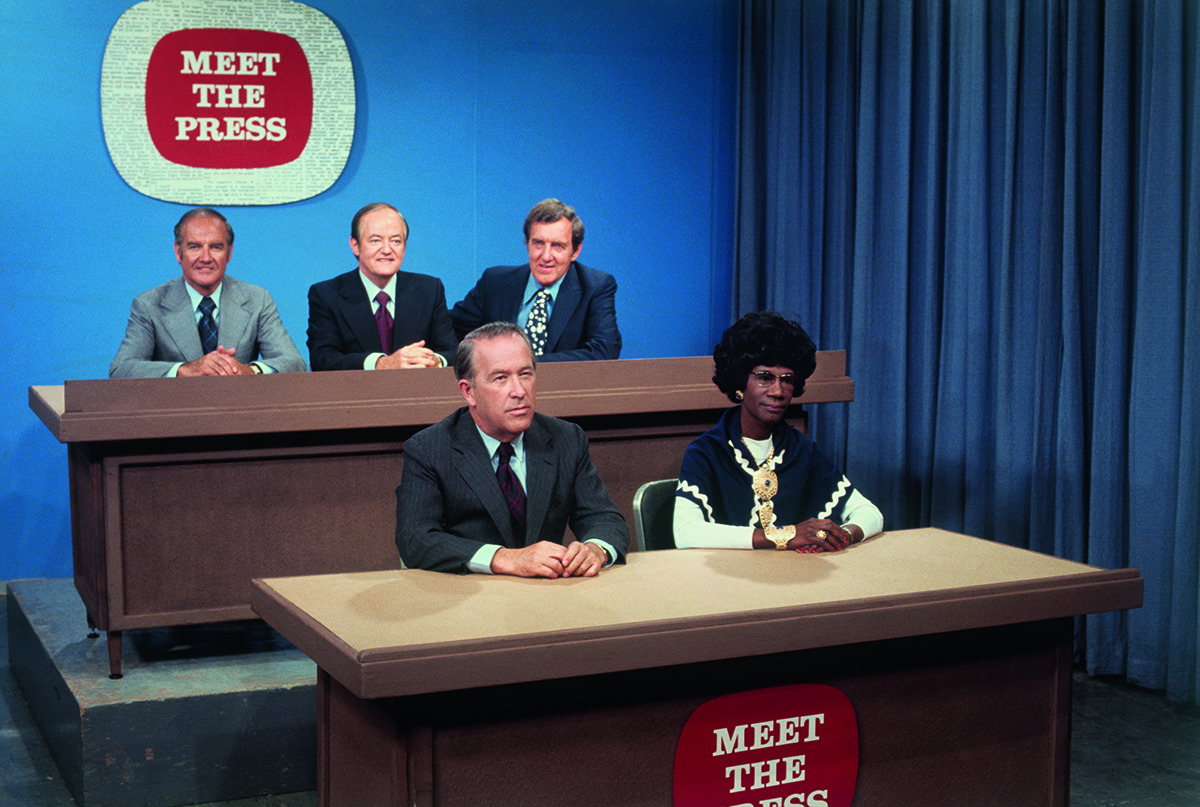
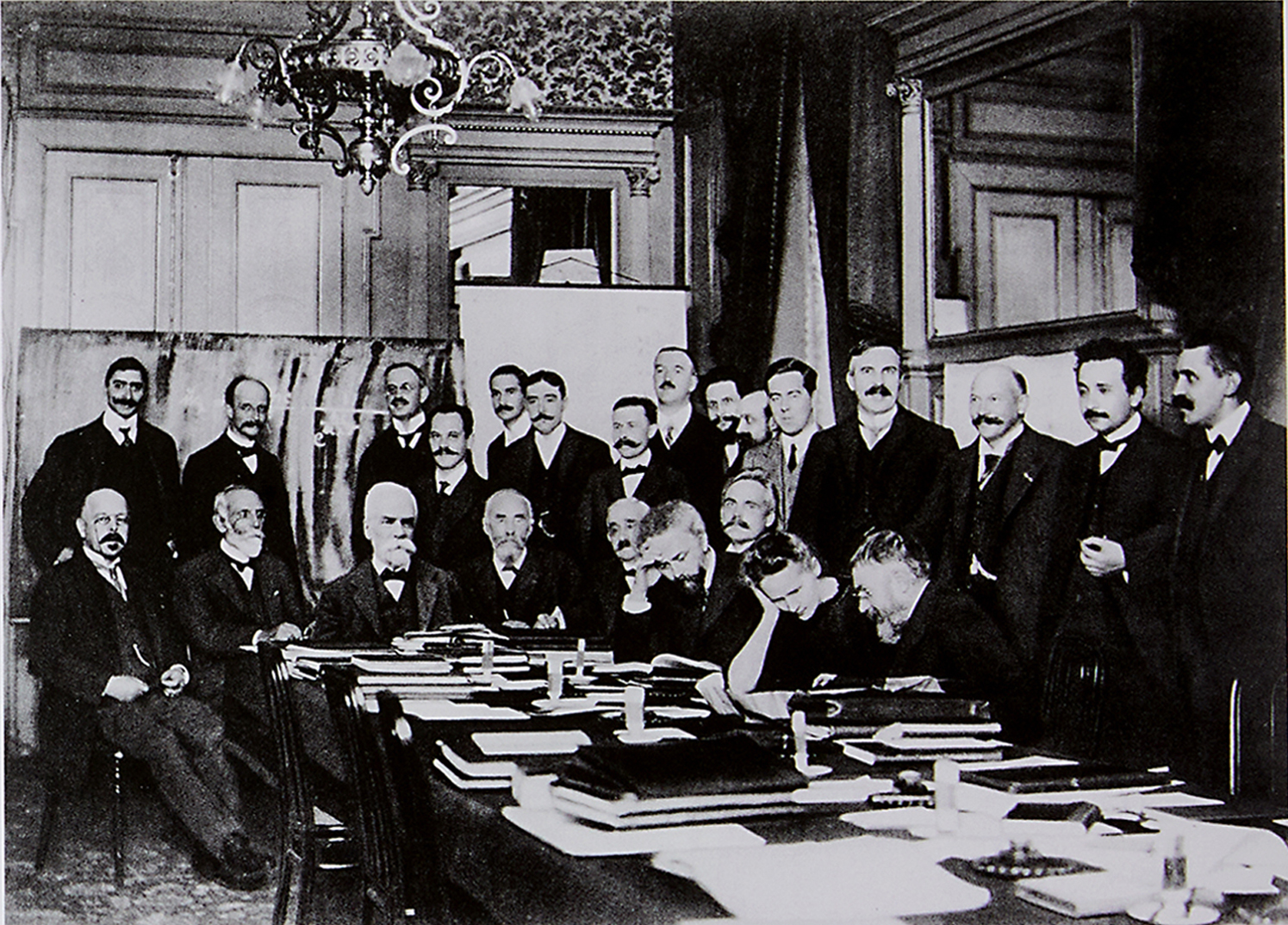


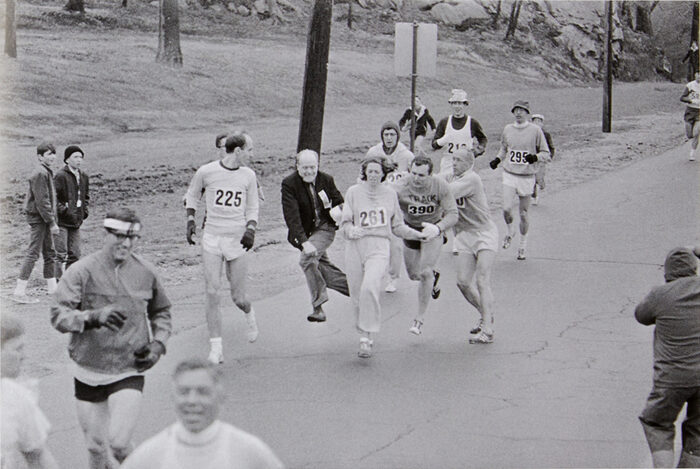
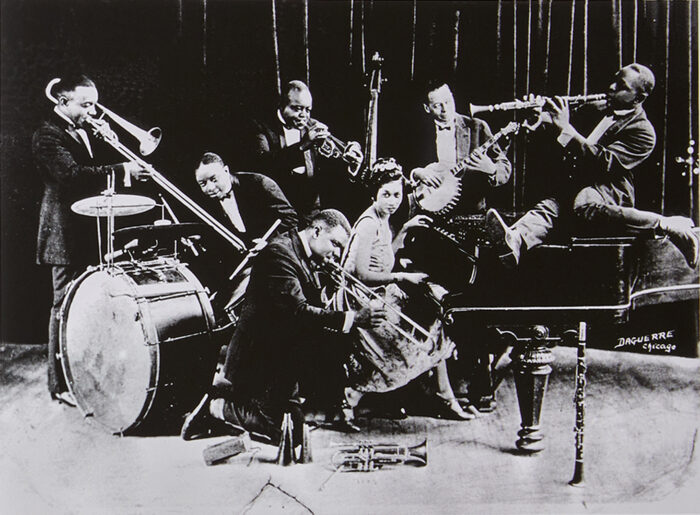
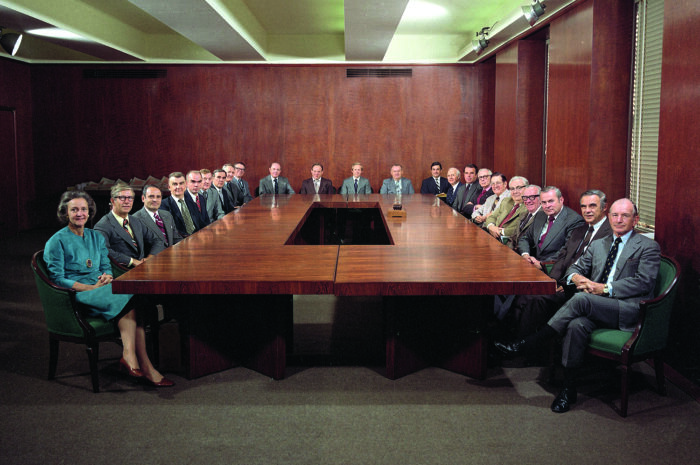
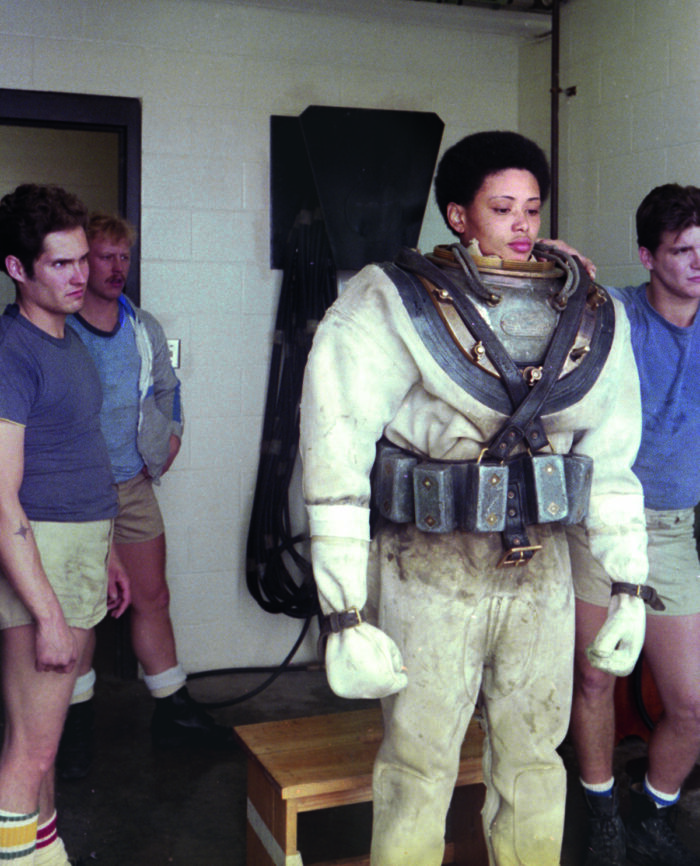

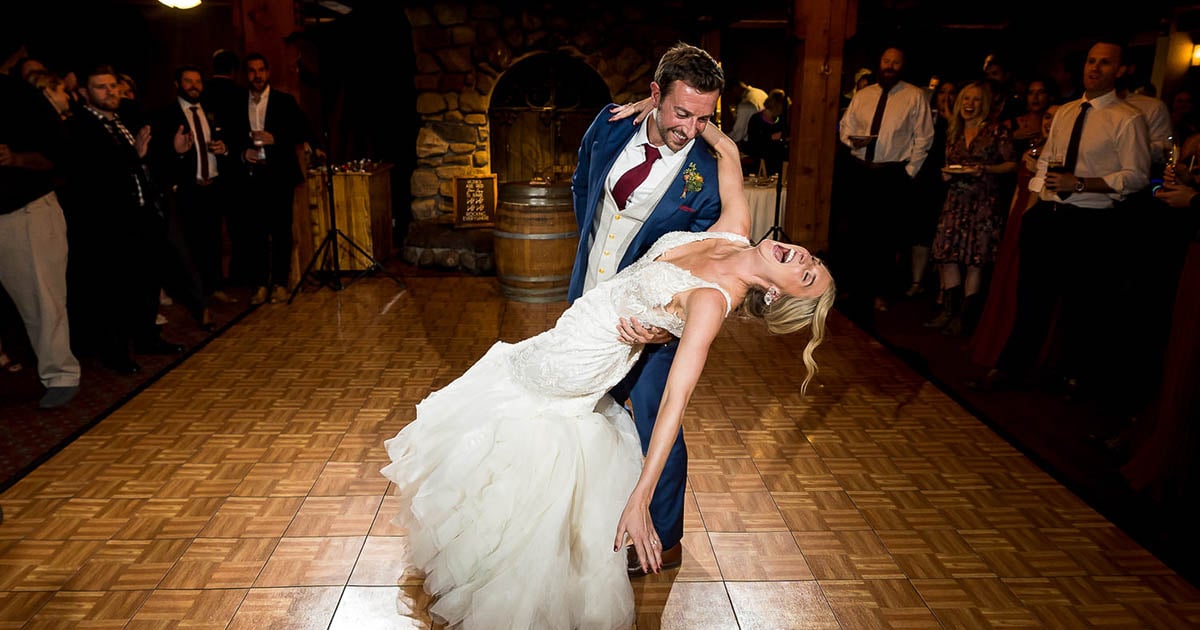
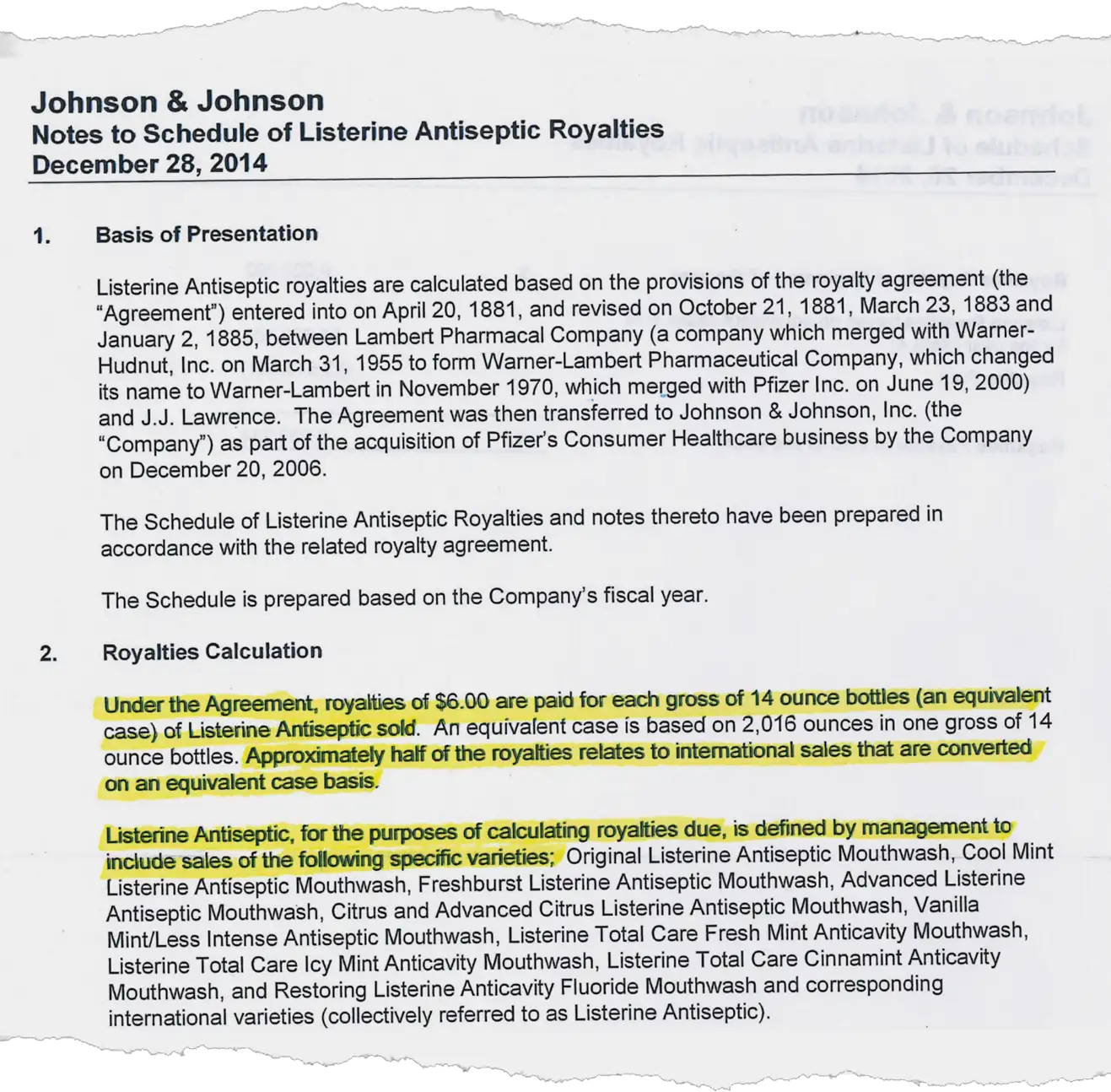
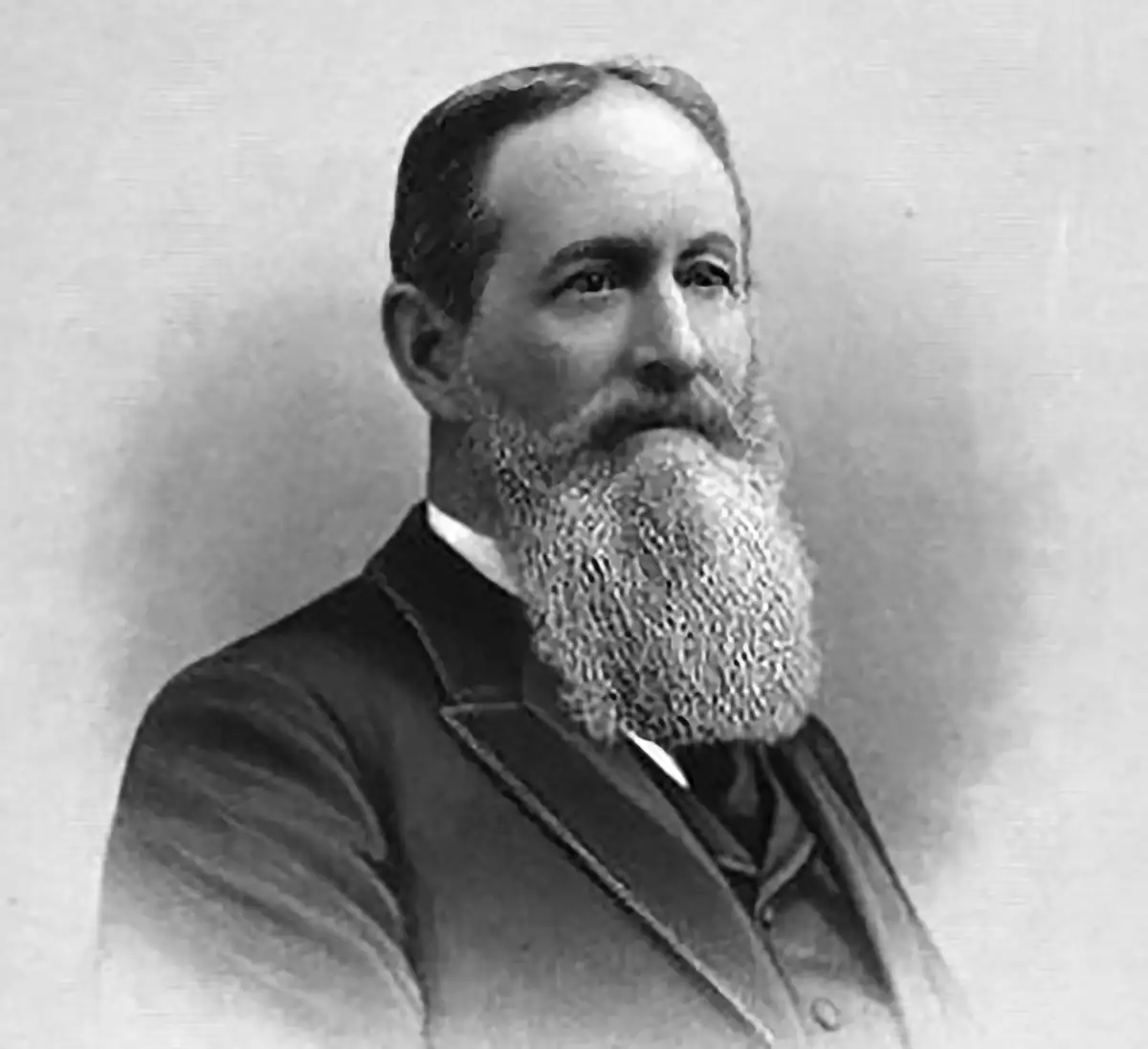
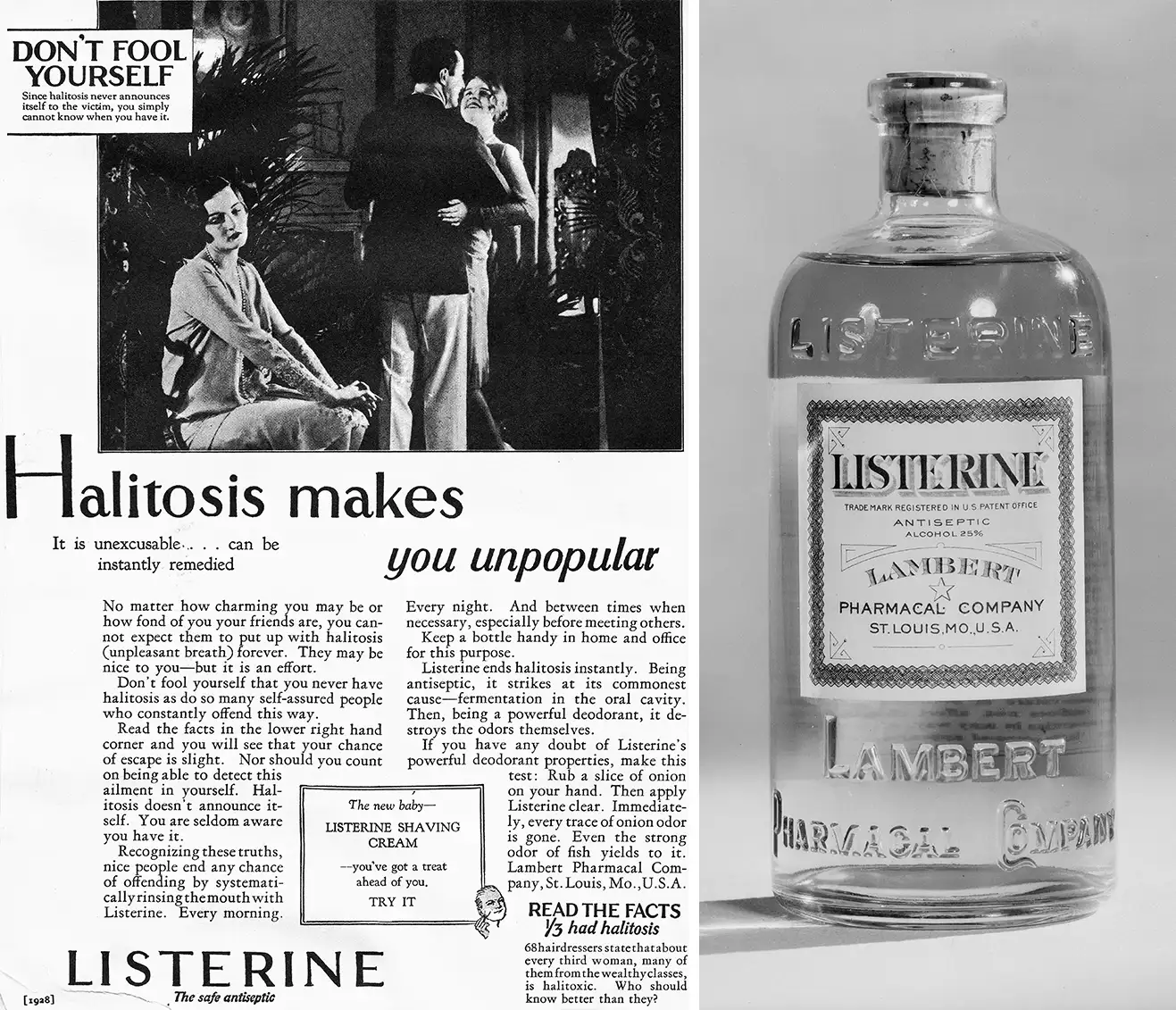
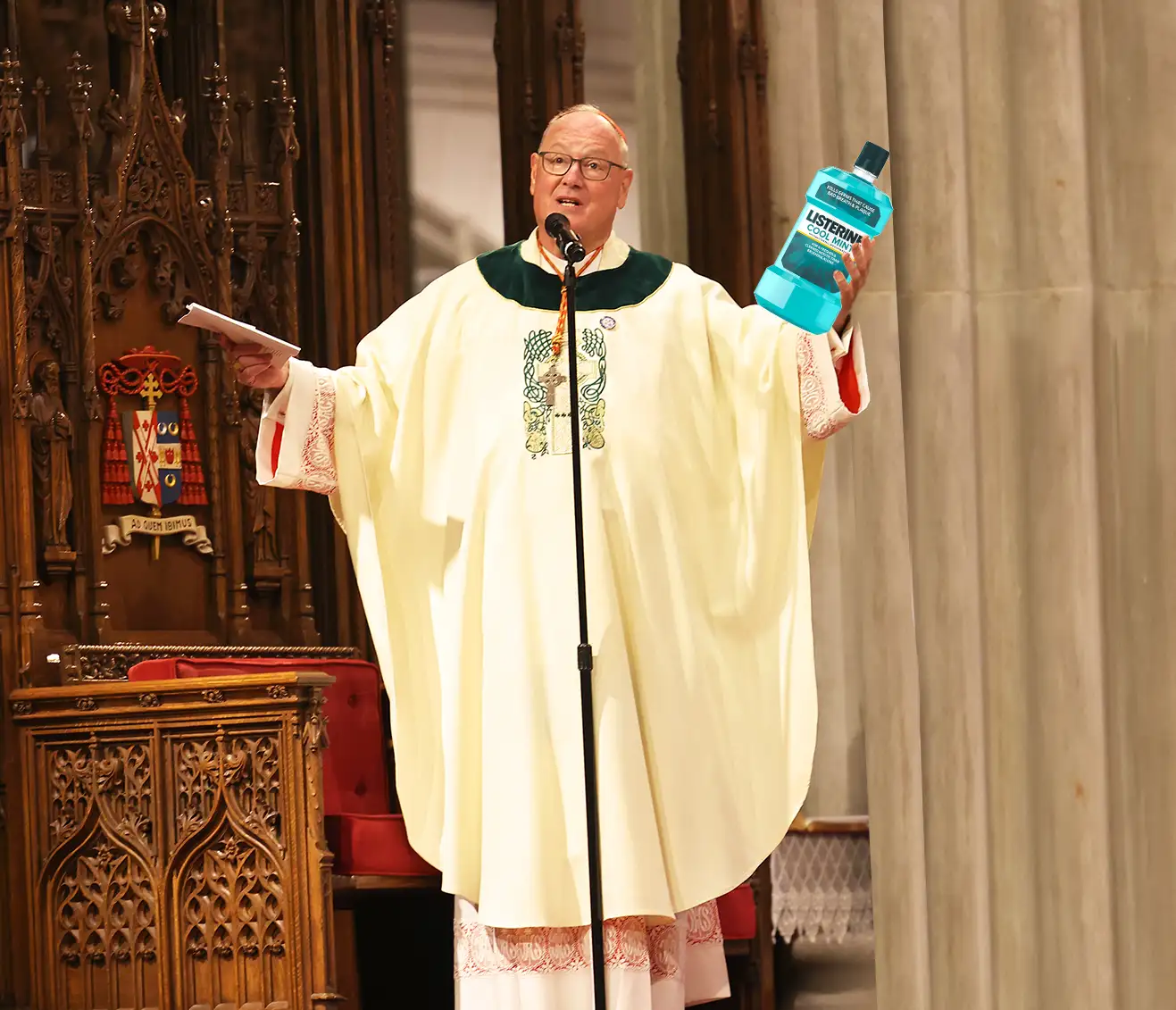
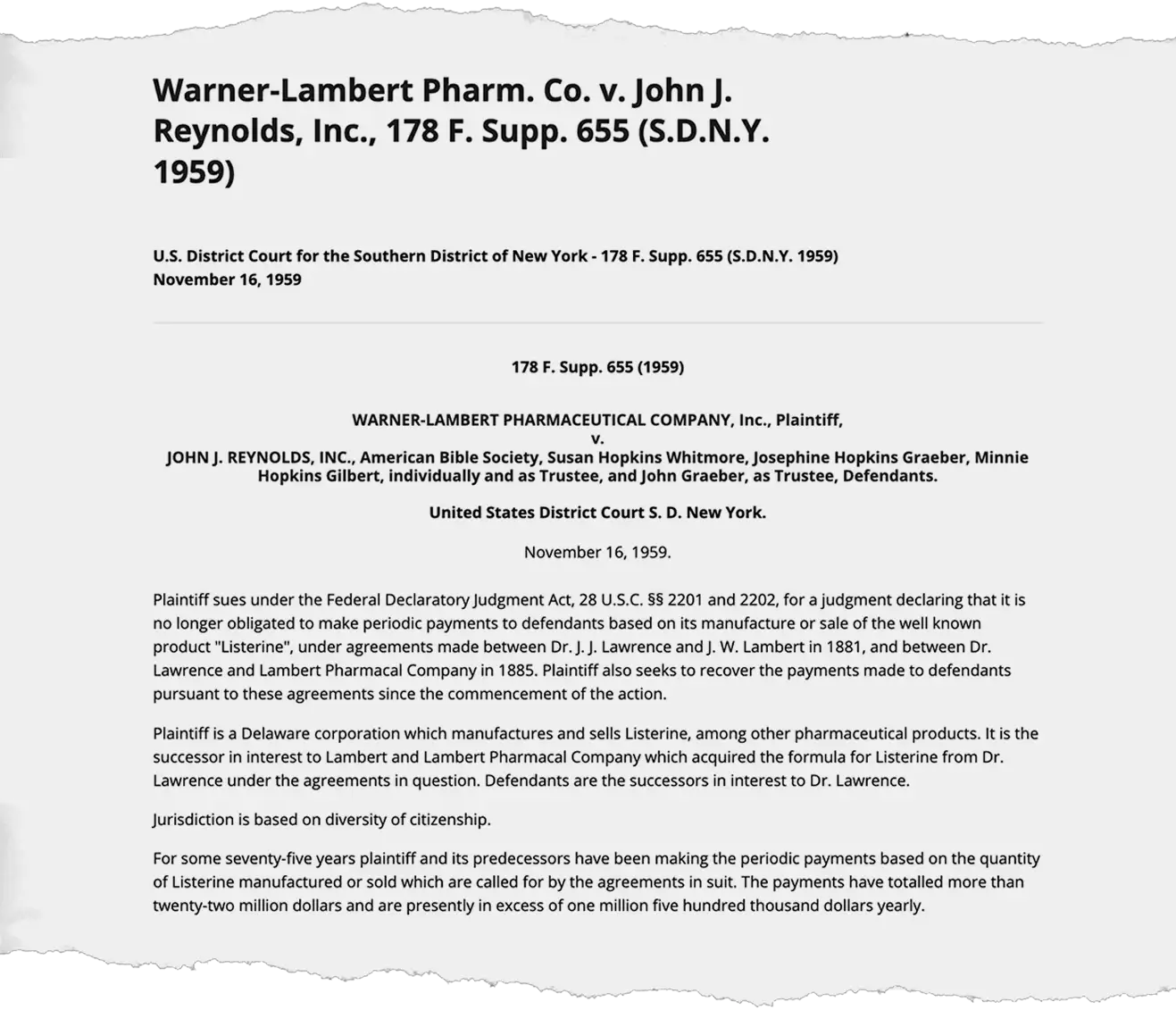
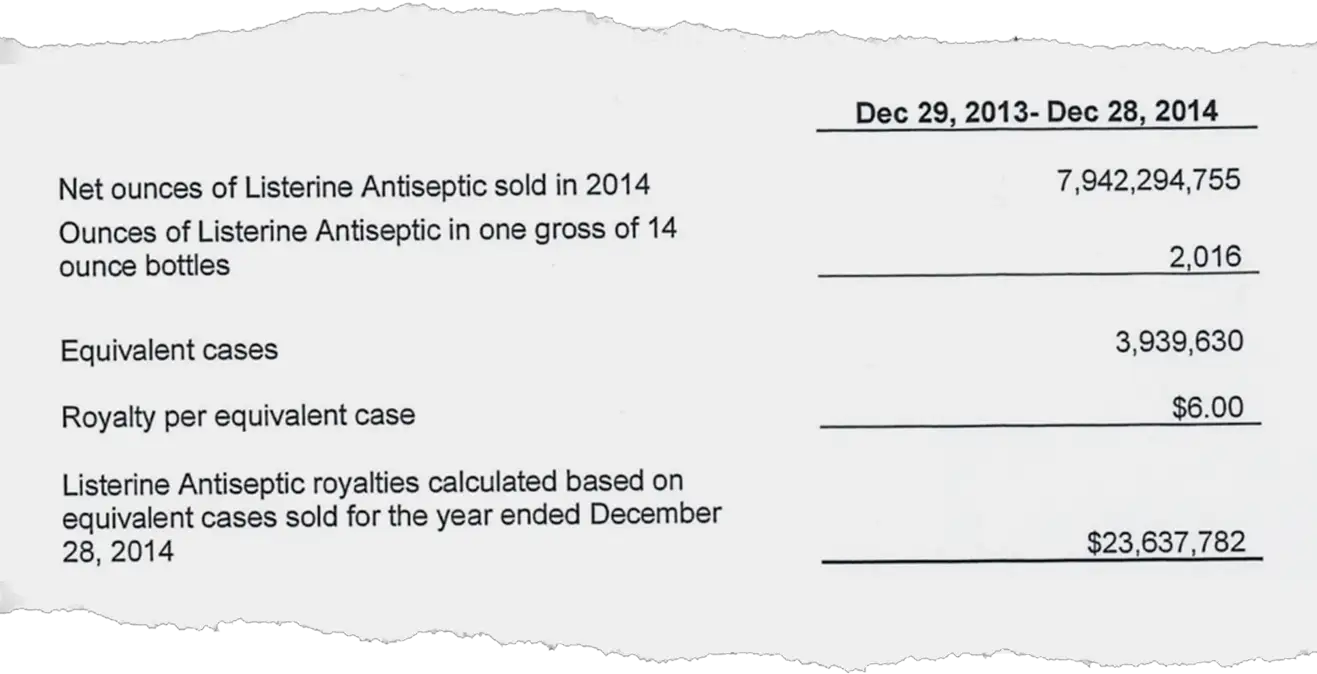
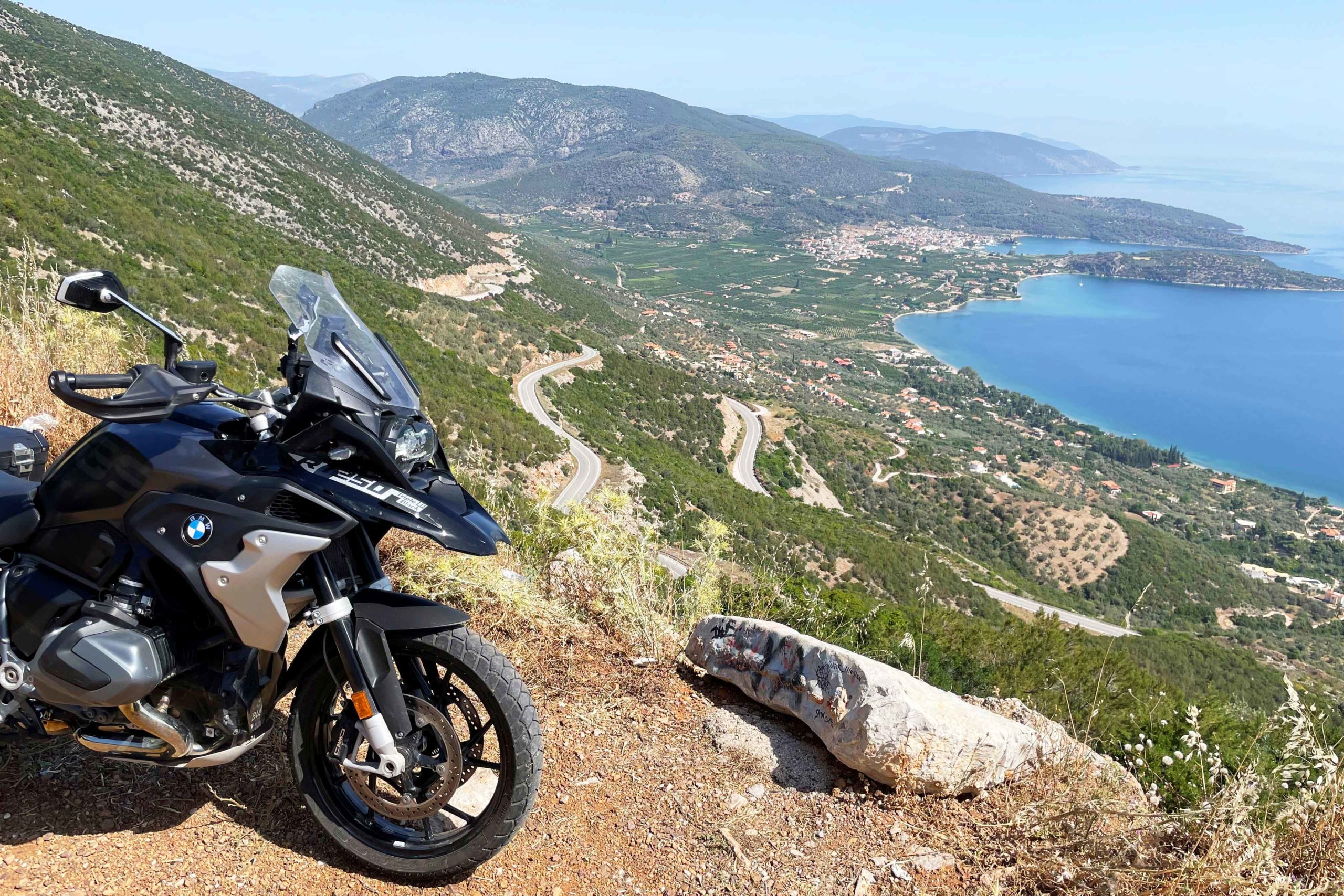
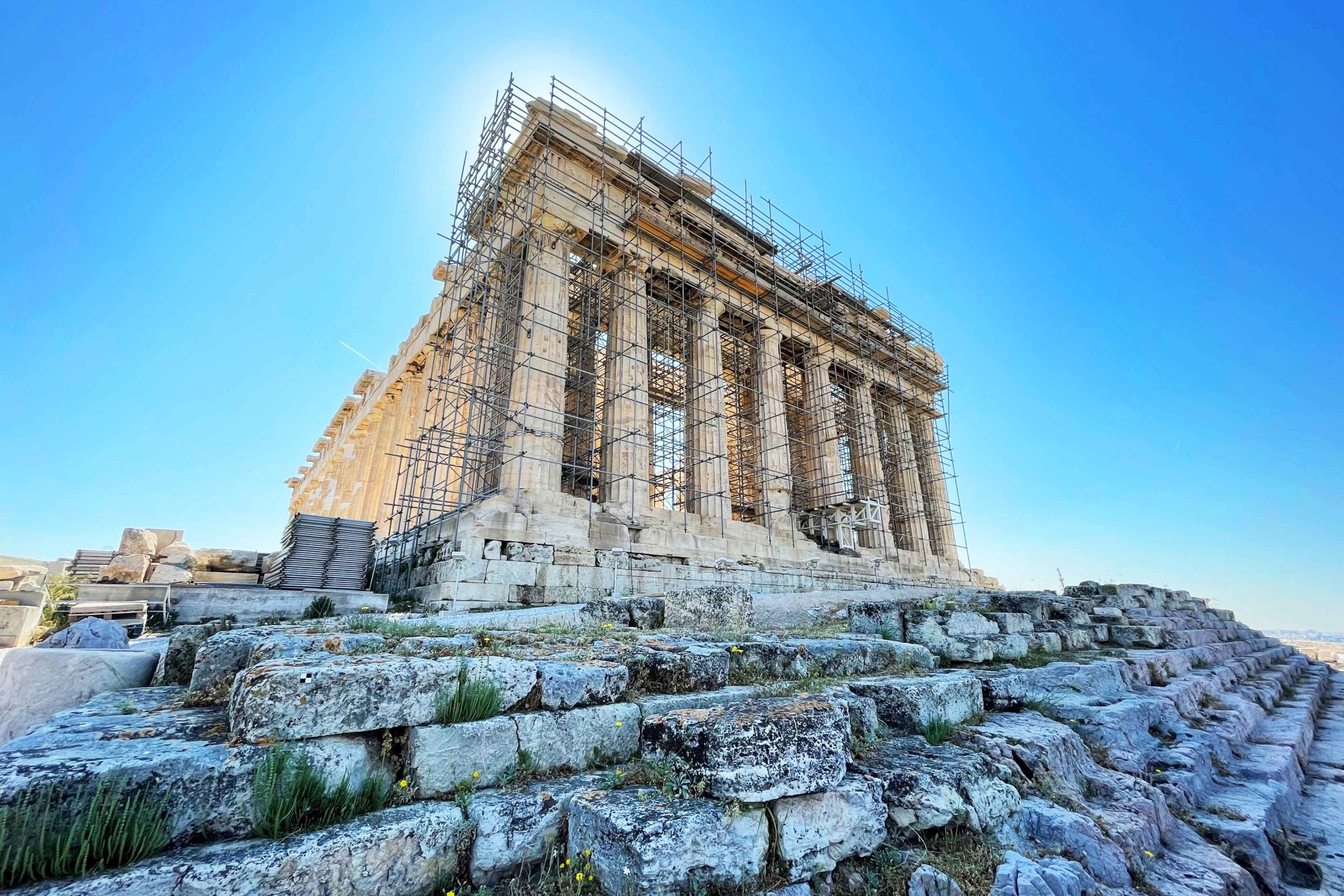
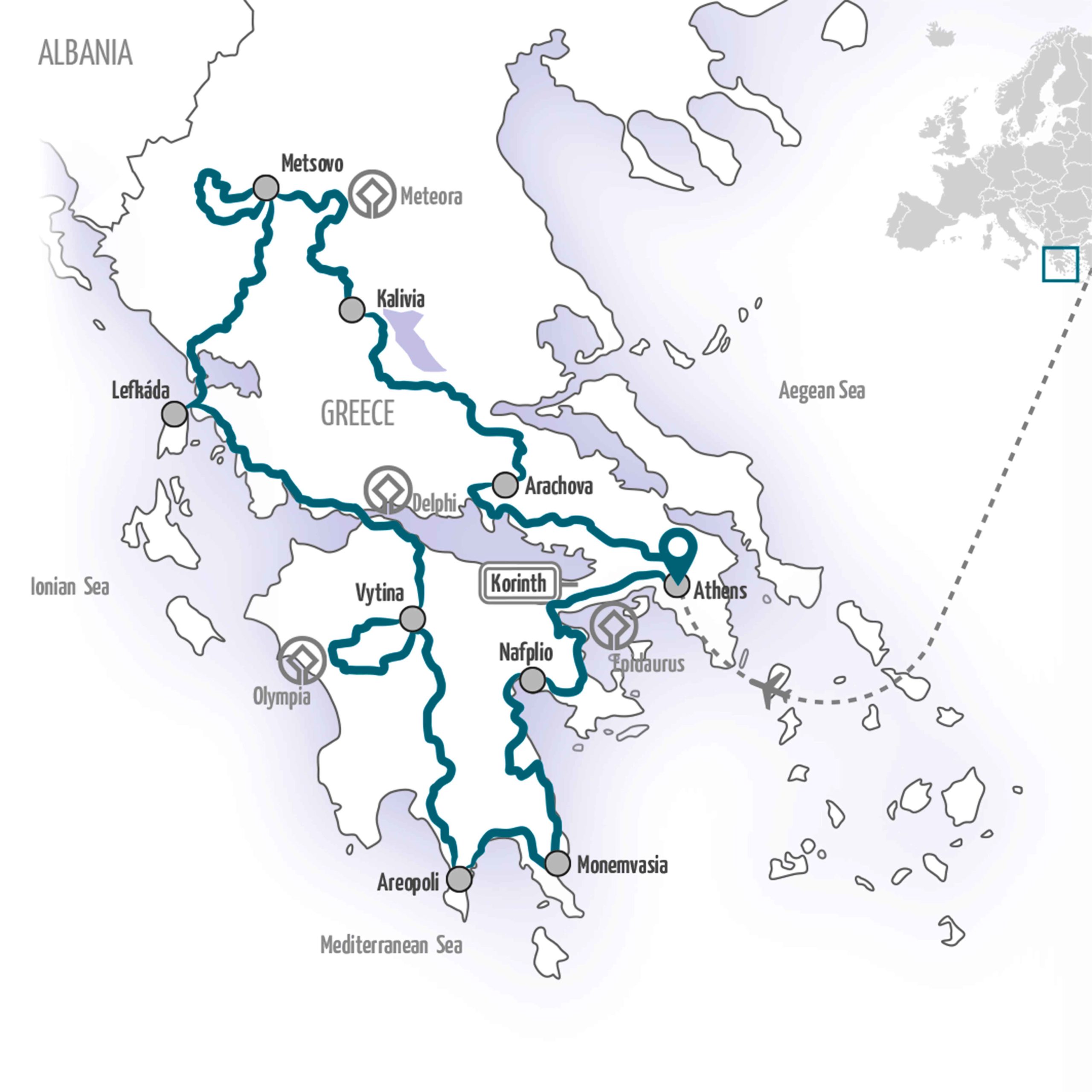

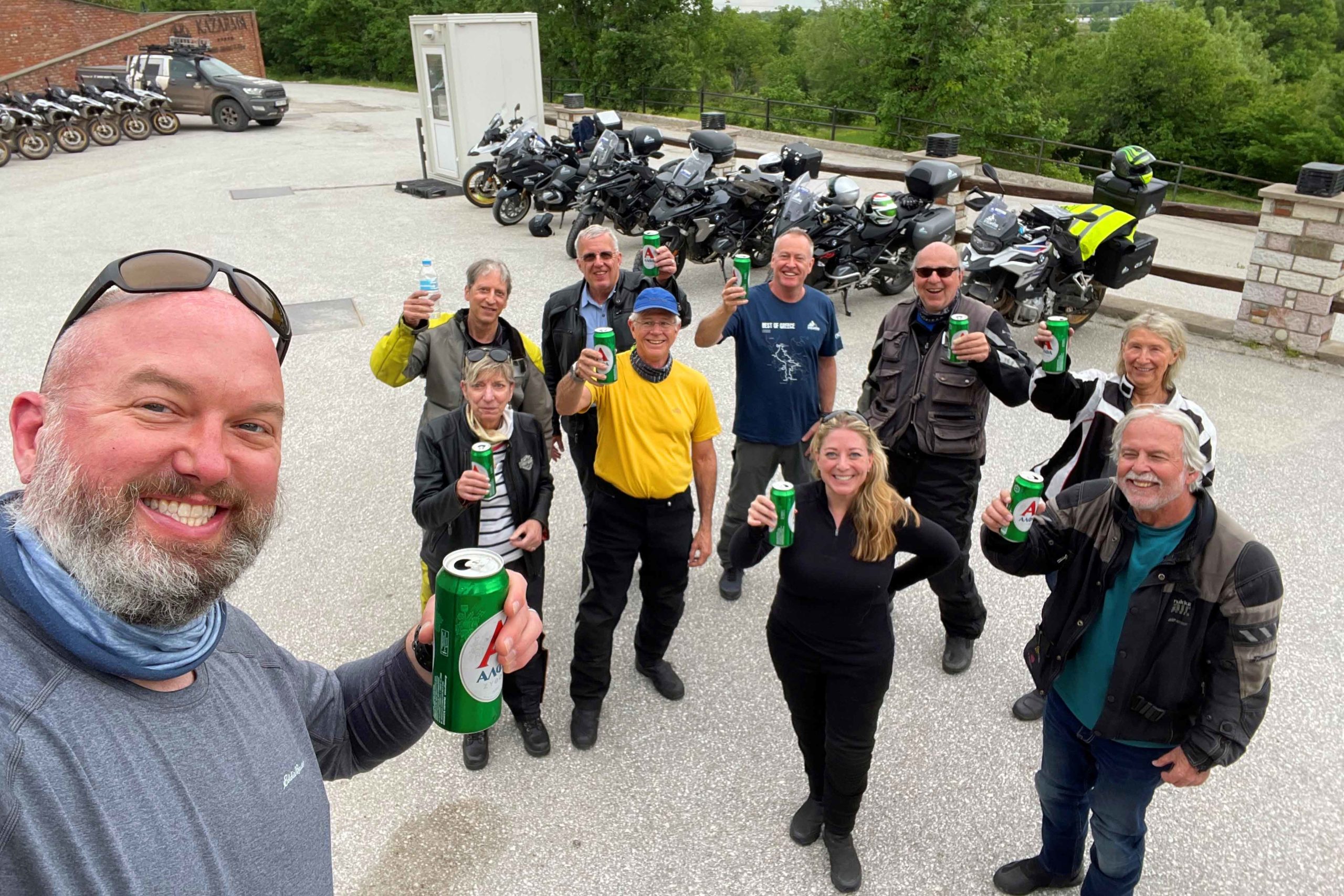
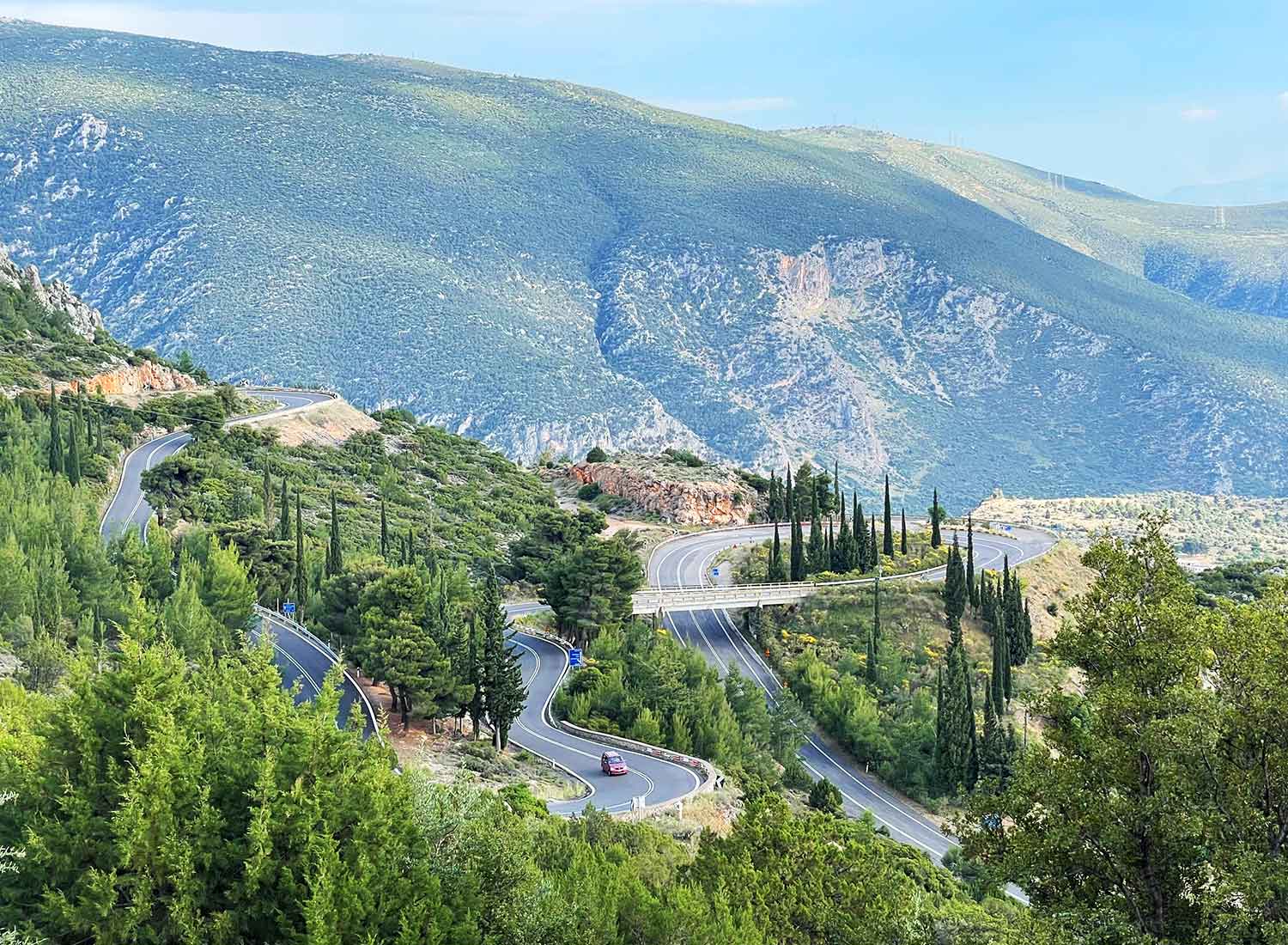
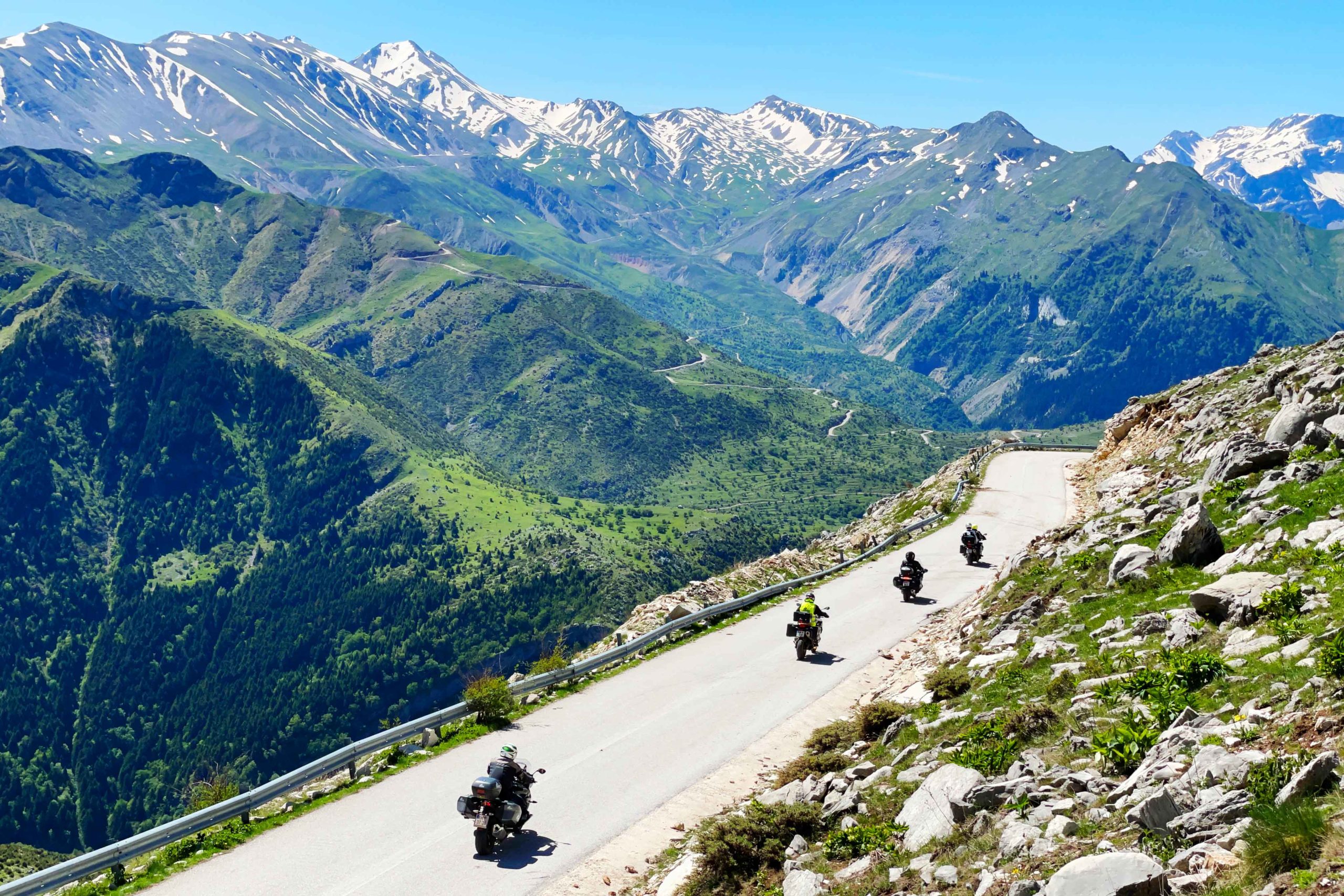
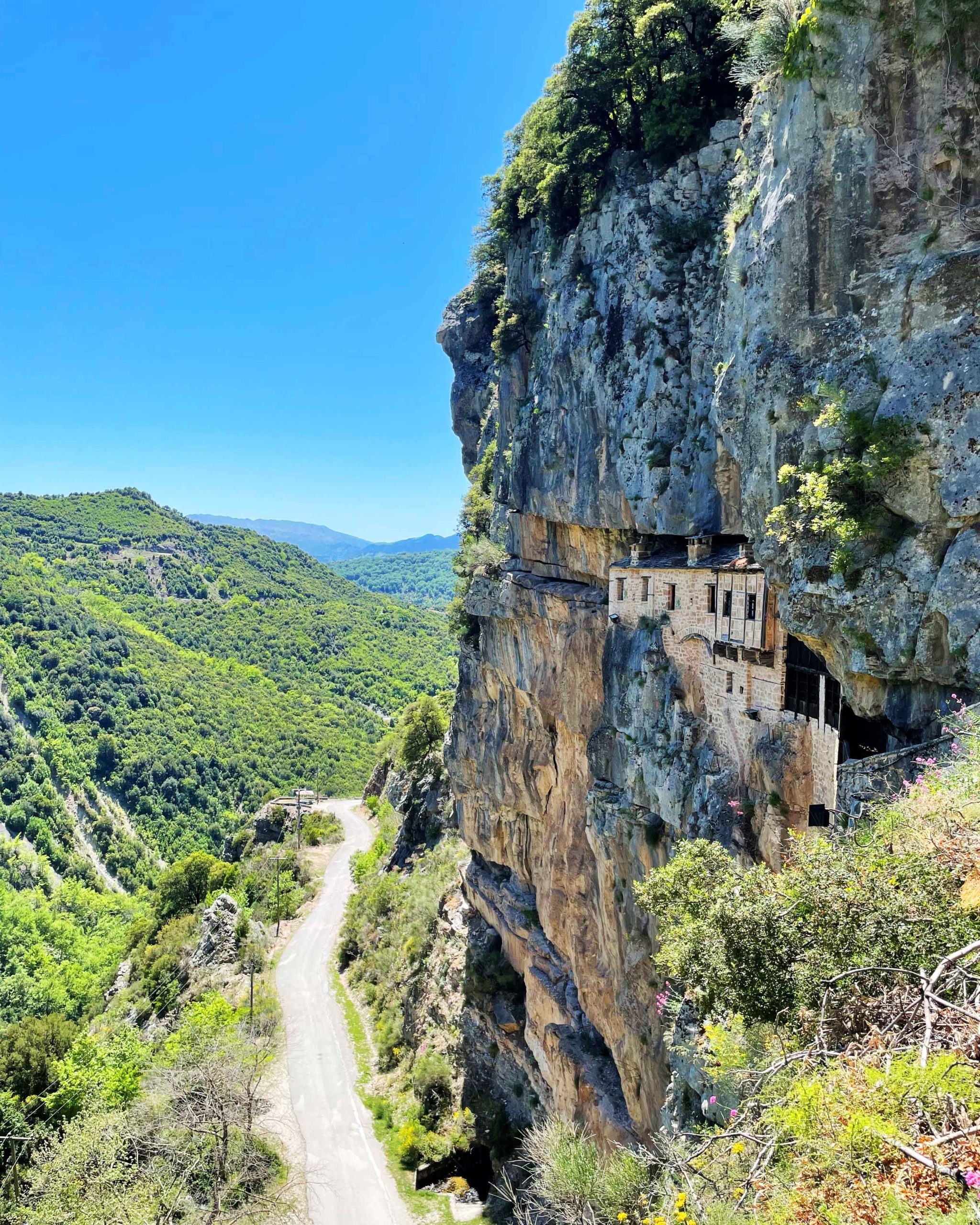
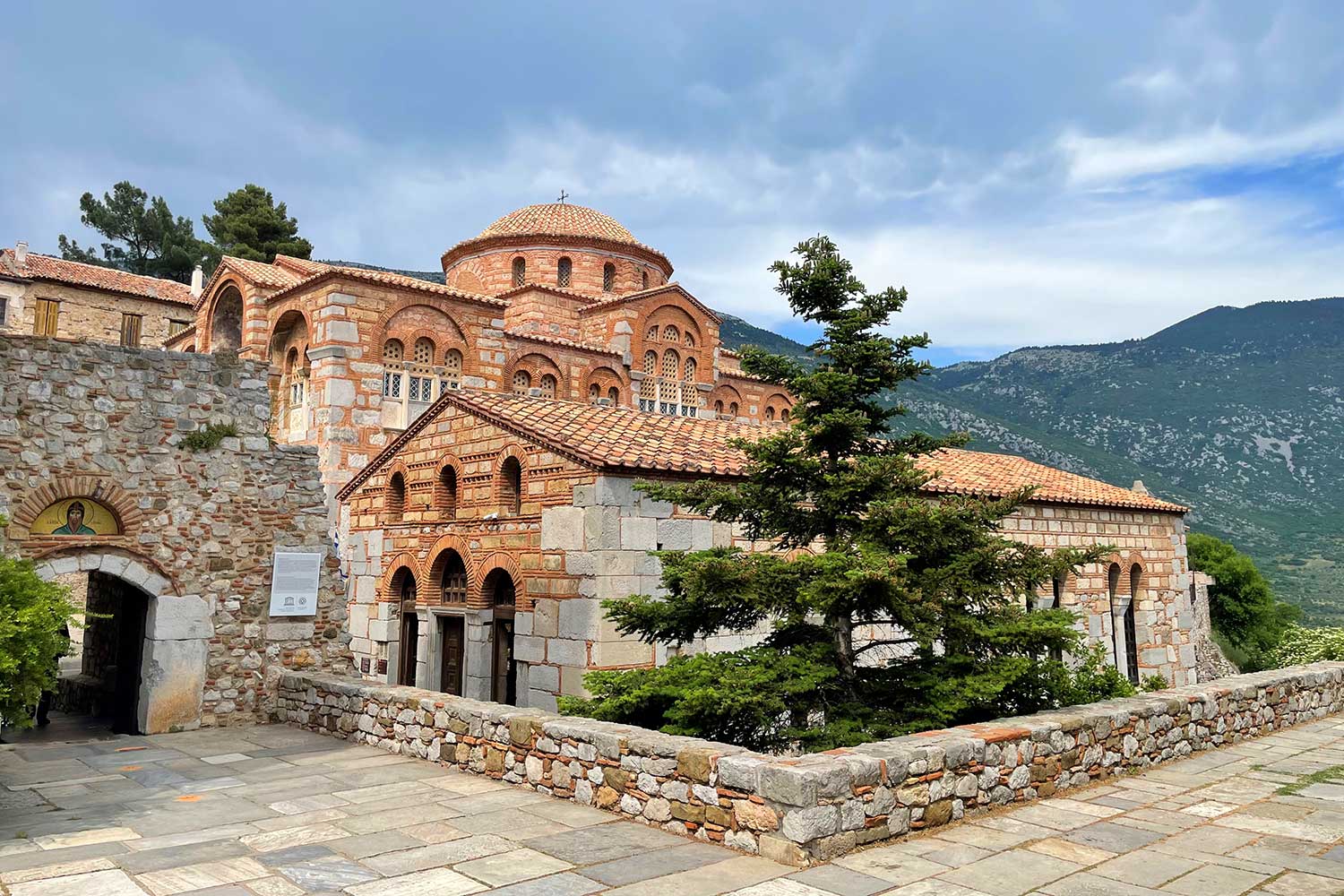
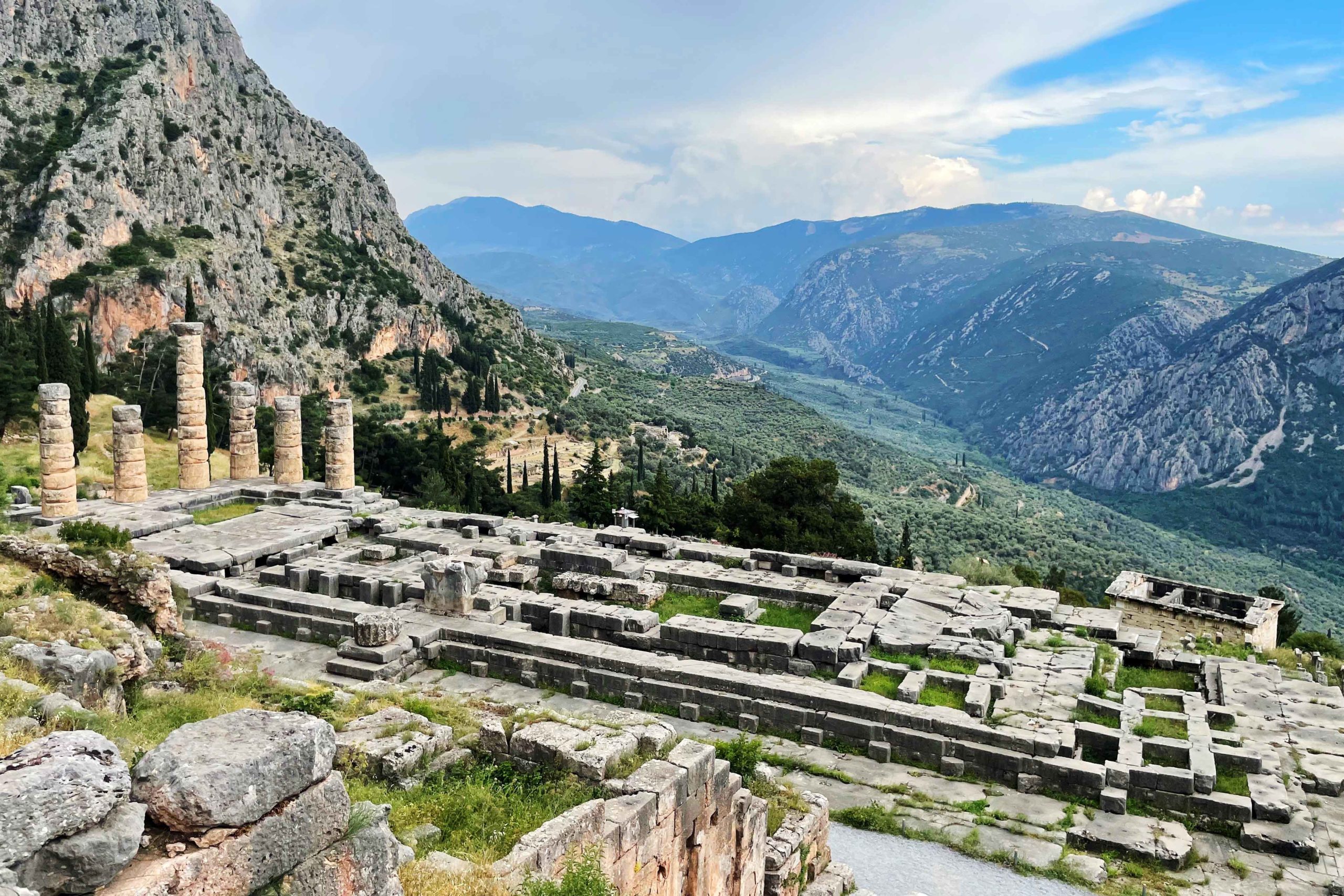
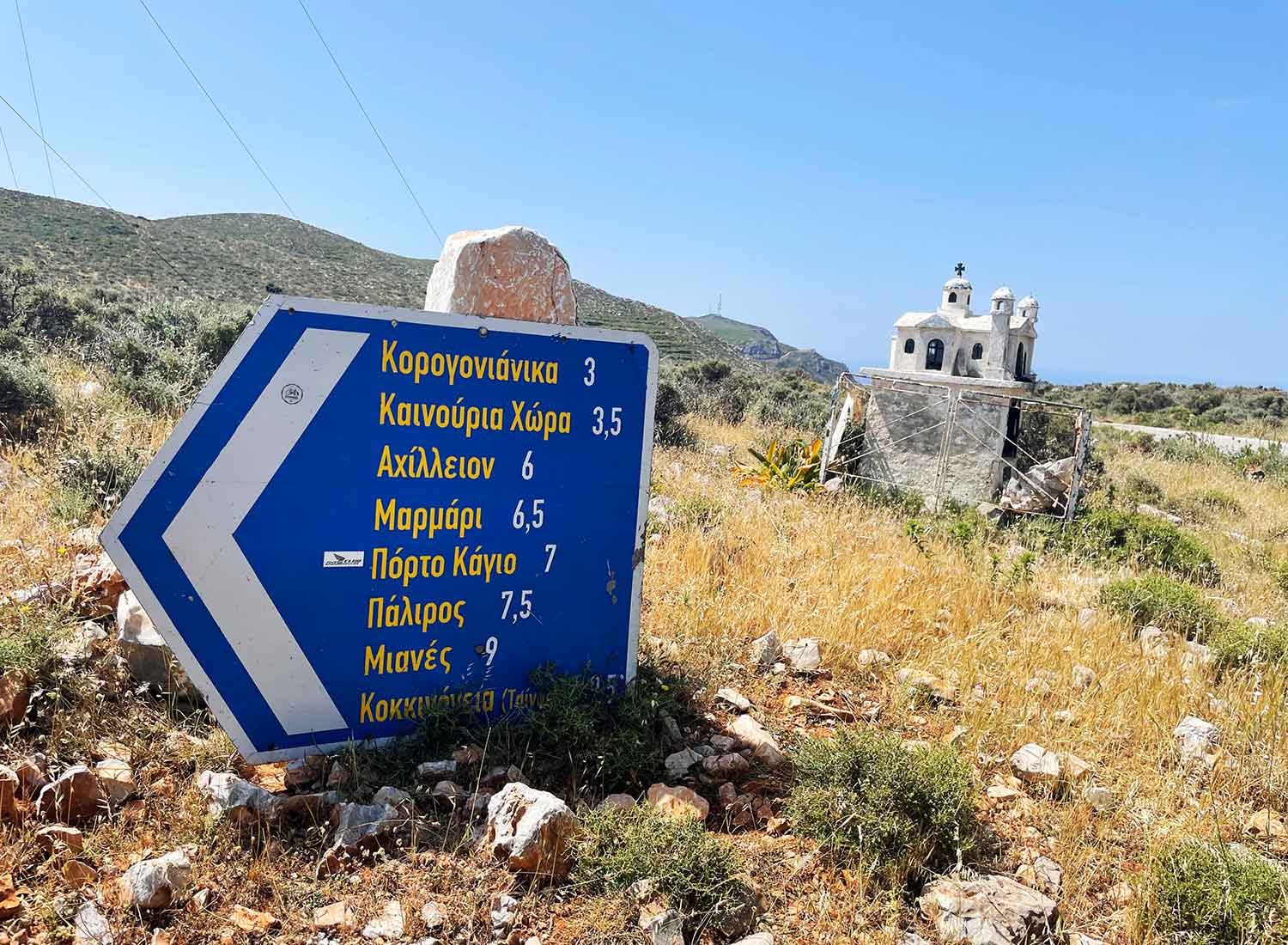
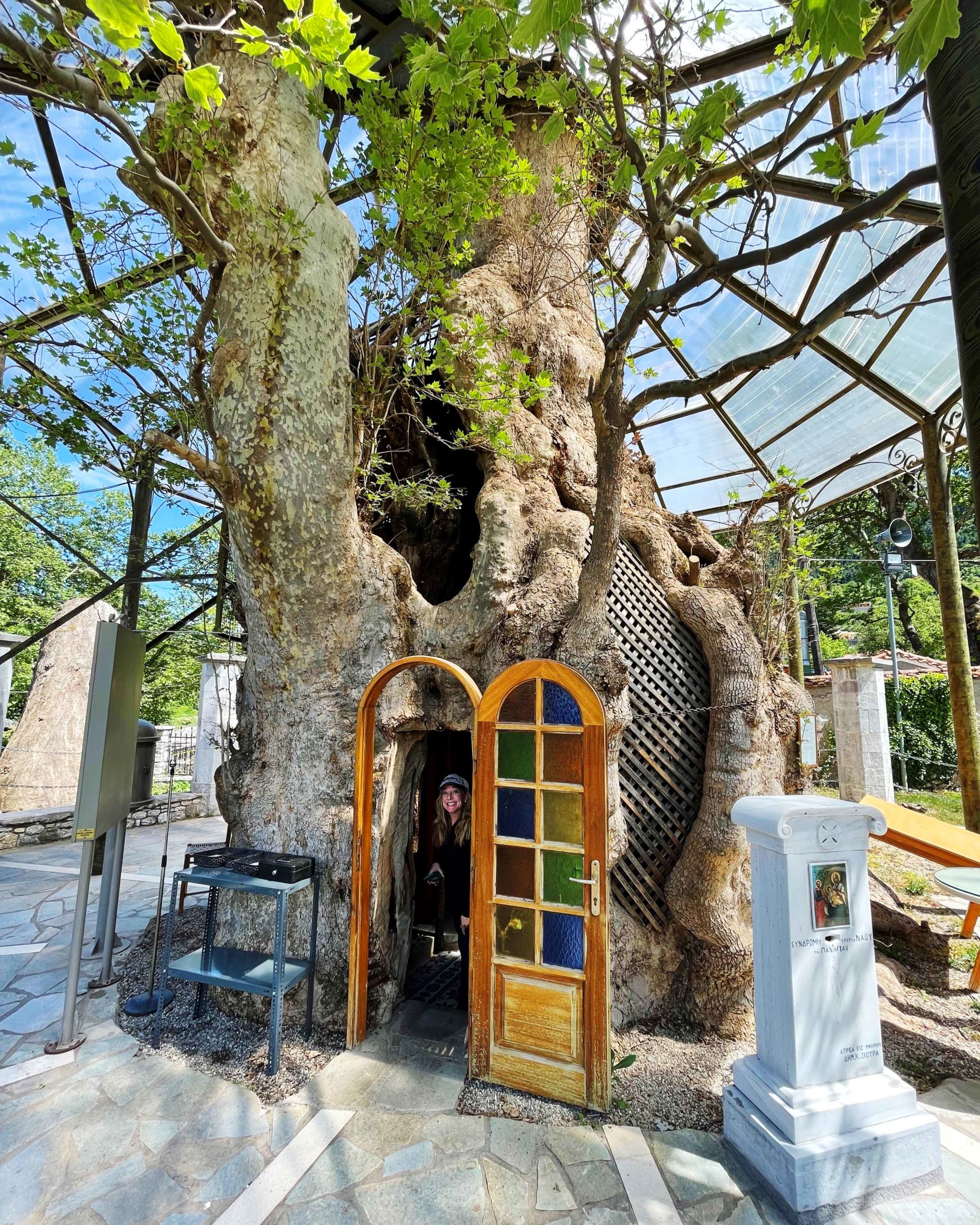
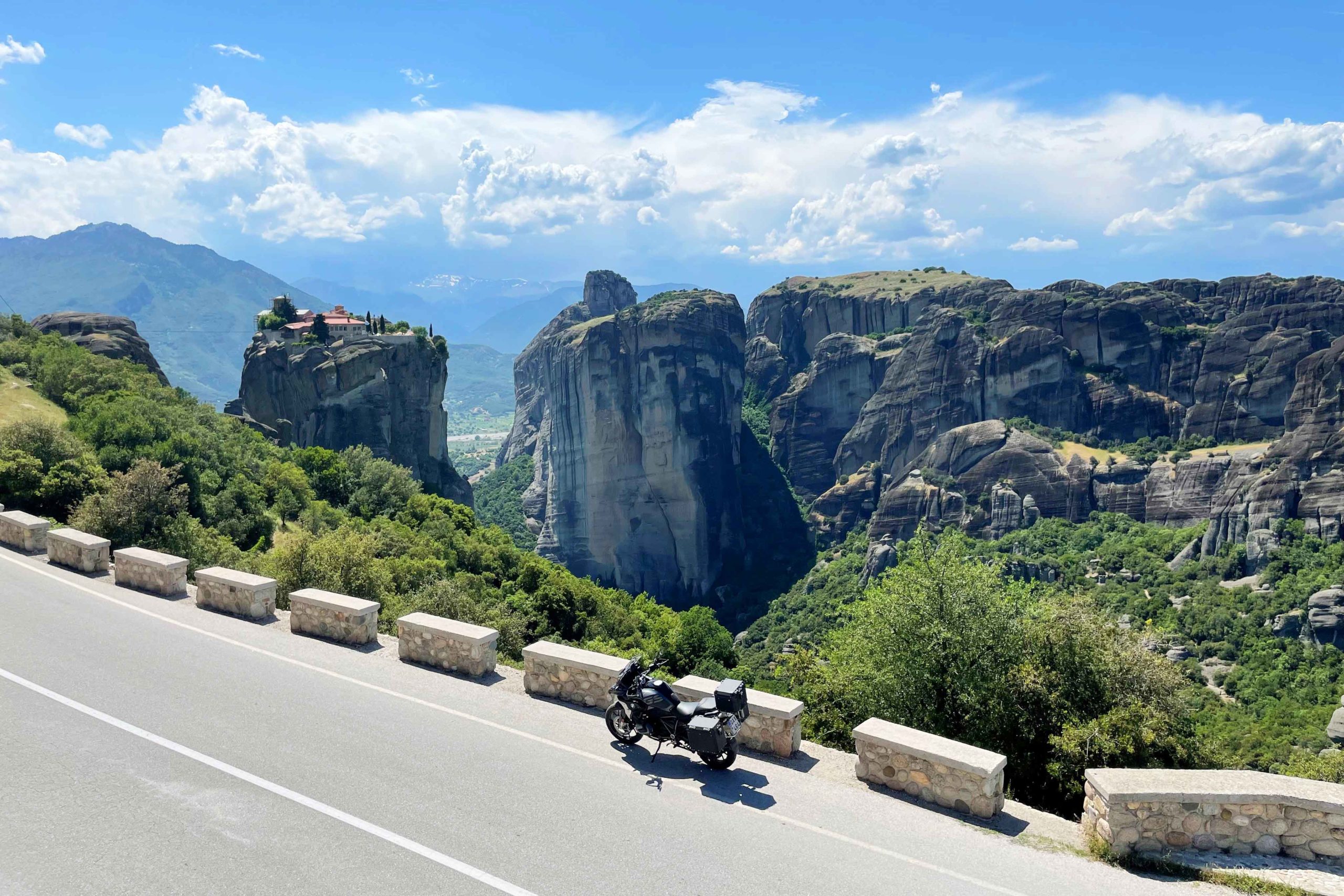
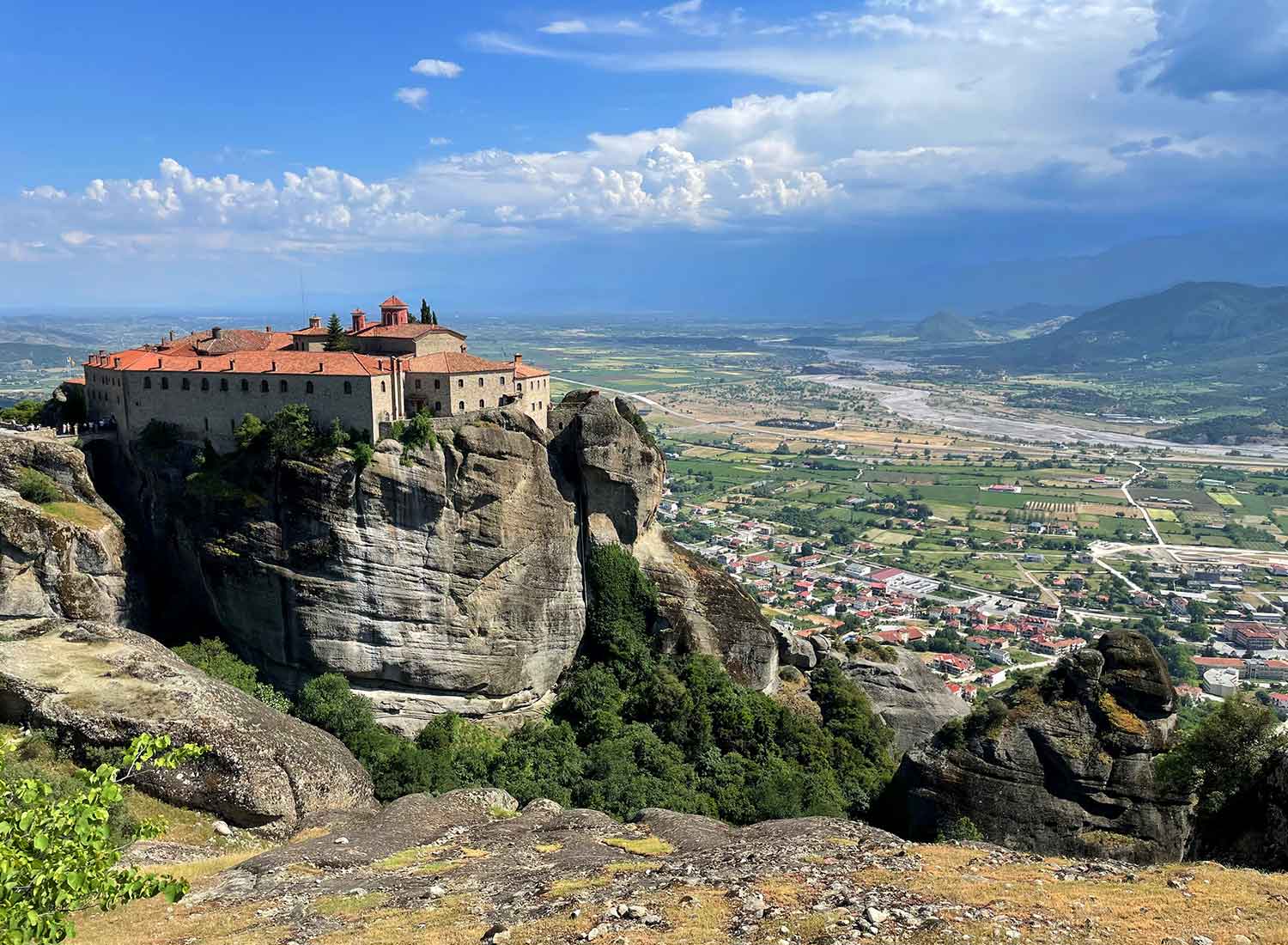
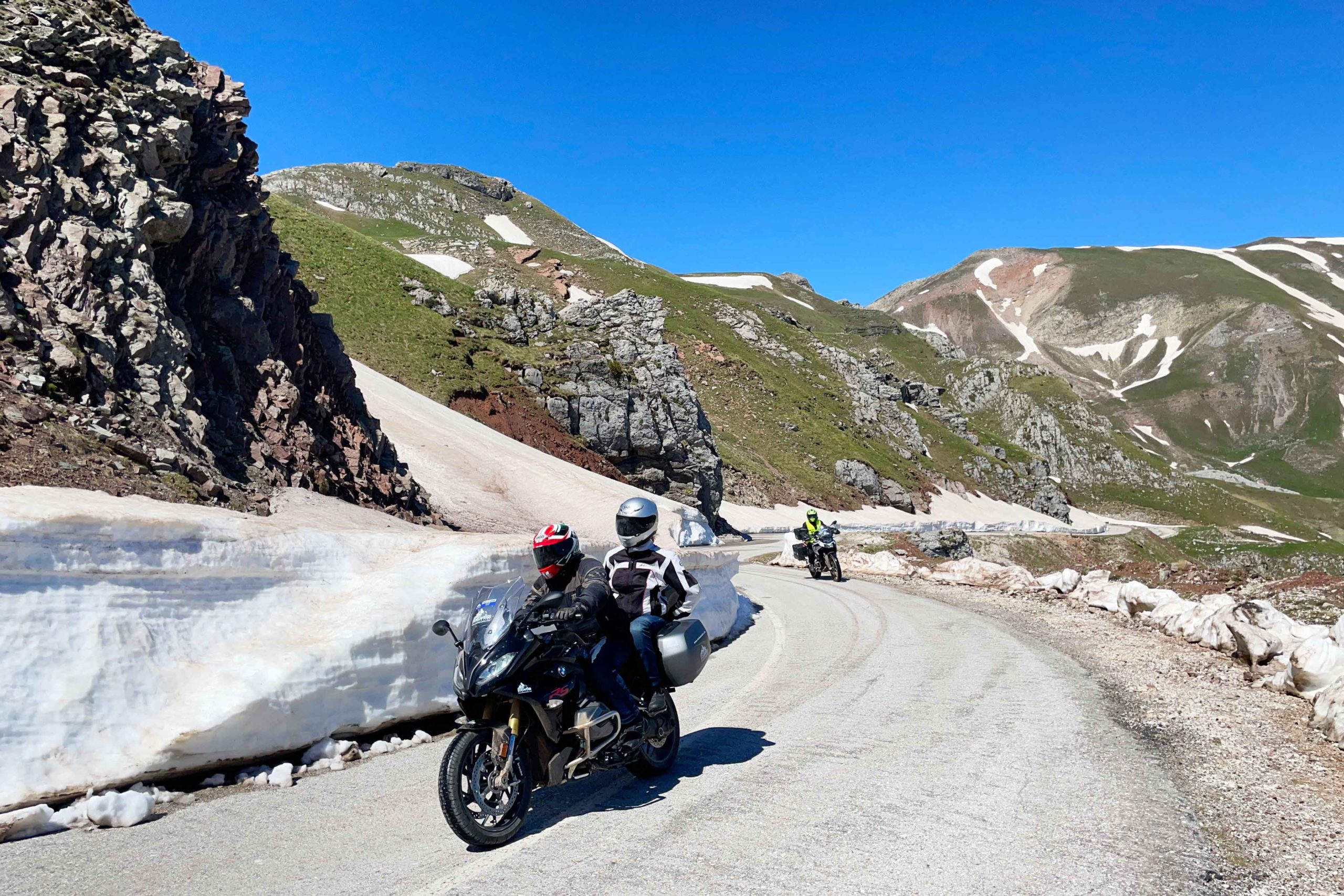
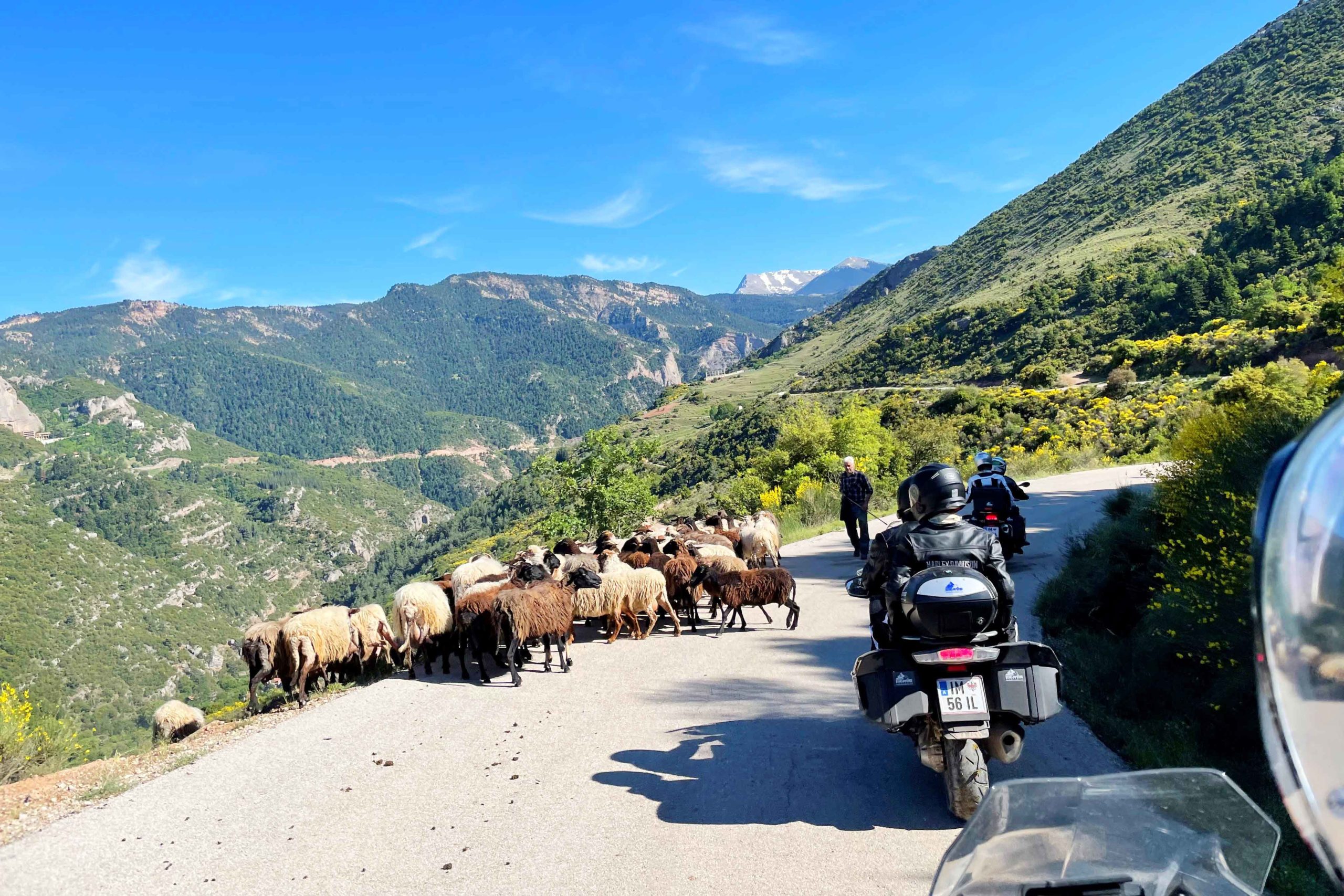
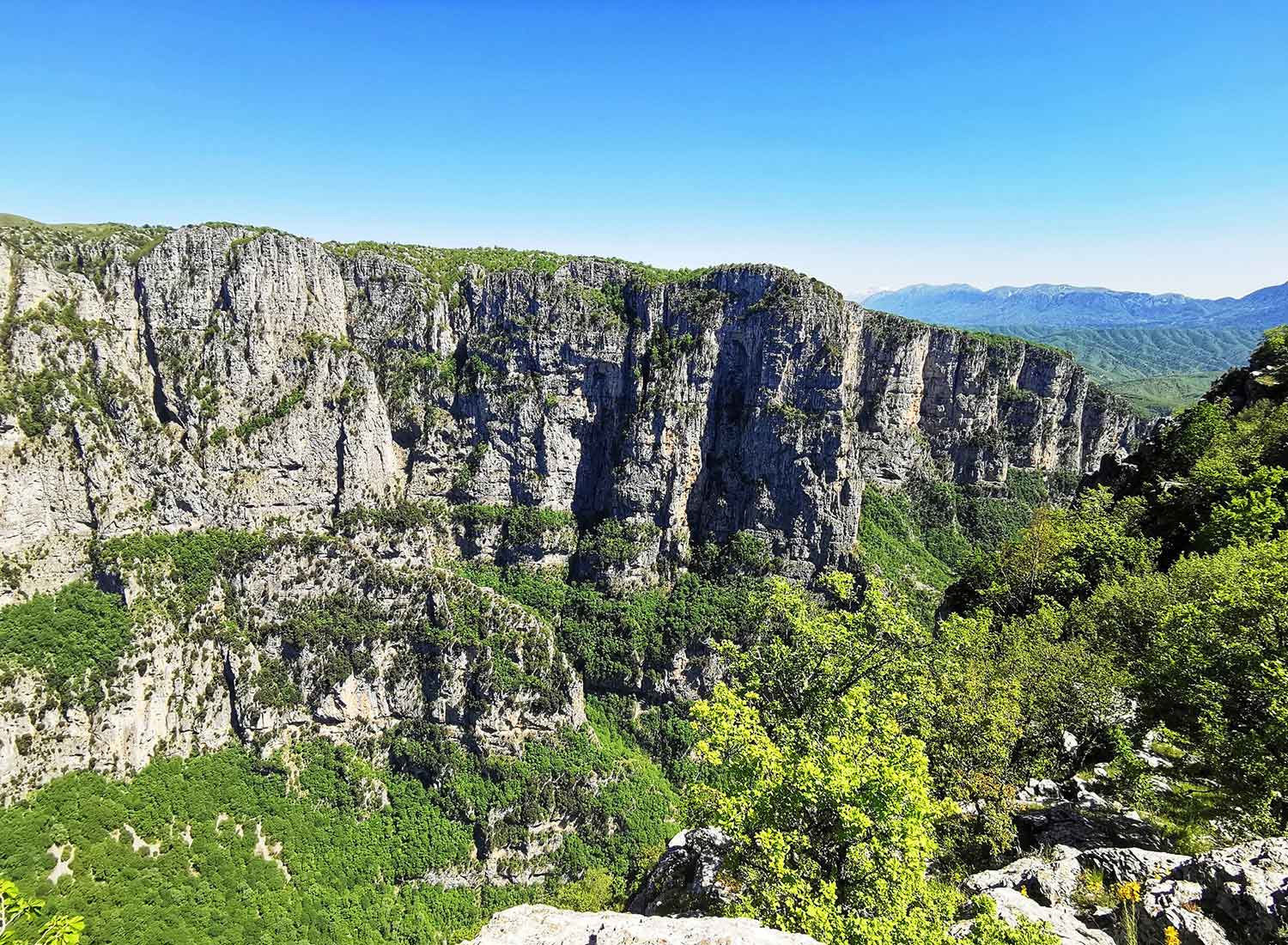

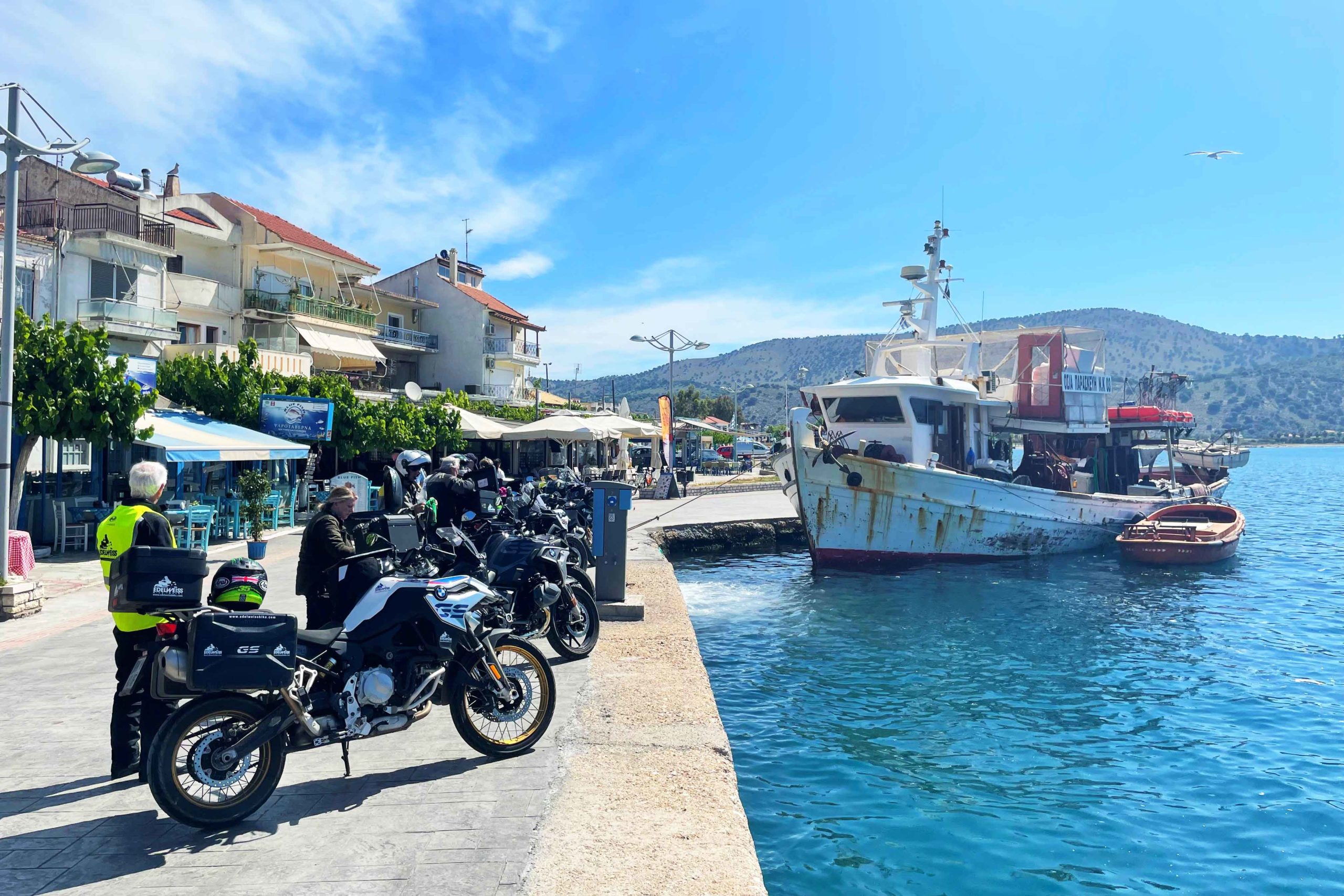
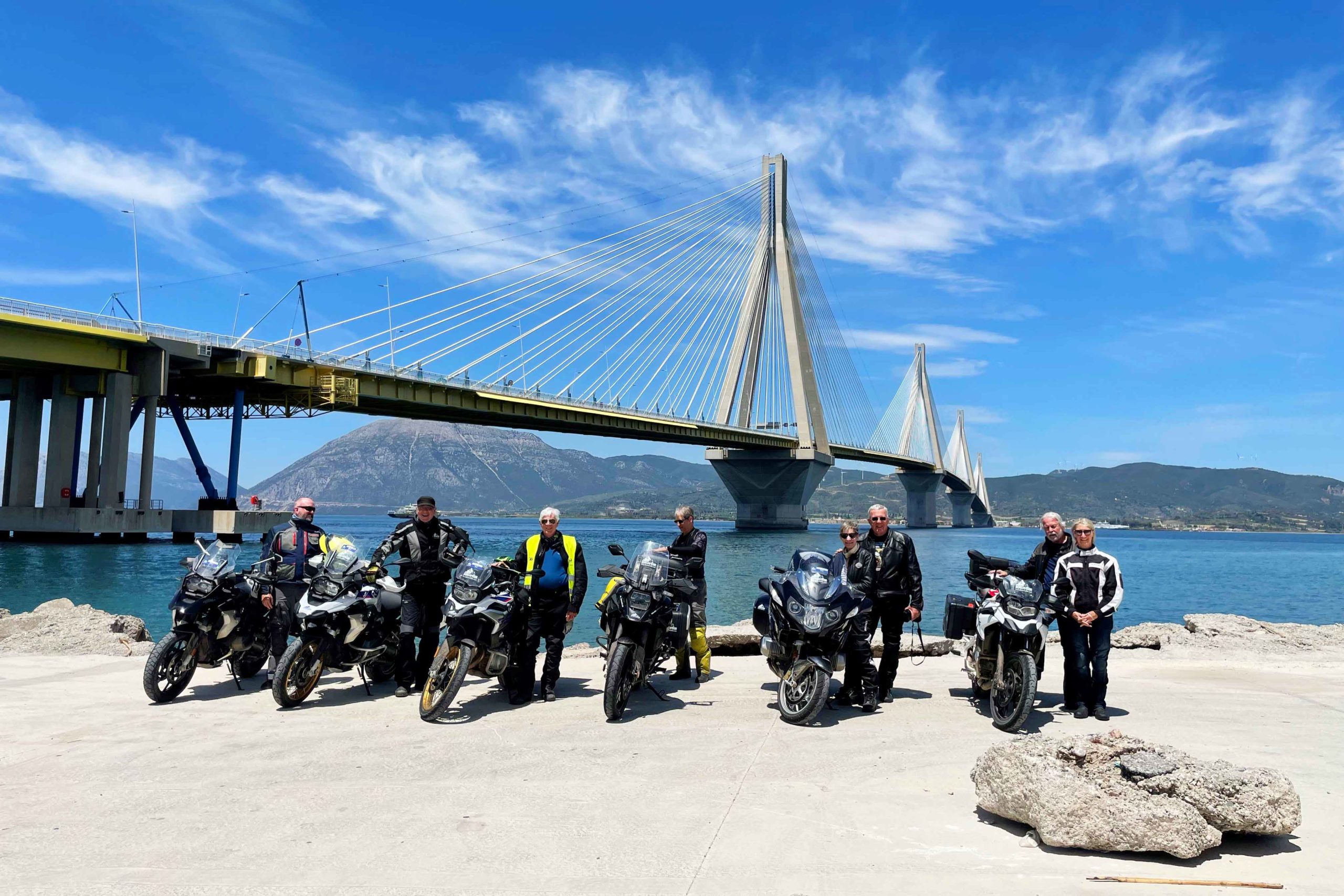
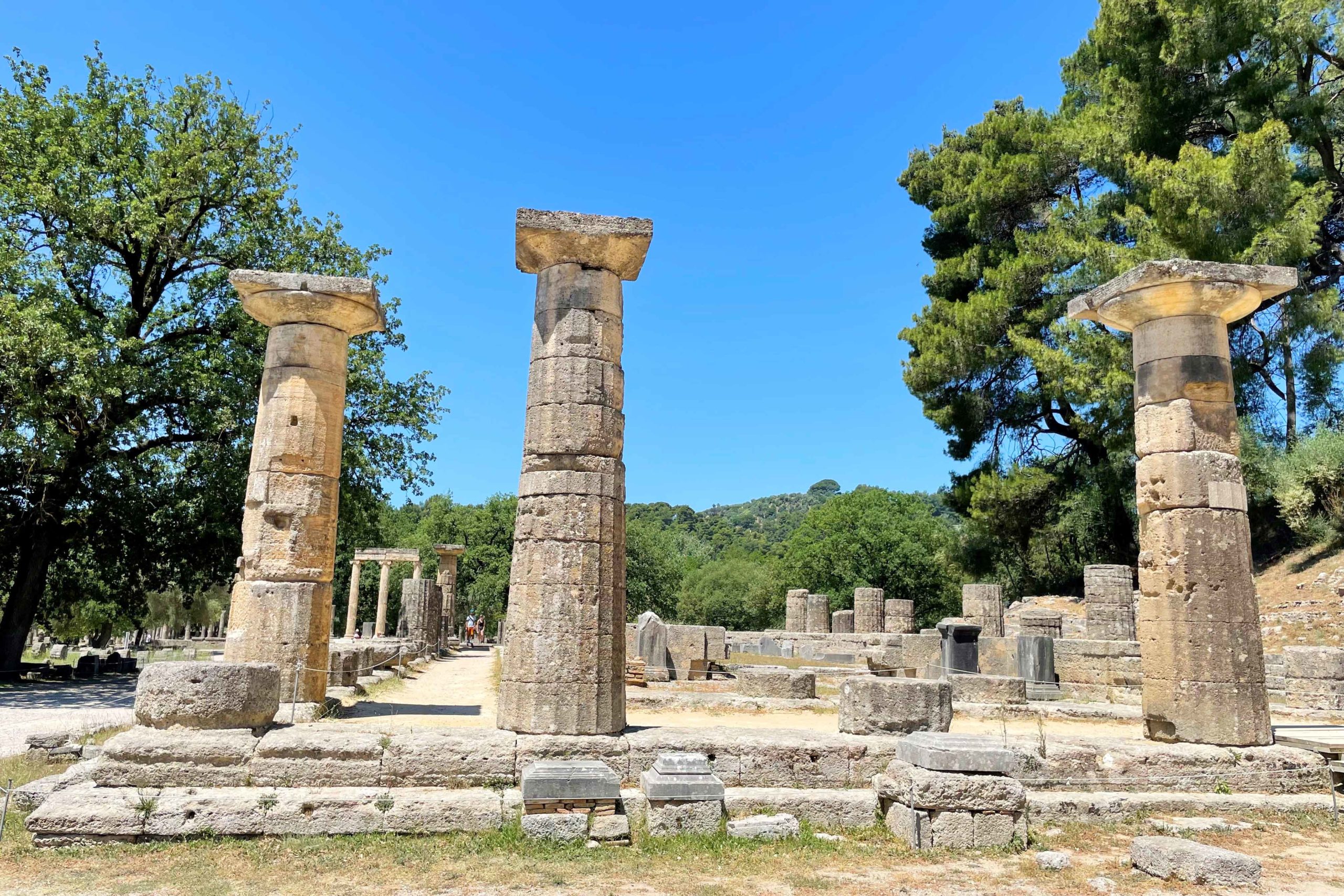
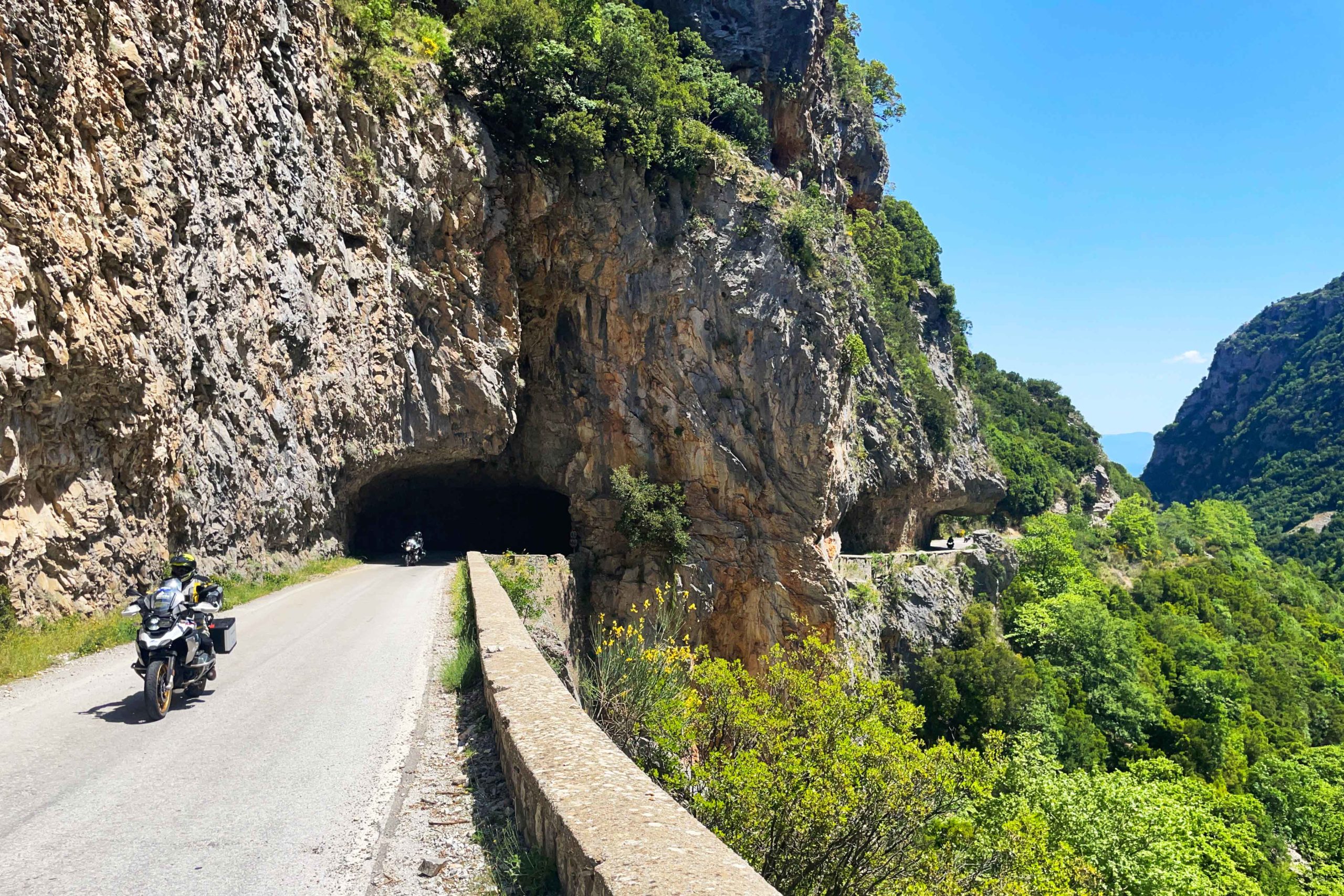
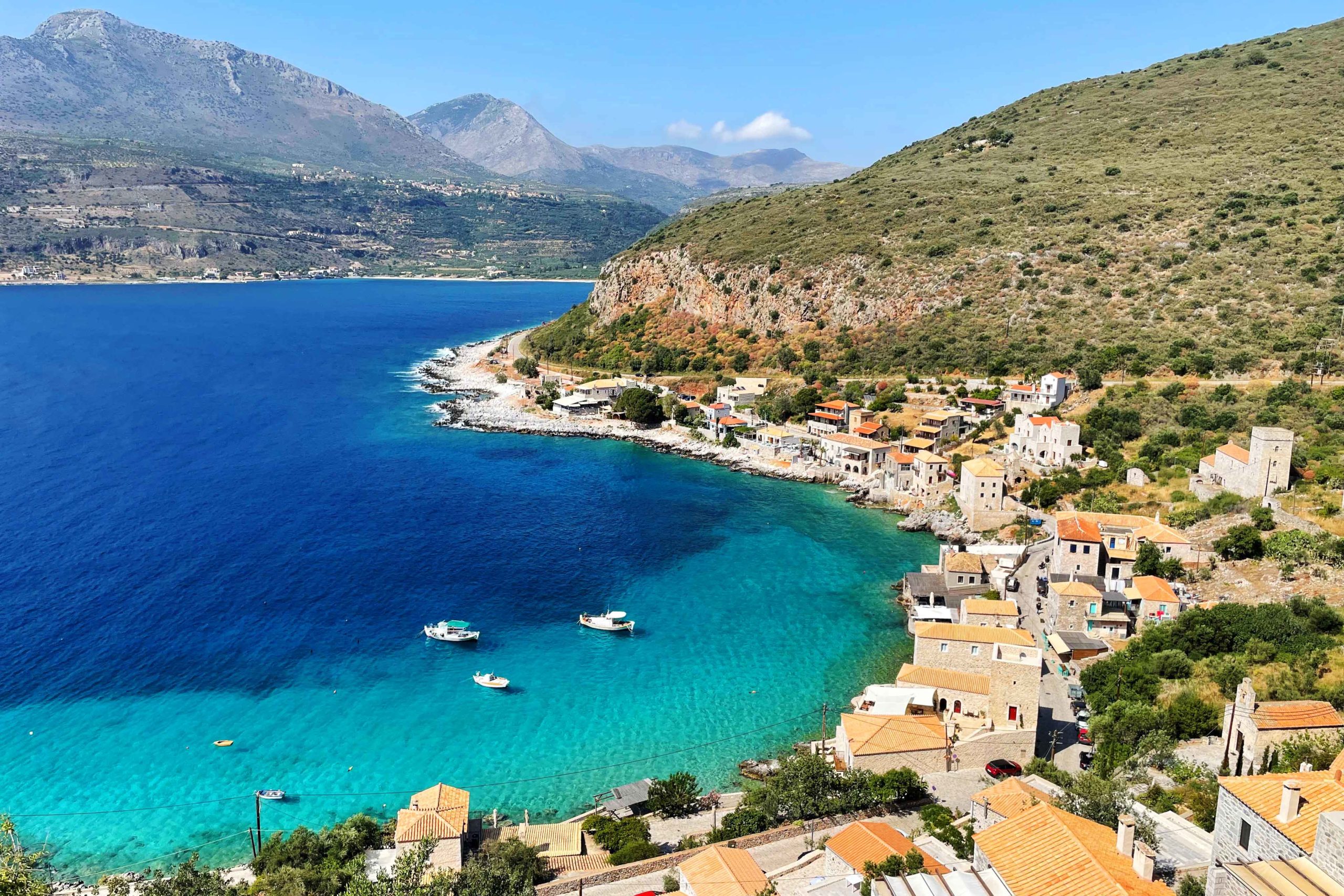
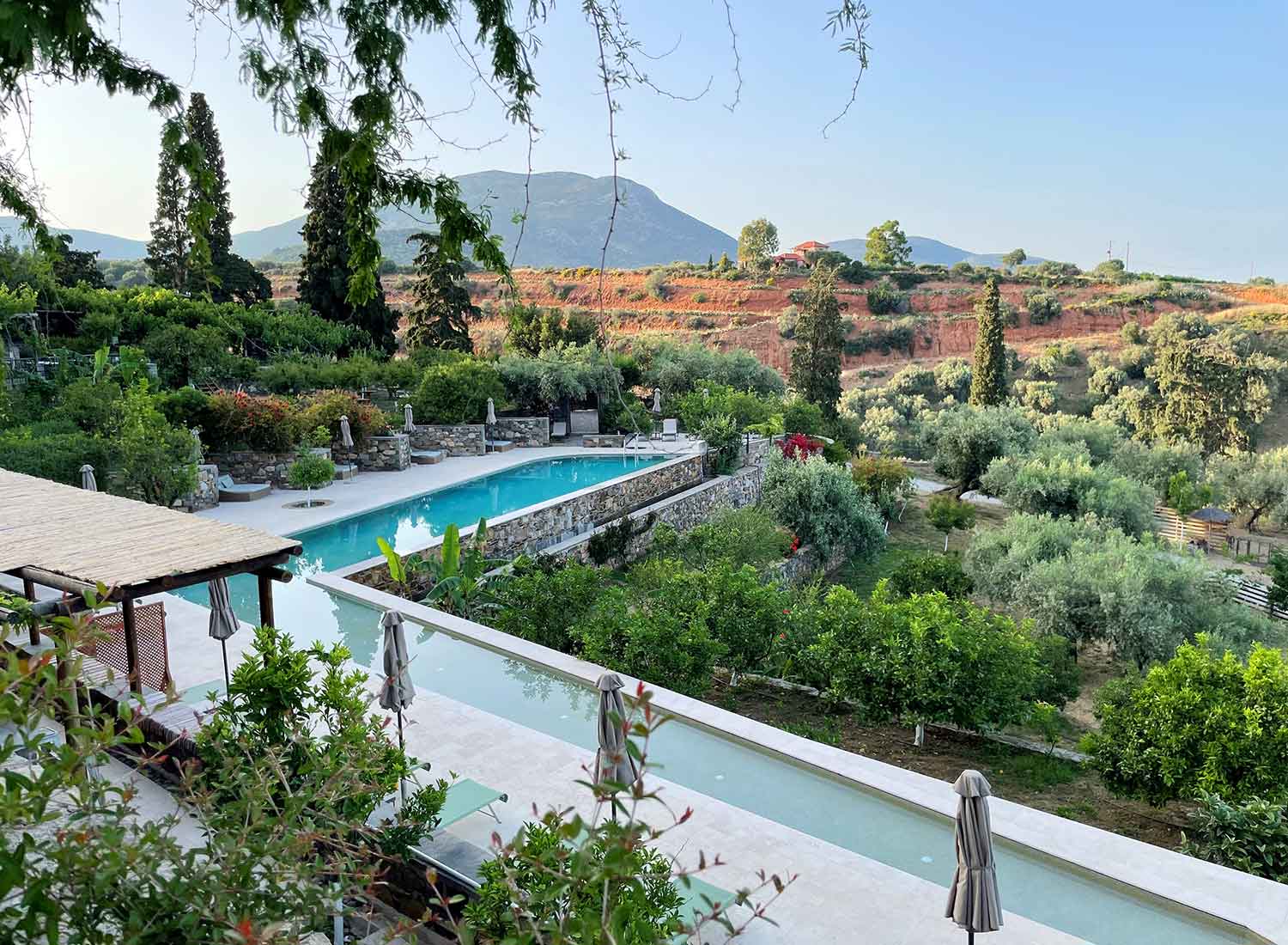

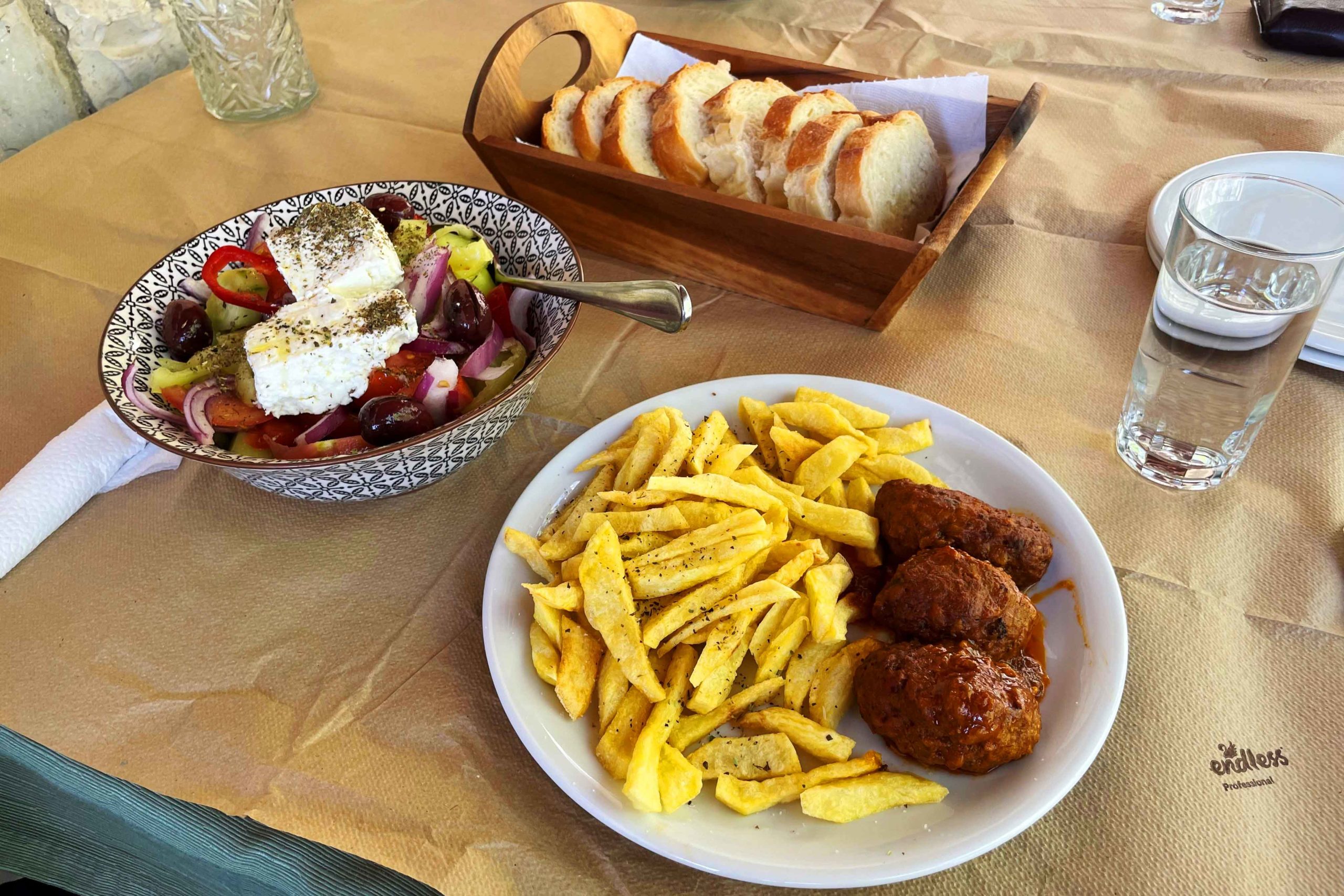
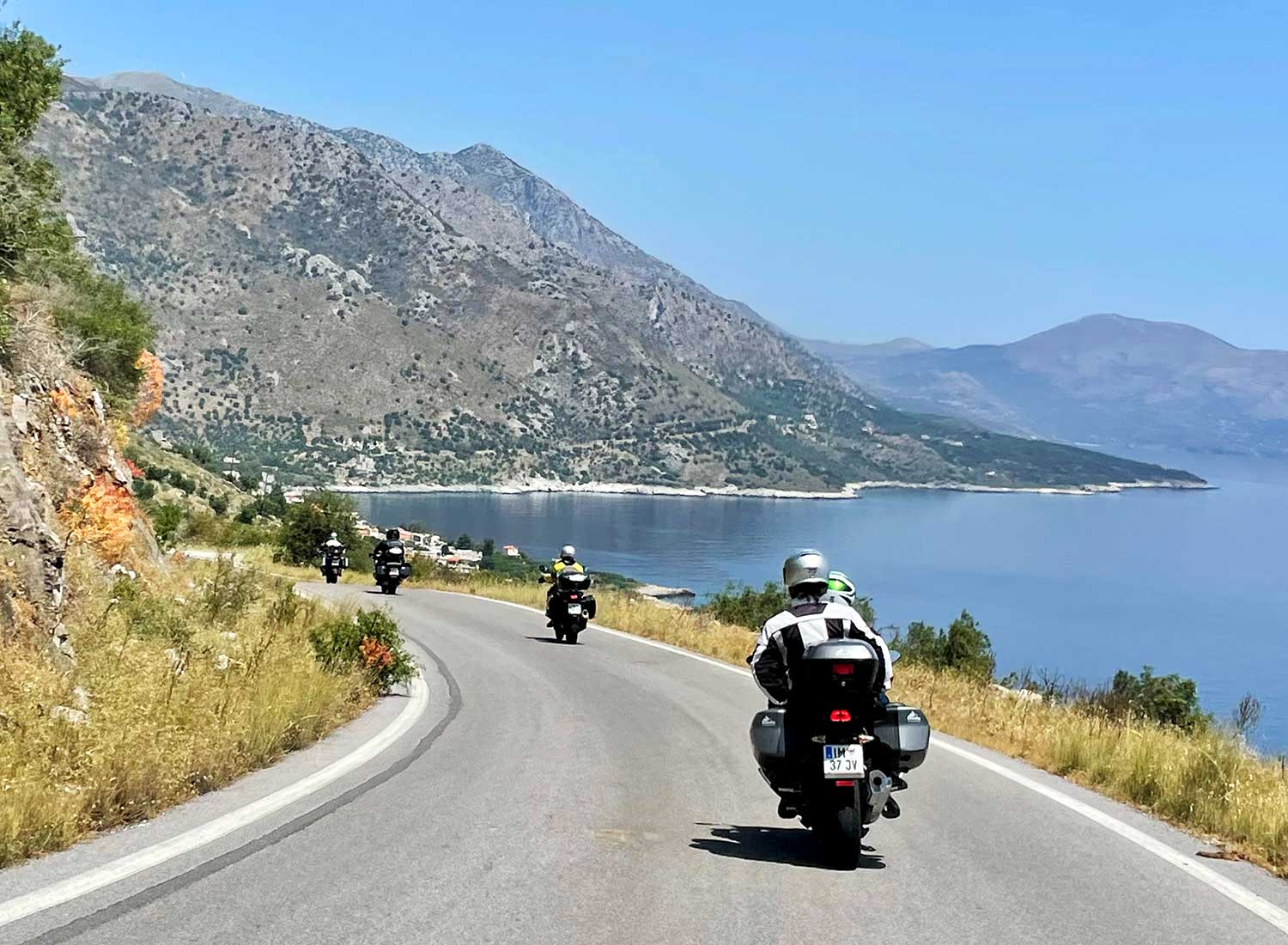
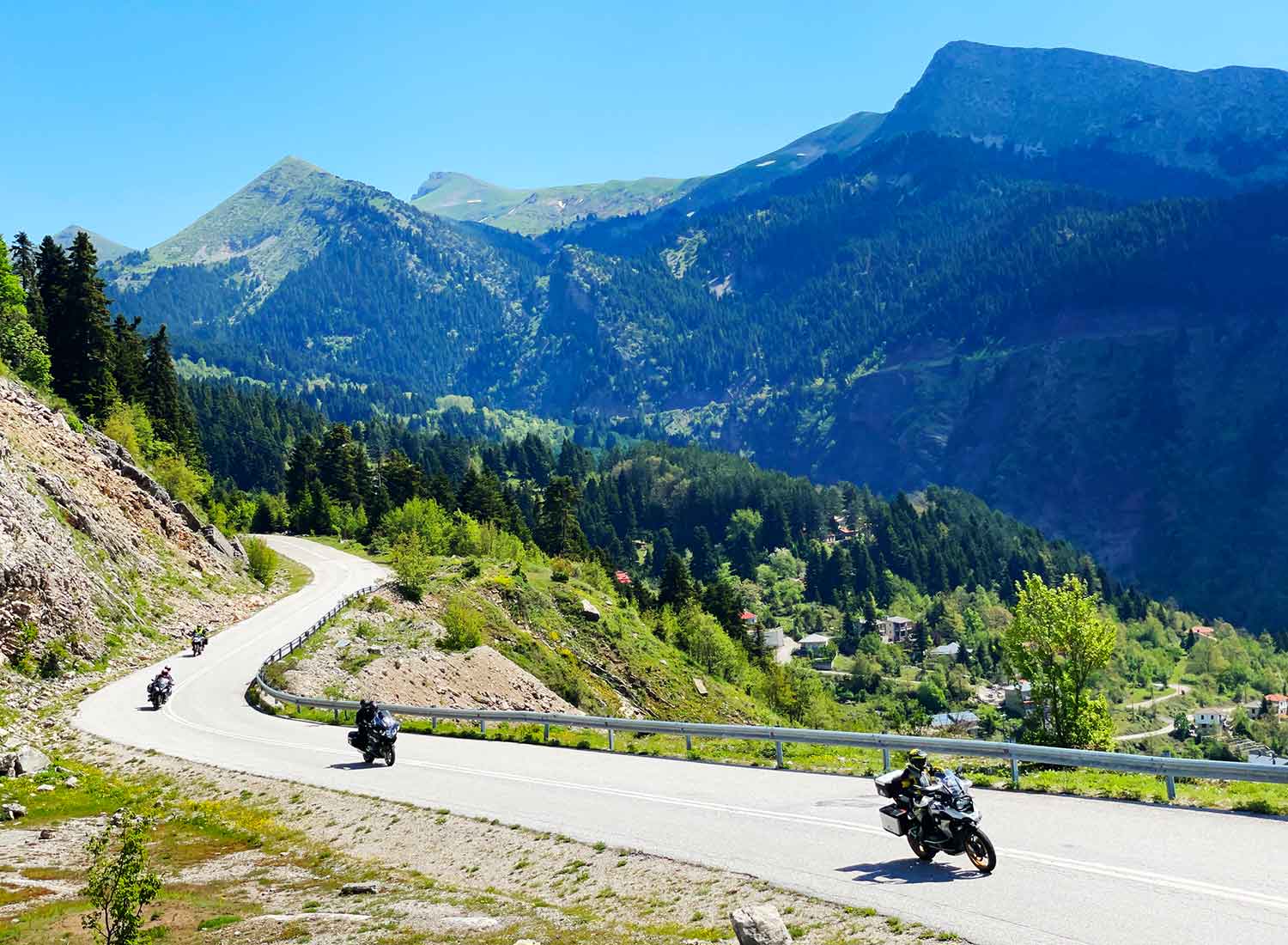

 Image from Family Handyman


