DON'T LET 'CRYING' WOMEN SCIENTISTS WORK WITH MEN, SAYS NOBEL WINNER...
(Third column, 17th story, link)
Related stories:

Almost nobody likes to talk about cutting government during election season. Campaigns are a time to promise more—more spending! more tax cuts! more services!—not less. But in this early stage of the 2016 campaign, Reason seeks to keep everyone's eyes on the prize of reducing the size and scope of government.
At a time when our budgets are wildly unbalanced, when the national debt is at $18 trillion and growing, when debt service is poised to zoom past military spending during the next administration, and when baby boomer entitlements threaten to soak up half of government expenditures, there is no more important question to answer than this: What, at long last, are you willing to cut? So here's our guide to the candidates' and potential candidates' records on cutting government spending, especially during their terms in office but also in their policy positioning.
 Maybe we should let Bernie Sanders, the socialist trying to dethrone Hillary Clinton, have his way. In fact maybe all the other presidential contenders should drop out of the race. After all, as Tolkien put it, the burned hand teaches best. As A. Barton Hinkle observes, there would be no quicker way to illustrate the failings of socialism than to let Sanders run our economy into the ground.
 In April, when we reported the results of a Drug Policy Alliance study showing significant growth in police civil asset forfeiture in several California cities, we also noted the introduction of Senate Bill 443 in the state, intended to reform the process and hopefully cut back on some abuse.
The legislation has passed one hurdle, approved by the state's Senate easily, 38-1. It's now awaiting vote in the Assembly, which is, like the Senate, dominated by Democrats. It's easy to visualize forfeiture reform passing in California, given that it has drawn bipartisan support in other states, but California is a state where unions are typically king, and law enforcement unions have been fighting these reforms every step of the way.
Perhaps that's why SB 443 is actually a little bit milder on reforms than what has come to other states, like the major reforms that New Mexico passed. In New Mexico, the legislature took the huge move of taking the financial incentive out of police asset forfeiture by forcing all seized money and assets into the state's general fund. Law enforcement agencies will no longer be able to keep any funds or property that they seize, and not even bypassing the state to attempt to use the federal asset forfeiture "Equitable Sharing Program" will work there.
SB 443 will continue to allow California law enforcement agencies to keep a portion of the money and assets they seize from police busts. But it will require agencies to comply with the state's asset forfeiture laws and forbid them from transferring the cases to the federal government. The federal government has looser rules of evidence to seize people's assets and allows the law enforcement agencies to keep a larger portion of the money than California law allows. As the Drug Policy Alliance's April report noted, several California cities saw huge increases in participation in the federal program as law enforcement agencies sought to keep this money in house, often to account for budget cuts during the past decade. California's laws allow law enforcement agencies to keep only a maximum of 65 percent of the value of what they seize. But if the agencies go through the federal system instead, they'd be allowed to keep 80 percent. SB 443 will force California law enforcement agencies to use the state system with its lower limits.
SB 443 also demands counsel be appointed for indigent defendants in asset forfeiture cases and the recovery of attorney's fees for successful challenges. These regulations are important because, while the police like to argue that these asset forfeiture cases are against drug lords or big-time criminals, they're actually often used against the downtrodden who find the bureaucratic system impossible to navigate and cannot afford a lawyer. They often end up settling for getting just a portion of their funds back in settlements with prosecutors, even if they're never charged with crimes.
Read more from Reason on asset forfeiture (and asset forfeiture reform) here.

My Things No.5, 2005

My Things, Booking Keeping of 2007-08
Since 2001, Beijing-based photographer Hong Hao has been recording every single item that passes through his fingers over the course of each day, those he uses and those he discards. In a practice that he describes as a form of “bookkeeping,” he scans each object one by one, saves the images, and returns to them once more to weave them together into labyrinthine digital collages.
Hong Hao’s My Things was born of the artist’s curiosity about modern living and consumption; it became his way of stepping back from and appraising the detritus that accrued throughout his routine. He saves each individual image file until he has amassed enough to make a collage; from there, he will arrange them by type or by shape. Each composited vision, he suggests, becomes an index of the extraneous goods have become enmeshed in the fabric of our existence; from even the time he began the project until now, our lives have become more fueled by the unquenchable thirst for “stuff.”
Though they are doubtlessly aesthetically pleasing, there’s an anxiety in Hong Hao’s painstaking compositions. The photographer’s obsessive commitment to holding onto and documenting these peripheral objects yields images that are at once ordered and frenetic, hypnotic and disorienting. My Things isn’t the collection of a compulsive or a hoarder; quite the opposite, the artist admits that he has no special emotional ties to the items he scans. For Hong Hao, archiving his goods has become a way to contemplate himself and his rituals in a detached and clinical way, of re-evaluating what’s essential and what is not. It is, he says, “like a yogi’s daily practice.”
Hong Hao is represented by PACE Beijing.

My Things, Book Keeping of 2004-05

My Things No.7, 2004
All images © Hong Hao
The post Photographer Scans Every Item He Consumes Over 14 Years, Builds Astonishing Collages appeared first on Feature Shoot.
On page 31 of his popular The Conservatarian Manifesto, Charles C.W. Cooke makes a statement so satisfyingly true that I have ripped it off a half-dozen times on television.
"When was the last time you heard an aspiring conservative politician say, 'As George Bush said...' or 'I'm a George W. Bush conservative'?" asks Cooke, a witty political writer for National Review. "The mere thought is preposterous."
As Cooke notes, "During the Bush administration's turbulent eight years, the Republican Party steadily ruined its reputation, damaging the public conception of conservatism in the process. Republicans spent too much, subsidized too much, spied too much, and controlled too much." And yet here we are in spring 2015 and the top of the GOP presidential polls is haunted yet again by the most persistent four-letter word in American politics.
The noble aim of The Conservatarian Manifesto is to replace the big-government, interventionist, tax-cut-and-spend philosophy of Bush conservatism with something that leans more libertarian, particularly on spending (including on defense), drugs, nation building, and crony capitalism. So far, so great.
But political manifestos with catchy names tend to imply calls for group action and team spirit. If libertarians are going to attach themselves to a group of constitutional conservatives who reliably caucus Republican, those of us who are GOP skeptics must wonder: How can we trust that this bloc won't yet again yield to the temptations of Bushism?
I put that question to Cooke at a book talk he gave in March, and his answer was atypically unsatisfying: Basically, we have a two-party system, and Republican electoral politics are never going to be designed to please cranky libertarians. Sorry! In a Reason TV interview with Nick Gillespie the next week (see "Conservatarians Rising?," page 13), Cooke gave a more positive and generational answer to a similar question, suggesting that the new injection of libertarian energy on the broad right is significant enough to outlast the opportunism of the political moment.
 It would be pretty to think so, and there are some reasons for optimism on that score. A majority of self-identified Republican supporters under the age of 50 are in favor of legalizing marijuana, for example, and more than half of those under 45 are also in favor of gay marriage. Regardless of age, the political right in the age of Obama has produced the most interesting major-party push for limited government in a generation, coughing up entire categories of politicians—Sen. Rand Paul (R–Ky.), Sen. Mike Lee (R–Utah), Rep. Justin Amash (R–Mich.), and Rep. Thomas Massie (R–Ky.), among others—that just didn't exist prior to the Tea Party wave election of 2010.
Three of the upper-tier candidates for the 2016 presidential nomination (Paul, Sen. Marco Rubio of Florida, and Sen. Ted Cruz of Texas) ran against the party establishment in their first primary elections, and they all won by emphasizing a much more robust vision of restraining government. (For snapshots of the government-cutting records of 17 major-party candidates, see "Can They Stop Themselves?") All three participated in Paul's March 2013 filibuster when the Obama administration refused to say whether it felt it had the legal authority to drone U.S. citizens on American soil. And Wisconsin Gov. Scott Walker is gaining traction within the party largely by running on his record as a fiscal conservative during a challenging post-recessionary period. (Read Senior Editor Peter Suderman's profile of Walker, "The Did-Something Candidate")
More importantly, broadly libertarian trends far outside the halls of power are producing such long-overdue developments as forcing meaningful criminal justice reform closer to the top of the nation's to-do list.
So you don't need to squint your eyes to see a salutary conservatarianism wafting over the land. But sadly, it doesn't take a pessimist to view that particular glass as not just half-empty, but potentially poisoned.
The 2016 Republican field, outside of Rand Paul, are not just hawks, they're hawk's hawks. Cooke, in his foreign policy chapter, defends America's role as the world's indispensable nation, but cautions against promiscuous war making and builds a withering case against the metaphorical no-fly zone that is the typical Republican approach toward scrutinizing military budgets. "Unfortunately, the military is blighted by the unholy combination of almost endless resources and a systemic culture of waste," he writes. "Conservatives should recognize that indulging this behavior damages their credibility as the champions of efficiency and good government, and undermines their military goals."
But Marco Rubio is running on a platform that foregrounds a reversal of what he describes as "devastating cuts to our military." Former Florida Gov. Jeb Bush says National Security Administration surveillance has been "the best part of the Obama administration." Scott Walker is campaigning on pre-emptive war: "I am going to take the fight to them before they bring the fight to us." An entire AAA team of presidential contenders focused on foreign policy—former U.S. ambassador to the United Nations John Bolton, South Carolina Sen. Lindsey Graham, perhaps even the blowhard Rep. Peter King (R–N.Y.)—has arisen with the singular goal of derailing the one candidate in the field who questions their assumptions, Rand Paul.
And as Senior Editor Brian Doherty reports ("Rand Paul's Strategic Ambiguity"), there are many libertarians and anti-interventionists who have expressed anxiety that the Kentucky senator will be whipsawed by the primary process into a more interventionist direction.
And sadly, it's not just on military matters that the 2015 GOP has drifted statist even since 2013. In March, the newly Republican-controlled Senate passed a budget that blew through the sequestration caps mandated by the Budget Control Act of 2011, in part by using an off-budget Overseas Contingency Operations mechanism to goose military spending. The only GOP senators to vote nay were Paul and Cruz.
Remember the 2011–13 fights over raising the debt ceiling, which led to some actually serious conversations about long-term entitlement reform and cutting defense? Those were artifacts of opposition; now that Republicans hold both branches, "We'll figure some way to handle that" without brinksmanship, Senate Majority Leader Mitch McConnell assured the nation in March.
And as this issue of the magazine was heading to the printer, McConnell was trying to ram through a blanket five-year reauthorization of the PATRIOT Act. Why, it's almost as if libertarianism is more politically useful when you're not in power!
Cooke is engaged in a longer-term project of helping the GOP recognize that its own philosophical traditions actually contain the wisest approach toward many of its most bedeviling issues. Namely, he calls for a renewed embrace of federalism.
"Federalism allows the secular hipsters of Portland and the devout Baptists of the Bible Belt to live as they wish, providing a framework in which neither feels threatened by the other, and in which those who are unhappy with the culture of either place may move to more appropriate climes without losing the protections of their flag," he observes. "Federalism allows Americans to say that if the residents of other states wish to smoke pot, 'so be it'; if they want higher taxes, 'so be it'; if they want to allow people to drink at 18, or to marry members of the same sex, or to carry loaded guns on their hips, or to drive at 75 miles per hour instead of 55, then 'so be it.'"
In Cooke's telling, the GOP set itself adrift when it "abandoned its core principle of federalism" under George W. Bush. "In those eight years," he writes, "Republicans passed the Partial-Birth Abortion Ban Act and a federal takeover of education called No Child Left Behind, and the Bush administration authorized raids against patients who were using marijuana for medicinal reasons. As many of them do now, Republicans frequently called for a federal constitutional amendment against gay marriage...Meanwhile, apparently erstwhile defenders of federalism were happy to intervene in Florida to try to save the life of Terri Schiavo."
Libertarians will be nodding along vigorously to passages like that, even while wincing over the fact that the man who was Florida governor during the Schiavo mess is out there defending his record while amassing the party's biggest presidential war chest. But the best part of The Conservatarian Manifesto is not the bill of particulars against the Bush GOP, no matter how satisfying to some of us, but rather its full-throated explication and celebration of federalism as an organizing principle.
"Explaining happily that there is a strong federal role to play in the maintenance of essential liberties, but that Washington cannot be expected to effectively play a role much greater than that of referee, is the defining conservative challenge of the twenty-first century," he writes. "Ultimately, the instinct to fragment and return power is a liberating and an empowering one. It's time to make more use of it."
But before the states' rights crowd starts popping champagne corks, here's a cautionary tale: Ten years ago, there was a major American political bloc that began flirting heavily with federalism to solve both policy problems and ballot-box woes. It was called the Democratic Party.
In the wake of George W. Bush's convincing re-election, Paul Glastris, editor of the liberal Washington Monthly, wrote, ''Why shouldn't the Democrats become the party of federalism?'' On gay marriage, marijuana, even environmental regulation, progressives were getting in touch with their inner decentralist. Franklin Foer, then a senior editor of The New Republic, wrote a New York Times magazine feature in March 2005 titled "The Joy of Federalism."
Some Democrats then, as hard as it is to believe now, were even openly contemplating an embrace of the L-word. Generous liberal re-examinations of Barry Goldwater were populating the airwaves and bookshelves, progressive sites such as The Daily Kos were publishing "left-libertarian" manifestos, and lonely Democratic eyes began turning for the rougher-hewn philosophical pastures of the purple-state Mountain West.
We know how that story turned out, at least when translated into short-term two-party politics. Democrats tacked hard to the economic left, and their civil libertarian grassroots largely fell silent as President Barack Obama systematically abandoned much of what made him tentatively promising as a constitutionally cognizant candidate.
Is there reason to expect better from Republicans this time around? Who knows! Our job here at Reason, both in the print magazine and at reason.com, will be to give readers the tools to judge for themselves whether individual candidates, larger voting blocs, and even entire political parties will be worth a damn should they find themselves anywhere near the levers of power. It will not suffice to claim, as Mitt Romney did in 2012, that one's government-cutting bona fides can be demonstrated by supporting a balanced budget amendment. No: At a time when the federal government's debt service is poised to catch up with military spending within a handful of years (even in this artificially-low-interest-rate environment), the test is not what purely hypothetical parliamentary gimmick you might support, but what you're willing to cut right now.
Don't tell that to Jeb Bush, though. At the Conservative Political Action Conference in February, the would-be 45th president underlined that "Over time, we have to start being for things again." That scrambling noise was the sound of millions of taxpayers reaching for their wallets.
Which is partly why, much as I appreciate The Conservatarian Manifesto and root openly for its arguments to convince the GOP, I am ultimately not the target audience. It's not just because of Cooke's critique of libertarianism ("it can become unreasonably ideological and unmoored from reality"), but also because of his pre-philosophical urge to cobble large groups of political people together in the first place.
There can be great value in the reformation of major political blocs, and I for one have cheered lustily when the Tea Party has pushed the GOP in much more libertarian directions on various issues, including non-obvious ones like criminal justice. But as F.A. Hayek taught us (and Cooke approvingly cites), there is no one true way to produce positive change. Much, though certainly not all, of the best work comes outside the scope of traditional politics, among people happily unmoored from the reality of national elections.
So here's rooting for everyone—Republican or Democrat, politician or activist—to achieve more libertarian-flavored improvements to the government policies that keep us all down. Hopefully next time without a President Bush.

The Cinder Cone in Skamania County, Washington.
In the spring of 2014, Foster Huntington and a small group of friends broke ground on this property in the Columbia River Gorge. A year later, they finished construction on two treehouses, a wood burning tub, and a bowl for skating.
Here’s a film about the build, directed by Foster:
There’s also a book in the works.
It’s safe to say that diners today know more about barbecue than any previous generation. Once, we ate whatever was nearby. Now, we drive hundreds of miles to visit the likes of Snow’s BBQ in Lexington, Texas, and Scott’s Bar-B-Q in Hemingway, South Carolina. But amid the big names are hundreds of joints that have yet to earn national recognition. Sometimes for good reason, and sometimes only for lack of traffic or promotional funds. Those hole-in-the-wall spots have a friend in Amanda Fisher, who traveled across North Carolina with partner and fellow barbecue enthusiast Paul Bright to find the 434 joints on the Great NC BBQ Map, a guide to regional legends and hidden secrets alike.

Just in time for the road trip season, she shared five of her lesser-known favorites in the Tarheel State.
Bill’s Barbecue & Chicken
3007 Downing Street, Wilson
www.bills-bbq.com
“This restaurant has two pig farms where they raise their own hogs for their barbecue, and Bill himself designed the cookers.”
CJ’s BBQ, Cleveland
210 Old Amity Hill Road, Cleveland
www.cjsbbqgospel.com
“On Thursdays from 7-8 p.m., you can get a serving of gospel music with your ’cue. For years, this restaurant has hosted a lineup of groups from around the area.”
Moore’s Old Tyme Barbeque
3711 Dr. Martin Luther King, Jr. Boulevard, New Bern
www.mooresbarbeque.com
“Moore's made a 1,337 pound barbecue sandwich for New Bern’s 300th anniversary and set a Guinness World Record. The oven they used to cook the bun is out in front of the restaurant.”
Pik-N-Pig, Carthage
194 Gilliam McConnell Road, Carthage
www.pik-n-pig.com
“Since this restaurant is located at the edge of an airstrip, you can fly in for your barbecue dinner or, if you drive, sit and watch the planes come in.”
Sid’s BBQ & Catering
455 S Railroad Ave, Beulaville
“Sid and his wife have a sit-down restaurant behind their house. They're open Saturdays only, and they serve a crispy piece of pig skin alongside every plate of their whole-hog barbecue.”

In 1973, a powerful politician knelt before a former mattress salesman from Tuscany; 10 years later, the mattress salesman simply walked out of a Swiss prison. In 1980, the government of Bolivia was overthrown; 22 years after that, a laptop was stolen in Rome. In 1977, an Italian publishing company was saved from bankruptcy. And […]
The post 10 Mysterious Men Behind History’s Creepiest (True) Conspiracy appeared first on Listverse.

Cabin in Kaprun, Austria.
Contributed by Mairi Timoney.
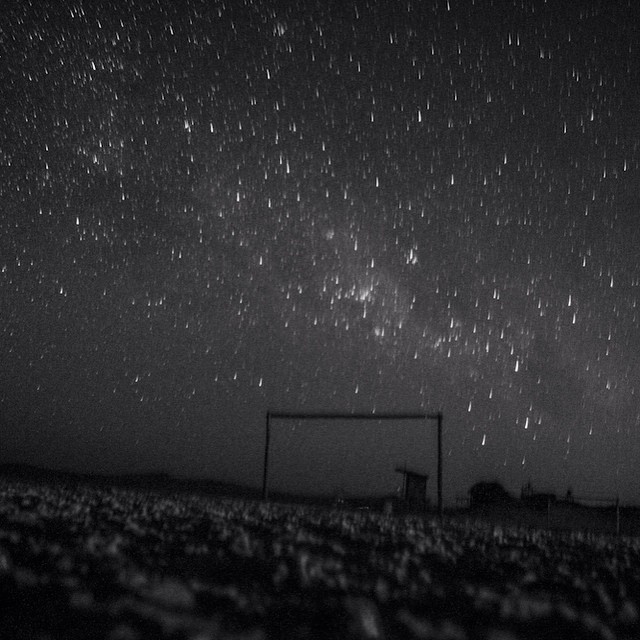
“The Moon is a ball of left-over debris from a cosmic collision that took place more than four billion years ago.” This is my last post for @burndiary , it has been amazing ten days. Thank you so much Diego Orlando, David Alan Harvey and Burnmagazine for the opportunity. My first post was in the early morning, my last one will be the stars of the Southern Hemisphere. Far away from home I showed you fragments of my life here in Buenos Aires, Argentina. A last quote from Jaime Saenz: ” Y estoy aquí, en las oscuridades, y te duelo, y te vivo, y te muero. Pero no soy tu cuerpo. Yo soy la noche.” Thanks to all of you who have accompanied me in these ten days.

Incredible video footage has captured the moment up to 100 bystanders in London lifted a double-decker bus to save the life of a unicyclist trapped underneath its wheels.

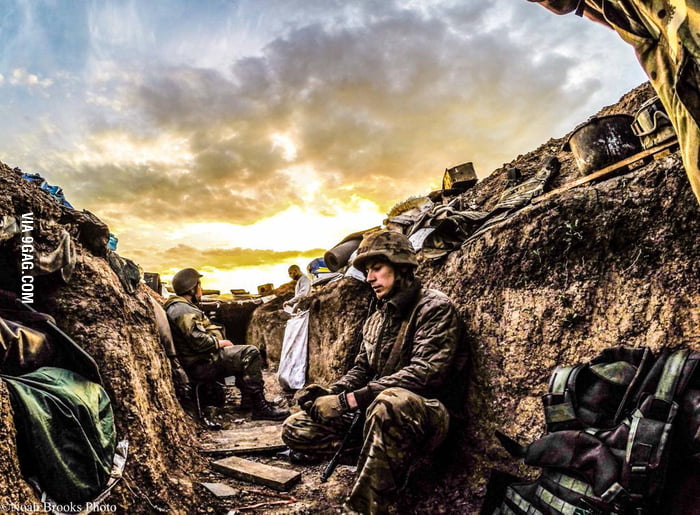
For the past few years, I’ve subscribed to a straightforward biscuit-making method, learned from a pastry chef friend. (Sorry, Grandma!) First, I put a stick of butter in the coldest corner of the freezer. When I wake up the next morning, I grate that frozen butter into a bowl of White Lily self-rising flour, and then add enough buttermilk to turn the dry mix into a soft but foldable dough, handling all ingredients delicately to keep the butter cold and the biscuits flaky.

Carrie Morey disagrees with almost all of that. And she knows a few things about biscuitry. The founder of Charleston, South Carolina, company Callie’s Charleston Biscuits and proprietor of the restaurant Callie’s Hot Little Biscuit punches out hundreds of buttery rounds on a typical day at work. I visited her bakery recently to learn how she and her staff supply grocery stores all over the country with about a million biscuits each year.
(Disclaimer: Nearly every cook makes biscuits differently. I know that. Morey knows that. Some of her suggestions may strike readers as heresy, but they do yield tasty results.)
1. White Lily really is worth it. Morey’s biscuits start the same way mine do, with five-pound bags of self-rising flour from the most famous name in Southern baking. The company doesn’t sell the flour to her in bulk, or even offer a discount. In fact, she had to fight for the pallets of retail-priced bags that now come directly to her loading dock, and she still supplements her supply with trips to local grocery stores from time to time. She has tried other brands, but no other offers the high rise and buttery crumble of the Southern standard.

2. Don’t bother coddling the butter. Morey doesn’t freeze her butter. It comes directly out of the refrigerator, and she doesn’t worry that it melts as she pulls it into pieces and flakes it into the flour with her hands. She has tried the old freeze-and-grate trick, and she doesn’t think it's worth the trouble. More important is the texture of the final mixture, which resembles coarse meal by the time she has finished incorporating the butter.
3. For extra heft, look beyond butter, lard, and shortening. While the holy trinity of biscuit fats is so canonized for a reason, there’s no reason why a smart baker can’t also use something more creative. After Morey combines the butter with the flour, she adds cream cheese, which further bulks up her biscuits.
4. Add buttermilk by feel, not measurement, and add more than you think you need. Biscuit dough requires varying amounts of liquid depending on the weather. Morey pours from a half-gallon container of buttermilk until the dough is spongy but saturated, and too sticky for kneading or folding. (During cool, dry winter months, the bakery uses substantially more buttermilk than it does at the humid height of summer in South Carolina. On a warm and relatively humid springtime day, our five pounds of flour required about five cups.) She believes that wet dough makes soft biscuits, but she adds plenty of extra flour as she works. First, to the top and sides of the dough. Then to the countertop onto which she flips the dough before she dusts the underside with still more flour and rolls it into a half-inch-thick sheet. She cuts her biscuits from the mass in a spiral pattern, starting from the ragged edges and moving into the neater center.

5. Biscuits should touch. Think of a tray of biscuits like a multi-part cake. When biscuits are clustered together, not only do they push each other to rise higher, but they also cook more evenly—as a mass, rather than independent pucks of dough. Morey nestles her biscuits tightly against each other, and she reinforces any empty areas on a baking sheet with ribbons of extra dough.
6. The more butter, the better. But most of you already knew that. Morey brushes melted butter on top of biscuits before they go into the oven, and brushes them with more after they come out. And still, some of her bakers dip the biscuits in butter before they eat them.

Hiking at a glacial ice cave at Skaftafell National Park, Iceland © Peter Adams / Offset
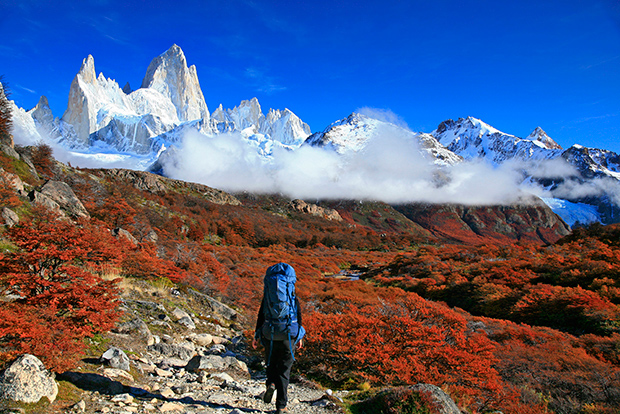
Backpacker in autumn Nire shrubs in Los Glaciares National Park, Patagonia, Argentina © Johnathan Ampersand Esper / Aurora Photos / Offset

Couple hiking on the island of Oahu, Hawaii © Julian Walter / Offset
Hiking and art-making might seem at first like unrelated pastimes, but a small glimpse through history will reveal the two recreations are often inextricably intertwined. Hiking for sport came into prominence in the late 1700s, born in large part from the Romanticism that permeated contemporary art movements. As European cities became increasingly industrial, creative minds flocked to the hilly countryside in hopes of reconnecting with the sublime in nature. Painters like German-born Caspar David Friedrich frequently pictured lone hikers dwarfed by the divine and sprawling landscape that surrounded them, rendering moments in which mankind was at once humbled and exalted by the powers of the wilderness.
Today, of course, hiking is a favorite hobby of many, not just artists. Still, good hiking trips continue to draw creative souls to the peaks and summits of unexplored terrains, and ultimately, there are few visions as satisfying as those captured on hikes. For our latest Offset group show, we pulled together forty-three astonishingly beautiful hiking photographs. Whether they are visiting Patagonia’s Los Glaciares National Park or a glacial ice cave in Iceland, these Offset photographers both speak to and expand upon the great tradition of Romantic masters, reminding us that no matter how far we come as a species, nature will always inspire awe and reverence.
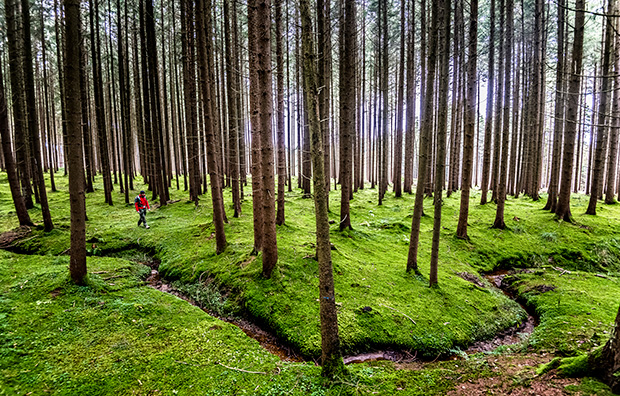
Hiker walking trough a forest near Rott, Germany © Aurora Photos / Offset
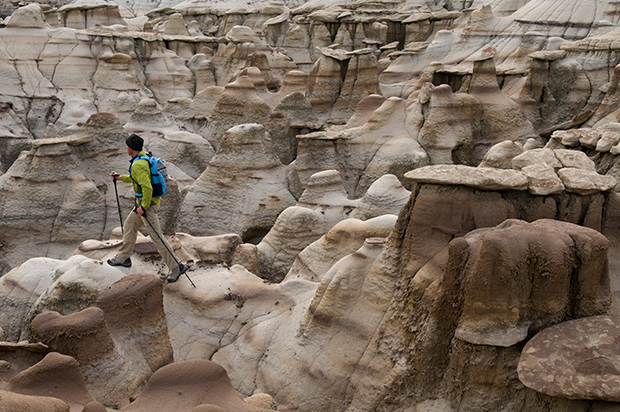
Hiking through the complex sandstone rock formations at Bisti Badlands, Farmington, New Mexico. © Aurora Photos / Offset
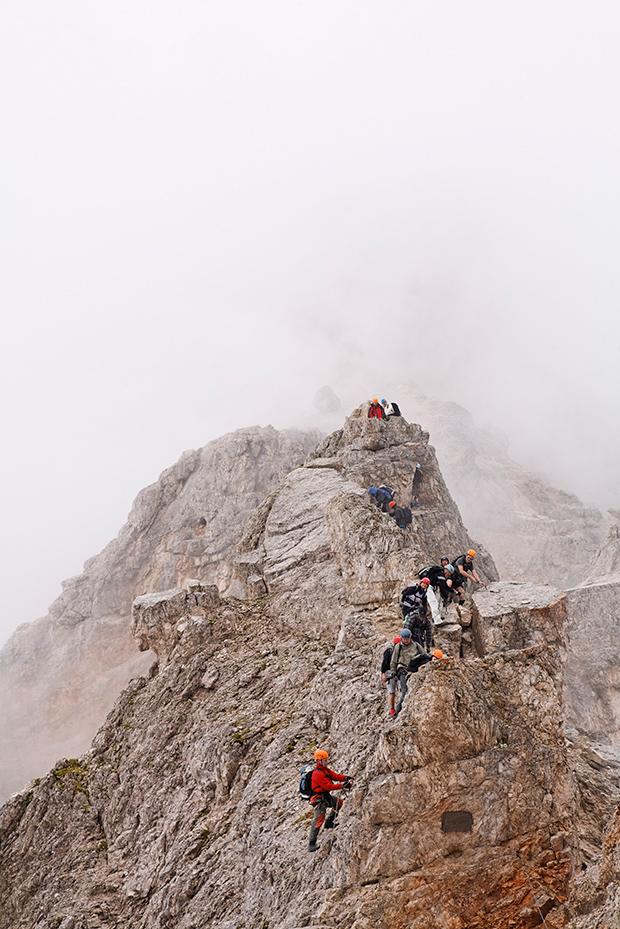
Climbers on Via Ferrata, Mt Cristallo, Dolomites, Italy © Radius Images / Offset
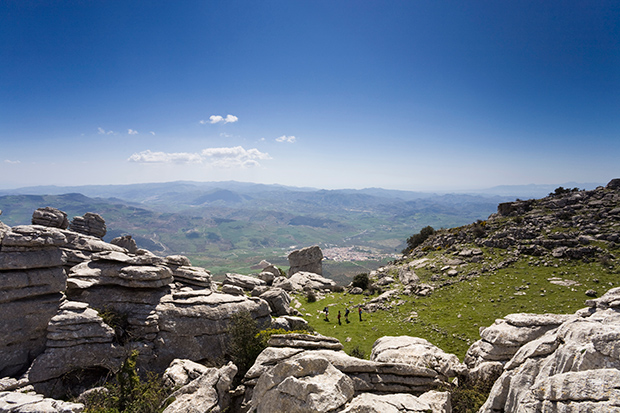
Hiking area at Andalusia, Spain © Mel Stuart / Westend61 / Offset
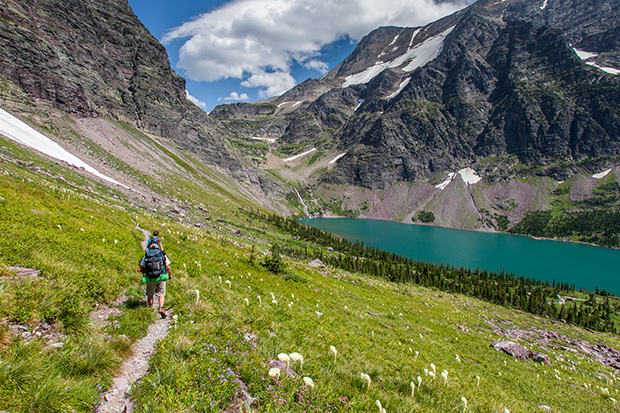
A group of people hike a trail in Glacier National Park © Jimmy White / Offset
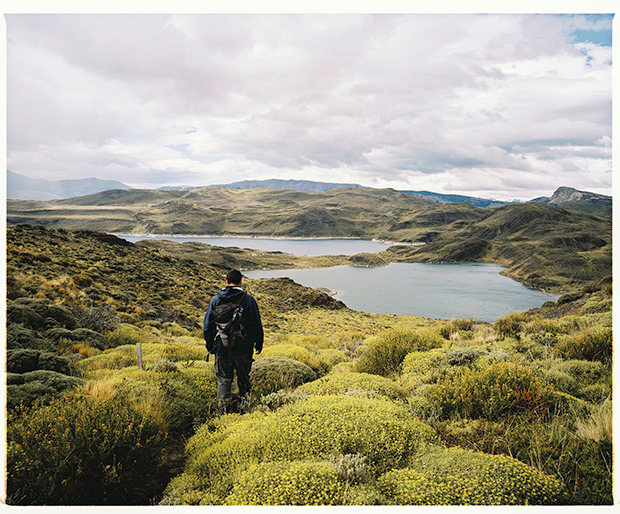
Lone hiker at a lake in Patagonia © Ingalls Photography / Offset
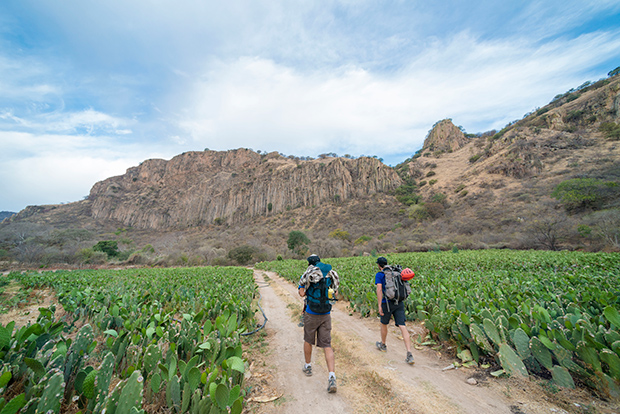
Hiking at El Escalon, Jalisco, Mexico © Marcos Ferro / Aurora Photos / Offset
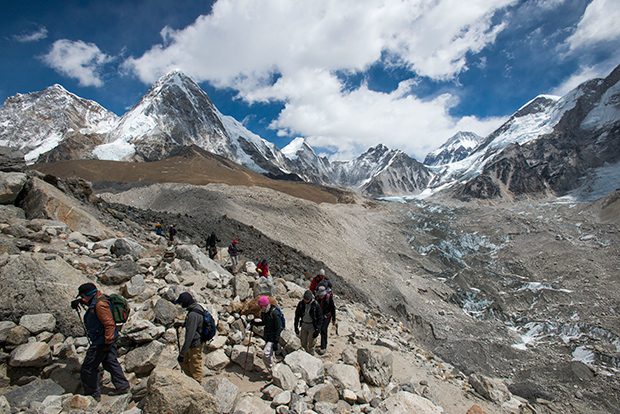
Trekkers make their way down from Everest Base Camp beside the Khumbu glacier in Nepal © Alex Treadway / National Geographic / Offset
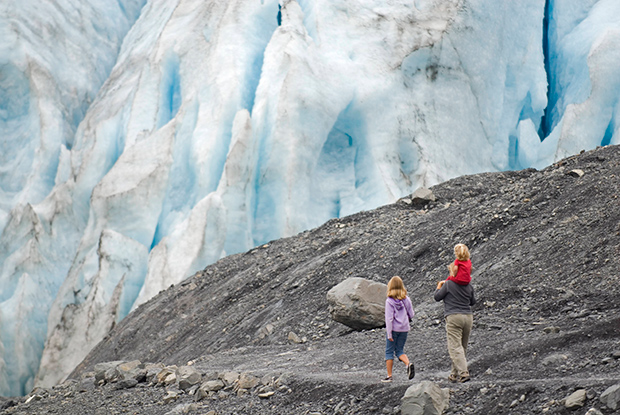
Hiking to Exit Glacier in Kenai Fjords National Park, Alaska © Rich Reid / National Geographic / Offset
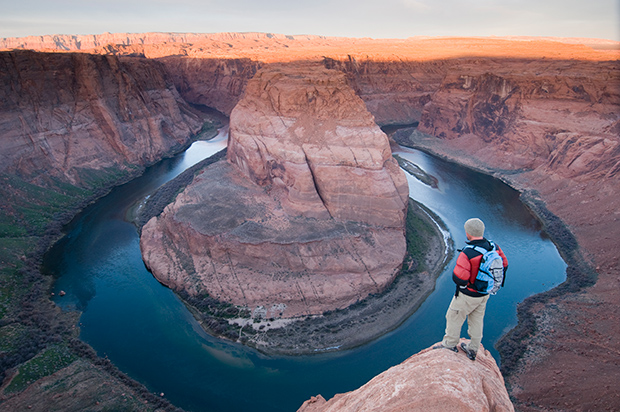
Sunrise at the Horseshoe Bend Overlook with the Colorado River below, Page, Arizona © Aurora Photos / Offset

Hiking the Hoh Rainforest, Olympic National Park, Washington © Shanna Baker / Offset

Looking up at the tall trees in the Hoh Rainforest, Olympic National Park, Washington © Shanna Baker / Offset
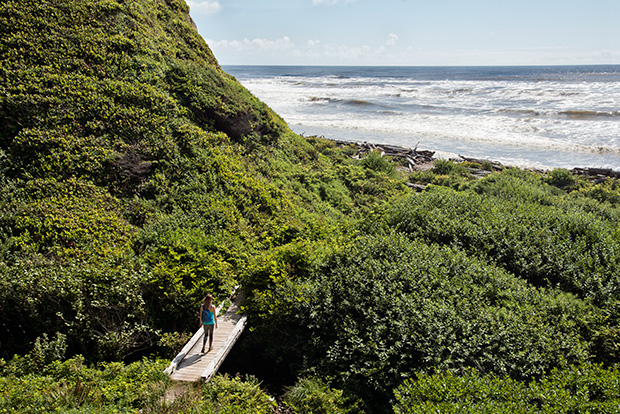
Crossing a wooden bridge in the Olympic National Park, Washington © Shanna Baker / Offset
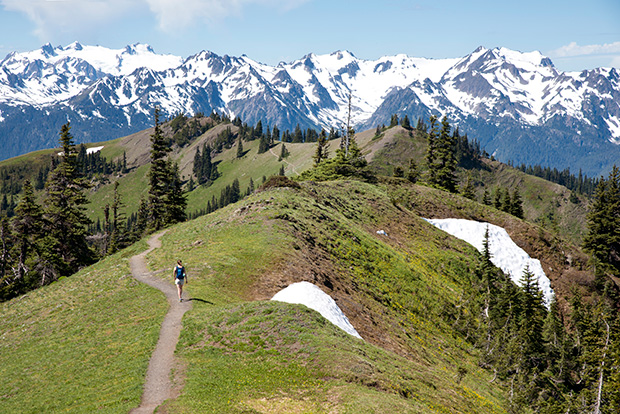
Hiking in the Hurricane Ridge area of Olympic National Park, Washington © Shanna Baker / Offset
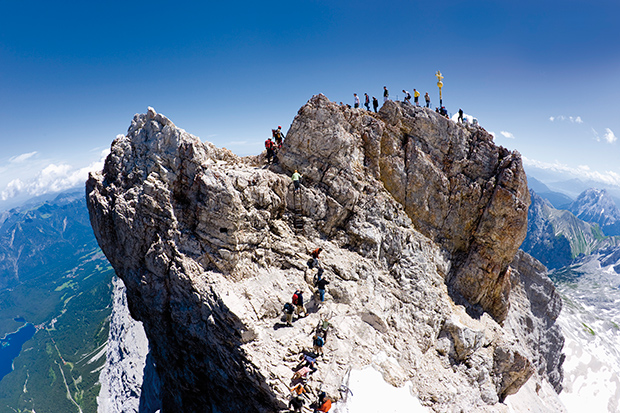
Group of hikers hiking on Zugspitze mountain © Dieter Heinemann / Westend61 / Offset
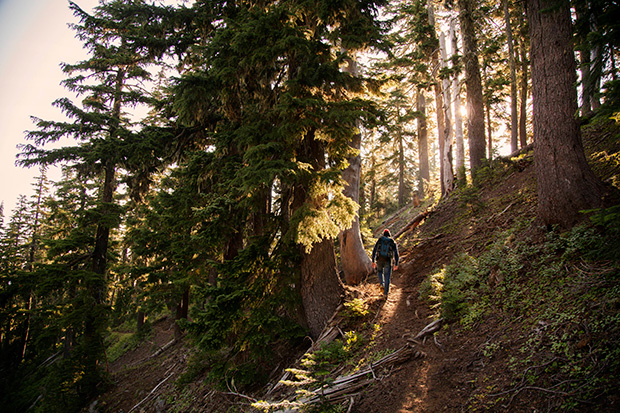
Hiker climbing path through the forest, central Oregon © Cavan Images / Offset
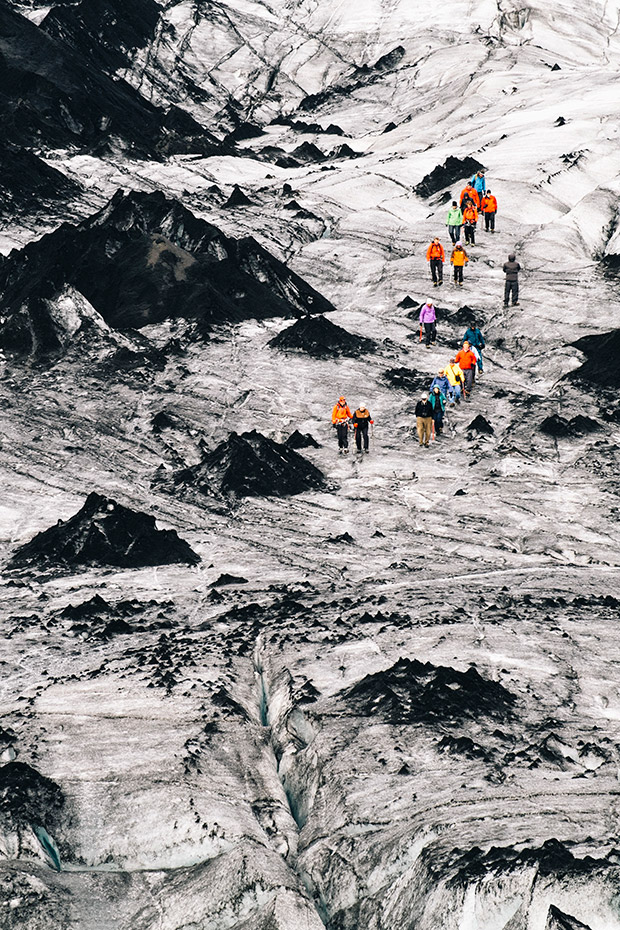
Glacier hiking on the Solheimajokull, Iceland © Marko Vesterinen / Offset
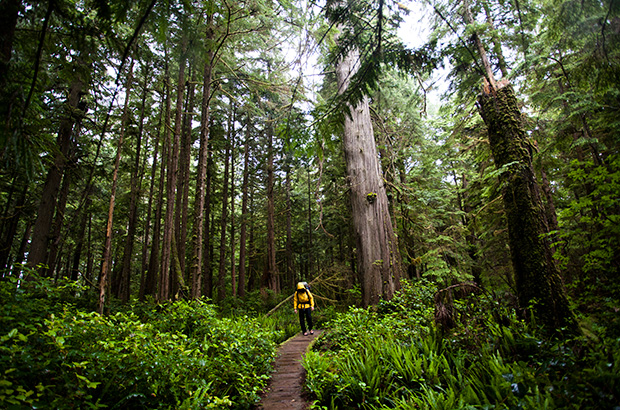
A boardwalk beneath the forest canopy on the coast of Olympic National Park, Washington © Aurora Photos / Offset
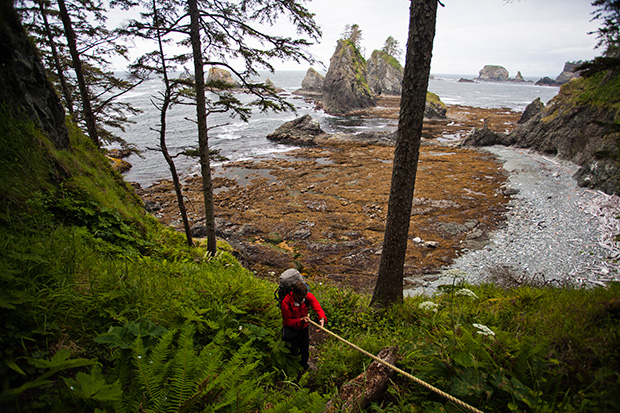
Hiking on the coast of Olympic National Park, Washington © Aurora Photos / Offset
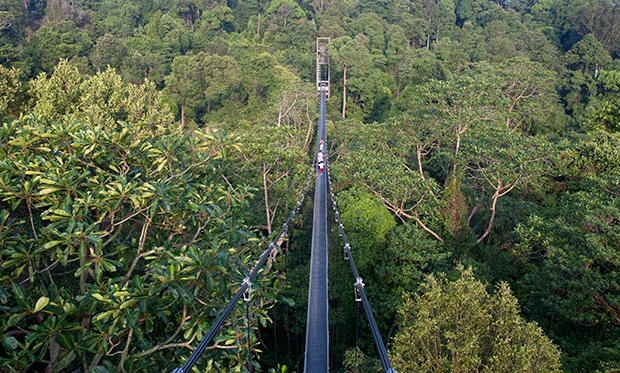
Hikers crossing Tree Top Walk in Singapore © Aurora Photos / Offset
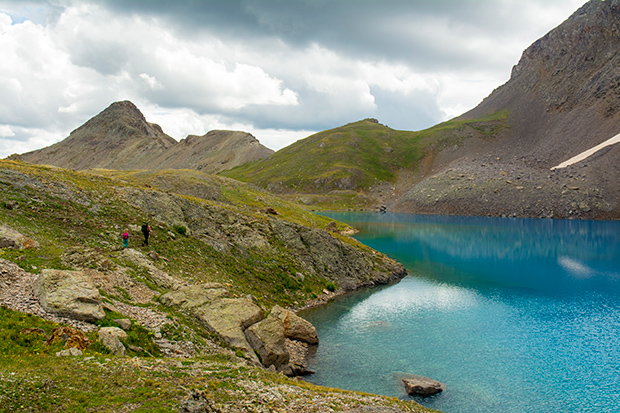
Hiking past a blue lake, San Juan National Forest, Silverton, Colorado © Aurora Photos / Offset
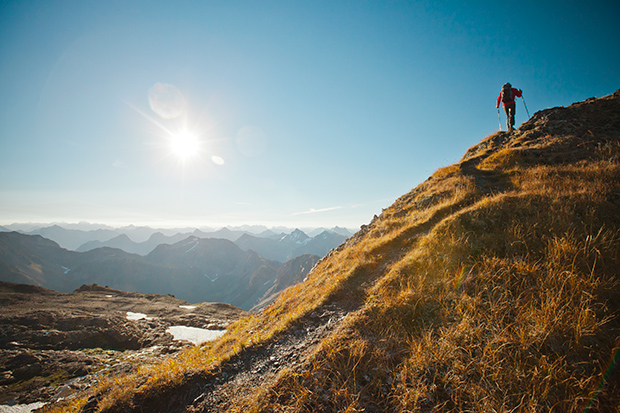
Hiking in North Cascades National Park © Aurora Photos / Offset
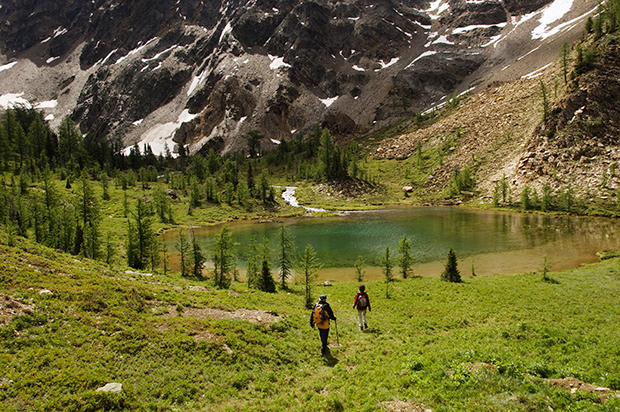
Hiking in Bugaboos, Rocky Mountains © Radius Images / Offset
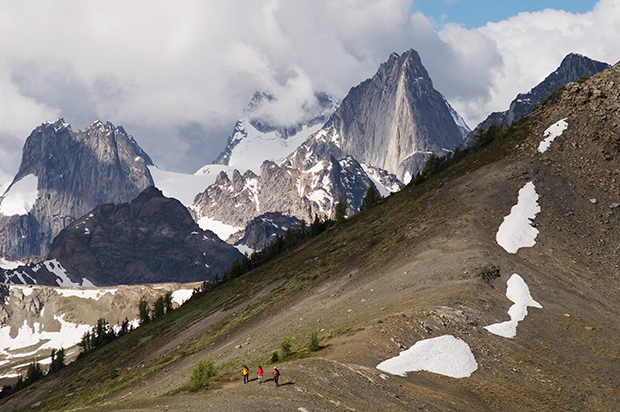
Hiking in Bugaboos, Rocky Mountains © Radius Images / Offset
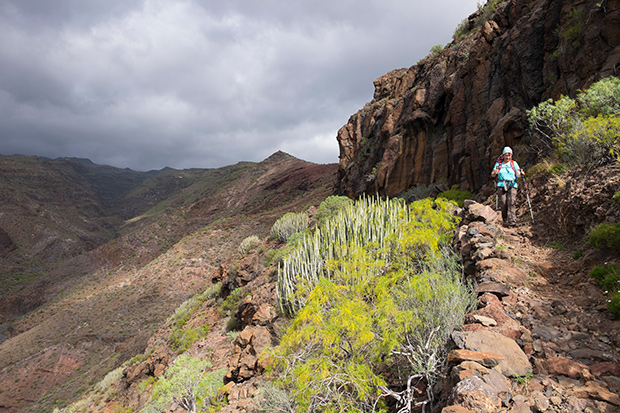
Hiking at Sendero Quise, Canary Islands © Martin Siepmann / Westend61 / Offset
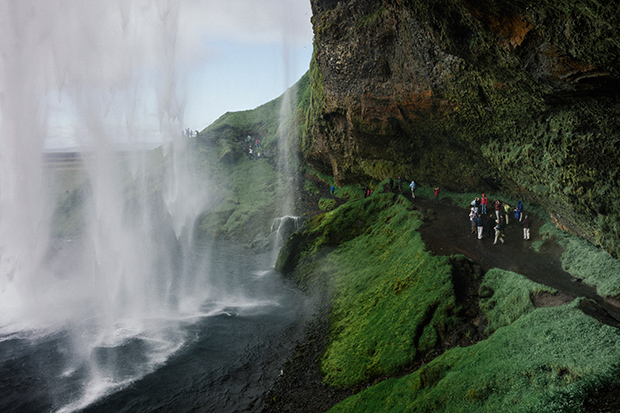
Hikers on a mossy trail behind a waterfall in Iceland © Bernd Vogel / Offset
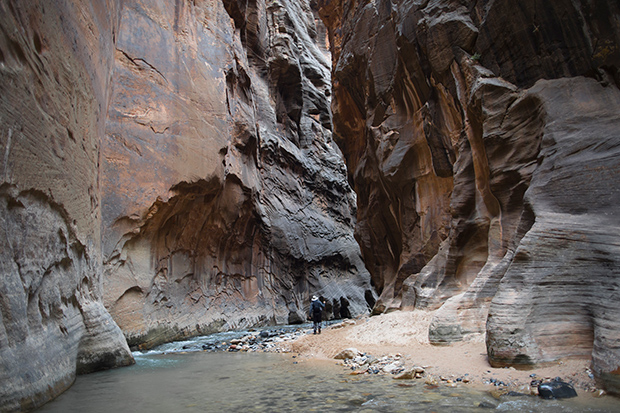
The Narrows in Zion National Park © Aurora Photos / Offset
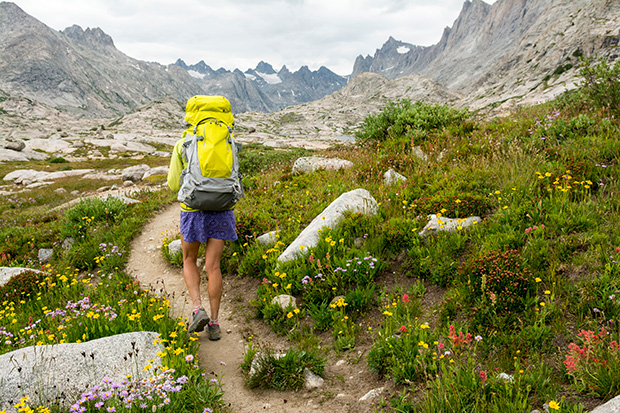
Hiker in Titcomb Basin, Wind River Range, Pinedale, Wyoming © Aurora Photos / Offset
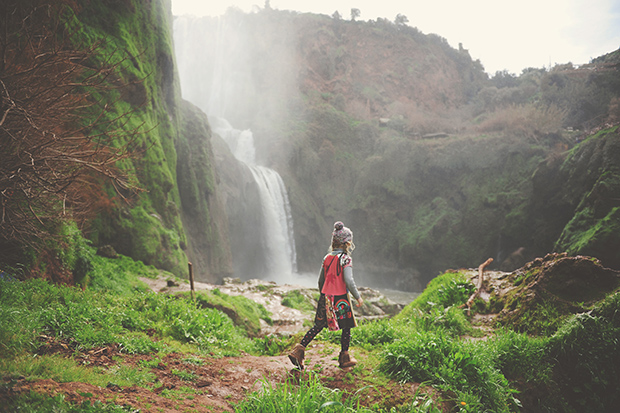
A young girl walking along a waterfall in Morocco © Kirsty Larmour / Offset
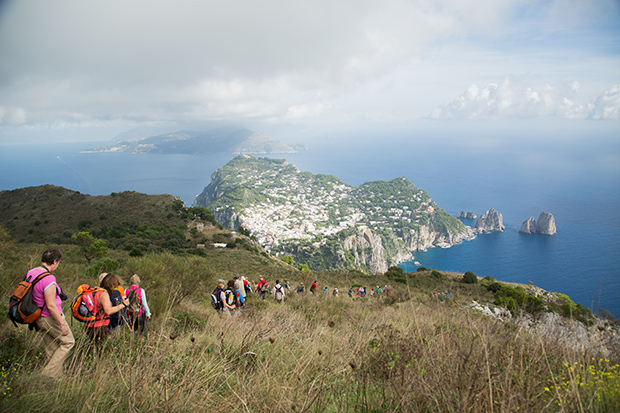
Hiking to Capri from Monte Solaro, Italy © Lauryn Ishak / Offset
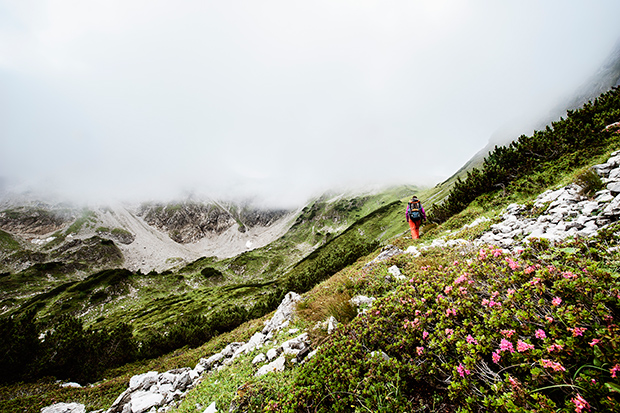
Hiking at Low Tauern © Hans Huber / Westend61 / Offset

Hiking in a dense forest on Oahhu Island, Hawaii © Julian Walter / Offset
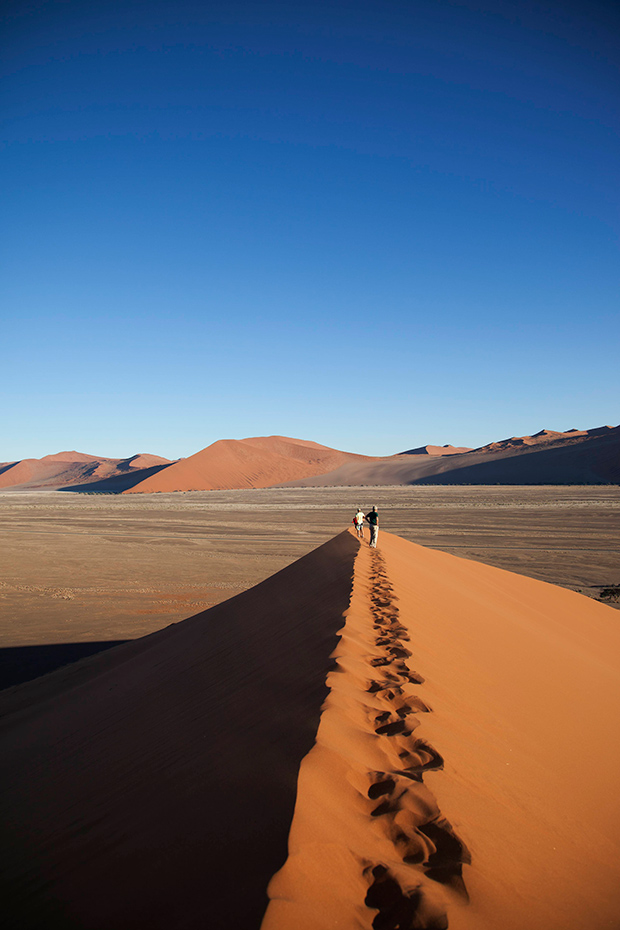
Hikers admire the view from a dune in Sossusvlei, Namibia © Lauryn Ishak / Offset
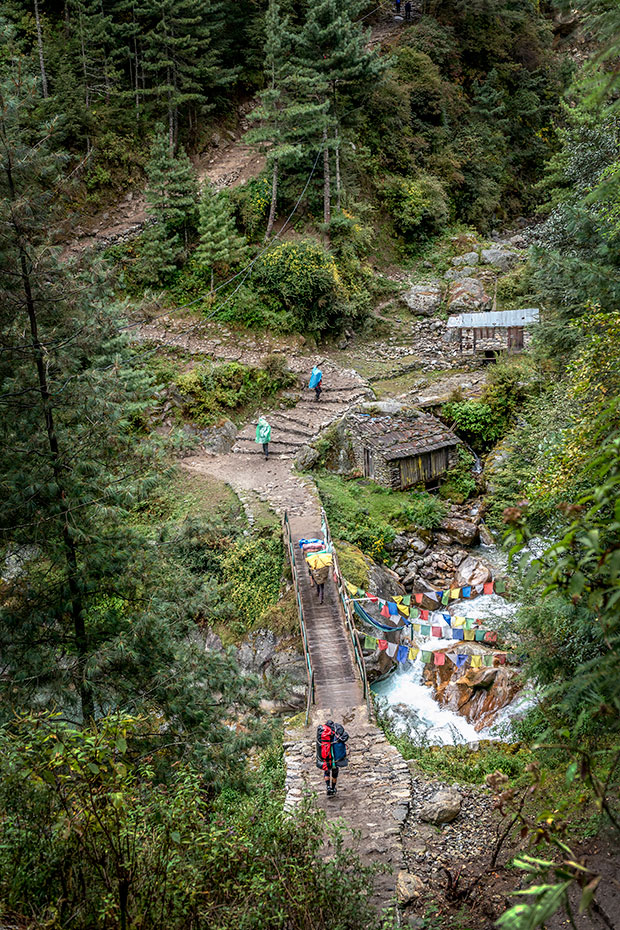
Trekkers on the Everest Trek © Alun Richardson / Westend61 / Offset
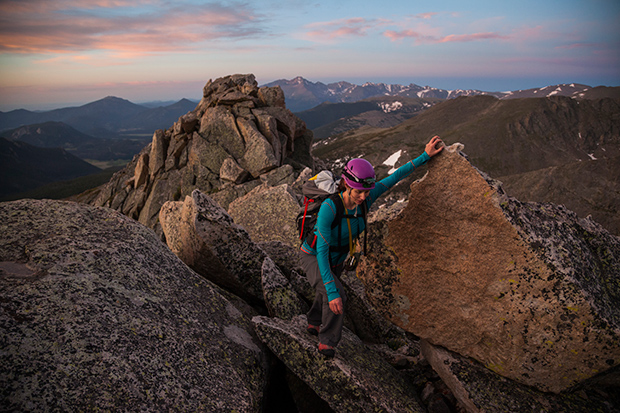
Climbing Blitzen Ridge at sunrise, Rocky Mountain National Park © Aurora Photos / Offset
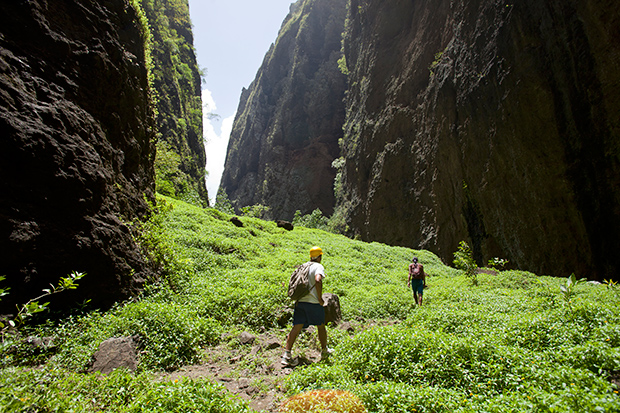
Hiking in the Hakaui Valley at Nuku Hiva, French Polynesia © National Geographic / Offset
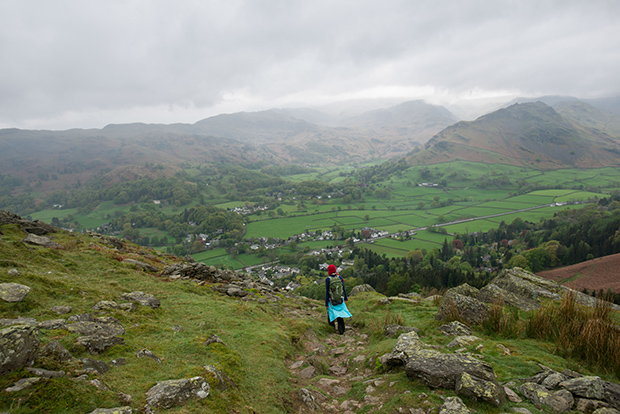
Walking towards Grasmere from Alcock Tarn in The Lake District, Cumbria, England © Alex Treadway / National Geographic / Offset
All photos featured in this post can be found on Offset, a new curated collection of high-end commercial and editorial photography and illustration from award-winning artists around the world. Offset is a category partner on Feature Shoot.
The post These 40 Hiking Photos From Around the World Will Give You Serious Wanderlust appeared first on Feature Shoot.

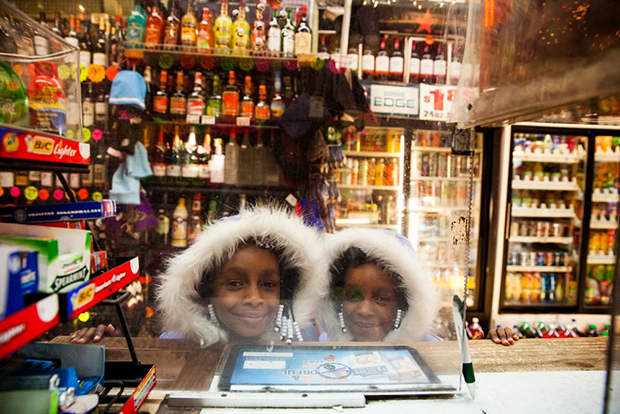
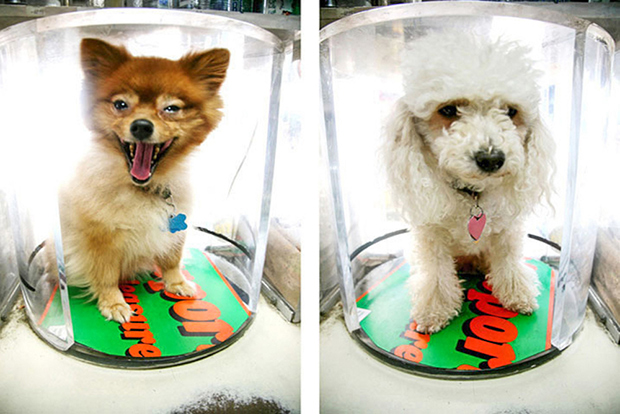
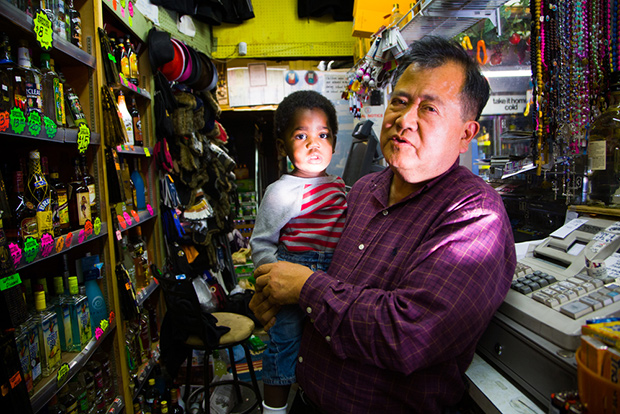
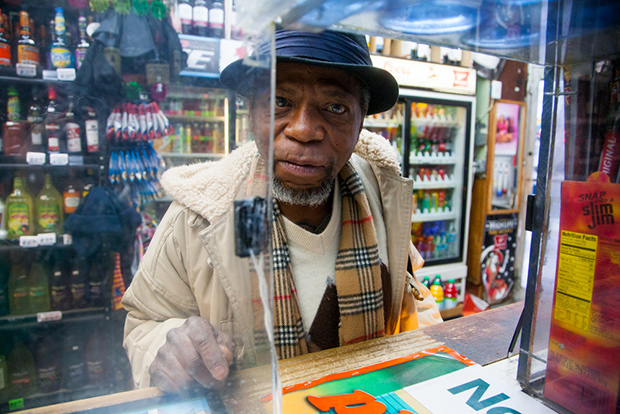
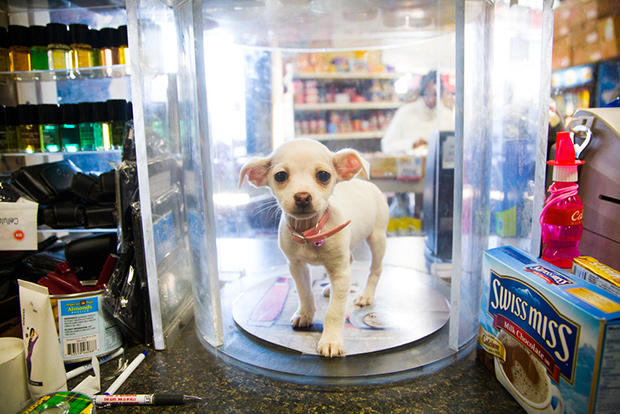
When Korean-born photographer Hatnim Lee was a child, her parents’ Washington, D.C. liquor store was a home away from home. She was an infant when her parents moved to the United States to open up shop, and she spent much of her childhood chipping in and helping out. Their customers became a sort of extended family, popping by throughout the day to peer in and wave hello behind a layer of thick plexiglass. Plexiglass is Lee’s album of the community built by her parent’s liquor store, an ode to their hard work and to the people she has come to know both intimately and at a distance.
The photographer’s parents, she says, instilled within her a strong work ethic, and she estimates that they spent most of their time in the store rather than at home. They worked long hours six days a week, and lending a hand at the store was a way for Lee and her sister to slip in some quality time with the family. As the years passed, she got to know the regular customers and their routines. Always welcome behind the counter were her two much-loved dogs, Denny the pomeranian, whom she describes as “beautiful but not very smart,” and Danchoo the miniature poodle, named after the Korean word for “button” to match her button-like eyes.
Lee describes her transition into photography as one that was unromantic but earnest. She didn’t consider picking up a camera until she graduated from high school, when she enrolled in a course. Snapping portraits at the store was a natural and satisfying antidote to the daily grind spent working during her days off of school. Her parents were open to the idea, and the customers soon became familiar with seeing her behind the lens, striking a pose as they made their way to the front of the store. Her favorite subjects, she admits, are kids, dogs, and the elderly, but she respects it when people ask her not to take their portrait, which sometimes happens if someone is engaged in what she calls “scandalous” business. The great majority, however, relish the chance to be photographed.
Unfortunately, the familiar, close-knit atmosphere of the store and its surroundings might not last forever. The city, notes Lee, is undergoing rapid gentrification, bringing in a whole new set of customers, most of whom stop by after work on their way home. In recent years, she’s missed some of their loyal regulars. A few with whom she had grown friendly have struggled with alcoholism and addiction. Sadly, Denny and Danchoo are no longer with us, and many customers too have passed away, and yet all who have gone are remembered fondly, close at hand behind the plexiglass.






All images © Hatnim Lee
The post Photographer Hatnim Lee Captures All Walks of Life Inside Her Parents’ Liquor Store appeared first on Feature Shoot.