Shared posts

11 Feb 13:18

Archive: 2015

by Avi Abrams


The Biggest Guns in Human History

"It's not the size that counts" does not seem to apply
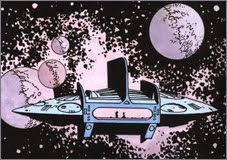
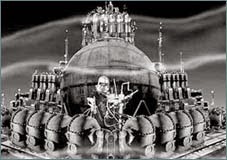
Epic 1970s French Space Comic Art

DRB Time-Slice: Valérian and Laureline
DRB Feel-Good Issue #35

Loads of cool and rare imagery
Bizarre Buses

Wacky Wonders of Public Transportation
DRB Feel-Good Issue #34

Loads of cool and rare imagery
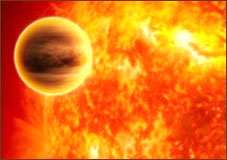
Hellish Weather on Other Planets

Wild, Untamed, and Uncut
DRB Feel-Good Issue #33

Loads of cool and rare imagery
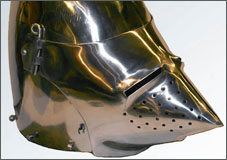
Medieval Suits of Armor

Metal Body Suits vs. Weapons of Medieval Destruction
DRB Feel-Good Issue #32

Loads of cool and rare imagery
World's Strangest Theme Parks

Amusement to the (twisted) extremes!
DRB Feel-Good Issue #31

Loads of cool and rare imagery
Enchanting Victorian Fairy Tale Art

"Then world behind and home ahead..."
DRB Feel-Good Issue #30

Loads of cool and rare imagery
Adorable Pedal Cars

Collectible Pedal Vehicles Showcase
DRB Feel-Good Issue #29

Loads of cool and rare imagery
Japanese Arcades: Gundam Pods & Other Guilty Pleasures

These machines have gone up to the next level
DRB Feel-Good Issue #28

Loads of cool and rare imagery
Modernist Tallinn Architecture

Delicious blend of old and new!
DRB Feel-Good Issue #27

Loads of cool and rare imagery
Early Supercomputers: A Visual Overview

"Computers in the future may weigh no more than 1.5 tons"
DRB Feel-Good Issue #26

Loads of cool and rare imagery
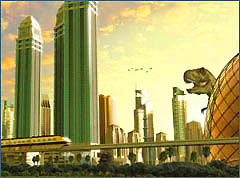
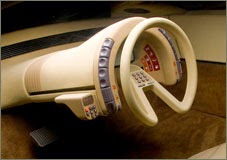
Futuristic Concept Cars of the 1970-80s

French, Italian & Japanese rare beauties
DRB Feel-Good Issue #25

Loads of cool and rare imagery
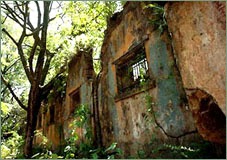
The Trees Are Escaping! The Abandoned Prison in French Guiana

"Great Escape" from the Devil's Island
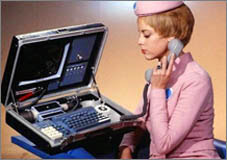
Videophones from the Future Past

Skype? Smartphone? Google Hangouts?

CONTINUE READING:

2014 FULL ARCHIVES ->

2013 FULL ARCHIVES ->

2012 FULL ARCHIVES ->

2011 FULL ARCHIVES ->

2010 FULL ARCHIVES ->

2009 FULL ARCHIVES ->

2008 FULL ARCHIVES ->

2007 FULL ARCHIVES ->

2006 FULL ARCHIVES ->


11 Feb 13:15

Favorite Movies of the U.S. Presidents

by Miss Cellania

Neatorama presents a guest post from actor, comedian, and voiceover artist Eddie Deezen. Visit Eddie at his website or at Facebook. This post is in honor of the upcoming Presidents Day holiday.

Ever since Woodrow Wilson screening Birth of a Nation in the White House, our U.S. presidents have had a love affair with the movies. Heck, every one of us has his or her favorite films. We tend to forget that presidents are just people too, and they too have favorite movies.
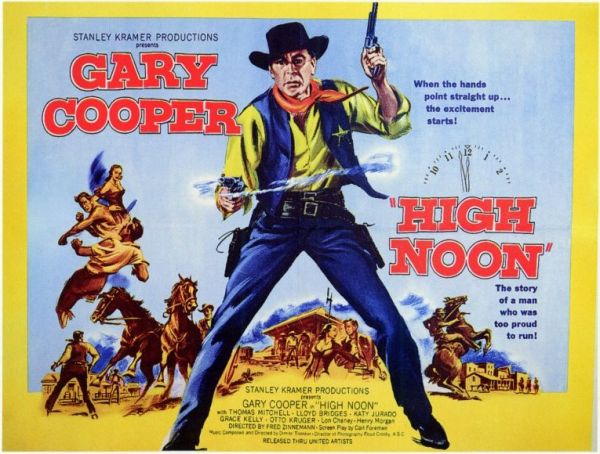
Let's take a look at a few U.S. presidents, their favorite films, and other film facts about them. (What is it about High Noon that so many presidents love????)

Franklin D. Roosevelt

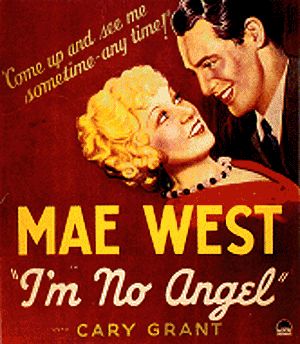
* According to one source, FDR’s all-time favorite film was Mae West's bawdy 1933 comedy I’m No Angel.
* Reputedly loved the comedies of Abbott and Costello (after all, he invited Bud and Lou to entertain at the White House four times during his administration).

Harry S. Truman

* Liked the occasional Western.
* His favorite was My Darling Clementine.
* Enjoyed Frank Capra comedies.

Dwight Eisenhower

* Favorite film: High Noon.
* Liked Westerns.
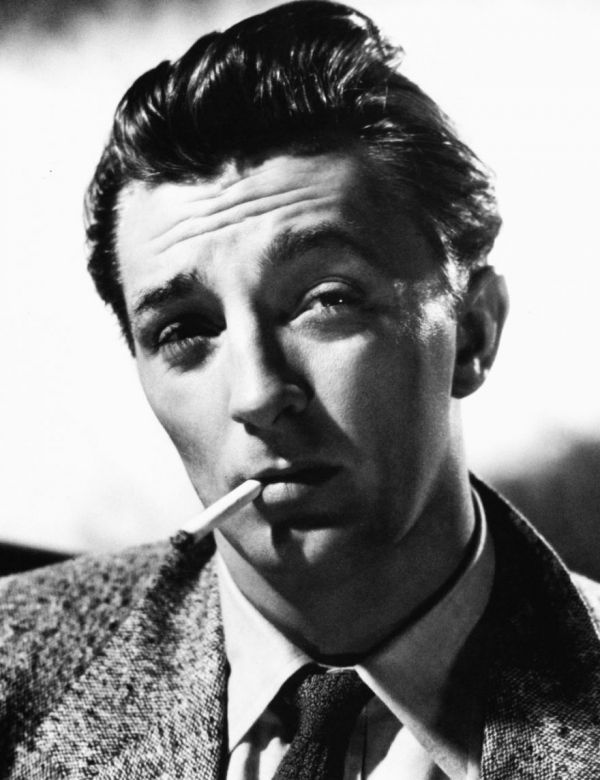
* Refused to watch any movie with Robert Mitchum in it, because of Mitchum's 1948 arrest for smoking of marijuana. Every time the White House projectionist tried to sneak in a Robert Mitchum film, Eisenhower would get up and walk out of the room.

John F. Kennedy

* Only president to directly influence a film being made. JFK publicly stated how much he loved the James Bond novels, especially From Russia with Love. The producers of the bond films immediately changed their plans and decided to make From Russia with Love as the next Bond film (1963).
* Loved Spartacus, The Longest Day, Roman Holiday, Bad Day at Black Rock and Sands of Iwo Jima.
* Kennedy had a chronic back pain, so he had his favorite rocking chair in the White House screening room to sit in. Later, he had his orthopedic bed set up in the room and he would watch movies propped up on pillows.
* Sadly, the last movie he watched before he was assassinated was Tom Jones.
* (Ironically, didn't seem to care much for Marilyn Monroe movies.)

Lyndon Johnson

* The dullest of all recorded presidents as far as movies are concerned.
* LBJ didn't care much for watching films.
* But he did enjoy watching a little 20-minute homage to himself narrated by Gregory Peck. This short was made after JFKs assassination, to reassure the American public about Johnson. LBJ watched the short film a dozen times at the White House.

Richard Nixon

* The most frequent person ever to accompany any president at film screenings was Nixon's longtime pal and drinking and golfing buddy Charles “Bebe" Rebozo.
Nixon and Rebozo watched films together at the White House 150 times, more than any presidential wife or family member of any president.
* Favorite film: Patton.
* Liked to watch escapist Hollywood musicals, enjoyed Yankee Doodle Dandy.

Jimmy Carter

* Held 480 film screening during his four-year term as president, more than Ronald Reagan had during his eight years in office.
* First film screened was All the President's Men.
* A devout Baptist, Carter usually only liked to show "family films.”
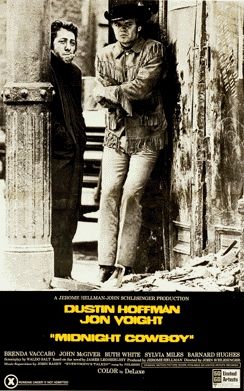
* Ironically, he was the first U.S. president to screen an X-rated film at the White House: Midnight Cowboy.

Ronald Reagan

* Of course, as we all know, our first and only actor/movie star president.
* Favorite film: High Noon.
* Loved Back to the Future.
* Didn't like to screen films at the White House, preferred watching them at Camp David on the weekends.
* On his birthday and on special occasions, he would screen his own films.
* Did watch a personal screening of E.T. at the White House along with director Steven Spielberg. Reputedly told Spielberg "how real ETs were" during the screening, but Steven has never publicly revealed what was said during their conversation.

George W. Bush

* Favorite film: Field of Dreams.
* Loves Ferris Bueller's Day Off.
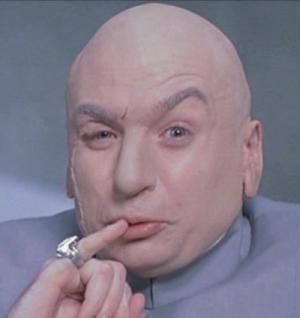
* Loves the Austin Powers series and reportedly does an impression of Dr. Evil putting pinky to his mouth.
* When planning the invasion of Iraq, he screened We Were Soldiers.
* During 9/11 crisis, screened Black Hawk Down.
* Favorite movie to watch during end of term was Saving Private Ryan.
* Likes Armageddon.
* In 2006, screened United 93, a film about the 9/11 attacks.

Bill Clinton

* Favorite film: High Noon (watched it at least 17 times as during his term as president).
* However, Clinton has said his favorite movie is the last one he has just seen and it is his favorite until the next one he sees.
* Perhaps the biggest movie fan of any U.S. president.
* Loves Schindler's List and American Beauty.
* Is a huge Elvis Presley fan and loves the early elvis films: Loving You, Love Me Tender, Jailhouse Rock", King Creole, and Blue Hawaii.

Barack Obama

* Favorite films: Godfather and Godfather II. (Says Godfather III didn't quite make the cut.)
* Reportedly does a good Marlon Brando impression and once acted out a Godfather scene to Katie Couric in a TV interview.

(YouTube link)

* Also loves Lawrence of Arabia and Casablanca.
* Do the Right Thing will always hold a special place in his heart. It was the film he went to one his first date with his future wife, Michelle.

11 Feb 13:12

2016 Planet Guide

by Farmers' Almanac Staff

Budding astronomers take note! If you’d like to get a look at the planets in our Solar System this year, be sure to consult this handy guide on when and where to look.

The post 2016 Planet Guide appeared first on Farmers' Almanac.

11 Feb 13:12

Best Laptops Under $300: Everything You Need to Know

by Kannon Yamada
laptop-under-300

Finding an ultra-cheap laptop that isn’t ultra-crap is almost impossible these days — we’re talking less than $300 — but it’s definitely possible if you know what you need from it and what you’re willing to sacrifice to get the price that low. When buying a budget laptop, the first concern should be the operating system. (Windows 8.1 and 10 require better hardware than Chromebooks and Android devices, all else being equal.) After that, you need to look at the processor, followed by the storage technology, then the display. Here are two good examples of crappy laptops selling for budget prices (from my favorite brick-and-mortar, Fry’s...

Read the full article: Best Laptops Under $300: Everything You Need to Know

11 Feb 13:12

15 Things You Didn’t Know You Could Do with Dropbox

by Akshata Shanbhag
dropbox-things

Just when you thought Dropbox couldn’t get any better, it has. Many interesting cloud storage services have come and gone, but Dropbox is probably the one that’s been here the longest. And now it has upped its game with a host of new features. Let’s explore some of them from 2015 as well as some old but lesser-known ones. What we’re saying is let’s discover more stuff that you didn’t know you could do in and with Dropbox. 1. Request Files from Anyone Sharing files saved in your Dropbox has always been easy. Collecting files in Dropbox from people? Not so...

Read the full article: 15 Things You Didn’t Know You Could Do with Dropbox

09 Feb 12:00

A Crash Course on Charcoal: Types of Charcoal for Grilling

by Steven Raichlen

Charcoal represents one of man’s very first technological achievements; it was in use as early as 200,000 B.C. When wood is burned slowly without oxygen it produces charcoal. The charring removes the water and most of the flavor-producing chemical compounds of the wood, leaving a carbon-rich fuel that burns hot, cleanly, and efficiently. Charcoal also produces a more concentrated fire. No wonder the vast majority of the world’s grill masters burn charcoal. But not all charcoals are the same. Here’s a scorecard to help you identify the players.

Lump charcoal: Sometimes called charwood or natural lump charcoal, this is the original charcoal, made by burning trees or logs in a kiln, sealed cave, or even underground. Unlike briquettes, lump charcoal is pure wood—free of binders or petroleum-based accelerants. Lump charcoal burns hot, cleanly, and pure. You can refuel a lump charcoal fire with unlit charcoal without producing the acrid smoke associated with freshly lit briquettes. However, natural lump charcoal burns unevenly, hotter at the beginning, cooler at the end, and it burns out more quickly than charcoal briquettes. When you grill with lump charcoal you’ll need to refuel the grill more often than with briquettes, usually after 30 to 40 minutes. Avoid “lump” charcoal that comes in straight-edged rectangular blocks—it’s made from lumber scraps, not logs. One excellent widely available brand is Royal Oak. For something a little more exotic, try Fogo Premium Hardwood Charcoal.

Charcoal briquettes: These are designed to burn evenly and maintain a steady “broiling” temperature of at least 600 degrees F for 1 hour. Traditional briquettes contain wood scraps, sawdust, coal dust, borax, and petroleum binders, so it’s not surprising that they emit an acrid-tasting smoke when first lit. Instant-light charcoal consists of briquettes saturated with lighter fluid. The acrid smoke disappears once the charcoal glows orange and begins to ash over, but you’re still grilling over borax, coal dust, and petroleum binders. And, although the petroleum-based accelerants of instant-light charcoal burn off in theory, they can produce an oily taste when less than completely lit. “Natural” briquettes, which contain only wood scraps and starch binders, are meant to eliminate these problems. By the way, the contestants at barbecue competitions like those at Memphis in May and Kansas City’s American Royal use briquettes and win big. Click here to find some in our store.

Binchotan: Japan’s superpremium lump charcoal (actually it comes in branchlike cylinders), binchotan is used in top yakitori parlors throughout Japan and in the United States. Binchotan is traditionally made from ubamegashi oak in mud-sealed caves in southwest Japan. It burns very clean and very hot, producing no discernable charcoal flavor. However, it is very expensive; a single piece can cost several dollars. And, binchotan takes a long time to light. Use a chimney starter or electric starter or a blowtorch and allow yourself at least 30 minutes for the coals to catch fire. Once the charcoal is lit, however, it burns for a long time. You can find it here.

Binchotan charcoal

Coconut shell charcoal: Coconut husks make a fuel that fires tens of thousands of saté grills in Thailand and beyond: coconut shell charcoal. Quick to light, hot burning, and sold in small pieces, it’s the perfect charcoal for the small grills used by Asian street vendors. Although coconut shell charcoal is hard to find in the United States, if you do get your hands on some, use it to fire up your hibachi. You’d need an awful lot of coconut shell charcoal to fire a large North American charcoal grill. Here’s one variety in our store.

Coconut shell charcoal

Adapted from Planet Barbecue! by Steven Raichlen (Workman Publishing).

For more information on the tools, fuels, and techniques of grilling, click here.

Planet Barbecue cover

Also see: The Anatomy of a Grill

The post A Crash Course on Charcoal: Types of Charcoal for Grilling appeared first on Barbecuebible.com.

08 Feb 19:38

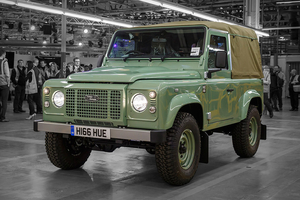
The Last Land Rover Defender

The first Land Rover rolled off the line in Solihull in 1948. 68 years, later, so did the last. The Last Land Rover Defender is a 90 Heritage Soft Top,...

Visit Uncrate for the full post.
08 Feb 19:37

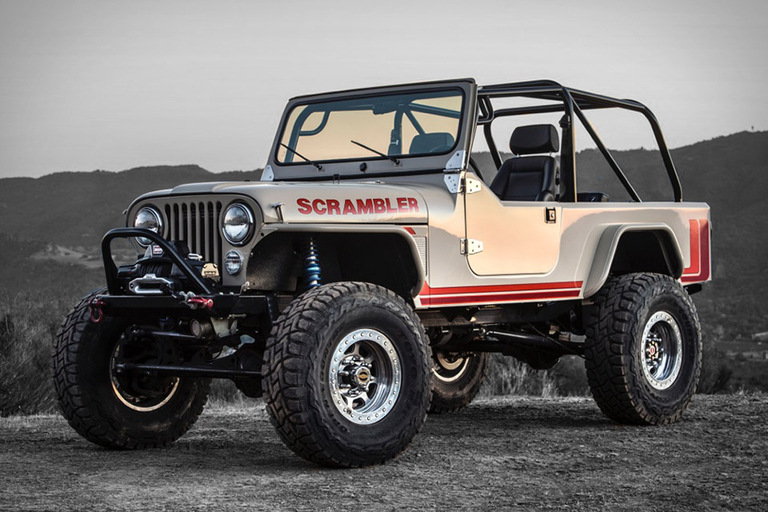
Legacy Jeep Scrambler

Drawing inspiration from the graphic laden CJ-8s of the 1980s, this Legacy Jeep Scrambler is a hand-built homage to that iconic truck. It's powered by an all-aluminum 6.2L V8 engine...

Visit Uncrate for the full post.
08 Feb 19:31

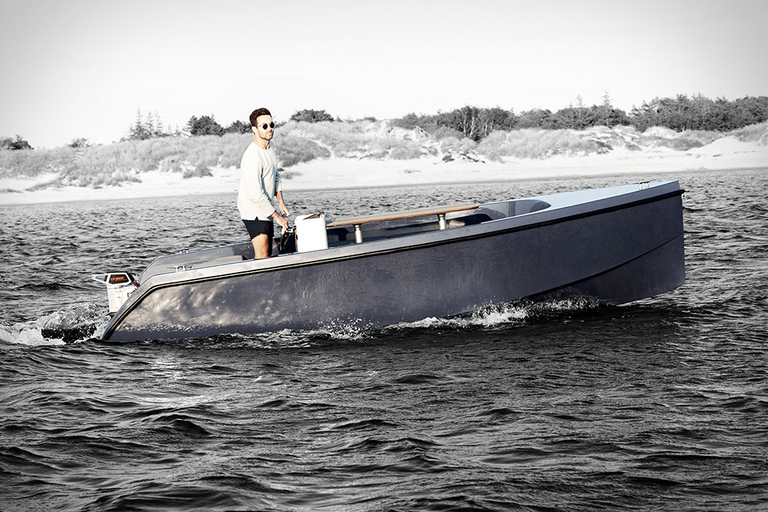
Rand Picnic Boat

No need to worry about ants invading your alfresco luncheon aboard the Rand Picnic Boat. Perfectly proportioned for on-the-water dining, this 16-foot craft is designed for social interaction, with a...

Visit Uncrate for the full post.
08 Feb 19:27

Product Photography Made Easy! Here’s how

iStock 000064768447 Medium

Product photography must check two very important things to be of top quality and to serve its purpose: it has to keep your eyes focused on the product, so much so that you find yourself studying the details with fascination. On top of that it has to sell.

It’s a simple as that, no strings attached. You’re probably not going to win any artsy award with a good product image, but you will sell the product and you will grow someone’s business or even your own. Online shopping is the favorite way of many potential buyers and unless that product looks good enough, people are just going to move on to the competition.

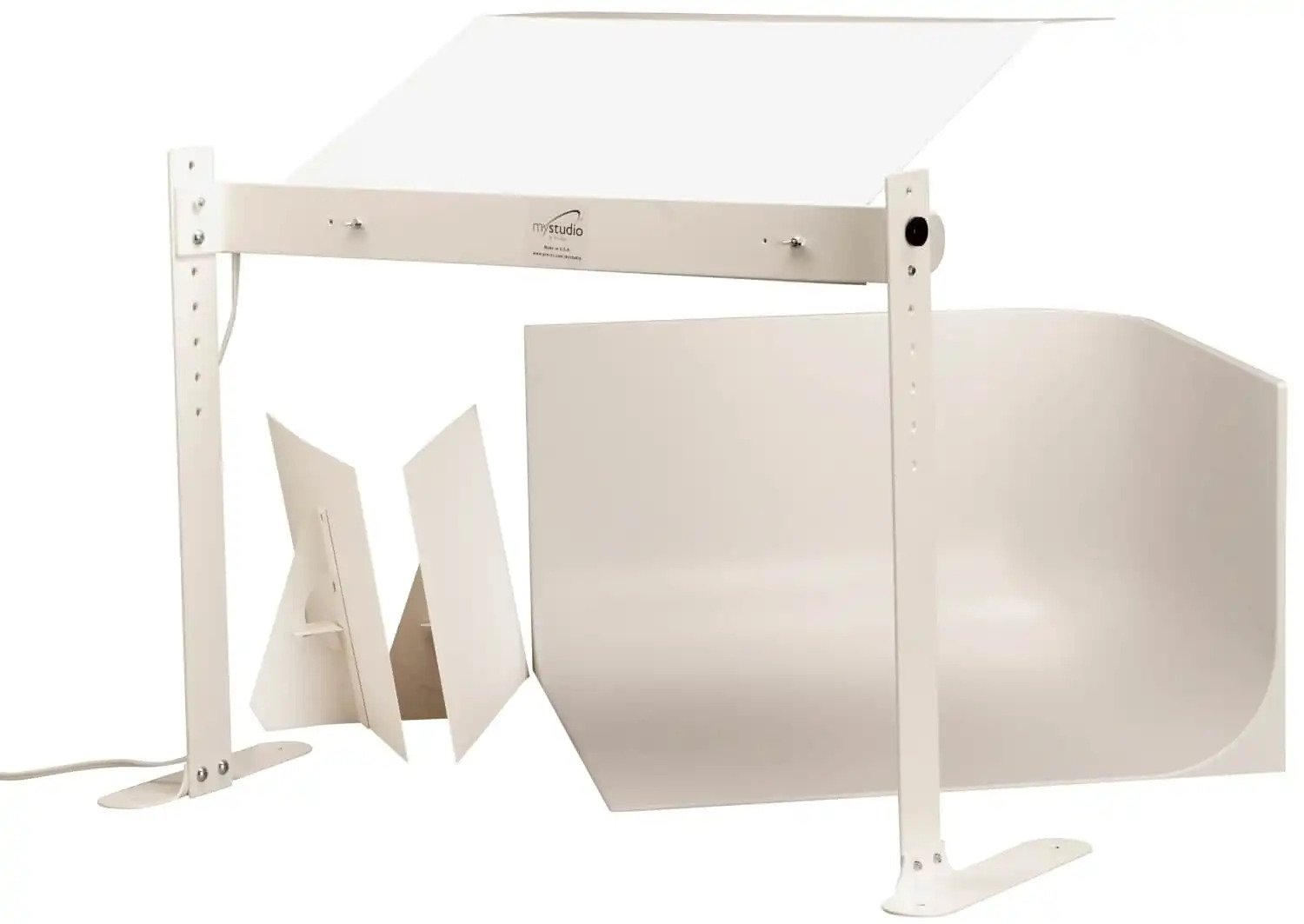
MyStudio MS20 Tabletop Studio Kit

MyStudio MS20 Tabletop Studio Kit

Until recent years, investing in quality product photography meant spending important money that would most often reduce profit margins. Spending large amounts of money of product photography if you’re just starting a business is something even I as a photographer would not advise.

Fortunately, things have changed for the better with camera technology becoming increasingly better and very affordable. But everyone knows it’s not just about the camera. Product photography demands professional lighting and a quality background and that’s not something you can improvise in post-production. The “traditional” way of doing things is to go out and buy a set of studio flashes that could easily set you back hundreds of dollars, an equal number of light stands and a background with the proper system for hanging it.

The best way to do it in my opinion is to make a moderate investment in a complete product photography studio system that won’t require you to buy anything else and is a walk in the park to use. Enter the Procyc MyStudio MS20 Table Top Photo Studio Kit.

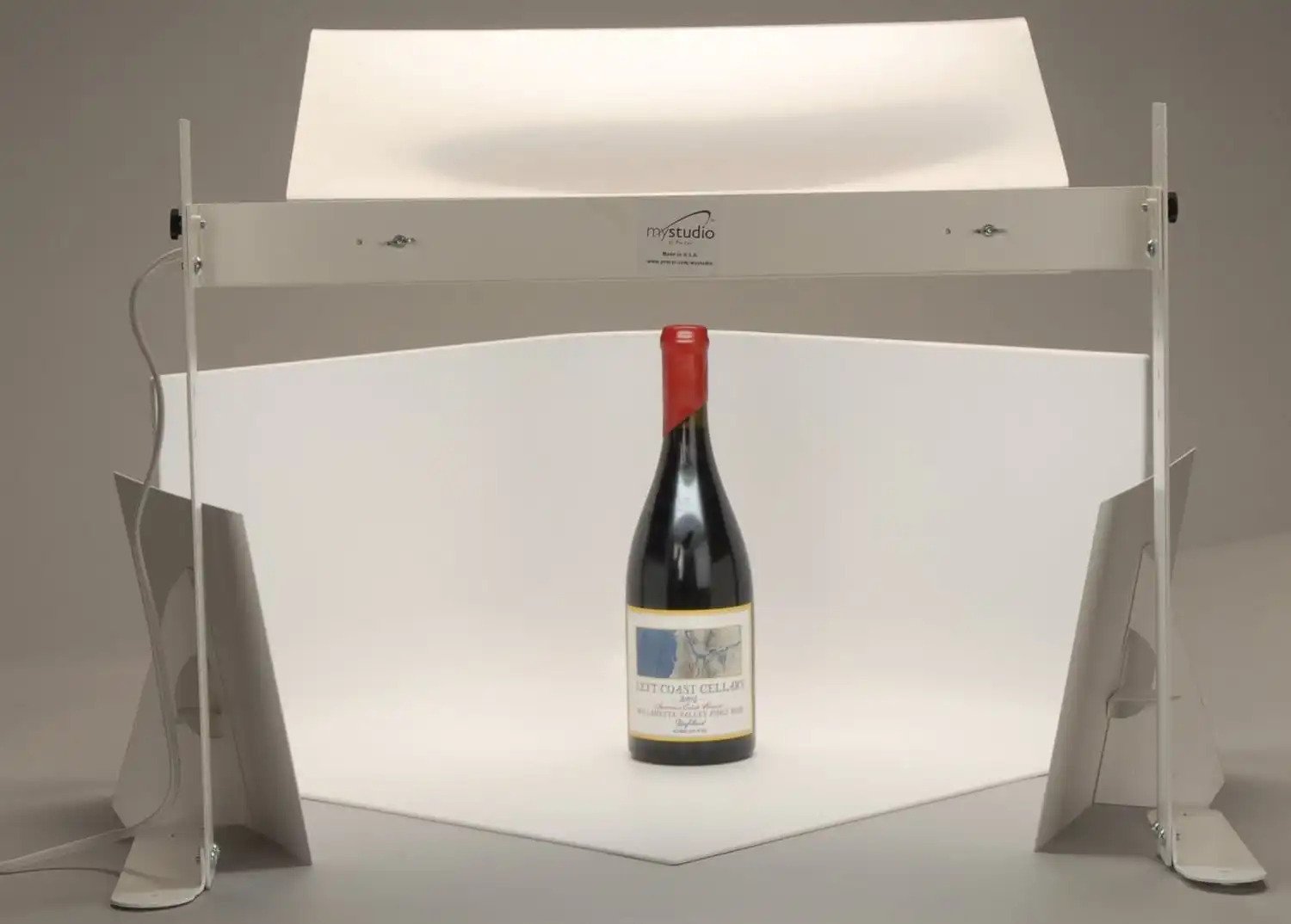
It puts you in complete control over the final image and it gives you the power to create professional looking product photography without a bachelor in fine art photography. It’s designed to be easy for anyone to use and to deliver great results with minimum effort. The MS 20 has everything you need to take pro-level product photos: a seamless 20”x20”x12” background with a 90 degree corner, a 5000k daylight color-balanced continuous fluorescent light, a high grade aluminum light stand, an overhead reflector and two 9”x12” bounce card reflectors. It’s very versatile and probably one of the best parts is that no matter how many products you want to photograph, every shot looks the same.

The major advantage of the continuous light source is that you get to see how the light falls before taking the actual shot, which allows you to optimally position the product or the light. That’s something that takes precious time if you chose to shoot with flashes, especially if you’re not a dedicated product photographer.

I highly recommend the MyStudio MS20 to every product or stock photographer as well online store owners with little interest in photography but a very high interest in selling their merchandise.

Click here for more details about the MyStudio MS 20 Table Top Studio Kit.


Become a Wildly Successful Photographer! Gain the competitive edge by refining your skills with a PT Premium Membership.

What's in it for you:


  • Join an elite community of like-minded photographers. Build your network, get and give feedback and support, make new friends in the industry.

  • Improve your skills with our premium library of tutorials, eBooks, training programs and more!

  • Showcase your work with a customizable online portfolio. Unlimited uploads, attractive templates, and professional tools to promote your photography.
 
08 Feb 19:04

Valuable Vintage Football Helmets Help Document The History of Concussions and Deaths

by David Seideman, Contributor
It pays to do your homework when buying and selling vintage football helmets. But no matter what you spend, their evolution shows just how dangerous the game has always been.
08 Feb 19:00

Celebrate Lundi Gras with Bourbon and Biscuits

by rreed

Lundi Gras is always a pivotal date on the Mardi Gras calendar. Celebrants need a remedy for the previous weekend’s revelry and fortitude for the final lap. The ingenious answer, conceived of five years ago by food historian and stylist Rick Ellis and his husband, interior designer Thomas Jayne, is “Bourbon and Biscuits.” In their stylish French Quarter apartment, the couple puts on a chic version of a Hardee’s breakfast bar—with the crucial addition of alcohol—that is now a neighborhood tradition.


(Photographs by Paul Costello)

Though New York based, Ellis and Jayne bought the apartment in 2005, largely due to their deep love of carnival. “The party started as a result of us looking for a time during the Mardi Gras festivities when we knew folks would be available,” Ellis says. “We realized Lundi Gras morning was perfect. People would probably be hung over and partied-out from the weekend. And it would be a relaxed respite before the big day.”


From left: Setting the scene; hosts Rick Ellis (left) and Thomas Jayne (right); the biscuit spread.

Ellis keeps the menu simple. Yummy milk punch is served in a punch bowl with a ring of ice; homemade biscuits are accompanied by sliced ham, flavorful sausage patties (a non-New Orleans addition from Tidewater Virginia and North Carolina, where Ellis grew up), butter (of course), and preserves (including local kumquat). “Let’s face it,” he says. “Nothing is better than a breakfast biscuit and booze.” His guests, for whom the shindig has become a beloved annual institution, could not agree more.


Rick’s Buttermilk Biscuits
Makes 12-15 biscuits

Ingredients
½ cup unsalted butter (1 stick), very cold
2½ cups self-rising flour
½ tsp. salt
1 cup chilled buttermilk
2 tbsp. butter, melted

Preparation
Place butter in freezer for 15 minutes.

Preheat oven to 450º.

Combine flour and salt in a medium-sized bowl. Grate very cold butter into flour using large holes of a box grater. Toss gently to combine and place bowl in freezer or refrigerator for 10 minutes.

Make a well in center of flour-butter mixture.  Add buttermilk and stir just until dough comes together. (It will be sticky.)

Place dough on a lightly floured surface and sprinkle top of dough with a little flour. With a lightly floured rolling pin, roll dough into a ¾-inch thick rectangle. Fold dough in half and repeat rolling and folding process three more times.

Roll dough to ½-inch thickness. Using a floured round cutter (1½ to 2 inches), cut straight through dough, taking care not to twist cutter. Gently reshape scraps, re-roll and cut.

Line a sheet pan with parchment paper. Place dough rounds on pan no more than ½ inch apart.

Bake for 12 to 15 minutes until lightly browned. Remove from oven and brush with melted butter.


Milk Punch
Makes 4 drinks

Ingredients
1 cup bourbon
¼ to ½ cup sugar (preferably superfine, which dissolves easier)
2 cups cold whole milk
A nip of pure vanilla extract
Freshly grated nutmeg

Preparation
Combine the bourbon and ¼ cup sugar in a pitcher and stir until the sugar is completely dissolved. Stir in the milk and vanilla. Taste and stir in more sugar if desired. Fill four glasses with ice and divide punch among them. Top with the nutmeg.


Shared: 
3
02 Feb 15:06

Man, Vince Lombardi Really Dumped On The AFL After The First Super Bowl

by Barry Petchesky

One of those historic sports things I understand but don’t really get is the state of football leading up to the NFL-AFL merger. It was the first of the three big sports mergers over the next decade, and it’s absolutely alien to me: I’ve never lived through a successful competitor to a Big Four sports league, let alone one where the rivalry actually played out on the field. I can only imagine the tribalism—and the shit-talking—was off the charts.

Read more...


02 Feb 15:04

The Terrible Calvin Johnson Rule Outlasted Calvin Johnson

by Barry Petchesky

If Calvin Johnson is indeed retiring, the NFL will be worse off for his absence. But he leaves it a different league than he found it, a much more confusing one for receivers, officials, and fans. Look at that photo above. Through no fault of Johnson’s, we now live in a world where that is not a catch.

Read more...


01 Feb 20:04

14 Amazing Audible Courses (& How to Get One for Free)

by Rob Nightingale
audible-courses

There are many websites offering fantastic courses, but none as underrated as Audible. And what’s more: you could get your ears on one of their courses completely free of charge! In 2013, Audible — the audiobook arm of Amazon — forged a partnership with The Great Courses. This enabled Audible to sell many audio courses taught by the world’s greatest professors at hugely discounted prices. For any lifelong learners who love to consume audiobooks, and who enjoy learning via audio, this was (and still is) exciting news. The Selections Each of the hundreds of courses that are now available on Audible’s The Great...

Read the full article: 14 Amazing Audible Courses (& How to Get One for Free)

01 Feb 20:03

How to Measure Area and Distance in Google Maps and Google Earth

by Ryan Dube
measure-google-maps

Did you know that both Google Maps and Google Earth include tools that will automatically measure both distance and area for you? No more guessing distances based on the map scale. Now you can measure precise distances of travel, exact property plot sizes, and even the land area of entire states or provinces.

The good news is that accomplishing this isn’t complicated or time-consuming. You just need to know the process. Here’s how to measure distance and area using Google Maps or Google Earth.

How Distance and Scale Work in Google Maps

google maps scale measure

If you’ve used Google Maps at all, you’ve probably noticed the scale that appears in the lower right corner of the screen.

Sure, you could stick a ruler on your screen and measure the equivalent of a mile; or you could mark off the distance on a slip of paper and use that to measure the roads or trails you want to travel—but you don’t have to do that. Google Maps includes easy to use tools to precisely measure both distances and areas on the map that you’re viewing.

How to Measure Distance in Google Maps

You can easily measure distance in Google Maps using built-in tools. Measuring between two points will follow an “as the crow flies” route. However, you can add multiple points to track a path more accurately.

First, right-click on the starting point, and select Measure distance on the menu that pops up.

google maps measure distance right click menu

Click on the second point (the destination that you want to measure to from your starting point) on the map. Once this point is selected, Maps will automatically show the distance between both points.

google maps distance between two points

You can view the exact distance on the measuring line or with the Measure distance popup menu that appears at the bottom of the menu.

If you want to add more points to your measurement, simply click additional points on the map

google maps measure distance multiple points

If you want to trace a path, rather than a straight line, simply add multiple points along a route to get an accurate measure of the distance you need to travel. This is especially useful when it comes to measuring the distance of a hiking trail, for example.

You can also adjust points by dragging them to a new location with your mouse.

As you trace the path, the distance will keep updating in the popup at the bottom of the map. Once you’re done tracing the trail or road as best you can, you’ll have a precise measurement of the total distance.

When finished, clear out your traced waypoints and measurements by right-clicking on the map and selecting Clear measurement from the menu.

How to Calculate Area in Google Maps

With Google Maps, you can also measure the area of a location. If you want to specifically check the area of a property, you will need to zoom in. Once close enough, Google will show the property boundaries if they are available. You can also switch between map and satellite view if this makes discerning property walls easier

To measure any area in Google Maps, you just need to start with the same process as for measuring distance.

First, right-click on the map at your starting point and choose the Measure distance option. google maps measure distance menu

Add points around the location’s boundary. Once you close the shape by clicking on the starting point, Google will automatically calculate the area of your shape.

google maps calculate area

You’ll see the total area in square footage and square meters, and the total distance in feet and meters at the bottom of the screen.

How Distance Works in Google Earth

google earth tools and views

Google Maps is good enough, so why bother using Google Earth to measure distance or area? Well, Google Earth is actually a little bit more powerful than Google Maps when it comes to doing measurements.

With Google Earth, you can measure the distance and area just like you do in Maps, but you can also use some interesting tools that let you:

  • See altitude
  • Save all your measurements
  • Measure 3D objects’ height and area, such as the height or width of a building

Let’s take a look at how you can do all this with Google Earth…

How to Measure Distance in Google Earth

Google Earth is more detailed than Google Maps, but measuring distance with Google Earth works in a similar way.

You will first need to launch Google Earth in your Chrome browser and select the location you want to see. To start measuring, select the ruler icon at the bottom of the left-hand sidebar.

measure distance and area icon google earth

Once you click this icon, Google Earth will switch to a top-down view and ask you to select your starting point. A small popup will also appear on the top-right of the window, showing distance.

google earth select starting point

As you select more than one point, this popup will update with the total distance measured.

google earth distance measuring points

When you select Done, you can start a new measurement if you want to. You can also change the measurement units, converting them to kilometers, yards, nautical miles, or other units.

If you want to measure the distance for something like a mountain trail, you can switch to 3D view after selecting the ruler icon. This lets you measure large objects such as mountains, or accurately trace a path along an incline.

google earth measure distance 3d object

How to Measure Area in Google Earth

Google Earth also lets you measure the area of large plots or locations, but also much smaller areas such as the roof of a building.

For a large area, you simply need to outline the perimeter of the location you want to measure. You will start off the same way as when measuring distance, with the ruler icon.

Once you select multiple points and close the outline by selecting your starting point again, Google Earth will automatically calculate area.

google earth measure area location

Again, you can drag points to change the outline or switch between units of measurement.

How to Measure 3D Objects and Buildings With Google Earth Pro

When it comes to measuring 3D objects such as buildings, you will need to use the Google Earth Pro standalone software. The program is free to use but you need to download and install it on your PC.

The more powerful tools in Google Earth Pro allow you to measure these smaller 3D objects, that Google Earth’s browser version cannot do.

Measuring 3D Object and Building Heights and Widths in Google Earth Pro

Once you’ve installed and opened Google Earth Pro, go to the building you want to measure by using the search bar. Google will then center on this location.

Next, tilt your view to the correct angle for measuring by using the shortcuts Shift + Up Arrow or Shift + Down Arrow.

tilted building view google earth pro

Click the ruler icon and a new popup will open with various measurement tools. show ruler google earth pro

Choose 3D polygon to measure the height or width of a building. Then, click on the points you want to measure the distance between. The measurement window will automatically update with the distance.measure height 3d building google earth pro

If you want to adjust your points, you can drag them with your mouse. However, adding additional points will result in an area calculation.

How to Measure Area of 3D Object in Google Earth Pro

To measure the area of a 3D object, you will need to add more than two points. At three points, Google Earth Pro automatically connects all your points and calculates the area. For example, once you add the third point, a triangle is generated. Adding a fourth point creates a four-sided polygon—and additional points can be added from there.

Add as many points as needed to trace the outline of the object you are measuring.

measure area 3d building google earth pro

You can drag these points to adjust the size of your shape. The area calculation automatically updates as you change the positions of points.

If you make an error, you can select the Clear option to restart your measurement. These measurements can also be saved in the Google Earth Pro program to use at a later stage.

Do More With Google Maps

Measuring is not the only thing you can do with Google Maps or Google Earth. Google has updated the tools significantly over the years to add even more functionality and convenience.

Looking for more great features? Check out our guide on Google Maps for Android features and tricks to make the most of your navigation experience.

Read the full article: How to Measure Area and Distance in Google Maps and Google Earth

01 Feb 20:01

Infographic: 10 sure-fire strategies to seem smart at your next...


Infographic: 10 sure-fire strategies to seem smart at your next meeting, from The Cooper Review. See the whole chart here.

01 Feb 20:00

Moon and Mars before dawn February 1

by Bruce McClure

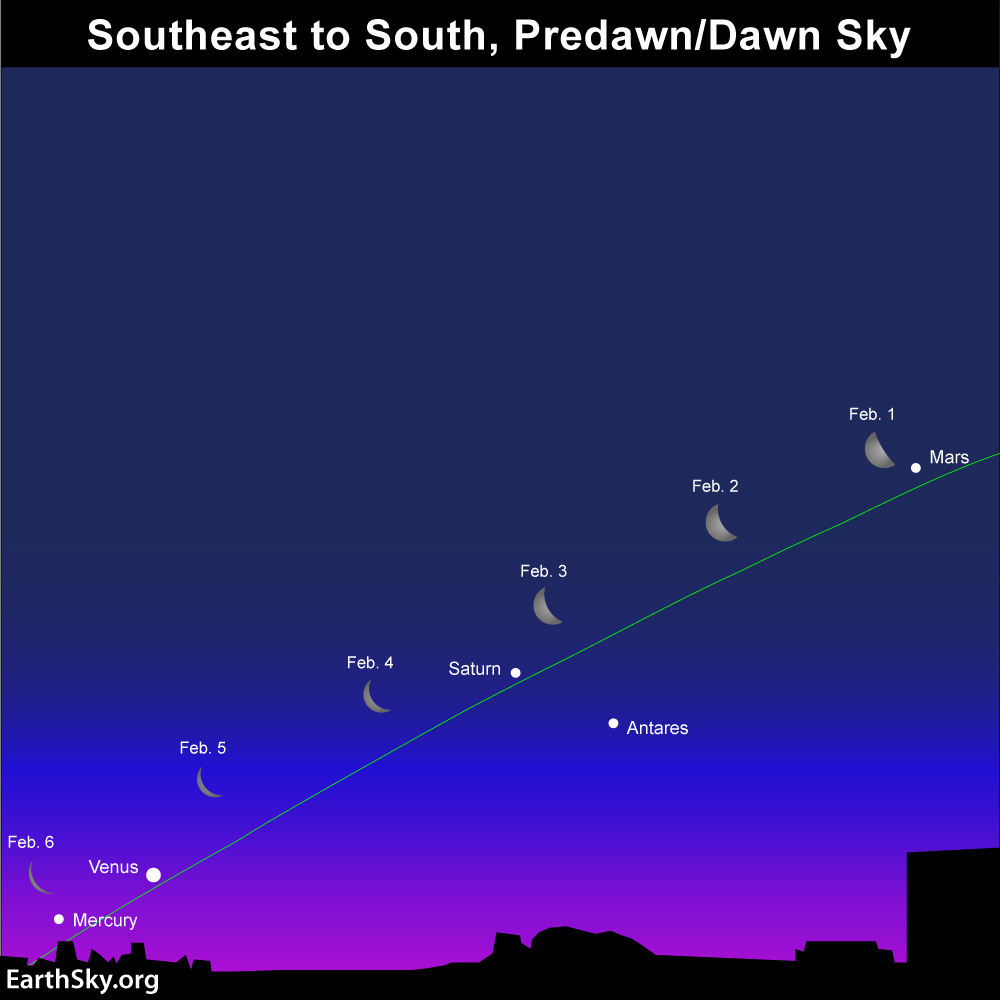
Tomorrow morning – February 1, 2016 – the moon will be near its last quarter phase as it and Mars rise over the eastern horizon an hour or so after the midnight hour at mid-northern latitudes. If you’re not a night owl, you’ll be better off to view the moon and Mars before dawn Monday.

Our sky chart at top specifically applies to mid-northern North American latitudes.

Nonetheless – no matter where you are on Earth – you should have little trouble using the moon to locate Mars in your own sky before dawn on February 1. Look first for the moon, and the nearby bright starlike object will be the red planet Mars.

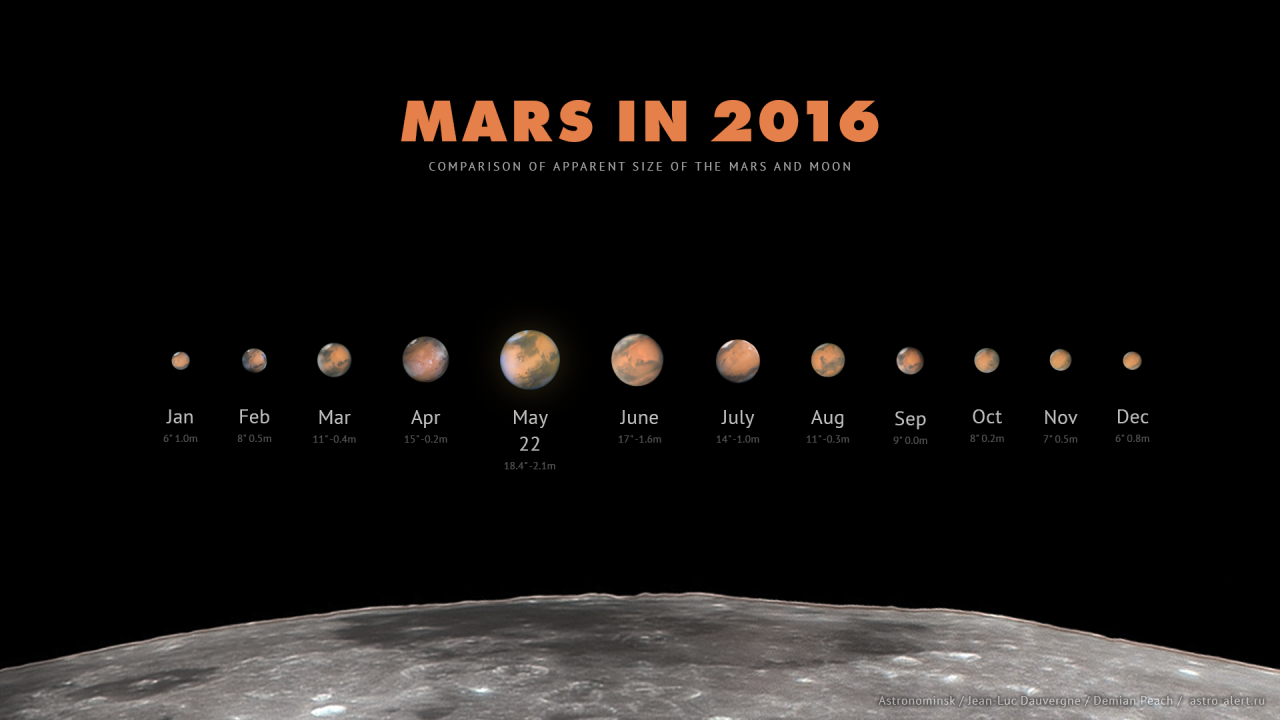
And, by the way, Monday morning is an awesome time to identify Mars for another reason. This planet has been inconspicuous in our sky for the past year or more, because Earth has been following behind it in the race of the planets around the sun. But – this coming May 22 – we’ll pass between Mars and the sun. Between now and then, you’ll see Mars get much redder and much brighter in our sky.

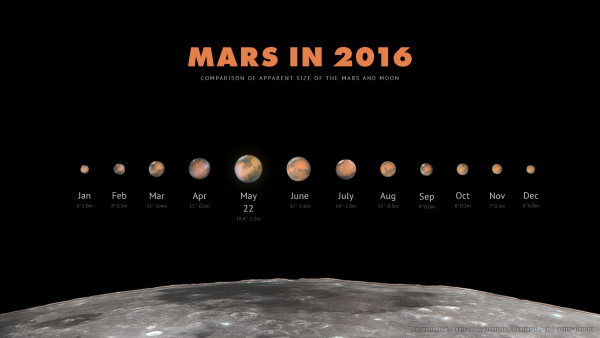
View larger | Mikhail Chubarets in the Ukraine made this chart.  It shows the view of Mars through a telescope in 2016.  We pass between Mars and the sun on May 22.  We won't see Mars as a disk like this with the eye alone. But, between the start of 2016 and May, the dot of light that is Mars will  grow dramatically brighter and redder in our night sky. Watch for it!

View larger | Mikhail Chubarets in the Ukraine made this chart. It shows the view of Mars through a telescope in 2016. We pass between Mars and the sun on May 22. We won’t see Mars as a disk like this with the eye alone. But, between the start of 2016 and May, the dot of light that is Mars will grow dramatically brighter and redder in our night sky. Watch for it!

If you look closely, you might also spot a fainter but visible light close to Mars. It’s Zubenelgenubi, the alpha star in the constellation Libra the Scales.

If you have difficulty making out the star Zubenelgenubi with the eye alone, try your luck with binoculars. Mars and Zubenelgenubi will occupy the same binocular field of view for at least another week. What’s more, binoculars show Zubenelgenubi to be a double star.

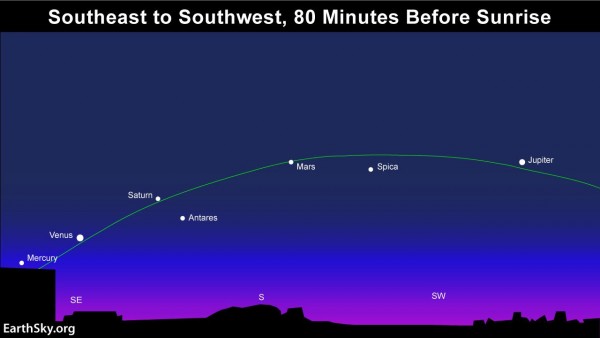
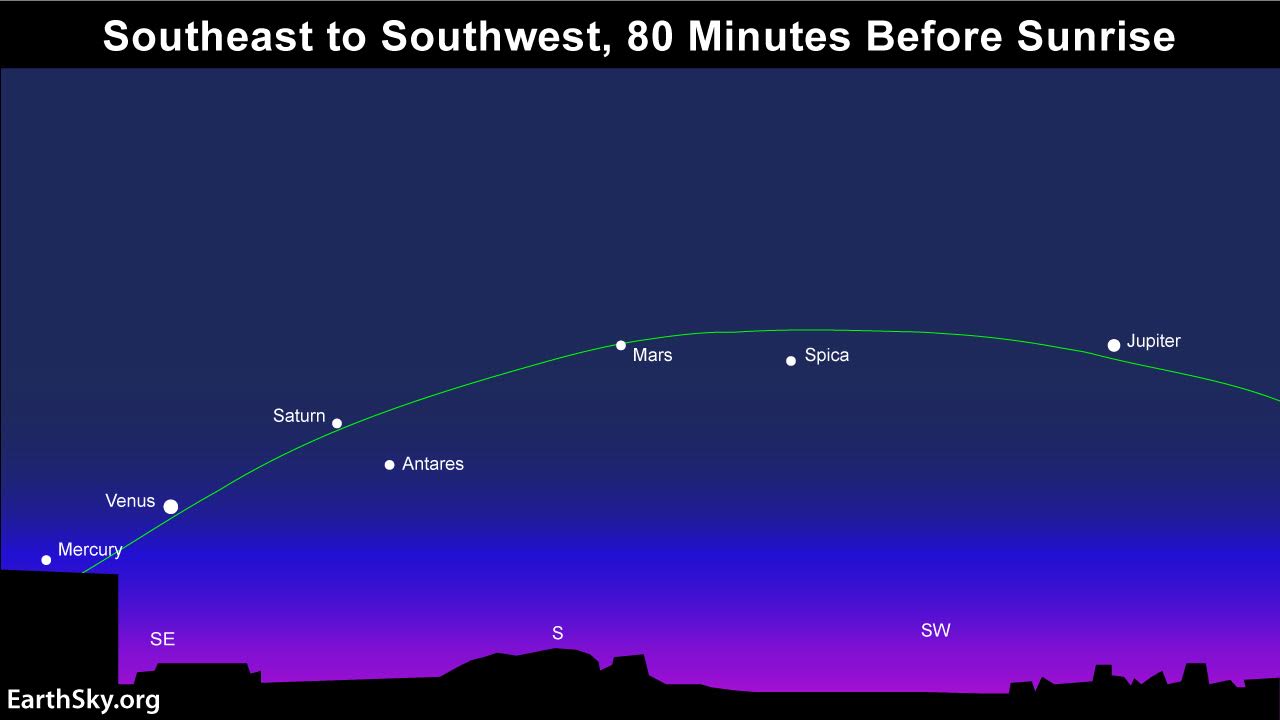
While taking in the wonder of the predawn sky, take time to view the other four visible planets. Brilliant Jupiter shines to the west of the moon and Mars, while the planets Saturn, Venus and Mercury lurk to the lower east of the moon and Mars. The moon passed Jupiter last week, and will be passing the other planets in the coming days.

Click here to find out more about the grand parade of morning planets.

View larger. For illustrative purposes, the moon appears larger than it does in the real sky. Mid-northern latitudes in Europe and Asia will see the moon somewhat offset toward the previous date. The green line on the above chart depicts the ecliptic - Earth's orbital plane projected onto the constellations of the Zodiac.

View larger. | Keep watching in early February, as the moon sweeps past Saturn, Venus and Mercury. The green line represents the ecliptic – path of the sun, moon and planets across the sky’s dome.

Beginning around January 20 - through mid-February - you can see five bright planets at once in the predawn sky.

View larger. | Beginning around January 20 – through mid-February – you can see five bright planets at once in the predawn sky.

See all five visible planets simultaneously

Bottom line: Before dawn on February 1, 2016, look for the moon and Mars close together on the sky’s dome.

31 Jan 18:40

Surf Ballroom: Buddy Holly's Last Gig, Clear Lake, IA

Feature: Site of the last performance of rockers Buddy Holly, Ritchie Valens, and The Big Bopper, before their plane crashed nearby. ...
28 Jan 15:30

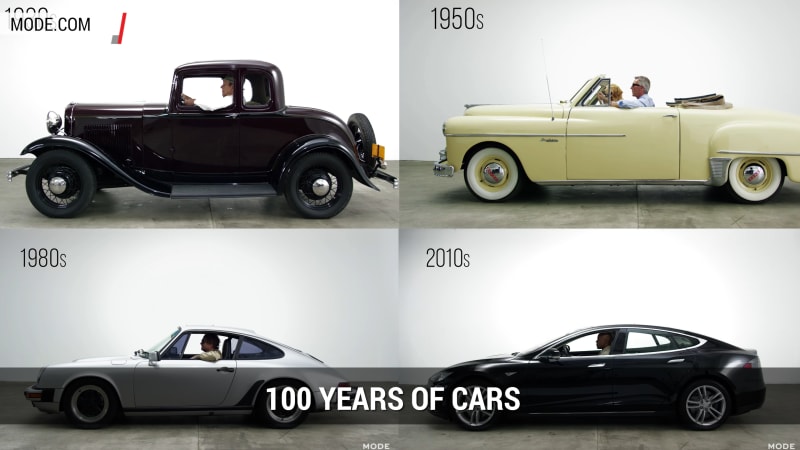
Autoblog Minute: Mode's video is an homage to the auto

by Autoblog Staff

Filed under: Videos, Weird Car News, Autoblog Minute

A quick look at Mode's visual history of the automobile. Eddie Sabatini reports on this edition of Autoblog Minute.
Continue reading Autoblog Minute: Mode's video is an homage to the auto

Autoblog Minute: Mode's video is an homage to the auto originally appeared on Autoblog on Thu, 28 Jan 2016 09:30:00 EST. Please see our terms for use of feeds.

Permalink | Email this | Comments
28 Jan 15:29

How To Handle Getting Ghosted During Your Job Search

by The Muse, Contributor
You think you're going to get the job, but then hiring manager stops taking your calls and emails. Here's how to get past the rejection.
28 Jan 15:28

The Minimalist's Guide to Owning a Business

by Neil Patel, Contributor
Minimalism is a lifestyle characterized by the pursuit of simplicity and freedom from possessions and consumerism. The minimalist lifestyle might seem like it doesn’t jive with business ownership. After all, doesn’t it take greed, ambition, and cut throat ladder climbing to start a business? Obviously it doesn’t since so many successful business [...]
28 Jan 15:28

Plan Your Next Road Trip Through These Scenic Drives

by Heather Yamada-Hosley

One of the best parts of taking a road trip is the beautiful scenery, and these scenic drives are destinations in themselves if you love to drive. If you’ve been itching to hit the road, Travel+Leisure has a list of road trips you where you can take in the views.

Read more...


26 Jan 15:39

10 People Killed By Their Own Innovations

by JFrater

History is full of brilliant minds, from astounding scientists to ingenious inventors. In the pursuit of discovery and innovation, however, a rare handful of people found themselves at the mercy of the thing they helped to create. From ideas backfiring to inventions gone wrong, here are 10 people who were probably a little too brilliant […]

The post 10 People Killed By Their Own Innovations appeared first on Listverse.

26 Jan 14:48

17 Photographers Reveal the Hardest Life Lesson They Learned When Starting Out

by Alison Zavos

Ami_Vitale

Photographer Ami Vitale with a rhinoceros friend

Ami Vitale: Failure is a tough lesson. It hurts but the best thing that comes out of it is the honesty it brings.

Carolyn

© Carolyn Marks Blackwood

Carolyn Marks Blackwood: I was very lucky early on when a famous curator discovered my work and put me in a show in Chelsea. Some Artist and photographer friends were shocked and even dismissive after this lucky turn of events. I had a very good painter friend who just did not talk to me for a year. I confronted her and asked if she had even looked at my work and she said no. When she did, she apologized to me. My advice to new photographers is to just put your head down and do the work- If the work is good, perhaps something good will happen- but the love of the work has to be enough. But when something good does happen, do not be surprised when the human nature of others comes out. Jealousy and desperation are a bad cologne. People must remember that when something good happens to another artist, that does not take away from them! It should encourage them!

The hardest internal life lesson as a photographer was that the soul of a photograph trumps technical perfection. I was very insecure about my technical abilities in the beginning, but I had a point of view that was my own. Technical things can be learned over time, but a personal vision, the essence that touches the viewer’s heart in a photograph, comes from a place that is unique and personal in each person, and that cannot be taught.

Tealia

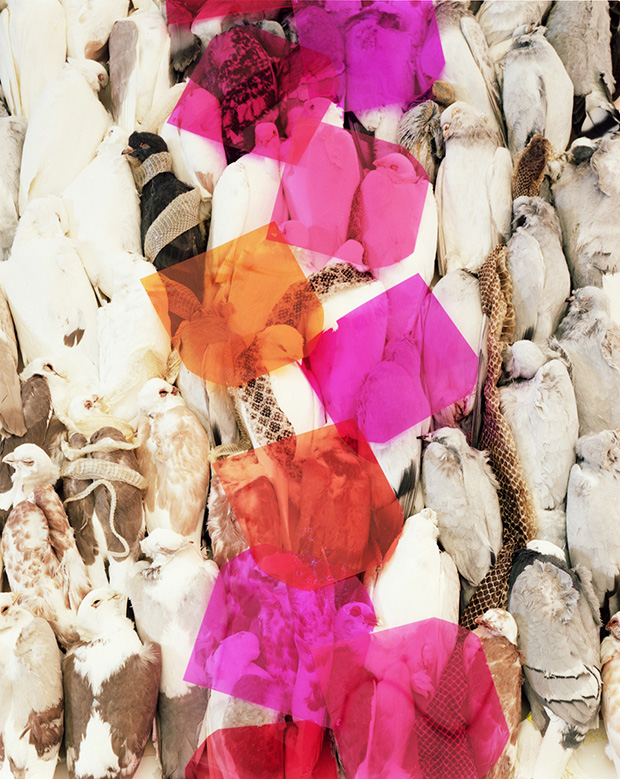
Pigeons, snakeskin and photo filters, 2014 © Tealia Ellis Ritter

Tealia Ellis Ritter: The hardest life lesson I learned when starting out as a photographer is that rejection is a healthy part of the process. It is important to believe in your vision and chart your own course. I used to take it personally if my work wasn’t selected for a show or publication, but now I realize that that isn’t necessarily an indication of the strength of the work but rather a reflection of the curator’s personal taste and the vision they are trying to realize. Rejection has also helped motivate me at times to push myself when the work really did need to evolve. You also have to find your audience. Like everything in life, taste varies, and that’s ok.

Leon

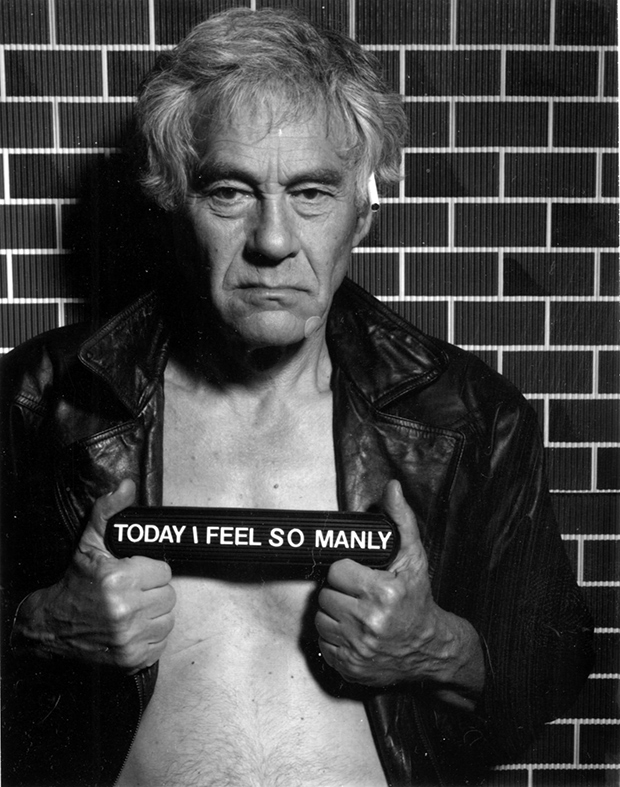
Self-portrait © Leon Borensztein

Leon Borensztein: That as a portrait photographer I cannot seem to please my subjects. The unsightly ones think I make them look unattractive and the gorgeous ones think I make them look unsightly. It seems that most people believe that what they see in the mirror is much better rendition of themselves than my portraits. Why did I choose this profession? I could be a prima-ballerina.

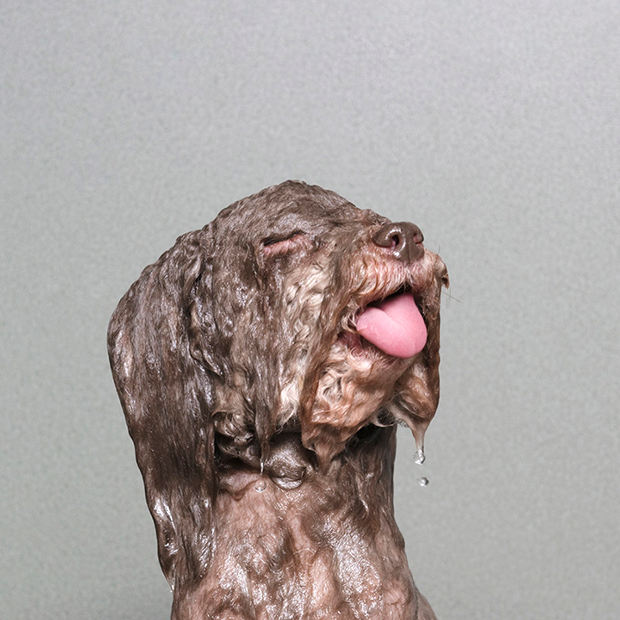
Sophie

Image © Sophie Gamand, from the book Wet Dog

Sophie Gamand: Things don’t happen to you if you don’t put yourself out there. And you just can’t control everything, which is a great thing! I used to overthink a lot and stop myself from doing the things I wanted to be doing. I would find excuses; I would scare myself out of them. The day I stopped fearing or anticipating, and started actually doing, I shot Wet Dog, the series that would change my life forever. You just never know where a project will take you, so when the desire is there, just act on it: make that trip, take that photo, organize that shoot. When I shot Wet Dog I was working on a different project, but I was at the groomer and the dogs’ expressions in the bath were captivating, so I snapped away. Could I have planned this shoot the way it happened, with that light, that background, those dogs? I worked with what I had that day, and let go of my inner critic. That series went viral, won me awards, including a Sony World Photography Award, got me a book deal, and kickstarted my career. I could have never planned all that. So stop over-planning and start doing!

Chris

Portrait of Christopher Rimmer © Jacquie van Staden

Christopher Rimmer: The hardest lesson I leaned when I started out was not to take rejection personally. I found the indifference of gallery curators extremely upsetting, but it eventually strengthened my resolve. I always advise photographers starting out to follow their own vision, do photography for themselves, forget the audience and to never give up. If you are true to yourself and constantly evolve artistically, eventually people will begin to notice you.

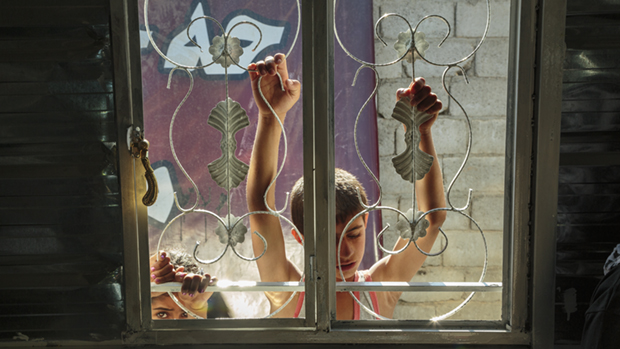
Syrian Refugees

Refugee children peer in through the window at the International Medical Corps (IMC) facility in the Domiz Camp for Syrian Refugees near Dohuk, Iraq on Nov. 22, 2013. © Ed Kashi

Ed Kashi: That your fate can easily be taken out of your hands if you allow it.

Bruce Gilden: The inability to make a living while doing something you love.

Ed Templeton: Just understanding the camera and how it sees. F-stops and shutter speeds are second nature now, but I remember first learning and how when that moment comes, and there’s something happening and it’s “go time,” and you need to shoot on the fly and adjust your camera, how you can panic and mess it up. The life lesson is that anxiety, waiting for your shots to develop and finding out you messed up exposure completely an ruined the shot. The bitterness of that makes you learn real quickly how to work your camera and stay calm.

Tony Mendoza: As an unknown photographer, galleries won’t let you make an appointment to see your work. The only way to get around this is for someone in the gallery stable to recommend you. Likewise, magazines won’t take a chance on you unless you have an extensive body of work done for other magazines. It’s a catch 22.

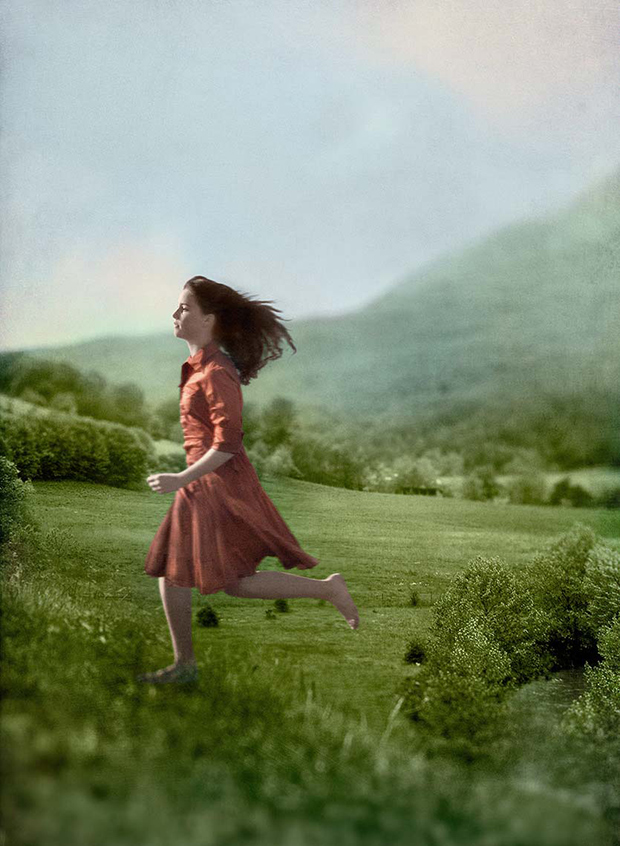
Richard

Image © Richard Tuschman

Richard Tuschman: I can think of two. First, you cannot please everyone, and your audience is not going to include everyone. Find your voice, make the work you need to make, and let the work find your audience. Second, you never “arrive;” you are always on the journey. You have to keep constantly searching, learning, and reinventing yourself. There is no auto-pilot.

Ken

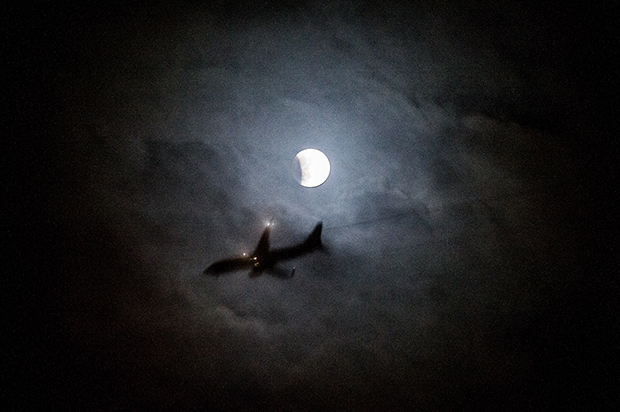
Plane passes before a super blood moon partial eclipse © 2015 Ken Schles

Ken Schles: Photography has brought home to me the fact that we live in a world of images. We “know” the world through its image. There is the story of the blind men and the elephant. We can agree that we need distance to see something clearly, but as Robert Capa said, “If your pictures aren’t good enough, you aren’t close enough.” The psychologist Erich Fromm said that photography is an alienating activity. The connection to seeing and knowing and the irreconcilable contradictory distances involved in photography, both physically, emotionally and intellectually makes photographic practice difficult. You have to be constantly moving and checking your distance.

Images are apparitions, ghosts. I think ghosts are best dealt with directly. Photography allows us to confront our ghosts directly while creating new ones. Photography allows us to negotiate through a dense field of abstractions, many not so easily described simply by surface manifestations. It’s a fine line we walk with the camera. Images we make with cameras give us stops and starts, misdirections to work through. Our images act like sentries to guard against reality while tantalizing us with an idea of what is possible and real, smoothing a way towards understanding. Images and imagination modified by reality are in an endless dance. Photography gives us snapshots of that dance. Ostensibly, photography is understood in relation to a social framework that we are constantly updating in our minds. And what difficult (ongoing) life lesson could be better provided than that?

Andi Schreiber: When I started my career in newspapers I quickly learned that a photographer is only as good as his or her last photograph. In other words, the fabulous photograph that made it to the front page today will be lining the bottom of a birdcage tomorrow. While this encourages a very strong work ethic it also feeds a certain type of neurosis among photographers. For better or worse, I still feel the same way although I’m no longer a newspaper photographer! If I haven’t made a photograph that I love in a while I’m a depressed mess. I try to remind myself that life often interrupts and take precedence over making art. I’m slowly starting to be more accepting of my own limitations and ride out these less productive periods knowing that the urge to produce new work will return.

Meryl

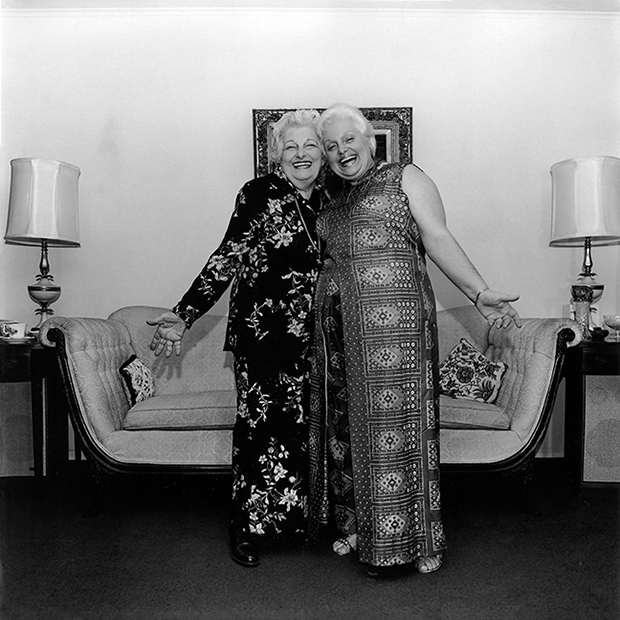
Mother and Daughter Framed, Massapequa, NY 1974, © Meryl Meisler from the book Purgatory & Paradise SASSY ‘70s Suburbia & The City

Meryl Meisler: In 1975 I wanted to study with Lisette Model, a wonderful photographer and Diane Arbus’s mentor. In order to be considered for Lisette’s call at The New School, you had to show her a portfolio. There was a big line of people wanting to be admitted to her course. I brought my portfolio of Long Island photographs. Lisette paused at an image of my friends’ mother and grandmother standing side by side in their living room. The women are wearing nearly identical radiant smiles, blond hair, long pant suits, with their arms open wide in front of their living room coach alongside symmetrical side tables and lamps. Lisette picked up the print to show to everyone in line and exclaimed aloud “You should show this to John Szarkowski!” (Director of Photography at MoMA) and allowed me into her class. I never brought the work to show Szarkowski. I was too shy. Life lesson learned and still learning- time doesn’t stand still (except in a photograph). Hear the encouragement from others and from your small voice within. Have the courage to show your work to curators, gallerists, and the world. I am still shy but finally mustering the courage four decades later. That photograph and series Lisette spoke so enthusiastically about is out in the world and published in Purgatory & Paradise SASSY ‘70s Suburbia & The City (Bizarre Publishing 2015).

Robin

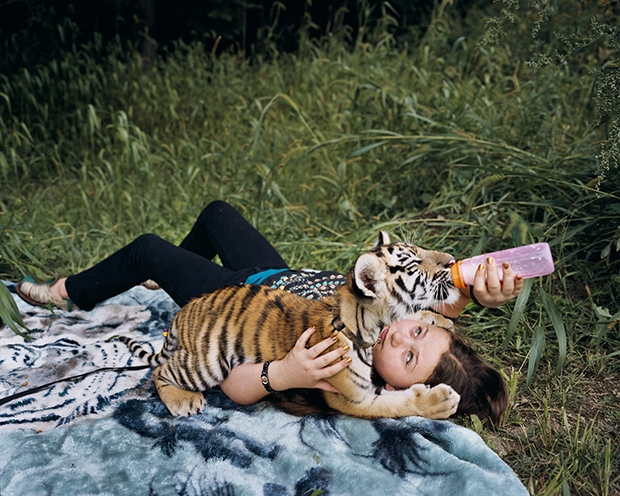
Image © Robin Schwartz, from the book Amelia and the Animals

Robin Schwartz: A missed opportunity –situations must be photographed as they present themselves, there are no real make-ups, everything changes and everyone dies. Sorry, I can be quite morbid.

Andrea

© Andrea DiCenzo

Andrea DiCenzo: I think learning to trust in your own vision is a really important lesson. I think that’s a life thing as well. It’s not unique to photographers. There have been times when I’ve been really broke – like refreshing my account balance a few times a day to see if a payment’s hit, eating plain rice sort of broke – on top of being in the middle of some city where you don’t know anyone and think, ‘what am I doing here?’ Those are the times that you have to trust yourself the most. Or trust in the you that started down that path.

Michal Solarski: When I took up photography, I was convinced that once I gathered the courage to show my work to people in the industry, it will be instantly noticed and recognised. Now I know that the process is very slow and that it requires much more hard work, self-discipline, and determination than I’d first imagined. Also, I’ve learned over the years how important networking and submerging yourself in the world of photography is if you really want to succeed.

The post 17 Photographers Reveal the Hardest Life Lesson They Learned When Starting Out appeared first on Feature Shoot.

26 Jan 14:47

The first $2.5M Ferrari F60 America arrives in Palm Beach

by Noah Joseph

Filed under: Ferrari, Car Buying, Convertible, Supercars

More than a year since its debut in Beverly Hills, Ferrari delivered the first of ten F60 America roadsters to its proud owner at the Palm Beach Cavallino Classic.
Continue reading The first $2.5M Ferrari F60 America arrives in Palm Beach

The first $2.5M Ferrari F60 America arrives in Palm Beach originally appeared on Autoblog on Tue, 26 Jan 2016 09:30:00 EST. Please see our terms for use of feeds.

Permalink | Email this | Comments
25 Jan 19:00

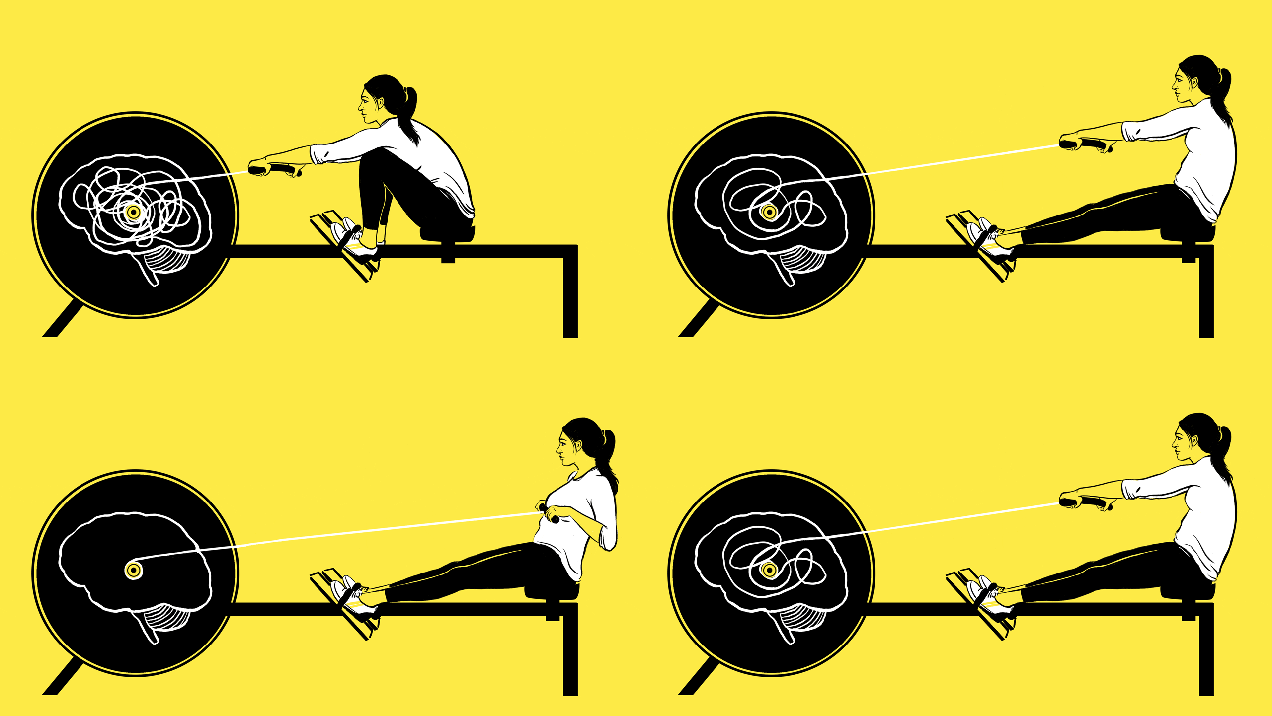
Take Out Your Rage On The Rowing Machine

by Puja Patel on Adequate Man, shared by Rob Harvilla to Deadspin

My problem with the gym has always been that I love cardio, but find it incredibly boring to do cardio in a room filled with other people doing cardio. Walking into a gym right after work alongside a rush of folks with the same idea isn’t very appealing in itself. Behold! A line of sweaty health drones best differentiated by the uniqueness of their B.O.! Group classes are fine, if you’re down with the unspoken team camaraderie that comes with spinning or Zumba or whatever. I used to play team sports, I get it. But if we’re not accomplishing a shared goal, I’d rather not feel the pressure of performing in front of a mirrored wall together. I’m an editor, I do that all day at work anyhow.

Read more...


25 Jan 18:57

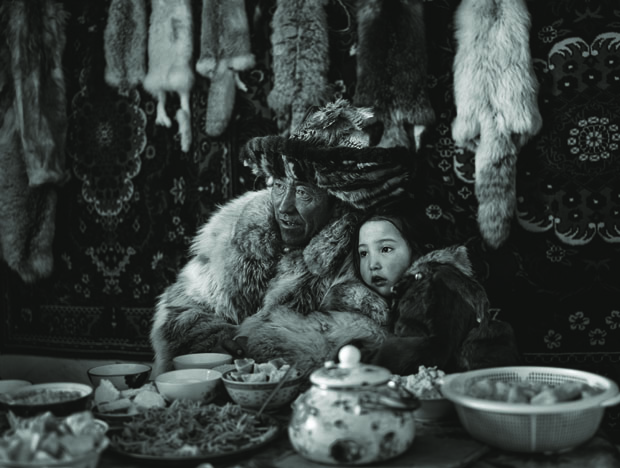
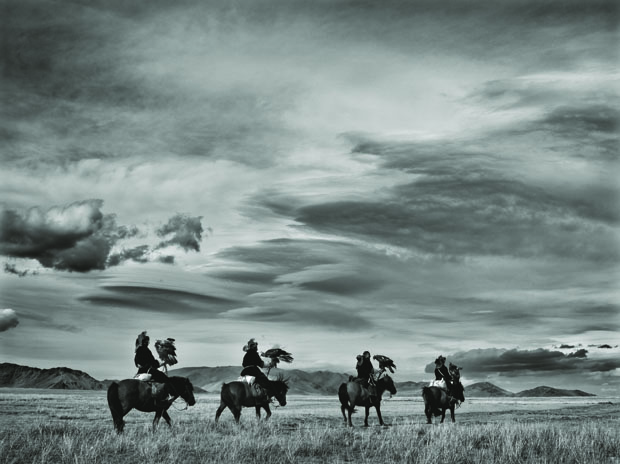
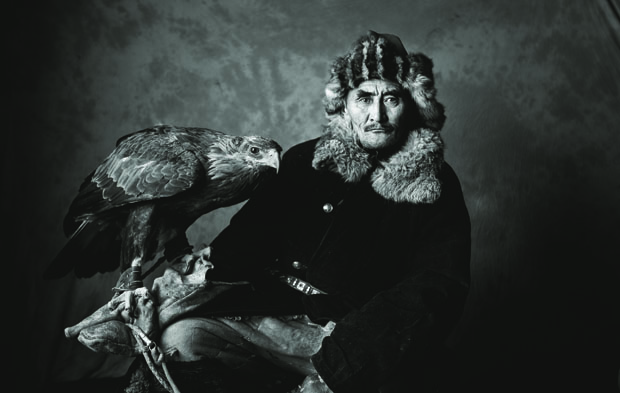
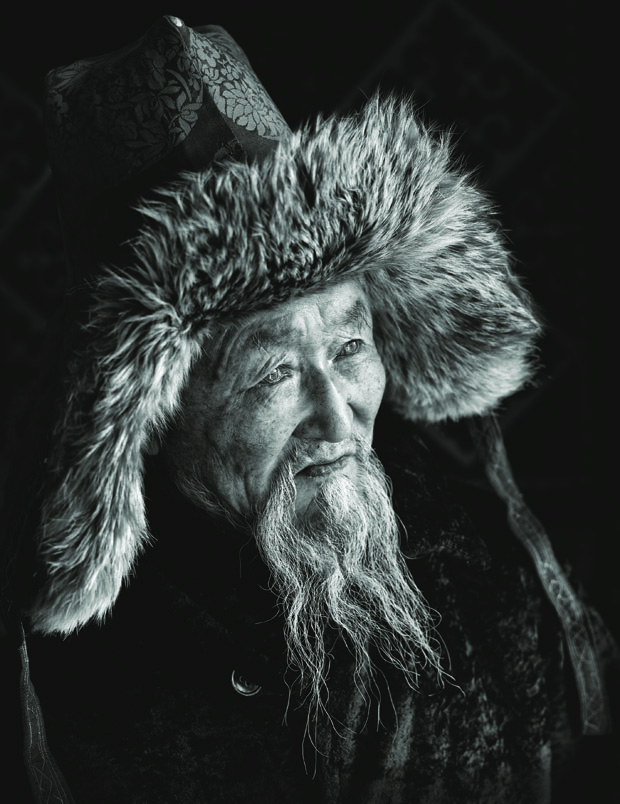
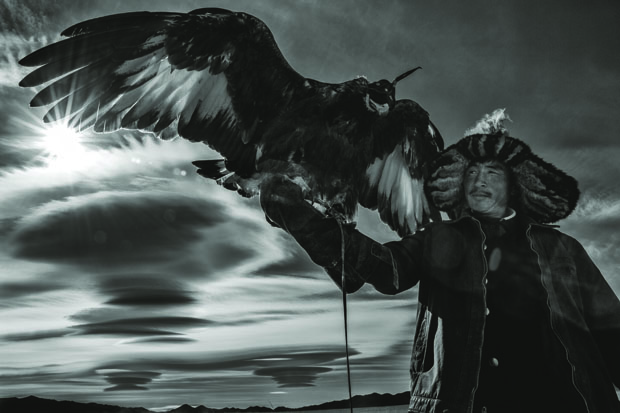
The Vanishing Tradition of Eagle Hunting in Mongolia Captured in Timeless Photo Book

by Eva Clifford

Hunting with Eagles

Hunting with Eagles

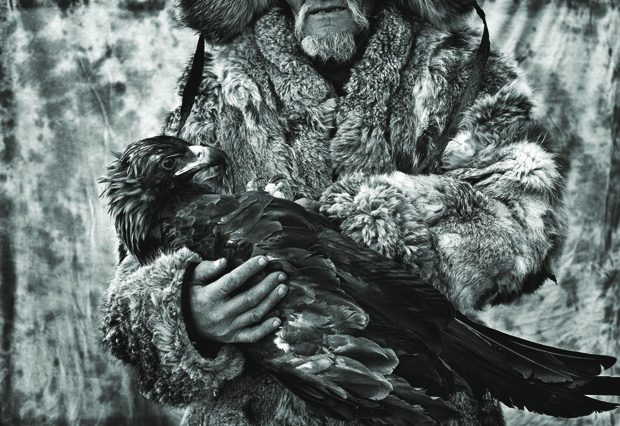
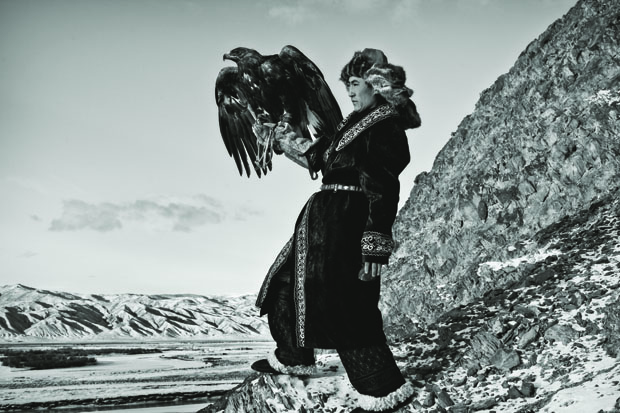
The moment winter descends upon the mountainous terrain of western Mongolia, the Kazakh eagle hunters leave their homes and trek high into the mountains on horseback. If you were to follow the trails of fresh prints in the snow, they’d lead you out to where the great birds stand poised on the men’s heavily swathed forearms, ready to plunge into the valleys below at the slightest movement. These men are the last generation of true Kazakh eagle hunters in Mongolia. On a dedicated mission to capture their story before the tradition dies out, Hong Kong-based photographer Palani Mohan braved the minus 40-degree temperatures to photograph what would be his most physically challenging work to date.

Mohan recalls the first time he ever saw a Kazakh eagle hunter, which was pictured in a photograph he spotted at seventeen, while working as a cadet with the Sydney Morning Herald. The image left an indelible impression on his memory, and decades later when he was living in Hong Kong, he happened to receive a junk email from Mongolian Airlines advertising daily flights from Hong Kong direct to Ulaanbaatar, the capital of Mongolia.

“I just remember coming back from a boring corporate job,” Mohan says, “and I had two weeks before the next one. It was winter and I decided to go and buy the warmest clothes I could get, made a couple of phone calls to this tour operator, and I just went.”

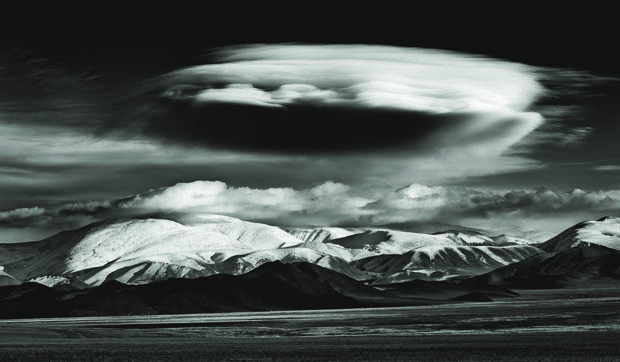
Once he arrived, Mohan soon realized that there was a really interesting story waiting to be told. He learned that the number of true eagle hunters was dwindling fast, and he knew this was a once-in-a-lifetime opportunity to document them. He also knew that the only way to document them properly was to locate each one of these men and live amongst them – “you need to go deep into the wild to find the real hunters,” he explains. The rest of the hunters are for show. Another thing that Mohan instantly became aware of was that this project was crying out to be done in black-and-white. This decision was not only a matter of personal taste but also lent to the timeless quality of his work: “When you look at the images,” Mohan says, “you get the feeling they could’ve been taken a hundred years ago.”

The name ‘eagle hunter’ is a slightly misleading title because it suggests that the eagles are the ones being hunted, but in reality they are the real hunters. Once the eaglet has been snatched from the nest high up in the mountain crevices, it is trained and reared as one of the family. In the hunter’s eyes, the eagle is something like their own child and the eagle soon develops an equally strong attachment to its handler. The eagles typically live with the families for years before being released back into the wild.

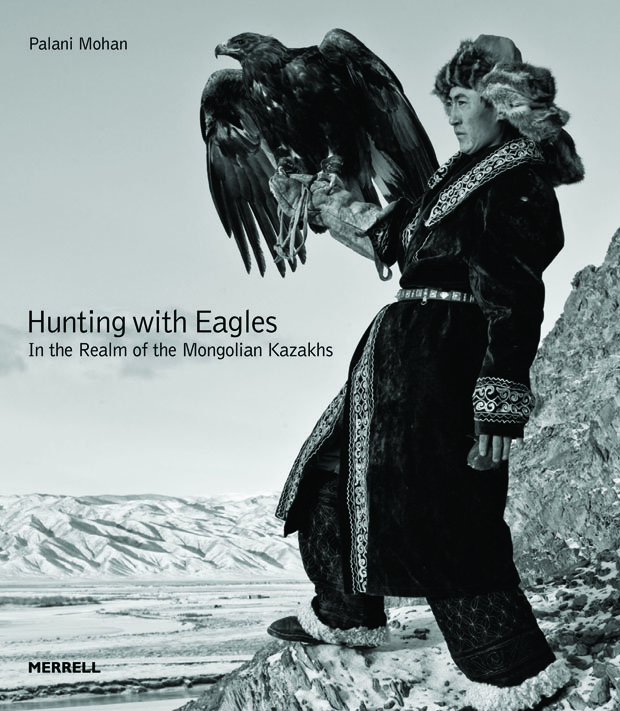
Today, it is estimated that just 60 true Kazakh eagle hunters remain, and Mohan fears this ancient tradition could well vanish within 20 years. In a new book named Hunting with Eagles: In the Realm of the Mongolian Kazakhs, Mohan presents us with a fascinating and immensely powerful collection of images shot over a duration of five years. His aim, in addition to sharing the untold story of these people living on the edge of the world, is to convey the extraordinary bond between man and bird – one that has endured throughout the generations, and which now faces the threat of modernization.

To see more of Mohan’s work, visit his website here.

Hunting with Eagles

Hunting with Eagles

Hunting with Eagles

Hunting with Eagles

Hunting with Eagles

Hunting with Eagles

HuntingwithEaglesJkt - please include in post

All images © Palani Mohan

The post The Vanishing Tradition of Eagle Hunting in Mongolia Captured in Timeless Photo Book appeared first on Feature Shoot.

25 Jan 18:13

8 Delicious Facts About Haggis

by D.J. MacLennan

In celebration of Burns Night, a high-protein look at this peculiar and beloved dish.

25 Jan 18:08

Do the Doodle Slide: How to Entice Suspended Bass

by Dave Hurteau

When springtime largemouth bass stage off steep structure prior to the spawn, they often suspend at varying depths, making it difficult for anglers to catch them consistently. This finesse jigging presentation, which is called doodle sliding and was originated by Burbank, Calif., tournament pro Don ­Iovino, allows you to “slide” a finesse worm down and back up the water column. It entices big largemouths holding shallow, deep, and anywhere in between.

“It’s my top tactic for working points, rock banks, and dropoffs in spring because it puts my bait in front of so many suspended fish,” says Iovino.

Here’s the gear and strategy you need to master the doodle slide. 

1. Peg a bullet sinker and bead 2 inches above a Texas-rigged worm.

2. Shake the rod and lift from 8 to 11 o’clock to give the bait its sliding action.

3. Bites are subtle. When you feel one, reel down and drive the hook home.


The Tackle: Match the Conditions

● In clear water, Iovino uses a Phenix 6-foot 2-inch medium-light-action spinning rod and a reel spooled with 6- to 8-pound-test fluoro­carbon line. For stained water, he switches to a medium-heavy baitcasting combo with 10- to 12-pound line.

The Rig: Show a Royal Flush

● Iovino threads a 5⁄32-ounce ­crawfish-​colored bullet sinker onto the line and puts an 8mm orange glass bead beneath it. For clear water, he rigs a 4-inch worm Texas-style onto a 1/0 Owner Drop-Shot hook; in stained, he bulks up to a 6-inch worm on a 3/0 hook. 

Iovino favors Dezyner Baits worms in Oxblood Crawfish and Smallmouth Killer colors, both of which he says “will catch fish in a toilet.” Finally, he pegs the bead 2 inches above the hook.

The Technique: Let’s Shake on It  

● First, pinpoint suspended fish with your electronics by running the boat in a full circle around a promising staging area, such as the deep side of a point separating a spawning area from the main lake. 

“Look especially for any cover that will concentrate bass,” Iovino says. Then back off and rest the spot. After several minutes, sneak close with your trolling motor, position your boat on the shallow side of the fish, and cast into deeper water. 

Keep the rod low as you begin to reel in slowly. Now, shake the rod by vibrating your wrist while inching the tip upward from 8 o’clock to 11 o’clock. This gives the bait its “sliding” action. When you get to 11 o’clock, reel back down to 8 and then repeat the movement. 

“The bite feels like a rubber band stretching,” Iovino says. “When you get that sensation, reel down and set the hook.”


Photograph by Bill Linder. Illustrations by Steve Sanford